NU ROC HEALTH AND REHABILITATION CTR
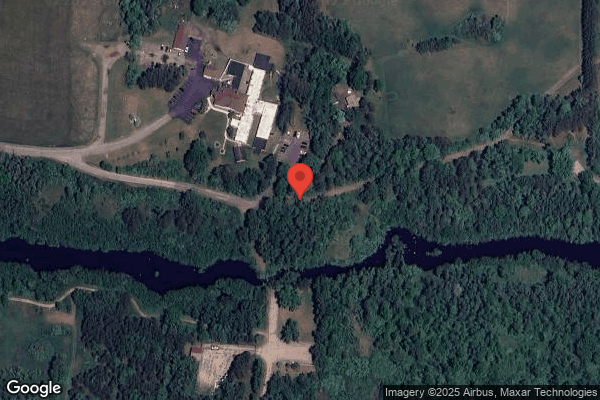
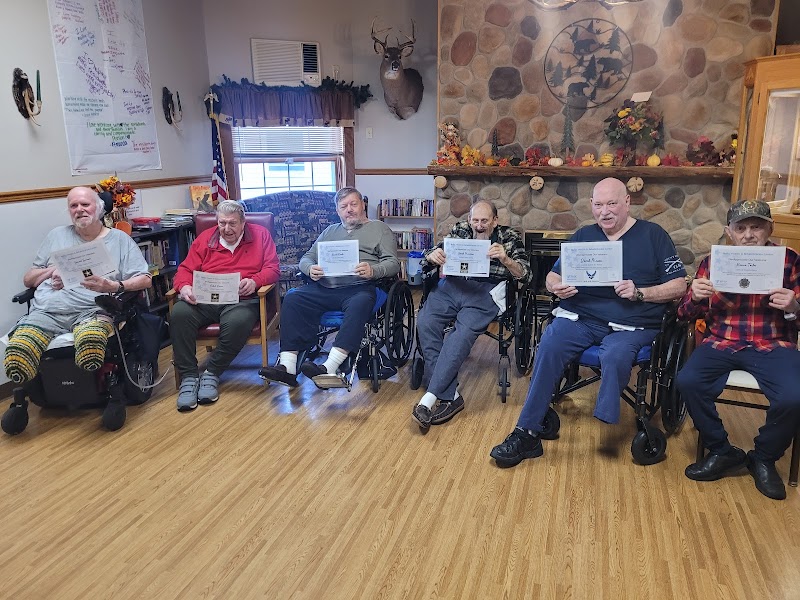
3576A NU ROC LN, LAONA, WI 54541 (715) 674-4477
For profit - Corporation 50 Beds CHAMPION CARE Data: November 2025
Trust Grade
48/100
#162 of 321 in WI
Last Inspection: June 2025

Inspected within the last 6 months. Data reflects current conditions.

Overview

Nu Roc Health and Rehabilitation Center has received a Trust Grade of D, which indicates below average performance and some concerns about care. It ranks #162 out of 321 nursing homes in Wisconsin, placing it in the bottom half of facilities in the state, but it is the only option in Forest County. The facility is worsening, with issues increasing from 4 in 2024 to 6 in 2025. Staffing is a concern, with a turnover rate of 76%, significantly higher than the state average, which may affect resident care. There have been specific incidents, such as unsafe food handling practices that could risk residents' health, and inaccuracies in reporting staffing data to federal agencies, which could impact overall care. While the facility has an average star rating for overall care, the identified weaknesses highlight significant areas for improvement.

Trust Score
D
48/100
In Wisconsin
#162/321
Top 50%
Safety Record
Low Risk
No red flags
Inspections
Getting Worse
4 → 6 violations
Staff Stability
⚠ Watch
76% turnover. Very high, 28 points above average. Constant new faces learning your loved one's needs.
Penalties
⚠ Watch
$13,000 in fines. Higher than 77% of Wisconsin facilities, suggesting repeated compliance issues.
Skilled Nurses
✓ Good
Each resident gets 47 minutes of Registered Nurse (RN) attention daily — more than average for Wisconsin. RNs are trained to catch health problems early.
Violations
⚠ Watch
23 deficiencies on record. Higher than average. Multiple issues found across inspections.
★★★☆☆
3.0
Overall Rating
★★★☆☆
3.0
Staff Levels
★★★★☆
4.0
Care Quality
★★★☆☆
3.0
Inspection Score
Stable
2024: 4 issues
2025: 6 issues

The Good

  • 4-Star Quality Measures · Strong clinical quality outcomes
  • Full Sprinkler Coverage · Fire safety systems throughout facility
  • No fines on record

Facility shows strength in quality measures, fire safety.

The Bad

3-Star Overall Rating

Near Wisconsin average (3.0)

Meets federal standards, typical of most facilities

Staff Turnover: 76%

29pts above Wisconsin avg (46%)

Frequent staff changes - ask about care continuity

Federal Fines: $13,000

Below median ($33,413)

Minor penalties assessed

Chain: CHAMPION CARE

Part of a multi-facility chain

Ask about local staffing decisions and management

Staff turnover is very high (76%)

28 points above Wisconsin average of 48%

The Ugly 23 deficiencies on record

Jun 2025 6 deficiencies
CONCERN (D)

Potential for Harm - no one hurt, but risky conditions existed

Deficiency F0645 (Tag F0645)

Could have caused harm · This affected 1 resident

**NOTE- TERMS IN BRACKETS HAVE BEEN EDITED TO PROTECT CONFIDENTIALITY** Based on staff interview and record review, the facility did not ensure a Pre-admission Screening and Resident Review (PASRR) Le...

Read full inspector narrative →
**NOTE- TERMS IN BRACKETS HAVE BEEN EDITED TO PROTECT CONFIDENTIALITY** Based on staff interview and record review, the facility did not ensure a Pre-admission Screening and Resident Review (PASRR) Level II Screen was completed for 1 resident (R) (R3) of 14 sampled residents. R3's PASRR Level I Screen was inaccurate and indicated R3 did not have a diagnosis of a mental health disorder and was not prescribed medication to treat a mental health disorder. As a result, a PASRR Level II Screen was not submitted to determine if R3 was in need of specialized services. Findings include: The facility's Resident Assessment-Coordination with PASARR Program policy, dated 9/18/24, indicates: This facility coordinates assessments with the preadmission screening and resident review (PASARR) program under Medicaid to ensure individuals with a mental disorder (MD), intellectual disability (ID), or a related condition receive care and services in the most integrated setting appropriate to their needs .1. All applicants to this facility will be screened for serious mental disorders or intellectual disabilities and related conditions in accordance with the state's Medicaid rules for screening. A. PASARR Level I-initial pre-screening is completed prior to admission. I. Negative Level I screen-permits admission to proceed and ends the PASARR process unless a possible serious mental disorder or intellectual disability arises later. ii. Positive Level I screen-necessitates a PASARR Level II evaluation prior to admission. B. PASARR Level II-a comprehensive evaluation by the appropriate state-designated authority (cannot be completed by the facility) that determines whether the individual has a mental disorder, intellectual disability, or related condition, determines the appropriate setting for the individual, and recommends any specialized services and/or rehabilitative services the individual needs. 2. The facility will only admit individuals with a mental disorder or intellectual disability who the state mental health or intellectual disability authority has determined as appropriate for admission .6. The Social Services Director shall be responsible for keeping track of each resident's PASSAR screening status, and referring to the appropriate authority . On 6/16/25, Surveyor reviewed R3's medical record. R3 was admitted to the facility on [DATE] and had diagnoses including anorexia and major depressive disorder. R3 was prescribed mirtazapine (an antidepressant medication used primarily to treat major depressive disorder). R3's Minimum Data Set (MDS) assessment, dated 4/5/25, had a Brief Interview for Mental Status (BIMS) score of 15 out of 15 which indicated R3 had intact cognition. R3's medical record indicated R3 was screened for mental illness, developmental disabilities, and intellectual disabilities with a PASRR Level I Screen completed after R3 was admitted to the facility. The Level I Screen indicated R3 did not have a major mental health disorder and had not received psychotropic medication to treat symptoms or behaviors of a major mental health disorder. The PASRR Level I Screen also indicated R3 was not suspected of having a serious mental illness and did not indicate R3 was prescribed antidepressant medication and had a diagnosis of major depressive disorder. A PASRR Level II Screen was not completed for R3. On 6/17/25 at 8:30 AM, Surveyor interviewed Social Worker (SW)-F who indicated R3 was prescribed mirtazapine and had a diagnosis of major depressive disorder upon admission. SW-F indicated normally SW-F would have included that on the PASRR Level I Screen. On 6/18/25 at 8:57 AM, SW-F approached Surveyor and indicated SW-F did an audit to ensure all PASRR Screens were in compliance. SW-F indicated SW-F would resubmit R3's PASRR Level I Screen with accurate information.
CONCERN (D)

Potential for Harm - no one hurt, but risky conditions existed

Accident Prevention (Tag F0689)

Could have caused harm · This affected 1 resident

**NOTE- TERMS IN BRACKETS HAVE BEEN EDITED TO PROTECT CONFIDENTIALITY** 2. On 6/16/25, Surveyor reviewed R2's medical record. R2 was admitted to the facility on [DATE] and had diagnoses including chro...

Read full inspector narrative →
**NOTE- TERMS IN BRACKETS HAVE BEEN EDITED TO PROTECT CONFIDENTIALITY** 2. On 6/16/25, Surveyor reviewed R2's medical record. R2 was admitted to the facility on [DATE] and had diagnoses including chronic obstructive pulmonary disease (COPD) and heart failure. R2's MDS assessment, dated 5/27/25, had a BIMS score of 15 out of 15 which indicated R2 had intact cognition. R2 had a physician order, dated 5/27/25, for oxygen 4 liters per nasal cannula continuous every shift for hypoxia. On 6/16/25 at 11:09 AM, Surveyor noted R2's oxygen concentrator was running at 4 liters per minute and R2's nasal cannula was on R2's bed, however, R2 was not in the room. On 6/16/25 at 11:14 AM, Surveyor observed R2 return from having R2's hair washed and noted R2 was not using portable oxygen. Surveyor interviewed R2 who indicated R2 did not wear oxygen when R2's hair was washed or when R2 ate. Surveyor interviewed CNA-J who confirmed R2's oxygen concentrator should have been turned off when R2 left the room. On 6/17/25 at 9:42 AM, Surveyor interviewed DON -B who verified R2's oxygen concentrator should have been turned off when R2 was not in the room. Based on observation, staff and resident interview, and record review, the facility did not ensure the resident environment was as free of accident hazards as possible for 2 residents (R) (R5 and R2) of 4 sampled residents. On 6/16/25, Maintenance Director (MD)-G encouraged R5 to transfer independently from wheelchair to bed. R5's care plan indicated R5 required the assistance of one staff for transfers. On 6/16/25, R2's oxygen concentrator was running at a flow rate of 4 liters per minute in R2's room when not in use and when R2 was out of the room. Findings include: The facility's Competency Evaluation policy, dated 8/21/24, indicates: .It is the guideline of this facility to evaluate each employee to assure they meet appropriate competencies and skills for performing their job .1. The knowledge and skills required among staff to meet residents' needs are determined through the facility assessment process . The facility's Safe Resident Handling/Mobility/Transfers policy, revised 11/29/23, indicates: .14. Resident lifting and transferring will be performed according to the resident's individual plan of care . The facility's Oxygen Concentrator policy, revised 3/12/25, indicates: An oxygen concentrator is a medical device that extracts oxygen from room air by filtering out or separating the nitrogen from oxygen. The oxygen passes through a filter system and is stored within the device for delivery based on flow meter setting .4. Use of concentrator .k. Keep turned off when set up for use in resident's room but not actively in use. The American Lung Association (https://www.lung.org 12/15/23) Using Oxygen Safely states: Oxygen .supports combustion. Materials burn more readily in an oxygen-enriched environment .Store Oxygen Safely: Turn off your oxygen when you're not using it. Don't set the cannula or mask on the bed or a chair if the oxygen is turned on. 1. On 6/16/25, Surveyor reviewed R5's medical record. R5 was admitted to the facility on [DATE] and had diagnoses including dementia, fibromyalgia, osteoarthritis, spondylopathy, abnormal gait and mobility, anxiety, and low back pain. R5's Minimum Data Set (MDS) assessment, dated 3/12/25, had a Brief Interview for Mental Status (BIMS) score of 8 of 15 which indicated R5 had moderate cognitive impairment. The MDS assessment also indicated R5 had two falls since last the MDS assessment. R5's care plan, dated 7/6/23, indicated R5 transferred with 1 assist. On 6/16/25 at 2:01 PM, Surveyor observed MD-G encourage R5 to self-transfer from wheelchair to bed so MD-G could repair R5's wheelchair. Surveyor observed R5 transfer from the wheelchair to R5's bed without assistance except verbal cueing from MD-G. On 6/17/25 at 1:10 PM, Surveyor interviewed MD-G who indicated MD-G had seen R5 transfer independently and felt it was okay to encourage R5 to transfer from wheelchair to bed without assistance. MD-G stated if MD-G was unsure of resident's transfer status, MD-G could check the care plan on the back of the resident's door or ask a Certified Nursing Assistant (CNA) for help. MD-G verified MD-G did not check the care plan on the back of R5's door prior to encouraging R5 to transfer independently. On 6/17/25 at 1:16 PM, Surveyor interviewed CNA-H who indicated R5 should transfer with the assistance of one staff and verbal cueing, however, R5 often self-transferred. On 6/17/25 at 2:43 PM, Surveyor interviewed Director of Nursing (DON)-B who indicated MD-G should not transfer residents and should not have encouraged R5 to self-transfer from wheelchair to bed.
CONCERN (D)

Potential for Harm - no one hurt, but risky conditions existed

Pharmacy Services (Tag F0755)

Could have caused harm · This affected 1 resident

**NOTE- TERMS IN BRACKETS HAVE BEEN EDITED TO PROTECT CONFIDENTIALITY** Based on observation, staff interview, and record review, the facility did not ensure 2 residents (R) (R6 and R37) of 6 sampled ...

Read full inspector narrative →
**NOTE- TERMS IN BRACKETS HAVE BEEN EDITED TO PROTECT CONFIDENTIALITY** Based on observation, staff interview, and record review, the facility did not ensure 2 residents (R) (R6 and R37) of 6 sampled residents were provided safe administration of drugs and biologicals. R6 had an order for 81 milligrams (mg) of enteric coated (EC) aspirin daily. On 6/17/25, R6 was administered 81 (mg) of chewable aspirin. R37 had an order for a 4% lidocaine patch on the back at bedtime and removed in the morning. On 6/17/25, staff put a 4% lidocaine patch on R37's left knee. Findings include: The facility's Medication Administration policy, revised 11/12/24, indicates: .10. Ensure the six rights of medication administration are followed: a. right resident; b. right drug; c. right dosage; d. right route; e. right time; f. right documentation . 1. On 6/17/25, Surveyor reviewed R6's medical record. R6 was admitted to the facility on [DATE] and had diagnoses including diabetes, chronic obstructive pulmonary disease (COPD), and epilepsy. R6's Minimum Data Set (MDS) assessment, dated 3/22/25, included a Brief Interview for Mental Status (BIMS) score of 8 out of 15 which indicated R6 had moderately impaired cognition. On 6/17/25 at 7:00 AM, Surveyor observed Licensed Practical Nurse (LPN)-I prepare medication to administer to R6 and noted one of the medications was an 81 mg chewable aspirin tablet. On 6/17/25 at 7:36 AM, Surveyor observed LPN-I administer R6's AM medications in the dining room, including an 81 mg chewable aspirin tablet. On 6/17/25 at approximately 10:00 AM, Surveyor reviewed R6's medication orders and noted R6 had an order for aspirin oral capsule 81 mg give 1 tablet by mouth one time a day for deep vein thrombosis (DVT) prophylaxis, dated 11/28/23. On 6/17/25 at 10:33 AM, Surveyor interviewed LPN-I who reviewed the order and indicated the order was transcribed incorrectly because the facility did not carry aspirin in capsule form. Upon review of R6's admission orders, it was noted the order was for aspirin enteric coated (EC) once per day. On 6/17/25 at 10:54 AM, Surveyor interviewed Director of Nursing (DON)-B who confirmed R6's order should have been for aspirin 81 mg EC and indicated a chewable 81 mg tablet should not have been administered in place of EC aspirin. 2. On 6/17/25, Surveyor reviewed R37's medical record. R37 was admitted to the facility on [DATE] and had diagnoses including acute gastrojejunal ulcer with perforation, pain, and a gastrostomy. R37's MDS assessment, dated 4/24/25, included a BIMS score of 15 out of 15 which indicated R37 had intact cognition. On 6/17/25 at 7:50 AM, Surveyor observed LPN-I apply a 4% lidocaine patch to R37's left knee during the AM medication pass. On 6/17/25 at approximately 10:30 AM, Surveyor reviewed R37's medication orders and noted R37 had an order for a 4% lidocaine patch, dated 5/5/25, that indicated the patch should be placed on R37's back at bedtime (HS) and taken off in the morning (AM). On 6/17/25 at 10:59 AM, Surveyor interviewed DON-B who indicated LPN-I should not have put the lidocaine patch on R37's left knee and verified the patch should have been placed on R37's back at bedtime and removed in the morning.
CONCERN (D)

Potential for Harm - no one hurt, but risky conditions existed

Infection Control (Tag F0880)

Could have caused harm · This affected 1 resident

**NOTE- TERMS IN BRACKETS HAVE BEEN EDITED TO PROTECT CONFIDENTIALITY** Based on observation, staff interview, and record review, the facility did not maintain an infection prevention and control prog...

Read full inspector narrative →
**NOTE- TERMS IN BRACKETS HAVE BEEN EDITED TO PROTECT CONFIDENTIALITY** Based on observation, staff interview, and record review, the facility did not maintain an infection prevention and control program designed to prevent the transmission of communicable disease and infection for 1 resident (R) (R37) of 3 sampled residents. R37 was on enhanced barrier precautions (EBP) due to a percutaneous endoscopic gastrostomy (PEG) tube. On 6/17/25, Licensed Practical Nurse (LPN)-I did not wear a gown while providing medication via R37's PEG tube. Finding include: The facility's Enhanced Barrier Precautions policy, revised 2/5/25, indicates: .EBP refers to an infection control intervention designed to reduce transmission of multidrug-resistant organisms (MDROs) that employs targeted gown and glove use during high-contact resident care activities .an order for enhanced barrier precautions will be obtained for residents with any of the following: wounds and/or indwelling medical devices . On 6/17/25, Surveyor reviewed R37's medical record. R37 was admitted to the facility on [DATE] and had diagnoses including acute gastrojejunal ulcer with perforation, pain, and a gastrostomy. R37's Minimum Data Set (MDS) assessment, dated 4/24/25, included a Brief Interview for Mental Status (BIMS) score of 15 out of 15 which indicated R37 had intact cognition. R37 made R37's own medical decisions. On 6/17/25 at 7:50 AM, Surveyor observed LPN-I complete hand hygiene and don gloves. LPN-I pulled down R37's blankets, pulled up R37's shirt, and accessed R37's PEG tube to provide R37's AM medications. LPN-I did not don a gown prior to administering medication via R37's PEG tube. On 6/17/25 at 8:19 AM, Surveyor interviewed LPN-I who indicated LPN-I should have worn a gown while administering medication via R37's PEG tube. On 6/17/25 at 8:50 AM, Surveyor interviewed Director of Nursing (DON)-B who indicated LPN-I should have worn a gown while administering R37's medications.
CONCERN (F)

Potential for Harm - no one hurt, but risky conditions existed

Food Safety (Tag F0812)

Could have caused harm · This affected most or all residents

Based on observation, staff interview, and record review, the facility did not ensure food was stored and prepared in a safe and sanitary manner. This practice had the potential to affect all 34 resid...

Read full inspector narrative →
Based on observation, staff interview, and record review, the facility did not ensure food was stored and prepared in a safe and sanitary manner. This practice had the potential to affect all 34 residents residing in the facility. Staff did not monitor and document food cooling temperatures. Staff did not test the Quaternary sanitizing solution (used to sanitize food preparation surfaces) per manufacturer's instructions and did not have a procedure to monitor and document the temperature and parts per million (PPM) of the sanitizing solution. Staff did not monitor warewashing temperatures to ensure the minimum wash and rinse temperatures were achieved to prevent the spread of foodborne illness. In addition, the PPM of the facility's low temperature warewashing machine were not monitored and documented per manufacturer's recommendations. Staff did not date items upon receipt or opening. Findings include: Cooling Foods: The 2022 Federal Food and Drug Administration (FDA) Food Code documents at 3-501.14 Cooling: (A) Cooked time/temperature control for safety food shall be cooled: (1) Within 2 hours from 57° Celsius (C) (135 °Fahrenheit (F)) to 21° C (70° F); and (2) Within a total of 6 hours from 57° C (135° F) to 5° C (41° F) or less. (B) Time/temperature control for safety food shall be cooled within 4 hours to 5° C (41° F) or less. The 2022 FDA Food Code documents at section 3-501.15 Cooling Methods: (A) Cooling shall be accomplished in accordance with the time and temperature criteria specified under § 3-501.14 by using one or more of the following methods based on the type of food being cooled: (1) Placing the food in shallow pans; (2) Separating the food into smaller or thinner portions; (3) Using rapid cooling equipment; (4) Stirring the food in a container placed in an ice water bath; (5) Using containers that facilitate heat transfer; (6) Adding ice as an ingredient; or (7) Other effective methods. During a self-guided kitchen tour that began at 9:40 AM on 6/16/25, Surveyor observed one container labeled egg salad dated 6/14 and one container labeled pasta salad dated 6/15 in the walk-in cooler. Surveyor noted there was not a food cooling log in the kitchen. On 6/17/25 at 2:40 PM, Surveyor toured the kitchen with Dietary Manager (DM)-D who indicated the facility did not have a procedure for keeping and cooling cooked foods for resident consumption at a later date. DM-D indicated the pasta and egg salads were discarded after Surveyor's observation on 6/16/25. DM-D indicated the salads should not have been saved because it was not part of the facility's process to keep and cool leftover food. DM-D indicated DM-D had to throw away food all the time because staff continuously saved food that was cooked and not cooled properly. Quaternary Sanitizer: The Hydrion Quaternary test strip package insert indicates the test solution should be between 65 and 75 degrees Fahrenheit (F) at the time of testing. During an initial kitchen tour that began at 9:40 AM on 6/16/25, Surveyor observed staff use buckets of sanitizing solution to clean food preparation surfaces. Surveyor did not observe a log for testing the sanitizing solution. On 6/17/25 at 2:40 PM, Surveyor interviewed DM-D who indicated DM-D spoke with a supervisor regarding the procedure to test the Quaternary sanitizing solution and a log to document the appropriate PPM of the solution. DM-D confirmed dietary staff did not test the sanitizing solution and did not have a log to record the PPM. Dietary Aide (DA)-K indicated DA-K prepared the sanitizing buckets throughout the day and confirmed dietary staff do not test the PPM of the sanitizing solution. Warewashing: The facility's Warewashing policy, revised 9/2017, indicates: .All dishware, serviceware, and utensils will be cleaned and sanitized after each use .2. All dish machine water temperatures will be maintained in accordance with manufacturer's recommendations for high temperature or low temperature machines. 3. Temperature and/or sanitizer concentration logs will be completed, as appropriate . The 2022 FDA Food Code documents at section 4-501.17: When used for warewashing, the wash compartment of a sink, mechanical warewasher, or wash receptacle of alternative manual warewashing equipment as specified in 4-301.12 (C), shall contain a wash solution of soap, detergent, acid cleaner, alkaline cleaner, degreaser, abrasive cleaner, or other cleaning agent according to the cleaning agent manufacturer's label instructions During a continuous kitchen observation on 6/17/25 at 9:01 AM, Surveyor observed the warewashing machine which displayed the manufacturer's recommendation of 120-140 degrees F for the wash cycle and 120-140 F for the rinse cycle as well as 50-100 PPM for the chemical PPM. Surveyor observed then observed [NAME] (CK)-L wash dishes in the warewashing machine. Surveyor observed the following readings during two separate cycles of dishes washed in the warewashing machine: ~ 110 degrees F for the wash cycle and 110 degrees F for the rinse cycle ~ 110 degrees F for the wash cycle and 110 degrees F for the rinse cycle Following the observation, Surveyor interviewed CK-L who indicated the warewashing machine can take a while to heat up and dishes should be rerun if the machine does not reach the minimum temperatures. Surveyor noted CK-L left the two cycles of dishes on the counter to dry and did not observe CK-L or other dietary staff rerun the dishes through a cycle that reached the recommended temperatures. DM-D indicated the warewasher was not reaching the required temperatures and Maintenance Director (MD)-G was informed earlier that morning. DM-D indicated MD-G informed DM-D the low temperatures of the wash and rinse cycles were normal and to run the dishes through several times to reach the required temperatures. DM-D confirmed MD-G did not indicate that a request for service was submitted. On 6/17/25 at 9:09 AM, Surveyor observed the warewashing machine with MD-G which was run for two cycles. Surveyor and MD-G observed the following temperatures: ~ 112 degrees F for the wash cycle and 112 degrees F for the rinse cycle ~ 111 degrees F for the wash cycle and 112 degrees F for the rinse cycle Following the observation, MD-G confirmed the warewashing machine was run for several cycles that morning and did not reach the appropriate temperatures. MD-G indicated MD-G would call the vendor to service the machine. On 6/17/25 at 10:57 AM, MD-G approached Surveyor and asked what temperatures the warewashing machine was supposed to reach. MG-D indicated MD-G wanted to know what temperatures Surveyor wanted the machine to reach because the machine could be set to whatever temperature the facility wanted for wash and rinse cycles. Surveyor indicated the manufacturer's temperature recommendations on the front of the machine were what the warewashing machine needed to reach. MD-G indicated the vendor was coming on 6/17/25 to service the machine. On 6/17/25 at 1:43 PM, MD-G approached Surveyor and indicated the thermometer on the warewashing machine was not working correctly and a new thermometer was ordered. MD-G also indicated the booster for the warewasher was set to 130 degrees F. On 6/17/25, Surveyor reviewed the facility's May and June 2025 Dish Machine Logs which documented wash and rinse cycle temperatures and the PPM per cycle for breakfast, lunch, and dinner and noted the following: ~ Chemical Sanitizing (low temp) Wash 120 degrees F-140 degrees F; Rinse 120 degrees F-140 degrees F Manufacturer recommended PPM 50-100. Surveyor noted 27 of 93 PPM entries on the May 2025 Dish Machine Log were out of range with 120 PPM documented as the lowest and 200 PPM as the highest. Five wash cycles were out of the required range with the lowest wash cycle documented at 104 degrees F. Six rinse cycles were out of the required range with the lowest rinse cycle documented at 118 degrees F. Surveyor reviewed the June of 2025 Dish Machine Log for 6/1/25 through the 6/17/25 lunch meal and noted 27 of 51 PPM entries were out of range with 20 PPM documented as the lowest and 200 PPM as the highest. Ten wash cycles were out of the required range with the lowest wash cycle documented at 102 degrees F. Eleven rinse cycles were out of the required range with the lowest rinse cycle documented at 112 degrees F. On 6/17/25 at 2:40 PM, Surveyor interviewed DM-D who verified the warewasher documentation logs did not contain correct monitoring and documentation of wash and rinse cycles and PPM. During the interview, DA-K indicated the warewasher sanitizer was set to a level 5 and but should be at 2.5 which further indicated documentation and monitoring of the warewasher was not followed per the facility's policy or the FDA Food Code. Undated, Expired, and Undated Food: The facility's Food Storage: Cold Foods policy, revised 9/2017, indicates: All time/temperature control for safety foods, frozen and refrigerated, will be appropriately stored in accordance with guidelines of the FDA Food Code .5. All foods will be stored, wrapped, or in covered containers, labeled and dated, and arranged in a manner to prevent cross contamination . The facility's Food Storage: Dry Goods policy, revised 9/2017, indicates: All dry goods will be appropriately stored in accordance with guidelines of the FDA Food Code . The 2022 FDA Food Code documents at 3-501.18 Ready-to-Eat, Time/Temperature Control for Safety Food, Disposition: (A) A food specified in 3-501.17(A) or (B) shall be discarded if it: (1) Exceeds the temperature and time combination specified in 3-501.17(A), except time that the product is frozen; (2) Is in a container or package that does not bear a date or day; or (3) Is inappropriately marked with a date or day that exceeds a temperature and time combination as specified in 3-501.17(A) except time that the product is frozen; (2) Is in a container or package that does not bear a date or day; or (3) Is inappropriately marked with a date or day that exceeds a temperature and time combination as specified in 3-501.17(A). During a self-guided kitchen tour that began at 9:40 AM on 6/16/25, Surveyor observed the following: Walk-In Cooler: ~ An open and undated container of Cool Whip ~ A undated bag of cheese slices ~ Four and a half undated loaves of bread ~ Two undated bags of hot dog buns ~ One undated bag of hamburger buns Stand-Up Freezer: ~ An undated bag of 15 pancakes ~ Three undated containers of Cool Whip ~ One undated sleeve of French toast ~ One undated and freezer-burned bag of BBQ pork ribs ~ One undated bag of chicken patties ~ One bag of sauerkraut dated 2/17/25 ~ One undated bag of French fries ~ One bag of meatballs dated 3/16 ~ One bag of turkey and gravy dated 2/16 ~ One bag of crab cakes dated 1/17 During the kitchen tour, DM-D entered the kitchen and observed the following items with Surveyor in the dry storage area and outside freezer: Dry Storage Area: ~ One dented can of pumpkin ~ Five undated jars of salt ~ One undated container of Hawaiian Punch Outside Freezer: ~ One undated bag of chopped onions Following the observation, DM-D verified the bag of chopped onions was undated and indicated the onions would be thrown away. During a continuous kitchen observation that began at 9:09 AM on 6/17/25, Surveyor observed the following: Walk-In Cooler: ~ An open and undated container of Cool Whip ~ A undated bag of cheese slices ~ Four and a half undated loaves of bread ~ Two undated bags of hot dog buns ~ One undated bag of hamburger buns Stand-Up Freezer: ~ An undated bag of 15 pancakes ~ Three undated containers of Cool Whip ~ One undated sleeve of French toast ~ One undated and freezer-burned bag of BBQ pork ribs ~ One undated bag of chicken patties ~ One bag of sauerkraut dated 2/17/25 ~ One undated bag of French fries ~ One bag of meatballs dated 3/16 ~ One bag of turkey and gravy dated 2/16 ~ One bag of crab cakes dated 1/17 ~ One undated bag of chopped onions previously observed in the outside freezer on 6/16/25 Dry Storage Area: ~ Five undated jars of salt ~ One undated container of Hawaiian Punch On 6/17/25 at 2:40 PM, Surveyor interviewed DM-D who confirmed the above items were open, undated, and/or expired. DM-D indicated food removed from boxes should be labeled with the date received so open dates, use-by dates, and expiration dates can be monitored. DM-D also indicated food should be labeled with open and use-by dates. DM-D confirmed the facility's policy is for frozen food to be thrown away after 3 months and verified the sauerkraut, meatballs, crab cakes, and turkey and gravy were expired and should not be in the freezer for resident consumption.
MINOR (C)

Minor Issue - procedural, no safety impact

Staffing Data (Tag F0851)

Minor procedural issue · This affected most or all residents

Based on staff interview and record review, the facility did not ensure accurate mandatory staffing information based on payroll data was submitted to the Centers for Medicare & Medicaid Services (CMS...

Read full inspector narrative →
Based on staff interview and record review, the facility did not ensure accurate mandatory staffing information based on payroll data was submitted to the Centers for Medicare & Medicaid Services (CMS). This practice had the potential to affect all 34 residents residing in the facility. Staffing information for fiscal quarter 2 (1/25/25-3/31/25) of the Payroll Based Journal (PBJ) was not submitted accurately to CMS. Findings include: The Centers for Medicare & Medicaid Services (CMS) Electronic Staffing Data Submission Payroll-Based Journal, Long-term Care Facility Policy Manual, dated 6/2022, indicates: .Long-term care facilities must electronically submit to CMS complete and accurate direct care staffing information, including information for agency and contract staff, based on payroll and other verifiable and auditable data in a uniform format according to specifications established by CMS .Submission Timelines and Accuracy: Direct care staffing and census data will be collected quarterly and is required to be timely and accurate .Report Quarter: Staffing and census data will be collected for each fiscal quarter. Staffing data includes the number of hours paid to work by each staff member each day within a quarter. Census data includes the facility's census on the last day of each of the three months in a quarter. The fiscal quarters are as follows: Fiscal Quarter, Date range: (quarter) 1 October 1-December 31, (quarter) 2 January 1-March 31, (quarter) 3 April 1-June 30, (quarter) 4 July 1-September 30 . On 6/16/25, Surveyor reviewed the facility's PBJ Staffing Data Report, CASPER Report 1705D for fiscal year 2024 which indicated quarter 2 (January 1-March 31) triggered for excessively low weekend staff. On 6/16/25, Surveyor requested timecard punches/staffing totals from Business Office Manager (BOM)-E. On 6/18/25 at 7:40 AM, Surveyor reviewed timecard punches/staffing totals for quarter 2. There were no low weekend hours and the facility was, on average, a minimum of ten nursing hours above the required amount. Surveyor also reviewed the Facility Assessment and noted the facility was staffed accordingly. On 6/18/25 at 9:38 AM, Surveyor interviewed BOM-E who indicated the facility reviews hours daily as a quality measure to ensure all hours are submitted correctly to the corporate office for submission to CMS. BOM-E was unsure why the PBJ report triggered for low weekend staffing and indicated BOM-E would obtain contact information for the employee who submitted the information. On 6/18/25 at 10:22 AM, Surveyor interviewed Director of Operations (DOO)-C who indicated the employee who submitted the information to CMS was on medical leave and unreachable. DOO-C indicated daily measures taken to ensure correct reporting include a report that indicates errors in the staffing totals. DOO-C indicated BOM-E will resubmit information to ensure staffing totals are correct. DOO-C was unsure why the PBJ report continued to show low weekend staffing and suspected there was an error in the reporting and timecard system with regard to agency staffing hours.
May 2024 3 deficiencies
CONCERN (D)

Potential for Harm - no one hurt, but risky conditions existed

Deficiency F0699 (Tag F0699)

Could have caused harm · This affected 1 resident

**NOTE- TERMS IN BRACKETS HAVE BEEN EDITED TO PROTECT CONFIDENTIALITY** Based on interview and record review, the facility did not ensure creation of a culturally competent, trauma-informed care plan ...

Read full inspector narrative →
**NOTE- TERMS IN BRACKETS HAVE BEEN EDITED TO PROTECT CONFIDENTIALITY** Based on interview and record review, the facility did not ensure creation of a culturally competent, trauma-informed care plan for 1 of 1 resident (R19) with an identified trauma history. Findings include: According to Substance Abuse and Mental Health Services Administration (SAMHSA, 2014) (https://www.ncbi.nlm.nih.gov/books/NBK207191/), The impact of trauma can be subtle, insidious, or outright destructive. How an event affects an individual depends on many factors, including characteristics of the individual, the type and characteristics of the event(s), developmental processes, the meaning of the trauma, and sociocultural factors. SAMHSA explains trauma causes immediate and delayed emotional, behavioral, physical, cognitive, and existential reactions. The facility's Trauma Informed Care policy stated, in part, It is the policy of this facility .to address the needs of trauma survivors by minimizing triggers and/or re-traumatization. 1. The facility will work to facilitate the principles of trauma informed care which include: d. Empowerment, voice, and choice-Ensuring that resident's choice and preferences are honored and that residents are empowered to be active participants in their care and decision- making, including recognition of, and building on resident's strengths. 2. The facility will .identify a resident's history of trauma .This will include asking the resident about triggers that may be stressors or may prompt recall of a previous traumatic event . 6. The facility will identify triggers which may re-traumatize residents with a history of trauma. Trigger-specific interventions will identify ways to decrease the resident's exposure to triggers which re-traumatize the resident, as well as identify ways to mitigate or decrease the effect of the trigger on the resident and will be added to the resident's care plan. While most triggers are highly individualized, some common triggers may include: a. Experience a lack of privacy or confinement in a crowded or small space. b. Exposure to loud noises. c. Certain sights, such as objects that are associated with their abuser. d. Sounds, smells, and physical touch. 7. Trauma-specific care plan intervention will recognize the interrelation between trauma and symptoms of trauma such as substance abuse, eating disorders, depression, and anxiety . 8. The facility will evaluate whether the interventions have ben able to mitigate the impact of identified triggers on the resident that may cause re-traumatization. The resident .will be included in this evaluation to ensure clear and open discussion and better understand if the interventions must be modified. 10. In situations where a trauma survivor is reluctant to share their story, the facility will still try to identify triggers which may re-traumatize the resident and develop care plan interventions which minimize or eliminate the effect of the trigger on the resident. On 12/08/23, R19 was admitted to the facility after hospitalization for COVID infection. R19 was unable to discharge home due to recent eviction from her home and was homeless. R19 was [AGE] years old when she admitted with diagnoses including insomnia, panic disorder, paraplegia, anxiety disorder, and major depressive disorder. On 12/11/23, a Social Services Evaluation, including Trauma Informed Care was completed, and indicated R19 had a history of smoking, consuming alcohol, and using drugs. R19 disclosed R19 had experienced past trauma related to a natural disaster, physical assault, sexual assault, life threatening injury, sudden or unexpected death of someone close, and other traumatic event. Comments included, Resident has experienced multiple traumas but does not want to elaborate on them. The evaluation confirmed R19 had no behaviors. 12/13/23, R19's care plan included, resident has experienced trauma related to earthquake, physical assault, sexual assault, life threatening illness and does not wish to elaborate on details. Interventions: Build trust with resident by using a calm voice and following up on what is being said. Empower by using positive statements. Encourage resident that this is a safe place. There were no triggers identified in the care plan. On 12/14/23, R19's minimum data set (MDS) assessment was completed and confirmed R19 scored 15/15 during Brief Interview for Mental Status (BIMS), indicating intact cognition. R19's mood interview confirmed a score of 12/27, indicating moderate depression. R19's daily preferences indicated the following are very important: Choose which clothes to wear, take care of personal belongings, choose own bedtime, use the phone in private, listen to music, be around animals/pets, do favorite activities, and go outside and get fresh air. MDS confirmed R19 had no behaviors. Care area assessments were triggered for psychosocial well-being, mood state, activities, and psychotropic drug use. 12/14/23, Activity department noted R19 does self-directed activities in her room. Will occasionally come to dining room and participate. On 05/15/24, Surveyor reviewed R19's record and noted an incident that occurred from 01/06/24-01/07/24. R19's record contained the following information: -01/06/24 at 3:48 PM, While nurse was walking down hallway, R19 had left her room. Nurse to note the smell of cigarette and marijuana outside R19's door, in her room, in the hallway, as well as in the room across the hall. Resident in the room across the hall and rooms closest to R19's room are not interviewable. Other staff members working also to observe the smell and make appropriate statements regarding the incident. Director of Nursing (DON) B aware and instructed to inform police. Authorities came to speak with R19 regarding the issues. Officer stated R19 denies having any other smoking materials. R19 told officer she was rolling her own cigarettes and she is now out of supplies. R19 admits to taking 2 drags of her cig and then flushing down the toilet. Officer stated at time of arrival officer doesn't smell marijuana and did not question R19 on that topic. R19 placed on 1:1 monitoring as the safety of other residents is a concern due to the smoking in the facility. -01/07/24 at 1:06 AM, R19 is 1:1. R19 wanted nurse to sit in the dark with the door closed. There were no lights in room on and it was dark just door was open for a small bit of light. Nurse explained that 1:1 is where you need to visually see the resident so unfortunately we cannot just sit in the dark. R19 got upset and turned music on loudly through her phone and was singing. Staff was talking to R19 and trying to compromise during this unfortunate situation and R19 would only yell at staff while talking and cussing. Staff asked R19 to please refrain from yelling or cussing and R19 stated she can speak however she wants. R19 stated these will be her behaviors until she is left alone. R19 stated since we need to see her than see this and spread her legs with her vagina showing to staff. Staff continue to try and compromise with R19 and R19 continues to cuss at staff. R19 stated she will not give up smoking material as this is all she has left in life, and she will smoke right now in her room if she chooses. R19 is currently crying stating to leave her alone and staff again stated we will stop the 1:1 if you give up smoking materials. R19 is currently having behavioral episode. R19 stated staff cannot stop her from smoking and she is not going to any other facility. 1:1 continues. -01/07/24 at 2:58 PM, R19 continues with 1:1 monitoring. Nursing Home Administrator (NHA) A to speak with R19 in order to obtain smoking materials and lighter. R19 denies having smoking materials at this time. NHA A to request to search room and explain rules of facility. R19 began to scream and yelling stating the room wasn't going to be searched. NHA A to call authorities for assistance. Staff and NHA A searched room according to facility policy and permission of R19 with the presence of authorities. During the search of R19's room, R19 was being loud and obnoxious. R19 was yelling and flipping around in her bed. R19 rolled over and pushed against the wall at which time bed slid away from wall. R19 rolled out of bed onto the floor. R19 did not hit her head and reports no injury. R19 is noncooperative and noncompliant with procedure to assist. The search revealed paraphernalia and several different items were confiscated by authorities and will be tested accordingly. Tests confirmed items contained cannabidiol (CBD), a chemical that is legally approved for ingestion. On 01/07/24, the facility completed a Substance Abuse Risk Evaluation. The evaluation confirmed R19 was considered high risk due to currently has or has had a history of illegal drug use, substance abuse, and history of homelessness. The evaluation indicated an individual is considered high risk when answering yes to any of the questions contained in the evaluation. On 02/15/24, (39 days after incident), a note from behavioral health appointment: [AGE] year-old female with major depressive disorder, recurrent, adjustment disorder, physical, verbal, and sexual abuse, history of methamphetamine use (stopped 1 yr. ago) and alcohol use disorder. Follow up evaluation conducted via telehealth in collaboration with social worker. The fluoxetine dose was increased. Resident reports no significant benefit with dose adjustment. Tearfulness during the evaluation. Low motivation, poor focus, and unable to complete daily tasks/paperwork. States, blah .not excited about anything .I want to sleep through the day. Collaboration with clinical psychologist. Denies suicidal ideations or negative thoughts. Difficulty coping with loss of most of her belongings, cats, homelessness, and past traumas. Limited support. Reports enjoyment with phone, tablet with playing games, coloring, and sleeping. Good appetite. Stable sleep pattern. Resident is looking forward to warmer weather and getting outside. No reported side effects with the fluoxetine. Recommendations: 1. Increase fluoxetine to 80 mg daily - allow time for full therapeutic benefits of dose adjustment. Continue collaboration with psychology. Encourage activities of interest. Social interactions. Plan discussed with resident and staff. On 02/23/24, (47 days after the incident), R19's care plan was revised to include, seeing Psychologist and Psychiatrist through Behavior solutions, and staff to monitor for signs and/or symptoms of trauma related to resident choosing not to disclose specifics of trauma. No triggers were added to the care plan. On 03/15/24, a Social Services Evaluation, including Trauma Informed Care, was completed, there was no change from previous assessment completed on 12/11/23. The evaluation indicated, R19 had a history of smoking, consuming alcohol, and using drugs. R19 disclosed she had experienced past trauma related to a natural disaster, physical assault, sexual assault, life threatening injury, sudden or unexpected death of someone close, and other traumatic event. Comments included, Resident has experienced multiple traumas but does not want to elaborate on them. The evaluation confirmed R19 had no behaviors. On 03/15/24, MDS assessment was completed and confirmed R19's mood interview score is 14, a slight increase from a score of 12 on the admission MDS dated [DATE]. On 03/15/24, activities department noted, Spoke with R19 about figuring out more tasks for her when she feels up to it again. On 05/15/24, (129 days after incident), R19's care plan was updated and included: Triggers: Resident tends to get angry with those who try to push her to make better choices, and holidays and a lot of people. On 05/15/24 at 8:07 AM, Surveyor interviewed Social Worker (SW) H. SW H acknowledged R19's care plan did not contain triggers, as R19 did not want to discuss her past trauma. SW H stated R19 does not have family to contact. SW H confirmed triggers were not discussed with R19's primary care physician or mental health professionals. On 05/15/24 at 8:28 AM, Surveyor interviewed NHA A. Surveyor asked NHA A about R19's past trauma, and NHA A stated after the incident R19 was referred for behavioral health services. On 05/15/24 at 9:00 AM, Surveyor interviewed R19. During the interview R19 was tearful and crying. R19 confirmed she did not sustain any injury when she fell out of bed on 01/07/24. R19 stated, I pretty much gave them consent to search my room once law enforcement came, I felt like I had to. They kept me 1:1 for two days, it made [PTSD] even worse. They made me keep my light on and cracked my door. They would talk to their friends in the hall when I was trying to sleep. I let them turn my closet light on. I don't like my door open, and I don't like my light on when I'm trying to sleep. They complained about being cold and had to use a blanket, because I like to keep my room cool and have a fan on. This is my room; I can keep it cool if I want. They said they had to have eyes on me. I should be able to sleep in the dark and keep my door closed. If they have to sit and watch me, they will just have to deal with it. I was just coming out of my depression and that [incident] made it worse. They did not talk to me about my past trauma, and they have never asked me about my triggers. I would have told them; I am an open book. I started psych services after the incident, but it was already scheduled prior to the incident because I felt my antidepressant wasn't working, not because of the incident. That one incident of the cops and two other staff putting their hands on all over of my stuff and going through my room and leaving it a mess, I felt like I was right back to my childhood trauma. Everything I have in my room is all I have. It happened right after I was evicted and homeless. What I have in my room is all I have left. That was horrible. After, there was a meeting, but I felt like I didn't know who was on my side. Triggers for me are high stress, intense situations, it makes me feel like an animal in a cage pushed up against the wall. People touching or taking my things because this is all I have. I was swearing and cussing at staff and being a [expletive], that is not me. I don't like my door being open, I don't like people being able to see me whenever they want, or coming in and talking to me whenever they want. I don't feel like my trauma was addressed. I've always struggled with depression, but I have no focus, no motivation, I don't want to open my blinds and it is a beautiful day out. I don't feel like they have addressed my trauma still, because I only see psychiatrist and psychologist because of my meds.
CONCERN (E)

Potential for Harm - no one hurt, but risky conditions existed

Infection Control (Tag F0880)

Could have caused harm · This affected multiple residents

**NOTE- TERMS IN BRACKETS HAVE BEEN EDITED TO PROTECT CONFIDENTIALITY** Based on observation, record review and interview, the facility did not ensure a sanitary environment to help prevent the develo...

Read full inspector narrative →
**NOTE- TERMS IN BRACKETS HAVE BEEN EDITED TO PROTECT CONFIDENTIALITY** Based on observation, record review and interview, the facility did not ensure a sanitary environment to help prevent the development and transmission of communicable diseases and infections. The facility failed to sanitize mechanical lifts for 2 of 6 residents (R) that use mechanical lifts. (R8 and R24). Findings: Facility policy titled, Infection Prevention and Control Program, last reviewed 05/16/23, states in part, All reusable items and equipment requiring special cleaning, disinfection, or sterilization shall be cleaned in accordance with our current procedures governing the cleaning and sterilization of soiled or contaminated equipment. Example 1 R24 was admitted on [DATE] with diagnoses that include reduced mobility, ileostomy, fractures of the vertebrae, ribs, and both legs, traumatic brain injury with chronic bleeding following a motor vehicle accident. R24's Minimum Data Set (MDS) dated [DATE] indicated this resident is cognitively intact, is dependent on staff for all transfers, and uses a wheelchair for mobility. R24's care plan revised on 04/04/24 indicates that R24 transfers with a hoyer (mechanical lift) and 2 assist. On 05/13/24 at 2:30 PM, Surveyor observed Certified Nursing Assistant (CNA) E and CNA C transfer R24 via mechanical lift. During continuous observation following the transfer, CNA C pushed the mechanical lift from R24's room directly into the storage area without sanitizing it. On 05/15/24 at 11:41 AM, Surveyor interviewed Director of Nursing (DON) B regarding observations and inquired what would be expected regarding sanitizing mechanical lifts between residents. DON B replied, CNAs should be wiping lifts down between all residents and they didn't. Example 2 On 05/14/24 at 9:45 AM, Surveyor observed CNA C and CNA D assist R8 with mechanical lift (sit to stand) transfer. After transferring R8, Surveyor observed CNA D take the mechanical lift to the storage room. Surveyor observed CNA D did not sanitize lift after use. Surveyor interviewed CNA D. CNA D stated staff do not sanitize lifts or have a cleaning schedule for lifts. CNA D stated she is not sure if housekeeping does. Surveyor asked CNA D if staff ever sanitized lifts, such as during a COVID outbreak, CNA D stated no, she was never told to and has not been doing it. CNA D stated she would go clean the lift right away. On 05/14/24 at 9:59 AM, Surveyor asked CNA D if she understood why the lifts would need to be sanitized, and CNA D stated, yes, after each resident use.
CONCERN (F)

Potential for Harm - no one hurt, but risky conditions existed

Staffing Data (Tag F0851)

Could have caused harm · This affected most or all residents

Based on interviews and record review, the facility failed to submit accurate data to Centers for Medicare and Medicaid Services (CMS) mandatory Payroll Based Journal (PBJ) for the fourth quarter of 2...

Read full inspector narrative →
Based on interviews and record review, the facility failed to submit accurate data to Centers for Medicare and Medicaid Services (CMS) mandatory Payroll Based Journal (PBJ) for the fourth quarter of 2023 (July 1-September 30) and the first quarter of 2024 (October 1 - December 31). This has the potential to affect all 37 residents. This is evidenced by: Surveyor noted the facility triggered for excessively low weekend staffing for quarter 4 of 2023 and for quarter 1 of 2024 on the Payroll Based Journal (PBJ) staffing data report. On 05/15/24 at 8:20 AM, Surveyor interviewed Nursing Home Administrator (NHA) A regarding PBJ staffing triggers. NHA A reported, Staffing needs are based on census. A census of 37 would require 4 CNAs on day shift, 3 on PM shift, 2 on night shift. We use agency staff daily, and we have not had any excessively low weekend staffing. Surveyor reviewed daily posting, nursing schedules, and timecard punches for quarter 4 of 2023 and quarter 1 of 2024 and found no evidence of excessively low weekend staffing during either time frames. On 05/15/24 at 11:36 AM, Surveyor interviewed Corporate Payroll Staff G over the phone who stated they switched payroll software on 10/1/23. On 05/15/24 at 12:20 PM, Surveyor interviewed Business Office Manager (BOM) F regarding the staffing triggers. BOM F stated that at the time of the triggers, they were working on two different complex systems. The problem was that they were required to enter the schedules in the new program, and if agency staff called out of work or picked up extra hours, the program would separate and divide the hours in half under 2 different categories. The categories were, CNA Agency (hours not identified to the facility and not captured by the program), and CNA NuRoc, which would only account for ½ of the shift's hours. It was recognized in January and since then, they now check the changes to the schedules and manually enter the hours to ensure accuracy. The facility is in compliance as of January 31, 2024. This was cited past noncompliance.
Feb 2024 1 deficiency
CONCERN (D) 📢 Someone Reported This

A family member, employee, or ombudsman was alarmed enough to file a formal complaint

Potential for Harm - no one hurt, but risky conditions existed

Deficiency F0583 (Tag F0583)

Could have caused harm · This affected 1 resident

**NOTE- TERMS IN BRACKETS HAVE BEEN EDITED TO PROTECT CONFIDENTIALITY** Based on observation, staff and resident interview, and record review, the facility did not ensure the right to privacy for 1 Re...

Read full inspector narrative →
**NOTE- TERMS IN BRACKETS HAVE BEEN EDITED TO PROTECT CONFIDENTIALITY** Based on observation, staff and resident interview, and record review, the facility did not ensure the right to privacy for 1 Resident (R) (R7) of 9 sampled residents. The facility required R7's door to remain open when R7 performed personal cares. Findings include: The facility's Resident Rights policy, dated 3/7/23, indicates: .The resident has a right to a dignified existence .The resident has a right to be treated with respect and dignity .The resident has a right to personal privacy .Personal privacy includes .personal care . On 2/8/24, Surveyor reviewed R7's medical record. R7 was admitted to the facility on [DATE] with diagnoses including fracture of the first lumbar vertebrae (a spinal cord bone in the lower back), multiple rib fractures, and fractures of both lower legs status post motor vehicle accident. R7's Minimum Data Set (MDS) assessment, dated 1/12/24, contained a Brief Interview for Mental Status (BIMS) score of 15 out of 15 which indicated R7 had intact cognition. R7's medical record indicated R7 was responsible for R7's healthcare decisions. R7's care plan indicated R7 required 1:1 supervision following an incident in which R7 inappropriately touched a resident of the opposite gender. On 2/8/24 at 9:01 AM, Surveyor noted R7's door was open and R7 was in bed. R7's 1:1 staff was in a chair in the hallway between R7's door and the door of the adjacent room. The adjacent room was unoccupied and the two rooms were joined by a bathroom. Surveyor observed two urinals hung on the side of a garbage can next to R7's bed, both were approximately half full of urine. On 2/8/24 at 9:02 AM, Surveyor interviewed R7's 1:1 staff (Social Worker (SW)-C) who indicated R7's door had to remain open when staff were not with R7. SW-C stated, We have to keep eyes on (R7) at all times. SW-C indicated when Certified Nursing Assistants (CNAs) don't sign up for 1:1 hours, the facility's administration fills in. SW-C verified the adjoining room was unoccupied and indicated R7 was unable to independently transfer out of bed. SW-C indicated that, although R7 was a fall risk, that was not the reason R7 was on 1:1 supervision at all times. On 2/8/24 at 9:17 AM, Surveyor interviewed R7 who verified staff were not allowed to close R7's door and stated, . and I can't even walk. R7 indicated R7 could use a urinal and care for R7's colostomy bag without assistance. R7 indicated R7 completed personal tasks while R7's 1:1 staff watched outside the door. When asked how that made R7 feel, R7 stated, Furious. On 2/8/24, Surveyor reviewed an undated document titled 1:1 Rules and Responsibility which indicated: When a resident is under 1:1 supervision the designated staff member will need to have constant visual contact with resident . Under NO circumstances will resident stray from vision of designee . On 2/8/24 at 10:39 AM, Surveyor interviewed Nursing Home Administrator (NHA)-A who verified staff were required to keep eyes on R7 at all times. NHA-A indicated there was a shared bathroom and the facility did not want somebody to wander into R7's room through the adjoining room. NHA-A indicated R7 was allowed to have a resident of the opposite gender (not the same resident mentioned above) visit in R7's room to play cards and converse if R7's 1:1 staff was in the room. NHA-A verified R7 was able to use a urinal and indicated R7 emptied R7's colostomy bag into a urinal. When asked if the door remained open during personal cares, NHA-A indicated the door remained open and stated, . but (R7) has a curtain they can pull. NHA-A indicated R7 wanted the door closed, but R7 did not close the door before the above mentioned incident that resulted in R7's 1:1 supervision. NHA-A stated, Our biggest concern with closing the door is the shared bathroom and someone wandering through and it being missed. NHA-A verified the 1:1 staff was outside both doors. NHA-A stated, People are human. They could miss something. NHA-A verified R7 had a right to privacy and indicated staff were encouraged to close the curtain. On 2/8/24 at 11:35 AM, Surveyor interviewed R7 who indicated staff did not offer to close the privacy curtain when R7 performed personal care tasks.
Apr 2023 1 deficiency
CONCERN (D) 📢 Someone Reported This

A family member, employee, or ombudsman was alarmed enough to file a formal complaint

Potential for Harm - no one hurt, but risky conditions existed

Notification of Changes (Tag F0580)

Could have caused harm · This affected 1 resident

Based on staff interview and record review, the facility did not notify a physician of an abnormal lab value for 1 Resident (R) (R1) of 2 sampled residents reviewed for medication monitoring. On 4/4/2...

Read full inspector narrative →
Based on staff interview and record review, the facility did not notify a physician of an abnormal lab value for 1 Resident (R) (R1) of 2 sampled residents reviewed for medication monitoring. On 4/4/23, R1 went to the emergency room where labs were drawn to monitor Keppra (anticonvulsant medication) levels in R1's blood. R1's Keppra level was 80 ug/mL (micrograms per milliliter). The therapeutic range for Keppra is 12 to 46 ug/mL for trough collections (a trough level is the concentration reached by a drug immediately before the next dose is administered and is often used in therapeutic drug monitoring). The abnormal lab value was not reported to R1's physician. Findings include: The facility's Laboratory Services and Reporting policy, dated 3/1/23, states the facility will promptly notify the physician of laboratory results that fall outside the clinical reference range. On 4/24/23 at 10:14 AM, Surveyor reviewed R1's hospital notes from 4/4/23. Under laboratory services, Keppra and phenytoin (anticonvulsant medication) labs were listed as pending. On 4/24/23 at 11:54 AM, Surveyor requested a copy of R1's Keppra lab results from Registered Nurse (RN)-C. RN-C informed Surveyor the lab results were not contained in R1's medical record; however, some staff have access to hospital records. On 4/24/23 at 1:09 PM, Director of Nursing (DON)-B provided Surveyor with R1's Keppra level from 4/4/23. Surveyor noted R1's Keppra level was 80 ug/mL and indicated as high' on the laboratory sheet. On 4/24/23 at 1:47 PM, Surveyor interviewed DON-B who verified the facility did not obtain the results of R1's Keppra level prior to Surveyor's request. DON-B agreed R1's Keppra level was above the therapeutic range and required notification to R1's physician.
Feb 2023 6 deficiencies
CONCERN (D)

Potential for Harm - no one hurt, but risky conditions existed

Deficiency F0551 (Tag F0551)

Could have caused harm · This affected 1 resident

**NOTE- TERMS IN BRACKETS HAVE BEEN EDITED TO PROTECT CONFIDENTIALITY** Based on staff interview and record review, the facility did not ensure a petition for protective placement was made for one res...

Read full inspector narrative →
**NOTE- TERMS IN BRACKETS HAVE BEEN EDITED TO PROTECT CONFIDENTIALITY** Based on staff interview and record review, the facility did not ensure a petition for protective placement was made for one resident (R) (R28) of four residents whose nursing home stay exceeded 60 days without active discharge planning (allowing an additional 30 days). R28's medical record documented R28 had a legal guardian in place at the time of admission on [DATE]. Protective placement was not pursued for R28's stay at the skilled nursing facility. Findings include: On 2/26/23, Surveyor reviewed R28's medical record. R28 was admitted to the facility on [DATE] and had a legal guardian responsible for decision making. Documents included a Letter of Guardianship of Person Due to Incompetency with a file date of 5/14/14. Surveyor noted there was no temporary or permanent protective placement paperwork in R28's medical record. On 2/27/23 at 11:09 AM, Surveyor interviewed Social Worker (SW)-D regarding R28's protective placement paperwork. SW-D confirmed there was no protective placement paperwork for R28. SW-D confirmed R28 was admitted to the facility with a guardianship ordered by the court. SW-D stated because R28 was not protectively placed, R28 also did not receive annual reviews to determine appropriate placement.
CONCERN (D)

Potential for Harm - no one hurt, but risky conditions existed

Deficiency F0552 (Tag F0552)

Could have caused harm · This affected 1 resident

3. Surveyor reviewed R1's medical record. R1 had diagnoses including fibromyalgia (a chronic disorder characterized by widespread pain, fatigue, muscle stiffness and insomnia), attention and concentra...

Read full inspector narrative →
3. Surveyor reviewed R1's medical record. R1 had diagnoses including fibromyalgia (a chronic disorder characterized by widespread pain, fatigue, muscle stiffness and insomnia), attention and concentration deficit and depression. Surveyor noted R1's current physician orders included the following medications with a black box warning: Buspirone 15 mg give one tablet by mouth three times daily for anxiety Lamotrigine 200 mg give one tablet by mouth once time daily for depression Sertraline tablet 100 mg give two tablets by mouth once daily for depression R1's medical record did not include informed consents for the medications, including the risks and benefits, potential side effects or adverse reactions, and alternatives to treatment. On 2/28/23 at 1:45 PM, Surveyor interviewed interim DON-B who indicated the facility was working on a process to ensure medication consents were obtained and Medical Records Clerk (MR)-C had a list of those consents already completed. On 2/28/23 at 1:46 PM, Surveyor interviewed MR-C who confirmed consents for R1's buspirone, sertraline and lamotrigine were not completed. Based on staff interview and record review, the facility did not ensure 3 Residents (R) (R23, R28, and R1) of 5 residents reviewed for unnecessary medications had documentation the residents or their legal representatives were informed in advance of the risks and benefits of the prescribed psychotropic medications. R23 was prescribed olanzapine (an anti-psychotic medication). The facility did not obtain written consent from R23 for the medication. R28 was prescribed Seroquel (an anti-psychotic medication). The facility did not obtain written consent from R28's legal representative for the medication. R1 was prescribed buspirone and sertraline (anti-psychotic medications) as well as lamotrigine (an anti-convulsant medication prescribed for depression per R1's physician's order). The facility did not obtain written consents from R1 for the medications. Findings include: The facility's Use of Psychotropic Medication policy, dated 10/22/2022, contained the following information: Residents are not given psychotropic drugs unless the medication is necessary to treat a specific condition, as diagnosed and documented in the clinical record, and the medication is beneficial to the resident, as demonstrated by monitoring and documentation of the resident's response to the medication(s) .Residents and/or representatives shall be educated on the risks and benefits of psychotropic drug use, as well as alternative treatments/non-pharmacological interventions. 1. Surveyor reviewed R23's medical record. R23 had a diagnosis of unspecified dementia with other behavioral disturbance. Surveyor noted R23's current physician orders included the following medication with a black box warning (the strictest warning put in the labeling of prescription drugs or drug products by the Food and Drug Administration (FDA) when there is reasonable evidence of an association of a serious hazard with the drug): Olanzapine tablet 5 milligrams (mg) give 1 tablet by mouth once daily for moderate vascular dementia Olanzapine 2.5 mg tablet give 1 tablet by mouth twice daily for depression R23's medical record did not include an informed consent for the medication, including the risks and benefits of the medication, potential side effects or adverse reactions, and alternatives to treatment. 2. Surveyor reviewed R28's medical record. R28 had diagnoses to include unspecified dementia with other behavioral disturbance, anxiety and depression. Surveyor noted R28's current physician orders included the following medication with a black box warning: Seroquel oral tablet 25 mg give 25 mg by mouth once daily for behaviors R28's medical record did not include an informed consent for the medication, including the risks and benefits of the medication, potential side effects or adverse reactions, and alternatives to treatment. On 2/28/23 at 8:26 AM, Surveyor interviewed interim Director of Nursing (DON)-B regarding R23, R28, and R1's informed consents for medication. Interim DON-B verified the facility did not complete informed consents for R23, R28, and R1. Interim DON-B stated the facility was working on a process to identify which residents were in need of informed consents and obtain the appropriate signatures on the informed consent forms.
CONCERN (D)

Potential for Harm - no one hurt, but risky conditions existed

Deficiency F0645 (Tag F0645)

Could have caused harm · This affected 1 resident

**NOTE- TERMS IN BRACKETS HAVE BEEN EDITED TO PROTECT CONFIDENTIALITY** Based on staff interview and record review, the facility did not ensure 1 Resident (R) (R1) of 5 sampled residents met the PASRR...

Read full inspector narrative →
**NOTE- TERMS IN BRACKETS HAVE BEEN EDITED TO PROTECT CONFIDENTIALITY** Based on staff interview and record review, the facility did not ensure 1 Resident (R) (R1) of 5 sampled residents met the PASRR (Pre-admission Screen and Resident Review) requirements. R1's medical record indicated R1 had mental illness diagnoses and was prescribed psychotropic medication. The facility did not complete a Level I screen or refer R1's information to the PASRR Screening Agency. Findings include: The facility's undated PASRR Guideline document contained the following information: Purpose: To ensure each resident is screened for a mental disorder (MD) or intellectual disability (ID) prior to admission and that individuals identified with MS or ID are evaluated and receive care and services appropriate to their needs. Responsible Party: Director of Social Services/Designee Procedure: admission and readmission - The facility will participate in or complete a Level I screen for all potential admissions regardless of payer source to determine if the individual meets the criteria for mental disorder, intellectual disability, or a related condition. - Based upon the Level I screen, if an individual is determined to meet the criteria for continued screening, a Level II screen will be completed. - Upon completion of the Level II screen, the facility will review the recommendation and determine the ability to provide specialized services as outlined. An admission decision will be determined and notification to the State PASRR representative, resident, and resident representative will be completed. On 2/28/23, Surveyor reviewed R1's medical record. R1 was admitted to the facility on [DATE]. R1's diagnoses included depression, attention-deficit hyperactivity disorder and other specified depressive episodes. Surveyor noted R1's admission and current physician orders included the following medications: Buspirone (an anti-anxiety medication) 15 mg give one tablet by mouth three times daily for anxiety Lamotrigine (an anti-convulsant medication prescribed for depression per R1's physician order) 200 mg give one tablet by mouth once daily for depression Olanzapine (an anti-psychotic medication) 20 mg give one tablet by mouth once daily for attention and concentration deficit and depression Sertraline (an anti-depressant medication) 100 mg give two tablets by mouth once daily for depression A pre-admission physician note, dated 12/21/22, indicated R1's diagnoses included attention deficit disorder, depression and generalized anxiety disorder for which R1 received the four medications noted above. On 2/28/23 at 1:45 PM, Surveyor interviewed Director of Nursing (DON)-B who confirmed a Level I PASRR screen and Level II referral were not completed for R1. On 2/28/23 at 2:50 PM, DON-B provided a Level I screen, dated 2/28/23, that indicated R1 had a major mental illness disorder and received psychotropic medication.
CONCERN (D)

Potential for Harm - no one hurt, but risky conditions existed

Deficiency F0825 (Tag F0825)

Could have caused harm · This affected 1 resident

**NOTE- TERMS IN BRACKETS HAVE BEEN EDITED TO PROTECT CONFIDENTIALITY** Based on interview and record review, the facility did not ensure speech therapy services were obtained timely for 1 Resident (R...

Read full inspector narrative →
**NOTE- TERMS IN BRACKETS HAVE BEEN EDITED TO PROTECT CONFIDENTIALITY** Based on interview and record review, the facility did not ensure speech therapy services were obtained timely for 1 Resident (R) (R12) of 13 residents reviewed. On 11/10/22, a swallow study was recommended for R12. A speech therapy evaluation was not provided until 1/12/23 and a swallow study was not completed. Findings include: R12 was admitted to the facility on [DATE] with diagnoses including dysphagia (difficulty swallowing) and malignant neoplasm of oropharynx (throat caner). R12 had a feeding tube in place and had just recovered from what was thought to be aspiration pneumonia. Between 2/26/23 and 2/28/23, Surveyor reviewed R12's medical record which contained the following information: An Oncology note, dated 11/10/23, stated a speech video swallow evaluation was recommended. The note also indicated since R12 had not eaten by mouth since July, there was a concern R12's swallow muscles had decompensated and R12 could be permanently dependent on the feeding tube. An Interdisciplinary Team (IDT) care conference note, dated 11/10/23, contained the following information: .R12 has a feeding tube and gets feedings 3 times per day. R12 is allowed a cup of water at bedside with mouth swabs to keep mouth moist. R12 would like to work on getting the feeding tube removed and be able to eat regular food. On 12/7/23, the facility sent a referral to R12's physician that contained the following information: .Reason for appointment: Complaints of not eating by mouth. Wants to eat .Possible follow up with speech therapy. Swallow assessment is advised. The Provider's signature was noted at the bottom. Radiation and Oncology notes, dated 1/6/23, contained the following information: When will R12 be doing follow up with speech therapy as ordered by Medical Oncology .Please support and encourage R12 to do swallow exercises from past visits. On 1/12/23, Surveyor noted speech therapy completed an evaluation, but did not complete a swallow study. On 2/27/23 at 12:48 PM, Surveyor requested to speak with the Speech Therapist. Staff in the therapy office stated the facility did not have a Speech Therapist; however, a Speech Therapist at a sister facility saw residents as needed via Telehealth. On 2/27/23 at 1:02 PM, Surveyor interviewed Speech Therapist (ST)-E who stated ST-E worked with R12 approximately one month prior, but never saw R12 in person and had never stepped foot in the facility. ST-E stated during that time frame, in addition to covering residents in the facility, ST-E covered ST-E's regular building (approximately 2 hours away from the facility) and another building which was approximately one hour away. ST-E stated all of the buildings were sister facilities. ST-E stated ST-E saw R12 anywhere from 1 to 3 time per week due to the constraints of Telehealth. ST-E saw R12 at least 1 to 2 times over the course of approximately 4 weeks and recommended R12 remain NPO (nothing by mouth). ST-E stated ST-E would not have recommended a swallow study because R12 was unable to manage R12's own secretions. ST-E completed the initial speech therapy evaluation on 1/12/23. Between 2/26/23 and 2/28/23, Surveyor reviewed R12's speech therapy notes which indicated R12 was seen via Telehealth 6 times between 1/12/23 and 2/14/23. R12 missed 3 Telehealth sessions during that time period (one because R12 was in the shower and two because R12 was out of the facility at appointments). R12 was discharged from speech therapy on 2/14/23 (also a day R12 missed speech therapy because R12 was at another appointment) due to achieving the highest practicable level. During an observation of R12's tube feeding on 2/27/23, R12 stated R12 wanted the tube feeding out. On 2/28/23 at 12:39 PM, Surveyor interviewed R12 who stated R12 had not had speech therapy for approximately 1.5 weeks and R12 was not sure if R12 was still enrolled in speech therapy. R12 stated no one spoke with R12 regarding R12's status with therapy. R12 stated to Surveyor R12 wanted the tube feeding out. On 2/28/23 at 1:44 PM, Surveyor interviewed Nursing Home Administrator (NHA)-A who confirmed the timeline from 11/10/23 (when Oncology recommended speech therapy and a swallow study) to 1/12/23 (when a speech therapy evaluation was completed) was rather long. NHA-A was unable to explain why there was no documented follow up on 12/7/23 when the facility sent the note to R12's Provider about a swallow study and R12's desire to eat. NHA-A was unsure if anyone communicated the speech therapy findings to R12 or if R12 was still seeing speech therapy.
CONCERN (E)

Potential for Harm - no one hurt, but risky conditions existed

Comprehensive Care Plan (Tag F0656)

Could have caused harm · This affected multiple residents

**NOTE- TERMS IN BRACKETS HAVE BEEN EDITED TO PROTECT CONFIDENTIALITY** 4. R240 was admitted to the facility on [DATE] with diagnoses including sepsis, muscle weakness, abnormalities of gait and mobil...

Read full inspector narrative →
**NOTE- TERMS IN BRACKETS HAVE BEEN EDITED TO PROTECT CONFIDENTIALITY** 4. R240 was admitted to the facility on [DATE] with diagnoses including sepsis, muscle weakness, abnormalities of gait and mobility, need for assistance with personal care, diabetes, atrial fibrillation (an irregular heart rhythm that can lead to blood clots), and cognitive communication deficit. R240 had a physician's order for Eliquis, a fall risk score of 9 (moderate risk), dated 2/16/23, and an order for glipizide. R240's baseline care plan identified R240 as at risk for pressure injuries. On 2/27/23 at 1:41 PM, Surveyor reviewed R240's medical record which contained the following comprehensive care plans: nutrition, impaired mobility, and self care deficit. On 2/27/23 at 3:05 PM, Surveyor interviewed interim DON-B who stated care plans were completed by the IDT. Interim DON-B was unsure why R240's medical record contained only 3 care plans. Interim DON-B stated care plans were an issue at the facility and were being addressed. 3. On 2/28/23, Surveyor reviewed R189's medical record. R189 was admitted to the facility with a diagnoses of need for assistance with personal care, chronic respiratory failure with hypoxia (a condition in which the body or region of the body is deprived of adequate oxygen supply at the tissue level), and diastolic (congestive) heart failure (CHF). R189 had a physician's order for 2 liters of oxygen. R189's fall risk evaluation, dated 2/16/23, indicated R189 was at moderate risk for falls. R189's medical record did not contain a care plan with interventions to address R189's CHF, fall risk or impaired physical mobility. On 2/28/23 at 12:14 PM, Surveyor interviewed interim DON-B regarding R189's CHF care plan which included a goal and focus areas, but no interventions. Interim DON-B verified R189's CHF care plan should include interventions. Interim DON-B also confirmed R189's fall risk and physical mobility care plans were incomplete and did not contain interventions. Based on record review and staff interview, the facility did not ensure comprehensive resident-centered care plans were developed for 4 Residents (R) (R5, R19, R189, and R240) of 13 sampled residents. R5 had a physician's order for Eliquis (an anti-coagulant medication used reduce the risk of stroke and blood clots). The facility did not develop a comprehensive care plan to monitor for the effectiveness and side effects of the medication. R19 had a physician's order for doxycycline (an antibiotic medication) used to treat chronic osteomyelitis (an infection in the bone). R189's diagnoses included diastolic (congestive) heart failure (impairment of the blood pumping function of the heart), moderate risk for falls and limited physical mobility. R189's medical record did not contain a comprehensive care plan to address those conditions. R240 had a baseline care plan upon admission that identified concerns related to the risk for pressure injuries, falls, diabetes and the use of glipizide (an anti-diabetic medication used to control blood sugar) and Eliquis. R240's medical record did not contain a comprehensive care plan to address those conditions. Findings include: The facility's Care Plans, Comprehensive Person-Centered policy, with a revision date of 2016, contained the following information: 1. The Interdisciplinary Team (IDT), in conjunction with the resident and his/her family or legal representative, develops and implements a comprehensive, person-centered care plan for each resident. 2. The care plan interventions are derived from a thorough analysis of the information gathered as part of the comprehensive assessment. 10. Identifying problem areas and their causes, and developing interventions that are targeted and meaningful to the resident, are the endpoint of the interdisciplinary process. 12. The comprehensive, person-centered care plan is developed within seven days of the completion of the required comprehensive assessment (MDS) (Minimum Data Set). 1. On 2/28/23, Surveyor reviewed R5's medical record. R5 was admitted to the facility with a diagnosis of right leg deep vein thrombosis (DVT) (a condition in which blood clots form in veins located deep inside the body, usually in the thigh or lower legs). R5 had a physician's order for Eliquis 5 milligrams (mg) by mouth two times daily. R5's medical record did not contain a care plan to address the use of Eliquis and monitor for the effectiveness and side effects of the anti-coagulant medication. On 2/28/23 at 8:25 AM, Surveyor interviewed interim Director of Nursing (DON)-B regarding R5's use of Eliquis. Interim DON-B verified R5 did not have a care plan to address the use and side effects of the anti-coagulant medication. Interim DON-B also stated not completing care plans was an issue the facility was working to correct. 2. On 2/28/23, Surveyor reviewed R19's medical record. R19 was admitted to the facility with a diagnosis of osteomyelitis. R19 had a physician's order for doxycycline 100 mg by mouth once daily. R19's medical record did not contain a care plan to address the use of doxycycline and monitor for the effectiveness and side effects of the antibiotic medication On 2/28/23 at 8:25 AM, Surveyor interviewed interim DON-B regarding R19's use of doxycycline. Interim DON-B verified R19 did not have a care plan to address the use and side effects of the antibiotic. Interim DON-B also stated not completing care plans was an issue the facility was working to correct.
CONCERN (F)

Potential for Harm - no one hurt, but risky conditions existed

Food Safety (Tag F0812)

Could have caused harm · This affected most or all residents

Based on observation, interview and record review, the facility did not ensure safe food handling practices were implemented. This had the potential to affect 36 of 37 residents residing in the facili...

Read full inspector narrative →
Based on observation, interview and record review, the facility did not ensure safe food handling practices were implemented. This had the potential to affect 36 of 37 residents residing in the facility. Cooling temperatures were not monitored for cooked foods saved for resident consumption. Holding temperature logs for foods served to residents contained missed entries. In addition, cooking temperatures logs for foods served to residents were not implemented. Sanitizing solution used to clean/sanitize kitchen surfaces was not tested for parts per million (PPM) sanitizer levels. In addition, testing strips for the sanitizing solution used in the dish machine were expired. Findings include: 1. Cooling Food - Temperature Monitoring The Wisconsin Food Code 2022 3-501.14 Cooling read: (A) Cooked TIME/TEMPERATURE CONTROL FOR SAFETY FOOD shall be cooled: (1) Within 2 hours from 57 degrees C (135 degrees F) to 21 degrees C (70 degrees F); and (2) Within a total of 6 hours from 57 degrees C (135 degrees F) to 5 degrees C (41 degrees F) or less . On 2/27/23 at 10:25 AM, Surveyor conducted an initial tour of the kitchen. Surveyor interviewed interim Dietary Manger (DM)-F who stated the facility follows the Wisconsin Food Code. DM-F stated the kitchen uses leftovers from the steam table as the alternate meal for the next day. DM-F indicated dietary staff do not check the temperature of food intended for leftover use as the food is cooling and stated leftover food is kept on the counter until it is cooled down and then placed in the cooler after two hours. DM-F confirmed staff do not check the temperatures of the leftovers as they are cooling and, therefore, have no documented temperatures to review. On 2/27/23 at 10:35 AM, Surveyor interviewed Registered Dietician (RD)-G who confirmed the facility utilized leftover foods for resident consumption. RD-G gave an example and stated the 2/26/23 supper leftovers were the the 2/27/23 lunch alternative meal. RD-G confirmed dietary staff do not do check cooling temperatures of food after it is removed from the steam table. On 2/27/23 at 10:40 AM, Surveyor observed a 2.5 quart container of mashed potatoes, a 1 quart container of corn and 6 pork chops, each dated 2/24/22. DM-F confirmed the items were leftovers from a prior meal. DM- F confirmed the foods were not tested for cool-down temperatures. On 2/27/23 at 2:05 PM, Surveyor interviewed RD-G who confirmed the need to check cooling temperatures of food intended for resident consumption. RD-G stated dietary staff will be educated on cooling temperatures and a document will be provided to staff for documenting cooling temperatures. 2. Food Temperatures The Wisconsin Food Code 2022 3-501.19 Time as a Public Health Control read: (A) Except as specified under ¶ (E) of this section, if time without temperature control is used as the public health control for a working supply of TIME/TEMPERATURE CONTROL FOR SAFETY FOOD before cooking, or for READY-TO-EAT TIME/TEMPERATURE CONTROL FOR SAFETY FOOD that is displayed or held for sale or service: (1) Written procedures shall be prepared in advance, maintained in the FOOD ESTABLISHMENT and made available to the REGULATORY AUTHORITY upon request that specify: (a) Methods of compliance with Subparagraphs (B)(1)-(4), (C)(1)-(5), or (D)(1)-(6) of this section; and (b) Methods of compliance with §3-501.14 for FOOD that is prepared, cooked, and refrigerated before time is used as a public health control. Time - maximum up to 4 hours (B) If time without temperature control is used as the public health control up to a maximum of 4 hours: (1) The FOOD shall have an initial temperature of 5 degrees C (41 degrees F) or less when removed from cold holding temperature control, or 57 degrees C (135 degrees F) or greater when removed from hot holding temperature control . The facility's Food Safety Requirements policy reads as follows: 1. Food safety practices shall be followed throughout the facility's entire food handling process .Elements of the process include the following: b. Storage of food in a manner that helps prevent deterioration or contamination of the food, including from growth of microorganisms. c. Preparation of food, including thawing, cooking, cooling, holding and reheating. 4. When preparing food, staff shall take precautions in critical control points in the food preparation process to prevent, reduce, or eliminate potential hazards. b. Cooking - foods shall be prepared as directed until recommended temperatures for the specific foods are reached. Staff shall refer to the current FDA (Food and Drug Administration) Food Code and facility policy for food temperatures as needed. c. Cooling - various strategies (e.g .) shall be implemented to cool foods so that the total time for cooling does not exceed six hours. d. Holding - staff shall monitor food temperatures while holding for delivery to ensure proper hot and cold holding temperatures are maintained. Staff shall refer to the current FDA Food Code and facility policy for food temperatures as needed. On 2/27/23 12:32 PM, Surveyor reviewed the facility's Food Temperature Log for February 2023. The document contained three columns: one for continental breakfast, one for brunch and one for dinner. Each of the columns had rows that indicated traditional food types served (i.e. meat, eggs, vegetables, starch, etc). Surveyor noted on 2/6/23 there were no food temperatures logged for the dinner meal. Surveyor also noted on 2/21/23 there were no food temperatures logged for the breakfast and brunch meals. On 2/28/23 at 11:46 AM , Surveyor interviewed DM-F regarding the Food Temperature Log. DM-F stated the log was for holding temperatures of food. When asked for a document for cooking temperatures, DM-F stated dietary staff only document holding temperatures. DM-F stated DM-F was unaware cooking temperatures should be documented. On 2/27/23 at 2:05 PM, Surveyor interviewed RD-G who confirmed dietary staff are to log cooking temperatures as well as holding temperatures. 3. Sanitizing The Wisconsin Food Code dated 2022 4-501.114 Manual and Mechanical Warewashing Equipment, Chemical Sanitization -Temperature, pH, Concentration, and Hardness read: A chemical SANITIZER used in a SANITIZING solution for a manual or mechanical operation at contact times specified under 4-703.11 .(C) shall meet the criteria specified in §7-204.11 SANITIZERS, Criteria, shall be used in accordance with the EPA-registered label use instructions, and shall be used as follows: .(C) A quaternary ammonium compound solution shall: (1) Have a minimum temperature of 24 degrees C (75 degrees F), (2) Have a concentration as specified under §7-204.11 and as indicated by the manufacturer's use directions included in the labeling . The facility's Sanitization policy, with a revision date of October 2022, reads as follows: 3. All equipment, food contact surfaces and utensils shall be washed to remove or completely loosen solids by using the manual or mechanical means necessary and sanitized using hot water and/or chemical sanitizing solutions. 4. Sanitizing of environmental surfaces must be performed with one of the following solutions: a. 50-100 PPM chlorine solution. b. 150-200 PPM quaternary (quat) ammonium compound (QAC); or c. 12.5 PPM iodine solution. 6. Between uses, cloths and towels used to wipe kitchen surfaces will be soaked in containers filled with approved sanitizing solution. Sanitizing solution will be changed at least once per shift or if solution becomes cloudy or visibly dirty. 7. Cutting boards (acrylic or hardwood) will be washed and sanitized between uses. 8. Dish washing machines must be operated using the following specification: Low-Temperature Dishwasher (Chemical Sanitization) a. Wash temperature (120 degrees) h. Final rinse with 50 parts per million (PPM) hypochlorite (chlorine) for at least 10 seconds. (3) Quaternary ammonium compound 150-200 PPM for time designated by the manufacturer. On 2/27/23 at 12:30 PM, Surveyor observed three buckets on a countertop in the kitchen which DM-F confirmed were used to wash and sanitize kitchen surfaces. DM-F stated one bucket contained water, the second bucket contained soap and water and the third bucket contained sanitizing solution in water. Surveyor requested the PPM log for the sanitizing solution to which DM-F responded, Are we supposed to (check the solution)? We don't. DM-F confirmed the sanitizing solution was quat sanitizer. Surveyor reviewed the quat sanitizer testing instructions which stated .use test strips, dip paper (test strips) in quat solution for 10 seconds. Compare colors at once. Testing solution should be between 65-75 degrees. Testing solution should have a neutral pH. DM-F confirmed dietary staff use the test strips for the dish machine (which is a low-temperature dish machine) to ensure the PPM is accurate for sanitizing dishes; however, staff do not use the test strips for the surface cleaning solution. Surveyor observed two test strip containers which were located with the dish machine log next to the dish machine. One set of test strips contained an expiration date of 1/1/19 and the second set of test strips contained an expiration date of 8/15/22. DM-F confirmed the expired test strips were used to test the sanitizing solution used in the low-temperature dish machine. On 2/27/23 at 1:07 PM, Surveyor interviewed RD-G who confirmed dietary staff should check PPM in the sanitizing buckets used for cleaning kitchen surfaces. RD-G also confirmed the test strips used to test PPM on the dish machine were expired.
Feb 2023 3 deficiencies
CONCERN (D) 📢 Someone Reported This

A family member, employee, or ombudsman was alarmed enough to file a formal complaint

Potential for Harm - no one hurt, but risky conditions existed

Report Alleged Abuse (Tag F0609)

Could have caused harm · This affected 1 resident

Based on record review and staff interview, the facility did not ensure an allegation of abuse that involved suspicion of a crime was reported to law enforcement for 2 Residents (R) (R2 and R3) of 5 s...

Read full inspector narrative →
Based on record review and staff interview, the facility did not ensure an allegation of abuse that involved suspicion of a crime was reported to law enforcement for 2 Residents (R) (R2 and R3) of 5 sampled residents. On 1/21/23, R2 alleged non-consensual sexual abuse/assault by R3. The facility did not report the allegation of sexual abuse/assault to law enforcement. Findings include: The facility's Abuse and Neglect Reporting and Investigating policy, revised on 5/9/19 stated, .Sexual Abuse includes, but is not limited to, sexual harassment, sexual coercion, or sexual assault. Any non-consensual contact of any type with a resident .If there is a reasonable suspicion that the allegation of abuse constitutes a crime committed against the resident by any person whether or not the alleged perpetrator is employed by the facility, the Elder Justice Act requires the matter must also be reported to law enforcement .Everyone having knowledge of the criminal act ('covered individual') has an independent duty to report the (sic) law enforcement and Survey Agency On 2/7/23, Surveyor reviewed R2's medical record. R2 was admitted to the facility with diagnoses to include multiple rib fractures, dementia without behavioral disturbance and major depressive disorder. R2's Minimum Data Set (MDS) assessment, dated 1/5/23, documented R2's Brief Interview for Mental Status (BIMS) score was 11 out of 15 which indicated R2 had moderate cognitive impairment. R2's medical record contained a Power of Attorney for Healthcare (POAHC) document, dated 10/6/20 and activated on 3/24/22, that indicated R2's POAHC was responsible for R2's healthcare decisions. On 2/7/23, Surveyor reviewed R3's medical record. R3 was admitted to the facility with diagnoses to include cerebral infarction (also known as stroke), cognitive communication deficit and major depressive disorder. R3's MDS assessment, dated 11/9/22, documented R3's BIMS score was also 11 out of 15. R3's medical record contained Guardianship documents, dated 6/20/22, that indicated R3's court-appointed Guardian was responsible for R3's healthcare decisions. On 2/7/23, Surveyor reviewed a Misconduct Incident Report (incident number 1159244) submitted to the State Agency on 1/26/23 that stated, (R3) touched (R2) in the breast area and (R2) told a staff member afterward that (R3) did it and didn't want (R3) to do it anymore .5. Law Enforcement Involvement - Was law enforcement contacted or involved? No . On 2/7/23, Surveyor reviewed R2's medical record which contained a nursing progress note, dated 1/21/23 at 6:35 PM, that stated, Writer called to resident's room following supper meal. Reported to CNA (Certified Nursing Assistant) and writer that resident from room (R3's room number), (R3), grabbed (R2's) breast as (R2) was coming out of the dining room. (Resident from room (R2's room number) and (R3's room number) both self-propel in (wheelchairs)). Resident made aware that highly probably (sic) this would be on video camera. Did not deviate from accusation. On 2/7/23 at 1:30 PM, Surveyor interviewed Nursing Home Administrator (NHA)-A via phone. NHA-A verified the nonconsensual touch described in the Misconduct Incident Report above and in R2's nursing progress note above was considered sexual abuse. NHA-A verified the nonconsensual touch was also considered sexual assault which was considered a crime. NHA-A verified law enforcement was not contacted following the incident. NHA-A verified the nonconsensual touch should have been reported to law enforcement as a suspected crime per the Elder Justice Act and the facility's policy.
CONCERN (D) 📢 Someone Reported This

A family member, employee, or ombudsman was alarmed enough to file a formal complaint

Potential for Harm - no one hurt, but risky conditions existed

Deficiency F0657 (Tag F0657)

Could have caused harm · This affected 1 resident

Based on observation, staff interview and record review, the facility did not ensure a care plan was reviewed and revised as needed for 1 Resident (R) (R3) of 5 sampled residents. On 1/21/23, R3 was a...

Read full inspector narrative →
Based on observation, staff interview and record review, the facility did not ensure a care plan was reviewed and revised as needed for 1 Resident (R) (R3) of 5 sampled residents. On 1/21/23, R3 was alleged to have sexually assaulted R2. On 1/25/23, R3 expressed sexually inappropriate comments to a Certified Nursing Assistant (CNA). The facility did not revise R3's care plan to address the concerns. Findings include: On 2/7/23, Surveyor reviewed R2's medical record. R2 was admitted to the facility with diagnoses to include multiple rib fractures, dementia without behavioral disturbance and major depressive disorder. R2's Minimum Data Set (MDS) assessment, dated 1/5/23, documented R2's Brief Interview for Mental Status (BIMS) score was 11 out of 15 which indicated R2 had moderate cognitive impairment. R2's medical record contained a Power of Attorney for Healthcare (POAHC) document, dated 10/6/20 and activated on 3/24/22, that indicated R2's POAHC was responsible for R2's healthcare decisions. On 2/7/23, Surveyor reviewed R3's medical record. R3 was admitted to the facility with diagnoses to include cerebral infarction (also known as stroke), cognitive communication deficit and major depressive disorder. R3's MDS assessment, dated 11/9/22, documented R3's BIMS score was also 11 out of 15. R3's medical record contained Guardianship documents, dated 6/20/22, that indicated R3's court- appointed Guardian was responsible for R3's healthcare decisions. On 2/7/23, Surveyor reviewed R4's medical record. R4 was admitted to the facility with diagnoses to include Alzheimer's disease and anxiety disorder. R4's MDS assessment, dated 11/2/22, documented R4's BIMS score was 1 out of 15 which indicated R4 had severe cognitive impairment. R4's medical record contained Guardianship documents, dated 9/30/19, that indicated R4's court-appointed Guardian was responsible for R4's healthcare decisions. On 2/7/23, Surveyor reviewed a Misconduct Incident Report (reference number 1159244) submitted to the State Agency on 1/26/23 that stated, (R3) touched (R2) in the breast area and (R2) told a staff member afterward that (R3) did it and didn't want (R3) to do it anymore . On 2/7/23, Surveyor reviewed R2's medical record which contained a nursing progress note, dated 1/21/23 at 6:35 PM, that stated, Writer called to resident's room following supper meal. Reported to CNA and writer that resident from room (R3's room number), (R3), grabbed (R2's) breast as (R2) was coming out of the dining room. (Resident from room (R2's room number) and (R3's room number) both self-propel in (wheelchairs)). Resident made aware that highly probably (sic) this would be on video camera. Did not deviate from accusation. On 2/7/23 at 10:11 AM, Surveyor observed several residents in the dining room watching a movie with one staff member present. R3 was sitting directly next to, and easily within reach of, R4 (resident of opposite gender as R3). On 2/7/23, Surveyor reviewed R3's medical record which contained a nursing progress note, dated 1/25/23 at 2:12 PM, that contained the following information: CNA reports (R3) made inappropriate comment during transfer from (wheelchair) to bed. (R3) was (asked) if (R3) was going to attend resident council meeting this afternoon. (R3) inquired what that was. When told by the CNA it was a meeting for residents to talk about and address any concerns or complaints they would have, (R3) then stated, I won't complain about you at Resident council if you show me one of your boobs. (R3) was redirected. DON (Director of Nursing) aware and will (update) (Nursing Home Administrator (NHA)). Will monitor for any further behaviors. On 2/7/23, Surveyor reviewed R3's care plan which did not contain any problem statement or interventions related to the above allegation on 1/21/23 or the above documented concern on 1/25/23. On 2/7/23 at 1:30 PM, Surveyor interviewed NHA-A via phone. NHA-A verified the nonconsensual touch as described in the Misconduct Incident Report above and in R2's nursing progress note above was considered sexual assault. NHA-A indicated staff were instructed to make sure R3 did not go into other resident rooms and activity staff were instructed to make sure R3 was not placed next to residents of the opposite gender. NHA-A verified the comment made by R3 to the CNA was inappropriate. NHA-A also verified the facility did not revise R3's care plan to address the above allegation on 1/21/23 and the above documented concern on 1/25/23. NHA-A verified both concerns should have been addressed in R3's care plan.
CONCERN (D) 📢 Someone Reported This

A family member, employee, or ombudsman was alarmed enough to file a formal complaint

Potential for Harm - no one hurt, but risky conditions existed

Pressure Ulcer Prevention (Tag F0686)

Could have caused harm · This affected 1 resident

Based on observation, staff interview and record review, the facility did not provide care consistent with professional standards of practice to prevent pressure injuries from developing for 1 Residen...

Read full inspector narrative →
Based on observation, staff interview and record review, the facility did not provide care consistent with professional standards of practice to prevent pressure injuries from developing for 1 Resident (R) (R1) of 2 sampled residents. R1's care plan stated R1 was to wear pressure-relieving boots while in bed. R1 was observed in bed for approximately 3 hours without pressure-relieving boots. Findings include: R1 was admitted to the facility with diagnoses to include history of stroke, throat cancer and arthritis. R1's most recent Minimum Data Set (MDS) assessment, dated 11/9/22, documented R1 had intact cognition and required 1-2 staff assistance for activities of daily living (ADLs), including transferring and repositioning. R1's care plan, revised 7/19/22, contained the following information: Resident has potential for impaired skin integrity related to decreased mobility with interventions including, but not limited to: Blue pressure relieving boots on both feet when in bed and assist to reposition every 2-3 hours. On 2/7/23 at 9:27 AM, Surveyor observed R1 in bed without pressure-relieving heel boots. Surveyor observed R1's heel boots across the room and out of R1's reach. On 2/7/23 at 10:35 AM, Surveyor interviewed R1 regarding care at the facility and R1 gestured to R1's heels. Surveyor noted R1's heels were red and blanchable. When Surveyor asked if R1's pressure-relieving boots were applied that day, R1 shook R1's head no. When Surveyor asked if R1 requested the heel boots, R1 nodded R1's head yes. On 2/7/23 at 12:37 PM, Surveyor observed Certified Nursing Assistant (CNA)-C transfer R1 to bed following a shower. Surveyor noted CNA-C offered R1's heel boots when R1 was positioned in bed. On 2/7/23 at 12:40 PM, Surveyor interviewed CNA-C. CNA-C verified R1's heel boots were not in place prior to R1's shower which began at approximately 11:50 A.M. CNA-C verified heel boots were to be applied whenever R1 was in bed. On 2/7/23 at 1:56 PM, Surveyor interviewed Director of Nursing (DON)-B who verified R1 was to have heel boots on at all times while in bed. DON-B stated if R1 declined the heel boots, staff should note the declination on R1's treatment administration record (TAR). On 2/7/23, Surveyor reviewed R1's medical record, including R1's TAR. Surveyor noted staff documented R1's heel boots were in place on the morning of 2/7/23.
Jan 2023 3 deficiencies
CONCERN (E) 📢 Someone Reported This

A family member, employee, or ombudsman was alarmed enough to file a formal complaint

Potential for Harm - no one hurt, but risky conditions existed

ADL Care (Tag F0677)

Could have caused harm · This affected multiple residents

**NOTE- TERMS IN BRACKETS HAVE BEEN EDITED TO PROTECT CONFIDENTIALITY** Based on record review and resident and staff interview, the facility did not ensure 7 Residents (R) (R5, R6, R7, R9, R11, R12 ...

Read full inspector narrative →
**NOTE- TERMS IN BRACKETS HAVE BEEN EDITED TO PROTECT CONFIDENTIALITY** Based on record review and resident and staff interview, the facility did not ensure 7 Residents (R) (R5, R6, R7, R9, R11, R12 and R17) of 17 residents received staff assistance as needed to complete activities of daily living (ADLs). R5 did not have a bath/shower in the past month. R6 received one bath/shower in the past month. R7 received one bath/shower in the past month. R9 expressed concerns with call light response times and stated R9 did not get a weekly bath/shower. R11 stated R11 had incontinent episodes due to lengthy call light response times. In addition, R11 did not receive a bath/shower at the facility. R12 stated R12 had to 35-45 minutes for R12's call light to be answered when R12 was in the bathroom. In addition, R12 did not receive a bath/shower at the facility. R17 stated R17 wanted to be bathed more often. Documentation indicated R17 had one bath/shower in the past month. Findings include: R5 was admitted to the facility on [DATE] and had diagnoses to include muscle weakness, morbid obesity, depression, dementia and anxiety disorder. R5's most recent Minimum Data Set (MDS), dated [DATE], indicated R5 required staff assistance for bathing. R6 was admitted to the facility on [DATE] and had diagnoses to include arthritis, dementia, anxiety and muscle weakness. R6's most recent MDS, dated [DATE], indicated R6 required staff assistance for bathing. R7 was admitted to the facility on [DATE] and had diagnoses to include cerebral infarction (stroke), dementia, anxiety and depression. R7's most recent MDS, dated [DATE], indicated R7 required staff assistance for bathing. R9 was admitted to the facility on [DATE] and had diagnoses to include depression, anxiety, dementia and respiratory failure. R9's most recent MDS, dated [DATE], indicated R9 required staff assistance for bed mobility, transfers, dressing, toilet use, personal hygiene and bathing as well as set up assistance for food and drink. R11 was admitted to the facility on [DATE] and had diagnoses to include depression, morbidly obesity, spinal stenosis (narrowing located in the spinal cord), unsteadiness on feet and muscle weakness. R11's admission MDS, dated [DATE], indicated R11 required assistance of two staff for toilet use. R12 was admitted to the facility on [DATE] and had diagnoses to include respiratory failure, muscle weakness, abnormalities of gait and mobility, difficulty walking and depression. R12's admission MDS, dated [DATE], indicated R12 required staff assistance for toilet use. R17 was admitted to the facility on [DATE]. R17's most recent MDS, dated [DATE], indicated bathing did not occur in the MDS timeframe and R17 required staff assistance for personal hygiene. R17's care plan indicated R17 had impaired mobility and balance, muscle weakness and lack of coordination and required set up assistance for bathing. On 1/18/23 at 11:30 AM, Surveyor interviewed R9 who stated R9 waited long periods of time for R9's call light to be answered and stated sometimes staff never come. R9 stated when staff answer R9's call light on the PM shift, R9 will state what R9 needs; however, staff turn off the light and don't return to complete the request. R9 indicated the facility was short on staff and sometimes there were only two Certified Nursing Assistants (CNAs) working per shift. R9 also stated R9 did not receive a shower weekly and would like either a shower and/or hair wash weekly. R9 stated R9 didn't receive a full shower in maybe two months. On 1/18/23 at 12:05 PM, Surveyor interviewed CNA-L who stated the facility was often staffed with two CNAs per shift and with only two CNAs per shift, CNAs could only get basic resident cares completed. CNA-L stated there was no time for repositioning and call light response times were long. On 1/18/23 at 12:09 PM, Surveyor interviewed R12 who stated the facility was shorthanded and recently R12 had to wait 35-45 minutes for staff to respond to R12's call light. R12 stated sometimes R12 used the toilet and had to wait for staff to get R12 out of the bathroom which upset R12. R12 also stated R12 did not receive a bath/shower since admission on [DATE]. On 1/18/23 at 12:10 PM, Surveyor interviewed R11 who stated R11 required a mechanical lift to transfer and had to wait up to one hour for staff to respond to R11's call light. R11 stated R11 was usually continent of urine; however, because of extended wait times, R11 has been incontinent. R11 also stated R11 did not receive a bath/shower since admission on [DATE]. On 1/18/23 at 12:30 PM, Surveyor interviewed CNA-M who stated resident cares were best when there were three or four CNAs per shift; however, there were usually only two CNAs per shift. CNA-M stated CNA-M was only able to get bare minimum cares and residents' basic needs met when there were two CNAs. CNA-M gave examples of getting residents up and dressed as a basic need. CNA-M confirmed resident showers were not being done. CNA-M stated when there were four CNAs working, the fourth CNA did showers while the other three CNAs completed resident cares. On 1/18/23 at 12:35 PM, Surveyor requested bath/shower documentation from 12/18/22 to 1/18/22 for the sampled residents. Documentation was reviewed and indicated the following: R5: No documentation of bath/shower within the requested timeframe. R6: Documentation of one bath/shower completed on 12/14/22, no other documentation was provided. R7: Documentation of one bath/shower completed on 1/5/23, no other documentation was provided. R9: No documentation of bath/shower within the requested timeframe. R11: Was admitted [DATE], there was no documentation of bath/shower. R12: Was admitted [DATE], there was no documentation of bath/shower. R17: Documentation of one bath/shower completed 1/2/23, no other documentation was provided. On 1/18/23 at 1:34 PM, Surveyor interviewed R17 who stated R17 was not bathed often enough and indicated the facility was short-staffed. On 1/18/23 at 2:30 PM, Surveyor interviewed Director of Nursing (DON)-B who confirmed all requested bath/shower documentation was provided to Surveyor. DON-B confirmed there were gaps in bath/shower timeframes and that some residents had no documentation of bath/showers at all. DON-B stated DON-B expected residents to be bathed/showered once weekly. DON-B indicated if a resident refused a bath/shower, the refusal was documented in their medical record. DON-B confirmed no documentation of refusals was located for the residents listed above.
CONCERN (F) 📢 Someone Reported This

A family member, employee, or ombudsman was alarmed enough to file a formal complaint

Potential for Harm - no one hurt, but risky conditions existed

Infection Control (Tag F0880)

Could have caused harm · This affected most or all residents

Based on record review and staff interview, the facility did not ensure implementation of an infection control policy designed to prevent the development and transmission of disease and infection for ...

Read full inspector narrative →
Based on record review and staff interview, the facility did not ensure implementation of an infection control policy designed to prevent the development and transmission of disease and infection for 4 of 4 staff records reviewed for illness symptoms which had the potential to affect all 36 residents residing at the facility. Housekeeper (HSK)-F called into work in October 2022 for symptomatic COVID-19. The facility's Employee Illness Tracking Log did not indicate HSK-F's symptom onset date, last symptom occurrence or when HSK-F returned to work. HSK-G called into work in November 2022 for gastrointestinal (GI) illness. The facility's Employee Illness Tracking Log did not indicate when HSK-G's last symptom occurred or when HSK-G returned to work. Certified Nursing Assistant (CNA)-D called into work in December 2022 for respiratory illness. The facility's Employee Illness Tracking Log did not indicate what symptoms CNA-D experienced, when CNA-D's last symptom occurred, whether or not CNA-D was tested for COVID-19 or when CNA-D returned to work. Dietary Manager (DM)-H called into work in January 2023 for respiratory illness. The facility's Employee Illness Tracking Log did not list DM-H as an employee who was off work for illness. Findings include: The facility's Infection Prevention and Control Program policy, dated 8/22/22, contained the following information: This facility has established and maintains an infection prevention and control program designed to provide a safe, sanitary, and comfortable environment and to help prevent the development and transmission of communicable diseases and infections as per accepted national standards and guidelines .The designated Infection Preventionist is responsible for oversight of the program .All staff are responsible for following all policies and procedures related to the program .A system of surveillance is utilized for prevention, identifying, reporting, investigating, and controlling infections and communicable diseases for all residents, staff, volunteers, visitors, and other individuals providing services .Based on the specific circumstances, employees with a communicable disease, infection/skin lesion will be prohibited from direct contact with residents or their food . On 1/18/23 at 10:10 AM, Surveyor interviewed DM-H who stated DM-H was typically the PM shift cook and was ill on 1/7/23, 1/8/23 and 1/9/23. DM-H stated DM-H was sick for three days and pointed to the dietary staff schedule that indicated there was no cook on the 1/7/23, 1/8/23 and 1/9/23 PM shifts. The schedule contained hand-written notes which indicated Medical Records Clerk (MRC)-I worked the PM shift on 1/7/23 and Social Worker (SW)-J worked the PM shift on 1/8/23. DM-H indicated the AM cook prepped the food and MRC-I and SW-J served it. There was a note on the schedule for 1/9/23 that read (DM-H's name). When asked, DM-H stated, I just did it (worked the PM shift). On 1/19/23, Surveyor reviewed facility-provided Employee Illness Tracking Logs for the months of October 2022, November 2022 and December 2022 (a Tracking Log for January 2023 was requested but not provided) which indicated the following: ~ HSK-F called into work for COVID-19 with chills and a sore throat. The Tracking Log did not contain a symptom onset date, when the last symptom occurred or when HSK-F returned to work. ~ HSK-G called into work for GI illness with diarrhea and an onset date of 11/15/22. The Tracking Log did not indicate when HSK-G's last symptom occurred or when HSK-G returned to work. ~ CNA-D called into work for respiratory illness with a symptom onset date of 12/18/22. The Tracking Log did not indicate what symptoms CNA-D experienced, when CNA-D's last symptom occurred, whether or not CNA-D was tested for COVID-19 or when CNA-D returned to work. ~ DM-H's name was not on any of the Tracking Logs provided. On 1/19/23 at 2:07 PM, Surveyor interviewed DM-H via phone who indicated DM-H experienced a cough and assumed it was a cold. DM-H indicated DM-H worked about a week with a cough and stated, I thought it was whatever everyone else was sick with. DM-H stated DM-H kept call-in records at DM-H's home and did not bring them to the facility to give to the Infection Preventionist. DM-H indicated DM-H was not tested for COVID-19 until DM-H went to the hospital for difficulty breathing on or around 1/10/23 when DM-H was diagnosed with pneumonia. DM-H stated DM-H's COVID-19 test at the hospital was negative. On 1/19/23 at 1:43 PM, Surveyor interviewed Director of Nursing (DON)-B who verified DON-B was the facility's Infection Preventionist. DON-B verified the above listed employee illness tracking was not complete. DON-B verified DON-B did not receive call-in slips for DM-H's illness and verified the process for surveillance of employee illnesses was not followed.
MINOR (C) 📢 Someone Reported This

A family member, employee, or ombudsman was alarmed enough to file a formal complaint

Minor Issue - procedural, no safety impact

Staffing Information (Tag F0732)

Minor procedural issue · This affected most or all residents

Based on record review and staff interview, the facility did not ensure nurse staffing data was posted/maintained on a daily basis. Additionally, for the dates the postings were completed, the facilit...

Read full inspector narrative →
Based on record review and staff interview, the facility did not ensure nurse staffing data was posted/maintained on a daily basis. Additionally, for the dates the postings were completed, the facility did not ensure the information accurately reflected the number of nursing staff working in the facility. This had the potential to affect all residents in the facility. Surveyor requested daily nurse staffing postings for 12/17/22 through 1/17/23. The facility did not provide proof of nurse staffing postings for the dates of 12/30/22, 12/31/22 and 1/6/23. In addition, staff postings that were completed were not done accurately and, therefore, did not reflect the actual number of staff who worked on eight of the documents reviewed. Findings include: On 1/18/23 at 8:15 AM, Surveyor reviewed a complaint submitted to the State Agency (SA) that indicated the facility's nurse staffing postings did not reflect the actual staff working in the facility. On 1/18/23 at 9:55 AM, Surveyor interviewed Business Office Manager (BOM)-E who stated the night shift nurse was responsible for posting and updating the nurse staffing information for the upcoming day. Surveyor requested one month (12/17/22 to 1/17/23) of daily nurse staffing postings. BOM-E stated the postings were kept in Nursing Home Administrator (NHA)-A's office. On 1/18/23 at 2:00 PM, Surveyor reviewed the requested nurse staffing documents. Surveyor noted nurse staffing postings for 12/30/22, 12/31/22 and 1/6/23 were not provided. In addition, shifts on 12/22/22, 12/23/22 12/24/22, 12/28/22, 1/323, 1/7/23, 1/12/23 and 1/15/23 had missing data and indicated there was either no nurse and/or an inaccurate number CNAs on shift as compared to hourly nurse staffing data per day which was provided by NHA-A. On 1/18/23 at 2:30 PM, Surveyor interviewed Director of Nursing (DON)-B who stated the night shift nurse filled out the nurse staffing data on the posted document for the upcoming day based off the nursing schedule. DON-B confirmed the staff and made changes as needed when DON-B arrived at the facility. At the end of the day, the night shift nurse placed the posting in NHA-A's mailbox which was then stored in a three-ring binder. Surveyor reviewed the documents with DON-B who confirmed the documents did not accurately reflect the number of staff who worked on the above noted dates. DON-B was also alerted of the missing postings for 12/30/22, 12/31/22 and 1/623. The missing documents were not provided to Surveyor.
Understanding Severity Codes (click to expand)
Life-Threatening (Immediate Jeopardy)
J - Isolated K - Pattern L - Widespread
Actual Harm
G - Isolated H - Pattern I - Widespread
Potential for Harm
D - Isolated E - Pattern F - Widespread
No Harm (Minor)
A - Isolated B - Pattern C - Widespread

Questions to Ask on Your Visit

  • "Why is there high staff turnover? How do you retain staff?"
  • "Can I speak with families of current residents?"
  • "What's your RN coverage like on weekends and overnight?"

Our Honest Assessment

Strengths
  • • No major safety red flags. No abuse findings, life-threatening violations, or SFF status.
Concerns
  • • 23 deficiencies on record. Higher than average. Multiple issues found across inspections.
  • • $13,000 in fines. Above average for Wisconsin. Some compliance problems on record.
  • • Grade D (48/100). Below average facility with significant concerns.
  • • 76% turnover. Very high, 28 points above average. Constant new faces learning your loved one's needs.
Bottom line: Trust Score of 48/100 indicates significant concerns. Thoroughly evaluate alternatives.

About This Facility

What is Nu Roc Ctr's CMS Rating?

CMS assigns NU ROC HEALTH AND REHABILITATION CTR an overall rating of 3 out of 5 stars, which is considered average nationally. Within Wisconsin, this rating places the facility higher than 0% of the state's 100 nursing homes. This mid-range rating indicates the facility meets federal standards but may have areas for improvement.
How is Nu Roc Ctr Staffed?

CMS rates NU ROC HEALTH AND REHABILITATION CTR's staffing level at 3 out of 5 stars, which is average compared to other nursing homes. Staff turnover is 76%, which is 29 percentage points above the Wisconsin average of 46%. High turnover can affect care consistency as new staff learn residents' individual needs.

What Have Inspectors Found at Nu Roc Ctr?

State health inspectors documented 23 deficiencies at NU ROC HEALTH AND REHABILITATION CTR during 2023 to 2025. These included: 21 with potential for harm and 2 minor or isolated issues.
Who Owns and Operates Nu Roc Ctr?

NU ROC HEALTH AND REHABILITATION CTR is owned by a for-profit company. For-profit facilities operate as businesses with obligations to shareholders or private owners. The facility is operated by CHAMPION CARE, a chain that manages multiple nursing homes. With 50 certified beds and approximately 37 residents (about 74% occupancy), it is a smaller facility located in LAONA, Wisconsin.

How Does Nu Roc Ctr Compare to Other Wisconsin Nursing Homes?

Compared to the 100 nursing homes in Wisconsin, NU ROC HEALTH AND REHABILITATION CTR's overall rating (3 stars) matches the state average, staff turnover (76%) is significantly higher than the state average of 46%, and health inspection rating (3 stars) is at the national benchmark.

What Should Families Ask When Visiting Nu Roc Ctr?

Based on this facility's data, families visiting should ask: "How do you ensure continuity of care given staff turnover, and what is your staff retention strategy?" "Can I visit during a mealtime to observe dining assistance and food quality?" "How do you handle medical emergencies, and what is your hospital transfer rate?" "Can I speak with family members of current residents about their experience?" These questions are particularly relevant given the facility's high staff turnover rate.

Is Nu Roc Ctr Safe?

Based on CMS inspection data, NU ROC HEALTH AND REHABILITATION CTR has a clean safety record: no substantiated abuse findings (meaning no confirmed cases of resident harm), no Immediate Jeopardy citations (the most serious violation level indicating risk of serious injury or death), and is not on the Special Focus Facility watch list (a federal program monitoring the lowest-performing 1% of nursing homes). The facility has a 3-star overall rating and ranks #1 of 100 nursing homes in Wisconsin. While no facility is perfect, families should still ask about staff-to-resident ratios and recent inspection results during their visit.

Do Nurses at Nu Roc Ctr Stick Around?

Staff turnover at NU ROC HEALTH AND REHABILITATION CTR is high. At 76%, the facility is 29 percentage points above the Wisconsin average of 46%. High turnover means new staff may not know residents' individual needs, medications, or preferences. It can also be disorienting for residents, especially those with dementia who rely on familiar faces. Families should ask: What is causing the turnover? What retention programs are in place? How do you ensure care continuity during staff transitions?

Was Nu Roc Ctr Ever Fined?

NU ROC HEALTH AND REHABILITATION CTR has been fined $13,000 across 1 penalty action. This is below the Wisconsin average of $33,209. While any fine indicates a compliance issue, fines under $50,000 are relatively common and typically reflect isolated problems that were subsequently corrected. Families should ask what specific issues led to these fines and confirm they've been resolved.

Is Nu Roc Ctr on Any Federal Watch List?

NU ROC HEALTH AND REHABILITATION CTR is not on any federal watch list. The most significant is the Special Focus Facility (SFF) program, which identifies the bottom 1% of nursing homes nationally based on persistent, serious quality problems. Not being on this list means the facility has avoided the pattern of deficiencies that triggers enhanced federal oversight. This is a positive indicator, though families should still review the facility's inspection history directly.