OAK PARK NURSING AND REHAB CENTER

718 JUPITER DRIVE, MADISON, WI 53718 (608) 663-8600
For profit - Corporation 100 Beds Independent Data: November 2025
Trust Grade
70/100
#111 of 321 in WI
Last Inspection: July 2024

Within standard 12-15 month inspection cycle. Federal law requires annual inspections.

Overview

Oak Park Nursing and Rehab Center in Madison, Wisconsin has a Trust Grade of B, which means it is a good choice, indicating solid care quality. Ranked #111 out of 321 facilities in Wisconsin, it falls in the top half, and at #4 out of 15 in Dane County, it is one of the better local options. However, the facility is worsening, with issues increasing from 7 in 2023 to 10 in 2024. Staffing is a strong point, boasting a 5/5 star rating with a turnover rate of 44%, which is below the state average, and they provide more RN coverage than 77% of facilities, ensuring better oversight. Despite having no fines on record, there are some concerns; for instance, a resident's pressure injury worsened due to inadequate care, and staff didn't follow proper hand hygiene protocols, which raises infection risk. Overall, while the facility has notable strengths, families should be aware of the increasing issues and specific care shortcomings.

Trust Score
B
70/100
In Wisconsin
#111/321
Top 34%
Safety Record
Moderate
Needs review
Inspections
Getting Worse
7 → 10 violations
Staff Stability
○ Average
44% turnover. Near Wisconsin's 48% average. Typical for the industry.
Penalties
✓ Good
No fines on record. Clean compliance history, better than most Wisconsin facilities.
Skilled Nurses
✓ Good
Each resident gets 68 minutes of Registered Nurse (RN) attention daily — more than 97% of Wisconsin nursing homes. RNs are the most trained staff who catch health problems before they become serious.
Violations
⚠ Watch
20 deficiencies on record. Higher than average. Multiple issues found across inspections.
★★★★☆
4.0
Overall Rating
★★★★★
5.0
Staff Levels
★★★☆☆
3.0
Care Quality
★★★☆☆
3.0
Inspection Score
Stable
2023: 7 issues
2024: 10 issues

The Good

  • 5-Star Staffing Rating · Excellent nurse staffing levels
  • Full Sprinkler Coverage · Fire safety systems throughout facility
  • No fines on record
  • Staff turnover below average (44%)

    4 points below Wisconsin average of 48%

Facility shows strength in staffing levels, fire safety.

The Bad

Staff Turnover: 44%

Near Wisconsin avg (46%)

Typical for the industry

The Ugly 20 deficiencies on record

1 actual harm
Jul 2024 7 deficiencies
CONCERN (D)

Potential for Harm - no one hurt, but risky conditions existed

Safe Environment (Tag F0584)

Could have caused harm · This affected 1 resident

**NOTE- TERMS IN BRACKETS HAVE BEEN EDITED TO PROTECT CONFIDENTIALITY** Based on observation, interview, and record review, the facility did not ensure each resident had a safe, clean, comfortable, an...

Read full inspector narrative →
**NOTE- TERMS IN BRACKETS HAVE BEEN EDITED TO PROTECT CONFIDENTIALITY** Based on observation, interview, and record review, the facility did not ensure each resident had a safe, clean, comfortable, and homelike environment or ensure housekeeping provided necessary services to maintain a sanitary, orderly, and comfortable area for 1 of 16 residents reviewed for homelike environment out of a total sample of 17 residents (R31). R31 voiced concerns related to the cleanliness of her room. Evidenced by: Resident Handbook, revised 6/8/08, includes: the facilities housekeeping staff will clean and mop resident rooms daily or more often as needed to ensure a clean, safe, and home-like environment. The facility reserves the right to clean any area or room and to remove items that prevent us safe and sanitary environment. Periodically the housekeeping department will do seasonal cleaning and floor care in resident rooms . Facility policy, entitled, Facility Resident Room Cleaning Procedure, undated, includes Wipe down with Fuzion: telephone, bedside tables, doorknobs, light switches, call light cord, windowsills, all other horizontal surfaces . Dust on Wednesdays . Sweep the entire floor . Mop the entire floor . R31 admitted to the facility on [DATE]. Her most recent MDS (Minimum Data Set) of ARD (Assessment Reference Date) of 6/19/24, indicates R31's cognition is intact with a BIMS (Brief Interview for Mental Status) score of 15 out of 15. On 7/10/24 at 10:21 AM R31 indicated housekeeping does not clean her room as often as they should. R31 pointed out her window blinds that were coated in a layer of dust, her window sills that had debris and circular stains from having had soda cans or drink cups set on it, her shelving above her tv was coated with dust, her bedside table had dried liquid stains on it, and her floor had debris settled in the corners and along the perimeter of the room. Surveyor also observed a dark brown spill and spatter under R31's bed and up on the wall behind the bed. Surveyor observed the same dark brown colored spatter to be on the wall near the door and near the dirty linen collection bin. On 7/11/24 at 1:35 PM Surveyor observed R31's room and saw the dark brown spill under the bed and on the wall behind bed, the dark brown spatter on the wall and floor near the room door, the blinds to be covered in a layer of dust, both window sills to still have debris and dried liquid circular stains, her bedside table to have dried liquids stains on it, her shelving above the tv to be coated in dust, and in the corners and around the perimeter of the room there was visible debris and dust collecting. R31 stated, I think the housekeeping should come in once a day at least. On 7/15/24 at 11:26 AM Surveyor observed R31's room to still have debris and dust collecting in the corners or the room and along the perimeter/baseboards. Surveyor observed shelving behind tv to have a layer of dust on it, the bedside table to still have the same dried liquid staining, the windowsills to still have dust, debris, and dried liquids rings, the window blinds to have a layer of dust on them, and the dark brown spill and splatter near the door and under/behind the bed was still there. On 7/15/24 at 11:48 AM Surveyor and Ancillary Director G observed R31's room together noting the window blinds having a layer of dust on them, the windowsill having dried liquid rings and dust and debris settled on them, dust and debris collecting in the corners and along the baseboards, a layer of dust on the top of the wardrobe closets, and the dark brown spill and spatters near the door and under/behind the bed. Ancillary Director G indicated staff should be cleaning these areas more often. Ancillary Director G indicated when the dark brown spill/spatter happened in both areas, it should have been cleaned up immediately. Ancillary Director G indicated it is not just the housekeeping staff's responsibility to address the cleanliness of the facility. Ancillary Director G indicated R31 says at times she does not want chemical cleaners used in her room, so staff do not attempt to clean it. Ancillary Director G indicated staff could use a dust cloth for the blinds, the top of the wardrobe, and the shelving. Ancillary Director G indicated staff could use soap and water to remove the dark brown spill/spatter from the two areas. On 7/15/24 at 4:24 PM NHA A (Nursing Home Administrator) and DON B (Director of Nursing) indicated R31's room should not have a dark brown spatter under her bed and on the wall near the door for 6 days and the facility staff should be cleaning up when they see these things. NHA A indicated housekeeping are to be cleaning surfaces in R31's room regularly and there should not be debris and dust collecting on the blinds, in the windowsills, and along the baseboards.
CONCERN (D)

Potential for Harm - no one hurt, but risky conditions existed

Comprehensive Care Plan (Tag F0656)

Could have caused harm · This affected 1 resident

**NOTE- TERMS IN BRACKETS HAVE BEEN EDITED TO PROTECT CONFIDENTIALITY** Based on interview and record review the facility did not develop a comprehensive person-centered care plan for 2 of 5 residents...

Read full inspector narrative →
**NOTE- TERMS IN BRACKETS HAVE BEEN EDITED TO PROTECT CONFIDENTIALITY** Based on interview and record review the facility did not develop a comprehensive person-centered care plan for 2 of 5 residents (R9 and R42) reviewed for unnecessary medications. The facility did not develop a care plan for R9 and R42's use of Melatonin (a medication used to help with sleep) for insomnia. This is evidenced by: The facility policy, titled Care Plans, Comprehensive Person-Centered, dated December 2016, states in part: .A comprehensive, person-centered care plan that includes measurable objectives and timetables to meet the resident's physical, psychosocial and functional needs is developed and implemented for each resident .describe the services that are to be furnished to attain or maintain the resident's highest practicable physical, mental, and psychosocial well-being .Identifying problem areas and their causes, and developing interventions that are targeted and meaningful to the resident .Care plan interventions are chosen only after careful data gathering, proper sequencing of events, careful consideration of the relationship between the resident's problem areas and tehri causes, and relevant clinical decision making, When possible, interventions address the underlying source(s) of the problem area(s), not just addressing only symptoms or triggers . Example 1 R9 was admitted to the facility on [DATE] with diagnoses that include cerebral infarction (stroke), unspecified dementia, anxiety disorder and major depressive disorder. It is important to note, R9 does not have a diagnosis of insomnia or any other sleep disturbance disorders. R9's physician orders include Melatonin 3mg one time a day for insomnia. R9's medication administration record for June and July 2024 shows R9 has received Melatonin daily at 8:00PM. Surveyor reviewed R9's electronic health record and there is no documentation of a sleep assessment or sleep tracking. There is no evaluation of R9's sleep hygiene. Surveyor reviewed R9's comprehensive care plan. There is no care plan indicating insomnia or the use of Melatonin for insomnia. There is no evidence the facility is monitoring R9's sleep hygiene or the effectiveness of Melatonin in promoting sleep. Example 2 R42 was admitted to the facility on [DATE] with diagnoses that include Alzheimer's disease and dementia. It is important to note, R42 does not have a diagnosis of insomnia or any other sleep disturbance disorders. R42's physician orders include Melatonin 3mg one time a day for insomnia. R42's medication administration record for June and July 2024 shows R42 has received Melatonin daily at 8:00PM. Surveyor reviewed R42's electronic health record and there is a documented sleep assessment from October 2021. There is not an up-to-date sleep assessment or sleep tracking. There is no evaluation of R42's sleep hygiene. Surveyor reviewed R42's comprehensive care plan. There is no care plan indicating insomnia or the use of Melatonin for insomnia. There is no evidence the facility is monitoring R9's sleep hygiene or the effectiveness of Melatonin in promoting sleep. On 7/16/24 at 9:25AM, Surveyor interviewed RNUM D (Registered Nurse Unit Manager). RNUM D indicated R9 and R42 should have a care plan related to sleep since they are taking medication to help them sleep and monitoring of their sleep hygiene and effectiveness of Melatonin to promote sleep. RNUM D indicated R9 and R42 should have had a sleep assessment completed. RNUM D indicated she is unaware of how frequently a sleep assessment should be conducted. On 7/16/24 at 9:59AM, Surveyor interviewed DON B (Director of Nursing). DON B indicated R9 and R42 should have a sleep care plan in place, monitoring of their sleep hygiene and effectiveness of Melatonin to promote sleep. DON B indicated sleep assessments should be completed quarterly or at least annually. DON B indicated R9 and R42 should have had a sleep assessment completed but did not.
CONCERN (D)

Potential for Harm - no one hurt, but risky conditions existed

Quality of Care (Tag F0684)

Could have caused harm · This affected 1 resident

**NOTE- TERMS IN BRACKETS HAVE BEEN EDITED TO PROTECT CONFIDENTIALITY** Based on observation, interview, and record review, the facility did not ensure residents received the necessary treatment and s...

Read full inspector narrative →
**NOTE- TERMS IN BRACKETS HAVE BEEN EDITED TO PROTECT CONFIDENTIALITY** Based on observation, interview, and record review, the facility did not ensure residents received the necessary treatment and services consistent with professional standards of practice for 2 (R7 and R12) of 5 residents reviewed with non-pressure injuries. *R7 had non-pressure injuries to the left distal shin, the left dorsal foot, and the left calf. The wounds were not comprehensively assessed weekly and the facility documentation for the location and etiology of the non-pressure injuries were not consistent with the Wound Physician. * R12 developed a non-pressure injury to the right buttock on 7/8/2024 that was not comprehensively assessed until 7/12/2024 when R12 was seen by the Wound Physician. Findings include: The facility policy and procedure entitled Pressure Ulcers/Skin Breakdown - Clinical Protocol dated 3/2014 documents: Assessment and Recognition: 1. The nursing staff and Attending Physician will assess and document an individual's significant risk factors for developing pressure sores, for example immobility, recent weight loss, and a history of pressure ulcer(s). 2. In addition, the nurse shall describe and document/report the following: a. Full assessment of pressure sore including location, stage, length, width and depth, presence of exudates or necrotic tissue; . 4. The physician will assist the staff to determine etiology (for example, arterial or stasis ulcer) and characteristics (necrotic tissue, status of wound bed, etc.) of the skin alteration. Example 1 R7 was admitted to the facility on [DATE] with diagnoses of peripheral vascular disease, pulmonary fibrosis, chronic obstructive pulmonary disease, congestive heart failure, paranoid schizophrenia, depression, anxiety, and above the right knee amputation, and a history of Methicillin Resistant Staphylococcus Aureus (MRSA). R7 was diagnosed on [DATE] with chronic osteomyelitis of the left ankle and foot. R7's Annual Minimum Data Set (MDS) assessment dated [DATE] indicated R7 was cognitively intact with a Brief Interview for Mental Status (BIMS) score of 13 and had two venous/arterial ulcers. R7 did not have an activated Power of Attorney. R7's Impairment to Skin Integrity Care Plan was initiated on 1/14/2021 with periodic revisions. On 2/9/2024, R7 was seen by the Wound Physician. The Wound Physician documented the following non-pressure injury assessments: -Left distal shin wound of unknown etiology measured 0.69 cm x 0.88 cm x 0.1 cm with 100% granulation. -Left dorsal foot wound of unknown etiology measured 1.4 cm x 1.4 cm x 0.2 cm with 50% slough and 50% granulation. -Left calf trauma wound measured 0.69 cm x 0.88 cm x 0.1 cm with 100% granulation. On 2/9/2024 on the Skin & Wound Evaluation form, nursing documented the following non-pressure injury assessments: -Left front lateral lower leg proximal Stage 1 measured 0.7 cm x 0.9 cm x not applicable. The Wound Physician determined this wound was caused by trauma and not pressure. -Left front lateral lower leg arterial ulcer measured 1.2 cm x 0.9 cm x not applicable with no description of the wound bed. No documentation was found for the left dorsal foot wound on 2/9/2024 as documented by the Wound Physician. No depth measurements were documented for the wounds. LEFT FRONT LATERAL LOWER LEG PROXIMAL: -2/16/2024: Stage 1 measured 0.8 cm x 2.4 cm x not applicable with 100% eschar. -2/23/2024: Stage 1 measured 0.7 cm x 1.2 cm x not applicable with no description of the wound bed. LEFT FRONT LATERAL LOWER LEG: -2/16/2024: arterial wound measured 1.3 cm x 1 cm x not applicable with 100% eschar. -2/23/2024: arterial wound measured 1 cm x 0.6 cm x not applicable with 70% epithelial and 30% granulation. LEFT MEDIAL MIDFOOT: -2/16/2024: arterial wound measured 1.2 cm x 1.5 cm x not applicable with 70% granulation. No other tissue type was documented. -2/23/2024: arterial wound measured 1.6 cm x 1.8 cm x not applicable with 100% granulation. Surveyor noted no depths were measured for any of the non-pressure wounds and the left front lateral lower leg proximal was determined to be non-pressure by the Wound Physician. On 3/1/2024, R7 was seen at the Wound Clinic. The documentation from the Wound Clinic did not contain any assessments of the non-pressure wounds. On 3/4/2024, the facility completed assessments on the Skin & Wound Evaluation form for the left front lateral lower leg proximal, the left front lateral lower leg, and the left medial midfoot non-pressure injuries. Surveyor noted no depths were measured and the left front lateral lower leg proximal wound continued to be documented as a Stage 1 pressure injury with no description of the wound base. On 3/8/2024, R7 was seen at the Wound Clinic. The documentation from the Wound Clinic did not contain any assessments of the non-pressure injuries. On 3/11/2024, the facility completed assessments on the Skin & Wound Evaluation form for the left front lateral lower leg proximal, the left front lateral lower leg, and the left medial midfoot non-pressure injuries. Surveyor noted no depths were measured and the left front lateral lower leg proximal wound continued to be documented as a Stage 1 pressure injury. On 3/15/2024, R7 was seen at the Wound Clinic. The documentation from the Wound Clinic included measurements for the non-pressure injuries. The Wound Clinic documented wounds to the following areas left lateral shin wound (pressure per the wound clinic but non-pressure per the Wound Physician) measured 2 cm x 2 cm x 0.2 cm, and the left dorsal foot wound measured 1.5 cm x 2 cm x 0.2 cm. The Wound Clinic documented the diagnoses for the visit included pressure injury of the left heel Stage 4, pressure injury of the left foot Stage 3, pressure injury of the left foot Stage 4, pressure injury of the left calf Stage 3, pressure injury of the left leg Stage 2, lower leg edema, sloughing of wound, open wound of the left great toe initial encounter, and deep tissue injury (no location specified.) Surveyor noted the number of wounds assessed and the number of diagnoses listed did not match and the etiology of wounds was conflicting between the wound clinic and the Wound Physician. On 3/19/2024 at 4:57 PM in the progress notes, Registered Nurse (RN)-H documented wound care clinic pictures were uploaded from 3/15/2024 and all notes from that visit were downloaded to R7's medical record. RN-H documented R7 refused wound pictures from that morning and RN-H will attempt to obtain wound pictures at another time. The facility did not document any weekly assessments from 3/11/2024 until 3/25/2024. On 3/25/2024, the facility completed assessments on the Skin & Wound Evaluation form for the left front lateral lower leg proximal, the left front lateral lower leg, and the left medial midfoot non-pressure injuries. Surveyor noted no depths were measured and the left front lateral lower leg proximal wound continued to be documented as a Stage 1 pressure injury with no description of the wound base. On 3/29/2024, R7 was seen at the Wound Clinic. The documentation from the Wound Clinic did not contain any assessments of the non-pressure wounds. On 4/1/2024 at 4:49 PM in the progress notes, RN-H documented RN-H was unable to obtain updated wound pictures due to R7's refusal (watching a movie and does not want to be disturbed). RN-H documented pictures were uploaded from R7's wound care appointment at the wound clinic on 3/29/2024. R7 was seen at the Wound Clinic on 4/5/2024 and 4/16/2024; comprehensive assessments were documented. On 4/8/2024 at 4:50 PM in the progress notes, RN-H documented RN-H was unable to obtain new pictures of R7's wound that day due to R7 being gone at an appointment that afternoon. RN-H documented R7's wound pictures were uploaded from R7's appointment on 4/5/2024 at the wound clinic and orders were updated in the computer charting system to ensure proper treatment was being done for wounds as of this past appointment. On 4/15/2024 at 4:48 PM in the progress notes, RN-H documented R7 did not go out to the wound clinic on Friday (4/12/2024). R7 is to have an appointment on 4/16/2024 with the wound clinic. RN-H documented RN-H asked R7 if wound care and pictures could be done at two different times that day and R7 refused, not wanting to be disturbed. RN-H documented wound pictures would be downloaded to the system tomorrow after R7's appointment. On 4/26/2024 at 4:48 PM in the progress notes, RN-H documented RN-H attempted to assess and get pictures of R7's wound that day due to R7 not being seen in the wound clinic that week. R7 was asked multiple times to allow wound care to be performed by RN-H and the Wound Physician, but R7 refused every time with a different reason why each time. RN-H documented R7 had an upcoming appointment on 4/30/2024; RN-H will attempt to obtain pictures on Monday (4/29/2024), otherwise will download pictures form R7's appointment on 4/30/2024. The facility did not document any weekly assessments completed by facility staff from 3/25/2024 until 4/29/2024. On 4/29/2024, the facility completed assessments on the Skin & Wound Evaluation form for the left front lateral lower leg proximal, the left front lateral lower leg, and the left medial midfoot non-pressure injuries. Surveyor noted no depths were measured and the left front lateral lower leg proximal continued to be documented as a Stage 1 pressure injury. On 4/30/2024, R7 was seen at the Wound Clinic. The documentation from the Wound Clinic included measurements for the non-pressure injuries. The Wound Clinic documented wounds to the following areas left lateral shin wound (pressure per the wound clinic but non-pressure per the Wound Physician) measured 3 cm x 3.7 cm x 0.2 cm, the left dorsal foot wound measured 1.8 cm x 1.4 cm x 0.1 cm, and the left lateral shin wound measured 0.5 cm x 1.2 cm x 0.1 cm. The Wound Clinic documented the diagnoses for the visit included pressure injury of the left heel Stage 4, pressure injury of the left calf Stage 3, pressure injury of the left foot Stage 4, pressure injury of the left foot Unstageable, chronic osteomyelitis of the left foot, lower leg edema, and sloughing of wound. Surveyor noted the number of wounds assessed and the number of diagnoses listed did not match and the etiology of wounds was conflicting between the wound clinic and the Wound Physician. On 5/2/2024, R7 was seen by a vascular surgeon where the suggested course of action was amputation of the left leg due to the fact the wounds would never heal and R7 could potentially become quite sick. R7 was not open to the option of amputation and wound care would continue. From 5/6/2024 through 5/13/2024, the facility completed assessments on the Skin & Wound Evaluation form for the left front lateral lower leg proximal, the left front lateral lower leg, and the left medial midfoot non-pressure injuries. Surveyor noted no depths were measured and the front left lateral lower leg, proximal continued to be documented as a Stage 1 pressure injury. On 5/13/2024 on the Skin & Wound Evaluation form, nursing charted R7 had an abrasion to the left front lateral lower leg measuring 1.4 cm x 1.5 cm x not applicable with 100% granulation. Surveyor noted R7 had an arterial wound at the same location with no differentiation in proximity to the arterial wound. From 5/13/2024 through 5/29/2024, the facility completed assessments on the Skin & Wound Evaluation form for the left front lateral lower leg proximal, the left front lateral lower leg for an arterial wound and an abrasion, and the left medial midfoot non-pressure injuries. Surveyor noted no depths were measured and the left front lateral lower leg proximal wound continued to be documented as a Stage 1 pressure injury. On 6/11/2024, R7 was seen at the Wound Clinic. The documentation from the Wound Clinic included measurements for the non-pressure injuries. The Wound Clinic documented wounds to the following areas: the left shin lateral inferior pressure injury measured 7 cm x 4 cm x 0.6 cm (the wound was documented as pressure by the wound clinic and non-pressure by the Wound Physician), the left dorsal foot wound measured 1.9 cm x 1.5 cm x 0.2 cm, and the left shin lateral superior wound measured 1.2 cm x 1 cm x 0.1 cm. The Wound Clinic documented in the assessment/plan section R7 had numerous Stage 3 and Stage 4 pressure injuries to the left lower extremity. The Wound Clinic documented the diagnoses for the visit included pressure injury of the left heel Stage 4, pressure injury of the left foot Stage 3, pressure injury of the left foot Stage 4, open wound of the left great toe initial encounter, pressure injury of the left calf Stage 3, and chronic osteomyelitis of the left foot, lower leg edema, and sloughing of wound. Surveyor noted the number of wounds assessed and the number of diagnoses listed did not match and the etiology of wounds was conflicting between the wound clinic and the Wound Physician. The facility did not document any weekly assessments from 5/29/2024 until 6/25/2024. From 6/25/2024 through 7/10/2024, the facility completed assessments on the Skin & Wound Evaluation form for the left front lateral lower leg proximal, the left front lateral lower leg for an arterial wound and an abrasion, and the left medial midfoot non-pressure injuries. Surveyor noted no depths were measured and the left front lateral lower leg proximal wound continued to be documented as a Stage 1 pressure injury. On 7/3/2024 on the Skin & Wound Evaluation form, the left front lateral lower leg abrasion resolved. On 7/10/2024, the assessments on the Skin & Wound Evaluation forms were documented as follows: -Left medial midfoot arterial wound measured 1.8 cm x 2.5 cm x not applicable with 90% granulation and 10% slough. -Left front lateral lower leg arterial wound measured 5.9 cm x 3.6 cm x not applicable with 70% granulation and 30% eschar. -Left front lateral lower leg proximal Stage 1 measured 1.5 cm x 0.9 cm x not applicable with 90% granulation and no other tissue type documented. Surveyor noted no depths were measured and the left front lateral lower leg proximal wound continued to be documented as a Stage 1 pressure injury. On 7/12/2024, R7 was seen by the Wound Physician, the same Wound Physician that had seen R7 on 2/9/2024. The Wound Physician documented the following pressure injury assessments: -Left distal shin trauma wound measured 5.87 cm x 3.61 cm x not measurable with 30% slough and 70% granulation. -Left dorsal foot trauma wound measured 1.78 cm x 2.52 cm x not measurable with dried fibrinous exudate (scab). -Left calf trauma wound measured 5.87 cm x 3.61 cm x 0.3 cm with 30% thick adherent devitalized necrotic tissue and 70% granulation. The Wound Physician documented the depth was unmeasurable due to presence of nonviable tissue and necrosis for the left distal shin and the left dorsal foot. Surveyor noted the Wound Physician documentation of the non-pressure injuries was consistent with the documentation on 2/9/2024 regarding the location of the wounds and the etiology of non-pressure. On 7/15/2024 at 12:07 PM, Surveyor observed RN-H provide wound care to R7. R7 was in bed with Kerlix wrapped around the lower left leg. R7 stated R7 has no pain or feeling from the ankle down, but the wounds to the side of the leg has pain. RN-H stated R7 has a lot of wounds to the left lower leg, some are pressure, and some are arterial. RN-H removed the dressings to the left lower leg revealing a wound to the top of the left foot that measured approximately 2 cm x 2 cm x 0.2 cm, a wound to the distal lateral side of the left lower leg that measured approximately 4 cm x 4 cm x 0.2 cm with 50% granulation and 50% eschar, and a wound to the proximal lateral side of the left lower leg that measured approximately 0.5 cm x 0.5 cm x 0.1 cm that was almost healed. RN-H applied the treatments to the wounds and applied bandages as ordered followed by Kerlix around the leg. RN-H stated R7 had been seen weekly by the wound care team at the clinic, but when an amputation of the leg was recommended, R7 did not want that done so the wound clinic team started treating R7 palliatively every other week and then down to once a month. RN-H stated R7 cancelled the appointment with the wound clinic today and since the Wound Physician that comes to the facility saw R7 in the past, the Wound Physician will now be following R7's wounds weekly unless R7 goes to the wound clinic that week. Surveyor asked RN-H who does the weekly wound assessments for the facility. RN-H stated RN-H puts all the measurements into the medical record but if R7 refuses to let RN-H do an assessment, RN-H gets the measurements from the wound clinic. RN-H stated R7 was in a dark place after the wound clinic told R7 of the amputation suggestion and would not let the nurses do treatments or anything. Surveyor asked RN-H if RN-H was wound care certified (WCC). RN-H stated RN-H had been trained in wounds but had not taken the WCC test yet. In an interview on 7/15/2024 at 2:29 PM, Surveyor asked RN-H what the process was for assessing wounds. RN-H stated RN-H uses a camera that is connected to the electronic charting system; when RN-H takes a picture of the wound, the measurements are automatically entered into the chart. RN-H stated the Wound Physician will take the measurements from the picture and put that information into the Wound Physician's documentation program. Surveyor asked RN-H why no depth measurements were entered into the assessments. RN-H stated the camera does not measure the depth and the charting program does not allow any further entries into the measurement section, so it automatically fills in Not Applicable. Surveyor asked RN-H if there was a section for narrative writing that could be used to document a depth. RN-H stated yes but had not done that. Surveyor asked RN-H if RN-H reviewed the Wound Physician's documentation of the wound assessments. RN-H stated no. Surveyor shared with RN-H and Director of Nursing (DON)-B the Wound Physician documented the left front lateral lower leg proximal to be from trauma while RN-H documented the wound as a Stage 1 pressure injury. RN-H stated the wound clinic documented the wound as being pressure while the Wound Physician documented the wound as non-pressure, so RN-H was not sure how to chart the wound. Surveyor asked RN-H why there were missing weekly assessments from 3/25/2024-4/29/2024. RN-H stated R7 went to the wound clinic on 3/29/2024, 4/1/2024, 4/5/2024, 4/8/2024 and 4/16/2024 with pictures and notes uploaded from the 4/1/2024, 4/8/2024, and 4/16/2024 appointments and R7 refused in-house assessments on 4/12/2024 and 4/15/2024. RN-H stated R7 refused to see the Wound Physician on 4/26/2024 and they were unable to do an in-house assessment. Surveyor asked RN-H why there were missing weekly assessments from 5/29/2024-6/25/2024. RN-H stated the camera that was used for assessments was not working from 6/2/2024-6/15/2024 so no assessments were obtained at that time. Surveyor requested RN-H clarify the location of wounds RN-H documented and the Wound Physician documented because the names of the locations were not the same making it difficult to follow the progress of the wounds. RN-H provided written clarification of the wound locations: -Left distal shin trauma wound documented by the Wound Physician was the left lateral lower leg arterial wound documented by RN-H. -Left dorsal foot trauma wound documented by the Wound Physician was the left medial midfoot arterial wound documented by RN-H. -Left calf trauma wound documented by the Wound Physician was the front left lateral lower leg proximal Stage 1 wound documented by RN-H. RN-H stated this wound was classified as pressure due to it originally being caused by the top of R7's tubi grips (at one-point R7 had a double layer of tubi grips on top of a nylon stocking provided by the wound care clinic) and the wound clinic also documented it as pressure. On 7/16/2024 at 9:14 AM, Surveyor shared with DON-B (Director of Nursing) the concerns R7's wounds had conflicting etiology and RN-H did not clarify with either the wound clinic or the Wound Physician as to the cause of the wounds, no depth measurements were taken, and the wounds were not comprehensively assessed weekly. Surveyor asked DON-B what the expectation was for assessing wounds when the camera was not working. DON-B stated it was DON-B's expectation that wound assessments were done weekly and if the camera was not working, the measurements should be done manually. No further information was provided at that time. Example 2 R12 was admitted to the facility on [DATE] with diagnoses of diabetes, malignant neoplasm of the colon, depression, glaucoma, spinal stenosis, and rectal prolapse. R12's Quarterly Minimum Data Set (MDS) assessment dated [DATE] indicated R12 was cognitively intact with a Brief Interview for Mental Status (BIMS) score of 14 and had impairment to both arms and legs. The MDS documented R12 had a catheter, an ostomy, used supplemental oxygen, and did not have any skin impairments. R12 did not have an activated Power of Attorney. R12's Activity of Daily Living (ADL) Care Plan initiated on 5/18/2022 has interventions bed mobility is with the assist of two and R12 transfers with assist of two and a [NAME] steady lift as well as a Hoyer lift. On 7/8/2024 at 3:29 AM in the progress notes, nursing documented R12 had a new blister on the right inner thigh, about the size of a pea, and an open area with redness right by the rectum. R12 complained of burning and pain. Scheduled Tylenol had been administered one hour prior. A message was left for the Nurse Practitioner and DON. The family would be called in the morning. On 7/9/2024 on the Skin & Wound Evaluation form, RN-H documented the sacrum MASD measured 4.4 cm x 4.0 cm x not applicable with 40% epithelial and 60% granulation. On 7/12/2024, R12 was seen by the Wound Physician. The Wound Physician documented the right buttock MASD measured 2.75 cm x 3.44 cm x 0.1 cm with open areas with exposed dermis. The Wound Physician documented R12 has significant rectal prolapse with ongoing moisture exposure. On 7/15/2024 at 8:38 AM, Surveyor observed RN-H provide wound care to R12. R12 was assisted to a standing position using a [NAME] steady lift. RN-H was able to access the sacral wound with R12 standing. Surveyor observed R12 had MASD to the sacrum and not specifically the right buttock, but the Wound Physician was not present, so Surveyor was unable to clarify the location of the MASD. R12 had a prolapsed rectum. RN-H stated with the prolapsed rectum, the sacral area is exposed to excessive moisture. In an interview on 7/15/2024 at 1:57 PM, Surveyor asked RN-H and DON-B what the process was for assessing wounds and how the documentation worked. RN-H stated RN-H will take a picture of the wound prior to the Wound Physician coming to the facility. RN-H stated the camera is connected to the facility electronic charting system and the measurements pre-fill into the assessment. RN-H stated the camera does not measure depth and the assessment form automatically documents Not Applicable and will not allow the depth measurement to be entered. RN-H stated the Wound Physician gets the measurements from the camera and enters that information into the Wound Physician software. Surveyor asked RN-H if RN-H looks at the Wound Physician documentation. RN-H stated no. RN-H stated the Wound Physician fills out a separate order for any treatment changes and RN-H enters that into the computer. Surveyor shared the concern R12 had a new open area to the sacrum on 7/8/2024 and the wound was not comprehensively assessed with complete measurements including depth until 7/12/2024 when R12 was seen by the Wound Physician. No further information was provided at that time.
CONCERN (D)

Potential for Harm - no one hurt, but risky conditions existed

Pressure Ulcer Prevention (Tag F0686)

Could have caused harm · This affected 1 resident

**NOTE- TERMS IN BRACKETS HAVE BEEN EDITED TO PROTECT CONFIDENTIALITY** Based on observation, interview, and record review, the facility did not ensure residents received the necessary treatment and s...

Read full inspector narrative →
**NOTE- TERMS IN BRACKETS HAVE BEEN EDITED TO PROTECT CONFIDENTIALITY** Based on observation, interview, and record review, the facility did not ensure residents received the necessary treatment and services consistent with professional standards of practice for 2 (R7 and R12) of 3 residents reviewed with pressure injuries. *R7 had a Stage 4 pressure injury to the left heel, a Stage 4 pressure injury to the left lateral foot, and a Stage 3 pressure injury to the left first toe. The wounds were not comprehensively assessed weekly and the facility documentation for the staging of the pressure injuries were not consistent with the staging by the Wound Physician. *R12 developed a Stage 2 pressure injury to the sacrum on 5/24/2024 that was not comprehensively assessed until 5/31/2024 when R12 was seen by the Wound Physician. The facility documentation for the wound indicated the wound was moisture associated skin damage (MASD) and did not correlate with the Wound Physician documenting the etiology of the wound being pressure. The pressure injury was not comprehensively assessed weekly. R12 developed a Stage 2 pressure injury to the right thigh on 7/8/2024 that was not comprehensively assessed until 7/12/2024 when R12 was seen by the Wound Physician. Findings include: The facility policy and procedure entitled Pressure Ulcers/Skin Breakdown - Clinical Protocol dated 3/2014 documents: Assessment and Recognition: 1. The nursing staff and Attending Physician will assess and document an individual's significant risk factors for developing pressure sores, for example immobility, recent weight loss, and a history of pressure ulcer(s). 2. In addition, the nurse shall describe and document/report the following: a. Full assessment of pressure sore including location, stage, length, width and depth, presence of exudates or necrotic tissue; . 4. The physician will assist the staff to determine etiology (for example, arterial or stasis ulcer) and characteristics (necrotic tissue, status of wound bed, etc.) of the skin alteration. Example 1 R7 was admitted to the facility on [DATE] with diagnoses of peripheral vascular disease, pulmonary fibrosis, chronic obstructive pulmonary disease, congestive heart failure, paranoid schizophrenia, depression, anxiety, and above the right knee amputation, and a history of Methicillin Resistant Staphylococcus Aureus (MRSA). R7 was diagnosed on [DATE] with chronic osteomyelitis of the left ankle and foot. R7's Annual Minimum Data Set (MDS) assessment dated [DATE] indicated R7 was cognitively intact with a Brief Interview for Mental Status (BIMS) score of 13 and had two Stage 1 pressure injuries, one Stage 3 pressure injury, and one Stage 4 pressure injury. R7 did not have an activated Power of Attorney. R7's Impairment to Skin Integrity Care Plan was initiated on 1/14/2021 with periodic revisions. On 2/9/2024, R7 was seen by the Wound Physician. The Wound Physician documented the following pressure injury assessments: -Left heel Stage 4 measured 5.79 cm x 3.93 cm x 0.3 cm with 20% slough, 60% granulation, and 20% muscle. -Left lateral foot Stage 4 measured 6.32 cm x 3.67 cm x not measurable with 30% thick adherent devitalized necrotic tissue and 70% granulation. The Wound Physician documented the depth was unmeasurable due to the presence of nonviable tissue and necrosis. -Left toe Deep Tissue Injury (DTI) measured 0.57 cm x 4.65 cm with intact purple/maroon discoloration to the skin. On 2/9/2024 on the Skin & Wound Evaluation form, nursing documented the following pressure injuries: -Front left lateral lower leg, proximal Stage 1 measured 0.7 cm x 0.9 cm x not applicable. The Wound Physician determined this wound was caused by trauma and not pressure. -Left lateral foot Stage 4 with the same assessment as the Wound Physician. -Left dorsum 1st digit Stage 1 with the same measurements and description as the Wound Physician. The Wound physician documented the pressure injury was a DTI and not a Stage 1 pressure injury. -Left heel Stage 3 with the same length and width measurements. Nursing did not document a depth of the wound and documented 100% granulation while the Wound Physician documented Stage 4, 0.3 cm depth, and 20% slough, 60% granulation, and 20% muscle. The facility documented weekly on the pressure injuries. LEFT LATERAL FOOT: -2/16/2024: Stage 4 measured 8.6 cm x 3.2 cm x not applicable with 60% granulation and 40% eschar. -2/23/2024: Stage 4 measured 9.1 cm x 3.7 cm x not applicable with 40% granulation, 10% slough, and 50% eschar. LEFT DORSUM 1ST DIGIT: -2/16/2024: Stage 1 measured 0.6 cm x 0.8 cm with 30% granulation. No other tissue type was documented, and Stage 1 does not have granulation tissue. -2/23/2024: Stage 1 measured 0.6 cm x 3.6 cm x not applicable with 30% epithelial and 70% granulation. LEFT HEEL: -2/16/2024: Stage 3 measured 4.6 cm x 3.6 cm x not applicable with 100% granulation. -2/23/2024: Stage 3 measured 5.8 cm x 4.3 cm x not applicable with 50% granulation and 50% slough. Surveyor noted no depths were measured and the staging of the left dorsum 1st digit and the left heel were not accurate. On 3/1/2024, R7 was seen at the Wound Clinic. The documentation from the Wound Clinic did not contain any assessment of the pressure injuries. On 3/4/2024, the facility completed assessments on the Skin & Wound Evaluation form for the left dorsum 1st digit Stage 1, the left lateral foot Stage 4, and the left heel Stage 3 pressure injuries. Surveyor noted no depths were measured and the staging of the left dorsum 1st digit and the left heel were not accurate. On 3/8/2024, R7 was seen at the Wound Clinic. The documentation from the Wound Clinic did not contain any assessment of the pressure injuries. On 3/11/2024, the facility completed assessments on the Skin & Wound Evaluation form for the left dorsum 1st digit Stage 1, the left lateral foot Stage 4, and the left heel Stage 3 pressure injuries. Surveyor noted no depths were measured and the staging of the left dorsum 1st digit and the left heel were not accurate. On 3/15/2024, R7 was seen at the Wound Clinic. The documentation from the Wound Clinic included measurements for the pressure injuries. The Wound Clinic documented pressure injuries to the following areas: left heel measured 6 cm x 4.5 cm x 0.3 cm, left lateral foot measured 4 cm x 10 cm x 0.4 cm, and the left lateral inferior shin measured 2 cm x 2 cm x 0.2 cm. The left great toe was documented as an active wound with no etiology. The Wound Clinic documented the diagnoses for the visit included pressure injury of the left heel Stage 4, pressure injury of the left foot Stage 3, pressure injury of the left foot Stage 4, pressure injury of the left calf Stage 3, pressure injury of the left leg Stage 2, lower leg edema, sloughing of wound, open wound of the left great toe initial encounter, and deep tissue injury (no location specified). Surveyor noted the number of wounds assessed and the number of diagnoses listed did not match. On 3/19/2024 at 4:57 PM in the progress notes, Registered Nurse (RN)-H documented wound care clinic pictures were uploaded from 3/15/2024 and all notes from that visit were downloaded to R7's medical record. RN-H documented R7 refused wound pictures that morning and RN-H will attempt to obtain wound pictures at another time. The facility did not document any weekly assessments from 3/11/2024 until 3/25/2024. On 3/25/2024, the facility completed assessments on the Skin & Wound Evaluation form for the left dorsum 1st digit Stage 1, the left lateral foot Stage 4, and the left heel Stage 3 pressure injuries. Surveyor noted no depths were measured and the staging of the left dorsum 1st digit and the left heel were not accurate. On 3/29/2024, R7 was seen at the Wound Clinic. The documentation from the Wound Clinic did not contain any assessment of the pressure injuries. On 4/1/2024 at 4:49 PM in the progress notes, RN-H documented RN-H was unable to obtain updated wound pictures due to R7's refusal. RN-H documented pictures were uploaded from R7's wound care appointment at the wound clinic on 3/29/2024. R7 was seen at the Wound Clinic on 4/5/2024 and 4/16/2024 where comprehensive assessments were documented. On 4/8/2024 at 4:50 PM in the progress notes, RN-H documented RN-H was unable to obtain new pictures of R7's wound that day due to R7 being gone at an appointment that afternoon. RN-H documented R7's wound pictures were uploaded from R7's appointment on 4/5/2024 at the wound clinic and orders were updated in the computer charting system to ensure proper treatment was being done for wounds as of this past appointment. On 4/15/2024 at 4:48 PM in the progress notes, RN-H documented R7 did not go out to the wound clinic on Friday (4/12/2024). R7 was to have appointment on 4/16/2024 with the wound clinic. RN-H documented RN-H asked R7 if wound care and pictures could be done at two different times that day and R7 refused, not wanting to be disturbed. RN-H documented wound pictures would be downloaded to the system tomorrow after R7's appointment. On 4/26/2024 at 4:48 PM in the progress notes, RN-H documented RN-H attempted to assess and get pictures of R7's wound that day due to R7 not being seen in the wound clinic that week. R7 was asked multiple times to allow wound care to be performed by RN-H and the Wound Physician, but R7 refused every time with a different reason why each time. RN-H documented R7 had an upcoming appointment on 4/30/2024; RN-H will attempt to obtain pictures on Monday (4/29/2024), otherwise will download pictures form R7's appointment on 4/30/2024. The facility did not document any weekly assessments completed by facility staff from 3/25/2024 until 4/29/2024. On 4/29/2024, the facility completed assessments on the Skin & Wound Evaluation form for the left dorsum 1st digit Stage 1, the left lateral foot Stage 4, and the left heel Stage 3 pressure injuries. Surveyor noted no depths were measured and the staging of the left dorsum 1st digit and the left heel were not accurate. On 4/30/2024, R7 was seen at the Wound Clinic. The documentation from the Wound Clinic included measurements for the pressure injuries. The Wound Clinic documented pressure injuries to the following areas: left heel measured 6 cm x 5.5 cm x 0.2 cm, left lateral foot measured 10.4 cm x 4 cm x 0.5 cm, and the left lateral inferior shin measured 3 cm x 3.7 cm x 0.2 cm. The left great toe was documented as an active wound with no etiology. The Wound Clinic documented in the assessment/plan section R7 had an evolving Stage 4 left heel pressure ulcer secondary to pressure and neuropathy that started around December 2021. R7 also had a Stage 4 pressure injury to the lateral aspect of the left foot as well as a Stage 3 pressure injury to the dorsal aspect of the left foot and the left calf. R7 had a new Stage 1 and 2 pressure injuries to the left lateral and medial shin that have since resolved. The Wound Clinic documented the diagnoses for the visit included pressure injury of the left heel Stage 4, pressure injury of the left calf Stage 3, pressure injury of the left foot Stage 4, pressure injury of the left foot Unstageable, chronic osteomyelitis of the left foot, lower leg edema, and sloughing of wound. Surveyor noted the number of wounds assessed and the number of diagnoses listed did not match. On 5/2/2024, R7 was seen by a vascular surgeon where the suggested course of action was amputation of the left leg due to the fact the wounds would never heal and R7 could potentially become quite sick. R7 was not open to the option of amputation and wound care would continue. From 5/6/2024 through 5/29/2024, the facility completed assessments on the Skin & Wound Evaluation form for the left dorsum 1st digit Stage 1, the left lateral foot Stage 4, and the left heel Stage 3 pressure injuries. Surveyor noted no depths were measured and the staging of the left dorsum 1st digit and the left heel were not accurate. On 6/11/2024, R7 was seen at the Wound Clinic. The documentation from the Wound Clinic included measurements for the pressure injuries. The Wound Clinic documented pressure injuries to the following areas: left heel measured 5.9 cm x 5 cm x 0.2 cm, left lateral foot measured 3.6 cm x 9.2 cm x 0.3 cm, and the left lateral inferior shin measured 7 cm x 4 cm x 0.6 cm. The left great toe was documented as an active wound with no etiology. The Wound Clinic documented in the assessment/plan section R7 had numerous Stage 3 and Stage 4 pressure injuries to the left lower extremity. The Wound Clinic documented the diagnoses for the visit included pressure injury of the left heel Stage 4, pressure injury of the left foot Stage 3, pressure injury of the left foot Stage 4, open wound of the left great toe initial encounter, pressure injury of the left calf Stage 3, and chronic osteomyelitis of the left foot, lower leg edema, and sloughing of wound. Surveyor noted the number of wounds assessed and the number of diagnoses listed did not match. The facility did not document any weekly assessments from 5/29/2024 until 6/25/2024. From 6/25/2024 through 7/10/2024, the facility completed assessments on the Skin & Wound Evaluation form for the left dorsum 1st digit Stage 1, the left lateral foot Stage 4, and the left heel Stage 3 pressure injuries. Surveyor noted no depths were measured and the staging of the left dorsum 1st digit and the left heel were not accurate. On 7/10/2024, the assessments on the Skin & Wound Evaluation forms were documented as follows: -Left dorsum 1st digit Stage 1 measured 1.3 cm x 1.7 cm x not applicable with 100% granulation. -Left heel Stage 3 measured 7 cm x 6 cm x not applicable with 70% granulation and 30% eschar. -Left lateral foot Stage 4 measured 5.3 cm x 2.3 cm x not applicable with 30% epithelial, 60% granulation, and 10% slough. Surveyor noted no depths were measured and the staging of the left dorsum 1st digit and the left heel were not accurate. On 7/12/2024, R7 was seen by the Wound Physician, the same Wound Physician that had seen R7 on 2/9/2024. The Wound Physician documented the following pressure injury assessments: -Left heel Stage 4 measured 6.96 cm x 6.03 cm x 0.3 cm with 80% granulation and 20% muscle. -Left lateral foot Stage 4 measured 5.27 cm x 2.34 cm x 0.2 cm with 100% granulation. -Left toe Stage 3 measured 1.34 cm x 1.69 cm x 0.2 cm with 100% granulation. Surveyor noted the Wound Physician documentation of the pressure injuries was consistent with the documentation on 2/9/2024 regarding staging of the wounds; the left toe pressure injury changed from a DTI to a Stage 3 pressure injury due to the characteristic of an open wound. On 7/15/2024 at 12:07 PM, Surveyor observed RN-H provide wound care to R7. R7 was in bed with Kerlix wrapped around the lower left leg. R7 stated R7 has no pain or feeling from the ankle down, but the wounds to the side of the leg has pain. RN-H stated R7 has a lot of wounds to the left lower leg, some are pressure, and some are arterial. RN-H removed the dressings to the left lower leg revealing a wound to the upper knuckle joint of the great toe measuring approximately 2 cm x 2 cm x 0.2 with bloody drainage, a wound to the lateral foot measuring approximately 2 cm x 6 cm x 0.2 cm with dry pink tissue in the wound bed, and a wound to the heel measuring approximately 9 cm x 6 cm x 0.3 cm with granulation and slough to the wound bed. RN-H applied the treatments to the wounds and applied bandages as ordered followed by Kerlix around the leg. RN-H stated R7 had been seen weekly by the wound care team at the clinic, but when an amputation of the leg was recommended, R7 did not want that done so the wound clinic team started treating R7 palliatively every other week and then down to once a month. RN-H stated R7 cancelled the appointment with the wound clinic today and since the Wound Physician that comes to the facility saw R7 in the past, the Wound Physician will now be following R7's wounds weekly unless R7 goes to the wound clinic that week. Surveyor asked RN-H who does the weekly wound assessments for the facility. RN-H stated RN-H puts all the measurements into the medical record but if R7 refuses to let RN-H do an assessment, RN-H gets the measurements from the wound clinic. RN-H stated R7 was in a really dark place after the wound clinic told R7 of the amputation suggestion and would not let the nurses do treatments or anything. Surveyor asked RN-H if RN-H was wound care certified (WCC). RN-H stated RN-H had been trained in wounds but had not taken the WCC test yet. In an interview on 7/15/2024 at 2:29 PM, Surveyor asked RN-H what the process was for assessing wounds. RN-H stated RN-H uses a camera that is connected to the electronic charting system; when RN-H takes a picture of the wound, the measurements are automatically entered into the chart. RN-H stated the Wound Physician will take the measurements from the picture and put that information into the Wound Physician's documentation program. Surveyor asked RN-H why no depth measurements were entered into the assessments. RN-H stated the camera does not measure the depth and the charting program does not allow any further entries into the measurement section, so it automatically fills in Not Applicable. Surveyor asked RN-H if there was a section for narrative writing that could be used to document a depth. RN-H stated yes but had not done that. Surveyor asked RN-H if RN-H reviewed the Wound Physician's documentation of the pressure injury assessments. RN-H stated no. Surveyor shared with RN-H and Director of Nursing (DON)-B the Wound Physician documented the left heel to be a Stage 4 pressure injury while RN-H documented the left heel was a Stage 3 pressure injury and the Wound Physician documented the left great toe was a DTI and then a Stage 3 pressure injury while RN-H documented the left great toe was a Stage 1 pressure injury, even after the wound opened. RN-H stated RN-H thought the staging of a wound could not be changed. DON-B educated RN-H on how the staging of a pressure injury can go from a Stage 1 to a 2, 3, or 4, but the staging number could not get smaller. RN-H stated that was RN-H's misunderstanding of how pressure injuries were staged. Surveyor asked RN-H why there were missing weekly assessments from 3/25/2024-4/29/2024. RN-H stated R7 went to the wound clinic on 3/29/2024, 4/1/2024, 4/5/2024, 4/8/2024 and 4/16/2024 with pictures and notes uploaded from the 4/1/2024, 4/8/2024, and 4/16/2024 appointments and R7 refused in-house assessments on 4/12/2024 and 4/15/2024. RN-H stated R7 refused to see the Wound Physician on 4/26/2024 and they were unable to do an in-house assessment. Surveyor asked RN-H why there were missing weekly assessments from 5/29/2024-6/25/2024. RN-H stated the camera that was used for assessments was not working from 6/2/2024-6/15/2024 so no assessments were obtained at that time. On 7/16/2024 at 9:14 AM, Surveyor shared with DON-B the concerns R7's pressure injuries were not staged accurately according to the Wound Physician documentation, no depth measurements were taken, and the pressure injuries were not comprehensively assessed weekly. Surveyor asked DON-B what the expectation was for assessing wounds when the camera was not working. DON-B stated it was DON-B's expectation that wound assessments were done weekly and if the camera was not working, the measurements should be done manually. No further information was provided at that time. Example 2 R12 was admitted to the facility on [DATE] with diagnoses of diabetes, malignant neoplasm of the colon, depression, glaucoma, spinal stenosis, and rectal prolapse. R12's Quarterly Minimum Data Set (MDS) assessment dated [DATE] indicated R12 was cognitively intact with a Brief Interview for Mental Status (BIMS) score of 14 and had impairment to both arms and legs. The MDS documented R12 had a catheter, an ostomy, used supplemental oxygen, and did not have any skin impairments. R12 did not have an activated Power of Attorney. R12's Activity of Daily Living (ADL) Care Plan initiated on 5/18/2022 has interventions bed mobility is with the assist of two and R12 transfers with assist of two and a [NAME] steady lift as well as a Hoyer lift. R12's Potential for Pressure Related Skin Injury Care Plan initiated 9/4/2018 had the following interventions in place on 5/24/2024: -Administer treatments as ordered and monitor for effectiveness. -Air mattress with setting of 5. (revised 5/11/2021) -Assistance to turn/reposition at least every 2 hours, more often as needed or requested. -Encouragement to use bilateral grab bars to assist with turning. -Pressure relieving/reducing device on bed/chair. -R12 will take a nap every afternoon to relieve pressure to the bottom. -Educate R12/family/caregivers as to causes of skin breakdown. -Follow facility policies/protocols for the prevention/treatment of skin breakdown. -If R12 refuses treatment, confer with R12, interdisciplinary team, and family to determine why and try alternative methods to gain compliance, document alternative methods. -Monitor nutritional status; serve diet as ordered, monitor intake and record. -Roho cushion to wheelchair. -Teach R12/family the importance of changing positions for prevention of pressure ulcers; encourage small frequent position changes. -Treat pain as orders prior to treatment/turning, etc. to ensure R12's comfort. -Tubi grips as ordered. R12's At Risk for Impaired Skin Integrity Care Plan initiated 4/17/2018 had the following interventions in place on 5/24/2024: -Skin prep to thighs-blisters 1/23/2023 -Apply barrier cream as needed. -Mepilex to coccyx for protection. -Turn/reposition every 2-3 hours and as needed. -Keep skin clean and dry; use lotion on dry skin. -Encourage good nutrition and hydration in order to promote healthier skin. -Float heels with pillows in bed. -Personal Roho cushion when in chair. -Specialty air mattress in bed: Setting 3 (initiated 9/27/2022). -Treatment per physician orders. -Avoid scratching and keep hands and body parts from excessive moisture; keep fingernails short. -Follow facility protocols for treatment of injury. -Monitor side effects of the antibiotics and over-the-counter pain medications. -Obtain blood work such as CBC with Diff, Blood Cultures and C&S of any open wounds as ordered by the physician. -Use a draw sheet or lifting device to move R12. The unit staff worksheet provided to Surveyor on 7/10/2024 for how to care for residents documents the air mattress for R12 is to be set at 5. Surveyor noted the ADL Care Plan had the air mattress setting at 5 dated 5/11/2021, the At Risk for Impaired Skin Integrity Care Plan had the air mattress setting at 3 dated 9/27/2022, and the current staff worksheet had the air mattress setting at 5. On 5/24/2024 at 6:37 AM in the progress notes, a Registered Nurse (RN) documented the night nurse gave report that R12 had a new open area to the coccyx area. The RN documented the RN assessed R12; the skin to the coccyx was red with breakdown and three open areas, likely due to pressure and moisture. The area was painful to touch. The area was cleansed with saline and covered with Mepilex. The Nurse Practitioner, Director of Nursing (DON), and the wound care nurse were notified. At 1:27 PM in the progress notes, the RN documented the wound care doctor was not able to see R12 due to R12 refusing. At 3:59 PM in the progress notes, RN-H documented RN-H was notified R12 had a new open area to the sacrum and the Wound Physician had already left for the day when this was reported to RN-H. RN-H attempted to obtain pictures of the wound but R12 refused stating R12 had other obligations. RN-H documented RN-H would attempt to get a picture of the wound the next week. On 5/28/2024 at 5:11 PM in the progress notes, RN-H documented RN-H was attempting to obtain a wound picture but the skin and wound app through the electronic charting system was offline and having issues. The electronic charting system company was called, they confirmed there was an outage with the system, and they are working to try to restore service. There was no estimate of when it would be fixed. On 5/29/2024 at 2:25 PM in the progress notes, an RN documented the open area to the coccyx dressings were changed with no signs/symptoms of infection. The RN documented they were able to get a picture of the wound that day. On 5/29/2024 on the Skin & Wound Evaluation form, RN-H documented the sacrum Moisture Associated Skin Damage (MASD) measured 5.5 cm x 2.5 cm x not applicable with 90% epithelial and 10% granulation. Surveyor noted no depth was measured. On 5/31/2024, R12 was seen by the Wound Physician. The Wound Physician documented the right sacrum Stage 2 pressure injury measured 2.19 cm x 0.9 cm x 0.1 cm with open areas with exposed dermis. An additional note was documented this was a reopening of a prior wound. On 5/31/2024 on the Skin % Wound Evaluation form, RN-H documented the sacrum MASD measured 2.2 cm x 0.9 cm x not applicable with 80% epithelial and 20% granulation. Surveyor noted RN-H did not change the etiology of the wound and continued documenting the wound as MASD rather than a Stage 2 pressure injury as identified by the Wound Physician. The Wound Physician documented the location of the wound to be the right sacrum while RN-H documented the sacrum without specifying the right sacrum. R12 was seen by the Wound Physician on 6/7/2024 and 6/14/2024. The Wound Physician documented the assessment of the Stage 2 pressure injury to the sacrum. RN-H documented on 6/7/2024 and 6/14/2024 on the Skin & Wound Evaluation form the MASD to the sacrum with the same length and width measurements as the Wound Physician but did not document any depth measurement and did not change the etiology of the wound. On 6/21/2024 on the Skin & Wound Evaluation form, RN-H documented the sacrum MASD measured 5.4 cm x 1.2 cm x not applicable with 80% epithelial and 20% granulation. No depth was documented, and the wound continued to be documented as MASD rather than a Stage 2 pressure injury. On 6/28/2024 on the Skin & Wound Evaluation form, RN-H documented the sacrum MASD measured 1.2 cm x 0.7 cm x not applicable with 10% granulation. No other tissue type was documented. No depth was documented, and the wound continued to be documented as MASD rather than a Stage 2 pressure injury. On 7/5/2024, R12 was seen by the Wound Physician. The Wound Physician documented the sacrum Stage 2 pressure injury measured 0.62 cm x 0.34 cm x 0.1 cm with open areas of exposed dermis. RN-H documented on 7/5/2024 on the Skin & Wound Evaluation form the MASD to the sacrum with the same length and width measurements as the Wound Physician but did not document any depth measurement and did not change the etiology of the wound. On 7/8/2024 at 3:29 AM in the progress notes, nursing documented R12 had a new blister on the right inner thigh, about the size of a pea, and an open area with redness right by the rectum. R12 complained of burning and pain. Scheduled Tylenol had been administered one hour prior. A message was left for the Nurse Practitioner and DON. The family would be called in the morning. On 7/9/2024 on the Skin & Wound Evaluation form, RN-H documented the sacrum MASD measured 4.4 cm x 4.0 cm x not applicable with 40% epithelial and 60% granulation and the right medial thigh blister measured 0.8 cm x 1.2 cm. No etiology of the blister was documented. On 7/12/2024, R12 was seen by the Wound Physician. The Wound Physician documented the right sacrum Stage 2 pressure injury measured 0.77 cm x 0.53 cm x 0.1 cm with open areas with exposed dermis and the right thigh Stage 2 pressure injury measured 0.82 cm x 1.09 cm x not measurable with open area with exposed dermis and fluid filled blister. The Wound Physician documented additional wound detail: friction associated wound from foley catheter with resultant blister formation from abrasion/shear. On 7/15/2024 at 8:38 AM, Surveyor observed RN-H provide wound care to R12. R12 was assisted to a standing position using a [NAME] steady lift. RN-H was able to access the sacral wound with R12 standing. R12 had MASD to the sacrum as well as an open area to the right side of the sacrum that measured approximately 0.5 cm x 0.5 cm x 0.1 cm with a pink wound base. R12 had a prolapsed rectum. RN-H stated with the prolapsed rectum, the sacral area is exposed to excessive moisture. Surveyor observed a Roho cushion in R12's wheelchair and Surveyor asked RN-H what the air mattress setting was set to. RN-H replied 5. RN-H completed the dressing change to the sacrum. Surveyor did not observe the blister to the right thigh. In an interview on 7/15/2024 at 1:57 PM, Surveyor asked RN-H and DON-B what the process was for assessing wounds and how the documentation worked. RN-H stated RN-H will take a picture of the wound prior to the Wound Physician coming to the facility. RN-H stated the camera is connected to the facility electronic charting system and the measurements pre-fill into the assessment. RN-H stated the camera does not measure depth and the assessment form automatically documents Not Applicable and will not allow the depth measurement to be entered. RN-H stated the Wound Physician gets the measurements from the camera and enters that information into the Wound Physician software. Surveyor asked RN-H if RN-H looks at the Wound Physician documentation. RN-H stated no. RN-H stated the Wound Physician fills out a separate order for any treatment changes and RN-H enters that into the computer. Surveyor shared with RN-H and DON-B the Wound Physician documented the sacral wound as a Stage 2 pressure injury. RN-H was not aware of that. Surveyor shared the concern R12 had a new open area to the sacrum on 5/24/2024 and the wound was not comprehensively assessed until 5/30/2024 when R12 was seen by the Wound Physician. RN-H stated R12 refused to have RN-H or the Wound Physician look at it at that time and then the camera was not working. Surveyor shared the concern R12 had a new open area to the sacrum and a blister to the right thigh on 7/8/2024 and the wounds were not comprehensively assessed with etiology and complete measurements including depth until 7/12/2024 when R12 was seen by the Wound Physician. Surveyor shared the observation of R12's Potential for Pressure Related Skin Injury Care Plan, At Risk for Impaired Skin Integrity Care Plan, and the staff worksheet on the unit have different settings for the air mattress, either a 3 or a 5 with the most recent revision documenting the setting should be at 3. DON-B stated they would look into that. On 7/16/2024 at 9:14 AM, Surveyor shared with DON-B the concerns R12's pressure injury was not documented as a pressure injury by RN-H when it was a Stage 2 pressure injury according to the Wound Physician documentation, no depth measurements were taken, and the pressure injuries were not comprehensively assessed when found. Surveyor asked DON-B what the expectation was for assessing wounds when the camera was not working. DON-B stated it was DON-B's expectation that wound assessments were done weekly and if the camera was not working, the measurements should be done manually. No further information was provided at that time.
CONCERN (D)

Potential for Harm - no one hurt, but risky conditions existed

Accident Prevention (Tag F0689)

Could have caused harm · This affected 1 resident

**NOTE- TERMS IN BRACKETS HAVE BEEN EDITED TO PROTECT CONFIDENTIALITY** Based on observation, interview, and record review the facility did not ensure adequate supervision and safety to prevent accide...

Read full inspector narrative →
**NOTE- TERMS IN BRACKETS HAVE BEEN EDITED TO PROTECT CONFIDENTIALITY** Based on observation, interview, and record review the facility did not ensure adequate supervision and safety to prevent accidents from occurring for 1 of 3 residents (R5) reviewed out of a sample of 17 residents. R5 was assessed to be at risk for falls with care plan interventions of a low bed and fall mat while in bed. The facility did not ensure interventions were in place when R5 was in bed. Evidenced by: The facility policy, titled Assessing Falls and Their Causes, dated March 2018, states in part: .4. Residents must be assessed upon admission and regularly afterward for potential risk of falls. Relevant risk factors must be addressed promptly .the following information should be recorded in the resident's medical record: .6. Appropriate interventions take to prevent future falls. The facility policy, titled Care Plans, Comprehensive Person-Centered, dated December 2016, states in part: A comprehensive, person-centered care plan that includes, measurable objectives and timetables to meet the resident's physical, psychosocial and functional needs is developed and implemented for each resident .2. The care plan interventions are derived from a thorough analysis of the information gathered as part of the comprehensive assessment .receive the services and/or items included in the plan of care .include an assessment of the resident's strengths and needs .Areas of concern that are identified during the resident assessment will be evaluated before interventions are added to the care plan .Identifying problem areas and their causes, and developing interventions that are targeted and meaningful to the resident .Care plan interventions are chosen only after careful data gathering, proper sequencing of events, care consideration of the relationship between the resident's problem areas and their causes, and relevant clinical decision making . Example 1 R5 was admitted to the facility on [DATE] and has diagnoses that include transient cerebral ischemic attack (a brief stroke-like attack), essential tremor (a nervous system disorder that causes shaking) and dementia with other behavioral disturbance (loss of cognitive functioning). R5's Minimum Data Set (MDS) assessment, dated 6/2/24, indicated that R5's Brief Interview of Mental Status (BIMS) score was a 3. This indicates severe cognition impairment. R5's Morse Fall Risk assessment, dated 5/28/24, has a score of 80. This score indicates R5 is at high risk for falls. R5's care plan, with a revision date of 7/11/24, states in part: .R5 is at risk for falls r/t (related to) impaired mobility, weakness. Goal: will not sustain serious injury .Interventions: .Low bed w/ (with) fall mat next to bed when in bed . Intervention implementation date is 1/22/24. Certified Nursing Assistant (CNA) care plan, printed on 7/11/24, states in part: .Low bed and fall mat. On 7/11/24 at 1:30 PM, Surveyor observed R5 sleeping in bed. R5's bed was not in lowest position and a fall mat was not next to the bed. On 7/11/24 at 1:46 PM, Surveyor stopped CNA E (Certified Nursing Assistant) as she walked by R5's room. Surveyor interviewed CNA E. Surveyor asked CNA E if R5 was a fall risk. CNA E indicated she was not sure if R5 was a fall risk and would need to get her CNA care plan to check. CNA E indicated she thought she might have seen a fall mat in R5's bathroom and offered to go into the bathroom to see if there was a fall mat in there. CNA E went into R5's bathroom and found R5's fall mat. CNA E placed the fall mat next to R5's bed. Surveyor asked if R5's bed was in the lowest position. CNA E stated No. Let me grab my sheet to see if it should be. CNA E left R5's room, walked down the hall and into the dining room. CNA E brought back her CNA care plan. CNA E informed Surveyor R5 was not listed as a fall risk on her CNA care plan. Surveyor informed CNA E that R5's nurse care plan indicates he is a fall risk and has interventions for a low bed and fall mat. CNA E went into R5's room and lowered R5's bed to the lowest position. On 7/11/24 at 1:53 PM, Surveyor interviewed RN F (Registered Nurse). RN F indicated R5 was a fall risk and should have a low bed and fall mat. Surveyor informed RN F of the observation of R5 being in bed with no fall mat next to the bed and the bed not in the lowest position. RN F indicated the fall mat should have been in place and the bed should have been in the lowest position. On 7/11/24 at 2:06 PM, Surveyor interviewed RNUM D (Registered Nurse Unit Manager). RNUM D indicated CNA E was not aware of R5's fall interventions because of a printing error the day before. RNUM D explained the CNA care plans are printed every night by the receptionist and the section that explains the fall interventions were missing from the printed sheets for 7/11/24. RNUM D indicated the receptionist printed new sheets and RNUM D was handing out the newly printed sheets to the staff. On 7/11/24 at 2:46PM, Surveyor interviewed DON B (Director of Nursing). DON B indicated the fall interventions of low bed and fall mat should have been in place for R5.
CONCERN (D)

Potential for Harm - no one hurt, but risky conditions existed

Medication Errors (Tag F0758)

Could have caused harm · This affected 1 resident

**NOTE- TERMS IN BRACKETS HAVE BEEN EDITED TO PROTECT CONFIDENTIALITY** Based on interview and record review the facility did not ensure that residents that use psychotropic drugs have appropriate ass...

Read full inspector narrative →
**NOTE- TERMS IN BRACKETS HAVE BEEN EDITED TO PROTECT CONFIDENTIALITY** Based on interview and record review the facility did not ensure that residents that use psychotropic drugs have appropriate assessments, diagnoses, and consent. This affected 2 of 5 residents (R9 and R42) reviewed for unnecessary medications. R9 receives an antipsychotic for dementia. R42 receives an antipsychotic for anxiety. R42 is receiving an antidepressant and does not have active consent. This is evidenced by: The facility policy, titled Psychotropic Medication Use dated July 2022, states in part: Residents will not receive medications that are not clinically indicated to treat a specific condition .Drugs in the following categories are considered psychotropic medications and are subject to prescribing, monitoring, and review requirements specific to psychotropic medications: a. anti-psychotics; b. anti-depressants; c. anti-anxiety medications; and d. hypnotics .are not prescribed or given these medications unless the medication is determined to be necessary to treat a specific condition that is diagnosed and documented in the medical record .Consideration of the use of any psychotropic medication is based on comprehensive review of the resident. This includes evaluation of the resident's signs and symptoms in order to identify underlying causes. Example 1 R9 was admitted to the facility on [DATE] with diagnoses that include cerebral infarction (stroke), unspecified dementia, anxiety disorder and major depressive disorder. R9's physician orders include: Quetiapine Fumarate (antipsychotic) 25mg three times a day for dementia. It is important to note that dementia is not an appropriate indication of use for an antipsychotic. Example 2 R42 was admitted to the facility on [DATE] with diagnoses that include Alzheimer's disease, dementia, and anxiety disorder. It is important to note, R42 does not have a diagnosis of insomnia or any other sleep disturbance disorders. R42's physician orders include: Risperidone (antipsychotic) 0.5mg daily at bedtime for anxiety. It is important to note that anxiety is not an appropriate indication of use for an antipsychotic. Citalopram (antidepressant) 20mg one time a day for anxiety. Surveyor reviewed R42's consent for citalopram. The consent was signed on 1/17/23. R42's consent was not signed within the last 15 months. On 7/16/24 at 9:49AM, Surveyor interviewed RNUM D (Registered Nurse Unit Manager). RNUM D looked for a current consent for R42's citalopram and was unable to locate one. RNUM D indicated consent forms for psychotropic medications should be updated every 15 months. On 7/16/24 at 9:59AM, Surveyor interviewed DON B (Director of Nursing). DON B indicated R9 and R42 did not have an appropriate diagnosis or indication of use for their antipsychotic medications. DON B indicated consents should be updated annually.
CONCERN (F)

Potential for Harm - no one hurt, but risky conditions existed

Infection Control (Tag F0880)

Could have caused harm · This affected most or all residents

**NOTE- TERMS IN BRACKETS HAVE BEEN EDITED TO PROTECT CONFIDENTIALITY** Based on interview and record review, the facility has not established an infection prevention and control program designed to p...

Read full inspector narrative →
**NOTE- TERMS IN BRACKETS HAVE BEEN EDITED TO PROTECT CONFIDENTIALITY** Based on interview and record review, the facility has not established an infection prevention and control program designed to provide a safe, sanitary, and comfortable environment and to help prevent the development and transmission of communicable diseases and infections for 1 Resident (R1) of 6 observed for Enhanced Barrier Precautions (EBP) and 1 (R1) of 8 opportunities for hand hygiene. Staff did not apply PPE (Personal Protective Equipment) appropriately while completing a treatment to R1 who was on EBP. Staff did not perform hand hygiene for appropriate amount of time during treatment. The facility policy entitled Handwashing/Hand Hygiene, dated October 2023, states, in part: . Policy Statement: This facility considers hand hygiene the primary means to prevent the spread of healthcare-associated infections. Policy Interpretation and Implementation Administrative Practices to Promote Hand Hygiene: 1. All personnel are trained and regularly in-serviced on the importance of hand hygiene in preventing the transmission of healthcare-associated infections. 2. All personnel are expected to adhere to hand hygiene policies and practices to help prevent the spread of infections to other personnel, residents, and visitors . Procedure: . Washing Hands: 1. Wet hands first with warm water, then apply an amount of product recommended by the manufacturer to hands. 2. Rub hands together vigorously for at least 15 seconds, covering all surfaces of the hands and fingers. 3. Rinse hands with water and dry thoroughly with a disposable towel . The facility policy entitled Personal Protective Equipment-Using Gowns, dated 9/10, states, in part: . Purpose: To guide the use of gowns. Objectives: 1 To prevent the spread of infections. 2. To prevent soiling of clothing with infectious material. 3. To prevent splashing or spilling blood or body fluids onto clothing or exposed skin; and . Miscellaneous: . 7. Gowns shall be large enough to cover all the wearer's clothing, and they must be tightly cuffed at the sleeves . Procedure Guidelines: Putting on the Gown: . 5. Put your arms onto the sleeves of the gown. 6. Fit the gown at the neck. 7. Secure at the neck (tie or Velcro). 8. Overlap the gown at the back. Be sure clothing is completely covered. 9. Secure at the waist (tie or Velcro) . R1 was admitted to the facility on [DATE] and has diagnoses that include Type 2 Diabetes Mellitus with Diabetic Neuropathy and Peripheral Vascular Disease. R1's July's TAR (Treatment Administration Record) includes: - Enhanced Barrier Precautions in place- utilize gown and gloves when coming into contact with wound, IV, catheter, ports, etc. every shift for precautions -Start Date- 4/29/24 . - Monitor skin alterations to left lower leg for s/s (signs/symptoms) infection and healing until resolved every shift- Start Date- 11/8/23 . On 7/11/24, at 3:29PM, Surveyor observed RN C (Registered Nurse) donn (put on) PPE prior to starting R1's treatment to left lower leg. RN C donned gown without tying the neck strings and waist strings leaving the gown open in the back. RN C arranged supplies onto a towel and paper towel on top of R1's bedside table. As RN C was cleaning scissors with an alcohol wipe and arranging supplies, RN C's gown fell off her shoulders. RN C pushed gown back up over shoulders, washed hands, and applied gloves. RN C sat in a chair in front of R1 who was in recliner with legs elevated up on footrest. RN C removed R1's nonskid sock to left foot and removed the Coban dressing. RN C's gown fell off left shoulder and RN C took right hand and pulled gown back up over left shoulder. RN C continued with removing the gauze wrap from R1's leg. As RN C continued removing gauze wrap her gown fell off right shoulder down to elbow. RN C continued with removing ABD pads and polymem dressing. RN C removed gloves and washed hands and applied new gloves. RN C moistened 2 x 2s with warm water and soap and cleansed wound. RN C removed gloves and washed hands. Gown and strings to gown fell off both shoulders; RN C pulled them up then applied gloves. RN C took 2 x 2s and dried wound, removed gloves and performed hand hygiene for 10 seconds and applied new gloves. RN C opened polymem and cut a piece to fit wound, placed it on wound, polymem fell off wound onto footrest and RN C threw piece away. RN C removed gloves and washed hands x 10 seconds and applied new gloves. RN C bent down and opened Vaseline and strings to gown were laying on old dressing to left foot. RN C applied Vaseline to reddened areas to left lower leg. RN C removed gloves, washed hands for 8 seconds, applied new gloves, then cut another piece of polymem, then opened ABD dressing. RN C then applied the polymem to wound and ABD dressing to lower leg. RN C removed gloves and performed hand hygiene x 10 seconds. Gown fell off left shoulder and RN C pushed it back up then applied gloves. RN C opened gauze roll and applied to left foot and up over ABDs. RN C then opened the Coban and started unrolling it onto left foot, RN C 's gown fell off shoulders and RN C attempted to push gown up by pulling arm up without touching as gown was falling onto the foot being wrapped. Both RN C 's shoulders and arms were uncovered by gown while bent over doing wrap. R1's foot with old dressing still on toe touched RN C's N95 mask and cheek, then touched RN C 's stethoscope that was around RN C 's neck and her shirt. RN C removed gloves and performed hand hygiene x 5 seconds, then pulled gown up onto both shoulders. RN C washed hands, applied gloves, then removed old dressing from second digit to left foot. RN C removed gloves and performed hand hygiene x 9 seconds applied gloves and then took 2 x 2s rinsed and applied soap. RN C cleansed toe wound and dried with clean 2 x 2s. RN C removed gloves washed hands x 10 seconds and then applied new gloves. RN C applied isodorb to wound with a qtip and mepilex. RN C removed gloves and washed hands x 10 seconds. Of note: CDC recommends 20 seconds with vigorous hand hygiene. On 7/11/24, at 4:20PM, Surveyor interviewed RN C and asked if it was proper donning a gown without tying the strings around neck and waist. RN C indicated the gown is not big enough for her. Surveyor asked if RN C had talked to DON B (Director of Nursing) about the gown not fitting properly and RN C indicated no and she will say something to DON B. Surveyor asked when R1's foot with the old dressing to toe touched RN C's N95, stethoscope and shirt if she would consider that contamination to her clothing, PPE, and stethoscope. RN C indicated yes. Surveyor asked RN C how long should hand hygiene be performed for and RN C indicated 1 to 2 minutes. Surveyor asked RN C if 5- 10 seconds is long enough for proper hand hygiene and RN C indicated probably not. On 7/11/24, at 4:39PM, Surveyor interviewed DON B and asked how long you would expect proper hand hygiene to be performed for. DON B indicated 30 seconds. Surveyor asked if 5 to 10 seconds for hand hygiene appropriate and DON B indicated no. Surveyor asked if a gown should be tied in the back and DON B indicated yes. Surveyor informed DON B of observation of wound care with RN C and DON B indicated the gown should be tied and not in the field while doing a treatment. The field needs to remain clean. DON B indicated with R1's foot touching RN C 's N95, shirt and stethoscope that would be contaminating her, PPE, and stethoscope.
Mar 2024 1 deficiency
CONCERN (D) 📢 Someone Reported This

A family member, employee, or ombudsman was alarmed enough to file a formal complaint

Potential for Harm - no one hurt, but risky conditions existed

Deficiency F0760 (Tag F0760)

Could have caused harm · This affected 1 resident

**NOTE- TERMS IN BRACKETS HAVE BEEN EDITED TO PROTECT CONFIDENTIALITY** Based on interview and record review, the facility did not ensure residents are free of significant medication errors for 1 of 1...

Read full inspector narrative →
**NOTE- TERMS IN BRACKETS HAVE BEEN EDITED TO PROTECT CONFIDENTIALITY** Based on interview and record review, the facility did not ensure residents are free of significant medication errors for 1 of 1 resident's reviewed for significant medication errors (R1). On 3/4/24, the facility received orders for R1 to receive Humalog sliding scale insulin. This order did not specify the frequency of administration. Two Registered Nurses (RN's) signed off on the order, but did not clarify how frequently the insulin was to be administered. Facility staff entered to administer the Humalog four times daily on R1's Medication Administration Record (MAR) without a clarification order from R1's physician. Additionally, R1 did not receive the Humalog insulin as ordered on 3/4/24, 3/5/24, 3/6/24, and 3/7/24. This is evidenced by: R1 was admitted on [DATE] with diagnoses including, but not limited to: diabetes mellitus type 2, morbid obesity, polymyalgia rheumatica (inflammatory disorder that primarily affects the shoulders and hips), major depressive disorder, anxiety, and asthma. R1's February physician orders, indicate the following order: Insulin Aspart Injection Solution 100 units/ml (milliliters) (Insulin Aspart) Inject as per sliding scale: If 141-180=3 units, 181-220=6 units, 221-260=9 units, 261-300=12 units, 301-350=15 units, 351+=18 units Call MD (Medical Doctor) if over 400, subcutaneously with meals for diabetes. (Order start date 12/6/23.) R1's Physician Orders, signed 2/29/24, and faxed to the facility on 3/4/24 indicates R1 is to receive the following medication: Insulin Lispro (Humalog Kwik pen) 100 unit/ML (milliliters) High Dose: Correction Insulin Bedside glucose should be done within 30-60 minutes of correction insulin administration. BG (Blood Glucose) Corrective Action Less than 70 follow Hypoglycemia guidelines 70-180 - No corrective insulin 181-220 Give 1 unit of insulin. 221-260 Give 3 units of insulin. 261-300 Give 4 units of insulin. 301-350 Give 6 units of insulin. Greater than 350 Give 7 units of insulin and notify physician. If patient is eating meals and has orders for mealtime insulin combine and give at the same time. Note, the order is incomplete, as it does not specify the frequency of administration. Although this order was written on 2/29/24 it was not faxed to the facility until 3/4/24 at 5:08 PM. The order does not state to discontinue current sliding scale Aspart, or how to administer Humalog if resident is not receiving insulin with meals. On 3/6/24 the facility entered the following: Order Date: 3/6/24 5:08 PM Description: Please call Physician C's office to ask them to fax us orders for resident to be on insulin Lispro instead of Insulin Aspart - see Progress Note 3/6/24. One time only for follow up until 3/8/24. R1's Progress Note dated 3/6/24 at 6:11 PM indicates the following: Needing clarification for orders for resident to d/c (discontinue) insulin Aspart and instead start taking insulin Lispro. They (clinic) faxed incomplete orders for resident to be on Insulin Lispro - there were no details on when it should be scheduled or if it only is to be given with meals or if there is a different scale for bedtime? - also they did not fax order to d/c Insulin Aspart . R1's March 2024, MAR indicates R1 received Aspart sliding scale insulin instead of Humalog insulin on: 3/4 at 8:00 PM, 3/5 at 8:00 AM, 12:30 PM, 6:00 PM and 8:00 PM 3/6 at 8:00 AM, 12:30 PM, 6:00 PM and 8:00 PM and 3/7 at 8:00 AM and 12:30 PM. On 3/7/24 R1's MAR indicates the following: Humalog Kwik Pen Subcutaneous Solution Pen-Injector 100 unit/ml (Insulin Lispro) Inject as per sliding scale: If 70-180=No correction insulin 181-220= 1 unit 221-260= 3 units 261-300= 4 units 301-350= 6 units 351 or higher =7 units Greater than 350, give 7 units and notify physician. Subcutaneously four time a day for DM (Diabetes Mellitus) Start Date: 3/7/24 D/C (Discontinue Date): 3/22/24. Of note there is no order from the physician stating to give Humalog four times per day. The facility entered the frequency of four times daily 7:00 AM, Noon, 4:00 PM and 7:00 PM into R1's MAR without an order for frequency of administrating the insulin. On 3/27/24 at 2:45 PM, Surveyor asked DON B (Director of Nursing) regarding medication error report for R1. DON B stated there were no medication errors for R1. It is important to note, the facility did not identify nor investigate the significant medication errors. On 3/27/24 at 3:35 PM, Surveyor spoke with DON B. DON B and Surveyor reviewed R1's orders together. Surveyor asked DON B, should this order have been clarified to confirm frequency of administering the Humalog insulin. DON B stated, yes. Surveyor asked DON B, this order was faxed to the facility on 3/4/24, how soon should staff have called the Physician to clarify the order. DON B stated, the facility should not have waited 2-3 days to clarify the orders. DON B indicated staff should have followed up with the Physician immediately to clarify the insulin order frequency. DON B stated, he will be following up with Physician C and the facility's Medical Director today to ensure clarified orders are in place.
Jan 2024 2 deficiencies
CONCERN (D) 📢 Someone Reported This

A family member, employee, or ombudsman was alarmed enough to file a formal complaint

Potential for Harm - no one hurt, but risky conditions existed

Report Alleged Abuse (Tag F0609)

Could have caused harm · This affected 1 resident

**NOTE- TERMS IN BRACKETS HAVE BEEN EDITED TO PROTECT CONFIDENTIALITY** Based on interview and record review the facility did not ensure that all alleged violation involving neglect are reported immed...

Read full inspector narrative →
**NOTE- TERMS IN BRACKETS HAVE BEEN EDITED TO PROTECT CONFIDENTIALITY** Based on interview and record review the facility did not ensure that all alleged violation involving neglect are reported immediately to the State Survey Agency for 1 resident (R1) of 3 reviewed of a total sample of 6 residents. The facility failed to immediately report an allegation of neglect to the State Survey Agency. This is evidenced by: The facility policy titled, Abuse, Neglect, Mistreatment and Misappropriation-Reporting and Investigating, with a revision date of 9/22, states, in part: All reports of resident abuse (including injuries of unknown origin), neglect, exploitation, or theft/misappropriation of resident property are reported to local, state, and federal agencies (as required by current regulations) and thoroughly investigated by facility management. Findings of all investigations are documented and reported. Policy Interpretation and Implementation Reporting Allegations to the Administrator and Authorities 1. If resident abuse, neglect, exploitation, misappropriation of resident property or injury of unknown source is suspected, the suspicion must be reported immediately to the administrator and to other officials according to state law. 2. The administrator or the individual making the allegation immediately reports his or her suspicion to the following persons or agencies: a. The state licensing/certification agency responsible for surveying/licensing the facility . 3. 'Immediately' is defined as: a. within two hours of an allegation involving abuse or result in serious bodily injury; or b. within 24 hours of an allegation that does not involve abuse or result in serious bodily injury . R1 was admitted to the facility on [DATE] with the following diagnoses that include, in part: type 2 diabetes mellitus (characterized by high levels of sugar in the blood), muscle weakness (generalized), difficulty in walking, chronic kidney disease (a disease characterized by progressive damage and loss of function in the kidneys), morbid (severe) obesity, major depressive disorder (a severe and persistent low mood, profound sadness, or a sense of despair), and acute kidney failure (a condition in which the kidneys suddenly can't filter waste from the blood). R1's quarterly Minimum Data Set (MDS) assessment, dated 1/19/24, indicated a BIMS (Brief Interview of Mental Status) score of 14, indicating R1 is cognitively intact. R1's Functional Assessment for toileting and toilet transfer is dependent upon staff doing all the effort and the resident does none of the effort, rolling from left and right, sit to lying, lying to sitting on the side of the bed and sit to stand is partial moderate assistance indicating the staff assistance does less than half the effort. R1's urinary assessment is frequently incontinent of bladder. R1's bowel assessment is always incontinent of bowel. On 1/23/24 at 12:02 PM, Surveyor interviewed NM RN C (Nurse Manager Registered Nurse). Surveyor asked if R1 reported concerns of her care, NM RN C indicated that on 1/8/24 she assisted the nurse and went into R1's room to obtain vitals signs. NM RN C indicated that R1 informed her she had concerns with her care over the weekend was not the greatest quality from the CNAs (Certified Nursing Assistants) and wanted to talk to someone. NM RN C indicated she would relay the message. Surveyor asked NM RN C the next steps taken, she indicated that R1 advised the care concern was on Saturday 1/6/24 between 9:00 AM-10:00 AM and she informed the NHA A (Nursing Home Administrator) immediately. On 1/23/24 at 2:18 PM, Surveyor interviewed CNA D. CNA D indicated the schedules are assigned of the residents between the CNAs in the morning that are working that unit. CNA D reported that CNA E was assigned to R1. Surveyor asked CNA D to describe concerns of R1 on 1/6/24, she indicated that she went into R1's room to obtain her breakfast tray and R1 mentioned she wanted to get up before her daughter in law came. Surveyor asked CNA D if R1 was incontinent, she indicated R1 did not mention it, but that she is always incontinent because she does not always get up to use the toilet. Surveyor asked CNA D her next steps after removing the breakfast tray, she indicated she spoke with CNA E about R1's request for cares. On 1/23/24 at 2:59 PM, Surveyor interviewed LPN F (Licensed Practical Nurse). Surveyor asked LPN F if an incident was reported to her on 1/6/24 from R1 or from a CNA regarding R1's personal cares, she indicated she does not recall anything reported to her. On 1/23/24 at 3:18 PM, Surveyor interviewed R1. Surveyor asked R1 to describe the care on 1/6/24, she indicated that when CNA D came in and picked up her breakfast tray, R1 informed CNA D that she needed a brief change and was informed that she would be right back. R1 indicated after that point her belongings from the bedside table had fallen onto the floor including her call light and she could not call for help. R1 further indicated she was concerned her son's girlfriend was coming at 1:00 PM and I'm not going to sit here howling. R1 indicated her son's girlfriend came and stated to staff she was pissed, she said her hair was a mess and she was lying in filth then proceeded to get help. R1 further indicated that CNA E did the cares and changed the bed. Surveyor asked R1 if she was incontinent, she stated the bed was a swamp, puddles of urine, literally. R1 further indicated that CNA E had to soak up the urine with disinfectant. Surveyor asked R1 if she informed anyone, she indicated she did inform CNA E when she came in for cares. Surveyor asked R1 what time she was provided cares, she indicated there were no personal cares from 7:00 AM until CNA E came in at 1:00 PM. Surveyor asked R1 if CNA D has provided cares since this incident, she indicated no because she is not so wild about her and that R1 will carry a grudge for a long time. On 1/23/24 at 4:11 PM, Surveyor interviewed CNA E. Surveyor asked CNA E who was assigned to R1 on 1/6/24, she indicated CNA D informed her she would get her up in the morning because CNA E was assisting with a shower. Surveyor asked CNA E to describe cares with R1 on 1/6/24, she indicated that at lunch time R1's call light was on, and CNA D came out of her room with her lunch tray due to R1 declining her tray because her daughter in law was here to share a pizza. CNA E went into R1's room, she indicated that the whole bed was wet, she took the bedding off, washed R1 with soap and water, and cleaned up all the bedding. Surveyor asked CNA E if it was typical for R1 to have a complete bed change, CNA E indicated sometimes she maybe more wet if she was not changed prior to 11:00PM the night before. CNA E further indicated that R1 has a sign on her door not to be disturbed at night unless she calls. Surveyor asked if CNA E was in R1's room at all on her shift, she indicated she did not go into that room as she was under the impression that R1 had already been changed. Surveyor asked CNA E if R1 had mentioned anything about her cares, she indicated that R1 was upset that she had not been changed and was under the impression that CNA D would be coming back, and she never came back. CNA E further indicated she apologized to R1 and continued to provide personal cares. CNA E indicated to the Surveyor that she should have informed the NHA A right away, CNA E has the NHA A's phone number and knows who she should contact. Surveyor asked CNA E if she has had training on abuse or neglect, she indicated she did years ago and just started working at this facility last October. On 1/23/24 at 5:36 PM, Surveyor interviewed NHA A (Nursing Home Administrator). Surveyor asked NHA A the incident on 1/6/24 with R1 and CNA D was reported immediately, she indicated she was not aware of the incident until it was reported to her on 1/8/24. Surveyor asked NHA A if R1 informed her that she told another staff person about the incident during her investigative interview with R1, she indicated that R1 informed CNA E. Surveyor asked NHA A what she would expect staff to do in this situation when a resident reports personal care that was not provided for several hours, she indicated the staff should report it immediately. Cross Reference: F610
CONCERN (D) 📢 Someone Reported This

A family member, employee, or ombudsman was alarmed enough to file a formal complaint

Potential for Harm - no one hurt, but risky conditions existed

Investigate Abuse (Tag F0610)

Could have caused harm · This affected 1 resident

**NOTE- TERMS IN BRACKETS HAVE BEEN EDITED TO PROTECT CONFIDENTIALITY** Based on interview and record review the facility failed to thoroughly investigate an allegation of neglect for 1 (R1) of 3 samp...

Read full inspector narrative →
**NOTE- TERMS IN BRACKETS HAVE BEEN EDITED TO PROTECT CONFIDENTIALITY** Based on interview and record review the facility failed to thoroughly investigate an allegation of neglect for 1 (R1) of 3 sampled Residents. The facility failed to complete a thorough investigation into R1 allegation. This is evidenced by: The facility policy titled, Identifying Types of Abuse, with a revision date of 9/22, states, in part: . 'Abuse' is defined as the willful infliction of injury, unreasonable confinement, intimidation, or punishment with resulting physical harm, pain, or mental anguish. a. Abuse also includes the deprivation by an individual, including a caretaker, or goods or services that are necessary to attain or maintain physical, mental, and psychosocial well-being . The facility policy titled, Abuse, Neglect, Mistreatment and Misappropriation-Reporting and Investigating, with a revision date of 9/22, states, in part: 7. The individual conducting the investigation as a minimum: a. reviews the documentation and evidence; b. reviews the resident's medical record to determine the resident's physical and cognitive status at the time of the incident and since the incident; c. observes the alleged victim, including his or her interactions with staff and other residents; d. interviews the person(s) reporting the incident; e. interviews any witnesses to the incident; f. interviews the resident (as medically appropriate) or the resident's representative; g. interviews the resident's attending physician as needed to determine the resident's condition; h. interviews staff members (on all shifts) who have had contact with the resident during the period of the alleged incident; i. interviews the resident's roommate, family members, and visitors; j. interviews other residents to whom the accused employee provides care or services; k. reviews all events leading up to the alleged incident; and l. documents the investigation completely and thoroughly. 8. d. Witness statements are obtained in writing, signed, and dated. The witness may write his/her statement, or the investigator may obtain a statement . R1 was admitted to the facility on [DATE] with the following diagnoses that include, in part: type 2 diabetes mellitus (characterized by high levels of sugar in the blood), muscle weakness (generalized), difficulty in walking, chronic kidney disease (a disease characterized by progressive damage and loss of function in the kidneys), morbid (severe) obesity, major depressive disorder (a severe and persistent low mood, profound sadness, or a sense of despair), and acute kidney failure (a condition in which the kidneys suddenly can't filter waste from the blood). R1's quarterly Minimum Data Set (MDS) assessment, dated 1/19/24, indicated a BIMS (Brief Interview of Mental Status) score of 14, indicating R1 is cognitively intact. R1's Functional Assessment for toileting and toilet transfer is dependent upon staff doing all the effort and the resident does none of the effort, rolling from left and right, sit to lying, lying to sitting on the side of the bed and sit to stand is partial moderate assistance indicating the staff assistance does less than half the effort. R1's urinary assessment is frequently incontinent of bladder. R1's bowel assessment is always incontinent of bowel. Facility Self-report, states in part: . Date and time when occurred known? Yes . Date occurred . 1/6/24 . Is occurred date and times estimated? Yes . Date discovered . 1/8/24 . Briefly describe the incident .On 1/8/24, R1 reported to staff that on Saturday 1/6/24, staff member CNA D (Certified Nursing Assistant) entered her room around 9:30 AM. R1 stated that she told CNA D that she needed assistance, as she had an episode of incontinence. Per R1, CNA D stated she was going to take the breakfast tray from her room to the kitchen and be right back to assist. R1 explained that CNA D did not return. R1 states that later around 1pm (1:00 PM) her family member [family member name] came to visit. R1 states at this time, [family member name] assisted to ask for help from a caregiver. R1 states a staff member came to assist her with no further concerns. R1 reported to writer that she felt that CNA D neglected her by not returning to the room to assist with her cares. Describe the effect . Writer spoke with R1 immediately following to ensure her safety. R1 was very pleasant and cooperative during the conversation and stated that she felt safe and comfortable at the facility. Explain what steps the entity took . [Police department name] contacted, the ombudsman was called, and adult protective services contacted. The staff member in questions was suspended immediately. Interview questions completed for staff and residents. Education provided to the staff member in question . Surveyor reviewed R1's progress notes and no documentation were found of the incident. Surveyor reviewed the resident interview questions that were asked the following questions, 1. Do you feel safe and comfortable . 2. Do you have any concerns with the care that staff provide? 3. Do you feel you receive an adequate amount of care? 4. If you did have a concern, do you know who you can report that to?. (It is important to note, the residents are not asked specifically for incontinence cares or call light concerns.) Surveyor reviewed NHA's (Nursing Home Administrator's) handwritten notes, dated 1/8/24 at 2:50 PM, entitled Interview with R1, states in part; . I looked for the call button, but it fell off side table . (family member name) arrived and said, you're still in bed your hair is a mess, you look terrible, about 1:00 PM she went to the nurses station to get help, CNA E (Certified Nursing Assistant) came in right behind (family member name) . while CNA E is cleaning me up, she stuck her head in and said there were 14 other lights and left . (It is important to note that NHA was aware of a family member in the room and did not interview the family member regarding, the call light on the floor, family member having to get help, CNA D coming into the room and stating the other call lights that are on while CNA E is performing cares.) On 1/23/24 at 11:46 AM, Surveyor interviewed NHA A (Nursing Home Administrator). Surveyor asked if all the staff that was working with CNA D was interviewed, she indicated she did not interview the nurse because R1 said nobody else came in her room. Interviews were provided from NHA A of her summary documentation, no witness statements were written by the witnesses, and statements were not signed, or dated. Surveyor asked NHA A if a call light audit was performed as R1 indicated the family member placed her call light on for her and did not get answered, she indicated she did not and initiate a call light audit of that day. On 1/23/24 at 3:18 PM, Surveyor interviewed R1. Surveyor asked R1 to describe the incident on 1/6/24, R1 indicated CNA D came into R1's room to remove her breakfast tray, she had asked her for a diaper change, and she said would come right back. R1 indicated that CNA D did not come back until delivering a lunch tray. R1 reports when the family member arrived around 1:00 PM, she picked up the call light from the floor, put on the call light and nobody came so she went to the nurses' station to get help. R1 reports after being left for 3 hours, CNA E came to clean her up, the bed was a swamp, I am lying there in puddles of urine, literally. R1 reported that when CNA E was washing her, CNA D came into the room and stated, there is 14 f***ing lights on, what are you doing. Surveyor asked R1 how that made her feel, she stated, pissed me off. Surveyor asked if she informed the NHA A, she indicated she did. On 1/23/24 at 4:11 PM, Surveyor interviewed CNA E (Certified Nursing Assistant). Surveyor asked CNA E if R1 had her call light on, she indicated she did, and that the family member was in the room. Surveyor asked for a description of the incidents, CNA E indicated the whole bed was wet, removed all the bedding, washed the resident. CNA E further indicated that when she was washing up R1, CNA D walked into R1's room and stated, we have about 15 f***ing call lights on, I need you out here, CNA D then walked away and shut the door. Surveyor asked CNA E if the family member was in the room, she indicated yes and that she informed the NHA A. Surveyor asked CNA E if she has had any training on abuse or neglect, she indicated she did a few years ago and she will be doing some training soon. CNA E further reported that NHA A educated her on who to call and has her number at this time. On 1/23/24 at 5:36 PM, Surveyor interviewed NHA A again. Surveyor asked NHA A how R1 felt in her interview, she indicated that R1 said she felt neglected having to wait for staff. Surveyor asked NHA A if the family member was interviewed that was in the room, she indicated that R1 did not mention that family was in the room. (It is important to note that the facility reported incident identifies the family member in the room at the time of the incident and is indicated in her notes of her interview with R1.) NHA A indicated that in her interview with R1, she did not report that she was saturated in urine, she reported that she needed a bed change, and said she was incontinent. Surveyor asked NHA A if any other residents were checked for incontinence cares, she indicated she did not and provided the interview questions. Surveyor asked NHA A if she was informed of CNA D coming into R1 room during personal cares and stating, there are 15 f***ing call light on, I need you out here, she indicated no and that she would have investigated and taken that seriously. (It is important to note that CNA E and R1 indicate informing the NHA A of the explicit language that was used with R1 and a family member present that is not indicated on the facility self-report or investigated.) Surveyor asked NHA A if staff have been educated, she indicated she did not because she felt it was an isolated incident with CNA D. Surveyor reviewed the importance of education to protect the residents, NHA A indicated after now learning this, she would do an all-staff education. Surveyor asked NHA A if CNA E has had education of abuse and neglect, she indicated she did in her orientation. Surveyor asked NHA A if this was a thorough investigation, she indicated no and that she had just found out now of some of this information. Cross Reference: F609
Aug 2023 1 deficiency
CONCERN (D) 📢 Someone Reported This

A family member, employee, or ombudsman was alarmed enough to file a formal complaint

Potential for Harm - no one hurt, but risky conditions existed

Pharmacy Services (Tag F0755)

Could have caused harm · This affected 1 resident

**NOTE- TERMS IN BRACKETS HAVE BEEN EDITED TO PROTECT CONFIDENTIALITY** Based on interview and record review, the facility did not ensure the provision of pharmaceutical services including administeri...

Read full inspector narrative →
**NOTE- TERMS IN BRACKETS HAVE BEEN EDITED TO PROTECT CONFIDENTIALITY** Based on interview and record review, the facility did not ensure the provision of pharmaceutical services including administering of all drugs and biologicals to meet the needs of each resident for 2 out of 3 sampled residents (R1 and R4). R1 did not receive his medications in a timely manner, resulting in several medication errors. R4 did not receive her medications in a timely manner, resulting in several medication errors. This is evidenced by: The facility policy titled Administering Medications last revised April 2019, states in part .4. Medications are administered in accordance with prescriber orders, including any required time frame. 5. Medication administration times are determined by resident need and benefit, not staff convenience. Factors that are considered include: a. enhancing optimal therapeutic effect of the medication; b. preventing potential medication or food interactions; and c. honoring resident choices and preferences, consistent with his or her care plan .7. Medications are administered within one (1) hour of their prescribed time, unless otherwise specified . Documentation provided to Surveyors titled Medication Pass Times, indicates that the medication administration times are as follows: 6:00 AM 7:00 AM- 9:00 AM 11:00 AM- 1:00 PM 4:00 PM- 6:00 PM 7:00 PM- 9:00 PM Example 1 R1 was admitted to the facility on [DATE] with diagnoses that include Parkinson's Disease, Major Depressive Disorder, Generalized Anxiety Disorder, and hypertension. R1's most recent Minimum Data Set (MDS) dated [DATE] states that R1 has a Brief Interview of Mental Status (BIMS) of 13 out of 15, indicating that R1 is cognitively intact. Surveyor reviewed the last 2 weeks of R1's medication administration, and found the following mediation errors due to medications being administered late: 8/19/23: *Bumex Tablet 2mg (milligrams) (Bumetanide) Give 2mg by mouth two times daily for edema. Schedule date: 8/19/23 at 07:00, Administration time: 8/19/23 at 10:14 AM. *Allopurinol Tablet 100mg Give 1 tablet by mouth one time daily for gout. Schedule date: 8/19/23 at 07:00, Administration time: 8/19/23 at 10:14 AM. *Fluoxetine HCl Capsule Give 40mg by mouth in the morning related to Major Depressive Disorder . Schedule date: 8/19/23 at 07:00, Administration time: 8/19/23 at 10:15 AM. *Trelegy Ellipta Aerosol Powder Breathe Activated 100-62.5-25MCG/INH (Microgram/ Inhalation) 1 puff inhale orally one time a day for wheezing . Schedule date: 8/19/23 at 07:00, Administration time: 8/19/23 at 10:15 AM. *Hydroxyzine HCl Tablet 50mg Give 1 tablet by mouth one time a day for anxiety. Schedule date: 8/19/23 at 07:00, Administration time: 8/19/23 at 10:15 AM. *Saline Spray Solution 1 spray in both nostrils two times a day for dry nose . Schedule date: 8/19/23 at 07:00, Administration time: 8/19/23 at 10:14 AM. *Buspirone HCl oral tablet 30mg (Buspirone HCl) Give 1 tablet by mouth two times a day for anxiety . Schedule date: 8/19/23 at 07:00, Administration time: 8/19/23 at 10:14 AM. *Discomfort Relief Tablet: Give 1 tablet PO (by mouth) in the morning. One time daily for discomfort relief. Schedule date: 8/19/23 at 07:00, Administration time: 8/19/23 at 10:14 AM. *Tylenol Oral Tablet (Acetaminophen) Give 1000mg by mouth three times a day for pain. Schedule date: 8/19/23 at 07:00, Administration time: 8/19/23 at 10:15 AM. *Senna- Docusate Sodium Oral Tablet 8.6-50mg Give 1 tablet by mouth two times a day for constipation. Schedule date: 8/19/23 at 07:00, Administration time: 8/19/23 at 10:15 AM. *Lidocaine External Patch 4% (Lidocaine) Apply to lower back topically two times a day for pain On in the AM and off at HS (bedtime). Schedule date: 8/19/23 at 07:00, Administration time: 8/19/23 at 10:15 AM. *Hydralazine HCl Oral Tablet 10mg Give 0.5 tablet by mouth two times per day related to Essential (Primary) Hypertension . Schedule date: 8/19/23 at 07:00, Administration time: 8/19/23 at 10:13 AM. *Carbidopa- Levodopa Tablet 25-100mg Give 2 tablets by mouth in the evening for Parkinson's. Schedule date: 8/19/23 at 18:00 (6:00 PM), Administration time: 8/19/23 at 7:38 PM. 8/20/23: *Carbidopa- Levodopa Tablet 25-100mg Give 2 tablets by mouth one time a day for Parkinson's. Schedule date: 8/20/23 at 06:00 AM, Administration time: 8/20/23 at 11:00 AM. *Carbidopa- Levodopa Tablet 25-100mg Give 2 tablets by mouth in the evening for Parkinson's. Schedule date: 8/20/23 at 18:00 (6:00 PM), Administration time: 8/20/23 at 7:05 PM. 8/21/23: *Carbidopa- Levodopa Tablet 25-100mg Give 2 tablets by mouth one time a day for Parkinson's. Schedule date: 8/21/23 at 10:00 AM, Administration time: 8/21/23 at 11:53 AM. 8/22/23: *Carbidopa- Levodopa Tablet 25-100mg Give 2 tablets by mouth one time a day for Parkinson's. Schedule date: 8/22/23 at 10:00 AM, Administration time: 8/22/23 at 11:24 AM. 8/22/23: *Carbidopa- Levodopa Tablet 25-100mg Give 2 tablets by mouth one time a day for Parkinson's. Schedule date: 8/23/23 at 10:00 AM, Administration time: 8/23/23 at 11:25 AM. 8/24/23: *Bumex Tablet 2mg (milligrams) (Bumetanide) Give 2mg by mouth two times daily for edema. Schedule date: 8/24/23 at 07:00, Administration time: 8/24/23 at 10:33 AM. *Allopurinol Tablet 100mg Give 1 tablet by mouth one time daily for gout. Schedule date: 8/24/23 at 07:00, Administration time: 8/24/23 at 10:33 AM. *Fluoxetine HCl Capsule Give 40mg by mouth in the morning related to Major Depressive Disorder . Schedule date: 8/24/23 at 07:00, Administration time: 8/24/23 at 10:33 AM. *Trelegy Ellipta Aerosol Powder Breathe Activated 100-62.5-25MCG/INH (Microgram/ Inhalation) 1 puff inhale orally one time a day for wheezing . Schedule date: 8/24/23 at 07:00, Administration time: 8/24/23 at 10:33 AM. *Hydroxyzine HCl Tablet 50mg Give 1 tablet by mouth one time a day for anxiety. Schedule date: 8/24/23 at 07:00, Administration time: 8/24/23 at 10:33 AM. *Saline Spray Solution 1 spray in both nostrils two times a day for dry nose . Schedule date: 8/24/23 at 07:00, Administration time: 8/24/23 at 10:33 AM. *Buspirone HCl oral tablet 30mg (Buspirone HCl) Give 1 tablet by mouth two times a day for anxiety . Schedule date: 8/24/23 at 07:00, Administration time: 8/24/23 at 10:33 AM. *Discomfort Relief Tablet: Give 1 tablet PO (by mouth) in the morning. One time daily for discomfort relief. Schedule date: 8/24/23 at 07:00, Administration time: 8/24/23 at 10:33 AM. *Tylenol Oral Tablet (Acetaminophen) Give 1000mg by mouth three times a day for pain. Schedule date: 8/24/23 at 07:00, Administration time: 8/24/23 at 10:33 AM. *Senna- Docusate Sodium Oral Tablet 8.6-50mg Give 1 tablet by mouth two times a day for constipation. Schedule date: 8/24/23 at 07:00, Administration time: 8/24/23 at 10:33 AM. *Lidocaine External Patch 4% (Lidocaine) Apply to lower back topically two times a day for pain On in the AM and off at HS (bedtime). Schedule date: 8/24/23 at 07:00, Administration time: 8/24/23 at 10:33 AM. *Hydralazine HCl Oral Tablet 10mg Give 0.5 tablet by mouth two times per day related to Essential (Primary) Hypertension . Schedule date: 8/24/23 at 07:00, Administration time: 8/24/23 at 10:33 AM. *Clonazepam Oral Tablet 0.5mg Give 1 tablet by mouth two times a day for anxiety and dystonia. Schedule date: 8/24/23 at 07:00, Administration time: 8/24/23 at 10:33 AM. *Polyethylene Glycol 3350 Kit Give 17 gram by mouth one time a day related to Parkinson's Disease. Schedule date: 8/24/23 at 07:00, Administration time: 8/24/23 at 10:33 AM. 8/25/23: *Bumex Tablet 2mg (milligrams) (Bumetanide) Give 2mg by mouth two times daily for edema. Schedule date: 8/25/23 at 07:00, Administration time: 8/25/23 at 10:05 AM. *Allopurinol Tablet 100mg Give 1 tablet by mouth one time daily for gout. Schedule date: 8/25/23 at 07:00, Administration time: 8/25/23 at 10:05 AM. *Fluoxetine HCl Capsule Give 40mg by mouth in the morning related to Major Depressive Disorder . Schedule date: 8/25/23 at 07:00, Administration time: 8/25/23 at 10:06 AM. *Trelegy Ellipta Aerosol Powder Breathe Activated 100-62.5-25MCG/INH (Microgram/ Inhalation) 1 puff inhale orally one time a day for wheezing . Schedule date: 8/25/23 at 07:00, Administration time: 8/25/23 at 10:07 AM. *Hydroxyzine HCl Tablet 50mg Give 1 tablet by mouth one time a day for anxiety. Schedule date: 8/25/23 at 07:00, Administration time: 8/25/23 at 10:06 AM. *Saline Spray Solution 1 spray in both nostrils two times a day for dry nose . Schedule date: 8/25/23 at 07:00, Administration time: 8/25/23 at 10:06 AM. *Buspirone HCl oral tablet 30mg (Buspirone HCl) Give 1 tablet by mouth two times a day for anxiety . Schedule date: 8/25/23 at 07:00, Administration time: 8/25/23 at 10:06 AM. *Discomfort Relief Tablet: Give 1 tablet PO (by mouth) in the morning. One time daily for discomfort relief. Schedule date: 8/25/23 at 07:00, Administration time: 8/25/23 at 10:05 AM. *Tylenol Oral Tablet (Acetaminophen) Give 1000mg by mouth three times a day for pain. Schedule date: 8/25/23 at 07:00, Administration time: 8/25/23 at 10:07 AM. *Senna- Docusate Sodium Oral Tablet 8.6-50mg Give 1 tablet by mouth two times a day for constipation. Schedule date: 8/25/23 at 07:00, Administration time: 8/25/23 at 10:07 AM. *Lidocaine External Patch 4% (Lidocaine) Apply to lower back topically two times a day for pain On in the AM and off at HS (bedtime). Schedule date: 8/25/23 at 07:00, Administration time: 8/25/23 at 10:06 AM. *Hydralazine HCl Oral Tablet 10mg Give 0.5 tablet by mouth two times per day related to Essential (Primary) Hypertension . Schedule date: 8/25/23 at 07:00, Administration time: 8/25/23 at 10:04 AM. *Clonazepam Oral Tablet 0.5mg Give 1 tablet by mouth two times a day for anxiety and dystonia. Schedule date: 8/25/23 at 07:00, Administration time: 8/25/23 at 10:08 AM. *Polyethylene Glycol 3350 Kit Give 17 gram by mouth one time a day related to Parkinson's Disease. Schedule date: 8/25/23 at 07:00, Administration time: 8/25/23 at 10:06 AM. 8/26/23: *Carbidopa- Levodopa Tablet 25-100mg Give 2 tablets by mouth one time a day for Parkinson's. Schedule date: 8/26/23 at 10:00 AM, Administration time: 8/26/23 at 11:43 AM. 8/29/23: *Carbidopa- Levodopa Tablet 25-100mg Give 2 tablets by mouth one time a day for Parkinson's. Schedule date: 8/29/23 at 10:00 AM, Administration time: 8/29/23 at 11:28 AM. 8/30/23: *Hydroxyzine HCl Tablet 50mg Give 1 tablet by mouth one time a day for anxiety. Schedule date: 8/30/23 at 07:00, Administration time: 8/30/23 at 11:17 AM. *Carbidopa- Levodopa Tablet 25-100mg Give 2 tablets by mouth one time a day for Parkinson's. Schedule date: 8/30/23 at 10:00 AM, Administration time: 8/30/23 at 11:17 AM. 8/31/23: *Bumex Tablet 2mg (milligrams) (Bumetanide) Give 2mg by mouth two times daily for edema. Schedule date: 8/31/23 at 07:00, Administration time: 8/31/23 at 10:23 AM. *Allopurinol Tablet 100mg Give 1 tablet by mouth one time daily for gout. Schedule date: 8/31/23 at 07:00, Administration time: 8/31/23 at 10:22 AM. *Fluoxetine HCl Capsule Give 40mg by mouth in the morning related to Major Depressive Disorder . Schedule date: 8/31/23 at 07:00, Administration time: 8/31/23 at 10:25 AM. *Trelegy Ellipta Aerosol Powder Breathe Activated 100-62.5-25MCG/INH (Microgram/ Inhalation) 1 puff inhale orally one time a day for wheezing . Schedule date: 8/31/23 at 07:00, Administration time: 8/31/23 at 10:27 AM. *Hydroxyzine HCl Tablet 50mg Give 1 tablet by mouth one time a day for anxiety. Schedule date: 8/31/23 at 07:00, Administration time: 8/31/23 at 10:29 AM. *Saline Spray Solution 1 spray in both nostrils two times a day for dry nose . Schedule date: 8/31/23 at 07:00, Administration time: 8/31/23 at 10:24 AM. *Buspirone HCl oral tablet 30mg (Buspirone HCl) Give 1 tablet by mouth two times a day for anxiety . Schedule date: 8/31/23 at 07:00, Administration time: 8/31/23 at 10:24 AM. *Discomfort Relief Tablet: Give 1 tablet PO (by mouth) in the morning. One time daily for discomfort relief. Schedule date: 8/31/23 at 07:00, Administration time: 8/31/23 at 10:23 AM. *Tylenol Oral Tablet (Acetaminophen) Give 1000mg by mouth three times a day for pain. Schedule date: 8/31/23 at 07:00, Administration time: 8/31/23 at 10:28 AM. *Senna- Docusate Sodium Oral Tablet 8.6-50mg Give 1 tablet by mouth two times a day for constipation. Schedule date: 8/31/23 at 07:00, Administration time: 8/31/23 at 10:27 AM. *Lidocaine External Patch 4% (Lidocaine) Apply to lower back topically two times a day for pain On in the AM and off at HS (bedtime). Schedule date: 8/31/23 at 07:00, Administration time: 8/31/23 at 10:52 AM. *Hydralazine HCl Oral Tablet 10mg Give 0.5 tablet by mouth two times per day related to Essential (Primary) Hypertension . Schedule date: 8/31/23 at 07:00, Administration time: 8/31/23 at 10:20 AM. *Clonazepam Oral Tablet 0.5mg Give 1 tablet by mouth two times a day for anxiety and dystonia. Schedule date: 8/31/23 at 07:00, Administration time: 8/31/23 at 10:31 AM. *Polyethylene Glycol 3350 Kit Give 17 gram by mouth one time a day related to Parkinson's Disease. Schedule date: 8/31/23 at 07:00, Administration time: 8/31/23 at 10:52 AM. Example 2 R4 was admitted to the facility on [DATE] with diagnoses that include Urinary Tract Infection, Solitary Pulmonary Nodule, and falls. R4's most recent Minimum Data Set (MDS) dated [DATE] states that R4 has a Brief Interview for Mental Status (BIMS) of 10 out of 15, indicating that she moderately cognitively impaired. Surveyor reviewed the last 2 weeks of R4's medication administration, and found the following mediation errors due to medications being administered late: 8/23/23: *Bupropion HCl (XL) Oral Tablet Extended release 24 Hour 150mg Give 1 tablet by mouth one time a day for depression. Schedule date: 8/23/23 at 07:00, Administration time: 8/23/23 at 10:49 AM. *Cetirizine HCl Oral Tablet 10mg Give 1 tablet by mouth one time a day for allergies. Schedule date: 8/23/23 at 07:00, Administration time: 8/23/23 at 10:49 AM. *Omeprazole Oral Capsule Delayed Release 20mg Give 1 capsule one time daily for GERD (Gastroesophageal Reflux Disease). Schedule date: 8/23/23 at 07:00, Administration time: 8/23/23 at 10:50 AM. *Mucinex Oral Tablet Extended Release 12-hour 600mg (Guaifenesin) Give 600mg by mouth every morning and at bedtime for cough. Schedule date: 8/23/23 at 07:00, Administration time: 8/23/23 at 10:50 AM. *Levothyroxine Sodium Oral Tablet 150mcg Give 1 tablet one time a day every Monday, Tuesday, Wednesday, Thursday, Friday, Saturday for hypothyroidism. Schedule date: 8/23/23 at 07:00, Administration time: 8/23/23 at 10:49 AM. *Amlodipine Besylate Oral Tablet 10mg Give 1 tablet by mouth one time a day for HTN (Hypertension) for 30 days. Schedule date: 8/23/23 at 07:00, Administration time: 8/23/23 at 10:49 AM. *Carvedilol Oral Tablet 6.25mg Give 1 tablet by mouth two times a day for HTN . Schedule date: 8/23/23 at 07:00, Administration time: 8/23/23 at 10:53 AM. 8/24/23: *Ipratropium- Albuterol Inhalation Solution 0.5-2.5 (3) mg/ 3ml (Milliliters) 1 vial inhale orally three times a day for cough/ congestion. Schedule date: 8/24/23 at 07:00, Administration time: 8/24/23 at 11:08 AM. *Ipratropium- Albuterol Inhalation Solution 0.5-2.5 (3) mg/ 3ml 1 vial inhale orally three times a day for cough/ congestion. Schedule date: 8/24/23 at 11:00, Administration time: 8/24/23 at 2:14 PM. 8/26/23: *Geri- Tussin Oral Syrup 10-100mg/ 5ml Give 10ml by mouth four times a day for cough. Schedule date: 8/26/23 at 00:00 (Midnight), Administration time: 8/26/23 at 5:04 AM. 8/28/23: *Geri- Tussin Oral Syrup 10-100mg/ 5ml Give 10ml by mouth four times a day for cough. Schedule date: 8/28/23 at 00:00, Administration time: 8/28/23 at 1:36 AM. *Bupropion HCl (XL) Oral Tablet Extended release 24 Hour 150mg Give 1 tablet by mouth one time a day for depression. Schedule date: 8/28/23 at 07:00, Administration time: 8/28/23 at 10:16 AM. *Cetirizine HCl Oral Tablet 10mg Give 1 tablet by mouth one time a day for allergies. Schedule date: 8/28/23 at 07:00, Administration time: 8/28/23 at 10:17 AM. *Omeprazole Oral Capsule Delayed Release 20mg Give 1 capsule one time daily for GERD. Schedule date: 8/28/23 at 07:00, Administration time: 8/28/23 at 10:18 AM. *Levothyroxine Sodium Oral Tablet 150mcg Give 1 tablet one time a day every Monday, Tuesday, Wednesday, Thursday, Friday, Saturday for hypothyroidism. Schedule date: 8/28/23 at 07:00, Administration time: 8/28/23 at 10:17 AM. *Amlodipine Besylate Oral Tablet 10mg Give 1 tablet by mouth one time a day for HTN (Hypertension) for 30 days. Schedule date: 8/28/23 at 07:00, Administration time: 8/28/23 at 10:16 AM. *Carvedilol Oral Tablet 6.25mg Give 1 tablet by mouth two times a day for HTN . Schedule date: 8/28/23 at 07:00, Administration time: 8/28/23 at 10:19 AM. Ipratropium- Albuterol Inhalation Solution 0.5-2.5 (3) mg/ 3ml 1 vial inhale orally three times a day for cough/ congestion. Schedule date: 8/28/23 at 07:00, Administration time: 8/28/23 at 10:17 AM. 8/30/23: Geri- Tussin Oral Syrup 10-100mg/ 5ml Give 10ml by mouth four times a day for cough. Schedule date: 8/30/23 at 00:00, Administration time: 8/30/23 at 1:31 AM. On 8/31/23 at 10:20 AM, Surveyor observed medication pass for R1. The facility nurse prepared the medications but had to retrieve a medication out of the contingency box. The nurse returned with the medication and went into R1's room. Surveyor checked the time and observed the nurse administer the medications at 10:49 AM. On 8/31/23 at 3:00 PM, Surveyor interviewed DON B (Director of Nursing). Surveyor asked DON B what her expectations were for medication administration, DON B stated that medications should be given within an hour before or an hour after their scheduled times. DON B stated that the facility does block medication times to ensure that medications are given on time. Surveyor asked DON B if she would consider late medications as medication errors, DON B stated yes. Surveyor shared medication observation with DON B. Surveyor asked DON B if she would expect that residents receive medications within the medication administration window, DON B stated yes.
May 2023 1 deficiency
CONCERN (D) 📢 Someone Reported This

A family member, employee, or ombudsman was alarmed enough to file a formal complaint

Potential for Harm - no one hurt, but risky conditions existed

Pressure Ulcer Prevention (Tag F0686)

Could have caused harm · This affected 1 resident

**NOTE- TERMS IN BRACKETS HAVE BEEN EDITED TO PROTECT CONFIDENTIALITY** Uncorrected at the Verification Visit. Based on observation, interview, and record review, the facility did not ensure a Residen...

Read full inspector narrative →
**NOTE- TERMS IN BRACKETS HAVE BEEN EDITED TO PROTECT CONFIDENTIALITY** Uncorrected at the Verification Visit. Based on observation, interview, and record review, the facility did not ensure a Resident (R) with pressure injuries/ulcers receives necessary treatment and services, consistent with professional standards of practice to prevent infection for 1 of 4 sampled Residents (R1). RN C (Registered Nurse) did not perform appropriate hand hygiene while providing wound care to R1. This is evidenced by: Facility policy 'Handwashing/Hand Hygiene,' states in part: 1. all personnel shall be trained and regularly in-serviced on the importance of hand hygiene in preventing the transmission of healthcare-associated infections. 2. all personnel shall follow the handwashing/hand hygiene procedures to help prevent the spread of infections to other personnel, residents and visitors.6. wash hands with soap (antimicrobial or non-antimicrobial) and water for the following situations: a. when hands are visibly soiled; and b. after contact with a resident with infectious diarrhea including, but not limited to infections caused by norovirus, salmonella, shigella and C.difficile. 7. Use an alcohol-based hand rub containing at least 62% alcohol; or, alternatively, soap (antimicrobial or non-antimicrobial) and water for the following situations: a. before and after coming on duty; b. before and after direct contact with residents; .d. before performing any non-surgical invasive procedures; .g. before handling clean or soiled dressings, gauze pads etc., h. Before moving from a contaminated body site to a clean body site during resident care; .m. after removing gloves; .p. before and after assisting a resident with meals . 9. The use of gloves does not replace hand washing/hand hygiene. integration of glove use along with routine hand hygiene is recognized as the best practice for preventing healthcare-associated infections . Applying and removing gloves 1. perform hand hygiene before applying non-sterile gloves. 2. when applying, remove one glove from the dispensing box at a time, touching on the top of the cuff. 3. When removing gloves, pinch the glove at the wrist and peel away from the hand, turning the glove inside out. 4. hold the removed glove in the gloved hand and remove the other glove by rolling it down the hand and folding it into the first glove. 5. Perform hand hygiene. R1 was admitted on [DATE] with a displaced fracture of his left femur bone and pressure ulcer/injury (skin damage caused by pressure) of unspecified site. R1 has a pressure injury to his left gluteal/buttock that requires the following treatment per R1's Physician Orders: Silvadene external cream 1 percent apply to left heel, left buttock topically every day shift for skin condition, cleanse area with normal saline, pat dry, apply Silvadene to open area. Cover open area with gauze and mepilex. (4/28/23). (Silvadene is used with other treatments to help prevent and treat wound infections in patients.) On 5/23/23 at 9:30 AM, Surveyor observed RN C measure R1's wounds and complete wound care on R1. Surveyor entered R1's room; R1's dressing was already off of his left buttock wound at that time. RN C had gloves on while taking a photo of R1's wound with a wound care app. RN C voiced to Surveyor that R1's wound was staged as an unstageable pressure injury, but does not appear as an unstageable today. RN C put the phone down on R1's bed, removed his gloves, and the left the room to go gather another dressing for R1. Upon RN C's return to R1's room, RN C did not perform hand hygiene and placed a pair of gloves on after placing items on R1's over bed table, that did not have a barrier between the dressing supplies and the table. RN C opened R1's top dresser drawer with gloved hands and removed a tub of Silvadene from the drawer. RN C opened a foam dressing, then applied a small amount of Silvadene on a piece of 2x2 gauze that RN C then placed on the foam dressing. RN C removed his gloves at this time; no hand hygiene was performed and a new pair of gloves was put on. RN C then picked up the clean dressing and applied it to R1's left buttock wound. RN C voiced that R1's coccyx area does not have a dressing order. RN C removed his gloves; no hand hygiene was performed, and placed a new pair of gloves on. RN C looked around for wound measuring stickers that are used for the phone app when taking pictures of wounds. RN C picked them up off the floor and proceeded to use the stickers off of the floor, by placing a wound app sticker near R1's coccyx area that RN C indicated was MASD (Moisture associated skin dermatitis;) RN C took a photo of R1's coccyx area with the phone. RN C then removed his gloves and assisted the certified nursing assistant (CNA) with boosting R1 up in bed and repositioning R1. RN C touched R1's glass in his room to assist R1 with fluids then left the room. RN C did not perform hand hygiene prior to leaving the room or prior to assisting R1 with his fluids after wound care. On 5/23/23 at 9:45 AM, Surveyor interviewed RN C regarding observations with R1. Surveyor asked RN C if he's received any training recently? RN C indicated he had received training and was reeducated on pressure injuries, MASD, and on wound staging. Surveyor asked RN C when it's appropriate to do hand hygiene when doing wound care? RN C replied before and after. Surveyor asked RN C if hand hygiene is to be done when removing/changing gloves? RN C stated yes. Surveyor asked RN C if hand hygiene was completed in between? RN C stated No, it was not. RN C indicated he should have, and indicated he needed to wash his hands now, since he did not perform hand washing prior to leaving R1's room. RN C indicated items should not be used when they fall on the floor. On 5/23/23 at 11:42 AM, Surveyor interviewed DON B (Director of Nursing) regarding hand hygiene with wounds. DON B indicated to do hand hygiene initially when starting, when taking off gloves, and when going from dirty to clean. DON B indicated no, that items should not be touching the floor.
Apr 2023 5 deficiencies 1 Harm
SERIOUS (G)

Actual Harm - a resident was hurt due to facility failures

Pressure Ulcer Prevention (Tag F0686)

A resident was harmed · This affected 1 resident

**NOTE- TERMS IN BRACKETS HAVE BEEN EDITED TO PROTECT CONFIDENTIALITY** Based on interview and record review, the facility did not provide care consistent with professional standards of practice to pr...

Read full inspector narrative →
**NOTE- TERMS IN BRACKETS HAVE BEEN EDITED TO PROTECT CONFIDENTIALITY** Based on interview and record review, the facility did not provide care consistent with professional standards of practice to prevent pressure injuries (PI) from developing or worsening for 2 of 5 residents reviewed for PIs (R68 and R66.) R68 was admitted to the facility with a stage 2 PI on his spine. The facility did not complete weekly wound assessments and measurements and R68's PI worsened. The facility did not ensure an initial assessment, weekly measurements, and interventions were in place to prevent the PI from developing or worsening for R66's left buttock pressure injury. Evidenced by: The facility's policy titled, Pressure Injuries Overview last revised March 2020, states in part, .Pressure Ulcer/ Injury (PU/PI) refers to localized damage to the skin and/ or underlying soft tissue usually over a bony prominence or related to a medical or other device .Debridement is the removal of devitalized/ necrotic tissue and foreign matter from a wound to improve or facilitate the healing process . Eschar is dead or devitalized tissue that is hard or soft in texture; usually black, brown, or tan in color; and may appear scab-like. Necrotic tissue and eschar are usually firmly adherent to the base of the wound and often the sides/ edges of the wound. Slough is a non-viable yellow, tan, gray, green, or brown tissue; usually moist; can be soft, stringy, and mucinous in texture. Slough may ne adherent to the base of the wound or present in clumps throughout the wound bed .Stage 2 Pressure Injury: Partial- thickness skin loss with exposed dermis .*The wound bed is viable, pink or red, moist, and may also present as an intact or ruptured serum- intact blister .*Granulation tissue, slough, and eschar are not present .Stage 3 Pressure Injury: Full- thickness skin loss *Full-thickness loss of skin, in which adipose (fat) is visible in the ulcer and granulation tissue and epibole (rolled wound edges) are often present. *Slough and/ or eschar may be visible .*If slough or eschar obscures the wound bed, this is an Unstageable PI:Unstageable Pressure Ulcer: Obscured full- thickness and tissue loss *Full- thickness skin and tissue loss in which the extent of the tissue damage within the ulcer cannot be confirmed because it is obscured by slough or eschar .*Stable eschar (i.e., dry, adherent, intact without erythema or fluctuance) on the heel or ischemic limb should not be softened or removed . Example 1 R68 was admitted to the facility on [DATE] with diagnoses that include: left intertrochanteric hip fracture, aspiration pneumonia, CHF (Congestive heart Failure), Kyphoscoliosis, and a stage 2 pressure injury to his spine. R68's most recent Minimum Data Set (MDS) dated [DATE] states that R68 has a Brief Interview of Mental Status (BIMS) of 11/15, indicating that R68's cognition is moderately impaired. R68's MDS also states that R69 requires extensive assistance and 2 staff for bed mobility, transfers, toileting, and personal hygiene. R68's PI measurements are as follows: 3/16/23: 2.3cm (centimeters) x 1.5 cm- no documentation of PI characteristics, such as what the wound bed looked like or if there was any drainage. PI was documented as a stage 2. R68's physician's orders dated 3/16/23: Spine wound: Cleanse area with soap and water, pat dry, apply mepilex to area until resolved every day and as needed. R68's PI measurements dated 3/28/23: 1.3cm x 1.5cm- slough present in 50% of the wound bed, light serous (thin, watery fluid), progress: deteriorating. Wound continues to be documented as a stage 2. R68's physician's orders dated 3/28/23: Spine wound: Cleanse area with soap and water, pat dry, apply medihoney, cover with mepilex; change daily until resolved (also available as needed). Nurse's notes dated 3/28/23 state, Notified NP (Nurse Practitioner) that spine wound is worsening. NP added medihoney to wound care regimen daily. NP also ordered Q2 (every 2 hours) turns and a pillow to be placed behind his back when in wheelchair. (It should be noted a PI with 50% slough would be considered a St 3.) (It should be noted there was no assessment or measurements for the week of 4/3/23) 4/11/23: 1.3cm x 2.0cm- slough present in 20% of the wound bed, light serous drainage. Wound continues to be documented as a stage 2. (It should be noted there was no assessment or measurements for 14 days between 3/28 and 4/11.) On 4/13/23 at 8:03 AM, Surveyor observed RN D (Registered Nurse) perform R68's wound care. Surveyor observed R68's spine PI and noted that the peri wound was approximately the size of a baseball and was a reddish-purple color. R68's wound bed had slough that covered approximately 1/3 of the wound bed. Surveyor asked RN D if she would say there is slough in the wound bed, RN D stated yes. On 4/17/23 at 12:40 PM, Surveyor interviewed DON B (Director of Nursing). Surveyor asked DON B what the process is for when a resident is admitted with or develops a PI, DON B stated that the floor staff complete a head-to-toe assessment and would update herself and the NHA (Nursing Home Administrator), and then they would assess the area. DON B stated that she would expect floor staff to document everything, including the measurements, appearance, and location. Surveyor asked DON B who is responsible for staging the wounds, DON B stated that the wound nurse will stage the wound when she assesses the wound. Surveyor asked DON B if a stage 2 wound develops slough, is it still a stage 2, DON B stated no, it would not be a stage 2. Surveyor asked DON B if R68's wound stage should have been updated, DON B stated yes. Surveyor reported to DON B that R68 only had wound measurements completed on 3/16/23, 3/28/23, and 4/11/23. Surveyor asked DON B if R68 should have had weekly wound measurements and assessments, DON B stated yes. It is important to note that R68 did not receive weekly wound measurements and assessments and the wound deteriorated, developed slough and was slightly bigger during this time. Example 2 R66 was admitted to the facility on [DATE] with diagnoses that include, in part: Displaced fracture of base of neck of left femur; Type II Diabetes; Other Lack of Coordination; Cognitive Communication Deficit; and Delerium . R66's admission Minimum Data Set (MDS) dated [DATE] documents the following: Section C: Brief Interview for Mental Status (BIMS) of 10, indicating R66 has a moderate cognitive impairment. Section G: Indicates R66 requires Extensive assistance with two + person physical assist for bed mobility, transfer, and toileting. Extensive assistance with one-person physical assistance for locomotion on and off the unit. R66's Care Plan, states, in part: Focus: R66 has potential impairment to skin integrity r/t decreased mobility. Date Initiated: 2/23/23. Revision on: 3/2/23. Goal: R66 will maintain or develop clean and intact skin by the review date. Date Initiated: 2/23/23. Revision on: 3/2/23. Interventions: Monitor/document location, size and treatment of skin injury. Report abnormalities, failure to heal, s/sx (signs/symptoms) of infection, maceration, etc, to MD. Date initiated: 2/23/23. Focus: R66 has an ADL (Activities of Daily Living) self-care performance deficit .Date initiated 2/23/23; Revised 3/22/23. Goal: R66 will improve current level of function in his ADLs through the review date. Date Initiated and Revision on: 2/23/23. Interventions: Bed Mobility: The resident requires 2 staff to turn and reposition in bed and as necessary. Date Initiated: 2/23/23. Revision on: 3/20/23. Focus: R66 has potential for malnutrition, potential for altered hydration status d/t increased nutrient needs d/t femur fx c/b (complicated by) oropharyngeal dysphagia with history of aspiration PNA (pneumonia) .hx of weight loss and variable intake .R66 has increased PRO/kcal needs r/t risk for malnutrition and hx of significant weight loss .Date initiated: 2/23/23. Revision on: 4/12/23. Goal: R66 will consume at least 50% of most meals through next review date. Date initiated: 2/23/23. Revision on 2/24/23. Interventions: Diet Type is: Regular diet, Pureed textures, Honey liquids. Date Initiated: 2/23/23. Revision on 3/22/23. Offer snacks if intake is low or as needed. Date Initiated: 2/23/23. Administer supplements as orders. Date Initiated: 2/24/23. Encourage high PRO snack at HS (bedtime). Date Initiated: 3/10/23. Assure adequate assistance is provided. Date initiated: 4/12/23. Encourage favorites - Hot Cocoa, Magic Cups. Date Initiated and revised: 4/12/23. Focus: R66 is at risk for falls r/t (related to) Gait/balance problems, delirium, history of falls. Date initiated and revised: 2/23/23. Goal: [NAME] will not sustain serious injury through the review date. Date initiated and revised: 2/23/23. Interventions: Air mattress with Bolsters. Date initiated: 3/7/23. Revision on 4/9/23. Check and Change every 2-3 hours and PRN (as needed). Date Initiated: 3/6/23. Revision on: 4/12/23. Encourage resident to lay down after dinner. Date Initiated: 3/24/23. Encourage resident to sit in recliner in the lounge area when restless. Date initiated 3/30/23. R66's Certified Nursing Assistant (CNA) Care Card includes, in part: Bed Mobility: 2A (Assist). Continence: Incont. B/B (Bowel/Bladder) Check and change Q2-3 hrs and PRN. Turn and position: Every 2-3 hrs and prn. Mattress: Air-3 w/bolsters. Special Notes: Encourage pt to sit in recliner after meals R66's Skin & Wound Evaluation. include, in part: 2/23/23: .1. Type: .12. Moisture Associated Skin Damage (MASD) .12a. 1. IAD Incontinence Associated Dermatitis .22. Location: Sacrum. 23. Acquired: .2. Present on admission .B. Wound Measurements: 1.0cm x 0.7cm. No depth. 3/14/23: .1. Type: .12. Moisture Associated Skin Damage (MASD) .12a. 1. IAD Incontinence Associated Dermatitis .22. Location: Sacrum. 23. Acquired: .2. Present on admission .B. Wound Measurements: None listed. C. Wound Bed: 1. Epithelial. 1a. %Epithelial. 1. 100% of wound covered, surface intact .I. Progress: .7. Resolved . R66's Skin Observation Weekly, include, part: 3/15/23: .2. Notes: No new or worsening skin impairments noted. 3/29/23: .2. Notes: No new or worsening skin impairments noted. 4/12/23: .2. Wounds to heel and sacrum remain . R66's Electronic Treatment Administration Record (eTAR) for March 2023, includes, in part: Start Date: 3/31/23 - Apply foam dressing or mepilex to open are on buttock weekly, change if becomes soiled or wet. as needed for skin integrity. Of note there is no measurements or asssessment of this open area from 3/31/23. Start Date: 4/7/23 7:00AM - Apply foam dressing or mepilex to open area on buttock weekly, change if becomes soiled or wet. One time a day every Fri for Skin Integrity. R66's physician orders, indicate, in part: Order and Start Date: 3/31/23: Apply foam dressing or mepilex to open area on buttock weekly, change if becomes soiled or wet. As needed for skin integrity. Order Date 3/31/23. Start Date: 4/7/23: Apply foam dressing or mepilex to open area on buttock weekly, change if becomes soiled or wet. One time a day every Fri for Skin integrity Of note there is no measurements or asssessment of this open area from 3/31/23. Order Date 4/14/23. Start Date: 4/15/23: Left buttock wound: Cleanse are with NS (normal saline), pat dry, apply lotion to healed, intact skin. Cover open areas with Mepilex AG (silver) every day shift for skin condition . R66's Nurses notes, include, in part: 3/31/23 6:59PM: Return call received from PCP (Primary Care Provider) .apply foam dressing or mepilex to open area on buttock weekly and PRN (as needed) if becomes soiled or wet . Of note, Surveyor noted no evidence of documentation of the wound description, measurements, or other characteristics for 3/31/23 until 4/13/23. R66's Wound Evaluation, dated April 13, 2023 at 10:42AM includes, in part: Pressure - Stage 2; Body Location: Left Buttock; New - 14 days old; Acquired: In-House Acquired .Dimensions: Length: 4.49cm; Width 4.47cm .Wound Bed: .Other: Pink or red. Exudate: Amount: Light; Type: Serous . Of note, the wound bed, when observed, was covered in off-white/tan material. An interview with RN C (Regional Nurse), the wound care certified nurse for the facility, note her assessment of 60-75% slough. On 4/13/23 at 9:25AM Surveyor accompanied RN D (Registered Nurse) to R66's room to observe wound care. There is a dressing to the left buttock that was removed by RN D. After removal an open area is noted. RN D indicated the last time she did this treatment the area was closed. Surveyor asked RN D how she would describe the open area. RN D indicated a stage II PI (Pressure Injury) with slough. RN D indicated, she is not the wound care certified nurse and that she would be requesting RN C to assess the wound. Open area to left buttock has a light tan to off-white slough like covering greater than 90% of the wound bed. Peri area is red. Surveyor asked RN D what nursing responsibilities are when finding a pressure injury. RN D indicated, we are just supposed to describe the wound and the WCC (Wound Care Certified) nurse should do the staging. So, I would say stage II with slough but RN C will have to look at it. RN D indicated, they will contact the doctor and POA (Power of Attorney) regarding the change and get new orders. On 4/13/23 at 9:54AM Surveyor interviewed RN J and asked what interventions are in place for R66's pressure injuries. RN J indicated, an air mattress, last she was aware they were putting mepilex on his buttock for protection. Surveyor asked RN J how long it had been since she had completed care to the are on R66's bottom. RN J indicated she did not recall. R66's Nurses notes indicate, in part: 4/13/23 at 11:20AM Nurses Note (Documented by RN D) Note Text: Today, writer was performing wound care treatment to resident when an open area was uncovered to buttocks. It was noted that resident has MASD (Moisture Associated Skin Damage) to the right buttocks and an open area (roughly the size of a half dollar) that appears to be a Stage 2 pressure sore with slough at the center. After completing wound care, writer updated DON (Director of Nursing) and wound nurse. Floor nurse also made aware. Floor nurse to fill out skin packet and notify family. Writer called and left message with resident's PCP (Primary Care Provider) to notify them of open area and obtain treatment orders. Waiting for a call back. Writer also returned and obtained pictures of the areas. 4/13/23 at 2:08 PM Nurses Note (Documented by RN C) Assessed left buttock and gluts, area blanches, open area has zero depth. Granulation under wound, 10% slough center with epithelization on wound. R66 has a low air loss mattress, positioned off left glut. On 4/17/23 Surveyor was provided with R66's patient instructions from his wound care appointment on 4/14/23. These include information for multiple wounds including the Left Buttock Wound. Visit Diagnoses include, in part: Primary: Pressure injury of left heel, unstageable; Pressure injury of left buttock, stage 2; Traumatic open wound of right lower leg, initial encounter; Sloughing of wound . On 4/17/23 at 2:46 PM, Surveyor attempted to contact the wound clinic provider to clarify which wound was diagnosed as sloughing. No return call was received. On 4/13/23 at 1:28 PM Surveyor spoke with CNA E (Certified Nursing Assistant) and asked how she knows what interventions are in place for current pressure injuries (PI's) and/or prevention of PI's. CNA E indicated, the staff get a new care card every day and they can also look in the computer under the CNA charting for interventions. CNA E provided a copy of a current care card to the Surveyor. Surveyor reviewed the information for R66 with CNA E. Surveyor asked CNA E how she would know to use a pressure relieving device in R66's wheelchair or other surfaces. CNA E showed Surveyor in the electronic health record CNA charting where it indicates to monitor chair - pressure relieving device. On 4/17/23 at approximately 9:35AM Surveyor interviewed, CNA E and asked how often R66 sits in the green recliner in living room area. CNA E indicated, we try to get him in there after lunch, but if he is having a good time in activities, like doing ROM (Range of Motion), then we will leave him in his wheelchair so he can continue. Surveyor asked CNA E how long R66 stays in the recliner. CNA E indicated around an hour and a half to two hours is the longest. Surveyor asked what the shortest amount of time would be. CNA E indicated, Forty-five minutes to an hour. Surveyor asked CNA E if she puts anything in the recliner prior to R66 sitting in it. CNA E indicated, no. Surveyor asked CNA E if she has been trained to move his pressure relieving cushion from his wheelchair to the recliner when he is in the recliner. CNA E indicated, no, I have not. On 4/17/23 at 9:21AM Surveyor interviewed CNA K and asked if she has ever assisted R66 to sit in the green recliner in the living room and how often. CNA K indicated, yes, sometimes we try to put him in there after meals. Surveyor asked CNA K, how long R66 stays in the recliner. CNA K indicated, it depends on his mood, could be thirty minutes, sometimes an hour. Surveyor asked CNA K if she places anything in the recliner prior to moving R66 to it. CNA K indicated, no, sometimes I do grab his cushion from his wheelchair and then pillows to get his heels up. On 4/17/23 at 12:40 PM Surveyors interviewed DON B (Direcot of Nursing) and asked what the process is if a resident comes into the facility with a PI (Pressure Injury) or develops one while in the facility. DON B indicated, with admissions, the floor staff will tell me or the NHA (Nursing Home Administrator) and the IDT (Interdisciplinary Team) and then we would assess it. If we were still in the building, we like to get the pictures on admission. We do expect them to document everything. If we can't get the picture that day, we do get it the next day. Surveyor asked DON B, what the documentation should include. DON B indicated, measurements, appearance of the wound, location. Surveyor asked DON B what is done for in-house acquired PIs. DON B indicated, call the physician, complete risk management in PCC (electronic health record), skin packet - includes what they found, who they notified, what they think happened, then the IDT and myself all review it at our daily meeting. We figure out the root cause and put in place any interventions and then care plan and care card are updated. Surveyor asked DON B, where we find the measurements for a new wound. DON B indicated, they are in risk management and that we do not have access to this. Surveyor asked for any information regarding wound measurements prior to 4/13/23 for R66's Left Buttock Wound that was found on 3/31/23. Surveyor asked DON B, if wound measurements should be done when the PI/wound is found. DON B indicated, yes. Surveyor asked DON B when staging is completed. DON B indicated, staging is typically done by our wound nurse when she assesses it. Surveyor asked DON B what the process is if it is the weekend, or the wound care nurse is not at the facility. DON B indicated, they would call me and the doctor and explain what they found. Surveyor asked DON B if staging the wound would not be done until they actually came in and saw it. DON B indicated, yes. Surveyor asked DON B who the wound care nurse is. DON B indicated RN C is wound care certified and she is involved in the wounds and reviews wound care documentation weekly. RN D, is not wound care certified, and does the initial assessment and then RN C will go in and put another note in regarding the wound. Surveyor asked DON B if wounds are measured and assessed weekly. DON B indicated, yes. RN C, RN D, and myself do this. Surveyor asked DON B if R66 should have a pressure relieving device when he is in the recliner in the living room. DON B indicated, yes. Surveyor asked DON B if she was aware of the wound on R66's left buttock. DON B indicated she was not aware of it until last week. Surveyor asked DON B to clarify if she was not aware of it until the wound care was observed by the Surveyor last week with RN D. DON B indicated, yes. Surveyor asked DON B if there should have been a wound description and measurements on the 3/31/23 when there is a note indicating it was first found. DON B indicated, yes. Surveyor asked DON B if measurements should have been done weekly. DON B indicated, yes. Surveyor asked DON B if the wound develops slough is it a stage II. DON B indicated, no, not if you can't see through it. Surveyor showed DON B the picture of R66's wound that was taken on 4/13/23 and asked how she would stage the wound. DON B indicated, that there are red dots and a small line of epithelial tissue you can see and so it would be a stage II. The wound care team deemed it a stage II as well. On 4/17/23 at 1:43PM Surveyor interviewed RN C (Regional Nurse) and asked how she decided the staging of R66's Left Buttock Wound. RN C indicated, I did go in and look at the wound after it was staged and assessed by RN D. My question to RN D was is that slough. You can't have slough in the wound of a stage II. We had the discussed that it was not slough and that it was granulation tissue. Surveyor asked for clarification from RN C and asked if she is saying they decided the area that was off white to tan wasn't slough. RN C indicated, no, that is not correct and requested to review her notes and then come back. Surveyor asked RN C if she has been monitoring R66's wounds his entire admission. RN C indicated she was off during the week of 3/27 but otherwise yes and that she completed his admission assessment. Surveyor asked RN C what standard of practice they follow. RN C indicated, WCEI (Wound Care Education Institute) and NPIAP (National Pressure Injury Advisory Panel). On 4/17/23 at 4:00PM RN C indicated she wanted to provide further information from our previous discussion. RN C stated she would stage R66's left buttock pressure injury as a Stage 3. Surveyor and RN C reviewed wound picture from 4/13/23. Surveyor asked RN C about her documentation from the same day that states the wound was 10% slough. Surveyor asked RN C how she is differentiating that 10% from the rest of the wound bed. RN C indicated, I would say it is closer to 60-75% slough. Surveyor asked RN C how she would stage a wound with 60-75% slough. RN C indicated, unstageable.
CONCERN (D)

Potential for Harm - no one hurt, but risky conditions existed

Deficiency F0638 (Tag F0638)

Could have caused harm · This affected 1 resident

Based on interview and record review the facility did not assess a resident using the quarterly review instrument specified by the State and approved by CMS (Centers for Medicare and Medicaid Services...

Read full inspector narrative →
Based on interview and record review the facility did not assess a resident using the quarterly review instrument specified by the State and approved by CMS (Centers for Medicare and Medicaid Services) not less frequently than once every 3 months for 1 of 19 sampled residents (R38). R38 did not have a quarterly Minimum Data Set (MDS) completed. This is evidenced by: Per R38's MDS record, she had assessments completed on the following dates: 3/11/22 Quarterly 6/11/22 Quarterly 8/30/22 Quarterly 11/30/22 Annual R38 was due for a Quarterly assessment end of February 2023 or beginning of March 2023. There were no completed or in progress assessments noted in R38's medical record. With R38's Quarterly assessment not being done, the facility could have missed critical indicators of gradual change in a resident's status. Due to R38's assessment not being completed the care plan was not reviewed either. On 4/13/23 at 9:14 AM, Surveyor interviewed RMDSC I (Regional MDS Coordinator). Surveyor asked RMDSC I what the process is for MDS completion; RMDSC I explained that herself and two other MDS Nurses work together to complete the MDS per the scheduler as directed. Surveyor asked RMDSC I how resident interviews are completed, RMDSC I one of the three of them are in the facility 2 days per week and they conduct the interviews then. Surveyor asked RMDSC I how MDS's are tracked for when they are due to be completed, RMDSC I stated as long as we keep up with the scheduler, we are on track. Surveyor asked RMDSC I if R38's most recent MDS was missed, RMDSC I stated you are absolutely correct, he should have had one completed the end of February. Surveyor asked RMDSC I how this could have been missed, RMDSC I said somehow his scheduler was cleared. On 4/17/23 at 4:49 PM, Surveyor interviewed INHA A (Interim Nursing Home Administrator). Surveyor asked INHA A if MDS's should be completed timely for all residents, INHA A stated yes, all MDS's should be completed per the schedule.
CONCERN (E)

Potential for Harm - no one hurt, but risky conditions existed

Safe Environment (Tag F0584)

Could have caused harm · This affected multiple residents

**NOTE- TERMS IN BRACKETS HAVE BEEN EDITED TO PROTECT CONFIDENTIALITY** Based on observation and interview, the facility did not ensure each resident has a safe, clean, comfortable, and homelike envir...

Read full inspector narrative →
**NOTE- TERMS IN BRACKETS HAVE BEEN EDITED TO PROTECT CONFIDENTIALITY** Based on observation and interview, the facility did not ensure each resident has a safe, clean, comfortable, and homelike environment or ensure housekeeping provided necessary services to maintain a sanitary, orderly, and comfortable area for 4 (R57, R10, R17, and R27) of 25 residents R10 and R27 voiced concerns with the cleanliness of bedrooms. Surveyor observed concerns with cleanliness for R57, R10, R17, and R27's bedrooms. Evidenced by: The facility did not provide a housekeeping policy. Example 1: R57 was admitted to the facility on [DATE] with diagnoses including: unspecified dementia without behavioral disturbance, cognitive communication deficit, difficulty in walking, kidney failure, anxiety disorder, and major depressive disorder. R57's most recent Minimum Data Set (MDS) with Assessment Reference Date (ARD) of 3/29/23, indicates R57 has a Brief Interview for Mental Status (BIMS) score of 04, indicating severe cognitive impairment. R57 has an Activated Health Care Power of Attorney. On 4/11/23 at 1:13PM, Surveyor observed R57 lying in bed. R57's floor had pieces of food, wrappers, and pieces of paper on the floor. Surveyor observed R57's wall to have a dark substance splattered on the wall. Surveyor observed a dark substance stained on R57's curtain. On 4/12/23 at 7:55AM, Surveyor observed R57's bedroom. R57 had pieces of food, wrappers, and pieces of paper on the floor. Surveyor observed R57's wall to have a dark substance splattered on the wall. Surveyor observed a dark substance stained on R57's curtain. On 4/12/23 at 3:20PM, CNA N (Certified Nursing Assistant) indicated R57's bedroom should not look the way it does. CNA N indicated that there are times CNAs will clean if they have time as well. CNA N indicated he would let housekeeping know. Example 2 R10 was readmitted to the facility on [DATE] with diagnoses including: diabetes, chronic respiratory failure with hypoxia, malignant neoplasm of colon, rectal prolapse, colostomy status, chronic pain syndrome, irritable bowel syndrome without diarrhea, and major depressive disorder. R10's most recent MDS with ARD of 4/6/23, indicates R10 has a BIMS score of 14 indicating R10 is cognitively intact. On 4/11/23 at 1:24PM, R10 indicated R10's bedroom is not cleaned enough and that R10 has own cleaning supplies. R10 indicated they do not always clean bedroom and bathroom as well as they should. Surveyor observed dust, garbage, an old floss pick, and a sticky substance on R10's bedroom floor. R10 indicated that there are times staff will assist her in freshening up and leave garbage in room all night, and that R10 then must smell the garbage the rest of the night. On 4/12/23 at 8:16AM, Surveyor observed R10's bedroom floor to have dust, garbage, an old floss pick, and a sticky substance on bedroom floor. Example 3 R17 was admitted to the facility on [DATE] with a diagnoses including, metabolic encephalopathy, cognitive communication deficit, muscle weakness, bipolar disorder, and unspecified injury at unspecified level of cervical spinal cord. R17's most recent MDS with ARD of 3/23/23, indicates R17 has a BIMS score of 12 indicating R17 is cognitively intact. On 4/11/23 at 2:02PM, Surveyor observed R17's bedroom. R17's lunch tray was still in bedroom. Surveyor observed wrappers, pieces of paper, and food on bedroom floor. R17 indicated his floor needed to be cleaned. On 4/12/23 at 8:20AM, Surveyor observed R17's bedroom floor. Surveyor observed wrappers, pieces of paper, and food on bedroom floor. On 4/17/23 at 3:47PM, INHA A (Interim Nursing Home Administrator) indicated there is a new daily check list for room cleaning and provided the form. INHA A indicated she would expect bedrooms to be clean and bedroom floors to be swept. INHA A provided the facility form called, admission Ready Checklist, room cleaning list for bedrooms that residents are moving into. Example 4 On 4/13/23 at 12:54 PM, Surveyor was in the hallway of the memory care unit making observations. Surveyor was passed by a gentleman who was angrily stating, My mother's room is disgusting. I told the nurse yesterday, and it is still disgusting. Her name is (R27's name). Surveyor went to R27's room and observed black stains on the floor, brown smears on the floor, crumbs, debris, and plastic wrappers under the bed. On 4/13/23 at 1:02 PM, Surveyor interviewed HSKP H (Housekeeper). Surveyor asked HSKP H how often resident rooms are cleaned, HSKP H stated that they are cleaned daily. Surveyor asked HSKP H if there is a schedule or a checklist for what type of cleaning occurs daily, HSKP H stated that she just started working in this building today and then is scheduled here next week, because the normal housekeeper broke her arm. Surveyor asked HSKP H who cleaned the rooms yesterday, HSKP H stated nobody. Surveyor and HSKP H observed R27's room. Surveyor asked HSKP H if it appears that R27's room was cleaned yesterday, HSKP H stated no, I will clean it now. On 4/13/23 at 1:09 PM, Surveyor interviewed AD G (Ancillary Director). Surveyor asked AD G if she had a checklist from yesterday indicating what rooms were cleaned, AD G stated that she would have to look, and then reported that she did not have one. Surveyor discussed the observations made of R27's room and that her son had reported it to the nurse. Surveyor asked AD G if she would have expected staff to clean R27's room after the complaint was made, AD G stated absolutely. Surveyor reviewed the housekeeping schedules; the schedule indicates that there was only a housekeeper working that unit from 1:00 PM-3:30 PM that week.
CONCERN (E)

Potential for Harm - no one hurt, but risky conditions existed

ADL Care (Tag F0677)

Could have caused harm · This affected multiple residents

**NOTE- TERMS IN BRACKETS HAVE BEEN EDITED TO PROTECT CONFIDENTIALITY** Example 5 R57 was admitted to the facility on [DATE] with a diagnoses including, unspecified dementia without behavioral disturb...

Read full inspector narrative →
**NOTE- TERMS IN BRACKETS HAVE BEEN EDITED TO PROTECT CONFIDENTIALITY** Example 5 R57 was admitted to the facility on [DATE] with a diagnoses including, unspecified dementia without behavioral disturbance, cognitive communication deficit, difficulty in walking, kidney failure, anxiety disorder, and major depressive disorder. R57's most recent MDS (Minimum Data Set) with ARD (assessment Reference Date) of 3/29/23, indicates R57 has a BIMS (Brief Interview of Mental Status) score of 04 indicating severe cognitive impairment. R57 has an Activated Health Care Power of Attorney. R57's Comprehensive Care Plan dated 1/28/22, states, in part, Focus R57 has a potential for alteration in nutrition r/t (related to) diagnoses including aftercare following a fall, dementia, COPD, and HTN resulting in a need for rehab services. R57 has a potential for choking/aspiration r/t (related to) chewing/swallowing difficulties and edentulous status and chooses not to wear dentures and hx (history) not attempting to consume trial upgrades therefore IDT (Interdisciplinary Team) in agreement for ordered consistency. Goal R57 will consume at least 50% of most meals through next review date. R57 will follow ST (Speech Therapy) strategies to minimize the severity and frequency of aspiration PNE ((Pneumonia) through next review. Interventions Diet type is regular diet, pureed textures, thin liquids, large portions. Administer medications as ordered. Monitor for adverse effects on food intake and/or nutrition/hydration status. Feeding Assistants-Do not assist d/t (due to) high risk for choking/aspiration. Obtain and update food preference as indicated .Provide ordered diet, acknowledging resident's rights to make decisions about diet choice. Offer snacks if intake is low or as needed. Administer supplements as ordered. Administer vitamins/minerals as ordered. Ensure dentures are in for meals. ST to eval and treat as indicated. Monitor/document/report PRN (as needed) any s/sx (signs and symptoms) of dysphagia, coughing, water eyes, runny nose, drooling, pocketing, choking, holding food in mouth, several attempts at swallowing, refusing to eat/avoid hard to chew foods, excessive chewing, change in respiratory status, appears concerned during meals. Encourage to follow ST strategies: Cue to eat, alternate solids and liquids, small bites, and sips, sit upright with the meal and 30 minutes after. Encourage favorites- mashed potatoes, apple sauce, cola. Offer large portions per resident request. R57's meal ticket indicates, Swallow Guidelines: Cue to eat, Alternate solids and liquids, small bites, and sips, sit upright with the meal and 30 minutes after. On 4/11/23 at 1:13PM, Surveyor observed R57 laying sideways in bed, no clothes on, and blanket off. Surveyor observed R57's fingernails long with a dark substance underneath the fingernails. On 4/12/23 from 7:55AM-9:15AM, Surveyor observed R57 lying in bed with T.V. on. Surveyor observed R57's breakfast tray near R57 on bedside table. Covers were still on two of the bowels. Surveyor observed R57 had not eaten any food. Surveyor asked if R57 was going to eat and R57 smiled. No staff assisted or gave R57's cues to eat. Surveyor observed R57 from 10:00AM-Noon. Surveyor observed at 11:25AM staff take R57's breakfast tray out of the room. R57 did not eat any breakfast. At 1:50PM, Surveyor observed R57 lying in bed, watching T.V. and lunch tray on bedside table. R57 had not eaten any items off the lunch tray. Surveyor observed staff take lunch tray at 2:50PM. At 3:00PM Surveyor went into R57's room. R57 told Surveyor, I want food if you have any. I'm starving. On 4/12/23 at 3:20PM, CNA N (Certified Nursing Assistant) indicated nail care is done on shower days or as needed. CNA N indicated that most of the time R57 prefers finger foods and that he likes his snacks. CNA N indicated R57 needs cues to eat. CNA N stated he was not aware if anyone assisted R57 with his meals today. Example 2 R25 was admitted to the facility on [DATE] with diagnoses that include Dementia, Rheumatoid Arthritis, Anxiety disorder, and Major Depressive Disorder. R25's most recent Minimum Data Set (MDS) dated [DATE] states that R25 is rarely/never understood, and that she requires extensive assistance with bed mobility, eating, toileting, and personal hygiene. R25's care plan states in part, .Focus: R25 has an ADL (Activities of Daily Living) self-care performance deficit r/t (related to) cognitive decline (Alzheimer's Disease) .Interventions .Personal Hygiene: R25 requires extensive assist by 2 staff with personal hygiene and oral care . R25's CNA (Certified Nursing Assistant) Care [NAME] does not address shaving. On 4/11/23 at 1:14 PM, Surveyor observed R25 sitting in the dining room. R25 had white chin hairs that were approximately 1-2 long. On 4/12/23 at 2:57 PM, Surveyor observed R25 sitting in the dining room. R25 still had white chin hairs that were approximately 1-2 long present. On 4/13/23 at 8:26 AM, Surveyor observed R25 sitting in the dining room. R25 continued to have chin hairs that were 1-2 long. Example 3 R68 was admitted to the facility on [DATE] with diagnoses that include left intertrochanteric hip fracture, aspiration pneumonia, Congestive heart Failure (CHF), and Kyphoscoliosis. R68's most recent MDS dated [DATE] states that R68 has a Brief Interview for Mental Status (BIMS) of 11/15, indicating that R68's cognition is moderately impaired. R68's MDS also states that R68 requires extensive assistance and 2 staff for bed mobility, transfers, toileting, and personal hygiene. R68's care plan dated 3/16/23 states in part, .Focus: R68 has an ADL self-care performance deficit r/t L (Left) femur fracture .Interventions .Personal Hygiene: The resident requires (specify assistive device) to maximize independence . R68's CNA Care [NAME] does not address nail care. On 4/11/23 at 11:22 PM, Surveyor interviewed R68. Surveyor observed R68 lying in bed with his feet uncovered; R68's toenails were hanging over R68's toes approximately ¼-1/2 inch. Surveyor asked R68 who trims his toenail, R68 stated that he used to do it, but is not able to do it anymore. On 4/13/23 at 3:35 PM, Surveyor requested documentation regarding podiatry appointments and documentation regarding any nail care that was provided for R68. RN C (Regional Nurse) provided Surveyor with notes from a podiatry appointment from 6/26/20. Surveyor asked RN C if R68 had gotten his toenails trimmed or seen podiatry while in the facility, RN C stated that she was not aware that R68 needed it. Example 4 R48 was admitted to the facility on [DATE] with diagnosis that include Parkinson's Disease, Major Depressive Disorder, Generalized Anxiety Disorder, Atrial Fibrillation, and Atherosclerotic Heart Disease. R48's most recent MDS dated [DATE] states that R48 has a BIMS of 12/15 indicating that he is moderately cognitively impaired. R48's MDS also indicates that R48 requires extensive assist of 1 person for bed mobility, transfers, and personal hygiene. R48's care plan states in part, .Focus: R48 has an ADL self-care performance deficit r/t Parkinson's .Interventions: .Eating: R48 is able to eat with Ax1 (Assist x1) .Personal Hygiene: R48 requires minimal assist by 1 staff with personal hygiene . R48's CNA Care [NAME] does not address nail care, but does indicate that R48 requires assistance with meals. On 4/11/23 at 9:23 AM, Surveyor observed R48 in the dining room. R48 was seated at the table with another resident present. CNA set R48's meal tray in front of him, which consisted of a bowl of Cheerios with milk, melon wrapped in plastic, and juice. At 9:31 AM, CNA assisted R48 with 1 spoonful of Cheerios, and then left the dining room. At 9:34 AM R48, stated to Surveyor, I'm hungry; there was no staff in the dining room at that time. A few moments later, the CNA came back and gave R48 1 bite of Cheerios and leaves the dining room. At 9:35 AM, CNA enters the dining room and talks with the other resident. At 9:36 AM, CNA gives R48 a drink of juice and 1 bite of cereal. At 9:40 AM, Medical Records staff sat down with R48 to assist him with his meal. At this time, R48's cereal appeared soggy and mushy. R48 was not offered a new bowl of cereal. On 4/11/23 at 1:34 PM, Surveyor was observing R48's wound care. Surveyor observed R48 to have long, thick toenails that were ¼-1/2 over the end of his toes. On 4/13/23 at 1:28 PM, Surveyor interviewed CNA F (Certified Nursing Assistant). Surveyor asked CNA F what kind of assistance R48 needs with meals, CNA F stated that lately R48 requires extensive to dependent assist, and that he has gotten worse in the last week or so. Surveyor asked CNA F who is responsible for cutting toenails, CNA F stated that if they aren't diabetic or too tough, the CNAs can do them; if they are too long or thick, they get set up with podiatry. Surveyor asked CNA F is she knew when the last time R48's toenails were cut, CNA F stated no. ON 4/17/23 at 12:40 PM, Surveyor interviewed DON B (Director of Nursing). Surveyor asked DON B what her expectations were for providing nail care, DON B stated that it should be done on shower days, typically once a week. Surveyor asked DON B if the facility has a service that comes in to provide podiatry services, DON B stated that Health Drive comes in every 3 months. Surveyor asked DON B how a resident gets referred to podiatry, DON B stated that typically staff requests a referral, or the doctors request a referral. Surveyor asked DON B what her expectation is for shaving the female residents, DON B stated that she would expect them to be shaved on shower days and as needed. Surveyor told DON B about the observations of R25's long chin hair and asked DON B if she would expect R25's facial hair to be shaved, DON B stated yes. Surveyor asked DON B what her expectations was for how long a resident should have to wait for a staff member to assist him/ her with eating, DON B stated that the tray should not be placed in front of the resident until someone is able to sit with them. Surveyor told DON B about the observation made regarding R48, and that he had to wait 17 minutes with his tray in front of him before someone sat down to assist him with eating. Surveyor asked DON B if she would have expected staff to assist R48 when he was served his meal, DON B stated yes. Surveyor asked DON B if she would have expected staff to offer R48 a new bowl of cereal to replace the soggy one, DON B stated yes. It is important to note that Surveyor requested documentation of nail care, refusals, and any podiatry appointments, and none was provided. Based on observation, interview, and record review, the facility did not ensure that residents who are unable to carry out Activities of Daily Living (ADLs) receive the necessary services to maintain good nutrition, grooming, and personal hygiene for 5 of 19 residents (R25, R48, R57, R66, and R68) reviewed for ADLs. R66 had long facial hair and long toenails that are thick and discolored. R66 requires assistance with shaving and nailcare. R25 had long facial hair and requires assistance with ADLs. R48 was not provided assistance with eating and requires assistance. R68 had long nails and nail care had not been provided R57 Surveyor observed R57 not receive assistance with eating meals. Surveyor observed R57's fingernails long with a dark substance underneath fingernails. This is evidenced by: The Facility policy, Activities of Daily Living (ADL), Supporting, with a revised date of March 2018, states, in part: Policy Statement: .Residents who are unable to carry out activities of daily living independently will receive the services necessary to maintain good nutrition, grooming and personal and oral hygiene. Policy Interpretation and Implementation: .2. Appropriate care and services will be provided for residents who are unable to carry out ADLs independently, with the consent of the resident and in accordance with the plan of care, including appropriate support and assistance with: a. hygiene ( .grooming .); .d. dining (meals and snacks) . The Facility policy, Shaving the Resident, with a revised date of February 2018, states, in part: Purpose: The purpose of this procedure is to promote cleanliness and to provide skin care . Documentation: The following information should be recorded in the resident's medical record: 1. The date and time that the procedure was performed .5. If the resident refused the treatment, the reason(s) why and the intervention taken . The Facility policy, Fingernails/Toenails, Care of, with a revised date of February 2018, states, in part: Purpose: The purposes [sic] of this procedure are to clean the nail bed, to keep nails trimmed, and to prevent infections .General Guidelines: 1. Nail care includes daily cleaning and regular trimming . Documentation: The following information should be recorded in the resident's medical record: 1. The date and time that nail care was given .6. If the resident refused the treatment, the reason(s) why and the intervention taken . The facility policy titled Assistance with Meals with a revised date of July 2017, states, in part, Policy Statement Residents shall receive assistance with meals in a manner that meets the individual needs of each resident. Policy Interpretation and Implementation Dining room residents: 1. All residents will be encouraged to eat in the dining room. 2. Facility staff will serve resident trays and will help residents who require assistance with eating. 3. Residents who cannot feed themselves will be fed with attention to safety, comfort and dignity, for example; a. not standing over residents while assisting them with meals; b. keeping interactions with other staff to a minimum while assisting residents with meals; c. avoiding the use of labels when referring to residents (e.g., feeders); and d. avoiding the use of bibs or clothing protectors instead of napkins, unless requested by the resident Example 1 R66 was admitted to the facility on [DATE] with diagnoses that include, in part: Displaced fracture of base of neck of left femur; Type II Diabetes Mellitus; Other Lack of Coordination; Cognitive Communication Deficit; and Delirium . R66's admission Minimum Data Set (MDS) dated [DATE] documents the following: Section C: A Brief Interview for Mental Status (BIMS) of 10, indicating R66 has a moderate cognitive impairment. Section G: Functional Status: Activities of Daily Living (ADLs) Assistance: Personal Hygiene - how resident maintains personal hygiene, including combing hair, brushing teeth, shaving .Extensive assistance .Two+ person physical assist. R66's Care Plan, indicates, in part: Focus: R66 has an ADL self-care performance deficit .Date initiated 2/23/23; Revised 3/22/23. Goal: R66 will improve current level of function in his ADLs through the review date. Date Initiated and Revision on: 2/23/23. Interventions: There are no current goals related to personal hygiene, shaving or nail care for R66 in this section of the care plan. Focus: R66 has potential impairment to skin integrity r/t (related to) decreased mobility. Date Initiated: 2/23/23. Revision on: 3/2/23. Goal: R66 will maintain or develop clean and intact skin by the review date. Date Initiated: 2/23/23. Revision on: 3/2/23. Interventions: Keep nails short and clean. Date initiated and revised: 3/7/23. R66's Skin Observation Weekly, indicate in part: 3/15/23: .3. Toenails trimmed and clean.b. No 3/20/23: .3. Toenails trimmed and clean.b. No 3/21/23: .3. Toenails trimmed and clean.b. No 3/29/23: .3. Toenails trimmed and clean.b. No 4/12/23: .3. Toenails trimmed and clean.b. No On 4/12/23 at 9:17AM R66 was observed in an activity on the memory care unit. R66 was unshaven and had long facial hair. On 4/13/23 at 9:25AM Surveyor went to R66's room to observe wound care. R66 continues to be unshaven with long facial hair that is noted down onto his neck as well. The facial hair is approximately ¼ to ½ inch long, with longer hairs noted to mustache area. Surveyor also observed R66's toenails to be long, thick, and discolored. Surveyor asked RN D (Registered Nurse) about R66's nails and them being long and thick. RN D agreed they were very long and indicated the facility was currently working on a podiatry referral. Surveyor requested documentation regarding this referral. Of note, no further information regarding a podiatry referral was received. On 4/13/23 at 9:59AM Surveyor interviewed CNA E (Certified Nursing Assistant) and asked what the process is for completing personal hygiene for residents. CNA E indicated, shaving should be done every day, but it's mandatory on shower days. Surveyor asked CNA E if there are days that she cannot get to shaving residents. CNA E indicated, yeah, we try, but sometimes we can't. We try to do them during check and changes too if we can't get it done in the morning. Surveyor asked CNA E, what do you do if you aren't able to complete tasks on your shift. CNA E indicated, we pass it on to next shift. On 4/13/23 at 10:03AM Surveyor requested that CNA E accompany Surveyor to R66's room. Surveyor asked CNA E if R66 should be shaved. CNA E indicated, yes, he should be shaved daily. On 4/17/23 at 12:40 PM Surveyor interviewed DON B (Director of Nursing) and asked what the expectation is for shaving residents. DON B indicated, we expect them to be shaved, typically on shower days and as needed. Surveyor asked DON B, if a resident has facial hair daily, should that be taken care of. DON B indicated, yes, whatever their preference is. Surveyor asked DON B if it is documented when a resident has been shaved. DON B indicated, typically no. Surveyor asked DON B when nail care should be completed. DON B indicated, once a week. Surveyor asked DON B if there was any reason that R66 couldn't have his nails trimmed. DON B indicated, not that I'm aware of, I'd have to look. Surveyor asked how a podiatry referral is made. DON B indicated, typically we refer them, or the doctors request the referral. Surveyor showed DON B a picture of R66's nails from one of the wound care photos and asked if they should have been trimmed. DON B indicated she believed they were done by staff over the weekend. Surveyor asked if they should have been done prior to that. DON B indicated, yes.
CONCERN (E)

Potential for Harm - no one hurt, but risky conditions existed

Deficiency F0679 (Tag F0679)

Could have caused harm · This affected multiple residents

**NOTE- TERMS IN BRACKETS HAVE BEEN EDITED TO PROTECT CONFIDENTIALITY** Based on observation, interview, and record review the facility did not provide an ongoing, individualized, and meaningful progr...

Read full inspector narrative →
**NOTE- TERMS IN BRACKETS HAVE BEEN EDITED TO PROTECT CONFIDENTIALITY** Based on observation, interview, and record review the facility did not provide an ongoing, individualized, and meaningful program to support the residents in their choice of activities, which was designed to meet their interests and support their physical, mental, and psychosocial well-being. This affected 3 (R5, R10, and R57) of 19 sampled residents and 1 of 1 (R3) supplemental residents reviewed for activity participation. The facility failed to offer a variety of activities that meet the interests and support all residents' physical, mental, and psychosocial well-being. The facility failed to ensure resident's activity care plans were personalized to meet the needs of residents physical, mental, and psychosocial well-being. The facility failed to create personalized goals and develop a tracking/monitoring system for resident's activity attendance. Evidenced by: The facility policy titled Activity Programs with a revised date of June 2018, states, in part, Policy Statement Activity programs are designed to meet the interests of and support the physical, mental, and psychosocial well-being of each resident. Policy Interpretation and Implementation 1. The activities program is provided to support the well-being of residents and to encourage both independence and community interaction. 2. Activities offered are based on the comprehensive resident-centered assessment and the preferences of each resident. 3. The activities program is ongoing and includes facility-organized group activities, independent individual activities and assisted individual activities. 4. Activities are considered any endeavor, other than routine ADLs, in which the resident participates, that is intended to enhance his or her sense of well-being and to promote or enhance physical, cognitive, or emotional health. 5. Our activity programs are designed to encourage maximum individual participation and are geared to the individual resident's needs. 6. Activities are scheduled 7 (seven) days a week and residents are given an opportunity to contribute to the planning, preparation, conducting, cleanup, and critique of the programs. 7. Our activity programs consist of individual, small group and large group activities that are designed to meet the needs and interests of each resident. Activity programs include activities that promote a. self-esteem; b. comfort; c. pleasure; d. education; e. creativity; f. success; and g. independence. 8. Activities are not necessarily limited to formal activities being provided only by activities staff. Other facility staff, volunteers, visitors, residents, and family members may also provide the activities. 9. All activities are documented in the resident's medical record. 10. Activities participation for each resident is approved by the attending physician based on information in the resident's comprehensive assessment. 11. Scheduled activities are posted on the resident bulletin board. Activity schedules are also provided individually to residents who cannot access the bulletin board (e.g., bed bound or visually impaired residents). 12. Individualized and group activities are provided that: a. reflect the schedules, choices and rights of the residents; b. are offered at hours convenient to the residents, including evenings, holidays and weekends; c. reflect the cultural and religious interests, hobbies, life experiences and personal preferences of the residents; d. appeal to men and women, as well as those of various age groups residing in the facility; and e. incorporate family, visitor and resident ideas of desired appropriate activities. 13. Residents are encouraged, but not required, to participate in scheduled activities. 14. Adequate space and equipment are provided to ensure that needed services identified in the resident's plan of care are met. Example 1 R3 was admitted to the facility on [DATE] with diagnoses including: chronic respiratory failure with hypoxia, muscle weakness, heart failure, major depressive disorder, and other specified anxiety disorders. R3's most recent Minimum Data Set (MDS) with Assessment Reference Date (ARD) of 2/11/23, indicates R3 has a Brief Interview for Mental Status (BIMS) score of 15 indicating R3 is cognitively intact. R3's MDS Section F Preferences for Customary Routine and Activities with ARD of 11/19/22 indicates these items are very important to R3: choose what clothes to wear, have snacks between meals, choose own bedtime, family or close friends involved in discussions about care, have books/newspapers/magazines, listen to music, keep up with the news, do things with groups of people, do favorite activities, and spend time outside. R3's Comprehensive Care Plan dated 5/10/22 indicates, in part: Focus R3 has potential for altered leisure lifestyle r/t (related to) nursing home placement. Goal R3 will structure own leisure time, attending out of room activity programs of choice and/or engage in independent leisure interest as tolerated such as listening to music, socializing with peers, assisting with newspaper delivery, doing arts and crafts, doing word search and crossword puzzles, keeping up with current events via newspaper, watching TV/movies, spending time with family, gardening, spending time outdoors (weather permitting), cooking and baking, and communicating with loved ones via telephone. Interventions All staff respect the right to refuse if individual doesn't wish to attend a program. Complete interest inventory. Provide assistance to attend programs as needed. Provide current event calendar and schedule. Provide with needed supplies for leisure pursuits as available. R3's Comprehensive Care Plan dated 2/5/22 indicates, in part: Focus R3 has diagnosis of depression exhibited be withdrawn; crying. Goal R3 will remain free of signs and symptoms (s/sx) of distress, symptoms of depression, anxiety, or sad mood by/through review date. Interventions encourage R3 to express feelings. Provide ample time without making resident feel rushed. Monitor/document/report PRN (as needed) any s/sx of depression, including withdrawn, crying. Work with R3 to develop a program of activities that is meaningful and of interest. Encourage and provide opportunities for exercise, physical activity R3's most recent Activities Assessment, dated 3/7/23, indicates, R3 enjoys card games, crafts, movies, and the Hallmark Channel. Community outings, cooking/baking, arts/crafts, exercise, Friday [NAME], gardening, helping others, puzzles, library materials, movies, music, outside, religious services, special meals, telephone, and visits are marked as current with no additional information provided in assessment. Surveyor reviewed R3's Activity Attendance from 1/23-4/23. R3's attendance shows most days blank. For the month of January, it shows four days R3 attended an activity. The attendance does not indicate how long the activity lasted, if R3 enjoyed the activity, and/or if other activities were offered. The rest of the month was blank. For the month of February, it shows three days R3 attended an activity. The attendance does not indicate how long the activity lasted, if R3 enjoyed the activity, and/or if other activities were offered. For the month of March, it shows twelve days R3 attended an activity. The attendance does not indicate how long the activity lasted, if R3 enjoyed the activity, and/or if other activities were offered. For the month of April, it shows four days R3 attended an activity. The attendance does not indicate how long the activity lasted, if R3 enjoyed the activity, and/or if other activities were offered. On 4/11/23 at 10:32AM, R3 indicated she feels like the activities department does not have enough staff to support residents. R3 indicated that when the memory care unit is short staff they pull staff from her floor to memory care. R3 stated, if there is one thing I could complain about and would like to see improve, it would be activities. R3 indicated she is lucky because she has family and a lot of people around here do not have family, and they just sit in their bedrooms. R3 stated, This is my biggest pet peeve . just not enough for us to do because we don't want to sit in our rooms all day. R3 indicated it makes her feel tired and it makes her feel like she wants to move. R3 indicated she attends Resident Council, and she is now the President of the group. R3 indicated activities gets discussed every month at the meetings. Example 2: R5 was admitted to the facility on [DATE] with diagnoses including: fracture of right lower leg, diabetes, muscle weakness, major depressive disorder, and anxiety disorder. R5's most recent MDS with ARD of 2/18/23, indicates R5 has a BIMS score of 14 indicating R5 is cognitively intact. R5's MDS Section F Preferences for Customary Routine and Activities with ARD of 2/18/23 indicates these items are very important to R5: choose own bedtime and have family or close friends involved in discussions about care. R5's Comprehensive Care Plan dated 3/6/23, indicates, Focus R5 has potential for altered leisure lifestyle r/t nursing home placement. Goal R5 will structure own leisure time, attending out of room activity programs of choice and/or engage in independent leisure interest as tolerated such as playing cards, doing arts and crafts, doing crossword puzzles and/or word searches, playing games via personal cellphone or tablet, watching TV/movies, listening to music, spending time with animals, reading a variety of books and magazines, participating in religious services or practices, communicating with loved ones via telephone, and spending time with loves ones. Intervention All staff-respect the right to refuse if individual doesn't wish to attend a program. Complete interest inventory. Provide assistance to attend programs as needed. Provide current event calendar and schedule. Provide with needed supplies for leisure pursuits as available .2/16/23 Focus R5 has dx (diagnosis) of depression or depressed mood r/t disease process exhibited by crying, withdrawn. Goal R5 will remain free of s/sx of distress, symptoms of depression, anxiety, or sad mood by/through review date. Interventions .work with R5 to develop a program of activities that is meaningful and of interest. Encourage and provide opportunities for exercise, physical activity . R5's Activity Assessment, dated 2/24/23, indicates, R5 enjoys using her cellphone, tablet games, crocheting, cross stitching, 60's music and that she likes cats and dogs. Arts/crafts, crosswords, educational programs, Friday [NAME], library materials, movies, pet therapy, pet therapy, religious services, special meal, talking/conversation, visits, and TV are marked as current. No other information is provided on assessment. Surveyor reviewed R5's Activity Attendance since the time of admission, R5 has one day of activity attendance participation the rest of the days are blank. The attendance does not indicate how long the activity lasted, if R5 enjoyed the activity, and/or if other activities were offered. On 4/11/23 at 10:50AM, R5 indicated she has been at the facility for a couple months. R5 indicated she broke two bones in her leg, and she came in for rehab. R5 indicated she is worried about her husband, her cat, and her house. R5 indicated she just sits in her bedroom, takes her medications, gets a meal, and gives the facility all her money. R5 indicated she can't take this, R5's hands were trembling and was crying. R5 indicated she talks on her phone to her husband; her husband is on hospice and is dying. R5 indicated she needs to start walking more so she can gain strength and get back home. R5 indicated staff do not walk with me, there are no activities, nothing to do, and she can't take much more of this. While Surveyor and R5 were talking staff came into resident bedroom. After staff left, R5 stated, This is the most attention they have given me and it's because you are here. R5 stated, This is ridiculous, to just sit here .day after day after day .just sit here .stagnant. R5 was crying and her hands were shaking. R5 indicated she would like more activities and to be able to exercise and gain strength back. Example 3: R10 was readmitted to the facility on [DATE] with a diagnoses including, diabetes, chronic respiratory failure with hypoxia, malignant neoplasm of colon, rectal prolapse, colostomy status, chronic pain syndrome, irritable bowel syndrome without diarrhea, and major depressive disorder. R10's most recent MDS with ARD of 4/6/23, indicates R10 has a BIMS score of 14 indicating R10 is cognitively intact. R10's MDS Section F Preferences for Customary Routine and Activities with ARD of 10/4/22 indicates these items are very important to R10: choose what clothes to wear, take care of personal belongings or things, snacks available between meals, choose own bedtime, have family or close friends involved in discussions, use phone, have books/newspapers/magazines to read, listen to music, be around animals, keep up with the news, do things with groups of people, do favorite activities, go outside, and participate in religious services. R10's Comprehensive Care Plan dated 11/3/21, indicates, Focus R10 has the potential for altered leisure lifestyle r/t nursing home placement. Goal R10 will structure own leisure time, attending out of room activity programs of choice and/or engage in independent leisure interest as tolerated such as bingo, music, special meals and outings, Friday [NAME] events, arts and crafts, garden room, educational programs, socials, special events, watching tv, talking on phone, visiting with family/staff, and visiting with her dogs. Interventions All staff provide reminders of programs, encourage attendance to programs relating to interest. Right to refuse will be respected. Provide leisure materials as needed and available. Remind of programs and encourage attendance to programs relating to stated interests. Complete interest inventory. Provide current events calendar/schedule. Talk to resident prior to resident council, allowing to express concerns for the month and inform of activities for next month, provide monthly resident council minutes as she is unable to attend. R10's Comprehensive Care Plan dated 11/3/21, indicates, Focus R10 has dx of depression with history of crying or making negative statements about herself .Interventions work with R10 to develop a program of activities that is meaningful and of interest. Encourage and provide opportunities for exercise, physical activity .R10 9/27/22 Focus has a colostomy r/t severe prolapse rectum. Goal R10 will have no evidence of peristomal breakdown or irritation through the review date. Intervention Change ostomy bag per MD orders and prn. Empty ostomy bag q shift and prn. Observe stoma and surround skin for irritation . R10's Activity Assessment, dated 3/23/23, indicates, R10 likes classic movies and music. R10 likes singing and watercolor paintings. The assessment indicates, R10 is not interested outings, cooking/baking, exercise, games, gardening, groups, helping others, puzzles, and manicures. No other information is provided on assessment. Surveyor reviewed R10's Activity Attendance from 1/23-4/23. R10's attendance shows most days blank. For the month of March, it shows eight days R10 participated in an activity. For the month of April, it shows six days R10 participated in an activity. The attendance does not indicate how long the activity lasted, if R10 enjoyed the activity, and/or if other activities were offered. On 4/11/23 at 1:24PM, R10 indicated she does not attend many activities in person because of her colostomy bag. R10 indicated she doesn't want to offend anyone because she smells terrible, and it is socially unacceptable. R10 indicated she had surgery in September of 2022 and now has a colostomy bag. R10 indicated she doesn't really attend any activities in person. R10 indicated she will do crafts in her bedroom and receives the newspaper every day. Surveyor asked R10 if she would like to attend activities and R10 indicated I cannot because I don't want to offend anyone. R10 indicated everything she has and everything she does is in this bedroom. R10 had tears in her eyes as she was showing Surveyor pictures and books that are in her bedroom. Surveyor asked R10 if the facility knows her feelings on activities and colostomy bag and R10 indicated yes. R10 indicated staff do not like helping her clean her colostomy bag, some staff do it and are nice and some do not know what they are doing when supporting her. R10 indicated she often must wait for a long time for her call light and can wait up to an hour. R10 indicated her room is in a location where staff do not always see her call light and tend to forget about her. R10 indicated, I try to say something, but no one pays attention to me. Example 4: R57 was admitted to the facility on [DATE] with a diagnoses including, unspecified dementia without behavioral disturbance, cognitive communication deficit, difficulty in walking, kidney failure, anxiety disorder, and major depressive disorder. R57's most recent MDS with ARD of 3/29/23, indicates R57 has a BIMS score of 04 indicating severe cognitive impairment. R57 has an Activated Health Care Power of Attorney. R57's MDS Section F Preferences for Customary Routine and Activities with ARD of 2/3/22 indicates these items are very important to R57: choose what clothes to wear, to take care of personal belongings, choose between shower/bed bath, snacks between meals, choose own bedtime, have family or close friends involved, use phone in private, to have books/newspapers/magazines to read, keep up with the news, to do things with groups of people, to do favorite activities, to go outside, and to participate in religious services. R57's Comprehensive Care Plan dated 2/12/22, indicates, Focus R57 has potential for altered leisure lifestyle r/t nursing home placement. Goal R57 will structure own leisure time, attending out of room activity programs of choice and/or engage in independent leisure interest as tolerated such as playing cards, utilizing barber/salon services, keeping up with sports, spending time with family, discussing hunting and fishing, watching comedy movies, keeping up with current events, and socializing with others. Interventions All staff respect the right to refuse if individual doesn't wish to attend a program. Complete interest inventory. Provide assistance to attend programs as needed. Provide current event calendar and schedule. Provide with needed supplies for leisure pursuits as available. R57's Activity Assessment, dated 3/28/23, indicates, R57 likes playing poker, comedies, and a variety of music. The assessment indicates, education programs, fishing/hunting, Friday [NAME], helping others, kids' programs, movies, music, outside, religious services, special meals, talking, voting, visits, and watching T.V are marked as current. No other information is provided on assessment. Surveyor reviewed R57's Activity Attendance from 2/23-4/23. R57's attendance shows most days blank. There is one day that is documented as activity attended and that was movie and snack cart. The attendance does not indicate how long the activity lasted, if R57 was engaged, and/or if other activities were offered. On 4/11/23 at 1:13PM, Surveyor observed R57 laying sideways in bed, no clothes on, and blanket off. R57's bedroom door was wide open. R57's T.V was on, beside table near with drinks. Surveyor observed R57 still lying-in bed at 2:35PM, 2:50PM, and 3:40PM. R57 talked with Surveyor about T.V. show and the weather. At 2:33PM, Surveyor observed activity staff asking some residents if they would like to play a game. Activity staff did not stop in R57's bedroom. On 4/12/23 from 7:55AM-9:15AM, Surveyor observed R57 lying in bed with T.V. on. Surveyor observed R57 from 10:00AM-Noon. Surveyor observed R57 from 1:30PM-2:51PM no activities, 1:1 visits, any kind of stimulation were offered. At 2:10PM Surveyor observed activity aide walk down R57's hall and ask two residents if they would like to play a game. Activity aide did not stop by R57's bedroom. Surveyor observed R57 at 3:10PM and again at 3:45PM; R57 was in the same position lying in bed. Surveyor reviewed Activity Schedule. Week one, there are two days with no staff scheduled for activities for SNF. Week two, there are three days with no staff scheduled for activities for SNF. Surveyor reviewed Resident Council minutes from 12/22/22-3/23/23. Residents voiced concerns with activities and offered suggestions on ways to improve program. On 4/11/23 at 3:40PM, CNA N (Certified Nursing Assistant) indicated there are activities on the first floor of the nursing home later afternoons. CNA N indicated activities are usually around 1:30PM-3:30PM during the week. CNA N indicated CNAs try to help with activities on the weekends as they can. CNA N indicated there is always an activity aide in the memory care unit because it is busier up there. CNA N indicated R57 likes watching T.V. and his snacks. CNA N indicated he was not sure what else R57 would enjoy doing. CNA N indicated R3 and R10 enjoy doing activities. CNA N indicated R5 is relatively new. On 4/12/23 at 3:24PM, AD L (Activity Director) indicated the memory care unit has an activity staff every weekend and that the nursing home has an activity staff every other weekend. AD L indicated she does attend resident council monthly and gets feedback on the activities during the meeting. AD L indicated activity attendance and what is offered is documented in Point Click Care for each resident. AD L indicated AA M (Activity Assistant) is the main staff who works in the nursing home and that AA M splits her time between the two floors. AD L indicated activity staff encourages all residents to participate in activities and that activity staff tries to stop by resident rooms for 1:1 visits. On 4/13/23 at 8:57AM, AA M (Activity Assistant) indicated she is the activity staff for both floors of the nursing home. AA M indicated she holds activities in the afternoon hours for the first floor of the nursing home. AA M indicated she will look at residents' assessments to determine what activities the person may enjoy doing. AA M indicated if there is a person who doesn't use words to communicate, she will take a couple items in the person's bedroom to see what they might like to do. AA M indicated there is a schedule for where she needs to be and in between she tries to do 1:1 visits with residents. Surveyor asked about R57 participation in activities and preferences. AA M indicated she does not know R57. AA M indicated she documents attendance in Point Click Care. AA M indicated if the day is blank, then the resident did not attend activity. AA M indicated she has been working at the facility for 2-3 months. On 4/17/23 at 9:28AM, INHA A (Interim Nursing Home Administrator) indicated activity monitoring and tracking is completed on the computer. Surveyor asked INHA A if what Surveyor was provided was all the documentation for activities. INHA A indicated yes and that she would double check with Activity Director. No further documentation was received. On 4/17/23 at 3:47PM, INHA A (Interim Nursing Home Administrator) indicated the activity attendance tracking that was provided to Surveyor was the documentation that the facility had. INHA A indicated understanding with the lack of monitoring for activity attendance.
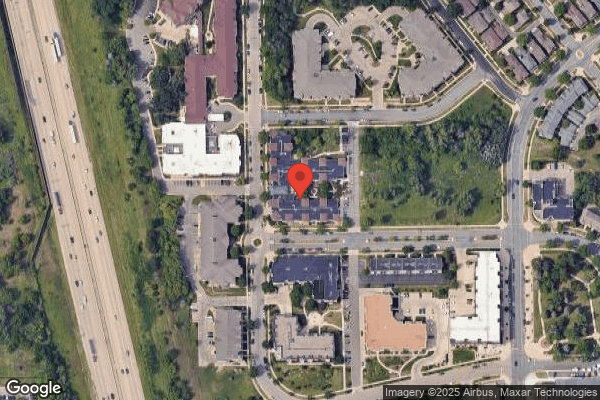
Feb 2022 3 deficiencies
CONCERN (D)

Potential for Harm - no one hurt, but risky conditions existed

Notification of Changes (Tag F0580)

Could have caused harm · This affected 1 resident

**NOTE- TERMS IN BRACKETS HAVE BEEN EDITED TO PROTECT CONFIDENTIALITY** Based on record review and interview, the facility failed to notify the physician of a significant weight loss for 2 of 4 reside...

Read full inspector narrative →
**NOTE- TERMS IN BRACKETS HAVE BEEN EDITED TO PROTECT CONFIDENTIALITY** Based on record review and interview, the facility failed to notify the physician of a significant weight loss for 2 of 4 residents (R32 and R54) sampled for nutrition concerns out of a total sample of 19. R32 lost 10 pounds in 30 days without physician notification. R54 lost 14 pounds in 16 days; there was no physician notification and no follow up to this weight loss, the last weight taken was 1/15/2022. The facility policy entitled, 'Weight Management' dated 10/13/2020, states in part, .it is the policy of the facility .each resident maintains acceptable parameters of nutritional status, such as body weight .the designated nurse will notify the physician .of significant weight change .of five percent in thirty days or ten percent in 180 days. R32 was admitted on [DATE] with diagnoses of malnutrition, anemia, diabetes and end stage renal disease requiring dialysis three times per week. Per facility documentation, R32 weighed 126 pounds on 12/16/2021 and 116 pounds on 1/15/22. This is an approximate 7.9% loss in thirty days. R32's health record indicates in in part .1/17/2022 14:36 Nutrition/Dietary Note: Reviewed weight loss of 8.2 %( 10#) in 30d with IDT [interdisciplinary team]. Additional weight to be obtained. NSG [nursing] to notify MD [medical doctor]. Surveyor unable to find any documentation indicating that the provider was notified. R54 was admitted on [DATE] with diagnoses of perforated gallbladder, sepsis and anemia. On 2/2/2022, Surveyor noted upon record review that R54 had documented weight loss of 7.3% in approximately 16 days. R54 weighed 191 pounds on 12/31/2021 and 177 pounds on 1/15/2022. This is a 14 pound loss in 16 days. There were no additional weights after 1/15/2022. On 2/2/2022 at 15:36 Surveyor asked LPN E (Licensed Practical Nurse), tell me the facility change of condition policy? LPN E stated, Take vitals, check resident, call a nurse practitioner if in building otherwise, contact the primary care provider and the DON (director of nursing). Surveyor asked LPN E, tell me about the weight change policy? LPN E responded, We notify the physician if there is a 3 pound change in 2 days or 5 pounds in a week. Surveyor asked LPN E, do the CNA's (Certified Nursing Assistants) take and enter the weights? LPN E stated, Yes. Surveyor asked LPN E, are the weights reviewed by a nurse? LPN E answered, Yes, every shift you should review the weights entered and there is an alert created by the electronic health record if the weight is a certain percentage of change. On 2/2/2022 at 3:45 PM, Surveyor asked RN C (Registered Nurse), tell me about the weight change policy? RN C responded, Notification to the provider if weight change is over 3 pounds in 2 days or 5 pounds in a week. Surveyor asked RN C, do the CNA's enter the weights? RN C stated, Yes, the aide enters and the nurse reviews. There is also an alert in the computer record if the percentage is outside parameters. On 2/02/22 at 4:16 PM, Surveyor asked DON B (Director of Nursing), tell me about the weight change policy? DON B replied, Notify the doctor as soon as possible, usually the same day if the weight change is over 3 pounds in two days or 5 in a week. Surveyor asked DON B, would a weight loss of 10% in 30 days be reason to notify the provider? DON B stated, Yes, of course. Surveyor asked DON B for documentation that the physician was notified of weight changes for R32 and R54 and was not provided with any information. On 2/3/2022 at 1:41 PM, Surveyor asked APNP F, (Advanced Practice Nurse Practitioner) would you expect staff to notify you with a weight loss of 7% or approximately 14 pounds in 16 days? APNP F stated, Yes. Surveyor asked APNP F, would you expect an update with a 10% weight loss in 30 days? APNP F replied, Yes. The facility failed to follow their policy of physician notification of weight change.
CONCERN (D)

Potential for Harm - no one hurt, but risky conditions existed

Grievances (Tag F0585)

Could have caused harm · This affected 1 resident

**NOTE- TERMS IN BRACKETS HAVE BEEN EDITED TO PROTECT CONFIDENTIALITY** Based on observation, interview and record review, the facility failed to follow their process and promptly follow up on grievan...

Read full inspector narrative →
**NOTE- TERMS IN BRACKETS HAVE BEEN EDITED TO PROTECT CONFIDENTIALITY** Based on observation, interview and record review, the facility failed to follow their process and promptly follow up on grievances. This affected 1 of 1 sampled (R32) and 2 of 2 supplemental residents (R13 and R62) out of a total sample of 19. Three grievances voiced by R32, R13, and R62 were not on the grievance log. The facility policy entitled, 'Grievance Program' dated 3/22/2022, states in part, .residents and visitors have the right to present grievances on behalf of himself or herself or others to the staff or administrator of the facility .this right also includes the right to prompt efforts by the facility to resolve resident grievances .a grievance is a concern that cannot be resolved to the satisfaction of the person making the objection immediately within two or less hours .when a comment/concern/grievance is received orally and the resident does not choose to complete a written form then the staff member receiving the concern/grievance will complete the from and forward it to the Grievance Official. Example 1 R32 was admitted on [DATE] with diagnoses of malnutrition, anemia, and end stage renal disease requiring dialysis three times per week. R32 has a BIMS (brief interview mental status) score of 12 (which indicates mild cognitive impairment) on the MDS (minimum data set - a standardized assessment tool) dated 12/21/2021. On 1/31/2022 at 10:20 AM, Surveyor asked R32 if there were any concerns regarding care. R32 replied, Yes, I'm a simple guy, I want Cheerios every morning for breakfast. I like Cheerios. 50% of the time, either I don't get Cheerios or milk. I will tell the staff and sometimes by 10 o'clock a box of Cheerios appears and by then, my milk is warm or gone. How hard is it to get a box of Cheerios? I need to gain weight, not skip breakfast. Surveyor asked R32, do you think administration knows about this? R32 states, Everyone knows about it. Surveyor asked R32, does the lack of Cheerios change your day? R32 responded, Yea, it's stupid but I like to start my day off with a bowl of Cheerios. Of note, R32 has had a ten pound weight loss in the last thirty days. Example 2 R13 was admitted on [DATE] with diagnoses of diabetes, hypertension, and generalized weakness. R13 has a BIMS score of 15 on the facility MDS dated [DATE], which indicates R13 is cognitively intact. On 1/31/22 at 3:20 PM, Surveyor asked R13 if he had any concerns to which R13 replied, Yes, I want some damn caffeinated coffee. They only serve decaf and I want some really coffee. Surveyor asked R13, have you told staff about your request? R13 stated, Yes, I've told everyone, I've even told the owner and no real coffee. Surveyor asked R13, how long have you lived here? R13 stated, Years. Surveyor asked R13, is a good cup of coffee important to you? R13 answered, It sure is. Example 3 R62 was admitted on [DATE] with diagnoses of pulmonary embolism and hypertension. R62 has a recorded BIMS score of 14 which indicates being cognitively intact on the 1/13/2022 MDS. On 1/31/22 at 3:55 PM, Surveyor asked R62 if she had any concerns. R62 stated, Yes, my daughter gave me 3 new blouses for Christmas and they are missing. One was so pretty with these unique buttons. I told the CNA's (certified nursing assistant) and they looked but never found them. One CNA distinctly remembered one blouse because of the color and buttons. I think they went to laundry to have my name put on them but they never returned. Surveyor asked, has the facility offered to replace or reimburse you for the cost of the blouses? R62 stated, No. On 2/2/2022 at 1:45 PM, Surveyor reviewed the facility's grievance/concern log. The three complaints voiced by R32, R13, and R62 were not on the log. On 2/2/22 at 2:30 PM, Surveyor interviewed SW D (Social Worker), are you the facility grievance official? SW D answered, Yes. Surveyor asked SW D, are you aware that R32 would like Cheerios for breakfast every morning and 50% of the time, he doesn't receive either the Cheerios or the milk? SW D stated, No, I was not aware. Surveyor asked SW D, are you aware that R13 would like caffeinated coffee? SW D stated, Yes, we had caffeinated coffee in the community dining room but that was stopped when COVID started. It's been hard for him. Surveyor asked SW D are you aware that R62 received 3 blouses for Christmas and they are missing? SW D stated, No, I'm not aware. Surveyor stated, The CNA's have been looking for them. Was there a concern form filled out? SW D stated, No, we need to do more education. I will follow up with these concerns. The facility failed to use their process in prompt follow up to resident concerns.
CONCERN (F)

Potential for Harm - no one hurt, but risky conditions existed

Food Safety (Tag F0812)

Could have caused harm · This affected most or all residents

**NOTE- TERMS IN BRACKETS HAVE BEEN EDITED TO PROTECT CONFIDENTIALITY** Based on observation and interview the facility did not maintain a safe and sanitary environment in which food is prepared, stor...

Read full inspector narrative →
**NOTE- TERMS IN BRACKETS HAVE BEEN EDITED TO PROTECT CONFIDENTIALITY** Based on observation and interview the facility did not maintain a safe and sanitary environment in which food is prepared, stored, and distributed. This has the potential to affect 69 residents who reside in the facility. - Surveyor observed staff with hair outside of hair restraint. - Surveyor observed uncovered food in the facility freezer; incomplete cleaning logs; and the following items in the kitchen were unclean: walker-in freezer and a drawer containing kitchen utensils. - Kitchen staff were not logging final food internal temperatures before placing food in hot holding. - Not all kitchen staff were testing the Multi-Quat Sanitizer before using to clean surfaces. Logging of the results was not being completed. - An uncovered garbage receptacle in the kitchen area. - Surveyor observed handle of scoop in direct contact with prepared food. Evidenced by: The Facility Policy titled, Food Receiving and Storage, with a revised date of October 2017, notes, in part: Policy Statement. Foods shall be received and stored in a manner that complies with safe food handling practices. Policy Interpretation and Implementation. 1. Food services, or other designated staff, will maintain clean food storage areas at all times .8. All foods stored in the refrigerator or freezer will be covered, labeled and dated (use by date) .Food Service/Distribution. 7. Food and nutrition services staff wear hair restraints (hair net, hat, beard restraint, etc.) so that hair does not contact food . The Facility Policy titled, Food Preparation and Service, with a revised date of April 2019, notes, in part: Policy Statement. Food and nutrition services employees prepare and serve food in a manner that complies with safe food handling practices. Policy Interpretation and Implementation. Food Preparation Area .4. Appropriate measures are used to prevent cross contamination. These include: c. sanitizing towels and cloths used for wiping surfaces in containers filled with approved sanitizing solution (at concentrations specified by the manufacturer of the solution used) .5. Food preparation staff adhere to proper hygiene and sanitary practices to prevent the spread of foodborne illness .Food Preparation, Cooking and Holding Time/Temperatures .6.internal cooking temperatures/times for specific foods are reached to kill or sufficiently inactivate pathogenic microorganisms: . The Facility Policy titled: Sanitization, with a revised date of October 2008, notes, in part: Policy Statement. The food service area shall be maintained in a clean and sanitary manner. Policy Interpretation and Implementation. 1. All kitchens, kitchen areas and dining areas shall be kept clean, free from litter and rubbish and protected from rodents, roaches, flies and other insects. 2. All utensils, counters, shelves and equipment shall be kept clean, maintained in good repair and shall be free from breaks, corrosions, open seams, cracks and chipped areas that may affect their use or proper cleaning .4. Sanitizing of environmental surfaces must be performed with one of the following solutions: b. 150-200ppm quaternary ammonium compound (QAC) .6.Sanitizing solution will be changed at least once per shift or if solution becomes cloudy or visibly dirty .13. Kitchen wastes that are not disposed of by mechanical means shall be kept in clean, leakproof, nonabsorbent, tightly closed containers and shall be disposed of daily .17. The food services manager will be responsible for scheduling staff for regular cleaning of kitchen and dining areas. Food service staff will be trained to maintain cleanliness throughout their work areas during all tasks, and to clean after each task before proceeding to the next assignment. The Ecolab manufacturer's instructions for Multi-Quat Sanitizer provided by the facility, notes, in part: .Testing solution should be between 150 - 400 ppm (parts per million) . According to the 2017 Food and Drug Administration (FDA) Food Code, epidemiological outbreak data repeatedly identify five major risk factors related to employee behaviors and preparation practices in retail and food service establishments as contributing to foodborne illness: * Improper holding temperatures, * Inadequate cooking, such as undercooking raw shell eggs, * Contaminated equipment, * Food from unsafe sources, and * Poor personal hygiene In addition, the 2017 FDA Food Code designates the elderly as a highly susceptible population (HSP) and as such are extremely vulnerable to foodborne illness. Example 1: Hair restraint. On 2/1/22 at 11:42 AM, Surveyor observed [NAME] I in food preparation areas with hair not fully covered by hair restraint. [NAME] I has longer hair and had a hair tie in place at the lower back of his head with hair hanging out of his hair restraint. Surveyor asked [NAME] I if his hair should be completely in his hair net. [NAME] I indicated, yes. DM H was present and Surveyor asked if [NAME] I should have had his hair completely covered by the hair restraint. DM H, indicated, yes. Example 2: Surveyor observed uncovered food in the facility freezer; incomplete cleaning logs; and the following items in the kitchen were unclean: walker-in freezer and a drawer containing kitchen utensils. On 1/31/22 at 9:48 AM, Surveyor started the initial kitchen tour with DFS H. Observations of the walk-in freezer noted the following: -Individual ice cream cups, clear gloves, onion skins, frozen pieces of carrot, and tape from cardboard boxes under the shelving units on the floor. -A cardboard box sitting directly on the floor of the freezer that has [NAME] Blend noted on the outside. A frozen bag of green beans sitting on top of this box. -A cardboard box sitting directly on the floor that also notes vegetables on the box. A second box sitting on top of this box that is open and contains an open bag of frozen corn spilled inside. -Open cardboard boxes of homestyle pure beef patties, sausage, and premade enchilada type product. The plastic bags around the products were not closed and the products were exposed to air. -Stacked boxes at the end of the freezer with lowest box directly on the floor. On 1/31/22 at 10:21 AM, during the initial kitchen tour, DM H arrived in the kitchen. Surveyor then requested DM H accompany Surveyor to the walk-in freezer. Surveyor showed DM H the above noted areas in the freezer. Surveyor asked DM H if the floors should have debris present. DM H indicated, no. Surveyor asked DM H what her expectation is of the corn spilled in the box and the open boxes with the plastic bags not closed. DM H indicated, the corn should be discarded and that all open boxes/bags should have been appropriately closed and not sitting open. Surveyor asked DM H if boxes should be sitting directly on the freezer floor. DM H indicated, no. On 2/1/22 at 9:10 AM, Surveyor observed a drawer containing kitchen utensils and observed crumbs and a bluish green crystal like substance were noted in the drawer. Surveyor asked [NAME] J when drawers are cleaned in the kitchen. [NAME] J indicated, weekly. Surveyor asked [NAME] J what she thought the bluish green crystal like substance was in the drawer. [NAME] J indicated it looked like jello. Surveyor asked [NAME] J if she would have considered this clean and she indicated, no. Surveyor requested January cleaning logs from the facility. One week of logs were received and reviewed. Cleaning logs note at the top: Cleaning responsibilities and then the day of the week. The only dates noted on the logs are if the cleaning task is initialed and the date completed is filled in. Logs were provided for Sunday, Monday, Tuesday, Wednesday, Thursday and Saturday. The logs note the following: -Sunday: 7 out of 8 tasks are not signed off as completed. -Monday: 7 out of 8 tasks are not signed off as completed. -Tuesday: 8 out of 8 tasks are not signed off as completed. -Wednesday: 7 out of 8 tasks are not signed off as completed. -Thursday: 7 out of 8 tasks are not signed off as completed. -Saturday: 2 of the 8 are initialed with date and 6 of 8 are initialed with no date. On 2/2/22 at 11:13 AM, Surveyor interviewed DM H and DFS G. Surveyor asked, what is your expectation of cleanliness in the kitchen. DM H indicated, I would expect it to be cleaned and the cleaning log be completed and signed off. Surveyor asked DM H, when you say clean, what types of things are you referring to. DFS G indicated, floors, walls , food production areas, table tops. Surveyor asked, what the expectation would be for coolers and freezers DFS G indicated, yes that's an expectation too. DM H indicated, the food should be off the floor and the boxes should be closed properly. Example 3: Kitchen staff were not logging final food internal temperatures. On 2/1/22 at 11:37 AM, Surveyor observed [NAME] J complete final internal cooking temperatures for Mexican lasagna, pureed vegetables, and corn. On 2/1/22 at 11:57 AM, Surveyor observed [NAME] J complete holding temperatures for the lunch meal. On 2/1/22 at 12:31 PM, Surveyor requested food temperature policy and internal and holding temperature logs for January as only one set of temperatures were noted on the production sheets. On 2/1/22 at 2:43 PM, DM H (Dietary Manager) brought policies to surveyor. DM H indicated they do not have logs for final internal food temperatures. Surveyor asked DM H if final internal temperatures are taken prior to food being placed in the warmer or steam table. DM H indicated the staff are taking the temperatures but we don't log them. Surveyor asked DM H how they show that the internal temperatures are meeting. DM H indicated, we can't, we will be adding that. DM H indicated, we are doing them though. The facility did not have record of final internal food temperatures to ensure that food was cooked to a safe minimum internal temperature to avoid potential food pathogens. Example 4: Not all kitchen staff were testing the Multi-Quat Sanitizer and no logging of the results was being completed. On 2/1/22 at 4:01 PM, Surveyor interviewed DFS G (Director of Food Services) and asked who is responsible for filling the sanitizer bucket in the kitchen. DFS G indicated usually the cooks or prep cooks. Surveyor asked DFS G how often the sanitizer is changed. DFS G indicated, every 4 hours. Surveyor asked DFS G what the ppm (parts per million) should be for the sanitizer. DFS G indicated, 200ppm. DFS G showed Surveyor the wall mounted machine for the sanitizer and indicated the staff just have to press the button to fill the bucket, the machine mixes the correct amount, and the ppm should be 200. Surveyor asked DFS G where the ppm result is documented. DFS G indicated, we don't have a log for that. On 2/1/22 at 4:06 PM, Surveyor interviewed [NAME] K and asked if he fills the sanitizer bucket when he works. [NAME] K indicated, yes. Surveyor asked [NAME] K if he tests the solution when he fills the bucket. [NAME] K indicated, no, it's premixed so I assume it's correct. Surveyor asked [NAME] K how often he changes the solution. [NAME] K indicated, every 4 to 6 hours. On 2/1/22 at 4:16 PM, Surveyor requested the sanitizer policy from DFS G. On 2/2/22 at 9:07 AM, Surveyor received the manufacturer's instruction sheet for the Sanitizer being used in the kitchen, which notes the ppm should be 150ppm to 400ppm. On 2/2/22 at 11:13 AM, Surveyor asked if it is the expectation that staff test the ppm of the sanitizer prior to using. DM H indicated, the expectation would be to test once a day and switch it out every four hours. The facility did not have record of the ppm level of the sanitizer and not all staff were testing the ppm level to ensure proper sanitation of kitchen surfaces. Example 5: Garbage Receptacle On 1/31/22 at 10:21 AM, during the initial kitchen tour, DM H arrived in the kitchen. An observation was made of an uncovered garbage receptacle in front of the ice machine. Surveyor asked DM H if the receptacle should be covered and she indicated it should. Example 6: Scoop On 2/1/22 at 12:03 PM, Surveyor noted a stainless steel container in the warmer with the scoop laying down in the container and the handle in direct contact with the food. Surveyor asked [NAME] J what was in the container and if the scoop should be laying down in the food. [NAME] J pulled the container out of the warmer and indicated it was a pureed item. Surveyor asked [NAME] J if the scoop should be laying down in the food. [NAME] J indicated, no.
Understanding Severity Codes (click to expand)
Life-Threatening (Immediate Jeopardy)
J - Isolated K - Pattern L - Widespread
Actual Harm
G - Isolated H - Pattern I - Widespread
Potential for Harm
D - Isolated E - Pattern F - Widespread
No Harm (Minor)
A - Isolated B - Pattern C - Widespread

Questions to Ask on Your Visit

  • "Can I speak with families of current residents?"
  • "What's your RN coverage like on weekends and overnight?"

Our Honest Assessment

Strengths
  • • No fines on record. Clean compliance history, better than most Wisconsin facilities.
  • • 44% turnover. Below Wisconsin's 48% average. Good staff retention means consistent care.
Concerns
  • • 20 deficiencies on record, including 1 serious (caused harm) violation. Ask about corrective actions taken.
Bottom line: Mixed indicators with Trust Score of 70/100. Visit in person and ask pointed questions.

About This Facility

What is Oak Park Nursing And Rehab Center's CMS Rating?

CMS assigns OAK PARK NURSING AND REHAB CENTER an overall rating of 4 out of 5 stars, which is considered above average nationally. Within Wisconsin, this rating places the facility higher than 99% of the state's 100 nursing homes. This rating reflects solid performance across the metrics CMS uses to evaluate nursing home quality.

How is Oak Park Nursing And Rehab Center Staffed?

CMS rates OAK PARK NURSING AND REHAB CENTER's staffing level at 5 out of 5 stars, which is much above average compared to other nursing homes. Staff turnover is 44%, compared to the Wisconsin average of 46%. This relatively stable workforce can support continuity of care.

What Have Inspectors Found at Oak Park Nursing And Rehab Center?

State health inspectors documented 20 deficiencies at OAK PARK NURSING AND REHAB CENTER during 2022 to 2024. These included: 1 that caused actual resident harm and 19 with potential for harm. Deficiencies causing actual harm indicate documented cases where residents experienced negative health consequences.

Who Owns and Operates Oak Park Nursing And Rehab Center?

OAK PARK NURSING AND REHAB CENTER is owned by a for-profit company. For-profit facilities operate as businesses with obligations to shareholders or private owners. The facility operates independently rather than as part of a larger chain. With 100 certified beds and approximately 66 residents (about 66% occupancy), it is a mid-sized facility located in MADISON, Wisconsin.

How Does Oak Park Nursing And Rehab Center Compare to Other Wisconsin Nursing Homes?

Compared to the 100 nursing homes in Wisconsin, OAK PARK NURSING AND REHAB CENTER's overall rating (4 stars) is above the state average of 3.0, staff turnover (44%) is near the state average of 46%, and health inspection rating (3 stars) is at the national benchmark.

What Should Families Ask When Visiting Oak Park Nursing And Rehab Center?

Based on this facility's data, families visiting should ask: "Can I visit during a mealtime to observe dining assistance and food quality?" "How do you handle medical emergencies, and what is your hospital transfer rate?" "Can I speak with family members of current residents about their experience?"

Is Oak Park Nursing And Rehab Center Safe?

Based on CMS inspection data, OAK PARK NURSING AND REHAB CENTER has a clean safety record: no substantiated abuse findings (meaning no confirmed cases of resident harm), no Immediate Jeopardy citations (the most serious violation level indicating risk of serious injury or death), and is not on the Special Focus Facility watch list (a federal program monitoring the lowest-performing 1% of nursing homes). The facility has a 4-star overall rating and ranks #1 of 100 nursing homes in Wisconsin. While no facility is perfect, families should still ask about staff-to-resident ratios and recent inspection results during their visit.

Do Nurses at Oak Park Nursing And Rehab Center Stick Around?

OAK PARK NURSING AND REHAB CENTER has a staff turnover rate of 44%, which is about average for Wisconsin nursing homes (state average: 46%). Moderate turnover is common in nursing homes, but families should still ask about staff tenure and how the facility maintains care continuity when employees leave.

Was Oak Park Nursing And Rehab Center Ever Fined?

OAK PARK NURSING AND REHAB CENTER has no federal fines on record. CMS issues fines when nursing homes fail to meet care standards or don't correct problems found during inspections. The absence of fines suggests the facility has either maintained compliance or corrected any issues before penalties were assessed. This is a positive indicator, though families should still review recent inspection reports for the full picture.

Is Oak Park Nursing And Rehab Center on Any Federal Watch List?

OAK PARK NURSING AND REHAB CENTER is not on any federal watch list. The most significant is the Special Focus Facility (SFF) program, which identifies the bottom 1% of nursing homes nationally based on persistent, serious quality problems. Not being on this list means the facility has avoided the pattern of deficiencies that triggers enhanced federal oversight. This is a positive indicator, though families should still review the facility's inspection history directly.