RIVER'S BEND HEALTH SERVICES
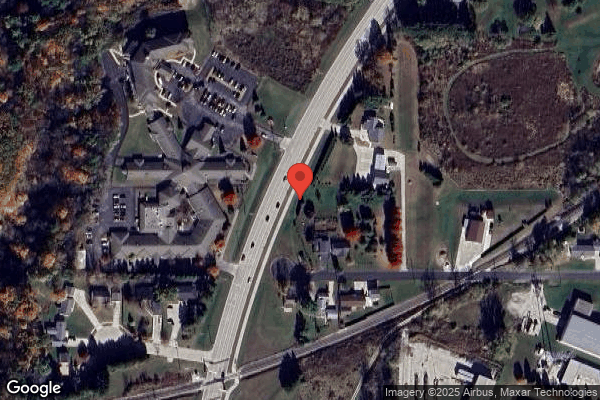
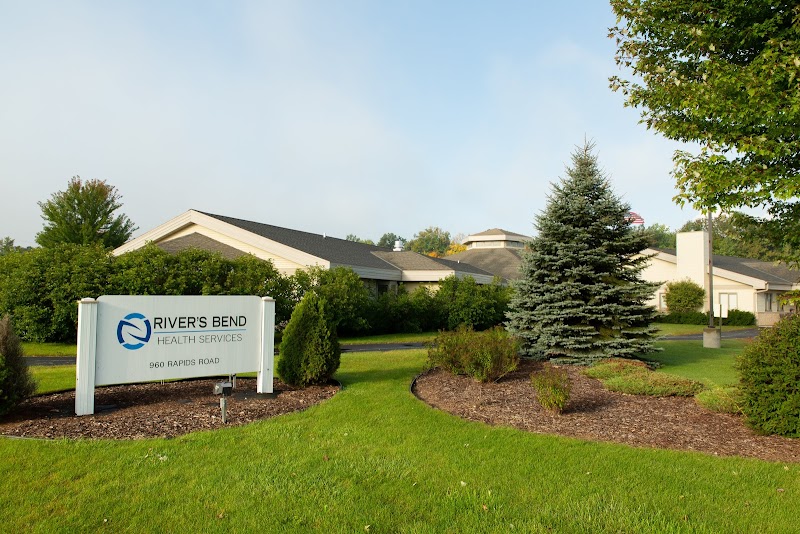
960 S RAPIDS RD, MANITOWOC, WI 54220 (920) 684-1144
For profit - Limited Liability company 100 Beds NORTH SHORE HEALTHCARE Data: November 2025
Trust Grade
60/100
#167 of 321 in WI
Last Inspection: August 2024

Within standard 12-15 month inspection cycle. Federal law requires annual inspections.

Overview

River's Bend Health Services holds a Trust Grade of C+, indicating it is slightly above average but not exceptional. It ranks #167 out of 321 nursing homes in Wisconsin, placing it in the bottom half of facilities in the state, and #4 out of 6 in Manitowoc County, meaning only two local options are better. The facility shows an improving trend, with issues decreasing from 11 in 2024 to 3 in 2025. Staffing is a notable strength, rated at 4 out of 5 stars with a turnover rate of 44%, which is better than the state average. However, there have been recent concerns regarding food safety practices, including unsanitary food storage and preparation areas, and medication management issues such as expired medications being stored improperly. While there are strengths, families should be aware of these significant weaknesses when considering this home for their loved ones.

Trust Score
C+
60/100
In Wisconsin
#167/321
Bottom 48%
Safety Record
Low Risk
No red flags
Inspections
Getting Better
11 → 3 violations
Staff Stability
○ Average
44% turnover. Near Wisconsin's 48% average. Typical for the industry.
Penalties
✓ Good
No fines on record. Clean compliance history, better than most Wisconsin facilities.
Skilled Nurses
✓ Good
Each resident gets 43 minutes of Registered Nurse (RN) attention daily — more than average for Wisconsin. RNs are trained to catch health problems early.
Violations
⚠ Watch
27 deficiencies on record. Higher than average. Multiple issues found across inspections.
★★★☆☆
3.0
Overall Rating
★★★★☆
4.0
Staff Levels
★★★☆☆
3.0
Care Quality
★★★☆☆
3.0
Inspection Score
Stable
2024: 11 issues
2025: 3 issues

The Good

  • 4-Star Staffing Rating · Above-average nurse staffing levels
  • Full Sprinkler Coverage · Fire safety systems throughout facility
  • No fines on record
  • Staff turnover below average (44%)

    4 points below Wisconsin average of 48%

Facility shows strength in staffing levels, fire safety.

The Bad

3-Star Overall Rating

Near Wisconsin average (3.0)

Meets federal standards, typical of most facilities

Staff Turnover: 44%

Near Wisconsin avg (46%)

Typical for the industry

Chain: NORTH SHORE HEALTHCARE

Part of a multi-facility chain

Ask about local staffing decisions and management

The Ugly 27 deficiencies on record

Jul 2025 1 deficiency
CONCERN (D) 📢 Someone Reported This

A family member, employee, or ombudsman was alarmed enough to file a formal complaint

Potential for Harm - no one hurt, but risky conditions existed

Safe Environment (Tag F0584)

Could have caused harm · This affected 1 resident

Based on observation, staff interview, and record review, the facility did not provide a safe, clean, comfortable, and home-like environment for 1 resident (R) (R3) of 3 sampled residents.The facility...

Read full inspector narrative →
Based on observation, staff interview, and record review, the facility did not provide a safe, clean, comfortable, and home-like environment for 1 resident (R) (R3) of 3 sampled residents.The facility did not ensure dirt, debris, food, and spills on R3's floor were cleaned in a timely manner.Findings include: The facility's Resident/Patient Room Cleaning policy, dated 2/1/25, indicates: (The facility's contracted company) is committed to providing a safe, clean, and hygienic environment for residents, staff, and visitors in accordance with regulatory guidance and industry best practices. This policy applies to all environmental services staff under the direction of (the contracted company) and supplements facility policies only where (the contracted company) has assumed responsibility for environmental services operations Floors will be dust mopped, then damp mopped, and any carpet vacuumed in a manner consistent with accepted infection control practices . On 7/1/25, Surveyor reviewed R3's medical record. R3 had diagnoses including dementia, end-stage renal disease on hemodialysis, heart failure with pericardial effusion, chronic obstructive pulmonary disorder (COPD), and anxiety. R3's Minimum Data Set (MDS) assessment, dated 6/5/25, had a Brief Interview for Mental Status (BIMS) score of 13 out of 15 which indicated R3 had intact cognition. R3 had an activated healthcare decision maker. R3's medical record indicated R3 had five falls since 3/28/25 with falls due to weakness during self-transfers. A care plan, dated 6/5/25, indicated R3 required the assistance of one staff for all transfers. On 7/1/25 at 9:40 AM, Surveyor interviewed Housekeeper (HSK)-E who indicated spills and sticky floors can be environmental hazards. HSK-E indicated if there is a spill or sticky floor in a resident's room, the floor should be mopped. HSK-E indicated the Supervisor should be notified of all concerns. HSK-E indicated HSK-E had been employed for a few months and received education during orientation. On 7/1/25 at 9:50 AM, Surveyor interviewed HSK-F who indicated environmental hazards include spills on the floor. HSK-F indicated HSK-F mops the floor if there is anything on it, moves clutter if there is clutter in the pathway of a resident, and reports all concerns to the Supervisor. HSK-F indicated HSK-F received education on environmental hazards and sticky floors in January of 2025 and participates in yearly in-services to complete environmental cleaning tasks. On 7/1/25, at 10:10 AM, Surveyor interviewed R3 who indicated housekeeping staff do not clean R3's room daily and indicated staff should mop every day but have not in the last week. R3 indicated R3's floor was sticky and stated R3 heard Surveyor's shoes stick to the floor. Surveyor noted R3's floor felt sticky and contained multiple brown colored stains, dirt and debris near R3's bed, and dark brown dirt debris in the corner of the room, near the door, and behind R3's recliner. R3 pointed to the floor near the bed and under the bedside table and stated, This food spill has been here for several days. On 7/1/25 at 10:56 AM, Surveyor observed HSK-D mop R3's floor. Surveyor interviewed HSK-D who indicated residents' rooms and bathrooms are mopped at least three times per week or more if there is visible dirt. HSK-D indicated sticky floors can be a hazard and that cannot happen. HSK-D indicated HSK-D receives a check off sheet every day that indicates which rooms need to be mopped or deep cleaned. KSK-D checks off the items when completed. On 7/1/25 at 12:37 PM, Surveyor interviewed R3 and noted R3's floor contained the same brown colored spills near the bed. Surveyor also noted the floor was still sticky and Surveyor's shoes stuck to the floor when Surveyor walked in the room. R3 indicated HSK-D mopped the floor but did not move any items or mop behind the recliner or under the bed. R3 then moved the bedside table to show Surveyor that the floors were still in the same condition. R3 indicated housekeeping staff do not do a thorough job and R3 would appreciate it if they moved items and fully cleaned the floor so it is not dirty, sticky, and unsanitary. On 7/1/25 at 1:30 PM, Surveyor interviewed Certified Nursing Assistant (CNA)-G who indicated residents' floors should never be left unclean, sticky, or with spills. CNA-G indicated CNA-G received training on environmental hazards upon hire and had not observed any unclean floors. On 7/1/25 at 1:35 PM, Surveyor interviewed CNA-H who indicated residents' floors should be clean. CNA-H indicated if a resident's floor is dirty or sticky, nursing or housekeeping staff are made aware. CNA-H indicated if no one is available, CNAs clean the floors to ensure residents are safe from environmental hazards. CNA-H indicated CNA-H received training on environmental hazards upon hire. On 7/1/25 at 1:40 PM, Surveyor interviewed Housekeeping Manager (HSKM)-C in R3's room. HSKM-C observed R3's floor and indicated the floor was not cleaned per the company's policy or training. HSKM-C stated housekeepers are trained and expected to move furniture or items in the room, including bedside tables, as well as dry mop and wet mop the floor, including behind recliners and under beds. HSKM-C indicated R3's floor was sticky and verified the floor contained dirt, debris, and spills. HSKM-C indicated the floor needed to be redone because it was not cleaned to expectations.
Feb 2025 2 deficiencies
CONCERN (D) 📢 Someone Reported This

A family member, employee, or ombudsman was alarmed enough to file a formal complaint

Potential for Harm - no one hurt, but risky conditions existed

Notification of Changes (Tag F0580)

Could have caused harm · This affected 1 resident

**NOTE- TERMS IN BRACKETS HAVE BEEN EDITED TO PROTECT CONFIDENTIALITY** Based on staff interview and record review, the facility did not ensure a Power of Attorney for Healthcare (POAHC) was notified ...

Read full inspector narrative →
**NOTE- TERMS IN BRACKETS HAVE BEEN EDITED TO PROTECT CONFIDENTIALITY** Based on staff interview and record review, the facility did not ensure a Power of Attorney for Healthcare (POAHC) was notified of a fall for 1 resident (R) (R2) of 4 sampled residents. R2 had a witnessed fall on 12/4/24. R2's POAHC (POAHC-G) was not notified of the fall in a timely manner. Findings include: The facility' Fall Prevention and Management Guidelines policy, dated 7/18/24, indicates: When any resident experiences a fall, the facility will .Notify the physician and family/responsible party. Review the resident's care plan and update with any new interventions put in place to try to prevent additional falls . On 2/17/25, Surveyor reviewed R2's medical record. R2 was admitted to the facility on [DATE] and had diagnoses including dementia, ischemic stroke, pulmonary hypertension, and chronic diastolic heart failure. R2's Minimum Data Set (MDS) assessment, dated 12/4/24, indicated R2 had intact cognition. R2 had a POAHC that was activated on 11/23/24. R2's care plan, dated 11/30/24, indicated R2 was at risk for falls. R2 had a witnessed fall on 12/4/24 when R2 was walking with a Certified Nursing Assistant (CNA) and R2's hips gave out. R2 was lowered to the floor and sustained an abrasion on the upper back. On 2/17/25 at 1:56 PM, Surveyor interviewed Licensed Practical Nurse (LPN)-D who completed an incident report on the fall. LPN-D indicated LPN-D notified R2's Hospice agency of the fall but confirmed POAHC-G was not notified. On 2/17/25 at 1:52 PM, Surveyor interviewed Nursing Home Administrator (NHA)-A who indicated nursing staff should report a fall to a resident's POAHC within several hours of the incident.
CONCERN (D) 📢 Someone Reported This

A family member, employee, or ombudsman was alarmed enough to file a formal complaint

Potential for Harm - no one hurt, but risky conditions existed

Deficiency F0657 (Tag F0657)

Could have caused harm · This affected 1 resident

**NOTE- TERMS IN BRACKETS HAVE BEEN EDITED TO PROTECT CONFIDENTIALITY** Based on staff interview and record review, the facility did not individualize and revise the comprehensive plan of care for 1 r...

Read full inspector narrative →
**NOTE- TERMS IN BRACKETS HAVE BEEN EDITED TO PROTECT CONFIDENTIALITY** Based on staff interview and record review, the facility did not individualize and revise the comprehensive plan of care for 1 resident (R) (R2) of 4 sampled residents. R2's plan of care did not indicate R2's activities of daily living (ADL) needs. In addition, R2's plan of care was not updated after a fall on 12/4/24. Findings include: The facility's Fall Prevention and Management Guidelines policy, dated 7/18/24, indicates: .When any resident experiences a fall, the facility will .review the resident's care plan and update with any new interventions put in place to try to prevent additional falls . The facility's Change in Condition of the Resident policy, dated 12/2016, indicates: When a resident presents with a possible change of condition .update the plan of care as needed . On 2/17/25, Surveyor reviewed R2's medical record. R2 was admitted to the facility on [DATE] and had diagnoses including dementia, ischemic stroke, pulmonary hypertension, and chronic diastolic heart failure. R2's Minimum Data Set (MDS) assessment, dated 12/4/24, indicated R2 had intact cognition. R2's Power of Attorney for Healthcare (POAHC) was activated on 11/23/24. On 2/17/25 at 10:29 AM, Surveyor interviewed R2's POAHC (POAHC-G) who indicated POAHC-G visited R2 every day in the late morning. POAHC-G indicated R2's breakfast tray was covered and untouched when POAHC-G arrived. POAHC-G alleged staff did not provide meal tray set up and dining assistance. R2's care plan, dated 11/30/24, indicated: ADL self-care deficit .related to: Inadequate oral intake related to history of poor oral intake as evidenced by self reported weight loss of 30-40 pounds and varied intake since admission. R2 is at nutrition risk related to Hospice care. Intervention: Eating (specify-independent, assist of 1, setup, supervision). The care plan did not indicate the level of assistance R2 required for dining and was not individualized for R2. R2's medical record indicated R2 had a witnessed fall on 12/4/24 when R2 was walking with a Certified Nursing Assistant (CNA) and R2's hips gave out. R2 was lowered to the floor and sustained an abrasion on the upper back. On 12/16/24, the facility's Interdisciplinary Team (IDT) reviewed R2's fall. The IDT recommended an intervention to have 2 staff assist R2 during ambulation. R2's care plan indicated: At risk for falls due to: (specify) .Interventions/tasks: Ambulation/locomotion: with device (specify-cane, walker, wheelchair, Broda chair) .Transfer: Assist of 1 with gait belt. R2's care plan indicated R2 required the assistance of 1 person with a gait belt for transfers but did not specify the type of assistive device R2 required for ambulation. Surveyor also noted R2's care plan was not updated with the IDT's recommendation to have 2 staff assist R2 with ambulation. On 2/17/25 at 1:52 PM, Surveyor interviewed Nursing Home Administrator (NHA)-A who stated a resident's care plan should specify the resident's level of assistance required for ADLs and fall prevention strategies.
Aug 2024 10 deficiencies
CONCERN (D)

Potential for Harm - no one hurt, but risky conditions existed

Deficiency F0554 (Tag F0554)

Could have caused harm · This affected 1 resident

**NOTE- TERMS IN BRACKETS HAVE BEEN EDITED TO PROTECT CONFIDENTIALITY** Based on observation, staff and resident interview, and record review, the facility did not ensure a physician's order was obtai...

Read full inspector narrative →
**NOTE- TERMS IN BRACKETS HAVE BEEN EDITED TO PROTECT CONFIDENTIALITY** Based on observation, staff and resident interview, and record review, the facility did not ensure a physician's order was obtained and a self-administration of medication assessment was completed for 1 Resident (R) (R68) of 7 sampled residents. On 8/26/24, Registered Nurse (RN)-K left medication at R68's bedside for R68 to self-administer. R68 did not have a physician's order or self-administration of medication assessment that indicated R68 could safely and accurately self-administer medication. Findings include: The facility's Resident Self-Administration by Resident policy, dated 1/2023, indicates: Residents who desire to self-administer medications are permitted to do so with a prescriber's order and if the nursing care center's Interdisciplinary Team has determined the practice would be safe, and the medications are appropriate and safe for self-administration. From 8/26/24 to 8/28/24, Surveyor reviewed R68's medical record. R68 was admitted to the facility on [DATE] with diagnoses including non-infective gastroenteritis and colitis. R68's Minimum Data Set (MDS) assessment, dated 8/7/24, had a Brief Interview for Mental Status (BIMS) score of 15 out of 15 which indicated R68 had intact cognition. R68 was responsible for R68's healthcare decisions. On 8/26/24 at 11:12 AM, Surveyor interviewed R68. During the interview, RN-K entered R68's room and stated RN-K had R68's noon medication. RN-K put the medications on R68's bedside table and instructed R68 to take the medication when R68's lunch tray was delivered. R68 agreed and RN-K exited the room. R68's Medication Administration Record (MAR) indicated R68 was prescribed the following medication: ~ Liquid Protein AWC three times a day for poor intake ~ Pancrelipase (Lip-Prot-Amyl) oral capsule delayed release particles 24000-76000 units (Pancrelipase (Lipase- Protease-Amylase)) give 7 capsules by mouth with meals for pancreatitis and give 2 capsules by mouth as needed for pancreatitis. Take when eating any snacks. ~ Creon dose should equal 168,000 TID (three times daily) (24,000 capsule x 7). May open capsules and sprinkle in small amount of yogurt or applesauce, pudding, etc. R68's care plan did not indicate R68 was able to self-administer medication and R68 did not have a physician's order to do so. On 8/26/24 at 11:36 AM, Surveyor interviewed RN-K regarding the medication that was left at R68's bedside. RN-K stated it was RN-K's first day working with R68. RN-K stated RN-K assumed R68 had an order to self-administer medication because R68 was cognitively intact. RN-K reviewed R68's physician orders and verified R68 did not have an order to self-administer medication. On 8/27/24 at 1:41 PM, Surveyor interviewed Director of Nursing (DON)-B who confirmed R68 should have a physician's order to self-administer medication. DON-B stated nurses should observe residents take their medication unless a self-administration of medication assessment is completed.
CONCERN (D) 📢 Someone Reported This

A family member, employee, or ombudsman was alarmed enough to file a formal complaint

Potential for Harm - no one hurt, but risky conditions existed

Deficiency F0582 (Tag F0582)

Could have caused harm · This affected 1 resident

Based on staff interview and record review, the facility did not ensure 2 Residents (R) (R223 and R173) of 4 sampled residents signed and received copies of the Notice of Medicare Non-Coverage (NOMNC)...

Read full inspector narrative →
Based on staff interview and record review, the facility did not ensure 2 Residents (R) (R223 and R173) of 4 sampled residents signed and received copies of the Notice of Medicare Non-Coverage (NOMNC) form and/or Skilled Nursing Facility Advanced Beneficiary Notice (ABN) form which are used to inform residents of their final day of Medicare Part A insurance coverage, potential liability for payment (daily cost of care and services at the facility), and standard claim appeal rights and instructions. The facility did not provide an ABN form (a document that explains financial liability, including the facility's daily rate for services) to R223 when R223's Medicare benefits ended on 2/25/23 and R223 remained in the facility. The facility did not provide a NOMNC form (used to inform Medicare beneficiaries when their covered services are ending and their appeal rights) to R173 at least two calendar days before R173's Medicare services ended. Findings include: The Centers for Medicare and Medicaid Services (CMS) form CMS-10123 indicates a NOMNC form must be delivered at least two calendar days before Medicare-covered services end or the second to last day of service if care is not being provided daily. Note: The two-day advance requirement is not a 48 hour requirement .The provider must ensure the beneficiary or representative signs and dates the NOMNC form to demonstrate the beneficiary or representative received the notice and understands the termination decision can be disputed. CMS-10055 Skilled Nursing Facility Advanced Beneficiary Notice of Non-Coverage (ABN) form indicates: The ABN provides information to the beneficiary so the beneficiary can decide whether or not to get the care that may not be paid for by Medicare and assume financial responsibility .The ABN is only issued if the beneficiary intends to continue services and the Skilled Nursing Facility believes the services may not be covered under Medicare. 1. From 8/26/24 to 8/28/24, Surveyor reviewed R223's medical record. R223's Medicare Advantage plan ended services with a last covered day of 2/25/23. The facility issued a NOMNC form to R223 with a signature date of 2/23/23. R223 remained in the facility under private pay status. The facility did not provide R223 or R223's representative with an ABN form or provide evidence that R223 or R223's representative were aware of the facility's private pay cost. R223 passed away on 3/30/23. 2. From 8/26/24 to 8/28/24, Surveyor reviewed R173 medical record. R173's Medicare Part A coverage ended with a last covered day of 3/14/24. The facility issued a NOMNC form to R173 which R173 signed and dated on 3/13/24. R173 remained in the facility after 3/14/24. On 8/27/24 at 9:09 AM, Surveyor interviewed Nursing Home Administrator (NHA)-A who stated the facility did not have a signed ABN form for R223 when R223's Medicare services ended and R223 remained in the facility. NHA-A also confirmed the facility did not have evidence to support R223 or R223's representative were updated on the facility's private pay rate.
CONCERN (D) 📢 Someone Reported This

A family member, employee, or ombudsman was alarmed enough to file a formal complaint

Potential for Harm - no one hurt, but risky conditions existed

Transfer Notice (Tag F0623)

Could have caused harm · This affected 1 resident

**NOTE- TERMS IN BRACKETS HAVE BEEN EDITED TO PROTECT CONFIDENTIALITY** Based on staff and resident interview and record review, the facility did not ensure 3 Residents (R) (R223, R20, and R70) of 3 r...

Read full inspector narrative →
**NOTE- TERMS IN BRACKETS HAVE BEEN EDITED TO PROTECT CONFIDENTIALITY** Based on staff and resident interview and record review, the facility did not ensure 3 Residents (R) (R223, R20, and R70) of 3 residents reviewed for hospitalization received a transfer notice that included the date of the transfer, the reason for the transfer, the location of the transfer, appeal rights, and contact information for the State Long-Term Care Ombudsman. R223 was transferred to the hospital on 1/26/23. Neither R223 or R223's emergency contact were provided with a written transfer notice for R223's hospital transfer. R20 was transferred to the hospital on 5/17/24. Neither R20 or R20's emergency contact were provided with a written transfer notice for R20's hospital transfer. R70 was transferred to the hospital on 5/23/24. Neither R70 or R70's emergency contact were provided with a written transfer notice for R70's hospital transfer. Findings include: The facility's Transfer and Discharge policy, with a revision date of 7/15/22, indicates: It is the policy of the facility to permit each resident to remain in the facility, and not transfer or discharge the resident form the facility except as .necessary for the health and safety of the resident .Emergency Transfer/Discharge is initiated by the facility for medical reasons, or for the immediate safety or welfare of the resident, the following is the responsibility of the nurse unless otherwise specified: .b. Notify resident and/or resident representative; .j. Provide transfer notice as soon as practicable to resident and representative. 1. From 8/26/24 to 8/28/24, Surveyor reviewed R223's medical record. R223 was admitted to the facility on [DATE] and had diagnoses including chronic diastolic congestive heart failure, unspecified dementia, with unspecified severity without behavioral disturbance, psychotic disturbance, anxiety, and personal history of traumatic brain injury. R223's Minimum Data Set (MDS) assessment, dated 1/18/23, had a Brief Interview for Mental Status (BIMS) score of 13 out of 15 which indicated R223 had intact cognition. R223's medical record indicated R223 had a change in condition on 1/26/23 and was transferred to the hospital. R223 returned to the facility on 2/2/23. F223's medical record did not indicate R223 or R223's representative were provided with a written transfer notice. On 8/28/24 at 11:57 AM, Surveyor interviewed Nursing Home Administrator (NHA)-A who confirmed the facility did not provide a written transfer notice to R223 or R223's representative. 2. From 8/26/24 to 8/28/24, Surveyor reviewed R20's medical record. R20 was admitted to the facility on [DATE] and had diagnoses including chronic obstructive pulmonary disease (COPD), morbid obesity, type 2 diabetes, and acute kidney injury. R20's MDS assessment, dated 8/12/24, had a BIMS score of 15 out of 15 which indicated R20 had intact cognition. On 8/26/24 at 11:51 AM, Surveyor interviewed R20 who stated R20 was hospitalized twice since admission. R20 could not recall if the facility provided R20 or R20's representative with written transfer notices. R20's medical record indicated R20 was hospitalized on [DATE] and 7/31/24. R20's medical record indicated a written transfer notice was provided for R20's 7/31/24 hospital transfer, but did indicate R20 or R20's representative were provided with a written transfer notice for R20's 5/17/24 hospital transfer. On 8/27/24 at 12:30 PM, Surveyor interviewed NHA-A who confirmed the facility did not provide a written transfer notice for R20's 5/17/24 hospital transfer. NHA-A confirmed R20 should have received a written transfer notice. 3. From 8/26/24 to 8/28/24, Surveyor reviewed R70's medical record. R70 was admitted to the facility on [DATE] and had diagnoses including displaced intertrochanteric fracture of right femur, hepatic encephalopathy, type 2 diabetes, borderline personality disorder, and acquired absence of right and left leg above the knee. R70's MDS assessment, dated 7/1/24, had a BIMS score of 0 out of 15 which indicated R70 had severe cognitive impairment. R70 had a professional guardian to assist with healthcare decisions. R70's medical record indicated R70 had a change in condition on 5/23/24 and was transferred to the hospital. R70's medical record contained a transfer notice, dated 5/23/24, that was not signed by R70 or R70's guardian. On 8/27/24 at 11:05 AM, Surveyor interviewed Director of Nursing (DON)-B who stated DON-B expects staff to ensure transfer notices are signed and dated.
CONCERN (D) 📢 Someone Reported This

A family member, employee, or ombudsman was alarmed enough to file a formal complaint

Potential for Harm - no one hurt, but risky conditions existed

Deficiency F0625 (Tag F0625)

Could have caused harm · This affected 1 resident

**NOTE- TERMS IN BRACKETS HAVE BEEN EDITED TO PROTECT CONFIDENTIALITY** Based on staff and resident interview and record review, the facility did not ensure 3 Residents (R) (R223, R20, and R70) of 3 r...

Read full inspector narrative →
**NOTE- TERMS IN BRACKETS HAVE BEEN EDITED TO PROTECT CONFIDENTIALITY** Based on staff and resident interview and record review, the facility did not ensure 3 Residents (R) (R223, R20, and R70) of 3 residents reviewed for hospitalization received notified of the facility's bed hold policy when transferred to the hospital. R223 was transferred to the hospital on 1/26/23. Neither R223 or R223's emergency contact were provided with a bed hold notification for R223's hospital transfer. R20 was transferred to the hospital on 5/17/24 and 7/31/24. Neither R20 or R20's emergency contact were provided with a bed hold notification for R20's hospital transfers. R70 was transferred to the hospital on 5/23/24. Neither R70 or R70's emergency contact were provided with a bed hold notification for R70's hospital transfer. Findings include: The facility's Transfer and Discharge policy, with a revision date of 7/15/22, indicates: It is the policy of the facility to permit each resident to remain in the facility, and not transfer or discharge the resident from the facility except as .necessary for the health and safety of the resident .Emergency Transfer/Discharge is initiated by the facility for medical reasons, or for the immediate safety or welfare of the resident, the following is the responsibility of the nurse unless otherwise specified: .I Provide a notice of the resident's bed hold policy to the resident and representative at time of transfer, as soon as possible, but no later than 24 hours of the transfer. 1. From 8/26/24 to 8/28/24, Surveyor reviewed R223's medical record. R223 was admitted to the facility on [DATE] and had diagnoses including chronic diastolic congestive heart failure, unspecified dementia, with unspecified severity without behavioral disturbance, psychotic disturbance, anxiety, and personal history of traumatic brain injury. R223's Minimum Data Set (MDS) assessment, dated 1/18/23, had a Brief Interview for Mental Status (BIMS) score of 13 out of 15 which indicated R223 had intact cognition. R223's medical record indicated R223 had a change in condition on 1/26/23 and was transferred to the hospital. R223 returned to the facility on 2/2/23. F223's medical record did not indicate R223 or R223's representative were provided with a bed hold notification. On 8/28/24 at 11:57 AM, Surveyor interviewed Nursing Home Administrator (NHA)-A who confirmed the facility did not provide a bed hold notice to either R223 or R223's representative. 2. From 8/26/24 to 8/28/24, Surveyor reviewed R20's medical record. R20 was admitted to the facility on [DATE] and had diagnoses including chronic obstructive pulmonary disease (COPD), morbid obesity, type 2 diabetes, and acute kidney injury. R20's MDS assessment, dated 8/12/24, had a BIMS score of 15 out of 15 which indicated R20 had intact cognition. On 8/26/24 at 11:51 AM, Surveyor interviewed R20 who stated R20 was hospitalized twice since admission. R20 could not recall if the facility provided R20 or R20's representative with a bed hold notice for either transfer. R20's medical record indicated R20 was hospitalized on [DATE] and 7/31/24. R20's medical record did not indicate a bed hold notice was issued to R20 or R20's representative for either hospital transfer. On 8/27/24 at 12:30 PM, Surveyor interviewed NHA-A who stated the facility did not provide bed hold notices for R20's 5/17/24 or 7/31/24 hospital transfers. NHA-A confirmed R20 should have been issued a bed hold notice for both transfers. 3. From 8/24/24 to 8/28/24, Surveyor reviewed R70's medical record. R70 was admitted to the facility on [DATE] and had diagnoses including displaced intertrochanteric fracture of right femur, hepatic encephalopathy, type 2 diabetes, dementia, borderline personality disorder, and acquired absence of right and left leg above the knee. R70's MDS assessment, dated 7/1/24, had a BIMS score of 0 out of 15 which indicated R70 had severe cognitive impairment. R70 had a professional guardian to assist with healthcare decisions. R70's medical record indicated R70 had a change in condition on 5/23/24 and was transferred to the hospital. R70's medical record contained a bed hold and notice of transfer form, dated 5/23/24, that was incomplete and not signed by R70 or R70's guardian. On 8/27/24 at 11:05 AM, Surveyor interviewed Director of Nursing (DON)-B who stated DON-B expects staff to ensure bed hold notices are signed and dated.
CONCERN (D)

Potential for Harm - no one hurt, but risky conditions existed

Deficiency F0692 (Tag F0692)

Could have caused harm · This affected 1 resident

**NOTE- TERMS IN BRACKETS HAVE BEEN EDITED TO PROTECT CONFIDENTIALITY** 2. From 8/26/24 to 8/28/24, Surveyor reviewed R21's medical record. R21 was admitted to the facility on [DATE] and had diagnoses...

Read full inspector narrative →
**NOTE- TERMS IN BRACKETS HAVE BEEN EDITED TO PROTECT CONFIDENTIALITY** 2. From 8/26/24 to 8/28/24, Surveyor reviewed R21's medical record. R21 was admitted to the facility on [DATE] and had diagnoses including morbid obesity, mild intermittent asthma, type 2 diabetes, and edema. R21's MDS assessment, dated 6/11/24, had a BIMS score of 13 out of 15 which indicated R21 had intact cognition. R21 had orders for Lasix (a diuretic medication) for edema and daily weight monitoring. R21's nutrition care plan, with a revision date of 6/8/21, contained an intervention to review weights and notify the Medical Doctor (MD) and responsible party of significant weight changes. On 8/26/24 at 9:55 AM, Surveyor interviewed R21 who stated R21 had concerns related to dining and nutrition. R21's medical record indicated R21 had physician orders for daily weight monitoring as of 3/12/23 and was prescribed 60 mg (milligrams) of Lasix in the AM. The daily weights and Lasix were prescribed for edema. R20's Medication Administration Record (MAR) indicated staff should monitor R21 for new symptoms of diuretic use, document in progress notes, and notify the MD. Surveyor reviewed R21's weights from 6/1/24 to 8/26/24 and noted R21 had a total of 17 missed weights on the following days: 8/26, 8/25, 8/23, 8/22, 8/19, 8/16, 8/15, 8/7, 8/4, 7/18, 7/15, 7/7, 7/5, 7/1, 6/21, 6/16, and 6/2. R21's last Nutrition Assessment by RD-C was documented on 6/11/24. R21's physician's last noted weight review was on 5/21/24 which was documented under a Nurse Practitioner routine nursing home visit note. A weight summary provided to Surveyor on 8/27/24 indicated R21 had a -7.5% weight change (comparison weight 5/28/24 of 364.0 pounds, 8.2% -30 pounds). R21's medical record did not indicate R21's physician was updated. From 8/27/24 to 8/24/24, R21 had a 10 pound weight gain (334 pounds to 344 pounds). From 8/20/24 to 8/21/24, R21 had a 3 pound weight gain (341 pounds to 344 pounds). From 8/13/24 to 8/17/24, R21 had a 9 pound weight loss (347 pounds to 338 pounds). No re-weights were noted. On 8/28/24 at 12:32 PM, Surveyor interviewed DON-B who confirmed R21 had an order for daily weights and took diuretic medication for edema. DON-B confirmed if R21 had a weight change of 3 pounds in a day or 5 pounds in a week, a re-weight should have been obtained right away. DON-B verified there were no re-weights obtained for R21. DON-B also confirmed RD-C and R21's physician should have been notified of R21's weight changes. Based on staff and resident interview and record review, the facility did not ensure 2 Residents (R) (R64 and R21) of 5 sampled residents received the necessary care and services to prevent and monitor weight loss or gain. Staff did not notify R64's physician of R64's significant weight gain and Registered Dietician (RD)-C's recommended tube feeding changes. Staff did not ensure R21's weight was monitored and did not notify R21's physician of R21's weight changes. Findings include: The facility's Weight Monitoring policy, dated 12/21/22, indicates: The facility will strive to prevent, monitor, and intervene for undesirable weight changes for residents .6. Any weight change of 5 pounds or more since the last weight assessment will be retaken for confirmation .8. The threshold for significant weight change will be based on the following criteria, a. 1 month - 5% weight change is significant; greater than 5% is severe; b. 3 months - 7.5% weight change is significant; greater than 7.5% is severe; c. 6 months - 10% weight change is significant; greater than 10% is severe .10. The nursing staff will notify the individual or responsible party, physician, and Registered Dietician or designee of any individual with an unintended significant weight change. 1. From 8/26/24 to 8/28/24, Surveyor reviewed R64's medical record. R64 was admitted to the facility on [DATE] and had diagnoses including athetoid cerebral palsy, epilepsy, and cognitive communication deficit. R64's Minimum Data Set (MDS) assessment, dated 7/8/24, had a Brief Interview for Mental Status (BIMS) score of 0 out of 15 which indicated assessment R64 had severe cognitive impairment. R64's physician orders indicated R64 was nothing by mouth (NPO) and received 100% of daily nutritional intake via gastrostomy tube feeding. R64 had a legal guardian who assisted with all healthcare decisions. Surveyor reviewed R64's weights and noted the following: ~ 7/1/24 - 109 pounds ~ 7/5/24 - 113.4 pounds ~ 7/19/24 - 115.6 pounds ~ 8/7/24 - 119 pounds ~ 8/16/24 - 118 pounds ~ 8/23/24 - 124.2 pounds Per the facility's policy, the above weights indicate R64 had a severe weight change of 9.17% from 7/1/24 to 8/7/24; and an overall severe weight change of 13.94% from 7/1/24 to 8/23/24. A progress note, dated 8/13/24 and written by RD-C, acknowledged R64's weight increase of 9.17% and indicated R64's guardian was updated. The progress note contained a recommendation from RD-C to cut back 2 cans of Jevity (tube feeding formula) per day. The progress note indicated R64's guardian would review RD-C's recommendation with R64's community physician and update the facility. R64's medical record did not indicate R64's physician was updated. On 8/23/24, R64 had an additional weight gain of 5.2 pounds with no indication that R64's physician was updated. On 8/27/24 at 1:21 PM, Surveyor interviewed Nursing Home Administrator (NHA)-A who confirmed R64's physician was not notified of R64's weight changes on 8/7/24, 8/16/24, or 8/23/24. NHA-A stated staff would notify R64's physician immediately. NHA-A confirmed R64's physician should have been updated when R64's significant weight gain was first identified. On 8/28/24 at 9:57 AM, Surveyor interviewed RD-C who confirmed R64's physician was not notified of R64's weight gain or of RD-C's recommendations until 8/27/24 when Surveyor identified the concern.
CONCERN (D)

Potential for Harm - no one hurt, but risky conditions existed

Respiratory Care (Tag F0695)

Could have caused harm · This affected 1 resident

**NOTE- TERMS IN BRACKETS HAVE BEEN EDITED TO PROTECT CONFIDENTIALITY** Based on staff and resident interview and record review, the facility did not maintain continuous positive airway pressure (CPAP...

Read full inspector narrative →
**NOTE- TERMS IN BRACKETS HAVE BEEN EDITED TO PROTECT CONFIDENTIALITY** Based on staff and resident interview and record review, the facility did not maintain continuous positive airway pressure (CPAP)/biphasic positive airway pressure (BiPAP) equipment per the facility policy and manufacturer's recommendations for 1 Resident (R) (R21) of 1 sampled resident. R21 had a CPAP/BiPAP machine for obstructive sleep apnea. R21 did not have a cleaning schedule for the machine/equipment or instructions for filling the humidifying chamber. Findings include: The facility's CPAP therapy policy, with a reviewed/revised date of 6/24/24, indicates: Cleaning and Maintenance: .7. Clean and inspect all components regularly .8. Clean CPAP unit as necessary . ResMed (brand of CPAP/BiPAP machine) recommendations for cleaning CPAP/BiPAP machines are as follows: Mask clean daily, cushion clean daily, headgear clean daily or weekly, frame clean daily or weekly, air tubing clean weekly, humidifier chamber clean daily and soak weekly, CPAP machine clean weekly, air filers check weekly for damage. Rinse the mask and hose daily to keep them clean. Cleaning the machine helps prevent mold and bacteria growth, reduces allergens, and keeps the equipment working well. From 8/26/24 to 8/28/24, Surveyor reviewed R21's medical record. R21 was admitted to the facility on [DATE] and had diagnoses including morbid obesity, mild intermittent asthma, type 2 diabetes, and obstructed sleep apnea. R21's Minimum Data Set (MDS) assessment, dated 6/11/24, had a Brief Interview for Mental status (BIMS) score of 13 out of 15 which indicated R21 had intact cognition. On 8/26/24 at 9:55 AM, Surveyor interviewed R21 and noted there was a CPAP/BiPAP machine on R21's nightstand. When Surveyor asked who cleaned the CPAP/BiPAP machine, R21 stated staff cleaned the machine but it had not been cleaned in a month or two. R21's medical record indicated staff should check R21 every 2 hours during the night and document if R21 wore or refused the CPAP/BiPAP machine. R21 had an order for the BiPAP to be set at +15/7 cm (centimeters) every night for obstructive sleep apnea. R21's medical record did not contain a cleaning schedule or instructions for filling the humidifying chamber of the machine. On 8/28/24 at 9:06 AM, Surveyor interviewed Licensed Practical Nurse (LPN)-E who confirmed licensed staff were responsible for cleaning CPAP/BiPAP machines. LPN-E confirmed the cleaning was usually completed on the PM shift. LPN-E stated LPN-E rinsed the humidifying chamber prior to filling it. On 8/28/24 at 9:12 AM, Surveyor interviewed CNA-D who was unsure who cleaned CPAP/BiPAP machines. On 8/28/24 at 9:33 AM, Surveyor observed a gallon of distilled water on the floor in R21's room. On 8/28/24 at 12:32 PM, Surveyor interviewed Director of Nursing (DON)-B who confirmed nursing staff were responsible for cleaning CPAP/BiPAP machines. DON-B confirmed Registered Nurses (RNs) and LPNs should fill the humidifying chambers nightly. When asked who was responsible for cleaning the machine and equipment, DON-B stated, I am not sure. DON-B also confirmed R21 did not have orders for staff to follow to clean the machine and fill the humidifying chamber.
CONCERN (E) 📢 Someone Reported This

A family member, employee, or ombudsman was alarmed enough to file a formal complaint

Potential for Harm - no one hurt, but risky conditions existed

Deficiency F0761 (Tag F0761)

Could have caused harm · This affected multiple residents

**NOTE- TERMS IN BRACKETS HAVE BEEN EDITED TO PROTECT CONFIDENTIALITY** Based on observation, staff interview, and record review, the facility did not ensure all drugs and biologicals were stored and ...

Read full inspector narrative →
**NOTE- TERMS IN BRACKETS HAVE BEEN EDITED TO PROTECT CONFIDENTIALITY** Based on observation, staff interview, and record review, the facility did not ensure all drugs and biologicals were stored and labeled in accordance with the facility's policy. One of 5 medication carts was unlocked and unattended. and 3 of 5 medication carts and 2 of 3 medication storage rooms contained expired medication and medical supplies. In addition, the facility did not ensure an inhaler was labeled in accordance with the manufacturer's recommendations for 1 Resident (R) (R45) of 6 sampled residents observed during medication administration. This practice had the potential to affect more than 4 of the 69 residents residing in the facility. On 8/26/24, a medication cart on the 100 wing was unlocked and unattended. On 8/26/24, medication carts and medication storage rooms contained expired medications and medical supplies. On 8/27/24, staff administered an undated inhaler to R45. Findings include: The facility's Medication Storage policy, dated 1/2024, indicates: Medications and biologicals are stored properly, following manufacturers' or provider pharmacy recommendations, to keep their integrity and to support safe, effective drug administration. The medication supply shall be accessible only to licensed nursing personnel, pharmacy personnel, or staff members lawfully authorized to administer medication .Procedures: .3. In order to limit access to prescription medications, only licensed nurses, pharmacy staff, and those lawfully authorized to administer medications (such as medication aides) are allowed access to medication carts. Medication rooms, cabinets, and medication supplies should remain locked when not in use or attended to by persons with authorized access .12. Note the date on the label for insulin vials and pens when first used .14. Outdated, contaminated, discontinued, or deteriorated medications and those in containers that are cracked, soiled, or without secure closures are immediately removed from stock The facility's Medication Administration General Guidelines policy, dated 1/2024, indicates: Medication Administration: .8. Check expiration date on package/container. No expired medication will be administered to a resident .b. The nurse shall place a 'date opened' sticker on the mediation if one is not provided by the dispensing pharmacy and enter the date opened. c. Certain products or package types such as multi-dose vials and ophthalmic drops have specified shortened end-of-use dating, once opened, to ensure medication purity and potency .multi-use eye drops and ointments should be disposed of 28 days after initial use. Medication Cart: On 8/26/24 at 9:30 AM, Surveyor observed a medication cart unattended and unlocked in the 100 wing hallway. On 8/26/24 at 9:31 AM, Surveyor interviewed Licensed Practical Nurse (LPN)-N who stated LPN-N did not normally leave the medication cart unlocked and verified the medication cart should be locked when unattended. On 8/27/24 at 10:44 AM, Surveyor interviewed Director of Nursing (DON)-B who confirmed medication carts should be locked when unattended. Expired Medication and Supplies: On 8/27/24 at 11:00 AM, Surveyor observed 3 of 5 medication carts and 2 of 3 medication storage rooms and noted the following: 100 Wing Medication Cart: ~ A bottle of One Daily supplement with an expiration date of 6/2024. ~ An open and undated bottle of Timolol .5% eye drops for R41. ~ An open and undated bottle of Systane .4% eye drops for R41. ~ An open and undated fluticasone inhaler for R45. ~ An open lispro pen injector dated 7/19/24 for R56. ~ An open and undated Trelegy inhaler for R1. ~ An open and undated fluticasone inhaler for R1. ~ An open and undated bottle of Humulin insulin. ~ An open and undated bottle of saline nasal spray. ~ An open and undated bottle of lactulose solution for R7. ~ An open and undated bottle of Chlorhexide .12% for R33. ~ Six insulin syringes with expiration dates of 1/31/24. On 8/27/24 at 11:20 AM, Surveyor interviewed Medication Tech (MT)-P who verified the above findings. 400 Wing Medication Cart: ~ An open and undated albuterol inhaler for R5. ~ An open and undated bottle of lactulose. On 8/27/24 at 12:02 PM, Surveyor interviewed LPN-Q who verified the above findings. 500 Wing Medication Cart: ~ Four finger lancets and one capped needle for an insulin pen on top of the medication cart. ~ Geri-ZDryl Diphenhydrain HCL 25 mg (milligrams) with an expiration date of 6/2024. ~ An open, unlabeled and undated bottle of glucose tablets. ~ A bottle of Nurses exceptional hand sanitizer with an expiration date of 11/2022. ~ An unlabeled and undated Byeyna inhaler. ~ Open bottles Neomycin, Polymyxin, and Dexameth eye drops for R16 dated 6/13/24. ~ An open and undated bottle of Timolol eye drops for R21. ~ An open bottle of Timolol eye drops for R21 dated 6/5/24. ~ An open, unlabeled, and undated bottle of Artificial Tears. ~ An open albuterol inhaler for R14 dated 1/1/24. ~ An open and unlabeled Ventolin HFA inhaler for R39. ~ A bottle of Saw Palmetto with an expiration date of 12/2020. ~ A Binax Now COVID-19 test with an expiration date of 1/23/24. ~ A bottle of iron supplement liquid with an expiration date of 2/2022. ~ An open and undated bottle of Pro Heal liquid protein that expired 60 days after opened per the label. ~ An open and undated DuoNeb for R22. On 8/27/24 at 11:25 AM, Surveyor interviewed LPN-O who verified the above findings. 1st Medication Storage Room: ~ A box of blood collection needles with an expiration date of 4/30/24. On 8/27/24 at 12:02 PM, Surveyor interviewed LPN-Q who verified the above finding. 2nd Medication Storage Room: ~ A Biofreeze single pack with an expiration date of 5/2024. ~ Four bottles of vitamin B6 100 mg with expiration dates of 5/2023 (1), 2/2024 (2), and 6/2024 (1) ~ A bottle of saline nasal spray with an expiration date of 7/2024. ~ A bottle of Nephro vitamin C and B with an expiration date of 1/2024. ~ Twenty five .5 cc (cubic centimeter) One Care insulin safety syringes with expiration dates of 1/31/24. ~ A wide band male external catheter with an expiration date of 2/28/23. ~ An Iprotege non-adherent oil emulsion dressing with an expiration date of 2/2024. ~ Two WIC silver 0.4 x 14 ropes with expiration dates of 4/2023. ~ Eleven Amsino straight catheters with expiration dates of 11/5/21. ~ A povidone iodine swab stick with an expiration date of 10/2023. ~ A self catheter 16 French with an expiration date of 9/1/23. ~ An open bottle of rubbing alcohol with an expiration date of 1/2020. ~ Three sterile field towel/drape kits with expiration dates of 8/2017. ~ Nine Natura stomahesive kits with expiration dates of 7/2020. On 8/27/24 at 12:45 PM, Surveyor interviewed LPN-O who verified the above findings. On 8/27/24 at 2:55 PM, Surveyor interviewed DON-B who verified the medication carts and medication storage rooms contained expired medications and supplies. DON-B stated DON-B expects staff to go through the carts and medication storage rooms every few months to check for expired medications and supplies. Medication Without an Open Date: From 8/26/24 to 8/28/24, Surveyor reviewed R45's medical record. R45 was admitted to the facility on [DATE] with diagnoses including diabetes, atrial fibrillation, and coronary artery disease. R45's Minimum Data Set (MDS) assessment, dated 8/14/24, had a Brief Interview for Mental Status (BIMS) score of 15 out of 15 which indicated R45 had intact cognition. R45 was responsible for R45's healthcare decisions. On 8/27/24 at 8:24 AM, Surveyor observed MT-P administer 2 puffs of a fluticasone 250 mg/50 mcg (microgram) inhaler that did not contain an open date to R45. The fluticasone manufacturer's instructions indicate: Store Flovent Diskus in the unopened foil pouch and only open when ready for use. Safely throw away Flovent Diskus 50 mcg in the trash 6 weeks after you open the foil pouch or when the counter reads 0, whichever comes first. Safely throw away Flovent Diskus 100 mcg and Flovent Diskus 250 mcg in the trash 2 months after you open the foil pouch or when the counter reads 0, whichever comes first. On 8/27/24 at 8:50 AM, Surveyor interviewed MT-P who verified R45's inhaler did not contain an open date. On 8/27/24 at 10:44 AM, Surveyor interviewed DON-B who stated DON-B expects staff to date insulin, eye drops, and inhalers when they open the medications.
CONCERN (E)

Potential for Harm - no one hurt, but risky conditions existed

Deficiency F0809 (Tag F0809)

Could have caused harm · This affected multiple residents

**NOTE- TERMS IN BRACKETS HAVE BEEN EDITED TO PROTECT CONFIDENTIALITY** Based on resident and staff interview, the facility did not consistently provide or offer a substantial evening snack to residen...

Read full inspector narrative →
**NOTE- TERMS IN BRACKETS HAVE BEEN EDITED TO PROTECT CONFIDENTIALITY** Based on resident and staff interview, the facility did not consistently provide or offer a substantial evening snack to residents. The timeframe from the supper meal to the breakfast meal was greater than 14 hours. This had the potential to affect more than 4 of the 69 residents residing in the facility. A substantial snack was not regularly offered to residents which created a gap of more than 14 hours between the supper and breakfast meals. Findings include: The facility did not provide a snack policy. On 8/26/24 at 9:12 AM, Surveyor began an initial kitchen tour. During the tour, Dietary Manager (DM)-I stated the facility did not have a regular snack cart or snack pass. DM-I stared staff could enter the kitchen and make a sandwich or retrieve what was requested for a snack. DM-I stated the kitchen used to put more snacks in the nourishment room and on the drink carts, but there was an issue with the snacks disappearing. DM-I also stated some residents took snacks and didn't eat them which resulted in snacks piling up in residents' rooms. DM-I stated the approximate meal time for breakfast was 7:45 AM, the approximate meal time for lunch was 11:45 AM, and the approximate meal time for supper was 4:45 PM. DM-I stated the majority of residents chose to eat in their rooms. The facility's survey binder contained a Dining Meal Service Times schedule and location of all dining rooms. The sheet indicated meal service times were as follows: ~ 100 wing - breakfast 8:05 AM, lunch 12:05 PM, and dinner 4:30 PM ~ 200/300 wing - breakfast 7:55 AM, lunch 11:55 AM, and dinner 4:40 PM ~ 400 wing - breakfast 7:45 AM, lunch 11:45 AM, and dinner 4:40 PM ~ 500 wing - breakfast 7:45 AM, lunch 11:45 AM, and dinner 4:30 PM ~ 600 wing - not listed ~ Main dining room - breakfast 8:15 AM, lunch 12:15 PM, and dinner 4:50 PM From 8/26/24 to 8/28/24, Surveyor reviewed R43's medical record. R43 was admitted to the facility on [DATE] with diagnoses including diabetes mellitus. R43's Minimum Data Set (MDS) assessment, dated 7/24/24, had a Brief Interview for Mental Status (BIMS) score of 15 out of 15 which indicated R43 had intact cognition. From 8/26/24 to 8/28/24, Surveyor reviewed R50's medical record. R50 was admitted to the facility on [DATE] with diagnoses including diabetes mellitus. R50's MDS assessment, dated 8/15/24, had a BIMS score of 15 out of 15 which indicated R50 had intact cognition. From 8/26/24 to 8/28/24, Surveyor reviewed R58's medical record. R58 was admitted to the facility on [DATE] with diagnoses including Parkinson's disease. R58's MDS assessment, dated 6/2/24, had a BIMS score of 14 out of 15 which indicated R58 had intact cognition. During a Resident Council interview on 8/26/24 at 1:31 PM, the following residents expressed concern regarding snacks: ~ R43 stated the facility did not have an evening snack cart or snack pass. R43 stated R43 had diabetes, received 10 units of insulin in the evening, and sometimes R43's blood sugar was low in the evening. R43 stated the Certified Nursing Assistants (CNAs) needed to run to the kitchen and make R43 a sandwich but staff were already busy running around. R43 stated there were refrigerators on the units where sandwiches and snacks could be kept for CNAs to grab. ~ R50 confirmed the facility did not have a snack pass. R50 stated the facility used to have sandwiches and boxes of cookies but R50 had not seen those for awhile. R50 stated if R50's blood sugar gets low, R50 wants a cookie or juice. R50 stated R50 goes to the vending machine to get snacks. R50 said R50 can ask for a snack, but staff have to go to the kitchen and find something for R50 to eat. R50 stated there is a refrigerator where snacks can be kept and where the facility used to keep sandwiches and snacks. ~ R58 stated R58 purchases snacks and keeps snacks in R58's room but it would be nice if snacks were offered. On 8/26/24 at 3:20 PM, Surveyor interviewed Anonymous Staff (AS)-L who stated the facility did not have a snack cart. AS-L stated AS-L has to go to the kitchen and get residents whatever AS-L can find. AS-L stated AS-L brings in snacks to keep in AS-L's bag and also knows of another staff that brings in snacks so they have something handy to provide residents. AS-L stated there used to be a snack pass but some residents hoarded the snacks. AS-L stated staff were told to offer a snack and if the resident did not want to eat the snack at that moment, staff were told to tell residents they could ask for a snack later. AS-L stated residents now have to ask if they want a snack. AS-L stated there used to be pre-made sandwiches, but not anymore. AS-L stated staff have to break into the kitchen and make sandwiches or find something for residents to eat. AS-L stated AS-L does not have the time to do that and has had to run through the facility to find a snack for a resident with low blood sugar. On 8/26/24 at 3:35 PM, Surveyor interviewed CNA-M who confirmed the facility did not have a snack pass and the kitchen did not supply snacks. CNA-M stated CNA-M had only seen saltine crackers and chocolate cookies available. CNA-M stated there were supposed to be sandwiches in the nourishment room, but often there were no sandwiches. CNA-M stated CNA-M has had to go to the kitchen to see what CNA-M could find. CNA-M stated it's difficult because CNA-M is busy trying to get residents to bed in the evening. On 8/26/24 at 11:30 AM, Surveyor interviewed Nursing Home Administrator (NHA)-A who stated the facility does not have a policy on snack pass but is aware of the regulation that requires no more than 14 hours between meal times. Surveyor informed NHA-A of the resident and staff concern that snacks were not offered unless residents asked. Surveyor also informed NHA-A that because a substantial snack was not offered in the evening, there was a more than 14 hour gap between supper and breakfast. NHA-A acknowledged the gap and verified the facility should be completing a snack pass for residents.
CONCERN (E)

Potential for Harm - no one hurt, but risky conditions existed

Food Safety (Tag F0812)

Could have caused harm · This affected multiple residents

**NOTE- TERMS IN BRACKETS HAVE BEEN EDITED TO PROTECT CONFIDENTIALITY** Based on observation, staff interview, and record review, the facility did not ensure food was stored and prepared in a safe and...

Read full inspector narrative →
**NOTE- TERMS IN BRACKETS HAVE BEEN EDITED TO PROTECT CONFIDENTIALITY** Based on observation, staff interview, and record review, the facility did not ensure food was stored and prepared in a safe and sanitary manner. This practice had the potential to affect more than 4 of the 69 residents residing in the facility. The 300 unit refrigerator was not in a clean condition and contained items that were not labeled or dated and were expired. In addition, the refrigerator temperature log was not completed and items in the nourishment room were not labeled or dated. Milk and juice were not held at a cold temperature during lunch service. Findings include: On 8/26/24 at 9:00 AM, Surveyor began an initial tour of the kitchen with Dietary Manager (DM)-I who stated the facility followed the Wisconsin (WI) Food Code as its standard of practice. The WI Food Code documents at 3-501.17 Ready-to-Eat, Potentially Hazardous Food (Time/Temperature Control for Safety Food), Date Marking: (A) Refrigerated, ready-to-eat, potential hazardous food (time/temperature control for safety food) prepared and held in a food establishment for more than 24 hours shall be clearly marked to indicate the date or day by which the food shall be consumed on the premises, sold, or discarded when held at a temperature and time combination of 5°C (41°F) or less for a maximum of 7 days. The day of preparation shall be counted as Day 1. The Wisconsin Food Code documents at 4-601.11 Equipment, Food-Contact Surfaces, Nonfood-Contact Surfaces, and Utensils: (C) Non-food-contact surfaces of equipment shall be kept free of an accumulation of dust, dirt, food residue, and other debris. The facility's undated Food: Safe Handling for Foods from Visitors policy indicates: Action Steps: .4. When food items are intended for later consumption, the responsible staff member will: Insure that foods are in a sealed container to prevent cross contamination; Label foods with resident name and the current date. 5. Refrigerator/freezers for storage of foods brought in by visitor will be properly maintained and: Have temperature monitored daily for refrigeration less than 41 degrees and freezer less than 10 degrees; Daily monitoring for refrigerated storage duration and discard of any food items that have been stored for greater than 7 days. (Storage of frozen foods and shelf stable items may be retained for 30 days.); Cleaned weekly. On 8/26/24 at 9:52 AM, Surveyor observed the 300 wing refrigerator and noted the following: ~ The temperature log sheet for the refrigerator/freezer was on top of the refrigerator and was blank. ~ The top seal of the refrigerator door contained black grime. ~ An open and undated 18 ounce box of [NAME] bran flakes. ~ An open and undated package of commercially packaged bagels. ~ An open and undated 46 ounce container of Sysco Thick-it apple juice. ~ An open and undated 46 ounce container of Sysco lemon water. ~ An unlabeled and undated Styrofoam cup of chocolate pudding. ~ An undated bowl of watermelon covered with plastic wrap and labeled with a room number. ~ A bowl of watermelon labeled with a resident's first name and room number with an expiration date of 8/21/24. ~ An unlabeled and undated sour cream container with yogurt and strawberries wrapped in a bread bag and secured with a clothes pin. ~ An unlabeled and undated plastic bag of summer sausage. ~ String cheese with expiration date of 8/10/24. ~ A plastic wash basin that contained stale bread, an open water bottle, sliced summer sausage that was gray in color, an unopened wet box of [NAME] chicken crackers, and venison sausage that was gray in color There were no dates on the items. ~ Six 4 ounce containers of multi-flavor Activia yogurt labeled with a room number and expiration dates of 8/11/24. ~ Ten 4 ounce containers of multi-flavor Activia yogurt labeled with a room number and expiration dates of 8/21/24. The following items were observed in the 300 wing freezer: ~ An unlabeled and undated package of what appeared to be frozen meatballs. ~ An unlabeled and undated plastic covered bowl of what appeared to be frozen meat and vegetables. ~ An undated package of [NAME] Buddies chicken nuggets labeled 302 cm. The following items were observed in the nourishment room cupboard: ~ Six undated plastic covered bowls of cereal not in the original packaging. On 8/26/24 at 10:02 AM, Surveyor interviewed Director of Nursing (DON)-B who verified the unit refrigerator should be cleaned. DON-B also confirmed all items in the refrigerator should be labeled and dated and expired food should be thrown out. DON-B stated the facility did not have a process to clean the refrigerator or dispose of resident food. DON-B verified the refrigerator/freezer temperature log was blank and indicated a log with refrigerator and freezer temperatures should be attached to the side of the refrigerator and staff should document temperatures daily. The Wisconsin State Food Code documents at 3-501.16 Time/Temperature Control for Safety Food, Hot and Cold Holding: Time/temperature control for safety food shall be maintained: (2) At 41 degrees Fahrenheit (F) or less. On 8/26/24 at 11:30 AM, Surveyor observed the drink cart for lunch service in the 600 wing hallway. The drink cart contained half-gallon containers of milk and various juices in plastic pitchers. The milk and juices were in a bin of ice but were not submerged in ice. On 8/26/24 at 12:29 PM, Surveyor observed staff pass lunch trays on the 600 unit. As staff passed each tray, Surveyor observed staff pour milk and juice from the drink cart per resident preference. On 8/26/24 at 12:33 PM, Surveyor temped the milk after the last meal tray was delivered on the 600 unit. The temperature of the milk was 46.2 degrees F. The temperatures were verified by Certified Nursing Assistant (CNA)-J who passed meal trays. CNA-J verified the drink cart came to the unit before the meal cart and the 600 unit was the last unit to receive meal trays. On 8/26/24 at 12:35 PM, Surveyor poured a glass of apple juice and temped the juice which was 49.2 degrees F. On 8/26/24 at 12:39 PM, Surveyor observed staff pass the last resident tray on the 300 unit. Surveyor noted milk and juice were on a utility cart in a bin of ice, but the ice did not cover the milk. Surveyor temped the milk which was 42.7 degrees F and the apple juice which was 43.3. degrees F. On 8/27/24 at 11:40 AM, Surveyor informed DM-I of the drink temperatures post-service. DM-I stated cold drinks/food should remain under 41 degrees F.
CONCERN (E)

Potential for Harm - no one hurt, but risky conditions existed

Infection Control (Tag F0880)

Could have caused harm · This affected multiple residents

Based on observation, staff interview, and record review, the facility did not maintain an infection prevention and control program designed to reduce the transmission of disease and infection. This h...

Read full inspector narrative →
Based on observation, staff interview, and record review, the facility did not maintain an infection prevention and control program designed to reduce the transmission of disease and infection. This had the potential to affect more than 4 of the 69 residents residing in the facility. R36 was on enhanced barrier precautions (EBP) due to a permacath. On 8/27/24, staff did not wear personal protective equipment (PPE) during high-contact resident care. In addition, there was not a sign posted near R36's room that indicated R36 was on EBP. On 8/27/24, staff transported unbagged soiled linens in a resident hallway. Findings include: The facility's Enhanced Barrier Precautions policy, with a revision date of 8/8/24, indicates: Implementation of Enhanced Barrier Precautions: .b. Personal protective equipment for enhanced barrier precautions is only necessary when performing high-contact care activities .High-contact resident care activities include: a. dressing .c. transferring . The facility's contracted service's Handling, Transporting and Storage of Laundry policy, with a revision date of 10/2023 indicates: Contaminated laundry is bagged at the point of collection (i.e., location where it was used). 1. On 8/27/24 at 9:07 AM, Surveyor observed Certified Nursing Assistant (CNA)-G assist R36 with getting dressed. Surveyor noted CNA-G was not wearing PPE. Surveyor observed a PPE cart outside R36's door, but did not observe a sign that indicated R36 was on precautions. On 8/27/24 at 9:07 AM, Surveyor interviewed CNA-G who confirmed CNA-G was not wearing PPE. When Surveyor asked why there was a PPE cart outside R36's door, CNA-G stated the cart was for mask storage which staff had to wear due to a recent COVID-19 outbreak. On 8/27/24 at 9:13 AM, Surveyor interviewed Infection Preventionist (IP)-H who confirmed R36 was on EBP due to a permacath and stated staff should wear PPE during high-contact resident cares. IP-H also confirmed there should be a sign posted that indicated R36 was on EBP. On 8/27/24 at 1:27 PM, Surveyor interviewed Director of Nursing (DON)-B who confirmed signage should be posted and staff should wear PPE when a resident is on EBP. 2. On 8/28/24 at 9:09 AM, Surveyor observed CNA-D transport unbagged soiled linens from a resident's room to the soiled linen room. CNA-D carried the soiled linens with gloved hands. On 8/28/24 at 9:12 AM, Surveyor interviewed CNA-D who confirmed soiled linens should be placed in a bag prior to transporting them through hallways and to the soiled linen room. On 8/28/24 at 12:32 PM, Surveyor interviewed DON-B who confirmed soiled linens should be bagged prior to transportation and stated the facility does not follow the contracted service's policy for transporting linens because it is not the facility's policy. When asked for the facility's policy, DON-B stated the facility did not have a policy.
Jan 2024 1 deficiency
CONCERN (D) 📢 Someone Reported This

A family member, employee, or ombudsman was alarmed enough to file a formal complaint

Potential for Harm - no one hurt, but risky conditions existed

Deficiency F0760 (Tag F0760)

Could have caused harm · This affected 1 resident

**NOTE- TERMS IN BRACKETS HAVE BEEN EDITED TO PROTECT CONFIDENTIALITY** Based on staff interview and record review, the facility did not ensure 1 Resident (R) (R1) of 5 sampled residents was free from...

Read full inspector narrative →
**NOTE- TERMS IN BRACKETS HAVE BEEN EDITED TO PROTECT CONFIDENTIALITY** Based on staff interview and record review, the facility did not ensure 1 Resident (R) (R1) of 5 sampled residents was free from a significant medication error. R1 had a physician order, dated [DATE], to hold R1's 125 microgram (mcg) digoxin tablet (administered once daily for heart failure) and repeat laboratory blood work due to an elevated digoxin level. The order did not contain a duration or time frame. The order was not transcribed or clarified and R1 received 125 mcg of digoxin daily from [DATE] through [DATE]. Findings include: The facility's Medication Orders policy, with a revision date of 1/2023, contained the following information: .2. Each medication order is documented in the resident's medical record with the date, time, and signature of the person receiving the order. The order is recorded on the Physician Order Sheet (POS) Telephone Order Sheet (TO) if it is a verbal order, and on the Medication Administration Record (MAR) or Treatment Administration Record (TAR) . On [DATE], Surveyor reviewed R1's medical record. R1 was admitted to the facility on [DATE] with diagnoses including congestive heart failure, hypertension, chronic respiratory failure, multiple pulmonary emboli, atrial fibrillation, and aortic valve stenosis. R1 had an activated power of attorney for health care (POAHC) and was discharged from the facility on [DATE]. R1's medical record and MAR contained an order, dated [DATE], to hold R1's digoxin from [DATE] through [DATE] due to an elevated digoxin level of 3.9 (normal range 0.8-2.0) and repeat a laboratory digoxin level on [DATE]. A physician order, dated [DATE], stated R1's digoxin level was slightly elevated at 2.1 (normal range 0.8-2.0), continue to hold digoxin, and repeat a laboratory digoxin level. A signature on the order verified an RN (Registered Nurse) received the order on [DATE]; however, the order was not transcribed and R1's medical record did not contain clarification indicating how long to hold R1's digoxin and when to repeat the laboratory digoxin level. On [DATE], the order (dated [DATE]) to hold R1's digoxin expired and the order to administer 125 mcg of digoxin daily was automatically renewed. Surveyor noted R1 received 125 mcg of digoxin daily from [DATE] through [DATE] without a physician's order. Staff monitored R1 for side effects of the medication. On [DATE] at 11:08 AM, Surveyor interviewed RN-C about the facility's process for orders that state to hold a medication and obtain blood work, but do not contain a time frame. RN-C stated it is the nurse's responsibility to call the provider, clarify the order, and then transcribe the order. On [DATE] at 12:57 PM, Surveyor interviewed Director of Nursing (DON)-B who verified R1's physician order dated [DATE], should have been clarified by the nurse who signed the order and the order should have been transcribed in R1's medical record. On [DATE] at 1:56 PM, Surveyor interviewed DON-B who verified the failure to clarify and transcribe the order on [DATE] resulted in a medication error.
Jul 2023 3 deficiencies
CONCERN (D)

Potential for Harm - no one hurt, but risky conditions existed

Deficiency F0578 (Tag F0578)

Could have caused harm · This affected 1 resident

**NOTE- TERMS IN BRACKETS HAVE BEEN EDITED TO PROTECT CONFIDENTIALITY** Based on staff interview and record review, the facility did not ensure a Power of Attorney for Health Care (POAHC) document was...

Read full inspector narrative →
**NOTE- TERMS IN BRACKETS HAVE BEEN EDITED TO PROTECT CONFIDENTIALITY** Based on staff interview and record review, the facility did not ensure a Power of Attorney for Health Care (POAHC) document was obtained or offered to create (in the absence of an existing document) for 2 Residents (R) (R48 and R50) of 17 sampled residents. R48 was admitted to the facility in February of 2022. R48 did not have a POAHC document in R48's medical record. R50 was admitted to the facility in March of 2022. R50 did not have a POAHC document in R50's medical record. Findings include: The Department of Health Services Instructions to Complete the Power of Attorney for Health Care Form state, The Power of Attorney for Health Care Form makes it possible for adults in Wisconsin to authorize individuals (called health care agents) to make health care decisions on their behalf should they become incapacitated. It may also be used to make or refuse to make an anatomical gift (donation of all or part of the human body to take effect upon the death of the donor). 1. On 7/25/23 at 8:35 AM, Surveyor reviewed R48's medical record. R48 was admitted to the facility in February of 2022 and was their own decision maker. R48 had a Brief Interview for Mental Status (BIMS) (a brief verbal test that indicates the level of cognition) score of 15 out of 15 which indicated R48 had intact cognition. R48's medical record did not contain a POAHC document. On 7/26/23 at 10:56 AM, Surveyor interviewed Social Services Designee (SSD)-J who verified R48 did not have a POAHC document in R48's medical record, but stated SSD-J would look for the document. On 7/26/23 at 12:53 PM, SSD-J provided R48's hospital Discharge summary, dated [DATE], that indicated R48 did not want to develop a POA document and education was provided. A progress note, dated 7/26/23 at 12:21 PM, indicated SSD-J spoke with R48 and R48's spouse regarding a POAHC document which both declined to produce. 2. On 7/25/23 at 4:00 PM, Surveyor reviewed R50's medical record. R50 was admitted to the facility in March of 2022 and was their own decision maker. R50 had a BIMS score of 15 out of 15 which indicated R50 had intact cognition. R50's medical record did not contain a POAHC document. R50's medical record contained a social services note by SSD-J, dated 7/12/23 at 1:47 PM, that stated, Writer called residents (family member) to discuss POA paperwork. Resident stated that (family member) has it. Only able to leave a message at this time. On 7/26/23 at 10:56 AM, Surveyor interviewed SSD-J who verified R50 did not have a POAHC document in R50's medical record. SSD-J stated R50's family member e-mailed R50's POAHC document to SSD-J on 7/14/23, but the POAHC document was not uploaded into R50's medical record. Surveyor viewed the document with SSD-J and noted the document was not a healthcare POA. SSD-J was not aware the document was just for financial POA and stated SSD-J would call R50's family member and inform them the document provided was for financial POA and not POAHC.
CONCERN (E)

Potential for Harm - no one hurt, but risky conditions existed

Infection Control (Tag F0880)

Could have caused harm · This affected multiple residents

Based on observation, staff interview, and record review, the facility did not provide a sanitary environment to help prevent the transmission of communicable disease and infection for Resident (R) (R...

Read full inspector narrative →
Based on observation, staff interview, and record review, the facility did not provide a sanitary environment to help prevent the transmission of communicable disease and infection for Resident (R) (R57) and multiple other residents in the facility. Multiple residents were not offered hand hygiene prior to meal service in the dining room on 7/24/23 and 7/25/23. Multiple residents were not offered hand hygiene prior to meal service on the 100 unit on 7/24/23. Certified Nursing Assistant (CNA)-H did not perform hand hygiene or change soiled gloves during the provision of care for R57. In addition, R57's Foley catheter drainage bag was observed on the floor without a barrier between the bag and the floor. Findings include: The facility's Hand Hygiene policy, dated 11/2/22, indicated: All staff will perform proper hand hygiene procedures to prevent the spread of infection to other personnel, residents, and visitors .6. Additional Considerations: a. The use of gloves does not replace hand hygiene. If your task requires gloves, perform hand hygiene prior to donning (putting on) gloves, and immediately after removing gloves .Hand Hygiene Table .Condition: When, during resident care, moving from contaminated body site to a clean body site - either soap and water or Alcohol Based Hand Rub (ABHR is preferred) . 1. On 7/24/23 at 12:19 PM, Surveyor observed residents seated at tables in the dining room. During the observation, Surveyor noted hand hygiene was not provided or offered to residents. Surveyor did not observe hand sanitizing wipes or alcohol-based hand rub in the dining room other than one hand sanitizer unit on the wall at the entrance of the dining room. Surveyor also noted a sink with a soap dispenser. On 7/25/23 from 11:15 PM to 12:42 PM, Surveyor conducted a continuous observation of the dining room. During that time, Surveyor observed staff, including Assistant Director of Nursing (ADON)-C, bring residents into the dining room and deliver their meals. During the observation, staff did not provide or offer hand hygiene to residents. Surveyor observed three containers of hand sanitizing wipes in the dining room on two tables. At the time all meals were served, there were fifteen residents eating in the dining room. On 7/25/23 at 1:00 PM, Surveyor interviewed ADON-C who verified ADON-C did not provide or offer hand hygiene to residents prior to serving meals. 2. During a continuous kitchen observation beginning at 11:26 AM on 7/24/23, Surveyor observed kitchen staff complete meal tray service at the steam table. Surveyor observed [NAME] (CK)-E plate food at the steam table, hand the plates to dietary aides who placed silverware and napkins on trays and then placed the trays in a food service cart to be transported to the units for meal service. Surveyor observed the entire lunch service at the steam table for resident trays served in the dining room as well as resident room trays. Surveyor noted sanitizing wipes were not placed on any room trays. At 11:45 AM, Surveyor observed a dietary aide deliver a lunch cart from the kitchen to the 100 wing for CNA-G to deliver to residents. Surveyor began a continuous observation of meal tray delivery and noted hand hygiene was not offered to residents when room trays were delivered. 3. R57 was admitted to the facility with a urinary tract infection (UTI) and a Foley catheter (indwelling urinary catheter). On 7/25/23 at 9:11 AM, Surveyor observed CNA-H assist R57 with cares. After CNA-H provided pericare, CNA-H did not remove soiled gloves and perform hand hygiene. CNA-H then placed a clean incontinence brief on R57, covered R57 with a blanket, and adjusted R57's pillows. CNA-H then removed soiled gloves and performed hand hygiene. Surveyor also observed CNA-H walk on the side of the bed where R57's catheter drainage bag was laying on the floor, but CNA-H did not move the bag off the floor. On 7/25/23 at 9:31 AM, Licensed Practical Nurse (LPN)-I entered R57's room. LPN-I observed R57's drainage bag on the floor, picked up the bag, and hung the bag on the bed frame. After LPN-I assisted CNA-H, Surveyor interviewed LPN-I who verified LPN-I picked up R57's drainage bag off the floor and hung it on the bed frame and verified the bag should not be on the floor. On 7/25/23 at 2:26 PM, Surveyor interviewed CNA-H who verified R57's drainage bag should not have been on the floor and verified CNA-H forgot to remove soiled gloves, perform hand hygiene and don clean gloves during the provision of care for R57. On 7/26/23 at 2:22 PM, Surveyor interviewed ADON-C who indicated staff were expected to keep catheter drainage bags off of the floor and expected to change gloves and perform hand hygiene between soiled and clean tasks during the provision of cares.
CONCERN (F) 📢 Someone Reported This

A family member, employee, or ombudsman was alarmed enough to file a formal complaint

Potential for Harm - no one hurt, but risky conditions existed

Food Safety (Tag F0812)

Could have caused harm · This affected most or all residents

Based on observation, staff interview, and record review, the facility did not ensure food was stored and prepared in a sanitary manner. This practice had the potential to affect all 62 residents resi...

Read full inspector narrative →
Based on observation, staff interview, and record review, the facility did not ensure food was stored and prepared in a sanitary manner. This practice had the potential to affect all 62 residents residing in the facility. Staff did not test Quaternary sanitizing solution per manufacturer's instructions. Kitchen preparation areas were not clean. Warewashing temperatures were not monitored to ensure manufacturer's minimum wash and rinse temperatures were achieved to prevent the spread of foodborne illness. Food holding temperatures were not monitored or documented. Findings include: On 7/24/23, Nursing Home Administrator(NHA)-A verified the facility contracts with Healthcare Services Group, Inc for all dietary staff. On 7/24/23, Dietary Manager (DM)-D indicated the facility followed the Federal Food and Drug Administration (FDA) Food Code as its standard of practice. Sanitizing Solution Health Services Group, Inc. Cleaning and Sanitizing policy indicated the following: Working in a nursing facility and keeping residents safe is a huge undertaking and keeping areas sanitized is of utmost importance. Sanitizing is the process of removing bacteria to a safe level. Cleaning and sanitizing properly is one of the most important things we continuously do in our kitchens to keep our operations safe for our residents .Sanitizing .Sanitizer solution should keep parts per million (PPM) between 150 and 400 . Healthcare Services Group, Inc. Manual Warewashing policy indicated the following: All cookware, dishware, and serviceware that is not processed through the dish machine will be manually washed and sanitized .the dining service staff will be knowledgeable in proper technique including: .Wash temperature at no less than 110 degree Fahrenheit (F), chemical sanitizer dispensing, chemical sanitizer testing and concentrations. Appropriate test strips will be utilized to measure the concentration of the sanitizer solution. Results will be recorded on the three-compartment sink log. The Hydrion Quaternary test strip package insert directions indicate the test solution should be between 65 and 75 degrees F at the time of testing. During an initial kitchen tour beginning at 8:00 AM on 7/24/23, Surveyor observed sanitizer buckets in different areas of the kitchen. Surveyor also observed a three-compartment sink with food particles in one compartment and water/liquids in the other two compartments. DM-D verified staff use the three-compartment sink and the warewashing machine to wash dishes, pots, pans, and cooking utensils. DM-D confirmed the sanitizer buckets were filled with water and Quaternary sanitizing solution. DM-D indicated the facility used Hydrion Quaternary test strips to test the PPMs in the three-compartment sink and sanitizer buckets. DM-D indicated the water in the sanitizer buckets should be about room temperature prior to testing and was unsure of the required temperature of the water in the three-compartment sink. DM-D indicated the sanitizing solution in the sanitizer buckets was required to be 500 PPM. DM-D tested a sanitizer bucket located in the kitchen with a Hydrion Quaternary test strip and verified a reading of 200 PPM. DM-D indicated the sanitizing solution should be discarded due to the 200 PPM test strip result. DM-D verified staff did not document the PPM readings or test the water of the sanitizer buckets or three compartment sink and further indicated the facility did not have process to obtain and document sanitizing solution PPM. During a kitchen observation beginning at 2:02 PM on 7/25/23, Surveyor observed [NAME] (CK)-F wash sheet pans, pots, and cooking utensils in the three-compartment sink. Surveyor verified with DM-D that staff do not document the sanitizing solution PPM in the sanitizer buckets or three-compartment sink in which CK-F washed sheet pans, pots, and cooking utensils. Also during the kitchen observation beginning at 2:02 PM on 7/25/23, Surveyor and DM-D confirmed the Hydrion Quaternary test strip package insert indicated the water temperature should be between 65 and 75 degrees F when the PPM were tested. Surveyor and DM-D verified the Oasis Quat Sanitizer manufacturer's directions indicated the appropriate sanitation PPM were between 200 and 400 PPM for sanitization buckets, cookware, dishes, and utensils for manual dishwashing. Cleanliness Health Services Group, Inc. Cleaning and Sanitizing policy indicated the following: Cleaning: When you clean a surface you remove all visible debris from an area .Anytime there is a change in the types of food being prepared, all food contact surfaces must be cleaned and sanitized. This includes all carts in the kitchen as well as carts used to transport food to residents. Our job is to keep all food contact surfaces of any kind clean and free from bacteria to decrease the risk of foodborne illness. FDA Food Code 2022 documents at 4-601.11 Equipment, Food-Contact Surfaces, Nonfood-Contact Surfaces, and Utensils. (A) Equipment food-contact surfaces and utensils shall be clean to sight and touch. (B) The food-contact surfaces of cooking equipment and pans shall be kept free of encrusted grease deposits and other soil accumulations. FDA Food Code 2022 documents at 4-602.12 Cooking and Baking Equipment. (A) Food-contact surfaces of cooking and baking equipment shall be cleaned at least every 24 hours. FDA Food Code 2022 documents at 4-602.13 Nonfood-Contact Surfaces. Nonfood-contact surfaces of equipment shall be cleaned at a frequency necessary to preclude accumulation of soil residue. During an initial kitchen tour beginning at 8:00 AM on 7/24/23, Surveyor noted food and non-food contact surfaces were not clean. The double oven had a dusty, greasy film and greasy smudges on top of the oven. The stove contained multiple white, yellow and red food spills on top of the stove burners and oven. The front of the oven contained dark brown and black greasy stains around the handles and knobs of the stove as well as white, brown, and yellow food spills on the front of the oven door. The stove's backsplash contained greasy black and brown stains and spills. Around the base of the stove, Surveyor observed several dry elbow macaroni noodles, brown and greasy spills, and white, yellow, and brown food debris. In front of the prep counters, Surveyor observed multiple pieces of paper, bread tabs, and food particles on the floor. Surveyor also noted multiple onion skins on the floor of the walk-in cooler. During a continuous kitchen observation beginning at 8:30 AM on 7/25/23, Surveyor noted food and non-food contact surface were not clean and were in the same condition as Surveyor's observation noted above. The double oven had a dusty, greasy film and greasy smudges on top of the oven. The stove contained multiple white, yellow and red food spills on top of the stove burners and oven. The front of the oven contained dark brown and black greasy stains around the handles and knobs of the stove as well as white, brown, and yellow food spills on the front of the oven door. The stove's backsplash contained greasy black and brown stains and spills. Around the base of the stove, Surveyor observed several dry elbow macaroni noodles, brown and greasy spills, and white, yellow, and brown food debris. In front of the prep counters, Surveyor observed multiple pieces of paper, bread tabs, and food particles on the floor. Surveyor also noted the dishwasher contained large white, dry, scaled stains that ran the entire length of the left side of the machine where clean dishes were removed. Surveyor interviewed DM-D who stated the kitchen does not have a cleaning list and cleaning is not monitored. On 7/25/23 at 2:02 PM, Surveyor and DM-D confirmed Surveyor's observations noted above. Warewashing Temperatures The FDA Food Code 2022 documents at section 4-501.110 Mechanical Warewashing Equipment, Wash Solution Temperature. (A) The temperature of the wash solution in spray type warewashers that use hot water to sanitize may not be less than: (1) For a stationary rack, single temperature machine, 74°C (165°F); (2) For a stationary rack, dual temperature machine, 66°C (160°F); (3) For a single tank, conveyor, dual temperature machine, 71°C (160°F); or (4) For a multi-tank, conveyor, multi-temperature machine, 66°C (150°F). During an initial kitchen tour beginning at 8:00 AM on 7/24/23, Surveyor observed the warewasher (dishwasher) in operation and noted the temperature gauge did not reach 160 degrees F for the wash cycle. Surveyor also observed a temperature of 171 degrees F for the rinse cycle. Surveyor reviewed the facility's Dish Machine Log and noted wash cycle temperatures for 7/1/23 through 7/24/23 were below 160 degrees F on 23 out of the 24 days for the breakfast meal, 23 out of 23 days for the lunch meal and 21 out of 23 days for the dinner meal. Surveyor also noted surface temperatures were not documented on the Dish Machine Log. During a continuous kitchen observation beginning at 8:30 AM on 7/25/23, Surveyor and DM-D verified temperature specifications for the wash and rinse cycles located on the side of the machine indicated the wash cycle should reach at least 160 degrees F and the rinse cycle should reach 180 degrees F. Surveyor and DM-D verified the following dishwasher wash and rinse cycle temperatures: Wash cycle - 164 degrees F Rinse cycle - 155 degrees F Wash cycle - 167 degrees F Rinse cycle - 144 degrees F Wash cycle - 155 degrees F Rinse cycle - 176 degrees F When the third observed dishwashing cycle did not reach the appropriate wash and rinse cycle temperatures, DM-D indicated maintenance staff would be notified. Surveyor observed DM-D obtain a surface temperature by using a surface temperature test strip. Surveyor and DM-D verified the test strip indicated a temperature of 160 degrees F. DM-D confirmed the facility did not have a system that indicated the frequency staff should obtain surface temperatures and a system to document surface temperatures. During a continuous kitchen observation beginning at 11:26 AM on 7/25/23, Surveyor asked DM-D if maintenance was performed on the dishwasher due to low wash and rinse cycle temperatures. DM-D indicated maintenance staff was not notified and called maintenance staff at that time. Surveyor conducted a continuous observation of the lunch service and noted lunch items were placed in the steam table and food scoops were placed in food containers on the steam table. Surveyor interviewed DM-D regarding scoops, pots, pans, and steam table containers used for lunch service that did not reach proper wash and rinse cycle temperatures during dishwashing. DM-D indicated DM-D did not think about using the utensils, pots, pans, and silverware that didn't reach appropriate wash and rinse cycle temperatures and confirmed the dishes would be used for lunch service. Hot/Cold Holding Temperatures Healthcare Services Group Inc. Food Preparation policy indicated: All foods are prepared in accordance with the FDA Food Code .All foods will be held at appropriate temperatures, greater than 135 degrees F for hot holding, and less than 41 degrees F for cold food holding .Temperature for TCS foods will be recorded at time of service and monitored periodically during meal service periods. The FDA Food Code 2022 documents at section 3-501.16 Time/Temperature Control for Safety Food, Hot and Cold Holding .Time/Temperature Control for Safety Food shall be maintained: (1) At 57°C (135°F) or above, except that roast cooked to a temperature and for a time specified in 3-401.11; (B) or reheated as specified in 3-403.11; (E) may be held at a temperature of 54°C (130°F) or above; (2) At 5°C (41°F) or less. In a January 2001 report, the National Advisory Committee on Microbiological Criteria for Foods (NACMCF) recommended that the minimum hot holding temperature specified in the Food Code: Be greater than the upper limit of the range of temperatures at which Clostridium perfringens (C. perfringens) and Bacillus cereus (B. cereus) may grow; and provide a margin of safety that accounts for variations in food matrices, variations in temperature throughout a food product, and the capability of hot holding equipment to consistently maintain product at a desired target temperature. C. perfringens has been reported to grow at temperatures up to 52°C (126°F). Growth at this upper limit requires anaerobic conditions and follows a lag phase of at least several hours. The literature shows that lag phase duration and generation times are shorter at incubation temperatures below 49°C (120°F) than at 52°C (125°F). Studies also suggest that temperatures that preclude the growth of C. perfringens also preclude the growth of B. cereus. The Centers for Disease Control and Prevention (CDC) estimates that approximately 250,000 foodborne illness cases can be attributed to C. perfringens and B. cereus each year in the United States. These spore-forming pathogens have been implicated in foodborne illness outbreaks associated with foods held at improper temperatures. This suggests that preventing the growth of these organisms in food by maintaining adequate hot holding temperatures is an important public health intervention. Taking into consideration the recommendations of NACMCF and the 2002 Conference for Food Protection meeting, the FDA believes that maintaining food at a temperature of 57°C (135°F) or greater during hot holding is sufficient to prevent the growth of pathogens and is therefore an effective measure in the prevention of foodborne illness. During a continuous kitchen observation beginning at 11:26 AM on 7/25/23, Surveyor observed lunch service at the steam table in the kitchen. Surveyor noted holding temperatures were not obtained before, during or after meal tray service. On 7/25/23 at 12:15 PM, Surveyor interviewed CK-E regarding food temperatures during the lunch meal. CK-E indicated a cooked temperature is obtained to ensure food is cooked and is documented on the food temperature log. CK-K indicated when food is held in the oven prior to service, temperatures are not taken. CK-E indicated when food is placed in the steam table prior to meal service, temperatures are obtained, but not documented. Surveyor noted the steam table still contained hot dogs from lunch service. CK-E indicated hot dogs were an alternate meal option for dinner and would remain in the steam table for hot holding until dinner service. CK-E confirmed it was the PM cook's responsibility to obtain a temperature prior to dinner service. Surveyor and CK-E verified the food temperature log contained food temperatures for all lunch items, except coffee. CK-E verified CK-E did not obtain a coffee temperature.
Jan 2023 1 deficiency
CONCERN (D) 📢 Someone Reported This

A family member, employee, or ombudsman was alarmed enough to file a formal complaint

Potential for Harm - no one hurt, but risky conditions existed

Deficiency F0557 (Tag F0557)

Could have caused harm · This affected 1 resident

**NOTE- TERMS IN BRACKETS HAVE BEEN EDITED TO PROTECT CONFIDENTIALITY** Based on observation, record review and staff interview, the facility did not ensure 1 Resident (R) (R6) of 7 sampled residents ...

Read full inspector narrative →
**NOTE- TERMS IN BRACKETS HAVE BEEN EDITED TO PROTECT CONFIDENTIALITY** Based on observation, record review and staff interview, the facility did not ensure 1 Resident (R) (R6) of 7 sampled residents were treated with dignity and respect. R6 required assistance with dining. During the supper meal on 1/24/23, Certified Nursing Assistant (CNA)-C was observed texting on a personal cellular phone while CNA-C was assisting R6 with dining. Findings include: On 1/24/23, Surveyor reviewed R6's medical record. R6 was admitted to the facility on [DATE] with diagnoses to include Alzheimer's disease, muscle weakness and anxiety disorder. R6's care plan indicated R6 required assistance with eating with the potential to restore function for eating. The care plan indicated R6 was to eat in the dining room for supervision and encouragement and staff were to feed R6 when R6 entered the dining room to decrease behaviors. R6's Minimum Data Set (MDS) assessment, dated 12/9/22, indicated R6 required staff assistance when eating. The MDS also indicated R6 did not speak, had severely impaired decision making and was rarely or never understood. R6's medical record also indicated R6 had a recent weight decline. R6 weighed 198 pounds on 1/1/23, 195 pounds on 1/15/23 and 192 pounds on 1/22/23. On 1/24/23 at 5:45 PM, Surveyor observed R6 seated in an area of the facility near the nursing station which was the central location for residents, staff and visitors to walk through to get to each of the resident care wings. An over-the-bed table in front of R6 contained R6's supper meal. No other residents were seated in the area to eat. Surveyor observed CNA-C seated next to R6 and holding a utensil with food to R6's mouth. Surveyor walked past and down an adjacent wing. Within 30 seconds, Surveyor returned to the area where R6 was seated and observed R6 looking at R6's supper meal. At the time, Surveyor observed CNA-C texting on a cellular phone and no longer assisting R6 with eating. On 1/24/23 at 5:46 PM, Surveyor interviewed CNA-C who confirmed R6 required staff assistance to eat R6's meal. CNA-C confirmed CNA-C was texting on CNA-C's personal phone. On 1/24/23 at 5:50 PM, Surveyor interviewed Nursing Home Administrator (NHA)-A who indicated the facility's policy was for staff to not have or use their cellular phones while caring for residents.
Jul 2022 9 deficiencies
CONCERN (D)

Potential for Harm - no one hurt, but risky conditions existed

Deficiency F0561 (Tag F0561)

Could have caused harm · This affected 1 resident

Based on observations and interviews, the facility did not promote resident rights by allowing 2 Residents (R) (R35 and R62) the choice to attend communal dining. R35 wanted to eat meals in a social ...

Read full inspector narrative →
Based on observations and interviews, the facility did not promote resident rights by allowing 2 Residents (R) (R35 and R62) the choice to attend communal dining. R35 wanted to eat meals in a social setting and was not allowed due the facility closing the communal dining room. R62 wanted to eat meals in a social setting and was not allowed due the facility closing the communal dining room. Finding include: According to the most current memo titled 20-39 NH, revised 3/10/22, Nursing Home Visitation Frequently Asked Questions (FAQs): 7. Should the facility pause communal activities and dining during an outbreak investigation? A: If the facility is using a contact tracing approach for an outbreak investigation, those residents who are identified as potentially being a close contact of the individual who tested positive for COVID-19, are considered to have had close contact and should not participate in communal dining or activities. Residents who are not up-to-date with all recommended COVID-19 vaccine doses and have had close contact with someone with COVID-19 infection should be placed in quarantine, even if viral testing is negative. In general, residents who are up-to-date with all recommended COVID-19 vaccine doses and residents who had COVID-19 in the last 90 days do not need to be quarantined or restricted to their room and should wear masks when leaving their room. When using a broad-based approach for an outbreak investigation, residents who are not up-to-date with all recommended COVID-19 vaccine doses should generally be restricted to their rooms, even if testing is negative, and should not participate in communal dining or group activities until they have met the criteria for discontinuing transmission-based precautions (quarantine). In general, residents who are up-to-date with all recommended COVID-19 vaccine doses and residents who had COVID-19 in the last 90 days do not need to be restricted to their rooms unless they develop symptoms of COVID-19, are diagnosed with COVID-19 infection, or the facility is directed to do so by the jurisdiction's public health authority. 1. On 7/5/22 at 2:35 PM, Surveyor interviewed R35 who stated R35 had to eat meals in R35's room. R35 stated residents stopped being allowed to eat in the dining room approximately two months ago. R35 stated R35 preferred a social setting for meals. R35 stated, Even if they don't talk, you at least have someone breathing next to you. R35 was not in quarantine or isolation for COVID-19. On 7/6/22 at 8:20 AM, Surveyor observed R35 eating in R35's room. Surveyor observed the main dining room in between the 200 and 400 wing and noted the dining room was closed. One resident was observed eating by the nurses' station at the end of the 400 wing. Six residents were observed eating in a small dining area with two staff sitting and assisting with the meal. On 7/7/22 at 9:55 AM, Surveyor interviewed DON (Director of Nursing)-B. DON-B directed Surveyor to NHA (Nursing Home Administrator)-A to discuss why the facility was not allowing communal dining, as DON-B was unsure why there was no communal dining. 2. On 7/6/22 at 9:42 AM, Surveyor interviewed R62 who stated R62 wanted to eat meals in the dining room, but the facility was not allowing communal dining because they are doing something. R62 did not know why communal dining was closed. R62 had to eat meals in R62's room. R62 was not in quarantine or isolation for COVID-19. On 7/7/22 at 10:11 AM, Surveyor interviewed NHA-A who stated communal dining stopped approximately 5/1/22, but was unsure of the exact date. NHA-A stopped communal dining due to the current COVID-19 outbreak. The facility was going to implement communal dining recently, but staffing shortages hindered the transition. NHA-A stated NHA-A does now know that residents that are up to date with COVID-19 vaccinations can attend communal dining.
CONCERN (D)

Potential for Harm - no one hurt, but risky conditions existed

Grievances (Tag F0585)

Could have caused harm · This affected 1 resident

3. On 7/5/22 at 12:46 PM, Surveyor interviewed R8 who stated a neighbor, R9 yells and swears and bothers R8. R8 stated R8 had complained to management in the past and R8 asked to move rooms or to move...

Read full inspector narrative →
3. On 7/5/22 at 12:46 PM, Surveyor interviewed R8 who stated a neighbor, R9 yells and swears and bothers R8. R8 stated R8 had complained to management in the past and R8 asked to move rooms or to move R9. R8 stated nothing had changed since he told NHA-A. R8 stated R9 continued to yell at certain times and R8 and R9 are still in the same rooms. On 7/6/22 at 8:11 AM, Surveyor interviewed Licensed Practical Nurse (LPN)-S when R9 begins yelling, the only thing that helps R9 is to call R9's Power of Attorney (POA) and R9 will talk over the phone to POA. LPN-S stated R8 did not understand the reasoning behind R9's outbursts. LPN-S stated the situation had been brought up to administration and there was no follow-up or changes made and no explanation. LPN-S stated LPN-S informed a previous Assistant Director of Nursing and current Director of Nursing (DON)-B approximately eight to twelve months ago. On 7/7/22 at 9:56 AM, Surveyor interviewed DON-B who stated SSD-K talked with R8, but did not recall the final outcome. DON-B did not know if they made a concern form out for R8. DON-B stated SSD-K talked about R8's grievance regarding R9 and R8 during a morning meeting, but did not recall when. DON-B did not believe the facility had a room open in the long term care unit at that time. On 7/7/22 at 10:32 AM, Surveyor interviewed NHA-A who stated R8 had informed NHA-A that R8 wanted R9 Kicked out of the facility. NHA-A stated NHA-A offered R8 another room after offering to close door. R8 did not want to keep door closed. NHA-A stated NHA-A offered R8 another room but R8 declined and said R9 should move. NHA-A stated NHA-A had never told R8 that R8 could not move rooms. NHA-A stated R8's grievance was not documented due to NHA-A addressing the concern immediately. NHA-A verified there is no documentation regarding R8's grievance. Based on observation, Resident (R) interview, staff interview, and record review, the facility did not ensure the grievance process and grievance official contact information was posted for all residents and grievances were documented and resolved for 2 (R115 and R8) of 17 sampled residents. The facility's grievance information was not posted for residents and resident representatives. The facility failed to document and resolve R115's grievance regarding a missing sweatshirt. The facility failed to document and resolve R8's grievance regarding a neighboring resident. Findings include: The facility's policy titled Grievance Policy and Procedure, dated 2/24/18, documented When a Complaint/Grievance Report is initiated: A copy of the initiated concern form will be placed in the Grievance Notebook as a reminder that the Grievance is still being investigated and resolved. The original form will then be forwarded to the department head for which the Grievance pertains to . Once resolution of the grievance is achieved, the Grievance Officer will ensure that follow up with the concerned party, explanation of the investigation and the resolution and document of the concerned party's response to the resolution take place. 1. From 7/5/22 through 7/7/22, Surveyor was not able to locate a grievance posting in the facility. On 7/6/22, during a group interview beginning at 10:07 AM, all residents in attendance denied having knowledge of who the facility's grievance officer was. R49, who was the Resident Council president, said there were concerns with follow-up on complaints. R49 stated, People complain and nothing changes. On 7/7/22 at 10:10 AM, Social Services Designee (SSD)-K indicated to Surveyor that SSD-K handled resident concerns but was uncertain of who the facility's grievance officer was. On 7/7/22 at 10:55 AM, Surveyor interviewed Nursing Home Administrator (NHA)-A regarding the facility's grievance officer. NHA-A revealed NHA-A was the grievance officer. NHA-A verified grievance information was not posted at the facility. 2. On 7/5/22 at 12:15 PM, R115 explained to Surveyor that R115 waited four days for resolution to a grievance regarding a missing silver and blue monogrammed sweatshirt that R115 received as a gift. R115 verbalized R115 reported the missing sweatshirt to a staff person. R115 indicated the sweatshirt was supposed to be in a bag containing R115's room number so the sweatshirt could be labeled. R115 denied that staff offered to search R115's closet or drawers for the missing sweatshirt. R115 expressed frustration at the lack of follow-up regarding the missing sweatshirt. Surveyor reviewed the facility's Grievance Notebook and noted R115's missing sweatshirt grievance was not documented. On 7/7/22 at 10:36 AM, Surveyor interviewed Certified Nursing Assistant (CNA)-G regarding R115's missing sweatshirt. CNA-G confirmed R115 complained of a missing sweatshirt to CNA-G. CNA-G explained CNA-G verbally conveyed the complaint to Laundry Aide (LA)-J on the same date R115 verbalized the grievance. CNA-G explained LA-J did not complete LA-J's shift (due to illness) after R115's grievance was conveyed. On 7/7/22 at 10:41 AM, Surveyor interviewed Laundry Manager (LM)-I regarding R115's missing sweatshirt. LM-I denied knowledge of R115's missing sweatshirt and indicated there was no documentation of R115 missing a sweatshirt. LM-I explained that when missing clothing reports came to laundry, an immediate search was completed and if the missing item was not located, paperwork was generated to document the missing item. Surveyor shared R115's description of the missing sweatshirt with LM-I. LM-I pulled a sweatshirt matching the description from the laundry pile, verified the sweatshirt was not labeled and verbalized the sweatshirt probably belonged to R115. At that time, CNA-G entered the laundry room and indicated the sweatshirt LM-I was holding belonged to R115. CNA-G transported the sweatshirt to R115's room. On 7/7/22 at 10:47 AM, R115 verified the sweatshirt LM-I located was R115's missing sweatshirt. R115 expressed gratitude to CNA-G for returning the sweatshirt and expressed positive feelings that the sweatshirt was located prior to R115's planned discharge in two days. On 7/7/22 at 10:55 AM, NHA-A explained the grievance documentation expectations to Surveyor. NHA-A indicated if a concern could be immediately resolved, such as adjusting a room temperature or providing a beverage, the concern wasn't documented, but if immediate resolution wasn't possible, a grievance was documented.
CONCERN (D)

Potential for Harm - no one hurt, but risky conditions existed

Abuse Prevention Policies (Tag F0607)

Could have caused harm · This affected 1 resident

Based on record review and staff interview, the facility did not implement written policies and procedures to screen potential employees that prohibited mistreatment, neglect and abuse of residents fo...

Read full inspector narrative →
Based on record review and staff interview, the facility did not implement written policies and procedures to screen potential employees that prohibited mistreatment, neglect and abuse of residents for 1 of 8 staff reviewed during the caregiver program compliance check. CNA (Certified Nursing Assistant)-R was hired on 6/20/18. CNA-R did not have a completed Background Information Disclosure (BID) on file. Finding include: The facility's policy and procedure titled Abuse Prevention Program states: Policy: The objective of the Abuse policy is to comply with the seven-step approach to abuse, neglect and exploitation detection and prevention. Procedure: 1) Screening: Abuse Policy Requirement: It is the policy of this facility to screen employees . prior to working with our residents. Screening components include verification of references, licenses, certifications and background checks. Procedures: Employee screening - Before new employees are permitted to work with residents, references will be verified as well as certifications, licenses, credentials, and a criminal background check. The facility's policy and procedure titled Background Checks states: All offers of employment with a North Shore Health Care Facility are contingent upon clear results of a thorough background check . Upon hire and as required, the B.O.M. (Business Office Manager) (or designee) will ensure that background checks will be completed to include: Criminal History: includes review of criminal convictions and probation consistent with the State background check requirements. On 7/7/22, Surveyor completed a caregiver program compliance check for eight sampled staff employed by the facility. CNA-R was hired on 6/20/18. On 7/7/22, Surveyor requested to review CNA-R's BID form. On 7/7/22 at 3:31 PM, Surveyor interviewed Nursing Home Administrator (NHA)-A who stated CNA-R was transferred from a sister facility. NHA-A stated the facility could not find CNA-R's BID at either facility.
CONCERN (D)

Potential for Harm - no one hurt, but risky conditions existed

Comprehensive Care Plan (Tag F0656)

Could have caused harm · This affected 1 resident

**NOTE- TERMS IN BRACKETS HAVE BEEN EDITED TO PROTECT CONFIDENTIALITY** 2. R62 was admitted on [DATE] with diagnoses to include, but not limited, to dementia, Parkinson's disease, diabetes type 2, con...

Read full inspector narrative →
**NOTE- TERMS IN BRACKETS HAVE BEEN EDITED TO PROTECT CONFIDENTIALITY** 2. R62 was admitted on [DATE] with diagnoses to include, but not limited, to dementia, Parkinson's disease, diabetes type 2, congestive heart failure, and major depressive disorder. R62's healing status was compromised due to diabetes type 2 and poor nutritional status. On 7/7/22 at 12:18 PM, Surveyor reviewed R62's medical record which included a pressure injury tracker dated 3/12/22. On 3/18/22, R62's skin assessment revealed a right buttock pressure injury. R62 had a re-entry into the facility on 5/19/22. R62's care plan stated R62 was, At risk for skin integrity condition, or pressure sores r/t (related to): diabetes. Date initiated: 12/22/20. R62's Visual/Bedside [NAME] Report did not include R62's pressure injury (PI) or interventions related to R62's PI. R62's Quarterly Minimum Data Set (MDS), dated [DATE], revealed R62 had one stage two PI with interventions including a pressure reducing device for chair and for bed, PI care, and PI dressings. R62's Discharge Return Anticipated MDS, dated [DATE], revealed R62 had one stage two PI and one unstageable PI. R62's Medicare 5 day MDS, dated [DATE], revealed one stage four PI present upon reentry and one stage two PI present upon reentry. On 7/7/22 at 2:13 PM, Surveyor interviewed CNA (Certified Nursing Assistant)-T who stated CNA-T knew R62 had a wound vac (machine over wound to promote healing) on the right side and placed a pillow on R62's right side when R62 was in bed. CNA-T had to verify positioning-specific care for R62 with Medication Technician (MT)-U. Surveyor immediately interviewed MT-U who stated care plans (titled Visual/Bedside [NAME] Report generated from the medical record) were posted in all residents' rooms. MT-U and CNA-T entered R62's room to look at R62's care plan. MT-U and Surveyor looked at R62's care plan as well and noted the care plan did not include specific interventions related to R62's wound vac and pressure injuries. MT-U verified an air mattress, air cushion, and to reposition R62 every two hours should be on R62's care plan. Based on staff interviews and record review, the facility did not ensure comprehensive care plans were developed to address high risk medication use for 1 Resident (R) (R42) of 5 residents reviewed for medications. Additionally, the facility did not ensure a comprehensive care plan was developed to address pressure injuries for 1 Resident (R) (R62) of 6 residents reviewed for pressure injuries. R42 did not have care plans to address medication monitoring for efficacy and side effects for Eliquis (an anticoagulant/blood thinner medication), and Sertraline (an anti-depressant medication). R62 did not have a care plan to address pressure injuries. Findings include: 1. On 7/7/22, the Surveyor reviewed R42's medical record which documented orders for Eliquis Tablet 2.5 mg (milligrams), give 1 tablet by mouth every morning and bedtime for atrial fibrillation (an irregular and often very rapid heart rhythm (arrhythmia) that can lead to blood clots in the heart), and Sertraline HCl (hydrochloride) tablet give 75 mg by mouth at bedtime. The Surveyor noted there were no care plans to address medication monitoring for efficacy and side effects of the high-risk medications listed above. On 7/7/22 at 1:35 PM, the Surveyor interviewed Director of Nursing (DON)-B who verified R42 did not have care plans to address high risk medication use for Eliquis and Sertraline. DON-B explained DON-B worked alone for the last three months and somehow the care plans were not completed.
CONCERN (D)

Potential for Harm - no one hurt, but risky conditions existed

Deficiency F0679 (Tag F0679)

Could have caused harm · This affected 1 resident

**NOTE- TERMS IN BRACKETS HAVE BEEN EDITED TO PROTECT CONFIDENTIALITY** 2. On 7/5/22, Surveyor reviewed R35's medical record which revealed R35 was admitted on [DATE]. R35 was R35's own decision maker...

Read full inspector narrative →
**NOTE- TERMS IN BRACKETS HAVE BEEN EDITED TO PROTECT CONFIDENTIALITY** 2. On 7/5/22, Surveyor reviewed R35's medical record which revealed R35 was admitted on [DATE]. R35 was R35's own decision maker. R35's medical record contained a document titled Activity Interview for Daily Activity Preferences, dated 5/18/22, that stated: F0500 Interview for Daily Preferences . How important is it to you to have books, newspapers, and magazines to read? Very important; How important is it to you to listen to music you like? Very important. How important is it to you to be around animals such as pets? Not very important; How important is it to you to to keep up with the news? Very important; How important is it to you to to do things with groups of people? Very important; How important is it to you to do your favorite activities? Very important; How important is it to you to go outside to get fresh air when the weather is good? Somewhat important; How important is it to you to participate in religious services or practices? Very important; Indicate primary respondent for Daily and Activity Preferences ( .F0500), Resident. R35's care plan stated, Enjoys activities offered at the facility on an occasional basis such as bingo, cards, dice, socials with food and drinks and resident council meetings. The care plan was initiated on 5/7/21 and revised on 8/24/21. On 7/5/22 at 2:35 PM, Surveyor interviewed R35 who stated the facility had not provided group activities for approximately the past two months since the activity person quit. Surveyor asked R35 if R35 would like to attend group activities and R35 stated, God, yes. R35 stated residents had to eat in their rooms. R35 stated communal dining stopped around two months ago. R35 preferred eating meals in a social setting. R35 stated, Even if they (other residents) don't talk, you at least have someone breathing next to you. On 7/6/22 at 1:48 PM, SSD-K stated R35 only liked certain activities like getting R35's hair and nails done. SSD-K stated R35's activity level was minimal; however, R35 would attend sometimes and that R35 had always been like that. SSD-K was previously the facility's Activity Director. On 7/6/22 at 12:06 PM, Surveyor interviewed Medication Technician (MT)-U who stated residents ate in their rooms due to COVID-19 and the dining room was closed unless a resident required assistance with eating. MT-U stated the facility did not have activities for a few months, since AD-L quit. MT-U stated some residents liked independent activities they could perform in their rooms such as coloring and puzzle books. 3. R62 was admitted to the facility on [DATE] with diagnoses to include, but not limited, to dementia, Parkinson's disease, diabetes type 2, congestive heart failure, and major depressive disorder. R62 was R62's own decision maker. R62's care plan, initiated 12/22/2021, stated: Enjoys activities offered at the facility such as Catholic church service, bingo, dice and prize games when available. Will participate in independent leisure activities of choice such as watching TV, playing cards like solitaire, talking on the phone to family occasionally. Assist in planning and/or encourage to plan own leisure time activities. Assist to transport to and from activities of choice. Encourage participation in group activities of interest. Provide supplies/materials for leisure activities as needed/requested. R62's Activity Participation Review, dated 3/28/22, stated, .Attendance and Participation Summary; Describe resident's attendance preferences and participation level with activities: 1. Facility led (list how often for each in the text boxes below) small group checked, large group checked. 1a. Small group - how often? Active in small group activities. 1b. Large group - how often? Active in large group activities. 1d. Any additional descriptions: (R62) enjoys a variety of activities offered at facility R62 needs to be informed on what activity is going on that day to a [sic] bring (R62) to the Life enrichment area. (R62) enjoys spending much of (R62's) day reminiscing at the main central nurses station.4. Describe resident's favorite activities, special accomplishments, new interests: Check mark by Cognitive, Committee, Entertainment, Games, Spiritual, Sensory. Specific interests indicated in the document: reads magazines, trivia word puzzles, solving game puzzles, group discussions, attends food and resident council, enjoys small craft projects, likes music during groups, watches movies of interest, reminiscing at nurses' station, bingo, dice, cards, board games, prize games, attend exercise group when offered, attends Catholic church service and receives communion, uses salon as needed, manicures, nail painting, massage, social interaction with peers and staff daily. On 7/6/22 at 9:35 AM, Surveyor interviewed R62 who stated R62 liked to put puzzles together, but someone took them down. R62 stated the facility did not provide group activities because AD-L quit. R35 asked Surveyor if the facility could get somebody to replace the activity staff because, I feel like I'm caged up and I want to go out there because I enjoy that. I don't do that anymore. I play games with others, I enjoy that. R62 stated R62 really misses the AD-L who quit. R62 stated R62 understood that NHA-A was working on getting a replacement; however, the facility did not try to do any activities for residents. R62 stated R62's mood was not too good but R62 tried not to let it bother R62. On 7/6/22 at 12:06 PM, Surveyor interviewed MT-U who stated residents ate in their rooms due to COVID-19. MT-U stated the dining room was closed unless a resident required staff assistance with eating. MT-U stated the facility did not offer group activities since AD-L quit a few months ago. MT-U stated some residents liked to color or do puzzle books in their room. MT-U stated R62 liked doing puzzles at the nursing station desk. MT-U stated residents could go in the activity room when the door was open and the lights were on, but R62 sat at the desk. R62 will start a puzzle and another resident may join or complete the puzzle. Once the puzzle is complete, staff take the puzzle down. On 7/6/22 at 1:21 PM, Surveyor interviewed NHA-A regarding the AD position and activities being offered to residents. NHA-A stated NHA-A was a big believer in activities and what they could do for residents and staff, but stated staffing was difficult. NHA-A stated SSD-K was the previous Activity Director and tried to help out as much as possible; however, group activities were not offered since AD-L quit. On 7/6/22 at 1:36 PM, Surveyor interviewed SSD-K who stated SSD-K was the previous Activity Director. SSD-K stated AD-L quit at approximately the end of April. SSD-K stated AD-L changed the password for the activity computer program the facility used to generate a monthly activity calendar. SSD-K did not know if the May activity calendar was printed. SSD-K stated SSD-K tried to go to higher functioning residents who were more independent, give them supplies for activities and have small groups; however, it didn't take off and nothing was organized. SSD-K stated a lot of the residents had become accustomed to hanging out in their rooms and it was hard to get them to become social again. SSD-K stated R62 came to a lot of stuff and loved activities. SSD-K stated, A lot of residents loved the activities. SSD-K stated R62 was [in activities] all the time, very active. SSD-K stated the facility's goal was to have two to three activities per day with night activities once per week when fully staffed. SSD-K stated there were two groups a day minimum if there was one activity aide. SSD-K stated the facility was actively trying to recruit a new AD. On 7/7/22 at 10:05 AM, Surveyor interviewed Director of Nursing (DON)-B who stated DON-B did not set up activities for residents or delegate activity duties to another staff to perform. Based on Resident (R) interview, staff interview, and record review, the facility did not ensure the provision of activities in accordance with residents' preferences for 3 (R1, R35, and R62) of 17 sampled residents. The facility did not have activities staff since 6/1/22. No activity event calendars were available at the time of the survey. R1 stated bingo was not offered since R1's admission in June of 2022. R35 verbalized feelings of isolation since activities and communal dining stopped. R62 articulated feeling caged up since group activities stopped. Findings include: On 7/6/22 at 1:20 PM, Nursing Home Administrator (NHA)-A disclosed to Surveyor that former Activity Director (AD)-L resigned abruptly from the facility on 6/1/22. The facility continued to post the open AD position, but was not yet able to hire a new AD. NHA-A explained that due to the overall COVID-related staffing crisis, current staff were not able to assist in providing activities at the time of the AD vacancy. NHA-A confirmed the facility did not have any activity staff at the time of the investigation. At 1:31 PM, NHA-A explained to Surveyor that while the facility did not have an AD on staff, the facility did cookouts for residents and staff and Social Services Designee (SSD)-K provided individual activity supplies to residents. The facility was not able to provide the survey team with activity calendars. Surveyors observed one February 2022 activity calendar posted in a resident's room. 1. On 7/5/22 at 3:40 PM, R1 explained to Surveyor that R1 was admitted to the facility in June of 2022 but had previously stayed at the facility through March of 2022. R1 revealed the facility no longer had an AD. R1 stated R1 enjoyed attending bingo and a few other group activities during R1's previous stay, but no group activities were offered since R1's admission in June of 2022. R1's activity care plan, entered by SSD-K, documented R1 preferred not to attend group activities due to preferences to pursue independent activities and stay in R1's room most of the day. On 7/7/22 at 1:47 PM, Surveyor interviewed SSD-K regarding R1's activity care plan. SSD-K verified SSD-K developed R1's activity care plan. SSD-K explained that when R1 admitted to the facility, SSD-K explained the facility had limited activity offerings. R1 accepted the activity situation at the time of admission, didn't feel well and did not express a desire to participate in group activities. SSD-K indicated new residents were often uninterested in group activities because of not feeling well overall and having therapy. SSD-K stated usually the AD would follow-up with residents as their health improved to re-offer group activities; however, the AD role was vacant at the time so no follow-up occurred for R1. R1's admission Minimum Data Set (MDS), which included an activities assessment, was not complete or available at the time of the investigation.
CONCERN (D)

Potential for Harm - no one hurt, but risky conditions existed

Deficiency F0700 (Tag F0700)

Could have caused harm · This affected 1 resident

Based on observation, Resident (R) interview, staff interview, and record review, the facility did not ensure a bed rail risk of entrapment assessment was completed for 1 (R43) of 3 residents. In addi...

Read full inspector narrative →
Based on observation, Resident (R) interview, staff interview, and record review, the facility did not ensure a bed rail risk of entrapment assessment was completed for 1 (R43) of 3 residents. In addition, the facility did not ensure alternatives were attempted, bed rail risks and benefits education was provided, and informed consent was obtained for 3 (R1, R43, and R115) of 3 residents reviewed for bed rails. The facility's policy did not require informed consent for all residents using bed rails and did not require risks and benefits information be provided to residents. The facility did not ensure alternatives were attempted, provide risks and benefits education, and obtain informed consent before bed rail use for (R1, R43, and R115). The facility did not assess R43 for risk of entrapment in relation to bed rails. Findings include: The facility's policy titled Proper Use of Side Rails documented 1 . Side Rail Assessment will be completed in the electronic medical record. 2. The facility will attempt to use alternatives prior to using side/bed rails . 5.a. Side rails that are permanently installed on the bed frame shall not be used, even incidentally, without proper assessment, informed consent (if deemed a restraint), and physician orders. 1. On 7/5/22 at 3:45 PM, Surveyor observed R1's bed had bed rails on both sides. R1 explained R1's bed only had one grab bar (bed rail) at the time of admission and R1 begged for a second one which was later provided. R1 denied being provided education on the risks and benefits of bed rail use. R1 did not recall signing a bed rail consent form. From 7/5/22 through 7/7/22, Surveyor reviewed R1's medical record which documented R1 did not have an activated Power of Attorney (POA) and was responsible for R1's own decision making. R1 was assessed for bed rail use on 6/22/22. The assessment documented a left bed rail was in place at the time of the assessment. An entry in an area to document alternatives attempted prior to bed rail use read na (not applicable). The assessment included space where a nurse's name was entered as providing the risks/benefits of bed rail use to the resident and/or the resident's representative. Surveyor was not able to locate informed consent for bed rail use. On 7/7/22 at 9:55 AM, Surveyor interviewed Registered Nurse (RN)-H regarding what was included in the bed rail education. RN-H denied having written risks and benefits information available to provide residents or obtaining informed consent paperwork for residents. RN-H explained the education provided to residents was related to how to use bed rails when rolling side to side or when getting up. On 7/7/22 at 10:12 AM, Surveyor interviewed Director of Nursing (DON)-B regarding bed rails. DON-B confirmed nothing was provided in writing to residents and an informed consent form was not utilized. DON-B explained that when DON-B provided risks and benefits information to residents, DON-B mentioned that residents could get caught in a bed rail. 2. On 7/5/22 at 2:48 PM, Surveyor observed R43 was in bed with bed rails on both sides. Surveyor observed a gap between R43's mattress and bed rail of approximately 3 inches. R43 explained R43 utilized bed rails for turning side to side in bed. R43 did not recall being educated on the risks and benefits or signing informed consent documents. From 7/5/22 through 7/7/22, Surveyor reviewed R43's medical record which documented R43 did not have an activated POA and was responsible for R43's own decision making. Surveyor noted R43 did not have a bed rail entrapment assessment, documentation of alternates attempted before bed rail use, or informed consent documentation. On 7/7/22 at 9:58 AM, RN-H accessed R43's medical record and verified to Surveyor that R43 did not have a bed rail assessment. At 10:00 AM, Surveyor observed and RN-H verified R43's mattress and bed rail had a three inch gap on one side and less than half inch gap on the other side. RN-H commented a gap usually wasn't present between mattresses and bed rails. On 7/7/22 at 10:20 AM, Surveyor interviewed Maintenance Supervisor (MS)-P regarding bed rails. MS-P disclosed that the facility had two styles of beds. MS-P identified the bed in R43's room as one of the facility's older beds. MS-P explained the bed rails had a gap between the rail and mattress because there was a need for access to a pin for movement of the bed rail. MS-P was not able to provide a user's manual for R43's bed. The make and model number were provided to Surveyor, but a user's manual was not available on the Internet. 3. On 7/5/22 at 12:35 PM, Surveyor observed R115 in bed with bed rails on both sides. R115 did not recall being provided with bed rail risks and benefits education or signing informed consent. R115 explained R115 utilized bed rails to assist with bed mobility. From 7/5/22 through 7/7/22, Surveyor reviewed R115's medical record which documented R115 did not have an activated POA and R115 was responsible for R115's own decision making. R115 was assessed for bed rail use on 6/20/22. An entry in an area to document alternatives attempted prior to bed rail use read none. The assessment included space where a nurse's name was entered as providing the risks/benefits of bed rail use to the resident and/or the resident's representative. Surveyor was not able to locate informed consent for bed rail use. On 7/7/22 at 9:55 AM, Surveyor interviewed RN-H regarding what was included in bed rail education. RN-H denied having written risks and benefits information available to provide residents or obtaining informed consent paperwork for residents. RN-H explained the education provided to residents was related to how to use bed rails when rolling side to side or when getting up. On 7/7/22 at 10:12 AM, Surveyor interviewed DON-B regarding bed rails. DON-B confirmed nothing was provided in writing to residents and an informed consent form was not utilized. DON-B explained that when DON-B provided risks and benefits information to residents, DON-B mentioned that residents could get caught in a bed rail.
CONCERN (E)

Potential for Harm - no one hurt, but risky conditions existed

Menu Adequacy (Tag F0803)

Could have caused harm · This affected multiple residents

Based on observation, staff interview, and record review, the facility did not ensure menus were followed for 20 residents on specialty diets out of 64 residents at the facility. A Controlled Carbohyd...

Read full inspector narrative →
Based on observation, staff interview, and record review, the facility did not ensure menus were followed for 20 residents on specialty diets out of 64 residents at the facility. A Controlled Carbohydrate Diet (CCD) dessert (sugar cookie with 16 grams (gm) of carbohydrates) was not created and served for 17 residents on CCDs. The regular diet dessert item (double chocolate brownie with 31 gm of carbohydrates) was served to 17 residents on CCDs instead. A puree texture diet menu item (garlic bread) was not created and served for 3 residents on puree diets. No equivalent alternate was provided. Findings include: The extended menu (menu with different diet types and textures outlining serving sizes and which items to serve in place of regular diet menu items for specialty diets) documented Thursday, week 4 of menu cycle, 7/7/22, that residents with CCDs should be served a sugar cookie for dessert in place of the regular diet menu item double chocolate brownie. The extended menu documented Thursday, week 4 of menu cycle, 7/7/22, that residents ordered puree diets should be served pureed garlic bread in place of the regular texture diet garlic bread. On 7/7/22 beginning at 11:15 AM, Surveyor began a continuous kitchen meal preparation and service observation. Dietary Manager (DM)-M and Dietary Aide (DA)-N worked together to plate food for service. At 12:03 PM, Surveyor observed residents with CCD marked on their meal ticket were served regular-sized portions of a double chocolate brownie instead of the sugar cookie listed on the CCD meal ticket and the extended menu. Surveyor observed sugar cookies were not present on the salad and dessert cart DA-N obtained foods from during meal tray service. Surveyor also observed meal tickets marked for puree consistency and the extended menu both documented puree diet meals should be served with puree texture garlic bread. Surveyor observed no puree texture garlic bread in the steam table wells and no puree texture garlic bread plated for service. On 7/7/22 at 12:09 PM, Surveyor interviewed DA-N, who was responsible for plating dessert items at the time of meal service. DA-N verified there were no sugar cookies available for service. DA-N verified double chocolate brownies were provided instead. On 7/7/22 at 12:12 PM, Surveyor interviewed DM-M, who also acted as a lunch meal cook. DM-M stated sugar cookies and puree garlic bread were not made for meal service. DM-M stated double chocolate brownies were served in place of sugar cookies. DM-M also verified no substitute was created or served in place of the puree garlic bread. On 7/7/22 at 4:28 PM, Registered Dietician (RD)-O explained to Surveyor that RD-O was surprised when the facility began working with the current company who generated menus because in RD-O's experience fruit or a small portion of the regular diet dessert was generally offered for CCDs. RD-O was not certain why the current company often chose to offer a different sugary carbohydrate dessert. RD-O verified RD-O still reviewed the menus. RD-O provided the carbohydrate breakdown for the double chocolate brownie served as 31 gm carbohydrates. The sugar cookie would have been 16 gm of carbohydrates.
CONCERN (E)

Potential for Harm - no one hurt, but risky conditions existed

Deficiency F0804 (Tag F0804)

Could have caused harm · This affected multiple residents

Based on observation, Resident (R) interview, staff interview, and record review, the facility did not ensure food was served at safe and appetizing temperatures for 7 (R48, R1, R5, R8, R23, R63, and ...

Read full inspector narrative →
Based on observation, Resident (R) interview, staff interview, and record review, the facility did not ensure food was served at safe and appetizing temperatures for 7 (R48, R1, R5, R8, R23, R63, and R115) of 64 residents. Surveyor prevented Dietary Manager (DM)-M from serving R48 a 74 degree Fahrenheit (F) egg salad sandwich. R1, R23, R63, R115, R5, and R8 complained about unpalatable food temperatures. DM-M verified R115 was served 110 degree F chicken. Findings include: 1. On 7/7/22 at 11:15 AM, Surveyor entered the kitchen for a continuous food preparation and service observation. At the time of entry, Surveyor observed two egg salad sandwiches plated with plastic wrap covering on the preparation counter. A container of additional egg salad filling was also on the preparation counter. Surveyor observed the egg salad sandwich temperatures were not obtained/monitored with other holding temperatures at the time the steam table was filled with foods for meal service. At 12:21 PM, Surveyor observed DM-M place an egg salad sandwich for R48's lunch meal. Surveyor stopped DM-M and requested a temperature of the egg salad sandwich be obtained. R48's egg salad sandwich was 74 degrees F. DM-M checked the container of egg salad which was 69.4 degrees. DM-M verified the temperature was not appropriate, and obtained items from the refrigerator to create a new egg salad sandwich for service. 2. On 7/5/22 at 3:53 PM, R1 commented to Surveyor that breakfast was served cold and eggs, in particular, were consistently served cold. R1 revealed R1 complained to staff about food temperatures, but staff responded with oh? and never offered to heat or replace the meal with hot food. 3. On 7/6/22, during a group interview beginning at 10:07 AM, R5 complained food was sometimes cold. 4. On 7/5/22 at 12:07 PM, R8 verbalized to Surveyor that food was frequently cold instead of warm. R8 specifically mentioned eggs at breakfast on the date of the interview (7/5/22) were cold, not even lukewarm. R8 recalled looking at the clock and seeing it was only 8:35 AM when often breakfast didn't arrive until 9:15 AM. 5. On 7/5/22 at 2:13 PM, R23 described the food to Surveyor as terrible; no taste. R23 also complained the eggs and hashbrowns served for breakfast on the day of the interview (7/5/22) were cold. 6. On 7/5/22 at 11:17 AM, R63 mentioned to Surveyor that food and coffee were frequently cold. Surveyor observed a sign in all capital letters inside R63's room next to the door that stated please make sure food is warm/coffee is hot provide assistance with eating thank you! 7. On 7/5/22 at 12:06 PM, R115 complained to Surveyor that food was frequently served cold. R115 denied complaining to staff and explained staff are in a rush so staff leave the room before R115 has time to check the temperature. At 12:19 PM, Certified Nursing Assistant (CNA)-Q delivered lunch to R115. Surveyor asked CNA-Q to wait a moment while R115 checked the food temperature. R115 touched the food with R115's finger and verbalized it was barely lukewarm. Surveyor requested CNA-Q ask the kitchen to report to R115's room with a thermometer. At 12:28 PM, DM-M arrived and obtained the temperature of R115's entree, which was 110 degrees F. DM-M expressed an expectation that chicken should be served at 145 degrees.
CONCERN (F)

Potential for Harm - no one hurt, but risky conditions existed

Food Safety (Tag F0812)

Could have caused harm · This affected most or all residents

Based on observation, staff interview, and record review, the facility did not ensure food was stored, prepared, or served under sanitary conditions. This practice had the potential to affect all 64 r...

Read full inspector narrative →
Based on observation, staff interview, and record review, the facility did not ensure food was stored, prepared, or served under sanitary conditions. This practice had the potential to affect all 64 residents. Dietary Manager (DM)-M cooked garlic bread on an unclean flat-top griddle for the lunch meal; egg residue was visible on the griddle surface, sidewalls, and in the drip ledge. A toaster had a build-up of blackened crumbs on the conveyor grate and inside the machine. A meat slicer was stored unclean. Food residue build-up was on a can opener cutting edge. Ice and water coolers were not cleaned on a schedule. Nursing staff monitoring the nourishment room refrigerator did not identify and correct operating temperatures above 41 degrees Fahrenheit (F) since December 2021. DM-M did not remove gloves and wash hands when moving from dirty to clean dishes in the dishwashing area. A hand soap dispenser, the hand washing sink, a paper towel dispenser, the walk-in freezer door handle area, the walk-in refrigerator door handle area, the exterior and interior of a convection oven, the exteriors of conventional ovens, a gas stove top, a nourishment refrigerator interior and exterior, a microwave interior and exterior, a plate warmer interior and exterior, steam table covers, a beverage cart, the kitchen floor, and kitchen walls were soiled with food debris, dried splash residue, and dust build-up. Staff left cleaning cloths on food preparation surfaces when food preparation was not taking place. Staff stored bowls upright and uncovered on a steam table ledge. Staff did not ensure wall tile was repaired to maintain a cleanable surface. Findings include: On 7/5/22 at 10:06 AM, DM-M indicated facility utilized the Food and Drug Administration (FDA) Food Code as its standard of practice. Food Contact Surfaces FDA Food Code 2017 documents at 3-304.11 Food Contact with Equipment and Utensils. FOOD shall only contact surfaces of: (A) EQUIPMENT and UTENSILS that are cleaned as specified under Part 4-6 of this Code and SANITIZED as specified under Part 4-7 of this Code; At 3-304.11 Food Contact with Equipment and Utensils. Pathogens can be transferred to food from utensils that have been stored on surfaces which have not been cleaned and sanitized. On 7/7/22 at 11:15 AM, Surveyor began a continuous observation of kitchen operations including lunch meal food preparation. Surveyor observed DM-M prepare sliced bread with cooking spray and garlic powder. DM-M placed the garlic bread on a flat-top griddle. Surveyor observed DM-M scrape breakfast meal service egg residue off the horizontal surface of the flat-top into the drip ledge. Egg residue remained visible on the horizontal flat-top surface. Fried egg chunks stuck up out of the drip ledge area higher than the top of the flat-top horizontal surface. Egg residue was still present on portions of the flat-top, including on the sidewalls and in the drip ledge. At 12:00 PM, Surveyor interviewed DM-M regarding cleanliness of the flat-top griddle. DM-M indicated the flat top horizontal cooking surface was cleaned but the sidewalls weren't. On 7/5/22, during an initial kitchen tour beginning at 10:06 AM, Surveyor observed and DM-M verified the conveyor style toaster was located on a preparation surface and the toaster exterior surface had brown and red dried splash on the side of the machine. The toaster interior had a build-up of dark brown and black crumbs on the conveyor grate as well on the interior surface ledge. DM-M indicated the toaster should be cleaned daily and said the whole thing needs to be wiped down, inside too. Surveyor observed and DM-M verified the meat slicer had meat slivers on the cutting blade and the meat catch area under the cutting surface. DM-M explained the meat slicer was infrequently utilized. Surveyor observed and DM-M verified the preparation table mounted can opener was soiled with a build-up of black, brown and red debris covering approximately the top quarter inch of the cutting blade. DM-M indicated most kitchen items were on a cleaning schedule. Surveyor reviewed the cleaning schedule sign-offs. All items were signed as completed on all dates. On 7/7/22 at 11:23 AM, Surveyor interviewed DM-M regarding the cleaning schedule sign-offs. DM-M verified the sign-offs were signed-off as complete but the cleaning was not done. DM-M denied following up on the sign-off sheets. DM-M explained DM-M saw the sign-offs were complete so DM-M assumed they were adults. On 7/5/22 at 2:55 PM, Surveyor observed a cooler containing ice water on the 500 hall. Surveyor was not able to locate a fill date on the cooler. Surveyor interviewed Medication Technician (MT)-U regarding the cooler containing ice water. MT-U explained MT-U obtained ice from the ice machine to offer residents. MT-U was not certain but thought kitchen staff cleaned the coolers weekly. Surveyor observed a burgundy mug was used as a scoop for the ice water. A scoop was available, but not used, on the side of the cooler. On 7/6/22 at 8:25 AM, Surveyor observed a cooler on a cart with ice water on the 500 hall. A burgundy coffee mug used as a scoop was upright on the right front corner of the cart. On 7/6/22 at 8:37 AM, Surveyor observed a cooler containing ice water on a cart on the 100 hall. The cooler was not closed tightly. On 7/7/22 at 10:05 AM, Surveyor interviewed Director of Nursing (DON)-B regarding who cleaned the coolers used for ice water. DON-B explained Certified Nursing Assistants (CNAs) refilled the coolers at the beginning of each shift. DON-B indicated the kitchen did not have anything to do with coolers used for ice water. CNAs refilled the coolers from the nourishment room. DON-B was not certain if the coolers were cleaned and sanitized but recalled seeing night shift CNAs clean coolers. DON-B recalled observing CNAs clean coolers one time with soap and water and allowing the coolers to air dry. DON-B verified coolers should be cleaned. DON-B indicated there was no documentation of a cleaning schedule for coolers On 7/7/22 at 11:35 AM, Surveyor interviewed DM-M regarding coolers used for ice water. DM-M denied knowledge of coolers and denied ever seeing coolers in the kitchen for cleaning. Refrigerator Temperatures FDA Food Code 2017 documents at 3-501.16 Time/Temperature Control for Safety Food, Hot and Cold Holding. (A) Except during preparation, cooking, or cooling, or when time is used as the public health control as specified under §3-501.19, and except as specified under ¶ (B) and in ¶ (C ) of this section, TIME/TEMPERATURE CONTROL FOR SAFETY FOOD shall be maintained: .(2) At 5ºC (41ºF) or less. On 7/5/22 at 11:04 AM, Surveyor and DM-M entered the nourishment room. Surveyor observed and DM-M verified the nourishment room refrigerator was operating at 48 degrees F at the time of opening. DM-M explained kitchen staff had nothing to do with the nourishment room refrigerator except to provide snack items such as sandwiches and applesauce. Surveyor observed deli meat sandwiches, applesauce, individual size puddings, beverages, resident labeled leftover restaurant foods, and resident labeled personal foods in the refrigerator. Surveyor observed a refrigerator temperature monitoring log on the wall documented the refrigerator was 42 degrees F during all entries from 7/1/22 through 7/5/22. The monitoring log was Department of Health Services (DHS) F-42024 labeled Vaccine Fahrenheit Temperature Log which Surveyor noted was specifically for medication refrigerators requiring a temperature range different from safe food temperatures. On 7/5/22, Surveyor reviewed nourishment room refrigerator temperature logs from December 2021 through July 2021, except January 2022, which was not provided to the survey team. Temperatures were documented above 41 degrees F ten dates in December beginning on 12/15/21, 25 of 28 days in February 2022, 23 of 31 days in March 2022, 26 of 30 days in April 2022, 24 of 31 days in May 2022 (3 dates had no entries), 21 of 30 days in June 2022, and 5 of 5 days in July 2022. On 7/6/22 at 2:05 PM, Surveyor interviewed DON-B regarding nourishment room refrigerator temperature monitoring. During the interview, Surveyor opened the fridge and observed the refrigerator temperature was 46 degrees F. DON-B verified the temperature was 46 degrees F and explained DON-B needed to check the appropriate temperature range for food before answering questions about temperatures. Hand Hygiene FDA Food Code 2017 documents at 2-301.14 When to Wash. FOOD EMPLOYEES shall clean their hands and exposed portions of their arms as specified under § 2-301.12 immediately before engaging in FOOD preparation including working with exposed FOOD, clean EQUIPMENT and UTENSILS, and unwrapped SINGLE-SERVICE and SINGLE-USE ARTICLES and: .(E) After handling soiled EQUIPMENT or UTENSILS. On 7/7/22 at 11:23 AM, Surveyor observed DM-M wore gloves while DM-M processed dirty dishes through the dish machine. DM-M did not remove gloves or perform hand hygiene before removing silverware with adaptive handles from the clean dish side of the dish machine. DM-M then removed gloves, did not wash hands, and obtained oven mitts to get food from the oven. At that time, Surveyor interviewed DM-M. DM-M verified DM-M should have removed gloves and washed hand before moving from dirty to clean dishes. DM-M explained DM-M was moving too fast so DM-M failed to perform hand hygiene. Non-Food Contact Surfaces FDA Food Code 2017 documents at 4-602.13 Nonfood-Contact Surfaces. The presence of food debris or dirt on nonfood contact surfaces may provide a suitable environment for the growth of microorganisms which employees may inadvertently transfer to food. If these areas are not kept clean, they may also provide harborage for insects, rodents, and other pests. On 7/5/22, during an initial kitchen tour beginning at 10:06 AM, Surveyor observed and DM-M verified the hand washing sink had a dried brown substance on the soap dispenser. The substance was concentrated on the dispenser's push button. The hand sink had dried on food particles in the basin, on the ledge around the sink and on the handles. The paper towel dispenser had dried brown splash on the side closest to the sink. DM-M indicated the dried splash marks were from using the garbage disposal located nearby and adjacent to a three compartment sink. DM-M indicated the hand soap dispenser, hand sink, and paper towel dispenser were not on a cleaning schedule. DM-M opened the walk in refrigerator and walk-in freezer. Surveyor noted both doors had discoloration and residue build-up in the handle area where DM-M's hand touched. Surveyor also observed pillars located next to the steam table had dust accumulation above the steam table side of the pillar for approximately twenty inches between a message board and the ceiling. The kitchen floor had a dried brown area extending from under the flat top griddle to underneath the convection ovens. DM-M indicated the dried brown residue was possibly a leak from the flat-top griddle's oil drip pan. The microwave exterior had visible smears of food debris. The microwave interior had food debris and drips of an oily looking substance on the internal light cover. DM-M wiped a finger over the oily looking substance which remained on DM-M's finger. The interior of the convection oven was almost completely black in color and Surveyor was not able to see through the door windows due to the black and brown build-up. The convection stove's exterior surface located next to the flat-top griddle was splattered with dried on grease and food debris. Surveyor observed food debris on the stovetop, including a piece of dried spaghetti. DM-M verified spaghetti was not served for breakfast. Convention ovens located beneath the stovetop had brown, black, yellow, and red-tone dried drips down the exterior faces. Crumbs were caught on the handles. DM-M indicated the equipment should be deep cleaned weekly and cleaned as needed otherwise. On 7/7/22 at 11:15 AM, Surveyor began a continuous observation of the kitchen and observed the meat slicer and hand sink were in the same state as the observation on 7/5/22. The can opener was covered in less residue than on 7/5/22 but build-up on the cutting blade was not removed. DM-M indicated DM-M took time to paint the walk-in refrigerator and freezer doors but had not yet deep cleaned the can opener. Kitchen floors and the anti-slip floor mats were spattered with food debris in all food preparation areas. More than 20 french fries were on the floor at the back side of the steam table. At the time of the observation, DM-M indicated french fries were most recently served during the supper meal on 7/6/22. Surveyor observed bulk food bins located under the food preparation surface had dried splashes on the exterior of the containers. The plate warmer, which was turned on and loaded with plates for the lunch meal service, had crumbs covering the exterior horizontal surface and dried splash on the vertical and horizontal surfaces. Surveyor observed crumbs on the interior surface of a plate warmer when the door was opened for plate access during the lunch meal service. On 7/5/22 at 11:04 AM, Surveyor entered the nourishment room with DM-M. Surveyor observed and DM-M verified the refrigerator had extensive dried food and beverage splashes in pink, red, and yellow colors. Dried splash was on every shelf, the refrigerator walls, the door, and spilled out the bottom front of the fridge over an air grate onto the floor. Resident labeled soda was covered in a thick, dried splash DM-M confirmed was likely applesauce. The nourishment room microwave had food splash debris on the interior ceiling to an extent that over 75% of the ceiling was different colors. DM-M explained kitchen staff were not responsible for the nourishment room. DM-M verbalized that DM-M only provided snacks, not cleaning or temperature monitoring for the nourishment room. On 7/5/22 at 4:45 PM, Surveyor interviewed Nursing Home Administrator (NHA)-A regarding the nourishment room. NHA-A indicated nursing was supposed to clean the nourishment refrigerator. On 7/6/22 at 2:05 PM, Surveyor interviewed DON-B regarding the nourishment room. DON-B verbalized DON-B thought housekeeping did cleaning until 7/5/22 when NHA-A informed DON-B that nursing was responsible. At the time of the interview, Surveyor observed the interior of the nourishment room refrigerator and noted most spills were removed. Residue remained at the front bottom area of fridge where it extended from the door seal area, down the grate, to the floor. Residue remained on the exterior of resident labeled beverages. On 7/7/22 at 11:23 AM, Surveyor interviewed DM-M regarding the cleaning schedule sign-offs. DM-M verified the sign-offs were signed-off as complete but the cleaning was not done. DM-M denied following up on the sign-off sheets. DM-M explained DM-M saw the sign-offs were complete so DM-M assumed they were adults. On 7/6/22 at 8:25 AM, Surveyor observed a cooler with ice water on a tiered cart on the 500 hall. Surveyor observed dry brown splash, spots and unidentified debris on all three levels of the tiered cart. On 7/6/22 at 8:37 AM, Surveyor observed a water cooler on a cart on the 100 hall. Surveyor observed all three shelves of the tiered cart were soiled and a visibly soiled fork was on the middle shelf. On 7/7/22 at 10:05 AM, Surveyor interviewed DON-B regarding the cleaning of beverage coolers and carts. DON-B explained CNAs refilled the coolers of ice water at the beginning of each shift. DON-B indicated there was no documentation of a cleaning schedule for coolers used for water and ice or the carts coolers were placed on. Wiping Cloths FDA Food Code 2017 documents at 3-304.14 Wiping Cloths, Use Limitation. Soiled wiping cloths, especially when moist, can become breeding grounds for pathogens that could be transferred to food. Any wiping cloths that are not dry (except those used once and then laundered) must be stored in a sanitizer solution of adequate concentration between uses. On 7/7/22 at 11:15 AM, Surveyor began a continuous observation of the kitchen and noted wet wiping cloths were sitting on a preparation surface when food preparation was not actively happening at the work station and a wet wiping cloth was sitting next to the garbage disposal at the three compartment sink. On 7/7/22 at 11:35 AM, Surveyor interviewed DM-M regarding wiping cloths not in sanitizer solution. DM-M verified cloths should be in sanitizer solution. At the time of the interview, DM-M gathered three cloths not in sanitizer solution and placed the cloths in a laundry container. Bowl Storage FDA Food Code 2017 documents at 4-903.11 Equipment, Utensils, Linens, and Single-Service and Single-Use Articles . B) Clean EQUIPMENT and UTENSILS shall be stored as specified under ¶ (A) of this section and shall be stored: (1) In a self-draining position that allows air drying; and (2) Covered or inverted. On 7/7/22 at 11:15 AM, Surveyor began a continuous observation of the kitchen and observed bowls, which were not inverted, were placed on a steam table shelf below the serving surface. On 7/7/22 at 11:56 AM, Surveyor interviewed DM-M regarding non-inverted bowl storage. DM-M verified the bowls on the steam table shelf were not inverted and indicated staff who placed bowls in that location at the end of the work day on 7/6/22 must have placed the bowls incorrectly since the expectation was to invert bowls.
Understanding Severity Codes (click to expand)
Life-Threatening (Immediate Jeopardy)
J - Isolated K - Pattern L - Widespread
Actual Harm
G - Isolated H - Pattern I - Widespread
Potential for Harm
D - Isolated E - Pattern F - Widespread
No Harm (Minor)
A - Isolated B - Pattern C - Widespread

Questions to Ask on Your Visit

  • "Can I speak with families of current residents?"
  • "What's your RN coverage like on weekends and overnight?"

Our Honest Assessment

Strengths
  • • No major safety red flags. No abuse findings, life-threatening violations, or SFF status.
  • • No fines on record. Clean compliance history, better than most Wisconsin facilities.
  • • 44% turnover. Below Wisconsin's 48% average. Good staff retention means consistent care.
Concerns
  • • 27 deficiencies on record. Higher than average. Multiple issues found across inspections.
Bottom line: Mixed indicators with Trust Score of 60/100. Visit in person and ask pointed questions.

About This Facility

What is River'S Bend Health Services's CMS Rating?

CMS assigns RIVER'S BEND HEALTH SERVICES an overall rating of 3 out of 5 stars, which is considered average nationally. Within Wisconsin, this rating places the facility higher than 0% of the state's 100 nursing homes. This mid-range rating indicates the facility meets federal standards but may have areas for improvement.
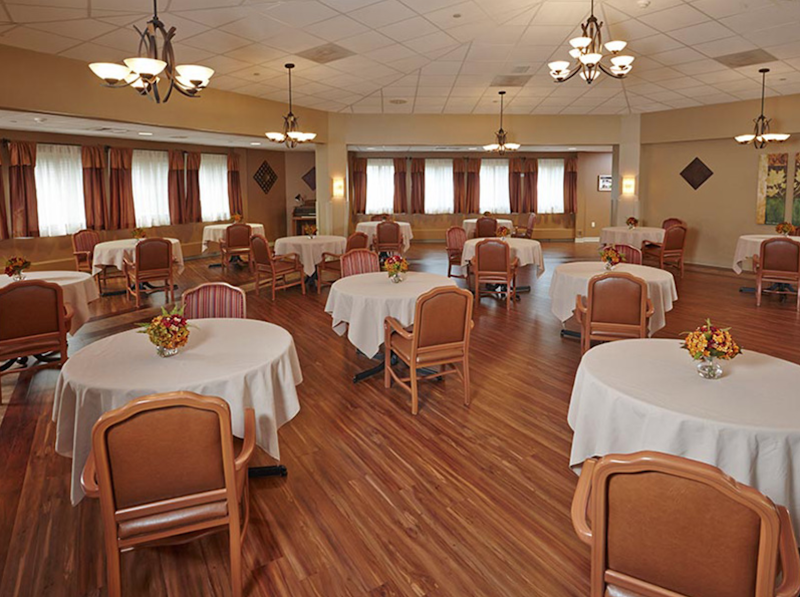
How is River'S Bend Health Services Staffed?

CMS rates RIVER'S BEND HEALTH SERVICES's staffing level at 4 out of 5 stars, which is above average compared to other nursing homes. Staff turnover is 44%, compared to the Wisconsin average of 46%. This relatively stable workforce can support continuity of care.

What Have Inspectors Found at River'S Bend Health Services?

State health inspectors documented 27 deficiencies at RIVER'S BEND HEALTH SERVICES during 2022 to 2025. These included: 27 with potential for harm.
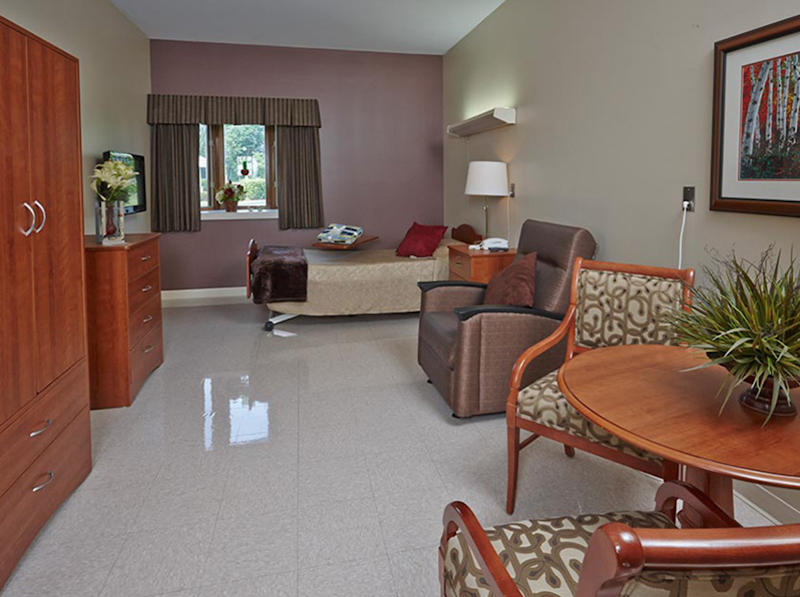
Who Owns and Operates River'S Bend Health Services?

RIVER'S BEND HEALTH SERVICES is owned by a for-profit company. For-profit facilities operate as businesses with obligations to shareholders or private owners. The facility is operated by NORTH SHORE HEALTHCARE, a chain that manages multiple nursing homes. With 100 certified beds and approximately 80 residents (about 80% occupancy), it is a mid-sized facility located in MANITOWOC, Wisconsin.
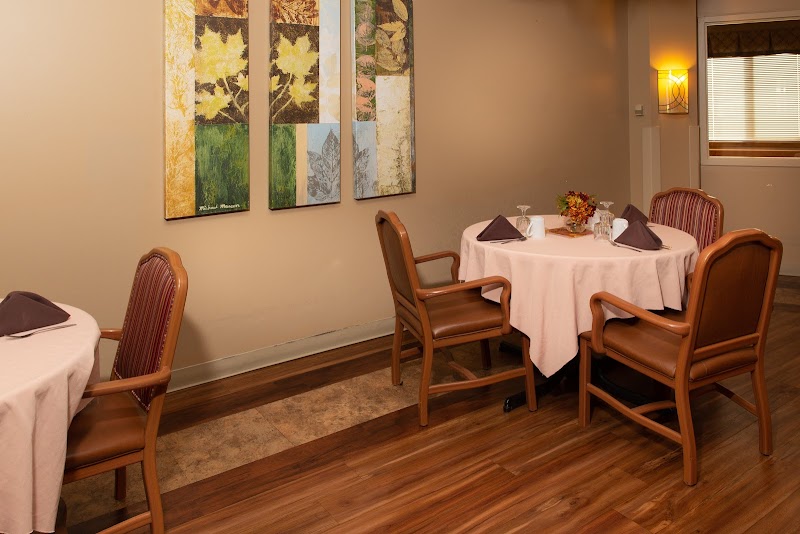
How Does River'S Bend Health Services Compare to Other Wisconsin Nursing Homes?

Compared to the 100 nursing homes in Wisconsin, RIVER'S BEND HEALTH SERVICES's overall rating (3 stars) matches the state average, staff turnover (44%) is near the state average of 46%, and health inspection rating (3 stars) is at the national benchmark.

What Should Families Ask When Visiting River'S Bend Health Services?

Based on this facility's data, families visiting should ask: "Can I visit during a mealtime to observe dining assistance and food quality?" "How do you handle medical emergencies, and what is your hospital transfer rate?" "Can I speak with family members of current residents about their experience?"

Is River'S Bend Health Services Safe?

Based on CMS inspection data, RIVER'S BEND HEALTH SERVICES has a clean safety record: no substantiated abuse findings (meaning no confirmed cases of resident harm), no Immediate Jeopardy citations (the most serious violation level indicating risk of serious injury or death), and is not on the Special Focus Facility watch list (a federal program monitoring the lowest-performing 1% of nursing homes). The facility has a 3-star overall rating and ranks #1 of 100 nursing homes in Wisconsin. While no facility is perfect, families should still ask about staff-to-resident ratios and recent inspection results during their visit.

Do Nurses at River'S Bend Health Services Stick Around?

RIVER'S BEND HEALTH SERVICES has a staff turnover rate of 44%, which is about average for Wisconsin nursing homes (state average: 46%). Moderate turnover is common in nursing homes, but families should still ask about staff tenure and how the facility maintains care continuity when employees leave.

Was River'S Bend Health Services Ever Fined?

RIVER'S BEND HEALTH SERVICES has no federal fines on record. CMS issues fines when nursing homes fail to meet care standards or don't correct problems found during inspections. The absence of fines suggests the facility has either maintained compliance or corrected any issues before penalties were assessed. This is a positive indicator, though families should still review recent inspection reports for the full picture.

Is River'S Bend Health Services on Any Federal Watch List?

RIVER'S BEND HEALTH SERVICES is not on any federal watch list. The most significant is the Special Focus Facility (SFF) program, which identifies the bottom 1% of nursing homes nationally based on persistent, serious quality problems. Not being on this list means the facility has avoided the pattern of deficiencies that triggers enhanced federal oversight. This is a positive indicator, though families should still review the facility's inspection history directly.