MARKESAN RESIDENT HOME
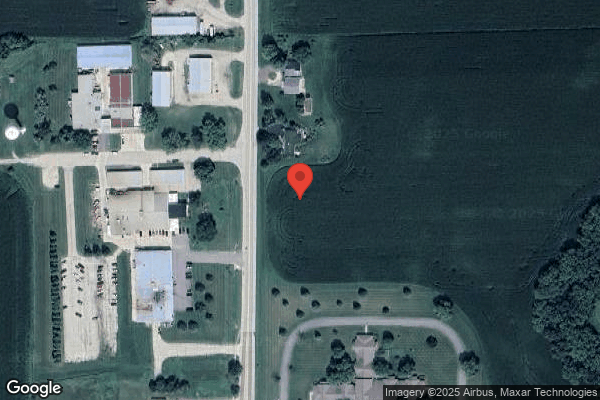

1130 N MARGARET, MARKESAN, WI 53946 (920) 398-2751
Non profit - Corporation 50 Beds Independent Data: November 2025
Trust Grade
90/100
#46 of 321 in WI
Last Inspection: February 2025

Within standard 12-15 month inspection cycle. Federal law requires annual inspections.

Overview

Markesan Resident Home has an excellent Trust Grade of A, indicating a high level of quality and care, making it a highly recommended choice for families. It ranks #46 out of 321 facilities in Wisconsin, placing it in the top half, and is the best option among the two facilities in Green Lake County. However, the facility's trend is concerning as it has worsened from 1 issue in 2022 to 4 in 2025, indicating a need for improvement in operations. Staffing is a strong point, with a 5/5 star rating and a turnover rate of 44%, which is below the state average, suggesting that staff are experienced and familiar with the residents. While the facility has not incurred any fines, which is a positive sign, recent inspections revealed some issues, such as staff failing to maintain proper hand hygiene when handling food and not providing written transfer notices for residents sent to the hospital, which could affect their care. Overall, while there are significant strengths in staffing and quality, the reported concerns highlight areas that need attention.

Trust Score
A
90/100
In Wisconsin
#46/321
Top 14%
Safety Record
Low Risk
No red flags
Inspections
Getting Worse
1 → 4 violations
Staff Stability
○ Average
44% turnover. Near Wisconsin's 48% average. Typical for the industry.
Penalties
✓ Good
No fines on record. Clean compliance history, better than most Wisconsin facilities.
Skilled Nurses
✓ Good
Each resident gets 60 minutes of Registered Nurse (RN) attention daily — more than 97% of Wisconsin nursing homes. RNs are the most trained staff who catch health problems before they become serious.
Violations
✓ Good
Only 5 deficiencies on record. Cleaner than most facilities. Minor issues only.
★★★★★
5.0
Overall Rating
★★★★★
5.0
Staff Levels
★★★★☆
4.0
Care Quality
★★★★☆
4.0
Inspection Score
Stable
2022: 1 issues
2025: 4 issues

The Good

  • 5-Star Staffing Rating · Excellent nurse staffing levels
  • 4-Star Quality Measures · Strong clinical quality outcomes
  • Full Sprinkler Coverage · Fire safety systems throughout facility
  • No fines on record
  • Staff turnover below average (44%)

    4 points below Wisconsin average of 48%

Facility shows strength in staffing levels, quality measures, fire safety.

The Bad

Staff Turnover: 44%

Near Wisconsin avg (46%)

Typical for the industry

The Ugly 5 deficiencies on record

Feb 2025 4 deficiencies
CONCERN (D)

Potential for Harm - no one hurt, but risky conditions existed

Abuse Prevention Policies (Tag F0607)

Could have caused harm · This affected 1 resident

Based on staff interview and record review, the facility did not implement policies and procedures that prohibit and prevent abuse for 3 of 8 facility and contracted staff reviewed for caregiver backg...

Read full inspector narrative →
Based on staff interview and record review, the facility did not implement policies and procedures that prohibit and prevent abuse for 3 of 8 facility and contracted staff reviewed for caregiver background checks. The facility did not ensure thorough and timely caregiver background checks were completed for Physical Therapist (PT)-C, Certified Nursing Assistant (CNA)-D, and CNA-E. Findings include: The facility's Abuse, Neglect and Exploitation policy, revised 12/2019 indicates: The objective of the abuse policy is to comply with the seven-step approach to abuse and neglect detection and prevention .screening, training, prevention, identification, investigation, protection, reporting, and response .A. Screening: .It is the policy of this facility to screen employees and volunteers prior to working with residents. Screening components include verification of references, certification and verification of licenses, and a criminal background check .The facility will not employ or otherwise engage individuals who have been found guilty of abuse, neglect, exploitation, misappropriation of property, or mistreatment by a court of law .As the license holder/legal representative, the facility will do the following: Have the employee or contractor complete a Background Information Disclosure (BID) form. The completed BID will be kept on file .A complete caregiver background check will consist of the following documents: A completed BID form .a response from the Department of Justice (DOJ) .a Response to Caregiver Background Check letter These three items are retained with the employee's records and are made available when requested by Department of Quality Assurance (DQA) staff for survey purposes. Other documentation must be obtained by the facility when information is needed to complete the background check, such as other state's conviction records .The facility will conduct repeat background checks at a minimum of four-year intervals or as needed per Wisconsin Chapter 13 requirements. On 2/11/25, Surveyor reviewed background check information for 8 facility and contracted staff, including PT-C, CNA-D, and CNA-E. PT-C was hired on 7/8/21. The facility provided an undated BID form for PT-C and did not provide proof that PT-C's BID form was completed prior to or on the date of PT-C's hire. CNA-D was hired on 10/8/00. The facility provided an undated BID form for CNA-D and did not provide proof that CNA-D's BID form was completed prior to or on the date of CNA-D's hire. CNA-E was hired on 11/30/20. CNA-E's BID form indicated CNA-E resided outside of Wisconsin from July 2022 to September 2022, however, the BID form did not indicate in which state CNA-E previously lived. The facility did not provide an out-of-state background check for CNA-E. On 2/11/25 at 12:59 PM, Surveyor interviewed Nursing Home Administrator (NHA)-A who confirmed PT-C and CNA-D's BID forms were not dated and CNA-E's BID form indicated CNA-E lived outside of Wisconsin within the last three years. NHA-A indicated Human Resources (HR) staff should have reviewed PT-C and CNA-D's BID forms and obtained an out-of-state background check for CNA-E. On 2/12/25 at 10:55 AM, Surveyor interviewed NHA-A who stated PT-C and CNA-D's BID forms should have been dated the same day their background checks were completed. NHA-A indicated BID forms should be dated when signed by staff to ensure the BID form was checked within the last 4 years and coincides with the employee's current DOJ and Integrated Background Information System (IBIS) letters.
CONCERN (D)

Potential for Harm - no one hurt, but risky conditions existed

Incontinence Care (Tag F0690)

Could have caused harm · This affected 1 resident

**NOTE- TERMS IN BRACKETS HAVE BEEN EDITED TO PROTECT CONFIDENTIALITY** Based on observation, staff interview, and record review, the facility did not ensure 1 resident (R) (R140) of 1 sampled residen...

Read full inspector narrative →
**NOTE- TERMS IN BRACKETS HAVE BEEN EDITED TO PROTECT CONFIDENTIALITY** Based on observation, staff interview, and record review, the facility did not ensure 1 resident (R) (R140) of 1 sampled resident received the appropriate care and services to prevent urinary tract infections (UTIs). On 2/11/25, R140's uncovered catheter drainage bag was observed on the floor next to R140's recliner. Findings include: The facility's Catheter Care and Drainage Bag Covers policy, revised 3/12/21, indicates: .1. Minimize the risk of catheter-associated urinary tract infections and related problems .It is the policy of the facility to cover catheter drainage bags at all times to provide privacy and dignity to the resident . From 2/10/25 to 2/12/25, Surveyor reviewed R140's medical record. R140 was admitted to the facility on [DATE] and had diagnoses including ischemic colitis, heart failure, and diabetes. R140's Minimum Data Set (MDS) assessment, dated 1/17/25, had a Brief Interview for Mental Status (BIMS) score of 15 out of 15 which indicated R140 had intact cognition. On 2/11/25 at 1:43 PM, Surveyor observed R140's uncovered catheter bag on the floor of R140's room while R140 was sitting in a recliner. On 2/11/25 at 1:49 PM, Surveyor interviewed Registered Nurse (RN)-G who confirmed R140's uncovered catheter bag was on the floor. RN-G indicated the catheter bag should not be on the floor and should be covered with a privacy bag. On 2/11/25 at 1:51 PM, Surveyor interviewed Director of Nursing (DON)-B who indicated catheter bags should be covered with a privacy bag and not on the floor.
CONCERN (E)

Potential for Harm - no one hurt, but risky conditions existed

Transfer Notice (Tag F0623)

Could have caused harm · This affected multiple residents

**NOTE- TERMS IN BRACKETS HAVE BEEN EDITED TO PROTECT CONFIDENTIALITY** Based on staff interview and record review, the facility did not ensure a written transfer notice was provided for 4 residents (...

Read full inspector narrative →
**NOTE- TERMS IN BRACKETS HAVE BEEN EDITED TO PROTECT CONFIDENTIALITY** Based on staff interview and record review, the facility did not ensure a written transfer notice was provided for 4 residents (R) (R188, R20, R25, and R2) of 4 residents reviewed for hospitalization. In addition, the facility did not ensure the Ombudsman was notified of hospital transfers for 3 (R20, R25, R2) of 4 residents. R188 was transferred to the hospital on 2/10/25. The facility did not provide R188 or R188's representative with a written transfer notice. R20 was transferred to the hospital on 1/10/25. The facility did not provide R20 or R20's representative with a written transfer notice and did not notify the Ombudsman of R20's transfer. R25 was transferred to the hospital on [DATE]. The facility did not provide R25 or R25's representative with a written transfer notice and did not notify the Ombudsman of R25's transfer. R2 was transferred to the hospital on [DATE]. The facility did not provide R2 or R2's representative with a written transfer notice and did not notify the Ombudsman of R2's transfer. Findings include: The facility did not provide a discharge/transfer notice policy. 1. From 2/10/25 to 2/12/25, Surveyor reviewed R188's medical record which indicated R188 was transferred to the hospital on 2/10/25 and admitted for pneumonia. R188's medical record did not indicate R188 or R188's representative received a written transfer notice. 2. From 2/10/25 to 2/12/25, Surveyor reviewed R20's medical record which indicated R20 was transferred to the hospital on 1/12/25 and admitted for a bowel obstruction. R20's medical record did not indicate R20 or R20's representative received a written transfer notice. 3. From 2/10/25 to 2/12/25, Surveyor reviewed R25's medical record which indicated R25 was transferred to the hospital on [DATE] for an unresponsive episode and low blood pressure. R25's medical record did not indicate R25 or R25's representative received a written transfer notice. R25's medical record indicated R25 had an activated Power of Attorney (POA). 4. From 2/10/25 to 2/12/25, Surveyor reviewed R2's medical record which indicated R2 was transferred and admitted to the hospital on [DATE] for gastrointestinal symptoms and intravenous (IV) antibiotics. R2's medical record did not indicate R2 or R2's representative received a written transfer notice. R2's medical record indicated R2 had an activated POA. On 2/12/25 at 9:00 AM and 11:11 AM, Surveyor interviewed Nursing Home Administrator (NHA)-A regarding discharge/transfer and Ombudsman notification. NHA-A indicated the facility made adjustments last year and the bed hold and transfer form the facility completes at the time of transfer meets the requirements. NHA-A indicated the facility does not notify the Ombudsman of hospital transfers. On 2/12/25 at 11:26 AM, Surveyor interviewed Director of Nursing (DON)-B who indicated a transfer form is sent in the folder with Emergency Medical Services (EMS) to the hospital if the form has been completed when the resident leaves the facility. If the form has not been completed when the resident leaves the facility, staff fax a copy of the form to the hospital. DON-B stated the facility does not give a copy of the form to the resident or their representative.
CONCERN (E)

Potential for Harm - no one hurt, but risky conditions existed

Food Safety (Tag F0812)

Could have caused harm · This affected multiple residents

Based on observation, staff interview, and record review, the facility did not ensure food was stored and prepared in a safe and sanitary manner. This practice had the potential to affect more than 4 ...

Read full inspector narrative →
Based on observation, staff interview, and record review, the facility did not ensure food was stored and prepared in a safe and sanitary manner. This practice had the potential to affect more than 4 of the 38 residents residing in the facility. Staff did not monitor and document food cooling temperatures. Staff did not follow safe reheating protocols for food meant for resident consumption. Findings include: On 2/10/25 at 8:50 AM, Surveyor began an initial kitchen tour with Dietary Manager (DM)-F who indicated the facility follows the Food and Drug Administration (FDA) Food Code. The 2022 FDA Food Code documents at 3-402.12 Records, Creation and Retention: Records must be maintained to verify that the critical limits required for food safety are being met. Records provide a check for both the operator and the regulator in determining that monitoring and corrective actions have taken place. Cooling Temperatures: The 2022 FDA Food Code documents at 3-501.14 Cooling: (A) Cooked time/temperature control for safety food shall be cooled: (1) Within 2 hours from 135º Fahrenheit (F) to 70° F; and (2) Within a total of 6 hours from 135º F to 41° F or less. (B) Time/temperature control for safety food shall be cooled within 4 hours to 41 degrees F or less if prepared from ingredients at ambient temperature, such as reconstituted foods and canned tuna. The 2022 FDA Food Code documents at 3-501.15 Cooling Methods: (A) Cooling shall be accomplished in accordance with the time and temperature criteria specified under § 3-501.14 by using one or more of the following methods based on the type of food being cooled: (1) Placing the food in shallow pans; (2) Separating the food into smaller or thinner portions; (3) Using rapid cooling equipment; (4) Stirring the food in a container placed in an ice water bath; (5) Using containers that facilitate heat transfer; (6) Adding ice as an ingredient; or (7) Other effective methods. The facility's Food Temperatures and Thermometer Protocol, dated August 2017, indicates: It is the policy of the facility to have thermometers available to take the internal temperature of food .Thermometers are available in the kitchen for checking food temperatures to maintain food safety .Stem thermometers will be used for foods that are cooked and cooled for later service. Temperatures will be monitored and recorded promptly. During an initial tour of the kitchen that began at 8:50 AM on 2/10/25 at 8:50 AM, Surveyor and DM-F observed pre-cooked eggs, beef patties, and French toast in the cooler and two tubs with plastic bags of previously cooked meat in the freezer. DM-F confirmed the items were for resident consumption and were previously prepared and cooked in the kitchen. DM-F indicated the facility does not use cooling logs. Microwave Reheating/Food Safety Temperatures: The 2022 FDA Food Code documents at 3-403.11 Reheating for Hot Holding: (A) Except as specified under (B) and (C) and (E) of this section, time/temperature control for safety food that is cooked, cooled, and reheated for hot holding shall be reheated so that all parts of the food reach a temperature of at least 74 degrees Celsius (C) (165 degrees Fahrenheit (F)) for 15 seconds. (B) Except as specified under (C) of this section, time/temperature control for safety food reheated in a microwave oven for hot holding shall be reheated so that all parts of the food reach a temperature of at least 74 degrees C (165 degrees F) and the food is rotated or stirred, covered, and allowed to stand covered for 2 minutes after reheating. The facility's Food Temperatures and Thermometer Protocol, dated August 2017, indicates: It is the policy of the facility to have thermometers available to take the internal temperature of food .Thermometers are available in the kitchen for checking food temperatures to maintain food safety .Foods that are heated in the microwave are only heated for immediate service and will be heated to palatable temperatures. During an observation of lunch on 2/10/25 at 11:48 AM, Surveyor observed [NAME] (CK)-H pour beef broth in a bowl, cover the bowl, and heat the broth in the microwave for 50 seconds. CK-H then temped the broth with a thermometer that read 131 degrees F. CK-H then heated the broth for an additional 30 seconds and temped the broth with a thermometer that read 164 degrees F. On 2/10/25 at 11:48 AM, Surveyor interviewed CK-H who stated reheated food should reach a minimum temperature of 135 degrees F. CK-H acknowledged CK-H was not aware the temperature for reheated food should be 165 degrees. On 2/11/25 at 12:58 PM, Surveyor interviewed DM-F who acknowledged the reheating protocol concern and stated it was a misunderstanding on the facility's part as they were not aware the internal temperature needs to reach 165 degrees F.
Nov 2022 1 deficiency
CONCERN (F)

Potential for Harm - no one hurt, but risky conditions existed

Food Safety (Tag F0812)

Could have caused harm · This affected most or all residents

**NOTE- TERMS IN BRACKETS HAVE BEEN EDITED TO PROTECT CONFIDENTIALITY** Based on observation and staff interview the facility did not ensure food was stored and prepared in a safe and sanitary manner,...

Read full inspector narrative →
**NOTE- TERMS IN BRACKETS HAVE BEEN EDITED TO PROTECT CONFIDENTIALITY** Based on observation and staff interview the facility did not ensure food was stored and prepared in a safe and sanitary manner, which had the potential to affect all 33 residents (R) at the facility. Staff did not complete proper hand hygiene when moving from working with dirty dishes to clean dishes. Staff did not properly heat food in the microwave that was served to residents. 9 items in dry storage were either past the use by date or past the manufacturer best by date. Findings include: On 10/31/22 at 8:57 AM, Surveyor began the initial kitchen tour with Dietary Manager (DM-C). At this time, DM-C indicated the facility utilized the State of Wisconsin Food Code. Hand Hygiene The Wisconsin Food Code at 2-301.14 Personal Cleanliness, When to Wash states Food employees shall clean their hands and exposed portions of their arms .(E) After handling soiled equipment or utensils; (I) After engaging in other activities that contaminate the hands. On 11/1/22 at 1:12 PM, Surveyor observed the dish washing process. Surveyor observed Cook-D walk into the dish area and go to assist staff on the dirty side by putting dirty dishes in a dish rack. Cook-D took trays and covers that had been used for lunch, stacked them into a dish rack, then pick up the dish rack and place it in a position to slide it into the dishwasher. Cook-D then pushed the rack into the dishwasher. Cook-D then moved to the clean side of the dishwashing operation and grabbed clean cups out of a rack that had just come out of the dishwasher and stack them on a rolling cart. Cook-D then went back to the dirty side to stack more used lunch trays and covers into another dish rack, lift that dish rack over to the dishwasher and push the rack into the dishwasher. Cook-D then went over to the clean side of dishwashing operation and pushed a cart that had clean dishes on out of the dish area. Surveyor observed Cook-D push the cart around the front of the kitchen and stop (in front of the entire dish area), Cook-D then pushed dirty plates towards the staff rinsing dishes, turned around and adjusted stacked clean plastic containers on the shelf. Cook-D then washed Cook-D's hands. At this time Surveyor interviewed Cook-D who indicated Cook-D does not generally work in the dish area and was helping out because of being short on staff. Cook-D indicated Cook-D was not aware Cook-D should have washed hands going from the dirty side to the clean side of the dishwashing operation. On 11/1/22 at 1:25 PM, Surveyor spoke with DM-C who confirmed the expectation that staff should be washing hands when going from the dirty side of the dishes to the clean side. DM-C indicated that staff were reminded of hand hygiene during dishes today before Surveyor entered the kitchen, but Cook-D was not part of that reminder group, but should have known about hand washing between crossing from dirty to clean. Reheating Food Wisconsin state food code at 3-401.12 Microwave Cooking indicates: Raw animal foods cooked in a microwave oven shall be: (A) Rotated or stirred throughout or midway during cooking to compensate for uneven distribution of heat; (B) Covered to retain surface moisture; (C) Heated to a temperature of at least 74°C (165°F) in all parts of the FOOD; and (D) Allowed to stand covered for 2 minutes after cooking to obtain temperature equilibrium. On 10/31/22 at 10:34 AM, Surveyor observed Certified Nursing Assistant (CNA-E) heating up R33's breakfast in the microwave. CNA-E turned the microwave on then left to go assist another resident. On 10/31/22 at 10:45 AM, CNA-E came back to the kitchen area and pushed a button to turn the microwave on for approximately 15 seconds. CNA-E then took the plate out of the microwave and placed it in front of R33. Surveyor observed the breakfast to be scrambled eggs and a brown substance in a bowl. Surveyor did not observe CNA-E complete a temperature on the food and wait 2 minutes before serving. On 10/31/22 at 10:46 AM, CNA-E then took R23's breakfast plate out of the refrigerator and place it in the microwave. CNA-E then turned the microwave on for approximately 1 minute. CNA-E took the plate out of the microwave and immediately served it to R23. Surveyor observed the breakfast to be pancakes and what looked like ground sausage. Surveyor did not observe CNA-E complete a temperature on R23's food or wait 2 minutes prior to serving. On 10/31/22 at 10:51 AM, Surveyor interviewed CNA-E who confirmed CNA-E did not complete a temperature on the food or wait 2 minutes prior to serving. CNA-E indicated CNA-E knew CNA-E should have completed a temperature and wait a bit before serving, though CNA-E was unsure what the temperature was supposed to be and how long to wait. CNA-E opened the drawer to look for a thermometer to use to complete a temperature, but CNA-E could not locate one and did not know where the thermometer was. CNA-E indicated that R33 and R23 do often eat a later breakfast in the morning. On 11/1/22 at 1:25 PM, Surveyor interviewed DM-C who confirmed staff should have completed the temperature of the food and wait for 2 minutes when reheating resident food. DM-C indicated there was a thermometer there but then also confirmed that if regular staff did not know where to locate it, it wasn't being used. Out of date items The Wisconsin State Food Code at 3-501.17 Ready-to-Eat, Time/Temperature Control for Safety Food, Date Marking indicates: .Commercially processed food open and hold cold refrigerated, ready to eat, time/temperature control for safety food prepared and packaged by a food processing plant shall be clearly marked at the time the original container is opened in a food establishment and, if the food is held for more than 24 hours, to indicate the date or day by which the food shall be consumed on the premises, sold, or discarded, based on the temperature and time combinations specified in paragraph (A) of this section and; (1) The day the original container is opened in the food establishment shall be counted as Day 1; and (2) The day or date marked by the food establishment may not exceed a manufacturer's use-by date if the manufacturer determined the use-by date based on food safety. On 10/31/22 during the initial kitchen tour, Surveyor noted the following items were past the best by or manufacturer's expiration date: ~1 - 1/4 full non -original container of granola that was marked with a use by date of 10/29/22. ~5 - 1 quart 14 ounce containers of [NAME] Ready Care Thickened Cranberry Cocktail with a Manufacturer's Expiration Date of January of 2022. These containers were also marked with a received date of 10/22 and DM-C indicated these containers were just delivered last week. ~3 - 1 quart 14 ounce containers of [NAME] Ready Care Thickened Cranberry Cocktail with a Manufacturer's Expiration Date of September of 2022. These 3 containers were hand marked with a received date of 5/22. On 10/31/22 during the initial kitchen interview DM-C indicated the expectation that staff should be looking at dates when putting items away. DM-C also indicated the expectation that items should not be expired.
Understanding Severity Codes (click to expand)
Life-Threatening (Immediate Jeopardy)
J - Isolated K - Pattern L - Widespread
Actual Harm
G - Isolated H - Pattern I - Widespread
Potential for Harm
D - Isolated E - Pattern F - Widespread
No Harm (Minor)
A - Isolated B - Pattern C - Widespread

Questions to Ask on Your Visit

  • "Can I speak with families of current residents?"
  • "What's your RN coverage like on weekends and overnight?"

Our Honest Assessment

Strengths
  • • Grade A (90/100). Above average facility, better than most options in Wisconsin.
  • • No major safety red flags. No abuse findings, life-threatening violations, or SFF status.
  • • No fines on record. Clean compliance history, better than most Wisconsin facilities.
  • • Only 5 deficiencies on record. Cleaner than most facilities. Minor issues only.
Concerns
  • • No significant concerns identified. This facility shows no red flags across CMS ratings, staff turnover, or federal penalties.
Bottom line: Generally positive indicators. Standard due diligence and a personal visit recommended.

About This Facility

What is Markesan Resident Home's CMS Rating?

CMS assigns MARKESAN RESIDENT HOME an overall rating of 5 out of 5 stars, which is considered much above average nationally. Within Wisconsin, this rating places the facility higher than 99% of the state's 100 nursing homes. This rating reflects solid performance across the metrics CMS uses to evaluate nursing home quality.

How is Markesan Resident Home Staffed?

CMS rates MARKESAN RESIDENT HOME's staffing level at 5 out of 5 stars, which is much above average compared to other nursing homes. Staff turnover is 44%, compared to the Wisconsin average of 46%. This relatively stable workforce can support continuity of care.

What Have Inspectors Found at Markesan Resident Home?

State health inspectors documented 5 deficiencies at MARKESAN RESIDENT HOME during 2022 to 2025. These included: 5 with potential for harm.

Who Owns and Operates Markesan Resident Home?

MARKESAN RESIDENT HOME is owned by a non-profit organization. Non-profit facilities reinvest revenue into operations rather than distributing to shareholders. The facility operates independently rather than as part of a larger chain. With 50 certified beds and approximately 32 residents (about 64% occupancy), it is a smaller facility located in MARKESAN, Wisconsin.

How Does Markesan Resident Home Compare to Other Wisconsin Nursing Homes?

Compared to the 100 nursing homes in Wisconsin, MARKESAN RESIDENT HOME's overall rating (5 stars) is above the state average of 3.0, staff turnover (44%) is near the state average of 46%, and health inspection rating (4 stars) is above the national benchmark.

What Should Families Ask When Visiting Markesan Resident Home?

Based on this facility's data, families visiting should ask: "Can I visit during a mealtime to observe dining assistance and food quality?" "How do you handle medical emergencies, and what is your hospital transfer rate?" "Can I speak with family members of current residents about their experience?"

Is Markesan Resident Home Safe?

Based on CMS inspection data, MARKESAN RESIDENT HOME has a clean safety record: no substantiated abuse findings (meaning no confirmed cases of resident harm), no Immediate Jeopardy citations (the most serious violation level indicating risk of serious injury or death), and is not on the Special Focus Facility watch list (a federal program monitoring the lowest-performing 1% of nursing homes). The facility has a 5-star overall rating and ranks #1 of 100 nursing homes in Wisconsin. While no facility is perfect, families should still ask about staff-to-resident ratios and recent inspection results during their visit.

Do Nurses at Markesan Resident Home Stick Around?

MARKESAN RESIDENT HOME has a staff turnover rate of 44%, which is about average for Wisconsin nursing homes (state average: 46%). Moderate turnover is common in nursing homes, but families should still ask about staff tenure and how the facility maintains care continuity when employees leave.

Was Markesan Resident Home Ever Fined?

MARKESAN RESIDENT HOME has no federal fines on record. CMS issues fines when nursing homes fail to meet care standards or don't correct problems found during inspections. The absence of fines suggests the facility has either maintained compliance or corrected any issues before penalties were assessed. This is a positive indicator, though families should still review recent inspection reports for the full picture.

Is Markesan Resident Home on Any Federal Watch List?

MARKESAN RESIDENT HOME is not on any federal watch list. The most significant is the Special Focus Facility (SFF) program, which identifies the bottom 1% of nursing homes nationally based on persistent, serious quality problems. Not being on this list means the facility has avoided the pattern of deficiencies that triggers enhanced federal oversight. This is a positive indicator, though families should still review the facility's inspection history directly.