NORTH SHORE HEALTHCARE AT MARSHFIELD
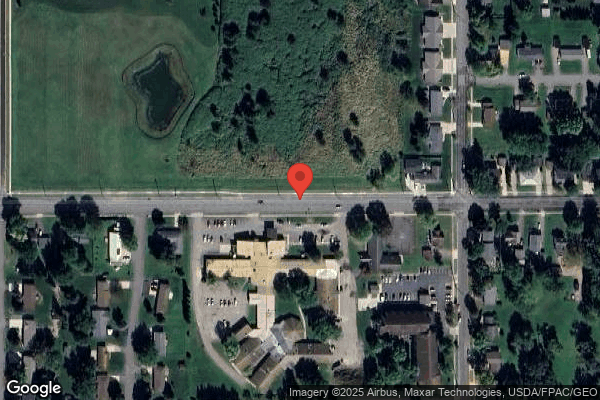
814 W 14TH ST, MARSHFIELD, WI 54449 (715) 387-1188
For profit - Corporation 120 Beds NORTH SHORE HEALTHCARE Data: November 2025
Trust Grade
60/100
#160 of 321 in WI
Last Inspection: March 2025

Within standard 12-15 month inspection cycle. Federal law requires annual inspections.

Overview

North Shore Healthcare at Marshfield has a Trust Grade of C+, indicating it is slightly above average but not outstanding. It ranks #160 of 321 facilities in Wisconsin, placing it in the top half, and #4 of 5 in Wood County, meaning there is only one local facility that performs better. However, the trend is concerning as the number of issues reported has worsened from 5 in 2024 to 11 in 2025. Staffing is a strength, with a rating of 4 out of 5 stars and a turnover rate of only 31%, which is significantly lower than the state average. Notably, there have been no fines, showing compliance, but there were serious incidents, including a failure to prevent a resident from developing a stage 3 pressure injury and inaccuracies in the resident's assessment and care plan upon admission. Overall, while there are strengths in staffing and compliance, the recent increase in reported issues raises concerns for potential residents and their families.

Trust Score
C+
60/100
In Wisconsin
#160/321
Top 49%
Safety Record
Moderate
Needs review
Inspections
Getting Worse
5 → 11 violations
Staff Stability
○ Average
31% turnover. Near Wisconsin's 48% average. Typical for the industry.
Penalties
✓ Good
No fines on record. Clean compliance history, better than most Wisconsin facilities.
Skilled Nurses
✓ Good
Each resident gets 65 minutes of Registered Nurse (RN) attention daily — more than 97% of Wisconsin nursing homes. RNs are the most trained staff who catch health problems before they become serious.
Violations
⚠ Watch
18 deficiencies on record. Higher than average. Multiple issues found across inspections.
★★★☆☆
3.0
Overall Rating
★★★★☆
4.0
Staff Levels
★★★★☆
4.0
Care Quality
★★★☆☆
3.0
Inspection Score
Stable
2024: 5 issues
2025: 11 issues

The Good

  • 4-Star Staffing Rating · Above-average nurse staffing levels
  • 4-Star Quality Measures · Strong clinical quality outcomes
  • Full Sprinkler Coverage · Fire safety systems throughout facility
  • No fines on record
  • Staff turnover below average (31%)

    17 points below Wisconsin average of 48%

Facility shows strength in staffing levels, quality measures, fire safety.

The Bad

3-Star Overall Rating

Near Wisconsin average (3.0)

Meets federal standards, typical of most facilities

Staff Turnover: 31%

15pts below Wisconsin avg (46%)

Typical for the industry

Chain: NORTH SHORE HEALTHCARE

Part of a multi-facility chain

Ask about local staffing decisions and management

The Ugly 18 deficiencies on record

1 actual harm
Jul 2025 5 deficiencies 1 Harm
SERIOUS (G) 📢 Someone Reported This

A family member, employee, or ombudsman was alarmed enough to file a formal complaint

Actual Harm - a resident was hurt due to facility failures

Pressure Ulcer Prevention (Tag F0686)

A resident was harmed · This affected 1 resident

**NOTE- TERMS IN BRACKETS HAVE BEEN EDITED TO PROTECT CONFIDENTIALITY** Based on staff interview and record review, the facility did not provide the necessary care and services to prevent the developm...

Read full inspector narrative →
**NOTE- TERMS IN BRACKETS HAVE BEEN EDITED TO PROTECT CONFIDENTIALITY** Based on staff interview and record review, the facility did not provide the necessary care and services to prevent the development of pressure injuries and/or promote healing for 1 resident (R) (R1) of 2 sampled residents. R1 developed a stage 3 pressure injury on the sacrum. The facility did not implement interventions to prevent the pressure injury from developing and did not monitor the pressure injury after it was identified. Findings include: The facility's Pressure Injuries and Non-Pressure Injuries policy indicates: This center will complete a comprehensive assessment to identify risk factors for the development of pressure injuries and put in place measures intended to achieve the goal of prevention of pressure injuries .For those residents admitted with, or who subsequently develop a pressure injury or impaired skin integrity, they will receive care, treatment, and services that seek to promote healing, prevent infection, and prevent further development of pressure injuries/impaired skin integrity .Stage 3 pressure injury: Full-thickness loss of skin, in which adipose (fat) is visible in the ulcer and granulation tissue and epibole (rolled wound edges) are often present .Moisture-associated skin damage (MASD): Inflammation of the skin and erosion from prolonged exposure to moisture and its contents. Common sources of moisture include urine and stool, perspiration, wound exudate .Upon admission: a. A head-to-toe body evaluation .ii. If non-pressure: Initiate the Non-Pressure Injury Tracker UDA (User-Defined Assessment) .B. Complete the Braden Scale to assess risk of development of a pressure injury .i. Upon admission/re-admission .C. Initiate the baseline plan of care related to current skin status and skin risk level. When determining skin risk status and appropriate interventions, consider the following: i. Braden Scale Score ii. Co-morbid conditions .diabetes mellitus .x. Exposure of skin to urinary and fecal incontinence .2. Weekly: a. Complete a head-to-toe skin check and document findings on the Skin Review .If new areas are present: Notify MD .iii. Initiate treatment per order .v. Update plan of care .B. Assess current wounds at least every seven days .A comprehensive skin integrity care plan is based on resident history, review of the Skin Assessment, Braden Scale .Consider the areas of risk, as well as overall risk assessment score of the Braden Scale .1. Develop interventions based on subsets of Braden Scale that may include: Sensory perception .moisture .activity .mobility .Develop turning/repositioning schedule based on resident's needs and risk factors .2. Develop interventions based on individual risk factors .The care plan should be updated to reflect the resident's choice and what interventions will be in place to minimize the risk to the resident .On 7/7/25, Surveyor reviewed R1's medical record. R1 was admitted to the facility on [DATE] and had diagnoses including encounter for orthopedic aftercare (post-surgical incision to lower back), diabetes, heart failure, chronic kidney disease, and obstructive sleep apnea. R1 had an activated Power of Attorney for Healthcare (POAHC) who assisted with medical decisions. R1's admission Minimum Data Set (MDS) assessment, dated 6/18/25, had a Brief Interview for Mental Status (BIMS) score of 9 out of 15 which indicated R1 had moderately impaired cognition. The MDS assessment indicated R1 was at risk for pressure injuries but did not have a pressure injury, did not not have a pressure reducing device in bed or chair, was not on a turning/repositioning program, and required moderate assistance with rolling left and right and going from a sitting to a lying position. The MDS also indicated R1 had moisture-associated skin damage (MASD) but did not have any surgical wounds and did not receive surgical wound care. R1 had an activated Power of Attorney for Healthcare (POAHC). R1 was currently hospitalized for a surgical incision infection.An admission Assessment, dated 6/12/25, indicated R1 had a macerated area that measured 0.1 centimeters (cm) x 0.1 cm on the left inner buttock.A Braden Scale (skin integrity impairment risk), completed upon admission on [DATE], indicated R1 was at risk for impaired skin integrity.A care plan, dated 6/13/25, indicated R1 had limited mobility and needed the assistance of 1 staff with bed mobility.A baseline care plan, initiated 6/13/25 with revisions on 6/18/25, did not indicate R1 was at risk for skin impairment or contain skin impairment focus area. The baseline care plan also did not indicate interventions were implemented to prevent a pressure injury or prevent further injury after a stage 3 pressure injury was identified on 6/20/25.A non-pressure weekly tracker, dated 6/13/25, indicated R1 was admitted to the facility with a surgical wound on the lower back. No other wounds or MASD were identified.A hospital discharge record, dated 6/17/25, indicated R1 had a diagnosis of decubitus ulcer and an infectious disease workup showed leukocytosis and elevated inflammatory markers likely from underlying cellulitis around the sacral ulcer and contribution from postsurgical changes.A weekly skin assessment, dated 6/17/25, indicated R1 had an open area on the coccyx, blanchable redness to the buttocks, and a surgical incision on the spine with redness around the incision. A note, dated 6/17/25 at 9:15 AM and written by Nurse Practitioner (NP)-I, indicated R1 had a pre-existing decubitus ulcer on the sacrum and was started on Augmentin (an antibiotic). The wound had extended in size slightly but was not deeper. A non-stick dressing was applied in the hospital. A Braden Scale Assessment, completed on 6/18/25, indicated R1 was at risk for impaired skin integrity.A care plan revision, dated 6/18/25, indicated R1 had limited physical mobility, needed to be log rolled into and out of bed, should not engage in low back bending or twisting, and required the assistance of 1 staff for bed mobility.A weekly tracker, dated 6/20/25, contained a surgical wound assessment that indicated R1 had a small amount of drainage. No other wounds or MASD were identified. A wound clinic visit note, dated 6/20/25, indicated R1 had a stage 3 sacral pressure injury that measured 3.0 cm (length) x 1.3 cm (width) x 0.2 cm (depth) with a small amount of exudate. The note contained instructions to continue offloading the pressure injury and apply zinc oxide to the peri-wound twice daily (BID) and as needed with incontinence.On 7/7/25 at 9:08 AM, Surveyor interviewed Family Member (FM)-M who indicated R1 would not be returning to the facility from the hospital. FM-M indicated R1 had a surgical wound infection and a wound vac was applied. FM-M was told the bacteria found in the surgical incision indicated the infection resulted from R1 laying in urine. On 7/7/25 at 11:19 AM, Surveyor interviewed Certified Nursing Assistant (CNA)-F who indicated R1 called staff every 10 to 15 minutes to roll R1 back and forth. CNA-F indicated CNA-F checked on and repositioned R1 if R1 did not call and also checked on R1 every couple of hours because R1 was a heavier wetter. CNA-F indicated R1 always required assistance with transfers which was noted on the care card on the back of R1's door. CNA-F indicated R1 did not refuse to be repositioned or changed and had only been incontinent of urine (not stool) when CNA-F cared for R1. CNA-F did not recall if R1 had a wheelchair cushion or specialty bed. CNA-F indicated R1 had a surgical incision from the tailbone that extended 4 inches up and had a sore below the surgical wound when R1 was admitted to the facility. On 7/7/25 at 11:29 AM, Surveyor interviewed Registered Nurse (RN)-G who indicated R1 had a surgical wound on admission and a penny size open area on the left inner buttock to which staff applied barrier cream. RN-G indicated Director of Nursing (DON)-B was wound care certified and had assessed the open area. RN-G indicated R1 was able to move independently, however, staff assisted with repositioning R1 from side-to-side. RN-G indicated R1 needed assistance with repositioning until side rails were installed on R1's bed. RN-G indicated R1 did not have a specialty bed and recalled a blue foam cushion in R1's wheelchair. RN-G indicated orders from R1's neurosurgery appointment on 6/20/25 recommended R1 be seen by the wound clinic for a coccyx wound. RN-G looked at the wound on 6/20/25 and thought the wound looked the same as upon admission. RN-G stated R1 was seen by the wound clinic on 6/20/25 and RN-G would provide the notes to Surveyor. On 7/7/25 at 1:39 PM, Surveyor interviewed DON-B who verified DON-B was wound care certified and indicated the macerated area in R1's gluteal crease that was noted upon admission to the facility should have been monitored daily. DON-B indicated the area was small but should have been measured. DON-B observed the macerated area a day or two before R1 went to the wound clinic (but did not document the assessment) and stated the area was not a pressure injury. DON-B did not assess the area when R1 returned from the wound clinic on 6/20/25 or any time thereafter. DON-B stated nursing staff should be looking at wounds and if a wound looks worse or there is drainage, the nurse should document the findings. (Note: The facility did not implement monitoring, treatment, or care plan revisions and interventions after R1 returned from the wound clinic on 6/20/25 with a diagnosis of a stage 3 sacral pressure injury).On 7/7/25 at 2:40 PM, Surveyor interviewed Wound Clinic (WCRN)-H who indicated R1 was seen for the first time on 6/20/25 and had a stage 3 pressure injury. WCRN-H indicated R1 was referred to the clinic during a recent hospital visit on 6/17/25. WCRN-H indicated the wound clinic attempted to see R1 in the hospital, however, R1 was leaving and returning to the facility so an appointment was made for 6/20/25. WCRN-H indicated there was an order to apply zinc oxide to the peri-wound twice daily and as needed and stated the order was either faxed or sent with R1 back to the facility. WCRN-H indicated zinc oxide should have been started the night of 6/20/25 or the next morning. WCRN-H indicated WCRN-H had not received communication from the facility that the facility did not agree with the diagnosis of a stage 3 pressure injury (as indicated by DON-B above). WCRN-H indicated R1 was still hospitalized and was still followed by the wound clinic. WCRN-H indicated the wound was still a stage 3 pressure injury and was being treated with zinc oxide around the peri-wound.Surveyor reviewed R1's June 2025 Medication Administration Record (MAR) and Treatment Administration Record (TAR) and noted the 6/20/25 order from the wound clinic to apply zinc oxide to the peri-wound twice daily and as needed was not on R1's MAR or TAR. In addition, the MAR and TAR did not contain monitoring for MASD or the sacral wound. On 7/7/25 at 4:02 PM, Surveyor interviewed Assistant Director of Nursing (ADON)-C who assessed R1 with DON-B on 6/17/25 when R1 returned from the hospital. ADON-C indicated ADON-C observed an excoriated, superficial area no bigger than a nickel that was red with white edges and stated DON-B was going to speak to R1's family about R1 being seen by the facility's wound doctor. ADON-C was not aware R1 went to the wound clinic on 6/20/25. ADON-C stated staff send a folder with the resident to an appointment and the clinic fills out the paperwork and sends it back with the resident. ADON-C did not recall any orders from the wound clinic on 6/20/25 and indicated if zinc oxide was a treatment, it needed to be applied by the nurses. ADON-C stated if a resident does not return with documentation from an appointment, the nurse should call the clinic to get notes or orders. ADON-C confirmed wound monitoring is entered on a resident's MAR or TAR. On 7/7/25 at 4:37 PM, Surveyor interviewed R1's POAHC (POAHC-N) who indicated the facility arranged for a cab to bring R1 to the wound clinic on 6/20/25. On 7/7/25 at 4:43 PM, Surveyor interviewed Medical Records (MR)-J who did not recall R1's 6/20/25 wound clinic appointment. MR-J indicated if MR-J is aware of an appointment a week or more in advance, MR-J arranges transportation with the shared van, however, if the appointment is unexpected, MR-J schedules a cab at the nurses' station but does not keep track of the transportation. On 7/8/25 at 2:45 PM, Surveyor interviewed POAHC-N who indicated after R1's wound clinic appointment on 6/20/25, POAHC-N went to the facility and described to a nurse what occurred during R1's neurosurgery and wound clinic appointments. POAHCH-N stated DON-B joined the conversation and POAHC-N described both appointments to DON-B as well. On 7/9/25 at 1:55 PM, Surveyor received additional information from Nursing Home Administrator (NHA)-A who provided a note by Clinical Reimbursement Specialist (CRS)-K, dated 6/24/25, that indicated the Interdisciplinary Team (IDT) reviewed R1's skilled therapy, functional mobility, and discharge planning. The noted indicated the MASD in R1's gluteal crease had macerated edges and staff applied zinc oxide 20% twice daily (which was not indicated on R1's June 2024 MAR or TAR). NHA-A also provided hospital wound care notes, dated 6/25/25, that indicated R1 had a stage 3 sacral pressure injury that measured 2.0 cm (length) x 0.5 cm (width) x 0.2 cm (depth) with a small amount of exudate and pain at a level 2 out of 10. The hospital plan indicated R1 was last seen on 6/20/25 and the wound had improved with a decrease in size and improved overall tissue quality. At that time, R1 had a specialized immersion mattress and was turned and repositioned on a regular basis. The note indicated the treatment was still zinc oxide twice daily and as needed to the wound and peri-wound. On 7/10/25 at 9:43 AM, Surveyor received documentation from R1's neurosurgery clinic visit on 6/20/25 that indicated R1 complained of burning and stabbing pain to the coccyx wound. After R1's family asked for an opinion on the wound, the provider indicated based on pictures in R1's medical record from 6/16/25 and R1's diagnosis of diabetes, R1 needed to be seen by the wound clinic and staff needed to keep R1 off the coccyx as much as possible and keep the wound clean and dry. An additional note from the neurosurgery clinic, dated 6/22/25, indicated R1's surgical incision wound culture identified a multidrug-resistant organism (MDRO) (Proteus mirabilis) and the facility was updated on 6/23/25.
CONCERN (D) 📢 Someone Reported This

A family member, employee, or ombudsman was alarmed enough to file a formal complaint

Potential for Harm - no one hurt, but risky conditions existed

Assessment Accuracy (Tag F0641)

Could have caused harm · This affected 1 resident

**NOTE- TERMS IN BRACKETS HAVE BEEN EDITED TO PROTECT CONFIDENTIALITY** Based on staff interview and record review, the facility did not ensure a Minimum Data Set (MDS) assessment was accurate for 1 r...

Read full inspector narrative →
**NOTE- TERMS IN BRACKETS HAVE BEEN EDITED TO PROTECT CONFIDENTIALITY** Based on staff interview and record review, the facility did not ensure a Minimum Data Set (MDS) assessment was accurate for 1 resident (R) (R1) of 1 sampled resident.R1 was admitted to the facility with a surgical incision that was not represented to R1's admission MDS assessment. R1 also had a stage 3 pressure injury that was not represented on R1's Discharge MDS assessment. Findings include: The facility's Conducting an Accurate Resident Assessment policy, dated 4/28/25, indicates: The purpose of this policy is to assure that all residents receive an accurate assessment, reflective of the resident's status at the time of the assessment…3. The appropriate, qualified health professional will correctly document the resident’s medical, functional, and psychosocial problems and identified strengths to maintain or improve medical status, functional abilities, and psychosocial status. On 7/7/25, Surveyor reviewed R1’s medical record. R1 was admitted to the facility on [DATE] and had diagnoses including encounter for orthopedic aftercare (post-surgical incision to lower back), diabetes, heart failure, chronic kidney disease, and obstructive sleep apnea. R1's admission MDS assessment, dated 6/18/25, had a Brief Interview for Mental Status (BIMS) score of 9 out of 15 which indicated R1 had moderately impaired cognition. The MDS assessment indicated R1 was at risk for pressure injury but did not have a pressure injury, did not have pressure reducing devices for bed or chair, and was not on a turning/repositioning program. The MDS assessment also indicated R1 did not have any surgical wounds, did not receive surgical wound care, and needed moderate assistance with rolling left and right and going from a sitting to lying position. R1 had an order, dated 6/12/25, to assess the lumbar spine incision twice daily and update neurosurgery for wound dehiscence, drainage, streaking, or a temperature greater than 101 degrees Fahrenheit. R1 also had an order, dated 6/20/25, to paint the low back incision with Betadine, cover with an abdominal (ABD) pad, and secure with paper tape twice daily. A wound clinic visit note, dated 6/20/25, indicated R1 had a stage 3 sacral pressure injury that measured 3.0 cm (length) x 1.3 cm (width) x 0.2 cm (depth) with a small amount of exudate. A Discharge MDS assessment, dated 6/24/25, indicated R1 did not have any unhealed pressure injuries. On 7/7/25 at approximately 12:45 PM, Surveyor interviewed Director of Nursing (DON)-B who indicated the surgical incision should have been identified on R1's admission MDS assessment. On 7/7/25 at 1:01 PM, Surveyor interviewed MDS Registered Nurse (MDSRN)-L who confirmed the surgical incision should have been identified on R1's admission MDS assessment and the pressure injury should have been identified on R1's Discharge MDS assessment. On 7/7/25 at 2:40 PM, Wound Clinic RN (WCRN)-H verified R1 was diagnosed with a stage 3 pressure injury during a wound clinic visit on 6/20/25.
CONCERN (D) 📢 Someone Reported This

A family member, employee, or ombudsman was alarmed enough to file a formal complaint

Potential for Harm - no one hurt, but risky conditions existed

Deficiency F0655 (Tag F0655)

Could have caused harm · This affected 1 resident

**NOTE- TERMS IN BRACKETS HAVE BEEN EDITED TO PROTECT CONFIDENTIALITY** Based on staff interview and record review, the facility did not ensure a complete baseline care plan was developed within 48 ho...

Read full inspector narrative →
**NOTE- TERMS IN BRACKETS HAVE BEEN EDITED TO PROTECT CONFIDENTIALITY** Based on staff interview and record review, the facility did not ensure a complete baseline care plan was developed within 48 hours of admission for 1 resident (R) (R1) of 1 sampled resident.R1 had a surgical incision and was at risk for pressure injury upon admission. The facility did not develop a baseline care plan that indicated R1 had impaired skin integrity or included interventions for treatment and prevention. Findings include: The facility's Baseline Care Plan policy, revised 9/22/22, indicates: The facility will develop and implement a baseline care plan for each resident that includes the instructions needed to provide effective and person-centered care of the resident…b. Including the minimum healthcare information necessary to properly care for a resident including, but not limited to: ii. Physician orders…2…b. Interventions shall be initiated that address the resident’s current needs including: i. Any health and safety concerns to prevent decline or injury, such as elopement, fall, or pressure injury risk…3. A supervising nurse or Minimum Data Set (MDS) nurse/designee shall verify within 48 hours that a baseline care plan has been developed. 4…c. Any services and treatments to be administered by the facility and personnel acting on behalf of the facility… On 7/7/25, Surveyor reviewed R1’s medical record. R1 was admitted to the facility on [DATE] and had diagnoses including encounter for orthopedic aftercare (post-surgical incision to lower back), diabetes, heart failure, and chronic kidney disease. R1's admission Minimum Data Set (MDS) assessment, dated 6/18/25, had a Brief Interview for Mental Status (BIMS) score of 9 out of 15 which indicated R1 had moderately impaired cognition. The MDS assessment also indicated R1 was at risk for pressure injuries but did not indicate R1 had pressure reducing interventions for bed or chair or was on a turning/repositioning program. In addition, the MDS assessment indicated R1 had moisture-associated skin damage (MASD). R1 had an activated Power of Attorney for Healthcare (POAHC) who assisted with medical decisions. admission orders, dated 6/12/25, indicated R1 had a surgical incision and included an order to assess R1's lumbar spine incision twice daily and update neurosurgery for wound dehiscence, drainage, streaking, or temperature greater than 101 degrees Fahrenheit (F). A skin assessment, completed during R1's admission assessment on 6/12/25, indicated R1 had a surgical incision and macerated area on the left inner buttock that measured 0.1 centimeters (cm) x 0.1 cm. Braden Scale Assessments (used to assess pressure injury risk), completed on 6/12/25 and 6/18/25, indicated R1 was at mild risk for developing pressure injuries. A weekly skin assessment, dated 6/17/25, indicated R1 had an open area on the coccyx, blanchable redness on the buttocks, a surgical incision on the spine with redness, and scattered bruises on the body. R1's medical record indicated R1 was admitted to the hospital on [DATE]. Hospital discharge paperwork, dated 6/17/25, indicated R1 had a decubitus ulcer. A wound clinic note, dated 6/20/25, indicated R1 had a stage 3 (a deep wound that has gone through the skin and into the fat layer) pressure injury on the sacral region. On 7/7/25 at approximately 9:05 AM, Surveyor reviewed R1’s plan of care (dated 6/12/25) which did not indicate R1 was at risk for or had a pressure injury; did not indicate R1 had MASD; did not indicate R1 had a surgical incision; and did not contain any corresponding interventions. R1's plan of care also did not indicate R1 had impaired skin integrity. The facility updated R1's plan of care on 6/24/25 (which was R1’s last day in the facility) to indicate R1 had a surgical wound infection with interventions to administer medications as ordered, encourage R1 to use clean hygiene techniques to avoid cross-contamination, monitor for side effects from antibiotic therapy and report to physician, monitor lab work and report results to physician, and report to physician worsening signs/symptoms of infection, lack of infection, or lack of improvement for treatment. An additional revision on 6/24/25 indicated R1 had bowel/bladder incontinence, required assistance with toileting. and had a goal to remain free from skin breakdown due to incontinence. Interventions included to monitor and document intake and output, monitor for signs/symptoms of urinary retention, and monitor/document for signs/symptoms of urinary tract infection (UTI). On 7/7/25 at 1:01 PM, Surveyor interviewed MDS Registered Nurse (MDSRN)-L who indicated anything listed in the skin section of a resident's MDS assessment is added to the resident's plan of care by whoever completes the assessment. MDSRN-L indicated R1's surgical incision should have been on the admission MDS assessment and included in R1’s plan of care.
CONCERN (D) 📢 Someone Reported This

A family member, employee, or ombudsman was alarmed enough to file a formal complaint

Potential for Harm - no one hurt, but risky conditions existed

Deficiency F0700 (Tag F0700)

Could have caused harm · This affected 1 resident

**NOTE- TERMS IN BRACKETS HAVE BEEN EDITED TO PROTECT CONFIDENTIALITY** Based on observation, staff interview and record review, the facility did not assess the risk for entrapment, review the risks a...

Read full inspector narrative →
**NOTE- TERMS IN BRACKETS HAVE BEEN EDITED TO PROTECT CONFIDENTIALITY** Based on observation, staff interview and record review, the facility did not assess the risk for entrapment, review the risks and benefits, and obtain consent for the use of side rails for 1 resident (R) (R2) of 3 sampled residents.R2's bed contained side rails. The facility did not complete an assessment or obtain consent for side rails from R2's Power of Attorney (POA).Findings include: The facility's Proper Use of Side Rails policy, revised 9/23/22, indicates: .1. In conjunction with the review of a resident's comprehensive assessment, a side rail assessment will be completed in the electronic medical record. 2. The facility will attempt to use alternatives prior to using side/bed rails. Consider referral to therapy for bed mobility assessment .3b. Assess the resident for risks of entrapment and other risks associated with the use of side/bed rails .3c. i. If rail is determined to meet the definition of a restraint, obtain informed consent from the resident or the resident representative and physician order prior to installation/use.On 7/7/25, Surveyor reviewed R2's medical record. R2 was admitted to the facility on [DATE] and had diagnoses including encounter for other orthopedic after care, vascular dementia, insomnia, use of anticoagulants, weakness, reduced mobility, and rheumatoid arthritis. R2's Minimum Data Set (MDS) assessment, dated 5/15/25, had a Brief Interview for Mental Status (BIMS) score of 12 out 15 which indicated R2 had moderately impaired cognition. R2 had an activated POA.On 7/7/25 at 10:03 AM, Surveyor interviewed R2 who was in a wheelchair in R2's room. Surveyor observed side rails on R2's bed. When asked about the care that R2 received, R2 stated R2 could not remember because R2 had dementia.Surveyor noted R2's medical record did not contain an assessment or consent from R2's POA for the use of side rails.On 7/7/25, Surveyor requested an assessment and consent for side rail use from Nursing Home Administrator (NHA)-A.On 7/7/25 at 12:00 PM, NHA-A confirmed the facility did not have an assessment or consent from R2's POA for the use of side rails on R2's bed.
CONCERN (D) 📢 Someone Reported This

A family member, employee, or ombudsman was alarmed enough to file a formal complaint

Potential for Harm - no one hurt, but risky conditions existed

Infection Control (Tag F0880)

Could have caused harm · This affected 1 resident

Based on observation, staff interview, and record review, the facility did not establish and maintain an infection prevention and control program designed to help prevent the development and transmiss...

Read full inspector narrative →
Based on observation, staff interview, and record review, the facility did not establish and maintain an infection prevention and control program designed to help prevent the development and transmission of communicable disease and infection for 1 resident (R) (R8) of 1 resident observed during the provision of care.During the provision of care for R8, Certified Nursing Assistant (CNA)-E did not remove soiled gloves after incontinence care and did not wash or sanitize hands before touching R8 and objects in R8's room.Findings include:The facility's Hand Hygiene Policy, revised 11/02/22, indicates: All staff will perform proper hand hygiene procedures to prevent the spread of infection to other personnel, residents, and visitors. Hand hygiene is a general term for cleaning your hands by handwashing with soap and water or the use of an antiseptic hand rub, also known as alcohol-based hand rub (ABHR). Hand hygiene is indicated and will be performed under the conditions listed in the hand hygiene table which include: Before applying and after removing personal protective equipment (PPE) including gloves; Before and after handling clean or soiled dressings, linens .; After handling items potentially contaminated with blood, body fluids, secretions, or excretions; When during resident care, moving from a contaminated body site to a clean body site; After assistance with personal body functions (e.g., elimination, hair grooming, smoking).On 7/7/25 at 3:14 PM, Surveyor observed cares for R8. Prior to cares, CNA-D and CNA-E completed hand hygiene and donned gloves. CNA-D unfastened R8's brief and pulled the brief down between R8's legs. Surveyor noted R8 was incontinent of urine. CNA-E provided peri-care with soap and water and then removed gloves. Without completing hand hygiene and donning clean gloves, CNA-E assisted R8 on R8's right side by holding R8's legs and back and picked up a tube of barrier cream. CNA-E did not complete hand hygiene until Surveyor inquired about hand hygiene. On 7/7/25 at 3:25 PM, Surveyor interviewed CNA-E who verified CNA-E did not complete hand hygiene after providing peri-care and removing gloves. CNA-E also verified CNA-E touched R8's legs, back, and tube of barrier cream with uncleansed hands.On 7/7/25 at 5:00 PM, Surveyor interviewed Director of Nursing (DON)-B who indicated CNA-E should have completed hand hygiene and donned clean gloves after peri-care and before touching R8 or items in R8's room.
Jun 2025 1 deficiency
CONCERN (D) 📢 Someone Reported This

A family member, employee, or ombudsman was alarmed enough to file a formal complaint

Potential for Harm - no one hurt, but risky conditions existed

Abuse Prevention Policies (Tag F0607)

Could have caused harm · This affected 1 resident

**NOTE- TERMS IN BRACKETS HAVE BEEN EDITED TO PROTECT CONFIDENTIALITY** Based on staff interview and record review, the facility did not implement written policies and procedures that prohibit and pre...

Read full inspector narrative →
**NOTE- TERMS IN BRACKETS HAVE BEEN EDITED TO PROTECT CONFIDENTIALITY** Based on staff interview and record review, the facility did not implement written policies and procedures that prohibit and prevent abuse for 1 (Registered Nurse (RN)-C) of 8 facility and contracted staff reviewed for caregiver background checks. The facility did not ensure a thorough caregiver background check was completed for RN-C. Findings include: The facility's Abuse, Neglect and Exploitation policy, revised [DATE], indicates: Potential employees will be screened for history of abuse, neglect, exploitation, or misappropriation of resident property. 1. Background, reference, and credentials checks shall be conducted on potential employees, contracted temporary staff, students affiliated with academic institutions, volunteers, and consultants. Background checks, including re-checks, will be completed consistent with applicable state laws and regulation . On [DATE], Surveyor requested background check information for a random sample of eight facility and contracted staff. On [DATE] at 1:00 PM, Surveyor interviewed Nursing Home Administrator (NHA)-A and Business Office Assistant (BOA)-D when the above requested documents were provided. NHA-A indicated NHA-A wanted to point out our mistake. NHA-A indicated Certified Nursing Assistant (CNA)-E's background check was expired which was discovered when BOA-D completed an audit on [DATE]. NHA-A indicated CNA-E was aware a new background check was needed before CNA-E could work again. NHA-A indicated CNA-E worked the night shift on [DATE] when another CNA asked CNA-E to cover the shift which was not the facility's usual practice. NHA-A indicated CNA-E's employment ended after the facility made attempts to have CNA-E complete the required background check information. NHA-A indicated the facility's process was changed to suspend any employee who has not completed required background check information timely. Surveyor reviewed the requested background check information for the eight facility and contracted staff, including RN-C. RN-C's hire date was listed as [DATE]. RN-C's Background Information Disclosure (BID) form, dated [DATE], indicated RN-C resided in South Carolina from 2014 to 2022. The documents provided did not indicate an out of state background check was completed. On [DATE], Surveyor reviewed an audit document, dated [DATE], that indicated no in a column titled Resided Outside Wisconsin in last 3 years for RN-C. On [DATE] at 1:25 PM, Surveyor interviewed BOA-D who indicated BOA-D should have completed a South Carolina background check for RN-C before RN-C's hire date of [DATE]. BOA-D verified the error was also missed during the audit completed on [DATE].
Mar 2025 5 deficiencies
CONCERN (D)

Potential for Harm - no one hurt, but risky conditions existed

Quality of Care (Tag F0684)

Could have caused harm · This affected 1 resident

**NOTE- TERMS IN BRACKETS HAVE BEEN EDITED TO PROTECT CONFIDENTIALITY** Based on staff interview and record review, the facility did not provide the necessary care and services to maintain the highest...

Read full inspector narrative →
**NOTE- TERMS IN BRACKETS HAVE BEEN EDITED TO PROTECT CONFIDENTIALITY** Based on staff interview and record review, the facility did not provide the necessary care and services to maintain the highest practicable physical well-being for 1 resident (R) (R42) of 24 sampled residents. R42 had an order for daily weights and to notify the physician if R42's weight increased more then 3 pounds in a day or 5 pounds in a week. R42 was not weighed on 3 occasions between 3/1/25 and 3/22/25. In addition, the physician was not notified on 3 occasions when R42's weight was outside the ordered parameters. Findings include: From 3/24/25 to 3/26/25, Surveyor reviewed R42's medical record. R42 was admitted to the facility on [DATE] and had diagnoses including chronic obstructive pulmonary disease (COPD), morbid obesity, atherosclerotic heart disease, atrial fibrillation, and acute on chronic diastolic heart failure. R42's Minimum Data Set (MDS) assessment, dated 1/2/25, had a Brief Interview for Mental Status (BIMS) score of 15 out of 15 which indicated R42 was not cognitively impaired. R42's medical record indicated R42 was on a fluid restriction and diuretic medication. R42 had an order for daily weights and to update the physician if R42's weight changed 3 pounds overnight or more then 5 pounds in one week. R42's cardiovascular status related to heart failure and atrial fibrillation care plan contained interventions for daily weights and to call the physician if R42's weight changed 3 pounds in 1 day or more than 5 pounds in 1 week (initiated 6/29/24). R42's weight documentation, medication administration record (MAR), and nursing notes for 3/1/25 to 3/25/25 indicated the following: ~ On 3/5/25, R42 had a gain of 3.5 pounds. The heart failure clinic (HFC) was updated and R42 was seen virtually. ~ On 3/8/25, R42 had a gain of 3.6 pounds. There was no documentation that the physician was notified. ~ On 3/10/25, R42's weight was not obtained. ~ On 3/12/25, R42 had a gain of 3 pounds. There was no documentation that the physician was notified. ~ On 3/14/25, R42's weight was not obtained. ~ On 3/15/25, R42 had a gain of 4 pounds. There no documentation that the physician was notified. ~ On 3/16/25, R42 had a gain of 9 pounds. Staff faxed the HFC. There was no documentation of a reply. ~ On 3/17/25, staff documented R42's weight increase and the HFC was notified via fax and phone. ~ On 3/17/25, wound care orders were received for R42's right lower extremity. ~ On 3/17/25, the HFC increased R42's diuretic via a faxed order that was noted on 3/18/25 at 9:06 AM and started on 3/18/25 at 12:00 PM. Staff were to follow-up with the HFC on 3/21/25. ~ On 3/18/25, R42 was sent to the Emergency Department (ED) for leg pain and returned with a diagnosis of left thigh and groin pain. ~ On 3/19/25, R42 was seen by the HFC and was sent to the ED. R42 was diagnosed with cellulitis of the right lower extremity and prescribed antibiotics. ~ On 3/21/25, R42 had a gain of 7.1 pounds. R42's MAR indicated a congestive heart failure (CHF) assessment was obtained and there was follow-up with the HFC. There was no documentation of the CHF assessment or what information was sent to the HFC. ~ On 3/22/25, R42's weight was not obtained. On 3/25/25 at 1:58 PM, Surveyor interviewed Assistant Director of Nursing (ADON)-F who confirmed R42's weight was managed by the HFC and R42 was supposed to be weighted daily. ADON-F verified the physician should be notified if R42's weight was not within the ordered parameters and confirmed the above timeline was correct.
CONCERN (D)

Potential for Harm - no one hurt, but risky conditions existed

Accident Prevention (Tag F0689)

Could have caused harm · This affected 1 resident

**NOTE- TERMS IN BRACKETS HAVE BEEN EDITED TO PROTECT CONFIDENTIALITY** Based on observation, staff and resident interview, and record review, the facility did not ensure smoking interventions were fo...

Read full inspector narrative →
**NOTE- TERMS IN BRACKETS HAVE BEEN EDITED TO PROTECT CONFIDENTIALITY** Based on observation, staff and resident interview, and record review, the facility did not ensure smoking interventions were followed for 2 residents (R) (R36 and R45) of 3 sampled residents. R36's smoking assessment and care plan indicated R36's smoking materials should be stored at the nurses' station. The smoking assessment and care plan were not consistently followed. R45's care plan contained interventions to sign out when R45 went outside to smoke and to return smoking materials to the nurses' station. The interventions were not consistently followed. Findings include: The facility's Smoking Policy, revised 9/10/24, indicates: .5. Residents who smoke or use nicotine or e-cigarettes will be further assessed, using the Nicotine Assessment UDA, to determine whether supervision is required for smoking, or if the resident is safe to smoke at all .9. All safe smoking measures will be documented on each resident's care plan and communicated to all staff, visitors, and volunteers who will be responsible for supervising residents while smoking. Supervision will be provided as indicated on each resident's care plan .12. Smoking materials of residents requiring supervision with smoking will be maintained by nursing staff. Residents not requiring supervision will be offered the opportunity to have their smoking materials maintained by nursing staff. If they decline, residents shall maintain their materials in a secure fashion. Residents not requiring supervision who fail to maintain security of their smoking materials will require interventions, up to and including the requirement that the resident's smoking materials must be maintained by nursing staff .14. Documentation to support decision making will be included in the medical record . 1. From 3/24/25 to 3/26/25, Surveyor reviewed R36's medical record. R36 was admitted to the facility on [DATE] and had diagnoses including alcohol dependence with alcohol induced persisting amnesic disorder, nicotine dependence-cigarettes, emphysema, and depression. R36's Minimum Data Set (MDS) assessment, dated 1/6/25, had a Brief Interview for Mental Status (BIMS) score of 15 out of 15 which indicated R36 had intact cognition. R36 was responsible for R36's medical decisions. R36's plan of care (dated 1/23/25) contained interventions to sign out when going outside to smoke (initiated 3/16/25) and smoking materials to be left at the nurses' station (initiated 7/21/24). On 3/24/25 at 1:57 PM, Surveyor interviewed R36 who indicated R36 had smoked after lunch. Surveyor noted R36 had cigarettes and a lighter in R36's room. R36 indicated R36 picks up cigarettes and a lighter from the nurses' station in the morning when R36 gets up and turns them in in the evening before R36 goes to bed. A Nicotine Assessment, completed on 3/16/25 by the Director of Nursing (DON) indicated: .Storage of smoking materials - resident agrees to allow staff to maintain control of materials. On 3/25/25 at 12:39 PM, Surveyor interviewed Nursing Home Administrator (NHA)-A who indicated staff and residents should follow the smoking policy. On 3/25/25 at 12:46 PM, Surveyor interviewed DON-B who indicated staff and residents are supposed to follow the smoking policy. DON-B indicated staff should keep R36's smoking materials which should not to be kept on R36's person. DON-B indicated R36 should sign out before smoking and staff should provide R36's smoking materials. DON-B indicated R36 should sign back in and give R36's smoking materials to staff when R36 is finished smoking. Surveyor and DON-B observed a sign in/sign out sheet at the nurses' station. R36 signed out and in on 2/24/25 and signed out on 3/24/25 but did not sign back in. There were no other entries. DON-B indicated R36 smoked multiple times per day and should sign in and out each time. On 3/25/25 at 12:55 PM, Surveyor observed R36 enter the facility after smoking and go to R36's room. R36 did not sign in or turn in R36's smoking materials. Surveyor observed staff in the vicinity and at the nurses' station. Surveyor noted staff did not ask for R36's smoking materials or ask R36 to sign in. On 3/25/25 at 1:00 PM, Surveyor interviewed DON-B and asked to see R36's smoking materials. DON-B could not provide the smoking materials because R36 had them. DON-B did not retrieve the smoking materials from R36 or ask staff to retrieve them. On 3/26/25 at 8:14 AM, Surveyor observed R36 in R36's room and noted two packs of cigarettes on the table. R36 confirmed R36 also had a lighter. On 3/26/25 at 8:16 AM, Surveyor interviewed Assistant Director of Nursing (ADON)-F who indicated R36's smoking materials should be kept at the nurses' station. ADON-F was unable to find R36's smoking materials at the nurses' station and did not retrieve the smoking materials from R36. 2. From 3/24/25 to 3/26/25, Surveyor reviewed R45's medical record. R45 was admitted to the facility on [DATE] and had diagnoses including osteoporosis, type 2 diabetes, long term insulin use, and gastric ulcer. R45's MDS assessment, dated 2/10/25, had a BIMS score of 15 out of 15 which indicated R45 had intact cognition. R45's care plan (dated 3/16/25) indicated R45's smoking materials should be left at the nurses' station and R45 should sign out when R45 goes outside to smoke. On 3/24/25 at 11:18 AM, Surveyor interviewed R45 who confirmed R45 smokes daily and is an independent smoker. R45 indicated R45 keeps R45's smoking materials. On 3/25/25, Surveyor reviewed R45's sign in/sign out log for 11/28/24 to 3/20/25. The log indicated R45 signed out on 14 occasions and signed back in on 6 occasions. On 3/25/25 at 12:39 PM, Surveyor interviewed NHA-A who confirmed staff and residents should follow the smoking policy. On 3/25/25 at 12:46 PM, Surveyor interviewed DON-B who indicated staff and residents should follow the smoking policy. DON-B confirmed R45 should sign in and out on the log and store R45's smoking materials with staff.
CONCERN (D)

Potential for Harm - no one hurt, but risky conditions existed

Incontinence Care (Tag F0690)

Could have caused harm · This affected 1 resident

**NOTE- TERMS IN BRACKETS HAVE BEEN EDITED TO PROTECT CONFIDENTIALITY** Based on observation, staff interview, and record review, the facility did not provide appropriate catheter care and services fo...

Read full inspector narrative →
**NOTE- TERMS IN BRACKETS HAVE BEEN EDITED TO PROTECT CONFIDENTIALITY** Based on observation, staff interview, and record review, the facility did not provide appropriate catheter care and services for 1 resident (R) (R15) of 3 sampled residents. R15 had a history of urinary tract infections (UTIs) and was diagnosed with a UTI on 3/11/25. On 3/25/25, R15's Foley catheter drainage bag and catheter tubing were observed on the floor. Findings include: The facility's Catheter Care policy and procedure, dated 3/15/23, does not address the positioning/placement of catheter tubing or drainage bags. On 3/26/25, Surveyor reviewed R15's medical record. R15 was admitted to the facility on [DATE] and had diagnoses including multiple sclerosis, morbid obesity, and urinary tract infection. R15's Minimum Data Set (MDS) assessment, dated 2/18/25, had a Brief Interview for Mental Status (BIMS) score of 15 out of 15 which indicated R15 had intact cognition. R15 was responsible for R15's healthcare decisions. R15's medical record indicated R15 had a history of UTIs. R15 was diagnosed with a UTI on 3/11/25 and treated with antibiotics. On 3/25/25 at 12:29 PM, Surveyor observed R15 in a wheelchair. R15's catheter drainage bag was in a pillowcase and attached to the underside of the wheelchair. The pillow case and catheter tubing were dragging on the floor. On 3/25/25 at 12:30 PM, Surveyor interviewed Certified Nursing Assistant (CNA)-E who verified the pillow case and catheter tubing were dragging on the floor and adjusted the tubing. The pillow case remained on the floor but served as a barrier between the floor and the bag. On 3/26/25 at 9:15 AM, Surveyor interviewed Registered Nurse (RN)-D who indicated catheter bags and tubing should not touch the floor. On 3/26/25 at 11:33 AM, Surveyor interviewed Director of Nursing (DON)-B who indicated catheter bags and tubing should not drag on the floor.
CONCERN (D)

Potential for Harm - no one hurt, but risky conditions existed

Tube Feeding (Tag F0693)

Could have caused harm · This affected 1 resident

**NOTE- TERMS IN BRACKETS HAVE BEEN EDITED TO PROTECT CONFIDENTIALITY** Based on staff interview and record review, the facility did not ensure enteral feedings were provided as ordered for 1 resident...

Read full inspector narrative →
**NOTE- TERMS IN BRACKETS HAVE BEEN EDITED TO PROTECT CONFIDENTIALITY** Based on staff interview and record review, the facility did not ensure enteral feedings were provided as ordered for 1 resident (R) (R34) of 1 sampled resident. R34 was not administered supplemental feedings via enteral tube as ordered. Findings include: The facility's Enteral Tubes policy, dated 1/2025, indicates: The nursing care center assures the safe and effective administration of enteral formulas and medication. Selection of enteral formulas, routes, and methods of administration, and the decision to administer medications via enteral tubes are based on nursing assessment of the resident's condition in consultation with the physician, dietitian, and pharmacist. From 3/25/25 to 3/26/25, Surveyor reviewed R34's medical record. R34 was admitted to the facility on [DATE] and had diagnoses including malignant neoplasm of brain, aphasia, and hemiplegia. R34's Minimum Data Set (MDS) assessment, dated 3/4/25, had a Brief Interview for Mental Status (BIMS) score of 0 out of 15 which indicated R34 had severe cognitive impairment. R34 had an activated Power of Attorney for Healthcare (POAHC). R34 had an order for supplemental tube feedings based on percentage of meals eaten. The physician order, dated 7/24/24, indicated three times a day enteral nutrition via gravity or bolus: Jevity 1.5 hold feeding if meal intake is 51% or greater, provide 0.5 carton (119 milliliters (ml)) if meal intake is 26-50%, provide 1 carton (237 ml) if meal intake is 0-25%. Surveyor reviewed Certified Nursing Assistant (CNA) Nutrition Amount Eaten task documentation and R34's medication administration record (MAR) for March 2025 and noted the following: ~ On 3/6/25, R34 ate 26-50% for lunch and should have received 119 ml of enteral supplement. No enteral supplement was provided. ~ On 3/14/25, R34 ate 26-50% for dinner and should have received 119 ml of enteral supplement. No enteral supplement was provided. ~ On 3/21/25, R34 ate 26-50% for dinner and should have received 119 ml of enteral supplement. No enteral supplement was provided. ~On 3/22/25, R34 ate 26-50% for dinner and should have received 119 ml of enteral supplement. No enteral supplement was provided. ~ On 3/23/25, R34 ate 26-50% for lunch and should have received 119 ml of enteral supplement. No enteral supplement was provided. ~ On 3/24/25, R34 ate 26-50% for breakfast and should have received 119 ml of enteral supplement. No enteral supplement was provided. On 3/26/25 at 7:46 AM, Surveyor interviewed CNA-C who indicated CNAs assist R34 with eating, document how much R34 eats, and notify the nurse who determines if R34 requires an enteral supplement. On 3/26/25 at 9:09 AM, Surveyor interviewed Registered Nurse (RN)-D who indicated enteral feedings are based on how much R34 eats per meal. RN-D indicated CNAs notify nurses of the amount R34 eats at each meal. RN-D indicated nurses determine if supplemental feeding is required and provide a tube feeding as a gravity bolus after the meal. RN-D indicated nurses document in the MAR if a supplemental feeding is provided. On 3/26/25 at 11:23 AM, Surveyor interviewed Director of Nursing (DON)-B who indicated CNAs should inform nurses of the amount R34 eats and nurses should administer the correct amount of feeding. DON-B verified inaccurate supplemental feedings were provided for the above listed dates.
CONCERN (D)

Potential for Harm - no one hurt, but risky conditions existed

Pharmacy Services (Tag F0755)

Could have caused harm · This affected 1 resident

**NOTE- TERMS IN BRACKETS HAVE BEEN EDITED TO PROTECT CONFIDENTIALITY** Based on observation, staff and resident interview, and record review, the facility did not ensure the accurate and safe adminis...

Read full inspector narrative →
**NOTE- TERMS IN BRACKETS HAVE BEEN EDITED TO PROTECT CONFIDENTIALITY** Based on observation, staff and resident interview, and record review, the facility did not ensure the accurate and safe administration of medication for 2 residents (R) (R38 and R156) of 24 sampled residents. On 3/24/25, Surveyor observed medication at R38's bedside. R38 did not have a physician's order for the medication. In addition, R38 did not have a physician's order to self-administer medication and was assessed as not able to self-administer medication. On 3/24/25, Surveyor observed three medications at R156's bedside. R156 did not have a physician's order for one of the medications. In addition, R156 did not have a physician's order to self-administer medication and was assessed as not able to self-administer medication. Findings include: The facility's Medication Administration General Guidelines policy dated 1/2025, indicate: .3. Prior to administration, review and confirm medication orders for each individual resident on the Medication Administration Record .Medications are administered in accordance with written orders of the prescriber. The facility's Self-Administration by Resident policy, dated 1/2023, indicates: Residents who desire to self-administer medications are permitted to do so with a prescriber's order and if the nursing care center's interdisciplinary team (IDT) has determined that the practice would be safe and the medications are appropriate and safe for self-administration .1. If the resident desires to self-administer medication, an assessment is conducted by the IDT of the resident's cognitive, physical, and visual ability to carry out this responsibility during the care planning process. 2. The IDT determines the resident's ability to self-administer medication by means of a skill assessment conducted as part of the care plan process .3. The results of the IDT assessment are recorded on the Medication Self-Administration Assessment which is placed in the resident's medical record. 4. If the resident demonstrates the ability to safely self-administer medication, a further assessment of the safety of bedside medication storage is completed . The facility's Bedside Medication Storage policy, dated 1/2024, indicates: Bedside medication storage is permitted for residents who are able to self-administer medication upon the written order of the prescriber and when it is deemed appropriate in the judgment of the nursing care center's interdisciplinary resident assessment team .2. A written order for the bedside storage of medication is present in the resident's medical record. 3. Bedside storage of medication is indicated on the resident's medication administration record (MAR) for the appropriate medications .4. Bedside medication storage is permitted only when it does not present a risk to confused residents who wander into rooms of, or room with, residents who self-administer. The following conditions are met for bedside storage to occur: a. The manner of storage prevents access by other residents. Lockable drawers or cabinets are required .5. All nurses or nursing aides are required to report to the charge nurse on duty any medication found at the bedside not authorized for bedside storage and to give unauthorized medication to the charge nurse .7. The nurse will oversee storage security and accountability of bedside medication . 1. From 3/24/25 to 3/26/25, Surveyor reviewed R38's medical record. R38 was admitted to the facility on [DATE] and had diagnoses including chronic kidney disease, hypothyroidism, cellulitis, lymphedema, and dermatitis. R38's Minimum Data Set (MDS) assessment, dated 2/5/25, had a Brief Interview for Mental Status (BIMS) score of 15 out of 15 which indicated R38 had intact cognition. On 3/24/25 at 11:27 AM, Surveyor interviewed R38 and observed a bottle of Deep Sea Saline Solution on R38's bedside table. R38 indicated Registered Nurse (RN)-G gave R38 the Deep Sea Saline Solution a couple of weeks ago for R38's dry nasal areas. R38 indicated R38 took the medication independently and it helped. R38's medical record did not contain a physician's order for Deep Sea Saline Solution or an order to self-administer Deep Sea Saline Solution. A Medication Self-Administration Assessment, dated 1/30/25, indicated R38 could not self-administer medication. R38 did not have a care plan for self-administration of medication or bedside medication storage. On 3/25/25 at 11:50 AM, Surveyor noted the bottle of Deep Sea Saline Solution was still on R38's bedside table. On 3/25/25 at 3:19 PM, Surveyor interviewed RN-G who confirmed RN-G gave R38 the Deep Sea Saline Solution for dry nasal passages a week or two prior. RN-G indicated RN-G should have made sure R38 had an order before providing the medication. RN-G indicated all medications should have a physician's order before they are administered. RN-G also indicated residents should be assessed as able to self-administer medication and have a self-administration of medication order. RN-G thought RN-G attempted to get an order but was unable to provide proof. RN-G was unaware R38's Medication Self-Administration Assessment indicated R38 was not able to self-administer medication. RN-G indicated RN-G obtained an order for the Deep Sea Saline Solution on 3/24/25 after Surveyor had asked about it. On 3/25/25, Surveyor noted R38's medical record contained an order for Saline Spray Nasal Solution. The order, created by RN-G, had a start date of 3/24/25 at 2:00 PM. R38's medical record also contained a Medication Self Administration Assessment, dated 3/24/25 at 1:36 PM, that indicated R38 was able to make R38's own decisions and could self-administer medication. The assessment was created and signed by RN-G. Surveyor did not note an order for self-administration from the physician. On 3/25/25 at 3:55 PM, Surveyor interviewed Director of Nursing (DON)-B who indicated residents must have orders for all medications. DON-B indicated R38 should have had an order for the Deep Sea Saline Solution and a self-medication assessment that determined R38 was capable to self-administer medication. DON-B also indicated R38 should have had a physician's order to self-administer the Deep Sea Saline Solution and an order for bedside medication storage. DON-B indicated the orders should have been initiated before R38 was given the medication. 2. From 3/24/25 to 3/26/25, Surveyor reviewed R156's medical record. R156 was admitted to the facility on [DATE] and had diagnoses including chronic obstructive pulmonary disease with acute exacerbation, respiratory failure with hypoxia, heart disease with heart failure, and anxiety. R156's MDS assessment, dated 3/21/25, had a BIMS score of 15 out of 15 which indicated R156 had intact cognition. On 3/24/25 at 11:08 AM, Surveyor interviewed R156 and observed medications on a bedside table and on the floor near R156's bed. Surveyor observed 2 bottles of Remedy antifungal powder and a tube of Voltaren diclofenac 1% gel on R156's bedside table. Surveyor observed a container of Incruse Ellipta - umeclidinium inhalation powder on the floor near R156's bed. R156 indicated R156 self-administered the Ellipta inhalation powder. R156 indicated staff applied Voltaren cream to R156's tailbone and Remedy antifungal powder in R156's skin folds. R156 indicated the medications were regularly kept on R156's bedside table. R156's medical record did not contain a physician's order for Remedy antifungal powder. R156 had physician orders for Incruse Ellipta and Voltaren gel. R156's medical record did not contain a self-administration of medication order for Incruse Ellipta or an order to keep medication at the bedside. A Medication Self Administration Assessment, dated 3/17/25, indicated R156 was not able to make R156's own decisions and could not self-administer medication. R156 did not have a care plan for self-administration of medication or bedside medication storage. On 3/25/25 at 3:55 PM, Surveyor interviewed DON-B who indicated residents should have orders for all medications. DON-B indicated residents should have a self-administration of medication assessment to determine if they are capable of self-administering medication. DON-B indicated residents who wish to self-administer medication should have a physician's order to self-administer medication. On 3/26/25 at 8:10 AM, Surveyor noted R156 still had 2 bottles of Remedy antifungal powder in R156's room. The Incruse Ellipta and Voltaren gel were not observed. On 3/26/25, Surveyor reviewed R156's MAR and noted there were no orders for Remedy antifungal powder or to self-administer medication. On 3/26/25 at 11:00 AM, Surveyor interviewed RN-H who indicated all medications should have an order. RN-H confirmed any medication left at the bedside should have a bedside medication order. RN-H confirmed all residents who self-administer medication should be assessed as able to do so via a self-medication assessment. On 3/26/25 at 11:08 AM, Surveyor interviewed DON-B who indicated R156's self-administration of medication assessment was incorrect because R156 was alert and oriented. DON-B indicated staff were educated on the protocol but were not following the facility's policy. On 3/26/25 at 11:20 AM, Surveyor interviewed Nursing Home Administrator (NHA)-A who indicated nursing staff are aware of and should follow the facility's medication administration and storage policies.
Jan 2024 5 deficiencies
CONCERN (D)

Potential for Harm - no one hurt, but risky conditions existed

Deficiency F0551 (Tag F0551)

Could have caused harm · This affected 1 resident

**NOTE- TERMS IN BRACKETS HAVE BEEN EDITED TO PROTECT CONFIDENTIALITY** Based on staff interview and record review, the facility did not ensure protective placement was obtained for 3 Residents (R) (R...

Read full inspector narrative →
**NOTE- TERMS IN BRACKETS HAVE BEEN EDITED TO PROTECT CONFIDENTIALITY** Based on staff interview and record review, the facility did not ensure protective placement was obtained for 3 Residents (R) (R11, R12, and R14) of 3 sampled residents. R11 had a court-ordered guardian and was admitted to the facility on [DATE]. The facility did not petition for protective placement when R11's stay exceeded 60 days. R12 had a court-ordered guardian and was admitted to the facility on [DATE]. The facility did not petition for protective placement when R12's stay exceeded 60 days. R14 had a court-ordered guardian and was admitted to the facility on [DATE]. The facility did not petition for protective placement when R14's stay exceeded 60 days. Findings include: WI state statute chapter 55.055(1)(b) contains the following information: The guardian of an individual who has been adjudicated incompetent may consent to the individual's admission to a nursing home or other facility not specified in par. (a) for which protective placement is otherwise required for a period not to exceed 60 days. In order to be admitted under this paragraph, the individual must be in need of recuperative care or be unable to provide for his or her own care or safety so as to create a serious risk of substantial harm to himself or herself or others. Prior to providing that consent, the guardian shall review the ward's right to the least restrictive residential environment and consent only to admission to a nursing home or other facility that implements that right. Following the 60-day period, the admission may be extended for an additional 60 days if a petition for protective placement under s. 55.075 has been brought, or, if no petition for protective placement under s. 55.075 has been brought, for an additional 30 days for the purpose of allowing the initiation of discharge planning for the individual. 1. On 1/2/24, Surveyor reviewed R11's medical record. R11 was admitted to the facility on [DATE] with diagnoses including chronic obstructive pulmonary disease (COPD), compression fracture of lumbar spine, critical limb ischemia right lower extremity with gangrene, intellectual disability, and peripheral vascular disease (PVD). R11's most recent Minimum Data Set (MDS) assessment, dated 12/26/23, contained a Brief Interview for Mental Status (BIMS) score of 10 out of 15 which indicated R11 had moderately impaired cognition. R11's medical record contained a court order, dated 2/19/17, that appointed guardianship of person for R11; however, R11's medical record did not contain a petition or court order for protective placement in the facility. 2. On 1/3/24, Surveyor reviewed R12's medical record. R12 was admitted to the facility on [DATE] with diagnoses including genetic-related intellectual disability, bipolar disorder, and anxiety disorder. R12's most recent MDS assessment, dated 10/21/23, contained a BIMS score of 7 out of 15 which indicated R12 had severely impaired cognition. R12's medical record contained a court order from 1991 that appointed guardianship of person for R12; however, R12's medical record did not contain a petition or court order for protective placement in the facility. 3. On 1/3/24, Surveyor reviewed R14's medical record. R14 was admitted to the facility on [DATE] with diagnoses including pervasive developmental disorder (refers to a group of conditions that affect average development), epilepsy, hemiplegia (paralysis on one side of the body) and hemiparesis (weakness on one side of the body), and post cerebrovascular disease (a condition that impacts the blood vessels in the brain) affecting right dominant side. R14's most recent MDS assessment, dated 11/26/23, contained a BIMS score of 10 out of 15 which indicated R14 had moderately impaired cognition. R14's medical record contained a court order from 2012 that appointed guardianship of person for R14; however, R14's medical record did not contain a petition or court order for protective placement in the facility. On 1/3/24 at 11:21 AM, Surveyor interviewed Nursing Home Administrator (NHA)-A who confirmed R11, R12, and R14 did not have protective placement orders. Per NHA-A, the facility tried to rectify the situation between 1/2/24 and 1/3/24. NHA-A verified protective placement for R11, R12 and R14 was not reviewed prior to 1/2/24 and stated the facility did not have a policy. NHA-A indicated Social Services Director (SSD)-C was responsible for reviewing and obtaining protective placement. On 1/3/24 at 11:29 AM, Surveyor interviewed SSD-C who verified R11, R12 and R14 did not have protective placement orders and indicated SSD-C was unsure of the facility's process for reviewing and obtaining protective placement. On 1/3/24 at 11:43 AM, Surveyor again interviewed SSD-C and NHA-A. SSD-C stated to obtain protective placement, residents have to be involved with an attorney and the County, and the facility has to ensure the County can meet with residents at the facility on an annual basis. Per NHA-A, R11, R12, and R14 had examination appointments on 1/5/24 to initiate protective placement.
CONCERN (D)

Potential for Harm - no one hurt, but risky conditions existed

Accident Prevention (Tag F0689)

Could have caused harm · This affected 1 resident

**NOTE- TERMS IN BRACKETS HAVE BEEN EDITED TO PROTECT CONFIDENTIALITY** Based on staff interview and record review, the facility did not ensure smoking assessments were completed for 1 Resident (R) (R...

Read full inspector narrative →
**NOTE- TERMS IN BRACKETS HAVE BEEN EDITED TO PROTECT CONFIDENTIALITY** Based on staff interview and record review, the facility did not ensure smoking assessments were completed for 1 Resident (R) (R42) of 2 residents reviewed. R42 was an active smoker and had a diagnosis of nicotine dependence. The facility did not complete smoking assessment for R42 per their policy. Findings include: The facility's Smoking Policy, with a reviewed/revised date of 7/14/22, indicated residents who smoke or use smokeless tobacco products will have a Nicotine Assessment completed upon admission, quarterly, annually, and as needed. During the entrance conference on 1/2/24, Nursing Home Administrator (NHA)-A identified R42 as a smoker. On 1/3/24, Surveyor reviewed R42's medical record. R42 was admitted to the facility on [DATE] with diagnoses that included nicotine dependence. R42's medical record indicated R42 had intact cognition and required limited assistance with activities of daily living (ADLs). A Significant Change Minimum Data Set (MDS) assessment completed on 10/28/23 indicated R42 developed a pressure injury and required the use of a cane and wheelchair for mobility. R42's medical record contained a Nicotine Assessment, dated 5/28/23. Surveyor noted no other Nicotine Assessments in R42's medical record. On 1/3/24 at 10:20 AM, Surveyor observed R42 in the smoking area. On 1/3/24 at 1:48 PM, NHA-A verified R42's last Nicotine Assessment was completed on 5/28/23. NHA-A indicated Nicotine Assessments should be completed upon admission, quarterly, and annually. On 1/3/24 at 2:29 PM, Surveyor interviewed Director of Nursing (DON)-B who verified R42's last two quarterly Nicotine Assessments were missed. DON-B completed a Nicotine Assessment for R42 on 1/3/24.
CONCERN (D)

Potential for Harm - no one hurt, but risky conditions existed

Deficiency F0883 (Tag F0883)

Could have caused harm · This affected 1 resident

**NOTE- TERMS IN BRACKETS HAVE BEEN EDITED TO PROTECT CONFIDENTIALITY** Based on staff interview and record review, the facility did not ensure vaccinations were reviewed, offered, and administered fo...

Read full inspector narrative →
**NOTE- TERMS IN BRACKETS HAVE BEEN EDITED TO PROTECT CONFIDENTIALITY** Based on staff interview and record review, the facility did not ensure vaccinations were reviewed, offered, and administered for 3 Residents (R) (R37, R28 and R47) of 5 residents reviewed for vaccines. The facility did not review R37's vaccination history or offer R37 the PCV20 (Prevnar 20®) vaccine. The facility did not review R28's vaccination history or offer R28 the Prevnar 20® vaccine. The facility did not review R47's vaccination history or offer R47 the PPSV23 (Pneumovax23®) or the Prevnar 20® vaccine. Findings include: Abbreviations (www.cdc.gov): PCV13: 13-valent pneumococcal conjugate vaccine (Prevnar13®) PCV15: 15-valent pneumococcal conjugate vaccine (Vaxneuvance®) PCV20: 20-valent pneumococcal conjugate vaccine (Prevnar 20®) PPSV23: 23-valent pneumococcal polysaccharide vaccine (Pneumovax23®) The most recent Centers for Disease Control and Prevention (CDC) recommendations for pneumococcal vaccinations indicate: For adults 65 years or older who have only received PPSV23, the CDC recommends: Give 1 dose of PCV15 or PCV20. The PCV15 or PCV20 dose should be administered at least 1 year after the most recent PPSV23 vaccination. Regardless of if PCV15 or PCV20 is given, an additional dose of PPSV23 is not recommended since they already received it. For those who have received PCV13 and 1 dose of PPSV23, the CDC recommends you give 1 dose of PCV20 at least 5 years after the last pneumococcal vaccine. For adults 65 years or older who have received PCV13, give 1 dose of PCV20 or PPSV23 at least 1 year after PCV13. Regardless of vaccine used, their vaccines are then complete. The facility's Pneumococcal Vaccine policy, with a revision date of 2/20/23, indicated: Each resident will be assessed for pneumococcal immunization upon admission .Each resident will be offered a pneumococcal immunization unless it is medically contraindicated, or the resident has already been immunized .For adults 65 years or older who have not previously received any pneumococcal vaccine: Give one dose of PCV15 or PCV20 .For adults 65 years or older who have only received a PPSV23: Give 1 dose of PCV15 or PCV20 . 1. R37 was admitted to the facility on [DATE] with diagnoses including chronic kidney disease, coronary artery disease, and atrial fibrillation. R37 received a PPSV23 vaccine on 1/26/04 and a PCV13 vaccine on 8/29/16. R37's medical record did not indicate R37 was offered or administered the PVC20 vaccine. 2. R28 was admitted to the facility on [DATE] with diagnoses including diabetes, chronic kidney disease, and congestive heart failure. R28 received a PPSV23 vaccine on 3/3/17 and a PCV13 vaccine on 1/4/09. R28's medical record did not indicate R28 was offered or administered the PVC20 vaccine. 3. R47 was admitted to the facility on [DATE] with diagnosis including chronic obstructive pulmonary disease, diabetes, and atrial fibrillation. R47's medical record did not indicate R47 was offered or administered the PCV13, PCV15, PCV20 or PPSV23 vaccine. R47's medical record included a note from R47's provider that recommended the facility provide the PPSV23 vaccine. On 1/4/23 at 11:34 AM, Surveyor interviewed Registered Nurse (RN)-D who was the facility's Infection Preventionist until a recent transition. RN-D indicated residents are offered vaccines upon admission, and the providers decide if residents are due for further vaccines. RN-D stated the facility does not have a formal audit process to track vaccines annually and determine if residents are due for the pneumococcal polysaccharide vaccine or the pneumococcal conjugate vaccine. RN-D verified the facility has not started to offer the PCV20 vaccine to residents, but noted some newly admitted residents received the PCV20 vaccine prior to admission. On 1/4/23 at 11:59 AM, Surveyor interviewed Director of Nursing (DON)-B and Infection Preventionist (IP)-F who verified the provider's recommendation that R47 receive the PPSV23 vaccine. DON-B and IP-F indicated the order wasn't written and was missed. DON-B and IP-F provided Surveyor with a form the facility uses upon admission to offer the required vaccinations. Surveyor noted the form listed all of the pneumococcal vaccines; however, DON-B and IP-F could not verify R37, R28, and R47 were offered or declined pneumococcal vaccination.
MINOR (C)

Minor Issue - procedural, no safety impact

Transfer Notice (Tag F0623)

Minor procedural issue · This affected most or all residents

**NOTE- TERMS IN BRACKETS HAVE BEEN EDITED TO PROTECT CONFIDENTIALITY** Based on staff interview and record review, the facility did not ensure 4 Residents (R) (R11, R40, R56, and R59) of 4 residents ...

Read full inspector narrative →
**NOTE- TERMS IN BRACKETS HAVE BEEN EDITED TO PROTECT CONFIDENTIALITY** Based on staff interview and record review, the facility did not ensure 4 Residents (R) (R11, R40, R56, and R59) of 4 residents received the required information when discharged /transferred from the facility. R11 was transferred to the hospital on [DATE] and 12/12/23 and was not provided a written transfer notice. R40 was transferred to the hospital on 7/6/23 and was not provided a written transfer notice. R56 was transferred to the hospital on 9/21/23, 10/14/23, 11/6/23, and 12/2/23 and was not provided a written transfer notice. R59 was transferred to the hospital on 7/6/23 and 7/30/23 and was not provided a written transfer notice. Findings include: Surveyor reviewed the facility's Transfer/Discharge to Hospital form which outlined the process nursing staff use when transferring a resident to the hospital. The document indicated to obtain a bed hold, but did not indicate a transfer notice should be given and signed by the resident or their representative. 1. Surveyor reviewed R11's medical record which indicated R11 was transferred to the hospital on [DATE] and 12/12/23. R11's medical record did not include documentation that R11 or R11's guardian was provided with a written transfer notice. 2. Surveyor reviewed R40's medical record which indicated R40 was transferred to the hospital on 7/6/23. R40's medical record did not include documentation that R40 or R40's guardian was provided with a written transfer notice. 3. R56 was admitted to the facility on [DATE] and had an activated Power of Attorney for Healthcare (POAHC). On 9/21/23, R56 was transferred to the hospital for a change in condition. R56 returned to the facility on 9/27/23. On 10/14/23, R56 was transferred to the hospital for a change in condition. R56 returned to the facility on [DATE]. On 11/6/23, R56 was transferred to the hospital for a change in condition. R56 returned to the facility on [DATE]. On 12/2/23, R56 was transferred to the hospital for a change in condition. R56 returned to the facility on [DATE]. R56's medical record did not indicate a written transfer notice was provided to R56's POAHC for any of the transfers. 4. Surveyor reviewed R59's medical record which indicated R59 was transferred to the hospital on 7/6/23 and 7/30/23. R59's medical record did not include documentation that a transfer notice was provided to R59. On 1/4/24 at 9:47 AM, Surveyor interviewed Registered Nurse (RN)-D who stated nurses follow the Transfer/Discharge to Hospital form which includes the following: - Get a physician order to send the resident out - If the resident is his/her own person, have them sign the bed hold document or call the resident's POAHC or guardian - Call for transport (emergent or non-emergent) - Complete a Physician's Certification Statement (PCS) for non-emergency ambulance service - Call the hospital and give a nurse's report - Print documents to send: face sheet, code status, list of current orders - Place Do Not Resuscitate (DNR) bracelet on resident before Emergency Medical Services (EMS) arrives - Let front desk know ambulance is coming. For emergent transport, call 911 and send documents - Call family/POAHC/Guardian RN-D indicated RN-D was not aware that a transfer notice should be provided and signed by the resident or the residents' representative. On 1/4/24 at 10:07 AM, Surveyor interviewed Nursing Home Administrator (NHA)-A who verified the facility does not have a transfer/discharge policy. NHA-A indicated a new process for the facility's Notice of Transfer form was developed and implemented on 1/3/24 and NHA-A and Director of Nursing (DON)-B started education with nursing staff.
MINOR (C)

Minor Issue - procedural, no safety impact

Deficiency F0625 (Tag F0625)

Minor procedural issue · This affected most or all residents

**NOTE- TERMS IN BRACKETS HAVE BEEN EDITED TO PROTECT CONFIDENTIALITY** Based on staff interview and record review, the facility did not ensure 3 Residents (R) (R11, R40, and R56) of 3 residents who w...

Read full inspector narrative →
**NOTE- TERMS IN BRACKETS HAVE BEEN EDITED TO PROTECT CONFIDENTIALITY** Based on staff interview and record review, the facility did not ensure 3 Residents (R) (R11, R40, and R56) of 3 residents who were transferred to the hospital received the required written information of the duration of the facility's bed hold policy, the reserve bed hold payment rate, and the right of the resident to return to the facility. R11 was transferred to the hospital on [DATE] and 12/12/23 and was not provided a bed hold notice that contained the required information. R40 was transferred to the hospital on 7/6/23 and was not provided a bed hold notice that contained the required information. R56 was transferred to the hospital on 9/21/23, 10/14/23, 11/6/23, and 12/2/23 and was not provided a bed hold notice. Findings include: 1. On 1/2/24, Surveyor reviewed R11's medical record. Surveyor noted R11 was transferred from the facility to the hospital for a vascular surgery appointment for gangrene and was also transferred to the hospital for critical laboratory results. The facility documented that R11's guardian signed a bed hold notice, however, the Bed Hold Notification Verification form signed by R11's guardian did not include the duration of the bed hold, the reserve bed hold payment rate, and the right of the resident to return to the facility. 2. On 12/12/23, Surveyor reviewed R40's medical record. Surveyor noted R40 was transferred from the facility to the hospital from a wound clinic appointment for amputation of the right great toe and right third toe. The facility documented that R40's guardian signed a bed hold notice, however, the Bed Hold Notification Verification form signed by R40's guardian did not include the duration of the bed hold, the reserve bed hold payment rate, and the right of the resident to return to the facility. 3. R56 was admitted to the facility on [DATE] and had diagnoses including chronic obstructive pulmonary disease with acute respiratory hypoxia. R56's Minimum Data Set (MDS) assessment, dated 11/24/23, contained a Brief Interview for Mental Status (BIMS) score of 7 out of 15 which indicated R56 had severely impaired cognition. R56 had an activated Power of Attorney for Healthcare (POAHC). On 9/21/23, R56 was transferred to the hospital for a change in condition. R56 returned to the facility on 9/27/23. On 10/14/23, R56 was transferred to the hospital for a change in condition. R56 returned to the facility on [DATE]. On 11/6/23, R56 was transferred to the hospital for a change in condition. R56 returned to the facility on [DATE]. On 12/2/23, R56 was transferred to the hospital for a change in condition. R56 returned to the facility on [DATE]. R56's medical record did not indicate a bed hold notice was provided to R56's POAHC for any of the transfers. On 1/4/24 at 9:47 AM, Surveyor interviewed Registered Nurse (RN)-D who stated the process for obtaining a transfer/discharge to the hospital included the following: - Get a physician order to send the resident out - If the resident is his/her own person, have them sign a bed hold document or call their POAHC or guardian. If a resident is his/her own person, ask the resident if would like their emergency contact notified. RN-D indicated RN-D would get at least a phone consent and have the resident's POAHC or guardian sign the Bed Hold Notification Verification form when they came to the facility. RN-D stated RN-D didn't ask about or discuss the bed hold payment rate. On 1/4/24 at 10:07 AM, Surveyor interviewed Nursing Home Administrator (NHA)-A who reviewed the facility's Bed Hold Notification Verification form and verified the form did not contain the reserve bed hold payment rate. NHA-A indicated the facility did not charge for a bed hold due to low census. NHA-A indicated a new process for transfer/discharge/bed hold was developed on 1/3/24 which included the reserve bed hold payment rate and stated NHA-A and Director of Nursing (DON)-B started education with nurses. NHA-A also stated that upon admission, Admissions Coordinator (AC)-E goes over the bed hold policy with residents and/or their representatives. On 1/4/24 at 10:24 AM, Surveyor interviewed AC-E who verified upon admission, the bed hold policy is reviewed with the resident and/or their representative who are informed if the resident goes to the hospital, they will be asked to sign a form. AC-E indicated since the facility's census is low, the facility does not charge for a bed hold even for private pay residents.
Nov 2022 2 deficiencies
CONCERN (D)

Potential for Harm - no one hurt, but risky conditions existed

Unnecessary Medications (Tag F0759)

Could have caused harm · This affected 1 resident

Based on observation, record review and interview, the facility did not ensure a medication error rate of 5% or less. During the medication administration task, Surveyor observed 2 errors out of 34 me...

Read full inspector narrative →
Based on observation, record review and interview, the facility did not ensure a medication error rate of 5% or less. During the medication administration task, Surveyor observed 2 errors out of 34 medication opportunities, resulting in an error rate of 5.88%. This affected 2 of 3 residents (R27 and R30) observed for insulin administration. Staff did not follow current standard of practice of priming the insulin pen prior to setting the dose to be administered to ensure the insulin pen and needle are working and the air was removed to ensure the correct amount of insulin would be administered. Review of the Novolog insulin manufacturer's instructions with the revised date of March 2021, read in part .Giving the airshot before each injection. Before each injection small amounts of air may collect in the cartridge during normal use. To avoid injecting air and to ensure proper dosing: E. Turn the dose selector to select 2 units (see diagram E). F. Hold your NovoLog® FlexPen® with the needle pointing up. Tap the cartridge gently with your finger a few times to make any air bubbles collect at the top of the cartridge (see diagram F). G. Keep the needle pointing upwards, press the push-button all the way in (see diagram G). The dose selector returns to 0. A drop of insulin should appear at the needle tip. If not, change the needle and repeat the procedure no more than 6 times. If you do not see a drop of insulin after 6 times, do not use . Review of manufacturer's instructions for Humalog Kwikpen Revised: April 2020, read in part .Prime before each injection. Priming your Pen means removing the air from the Needle and Cartridge that may collect during normal use and ensures that the Pen is working correctly. If you do not prime before each injection, you may get too much or too little insulin. Step 6: To prime your Pen, turn the Dose Knob to select 2 units. Step 7: Hold your Pen with the Needle pointing up. Tap the Cartridge Holder gently to collect air bubbles at the top. Step 8: Continue holding your Pen with Needle pointing up. Push the Dose Knob in until it stops, and 0 is seen in the Dose Window. Hold the Dose Knob in and count to 5 slowly. You should see insulin at the tip of the Needle. - If you do not see insulin, repeat priming steps 6 to 8, no more than 4 times. - If you still do not see insulin, change the Needle and repeat priming steps 6 to 8. Review of manufacturer's instructions for Lantus, dated 3/2020, read in part .STEP 3. PERFORM A SAFETY TEST Dial a test dose of 2 Units. Hold pen with the needle pointing up and lightly tap the insulin reservoir so the air bubbles rise to the top of the needle. This will help you get the most accurate dose. Press the injection button all the way in and check to see that insulin comes out of the needle. The dial will automatically go back to zero after you perform the test. If no insulin comes out, repeat the test 2 more times. If there is still no insulin coming out, use a new needle and do the safety test again. Always perform the safety test before each injection. Never use the pen if no insulin comes out after using a second needle. Review of R27's physician orders: NovoLOG FlexPen Solution Pen-injector 100 UNIT/ML (Insulin Aspart) Inject subcutaneously three times a day related to Type 2 Diabetes Mellitus. Inject as per sliding scale: if 151 - 200 = 2 units; 201 - 250 = 4 units; 251 - 300 = 6 units; 301+ = 8 units update MD on BS >300, subcutaneously three times a day. Review of R30's physician orders: HumaLOG Solution 100 UNIT/ML Inject 4 unit subcutaneously three times a day for Diabetes Mellitus. Lantus SoloStar Solution Pen-injector 100 UNIT/ML (Insulin Glargine) Inject 22 unit subcutaneously one time a day for Diabetes Mellitus. On 11/9/2022 at 8:33 AM, Surveyor observed Registered Nurse (RN) F prepare and administer insulin to R27. RN F took R27's Novolog insulin pen out of the medication cart, applied the needle and dialed the pen to 4 units. RN F did not prime the pen with 2 units and observe to see if the air pockets were removed and insulin was at the tip of the needle. RN F administered insulin to R27. On 11/9/2022 at 8:36 AM, Surveyor observed RN F prepare and administer insulin to R30. RN F took R30's Humalog Kwik pen out of the medication cart, applied the needle and dialed the pen to 4 units. RN F removed R30's Lantus pen-injector from the cart, applied the needle and dialed the pen to 22 units. RN F did not prime either pens with 2 units and observe to see if the air pockets were removed and insulin was at the tip of the needle. RN F administered insulin to R30. Surveyor asked RN F if she primes insulin pens during preparation. RN F stated that she primes insulin pens before her shift. On 11/09/22 at 1:28 PM, interview with Director of Nursing (DON) B stated that insulin pen procedure is to draw 2 units, discard the 2 units of insulin and then draw units ordered. Provided update to DON B that RN F did not prime insulin pens during observation of insulin administration. DON B reported that she will do immediate education with RN F.
CONCERN (D)

Potential for Harm - no one hurt, but risky conditions existed

Food Safety (Tag F0812)

Could have caused harm · This affected 1 resident

Based on observation, interview and record review, the facility failed to ensure food was handled and served in accordance with professional standards for food service safety. This effects Resident (R...

Read full inspector narrative →
Based on observation, interview and record review, the facility failed to ensure food was handled and served in accordance with professional standards for food service safety. This effects Resident (R27) 1 of 12 sampled residents. Staff observed touching ready to eat foods with bare hands during observation of meal service. Findings include: Facility policy entitled Bare hand contact with food and use of plastic gloves original effective date May 2020, stated in part, .2. Staff will use clean barriers such as single-use gloves, tongs, deli paper and spatulas when handling food . 11/9/22 at 8:49 am Surveyor observed Certified Nursing Assistant (CNA) D apply Alcohol Based Hand Rub (ABHR) to hands and deliver tray to R27. Surveyor observed CNA D place tray on bedside table, reposition R27 to the center of the bed and raised the head of bed upright for meal. Without washing hands or donning single use gloves, CNA D took the lids off the drinks on tray and open straws and place in the drinks. CNA D unwrapped silverware and asked R27 if R27 would like help with putting jelly on the toast. R27 replied yes. CNA D picked up the butterknife with bare hands, opened the jelly and picked up the toast and started buttering the toast with jelly. 11/9/22 at 8:53 am Surveyor observed CNA D apply ABHR when returned to tray cart. Surveyor interviewed CNA D about using bare hands to touch R27's toast after touching bedlinens, tray table, bed controls and other items on the breakfast tray. CNA D replied I should have put gloves on before touching the toast. 11/9/22 at 9:05 am Surveyor interviewed Director of Nursing (DON) B about touching ready to eat foods bare handed. DON B replied that you must always wear gloves when touching ready to eat foods. 11/9/22 at 10:50 am Surveyor interviewed Dietary Manager (DM) C about touching ready to eat foods like bread/toast with bare hands. DM C replied nobody should ever touch ready to eat food with bare hands. They need to either wear gloves or use tongs or use the waxed paper. Surveyor asked if there was a policy. Surveyor received a copy of the policy. 11/9/22 at 11:05 am Surveyor interviewed [NAME] E about touching ready to eat food with bare hands. [NAME] E replied we never do that, we are using tongs only when we have to touch things like bread. 11/9/22 at 2:03 pm Surveyor was handed a paper from Nursing Home Administrator (NHA) A titled Employee Inservice Record. Topic of Inservice: food handling. Education done: Whenever staff is handling food for residents, please remember that gloves must be worn. At no time, should you touch food without gloves on. After removing gloves, please remember to wash or sanitize hands before going to next resident to prevent spread of infection. On the bottom of this page were 12 employees' signatures.
Understanding Severity Codes (click to expand)
Life-Threatening (Immediate Jeopardy)
J - Isolated K - Pattern L - Widespread
Actual Harm
G - Isolated H - Pattern I - Widespread
Potential for Harm
D - Isolated E - Pattern F - Widespread
No Harm (Minor)
A - Isolated B - Pattern C - Widespread

Questions to Ask on Your Visit

  • "Can I speak with families of current residents?"
  • "What's your RN coverage like on weekends and overnight?"

Our Honest Assessment

Strengths
  • • No fines on record. Clean compliance history, better than most Wisconsin facilities.
  • • 31% turnover. Below Wisconsin's 48% average. Good staff retention means consistent care.
Concerns
  • • 18 deficiencies on record, including 1 serious (caused harm) violation. Ask about corrective actions taken.
Bottom line: Mixed indicators with Trust Score of 60/100. Visit in person and ask pointed questions.

About This Facility

What is North Shore Healthcare At Marshfield's CMS Rating?

CMS assigns NORTH SHORE HEALTHCARE AT MARSHFIELD an overall rating of 3 out of 5 stars, which is considered average nationally. Within Wisconsin, this rating places the facility higher than 0% of the state's 100 nursing homes. This mid-range rating indicates the facility meets federal standards but may have areas for improvement.

How is North Shore Healthcare At Marshfield Staffed?

CMS rates NORTH SHORE HEALTHCARE AT MARSHFIELD's staffing level at 4 out of 5 stars, which is above average compared to other nursing homes. Staff turnover is 31%, compared to the Wisconsin average of 46%. This relatively stable workforce can support continuity of care.

What Have Inspectors Found at North Shore Healthcare At Marshfield?

State health inspectors documented 18 deficiencies at NORTH SHORE HEALTHCARE AT MARSHFIELD during 2022 to 2025. These included: 1 that caused actual resident harm, 15 with potential for harm, and 2 minor or isolated issues. Deficiencies causing actual harm indicate documented cases where residents experienced negative health consequences.

Who Owns and Operates North Shore Healthcare At Marshfield?

NORTH SHORE HEALTHCARE AT MARSHFIELD is owned by a for-profit company. For-profit facilities operate as businesses with obligations to shareholders or private owners. The facility is operated by NORTH SHORE HEALTHCARE, a chain that manages multiple nursing homes. With 120 certified beds and approximately 58 residents (about 48% occupancy), it is a mid-sized facility located in MARSHFIELD, Wisconsin.

How Does North Shore Healthcare At Marshfield Compare to Other Wisconsin Nursing Homes?

Compared to the 100 nursing homes in Wisconsin, NORTH SHORE HEALTHCARE AT MARSHFIELD's overall rating (3 stars) matches the state average, staff turnover (31%) is significantly lower than the state average of 46%, and health inspection rating (3 stars) is at the national benchmark.

What Should Families Ask When Visiting North Shore Healthcare At Marshfield?

Based on this facility's data, families visiting should ask: "Can I visit during a mealtime to observe dining assistance and food quality?" "How do you handle medical emergencies, and what is your hospital transfer rate?" "Can I speak with family members of current residents about their experience?"

Is North Shore Healthcare At Marshfield Safe?

Based on CMS inspection data, NORTH SHORE HEALTHCARE AT MARSHFIELD has a clean safety record: no substantiated abuse findings (meaning no confirmed cases of resident harm), no Immediate Jeopardy citations (the most serious violation level indicating risk of serious injury or death), and is not on the Special Focus Facility watch list (a federal program monitoring the lowest-performing 1% of nursing homes). The facility has a 3-star overall rating and ranks #1 of 100 nursing homes in Wisconsin. While no facility is perfect, families should still ask about staff-to-resident ratios and recent inspection results during their visit.

Do Nurses at North Shore Healthcare At Marshfield Stick Around?

NORTH SHORE HEALTHCARE AT MARSHFIELD has a staff turnover rate of 31%, which is about average for Wisconsin nursing homes (state average: 46%). Moderate turnover is common in nursing homes, but families should still ask about staff tenure and how the facility maintains care continuity when employees leave.

Was North Shore Healthcare At Marshfield Ever Fined?

NORTH SHORE HEALTHCARE AT MARSHFIELD has no federal fines on record. CMS issues fines when nursing homes fail to meet care standards or don't correct problems found during inspections. The absence of fines suggests the facility has either maintained compliance or corrected any issues before penalties were assessed. This is a positive indicator, though families should still review recent inspection reports for the full picture.

Is North Shore Healthcare At Marshfield on Any Federal Watch List?

NORTH SHORE HEALTHCARE AT MARSHFIELD is not on any federal watch list. The most significant is the Special Focus Facility (SFF) program, which identifies the bottom 1% of nursing homes nationally based on persistent, serious quality problems. Not being on this list means the facility has avoided the pattern of deficiencies that triggers enhanced federal oversight. This is a positive indicator, though families should still review the facility's inspection history directly.