ASPIRUS CARE & REHAB-MEDFORD
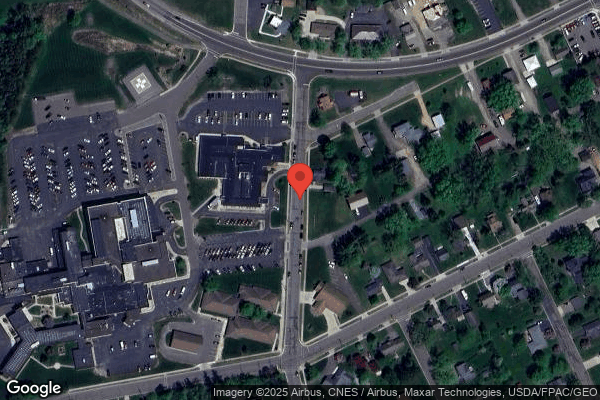

135 S GIBSON ST, MEDFORD, WI 54451 (715) 748-8100
Non profit - Corporation 50 Beds Independent Data: November 2025
Trust Grade
95/100
#4 of 321 in WI
Last Inspection: June 2025

Inspected within the last 6 months. Data reflects current conditions.

Overview

Aspris Care & Rehab-Medford has an impressive Trust Grade of A+, indicating it is an elite facility with top-tier standards. Ranked #4 out of 321 nursing homes in Wisconsin, it stands out in the top tier, and is the best option in Taylor County. The facility is showing improvement, with the number of issues decreasing from three to two over the past year. Staffing is a notable strength, with a perfect 5/5 rating and a low turnover rate of 17%, well below the state average, which suggests that staff members are experienced and familiar with residents' needs. On the downside, there were several concerns noted during inspections, including failures in food safety practices and not adhering to individualized care plans for residents, which could affect their well-being. However, it's worth noting that the facility has not incurred any fines, demonstrating a commitment to compliance and quality care.

Trust Score
A+
95/100
In Wisconsin
#4/321
Top 1%
Safety Record
Low Risk
No red flags
Inspections
Getting Better
3 → 2 violations
Staff Stability
✓ Good
17% annual turnover. Excellent stability, 31 points below Wisconsin's 48% average. Staff who stay learn residents' needs.
Penalties
✓ Good
No fines on record. Clean compliance history, better than most Wisconsin facilities.
Skilled Nurses
✓ Good
Each resident gets 152 minutes of Registered Nurse (RN) attention daily — more than 97% of Wisconsin nursing homes. RNs are the most trained staff who catch health problems before they become serious.
Violations
○ Average
6 deficiencies on record. Average for a facility this size. Mostly minor or procedural issues.
★★★★★
5.0
Overall Rating
★★★★★
5.0
Staff Levels
★★☆☆☆
2.0
Care Quality
★★★★★
5.0
Inspection Score
Stable
2024: 3 issues
2025: 2 issues

The Good

  • 5-Star Staffing Rating · Excellent nurse staffing levels
  • Low Staff Turnover (17%) · Staff stability means consistent care
  • Full Sprinkler Coverage · Fire safety systems throughout facility
  • No fines on record
  • Staff turnover is low (17%)

    31 points below Wisconsin average of 48%

Facility shows strength in staffing levels, staff retention, fire safety.

The Bad

No Significant Concerns Identified

This facility shows no red flags. Among Wisconsin's 100 nursing homes, only 1% achieve this.

The Ugly 6 deficiencies on record

Jun 2025 2 deficiencies
CONCERN (D)

Potential for Harm - no one hurt, but risky conditions existed

Comprehensive Care Plan (Tag F0656)

Could have caused harm · This affected 1 resident

**NOTE- TERMS IN BRACKETS HAVE BEEN EDITED TO PROTECT CONFIDENTIALITY** Based on observation, interview and record review, the facility did not ensure implementation of person-centered care plan appro...

Read full inspector narrative →
**NOTE- TERMS IN BRACKETS HAVE BEEN EDITED TO PROTECT CONFIDENTIALITY** Based on observation, interview and record review, the facility did not ensure implementation of person-centered care plan approaches for 1of 13 Residents (R1). This is evidenced by: The facility policy, titled Care Plan (Comprehensive, Temporary and Baseline) last reviewed 11/2020, states in part, The person-centered comprehensive care plan include: a) the services that are to be furnished to attain or maintain the resident's highest practicable physical, mental, and psychosocial well-being, and including the resident's strengths, goals, life history and preferences. R1 was admitted to the facility on [DATE] and has diagnoses that include multiple sclerosis, seizure disorder, paraplegia. R1's Quarterly Minimum Data Set (MDS) assessment, dated 4/23/25, indicated that R1 has a BIMS of 15/15, indicating cognitively intact, and is dependent on staff for mobility and ADLs, including positioning while in bed/wheelchair. R1's care plan, dated 4/29/25, states, I can't complete my cares on my own because I have multiple sclerosis with paraplegia. Approach includes having a lateral support to use in the left side of wheelchair - whether it be a wedge, a rolled blanket, a pillow, etc. On 06/02/25 at 1:35 PM, Surveyor observed R1 leaning heavily to left side while in wheelchair with a loosely folded up blanket in place which was not maintaining upright positioning of R1. On 06/03/25 at 7:03 AM, Surveyor observed R1 in a motorized wheelchair leaning heavily to left side attempting to correct position independently but was unable to maintain upright position. Surveyor asked if R1 was comfortable. R1 stated, No, they don't have my wedge cushion in. I don't know where it is. R1 stated, I wish they would hurry up and get wedge. On 06/03/25 at 7:21 AM, Surveyor interviewed Certified Nursing Assistant (CNA) D regarding positioning devices for R1. CNA D stated, Yes, [R1] has a wedge cushion that should be in place. Did they forget? CNA D repositioned R1 with wedge cushion along left side and R1 confirmed feeling better. On 06/04/25 at 7:25 AM, Surveyor interviewed CNA C on how staff are informed of proper repositioning devices to use for R1. CNA C showed Surveyor R1's CNA care plan hanging in closet which indicated use of wedge cushion for positioning. On 06/04/25 at 10:52 AM, Surveyor interviewed Director of Nursing (DON) B regarding expectations of implementing care plan approaches. DON B confirmed expectation of staff is to follow resident care plans.
CONCERN (D)

Potential for Harm - no one hurt, but risky conditions existed

Quality of Care (Tag F0684)

Could have caused harm · This affected 1 resident

**NOTE- TERMS IN BRACKETS HAVE BEEN EDITED TO PROTECT CONFIDENTIALITY** Based on observation, interview and record review, the facility did not ensure that a resident (R) received treatment and care i...

Read full inspector narrative →
**NOTE- TERMS IN BRACKETS HAVE BEEN EDITED TO PROTECT CONFIDENTIALITY** Based on observation, interview and record review, the facility did not ensure that a resident (R) received treatment and care in accordance with professional standards of practice for 1 out of 13 residents sampled. (R172) The facility did not follow provider's orders, or the facility wound assessment procedures for R172, who was needing care and treatment for a post operative surgical wound. Findings include: The facility's policy titled, Pressure Ulcers and Other Wound Procedure last revised on 03/2023 states in part, . 2. Assessment 1. Frequency .b. A total skin assessment will be done on admission and weekly x 4 by a licensed nurse. R172 was admitted on [DATE] from the hospital with a pertinent diagnosis of hemiarthroplasty hip partial status post age related osteoporosis with fracture of the right femoral neck (this diagnosis was added to R172's record on 6/3/25- effective 5/29/25). Bilateral below the knee amputation, post hemorrhagic anemia, kidney disease- chronic, Type II diabetes w/ peripheral, long term use of insulin, anxiety disorder, and depression. R172's admission Minimum Data set (MDS) was not yet completed. Completed due date would be 6/5/2025. R172's care plan did not include wound care for R172's right hip incision status post hemiarthroplasty done on 5/25/25 at time of State Agency (SA) review on 6/2/25 and was not added to care plan until 6/4/2025. R172 had no documentation for surgical wound assessment, care, or treatment at the time of SA review on 6/2/2025. R172's hospital discharge after visit summary states, in part, Wound/incision care: keep incision clean and dry. Special instructions: call your doctor if you have any of these symptoms: . Increased pain not relieved by medication, Fever over 101 degrees for 24 hours, Increased redness/swelling around incision . Orthopedic discharge instructions: .Remove dressing in 7 days, ok to shower and leave incision uncovered if there is no drainage. On 6/02/25 at 10:19 AM, Surveyor interviewed R172, who reported a patch on right hip surgical site. R172 stated, As far as I can remember, they (facility staff) have not changed bandage or even looked at it, since admission on [DATE]. R172 showed Surveyor right hip area. Surveyor noted a white dressing approximately 4 x 10 adhered to R172's outer hip. Surveyor noted no redness, odor, drainage, or swelling. R172 reported minimal pain. Surveyor did a brief record review noting R172 had no diagnosis or orders for a post operative incision. On 6/02/25 at 12:24 PM, Surveyor interviewed Registered Nurse (RN) F, who stated she is not able to find any orders for incision care or documentation of R172's wound assessment since R172's admission on [DATE]. RN F stated, It should be in there. I will put it in there right now. RN F stated she would have expected an assessment with documentation of the incisional site and dressing change. On 6/02/25 at 1:48 PM, Surveyor interviewed RN F who reported she found R172's after-visit summery with surgical site directions. RN F stated R172's outer dressing was supposed to be removed in 7 days, which would have been yesterday, 06/01/2025. RN F reported she just removed R172's outer white dressing and assessed surgical incision. No concerns noted with incisional site and wound has a clear protective covering over it. RN F reported she was going to document on the wound before she leaves at the end of her shift today. Director of Nursing (DON) B came to nurses' desk during interview. DON B was updated by RN F regarding R172's lack of assessment and documentation of surgical wound. DON B stated, I will have to look into this. On 6/04/25 at 7:41 AM, Surveyor interviewed DON B, who stated the expectation of the facility nurses is to do a complete skin assessment on every resident upon admission. DON B stated when she asked the admitting nurse about the admission assessment, staff missed identifying R172's surgical incision. On 06/04/25 at 11:56 AM, Surveyor interviewed DON B after reviewing admission checklist. DON B acknowledged that because no wound was identified upon R172's admission, there was no treatment record with daily wound checks or skin care plan completed. DON B agreed there was no incisional site assessment or care performed or documented since R172's admission on [DATE] until 6/2/25. DON B stated the expectation is that professional standards of practice for incisional wounds would have been followed by facility nurses. DON B agreed that daily assessments would include dressing placement, assessing for bleeding and signs and symptoms of infection. DON B stated R172's discharge summary orders/after visit summary should have been followed by facility and was not.
May 2024 3 deficiencies
CONCERN (D) 📢 Someone Reported This

A family member, employee, or ombudsman was alarmed enough to file a formal complaint

Potential for Harm - no one hurt, but risky conditions existed

Investigate Abuse (Tag F0610)

Could have caused harm · This affected 1 resident

**NOTE- TERMS IN BRACKETS HAVE BEEN EDITED TO PROTECT CONFIDENTIALITY** Based on record review and interview, the facility did not conduct a thorough investigation into allegation of abuse for 1 of 3 ...

Read full inspector narrative →
**NOTE- TERMS IN BRACKETS HAVE BEEN EDITED TO PROTECT CONFIDENTIALITY** Based on record review and interview, the facility did not conduct a thorough investigation into allegation of abuse for 1 of 3 residents reviewed for neglect and abuse (R8). Example 1 This is evidenced by: Surveyor reviewed the facility policy titled Abuse, Neglect, Caregiver Misconduct Policy and Procedure with most recent date revision of 11/23. The policy in part reads: Conduct and document a thorough investigation: 1. All alleged violations involving resident mistreatment of injuries of unknown source must be thoroughly investigated and documented. A thorough investigation may include: Interviewing other residents to determine if they have been abused or mistreated. Surveyor reviewed the Facility Reported Incident (FRI) and noted on 3/06/24 R8 reported Someone threw him around last night. The facility interviewed staff and notified the police but did not interview other residents to ensure there were no other reports of potential abuse or mistreatment as part of the investigation. The facility identified an incident during the night shift with R8 being combative during cares with Certified Nursing Assistant (CNA) F. The facility concluded it is likely this incident is where R8's skin tear may have occurred. Surveyor reviewed R8's record and noted the most recent Significant Change in Status Minimum Data Set (MDS) dated [DATE] indicated he is understood, sometimes understands and has moderately impaired cognition. On 4/30/24 at 6:33 AM, Surveyor spoke with Registered Nurse (RN) E. RN E explained R8 made a comment to her someone throwing him around when she asked him about a skin tear on his wrist that was bleeding and needed bandaging. RN E explained R8 can be combative during cares because he doesn't know what staff are doing due to not seeing or hearing well. RN E further explained RN E reported the allegation to the Director of Nursing right away. R8 could not give a timeline of the incident or description of who threw him around. On 04/30/24 at 7:01 AM, Surveyor spoke with CNA F about the incident that occurred on the night shift on 3/06/24. CNA F explained at around 2-230 am she approached R8 to change his pants as he needed assistance to change. R8 was lying in bed and did not want to stand up. R8 wanted his pants changed because he was wet. CNA F moved R8 side to side in bed with bribe of snacks. R8 likes to curse when working with him and was calling her names. R8 was changed without incident, and she did not see a skin tear at that time. CNA F further expressed the day nurse found the skin tear and she is not sure how he got it. CNA F expressed R8 may have hit his end table or siderail while being changed but she did not see it that morning and the lights were on in room. CNA F explained R8 did try to hit her when attempting to pull up his pants and he may have hit his wrist at that time on walker or bedside table. On 04/30/24 at 11:08 AM, Surveyor spoke with Nursing Home Administrator (NHA) A about facility investigation process when abuse is reported and the FRI involving R8. NHA A indicated NHA A is the individual responsible for investigating allegations of abuse. NHA A indicated NHA A was informed of an abuse allegation involving R8 who reported being thrown against a wall last night. R8 did not have a report of a specific staff or time of incident. NHA A explained NHA A spoke with staff who worked the evening and night shift and called law enforcement. A police officer came on site to speak with R8 who changed his story a bit. The officer did not direct NHA A to conduct further interviews or to speak with residents. NHA A explained it is the facility's normal practice to speak with other residents as part of their internal investigation process. NHA A further indicated NHA A did not conduct other resident interviews as part of the investigation as R8's story changed when speaking to the police officer. R8 can be accurate at times and not accurate at times. The facility thought the likely cause of the skin tear to his wrist was a result of him becoming combative during cares on the night shift with CNA F. The facility updated R8's care plan and provided staff training related to combative cares.
CONCERN (D)

Potential for Harm - no one hurt, but risky conditions existed

Infection Control (Tag F0880)

Could have caused harm · This affected 1 resident

Based on observation, record review and interview, the facility did not establish and maintain an infection prevention and control program designed to provide a safe, sanitary and comfortable environm...

Read full inspector narrative →
Based on observation, record review and interview, the facility did not establish and maintain an infection prevention and control program designed to provide a safe, sanitary and comfortable environment to help prevent the development and transmission of communicable diseases and infections. Staff did not perform hand hygiene when warranted when providing care to 1 of 4 residents (R) R11. This is evidenced by: Example 1 Surveyor requested and reviewed the facility policy titled Hand Hygiene Policy with most recent revision dated 03/2024. The policy in part reads: Purpose: To establish procedures for hand hygiene, which will cleanse the hands of contaminates and microorganisms for protection of everyone. General Instructions: Hand hygiene is the single most important means of preventing spread of infection. Perform hand hygiene with soap and water or alcohol based hand rub for at least twenty seconds: Before direct contact with patients Before donning gloves After contact with inanimate objects (including medical equipment) in the immediate vicinity of the patient. After contact with the patients intact skin. Surveyor reviewed R11's most recent Significant Change in Status Minimum Data Set (MDS) completed 4/09/24 and noted R11 is dependent on staff for eating, dressing and bed mobility of rolling. R11 is always incontinent of bladder and bowel. On 4/29/24 at 12:37 PM, Surveyor observed Certified Nursing Assistant (CNA) G wash her hands in the dining room and obtain R11's lunch tray to take to R11's room. Once at R11's room CNA H donned a gown and gloves to enter resident room with her lunch tray. CNA G placed R11's lunch tray on her bed side table and raised R11's head of her bed. CNA G placed R11's glasses on resident and placed a towel around resident neck. CNA G brought a chair and bedside table to R11's bed and proceeded to end of bed to raise R11's bed further. CNA G raised R11's bedside table and proceeded to provide R11 drinks of liquids via a glass and attempted to feed R11 foods via a spoon. CNA G wiped R11's lips with a wet cloth and provided R11 cues to swallow. CNA G did not remove her gloves, perform hand hygiene and don clean gloves after touching R11's bed, R11's glasses, the chair in R11's room and the bedside table in R11's room and proceeded to assist R11 with eating. On 5/01/24 at 9:06 AM, Surveyor interviewed CNA G about the observation. CNA G expressed CNA G didn't think about it, but should wash her hands after touching anything dirty and before helping R11 eat. CNA G further expressed it is important because those items are dirty, and you should wash hands before helping residents eat. Example 2 On 04/30/24 at 7:47 AM, Surveyor observed CNA H assist R11 with morning care. CNA H is associated with R11's hospice service. CNA H donned a gown and gloves before entering R11's room without performing hand hygiene. CNA H went to R11's sink in her bathroom to turn on water by the faucet handles with same gloved hands. CNA H returned to R11's bed and adjusted R11's bed height with same gloved hands. CNA H went to R11 and rubbed her shoulder while talking with her. CNA H returned to the bathroom to adjust the water temperature by faucet handles with same gloved hands. CNA H went to R11's wardrobe closet and obtained clean clothes and returned to bedside to talk with resident touching her shoulders again. CNA H went back to the closet for more clothes and proceeded to the bathroom for basin and clean washcloths. CNA H returned to bed and adjusted bed height more. CNA H uncovered R11, removed pillows from in front and behind resident and placed the pillows on a chair in room. CNA H rolled R11 to back with pad that was under R11. CNA H removed heel device from under R11's legs and proceeded to assist R11 with undressing and removing cloths that were rolled into palms of R11's hands. CNA H removed R11's hospital gown and t-shirt. CNA H washed and dried R11's face, hands and underarms. CNA H applied lotion and hisop oil to R11 and proceeded to R11's dresser for clean t-shirt and clean socks. CNA H did not remove her gloves, perform hand hygiene and don clean gloves at any point after touching various presumably dirty items in R11's room or after washing R11. CNA H returned to R11 to don clean t-shirt and shirt. CNA H rolled R11 to window and washed R11's back and pulled down R11's shirts in the back. CNA H placed a clean brief under R11 while she was rolled to window with no change of gloves or hand hygiene. CNA H rolled R11 to her back to wash her peri area. CNA H removed her gloves and used gel on wall for hand hygiene and donned clean gloves. This is the first glove change and hand hygiene since entering R11's room and going from presumably dirty items to clean. CNA H rolled R11 in bed to window. CNA H informed Surveyor the pad underneath R11 is a little wet. CNA H removed the pad and donned a clean brief. CNA H asked R11 if R11 wanted to get up and R11 declined. Registered Nurse (RN) E entered the room to assist CNA H to boost R11 in bed. CNA H removed R11's socks and lotioned her legs. CNA H placed the heels up device on R11's bed, placed R11's legs on device and covered R11 with a sheet. On 4/30/24 at 8:23 AM, Surveyor spoke with CNA H about the observation and the expectation of hand hygiene when going from dirty to clean. CNA H explained CNA H was taught hand hygiene is needed to be done after peri care and denture care but it is Good to know she should perform hand hygiene every time when going from dirty to clean. On 5/01/24 at 10:50 AM, Surveyor spoke with RN I about the observations. RN I is the facility's Infection Control Coordinator. RN I indicated the facility's hand hygiene expectation and policy is based on Centers of Disease Control (CDC) guidelines. CDC guidelines directs staff to remove their gloves, perform hand hygiene and don clean gloves prior to feeding resident. RN I would expect staff to remove gloves, perform hand hygiene whenever touching things in resident room, the patient and equipment that is presumably dirty to prevent cross contamination. Anytime going from dirty to clean.
CONCERN (F)

Potential for Harm - no one hurt, but risky conditions existed

Food Safety (Tag F0812)

Could have caused harm · This affected most or all residents

Based on observation, staff interview and record review, the facility did not prepare distribute and serve food in accordance with professional standards for food service safety. This had the potentia...

Read full inspector narrative →
Based on observation, staff interview and record review, the facility did not prepare distribute and serve food in accordance with professional standards for food service safety. This had the potential to affect 21 of 22 residents within the facility. Findings: Glove use The Wisconsin Food Code states in part, Applicability and Terms Defined 1?201.10 Statement of Application and Listing of Terms . Food-contact surface means: . (b) Onto a surface normally in contact with food. 4-904.11 Kitchenware and Tableware. (A) Single-service and single-use articles and cleaned and sanitized utensils shall be handled, displayed, and dispensed so that the contamination of food- and lip- contact surfaces is prevented. Facility's policy titled, Grooming and Personal Health revised 8/23, states in part: .Use tongs, spoons and forks when preparing foods rather than hands whenever possible. Wear sanitary disposable gloves if direct contact of food is necessary. On 04/30/24 at 11:42 AM, Surveyor observed Dietary Aide (DA) D serve hot food to plates with gloved hands. DA D leaned left gloved hand onto the service counter. DA D rested right gloved hand onto the counter. DA D grabbed a plate from plate warmer with contaminated gloved hand touching the food contact surface. DA D placed a piece of chicken onto cutting board with left contaminated gloved hand and cut the chicken in half. DA D put the half of chicken into the hot serve area with same gloved hand. DA D wiped gloves with a dry towel that was lying on the food service counter. DA D then rested both gloved hands on service counter. DA D took a plate holding a cold sandwich from other dietary aide and placed it on the tray and DA D told dietary staff, This one needs mayo. DA D picked up another plate from the warmer touching food contact surface. On 04/30/24 at 12:05 PM, Surveyor interviewed DA D regarding observations of contaminated gloves touching chicken and food contact surfaces. DA D replied, I know that I should have used the tongs for the chicken. I was just nervous. On 04/30/24 at 12:06 PM, Surveyor interviewed Dietary Manager (DM) C about observations made during hot food service with DA D. DM C replied, I'm thinking that I have to have the staff serve barehanded, so they know to use tongs for everything they touch. Sanitizer Bucket Logs The Wisconsin Food Code documents at 4-501.116 Ware washing Equipment, Determining Chemical Sanitizer Concentration. Concentration of the sanitizing solution shall be accurately determined by using a test kit or other device. On 04/30/24 at 12:07 PM, DM C showed the sanitization bucket log to Surveyor. Surveyor asked DM C, How often is the log supposed to be documented? DM C replied, The log is supposed to be completed daily. Surveyor informed DM C that there are dates missing from the log and asked for previous logs. Surveyor followed DM C into the office. DM C handed Surveyor logs back to 12/02/23 and stated, It looks like we are not doing a very good job of keeping these logs. On 04/30/24 at 12:30 PM, Surveyor reviewed the sanitization bucket log. Dates missing in December 2023 include: 4, 5, 6, 7, 8, 9, 10, 13, 14, 15, 18, 19, 20, 21, 22, 23, 24, 25, 26, 27, 28, 29, 30. Dates missing in January 2024 include: 3, 4, 6, 7, 8, 10, 11, 14, 15, 16, 19, 20, 21, 26, 27, 28, 29, 30, 31. Dates missing in February 2024 include: 2, 3, 4, 5, 6, 7, 8, 9, 10, 11, 13, 14, 16, 17, 18, 20, 21, 22, 25, 26, 27, 28. Dates missing in March 2024 include: 1, 2, 3, 5, 6, 7, 11, 12, 13, 14, 15, 16, 17, 18, 19, 20, 21, 25, 26, 27, 29, 30, 31. Dates missing in April 2024 include: 2, 3, 4, 8, 9, 10, 11, 12, 13, 14, 26, 27, 28.
Apr 2023 1 deficiency
CONCERN (D)

Potential for Harm - no one hurt, but risky conditions existed

Drug Regimen Review (Tag F0756)

Could have caused harm · This affected 1 resident

**NOTE- TERMS IN BRACKETS HAVE BEEN EDITED TO PROTECT CONFIDENTIALITY** Based on interview and record review, the facility did not ensure the medication regimen reviews were completed monthly for 1 of...

Read full inspector narrative →
**NOTE- TERMS IN BRACKETS HAVE BEEN EDITED TO PROTECT CONFIDENTIALITY** Based on interview and record review, the facility did not ensure the medication regimen reviews were completed monthly for 1 of 5 residents (R) reviewed, (R22). R22's record was missing medication reviews for the months of November 2022, December 2022, January 2023, and March 2023 during his current stay at the facility. This is evidenced by: The facility policy, entitled Pharmacy Regimen Review Recommendations, dated 04/2023, states, in part, under the heading Policy, 4. The drug regimen of each resident is reviewed at least once a month by a licensed pharmacist. This review includes a review of the resident's medical chart. R22 was admitted to the facility on [DATE] and has diagnoses including, in part, congestive heart failure (CHF), type 2 diabetes, bipolar disorder, long term use of oral hypoglycemic drugs and injectable non-insulin antidiabetic drugs, kidney disease, and manic depression. R22's Physician's orders include, in part, Spironolactone 25mg twice a day, Metformin 1000mg twice a day, Torsemide 20mg twice a day, Victoza 1.2mg/0.2ml subcutaneous injection daily, lamotrigine 200mg daily, and Aripiprazole 10mg daily. R22 receives high risk medications that include, in part, two different diuretics, and injectable and oral blood sugar lowering medication, an anticonvulsant/mood stabilizer, and an antipsychotic. R22's Minimum Data Set (MDS) assessment, dated 04/10/23, indicated that R22 has no cognitive impairment, has trouble falling or staying asleep nearly every day, receives injections, antipsychotic meds, and diuretics 7 days a week. R22's care plan, dated 11/17/22, states: The potential to feel depressed need medication management. I have depression, I have bipolar disorder. I have PTSD. Interventions include, in part, Administer medications as ordered. R22's care plans, dated 02/06/23, states: I receive insulin I receive an oral medication. I have the potential to experience hypo/hyperglycemia and fluid overload because I have a history of diabetes mellitus type 2 and CHF. Interventions include, in part, Administer medication as ordered registered dietitian and/or diabetic educator to review my chemstrips results as needed to make recommendation to my MD (medical doctor) as needed for my diabetic management. R22's care plans, dated 02/06/23, states: I have hypertension. I have edema. I have hyperlipidemia. I have angina. I have renal disease. I have a-fib. I have CHF because I need medication management. Interventions include, in part, Administer my medication as ordered. Update my MD as needed. Check my blood pressure as ordered. I am on a 2200cc fluid restriction. Surveyor reviewed the medical record and could not locate pharmacy medication reviews for November 2022, December 2022, January 2023, and March 2023. On 04/25/23 at 2:58 p.m., Surveyor interviewed Director of Nursing (DON) B and asked where the reviews were for the missing months. DON B stated, They were not done. The pharmacist stated that when he was trained, he was told he did not need to complete monthly medication reviews for unit 3 residents since they were short term stays. I did educate him that they need to be done if they are here longer than a month. He agreed to do that going forward. DON B provided email proof of conversation, dated 4/24/23, after Surveyors entered and asked questions about the pharmacy reviews. DON B agreed that R22 has high risk medication that places R22 at risk for adverse consequences.
Understanding Severity Codes (click to expand)
Life-Threatening (Immediate Jeopardy)
J - Isolated K - Pattern L - Widespread
Actual Harm
G - Isolated H - Pattern I - Widespread
Potential for Harm
D - Isolated E - Pattern F - Widespread
No Harm (Minor)
A - Isolated B - Pattern C - Widespread

Questions to Ask on Your Visit

  • "Can I speak with families of current residents?"
  • "What's your RN coverage like on weekends and overnight?"

Our Honest Assessment

Strengths
  • • Grade A+ (95/100). Above average facility, better than most options in Wisconsin.
  • • No major safety red flags. No abuse findings, life-threatening violations, or SFF status.
  • • No fines on record. Clean compliance history, better than most Wisconsin facilities.
  • • 17% annual turnover. Excellent stability, 31 points below Wisconsin's 48% average. Staff who stay learn residents' needs.
Concerns
  • • No significant concerns identified. This facility shows no red flags across CMS ratings, staff turnover, or federal penalties.
Bottom line: Generally positive indicators. Standard due diligence and a personal visit recommended.

About This Facility

What is Aspirus Care & Rehab-Medford's CMS Rating?

CMS assigns ASPIRUS CARE & REHAB-MEDFORD an overall rating of 5 out of 5 stars, which is considered much above average nationally. Within Wisconsin, this rating places the facility higher than 99% of the state's 100 nursing homes. This rating reflects solid performance across the metrics CMS uses to evaluate nursing home quality.
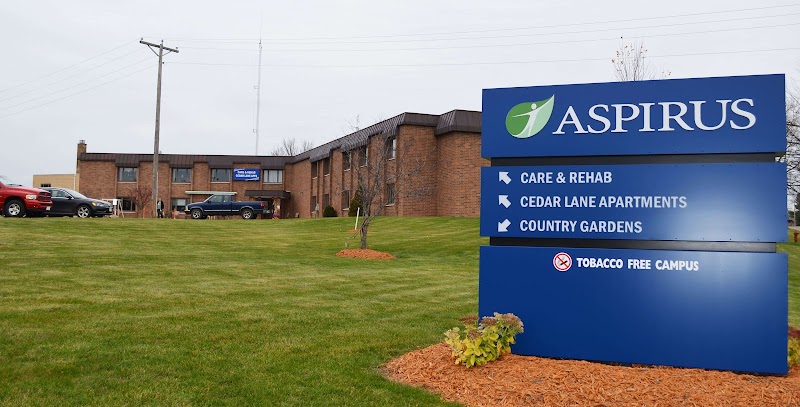
How is Aspirus Care & Rehab-Medford Staffed?

CMS rates ASPIRUS CARE & REHAB-MEDFORD's staffing level at 5 out of 5 stars, which is much above average compared to other nursing homes. Staff turnover is 17%, compared to the Wisconsin average of 46%. This relatively stable workforce can support continuity of care.

What Have Inspectors Found at Aspirus Care & Rehab-Medford?

State health inspectors documented 6 deficiencies at ASPIRUS CARE & REHAB-MEDFORD during 2023 to 2025. These included: 6 with potential for harm.
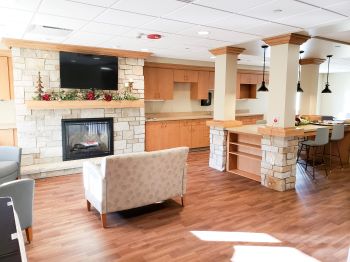
Who Owns and Operates Aspirus Care & Rehab-Medford?

ASPIRUS CARE & REHAB-MEDFORD is owned by a non-profit organization. Non-profit facilities reinvest revenue into operations rather than distributing to shareholders. The facility operates independently rather than as part of a larger chain. With 50 certified beds and approximately 20 residents (about 40% occupancy), it is a smaller facility located in MEDFORD, Wisconsin.

How Does Aspirus Care & Rehab-Medford Compare to Other Wisconsin Nursing Homes?

Compared to the 100 nursing homes in Wisconsin, ASPIRUS CARE & REHAB-MEDFORD's overall rating (5 stars) is above the state average of 3.0, staff turnover (17%) is significantly lower than the state average of 46%, and health inspection rating (5 stars) is much above the national benchmark.

What Should Families Ask When Visiting Aspirus Care & Rehab-Medford?

Based on this facility's data, families visiting should ask: "Can I visit during a mealtime to observe dining assistance and food quality?" "How do you handle medical emergencies, and what is your hospital transfer rate?" "Can I speak with family members of current residents about their experience?"

Is Aspirus Care & Rehab-Medford Safe?

Based on CMS inspection data, ASPIRUS CARE & REHAB-MEDFORD has a clean safety record: no substantiated abuse findings (meaning no confirmed cases of resident harm), no Immediate Jeopardy citations (the most serious violation level indicating risk of serious injury or death), and is not on the Special Focus Facility watch list (a federal program monitoring the lowest-performing 1% of nursing homes). The facility has a 5-star overall rating and ranks #1 of 100 nursing homes in Wisconsin. While no facility is perfect, families should still ask about staff-to-resident ratios and recent inspection results during their visit.

Do Nurses at Aspirus Care & Rehab-Medford Stick Around?

Staff at ASPIRUS CARE & REHAB-MEDFORD tend to stick around. With a turnover rate of 17%, the facility is 29 percentage points below the Wisconsin average of 46%. Low turnover is a positive sign. It means caregivers have time to learn each resident's needs, medications, and personal preferences. Consistent staff also notice subtle changes in a resident's condition more quickly.

Was Aspirus Care & Rehab-Medford Ever Fined?

ASPIRUS CARE & REHAB-MEDFORD has no federal fines on record. CMS issues fines when nursing homes fail to meet care standards or don't correct problems found during inspections. The absence of fines suggests the facility has either maintained compliance or corrected any issues before penalties were assessed. This is a positive indicator, though families should still review recent inspection reports for the full picture.

Is Aspirus Care & Rehab-Medford on Any Federal Watch List?

ASPIRUS CARE & REHAB-MEDFORD is not on any federal watch list. The most significant is the Special Focus Facility (SFF) program, which identifies the bottom 1% of nursing homes nationally based on persistent, serious quality problems. Not being on this list means the facility has avoided the pattern of deficiencies that triggers enhanced federal oversight. This is a positive indicator, though families should still review the facility's inspection history directly.