AMERICAN LUTHERAN HOME-MONDOVI
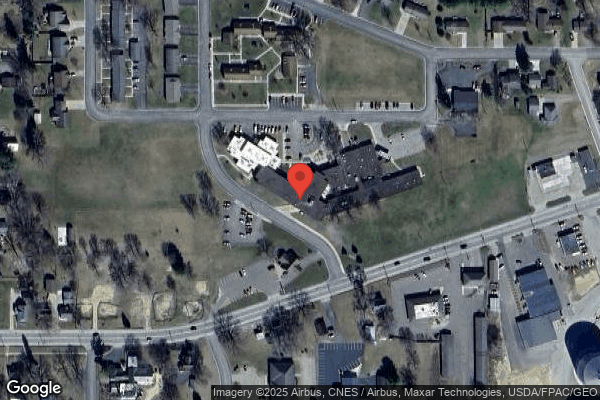
200 MEMORIAL DR, MONDOVI, WI 54755 (715) 926-4962
Non profit - Church related 35 Beds Independent Data: November 2025
Trust Grade
88/100
#2 of 321 in WI
Last Inspection: March 2025

Within standard 12-15 month inspection cycle. Federal law requires annual inspections.

Overview

American Lutheran Home in Mondovi, Wisconsin, has a Trust Grade of B+, which indicates that it is above average and recommended for families considering care options. It ranks #2 out of 321 nursing homes in the state, placing it firmly in the top tier, and is the only facility in Buffalo County. The facility is improving, with reported issues decreasing from 4 in 2024 to 2 in 2025. Staffing is a strong point, boasting a 5/5 rating and a turnover rate of 30%, significantly lower than the state average, meaning staff are likely to be experienced and familiar with residents' needs. However, they have received $3,552 in fines, which is concerning as it suggests some compliance issues. On the downside, there are specific concerns identified in recent inspections. For instance, staff were observed not using gloves properly when handling food, potentially exposing residents to safety risks. Additionally, water temperatures were recorded above safe levels for residents, which could lead to burns or other accidents. Lastly, two residents did not have comprehensive care plans developed to address their medical needs, indicating gaps in individualized care. Overall, while the home has several strengths, families should be aware of these areas needing improvement.

Trust Score
B+
88/100
In Wisconsin
#2/321
Top 1%
Safety Record
Low Risk
No red flags
Inspections
Getting Better
4 → 2 violations
Staff Stability
○ Average
30% turnover. Near Wisconsin's 48% average. Typical for the industry.
Penalties
✓ Good
$3,552 in fines. Lower than most Wisconsin facilities. Relatively clean record.
Skilled Nurses
✓ Good
Each resident gets 69 minutes of Registered Nurse (RN) attention daily — more than 97% of Wisconsin nursing homes. RNs are the most trained staff who catch health problems before they become serious.
Violations
○ Average
6 deficiencies on record. Average for a facility this size. Mostly minor or procedural issues.
★★★★★
5.0
Overall Rating
★★★★★
5.0
Staff Levels
★★★★☆
4.0
Care Quality
★★★★☆
4.0
Inspection Score
Stable
2024: 4 issues
2025: 2 issues

The Good

  • 5-Star Staffing Rating · Excellent nurse staffing levels
  • 4-Star Quality Measures · Strong clinical quality outcomes
  • Full Sprinkler Coverage · Fire safety systems throughout facility
  • No fines on record
  • Staff turnover below average (30%)

    18 points below Wisconsin average of 48%

Facility shows strength in staffing levels, quality measures, fire safety.

The Bad

Staff Turnover: 30%

16pts below Wisconsin avg (46%)

Typical for the industry

Federal Fines: $3,552

Below median ($33,413)

Minor penalties assessed

The Ugly 6 deficiencies on record

Mar 2025 2 deficiencies
CONCERN (D)

Potential for Harm - no one hurt, but risky conditions existed

Comprehensive Care Plan (Tag F0656)

Could have caused harm · This affected 1 resident

**NOTE- TERMS IN BRACKETS HAVE BEEN EDITED TO PROTECT CONFIDENTIALITY** Based on observation, interview and record review, the facility did not develop and implement a comprehensive care plan for each...

Read full inspector narrative →
**NOTE- TERMS IN BRACKETS HAVE BEEN EDITED TO PROTECT CONFIDENTIALITY** Based on observation, interview and record review, the facility did not develop and implement a comprehensive care plan for each resident (R) to meet medical, nursing, and psychosocial needs identified for 2 of 12 sampled residents (R3 and R9). R3 did not have a depression care plan developed when R3 was prescribed an antidepressant medication for depressive disorder. R9 did not have a risk of bleeding care plan developed when R9 was prescribed an anticoagulant medication. This is evidenced by: R3 was admitted on [DATE] with diagnoses of polymyalgia, weakness, major depressive disorder, cerebral infarction, and mood affective disorder. Review of the Minimum Data Set (MDS) dated [DATE], a 5 day admission assessment documented R3's brief interview of mental status (BIMS) score of 1, meaning minimal depression severity. Review of R3's medication orders documented on 5/14/24, Sertraline HCl Oral Tablet 25 MG (Sertraline HCl) Give 3 tablet by mouth one time a day related to major depressive disorder, recurrent, moderate. Note, this order was carried forward from R3's previous admission and continues to be a current order. On 03/10/25 at 11:30 AM, Surveyor observed R3 in her room sitting in the recliner and Surveyor heard R3 making crying sounds. Surveyor observed Director of Nursing (DON) B enter R3's room to deliver medications. Surveyor interviewed DON B about R3 crying. DON B indicated R3's brother, who was her caretaker, had passed away and that is why R3 is here. R3's insurance wants R3 to discharge to an assisted living in a couple of weeks. R3 is not happy about the move and likes all the staff here. On 03/10/25 at 12:00 PM, staff entered R3's room to ask R3 if she wanted lunch. R3 received lunch in her room and did not eat at that time. Surveyor reviewed R3's care plans after above observations and did not locate a plan of care for depression with non-pharmacological interventions. Example 2 R9 was admitted to the facility on [DATE] and current diagnoses include in part, hemiplegia and hemiparesis following cerebrovascular disease affecting left non-dominant side, congestive heart failure, paroxysmal atrial fibrillation, presence of cardiac pacemaker, abnormal coagulation profile, neurocognitive disorder with Lewy bodies, and dementia. Review of R9's medication orders documented on 07/10/24 Apixaban Oral Tablet 2.5 MG (Apixaban) Give 2.5 mg by mouth two times a day related to paroxysmal atrial fibrillation. Note, Apixaban is an anticoagulant medication used to treat and prevent blood clots and to prevent stroke. Apixaban can increase the risk of bleeding which may be serious. Review of R9's care plans and medication administration record did not document a plan of care for risk of bleeding related to the use of apixaban medication. On 03/12/25 at 2:28 p.m., Surveyor interviewed DON B about a plan of care for R3's depression with use of an antidepressant and for R9's risk of bleeding with the use of apixaban. DON B indicated DON B will look to see if there is a care plan. On 03/12/25 at 3:11 PM, DON B stated there was no care plan for R3's depression and no care plan for R9's risk of bleeding. DON B stated care plans will be initiated for both R3 and R9.
CONCERN (D)

Potential for Harm - no one hurt, but risky conditions existed

Medication Errors (Tag F0758)

Could have caused harm · This affected 1 resident

**NOTE- TERMS IN BRACKETS HAVE BEEN EDITED TO PROTECT CONFIDENTIALITY** Based on record review and interview, the facility did not ensure PRN (as needed) orders for psychotropic drugs are limited to 1...

Read full inspector narrative →
**NOTE- TERMS IN BRACKETS HAVE BEEN EDITED TO PROTECT CONFIDENTIALITY** Based on record review and interview, the facility did not ensure PRN (as needed) orders for psychotropic drugs are limited to 14 days or have a physician's rationale to extend the medication for an indicated duration for 1 of 4 residents (R) reviewed (R8). R8's PRN Lorazepam (antianxiety medication) does not have a physician's rationale to extend the use of this medication past 14 days with an indicated duration to then evaluate the appropriateness of the medication. This is evidenced by: The facility's policy Psychotropic Medication Policy and Procedure with review date of 11/20/19 read in part, 6. Orders for PRN psychotropic medications will be time limited to 14 days unless the attending physician or prescribing practitioner believes that it is appropriate for the PRN order to be extended beyond 14 days. The provider must document their rationale in the resident's medical record and indicate the duration for the PRN order . R8 was admitted to the facility on [DATE]. R8's current diagnoses included in part, absence epileptic syndrome, hemiplegia and hemiparesis following cerebral infarction affecting left non-dominant side, atherosclerotic heart disease, chronic pain syndrome, and vascular dementia. R8 was admitted to hospice on 02/12/25. Review of R8's medication orders on 02/12/25 documented Lorazepam Oral Concentrate 2 MG/ML (Lorazepam) *Controlled Drug* Give 0.25 ml by mouth every 1 hours as needed for agitation. The order does not have an end date. Review of the Medication Administration Record (MAR) documented R8 received the PRN Lorazepam on 02/27/25 and 02/28/25. On 02/19/25, a pharmacist note to attending physician/prescriber documented in part, PRN Psychotropic Documentation Assessment Form. Please be sure the following two criteria are met to fulfill the CMS requirements for PRN use beyond 14 days. Orders may be extended beyond 14 days only if prescriber: 1. Documents clinical rationale for the extension and AND 2. Provides a specific duration of use. The physician marked the box, Continue above PRN psychotropic order. Rationale for PRN use beyond 14 day: Hospice/Palliative. The section Duration for order thru (month/day/year) is not filled out with a date. The physician signed the form with no date and the facility staff marked the form as noted and faxed on 02/26/25. On 03/12/25 at 2:28 PM, Surveyor interviewed Director of Nursing (DON) B about the PRN Lorazepam not having an end date. DON indicated there was note in the computer from the MD about the use for end of life and for seizure activity. Surveyor explained the scheduled Lorazepam order is indicated for use for seizure and the PRN Lorazepam is ordered for agitation with no end dated. The PRN medication use needs to be evaluated again after 14 days for adequate indication for use and to have longer than 14 days it would need an end date to be evaluated again by the physician. DON B indicated she understands and will see if there is more information on the rationale for no end date and understands the need for an end date for the PRN use of Lorazepam. No further information was given to Surveyor for an end date of use of the PRN Lorazepam.
Feb 2024 4 deficiencies
CONCERN (D)

Potential for Harm - no one hurt, but risky conditions existed

Unnecessary Medications (Tag F0759)

Could have caused harm · This affected 1 resident

Based on observation, interview and record review, the facility did not ensure a medication administration error rate of less than 5%. Errors occurred when staff did not follow physician order for adm...

Read full inspector narrative →
Based on observation, interview and record review, the facility did not ensure a medication administration error rate of less than 5%. Errors occurred when staff did not follow physician order for administration of nebulizer and removal of lidocaine patch. The two errors from 31 opportunities, yielded a medication error rate of 6.45% affecting 2 of 6 residents (R) (R20 and R73). This is evidenced by: The facility policy titled, Medication and Treatment Orders, states, .Drug and biological orders must be recorded on the Physician's Order sheet in the resident's chart . Drugs.com states the following in relation to Lidocaine Patches: . After you take lidocaine patch off, do not put another one on that area of skin for 12 hours . Example 1 On 02/13/24 at 1:06 PM, Surveyor observed Licensed Practical Nurse (LPN) J administer a nebulizer treatment via handheld nebulizer kit to R20. During medication reconciliation, Surveyor noted an after-visit summary dated 02/05/24 that states, .CHANGE how you take: ipratropium-albuterol (DUONEB) .administer nebulizer by mask 4 times per day . The after-visit summary was noted and signed by facility Registered Nurse (RN) K; however, RN K did not transcribe the updated order onto the physician's order sheet in the resident's chart. On 02/13/24 at 1:14 PM, Surveyor observed R20 falling asleep during the nebulizer treatment while R20 was holding the handheld nebulizer kit. The handheld nebulizer kit moved away from R20's mouth on 3 occasions and this would cause R20 to not receive the entire dose of medication. LPN J was in the hallway and asked R20 if R20 would like LPN J to hold the nebulizer kit. When LPN J spoke to R20, he would wake and put it back in his mouth. On 02/13/24 at 1:19 PM, Surveyor asked LPN J if LPN J was aware of R20's order to receive nebulizer treatments via mask which LPN J stated, No I was not aware. On 02/13/24 at 1:40 PM, Surveyor interviewed Director of Nursing (DON) B and read the current nebulizer order on the MAR and the new order on the after-visit summary dated 02/05/24. DON B stated that adding the mask should have been added to the order. DON B stated that it will be fixed immediately, and the order was reviewed by RN K, however, was not transcribed in the electronic health record under orders. Example 2 On 02/13/24 at 8:10 AM, Surveyor observed LPN J administer a lidocaine patch to R73. When LPN J moved R73's shirt to place the lidocaine patch on R73, there was already a lidocaine patch on R73's right shoulder dated 02/12/24. Surveyor asked LPN J when lidocaine patches are to be removed. LPN J stated they are supposed to be removed at night. Surveyor asked LPN J to show where the patch removal was shown on the medication administration record (MAR). LPN J stated it is not on there. The directions on the box for the lidocaine patches indicated the patch should be removed after 12 hours. 02/14/24 9:30 AM, Surveyor interviewed DON B asking what the expectation is for applying and removing lidocaine patches. DON B stated that the patches should be off after 12 hours. Surveyor reported the concern that R73 still had the previous lidocaine patch on with the date of 02/12/24. DON B agreed the patch should have been removed.
CONCERN (D)

Potential for Harm - no one hurt, but risky conditions existed

Infection Control (Tag F0880)

Could have caused harm · This affected 1 resident

**NOTE- TERMS IN BRACKETS HAVE BEEN EDITED TO PROTECT CONFIDENTIALITY** Based on observation, interviews and record reviews, the facility did not maintain an infection prevention and control program a...

Read full inspector narrative →
**NOTE- TERMS IN BRACKETS HAVE BEEN EDITED TO PROTECT CONFIDENTIALITY** Based on observation, interviews and record reviews, the facility did not maintain an infection prevention and control program according to professional standards of practice when Enhanced Barrier Precautions (EBP) with appropriate Personal Protective Equipment (PPE) was not followed for 1 of 1 resident (R10). This is evidenced by: The facility utilizes the Centers for Disease Control and Prevention (CDC) sign for EBP that states: Everyone must: .wear gloves and a gown for the following high contact resident care activities: dressing, bathing/showering, transferring, changing linens, providing hygiene, changing briefs or assisting with toileting, device care or use: urinary catheter . R10 was admitted to the facility on [DATE], and had diagnoses that included in part dementia, benign prostatic hyperplasia (BPH), chronic cystitis, obstructive and reflux uropathy, chronic kidney disease (CKD), urogenital implants, renal and perinephric abscess, and nephrolithiasis. R10 had a urinary catheter. Outside R10's door was the CDC sign for EBP and a PPE cart that included gloves and gowns. On 02/14/24 at 10:07 AM, Surveyor observed Certified Nursing Assistant (CNA) F wearing gloves, but not wearing a gown, empty R10's urinary catheter bag. Surveyor interviewed CNA F and asked if CNA F should be wearing a gown when emptying R10's urinary catheter bag due to the EBP that R10 was on. CNA F said CNA F did not need to wear the gown to empty the urinary catheter bag. CNA F said CNA F only needed to wear gloves and gown when doing peri care or activities of daily living (ADL) cares for R10. On 02/14/24 at 10:29 AM, Surveyor interviewed Assistant Director of Nursing (ADON) C and asked what PPE staff were to wear and when for R10's EBP. ADON C said staff were to wear gown and gloves when doing any high contact cares such as peri cares, urinary catheter care, or emptying the urinary catheter bag. On 02/14/24 at 10:31 AM, Surveyor interviewed Director of Nursing (DON) B asking what staff should wear when emptying the urinary catheter bag for R10. DON B said staff should wear gown and gloves because R10 was on EBP. Surveyor notified DON B what was observed when staff emptied R10's urinary catheter bag. DON B said when staff empty any urinary catheter bag, staff need to wear gown and gloves. DON B said staff should know this as staff had been educated on what EBP requires. Surveyor asked for the facility policy on EBP PPE use. On 02/14/24 at 11:13 AM, DON B provided a copy of the CDC EBP sign that was outside R10's door and said they follow CDC guidelines for EBP.
CONCERN (E)

Potential for Harm - no one hurt, but risky conditions existed

Accident Prevention (Tag F0689)

Could have caused harm · This affected multiple residents

**NOTE- TERMS IN BRACKETS HAVE BEEN EDITED TO PROTECT CONFIDENTIALITY** Based on observation, interview and record review, the facility did not ensure the resident environment remains as free of accid...

Read full inspector narrative →
**NOTE- TERMS IN BRACKETS HAVE BEEN EDITED TO PROTECT CONFIDENTIALITY** Based on observation, interview and record review, the facility did not ensure the resident environment remains as free of accident hazards as is possible to prevent accidents. Water temperatures were recorded above a safe temperature of 110 - 115 degrees for 4 of 4 residents (R2, R10, R11, and R12). This is evidenced by: The facility document, entitled Legionella and other water pathogens monitoring control measures, states: .Weekly water temps taken in three rooms, per wing, per week. Temp (Temperature) range 105-120 degrees . The facility obtained this temperature range from the Centers for Disease Control and Prevention (CDC) Guidance for Monitoring Building Water for Legionella which states, .When state regulations or codes do not allow hot water temperatures above the range of 105-120 degrees Fahrenheit (F) for hospitals or 95 - 110 degrees F for nursing care facilities or when buildings cannot be retrofitted for thermostatic mixing valves, follow either of these alternative preventive measures to minimize the growth of Legionella in water systems . Wisconsin State Regulation DHS 132.83 (7)(a)2 states: .The temperature of hot water at plumbing fixtures used by residents may not exceed the range of 110-115 degrees F . R2 was admitted to the facility on [DATE] and had diagnoses that include in part diabetes with neuropathy and peripheral vascular disease. R10 was admitted to the facility on [DATE] and had diagnoses that include in part dementia and diabetes. R11 was admitted to the facility on [DATE] and had diagnoses that include in part cognitive communication deficit and parkinsonism. R12 was admitted to the facility on [DATE] and had diagnoses that include in part mild cognitive impairment, diabetes, and peripheral vascular disease. On 02/13/24 at 8:38 AM, Surveyor washed hands in R10's sink using the hot water. Surveyor was unable to keep hands under the water due to the temperature being very hot. On 02/13/24 at 9:00 AM, Surveyor calibrated the digital thermometer with ice water to 32 degrees F as per manufacturer's guideline. On 02/13/24 at 9:03 AM, Surveyor measured R10's hot water temperature by placing the thermometer in the stream of water until the highest temperature was maintained for 15 seconds. The water temperature read 133 degrees F. On 02/13/24 at 9:07 AM, Surveyor measured R2's hot water temperature by placing the thermometer in the stream of water until the highest temperature was maintained for 15 seconds. The water temperature read 131 degrees F. On 02/13/24 at 9:14 AM, Surveyor spoke with R10 about the faucet hot water temperature in his room. R10 said he does wash his hands in the sink sometimes and had noticed that it was hot. R10 said R10 had not burned himself when using the water. On 02/13/24 at 9:19 AM, Surveyor interviewed Licensed Practical Nurse (LPN) H, and asked if LPN H had concerns with the water temperature. LPN H said the water had been the appropriate temperature. LPN H had not noticed it being too hot. If LPN H did find the water to be too hot, LPN H said LPN H would call the Maintenance Supervisor (MS) E, who takes care of the water temperature, to come in and adjust it. Surveyor asked LPN H if any residents had been burned by hot water. LPN H said no burns from any reason while she has been working here. On 02/13/24 at 9:25 AM, Surveyor measured the faucet water temperature for room [ROOM NUMBER], an unoccupied room. The water temperature read 132 degrees F. On 02/13/24 at 9:31 AM, Surveyor measured the faucet water temperature for R11 and R12's room. The water temperature read 131 degrees F. On 02/13/24 at 9:34 AM, Surveyor interviewed Certified Nursing Assistant (CNA) F, and asked if CNA F had concerns with the water temperature. CNA F said sometimes the water gets a little warm but was not bad. A few residents wash their hands independently. CNA F said CNA F was not aware of any residents getting burns from any reasons including water. On 02/13/24 at 9:40 AM, Surveyor interviewed MS E and Maintenance Tech (MT) D concerning the water temperature. MS E said he checks the water temperature in three rooms, per wing, per week with a pocket non-digital thermometer and records the results. MS E said if the water temperature was out of range, MT D would change the temperature at the mixing valve (used to adjust the water temperature). The facility has only one mixing valve located at the holding tank in the maintenance room on the ground floor. MS E and MT D said we have not had to change the water temperature because the temperatures had been in the range we follow of 105-120 degrees F. Surveyor asked both MS E and MT D if any residents or staff had complained of too hot of water, or any injury due to hot water. Both said no. On 02/13/24 at 9:50 AM, Surveyor asked MS E to check the water temperature at the faucets of the resident rooms. MS E went into the kitchen on the first floor to obtain a non-digital thermometer to use for temping the water. Surveyor asked MS E if he wanted to get the thermometer that he normally used to check the water temperature. MS E said no, this one was just like the one he would use. On 02/13/24 at 9:55 AM, Surveyor and MS E went to the unoccupied room [ROOM NUMBER] to check the hot water coming out of the room's faucet. MS E placed the non-digital thermometer under the running hot water. MS E said the temperature read under 100 degrees F. Surveyor placed the calibrated digital thermometer under the running water at the same time and obtained a temperature of 130 degrees F. Surveyor asked MS E if he wanted to get a different thermometer to verify what was the correct temperature. MS E said no, he believed the reading from the Surveyor's thermometer. Surveyor asked if MS E wanted to temp the water in a different room to verify they were high also. MS E said no need as this was a loop system and only one mixing valve to change the temperature. If one room was hot, the other rooms would be hot too. Surveyor and MS E felt the water, and both agreed that the water felt too hot and were unable to keep hands under the water. MS E said the current water temperature was a danger to the residents and will decrease the temperature at the mixing valve to decrease the temperature at the faucets. Surveyor asked MS E how he calibrated the thermometer they use. MS E said he had never calibrated the thermometer and he did not know how to calibrate it. MS E said he should calibrate the thermometer to know that it was reading an accurate temperature. Surveyor was unable to determine accuracy of MS E's thermometer as the thermometer has not been calibrated. Review of the facility's weekly documentation of water temperature log of resident rooms indicated temperatures ranging from 110 to 120 degrees F. The temperature log documented on the top of the page for a water temperature range of 105 to 120 degrees F. On 02/13/24 at 12:17 PM, Surveyor interviewed R11 and R12 concerning the water temperature. Both residents stated they did use the sink and had noticed it to be hot, but never burned them. On 02/14/24 at 11:31 AM, Surveyor interviewed R2 and asked if he used the sink in his room. R2 stated that he used it to wash his hands and brush his teeth. Surveyor asked if R2 had any concerns with the temperature of the water. R2 stated that the water gets too hot, so he just turns the cold water on. When asked, R2 stated that he had never burned himself and there were no burns noted on his hands. On 02/14/24 at 11:50 AM, Surveyor interviewed Nursing Home Administrator (NHA) A to ask if any residents had any injury from hot water. NHA A said no. On 02/14/24 at 12:00 PM, Surveyor interviewed Director of Nursing (DON) B to ask if any residents had any injury from hot water. DON B said no.
CONCERN (F)

Potential for Harm - no one hurt, but risky conditions existed

Food Safety (Tag F0812)

Could have caused harm · This affected most or all residents

Based on observation, interview and record review, the facility did not ensure proper glove use with ready to eat foods and hand hygiene was performed in accordance with professional standards for foo...

Read full inspector narrative →
Based on observation, interview and record review, the facility did not ensure proper glove use with ready to eat foods and hand hygiene was performed in accordance with professional standards for food service safety, when food was prepared and served to the residents (R). This affected 16 of 18 residents (R10, R9, R73, R16, R15, R3, R11, R12, R72, R13, R5, R14, R7, R2, R18, and R6). This is evidenced by: The facility policy, entitled Dietary Department, states: .Dietary staff practice proper food handling procedures, including but not limited to hand washing .using utensils to reduce hand contact with food, wearing disposable gloves to perform certain food handling tasks . On 02/12/24 at 11:37 AM, Surveyor observed lunch service in the dining room served by Chef I. Surveyor observed Chef I wash hands and put on gloves. With the same gloves on, Chef I grabbed bread and placed into the toaster, pushed down the toaster handle, grabbed a scoop, butter knife and the bread bag. With the same gloves on, Chef I grabbed the toast out of the toaster and placed on a plate. Chef I put on new gloves. With gloves on, Chef I grabbed a scoop and then with the same gloved hand, grabbed potato chips. Chef I removed the gloves and performed hand hygiene. With new gloves, Chef I grabbed a plate, a spoon, a scoop, and opened the freezer to grab ice cream. Chef I removed gloves and touched a pen, cupboard, and a plate. Chef I applied new gloves and grabbed a hamburger bun with the gloved hand, along with cheese, tongs, and placed the food on a plate. Chef I placed new gloves and grabbed chips with gloved hand. Chef I did not perform hand hygiene in between glove changes. Surveyor observed Chef I pick up bread, hamburger buns, and chips to place them on resident plates using the same gloved hands that touched multiple potentially contaminated surfaces, along with not performing appropriate hand hygiene. Surveyor observed Chef I touch the ready to eat food with the contaminated gloves to place on R13, R72, R7, R3, R6, R5, R18, R14, R2, R15, R16, and R73's plate. On 02/13/24 at 8:01 AM, Surveyor observed breakfast service in the dining room served by Chef I. Chef I washed hands and applied gloves. With gloves on, Chef I touched the countertop and then grabbed with the same gloved hand bread to place in the toaster and pushed down the handle. Removed the gloves and place new ones to grab the toast, butter knife to butter the toast and placed into holding area. Chef I with same gloves on opened the fridge and then grabbed new bread to place in the toaster with the same gloved hand. Chef I applied new gloves and repeated the process. No hand hygiene in between glove changes. Surveyor observed Chef I pick up bread to make toast using the same gloved hands that touched multiple potentially contaminated surfaces, along with not performing appropriate hand hygiene. Surveyor observed Chef I touch the ready to eat food with the contaminated gloves to place on R13, R11, R12, R9, R72, R3, R6, R5, R15, R16, R7, R18, R10, R73, and R14's plate. On 02/13/24 at 1:15 PM, Surveyor interviewed Dietary Manager (DM) G and asked what the expectation was for staff handling ready to eat food. DM G said staff were to use tongs or gloved hands. Surveyor asked DM G if staff could use gloved hand that was used to touch other objects and then touch ready to eat food. DM G said no, that was not appropriate. Surveyor asked DM G about the expectation for hand hygiene between glove use. DM G said to do hand hygiene with each change of gloves. On 02/14/24 at 10:53 AM, Surveyor interviewed Director of Nursing (DON) B asking about what the expectation was for staff handling ready to eat food. DON B said staff should not touch food with gloves that had touched other items. Hand hygiene was to be done after each glove change.
Understanding Severity Codes (click to expand)
Life-Threatening (Immediate Jeopardy)
J - Isolated K - Pattern L - Widespread
Actual Harm
G - Isolated H - Pattern I - Widespread
Potential for Harm
D - Isolated E - Pattern F - Widespread
No Harm (Minor)
A - Isolated B - Pattern C - Widespread

Questions to Ask on Your Visit

  • "Can I speak with families of current residents?"
  • "What's your RN coverage like on weekends and overnight?"

Our Honest Assessment

Strengths
  • • Grade B+ (88/100). Above average facility, better than most options in Wisconsin.
  • • No major safety red flags. No abuse findings, life-threatening violations, or SFF status.
  • • $3,552 in fines. Lower than most Wisconsin facilities. Relatively clean record.
  • • 30% turnover. Below Wisconsin's 48% average. Good staff retention means consistent care.
Concerns
  • • No significant concerns identified. This facility shows no red flags across CMS ratings, staff turnover, or federal penalties.
Bottom line: Generally positive indicators. Standard due diligence and a personal visit recommended.

About This Facility

What is American Lutheran Home-Mondovi's CMS Rating?

CMS assigns AMERICAN LUTHERAN HOME-MONDOVI an overall rating of 5 out of 5 stars, which is considered much above average nationally. Within Wisconsin, this rating places the facility higher than 99% of the state's 100 nursing homes. This rating reflects solid performance across the metrics CMS uses to evaluate nursing home quality.
How is American Lutheran Home-Mondovi Staffed?

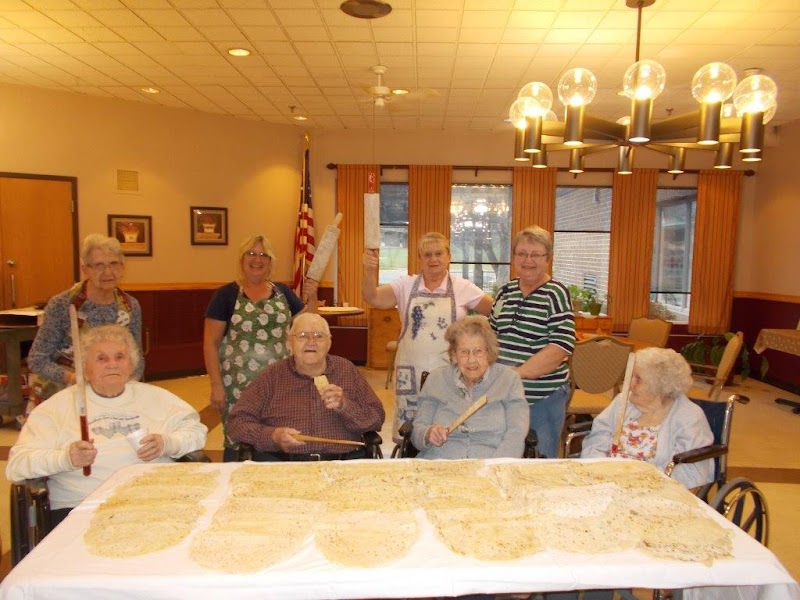
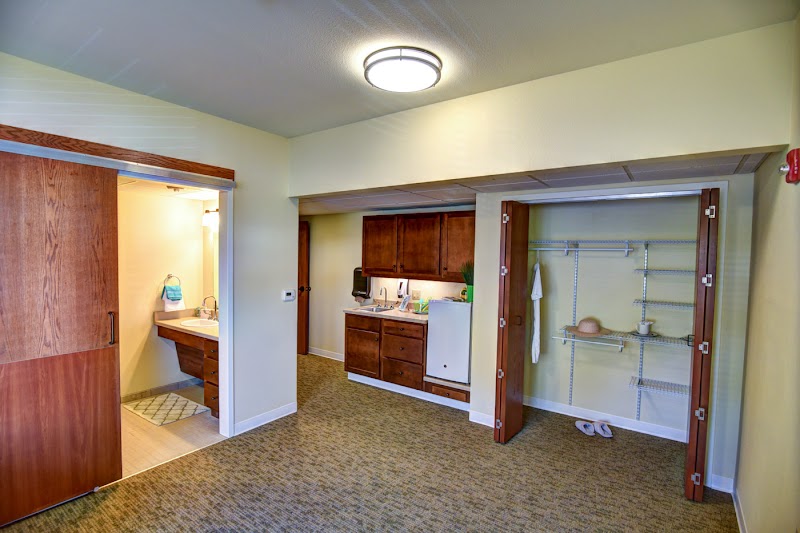
CMS rates AMERICAN LUTHERAN HOME-MONDOVI's staffing level at 5 out of 5 stars, which is much above average compared to other nursing homes. Staff turnover is 30%, compared to the Wisconsin average of 46%. This relatively stable workforce can support continuity of care.

What Have Inspectors Found at American Lutheran Home-Mondovi?

State health inspectors documented 6 deficiencies at AMERICAN LUTHERAN HOME-MONDOVI during 2024 to 2025. These included: 6 with potential for harm.
Who Owns and Operates American Lutheran Home-Mondovi?

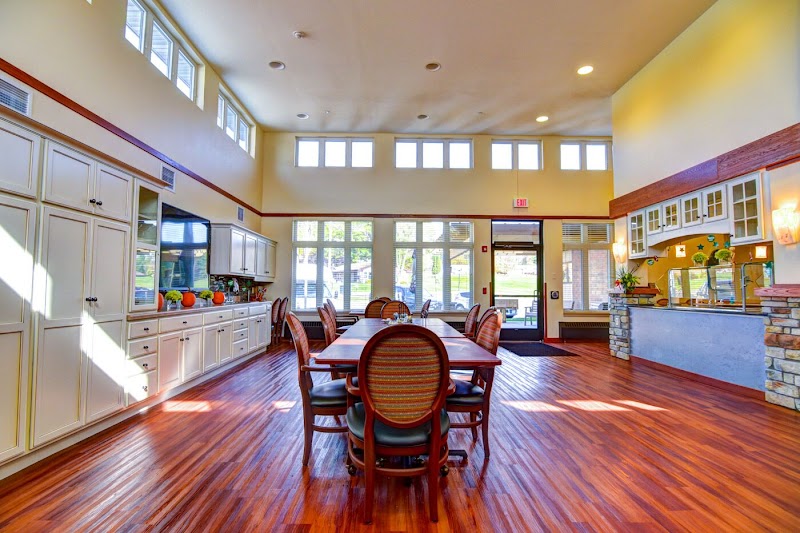
AMERICAN LUTHERAN HOME-MONDOVI is owned by a non-profit organization. Non-profit facilities reinvest revenue into operations rather than distributing to shareholders. The facility operates independently rather than as part of a larger chain. With 35 certified beds and approximately 19 residents (about 54% occupancy), it is a smaller facility located in MONDOVI, Wisconsin.
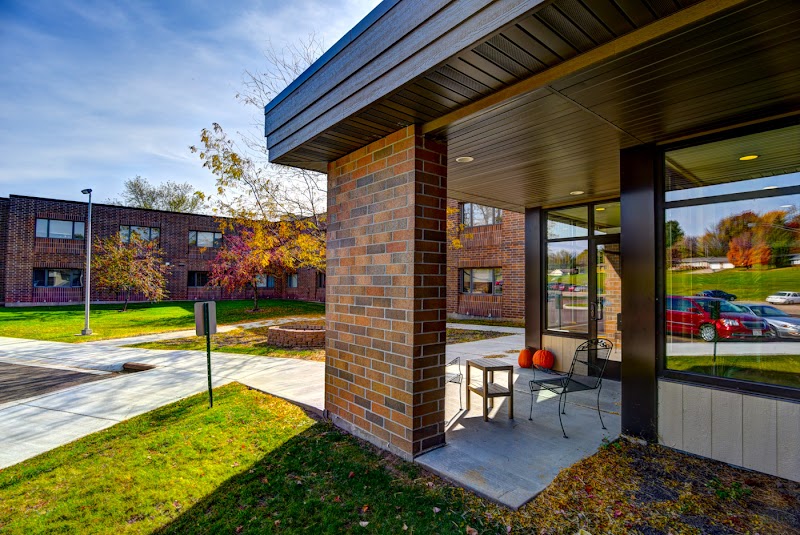
How Does American Lutheran Home-Mondovi Compare to Other Wisconsin Nursing Homes?

Compared to the 100 nursing homes in Wisconsin, AMERICAN LUTHERAN HOME-MONDOVI's overall rating (5 stars) is above the state average of 3.0, staff turnover (30%) is significantly lower than the state average of 46%, and health inspection rating (4 stars) is above the national benchmark.

What Should Families Ask When Visiting American Lutheran Home-Mondovi?

Based on this facility's data, families visiting should ask: "Can I visit during a mealtime to observe dining assistance and food quality?" "How do you handle medical emergencies, and what is your hospital transfer rate?" "Can I speak with family members of current residents about their experience?"

Is American Lutheran Home-Mondovi Safe?

Based on CMS inspection data, AMERICAN LUTHERAN HOME-MONDOVI has a clean safety record: no substantiated abuse findings (meaning no confirmed cases of resident harm), no Immediate Jeopardy citations (the most serious violation level indicating risk of serious injury or death), and is not on the Special Focus Facility watch list (a federal program monitoring the lowest-performing 1% of nursing homes). The facility has a 5-star overall rating and ranks #1 of 100 nursing homes in Wisconsin. While no facility is perfect, families should still ask about staff-to-resident ratios and recent inspection results during their visit.

Do Nurses at American Lutheran Home-Mondovi Stick Around?

AMERICAN LUTHERAN HOME-MONDOVI has a staff turnover rate of 30%, which is about average for Wisconsin nursing homes (state average: 46%). Moderate turnover is common in nursing homes, but families should still ask about staff tenure and how the facility maintains care continuity when employees leave.

Was American Lutheran Home-Mondovi Ever Fined?

AMERICAN LUTHERAN HOME-MONDOVI has been fined $3,552 across 1 penalty action. This is below the Wisconsin average of $33,114. While any fine indicates a compliance issue, fines under $50,000 are relatively common and typically reflect isolated problems that were subsequently corrected. Families should ask what specific issues led to these fines and confirm they've been resolved.

Is American Lutheran Home-Mondovi on Any Federal Watch List?

AMERICAN LUTHERAN HOME-MONDOVI is not on any federal watch list. The most significant is the Special Focus Facility (SFF) program, which identifies the bottom 1% of nursing homes nationally based on persistent, serious quality problems. Not being on this list means the facility has avoided the pattern of deficiencies that triggers enhanced federal oversight. This is a positive indicator, though families should still review the facility's inspection history directly.