MONTELLO CARE CENTER
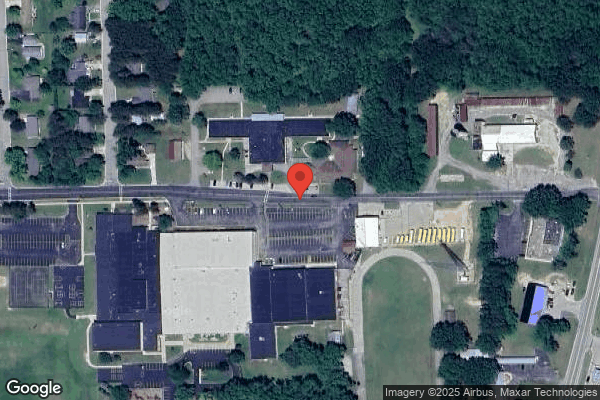
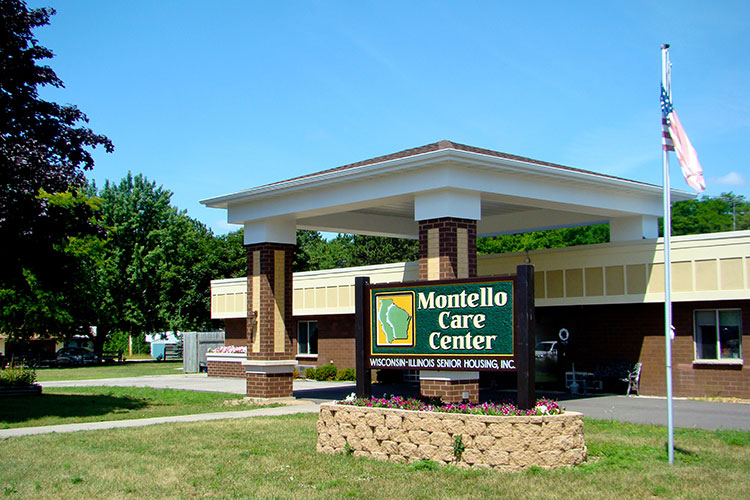
251 FOREST LANE, MONTELLO, WI 53949 (608) 297-2153
Non profit - Corporation 50 Beds WISCONSIN ILLINOIS SENIOR HOUSING, INC. Data: November 2025 4 Immediate Jeopardy citations
Trust Grade
0/100
#300 of 321 in WI
Last Inspection: July 2024

Within standard 12-15 month inspection cycle. Federal law requires annual inspections.

Overview

Montello Care Center has received a Trust Grade of F, indicating significant concerns about the quality of care provided. Ranking #300 out of 321 facilities in Wisconsin places it in the bottom half, with only one other facility in Marquette County being a local option. Although the facility's trend shows improvement, reducing issues from 24 in 2024 to 11 in 2025, it still has a long way to go. Staffing is average with a rating of 3 out of 5, but a concerning turnover rate of 64% suggests that staff may not stay long enough to build strong relationships with residents. The facility has faced serious issues, including critical findings where residents were not protected from abuse and an incident where a Do Not Resuscitate order was not followed, resulting in a resident being resuscitated against their wishes.

Trust Score
F
0/100
In Wisconsin
#300/321
Bottom 7%
Safety Record
High Risk
Review needed
Inspections
Getting Better
24 → 11 violations
Staff Stability
⚠ Watch
64% turnover. Above average. Higher turnover means staff may not know residents' routines.
Penalties
⚠ Watch
$218,328 in fines. Higher than 84% of Wisconsin facilities, suggesting repeated compliance issues.
Skilled Nurses
✓ Good
Each resident gets 44 minutes of Registered Nurse (RN) attention daily — more than average for Wisconsin. RNs are trained to catch health problems early.
Violations
⚠ Watch
54 deficiencies on record. Higher than average. Multiple issues found across inspections.
★☆☆☆☆
1.0
Overall Rating
★★★☆☆
3.0
Staff Levels
★★★★☆
4.0
Care Quality
★☆☆☆☆
1.0
Inspection Score
Stable
2024: 24 issues
2025: 11 issues

The Good

  • 4-Star Quality Measures · Strong clinical quality outcomes
  • Full Sprinkler Coverage · Fire safety systems throughout facility
  • No fines on record

Facility shows strength in quality measures, fire safety.

The Bad

1-Star Overall Rating

Below Wisconsin average (3.0)

Significant quality concerns identified by CMS

Staff Turnover: 64%

18pts above Wisconsin avg (46%)

Frequent staff changes - ask about care continuity

Federal Fines: $218,328

Well above median ($33,413)

Significant penalties indicating serious issues

Chain: WISCONSIN ILLINOIS SENIOR HOUSING,

Part of a multi-facility chain

Ask about local staffing decisions and management

Staff turnover is elevated (64%)

16 points above Wisconsin average of 48%

The Ugly 54 deficiencies on record

4 life-threatening 1 actual harm
Aug 2025 1 deficiency
CONCERN (D) 📢 Someone Reported This

A family member, employee, or ombudsman was alarmed enough to file a formal complaint

Potential for Harm - no one hurt, but risky conditions existed

Report Alleged Abuse (Tag F0609)

Could have caused harm · This affected 1 resident

Based on staff interview and record review, the facility failed to develop and/or implement policies and procedures for ensuring the reporting of a reasonable suspicion of a crime in accordance with s...

Read full inspector narrative →
Based on staff interview and record review, the facility failed to develop and/or implement policies and procedures for ensuring the reporting of a reasonable suspicion of a crime in accordance with section 1150B of the Act for 2 residents (R) (R1 and R2) of 2 sampled residents.On 7/14/25, R2 struck R1 in the face. The facility did not notify local law enforcement of the abuse.Findings include:The facility's Abuse, Neglect, Exploitation or Misappropriation-Reporting and Investigating policy, revised 9/2022, indicates: .2. The Administrator or the individual making the allegation immediately reports his or her suspicion to the following persons or agencies: .e. Law enforcement officials. (The facility's policy did not include examples of crimes that should be reported, including but not limited to assault and battery, and did not indicate that the facility consulted with local law enforcement to discuss what to report or not report.)On 8/1/25, Surveyor reviewed a facility-reported incident that indicated R2 slapped R1 across the face on 7/14/25 and the incident was witnessed by Med Tech (MT)-C. On 8/1/25 at 10:09 AM, Surveyor interviewed MT-C who confirmed MT-C witnessed R2 slap R1 across the face and staff immediately separated the residents. On 8/1/25, Surveyor attempted to interview R1 and R2 but was unable to do so due to cognitive impairment and dementia diagnoses for both residents. (R1 had a Brief Interview for Mental Status (BIMS) score of 1 out of 15 on 7/14/25 which indicated R1 had severely impaired cognition. R2 had a BIMS score of 5 out of 15 on 7/14/25 which indicated R2 also had severely impaired cognition.) On the day of the incident, the facility completed resident interviews, PHQ-9 evaluations, and a trauma informed care assessment for R2. The incident did not appear to have affected R1 or R2 and neither could recall the incident.On 8/1/25 at 1:39 PM, Surveyor interviewed Nursing Home Administrator (NHA)-A who indicated the incident was not malicious and neither resident could tell NHA-A what happened. NHA-A indicated NHA-A did not feel the abuse should be reported to local law enforcement.
Jun 2025 6 deficiencies
CONCERN (D) 📢 Someone Reported This

A family member, employee, or ombudsman was alarmed enough to file a formal complaint

Potential for Harm - no one hurt, but risky conditions existed

Pressure Ulcer Prevention (Tag F0686)

Could have caused harm · This affected 1 resident

**NOTE- TERMS IN BRACKETS HAVE BEEN EDITED TO PROTECT CONFIDENTIALITY** Based on observation, staff and resident interview, and record review, the facility did not ensure 1 resident (R) (R2) of 3 samp...

Read full inspector narrative →
**NOTE- TERMS IN BRACKETS HAVE BEEN EDITED TO PROTECT CONFIDENTIALITY** Based on observation, staff and resident interview, and record review, the facility did not ensure 1 resident (R) (R2) of 3 sampled residents received the necessary care and services to prevent pressure injuries and/or promote healing. On 5/25/25, staff reported to Director of Nursing (DON)-B that R2's wound vac (negative pressure wound therapy) dressing was not adhered properly. DON-B did not assess the wound vac dressing or ensure R1's wound vac was functioning appropriately. Findings include: The facility's Negative Pressure Wound Therapy policy, revised 2/2014, indicates: The purpose of this procedure is to provide guidelines for establishing and maintaining negative pressure wound therapy .change dressing per physician orders and manufacturer guidelines .secondary layer of barrier adhesive .create a vacuum seal over the wound . The facility's Prevention of Pressure Injuries policy, revised 3/1/21, indicates: .For prevention measures associated with specific devices, consult current clinical practice guidelines .Review the interventions and strategies for effectiveness on an ongoing basis . On 6/12/25, Surveyor reviewed R2's medical record. R2 was admitted to the facility on [DATE] and had diagnoses including traumatic spinal cord injury, neurogenic bladder, diabetes, cerebral vascular accident, quadriplegia, acute osteomyelitis of left ankle and foot, colostomy, muscle wasting and atrophy, and extended spectrum beta lactamase (ESBL) resistance. R2 had an activated Power of Attorney for Healthcare (POAHC) for medical decision making. R2's Minimum Data Set (MDS) assessment, dated 4/21/25, had a Brief Interview for Mental Status (BIMS) score of 15 out of 15 which indicated R2 had intact cognition. R2's medical record indicated Primary Wound Provider (PWP)-M placed a wound vac dressing on R2 on 5/16/25. A progress note, dated 5/19/25 at 12:26 PM and written by Assistant Director of Nursing (ADON)-L, indicated the wound vac was changed because the suction tubing was under the transparent dressing which had created an indentation in R2's skin. Registered Nurse (RN)-C completed an assessment of the wound on 5/19/25 at 12:30 PM which indicated R2 had worsening maceration with overall deteriorating condition. The wound vac dressing was replaced and running correctly. A progress note, dated 5/25/25 at 11:00 AM and written by DON-B, indicated R2's wound vac was patent and running at 125 millimeters of mercury (mmHg) with no leaks present. A progress note, dated 5/25/25 at 9:22 and written by RN-N, indicated a malodorous odor was noted during wound care and R2 had a 99.5 degree temperature. PWP-M was notified and an order was received for ceftriaxone 2 grams (g) daily first dose administered now (regimen completed 5/27/25) and metronidazole 500 milligrams (mg) three times daily now through 5/27/25 for a urinary tract infection. On 6/12/25 at 9:49 AM, Surveyor interviewed Certified Nursing Assistant (CNA)-K who indicated if a wound vac was not adhered correctly, CNA-K would ask a nurse to assess the wound vac. CNA-K indicated when CNA-K worked with R2 approximately three to four weeks ago, R2's wound vac dressing was bunched up and not suctioning. CNA-K told DON-B who was working as a floor nurse. DON-B indicated to CNA-K that the wound vac was working properly. On 6/12/25 at 10:01 AM, Surveyor interviewed R2 who indicated R2's wounds were healing. R2 indicated a wound provider and ADON-L (who took care of wounds when the wound provider was not present) assessed R2 each week. R2 indicated the wound provider tried the wound vac for a while, however, the wound vac didn't do what was expected and it was removed. On 6/12/25 at 10:14 AM, Surveyor interviewed RN-C who indicated R2 could go septic quickly. RN-C indicated the wound vac dressing pump did not always alarm if there were problems with the dressing, including if the dressing was not applied correctly. RN-C arrived for work on the 5/26/25 AM shift and was informed the wound vac was removed. RN-C indicated the wound was odorous to the point where RN-C could smell the wound in the hallway. RN-C received report from ADON-L who indicated R2's wound vac dressing was falling off during the previous PM shift. Alternative treatment was provided and the wound provider was scheduled to assess R2's wound on 5/27/25. ADON-L informed RN-C that R2 was started on antibiotics the previous night because R2's body was turning red and R2 had a fever. The provider ordered a urinalysis (UA) and culture. RN-C indicated R2 was sent to the hospital multiple times and continued to decline. RN-C indicated RN-C had concerns with DON-B completing a wound vac dressing change. On 6/12/25 at 10:47 AM, Surveyor interviewed ADON-L who was a Licensed Practical Nurse and indicated ADON-L took a wound certification course but did not take a wound care certification test. ADON-L completed wound care in the facility and did rounds with PWP-M weekly or more often. ADON-L indicated PWP-M provided wound vac dressing change education to nurses who were at the facility when the wound vac was initially placed on R2 on 5/16/25. ADON-L was not aware of any other education for wound vac dressing changes. ADON-L verified PWP-M changed R2's wound vac orders on 5/23/25 to allow nurses who were uncomfortable with wound vac dressing changes to use an alternative dressing to pack the wound with collagen. ADON-L worked the PM shift on 5/25/25 with an RN. ADON-L indicated R2 was in a motorized wheelchair when ADON-L arrived. When R2 was laid down, it was noted that R2's wound vac dressing was not intact. ADON-L indicated the foam was not suctioning even though the suction was on and the bandage was all bunched. ADON-L indicated there was a very strong odor at the wound site. R2 had a low-grade fever and R2's arms, face, and neck were red. ADON-L asked RN-N to assess R2. RN-N completed an assessment and contacted PWP-M who ordered a UA which was completed that night. ADON-L stated R2's wound vac dressing was not reapplied and the wound was packed with calcium alginate dressing. ADON-L indicated the event occurred at 7:30 PM and DON-B was the AM shift nurse that day. ADON-L indicated RN-N and DON-B completed verbal report at shift change and RN-N did not mention any issues with R2's wound vac from shift report with DON-B. ADON-L indicated R2 usually stays in R2's motorized wheelchair until supper then staff assist R2 back to bed to offload. R2 ate dinner in bed which was when ADON-L was notified that the wound vac was not properly attached. On 6/12/25 at 1:42 PM, Surveyor interviewed RN-N via phone who indicated RN-N did not do the dressing change but received report from R2's nurse (ADON-L) that R2 needed to be assessed. RN-N indicated R2 was prone to septic infection and had been on intravenous (IV) antibiotics in the past. On 6/12/25 at 1:51 PM, Surveyor interviewed PWP-M who indicated PWP-M started the wound vac dressing on 5/16/25 and decided on 5/23/25 to provide alternative wound dressing options so nurses who were uncomfortable with wound vac dressings would have options if a dressing change was needed. PWP-M recalled the 5/19/25 event which was part of the reason for the alternative dressing option ordered on 5/23/25. PWP-M indicated R2's buttock (ischial) wound worsened after R2 was hospitalized in April for osteomyelitis of the left heel. PWP-M indicated R2's wound was complicated but felt progress was occurring in the healing process. On 6/12/25 at 2:23 PM, Surveyor interviewed CNA-P who indicated R2's wound vac dressing did not look right on the 5/25/25 AM shift because the tape was balled up and CNA-P informed DON-B. CNA-P said DON-B indicated the dressing was fine and asked CNA-P to get R2 up. CNA-P indicated DON-B completed R2's wound treatments prior to when CNA-P noted the dressing was balled up. CNA-P indicated CNA-P did not assist R2 back to bed during the AM shift because R2 stayed up until the PM shift started at 2:00 PM. On 6/12/25 at 2:39 PM, Surveyor interviewed DON-B via phone. DON-B indicated a wound vac dressing change was not completed on the 5/25/25 AM shift. DON-B did not recall being informed by a CNA that the wound vac dressing was not functioning properly. DON-B indicated DON-B may have trimmed the edges of the wound vac dressing on 5/25/25 but indicated the wound vac was still suctioning. DON-B indicated DON-B was planning on educating nursing staff about wound vac dressings changes but since there were no longer any wound vacs in the facility after R2's was removed, DON-B decided against wound vac dressing change education. On 6/12/25 at 2:55 PM, Surveyor again interviewed CNA-K who indicated R2's wound vac was not suctioning on the 5/25/25 AM shift. CNA-K indicated CNA-K and CNA-P told DON-B the wound vac did not appear to be suctioning properly, however, DON-B stated everything was fine. CNA-K agreed with CNA-P that DON-B did not assess R2's wound vac after CNA-K and CNA-P informed DON-B there was a problem with the dressing. CNA-K indicated CNA-K and CNA-P got R2 up and into a motorized wheelchair for lunch and did not assist R2 back to bed during the rest of the AM shift.
CONCERN (D) 📢 Someone Reported This

A family member, employee, or ombudsman was alarmed enough to file a formal complaint

Potential for Harm - no one hurt, but risky conditions existed

Accident Prevention (Tag F0689)

Could have caused harm · This affected 1 resident

**NOTE- TERMS IN BRACKETS HAVE BEEN EDITED TO PROTECT CONFIDENTIALITY** Based on observation, staff and resident interview, and record review, the facility did not provide adequate supervision and ass...

Read full inspector narrative →
**NOTE- TERMS IN BRACKETS HAVE BEEN EDITED TO PROTECT CONFIDENTIALITY** Based on observation, staff and resident interview, and record review, the facility did not provide adequate supervision and assistance to prevent accidents and did not ensure a fall was thoroughly investigated to determine a root cause for 1 resident (R) (R1) of 1 sampled resident. On 4/26/25, R1 fell out of bed and called 911 when staff did not respond to R1's calls for assistance. The facility did not complete a thorough investigation to determine the root cause of R1's fall. Findings include: The facility's Falls and Fall Risk, Managing policy, revised 3/2018, indicates: Based on previous evaluations and current data, staff will identify interventions related to the resident's specific risks and causes to try to prevent the resident from falling and try to minimize complications from falling .According to the Minimum Data Set (MDS), a fall is defined as: Unintentionally coming to rest on the ground, floor, or other lower level but not as a result of an overwhelming external force .A fall without injury is still a fall. Unless there is evidence suggesting otherwise, when a resident is found on the floor, a fall is considered to have occurred. The facility's Assessing Falls and Their Causes Policy, revised 3/2018, indicates: The purposes of this procedure are to provide guidelines for assessing a resident after a fall and to assist staff in identifying causes of the fall .Identifying Causes of a Fall or Fall Risk: 1. Within 24 hours of a fall, begin to try to identify possible or likely causes of the incident. Refer to resident-specific evidence including medical history, known functional impairments, etc. 2. Evaluate chains of events or circumstances preceding a recent fall, including: a. Time of day of the fall; b. Time of the last meal; c. What the resident was doing; d. Whether the resident was standing, walking, reaching, or transferring from one position to another; f. Whether the resident was trying to get to the toilet, g. Whether any environmental risk factors were involved (e.g., slippery floor, poor lighting, furniture or objects in the way); and/or h. Whether there is a pattern of falls for this resident .Documentation: When a resident falls, the following information should be recorded in the resident's medical record: 1. The condition in which the resident was found (e.g., resident found lying on the floor between bed and chair), 2. Assessment data, including vital signs and any obvious injuries, 3. Interventions, first aid, or treatment administered, 4. Notification of physician and family, as indicated, 5. Completion of a falls risk assessment, 6. Appropriate interventions taken to prevent future falls, 7. The signature and title of the person recording the data. On 6/12/25, Surveyor reviewed R1's medical record. R1 was admitted to the facility on [DATE] and had diagnoses including intraspinal abscess and granuloma, cervical discitis, status post cervical laminectomy, diabetes, Parkinson's disease, and extrapyramidal and movement disorder. R1's MDS assessment, dated 4/30/25, had a Brief Interview for Mental Status (BIMS) score of 15 out of 15 which indicated R1 had intact cognition. R1 made R1's own healthcare decisions. Surveyor reviewed a Sheriff's Office Detail Incident Report, dated 4/26/25 at 11:36 PM, that indicated an officer arrived at the facility on 4/26/25 at 11:42 PM because R1 called 911 and requested assistance after R1 fell out of bed. The officer assisted with transferring R1 before R1 was transported to the hospital. A provider note, dated 4/27/25 at 12:34 AM, indicated R1 was transferred to the Emergency Department (ED) due to neck and back pain after a fall out of bed. Per Emergency Medical Services (EMS), R1 had fallen out of bed, was helped back into bed, and then fell out of bed again and was on the floor for approximately 30 minutes. R1 called for help but staff did not respond so R1 called 911. EMS arrived and brought R1 to the ED. R1 reported R1 already had pain from a recent decompressive cervical spine surgery due to a spinal epidural abscess. R1 was given acetaminophen for pain. After being helped to the bathroom, R1 slipped out of bed and was helped back into bed, but fell again afterward. R1 reported pain between R1's shoulder blades. R1 denied hitting R1's head or losing consciousness. A computed tomography (CT) scan of the cervical spine showed no evidence of significant traumatic injury. R1 was diagnosed with acute midline thoracic back pain and discharged back to the nursing home. An Event Report, dated 4/28/25 with a closed date of 5/16/25, indicated R1 called 911 and an officer responded. R1 was observed on the floor in R1's room and stated R1 hit R1's head. The fall was unwitnessed and R1 was not injured. Following the fall, R1 did not exhibit dizziness, headache, nausea/vomiting, or seizure. The Falls Program was initiated and R1's care plan was updated. The Event Report did not contain nursing documentation, resident or staff interviews, or a root cause analysis. In addition, R1's medical record did not contain a nursing progress note about the fall or nursing actions taken immediately after the fall. There was no documentation of the condition of R1's surgical neck wound or a description of R1's initial fall on 4/26/25 after R1 returned from the bathroom. Surveyor reviewed R1's physical therapy notes for 4/28/25 to 5/27/25. An assessment summary indicated R1 had limitations in strength and endurance which resulted in deficits in dynamic balance, bed mobility, transfer ability, and ambulation. R1 underwent a cervical laminectomy on 4/12/25 due to a spinal infection and had been bedridden since surgery. R1 had a history of Parkinson's disease and a recent history of vertigo. A Musculoskeletal System Assessment indicated R1 had impaired trunk strength and required moderate assistance for bed mobility and maximum assistance for transfers. On 6/12/25 at 11:06 AM, Surveyor interviewed R1 who was in a wheelchair wearing shoes and had visible extrapyramidal symptoms; R1's upper body was in constant movement during the interview. When asked about R1's fall on 4/26/25, R1 indicated R1 was in bed and a male Certified Nursing Assistant (CNA) (unknown name) was going to help reposition R1 in bed. The CNA instructed R1 to roll to the left side and R1 fell onto the floor. R1 indicated the CNA left R1's room prior to the fall to assist another resident. R1 called for help but no one came. The call light was not in reach, however, R1 got to the phone and called 911. Police and EMS arrived, got R1 off the floor and onto a gurney, and transported R1 to the ED. R1 stated R1 was wearing slippery pajamas at the time of the fall. R1 denied hitting R1's head and denied injury. On 6/12/25 at 2:28 PM, Surveyor interviewed Registered Nurse (RN)-F who indicated RN-F was not present during R1's fall on 4/26/25 but was familiar with R1. RN-F indicated R1 had spastic limbs/involuntary motions which put R1 at risk for falls. RN-F indicated R1 liked to be independent despite the need for assistance with transfers. RN-F indicated staff attempt to keep an eye on R1, use a gait belt, and ensure R1 has grippy socks or shoes to prevent falls. On 6/12/25 at 3:05 PM, Surveyor interviewed Nursing Home Administrator (NHA)-A who verified the investigation for R1's fall was not complete. NHA-A verified the Event Report was opened/initiated by RN-E (who was an agency nurse) and was closed by Director of Nursing (DON)-B. The Event Report did not indicate a root cause for the fall. In addition, the investigation did not include resident or staff interviews. On 6/12/25 at 5:20 PM, Surveyor interviewed DON-B via phone regarding the incident and Event Report which was closed without a root cause analysis. DON-B indicated R1 had fallen out of bed and couldn't reach the call light but could not recall the root cause analysis or why the fall occurred.
CONCERN (D) 📢 Someone Reported This

A family member, employee, or ombudsman was alarmed enough to file a formal complaint

Potential for Harm - no one hurt, but risky conditions existed

Pharmacy Services (Tag F0755)

Could have caused harm · This affected 1 resident

**NOTE- TERMS IN BRACKETS HAVE BEEN EDITED TO PROTECT CONFIDENTIALITY** Based on observation, staff and resident interview, and record review, the facility did not ensure 1 resident (R) (R1) of 2 samp...

Read full inspector narrative →
**NOTE- TERMS IN BRACKETS HAVE BEEN EDITED TO PROTECT CONFIDENTIALITY** Based on observation, staff and resident interview, and record review, the facility did not ensure 1 resident (R) (R1) of 2 sampled residents was provided safe and accurate administration of drugs and biologicals. R1 was not administered a dose of an intravenous (IV) antibiotics on 5/25/25. Findings include: On 6/12/25, Surveyor reviewed R1's medical record. R1 was admitted to the facility on [DATE] and had diagnoses including fibromyalgia, history of venous thrombosis embolism, Parkinson's disease, osteomyelitis of vertebra thoracic region, sciatica, and candidal stomatitis. R1's Minimum Data Set (MDS) assessment, dated 4/30/25, had a Brief Interview for Mental Status (BIMS) score of 15 out of 15 which indicated R1 had intact cognition. R1 made R1's own medical decisions. R1 had an order for cefazolin reconstituted solution administer 6 grams in sodium chloride 0.9 % 320 milliliters (mls) intravenous (IV) to run continuously 24 hours once a day every morning for osteomylitis of vertebra, thoracic region. A continuous ambulatory delivery device (CADD) pump was used to administer the antibiotic with a cassette or cartridge with medication that was changed as ordered. On 6/12/25 at 8:52 AM, Surveyor interviewed R1 who indicated R1 had an infection that was better and was on an IV antibiotic. R1 indicated a nurse couldn't figure out how to change the cartridge one day and R1 missed a dose of the antibiotic. R1 indicated Registered Nurse (RN)-C changed the cartridge the next morning and got the IV restarted. On 6/12/25 at 12:27 PM, Surveyor interviewed RN-C who indicated R1 was on an IV antibiotic with a CADD pump. RN-C indicated the antibiotic cartridge should have been changed on 5/25/25 but was missed. RN-C indicated when RN-C arrived to work on 5/26/25, the cartridge was dry and was the same cartridge RN-C had changed the previous day. RN-C indicated Director of Nursing (DON)-B worked the 6:00 AM to 2:00 PM shift on 5/25/25 when the cartridge should have been changed. RN-C indicated the cartridge would not run dry unless it was not changed. RN-C reported the missed antibiotic dose to Nursing Home Administrator (NHA)-A but was not sure if anything was done. RN-C also notified R1's physician and Assistant Director of Nursing (ADON)-L. On 6/12/25 at 12:56 PM, Surveyor interviewed NHA-A who confirmed staff reported that R1's antibiotic dose was missed on 5/25/25. NHA-A asked DON-B about the missed dose who indicated DON-B did not believe the dose was missed. NHA-A indicated the antibiotic was entered as administered. NHA-A indicated NHA-A did not investigate any further or interview R1 because NHA-A trusted what DON-B had said. NHA-A indicated NHA-A now believes the dose was missed by DON-B. NHA-A indicated NHA-A should have investigated further at the time of the incident and stated NHA-A is working with corporate to educate DON-B. On 6/12/25 at 1:19 PM, Surveyor interviewed RN-C who again indicated R1's antibiotic was missed on 5/25/25. RN-C indicated pharmacy sent the facility the cartridges needed to complete the order and there was one left over that was discarded. RN-C indicated the cartridge would not have been discarded unless it was missed. On 6/12/25 at 2:14 PM, Surveyor interviewed Medication Technician (MT)-K who recalled that R1 was on an IV antibiotic. MT-K also indicated R1 had missed a dose of the antibiotic on 5/25/25 when DON-B was working. MT-K indicated MT-K and RN-C discarded a cartridge that was leftover from R1's prescribed dose. MT-K indicated the leftover cartridge was discarded because it was missed.
CONCERN (D) 📢 Someone Reported This

A family member, employee, or ombudsman was alarmed enough to file a formal complaint

Potential for Harm - no one hurt, but risky conditions existed

Medical Records (Tag F0842)

Could have caused harm · This affected 1 resident

**NOTE- TERMS IN BRACKETS HAVE BEEN EDITED TO PROTECT CONFIDENTIALITY** Based on staff interview and record review, the facility did not ensure 1 resident (R) (R10) of 1 sampled resident had a medical...

Read full inspector narrative →
**NOTE- TERMS IN BRACKETS HAVE BEEN EDITED TO PROTECT CONFIDENTIALITY** Based on staff interview and record review, the facility did not ensure 1 resident (R) (R10) of 1 sampled resident had a medical record that contained complete and accurate information. Director of Nursing (DON)-B did not update R10's medical record when an observation and assessment was completed for R10. Findings include: The facility's Charting and Documentation policy, revised July 2017, indicates: All services provided to the resident, progress toward the care plan goals, or any changes in the resident's medical, physical, functional, or psychosocial condition shall be documented in the resident's medical record. The medical record should facilitate communication between the interdisciplinary team regarding the resident's condition and response to care .2. The following information is to be documented in the resident's medical record: a. Objective observations; .d. Changes in the resident's condition; .3. Documentation in the medical record will be objective (not opinionated or speculative), complete, and accurate. On 6/12/25 Surveyor reviewed R10's medical record. R10 was admitted to the facility on [DATE] and had diagnoses including pneumonitis due to inhalation of food and vomit, dysphagia, and respiratory failure. R10's Minimum Data Set (MDS) assessment, dated 5/30/25, had a Brief Interview for Mental Status (BIMS) score of 3 out of 15 which indicated R had severe cognitive impairment. R10 had an activated Power of Attorney for Healthcare (POAHC). A progress note, dated 6/5/25 at 2:30 PM and written by Registered Nurse (RN)-C, indicated RN-C was updated on R10's change in condition by a Medication Technician and was occupied with another resident. RN-C asked DON-B to assess R10. DON-B assessed R10 and reported to RN-C that R10 was at baseline with continued congestion. DON-B indicated R10's lower lungs were clear and upper lungs were noisy due to swallowing, nasal drainage, and coughing. RN-C indicated an Occupational Therapist/Physical Therapist requested RN-C reassess R10 prior to therapy. RN-C assessed R10 and heard audible wheezing and congestion. RN-C indicated R10's upper and lower lungs had coarse crackles with inspiratory and expiratory wheezing. RN-C stated R10 was unable to expectorate and clear R10's airway by coughing. R10 had both clear and brown discharge draining from R10's nares. R10 indicated R10 was asymptomatic. R10 had three plus pitting edema in the bilateral lower extremities and extremely puffy bilateral upper extremities. R10 also had a large emesis during supper on 6/3/25. RN-C reported the findings to the on-call provider who ordered labs and a chest X-ray, however, R10 refused labs. RN-C updated Nursing Home Administrator (NHA)-A and oncoming staff and left a voicemail for R10's POAHC. R10's medical record did not contain DON-B's documentation of the observation and assessment on 6/6/25. On 6/12/25 at 10:50 AM, Surveyor interviewed RN-C who indicated Physical Therapy Assistant (PTA)-D approached RN-C with concerns regarding R10's change in status. R10 was in the dining room when RN-C arrived and heard audible wheezing. RN-C assessed R10 and called the on-call provider who ordered labs and a chest X-ray. RN-C indicated R10 was discharged from hospitalization for respiratory failure and pneumonia on 5/12/25. RN-C stated RN-C attempted to communicate with DON-B, however, DON-B had left for the day. R10 was sent to hospital on 6/6/25 and passed away at the hospital at 6/8/25. On 6/12/25 at 3:39 PM, Surveyor interviewed PTA-D who indicated an Occupational Therapist reported concerns with R10's audible respiratory sounds and bilateral increased hand swelling on 6/6/25. PTA-D indicated DON-B had assessed R10 and stated R10 was fine and there were no concerns. PTA-D indicated PTA-D discussed the observations with RN-C who assessed R10 and contacted the provider. On 6/12/25 at 5:20 PM, Surveyor interviewed DON-B who indicated therapy staff asked DON-B to assess R10's respiratory status on 6/5/25. DON-B assessed R10's lung sounds and stated R10 had upper airway noise but the bases of R10's lungs were clear. DON-B indicated DON-B verbally reported the information to RN-C and confirmed DON-B did not document the observation or assessment in R10's medical record. DON-B confirmed DON-B should have documented the assessment in R10's medical record.
CONCERN (D) 📢 Someone Reported This

A family member, employee, or ombudsman was alarmed enough to file a formal complaint

Potential for Harm - no one hurt, but risky conditions existed

Infection Control (Tag F0880)

Could have caused harm · This affected 1 resident

**NOTE- TERMS IN BRACKETS HAVE BEEN EDITED TO PROTECT CONFIDENTIALITY** Based on observation, staff interview, and record review, the facility did not maintain an infection prevention and control prog...

Read full inspector narrative →
**NOTE- TERMS IN BRACKETS HAVE BEEN EDITED TO PROTECT CONFIDENTIALITY** Based on observation, staff interview, and record review, the facility did not maintain an infection prevention and control program designed to prevent the transmission of communicable disease and infection for 1 resident of (R) (R2) of 1 sampled resident. Registered Nurse (RN)-C did not complete proper hand hygiene during wound care for R2 and used soiled scissors to trim a clean dressing. Findings include: The facility's Handwashing/Hand Hygiene policy, revised 10/2023, indicates: .Hand hygiene is indicated .g. Immediately after glove removal .4. Single-use disposable gloves should be used .5. The use of gloves does not replace hand washing/hand hygiene . The facility's undated Wound Care policy indicates: .2. Wash and dry your hands thoroughly .4. Put on exam glove. Loosen tape and remove dressing .5. Pull glove over dressing and discard into appropriate receptacle. Wash and dry your hands thoroughly. 6. Put on gloves .21. Wipe reusable supplies with alcohol as indicated (i.e., .scissor blades, etc.) . On 6/12/25 at 9:20 AM, Surveyor reviewed R2's medical record. R2 was admitted to the facility on [DATE] and had diagnoses including traumatic spinal cord injury, diabetes, cerebral vascular accident, quadriplegia, acute osteomyelitis of left ankle and foot, and extended spectrum beta lactamase (ESBL) resistance. R2's Minimum Data Set (MDS) assessment, dated 4/21/25, had a Brief Interview for Mental Status (BIMS) score of 15 out of 15 which indicated R2 had intact cognition. R2 had an activated Power of Attorney for healthcare (POAHC) for medical decision making. On 6/12/25 at 11:32 AM, Surveyor observed Assistant Director of Nursing (ADON)-L, RN-C, Certified Nursing Assistant (CNA)-K, and CNA-O don personal protective equipment (PPE) after completing hand hygiene prior to wound care for R2. RN-C then cut and removed the soiled dressing from R2's left heel and sprayed the wound with Betadine wound cleanser. RN-C removed packing from the wound, applied more Betadine cleanser, wiped the area, and removed gloves. Surveyor noted RN-C had a second pair of gloves underneath the first pair. RN-C then inserted packing in the wound with a cotton tipped applicator, painted R2's heel with Betadine, applied a non-adhesive dressing, and wrapped the heel in Kerlix. RN-C then cut the Kerlix with the scissors used to to cut R2's soiled heel dressing, taped the Kerlix, and dated and initialed the dressing. RN-C then removed gloves, completed hand hygiene, and donned two new pair of gloves while the other staff assisted R2 onto R2's side. Surveyor observed an extended wound area that contained a stage 4 pressure injury in the upper right corner of R2's buttock. Macerated skin with drainage was noted throughout the buttock area down to the posterior scrotum. RN-C removed the dressing from R2's upper right buttock, removed RN-C's first set of gloves, applied Betadine to the wound, and wiped drainage from the wound bed. RN-C then removed the second pair of gloves, completed hand hygiene, and donned clean gloves. RN-C packed the wound with calcium alginate, removed gloves, completed hand hygiene, and donned clean gloves while ADON-L applied silicone barrier to R2's buttock/scrotum area. All staff removed PPE and completed hand hygiene prior to exiting R2's room. On 6/12/25 at 2:48 PM, Surveyor interviewed RN-C who indicated hand hygiene should have been completed between glove changes. RN-C indicated RN-C did not think to sanitize the scissors used to cut off R2's soiled dressing prior to cutting the Kerlix. On 6/12/25 at 3:11 PM, Surveyor interviewed ADON-L who indicated it was not appropriate for RN-C to wear two sets of gloves during wound care. ADON-L indicated RN-C should have worn one pair of gloves, completed hand hygiene, then donned clean gloves. ADON-L also indicated staff should use clean scissors to cut a clean dressing during wound care.
CONCERN (E) 📢 Someone Reported This

A family member, employee, or ombudsman was alarmed enough to file a formal complaint

Potential for Harm - no one hurt, but risky conditions existed

Safe Environment (Tag F0921)

Could have caused harm · This affected multiple residents

Based on observation and staff interview, the facility did not provide a safe, functional, and sanitary environment for residents outside the facility. This practice had the potential to affect more t...

Read full inspector narrative →
Based on observation and staff interview, the facility did not provide a safe, functional, and sanitary environment for residents outside the facility. This practice had the potential to affect more than 4 of the 28 residents residing in the facility. On 6/12/25, the front of the facility appeared unkempt which included weeds, dirt and landscaping bark, an open dumpster that contained garbage, a laundry bin that contained items, a plastic chair that contained cardboard, and exposed wires from a missing doorbell. In addition, the front door was reported to be unlocked when it should have been locked. On 6/12/25 from 9:00 AM to 5:45 PM, Surveyor made observations of the front of the facility which faced the main parking lot and public roadway. Surveyor noted long weeds along the front of the facility, under residents' windows, along and under the fencing, and around trees. A dumpster in the front of the facility was open and contained garbage bags. There were three walls of privacy fence around the dumpster, however, the front did not have fence panels. The unfenced area faced the main parking lot and public roadway. There were two plastic chairs in the same area, one contained cardboard that had been wet and then dried. Surveyor also observed a garbage can labeled laundry that contained items and did not have a lid. The front of the facility also had a raised flower bed with flowers. The bottom of the flower bed contained a pile of dry dirt and landscaping bark that appeared to have been removed from a planted flower bed nearby. The pile of dirt was along the path to the front doors of the facility. Surveyor also observed three garbage cans at the front entrance, one with ice melt, one for garbage, and one for cans with a stained lid. Above the garbage can for cans and next to the main entrance door, Surveyor observed exposed wires where a doorbell once was. During the investigation, Surveyor noted the facility had recently implemented a procedure to lock the front doors on the night shift for safety from 11:00 PM to 5:00 AM. On 6/12/25 at 2:55 and 5:35 PM, Surveyor interviewed Nursing Home Administrator (NHA)-A who indicated staff know they need to lock the doors. NHA-A indicated NHA-A worked next door at the assisted living facility at night and returned to NHA-A's office at the facility and no one knew NHA-A was there. NHA-A confirmed the front doors were not locked and it was within the timeframe the doors should have been locked. NHA-A indicated a process is being implemented but has not yet started where Assistant Director of Nursing (ADON)-L will conduct audits to ensure the doors are locked when they should be. NHA-A also confirmed the dumpster should be closed.
Apr 2025 4 deficiencies 1 IJ
CRITICAL (J) 📢 Someone Reported This

A family member, employee, or ombudsman was alarmed enough to file a formal complaint

Immediate Jeopardy (IJ) - the most serious Medicare violation

Free from Abuse/Neglect (Tag F0600)

Someone could have died · This affected 1 resident

**NOTE- TERMS IN BRACKETS HAVE BEEN EDITED TO PROTECT CONFIDENTIALITY** Based on staff interview and record review, the facility did not ensure the resident environment was free of abuse for 2 residen...

Read full inspector narrative →
**NOTE- TERMS IN BRACKETS HAVE BEEN EDITED TO PROTECT CONFIDENTIALITY** Based on staff interview and record review, the facility did not ensure the resident environment was free of abuse for 2 residents (R) (R1 and R2) of 9 sampled residents. R2 had a diagnosis of dementia and an activated Power of Attorney for Healthcare (POAHC). R2 had a history of sexually intimate encounters and sexual comments toward other residents and displayed verbally and physically aggressive behavior. On 1/10/25, 1/29/25, and 2/8/25, R2 made sexual comments, was verbally and physically aggressive toward other residents, and exhibited wandering behavior. The facility did not implement interventions to ensure the safety of R2 and other residents. On 3/18/25, a resident walked past R1's room and observed R2 touching R1's breasts underneath R1's shirt. R1 was cognitively impaired and had an activated POAHC. The facility's failure to prevent a cognitively impaired resident from being sexually abused by a resident with a history of inappropriate sexual behavior led to a finding of immediate jeopardy that began on 3/18/25. Nursing Home Administrator (NHA)-A was notified of the immediate jeopardy on 4/2/25 at 4:30 PM. The immediate jeopardy was removed on 4/9/25, however, the deficient practice continues at a scope/severity level D (potential for more than minimal harm/isolated) as the facility continues to implement its action plan. Findings include: The facility's Resident-to-Resident Altercation policy, revised September 2022, indicates: All altercations, including those that may represent resident-to-resident abuse, are investigated and reported to the Nursing Supervisor, the Director of Nursing Services and the Administrator .2. Behaviors that may provoke a reaction by residents or others include: a. Verbally aggressive behavior such as screaming, cursing, bossing around/demanding, insulting race or ethnic group, intimidating: b. Physically aggressive behavior such as hitting, kicking, grabbing, scratching, pushing/shoving, biting, spitting, threatening gestures, throwing objects; c. Sexually aggressive behavior such as making sexual comments, inappropriate touching/grabbing; d. Taking, touching, or rummaging through other's property; and e. Wandering into others' rooms/space .3. Occurrences of such incidences are promptly reported to the Nurse Supervisor, Director of Nursing Services, and Administrator .4. If two residents are involved in an altercation, staff: .d. Review the events with the Nursing Supervisor and Director of Nursing Services and evaluate the effectiveness of interventions meant to address distressed behavior for one or both residents; .f. Make any necessary changes in care plan approaches for any or all of the involved individuals; .i. Complete a report of incident/accident form and document the incident, findings, and any corrective measures taken in the resident's medical record. On 4/2/25, Surveyor reviewed R2's medical record. R2 was admitted to the facility on [DATE] and had a diagnosis of dementia with psychosis. R2's Minimum Data Set (MDS) assessment, dated 3/5/25, had a Brief Interview for Mental (BIMS) score of 8 out of 15 which indicated R2 had moderate cognitive impairment. (A score of 7 out of 15 indicates severe cognitive impairment.) R2's 12/14/24 and 3/5/25 MDS assessments indicated R2 had verbal behavior directed toward others (threatening others, screaming at others, cursing at others) on 1 to 3 days during the observation period. R2's MDS assessment, dated 3/5/25, indicated R2 had wandering behavior on 1 to 3 days. R2 had an activated POAHC. A behavioral symptoms care plan (initiated 5/9/24) indicated R2 had socially inappropriate/disruptive behavioral symptoms as evidenced by sexually inappropriate behavior toward staff and other residents. The care plan contained interventions to observe and report socially inappropriate/disruptive behavior when around others (initiated 5/9/24), identify and report possible triggers for suggestive or sexual language or behavior including flirting and sexual jokes (initiated 5/9/24), assess R2 as needed using the sexuality and intimacy worksheet (initiated 5/9/24), redirect and remove when displaying negative forms of intimacy or sexual language (initiated 5/9/24), and provide supervision and/or escort to/from meals (initiated 7/9/24). A behavioral symptoms care plan (initiated 6/17/24 and revised 3/26/25) indicated R2 made statements regarding going home/leaving due to dementia and referenced placement of a WanderGuard. The care plan contained an intervention to remove R2 from other residents' rooms and unsafe situations (initiated 6/17/24). Surveyor reviewed previous facility-reported incidents (FRIs) submitted to the State Agency (SA) involving R2 and noted the following: ~ A FRI indicated R2 was involved in a resident-to-resident sexual interaction when R7 wandered into R2's room on 11/26/22. Staff discovered R2 rubbing R7's groin area. R7 was fully clothed. R2's medical record contained a sexual consent form, dated 7/9/24, that indicated R2 had no sexual intimacy or behaviors during the look back period or review with the Interdisciplinary Team (IDT). R2 had a WanderGuard due to a diagnosis of dementia. One-to-one supervision when outside of R2's room was discontinued. Fifteen minute checks were also discontinued. Staff were to provide supervision and/or escort R2 to and from meals. R2's POAHC was in agreement and R2's care plan was updated. A progress note in R2's medical record, written by Licensed Practical Nurse (LPN)-E and dated 1/10/25 at 6:25 PM, indicated R2 made inappropriate sexual comments and combative and angry comments toward other residents. LPN-E spoke with R2 which helped for a while, however, R2 later yelled in the dining room and tried to get other residents to leave the facility with R2. R2 was noted to have increased behaviors in the afternoon and evening. There were no care plan revisions for R2. A progress note, dated 1/29/25 at 3:05 AM, indicated R2 was verbally aggressive toward other residents. Staff kept an eye on R2 until R2 went to bed. Surveyor requested an incident report or more detail on what occurred, however, the facility was unable to provide the information. On 4/2/25 at 12:17 PM, Surveyor interviewed LPN-E who indicated R2 had a quick temper and little patience at times. LPN-E had not seen R2 strike anyone and indicated R2 was mostly verbally inappropriate. When asked about documentation on 1/10/25 regarding R2's sexual, combative, and angry comments toward other residents, LPN-E could not recall what R2 stated or who the comments were directed toward. LPN-E indicated R2's comments were blunt and often not directed at a specific person. LPN-E indicated incidents with R2 frequently occurred in the lobby which gets congested. LPN-E indicated female residents watch TV in the lobby which triggers R2 to make comments when R2 passes by. LPN-E indicated LPN-E's documentation should have been more specific regarding R2's comments and if they were directed at a specific resident. LPN-E indicated LPN-E reported all physical incidents and separated residents during physical and verbal incidents. LPN-E indicated incidents are documented in residents' progress notes and may be written on the 24-hour report board. LPN-E could not recall if LPN-E reported the incidents on 1/10/25 and 1/29/25 to administration. A progress note, dated 2/8/25 at 9:27 PM, indicated R2 wore (R8's) hat which angered (R8) who confronted R2. An argument was stopped by staff and the residents were separated. Staff were instructed to be sure R2 and R8 were kept apart. There were no care plan revisions for R2 following the incident. On 4/2/25 at 12:17 PM, Surveyor interviewed LPN-E who indicated R2 must have gone into R8's room and taken R8's hat. On 4/2/25 at 3:02 PM, Surveyor interviewed R8 who indicated R2 entered R8's room and took R8's hat. (R8's most recent MDS assessment, date 1/7/25, indicated R8 was not cognitively impaired.) ~ A FRI indicated R2 was in a wheelchair near the nurses' station on 2/21/25 when R6 who appeared emotional/tearful propelled around the nursing station in a wheelchair. R2 leaned forward to comfort R6 and put a hand on R6's thigh. R6 pushed R2's hand away which upset R2 who slapped R6's hand. Staff intervened and separated the residents. R6 was taken to R6's room and provided comfort. R2 remained in the common area near the nurses' station. Staff assessed R2 and R6 and noted no injuries. R2 and R6's physician and representatives were notified. LPN-E notified administration. The facility's investigation indicated R2 tried to console R6. A care plan initiated for R2 on 2/27/25 indicated R2 had a history of offering comfort to other residents via touch. The care plan contained interventions to encourage R2 to provide comfort through verbal communication and explain to R2 in a calm and respectful manner that R2's care and comfort is appreciated, however, not everyone likes to be touched. On 4/2/25 at 2:30 PM, Surveyor interviewed Certified Nursing Assistant (CNA)-F who observed the interaction between R2 and R6 as CNA-F was coming up the hall and separated the residents. CNA-F indicated R6 was not tearful or upset prior to the incident but was an anxious person, had an anxious look on R6's face at times, and did not like to be touched. CNA-F indicated R6 was upset after the incident. On 4/2/25, Surveyor requested investigations and/or incident reports including care plan revisions for the progress notes that reference R2's behavior toward other residents. The facility was unable to provide the information. On 4/4/25, the facility provided care plans for R2 that included active and discontinued behavioral interventions. The care plans did not contain revisions following the incidents on 1/10/25, 1/29/25, or 2/8/25. On 4/2/25, Surveyor reviewed a FRI submitted to the SA. The FRI indicated on 3/18/25 at approximately 3:00 PM, R3 walked past R1's room and saw R2 feeling R1's breasts underneath R1's shirt. R3 told R2 to stop and notified staff who immediately responded and removed R2 from R1's room. Staff informed the Director of Nursing (DON), the Assistant Director of Nursing (ADON), and the NHA. R1 was assessed and R2 was placed on 1:1 supervision. Law enforcement was notified and an investigation was initiated. R1 and R2's representatives were notified and R2 was moved to a room on the opposite side of the facility. R2's care plan was revised. Interviews with residents and staff were completed. Staff followed-up with R1, R2, and R3 for psychosocial well-being. The investigation did not indicate staff education was completed following the incident. On 4/2/25, Surveyor reviewed R1's medical record. R1 was admitted to the facility on [DATE] and had diagnoses including Alzheimer's disease and dementia. R1's MDS assessment, dated 3/19/25, indicated R1 had severe cognitive impairment. R1 had an activated POAHC. On 4/2/25 at 1:00 PM, Surveyor interviewed DON-B who indicated R2's behaviors were common knowledge. DON-B indicated there were interventions to redirect and remove R2 from the situation. DON-B indicated DON-B reviews progress notes and revises care plans if needed. DON-B was not aware of the 2/8/25 progress note that indicated a verbal altercation occurred when R2 took R8's hat. DON-B was aware of the 1/10/25 progress note that indicated R2 made sexually inappropriate comments and was physically and verbally aggressive toward other residents. DON-B was unable to provide further information regarding specific comments that were made and who the comments were directed toward or what type of aggressive behavior occurred and who it was directed toward. DON-B confirmed staff education was not completed post-event on 3/18/25 and indicated DON-B planned to provide staff education at a staff meeting next week. DON-B indicated staff were aware that R2 was on 1:1 supervision at all times when in R2's wheelchair. On 4/2/25 at 2:00 PM, Surveyor interviewed NHA-A who indicated NHA-A was not employed by the facility when the incident occurred on 1/10/25. NHA-A indicated NHA-A wanted to be informed of like-incidents in order to investigate and determine if care plan revisions were needed. NHA-A confirmed when incidents occur or when staff notice an increase in behaviors, NHA-A and DON-B should be notified so appropriate action can be taken. The failure to protect a resident from sexual abuse by a resident with a history of sexually inappropriate behavior created a reasonable likelihood for serious harm for that resident and other residents and led to a finding of immediate jeopardy. The facility removed the jeopardy on 4/9/25 when it completed the following: 1. Placed R2 on 1:1 supervision when awake. 2. Reviewed medical records and interviewed staff to identify other residents who may exhibit high-risk behavior. 3. Developed care plans for residents identified with the potential for high-risk behavior. 4. Reviewed the Abuse policy and playbook. 5. Completed staff education on resident rights, abuse, reporting responsibilities, and willful/intentional acts. 6. Initiated audits to ensure compliance. Surveyor observed R2 multiple times during the survey with 1:1 staff. R2 was noted to be in R2's room most of the day except for lunch. During lunch, R2 was seated at a table with like-gender residents. R2's 1:1 staff was observed seated beside R2.
CONCERN (D) 📢 Someone Reported This

A family member, employee, or ombudsman was alarmed enough to file a formal complaint

Potential for Harm - no one hurt, but risky conditions existed

Report Alleged Abuse (Tag F0609)

Could have caused harm · This affected 1 resident

**NOTE- TERMS IN BRACKETS HAVE BEEN EDITED TO PROTECT CONFIDENTIALITY** Based on staff interview and record review, the facility did not ensure allegations of abuse were reported to the State Agency (...

Read full inspector narrative →
**NOTE- TERMS IN BRACKETS HAVE BEEN EDITED TO PROTECT CONFIDENTIALITY** Based on staff interview and record review, the facility did not ensure allegations of abuse were reported to the State Agency (SA) timely for 2 residents (R2 and R8) of 8 sampled residents. R2's medical record indicated R2 was sexually inappropriate and/or verbally and physically aggressive toward other residents on 1/10/25 and 1/29/25. In addition, R2 and R8 were involved in a verbal altercation on 2/8/25. The facility did not report the allegations of abuse to the SA. Findings include: The facility's Abuse, Neglect, Exploitation or Misappropriation-Reporting and Investigating policy, revised September 2022, indicates: All reports of resident abuse .are reported to local, state and federal agencies as required by current regulations and thoroughly investigated by facility management. Findings of all investigations are documented and reported . The facility's Resident-to-Resident Altercations policy, revised September 2022, indicates: All altercations, including those that may represent resident-to-resident abuse, are investigated and reported to the Nursing Supervisor, the Director of Nursing Services and the Administrator .2. Behaviors that may provoke a reaction by residents or others include: a. Verbally aggressive behavior such as screaming, cursing, bossing around/demanding, insulting race or ethnic group, intimidating; b. Physically aggressive behavior such as hitting, kicking, grabbing, scratching, pushing/shoving, biting, spitting, threatening gestures, throwing objects; c. Sexually aggressive behavior such as making sexual comments, inappropriate touching/grabbing; d. Taking, touching, or rummaging through others' property; and e. Wandering into others' room/space. 3. Occurrences of such incidences are promptly reported to the Nurse Supervisor, Director of Nursing Services, and the Administrator. The Administrator will report the incident in accordance with the criteria established under Abuse, Neglect, Exploitation, or Misappropriation-Reporting and Investigating. On 4/2/25, Surveyor reviewed R2's medical record. R2 was admitted to the facility on [DATE] and had a diagnosis of dementia with psychosis. R2's Minimum Data Set (MDS) assessment, dated 3/5/25, had a Brief Interview for Mental Status (BIMS) score of 8 out of 15 which indicated R2 had moderate cognitive impairment. (A score of 7 out of 15 indicates severe cognitive impairment.) R2 had an activated Power of Attorney for Healthcare (POAHC). On 4/2/25, Surveyor reviewed R8's medical record. R8 was admitted to the facility on [DATE] and had a diagnosis of history of stroke. R8's MDS assessment, dated 1/7/25, had a BIMS score of 15 out of 15 which indicated R8 was not cognitively impaired. A progress note, dated 1/10/25 at 6:25 PM, indicated R2 had behaviors and made inappropriate sexual comments and combative/angry comments to other residents. The writer had a talk with R2 which helped for a while until R2 yelled in the dining room and tried to get others to leave the facility with R2. R2's behaviors seemed to increase in the afternoon and evening. A progress note, dated 1/29/25 at 3:05 AM, indicated R2 displayed aggressive behavior toward other residents with aggressive talk. Staff kept an eye on R2 until R2 went to bed. A progress note, dated 2/8/25 at 9:27 PM, indicated R2 wore (R8's) hat which angered (R8) who confronted R2. An argument was quickly stopped by staff and the residents were separated. Staff were instructed to be sure R2 and R8 were kept apart. On 4/2/25 at 12:17 PM, Surveyor interviewed Licensed Practical Nurse (LPN)-E who documented the above progress notes. LPN-E indicated R2 had a quick temper and little patience at times. LPN-E did not observe R2 strike anyone and indicated R2 was verbally inappropriate. When asked about documentation on 1/10/25 regarding R2's inappropriate sexual comments and combative and angry comments toward other residents, LPN-E could not recall what R2 said or who the comments were directed toward. LPN-E indicated R2's comments were blunt and often not directed at a specific person. LPN-E indicated incidents with R2 mostly occurred in the lobby. LPN-E indicated female residents watch TV in the lobby which can trigger R2 to make comments when R2 passes by. LPN-E indicated LPN-E's documentation should have been more specific regarding what comments were made and if they were directed at specific residents. LPN-E indicated LPN-E always reports physical incidents and separates residents during physical and verbal altercations. LPN-E indicated incidents are documented in residents' progress notes and might be on the 24-hour report board. LPN-E could not recall if LPN-E reported any incidents that occurred on 1/10/25, 1/29/25, or 2/8/25. On 4/2/25 at 1:00 PM, Surveyor interviewed Director of Nursing (DON)-B who indicated physical altercations should be reported to the SA, however, verbal altercations depend on the situation. DON-B indicated DON-B reviews progress notes daily, discusses incidents at clinical meetings, and updates residents' care plans if needed. DON-B acknowledged R2's 1/10/25 progress note but was unable to provide a report or investigation. DON-B was not aware of R2's 2/8/25 progress note. DON-B indicated the facility was looking for documentation, an investigation, and/or follow-up for the 1/10/25 and 2/8/25 progress notes. On 4/2/25 at 2:00 PM, Surveyor interviewed Nursing Home Administrator (NHA)-A who indicated NHA-A was not employed by the facility on 1/10/25 and started at the facility on 1/20/25. NHA-A indicated NHA-A wanted to know more about the information documented in the progress notes to determine whether or not the incidents were reportable. NHA-A indicated the facility follows their Resident-to-Resident Altercation policy, Abuse and Reporting policy, and the flow sheet. NHA-A confirmed when incidents occur or staff notice an increase in a resident's behavior, staff should notify NHA-A and DON-B in person or by phone to ensure action is taken and the incident is reported appropriately.
CONCERN (D) 📢 Someone Reported This

A family member, employee, or ombudsman was alarmed enough to file a formal complaint

Potential for Harm - no one hurt, but risky conditions existed

Investigate Abuse (Tag F0610)

Could have caused harm · This affected 1 resident

**NOTE- TERMS IN BRACKETS HAVE BEEN EDITED TO PROTECT CONFIDENTIALITY** Based on staff interview and record review, the facility did not ensure allegations of abuse were thoroughly investigated for 2 ...

Read full inspector narrative →
**NOTE- TERMS IN BRACKETS HAVE BEEN EDITED TO PROTECT CONFIDENTIALITY** Based on staff interview and record review, the facility did not ensure allegations of abuse were thoroughly investigated for 2 residents (R) (R2 and R8) of 8 sampled residents. Progress notes, dated 1/10/25 and 1/29/25, indicated R2's medical record indicated R2 was sexually inappropriate and/or verbally and physically aggressive toward other residents on 1/10/25 and 1/29/25. In addition, R2 and R8 were involved in a verbal altercation on 2/8/25. The facility did not thoroughly investigate the allegations of abuse. Findings include The facility's Abuse, Neglect, Exploitation or Misappropriation-Reporting and Investigating policy, revised September 2022, indicates: All reports of resident abuse .are reported to local, state, and federal agencies (as required by current regulations) and thoroughly investigated by facility management. Findings of all investigations are documented and reported 6. Upon receiving an allegations of abuse .the Administrator is responsible for determining what actions (if any) are needed for the protection of residents. Investigating allegations: 1. All allegations are thoroughly investigated. The Administrator initiates investigations .7. The individual conducting the investigation at a minimum: a. Reviews the documentation and evidence; .d. Interviews the person reporting the incident; e. Interviews any witnesses to the incident. f. Interviews the resident (as medically appropriate) or the resident's representative; h. Interviews staff members (on all shifts) who had contact with the resident during the period of the alleged incident .k. Reviews all events leading up to the alleged incident; and i. Documents the investigation completely and thoroughly. The facility's Resident-to-Resident Altercations policy, revised September 2022, indicates: .All altercations, including those that may represent resident-to-resident abuse, are investigated and reported to the Nursing Supervisor, the Director of Nursing Services and the Administrator .2. Behaviors that may provoke a reaction by residents or others include: a. Verbally aggressive behavior such as screaming, cursing, bossing around/demanding, insulting race or ethnic group, intimidating; b. Physically aggressive behavior such as hitting, kicking, grabbing, scratching, pushing/shoving, biting, spitting, threatening gestures, throwing objects; c. Sexually aggressive behavior such as making sexual comments, inappropriate touching/grabbing; d. Taking, touching, or rummaging through others' property; and e. Wandering into others' room/space. 3. Occurrences of such incidences are promptly reported to the Nurse Supervisor, Director of Nursing Services, and the Administrator . On 4/2/25, Surveyor reviewed R2's medical record. R2 was admitted to the facility on [DATE] and had a diagnosis of dementia with psychosis. R2's Minimum Data Set (MDS) assessment, dated 3/5/25, had a Brief Interview for Mental (BIMS) score of 8 out of 15 which indicated R2 had moderate cognitive impairment. (A score of 7 out of 15 indicates severe cognitive impairment.) R2 had an activated Power of Attorney for Healthcare (POAHC). On 4/2/25, Surveyor reviewed R8's medical record. R8 was admitted to the facility on [DATE] and had a diagnosis of history of stroke. R8's MDS assessment, dated 1/7/25, had a BIMS score of 15 out of 15 which indicated R8 was not cognitively impaired. A progress note, dated 1/10/25 at 6:25 PM, indicated R2 made inappropriate sexual and combative and angry comments to other residents. The writer had a talk with R2 which helped for a while until R2 yelled in the dining room and tried to get others to leave facility with R2. R2's behaviors seemed to increase in the afternoon and evening. A progress note, dated 1/29/25 at 3:05 AM, indicated R2 displayed aggressive behavior toward other residents with aggressive talk. Staff kept an eye on R2 until R2 went to bed. A progress note, dated 2/8/25 at 9:27 PM, indicated R2 wore (R8's) hat which angered (R8) who confronted R2. An argument was quickly stopped by staff and the residents were separated. Staff were instructed to keep R2 and R8 apart. On 4/2/25, Surveyor requested investigations for the above progress notes. The facility was unable to provide the information. On 4/2/25 at 1:00 PM, Surveyor interviewed Director of Nursing (DON)-B who indicated R2's behavior was common knowledge and there were care plan interventions in place. DON-B indicated DON-B reviews progress notes, follows-up, and revises residents' care plan(s) if needed. DON-B was not aware of the 2/8/25 progress note that indicated R2 took (R8's) hat. DON-B was aware of the 1/10/25 progress note that indicated R2 made sexually inappropriate comments and was physically and verbally aggressive toward other residents. DON-B stated the team would have discussed the documentation at a clinical meeting. DON-B could not provide further information about specific comments that were made or who the comments were directed toward or what type of aggressive behavior was displayed and who the behavior was directed toward. DON-B did not provide documentation to indicate the incidents were reviewed and appropriate action was taken. DON-B indicated staff education had not yet been completed, however, DON-B would provide staff education on sexual abuse, general abuse, and resident-to-resident altercations next week. DON-B indicated R2 was on 1:1 supervision at all times when in R2's wheelchair. On 4/2/25 at 2:00 PM, Surveyor interviewed Nursing Home Administrator (NHA)-A who indicated NHA-A was not employed by the facility on 1/10/25 and started employment on 1/20/25. NHA-A confirmed NHA-A wanted more details regarding the above mentioned progress notes in order to further investigate and determine if care plan revisions were necessary. NHA-A confirmed when incidents occur or staff notice an increase in a resident's behavior, staff should notify NHA-A and DON-B so appropriate action can be taken, including an investigation and care plan revisions.
CONCERN (D) 📢 Someone Reported This

A family member, employee, or ombudsman was alarmed enough to file a formal complaint

Potential for Harm - no one hurt, but risky conditions existed

Deficiency F0657 (Tag F0657)

Could have caused harm · This affected 1 resident

**NOTE- TERMS IN BRACKETS HAVE BEEN EDITED TO PROTECT CONFIDENTIALITY** Based on staff interview and record review, the facility did not ensure care plans were revised for 3 residents (R) (R4, R5 and ...

Read full inspector narrative →
**NOTE- TERMS IN BRACKETS HAVE BEEN EDITED TO PROTECT CONFIDENTIALITY** Based on staff interview and record review, the facility did not ensure care plans were revised for 3 residents (R) (R4, R5 and R6 ) of 8 sampled residents. R4, R5 and R6 were assessed as high risk for falls. The facility did not ensure fall interventions were reviewed, revised, or added to R4, R5, and R6's falls care plans in a timely manner. Findings include: The facility's Falls and Fall Risk, Managing policy, revised March 2018, indicates: Based on previous evaluations and current data, the staff will identify interventions related to the resident's specific risks and causes to try to prevent the resident from falling and try to minimize complications from falling .5. If falling recurs despite initial interventions, staff will implement additional or different interventions, or indicate why the current approach remains relevant . 1. On 4/2/25, Surveyor reviewed R4's medical record. R4 was admitted to the facility on [DATE] and had diagnoses including chronic pain syndrome and unspecified dementia without behavioral disturbances. R4's Minimum Data Set (MDS) assessment, dated 10/26/24, stated R4's Brief Interview for Mental Status (BIMS) score was 3 out of 15 which indicated R4 had severe cognitive impairment. R4 had a Power of Attorney for Healthcare (POAHC) who was responsible for R4's healthcare decisions. R4 was emergently transferred to a hospital on 1/18/25 and did not return to the facility. A care plan indicated R4 was at risk for falls related to weakness and balance deficits. The care plan contained interventions (all with edited dates of 5/9/24) to assess and treat for postural/orthostatic hypotension, evaluate need for bed/chair alarms, implement exercise program that targets strength, gait and balance, increase staff supervision with intensity based on R4's need, order comprehensive medication review by pharmacist, assess for polypharmacy and medications that increase fall risk, and provide individualized toileting interventions based on needs/patterns. In addition, the care plan indicated R4 required the assistance of two staff for transfers with a sit-to-stand lift (edited date 5/9/24) and the assistance of two staff specifically for toileting with a sit-to-stand lift (created date 1/14/25). A Morse Fall Scale assessment, dated 1/16/25, indicated R4 was at high risk for falls. A fall report, dated 11/6/24, indicated R4 fell at 7:04 PM during a sit-to-stand transfer when R4 lifted R4's arms up and slid out of the sling. Staff slowed the fall and lowered R4 to the floor. The report indicated staff should use a full mechanical lift for transfers as a new intervention. A fall report, dated 1/18/25, indicated R4 fell at 3:35 AM. Multiple sections of the report were not completed. The report indicated a Certified Nursing Assistant (CNA) discovered R4 sitting on the floor next to the bed without socks or footwear. R4 indicated R4 was trying to get up to go but would not specify where. Staff noted slight redness on R4's right outer ankle and a slight red area on R4's right lower back. R4 was unable to rate the pain. When staff entered the room, R4 was leaning against an unpadded area of the bed which was in contact with R4's right lower back. R4's right foot was flexed, extended, and rotated without issue or visual pain. There were no other injuries, including signs and symptoms of a head injury. R4's vital signs and neuro checks were within normal limits. R4 was assisted back to bed via full mechanical lift. Staff administered Tylenol for generalized pain and applied ice to R4's right ankle. R4's medical record did not indicate if any new interventions were instituted to prevent future falls. A fall report, dated 1/18/25, indicated at approximately 9:00 AM, a CNA called a nurse to R4's room and stated R4 was on the floor and had fallen out of bed. Staff assisted R4 with morning cares and the bed pan approximately 5 minutes before the fall. R4 did not have any results and was assisted back to a sleeping position in the center of the bed facing the window. When the nurse entered the room, R4's head was toward the door and R4's left forehead was resting against the leg of the bedside table. A large amount of blood was on the floor. R4's right hip/leg was across R4's body to the left and under the breast/abdomen and R4's left shoulder/elbow was under R4's body. Blood was observed on the back of R4's head but no posterior head wound was noted. There was a laceration on R4's left forehead just above the brow line. Staff stabilized R4's head and neck to prevent movement and stabilized R4's right leg/hip when R4 was repositioned. R4 had hematomas (blood that collects and fills a space under the skin) on the left arm and right upper thigh but no change in range of motion (ROM) or grip to the upper extremities. R4's right lower extremity was flaccid and without muscle strength. Staff maintained control of R4's right lower extremity until Emergency Medical Services (EMS) arrived. Hospital records, dated 1/18/25 to 1/20/25, indicated R4 was diagnosed with a closed right femur (upper leg long bone) fracture, hypothermia, and hyponatremia. R4's scalp laceration was sutured. R4 was also treated for a urinary tract infection (UTI). R4 underwent palliative surgery for the right femur fracture on 1/29/25. Surveyor reviewed an undated Ad Hoc (done for a specific purpose or situation rather than being planned in advance) Quality Assurance Performance Improvement (QAPI) form that indicated R4's fall out of bed may have been related to staffs' use of a bed pan instead of transferring R4 to the toilet for urinary urgency. On 4/2/25 at 2:11 PM, Surveyor interviewed Director of Nursing (DON)-B who was unsure what interventions were implemented after R4's fall at 3:35 AM on 1/18/25. DON-B thought a fall mat was placed by R4's bed and staff completed increased rounding checks. DON-B indicated changes should be documented on the resident's care plan when they are implemented. On 4/2/25, Surveyor reviewed an undated document from DON-B that indicated R4's care plan was not updated after the early morning fall on 1/18/25, however, staff put a fall mat at R4's bedside and lowered the bed. The document indicated the interventions were not documented on R4's care plan. On 4/2/25 at 2:46 PM, Surveyor interviewed CNA-C via phone who verified CNA-C was working when R4 fell on 1/18/25 at 3:35 AM. CNA-C indicated CNA-C was rounding on the opposite end of the building when an agency CNA alerted CNA-C that R4 fell out of bed. CNA-C stayed with R4 while the agency CNA informed the nurse who assessed R4. Staff transferred R4 off the floor and into bed via full mechanical lift and took turns staying with R4 during the remainder of the shift which ended at 6:30 AM. CNA-C indicated there were brief periods when R4 was alone because staff had to provide care for other residents. CNA-C was unsure if new interventions were implemented following the fall. CNA-C indicated R4's bed was in a low position prior to the fall but there was not a mat on the floor next to R4's bed before or after the fall. On 4/2/25 at 2:52 PM, Surveyor interviewed Licensed Practical Nurse (LPN)-D via phone who was working when R4 fell on 1/18/25 at 3:35 AM. LPN-D indicated staff discovered R4 on the floor during rounds. LPN-D completed an assessment and informed R4's POAHC that R4 had no injuries. LPN-D indicated LPN-D found it odd that R4 was sitting on the floor next to the bed because R4 required a full mechanical lift for transfers. LPN-D indicated R4's bed was in a low position and staff completed frequent checks on R4 after the fall. LPN-D could not recall if a mat was on the floor next to R4's bed. 2. On 4/2/25, Surveyor reviewed R5's medical record. R5 was admitted to facility on 6/14/25 and had diagnoses including neurocognitive disorder with Lewy bodies, arthritis left knee, edema, anxiety disorder, pressure-induced deep tissue damage to sacral region, urinary tract infection, and history of left femur fracture. R5's MDS assessment, dated 2/13/25, had a BIMS score of 3 out of 15 which indicated R5 had severe cognitive impairment. R5 had a Guardian who was responsible for R5's healthcare decisions. Fall assessments, dated 11/12/24 and 3/5/25, indicated R5 was at high risk for falls. A falls care plan (with a start date of 6/14/24) contained interventions for bed in low position and locked, mat on the floor next to bed when R5 is in bed, gripper socks on when shoes are off, offer and assist with getting up for the day and completing activities of daily living (ADLs) by 6:00 AM due to prior lifestyle, assess and treat for postural/orthostatic hypotension, ensure call light is within reach, and provide verbal reminders. R5 had falls on 10/25/24, 2/8/25, 2/21/25, and 3/11/25. On 4/2/25 at 2:52 PM, Surveyor reviewed R5's care plan and fall interventions. A fall report indicated R5 was discovered lying on the floor of R5's room on 10/25/24. R5 hit R5's head behind the ear and stated R5's buttock hurt. There were no interventions added to R5's care plan following the fall. Following R5's fall on 2/8/25, an intervention was added for gripper socks. According to R5's care plan, the intervention was already in place as of 6/18/24. Following R5's fall on 2/21/25, interventions were added for a low bed and floor mat. According to R5's care plan, the interventions were not initiated until 3/4/25. Following R5's fall on 3/11/25, an intervention was added for a floor mat. According to R5's care plan, a floor mat was already added on 3/4/25. 3. On 4/2/25, Surveyor reviewed R6's medical record. R6 was admitted to the facility on [DATE] and had diagnoses including dementia, pathological fracture to left ulna and left radius, fall from non-moving wheelchair, unspecified injury of the head, encounter for removal of sutures, presence of left artificial hip joint, history of falling, and specified injuries of left hip. R6's MDS assessment, dated 2/12/25, had a BIMS score of 6 out of 15 which indicated R6 had severe cognitive impairment. R6 had a POAHC who was responsible for R6's healthcare decisions. A fall risk assessment, dated 3/5/25, indicated R6 was at high risk for falls. R6's falls care plan (with a start date of 5/13/24) contained interventions for staff to toilet R6 after supper, a fall mat on the floor next to R6's bed at night, encourage regular bedtime routine, assist R6 to the bathroom after lunch, gripper socks on at all times when shoes are not worn, including bed, wheelchair at bedside with brakes engaged, assessment and treatment for postural/orthostatic hypotension, and bed in lowest position R6 had falls on 12/10/24, 1/4/25, 1/10/25, and 2/14/25. Surveyor reviewed R6's fall documentation for the above noted falls. Documentation for R6's 12/10/24 fall indicated an intervention was added to toilet R6 after supper. According to R5's care plan, the intervention was not added until 3/4/25. Documentation following R6's fall on 1/4/25 did not indicate any new interventions were implemented. Documentation for R6's fall on 1/10/25 indicated a floor mat would be implemented. According the R6's care plan, a floor mat was not implemented until 1/14/25. Documentation for R5's fall on 2/14/25 indicated an intervention was added for gripper socks. According to R6's care plan, gripper socks were already implemented on 8/1/24. On 4/2/25 at approximately 3:15 PM, Surveyor interviewed DON-B about R5 and R6's falls. DON-B confirmed changes should be documented on the care plan at the time the change is made or the intervention is implemented. DON-B indicated staff should follow the facility's falls policy.
Oct 2024 2 deficiencies
CONCERN (D) 📢 Someone Reported This

A family member, employee, or ombudsman was alarmed enough to file a formal complaint

Potential for Harm - no one hurt, but risky conditions existed

Report Alleged Abuse (Tag F0609)

Could have caused harm · This affected 1 resident

**NOTE- TERMS IN BRACKETS HAVE BEEN EDITED TO PROTECT CONFIDENTIALITY** Based on staff interview and record review, the facility did not ensure an allegation of abuse was reported to the State Agency ...

Read full inspector narrative →
**NOTE- TERMS IN BRACKETS HAVE BEEN EDITED TO PROTECT CONFIDENTIALITY** Based on staff interview and record review, the facility did not ensure an allegation of abuse was reported to the State Agency (SA) for 2 residents (R) (R1 and R5) of 5 sampled residents. On 9/7/24, R1 and R5 were involved in a physical altercation that involved hitting and slapping at each other. The resident-to-resident altercation was not reported to the SA. Findings include: The facility's Abuse, Neglect, Exploitation and Misappropriation Prevention Program policy, with a revision date of April 2021, indicates: Residents have the right to be free from abuse .Objectives: 1. Protect residents from abuse, neglect .by anyone .If resident abuse .is suspected, the suspicion must be reported immediately to the administrator and to other officials according to state law .The Administrator or the individual making the allegation immediately reports his or her suspicion to the following persons or agencies: a. The state licensing/certification agency responsible for surveying/licensing the facility; .e. Law enforcement officials .Upon receiving an allegation of abuse .the administrator is responsible for determining what actions (if any) are needed for the protection of residents .Within five business days of the incident, the administrator will provide a follow-up investigation report . On 10/18/24, Surveyor reviewed R1's medical record. R1 was admitted to the facility on [DATE] with diagnoses including a fall with a fracture and dementia. R1's most recent Minimum Data Set (MDS) assessment, dated 8/13/24, had a Brief Interview for Mental Status (BIMS) score of 4 out of 15 which indicated R1 had severe cognitive impairment. R1 had an activated Power of Attorney for Healthcare (POAHC). Surveyor reviewed R1's care plan, revised on 8/20/24, and noted an intervention for staff to provide 1:1 supervision for R1 as needed. A nursing station update board indicated R1 should be on 1:1 supervision when out of R1's room. On 10/18/24, Surveyor reviewed R5's medical record. R5 was admitted to the facility on [DATE] with diagnoses including dementia and depression. R5's most recent MDS assessment, dated 9/28/24, had a BIMS score of 8 out of 15 which indicated R5 had moderate cognitive impairment. On 10/18/24, Surveyor reviewed a facility file regarding an altercation between R1 and R5 that occurred on 9/7/24. The file indicated R1 was in a common area while Med Tech (MT)-C prepared evening medications. R1 became agitated at MT-C and called MT-C names. R5 got upset, approached R1, shook a finger at R1, and said, Don't you say that . Before MT-C could intervene, R1 and R5 hit each other. R1 and R5 were separated and assessed for injuries. On 10/18/24 at 11:26 AM, Surveyor interviewed MT-C regarding the incident. MT-C stated R1 was not being provided 1:1 supervision at the time the altercation occurred and MT-C was preparing medication. MT-C could not recall who hit who first. On 10/18/24 at 1:14 PM, Surveyor interviewed Nursing Home Administrator (NHA)-A who verified the altercation was not reported to the SA because R1 and R5 did not incur physical injuries.
CONCERN (E) 📢 Someone Reported This

A family member, employee, or ombudsman was alarmed enough to file a formal complaint

Potential for Harm - no one hurt, but risky conditions existed

Accident Prevention (Tag F0689)

Could have caused harm · This affected multiple residents

**NOTE- TERMS IN BRACKETS HAVE BEEN EDITED TO PROTECT CONFIDENTIALITY** Based on observation, staff interview, and record review, the facility did not ensure staff provided adequate supervision to pre...

Read full inspector narrative →
**NOTE- TERMS IN BRACKETS HAVE BEEN EDITED TO PROTECT CONFIDENTIALITY** Based on observation, staff interview, and record review, the facility did not ensure staff provided adequate supervision to prevent resident-to-resident altercations for 4 residents (R) (R1, R3, R4, and R5) of 5 sampled residents. On 7/20/24, R1 rolled R1's wheelchair into R2's foot. R2 said ouch and R1 raised R1's fists as if to hit R2. On 7/31/24, R1 was found in R3's room yelling at R3. R1 was placed on 15-minute checks. On 8/20/24, R1 was observed yelling at R4 in the hallway. R1 grabbed R4's shirt and hit R4's chest. R1 was placed on 1:1 supervision until a motion sensor and an audio monitor were in place. On 9/7/24, R1 became agitated and yelled at Med Tech (MT)-C. R5 approached R1 and said, Don't do that . R1 and R5 then hit each other. R1 was not provided 1:1 supervision at the time of the incident. Findings include: On 10/18/24, Surveyor reviewed R1's medical record. R1 was admitted to the facility on [DATE] with diagnoses including a fall with a fracture and dementia. R1's most recent Minimum Data Set (MDS) assessment, dated 8/13/24, had a Brief Interview for Mental Status (BIMS) score of 4 out of 15 which indicated R1 had severe cognitive impairment. On 10/18/24, Surveyor reviewed R2's medical record. R2 was admitted to the facility on [DATE] with diagnoses including stroke and seizure disorder. R2's most recent MDS assessment, dated 7/19/24, had a BIMS score of 15 out of 15 which indicated R2 had intact cognition. On 10/18/24, Surveyor reviewed R3's medical record. R3 was admitted to the facility on [DATE] with diagnoses including dementia, Parkinson's disease, and anxiety. R3's most recent MDS assessment, dated 8/30/24, had a BIMS score of 2 out of 15 which indicated R3 had severe cognitive impairment. On 10/18/24, Surveyor reviewed R4's medical record. R4 was admitted to the facility on [DATE] with diagnoses including dementia, depression, anxiety, and delusional disorder. R4's most recent MDS assessment, dated 8/21/24, had a BIMS score of 4 out of 15 which indicated R4 had severe cognitive impairment. On 10/18/24, Surveyor reviewed R5's medical record. R5 was admitted to the facility on [DATE] with diagnoses including dementia and depression. R5's most recent MDS assessment, dated 9/28/24, had a BIMS score of 8 out of 15 which indicated R5 had moderate cognitive impairment. On 10/18/24, Surveyor reviewed facility-reported incidents (FRIs) submitted to the State Agency (SA) that indicated: ~ On 7/20/24, R1 rolled R1's wheelchair into R2's foot. R2 said ouch. R1 leaned forward toward R2 and raised R1's fists as if to hit R2. Staff intervened. The facility submitted a report to the SA and completed an investigation. ~ On 7/31/24, R1 was found in R3's room yelling at R3. Staff intervened and separated R1 and R3. R3 alleged R1 hit R3. An assessment was completed with no signs of injury. The facility submitted a report to the SA and completed an investigation. R1 was placed on 15-minute checks and moved to a different wing. ~ On 8/20/24, R1 was observed yelling at R4 in the hallway. Staff observed R1 grab and hit R4 on the left side of R4's chest. R1 was placed on 1:1 supervision for 48 hours until a motion sensor and audio monitor were installed in R1's room. The facility submitted a report to the SA and completed an investigation. On 8/29/24, staff were educated regarding the motion sensor and audio monitoring interventions for R1. Upon review of the education sign-in sheet, Surveyor noted only 8 of 25 nursing staff signed the education sheet as of 10/18/24. A progress note in R1's medical record, dated 9/7/24, indicated R1 had a resident-to-resident altercation. The facility's file regarding the incident on 9/7/24 between R1 and R5 indicated during the PM shift on 9/7/24, MT-C was preparing medication at the medication cart outside the nurses' station when R1 became agitated at the sound of MT-C crushing medication. R1 yelled at MT-C and called MT-C names. R5 was in the area and wheeled toward R1, shook a finger at R1, and told R1 to stop. Before MT-C could intervene, R1 and R5 began hitting each other. Surveyor reviewed R1's care plan, revised on 8/20/24, and noted an intervention for staff to provide 1:1 supervision for R1 as needed. On 10/18/24 at 11:26 AM, Surveyor interviewed MT-C regarding the incident. MT-C stated R1 was not being provided 1:1 supervision at the time of the altercation and MT-C was preparing medication when the altercation occurred. MT-C could not recall who hit who first. On 10/18/24 at 11:27 AM, Surveyor observed the nursing station update board which indicated R1 should be on 1:1 supervision when out of R1's room. On 10/18/24 from 11:28 AM to 11:39 AM and 12:17 PM to 12:34 PM, Surveyor observed Licensed Practical Nurse (LPN)-E leave R1's motion sensor receiver unattended at the nurses' station. On 10/18/24 at 11:29 AM, Surveyor interviewed Nursing Home Administrator (NHA)-A regarding education and interventions for R1. NHA-A verified the education sign-in sheet was the most current sign-in sheet. NHA-A verified nursing staff should keep the receiver for the motion sensor with them when they leave the nurses' station. NHA-A also indicated R1 should be on 1:1 supervision when R1 leaves R1's room. NHA-A stated there was no specific education related to the monitoring interventions nor was anyone assigned to provide 1:1 supervision. NHA-A indicated it was up to the nurse on duty to assign staff to provide 1:1 supervision when R1 was out of R1's room. NHA-A indicated 1:1 supervision meant staff should be within arms length of the resident. On 10/18/24 at 12:36 PM, Surveyor interviewed LPN-E regarding R1's audio monitoring and motion sensor devices. LPN-E verified the audio monitor was at the nurses' station. LPN-E was not aware where the motion sensor receiver was located or where it rang from. LPN-E verified that R1 was suppose to be provided 1:1 supervision when outside of R1's room. On 10/18/24 at 1:14 PM, Surveyor interviewed NHA-A who verified R1 was supposed to be on 1:1 supervision when out of R1's room on the evening of 9/7/24. NHA-A stated staff failed to provide 1:1 supervision on 9/7/24. NHA-A verified R1's care plan was not updated to reflect 1:1 supervision when out of R1's room until 10/18/24. On 10/18/24 at 1:53 PM, Surveyor interviewed LPN-D regarding R1's audio monitoring and motion sensor devices. LPN-D verified LPN-D usually worked the PM shift and brought the motion sensor receiver with LPN-D on the medication cart. LPN-D stated if LPN-D was in a resident's room with the door closed, LPN-D could not hear the motion sensor alarm from the medication cart.
Jul 2024 17 deficiencies
CONCERN (D) 📢 Someone Reported This

A family member, employee, or ombudsman was alarmed enough to file a formal complaint

Potential for Harm - no one hurt, but risky conditions existed

Grievances (Tag F0585)

Could have caused harm · This affected 1 resident

**NOTE- TERMS IN BRACKETS HAVE BEEN EDITED TO PROTECT CONFIDENTIALITY** Based on observation and staff and resident interview, the facility did not make a prompt effort to resolve a grievance for 1 Re...

Read full inspector narrative →
**NOTE- TERMS IN BRACKETS HAVE BEEN EDITED TO PROTECT CONFIDENTIALITY** Based on observation and staff and resident interview, the facility did not make a prompt effort to resolve a grievance for 1 Resident (R) (R15) of 1 sampled resident. In addition, the grievance was not contained in the facility's grievance file. During an interview on 7/30/24, R15 stated R15 called Family Member (FM)-L and asked FM-L to call the facility for assistance when staff didn't answer R15's call light. FM-L stated FM-L phoned the facility numerous times with no answer or ability to leave a message. R15 told staff the telephone wasn't answered and there was no way to leave a message. The facility did not follow-up with R15 and FM-L or resolve the grievance in a timely manner. Findings include: On 7/30/24, Surveyor reviewed R15's medical record. R15 was admitted to the facility on [DATE] with diagnoses including cerebral hemorrhage (stroke), hemiplegia (paralysis on one side of the body), and diabetes. R15's Minimum Data Set (MDS) assessment, dated 7/19/24, stated R15's Brief Interview for Mental Status (BIMS) score was 15 out of 15 which indicated R15 had intact cognition. On 7/30/24 at 12:48 PM, Surveyor interviewed R15 who stated when R15 did not get a response to R15's call light, R15 phoned FM-L to call the facility for assistance. R15 stated R15 notified Certified Nursing Assistants (CNAs) and nurses and was told they were busy and not able to answer the phone. On 7/30/24 at 12:48 PM, Surveyor interviewed FM-L who stated R15 called FM-L when staff did not answer R15's call light. FM-L stated FM-L called the facility numerous times with no answer. FM-L stated the facility's phone used to ring with no answer, but now the phone rings six times with a message that there is no mailbox. FM-L stated sometimes staff answer the phone during the day but do not answer the phone at night. FM-L stated FM-L spoke with CNAs, nurses, and business office staff but the issue was not resolved. FM-L stated FM-L has been tempted to call the police to do a welfare check on R15. On 7/30/24 at 9:15 AM, Surveyor phoned the facility twice at the number listed with the State Agency (SA). The phone rang six times and Surveyor received a message that there was no voicemail attached to the number. On 7/30/24 at 9:25 AM, Surveyor phoned the facility twice at the number listed on the facility's website. The phone rang six times and Surveyor received a message that there was no voicemail attached to the number. On 7/30/24 at 10:01 AM, Surveyor interviewed Nursing Home Administrator (NHA)-A who verified the facility had issues with the phone system and there was no mailbox for messages. On 7/30/24 at 10:50 AM, Surveyor interviewed Social Services (SS)-H who stated the facility did not have separate phone lines for staff and family members had to call the facility's phone number and ask for assistance. SS-H verified there was not a message box attached to the phone line. SS-H stated SS-H informs families to email SS-H with issues.
CONCERN (D) 📢 Someone Reported This

A family member, employee, or ombudsman was alarmed enough to file a formal complaint

Potential for Harm - no one hurt, but risky conditions existed

Report Alleged Abuse (Tag F0609)

Could have caused harm · This affected 1 resident

**NOTE- TERMS IN BRACKETS HAVE BEEN EDITED TO PROTECT CONFIDENTIALITY** 2. On 7/30/24, Surveyor reviewed R15's medical record. R15 was admitted to the facility on [DATE] with diagnoses including cereb...

Read full inspector narrative →
**NOTE- TERMS IN BRACKETS HAVE BEEN EDITED TO PROTECT CONFIDENTIALITY** 2. On 7/30/24, Surveyor reviewed R15's medical record. R15 was admitted to the facility on [DATE] with diagnoses including cerebral hemorrhage (stroke), hemiplegia (paralysis on one side of the body), and diabetes. R15's MDS assessment, dated 7/19/24, stated R15's BIMS score was 15 out of 15 which indicated R15 had intact cognition. On 7/30/24, Surveyor reviewed R26's medical record. R26 was admitted to the facility on [DATE] with diagnoses including neurocognitive disorder Lewy bodies and fracture of unspecified part of neck of left femur. R26's MDS assessment, dated 6/18/24, stated R26's BIMS score was 1 out of 15 which indicated R26 had severe cognitive impairment. R26 had a guardian for healthcare decisions. On 7/30/24 at 12:48 PM, Surveyor interviewed R15 who stated R15 was attacked by R26 on 7/20/24 and R15's Family Member ((FM)-L) was not notified. R15 stated R26 made fists and hit R15 in the chest. R15's medical record contained a nursing progress note, dated 7/22/24, that indicated: Two days ago, R26's wheelchair bumped into R15's wheelchair and R15 stated ouch. R26 became angry and loud toward R15. R26 made fists and attempted to hit R15's shoulder when staff separated R26 from R15. R15 stated loudly to get away. On 7/22/24, R26 opened R15's door. There was no conflict but R15 did not want R26 to be around R15. On 7/30/24, Surveyor asked to review the facility's initial and five-day reports for the resident-to-resident altercation between R26 and R15. On 7/30/24 at 1:39 PM, Surveyor interviewed RDO-D who verified RDO-D was aware of the resident-to-resident altercation but was not aware of actual physical contact. RDO-D verified notification to the SA should have been completed. Based on staff and resident interview and record review, the facility did not ensure incidents involving potential abuse were reported to the Nursing Home Administrator (NHA) and the State Agency (SA) for 3 Residents (R) (R24, R15 and R26) of 5 sampled residents. On 4/2/24, staff discovered R24 had an injury of unknown origin. The facility did not report the injury of unknown origin to the NHA and the SA. On 7/20/24, R15 had a physical altercation with R26. The facility did not report the resident-to-resident altercation to the SA. Findings include: The facility's Abuse, Neglect, Exploitation and Misappropriation Prevention Program policy, with revision date of April 2021, indicates: Residents have the right to be free from abuse, neglect, misappropriation of resident property and exploitation .Objectives: 1. Protect residents from abuse, neglect, exploitation or misappropriation of property by anyone .If resident abuse, neglect, exploitation, misappropriation of resident property or injury of unknown source is suspected, the suspicion must be reported immediately to the administrator and to other officials according to state law .The Administrator or the individual making the allegation immediately reports his or her suspicion to the following persons or agencies: a. The state licensing/certification agency responsible for surveying/licensing the facility; .e. Law enforcement officials .Upon receiving any allegations of abuse, neglect, exploitation, misappropriation of resident property or injury of unknown source, the administrator is responsible for determining what actions (if any) are needed for the protection of residents .Within five business days of the incident, the administrator will provide a follow-up investigation report . 1. On 7/30/24, Surveyor reviewed R24's medical record. R24 was admitted to the facility on [DATE] with diagnoses including frontotemporal neurocognitive disorder (a group of brain diseases that affect personality, behavior and language). R24's Minimum Data Set (MDS) assessment, dated 6/28/24, stated R24's Brief Interview for Mental Status (BIMS) score was 9 out of 15 which indicated R24 had moderate cognitive impairment. R24's medical record indicated R24's Power of Attorney for Healthcare (POAHC) was responsible for R24's healthcare decisions. R24's medical record contained a note, dated 4/2/24, which stated, . now also has a bruise to left eye area which was not present yesterday . On 7/30/24, Surveyor requested the facility's initial and five-day reports for R24's injury of unknown origin (bruise left eye area) noted on 4/2/24. The facility was unable to provide an initial or five-day report. On 7/30/24 at 1:35 PM, Surveyor interviewed Regional Director of Operations (RDO)-D who stated RDO-D found out about R24's injury of unknown origin when Surveyor asked for the facility's reports. RDO-D stated RDO-D was unsure if the facility's former NHA was aware because the facility had no documentation regarding the incident other than what was in R24's medical record. RDO-D verified the facility should have reported R24's injury of unknown origin to the SA.
CONCERN (D)

Potential for Harm - no one hurt, but risky conditions existed

Transfer Notice (Tag F0623)

Could have caused harm · This affected 1 resident

**NOTE- TERMS IN BRACKETS HAVE BEEN EDITED TO PROTECT CONFIDENTIALITY** Based on staff interview and record review, the facility did not ensure a written notification of transfer, including the reason...

Read full inspector narrative →
**NOTE- TERMS IN BRACKETS HAVE BEEN EDITED TO PROTECT CONFIDENTIALITY** Based on staff interview and record review, the facility did not ensure a written notification of transfer, including the reason for the transfer, location of the transfer, appeal rights, and contact information for the State Long-Term Care Ombudsman was provided for 1 Resident (R) (R6) of 2 sampled residents reviewed for hospitalization. R6 was not provided a written transfer notice when R6 was transferred to the hospital on 5/12/24. Findings include: The facility's Transfer or Discharge, Facility-Initiated policy states: The transfer .is necessary for the resident's welfare and the resident's needs cannot be met in this facility .Transfer refers to the movement of a resident from a bed in one certified facility to a bed in another certified facility when the resident expects to return to the original facility .The resident and representative are notified in writing of the following information: the effective date of the transfer .the specific location (such as the name of the new provider .to which the resident is being transferred .an explanation of the resident's rights to appeal the transfer .including the name, address, email and telephone number of the entity which receives such appeal hearing requests, information about how to obtain an appeal form .the name, address, and telephone number of the Office of the State Long-Term Care Ombudsman .A copy of the notice is sent to the Office of the State Long-Term Care Ombudsman at the same time the notice of transfer .is provided to the resident From 7/29/24 through 7/31/24, Surveyor reviewed R6's medical record. R6 was admitted to the facility on [DATE] with diagnoses including metabolic encephalopathy, diabetes mellitus type 2, chronic kidney disease stage 3, and neuropathic bladder with urinary retention. R6's Minimum Data Set (MDS) assessment, dated 6/22/24, stated R6 had a Brief Interview for Mental Status (BIMS) score of 14 out of 15 which indicated R6 had intact cognition. R6 did not have an activated Power of Attorney for Health Care (POAHC). R6's medical record did not contain a written notification of transfer or notification of the Ombudsman for R6's hospitalization on 5/12/24. R6's medical record also did not contain documentation of the reason for the transfer to the hospital or if the information was conveyed to the receiving provider, Surveyor reviewed an Event Report, dated 5/12/24, that indicated R6 had an unwitnessed fall with no injury. The Event Report did not indicate the reason for R6's transfer to the hospital, the date and time of the transfer, the mode of transportation, or communication with the receiving provider. R6 returned to the facility on 5/12/24 at 12:10 AM via ambulance and had a hematoma to the back of the head that required six staples. R6 was also diagnosed with a urinary tract infection (UTI). On 7/31/24 at 11:30 AM, Surveyor interviewed Regional Director of Operations (RDO)-D who stated RDO-D was not able to locate a transfer or Ombudsman notice for R6's transfer to the hospital on 5/12/24. On 7/31/24, Surveyor interviewed Director of Nursing (DON)-B who stated DON-B expects staff to document the reason for a resident's transfer and communication with the receiving provider and provide a written transfer notice to the resident.
CONCERN (D)

Potential for Harm - no one hurt, but risky conditions existed

Deficiency F0625 (Tag F0625)

Could have caused harm · This affected 1 resident

**NOTE- TERMS IN BRACKETS HAVE BEEN EDITED TO PROTECT CONFIDENTIALITY** Based on staff interview and record review, the facility did not ensure 1 Resident (R) (R6) of 2 residents reviewed for hospital...

Read full inspector narrative →
**NOTE- TERMS IN BRACKETS HAVE BEEN EDITED TO PROTECT CONFIDENTIALITY** Based on staff interview and record review, the facility did not ensure 1 Resident (R) (R6) of 2 residents reviewed for hospitalization received written information of the duration of the bed hold policy, the reserve bed payment policy, and the right to return to the facility. R6 was transferred to the hospital on 5/12/24 and was not provided a bed hold notice. Findings include: The facility's Bed-Holds and Returns policy, revised October 2022, indicates: All residents/representatives are provided written information regarding the facility and state bed-hold policies which address holding or reserving a resident's bed during periods of absence (hospitalization or therapeutic leave). Residents, regardless of payer source, are provided written notice about these policies .at the time of transfer (or, if the transfer was an emergency, within 24 hours) .The written bed-hold notice provided to the resident/representative explains in detail: the duration of the state bed-hold policy, if any, during which the resident is permitted to return and resume residence in the facility, the reserve bed payment policy .the facility's policy regarding bed-hold periods, the facility's per-diem rate required to hold a bed .or to hold a bed beyond the stated bed-hold period and the facility's return policy. From 7/29/24 through 7/31/24, Surveyor reviewed R6's medical record. R6 was admitted to the facility on [DATE] with diagnoses including metabolic encephalopathy, diabetes mellitus type 2, chronic kidney disease stage 3, and neuropathic bladder with urinary retention. R6's Minimum Data Set (MDS) assessment, dated 6/22/24, stated R6 had a Brief Interview for Mental Status (BIMS) score of 14 out of 15 which indicated R6 had intact cognition. R6 did not have an activated Power of Attorney for Health Care (POAHC). R6's medical record indicated R6 was transferred to the hospital on 5/12/24. R6's medical record did not indicate a written bed hold notice was provided to R6 and the facility was unable to locate a copy of the signed bed hold policy. On 7/31/24 at 11:30 AM, Surveyor interviewed Regional Director of Operations (RDO)-D who verified the facility did not provide a bed hold notice for R6's hospital transfer on 5/12/24.
CONCERN (D)

Potential for Harm - no one hurt, but risky conditions existed

Deficiency F0645 (Tag F0645)

Could have caused harm · This affected 1 resident

**NOTE- TERMS IN BRACKETS HAVE BEEN EDITED TO PROTECT CONFIDENTIALITY** Based on staff interview and record review, the facility did not ensure Pre-admission Screen and Resident Review (PASRR) require...

Read full inspector narrative →
**NOTE- TERMS IN BRACKETS HAVE BEEN EDITED TO PROTECT CONFIDENTIALITY** Based on staff interview and record review, the facility did not ensure Pre-admission Screen and Resident Review (PASRR) requirements were met for 1 Resident (R) (R22) of 5 sampled residents. R22's medical record indicated R22 had a history of mental illness (MI) or mental disorder (MD) diagnosis upon admission and was prescribed psychotropic medication. R22's PASRR Level I Screen was marked no for major mental disorder, yes for psychotropic medication, and no for history of intellectual disability (ID). The facility did not complete a PASRR Level II Screen when R22 remained in the facility for long-term care. Findings include: According to the State of Wisconsin Department of Health Services (DHS), PASRR is a federal requirement that all applicants to Medicaid-certified nursing facilities be assessed to determine whether they might have an intellectual/developmental disability (ID/DD) and/or mental illness (MI). This is called a Level I Screen. The purpose of a Level I Screen is to identify individuals whose total needs require that they receive additional services for their ID/DD and/or MI. Individuals who test positive at Level I are then evaluated in depth to confirm the determination of an ID/DD and/or MI for PASRR purposes. This is a Level II Screen. This assessment produces a set of recommendations for necessary services that are meant to inform the individual's plan of care. Nursing facilities may seek county exemption (DHS form F-20822), for applicants with ID/DD and/or MI whose stay in the facility is expected to be recuperative care or short-term. The facility's admission Criteria policy, dated March 2019, indicates: .9. All new admissions and readmissions are screened for mental disorder (MD); ID or related disorders (RD) per the Medicaid PASRR process. a. The facility conducts a Level I PASRR Screen for all potential admissions, regardless of payer source, to determine if the individual meets the criteria for an MD, ID, or RD. b. If the Level I Screen indicates the individual may meet the criteria for an MD, ID, or RD, he or she is referred to the state PASRR representative for the Level II screening process. Between 7/29/24 and 7/31/24, Surveyor reviewed R22's medical record. R22 was admitted to the facility on [DATE] with diagnoses including dementia, insomnia, and depression. R22's Minimum Data Set (MDS) assessment, dated 7/3/24, stated R22 had a Brief Interview for Mental Status (BIMS) score of 2 out of 15 which indicated R22 had severe cognitive impairment. R22 had a guardian for healthcare decisions. A PASRR Level I Screen was completed on 10/4/23 and noted R22 had no MD or ID but was prescribed psychotropic medications including trazadone (an antidepressant medication) and Seroquel (an antipsychotic medication). At the time of the survey, R22 had an order for psychotropic medications including escitalopram oxalate (an antidepressant medication, order date 10/4/23), trazadone (an antidepressant medication used for insomnia, order date 4/29/24), and lorazepam (an antianxiety medication). The PASRR Level I Screen also indicated R22 had a 30-day exemption. R22's medical record did not indicate a county exemption was completed and the facility did not obtain a PASRR Level II Screen after R22 remained in the facility past 30 days. On 7/31/24 at 2:00 PM, Surveyor interviewed Director of Nursing (DON)-B and Licensed Practical Nurse (LPN)-C who verified the facility did not complete a PASRR Level II Screen for R22. LPN-C stated LPN-C spoke to the facility's Social Worker on 7/31/24 who submitted a PASRR Level II Screen on 7/31/24.
CONCERN (D)

Potential for Harm - no one hurt, but risky conditions existed

Comprehensive Care Plan (Tag F0656)

Could have caused harm · This affected 1 resident

**NOTE- TERMS IN BRACKETS HAVE BEEN EDITED TO PROTECT CONFIDENTIALITY** Based on staff interview and record review, the facility did not develop a comprehensive plan of care following a smoking assess...

Read full inspector narrative →
**NOTE- TERMS IN BRACKETS HAVE BEEN EDITED TO PROTECT CONFIDENTIALITY** Based on staff interview and record review, the facility did not develop a comprehensive plan of care following a smoking assessment for 1 Resident (R) (R25) of 15 sampled residents. R25's plan of care did not address R25's smoking assessment or include interventions specific to smoking at the facility. Findings include: The facility's undated Smoking Policy states: It is the policy of this facility to meet the needs and provide a safe environment for our residents that smoke. Smoking regulations will not be established to restrict the resident's smoking privileges. However, some restrictions will apply. The facility will have designated smoking areas. Smoking will be prohibited in any other area. If it becomes necessary to restrict an individual resident's smoking privileges because of safety and/or medical reasons, such information will be noted on the resident's care plan. Smoking policies will be reviewed with the resident and/or responsible party prior to or upon admission and as needed on an individual basis. This smoking policy includes the use of e-cigarettes. The procedures are the same. On 7/30/24, Surveyor reviewed R25's medical record. R25 was admitted to the facility on [DATE] with diagnoses including ataxia, alcohol dependence, nicotine dependence, diabetes, debility, and glaucoma. R25's MDS (Minimum Data Set) assessment, dated 6/5/24, stated R25 required partial or moderate assistance with transfers, toileting and dressing. R25's Brief Interview for Mental Status (BIMS) score was 6 out of 15 which indicated R25 had severely impaired cognition. A smoking risk assessment, dated 7/7/24, indicated R25 was a potential unsafe smoker and included the following information: ~ Careless with smoking materials-drops cigarette/cigar butts or matches on floor, furniture, self, or others; burns fingertips; smokes near oxygen. Moderate problem ~ Begs or steals smoking materials from others. Moderate problem ~ General awareness and orientation including ability to understand the facility safe smoking policy. Moderate problem ~ General behavior and interpersonal interaction. Moderate problem ~ Mobility. Moderate problem ~ Capability to follow facility safe smoking policy. Moderate problem R25's medical record did not contain a smoking care plan. Surveyor requested R25's smoking care plan from Nursing Home Administrator (NHA)-A. When the care plan was provided, Surveyor noted the care plan was dated 7/30/24 (the same day). On 7/31/24 at 11:32 AM, Surveyor interviewed Director of Nursing (DON)-B who stated R25 did not smoke when R25 was admitted to the facility. DON-B stated when R25 indicated R25 wanted to smoke, staff completed a smoking assessment. DON-B stated the nurse who completed the assessment did not follow through with the care plan which was not completed until 7/30/24.
CONCERN (D)

Potential for Harm - no one hurt, but risky conditions existed

Incontinence Care (Tag F0690)

Could have caused harm · This affected 1 resident

**NOTE- TERMS IN BRACKETS HAVE BEEN EDITED TO PROTECT CONFIDENTIALITY** Based on observation, staff interview, and record review, the facility did not ensure 1 Resident (R) (R14) of 1 resident with an...

Read full inspector narrative →
**NOTE- TERMS IN BRACKETS HAVE BEEN EDITED TO PROTECT CONFIDENTIALITY** Based on observation, staff interview, and record review, the facility did not ensure 1 Resident (R) (R14) of 1 resident with an indwelling catheter received the appropriate care and services to prevent a urinary tract infection (UTI). During an observation on 7/29/24, staff did not keep R14's catheter drainage bag below the level of the bladder which prevented the flow of urine. Findings include: The facility's Catheter Care, Urinary policy, revised 4/2022, states: Maintaining Unobstructed Urine Flow: 3. Position the drainage bag lower than the bladder at all times to prevent urine from flowing back into the urinary bladder. From 7/29/24 to 7/31/24, Surveyor reviewed R14's medical record. R14 was admitted to the facility on [DATE] with diagnoses including quadriplegia C5-C7 complete, pressure injury sacral region stage 4, osteomyelitis, neurogenic bowel, diabetes mellitus type 2, extended spectrum beta lactamase (ESBL) resistance, urinary tract infections (UTIs), and neuromuscular dysfunction of the bladder. On 7/29/24 at 11:07 AM, Surveyor observed R14 in bed on R14's left side with the support of Certified Nursing Assistant (CNA)-E. Surveyor noted R14's catheter tubing ran down R14's left leg through R14's pants and R14's empty catheter drainage bag was on the bed. Approximately five minutes later, Licensed Practical Nurse (LPN)-G entered the room and completed a dressing change for R14's coccyx and right buttock. On 7/29/24 at 11:25 AM, CNA-F entered the room to assist with cares. R14's catheter bag did not contain urine at that time. Surveyor interviewed CNA-F who verified R14's catheter bag was lying on the bed at the level of R14's bladder. When CNA-F placed the catheter bag on the bed frame below the level of R14's bladder, urine immediately started flowing into the bag. CNA-F verified the bag should be kept below the level of R14's bladder. On 7/29/24 at 11:28 AM, Surveyor interviewed LPN-G who verified the CNAs put R14's catheter bag on R14's bed when they changed R14. LPN-G verified the bag should be kept below the level of the bladder. On 7/30/24 at 2:32 PM, Surveyor interviewed Director of Nursing (DON)-B who stated DON-B expects staff to keep a resident's catheter drainage bag below the level of the bladder when the resident is positioned on their side during cares and dressing changes. DON-B stated leaving the bag on the bed during cares and dressing changes was too long of a period for the bag to be at the level of the resident's bladder.
CONCERN (D)

Potential for Harm - no one hurt, but risky conditions existed

Deficiency F0692 (Tag F0692)

Could have caused harm · This affected 1 resident

**NOTE- TERMS IN BRACKETS HAVE BEEN EDITED TO PROTECT CONFIDENTIALITY** Based on observation, staff interview, and record review, the facility did not ensure 1 Resident (R) (R20) of 3 sampled resident...

Read full inspector narrative →
**NOTE- TERMS IN BRACKETS HAVE BEEN EDITED TO PROTECT CONFIDENTIALITY** Based on observation, staff interview, and record review, the facility did not ensure 1 Resident (R) (R20) of 3 sampled residents was offered fluid intake between meals. The facility did not provide fluids to R20 between meals. Findings include: The facility's Resident Hydration and Prevention of Dehydration policy states: .6. Nurse aides will provide and encourage intake of bedside, snack, and meal fluids on a daily and routine basis as part of daily care. From 7/29/24 to 7/31/24, Surveyor reviewed R20's medical record. R20 was admitted to the facility on [DATE] with diagnoses including aphasia (the loss or impairment of one's capacity to use or comprehend language), dysphagia (difficulty swallowing), neurocognitive disorder with Lewy body dementia, epilepsy, and Parkinson's disease. R20's Minimum Data Set (MDS) assessment, dated 5/31/24, stated R20's Brief Interview for Mental Status (BIMS) score was 00 out of 15 which indicated R20 was rarely/never understood and had severe cognitive impairment. R20 had an activated Power of Attorney for Healthcare (POAHC). R20's care plan, dated 5/9/24, stated R20 was at risk for weight loss and aspiration related to dementia and Parkinson's disease and was on a general diet with nectar-thick liquids. On 7/29/24 at 10:14 AM, Surveyor interviewed R20's POAHC who stated R20 was supposed to have a pitcher of thickened liquids available. R20's POAHC stated unless R20's POAHC was present, R20 did not receive fluids in the AM. On 7/29/24 at 10:15 AM, Surveyor did not observe thickened liquids in R20's room. On 7/30/24 at 9:42 AM and 1:30 PM, Surveyor did not observe thickened liquids in R20's room. On 7/30/24 at 1:37 PM, Surveyor interviewed Certified Nursing Assistant (CNA)-M and CNA-F who denied they provided R20 with fluids between breakfast and lunch. CNA-F verified there were no thickened liquids in R20's room. On 7/30/24 at 2:00 PM, Surveyor interviewed Director of Nursing (DON)-B who stated DON-B expects staff to provide residents with fluids between meals.
CONCERN (D)

Potential for Harm - no one hurt, but risky conditions existed

Deficiency F0757 (Tag F0757)

Could have caused harm · This affected 1 resident

2. On 7/30/24, Surveyor reviewed R19's medical record. R19 had diagnoses including hypertension, syncope, and dementia. R19's medical record contained the following orders: ~ Apixaban 2.5 mg tablet b...

Read full inspector narrative →
2. On 7/30/24, Surveyor reviewed R19's medical record. R19 had diagnoses including hypertension, syncope, and dementia. R19's medical record contained the following orders: ~ Apixaban 2.5 mg tablet by mouth twice a day ~ Furosemide 20 mg tablet by mouth once per day R19's care plan did not contain monitoring interventions for bleeding or other potential side effects or adverse reactions to apixaban. R19's care plan included an order to weigh R19 weekly related to diurectic use. Surveyor reviewed R19's recorded weights and noted R19 had not been weighed for ten of the twenty two preceding weeks. On 7/31/24 at 10:55 AM, Surveyor interviewed DON-B who acknowledged R19's care plan did not include monitoring for bleeding or bruising related to apixaban use. DON-B stated R19's care plan should include monitoring for side effects of apixaban. DON-B also stated DON-B expects staff to weigh R19 weekly as ordered. Based on staff interview and record review, the facility did not ensure high-risk medications were monitored for 2 Residents (R) (R6 and R19) of 5 residents reviewed for unnecessary medications. The facility did not monitor R6 for side effects or adverse reactions of insulin and bumetanide. The facility did not monitor R19 for side effects or adverse reactions of apixaban and furosemide. Findings include: FDA.gov states drugs approved by the United States Food and Drug Administration (FDA) for sale in the United States must be safe and effective which means the benefits of the drug must be greater than the known risks .Side effects, also known as adverse reactions, are unwanted undesirable effects that are possibly related to a drug. Medline plus.gov states insulin is used to control blood sugar in people who have type 1 diabetes (a condition in which the body does not make insulin and cannot control the amount of sugar in the blood) or in people who have type 2 diabetes (a condition in which the blood sugar is too high because the body does not produce or use insulin normally) that cannot be controlled with oral medication alone. Some side effects of insulin include redness, swelling, and itching at the injection site, weight gain, constipation, rash, and/or itching over the whole body, shortness of breath, wheezing, dizziness, blurred vision, fast heartbeat, sweating, difficulty breathing or swallowing, weakness, muscle cramps, abnormal heartbeat, and swelling of the arms, hands, feet, ankles, or lower legs. Medlineplus.gov states bumetanide is a strong diuretic (water pill) that may cause dehydration and electrolyte imbalance. Side effects of bumetanide include frequent urination, dizziness, upset stomach, diarrhea, ringing in ears, loss of hearing, unusual bleeding or bruising, severe rash with peeling skin, difficulty breathing or swallowing, and hives. Medlineplus.gov states Apixaban is in a class of medications called factor Xa inhibitors. It works by blocking the action of a certain natural substance that helps blood clots to form. Side effects include bleeding gums, nosebleeds, heavy vaginal bleeding, red, pink, or brown urine, black tarry stools, coughing up or vomiting blood. Medline plus.gov states furosemide is a strong diuretic (water pill) and may cause dehydration and electrolyte imbalance. 1. On 7/30/24, Surveyor reviewed R6's medical record and noted the following orders: ~ Lantus Solostar U-100 Insulin (Insulin Glargine) insulin pen 100 unit/ml (milliliters); amount 5 units subcutaneous (SQ) once a day in the morning, dated 3/18/24. ~ Humalog KwikPen Insulin (Insulin Lispro) insulin pen 100 unit/ml; amount per sliding scale twice a day morning and evening, dated 4/29/24. ~ Bumetanide 2 mg (milligrams) once a day in the morning, dated 3/18/24. R6's plan of care did not contain monitoring interventions for potential side effects or adverse reactions to insulin or bumetanide. On 7/31/24 at 2:06 PM, Surveyor interviewed Licensed Practical Nurse (LPN)-C and Director of Nursing (DON)-B who verified R6's plan of care did not contain monitoring interventions for side effects/adverse reactions to insulin or bumetanide.
CONCERN (D)

Potential for Harm - no one hurt, but risky conditions existed

Medication Errors (Tag F0758)

Could have caused harm · This affected 1 resident

3. On 7/30/24, Surveyor reviewed R19's medical record. R19 had diagnoses including dementia, metabolic encephalopathy, and generalized anxiety disorder. R19's medical record contained an order for lo...

Read full inspector narrative →
3. On 7/30/24, Surveyor reviewed R19's medical record. R19 had diagnoses including dementia, metabolic encephalopathy, and generalized anxiety disorder. R19's medical record contained an order for lorazepam 0.5 mg TID PRN for unspecified dementia, unspecified severity, without behavioral disturbance, psychotic disturbance, mood disturbance, and anxiety (dated 6/20/24). The order did not contain an end date. In addition, R19's medical record did not contain a rationale for the continued use of lorazepam beyond 14 days. Surveyor reviewed R19's Medication Administration Record (MAR) for June 2024 and July 2024. R19's MARs indicated R19 had not received any doses of lorazepam in June or July. On 7/31/24 at 10:03 AM, Surveyor interviewed DON-B who acknowledged R19's lorazepam PRN order should have an end date. 2. On 7/30/24, Surveyor reviewed R22's medical record. R22 had diagnoses including dementia, anxiety, depression, and insomnia. R22's medical record contained an order for lorazepam 0.5 mg twice daily PRN for anxiety disorder (dated 2/7/24). The order did not contain an end date. In addition, R22's medical record did not contain a rationale for the continued use of lorazepam beyond 14 days. On 7/31/24 at 2:03 PM, Surveyor interviewed DON-B and Licensed Practical Nurse (LPN)-C who verified R22's PRN lorazepam order did not contain an end date. DON-B verified there should be a rationale for the use of lorazepam beyond 14 days or the medication should be discontinued. Based on staff interview and record review, the facility did not ensure assessment and rationale for psychotropic medications were completed for 3 Residents (R) (R1, R22, and R19) of 5 residents reviewed for unnecessary medications. R1 was prescribed lorazepam (an antianxiety medication) as needed (PRN) three times daily (TID) on 6/20/24. There was no rationale provided for continued use of the medication beyond 14 days. R22 was prescribed lorazepam 0.5 mg (milligrams) 1 tablet twice daily (BID) PRN on 2/7/24. There was no rationale provided for continued use of the medication beyond 14 days. R19 was prescribed lorazepam PRN TID on 6/20/24. There was no rationale provided for continued use of the medication beyond 14 days. Findings include: The facility's Psychotropic Medication Use Policy, dated July 2022, states: A psychotropic medication is any medication that affects brain activity associated with mental processes and behavior. Drugs in the following categories are considered psychotropic medications and are subject to prescribing, monitoring, and review requirements specific to psychotropic medications: a. Anti-psychotics; b. Anti-depressants; c. Anti-anxiety medications; and d. Hypnotics .12. Psychotropic medications are not prescribed or given on a PRN basis unless the medication is necessary to treat a diagnosed specific condition that is documented in the clinical record. a. PRN orders for psychotropic medications are limited to 14 days .(1) For psychotropic medications that are not antipsychotics: If the prescriber or attending physician believes it is appropriate to extend the PRN order beyond 14 days, he or she will document the rationale for extending the use and include the duration for the PRN order. 1. On 7/30/24, Surveyor reviewed R1's medical record. R1 had diagnoses including debility, renal failure, dementia, psychotic disorder, and anxiety disorder. R1's medical record contained an order for lorazepam 0.5 mg TID PRN for anxiety disorder (dated 6/20/24). The order did not contain an end date or a rationale for continued use of lorazepam beyond 14 days. On 7/31/24 at 12:34 PM, Surveyor interviewed Director of Nursing (DON)-B who stated DON-B could not find a rationale to indicate why there wasn't an end date for R1's PRN lorazepam order. DON-B verified there should be a rationale for use beyond 14 days or the medication should be discontinued.
CONCERN (D)

Potential for Harm - no one hurt, but risky conditions existed

Deficiency F0761 (Tag F0761)

Could have caused harm · This affected 1 resident

Based on observation, staff interview, and record review, the facility did not ensure medications were stored appropriately for 1 Resident (R) (R4) of 6 residents observed during medication administra...

Read full inspector narrative →
Based on observation, staff interview, and record review, the facility did not ensure medications were stored appropriately for 1 Resident (R) (R4) of 6 residents observed during medication administration. On 7/31/24, Registered Nurse (RN)-N left two bottles of eye drops (fluorometholone and Sil-Optho) and a container of betamethasone valerate topical lotion that were prescribed to R4 and a scopolamine transdermal system 1 mg (milligram)/3 days patch that was not prescribed to R4 on R4's bedside table. Findings include: During an observation of medication administration on 7/31/24 at 6:59 AM, Surveyor observed a bottle of fluoromethalone 0.1 % ophthalmic suspension (a steroid medication used to treat eye inflammation) and a bottle of Sil-Optho eye lubricant (a silicone lubricant made for artificial eyes) labeled with R4's name on R4's bedside table. A scopolamine transdermal system (a medication to decrease secretions to prevent nausea and vomiting) 1 mg/3 days patch was also observed on R4's bedside table. On 7/31/24 at 6:59 AM, Surveyor interviewed Licensed Practical Nurse (LPN)-G who stated the scopolamine patch did not belong to R4 and LPN-G did not know why the patch was on R4's bedside table. LPN-G stated the medications should not have been left at R4's bedside. On 7/31/24 at 7:03 AM, Surveyor interviewed RN-N who stated RN-N found the scopolamine patch on the floor by the medication cart and put the above medications and patch on R4's bedside table. RN-N verified the scopolamine patch did not belong to R4. RN-N stated RN-N left the medications on R4's bedside table when RN-N became distracted and had to leave the room. On 7/31/24 at 1:30 PM, Surveyor interviewed Director of Nursing (DON)-B who verified medication should be stored appropriately and not left at a resident's bedside. DON-B verified R4 did not self-administer medication.
CONCERN (E) 📢 Someone Reported This

A family member, employee, or ombudsman was alarmed enough to file a formal complaint

Potential for Harm - no one hurt, but risky conditions existed

Safe Environment (Tag F0584)

Could have caused harm · This affected multiple residents

**NOTE- TERMS IN BRACKETS HAVE BEEN EDITED TO PROTECT CONFIDENTIALITY** Based on observation and staff, resident, and family interview, the facility did not ensure 1 Resident (R) (R15) of 12 sampled r...

Read full inspector narrative →
**NOTE- TERMS IN BRACKETS HAVE BEEN EDITED TO PROTECT CONFIDENTIALITY** Based on observation and staff, resident, and family interview, the facility did not ensure 1 Resident (R) (R15) of 12 sampled residents resided in a clean, comfortable, and home-like environment. This had the potential to affect multiple residents in the facility. During observations on 7/29/24 and 7/30/24, the 100 and 200 wings of the facility smelled of urine. During an interview on 7/30/24, R15 stated the facility smelled like an [NAME]. Findings include: Upon entering the facility on 7/29/24, Surveyors noted a urine odor. On 7/29/24, Surveyors noted a urine odor in the dining room during lunch service and in resident hallways and common areas. On 7/30/24, Surveyor noted a urine odor in resident hallways. The urine odor was strongest on the 100 wing. On 7/30/24 at 8:55 AM, Surveyor interviewed Housekeeper (HK)-K who verified the facility had a urine odor. HK-K stated the facility used to have air fresheners but did not have them any longer. HK-K indicated HK-K thought the caulk around the toilets contributed to the odor. On 7/30/24 at 10:15 AM, Surveyor interviewed HK-J who verified the facility had a urine odor. HK-J stated HK-J used an air freshener to help with the odor. On 7/30/24 at 10:50 AM, Surveyor interviewed Social Services (SS)-H who verified the facility had a urine odor. SS-H indicated staff thought resident trash cans contributed to the urine odor because they did not seal. SS-H stated staff were instructed to empty the trash cans more often. On 7/30/24 at 10:59 AM, Surveyor interviewed Nursing Home Administrator (NHA)-A who verified the facility had a urine odor. On 7/30/24 at 12:48 PM, Surveyor interviewed R15 who stated the facility smelled like an [NAME]. Following the interview, Surveyor reviewed R15's medical record. R15 was admitted to the facility on [DATE]. R15's most recent Minimum Data Set (MDS) assessment, dated 7/19/24, stated R15's Brief Interview for Mental Status (BIMS) score was 15 out of 15 which indicated R15 had intact cognition. On 7/30/24 at 12:48 PM, Surveyor interviewed R15's Family Member ((FM)-L) who stated the entire facility smelled of urine and the 100 wing had a stronger urine odor than the 200 wing. FM-L stated FM-L discussed the issue with staff who tried to alleviate the smell but the odor did not go away.
CONCERN (E)

Potential for Harm - no one hurt, but risky conditions existed

Abuse Prevention Policies (Tag F0607)

Could have caused harm · This affected multiple residents

Based on staff interview and record review, the facility did not implement their abuse policy and complete timely and thorough background checks for 4 of 8 sampled staff. The facility did not obtain ...

Read full inspector narrative →
Based on staff interview and record review, the facility did not implement their abuse policy and complete timely and thorough background checks for 4 of 8 sampled staff. The facility did not obtain Integrative Background Information System (IBIS) or Department of Justice (DOJ) reports for Certified Nursing Assistant (CNA)-T. The facility did not obtain IBIS or DOJ reports for Dietary Aide (DA)-S. The facility obtained Physical Therapist (PT)-R's IBIS and DOJ reports after PT-R's hire date. The facility di not ensure a background check was completed within the last four years for CNA-U. In addition, the facility did not obtain IBIS or DOJ reports for CNA-U. Findings include: The facility's Abuse, Neglect, Exploitation and Misappropriation Prevention Program policy, with a revision date of April 2021, indicates residents have the right to be free from abuse, neglect, misappropriation, and exploitation. The facility prevention program consists of a facility-wide commitment and resource allocation to support the following objectives .4. Conduct employee background checks and not knowingly employ or otherwise engage any individual who has: .a. Been found guilty of abuse, neglect, exploitation, misappropriation or mistreatment by a court of law; b. Had a finding entered into the state nurse aide registry concerning abuse, neglect, exploitation, mistreatment or misappropriation; or c. Has a disciplinary action in effect against his or her professional license by a state licensure body as a result of a finding. On 7/30/24, Surveyor completed a caregiver program compliance check for eight sampled staff and noted the following: CNA-T was hired on 6/26/24 and had a Background Information Disclosure (BID) form dated 6/10/24. The facility did not provide an IBIS or DOJ report for CNA-T. DA-S was hired on 6/1/24 and had a BID form dated 5/24/24. The facility did not provide an IBIS or DOJ report for DA-S. PT-R was hired on 5/6/24 and had a BID form dated 4/4/24. PT-R's IBIS and DOJ reports were dated 5/30/24 which was after PT-R started employment at the facility. CNA-U was hired on 9/18/12. CNA-U's most recent BID form was dated 8/18/16. CNA-U did not have a background check completed within the last 4 years. In addition, the facility did not provide IBIS or DOJ reports for CNA-U. On 7/30/24 at 9:50 AM, Surveyor interviewed Regional Director of Operations (RDO)-D who stated the facility did not have a current Human Resources (HR) Director and the previous HR Director may have thrown out some of the missing documents. RDO-D stated the facility was currently recruiting for a new HR Director, but in the interim all background checks were processed through the company's HR headquarters. RDO-D acknowledged the concern with missing background check information and stated the issue would be corrected when a new HR Director was hired.
CONCERN (E) 📢 Someone Reported This

A family member, employee, or ombudsman was alarmed enough to file a formal complaint

Potential for Harm - no one hurt, but risky conditions existed

Investigate Abuse (Tag F0610)

Could have caused harm · This affected multiple residents

**NOTE- TERMS IN BRACKETS HAVE BEEN EDITED TO PROTECT CONFIDENTIALITY** 3. On 7/30/24, Surveyor reviewed R15's medical record. R15 was admitted to the facility on [DATE] with diagnoses including cereb...

Read full inspector narrative →
**NOTE- TERMS IN BRACKETS HAVE BEEN EDITED TO PROTECT CONFIDENTIALITY** 3. On 7/30/24, Surveyor reviewed R15's medical record. R15 was admitted to the facility on [DATE] with diagnoses including cerebral hemorrhage (stroke), hemiplegia, and diabetes. R15's MDS assessment, dated 7/19/24, stated R15's BIMS score was 15 out of 15 which indicated R15 had intact cognition. On 7/30/24, Surveyor reviewed R26's medical record. R26 was admitted to the facility on [DATE] with diagnoses including neurocognitive disorder Lewy bodies and fracture of unspecified part of neck of left femur. R26's MDS assessment, dated 6/18/24, stated R26's BIMS score was 1 out of 15 which indicated R26 had severe cogitative impairment. R26 had a guardian for healthcare decisions. On 7/30/24 at 12:48 PM, Surveyor interviewed R15 who stated R15 was attacked by R26 on 7/20/24 and R15's Family Member ((FM)-L) was not notified. R15 stated R26 made fists and hit R15 in the chest. R15's medical record contained a nursing progress note, dated 7/22/24, that indicated: Two days ago, R26's wheelchair bumped into R15's wheelchair and R15 stated ouch. R26 became angry and loud toward R15. R26 made fists and attempted to hit R15 in the shoulder when staff ran down to separate R26 from R15. R15 stated loudly to get away. On 7/22/24, R26 opened R15's door. There was no conflict but R15 did not want R26 to be around R15. On 7/30/24, Surveyor requested the facility's investigation for the resident-to-resident altercation between R15 and R26. The facility was unable to provide an investigation. On 7/30/24 at 1:39 PM, Surveyor interviewed RDO-D who verified RDO-D was aware of the resident-to-resident altercation but was not aware of actual physical contact. RDO-D verified the facility should have investigated R15 and R26's resident-to-resident altercation. Based on staff and resident interview and record review, the facility did not ensure incidents involving potential abuse were thoroughly investigated for 5 Residents (R) (R24, R1, R21, R15 and R26) of 5 sampled residents. On 4/2/24, staff discovered R24 had an injury of unknown origin. The facility did not investigate the injury of unknown origin to rule out abuse. On 4/18/24, R1 and R21 were involved in a resident-to-resident altercation and R21 made contact with R1's face. The facility did not thoroughly investigate the resident-to-resident altercation. On 7/20/24, R15 and R26 were involved in a resident-to-resident altercation and R26 made contact with R15's chest. The facility did not investigate the resident-to-resident altercation. Findings include: The facility's Abuse, Neglect, Exploitation and Misappropriation Prevention Program policy, with a revision date of April 2021, indicates: Residents have the right to be free from abuse, neglect, misappropriation of resident property and exploitation .Objectives: 1. Protect residents from abuse, neglect, exploitation or misappropriation of property by anyone .Upon receiving any allegations of abuse, neglect, exploitation, misappropriation of resident property or injury of unknown source, the Administrator is responsible for determining what actions (if any) are needed for the protection of residents .All allegations are thoroughly investigated . 1. On 7/30/24, Surveyor reviewed R24's medical record. R24 was admitted to the facility on [DATE] with diagnoses including frontotemporal neurocognitive disorder (a group of brain diseases that affect personality, behavior and language). R24's Minimum Data Set (MDS) assessment, dated 6/28/24, stated R24's Brief Interview for Mental Status (BIMS) score was 9 out of 15 which indicated R24 had moderate cognitive impairment. R24's medical record indicated R24's Power of Attorney for Healthcare (POAHC) was responsible for R24's healthcare decisions. R24's medical record contained a nursing note, dated 4/2/24, that stated, .now also has a bruise to left eye area which was not present yesterday . On 7/30/24, Surveyor requested the facility's investigation for R24's injury of unknown origin (bruise left eye area) noted on 4/2/24. The facility was unable to provide an investigation. On 7/30/24 at 1:35 PM, Surveyor interviewed Regional Director of Operations (RDO)-D who stated RDO-D found out about R24's injury of unknown origin when Surveyor asked for the facility's investigation. RDO-D stated RDO-D was unsure if the facility's former Nursing Home Administrator (NHA) was aware of the injury of unknown origin because the facility had no documentation regarding the incident other than what was in R24's medical record. RDO-D verified the facility should have investigated R24's injury of unknown origin. 2. On 4/18/24, the facility self-reported a resident-to-resident altercation between R1 and R21 in which R21 made contact with R1's face. Staff witnessed the altercation, immediately separated R1 and R21, and placed both residents on 15 minute checks. NHA-A and Director of Nursing (DON)-B were notified and an investigation was initiated. The IDT (Interdisciplinary Team) met, discussed R21's out of character behavior, and obtained a urinary analysis (UA) for R21 who was found to have a urinary tract infection (UTI). R1 and R21 remained on 15 minute checks until 4/24/24. On 7/30/24, Surveyor reviewed R1's medical record. R1 was admitted to the facility on [DATE] with diagnoses including dementia, psychotic disorder, anxiety disorder, and muscle wasting. R1's MDS assessment, dated 6/13/24, stated R1's BIMS score was 0 out of 15 which indicated R1 had severe cognitive impairment. On 7/30/24, Surveyor reviewed R21's medical record. R21 was admitted to the facility on [DATE] with diagnoses including dementia, major depressive disorder, unspecified psychosis, and anxiety disorder. R21's MDS assessment, dated 5/27/24, stated R21's BIMS score was 3 out of 15 which indicated R21 had severe cognitive impairment. The investigation indicated a Registered Nurse (RN) who witnessed the incident was interviewed but the facility did not interview other staff. The facility also did not interview other residents to ensure there were no other abuse concerns. On 7/30/24 at 10:31 AM, Surveyor interviewed NHA-A who stated NHA-A was not employed at the facility at the time of the incident and the former NHA would have completed the investigation. NHA-A stated paperwork from the previous NHA and DON was either thrown away or misplaced by the Human Resources (HR) Department and the facility was trying to locate important information. NHA-A verified the facility's investigation appeared to be incomplete.
CONCERN (E) 📢 Someone Reported This

A family member, employee, or ombudsman was alarmed enough to file a formal complaint

Potential for Harm - no one hurt, but risky conditions existed

ADL Care (Tag F0677)

Could have caused harm · This affected multiple residents

**NOTE- TERMS IN BRACKETS HAVE BEEN EDITED TO PROTECT CONFIDENTIALITY** Based on observation, staff and resident interview, and record review, the facility did not ensure 5 Residents (R) (R19, R15, R4...

Read full inspector narrative →
**NOTE- TERMS IN BRACKETS HAVE BEEN EDITED TO PROTECT CONFIDENTIALITY** Based on observation, staff and resident interview, and record review, the facility did not ensure 5 Residents (R) (R19, R15, R4, R6, and R31) of 6 sampled residents who required assistance with activities of daily living (ADLs) were assisted per their plans of care. R19 was not assisted with meals as indicated in R19's plan of care. R15, R4, R6, and R31 did not consistently receive weekly scheduled showers. Findings include: The facility's Assistance with Meals policy, dated March 2022, states: Residents shall receive assistance with meals in a manner that meets the individual needs of each resident .Residents who cannot feed themselves will be fed with attention to safety, comfort, and dignity, for example: a. not standing over residents while assisting them with meals. 1. On 7/31/24, Surveyor reviewed R19's medical record. R19 was admitted to the facility on [DATE] with diagnoses including dementia and failure to thrive. R19's Minimum Data Set (MDS) assessment, dated 6/16/24, indicated R19 required partial/moderate assistance with the ability to use suitable utensils to bring food and/or liquid to the mouth and swallow food and/or liquid once the meal was placed before R19. R19's medical record contained the following information: ~ A Speech Therapy evaluation and plan of treatment, dated 2/7/24, indicated R19 required repetitive multi-sensory cues for completion of functional skills, was dependent for all ADLs, and fed R19's self with set-up and cuing. ~ A Quarterly Nutrition Assessment, dated 6/13/24, indicated R19 ate at an assisted table for ongoing cuing and encouragement during meals. R19's expected intake was 76-100% of meals. ~ A care plan, dated 7/10/24, indicated R19 was at risk for weight loss, adult failure to thrive, and poor intake. The care plan indicated R19 should be encouraged to eat 75% of meals and provided encouragement during meals. On 7/31/24 at 11:41 AM, Surveyor interviewed Certified Nursing Assistance (CNA)-P who identified seven residents who required assistance with feeding and/or cueing. CNA-P stated CNA-P was typically responsible for feeding two to three residents at a time and indicated there were typically three staff in the dining room to assist residents who required feeding assistance. On 7/31/24 at 12:08 PM, Surveyor observed staff set up R19's meal tray in front of R19 who was seated at a table with five other residents who required feeding assistance. CNA-F and CNA-P assisted all six resident seated at the table. R7 and R19 were seated at opposite ends of the table. On 7/31/24 at 12:13 PM, Surveyor observed CNA-P sit down next to R19 and assist R19 with one bite of food. CNA-P then walked to R7, sat down next to R7, and assisted R7. On 7/31/24 at 12:15 PM, Surveyor noted there was not a feeding assistant sitting near R19. R19 sat with R19's head down and eyes closed, and did not attempt to eat independently from R19's tray. On 7/31/24 at 12:20 PM, Surveyor observed CNA-P stand up from assisting R7, walk to R19, assist R19 with a second bite of food, and then return to R7. CNA-P did not sit next to R19 when CNA-P assisted R19 with the second bite of food. On 7/31/24 at 12:23 PM, Surveyor observed CNA-P stand up from assisting R7, walk to R19, assist R19 with a third bite of food, and then return to R7. CNA-P did not sit next to R19 when CNA-P assisted R19 with the third bite of food. On 7/31/24 between 12:23 PM and 12:38 PM, Surveyor noted R19 did not attempt to eat independently. On 7/31/24 at 12:39 PM, Surveyor observed CNA-P stand up from assisting R7, walk to R19, assist R19 with a fourth bite of food, and then return to R7. CNA-P did not sit next to R19 when CNA-P assisted R19 with the fourth bite of food. On 7/31/24 at 12:59 PM, Surveyor interviewed CNA-P who stated sometimes CNA-P didn't feel that CNA-P had enough time to feed residents. CNA-P stated CNA-P preferred to sit with residents, but did not always have enough time to do so during meals. CNA-P stated sitting at eye level with residents was the best practice, however, CNA-P felt the need walk between residents during meal time. CNA-P stated CNA-P did not know the facility's expectation/standard for feeding residents. On 7/31/24 at 1:07 PM, Surveyor interviewed Director of Nursing (DON)-B who stated DON-B expects one CNA to sit at the table while feeding no more than two residents at a time. 2. On 7/29/24 at 9:38 AM, Surveyor interviewed R15 who stated R15 was supposed to have a shower once per week but frequently missed showers due to short staffing. On 7/30/24, Surveyor reviewed R15's medical record. R15 was admitted to the facility on [DATE] with a diagnosis of diabetes mellitus. R15's medical record indicated R15 was responsible for R15's healthcare decisions. Surveyor reviewed R15's shower documentation for the thirteen weeks prior to 7/30/24. Surveyor noted R15 did not have shower documentation for four of the thirteen weeks. 3. On 7/29/24 at 9:55 AM, Surveyor interviewed R4 who stated residents did not receive showers for a couple months at the beginning of the year due to short staffing. R4 stated residents were supposed to receive showers at least once per week which did not always happen. R4 stated the concern was discussed at resident council meetings. On 7/30/24, Surveyor reviewed R4's medical record. R4 was admitted to the facility on [DATE] with a diagnosis of Parkinson's disease. R4's medical record indicated R4 was responsible for R4's healthcare decisions. Surveyor reviewed R4's shower documentation for the thirteen weeks prior to 7/30/24. Surveyor noted R4 did not have shower documentation for three of the thirteen weeks. The documentation indicated R4 refused a shower another week. Surveyor reviewed the facility's Resident Council minutes which included an entry from the 3/7/24 meeting that indicated: R4 said showers are not being given on schedule, and R4 has not had a shower since 2/12/24. Surveyor reviewed a Grievance Form from R4, dated 4/8/24, that indicated: R4 said R4 asked for a shower and was told it was impossible to do that day. R4 is not getting R4's showers when they are scheduled. 4. On 7/29/24 at 10:49 AM, Surveyor interviewed R6 who stated it was difficult to receive regular showers. On 7/30/24, Surveyor reviewed R6's medical record. R6 was admitted to the facility on [DATE] with a diagnosis of diabetes mellitus. R6's medical record indicated R6 was responsible for R6's healthcare decisions. Surveyor reviewed R6's shower documentation. Surveyor noted between 4/1/24 and 7/30/24, R6 did not receive showers for five of the sixteen weeks. R6's medical record indicated R6 refused a scheduled shower on 4/19/24 but received a shower on 4/20/24. 5. On 7/30/24, Surveyor reviewed R31's medical record. R31 was admitted to the facility on [DATE] with a diagnosis of diabetes mellitus. R31's medical record indicated R31 was responsible for R31's healthcare decisions. R31 was discharged from the facility on 3/28/24. Surveyor reviewed R31's shower documentation. Surveyor noted between 3/7/24 and 3/28/24, R31 received one shower on 3/13/24. R31's medical record contained no documentation of care refusals. On 7/30/24 at 2:37 PM, Surveyor interviewed DON-B who stated R4 preferred a shower twice weekly. DON-B stated no documentation on shower documentation records meant a shower was not provided. DON-B verified R15, R4, R6, and R31 did not receive showers for the weeks indicated above.
CONCERN (F)

Potential for Harm - no one hurt, but risky conditions existed

Food Safety (Tag F0812)

Could have caused harm · This affected most or all residents

Based on observation, staff interview, and record review, the facility did not ensure food was stored and prepared in a sanitary manner. This practice had the potential to affect all 30 residents resi...

Read full inspector narrative →
Based on observation, staff interview, and record review, the facility did not ensure food was stored and prepared in a sanitary manner. This practice had the potential to affect all 30 residents residing in the facility. Cooling logs were not completed for leftover foods. A refrigerator that stored food for resident consumption contained dried food debris and a sticky substance on the interior shelves. Food holding temperatures were not monitored or documented. Food items for resident consumption were not labeled with open or expiration dates and/or were beyond the labeled discard date. Findings include: On 7/29/24 at 9:36 AM, Surveyor began an initial tour of the kitchen with the Dietary Manager (DM)-O who stated the facility follows the State and Federal Food Codes. Cooling Logs: The Food and Drug Administration (FDA) Food Code 2022 documents at 3-501.14 Cooling: (A) Cooked Time/Temperature Control for Safety Food shall be cooled: (1) Within 2 hours from 135º Fahrenheit (F) to 70°F; and (2) Within a total of 6 hours from 135ºF to 41°F or less. The facility's Food Temperature for Cooling Foods policy, dated 10/2/08, states the facility's policy is to log food temperatures for cooling foods within acceptable times on the Cooling Temperature Log Foods must be cooled from 135 degrees F to 70 degrees F within 2 hours and from 70 degrees F to 41 degrees F within the next 4 hours with the total cooling time not to exceed 6 hours. During an initial tour of the kitchen on 7/29/24 at 9:36 AM, Surveyor observed four containers of leftover food which contained meatballs (dated 7/28/24), chili (dated 7/27/24), hard boiled eggs (dated 7/28/24), and cooked carrots (dated 7/28/24). Surveyor observed the posted Food Temperature for Cooling Foods log, dated July 2024. The log contained one food item listed for the month which was not among the four containers observed in the cooler. Surveyor interviewed DM-O who stated the four containers of leftover food should have been listed on the cooling log. DM-O removed the containers from the cooler and indicated the items should have been discarded. DM-O stated DM-O expects staff to enter leftover food on the cooling log to ensure proper cooling procedures are followed. Cleanliness: The FDA Food Code 2022 documents at 4-601.11 Equipment, Food-Contact Surfaces, Nonfood-Contact Surfaces, and Utensils: (A) Equipment food-contact surfaces and utensils shall be clean to sight and touch. (B) The food-contact surfaces of cooking equipment and pans shall be kept free of encrusted grease deposits and other soil accumulations. The FDA Food Code 2022 documents at 4-602.13 Nonfood-Contact Surfaces: Nonfood-contact surfaces of equipment shall be cleaned at a frequency necessary to preclude accumulation of soil residue. The facility's Refrigerators and Freezers policy, with a revision date of November 2022, states the facility will ensure safe refrigerator and freezer maintenance, temperatures, and sanitation, and will observe food expiration .Refrigerators and freezers are kept clean, free of debris, and disinfected with sanitizing solution on a scheduled basis and more often as necessary. On 7/30/24 at 10:19 AM, Surveyor observed the resident snack refrigerator and noted dry sticky debris on all three shelves. Surveyor also observed layers of cardboard food packaging stuck to the refrigerator shelves. On 7/30/24 at 1:36 PM, Surveyor interviewed Nursing Home Administrator (NHA)-A who stated dietary staff are responsible for cleaning the resident snack refrigerator. NHA-A stated kitchen staff do not have a cleaning log for the snack refrigerator. NHA-A stated NHA-A did not know when the refrigerator was last cleaned. On 7/31/24 at 10:02 AM, Surveyor interviewed DM-O and NHA. DM-O confirmed the facility did not have a cleaning log for the resident snack refrigerator. DM-O stated DM-O cleaned the refrigerator within the last month and also cleaned the refrigerator that morning. Food Holding Temperatures: The FDA Food Code 2022 documents at section 3-501.16 Time/Temperature Control for Safety Food, Hot and Cold Holding .Time/Temperature Control for Safety Food shall be maintained: (1) At 57°C (Celsius) (135°F) or above, except that roast cooked to a temperature and for a time specified in 3-401.11; (B) or reheated as specified in 3-403.11; (E) may be held at a temperature of 54°C (130°F) or above; (2) At 5°C (41°F) or less. The facility's Temperature Control Through Service Held in Hot Holding Unit policy, dated 10/2/08, states food items will be cooked to the appropriate internal temperature and maintained at 135 degrees F or higher throughout service .Check the temperature for a second time before serving to the next set of residents. If the temperature is below 135 degrees F, reheat food to 165 degrees F for 15 seconds or more and return to hot holding unit. On 7/30/24 at 11:50 AM, Surveyor observed Dietary Manager in Training (DMT)-Q serve the lunch meal and obtain one set of food temperatures. DMT-Q stated staff should check temperatures right away when food is removed from the oven to ensure it is above 165 degrees F. DMT-Q stated food is taken out of the oven 5-10 minutes prior to serving and staff check the temperature one time. DMT-Q stated staff do not check holding temperatures before or after serving to ensure minimum holding temperatures are maintained. On 7/31/24 at 10:02 AM, Surveyor interviewed DM-O who confirmed staff check food temperatures once and do not complete holding temperatures. DM-O stated DM-O will start having staff complete holding temperatures at the end of tray line service to ensure appropriate food temperatures are held. Food Labeling/Storage: The FDA Food Code 2022 documents at 3-501.17 Ready to Eat, Time Temperature Control for Safety Food Date Marking: (A) Except when packaging food using a reduced oxygen packing method as specified under § 3-502.12, and except as specified in (E) and (F) of this section, refrigerated, ready-to eat, time/temperature control for safety food prepared and held in a food establishment for more than 24 hours shall be clearly marked to indicate the date or day by which the food shall be consumed on the premises, sold, or discarded when held at a temperature of 5ºC (41ºF) or less for a maximum of 7 days. The day of preparation shall be counted as Day 1. The FDA Food Code 2022 documents at 3-501.17 Commercially processed food open and hold cold: (B) .refrigerated, ready to eat time/temperature control for safety food prepared and packaged by a food processing plant shall be clearly marked, at the time the original container is opened in a food establishment and if the food is held for more than 24 hours, to indicate the date or day by which the food shall be consumed on the premises, sold, or discarded, based on the temperature and time combinations specified in paragraph (A) of this section and: (1) The day the original container is opened in the food establishment shall be counted as Day 1; and (2) The day or date marked by the food establishment may not exceed a manufacturer's use-by date if the manufacturer determined the use-by date based on food safety. The FDA Food Code 2022 documents at 3-501.18 Ready-to-Eat, Time/Temperature Control for Safety Food, Disposition: (A) A food specified in 3-501.17(A) or (B) shall be discarded if it: (1) Exceeds the temperature and time combination specified in 3-501.17(A) except time that the product is frozen; (2) Is in a container or package that does not bear a date or day; (3) Is inappropriately marked with a date or day that exceeds a temperature and time combination as specified in 3-501.17(A). The facility's Food Receiving and Storage policy, with a revision date of November 2022, states food shall be received and stored in a manner that complies with safe food handling practices .All foods stored in the refrigerator or freezer are covered, labeled and dated (use-by date) .refrigerated foods are labeled, dated and monitored so they are used by the use-by date, frozen, or discarded .All foods belonging to residents are labeled with the resident's name, the item and the use-by date. During an initial tour of the kitchen on 7/29/24 at 9:36 AM, Surveyor observed eight icy pops in the freezer that were not in the original container and were not labeled with an expiration or open date. Surveyor also noted cottage cheese in the cooler with an open date of 7/16/24 and no discard date. Surveyor interviewed DM-O who stated the icy pops may have been brought in by a staff member and wouldn't be dated if they were a staff member's. DM-O was unable to confirm if the icy pops were for resident consumption. DM-O verified the cottage cheese was beyond the recommended discard date. On 7/30/24 at 10:39 AM, Surveyor observed six additional icy pops in a freezer on a resident unit that were not in the original container and not labeled with an open, expiration, or discard date.
CONCERN (F)

Potential for Harm - no one hurt, but risky conditions existed

Infection Control (Tag F0880)

Could have caused harm · This affected most or all residents

**NOTE- TERMS IN BRACKETS HAVE BEEN EDITED TO PROTECT CONFIDENTIALITY** Based on observation, staff interview, and record review, the facility did not establish and maintain an infection prevention an...

Read full inspector narrative →
**NOTE- TERMS IN BRACKETS HAVE BEEN EDITED TO PROTECT CONFIDENTIALITY** Based on observation, staff interview, and record review, the facility did not establish and maintain an infection prevention and control program designed to help prevent the development and transmission of communicable disease and infection. This practice had the potential to affect all 30 residents residing in the facility. The facility did not maintain monthly and quarterly infection surveillance data. The facility did not implement enhanced barrier precautions (EBP) for 3 Residents (R) (R15, R14, and R11) with a history of multi-drug resistant organisms (MDROs). Findings include: Infection Surveillance: The facility's Infection Control Manual, dated 2019, outlines the facility's procedure for creating monthly and quarterly infection summary reports. On 7/30/24 at 8:56 AM, Surveyor reviewed the facility's infection control binder which did not contain documentation of monthly and quarterly infection surveillance. On 7/30/24 at 9:19 AM, Surveyor interviewed Director of Nursing (DON)-B who was also the facility's Infection Preventionist (IP). DON-B stated the facility did not have monthly or quarterly infection surveillance. DON-B verified monthly and quarterly infection surveillance reports should be created as outlined in the facility's Infection Control Manual. Enhanced Barrier Precautions: The Centers for Disease Control and Prevention's (CDC) Implementation of Personal Protective Equipment in Nursing Homes to Prevent the Spread of Novel or Targeted Multi-Drug-Resistant Organisms, updated 4/2/24, indicates: Enhanced Barrier Precautions (EBP) expand the use of personal protective equipment beyond situations in which exposure to blood and body fluids is anticipated and refers to the use of gown and gloves during high-contact resident care activities that provide opportunities for transfer of MDROs to staffs' hands and clothing. MDROs may be indirectly transferred from resident to resident during high-contact care activities. Nursing home residents with wounds and indwelling medical devices are at especially high risk of both acquisition of and colonization with MDROs. The use of gown and gloves for high-contact resident care activities is indicated when contact precautions do not otherwise apply for nursing home residents with wounds and/or indwelling medical devices regardless of MDRO colonization as well as for residents with MDRO infection or colonization. The facility's Enhanced Barrier Precautions policy, dated August 2022, states: Enhanced barrier precautions (EBP) are utilized to prevent the spread of multi-drug resistant organisms (MDROs) to residents .4. EPS are indicated (when contact precautions do not otherwise apply) for residents infected or colonized with the following: .f. Methicillin-resistant Staphylococcus areus (MRSA); g. Extended-spectrum beta-lactamase (ESBL)-producing enterobacterias; .10. Signs are posted in the door or wall outside the resident room indicating the type of precautions and PPE required. On 7/29/24, Surveyor reviewed R15's medical record. R15 was admitted to the facility on [DATE] with a history of MRSA infection. R15's medical record did not contain an order for EBP. On 7/29/24 at 9:38 AM, Surveyor noted R15's room did not have a sign that indicated R15 required EBP. On 7/30/24, Surveyor reviewed R14's medical record. R14 was admitted to the facility on [DATE] with a history of ESBL resistance. R14 had an open wound and a Foley catheter. R14's medical record did not contain an order for EBP. On 7/30/24, Surveyor reviewed R11's medical record. R11 was admitted to the facility on [DATE] with a history of MRSA infection. R11's medical record did not contain an order for EBP. On 7/30/24 at 2:38 PM, Surveyor interviewed DON-B who confirmed R15, R14, and R11 did not have orders for EBP and were not on EBP. DON-B stated DON-B expects residents with indwelling lines and MDRO colonization to be on EBP. On 7/30/24 at 2:59 PM, Surveyor noted R14 and R11's rooms did not have signs that indicated R14 and R11 required EBP.
Apr 2024 5 deficiencies
CONCERN (D) 📢 Someone Reported This

A family member, employee, or ombudsman was alarmed enough to file a formal complaint

Potential for Harm - no one hurt, but risky conditions existed

Report Alleged Abuse (Tag F0609)

Could have caused harm · This affected 1 resident

**NOTE- TERMS IN BRACKETS HAVE BEEN EDITED TO PROTECT CONFIDENTIALITY** Based on staff interview and record review, the facility failed to implement policies and procedures for ensuring the reporting ...

Read full inspector narrative →
**NOTE- TERMS IN BRACKETS HAVE BEEN EDITED TO PROTECT CONFIDENTIALITY** Based on staff interview and record review, the facility failed to implement policies and procedures for ensuring the reporting of a reasonable suspicion of a crime in accordance with section 1150B of the Act for 2 residents (R) (R16 and R17) of 10 sampled residents. R16 stated in a resident council meeting that a staff kicked R16's foot off R16's chair on purpose and was rough with R16. The allegation of abuse was not reported to the State Agency (SA) or local law enforcement. R17 stated someone took money out of R17's purse. The allegation of misappropriation was not reported to the SA or local law enforcement. Findings include: The facility's Resident/Employee Abuse, Neglect, Mistreatment Policy and Procedure, dated 8/24/15, indicates: 1. Any alleged violation involving mistreatment, misappropriation of property, abuse, exploitation, neglect, or injuries of unknown source of a resident shall be immediately reported to the Administrator, the Clinical Manager or designee, the Division of Quality Assurance (DQA), and local law enforcement. 1. R16 was admitted to the facility on [DATE] and had diagnoses including nontraumatic cerebral hemorrhage, transient cerebral ischemic attack (stroke), and anxiety. R16's Minimum Data Set (MDS) assessment, dated 1/17/24, contained a Brief Interview for Mental Status (BIMS) score of 14 out of 15 which indicated R16 had intact cognition. On 4/9/24, Surveyor reviewed the facility's resident council minutes from 3/7/24 that indicated: R16 thinks a Medication Technician kicked R16's foot off R16's chair on purpose and was rough with R16. On 4/9/24 at 12:35 PM, Surveyor interviewed Nursing Home Administrator (NHA)-A and requested an investigation for R16's allegation of abuse. NHA-A indicated NHA-A was not aware of the incident and didn't see the minutes from resident council meetings. NHA-A indicated if NHA-A knew about R16's concern, NHA-A would have reported the allegation. 2. R17 was admitted to the facility on [DATE] and had diagnoses including dementia, delusions, and anxiety. R17's MDS assessment, dated 2/26/24, contained a BIMS score of 6 out of 15 which indicated R17 had severe cognitive impairment. On 4/9/24, Surveyor reviewed the facility's grievances and noted a grievance, dated 9/24/23, that indicated: Activities reported to SS (Social Services) on 9/25/23 that R17 was agitated for a few hours on 9/24/23 and said someone took money out of R17's purse. R17 gets agitated over situations and items at times, but this is the first time R17 was upset about money missing from R17's purse. R17 gets agitated when someone tries to take R17's purse and keeps the purse with R17 at all times. Staff were not able to get the purse to look and do not know how much money R17 had in the purse. The Investigation section of the grievance indicated: Have to have someone go through R17's purse at a time R17 does not know the purse is missing. The Resolution section indicated: R17 was noncompliant with help to search. The Activity Director looked in R17's purse and nothing was missing. On 4/9/24 at 12:35 PM, Surveyor interviewed NHA-A who indicated R17 was [AGE] years old and had dementia. NHA-A stated R17 was confused and nobody thought R17 had money. NHA-A indicated NHA-A was not employed at the facility when the allegation was made, but confirmed the allegation of misappropriation was not reported to the SA or local law enforcement because of R17's memory and age.
CONCERN (D) 📢 Someone Reported This

A family member, employee, or ombudsman was alarmed enough to file a formal complaint

Potential for Harm - no one hurt, but risky conditions existed

Investigate Abuse (Tag F0610)

Could have caused harm · This affected 1 resident

**NOTE- TERMS IN BRACKETS HAVE BEEN EDITED TO PROTECT CONFIDENTIALITY** Based on staff interview and record review, the facility did not thoroughly investigate allegations of abuse and misappropriatio...

Read full inspector narrative →
**NOTE- TERMS IN BRACKETS HAVE BEEN EDITED TO PROTECT CONFIDENTIALITY** Based on staff interview and record review, the facility did not thoroughly investigate allegations of abuse and misappropriation for 2 residents (R) (R16 and R17) of 10 residents. R16 stated in a resident council meeting that staff kicked R16's foot of R16's chair on purpose and was rough with R16. The allegation of abuse was not thoroughly investigated. R17 stated someone took money out of R17's purse. The allegation of misappropriation was not thoroughly investigated. Findings include: The facility's Resident/Employee Abuse, Neglect, Mistreatment Policy and Procedure, dated 8/24/15, indicates: 4. The Administrator or designee shall thoroughly investigate all allegations and show evidence that they thoroughly investigated and must prevent further incidents while the investigation is in process. A thorough investigation includes but is not limited to: Interviewing alleged victims and witnesses, interviewing accused individuals, interviewing other residents to determine if they have ben abused or mistreated, interviewing staff who worked the same and previous shifts. 1. R16 was admitted to the facility on [DATE] and had diagnoses including nontraumatic cerebral hemorrhage, transient cerebral ischemic attack (stroke), and anxiety. R16's Minimum Data Set (MDS) assessment, dated 1/17/24, contained a Brief Interview for Mental Status Score (BIMS) score of 14 out of 15 which indicated R16 had intact cognition. On 4/9/24, Surveyor reviewed the facility's resident council minutes from 3/7/24 that indicated: R16 indicated a Medication Technician kicked R16's foot off R16's chair on purpose and was rough with R16. On 4/9/24 at 12:35 PM, Surveyor interviewed Nursing Home Administrator (NHA)-A and requested the investigation for R16's allegation of abuse. NHA-A stated NHA-A was not aware of the allegation and didn't see the minutes from resident council meetings. NHA-A indicated if NHA-A knew about R16's concern, NHA-A would have completed a full investigation, including providing protection for R16 and interviewing staff and residents. 2. R17 was admitted to the facility on [DATE] and had diagnoses including dementia, delusions, and anxiety. R17's MDS assessment, dated 2/26/24, contained a BIMS score of 6 out of 15 which indicated R17 had severe cognitive impairment. On 4/9/24, Surveyor reviewed the facility's grievances and noted a grievance, dated 9/24/23, that indicated: Activities reported to SS (Social Services) on 9/25/23 that R17 was agitated for a few hours on 9/24/23 and said someone took money out of R17's purse. R17 gets agitated over situations and items at times, but this is the first time R17 was upset about money missing from R17's purse. R17 gets agitated when someone tries to take R17's purse and keeps the purse with R17 at all times. Staff were not able to get the purse to look and do not know how much money R17 had in the purse. The Investigation section of the grievance indicated: Have to have someone go through R17's purse at a time R17 does not know the purse is missing. The Resolution section indicated: R17 was noncompliant with help to search. The Activity Director looked in R17's purse and nothing was missing. On 4/9/24 at 12:35 PM, Surveyor interviewed NHA-A who indicated R17 was [AGE] years old and had dementia. NHA-A stated R17 was confused and nobody thought R17 had money. NHA-A confirmed there was no further investigation, including resident and staff statements to determine if R17 had money and if other residents were missing money.
CONCERN (D) 📢 Someone Reported This

A family member, employee, or ombudsman was alarmed enough to file a formal complaint

Potential for Harm - no one hurt, but risky conditions existed

Pressure Ulcer Prevention (Tag F0686)

Could have caused harm · This affected 1 resident

**NOTE- TERMS IN BRACKETS HAVE BEEN EDITED TO PROTECT CONFIDENTIALITY** Based on observation, staff interview, and record review, the facility did not ensure necessary care and services were provided ...

Read full inspector narrative →
**NOTE- TERMS IN BRACKETS HAVE BEEN EDITED TO PROTECT CONFIDENTIALITY** Based on observation, staff interview, and record review, the facility did not ensure necessary care and services were provided to promote healing and/or prevent pressure injuries from worsening or developing for 1 resident (R) (R6) of 17 sampled residents. R6's medical record indicated R6 had open area(s) on the buttocks on 1/10/24 and 3/27/24. R6's medical record did not contain assessments or proof of monitoring for effectiveness of treatments. Findings include: The facility's Pressure Ulcers/Skin Breakdown-Clinical Protocol document, with a revision date of April 2018, indicates: .1. The nursing staff and practitioner will assess and document an individual's significant risk factors for developing pressure ulcers .2. In addition, the nurse shall describe and document/report the following: a. Full assessment of pressure sore including location, stage, length, width and depth, presence of exudates or necrotic (dead) tissue .d. Current treatments .4. The physician will assist the staff to identify the type (for example, arterial or stasis ulcer) and characteristics (presence of necrotic tissue, status of wound bed, etc.) of an ulcer . On 4/9/24, Surveyor reviewed R6's medical record. R6 was admitted to the facility on [DATE] with diagnoses including traumatic subdural hemorrhage (bleeding between the layers of tissue that surround the brain) and aphasia (an inability to comprehend or formulate language because of damage to specific brain regions). R6's Minimum Data Set (MDS) assessment, dated 3/30/24, indicated R6 was never or rarely understood, was totally dependent on staff for activities of daily living, and had two stage 2 pressure injuries. Previously completed MDS assessments indicated R6 had no pressure injuries. R6's medical record indicated R6's court-appointed guardian was responsible for R6's healthcare decisions. R6's medical record included the following nurse progress notes which indicated: ~1/10/24: Small open area to left inner buttock. Zinc (thick paste used to protect skin) and foam dressing applied. ~1/18/24: Per night shift nurse during report, R6's air mattress deflated during the night when R6 was lying on it. Night shift changed mattress. Per CNA (Certified Nursing Assistant), R6 has spot on (buttock). Updated wound nurse to assess. ~3/27/24: Updated Doctor and POA (Power of Attorney/Guardian) about small open area on buttocks. A Skin Risk Assessment, dated 12/19/23, indicated R6 was at high risk for pressure injury. A Clinical admission Observation, dated 1/5/24, indicated R6 had no open areas. A Wound Management Detail Report, dated 3/27/24, indicated R6 had a skin tear on the left buttock that measured 1 cm (centimeter) by 1 cm and a skin tear on the right buttock that measured 4 cm by 0.1 cm. A Skin Integrity Wound Observation, dated 4/3/24, indicated: Redness to buttocks. Open areas resolved. On 4/9/24 at 10:06 AM, Surveyor observed Licensed Practical Nurse (LPN)-E and Medication Technician (MT)-F provide perineal care for R6. During the observation, Surveyor noted a scabbed area approximately 1 cm by 0.5 cm on R6's right buttock. LPN-E verified the scabbed area. Surveyor observed LPN-E apply zinc paste to R6's buttocks following perineal care. R6's care plan did not indicate R6 was at risk for pressure injuries or impaired skin integrity. On 4/9/24 at 3:31 PM, Surveyor interviewed Director of Nursing (DON)-B who indicated DON-B just started as interim DON and DON-B's first day in the building was 4/8/24. DON-B indicated the facility's previous DON completed wound assessments. DON-B stated the facility could not locate the previous DON's documentation on R6's open areas. DON-B verified the above documentation in R6's medical record was conflicting and did not contain weekly wound assessments. DON-B verified a scabbed area on the skin should not be considered a healed area. On 4/9/24 at 3:44 PM, Surveyor conducted a follow-up interview with DON-B who verified R6's care plan did not address R6's risk for pressure injuries and impaired skin integrity.
CONCERN (E) 📢 Someone Reported This

A family member, employee, or ombudsman was alarmed enough to file a formal complaint

Potential for Harm - no one hurt, but risky conditions existed

Pharmacy Services (Tag F0755)

Could have caused harm · This affected multiple residents

**NOTE- TERMS IN BRACKETS HAVE BEEN EDITED TO PROTECT CONFIDENTIALITY** Based on observation and staff interview, the facility did not ensure medications were properly secured in a medication cart. Th...

Read full inspector narrative →
**NOTE- TERMS IN BRACKETS HAVE BEEN EDITED TO PROTECT CONFIDENTIALITY** Based on observation and staff interview, the facility did not ensure medications were properly secured in a medication cart. This practice had the potential to affect multiple residents whose medications were stored in the cart. Surveyor observed R15 open a drawer of an unlocked medication cart in the lobby and remove two medication cards. Findings include: The facility's Security of Medication Cart policy, revised April 2007, indicates: .5. When the medication cart is not being used, it must be locked and parked at the nurses' station or inside the medication room. On 4/9/25, Surveyor reviewed R15's medical record. R15 was admitted to the facility on [DATE] with diagnoses including dementia. R15's Minimum Data Set (MDS) assessment, dated 1/24/24, contained a Brief Interview for Mental Status (BIMS) score of 0 out of 15 which indicated R15 had severe cognitive impairment. On 4/9/24 at 2:12 PM, Surveyor entered the lobby and observed a medication cart next to the nurses' station. Surveyor observed R15 lean from R15's wheelchair toward the medication cart, open a drawer, and remove two medication cards. There were five residents in the lobby at the time. One resident stated to R15, Get out of there. Surveyor did not observe staff in the area, but observed four staff standing and talking in a group approximately halfway down a resident wing. Surveyor motioned for staff who removed the medication cards from R15's hand. Staff placed the medication cards on top the medication cart and pushed R15 back to R15's room. On 4/9/24 at 2:15 PM, Surveyor interviewed Medication Technician (MT)-F who indicated MT-F used the medication cart and confirmed the cart was unlocked. MT-F indicated MT-F schedules staff, works the floor, and was assisting administration and talking with staff to get Surveyor some requested items. MT-F confirmed the medication cart should have been locked. On 4/9/24 at 2:33 PM, Surveyor interviewed Director of Nursing (DON)-B who stated DON-B expects staff to lock the medication cart at all times when not in use.
CONCERN (F) 📢 Someone Reported This

A family member, employee, or ombudsman was alarmed enough to file a formal complaint

Potential for Harm - no one hurt, but risky conditions existed

Infection Control (Tag F0880)

Could have caused harm · This affected most or all residents

**NOTE- TERMS IN BRACKETS HAVE BEEN EDITED TO PROTECT CONFIDENTIALITY** 2. On 4/9/24, Surveyor reviewed R9's medical record. R9 was admitted to the facility on [DATE] with diagnoses including anxiety,...

Read full inspector narrative →
**NOTE- TERMS IN BRACKETS HAVE BEEN EDITED TO PROTECT CONFIDENTIALITY** 2. On 4/9/24, Surveyor reviewed R9's medical record. R9 was admitted to the facility on [DATE] with diagnoses including anxiety, colostomy, and atrial fibrillation (abnormal heart rhythm). R9 was alert and oriented and able to answer questions appropriately. On 4/9/24 at 10:31 AM, Surveyor observed Certified Nursing Assistant (CNA)-C and CNA-D perform incontinence care for R9. CNA-C and CNA-D completed hand hygiene prior to gathering supplies and donned gloves. CNA-C assisted R9 with removing R9's gown and handed R9 a wet washcloth to wash R9's face. CNA-C cleansed R9's upper body and assisted R9 with putting on a clean gown. CNA-C unfastened R9's brief and noted R9's colostomy bag was open and leaking stool onto R9's bed pad. CNA-C cleansed the soiled area with a wash cloth and closed and secured R9's colostomy bag. Without removing gloves or completing hand hygiene, CNA-C adjusted R9's gown and touched R9's upper body during repositioning. CNA-D provided pericare, removed gloves, and completed hand hygiene. CNA-D then donned clean gloves and put a new brief on R9. With the same soiled gloves, CNA-C adjusted R9's brief and clean bed pad. After positioning R9 on the left side, CNA-D removed gloves, sanitized hands, and donned clean gloves. On 4/9/24 at 11:41 AM, Surveyor interviewed CNA-C regarding incontinence care and hand hygiene. CNA-C verified CNA-C did not remove gloves or complete hand hygiene after cleansing R9's stool. CNA-C verified CNA-C should have removed gloves and performed hand hygiene. On 4/9/24 at 1:03 PM, Surveyor interviewed DON-B who indicated DON-B expects staff to remove soiled gloves after incontinence care, complete hand hygiene, and don clean gloves if staff continues to provide care. 3. On 4/9/24, Surveyor reviewed R6's medical record. R6 was admitted to the facility on [DATE] with diagnoses including traumatic subdural hemorrhage (bleeding between the layers of tissue that surround the brain) and aphasia (an inability to comprehend or formulate language because of damage to specific brain regions). R6's Minimum Data Set (MDS) assessment, dated 3/30/24, indicated R6 was never or rarely understood, was totally dependent on staff for activities of daily living, and had two stage 2 pressure injuries. Previously completed MDS assessments indicated R6 had no pressure injuries. R6's medical record indicated R6's court-appointed guardian was responsible for R6's healthcare decisions. On 4/9/24 at 10:06 AM, Surveyor observed Licensed Practical Nurse (LPN)-E and Medication Technician (MT)-F provide incontinence care for R6 following a bowel movement. During the provision of care, MT-F completed rear perineal care. With the same soiled gloves, MT-F put a clean brief on R6 and assisted LPN-E with repositioning R6. MT-F then handed LPN-E a cleanser bottle, assisted with positioning while LPN-E provided additional care, and assisted LPN-E reposition R6 onto R6's back. MT-F then removed gloves and completed hand hygiene. On 4/9/24 at 10:35 AM, Surveyor interviewed MT-F who verified MT-F should have removed gloves, completed hand hygiene, and donned clean gloves when moving from dirty to clean tasks. On 4/9/24 at 1:09 PM, Surveyor interviewed DON-B who verified MT-F should have removed gloves, completed hand hygiene, and donned clean gloves when moving from dirty to clean tasks. Based on observation, staff interview, and record review, the facility did not maintain an infection prevention and control program designed to provide a safe and sanitary environment and prevent the transmission of communicable disease and infection. This practice had the potential to affect all 29 residents residing in the facility. In addition, staff did not perform appropriate hand hygiene during incontinence care for 2 residents (R) (R9 and R6) of 2 residents. The facility did not appropriately monitor for infections and outbreaks. Staff did not perform appropriate hand hygiene during incontinence care for R9 and R6. Findings include: The facility's Surveillance for Infections policy, dated 9/2017, indicates: .5. Nursing staff will monitor residents for signs and symptoms that may suggest infection, according to current criteria and definitions of infections and will document and report suspected infections to the charge nurse as soon as possible. Data Collection and Recording 1. For residents with infections that meet the criteria for definition of infection for surveillance, collect the following data as appropriate: a. Identifying information (i.e. resident's names, age, room number, unit, and attending physician). b. Diagnosis c. admission date, date of onset of infection (may list onset of symptoms, if known, or date of positive diagnostic test). h, Treatment measures and precautions (interventions and steps taken that may reduce risk). 4. For targeted surveillance using facility-created tools, follow theses guidelines: a. Daily record detailed information about the resident and infection on an individual infection report form ( e.g., infection treatment/tracking report, infection report form, or similar form). The facility's Handwashing/Hand Hygiene policy, revised October 2023, indicates: This facility considers hand hygiene the primary means to prevent the spread of healthcare-associated infections .Administrative Practices to Promote Hand Hygiene: 1. All personnel are trained and regularly in-serviced on the importance of hand hygiene in preventing the transmission of healthcare-associated infections. 2. All personnel are expected to adhere to hand hygiene policies and practices to help prevent the spread of infections to other personnel, residents, and visitors. 3. Hand hygiene products and supplies (sinks, soap, towels, alcohol-based hand rub, etc.) are readily accessible and convenient for staff use to encourage compliance with hand hygiene policies Indications for Hand Hygiene: 1. Hand hygiene is indicated: a. Immediately before touching a resident; b. Before performing an aseptic task .c. After contact with blood, body fluids, or contaminated surfaces; d. After touching a resident; e. After touching the resident's environment; f. Before moving from work on a soiled body site to a clean body site on the same resident; and g) Immediately after glove removal .4) Single-use disposable gloves should be used: .b. When anticipating contact with blood or body fluids .5. The use of gloves does not replace hand washing/hand hygiene. 1. On 4/9/24, Surveyor reviewed the facility's infection control line list for a COVID-19 outbreak that began on 1/1/24. Twelve residents and four staff tested positive for COVID-19. The line list contained the dates staff and residents tested positive, but did not identify any symptoms. In addition, staff and residents' symptoms were not monitored, including the date of their last symptom(s) and a return to work date. In addition, residents were identified as COVID-19 positive on 1/1/24 with documented onset of symptoms, but their symptoms were not monitored after that date and the line list did not include the date of their last symptom(s). On 4/9/24 at 2:17 PM, Surveyor interviewed Director of Nursing (DON)-B who indicated the facility did not and does not maintain a line list for monitoring staff and residents' symptoms for COVID-19. DON-B indicated DON-B expects the Infection Preventionist (IP) and the nurses to do so. DON-B also indicated the facility is in the process of hiring a new IP and are working on keeping line lists up-to-date.
Sept 2023 1 deficiency
CONCERN (D) 📢 Someone Reported This

A family member, employee, or ombudsman was alarmed enough to file a formal complaint

Potential for Harm - no one hurt, but risky conditions existed

Infection Control (Tag F0880)

Could have caused harm · This affected 1 resident

Based on observation and staff interview, the facility did not establish and maintain an infection control program designed to provide a safe and sanitary environment to help prevent the development a...

Read full inspector narrative →
Based on observation and staff interview, the facility did not establish and maintain an infection control program designed to provide a safe and sanitary environment to help prevent the development and transmission of disease and infection for 1 Resident (R) (R1) of 3 residents observed during the provision of cares. Staff did not appropriately cleanse hands during the provision of cares for R1. Findings include: According to the Centers for Disease Control and Prevention (CDC) Hand Hygiene in Healthcare Settings Guidance: Healthcare personnel should use an alcohol-based hand rub or wash with soap and water for the following clinical indications: * Immediately before touching a patient * Before performing an aseptic task (e.g., placing an indwelling device) or handling invasive medical devices * Before moving from work on a soiled body site to a clean body site on the same patient * After touching a patient or the patient's immediate environment * After contact with blood, body fluids, or contaminated surfaces * Immediately after glove removal Healthcare facilities should: * Require healthcare personnel to perform hand hygiene in accordance with CDC recommendations. On 9/18/23 at 10:33 AM, Surveyor observed Certified Nursing Assistant (CNA)-J cleanse R1's rectal area of mucous stool, remove a soiled Chux pad from R1's bed, and remove CNA-J's soiled gloves. Without performing hand hygiene, CNA-J donned clean gloves and touched R1 and R1's protective boots. Surveyor then observed Licensed Practical Nurse (LPN)-D cleanse R1's right buttock wound with wound cleanser and remove LPN-D's soiled gloves. Without performing hand hygiene, LPN-D donned clean gloves, packed R1's right buttock wound with two 2-inch strips of iodoform gauze, and covered the wound with a Mepilex dressing. On 9/18/23 at 10:58 AM, Surveyor interviewed CNA-J who verified CNA-CJremoved soiled gloves and donned clean gloves without washing or sanitizing hands after CNA-J cleansed R1 of stool and removed a soiled Chux pad from R1's bed. On 9/18/23 at 11:00 AM, Surveyor interviewed LPN-D who verified LPN-D did not wash or sanitize hands between glove changes during wound care for R1. On 9/18/23 at 2:33 PM, Surveyor interviewed Director of Nursing (DON)-B who verified DON-B expects staff to complete hand hygiene between glove changes.
Jul 2023 2 deficiencies 1 IJ
CRITICAL (J) 📢 Someone Reported This

A family member, employee, or ombudsman was alarmed enough to file a formal complaint

Immediate Jeopardy (IJ) - the most serious Medicare violation

Deficiency F0578 (Tag F0578)

Someone could have died · This affected 1 resident

**NOTE- TERMS IN BRACKETS HAVE BEEN EDITED TO PROTECT CONFIDENTIALITY** Based on staff and family interview, and record review, the facility did not ensure an advance directive was followed for 1 Resi...

Read full inspector narrative →
**NOTE- TERMS IN BRACKETS HAVE BEEN EDITED TO PROTECT CONFIDENTIALITY** Based on staff and family interview, and record review, the facility did not ensure an advance directive was followed for 1 Resident (R) (R1) of 3 residents reviewed for code status. R1 had a Do Not Resuscitate (DNR) order signed by R1 on [DATE] and signed by the physician on [DATE]. On [DATE], R1 was found unresponsive. Staff performed cardiopulmonary resuscitation (CPR). R1 sustained fractured ribs and was placed on a ventilator in the Intensive Care Unit (ICU). R1's family made the decision to withdraw life support on [DATE] and R1 passed away. The facility's failure to follow a resident's advance directive created a finding of immediate jeopardy that began on [DATE]. Nursing Home Administrator (NHA)-A was notified of the immediate jeopardy on [DATE] at 9:10 AM. The immediate jeopardy was removed on [DATE]; however, the deficient practice continues at scope/severity level D as the facility continues to implement its action plan. Findings include: The facility's Advanced Directive Policy and Procedure, revised [DATE], contained the following information: Prior to or upon admission of a resident, Social Worker inquires of the resident, his/her family members, and/or his/her legal representative, about the existence of any written advance directives. a. Social Worker will review, obtain a copy and carry over any pre-established advance directives. b. Social Worker will provide nursing with a copy of the advance directives and nursing will place order into Electronic Medication Administration Record (EMAR) and dedicated binder for easy access. c. Nursing will call the medical director's office to let them know a fax will be coming over to the medical director for signature. Nursing to fax over and document in medical record. d. The above criteria will be done within the same shift of admittance to the facility. On [DATE], Surveyor reviewed R1's medical record, including admission documents and R1's advance directive. R1 was admitted to the facility on [DATE] with diagnoses to include a right humerus fracture, chronic obstructive pulmonary disease (COPD), hypertension, depression, and rheumatoid arthritis. R1's most recent Minimum Data Set (MDS) assessment, dated [DATE], indicated R1 had intact cognition and required the assistance of one staff for activities of daily living (ADLs). R1's medical record contained a document titled Emergency Care Do Not Resuscitate Order (DNR), signed by R1 on [DATE] and signed by the physician on [DATE]. R1's medical record also contained a document titled Montello Care Center Critical Care Plan that indicated R1 chose to be a DNR. This was signed by R1 on [DATE] and by the physician on [DATE]. R1's medical record indicated R1's choice to be a DNR was updated on R1's face sheet on [DATE] at 9:10 AM (which was after R1 was found unresponsive on [DATE] and CPR was performed) A progress note, dated [DATE] at 11:31 AM, contained the following information: This morning (R1) requested to go outside at (6:45 AM) for a cigarette. Certified Nursing Assistant (CNA) assisted (R1) outside .Another resident went outside for a cigarette at (7:15 AM) and found (R1) slumped over in (R1's) wheelchair .Staff brought (R1) into (R1's) room and transferred (R1) onto the floor. Two CNAs started to perform CPR, chest compressions at (7:17 AM). Writer called 911. Night shift nurse gathered ambu bag (bag mask with valve to assist with breathing) and writer grabbed AED (automated external defibrillator) machine. Two sheriffs arrived at (7:20 AM) and assisted with CPR. Within approximately two minutes, ambulance and fire department arrived. (R1) left via ambulance at (8:10 AM) . On [DATE] at 10:30 AM, Surveyor interviewed R1's daughter who stated R1 was airlifted to another hospital and was in the ICU for three days before family withdrew life support measures. R1's daughter stated it was hard to have to make a decision they believed was already decided when R1 elected to be a DNR upon admission to the facility. On [DATE] at 10:57 AM, Surveyor interviewed Business Office Manager (BOM)-D regarding R1's advance directive and admission paperwork. BOM-D stated BOM-D was responsible for scanning signed DNR forms into the computer and for updating electronic medical records to reflect code status. BOM-D verified R1's DNR form was signed on [DATE] by a physician; however, BOM-D did not receive the form before BOM-D left for the day at approximately 3:30 PM. BOM-D scanned R1's DNR form and updated R1's face sheet on [DATE] at approximately 9:00 AM when BOM-D reported for work. On [DATE] at 1:15 PM, Surveyor interviewed CNA-F who did not work with R1 prior to [DATE]. CNA-F verified another resident caught CNA-F's attention and CNA-F ran outside to find R1 unresponsive and slumped over in R1's wheelchair. CNA-F performed a sternal rub and R1 did not respond. CNA-F brought R1 back to R1's room and Medication Technician (MT)-H told CNA-F that R1 was a full code. CNA-F and CNA-E lowered R1 to the ground and initiated CPR. On [DATE] at 1:22 PM, Surveyor interviewed CNA-E who assisted CNA-F with lowering R1 to the floor and providing CPR. CNA-E stated CNA-E was told by Licensed Practical Nurse (LPN)-I that R1 was a full code. CNA-E checked R1's medical record after R1 was sent to the hospital and verified the record indicated R1 was a full code. On [DATE] at 2:24 PM, Surveyor interviewed Social Worker (SW)-G who verified R1's DNR form was signed by R1 upon admission ([DATE]) and SW-G faxed the form to the physician that day. SW-G also stated SW-G called the physician's office to leave a message regarding the form and request for the physician's signature. SW-G added that, prior to R1's incident on [DATE], BOM-G was the only person who updated code status in medical records. On [DATE] at 10:45 AM, Surveyor interviewed Regional Clinical Nurse (RCN)-C who verified R1's DNR form was signed by a physician on [DATE] after BOM-D had left for the day. RCN-C added that it often takes several days for physicians to respond to signing DNR forms. On [DATE], Surveyor reviewed R1's hospital notes. R1 received a CT (computed tomography) scan of R1's chest. The results contained the following information: Anterior (near the front of the body) rib fractures are seen consistent with CPR. These involve the right second, third, fourth, fifth, sixth, seventh, eighth, ninth ribs .The left third, fourth, fifth, sixth, seventh, eighth, ninth ribs show anterior fractures as well. The report also indicated R1 had a right-sided pneumothorax (air trapped outside of the lung) and required a ventilator to breathe. R1 passed away at the hospital on [DATE]. According to a National Public Radio article, For many, a 'natural death' may be preferable to enduring CPR, Chest compressions are often physically, literally harmful. Fractured or cracked ribs are the most common complication, wrote the original Hopkins researchers, but the procedure can also cause pulmonary hemorrhage, liver lacerations, and broken sternums. If your heart is resuscitated, you must contend with the potential injuries. A rare but particularly awful effect of CPR is called CPR-induced consciousness: chest compressions circulate enough blood to the brain to awaken the patient during cardiac arrest, who may then experience ribs popping, needles entering their skin, a breathing tube passing through their larynx. The traumatic nature of CPR may be why as many as half of patients who survive wish they hadn't received it, even though they lived. It's not just a matter of life or death, if you survive, but quality of life. The injuries sustained from the resuscitation can sometimes mean a patient will never return to their previous selves. Two studies found that only 20-40% of older patients who survive CPR were able to function independently; others found somewhat better rates of recovery. An even bigger quality of life problem is brain injury. When cardiac activity stops, the brain begins to die within minutes, while the rest of the body takes longer. Doctors are often able to restart a heart only to find that the brain has died. About 30% of survivors of in-hospital cardiac arrest will have significant neurologic disability. Again, older patients fare worse. Only 2% of those over 85 who suffer cardiac arrest survive without significant brain damage. https://www.npr.org/sections/health-shots/[DATE]/1177914622/a-natural-death-may-be-preferable-for-many-than-enduring-cpr The failure to follow a resident's advance directive and provide life saving measures against the resident's wishes led to serious harm for R1 which created a finding of immediate jeopardy. The facility removed the jeopardy on [DATE] when it completed the following: 1. Developed a root cause analysis and action plan and implemented appropriate process changes. 2. Educated staff, including the Medical Director, on the facility's code status policy and procedure on-site on [DATE] or prior to their next shift. 3. Completed an audit to ensure correct advance directives were in place for all residents.
CONCERN (D) 📢 Someone Reported This

A family member, employee, or ombudsman was alarmed enough to file a formal complaint

Potential for Harm - no one hurt, but risky conditions existed

Respiratory Care (Tag F0695)

Could have caused harm · This affected 1 resident

**NOTE- TERMS IN BRACKETS HAVE BEEN EDITED TO PROTECT CONFIDENTIALITY** Based on staff interview and record review, the facility did not ensure 1 Resident (R) (R2) of 2 residents reviewed for respirat...

Read full inspector narrative →
**NOTE- TERMS IN BRACKETS HAVE BEEN EDITED TO PROTECT CONFIDENTIALITY** Based on staff interview and record review, the facility did not ensure 1 Resident (R) (R2) of 2 residents reviewed for respiratory therapy received necessary care and treatment. The facility provided R2 with respiratory therapy treatment via use of a CPAP (Continuous Positive Airway Pressure) machine without a physician's order. In addition, R2's plan of care did not include assessment, evaluation or monitoring interventions for the CPAP treatment. Findings include: The facility's Physician Services policy, with a revision date of February 2021, contained the following information: The medical care of each resident is supervised by a licensed physician .2. Once a resident is admitted , orders for the resident's immediate care needs can be provided by a physician, physician assistant (PA), nurse practitioner (NP), or clinical nurse specialist (CNS). 3. Supervising the medical care of residents includes (but is not limited to): .d. prescribing medications and therapy . The facility's Medication Orders policy, with a revision date of November 2014, contained the following information: The purpose of this procedure is to establish uniform guidelines in the receiving and recording of medication orders . 3. Oxygen Orders - When recording orders for oxygen, specify the rate of flow, route and rationale .6. Treatment Orders - When recording treatment orders, specify the treatment, frequency and duration of the treatment . A guide from the facility's contracted Therapy Care Service provider, undated with version number 080322, contained the following information: Using a CPAP device .Review physician orders for CPAP. You MUST have a signed physician order specifying CPAP setting, frequency, diagnosis, and type of mask required . The facility's CPAP/BiPAP Support policy, with a revision date of March 2015, contained the following information: Purpose 1. To provide the spontaneously breathing resident with continuous positive airway pressure with or without supplemental oxygen. 2. To improve arterial oxygenation (PaO2) in residents with respiratory insufficiency, obstructive sleep apnea, or restrictive/obstructive lung disease. 3. To promote resident comfort and safety .Preparation .3. Review the physician's order to determine the oxygen concentration and flow, and the PEEP (positive end-expiratory pressure) pressure (CPAP .) for the machine . On 7/19/23, Surveyor reviewed R2's medical record. R2 was admitted to the facility on [DATE] with diagnoses to include obstructive sleep apnea. R2's Minimum Data Set (MDS) assessment, dated 5/18/23, contained a Brief Interview for Mental Status (BIMS) score of 13 out of 15 which indicated R2 had intact cognition. R2 was responsible for R2's healthcare decisions and discharged home on 5/18/23. R2's medical record contained nursing notes that referenced R2's use of CPAP therapy, including the following note: ~5/13/23 at 12:40 AM: Very alert and oriented to time and place as well as self. Makes needs known to staff and reminded to use call light .and stated after supper (R2) was very tired and wished to sleep. Did set up (R2's) c-pap and started to use and went to sleep quickly. R2's medical record did not contain physician orders for CPAP therapy or oxygen. R2's Treatment Administration Record (TAR) did not indicate R2 used oxygen or had a CPAP machine. R2's care plan did not mention obstructive sleep apnea, R2's need for CPAP or oxygen therapy, and did not contain interventions related to assessment, evaluation or monitoring of R2's respiratory needs. A Nursing Shift Summary for R2, dated 5/8/23 from a Hospital Discharge Summary, contained the following information: Vital signs stable, 1 liter (of oxygen) while awake and CPAP with 1 liter O2 (oxygen) bleed in with sleep . On 7/19/23 at 12:03 PM, Surveyor interviewed Regional Clinical Nurse (RCN)-C who verified R2's medical record did not contain a physician's order for CPAP therapy and did not contain mention of R2's need for or use of CPAP therapy except in a few nursing notes. RCN-C indicated the facility used R2's CPAP machine from home. RCN-C indicated the facility should have obtained a physician's order and should have been in contact with the facility's contracted respiratory therapy company. RCN-C further indicated the facility should have completed sleep assessments at least the first couple of nights but R2's medical record only contained one notation of a sleep assessment. RCN-C verified treatment without a physician's order was not acceptable and verified R2's plan of care should have addressed R2's need for CPAP therapy.
Jun 2023 8 deficiencies
CONCERN (D)

Potential for Harm - no one hurt, but risky conditions existed

Comprehensive Care Plan (Tag F0656)

Could have caused harm · This affected 1 resident

Based on staff interview and record review, the facility did not ensure the development of a comprehensive person-centered care plan with measurable goals, timeframes, and interventions for 1 Resident...

Read full inspector narrative →
Based on staff interview and record review, the facility did not ensure the development of a comprehensive person-centered care plan with measurable goals, timeframes, and interventions for 1 Resident (R) (R18) of 2 sampled residents. R18 was diagnosed with a right corneal eye ulcer and bacterial conjunctivitis. R18 was started on antibiotics. The facility did not develop a care plan to address R18's infection or antibiotic use including monitoring and possible side effects. Findings include: 1. From 5/31/23 through 6/1/23, Surveyor reviewed R18's medical record. Surveyor noted R18 was diagnosed with a right corneal eye ulcer and bacterial conjunctivitis (commonly known as pink eye, a common eye infection that causes inflammation of the tissues lining the eyelid (conjunctiva). Pink eye due to bacteria is highly contagious.) R18 was receiving moxifloxacin, tobramycin, and vancomycin (all antibiotic eye drops), and was placed on contact precautions (healthcare personnel caring for patients on contact precautions wear a gown and gloves for all interactions that may involve contact with the patient or potentially contaminated areas to prevent transmission of infectious agents.) On 5/31/23 at 3:08 PM, Surveyor interviewed Nursing Home Administrator (NHA)-A who verified R18 did not have a care plan for R18's eye infection and use of antibiotics. NHA-A stated NHA-A expected staff to develop a care plan for the eye infection and use of antibiotics.
CONCERN (D)

Potential for Harm - no one hurt, but risky conditions existed

Deficiency F0883 (Tag F0883)

Could have caused harm · This affected 1 resident

**NOTE- TERMS IN BRACKETS HAVE BEEN EDITED TO PROTECT CONFIDENTIALITY** Based on staff interview and record review, the facility did not ensure influenza and pneumococcal vaccinations were reviewed, o...

Read full inspector narrative →
**NOTE- TERMS IN BRACKETS HAVE BEEN EDITED TO PROTECT CONFIDENTIALITY** Based on staff interview and record review, the facility did not ensure influenza and pneumococcal vaccinations were reviewed, offered, and administered for 2 Residents (R) (R9 and R20) of 5 residents. The facility did not review R9's vaccination history or offer R9 the PCV20: 20-valent pneumococcal conjugate vaccine (Prevnar 20®). In addition, the facility did not offer R9 an annual influenza vaccine. The facility did not review R20's vaccination history or offer R20 the PPSV23: 23-valent pneumococcal polysaccharide vaccine (Pneumovax23®). Findings include: Abbreviations (www.cdc.gov): PCV13: 13-valent pneumococcal conjugate vaccine (Prevnar13®) PCV15: 15-valent pneumococcal conjugate vaccine (Vaxneuvance®) PCV20: 20-valent pneumococcal conjugate vaccine (Prevnar 20®) PPSV23: 23-valent pneumococcal polysaccharide vaccine (Pneumovax23®) The most recent Centers for Disease Control and Prevention (CDC) recommendations for pneumococcal vaccinations indicate: For adults 65 years or older who have only received PPSV23, the CDC recommends: Give 1 dose of PCV15 or PCV20. The PCV15 or PCV20 dose should be administered at least 1 year after the most recent PPSV23 vaccination. Regardless of if PCV15 or PCV20 is given, an additional dose of PPSV23 is not recommended since they already received it. For those who have received PCV13 and 1 dose of PPSV23, CDC recommends you give 1 dose of PCV20 at least 5 years after the last pneumococcal vaccine. The CDC recommends everyone 6 months and older get vaccinated every flu season. The facility's Vaccination of Residents policy contained the following information: All residents will be offered vaccines that aid in preventing infectious disease unless the vaccine is medically contraindicated, or the resident has already been vaccinated. 2. Provision of such education shall be documented in the resident's medical record. 3. All new residents shall be assessed for current vaccination status upon admission. 4. The resident or the resident's legal representative may refuse vaccines for any reason. 5. If vaccines are refused, the refusal shall be documented in the resident's medical record . 1. R9 was admitted to the facility on [DATE] and was [AGE] years old. From 5/30/23 through 6/1/23, Surveyor reviewed R9's medical record which did not contain influenza or pneumococcal vaccination documentation. The facility accessed the Wisconsin Immunization Registry (WIR) to obtain R9's vaccination record. Surveyor reviewed R9's WIR record and noted R9 received PPSV23 dose 1 on 12/3/12 (at age [AGE]) and PCV13 dose 2 on 9/29/15. R9's medical record did not include education that PCV20 was recommend by R9's Provider and offered or declined by R9 or R9's representative. In addition, the WIR indicated R9 last received the influenza vaccine on 9/28/18. R9's medical record did not contain documentation that the influenza vaccine was offered, administered, or declined by R9 or R9's representative. On 6/1/23, Surveyor requested documentation regarding administration or declination of PCV20 and the influenza vaccine. The information was not provided to Surveyor. 2. R20 was admitted to the facility on [DATE] and was [AGE] years old. From 5/30/23 through 6/1/23, Surveyor reviewed R20's medical record which did not contain pneumococcal vaccination documentation. The facility accessed the WIR to obtain R20's vaccination record. Surveyor reviewed R20's WIR record and noted R20 received PCV13 dose 1 on 5/6/18 (at age [AGE]). R20's medical record did not contain documentation that PPSV23 or PCV20 was offered, administered or declined by R20 or R20's representative. On 6/1/23 at 12:33 PM, Surveyor interviewed Director of Nursing (DON)-B who stated since the Infection Preventionist left early in 2023, immunization tracking and auditing has been a group effort and items are being misplaced. DON-B verified R9 and R20 were missing documentation in their medical records regarding vaccination status, wishes and education.
CONCERN (D)

Potential for Harm - no one hurt, but risky conditions existed

Deficiency F0887 (Tag F0887)

Could have caused harm · This affected 1 resident

**NOTE- TERMS IN BRACKETS HAVE BEEN EDITED TO PROTECT CONFIDENTIALITY** Based on staff interview and record review, the facility did not ensure a resident or resident's representative was provided edu...

Read full inspector narrative →
**NOTE- TERMS IN BRACKETS HAVE BEEN EDITED TO PROTECT CONFIDENTIALITY** Based on staff interview and record review, the facility did not ensure a resident or resident's representative was provided education regarding the risks versus benefits of COVID-19 immunization and did not obtain consent or refusal for COVID-19 immunization for 3 Residents (R) (R9, R18 and R20) of 5 residents reviewed. R9's medical record did not contain documentation to indicate R9 or R9's representative was provided education regarding COVID-19 immunization and offered the opportunity to receive or decline COVID-19 immunization. R18's medical record did not contain documentation to indicate R18 or R18's representative was provided education regarding COVID-19 immunization and offered the opportunity to receive or decline COVID-19 immunization. R20's medical record did not contain documentation to indicate R20 or R20's representative was provided education regarding COVID-19 immunization and offered the opportunity to receive or decline COVID-19 immunization. Findings include: The Centers for Disease Control and Prevention (CDC) document titled COVID-19 Risks and Information for Older Adults CDC-COVID-19 Risks and Information for Older Adults, last reviewed 2/22/23, contains the following information: Older adults (especially those aged 50 years and older) are more likely than younger people to get sick from COVID-19. The risk increases with age. This means they are more likely to need hospitalization, intensive care, or a ventilator to help them breathe, or they could die. Most COVID-19 deaths occur in people older than 65. Other factors can also make one more likely to get sick from COVID-19 which include not getting vaccinated, or having underlying medical conditions-like chronic lung disease, heart disease, or a weakened immune system. Often, the more health conditions one has, the higher the risk of becoming sick if one gets COVID-19. The facility's Vaccination of Residents policy contained the following information: All residents will be offered vaccines that aid in preventing infectious disease unless the vaccine is medically contraindicated, or the resident has already been vaccinated. 2. Provision of such education shall be documented in the resident's medical record. 3. All new residents shall be assessed for current vaccination status upon admission. 4. The resident or the resident's legal representative may refuse vaccines for any reason. 5. If vaccines are refused, the refusal shall be documented in the resident's medical record . 1. R9 was admitted to the facility on [DATE]. From 5/30/23 through 6/1/23, Surveyor reviewed R9's medical record which contained no documentation of COVID-19 immunization. The facility accessed the Wisconsin Immunization Registry (WIR) to obtain R9's vaccination record. The WIR did not indicate that R9 received a COVID-19 vaccine. Surveyor requested documentation that R9 or R9's representative was offered the COVID-19 immunization. No documentation was provided. 2. R18 was admitted to the facility on [DATE]. From 5/30/23 through 6/1/23, Surveyor reviewed R18's medical record which contained no documentation of COVID-19 immunization. The facility accessed the WIR to obtain R18's vaccination record. The WIR did not indicate that R18 received a COVID-19 vaccine. Surveyor requested documentation that R18 or R18's representative was offered the COVID-19 immunization. No documentation was provided. 3. R20 was admitted to the facility on [DATE]. From 5/30/23 through 6/1/23, Surveyor reviewed R20's medical record which contained no documentation of COVID-19 immunization. The facility accessed the WIR to obtain R20's vaccination record. The WIR did not indicate that R20 received a COVID-19 vaccine. Surveyor requested documentation that R20 or R20's representative was offered the COVID-19 immunization. No documentation was provided. On 6/1/23 at 12:33 PM, Surveyor interviewed Director of Nursing (DON)-B who stated since the Infection Preventionist left in early 2023, immunization tracking and auditing has been a group effort and items are being misplaced. DON-B verified R9, R18 and R20 were missing documentation in their medical records regarding vaccination status, wishes and education for COVID-19.
CONCERN (F)

Potential for Harm - no one hurt, but risky conditions existed

Food Safety (Tag F0812)

Could have caused harm · This affected most or all residents

Based on observation, staff interview, and record review, the facility did not ensure safe food handling practices were implemented. This had the potential to affect all 28 residents residing in the f...

Read full inspector narrative →
Based on observation, staff interview, and record review, the facility did not ensure safe food handling practices were implemented. This had the potential to affect all 28 residents residing in the facility. Food items for resident consumption were not labeled with open dates and/or expiration dates. A refrigerator with food for resident consumption contained missing daily temperature checks on the temperature log form. An air-handling unit and a condenser in the kitchen/kitchen walk-in cooler contained debris. Findings include: During an initial tour of the kitchen on 5/30/23 at 9:13 AM, Dietary Manager (DM)-C stated the facility follows the Wisconsin State Food Code as their standard of practice. 1. Date Marking Wisconsin (WI) Food Code 2022 documents at 3-501.17 Ready-to-Eat, Time/Temperature Control for Safety Food, Date Marking .(A) Except when packaging food using a reduced oxygen packaging method as specified under § 3-502.12, and except as specified in (E), (F), and (H) of this section, refrigerated, ready-to-eat, time/temperature control for safety food prepared and held in a food establishment for more than 24 hours shall be clearly marked to indicate the date or day by which the food shall be consumed on the premises, sold, or discarded when held at a temperature and time combination of 5°C (Celsius) (41°F (Fahrenheit)) or less for a maximum of 7 days. The day of preparation shall be counted as Day 1 .(B) Refrigerated, ready-to-eat, time/temperature control for safety food prepared and packaged by a food processing plant shall be clearly marked at the time the original container is opened in a food establishment and, if the food is held for more than 24 hours, to indicate the date or day by which the food shall be consumed on the premises, sold, or discarded, based on the temperature and time combinations specified in (A) of this section and; (1) The day the original container is opened in the food establishment shall be counted as Day 1; and (2) The day or date marked by the food establishment may not exceed a manufacturer's use-by date if the manufacturer determined the use-by date based on food safety. The facility's Food Storage and Expiration policy, revised 3/1/23, contained the following information: Potentially hazardous foods cannot be kept in the refrigerator for longer than 3 days. Refrigerator Storage: 2. Cover, label and date all items. Food Expiration: 1. All cooked or prepared foods stored in the facility's refrigerator will be dated when accepted for storage and discarded after 72 hours/3 days. 2. Cover, label, and date, with the time all food items are removed from their original containers, including leftovers. 3. Ready-to-eat potentially hazardous food (PHF) that is held for less than 24 hours may be labeled with the common name, date and time it is placed in the refrigerator. 4. On premise preparation of ready-to-eat PHF that is to be held for longer than 24 hours in the refrigerator will be marked to indicate which date or day the food must be consumed or discarded. 5. Commercially processed PHF that is to be held for longer than 24 hours in the refrigerator will be marked to indicate which date or day the food must be consumed or discarded. The day or date marked by the food service employee may not exceed the manufacturer's use-by date. 6. Read-to-eat PHF may be kept for 7 days in the refrigerator if the food is held at 41 degrees or lower. 7. The day of preparation will be counted as day 1. During an initial tour of the kitchen on 5/30/23 at 9:13 AM, Surveyor observed the following undated food items: -One opened and undated 24 ounce bag of instant cheddar sauce with no expiration date. -One opened and undated 24 ounce package of lemon gelatin mix with no expiration date. -One reusable plastic container with a handwritten label that read: Corn Flakes 5/26 -One reusable plastic container with a handwritten label that read: [NAME] Krispies 5/25 -One reusable plastic container with a handwritten label that read: Fruity-O's 5/26 -One reusable plastic container with a handwritten label that read: Cheerios 5/29 On 5/30/23 at 11:00 AM, Surveyor interviewed DM-C who stated the facility used open dating versus use-by dating. DM-C stated when a food items is opened, staff should write an open date on the the item. DM-C stated DM-C threw away the instant cheddar sauce and the lemon gelatin mix and verified the items did not contain open dates. DM-C confirmed the dates on the cereal containers were the dates the cereal was moved from their original containers to the plastic containers. DM-C confirmed the reusable containers did not contain expiration dates. On 5/30/23 at 1:59 PM, Surveyor toured the nutrition room which contained a refrigerator with food for resident consumption. Taped to the refrigerator was a sign, dated 7/20/10, that read: All items must have resident's name and date .All items that are not correctly marked, shall be thrown away. Food items will only be allowed for 4 days. No exceptions. The refrigerator contained an opened gallon of milk without an open date; an opened container of mayonnaise without an open date and a container of juice with a date of 5/9. On the floor in the nutrition room were two boxes of Boost nutritional drink with six expired bottles in each box. On 5/30/23 at 2:11 PM, Surveyor interviewed Dietary Aide (DA)-E who confirmed the milk did not contain an open date. DA-E confirmed staff are expected to date food products when opened. DA-E stated nursing staff use the nutrition room for resident food and do not always date food items when opened. DA-E stated the date on the juice was likely the date the juice arrived at the facility and not the date opened. On 6/1/23 at 7:57 AM, Surveyor interviewed DM-C who stated opened food is kept for 3 days once opened. DM-C stated DM-C uses the open date to determine when the 3 day timeframe is up. 2. Refrigerator/Freezer Temperature Logs WI Food Code 2022 documents at 3-501.16 Potentially Hazardous Food (Time/Temperature Control for Safety Food), Hot and Cold Holding. (A) Except during preparation, cooking, or cooling, or when time is used as the public health control as specified under § 3-501.19, and except as specified under (B) and in (C) of this section, potentially hazardous food (time/temperature control for safety food) shall be maintained: (1) At 57°C (135°F) or above, except that roasts cooked to a temperature and for a time specified in 3-401.11 (B) or reheated as specified in 3-403.11 (E) may be held at a temperature of 54°C (130°F) or above (2) At 5°C (41°F) or less. The facility's Food Storage and Expiration policy, revised 3/1/23, contained the following information: Procedure: 6. Continue to monitor and record food storage equipment temperatures. Refrigerator Storage: 5. Maintain correct temperatures between 32 degrees and 40 degrees F by checking thermometers daily. 6. Temperatures from the target temperatures will be reported to the Food Service Manager and Maintenance Director immediately. Food Expiration: 6. Ready to eat potentially hazardous foods (PHF) may be kept for 7 days in the refrigerator if the food is held at 41 degrees F or lower. On 5/30/23 at 1:59 PM, Surveyor toured the facility's nutrition room which contained a refrigerator with food for resident consumption. The front of the refrigerator contained a Snack Refrigerator Temperature Log for May 2023. The log contained a column which listed dates 1 to 31 and a column for refrigerator temperatures, freezer temperatures and a signature column. Surveyor noted 5/20/23, 5/24/23, 5/26/23 and 5/28/23 did not contain documentation of refrigerator or freezer temperatures. On 5/30/23, Surveyor requested a copy of the nutrition room refrigerator temperature logs for April 2023 and May 2023. On 6/1/23, Nursing Home Administrator (NHA)-A provided a copy of the logs via email. Surveyor noted all the dates for May 2023 had temperature entries. On 6/1/23 at 7:57 AM, Surveyor interviewed DM-C who stated it is nursing staffs' responsibility to check and record the temperature of the refrigerator/freezer in the nutrition room. DM-C stated DM-C reviewed the April 2023 and May 2023 logs on 5/31/23 and verified both logs had missing entries. On 6/1/23 at 9:00 AM, Surveyor interviewed NHA-A and DM-C. NHA-A confirmed the April 2023 and May 2023 logs provided to Surveyor on 6/1/23 were filled in completely without missing entries. DM-C confirmed the logs were viewed prior to when they were sent to Surveyor and both contained missing entries. NHA-A was unable to explain how the missing entries were added to the logs. NHA-A stated nursing staff are expected to check refrigerator/freezer temperatures daily and document the results on the log at the time of the check. 3. Cleanliness WI Food Code 2022 documents at 3-305.11 Food Storage: (A) Except as specified in (B) and (C) of this section, food shall be protected from contamination by storing the food: (1) In a clean, dry location; (2) Where it is not exposed to splash, dust, or other contamination; and (3) At least 15 cm (6 inches) above the floor. During an initial tour of the kitchen on 5/30/23 at 9:11 AM, Surveyor observed an air-handling unit in the central kitchen area. The front of the unit contained a grid of over 500 small squares which air flow passed through. Surveyor noted each of the squares on the grid contained layers of dust-like debris. The unit had air flow going toward the direction of the clean end of the 3 compartment sink, the food preparation table and another table on which food trays were stored. On 5/30/23 at 9:25 AM, Surveyor entered the walk-in cooler which contained food for resident consumption. Surveyor observed a condenser unit suspended from the ceiling which contained two fans. In front of the fan blades were plastic covers which allowed air movement and provided protection from the blades. Surveyor noted the covers contained what appeared to be dust-debris as well as a black substance that was smearable and moist. In some areas, on top of the black substance was a white mildew-like substance. Surveyor also noted dust-debris in front of the fans. Surveyor noted open boxes of oranges and tomatoes under the air condenser. Surveyor also noted shelving that contained covered food items approximately 4-5 feet from the air condenser unit. On 5/30/23 at 9:30 AM, Surveyor reviewed the kitchen cleaning schedule which did not include cleaning of the air-handling or condenser units. On 5/30/23 at 11:52 AM, Surveyor observed silverware and serving trays for resident lunch meals in the area of the unclean air-handling unit. Surveyor observed [NAME] (CK)-D place 3 drinks and 2 cups of peaches covered with plastic wrap on the same table. Surveyor noted the plastic wrap was moving due to the flow of air coming from the air-handling unit. Surveyor then observed CK-D place a tray of 20 uncovered cups of fruit on the same table. CK-D then placed the fruit cups on residents' lunch trays in the food service line. On 6/1/23, NHA-A provided Surveyor with the facility's Sanitation policy which did not include information related to cleaning air-handling units or cooler compressors. On 6/1/23 at 7:57 AM, Surveyor interviewed DM-C and Maintenance Director (MD)-F. DM-C stated the air-handling units and condenser were not a part of the kitchen cleaning schedule. MD-F stated the cleaning of the units was likely in TELs (a computer-based preventative maintenance schedule). MD-F then confirmed the units dropped off and were not cleaned. MD-F stated the backside of the walk-in cooler condenser has a filter which was serviced in the winter when an outside vendor was at the facility. MD-F stated the air-handling unit was not cleaned in the last year and has never been cleaned by MD-F who started work at the facility in November 2021.
CONCERN (F)

Potential for Harm - no one hurt, but risky conditions existed

Infection Control (Tag F0880)

Could have caused harm · This affected most or all residents

**NOTE- TERMS IN BRACKETS HAVE BEEN EDITED TO PROTECT CONFIDENTIALITY** Based on observation, staff interview, and record review, the facility did not establish and maintain an infection prevention an...

Read full inspector narrative →
**NOTE- TERMS IN BRACKETS HAVE BEEN EDITED TO PROTECT CONFIDENTIALITY** Based on observation, staff interview, and record review, the facility did not establish and maintain an infection prevention and control program based on current standards of practice and designed to provide a safe environment to help prevent the development and transmission of communicable disease and infection. This practice had the potential to affect all 28 residents residing in the facility. The facility's Water Management Plan (WMP) was not based on current standards of practice and did not: -Include water management team members who were knowledgeable about Legionella and the facility's water system -Describe the building's water system using text and an accurate flow diagram of the system -Include an assessment of the facility's water system to identify all locations where Legionella could grow and spread -Identify where control measures should be applied based on where Legionella could grow and spread -Identify acceptable ranges of control limits (temperature ranges) and corrective action when the limits are not met -Include a process to confirm the WMP is being implemented and is effective The ice-dispensing machine was not clean. Findings include: The 7/6/18 revised CMS (Centers for Medicaid and Medicare Services) Quality, Safety and Oversight Letter 17-30 titled, Requirement to Reduce Legionella Risk in Healthcare Facility Water Systems to Prevent Cases and Outbreaks of Legionnaires' Disease (LD) states: Facilities must have water management plans and documentation that, at a minimum, ensure each facility: -Conducts a facility risk assessment to identify where Legionella and other opportunistic waterborne pathogens (e.g., Pseudomonas, Acinetobacter, Burkholderia, Stenotrophomonas, nontuberculous mycobacteria, and fungi) could grow and spread in the facility water system -Develops and implements a water management program that considers the American Society of Heating, Refrigerating and Air-Conditioning Engineers (ASHRAE) industry standard and the CDC (Centers for Disease Control and Prevention) toolkit -Specifies testing protocols and acceptable ranges for control measures and documents the results of testing and corrective actions taken when control limits are not maintained The 6/24/21 CDC Toolkit titled Developing a Water Management Program to Reduce Legionella Growth & Spread in Buildings identifies the key elements of a water management program for healthcare facilities: 1. Establish a water management program team 2. Describe the building water systems using text and flow diagrams 3. Identify areas where Legionella could grow and spread 4. Describe where control measures should be applied and how to monitor them 5. Establish ways to intervene when control limits are not met 6. Make sure the program is running as designed and is effective 7. Document and communicate all the activities The CDC's Core Infection Prevention and Control Practices for Safe Healthcare Delivery in All Settings located at https://www.cdc.gov/infectioncontrol/guidelines/core-practices/index.html#anchor_72633 notes This document concisely describes a core set of infection prevention and control practices that are required in all healthcare settings, regardless of the type of healthcare provided. The practices were selected from among existing CDC recommendations and are the subset that represent fundamental standards of care that are not expected to change based on emerging evidence or to be regularly altered by changes in technology or practices and are applicable across the continuum of healthcare settings . Core Practice Category 4. Performance Monitoring and Feedback notes: 1. Identify and monitor adherence to infection prevention practices and infection control requirements 2. Provide prompt, regular feedback on adherence and related outcomes to healthcare personnel and facility leadership. 3. Train performance monitoring personnel and use standardized tools and definitions 4. Monitor the incidence of infections that may be related to care provided at the facility and act on the data and use information collected through surveillance to detect transmission of infectious agents in the facility The CDC Legionella Control measures for Potable Water systems recommendation is to store hot water at temperatures above 140 degrees Fahrenheit and maintain circulating hot water above 120 degrees Fahrenheit. 1. On 5/31/23, Surveyor reviewed the facility's Legionella Water Management Program Policy which includes a statement that the water management program used by the facility is based on the CDC and ASHRAE recommendations for developing a Legionella water management program; however, the facility did not have a diagram or description of the water management system, did not identify areas where growth and spread of Legionella or other waterborne bacteria could occur, and did not identify specific measures used to control the introduction or spread of Legionella or where they are applied. A document titled [NAME] Care Center Facility Management Legionella Disease and Prevention states: Management: 1. Risk assessments and control measures are implemented and carried out with documentation. 2. Appropriate training is provided to person or persons involved in the prevention of the disease. 3. A Legionella competent person that is well trained is appointed and will carry out the tasks and documentation needed to meet the requirements set forth effective 6/2/2017 by the CDC guidelines. 4. The Maintenance Supervisor will maintain records and report to the Administrator of any problems with the water or water systems, ice machines . Staff Involvement/Management: 1. The Maintenance Supervisor will be able to provide the necessary competence to make sure that the proper procedures are followed to maintain a safe water supply . Risk Assessments: Correct water temperatures are being maintained in the hot water systems and cold water systems. Maintain and document the proper function of all temperature control valves. Training and Instruction: The Administrator will ensure that the Maintenance Supervisor and him/herself have the proper training in record keeping, flushing, treatment, correct water temperatures, cleaning of the air conditioning, ice machines and all other equipment that could have a potential growing environment for Legionella. On 5/31/23 at 2:40 PM, Surveyor interviewed Maintenance Director (MD)-F regarding testing of the facility's water system. Surveyor verified the facility did not use flow diagrams or other methods to identify where Legionella and other opportunistic waterborne pathogens could grow and spread. MD-F indicated no knowledge of how to test the water for Legionella and other opportunistic waterborne pathogens and was not educated on the CDC guidance for water management. In the presence of Surveyor, Life Safety Surveyor (LSS)-H, Nursing Home Administrator (NHA)-A, and MD-F, it was noted the hot water heater holding tank that supplied water to resident rooms was set at 128 degrees Fahrenheit and was installed on 11/16/17. 2. Ice-Dispensing Machine: The CDC Legionella Control Tool Kit, dated 1/13/21, contained the following information: In the absence of control, Legionella can grow in almost any system or equipment containing nonsterile water, such as tap water, at temperatures favorable to Legionella growth. Devices that may grow Legionella in the absence of control include the following: Ice Machines: Clean regularly and replace filters per manufacturer recommendations. Consider routine Legionella testing of ice machines in settings that serve people at increased risk of Legionnaires' disease. The facility's Ice Machine Cleaning policy, reviewed 3/1/23, contained the following information: -Clean outside of ice machine, including areas of grit/build up around door and where gray foam is that separates upper and lower portion. -Clean lid/door inside and out - be sure not to contaminate ice when doing this. -Clean stainless steel area that bottom of the door rests against. -Remove and clean white panel inside. Wash hands and put on fresh gloves. Remove black screws that hold white panel in place and remove the panel. Wash black screws and white panel in 3-compartment sink. Replace when they are completely dry wash hands and put on fresh gloves to replace the clean panel. -Clean filter on front of ice machine - remove and scrub in 3-compartment skin. -Clean ice machine pipe and floor drain (left back corner) -Clean black floor grate beneath front of ice machine. -Clean legs/feet of ice machine. On 5/30/23 at 1:59 PM, Surveyor toured the nutrition room which contained an ice-dispensing unit for ice provided to residents. Surveyor observed the ice chute and noted a dried white film that was scrapable with a fingernail. Other areas of the machine contained the white scrapable substance as well. On the outer metal seams of the machine, Surveyor noted a black substance that could be smeared with a fingertip. Below the tray where ice cups were placed, Surveyor noted and felt a brown, slimy substance. On 5/30/23 at 2:35 PM, Surveyor interviewed NHA-A who was unsure how often the ice machine was cleaned. NHA-A stated MD-F was responsible for cleaning the ice machine. On 5/30/23 at 2:39 PM, Surveyor interviewed MD-F who stated the ice machine was cleaned yearly and MD-F planned to clean the machine this week. MD-F could not recall if MD-F cleaned the ice machine since MD-F started employment with the facility in November 2021. MD-F stated MD-F would check in TELs (a computerized system that keeps track of preventative maintenance schedules and completion). MD-F stated MD-F would provide the information to NHA-A to provide to Surveyor. On 6/1/23 at 8:42 AM, NHA-A provided Surveyor with the facility's Ice Machine Cleaning Policy. On 6/1/23 at 9:00 AM, Surveyor interviewed NHA-A who confirmed the policy did not indicate how often the ice machine should be cleaned. Surveyor again requested the cleaning schedule for the ice machine. The ice machine cleaning schedule, including documentation to verify cleaning, was not provided to Surveyor.
CONCERN (F)

Potential for Harm - no one hurt, but risky conditions existed

Deficiency F0882 (Tag F0882)

Could have caused harm · This affected most or all residents

Based on staff interview and record review, the facility did not ensure the Infection Preventionist (IP) completed specialized training in infection prevention and control. This had the potential to a...

Read full inspector narrative →
Based on staff interview and record review, the facility did not ensure the Infection Preventionist (IP) completed specialized training in infection prevention and control. This had the potential to affect all 28 residents residing in the facility. The facility does not currently have an IP who completed specialized training in infection prevention and control. Findings include: CMS (Centers for Medicare and Medicaid Services) Ref: QSO-22-19-NH last revised date: June 29, 2022 contains the following information: In 2016, CMS overhauled the Requirements for Participation for Long-Term Care (LTC) facilities (i.e., nursing homes), which was implemented in three phases: Phase 3 - November 28, 2019 .Phase 3 .regulations which require nursing homes to have an Infection Preventionist (IP) who has specialized training onsite at least part-time to effectively oversee the facility's infection prevention and control program (IPCP). On 6/1/23 at 8:36 AM, Surveyor interviewed Director of Nursing (DON)-B who verified DON-B started employment with the facility in November 2022. DON-B stated the facility has had difficulty maintaining an IP. In March 2023, the IP left without notice. The facility hired another IP who was employed for 4 weeks. The current IP was not available during survey. DON-B verified the current IP and DON-B have not been able to start infection prevention and control training because both have been working as floor nurses.
MINOR (C)

Minor Issue - procedural, no safety impact

Transfer Notice (Tag F0623)

Minor procedural issue · This affected most or all residents

**NOTE- TERMS IN BRACKETS HAVE BEEN EDITED TO PROTECT CONFIDENTIALITY** 3. From 5/30/23 through 6/1/23, Surveyor reviewed R9's medical record and noted R9 was transferred to the hospital on 1/18/23 af...

Read full inspector narrative →
**NOTE- TERMS IN BRACKETS HAVE BEEN EDITED TO PROTECT CONFIDENTIALITY** 3. From 5/30/23 through 6/1/23, Surveyor reviewed R9's medical record and noted R9 was transferred to the hospital on 1/18/23 after an unwitnessed fall. R9's medical record did not include documentation that a transfer notice was provided to R9's Guardian. 4. From 5/30/23 through 6/1/23, Surveyor reviewed R25's medical record and noted R25 was transferred to the hospital on 3/16/23 after an unwitnessed fall. R25's medical record did not include documentation that a transfer notice was provided to R25's APOAHC. On 5/31/23 at 2:40 PM, Surveyor interviewed Nursing Home Administrator (NHA)-A and Business Manager (BM)-G who stated there is a form in the electronic health record staff should fill out and send with the resident at the time of transfer. The form provided to Surveyor was an assessment form titled Skilled Nursing Facility (SNF) to Hospital Transfer Form. The form did not contain an area for resident or resident representative signatures. NHA-A verified staff have not been using the form at the time of transfer and did not complete forms for R12, R18, R9, or R25. Based on staff interview and record review, the facility did not ensure a written notification of transfer, including the reason for the transfer, location of the transfer, appeal rights and contact information for the State Long-Term Care Ombudsman was provided for 4 Residents (R) (R12, R18, R9, and R25) of 4 sampled residents reviewed for hospitalization. R12 was not provided a written transfer notice when R12 was transferred to the hospital on 3/6/22 and 3/30/23. R18's resident representative was not provided a written transfer notice when R18 was transferred to the hospital on 5/10/23. R9's Guardian was not provided a written transfer notice when R8 was transferred to the hospital on 1/18/23. R25's resident representative was not provided a written transfer notice when R25 was transferred to the hospital on 3/16/23. Findings include: Surveyor requested the facility's policy for transfer notification. The facility provided a Bed-Hold and Return policy which did not include a process for transfer notification. 1. From 5/31/23 through 6/1/23, Surveyor reviewed R12's medical record. R12 was admitted to the facility on [DATE]. R12 was transferred to the hospital on 3/6/23 and 3/30/23 due to a change in condition. R12's medical record did not contain documentation that a transfer notice was provided to R12 for either transfer. 2. Surveyor reviewed R18's medical record and noted R18 was transferred to the hospital on 5/10/23. R18 had an Activated Power of Attorney for Healthcare (APOAHC). R18's medical record did not include documentation that a transfer notice was provided to R18's resident representative.
MINOR (C)

Minor Issue - procedural, no safety impact

Deficiency F0625 (Tag F0625)

Minor procedural issue · This affected most or all residents

**NOTE- TERMS IN BRACKETS HAVE BEEN EDITED TO PROTECT CONFIDENTIALITY** 3. From 5/31/23 through 6/1/23, Surveyor reviewed R9's medical record and noted R9 was transferred to the hospital on 1/18/23 af...

Read full inspector narrative →
**NOTE- TERMS IN BRACKETS HAVE BEEN EDITED TO PROTECT CONFIDENTIALITY** 3. From 5/31/23 through 6/1/23, Surveyor reviewed R9's medical record and noted R9 was transferred to the hospital on 1/18/23 after an unwitnessed fall. R9's medical record did not include a copy of the bed hold notice or documentation that R9's Guardian was provided a copy of the bed hold notice. 4. From 5/31/23 through 6/1/23, Surveyor reviewed R25's medical record and noted R25 was transferred to the hospital from the facility on 3/16/23 after an unwitnessed fall. R25's medical record did not include a copy of the bed hold notice or documentation that R25's APOAHC was provided a copy of the bed hold notice. On 5/31/23 at 2:40 PM, Surveyor interviewed the Nursing Home Administrator (NHA)-A and Business Manager (BM)-G who stated staff have a form for the bed hold notice but have not been using it at the time of transfer. NHA-A and BM-G stated the facility has never denied a resident from returning to the facility. The bed hold form provided had limited detail regarding the reserved bed payment. NHA-A confirmed R12, R18, R9 and R25 and/or their representatives did not receive a bed hold notice at the time of transfer. Based on staff interview and record review, the facility did not ensure 4 Residents (R) (R12, R18, R9 and R25) of 4 sampled residents reviewed for hospitalization received written information regarding the facility's bed hold policy, including the duration of the bed hold, the reserve bed payment policy, and the right to return to the facility. R12 was transferred to the hospital on 3/6/23 and 3/30/23 and was not provided a bed hold notice. R18 was transferred to the hospital on 5/10/23. R18's resident representative was not provided a bed hold notice. R9 was transferred to the hospital on 1/18/23. R9's Guardian was not provided a bed hold notice. R25 was transferred to the hospital on 3/16/23. R25's resident representative was not provided a bed hold notice. Findings include: The facility's Bed-Holds and Returns policy contained the following information: All residents/representative are provided written information regarding the facility's bed-hold policies, which address holding or reserving a resident's bed during periods of absence. Residents are provided written information about these policies at least twice: a. well in advances of any transfer. b. at the time of transfer. 1. From 5/31/23 through 6/1/23, Surveyor reviewed R12's medical record. R12 was admitted to the facility on [DATE]. R12 was transferred to the hospital on 3/6/23 and 3/30/23 due to a change in condition. R12's medical record did not include a copy of the bed hold notice for either transfer or documentation that R12 was provided a copy of the bed hold notice. 2. On 5/30/23, Surveyor reviewed R18's medical record and noted R18 was transferred to the hospital on 5/10/23. R18 had an Activated Power of Attorney for Healthcare (APOAHC). R18's medical record did not include documentation that R18's resident representative was provided a bed hold notice.
Dec 2022 4 deficiencies 2 IJ
CRITICAL (J) 📢 Someone Reported This

A family member, employee, or ombudsman was alarmed enough to file a formal complaint

Immediate Jeopardy (IJ) - the most serious Medicare violation

Free from Abuse/Neglect (Tag F0600)

Someone could have died · This affected 1 resident

**NOTE- TERMS IN BRACKETS HAVE BEEN EDITED TO PROTECT CONFIDENTIALITY** Based on observation, staff interview and record review, the facility did not ensure residents were free from neglect or abuse a...

Read full inspector narrative →
**NOTE- TERMS IN BRACKETS HAVE BEEN EDITED TO PROTECT CONFIDENTIALITY** Based on observation, staff interview and record review, the facility did not ensure residents were free from neglect or abuse as the facility failed to supervise their whereabouts to ensure they did not engage in sexual contact that went beyond hand holding and kissing for 2 Residents (R)(R1 and R2) of 5 sampled residents. The facility was aware that R1, who had a diagnosis of dementia and was assessed to be unable to consent, had a history of sexually intimate encounters. The facility neglected to implement appropriate interventions to supervise and prevent R1 from engaging in sexually intimate encounters with R2, who was also assessed as unable to consent to sexual encounters, and other residents. On 11/26/22, R1 was found in R2's room and R2 was touching R1 in the genital area. The facility concluded the investigation on 12/3/22 and substantiated sexual abuse. Using the reasonable person concept, since R1 and R2 were severely cognitively impaired and assessed as unable to consent to sexual contact, it is likely one or both would suffer harm as a result of the sexual contact. It is also likely that other residents would suffer harm if R1 and R1's cognitive impairment, sexual impulses, and lack of supervision led them to seek out other residents for sexual encounters. Facility failure to prevent sexual abuse from occurring, created a finding of immediate jeopardy that began on 11/26/22. Nursing Home Administrator (NHA) was notified of the immediate jeopardy on 12/08/22 at 4:05 PM. The immediate jeopardy was removed on 12/9/22, however the deficient practice continues at a scope/severity of D while the facility implements their plan of correction. Findings Include: Neglect is defined in Appendix PP State Operations Manual as the failure of the facility, its employees or service providers to provide goods and services to a resident that are necessary to avoid physical harm, pain, mental anguish or emotional distress. The facility policy titled Sexual and Intimacy Policy/Procedure, dated 8/8/22, states: The facility .acknowledges its responsibility to protect its' residents who may not be able to consent to sexual relationships. On 12/7/22, the Surveyor reviewed a Facility-Reported Incident (FRI), dated 11/26/22, that indicated R1 and R2 were the affected persons related to an occurrence in which R1 was found in R2's room with R2 rubbing on [R1's] groin/privates. The FRI indicated this occurred on 11/26/22. The final investigation and results were reported to the State Agency (SA) on 12/3/22 and sexual abuse was substantiated. R1 was admitted to the facility on [DATE] with diagnoses to include dementia with behaviors, mood disorder, anxiety, and hypertension (high blood pressure). R1's most recent Minimum Data Set (MDS) assessment, dated 9/23/22, shows R1's Brief Interview for Mental Status (BIMS) score of 00, indicating severe cognitive impairment. R1's care plan, created 6/9/22, shows that R1 has Socially inappropriate/disruptive behavioral symptoms as evidenced by inappropriate affectionate behaviors as well as [R1] at times will accept or initiate intimate behaviors with male residents. [R1] has dementia and is ambulatory. [R1] will wander into others rooms and sit on beds or visit with other residents. [R1]'s dementia prohibits [R1] from recognizing inappropriate touching/behaviors. R2 was admitted to the facility on [DATE] with diagnoses to include stroke, dementia, mood disturbance, insomnia, hypertension, edema, diabetes, and pain. R2's most recent MDS assessment, dated 11/17/22, shows R2's BIMS score of 6, indicating severe cognitive impairment. R2's initial care plan, created 11/7/22, did not include any inappropriate/disruptive behavioral symptoms. R2's care plan was revised on 11/26/22 to include [R2] has socially inappropriate/disruptive behavioral symptoms as evidenced by inappropriate behaviors towards staff and residents. On 12/7/22, Surveyor reviewed the citations issued at the facility's annual recertification survey with an exit date of 6/22/22. The facility received a harm level citation for abuse related encounters with R1. The facility submitted a Plan of Correction (POC) that stated staff education related to intimacy, sexual contact, consent and sexual abuse was completed on 7/13/22. The Surveyor also reviewed the citations issued at a complaint survey with an exit date of 7/21/22. The facility received another harm level citation for abuse related encounters with R1. On 12/7/22 at 12:11 PM, the Surveyor interviewed the NHA-A, who verified that the allegation of abuse on 11/26/22 was substantiated. The Surveyor inquired about the prior incidents that involved R1 and what interventions the facility had implemented. NHA-A stated that after 7/17/22, the facility had implemented a motion sensor alarm in R1's doorway to alert staff when R1 was leaving R1's room. Per NHA-A, this would indicate to staff that they needed to keep an eye on R1 and where male residents were in relation to R1. On 12/7/22 at 9:42 AM, 10:27 AM, 11:14 AM, 12:05 PM, 12:33 PM, 1:14 PM, and 2:03 PM, the Surveyor observed R1 in R1's room. There was no motion sensor or alarm noted in R1's room during any of the above observations. On 12/7/22 the Surveyor reviewed R1's medical record to include care plans and behavior monitoring. R1's medical record did not include any indication that R1 was supposed to have a motion sensor/alarm or what sort of supervision R1 required. On 12/7/22 at 2:07 PM, the Surveyor interviewed CNA-C, who verified that the motion sensor had been down for a while, for sure since 12/5/22 as that was the last day that CNA-C had worked. CNA-C added that it would be hard to keep an eye on [R1] when in another resident's room. On 12/7/22 at 2:35 PM, the Surveyor interviewed Maintenance Director (MD)-D, who stated that sometime this week .before today that the alarm had been placed on MD-D's desk without any indication of what was wrong. MD-D added that MD-D changed the batteries in the alarm and had just placed it back in R1's doorway. This was observed by the Surveyor at 2:30 PM MD-D verified that this was the first time MD-D had to complete any sort of maintenance on R1's motion sensor and that MD-D did not have any system set up to ensure the proper functioning of R1's motion sensor. On 12/7/22 at 3:06 PM, the Surveyor interviewed CNA-E. CNA-E stated that the last time CNA-E worked the night shift, which was 11/17/22, that R1's motion sensor/alarm was not working. The last time CNA-E can remember R1's sensor working properly was October, sometime. On 12/7/22 at 3:12 PM, the Surveyor interviewed Licensed Practical Nurse (LPN)-F. LPN-F stated that R1's alarm was not working on 12/6/22. On 12/7/22 at 3:46 PM, the Surveyor interviewed CNA-G. CNA-G verified that CNA-G came into work at 2 PM on 11/26/22, the date of the incident between R1 and R2. CNA-G stated that CNA-G heard about the incident during shift change because that was when the incident occurred. CNA-G added that after shift change, CNA-G went straight to R1's room to observe and did not hear R1's motion sensor/alarm go off when entering or exiting R1's room. CNA-G added that CNA-G was new and never trained on R1's alarm or supervision requirements. On 12/7/22 at 4:06 PM, the Surveyor interviewed NHA-A. NHA-A verified that there was no system in place to ensure that R1's motion sensor/alarm was effective and/or functioning properly. NHA-A agreed that stricter supervision for R1 would be best and would help ensure staff were assigned and accountable for R1's supervision and safety. NHA-A also agreed that it would be hard to staff to determine who is responsible for R1's supervision on each shift. NHA-A added that after the incident on 11/26/22, staff were educated on how to manage wandering residents. NHA-A provided a copy of the education to the Surveyor. The education included one power point slide titled Working with Wandering Residents. Staff were educated to try: distracting from wandering, steer residents towards a goal, walk with them for a bit, help them look for something, establish behavior patterns, redirect them once you've distracted them, see if all basic needs (eating, drinking, toileting, etc) are met, and included activity ideas such as item sorting, folding clothes, arts and crafts, reading books/magazines, activity boards/mats, and puzzles/games. The education did not include any education related to R1's motion sensor/alarm or any education related to adequate supervision. On 12/7/22 at 2:19 PM, the Surveyor interviewed R2's Power of Attorney for Healthcare (POA-HC). R2's POA-HC stated they were concerned about how R1 was able to get into R2's room without any staff noticing and is wondering what the facility was doing to prevent this from happening again. R2's POA-HC added that this behavior was very uncharacteristic of R2 and that R2 would not have consented to this sexual behavior with R1 prior to having dementia. The failure to prevent sexual abuse from occurring to residents with dementia, created a finding of Immediate Jeopardy. The facility removed the jeopardy on 12/9/22, when it had completed the following: 1. One to one supervision was implemented for R1 during waking hours, 15 minute checks at all times to support location awareness. Care plan updated to reflect the same. 2. Care plan updated to include R2's inability to provide consent for sexual encounters. Enhance supervision implemented to include direct supervision when out of room and 15 minute security checks at all times. 3. Immediate education of staff on duty regarding supervision expectations and responses. Ongoing education continued for staff prior to next working shift. 4. Alarm functioning check added to EMAR (Electronic Medication Administration Record) every shift. 5. All residents were assessed for signs and symptoms of abuse 6. All cognitively intact residents were interviewed regarding safety and abuse. 7. All cognitively impaired residents were evaluated for behaviors indicative of abuse. 8. Law enforcement was notified of sexual encounter.
CRITICAL (J) 📢 Someone Reported This

A family member, employee, or ombudsman was alarmed enough to file a formal complaint

Immediate Jeopardy (IJ) - the most serious Medicare violation

Accident Prevention (Tag F0689)

Someone could have died · This affected 1 resident

**NOTE- TERMS IN BRACKETS HAVE BEEN EDITED TO PROTECT CONFIDENTIALITY** Based on observation, staff interview and record review, the facility failed to supervise their whereabouts to ensure they did n...

Read full inspector narrative →
**NOTE- TERMS IN BRACKETS HAVE BEEN EDITED TO PROTECT CONFIDENTIALITY** Based on observation, staff interview and record review, the facility failed to supervise their whereabouts to ensure they did not engage in sexual contact that went beyond hand holding and kissing for 2 Residents (R)(R1 and R2) of 5 sampled residents. The facility was aware that R1, who had a diagnosis of dementia and was assessed to be unable to consent, had a history of sexually intimate encounters. The facility neglected to implement appropriate interventions to supervise and prevent R1 from engaging in sexually intimate encounters with R2, who was also assessed as unable to consent to sexual encounters, and other residents. On 11/26/22, R1 was found in R2's room and R2 was touching R1 in the genital area. The facility concluded the investigation on 12/3/22 and substantiated sexual abuse. Using the reasonable person concept, since R1 and R2 were severely cognitively impaired and assessed as unable to consent to sexual contact, it is likely one or both would suffer harm as a result of the sexual contact. It is also likely that other residents would suffer harm if R1 and R1's cognitive impairment, sexual impulses, and lack of supervision led them to seek out other residents for sexual encounters. Facility failure to supervise R1 when they were aware of the residen'ts previous history of intimate sexual encounters, created a finding of immediate jeopardy that began on 11/26/22. NHA (Nursing Home Administrator) was notified of the immediate jeopardy on 12/08/22 at 4:05 PM.The immediate jeopardy was removed on 12/9/22, however the deficient practice continues at a scope/severity of D while the facility implements its action plan. Findings Include: The facility policy titled Sexual and Intimacy Policy/Procedure, dated 8/8/22, states: The facility .acknowledges its responsibility to protect its' residents who may not be able to consent to sexual relationships. On 12/7/22, the Surveyor reviewed a Facility-Reported Incident (FRI), dated 11/26/22, that indicated R1 and R2 were the affected persons related to an occurrence in which R1 was found in R2's room with R2 rubbing on [R1's] groin/privates. R1 was admitted to the facility on [DATE] with diagnoses to include dementia with behaviors, mood disorder, anxiety, and hypertension (high blood pressure). R1's most recent Minimum Data Set (MDS) assessment, dated 9/23/22, shows R1's Brief Interview for Mental Status (BIMS) score of 00, indicating severe cognitive impairment. R1's care plan, created 6/9/22, shows that R1 has Socially inappropriate/disruptive behavioral symptoms as evidenced by inappropriate affectionate behaviors as well as [R1] at times will accept or initiate intimate behaviors with male residents. [R1] has dementia and is ambulatory. [R1] will wander into others rooms and sit on beds or visit with other residents. [R1]'s dementia prohibits [R1] from recognizing inappropriate touching/behaviors. Interventions include: administer medications per physician orders, avoid over-stimulation, maintain a calm, slow approach, observe and report socially inappropriate behaviors when around others, offer redirection when resident is up wandering, praise [R1] when behavior is appropriate, and when noted episodes of socially inappropriate/affectionate towards other residents, provide redirection, offer 1 on 1 conversations, independent activities or other comfort measures for basic needs. R2 was admitted to the facility on [DATE] with diagnoses to include stroke, dementia, mood disturbance, insomnia, hypertension, edema, diabetes, and pain. R2's most recent MDS assessment, dated 11/17/22, shows R2's BIMS score of 6, indicating severe cognitive impairment. R2's initial care plan, created 11/7/22, did not include any inappropriate/disruptive behavioral symptoms. R2's care plan was revised on 11/26/22 to include [R2] has socially inappropriate/disruptive behavioral symptoms as evidenced by inappropriate behaviors towards staff and residents. On 12/7/22, Surveyor reviewed the citations issued at the facility's annual recertification survey with an exit date of 6/22/22. The facility received a harm level citation for abuse related encounters with R1 .The facility submitted a Plan of Correction (POC) that stated staff education related to intimacy, sexual contact, consent and sexual abuse was completed on 7/13/22. The Surveyor also reviewed the citations issued at a complaint survey with an exit date of 7/21/22. The facility received another harm level citation for abuse-related encounters with R1. On 12/7/22 at 12:11 PM., the Surveyor interviewed the Nursing Home Administrator (NHA)-A, who verified that the allegation of abuse on 11/26/22 was substantiated. The Surveyor inquired about the prior incidents that involved R1 and what interventions the facility had implemented. NHA-A stated that after 7/17/22, the facility had implemented a motion sensor alarm in R1's doorway to alert staff when R1 was leaving R1's room. Per NHA-A, this would indicate to staff that they needed to keep an eye on R1 and where male residents were in relation to R1. The Surveyor asked how often R1 was supposed to be checked on by staff and NHA-A stated as much as they can. On 12/7/22 at 9:42 AM, 10:27 AM, 11:14 AM, 12:05 PM, 12:33 PM, 1:14 PM, and 2:03 PM, the Surveyor observed R1 in R1's room. There was no motion sensor or alarm noted in R1's room during any of the above observations. On 12/7/22 the Surveyor reviewed R1's medical record to include care plans and behavior monitoring. R1's medical record did not include any indication that R1 was supposed to have a motion sensor/alarm or what sort of supervision R1 required. On 12/7/22 at 1:34 PM, the Surveyor interviewed NHA-A regarding the missing motion sensor in R1's doorway. NHA-A stated that it must have broken last night or that maybe R1 took it down. The Surveyor inquired about increased supervision during the time the motion sensor was down. NHA-A provided the Surveyor with documented 15-minute checks for R1 that began on 12/7/22 at 7 AM with no additional documented checks prior to that time. On 12/7/22 at 2:07 PM, the Surveyor interviewed CNA-C, who verified that the motion sensor had been down for a while, for sure since 12/5/22 as that was the last day that CNA-C had worked. CNA-C added that it would be hard to keep an eye on [R1] when in another resident's room. On 12/7/22 at 2:35 PM, the Surveyor interviewed Maintenance Director (MD)-D, who stated that sometime this week .before today that the alarm had been placed on MD-D's desk without any indication of what was wrong. MD-D added that MD-D changed the batteries in the alarm and had just placed it back in R1's doorway. This was observed by the Surveyor at 2:30 PM MD-D verified that this was the first time MD-D had to complete any sort of maintenance on R1's motion sensor and that MD-D did not have any system set up to ensure the proper functioning of R1's motion sensor. On 12/7/22 at 3:06 PM, the Surveyor interviewed CNA-E. CNA-E stated that the last time CNA-E worked the night shift, which was 11/17/22, that R1's motion sensor/alarm was not working. The last time CNA-E can remember R1's sensor working properly was October, sometime. On 12/7/22 at 3:12 PM, the Surveyor interviewed Licensed Practical Nurse (LPN)-F. LPN-F stated that R1's alarm was not working on 12/6/22. On 12/7/22 at 3:46 PM, the Surveyor interviewed CNA-G. CNA-G verified that CNA-G came into work at 2 PM on 11/26/22, the date of the incident between R1 and R2. CNA-G stated that CNA-G heard about the incident during shift change because that was when the incident occurred. CNA-G added that after shift change, CNA-G went straight to R1's room to observe and did not hear R1's motion sensor/alarm go off when entering or exiting R1's room. CNA-G added that CNA-G was new and never trained on R1's alarm or supervision requirements. On 12/7/22 at 4:06 PM, the Surveyor interviewed NHA-A. NHA-A verified that there was no system in place to ensure that R1's motion sensor/alarm was effective and/or functioning properly. NHA-A agreed that stricter supervision for R1 would be best and would help ensure staff were assigned and accountable for R1's supervision and safety. NHA-A also agreed that it would be hard to staff to determine who is responsible for R1's supervision on each shift. NHA-A added that after the incident on 11/26/22, staff were educated on how to manage wandering residents. NHA-A provided a copy of the education to the Surveyor. The education included one power point slide titled Working with Wandering Residents. Staff were educated to try: distracting from wandering, steer residents towards a goal, walk with them for a bit, help them look for something, establish behavior patterns, redirect them once you've distracted them, see if all basic needs (eating, drinking, toileting, etc) are met, and included activity ideas such as item sorting, folding clothes, arts and crafts, reading books/magazines, activity boards/mats, and puzzles/games. The education did not include any items related to R1's motion sensor/alarm or any education related to adequate supervision. On 12/7/22 at 2:19 PM, the Surveyor interviewed R2's Power of Attorney for Healthcare (POA-HC). R2's POA-HC stated they were concerned about how R1 was able to get into R2's room without any staff noticing and is wondering what the facility was doing to prevent this from happening again. R2's POA-HC added that this behavior was very uncharacteristic of R2 and that R2 would not have consented to this sexual behavior with R1 prior to having dementia. The failure to provide adequate supervision of R1 to prevent reoccurence of sexual abuse, created a finding of Immediate Jeopardy. The facility removed the jeopardy on 12/9/22, when it had completed the following: 1. One to one supervision was implemented for R1 during waking hours, 15 minute checks at all times to support location awareness. Care plan updated to reflect the same. 2. Care plan updated to include R2's inability to provide consent for sexual encounters. Enhance supervision implemented to include direct supervision when out of room and 15 minute security checks at all times. 3. Immediate education of staff on duty regarding supervision expectations and responses. Ongoing education continued for staff prior to next working shift. 4. Alarm functioning check added to EMAR (Electronic Medication Administration Record) every shift. 5. All residents were assessed for signs and symptoms of abuse 6. All cognitively intact residents were interviewed regarding safety and abuse. 7. All cognitively impaired residents were evaluated for behaviors indicative of abuse. 8. Law enforcement notified of sexual encounter.
CONCERN (D) 📢 Someone Reported This

A family member, employee, or ombudsman was alarmed enough to file a formal complaint

Potential for Harm - no one hurt, but risky conditions existed

Report Alleged Abuse (Tag F0609)

Could have caused harm · This affected 1 resident

Based on observation, staff interview, and record review, the facility did not ensure that alleged violations involving abuse were reported to other officials, including the State Agency (SA) and law ...

Read full inspector narrative →
Based on observation, staff interview, and record review, the facility did not ensure that alleged violations involving abuse were reported to other officials, including the State Agency (SA) and law enforcement, in accordance with established procedures for 1 of 1 allegation reviewed. This had the potential to affect multiple residents (R). On 11/26/22, the facility submitted a facility-reported incident (FRI) and substantiated sexual abuse between R1 and R2. This incident was not reported to law enforcement. Also, the final report was due to be submitted to the SA on 12/2/22 but was submitted by the facility on 12/3/22. Findings Include: The facility's policy titled Abuse, Neglect, Exploitation, or Misappropriation - Reporting and Investigation, revised September 2022, stated: If resident abuse is suspected .the administrator or the individual making the allegation immediately reports his or her suspicion to the following persons or agencies: a. The state licensing/certification agency responsible for surveying/licensing the facility .e. Law enforcement officials. The policy also stated, under Follow-Up Report: Within five business days of the incident, the administrator will provide a follow-up investigation report. On 12/7/22, the Surveyor reviewed the FRI submitted to the SA initially on 11/26/22. On 11/26/22, Physical Therapy Assistant (PTA) - K found R1 in R2's room and R2 was touching R1 in the genital area. Both R1 and R2 were assessed as being unable to consent to a sexual relationship due to severe cognitive impairment. PTA-K reported the incident to the Nursing Home Administrator (NHA) - A and NHA-A submitted the initial report to the SA on 11/26/22. The final report was submitted to the SA on 12/3/22. According to the Misconduct Incident Report that the facility is required to submit to the SA: Upon completion of the entity's internal investigation of the incident, submit the completed form, any available documentation, and the results of your investigation within 5 working days of the date the entity knew or should have known of the incident. With a date of discovery of 11/26/22, the facility's final investigation would have been due to the SA by 12/2/22. On 12/7/22, the Surveyor reviewed the facility's full investigation related to incident between R1 and R2. On 12/3/22, the facility substantiated sexual abuse. The investigation did not include any information related to notification to law enforcement officials. On 12/7/22 at 12:11 P.M., the Surveyor interviewed NHA-A. NHA-A verified that the police had not been notified of the incident because the police won't arrest a [person] with dementia.
CONCERN (D) 📢 Someone Reported This

A family member, employee, or ombudsman was alarmed enough to file a formal complaint

Potential for Harm - no one hurt, but risky conditions existed

Investigate Abuse (Tag F0610)

Could have caused harm · This affected 1 resident

Based on observation, staff interview, and record review, the facility did not ensure that alleged violations involving abuse were thoroughly investigated and reported to the State Agency (SA) within ...

Read full inspector narrative →
Based on observation, staff interview, and record review, the facility did not ensure that alleged violations involving abuse were thoroughly investigated and reported to the State Agency (SA) within 5 working days of the incident for 1 of 1 allegation reviewed. This had the potential to affect multiple residents (R). On 11/26/22, the facility submitted a facility-reported incident (FRI) and substantiated sexual abuse between R1 and R2. The final investigation was due to be submitted to the SA on 12/2/22 but was submitted by the facility on 12/3/22. The investigation did not include interviews with other residents or staff or review events leading up to the incident. Findings Include: The facility's policy titled Abuse, Neglect, Exploitation, or Misappropriation - Reporting and Investigation, revised September 2022, stated: The individual conducting the investigation as a minimum: e. interviews any witnesses to the incident .h. interviews staff members (on all shifts) who have had contact with the resident during the period of the alleged incident .j. interviews other residents .k. reviews all events leading up to the alleged incident, and l. documents the investigation completely and thoroughly. The policy also stated, under Follow-Up Report: Within five business days of the incident, the administrator will provide a follow-up investigation report. On 12/7/22, the Surveyor reviewed the FRI submitted to the SA initially on 11/26/22. On 11/26/22, Physical Therapy Assistant (PTA) - K found R1 in R2's room and R2 was touching R1 in the genital area. Both R1 and R2 were assessed as being unable to consent to a sexual relationship due to severe cognitive impairment. PTA-K reported the incident to the Nursing Home Administrator (NHA) - A and NHA-A submitted the initial report to the SA on 11/26/22. The final report was submitted to the SA on 12/3/22. The final investigation report did not include any interviews with staff other than PTA-K or any interviews with additional residents with whom R1 or R2 had contact with. The investigation also did not include any review of events leading up to the incident. According to the Misconduct Incident Report that the facility is required to submit to the SA: Upon completion of the entity's internal investigation of the incident, submit the completed form, any available documentation, and the results of your investigation within 5 working days of the date the entity knew or should have known of the incident. With a date of discovery of 11/26/22, the facility's final investigation would have been due to the SA by 12/2/22.
Jun 2022 4 deficiencies 1 Harm
SERIOUS (G)

Actual Harm - a resident was hurt due to facility failures

Free from Abuse/Neglect (Tag F0600)

A resident was harmed · This affected 1 resident

**NOTE- TERMS IN BRACKETS HAVE BEEN EDITED TO PROTECT CONFIDENTIALITY** Based on record review and staff interview, the facility did not ensure 2 Residents (R) (R16 and R26) of 13 residents reviewed w...

Read full inspector narrative →
**NOTE- TERMS IN BRACKETS HAVE BEEN EDITED TO PROTECT CONFIDENTIALITY** Based on record review and staff interview, the facility did not ensure 2 Residents (R) (R16 and R26) of 13 residents reviewed were free from sexual abuse. The facility did not ensure R16 remained free from sexual abuse when R23 was alleged to have placed hand in the pubic area of R16. Using the reasonable person concept, since R16 is not able to communicate feelings, it is likely a dependent resident unable to defend self would experience chronic or recurrent fear/anxiety when touched inappropriately and when the perpetrator continues to enter room. The facility did not ensure R26 remained free from sexual abuse when R23 has placed their hand up R26 shirt, kissed R26 and allowing R26 to sit on lap of R23 on multiple occasions. Findings include: Surveyor reviewed facility provided policy named Abuse, Neglect, Mistreatment and Misappropriation of Resident Property last revised on 5/25/22. Included in the policy stated: C. PREVENTION: ABUSE POLICY REQUIREMENTS; It is the policy of this facility to prevent abuse by providing residents, families and staff information and education on how and whom to report concerns, incidents and grievances without the fear of reprisal or retribution. D. IDENTIFICATION: ABUSE POLICY REQUIREMENTS: It is the policy of this facility that all staff monitor residents and will know how to identify potential signs and symptoms of abuse. Occurrences, patterns and trends that may constitute abuse will be investigated. E. INVESTIGATION: ABUSE POLICY REQUIREMENTS: It is the policy of this facility that reports of abuse (mistreatment, neglect, or abuse, including injuries of unknown source, exploitation and misappropriation of property) are promptly and thoroughly investigated. F. PROTECTION: ABUSE POLICY REQUIREMENTS: It is the policy of this facility that the resident(s) will be protected from the alleged offender(s). Sexual abuse, is defined at as non-consensual sexual contact of any type with a resident. Willful, as defined and as used in the definition of abuse, means the individual must have acted deliberately, not that the individual must have intended to inflict injury or harm. 1. R16 was admitted to the facility on [DATE] with diagnoses to include but not limited to: Dementia Alzheimer's, Epilepsy (seizure disorder), and Hypertension (high blood pressure). R16's Minimum Data Set (MDS) assessment dated [DATE] stated R16's Brief Interview for Mental Status (BIMS) score was unable to be completed no resident is rarely/never understood. R16 has an activated Power of Attorney (POA) for health care. Surveyor interviewed POA of health care who had no concerns with the care R16 was receiving. On 6/20/22 at 9:26 AM, Surveyor interviewed R27, roommate of R16, who explained about two weeks ago R23 entered their room and approached R16 and R23 placed their hand in the pubic area of R16 and began to make a rubbing motion. R27 explained that the call light was put on and the inappropriate behavior was reported to the staff who removed R23 from R27 and R16's room. R27 continued to explain that R23 has also touched other residents in the facility but has not hurt R27. R27 further explained there has been many observations of R23 touching other residents in the lobby and dining areas which is upsetting to R27. R27 reported that R23 was currently in the hospital and the last time R23 was in R27 & R16's room was on 6/18/22. Surveyor reviewed R23's medical record and progress notes dated 6/18/22 at 8:59 PM, Was wandering into other residents rooms and upsetting them throughout PM shift. Was redirected many times. Was given Tylenol 650 mg at 9:00 PM. Surveyor reviewed R27's medical record. R27's Minimum Data Set (MDS) assessment dated [DATE] stated R14's Brief Interview for Mental Status (BIMS) score was 14/15 which shows no cognitive impairment. On 6/20/22 at 9:42 AM, Surveyor interviewed Certified Nursing Assistant (CNA)-D who explained that R27's call light was on and R23 was in R27 and R16's room. At that time R23 was removed from R27 and R16's room. R27 reported to CNA-D that R23 inappropriately touched R16 in the pubic area. CNA-D immediately reported incident to Licensed Practical Nurse (LPN)-C. R23 was found near R16 window and R16 was in bed covered up. CNA-D explained that R23 will often wander the hallways and end up in other residents' rooms. CNA-D explained that this occurred about two weeks ago and R27 was upset about the incident. On 6/20/22 at 9:54 AM, Surveyor interviewed LPN-C who denies receiving allegation reported by CNA-D and explained it didn't happen since R23 was not close to R16 when CNA-D entered the room. LPN-C did verify that R23 will wander into other residents' rooms and had been observed kissing, touching and holding hands with R26 on a regular basis. Re-direction of behaviors is the approach taken when actions are observed. On 6/20/22 at 9:49 AM, Interviewed Nurse Aide Trainee-F who explained that R23 will wander the hallways often. On 6/21/22 at 9:20 AM, Surveyor interviewed Nursing Home Administrator (NHA)-A, Director of Nursing (DON)-B and Regional Director (RD)-E DON-B explained that R23 will wander the hallways and has a fancy for one certain resident but has not been informed of another incident and was not informed of the incident between R23 and R16. NHA-A explained that R23 has a care plan explaining behaviors and intervention to re-direct when observed kissing or touching other residents. NHA-A uses the Department of Health services flow sheet on resident-to-resident interaction to help guide incidents reported and investigated. NHA-A verified that incidents related to R23 should have been reported and further investigation and further education is needed. NHA-A further validated it was important to protect all residents in the facility regardless of cognitive status. On 6/21/22 at 1:50 PM, Surveyor interviewed Assistant Director of Nursing (ADON)-G who received the report of R23 entering R16 room and touching and rubbing R16's pubic area. ADON-G was told by LPN-C since R23 was found near the window when the light was answered the allegation couldn't have taken place. ADON-G also mentioned that CNA-D reported R27's statement of seeing R23 touching R16 along with where R23 was found that day. No further investigation was completed or reported. Surveyor reviewed R16's medical record and progress notes which showed no evidence of incident. Surveyor reviewed grievance file and no evidence of above incident. 2. R26 was admitted to the facility on [DATE] with diagnoses to include but not limited to: dementia, anxiety disorder, Transient Ischemic Attack (TIA), hypertension (high blood pressure) and fracture of left femur. R26's Minimum Data Set (MDS) assessment dated [DATE] stated R26's Brief Interview for Mental Status (BIMS) score was 00/15 which indicated severe cognitive deficits. R26's spouse was guardian for R26. Surveyor interviewed guardian who had no concerns with the care R26 was receiving. Surveyor reviewed R26's medical record and progress notes that indicated the following incidents: -On 12/12/21 at 1:12 PM Resident went and sat in a male resident's lap. Told her to get off of him as this was inappropriate. The male resident said he wanted her to sit there. She stated that she was going to stay there. She was guided to the dining room and sat at a far table so she would not be close to him. -On 4/22/22 at 2:12 PM, Noted to be kissing male peer- redirected. -On 5/30/22 at 9:49 AM, Made self available to be hugged by male resident. -On 6/5/22 at 3:37 PM, Separated from male peer. Redirected with/some difficulty. R23 was admitted to the facility on [DATE] with diagnoses to include but not limited to: dementia, major depressive disorder, Congestive Heart Failure (CHF), and atrial fibrillation. R23's Minimum Data Set (MDS) assessment dated [DATE] stated R23's Brief Interview for Mental Status (BIMS) score was 05/15 which indicates severe cognitive deficits. R23 has an activated power of attorney (POA) for Health Care. Surveyor Reviewed R23's medical record and progress notes that indicated the following incidents: -On 12/12/21 1:11 PM, Resident was in the hallway with his hand up the back of a females shirt. Told him to stop. He began to swear at writer. Took him to his room and told him that kind of behavior will not be tolerated. -On 2/13/22 at 1:06 PM, Resident has been seeking out the female residents. Difficult to redirect away from females. -On 4/22/22 at 2:52 PM, Patient pleasant and cooperative. Found attempting to go into other resident rooms. Able to redirect with no problem. Observed by another RN kissing another resident female and intervened. Took medications and meals with no issues this shift. -On 5/28/22 6:24 AM, Resident R23 approached Resident R26 while walking in the hallway. R23 was waving to R26 and calling R26 honey. LPN-H separated them and R23 went to the dining room but before that R23 rammed R20 in R20's wheelchair with R23's wheelchair. I was standing there and told him to move away from them. R26 then went into the dining room and sat at R26 table and R23 rapidly followed R26. LPN-H once again separated them and R23 used some foul language on LPN-H. Will notify Administrator of occurrences. -On 5/30/22 at 10:07 PM, Reported incident of inappropriate behavior with other residents to both DON and Administrator. On 6/21/22 at 9:20 AM, Surveyor interviewed NHA-A, reviewed recorded entries, and NHA-A verified there should have been investigations and reporting on above documented occurrences. Further review of R26 and R23's medical record showed no documentation of POA or Guardian updates regarding R26 and R23 encounters and intervention to prevent. Surveyor interviewed other staff who confirmed that R26 and R23 have been observed holding hands, kissing, touching, and needing continuous re-direction. On 6/21/22 at 1:50 PM, Surveyor interviewed ADON- who explained these behaviors between R26 and R23 have been taking place for months. Re-directions doesn't always work since R26 will at times get angry when the facility will separate them. R23 resides on 200 wing and R26 resides on 100 wing to promote more distance yet they often spend time in the dining area. R26 lives on the right side of 200 wing second room from the end of the hall. When R26 goes back to their room they will tend to enter many rooms on the right side of the hallway. R16 is three rooms before R26's room. Surveyor reviewed R23's care plan intervention and no evidence of intervention to assist R26 or prevent R26 from entering rooms while on the way to their room. On 6/22/22 at 8:15 AM, NHA-A explained the facility has placed calls to R23 and R26's families to communicate sexual behaviors. NHA-A is planning to reach out to the ombudsman and increase education on sexuality and intimacy in nursing homes, abuse and how to keep others safe. They are reviewing care plan intervention for R26 as the only intervention listed of re-directing R23 from other residents, was not working.
CONCERN (D)

Potential for Harm - no one hurt, but risky conditions existed

Deficiency F0554 (Tag F0554)

Could have caused harm · This affected 1 resident

Based on observation, record review, and interview, the facility failed to ensure 1 Resident (R) (R33) of 2 sampled residents reviewed for self administration of medications. R33 had a feeding tube th...

Read full inspector narrative →
Based on observation, record review, and interview, the facility failed to ensure 1 Resident (R) (R33) of 2 sampled residents reviewed for self administration of medications. R33 had a feeding tube through which medication was administered. During an observation of medication administration, staff crushed medications, placed medications together in a medication cup and set the medication cup on R33's bedside table to self- administer. Staff did not observe R33 self-administer the medications or determine if the resident was assessed to do so. Findings include: On 6/21/22 at 9: 26 AM during medication pass, Surveyor observed R33's medications (azathioprine, aspirin, vitamin D, amoxicillin TR-KCV, prednisone, and loratadine) crushed, placed in a medication cup and left on R33's bedside table by CNA Medical Technician (MT)-J. MT-J verbalized R33 mixed the medications with water and would administer to self via feeding tube. MT-J stated R33 had education and training regarding medication self-administration and did water flushes independently before and after medication administration. MT-J did not remain in R33's room to observe R33 check tube placement, self-administer medications, or do water flushes. MT-J continued down the hallway to proceed with medication pass to other residents. On 6/21/22 during R33's medication review, R33's medical record did not contain a physician order to self-administer medications, a self-administration medication assessment or a care plan to address self-administration of medications via feeding tube. There was a physician order for water flushes, but no order for R33 to do so. On 6/21/22 at 3:28 PM, the Surveyor interviewed Director of Nursing (DON)-B regarding self-administration of medication by R33 via the feeding tube. DON-B verified the following: 1. A medication self-administration assessment was not done for R33 and needed to be done. 2. The Interdisciplinary Team (IDT) was not involved in reviewing R33's ability to self-administer medications. 3. R33 requested to self-administer medications. 4. There was no specific order for self-administration of medications or water flushes. 5. R33's Brief Interview for Mental Status (BIMS) was 15/15 which indicated R33 was not cognitively impaired. On 6/22/22 at 11:27 AM, the Surveyor again interviewed DON-B. DON-B verified the following: 1. Medication Technicians are not to administer medication through feeding tubes. 2. Initially, nursing staff did R33's water flushes; however, currently, R33 does R33's water flushes with whatever is ordered. Prior to 6/22/22, 3. R33 did not have a self-administration of medication assessment other than the evaluation from Speech Therapy (ST) which stated,Pt (patient) has a history of dermatomyositis with no pharyngeal dysphagia. Is independent with tube feedings and supplements with oral food and voices (resident's) understanding of risks vs benefits medications via tube. No further skilled ST warranted. 3. Regarding medications left at bedside, DON-B stated staff need to verify that residents can self-administer. DON-B stated, Staff can't just walk away. As a nursing consideration, you can walk outside the door and observe the resident take the med and not remain in the room because the resident gets angry if you stay in the room. Medications should not be given all at once because of potential drug interactions.
CONCERN (D)

Potential for Harm - no one hurt, but risky conditions existed

Deficiency F0883 (Tag F0883)

Could have caused harm · This affected 1 resident

**NOTE- TERMS IN BRACKETS HAVE BEEN EDITED TO PROTECT CONFIDENTIALITY** Based on record review and staff interview, the facility did not ensure 1 Resident (R) (R32) of 5 sampled residents reviewed for...

Read full inspector narrative →
**NOTE- TERMS IN BRACKETS HAVE BEEN EDITED TO PROTECT CONFIDENTIALITY** Based on record review and staff interview, the facility did not ensure 1 Resident (R) (R32) of 5 sampled residents reviewed for vaccinations received the influenza and pneumococcal vaccines as indicated. R32's activated POAHC (power of attorney for health care) signed consents for the administration of influenza and pneumococcal vaccines for R32; however, the vaccines were not administered. Findings include: The CDC (Centers for Disease Control and Prevention) recommends that almost everyone 6 months and older get a seasonal flu vaccine each year, ideally by the end of October. However, as long as flu viruses are circulating, vaccination should continue throughout flu season, even into January or later. Flu vaccination is especially important for people 65 years and older because they are at higher risk of developing serious flu complications. The influenza vaccine is given seasonally. Residents admitted late in the influenza season (typically February or March) should be offered the influenza vaccine since late season outbreaks do occur. The CDC recommends routine administration of the pneumococcal conjugate vaccine .for all adults 65 years or older who have never received any pneumococcal conjugate vaccine or whose previous vaccination history is unknown. On 6/21/22, the Surveyor reviewed the facility's influenza and pneumococcal vaccination records as well R32's electronic medical record (EMR). The influenza and pneumococcal vaccines were not administered. There was also no physician order for the vaccines. R32 was admitted to the facility on [DATE]. On 6/21/22, the Surveyor interviewed Infection Control and Preventionist (ICP)- K regarding R32's vaccination status. ICP-K stated R32's POAHC signed both the consents for the influenza and pneumococcal vaccines to be administered however, the facility failed to obtain an order from the physician. There was also no documentation why the vaccines were not administered from the physician or nursing staff. ICP-K did not know why the influenza and pneumococcal vaccines were not ordered for R32.
CONCERN (E)

Potential for Harm - no one hurt, but risky conditions existed

Comprehensive Care Plan (Tag F0656)

Could have caused harm · This affected multiple residents

Based on staff interviews and record review, the facility did not ensure the development of comprehensive person-centered care plans for 5 of 13 residents (R) (R21, R11, R4, R26 and R22) sampled for c...

Read full inspector narrative →
Based on staff interviews and record review, the facility did not ensure the development of comprehensive person-centered care plans for 5 of 13 residents (R) (R21, R11, R4, R26 and R22) sampled for comprehensive care plans. The facility did not develop a care plan to address R21's rectal tube. The facility did not develop a care plan to address R11's anticoagulation therapy. The facility did not develop a care plan to address R4's diuretic medication use. The facility did not develop a care plan to address R26's use of an antipsychotic medication. The facility did not develop a care plan to address R22's diuretic medication use. Findings: 1.A review of R21's medical record on 6/20/22, revealed R21's last admission date of 10/8/20 with diagnosis including but not limited to quadriplegia and muscle wasting and atrophy, intact cognition, and total dependence on staff for activities of daily living (ADLs). R21 was receiving Hospice services in the facility. On 6/20/22 at 8:30 AM, Surveyor interviewed R21 who was lying in R21's bed. Surveyor observed that R21 had an indwelling rectal tube. R21 reported no concerns with rectal tube. On 6/21/22, Surveyor reviewed R21's medical record. R21's medical record contained no care plan with information on how to care for or troubleshoot problems with R21's rectal tube. R21's orders contained no information on how to care for or troubleshoot problems with R21's rectal tube. R21 was receiving Hospice care at the time of survey and Director of Nursing (DON)-B provided Surveyor with a copy of R21's Hospice plan which contained a note dated 11/22/21 stating, RECTAL TUBE PUT IN PLACE TO AIDE IN WOUND HEALING DUE TO FREQUENT LOOSE STOOLS. R21's Hospice plan contained no information on how to care for or troubleshoot problems with R21's rectal tube. On 6/21/22 at 4:05 PM, Surveyor interviewed DON-B who indicated R21 should have a plan of care and orders in place to address R21's rectal tube. DON-B indicated would develop a plan of care on same date of interview. DON-B indicated that the provider was in the building and DON-B obtained an order for R21's rectal tube on same date. Provider's order stated, Rectal tube: Neurogenic bowel for wound healing + prophylactic skin care. Change prn for dislodgement or malfunction. On 6/22/22 at 8:10 AM, Surveyor interviewed Licensed Practical Nurse (LPN)-C. LPN-C indicated that R21's rectal tube collection bag would be emptied every shift and as needed. LPN-C indicated R21 had no written order for the rectal tube but was sure there was a care plan. On 6/22/22 at 8:45 AM, Surveyor interviewed Certified Nursing Assistant (CNA)-D. CNA-D indicated R21's rectal tube was emptied every 2 hours. CNA-D indicated would tell the nurse if there were problems with R21's rectal tube. CNA-D indicated no written orders for care of R21's rectal tube. 2.A review of R11's medical record on 6/21/22, revealed R11's last admission date as 11/2/21 with diagnosis including but not limited to hemiplegia and hemiparesis following cerebral infarction affecting right dominant side, atrial fibrillation and anticoagulation therapy, moderately impaired cognitive status, requiring moderate to extensive assist for ADLs. R11's medical record contained an order for an anticoagulant medication dated 11/2/21: Eliquis 5mg twice daily. A review of R11's medical record revealed no care plan or orders to monitor for adverse side effects of the anticoagulant. On 6/21/22 at 4:05 PM, Surveyor interviewed DON-B who indicated R11 should have a plan of care and orders in place to address R11's anticoagulation treatment. DON-B indicated would develop a plan of care on same date of interview. 3. On 6/22/22, the Surveyor reviewed R4's medical record which documented R4 was prescribed furosemide (a diuretic medication) 80 mg (milligrams) in the AM, and 40 mg at lunch, and spironolactone (a diuretic medication) 25 mg in the AM. A review of R4's medical record revealed no care plan or orders to monitor for adverse side effects of the diuretic medication. On 06/22/22 at 12:12 PM, the Surveyor interviewed DON-B regarding R4 not having a comprehensive care plan to include monitoring for the side effects of diuretic medication. DON-B stated DON-B thought the care plan was initially completed but somehow may have been deleted. 4. On 6/22/22, the Surveyor reviewed R26's medical record which documented R26 was prescribed Seroquel (an antipsychotic medication) 25 mg twice per day. A review of R26's medical record revealed no care plan or orders to monitor for adverse side effects of the antipsychotic medication. On 6/22/22 at 12:12 PM, the Surveyor interviewed DON-B regarding R26 not having a comprehensive careplan to include monitoring for side effects of the antipsychotic medication. DON-B stated DON-B thought the care plan was initially completed but somehow may have been deleted. 5. On 6/22/22, the Surveyor reviewed R22's medical record which documented R22 was prescribed furosemide 20 mg once per day. A review of R22's medical record revealed no care plan to monitor or orders to monitor for adverse side effects of the diuretic medication. On 6/22/22 at 12:12 PM, the Surveyor interviewed DON-B regarding R22 not having a comprehensive care plan to include monitoring for side effects of the diuretic medication. DON-B stated DON-B thought the care plan was initially completed but somehow may have been deleted.
Understanding Severity Codes (click to expand)
Life-Threatening (Immediate Jeopardy)
J - Isolated K - Pattern L - Widespread
Actual Harm
G - Isolated H - Pattern I - Widespread
Potential for Harm
D - Isolated E - Pattern F - Widespread
No Harm (Minor)
A - Isolated B - Pattern C - Widespread

Questions to Ask on Your Visit

  • "What changes have you made since the serious inspection findings?"
  • "What safeguards are in place to prevent abuse and neglect?"
  • "Why is there high staff turnover? How do you retain staff?"
  • "Can I speak with families of current residents?"
  • "What's your RN coverage like on weekends and overnight?"

Our Honest Assessment

Strengths
  • • Licensed and certified facility. Meets minimum state requirements.
Concerns
  • • Multiple safety concerns identified: Federal abuse finding, 4 life-threatening violation(s), 1 harm violation(s), $218,328 in fines. Review inspection reports carefully.
  • • 54 deficiencies on record, including 4 critical (life-threatening) violations. These warrant careful review before choosing this facility.
  • • $218,328 in fines. Extremely high, among the most fined facilities in Wisconsin. Major compliance failures.
  • • Grade F (0/100). Below average facility with significant concerns.
Bottom line: This facility has a substantiated abuse finding. Extreme caution advised. Explore alternatives.

About This Facility

What is Montello's CMS Rating?

CMS assigns MONTELLO CARE CENTER an overall rating of 1 out of 5 stars, which is considered much below average nationally. Within Wisconsin, this rating places the facility higher than 0% of the state's 100 nursing homes. A rating at this level reflects concerns identified through health inspections, staffing assessments, or quality measures that families should carefully consider.
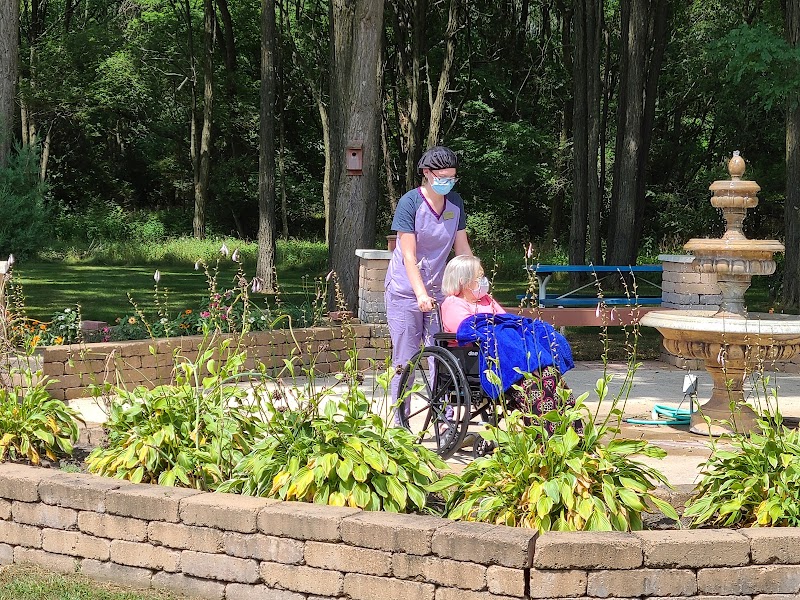
How is Montello Staffed?

CMS rates MONTELLO CARE CENTER's staffing level at 3 out of 5 stars, which is average compared to other nursing homes. Staff turnover is 64%, which is 18 percentage points above the Wisconsin average of 46%. High turnover can affect care consistency as new staff learn residents' individual needs. RN turnover specifically is 89%, which is notably high. RNs provide skilled clinical oversight, so turnover in this role can affect medical care quality.

What Have Inspectors Found at Montello?

State health inspectors documented 54 deficiencies at MONTELLO CARE CENTER during 2022 to 2025. These included: 4 Immediate Jeopardy (the most serious level, indicating potential for serious harm or death), 1 that caused actual resident harm, 47 with potential for harm, and 2 minor or isolated issues. Immediate Jeopardy findings are rare and represent the most serious regulatory concerns. They require immediate corrective action.
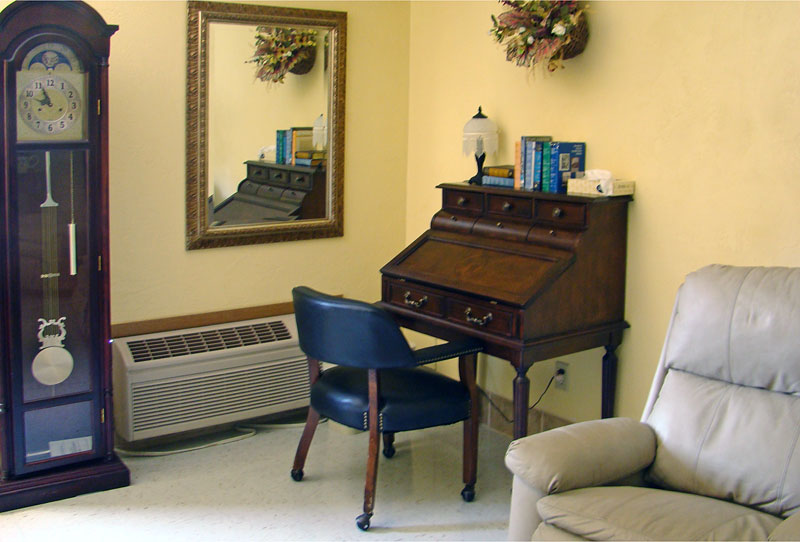
Who Owns and Operates Montello?

MONTELLO CARE CENTER is owned by a non-profit organization. Non-profit facilities reinvest revenue into operations rather than distributing to shareholders. The facility is operated by WISCONSIN ILLINOIS SENIOR HOUSING, INC., a chain that manages multiple nursing homes. With 50 certified beds and approximately 30 residents (about 60% occupancy), it is a smaller facility located in MONTELLO, Wisconsin.
How Does Montello Compare to Other Wisconsin Nursing Homes?

Compared to the 100 nursing homes in Wisconsin, MONTELLO CARE CENTER's overall rating (1 stars) is below the state average of 3.0, staff turnover (64%) is significantly higher than the state average of 46%, and health inspection rating (1 stars) is much below the national benchmark.

What Should Families Ask When Visiting Montello?

Based on this facility's data, families visiting should ask: "What changes have been made since the serious inspection findings, and how are you preventing similar issues?" "What safeguards and monitoring systems are in place to protect residents from abuse or neglect?" "How do you ensure continuity of care given staff turnover, and what is your staff retention strategy?" "Can I visit during a mealtime to observe dining assistance and food quality?" These questions are particularly relevant given the facility's Immediate Jeopardy citations, the substantiated abuse finding on record, and the facility's high staff turnover rate.

Is Montello Safe?

Based on CMS inspection data, MONTELLO CARE CENTER has documented safety concerns. The facility has 1 substantiated abuse finding (meaning confirmed case of resident harm by staff or other residents). Inspectors have issued 4 Immediate Jeopardy citations (the most serious violation level indicating risk of serious injury or death). The facility has a 1-star overall rating and ranks #100 of 100 nursing homes in Wisconsin. Families considering this facility should ask detailed questions about what corrective actions have been taken since these incidents.

Do Nurses at Montello Stick Around?

Staff turnover at MONTELLO CARE CENTER is high. At 64%, the facility is 18 percentage points above the Wisconsin average of 46%. Registered Nurse turnover is particularly concerning at 89%. RNs handle complex medical decisions and coordinate care — frequent RN changes can directly impact care quality. High turnover means new staff may not know residents' individual needs, medications, or preferences. It can also be disorienting for residents, especially those with dementia who rely on familiar faces. Families should ask: What is causing the turnover? What retention programs are in place? How do you ensure care continuity during staff transitions?

Was Montello Ever Fined?

MONTELLO CARE CENTER has been fined $218,328 across 2 penalty actions. This is 6.2x the Wisconsin average of $35,262. Fines at this level are uncommon and typically indicate a pattern of serious deficiencies, repeated violations, or failure to correct problems promptly. CMS reserves penalties of this magnitude for facilities that pose significant, documented risk to resident health or safety. Families should request specific documentation of what issues led to these fines and what systemic changes have been implemented.

Is Montello on Any Federal Watch List?

MONTELLO CARE CENTER is not on any federal watch list. The most significant is the Special Focus Facility (SFF) program, which identifies the bottom 1% of nursing homes nationally based on persistent, serious quality problems. Not being on this list means the facility has avoided the pattern of deficiencies that triggers enhanced federal oversight. This is a positive indicator, though families should still review the facility's inspection history directly.