WILLOWDALE HEALTH SERVICES
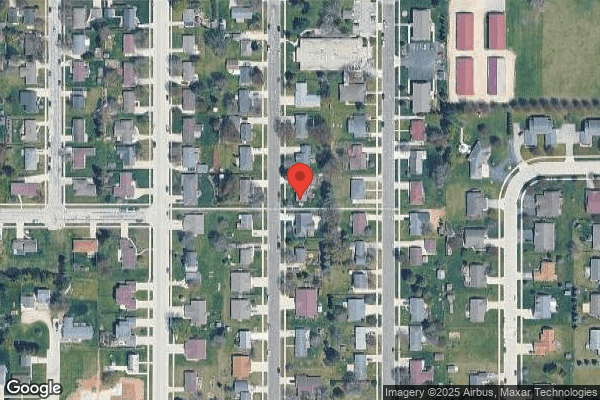
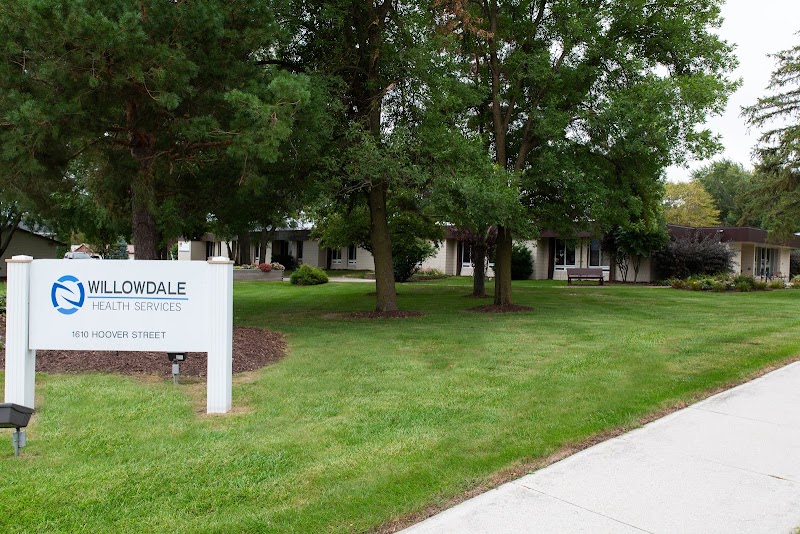
1610 HOOVER ST, NEW HOLSTEIN, WI 53061 (920) 898-5706
For profit - Limited Liability company 49 Beds NORTH SHORE HEALTHCARE Data: November 2025
Trust Grade
75/100
#130 of 321 in WI
Last Inspection: October 2024

Within standard 12-15 month inspection cycle. Federal law requires annual inspections.

Overview

Willowdale Health Services in New Holstein, Wisconsin, has a Trust Grade of B, indicating it is a good choice, falling in the 70-79 range. It ranks #130 out of 321 facilities in Wisconsin, placing it in the top half, and is the best option in Calumet County out of two facilities. The facility is improving, with issues decreasing from seven in 2024 to just one in 2025. Staffing is a strength, with a 4 out of 5 star rating and a turnover rate of 32%, significantly lower than the state average of 47%. Notably, Willowdale has not incurred any fines, which is a positive sign. However, there are some concerns. Recent inspections revealed issues such as expired and improperly stored food, which could affect residents' health. Additionally, some medications were found to be expired and stored improperly, raising potential safety risks. Furthermore, the facility did not complete necessary mental health screenings for some residents, indicating lapses in compliance with care procedures. While there are strengths in staffing and overall care, these findings highlight areas that need attention to ensure resident safety and well-being.

Trust Score
B
75/100
In Wisconsin
#130/321
Top 40%
Safety Record
Low Risk
No red flags
Inspections
Getting Better
7 → 1 violations
Staff Stability
○ Average
32% turnover. Near Wisconsin's 48% average. Typical for the industry.
Penalties
✓ Good
No fines on record. Clean compliance history, better than most Wisconsin facilities.
Skilled Nurses
✓ Good
Each resident gets 63 minutes of Registered Nurse (RN) attention daily — more than 97% of Wisconsin nursing homes. RNs are the most trained staff who catch health problems before they become serious.
Violations
⚠ Watch
16 deficiencies on record. Higher than average. Multiple issues found across inspections.
★★★★☆
4.0
Overall Rating
★★★★☆
4.0
Staff Levels
★★★☆☆
3.0
Care Quality
★★★★☆
4.0
Inspection Score
Stable
2024: 7 issues
2025: 1 issues

The Good

  • 4-Star Staffing Rating · Above-average nurse staffing levels
  • Full Sprinkler Coverage · Fire safety systems throughout facility
  • No fines on record
  • Staff turnover below average (32%)

    16 points below Wisconsin average of 48%

Facility shows strength in staffing levels, fire safety.

The Bad

Staff Turnover: 32%

14pts below Wisconsin avg (46%)

Typical for the industry

Chain: NORTH SHORE HEALTHCARE

Part of a multi-facility chain

Ask about local staffing decisions and management

The Ugly 16 deficiencies on record

Jan 2025 1 deficiency
CONCERN (D) 📢 Someone Reported This

A family member, employee, or ombudsman was alarmed enough to file a formal complaint

Potential for Harm - no one hurt, but risky conditions existed

Deficiency F0657 (Tag F0657)

Could have caused harm · This affected 1 resident

Based on staff interview and record review, the facility did not review and revise a care plan intervention for 1 resident (R) (R2) of 2 sampled residents. On 10/27/24, R3 alleged R2 hit R1 on the for...

Read full inspector narrative →
Based on staff interview and record review, the facility did not review and revise a care plan intervention for 1 resident (R) (R2) of 2 sampled residents. On 10/27/24, R3 alleged R2 hit R1 on the forearm in the doorway of the dining room. The facility implemented an intervention to serve R2 meals in R2's room or anywhere R2 preferred other than the dining room. There were no monitoring interventions to ensure R2 wasn't being secluded from other residents. In addition, the intervention was meant to be short term but was not removed from R2's care plan. Findings include: The facility's Abuse, Neglect and Exploitation Policy, revised 7/15/22, indicates: .Involuntary seclusion refers to the separation of a resident from other residents or .confinement to his/her room against the resident's will or the will of the resident's legal representative. Emergency or short-term monitored separation from other residents will not be considered involuntary seclusion and may be permitted if used for a limited time as a therapeutic intervention to reduce agitation until professional staff can develop a plan of care to meet the resident's needs as long as the least restrictive approach is used for the minimum amount of time . On 1/22/25, Surveyor reviewed R2's medical record. R2 had diagnoses including dementia with behavioral disturbance, anxiety, bipolar disease, and delusional disorder. R2's Minimum Data Set (MDS) assessment, dated 11/17/24, indicated R2 was rarely/never understood. R2 had a Guardian for healthcare decisions. R2 was monitored for behaviors including refusal of care, aggression toward staff, and yelling. R2's care plan indicated R2 was at risk for behavior related to a history of bipolar disorder and delusional disorders. The care plan contained interventions (initiated 10/27/24) to serve R2 meals in R2's room or anywhere R2 preferred other than the dining room and to intervene/redirect if R2 was near R1. On 1/22/25, Surveyor reviewed a facility-reported incident (FRI) that indicated on 10/27/24 at 8:40 AM, R2 hit R1 on the left forearm when R2 and R1 passed each other in the doorway of the dining room. R3 reported the interaction to a nurse. R1 was assessed and had no visible injuries. R1 initially indicated R1 was hit by R2. In a later interview, R1 indicated R1 was not hit by R2 but R2 pushed R1's wheelchair. R3 witnessed the incident and indicated there was an interaction but R3 was not certain what happened. R4 was interviewed and indicated R2 hit R1 but could not provide further details. In a later interview, R4 indicated R2 pushed R1's wheelchair. Because the information obtained during the investigation was variable, the incident was determined to be inconclusive for abuse. An intervention was added to R2's care to serve R2 meals in R2's room or anywhere R2 preferred other than the dining room. Surveyor noted the intervention did not contain a time frame, did not include monitoring to ensure R2 was not involuntarily secluded from other residents, and was still listed on R2's care plan. On 1/22/25 at 1:43 PM, Surveyor interviewed Nursing Home Administrator (NHA)-A who verified the intervention to have R2 eat meals in R2's room or somewhere other than the dining room did not contain a stop or review date but was meant to be short term. NHA-A indicated if R2 refused the intervention and redirection did not work, staff were directed to stay with R2 in the dining room. NHA-A verified that was not included in R2's care plan. NHA-A indicated R2 currently ate in the small dining room (adjacent to the main dining room) or R2's room per R2's preference. NHA-A agreed R2's care plan should have indicated the intervention was short term and should have included monitoring to ensure R2 was not involuntarily secluded from other residents. NHA-A indicated R2's behaviors had improved since the incident on 10/27/24 and the intervention should have been removed from R2's care plan.
Oct 2024 7 deficiencies
CONCERN (D)

Potential for Harm - no one hurt, but risky conditions existed

Abuse Prevention Policies (Tag F0607)

Could have caused harm · This affected 1 resident

Based on staff interview and record review, the facility did not ensure written policies and procedures that prohibit mistreatment, neglect, and abuse of residents were consistently implemented for 1 ...

Read full inspector narrative →
Based on staff interview and record review, the facility did not ensure written policies and procedures that prohibit mistreatment, neglect, and abuse of residents were consistently implemented for 1 of 8 staff reviewed during the caregiver program compliance check. Certified Nursing Assistant (CNA)-K indicated on CNA-K's Background Information Disclosure (BID) form that CNA-K lived out of state prior to moving to Wisconsin in June of 2024. The facility did not complete an out-of-state background check prior to CNA-K's hire on 7/9/24. Findings include: The facility's Abuse, Neglect and Exploitation policy, dated 7/15/22, indicates: Potential employees will be screened for a history of abuse, neglect, exploitation, or misappropriation of residential property .1. Background, reference, and credentials checks shall be conducted on potential employees, contracted temporary staff, students affiliated with academic institutions, volunteers, and consultants. Background checks, including rechecks, will be completed consistent with applicable state laws and regulation . On 10/1/24, Surveyor reviewed a BID form completed by CNA-K on 6/25/24. CNA-K indicated on the form that CNA-K lived out of state prior to moving to Wisconsin in June of 2024. Surveyor noted the facility completed a background check through the Wisconsin Department of Justice which did not include an out-of-state background check. On 10/1/24 at 11:39 AM, Surveyor interviewed Nursing Home Administrator (NHA)-A who indicated the facility had not done a federal or out-of-state background check for CNA-K. NHA-A indicated a federal background check should be completed prior to hiring a candidate who lived outside of Wisconsin.
CONCERN (D) 📢 Someone Reported This

A family member, employee, or ombudsman was alarmed enough to file a formal complaint

Potential for Harm - no one hurt, but risky conditions existed

Report Alleged Abuse (Tag F0609)

Could have caused harm · This affected 1 resident

**NOTE- TERMS IN BRACKETS HAVE BEEN EDITED TO PROTECT CONFIDENTIALITY** Based on staff interview and record review, the facility did not ensure an allegation of abuse was reported to the State Agency ...

Read full inspector narrative →
**NOTE- TERMS IN BRACKETS HAVE BEEN EDITED TO PROTECT CONFIDENTIALITY** Based on staff interview and record review, the facility did not ensure an allegation of abuse was reported to the State Agency (SA) for 1 resident (R) (R23) of 3 sampled residents. The facility did not report an allegation of mistreatment involving R23 to the SA. Findings include: The facility's Abuse, Neglect and Exploitation Policy, dated 7/15/22, indicates: It is the policy of this facility to provide protection for the health, welfare, and rights of each resident by developing and implementing written policies and procedures that prohibit and prevent abuse, neglect, exploitation and misappropriation of resident property .Mistreatment means inappropriate treatment or exploitation of a resident .2. The facility will designate a leadership position in the facility who is responsible for reporting allegations or suspected abuse, neglect, or exploitation to the State Survey Agency and other officials in accordance with state law .IV. Identification of Abuse, Neglect and Exploitation .2. Possible indications of abuse include, but are not limited to: a. Resident, staff or family report of abuse .VII. Reporting/Response .1. Reporting of all alleged violations to the Administrator, State Agency, Adult Protective Services, and to all other required agencies (e.g., law enforcement when applicable) within specified timeframe .a. Immediately, but not later than 2 hours after the allegation is made, if the events that cause the allegation involve abuse or result in serious bodily injury. b. Not later than 24 hours if the events that cause the allegation do not involve abuse and do not result in serious bodily injury. From 9/30/24 to 10/2/24, Surveyor reviewed R23's medical record. R23 was admitted to the facility on [DATE] with diagnoses including displaced fracture of left acetabulum, weakness, dementia, congestive heart failure (CHF), and transient ischemic attack (stroke). R23's Minimum Data Set (MDS) assessment, dated 7/19/24, had a Brief Interview for Mental Status (BIMS) score of 12 out of 15 which indicated R23 had moderate cognitive impairment. The MDS assessment indicated R23 was dependent on staff for toileting and hygiene and required substantial/maximal assistance with dressing and eating. Surveyor reviewed an allegation of mistreatment involving R23 and Certified Nursing Assistant (CNA)-J that occurred on 6/24/24. On 10/1/24 at 9:32 AM, Surveyor interviewed R23 who did not report any concerns with staff or care at the facility. On 10/1/24 at 12:21 PM, Surveyor interviewed CNA-I who indicated CNA-I and CNA-J completed perineal care for R23 on 6/24/24. CNA-I indicated CNA-J washed around R23's testicles and made noises such as ding, ding, [NAME]. CNA-I indicated CNA-I didn't feel what CNA-J did was appropriate and reported it to the charge nurse after cares were completed. CNA-I indicated CNA-I went back into the room and apologized to R23 because CNA-I felt bad that had occurred. CNA-I also indicated Nursing Home Administrator (NHA)-A called CNA-I following the incident but only asked why CNA-I didn't stop CNA-J. On 10/2/24 at 10:14 AM, Surveyor interviewed NHA-A regarding the allegation and asked if the allegation of mistreatment was reported to the SA. NHA-A indicated the allegation was not reported to the SA, but the facility completed a competency skill check with CNA-J. NHA-A indicated NHA-A was on vacation at the time, but remembered there was a discrepancy of the timeframe when the incident occurred. NHA-A verified the incident should have been reported to the SA.
CONCERN (D) 📢 Someone Reported This

A family member, employee, or ombudsman was alarmed enough to file a formal complaint

Potential for Harm - no one hurt, but risky conditions existed

Investigate Abuse (Tag F0610)

Could have caused harm · This affected 1 resident

**NOTE- TERMS IN BRACKETS HAVE BEEN EDITED TO PROTECT CONFIDENTIALITY** Based on staff interview and record review, the facility did not ensure an allegation of abuse was thoroughly investigated for 1...

Read full inspector narrative →
**NOTE- TERMS IN BRACKETS HAVE BEEN EDITED TO PROTECT CONFIDENTIALITY** Based on staff interview and record review, the facility did not ensure an allegation of abuse was thoroughly investigated for 1 resident (R) (R23) of 3 sampled residents. The facility did not thoroughly investigate an allegation of mistreatment involving R23 and Certified Nursing Assistant (CNA)-J. Findings include: The facility's Abuse, Neglect and Exploitation Policy, dated 7/15/22, indicates: It is the policy of this facility to provide protection for the health, welfare, and rights of each resident by developing and implementing written policies and procedures that prohibit and prevent abuse, neglect, exploitation and misappropriation of resident property .Mistreatment means inappropriate treatment or exploitation of a resident .1. The facility will develop and implement written policies and procedures that: .b. Establish policies and procedures to investigate any such allegations .V. Investigation of Alleged Abuse, Neglect and Exploitation .A. An immediate investigation is warranted when an allegation or suspicion of abuse, neglect or exploitation, or reports of abuse, neglect or exploitation occur. From 9/30/24 to 10/2/24, Surveyor reviewed R23's medical record. R23 was admitted to the facility on [DATE] with diagnoses including displaced fracture of left acetabulum, weakness, dementia, congestive heart failure (CHF), and transient ischemic attack (stroke). R23's Minimum Data Set (MDS) assessment, dated 7/19/24, had a Brief Interview for Mental Status (BIMS) score of 12 out of 15 which indicated R23 had moderate cognitive impairment. The MDS also indicated R23 was dependent on staff for toileting and hygiene and required substantial/maximal assistance with dressing and eating. On 10/1/24, Surveyor requested to review an investigation regarding an allegation of mistreatment involving R23 and CNA-J on 6/24/24. Nursing Home Administrator (NHA)-A provided Surveyor with a sheet of paper that contained 8 bullet points that were completed during the investigation. The investigation did not include resident interviews or additional staff interviews, including an interview with CNA-I who reported the incident. The investigation also did not include education with other staff members and only contained a perineal care competency checklist completed with CNA-J. On 10/1/24 at 9:32 AM, Surveyor interviewed R23 who did not report any concerns with staff or care at the facility. On 10/1/24 at 12:21 PM, Surveyor interviewed CNA-I who indicated CNA-I and CNA-J completed perineal care for R23 on 6/24/24. CNA-I indicated CNA-J washed around R23's testicles and made noises like ding, ding, [NAME]. CNA-I indicated CNA-I didn't feel what CNA-J did was appropriate and reported the incident to the charge nurse after cares were completed. CNA-I indicated CNA-I went back into the room and apologized to R23 because CNA-I felt bad that had occurred. CNA-I indicated NHA-A called CNA-I following the incident but only asked why CNA-I didn't stop CNA-J. On 10/2//24 at 10:14 AM, Surveyor interviewed NHA-A regarding the investigation. NHA-A indicated a competency skill check was completed with CNA-J. NHA-A indicated NHA-A was on vacation at the time of the incident, but remembered there was a discrepancy regarding the timeframe when the incident occurred. NHA-A verified the incident should have been more thoroughly investigated.
CONCERN (D)

Potential for Harm - no one hurt, but risky conditions existed

Assessment Accuracy (Tag F0641)

Could have caused harm · This affected 1 resident

**NOTE- TERMS IN BRACKETS HAVE BEEN EDITED TO PROTECT CONFIDENTIALITY** Based on staff interview and record review, the facility did not ensure a Minimum Data Set (MDS) assessment accurately reflected...

Read full inspector narrative →
**NOTE- TERMS IN BRACKETS HAVE BEEN EDITED TO PROTECT CONFIDENTIALITY** Based on staff interview and record review, the facility did not ensure a Minimum Data Set (MDS) assessment accurately reflected the resident's status for 1 resident (R) (R15) of 16 sampled residents. R15 had a history of bipolar disorder and dementia with psychotic features. R15's Quarterly MDS assessment, dated 8/17/24, indicated R15 did not have delusion or hallucinations. Findings include: From 9/30/24 to 10/2/24, Surveyor reviewed R15's medical record. R15 was admitted to the facility on [DATE] with a medical history that included bipolar disorder and dementia with psychotic features. R15's Quarterly MDS assessment, dated 8/17/24, indicated in section E0100 that R15 did not have delusions or hallucinations. A nursing note, dated 8/17/24, stated, Resident does have visual and auditory hallucinations and is frequently seen reacting to internal stimuli. On 10/2/24 at 12:53 PM, Surveyor interviewed MDS Coordinator (MDSC)-L who indicated R15's Quarterly MDS assessment, dated 8/17/24, was based on R15's medical record between 8/11/24 and 8/17/24. MDSC-L reviewed the nursing note, dated 8/17/24, that indicated R15 had hallucinations and delusions. MDSC-L stated Social Worker (SW)-M completed section E0100 of the MDS assessment. MDSC-L indicated the 8/17/24 nursing note was not reviewed for section E because the MDS assessment was coded based on point-of-care documentation. Based on review of the 8/17/24 nursing note, MDSC-L indicated MDSC-L would have documented that R15 experienced hallucinations and delusions in section E0100. On 10/2/24 at 1:09 PM, Surveyor interviewed SW-M who indicated R15 had a history of hallucinations and delusions, but SW-M was unaware that R15 experienced those symptoms during the MDS seven day look back period. SW-M indicated SW-M had not witnessed R15 respond to internal stimuli and no other staff members had reported hallucinations to SW-M. SW-M indicated if SW-M had seen the 8/17/24 nursing note that mentioned R15's hallucinations and delusions, SW-M would have coded section E0100 differently.
CONCERN (D)

Potential for Harm - no one hurt, but risky conditions existed

Incontinence Care (Tag F0690)

Could have caused harm · This affected 1 resident

**NOTE- TERMS IN BRACKETS HAVE BEEN EDITED TO PROTECT CONFIDENTIALITY** Based on observation, staff interview, and record review, the facility did not provide appropriate care and services to prevent ...

Read full inspector narrative →
**NOTE- TERMS IN BRACKETS HAVE BEEN EDITED TO PROTECT CONFIDENTIALITY** Based on observation, staff interview, and record review, the facility did not provide appropriate care and services to prevent urinary tract infections (UTIs) for 1 resident (R) (R182) of 2 residents with indwelling catheters. During an observation on 9/30/24, R182's uncovered catheter drainage bag was attached to R182's wheelchair and in contact with the floor. Findings include: On 10/1/24, Surveyor reviewed the facility's policy and procedure for catheter care and Relias training provided annually to nursing staff. The facility's Catheter Policy, dated 3/15/23, indicates: It is the policy of this facility to ensure that residents with indwelling catheters receive appropriate catheter care and maintain their dignity and privacy when indwelling catheters are in use .2. Privacy bags will be available and catheter drainage bags will always be covered while in use. The policy did not address positioning/placement of catheter tubing or drainage bags. The facility's Relias training for Care of a Urinary Catheter indicates: Many of the people you provide care for will have a urinary catheter. Unfortunately, urinary catheters often lead to infections and complications. According to the Agency for Healthcare Regency and Quality (2017), as many as 50-70% of urinary catheter-related infections can be prevented. You are in a position to prevent infections and complications caused by urinary catheters. By providing proper catheter care and understanding how infections and complications can develop, you can take steps to prevent them .Regular catheter care is important to prevent infection and other complications. Microbes, which cause infection, can enter the body through: .Portions of the equipment that touch a non-sterile surface, such as the floor .Follow your organization's policy on catheter care. Here are the steps to follow to provide basic catheter care: .11. Position and secure the drainage bag. The bed frame is a good place to hang the bag while the person is in bed. The drainage bag should be kept below the level of the person's bladder at all times. Do not place it on the floor. Once a bag touches the floor, it is contaminated. Place a bag cover over the bag to preserve the person's privacy. From 9/30/24 to 10/1/24, Surveyor reviewed R182's medical record. R182 was admitted to the facility on [DATE] with diagnoses including malignant neoplasm of rectum, diabetes, and malignant neoplasm of bone. R182's Minimum Data Set (MDS) assessment, dated 10/3/24, had a Brief Interview for Mental Status (BIMS) score of 13 out of 15 which indicated R182 had intact cognition. R182's medical record indicated R182 had an activated Power of Attorney for Healthcare (POAHC). On 9/30/24 at 11:37 AM, Surveyor observed R182 in a wheelchair in R182's room. R182's uncovered catheter drainage bag was attached to R182's wheelchair and in contact with the floor. On 9/30/24 at 11:44 AM, Surveyor interviewed Certified Nursing Assistant (CNA)-E who verified R182's catheter bag was uncovered and dragging on the floor. CNA-E indicated catheter bags should be covered and not in contact with the floor. On 10/1/24 at 1:42 PM, Surveyor interviewed Registered Nurse (RN)-F who verified the above findings for R182 and indicated catheter bags should not touch the floor and should be covered with a dignity bag. On 10/1/24 at 1:45 PM, Surveyor interviewed Assistant Director of Nursing (ADON)-C who verified catheter bags should not touch the floor and should be covered with a dignity bag. ADON-C stated ADON-C expects staff to follow the facility's policy. On 10/1/24 at 2:25 PM, Surveyor interviewed Nursing Home Administrator (NHA)-A who verified catheter bags should not touch the floor and should be covered with a dignity bag.
CONCERN (D)

Potential for Harm - no one hurt, but risky conditions existed

Deficiency F0692 (Tag F0692)

Could have caused harm · This affected 1 resident

**NOTE- TERMS IN BRACKETS HAVE BEEN EDITED TO PROTECT CONFIDENTIALITY** Based on staff interview and record review, the facility did not ensure the provision of treatment and services to prevent weigh...

Read full inspector narrative →
**NOTE- TERMS IN BRACKETS HAVE BEEN EDITED TO PROTECT CONFIDENTIALITY** Based on staff interview and record review, the facility did not ensure the provision of treatment and services to prevent weight loss for 1 resident (R) (R17) of 1 sampled resident. R17 was admitted to the facility on [DATE] and had a significant weight loss of 7.38% between 8/30/24 and 9/17/24. The facility's Registered Dietitian (RD) and physician were not notified following R17's weight loss and interventions were not put in place. Findings include: The facility's Weight Monitoring policy, with a review date of 12/21/22, indicates: The Interdisciplinary Team will strive to prevent, monitor, and intervene for undesirable weight change for our residents. 1. Nursing staff will measure residents' weight on admission, the next 2 days, and weekly for 3 additional weeks thereafter. 2. If no weight concerns are noted after the initial 3 days and 3 weeks after, routine weights will be measured monthly thereafter, unless ordered more frequently by the physician .8. The threshold for significant weight change will be based on the following criteria: a. 1 month - 5% of weight change is significant; greater than 5% is severe. 10. The nursing staff will notify the individual or responsible party, physician and RDN (Registered Dietary Nutritionist) or designee of any individual with an unintended significant weight change. Between 9/30/24 and 10/2/24, Surveyor reviewed R17's medical record. R17 was admitted to the facility on [DATE] with diagnoses including malignant neoplasm of the rectum and secondary malignant neoplasm of liver and intrahepatic bile duct. R17's Minimum Data Set (MDS) assessment, dated 9/5/24, had a Brief Interview for Mental Status (BIMS) score of 14 out of 15 which indicated R17 had intact cognition. R17 was R17's own decision maker. R17 previously resided at another facility and received Hospice services. R17's medical record indicated R17's family wanted to wait until R17 was settled to explore Hospice services. R17 had an order that indicated: Weight on admit, daily x 2, weekly x 3, then monthly. Obtain re-weight if change of 5 pounds since last weight. R17's weights between 8/30/24 and the last weight taken on 9/17/24 (which equaled a 7.38% weight loss) were as follows: ~ 8/30/24 - 151.8 pounds (lbs) ~ 9/1/24 - 147.2 lbs ~ 9/2/24 - 144.6 lbs ~ 9/9/24 - 138.2 lbs ~ 9/16/24 - 140.8 lbs ~ 9/17/24 - 140.6 lbs A nutrition assessment note, dated 9/6/24, indicated: R17 was a [AGE] year old short-term Hospice patient with colorectal cancer who had a nutrition problem of inadequate oral intake. R17's oral intake was likely adequate to meet R17's nutritional needs, though R17's intake was variable. The note indicated R17 might benefit from a nutritional supplement to help meet nutritional needs and indicated R17 would be seen within the next 7 days. The note also indicated R17 was independent with meals, had no skin issues/wounds, and had anticipated weight fluctuations related to fluid shifts due to diuretic therapy. R17's oral intakes and weights would be monitored and the RD was available as needed. R17's nutrition care plan, initiated 8/30/24, indicated R17 was at risk for nutritional status change related to potential for inadequate oral intake related to chronic disease state. The care plan contained interventions to review weight per facility protocol/MD orders (dated 8/30/24) and review weights and notify RD, Medical Doctor (MD), and responsible party of significant weight change (dated 9/6/24). R17's medical record did not contain any dietitian notes after the initial note and no progress notes or notification to the dietitian or MD related to R17's significant weight loss of 7.38%. Surveyor did not note any further weights after 9/17/24 or offers/orders for supplements to help increase or maintain R17's weight. On 10/2/24 at 11:00 AM, Surveyor requested any notifications and interventions implemented related to R17's significant weight loss. On 10/2/24 at 11:43 AM, R17 was weighed by staff. R17 weighed 131.8 lbs and had a 13.18% weight loss in just over 30 days. In addition, a 4 ounce med pass supplement was added on 10/2/24. On 10/2/24 at 12:52 PM, Surveyor interviewed Nursing Home Administrator (NHA)-A who indicated the RD and nurse should look at weights and alerts in the system. NHA-A indicated R17's physician should also have been notified. NHA-A stated the system should alert nursing staff when a significant weight is entered. NHA-A acknowledged R17 received Hospice services at a prior facility, but was not currently on Hospice services. Regardless of Hospice services, NHA-A indicated R17 should be offered something such as a supplement, brownie, etc. NHA-A indicated a Registered Nurse (RN) recalled having a conversation with R17 and R17's family that R17 didn't like Boost (a nutritional supplement) which R17 had at a previous facility. NHA-A indicated there were other things the facility could offer. NHA-A indicated the facility had a contracted RD who was new to the facility, came to the facility every other week, and had access to residents' medical records when not at the facility. On 10/2/24 at 1:08 PM, Surveyor interviewed RD-G via phone. RD-G indicated RD-G was at the facility every other week and reviewed weight warnings for residents once per week. RD-G indicated RD-G did not review weights for each resident but looked at weight warnings triggered in the system. RD-G saw the weight warning for the beginning of the month when R17 triggered for a 3% weight loss. RD-G indicated RD-G was not sure why the system did not trigger for R17's 9/17/24 weight. RD-G confirmed R17 should have been reviewed for significant weight loss after the 9/17/24 weight. RD-G indicated RD-G would review R17 and follow-up with the facility.
CONCERN (E)

Potential for Harm - no one hurt, but risky conditions existed

Deficiency F0761 (Tag F0761)

Could have caused harm · This affected multiple residents

Based on observation, staff interview, and record review, the facility did not ensure all drugs and biologicals were stored in accordance with the facility's policy. One medication cart was observed u...

Read full inspector narrative →
Based on observation, staff interview, and record review, the facility did not ensure all drugs and biologicals were stored in accordance with the facility's policy. One medication cart was observed unlocked and unattended. In addition, 1 of 2 medication carts and 1 of 1 medication storage room contained expired medications and medical supplies. This practice had the potential to affect more than 4 of the 30 residents residing in the facility. The Chestnut hall medication cart (medication cart 1) and the medication storage room contained expired medications and medical supplies. In addition, the Chestnut hall medication cart was unlocked and unattended on 10/1/24. Findings include: The facility's Medication Storage policy, dated 1/2024, indicates: Medications and biologicals are stored properly, following manufacturer's or provider pharmacy recommendations, to keep their integrity and to support safe, effective drug administration. The medication supply shall be accessible only to licensed nursing personnel, pharmacy personnel, or staff members lawfully authorized to administer medications. Procedures: .3. In order to limit access to prescription medications, only licensed nurses, pharmacy staff, and those lawfully authorized to administer medications (such as medication aides) are allowed access to medication cares. Medication rooms, cabinets and medication supplies should remain locked when not in use or attended to by persons with authorized access .14. Outdated, contaminated, discontinued or deteriorated medications and those in containers that are cracked, soiled, or without secure closures are immediately removed from stock, disposed of according to procedures for medication disposal. Expired Medications and Supplies: On 10/1/24 at 10:24 AM, Surveyor observed 1 of 2 medication carts and 1 of 1 medication storage room and noted the following: The Chestnut hall medication cart contained the following: ~ An open 16 ounce container of Geri Care brand Milk of Mag with an expiration date of 8/24 ~ An open bottle of Geri Care Fiber Laxative (90 capsules) with an expiration date of 9/2024 ~ A Dynarex brand povidone-iodine single use swab stick with an expiration date of 10/2023 ~ A 23 gauge x 1 inch 3 ml (milliliter) syringe with hypodermic needle safety with an expiration date of 9/30/24 The medication storage room contained the following: ~ Twenty 4.5 mg (milligram) packages of Nestle arginaid-arginine powder with expiration dates of 8/2024 On 10/1/24 at 11:05 AM, Surveyor interviewed Licensed Practical Nurse (LPN)-D who verified the medications and supplies were expired and should have been disposed of. On 10/2/24 at 12:07 PM, Surveyor interviewed Assistant Director of Nursing (ADON)-C who verified the expired medications and supplies should have been disposed of on or by the date they expired. Medication Cart: On 10/1/24 at 2:10 PM, Surveyor observed a medication cart that was unlocked and unattended in the Chestnut hallway. On 10/1/24 at 2:21 PM, Surveyor interviewed Registered Nurse (RN)-H who verified the medication cart was left unlocked. RN-H indicated medication carts should be locked when unattended. RN-H locked the medication after the interview. On 10/1/24 at 2:33 PM, Surveyor interviewed ADON-C who verified medication carts should be locked when unattended. ADON-C indicated ADON-C expects staff to follow the facility's policy. On 10/1/24 at 2:36 PM, Surveyor interviewed Nursing Home Administrator (NHA)-A who verified medication carts should be locked when unattended.
Nov 2023 5 deficiencies
CONCERN (D)

Potential for Harm - no one hurt, but risky conditions existed

Safe Environment (Tag F0584)

Could have caused harm · This affected 1 resident

Based on observation, staff and resident interview, and record review, the facility did not provide a safe, clean, comfortable, home-like environment for 2 Residents (R) (R1 and R17) of 13 sampled res...

Read full inspector narrative →
Based on observation, staff and resident interview, and record review, the facility did not provide a safe, clean, comfortable, home-like environment for 2 Residents (R) (R1 and R17) of 13 sampled residents. During an observation of R1's room, Surveyor noted a large hole in the wall behind R1's recliner. During an observation of R17's room, Surveyor noted a section of molding approximately 4 inches wide and 1.5 feet long hanging off the lower portion of R17's bathroom wall. Findings include: The facility's undated admission Agreement indicated: Housekeeping and Maintenance: Our housekeeping and maintenance staff work to keep our center safe, comfortable, and clean. We consider a pleasant environment important to your well-being during your stay with us. 1. On 11/6/23 at 8:48 AM, Surveyor interviewed R1 in R1's room and noted a hole in the wall behind R1's recliner (next to R1's bed) that measured approximately 6 inches x 8 inches x 2 inches. The paint was scraped off the wall in several areas, the hole was partially filled with crumbled drywall, and there was a pile of chunked drywall and dust on the floor. Immediately following the observation, Surveyor interviewed R1 about the hole in the wall. R1 was aware of the hole and stated it was from R1 laying back in R1's recliner. When asked if R1 told anyone about the hole, R1 stated, They know about it. It's been there too long, at least two months. R1 then rolled over in bed and declined to answer any further questions regarding the hole in the wall. On 11/8/23 at 8:02 AM, Surveyor interviewed Registered Nurse (RN)-C who was aware of the hole in R1's wall, but did not know how long the hole had been there. RN-C stated, It's (the hole) been there for awhile. On 11/7/23 at 7:53 AM, Surveyor interviewed Director of Maintenance (DM)-D regarding the hole in R1's wall. When initially asked about the hole, DM-D indicated DM-D was unaware of the hole in R1's wall, but stated DM-D was told about the hole this morning. Surveyor asked to review the facility's maintenance work orders for the last 3 months. DM-D verified there was a work order for the hole in R1's wall from approximately 3 weeks prior, and DM-D was aware of the hole in R1's wall; however, DM-D did not complete the work order. On 11/8/23 at 8:28 AM, Surveyor interviewed Nursing Home Administrator (NHA)-A who was aware of the hole in R1's wall and stated NHA-A's expectation is that maintenance concerns are completed in a timely manner so the environment at the facility is home-like. NHA-A further stated there needs to also be a solution so the hole in the wall does not happen again. 2. On 11/6/23 at 1:13 PM, Surveyor interviewed R17 in R17's room. Surveyor noted a section of brown molding approximately 4 inches wide by 1.5 feet long hanging off the lower portion of R17's bathroom wall under the right side of the sink. On 11/7/23 at 9:12 AM, Surveyor interviewed Licensed Practical Nurse (LPN)-J who was unsure how long the molding was hanging off the wall in R17's bathroom, but indicated the molding was in that condition for a long time. On 11/8/23 at 9:43 AM, Surveyor interviewed R17 who stated R17 did not use the bathroom and had not seen the molding peeling away from the wall. On 11/8/23 at 9:47 AM, Surveyor noted the molding was fixed in R17's bathroom On 11/8/23 at 11:14 AM, Surveyor interviewed DM-D regarding the molding in R17's bathroom. DM-D stated a work order was entered recently. DM-D stated DM-D thought the molding was previously repaired with sticky tape, but was now fixed appropriately. DM-D was unsure how long the molding was in that condition prior to fixing the molding that morning. On 11/8/23 at 11:28 AM, Surveyor observed work order #379 for R17's room. The work order was created on 11/2/23 at 7:56 PM and assigned to DM-D by DM-D on 11/8/23 at 7:13 AM.
CONCERN (D)

Potential for Harm - no one hurt, but risky conditions existed

PASARR Coordination (Tag F0644)

Could have caused harm · This affected 1 resident

**NOTE- TERMS IN BRACKETS HAVE BEEN EDITED TO PROTECT CONFIDENTIALITY** Based on staff interview and record review, the facility did not ensure 3 Residents (R) (R24, R21, R7) of 13 sampled residents m...

Read full inspector narrative →
**NOTE- TERMS IN BRACKETS HAVE BEEN EDITED TO PROTECT CONFIDENTIALITY** Based on staff interview and record review, the facility did not ensure 3 Residents (R) (R24, R21, R7) of 13 sampled residents met the PASRR (Pre-admission Screening and Resident Review) requirements. R24 had a negative PASRR Level I Screen upon admission. A Level II Screen was not completed when R24 received a qualifying diagnosis and was prescribed medication. R21's PASRR Level I Screen indicated R21 did not have mental illness. A Level II Screen was not completed when R21 received a qualifying diagnosis and was prescribed medication. R7 had a negative PASRR Level I Screen upon admission. A Level II Screen was not completed when R7 received a qualifying diagnosis and was prescribed medication. Findings include: 1. R24 was admitted to the facility on [DATE]. A PASRR Level I Screen was completed and indicated R24 did not have a mental illness diagnosis and was not prescribed medication for mental illness. R24's medical record indicated R24 was prescribed sertraline (an antidepressant medication) on 6/23/23, buspirone (an anxiolytic medication) on 7/11/23, and lorazepam (a sedative medication) for anxiety on 7/13/23. A PASRR Level II Screen was not initiated following the additional diagnosis and medication. 2. R21 was admitted to the facility on [DATE]. A PASRR Level I Screen was completed and indicated R21 did not have a mental illness, but was prescribed Seroquel (an antipsychotic medication). A physician order indicated R21 was prescribed Seroquel on 12/26/22. On 1/6/23, a medication consent for lorazepam was initiated. On 2/15/23, a diagnosis of anxiety disorder was added to R21's diagnoses list. A PASRR Level II Screen was not initiated following the additional diagnosis and medication. 3. R7 was admitted to the facility on [DATE] with a diagnosis of depression. R7's medical record contained a negative PASRR Level I Screen. Between 2/26/23 and 8/18/23, R7 was prescribed buspirone for anxiety. Between 2/26/23 and 5/30/23, R7 was prescribed PRN (as needed) lorazepam. On 5/5/23, a diagnosis of anxiety was added to R7's diagnoses list. A PASRR Level II Screen was not completed following the additional diagnosis and medication. On 11/7/23, Social Worker (SW)-E confirmed when new diagnoses or medications are added, the PASRR Level I Screen should be updated and submitted for a PASRR Level II Screen to be completed.
CONCERN (D)

Potential for Harm - no one hurt, but risky conditions existed

Menu Adequacy (Tag F0803)

Could have caused harm · This affected 1 resident

**NOTE- TERMS IN BRACKETS HAVE BEEN EDITED TO PROTECT CONFIDENTIALITY** Based on observation, and staff and resident interview, the facility did not ensure menu items were served according to the exte...

Read full inspector narrative →
**NOTE- TERMS IN BRACKETS HAVE BEEN EDITED TO PROTECT CONFIDENTIALITY** Based on observation, and staff and resident interview, the facility did not ensure menu items were served according to the extended menu for 2 Residents (R) (R7 and R3) of 2 residents with Level 1 puree texture diets. R7 and R3 did not receive dessert with lunch on 11/6/23. R7 and R3 did not receive a dinner roll with lunch on 11/7/23. During lunch service on 11/7/23, staff used an incorrect scoop size to serve pureed corn. Findings include: R7 was admitted to the facility on [DATE] with diagnoses including dysphagia (difficulty swallowing). R7's prescribed diet was Level 1 puree texture. In addition, R7 received a tube feeding overnight. R3 was admitted to the facility on [DATE] with diagnoses including dysphagia. R3's prescribed diet was Level 1 puree texture. 1. On 11/6/23 at 12:26 PM, Surveyor observed lunch service in the dining room. The dessert was strawberry shortcake. Surveyor noted residents with regular texture diets received strawberry shortcake, however, Surveyor did not observe R7 or R3 receive dessert. On 11/6/23 at 12:56 PM, Surveyor observed staff take R7 back to R7's room. On 11/6/23 at 12:57 PM, Surveyor interviewed R7 who indicated R7 usually received dessert and would like dessert. On 11/6/23 at 1:06 PM, Surveyor interviewed Regional Dietary Manager (RDM)-F who verified R7 and R3 should have received dessert. RDM-F stated the staff who was supposed to puree the dessert had to leave and the staff who were left did not realize the dessert was not pureed. 2. On 11/7/23 at 11:53 AM, Surveyor observed lunch service from the kitchen. The menu contained a wheat dinner roll. Surveyor noted pureed dinner rolls were not on the steam table to be served. On 11/7/23 during lunch service, Surveyor noted R7 and R3's trays did not contain a pureed dinner roll as depicted on the menu. On 11/7/23 at 12:20 PM, [NAME] (CK)-G indicated CK-G did not puree dinner rolls and verified R7 and R3 did not receive a pureed dinner roll. On 11/7/23 at 12:28 PM, Surveyor interviewed Dietary Manager (DM)-H who verified R7 and R3 should have received a pureed dinner roll with lunch. 3. On 11/7/23 at 11:53 AM, Surveyor observed lunch service from the kitchen. Per the extended menu, residents on a Level 1 puree diet were supposed receive a #8 scoop of pureed corn. Surveyor noted a #12 scoop was used to serve the corn. On 11/7/23 at 12:28 PM, Surveyor reviewed scoop sizes with CK-G and DM-H. CK-G indicated CK-G was not aware of a menu to follow for scoop sizes and chose scoop sizes based on what CK-G was told. CK-G indicated CK-G worked at the facility for approximately 1 month. DM-H confirmed the wrong scoop size was used for pureed corn during lunch service.
CONCERN (E)

Potential for Harm - no one hurt, but risky conditions existed

Deficiency F0645 (Tag F0645)

Could have caused harm · This affected multiple residents

**NOTE- TERMS IN BRACKETS HAVE BEEN EDITED TO PROTECT CONFIDENTIALITY** Based on staff interview and record review, the facility did not ensure 4 Residents (R) (R10, R16, R25, and R5) of 13 sampled re...

Read full inspector narrative →
**NOTE- TERMS IN BRACKETS HAVE BEEN EDITED TO PROTECT CONFIDENTIALITY** Based on staff interview and record review, the facility did not ensure 4 Residents (R) (R10, R16, R25, and R5) of 13 sampled residents met the PASRR (Pre-admission Screen and Resident Review) requirements. R10's medical record indicated R10 had mental illness diagnoses upon admission and was prescribed psychotropic medication. The facility completed a PASRR Level I Screen upon admission, but did not complete a Level II Screen when R10 remained in the facility long term. R16's medical record indicated R16 had a mental illness diagnosis upon admission and was prescribed psychotropic medication. The facility completed a PASRR Level I Screen upon admission, but did not complete a Level II Screen when R16 remained in the facility long term. R25's medical record indicated R25 had a mental illness diagnosis upon admission and was prescribed psychotropic medication. The facility completed a PASRR Level I Screen upon admission, but did not complete a Level II Screen following the expiration of R25's 30 day short-term hospital discharge exemption. R5's medical record indicated R5 had a mental illness diagnosis upon admission and was prescribed psychotropic medication. The facility completed a PASRR Level I Screen upon admission, but did not complete a Level II Screen. Findings include: 1. From 11/6/23 to 11/7/23, Surveyor reviewed R10's medical record. R10 was admitted to the facility on [DATE] with diagnoses including anxiety disorder and major depressive disorder, recurrent. R10 had a physician's order for paroxetine (an antidepressant medication) which was eventually discontinued. A PASRR Level I Screen was completed for R10 upon admission, however, a Level II Screen was not completed when R10 remained in the facility. 2. From 11/6/23 to 11/7/23, Surveyor reviewed R16's medical record. R16 was admitted to the facility on [DATE]. R16 had a diagnosis of depression and a physician's order for Lexapro (an antidepressant medication) which was eventually discontinued. A PASRR Level I Screen was completed upon admission, however, a Level II Screen was not completed when R16 remained in the facility. 3. From 11/6/23 to 11/7/23, Surveyor reviewed R25's medical record. R25 was admitted to the facility on [DATE] and had a diagnosis of anxiety disorder. R25 had a physician's order for Prozac (an antidepressant medication) which was eventually discontinued. A PASRR Level I Screen was completed upon admission, however, a Level II Screen was not completed when R25 remained in the facility past the 30 day short-term hospital discharge exemption. 4. On 11/8/23, Surveyor reviewed R5's medical record. R5 was admitted to the facility on [DATE] and had a diagnosis of schizophrenia. R5 had physician's orders for risperiodone (an antipsychotic medication) and venlafaxine (an antidepressant medication). A PASRR Level I Screen was completed upon admission, however, a Level II Screen was not completed. On 11/7/23 at 11:07 AM, Surveyor interviewed Social Worker (SW)-E who indicated SW-E was not aware there were problems with residents' PASRRs until Surveyor brought forth the concerns. SW-E stated SW-E started SW-E's position a few months ago and came into a mess.
CONCERN (F)

Potential for Harm - no one hurt, but risky conditions existed

Food Safety (Tag F0812)

Could have caused harm · This affected most or all residents

**NOTE- TERMS IN BRACKETS HAVE BEEN EDITED TO PROTECT CONFIDENTIALITY** Based on observation, staff interview, and record review, the facility did not ensure food was stored and prepared in a safe and...

Read full inspector narrative →
**NOTE- TERMS IN BRACKETS HAVE BEEN EDITED TO PROTECT CONFIDENTIALITY** Based on observation, staff interview, and record review, the facility did not ensure food was stored and prepared in a safe and sanitary manner. This practice had the potential to affect all 30 residents residing in the facility. Multiple food items were expired, not dated, and/or not sealed properly. The dessert served for lunch on 11/7/23 was not maintained at the proper temperature during meal service and was not covered prior to service. A microwave and stove top were not kept in a clean condition. Multiple items were not stored 6 inches off the floor. The facility did not have testing logs for sanitizer buckets or the internal temperature of the dishwasher. The facility did not maintain a temperature log for the residents' refrigerator. Findings include: On 11/6/23 at 8:30 AM, Surveyor conducted a tour of the kitchen [NAME] (CK)-G and CK-I. On 11/8/23 at 1:32 PM, Surveyor interviewed Dietary Manager (DM)-H who indicated the facility uses the Wisconsin State Food Code as its standard of practice. 1. The Wisconsin State Food Code at 3-501.17 Ready-to-Eat, Time/Temperature Control for Safety Food indicates: Date Marking: (A) Except when packaging food using a reduced oxygen packaging method .refrigerated, ready to eat, time/temperature control for safety food prepared and held in a food establishment for more than 24 hours shall be clearly marked to indicate the date or day by which the food shall be consumed on the premises, sold, or discarded when held at a temperature and time combination of 5 degrees Celsius (C) (41 degrees Fahrenheit (F)) or less for a maximum of 7 days. The day of preparation shall be counted as Day 1. Commercially processed food open and hold cold (B) .refrigerated, ready to eat, time/temperature control for safety food prepared and packaged by a food processing plant shall be clearly marked at the time the original container is opened in a food establishment and, if the food is held for more than 24 hours, to indicate the date or day by which the food shall be consumed on the premises, sold, or discarded, based on the temperature and time combinations specified in paragraph (A) of this section and; (1) The day the original container is opened in the food establishment shall be counted as Day 1; and (2) The day or date marked by the food establishment may not exceed a manufacturer's use-by date if the manufacturer determined the use-by date based on food safety. The Wisconsin State Food Code at 3-302.11 Packaged and Unpackaged Food Separation, Packaging, and Segregation indicates: (A) Food shall be protected from cross contamination by (4) .storing the food in packages, covered containers, or wrappings. The facility's Food Preparation policy, revised 9/2017, indicated: 17. All TCS (Time/Temperature Control for Safety) foods that are to be held for more than 24 hours at a temperature of 41 degrees F or less will be labeled and dated with a prepared date (Day 1) and a use by date (Day 7). The facility's Cold Foods policy, with a revised date of 4/2018, indicated: 5. All foods will be stored wrapped or in covered containers, labeled and dated, and arranged in a manner to prevent cross contamination. During the initial kitchen tour on 11/6/23, Surveyor noted the following items were out of compliance with the Wisconsin State Food Code: Items located in the dry storage area: ~Four open and undated 160 ounce (oz) bags of [NAME] pasta. Items located in the walk-in cooler: ~One open, unsealed, and stained 5.2 oz packet of Traditional stuffing mix seasoning. ~An open and undated 1 gallon container of gluten free soy sauce that was ¼ full. ~One open, unsealed, and undated package of 6 peeled hard cooked eggs. ~One open and undated bag of lettuce. ~Twenty three 8 oz containers of Sysco 1% vitamin D milk with a manufacturer's use by date of 11/4/23. Items located in the prep cooler in the kitchen: ~One undated metal pan marked Pineapple mdw. ~One covered, unlabeled, and undated metal pan that contained what appeared to be chili. ~One covered, unlabeled, and undated metal pan that contained a green pureed item. ~Nine undated containers of peaches covered with plastic wrap. ~One undated gallon of Sysco Golden Italian Dressing. On 11/6/23 at 2:30 PM, Surveyor interviewed RDM-F who confirmed the above items should be sealed, dated, and labeled appropriately. 2. The Wisconsin State Food Code at 3-501.16 Time/Temperature Control for Safety Food, Hot and Cold Holding indicates: (A) .Time/temperature control for safety food shall be maintained (2) At 41 degrees Fahrenheit (F) or less. The facility's Food: Preparation policy, with a revised date of 9/2017, indicated: 13. All foods will be held at appropriate temperatures .less than 41 degrees F for cold food holding. On 11/7/23 at 11:24 AM, Surveyor entered the kitchen to watch meal service and noted an uncovered tray of orange Jell-O on the counter. Surveyor noted the dessert was for the lunch service. Surveyor observed CK-G obtain hot food temperatures prior to lunch service, however, CK-G did not obtain the temperature of the Jell-O. At the end of meal service on 11/7/23 at 12:13 PM, Surveyor asked CK-G to temp the Jell-O which was 54.9 degrees F. CK-G indicated CK-G didn't normally obtain cold food temperatures. During the initial kitchen tour on 11/6/23, Surveyor reviewed food holding temperature logs and noted cold food items and dessert temperatures were documented inconsistently. On 11/7/23 at 12:28 PM, Surveyor informed DM-H of the temperature of the Jell-O and that it was uncovered when Surveyor entered the kitchen. DM-H verified the Jell-O should have been covered and should be held at a temperature under 41 degrees F. 3. The Wisconsin State Food Code at 4-601.11 Equipment, Food Contact Surfaces, Nonfood-Contact Surfaces, and Utensils indicates: (A) Equipment food-contact surfaces and utensils shall be clean to sight and touch. (B) The food-contact surfaces of cooking equipment and pans shall be kept free of encrusted grease deposits and other soil accumulations. (C) Nonfood-contact surfaces of equipment shall be kept free of an accumulation of dust, dirt, food residue, and other debris. The Wisconsin State Food Code at 4-602.12 Cooking and Baking Equipment indicates: (B) The cavities and door seals of microwave ovens shall be cleaned at least every 24 hours by using the manufacturer's recommended cleaning procedure. The facility's Food: Preparation policy, with a revised date of 9/2017, indicated: All utensils, food contact equipment, and food contact surfaces will be cleaned and sanitized after every use. During the initial kitchen tour on 11/6/23, Surveyor observed the following: ~The kitchen microwave wave contained food crumbs. CK-G indicated CK-G did not use the microwave during breakfast service and did not know when the microwave was last cleaned. ~The stove top contained a white powder residue and crusted food on the sides of the stove. CK-G indicated CK-G boiled water on the stove for breakfast, but did not know when the stove top was last cleaned. On 11/6/23 at 2:30 PM, Surveyor interviewed Regional Dietary Manager (RDM)-F who confirmed the microwave and stove top should be cleaned regularly. 4. The Wisconsin State Food Code at 3-305.11 3-305.11 Food Storage indicates: Food shall be protected from contamination by storing the food: (3) At least 15 cm (centimeters) (6 inches) above the floor. The facility's Food Storage: Cold Foods policy, with a revision date of 4/2018, indicated: 1. All food will be stored 6 inches above the floor and 18 inches below the sprinkler unit. During the initial kitchen tour on 11/6/23, Surveyor observed the following: ~One box on the floor in the walk-in cooler that contained 4 bananas. ~One empty box on the floor in the walk-in cooler. ~One empty box on the floor in the kitchen. On 11/6/23 at 2:30 PM, Surveyor interviewed RDM-F who confirmed boxes should not be on the floor and empty boxes should be placed in refuse. 5. The Wisconsin Food Code Internal Temperature Monitoring of Dishwasher at 4-302.13 Temperature Measuring Devices, Manual and Mechanical Warewashing indicates: (B) In hot water mechanical warewashing operations, an irreversible registering temperature indicator shall be provided and readily accessible for measuring the utensil surface temperature. The Wisconsin Food Code at 3-304.14 indicates: (B) Cloths in-use for wiping counters and other equipment surfaces shall be (1) held between uses in a chemical sanitizer solution at a concentration specified under 4-501.114. The Wisconsin Food Code at 4-501.114 indicates: A chemical sanitizer used in a sanitizing solution for a manual or mechanical operation at contact times .shall be used in accordance with the EPA (Environmental Protection Agency)-registered label use instructions. During the initial kitchen tour on 11/6/23, CK-G was not aware of an internal temperature monitoring device for the dishwasher. CK-G asked CK-I who indicated there were stickers to obtain the internal temperature, however, CK-I did not know where the stickers were and could not locate the log used to document internal dishwasher temperatures. During the initial kitchen tour on 11/6/23, Surveyor requested to see the log for ensuring the sanitizing buckets were maintained at the proper sanitization level. CK-I indicated CK-I did not know where the log was and stated the log was usually hung on the bulletin board. CK-I searched for the log and the test strips, but could not locate either one. On 11/6/23 at 2:30 PM, RDM-F confirmed the facility should maintain a log for internal dishwasher temperature monitoring and for proper sanitization levels in the sanitizer buckets. 6. The facility's Food Storage: Cold foods policy, with a revised date of 4/2018, indicated: 4. An accurate thermometer will be kept in each refrigerator and freezer. A written record of daily temperatures will be recorded. On 11/7/23 at 10:23 AM, Surveyor noted the refrigerator for resident items was temporarily located in the therapy room because the prior resident refrigerator was not working. Surveyor could not locate a temperature log for the resident refrigerator in the therapy room. On 11/8/23 at 9:15 AM, Surveyor interviewed Nursing Home Administrator (NHA)-A who indicated there was not a temperature log for the refrigerator in the therapy room. NHA-A indicated kitchen staff usually take care of the temperature; however, when the resident refrigerator in the dining room stopped working, resident items were moved to the therapy room and a temperature log was not completed.
Oct 2022 3 deficiencies
CONCERN (D)

Potential for Harm - no one hurt, but risky conditions existed

Abuse Prevention Policies (Tag F0607)

Could have caused harm · This affected 1 resident

Based on record review and staff interview, the facility did not implement written policies and procedures to screen potential employees that prohibited mistreatment, neglect and abuse of residents fo...

Read full inspector narrative →
Based on record review and staff interview, the facility did not implement written policies and procedures to screen potential employees that prohibited mistreatment, neglect and abuse of residents for 1 of 8 staff reviewed during the caregiver program compliance check. The facility did not complete Life Enrichment Coordinator (LEC)-E's New Jersey (NJ) background check prior to LEC-E working in the facility. Findings include: The facility's policy and procedure titled Abuse Prevention Program dated March 2018 stated: Policy: The objective of the Abuse policy is to comply with the seven-step approach to abuse, neglect and exploitation detection and prevention. 1) Screening: Abuse Policy Requirement: It is the policy of this facility to screen employees . prior to working with our residents. Screening components include verification of references, licenses, certifications and background checks . Procedures: Employee screening - Before new employees are permitted to work with residents, references will be verified as well as certifications, licenses, credentials, and a criminal background check. On 10/11/22 at 11:08 AM, Surveyor completed a caregiver program compliance check for eight sampled staff employed by the facility. LEC-E was hired on 8/1/22. LEC-E's Background Information Disclosure (BID) dated 7/1/22 indicated LEC-E resided in NJ within the past three years and the facility did not perform a NJ background check prior to LEC-E working in the facility. On 10/12/22 at 9:47 AM, DON-B provided LEC-E's NJ background check with a date of submission of 10/11/2022. On 10/12/22 at 12:18 PM, Surveyor interviewed Nursing Home Administrator (NHA)-A who stated LEC-E's NJ background check was not ran prior to LEC-E's hire date and was an oversight. NHA-A stated NHA-A ran LEC-E's NJ background check immediately upon notification of oversight. No criminal record was revealed. NHA-A stated the facility practice is to run complete background checks for all staff prior to their hire.
CONCERN (D)

Potential for Harm - no one hurt, but risky conditions existed

Assessment Accuracy (Tag F0641)

Could have caused harm · This affected 1 resident

**NOTE- TERMS IN BRACKETS HAVE BEEN EDITED TO PROTECT CONFIDENTIALITY** Based on resident and staff interviews and record review, the facility did not ensure Minimum Data Set (MDS) assessments were ac...

Read full inspector narrative →
**NOTE- TERMS IN BRACKETS HAVE BEEN EDITED TO PROTECT CONFIDENTIALITY** Based on resident and staff interviews and record review, the facility did not ensure Minimum Data Set (MDS) assessments were accurate for 3 Residents (R) (R8, R9 and R24) of 12 residents reviewed. R8's MDS with an Assessment Reference Date (ARD) of 8/23/22 incorrectly indicated that R8 had a pressure injury. R9 was admitted to Hospice on 8/25/22 and a significant change MDS was completed, however hospice was not indicated. R24 was discharged home on 8/19/22. MDS documented on 8/19/22 incorrectly indicated R24 was discharged to acute hospital. Findings include: 1. On 10/12/22 at 6:21 AM Surveyor reviewed R8's medical records and admission skin assessment did not indicate any pressure injury. On 10/12/22 at 9:36 AM Surveyor interviewed MDS-G (MDS Coordinator). MDS-G agreed R8's MDS dated [DATE] under M0100. Determination of Pressure Ulcer/Injury Risk. A. Resident has a pressure ulcer/injury, a scar over bony prominence, or a non-removable dressing/device was incorrectly marked for pressure ulcer. MDS-G indicated after speaking with DON-B, R8 does not have any pressure ulcer/injury. MDS-G indicated they will change the incorrect responses. MDS-G also indicated expectation is to chart MDS correctly. 2. On 10/10/22 at 10:42 AM Surveyor interviewed R9's Guardian-H. R9's Guardian indicated R9 has been on hospice for several weeks. On 10/12/22 at 9:36 AM Surveyor interviewed MDS-G. Surveyor and MDS-G reviewed R9's MDS dated [DATE] under O0100 K. Special Treatments, Procedures, and Programs K. Hospice care, MDS-G agreed hospice was not marked, which is incorrect. MDS-G indicated significant change in MDS was for hospice, must have hit the wrong button. 3. On 10/12/22 at 11:36 AM Surveyor reviewed R24's closed records for hospitalization. MDS documented on 8/19/22 indicated resident was discharged to acute hospital. R24's discharge progress note indicated R24 was discharged home. On 10/12/22 at 1:23 PM Surveyor interviewed MDS-G. MDS-G agreed discharge status on R24's MDS dated on 8/19/22 was marked incorrectly under discharge: acute hospital. MDS-G indicated MDS-G will correct.
CONCERN (D)

Potential for Harm - no one hurt, but risky conditions existed

Incontinence Care (Tag F0690)

Could have caused harm · This affected 1 resident

**NOTE- TERMS IN BRACKETS HAVE BEEN EDITED TO PROTECT CONFIDENTIALITY** 2. R8 was admitted to facility on 8/16/22 with diagnoses including fracture of the lower end of the right lower leg, chronic kid...

Read full inspector narrative →
**NOTE- TERMS IN BRACKETS HAVE BEEN EDITED TO PROTECT CONFIDENTIALITY** 2. R8 was admitted to facility on 8/16/22 with diagnoses including fracture of the lower end of the right lower leg, chronic kidney disease, acute kidney failure and spinal stenosis (a narrowing of the spinal canal) and other specified disorders of the bladder. R8's MDS dated [DATE] indicated that R8 was dependent on staff for bed mobility, transfers, dressing and hygiene. R8 also had an indwelling Foley catheter. On 10/11/22 at 1:16 PM Surveyor observed CNA-F provide catheter care for R8 while R8 was sitting in R8's wheelchair. CNA-F washed hands and gathered supplies: paper towel, urinal, alcohol wipes. CNA-F placed paper towel on the floor as a barrier, then placed urinal and alcohol wipes on top. CNA-F then washed hands and donned gloves. The first alcohol wipe was opened and used to clean the urine bag drain tip. CNA-F then opened the drain. After urine drainage completed, the drain tip was closed. Afterwards the second alcohol wipe was used to clean the drain tip. The urinal was emptied, cleaned, and stored away. CNA-F then threw away the paper towel used as barrier away in the garbage. CNA-F did not dispose of the dirty gloves and touched multiple surfaces in the resident environment. CNA-F then disposed of dirty gloves and washed hands. 3. R15 was admitted to facility on 4/2/21 with the diagnoses including epilepsy, urine retention, anemia, osteoporosis, and morbid obesity. R8's MDS dated [DATE] indicated that R15 was dependent on staff for transfers and hygiene. R15 also had an indwelling Foley catheter. 10/11/22 1:35 PM Surveyor observed CNA-F provide catheter care for R15 while R15 was sitting in R15's wheelchair. CNA-F washed hands and gathered supplies: paper towel, urinal, alcohol wipes. CNA-F placed paper towel on the floor as a barrier, then placed urinal and alcohol wipes on top. CNA-F then washed hands and donned gloves. The first alcohol wipe was opened and used to clean the urine bag drain tip. CNA-F then opened the drain. After urine drainage completed, the drain tip was closed. Afterwards the second alcohol wipe was used to clean the drain tip. The urinal was emptied, cleaned, and stored away. CNA-F then threw away the paper towel used as barrier away in the garbage. CNA-F did not dispose of the dirty gloves and touched multiple surfaces in the resident environment. CNA-F then disposed of dirty gloves and washed hands. On 10/11/22 at approximately 1:30 PM Surveyor interviewed CNA-F. CNA-F verified that CNA-F did not remove gloves after catheter care before CNA-F touched other surfaces. On 10/12/22 at 8:10 AM Surveyor interviewed Director of Nursing (DON)-B. DON-B indicated that DON-B's expectation is to remove dirty gloves after procedures right away. Staff needed to go from dirty to clean. Based on observation and staff interview, the facility did not ensure that a resident with urinary incontinence received appropriate treatment and services to prevent urinary tract infections during observations involving 3 Residents (R) (R1, R8 and R15) of 6 sampled residents reviewed for perineal care and catheter care. During an observation of incontinence cares for R1, the CNA (Certified Nursing Assistant) did not appropriately change gloves. During observations of catheter cares for R8 and R15, the CNA did not appropriately change gloves and perform hand hygiene. Findings include: The Facility's Hand Hygiene Policy dated August of 2019 indicated: Policy Statement: This Facility considers hand hygiene the primary means to prevent the spread of infections . 2. All personnel shall follow the handwashing/hand hygiene procedures to help prevent the spread of infections to other personnel, residents, and visitors . 7. Use an alcohol-based hand rub or alternatively, soap and water for the following situations . b. Before and after direct contact with residents . e. Before and after handling an invasive device ( e.g. urinary catheters, IV access sites) . g. Before handling clean or soiled dressings, gauze pads, etc. h. Before moving from a contaminated body site to a clean body site during resident care. i. After contact with residents intact skin. j. After contact with blood or bodily fluids. 1. R1 was admitted to facility on 11/15/18 with diagnoses including history of traumatic brain injury, contractures of hands and lower legs, full incontinence of feces, urinary incontinence and epilepsy. R1's MDS (Minimum Data Set) dated 10/5/22 indicated that R1 was totally dependent on staff for bed mobility, transfers, dressing and hygiene. On 10/11/22 at 9:01 AM Surveyor observed CNA (Certified Nursing Assistant)- C and CNA-D provide cares for R1. CNA-C washed hands then ran water for tub and wash clothes, then pulled bed from wall and raised the head of the bed. CNA-C and CNA-D both washed hands at this time and donned new gloves. CNA-D assisted CNA-C with wash clothes and re-positioning R1 during the care process. CNA-C washed R1's face, then around R1's ears and neck. CNA-C removed gloves, sanitized hands then donned new gloves. CNA-C then removed gown from R1 and washed chest and torso area, then rinsed and dried areas. CNA-C then applied lotion to chest and torso area. CNA-C removed gloves, sanitized hands then donned new gloves. CNA-C applied deodorant at this time, then put clean shirt on. CNA-D put used wash clothes in bag, then removed gloves, sanitized hands and donned new gloves. CNA-C removed gloves, sanitized hands and donned new gloves. CNA-C and CNA-D positioned R1 to his right side then CNA-C washed R1's back with a clean cloth, then rinsed and dried back. CNA-C then applied lotion to R1's back with the same gloved hands. CNA-C And CNA-D then positioned R1 onto back and removed top of brief. CNA-C then washed R1's genital area with a clean cloth with the same gloved hands. CNA-C then washed the meatus of the penis area with a cloth. CNA-C then rinsed and dried scrotum and penis area. With the same gloved hands assisted R1 back to right side, then touched new brief and removed old brief. CNA-C then with the same gloved hands with a clean cloth washed R1's buttocks area front to back. CNA-C then rinsed and dried buttocks area with the same gloved hands. CNA-C then touched barrier cream tube applying cream to same gloved hands, then applied cream to buttocks area. CNA-C at this time removed gloves, sanitized hands and donned new gloves. CNA-C and CNA-D then moved R1 to left side and removed old brief and applied new brief. CNA-D put used wash clothes in bag, tied up bag and set on floor. CNA-D then removed gloves, sanitized hands and donned new gloves. CNA-C removed R1's blue boots, removed gloves, sanitized hands then donned new gloves. CNA-C and CNA-D then applied lotion to R1's legs and feet. CNA-C and CNA-D removed gloves, sanitized hands and donned new gloves. CNA-C put new socks on R1 and then blue boots. CNA-C and CNA-C then assisted R1 to side then put head of bed up. CNA-C removed gloves, sanitized hands and donned new gloves. CNA-C then at this time brushed R1's teeth. CNA-C then removed gloves, sanitized hands and donned new gloves. CNA-C then swabbed R1's mouth with a dental swab. CNA-C removed gloves, sanitized hands and donned new gloves. CNA-C then applied lip balm to R1's lips, removed gloves and sanitized hands. On 10/12/22 at 9:31 AM Surveyor interviewed CNA-C. CNA-C verified they did not remove gloves and sanitize hands before beginning perineal care with R1 and continued personal cares without changing gloves, until after applying barrier cream to buttocks area.
Understanding Severity Codes (click to expand)
Life-Threatening (Immediate Jeopardy)
J - Isolated K - Pattern L - Widespread
Actual Harm
G - Isolated H - Pattern I - Widespread
Potential for Harm
D - Isolated E - Pattern F - Widespread
No Harm (Minor)
A - Isolated B - Pattern C - Widespread

Questions to Ask on Your Visit

  • "Can I speak with families of current residents?"
  • "What's your RN coverage like on weekends and overnight?"

Our Honest Assessment

Strengths
  • • No major safety red flags. No abuse findings, life-threatening violations, or SFF status.
  • • No fines on record. Clean compliance history, better than most Wisconsin facilities.
  • • 32% turnover. Below Wisconsin's 48% average. Good staff retention means consistent care.
Concerns
  • • 16 deficiencies on record. Higher than average. Multiple issues found across inspections.
Bottom line: Generally positive indicators. Standard due diligence and a personal visit recommended.

About This Facility

What is Willowdale Health Services's CMS Rating?

CMS assigns WILLOWDALE HEALTH SERVICES an overall rating of 4 out of 5 stars, which is considered above average nationally. Within Wisconsin, this rating places the facility higher than 99% of the state's 100 nursing homes. This rating reflects solid performance across the metrics CMS uses to evaluate nursing home quality.
How is Willowdale Health Services Staffed?

CMS rates WILLOWDALE HEALTH SERVICES's staffing level at 4 out of 5 stars, which is above average compared to other nursing homes. Staff turnover is 32%, compared to the Wisconsin average of 46%. This relatively stable workforce can support continuity of care.

What Have Inspectors Found at Willowdale Health Services?

State health inspectors documented 16 deficiencies at WILLOWDALE HEALTH SERVICES during 2022 to 2025. These included: 16 with potential for harm.
Who Owns and Operates Willowdale Health Services?

WILLOWDALE HEALTH SERVICES is owned by a for-profit company. For-profit facilities operate as businesses with obligations to shareholders or private owners. The facility is operated by NORTH SHORE HEALTHCARE, a chain that manages multiple nursing homes. With 49 certified beds and approximately 27 residents (about 55% occupancy), it is a smaller facility located in NEW HOLSTEIN, Wisconsin.
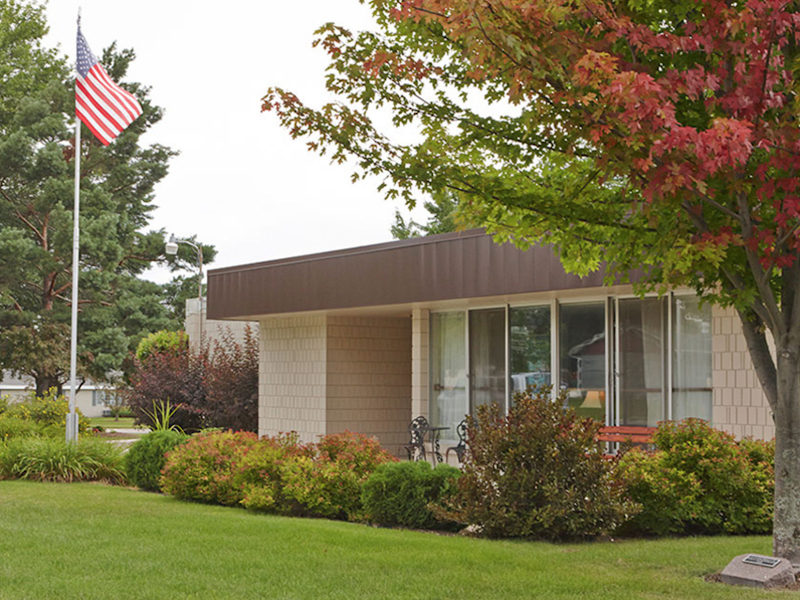
How Does Willowdale Health Services Compare to Other Wisconsin Nursing Homes?

Compared to the 100 nursing homes in Wisconsin, WILLOWDALE HEALTH SERVICES's overall rating (4 stars) is above the state average of 3.0, staff turnover (32%) is significantly lower than the state average of 46%, and health inspection rating (4 stars) is above the national benchmark.

What Should Families Ask When Visiting Willowdale Health Services?

Based on this facility's data, families visiting should ask: "Can I visit during a mealtime to observe dining assistance and food quality?" "How do you handle medical emergencies, and what is your hospital transfer rate?" "Can I speak with family members of current residents about their experience?"

Is Willowdale Health Services Safe?

Based on CMS inspection data, WILLOWDALE HEALTH SERVICES has a clean safety record: no substantiated abuse findings (meaning no confirmed cases of resident harm), no Immediate Jeopardy citations (the most serious violation level indicating risk of serious injury or death), and is not on the Special Focus Facility watch list (a federal program monitoring the lowest-performing 1% of nursing homes). The facility has a 4-star overall rating and ranks #1 of 100 nursing homes in Wisconsin. While no facility is perfect, families should still ask about staff-to-resident ratios and recent inspection results during their visit.

Do Nurses at Willowdale Health Services Stick Around?

WILLOWDALE HEALTH SERVICES has a staff turnover rate of 32%, which is about average for Wisconsin nursing homes (state average: 46%). Moderate turnover is common in nursing homes, but families should still ask about staff tenure and how the facility maintains care continuity when employees leave.

Was Willowdale Health Services Ever Fined?

WILLOWDALE HEALTH SERVICES has no federal fines on record. CMS issues fines when nursing homes fail to meet care standards or don't correct problems found during inspections. The absence of fines suggests the facility has either maintained compliance or corrected any issues before penalties were assessed. This is a positive indicator, though families should still review recent inspection reports for the full picture.

Is Willowdale Health Services on Any Federal Watch List?

WILLOWDALE HEALTH SERVICES is not on any federal watch list. The most significant is the Special Focus Facility (SFF) program, which identifies the bottom 1% of nursing homes nationally based on persistent, serious quality problems. Not being on this list means the facility has avoided the pattern of deficiencies that triggers enhanced federal oversight. This is a positive indicator, though families should still review the facility's inspection history directly.