CLARK COUNTY REHABILITATION & LIVING CENTER
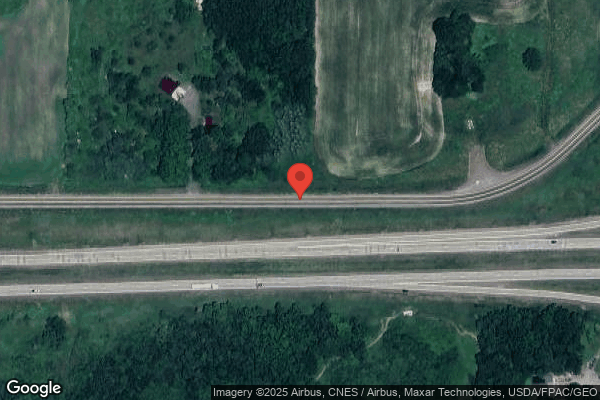

W4266 COUNTY HIGHWAY X, OWEN, WI 54460 (715) 229-2172
Government - County 172 Beds Independent Data: November 2025
Trust Grade
40/100
#195 of 321 in WI
Last Inspection: August 2024

Within standard 12-15 month inspection cycle. Federal law requires annual inspections.

Overview

Clark County Rehabilitation & Living Center has a Trust Grade of D, indicating below-average performance with some concerning issues. It ranks #195 out of 321 facilities in Wisconsin, placing it in the bottom half, but it is #2 out of 3 in Clark County, meaning only one local option is better. The facility is improving, with reported issues decreasing from 9 in 2024 to 6 in 2025. Staffing is average with a 3/5 star rating, but a 58% turnover rate is concerning, higher than the state average. Notably, the facility has no fines, which is a positive sign, and it has better RN coverage than 80% of Wisconsin facilities, suggesting that residents receive good oversight. However, there are significant weaknesses. One serious incident involved a delay in laboratory services for a resident, which resulted in hospitalization due to a urinary tract infection. Additionally, the facility failed to conduct annual performance reviews for some Certified Nursing Assistants, potentially impacting care quality. There were also concerns about proper hand hygiene not being performed for residents before meals, which risks infection. Families should weigh these strengths and weaknesses carefully when considering this facility for their loved ones.

Trust Score
D
40/100
In Wisconsin
#195/321
Bottom 40%
Safety Record
Moderate
Needs review
Inspections
Getting Better
9 → 6 violations
Staff Stability
⚠ Watch
58% turnover. Above average. Higher turnover means staff may not know residents' routines.
Penalties
✓ Good
No fines on record. Clean compliance history, better than most Wisconsin facilities.
Skilled Nurses
✓ Good
Each resident gets 55 minutes of Registered Nurse (RN) attention daily — more than average for Wisconsin. RNs are trained to catch health problems early.
Violations
⚠ Watch
23 deficiencies on record. Higher than average. Multiple issues found across inspections.
★★☆☆☆
2.0
Overall Rating
★★★☆☆
3.0
Staff Levels
★☆☆☆☆
1.0
Care Quality
★★★☆☆
3.0
Inspection Score
Stable
2024: 9 issues
2025: 6 issues

The Good

  • Full Sprinkler Coverage · Fire safety systems throughout facility
  • No fines on record

Facility shows strength in fire safety.

The Bad

2-Star Overall Rating

Below Wisconsin average (3.0)

Below average - review inspection findings carefully

Staff Turnover: 58%

12pts above Wisconsin avg (46%)

Frequent staff changes - ask about care continuity

Staff turnover is elevated (58%)

10 points above Wisconsin average of 48%

The Ugly 23 deficiencies on record

1 actual harm
Jun 2025 5 deficiencies
CONCERN (D) 📢 Someone Reported This

A family member, employee, or ombudsman was alarmed enough to file a formal complaint

Potential for Harm - no one hurt, but risky conditions existed

Deficiency F0565 (Tag F0565)

Could have caused harm · This affected 1 resident

**NOTE- TERMS IN BRACKETS HAVE BEEN EDITED TO PROTECT CONFIDENTIALITY** Based on interviews, record review and policy review, the facility failed to ensure that residents were provided timely updates ...

Read full inspector narrative →
**NOTE- TERMS IN BRACKETS HAVE BEEN EDITED TO PROTECT CONFIDENTIALITY** Based on interviews, record review and policy review, the facility failed to ensure that residents were provided timely updates of concerns voiced at resident council meetings for three residents (Residents (R) 8, R9 and R10) of 13 sampled residents. Failing to update residents of measures taken to address their concerns, demonstrated their lack of knowledge of ensuring resident council was used for what it was intended, an opportunity for residents to voice their concerns and have adequate follow-up. Findings include: Review of the facility policy titled, Resident Voice/Council Policy, modified 06/11/25, revealed, It is the policy of this facility to ensure that all residents have a consistent, respectful; and structured opportunity to share feedback, voice concerns . to improve their quality of life and care within the facility . Responses and updates will be shared with residents during the next meeting. 1.Review of the admission Record under Profile tab, located in the electronic medical record (EMR), revealed R8 was admitted on [DATE] with diagnoses that included multiple sclerosis. Review of the annual Minimum Data Set (MDS), located under the MDS tab in the EMR, with an assessment reference date (ARD) date of 05/03/25 revealed R8 had a BIMS score of 15 out of 15 which revealed R8 was cognitively intact. 2. Review of the admission Record under Profile tab, in the EMR, revealed R9 admitted on [DATE] with diagnoses that included quadriplegia. Review of the quarterly MDS, located under the MDS tab in the EMR, with an ARD date of 04/26/25 revealed R9 had a BIMS score of 15 out of 15 which revealed R9 was cognitively intact. 3. Review of the admission Record under Profile tab, R10 admitted on [DATE] with diagnoses that included coronary artery disease. Review of the annual MDS, located under the MDS tab in the EMR, with an ARD date of 04/23/25 revealed R10 had a BIMS score of 15 out of 15 which revealed R10 was cognitively intact. Review of the Resident Voice Minutes provided by the facility, revealed residents stated during the meetings held on 08/01/24, 09/05/24 and 10/03/24 residents could Hear staff talk about other residents. Review of the Resident Voice Minutes provided by the facility revealed residents stated during the meetings held on 10/03/24 and 11/07/24, they need more staff. Review of the Resident Voice Minutes provided by the facility, revealed residents stated during the meetings held on 01/02/25, 02/06/25 and 04/03/25, call lights waiting too long. Review of the Resident Voice Minutes provided by the facility, revealed during the 03/06/25 meeting and the 05/01/25 meeting call light waiting times were too long were addressed at the NCC (Nurse Care Coordinator) meeting. During a group interview on 06/09/25 at 2:30 PM, R8, R9, and R10, stated they often have to wait for call lights up to thirty minutes. They stated they feel like the facility never has enough staff to help and administration never comes and talks to them about it. During an interview on 06/10/25 at 10:00 AM, R9 stated, There are never enough staff. He stated he had never seen the administrator to know what is going on. During an interview on 06/11/25 at 10:21 AM, the Director of Nursing (DON) stated that she does not attend Resident Council but did when she first started in the role as DON. She stated she was not aware when it occurred but stated, I should go. During an interview on 06/11/25 at 10:44 AM, the Activity Director (AD) stated she does not document any conversations she has had with specific residents regarding their concerns voiced in Resident Council. During an interview on 06/11/25 at 11:05 AM, R10 stated she always attends Resident Council and the concern about not enough staff is frequently mentioned. She stated the Activity Director (AD) states, We'll check it out. R10 stated it is not mentioned again. R10 stated it is important to her that they give updates in Resident Council about staffing. R10 stated the lack of staff does impact her breakfast. R10 stated that she would like coffee around seven in the morning but both yesterday (06/10/25) and this morning (06/11/25) when she went to the dining room, there was no one to get her coffee and the lights were off. R10 stated she came back to her room. R10 stated that she went back to the dining room at 7:25 AM and was able to get coffee. R10 stated breakfast should be served at 7:15 AM. During an interview on 06/11/25 at 12:24 PM, Case Manager (CM) stated the social services department is responsible for grievances and concerns. CM stated they do not have a formal process for following up with residents when a concern is voiced in resident council. The CM stated if a resident brought up staffing concerns in resident council the AD would notify nursing. CM stated social services would not be involved in anything related to staffing.
CONCERN (D) 📢 Someone Reported This

A family member, employee, or ombudsman was alarmed enough to file a formal complaint

Potential for Harm - no one hurt, but risky conditions existed

Free from Abuse/Neglect (Tag F0600)

Could have caused harm · This affected 1 resident

**NOTE- TERMS IN BRACKETS HAVE BEEN EDITED TO PROTECT CONFIDENTIALITY** Based on record review, staff interviews, and policy review, the facility failed to protect residents from resident-to-resident ...

Read full inspector narrative →
**NOTE- TERMS IN BRACKETS HAVE BEEN EDITED TO PROTECT CONFIDENTIALITY** Based on record review, staff interviews, and policy review, the facility failed to protect residents from resident-to-resident verbal and physical abuse for three (Residents (R)3, R7, R4) of 13 sampled residents. This failure had the potential to create an environment where other residents had the potential to be abused. Findings include: Review of the undated facility policy titled, Abuse Neglect, Mistreatment & Misappropriation of Resident Property Policy & Procedure, revealed . It is the policy of this facility to prevent abuse by providing residents, families and staff information and education on how and to whom to report concerns, incidents and grievances without the fear of reprisal or retribution 1. According to the admission Record under Profile tab, in the electronic medical record (EMR), R3 admitted on [DATE] with diagnoses that included dementia. R3 discharged from the facility 05/15/25. Review of the quarterly Minimum Data Set (MDS), located under the MDS tab in the EMR, with an assessment reference date (ARD) of 03/08/25 revealed R3 had a Brief Interview for Mental Status (BIMS) score of 3 out of 15, which revealed R3 was severely cognitively impaired. According to admission Record under Profile tab, R7 admitted on [DATE] with diagnoses that included chronic obstructive pulmonary disease. R7 discharged from the facility on 06/06/25. Review of the quarterly MDS, located under the MDS tab in the EMR, with an ARD date of 05/30/25 revealed R7 had a BIMS score of 15 out of 15, which revealed R7 was cognitively intact. He had behavioral symptoms directed towards others one to three days during the review period. He rejected care one to three days during the review period and wandered one to three days. He was independent with mobility and Activities of Daily Living (ADL). Review of Misconduct Incident Report provided by the facility dated 04/20/25 revealed, On April 20, 2025, [Registered Nurse Supervisor], informed [Director of Nursing (DON) name], about a suspected altercation between [R7] and [R3]. [Certified Nurse Aide (CNA) Name] overheard yelling and shuffling in the hallway. [CNA] immediately responded, and upon his arrival, he witnessed [R3] falling backwards. [R7] was standing at the doorway of his room, and the med(ication) cart was between them. After the investigation, there is no evidence of a physical altercation, but a reaction to a verbal altercation. [R7] was yelling threatening statements towards [R3], and [R3] pushed the med(ication) cart towards [R7] and [R3] lost his balance and fell backwards. [R3] sustained a bruise and an abrasion on his back. 2. According to the admission Record under Profile tab, R4 admitted on [DATE] with diagnoses that included dementia. Review of the quarterly MDS, located under the MDS tab in the EMR, with an ARD date of 05/23/25 revealed R4 had a BIMS score of 9 out of 15 which revealed R4 was moderately cognitively impaired. He had wandering behaviors one to three days during the review period. He required supervision with most ADLs and required supervision with mobility. According to the admission Record under Profile tab, in the electronic medical record (EMR), R3 admitted on [DATE] with diagnoses that included dementia. R3 discharged from the facility 05/15/25. Review of the quarterly MDS, located under the MDS tab in the EMR, with an ARD of 03/08/25 revealed R3 had a BIMS score of 3 out of 15, which revealed R3 was severely cognitively impaired. Review of Misconduct Incident Report provided by the facility dated 04/25/25 revealed, The CNA was doing rounds in another resident's room when she heard [R3] yelling for help. She immediately went to [R3's] room, found [R4] standing over him, and observed [R4] hitting [R3] in the face. [R4] was immediately assisted back to his room and placed on 1:1 supervision. [R4] believed [R3] was in his bed. Law enforcement called. [police officer name] [who] arrived at 5:50 am to investigate. Case #250307. Arrangements are being made to move [R3] off the unit. [R4] will have 1:1 [one to one] supervision until the room change occurs. ln addition, a door alarm will be on his [R4] door to alert staff when he exits his room. When leaving his room, [R4] will be in line of sight and away from his peers. Five residents reside in this unit. All residents were interviewed. All residents reported feeling safe and did not feel afraid of anyone, except for [R3], who expressed being afraid, yes, because he was attacked. [DON] and [Administrator], were notified. [R4] recently saw neurology, and had a recent reduction in his Carbidopa-Levodopa. This might be a contributing factor to his impulsive behavior. During an interview on 06/11/25 at 5:25 PM, the DON confirmed these incidents occurred and agreed that the incident between R7 and R3 and R3 and R4 were physical and verbal abuse.
CONCERN (D) 📢 Someone Reported This

A family member, employee, or ombudsman was alarmed enough to file a formal complaint

Potential for Harm - no one hurt, but risky conditions existed

Investigate Abuse (Tag F0610)

Could have caused harm · This affected 1 resident

**NOTE- TERMS IN BRACKETS HAVE BEEN EDITED TO PROTECT CONFIDENTIALITY** Based on record review, staff interviews, and policy review, the facility failed to complete a thorough investigation when recei...

Read full inspector narrative →
**NOTE- TERMS IN BRACKETS HAVE BEEN EDITED TO PROTECT CONFIDENTIALITY** Based on record review, staff interviews, and policy review, the facility failed to complete a thorough investigation when receiving abuse allegations from residents for two residents (Residents (R)6 and R5) out of 13 sampled residents. Failing to interview other residents to complete a thorough investigation, had the potential to increase a resident's risk of abuse. Findings include: Review of the undated facility policy titled, Abuse Neglect, Mistreatment & Misappropriation of Resident Property Policy & Procedure, revealed, When an incident or suspected incident of abuse is reported, the Administrator or designee will investigate the incident .The investigation will include .Resident statements . According to the admission Record under Profile tab in the electronic medical record (EMR), R5 admitted on [DATE] with diagnoses that included palliative care. Review of the quarterly Minimum Data Set (MDS), located under the MDS tab in the EMR, with an Assessment Reference Date (ARD) of 05/07/25 revealed R5 had a Brief Interview Mental Score (BIMS) score of 15 out of 15 which revealed R5 was cognitively intact. According to the admission Record under Profile tab, in the EMR, R6 admitted on [DATE] with diagnoses that included acute kidney failure. Review of the quarterly MDS, located under the MDS tab in the EMR, with an ARD of 05/03/25 revealed R6 had a BIMS score of 15 out of 15 which revealed R5 was cognitively intact. Review of Misconduct Incident Report provided by the facility dated 06/04/25 revealed A resident-to-resident altercation occurred between [R5] and [R6]. [R5] was sleeping in his bed when his roommate [R6] woke him up, looking for the TV remote- While [R5] was searching for the remote in his bed, [R6] found the remote on [R5] bedside table and said, lt's right freaken [sic] there. [R5] stated. How should I know you were searching for it? [R6] interpreted [R5] as being cocky and struck [R5] in the head with his remote. [R5] expressed being fearful for [sic] [R6]. Law enforcement was called. Case #250411. [R6] and [R5] were separated immediately. [R5] was assessed for injury. [R6] transferred into a private room in a different unit. [Administrator], Director of Nuring [DON], [Assistant DON] and Director of Social Services were notified immediately of the incident. During an interview on 06/10/25 at 2:45 PM, Registered Nurse (RN) 1 stated she was there the night of the incident. RN 1 stated that staff heard the two residents and could tell something was going on. They moved R6 to the other side of the building and then moved him downstairs the following day. RN 1 stated no one had told her to interview other residents or provide education to staff. RN 1 stated that she had never had any other incidents with R6 and believed this was an isolated incident. During an interview on 06/11/25 at 3:44 PM, the DON stated they had not completed any other investigations for the incident between R5 and R6. The DON stated she did not think it was necessary because it was an isolated event.
CONCERN (D) 📢 Someone Reported This

A family member, employee, or ombudsman was alarmed enough to file a formal complaint

Potential for Harm - no one hurt, but risky conditions existed

Comprehensive Care Plan (Tag F0656)

Could have caused harm · This affected 1 resident

**NOTE- TERMS IN BRACKETS HAVE BEEN EDITED TO PROTECT CONFIDENTIALITY** Based on observation, interview and record review, the facility failed to ensure one out of 13 sample residents (Resident (R)1) ...

Read full inspector narrative →
**NOTE- TERMS IN BRACKETS HAVE BEEN EDITED TO PROTECT CONFIDENTIALITY** Based on observation, interview and record review, the facility failed to ensure one out of 13 sample residents (Resident (R)1) was provided with care and services in accordance with the care plan to maintain the highest practicable physical, mental, and psychosocial well-being. R1 expressed the desire to kill herself; a Certified Nursing Assistant (CNA) failed to implement the care plan interventions and did not notify the nurse on duty or the Nurse Care Coordinator (NCC) of R1's suicidal statements. R1 was alone in her room and was not assessed by a nurse to determine what measures might be needed as directed in the care plan. Findings include: Review of the undated admission Record in the electronic medical record (EMR) under the Profile tab revealed R1 was admitted to the facility on [DATE]. Review of the Diagnoses tab in the EMR revealed R1 had diagnoses including mild cognitive impairment, legal blindness, abnormality of gait and mobility, osteoarthritis, and anxiety disorder. Review of the quarterly Minimum Data Set (MDS) with an assessment reference date (ARD) of 04/12/25 in the EMR under the MDS tab documented R1 being intact in cognition with a Brief Interview for Mental Status (BIMS) score of 13 out of 15. R1 was identified as having delusions, and both verbal behavioral symptoms towards others as well as other behavioral symptoms not directed toward others four to six days of the seven-day assessment period. During an observation on 06/09/25 at 12:06 PM, Surveyor entered the locked female dementia unit where seven female residents resided. Immediately upon entrance to the unit, Surveyor heard a resident yelling, Help me, repeatedly from R1's room several doors down the hallway. Observation revealed the door to the room was completely closed. During an interview on 06/09/25 at 12:08 PM, Certified Nursing Assistant (CNA)7 stated R1 was the resident yelling Help me and she was hallucinating, was anxious, and inconsolable today. On 06/09/25 at 12:09 PM, Surveyor knocked, asked permission, and entered R1's room. R1 was sitting in a recliner chair in a reclined position with her feet up on the footrest alone. CNA7 entered the room and R1 stated she left Walmart this morning and CNA7 stated she would contact R1's guardian after Surveyor was finished visiting with her. CNA7 left the room. R1 stated she did not want to be in the facility and became tearful. R1 stated she was confused and she just wanted to die. Then R1 stated she wanted to kill herself and repeated this statement several times. R1 continued to cry and stated she did not know what to do, was confused where she was, and wanted to get out of the facility. R1 stated she did not want to live anymore and again stated she wanted to kill herself. Surveyor stated she would get staff to come and talk with her. Upon leaving the room on 06/09/25 at 12:24 PM, CNA8 was standing in the hallway outside R1's room. She and CNA7 were the only staff on the unit. The surveyor informed CNA8 that R1 stated she wanted to kill herself. CNA8 stated R1 was like that every day and was disruptive and riled up other residents. CNA8 stated when R1 was like that, she removed R1 from the common area and took her to her room so she would not agitate the other residents. When asked what else she was supposed to do when R1 expressed suicidal thoughts, CNA8 stated she would ask R1 what she needed and try to talk her down. Review of the Care Plan dated 07/08/21 in the EMR under the Care Plan tab revealed the problem of Psychopharmacological medication/behavior was identified. R1 was, diagnosed with post traumatic brain injury cognitive disorder . The Care Plan revealed, [R1] has hx [history] of chronic suicidal ideation and hx of past attempts/self-harm behaviors . The Care Plan revealed, If/when [R1] expresses the wish to die or wish to harm herself or others or makes attempts to harm herself or others, DO NOT leave alone, immediately notify RN [Registered Nurse], NCC [Nurse Care Coordinator] /RN Supervisor. Provide 1:1 [one to one] until suicidal intent or intent to harm others has been assessed. Provide active and supportive listening, help [R1] identify coping strategies. Ask RN to assess for safety. RN will complete further assessment and implement further interventions as appropriate . Review of Progress Notes dated 06/09/25 (reviewed on 06/10/25), in the EMR under the Progress Notes tab did not include documentation of R1 stating she wanted to kill herself. Review of CNA documentation POC [Point of Care] Response History for the behavior of R1 expressing a wish to die and passive suicidal statements revealed two entries on 06/09/25 at 1:00 PM and 2:00 PM. During an interview on 06/10/25 at 10:31 AM, CNA7 stated R1 was confused on 06/09/25. CNA7 stated it was typical for R1 to say she wanted to kill herself. She stated the CNAs documented these statements in the kiosk as well as interventions such as asking what they could do for her, and if she needed something. CNA7 stated R1 had not tried to kill herself. CNA7 stated when R1 was disruptive, she was placed in her room so she would not bother the other residents. During an interview on 06/10/25 at 11:01 AM, Registered Nurse (RN)2 stated she was the nurse on duty on 06/09/25 during the day and she had not been notified of R1's statements of wanting to kill herself. RN2 stated staff should reassure R1 if she expressed suicidal thoughts and make sure there was no plan by the resident. RN2 verified she would have assessed R1 had she been notified of suicidal statements and verified R1 should not be left alone when she made suicidal statements. RN2 stated R1 utilized plastic silverware and had a short call light cord as ongoing safety measures. During an interview on 06/10/25 at 11:18 AM, CNA11 stated R1 frequently stated she wanted to kill herself. CNA11 stated if R1 made this statement continuously, a one-to-one observation might be implemented and she would be brought out of her room so she was not alone. During an interview on 06/11/25 at 3:37 PM, Nurse Care Coordinator (NCC)1 stated R1 was declining in cognition and becoming more confused. NCC1 stated no one had notified her that R1 was expressing suicidal thoughts on 06/09/25 and she verified she had been on duty. NCC1 verified she should have been notified or the staff nurse (RN2) should have been notified and a Registered Nurse (RN) should have completed an assessment and monitored the resident for self-harm. R1's social service staff member was unavailable for interview. During an interview on 06/12/25 at 4:30 PM, the Director of Nursing (DON) indicated R1's care plan should be implemented. The DON stated if the care plan directed the CNAs to not leave the resident alone, to notify the nurse, and for the nurse to assess the resident when she expressed suicidal ideation, that is what the staff should do.
CONCERN (D) 📢 Someone Reported This

A family member, employee, or ombudsman was alarmed enough to file a formal complaint

Potential for Harm - no one hurt, but risky conditions existed

Accident Prevention (Tag F0689)

Could have caused harm · This affected 1 resident

**NOTE- TERMS IN BRACKETS HAVE BEEN EDITED TO PROTECT CONFIDENTIALITY** Based on observation, interview, record review and policy review, the facility failed to ensure two out of two sampled residents...

Read full inspector narrative →
**NOTE- TERMS IN BRACKETS HAVE BEEN EDITED TO PROTECT CONFIDENTIALITY** Based on observation, interview, record review and policy review, the facility failed to ensure two out of two sampled residents at risk for falls and reviewed for alarm use (Resident (R)1 and R4) were not consistently provided with non-alarm interventions prior to the implementation of multiple alarms or following the implementation of alarms, that were implemented to prevent falls/accidents. Five separate alarms were utilized for R1 and four separate alarms were utilized for R4, without a reduction plan in place. A gait belt was not consistently used and the care plan was not followed regarding notifying the nurse if R1 refused the gait belt. This created the potential for residents to experience emotional distress due to the noise level and potential for falls due to being startled by the sound of the alarms. Findings include: Review of the undated Fall Prevention policy and provided by the facility revealed, The [facility name] strives to minimize resident falls and related injuries through a fall management program whose purpose is . To develop effective interventions to prevent falls and minimize injury . When there are multiple contributing factors and/or a root cause is still being determined; the use of a bed or chair alarm may be appropriate pending other interventions. -Bed alarms that are connected to the call light system are preferred to prevent emotional distress due to the noise level. These are known as silent bed alarms. -Continued use or discontinuation of chair or bed alarms will be reviewed during care conferences and PRN [as needed]. -The IDT [interdisciplinary team] will review the potential for elimination of any type of alarm used for the purpose of fall reduction while developing other strategies. Review of the Safety: Bed Check Sensormat and Chair Sensormat policy, dated 02/16/10, and provided by the facility revealed, The Bed Check and Chair Sensormat is used as part of and in conjunction with a comprehensive fall prevention program and is intended to augment but not replace any fall prevention measures or caregiver's vigilance . It remains the responsibility of the assessment team to identify reasons for the resident's attempts to self-transfer and minimize the risk of a fall through interventions directed at meeting those identified needs. Bed sensor and chair sensor alarms will be utilized on a short-term basis during the assessment period and discussions will be held with the guardian or POA-HC [Power of Attorney Health Care] on their use during the quarterly and annual care conferences . 1. Review of the undated admission Record in the electronic medical record (EMR) under the Profile tab revealed R1 was admitted to the facility on [DATE]. Review of the Diagnoses tab in the EMR revealed R1 had diagnoses including mild cognitive impairment, legal blindness, abnormality of gait and mobility, osteoarthritis, and anxiety disorder. Review of the quarterly Minimum Data Set (MDS) with an assessment reference date (ARD) of 04/12/25 in the EMR under the MDS tab documented R1 being intact in cognition with a Brief Interview for Mental Status (BIMS) score of 13 out of 15. R1 required assistance with activities of daily living (ADLs) including partial/moderate assistance with toileting and personal hygiene. R1 used a walker and wheelchair for mobility and was impaired in range of motion to both lower extremities. R1 was frequently incontinent of urine. R1 was not coded as using restraints; however, she was coded as utilizing a bed alarm, chair alarm and motion sensor on a daily basis. R1 had experienced one fall since the previous MDS assessment. During an observation on 06/09/25 at 12:06 PM, Surveyor entered the locked female dementia unit where seven female residents resided. Immediately upon entrance to the unit, the surveyor heard a resident yelling, Help me repeatedly from her room several doors down the hallway. Observation revealed the door to the room was completely closed. On 06/09/25 at 12:09 PM, Surveyor knocked, asked permission, and entered R1's room and an alarm sounded a loud beep, beep, beep that continued to go off and the resident stated she did not know what the noise was. The alarm was loud and prevented conversation with R1 until CNA7 entered the room shortly thereafter to turn off an alarm positioned on the floor. R1 was sitting in a recliner chair in a reclined position with her feet elevated at this time. CNA7 stated, after entering the room at 12:11 PM, that the rectangular device on the floor was a motion sensor alarm that had been activated when the surveyor entered the room. CNA7 stated the alarm was used to alert staff when R1 was trying to get out of the recliner or bed unassisted and that R1 was unsteady, blind, and had a history of self-transfers and falls. Observations revealed R1's wheelchair, in the room, had a Tab alarm (device clipped to the resident's clothing to alert staff when a resident is attempting to get out of bed, chair or wheelchair) attached to it. During an observation on 06/11/25 at 4:04 PM, Surveyor and Nurse Care Coordinator (NCC)1 entered R1's room. R1 was sitting in her recliner with her feet elevated. R1 stated she knew there were alarms in place; however, denied getting up out of her chair unassisted. NCC1 showed the surveyor all of R1's alarms that were in use. Observations confirmed with NCC1 revealed five alarms in use: there was an alarm on the floor that sounded a loud beep when activated by motion (getting out of the chair or bed); there was a sensor pad alarm on the seat of R1's wheelchair that sounded a loud beep if the resident tried to get up; there was a Tabs alarm on the wheelchair attached to the chair that would be clipped to R1's clothing that sounded a loud beep when activated by getting up; there was a wireless silent pad on the bed that activated to the staff without making noise, and there was a sensor pad alarm on the seat of R1's recliner that activated a loud beep if she attempted to get out of the chair. During an interview on 06/12/25 at 4:30 PM, the Director of Nursing indicated R1's alarms were initiated as follows: -Bed and chair alarms on 07/08/21; -Chair alarm in recliner to be placed in whatever chair R1 was sitting in, on 07/20/23; -Tabs alarm in wheelchair on 09/15/24; -Floor alarm on 03/15/25. Review of the Quarterly Alarm Assessments provided by the facility for the past year revealed one of the three assessments was missing. a. Review of the MDS Assessment, Section A. Alarm Assessment dated 07/10/24, and provided by the facility revealed R1 utilized a chair alarm and a bed alarm (R1 utilized two chair alarms (Tabs and Sensor), and a Sensor Bed alarm). The reason for alarm use was attempting to self-transfer, poor safety awareness and restless/impulsive. Strategies and alternatives attempted included a floor mat, repositioning toileting, and scheduled pain medication. The alarms were documented as being effective and did not negatively affect the resident, with a decision to continue their use. There was no documentation regarding attempts to decrease alarm use or assessment of the concurrent use of multiple alarms. c. Review of the MDS Assessment, Section A. Alarm Assessment, dated 10/09/24, and provided by the facility documented a chair alarm, bed alarm, and floor mat alarm. R1 was noted to have a lack of safety awareness and tried to self-transfer and ambulate. The alarms were documented as being effective and a decision was made to continue their use. There was no documentation regarding attempts to decrease alarm use or assessment of the concurrent use of multiple alarms. d. Review of the MDS Assessment, Section A. Alarm Assessment, dated 04/14/25, documented use of a chair alarm and a motion sensor of the floor (R1 utilized a Tabs and Sensor alarm in the chair, a silent bed alarm, and a floor motion sensor alarm). Reasons included unsteady gait, sliding out of the chair, attempting to self-transfer, and poor safety awareness. The section for strategies and alternatives attempted was blank as was the section for diagnosis and/or symptoms to justify alarms. Alarms were documented as being effective. There was no documentation regarding attempts to decrease alarm use or assessment of the concurrent use of multiple alarms. There was no documentation that the Alarm Assessment had been completed in January 2025. Review of the Care Plan revised on 05/09/25, in the EMR under the Care Plan tab revealed a problem of, [R1] is at risk for falls r/t [related to] gait/balance problems, hypotension, psychoactive drug use, unaware of safety needs, vision/hearing problems. The goal was, [R1] will be free of falls through the review date. Interventions in full were: -Anticipate and meet the resident's needs (initiated 07/08/21). -Be sure the resident's call light is within reach and encourage the resident to use it for assistance as needed. The resident needs prompt response to all requests for assistance (07/08/21). -Chair alarm in recliner in her room. The alarm needs to also be brought out with her to the dining room and placed on whatever chair she sits in out there (initiated 07/20/23). -Dycem (non-slip material) to recliner (initiated 07/23/23). -Educate resident the importance of resting in bed at night to elevate lower extremities (initiated 06/23/24). -Educate the resident/family/caregivers about safety reminders and what to do if a fall occurs (initiated 07/08/2). -Follow facility fall protocol (initiated 07/08/21). -Pt [physical therapy] evaluate and treat as ordered or PRN (initiated 07/08/21). -Review information on past falls and attempt to determine cause of falls. Record possible root causes. Alter remove any potential causes if possible. Educate resident/family/caregivers/IDT as to causes. (initiated: 07/08/21). Tabs alarm while sitting in room eating. Floor alarm while in room in recliner or bed. Ensure motion floor alarm is in place when doing safety checks (initiated: 09/13/24). -Transfer: Assist 1 with FWW [front wheel walker], gait belt on with all transfers for resident safety (initiated: 07/17/24). Review of the Fall assessment, dated 06/01/24, and provided by the facility revealed R1 was found on the floor in her room after trying to get up from the recliner without lowering the footrest; she was trying to go to the toilet. The chair alarm was in place, however, had not been effective in preventing the fall. Review of the Fall assessment, dated 07/16/24, and provided by the facility revealed R1 fell while washing her hands with a Certified Nursing Assistant present. R1, was drying her hands with a paper towel and lost her balance and fell on the floor. R1 was not wearing a gait belt. The immediate intervention to be put into place was to use a gait belt during all transfers. Review of the Fall assessment, dated 08/02/24, and provided by the facility revealed R1 refused the gait belt and fell while ambulating with her walker to the bathroom with staff. R1 was to be re-educated regarding gait belt use and staff were to report to the nurse if she refused. Review of the Fall assessment, dated 09/13/24, and provided by the facility revealed R1 was, found on floor next to her dining room chair in her room. Alarm was sounding . attempting to self-transfer . The chair alarm was in place, however, had not been effective in preventing the fall. Review of the Fall assessment, dated 01/07/25, and provided by the facility revealed R1 refused gait belt use, was ambulating with staff with her walker to the bathroom and fell. There was no documentation indicating the nurse was notified when the resident refused the gait belt. Review of the Fall assessment, dated 03/15/25, and provided by the facility revealed R1, was found on the floor next to her recliner. Recliner was faced towards TV [television] and motion alarm not in place. Chair alarm did not activate . Re-education to staff to place motion floor alarm . During an interview on 06/09/25 at 12:24 PM, CNA8 stated R1 was blind. CNA8 stated she toileted R1 every two hours and alarms were used to prevent falls. CNA8 stated she did not use a gait belt on R1; CNA8 stated R1 was able to stand and walk with a walker. During an interview on 06/10/25 at 11:18 AM, CNA11 stated R1 needed one person assist with walking and transfers and gait belt should be used. CNA11 stated the alarms did not prevent R1 from getting up but alerted the staff that R1 was getting up. During an interview on 06/11/25 at 3:37 PM, NCC1 stated R1 was declining in cognition and becoming more confused. NCC1 stated R1 was on a toileting program due to self-transfers to use the bathroom. NCC1 verified use of five alarms (see observation above) to prevent falls. NCC1 stated the alarms did not prevent R1 from getting up but alerted staff so they might get to the resident before she fell. NCC1 stated R1 was also on 15-minute checks. NCC1 stated, I don't think there has been an attempt to reduce alarms. NCC1 stated the motion floor alarm could be considered for reduction or R1 might not need two alarms when she was in the chair. NCC1 reviewed the Alarm assessments over the past year and stated the assessments did not specify each alarm. NCC1 stated R1 had a history of crawling on the floor but did not do that anymore. NCC1 stated the primary interventions in place for falls for R1 were alarms. During an interview on 06/11/25 at 4:02 PM, the Director of Nursing (DON) verified there were three quarterly assessments for alarms over the past year; there should have been four. 2. Review of the admission Record under Profile tab in the electronic medical record, R4 admitted on [DATE] with diagnoses that included dementia. Review of the quarterly MDS, located under the MDS tab in the EMR, with an ARD of 05/23/25, revealed R4 had a BIMS score of 9 out of 15 which revealed R4 was moderately cognitively impaired. He had wandering behaviors one to three days during the review period. He required supervision with most Activities of Daily Living (ADL)s and required supervision with mobility. R4 had a bed alarm, chair alarm, motion sensor alarm and a wander/elopement alarm, all used daily. Review of R4's Baseline Care Plan, dated 11/22/24 located under the Evaluations tab revealed, R4 Used chair and bed alarm . medical symptoms to justify use of alarm and/or restraint: Lewy Body Dementia . Reduction plan: Will evaluate the need for wander guard quarterly to see if needed. Review of R4's Care Plan located under the Care Plan tab revealed the focus, [R4] has an ADL (activities of daily living) self-care performance deficit r/t (related to) confusion, dementia Care Plan. Interventions included, Safety: Wander guard bracelet, 15-minute checks, bed and chair alarms, clip alarm, line of sign when up and awake, arm's length from other resident at all times .Clip alarm [NAME] in w/c (wheelchair). Check bed alarm placement and function once a shift .Door alarm above door to notify if leaving room. Initiated 11/22/24 and revised 04/25/25. Review of the Fall - Root Cause Analysis revealed R4 had a fall on 12/08/24, 12/21/24, two on 12/27/25, 01/03/25, 01/06/25, 02/13/25, two falls on 02/14/25, and 02/16/25. Review of the quarterly MDS Assessments - V3 Section A. Alarm Assessment, dated 02/28/25, revealed R4 Used a chair alarm and a bed alarm .The medical diagnosis and/or symptoms to justify alarms Parkinson's disease, dementia, chronic pain .Comments/Reason for decision; Alarms let staff know when [R4] is self-transferring on the unit. Review of the quarterly MDS Assessments - V3 Section A. Alarm Assessment, dated 05/19/25, revealed R4 Used a chair alarm, bed alarm and a wanderguard .The medical diagnosis and/or symptoms to justify alarms Parkinson's disease, dementia, chronic pain .Comments/Reason for decision; Alarms let staff know when [R4] is self-transferring on the unit and/or attempting to leave the unit. Review of Progress Notes located under the Progress Notes tab revealed no documentation for use of alarms used with R4. Review of the initial Social Services Note, and the quarterly Social Services Note, dated 03/14/25, revealed there was no documentation that alarms were discussed. During an interview on 06/11/25 at 3:30 PM, NCC2 stated when R4 admitted he had diagnoses and a history of falling that indicated he needed alarms. She stated there would be notes reflecting this in R4's EMR. During an interview on 06/11/25 at 4:00 PM, the DON stated there is not an admission assessment for R4 to determine if alarms were needed. She stated she would expect to see notes documenting why he needs alarms and what other options had been used prior to placing the alarms.
Mar 2025 1 deficiency
CONCERN (D) 📢 Someone Reported This

A family member, employee, or ombudsman was alarmed enough to file a formal complaint

Potential for Harm - no one hurt, but risky conditions existed

Deficiency F0576 (Tag F0576)

Could have caused harm · This affected 1 resident

**NOTE- TERMS IN BRACKETS HAVE BEEN EDITED TO PROTECT CONFIDENTIALITY** Based on interview and record review, the facility did not ensure a resident's right to privacy was maintained when receiving ma...

Read full inspector narrative →
**NOTE- TERMS IN BRACKETS HAVE BEEN EDITED TO PROTECT CONFIDENTIALITY** Based on interview and record review, the facility did not ensure a resident's right to privacy was maintained when receiving mail for 1 of 3 residents reviewed (R2). R2's mail packages were opened by facility staff without R2's permission. Findings include: The facility policy, titled Distribution of Resident Mail, undated, states: Residents have the right to receive and read mail in private and to receive mail in a timely manner. Resident's will be asked if they would like assistance in opening and /or reading personal mail. Resident's may also receive assistance with personal mail upon request. R2 was admitted on [DATE]. R2's Minimum Data Set (MDS) assessment, dated 9/21/2024, documents R2 is cognitively intact, has clear speech, is able to make self-understood and understands others. On 3/5/2025 at 10:50 AM, Surveyor interviewed Certified Nursing Assistant (CNA) F, who stated mail comes to the nurse's desk and usually activities will deliver the mail to the residents. On 3/5/2025 at 11:07 AM, Surveyor interviewed R2, who stated that not all mail for R2 is opened but packages and other unlabeled or suspicious mail is. When asked, R2 stated the package from Senator [NAME] came unopened, however as a rule it is open. R2 stated that about 5 months ago they started opening his mail. When asked what changed 5 months ago, R2 said he was ordering adult movies. R2 stated that he is 92 and an adult. R2 admitted R2 is a criminal but that should be over. R2 reported that activities staff deliver his mail. On 3/5/2025 at 11:24 AM, Surveyor interviewed Nursing Care Coordinator (NCC) D. NCC D stated mail is delivered to residents and usually it is unopened. NCC D states it is different with R2 because R2 has a history of child pornography and is a registered sex offender. NCC D stated that R2 registers himself yearly. NCC D stated they open mail that is suspicious in nature, unlabeled, and potentially related to child pornography. NCC D referred Surveyor to talk to the Case Manager/Social Worker (SW) E for further details. On 3/5/2025 at 11:47 AM, Surveyor interviewed Director of Social Services (DSS) C and SW E. DSS C stated there have been challenges since R2's admission. R2 came to live at facility because when R2 was released to probation, probation and parole could not find a location in the community for R2 to live. R2 was then placed at facility. SW E stated as part of R2's probation, R2 signed a waiver on 7/29/1998, allowing the facility to open R2's mail to ensure there was no pornography content. SW E stated R2's probation ended 11/12/02. R2 is off probation as of 11/12/02; the practice to open his mail continues. R2 has not signed a waiver to consent to this since a waiver was signed by probation on 07/29/1998.
Aug 2024 7 deficiencies
CONCERN (D)

Potential for Harm - no one hurt, but risky conditions existed

Report Alleged Abuse (Tag F0609)

Could have caused harm · This affected 1 resident

**NOTE- TERMS IN BRACKETS HAVE BEEN EDITED TO PROTECT CONFIDENTIALITY** Based on interview and record review, the facility did not report an incident of potential misconduct to the state agency immedi...

Read full inspector narrative →
**NOTE- TERMS IN BRACKETS HAVE BEEN EDITED TO PROTECT CONFIDENTIALITY** Based on interview and record review, the facility did not report an incident of potential misconduct to the state agency immediately upon learning of the incident and did not submit the 5-day investigation within 5 days as required. The facility practice had the potential to affect 1 of 2 residents (R) reviewed for abuse (R78). This is evidenced by: The facility policy entitled Abuse, neglect, mistreatment & misappropriation of resident property policy and procedure, indicates the definition of abuse is the willful infliction of injury, unreasonable confinement, intimidation, or punishment with resulting physical harm, pain, or mental anguish. According to Appendix PP of the State Operation manual Willful is defined at §483.5 in the definition of abuse, and means the individual must have acted deliberately, not that the individual must have intended to inflict injury or harm. R78 was admitted to the facility on [DATE], and has diagnoses that include unspecified dementia, unspecified, severity, with agitation. R78's Minimum Data Set (MD) assessment dated [DATE], indicated during the assessment period that R78: -has short term and long-term memory problems. -physical behavioral symptoms directed toward others that occurred 4 to 6 days. -verbal behavioral symptoms directed toward others that occurred 4 to 6 days. -put others at significant risk for physical injury. -significantly intrudes on the privacy or activity of others. R78's care plan initiated on 07/14/24 for psychopharmacological medication/behavior has a goal of Zero altercations with peers related to wandering and confusion daily. Interventions include to be mindful of the environment and interactions, R78 is impulsive/unpredictable and will become verbally and physically aggressive at any moment. One staff person should be directing R78, however there should be an additional staff close enough to assist in case R78 should become physically aggressive. On 08/15/24 at 1:42 PM, Surveyor reviewed an investigation of resident-to-resident altercation involving R78 attempting to take candy from another resident, resulting in R78 willfully slapping another resident. This action would potentially cause psychosocial harm to a reasonable person. On 08/15/24 at 2:48 PM, Surveyor interviewed Director of Nursing (DON) B, regarding the resident-to-resident altercation. DON B indicated the facility did not report the altercation after completing investigation. Surveyor questioned DON B regarding R78's intention to take candy from another, if that would be considered willful. DON B stated, Yes, I understand that it could be considered willful and should be reported.
CONCERN (D)

Potential for Harm - no one hurt, but risky conditions existed

Transfer Notice (Tag F0623)

Could have caused harm · This affected 1 resident

**NOTE- TERMS IN BRACKETS HAVE BEEN EDITED TO PROTECT CONFIDENTIALITY** Based on record review and staff interview, the facility did not ensure 2 residents (R), R56 and R127, of 7 sampled residents re...

Read full inspector narrative →
**NOTE- TERMS IN BRACKETS HAVE BEEN EDITED TO PROTECT CONFIDENTIALITY** Based on record review and staff interview, the facility did not ensure 2 residents (R), R56 and R127, of 7 sampled residents reviewed for hospitalizations received the proper notice of transfer, reason for transfer and location of transfer. R56 was transferred to the hospital on [DATE]. R56 was own decision maker and was not provided a written notice of the transfer. R127 was transferred to the hospital on [DATE]. R127 was not provided with written notice of the transfer. Findings: Example 1 R56 was admitted to the facility on [DATE] with a Brief Interview of Mental Status of 15; the resident was cognitively intact. On 03/10/24, R56's medical record indicated that R56 had a fever of 101.5 degrees. R56 had not slept since 03/08/24, and R56 could feel an 'infection brewing inside.' R56 was requesting transfer to the hospital. On 08/15/24 at 1:19 PM, Surveyor requested hospitalization notification of transfer provided to the resident. On 08/15/24 at 1:55 PM, Surveyor interviewed Director of Nursing (DON) B regarding notification of transfer for R56 on 03/10/24. DON B replied, I don't know what you are talking about. Surveyor asked DON B, When you transfer a resident to the emergency room, do you notify them or their representative in writing why they are being transferred and to where they are being transferred to? DON B replied, No we don't. Example 2 R127 was admitted to the facility on [DATE] and has diagnoses that include paranoid schizophrenia, type 2 diabetes, dementia and anxiety. R127 was sent to the emergency room on [DATE] and later admitted to the hospital. On 08/15/24, Surveyor was unable to locate a written notice of discharge/transfer form for this hospitalization. On 08/15/24 at approximately 3:00 PM, Surveyor requested a transfer notice from DON B for R127's transfer to the hospital on [DATE]. DON B indicated they did not do it.
CONCERN (D)

Potential for Harm - no one hurt, but risky conditions existed

Comprehensive Care Plan (Tag F0656)

Could have caused harm · This affected 1 resident

**NOTE- TERMS IN BRACKETS HAVE BEEN EDITED TO PROTECT CONFIDENTIALITY** Based on record review, observation and interview, the facility did not implement the comprehensive, person-centered care plan f...

Read full inspector narrative →
**NOTE- TERMS IN BRACKETS HAVE BEEN EDITED TO PROTECT CONFIDENTIALITY** Based on record review, observation and interview, the facility did not implement the comprehensive, person-centered care plan for 1 of 29 sampled residents (R) (R12), reviewed with comprehensive, person-centered care plans. Findings: The facility's policy titled, Care Plans, dated 5/31/23 states in part, Staff is expected to follow the individual baseline plan of care at all times for each resident. R12 was admitted on [DATE] with diagnoses of Huntington's disease (a fatal genetic disorder that causes the progressive breakdown of nerve cells in the brain) and pneumonitis (a general term that refers to swelling and irritation, also called inflammation, of lung tissue) due to inhalation of food and vomit. R12's care plan reads, This resident has a history of inadequate oral intake related to Huntington's disease a need for enteral nutrition. The resident needs the HOB (head of bed) elevated 45 degrees during and thirty minutes after tube feed. On 08/14/24 at 8:47 AM, Surveyor observed tube feeding administered by Registered Nurse (RN) C. Surveyor noted the position of the resident was flat and R12 had slid down to the bottom of the bed with R12's head resting on top portion of the bed. R12's head was resting at about pillow height. This position was not changed during the tube feeding administration. On 08/14/24 at 9:06 AM, RN C had finished the administration, Surveyor asked RN C, I notice the care plan indicates that the HOB needs to be at 45 degrees during and 30 minutes after feeding. Is the bed at that angle? RN C replied, No, it is definitely not, I will raise it up. On 08/15/24 at 10:00 AM, Surveyor explained the tube feeding observation with the HOB being low to supervisor, RN D. Surveyor asked RN D, What is your expectation of what should have happened? RN D replied, The nurse should have put on the call light to ask for help with a boost up in bed and then raised the bed to 45 degrees before starting this procedure because this resident has Huntington's disease, and this slows gastric motility, and this resident has problems with emesis. On 08/15/24 at 11:29 AM, Surveyor explained the tube feeding process observed to Director of Nursing (DON) B. Surveyor asked DON B, What would your expectation be for the nurse in this instance? DON B replied, The bed should have been raised according to the care plan.
CONCERN (D)

Potential for Harm - no one hurt, but risky conditions existed

Accident Prevention (Tag F0689)

Could have caused harm · This affected 1 resident

**NOTE- TERMS IN BRACKETS HAVE BEEN EDITED TO PROTECT CONFIDENTIALITY** Example 2 R100 was admitted to the facility on [DATE] after hospitalization for worsening agitation, restlessness, delusions, & ...

Read full inspector narrative →
**NOTE- TERMS IN BRACKETS HAVE BEEN EDITED TO PROTECT CONFIDENTIALITY** Example 2 R100 was admitted to the facility on [DATE] after hospitalization for worsening agitation, restlessness, delusions, & inability to care for self. R100 has diagnoses that include dementia with agitation, anxiety disorder and major depressive disorder. R100 has behaviors that include wandering, repetitive movement, push, grab, verbal abuse/threaten behavior, cry, reject care, yell, delusional thought processes/actions (i.e. believes she is giving birth) socially inappropriate (disrobing, stripping bed, smearing BM, playing with urine & BM in toilet), aggression, wander. R100's care plan indicated: SAFETY: 1:1 at all times. Keep [resident name] at least arms length away from all peers, at all times. Date initiated was 07/11/24 and care plan was revised on 07/29/24. On 08/15/24, Surveyor completed record review of R100's incident that occurred on 7/28/24. Report: On 07/28/24 at 8:30 PM, Resident has placed herself on the floor in peer's room and refused to get up. Peer was resting in her bed. Staff were 1:1 with resident and standing by the door. Resident [R100] got up off the floor, and sat on the edge of peers bed. Staff attempted to redirect [R100]. [R100] then threw her body backwards on top of peer multiple times with force. Staff continued to try and move her away from peer. Resident began striking out and hitting staff. Staff were eventually able to get her back to her room to calm. Description: Resident's separated. Law enforcement contacted who also reached out to crisis center . DON updated, Guardian updated, MD Updated . Resident continues to be 1:1 and stay at least an arms length away from all peers at all times. Both residents were evaluated, and neither was found to have any injury. On 08/15/24 at 2:45 PM, Surveyor interviewed Registered Nurse (RN) O and RN P regarding the incident where R100 slammed back into another sleeping resident. RN O was the RN on duty at that times and said although they could not recall which Certified Nursing Assistant (CNA) was 1:1 with R100, what they do remember is the CNA was new and did not believe they had worked with R100 before. The CNA who was on one-on-one duties at the time of the incident, took over for another seasoned CNA who was taking a break at this time. RN P stated that they have been working with R100 and the medical director to get the correct medications to help R100 and recently behaviors have been getting better. It takes time to learn how best to help the resident. Both RNs reiterated the CNA was new and that normally they have CNAs in the dementia wing that have experience with the violent outburst and are aware of the 1:1 supervision needed for R100. On 08/15/24 at 3:45 PM, Survey interviewed Director of Nursing (DON) B regarding expectations of staff when a resident is considered to be one on one with a resident. DON B said they would have expected the CNA to provide supervision and step in prior to R100 throwing her body backwards onto another resident preventing the resident-to-resident altercation. DON B indicated the facility has been working on training new employees, but after Covid they have not got a chance to get back on a regular training schedule. They would have expected that the CNA who was one on one with R100 to have the training to stop the incident before it occurs. Based on record review and interview, the facility did not ensure that each resident receives adequate supervision and assistance devices to prevent accidents for 2 of 6 residents (R) R34 and R100. Findings include: The facility's policy titled, Care Plans, dated 5/31/23 states in part, Staff is expected to follow the individual baseline plan of care at all times for each resident. R34 was admitted to facility on 11/02/22 and has diagnoses that include dementia and seizure disorder. R34's Significant Change Minimum Data Set (MDS) assessment, dated 07/12/24, indicated short term and long-term memory problems and requires substantial/maximal assistance for transfers with one-person physical assist. R34's Fall Risk Assessment completed by facility on 05/27/24 indicates high risk score of 23. R34's care plans indicate R34 is at risk for falls related to confusion, gait/balance problems, psychoactive drug use, unaware of safety needs, vision problems, wandering/pacing, lower extremity edema, calloused feet, and seizure disorder. R34's fall interventions include to place chair sensor alarm in chair R34 is sitting in. Check function and placement of pad prior to sitting down. On 08/14/24 at 9:01 AM, Surveyor reviewed the facility's fall-root cause analysis of 2 separate falls of R34, wherein the question of Were all applicable safety interventions in place/followed at time of fall? The questions were answered No. -Explanation for the fall dated 07/25/24 stated, Chair alarm inappropriately placed. -Explanation for the fall dated 08/12/24 stated, Chair alarm was not under resident when he was sitting in his wheelchair.
CONCERN (D)

Potential for Harm - no one hurt, but risky conditions existed

Food Safety (Tag F0812)

Could have caused harm · This affected 1 resident

Based on observation, interview and record review, the facility failed to store, prepare, distribute and serve food in accordance with professional standards for food service safety. Facility staff we...

Read full inspector narrative →
Based on observation, interview and record review, the facility failed to store, prepare, distribute and serve food in accordance with professional standards for food service safety. Facility staff were walking trays with uncovered food past other residents' rooms. This has the opportunity to effect 3 of 3 residents (R117, R296, R295). Findings: The facility policy titled, Dining - Meal Service that was not dated states, 4. Nursing Staff will notify the food and nutrition serviced staff serving their unit of those who wish to receive meals in their rooms. When residents receive meals in their room, all food must be covered that travels through the unit. On 08/13/24 at 12:50 PM, Surveyor observed room trays being passed by Certified Nursing Assistant (CNA) M and CNA N. CNA M walked a food tray down R117's unit hallway to R117's room. The tray had uncovered cake and drinks. CNA N walked a tray down the unit's hallway with uncovered cake and drinks to R295. CNA M walked a tray with uncovered cake and drinks to R296. R296 was eating in their own room located on this unit. All drinks and desserts did not have a cover when they were transported to the residents' rooms, who were observed to be eating in their own rooms. This has potential to contaminate the uncovered food items. On 08/15/24 at 2:53 PM, Surveyor interviewed Director of Hospitality (DOH) L who oversees kitchen and dining services. Surveyor asked about their expectations regarding covering food and drinks when being transported down the halls. DOH L said they would expect that all food items and drinks should be covered when leaving the dining area. Many of the units should have extra covers as well and they will need to investigate this.
CONCERN (D)

Potential for Harm - no one hurt, but risky conditions existed

Deficiency F0883 (Tag F0883)

Could have caused harm · This affected 1 resident

**NOTE- TERMS IN BRACKETS HAVE BEEN EDITED TO PROTECT CONFIDENTIALITY** Based on record review and staff interview, the facility did not ensure vaccinations were reviewed, offered, or administered for...

Read full inspector narrative →
**NOTE- TERMS IN BRACKETS HAVE BEEN EDITED TO PROTECT CONFIDENTIALITY** Based on record review and staff interview, the facility did not ensure vaccinations were reviewed, offered, or administered for 1 of 5 sampled residents (R) for immunizations. R23. Findings: The most recent Centers for Disease Control and Prevention (CDC) recommendations for pneumococcal vaccinations indicate: For adults 65 years or older who have only received PPSV23, the CDC recommends: Give 1 dose of PCV15 or PCV20. The PCV15 or PCV20 dose should be administered at least 1 year after the most recent PPSV23 vaccination. Regardless of if PCV15 or PCV20 is given, an additional dose of PPSV23 is not recommended since they already received it. For those who have received PCV13 and 1 dose of PPSV23, the CDC recommends you give 1 dose of PCV20 at least 5 years after the last pneumococcal vaccine. For adults 65 years or older who have received PCV13, give 1 dose of PCV20 or PPSV23 at least 1 year after PCV13. Regardless of vaccine used, their vaccines are then complete. R23 was admitted on [DATE] with a Brief Interview of Mental Status (BIMS) of 01 (indicating severe cognitive impairment) with diagnoses of chronic cough and obstructive sleep apnea. On 08/14/24 at 7:32 AM, Surveyor asked Infection Preventionist (IP) E for immunization information regarding R23. IP E replied, That resident is on a different unit you can get that information from that nurse. On 08/14/24 at 2:09 PM, Surveyor asked Registered Nurse (RN) F for proof of pneumococcal vaccination for R23. Surveyor asked how residents get screened for immunizations. RN replied, We catch residents that need any immunizations upon admit to the facility. On 08/15/24 at 9:07 AM, Surveyor asked RN F, Can you show me proof that [R23] received a pneumococcal vaccine? RN F replied, I don't even have any proof that [R23] was offered it. The resident did not admit to my unit, she transferred to my unit from another unit. Surveyor asked RN F, What is the process and how do you catch if a resident admits to another unit and transfers to your unit and needs a pneumococcal vaccine? RN F replied, I don't really have a good answer for you.
CONCERN (F)

Potential for Harm - no one hurt, but risky conditions existed

Deficiency F0730 (Tag F0730)

Could have caused harm · This affected most or all residents

Based on record review and staff interviews, the facility did not ensure Certified Nursing Assistant (CNA) received a performance review every 12 months for three of five CNAs reviewed. (CNA H, CNA I,...

Read full inspector narrative →
Based on record review and staff interviews, the facility did not ensure Certified Nursing Assistant (CNA) received a performance review every 12 months for three of five CNAs reviewed. (CNA H, CNA I, CNA J). The facility failed to have a system in place to ensure that performance reviews were being done for any of the facility CNAs. This had the potential to affect all 147 residents residing in the facility. This is evidenced by: On 08/15/24, a random sample of CNAs employed by the facility was selected for review for the completion of annual performance reviews. The facility provided the following information: CNA H has been employed at the facility since 06/14/22. An annual performance review could not be located. CNA I has been employed at the facility since 07/13/17. An annual performance review could not be located. CNA J has been employed at the facility since 08/15/22. An annual performance review could not be located. On 08/15/24 at 4:23 PM, Surveyor asked Human Resources Manager (HR) G for their policy on performance reviews. On 08/15/24 at 4:28 PM, HR G indicated the county policy doesn't say they will do performance reviews. HR G verified there were no performance reviews for the CNAs, and the facility has not completed yearly performance reviews on any of their staff. The lack of regular performance reviews significantly impacts the quality of care provided by the staff.
Jul 2024 1 deficiency
CONCERN (D) 📢 Someone Reported This

A family member, employee, or ombudsman was alarmed enough to file a formal complaint

Potential for Harm - no one hurt, but risky conditions existed

Pressure Ulcer Prevention (Tag F0686)

Could have caused harm · This affected 1 resident

Based on interview and record review, the facility failed to ensure residents received care and treatment based on professional standards of practice for 1 of 3 residents (R4) reviewed who are at risk...

Read full inspector narrative →
Based on interview and record review, the facility failed to ensure residents received care and treatment based on professional standards of practice for 1 of 3 residents (R4) reviewed who are at risk for the development of pressure injuries. R4 was noted on 6/01/24 with a new stage 2 pressure injury to her coccyx. R4 pressure injury was noted as healed on 7/09/24. R4's repositioning schedule is not consistent with current standards of practice to prevent redevelopment of pressure injury. This is evidenced by: Surveyor requested and received the facility policy titled Nursing-Pressure Injury Policy and Treatment Procedures dated as most recently revised on 8/01/23. The Policy in part read: Policy: To prevent the development of avoidable pressure injuries .the facility provides care and services which: ~Promote the prevention of pressure Injury development. ~Promote the healing of pressure injuries that are present . ~Prevent the development of additional pressure injuries. Preventative strategies may include: ~Keeping the skin clean and dry. ~Turning/repositioning schedules . ~Individuals with pressure injuries on sitting surfaces are encouraged to limit time sitting up in wheelchair . Surveyor reviewed R4's record and noted the following: R4's most recent quarterly Minimum Data Set (MDS) completed 6/01/24 notes: ~Cognition severely impaired. ~Requires maximum assistance of staff for bed mobility and is dependent on staff for transfer. ~Always incontinent of bowel and bladder. ~Is at risk for the development of pressure injuries, pressure injury-stage 2. R4's care plan notes in part: Date Initiated: 12/06/22 R4 has the potential for pressure ulcer development related to immobility. Revised on: 6/01/24 Open area to coccyx. Goal: R4 will have intact skin free of redness, blisters, discoloration through review date 8/26/24. Interventions: 12/06/22: Educate the resident/family/caregivers as to causes of skin breakdown: including transfer/repositioning requirements .frequent repositioning. 12/06/22 Follow facility policy/protocols for the prevention/treatment of skin breakdown. 12/06/22: Monitor/document/report as needed changes in skin status, appearance, color, wound healing, signs and symptoms of infection, wound size, stage. Date Initiated: 12/06/22, revised on 10/24/23: R4 has bladder/bowel incontinence related to confusion, impaired mobility, physical limitations. Goal: R4 will remain free of skin breakdown due to incontinence and brief use through review date: 8/26/24. 12/06/22: Clean peri-area with each incontinence episode. 12/06/22: Check and change every 2-3 hours as required for incontinence. Of note: no changes were made to R4's interventions with the development of her pressure injury on 6/01/24. Surveyor reviewed R4's Skin and Wound Evaluations from 6/01/24 through 6/30/24 and noted the following: 6/01/24: Type: Pressure Stage: Stage 2 Location: Coccyx Acquired: In-house How long has the wound been present: New Wound Measurements: Length: 1.2 cm Width: 0.5 cm Depth: NA Goal of care: healable Additional Care: Incontinence management and moisture control 6/07/24: Type: Pressure Stage: Stage 2 Location: Coccyx Acquired: In-house How long has the wound been present: New Wound Measurements: Length: 1.3 cm Width: 1.3 cm Depth: NA No evidence of infection, pink or red Goal of care: healable Additional care: incontinence management Progress: stable 6/15/24: Type: Pressure Stage: Stage 2 Location: Coccyx Acquired: In-house How long has the wound been present: New Wound Measurements: Length: 1.0 cm Width: 0.4 cm Depth: NA Goal of care: healable Additional Care: turning/repositioning schedule. 6/24/24: Type: Pressure Stage: Stage 2 Location: Coccyx Acquired: In-house How long has the wound been present: New Wound Measurements: Length: 2.5 cm Width: 0.7 cm Depth: NA Goal of care: healable Additional care: none noted 6/30/24: Type: Pressure Stage: Stage 2 Location: Coccyx Acquired: In-house How long has the wound been present: New Wound Measurements: Length: 0.6 cm Width: 0.5 cm Depth: NA No evidence of infection Goal of care: healable Additional Care: Incontinence management, moisture control, positioning wedge Progress: Improving On 7/08/24 at 10:10 AM, Surveyor noted R4 seated in her wheelchair in the dining room on her unit. Surveyor noted R4 continued to be seated in her wheelchair in the dining room until after lunch. R4 was taken to her room by Certified Nursing Assistant (CNA) C at 1:12 PM. Surveyor asked CNA C what she was planning to do with R4. CNA C indicated she would be lying R4 down in bed and providing incontinence care. Surveyor asked R4 if care could be observed and R4 declined. On 7/08/24 at 1:23 PM, CNA C exited R4's room indicating R4 was laid down and incontinent care provided. Surveyor asked CNA C about R4's schedule and care needs. CNA C indicated R4 is dependent on staff for transferring, bed mobility and incontinence care. R4 sometimes gets up on night shift. If so, she is laid down around 8:30 AM and incontinence care is provided, and R4 gets back up. Sometimes R4 does not want to get up for breakfast. In that case she is gotten up after breakfast around 9:00 am. Today R4 choose to get up after breakfast. R4 is laid back down and incontinence care is provided after lunch and before shift change. Usually about the time she was laid down today. Surveyor asked CNA C if R4 is able to reposition herself in her wheelchair. CNA C responded R4 is not able to reposition herself, staff sit her up in her broda wheelchair for lunch. Surveyor asked CNA C if it usual for R4 to be up in her wheelchair for 4 hours and if any changes were made in her repositioning schedule with the development of a pressure injury. CNA C expressed it is normal for R4 to be up 4 hours or greater and is unaware of a change of repositioning schedule with the development of a pressure injury. Surveyor asked CNA C if R4 rejects laying down and CNA C responded no. On 7/09/24 at 8:15 AM, Surveyor spoke with Nurse Care Coordinator (NCC) D who is a Registered Nurse and responsible for R4's care coordination. NCC D indicated R4's pressure injury was noted as resolved today. The area is fragilely healed, and she continues at risk for the redevelopment of pressure injuries. R4 is not able to offload pressure when up in her wheelchair but has some limited ability to reposition herself in bed. R4 is also incontinent of bowel and bladder and staff are to provide her incontinence care every 2-3 hours to protect the skin from injury. NCC D went on to say R4's care plan was not updated with positioning changes with the development of her pressure injury. R4's repositioning schedule should have been adjusted. NCC D would have expected R4's schedule to be adjusted to be up for a period of meals only. R4 continues at risk for the redevelopment of pressure injuries and should be off her bottom and repositioned no greater than every 2 hours. R4 has a history of rejecting care such as repositioning but not as of recent. R4's care plan does not address rejection of care or other considerations for repositioning should R4 not want to lie down.
Apr 2024 1 deficiency
CONCERN (D) 📢 Someone Reported This

A family member, employee, or ombudsman was alarmed enough to file a formal complaint

Potential for Harm - no one hurt, but risky conditions existed

Report Alleged Abuse (Tag F0609)

Could have caused harm · This affected 1 resident

**NOTE- TERMS IN BRACKETS HAVE BEEN EDITED TO PROTECT CONFIDENTIALITY** Based on interview and record review, the facility failed to develop and/or implement policies and procedures for ensuring the r...

Read full inspector narrative →
**NOTE- TERMS IN BRACKETS HAVE BEEN EDITED TO PROTECT CONFIDENTIALITY** Based on interview and record review, the facility failed to develop and/or implement policies and procedures for ensuring the reporting of a reasonable suspicion of a crime in accordance with section 1150B of the Act when an allegation of sexual abuse, was not reported immediately but not later than 2 hours after the allegation is made, to the administrator of the facility and to other officials (including to the State Survey Agency and law enforcement where state law provides for jurisdiction in long-term care facilities) in accordance with state law for 1 of 1 abuse allegatoins reviewed for resident (R) 1. Findings include: The facility policy, entitled Abuse, Neglect, Mistreatment & Misappropriation of Resident Property Policy & Procedure, reads in part, It is the policy of the facility that reports of abuse are promptly and thoroughly investigated. R1 was admitted to the facility on [DATE], and has diagnoses that include congestive heart failure, anxiety disorder, major depressive disorder, type 2 diabetes and heart failure. On 03/13/24, Family Member (FM) D requested to speak to Director of Nursing (DON) B and reported that on 03/08/24 FM D reported to Registered Nurse (RN) E that R1 told FM D that an Amish man was having his way with R1. On 03/13/24, FM D indicated to R1 that R1's hair was done nice today. FM D asked R1 who did it. R1 told FM D to guess. FM D went through a list of staff then asked another staff member who did R1's hair. The staff indicated that Certified Nursing Assistant (CNA) C did R1's hair today. When R1 heard CNA C's name, R1 indicated he's the one. FM D asked R1 who the one was; R1 referenced the one at night that has his way with me. On 04/02/24 at 2:38 PM, Surveyor interviewed Director of Nursing (DON) B and asked if RN E should have reported the allegations when FM D brought it to RN E. DON B indicated that FM D thought R1 was having a delusion. DON B indicated looking back maybe it should have been reported. The Alleged Nursing Home Resident Mistreatment, Neglect, and Abuse Report was not submitted to the State Agency until 03/14/24 at 4:29 PM. Police were not notified until 03/14/24. The reporting was not completed within 2 hours when an allegation of abuse was reported by FM D.
Nov 2023 1 deficiency
CONCERN (D) 📢 Someone Reported This

A family member, employee, or ombudsman was alarmed enough to file a formal complaint

Potential for Harm - no one hurt, but risky conditions existed

Deficiency F0761 (Tag F0761)

Could have caused harm · This affected 1 resident

Based on observation and interview, the facility did not ensure controlled drugs were stored in separately locked, permanently affixed compartments. Observation of a controlled medication stored in th...

Read full inspector narrative →
Based on observation and interview, the facility did not ensure controlled drugs were stored in separately locked, permanently affixed compartments. Observation of a controlled medication stored in the unlocked refrigerator located in the medication room. The facility's controlled substances shift count log was missing documentation of shift counts to accurately detect missing doses of the controlled substances. Findings include: The facility policy, entitled Pharmacy Medication Management, dated 12/14/20, states: .Schedule II controlled substances will be kept in the separate locked storage drawer of the medication cart .Reconciliation will be done each shift as follows: a shift count shall be required between two nurses to verify the accuracy of count for all controlled substances. A controlled substances shift count log will be utilized to document shift count . On 11/13/23 at 12:15PM, Surveyor observed medication pass with Registered Nurse (RN) D on 2 West. RN D went into the locked medication room where an unlocked medication refrigerator was located. Surveyor asked RN D what was stored in the refrigerator. RN D opened the refrigerator to look at what was stored inside and found insulin pens and a bottle of Morphine. Surveyor observed the bottle of Morphine liquid solution for Resident (R13). The Morphine bottle still had the seal on it indicating it was not opened. Surveyor asked RN D if the Morphine should be double locked due to being a controlled medication. RN D said yes it should be double locked, but currently it was only locked behind a locked door, the refrigerator had no lock on it. Surveyor asked RN D who had access to the medication room lock code. RN D said she does not know who else had access to the medication room. Morphine is a schedule II-controlled substance. It is a narcotic analgesic (pain medication) with high potential for abuse. Morphine should be double locked due to being a schedule II-controlled substance. Based on this observation, the Morphine was only in a locked room, not double locked. Surveyor asked RN D about controlled medication reconciliation. RN D said at the start of each shift both nurses do a controlled medication count and document this in the logbook by writing our initials in the blank space according to the date and shift. Surveyor observed the controlled substances shift count logbook for the months of August up until November 12, 2023. The following days had at least one missing controlled substance shift change count: August 1, 2, 4, 8, 13, 16, 23, 25, 26, 28, 30, 31; September 4, 5, 6, 7, 11, 12, 13, 14, 15, 16, 18, 24, 29, 31; October 3, 7, 11, 12, 13, 22; November 2, 4, 8, 9, 10, 12. For the facility to readily detect missing controlled medications there should be no missing documentation on the controlled substances shift count log. On 11/13/23 at 12:50 PM, Surveyor interviewed Registered Nurse (RN) E for 2 [NAME] and asked who had access to the medication room on 2 West. RN E said only the nurses have access to the medication room. Surveyor asked RN E where do schedule II controlled medications need to be stored. RN E said they need to be locked in the locked box in the locked medication cart. Surveyor notified RN E that there was a bottle of Morphine in the refrigerator in the medication room. RN E said she would have to look at the policy for storage of Morphine. Surveyor asked RN E if there have been any missing controlled medications on 2 West. RN E said no missing controlled medications on 2 West. On 11/13/23 at 1:50 PM, Surveyor interviewed Director of Nursing (DON) B concerning the Morphine found in the unlocked medication refrigerator. DON B said the Morphine needed to be behind double locks due to being a schedule II-controlled medication. DON B said she was contacted by RN E about the Morphine and the Morphine was now placed in the medication cart in the lock box where the controlled medications are stored. Surveyor asked DON B if there were any missing controlled medications. DON B said there were no missing controlled medications in this facility.
Jul 2023 3 deficiencies 1 Harm
SERIOUS (G)

Actual Harm - a resident was hurt due to facility failures

Laboratory Services (Tag F0770)

A resident was harmed · This affected 1 resident

**NOTE- TERMS IN BRACKETS HAVE BEEN EDITED TO PROTECT CONFIDENTIALITY** Based on interview and record review, the facility did not obtain laboratory services to meet the needs of the residents in a ti...

Read full inspector narrative →
**NOTE- TERMS IN BRACKETS HAVE BEEN EDITED TO PROTECT CONFIDENTIALITY** Based on interview and record review, the facility did not obtain laboratory services to meet the needs of the residents in a timely manner for 1 of 28 residents (R122) resulting in delayed results used to determine treatment for a urinary tract infection (UTI.) R122 displayed signs and symptoms of a urinary tract infection on 04/14/23. Urinalysis (UA) and urine culture and sensitivity (C&S) were ordered by the provider, but the facility staff did not enter the order for the C&S. This caused a delay in getting the lab culture performed, delaying treatment for R122. The UA results were positive for infection. R122 was hospitalized with diagnoses of acute metabolic encephalopathy, urinary tract infection, dehydration, and anemia requiring intravenous fluids (IV) and antibiotics. This is evidenced by: R122 was admitted to the facility on [DATE] and had diagnoses that included, but were not limited to, metabolic encephalopathy, adult failure to thrive, vascular dementia, UTI, anemia, dehydration, abnormal lab results, frontotemporal neurocognitive disorder, acute cystitis without hematuria, urinary incontinence, and overactive bladder. R122's care plan, dated 09/22/22, stated in part that R122 had urge bladder incontinence related to confusion due to dementia. Interventions included monitoring and document for signs and symptoms of UTI (pain, burning, blood-tinged urine, cloudiness, no output, deepening of urine color, increased pulse, increased temperature, urinary frequency, foul smelling urine, fever, chills, altered mental status, change in behavior, change in eating patterns.) R122's minimum data set (MDS) assessments indicated on 03/17/23: Activities of daily living (ADLs) were extensive assist with one person, limited assist with walking with walker, eating needs supervision. Brief Interview for Mental Status (BIMS) score of 00. BIMS scores range from 00 to 15, with 00-07 indicating severe impairment. R122's orders indicated on 04/14/23 at 11:34 PM, Lab: UA and C&S. On 04/20/23 at 11:59 AM, Lab: UA and C&S. The facility's communication form indicated R122 notification to the provider, On 04/14/23 for signs and symptoms of UTI, fever, dysuria, and suprapubic pain. Obtaining UA. R122's daily fluid intakes prior to hospitalization were reviewed and met daily needs. Review of R122's Registered Nurse (RN) progress notes showed the following: On 04/14/23 at 11:09 PM, RN assessed [R122] and noted the resident to be lethargic, requiring more help with activities of daily living (ADL) and transferring, poor appetite, restless before urination, cloudy odorous urine, fatigued. When assessed resident grimaced with palpation of the suprapubic area. Rapid covid test: negative. Vitals signs (VS) were taken and were within normal limits except for blood pressure of 152/79 and temperature of 101.3 degrees. The doctor was notified and obtained an order for UA with C&S. On 04/15/23 at 3:48 AM, R122's vital signs were within normal limits except for blood pressure of 138/94 and pulse 104. UA obtained to send out. On 04/15/23 at 9:50 AM, Resident [R122] is still noted to be lethargic and doesn't seem interested in food. Vital signs stable. UA results returned negative for UTI. **The 4/15/23 nurses note states the U\A was negative in error. R122's urine results completed on 04/15/23 were positive with 1+ bacteria, 3-5 red blood cells (RBC), 11-20 squam epithelial, >100 white blood cells (WBC), and WBC clumps present. No urine C&S results were resulted from the 04/15/23 UA as staff did not enter the order correctly, so it was not ordered to be done in the lab order system. On 04/17/23 at 10:56 PM, Monitoring resident [R122] for fever, lethargy, suprapubic pain, dysuria. Urine culture indicating bacteria present. Awaiting culture and sensitivity. On 04/17/23 at 11:45 PM, VS stable 108/65 (blood pressure), 97.9 (temperature), 80 (pulse), 19 (respiratory rate). Resident [R122] is still lethargic compared to her norm. She is having more difficulty eating and transferring. 2 people needed for transferring her. Urine culture was positive for bacteria. Waiting on C&S. **The nurses note entry Urine culture was positive for bacteria refers to UA positive results on 04/15/23, not a urine culture result. On 4/17/23, R122's function of daily living shows a decline from the MDS completed in March. Now R122 is needing assistance of two people with transfers, unable to walk with a walker, and needing assistance with eating. On 04/18/23 at 4:24 AM, Afebrile. No complaints voiced this night shift. On 04/18/23 at 11:33 AM, Resident [R122] is still lethargic compared to her norm. She is having more difficulty eating and transferring. 2 people needed for transferring her. 135/74 (blood pressure), 97.9 (temperature), 74 (pulse), 18 (respiratory rate). On 04/18/23, the Nurse Practitioner (NP) signed the communication form acknowledging this information. Surveyor did not locate any progress notes or documentation that the NP had assessed R122 on 4/18/23, or that the NP had been updated with R122's ongoing symptoms. On 04/19/23 at 0:31 AM, Resident [R122] is resting quietly in bed this night shift. No issues or concerns noted. On 04/19/23 at 1:52 PM, VS 156/71 (blood pressure), 98.8 (temperature), 90 (pulse), 20 (respiratory rate). Resident [R122] continues to be a 2 assist with transfers and more lethargic. She had an intake of 820 milliliters this AM shift. On 04/19/23 at 10:37 PM, VS 146/83 (blood pressure), 99.0 (temperature), 96 (pulse), 20 (respiratory rate). Remains lethargic and needing more assistance. Needs assistance eating and 2 person transfer. There are no nursing notes on 4/20/23 documenting resident's condition. The medical record has a new order for U/A with C&S on 4/20/23. Medical record has lab results on 4/20/23: UA completed on 04/20/23 was positive with 2+ bacteria, 3-5 RBC, Gran Cast present, >100 WBC, and WBC clumps present. On 04/21/23 at 2:00 PM, Resident [R122] is still noted to be lethargic and doesn't seem interested in food. Increased thirst. Shaky. Vital signs stable. UA results awaiting C&S. On 04/21/23 at 10:38 PM, R122's vital signs were within normal limits. UA returned shows signs of prevalent UTI. R122 has been more lethargic today. R122 is now profusely sweating, last received APAP (Tylenol) at 5:45 PM. Blood pressure is lower than baseline, she is typically 130-150 / 70-80s. On 4/21/23 at 10:45 PM, On call doctor contacted regarding resident's [R122] condition. The doctor agrees to send [R122] to the emergency room (ER) for further evaluation and treatment due to prevalent UTI labs returned, profound sweating, minor twitching, and decreased responsiveness. On call doctor stated that if the guardian is in agreement to send her to the ER. Guardian contacted and agreed to send for further evaluation. R122 was admitted to the hospital from [DATE] through 04/25/23. Review of R122's discharge summary from the hospitalization indicated diagnoses of acute metabolic encephalopathy, urinary tract infection, dehydration, and anemia. From a Medical News Today article, .Metabolic encephalopathy occurs when toxic chemicals, or a chemical imbalance caused by an infection, affects brain function .Symptoms can include confusion, behaving out of character, feeling very tired, involuntary muscle twitching, shaking, muscle weakness, trouble swallowing . https://www.medicalnewstoday.com/articles/324008 R122's labs completed at the hospital included in part the following: Lactate 1.1, WBC 14.2 (high), C-reactive protein (CRP) 28, (high), alk phos 165, creatinine 1.06, BUN 33 (high), eGFR (kidney filtration rate) 55, blood cultures had no growth. UA results: 2+ blood, trace ketones, + protein, 3+ esterase, greater than 100 WBC, 3+ bacteria. Urine culture greater than 50,000 E.coli. Hospital information documents R122 received IV fluids and IV antibiotics while hospitalized to treat the condition. R122 returned to the facility on [DATE]. Review of R122's primary care provider nursing home readmit visit note dated 04/28/23 stated, [R122] was sent to the hospital with worsening confusion and urinary frequency and was found to have a urinary tract infection with likely urosepsis .With hydration and treatment of her urinary tract infection her mentation improved and she was thought to be stable to return to the facility .Since her return from the hospital, she has been very lethargic and has not been eating or drinking well .We will reach out to the patient's sister and power of attorney about possible referral to hospice due to dementia and failure to thrive . Staff Interviews: On 07/26/23 at 11:45 PM, Surveyor interviewed Certified Nursing Assistant (CNA) D about R122 going to the hospital in April 2023. CNA D stated R122 was unable to express things and she started to behave different. The urinalysis was sent out and we were waiting on the results of the urine culture to come back to treat. On 07/26/23 at 12:00 PM, Surveyor interviewed Registered Nurse (RN) E and asked about R122's hospitalization in April 2023. RN E stated R122's behavior was different and that alerted the staff to know something was going on with the resident and to look further into what was going on. The doctor was notified right away on 4/14/23 of R122's symptoms (lethargic, requiring more help with activities of daily living, poor appetite, restless before urination, cloudy odorous urine, fatigued, pain over suprapubic area). An order for urinalysis with C&S was ordered and sent to the lab. Labs are sent out to a lab facility. We did check R122 for Covid during this time and it was negative. Surveyor asked RN E how R122 was doing before the start of this incident. RN E stated R122 was declining before this time. R122's power of attorney (POA) wanted to keep the resident comfortable and did not want to keep sending her back and forth to the hospital. R122's fluid intake was good, and she did not trigger for dehydration monitoring. Staff make sure the residents get enough fluid intake to prevent dehydration. Surveyor asked RN E what the status of R122 was during the timeframe while waiting for the C&S results. RN E stated R122's symptoms remained the same (lethargic, requiring more help with activities of daily living, poor appetite, restless before urination, cloudy odorous urine, fatigued, pain over suprapubic area) and was stable with no reason to send the resident out to the hospital until we did on April 21, 2023, due to the change in her symptoms that included profound sweating, minor twitching, and decreased responsiveness. The doctor was updated on the change of symptoms on 4/21/23. An order was obtained to send R122 to the hospital if the resident's power of attorney agreed. Surveyor asked RN E what the notifications to the provider during this time frame were. RN E stated the provider was notified at initial onset of symptoms on 04/14/23, the Nurse Practitioner was here on 04/18/23, the provider was notified on 04/20/23 when we found out the C&S was not done and received new orders for UA with C&S, and then when R122's symptoms changed on 04/21/23, sending her to the hospital. Surveyor asked RN E what the procedure was for starting a resident on antibiotics for a UTI. RN E stated the doctor was waiting on the results of the urine C&S to come back before treating because we follow McGeer's criteria, and it is a part of our antibiotic stewardship. When we found out the urine C&S was not back for R122 on 04/20/23, the nurse contacted the lab and found out the C&S was not completed. Staff notified the provider and sent a new urine sample out as the lab did not have the original one still. It usually takes 2-3 days to get the urine C&S results back from the lab. Surveyor asked RN E what the process was they used to make sure the results of the C&S are followed up on and addressed by the provider. RN E stated the nurses will notify the oncoming nurse at shift change that they are waiting on the results and the nurse will look to see if it is back. When the results are received, the provider is updated by the nurse. On 07/26/23 at 2:05 PM, RN E stated she just reached out to the lab facility to check into R122's urinalysis and C&S order. RN E provided a copy of the lab requisition order that she obtained from the lab facility for R122's urinalysis dated 04/15/23. RN E stated the order that was entered into the lab facility's system was only for the urinalysis, not the C&S. Therefore, the first urinalysis did not have the C&S results. RN E stated the order from the provider in our electronic medical records was for both the urinalysis and C&S. Facility staff then must enter the provider's order into the lab facility's system. The lab does not automatically do a C&S if there is no order for it. Surveyor asked RN E if they did any staff education about receiving lab results because of what happened with the urine C&S for R122. RN E stated they did not do any education because they did not know there was a problem until now. RN E stated they will do staff education on this issue. On 08/01/23 at 1:20 PM, Director of Nursing (DON) B said today we did reach out to the provider for R122 who responded with this, I do remember and due to McGeers, I could not treat until we had a culture. I asked for the repeat UA and was waiting on the culture. That's all I know. The provider was aware and awaiting C&S results.
CONCERN (D)

Potential for Harm - no one hurt, but risky conditions existed

Notification of Changes (Tag F0580)

Could have caused harm · This affected 1 resident

**NOTE- TERMS IN BRACKETS HAVE BEEN EDITED TO PROTECT CONFIDENTIALITY** Based on interview and record review, the facility did not consult with the resident's physician when a stage 2 pressure injury ...

Read full inspector narrative →
**NOTE- TERMS IN BRACKETS HAVE BEEN EDITED TO PROTECT CONFIDENTIALITY** Based on interview and record review, the facility did not consult with the resident's physician when a stage 2 pressure injury developed for 1 of 8 residents reviewed (R26). R26's physician was not notified when development of a stage 2 pressure injury was identified. This is evidenced by: The facility policy, entitled, Pressure Injury Policy & Treatment Procedures, states in part Consult MD by telephone within 24 hours if a new injury is discovered that is a stage 2 or greater or there is deep tissue injury of heels or other areas to obtain treatment orders. R26 was admitted to the facility on [DATE] and has diagnoses that include orthopedic aftercare following surgical amputation, right leg below the knee amputation, diabetes mellitus type 2, cancer, heart disease, peripheral vascular disease, and complications of amputation stump. R26's Minimum Data Set (MDS) assessment, dated 06/10/23, indicates that R26 has a Brief Interview for Mental Status (BIMS) score of 15 (cognitively intact). R26 is own responsible party and directs own care. R26 is independent with bed mobility, transfers, dressing, grooming, eating, personal hygiene and toileting. R26's weekly wound assessments, reviewed on 7/26/23 at 2:08 PM, show that R26's stage 2 pressure injury to coccyx was found on 05/11/23 and measured 1.2 x 3.3 x 0.7 cm. On 05/23/23, nursing staff notified physician. This is 12 days after the wound had been discovered. A physician ordered treatment was started and R26's care plan updated. On 07/26/23 at 12:00 PM, Surveyor interviewed Directof of Nursing (DON) B. DON B stated that she could not find any documentation in R26's record that a physician was notified of R26's stage 2 pressure injury on 05/11/23 when it was discovered and that the first notification found was on 05/23/23, 12 days later.
CONCERN (D)

Potential for Harm - no one hurt, but risky conditions existed

Quality of Care (Tag F0684)

Could have caused harm · This affected 1 resident

**NOTE- TERMS IN BRACKETS HAVE BEEN EDITED TO PROTECT CONFIDENTIALITY** Based on observations, interviews and record review, the facility did not ensure that residents receive treatment and care in ac...

Read full inspector narrative →
**NOTE- TERMS IN BRACKETS HAVE BEEN EDITED TO PROTECT CONFIDENTIALITY** Based on observations, interviews and record review, the facility did not ensure that residents receive treatment and care in accordance with professional standards of practice based on a comprehensive assessment for 1 of 8 residents (R) (R78) reviewed for a toe lesion. The facility did not complete a thorough assessment, notify the physician, address the care plan, and initiate treatment and interventions for R78 with a toe lesion. This is evidenced by: R78 was admitted to the facility on [DATE] with diagnoses that include, in part, type 2 diabetes, chronic kidney disease, stroke with left sided paralysis, gout, long term anticoagulant, history of blood clots in lungs and legs, congestive heart failure and edema. On 07/24/23 at 10:29 a.m., Surveyor was informed by Registered Nurse (RN) G that R78 has a pressure ulcer on the left great toe. Surveyor observed the bottom of the left great toe and there was an irregular shaped bright red intact area that was approximately 1.5cm long and had the appearance of a lightning bolt. The surrounding tissue included a 0.5cm deeper purple area. Both of R78's feet had 3+ edema and were light purple in color. Surveyor asked R78 about pain and R78 denied any pain or feeling in the left foot. Surveyor interviewed RN G, and RN G stated she did not know how R78 could have a pressure injury on the toe because R78 never wears shoes and does not walk. Surveyor's observation of the area revealed the area had the appearance of a vascular wound, not a pressure injury. Surveyor observed R78 on multiple occasions throughout the survey and R78 was either in bed or a broda chair. R78 had gripper socks on her feet. When R78 was in bed, her feet did not reach the foot board. When R78 was in the broda chair, feet were placed on the footrests. Surveyor saw no evidence of pressure on the toe area. Surveyor noted the wound type was undetermined as there is no assessment by the facility determining the type of wound R78 has on the toe. Surveyor reviewed R78's record and there was no indication on the matrix, TAR, nursing progress notes, or care plan indicating R78 had a skin condition. Records did not note how often to monitor the wound, interventions, treatments, or notification to the doctor. A facility form titled, Skin & Wound Evaluation V7.0, noted a new facility acquired pressure ulcer. The form was not thoroughly completed. Missing information included surrounding tissue description and practitioner notified. Additional care noted none. On 07/25/23 at 12:25p.m., Surveyor interviewed Nurse Care Coordinator (NCC) H who provided requested copies of R78's records. NCC H reviewed R78's record and stated she could not find any information in the record that R78's toe lesion was addressed except for the evaluation form. NCC H stated R78's last doctor visit was dated 06/20/23, and there were no notes in the risk management area of documentation that indicates there was notification. NCC H stated there may have been an update to the doctor in NCC I's emails; however, NCC H did not have access to it. On 07/26/23 at 9:10 a.m., Surveyor interviewed Director of Nursing (DON) B and NCC I. NCC I stated that she did not have an email update to the doctor on R78's toe and that R78's new skin condition should have been added to the TAR for monitoring at least daily and the doctor should have been notified. DON B stated that she will provide education for Agency Nurse (AN) J that was caring for R78 the day the wound was identified, and all nursing employees to ensure all are aware. DON B provided the education she plans to complete dated 7/26/23 following Surveyor informing the facility of the concern. NCC I also stated that R78's toe wound was placed on the doctor board to be addressed on rounds when he comes to the facility on [DATE]. NCC I stated that she added daily monitoring to the wound, nurses to apply skin prep twice a day, and plans to create a care plan and obtain a rooke boot to protect the wound.
Apr 2023 1 deficiency
CONCERN (D) 📢 Someone Reported This

A family member, employee, or ombudsman was alarmed enough to file a formal complaint

Potential for Harm - no one hurt, but risky conditions existed

Deficiency F0657 (Tag F0657)

Could have caused harm · This affected 1 resident

**NOTE- TERMS IN BRACKETS HAVE BEEN EDITED TO PROTECT CONFIDENTIALITY** Based on record review and interview, the facility did not ensure a care plan was revised as needed for 2 of 2 residents (R1 and...

Read full inspector narrative →
**NOTE- TERMS IN BRACKETS HAVE BEEN EDITED TO PROTECT CONFIDENTIALITY** Based on record review and interview, the facility did not ensure a care plan was revised as needed for 2 of 2 residents (R1 and R2). The facility did not revise R1 and R2's plan of care after staff witnessed R2 kick R1. This is evidenced by: Facility Abuse Policy states in part . The following information will be reported: Steps the facility has taken to protect the resident. Prevent further potential abuse while the investigation is in process. The facility will take all necessary actions as a result of the investigation, including what changes need to be made to prevent further occurrences. Training of staff about changes made as a result of the investigation. R1 was admitted to facility on 11/30/17. Diagnoses include post-traumatic stress disorder, aphasia after stroke, dementia with agitation, bipolar disorder, anxiety, and depression. R1 has a corporate guardian to assist with decision making. Minimum Data Set (MDS), dated [DATE], confirmed R1 has unclear speech and is usually understood and usually understands others. Staff assessment for mental status indicates severely impaired cognition. R1 uses a Broda chair (a supportive wheelchair for positioning), with supervision or one person to assist with locomotion. R1's care plan includes: Behaviors: history of paranoia, agitation, impulsive and intrusive behaviors. Staff to maintain R1's personal space by assisting peers away from R1 during times of increased anxiety/agitation. Date Initiated: 11/30/2017, revision on: 06/05/2022. R2 was admitted to the facility 7/8/21. Diagnoses include legal blindness, traumatic brain injury, mild cognitive impairment, anxiety, restlessness, and agitation. R2 has a guardian to assist with decision making. MDS, dated [DATE], R2 scored a 15/15 during Brief Interview for Mental Status, indicating intact cognition. R2 uses a walker for mobility. R2's care plan includes: Safety: 15-minute checks, short call light, bell available to alert staff for needs and left in reach. History of suicidal ideation and attempt. Date Initiated: 07/08/2021, revision on: 01/10/2023. 3/15/23, facility reported R1 was kicked in the forearm by R2. R2 was provided options to prevent peers getting too close to her. Staff was re-educated to keep peers a safe distance from R2. 3/21/23, facility submitted investigation to State Agency. Investigation included: -Misconduct Incident Report: R2 kicked out at R1 as she propelled by in her wheelchair. No injury or distress noted to residents following the interaction and re-direction. Facility increased monitoring for R1 and R2, and re-direction offered to R2 when peers in lounge are propelling wheelchairs. Facility investigation report: -On 3/15/23, Staff witnessed R2 kick R1 on the left forearm in the dayroom. Statements were taken from both parties. R2 stated that R1 grabbed her ankle and that is why she kicked her. R1 denied grabbing her ankle. Staff witnessed the event and did not see R1 have a hold of R2's ankle but did see R2 kicking her twice. -Immediate action: Re-education, therapeutic communication, assess, supervisor called. -No injury, usual mentation, no environmental factors, no physiological factors, no pre-disposing situations. -Staff interview: Staff was standing at the door and witnessed R2 kick R1 twice in the forearm. -R2 stated, This is why I hit people, because no one listens to me. -3/16/23, R1 and R2 sat next to each other during activities, without complications today. Facility Summary, in part .Staff did start increased monitoring when the interaction occurred and attempted to keep peers away from R2. Staff did offer R2 other options to help her feel more secure when in the day room and peers propelling w/c around the lounge. R2 was placed on close supervision to attempt to prevent further interactions with R1. Discussion with staff to determine intervention to prevent further interactions and it was determined to offer R2 option to rest in her room if peers in lounge propelling w/c about the unit. Both residents placed on 15-minute checks to attempt and redirect them when they are noted to be becoming overstimulated and agitated. Staff re-educated on the process. Staff will also attempt to provide distraction with non-pharmacological interventions and monitor the environment. If the environment is becoming over stimulating to R2 staff will attempt to decrease stimulation in the environment and offer R2 the option rest in her room. 4/18/23 at 10:45 AM, reviewed record for R1 and R2. Noted that no new interventions or revisions were added to care plans after incident. No documentation to support increased monitoring. 4/18/23 at 12:42 PM, interview with Registered Nurse (RN) C, stated that immediately after incident R2 was placed in her room, per her care plan. RN C stated that R1, R2, and staff received verbal re-education. Facility plan to prevent future incidents is to keep R1 and R2 apart. Director of Nursing (DON)B and RN C were unable to locate interventions or documentation, as reported in investigation for: -increased monitoring of R1 and R2 -re-direction offered to R2 when peers in lounge are propelling wheelchairs -staff re-educated to keep peers a safe distance from R2 -therapeutic communication -close supervision of R2 to prevent further interactions with R1 -option for R2 to rest in room if peers in lounge are propelling w/c about the unit or if environment is overstimulating -distraction with non-pharmacological interventions
Jun 2022 3 deficiencies
CONCERN (D)

Potential for Harm - no one hurt, but risky conditions existed

Accident Prevention (Tag F0689)

Could have caused harm · This affected 1 resident

**NOTE- TERMS IN BRACKETS HAVE BEEN EDITED TO PROTECT CONFIDENTIALITY** Based on record review and interview, the facility did not make changes to resident's plan of care based on root cause analysis ...

Read full inspector narrative →
**NOTE- TERMS IN BRACKETS HAVE BEEN EDITED TO PROTECT CONFIDENTIALITY** Based on record review and interview, the facility did not make changes to resident's plan of care based on root cause analysis following a fall with major injury, in attempts to prevent a future fall, affecting 1 of 4 residents reviewed for falls (R30). R30 fell in the bathroom and sustained a left wrist fracture and sutures to his forehead. Although the facility identified R30 lost his balance in the bathroom they did not make changes to his plan of care based on the root cause. R30 subsequently fell in the bathroom on 05/27/22 but did not sustain injury. This is evidenced by: On 06/06/22 at 11:42 AM, Surveyor observed R30 in the dining room seated in a wheelchair with an alarm to the back of the wheelchair clipped to resident. On 06/07/22 at 11:49 AM, Surveyor observed R30 in bed with metal bed rails that are half length of bed, an alarm on bed clipped to R30, call light at R30's side, and a walker with tennis shoes on seat of walker. Surveyor reviewed R30's most recent comprehensive/Significant Change in Status Minimum Data Set (MDS) dated [DATE], as well as quarterly MDS dated [DATE] and noted the following: ~understands and is understood ~cognitively intact ~no mood or behavioral symptoms ~bed mobility, transfer, toilet use, hygiene, and walks with limited assist of 1 ~occasionally incontinent of bladder and bowel ~no pain/occasional pain ~falls: 12/06/22: No falls. 3/08/22: 2 falls with no injury and 1 fall with major injury ~no at risk meds ~no wt loss Surveyor reviewed R30's Fall Risk assessment dated [DATE] and noted: Level of Consciousness/Mental Status: Alert and Oriented x 3 History of falls: 3 or more falls Ambulation and Elimination Status: Ambulatory and Incontinent Gait and Balance: Balance problem standing Balance problem walking Decreased muscular coordination Change in gait pattern walking through doorway Jerking or unstable when making turns Requires Assistance Medications: Takes 1-2 in last 7 days Predisposing Disease: 3 or more present Equipment Issues: Inappropriate of resident does not consistently use device Additional Services required: Nurse address in care plan Comments: Bed and Chair alarm continues to be utilized as resident is impulsive and does not use call light. Surveyor reviewed R30's care plan and noted: Focus: Resident at risk for falls related to confusion, gait balance problems due to Parkinson disease, episodes of incontinence, unaware of safety needs: Date Initiated: 11/02/21, Revised On: 6/02/22 Target date: 6/12/22. interventions: ~Anticipate and meet resident needs, be sure resident call light is within reach and encourage resident to use it, CNA assist as needed, resident needs prompt response to all requests for assistance: Resident needs a safe environment with floors free of spills and/or clutter, adequate, glare free light, a working call light, bed in low position at night, handrails on wall in bathroom, personal items in reach, Resident uses electric alarm (bed), ensure device is in place and functioning properly: Date Initiated: 11/02/22 ~Chair alarm in every chair he sits in, Date Initiated: 1/25/22 ~Educate resident to use call light and wait for assistance to arrive prior to transfers, Date Initiated: 4/04/22 ~Simple comfortable clothing: 10/15/21 ~Non-slippery shoes, velcro leather or tennis shoes: 10/15/21 Surveyor reviewed R30's Fall Investigations and noted R30 had a history of multiple falls. The falls history in part includes: 1/09/22 at 8:59 pm: Nursing Description: Patient found in front of wooded chair sitting on buttocks. Stated he was trying to stand up to get dressed for bed. No injuries noted. Denies pain. Conclusion of root cause analysis: ambulating/transferring without assist Chair alarm did not activate due to chair alarm being on recliner and not chair patient was sitting on. Immediate Intervention put into place: Educate staff on placing alarm on the correct chair patient wants to sit in. 1/25/22 at 2:54 pm: Nursing Description: Found sitting on the day room floor by staff. No injures observed at this time Immediate action: Assessed for injury . Conclusion of root cause analysis: Resident would not answer questions of what happened. It is thought resident got up from the table he was sitting in and on his way back to his room he fell. Immediate Intervention put into place: chair alarm in each chair resident sits in to alert staff of transfer. This intervention was recommended with the prior fall on 1/09/22. 3/05/22 at 9:34 pm Nursing Description: Resident was found on his bathroom floor. He had a laceration to his left brow. He was sitting on the floor and complained of left wrist pain. Left wrist swollen and he had another abrasion on his left elbow. He rated his pain 5/10 for the wrist. He was hoyered off the floor and put in bed. Immediate action: Supervisor evaluated and called the on-call doctor. He was sent to the hospital to be evaluated for possible left wrist fracture or dislocation Conclusion of root cause analysis: Resident stated he fell. He more than likely lost his balance. Immediate Intervention put in place: Sent to the hospital for head laceration and possible wrist fracture. 3/06/22: returned at 345 am from hospital, fx radius and ulnar, six stitches to forehead laceration above eyebrow. The care plan was being followed at the time of this fall. Although the Conclusion of Root Cause Analysis stated that he fell and more than likely lost his balance in the bathroom, there is no evidence R30's plan of care was revised to address the root cause. 5/27/22 7:34 pm Nursing Description: resident found sitting on buttocks in front of toilet on the floor in bathroom, incontinent of stool Immediate action: removed from the floor via the hoyer lift. He can move all extremities, no cuts or bruises noted. Conclusion of root cause analysis: Resident disease stated as Parkinson and toileting self without assistance resulting in resident incontinent. Immediate Intervention put in place: toilet before and after meals. This was a subsequent fall in the bathroom after R30 fell on [DATE] resulting in a wrist fracture and sutures to his forehead above his eyebrow. Interventions had not been put in place 03/05/22 after that fall in the bathroom. On 06/08/22 at 9:48 AM, Surveyor spoke with the Nurse Care Coordinator for R30's unit, Registered Nurse (RN) F about R30's fall and the facility's fall investigation process. RN F explained the floor nurse, if an RN, or the floor supervising RN, will assess resident for injury after a fall. The circumstances of the fall will be evaluated with a root cause analysis being conducted. An immediate intervention will be put in place based on the root cause of the fall in attempts to prevent a future fall. R30 has had several falls and has been quite challenging, with the fall on 03/05/22 that caused the fracture, the nurse sent him out to the hospital. An intervention was not put in place to prevent a future fall. R30's toileting plan was not reviewed after the fall as there was a plan in place. The root cause of the fall was he lost balance in the bathroom. RN F checked R30's care plan which showed no revision based on 03/05/22 fall. RN F expressed she could not see any intervention in the record other than sending R30 to the hospital for evaluation.
CONCERN (D)

Potential for Harm - no one hurt, but risky conditions existed

Deficiency F0700 (Tag F0700)

Could have caused harm · This affected 1 resident

**NOTE- TERMS IN BRACKETS HAVE BEEN EDITED TO PROTECT CONFIDENTIALITY** Based on observation, record review, and interview, 1 (R30) of 30 sampled residents had side rails on his bed with no comprehens...

Read full inspector narrative →
**NOTE- TERMS IN BRACKETS HAVE BEEN EDITED TO PROTECT CONFIDENTIALITY** Based on observation, record review, and interview, 1 (R30) of 30 sampled residents had side rails on his bed with no comprehensive assessment showing the need for the rails and without first trying alternative options. R30 was observed with side rails on both sides of his bed. R30 had no comprehensive assessment showing the need for the side rails. There was no evidence alternative methods were tried prior to installing the bed rails. This is evidenced by: On 06/07/22 at 11:49 AM, Surveyor observed R30 laying in bed. R30's bed had metal side rails that were half the length of his bed with 3 bars in the middle of the rails on both sides of his bed. Surveyor reviewed R30's admission Minimum Data Set (MDS) dated [DATE], as well as his quarterly MDS dated [DATE]. The MDSs noted R30 understands and is understood. He is cognitively intact. R30 requires limited assist of 1 for bed mobility and transfer. Surveyor reviewed R30's care plan. The care plan noted: Focus: Resident has an ADL (Activities of Daily Living) self care deficit related to confusion, fatigue, impaired balance due to Parkinson's disease: Goal: Resident will maintain current level of function in dressing and grooming through review date: Bed Mobility: Both bed rails/assist bars to be up at all times, Date Initiated: 10/15/21. Target date: 6/12/22. Surveyor reviewed R30's record and found no comprehensive assessment for the need for R30's side rails on his bed. Surveyor found no evidence alternate methods were attempted for R30's bed mobility prior to installing the bed rails. On 06/08/22 at 8:23 AM, Surveyor spoke with Nurse Care Coordinator for R30's wing, Registered Nurse (RN) F. RN F indicated R30's side rails were placed on his bed for resident bed mobility. Consent for the rails was obtained from his spouse explaining the risks and benefits of the rails. Surveyor requested a comprehensive assessment for the need for R30's side rails as well as evidence of alternative options tried for bed mobility prior to the facility installing bed rails to R30's bed. RN F checked the medical record and could not locate a comprehensive assessment or evidence alternate methods were attempted prior to installing the side rails.
CONCERN (E)

Potential for Harm - no one hurt, but risky conditions existed

Infection Control (Tag F0880)

Could have caused harm · This affected multiple residents

Based on observation and interview, the facility did not provide hand hygiene to 4 of 4 residents prior to eating (R99, R105, R54, and R19). R99, R105, R54, and R19 were not provided hand hygiene pri...

Read full inspector narrative →
Based on observation and interview, the facility did not provide hand hygiene to 4 of 4 residents prior to eating (R99, R105, R54, and R19). R99, R105, R54, and R19 were not provided hand hygiene prior to eating lunch on 06/06/22, or breakfast on 06/07/22. This is evidenced by: On 06/06/22 at 11:56 AM, Surveyor observed lunch service on the 2 West, side A dining room. Surveyor observed R105 ambulate to the dining room using a walker. R105 was served lunch by Certified Nursing Assistant (CNA) C on a tray that was removed from a cart. R105 began eating on his own. R105 picked up a bun, spread butter to the bun and began eating the bun. R105 was not provided hand hygiene before eating or at any time during his meal. CNA C asked R99 to come to the table from a recliner in the lounge. R99 had been observed by Surveyor ambulating around the wing touching the handrails as he ambulated, prior to sitting in the recliner. R99's tray was brought over to him at the table, and he began eating the meal with a coated spoon and drinking beverages from glass. R99 was not provided hand hygiene prior to eating or at any time during the meal. Surveyor observed CNA C serve R54 his lunch via a lunch tray. R54 picked up the bun that was served and spread butter on it and began eating the bun. R54 had ambulated to the dining room with use of a walker. R54 was not provided hand hygiene prior to eating or at any time during the meal. Surveyor observed CNA C served R19 his lunch. CNA C performed hand hygiene, donned gloves, and sat beside R19. CNA C buttered R19's bun and cut his chicken. R19 took a bite of the chicken with a fork. R19 was not provided hand hygiene before eating or at any time during his meal. On 06/07/22 at 7:31 AM, Surveyor again observed the 2 [NAME] side A dining room for breakfast service. Surveyor observed R99 ambulating about the unit. CNA C poured R99 a glass of orange juice and R99 walked away drinking from the glass. CNA C retrieved R99's cereal and assisted him to sit at the table. R99 began eating on his own. R99 was not offered hand hygiene before eating or at any time during his meal. Surveyor observed R105 seated at the table with his walker behind him. R105 had toast, eggs, cereal, and beverages in front of him. R105 began eating cereal, picked up his toast with bare hands, and placed it on bowl of cereal. Surveyor did not observe hand hygiene offered to R105 prior to eating or at any time during his meal. Surveyor observed R54 seated at a table wiping the surface of the table with his hands, his walker beside him. R54 is served hash browns, eggs, hot cereal, orange juice, chocolate milk, and toast. R54 cut the hash brown with a fork and began eating. R54 spread jelly on his toast and picked it up to take a bite with his hands that had not been washed. R54 was not offered hand hygiene prior to eating. Surveyor observed R19 served toast, eggs, hash browns, and hot cereal with apple juice, orange juice, and chocolate milk. CNA C sat beside R19. R19 reached into his plate grabbing at his eggs and toast. CNA C told R19, Hold on I will help you out, donned gloves, and began feeding R19 bites of food from his plate. R19 was not provided hand hygiene prior to eating. R19 was fed bites of his egg and toast he was handling with his unclean hands. Surveyor observed no wipes on the table or counter in the dining room. Surveyor asked CNA D who was at the counter if there are supplies on the wing for resident hand hygiene. CNA D indicated she has worked at the facility approximately 3 years but does not work the 2 [NAME] side A very often. CNA D further indicated there are handi-wipes locked in the cupboard for resident hand hygiene. Expressing staff forgot to offer resident hand hygiene before they were provided breakfast. Surveyor asked CNA D why hand hygiene is important. CNA D indicated hands should be wiped so no germs on are on hands. Hands should be clean to eat. CNA D further indicated hand hygiene is very important as the guys get around and touch lots of surfaces that are not clean. Surveyor spoke with CNA C about resident hand hygiene prior to eating. CNA C expressed resident hands are done with cares in morning. Surveyor discussed residents ambulating about wing and touching dirty surfaces between morning cares and breakfast. CNA C indicated there are wipes locked in cupboard in the dining room, resident hand hygiene was overlooked. CNA C further expressed hand hygiene should be before eating as the residents get around and touch lots of dirty surfaces thus it should be done before eating. On 06/07/22 at 7:59 AM, Surveyor spoke with the facility Infection Control Preventionist/ Registered Nurse (RN) F about resident hand hygiene prior to eating. Surveyor discussed observations of lack of resident hand hygiene before eating as noted above. RN F responded it is, not acceptable, everyone should be offered handi-wipes for hand hygiene just prior to eating. RN F further expressed residents on the unit are mobile and touch many dirty surfaces, some have behaviors that are unsanitary toileting habits. Hand hygiene is a must before eating, when residents sit down to eat, they should be offered hand hygiene. Do not know if other residents have active infections and hand hygiene needs to be offered.
Understanding Severity Codes (click to expand)
Life-Threatening (Immediate Jeopardy)
J - Isolated K - Pattern L - Widespread
Actual Harm
G - Isolated H - Pattern I - Widespread
Potential for Harm
D - Isolated E - Pattern F - Widespread
No Harm (Minor)
A - Isolated B - Pattern C - Widespread

Questions to Ask on Your Visit

  • "Why is there high staff turnover? How do you retain staff?"
  • "Can I speak with families of current residents?"
  • "What's your RN coverage like on weekends and overnight?"

Our Honest Assessment

Strengths
  • • No fines on record. Clean compliance history, better than most Wisconsin facilities.
Concerns
  • • 23 deficiencies on record, including 1 serious (caused harm) violation. Ask about corrective actions taken.
  • • Grade D (40/100). Below average facility with significant concerns.
  • • 58% turnover. Above average. Higher turnover means staff may not know residents' routines.
Bottom line: Trust Score of 40/100 indicates significant concerns. Thoroughly evaluate alternatives.

About This Facility

What is Clark County Rehabilitation & Living Center's CMS Rating?

CMS assigns CLARK COUNTY REHABILITATION & LIVING CENTER an overall rating of 2 out of 5 stars, which is considered below average nationally. Within Wisconsin, this rating places the facility higher than 0% of the state's 100 nursing homes. A rating at this level reflects concerns identified through health inspections, staffing assessments, or quality measures that families should carefully consider.

How is Clark County Rehabilitation & Living Center Staffed?

CMS rates CLARK COUNTY REHABILITATION & LIVING CENTER's staffing level at 3 out of 5 stars, which is average compared to other nursing homes. Staff turnover is 58%, which is 12 percentage points above the Wisconsin average of 46%. High turnover can affect care consistency as new staff learn residents' individual needs.

What Have Inspectors Found at Clark County Rehabilitation & Living Center?

State health inspectors documented 23 deficiencies at CLARK COUNTY REHABILITATION & LIVING CENTER during 2022 to 2025. These included: 1 that caused actual resident harm and 22 with potential for harm. Deficiencies causing actual harm indicate documented cases where residents experienced negative health consequences.

Who Owns and Operates Clark County Rehabilitation & Living Center?

CLARK COUNTY REHABILITATION & LIVING CENTER is owned by a government entity. Government-operated facilities are typically run by state, county, or municipal agencies. The facility operates independently rather than as part of a larger chain. With 172 certified beds and approximately 143 residents (about 83% occupancy), it is a mid-sized facility located in OWEN, Wisconsin.

How Does Clark County Rehabilitation & Living Center Compare to Other Wisconsin Nursing Homes?

Compared to the 100 nursing homes in Wisconsin, CLARK COUNTY REHABILITATION & LIVING CENTER's overall rating (2 stars) is below the state average of 3.0, staff turnover (58%) is significantly higher than the state average of 46%, and health inspection rating (3 stars) is at the national benchmark.

What Should Families Ask When Visiting Clark County Rehabilitation & Living Center?

Based on this facility's data, families visiting should ask: "How do you ensure continuity of care given staff turnover, and what is your staff retention strategy?" "Can I visit during a mealtime to observe dining assistance and food quality?" "How do you handle medical emergencies, and what is your hospital transfer rate?" "Can I speak with family members of current residents about their experience?" These questions are particularly relevant given the facility's high staff turnover rate.

Is Clark County Rehabilitation & Living Center Safe?

Based on CMS inspection data, CLARK COUNTY REHABILITATION & LIVING CENTER has a clean safety record: no substantiated abuse findings (meaning no confirmed cases of resident harm), no Immediate Jeopardy citations (the most serious violation level indicating risk of serious injury or death), and is not on the Special Focus Facility watch list (a federal program monitoring the lowest-performing 1% of nursing homes). The facility has a 2-star overall rating and ranks #100 of 100 nursing homes in Wisconsin. While no facility is perfect, families should still ask about staff-to-resident ratios and recent inspection results during their visit.

Do Nurses at Clark County Rehabilitation & Living Center Stick Around?

Staff turnover at CLARK COUNTY REHABILITATION & LIVING CENTER is high. At 58%, the facility is 12 percentage points above the Wisconsin average of 46%. High turnover means new staff may not know residents' individual needs, medications, or preferences. It can also be disorienting for residents, especially those with dementia who rely on familiar faces. Families should ask: What is causing the turnover? What retention programs are in place? How do you ensure care continuity during staff transitions?

Was Clark County Rehabilitation & Living Center Ever Fined?

CLARK COUNTY REHABILITATION & LIVING CENTER has no federal fines on record. CMS issues fines when nursing homes fail to meet care standards or don't correct problems found during inspections. The absence of fines suggests the facility has either maintained compliance or corrected any issues before penalties were assessed. This is a positive indicator, though families should still review recent inspection reports for the full picture.

Is Clark County Rehabilitation & Living Center on Any Federal Watch List?

CLARK COUNTY REHABILITATION & LIVING CENTER is not on any federal watch list. The most significant is the Special Focus Facility (SFF) program, which identifies the bottom 1% of nursing homes nationally based on persistent, serious quality problems. Not being on this list means the facility has avoided the pattern of deficiencies that triggers enhanced federal oversight. This is a positive indicator, though families should still review the facility's inspection history directly.