RENNES HEALTH AND REHAB CENTER-RHINELANDER


1970 NAVAJO ST, RHINELANDER, WI 54501 (715) 420-0728
For profit - Corporation 122 Beds RENNES GROUP Data: November 2025
Trust Grade
90/100
#60 of 321 in WI
Last Inspection: August 2024

Within standard 12-15 month inspection cycle. Federal law requires annual inspections.

Overview

Rennes Health and Rehab Center in Rhinelander, Wisconsin, has received an excellent Trust Grade of A, indicating it is highly recommended for families seeking care for loved ones. It ranks #60 out of 321 facilities in Wisconsin, placing it in the top half, and is the top-rated facility in Oneida County. The facility is improving, with the number of issues dropping from six in 2023 to just two in 2024. Staffing is a strong point, with a rating of 4 out of 5 stars and a turnover rate of 45%, which is below the state average, suggesting that staff are experienced and familiar with the residents. Notably, there have been no fines, which is a positive sign, but some concerns were raised during inspections, including a lack of comprehensive care plans for certain residents and failure to conduct necessary mental health screenings for others, indicating areas for improvement.

Trust Score
A
90/100
In Wisconsin
#60/321
Top 18%
Safety Record
Low Risk
No red flags
Inspections
Getting Better
6 → 2 violations
Staff Stability
○ Average
45% turnover. Near Wisconsin's 48% average. Typical for the industry.
Penalties
✓ Good
No fines on record. Clean compliance history, better than most Wisconsin facilities.
Skilled Nurses
✓ Good
Each resident gets 55 minutes of Registered Nurse (RN) attention daily — more than average for Wisconsin. RNs are trained to catch health problems early.
Violations
⚠ Watch
11 deficiencies on record. Higher than average. Multiple issues found across inspections.
★★★★★
5.0
Overall Rating
★★★★☆
4.0
Staff Levels
★★★★★
5.0
Care Quality
★★★★★
5.0
Inspection Score
Stable
2023: 6 issues
2024: 2 issues

The Good

  • 4-Star Staffing Rating · Above-average nurse staffing levels
  • 5-Star Quality Measures · Strong clinical quality outcomes
  • Full Sprinkler Coverage · Fire safety systems throughout facility
  • No fines on record
  • Staff turnover below average (45%)

    3 points below Wisconsin average of 48%

Facility shows strength in staffing levels, quality measures, fire safety.

The Bad

Staff Turnover: 45%

Near Wisconsin avg (46%)

Typical for the industry

Chain: RENNES GROUP

Part of a multi-facility chain

Ask about local staffing decisions and management

The Ugly 11 deficiencies on record

Aug 2024 2 deficiencies
CONCERN (D)

Potential for Harm - no one hurt, but risky conditions existed

Deficiency F0645 (Tag F0645)

Could have caused harm · This affected 1 resident

**NOTE- TERMS IN BRACKETS HAVE BEEN EDITED TO PROTECT CONFIDENTIALITY** Based on record review and interview, the facility did not conduct a Preadmission Screening and Resident Review (PASRR) Level II...

Read full inspector narrative →
**NOTE- TERMS IN BRACKETS HAVE BEEN EDITED TO PROTECT CONFIDENTIALITY** Based on record review and interview, the facility did not conduct a Preadmission Screening and Resident Review (PASRR) Level II screen for R7, who has a serious mental disorder and is taking psychotropic medication to treat symptoms of major mental disorder to ensure he received care and services in the most integrated setting appropriate to his needs. The facility practice affected 1 of 2 residents reviewed (R7). This is evidenced by: Surveyor requested and reviewed the policy titled Forward Health Update, Your First Source of Forward Health Policy and Program dated November 2023. The policy in part read: PASRR Level II Referrals: ~As part of the PASRR Level I screen process in the portal, if required, the completed Level I screen will be forwarded on to Wisconsin's PASRR onto Wisconsin's PASRR Level II screen. ~The Level II screen is in place to determine if a person has a .serious mental illness as defined by federal PASRR regulations. Responses completed during the Level I screening process will determine if a Level II screen should be completed. ~If the Level I screen requires a Level II screen referral any relevant documentation must be submitted . ~Once the Level II contractor completes the Level II screen, the results will be accessible through the portal . R5 was admitted [DATE] with diagnoses that included, bipolar disease: current episode-depressed moderate, unspecified mood disorder and anxiety disorder. Surveyor reviewed R7's record and noted his physician orders included Trazadone and Fluoxetine (Psychotropic) medication since his admission on [DATE]. Surveyor reviewed R5's record and located a Level 1 Preadmission Screening and Resident Review (PASARR) screening dated 11/09/23 noting R7 has a major mental disorder and has taken psychotropic medications to treat symptoms or behaviors of a major mental disorder under a short-term hospital discharge exemption-30-day maximum. Surveyor reviewed R7's record and could not locate a Level II PASRR screening. On 8/07/24 at 9:03 AM, Surveyor interviewed Social Services Director (SSD) C who is responsible in part for the facility's PASRR screening process. SSD C explained R7 was initially admitted for short-term rehabilitation from the hospital under a 30-day exemption. A Level 1 PASRR screening was needed at admission due to R7 having a serious mental health condition and on medication of Trazadone and Prozac (Fluoxetine). A request was submitted for a 30-day exemption on admission [DATE]. The request was sent to human services. The facility did not receive the exemption back. Normally the facility receives the requests back in about a week and if not received a call would be placed. Normal process would be to request a Level 2 PASRR after the 30-day exemption ended. The facility did not receive the Level I exemption back thus a Level 2 was missed. A Level II should have been completed. The Level 2 would need to be submitted once the 30 day exemption ended. SSD C indicated R7 still needs an exemption and Level 2 completed and it will be done today. SSD C stated the purpose of the PASRR screenings are to ensure residents with such diagnosis and on prescription medications are in the most appropriate setting and do not need additional services in a different setting.
CONCERN (D)

Potential for Harm - no one hurt, but risky conditions existed

Comprehensive Care Plan (Tag F0656)

Could have caused harm · This affected 1 resident

**NOTE- TERMS IN BRACKETS HAVE BEEN EDITED TO PROTECT CONFIDENTIALITY** Based on observation, interview and record review, the facility did not develop and implement a comprehensive individualized car...

Read full inspector narrative →
**NOTE- TERMS IN BRACKETS HAVE BEEN EDITED TO PROTECT CONFIDENTIALITY** Based on observation, interview and record review, the facility did not develop and implement a comprehensive individualized care plan to meet the needs of 2 of 18 residents (R) R29 and R8. This is evidenced by: According to the Resident Assessment Instrument, The comprehensive care plan is an interdisciplinary communication tool. It must include measurable objectives and time frames and must describe the services that are to be furnished to attain or maintain the resident's highest practicable physical, mental and psychosocial well-being. The care plan should be revised on an ongoing basis to reflect changes in the resident and the care that the resident is receiving. Example 1 R29 was admitted to the facility on [DATE] with diagnosis of neurocognitive disorder with Lewy bodies-with behavior disturbance and dementia and is on palliative care. R29's most recent Minimum Data Set (MDS) is an annual assessment with a date of 07/20/24 indicating R29 requires partial to moderate assistance for personal hygiene, dependent for putting on footwear, dependent for dressing lower body, substantial to maximum assist to roll left to right, and dependent going from sitting to lying. R29 has short-term and long-term memory impairment and has severely impaired daily decision-making abilities. R29's Braden Scales (assessment for predicting pressure sore risk) dated 01/18/24 indicated a score of 15 (at risk) and on 04/19/24 indicated a score of 14 (moderate risk). R29's care plan dated 05/03/19 with a goal target date of 10/23/24 for resident to remain free from complications related to deep tissue injury (DTI) on left (L) heel. R29's physician orders dated 04/09/24 state to wear blue boots to bilateral heels at all times. R29's nurses notes state in part, Resident has an DTI area 3.5 cm L x 2 cm W. that has an area that is scabbed 70% w/brown scab, nonviable tissues 30%, cream colored to left heel. No drainage noted. No odor noted. Betadine with foam dressing change every 3 days and PRN. Blue boots to bilateral feet. R29's DTI resolved on 05/29/24. On 08/07/24 at 9:54 AM, Surveyor observed Certified Nursing Assisant (CNA) E and CNA D assist R29 to utilize the bedpan and morning cares. During observation, Surveyor did not see either CNA place or attempt to place blue heel boots to offload bilateral lower extremities per care plan or offer an alternate intervention to float heels. On 08/07/24 at 1:03 PM, Surveyor observed R29 lying on back with heels directly on mattress. On 08/07/24 at 1:07 PM, Surveyor interviewed CNA D, who stated that R29 no longer has issues with heels, and is unaware if resident is supposed to wear the blue boots anymore. On 08/07/24 at 2:11 PM, Surveyor interviewed Director of Nursing (DON) B regarding the observation of R29 not wearing blue heel boots per care plan. DON B stated probably because R29 refuses the boots and is care planned of frequently refusing interventions. Surveyor shared observation of cares this AM by staff and no attempt of placing blue heel boots or offering an alternate approach to float heels. R29 was not given the opportunity to accept or refuse the blue heel boots. DON B provided Surveyor a copy of the care plan which indicated the approach of blue boots to offload to bilateral lower extremities, at all times, if refuses the boots free float heels as tolerated. DON B confirmed the care plan intervention was not implemented for R29. Example 2 R8 was admitted to the facility on [DATE] and has a diagnosis of hypertensive heart and chronic kidney disease with heart failure. R8 is on hospice care. According to nursing documentation, a new sore in middle of coccyx was discovered on 07/24/24. Surveyor reviewed the medical record and could not locate a comprehensive care plan for R8's Pressure Injury (PI). On 8/7/24 at approximately 11:00 a.m., Surveyor interviewed DON B, asking about the PI care plan. On 08/07/24 at 11:30 AM, Surveyor received a care plan from DON B for R8's facility acquired pressure injury with problem start date of 08/07/24. This was developed after Surveyor asked for the information on 8/7/24.
Aug 2023 6 deficiencies
CONCERN (D)

Potential for Harm - no one hurt, but risky conditions existed

Quality of Care (Tag F0684)

Could have caused harm · This affected 1 resident

**NOTE- TERMS IN BRACKETS HAVE BEEN EDITED TO PROTECT CONFIDENTIALITY** Based on observation, interview and record review, the facility did not ensure treatment and care were provided in accordance wi...

Read full inspector narrative →
**NOTE- TERMS IN BRACKETS HAVE BEEN EDITED TO PROTECT CONFIDENTIALITY** Based on observation, interview and record review, the facility did not ensure treatment and care were provided in accordance with professional standards of practice for 1 of 3 sampled residents (R)228. The facility did not give instruction on the care plan for staff on the proper use of R228's C-collar (cervical neck brace) or Cervical Thoracic Orthosis (CTO) body brace, nor did staff recognize when the brace was applied incorrectly, and not applied as ordered by the physician. This resulted in pain and an emergency room visit for evaluation for R228. This is evidenced by: R228 was admitted to the facility on [DATE] at 3:25 p.m., and has diagnoses that include, in part, head injury, neck fracture in 3 areas, fractures in 2 areas of the upper back, multiple rib fractures and collar bone fracture following a motor vehicle accident. Surveyor reviewed doctor's order, dated 08/24/23, that indicated R228 needs to wear C-collar at all times and CTO brace when (sitting up) greater than 45 degrees, sitting upright or out of bed. Baseline care plan, dated 08/24/23, states to wear C-collar at all times and CTO when out of bed. The care plan did not provide instructions for staff to properly apply and remove C-collar or CTO body brace and/or report concerns or refusals to the nurse prior to assisting R228. Manufacturer's instructions stated that the patient's chin should be flush with the end of the collar chin piece for proper positioning of the C-collar. On 08/28/23 at 10:27 AM, Surveyor observed R228 lying in bed with C-collar on with chin through the bottom opening of the chin rest instead of on top. R228 stated a girl brought him to the bathroom at 2:00 a.m. without the proper neck brace on and thought R228's neck rebroke. R228 rated pain 14-16 on a 0-10 scale with 10 being the highest level of pain. R228 was whispering and stated that it is painful to talk, he cannot swallow and cannot take it. Surveyor immediately notified staff. On 08/28/23 at 10:36 AM, CNA C entered R228's room and asked if R228 wants to go to the emergency room (ER). CNA C did not recognize that the C-collar was on incorrectly or notify the nurse of the incorrectly placed brace. When Surveyor asked if she received anything in report, CNA C stated that RN L left note stating, 111 [referring to room number] wants to remind staff his long neck brace must be on when he gets up Thanks, [RN L]. On 08/28/23 at 10:43 AM, Surveyor observed RN E enter R228's room. RN E did not notice that the C-collar was on incorrectly. Surveyor interviewed RN E who reported she offered to send R228 to ER this morning around 7:00 AM-7:30 AM due to increased pain in R228's neck from the C-collar not being applied when R228 was sitting up and R228 requested to wait and see if the pain went away. On 08/28/23 at 10:52 AM, RN E called for emergency services to transport R228 to the hospital. On 08/28/23 at 11:05 AM, First Responder (FR) F and FR G arrived. RN E reported to FR F and FR G that someone brought R228 to the bathroom without his C-collar in place and R228 sat like that for 20 minutes. FR's stated that the C-collar was not applied correctly. FRs corrected it and moved it so chin was resting on chin rest and not through bottom opening on collar. R228 was then transported to the hospital, received scans and it was verified that there were no new fractures and R228 was then transported back to the facility the same day. On 08/30/23 at 8:29 AM, Surveyor interviewed Director of Nursing (DON) B. Surveyor asked, What is the facility's practice when residents are admitted with specialized devices? DON B replied, Follow the doctor order for using the device, seek guidance from therapy to ensure we are using it correctly, add to care plan to communicate with staff, provide skin checks underneath the splint and this is noted in the nursing orders. Surveyor asked, How do you know that the staff can properly apply and remove specialized devices? DON B replied, It is a part of our routine training and the nurse on the unit should be checking for appropriate placement. Surveyor then asked DON B if she could show Surveyor in the care plan for R228 where the instructions are for staff to follow on how to apply and remove the C-collar and CTO for R228. DON B pulled up the care plan that indicated that R228 needs the C-collar on at all times and the CTO when out of bed. DON B added that there are instructions on the cork board in his room. Note: Instructions were not in R228's room until after Surveyor informed the facility of the deficient practice on 08/28/23. Facility staff did not have proper training or instruction on how and when to apply R228's braces to ensure appropriate care was given when admitted to the facility with a cervical injury. On 08/30/23 at 8:50 AM, Therapy Director (TD) H was interviewed and asked, In regard to [R228], did the therapy department educate any staff on how to apply and remove [R228's] C-collar and CTO prior to 08/28/23? TD H stated, I will need to check and see. Surveyor asked, How does therapy educate staff on the process? TD H reported, There is a picture in his room for staff, therapists educate the patient and staff on a daily basis. Surveyor asked, How are other shift staff educated when therapy staff are not available? TD H said, It is up to the nursing department to communicate to rest of the staff.
CONCERN (D)

Potential for Harm - no one hurt, but risky conditions existed

Incontinence Care (Tag F0690)

Could have caused harm · This affected 1 resident

**NOTE- TERMS IN BRACKETS HAVE BEEN EDITED TO PROTECT CONFIDENTIALITY** Based on observation, record review and interview the facility did not ensure appropriate care and services were provided to pr...

Read full inspector narrative →
**NOTE- TERMS IN BRACKETS HAVE BEEN EDITED TO PROTECT CONFIDENTIALITY** Based on observation, record review and interview the facility did not ensure appropriate care and services were provided to prevent urinary tract infection (UTI) for 1 of 1 resident reviewed with an indwelling catheter (R38). R38 did not have a physician order or care plan with specific approaches for care of the indwelling catheter. This is evidenced by: Surveyor requested and reviewed the facility policy titled Catheter Care, Urinary, which was not dated. The policy in part read: Purpose: The purpose of this procedure is to prevent infection of the resident's urinary tract. General Guidelines: ~Determine if changes in daily urinary catheter procedures have been made (e.g. review of care plan .physician orders, ect.). ~Observe the resident for signs and symptoms of urinary tract infection and urinary retention . On 08/28/23 at 10:22 AM, Surveyor spoke with R38 regarding her catheter. R38 indicated staff take care of her catheter by emptying her urine. Surveyor observed a urinary catheter hanging on R38's lower bed rail. Surveyor reviewed R38's admission Minimum Data Set (MDS), dated [DATE], which notes resident occasionally is incontinent of urine. R38's Significant Change in Status MDS dated [DATE] notes resident has an indwelling catheter. Surveyor reviewed R38's physician orders and noted there were no orders present regarding R38's indwelling catheter or for care of the catheter. The orders strictly included: 6/19/23: Record foley output each shift. Surveyor reviewed R38's Treatment Administration Record, which shows no nurse monitoring of R38's catheter. Surveyor reviewed R38's care plan and noted the following: Care plan: Problem: SELF CARE DEFICIT R/T (related to) decline in status, re-admitted under hospice care, Mobility deficits, endurance concerns, weakness. Start Date 05/24/2023, Last Reviewed/Revised: 06/27/2023 Approach: Toileting: Requires assistance, has catheter in place d/t (due to) retention; incontinent of bowel, assist with peri-care and brief change Start Date: 06/27/2023 Although R38's care plan states she has a catheter in place, it does not have approaches to direct staff in the care of the catheter. On 08/30/23 at 7:14 AM, Surveyor requested R38's physician order and care plan for care of resident catheter. On 08/30/23 at 9:46 AM, Surveyor interviewed Director of Nursing (DON) B about R38's hospital records from discharge on [DATE]. DON B indicates the hospital records show a Foley catheter was placed while R38 was in the hospital. The order was not clarified and transcribed from the hospital records. Nursing should have transcribed/clarified the physician order related to specific catheter and care of the catheter. The order should be specific to include Foley size, balloon size, orders for changes; if different than facility protocol and catheter secure change. An order would have triggered nurse monitoring via R38's treatment records. DON B expressed the facility would expect nursing staff to monitor urine output, patency of the catheter, any discomfort related to the catheter and any signs or symptoms of a urinary tract infection. A physician order would have triggered the nurse monitoring via the treatment records. There is no evidence nursing staff were monitoring R38's catheter. DON B also expressed she would expect R38 have a care plan specific to care of R38's catheter. There was no care plan in place with specifics for care of R38's catheter. DON B provided Surveyor with R38's Physician Plan of Care (PPOC) from her hospital discharge on [DATE]. The PPOC notes Genitourinary (check those ordered) Foley. There PPOC did not include Foley size, balloon size or orders for changes. There were no specific care instructions provided by R38's physician.
CONCERN (D)

Potential for Harm - no one hurt, but risky conditions existed

Deficiency F0699 (Tag F0699)

Could have caused harm · This affected 1 resident

**NOTE- TERMS IN BRACKETS HAVE BEEN EDITED TO PROTECT CONFIDENTIALITY** Based on record review and interview, the facility did not comprehensively assess trauma or develop a trauma-informed care plan ...

Read full inspector narrative →
**NOTE- TERMS IN BRACKETS HAVE BEEN EDITED TO PROTECT CONFIDENTIALITY** Based on record review and interview, the facility did not comprehensively assess trauma or develop a trauma-informed care plan for 1 of 1 resident (R) 1, with diagnosis of post-traumatic stress disorder (PTSD) and history of trauma. R1 has a diagnosis of PTSD with her admission assessment identifying past trauma. The facility did not comprehensively assess R1's trauma or develop a trauma informed care plan. This is evidenced by: Surveyor requested and reviewed the facility policy titled Trauma Informed Care, which is not dated. The policy in part reads: Purpose: To guide staff in appropriate and compassionate care specific to individuals who have experienced trauma. General Guidelines: ~This facility supports a culture of emotional well-being and physical safety for staff, residents and visitors. ~Trauma-informed care is culturally sensitive and person-centered . Resident-Care Strategies ~As part of the comprehensive assessment, identify history of trauma or interpersonal violance when possible. Identifying past trauma or adverse experiences may involve record review or use of screening tools. ~The IDT (Inter-disciplinary team) will assess and care plan triggers related to trauma to promote a safe and supportive environment for the resident. The care plan will include directives for care related to past trauma experiences to prevent further traumatic response as indicated. On 8/28/23 at 12:24 PM, Surveyor spoke with R1 who indicated has issues with depression due to past trauma both childhood and adult. R1 expressed she sees a psychiatrist/counselor. R1 indicated she has a depressed mood at times and certain things set her off and cause her stress. R1 sometimes cries due to family issues. Surveyor reviewed R1's record and noted diagnoses which included depression and PTSD on her admission Minimum Data Set (MDS) dated [DATE] and most recent quarterly MDS dated [DATE]. R1's quarterly MDS on 7/13/23 compared to her admission MDS dated [DATE] shows depressive mood symptoms decreased. R1's physician orders included: ~ 11/21/22: Paroxetine 40 mg QD ~11/21/22: Trazadone 100 mg QD Medications ordered for targeted behaviors of crying, sadness and anxiousness. Resident Psychosocial Well Being Assessment done on admission [DATE] notes the following: Have you ever experienced, witnessed or suffered trauma related to a traumatic event (i.e. assault, abuse ect.)? Yes If you experienced a traumatic event, provide details of the event and timeframe of when the trauma occurred as you are willing/able: Physically abused by husband who was an alcohol. What are the triggers that remind you of the event (e.g. loud noises, confined spaces, sirens ect.)? not completed. How do you react when remind of the event (s)? Not completed. When you are reacting to the past event (s) what helps you find comfort? talk What type of help/services have you received to address your response to the event (s)? Medication: checked If known history proceed to care plan. Care plan: Problem: Resident is displaying symptoms of mild depression or has the potential for impaired coping/depression related to boyfriend's passing. Start Date: 04/25/2023 Last Reviewed/Revised 07/14/2023 Goal(s): Resident will be able to talk about his/her illness and establish end of life care plan with resident and family, identifying and developing realistic goals. Target Date: 10/14/2023 (Short Term Goal) Approach: Make referrals as indicated. Start Date 4/25/2023 Approach: Administer medications as ordered, monitor for side effects and effectiveness. Start Date 4/25/2023 Approach: Encourage and assist the resident in maintaining activities that promote comfort/joy. Start Date 4/25/2023 Approach: Maintain a calm environment, convey an attitude of acceptance towards the resident. Start Date 4/25/2023 Approach: Offer support and socialization. Start Date 4/25/2023 Approach: Assist resident and family in discussion overall condition/prognosis with clinical staff, including physician. Start Date 4/25/2023 Approach: Allow resident to verbalize feelings. Talk privately with Social worker or Clergyman or Psychotherapist if resident wishes. Start Date 4/25/2023 Although R1's care plan addresses depressive symptoms, Surveyor could not locate care planned approaches for PTSD, accounting of resident experiences and preferences in order to eliminate or mitigate triggers that may cause re-traumatization. On 8/29/23 at 9:37 AM, Surveyor interviewed Director of Nursing (DON) B about R1's incomplete psychosocial well being assessment and care plan. DON B expressed she would expect a trauma informed assessment be thoroughly completed when PTSD is identified with care planning looking at triggers and what makes the person comfortable. R1's assessment was not complete, and her care plan did not include trauma-informed care.
CONCERN (D)

Potential for Harm - no one hurt, but risky conditions existed

Deficiency F0726 (Tag F0726)

Could have caused harm · This affected 1 resident

**NOTE- TERMS IN BRACKETS HAVE BEEN EDITED TO PROTECT CONFIDENTIALITY** Based on observation, interview and record review, the facility did not ensure that nursing staff had the specific competencies ...

Read full inspector narrative →
**NOTE- TERMS IN BRACKETS HAVE BEEN EDITED TO PROTECT CONFIDENTIALITY** Based on observation, interview and record review, the facility did not ensure that nursing staff had the specific competencies and skill set necessary to care for 1 of 1 resident (R)228 with specialized needs. Staff did not have the competency and training to appropriately don and doff a C-collar (cervical neck brace) and a Cervical Thoracic Orthosis (CTO) (upper body brace) for R228's care. Findings include: R228 was admitted to the facility on [DATE] at 3:25 p.m., and has diagnoses that include, in part, head injury, neck fracture in 3 areas, fractures in 2 areas of the upper back, multiple rib fractures and collar bone fracture following a motor vehicle accident. Surveyor reviewed doctor's order, dated 08/24/23, that indicated R228 needs to wear Aspen collar (C-collar) at all times and CTO brace when (sitting up) greater than 45 degrees, sitting upright or out of bed. Care plan dated 08/24/23 states to wear Aspen collar (C-collar) at all times and CTO when out of bed. On 08/28/23 at 10:36 AM, Surveyor observed Certified Nursing Assistant (CNA) C checking on R228 and did not recognize the C-collar was on incorrectly. CNA C stated that R228 was admitted 4 days ago, and it was her first day caring for R228. Surveyor asked CNA C and CNA D who were assisting R228 that day if they had prior experience or received any training on the C-collar and CTO which they stated they did not. On 08/28/23 at 10:43 AM, Surveyor interviewed Registered Nurse (RN) E. RN E entered R228's room and did not recognize that the C-collar was on incorrectly. Surveyor asked RN E if she received training on the C-collar and CTO and she said she did not. On 08/28/23 at 11:05 AM, First Responder (FR) F and FR G arrived. FRs stated that the C-collar was not applied correctly. On 08/30/23 at 8:29 AM, Surveyor interviewed Director of Nursing (DON) B and was asked, What is the facility's practice when residents are admitted with specialized devices? DON B replied, Follow the doctor order for using the device, seek guidance from therapy to ensure we are using it correctly, add to care plan to communicate with staff, provide skin checks underneath the splint and this is noted in the nursing orders. Surveyor asked, How do you ensure staff have the competency to properly don and doff specialized devices? DON B replied, It is a part of our routine training, the nurse on the unit should be checking for appropriate placement. Surveyor asked, Is there documentation that this training occurred? DON B replied, It goes back to standards of practice, and they do not require staff to sign off that they were trained on the specialized devices. On 08/30/23 at 8:50 AM, Therapy Director (TD) H was interviewed and asked, In regard to [R228], did the therapy department educate any staff on how to don and doff [R228's] C-collar and CTO prior to 08/28/23? TD H stated, I will need to check and see. Surveyor asked, How does therapy educate staff on the process to ensure competency on applying the splints? TD H reported, There is a picture in his room for staff, therapists educate the patient and staff on a daily basis. Surveyor asked, How are other shift staff educated when therapy staff are not available? TD H said, It is up to the nursing department to communicate to rest of the staff. Facility did not provide any evidence that specialized training was completed to ensure competency on the use of a C-collar or CTO.
CONCERN (D)

Potential for Harm - no one hurt, but risky conditions existed

Unnecessary Medications (Tag F0759)

Could have caused harm · This affected 1 resident

Based on observations, interviews and record reviews, the facility did not ensure a medication administration rate of less than 5%. During the Medication Administration Task, there were 3 errors out ...

Read full inspector narrative →
Based on observations, interviews and record reviews, the facility did not ensure a medication administration rate of less than 5%. During the Medication Administration Task, there were 3 errors out of 36 opportunities observed, yielding a medication administration rate of 8.33%. Resident (R) 20 self administers her inhalers upon directions by staff. Registered Nurse (RN) E handed R20 the Corticosteroid inhaler to administer, before the bronchodilator inhaler. Following the Corticosteroid inhaler administration, RN E did not encourage or offer R20 to rinse her mouth. R45 was given fast-acting insulin (Humalog) at 7:32 AM and did not eat a meal until 8:28 AM. This was 56 minutes after the administration of a fast-acting insulin. This is evidenced by: Drugs. com states for Symbicort, .To reduce the chance of developing a yeast infection in your mouth, rinse with water (but do not swallow) after using this medicine . Drugs.com also states Symbicort contains a combination of budesonide and formoterol. Budesonide is a corticosteroid that reduces inflammation in the body. Formoterol is a long-acting bronchodilator that relaxes muscles in the airways to improve breathing. Albuterol is a bronchodilator. Bronchodilators open up the airway and relax the smooth muscles enabling an increase in air flow to the lungs and should be given prior to a combination or corticosteroid medication in order for the lung passageways to open fully to accept the second medication more thoroughly. Humalog.com states .Humalog starts acting fast. Inject Humalog within 15 minutes before or right after you eat a meal . Examples 1 On 8/29/23 at 7:40 AM, RN E and Surveyor entered R20's room with the morning medications. Included were Albuterol/ipatropium 2.5/3 milliliter nebulizer (bronchodilator) and Symbicort (budesonide-formoterol) inhaler (80-4.5 micrograms). RN E explained that R20 self administers the inhalers with nursing instructions. RN E then proceeded to hand R20 the Symbicort inhaler, in which R20 self administered two puffs. Immediately following the inhalation of Symbicort, RN E handed R20 the Albuterol/ipatropium hand-held nebulizer, which R20 also self-administered. In this observation, there were two errors: R20 should have been instructed to first take the Albuterol/ipatropium nebulizer to open up the airways so that the Symbicort would have been distributed properly throughout the lung fields; and once the Symbicort was administered, RN E did not encourage or instruct R20 to rinse her mouth and spit. Without doing so, R20 poses a risk for the development of an oral yeast infection. In reviewing R20's physician orders, Surveyor noted under budesonide-formoterol's special instructions, Rinse mouth and spit after use .Wait 5 minutes before administering another inhaler. RN E was not available for interview following this administration. On 8/30/23 at 8:56 AM, Surveyor interviewed Director of Nursing (DON) B regarding the expectation of nursing when administering two different inhalant medications. DON B stated, They (nursing) should give the bronchodilator first to open everything up so that when the corticosteroid is given it can work effectively. Example 2 On 8/30/23, Surveyor observed RN K administer medications to R45. RN K administered Humalog (Lispro), 10 units at 7:32 AM. There was no substantial snack or juice given following this administration. R45 received the morning meal at 8:28 AM, or 56 minutes following the administration of the fast-acting insulin. At 8:42 AM, Surveyor interviewed RN K regarding knowledge of a fast-acting insulin. RN K stated that the resident should be eating within a half-hour of getting the insulin. Surveyor explained that Humalog is a fast-acting insulin that should be administered within 15 minutes before or right after a meal, and stated R45 received his meal 56 minutes after she administered the Humalog insulin. RN K then stated, Oh yeah, I should have waited to give it . I guess I was thinking that he has been high, I didn't consider the fast acting insulin. At 8:56 AM, Surveyor interviewed DON B regarding the expectation of administration of insulin in correlation with meal service. DON B stated fast-acting insulin should be given according to the doctor orders but generally within 30 minutes and the nurse should be checking the blood sugars in between. In reviewing the facility policy for insulin administration, the instructions to staff for rapid-acting insulin states the onset of action (how quickly the insulin reaches the bloodstream and begins to lower blood glucose) is 10-15 minutes.
CONCERN (D)

Potential for Harm - no one hurt, but risky conditions existed

Infection Control (Tag F0880)

Could have caused harm · This affected 1 resident

Based on observations and interviews, the facility did not implement appropriate infection prevention and control practices to help prevent the development and transmission of communicable diseases an...

Read full inspector narrative →
Based on observations and interviews, the facility did not implement appropriate infection prevention and control practices to help prevent the development and transmission of communicable diseases and infections. Staff did not perform hand hygiene when warranted or sanitize the durable medical equipment for 1 of 4 residents (R) R32 observed for cares. Certified Nursing Assistant (CNA) I did not perform hand hygiene when warranted when providing cares to R32. CNA I and CNA J did not sanitize mechanical lift before or after use for R32. This is evidenced by: Example 1 Surveyor requested and reviewed the facility policy titled Handwashing/Hand Hygiene. The policy in part reads, This facility considers hand hygiene the primary means to prevent the spread of infections. The policy lists instances where employees must conduct hand hygiene. such as: Before and after direct resident contact. Before and after assisting a resident with personal care. Upon and after becoming in contact with a resident's intact skin. After contact with a resident's mucous membranes and body fluids or excretions. Before moving from a contaminated body site to a clean body site during resident care. After removing gloves. On 08/29/23 at 6:50 AM, Surveyor observed CNA I morning cares for R32. Care was provided by CNA I and transfer assistance was provided by CNA J. CNA I and CNA J washed hands, donned gloves, and gathered supplies. While R32 laid in bed, CNA I was observed completing the following tasks after donning gloves and without removing gloves or performing hand hygiene between tasks. CNA I applied skin prep to heels of feet and assisted in applying ace wraps and TED hose on legs, applied compression sleeve and glove to left arm and hand, removed soiled incontinent product and completed frontal incontinence care, wash and dried rectal area and placed clean incontinent product. CNA I then held hands of R32 to assist to sitting position, removed the nightgown from R32, and applied deodorant, clean shirt, and bra in preparation to transfer to wheelchair, placed mechanical lift sling around waist of R32, moved bedside table and moved lift into position in front of resident and operated the mechanical lift using remote control to transfer R32 to wheelchair, straightened clothing of R32 in preparation to go to breakfast. All tasks were completed with the contaminated gloves. CNA I removed gloves and took garbage out of room. Surveyor observed hand hygiene after CNA I walked out of room and disposed of garbage. On 08/29/23 at 11:02 AM, Surveyor interviewed CNA J regarding expectation of performing hand hygiene during cares that includes incontinence care. CNA J stated generally hand hygiene is conducted before and after cares. On 08/29/23 at 11:33 AM, Surveyor interviewed CNA I regarding the expectation of performing hand hygiene during cares that include incontinence care. CNA I stated hand hygiene is conducted before and after cares. On 08/29/23 at 4:42 PM, Surveyor interviewed Director of Nursing (DON) B about the observation. DON B stated the expectation would be to perform hand hygiene prior to starting cares and after incontinence care before touching other items. Example 2 Surveyor requested and reviewed the facility policy entitled Cleaning and Disinfection of Resident-Care items and Equipment, which is not dated, which states Reusable items are cleaned and disinfected between residents. On 08/29/23 at 11:02 AM, Surveyor observed CNA J place mechanical lift in hallway after transferring R32 for toileting care. Surveyor did not observe any sanitization of lift prior to or after use. On 08/29/23 at 11:02 AM, Surveyor interviewed CNA J about the process of sanitizing mechanical lift. CNA J stated sanitization of lift is conducted one time a shift, unless a resident is under precautions then sanitization is conducted before and after each use. On 08/29/23 at 11:33 AM, Surveyor interviewed CNA I about the process of sanitizing mechanical lift. CNA I stated that night shift sanitizes lifts and if a resident is under precautions then lift is sanitized before and after use. On 08/29/23 at 4:43 PM, Surveyor interviewed DON B about the observation and DON B stated the expectation would be to conduct sanitization of lifts after each use.
Jul 2022 3 deficiencies
CONCERN (D)

Potential for Harm - no one hurt, but risky conditions existed

Deficiency F0561 (Tag F0561)

Could have caused harm · This affected 1 resident

**NOTE- TERMS IN BRACKETS HAVE BEEN EDITED TO PROTECT CONFIDENTIALITY** Based on interview and record review, the facility did not promote and facilitate resident self-determination through support of...

Read full inspector narrative →
**NOTE- TERMS IN BRACKETS HAVE BEEN EDITED TO PROTECT CONFIDENTIALITY** Based on interview and record review, the facility did not promote and facilitate resident self-determination through support of resident choice for 1 (Resident (R) 11) of 18 residents reviewed. R11 was not given the right to choose to decline the medication of Morphine as this was ordered to be given in a drink. This is evidenced by: Review of R11's medical record documented current diagnoses of Dementia with Lewy bodies with behavior disturbance, depressive disorder, insomnia, lymphocytic leukemia, rheumatoid arthritis, and chronic pain syndrome. Review of the Minimum Data Set (MDS) significant change assessment dated [DATE] documented a Brief Interview of Mental Status (BIMS) with R11 as having moderately impaired cognitive skills and poor decisions with needing cues and requires supervision. Review of physician orders document in part: 04/18/22: morphine concentrate - Schedule II, solution; 100 mg/5 mL (20 mg/mL); amt: .25-1ml=5-20mg; sublingual, Every 2 Hours - PRN PRN 1, PRN 2, PRN 3, PRN 4, PRN 5, PRN 6, PRN 7, PRN 8, PRN 9, PRN 10, PRN 11, PRN 12 04/22/22 Medication Administration Special Instructions: Trusted CNA may administer meds to resident that have been prepared by nurse and administered under supervision of nurse out of site of resident Per Dr. [Name]. Morphine may also be given in Pepsi without resident's knowledge per POA and Dr. [Name]. Every Shift shift 1, shift 2, shift 3. Review of care plan documented, in part: 05/01/22: Problem: Resident has Lewy Body Dementia with Behavioral Disturbances Goal: Resident behaviors will be minimized by care plan approaches and ordered medications Target Date: 08/01/2022 (Long Term Goal) 5/1/22. Approach: *Medication Administration: While under supervision of a licensed nurse, ABH cream may be mixed with body lotion and applied by staff. My medications may be crushed by licensed staff and placed in my food or liquids without my knowledge per my POA and physician order On 07/13/22 at 1:20 p.m., Surveyor interviewed Director of Nursing (DON) B asking if R11 has a court order to give medication in food or fluids without R11's knowledge and denying R11 the choice to take the medication. DON B indicated the physician and the Power of Attorney (POA) requested the medication to be given in Pepsi. DON B indicated the facility did not have a court order to give medication to R11 without knowledge and the order has been removed. The physician has been updated.
CONCERN (D)

Potential for Harm - no one hurt, but risky conditions existed

ADL Care (Tag F0677)

Could have caused harm · This affected 1 resident

**NOTE- TERMS IN BRACKETS HAVE BEEN EDITED TO PROTECT CONFIDENTIALITY** 2. R60 required assistance with ADLs including bathing. R60 did not receive weekly assistance with bathing. This is evidenced by...

Read full inspector narrative →
**NOTE- TERMS IN BRACKETS HAVE BEEN EDITED TO PROTECT CONFIDENTIALITY** 2. R60 required assistance with ADLs including bathing. R60 did not receive weekly assistance with bathing. This is evidenced by: R60 was admitted to the facility on [DATE]. Diagnoses included: intervertebral disc disorder, bilateral lower extremity chronic embolism, osteoporosis, incontinence and moisture associated skin damage. The most recent MDS assessment dated [DATE] indicated R60 had adequate speech, hearing and ability to understand others. Assistance required; total assistance with bathing. R60's care plan dated 6/21/22 included a focus areas of: Self Care Deficit and Impaired Physical Mobility related to history of covid positive, falls, and impaired coordination. Interventions included extensive assistance with bathing and skin inspection with weekly bath. R60 uses a shower chair with armrests. On 7/11/22, Surveyor observed R60 lying in bed with covers over her. R60's hair was observed to be oily and unkempt. Surveyor attempted an interview with R60 but she declined and asked Surveyor to come back the following day. On 7/12/22 at 9:30 AM, Surveyor observed two CNAs use mechanical hoyer lift to transfer R60 to her wheelchair. R60 was dressed in long pants and long sleeve shirt. R60's hair was combed and oily. R60 was attending an activity and declined an interview at that time. Surveyor reviewed R60's shower documentation and noted R60 received scheduled shower or bed baths 15 of 23 weeks. There was no documentation indicating R60 refused bathing or showering. Confirmed the following: -2/14 bed bath -2/24 shower (10 days since last shower) -3/3 bed bath -3/10 shower -3/17 partial bed bath -3/25 shower -3/31 shower -4/14 shower (two weeks since last shower). -5/5 shower (three weeks since last shower). -5/19 bed bath (two weeks since last shower) -5/26 shower -6/2 bed bath -6/16 bed bath (two weeks since last shower). -6/23 bed bath -7/8 shower (two weeks since last shower). On 07/13/22 at 10:28 AM, interview with CNA G reported that R60 receives weekly shower on Thursday evenings. CNA G was unsure if R60 refuses showers as she does not work the evening shift. CNA G stated that facility policy for resident refusal is to encourage resident at a later time or the following day. On 07/13/22 at 1:31 PM, interview with R60 regarding assistance with bathing and showering. R60 was in her room, sitting in her wheelchair. R60 is dressed in long pants and a long sleeve shirt. Her hair is combed and oily. R60 reported that she has not received a shower in weeks, that she has received a bed bath but staff do not wash her feet or hair. R60 indicated no refusals and that she would prefer a weekly shower and not a bed bath. On 07/13/22 at 1:44 PM, interview with CNA H, stated that resident received a shower on Friday (7/8), from an evening shift CNA. Based on observation, interview and record review, the facility did not provide Activities of Daily Living (ADL) for 2 of 3 residents (R33 and R60) reviewed, who are unable to carry out the necessary services. R33 requires staff assistance to shower. R33 was not consistently provided a weekly shower as preferred. R60 did not receive weekly assistance with a bath or shower. This is evidenced by: 1. On 7/11/22 at 1:32 PM, Surveyor spoke with R33. R33 indicated she has not had a shower in past couple of weeks due to issues with the facility's hot water boiler and staffing issues. R33 also expressed she is scheduled to get a shower one time a week on the morning shift on Thursdays. R33 expressed she depends on staff to assist her in and out of the shower and help her wash up as she is unable to do so herself. R33 expressed she would like at least a weekly shower as her hair gets greasy and she does not feel clean. R33 expressed she often does not get a weekly shower as there is not enough staff to help her. R33 further expressed she does not like her hair greasy and it should be washed at least weekly. R33 expressed it has been several months that she has not consistently received a weekly shower. Surveyor noted R33's hair up in hair clip. R33's hair was disheveled and appeared greasy. On 7/12/22 at 12:04 PM, R33 was observed in the dining room. R33 hair's was down and was clean in appearance. Surveyor reviewed R33's most recent Minimum Data Set (MDS) assessment which was a quarterly dated 7/07/22. The MDS notes R33 understands, is understood, is cognitively intact and requires physical help of one staff to shower. R33's quarterly MDS dated [DATE] notes R33 is dependent on 1 staff to shower, is understood, understands and is cognitively intact. R33's care plan was reviewed, and the following was noted: Self-care deficit related to pain and weakness Goal: Will be clean and appropriately groomed/dressed daily Start date: 5/24/21, Target date: 10/12/22 Approach: Bathing: UE (Upper Extremity)-Supervision, LE (Lower Extremity)-Extensive Assist, both R33's shower data was reviewed from January 1, 2022, to present. The data shows the following: January 2022 showers provided: 1/06, 1/13/, 1/20 and 1/27/2022 February 2022 showers provided: 2/03/22 March 2022 showers provided: 03/03 (1 month since prior shower), 3/10, and 3/24/22 (14 days since prior shower) April 2022 showers provided: 4/07 (14 days since prior shower), 4/14 and 4/21/22 May 2022 showers provided: 5/05 (14 days since prior shower), 5/19 (14 days since prior shower) and 5/27/22 June 2022 showers provided: 6/09 (12 days since prior shower), 6/18 (9 days since prior shower), 6/23/22 July 2022 showers provided: 7/12/22 (19 days since prior shower) On 07/13/22 at 9:03 AM, Surveyor spoke with Certified Nursing Assistant (CNA) C, who has been on staff approximately 2 years and is familiar with R33. CNA C indicated R33 requires assistance of staff to shower. CNA C verified R33 is scheduled to receive a weekly shower on Thursday mornings via the staff shower list. CNA C expressed R33 does not refuse to shower. Staff would record refused for residents who refuse showers. Data showed activity did not occur which means a shower was not offered. Surveyor asked CNA C why R33 was not assisted with a shower weekly. CNA C was joined by CNA (D) who has been on staff a little over a month. CNA C and CNA D indicated they are often unable to get showers completed for residents on the 100 wing as the unit has 18-25 residents and is often scheduled with only 1 CNA which is not enough staff to complete showers as needed. On 07/13/22 at 9:10 AM, Surveyor spoke with Registered Nurse (RN) E, who has been on staff several years and oversees the CNAs on the 100 wing. RN E indicated the facility has had intermittent issues with hot water for a few months that has gotten worse the past 2 weeks or so. The water would go cold on occasion but would only last a couple hours than be fine for several days. The issues with showers not being given is not related to the water issue. The resident showers not being given is related to the 100 wing often being staffed with 1 certified nursing assistant on day shift. RN E expressed she often helps the nurse aides assist residents with ADLs but there is only so much she can do without impacting her nursing duties. Surveyor shared R33's shower information with RN E. RN expressed R33 does not refuse showers and it is important to her to get showers. R33's hair gets greasy and it's not good that she has to go so long in between showers.
CONCERN (E)

Potential for Harm - no one hurt, but risky conditions existed

Deficiency F0700 (Tag F0700)

Could have caused harm · This affected multiple residents

**NOTE- TERMS IN BRACKETS HAVE BEEN EDITED TO PROTECT CONFIDENTIALITY** Example 9 7/12/22 11:00 AM, observed R6 had air mattress with bilateral grab bars. R6's diagnoses include: cerebrovascular acci...

Read full inspector narrative →
**NOTE- TERMS IN BRACKETS HAVE BEEN EDITED TO PROTECT CONFIDENTIALITY** Example 9 7/12/22 11:00 AM, observed R6 had air mattress with bilateral grab bars. R6's diagnoses include: cerebrovascular accident with left sided weakness, cognitive communication deficit, vascular dementia, urge incontinence, right artificial shoulder joint, spinal stenosis and bilateral hearing loss. MDS assessment dated [DATE] indicated moderately impaired cognition. Reviewed positioning rail assessment dated [DATE] indicated bilateral positioning bars for transfers and bed mobility. Risks and benefits were reviewed with R6 and R6 provided consent. R6's Power of Attorney is activated. Reviewed R6's care plan dated 10/6/21 included fall risk area and restorative program to remind R6 to use grab bars during transfers with assist of one person. Surveyor did not find documentation to support assessment for entrapment or that alternative methods were tried prior to installing R6's grab bars. Example 10 7/13/22 9:12 AM, observed R18 had bilateral grab bars on her bed. R18's diagnoses include: fracture of left knee, history of falling, long term use of anticoagulants, and bilateral hearing loss. R18's MDS assessment dated [DATE] indicated intact cognition and supervision with ADLs. Reviewed positioning rail assessment dated [DATE] indicated bilateral positioning bars for transfers and bed mobility. Reviewed R18's care plan dated 6/8/21 included self care deficit with approaches to use one staff person to assist with transfers, and use of positioning rails for bed mobility and transfers. Surveyor did not find documentation to support assessment for entrapment or that alternative methods were tried prior to installing R18's grab bars. Example 11 7/11/22 2:00 PM, observed R28 had air mattress and bilateral grab bars. R28's diagnoses include: dementia with behavioral disturbance including physical and verbal behaviors, obesity, falls, and incontinence. R28's MDS assessment dated [DATE] indicated severe cognitive impairment and two person assist with bed mobility. R28's Power of Attorney is activated. Reviewed R28's positioning rail assessment dated [DATE] indicated bilateral 1/4 rails to assist with bed mobility. Reviewed R28's care plan dated 9/24/20 included self care deficit with approach for R28 to use positioning rails for bed mobility and transfers. Surveyor did not find documentation to support assessment for entrapment or that alternative methods were tried prior to installing R6's grab bars. Example 12 7/13/22 3:35 PM, observed R58 had bilateral enabler bars. R58's diagnoses include: memory deficit, urge incontinence, depression, anxiety, vision and hearing loss, and long term use of anticoagulants. R58's MDS dated [DATE] indicated assist of one person with ADLs. Reviewed R58's positioning rail assessment dated [DATE] indicated bilateral positioning bars for assistance with transfers, bed mobility and to enhance R58's awareness of bed perimeter. Reviewed R58's care plan 3/1/22 included self care and mobility deficits with approach for R58 to use one staff person to assist with transfers and bed mobility with use of positioning rails. Surveyor did not find documentation to support assessment for entrapment or that alternative methods were tried prior to installing R6's grab bars. Example 13 7/13/22 1:31 PM, observed R60 had air mattress and bilateral enabler bars. R60's diagnoses include: intervertebral disc disorder, chronic embolism, adjustment disorder with depression, falls, osteoporosis, insomnia, and long term use of anticoagulant. R60's MDS assessment dated [DATE] indicated moderately impaired cognition and two person assistance with bed mobility and transfers with mechanical lift. Reviewed R60's positioning rail assessment dated [DATE] indicated bilateral positioning bars for assistance with bed mobility. Reviewed R60's care plan dated 6/11/20 included self care deficits and impaired mobility with assistance for repositioning with the use of positioning rails. Surveyor did not find documentation to support assessment for entrapment or that alternative methods were tried prior to installing R60's grab bars. Example 14 On initial tour Surveyor observed R1 having bilateral bed rails attached to the bed. Review of R1's medical record document current diagnoses of hemiplegia and hemiparesis following cerebral infarction affecting left non-dominant side, dysphagia, unspecified mood disorder, attention-deficit hyperactivity disorder, anxiety, and depression. Review of Minimum Data Set (MDS) quarterly assessment date 07/02/22 documented a BIMS score of 8. A score of 8 is defined as R1 having moderately impaired cognition. The MDS documents in Section G as R1 requiring extensive assistance of two staff member for bed mobility. Review of care plan dated 03/27/20, documented Bed mobility: MAX assist x's 2 with maxi slide. Bilateral position bars. Review of the medical record identified a Position Rail Use assessment was completed on 03/20/22 for positioning with consent signed on 03/20/22. This position rail assessment did not assess for risk of entrapment. No documentation of a trial of alternate devices before placement of bed rails. Example 15 On 07/11/22 at 10:21 AM, Surveyor observed R5 having a fall mat next to bed, and bilateral grab bar with a lipped mattress. Review of R5's medical record documents current diagnoses collapsed vertebra, lumbar region, subsequent encounter for fracture with routine healing, spinal stenosis, lumbar region, chronic pain, unspecified dementia without behavioral disturbance, anxiety disorders, major depressive disorder, and a history of falling Review of MDS quarterly assessment date 04/11/22 documented a BIMS score of 13. A score of 13 is defined as R5 being cognitively intact. The MDS documents in Section G as R5 requiring extensive assistance of one staff member for bed mobility. Review of care plan dated 03/02/21, documented Resident requires use of bilateral 1/4 positioning rail for enhanced bed mobility and transfers. Review of the medical record identified a bed rail assessment was completed on 02/18/21 for positioning with consent signed on 02/17/21. This bed rail assessment did not assess for risk of entrapment. No documentation of a trial of alternate devices before placement of bed rails. Example 16 On 07/11/22 on initial tour, Surveyor observed R11 having bilateral grab bar with an air mattress. Review of R11's medical record document current diagnosis of dementia with Lewy bodies with behavior disturbance. Review of the MDS significant change assessment date 04/25/22, a BIMS documented R11 as having moderately impaired cognitive skills and poor decisions with needing cues and require supervision. Review of care plan dated 05/03/19, documented Resident requires use of positioning rails for enhanced bed mobility. Review of the medical record identified a bed rail assessment was not completed for risk of entrapment. No documentation of a trial of alternate devices before placement of bed rails. Example 17 On 07/11/22 on initial tour, Surveyor observed R36 having bilateral bed rail. On 07/11/22 at 9:59 AM, Surveyor interviewed R36 about the use of the bed rail. R36 indicated will use the grab bars to get in and out bed. Review of R36's medical record document current diagnosis of age-related osteoporosis with current pathological fracture right femur, and history of falling. Review of a fall risk assessment completed on 4/18/22, documented a fall risk score of 15 and being at risk for falls. Review of the MDS significant change assessment date 05/18/22 documented a BIMS score of 9. A score of 9 is defined as R36 having moderately impaired cognition. The MDS documents in Section G as R36 requiring extensive assistance of two staff member for bed mobility. Review of care plan did not identify use of bed rail. Review of the medical record identified a bed rail assessment was not completed for risk of entrapment. No documentation of a trial of alternate devices before placement of bed rails. On 07/13/22 at 1:50 PM, Surveyor interviewed DON B asking for a bed rail assessment for R36. DON B indicated there is no assessment for bed rail. Example 18 On 07/11/22 on initial tour, Surveyor observed R41 having bilateral grab bar with an air mattress. Review of R41's medical record document current diagnoses of hemiplegia and hemiparesis following cerebral infarction affecting left non-dominant side, and dysphagia following cerebra infarction. Review of the MDS admission assessment date 05/24/22, a BIMS documented score of 12. A score of 12 is defined as R41 being cognitively intact. The MDS documents in Section G as R41 requiring extensive assistance of two staff member for bed mobility. Review of the care plan documented on 05/19/22 Resident requires use of two sides, positioning rail for enhanced bed mobility and transfers. Review of the medical record identified on 05/20/22 a positioning rail use assessment was completed. This assessment did not assess for risk of entrapment. No documentation of a trial of alternate devices before placement of bed rails. On 7/13/22 at 2:28 PM, Surveyor spoke with Director of Nursing (DON) B regarding the facility process for installing and assessing resident bed rails as well as evidence of alternative methods attempted prior to installing the rails. DON B indicated essentially all beds in the facility have positioning rails. Assessment of rails is done by therapy when residents are admitted , looking at need for the rails to aide with positioning. If there is a risk with having the rails, it is addressed. The rails are generally placed on resident care plans based on the resident need. Informed consent is obtained verbally and noted on the assessment. The risk of resident entrapment is not part of the facility assessment. Based on observation, interview and record review, the facility did not assess resident risk for entrapment or attempt alternative methods prior to installing bed rails for 17 of 18 sampled residents (R33, R42, R51, R173, R12, R26, R65, R70, R6, R18, R28, R58, R60, R1, R5, R11, R36 and R41). All of these residents had postioning rails on their beds without an assessment completed to determine their risk for entrapment and without first attempting alternate methods prior to installing the rails on their beds. This is evidenced by: Surveyor requested and reviewed the facility policy titled Proper use of Rails dated 2001 with a revision on December 2007. The policy in part states: Purpose: The purposes of these guidelines are to ensure the safe use of rails as resident mobility aides and to prohibit use of rails as restraints unless necessary to treat a resident's medical symptoms. General Guidelines: ~Side rails are considered a restraint when they are used to limit the residents freedom of movement ~Side rails are only permissible if they are used to treat a residents medical symptom or to assist with mobility and transfer of residents. ~An assessment will be made to determine the residents symptoms and reason for using the side rails . ~The use of the rails as assistive device will be addressed in the resident care plan. ~Consent for using restrictive devices will be obtained from the resident or legal representative ~If deemed a restrictive device: less restrictive interventions will be incorporated into care planning including: providing restorative care .providing a trapeze to increase bed mobility placing bed lower to the floor .surrounding bed with a soft mat equipping resident with a device that monitors attempts to rise .providing staff monitoring at night .furnishing visual and verbal reminders to use the call light ~The risks and benefits will be considered for each resident. An assessment will be completed to determine whether the rail is utilized as a restrictive or adaptive device based on each residents overall condition. ~Consent for side rails use will be obtained from the resident or legal representative, after presenting potential risks and benefits. ~When rail usage is appropriate the facility will assess the space between the mattress and side rails to reduce the risk for entrapment . Example 1 On 7/13/22 at 3:24 PM, Surveyor observed R33 lying in bed with bed rails on both sides of bed. The rails were in upright position and were approximately 1/4 length of R33's bed. R33's most recent quarterly Minimum Data Set (MDS) notes R33 requires extensive assistance of one staff for bed mobility and limited assistance of one staff for transfers. R33's care plan was reviewed and the following was noted: Problem start date: 4/02/21, Category: ADL (Activities of Daily Living) Functional/Rehabilitation potential. Short term Goal Target Date: 10/12/22: Resident will be clean and appropriately groomed and dressed daily. Approach start date: 4/20/21: using bilateral postioning rails for enhanced bed mobility and transfers. Surveyor requested and received R33's Postioning and Rail Use assessment dated [DATE]. The assessment notes: Mobility issue necessitating the need for postioning rails: left blank Rationale for use: Assist with transfers, assists with bed mobility, enhances resident awareness of bed parameter. Type of postioning device used: 1/4 rail Placement on bed: two side Frequency of use: daily When using the above indicated device, can the resident demonstrate proper use without hindering mobility: yes Risks and benefits explained to resident/resident representative and a copy of brochure provided: no, already aware, previously provided Date of risk/benefit discussion and consent for use obtained: 7/06/2022 Care plan updated to reflect the use: no, already up to date There is no evidence R33's risk for entrapment was assessed as part of the assessment. Example 2 On 7/11/22 at 10:04 AM, Surveyor observed R42's bed with positioning rails on left and right side of bed which are approximately 1/4 length of bed. On 7/12/22 at 6:29 AM, Surveyor observed R42 in bed, bed is in low position with both bed rails in upright position. On 7/13/22 at 6:32 AM, Surveyor observed R42 in bed, bed is low, both bed rails in upright position. R42's care plan was reviewed and the following was noted: Problem start date: 5/23/2022, Category: Self care deficit and mobility deficits related to weakness, poor decision making, L1 compression fracture. Short term Goal Target Date: 05/23/22: Resident requires use of two sides postioning rail for enhanced bed mobility and transfers. Of note: The date the rails were added to the care plan was noted 5/23/22; however, R42's assessment was not completed until 7/13/22, after the rails were installed. R42's most recent admission MDS dated [DATE] notes: bed mobility: 3/2 (extensive assist of one staff) transfer: 3/3 (extensive assist of 2 staff) R42's record was reviewed. Surveyor found no evidence of bed rail assessment or informed consent for use of the bed rails. Surveyor requested and received R42's Postioning and Rail Use Assessment. The assessment is dated 7/13/22. The assessment notes: Mobility issue necessitating the need for postioning rails: Spinal stenosis and lumbar fracture Rationale for use: assists with bed mobility. Type of postioning device used: 1/8 rail Placement on bed: two side Frequency of use: daily When using the above indicated device, can the resident demonstrate proper use without hindering mobility: yes Risks and benefits explained to resident/resident representative and a copy of brochure provided: yes Date of risk/benefit discussion and consent for use obtained: 7/13/2022 Care plan updated to reflect the use: yes The assessment was dated the day the Surveyor requested the assessment and does not address R42's risk of entrapment. Example 3 On 7/13/22 at 3:29 PM, Surveyor observed R51 lying in bed with bed rails on both sides of bed in upright position. Bed rails approximately 1/4 length of R51's bed. R51's care plan was reviewed and the following was noted: Problem start date: 12/08/20 Instruct and assist repositioning every 2 hours in bed, use postioning rail. R51's Quarterly MDS dated [DATE] notes: bed mobility: 3/3 (extensive assist of two staff) transfer: 3/3 (extensive assist of 2 staff) Surveyor requested and received R51's Postioning and Rail Use Assessment. The assessment is dated 7/05/2022. The assessment notes: Mobility issue necessitating the need for postioning rails: bed mobility, weakness Rationale for use: assists with transfer, assist with bed mobility, enhances resident awareness of bed perimeter. Type of postioning device used: 1/2 rail Placement on bed: two side Frequency of use: daily When using the above indicated device, can the resident demonstrate proper use without hindering mobility: yes Risks and benefits explained to resident/resident representative and a copy of brochure provided: yes Date of risk/benefit discussion and consent for use obtained: 7/01/2022, poa Care plan updated to reflect the use: no, care plan current The assessment does not assess R51's risk of entrapment. Example 4 On 7/11/22 at 10:37 AM, Surveyor observed R173 in bed with bed rails on both sides of his bed. The rails were in upright position and were approximately 1/4 length of R173's bed. R173's admission MDS dated [DATE] notes: bed mobility: 3/3 (extensive assist of two staff) transfer: 4/3 (dependent on 2 staff) R173's care plan was reviewed and the following was noted: Problem start date: 6/29/22 Category: ADL functional/rehabilitation potential Self-care deficit related to weakness due to peritonitis, perforated sigmoid colon, colostomy, left below knee amputation, end stage renal disease on dialysis, mobility deficits left below knee amputation and end stage renal disease on dialysis. Goal target date: 10/11/22: Resident will participate in ADL's as able to retain strength and return home. Approach start date: 6/29/22: Resident requires use of two sides, positioning rail. Surveyor requested and received R173's Postioning and Rail Use Assessment. The assessment is dated 7/01/2022. The assessment notes: Mobility issue necessitating the need for postioning rails: bed mobility, weakness Rationale for use: assists with transfer and assist with bed mobility. Type of postioning device used: 1/4 rail Placement on bed: two side Frequency of use: daily in bed positioning and transfers When using the above indicated device, can the resident demonstrate proper use without hindering mobility: yes Risks and benefits explained to resident/resident representative and a copy of brochure provided: yes Date of risk/benefit discussion and consent for use obtained: 7/01/2022 Care plan updated to reflect the use: yes The assessment does not assess R173's risk of entrapment. Example 5: Resident (R) 12 has medical diagnoses which include, but are not limited to, hemiplegia and hemiparesis following cerebral infarction affecting right dominant side, Alzheimer's disease, vascular dementia without behavioral disturbance, depression, presence of right and left artificial knee joint and presence of cardiac pacemaker. R12 has grab bars on each side of the bed. These bars are approximately 1 1/2 feet long x 1 1/2 feet wide at the bottom where the bar meets the mattress and thins out at the top where the individual would grab onto the bar. The top of the grab bar is rounded and measured approximately 6-7 inches. The most recently completed Minimum Data Set Assessment (MDSA) reviewed was a Quarterly assessment dated [DATE]. According to this MDSA, R12 has a Brief Interview of Mental Status (BIMS) score of 6/15, indicating severe cognitive loss. Also according to this MDSA, R12 required extensive assistance of one staff to meet his most basic daily tasks of bed mobility, dressing, toileting and personal hygiene. R12 is dependent on staff for transfers and bathing tasks. R12 was also noted to be non-ambulatory and has limitations of range of motion for both upper and lower extremities on one side of the body. According to R12's Care Plan (CP), under the area of Pressure Ulcer, the facility identified a care area of At Risk For Impaired Skin Integrity R/T (related to) weakness and need for extensive assist with ADL's (Activities of Daily Living), transfers and bed mobility as well as incontinence. RESTORATIVE: bed mobility to prevent skin breakdown. This CP had a start date of 08/09/2016 and was last reviewed/revised on 5/02/2022. For the goal of 'Skin will remain intact' the facility included to Encourage use of trapeze and bilateral grab bars for repositioning when sitting in bed. Encourage his participation. Restorative: Bed mobility-Instruct where to place hands and encourage to do as much as he can. Start Date 08/15/2016. On 07/11/22, Surveyor observed cares provided by CNA I (Certified Nursing Assistant) of perineal care while resident was in bed. During this observation, R12 was rolled to his right and left and onto his back. At no time during the observation did R12 make attempts to grab onto the grab bars which were in the up position, to assist with rolling himself in the bed. CNA I stated when asked, that R12 doesn't really make attempts to assist with repositioning. He is totally dependent on us to roll back and forth in bed. The facility completed a Positioning Rail Use Assessment on 4/29/22. The device assessed was the grab bars on each side of the bed. The grab bars were for positioning. The concern is that this assessment did not indicate the consent for use by R12 or his representative and it marked the box no for the area of Risks and benefits were explained to the resident/representative and a copy of the risk brochure was provided. There also was no indication that other less restrictive alternatives were attempted prior to placement of the grab bars, nor was there an assessment located for the potential risk for entrapment. Example 6: Resident (R) 26 has medical diagnoses that include, but are not limited to vascular dementia without behavioral disturbance, obstructive sleep apnea, restless legs syndrome, generalized anxiety disorder, chronic pain syndrome, acquired absence of left leg above knee, insomnia and acquired absence of right leg above knee. R26 has grab bars on each side of the bed. These bars are approximately 1 1/2 feet long x 1 1/2 feet wide at the bottom where the bar meets the mattress and thins out at the top where the individual would grab onto the bar. The top of the grab bar is rounded and measured approximately 6-7 inches. The most recent MDSA completed for R26 was a Quarterly assessment dated [DATE]. According to this MDSA, R26 has a BIMS score of 15/15, indicating that he is fully cognizant. Also according to this MDSA, R26 requires extensive assistance of two staff to meet his most basic daily tasks of bed mobility, transfers, dressing, toileting and personal hygiene. R26 is totally dependent of two staff for bathing. R26 has bilaterally lower extremity range of motion limitations due to above knee amputations of both legs and is non-ambulatory. The Care Plan (CP) completed for R26 included an area for AT RISK FOR IMPAIRED SKIN INTEGRITY R/T (related to) multiple co-morbidities, has BLE (bilateral lower extremity) above knee amputations; incontinent of bladder and bowel, strength: able to turn in bed with grab bar use and reposition with trapeze use . This CP start date was 6/27/19 and was most recently reviewed/revised on 5/16/22. An intervention included in this CP was Encourage use of bilateral grab bars and trapeze, to shift self and turn in bed, encourage side lying in bed as much as possible. The start date for this intervention was 06/27/2019. The facility completed an assessment Positioning Rail Use Assessment on 6/23/22. The device assessed was the grab bars on each side of the bed. R26 consented to the use of the grab bars and risks and benefits were explained; however, there was no assessment completed to identify a potential risk for entrapment of the grab bars. Example 7 Resident (R) 65 has medical diagnoses that include, but are not limited to Parkinson's disease, dementia, spinal stenosis, lumbar region without neurogenic claudication, low back pain, contracture of the right foot, urge incontinence, polyneuropathy, radiculopathy of the lumbar region, corticobasal degeneration and contracture of the right hand. R65 has grab bars on each side of the bed. These bars are approximately 1 1/2 feet long x 1 1/2 feet wide at the bottom where the bar meets the mattress and thins out at the top where the individual would grab onto the bar. The top of the grab bar is rounded and measured approximately 6-7 inches. The most recent MDSA completed for R65 was an annual assessment dated [DATE]. According to this MDSA, R65 has a BIMS score of 10/15, indicating that he is moderately impaired cognitively. Also according to this MDSA, R65 requires extensive assistance of one staff to meet his most basic daily tasks of bed mobility, transfers, ambulation in the room, dressing, toileting use and personal hygiene. R65 is totally dependent of one staff for bathing and has range of motion limitations of both sides of his upper extremities and one side of his lower extremities. According to the Care Plan (CP) completed for R65, the facility identified a care area for AT RISK FOR IMPAIRED SKIN INTEGRITY r/t (related to) incontinence, inability to reposition self, extensive assist for transfers and bed mobility, Parkinson's disease, neuropathy. Restorative Splint orthotic wear. The start date for this area was 09/03/2017 and was last reviewed/revised on 06/24/2022. According to this area, the facility included an intervention for grab bars to both sides of bed to aid in transfers, bed mobility/repositioning. The start date for this intervention was 11/19/2019. The facility completed an assessment titled Positioning Rail Use Assessment on 6/21/22. According to this assessment, the risks and benefits of the grab bar use was explained to R65 as well as his representative and a consent for use was obtained. The concern is that there was no assessment to determine the risk for entrapment with the use of the devices. Example 8 Resident (R) 70 has medical diagnoses that include, but are not limited to Longstanding Persistent Atrial Fibrillation, Age-related osteoporosis, Insomnia, Type 2 diabetes mellitus with diabetic Polyneuropathy and Diabetic Nephropathy and Chronic Venous Hypertension (idiopathic) with other complications of unspecified lower extremity. R70 has grab bars on each side of the bed. These bars are approximately 1 1/2 feet long x 1 1/2 feet wide at the bottom where the bar meets the mattress and thins out at the top where the individual would grab onto the bar. The top of the grab bar is rounded and measured approximately 6-7 inches. The most recent MDSA completed for R70 was a quarterly assessment dated [DATE]. According to this MDSA, R70 has a BIMS score of 15/15, indicating that she is fully cognizant. Also according to this MDSA, R70 requires extensive assistance of one staff to meet her most basic daily tasks of bed mobility, transfers, ambulation in the room, dressing, toileting use, personal hygiene and bathing. R70 has no range of motion limitations. The Care Plan (CP) for R70 included an area Self Care Deficit R/T (related to) potential for discomfort, arthritis, LLE (lower left extremity) discomfort, Right wrist discomfort. SCSA (Significant Change in Status Assessment) completed . r/t increased pain, weakness, and need for increased assistance . The start date for this area was 12/13/2019, and was last reviewed/revised on 07/12/2022. Included in the interventions for this CP was Resident requires use of two sides positioning rail for enhanced bed mobility and transfers. The start date for this intervention was 12/13/2019. The facility completed an assessment titled Positioning Rail Use Assessment on 4/6/22. According to this assessment, the risks and benefits of the grab bar use were explained to R70 and she consented to the use of the device. The concern is that the facility did not complete an assessment for the potential risk for entrapment of the device.
Understanding Severity Codes (click to expand)
Life-Threatening (Immediate Jeopardy)
J - Isolated K - Pattern L - Widespread
Actual Harm
G - Isolated H - Pattern I - Widespread
Potential for Harm
D - Isolated E - Pattern F - Widespread
No Harm (Minor)
A - Isolated B - Pattern C - Widespread

Questions to Ask on Your Visit

  • "Can I speak with families of current residents?"
  • "What's your RN coverage like on weekends and overnight?"

Our Honest Assessment

Strengths
  • • Grade A (90/100). Above average facility, better than most options in Wisconsin.
  • • No major safety red flags. No abuse findings, life-threatening violations, or SFF status.
  • • No fines on record. Clean compliance history, better than most Wisconsin facilities.
  • • 45% turnover. Below Wisconsin's 48% average. Good staff retention means consistent care.
Concerns
  • • 11 deficiencies on record. Higher than average. Multiple issues found across inspections.
Bottom line: Generally positive indicators. Standard due diligence and a personal visit recommended.

About This Facility

What is Rennes Health And Rehab Center-Rhinelander's CMS Rating?

CMS assigns RENNES HEALTH AND REHAB CENTER-RHINELANDER an overall rating of 5 out of 5 stars, which is considered much above average nationally. Within Wisconsin, this rating places the facility higher than 99% of the state's 100 nursing homes. This rating reflects solid performance across the metrics CMS uses to evaluate nursing home quality.
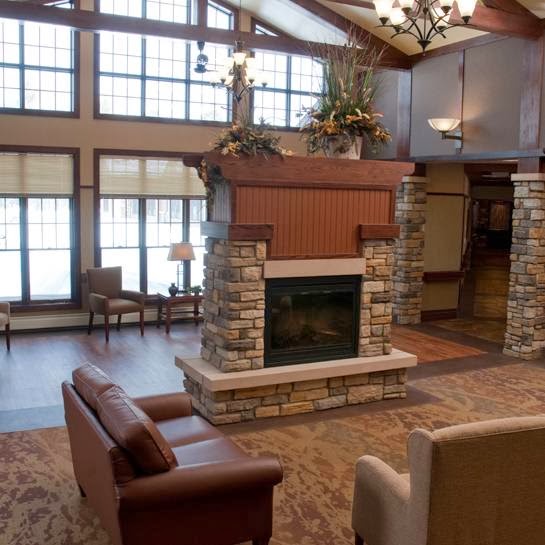
How is Rennes Health And Rehab Center-Rhinelander Staffed?

CMS rates RENNES HEALTH AND REHAB CENTER-RHINELANDER's staffing level at 4 out of 5 stars, which is above average compared to other nursing homes. Staff turnover is 45%, compared to the Wisconsin average of 46%. This relatively stable workforce can support continuity of care.

What Have Inspectors Found at Rennes Health And Rehab Center-Rhinelander?

State health inspectors documented 11 deficiencies at RENNES HEALTH AND REHAB CENTER-RHINELANDER during 2022 to 2024. These included: 11 with potential for harm.
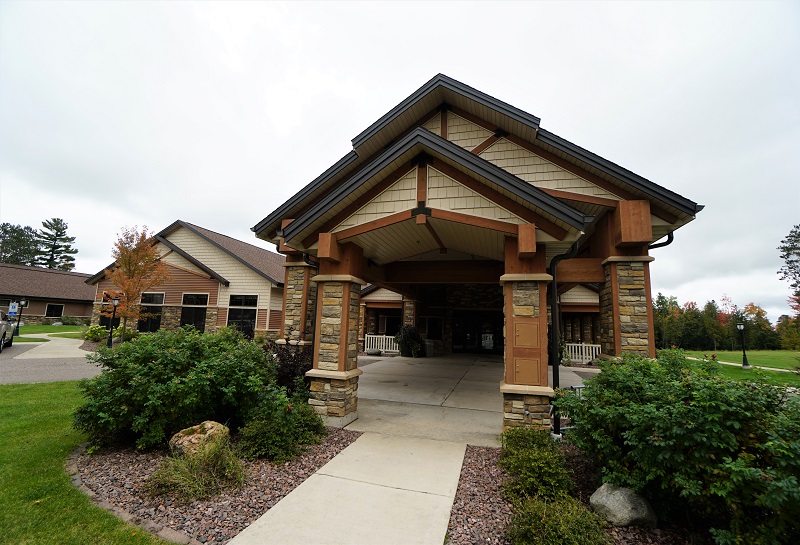
Who Owns and Operates Rennes Health And Rehab Center-Rhinelander?

RENNES HEALTH AND REHAB CENTER-RHINELANDER is owned by a for-profit company. For-profit facilities operate as businesses with obligations to shareholders or private owners. The facility is operated by RENNES GROUP, a chain that manages multiple nursing homes. With 122 certified beds and approximately 79 residents (about 65% occupancy), it is a mid-sized facility located in RHINELANDER, Wisconsin.
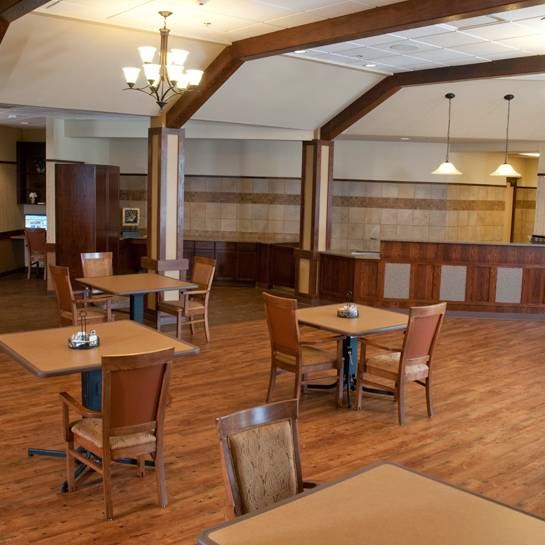
How Does Rennes Health And Rehab Center-Rhinelander Compare to Other Wisconsin Nursing Homes?

Compared to the 100 nursing homes in Wisconsin, RENNES HEALTH AND REHAB CENTER-RHINELANDER's overall rating (5 stars) is above the state average of 3.0, staff turnover (45%) is near the state average of 46%, and health inspection rating (5 stars) is much above the national benchmark.

What Should Families Ask When Visiting Rennes Health And Rehab Center-Rhinelander?

Based on this facility's data, families visiting should ask: "Can I visit during a mealtime to observe dining assistance and food quality?" "How do you handle medical emergencies, and what is your hospital transfer rate?" "Can I speak with family members of current residents about their experience?"

Is Rennes Health And Rehab Center-Rhinelander Safe?

Based on CMS inspection data, RENNES HEALTH AND REHAB CENTER-RHINELANDER has a clean safety record: no substantiated abuse findings (meaning no confirmed cases of resident harm), no Immediate Jeopardy citations (the most serious violation level indicating risk of serious injury or death), and is not on the Special Focus Facility watch list (a federal program monitoring the lowest-performing 1% of nursing homes). The facility has a 5-star overall rating and ranks #1 of 100 nursing homes in Wisconsin. While no facility is perfect, families should still ask about staff-to-resident ratios and recent inspection results during their visit.

Do Nurses at Rennes Health And Rehab Center-Rhinelander Stick Around?

RENNES HEALTH AND REHAB CENTER-RHINELANDER has a staff turnover rate of 45%, which is about average for Wisconsin nursing homes (state average: 46%). Moderate turnover is common in nursing homes, but families should still ask about staff tenure and how the facility maintains care continuity when employees leave.

Was Rennes Health And Rehab Center-Rhinelander Ever Fined?

RENNES HEALTH AND REHAB CENTER-RHINELANDER has no federal fines on record. CMS issues fines when nursing homes fail to meet care standards or don't correct problems found during inspections. The absence of fines suggests the facility has either maintained compliance or corrected any issues before penalties were assessed. This is a positive indicator, though families should still review recent inspection reports for the full picture.

Is Rennes Health And Rehab Center-Rhinelander on Any Federal Watch List?

RENNES HEALTH AND REHAB CENTER-RHINELANDER is not on any federal watch list. The most significant is the Special Focus Facility (SFF) program, which identifies the bottom 1% of nursing homes nationally based on persistent, serious quality problems. Not being on this list means the facility has avoided the pattern of deficiencies that triggers enhanced federal oversight. This is a positive indicator, though families should still review the facility's inspection history directly.