RIB LAKE HEALTH SERVICES
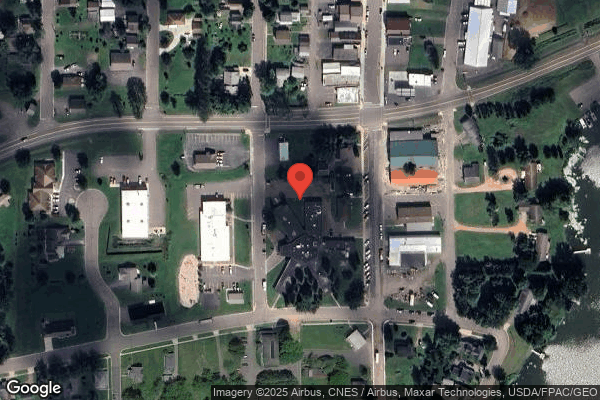
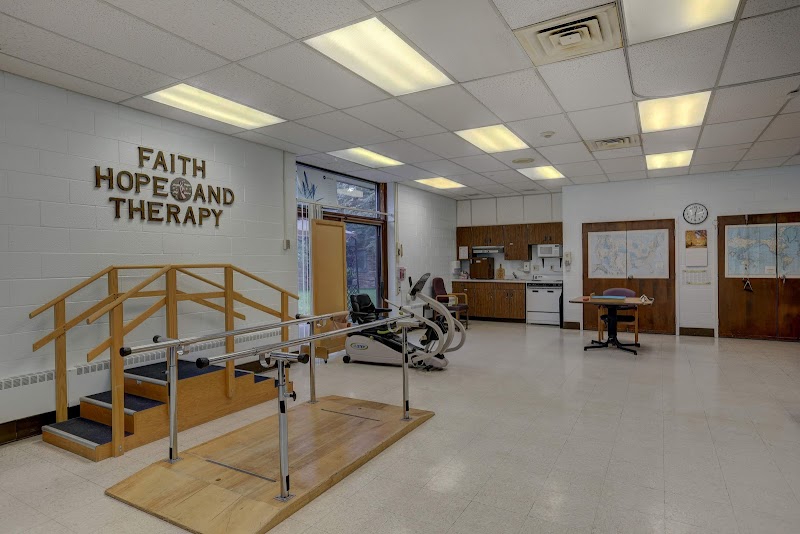
650 PEARL ST, RIB LAKE, WI 54470 (715) 427-5291
For profit - Limited Liability company 50 Beds NORTH SHORE HEALTHCARE Data: November 2025
Trust Grade
50/100
#238 of 321 in WI
Last Inspection: September 2024

Within standard 12-15 month inspection cycle. Federal law requires annual inspections.

Overview

Rib Lake Health Services has a Trust Grade of C, indicating it is average compared to other nursing homes, neither excelling nor being particularly poor. In the state of Wisconsin, it ranks #238 out of 321 facilities, placing it in the bottom half, and it is the second-best option out of two in Taylor County. The facility is showing signs of improvement, as it has reduced its issues from six in 2024 to five in 2025. Staffing is average with a 3 out of 5 rating and a turnover rate of 56%, which is close to the state average. While there are no fines on record, the facility has faced serious concerns, including improper food handling that could lead to foodborne illnesses and failures in infection control practices that risk the health of residents. Overall, families should weigh these strengths and weaknesses carefully when considering this nursing home for their loved ones.

Trust Score
C
50/100
In Wisconsin
#238/321
Bottom 26%
Safety Record
Low Risk
No red flags
Inspections
Getting Better
6 → 5 violations
Staff Stability
⚠ Watch
56% turnover. Above average. Higher turnover means staff may not know residents' routines.
Penalties
✓ Good
No fines on record. Clean compliance history, better than most Wisconsin facilities.
Skilled Nurses
✓ Good
Each resident gets 54 minutes of Registered Nurse (RN) attention daily — more than average for Wisconsin. RNs are trained to catch health problems early.
Violations
⚠ Watch
15 deficiencies on record. Higher than average. Multiple issues found across inspections.
★★☆☆☆
2.0
Overall Rating
★★★☆☆
3.0
Staff Levels
★★☆☆☆
2.0
Care Quality
★★☆☆☆
2.0
Inspection Score
Stable
2024: 6 issues
2025: 5 issues

The Good

  • Full Sprinkler Coverage · Fire safety systems throughout facility
  • No fines on record

Facility shows strength in fire safety.

The Bad

2-Star Overall Rating

Below Wisconsin average (3.0)

Below average - review inspection findings carefully

Staff Turnover: 56%

Near Wisconsin avg (46%)

Frequent staff changes - ask about care continuity

Chain: NORTH SHORE HEALTHCARE

Part of a multi-facility chain

Ask about local staffing decisions and management

Staff turnover is elevated (56%)

8 points above Wisconsin average of 48%

The Ugly 15 deficiencies on record

Sept 2025 2 deficiencies
CONCERN (F) 📢 Someone Reported This

A family member, employee, or ombudsman was alarmed enough to file a formal complaint

Potential for Harm - no one hurt, but risky conditions existed

Food Safety (Tag F0812)

Could have caused harm · This affected most or all residents

Based on observation, interview and record review, the facility did not prepare, distribute, and serve food in a manner that prevents foodborne illness. This has the potential for foodborne illness to...

Read full inspector narrative →
Based on observation, interview and record review, the facility did not prepare, distribute, and serve food in a manner that prevents foodborne illness. This has the potential for foodborne illness to all 35 residents (R) in the facility.The facility staff did not ensure proper hand hygiene when preparing and plating of food. The facility did not take internal food temperatures of all cooked foods before serving.Findings:The facility policy, titled Hand Washing - Food and Nutrition Services, dated 8/16/2022, states:Employees will wash hands as frequently as needed throughout the day using proper hand washing procedures,When to wash hands:f. After handling soiled equipment or utensils.g. During food preparation, as often as necessary to remove soil or contamination and to prevent cross contamination when changing tasks.i. Before donning (putting on) disposable gloves for working with foods and after gloves are removed. The policy General Food Preparation and Handling, dated 8/16/22, discusses food preparation, storage, and food service; however, it only addresses appropriate temperatures for cooling down foods and process. It does not address temperatures of food before serving. According to Food Safety.gov, a federal government website managed by the US Department of Health and Human Services, last updated 9/2/2023, states, FDA Food code requires nursing home kitchens monitor food temperatures to ensure potentially hazardous foods are kept at safe temperatures to prevent bacterial growth. Temperatures must be taken continuously for holding foods ., to confirm cooking is complete to the minimum internal temperature. Food temperatures should be checked with a calibrated thermometer during these critical control points. According to State Operations Manual-Appendix PP Long Term Care, dated 4/2025, which states, Hot foods are held at 135 F or higher on the steam table.Ensure proper final internal cooking temperatures (monitoring the foods' internal temperature for 15 seconds determines when microorganisms can no longer survey and food is safe for consumption) .Surveyors are to monitor the time food is put on the steam table and when meal service starts.This is evidenced by:Example 1On 9/3/25 at 6:42 AM, Surveyor entered kitchen and started to observe [NAME] D prepare breakfast. [NAME] D pulled the oatmeal container from a shelf, took out a metal pan and measuring cup, measured oatmeal and water, and set to cook on the stove top. [NAME] D went and washed her hands. [NAME] D donned gloves, opened a loaf of bread and started putting it through the industrial toaster. [NAME] D buttered toast and took off her gloves. [NAME] D did not wash her hands. [NAME] D then took toast to steamer table and put in steamer pan with contaminated hands and did not use tongs to place toast in the steamer pan. [NAME] D continued to get temperatures of food, only touching pans and thermometers. [NAME] D took omelets from steamer pan with a tong, placed on a plate, and carried to microwave. Omelets were overlapping and touching [NAME] D's contaminated hands. [NAME] D placed omelets in microwave. [NAME] D then carried overlapping omelets, which were touching contaminated hands to steamer pan and took the temperature of the omelets. [NAME] D then took remaining cold omelets (not overlapping) to microwave to be warmed. [NAME] D went to the sink and washed hands. [NAME] D went back to steamer table to start plating food for the unit carts. [NAME] D started to plate food at 7:07 AM. [NAME] D started plating food using different tongs for each food type and went through the dietary sheets with dietary aide, putting supplemental shakes and fruit on the plates as ordered. While making plates for first cart, [NAME] D went to the freezer, took out the box of omelets, touched freezer handle, box of omelets, and surfaces with her bare hands. [NAME] D put on gloves without washing hands first. [NAME] D took frozen omelets out of the box with gloved hands, placed on plate, and took them to the microwave. The scrambled eggs in microwave were taken out, temperature obtained and dumped into steamer table pan. [NAME] D took off gloves and did not wash hands. [NAME] D went to 3 compartment sink, touched handles, filled the sanitation buckets and water bucket with [NAME] D's bare hands. [NAME] D then put on new gloves without washing her hands, opened freezer door, and pulled bread bags from freezer. Using tongs, [NAME] D took a piece of gluten-free bread to toaster by the microwave. While bread was toasting, [NAME] D took out regular bread with same gloves and started toasting more bread with the industrial toaster. [NAME] D, using a pair of tongs, retrieved the gluten-free bread and directly put on a plate. [NAME] D took off her gloves and went to sink to wash her hands. [NAME] D started plating food for the second cart. [NAME] D did not step away from steamer table until all food was plated for the second cart. [NAME] D washed hands and took a moment to pull tickets before starting to plate food for residents in the dining room. Surveyor left kitchen and followed cart to the unit. On 9/3/25 at 8:52 AM, Surveyor interviewed [NAME] D and asked when hand washing is appropriate or necessary. [NAME] D stated when you clock in, wash when you go out, wash when you come back in, wash when you touch new product, go to a new job wash your site. If you touch raw meat, always wash.On 9/3/25 at 12:28 PM, Surveyor interviewed [NAME] D to get clarification and asked if handwashing is required if you use gloves in the kitchen. [NAME] D stated to use gloves anytime you work with raw meat. Wash hands before gloves and afterwards discard them and wash your hands every time such as when working with lettuce, tomatoes, cucumbers, or anything you prepare. Wear gloves when handling toast because it is difficult to use tongs. You should not be touching any food item with your bare hands. There should be tongs for each food item. Surveyor asked if it is gloves or handwashing or both. [NAME] D stated you must wash hands before and after gloves. Surveyor shared observations with [NAME] D. [NAME] D stated, I should have washed my hands.On 9/3/25 at 12:25 PM, Surveyor interviewed Dietary Manager (DM) E and asked what DM E's expectations are for hand washing. DM E stated the expectation is that staff should follow the procedure for hand washing, 20 seconds, dry hands, shut off faucet. Surveyor asked if it is ok to use gloves and not wash your hands. DM E stated no, hands should be washed before gloves are put on and when gloves are taken off.Example 2On 9/3/25 at 7:18 AM, Surveyor observed [NAME] D take and record temperatures for Cream of Wheat. [NAME] D wiped probe, air dried for 5 seconds, and left probe in food for 90 seconds. [NAME] D then proceeded to take temperature of the oatmeal following the same procedures. Temperatures were 180 for both items. [NAME] D then went to take temperature of omelets. [NAME] D stated she could tell they were cold, and with tongs, [NAME] D placed the omelets on a plate and took them to be microwaved. [NAME] D stated we do not put the omelets in the oven because then they (residents) complain they are crispy. After microwaving was complete, [NAME] D took temperature of omelets. They were 160 and [NAME] D put the omelets into the steamer pan and started plating food. On 9/3/25 at 7:30 AM, Surveyor observed [NAME] D lift the lid on the first set of steamer pans for the first time. Surveyor had been continuously monitoring the kitchen since 6:40 AM. [NAME] D pulled out a plastic bag with pancakes. [NAME] D ripped the bag open and with tongs put pancakes on a plate. [NAME] D then took another set of tongs and retrieved a fried egg from under same steamer pan lid. Neither of these items had a temperature obtained before serving and were in the steamer before 6:40 AM when Surveyor entered the kitchen to start observations. On 9/3/25 at 10:30 AM, Surveyor reviewed temperature logs. For the last 30 days prior to today, all food temperatures were taken and recorded.On 9/3/25 at 12:28 PM, Surveyor interviewed [NAME] D, who stated that all hot foods should be temped when they come out of the oven. Surveyor asked about the fried eggs and pancakes. [NAME] D stated, I didn't do that? I should have.On 9/3/25 at 12:43 PM, Surveyor interviewed DM E who stated DM's E expectations are that all food should be temped when it comes out of the oven, right before serving. When Surveyor told DM E that temps were missed this morning on fried eggs and pancakes, DM E stated a second time that all food that comes out of an oven should be temped.
CONCERN (F) 📢 Someone Reported This

A family member, employee, or ombudsman was alarmed enough to file a formal complaint

Potential for Harm - no one hurt, but risky conditions existed

Infection Control (Tag F0880)

Could have caused harm · This affected most or all residents

**NOTE- TERMS IN BRACKETS HAVE BEEN EDITED TO PROTECT CONFIDENTIALITY** Based on observation, interview, and record review, the facility did not maintain an infection prevention and control program to...

Read full inspector narrative →
**NOTE- TERMS IN BRACKETS HAVE BEEN EDITED TO PROTECT CONFIDENTIALITY** Based on observation, interview, and record review, the facility did not maintain an infection prevention and control program to help prevent the development and transmission of communicable diseases and infections. This has the potential to affect all 14 residents (R) living on the unit. R5, R6, R7, R8, R9, R10, R11, R12, R13, R14, R15, R16, R17, R18 Staff did not wear proper personal protective equipment (PPE) when interacting with residents on contact precautions (R5, R6, R7, R8, and R9).Staff entered rooms of residents on contact precautions (R5, R6, R7, R8, R9) without proper PPE and then passed food trays to residents not on contact precautions which had the potential to develop and transmit communicable disease and infections. Findings:The facility policy, titled Transmission- Based (Isolation Precautions), dated 9/24/24, states in part, 10. Contact Precautions-a. Intended to present transmission of pathogens that are spread by direct or indirect contact with the reside or the resident's environment .c. Healthcare personnel caring for residents on Contact Precautions were a gown and gloves for all interactions that may involve contact with the resident or potentially contaminated areas in the resident's environment.This is evidenced by:On 9/3/25 at 8:05 AM, Surveyor observed Certified Nursing Assistant (CNA) H and CNA G deliver breakfast trays to residents in the south unit. The south unit has residents currently on contact precautions and enhanced barrier precautions. CNA H and CNA G started delivering food at the end closest to the nurses' station and worked their way down towards the end. CNA G stated that all residents are on the unit eating in their rooms today. One resident was off unit and had gone to dialysis. Thirteen residents remained. CNA H was observed taking food to R5 and then to R6 without required PPE. Both R5 and R6 were on contact precautions. CNA H then proceeded into R11's room, who was not on contact precautions. CNA G took food to R7 and then to R9 without required PPE. Both R7 and R9 were on contact precautions. CNA H then took food to R12, who was not on contact precautions. On 9/3/25 at 10:25 AM, Surveyor interviewed Director of Nursing (DON) B regarding staff following contact precautions vs. enhanced barrier precautions. DON B stated she expects staff to follow precautions as ordered. DON B stated PPE goes on outside of room when on contact and can go on when they get in the room for cares when on enhanced. Contact precautions are followed whenever they go in their room, even passing trays. On 9/3/25 at 12:32 PM, Surveyor interviewed Assistant Director of Nursing (ADON) I, who stated the south unit is on lock down, because 5 residents have Gastrointestinal (GI) symptoms. Fourteen residents live on the hall. room [ROOM NUMBER] (R5), room [ROOM NUMBER] (R6), room [ROOM NUMBER] (R7), room [ROOM NUMBER] (R8), and room [ROOM NUMBER] (R9). ADON I stated that contact precautions mean you put on your PPE prior to entering. Enhanced barrier precautions, mean they have no GI symptoms but another reason for PPE during cares, like a catheter. You can put on your PPE when you get into the room. PPE should be put on prior to passing trays when resident is on contact precautions. On 9/3/25, at 12:28 PM, Surveyor interviewed CNA H who stated contact precautions are used for anyone that was sick. It means you put on your PPE before entering the room. Surveyor asked if that includes when going into their room to give them water or pass their food tray. CNA H stated that is including when passing trays; I missed one today. On 9/3/25 at 10:11 AM, Surveyor interviewed CNA G and asked CNA G if there is a difference between contact vs enhanced barrier precautions. CNA G stated that usually enhanced precautions means using PPE only with cares, but contact precautions is every time you go into a room. CNA G stated that rooms needing contact precautions are room [ROOM NUMBER] (R5), room [ROOM NUMBER] (R6), room [ROOM NUMBER] (R7), room [ROOM NUMBER] (R8), and room [ROOM NUMBER] (R9). Surveyor asked if CNA G wore a gown to deliver breakfast trays this morning and if she should have. CNA G stated probably not, I didn't think to do it until I went into R7's room.
Jan 2025 3 deficiencies
CONCERN (D) 📢 Someone Reported This

A family member, employee, or ombudsman was alarmed enough to file a formal complaint

Potential for Harm - no one hurt, but risky conditions existed

Deficiency F0657 (Tag F0657)

Could have caused harm · This affected 1 resident

**NOTE- TERMS IN BRACKETS HAVE BEEN EDITED TO PROTECT CONFIDENTIALITY** Based on record review and interview, the facility did not revise resident care plans to reflect residents' current needs and to...

Read full inspector narrative →
**NOTE- TERMS IN BRACKETS HAVE BEEN EDITED TO PROTECT CONFIDENTIALITY** Based on record review and interview, the facility did not revise resident care plans to reflect residents' current needs and to provide the needed direction to staff in providing necessary care and services. The facility practice affected 2 of 4 residents care plans reviewed (R3 and R4). R3's care plan directs staff with intervention on toileting schedule when R3 is fully incontinent and requires checking for incontinence, providing incontinent care and/or changing or brief if warranted. R4's care plan directs staff to remove her Hoyer sling when in wheelchair when current interventions include leaving R3's sling in place when up in her wheelchair for her safety. This is evidenced by: Surveyor requested and reviewed the facility policy titled Comprehensive Care Plan dated as most recently revised 9/23/2022. The policy in part read: Policy: It is the policy of this facility to develop and implement a comprehensive person-centered plan for each resident . Policy Explanation and Compliance Guidelines: The comprehensive care plan will describe at minimum, the following: ~The services which are to be provided . ~Resident specific interventions . The comprehensive care plan will be reviewed and revised as appropriate by the interdisciplinary team after each comprehensive and quarterly MDS assessment, and as needed with changes in condition. Surveyor reviewed R3's record and noted the following: R3 most recent significant change in status Minimum Data Set (MDS) assessment completed 10/29/24 indicated R3 is always incontinent of bowel and frequently incontinent of bladder. R3's most recent Bowel/Bladder assessment dated [DATE] indicated Bladder: How long has resident been incontinent .Incontinent longer than a month, less than a year How often is resident wet .once or more per shift Resident is wet during .day and night time Amount of urine .Large Medications affecting elimination: antipsychotics Continent of stool .no Factors contributing to fecal incontinence .diarrhea, diet R3's care plan included: Focus: Urinary Incontinence r/t (related to) functional incontinence. Goal: will have no complications due to incontinence. Date initiated: 10/29/201 Revision on: 12/04/2023 Target date: 5/07/2025 Interventions/Tasks: ~Remind and assist as needed with toileting at routine times such as upon arising in am, before and after meals, activities, therapy and at bedtime. On 1/22/25 at 12:17 PM, Surveyor spoke with Director of Nursing (DON) B about R3's care plan for her incontinence care needs. DON B expressed R3 is always incontinent of bowel and bladder and a toileting schedule is no longer appropriate for R3. R3's care plan should have been revised with an intervention indicating she is to be checked/changed and provided incontinence care as needed every 2-3 hours and was not revised. Surveyor asked DON B about the facility process for revising resident plans of care. DON B expressed Registered Nurse/Resident Care Management Director (RCMD) E leads the facility process of MDS assessment and care plan development/revision. RCMD E works from home. DON B provided Surveyor with RCMD E's phone number. On 1/22/25 at 1:17 PM, Surveyor spoke with RCMD E via phone. RCMD E expressed during the MDS assessment process and with any resident change in status such as therapy recommendation the IDT (interdisciplinary team) meets to discuss and revise residents' care plans. R3's significant change in status MDS was done when hospice services were added. The bladder assessment was done as part of the assessment which showed R3 is incontinent of bowel and bladder. R3's care plan should have been updated to include she should be checked/changed and provided incontinent care every 2-3 hours as a toileting schedule is no longer appropriate. Example 2 Surveyor reviewed R4's most recent MDS which was a quarterly completed 12/01/24. The MDS indicated R4 understands, is understood and is cognitively intact. R3 is dependent on staff for transfer. Surveyor reviewed R4's comprehensive care plan and noted: Focus: urinary incontinence r/t impaired mobility. Goal: Will be free from skin breakdown Date Initiated: 11/04/2022 Date Revised: 6/15/2023 Target Date: 6/04/2025 Intervention: Remove sling from under resident when in bed or w/c (wheelchair). Surveyor observed R4 throughout the survey with her sling from her mechanical lift under her in her wheelchair. On 1/22/25 at 11:50 AM, Surveyor spoke with R4 about her sling observed under her in her wheelchair. R4 explained the sling is used with a lift to move her from bed to wheelchair and back. R4 expressed sometimes staff leave it under her in her wheelchair and sometimes staff remove it. R4 further expressed she is not sure why sometimes it is under her and sometimes it is not stating maybe cause it is sent to laundry. On 1/22/25 at 12:17 PM, Surveyor spoke with DON B about R4's care plan for her Hoyer sling. DON B expressed R4 needs her sling to remain under her when she is up in her wheelchair for safety reasons. It would be unsafe to remove the sling under R4 when she is up in her wheelchair and place it under R4 when she is in her wheelchair. The sling needs to remain in place for R4's safety. R4's care plan should have been revised indicating she requires her sling to remain under her for her safety and it was not revised. On 1/22/25 at 1:17 PM, Surveyor spoke with RCMD E about R4's care plan for her hoyer sling. RCMD E expressed R4 needs her sling to remain under her when she is up in her wheelchair for both her safety and staff safety. R4's care plan should have been revised indicating she requires her sling to remain under her for her safety and it was not revised.
CONCERN (D) 📢 Someone Reported This

A family member, employee, or ombudsman was alarmed enough to file a formal complaint

Potential for Harm - no one hurt, but risky conditions existed

ADL Care (Tag F0677)

Could have caused harm · This affected 1 resident

**NOTE- TERMS IN BRACKETS HAVE BEEN EDITED TO PROTECT CONFIDENTIALITY** Based on observation, record review and interview, the facility did not provide the necessary activities of daily living (ADLs) ...

Read full inspector narrative →
**NOTE- TERMS IN BRACKETS HAVE BEEN EDITED TO PROTECT CONFIDENTIALITY** Based on observation, record review and interview, the facility did not provide the necessary activities of daily living (ADLs) services for residents dependent on staff for care. The facility practice affected 1 of 4 residents reviewed for ADLs (R3). This is evidenced by: Surveyor requested and reviewed the facility policy tilted Perineal Care dated as most recently revised 4/04/2023. The policy in part read: Policy: It is the practice of this facility to provide perineal care to all incontinent residents .as needed to promote cleanliness and comfort . Policy Explanation and Compliance Guidelines: ~Gather supplies needed. ~Place water proof pad underneath resident. ~Reposition resident in supine position and continue with perineal care. Surveyor reviewed R3's record and noted the following: R3's most recent significant change in status Minimum Data Set (MDS) assessment completed 10/29/24 indicated R3 sometimes understands, sometimes is understood and has severe cognitive impairment. R3 does not reject care. R3 requires maximum assist for bed mobility and is dependent on staff for transfer. R3 is always incontinent of bowel and frequently incontinent of bladder. R3's diagnoses include memory deficit from known intra-cranial hemorrhage, hemiplegia and hemiparesis affecting right side. R3 has range of motion limitations of 1 upper and 1 lower extremity. R3's most recent Bowel/Bladder assessment dated [DATE] indicated Bladder: How long has resident been incontinent .Incontinent longer than a month, less than a year How often is resident wet .once or more per shift Resident is wet during .day and night time Amount of urine .Large Medications affecting elimination: antipsychotics Continent of stool .no Factors contributing to fecal incontinence .diarrhea, diet R3's care plan included: Focus: Urinary Incontinence r/t (related to) functional incontinence. Goal: will have no complications due to incontinence. Date initiated: 10/29/201 Revision on: 12/04/2023 Target date: 5/07/2025 Interventions/Tasks: ~Remind and assist as needed with toileting at routine times such as upon arising in am, before and after meals, activities, therapy and at bedtime. On 1/22/25 at 8:18 AM, Surveyor observed R3 up in her wheelchair in her room. R3 remained up in her wheelchair until 9:49 AM when Certified Nursing Assistants (CNA) C and D entered R3's room. On 1/22/25 at 9:47 AM prior to care observation, Surveyor spoke with CNA C about R3's routine and care provided by CNAs. CNA C indicted she cares for R3 routinely. R3 had gotten up per her usual around 6:20-6:30 AM this morning. R3 is dependent on staff for all care needs and is dependent on 2 staff via a Hoyer lift for transfers. CNA C expressed it is usual to check and change R3 as needed after meals, around this time each day. On 1/22/25 at 9:49 AM, CNA C and D entered R3's room and reclined R3 in her wheelchair. CNA C and D lowered R3's pants in front and checked her brief in the front for incontinence. CNA C and D expressed the strip in front of R3's brief indicated she was dry. CNA C and D pulled R3's pants up and inclined R3 in her chair. R3 was not transferred from her wheelchair to bed to allow for supine positioning to fully check R3 for incontinence. R3 remained up in her wheelchair and was not provided incontinent care or changing of her brief as warranted. Surveyor asked CNA C and D if the observed incontinence check is normal procedure. CNA C expressed staff check R3's brief in her chair; if the strip in front indicates she is wet she is transferred to her bed and provided incontinence care and changing of brief. On 1/22/25 at 12:17 PM, Surveyor spoke with Director of Nursing (DON) B about the observation. DON B expressed the manner of checking R3's brief for incontinence, as observed, is not sufficient to check R3 fully for incontinence. R3 should be transferred to bed and checked and changed with incontinent care as needed every 2-3 hours. Surveyor asked DON B about R3's intervention for toileting. DON B expressed R3 is always incontinent of bowel and bladder and a toileting schedule is no longer appropriate for R3. R3's care plan should have been revised with an intervention indicating she is to be checked/changed and provided incontinence care as needed every 2-3 hours.
CONCERN (D) 📢 Someone Reported This

A family member, employee, or ombudsman was alarmed enough to file a formal complaint

Potential for Harm - no one hurt, but risky conditions existed

Pressure Ulcer Prevention (Tag F0686)

Could have caused harm · This affected 1 resident

Based on observation, record review and interview, the facility did not provide the necessary services for residents at risk for pressure injuries or residents with actual pressure injuries. The facil...

Read full inspector narrative →
Based on observation, record review and interview, the facility did not provide the necessary services for residents at risk for pressure injuries or residents with actual pressure injuries. The facility practice affected 1 of 4 residents reviewed (R3). R3 was not provided repositioning from her wheelchair to off-load pressure from 6:30 AM until Surveyor concluded observation at 12:10 PM. This is evidenced by: Surveyor requested and reviewed the facility policy titled Pressure Injury and Non-pressure Injuries dated as most recently revised 7/20/22. The policy in part read: Policy: This center will complete a comprehensive assessment to identify risk factors for the development of pressure injuries and put measures in place intended to achieve the goal of prevention of pressure injuries in our residents. Friction and Shearing: Friction is the mechanical force exerted on skin that is dragged across any surface. Policy Explanation and Compliance Guidelines: ~Complete the Braden Scale to assess risk of developing PI (pressure injury) . ~Care Planning: A comprehensive skin integrity care plan is based on resident history, review of skin assessments, Braden scoring .Consider the area of risk .Communicate risk factors and interventions to direct staff: Moisture: address cause of moisture . Activity: If a resident is chair bound . ~Schedule repositioning in the plan ~Develop turning/repositioning schedule based on resident needs and risk factors. Friction and Shear: ~Use lifting aides to move patient (slip sheet/lift sheet .) Surveyor reviewed R3's record and noted the following: R3's most recent significant change in status Minimum Data Set (MDS) assessment completed 10/29/24 indicated R3 sometimes understands, sometimes is understood and has severe cognitive impairment. R3 does not reject care. R3 requires maximum assist for bed mobility and is dependent on staff for transfer. R3 is at risk for the development of pressure injuries. R3's most recent Braden Scale for Predicting Pressure Score Risk dated 10/30/24 noted R3 scored a 13 which indicates R3 is at moderate risk for the development of pressure injuries. R3's risk factors include: Sensory Perception: Slightly limited: responds to verbal commands but can not always communicate discomfort or the need to be turned or has some sensory impairment Moisture: Occasionally moist: skin is occasionally moist . Activity: Chair fast: ability to walk severely limited or non-existent. Can not bear own weight and/or must be assisted to chair or wheel chair, Mobility: Very limited: makes occasional slight changes in body .unable to make frequent or significant changes independently. Nutrition: Probably inadequate . Friction and Shear: Problem: requires moderate to maximum assistance in moving .Complete lifting without sliding . R3's care plan included: Focus: At risk for alteration in skin integrity related to: contractures, diabetes, impaired mobility, incontinence, end of life, post CVA (stroke). Goal: minimize skin breakdown. Date initiated: 11/01/14 Target date: 5/07/2025. Interventions/Tasks: ~Encourage to reposition as needed; use assistive devices as needed. On 1/22/25 at 8:18 AM, Surveyor observed R3 up in her wheelchair in her room. R3 remained up in her wheelchair until 9:49 AM when Certified Nursing Assistants (CNA) C and D entered R3's room. On 1/22/25 at 9:47 AM prior to care observation, Surveyor spoke with CNA C about R3's routine and care provided by CNAs. CNA C indicted she cares for R3 routinely. R3 had gotten up per her usual around 6:20-6:30 AM this morning. R3 is dependent on staff for all care needs and is dependent on 2 staff via a Hoyer lift for transfers. CNA C expressed it is usual to check and change R3 as needed after meals, around this time each day. On 1/22/25 at 9:49 AM, Surveyor observed R3 up in her wheelchair in her room. CNA C and D entered R3's room and reclined R3 in her wheelchair. CNA C and D lowered R3's pants in front and checked her brief in the front for incontinence. CNA C and D expressed the strip in front of R3's brief indicated she was dry. CNA C and D pulled R3's pants up and inclined R3 in her chair. R3 was not transferred from her wheelchair and pressure was not off-loaded for R3. R3 remained up in her wheelchair until Surveyor concluded observation at 12:10 PM when Surveyor observed R3 in her room, in her wheelchair, with her lunch tray on bedside table in front of R3. On 1/22/25 at 12:17 PM, Surveyor spoke with Director of Nursing (DON) B about the observation. DON B expressed R3 should be transferred to bed to off-load pressure. The manner of reclining and incline of R3 in her wheelchair as observed could cause friction/shearing of R3's skin. R3 is at risk for pressure injuries. R3 is not able to reposition self in her wheelchair. Surveyor discussed R3's care planned interventions that indicated R3 should be repositioned as needed. DON B expressed R3 should be repositioned to prevent pressure injuries from developing.
Dec 2024 1 deficiency
CONCERN (E) 📢 Someone Reported This

A family member, employee, or ombudsman was alarmed enough to file a formal complaint

Potential for Harm - no one hurt, but risky conditions existed

Investigate Abuse (Tag F0610)

Could have caused harm · This affected multiple residents

**NOTE- TERMS IN BRACKETS HAVE BEEN EDITED TO PROTECT CONFIDENTIALITY** Based on record review and interview, the facility did not take appropriate corrective action, educating all staff for 4 of 4 re...

Read full inspector narrative →
**NOTE- TERMS IN BRACKETS HAVE BEEN EDITED TO PROTECT CONFIDENTIALITY** Based on record review and interview, the facility did not take appropriate corrective action, educating all staff for 4 of 4 residents (R1, R2, R3, R4) reviewed for misappropriation of property. This is evidenced by: Surveyor reviewed the facility policy titled, Abuse, Neglect and Exploitation, revised on 07/15/22, which states, .It is the policy of this facility to provide protection for the health welfare and rights of each resident by developing and implementing written policies and procedures that prohibit and prevent abuse neglect exploitation and misappropriation of resident property . Staff: Includes employees, the medical director, contractors, caregivers who provide care and services to residents, including therapy, social and activity programs. Example 1 On 12/04/24, Surveyor reviewed a Facility Reported Incident (FRI) that noted on 10/03/24, R1 reported missing approximately $100.00. The facility reported and conducted an investigation with involvement of law enforcement and were unable to locate the money. On 12/04/24, Surveyor reviewed R1's record and noted the most recent quarterly Minimum Data Set (MDS) dated [DATE] indicated that R1 has a cognitive score of 13 out of 15, indicating normal cognition. Upon conclusion of investigation, the facility supplied re-education of abuse to nursing staff only. Example 2 On 12/04/24, Surveyor reviewed a FRI that noted on 10/05/24, R2 reported missing $287.00. The facility reported and conducted an investigation with involvement of law enforcement and were unable to locate the money. On 12/04/24, Surveyor reviewed R2's record and noted the most recent quarterly MDS, dated [DATE], indicated that R2 has a cognitive score of 14 out of 15, indicating normal cognition. Upon conclusion of investigation, the facility supplied re-education of abuse to only nursing staff. Example 3 On 12/04/24, Surveyor reviewed a FRI that noted on 10/25/24, R3 reported missing $150.00. The facility reported and conducted an investigation with involvement of law enforcement and were unable to locate the money. On 12/04/24, Surveyor reviewed R3's record and noted the most recent annual MDS, dated [DATE], indicated that R3 had a cognitive score of 15 out of 15, indicating normal cognition. Upon conclusion of investigation, the facility supplied re-education of abuse only to nursing staff. Example 4 On 12/04/24, Surveyor reviewed a FRI which noted on 10/09/24, R4's daughter reported missing $50.00. The facility reported and conducted an investigation with involvement of law enforcement and were unable to locate the money. On 12/04/24, Surveyor reviewed R4's record that noted on the most recent significant change MDS, dated [DATE], R4 has a cognitive score of 6 out of 15, indicating severe cognitive impairment. On 12/04/24 at 8:45 AM, Surveyor interviewed Account Manager (AM) C, regarding receiving education on abuse, including misappropriation of property. AM C was aware of R3 missing money and reported AM C had not received re-education of misappropriation. On 12/04/24 at 9:00 AM, Surveyor interviewed Hospice Certified Nursing Assistant (CNA) D regarding abuse including misappropriation of property. CNA D stated was not aware of any residents missing money and had not received any re-education regarding misappropriation. On 12/04/24 at 8:25 AM, Surveyor interviewed Housekeeper (HK) E regarding abuse including misappropriation of property. HK E stated was aware of R2 and R3 missing money and stated had not received any re-education regarding misappropriation. On 12/04/24 at 9:58 AM, Surveyor requested complete investigations of all 4 FRIs including all education provided to all staff following incidents of misappropriation. Surveyor received: 1. A training log for F557 Respect and Dignity which included education on staff searching a resident's body or personal possessions without the resident's or, if applicable, the resident's representative's consent. The information included dated signatures by nursing staff only. 2. A Course Completion History for education on Caregiver conduct. The information included dated signatures by nursing staff only. On 12/04/24 at 1:11 PM, Surveyor interviewed Nursing Home Administrator (NHA) A regarding evidence of educating/re-educating all staff who may provide goods or services to residents. NHA A stated that education was not provided to contracted employees (dietary, housekeeping, laundry, and therapy), non-licensed staff (hospitality aides, activity aides, and maintenance), and others (beautician and volunteers) who provide care and services to residents.
Sept 2024 5 deficiencies
CONCERN (D)

Potential for Harm - no one hurt, but risky conditions existed

Comprehensive Care Plan (Tag F0656)

Could have caused harm · This affected 1 resident

**NOTE- TERMS IN BRACKETS HAVE BEEN EDITED TO PROTECT CONFIDENTIALITY** Based on observation, interview and record review, the facility did not develop and implement a comprehensive person-centered ca...

Read full inspector narrative →
**NOTE- TERMS IN BRACKETS HAVE BEEN EDITED TO PROTECT CONFIDENTIALITY** Based on observation, interview and record review, the facility did not develop and implement a comprehensive person-centered care plan for 1 (R19) of 12 sampled residents to meet a resident's medical, nursing and psychosocial needs that are identified. R19 did not have a comprehensive person-centered care plan for the use of a high risk medication. Findings: The facility policy titled, Comprehensive Care Plan, revised 09/23/22, stated in part: Policy: It is the policy of this facility to develop and implement a comprehensive person-centered care plan for each resident, consistent with resident rights, that includes measurable objectives and timeframes to meet a resident's medical, nursing, and mental and psychosocial needs that are identified in the resident's comprehensive assessment . 1. The care planning process will include an assessment of the residents' strengths and needs and will incorporate the resident's personal and cultural preferences in developing goals of care. Services provided or arranged by the facility, as outlined by the comprehensive care plan, shall be culturally competent and trauma informed . 3. The comprehensive care plan will describe, at a minimum, the following: a. The services that are to be furnished to attain or maintain the resident's highest practicable physical, mental, and psychosocial well-being . f. Resident specific interventions that reflect the residents' needs and preferences and align with the residents' cultural identity, as indicated . g. Individualized interventions for trauma survivors that recognizes the interrelation between trauma and symptoms of trauma, as indicated. Trigger-specific interventions will be used to identify ways to decrease the resident's exposure to triggers which re-traumatize the resident, as well as identify ways to mitigate or decrease the effect of the trigger on the resident. 5. The comprehensive care plan will be reviewed and revised as appropriate by the interdisciplinary team after each comprehensive and quarterly MDS assessment, and as needed with changes in condition Example 1 R19 was admitted to the facility on [DATE] with a Brief Interview of Mental Status (BIMS) of 15 which indicated R19's cognition was intact. R19 had a diagnosis of hemiparesis (one-sided muscle weakness) following cerebral infarction (occurs as a result of disrupted blood flow to the brain due to problems with the blood vessels that supply it). R19 had a medication order of apixaban 5 milligrams give one tablet two times a day for acute right hemiparesis. On 09/10/24 at 1:20 PM, Surveyor asked Director of Nursing (DON) B, Could you show me a care plan for this resident being on a blood thinner? On 09/10/24 at 1:22 PM, DON B informed Surveyor, I have no answer for you, this resident has no care plan for the apixaban medication.
CONCERN (D)

Potential for Harm - no one hurt, but risky conditions existed

Quality of Care (Tag F0684)

Could have caused harm · This affected 1 resident

**NOTE- TERMS IN BRACKETS HAVE BEEN EDITED TO PROTECT CONFIDENTIALITY** Based on interview and record review, the facility did not provide care and treatment in accordance with professional standards ...

Read full inspector narrative →
**NOTE- TERMS IN BRACKETS HAVE BEEN EDITED TO PROTECT CONFIDENTIALITY** Based on interview and record review, the facility did not provide care and treatment in accordance with professional standards of practice for 1 of 12 sampled residents (R2). On 03/16/24, R2 developed a fluid filled blister on left foot. On 3/19/24, a fluid filled blister developed on R2's right foot. Both blisters opened and resulted in a non-pressure injury, that was infected with Methicillin Resistant staphylococcus. (MRSA). A care plan was not implemented for the blister, and the facility did not follow through with the antibiotic order for the MRSA. Findings: Facility policy entitled: Pressure Injuries and Non pressure Injuries, most recently revised 07/20/22, stated in part: Develop interventions based on individual risk factors including, but not limited to, overall health status/comorbidities or presence of acute infections that may impact healing .In the context of clinical condition, the resident's care plan should establish relevant goals and approaches to stabilize or improve comorbidities aimed at limiting the effects of risk factors and what interventions will be in place to minimize risk to resident. R2 was admitted to the facility on [DATE], with pertinent diagnoses of diabetes mellitus type 2 and peripheral vascular disease. R2's most recent quarterly Minimum Data Set (MDS), dated [DATE], stated R2's Brief Interview for Mental Status (BIMS) score was 09/15, indicating moderately impaired cognition. The MDS skin assessment indicated R2 had no open lesions on the foot, no diabetic foot ulcers, and was receiving application of dressing to feet. R2's comprehensive care plan, with last revised date of 06/17/24, did not include a plan or interventions related to R2's non-pressure foot ulcers on the right and left feet. R2's orders: Apply skin prep to the intact blister to the top of the left foot. Wrap loosely with kerlix PRN as needed. START: 03/19/24 END: 04/03/24 Cleanse open area to the top of the right foot with wound cleanser. Apply foam dressing. Change PRN until healed as needed. START: 03/19/24 END: 04/06/24 Apply skin prep to the intact blister to the top of the left foot. Wrap loosely with kerlix QD and PRN in the evening. START: 03/20/24 END: 04/06/24 Cleanse open area to the top of the right foot with wound cleanser. Apply foam dressing. Change QD and PRN until healed in the evening. START: 03/20/24 END: 04/06/24 Sorbact swab dressing to bilateral dorsal feet ulcers and heels, cover with a ABD pad and cast padding to secure in place. Betadine apply to right 2nd toe eschar. Dermagrip compression stocking applied to bilateral extremities in the afternoon every Mon, Wed, Fri for wound care. START: 04/03/24 END: 04/16/24 R2's skin assessments: 02/15/24 - admission assessment: Left foot has three scabbed areas on dorsal side each measuring 0.5cm x 0.5cm. Bruise on top of foot just back from toes measuring 5.0cm x 2.0cm. Right foot. Top of foot has a scab 0.7cm x 0.5cm. Great toe has no deficit. 2nd and 3rd toes are webbed and have scabbed areas: 2nd toe 0.5cm x 0.8cm. 3rd toe 0.5 x 0.5cm. 4th toe has scab 0.5cm x 0.5cm. 03/16/24 - R2 developed a fluid filled blister to left foot. Foam border applied and feet elevated. 03/19/24 - Intact blister to the top of the right foot popped. Measures 3.0cmL x 2.8cmW and is a partial thickness wound. Peri wound is pink and blanches. Wound edges are intact. Area cleansed with wound cleanser and dressing applied. Intact blister to the top of the left foot. Measures 5.8CML x 8.0 CM W. Applied skin prep to the intact blister and wrapped loosely with kerlix. No update was made to R2's comprehensive care plan made to include interventions and treatment of bilateral non-pressure injuries of feet. The wound continued until R2 was admitted to hospice services on 05/17/24. R2's progress notes: 4/3/2024 11:23 Aspirus wound clinic called to ask for the phone number for Pharmerica (R2's pharmacy), as the wound culture had moderated growth of MRSA. They will be sending a script for ATB to Pharmerica. No order for a prescription was entered or administered by facility for R2. Surveyor was unable to find any further documentation regarding treatment of MRSA infection with antibiotics or follow-up of culture results. On 09/11/24 at 12:55 PM, Surveyor completed phone interview with Wound Clinic Nurse (WCN) K. WCN K stated that on 04/03/24 at 11:28 AM, the facility was notified of the wound culture results being positive for MRSA and an antibiotic prescription was called in directly to the pharmacy for R2. WCN K stated this was completed via telephone and was acknowledged by facility nursing staff. On 09/11/24 at 1:31 PM, Surveyor interviewed Director of Nursing (DON) B regarding the wound clinic culture results. DON B stated that after review of R2's record, DON B saw the note made on 04/03/24 by facility nursing staff receiving the phone call about the positive MRSA culture and subsequent antibiotic being ordered. DON B stated she was unaware of this and contacted the pharmacy to verify the order on 09/11/24. DON B stated there was a problem with the facility entering the order into R2's chart as the nurse who received the phone call from the wound clinic did not get the prescription information. As a result, the pharmacy did not send over the prescription because it was never entered into R2's order. The prescription stayed with the pharmacy and was never sent for administration for R2. DON B stated this was an error by the facility and acknowledged that not administering this medication could have resulted in delayed healing or harm to the resident. DON B acknowledged a care plan was not in place for the care of the blisters.
CONCERN (D)

Potential for Harm - no one hurt, but risky conditions existed

Deficiency F0699 (Tag F0699)

Could have caused harm · This affected 1 resident

**NOTE- TERMS IN BRACKETS HAVE BEEN EDITED TO PROTECT CONFIDENTIALITY** Based on observations, interviews and record reviews, the facility failed to ensure 1 of 1 resident (R26) reviewed for post-trau...

Read full inspector narrative →
**NOTE- TERMS IN BRACKETS HAVE BEEN EDITED TO PROTECT CONFIDENTIALITY** Based on observations, interviews and record reviews, the facility failed to ensure 1 of 1 resident (R26) reviewed for post-traumatic stress disorder (PTSD) received culturally competent trauma-informed care in accordance with professional standards of practice and accounting for each resident's experience and preferences in order to eliminate or mitigate re-traumatization. Findings: According to Substance Abuse and Mental Health Services Administration (SAMHSA, 2014) (https://www.ncbi.nlm.nih.gov/books/NBK207191/), The impact of trauma can be subtle, insidious, or outright destructive. How an event affects an individual depends on many factors, including characteristics of the individual, the type and characteristics of the event(s), developmental processes, the meaning of the trauma, and sociocultural factors. SAMHSA explains trauma causes immediate and delayed emotional, behavioral, physical, cognitive, and existential reactions. The facility's policy titled, Trauma Informed Care, date revised 10/18/2022, stated in part: It is the policy of this facility to provide care and services which, in addition to meeting professional standards, are delivered using approaches which are culturally competent, account for experiences and preferences, and address the needs of trauma survivors by minimizing triggers and/or re-traumatization . Policy Explanation and Compliance Guidelines: 1. The facility will work to facilitate the principles of trauma informed care . 2. The facility will use a multi-pronged approach to identifying a resident's history of trauma. This will include asking the resident about triggers that may be stressors or ay prompt recall of a previous traumatic even, as well as reviewing documentation such as the history and physical, consultation notes, or information received from family/responsible party . 4. The facility will collaborate with resident trauma survivors, and as appropriate, the resident's family, friends, the primary care physician, and any other health care professionals (such as psychologists and mental health professionals) to develop and implement individualized care plan interventions. 5. The facility will identify triggers which may re-traumatize residents with a history of trauma. Trigger-specific interventions will identify ways to decrease the resident's exposure to triggers which re-traumatize the resident, as well as identify ways to mitigate or decrease the effect of the trigger on the resident and will be added to the resident's care plan . 8. In situations where a trauma survivor is reluctant to share their history, the facility will still try to identify triggers which may re-traumatize the resident and develop care plan interventions which minimize or eliminate the effect of the trigger on the resident. R26 was admitted to the facility on [DATE] with a Brief Interview of Mental Status (BIMS) of 10, which indicated R26 had moderately impaired cognition. R26's Minimum Data Set (MDS), dated [DATE], indicated that R26 had a diagnosis of PTSD. R26 had a Trauma-Informed Care Observation dated 03/23/22, that stated in part: B. Observation Detail . 1. Have you ever experienced, witnessed, learned about a natural disaster (e.g. flood, tornado, hurricane, earthquake, etc.)? Personally experienced. 2. Have you ever experienced, witnessed, learned about a serious accident (e.g. car accident, boat accident, train wreck, plane crash, work accident, home accident, recreational accident, fire/explosion, etc.)? Personally experienced . 4. Have you ever experienced, witnessed, learned about a life-threatening illness or injury (e.g. cancer, heart attack, AIDS, leukemia, multiple sclerosis, etc.)? Witnessed. 5. Have you ever experienced, witnessed, learned about a physical assault (e.g. attacked, hit, beaten up, etc.)? Witnessed. a. Was a weapon involved? Yes. 6. Have you ever experienced, witnessed, learned about combat or war-zone (e.g. combat in the military, as a medic, as a civilian, etc.)? Personally experienced. 7. Any other very stressful events or experience? Resident indicating his time in the service was very difficult mentally. C. Experience 1. Did any of these events bother you? Yes 2. Comment on events resident was bothered by: Resident did not wish to share details but stated his time in service was mentally exhausting. Resident stating, he signed up to be in the Marines for 3 years however at the end of his 3-year term he was told he had to do another year term in the Mojave Desert in hope to help him clear his mind of all the things he experienced while in active combat. D. Effects 1. How long were you bothered by the events? Resident noting it still bother him to this day. Resident became quite tearful during the assessment but did not wish to go into any details. Resident stating, he would not change being in the service but all he experienced during that time made him a different person. 2. How much did the events bother you emotionally? Very much. 3. What are the triggers that remind you of the event (e.g. loud noises, confined spaces, bathtubs, hot surfaces, siren, etc.)? Resident noting he does not have any triggers that he is aware of. Resident stating, he does not mind being asked about his service but wants people to understand if he shares only limited information. 4. How do you react when you are reminded of the events? I don't know how to answer that question. It was a different world back then. I didn't come home the same man . Additional Observer info: Resident did become tearful several times throughout assessment . On 09/09/24 at 9:24 AM, Surveyor asked R26 if R26 was in the military. R26 replied, I was with the first [NAME] division. We had to fight China and Russia to take this big reservoir. I enlisted with the Marines for 3 years and the government gave me a 4th year in the Mojave Desert. We killed so many people. When I came back from Korea things were not so good in my head. R26 began crying during this interview. On 09/09/24 at 11:56 AM, Surveyor asked the Director of Nursing (DON) B for specific triggers for R26's PTSD. On 09/10/24 at 7:57 AM, Surveyor noted there was no trauma informed interventions or triggers in the medical record or care plan provided. On 09/10/24 at 9:59 AM, DON B provided Surveyor with a trauma informed care plan dated 09/10/24 (today). On 09/10/24 at 11:09 AM, Surveyor asked MDS coordinator Registered Nurse (RN) J if this care plan was initiated today. RN J confirmed that it was. On 09/10/24 at 12:00PM, Surveyor reviewed assessments completed in R26's medical record. There was a Trauma-Informed Care Observation completed on 03/29/22 (date of admission) and a second one completed on 09/10/24 (today), after Surveyor asked questions about R26's PTSD. Surveyor noted no trauma informed plan to eliminate triggers that may cause re-traumatization for R26. On 09/11/24 at 8:42 AM, Surveyor interviewed Certified Nursing Assistant (CNA) F about R26's military service and PTSD. Surveyor asked CNA F, Do you know if R26 has any triggers regarding his PTSD? CNA F replied, He cries from time to time. I avoid talking about his history and change the subject.
CONCERN (E)

Potential for Harm - no one hurt, but risky conditions existed

Food Safety (Tag F0812)

Could have caused harm · This affected multiple residents

Based on observation, interview and record review, the facility did not distribute foods and beverages in a manner to prevent contamination. The facility practice has the potential to affect 28 of 39 ...

Read full inspector narrative →
Based on observation, interview and record review, the facility did not distribute foods and beverages in a manner to prevent contamination. The facility practice has the potential to affect 28 of 39 residents who routinely eat in their rooms. Surveyors observed meal service for lunch on 9/09/24 and breakfast service on 9/10/24. Surveyor observed foods and beverages being distributed to residents from a food cart down the wings to their rooms without cover to prevent contamination. This is evidenced by: Surveyor requested and reviewed the facility policy titled Meal Distribution with most recent revision of 2/2023. The policy in part reads: Policy Statement: Meals are transported in dining locations in a manner that .protects against contamination. Procedure: All foods that are transported to dining areas that are not adjacent to the kitchen will be covered. On 09/09/24 at 12:09 pm, Surveyor observed the tray cart approximately one quarter down the North Hall with Nursing Home Administrator (NHA) A and Certified Nursing Assistants (CNA) C and D delivering the trays from the cart to resident rooms down the wing. Surveyor noted the main entrée was covered on a plate with a plate cover. The strawberry shortcake, Jello and applesauce were observed in small bowls which were not covered. Surveyor observed staff pour beverages to glasses and cups that were placed on the trays and not covered during transport from the cart to resident rooms. Surveyor observed CNA C take the cart from North Hall to South Hall and placed the cart near the first rooms at the end of the hall. Again, Surveyor observed NHA A and CNA C and D transport meal trays from the cart up and down the hall. The beverages and the small dished items are not covered during transport up the hallway to resident rooms. Surveyor noted the cart does not have lids or saran wrap available to cover the items. Surveyor observed CNA E go to the cart and pour juice into cup, leave the wing with the glass which was not covered and deliver to a resident on the South Hall. On 9/10/24 at 7:38 am, Surveyor observed breakfast service on the South Hall. Surveyor observed the meal cart at the start of the hallway. Surveyor observed CNA F removing trays from the cart with main entree that was on a plate and covered. Surveyor observed CNA F pour beverages to glasses and place them on the meal trays. The beverages were not covered and were distributed to the residents in their rooms up the hallway. On 9/10/24 at 9:48 am, Surveyor interviewed CNA F about the observation. CNA F expressed it is normal practice for the meal carts to be brought to the end of the hallways and for staff to pour beverages to glasses/cups to place on the trays for delivery. CNA F further expressed beverages and other small items are not usually covered when transported from the cart to resident rooms. On 9/10/24 at 1:35 pm, Surveyor interviewed Dietary Manager (DM) G about the observation and the expectation related to covering foods and beverages during distribution. DM G expressed staff should use saran wrap to cover foods and beverages during distribution to prevent contamination. Surveyor requested a list of residents who routinely eat in their rooms. DM G provided Surveyor with a list that contained 28 residents who routinely eat in their rooms that have the potential to be affected by this practice.
CONCERN (F)

Potential for Harm - no one hurt, but risky conditions existed

Infection Control (Tag F0880)

Could have caused harm · This affected most or all residents

**NOTE- TERMS IN BRACKETS HAVE BEEN EDITED TO PROTECT CONFIDENTIALITY** Based on interview and record review, the facility did not establish an Infection Control Program under which it investigates, c...

Read full inspector narrative →
**NOTE- TERMS IN BRACKETS HAVE BEEN EDITED TO PROTECT CONFIDENTIALITY** Based on interview and record review, the facility did not establish an Infection Control Program under which it investigates, controls, and prevents infections in the facility, or a system for recording incidents identified under the facility's Infection Control Program, including corrective action in a timely manner, for both residents and staff. This has the potential to affect all 39 residents in the facility. -The facility did not have an adequate surveillance program in place for tracking and monitoring infectious disease for staff and residents. -Observations were made of facility staff not implementing proper infection control practices during and after resident cares for 1 of 1 resident on Enhanced Barrier Precautions (R2). Findings: Facility policy entitled: Infection Surveillance, with a last revised date of 03/08/23, states in part: .surveillance of communicable diseases and infections will include signs and symptoms of infection, a resident started on an antibiotic, microbiology testing, isolation precautions, microbiology test results show drug resistance. Facility policy entitled: Hand Hygiene, with a last revised date of 11/02/23, states in part: Staff will perform hand hygiene when indicated, using proper technique consistent with accepted standards of practice. Additional considerations: The use of gloves does not replace hand hygiene. If your task requires gloves, perform hand hygiene prior to donning gloves, and immediately after removing gloves. Infection surveillance: On 09/11/24, Surveyor reviewed the facility infection surveillance log for staff and residents for the period of 09/23-09/24 and noted the following: All residents listed did not include symptoms of illness. All residents listed did not include the date symptoms resolved. All residents listed did not include culture results, if applicable. All residents listed did not include type of isolation precautions implemented, date implemented, or date discontinued. On 04/03/24, R2's record review indicates a positive culture result of Methicillin-resistant Staphylococcus aureus (MRSA). This was not included on the infection surveillance log. On 09/11/24 at 7:17 AM, Surveyor interviewed Unit Manger (UM) I regarding infection surveillance logs. Surveyor asked UM I who was responsible for the infection surveillance logs. UM I stated that it is UM I's responsibility. Surveyor asked UM I to clarify the items that were to be monitored on the surveillance logs. UM I stated that each column on the list identifies what should be monitored. Surveyor asked UM I if the expectation is to have the surveillance log filled in entirely in all the documented columns. UM I stated yes. Surveyor asked why the columns of symptoms, symptom date of onset, symptoms resolution date, and transmission-based precautions (TBP) were all void of documentation. UM I stated the information was missing due to being new in this role and inexperience with this kind of documentation. Surveyor asked who was responsible for documenting and monitoring the infection surveillance log prior to UM I. UM I stated not being able to recall who had the role prior. UM I stated recognition of the infection surveillance log not being documented appropriately and is currently working to improve the practice. On 09/11/24 at 10:42 AM, Surveyor interviewed Director of Nursing (DON) B regarding the absence of R2 from the infection surveillance log for the MRSA infection noted on 04/03/24. DON B stated not being aware of a MRSA infection and directed Surveyor to speak with UM I. DON B stated further investigation of this would be completed and would get back to Surveyor with results. On 09/11/24 at 10:44 AM, Surveyor interviewed UM I regarding the absence of R2 from the infection surveillance log for the MRSA infection noted on 04/03/24. UM I stated not being aware of a MRSA infection but would try to find more information. On 09/11/24 at 12:50 PM, Surveyor interviewed UM I regarding the documentation of R2's MRSA infection. UM I stated being unable to find any additional information beyond a nursing note in R2's Electronic Medical Record (EMR) On 09/11/24 at 1:31 PM, Surveyor interviewed DON B, who is also the Infection Preventionist (IP), regarding infection surveillance logs. Surveyor asked DON B who is responsible for the infection surveillance log. DON B stated that she assists with the monitoring, but that UM I took over the responsibility 05/24. Surveyor asked DON B what items should be included on the infection surveillance logs. DON B stated that it should include symptoms, start/end date of symptoms, TBP start/end date if applicable, culture and test results, and any antibiotics prescribed. Surveyor asked if DON B was aware of the incomplete documentation on the infection surveillance log that was reviewed for the timeframe of 09/23-09/24. DON B stated she was aware and that it is one of the many projects to be included in improving. Surveyor asked DON B if there was a current plan of correction in place for the surveillance log. DON B replied that there was not. Example 2 R2 was admitted to the facility on [DATE] with pertinent diagnoses of diabetes mellitus type 2 and peripheral vascular disease. R2's most recent quarterly Minimum Data Set (MDS), dated [DATE], stated R2's Brief Interview for Mental Status (BIMS) score was 9/15, indicating moderately impaired cognition. R2 was identified as always incontinent of bowel and bladder. R2's comprehensive care plan, initiated 02/15/24, included in part: FOCUS Urinary incontinence r/t: impaired mobility, infection (UTI prior to admission), physical limitations On 09/10/24 at 7:19 AM, Surveyor observed Certified Nursing Assistant (CNA) L and CNA H complete personal cares for R2. R2 is on Enhanced Barrier Precautions (EBP) related to open wounds. Surveyor entered R2's room with CNA H, who completed hand hygiene and donned PPE that included a gown and gloves prior to entering room. Upon entering R2's room, CNA L was observed at bedside with R2, wearing only gloves. CNA H filled water basin and gathered supplies for R2's personal cares and placed items on R2's bedside table. CNA L began removing blankets and items from R2's bed to prepare for cares. CNA H asked CNA L to put on a gown and gloves as R2 was EBP. CNA L removed gloves and did not complete hand hygiene. CNA L donned a gown and gloves and returned to bedside. CNA H completed upper body cares with R2 following appropriate infection control practices of clean cloth for each new area cleansed and used the clean basin water appropriately. CNA L was observed completing peri cares on R2 using the same washcloth to clean and rinse area and repeatedly dipped the washcloth in the dirty water basin. After completing cares, CNA L applied zinc cream to R2's peri area and applied a new incontinence brief. CNA L did not change dirty gloves or complete hand hygiene between tasks. CNA L then assisted CNA H with repositioning R2 in bed and repositioning R2's clean bed sheets with same dirty gloves on. After cares were completed, CNA L reapplied R2's blankets without removing dirty gloves. CNA H removed supplies from R2's bedside table and did not disinfect table. CNA L and CNA H removed PPE and completed hand hygiene. On 09/10/24 at 7:44 AM, Surveyor interviewed CNA L and CNA H about cares provided. Surveyor asked both CNAs what the EBP sign on R2's door meant. CNA H stated that R2 had a wound, so staff needed to wear a gown and gloves when providing care. Surveyor asked both CNAs if they received education and training for infection control and EBP. Both CNAs stated yes. Surveyor asked CNA L what practices should be followed for EBP. CNA L stated hand washing, wearing a gown, and gloves. Surveyor asked if these practices were followed during R2's cares. CNA L stated not being sure and stated being new to the facility and usually works at another location. Surveyor asked if the other location was part of this facility's organization. CNA L stated it was. Surveyor asked CNA L if infection control training was provided at their location. CNA L stated not being sure but thinks it might have been during orientation a couple months ago when CNA L was hired. On 09/11/24 at 10:42 AM, Surveyor interviewed DON B regarding infection control practices during resident cares. DON B stated the expectation is for staff to follow standard precautions and any additional precaution identified for a resident. Surveyor informed DON B about the observations during cares for R2. DON B stated frustration and disappointment that CNA L did not follow infection control as they were only there helping at the facility for the day. DON B stated that all facility organization staff receive the same infection control education and CNA L should have followed proper hand hygiene and EBP policies while providing care for R2.
Sept 2023 2 deficiencies
CONCERN (D)

Potential for Harm - no one hurt, but risky conditions existed

Comprehensive Care Plan (Tag F0656)

Could have caused harm · This affected 1 resident

**NOTE- TERMS IN BRACKETS HAVE BEEN EDITED TO PROTECT CONFIDENTIALITY** Based on interview and record review, the facility did not ensure 1 of 14 residents (R) R11, reviewed for comprehensive care pla...

Read full inspector narrative →
**NOTE- TERMS IN BRACKETS HAVE BEEN EDITED TO PROTECT CONFIDENTIALITY** Based on interview and record review, the facility did not ensure 1 of 14 residents (R) R11, reviewed for comprehensive care plans had a developed care plan to include epilepsy (seizure disorder). R11 had a history of epilepsy and did not have a comprehensive care plan to include information concerning R11's history of epilepsy. This was evidenced by: R11 was admitted to the facility on [DATE] and had a diagnosis that includes epilepsy. R11's admission Minimum Data Set (MDS) assessment, dated 02/26/23 and the most recent MDS dated [DATE], were marked for seizure disorder/epilepsy as a medical condition. R11's care plan did not include information on anything pertaining to seizure disorder, to ensure staff would recognize and take correct action if a seizure were to occur. Provider order for R11 included Levetiracetam (Keppra) oral tablet 500 mg (milligram) by mouth two times a day for seizure disorder with a start date of 02/15/23. R11's order to monitor for seizure activity every shift was completed by the nurses with no seizure activity noted. On 09/06/23 at 2:30 PM, Surveyor interviewed Certified Nursing Assistant (CNA) E and asked if R11 had a history of seizures. CNA E said yes. Surveyor asked CNA E if R11 has had any seizures while at this facility. CNA E said no, not that she was aware of. On 09/06/23 at 2:32 PM, Surveyor interviewed Registered Nurse (RN) D concerning R11's history of seizures. RN D said she was unsure if R11 had a history of seizures, but that R11 does take Keppra. RN D said R11 has not had any seizure activity while here at this facility that she was aware of. On 09/07/23 at 8:40 AM, Surveyor interviewed R11 concerning his history of seizures. R11 said he does have a history of seizures, but that he had not had one in a while. R11 said the last time he had a seizure was before he was admitted at this facility. R11 said when he had a seizure, it hits him hard. On 09/07/23 at 12:48 PM, Surveyor interviewed Director of Nursing (DON) B concerning R11's diagnosis of seizures and no care plan for seizures was found in the electronic medical records for this. DON B went to look for any information in the care plan for seizures. On 09/07/23 at 2:30 PM, Surveyor interviewed DON B who said there was no care plan focus regarding seizures for R11. DON B provided Surveyor with the provider note from R11's hospital stay prior to admission to the facility dated 01/28/23 through 02/15/23. The note stated R11 was diagnosed with epilepsy and prescribed Keppra.
CONCERN (D)

Potential for Harm - no one hurt, but risky conditions existed

Incontinence Care (Tag F0690)

Could have caused harm · This affected 1 resident

**NOTE- TERMS IN BRACKETS HAVE BEEN EDITED TO PROTECT CONFIDENTIALITY** Example 2 On 04/17/23, R3 was diagnosed with urinary obstruction requiring the use of an indwelling Foley catheter to ensure exc...

Read full inspector narrative →
**NOTE- TERMS IN BRACKETS HAVE BEEN EDITED TO PROTECT CONFIDENTIALITY** Example 2 On 04/17/23, R3 was diagnosed with urinary obstruction requiring the use of an indwelling Foley catheter to ensure excrement of urine. On 09/05/23 at 10:15 a.m., Surveyor observed R3 sitting up in bed with catheter bag lying directly on the floor uncovered and not protected from potential contamination by a dignity bag (cloth bag that covers the catheter bag). Surveyor reviewed progress notes which indicated on 06/19/23, R3 developed a urinary tract infection (UTI) with the bacteria Proteus Mirabilis. According to National Institute for Health, dated June 12, 2023, Proteus mirabilis is a gram-negative facultative anaerobe with swarming motility and an ability to self-elongate and secrete a polysaccharide which allows it to attach to and move along surfaces like catheters, intravenous lines, and other medical equipment. Surveyor reviewed R3's record, Minimum Data Set (MDS) dated [DATE], which states R3 has BIMS of 14 indicating that R3 is cognitively intact. MDS also identifies R3 has an indwelling Foley catheter. On 09/05/23 at 10:34 AM, Surveyor interviewed Certified Nursing Assistant (CNA) C who was caring for R3 that day. CNA C stated that the bag must have fallen on floor. CNA C then fixed the collection bag to the bed. CNA C stated, I know the bags are to be kept off the floor. Surveyor reviewed R3's care plan; was as follows: -Use of indwelling urinary catheter 16 French with 10 ml balloon needed due to: obstructive uropathy disease process · Will have no acute complications of urinary catheter use · CATHETER CARE (FYI) Shows on [NAME]. · Catheter collection bag placed in dignity bag holder on bed/ wheelchair . On 09/07/23 at 8:36 AM, Surveyor interviewed DON B who confirmed that the catheter bags should be securely placed and off the floor. Based on observations, interviews and record reviews, the facility failed to ensure 2 of 3 residents with indwelling Foley catheters (R14 and R3) received appropriate treatment and services to prevent urinary tract infections (UTIs) and restore continence to the extent possible. - R14 was admitted with an indwelling Foley catheter. The facility did not assess R14's continued need for the device, there was no medical justification located for the catheter, and there was no trial discontinuation followed by a comprehensive bladder assessment with an individualized toileting plan to determine if R14 could remain as continent as able without the device. Furthermore, R14 receives catheter changes every month without justification. - R3 has a recent history of a UTI and was observed to have the indwelling Foley catheter drainage bag lying on the floor, increasing the risk for the development of a UTI. This is evidenced by: According to the Centers for Disease Control and Prevention (CDC), UTIs are the most common type of healthcare-associated infections reported to the National Healthcare Safety Network (NHSN), of which 75% are associated with the use of a urinary catheter. The CDC further states the most important risk factor for developing a catheter-associated UTI (CAUTI) is prolonged use of the device. Therefore, the CDC recommends that catheters should only be used for appropriate indications and should be removed as soon as they are no longer needed. The CDC goes on to state, in part, under guidelines of Catheter Associated Urinary Tract Infections, .Changing indwelling catheters or drainage bags at routine, fixed intervals is not recommended. Rather, it is suggested to change catheters and drainage bags based on clinical indications such as infection, obstruction, or when the closed system is compromised . Furthermore, the CDC directs under Proper Techniques for Urinary Catheter Maintenance include .Keep the collection bag below the level of the bladder at all times. Do not rest the bag on the floor . Healthcare Infection Control Practices Advisory Committee (HICPAC) Guideline for Prevention of Catheter Associated Urinary Tract Infections, 2009 states in part, . Examples of Appropriate Indications for Indwelling Urethral Catheter Use includes: - Patient has acute urinary retention or bladder outlet obstruction. - Need for accurate measurements of urinary output in critically ill patients. - Perioperative use for selected surgical procedures: - Patients undergoing urologic surgery or other surgery on contiguous structures of the genitourinary tract. - Anticipated prolonged duration of surgery - Patients anticipated to receive large-volume infusions or diuretics during surgery. - Need for intraoperative monitoring of urinary output. - To assist in healing of open sacral or perineal wounds in incontinent patients. - Patient requires prolonged immobilization (e.g., potentially unstable thoracic or lumbar spine, multiple traumatic injuries such as pelvic fractures). - To improve comfort for end of life care if needed. Examples of Inappropriate Uses of Indwelling Catheters according to HICPAC include, - As a substitute for nursing care of the patient or resident with incontinence. - As a means of obtaining urine for culture or other diagnostic tests when the patient can voluntarily void. - For prolonged postoperative duration without appropriate indications (e.g., structural repair of urethra or contiguous structures, prolonged effect of epidural anaesthesia, etc.) Example 1 R14 has medical diagnoses that include, but are not limited to drug-induced secondary Parkinsonism, diabetes mellitus type II, morbid obesity, weakness and chronic kidney disease stage 3. According to the most recent Minimum Data Set (MDS) assessment which was an admission assessment dated [DATE], R14 is non-ambulatory and utilizes a mechanical lift for all transfers. R14 is cognitively intact, with a Brief Interview of Mental Status (BIMS) score of 15/15. Also according to the MDS, R14 requires extensive assistance of staff to meet her most basic daily tasks of bathing, dressing, toileting and personal hygiene. Surveyor reviewed the Comprehensive Care Plan (CCP) developed for R14. Included in the plan was Use of indwelling urinary catheter Foley needed due to: chronic use r/t (related to) retention (started 7/5/23 and last revised 7/6/23.) Included in the interventions for this CCP was Change urinary collection bag as needed. This was dated 7/5/23. In reviewing the Physician Orders written for R14, Surveyor noted the following: - Indwelling urinary catheter 16FR (French) 10cc (cubic centimeters) balloon for diagnoses retention in the afternoon starting on the 24th and ending on the 24th every month for urine retention; - Ciprofloxacin Oral Tablet 500 MG (Milligram), Give 500 mg by mouth in the morning starting on the 24th and ending on the 24th every month for prior to catheter change. (Start Date 7/24/2023 0800); - Change catheter system as needed for infection, obstruction, or leakage (start 7/6/23); and - Foley catheter care every shift every shift for Urine retention (7/5/23) Surveyor reviewed R14's previous hospitalization records with Director of Nursing (DON) B. DON B and Surveyor were unable to locate anywhere in R14's past or current medical record of R14 having a diagnosis of urinary retention or of R14 being seen by a urologist. On 9/05/23 at 11:04 AM, Surveyor interviewed R14 regarding the urinary catheter. R14 stated, I am not really sure why I have the catheter. I was living in my hometown at the nursing home there . I got a urine infection and they had to send me to the hospital because my temperature wouldn't come down. They put the catheter in there. On 9/06/23 at 4:30 PM, Surveyor interviewed R14. R14 stated that the problem is completely emptying her bladder, stating that some urine stays in her bladder and doesn't come out. She indicated that she has retention. R14 further stated, .I need to keep the catheter in until I can walk again otherwise I wet myself, and I don't want to do that . Initially, R14 stated that she wished to keep the catheter, as I can't stand yet and don't want to wet my pants . R14 also informed Surveyor that the catheter is changed every month. Further review of R14's records indicated the indwelling Foley catheter was changed on 7/18/23 while in the hospital for complaints of pelvic pain, and again on 8/20/23 at the facility. On 9/07/23 at 8:36 AM, DON B was interviewed regarding the use of indwelling Foley catheters. DON B stated the facility follows the CDC guidelines regarding changing of Foley catheters. DON B is very new in her position (8/4/23) and stated that catheter changes are on her list to update. She stated that she believed the facility was practicing the old standard to change them every month and she needs to update their practices to the new standard to change them only as needed. At 11:16 AM, Surveyor interviewed DON B on what the expectation of staff is when a resident is admitted with a Foley catheter. DON B stated, We need to find out why they have it and when it was inserted. We then would work with the Physician and Medical Director, and if there is no medical reason for the device, to get it discontinued. There is no indication in R14's record of being seen by a urologist to determine the need for the Foley or a evidence of a long-standing history of UTIs, and no medical diagnosis to justify its use. There have been no attempts to discontinue the device through a trial voiding data collection, and the development of an individualized toileting program to meet R14's needs.
May 2023 1 deficiency
CONCERN (D) 📢 Someone Reported This

A family member, employee, or ombudsman was alarmed enough to file a formal complaint

Potential for Harm - no one hurt, but risky conditions existed

Notification of Changes (Tag F0580)

Could have caused harm · This affected 1 resident

**NOTE- TERMS IN BRACKETS HAVE BEEN EDITED TO PROTECT CONFIDENTIALITY** Based on interview and record review, the facility did not notify or consult the physician when the resident had a change in con...

Read full inspector narrative →
**NOTE- TERMS IN BRACKETS HAVE BEEN EDITED TO PROTECT CONFIDENTIALITY** Based on interview and record review, the facility did not notify or consult the physician when the resident had a change in condition for 1 of 3 residents (R) reviewed. (R4). R4's physician was not notified or consulted on three days when R4 was having elevated blood glucose levels that were above the recommended parameters. Findings include: According to the Center for Disease Control and Prevention, many things can cause high blood sugar (hyperglycemia), including being sick, being stressed, eating more than planned, and not giving yourself enough insulin. Over time, high blood sugar can lead to long-term, serious health problems. Common diabetes health complications include heart disease, chronic kidney disease, nerve damage, and other problems with feet, oral health, vision, hearing, and mental health. The facility policy, entitled Blood Glucose Monitoring, dated 08/05/22, states: 1. The facility will perform blood glucose monitoring as per physician's orders. 21. Report critical test results to physician timely. 22. Document the procedure. R4 was admitted to the facility on [DATE], and has diagnoses that include, in part, diabetes mellitus type 2 and hyperglycemia (high blood sugars). R4's physicians orders state, in part, blood sugar checks two times a day and per house orders, notify doctor if blood sugars are greater than 400 mg/dL with or without symptoms. R4's care plan dated 01/02/20 states, in part: Focus: Alteration in Blood Glucose due to Diabetes Mellitus. Goal: Maintain health and promote quality of life through disease management. Interventions: Report abnormal results per physician parameters/guideline. R4's blood sugars were reviewed from 03/01/23 to 05/17/23. Surveyor identified 3 bloods sugars higher than 400 mg/dL. On 3/31/23, blood sugar was 421 mg/dL, 04/17/23 blood sugar was 433 mg/dL, and on 04/23/23 blood sugar was 431 mg/d which would warrant physician notification according to orders. Surveyor reviewed progress notes on the date with the blood sugars over 400 mg/dL, and there were no notes indicating that the physician was notified or R4 was assessed for symptoms. Surveyor asked the facility to provide any evidence of notes or interventions. On 05/17/23 at 12:00 p.m., Surveyor interviewed Director of Nursing (DON) B who stated she could not find documentation that the blood sugars were reported to the physician. DON B stated she contacted the physician's office to inquire if they had records of an update which they did not. DON B then provided Surveyor with a document for education on diabetes and stated that education is beginning immediately.
Aug 2022 1 deficiency
CONCERN (D)

Potential for Harm - no one hurt, but risky conditions existed

Infection Control (Tag F0880)

Could have caused harm · This affected 1 resident

Based on observations, interviews, and record review, the facility failed to ensure that proper PPE (Personal Protective Equipment) was worn to prevent the spread of potential infectious bacteria whil...

Read full inspector narrative →
Based on observations, interviews, and record review, the facility failed to ensure that proper PPE (Personal Protective Equipment) was worn to prevent the spread of potential infectious bacteria while sorting and loading resident dirty laundry. This has the potential to affect all 28 residents. This is evidenced by the following: On 8/30/22 at 8:00 AM, Surveyor observed Laundry Aide (LA) C loading a washer with only vinyl gloves on. LA C was not wearing a protective apron, face shield, or rubber gloves. Apron and face shield observed hanging on a hook in the dirty utility room. At 8:10 AM, Surveyor interviewed LA C regarding the process for collecting, sorting, washing, drying, and folding laundry. LA C stated they sort the laundry in the dirty utility room. They wear an apron, face shield, and gloves. LA C then puts the clothes into the washer, goes back to the dirty utility room, takes everything off, and washes her hands. Surveyor asked why she wasn't wearing that when she was observed putting laundry in the washer. LA C stated they knew they were not wearing it but they usually do wear it. Surveyor asked what was LA C's understanding about wearing the apron. LA C stated it should be worn every time you are sorting laundry and putting it in the wash and taken off after that and hands washed. On 08/30/22 at 8:39 AM, Surveyor spoke with Laundry Supervisor (LS) D regarding the process for sorting and washing clothes. Per policy, it states proper PPE should be worn. Surveyor asked LS D what they considered proper PPE. LS D stated apron, goggles, and rubber gloves are the proper PPE to wear when sorting laundry and moving it into the machines to wash. On 8/30/22, Surveyor reviewed the policy entitled, Steps in the Laundry Process. The policy states, Laundry workers must always wear the proper personal protective equipment when handling soiled linen. Surveyor reviewed the CDC.gov website document entitled, Guidelines for Environmental Infection Control in Health Care Facilities. Under the subtitle Laundry and Bedding it states, Laundry workers should wear appropriate PPE eg. Gloves and protective garments. The facility failed to help prevent the spread of infectious bacteria by allowing laundry personnel to sort and handle laundry without the proper PPE.
Understanding Severity Codes (click to expand)
Life-Threatening (Immediate Jeopardy)
J - Isolated K - Pattern L - Widespread
Actual Harm
G - Isolated H - Pattern I - Widespread
Potential for Harm
D - Isolated E - Pattern F - Widespread
No Harm (Minor)
A - Isolated B - Pattern C - Widespread

Questions to Ask on Your Visit

  • "Why is there high staff turnover? How do you retain staff?"
  • "Can I speak with families of current residents?"
  • "What's your RN coverage like on weekends and overnight?"

Our Honest Assessment

Strengths
  • • No major safety red flags. No abuse findings, life-threatening violations, or SFF status.
  • • No fines on record. Clean compliance history, better than most Wisconsin facilities.
Concerns
  • • 15 deficiencies on record. Higher than average. Multiple issues found across inspections.
  • • Grade C (50/100). Below average facility with significant concerns.
  • • 56% turnover. Above average. Higher turnover means staff may not know residents' routines.
Bottom line: Mixed indicators with Trust Score of 50/100. Visit in person and ask pointed questions.

About This Facility

What is Rib Lake Health Services's CMS Rating?

CMS assigns RIB LAKE HEALTH SERVICES an overall rating of 2 out of 5 stars, which is considered below average nationally. Within Wisconsin, this rating places the facility higher than 0% of the state's 100 nursing homes. A rating at this level reflects concerns identified through health inspections, staffing assessments, or quality measures that families should carefully consider.
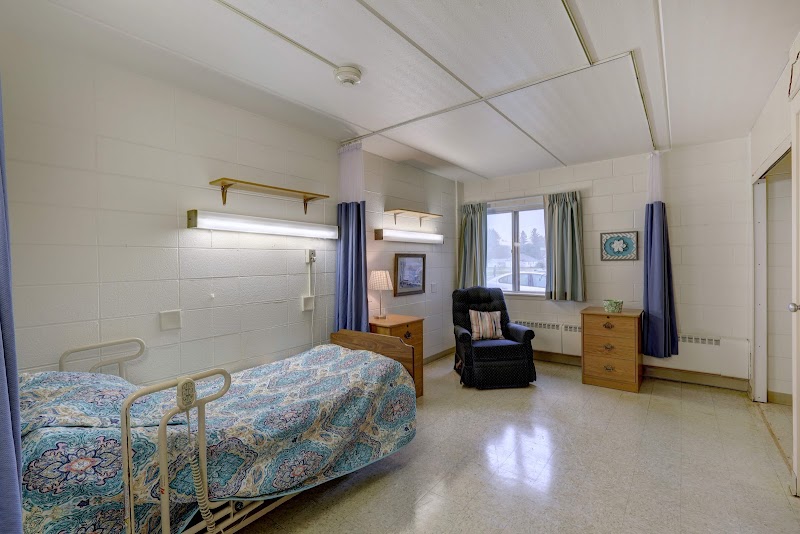
How is Rib Lake Health Services Staffed?

CMS rates RIB LAKE HEALTH SERVICES's staffing level at 3 out of 5 stars, which is average compared to other nursing homes. Staff turnover is 56%, which is 10 percentage points above the Wisconsin average of 46%. High turnover can affect care consistency as new staff learn residents' individual needs. RN turnover specifically is 64%, which is notably high. RNs provide skilled clinical oversight, so turnover in this role can affect medical care quality.

What Have Inspectors Found at Rib Lake Health Services?

State health inspectors documented 15 deficiencies at RIB LAKE HEALTH SERVICES during 2022 to 2025. These included: 15 with potential for harm.

Who Owns and Operates Rib Lake Health Services?

RIB LAKE HEALTH SERVICES is owned by a for-profit company. For-profit facilities operate as businesses with obligations to shareholders or private owners. The facility is operated by NORTH SHORE HEALTHCARE, a chain that manages multiple nursing homes. With 50 certified beds and approximately 39 residents (about 78% occupancy), it is a smaller facility located in RIB LAKE, Wisconsin.
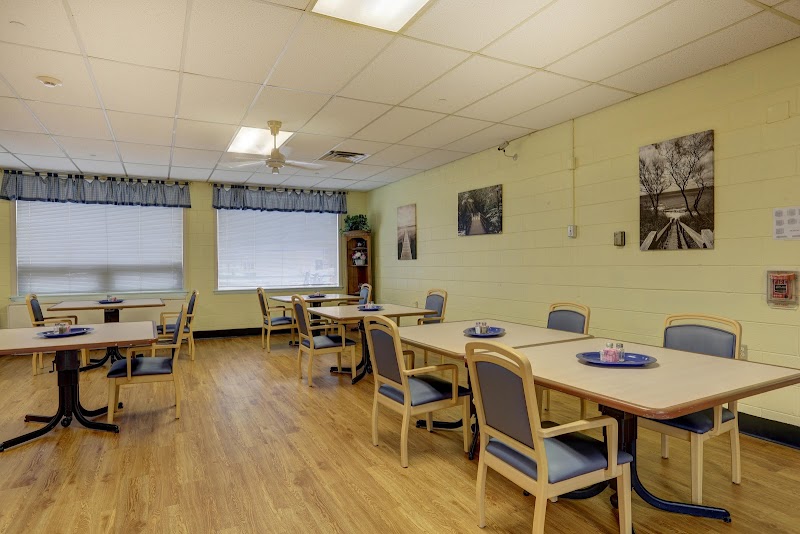
How Does Rib Lake Health Services Compare to Other Wisconsin Nursing Homes?

Compared to the 100 nursing homes in Wisconsin, RIB LAKE HEALTH SERVICES's overall rating (2 stars) is below the state average of 3.0, staff turnover (56%) is near the state average of 46%, and health inspection rating (2 stars) is below the national benchmark.

What Should Families Ask When Visiting Rib Lake Health Services?

Based on this facility's data, families visiting should ask: "How do you ensure continuity of care given staff turnover, and what is your staff retention strategy?" "Can I visit during a mealtime to observe dining assistance and food quality?" "How do you handle medical emergencies, and what is your hospital transfer rate?" "Can I speak with family members of current residents about their experience?" These questions are particularly relevant given the facility's high staff turnover rate.

Is Rib Lake Health Services Safe?

Based on CMS inspection data, RIB LAKE HEALTH SERVICES has a clean safety record: no substantiated abuse findings (meaning no confirmed cases of resident harm), no Immediate Jeopardy citations (the most serious violation level indicating risk of serious injury or death), and is not on the Special Focus Facility watch list (a federal program monitoring the lowest-performing 1% of nursing homes). The facility has a 2-star overall rating and ranks #100 of 100 nursing homes in Wisconsin. While no facility is perfect, families should still ask about staff-to-resident ratios and recent inspection results during their visit.

Do Nurses at Rib Lake Health Services Stick Around?

Staff turnover at RIB LAKE HEALTH SERVICES is high. At 56%, the facility is 10 percentage points above the Wisconsin average of 46%. Registered Nurse turnover is particularly concerning at 64%. RNs handle complex medical decisions and coordinate care — frequent RN changes can directly impact care quality. High turnover means new staff may not know residents' individual needs, medications, or preferences. It can also be disorienting for residents, especially those with dementia who rely on familiar faces. Families should ask: What is causing the turnover? What retention programs are in place? How do you ensure care continuity during staff transitions?

Was Rib Lake Health Services Ever Fined?

RIB LAKE HEALTH SERVICES has no federal fines on record. CMS issues fines when nursing homes fail to meet care standards or don't correct problems found during inspections. The absence of fines suggests the facility has either maintained compliance or corrected any issues before penalties were assessed. This is a positive indicator, though families should still review recent inspection reports for the full picture.

Is Rib Lake Health Services on Any Federal Watch List?

RIB LAKE HEALTH SERVICES is not on any federal watch list. The most significant is the Special Focus Facility (SFF) program, which identifies the bottom 1% of nursing homes nationally based on persistent, serious quality problems. Not being on this list means the facility has avoided the pattern of deficiencies that triggers enhanced federal oversight. This is a positive indicator, though families should still review the facility's inspection history directly.