SHAWANO HEALTH SERVICES
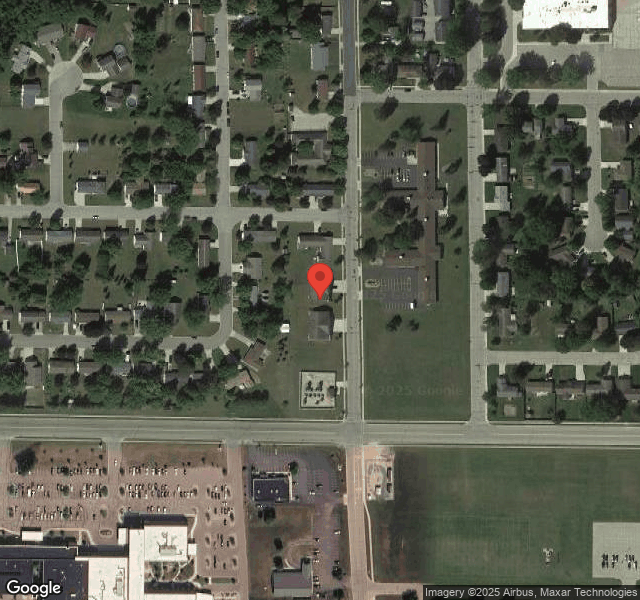
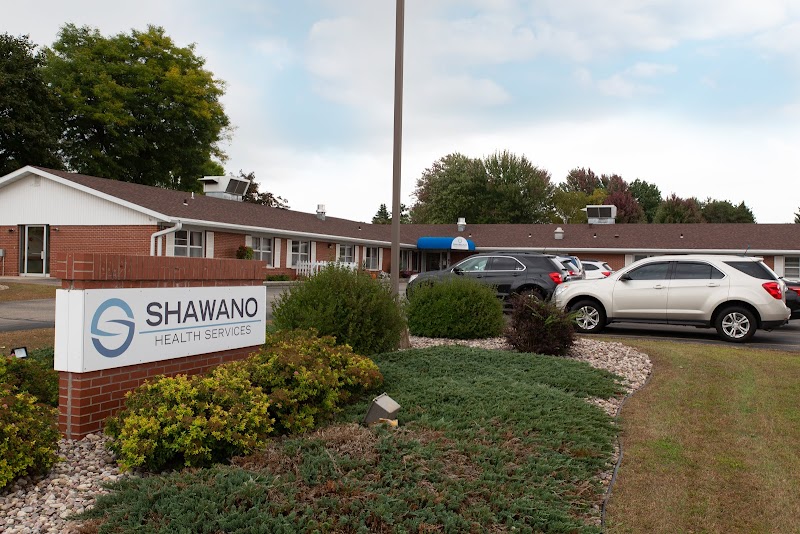
1436 S LINCOLN ST, SHAWANO, WI 54166 (715) 526-6111
For profit - Limited Liability company 100 Beds NORTH SHORE HEALTHCARE Data: November 2025
Trust Grade
80/100
#121 of 321 in WI
Last Inspection: February 2025

Within standard 12-15 month inspection cycle. Federal law requires annual inspections.

Overview

Shawano Health Services has a Trust Grade of B+, which means it is recommended and performs above average compared to other nursing homes. It ranks #121 out of 321 facilities in Wisconsin, placing it in the top half, and is the best option among the three facilities in Shawano County. The facility is improving, with issues decreasing from three in 2024 to one in 2025. However, staffing is a weakness, earning only 2 out of 5 stars, and while turnover is relatively low at 40%, the facility has less registered nurse coverage than 77% of other Wisconsin facilities. There have been some concerning incidents, including a failure to ensure food was stored and prepared safely, which could potentially affect multiple residents, and a lack of reporting on missing narcotic medication, raising concerns about possible drug diversion. On the positive side, the facility has not had any fines, which is a good sign, and most quality measures are rated positively. Overall, while Shawano Health Services shows some strengths, families should be aware of the staffing issues and the recent incidents reported.

Trust Score
B+
80/100
In Wisconsin
#121/321
Top 37%
Safety Record
Low Risk
No red flags
Inspections
Getting Better
3 → 1 violations
Staff Stability
○ Average
40% turnover. Near Wisconsin's 48% average. Typical for the industry.
Penalties
✓ Good
No fines on record. Clean compliance history, better than most Wisconsin facilities.
Skilled Nurses
○ Average
Each resident gets 36 minutes of Registered Nurse (RN) attention daily — about average for Wisconsin. RNs are the most trained staff who monitor for health changes.
Violations
○ Average
8 deficiencies on record. Average for a facility this size. Mostly minor or procedural issues.
★★★★☆
4.0
Overall Rating
★★☆☆☆
2.0
Staff Levels
★★★★☆
4.0
Care Quality
★★★★☆
4.0
Inspection Score
Stable
2024: 3 issues
2025: 1 issues

The Good

  • 4-Star Quality Measures · Strong clinical quality outcomes
  • Full Sprinkler Coverage · Fire safety systems throughout facility
  • No fines on record
  • Staff turnover below average (40%)

    8 points below Wisconsin average of 48%

Facility shows strength in quality measures, fire safety.

The Bad

Staff Turnover: 40%

Near Wisconsin avg (46%)

Typical for the industry

Chain: NORTH SHORE HEALTHCARE

Part of a multi-facility chain

Ask about local staffing decisions and management

The Ugly 8 deficiencies on record

Feb 2025 1 deficiency
CONCERN (E)

Potential for Harm - no one hurt, but risky conditions existed

Food Safety (Tag F0812)

Could have caused harm · This affected multiple residents

Based on observation, staff interview, and record review, the facility did not ensure food was stored and prepared in a sanitary manner. This practice had the potential to affect more than 4 of the 42...

Read full inspector narrative →
Based on observation, staff interview, and record review, the facility did not ensure food was stored and prepared in a sanitary manner. This practice had the potential to affect more than 4 of the 42 residents residing in the facility. (One resident received nutrition via tube feeding.) During multiple observations, Dietary Manager (DM)-C did not wear a beard net in the kitchen. Findings include: The facility's dining services' Staff Attire policy, revised 10/2023, indicates: All employees wear approved attire for the performance of their duties .1. All staff members will have their hair off the shoulders, confined in a hair net or cap, and facial hair properly restrained . During a continuous kitchen observation that began at 9:12 AM on 2/4/25, Surveyor observed DM-C in the kitchen assisting with kitchen prep. DM-C's beard was not covered with a beard net. During a continuous observation of lunch service that began at 11:43 AM on 2/4/25, Surveyor observed DM-C assist with lunch trays, weigh meat loaf prior to service at the steam table, and cut meatloaf into serving sizes without wearing a beard net. Surveyor interviewed DM-C who indicated the Food Code does not have a regulation that indicates beard nets need to be worn. DM-C was not sure if the facility had a policy regarding beard nets but stated DM-C would look and obtain the policy for Surveyor if possible. On 2/4/25 at 1:35 PM, Surveyor entered the kitchen and observed DM-C cooking food on the stove without a beard net. DM-C indicated DM-C found the facility's policy on hair restraints. Surveyor and DM-C reviewed the policy in DM-C's office. DM-C confirmed the policy indicated beard hair nets were required and showed Surveyor that DM-C had a bag full of beard nets. On 2/5/25 at 10:17 AM, Surveyor entered the kitchen with DM-C who was not wearing a beard net and did not obtain or apply a beard net. Surveyor observed DM-C speak with kitchen staff at the stove. Throughout the observation, Surveyor did not observe DM-C restrain DM-C's beard with a beard net.
Nov 2024 2 deficiencies
CONCERN (D) 📢 Someone Reported This

A family member, employee, or ombudsman was alarmed enough to file a formal complaint

Potential for Harm - no one hurt, but risky conditions existed

Report Alleged Abuse (Tag F0609)

Could have caused harm · This affected 1 resident

**NOTE- TERMS IN BRACKETS HAVE BEEN EDITED TO PROTECT CONFIDENTIALITY** Based on staff and resident interview and record review, the facility failed to implement policies and procedures for ensuring t...

Read full inspector narrative →
**NOTE- TERMS IN BRACKETS HAVE BEEN EDITED TO PROTECT CONFIDENTIALITY** Based on staff and resident interview and record review, the facility failed to implement policies and procedures for ensuring the reporting of a reasonable suspicion of a crime in accordance with section 1150B of the Act for 1 resident (R) (R1) of 4 sampled residents. On 10/19/24, the facility discovered missing doses of narcotic medication for R1 which raised concerns of potential drug diversion and possible exploitation. The facility did not report the suspected crime to the State Agency (SA) or local law enforcement. Findings include: The facility's Reporting Abuse to Facility Management policy, with a revision date of December 2013, indicates: It is the responsibility of our employees, facility consultants, attending physicians, family members, visitors, etc., to promptly report any incident or suspected incident of neglect or resident abuse, including injuries of unknown source, and theft or misappropriation of resident property to facility management .1. Our facility does not condone resident abuse by anyone, including staff members, physicians, consultants, volunteers, staff of other agencies serving the resident, family members, legal guardians, sponsors, other residents, friends, or other individuals. 2. To help with recognition of incidents of abuse, the following definitions of abuse are provided: .j. Exploitation means taking advantage of a resident for personal gain through the use of manipulation, intimidation, threats, or coercion .6. Any staff member or person affiliated with this facility who has witnessed or who believes that a resident has been a victim of mistreatment, abuse, neglect, or any other criminal offense shall immediately report, or cause a report to be made of, the mistreatment or offense .7. Staff members and persons affiliated with this facility shall not knowingly: a. Attempt, with or without threats or promises of benefit, to induce another to fail to report an incident of mistreatment or other offense; b. Fail to report an incident of mistreatment or other offense. The facility's Report Reasonable Suspicion of a Crime policy, with an implementation date of 9/1/22, indicates: It is the policy of this center, pursuant to Section 1150B of the Social Security Act, to report any reasonable suspicion of a crime committed against a resident of this facility .1. The facility will coordinate with state and local law enforcement entities to determine what actions are considered crimes in the facility's political subdivision and will work with law enforcement to determine which crimes are reported. Examples of situations that would be considered crimes in all subdivisions include, but are not limited, to: .g. Drug diversion for personal use or gain .i. Certain cases of abuse, neglect, and exploitation .3. Any covered individual can report any reasonable suspicion of a crime without fear of retaliation. On 11/4/24, Surveyor reviewed R1's medical record. R1 was admitted to the facility on [DATE] with diagnoses including after-care from surgical amputation of right lower leg below knee, cognitive communication deficit, and diabetes mellitus. R1's Minimum Data Set (MDS) assessment, dated 10/21/24, stated R1's Brief Interview for Mental Status (BIMS) score was 15 out of 15 which indicated R1 was not cognitively impaired. R1's medical record indicated R1 was responsible for R1's healthcare decisions. R1's medical record contained notes, dated 10/19/24, that indicated R1 was seen at a clinic for a surgical follow-up visit on 10/18/24. A prescription for 60 tablets of hydrocodone/acetaminophen (also known as Norco) 7.5 mg/325 mg (milligrams) (a controlled substance narcotic used to treat moderate to severe pain) was sent to a local pharmacy. The notes indicated the facility did not have any Norco to administer to R1 and R1's spouse picked up the prescription from the pharmacy. R1 told staff that R1 was unable to get in touch with R1's spouse because R1's spouse's phone was accidentally left with R1. R1 refused staff's offer to call law enforcement to obtain the medication from R1's spouse and indicated R1's adult child would try to get in touch with R1's spouse. The notes indicated R1's spouse went to the facility on [DATE] at 11:45 AM. R1 and facility staff informed R1's spouse the medication needed to be brought to the facility for nursing staff to lock up and administer to R1 as needed. R1's spouse expressed understanding. On the afternoon of 10/19/24, R1 told a Certified Nursing Assistant (CNA) to give a bag with a local pharmacy emblem to the nurse. The bag contained two bottles of medication, one of which was a bottle of Norco 7.5 mg/325 mg with the label partially ripped off. Two nurses counted 14 pills in the bottle. When a nurse asked R1 about the other 46 pills, R1 indicated R1 owed them to other people. The nurse immediately reported the information to the Director of Nursing (DON). On 11/4/24 at 9:31 AM, Surveyor interviewed R1 who indicated R1 did not have any stored medication in R1's room. R1 indicated the physician would no longer prescribe narcotic pain medication to R1 since R1 got it all screwed up. R1 indicated at R1's clinic appointment, R1 had Norco refilled at a local pharmacy like R1 did when R1 was at home. R1 would not provide any further details. R1 was satisfied with pain management provided by the facility and had no care concerns. On 11/4/24 at 10:45 AM, Surveyor observed law enforcement at the facility for an event with residents. Surveyor interviewed Police Officer (PO)-D who indicated the facility should report to law enforcement any crime committed against a resident. PO-D verified if a resident was suspected of selling their narcotic medication, it was considered a reportable crime. On 11/4/24 at 11:11 AM, Surveyor interviewed Nursing Home Administrator (NHA)-A and DON-B. NHA-A indicated the facility was never in possession of the medication. DON-B indicated R1 had an appointment and the physician prescribed 60 Norco tablets. The facility thought the order was sent from the clinic to the facility's pharmacy. DON-B indicated R1 called the clinic after the appointment and requested the order be sent to a different pharmacy for R1's spouse to pick up. DON-B indicated when the facility became aware, staff were unable to get in touch with R1's spouse. DON-B indicated R1's spouse came to the facility and provided 14 Norco tablets. When R1's spouse was asked about the rest of the tablets, R1's spouse did not answer. DON-B indicated R1's physician then discontinued R1's narcotic orders. DON-B again indicated the facility did not have possession of the missing narcotic medication and verified staff were mandatory reporters of suspected crime. NHA-A indicated corporate management informed NHA-A the situation was not reportable to the SA or local law enforcement since the facility never had possession of the missing narcotics. When asked what the facility suspected happened to the missing narcotics, NHA-A indicated it was thought that R1's spouse kept the medication. Following a discussion of R1's nursing note on 10/19/24 that indicated R1 stated R1 owed the missing pills to everyone else, NHA-A and DON-B indicated they were unaware of the wording of the note. When asked what NHA-A and DON-B would have done if they were aware of the wording, NHA-A indicated they would have questioned R1 more as to what R1 meant by that. On 11/4/24 at 12:04 PM, Surveyor interviewed Licensed Practical Nurse (LPN)-E via phone. LPN-E verified LPN-E worked the 10/19/24 AM shift on R1's unit and documented the above notes. LPN-E indicated LPN-E placed a note in the paperwork sent to the clinic on the day of R1's surgical follow-up appointment to let the physician know R1 was out of Norco and needed a prescription sent to the facility's pharmacy. When LPN-E reported to work on the morning of 10/19/24, LPN-E asked the previous shift nurse if R1's Norco had arrived. The previous shift nurse indicated it had not. LPN-E reviewed R1's clinic notes which indicated 60 tablets of Norco were prescribed, but the prescription had gone to a local pharmacy instead of the facility's pharmacy. LPN-E recalled that before R1 returned from the appointment, the facility received a call from R1's physician group and instructed staff to give the surgical clinic phone number to R1 because R1 had called the physician group by mistake and wanted the phone number for the surgical clinic. LPN-E indicated LPN-E assumed R1 had intercepted the prescription and changed the pharmacy because LPN-E did not know how else the prescription was sent to the other pharmacy. On 10/19/24, R1 told LPN-E that R1's spouse was supposed to pick up the medication from the pharmacy and stated, (R1's spouse) is a user and I can guarantee there won't be 60 of them when (R1's spouse) brings them. LPN-E immediately reported the incident to DON-B. When asked if LPN-E informed DON-B of the specific wording used by R1, LPN-E indicated yes. When asked if the facility asked LPN-E to provide a written statement, LPN-E indicated LPN-E provided a written statement. LPN-E indicated R1 stated R1's spouse left their phone at the facility and R1's adult child found R1's spouse asleep in a car. LPN-E indicated R1's spouse came to the facility and gave LPN-E a funny look when LPN-E asked for the Norco. LPN-E was unsure when R1's spouse left the facility and indicated a person came to the desk a short time later and asked for a room number on a different unit. The person then returned to the desk and told LPN-E they were looking for R1 and were given the wrong room number. LPN-E directed the person to R1's room where they stayed for approximately 4 minutes and then left the facility. A CNA gave LPN-E a bag that contained a bottle of Norco from R1's room. LPN-E and another nurse counted 14 tablets in the bottle. When LPN-E asked R1 about the missing medication, R1 indicated R1 owed them to people. When LPN-E asked if R1 owed pills to the person who had just visited, R1 indicated yes. LPN-E then contacted DON-B. LPN-E indicated when R1's covering physician and surgical physician were notified of what happened, R1's narcotic medication was discontinued. LPN-E indicated staff monitored R1 for indications of pain, however, R1 had not exhibited signs of pain. On 11/4/24 at 12:43 PM, Surveyor interviewed DON-B who provided Surveyor with copies of written staff statements. DON-B indicated the facility did not have any other investigative documentation. On 11/4/24, Surveyor reviewed a typed and hand-signed statement from LPN-E, dated 10/19/24, that stated, . There were 14 pills in the bottle. Writer went and questioned the resident. Writer asked 'where did the other 46 pills go?' Resident responded (R1) 'owed them to everyone else'. Writer asked resident is that what that (person) was doing in your room? Resident responded 'yes'. I asked how many pills (R1) gave the (person) and (R1) replied 8. Writer asked what about all the others? Resident stated they went to everyone else (R1) owed . On 11/4/24 at 1:31 PM, Surveyor interviewed NHA-A. Following a discussion that the facility should have notified law enforcement of the suspected crimes of drug diversion and possible exploitation, NHA-A indicated NHA-A was instructed by corporate staff not to.
CONCERN (D) 📢 Someone Reported This

A family member, employee, or ombudsman was alarmed enough to file a formal complaint

Potential for Harm - no one hurt, but risky conditions existed

Pharmacy Services (Tag F0755)

Could have caused harm · This affected 1 resident

**NOTE- TERMS IN BRACKETS HAVE BEEN EDITED TO PROTECT CONFIDENTIALITY** 3. On 11/4/24, Surveyor reviewed R3's medical record. R3 was admitted to the facility on [DATE] with diagnoses including chronic...

Read full inspector narrative →
**NOTE- TERMS IN BRACKETS HAVE BEEN EDITED TO PROTECT CONFIDENTIALITY** 3. On 11/4/24, Surveyor reviewed R3's medical record. R3 was admitted to the facility on [DATE] with diagnoses including chronic respiratory failure, chronic obstructive pulmonary disease (COPD), chronic pain, and arthropathic pain. R3's MDS assessment, dated 10/21/24, had a BIMS score of 15 out of 15 which indicated R3 had no cognitive impairment. On 11/4/24 at 9:18 AM, Surveyor observed 2 capsules in a medication cup on R3's beside table which were later identified by R3 as Tylenol (used for pain). R3 indicated staff gave R3 the capsules but R3 fell asleep and did not take them. R3 had a roommate (R4). R3's November 2024 MAR indicated R3 was administered PRN Tylenol at 4:28 AM. On 11/4/24 at 10:40 AM, Surveyor interviewed Licensed Practical Nurse (LPN)-F who provided a Self-Administration of Medication Approval form from R3's medical record that was signed and dated by R3 on 4/28/24. The form indicated R3 wished to have R3's medications administered to R3. LPN-F indicated LPN-F did not see medication at R3's bedside, but stated, I know the night shift nurse said she gave it (referring to Tylenol) around 4:30 AM. On 11/4/24, Surveyor reviewed R4's medical record. R4 had diagnoses including Parkinson's disease, cognitive communication deficit, and dysphagia (difficulty or discomfort in swallowing). R4's MDS assessment, dated 10/21/24, had a BIMS score of 14 out of 15 which indicated R4 had no cognitive impairment. On 11/4/24, Surveyor interviewed RN-C. When asked about the Tylenol at R3's bedside, RN-C indicated R3 stated R3 was going to take the Tylenol, however, RN-C didn't see R3 take it. RN-C indicated the facility's medication administration process included making sure residents took their medication. On 11/4/24 at 12:01 PM, Surveyor interviewed DON-B. When asked if any residents self-administered medication, DON-B indicated there were no residents who self-administered medication. When asked DON-B's expectations regarding medication administration, DON-B indicated DON-B expected staff to stay with residents to ensure they took the meds, didn't drop the meds, and swallowed the meds safely. Based on observation, staff and resident interview, and record review, the facility did not ensure accurate and safe administration of pharmaceuticals for 3 residents (R) (R2, R1, and R3) of 4 sampled residents. On 11/4/24, multiple oral medications and an inhaler were left unattended by staff in R2's room. R2 was not assessed as able to self-administer medication. On 11/4/24, R1 indicated nurses sometimes left 2 Tylenol (used to treat mild to moderate pain) at R1's bedside for R1 to take if R1 had pain during the night. R1 was not assessed as able to self-administer medication. On 11/4/24, medication was left unattended by staff in R3's room for R3 to self-administer. R3 was not assessed as able to self-administer medication. Findings include: The facility's Medication Administration policy, dated 1/23, indicates: To administer oral medications in an organized, accurate, and safe manner .10. Administer medication and remain with the resident while medication is swallowed. Do not leave medication in a resident's room without orders to do so along with documentation of self-administration. Use caution with residents who have difficulty swallowing. 1. On 11/4/24, Surveyor reviewed R2's medical record. R2 was admitted to the facility on [DATE] with diagnoses including pneumonia and diabetes mellitus. R2's Minimum Data Set (MDS) assessment, dated 11/4/24, had a Brief Interview for Mental Status (BIMS) score of 15 out of 15 which indicated R2 had no cognitive impairment. R2's medical record indicated R2 was responsible for R2's healthcare decisions. On 11/4/24 at 9:19 AM, Surveyor observed R2 (through an open door from the hallway) sitting upright in a recliner, tying R2's shoes, and talking to a housekeeper who was cleaning R2's room. Surveyor observed an inhaler and medication cup with several oral medications on a table near R2. There was no food on the table. On 11/4/24 at 9:20 AM, Surveyor observed R2 put some of the medications in R2's hand and swallow the pills one by one while taking sips of liquid from a cup with a straw. Surveyor noted the medication cup still contained several medications. On 11/4/24 at 9:25 AM, Surveyor interviewed R2 who indicated a nurse left the medications a short time ago and stated, I have to work at it. There are so many. R2 indicated the inhaler was the same type of inhaler R2 used at home and was left in R2's room at all times. R2 indicated the nurses only left AM medications with R2 to take unattended. R2 indicated R2 received less medication at other times of the day and took those medications in front of the nurse. R2 did not have a roommate. A Self-Administration of Medication Approval form that was signed and dated by R2 on 10/31/24 indicated R2 wished to have medication administered to R2. On 11/4/24 at 9:39 AM, Surveyor observed R2 put more medications in R2's hand and swallow the pills one by one while taking sips of liquid from a cup with a straw. Surveyor noted the medication cup still contained medication. Surveyor reviewed R2's November 2024 Medication Administration Record (MAR) which indicated R2's AM medications on 11/4/24 included the following: ~ Aspirin (used to prevent blood clots) oral tablet Give 81 milligrams (mg) once daily .take with food ~ Calcium plus Vitamin D (used as a supplement) 600-200 mg 1 tablet once daily ~ Fexofenadine HCl (hydrochloride) (used to treat seasonal allergies) oral tablet Give 180 mg once daily ~ Metoprolol Succinate ER (extended release) (used to treat high blood pressure) oral tablet 25 mg Give 1 tablet by mouth once daily ~ Multivitamin with Minerals (used as a supplement) Give 1 tablet once daily ~ Omega-3 (used to treat high cholesterol) oral capsule Give 3000 mg once daily ~ Polyethylene Glycol 3350 (to promote bowel movement) powder Give 17 grams by mouth once daily .mix with 6-8 ounces (oz) of fluid ~ Spironolactone (used to treat high blood pressure) oral tablet Give 25 mg once daily ~ Vitamin C (used as a supplement) oral tablet Give 500 mg once daily ~ Vitamin D (used as a supplement) oral tablet Give 2000 units once daily ~ Vitamin E (used as a supplement) oral capsule Give 180 mg once daily ~ Acidophilus (used to prevent loose stools) oral capsule Give 1 capsule two times daily ~ Cefuroxime Axetil (used to treat infection) oral tablet 500 mg Give 1 tablet two times daily ~ Fluticasone-Salmeterol (used to treat asthma) Inhalation Aerosol Powder Breath Activated 250-50 mcg/act (micrograms per activation) 1 inhalation two times daily On 11/4/24 at 10:27 AM, Surveyor noted the medication cup and inhaler were no longer on R2's bedside table and observed R2 sitting on the edge of the bed with the bedside table close by. On 11/4/24 at 10:55 AM, Surveyor interviewed Registered Nurse (RN)-C who indicated if a resident was assessed as able to self-administer medication, the medication would be locked in the resident's room for the resident to self-administer. RN-C indicated the facility did not have any residents who were assessed as able to self-administer medication. Following a discussion of the above observations, RN-C indicated R2 told RN-C to leave the room when RN-C delivered R2's AM medication. RN-C verified RN-C should not have left the medication with R2. RN-C indicated RN-C usually worked a different unit and did not know whether or not R2 could self-administer medication. 2. On 11/4/24, Surveyor reviewed R1's medical record. R1 was admitted to the facility on [DATE] with diagnoses including after-care from surgical amputation of right lower leg below knee, cognitive communication deficit, and diabetes mellitus. R1's MDS assessment, dated 10/21/24, stated R1's BIMS score was 15 out of 15 which indicated R1 had no cognitive impairment. R1's medical record indicated R1 was responsible for R1's healthcare decisions. On 11/4/24 at 9:31 AM, Surveyor interviewed R1 in R1's room. Surveyor did not observe medication in the room. R1 indicated R1 did not store medication in the room but stated, Sometimes the nurse will give me two Tylenol and leave them in my room in case I need them at night. R1 indicated it depended on which nurse was working. R1 did not have a roommate. Surveyor reviewed R1's November 2024 MAR which included a physician order for acetaminophen (Tylenol) 325 mg Give 2 tablets every 4 hours as needed (PRN) for pain/fever. The MAR indicated R1 received doses of PRN Tylenol on 11/1/24 at 7:05 AM, on 11/2/24 at 11:09 AM and 8:00 PM, and on 11/3/24 at 8:03 AM and 8:35 PM. All doses were documented as effective. Surveyor reviewed two Self-Administration of Medication Approval forms in R1's medical record, signed and dated by R1 on 9/19/24 and 10/14/24, that indicated R1 wished to have medication administered to R1. On 11/4/24 at 11:11 AM, Surveyor interviewed Nursing Home Administrator (NHA)-A and Director of Nursing (DON)-B. NHA-A indicated residents were asked to sign a form upon admission regarding whether or not they wished to self-administer medication. NHA-A indicated if a resident wanted to self-administer an inhaler, the resident would first be assessed by staff for the capability to self-administer the inhaler. NHA-A indicated the facility provided a locked box at the bedside of any resident able who self-administered medication and indicated there were no residents who were assessed as able to self-administer medication. Following a discussion of the above observations and interviews, NHA-A and DON-B indicated they were unaware staff left medication at the bedside and verified the practice was against the facility's policy.
Aug 2024 1 deficiency
CONCERN (D) 📢 Someone Reported This

A family member, employee, or ombudsman was alarmed enough to file a formal complaint

Potential for Harm - no one hurt, but risky conditions existed

Quality of Care (Tag F0684)

Could have caused harm · This affected 1 resident

**NOTE- TERMS IN BRACKETS HAVE BEEN EDITED TO PROTECT CONFIDENTIALITY** Based on staff interview and record review, the facility did not ensure the appropriate parameters for administering a bowel med...

Read full inspector narrative →
**NOTE- TERMS IN BRACKETS HAVE BEEN EDITED TO PROTECT CONFIDENTIALITY** Based on staff interview and record review, the facility did not ensure the appropriate parameters for administering a bowel medication were met and did not document bowel movements or abnormal blood pressures for 1 Resident (R) (R1) of 14 sampled residents. R1 was given Miralax (a laxative used to treat constipation) on 8/9/24 after two documented episodes of diarrhea. In addition, R1 had episodes of diarrhea and low blood pressure that were not documented in R1's medical record. Findings include: On 8/28/24, Surveyor reviewed R1's medical record. R1 was admitted to the facility on [DATE] with diagnoses of post operative care for kidney/ureter/bladder removal, kidney disease, type 2 diabetes, hypertension, and chroic obstructive pulmonary disease (COPD). R1's most recent Minimum Data Set (MDS) assessment, dated 8/20/24, stated R1's Brief Interview for Mental Status (BIMS) score was 15 out of 15 which indicated R1 had intact cognition. R1 was R1's own decision maker and discharged home on 8/24/24. Surveyor reviewed R1's progress notes, hospital notes, Medication Administration Record (MAR), and vital signs. R1's medical record indicated R1 was hospitalized from [DATE] to 8/8/24 for removal of a kidney and part of the bladder and ureter. R1 developed an ileus (inability of the intestine (bowel) to contract normally and move waste out of the body) while in the hospital; however, R1's bowels were functioning normally when R1 was discharged on 8/8/24. R1 was admitted to the facility with an order for Miralax 17 grams by mouth as needed (PRN) to promote bowel movements. On 8/9/24, Certified Nursing Assistant (CNA) charting indicated R1 experienced two episodes of watery diarrhea at approximately 1:15 AM and 3:30 AM. On 8/9/24 at 1:50 PM, Licensed Practical Nurse (LPN)-C administered PRN Miralax and noted it was effective. On 8/9/24 at 4:08 PM, R1 was sent to the emergency room (ER) and admitted to the hospital for an upper gastrointestinal (GI) bleed. On 8/29/24 at 11:35 AM, Surveyor interviewed CNA-E regarding R1's change in condition on 8/9/24. CNA-D stated CNA-D went to see R1 before breakfast because R1 was a new resident. CNA-D assisted R1 with toileting and R1 had a bowel movement. CNA-E noted R1 was pale, checked R1's blood pressure which was in the 80's over 60's, and notified LPN-C. CNA-D stated R1 ate approximately 50% of breakfast and lunch and had another episode of low blood pressure before lunch. CNA-D verified the episodes of low blood pressure were not documented in R1's medical record. On 8/29/24 at 1:51 PM, Surveyor interviewed LPN-C regarding R1's change in condition. LPN-C stated LPN-C was not told in report that R1 had diarrhea/dark stools and did not recall being told of any concerns by CNA-D during the AM shift. LPN-C documented a Daily Skilled note at approximately 2:00 PM on 8/9/24 that indicated R1's vital signs were within normal limits. LPN-C stated LPN-C gave R1 Miralax at approximately 2:00 PM because R1 requested it. LPN-C did not check R1's bowel charting prior to administering the Miralax and stated LPN-C was under the impression from R1 and R1's family that R1 did not have a bowel movement since 8/1/24. On 8/29/24 at 2:16 PM, Surveyor interviewed Registered Nurse (RN)-E regarding R1's change in condition. RN-E stated during shift change on 8/9/24 at approximately 2:30 PM, R1's family member approached the nurses' station and reported concerns with R1's stool. RN-E assessed R1 and noted R1's brief contained a large amount of dark/foul smelling stool. RN-E asked a CNA to obtain a set of vital signs and noted R1's blood pressure was 80/65 mm Hg (millimeters of mercury). RN-E updated Nurse Practitioner (NP)-F and got an order to send R1 to the ER. On 8/29/24 at 2:35 PM, Surveyor interviewed Director of Nursing (DON)-B regarding R1's change in condition. DON-B verified R1's low blood pressures and dark/tarry/bloody stools required an immediate update to the Medical Doctor (MD) and should have been documented in R1's medical record. DON-B stated if a resident had diarrhea/loose stools, DON-B expected staff to hold bowel medications such as Miralax. On 8/29/24 at 2:49 PM, Surveyor interviewed R1 who stated R1 did not request Miralax on 8/9/24 because R1 did not need it. R1 verified R1 had dark/loose stools at the hospital and stated the dark/loose stools got worse when R1 was admitted to the facility. On 8/29/24 at 4:05 PM, Surveyor interviewed NP-F regarding R1's change in condition. NP-F stated NP-F was first notified of R1's low blood pressures and dark/loose stools just before 4:00 PM on 8/9/24. NP-F stated if NP-F had been notified earlier in the day (at approximately 8:00 AM), NP-F would have ordered lab work to be done at the facility. NP-F agreed that R1 may have been sent to the ER earlier, but indicated R1's outcome would have been the same. NP-F confirmed laxative medications should not be given if a resident is having loose stools due to the risk of worsening diarrhea and/or dehydration.
Dec 2023 4 deficiencies
CONCERN (D)

Potential for Harm - no one hurt, but risky conditions existed

Deficiency F0551 (Tag F0551)

Could have caused harm · This affected 1 resident

Based on staff interview and record review, the facility did not ensure 1 Resident (R) (R3) of 2 residents who had a Guardian received services to ensure court-ordered protective placement was obtaine...

Read full inspector narrative →
Based on staff interview and record review, the facility did not ensure 1 Resident (R) (R3) of 2 residents who had a Guardian received services to ensure court-ordered protective placement was obtained. R3 did not have court-ordered protective placement in the facility since admission. Findings include: On 12/18/23, Surveyor reviewed R3's medical record. R3 resided in the facility for multiple years with diagnoses including traumatic subdural hemorrhage, right sided hemiplegia (paralysis on one side of the body) and hemiparesis (weakness on one side of the body) of right dominant side, and mixed receptive-expressive language disorder. R3's most recent Minimum Data Set (MDS) assessment contained a Brief Interview for Mental Status (BIMS) score of 3 out of 15 which indicated R3 had severe cognitive impairment. R3's medical record included a court order appointing guardianship of R3 from 2007. R3's medical record did not include a court order for protective placement in the facility. On 12/19/23 at 8:16 AM, Surveyor interviewed Nursing Home Administrator (NHA)-A who verified R3 had a Guardian, but did not have protective placement in the facility. On 12/19/23 at 10:11 AM, Surveyor interviewed Social Services Designee (SSD)-D who verified R3 did not have protective placement and stated SSD-D's understanding was that if guardianship was established prior to admission, a resident did not have to have protective placement in the facility.
CONCERN (D)

Potential for Harm - no one hurt, but risky conditions existed

Notification of Changes (Tag F0580)

Could have caused harm · This affected 1 resident

**NOTE- TERMS IN BRACKETS HAVE BEEN EDITED TO PROTECT CONFIDENTIALITY** Based on staff interview and record review, the facility did not ensure a physician was notified of a change in condition for 1 ...

Read full inspector narrative →
**NOTE- TERMS IN BRACKETS HAVE BEEN EDITED TO PROTECT CONFIDENTIALITY** Based on staff interview and record review, the facility did not ensure a physician was notified of a change in condition for 1 Resident (R) (R93) of 5 sampled residents. R93 had an order to notify the physician if R93's blood sugar level was less than 70 mg/dL (milligrams per deciliter) or greater than 400 mg/dL. The physician was not notified on 12/19/23 when R93's blood sugar level was 479 mg/dL. Findings include: The facility's Diabetes-Clinical Protocol Policy indicates: 3. The physician will order desired parameters for monitoring and reporting information related to diabetes or blood sugar management .A. The staff will incorporate such parameters into the Medication Administration Record and care plan .4. The staff will identify and report complications such as .hyper/hypoglycemia. On 12/20/23, Surveyor reviewed R93's medical record. R93 was admitted to the facility on [DATE] with diagnoses including diabetes mellitus type 2 with hyperglycemia (high blood sugar), peripheral vascular disease (PVD), and right below-knee amputation. R93's Minimum Data Set (MDS) assessment, dated 12/18/23, contained a Brief Interview for Mental Status (BIMS) score of 8 out of 15 which indicated R93 had moderate cognitive impairment. R93's medical record contained the following order, dated 12/18/23: ~Insulin Glargine Subcutaneous Solution Pen-Injector 100 UNIT/ML (milliliter) Inject 20 units subcutaneously at bedtime for diabetes mellitus type 2 and blood glucose monitoring at bedtime as well as - Call MD if blood sugar is less than 70 (mg/dL) or greater than 400 (mg/dL). Surveyor noted R93's blood sugar level was 479 mg/dL on 12/19/23 at 7:32 PM. R93's medical record did not indicate the physician was notified. On 12/20/23 at 2:32 PM, Surveyor interviewed Director of Nursing (DON)-B who verified R93's medical record did not indicate the physician was notified when R93's blood sugar level was greater than 400 mg/dL. DON-B verified the physician should have been notified.
CONCERN (D)

Potential for Harm - no one hurt, but risky conditions existed

Deficiency F0655 (Tag F0655)

Could have caused harm · This affected 1 resident

**NOTE- TERMS IN BRACKETS HAVE BEEN EDITED TO PROTECT CONFIDENTIALITY** 2. On 12/20/23, Surveyor reviewed R93's medical record. R93 was admitted to the facility on [DATE] with diagnoses including diab...

Read full inspector narrative →
**NOTE- TERMS IN BRACKETS HAVE BEEN EDITED TO PROTECT CONFIDENTIALITY** 2. On 12/20/23, Surveyor reviewed R93's medical record. R93 was admitted to the facility on [DATE] with diagnoses including diabetes mellitus type 2 with hyperglycemia (high blood sugar), peripheral vascular disease (PVD), and right below-knee amputation. R93's MDS assessment, dated 12/18/23, contained a BIMS score of 8 out of 15 which indicated R93 had moderate cognitive impairment. R93 made R93's own healthcare decisions. R93's medical record contained a Baseline Care Plan Summary, dated 12/18/23, which indicated: ~This is a written summary of your admission baseline care plan developed on 12/18/23. This temporary care plan is based on your needs, preferences, goals, physician orders and services/treatments as deemed appropriate. It will be used until your overall assessment is completed and a comprehensive care plan is developed. The facility will notify you in writing of any changes to this baseline care plan. The document also included R93's initial goals, initial discharge plan, code status, diet order, current medications, therapy, and personal care. The baseline care plan was signed by R93 and the facility's representative on 12/18/23 at 1:30 PM. On 12/20/23 at 3:10 PM, Surveyor interviewed DON-B who indicated Social Services Designee (SSD)-D completes the 72-hour meeting and baseline care plan in collaboration with therapy and nursing staff. SSD-D indicated the baseline care plan is completed ahead of time and signed by the resident in 72 hours. On 12/20/23 at 3:16 PM, Surveyor interviewed SSD-D who verified R93's baseline care plan was completed on 12/18/23 (Monday). SSD-D indicated since R93 was admitted to the facility on [DATE] (Friday), the order summary and therapy evaluations would not have been completed that day. SSD-D indicated it is difficult to complete the baseline care plan within 48 hours if a resident is admitted on Friday or over the weekend. Based on staff interview and record review, the facility did not ensure a complete baseline care plan was developed or provided within 48 hours of admission for 2 Residents (R) (R20 and R93) of 2 sampled residents. R20's baseline care plan was not complete or provided to R20 within 48 hours of admission. R93's baseline care plan was not complete or provided to R93 within 48 hours of admission. Findings include: 1. On 12/20/23, Surveyor reviewed R20's medical record. R20 was admitted to the facility on [DATE] with diagnoses including unspecified dementia, retention of urine, sensorineural hearing loss bilateral, type 2 diabetes mellitus with other diabetic kidney complication, unspecified severe protein-calorie malnutrition, moderate persistent asthma uncomplicated, pain in right knee, anxiety disorder, obstructive sleep apnea, nonrheumatic pulmonary valve disorder, essential hypertension, gastro-esophogeal reflux disease (GERD), other abnormalities of gait and mobility, and cognitive communication deficit. R20's most recent Minimum Data Set (MDS) assessment contained a Brief Interview for Mental Status (BIMS) score of 10 out of 15 which indicated R20 had moderately impaired cognition. R20 had an activated Power of Attorney for Healthcare (POAHC). R20's medical record contained a Baseline Care Plan Summary, dated 11/20/23. The document included the following information: ~This is a written summary of your admission baseline care plan developed on 11/20/23. This temporary care plan is based on your needs, preferences, goals, physician orders and services/treatments as deemed appropriate. It will be used until your overall assessment is completed and a comprehensive care plan is developed. This facility will notify you in writing of any changes to this baseline care plan. Your Initial Goals: (Increase) independence level Your Initial Discharge Plan: TBD (to be determined) - (named facility) if possible Your Code Status: DNR (do not resuscitate) Diet Order: Reg(ular)/thin Current Medications: See attached (medication list attached) Therapy: Physical Therapy, Occupational Therapy, Speech Therapy 5 times per week provided by therapy and restorative program daily by nursing. Personal Care: Bath/shower, skin care, brushing teeth/dentures, shaving, hair care, dressing/undressing, walking, bathroom needs, eating, exercise, moving in chair/bed all daily provided by nursing. Acknowledgement of Receipt: I acknowledge that I have received this summary of my baseline care plan and my care plan has been explained to me. I understand that I may ask question at any time and request changes as I feel are necessary. Resident Representative spoke via phone and signed by facility representative on 11/20/23 at 3:00 PM, signed by Resident Representative on 11/27/23 at 1:42 PM. On 12/20/23 at 3:23 PM, Surveyor interviewed Licensed Practical Nurse (LPN)-C who stated the admitting nurse conducts the newly admitted resident's initial assessment, enters orders, and has access to all records and verbal reports from the discharging facility so the overall medical record is accessible to staff needed to provide care to the resident. On 12/20/23 at 3:28 PM, Surveyor interviewed Director of Nursing (DON)-B who stated the document titled Baseline Care Plan Summary is not used as the baseline care plan because the facility uses all other aspects of the resident's medical record, including daily skilled assessments, the discharge summary, the resident's history and physical, nurse-to-nurse report to inform staff of a resident's immediate care needs upon admission to the facility, and nurse shift-to-shift reports to care for residents within the first forty-eight hours. DON-B stated the nurses do not refer to the Baseline Care Plan Summary.
CONCERN (D)

Potential for Harm - no one hurt, but risky conditions existed

Infection Control (Tag F0880)

Could have caused harm · This affected 1 resident

Based on observation, staff interview, and record review, the facility did not establish and maintain an infection control program designed to prevent the development and transmission of disease and i...

Read full inspector narrative →
Based on observation, staff interview, and record review, the facility did not establish and maintain an infection control program designed to prevent the development and transmission of disease and infection for 2 Residents (R) (R15 and R25) of 3 residents observed receiving medication. Staff did not appropriately cleanse hands before preparing and administering medication to R15 and R25. Findings include: The facility's Hand Hygiene policy, dated 11/2/22, indicates: All staff will perform proper hand hygiene procedures to prevent the spread of infection to other personnel, residents, and visitors. This applies to all staff working in all locations within the facility. Hand hygiene is indicated and will be performed under the conditions listed in, but not limited to, the attached Hand Hygiene Table. The Hand Hygiene Table states: Before preparing or handling medications. On 12/19/23 at 8:45 AM, Surveyor observed Registered Nurse (RN)-E prepare medication for R15. Surveyor did not observe RN-E perform hand hygiene prior to preparing or administering R15's medication. When RN-E returned to the medication cart, RN-E applied hand sanitizer, then was called to the desk for a phone call. When RN-E returned to the medication cart, RN-E did not perform hand hygiene before preparing and administering R25's medication. Immediately following the observation, Surveyor interviewed RN-E who stated the facility's hand hygiene policy is to perform hand hygiene before and after each resident's medication. When asked if RN-E performed hand hygiene prior to preparing and after administering R15 and R25's medication, RN-E replied, I thought I did, but if you say I didn't, I probably didn't. On 12/20/23 at 1:05 PM, Surveyor interviewed Director of Nursing (DON)-B who verified RN -E should have performed hand hygiene prior to preparing medication.
Understanding Severity Codes (click to expand)
Life-Threatening (Immediate Jeopardy)
J - Isolated K - Pattern L - Widespread
Actual Harm
G - Isolated H - Pattern I - Widespread
Potential for Harm
D - Isolated E - Pattern F - Widespread
No Harm (Minor)
A - Isolated B - Pattern C - Widespread

Questions to Ask on Your Visit

  • "Can I speak with families of current residents?"
  • "What's your RN coverage like on weekends and overnight?"

Our Honest Assessment

Strengths
  • • Grade B+ (80/100). Above average facility, better than most options in Wisconsin.
  • • No major safety red flags. No abuse findings, life-threatening violations, or SFF status.
  • • No fines on record. Clean compliance history, better than most Wisconsin facilities.
  • • 40% turnover. Below Wisconsin's 48% average. Good staff retention means consistent care.
Concerns
  • • No significant concerns identified. This facility shows no red flags across CMS ratings, staff turnover, or federal penalties.
Bottom line: Generally positive indicators. Standard due diligence and a personal visit recommended.

About This Facility

What is Shawano Health Services's CMS Rating?

CMS assigns SHAWANO HEALTH SERVICES an overall rating of 4 out of 5 stars, which is considered above average nationally. Within Wisconsin, this rating places the facility higher than 99% of the state's 100 nursing homes. This rating reflects solid performance across the metrics CMS uses to evaluate nursing home quality.
How is Shawano Health Services Staffed?

CMS rates SHAWANO HEALTH SERVICES's staffing level at 2 out of 5 stars, which is below average compared to other nursing homes. Staff turnover is 40%, compared to the Wisconsin average of 46%. This relatively stable workforce can support continuity of care.

What Have Inspectors Found at Shawano Health Services?

State health inspectors documented 8 deficiencies at SHAWANO HEALTH SERVICES during 2023 to 2025. These included: 8 with potential for harm.
Who Owns and Operates Shawano Health Services?

SHAWANO HEALTH SERVICES is owned by a for-profit company. For-profit facilities operate as businesses with obligations to shareholders or private owners. The facility is operated by NORTH SHORE HEALTHCARE, a chain that manages multiple nursing homes. With 100 certified beds and approximately 46 residents (about 46% occupancy), it is a mid-sized facility located in SHAWANO, Wisconsin.
How Does Shawano Health Services Compare to Other Wisconsin Nursing Homes?

Compared to the 100 nursing homes in Wisconsin, SHAWANO HEALTH SERVICES's overall rating (4 stars) is above the state average of 3.0, staff turnover (40%) is near the state average of 46%, and health inspection rating (4 stars) is above the national benchmark.

What Should Families Ask When Visiting Shawano Health Services?

Based on this facility's data, families visiting should ask: "Can you walk me through typical staffing levels on day, evening, and night shifts?" "Can I visit during a mealtime to observe dining assistance and food quality?" "How do you handle medical emergencies, and what is your hospital transfer rate?" "Can I speak with family members of current residents about their experience?" These questions are particularly relevant given the below-average staffing rating.

Is Shawano Health Services Safe?

Based on CMS inspection data, SHAWANO HEALTH SERVICES has a clean safety record: no substantiated abuse findings (meaning no confirmed cases of resident harm), no Immediate Jeopardy citations (the most serious violation level indicating risk of serious injury or death), and is not on the Special Focus Facility watch list (a federal program monitoring the lowest-performing 1% of nursing homes). The facility has a 4-star overall rating and ranks #1 of 100 nursing homes in Wisconsin. While no facility is perfect, families should still ask about staff-to-resident ratios and recent inspection results during their visit.

Do Nurses at Shawano Health Services Stick Around?

SHAWANO HEALTH SERVICES has a staff turnover rate of 40%, which is about average for Wisconsin nursing homes (state average: 46%). Moderate turnover is common in nursing homes, but families should still ask about staff tenure and how the facility maintains care continuity when employees leave.

Was Shawano Health Services Ever Fined?

SHAWANO HEALTH SERVICES has no federal fines on record. CMS issues fines when nursing homes fail to meet care standards or don't correct problems found during inspections. The absence of fines suggests the facility has either maintained compliance or corrected any issues before penalties were assessed. This is a positive indicator, though families should still review recent inspection reports for the full picture.

Is Shawano Health Services on Any Federal Watch List?

SHAWANO HEALTH SERVICES is not on any federal watch list. The most significant is the Special Focus Facility (SFF) program, which identifies the bottom 1% of nursing homes nationally based on persistent, serious quality problems. Not being on this list means the facility has avoided the pattern of deficiencies that triggers enhanced federal oversight. This is a positive indicator, though families should still review the facility's inspection history directly.