DOOR COUNTY MEMORIAL HOSPITAL SNF
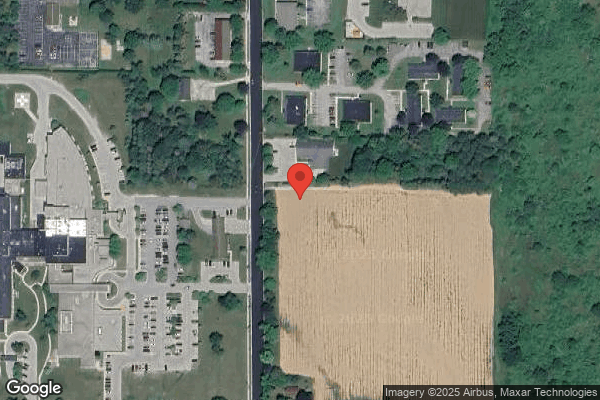
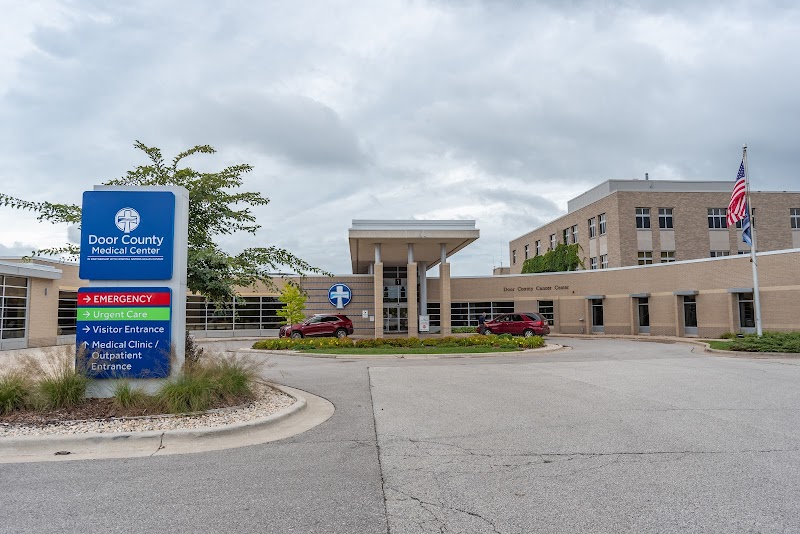
323 S 18TH AVE, STURGEON BAY, WI 54235 (920) 743-5566
Non profit - Corporation 32 Beds Independent Data: November 2025
Trust Grade
90/100
#25 of 321 in WI
Last Inspection: February 2025

Within standard 12-15 month inspection cycle. Federal law requires annual inspections.

Overview

Door County Memorial Hospital SNF has received an impressive Trust Grade of A, indicating it is highly recommended and excels in providing care. It ranks #25 out of 321 nursing homes in Wisconsin, placing it in the top half of facilities statewide, and #1 out of 3 in Door County, which means it is the best option in the area. However, the facility is experiencing a worsening trend, with issues increasing from 1 in 2024 to 7 in 2025. Staffing is a strong point, with a 5-star rating and a turnover rate of 40%, which is below the Wisconsin average, and the facility boasts more RN coverage than 98% of state facilities. On the downside, there have been concerning incidents, such as failing to properly investigate allegations of abuse involving multiple residents and not maintaining adequate infection control measures, which puts residents at risk. While the overall quality of care is excellent, families should be aware of these weaknesses when considering this facility.

Trust Score
A
90/100
In Wisconsin
#25/321
Top 7%
Safety Record
Low Risk
No red flags
Inspections
Getting Worse
1 → 7 violations
Staff Stability
○ Average
40% turnover. Near Wisconsin's 48% average. Typical for the industry.
Penalties
✓ Good
No fines on record. Clean compliance history, better than most Wisconsin facilities.
Skilled Nurses
✓ Good
Each resident gets 106 minutes of Registered Nurse (RN) attention daily — more than 97% of Wisconsin nursing homes. RNs are the most trained staff who catch health problems before they become serious.
Violations
○ Average
8 deficiencies on record. Average for a facility this size. Mostly minor or procedural issues.
★★★★★
5.0
Overall Rating
★★★★★
5.0
Staff Levels
★★★★★
5.0
Care Quality
★★★★☆
4.0
Inspection Score
Stable
2024: 1 issues
2025: 7 issues

The Good

  • 5-Star Staffing Rating · Excellent nurse staffing levels
  • 5-Star Quality Measures · Strong clinical quality outcomes
  • Full Sprinkler Coverage · Fire safety systems throughout facility
  • No fines on record
  • Staff turnover below average (40%)

    8 points below Wisconsin average of 48%

Facility shows strength in staffing levels, quality measures, fire safety.

The Bad

Staff Turnover: 40%

Near Wisconsin avg (46%)

Typical for the industry

The Ugly 8 deficiencies on record

Jul 2025 4 deficiencies
CONCERN (D) 📢 Someone Reported This

A family member, employee, or ombudsman was alarmed enough to file a formal complaint

Potential for Harm - no one hurt, but risky conditions existed

Notification of Changes (Tag F0580)

Could have caused harm · This affected 1 resident

**NOTE- TERMS IN BRACKETS HAVE BEEN EDITED TO PROTECT CONFIDENTIALITY** Based on staff interview and record review, the facility did not ensure an activated Power of Attorney for Healthcare (POAHC) an...

Read full inspector narrative →
**NOTE- TERMS IN BRACKETS HAVE BEEN EDITED TO PROTECT CONFIDENTIALITY** Based on staff interview and record review, the facility did not ensure an activated Power of Attorney for Healthcare (POAHC) and physician were notified timely of a change in condition for 1 resident (R) (R7) of 12 sampled residents.R7 sustained a skin tear of unknown origin on 6/7/25. R7's physician and POAHC were not notified of the injury until 6/10/25. Findings include:The facility's Notification of Changes in Condition or Status of Resident policy, revised 7/31/24, indicates: To assure that each resident receives prompt, high quality nursing service and medical care .Changes in a resident's condition or treatment are immediately shared with the resident and/or resident representative, according to their authority, and reported to the attending physician .1. Appropriate notification of the resident's physician .Resident and/or resident representative if any, and any other responsible person designated in writing .occurs in the event of the following: A. An unexpected or substantive change in the resident's physical, communicative, psychosocial, or functional status; B. An accident or injury that may involve physician intervention .1. Requirements for the notification of resident, their representative, and their physician: A. An accident involving the resident which results in injury and has the potential for requiring physician intervention .2. The nurse will immediately notify the resident, resident representative, physician, and as appropriate, the resident's Healthcare Power of Attorney (HCPOA) .An accident involving the resident which results in injury and has the potential for requiring physician intervention .4. If the attending physician or designated alternate is not available or does not respond appropriately, he/she must take further steps to obtain service for the resident. a. Notify the on- call physician. B. Notify Director of Nursing (DON) or designee .c. If the DON or designee is not immediately available, call the Medical Director .On 7/2/25, Surveyor reviewed R7's medical record. R7 was admitted to the facility on [DATE] and had diagnoses including myasthenia gravis, hypertension, heart failure, and depression. R7's most recent Minimum Data Set (MDS) assessment, dated 6/24/25, had a Brief Interview for Mental Status (BIMS) score of 3 out of 15 which indicated R7 had severely impaired cognition. On 7/2/25, Surveyor reviewed a facility-reported incident (FRI) that indicated R7 sustained a skin tear on the right upper arm which was identified on 6/7/25 between 7:00 and 7:45 PM. Registered Nurse (RN)-Q identified the skin tear during a skin assessment and prepared a physician update statement on 6/8/25 at 2:46 AM with instructions to send the fax to the physician with the update. On 7/2/25 at 12:11 PM, Surveyor interviewed RN-N who indicated RN-N sent a fax to the physician on 6/10/25 regarding R7's skin tear that was identified on 6/7/25. RN-N indicated the skin tear was small and if it had been larger, the on-call physician would have been notified. RN-N indicated the facility does not have a policy that indicates when a skin tear should be reported to the physician. RN-N indicated R7's POAHC was also notified of the skin tear on 6/10/25. On 7/2/25 at 1:00 PM, Surveyor interviewed RN-O who indicated it is up to the nurse's discretion when to notify the physician of a skin tear. RN-O indicated RN-O would only notify the on-call physician if the skin tear required medical attention such as stitches. RN-O indicated RN-O would update the physician on Monday if the skin tear occurred over the weekend if that was okay with the resident's POAHC. On 7/2/25 at 1:49 PM, Surveyor interviewed Nursing Home Administrator (NHA)-A who indicated the facility does not have a policy for reporting skin tears. NHA-A indicated a resident's POAHC should be notified immediately of a skin tear, usually within 24 hours. NHA-A indicated the on-call physician should be notified if a resident falls or hits their head, then clarified the physician should also be notified right away for skin tears. NHA-A indicated there are on-call physicians for weekends and nursing staff should follow-up with a fax to the resident's primary physician.
CONCERN (D) 📢 Someone Reported This

A family member, employee, or ombudsman was alarmed enough to file a formal complaint

Potential for Harm - no one hurt, but risky conditions existed

Report Alleged Abuse (Tag F0609)

Could have caused harm · This affected 1 resident

**NOTE- TERMS IN BRACKETS HAVE BEEN EDITED TO PROTECT CONFIDENTIALITY** Based on staff interview and record review, the facility did not report allegations of abuse and an injury of unknown origin to ...

Read full inspector narrative →
**NOTE- TERMS IN BRACKETS HAVE BEEN EDITED TO PROTECT CONFIDENTIALITY** Based on staff interview and record review, the facility did not report allegations of abuse and an injury of unknown origin to the State Agency (SA) for 3 residents (R) (R1, R10, and R7) of 4 sampled residents.R1 reported an allegation of abuse on 4/10/25. The facility did not report the allegation of abuse to the SA until 4/15/25. During an abuse investigation for R2, R10's Resident Representative ((RR)-E) reported an allegation of abuse involving Certified Nursing Assistant (CNA)-G and R10. The facility did not report the allegation of abuse to the SA. R7 had an injury of unknown origin that was discovered on 6/8/25. The facility did not report the injury of unknown origin to the SA until 6/11/25.Findings include: The facility's Prevention, Investigating, and Reporting Violations of Resident Rights Including Allegations of Abuse, Neglect, Misappropriation of Property and Injuries of Unknown Origin policy, revised 4/23/25, indicates: Any employee or contractor who witnesses or becomes aware of alleged misconduct, as defined in this policy, by another employee or contractor is to report such incident to the Nursing Home Administrator (NHA) and Director of Nursing (DON), Social Worker (SW), or Human Resources (HR) Department within 24 hours .Local law enforcement will also be notified of any situation where there is potential criminal offense .Notification of law enforcement and/or State Agency (SA) .as indicated .If the injury is unexplainable and if abuse is substantiated and if there is caregiver negligence or a therapeutic error that resulted in injury, a report must be made to Wisconsin Department of Health Services/Division of Quality Assurance within 24 hours of the findings. A. Within five business days of the original report, the NHA, DON, or SW will make a final decision regarding the outcome of the investigation .It is the policy of the facility that abuse allegations (abuse, neglect, exploitation or mistreatment, including injuries of unknown origin and misappropriation of resident property) are reported per federal and state law. The facility will ensure all alleged violations involving abuse, neglect, exploitation, mistreatment, and injuries of unknown origin are reported immediately, but not later than 2 hours after the allegation is made, if the events that cause the allegation involve abuse or result in serious bodily injury, or no later than 24 hours if the events that cause the allegation do not involve abuse and do not result in serious bodily injury, to the NHA or designee in accordance with state law. In addition, local law enforcement will be notified of any reasonable suspicion of a crime against a resident in the facility . 1. On 7/2/25, Surveyor reviewed a facility-reported incident (FRI) that alleged CNA-G pulled R1's hair in the dining room during lunch. The 24-hour report indicated the date discovered was 4/15/25 and the report was submitted on 4/16/25. The five-day investigation was submitted on 4/18/25. The investigation indicated CNA-K notified Registered Nurse (RN)-J on 4/10/25 at 5:30 PM that another resident had pulled R1's hair. RN-J interviewed R1 who indicated CNA-G had pulled R1s hair. Surveyor noted the incident occurred on 4/10/25 but was not reported to the SA until 4/15/25.On 7/2/25, Surveyor reviewed R1's medical record. R1 had diagnoses including bilateral leg weakness, cellulitis, lymphoma, and multiple sclerosis. R1's Minimum Data Set (MDS) assessment, dated 6/24/25, had a Brief Interview for Mental (BIMS) score of 15 out of 15 which indicated R1 had intact cognition. R1 was R1's own decision maker.On 7/2/25 at 11:35 AM, Surveyor interviewed R1 who indicated CNA-G pulled R1's hair. R1 indicated it upset R1 at the time which is why R1 told another CNA and RN-J talked to R1 about the incident. R1 indicated CNA-G was kidding, however, R1 did not know CNA-G was kidding at first. R1 thought CNA-G pulled R1's hair to make R1 upset and swore at CNA-G when CNA-G pulled R1's hair twice. R1 indicated CNA-G should have told R1 that it was a joke and said, Who pulls someone's hair? Kids do that. On 7/2/25 at 2:26 PM, Surveyor interviewed Nursing Home Administrator (NHA)-A who reviewed the FRI and indicated the allegation of abuse was reported and documented on 4/10/25 and interviews were done on 4/10/25. NHA-A indicated NHA-A thought the incident was a joke and that R1 was not upset and knew CNA-G was joking. NHA-A thought R1 was fine with the incident and stated there was no indication of an issue until R1 spoke with Social Worker (SW)-C on 4/15/25 and indicated the incident had upset R1. NHA-A verified NHA-A did not follow-up with R1 about the incident on 4/11/25 and indicated the allegation of abuse should have been reported within 24 hours. 2. On 7/2/25, Surveyor reviewed a FRI, dated 3/10/25, regarding an allegation of abuse between R2 and CNA-L. The investigation included resident and family interviews. RR-E was interviewed on 3/10/25 and indicated RR-E was not concerned for the safety of residents, however, sometimes CNA-F talked roughly and R10 appeared tense around CNA-F. On 7/2/25 at 2:10 PM, Surveyor interviewed RR-E who indicated no one followed-up with RR-E regarding the allegation of abuse and the care provided to R10 by CNA-F. RR-E indicated CNA-F's demeanor and the rough cares provided to R10 and other residents were reported to administration, including SW-C, during one of R10's care conferences as well. RR-E stated CNA-F is rough with cares at times and grabs R10's arms or legs and puts them in bed or grabs R10's arms and roughly states we need to do this or we need to do that. RR-E indicated it concerned RR-E because RR-E heard other residents mention the same thing.On 7/2/25 at 2:57 PM, Surveyor interviewed SW-C who indicated SW-C reported concerns that were brought to SW-C's attention to NHA-A or Director of Nursing (DON)-B most likely in an email. SW-C indicated RR-E indicated CNA-F was short with R10. On 7/2/25 at 3:01 PM, Surveyor interviewed NHA-A who was not aware of RR-E's concerns regarding the care R10 received from CNA-F. NHA-A indicated if NHA-A had known about the concerns, NHA-A would have reported the potential allegation of abuse to the SA.3. On 7/2/25, Surveyor reviewed a FRI that indicated R7 had a skin tear of unknown origin on the right upper arm that was identified on 6/7/25 between 7:00 and 7:45 PM. The Alleged Nursing Home Mistreatment, Neglect and Abuse Report indicated the injury was identified on 6/8/25 but was not reported to the SA until 6/11/25 at 12:08 PM. On 7/2/25, Surveyor reviewed R7's medical record. R7 was admitted to the facility on [DATE] and had diagnoses including myasthenia gravis, hypertension, heart failure, and depression. R7's MDS assessment, dated 6/24/25, had a BIMS score of 3 out of 15 which indicated R7 had severely impaired cognition. R7 had an activated Power of Attorney for Healthcare (POAHC) for medical decision making. On 7/2/25 at 2:25 PM, Surveyor interviewed NHA-A who indicated staff should report injuries of unknown origin to NHA-A or DON-B whenever they are discovered. NHA-A indicated NHA-A was aware R7's injury of unknown origin was identified on 6/8/25 and was not reported to the SA timely.
CONCERN (D) 📢 Someone Reported This

A family member, employee, or ombudsman was alarmed enough to file a formal complaint

Potential for Harm - no one hurt, but risky conditions existed

Medical Records (Tag F0842)

Could have caused harm · This affected 1 resident

**NOTE- TERMS IN BRACKETS HAVE BEEN EDITED TO PROTECT CONFIDENTIALITY** Based on staff interview and record review, the facility did not ensure medical records contained accurate and complete document...

Read full inspector narrative →
**NOTE- TERMS IN BRACKETS HAVE BEEN EDITED TO PROTECT CONFIDENTIALITY** Based on staff interview and record review, the facility did not ensure medical records contained accurate and complete documentation for 2 residents (R) (R3 and R4) of 12 sampled residents.R4 hit R3 in the legs on 5/9/25. Neither R3 or R4's medical records contained documentation of the altercation. Findings include: On 7/2/25, Surveyor reviewed a facility-reported incident (FRI) that was submitted to the State Agency (SA) on 5/9/25 and indicated Certified Nursing Assistant (CNA)-I observed R4 hit R3 in the legs when CNA-I walked by R3's room. CNA-I indicated R3 was in bed and R4 was in a wheelchair in R3's room. CNA-I brought R4 out of R3's room and reminded R4 not to hit R3. R4 responded, I can. The nurse assessed R3's skin and found no injuries. R3 and R4's representatives were notified and had no concerns. Local law enforcement was notified and indicated no further action was necessary. The physician was informed of R4's increasing behaviors and prescribed sertraline (an antidepressant medication). R3 denied that anyone had hurt R3 and did not report any pain. Neither R3 or R4 could recall the incident. On 7/2/25, Surveyor reviewed R3's medical record. R3 was admitted to the facility on [DATE] and had diagnoses including Alzheimer's dementia, diabetes, and cerebrovascular accident (CVA) (stroke). R3's Minimum Data Set (MDS) assessment, dated 4/22/5, had a Brief Interview for Mental Status (BIMS) score of 0 out of 15 which indicated R3 had severely impaired cognition. R3 had an activated Power of Attorney for Healthcare (POAHC). On 7/2/25, Surveyor reviewed R4's medical record. R4 was admitted to the facility on [DATE] and had diagnoses including memory impairment gradual onset and osteoarthritis. R4's MDS assessment, dated 6/17/25, had a BIMS score of 3 out of 15 which indicated R4 had severely impaired cognition. R4 had an activated POAHC. Surveyor noted the altercation was not documented in R3 or R4's medical records, including where and what occurred, interventions implemented to deescalate of the situation, physical and psychosocial assessments of R3 and R4, whether R3 and R4's representatives were notified, and whether R3 and R4's care plans were reviewed or revised. Surveyor noted it was difficult to ascertain whether R3 and R4's care plans were reviewed or revised after the altercation because dates were not included with interventions that were handwritten on the care plans. R3's care plan indicated R3 had a diagnosis of Alzheimer's dementia (created 2/13/25). A handwritten intervention indicated: Staff will help redirect me when I'm unaware of going into other residents' personal space to help avoid others from being upset with me (the intervention was not dated and did not contain the initials of who made the addition). R4's care plan indicated R4 became more confused during the evening hours (created 1/30/25) and contained and intervention that indicated: During the evening hours, I become more confused. Historically, I have been concerned about safety and intruders coming into my home. With my confusion, I may feel threatened by others (in the evening was crossed out in pen and did not contain a date or initials to signify who made the change) due to this. Staff will ensure my safety and help me with distancing from others when I feel this way.On 7/2/25 at 1:45 PM, Surveyor interviewed Nursing Home Administrator (NHA)-A who was unsure if R3 and R4's care plans were reviewed or revised since revision dates were not clearly documented. NHA-A also verified R3 and R4's medical records did not contain documentation of the altercation.
CONCERN (E) 📢 Someone Reported This

A family member, employee, or ombudsman was alarmed enough to file a formal complaint

Potential for Harm - no one hurt, but risky conditions existed

Investigate Abuse (Tag F0610)

Could have caused harm · This affected multiple residents

**NOTE- TERMS IN BRACKETS HAVE BEEN EDITED TO PROTECT CONFIDENTIALITY** Based on staff and resident interview and record review, the facility did not ensure allegations of abuse and an injury of unkno...

Read full inspector narrative →
**NOTE- TERMS IN BRACKETS HAVE BEEN EDITED TO PROTECT CONFIDENTIALITY** Based on staff and resident interview and record review, the facility did not ensure allegations of abuse and an injury of unknown origin were thoroughly investigated for 4 residents (R) (R1, R2, R10, and R7) of 8 sampled residents. R1 reported an allegation of abuse by Certified Nursing Assistant (CNA)-G on 4/10/25. The facility did not remove CNA-G from resident care pending an investigation or provide staff education regarding appropriate behavior with residents and professional boundaries. In addition, a skin assessment was not completed until two days after the allegation was reported.R2's family reported an allegation of abuse that involved CNA-L. The facility did not provide staff education on the facility's abuse policy or education on appropriate behavior during resident care. In addition, during the abuse investigation for R2, R10's Resident Representative ((RR)-E) reported an allegation of abuse involving R10 and CNA-F. The facility did not investigate the allegation of abuse.R7 had a skin tear that was discovered on 6/7/25. The facility did not provide thorough staff education regarding wearing jewelry, appropriate fingernail length, and selecting the correct sling size following the injury of unknown origin. Findings include:The facility's Prevention, Investigating, and Reporting Violations of Resident Rights Including Allegations of Abuse, Neglect, Misappropriation of Property, and Injuries of Unknown Origin policy, revised 4/23/25, indicates: The objective of the abuse policy is to comply with the seven-step approach to abuse and neglect detection and prevention. The abuse policy will be reviewed on an annual basis .to identify the plan of investigation should such allegations or injuries occur and to protect the resident during the investigation .It is the policy of this facility to train employees, through orientation and ongoing sessions, on issues related to abuse and prohibition practices .Staff and volunteers will receive education about resident mistreatment, neglect, and abuse, including injuries of unknown source .upon first employment and annually after that. Staff will be trained to immediately report to the appropriate person all allegations of misconduct including abuse, neglect, misappropriation of client property, and injuries of unknown origin .Occurrences, patterns, and trends that may constitute abuse will be investigated .The investigation is the process used to try to determine what happened. The designated facility personnel will begin the investigation immediately. A root cause investigation and analysis will be completed. The information gathered is given to administration. The investigation form will include comments, insights from staff who worked the previous two and current shift, other residents, family, and visitors as determined reasonable .The charge person will immediately assess the resident's personal safety and potential of harm to other residents. If the alleged perpetrator is named, that individual should leave resident care areas immediately. A complete body assessment will be completed. An assessment of the victim for psychosocial changes will be completed and medical/psychosocial treatment and support will be provided as necessary .The Nursing Home Administrator (NHA) or designee with be notified and an investigation will be initiated immediately .The charge person and NHA will determine whether an accused caregiver or another alleged perpetrator may continue to have contact with residents when the investigation is complete .a. Procedures must be in place to provide the resident with a safe, protected environment during the investigation: .i. The alleged perpetrator will immediately be removed and the resident protected. Employees accused of alleged abuse will be immediately removed from the facility and will remain removed pending the results of a thorough investigation .Education will be provided as needed to all parties involved .1.On 7/2/25, Surveyor reviewed a facility-reported incident (FRI) that indicated R1 reported that CNA-G pulled R1's hair in the dining room during lunch. The 24-hour report indicated the discovery date was 4/15/25 and the report was submitted on 4/16/25. The five-day report was submitted on 4/18/25. The five-day report indicated Registered Nurse (RN)-J was notified by CNA-K on 4/10/25 at approximately 5:30 PM that another resident pulled R1's hair. RN-J spoke with R1 who indicated CNA-G pulled R1's hair. The FRI indicated education was provided to CNA-G by Social Worker (SW)-C on appropriate ways to interact with residents and professional boundaries. The FRI also indicated CNA-G was able to return to work after the education was provided. Surveyor noted the FRI did not include education for other staff and a skin assessment to check for injuries was not completed until after R1's weekly scheduled shower on 4/12/25. On 7/2/25, Surveyor reviewed R1's medical record. R1 had diagnoses including bilateral leg weakness, cellulitis, lymphoma, and multiple sclerosis. R1's Minimum Data Set (MDS) assessment, dated 6/24/25, had a Brief Interview for Mental Status (BIMS) score of 15 out of 15 which indicated R1 had intact cognition. R1 was R1's own decision maker.On 7/2/25 at 11:35 AM, Surveyor interviewed R1 who indicated CNA-G pulled R1s hair. R1 indicated the incident upset R1 which is why R1 told another CNA and RN-J talked to R1 about the incident. R1 indicated CNA-G was kidding, however, CNA-G did not know CNA-G was kidding at first and thought CNA-G pulled R1's hair to make R1 upset. R1 swore at CNA-G when CNA-G pulled R1's hair twice. R1 indicated CNA-G should have told R1 it was a joke and said, Who pulls someone's hair? Kids do that.On 7/2/25, Surveyor reviewed time care punches for CNA-G. Surveyor noted CNA-G was accused of alleged abuse on 4/10/25 but provided resident care (including to R1) on the following dates and times until the investigation was completed on 4/18/25:~ 4/11/25: 6:00 AM - 3:00 PM~ 4/14/25: 5:54 AM - 2:44 PM~ 4/15/25: 6:00 AM - 2:40 PM~ 4/16/25: 6:00 AM - 11:00 [NAME] 7/2/25 at 1:40 PM and 2:26 PM, Surveyor interviewed Nursing Home Administrator (NHA)-A who verified the potential allegation of abuse was reported and documented on 4/10/25. NHA-A indicated NHA-A did not follow-up with R1 and thought R1 was fine with the incident. NHA-A indicated there was no indication of an issue until R1 spoke with SW-C on 4/15/25 and indicated R1 was upset during the incident. NHA-A also indicated CNA-G should not have worked during the investigation and should have been immediately removed from resident care. NHA-A confirmed an assessment was not completed for R1 following the allegation of abuse and confirmed the only documented skin assessment was completed on R1's scheduled shower day which was two days after the allegation was reported. 2. On 7/2/25, Surveyor reviewed a FRI that contained a 24-hour report, dated 3/10/25, regarding an allegation of abuse involving CNA-L and R2. The FRI indicated CNA-L firmly put a soaker pad on R2 and potentially slapped R2. The investigation included resident and family interviews, including an interview with R10's Resident Representative ((RR)-E) who was interviewed on 3/10/25. RR-E indicated to SW-C that RR-E was not concerned about the safety of residents, however, sometimes CNA-F talked roughly and it appeared R10 tensed up around CNA-F. On 7/2/25, Surveyor reviewed R10's medical record. R10 had diagnoses including dementia, Alzheimer's disease, and anxiety disorder. R10's MDS assessment, dated 6/10/25, had a BIMS score of 1 out of 15 which indicated R10 had severely impaired cognition. R10 had an activated Power of Attorney for Healthcare (POAHC).On 7/2/25 at 2:10 PM, Surveyor interviewed RR-E who indicated no one followed-up with RR-E regarding care provided to R10 by CNA-F. RR-E indicated CNA-F's demeanor and the rough cares provided to R10 and other residents were also reported to administration, including SW-C, during one of R10's care conferences. RR-E indicated CNA-F is rough with cares at times and grabs R10's arms or legs and puts them in bed or grabs R10's arms and roughly states we need to do this or we need to do that. RR-E indicated RR-E reported the concerns because it was concerning that CNA-F was rough and RR-E had heard other residents say the same thing. RR-E did not know if administrative staff spoke to CNA-F about the rough cares and language with residents.On 7/2/25 at 2:57 PM, Surveyor interviewed SW-C who indicated SW-C reports all concerns brought to SW-C's attention during an investigation of abuse to NHA-A or Director of Nursing (DON)-B and indicated SW-C informed NHA-A or DON-B most likely in an email. SW-C indicated RR-E stated CNA-F was short with R10 and verified SW-C did not investigate any further. On 7/2/25 at 3:01 PM, Surveyor interviewed NHA-A who was not aware of the concerns RR-E reported to SW-C regarding care provided by CNA-F. NHA-A indicated if NHA-A was aware of the concerns, an investigation would have been initiated. On 7/2/25 at 12:31 PM while reviewing employee training files with Human Resources (HR)-D, Surveyor noted accused staff in abuse allegations did not have documented in-service training. Surveyor noted CNA-F, CNA-G and CNA-L's employee training files did not contain training regarding behaviors, appropriate interactions, boundaries, resident care, and/or customer service. Surveyor interviewed HR-D who indicated all completed in-service trainings are documented in employees' training logs. On 7/2/25 at 2:57 PM, Surveyor interviewed SW-C who could not provide documentation of education to staff during the time frames of the allegations of abuse involving R1 and R2. SW-C indicated education may have been provided by the Ombudsman or during a stand-up or CNA meeting. On 7/2/25 at 1:40 PM, Surveyor interviewed NHA-A who indicated NHA-A would check in DON-B's office for education documentation and employee sign-off sheets. NHA-A indicated the Ombudsman provided some education and NHA-A would provide the documentation to Surveyor. On 7/2/25 at 2:16 PM and 2:47 PM, NHA-A approached Surveyor and indicated abuse training is done annually for employees. NHA-A indicated NHA-A could not locate documented education for the abuse allegations involving R1 and R2. NHA-A provided Surveyor with Ombudsman education that was provided to staff on 5/19/25. Surveyor noted the education was on guardianships, powers of attorney and their rights, and general resident rights training. The employee sign-off sheet did not indicate all employees received the education. 3. On 7/2/25, Surveyor reviewed a FRI that indicated R7 had a skin tear on the right upper arm that was discovered on 6/7/25 between 7:00 PM and 7:45 PM. The summary indicated SW-C indicated the skin tear could have occurred when R7's arm rubbed against a lift sling since R7 had fragile skin. A larger size sling was requested from the Hospice agency that provided the sling. The summary indicated SW-C provided education to CNA-H regarding wearing jewelry and fingernail length. The FRI contained interviews from RN-Q who was not sure how the skin tear occurred and CNA-H who provided care to R7 when the skin tear was discovered and also was not sure how the skin tear occurred. The investigation did not determine how the skin tear occurred. On 7/2/25, Surveyor reviewed R7's medical record. R7 was admitted to the facility on [DATE] and had diagnoses including myasthenia gravis, hypertension, heart failure, and depression. R7's most recent MDS assessment, dated 6/24/25, had a BIMS score of 3 out of 15 which indicated R7 had severely impaired cognition. R7 had an activated POAHC.On 7/2/25 at 12:11 PM, Surveyor interviewed RN-N who assisted with the investigation and indicated the skin tear could have been from a sling or staffs' jewelry or long fingernails. RN-N indicated the skin tear was not identified when R7 was transferred to bed but was identified during cares. On 7/2/25 at 12:31 PM, Surveyor interviewed CNA-R who did not recall the last time CNA-R was educated on lift sling sizes. CNA-R indicated CNA-R received education on nail length, jewelry, and working with fragile skin approximately a month and a half prior when CNA-R was given a policy to read. CNA-R indicated no one followed up to ensure CNA-R read the policy. On 7/2/25 at 12:37 PM, Surveyor interviewed CNA-H who did not recall receiving education on lift sling sizes. CNA-H indicated CNA-H was educated on R7's fragile skin after an injury occurred prior to the skin tear that was identified on 6/7/25. CNA-H indicated a policy about jewelry and fingernail length was distributed approximately 2 months prior and an email was sent with the policy after R7's skin tear was discovered on 6/7/25. CNA-H stated CNA-H was not asked to verify or sign that CNA-H read the policy. CNA-H indicated SW-C talked to CNA-H after the incident on 6/7/25.On 7/2/25 at 12:49 PM, Surveyor interviewed CNA-I who stated CNA-I received an email approximately 2 weeks prior that indicated staff should not wear dangly jewelry or fake nails and nails should be short. CNA-I was not sure what was considered short for nail length.On 7/2/25 at 2:16 PM, Surveyor interviewed NHA-A who indicated staff are educated on abuse, neglect, and misappropriation during onboarding and on an annual basis. On 7/2/25 at 3:10 PM, Surveyor interviewed SW-C who indicated NHA-A and/or DON-B send education emails to staff. On 7/2/25 at 3:48 PM, NHA-A indicated NHA-A was not sure if staff opened or understood educational emails with attached policies. NHA-A indicated administration does huddles with AM and PM staff and provide education at monthly staff meetings, however, they are not as consistent with night (NOC) staff.On 7/2/25 at approximately 4:00 PM, Surveyor reviewed a staff meeting folder provided by NHA-A that contained staff meeting information for a 2/5/25 education on Body and Lifts (a sheet with 14 staff signatures with training information) that did not include how to select the correct sling size.
Feb 2025 3 deficiencies
CONCERN (D)

Potential for Harm - no one hurt, but risky conditions existed

Notification of Changes (Tag F0580)

Could have caused harm · This affected 1 resident

**NOTE- TERMS IN BRACKETS HAVE BEEN EDITED TO PROTECT CONFIDENTIALITY** Based on staff interview and record review, the facility did not ensure notification was provided in accordance with a physician...

Read full inspector narrative →
**NOTE- TERMS IN BRACKETS HAVE BEEN EDITED TO PROTECT CONFIDENTIALITY** Based on staff interview and record review, the facility did not ensure notification was provided in accordance with a physician's order for 1 resident (R) (R17) of 1 sampled resident. R17 had an order for daily weights and to notify the physician if R17 gained or lost more than 5 pounds. Staff did not consistently follow the order. Findings include: From 2/17/25 to 2/19/25, Surveyor reviewed R17's medical record. R17 was admitted to the facility on [DATE] and had diagnoses including edema, diabetes mellitus, hypertensive heart with chronic kidney disease with heart failure and end stage renal disease, and chronic obstructive pulmonary disease (COPD). R17's Minimum Data Set (MDS) assessment, dated 7/1/24, had a Brief Interview for Mental Status (BIMS) score of 15 out of 15 which indicated R17 had intact cognition. R17's care plan, dated 10/5/23, indicated R17 had fluctuations in weight from retaining excess fluid and due to fluid shifts with dialysis. The care plan indicated R17 received diuretic medication as ordered and contained an intervention for daily weights and to closely follow changes. R17's treatment administration record (TAR) contained an order for daily weights and to notify the physician if R17's weight fluctuated more or less then 5 pounds. Surveyor reviewed R17's weights and noted R17 weighed 245.6 pounds on 2/2/25. R17's morning weight on 2/3/25 was 251 pounds which was an increase of over 5 pounds from the previous day. R17's medical record did not indicate R17's physician was notified of the weight increase. On 2/19/25 at 10:27 AM, Surveyor interviewed Registered Nurse (RN)-C who confirmed R17 had a more than 5 pound weight gain from 2/2/25 to 2/3/25. RN-C verified R17's TAR indicated the physician should be notified if R17 had a more than 5 pound weight gain. RN-C indicated there was no documentation or fax slip to indicate the physician was notified of R17's weight increase on 2/3/25. On 2/19/25 at 11:36 AM, Surveyor interviewed Director of Nursing (DON)-B who indicated staff should follow the physician order and notify the physician if there is a loss or gain of more than 5 pound from R17's last weight. DON-B confirmed physician notification was not documented in R17's medical record.
CONCERN (D)

Potential for Harm - no one hurt, but risky conditions existed

Pharmacy Services (Tag F0755)

Could have caused harm · This affected 1 resident

**NOTE- TERMS IN BRACKETS HAVE BEEN EDITED TO PROTECT CONFIDENTIALITY** Based on staff interview and record review, the facility did not ensure the accurate administration of medication for 1 resident...

Read full inspector narrative →
**NOTE- TERMS IN BRACKETS HAVE BEEN EDITED TO PROTECT CONFIDENTIALITY** Based on staff interview and record review, the facility did not ensure the accurate administration of medication for 1 resident (R) (R17) of 5 sampled residents. On 2/2/25, R17 was not administered an extra 1 milligram (mg) dose of bumetanide (a diuretic medication) in accordance with the physician's order. Findings include: From 2/17/25 to 2/19/25, Surveyor reviewed R17's medical record. R17 was admitted to the facility on [DATE] and had diagnoses including edema, diabetes mellitus, hypertensive heart with chronic kidney disease with heart failure and end stage renal disease, and chronic obstructive pulmonary disease (COPD). R17's Minimum Data Set (MDS) assessment, dated 7/1/24, had a Brief Interview for Mental Status (BIMS) score of 15 out of 15 which indicated R17 had intact cognition. R17's nutritional status care plan, dated 10/5/23, indicated R17 took diuretics as prescribed by the physician. R17's treatment administration record (TAR) contained an order for daily weights and to notify the physician if R17 had a weight change of more or less than 5 pounds. R17 had the following physician orders: ~Bumetanide 1 mg (2 tabs) daily for congestive heart failure (CHF) with an instruction to give an additional 1 mg of bumetanide if R17's weight increased 4 pounds in 1 day. ~Bumetanide 1 mg tablet as needed (PRN) with an instruction to give an additional 1 mg of bumetanide if R17's weight increased 4 pounds in 1 day. Surveyor reviewed R17's weights and noted R17 weighed 241.12 pounds. On 2/2/25, R17 weighed 245.6 pounds which was an increase of 4.48 pounds. R17's medication administration record (MAR) did not indicate staff administered an additional 1 mg of bumetanide as ordered for the increased weight gain. On 2/19/25 at 10:27 AM, Surveyor interviewed RN-C who confirmed R17 should receive an extra 1 mg dose of bumetanide for a 4 pound or greater weight increase. RN-C indicated R17 was weighed daily and confirmed bumetanide was not administered on 2/2/25 in accordance with the physician's order. On 2/19/25 at 11:36 AM, Surveyor interviewed Director of Nursing (DON)-B who verified R17 had a 4.48 pound weight increase on 2/2/25. DON-B verified an extra 1 mg of bumetanide was not administered to R17 as ordered.
CONCERN (E)

Potential for Harm - no one hurt, but risky conditions existed

Infection Control (Tag F0880)

Could have caused harm · This affected multiple residents

Based on observation, staff interview, and record review, the facility did not maintain an infection prevention and control program designed to prevent the transmission of communicable disease and inf...

Read full inspector narrative →
Based on observation, staff interview, and record review, the facility did not maintain an infection prevention and control program designed to prevent the transmission of communicable disease and infection for 2 residents (R) (R28 and R17) of 2 residents. This practice had the potential to affect more than 4 of the the 31 residents who resided in the facility. Staff did not ensure the facility's infection surveillance line list was current and up-to-date for R28 and R17. Staff did not ensure a laundry cart was covered to prevent contamination of clean linens and did not ensure clean and dirty areas were not subject to cross-contamination in the laundry room. Findings include: The facility's Infection Prevention Surveillance policy, revised 11/6/24, indicates: .Surveillance will include observing the environment for cleanliness and other evidence of compliance to policies and procedures .Responsibility for collection of data and compiling reports will be that of the Infection Prevention Practitioner. Immediate problems will be brought to the attention of the physician, the hospital staff, or the Public Health Department .Special investigation of unusual epidemics, clusters of infections, or single cases of unusual infections or pathogens will be performed. Reports will be reviewed by the Infection Prevention Physician Advisor on a regular basis. The facility's Infection Prevention Plan, revised 3/14/24, indicates: It is the policy of the facility to have a comprehensive infection control plan and an active infection control program. An Infection Control Practitioner, along with a Physician Advisor, shall be responsible for the program of identification, prevention, and control of infections acquired in the facility or brought from the community .C. Surveillance: The skilled nursing facility (SNF) surveillance system uses two approaches: process surveillance which reviews compliance with established recognized guidelines for the prevention of infections and outcome surveillance which uses standard definitions/criteria (McGeers criteria) to determine infections by reviewing date and outcomes .The Director of Nursing (DON) makes daily rounds and uses a line listing log for staff to document symptoms of potential infections. The facility's Antibiotic Stewardship policy, revised 9/20/24, indicates: The Infection Preventionist or DON will track antibiotic use and monitor adherence to evidence-based criteria .1. Documentation related to antibiotic selection and use. 2. Tracking antibiotics used to review patterns of use and determination of the impact of the antibiotic stewardship interventions. 3. Monitoring for clinical outcomes such as rates of C. difficile infections, antibiotic-resistant organisms, or adverse drug events. On 2/18/25, Surveyor reviewed the facility's line list and noted R28 was not on the list for a urinary tract infection (UTI) or an antibiotic that was prescribed on 2/10/25. R28's medical record indicated a urinalysis was ordered on 2/7/25 and R28's physician ordered cipro (an antibiotic medication) for the UTI. An Infection Control Checklist in R28's medical record was completed on 2/11/24 instead of 2/10/24 for the 72 hour physician follow-up. On 2/18/25, Surveyor reviewed a January 2025 antibiotic usage sheet that was provided by the facility's contracted pharmacy and had a print date of 2/10/25. The sheet indicated R17 received doxycycline (an antibiotic medication) and cefepime (an antibiotic medication). Surveyor reviewed the facility's January 2025 line list which did not indicate R17 was treated with an antibiotic for a UTI. On 2/19/25 at 11:30 AM, Surveyor interviewed DON-B who confirmed residents on antibiotics should be placed on the line list for surveillance. DON-B indicated there are individual sheets for infection control monitoring in residents' medical records and the Infection Preventionist pulls that information from the record and puts it on the line list. DON-B confirmed neither R28 or R17 were on the line list. 2. On 2/18/25 at 8:21 AM, Surveyor observed an uncovered linen cart in the 100 wing hallway that contained Chux pads, blankets, sheets, top sheets, towels, wash clothes, and gowns. On 2/18/25 at 8:25 AM, Surveyor interviewed CNA-E who confirmed the linen cart should be covered and immediately covered the cart. On 2/18/25 at 11:30 AM, Surveyor interviewed DON-B who confirmed linen carts should be covered and put away after the majority of cares are completed in the morning. 3. On 2/18/25 at 8:31 AM, Surveyor observed the 200 wing laundry room and noted a bag of dirty linens on the clean side of the room next to folded clothes. On 2/18/25 at 8:33 AM, Surveyor interviewed Certified Nursing Assistant (CNA)-D who confirmed the bag of linens was dirty and should not be on the clean side of the room next to clean folded clothes. On 2/19/25 at 11:30 AM, Surveyor interviewed DON-B who indicated the clean and dirty sides of the laundry room should be kept separate. DON-B indicated clean clothes should be kept on the clean side and dirty items should be kept on the dirty side.
Jan 2024 1 deficiency
CONCERN (E) 📢 Someone Reported This

A family member, employee, or ombudsman was alarmed enough to file a formal complaint

Potential for Harm - no one hurt, but risky conditions existed

Investigate Abuse (Tag F0610)

Could have caused harm · This affected multiple residents

**NOTE- TERMS IN BRACKETS HAVE BEEN EDITED TO PROTECT CONFIDENTIALITY** Based on staff interview and record review, the facility did not thoroughly investigate an allegation of abuse for 1 Resident (R...

Read full inspector narrative →
**NOTE- TERMS IN BRACKETS HAVE BEEN EDITED TO PROTECT CONFIDENTIALITY** Based on staff interview and record review, the facility did not thoroughly investigate an allegation of abuse for 1 Resident (R) (R18) of 1 resident prior to allowing the accused staff member to continue providing resident care. This had the potential to affect 14 residents. On 12/28/23 at 6:30 PM, an allegation of verbal abuse involving Certified Nursing Assistant (CNA)-C and R18 was reported to Nursing Home Administrator (NHA)-A. CNA-C was not removed from resident care areas per the facility's policy pending the results of the investigation. Findings include: The facility's abuse policy titled Prevention, Investigating and Reporting Violations of Resident Rights ., with a revision date of 8/29/23, indicates any staff member named in an allegation of abuse will be removed from resident care areas pending the outcome of the investigation. On 1/4/24, Surveyor reviewed R18's medical record. R18 was admitted to the facility on [DATE], recently began dialysis treatment, and had diagnoses including recent amputation of the right knee, depression, and type 2 diabetes. R18's Minimum Data Set (MDS) assessment, dated 12/19/23, contained a Brief Interview for Mental Status (BIMS) score of 15 out of 15 which indicated R18 had intact cognition. On 1/4/24, Surveyor reviewed a facility-reported incident investigation that indicated NHA-A received a phone call on 12/28/23 at 6:30 PM from CNA-C who stated R18 said CNA-C called R18 fat during a transfer. R18 was upset and angry about the incident. As a preventative measure, CNA-C was moved to another unit which contained 14 residents, but was not removed from resident care areas or supervised during resident care. On 1/4/24 at 3:22 PM, Surveyor interviewed NHA-A who confirmed CNA-C continued to provide care and interact with residents while the investigation was in process. NHA-A acknowledged NHA-A should have removed CNA-C from resident care areas pending the outcome of the investigation per the facility's policy.
Understanding Severity Codes (click to expand)
Life-Threatening (Immediate Jeopardy)
J - Isolated K - Pattern L - Widespread
Actual Harm
G - Isolated H - Pattern I - Widespread
Potential for Harm
D - Isolated E - Pattern F - Widespread
No Harm (Minor)
A - Isolated B - Pattern C - Widespread

Questions to Ask on Your Visit

  • "Can I speak with families of current residents?"
  • "What's your RN coverage like on weekends and overnight?"

Our Honest Assessment

Strengths
  • • Grade A (90/100). Above average facility, better than most options in Wisconsin.
  • • No major safety red flags. No abuse findings, life-threatening violations, or SFF status.
  • • No fines on record. Clean compliance history, better than most Wisconsin facilities.
  • • 40% turnover. Below Wisconsin's 48% average. Good staff retention means consistent care.
Concerns
  • • No significant concerns identified. This facility shows no red flags across CMS ratings, staff turnover, or federal penalties.
Bottom line: Generally positive indicators. Standard due diligence and a personal visit recommended.

About This Facility

What is Door County Memorial Hospital Snf's CMS Rating?

CMS assigns DOOR COUNTY MEMORIAL HOSPITAL SNF an overall rating of 5 out of 5 stars, which is considered much above average nationally. Within Wisconsin, this rating places the facility higher than 99% of the state's 100 nursing homes. This rating reflects solid performance across the metrics CMS uses to evaluate nursing home quality.
How is Door County Memorial Hospital Snf Staffed?

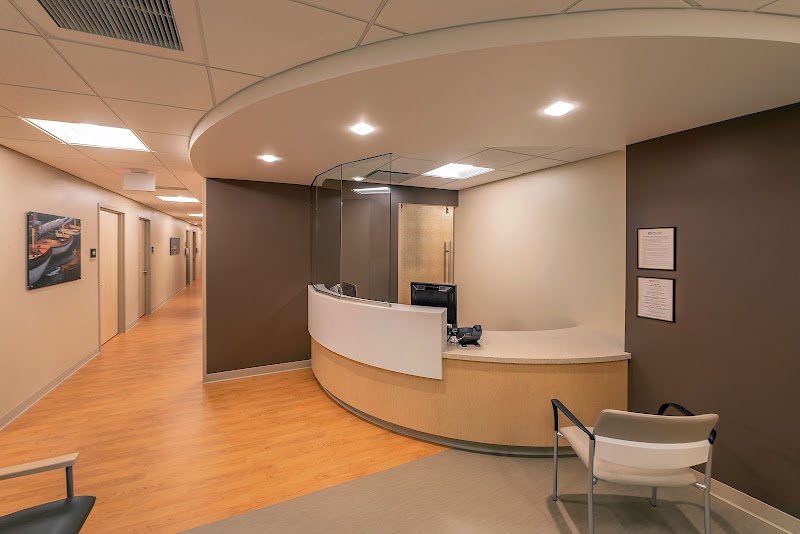
CMS rates DOOR COUNTY MEMORIAL HOSPITAL SNF's staffing level at 5 out of 5 stars, which is much above average compared to other nursing homes. Staff turnover is 40%, compared to the Wisconsin average of 46%. This relatively stable workforce can support continuity of care.

What Have Inspectors Found at Door County Memorial Hospital Snf?

State health inspectors documented 8 deficiencies at DOOR COUNTY MEMORIAL HOSPITAL SNF during 2024 to 2025. These included: 8 with potential for harm.
Who Owns and Operates Door County Memorial Hospital Snf?

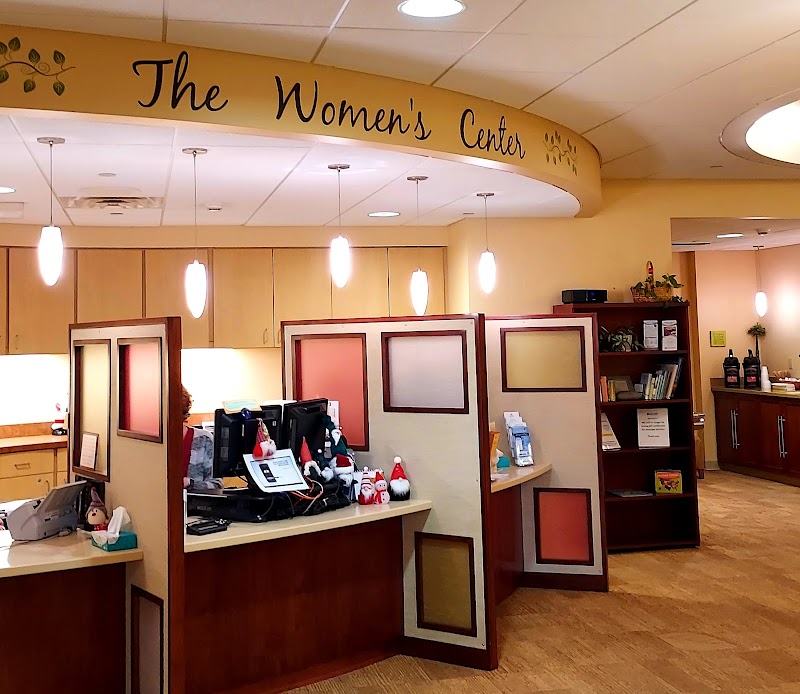
DOOR COUNTY MEMORIAL HOSPITAL SNF is owned by a non-profit organization. Non-profit facilities reinvest revenue into operations rather than distributing to shareholders. The facility operates independently rather than as part of a larger chain. With 32 certified beds and approximately 31 residents (about 97% occupancy), it is a smaller facility located in STURGEON BAY, Wisconsin.
How Does Door County Memorial Hospital Snf Compare to Other Wisconsin Nursing Homes?

Compared to the 100 nursing homes in Wisconsin, DOOR COUNTY MEMORIAL HOSPITAL SNF's overall rating (5 stars) is above the state average of 3.0, staff turnover (40%) is near the state average of 46%, and health inspection rating (4 stars) is above the national benchmark.

What Should Families Ask When Visiting Door County Memorial Hospital Snf?

Based on this facility's data, families visiting should ask: "Can I visit during a mealtime to observe dining assistance and food quality?" "How do you handle medical emergencies, and what is your hospital transfer rate?" "Can I speak with family members of current residents about their experience?"

Is Door County Memorial Hospital Snf Safe?

Based on CMS inspection data, DOOR COUNTY MEMORIAL HOSPITAL SNF has a clean safety record: no substantiated abuse findings (meaning no confirmed cases of resident harm), no Immediate Jeopardy citations (the most serious violation level indicating risk of serious injury or death), and is not on the Special Focus Facility watch list (a federal program monitoring the lowest-performing 1% of nursing homes). The facility has a 5-star overall rating and ranks #1 of 100 nursing homes in Wisconsin. While no facility is perfect, families should still ask about staff-to-resident ratios and recent inspection results during their visit.

Do Nurses at Door County Memorial Hospital Snf Stick Around?

DOOR COUNTY MEMORIAL HOSPITAL SNF has a staff turnover rate of 40%, which is about average for Wisconsin nursing homes (state average: 46%). Moderate turnover is common in nursing homes, but families should still ask about staff tenure and how the facility maintains care continuity when employees leave.

Was Door County Memorial Hospital Snf Ever Fined?

DOOR COUNTY MEMORIAL HOSPITAL SNF has no federal fines on record. CMS issues fines when nursing homes fail to meet care standards or don't correct problems found during inspections. The absence of fines suggests the facility has either maintained compliance or corrected any issues before penalties were assessed. This is a positive indicator, though families should still review recent inspection reports for the full picture.

Is Door County Memorial Hospital Snf on Any Federal Watch List?

DOOR COUNTY MEMORIAL HOSPITAL SNF is not on any federal watch list. The most significant is the Special Focus Facility (SFF) program, which identifies the bottom 1% of nursing homes nationally based on persistent, serious quality problems. Not being on this list means the facility has avoided the pattern of deficiencies that triggers enhanced federal oversight. This is a positive indicator, though families should still review the facility's inspection history directly.