STURGEON BAY HEALTH SERVICES
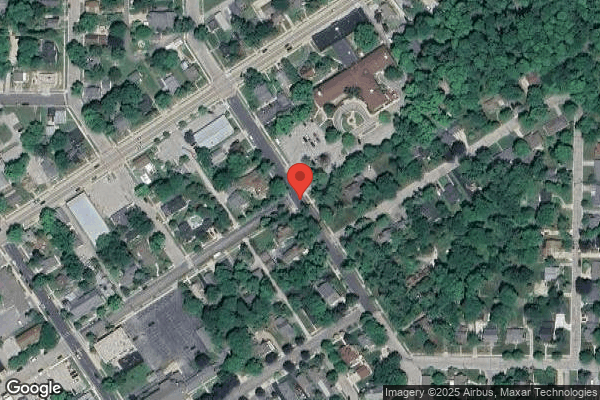
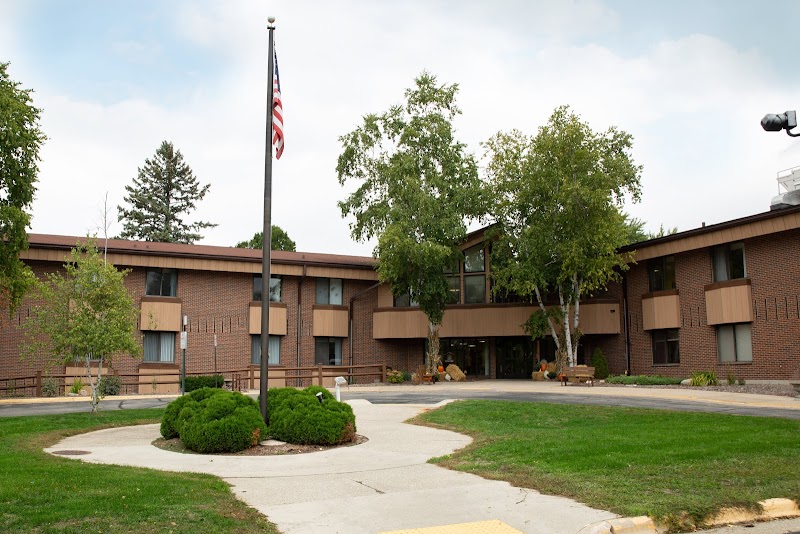
200 N SEVENTH AVE, STURGEON BAY, WI 54235 (920) 743-6274
For profit - Corporation 50 Beds NORTH SHORE HEALTHCARE Data: November 2025
Trust Grade
60/100
#175 of 321 in WI
Last Inspection: October 2024

Within standard 12-15 month inspection cycle. Federal law requires annual inspections.

Overview

Sturgeon Bay Health Services has a Trust Grade of C+, indicating it is slightly above average but still not without concerns. Ranked #175 out of 321 nursing homes in Wisconsin, it falls in the bottom half of facilities statewide, though it is #2 of 3 in Door County, meaning only one nearby option is better. The facility is improving, with issues decreasing from five in 2024 to three in 2025, but there are still significant concerns; for example, a resident was not transferred safely, leading to serious injury and hospitalization. Staffing is stable with a turnover rate of 40%, which is below the state average, but the facility has only average RN coverage. While there are no fines on record, a serious incident involving inadequate infection control practices and improper food safety measures raises red flags about the overall quality of care.

Trust Score
C+
60/100
In Wisconsin
#175/321
Bottom 46%
Safety Record
Moderate
Needs review
Inspections
Getting Better
5 → 3 violations
Staff Stability
○ Average
40% turnover. Near Wisconsin's 48% average. Typical for the industry.
Penalties
✓ Good
No fines on record. Clean compliance history, better than most Wisconsin facilities.
Skilled Nurses
○ Average
Each resident gets 37 minutes of Registered Nurse (RN) attention daily — about average for Wisconsin. RNs are the most trained staff who monitor for health changes.
Violations
⚠ Watch
13 deficiencies on record. Higher than average. Multiple issues found across inspections.
★★★☆☆
3.0
Overall Rating
★★★☆☆
3.0
Staff Levels
★★☆☆☆
2.0
Care Quality
★★★☆☆
3.0
Inspection Score
Stable
2024: 5 issues
2025: 3 issues

The Good

  • Full Sprinkler Coverage · Fire safety systems throughout facility
  • No fines on record
  • Staff turnover below average (40%)

    8 points below Wisconsin average of 48%

Facility shows strength in fire safety.

The Bad

3-Star Overall Rating

Near Wisconsin average (3.0)

Meets federal standards, typical of most facilities

Staff Turnover: 40%

Near Wisconsin avg (46%)

Typical for the industry

Chain: NORTH SHORE HEALTHCARE

Part of a multi-facility chain

Ask about local staffing decisions and management

The Ugly 13 deficiencies on record

1 actual harm
Jul 2025 1 deficiency
CONCERN (D) 📢 Someone Reported This

A family member, employee, or ombudsman was alarmed enough to file a formal complaint

Potential for Harm - no one hurt, but risky conditions existed

Infection Control (Tag F0880)

Could have caused harm · This affected 1 resident

**NOTE- TERMS IN BRACKETS HAVE BEEN EDITED TO PROTECT CONFIDENTIALITY** Based on observation, staff interview, and record review, the facility did not maintain an infection prevention and control prog...

Read full inspector narrative →
**NOTE- TERMS IN BRACKETS HAVE BEEN EDITED TO PROTECT CONFIDENTIALITY** Based on observation, staff interview, and record review, the facility did not maintain an infection prevention and control program designed to prevent the development and transmission of communicable disease and infection for 3 residents (R) (R3, R4, and R5) of 3 residents observed during the provision of care. R3 was on enhanced barrier precautions (EBP). On 7/8/25, staff repositioned R3, adjusted R3's pillows and bedding, and provided incontinence care without wearing a gown and/or gloves. In addition, staff administered medication to R3, exited the room without completing hand hygiene, and retrieved supplies from the medication cart for another resident.R4 was on EBP. On 7/8/24, staff dressed and groomed R4 without wearing a gown or gloves.R5 was on EBP. On 7/8/25, staff assisted R5 with peri-care and a transfer from toilet to wheelchair without wearing a gown.Findings include:The facility's Enhanced Barrier Precautions Policy, revised 8/8/24, indicates: .Enhanced barrier precautions (EBP) refer to an infection control intervention designed to reduce transmission of multidrug-resistant organisms (MDROs) that employs targeted gown and glove use during high-contact resident care activities .4. High-contact resident care activities include: a. dressing; .c. transferring; d. providing hygiene; e. changing linens; f. changing briefs or assisting with toileting .The facility's Medication Administration General Guidelines Policy, revised 1/2025, indicates: .Medication Administration: .11 .Hands are washed with soap and water again after administration and with any resident contact. Antimicrobial sanitizer may be used in place of soap and water as allowed per state nursing regulations and facility policy .1. On 7/8/25, Surveyor reviewed R3's medical record. R3 was admitted to the facility on [DATE] and had diagnoses including dementia, history of multiple sclerosis, acute cystitis without hematuria, and neuromuscular dysfunction of bladder. R3's Minimum Data Set (MDS) assessment, dated 5/4/25, contained a Brief Interview for Mental Status (BIMS) score of 4 out of 15 which indicated R3 had severe cognitive impairment. R3 had a Guardian for healthcare decisions. R3's medical record indicated R3 was on EBP for a pressure Injury.On 7/8/25 at 8:47 AM, Surveyor observed Certified Nursing Assistant (CNA)-C reposition R3, place pillows behind R3's back, and adjust R3's bedding and gown without wearing a gown or gloves. Surveyor observed an EBP sign and a personal protective equipment (PPE) cart that contained gowns and gloves outside R3's room. At 8:54 AM, Surveyor observed CNA-C provide incontinence care for R3 and noted CNA-C wore gloves but did not wear a gown.On 7/8/25 at 10:09 AM, Surveyor interviewed CNA-C who did not know why R3 was on EBP. CNA-C verified an EBP sign was posted outside R3's room and indicated a gown and gloves should be worn when personal cares are provided.On 7/8/25 at 11:22 AM, Surveyor interviewed Infection Control (IC)-F who indicated R3 was on EBP for a now healed pressure injury, however, the facility's policy indicates EBP is maintained for two weeks post wound healing. IC-F indicated staff should follow EBP when repositioning, adjusting bed linens, and providing incontinence care for R3.On 7/8/25 at 11:54 AM, Surveyor interviewed Director of Nursing (DON)-B who indicated staff should wear a gown and gloves during repositioning, adjusting pillows/linens, and during incontinence care for residents on EBP. 2. On 7/8/25 at 9:11 AM, Surveyor observed Licensed Practical Nurse (LPN)-E administer medication and adjust R3's linens without wearing a gown or gloves. LPN-E then exited R3's room without completing hand hygiene and retrieved a blood glucose monitor and supplies for another resident from the medication cart. On 7/8/25 at 10:16 AM, Surveyor interviewed LPN-E who confirmed R3 was on EBP and an EBP sign was posted outside R3's room. LPN-E verified LPN-E did not complete hand hygiene after administering medication to R3 and before retrieving items from the medication cart. On 7/8/25 at 11:54 AM, Surveyor interviewed DON-B who indicated staff should complete hand hygiene after administering medication and prior to entering the medication cart.3. On 7/8/25, Surveyor reviewed R4's medical record. R4 was admitted to the facility on [DATE] and had diagnoses including history of quadriplegia, urinary tract infection (UTI), and neuromuscular dysfunction of bladder. R4's MDS assessment, dated 6/2/25, contained a BIMS score of 15 out of 15 which indicated R4 had intact cognition. R4 was responsible for R4's healthcare decisions. On 7/8/25 at 10:07 AM, Surveyor observed CNA-C and CNA-D dress R4, put on R4's socks, and fix R4's hair without wearing a gown or gloves. Surveyor observed an EBP sign and a PPE cart that contained gowns and gloves outside R4's room. On 7/8/25 at 10:09 AM, Surveyor interviewed CNA-C who verified CNA-C did not wear a gown or gloves while dressing/grooming R4. CNA-C verified an EBP sign was posted outside R4's room and indicated a gown and gloves should be worn when dressing residents on EBP.On 7/8/25 at 10:12 AM, Surveyor interviewed CNA-D who verified CNA-D did not wear a gown or gloves while dressing/grooming R4. CNA-D verified an EBP sign was posted outside R4's room and indicated a gown and gloves should be worn when dressing residents on EBP.On 7/8/25 at 11:22 AM, Surveyor interviewed IC-F who indicated R4 was on EBP for a suprapubic catheter. IC-F indicated staff should follow EBP when dressing R4. On 7/8/25 at 11:54 AM, Surveyor interviewed DON-B who indicated staff should wear a gown and gloves and during dressing/grooming cares for a resident on EBP. 4. On 7/8/25, Surveyor reviewed R5's medical record. R5 was admitted to the facility on [DATE] and had diagnoses including history of joint (knee) replacement surgery, chronic obstructive pulmonary disorder (COPD), and atrial fibrillation. R5's MDS assessment, dated 7/6/25, contained a BIMS score of 15 out of 15 which indicated R5 had intact cognition. R5 was responsible for R5's healthcare decisions. On 7/8/25 at 9:17 AM, Surveyor observed Occupational Therapist (OT)-G assist R5 with peri-care and transfer R5 from the toilet to a wheelchair without wearing a gown. Surveyor observed an EBP sign and a PPE cart that contained gowns and gloves outside R5's room. On 7/8/25 at 11:22 AM, Surveyor interviewed IC-F who indicated R5 was on EBP for a right knee surgical site. IC-F indicated staff should follow EBP during toileting and transfers for R5.On 7/8/25 at 11:29 AM, Surveyor interviewed OT-G who stated upon entering R5's room, OT-G observed R5 stand up from the toilet. OT-G donned gloves quickly to assist R5 for safety. OT-G indicated OT-G usually donned a gown and gloves, however, OT-G was concerned for R5's safety and acted quickly.On 7/8/25 at 11:54 AM, Surveyor interviewed DON-B who indicated staff should assist R5 to a sitting position and then don a gown and gloves prior to assisting R5 with peri-care and a wheelchair transfer.
Jun 2025 1 deficiency
CONCERN (D) 📢 Someone Reported This

A family member, employee, or ombudsman was alarmed enough to file a formal complaint

Potential for Harm - no one hurt, but risky conditions existed

Pressure Ulcer Prevention (Tag F0686)

Could have caused harm · This affected 1 resident

**NOTE- TERMS IN BRACKETS HAVE BEEN EDITED TO PROTECT CONFIDENTIALITY** Based on staff and resident interview and record review, the facility did not provide the necessary care and services to prevent...

Read full inspector narrative →
**NOTE- TERMS IN BRACKETS HAVE BEEN EDITED TO PROTECT CONFIDENTIALITY** Based on staff and resident interview and record review, the facility did not provide the necessary care and services to prevent pressure injuries from developing and/or promote healing for 3 residents (R) (R2, R1, and R6) of 4 sampled residents. R2 used a ROHO cushion (a type of cushion designed to prevent pressure injuries by using interconnected air cells to distribute weight and reduce pressure points) that was noted to be deflated. R2's plan of care did not indicate R2 used a ROHO cushion, did not contain an order to ensure the cushion was inflated, and was not updated with timely interventions after R2 developed what was initially thought to be a pressure injury but was later determined to be a sebaceous or pilonidal cyst. R2 was also provided a foam cushion with a cut-out but did not have an assessment for the cushion and did not use the cushion in R2's recliner.R1 and R6 had ROHO cushions. R1 and R6 did not have orders to ensure the ROHO cushions were properly inflated.Findings include:The facility's Pressure Injuries and Non Pressure Injuries policy, revised 7/20/22, indicates: This center will complete a comprehensive assessment to identify risk factors for the development of pressure injuries and put in place measures intended to achieve the goal of prevention of pressure injuries .Residents admitted with, or who subsequently develop a pressure injury or impaired skin integrity, will receive care, treatment, and services that seek to promote healing, prevent infection, and prevent further development of pressure injuries/impaired skin integrity. The staging of pressure injuries is consistent with the recommendations of the National Pressure Injury Advisory Panel (NPIAP) and the Resident Assessment Instrument (RAI) Manual, Section M .2. Weekly .Complete a head to toe skin check and document findings on the skin review. If new areas are present: .v. Update plan of care .The care plan should be updated to reflect the resident's choice and what interventions will be in place to minimize risk to the resident. The facility's Use of Support Services policy, dated 6/16/22, indicates: Support surfaces will be used in accordance with evidence-based practice for residents with or at risk for pressure injuries. 1. From 6/5/25 to 6/6/25, Surveyor reviewed R2's medical record. R2 was admitted to the facility on [DATE] and had a diagnosis of stage 4 pressure injury to coccyx. (On 6/27/25 (after the survey), the area on R2's coccyx was determined to be a sebaceous or pilonidal cyst.) R2's Minimum Data Set (MDS) assessment, dated 4/23/25, had a Brief Interview for Mental Status (BIMS) score of 11 out of 15 which indicated R2 had moderate cognitive impairment. R2 was R2's own decision maker. The MDS assessment also indicated R2 rolled left to right independently and required supervision or touching assistance for transfers from chair to bed and toilet. A care plan, dated 3/24/24, indicated R2 was at risk for alteration in skin integrity related to frail skin, falls, decreased mobility, gradual decline in weight, protein malnutrition, and use of glasses. The care plan contained interventions for a pressure redistributing device on bed (dated 3/28/25) and to provide preventative skin care routinely and as needed (PRN) (dated 3/24/24). The care plan did not contain an intervention for a ROHO cushion.On 6/5/25 at 9:32 AM, Surveyor interviewed R2 who indicated R2 had a wound that was getting better but didn't know a wound could be that painful. In a subsequent interview on 6/6/25 at 3:50 PM, R2 indicated the facility gave R2 a cushion with a cut-out that was hard to use. R2 stated R2 had to sit on the cushion a certain way or it didn't work and the wound doctor said it was the wrong type of cushion. R2 was currently using a ROHO cushion which staff checked for inflation most of the time. R2 indicated R2 could reposition independently in a chair. Surveyor noted the cushion was properly inflated during both interviews.A progress note, dated 11/5/24 at 5:32 PM, indicated R2 had pneumonia, was placed on precautions, and was started on an antibiotic.A progress note, dated 11/6/24 at 8:40 PM, indicated R2 had an open area on the coccyx (tailbone) that measured 1.2 centimeters (cm) x 0.2 cm x 0.1 cm. The site was cleansed with soap and water and a border foam dressing was applied. The physician and the Director of Nursing (DON) were informed. A wound note, dated 11/6/24, indicated R2 had a moisture-related, stage 1 wound that measured 1.2 cm x 0.2 cm x 0.1 cm. A risk management note, dated 11/8/24, indicated R2 had occasional urinary incontinence and a moisture-related wound. A root cause analysis indicated a ROHO cushion used in R2's wheelchair was deflated. The ROHO cushion was removed and replaced with a pressure-relieving cushion. A sweep of the building was completed with no other ROHO cushions found. R2 was followed by wound care weekly and had weekly skin assessments. R2 was encouraged to lay down and offload pressure. An Interdisciplinary Team (IDT) clinical review note, dated 11/8/24, indicated R2 was independent in R2's room and spent most days in a wheelchair or recliner. R2 complained of pain to the coccyx. R2's wound measured 1.2 cm x 0.2 cm x 0.1 cm. A root cause analysis indicated R2's wheelchair cushion was not effective and needed adjustment. Immediate interventions included to educate R2 on the need to reposition periodically throughout the day. Long term interventions included to assess R2's wheelchair cushion for functionality and possible replacement. A clinical follow-up note, dated 11/8/24, indicated R2 had an open area on the coccyx. R2's cushion was exchanged for a new one. The note indicated staff should monitor the wound and apply more interventions if needed.A progress note, dated 11/13/24, indicated R2 was alert and oriented, used the call light for assistance, required minimal assistance with dressing and grooming after set up, and was continent of bowel and bladder. R2 ambulated with the assistance of 1 staff and a 2-wheeled walker and self-propelled in a wheelchair to and from all destinations. A facility wound assessment, dated 11/15/24, indicated R2 had an unstageable pressure injury that measured 2.1 cm x 1.1 cm. A treatment note, dated 11/18/24, indicated R2 agreed to trial a position change every 3 hours during the night. The note indicated a repositioning schedule would be implemented through the following evening and encouraged through the rest of the week. A facility wound assessment, dated 11/25/24, indicated R2 had an unstageable pressure injury that measured 3 cm x 1.2 cm. The note indicated to continue the same treatment to promote an antilytic debriding environment. The wound grew in size, however, the wound bed tissue improved from 95% to 70% slough.A facility wound assessment, dated 11/30/24, indicated R2 stated the wound felt better and R2 was able to sit on R2's buttocks without pain. A facility wound assessment, dated 12/2/24, indicated R2 had a stage 3 pressure injury that measured 3.4 cm x 1.5 cm. A care plan, dated 12/2/24, contained interventions (dated 12/2/24) for repositioning and a specialty offloading cushion. The specialty offloading cushion was removed from the care plan on 12/20/24. A facility wound assessment, dated 12/9/24, indicated R2 had a stage 3 pressure injury that measured 3.8 cm x 1.3 cm. A pressure-reducing cushion was to be used at all times. The assessment indicated R2 used a cushion in R2's wheelchair but spent time in a recliner sitting directly on the wound. R2 indicated the wound hurt when R2 sat in the recliner. The assessment indicated the cushion should be transferred to all chairs and a pillow should be placed behind R2's back in the recliner since R2 transferred independently. Staff were educated to check on R2 in the recliner for self-transfers and cushion use. R2 stated R2 liked the cushion and pillow.A facility wound assessment, dated 12/16/24, indicated R2 had a stage 3 pressure injury that measured 3.6 cm x 1.6 cm. R2 experienced pain during wound cleansing. A wound care consult was requested due to no improvement of the wound in 2 weeks. A facility wound assessment, dated 12/23/24, indicated R2 had a stage 3 pressure injury that measured 3.6 cm x 1.6 cm. A wound clinic appointment was scheduled.A wound clinic note, dated 12/27/24, indicated R2 had a stage 4 sacral deep tissue injury that measured 3.5 cm x 1.4 cm x 0.8 cm that contained granulation at the periphery with deep subcutaneous necrosis prior to debridement. The wound extended to exposed fascia, but not the bone. The note indicated R2 previously had a ROHO cushion in the wheelchair, however, it was not adequately inflated and resulted in the current deep sacral decubitus ulcer. R2 stated the facility replaced R2's cushion with 2 new cushions approximately one month ago, including a foam cushion as the base and a second foam cushion with a coccygeal cut-out. R2 stated R2 spent most of the day in the recliner which DON-B confirmed. R2 arrived at the appointment in a wheelchair with 2 foam cushions as described above. R2 confirmed R2 used to have a ROHO cushion that was underinflated. The note indicated offloading was of the utmost importance and indicated R2's pressure injury was most likely caused by sitting for prolonged periods in a recliner. It was the opinion of the writer and their colleagues that a ROHO cushion was superior to all other foam and gel cushions if properly inflated. The note contained a recommendation that R2 use an adequately inflated ROHO cushion for all seated surfaces that was checked weekly and replaced if it leaked air at too rapid of a rate. On 12/30/24, the facility updated R2's care plan with an intervention for a ROHO cushion on chair surfaces. An order was added to check R2's cushion for air every shift. A facility wound assessment, dated 12/30/24, indicated R2 had a stage 3 pressure injury (not a stage 4 as the wound clinic note indicated). The pressure injury was mechanically debrided during a wound care appointment.Surveyor reviewed the rest of R2's wound assessments and noted the wound clinic continued to stage R2's pressure injury as a stage 4, however, the facility continued to stage the pressure injury as a stage 3 on assessments dated 1/6/25, 1/13/25, 1/20/25, 1/27/25, 2/3/25, and 2/10/25. In February 2025, the facility hired Wound Registered Nurse (WRN)-E who staged R2's pressure injury as a stage 4 on 2/17/25. R2's wound remained stable or improved on further assessments.On 6/5/25 at 1:59 PM, Surveyor interviewed WRN-E who indicated WRN-E was not employed by the facility when R2 developed the (suspected) pressure injury but confirmed R2 should have been evaluated for an appropriate cushion and the cushion should have been added to R2's care plan. WRN-E stated residents with a ROHO cushion should have an order to check the cushion for proper inflation. WRN-E also confirmed the cushion should be on all surfaces. WRN-E indicated if WRN-E had staged a wound differently than the wound clinic, WRN-E would default to the wound clinic's staging.On 6/5/25 at 2:53 PM, Surveyor interviewed Nursing Home Administrator (NHA)-A who indicated the facility could not locate therapy notes, assessments, or orders related to R2 having a ROHO cushion prior to the discovery of the (suspected) pressure injury on 11/6/24. NHA-A indicated it was possible R2's family brought the ROHO cushion to the facility. NHA-A also indicated the facility could not locate therapy assessments for R2's cushions, including an initial evaluation for a ROHO cushion or any other cushion. NHA-A confirmed that between 11/8/24 and 12/27/24, it appeared R2 had 1 or 2 different cushions, however, NHA-A could not provide a timeline because there was no documentation or an updated care plan. NHA-A indicated the facility's previous wound nurse (who no longer worked at the facility) must have decided to use the foam cut-out cushion.On 6/5/25 at 3:53 PM, Surveyor interviewed NHA-A and [NAME] President of Success (VPS)-C. VPS-C confirmed R2's original ROHO cushion and an order to check the cushion for inflation should have been on R2's care plan. VPS-C indicated the facility's previous wound nurse was working on certification and was supervised by a wound nurse from the program. VPS-C indicated the previous wound nurse likely initiated the foam cushions and should have completed an evaluation and care plan update. NHA-A and VPS-C provided return demonstration ROHO cushion staff education on 12/6/24 and in January 2025. Surveyor noted the education was not signed by all staff and requested to see orders for R1 and R6 who also had ROHO cushions. On 6/6/25 at 8:33 AM, VPS-C provided a timeline of R2's (suspected) pressure injury and indicated the initial risk management report that identified the ROHO cushion as the cause of the pressure injury was wrong. VPS-C indicated R2 was just diagnosed with pneumonia and spent more time in R2's recliner. VPS-C indicated the initial wound was due to incontinence at a stage 1. VPS-C confirmed the progress note on 11/15/24 regarding repositioning should have been added to R2's care plan and acknowledged R2's wound development care plan should have been completed more timely. NHA-A confirmed a cushion should be added to a resident's care plan when it is implemented. On 6/6/25 at 9:24 AM, Surveyor interviewed DON-B who confirmed R2 had a ROHO cushion prior to developing the (suspected) pressure injury. DON-B confirmed a resident with a ROHO cushion should have an order to check the cushion for air every shift and confirmed an improperly inflated ROHO cushion could lead to harm. DON-B indicated when DON-B entered R2's room on 11/8/24, R2 was in the recliner and the deflated ROHO cushion was in R2's wheelchair. DON-B tried to unsuccessfully inflate the cushion and then put a regular pressure-relieving cushion in R2's wheelchair. DON-B was not sure when the foam cushions were implemented. DON-B confirmed R2's medical record should have contained a note or assessment and the cushions should have been added to R2's care plan. DON-B indicated a wound nurse can initiate a cushion, however, a resident should be referred to therapy if there is a question. DON-B indicated DON-B completed a sweep of the building for ROHO cushions and provided staff education at a huddle and a meeting. Surveyor noted only 17 of 43 staff signed the education regarding a return demonstration on ensuring a ROHO cushion is inflated properly. (Note: A wound note from Medical Doctor (MD)-F, dated 6/27/25 and provided to the State Agency on 6/27/25, indicated MD-F assessed R2's wound on 6/27/25 and determined the wound had a capsule-like lining to the wound bed and an odor reminiscent of a sebaceous cyst. Based on the current findings and the wound's failure to heal with previous treatment, MD-F indicated the wound was more likely to be a sebaceous or pilonidal cyst instead of a pressure injury.)2. From 6/5/25 to 6/6/25, Surveyor reviewed R1's medical record. R1 was admitted to the facility on [DATE] and had a diagnosis of pressure injury to coccyx stage 4. R1's MDS assessment, dated 5/27/25, had a BIMS score of 13 out of 15 which indicated R1 had intact cognition. A pressure injury to coccyx stage 4-in house care plan, initiated on 4/24/25, indicated R1 often refused to be repositioned and pushed against pillow placement so R1 was no longer laying on R1's side. The care plan contained an intervention, dated 4/24/25, for a ROHO cushion at all times when in wheelchair. R1 discharged from the facility on 5/23/25.R1's medical record indicated R1 went to the hospital on 4/28/25 and returned on 5/6/25. R1 did not have an order to check the ROHO cushion for inflation after R1 returned from the hospital.On 6/6/25 at 8:33 AM, Surveyor interviewed VPS-C who confirmed R1 did not have an order to check the ROHO cushion for inflation after R1 returned from the hospital. 3. From 6/5/25 to 6/6/25, Surveyor reviewed R6's medical record. R6 was admitted to the facility on [DATE] and had diagnoses including spondylosis without myelopathy and pressure ulcer of sacral region stage 3. R6's MDS assessment, dated 4/28/25, had a BIMS score of 14 out of 15 which indicated R6 had intact cognition.On 6/5/25 at 3:45 PM, Surveyor interviewed R6 who confirmed R6 had a ROHO cushion which was not consistently checked for inflation. R6 indicated sometimes R6 needed to remind staff to check the cushion or be sure it was underneath R6. R6 stated R6's pressure injury was improving.R6's medical record contained a nursing order, initiated on 5/8/25, to check the ROHO cushion every shift for functionality and add air when needed. The order was discontinued on 5/14/25. R6 was transferred to the hospital on 5/13/25 and returned to the facility on 5/19/25. On 6/6/25 at 8:33 AM, Surveyor interviewed VPS-C who confirmed the order to check air in R6's ROHO cushion was not reinstituted after R6 returned from the hospital.
Jan 2025 1 deficiency 1 Harm
SERIOUS (G) 📢 Someone Reported This

A family member, employee, or ombudsman was alarmed enough to file a formal complaint

Actual Harm - a resident was hurt due to facility failures

Accident Prevention (Tag F0689)

A resident was harmed · This affected 1 resident

**NOTE- TERMS IN BRACKETS HAVE BEEN EDITED TO PROTECT CONFIDENTIALITY** Based on staff and resident interview and record review, the facility did not ensure 1 resident (R) (R1) of 4 sampled residents ...

Read full inspector narrative →
**NOTE- TERMS IN BRACKETS HAVE BEEN EDITED TO PROTECT CONFIDENTIALITY** Based on staff and resident interview and record review, the facility did not ensure 1 resident (R) (R1) of 4 sampled residents was transferred safely with a mechanical lift. On several instances between 12/10/24 and 12/20/24, therapy and nursing staff documented R1 was unable to safely transfer with a sit-to-stand lift. On 12/18/24, therapy staff determined R1 should be transferred with a full body (Hoyer) lift for safety. R1's care plan and Certified Nursing Assistant (CNA) [NAME] (an abbreviated care plan used by nursing staff) were not updated with the changes and staff continued to transfer R1 with a sit-to-stand lift. On 12/18/24, staff observed significant bruising on R1's left upper arm, shoulder, and torso. On 12/20/24, lab results indicated R1 was experiencing severe acute anemia. R1 was hospitalized from [DATE] to 12/23/24 and required a blood transfusion. Findings include: The facility's High Risk Medications Anticoagulant Policy, dated 8/30/23, indicates anticoagulant medications are associated with greater risks of adverse consequences than other medications. The resident's plan of care shall alert staff to monitor for adverse consequences. Risks associated with anticoagulants include, but are not limited to: bleeding, unusual bruising, blood in urine/stool, lower blood pressure, and fall in hematocrit or hemoglobin. On 1/22/25, Surveyor requested the facility's mechanical lift policy. Nursing Home Administrator (NHA)-A provided Surveyor with a staff lift competency evaluation form that indicated staff should be able to locate a resident's care plan to validate transfer status and sling size/type. On 1/22/25, Surveyor reviewed R1's medical record. R1 was admitted to the facility on [DATE] and had diagnoses including spondylosis (spinal arthritis), weakness, spinal stenosis (narrowing of the spinal column causing compression on the nerves and vessels), rheumatoid arthritis, and long-term use of an anticoagulant (blood thinning) medication. R1's most recent Minimum Data Set (MDS) assessment, dated 12/30/24, had a Brief Interview for Mental Status (BIMS) score of 13 out of 15 which indicated R1 was not cognitively impaired. R1 was R1's own decision maker. R1's admission care plan (initiated 12/4/24) stated R1 was a pivot transfer with the assistance of two staff and a gait belt. The care plan contained an intervention to monitor and report adverse effects such as bruising due to anticoagulation therapy. R1's CNA [NAME] indicated R1 required two staff to pivot assist with a gait belt as of 12/20/24. R1's care plan was revised on 12/24/24 and stated R1 transferred with the assist of two staff and a Hoyer lift with a large sling An admission assessment, dated 12/4/24, indicated R1's skin was intact. A progress note, dated 12/5/24, indicated R1 was a pivot transfer with the assistance of two staff and a gait belt. A therapy evaluation, dated 12/9/24, indicated R1 should be transferred with a sit-to-stand lift. A skin assessment, dated 12/10/24, indicated R1 had a bruise on the chest. (There was no additional documentation and the physician was not notified.) A therapy note, dated 12/10/24, indicated R1 had exponential difficulty with sit-to-stand transfers and therapy recommended further strengthening. A therapy note, dated 12/12/24, indicated staff attempted to transfer R1 with a sit-to-stand lift but R1 had poor quad activation leading to safety hazard with sling slide and poor ascend capabilities. A therapy note, dated 12/13/24, indicated staff attempted a sit-to-stand transfer, however, R1 was not able to get R1's hips off the wheelchair seat with maximum assistance of pulling up on bars/pushing up on wheelchair arm rests. A therapy note, dated 12/16/24, indicated R1 continued to use a sit-to-stand lift but the lift was hard on R1's shoulders due to weakness and both hands for gripping. A progress note, date 12/17/24, indicated R1 was transferred from a recliner to the toilet. A CNA statement indicated R1 did not transfer well, did not hold onto the sit-to-stand well, and did not bear weight well. The note indicated R1's elbows floated up like chicken arms and R1 obtained a skin tear on the left elbow. The physician was notified and a treatment was ordered. A therapy communication form, dated 12/17/24 and completed by Licensed Practical Nurse (LPN)-D, indicated R1 had an unsafe sit-to-stand transfer on the PM shift. A progress note, dated 12/18/24, indicated R1 transferred with a sit-to-stand lift with two staff which left bruising on R1's skin. A therapy note, dated 12/18/24, indicated staff used a sit-to-stand lift to raise R1 from a recliner but R1 was not able to get R1's hips off the surface and hung in the lift in a chair position. In response to caregivers' concerns about lift safety, weakness, and left shoulder pain, a functional maintenance plan (FMP) was written for the use of a Hoyer lift until R1 got stronger and R1's shoulder pain subsided. The FMP, dated 12/18/24, indicated R1 was safer with a Hoyer lift due to shoulder discomfort. A skin assessment, dated 12/19/24, indicated R1 had bruising on the left upper arm, chest, side, and back. (There was no additional documentation and the physician was not notified.) A therapy note, dated 12/20/24, indicated R1 reported that staff transfer R1 with a sit-to-stand lift and don't listen when R1 is raised in the lift and states R1's shoulder is sore. A progress note, dated 12/20/24, indicated R1's lab results showed a low hemoglobin and R1 was sent to the Emergency Department (ED) for evaluation. Nursing staff agreed to change R1 to a Hoyer lift for safety precautions. ED staff notified the facility that R1 was admitted and had extensive bruising on the upper torso. An ED note, dated 12/20/24 at 6:08 PM, indicated R1 was seen for evaluation due to anemia, hyphenate (low blood sodium level), and low carbon dioxide (CO2) levels. R1 had a significant hematoma on the bilateral chest that was worse on the left torso/chest and left upper arm. There were concerns regarding the hematoma and R1's decreased blood pressure. R1 reported discomfort to the chest and abdomen, denied any falls, and indicated R1 received Eliquis (anticoagulant medication) daily. Lab results indicated R1's hemoglobin was 9.6 (down from 15.4 one month prior). A computed tomography (CT) scan of R1's chest, abdomen, and pelvis indicated a significant hematoma of the left pectoral muscle that measured 11 centimeters (cm) at the widest point. R1's blood pressure was 90/58 millimeters of mercury (mmHg) (normal blood pressure is 120/80 mmHg) with dizziness noted. A Hospitalist visit note, dated 12/20/24, indicated R1 was admitted with acute blood loss anemia due to traumatic hematoma of the chest wall. R1 had severe pain while lifted in a sit-to-stand lift at the nursing home. R1 had diffuse ecchymosis (skin discoloration/bruising) throughout the chest wall and back. R1 reported dizziness and lightheadedness and was hypotensive. R1 responded to intravenous (IV) fluids and transfusion with 1 unit of packed red blood cells. A progress note, dated 12/21/24, indicated R1 was admitted for acute anemia and a hematoma on the left armpit into the left chest and down to the ribs and left lower back. R1's Eliquis was being held and R1 would remain at the hospital until at least 12/23/24. A Discharge summary, dated [DATE], indicated R1 had acute blood loss anemia due to traumatic hematomas of the thorax likely related to a lifting device. On 1/22/25 at 10:11 AM, Surveyor interviewed Physical Therapist (PT)-C who verified R1 was initially a pivot transfer but was changed to a sit-to-stand lift on 12/9/24. PT-C stated R1 had some issues with the sit-to-stand lift (including increased pain when the sling slid up into R1's shoulders) and indicated R1 could only handle approximately 20-30 seconds of weight bearing. PT-C indicated R1 stated on multiple occasions that it would be nice to have staff who were trained to use the lift. PT-C verified nursing staff were able to go from pivot transfer to sit-to-stand lift or sit-to-stand lift to Hoyer lift if they felt it was safer for a resident, however, nursing staff were not allowed to go the opposite way for safety reasons. PT-C stated if there are changes in a resident's transfer status, therapy staff complete an FMP that is given to nursing staff to update the resident's care plan and CNA [NAME]. PT-C verified R1 was compliant with therapy exercises. On 1/22/25 at 12:14 PM, Surveyor interviewed Licensed Practical Nurse (LPN)-D who verified there was an incident on 12/17/24 when a CNA told LPN-D that R1 did not safely transfer with the sit-to-stand lift. LPN-D filled out a therapy communication form on 12/17/24 and indicated R1 had difficulty transferring with the lift which resulted in a skin tear on the elbow. LPN-D assessed R1's bruising on 12/19/24 and verified R1's physician was not updated. LPN-D verified staff used a sit-to-stand lift with R1 until after R1 returned from the hospital on [DATE]. On 1/22/25 at 1:04 PM, Surveyor interviewed R1 who verified R1 told multiple staff the sit-to-stand lift was too difficult to use and R1 experienced pain during most transfers. R1 stated R1 did not notice the bruising until staff noticed it on 12/18/24. R1 stated R1's left shoulder was painful and rated the pain at level 7 out of 10 before R1 went to the hospital. R1 verified staff used the sit-to-stand lift for transfers until R1's hospitalization on 12/20/24. R1 stated staff currently use a Hoyer lift to transfer R1. On 1/22/25 at 1:34 PM, Surveyor interviewed CNA-E who verified R1 transferred with a sit-to-stand lift until R1's hospitalization on 12/20/24. CNA-E verified therapy staff write an FMP when a resident's transfer status changes and stated CNA-E follows interventions on a resident's [NAME] or care plan. CNA-E verified R1 had difficulty using the sit-to-stand lift at times due to not being able to bear weight. On 1/22/25 at 1:38 PM, Surveyor interviewed LPN-H who indicated therapy staff put FMPs in a communication binder. LPN-H indicated nursing staff are responsible for updating residents' care plans and Kardexes as well as Director of Nursing (DON)-B and floor staff. On 1/22/25 at 2:01 PM, Surveyor interviewed Nursing Home Administrator (NHA)-A who verified R1 changed from a pivot transfer to a sit-to-stand lift on 12/9/24 and to a Hoyer lift on 12/18/24 per therapy instructions. NHA-A verified R1's care plan and [NAME] were not updated to reflect the changes until 12/24/24. On 1/22/25 at 2:13 PM, Surveyor interviewed CNA-F who verified R1 transferred with a sit-to-stand lift until R1's hospitalization on 12/20/24. CNA-F stated R1's extensive bruising was not present prior to 12/16/24. CNA-F stated R1 sometimes had difficulty supporting R1's body weight during transfers with a sit-to-stand lift and complained of shoulder pain at times. On 1/22/25 at 2:37 PM, Surveyor interviewed CNA-G who stated R1 was initially a pivot transfer and was changed to a sit-to-stand transfer until R1's hospitalization on 12/20/24. CNA-G observed R1's torso bruising when CNA-G changed R1's shirt on the 12/18/24 PM shift. When CNA-G asked R1 where the bruising came from, R1 stated the bruising was probably from the lift sling. CNA-G informed LPN-I. CNA-G worked the following day and noted the bruising had spread which CNA-G communicated to nursing staff. CNA-G stated R1 struggled with the sit-to-stand lift at times and CNA-G stopped raising R1 when R1 asked. CNA-G indicated therapy staff are responsible for determining a resident's transfer status and changes are communicated through FMPs. CNA-G thought DON-B or the Assistant Director of Nursing (ADON) was responsible for updating residents' care plans and Kardexes. On 1/22/25, NHA-A provided Surveyor with an improvement plan, dated 12/23/24 to 12/26/24, related to skin assessments, nurse/physician notification of skin concerns, skin monitoring for residents on anticoagulant medication, and abuse/neglect. NHA-A verified staff were not educated on updating care plans or Kardexes or on safe transfers since the incident with R1 was identified. Per the facility's investigation, CNA-G reported to LPN-I that R1 had bruising on R1's chest, back, and under arm on the 12/18/24 PM shift. LPN-I did not assess R1's new bruising and passed the information to night (NOC) shift Registered Nurse (RN)-J. RN-J did not assess R1's bruising and passed the information to AM shift LPN-D.
Oct 2024 5 deficiencies
CONCERN (D)

Potential for Harm - no one hurt, but risky conditions existed

Deficiency F0551 (Tag F0551)

Could have caused harm · This affected 1 resident

**NOTE- TERMS IN BRACKETS HAVE BEEN EDITED TO PROTECT CONFIDENTIALITY** Based on staff interview and record review, the facility did not ensure court-ordered protective placement was obtained for 1 re...

Read full inspector narrative →
**NOTE- TERMS IN BRACKETS HAVE BEEN EDITED TO PROTECT CONFIDENTIALITY** Based on staff interview and record review, the facility did not ensure court-ordered protective placement was obtained for 1 resident (R) (R15) of 1 resident with a legal guardian was obtained when the resident's nursing home stay exceeded 90 days. R15 had a legal guardian. The facility did not obtain court-ordered protective placement for R15 to ensure R15 resided in the least restrictive environment at the facility. Findings include: State Statute Chapter 55.03(4) indicates court-ordered protective placement should be obtained for any resident admitted to a nursing home who has a legal guardian and whose nursing home stay exceeds 90 days. On 10/28/24, Surveyor reviewed R15's medical record. R15 was admitted to the facility on [DATE] and had diagnoses including Down syndrome. R15's Minimum Data Set (MDS) assessment, dated 9/12/24, had a Brief Interview for Mental Status (BIMS) score of 0 out of 15 which indicated R15 had severely impaired cognition. R15 a had a guardianship in place at the time of admission. R15's medical record contained a guardianship that was dated 4/6/09. R15's medical record did not contain annual protective placement paperwork. On 10/29/24, the facility provided Surveyor with paperwork for R15's original guardianship in April of 2009. On 10/29/24 at 9:57 AM, Surveyor interviewed Social Worker (SW)-I who indicated R15 was not protectively placed and had resided at the facility for a long time. On 10/29/24 at 10:19 AM, Surveyor again interviewed SW-I who indicated SW-I contacted Adult Protective Services (APS) who indicated R15's guardianship was sought by family in lieu of a Power of Attorney for Healthcare (POAHC) due to R15's developmental disability, not a safety issue. APS indicated the county wasn't involved with R15's guardianship. SW-I indicated SW-I was not aware that no matter how a guardianship was sought, when a resident enters a nursing home for long-term care, the resident needs protective placement in the facility. SW-I indicated APS told SW-I that residents who are admitted to a facility with more than 16 beds and have a guardianship need protective placement. SW-I indicated SW-I would work with APS to get R15's protective placement completed.
CONCERN (D)

Potential for Harm - no one hurt, but risky conditions existed

Comprehensive Care Plan (Tag F0656)

Could have caused harm · This affected 1 resident

**NOTE- TERMS IN BRACKETS HAVE BEEN EDITED TO PROTECT CONFIDENTIALITY** Based on staff interview and record review, the facility did not ensure a comprehensive care plan was developed and implemented ...

Read full inspector narrative →
**NOTE- TERMS IN BRACKETS HAVE BEEN EDITED TO PROTECT CONFIDENTIALITY** Based on staff interview and record review, the facility did not ensure a comprehensive care plan was developed and implemented for 1 resident (R) (R5) of 13 sampled residents. On 10/18/24, R5 was hospitalized due to not eating or drinking. R5 did not have a care plan that addressed nutrition or hydration. Findings include: The facility's Comprehensive Care Plan policy and procedure, dated 9/23/22, indicates: It is the policy of this facility to develop and implement a comprehensive person-centered care plan for each resident, consistent with resident rights, that includes measurable objective and timeframes to meet a resident's medical, nursing, and mental and psychosocial needs that are identified in the resident's comprehensive assessment .The comprehensive care plan will describe, at a minimum, the following: a. The services that are to be furnished to attain or maintain the resident's highest practicable physical, mental, and psychosocial well-being. On 10/28/24, Surveyor reviewed R5's medical record. R5 was admitted to the facility on [DATE] with diagnoses including cerebrovascular accident (stroke), hemiplegia and hemiparesis, weakness, and diabetes. R5's Minimum Data Set (MDS) assessment, dated 8/19/24, had a Brief Interview for Mental Status (BIMS) score of 5 out of 15 which indicated R5 had severe cognitive impairment. R5's medical record indicated R5 had a guardian. R5's medical record did not contain a care plan to address R5's nutrition/hydration needs. R5's medical record indicated R5 was not eating or drinking and was sent to the hospital on [DATE]. R5 returned to the facility on [DATE] with diagnoses of thyrotoxicosis, urinary tract infection (UTI), candiduria, hypernatremia, and hypercalcemia. On 10/21/24, hospital staff notified facility staff of R5's lab results and R5 was hospitalized to optimize hydration and stabilize electrolytes. R5 returned to the facility on [DATE]. Surveyor noted R5 had a 12.4 pound (15%) weight loss since admission (including a 3.58% weight loss in the last 30 days). A Nutritional Assessment, dated 10/28/24, indicated R5 was on a regular diet, puree texture, regular thin consistency and contained indications to monitor R5's weight, oral intake, and labs. On 10/28/24 at 11:04 AM, Surveyor interviewed R5's guardian who indicated R5 had not been eating much and staff asked the guardian to bring R5's favorite foods from home to improve R5's nutrition/hydration. On 10/30/24 at 11:19 AM, Surveyor interviewed Licensed Practical Nurse (LPN)-E who indicated staff tried nutritional shakes with no success and asked R5's guardian to bring R5's favorite foods. LPN-E indicated R5 should have a care plan to address nutrition/hydration. On 10/30/24 at 11:21 AM, Surveyor interviewed Director of Nursing (DON)-B who verified R5 did not have a nutrition care plan. DON-B indicated DON-B expected a care plan to be in place to address R5's weight loss and nutritional needs.
CONCERN (D)

Potential for Harm - no one hurt, but risky conditions existed

ADL Care (Tag F0677)

Could have caused harm · This affected 1 resident

Based on observation, staff interview, and record review, the facility did not ensure nail care was provided for 1 resident (R) (R28) of 14 residents reviewed for activities of daily living (ADL) assi...

Read full inspector narrative →
Based on observation, staff interview, and record review, the facility did not ensure nail care was provided for 1 resident (R) (R28) of 14 residents reviewed for activities of daily living (ADL) assistance. Staff did not provide routine nail care for R28. Findings include: The facility's Nail Care Policy, dated 4/20/23, indicates: The purpose of this procedure is to provide guidelines for the provision of care to a resident's nails for good grooming and health .2. Identify conditions that increase the risk for foot or nail problems, such as diabetes, peripheral vascular disease, heart failure, renal disease, or stroke. 3. Routine cleaning and inspection of nails will be provided during ADL care on an ongoing basis. On 10/28/24, Surveyor reviewed R28's medical record. R28 had diagnoses including renal failure, arthritis, and hypertension. R28's Minimum Data Set (MDS) assessment, dated 8/2/24, had a Brief Interview for Mental Status (BIMS) score of 11 out of 15 which indicated R28 had moderate cognitive impairment. R28's medical record indicated R28 was responsible for R28's healthcare decisions. R28's plan of care indicated R28 required assistance of staff for all cares. On 10/28/24 at 10:40 AM, Surveyor interviewed R28 who indicated R28 had concerns with R28's fingernails and toenails. R28 indicated R28's nails were too long and R28's toenails caused pain/pressure in R28's feet. R28 indicated weekly showers were provided, but nail care was not provided. Surveyor noted R28's fingernails were a 1/2 inch above R28's fingertips. Five of the nails were split/cracked in the middle and many of the nails contained sharp and jagged edges. Surveyor noted R28's toenails were 1/4-1/2 inch above the toe and were thick, yellow, and crusted. In addition, 3 toenails were starting to curl over the toe. On 10/29/24 at 1:51 PM, Surveyor interviewed Certified Nurse Assistant (CNA)-G who indicated residents were provided weekly showers and nail care was provided the CNAs unless the resident was diabetic. CNA-G indicated during the 4 months CNA-G worked at the facility, CNA-G had never provided nail care. On 10/29/24 at 1:53 PM, Surveyor interviewed CNA-H who indicated nail care was provided on shower days once per week. On 10/29/24 at 1:56 PM, Surveyor interviewed Registered Nurse (RN)-D who observed R28's nails with Surveyor and verified there was significant growth and it appeared R28 had not had proper nail care for awhile. RN-D provided nail care for R28. On 10/29/24 at 1:59 PM, Surveyor interviewed Director of Nursing (DON)-B who indicated nail care should be provided on shower days. DON-B indicated CNAs provided nail care unless the resident was diabetic which required a nurse to provide nail care.
CONCERN (D)

Potential for Harm - no one hurt, but risky conditions existed

Incontinence Care (Tag F0690)

Could have caused harm · This affected 1 resident

**NOTE- TERMS IN BRACKETS HAVE BEEN EDITED TO PROTECT CONFIDENTIALITY** Based on observation, staff interview, and record review, the facility did not provide appropriate care and services for 1 resid...

Read full inspector narrative →
**NOTE- TERMS IN BRACKETS HAVE BEEN EDITED TO PROTECT CONFIDENTIALITY** Based on observation, staff interview, and record review, the facility did not provide appropriate care and services for 1 resident (R) (R4) of 2 sampled residents with an indwelling catheter. On 10/28/24 and 10/30/24, R4's catheter drainage bag and tubing were observed in contact with the floor. Findings include: The facility's Catheter Care policy and procedure, dated 3/15/23, does not address the positioning/placement of catheter tubing or drainage bags. On 10/28/24, Surveyor reviewed R4's medical record. R4 was admitted to the facility on [DATE] with diagnoses including history of diabetes, chronic kidney disease (CKD), heart failure, and urinary tract infection (UTI). R4's Minimum Data Set (MDS) assessment, dated 9/22/24, had a Brief Interview for Mental Status (BIMS) score of 11 out of 15 which indicated R4 had moderate cognitive impairment. R4 had an activated Power of Attorney (POA) for healthcare decisions. R4's medical record indicated R4 was sent to the Emergency Department (ED) on 10/9/24 for not drinking and lethargic behavior. R4 was treated and returned to the facility. On 10/11/24, ED staff notified the facility that R4 had a UTI and was prescribed antibiotics. R4 had a Foley catheter placed on 10/14/24 for comfort. On 10/28/24 at 12:58 PM and 10/30/24 at 9:01 AM, Surveyor observed R4 and noted R4's catheter bag was covered by a dignity bag and attached to the bottom of R4's wheelchair. Surveyor noted the dignity bag and catheter tubing were dragging on the floor. On 10/30/24 at 9:13 AM, Surveyor interviewed Certified Nursing Assistant (CNA)-F who indicated Foley care was provided daily in the morning and evening. CNA-F verified catheter bags and tubing should not touch the floor and repositioned R4's catheter bag and tubing to prevent them from touching the floor. On 10/30/24 at 9:16 AM, Surveyor interviewed Licensed Practical Nurse (LPN)-E who verified catheter bags and tubing should not touch the floor. On 10/30/24 at 9:24 AM, Surveyor interviewed Director of Nursing (DON)-B who verified catheter bags and tubing should not touch/drag on the floor.
CONCERN (D)

Potential for Harm - no one hurt, but risky conditions existed

Deficiency F0692 (Tag F0692)

Could have caused harm · This affected 1 resident

**NOTE- TERMS IN BRACKETS HAVE BEEN EDITED TO PROTECT CONFIDENTIALITY** Based on observation, staff interview, and record review, the facility did not ensure necessary treatment and services related t...

Read full inspector narrative →
**NOTE- TERMS IN BRACKETS HAVE BEEN EDITED TO PROTECT CONFIDENTIALITY** Based on observation, staff interview, and record review, the facility did not ensure necessary treatment and services related to nutrition were provided for 1 resident (R) (R33) of 4 sampled residents. R33 was prescribed large portions for meals. During lunch service on 10/29/24, kitchen staff did not ensure R33 received large portions. In addition, R33 was prescribed a nutritional supplement 3 times per day for weight management. When R33 returned from the hospital on [DATE], the nutritional supplement was not provided for 11 days. Findings include: On 10/30/24 at 1:51 PM, [NAME] President of Success (VPS)-C indicated the facility did not have policies for nutrition or re-admission orders. Between 10/28/24 and 10/30/24, Surveyor reviewed R33's medical record. R33 was admitted to the facility on [DATE] and had diagnoses including T11-T12 vertebra subsequent encounter for fracture with routine healing and displaced intertrochanteric fracture of the right femur. R33's Minimum Data Set (MDS) assessment, dated 10/24/24, had a Brief Interview for Mental Status (BIMS) score of 13 out of 15 which indicated R33 did not have cognitive impairment. R33 was R33's own decision maker. A nutrition care plan, initiated on 9/23/24, indicated R33 was at risk for nutritional status change related to low body weight upon admission and weight decline. A goal, dated 9/23/24, indicated R33 would maintain R33's weight with no significant weight changes and weight gain was desirable. An intervention, dated 9/30/24, indicated to provide diet as ordered .large portions. On 10/30/24 at 11:51 AM, Surveyor interviewed R33 who confirmed R33 had lost a significant amount of weight in the last year. R33 was not sure why R33 lost weight and indicated R33 wanted to gain weight. R33's medical record indicated the following: ~ On 9/24/24, R33 weighed 130.6 pounds (lbs). ~ On 9/27/24, R33 weighed 123.7 lbs. ~ An admission nutrition progress note, dated 9/30/24, indicated R33 should receive large portions. R33 had a low body weight upon admission and weighed 165 lbs approximately 1 year ago. At home, R33 consumed 2-3 meals per day. R33's appetite was pretty good but there could be more. R33 was offered and accepted large portions. ~ On 10/11/24, R33 weighed 122.2 lbs (which was a 6.4% weight loss in less than 30 days). ~ On 10/14/24, staff notified the physician of R33's significant weight loss and initiated Sysco shakes three times daily (TID) with meals. R33 was admitted to the hospital. ~ On 10/18/24, R33 returned to the facility. Sysco shakes were not re-initiated. ~ A nutrition assessment, dated 10/28/24, indicated R33 weighed 122.0 lbs on 10/25/24. A gradual weight change was present (a 6.58 % decline over 30 days). Nursing staff updated R33's physician when R33 weighed 122.2 lbs on 10/14/24. R33's weight had stabilized since that time. R33 had a low body weight upon admission and weighed 165 lbs approximately 1 year ago. At home, R33 consumed 2-3 meals daily. R33 was offered large portions upon admission which R33 wanted to continue. R33 also wanted to resume Sysco shakes. A request was sent to R33's physician. The assessment indicated staff should continue to monitor R33's weight and oral intake. R33's care plan was reviewed and revised. ~ On 10/28/24, an intervention was added to R33's care plan to provide supplements as ordered. ~ A progress note, dated 10/29/24, indicated R33's physician ordered Sysco shakes TID due to weight loss and low body weight. During lunch service on 10/29/24 at 12:01 PM, Surveyor noted R33's meal ticket indicated R33 should receive regular large portions, 1 cup of carrots, 1 cup of scooped noodles, and 4.5 ounces of meat. Surveyor observed [NAME] (CK)-J plate a ½ cup of carrots (1 scoop), a ½ cup of noodles (1 scoop), and 1 scoop of meat for R33 and then cover R33's plate. Dietary Aid (DA)-K placed R33's tray on a meal cart. Surveyor stopped DA-K and asked if R33 received large portions. DA-K sent the tray back to CK-J who put another scoop of each item on R33's plate. On 10/30/24 at 8:55 AM, Surveyor interviewed Certified Nursing Assistant (CNA-G) and CNA-M who were familiar with R33. CNA-G and CNA-M indicated they did not notice if R33 received double portions for meals or more food than others, however, CNA-M indicated R33 received 2 servings of oatmeal for breakfast that day but ate only 1 serving. CNA-G indicated R33 was a decent eater and staff documented R33's intake. Surveyor reviewed R33's meal intakes and noted they were mostly 75-100%. On 10/30/24 at 9:17 AM, Surveyor interviewed Registered Dietician (RD)-L who indicated R33 lost weight R33's first week in the facility which wasn't unusual and R33's weight had been stable since then. When asked about the supplement that was initiated on 10/14/24 prior to R33's hospital stay, RD-L confirmed the supplement did not get re-initiated when R33 returned from the hospital. RD-L confirmed when a resident returned from a hospital stay, RD-L hoped what the facility did dietary-wise prior to the hospital stay was re-initiated or that staff asked if they were unsure. RD-L indicated R33's weight remained stable without the supplement. When Surveyor indicated R33 wanted to gain weight and informed RD-L that CK-J did not initially provide R33 with large portions during the lunch meal on 10/29/24, RD-L indicated CNAs should double check residents' meal tickets when meals were served to help ensure nothing was missing. On 10/30/24 at 12:47 PM, Surveyor interviewed VPS-C who indicated if a resident was out of the facility for more than 3 days, the facility treated the resident as a new admission when they returned. VPS-C indicated the Nurse Manager, Director of Nursing (DON), or Assistant Director of Nursing (ADON) should review and compare orders to what the resident had previously. VPS-C confirmed R33's supplement should have been initiated upon R33's return from the hospital.
Oct 2023 3 deficiencies
CONCERN (D)

Potential for Harm - no one hurt, but risky conditions existed

Medication Errors (Tag F0758)

Could have caused harm · This affected 1 resident

**NOTE- TERMS IN BRACKETS HAVE BEEN EDITED TO PROTECT CONFIDENTIALITY** Based on staff interview and record review, the facility did not ensure residents were free from unnecessary psychotropic medica...

Read full inspector narrative →
**NOTE- TERMS IN BRACKETS HAVE BEEN EDITED TO PROTECT CONFIDENTIALITY** Based on staff interview and record review, the facility did not ensure residents were free from unnecessary psychotropic medications by monitoring for adverse reactions for 2 Residents (R) (R8 and R33) of 5 residents reviewed. R8 was prescribed lorazepam (a psychotropic medication used to treat anxiety). The facility did not complete an Abnormal Involuntary Movement Scale (AIMS) assessment (used to assess tardive dyskinesia (involuntary repetitive movements) in those who are prescribed psychotropic medications) to monitor for adverse side effects of the medication. R33 was prescribed quetiapine fumarate (Seroquel) for agitation related to unspecified dementia with anxiety. The facility did not complete an AIMS assessment. (Persons taking antipsychotic medication need to be monitored for movement disorders. The AIMS aids in the early detection of tardive dyskinesia as well as provides a method for ongoing surveillance.) Findings include: The National Institutes of Health (NIH) National Library of Medicine, last updated on 4/24/23, describes the Abnormal Involuntary Movement Scale (AIMS) as a method to measure involuntary movements known as tardive dyskinesia (TD) and indicates: It is recommended to administer the AIMS at baseline before initiating antipsychotic medications, with a follow-up screening .close monitoring is essential because with early diagnosis, the drug may be discontinued, or the dose lowered to prevent full-blown tardive dyskinesia. The facility's Psychotropic Medications policy, last reviewed on 10/24/22, indicated residents should not receive psychotropic drugs unless the medication is necessary to treat a specific condition as diagnosed and documented in the clinical record, and the medication is beneficial to the resident, as demonstrated by monitoring and documentation of the resident's response to the medication(s) .8. Residents who receive an antipsychotic medication will have an AIMS test performed on admission, at least every six months, when the antipsychotic is changed, and as needed (PRN). 1. Surveyor reviewed R8's medical record. R8 was admitted to the facility on [DATE] with diagnoses including unspecified anxiety disorder and was prescribed lorazepam .5 mg (milligrams) twice daily and PRN for anxiety. R8 had a care plan, initiated 8/3/22, that indicated R8 was at risk for adverse effects related to the use of antianxiety medication. The care plan contained interventions for AIMS testing and evaluation of the effectiveness and side effects of the medication for possible decrease in psychotropic drug use. Surveyor noted R8's medical record did not contain an AIMS assessment. 2. Surveyor reviewed R33's medical record. R33 was admitted to the facility on [DATE] with diagnoses including dementia, cognitive communication deficit, and depression. R33 was prescribed quetiapine fumarate 12.5 mg by mouth at bedtime for agitation related to unspecified dementia, unspecified severity, with anxiety. R33 had a care plan that indicated R33 was at risk for behavior symptoms related to dementia with agitation and at risk for adverse effects related to the use of antipsychotic medication. The care plan contained an intervention for AIMS testing per facility guidelines (upon admission, initiation of, change of, every 6 months, and PRN). Surveyor noted R33's medical record did not contain an AIMS assessment. On 10/4/23 at 11:05 AM, Surveyor interviewed Director of Nursing (DON)-B who reviewed R8's and R33's medical records and confirmed AIMS assessments were not completed. DON-B indicated Nursing Home Administrator (NHA)-A or Social Services Coordinator (SSC)-E are responsible for ensuring AIMS assessments are completed and stated nursing staff complete AIMS assessments as well. On 10/4/23 at 11:21 AM, Surveyor interviewed NHA-A who indicated nursing staff is responsible for completing AIMS assessments and stated NHA-A and SSC-E are not responsible for completing the assessments.
CONCERN (F)

Potential for Harm - no one hurt, but risky conditions existed

Food Safety (Tag F0812)

Could have caused harm · This affected most or all residents

Based on observation, staff interview, and record review, the facility did not ensure food was stored and prepared in a sanitary manner. This practice had the potential to affect all 38 residents resi...

Read full inspector narrative →
Based on observation, staff interview, and record review, the facility did not ensure food was stored and prepared in a sanitary manner. This practice had the potential to affect all 38 residents residing in the facility. The facility did not monitor and document food cooked temperatures and food cooling temperatures. Findings include: On 10/3/23, Executive Director (ED)-C verified the facility follows the Food and Drug Administration (FDA) Food Code as their standard of practice. Cooked temperatures: The FDA Food Code 2022 indicates at section 3-401.11 Raw Animal Foods. (A) Except as specified under (B) and in (C) and (D) of this section, raw animal foods such as eggs, fish, meat, poultry, and food containing these raw animal foods, shall be cooked to heat all parts of the food to a temperature and for a time that complies with one of the following methods based on the food that is being cooked .Internal Cooking Temperature Specifications for Raw Animal Foods .Raw eggs cooked for immediate service, fish, intact meat, except whole meat roasts and whole muscle intact beef steak at 145°F (Fahrenheit) for 15 seconds .Commercially raised game animals, rabbits at 155°F for 17 seconds .Non-intact meats and raw eggs not for immediate service, wild game animals, poultry, stuffed fish, meat, pork, pasta, ratites, stuffing containing fish, meat, ratites & poultry at 165°F for greater than 1 second . The FDA Food Code 2022 indicates at section 3-403.11 .(C) and (D) Food that is taken from a commercially processed, hermetically sealed container or intact package cooked to a temperature of 135°F. During a continuous kitchen observation on 10/3/23 beginning at 8:24 AM, Surveyor observed Dietary Manager (DM)-D serve breakfast at the steam table. Surveyor interviewed DM-D regarding food cooked temperatures and holding temperatures. DM-D indicated temperatures are obtained and documented when food is removed from the oven and placed in the steam table for holding and serving at meal times. DM-D indicated the only food temperature obtained is the holding temperature at the steam table. Surveyor reviewed the facility's food holding temperatures for each meal. Surveyor noted appropriate holding temperatures for hot foods above 135 degrees, and cold foods below 41 degrees. Surveyor noted an entry in which the food temperature for chicken was documented at 145 degrees, which is an appropriate food holding temperature, but not an appropriate cooked temperature. Surveyor noted the bottom of the form used to document food temperatures indicated Hot foods to be held above 135 and cold foods to be held below 41. DM-D stated DM-D was only trained to obtain and document holding temperatures, not food cooked temperatures. During a continuous kitchen observation on 10/3/23 beginning at 11:20 AM, Surveyor observed green beans on the stove. Surveyor also observed scalloped potatoes and scalloped potatoes with ham in the oven. Surveyor observed DM-D remove the green beans from the stove, remove both types of scalloped potatoes from the oven, and place the items in the steam table. DM-D did not obtain and document food cooked temperatures at that time. At 11:50 AM, Surveyor observed DM-D obtain and document the following temperatures: ~Scalloped potatoes with ham - 199 degrees F ~Scalloped potatoes without ham - 178 degrees F ~Green beans - 184 degrees F ~Pureed green beans - 143 degrees F ~Pork chop - 153 degrees F Surveyor interviewed DM-D regarding the minimum cooked temperatures for green beans and pork chops. DM-D indicated DM-D was unsure of the minimum cooked temperature for vegetables and stated pork chops should be cooked to 165 degrees F. Cooling Temperatures: The FDA Food Code 2022 documents at 3-501.14 Cooling. (A) Cooked time/temperature control for safety food shall be cooled: (1) Within 2 hours from 57°Celsius (C) (135°Fahrenheit) (F) to 21°C (70°F); and (2) Within a total of 6 hours from 57°C (135°F) to 5°C (41°F) or less. (B) time/temperature control for safety food shall be cooled within 4 hours to 5°C (41°F) or less. The FDA Food Code 2022 documents at section 3-501.15 Cooling Methods. (A) Cooling shall be accomplished in accordance with the time and temperature criteria specified under § 3-501.14 by using one or more of the following methods based on the type of food being cooled: (1) Placing the food in shallow pans; (2) Separating the food into smaller or thinner portions; (3) Using rapid cooling equipment; (4) Stirring the food in a container placed in an ice water bath; (5) Using containers that facilitate heat transfer; (6) Adding ice as an ingredient; or (7) Other effective methods. During an initial kitchen tour conducted with DM-D on 10/2/23 beginning at 8:30 AM, Surveyor noted the freezer contained pre-made frozen pureed food in three containers labeled meatball 9-6-23, two containers labeled chicken 9-28-23, three containers labeled pork 9-12-23, two containers labeled waffle 9-9-23, three containers labeled Sausage 9-19-23, and one container labeled Puree Fish without dates. Surveyor also observed a tray of small containers labeled Soup 10-4-23 in the walk-in cooler. DM-D indicated the soup was pre-made and frozen for ala carte items. During a continuous kitchen observation on 10/3/23 beginning at 8:24 AM, Surveyor interviewed DM-D regarding leftovers and pre-made frozen foods. DM-D indicated the facility keeps leftovers and pre-made foods, including soup, which are cooled on the prep counter. DM-D stated some items are pureed and placed in the freezer or walk-in cooler for future use. DM-D indicated the food is cooled and temperatures are obtained. When the temperature is under 100 degrees, DM-D stated the food is placed in the freezer and kept for use within a couple of days. DM-D was unable to verify the time and temperature control for food safety time frames for cooling foods and confirmed the facility does not document the temperatures of the food.
MINOR (C)

Minor Issue - procedural, no safety impact

Staffing Data (Tag F0851)

Minor procedural issue · This affected most or all residents

Based on staff interview and record review, the facility did not ensure the mandatory staffing data submitted from 4/1/22 through 6/30/23 was complete, accurate, and auditable. This had the ability to...

Read full inspector narrative →
Based on staff interview and record review, the facility did not ensure the mandatory staffing data submitted from 4/1/22 through 6/30/23 was complete, accurate, and auditable. This had the ability to affect all 37 residents residing in the facility. Payroll Based Journal (PBJ) data submitted by the facility from 4/1/22 through 6/30/23 was not complete, accurate, or auditable. Findings include: PBJ Staffing Data Reports generated quarterly indicated the facility triggered for Failed to Have Licensed Nursing Coverage 24 Hours/Dayon the following dates from 4/1/23 through 6/30/23: Fiscal Year Quarter 3 2023 (April 1 - June 30): 4/7, 4/8, 4/9, 4/22, 4/23, 4/30, 5/7, 5/14, 6/17, and 6/18 Fiscal Year Quarter 4 2022 (July 1 - September 30): 7/1, 7/10, 8/29, 9/3, 9/11, 9/18, and 9/25 Fiscal Year Quarter 3 2022 (April 1 - June 30): 6/20, 6/21, 6/23, 6/25, 6/26, 6/28, and 6/30 Surveyor reviewed the facility's Daily Schedule sheets for each date specified in the report and noted all dates had licensed staff on duty for each shift. On 10/4/23 at 2:15 PM, Surveyor interviewed Nursing Home Administrator (NHA)-A and Executive Director (ED)-C regarding the PBJ Staffing Data Reports. NHA-A and ED-C were unsure why the data failed to reflect the facility had licensed nursing coverage 24 hours/day and stated the facility must enter the agency staff in manually each week. On 10/4/23 at 2:35 PM, NHA-A asked to speak with Surveyor and verified the data submitted was inaccurate. NHA-A indicated the facility switched to a new reporting system and NHA-A believed there was an error in reporting the data for agency staff.
Aug 2022 2 deficiencies
CONCERN (D)

Potential for Harm - no one hurt, but risky conditions existed

Comprehensive Care Plan (Tag F0656)

Could have caused harm · This affected 1 resident

Based on record review and staff interview, the facility did not ensure 1 Resident (R) (R9) of 5 residents reviewed for care plans for high risk medications had care plans in place to monitor for effe...

Read full inspector narrative →
Based on record review and staff interview, the facility did not ensure 1 Resident (R) (R9) of 5 residents reviewed for care plans for high risk medications had care plans in place to monitor for effectiveness and side effects. R9 had a physician's order for coumadin (an anticoagulant medication). The facility did not develop a comprehensive care plan to monitor for the effectiveness and side effects of this medication. Findings include: 1. On 8/17/22, the Surveyor reviewed R9's medical record. R9 was admitted with diagnoses to include presence of other heart-valve replacement, and a personal history of venous thrombosis (occurs when a blood clot, develops in a blood vessel and reduces the flow of blood through the vessel. and embolism (occurs when a piece of a blood clot, foreign object, or other bodily substance becomes stuck in a blood vessel and largely obstructs the flow of blood.) R9 had a physician's order for coumadin 2.5 mg (milligrams) by mouth in the evening Monday, Wednesday, Thursday, Friday, Saturday, and Sunday until 8/21/22 and coumadin 1.25 mg by mouth in the evening every Tuesday until 8/21/22. R9's medical record did not contain a care plan to address the use of the coumadin and monitor for effectiveness or side effects. On 8/17/22 at 11:46 AM, the Surveyor interviewed the interim DON (Director of Nursing)-B regarding R9's use of an anticoagulant. Interim DON-B verified R9 did not have a care plan to address the use and side effects of the anticoagulant and stated the expectation would be for R9 to have a care plan for this high risk medication.
CONCERN (D)

Potential for Harm - no one hurt, but risky conditions existed

Accident Prevention (Tag F0689)

Could have caused harm · This affected 1 resident

**NOTE- TERMS IN BRACKETS HAVE BEEN EDITED TO PROTECT CONFIDENTIALITY** 3. From 8/15/22 through 8/17/22, Surveyor reviewed R19's medical record. R19 was admitted to facility on 10/14/21 with diagnoses...

Read full inspector narrative →
**NOTE- TERMS IN BRACKETS HAVE BEEN EDITED TO PROTECT CONFIDENTIALITY** 3. From 8/15/22 through 8/17/22, Surveyor reviewed R19's medical record. R19 was admitted to facility on 10/14/21 with diagnoses including but not limit to hemiplegia and hemiparesis following cerebral infarction (muscle weakness of partial paralysis on one side of the body), diabetes mellitus type two, recurrent depressive disorder, anxiety disorder, diabetic foot ulcer, chronic kidney disease and muscle weakness. R19 was cognitively intact per most recent assessment. R19's medical record which documented R19 had an extensive history of falls, including unwitnessed falls on 6/4/22, 6/17/22, 6/22/22, 7/4/22, 7/8/22, 7/18/22, 7/20/22, 7/21/22, 7/29/22, 7/31/22, 8/1/22, 8/3/22 and witnessed falls on 7/17/22 and 7/23/22. R19's fall risk assessment indicate R19 had a score of 14 and was at moderate risk for falls. ~On 6/4/22 at 9:30 AM, R19 had a progress note stating, Resident is on follow up for: unwitnessed fall overnight. Surveyor noted neuro checks were initiated but the documentation showed gaps where neuro checks were not consistently completed. Surveyor did not observe a fall risk assessment completed on 6/4/22 or a care plan update on 6/4/22 for R19. ~On 6/17/22 at 7:02 AM, R19 had a progress note stating, Resident was transferring self out of bed without shoes. States that R19 slipped out of bed. Was found laying on stomach . Surveyor did not observe a fall risk assessment completed on 6/17/22 or a care plan updated on 6/17/22 for R19. ~On 6/22/22 at 21:12 PM, R19 had a progress note stating, .found resident sitting on floor beside bed . Surveyor did not observe a fall risk assessment completed on 6/22/22 or a care plan updated on 6/22/22 for R19. ~On 6/23/22 at 9:42 AM, R19 had a progress note stating, R19 has experienced change in place to floor three times since evening of 6/22/2022. Surveyor observed one post fall assessment completed on 6/22/22 at 9:40 PM. Surveyor did not observe a fall risk assessment completed on 6/22/22 or 6/23/22 or a care plan updated on 6/22/22 and 6/23/22 for R19. ~7/4/22 at 9:35 AM, R19 had a progress note stating, .Resident found sitting on floor in front of wheelchair between bed and wheelchair . Surveyor noted neuro checks were initiated but the documentation showed gaps where neuro checks were not consistently completed. Surveyor did not observe a fall risk assessment completed on 7/4/22 or a care plan update on 7/4/22 for R19. ~7/8/22 at 4:39 AM, R19 had a progress note stating, .observed resident using the bathroom, while administering medications to roommate, resident then later called out for help, stating R19 lost the left side shoe and slipped on the floor . Surveyor noted neuro checks were initiated but the documentation showed gaps where neuro checks were not consistently completed. Surveyor did not observe a fall risk assessment completed on 7/8/22 or a care plan update on 7/8/22 for R19. ~7/17/22 at 1:55 PM, R19 had a progress note stating, .Fall was witnessed by named staff member, stated that resident slipped off the bed onto R19's bottom, resident did not hit R19's head . Surveyor did not observe a fall risk assessment completed on 7/17/22 or a care plan updated on 7/17/22 for R19. ~7/18/22 at 4:45 PM, R19 had a progress note stating, .Noted resident laying in prone position on floor . Resident states R19 hit R19's head on the left side . Surveyor noted neuro checks were initiated but the documentation showed gaps where neuro checks were not consistently completed. Surveyor did not observe a fall risk assessment completed on 7/18/22 or a care plan updated on 7/18/22 for R19. ~7/20/22 at 8:20 PM, R19 had a progress note stating, Patient's roommate rang call light and stated patient was on the floor. Writer entered room and found patient sitting upright on floor mat in front of bed, leaning back against the bed . Surveyor noted neuro checks were initiated but the documentation showed gaps where neuro checks were not consistently completed. Surveyor did not observe a fall risk assessment completed on 7/20/22 or a care plan update on 7/20/22 for R19. ~7/21/22 at 1:00 PM, R19's post fall assessment stated R19 slipped. Surveyor did not observe any neuro checks completed for R19. Surveyor did not observe a fall risk assessment completed on 7/21/22 or a care plan update on 7/21/22 for R19. ~7/23/22 at 9:39 AM, R19 had a progress note stating, Witness patient attempted to get out of bed without assist and slid to the floor mat . Surveyor did not observe a post fall assessment or a care plan update on 7/23/22 for R19. ~7/29/22 at 3:40 AM, R19 had a progress note stating, This writer heard resident calling for help .Resident was sitting on the floor with R19's hands holding onto the sink . Surveyor noted neuro checks were initiated but the documentation showed gaps where neuro checks were not consistently completed. Surveyor did not observe a fall risk assessment completed on 7/29/22 or a care plan update on 7/29/22 for R19. ~7/31/22 at 11:11 PM, R19 had a progress note stating, Patient was getting out of bed, lost R19's balance and fell to the floor . Surveyor noted neuro checks were initiated but the documentation showed gaps where neuro checks were not consistently completed. Surveyor did not observe a fall risk assessment completed on 7/31/22 or a care plan updated on 7/31/22 for R19. ~8/1/22 at 10:45 AM, R19 had a fall risk assessment stating, Patient observed sitting on the floor in the bathroom . Surveyor did not observe any neuro checks completed for R19. Surveyor did not observe a post fall assessment completed on 8/1/22 or a care plan update on 8/1/22 for R19. ~8/3/22 at 5:38 PM, R19 had a progress note stating, Patient had a fall at 1440 (2:40 PM) .Patient was found sitting in front of R19's bed on R19's coccyx . Surveyor noted neuro checks were initiated but the documentation showed gaps where neuro checks were not consistently completed. Surveyor did not observe a post fall assessment on 8/3/22 for R19. On 8/16/22 at 2:00 PM, Surveyors interviewed NHA-A who stated, The care plan should be updated with every fall with an intervention. On 8/17/22 at 10:45 AM, Surveyor interviewed NHA-A regarding R19's neuro checks, fall risk assessment, and post fall assessment. NHA-A verified R19's neuro checks, post fall assessments and fall risk assessments had gaps. NHA-A indicated they expect staff to follow the policy in regards to neuro checks, fall risk assessments and post fall assessments. Based on observation, staff interview and record review, the facility failed to ensure each resident was accurately assessed for risk, monitored post-fall or maintain an environment that was free from accident hazards for 3 of 3 residents (R) (R27, R34 and R19) reviewed for falls. -The facility did not implement their policy to consistently complete neurological checks, fall risk assessments, post fall assessments and care plan updates after R27's falls. -The facility did not implement their policy to consistently complete neurological checks, fall risk assessments, post fall assessments and care plan updates after R34's falls. -The facility did not implement their policy to consistently complete neurological checks, fall risk assessments, post fall assessments and care plan updates after R19 had 14 documented falls from 6/4/22 through 8/3/22. Findings include: Facility policy titled Fall Prevention and Management Guidelines with a revised date of March 10, 2021, directs staff to complete a post fall investigation and a fall risk assessment after every fall. Same policy stated, Upon initial review, investigation, and assessment, nurse to update the care plan as to (i) any new interventions put in place to try to prevent additional falls, and (ii) removal of any interventions determined to be no longer appropriate. Same policy indicated neurological checks post fall were to be completed initially at time of fall then every 15 minutes x 3, then every 30 minutes x 2 then hourly x 4 and then every 8 hours x 9 for a total of 19 neurological checks post fall. 1. During this recertification survey, Surveyor reviewed R27's medical record. R27 was admitted to facility on 7/8/22 with diagnosis including but not limited to acute bronchitis, muscle weakness, difficulty in walking, chronic obstructive pulmonary disease, hypertension and dementia. R27 was severely cognitively impaired. R27's progress notes dated 7/27/22 at 1:56 AM and 7/28/22 at 7:30 AM, indicated R27 had fallen in the bathroom on each date. A Post Fall Assessment was completed and dated 7/27/2022 at 2:24 AM. New interventions were added on 7/27/22 including Shown how to use her call light appropriately. Call don't fall sign placed on bedside table. R27's medical record contained no Post Fall Assessment and R27's plan of care contained no new fall prevention interventions following R27's fall of 7/28/22. R27's Post Fall Assessment of 7/27/22 did not identify R27's high-risk medications or physical status impairments, identifying R27 as Low Risk for falls with a score of 7. R27 had 11 neurological checks completed after having 2 falls., 7/27/22 and 7/28/22. A progress note dated 7/29/22 at 5:03 AM, stated Resident is on follow up for: Unwitnessed fall. The current status is Small lump to the back of her head. Denies headache or dizziness. R27's medical record contained no notification of R27's provider of the newly discovered lump to the head. On 8/17/22 at 11:55 AM, Surveyor interviewed Director of Nursing (DON)-B who indicated a provider should be updated with any change in a resident's condition, calling the DON first, and then updating the provider. R27's provider was not updated when a lump was noted on 7/29/22, on the back of R27's head. 2. On 8/15/22 at 11:58 AM, Surveyor observed R34 with a cast on the left arm. R34 and R34's nephew who was visiting R34, indicated R34 had fallen at facility and broke R34's left arm. A review of R34's medical record revealed R34 was admitted to facility on 1/9/20 with diagnosis including but not limited to chronic obstructive pulmonary disease, heart failure and chronic kidney disease. R34's most recent diagnosis included but were not limited to displaced comminuted fracture of the left ulna (arm) and muscle weakness. R34 was severely cognitively impaired per most recent assessment. R34 had documented falls on 2/11/22, 2/23/22, 3/14/22 and 7/10/22. R34 sustained a fracture of the left arm from the fall on 7/10/22. A review of R34's care plan revealed all of R34's fall interventions were dated 1/14/22 and 1/19/22. R34's plan of care was not revised to include new fall prevention interventions after R34's falls. R34's Post Fall assessment dated [DATE], did not identify all of R34's physical status impairments, previous falls or high-risk medications and indicated R34 was Low Risk for falls with a score of 9. Neuro checks were not completed on R34 per policy. R34 had no neurological checks completed post fall for fall dated 2/11/22. R34's other fall dates had some neuro checks completed but not as policy directed. On 8/16/22 at 2:00 PM, Surveyors interviewed NHA-A who stated, The care plan should be updated with every fall with an intervention.
Understanding Severity Codes (click to expand)
Life-Threatening (Immediate Jeopardy)
J - Isolated K - Pattern L - Widespread
Actual Harm
G - Isolated H - Pattern I - Widespread
Potential for Harm
D - Isolated E - Pattern F - Widespread
No Harm (Minor)
A - Isolated B - Pattern C - Widespread

Questions to Ask on Your Visit

  • "Can I speak with families of current residents?"
  • "What's your RN coverage like on weekends and overnight?"

Our Honest Assessment

Strengths
  • • No fines on record. Clean compliance history, better than most Wisconsin facilities.
  • • 40% turnover. Below Wisconsin's 48% average. Good staff retention means consistent care.
Concerns
  • • 13 deficiencies on record, including 1 serious (caused harm) violation. Ask about corrective actions taken.
Bottom line: Mixed indicators with Trust Score of 60/100. Visit in person and ask pointed questions.

About This Facility

What is Sturgeon Bay Health Services's CMS Rating?

CMS assigns STURGEON BAY HEALTH SERVICES an overall rating of 3 out of 5 stars, which is considered average nationally. Within Wisconsin, this rating places the facility higher than 0% of the state's 100 nursing homes. This mid-range rating indicates the facility meets federal standards but may have areas for improvement.
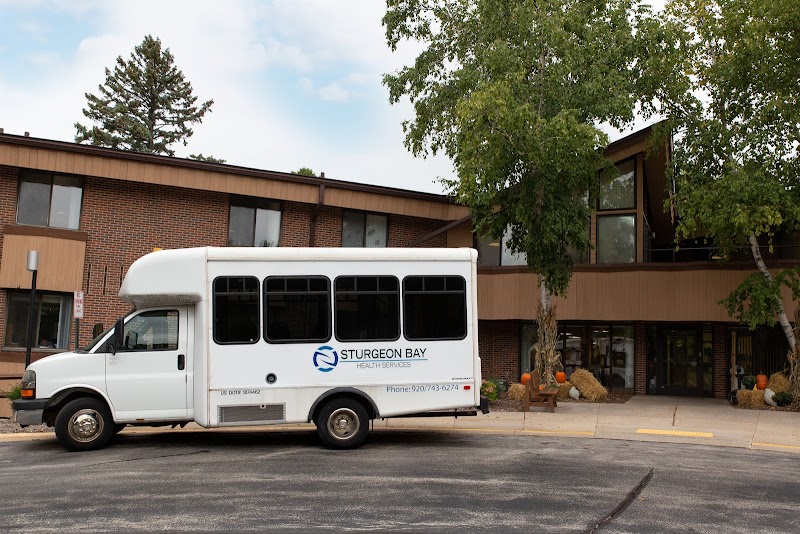
How is Sturgeon Bay Health Services Staffed?

CMS rates STURGEON BAY HEALTH SERVICES's staffing level at 3 out of 5 stars, which is average compared to other nursing homes. Staff turnover is 40%, compared to the Wisconsin average of 46%. This relatively stable workforce can support continuity of care.

What Have Inspectors Found at Sturgeon Bay Health Services?

State health inspectors documented 13 deficiencies at STURGEON BAY HEALTH SERVICES during 2022 to 2025. These included: 1 that caused actual resident harm, 11 with potential for harm, and 1 minor or isolated issues. Deficiencies causing actual harm indicate documented cases where residents experienced negative health consequences.
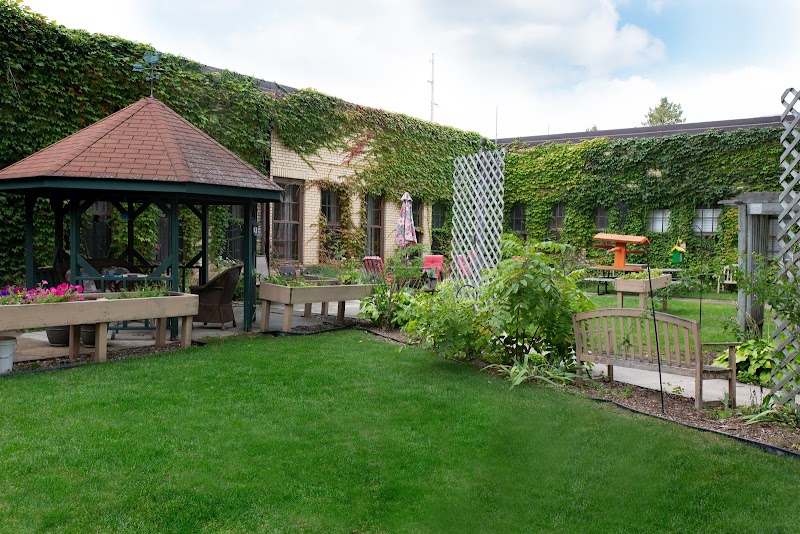
Who Owns and Operates Sturgeon Bay Health Services?

STURGEON BAY HEALTH SERVICES is owned by a for-profit company. For-profit facilities operate as businesses with obligations to shareholders or private owners. The facility is operated by NORTH SHORE HEALTHCARE, a chain that manages multiple nursing homes. With 50 certified beds and approximately 43 residents (about 86% occupancy), it is a smaller facility located in STURGEON BAY, Wisconsin.
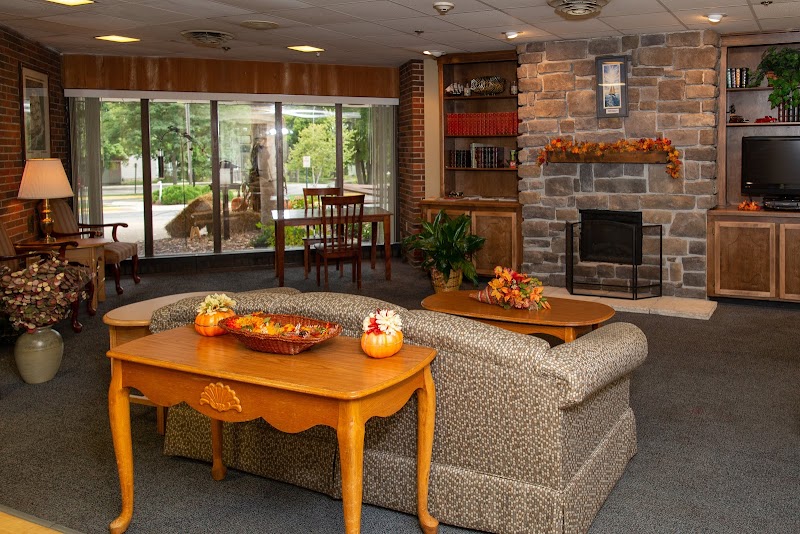
How Does Sturgeon Bay Health Services Compare to Other Wisconsin Nursing Homes?

Compared to the 100 nursing homes in Wisconsin, STURGEON BAY HEALTH SERVICES's overall rating (3 stars) matches the state average, staff turnover (40%) is near the state average of 46%, and health inspection rating (3 stars) is at the national benchmark.

What Should Families Ask When Visiting Sturgeon Bay Health Services?

Based on this facility's data, families visiting should ask: "Can I visit during a mealtime to observe dining assistance and food quality?" "How do you handle medical emergencies, and what is your hospital transfer rate?" "Can I speak with family members of current residents about their experience?"

Is Sturgeon Bay Health Services Safe?

Based on CMS inspection data, STURGEON BAY HEALTH SERVICES has a clean safety record: no substantiated abuse findings (meaning no confirmed cases of resident harm), no Immediate Jeopardy citations (the most serious violation level indicating risk of serious injury or death), and is not on the Special Focus Facility watch list (a federal program monitoring the lowest-performing 1% of nursing homes). The facility has a 3-star overall rating and ranks #1 of 100 nursing homes in Wisconsin. While no facility is perfect, families should still ask about staff-to-resident ratios and recent inspection results during their visit.

Do Nurses at Sturgeon Bay Health Services Stick Around?

STURGEON BAY HEALTH SERVICES has a staff turnover rate of 40%, which is about average for Wisconsin nursing homes (state average: 46%). Moderate turnover is common in nursing homes, but families should still ask about staff tenure and how the facility maintains care continuity when employees leave.

Was Sturgeon Bay Health Services Ever Fined?

STURGEON BAY HEALTH SERVICES has no federal fines on record. CMS issues fines when nursing homes fail to meet care standards or don't correct problems found during inspections. The absence of fines suggests the facility has either maintained compliance or corrected any issues before penalties were assessed. This is a positive indicator, though families should still review recent inspection reports for the full picture.

Is Sturgeon Bay Health Services on Any Federal Watch List?

STURGEON BAY HEALTH SERVICES is not on any federal watch list. The most significant is the Special Focus Facility (SFF) program, which identifies the bottom 1% of nursing homes nationally based on persistent, serious quality problems. Not being on this list means the facility has avoided the pattern of deficiencies that triggers enhanced federal oversight. This is a positive indicator, though families should still review the facility's inspection history directly.