TOMAH NURSING AND REHAB
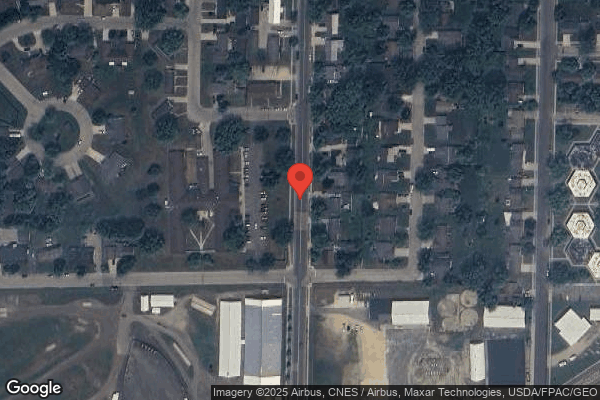
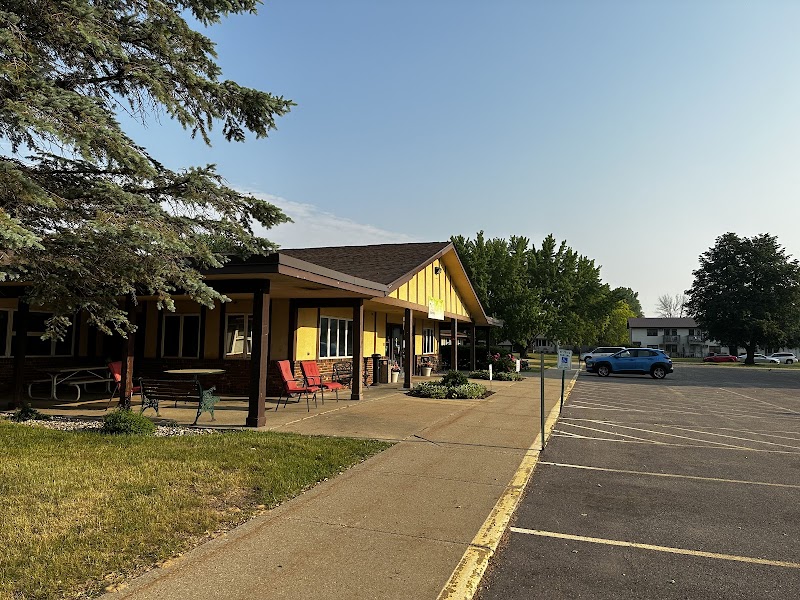
1505 BUTTS AVE, TOMAH, WI 54660 (608) 372-3241
For profit - Limited Liability company 74 Beds ATRIUM CENTERS Data: November 2025 2 Immediate Jeopardy citations
Trust Grade
6/100
#247 of 321 in WI
Last Inspection: August 2024

Within standard 12-15 month inspection cycle. Federal law requires annual inspections.

Overview

Tomah Nursing and Rehab has received a Trust Grade of F, indicating significant concerns and a poor overall performance. Ranking #247 out of 321 facilities in Wisconsin and #3 out of 3 in Monroe County places it in the bottom half of both state and local options, meaning only one nearby facility is worse. Although the facility is showing improvement, going from 7 issues in 2024 to 5 in 2025, it still has a troubling staffing turnover rate of 62%, significantly higher than the state average, which suggests challenges in retaining staff. Additionally, the nursing home has incurred $61,870 in fines, indicating compliance problems that are more frequent than 77% of Wisconsin facilities. Specific incidents include serving residents drinks that were improperly thickened, creating a risk for choking, and serving undercooked eggs that could lead to foodborne illnesses, highlighting serious safety and health concerns. While the facility does have good quality measures, the overall weaknesses raise significant red flags for families considering this option for their loved ones.

Trust Score
F
6/100
In Wisconsin
#247/321
Bottom 24%
Safety Record
High Risk
Review needed
Inspections
Getting Better
7 → 5 violations
Staff Stability
⚠ Watch
62% turnover. Above average. Higher turnover means staff may not know residents' routines.
Penalties
✓ Good
$61,870 in fines. Lower than most Wisconsin facilities. Relatively clean record.
Skilled Nurses
○ Average
Each resident gets 37 minutes of Registered Nurse (RN) attention daily — about average for Wisconsin. RNs are the most trained staff who monitor for health changes.
Violations
⚠ Watch
27 deficiencies on record. Higher than average. Multiple issues found across inspections.
★★☆☆☆
2.0
Overall Rating
★★☆☆☆
2.0
Staff Levels
★★★★☆
4.0
Care Quality
★★☆☆☆
2.0
Inspection Score
Stable
2024: 7 issues
2025: 5 issues

The Good

  • 4-Star Quality Measures · Strong clinical quality outcomes
  • Full Sprinkler Coverage · Fire safety systems throughout facility
  • No fines on record

Facility shows strength in quality measures, fire safety.

The Bad

2-Star Overall Rating

Below Wisconsin average (3.0)

Below average - review inspection findings carefully

Staff Turnover: 62%

16pts above Wisconsin avg (46%)

Frequent staff changes - ask about care continuity

Federal Fines: $61,870

Above median ($33,413)

Moderate penalties - review what triggered them

Chain: ATRIUM CENTERS

Part of a multi-facility chain

Ask about local staffing decisions and management

Staff turnover is elevated (62%)

14 points above Wisconsin average of 48%

The Ugly 27 deficiencies on record

2 life-threatening 1 actual harm
Jun 2025 3 deficiencies
CONCERN (D) 📢 Someone Reported This

A family member, employee, or ombudsman was alarmed enough to file a formal complaint

Potential for Harm - no one hurt, but risky conditions existed

Report Alleged Abuse (Tag F0609)

Could have caused harm · This affected 1 resident

Based on interview and record review, the facility did not ensure that all alleged violations involving abuse, neglect, exploitation or mistreatment are reported immediately to the administrator of th...

Read full inspector narrative →
Based on interview and record review, the facility did not ensure that all alleged violations involving abuse, neglect, exploitation or mistreatment are reported immediately to the administrator of the facility and to other officials, including the State Survey Agency, in accordance with State law through established procedures for 1 of 3 sampled residents (R) R8, reviewed for abuse. Facility did not report an allegation reported by R8 that Certified Nursing Assistant (CNA) I is always so rough and is giving R8 bruises to state survey agency or law enforcement. Evidenced by: The facility's Abuse Prevention 7 Components, Reviewed 01/2025, includes, in part, the following: VII. Reporting/Response: All alleged or suspected violations are to be reported immediately to the Administrator or Director of Nursing, which are responsible to notify required officials, including to the State Survey Agency, Adult Protective Services, Local Public Safety, Licensure Boards, Regional Director of Operations or Regional Clinical Directors (representative of governing board and any other agencies in accordance with State law through established procedures. All alleged violations, involving abuse, neglect, exploitation or mistreatment, including injuries of unknown sources and misappropriation of resident property, are reported immediately, but not later than 2 hours after the allegation is made if the events that cause the allegation involve abuse or result in serious bodily injury. Not later than 254 hours if the events that cause the allegation do not involve abuse and do not result in serious bodily injury. Example 1 On 6/11/25, Surveyor reviewed facility grievance/complaint Forms. Grievance/complaint form, dated 3/1/25, includes, in part, the following: Summary of Grievance/complaint: . [R8] said she is always so rough, she is giving me bruises. This is not the first time she is always mean. I asked which CNA (Certified Nursing Assistant) (description concluded it is [CNA I]. [R8] also said [CNA I] told her it would not be so bad if she was not so fat . On 6/11/25 at 1:42 PM, Surveyor interviewed Nursing Home Administrator (NHA) A. Surveyor asked NHA A if she was aware of the allegations made by R8 of CNA I being rough and causing bruising. NHA A stated she was made aware of the allegations. Surveyor asked NHA A if the allegation was reported to state survey agency or law enforcement. NHA A stated no, the allegation was not reported but should have been reported to both agencies.
CONCERN (D) 📢 Someone Reported This

A family member, employee, or ombudsman was alarmed enough to file a formal complaint

Potential for Harm - no one hurt, but risky conditions existed

Investigate Abuse (Tag F0610)

Could have caused harm · This affected 1 resident

Based on interview and record review, the facility did not have evidence that all alleged violations of abuse were thoroughly investigated for 2 of 3 residents (R) R1 and R8 reviewed for abuse. Facil...

Read full inspector narrative →
Based on interview and record review, the facility did not have evidence that all alleged violations of abuse were thoroughly investigated for 2 of 3 residents (R) R1 and R8 reviewed for abuse. Facility did not fully investigate an allegation that Certified Nursing Assistant (CNA) I flipped R1 off when leaving R1's room and R1 does not feel safe with CNA I in his room. Facility did not fully investigate an allegation that CNA I was rough with R8 and left bruises. Evidenced by: The facility's Abuse Prevention Program 7 Component, Reviewed 01/2025, includes, in part, the following: V. Investigation. 1. The Administrator and or Director of Nursing are to initiate and coordinate completion of a thorough investigation. Investigations must be initiated immediately and concluded as soon as possible not to exceed (5) days. Forms are available to assist the investigator and may utilized. The investigation must include but not limited to: Identify alleged perpetrator, remove from resident care area immediately, suspended pending investigation conclusion, obtain state, ., Identify and begin investigating different types of alleged violations, Identify and interview (witness statements) all involved persons, including the alleged victim, alleged perpetrator, witnesses, and others who might have knowledge of the allegation(s) such as roommate, Interviews with co-workers or other supervisors in regards to the alleged perpetrator's work performance, Review of alleged perpetrator's employee file to confirm background checks, reference checks and to review any possible past performance issues, Determining if abuse, neglect, exploitation, and/or mistreatment has occurred, the extent, and cause, Body assessment and psychosocial status of the resident, Signs of catastrophic reaction, Methods of treatment and interventions, Providing complete/thorough documentations of the investigation findings summary or conclusion, Follow-up actions to correct and prevent potential reoccurrence, State and local agencies notified facility reportable incident. Example 1 The facility's Misconduct Incident Report, dated 5/23/25, includes, in part, the following: [R1] stated that an employee [CNA I] flipped him off when leaving the room and he does not feel safe with her in his room. On 6/11/25 at 1:42 PM, Surveyor interviewed Nursing Home Administrator (NHA) A. Surveyor asked NHA A if the allegation that CNA I flipped R1 off was fully investigated. NHA A stated no, other staff who worked with CNA I should have been investigated and all staff should have been educated regarding abuse and mistreatment. Example 2 The facility's grievance/complaint form, dated 3/1/25, includes, in part, the following: [R8] said she is always so rough, she is giving me bruises. This is not the first time she is always so mean. I asked which CNA (description concluded it is [CNA I]. [R8] also said [CNA I] told her it would not be so bad if she was not so fat. On 6/11/25 at 1:42 PM, Surveyor interviewed NHA A. Surveyor asked NHA A if the allegation that CNA I was rough, gave R1 bruises and was mean was fully investigated. MJA A stated no, other residents and staff should have been interviewed and further abuse and mistreatment education should have been provided to all staff.
CONCERN (F) 📢 Someone Reported This

A family member, employee, or ombudsman was alarmed enough to file a formal complaint

Potential for Harm - no one hurt, but risky conditions existed

Infection Control (Tag F0880)

Could have caused harm · This affected most or all residents

Based on interview and record review, the facility failed to ensure it maintained an infection prevention and control program designed to help prevent the development and transmission of communicable ...

Read full inspector narrative →
Based on interview and record review, the facility failed to ensure it maintained an infection prevention and control program designed to help prevent the development and transmission of communicable disease and infections such as COVID-19 and gastroenteritis. This had the potential to affect all 49 residents residing within the facility at the time of the outbreaks. As of 4/10/25 the facility was having a gastroenteritis outbreak with 3 staff with signs and symptoms. As of 4/20/25 the facility was having a COVID-19 outbreak with 4 residents positive for COVID-19. - Facility line listings were not completed contemporaneously. - Facility failed to recognize or ensure they routinely screened all residents for signs and symptoms of COVID-19 daily and increase screening to every shift once the outbreak was identified. - Facility did not have dates residents were removed from isolation precautions following COVID-19 positive test. - Facility did not recognize the gastroenteritis outbreak. - Facility did not ensure staff who had signs and symptoms of gastroenteritis did not return to work too soon when not documenting the last symptom date for staff with signs and symptoms of gastroenteritis. This is evidenced by: The facility policy titled, COVID-19 Prevention, Response and Reporting, last reviewed 1/2025, in part . Policy: It is the policy of this facility to ensure that appropriate interventions are implemented to prevent the spread of COVID-19 and promptly respond to any suspected or confirmed COVID-19 infections. COVID-19 information will be reported through the proper channels as per federal, stated and/or local health authority guidance. Policy Explanation and Compliance Guidelines: 21. Duration of Transmission-Based Precautions for Residents with SARS-CoV-2 Infection: c. Discontinuation of transmission-based precautions on SARS-CoV-2 infection is as follows: i. Symptom Based Strategy B. Residents who were asymptomatic throughout their infection and are not moderately to severely immunocompromised: a) At least 10 days have passed since date of their positive viral test. The facility policy titled, Outbreak Identification and Management, last reviewed 1/2025, in part . Policy: This policy is intended to provide guidance in identifying an outbreak timely, measures to take in the event of an outbreak to reduce the spread of infection, when to notify the Medical Director/Resident Physician/Local Health Department, recording outbreak occurrences and completing a review of the occurrence with needed corrective action(s) related to the incidents of illness attributing to the outbreak. Procedure: - Respiratory symptoms and illness: If one laboratory-confirmed positive case of illness is identified along with other cases of similar acute illness in a unit of a long-term care facility, an outbreak might be occurring. Active surveillance for additional cases should be implemented as soon as possible once one case of laboratory-confirmed illness is identified in a facility. When 2 cases of laboratory-confirmed illness are identified within 72 hours of each other in residents on the same unit, outbreak control measures should be implemented as soon as possible. - Gastrointestinal symptoms and illness: A gastrointestinal outbreak (such as Norovirus) is defined as an occurrence of two or more similar illnesses from a common exposure that is either suspected or laboratory confirmed. Measure to take in the event of an Outbreak Once an outbreak has been identified the following actions should be taken in the facility to reduce the spread of illness. Actions taken should be documented with date and time completed. - Initiate a resident and employee log (line listing) of illness. Additions to the log should be completed at the time of onset of symptoms to ensure real-time tracking and trending. Example 1 - Facility line listings were not completed contemporaneously. On 6/11/25, Surveyor reviewed line listing from March to June. Surveyor noted a COVID-19 outbreak identified by the facility on 4/20/25 when 4 residents tested positive. The line lists indicate all residents were asymptomatic. Facility did not indicate why they facilitated testing when all residents were asymptomatic. Of note: The facility keeps two line lists. One line list is a comprehensive line list of all infections and another which contains COVID-19 infections. These two lists do not contain the same information, such as residents, date of onset, and date removed from precautions and date of resolution. On 6/11/25 at 11:54 AM, Surveyor asked about the line list being completed contemporaneously. Director of Nursing (DON) B stated residents did not test positive till 5/20/25 but when interviewed, indicated symptoms began prior to that date so when they were placed on the COVID line listing DON B used the date the resident stated they had symptoms. Surveyor asked about the date on the comprehensive line list being different, DON B had no response. Example 2 - Recognize or ensure they routinely screened all residents for signs and symptoms of COVID-19 daily and increase screening to every shift once the outbreak was identified. On 6/11/25, during review of facility line list for May COVID-19 outbreak Surveyor identified the only residents on the line list were those who tested positive for COVID-19. There was no tracking for residents with symptoms. On 6/11/25 at 12:10 PM, Surveyor interviewed DON B and Regional Clinical Director (RCD) H. Surveyor asked what surveillance was completed for residents during the COVID-19 outbreak. DON B stated vital signs were checked every shift for positive residents. RCD H stated if resident has signs and symptoms would assess vitals every shift and for all others would complete as needed. Example 3 - Facility did not have dates residents were removed from isolation precautions following COVID-19 positive test. On 6/11/25, during review of facility line list for the May COVID-19 outbreak, Surveyor noted there was no documentation of when residents were removed from isolation precautions following testing positive for COVID-19. On 6/11/25 at 12:14 PM, Surveyor interviewed DON B and RCD H. Surveyor asked when residents came off precautions. DON B indicated the date of resolution was date the residents were removed from precautions. RCD H stated we do not have residents come off precautions on the resolve date; they would come off precautions 24 to 72 hours after the resolve date. Example 4 - Facility did not recognize the gastroenteritis outbreak. On 6/11/25 while Surveyor was reviewing staff and resident line lists for the COVID-19 outbreak, Surveyor identified a gastroenteritis outbreak not identified by the facility. Of note: The facility had 4 staff with GI (gastrointestinal) signs and symptoms. One staff on 4/7/25, one staff on 4/9/25, two staff on 4/10/25 and one staff on 4/11/25 and did not identify the outbreak or put measures in place to prevent the spread. On 6/11/25 at 12:22 PM, Surveyor interviewed DON B and RCD H. Surveyor asked what the criteria was for GI outbreak. DON B stated, 2 staff within 72 hours. This should be an outbreak. Surveyor asked DON B if she identified this outbreak. DON B stated no. Example 5 - Facility did not include on their line listing last symptom date for staff with signs and symptoms of gastroenteritis Certified Nursing Assistant (CNA) G had an onset of GI signs and symptoms on 4/7/25 and returned to work on 4/10/25. The facility did not document CNA G's last symptoms ensuring she did not return to work too soon following her symptoms. Laundry C had onset of GI signs and symptoms on 4/10/25 with last symptoms not recorded and without return to work date listed. CNA E had onset of GI signs and symptoms on 4/10/25 and returned to work on 4/12/25. The facility did not document CNA E's last symptom date to ensure she did not return to work too soon. Registered Nurse/Minimum Data Set (RN/MDS) F had onset of GI signs and symptoms on 4/11/25 and returned to work on 4/14/25. The facility does not have any documentation of RN/MDS F's last known symptoms to ensure she did not return to work too soon. CNA D had onset of GI signs and symptoms on 4/16/25 and a return to work date as 4/16/25. Of note: CNA D did not remain out of work the required 48 hours following symptom resolution. On 6/11/25 at 12:22 PM, Surveyor interviewed DON B and RCD H. Surveyor asked DON B how long staff are to remain off work following GI related signs and symptoms. RCD H stated they cannot return to work within 24 hours of their last GI sign or symptom. Surveyor reviewed line list with DON B and RCD H and asked if staff returned to work too soon or how return to work status was decided if no last sign or symptom recorded. Surveyor reviewed staff line list with DON B for April. The facility failed to complete routine screening of residents for signs and symptoms of COVID-19 daily during the outbreak, line listings included residents with symptoms and completed contemporaneously, and ensure staff who were having GI signs and symptoms did not return to work too soon.
Apr 2025 2 deficiencies
CONCERN (D) 📢 Someone Reported This

A family member, employee, or ombudsman was alarmed enough to file a formal complaint

Potential for Harm - no one hurt, but risky conditions existed

Quality of Care (Tag F0684)

Could have caused harm · This affected 1 resident

Based on interview and record review, 1 of 3 sampled residents' (R1) care and treatment to heal stasis ulcers was not provided in accordance with professional standards. R1's treatments of venous sta...

Read full inspector narrative →
Based on interview and record review, 1 of 3 sampled residents' (R1) care and treatment to heal stasis ulcers was not provided in accordance with professional standards. R1's treatments of venous stasis ulcers were not completed as ordered by the physician. This is evidenced by The facility policy and procedure entitled Skin Care dated last reviewed 01/25 states in part Initiate treatment in accordance with facility protocols, standing orders, or physician orders. R1 was admitted to the facility in January 2025 with diagnoses including chronic venous hypertension with ulcer of bilateral lower extremity, myocardial infarction, and type 2 diabetes mellitus. R1 has physician ordered treatments to right and left lower leg venous ulcers. Cleanse with NS (Normal Saline) pat dry. Apply skin prep to peri wounds. Apply Medihoney to wound beds, followed by Calcium Alginate. Place a double layer of ABD pads over wounds and secure with 2 kerlix gauze roll and secure with tape. Ensure that kerlix is going from toe to just below the knee and then wrap ACE on top of the kerlix to hold bandage in place and contain drainage for therapy purposes. Change daily and prn. Review of R1's February Treatment Administration Record (TAR) revealed that the dressing change was not signed off as completed on 02/20/25 and 02/25/25. Review of R1's March TAR revealed that the dressing change was not signed off as completed on 03/01/25, 03/14/25, 03/17/25, 03/21/25, and 03/30/25. On 04/09/25 at 8:30 AM, Surveyor interviewed Licensed Practical Nurse (LPN) C who completes wound rounds with the wound doctor when he comes to the facility. LPN C is also in training to become a wound care certified nurse. When asked if she is aware of dressing changes not being completed, LPN C stated that at times she has seen that dressing changes were not completed. LPN C stated that dressings get dated so you can tell if it was changed or not. On 04/10/25 at 9:30 AM, Surveyor interviewed LPN D who when asked, stated that at times she is aware that dressing changes don't always happen as they should. LPN D stated that at times she feels staffing makes it difficult to get it all done and that is one of the things that gets missed. On 04/10/25 at 2:00 PM, Surveyor interviewed Director of Nursing (DON) B who revealed that when the dressing changes are not signed off, it indicates they have not been completed. DON B stated she would check the schedule for the days in question and see if there was any further information. On 04/10/25 at 3:46 PM, Surveyor interviewed DON B who stated that she came in and completed R1's dressing change on 03/21/25. When asked about the other dates, DON B stated she wasn't aware of any further information.
CONCERN (D) 📢 Someone Reported This

A family member, employee, or ombudsman was alarmed enough to file a formal complaint

Potential for Harm - no one hurt, but risky conditions existed

Pressure Ulcer Prevention (Tag F0686)

Could have caused harm · This affected 1 resident

Based on interview and record review, 1 of 3 sampled residents (R) care and treatment of pressure ulcers was not provided in accordance with professional standards (R1). R1's pressure ulcer treatment...

Read full inspector narrative →
Based on interview and record review, 1 of 3 sampled residents (R) care and treatment of pressure ulcers was not provided in accordance with professional standards (R1). R1's pressure ulcer treatments were not completed as ordered. This is evidenced by: The facility policy and procedure titled Pressure Injury Prevention and Care, dated last reviewed 01/25, states in part: Initiate treatment in accordance with facility protocols, standing orders, or physician orders. R1 was admitted to the facility in January 2025 with diagnoses including pressure ulcer left heel, stage 3, chronic venous hypertension with ulcer of bilateral lower extremity, myocardial infarction, and type 2 diabetes mellitus. R1 has physician ordered treatments to Skin treatment to left heel, Cleanse wound with NS (Normal Saline), pat dry. Apply skin prep to peri-wound. Apply Medihoney to wound bed. Cover with ABD pad and secure with Kerlix gauze and tape. Then wrap from toes to knee with ACE wrap to hold dressing in place and prevent drainage from coming through for therapy purposes. Change daily and prn. Review of R1's February Treatment Administration Record (TAR) revealed the dressing change was not signed off as completed on 02/20/25. Review of R1's March TAR revealed the dressing change was not signed off as completed on 03/01/25, 03/14/25, 03/17/25, 03/21/25, and 03/30/25. R1's Wound Management Detailed Report revealed the following information in relation to R1's pressure ulcer 02/19/25 Length -head to toe in centimeters: 6.2, Width -side to side in centimeters: 5.6 Depth - measured deepest of visible wound (centimeters) 0.1 02/26/25 Length -head to toe in centimeters: 5.4, Width -side to side in centimeters: 4.3 Depth - measured deepest of visible wound (centimeters) 0.3 03/05/25 Length -head to toe in centimeters: 5.9, Width -side to side in centimeters: 5.4 Can Depth be measured: no 03/12/25 Length -head to toe in centimeters: 5, Width -side to side in centimeters: 5.7 Can Depth be measured: no 03/19/25 Length -head to toe in centimeters: 4, Width -side to side in centimeters: 4.8 Can Depth be measured: no 03/29/25 Length -head to toe in centimeters: 5.5, Width -side to side in centimeters: 5.5 Depth - measured deepest of visible wound (centimeters) 0.1 04/02/25 Length -head to toe in centimeters: 5, Width -side to side in centimeters: 4.5 Depth - measured deepest of visible wound (centimeters) 0.1 04/10/25 Length -head to toe in centimeters: 4.2, Width -side to side in centimeters: 5.8 Depth - measured deepest of visible wound (centimeters) 0.1 On 04/09/25 at 8:30 AM, Surveyor interviewed Licensed Practical Nurse (LPN) C who completes wound rounds with the wound doctor when he comes to the facility. LPN C is also in training to become a wound care certified nurse. When asked if she is aware of dressing changes not being completed, LPN C stated that at times she has seen that dressing changes were not completed. LPN C stated that dressings get dated so you can tell if it was changed or not. On 04/10/25 at 9:30 AM, Surveyor interviewed LPN D who when asked stated that at times she is aware that dressing changes don't always happen as they should. LPN D stated that at times she feels staffing makes it difficult to get it all done and that is one of the things that gets missed. On 04/10/25 at 2:00 PM, Surveyor interviewed Director of Nursing (DON) B who revealed that when the dressing changes are not signed off it indicates they have not been completed. DON B stated she would double check the schedule for the days in question and see if there was any further information. On 04/10/25 at 3:46 PM, Surveyor interviewed DON B who stated that she came in and completed R1's dressing change on 03/21/25. When asked about the other dates, DON B stated she wasn't aware of any further information.
Nov 2024 1 deficiency
CONCERN (D) 📢 Someone Reported This

A family member, employee, or ombudsman was alarmed enough to file a formal complaint

Potential for Harm - no one hurt, but risky conditions existed

Accident Prevention (Tag F0689)

Could have caused harm · This affected 1 resident

**NOTE- TERMS IN BRACKETS HAVE BEEN EDITED TO PROTECT CONFIDENTIALITY** Based on interview and record review, the facility did not ensure new care planned fall interventions were implemented post fall...

Read full inspector narrative →
**NOTE- TERMS IN BRACKETS HAVE BEEN EDITED TO PROTECT CONFIDENTIALITY** Based on interview and record review, the facility did not ensure new care planned fall interventions were implemented post falls to prevent accidents for 1 of 3 residents (R) R3, reviewed for falls. R3 was at risk for falls and had a fall on 09/16/24. Facility did not implement the new interventions put into place post fall. Findings include: Example 1: R3 was admitted to the facility on [DATE], then readmitted on [DATE], with diagnoses including multiple myeloma, gastroparesis, osteoporosis, dysphagia, weakness, collapsed vertebra, and fibromyalgia. R3's minimum data set (MDS) assessment, completed on 10/02/24, confirmed R3 scored 15 out of 15 during a brief interview for mental status (BIMS), indicating intact cognition. R3 was at risk for falls. R3 requires substantial maximal assistance from staff for toileting, sit to stand, transferring, dressing lower body, and putting on/taking off footwear. Surveyor reviewed R3's progress note dated late entry 09/18/24, which stated in part: .IDT note from fall on 09/16/24, [R3] had rolled out of bed, denies hitting head, left foot had heal boot on and slid down the bed, new interventions include bed in low position and fall mat . R3's care plan was initiated on 03/28/24, and included the following interventions: FALL care plan: -Fall mat next to bed initiated on 09/16/24. -Bed in low position initiated on 09/17/24. On 11/11/24 at 11:05 AM, Surveyor observed R3 lying in bed with bed high and fall mat across room laid up against the spare bed in R3's room. On 11/11/24 at 1:15 PM, Surveyor observed R3 lying in bed with bed high and fall mat across room laid up against the spare bed in R3's room. On 11/11/24 at 1:57 PM, Surveyor interviewed Certified Nursing Assistant (CNA) D and asked what the expectation is for utilizing a fall mat in a resident's room who is a fall risk or has fallen. CNA D indicated that fall mats are to be placed on the floor next to residents' beds when the resident is in the bed. Surveyor asked CNA D if CNA D knew that R3's bed was up high while R3 was in bed and fall mat not on floor next to bed. CNA D indicated that CNA D did not realize that R3's bed was up high and that the fall mat was across the room and not on the floor near R3's bed. CNA D indicated expectation would be that R3's fall mat is on floor next to bed in low position. On 11/11/24 at 2:29 PM, Surveyor interviewed CNA E and asked what the expectation is for utilizing a fall mat in R3's room who has fallen. CNA E indicated that fall mats are to be placed on the floor next to R3's bed when R3 is in the bed. On 11/11/24 at 2:37 PM, Surveyor interviewed Director of Nursing (DON) B and asked what the expectation is for fall interventions that are initiated on the care plan such as R3's bed in low position and fall mat in place when in bed. DON B indicated once fall interventions are initiated then the expectation is that staff are following these interventions and implementing them safely. Surveyor explained to DON B the observations of R3's bed being up high and no fall mat in place. DON B indicated that fall mat should not be across the room but on the floor while R3 is lying in bed. DON B indicated that R3's bed should be in low position as well.
Aug 2024 6 deficiencies
CONCERN (D)

Potential for Harm - no one hurt, but risky conditions existed

Resident Rights (Tag F0550)

Could have caused harm · This affected 1 resident

**NOTE- TERMS IN BRACKETS HAVE BEEN EDITED TO PROTECT CONFIDENTIALITY** Based on observation, interview and record review, the facility did not ensure residents (R) were treated with respect and digni...

Read full inspector narrative →
**NOTE- TERMS IN BRACKETS HAVE BEEN EDITED TO PROTECT CONFIDENTIALITY** Based on observation, interview and record review, the facility did not ensure residents (R) were treated with respect and dignity and cared for in a manner to enhance their quality of life. Facility staff stood over R34 while assisting to eat. This affected 1 of 3 residents observed. Findings include: Facility policy entitled, RESIDENT RIGHTS, last revised January 2024, stated in part, It is the policy of this facility to ensure residents have the right to a dignified existence, self-determination, and communications with and access to persons and services inside and outside of this facility . R34 was admitted to the facility on [DATE] with diagnoses that include weakness, cognitive communication deficit, and diabetes. R34's Minimum Data Set (MDS), dated [DATE], stated that R34 required substantial/maximum assist with eating. On 08/26/24 at 12:57 PM, Surveyor observed Certified Nursing Assistant (CNA) N assisting R34 to eat their noon meal. CNA N stood on the left side of R34 during the entire time R34 was being assisted to eat. R34 did not attempt to feed self at any time during the observed meal. On 08/27/24 at 9:54 AM, Surveyor interviewed Nursing Home Administrator (NHA) A and explained the observations of staff standing over R34 while assisting them to eat. NHA A stated their expectation was for staff to sit beside residents while assisting them to eat. NHA A stated she noticed that yesterday too and spoke with CNA N right after lunch.
CONCERN (D)

Potential for Harm - no one hurt, but risky conditions existed

Pressure Ulcer Prevention (Tag F0686)

Could have caused harm · This affected 1 resident

**NOTE- TERMS IN BRACKETS HAVE BEEN EDITED TO PROTECT CONFIDENTIALITY** Based on observations, interviews and record reviews, the facility did not ensure 1 of 5 residents (R48) reviewed for high risk ...

Read full inspector narrative →
**NOTE- TERMS IN BRACKETS HAVE BEEN EDITED TO PROTECT CONFIDENTIALITY** Based on observations, interviews and record reviews, the facility did not ensure 1 of 5 residents (R48) reviewed for high risk of pressure injury development, received the necessary treatment and services to promote healing of existing skin impairments. The facility did not ensure appropriate hand hygiene during wound care was conducted. This is evidenced by: The facility policy entitled Handwashing/Hand Hygiene last reviewed by facility on 01/2024 states in part: Practicing hand hygiene is a simple way to prevent infections by preventing the spread of germs. Wash hands and other skin surfaces when: 1. After immediate contamination with blood, other body fluids or potentially contaminated articles. 2. After removing gloves or other personal protective equipment. 4. Before and after nursing treatments or procedures (dressing changes). R48 was admitted to the facility on [DATE] and has diagnoses that include neutropenia (low white blood cell counts, which are a type of infection-fighting blood cell), type 2 diabetes mellitus with diabetic neuropathy, peripheral vascular disease, and cognitive impairment of uncertain or unknown etiology. R48's care plan, dated 07/22/24, states, Problem: Resident has pressure injury to left heel with potential for infection and discomfort to the area. Interventions include: -Pressure reducing boots on at all times. -Observe and report signs of osteomyelitis (ie; pain, redness or swelling in affected joint, chills, fever (rapid elevation), diaphoresis, tachycardia, restlessness, irritability) -Observe and report signs of sepsis (ie; fever, malaise, mental status changes, tachycardia, hypotension, anorexia, nausea, vomiting, diarrhea, headache, lymph node tenderness/enlargement -Observe and report signs of cellulitis (ie; localized pain, redness, swelling, tenderness, drainage, fever, chills, malaise, tachycardia, hypotension) On 08/27/24 at 2:09 PM, Surveyor observed Assistant Director of Nursing (ADON) D, enter R48's room to conduct wound care of R48's left heel pressure ulcer. ADON D donned personal protective equipment (PPE) which included gloves, gowns, and goggles. ADON D removed R48's left heel float boot. ADON D pushed call light for transfer assistance then removed gown and gloves to get assistance for the transfer. ADON D returned to room, without conducting hand hygiene, applied clean PPE to transfer R48 to bed. ADON D proceeded to remove soiled dressing with serous sanguineous drainage, cleansed the wound and removed soiled gloves. ADON D, without conducting hand hygiene, proceeded to open clean packages of dressing supplies, donned a clean pair of gloves, and proceed to cleanse left heel again. ADON D with contaminated gloved hands picked up clean skin prep pad and applied on peri wound, placed calcium alginate into the wound and foam border dressing, then wrapped foot with kerlix. On 08/27/24 at 2:44 PM, Surveyor interviewed ADON D regarding facility expectation of completing hand hygiene during dressing changes. ADON D stated expectation would be to conduct hand hygiene between glove changes and when going from clean to dirty. Surveyor shared observation of no hand hygiene between glove changes and after removing soiled dressing and redressing wound. ADON D confirmed not conducting hand hygiene. On 08/28/24 at 2:55 PM, Surveyor shared observation of lack of hand hygiene during dressing change with Regional Care Director (RCD) C, who confirmed expectation would be to conduct hand hygiene after removing soiled gloves and dressings and before donning clean gloves. On 08/28/24 at 8:38 AM, Surveyor interviewed Director of Nursing (DON) B regarding concerns with potential of infecting an open wound if proper hand hygiene is not followed. DON B stated that appropriate hand hygiene is expected during dressing changes to prevent potential wound infections.
CONCERN (D)

Potential for Harm - no one hurt, but risky conditions existed

Infection Control (Tag F0880)

Could have caused harm · This affected 1 resident

**NOTE- TERMS IN BRACKETS HAVE BEEN EDITED TO PROTECT CONFIDENTIALITY** Based on observation, interview and record review, the facility did not maintain an infection prevention and control program des...

Read full inspector narrative →
**NOTE- TERMS IN BRACKETS HAVE BEEN EDITED TO PROTECT CONFIDENTIALITY** Based on observation, interview and record review, the facility did not maintain an infection prevention and control program designed to provide a safe, sanitary, and comfortable environment and help to prevent the development and transmission of communicable diseases, and infections for 1 of 4 residents (R) observed. (R202) Facility staff did not wear a gown during high-contact care for a resident on enhanced barrier precautions (EBP). Facility staff did not sanitize lift after use on a resident with EBP. Findings include: Facility policy entitled, Enhanced Barrier Precautions, last revised April 2024, stated in part, .Personal protective equipment (PPE) for EBP is only necessary when performing high-contact care activities .includes, dressing, transferring, changing briefs, toileting . Facility policy entitled, CLEANING/DISINFECTING RESIDENT-CARE ITEMS AND EQUIPMENT, last revised January 2024, stated in part, .Durable medical equipment (DME) must be cleaned and disinfected before reuse by another resident . R202 was admitted to the facility on [DATE] with diagnoses that include sepsis, dependent on dialysis, diabetes, left below the knee amputation, right calf wound and pressure ulcer on left buttock. The signage on R202's door states, Enhanced Barrier Precautions. Everyone must sanitize hands, providers and staff must also: Wear gloves and a gown for the following High-Contact Resident Care Activities. -Dressing -Bathing/Showering -Transferring -Changing linens -Providing hygiene -Changing briefs or assisting with toileting . -Wound care: any skin opening requiring a dressing change. On 08/27/24 at 6:56 AM, Surveyor observed Registered Nurse (RN) M and Licensed Practical Nurse (LPN) K transfer R202 via Hoyer lift. Before the transfer, R202 requested to use the bed pan. RN M and LPN K both sanitized hands and donned gloves. RN M applied sock over dressing to right leg wound. LPN K placed bed pan under R202. On 08/27/24 at 7:09 AM, R202 used call light and stated he was finished on the bed pan. RN M and LPN K again both sanitized hands and donned gloves. LPN K wet a washcloth and rolled R202 to left side. LPN K removed bed pan, provided peri care, barrier cream, brief and shorts. RN M and LPN K used the Hoyer lift to transfer R202 into wheelchair and RN M placed the Hoyer lift in hallway. The Hoyer lift was not sanitized nor were there sanitizing wipes on Hoyer lift readily available. Surveyor provided continuous observation of lift. Surveyor interviewed RN M and asked why gowns were not used during toileting and transfer for R202 who is on EBP. RN M stated, They are kept under sinks in a pull-out drawer. I thought of that just after we left the room. On 08/27/24 at 8:00 AM, Surveyor observed Certified Nursing Assistant (CNA) J take the contaminated Hoyer lift to use on a different resident. Surveyor stopped CNA J prior to going into another residents' room, and informed CNA J and RN M that the Hoyer lift was not sanitized. At that time, RN M retrieved wipes from down the hall and gave them to CNA J who then wiped the Hoyer lift down. On 08/27/24 at 9:54 AM, Surveyor interviewed Nursing Home Administrator (NHA) A and asked what the expectation would be for staff regarding lift care between residents and what PPE is expected for staff to wear for a resident on EBP during toileting and transfers. NHA stated that lift should be sanitized between residents and staff should be sanitizing hands, wearing gloves and gowns for high contact care.
CONCERN (E) 📢 Someone Reported This

A family member, employee, or ombudsman was alarmed enough to file a formal complaint

Potential for Harm - no one hurt, but risky conditions existed

ADL Care (Tag F0677)

Could have caused harm · This affected multiple residents

**NOTE- TERMS IN BRACKETS HAVE BEEN EDITED TO PROTECT CONFIDENTIALITY** Based on observation, interview and record review, the facility did not ensure 4 of 4 residents (R48, R16, R5 and R2) who are un...

Read full inspector narrative →
**NOTE- TERMS IN BRACKETS HAVE BEEN EDITED TO PROTECT CONFIDENTIALITY** Based on observation, interview and record review, the facility did not ensure 4 of 4 residents (R48, R16, R5 and R2) who are unable to carry out activities of daily living receive the necessary services to maintain good nutrition, grooming, and personal hygiene. The facility did not assure R48, R5, and R16 were provided routine weekly minimum showers as part of their activities of daily living (ADL). The facility staff did not provide assistance with nutrition for R2 who is dependent on staff. This is evidenced by: The facility policy, entitled Activities of Daily Living (ADLs)/Maintain Abilities reviewed on 01/2024, states in part, 3. The facility will provide care and services for the following activities of daily living: a. Hygiene - bathing . Example 1 R48 was admitted to the facility on [DATE]. R48's Minimum Data Set (MDS) with a target date of 06/28/24, indicated that R48 has a Brief Interview for Mental Status (BIMS) of 4 (severe cognitive impairment), requires substantial/maximal assistance with bathing, and dependent on staff to get in/out of tub/shower. On 08/27/24 at 10:48 AM, Surveyor reviewed documentation received from Regional Care Director (RCD) C of R48's routine weekly showers since admission. RCD C provided Skin Monitoring - CNA/STNA Shower Review sheets that stated, Perform a visual assessment of the resident's skin when giving the resident a shower, that were dated 07/18/24, 07/29/24, and 08/22/24. RCD C was unable to provide documentation to support R48 missing 6 shower review sheets for the weeks of 06/23/24, 06/30/24, 07/07/24, 07/21/24, 08/04/24, and 08/11/24 of receiving or refusing a shower. On 08/28/24 at 11:39 AM, Surveyor interviewed R48 regarding receiving showers on a routine basis. R48 stated not recalling if a routine shower was provided. Example 2 R16 was admitted to the facility on [DATE]. R16's Quarterly MDS indicated that R16 has a BIMS of 12 (moderately impaired cognition) requires substantial/maximal assistance for bathing and partial/moderate assistance to get in/out of shower/tub. On 08/27/24 at 10:48 AM, Surveyor reviewed documentation received from RCD C of R16's routine weekly showers for weeks beginning 06/02/24 to current date. RCD C provided Skin Monitoring - CNA/STNA Shower Review sheets that stated, Perform a visual assessment of the resident's skin when giving the resident a shower, that were dated 07/18/24, 07/29/24, and 08/22/24. RCD C was unable to provide documentation to support R16 missing 7 shower review sheets for the weeks of 06/23/24, 06/30/24, 07/14/24, 7/17/24, 7/21/24, 08/04/24, and 08/18/24 of receiving or refusing a shower. On 08/28/24 at 2:40 PM, Surveyor interviewed R16 regarding receiving showers on a routine basis. R16 stated has not been receiving a shower every week and was not sure what day of the week shower is scheduled, but believes it is on Sundays. Example 3 R5 was admitted on [DATE]. R5's Quarterly MDS with a target day of 04/24/24, indicated that R5 has a BIMS of 11 (moderately impaired cognition), requires substantial/maximal assistance for shower/bathing and requires substantial/maximal assistance for get in and out of shower/tub. On 08/27/24 at 10:48 AM, Surveyor reviewed documentation received from RCD C of R5's routine weekly showers for weeks beginning 06/02/24 to current date. RCD C provided Skin Monitoring - CNA/STNA Shower Review sheets that stated, Perform a visual assessment of the resident's skin when giving the resident a shower, that were dated 06/04/24, 06/07/24, 06/11/24, 07/13/24, 07/20/24, 07/27/24, 07/30/24, 08/08/24, 08/17/24, and 08/24/24. RCD C was unable to provide documentation to support R5's missing 4 shower review sheets for the weeks of 06/16/24, 06/23/24, 06/30/24, and 07/28/24 of receiving or refusing a shower. On 08/28/24 at 11:37 AM, Surveyor interviewed R5 regarding not receiving showers on a routine basis. R5 stated no awareness of missing showers. On 08/27/24 at 10:48 AM, Surveyor interviewed RCD C, regarding expectation from staff if a resident refused a shower. RCD C stated staff should either write resident refused shower on the CNA/STNA Shower Review sheet or the nurse would enter a progress note in chart indicating resident refused. On 08/28/24 at 11:48 AM, Surveyor interviewed Certified Nursing Assistant (CNA) E who cares for R5, R16, and R48 on a routine basis regarding process of documentation when a resident receives or refuses a shower. CNA E stated a skin monitoring shower sheet is filled out for each resident when they receive a shower to indicate any skin concerns while bathing, handed in to the nurse for follow up, and then paper goes to medical records. CNA E stated if a resident refused their bath, they would have resident sign the refusal or write refused on bottom of the form if the resident is unable to sign and hand into the nurse. Example 4 R2 was admitted to the facility on [DATE]. Diagnoses include, dementia, weakness, multiple sites of contractures, and cognitive impairment. R2's MDS, dated [DATE], indicated that R2 has a BIMS of 4 (severely impaired cognition) and requires supervision and some hands-on assistance by staff for eating. R2's care plan dated 07/29/24 states, .assist with meals as needed and offer substitutes if consumes <50% of meals . On 08/27/24, Surveyor observed the following: At 9:02 AM, R2 was still in their room. R2 had been up since 7 AM. R2's tray was on cart in dining room untouched. Continuous observation of R2's tray was completed. Staff did not take R2's breakfast to R2's room and R2 did not eat in the dining room. There were 4 staff in dining room with 3 staff cleaning up tables and 1 assisting a resident to eat. At 9:11 AM, [NAME] H approached the cart where there were 2 trays left untouched, looked at tickets, then went back into the kitchen. At 9:23 AM, all residents in the dining room were finished eating. A CNA in training, went to cart and checked tickets and walked away. Surveyor observed staff bring R2 to therapy while the tray was still on cart. Therapist asked if R2 liked his breakfast this morning and R2 yelled, No! On 08/27/24 at 9:43 AM, Surveyor interviewed CNA O and Registered Nurse (RN) M about the 2 untouched trays. CNA O stated the one resident always sleeps in and CNA O was not sure of R2. RN M asked where R2 was, and R2 was then found in the hallway. RN M offered the meal and R2 yelled out, No. RN M stated R2 has been here almost a month and does not come right out and say but you can tell he does not want to eat in the dining room. RN M believe it's because R2 is on thickened liquids and R2 needs supervision. RN M will ask the Assistant Director of Nursing (ADON) D what we can do about this. On 08/27/24 at 9:54 AM, Surveyor interviewed Nursing Home Administrator (NHA) A about R2 needing assistance with meals. NHA A stated she would expect a resident with dementia be encouraged to go to the dining room especially if they have modified diets. Residents have the right to eat in their rooms if they prefer. If they refuse, we would try later. Surveyor explained that R2 was up since before 7 AM in wheelchair. Surveyor did not observe anyone offer to bring R2 to the dining room, offer the tray in his room, or offer substitutes. NHA A said this may be because there are 2 people passing trays in the dining room and both are not certified. If tickets have a blue dot on them, it means a nurse or CNA has to pass that tray. On 08/27/24 at 10:16 AM, Director of Nursing (DON) B approached Surveyor and stated, I personally just went down by R2 and asked if he wanted breakfast and he said no, so I told him that if he gets hungry before lunch, let someone know and we can bring you something to eat.
CONCERN (E)

Potential for Harm - no one hurt, but risky conditions existed

Accident Prevention (Tag F0689)

Could have caused harm · This affected multiple residents

**NOTE- TERMS IN BRACKETS HAVE BEEN EDITED TO PROTECT CONFIDENTIALITY** Example 6 R1 was admitted to the facility on [DATE] with diagnoses of multiple sclerosis, dysphagia, oropharyngeal phase, and a ...

Read full inspector narrative →
**NOTE- TERMS IN BRACKETS HAVE BEEN EDITED TO PROTECT CONFIDENTIALITY** Example 6 R1 was admitted to the facility on [DATE] with diagnoses of multiple sclerosis, dysphagia, oropharyngeal phase, and a cerebral infraction. Recently R1 had an anterior displaced type II dens fracture and was fitted with a neck brace at the time of the survey. R1's most recent MDS on 08/01/24 indicated that R1 was not their own person and was not cognitively intact. R1's care plan indicated on 01/26/15 that R1 was to be provided assistance with all meals for safety. On 08/27/24, R1's care plan was updated to include that R1 requires assistance during meals with someone sitting next to her to cue for each additional swallow. Progress note dated 07/30/24 reads: Resident requires assist with ADL's, personal hygiene and grooming. Is transferred with EZ stand to and from w/c. Requires assist with meals, eats a pureed diet with thickened liquids, is fed due to resident having poor vision and will occasionally begin to eat rapidly and is a choking/aspiration risk. On 08/27/24 at 12:42 PM, Surveyor observed lunch for R1 and noted that R1 was not assisted during the meal. R1 was served puree foods and thickened liquids. There were other staff members in the room, but they were assisting other residents with their backs facing R1. The other staff were at the other end of the dining area approximately 75 feet from the resident. R1 finished their whole meal without assistance or prompting or cueing for each additional swallow. On 08/29/24 at 9:22 AM, Surveyor interviewed DON B and RCD C regarding R1 being assisted with meals. DON B and RCD C would expect that R1 be monitored as they can eat fast, but that monitoring can mean a CNA watching closely. Surveyor reviewed with DON B and RCD C that during the observation there was not a staff member watching closely and staff members were on the other side of the dining area. Based on observation, interview and record review, the facility did not ensure residents receive adequate supervision and assistive devices to prevent accidents for 5 of 5 residents reviewed (R22, R43, R39, R32, R1). R22 and R43 maintained their own smoking materials which is not consistent with the facility policy for smoking. Staff did not ensure R39 and R32 were smoking safely in designated areas. R39 maintained their own smoking materials. R43's Feeding Precautions were not implemented and placed R43 at risk for aspiration. Staff did not provide R1 with meal assistance for safety as directed in the plan of care. This is evidenced by: The facility policy entitled, Smoking Policy, dated 01/2024, states: -Supervised smoking times will be designated by the facility and posted. -Residents will be alerted at the scheduled smoke time and assisted to designated location. -All cigarettes, and e-cigarettes that are unsmoked will be returned to facility staff for storage. -Smoking material will be labeled and kept in a central location under lock and key and available only to the staff member or family. -Residents that have been assessed as safe smokers will be required to smoke only in designated areas. -Residents are not permitted to have lighters or other smoking paraphernalia on their person during non-smoking times. This includes safe & unsafe smokers. -Smoking aprons will be made available to residents who have been assessed at risk for dropping or mishandling cigarettes and ash. -Smoking is permitted only in properly supervised, designated smoking area. -All smoking materials will be disposed of in the proper designated containers that meet NFPA (National Fire Protection Association) standards. -Residents who knowingly and purposely violate facility smoking policy may have privileges removed and possible subject to involuntary discharge as per State & Federal guidelines. -The Administrator/designee will review the smoking policy with residents who desire to smoke and sign the Smoking Consent Form. Example 1 R22 was admitted to the facility on [DATE] and has diagnoses that include encounter for orthopedic aftercare following surgical amputation, primary, type 2 diabetes mellitus with diabetic neuropathy. R22's Safe Smoking assessment dated [DATE] showed that resident is a safe and independent smoker. R22's care plan, dated 05/24/24, with target date of 07/14/24, states: Problem: Risk for injury related to smoking & drinking. Resident is not always compliant with facility smoking rules & liquor orders. Goal(s): Resident will comply with smoking policies. Resident will safely smoke in designated area with staff supervision. Social services and nursing will discuss the risks and benefits of smoking with resident who will be able to re-state the risks and benefits. Approach: Staff will observe for smoking materials and alcohol that resident may try to keep in room. Approach: Resident will be evaluated upon admission, quarterly and as needed. Approach: Resident will be informed of appropriate areas for smoking. Approach: Resident will obtain own smoking material. Staff will assist upon request and as needed. Approach: Provide verbal cues. Of note, R22's care plan was not updated to reflect that R22 is a safe, independent smoker. List received by the facility of residents who smoke which included R22, states, Resident's Smoking Assessments as of 08/06/24 and All above residents able to smoke independently without supervision. List received by the facility of resident smoking times states, All staff and residents, smoking times are as follows 9:30 AM, 11:00 AM, 3:00 PM, 5:00 PM and 8:30 PM and All residents must be supervised by staff no exceptions. On 08/26/24 at 11:14 AM, Surveyor observed a pack of Marlboro Light 100 cigarettes sitting on R22's bedside table. On 08/27/24 at 8:00 AM, Surveyor observed R22 being pushed down the hallway by a Certified Nursing Assistant (CNA). R22 had a pack of Marlboro light 100 cigarettes sticking out of left shirt pocket. On 08/28/24 at 6:30 AM, Surveyor observed R22 in room. R22 was in bed asleep. R22 had a T-shirt on with a pack of Marlboro Light 100 cigarettes sticking out of the pocket. On 08/28/24 at 7:59 AM, Surveyor observed Certified Nursing Assistant (CNA) L taking R22 outside to the gazebo to smoke. CNA L left R22 there alone and came back into facility. On 08/28/24 at 8:00 AM, Surveyor interviewed CNA L who stated R22 can smoke independently. CNA L stated R22 keeps lighter and cigarettes within room or on person. Example 2 Surveyor observed R43's record and noted: R43's Minimum Data Set (MDS) most recently completed 07/02/24 quarterly indicates R43 understands, is understood and is cognitively intact. R43 has no range of motion difficulties. R43's primary diagnosis includes cancer. R43's smoking assessment dated [DATE] indicated R43 is determined to be an independent safe smoker. Surveyor reviewed R43's smoking consent which was completed 08/27/24. The consent notes: ~I have received a copy of the smoking .policies for this facility ~I agree to refrain from smoking in my room or in the building at any time ~I agree to instruct my visitors to adhere to the smoking policy . ~I understand if I violate this agreement, I may lose my smoking privileges . Surveyor reviewed R43's care plan dated 08/27/24. Surveyor reviewed the smoking care plan and noted: Problem: Risk for injury related to smoking. Start date: 08/27/24 Goal: Resident will comply with smoking policies Resident will safely smoke in designated area with staff supervision Social services and nursing will discuss the risks and benefits with resident who will be able to restate the risks and benefits. Approaches all dated as started 08/27/24 Provide redirection as needed Provide verbal cues as needed Resident will be evaluated upon admission, quarterly and as needed Resident will be informed of appropriate smoking areas Resident will be offered alternatives to stop smoking: smoking patch, medication Resident will be provided with a smoking apron if necessary. On 08/26/24 at 3:46 pm, Surveyor observed R43 outside under gazebo smoking a cigarette; no staff were present while R43 smoked. List received by the facility of residents who smoke which included R43 states, Resident's Smoking Assessments as of 08/06/24 and All above residents able to smoke independently without supervision. On 08/27/24 at 7:40 am, Surveyor interviewed CNA J, who is familiar with R43 and routinely provides R43 care, about R43's smoking. CNA J explained R43 usually smokes before and/or after meals. R43's smoking materials are kept in her room and R43 goes to smoking area on own. R43 is safe to smoke on her own and no supervision or devices are needed or offered. On 08/27/24 at 8:45 am, Surveyor observed R43 propel herself from her room up the hallway and through the dining room with a small purse on her lap. Surveyor observed staff approach and assist R43 outside to the gazebo to smoke. Surveyor observed several staff in the dining room and staff assisted R43 to the smoking area. R43 removed a cigarette and lighter from her purse, lit the cigarette and was smoking without supervision. On 08/27/24 at 10:07 am, Surveyor interviewed Licensed Practical Nurse (LPN) K who works R43's wing and oversees her care about R43's smoking needs. LPN K expressed R43 maintains her own smoking materials and smoking aprons are by the exit to the gazebo for those that need them. The Social Worker does the smoking assessments thus she is unaware if R43 requires supervision and devices to smoke safely and if it is safe for R43 to maintain her smoking materials. On 08/28/24 at 7:44 am, Surveyor spoke with Regional Clinical Director (RCD) C regarding the facility smoking policy and R43's care plan for safe smoking. Surveyor verified the current list of resident smokers including R43. Surveyor asked RCD C where the designated smoking areas are located outside the facility. RCD C expressed smoking area is normally outside in the gazebo in the courtyard. However, residents do smoke out front; this is not a preferred area. Surveyor asked RCD C if the area out front is a designated safe smoking area. RCD C answered she cannot answer that and would have to look. Surveyor asked RCD C if R43 is permitted to maintain smoking materials on her person and shared observation of R43 maintaining her cigarettes in a purse beside her in her wheelchair. RCD C expressed R43 is not permitted to maintain her own materials, along with all smokers. All smoking materials are to be turned in due to the safety risk. Surveyor asked RCD C if staff supervision is required for all smokers. RCD C indicated she would expect the policy to provide all smokers supervision to be followed. Example 3 R39 was admitted to the facility on [DATE] and has diagnoses that include respiratory failure, major depressive disorder, and post traumatic stress disorder. R39's [NAME] Data Set (MDS) assessment, dated 07/18/24 indicated that R39 was cognitively intact, their own person, and was able to understand and be understood. On 08/27/24, R39 was assessed for smoking safety and was deemed able to be a safe smoker. R39 also signed a smoking consent form stating they understand the policies and procedures for smoking at the facility. List received by the facility of residents who smoke which included R39 states, Resident's Smoking Assessments as of 08/06/24 and All above residents able to smoke independently without supervision. On 08/26/24 at 11:00 AM, Surveyor interviewed R39 and during interview noticed that R39 had a pack of cigarettes tucked into their wheelchair. Surveyor asked if they normally kept their own smoking materials on their person to which R39 said yes, they usually do. On 08/28/24 at 6:10 AM, Surveyor observed R39 at the front of the building sitting outside under a no smoking sign. R39 was able to light their own cigarette and continue to smoke. There were no staff members present to supervise and there was no receptacle in sight to put the used cigarette when smoking was completed. Example 4 R32 was admitted to the facility on [DATE] and has diagnoses that include chronic venous hypertension, atherosclerosis of native arteries, and difficulty walking. R32's MDS assessment, dated 07/20/24, indicated that R32 was cognitively intact, their own person, and was able to understand and be understood. On 08/27/24 and 11/10/23, R32 was assessed for smoking safety and was deemed able to be a safe smoker. On 08/27/24, R32 also signed a smoking consent form stating they understand the policies and procedures for smoking at the facility. List received by the facility of residents who smoke which included R32 states, Resident's Smoking Assessments as of 08/06/24 and All above residents able to smoke independently without supervision. On 08/28/24 at 8:31 AM, Surveyor observed R32 outside the front door of the facility smoking. R32 was located north of the entrance; there were no smoking signs posted within 30 feet of the resident. R32 did not appear to have difficulty smoking, but they had set down the used cigarette butts on the brick ledge attached to the building. There was a pile of black soot next to the used butts and ash was on the ground next to the building. Surveyor interviewed R32 and asked where they disposed of their cigarette butts when they were done smoking. R32 said in the dumpsters. There were no dumpsters located around the resident smoking, but there were three trash cans within 30 and 40 feet of the resident. On 08/28/24 at 8:35 AM, Surveyor observed that all three trash cans were lined with plastic bags and contained cigarette butts and empty cigarette packs as well as other assorted trash. On 08/28/24 at 8:47 AM, Surveyor interviewed Maintenance Supervisor (MS) P regarding designated smoking areas. Surveyor asked if the east main entrance to the building is a designated smoking area. MS P said no it was not, although the residents who are cognitive do not always listen, so they installed a fire blanket and extinguisher just in case. Surveyor then asked if they had a National Fire Protection Agency (NFPA) standardized receptacle for cigarettes and MS P said they do. MS P indicated the receptacle was not out there at this time because it was being painted. The facility did have one out front for guests to put out smoking materials before they entered the building. Surveyor asked where the designated smoking area for residents was. MS P said in the gazebo out in the courtyard located just outside of the dining area. Residents do need assistance to exit into that area and there are designated smoking times and aprons available. On 08/28/24 at 9:12 AM, Surveyor observed the designated smoking area. There was a small red trash can with a foot pedal that did not have a NFPA standard label. The small red trash can did have cigarette butts and cigarette packs as well as other assorted trash in it. There was a NFPA standardized smoking material receptacle in the area as well. On 08/29/24 at 9:22 AM, Surveyor interviewed DON B and RCD C regarding the residents smoking in non-designated areas. RCD C said they have now set back up the cigarette receptacle. DON B and RCD C had concerns about taking residents rights away but understood that their policy stated residents should not have materials on their person and should smoke in the designated areas. They would not expect residents to be smoking where there are signs that state no smoking. Example 5 Surveyor reviewed R43's record and noted: Most recent Minimum Data Set quarterly dated 07/02/24 indicates R43 understands, is understood and is cognitively intact. R43 eats with set up and is on a mechanically altered diet. R43's primary diagnosis included cancer. Hospital Discharge Summary: Date of admission: [DATE] Date of discharge: [DATE] Acute Hospital Problems/Diagnosis included moderate protein calorie malnutrition, [NAME] light chain myeloma (cancer) Patient stated she has been on partial puree diet since gastroparesis (condition that affects stomach muscles and prevents stomach emptying and can affect digestion) episode in March . Speech-Language Pathology Consultation/Swallowing Evaluation: 08/12/24 Primary service is questioning patients' ability to tolerate advanced solids Current Nutrition Plan: Soft low fiber diet Evaluation showed no clinical signs of aspiration Impression: Mild oral phase dysphagia (difficulty swallowing) . Diet: General Textures, thin liquids. Feeding Precautions: 1. Patient alert, positioning fully upright for all oral intake 2. Staff to provide tray set up and check in supervision 3. Liquids: sips from edge of cup, straw is ok 4. Food: ½ spoon/fork full ok 5. Medications: whole with puree or crushed/mixed with puree 6. Take a drink after approximately 2-3 bites 7. Discontinue oral intake if concern for aspiration arises Speech Pathology will continue to follow along and monitor the patient's appropriateness for further diet advancement. Recommendations/Plan: Patient would benefit from follow up by Speech Pathology for further evaluation and treatment . R43's care plan indicated: Will receive adequate nutrition / hydration. No S/S (sign or symptoms) signif wt (significant weight) loss, no S/S fluid imbalance, labs to show improvement by next review Target Date: 11/30/2024 (Long Term Goal) Start Date 08/27/24: Diet per doctor's order: regular with thin liquids and small portions. 08/27/24: Feeding Precautions: 1. Patient alert, positioning fully upright for all oral intake 2. Staff to provide tray set up and check in supervision 3. Liquids: sips from edge of cup, straw is ok 4. Food: ½ spoon/fork full ok 5. Medications: whole with puree or crushed/mixed with puree 6. Take a drink after approximately 2-3 bites 7. Discontinue oral intake if concern for aspiration arises She does continue to feed herself. 04/01/24: Therapy/Restorative screen and treat prn (as needed) 04/01/24: Assist with meals as needed. 04/01/2024 Monitor tolerance to diet texture, make adjustments as needed. Physician Orders: ~08/26/24 Diet: Regular, thin liquids, small portions ~08/27/24 ST eval and provide treatment if indicated Of note, R43's care plan was not updated to include R43's feeding precautions and physician orders were not obtained for Speech Pathology/Therapy until 08/27/24 even though she discharged from the hospital with recommendations for both. On 08/26/24 at 12:49 pm, Surveyor observed R43 being served lunch in her room consisting of regular meatloaf, au gratin potatoes, beans and a brownie along with a supplement drink and juice. Surveyor observed no staff checking in with R43 until her tray was cleared from her room. On 08/27/24 at 8:25 am, R43 was served regular french toast, bacon and scrambled eggs along with milk and juice in her room. Surveyor noted no staff checking in with R43 until her tray was cleared from her room. On 08/27/24 at 1:07 pm, Surveyor interviewed RCD C about R43's diet, feeding precautions and Speech Therapy recommendations. RCD C expressed when R43 went to the hospital in August she was on a pureed diet due to her gastroparesis episode in March. RCD C expressed there were no issues with swallowing in the hospital records. R43 was seen in the hospital by Speech who conducted a swallowing evaluation on 08/12/24. The Speech recommendations included medications crushed in puree, a soft, low fiber diet and feeding precautions with step-by-step instructions. The instructions from Speech evaluation in hospital were not carried forward to resident plan of care. Instructions are now in the care plan. The care plan was updated today with the feeding instructions. MD orders now include general diet with thin liquids and Speech Therapy evaluation and treat as indicated. RCD C expressed she completed a risk vs benefit with R43 if she continues to eat in her room. Prior to today the facility did not educate R43 on the risk and benefits associated with eating in her room, her care plan did not include her feeding precautions and her tray ticket did not include her feeding precautions and they all should have.
CONCERN (F)

Potential for Harm - no one hurt, but risky conditions existed

Food Safety (Tag F0812)

Could have caused harm · This affected most or all residents

Example 6 On 08/27/24 at 12:08 PM, Surveyor observed Certified Nursing Assistant (CNA) E walking a tray of food down the hallways after taking it out of the food cart. CNA E did walk past other reside...

Read full inspector narrative →
Example 6 On 08/27/24 at 12:08 PM, Surveyor observed Certified Nursing Assistant (CNA) E walking a tray of food down the hallways after taking it out of the food cart. CNA E did walk past other resident rooms with the tray, and it had peaches that were uncovered and had no plastic wrap. The tray was delivered to R46. On 08/27/24 at 12:08 PM, Surveyor observed CNA E walking a tray of food down the hallways after taking it out of the food cart. CNA E did walk past other resident rooms with the tray, and it had peaches that were uncovered and had no plastic wrap. The tray was delivered to R39. On 08/27/24 at 12:09 PM, Surveyor observed CNA E walking a tray of food down the hallways after taking it out of the food cart. CNA E did walk past other resident rooms with the tray, and it had peaches that were uncovered and had no plastic wrap. The tray was delivered to R11. On 08/27/24 at 12:11 PM, Surveyor observed CNA E walking a tray of food down the hallways after taking it out of the food cart. CNA E did walk past other resident rooms with the tray, and it had peaches that were uncovered and had no plastic wrap. The tray was delivered to R37. On 08/27/24 at 12:14 PM, Surveyor interviewed CNA E regarding the process of passing trays. CNA E said they normally would have all the fruits covered on the trays, but today they were not. CNA E also added that taking them out of the food cart after pushing the food cart to each door would also be hard as the trays do not always go in order and shuffling is needed. On 08/29/24 at 8:35 AM, Surveyor interviewed DS I regarding the covering of trays. DS I said they would expect all trays to be covered when they leave the kitchen, and it must have just been missed. Based on observation, record review and interview, the facility did not prepare, store or distribute foods in a safe and sanitary manner. The facility practices had the potential to affect all 49 residents. Facility kitchen staff did not maintain proper personal hygiene to prevent contamination. Facility kitchen staff did not store food and equipment properly and did not prevent food contamination. This is evidenced by: Surveyor reviewed the facility policy titled Dietary Dress Code which is dated as most recently revised on 08/23. The policy in part read: Policy: All dietary employees will wear clean and safe apparel. Beard covers must be worn by staff presenting with facial hair. Surveyor reviewed the facility policy titled Storage Procedures which is dated as most recently revised on 08/23. The policy in part read: Policy: Food shall be properly stored to preserve flavor, nutritive value and appearance. Dry bulk foods are to be stored in plastic containers with tight covers, or bins which are easily sanitized. The container should be clearly labeled. Open packages are to be stored in closed containers, labeled and dated. Surveyor reviewed the facility policy titled Storage Procedures which is dated as most recently revised on 08/23. The policy does not address proper storage of equipment. Surveyor reviewed the facility policy titled Machine Dishwashing Racking Procedure which is dated as most recently revised on 8/23. The policy in part read: Policy: Dishes will be properly handled and stored. Procedure: To prevent cross-contamination when one employee is operating the dish machine, strict hand washing procedures must be adhered to between soiled dishes and clean dish handling. Surveyor reviewed the facility policy titled Food Procedure Guideline dated as most recently revised on 08/23. The policy does not address allowing the thermometer to air dry the alcohol from the thermometer before inserting into foods/beverages. The facility policy, entitled Resident Dining Services, dated august 2023, states: 12. All food, desserts, salads, and beverages will be covered before transported through the hallways and flatware will be wrapped unless delivered in a closed cart. Example 1 On 08/26/24 at 12:32 pm, Surveyor observed [NAME] F in and out of the kitchen serving residents their lunch. [NAME] F had a full beard that was not restrained. On 08/27/24 at 9:21 am, Surveyor observed [NAME] H washing and putting away clean dishes in the kitchen. [NAME] H had a hair net that was covering his beard and hooked around his ears. Surveyor interviewed [NAME] H about the expectation of beard covering in the kitchen where foods are being prepared and served. [NAME] H indicated he had been on staff for about a year and a half and had not worn beard restraint until today when Dietary Supervisor (DS) I told him it was required. DS I was present during the interview and expressed she was not aware beard restraint was required in the kitchen until today. Example 2 On 8/27/24 at 9:21 am, Surveyor observed [NAME] H washing dishes in the dish room. Surveyor observed [NAME] H unloading clean dishes on a rack from the dish machine. [NAME] H proceeded to load the dirty dishes to trays for washing. [NAME] H was observed going back and forth between clean and dirty dishes several times. [NAME] H's uniform type shirt was in contact with the dirty dishes and was sprayed with visible food debris when he sprayed the dirty dishes before placing them on the dish rack for washing. [NAME] H removed his gloves and donned clean gloves when going from dirty dishes to clean dishes but did not perform hand hygiene. [NAME] H's dirty shirt was observed in contact with clean dishes as he leaned over the counter to remove dish racks from the dish machine and put the clean dishes away. [NAME] H expressed he does dishes daily and normally does not wear an apron. [NAME] H expressed aprons are worn by preference and are in the apron drawer. Surveyor interviewed [NAME] H about hand hygiene when removing gloves after handling dirty dishes and before donning gloves to handle clean dishes. [NAME] H responded he did not wash hands and should have to prevent contamination. Surveyor asked about potential of dirty uniform top coming into contact with clean dishes and shared observation with [NAME] H and DS I who was present. [NAME] H responded, I see what you mean for potential of contamination. DS I indicated she agrees there is a potential for contamination of clean dishes with [NAME] H's visibly soiled uniform top. On 8/27/24 at 9:54 am, Surveyor interviewed DS I about the observation. DS I indicated [NAME] H should have washed his hands when removing his gloves after handling dirty dishes and before donning gloves to handle the clean dishes. The facility policy does not address wearing an apron when handling the dirty dishes and removing it before handling clean dishes. Dietary staff will be expected to don an apron when handling dirty dishes and removing it before handling clean dishes to prevent contamination of the clean dishes. Example 3 On 08/26/24 at 10:33 am, Surveyor and [NAME] G conducted an initial tour of the kitchen including the dry storage area. Surveyor observed oatmeal in bin with a scoop in the bin. The handle of the scoop was submerged in the oatmeal. The oatmeal was dated as opened 05/07/24. [NAME] G expressed the oatmeal comes in bulk and is placed in the bin. Surveyor asked about storing the scoop in container. [NAME] G responded, Always have. Surveyor observed corn flakes, raisin bran, rice crispies, and cheerios in same type of bin with small cups buried in the cereals in the containers. The cheerios were dated as expiring 08/23/24. Surveyor asked [NAME] G when the cheerios were last used. [NAME] G responded the cheerios were used this morning (08/26/24). The other bins of cereals were not dated. Surveyor asked [NAME] G how staff know when the cereals are expired. [NAME] G responded, Don't know, you would think they should be dated. On 08/27/24 at 6:51 am, Surveyor spoke with DS I about the observation. DS I expressed scoops should not be stored in bins of cereals as there is the potential for contaminating the cereal that is served to residents. The bins of cereal should have labels with an open by date. The facility uses a chart that indicates various dry goods, including cereals, with how long the dry goods are good for. Without the open by dates it is not possible to determine the expiration dates of the cereals. DS I expressed she thinks the labels may have fallen off the bins and will be discarding the cereals as expiration dates cannot be determined. Example 4 On 08/26/24 at 10:33 am, Surveyor observed during the initial tour of the kitchen a meat slicer on the food preparation counters. The slicer was not in use or covered. [NAME] G expressed this is normal storage area for the equipment and staff do not cover the equipment. The slicer is used every once in a while to slice bologna or ham. Surveyor asked if the storing of the equipment has the potential for contamination, and [NAME] G responded, Yes, I see what you mean. On 08/27/24 at 6:51 am, Surveyor interviewed DS I about the observation. DS I expressed the meat slicer has been stored on the counter and hasn't been covered when not in use. The slicer has the potential to accumulate dust or food particles from foods that are being prepared on the counter. The slicer has the potential to become contaminated and if not washed before use. Example 5 On 08/27/24, Surveyor observed [NAME] G preparing beverages for tray line that had been removed from refrigeration. [NAME] G wiped the thermometer probe with an alcohol pad and immediately inserted the thermometer into juice. [NAME] G repeated this when checking the temperature of glasses of milk. [NAME] G did not allow the thermometer to air dry thus potentially contaminating the beverages with the alcohol from the wipe. Surveyor interviewed [NAME] G if she is aware of a need to air dry the thermometer before inserting into foods/fluids after wiping with the alcohol pad. [NAME] G responded she was not aware she needed to air dry the thermometer. On 08/27/24 at 1:04 pm, Surveyor interviewed DS I about the observation. DS I expressed the facility policy does not address air drying of the thermometer before inserting into foods and beverages. The expectation is to allow the thermometer to air dry at least 15 seconds before inserting into foods or beverages to prevent chemical contamination of foods/beverages.
Nov 2023 1 deficiency
CONCERN (D) 📢 Someone Reported This

A family member, employee, or ombudsman was alarmed enough to file a formal complaint

Potential for Harm - no one hurt, but risky conditions existed

Grievances (Tag F0585)

Could have caused harm · This affected 1 resident

**NOTE- TERMS IN BRACKETS HAVE BEEN EDITED TO PROTECT CONFIDENTIALITY** Based on staff interviews and record review, the facility did not thoroughly investigate, determine root-cause, document details...

Read full inspector narrative →
**NOTE- TERMS IN BRACKETS HAVE BEEN EDITED TO PROTECT CONFIDENTIALITY** Based on staff interviews and record review, the facility did not thoroughly investigate, determine root-cause, document details, and provide satisfactory resolution for 1 of 3 residents (R) R1's grievances. Findings include: The facility's grievance policy, dated 01/2022, reads, in part, Residents have the right to voice grievances to the facility or other agency or entity that hears grievances without discrimination or fear of reprisal. Including grievances with respect to care and treatment, which has been furnished as well as have not been furnished, the inappropriate behavior of staff and of other residents, and any other concern regarding their stay. 4. Upon receipt of grievance, an immediate action will be implemented to prevent further potential violation of any resident right while the alleged violation is being investigated. 6. All grievances received will be investigated within 72 hours following receipt of the complaint, the facility will inform the complainant with the results in writing. R1 was admitted to the facility on [DATE]. Diagnoses included fracture of heel, weakness, mild cognitive disorder, traumatic brain injury, depression, and anxiety. R1 was admitted to the facility for therapy with goal to discharge to independent living. R1 was discharged from the facility on 11/01/23. R1's minimum data set (MDS) assessment, dated 08/23/23, confirmed R1 scored 15/15 during brief interview for mental status (BIMS), indicating intact cognition. On 11/28/23, Surveyor reviewed the facility grievance log for September, October, and November 2023. Surveyor noted the grievance log did not include grievances filed by R1. On 11/28/23 at 12:47 PM, Surveyor interviewed Nursing Home Administrator (NHA) A and Social Worker (SW) C. NHA A stated she had a soft file for R1 and provided it to this Surveyor. Surveyor reviewed the file noting six grievances regarding R1. Grievances included the following information: -09/13/23, grievance filed by R1 stating, Should have had shower today. [Certified Nursing Assistant (CNA) D] had told me yesterday, yet this morning [CNA E] gave me attitude about it and has done this poor treatment with me before. Breakfast trays not taken multiple times, today was/is still there after lunch was served. Grievance was received by NHA A on 09/13/23 at 11:00 AM. Immediate intervention is R1 went to therapy room to cool off. Findings of investigation: Spoke with [R1] who stated that yesterday he requested a shower and the CNA stated she did not have time to his shower, and he felt disrespected because she was muttering under her breath. [R1] stated he did receive a shower in the afternoon. [R1] does not understand why CNA couldn't just explain why [R1] needed to wait and why CNA acted bothered by his request. [R1] was asked about resolve to issue and agreed that customer service education was needed. Therapy manager was present for discussion. Corrective action taken: Customer service education to be completed with specific employee. Staff member to work on a different unit. On 11/28/23, Surveyor reviewed staff education for CNA D and CNA E, and noted customer service education was completed on 07/13/23. This education was completed 2 months prior to this grievance. There was no customer service education provided after the grievance concern on 09/13/23. -09/18/23, grievance filed by MDS F on behalf of R1 stating, Breakfast tray not collected. Staff attitude. Upset about the cops being called. Grievance is blank for all areas of investigation and resolution. -10/06/23, grievance filed by R1 stating, [NHA A] asked if she could talk to me in passing. I said no. I went to my room then knocking at my door, I said who's there? she said, [NHA A]. I said, no. [NHA A] said, I have some questions can we talk? I said no again. [NHA A] opened the door to come in I said, no again, this is a violation of my privacy. Grievance is blank or all areas of investigation and resolution. -10/08/23, grievance filed by R1 stating, [CNA E] [illegible] snake face and her worthless daughter. Neither do their job, fire them. Grievance received by NHA on 10/10/23 at 9:30 AM. Immediate intervention was moved staff to opposite hall due to constant issues and name calling. Findings of investigation: NHA A reported, Went to discuss situation with [R1], he slammed door in my face and told me he was not speaking to me. Corrective action taken: Unable to discuss situation with resident. -Grievance filed by R1, not dated. Stated, [CNA E] lied about me. Offended and harassed me, neglected me. Is not doing her job, should be fired for cruelty to residents and I am not the only one who has had issues with her. Grievance is blank for all areas of investigation and resolution. -Grievance filed by R1, not dated. Stated, [NHA A] of home confronted, harasses, insulted lied to and about me. Attempted demeaning my character and defends actions of her incompetent lying CNAs and nurses. Immediate action taken completed by R1 stating, none, except consult to me. All other areas of investigation and resolution are blank. On 11/28/23 at 2:58 PM, Surveyor interviewed NHA A. NHA A stated R1's grievances were all one grievance beginning on 09/13/23. NHA A stated some were not grievances and R1 just needed an outlet. Surveyor asked NHA A what was considered a grievance and NHA A stated, something we would investigate. NHA A reported resolutions included, CNA E was scheduled to work on a different unit from where R1 resides. NHA A stated the facility held a meeting with R1 on 10/11/23 with facility staff and R1's community care staff to discuss resolutions. NHA A stated R1 agreed to resolutions at that meeting. Progress notes on 10/11/23, R1 expressed concerns about interactions with staff. Schedule has been adjusted to address personality conflict which R1 feels cannot be resolved. R1 states that he feels as though he is stuck at the facility as his search for independently living arrangements is taking longer than he anticipated. R1 has also expressed concerns about the timing with medications, specifically when he is out of the building and medications are missed. He is agreeable to being assessed for self-administration so that he can take meds with him if he is out of the building at medication pass time. He does not wish to see psychiatry; he prefers his community provider. Community care staff will work on arranging those appointments. All recent grievances have been discussed in this meeting with R1 in agreement with proposed resolutions. He chooses to not receive a copy of the forms at this time. R1 agrees to meet with administration to discuss any further concerns. R1 acknowledges that therapy has informed him that he no longer requires the skilled services they provide. Community care staff will continue to assist R1 in securing independent housing as soon as possible. The meeting on 10/11/23 does not show upon receipt of R1's grievances immediate action was taken, or that the facility had done an investigation within 72 hours and informed the resident of the results in writing.
Jul 2023 2 deficiencies
CONCERN (D)

Potential for Harm - no one hurt, but risky conditions existed

Deficiency F0582 (Tag F0582)

Could have caused harm · This affected 1 resident

Based on staff interview and record review, the facility did not provide Skilled Nursing Facility Advanced Beneficiary Notice of Non-coverage (SNFABN) and Notice of Medicare Non-Coverage (NOMNC) for r...

Read full inspector narrative →
Based on staff interview and record review, the facility did not provide Skilled Nursing Facility Advanced Beneficiary Notice of Non-coverage (SNFABN) and Notice of Medicare Non-Coverage (NOMNC) for residents (R) whose Medicare Part A coverage was discontinued with benefit days remaining for 1 (R29) of 3 residents reviewed. R29 was discharged from Medicare Part A services with benefit days remaining and remained in the facility. The facility did not provide a SNFABN or NOMNC. This is evidenced by: The facility policy titled, Medicare Denial Notification SNFABN (CMS 10055) and NOMNC (CMS 10123), with a date of October 1, 2016, read in part, The original copy of the form is to be kept in the beneficiary's financial folder the form may be mailed certified to the family member or legal representative document your conversation - when was the call made, who did you talk to and any response. On 07/18/2023, Surveyor reviewed a random sample of 3 residents that discharged within the last six months from a Medicare covered Part A stay with benefit days remaining. While reviewing the SNFABN and NOMNC forms for R29 the forms both had a note on them that read, Attempted to issue verbally to AHPOA on 05/22/2023 via voicemail. On 07/18/23 at 12:54 PM, Surveyor interviewed MDS Coordinator Registered Nurse (RN) C and asked if there was any follow up to what was written on the SNFABN and NOMNC forms. RN C indicated they did not have any notes of a call back. Surveyor asked RN C what their process was if you left a voicemail and they do not call you back. RN C indicated they will find the answer and would have to get back to Surveyor with the information. Surveyor asked the RN C if they were the one that usually issues the SNFABN and NOMNC forms. RN C indicated yes. Surveyor asked RN C how long they have been doing this. RN C indicated 3.5 years. On 07/18/23 at 1:02 PM, Surveyor interviewed Nursing Home Administrator (NHA) A and asked if they were familiar with the SNFABN and NOMNC forms. NHA A indicated I am. Surveyor asked what your expectation is if a phone call was made to a Power of Attorney for Health Care (POAHC) to issue a SNFABN and NOMNC and a voicemail was left. NHA A indicated I would expect staff to actually get in touch with them because of appeal rights. Surveyor asked NHA A for the facility policy for SNFABN and NOMNC. On 07/18/23 at 1:30 PM, NHA A brought Surveyor the policy for SNFABN and NOMNC and indicated that they wanted to go and check if the forms were mailed back and in the beneficiary's financial folder. On 07/18/23 at 2:28 PM, NHA A came to Surveyor and indicated that they looked and could not find anything in the financial folder either.
CONCERN (E)

Potential for Harm - no one hurt, but risky conditions existed

Infection Control (Tag F0880)

Could have caused harm · This affected multiple residents

Based on observation, interview and record review, the facility did not maintain an infection prevention and control program designed to provide a safe, sanitary, and comfortable environment and to he...

Read full inspector narrative →
Based on observation, interview and record review, the facility did not maintain an infection prevention and control program designed to provide a safe, sanitary, and comfortable environment and to help prevent the development and transmission of communicable diseases, infection, and Covid. This had the potential to affect 23 out of 38 residents (R) who resided on the Covid hall in the facility. The facility did not ensure staff wore the proper personal protective equipment (PPE) during a Covid outbreak in the facility. Universal Worker (UW) E was observed to pull their face mask down to speak to others multiple times, exposing their nose and mouth. This is evidenced by: The facility policy, entitled Isolation Categories of Transmission Based Precautions, dated 09/2022, stated in part: .To provide care to residents documented or suspected to be infected or colonized with highly transmissible microorganism that requires additional precautions beyond standard precautions, in order to reduce transmission of these microorganisms .The facility will implement a system to alert staff, visitors, or contracted diagnostic personnel to the type of precautions the resident requires by placing a sign outside of the resident room to communicate the type of precautionary measures necessary . The facility utilized the signs provided by the Centers for Disease Control and Prevention (CDC) to notify what precautions the resident was currently on with an explanation of what proper PPE to wear. Enhanced barrier precautions: Wear gloves and a gown for high-contact resident care activities. Contact precautions: Wear gloves and a gown. Droplet precautions: Make sure their eyes, nose, and mouth are fully covered before room entry. The CDC website explains that a health care provider who enters the room of a patient with suspected or confirmed SARS-CoV-2 (Covid) infection should adhere to Standard Precautions and use an approved particulate respirator with N95 filters or higher, gown, gloves, and eye protection (i.e., goggles or a face shield that covers the front and sides of the face). Source control (well fitted face mask) is recommended in the following circumstances: By those working on a unit or area of the facility experiencing a SARS-CoV-2 (Covid). Universal use of source control could be discontinued as a mitigation measure once the outbreak is over. On 07/17/23 at 9:26 AM, Surveyor observed Universal Worker (UW) E preparing to go into R7's room. Outside of R7's room was a container with PPE, but no sign was posted outside of the room to notify what type of precautions this resident was on. Surveyor asked UW E what type of precautions R7 was on. UW E responded with enhanced barrier precautions. Surveyor asked UW E where the sign was to let others know what type of precautions R7 was on. UW E said she had not been at work for a few days and was not sure where the sign was, it may have fallen off. UW E wore PPE properly for enhanced barrier precautions which included a gown, gloves, and surgical mask. UW E should have worn PPE for Covid precautions which include a gown, gloves, N95 mask and goggles or face shield. On 07/17/23 at 9:40 AM, Surveyor noticed on the door to R7's room the signs for contact and droplet precautions with the use of a gown, N95 mask, face shield/goggles, and gloves. Per record review, R7 was diagnosed with Covid on 07/11/23. On 07/18/23 at 10:05 AM, Surveyor observed Director of Nursing (DON) B provide intravenous (IV) antibiotics to R28. The signs outside R28's door included contact and droplet precautions that listed the use of a gown, N95 mask, face shield/goggles, and gloves. The PPE container outside of R28's room contained gowns, gloves, N95, and goggles. There was a pair of goggles sitting on top of the medication cart that was located outside R28's door. DON B entered R28's room wearing a gown, N95 mask, and gloves. DON B did not wear face shield/goggles while inside R28's room. On 07/18/23 at 11:10 AM, Surveyor observed DON B enter R28's room wearing a gown, N95 mask, and gloves. DON B did not wear face shield/goggles while inside R28's room. Per record review, R28 was diagnosed with Covid on 07/14/23. On 07/19/23 at 12:05 PM, Surveyor interviewed Certified Nursing Assistant (CNA) D and asked what the proper PPE was to wear when inside a resident's room who was positive for Covid. CNA D stated gloves, gown, N95 mask, and face shield or goggles. Surveyor asked CNA D what the proper PPE was to wear for enhanced barrier precautions. CNA D stated gown, gloves, and face shield or goggles if there was any splash possible. On 07/19/23 at 12:10 PM, Surveyor interviewed DON B and asked what the proper PPE was to wear when inside a resident's room who was positive for Covid. DON B said gloves, gown, N95 mask, and goggles or face shield. Surveyor asked about enhanced barrier precautions and proper PPE use. DON B stated gloves, gown, and face shield or goggles if there was any splash possible. This was to be worn during any high-contact resident care activities. Face Mask According to the Center for Disease Control and Prevention's (CDC's) publication entitled, Face Masks Do's and Don'ts for Healthcare Personnel, dated June 2, 2020, When wearing a facemask, don't do the following: . Don't wear your facemask under your nose and mouth. On 07/18/23, Surveyor observed UW E multiple times, to pull down her face mask, exposing her mouth and nose while speaking to other people including the following times: On 07/18/23 at 9:24 AM, Surveyor observed UW E approach another CNA who was assisting a resident with their meal. UW E pulled down her mask and asked for help getting a resident up and onto the commode. UW E then placed her facemask back into the correct position. The CNA stated, I'll be awhile. UW E again pulled her mask down below her mouth and nose and responded ok. On 07/18/23 at 1:15 PM, Surveyor observed UW E approach a CNA and UW E again pulled down her mask and asked about a resident. UW E then put her mask back into the correct position. On 07/19/23 at 12:56 PM, Surveyor interviewed Nursing Home Administrator (NHA) A. When asked if the facility follows the CDC guidelines for mask use, NHA A responded yes. When asked if it was appropriate for staff to remove their mask when speaking, NHA A responded the mask should be kept in place.
May 2023 5 deficiencies 1 Harm
SERIOUS (G) 📢 Someone Reported This

A family member, employee, or ombudsman was alarmed enough to file a formal complaint

Actual Harm - a resident was hurt due to facility failures

Quality of Care (Tag F0684)

A resident was harmed · This affected 1 resident

**NOTE- TERMS IN BRACKETS HAVE BEEN EDITED TO PROTECT CONFIDENTIALITY** Based on interview and record review, the facility failed to ensure Residents (R) receive treatment and care in accordance with ...

Read full inspector narrative →
**NOTE- TERMS IN BRACKETS HAVE BEEN EDITED TO PROTECT CONFIDENTIALITY** Based on interview and record review, the facility failed to ensure Residents (R) receive treatment and care in accordance with professional standards of practice for residents experiencing changes in condition and failed to assess non-pressure wounds weekly for 1 of 1 Residents (R7) reviewed for changes in condition. The facility did not properly assess R7's response to interventions for a urinary tract infection (UTI). This resulted in actual harm when R7 was found unresponsive with hypoxia and admitted to the hospital with a diagnosis of acute on chronic respiratory failure with hypoxia and associated severe sepsis. This example, regarding R7's change of condition, is being cited at a scope and severity of a G (actual harm/isolated). The facility did not properly assess and document skin weekly of R7's Moisture Associated Skin Damage (MASD), such as how the edges and wound bed appear, location, shape, condition of surrounding tissues. This is evidenced by: The facility policy, entitled Standards of Nursing Practices, dated 01/2022, states: .Documentation when providing skilled level of care includes: monitoring of the resident's progress when skilled services are provided is essential to evaluate the ongoing benefits as well as need to make changes in the resident's plan of care. It is important to monitor the effectiveness of treatments, medications or rehab services provided. Resident vital signs (temperature, pulse, respirations, blood pressure and pulse oximetry) will be required daily as a minimum nurse's responsibility to document a more detailed assessment when particular issues arise for a resident. Documentation should contribute to the identification and communication of the resident's problems, needs and strength, providing a tracking of their condition on an ongoing basis, recording resident's response to services provided is a matter of good clinical practice and is an expectation of trained and licensed healthcare professionals .Ongoing monitoring may be required of the resident's condition by the licensed nurse to identify the resident's response to clinical interventions and if resolution is achieved .Monitoring a change in condition requires a licensed nurse to include an entry in the progress notes. Monitoring a resident condition may have multiple entries in the resident's medical record that include progress notes, observations, and assessment tools . On [DATE] and [DATE], Surveyor reviewed R7's medical record. R7 was admitted to the facility on [DATE], and had diagnoses that included but were not limited to chronic obstructive pulmonary disease with acute on chronic exacerbation, urinary tract infection, pulmonary hypertension, pulmonary fibrosis, bronchiectasis, morbid obesity, diabetes type 2, asthma, chronic congestive heart failure, obstructive sleep apnea, mild cognitive impairment of uncertain or unknown etiology, hypertensive heart disease with heart failure, and chronic respiratory failure with hypoxia. R7's Minimum Data Set (MDS) assessment significant change was completed on [DATE]. Prior quarterly MDS was completed on [DATE]. [DATE] R7's MDS Brief Interview for Mental Status (BIMS) = 12, [DATE] BIMS = 7. BIMS score ranges from 00-15. Scores with the range of 00-07 = severe cognitive impairment, 08-12 = cognition is moderately impaired, and 13-15 = cognitively intact. Functional Status: [DATE] MDS stated bed mobility, transfer, and toilet use was supervision with one person assist. Walk in room supervision with setup help. Dressing extensive assist with one person. Eating independent with setup help. Personal hygiene was limited assist with one person. [DATE] MDS stated bed mobility, transfer, and toilet use was extensive assist with 2 + people. Walk in room did not occur. Dressing and Personal hygiene was extensive assist with one person. Eating supervision with set up. Review of R7's Physician Orders: Cefpodoxime tablet; 100 mg; amt: 1; oral Special Instructions: dx: (diagnosis): UTI Twice a Day [DATE] (Start Date) [DATE] (End Date) Levofloxacin tablet; 750 mg; amt: 1 tablet; oral Special Instructions: dx: UTI Once a Day Every Other Day [DATE] (Start Date) [DATE] (End Date) Levofloxacin tablet; 750 mg; amt: 1 tablet; oral Special Instructions: dx: UTI Once a Day Every Other Day [DATE] (Start Date) [DATE] (End Date) CODE STATUS: Full Code/Give CPR [DATE] (Start Date) [DATE] (End Date) CODE STATUS: DNR/Do Not Give CPR, DNI (Do not intubate) [DATE] (Start Date) Open Ended. Review of progress notes, document in part: [DATE] 7:17 AM, R7 was sent out at 445am after talking to POA O about R7's behaviors and changes. R7 did sound like she was no all there, talking to self - my grandson is spending the night in my bed and I need a ride out of here. He keeps making that noise. I would whoop his a** if I could get up. R7 was slumping in the recliner and could not sit up by herself, staff to scoot her back in her chair. R7 had also been moaning most of the night on and off and still up / have not slept. Pulse was a bit elevated and oxygen would go from 92% to 86% and she did take her oxygen on and off but between the moaning she was not taking in oxygen well. POA O agreed that R7 would be sent in. Doctor gave order. Director of Nursing (DON) notified/ Admin, and Inclusa. R7 did get some labs done and also a urinalysis. Found R7 does have a UTI. She will return to facility. [DATE] 8:48 AM, R7 returned from ER at 0845, new diagnosis of UTI, new order for cefpodoxime 100mg by mouth, twice a day for 7 days. [DATE] 10:34 AM, R7 return from [NAME] Healthcare ER at 0830, Vitals: Oxygen sat 91% with 2 Liters of oxygen, Respirations 20, Temp 97.4, Pulse 90, Blood Pressure 102/56, alert and oriented to self, feeling tired, refused breathing treatment and breakfast, stated she is tired and wanted to rest, not hungry, took all morning medications, cooperative with cares, skin check reveal fungal rash to right and left under breast, areas cleansed with soap and water, pat dry nystatin powder applied and vivid towel under [NAME] both breasts, resident tolerated well, resident has no c/o pain, burning and discomfort during urination, incontinent this morning, wears brief, urine is yellow with strong odor, fluids encouraged and resident accepted, drank 240 milliliters, oral mucosa moist and pink, no c/o abdominal pain, continues with new antibiotic which will start tonight, pharmacy will deliver this afternoon, will continues to monitor. [DATE] 6:38 AM, R7 has been waking up on and off in the night. Night aid stated R7 woke up shouting into the hallway confused about furniture being switched around in her room and what was it there for. Interestingly this am she remembered the strange situation she was in during the night by stating I thought all this furniture was in my room and I was shouting. I didn't mean too. I must have had a bad dream. Resident tolerating antibiotic with no adverse effects. Still has yeasty skin rash. Continues to need staff assist of 1 for cares. Urinating and drinking fluids well. Vitals: blood pressure 90/65 supine, 103 pulse, 97.7 temp, 22Respiratory Rate, 93% on 3Liters oxygen. The facility staff did not recognize and reassess the abnormal vital signs or consult with a phsysican for further treatment. [DATE] 8:50 PM, R7 with no complaints of (c/o) pain while urinating or frequency. [DATE] 4:57 AM, R7 continues with antibiotic for UTI with no adverse effects. Resting well all shift. Vital signs stable. [DATE] 1:52 PM, R7 yelled at staff this am stating: I've got to get out of here and go to the crazy house. I need to go to the ER. Nobody around here will do anything. I can't walk and I want to know what is wrong. R7 was redirected by staff, repositioned for comfort and assured she would receive help from staff if she requires it. Resident did become calm and decided she wanted to take a nap. No further episodes of yelling noted during shift. Surveyor did not find facility documentation of assessment, vital signs, continued monitoring or physician consultation. No nursing assessment notes for change in condition were completed between [DATE] - [DATE] prior to R7 being transferred and hospitalized with chronic respiratory failure with hypoxia and associated severe sepsis with lactic acidosis, elevated lactate. Pneumonitis. Acute on chronic diastolic congestive heart failure, Chronic Obstructive Pulmonary Disease (COPD), and UTI. [DATE] 8:45 AM, R7 noted to be groaning and hyperventilating at 0830 this am. Oxygen saturation found to be 63%. Heart Rate 113. Resident would not respond to verbal or physical stimuli. Resident transferred to bed by staff. Oxygen via nasal cannula titrated up to 5liters (machine max). Oxygen saturation increased to 73%. Resident is full code. 911 called. Emergency Medical Technicians (EMT)s arrived and applied oxygen via facemask. Saturation did not rise above 74% while in building. POA notified. Report called to ER. Resident left facility via stretcher at 0845. Transported to ER via ambulance. Review of the hospital admission note on [DATE], read in part: .R7 was diagnosed with acute on chronic respiratory failure with hypoxia and associated severe sepsis with lactic acidosis, elevated lactate. Pneumonitis. Acute on chronic diastolic congestive heart failure. Chronic Obstructive Pulmonary Disease (COPD). UTI. R7 was found down and significantly hypoxic at the nursing home and admitted on [DATE] with acute hypoxic respiratory failure, elevated lactate, acute kidney injury, elevated liver function tests, diagnosed with severe sepsis and was meeting systemic inflammatory response system (SIRS) criteria, had elevated lactate and hypoxia/lab results indicating organ dysfunction. CT chest at time of admission showed ground glass opacities consistent with chronic fibrosis with superimposed pneumonitis. Patient sepsis was thought to be secondary to pneumonia versus inadequately treated UTI. Patient was admitted to inpatient and treated with broad spectrum antibiotics and fluid resuscitation. By morning after admission patient was no longer meeting sepsis criteria and was back to baseline oxygen needs. Patient continued to clinically improve and was discharged back to the skilled nursing facility on [DATE] R7 was continued on Levaquin 750 milligrams with every other day to dose due to increased creatinine clearance for a total of 7-day course . Review of nursing progress notes after return from hospital: [DATE] 12:35 AM, R7 readmission from [NAME] Health by van at 1600. Diagnosis Acute on chronic respiratory failure with hypoxia. Alert and oriented X3 with confusion at times. Moist mucus membranes. Lungs clear. Cardiovascular regular rate and rhythm. Abdomen soft non distended. Scheduled Tramadol effective for pain. Able to make needs known and demonstrates use of call light. Vitals stable with Oxygen 96% 2Liters Nasal Cannula. [DATE] 3:39 AM, R7 is alert with no respiratory or gastrointestinal (GI) distress. R7 has periods of confusion. R7 has been 2 assist with transfers this shift. R7 is in bed resting at this time. Vital signs stable. [DATE] 9:45 AM, Vitals:114/69, 94%@2Liter Oxygen, 98Heart Rate, 97.5 Temperature, 20 Respirations. R7 with increased confusion noted this am. R7 unsure of location and situation. Resident called 911 in attempt to report a dead baby in a pillowcase behind my bed. She also stated, They left me at the gas station, and I don't know how to get back. Resident was transferred from bed to chair and redirected to television and snacks on table. Resident became calm and started watching tv. One hour later, R7 began screaming for help. Upon entering room, staff discovered resident on edge of lift chair which was in full up position. R7 was assisted to bedside toilet per request. Resident then scratched and hit this writer stating: I hate you with a passion. You all just want to leave me at the gas station. After R7 was seated on toilet, she became calm and allowed staff to carry out peri care. After resident was cleaned, she was transferred back to recliner where she is currently sitting quietly with call bell within reach. [DATE] 10:58 AM, R7 was being treated with antibiotics for UTI and pneumonia. R7 was recently hospitalized and returned to the facility with orders for a palliative care consult. R7 is having increased confusion and continues with auditory and visual hallucinations. The pharmacy is reviewing medication regime at Power of Attorney (POA) O request to ensure that increase in behaviors is not related to medications. [DATE] 3:27 PM, R7 was unable to stand without max staff assist during the morning shift. 3 staff members assisted resident at all times during transfers and routine cares. Staff will attempt transfers with easy stand lift for safety and per therapy recommendations. [DATE] 9:28 PM, R7's family here visiting. R7 is confused. She has her oxygen on at 2 liters and oxygen saturations have remained above 90%. R7 requires sit stand with transfers and assist with activities of daily living (ADLs). Vital signs stable. [DATE] 7:53 AM, Quarterly MDS changed to significant change MDS due to R7's decline. Now more confused and needing multiple staff members for assist for activities of daily living (ADL). [DATE] 11:02 PM, R7 is in bed resting well at this time with no signs or symptoms of distress. Vital signs stable. [DATE] 5:17 PM, R7 is sit to stand for transfers this shift. R7 is now 1 assist and soft diet for meals and is encouraged to go to dining room. Resident 93% Oxygen on 2Liter NC. [DATE] 11:33 PM, R7 is in bed resting well at this time. Her vitals are within normal limits. R7 is alert and with no shortness of breath. [DATE] 21:46 R7 is sit to stand for transfers this shift. Resident is 1 assist and soft diet for meals and ate in dining room. Assist with all cares. Resident 95% oxygen on 2Liter Nasal Cannula (NC). [DATE] 8:42 PM, Palliative care has consulted and will be working with facility to collaborate on plan of care. R7 has had a decline in transfer status and is using a sit to stand lift for transfers. Code status has changed to DNR. R7 has skin issues under breasts and pannus which are improving with current treatments. Written by Nursing Home Administrator (NHA) A. No nursing assessment notes from [DATE] until [DATE] when R7 was sent back to the hospital. [DATE] 7:32 AM, R7 have troubles with her oxygen saturation this morning. Low 70's upon start of shift. Registered Nurse (RN) gave nebulizer and both inhalers. Increased oxygen to 3Liters of oxygen, not much change with her saturation numbers. 82 was the highest reading the oxygen machine gave regardless of interventions from nursing staff. POA/HC and emergency contacts were called, no answer. [NAME] Palliative care called (R7 is on the referral list yet, she is set to be evaluated on 5/15) Doctor called, and stated R7 should be transferred out for treatment at local ER. (EMS) Emergency Medical Services called and R7 was transferred out at 0800. On [DATE] at 3:00 PM, Surveyor asked DON B if there was any other facility documentation for R7's assessment/progress notes from [DATE] until [DATE], when the resident was recently back from the ER with new diagnosis of UTI and placed on an antibiotic, then found unresponsive on [DATE]. Surveyor also requested nursing assessments from [DATE] - [DATE] after R7's return from the hospital, and prior to being sent to the ER again. DON B said she would look for information on this. Surveyor asked DON B if it was the facility's policy to document regular assessments on a resident who was recently back from the ER with a new diagnosis of UTI and placed on an antibiotic. DON B said yes, the nurses should have assessed more than what they did. On [DATE] at 3:30 PM, DON B said there was no documentation of nursing assessments for R7 during that time. On [DATE] at 4:50 PM, Surveyor interviewed DON B who said no education or training was provided to staff concerning nursing assessments when a resident returned from the hospital with new orders. SKIN: The facility policy, entitled Skin Care, dated 03/2023, states: .non-pressure related skin impairment will be assessed and documented upon admission, readmission, upon discovery, and weekly thereafter. Assessment may include the size, location, type of wound, odor, drainage, peri wound condition, wound edges, exudate, pain, symptoms of infection, and current treatment order . R7's Care Plan: [DATE] Problem: Resident experiences occasional bladder incontinence related to pain and decreased ability to transfer and move. Approach: Report signs/symptoms of UTI (acute confusion, urgency, frequency, bladder spasms, nocturia, burning, pain, difficulty urinating, low back/flank pain, malaise, nausea/vomiting, chills, fever, foul odor, concentrated urine, blood in urine). Report any signs of skin breakdown (sore, tender, red, or broken areas). Apply moisture barrier to skin. Provide incontinence care for each incontinent episode. Assess possible reversible problems (conditions, environment, diagnosis, medications, abnormal labs, etc.). Use facility incontinence product. [DATE]: Problem: Resident has a yeast infection in pannus/under breasts related to resident declining cares. Resident displays cognitive impairment and is dependent on nursing for cares. Approach: Treatment per Medication Administration Record (MAR). Ensure that skin is cleaned well with cares. Dry thoroughly. [DATE] Problem: Resident is at risk for skin breakdown R/T weakness, pain and history of incontinence, rubs feet on shin and does have scratches, reoccurring MASD under breasts. Approach: Encourage resident to lay in bed for one hour after lunch to help decrease risk of skin breakdown. Nystatin and Viva paper towel under breast per orders. Eval for different incontinence product. Report any signs of skin breakdown (sore, tender, red or broken areas). Use moisture barrier product to perineal area. Provided incontinence care after each incontinent episode. Use facility mattress for pressure reduction when resident is in bed. Avoid shearing resident skin during positioning transferring and turning. Turn and reposition every 2 hours and more frequently as requested. Use wheelchair cushion for pressure reduction and when resident is in chair. Encourage physical activity mobility and range of motion to maximal potential. Conduct a systemic skin inspection weekly. Pay particular attention to bony prominences. Keep linen clean dry and wrinkle free. Keep clean and dry as possible. Minimize skin exposure to moisture. Assess resident for possible of risk factors. Treat, reduce and eliminate risk factors to extent possible. Review of R7's Physician Orders: Nystatin powder; 100,000 unit/gram; amt: application 1; topical Special Instructions: Standing Order: may apply up to 5 days as needed for yeasty skin folds, if no improvement then update physician As Needed [DATE] (Start Date) [DATE] (End Date) Nystatin powder; 100,000 unit/gram; amt: application 1; topical Special Instructions: Standing Order: may apply up to 5 days as needed for fungal rash to skin folds/groin, if no improvement then update physician Twice a Day Upon rising in AM, upon retiring in PM [DATE] (Start Date) [DATE] (End Date) Nystatin powder; 100,000 unit/gram; amt: application 1; topical Twice a Day Upon rising in AM, upon retiring in PM [DATE] (Start Date) open ended. Apply skin protectant after each incontinent episode / toileting assistance / brief change. Every Shift [DATE] (Start Date) [DATE] (End Date) Apply skin protectant after each incontinent episode / toileting assistance / brief change. Every Shift [DATE] (Start Date) Open Ended Apply zinc ointment to redness/fissure under abdominal fold. Place viva towels to help with remove moisture from area. Twice A Day [DATE] (Start Date) Open Ended Weekly Skin Assessment Once a Day on Mon [DATE] (Start Date) [DATE] End Date) Weekly Skin Assessment Once a Day on Mon [DATE] (Start Date) Open Ended Review of MDS: Skin: [DATE] MDS stated no skin issues. [DATE] MDS stated no skin issues. R7 noted to be at risk for skin issues for both assessments. Functional Status: [DATE] MDS stated bed mobility, transfer, and toilet use was supervision with one person assist. Walk in room supervision with setup help. Dressing extensive assist with one person. Eating independent with setup help. Personal hygiene was limited assist with one person. [DATE] MDS stated bed mobility, transfer, and toilet use was extensive assist with 2 + people. Walk in room did not occur. Dressing and Personal hygiene was extensive assist with one person. Eating supervision with set up. R7's Progress Notes: [DATE] 5:36 PM, R7 continues yeast and redness in abdominal folds. Nystatin applied as ordered. R7 carrying on about needing nystatin powder under folds and that nobody put any when in fact when looking under folds there was bits of powder under there and folds were dry (not sweaty as expected). R7 is a bit yeasty under breast and pannus fold, redness noted. [DATE] 10:34 AM, R7 return from [NAME] Healthcare ER at 0830, .refused breathing treatment and breakfast, stated she is tired and wanted to rest, not hungry, took all morning medications, cooperative with cares, skin check reveal fungal rash to right and left under breast, areas cleansed with soap and water, pat dry nystatin powder applied and vivid towel under [NAME] both breasts, resident tolerated well . [DATE] 6:38 AM, .Resident tolerating antibiotic with no adverse effects. Still has yeasty skin rash. Continues to need staff assist of 1 for cares . [DATE] 7:53 AM, Quarterly MDS changed to significant change MDS due to R7's decline. Now more confused and needing multiple staff members for assist for activities of daily living (ADL). No nursing assessment notes from [DATE] until [DATE] when R7 was sent back to the hospital. [DATE] 8:42 PM, Palliative care has consulted and will be working with facility to collaborate on plan of care. R7 has had a decline in transfer status and is using a sit to stand lift for transfers. Code status has changed to DNR. R7 has skin issues under breasts and pannus which are improving with current treatments. Written by Nursing Home Administrator (NHA) A. Review of R7's weekly skin assessments dated [DATE] stated Yeasty abdomen (gets nystatin for it), [DATE] stated Red areas under breast. Treatment in place, [DATE] stated Red areas under breast. Treatment in place, [DATE] stated Fissure to abdomen fold. The weekly skin assessments did not further document if improvement or decline to the areas with redness or yeast after it was initially reported. Interviews: On [DATE] at 10:00 AM, Surveyor interviewed Licensed Practical Nurse (LPN) G concerning R7's skin. LPN G stated R7 had a bad yeast infection to the pannus that was red and did smell. Nystatin powder and Viva towels to the area for treatment. On [DATE] at 10:30 AM, Surveyor interviewed Certified Nursing Assistant (CNA) J concerning R7's skin. The yeast infection for R7 care included washing in the AM drying and Nystatin powder with Viva towels. On [DATE] at 10:50 AM, Surveyor interviewed Nursing Home Administrator (NHA) A. NHA A and DON discussed with family about the decline in R7 and possible palliative care. Staff nurses would discuss with family also about the resident's decline. Palliative consult was placed. R7 was discharged to the Serenity Hospice House. R7's refusal of care is what had led to increased yeast infection. The treatment for the yeast infection was nystatin, Viva and, keep clean and dry. On [DATE] at 11:55 AM, Surveyor interviewed the Interim Director of Nursing (DON) B concerning R7's weekly skin assessments received that discussed yeast infection/red skin issue assessments from February 2023 until resident discharge. Only four assessments completed on [DATE], [DATE], [DATE] and [DATE] noted these skin issues. DON B said these four assessments were the only assessments that contained information about yeast infection/ red skin issue assessments.
CONCERN (D) 📢 Someone Reported This

A family member, employee, or ombudsman was alarmed enough to file a formal complaint

Potential for Harm - no one hurt, but risky conditions existed

Pressure Ulcer Prevention (Tag F0686)

Could have caused harm · This affected 1 resident

Based on observations, interviews and record reviews, the facility did not ensure 1 of 3 residents (R1) reviewed for Pressure Injuries (PI) received care consistent with professional standards of prac...

Read full inspector narrative →
Based on observations, interviews and record reviews, the facility did not ensure 1 of 3 residents (R1) reviewed for Pressure Injuries (PI) received care consistent with professional standards of practice to promote healing and prevent infection of existing PIs. R1 has two facility acquired healing Stage III PIs on his buttocks, the inner left gluteal fold, and the inner right gluteal fold. A treatment was observed of these two wounds in which improper hand hygiene was observed during the dressing changes. According to the CDC (Centers for Disease control and Prevention), . The Core Infection Prevention and Control Practices for Safe Care Delivery in All Healthcare Settings recommendations of the Healthcare Infection Control Practices Advisory Committee (HICPAC) include the following strong recommendations for hand hygiene in healthcare settings. Healthcare personnel should use an alcohol-based hand rub or wash with soap and water for the following clinical indications: - Immediately before touching a patient . - Before moving from work on a soiled body site to a clean body site on the same patient - After touching a patient or the patient's immediate environment - After contact with blood, body fluids, or contaminated surfaces - Immediately after glove removal . This is evidenced by: R1 has medical diagnoses that include but are not limited to Unspecified Dementia, unspecified severity, without behavioral disturbance, Psychotic Disturbance, Mood Disturbance, and Anxiety, History of Extended Spectrum Beta Lactamase (ESBL) Resistance, Acquired absence of left leg above knee, Hypertensive Heart Disease with heart failure, Chronic Obstructive Pulmonary Disease, Adult Failure to Thrive, Atherosclerotic Heart Disease of native coronary artery, Peripheral Vascular Disease and Type 2 Diabetes Mellitus with Diabetic Neuropathy. According to the most recent Minimum Data Set Assessment, which was a quarterly assessment, dated 4/23/23, R1 required extensive assistance of one staff for bed mobility, toileting and personal hygiene tasks, extensive assistance of two staff for transfers and limited assistance of one staff for dressing. He is coded on this assessment as having one unstageable, slough present PI, facility acquired. In reviewing the wound documentation for R1, Surveyor noted the following: - On 2/16/23, R1 developed a wound to the Sacrum. The last recorded measurement was dated 5/24/23 and the wound measured 0.7 centimeters (cm) length x 1.2 cm width x 0.1 cm depth. - On 2/21/23, R1 developed a second wound to the left buttock. The last recorded measurement was dated 3/28/23 and was 0.4 cm length x 0.5 cm width and was noted as healed on 4/5/23. On 5/30/23 at 11:26 AM, Surveyor observed LPN K (Licensed Practical Nurse) complete a treatment and dressing change to R1's wounds. The following was observed: - LPN K donned a gown upon entering to observe Enhanced Precautions related to R1's wound. She also donned a pair of gloves. - R1 was assisted to roll onto his left side, at which time LPN K removed the soiled incontinent brief and the old dressing that was in place. R1 was noted to have two wounds, one on the inner left lower sacrum and one on the inner right lower sacrum. LPN K did not remove her gloves and sanitize or wash her hands, instead, she wore the same gloves and proceeded to wash the wounds. Still without changing her gloves, LPN K proceeded to apply the treatment of Collagen powder and a transparent dressing to the wounds, according to Physician orders. With the same gloves still on, LPN K opened two supply drawers to obtain a clean incontinent brief, rolled R1 right and left on the bed to place the brief, touched R1's chest and arms to position him, replaced the head pillow under R1's head, adjusted the bed height, placed the call light cord within R1's reach. LPN K then washed her hands. Note: During this time, a Certified Nursing Assistant entered the room and LPN K informed her that she did not conduct perineal cleansing. At 5:00 PM, Surveyor interviewed LPN K on her knowledge regarding hand hygiene during the performance of a wound treatment and dressing change. LPN K stated, We are to wash before going into the room to do the treatment and put on gloves. Wash the wound after removing the old dressing and then do whatever treatment ordered and apply the new dressing. We are then to wash again before leaving the room. Surveyor asked her if she was educated on what is considered a dirty task and what is considered a clean task, and when to wash in between. LPN K stated that she was never really directed on that procedure. Surveyor explained to LPN K that when she removed the old dressing and before cleaning the wound, she should have removed the now soiled gloves and either sanitized or washed her hands and then donned a new pair of gloves. Surveyor then stated that after cleansing the wound, she should have again removed the gloves, sanitized, or washed and donned a new pair of gloves to complete the dressing change. Surveyor explained that she potentially contaminated R1's wound with the technique she used. LPN K stated, That makes sense. I really haven't done it that way, but it makes sense. On 5/31/23 at 1:25 PM, Surveyor interviewed ICP M (Infection Control Preventionist) regarding hand hygiene education. ICP M stated that an in-service was held the previous week regarding hand hygiene. The expected practice during a treatment is that . the staff wash or sanitize before going into the room, don a pair of gloves, remove the old dressing, remove the gloves and wash or sanitize. They are then to don a fresh pair of gloves to clean the wound, remove them and sanitize or wash their hands and again, don another fresh pair of gloves to apply the treatment and dressing. They should be sanitizing or washing hands whenever they complete a dirty task and before completing a clean task . this is done so not to introduce bacteria to the wound .
CONCERN (D) 📢 Someone Reported This

A family member, employee, or ombudsman was alarmed enough to file a formal complaint

Potential for Harm - no one hurt, but risky conditions existed

Medication Errors (Tag F0758)

Could have caused harm · This affected 1 resident

**NOTE- TERMS IN BRACKETS HAVE BEEN EDITED TO PROTECT CONFIDENTIALITY** Based on interview and record review, the facility did not provide an indication for use of a psychotropic medication and the di...

Read full inspector narrative →
**NOTE- TERMS IN BRACKETS HAVE BEEN EDITED TO PROTECT CONFIDENTIALITY** Based on interview and record review, the facility did not provide an indication for use of a psychotropic medication and the diagnosed condition for which the medication was prescribed for 1 of 1 Resident (R7) who was prescribed Ativan. R7 is prescribed Ativan, an antianxiety medication, without having a diagnosis and indications for use of a psychotropic medication. The facility did not complete ongoing monitoring and documentation of R7's response to the Ativan. This is evidenced by: The facility policy, entitled Psychotropic Medication Use, dated 03/2023, states: Residents are not given psychotropic medication unless the medication is necessary to treat a specific condition, as diagnosed and documented in the clinical record .The indications for use of any psychotropic drug will be documented in the medical record .The effects of psychotropic medication on residents will be evaluated .The resident response to the medication will be documented in the resident's medical record . On 05/30/23 and 05/31/23, Surveyor reviewed R7's medical record. R7 was admitted to the facility on [DATE] and had diagnoses that include but were not limited to chronic obstructive pulmonary disease with acute on chronic exacerbation, pulmonary hypertension, pulmonary fibrosis, diabetes type 2, asthma, chronic congestive heart failure, obstructive sleep apnea, mild cognitive impairment of uncertain or unknown etiology, hypertensive heart disease with heart failure, and chronic respiratory failure with hypoxia. Surveyor noted R7 had no documented diagnosis noted that would explain the use of Ativan. R7's Minimum Data Set (MDS) assessment significant change was completed on 04/29/23. Prior quarterly MDS was completed on 01/27/23. 01/27/23 R7's MDS Brief Interview for Mental Status (BIMS) = 12, 04/29/23 BIMS = 7. BIMS score ranges from 00-15. Scores with the range of 00-07 = severe cognitive impairment, 08-12 = cognition is moderately impaired, and 13-15 = cognitively intact. Behavior: 01/27/23 MDS stated no behaviors exhibited except for rejection of cares. 04/29/23 MDS stated no behaviors exhibited. R7's Care Plan: Problem: (Start Date 03/08/23) Alteration in mood status related to mental health disorders manifested by behaviors and the need for psychotropic medications. Resident displays severe anxiety and fixation on various health concerns. Resident has been placed on an antianxiety medication. Approach: Reduce and/or discontinue medications(s) if signs and symptoms of adverse side effects emerge. Dose reduction as ordered. Review functional status quarterly and as needed to determine if status has been maintained or improved with use of drug. Notify physician of decline in functional status. Refer to behavioral health services as needed. Observe for possible side effects of anxiolytic medications: drowsiness, fatigue, impaired coordination, lightheadedness, memory impairments, insomnia, joint pain, anxiety, depression, tachycardia, chest pain, blurred vision. Assess for falls risk upon admission, quarterly and as needed. Monitor behavior and document. Physician & Pharmacy consultant to review medication for possible dose reduction. Administer medications as ordered. Problem: (Start Date 02/16/23) Resident has disorganized thinking an inattention and fixation on her health concerns. After several visits to the emergency room (ER) she will continue to believe there is something wrong, even after doctor's confirmation of no evidence of medical concerns. Approach: Be calm and reassuring in approaching resident. Assess and record cognitive level and neurological status as ordered. Offer activities to distract attention when continues to obsess. Offer to visit with friends participate in activities offer snack. Provide a quiet well-lit calm environment. Surround resident with familiar objects. Assess factors that may be associated with signs and symptoms of delirium (e.g., fluid and electrolyte imbalance, diagnosis and conditions, medications, psychosocial, sensory impairment, sleep disturbance, time of symptom onset, change in functional status, recent room change, change in mood, change in social situations, use of restraint, etc.). Obtained diagnostic tests or labs as ordered. Problem: (Start Date 03/31/22) Resident exhibits behaviors of forceful coughing/attempting to make herself sick and then perseverates on this. Calls transportation to take her to the ER for evaluations. Resident has begun to display behaviors of getting agitated at staff when seeing peers wandering out in the hallway. Resident believes that staff are not caring for these residents. Approach: assure resident that other peers are being cared for. Social services to schedule family meeting. Allow resident to express feelings and allow choices to be evaluated by Medical Doctor (MD) as she desires. Education and reassure findings and recommendations from health care professionals. Provide distractions to resident such as snacks watching TV encouraging activities. Problem: (Start Date 03/11/22) Resident has impaired mood of moderately severe depression. Related to pain, social isolation, and cognitive impairment/behaviors. Approach: convey an attitude of acceptance towards the resident. Monitor for declining resident's mood and report to physician for evaluation as needed. Encouraged to verbalize feelings concerns and fears clarify misconceptions. Establish a trusting relationship with resident and family. Obtain a psychiatry consult as needed. Administer medications as ordered monitor and record effectiveness and or any adverse side effects. Provide one-on-one sessions with social services as needed. District resident with physical activities and social interactions. During acute phase do not make demands on resident. Remove excess stimulation. Maintain a calm environment and approach to the resident. Problem: (Start Date 02/22/22) Disturbed thought process Behaviors: Mood Risk for related to diagnosis of lumbar fracture and receives pain medication. History of crying, exaggerations, requests for ER visits and then declines. Approach: resident does refuse cares and appointments due to somatic complaints. Review in standards of care and or behavior monitoring meeting. Pharmacy consult to review. Attempt to assist resident to have familiar and personal items and to feel at home. Encourage resident to verbalize feelings and concerns. Assist to resolve issues if possible. Attempt non pharmacologic behavior intervention first. Assess for triggers of behaviors such as environmental stressors, social/family stressors, treatable medical condition, recent loss, lack of coping skills etc. Assess if behaviors/mood symptoms present a danger to resident and/or others. Intervene as necessary. Monitor behaviors as indicated and review at Interdisciplinary Team meetings. Monitor resident response to medications. R7's Orders: Ativan (lorazepam) - tablet; 0.5 mg (milligram); amount: 1 tab; oral Special Instructions: Give 0.5mg twice a day 03/03/23 (Start Date) 04/26/23 (End Date) Ativan (lorazepam) - tablet; 0.5 mg; amount: 1 tab; oral Special Instructions: diagnosis: anxiety Twice a Day 04/26/23 (Start Date) 05/01/23 (End Date) Ativan (lorazepam) - tablet; 0.5 mg; amount: 1 tab; oral Special Instructions: diagnosis: anxiety Once an Evening Daily 05/01/23 (Start Date) Open Ended Surveyor noted R7 had no orders for behavior or side effect monitoring of Ativan. Surveyor noted the facility did not have documented behavior monitoring with interventions and effectiveness and did not have behavior assessments and reviews to determine if the medication is effective. Interviews: On 05/30/23 at 1:15 PM, Surveyor called Family Member (FM) N concerning R7. FM N stated one of her main concerns was the medications. Ativan was given to R7, and family was unsure why it was ordered for the resident. On 05/31/23 at 10:50 AM, Surveyor interviewed Nursing Home Administrator (NHA) A. Surveyor asked NHA A why Ativan was started on 03/03/23 for R7. NHA A stated the Ativan was for R7's hallucinations that started to affect R7's safety as she was seeing a dead baby or going to other residents' rooms and being paranoid. Surveyor asked NHA A if there was any documentation from the provider as to why R7 was prescribed Ativan. NHA A stated they are looking for this information. The Power of Attorney (POA) O and family talked to the NHA A and the interim Director of Nursing (DON) B sometime at the end of April this year to discuss concerns with R7's medications, being drowsy and having a urinary tract infection. NHA A and DON B discussed with family about the decline in R7 and possible palliative care. Staff nurses would discuss with family also about the resident's decline. Palliative consult was placed. Resident was discharged to the Serenity Hospice House. On 05/31/23 at 1:40 PM, Surveyor asked DON B for R7's provider documentation for being on Ativan, behavior tracking from 03/01/23 until discharge and side effect tracking for the Ativan from 03/01/23 until discharge. On 05/31/23 at 3:00 PM, DON B said there was no tracking for R7 on behavior and side effect tracking for Ativan because they were not ordered by the provider to be done. Surveyor asked DON B if they had found any documentation on why R7 was placed on Ativan. DON B said nothing has been found at this time.
CONCERN (E) 📢 Someone Reported This

A family member, employee, or ombudsman was alarmed enough to file a formal complaint

Potential for Harm - no one hurt, but risky conditions existed

Infection Control (Tag F0880)

Could have caused harm · This affected multiple residents

Based on observations, interviews and record reviews, the facility did not ensure staff consistently followed the infection control and prevention program designed to provide a safe, sanitary, and com...

Read full inspector narrative →
Based on observations, interviews and record reviews, the facility did not ensure staff consistently followed the infection control and prevention program designed to provide a safe, sanitary, and comfortable environment and to help prevent the development and transmission of potential communicable diseases and infections. - R14 was on Enhanced Barrier Precautions for wounds, a suprapubic Foley Catheter, and a Colostomy device. Care provision of R14 was completed and observations made in which three staff did not follow posted Enhanced Precautions and one staff did not practice hand hygiene according to standards of practice. - R4, R11, R23, R24, and R25 were not given the opportunity to wash their hands prior to their noon meal on 05/30/23. This is evidenced by: Example 1 According to the Centers for Disease Control and Prevention (CDC), dated 7/28/21, Enhanced Barrier Precautions (EBPs) is an approach of targeted gown and glove use during high contact resident care activities (dressing, bathing/showering, transferring, providing hygiene, changing linens, changing briefs, or assisting with toileting, device care or use, and wound care), designed to reduce transmission of Multi-Drug Resistant Organisms (MDROs). . Resident-to-resident pathogen transmission in skilled nursing facilities occurs, in part, via healthcare personnel, who may transiently carry and spread MDROs on their hands or clothing during resident care activities. Residents who have complex medical needs involving wounds and indwelling medical devices (central lines, urinary catheters, feeding tubes, and tracheostomy/ventilator) are at higher risk of both acquisition and colonization by MDROs . Facilities should develop a method to identify residents with wounds or indwelling medical devices, and post clear signage outside of resident rooms indicating the type of PPE required and defining high risk resident care activities . Also, the CDC had outlined the following indications for hand washing and the wearing of gloves: A. When hands are visibly dirty or contaminated with proteinaceous material or are visibly soiled with blood or other body fluids, wash hands with either a nonantimicrobial soap and water or an antimicrobial soap and water. B. If hands are not visibly soiled, use an alcohol-based hand rub for routinely decontaminating hands in all other clinical situations described in items. Alternatively, wash hands with an antimicrobial soap and water in all clinical situations described in items. C. Decontaminate hands before having direct contact with patients . F. Decontaminate hands after contact with a patient's intact skin. G. Decontaminate hands after contact with body fluids or excretions, mucous membranes, nonintact skin, and wound dressings if hands are not visibly soiled. H. Decontaminate hands if moving from a contaminated-body site to a clean-body site during patient care. I. Decontaminate hands after contact with inanimate objects (including medical equipment) in the immediate vicinity of the patient. J. Decontaminate hands after removing gloves . On the entrance to R14's door was a sign posted that stated, Enhanced Precautions Everyone must clean their hands before entering and when leaving room. Providers and staff must also wear gloves and a gown for the following high contact resident care activities: - Dressing - Bathing/Showering - Transferring - Changing linens - Providing Hygiene - Changing Briefs or assisting with toileting - Device care or use of central lines, urinary catheter, feeding tube, tracheostomy, wound care, any skin opening. There also was a three-drawer plastic storage container outside R14's room containing gloves, gowns and masks for staff use. On 5/31/23 at 9:42 AM, Surveyor observed CNA Q enter the room of R14 to complete Activities of Daily Living. While in the room, CNA Q donned a pair of gloves. There was no hand hygiene performed prior to donning the gloves. - CNA Q did not don a gown upon entering R14's room. She proceeded to empty R14's urinary catheter drainage bag without a gown on her person, in which she emptied 600 cubic centimeters of urine from the bag. - CNA Q did not remove her gloves and wash her hands and proceeded to set up supplies for bathing and dressing. - CNA Q then proceeded to wipe R14's catheter tubing from opening of the suprapubic catheter at the low abdomen and down the tube approximately 2 inches, with an alcohol pad. She then took a wet washcloth and washed the tubing. CNA Q again, did not remove her gloves and wash her hands. She then removed the incontinent brief side tabs and inspected R14's groin, which was reddened. She then opened the door to the hallway, again with the same gloves on and walked down the hall to talk to the nurse. She walked back toward R14's room and then removed her gloves. CNA Q re-entered R14's room, again without a gown on and donned a fresh pair of gloves. However, she did not wash or sanitize her hands prior to donning the gloves. At 9:50 AM, LPN G (Licensed Practical Nurse) entered the room. LPN G did not don a gown prior to entering R14's room. She did don a pair of gloves and inspected the rash to R14's groin and applied Petroleum Jelly to the area, removed her gloves and washed her hands. At 10:00 AM, CNA Q began cares for R14. She washed and dried his face, and then applied moisturizer to his face. Meanwhile, LPN G re-entered the room and applied a split gauze dressing over R14's suprapubic catheter opening. CNA Q then removed R14's nightgown, soaped up a washcloth with non-rinse soap and proceeded to wash R14's chest, underarms, arms and hands, and abdomen. She then dried these areas. CNA Q then soaped up the washcloth again with the no-rinse soap and washed R14's groin, penis, and scrotum. The underside of R14's scrotum was also red. She then dried these areas. CNA Q proceeded to apply Phytoplex paste to R14's groin and under the scrotum, along with Nystatin powder. There was no removal of her dirty gloves and hand hygiene prior to picking up each of these products. After applying these products, CNA Q washed her hands and applied a clean pair. She informed Surveyor that she does not wash R14's buttocks related to the extensive dressings in place and that this is conducted with the wound care at 2:00 PM. - CNA Q then lotioned R14's legs, placed his slacks and threaded the catheter tubing through the left pants leg. She then assisted R14 to roll left to right in order to place a clean incontinent brief, stating that the brief is only used because of drainage from the wounds. - CNA Q then activated the call light to obtain assistance for transferring R14 to the wheelchair. She then put on R14's shoes, opened the door to the hall looking for someone to assist her and combed R14's hair. At 10:21 AM, AD P (Activity Director) entered the room without a gown on. She washed her hands and donned a pair of gloves and stated to Surveyor that she is a CNA. R14 was then assisted to a stand with the use of a wheeled walker and a pivot transfer. AD P then washed her hands and left the room. Note: Enhanced Barrier Precautions were posted in which the three staff entering the room to conduct cares, did not follow. At 10:36 AM, when all cares were completed, Surveyor interviewed CNA Q regarding her knowledge of EBPs. CNA Q asked, I don't know. What do you mean? Surveyor then pointed to the sign on R14's door and asked her what the sign means. CNA Q again stated, I don't know. I wasn't told that I need to wear a gown. I wore gloves. I was never instructed to wear a gown. CNA Q stated, I guess I haven't noticed that sign. I have never worn a gown with cares for (R14). I would not be able to take care of him. I would die, it gets so hot in there. No staff would be able to do his cares with a gown on. Surveyor then asked CNA Q what her knowledge regarding hand hygiene was. CNA Q stated, I wore gloves. I am supposed to change in between. I did that. Surveyor explained the observations of catheter care, without sanitizing and changing of gloves and care provision without sanitizing hands and donning fresh gloves. CNA Q stated, I guess I should have took off my gloves and washed. I didn't. I don't know what I was thinking. At 1:25 PM, Surveyor approached ICP M (Infection Control Preventionist) and interviewed her regarding education of hand hygiene of staff and the expectations she has. ICP stated that staff are to wash their hands whenever they are visibly soiled. Can use sanitizer in between patients and meal trays. Anytime a procedure is completed or when moving from a dirty task to a clean task, staff are to wash or sanitize their hands. ICP M also stated when staff remove gloves for any task they completed, they are to sanitize or wash their hands. She further stated that a hand hygiene in-service was held last week, and shook her head and stated, I will be educating again. At 3:24 PM, Surveyor approached ICP M to interview regarding another topic and asked her what the facility practice is with EBPs. ICP stated it is the facility policy to practice and adhere to EBPs and that all staff have been educated on this. She further stated, It is the expectation that staff follow the signage posted. (R14) is identified as requiring EBPs related to his extensive wounds, the catheter, and the colostomy. All staff should be putting on a gown and gloves upon entering his room and doing any cares in which he will be touched or handled in any way. There are no exceptions. If they are just answering the call light, there is no need, but if doing any cares, they must don gown and gloves. Handwashing prior to meals The facility policy and procedure entitled Hand Washing/Hand Hygiene, dated 04/2023, states in part: Wash hands and other skin surfaces when: .Before and after eating. DQA (Division of Quality Assurance) memo number 11-025 outlines Resident Hand Hygiene. Included in the memo is the following: Resident handwashing is an integral component of all nurse aide training program curriculum. Nurse aides are trained to offer, encourage and/or assist residents to perform handwashing to include but not limited to; before eating .Nursing home feeding assistants are trained to assist residents to wash their hands before eating. Observations on 05/30/23 of the noon meal beginning at 11:50 AM in the main dining room. Surveyor observed R4, R11, R23, R24, and R25 resident in the main dining room at lunch time. These residents were not provided with the opportunity to wash or sanitize their hands prior to eating their meal. Interview on 05/31/23 at 1:25 PM with ICP M revealed that residents should wash or sanitize their hands prior to meals.
CONCERN (F) 📢 Someone Reported This

A family member, employee, or ombudsman was alarmed enough to file a formal complaint

Potential for Harm - no one hurt, but risky conditions existed

Food Safety (Tag F0812)

Could have caused harm · This affected most or all residents

Based on observation and interview, the facility failed to store prepare and distribute food under sanitary conditions. This has the ability to affect all 43 of the facility's residents. - Facility co...

Read full inspector narrative →
Based on observation and interview, the facility failed to store prepare and distribute food under sanitary conditions. This has the ability to affect all 43 of the facility's residents. - Facility cooks were observed preparing and distributing food while wearing hairnets that did not cover all of the staff's hair. - The oven used to prepare meals was observed to be dirty with debris on the surface of the oven. - The wall by the facility dish machine grout was observed to be dirty and discolored in the areas where dishes are processed, food splatters and dirty streaks were observed to be clinging to the walls in the area also. A shelf under the dish machine was observed to be ladened with lime type residue where dishes exit the machine. - The dry storage area had large bins of sugar and flour; the lids and handles of these bins were coated with flour and sugar. - A door to the chemical room attached to the kitchen also had a door to the outside of the building which was observed to be open. Leaves and yard debris were observed on the floor where it could easily enter the kitchen. Insects and vermin could potentially enter this open door and easily enter the kitchen. This is evidenced by: The facility policy and procedure entitled Dietary Dress Code last revised 04/21, states in part Hairnets or hair restraints are to be worn. Hairnets On 05/30/23 at 9:30 AM, [NAME] E was observed in the kitchen working with food while wearing her hair net in a way that allowed for her bangs to be uncovered. She continued to wear her hair net in this way while doing tray line and plating each resident's food for the noon meal on 05/30/23. On 05/31/23 at 8:30 AM, [NAME] F was observed in the kitchen working with food while wearing her hairnet in a way that allowed for her bangs to be uncovered. A section of bangs approximately 3 by 4 inches was unrestrained at the front of her face. Oven On 05/31/23 at 9:40 AM, the facility oven was observed to be heavy laden with debris. The glass doors are streaked with food and the top hinge area of the oven doors is dust covered. Dish room On 05/30/23 and 05/31/23, observations of the wall by the dish machine revealed that the grout around the tiles is discolored and black. The wall itself is coated and dirty with streaks of food debris. A shelf is coated with white lime scale looking debris. Dry Storage On 05/31/23 at 9:40 AM, observations revealed large bin type containers, one containing flour and ome containing sugar. Each container had a coating of flour and sugar respectively, on both the top of the lids and handles. Chemical room door On 05/31/23 at 9:40 AM, observations revealed that a kitchen chemical room door to the outside was wide open allowing leaves and yard debris to enter the room. Dietary Supervisor (DS) D stated that it must have blown open and instructed staff to close the door. This room is connected to the kitchen by a thinner inside door. The open door could potentially allow insects or vermin to easily enter the kitchen. Interview with DS D on 05/31/23 at 10:00 AM revealed that staff are to wear hair nets. When asked about the oven being dirty, DS D stated that the oven is cleaned on a monthly basis. When asked about the other areas being dirty, DS D stated all staff are to clean areas while working. When asked about the chemical room door being open, DS D stated it may have blown open, but it is usually does not. DS D also stated he has never seen vermin in that area.
Jun 2022 7 deficiencies 2 IJ (1 affecting multiple)
CRITICAL (J)

Immediate Jeopardy (IJ) - the most serious Medicare violation

Food Safety (Tag F0812)

Someone could have died · This affected 1 resident

**NOTE- TERMS IN BRACKETS HAVE BEEN EDITED TO PROTECT CONFIDENTIALITY** Based on observation, interview and record review, the facility failed to prepare, distribute, and serve food in accordance with...

Read full inspector narrative →
**NOTE- TERMS IN BRACKETS HAVE BEEN EDITED TO PROTECT CONFIDENTIALITY** Based on observation, interview and record review, the facility failed to prepare, distribute, and serve food in accordance with professional standards for food service safety to prevent foodborne illness, as the facility served non-pasteurized, runny yolk eggs, to 2 of 3 (R14, R15) supplemental Residents out of a total of 40 residents residing at the facility. Failure to ensure that eggs served were pasteurized or fully cooked placed these residents at risk for becoming infected by Salmonella and created a finding of Immediate Jeopardy (IJ) that started on 5/18/22. The facility administrator was made aware of the findings of IJ on 5/18/2022 at 9:54 AM, which was removed on 5/18/2022. The deficiency continues at a scope/severity of F (potential for more than minimal harm that is not IJ/widespread) as the facility continues to implement its removal plan. Findings include: According to the 2017 FDA (Food and Drug Administration) Food Code: 3-302.13 Pasteurized Eggs, Substitute for Raw Shell Eggs for Certain Recipes. Raw or undercooked eggs that are used in certain dressings or sauces are particularly hazardous because the virulent organism Salmonella Enteritidis may be present in raw shell eggs. Pasteurized eggs provide an egg product that is free of pathogens and is a ready-to-eat food. The pasteurized product should be substituted in a recipe that requires raw or undercooked eggs. Highly susceptible population means PERSONS who are more likely than other people in the general population to experience foodborne disease because they are: (1) Immunocompromised; preschool age children, or older adults; and (2) Obtaining food at a facility that provides services such as custodial care, health care, or assisted living, such as a child or adult day care center, kidney dialysis center, hospital, or nursing home, or nutritional or socialization services such as a senior center. 3-801.11 Pasteurized Foods, Prohibited Re-Service, and Prohibited Food. In a FOOD ESTABLISHMENT that serves a HIGHLY SUSCEPTIBLE POPULATION: (B) Pasteurized EGGS or EGG PRODUCTS shall be substituted for raw EGGS in the preparation of . (2) A partially cooked animal FOOD such as lightly cooked FISH, rare MEAT, soft-cooked EGGS that are made from EGGS, and meringue; The facility policy, entitled Safe Food Handling, with a revision date of 4/21, states, in part: . POLICY: All food purchased, stored, and distributed is handled with accepted food-handling practices and per federal, state and local regulations. PROCEDURE: .9. Unpasteurized eggs and undercooked meat are not served to any resident. Only pasteurized liquid and shell eggs will be used. Only liquid eggs are used to make scrambled eggs to eliminate pooling . The facility policy, entitled Resident Interviewing/Obtaining Nutritional History, with a revision date of 4/21, states, in part: . POLICY: A representative from the Food and Nutrition Services department visits all residents upon admission and routinely thereafter. Food preferences, nutritional history and a visual assessment are documented . PROCEDURE: . 3. The Director of Food and Nutrition Services communicates: Regulation prohibiting the service of unpasteurized eggs and under cooked meat . The facility policy, entitled Food Production Guideline, with a revision date of 4/21, states, in part: . POLICY: Safe and sanitary handling of food will be employed during food production. PROCEDURE: . 20. Raw eggs are not to be served unless make a recipe calling for same where the egg is cooked into that item for example: meatloaf, cake. Pasteurized eggs marked with a P on the shell are the only egg to be used when serving them with the yoke [sic] intact. (over easy, sunny side up) .27. Wholesome, non-adulterated foods are purchased . On 5/16/22 at 9:51 AM, during the initial tour of the facility's main kitchen with DC E (Dietary Cook), Surveyor observed unpasteurized hard-shell eggs and liquid eggs in cartons in the kitchen's main refrigerator. DC E indicated the facility uses the unpasteurized eggs for breakfast. DC E indicated the residents can have specially made eggs, but DC E was not sure what residents order them. On 5/17/22 at 3:07 PM, Surveyor interviewed DM D (Dietary Manager). DM D indicated R14 orders eggs fried easy with runny yolks and R15 orders fried eggs every morning for breakfast. Example 1 R14 was admitted to the facility on [DATE] and has diagnoses that include Mild Cognitive Impairment, Chronic Congestive Heart Failure, and Type II Diabetes Mellitus. R14's Quarterly Minimum Data Set (MDS) Assessment, dated 3/08/22, shows that R14 has a Brief Interview of Mental Status (BIMS) Score of 15 indicating R14 is cognitively intact. On 5/18/22 at 7:38 AM, Surveyor observed DC F frying 2 eggs. DC F indicated there are 3-4 special orders for over easy eggs this morning. Surveyor observed R14's meal ticket indicating runny eggs. On 5/18/22 at 7:43 AM, Surveyor followed R14's breakfast tray, which included the runny eggs down to R14's room. R14 indicated to Surveyor breakfast usually consists of 2 eggs over easy. On 5/18/2022 at 8:06 AM, Surveyor informed LPN G (Licensed Practical Nurse) that R14 was served runny, unpasteurized eggs. Example 2 R15 was admitted to the facility on [DATE] and has diagnoses that include Chronic Kidney Disease Stage 3, Chronic Congestive Heart Failure, Chronic Obstructive Pulmonary Disease, and Chronic Respiratory Failure. R15's admission MDS Assessment, dated 3/07/22, shows that R15 has a BIMS Score of 15 indicating R15 is cognitively intact. On 5/18/22 at 8:03 AM, Surveyor entered R15's room and observed R15 eating breakfast. Surveyor asked R15 how breakfast was. R15 stated she prefers scrambled eggs. Surveyor asked R15 how are your eggs cooked. R15 stated, Over easy. Surveyor asked resident how many eggs did she receive for breakfast. R15 stated she received two eggs. Surveyor observed that R15 had eaten 1 egg and 1/2 a biscuit and had started eating the second egg. Surveyor observed the egg yolk to be runny. Surveyor exited R15's room and observed DON B (Director of Nursing) standing nearby. On 5/18/22 at 8:05 AM, Surveyor asked DON B to come to R15's room. Surveyor stated to DON B that R15 prefers scrambled eggs. Surveyor asked DON B, if the facility is cooking unpasteurized eggs, is it acceptable for the egg to be served over easy. DON B immediately entered R15's room and stated to R15, Honey, that's not a pasteurized egg so it should be cooked hard. DON B removed R15's plate and returned with scrambled eggs for R15. Of note, the menu for 5/18/22 indicated scrambled eggs. On 5/18/2022 at 8:10AM, Surveyor, NHA A, DON B (Director of Nursing), DM D, and CC H (Cooperate Nurse Consultant) observed the box of unpasteurized eggs in the refrigerator in the kitchen. Surveyor and NHA A reviewed the food invoice dated 5/3/22 noting the food service company had substituted pasteurized eggs with unpasteurized eggs. NHA A, DM D, DON B, and CC H were unaware of the substitution. According to the Centers for Disease Control and Prevention (CDC) Eggs, like meat, poultry, milk, and other foods, are safe when handled properly. Shell eggs are safest when stored in the refrigerator, individually and thoroughly cooked, and promptly consumed. The larger the number of Salmonella present in the egg, the more likely it is to cause illness. Keeping eggs adequately refrigerated prevents any Salmonella present in the eggs from growing to higher numbers, so eggs should be held refrigerated until they are needed. Cooking reduces the number of bacteria present in an egg; however, an egg with a runny yolk still poses a greater risk than a completely cooked egg. Undercooked egg whites and yolks have been associated with outbreaks of Salmonella enteritidis infections. The CDC notes that Salmonella causes 1.2 million cases of illness each year in the United States and 450 deaths. According to Salmonella enteritidis Infection, A bacterium, Salmonella enteritidis, can be inside perfectly normal-appearing eggs, and if the eggs are eaten raw or undercooked, the bacterium can cause illness .A person infected with the Salmonella enteritidis bacterium usually has fever, abdominal cramps, and diarrhea beginning 12 to 72 hours after consuming a contaminated food or beverage. The illness usually lasts 4 to 7 days, and most persons recover without antibiotic treatment. However, the diarrhea can be severe, and the person may be ill enough to require hospitalization. The elderly, infants, and those with impaired immune systems may have a more severe illness. In these patients, the infection may spread from the intestines to the blood stream, and then to other body sites and can cause death unless the person is treated promptly with antibiotics. https://wonder.cdc.gov/wonder/prevguid/p0000003/p0000003.asp#:~:text=A%20person%20infected%20with%20the,persons%20recover%20without%20antibiotic%20treatment Serving unpasteurized eggs that were not fully cooked created the potential that residents could contract Salmonella and created a reasonable likelihood for serious harm, thus leading to a finding of Immediate Jeopardy (IJ). The IJ was removed, on 5/18/22, when the facility began implementing the following: *R14 and R15 will be monitored for signs and symptoms of foodborne illness: including fever, abdominal pain, nausea, and vomiting. Assessments every 4 hours times for 4 hours then daily for additional 48 hours. MD [medical director] will be contacted for any change in condition. Public health was contacted and reviewed plan. *Dietary staff were educated on how to identify pasteurized vs. [versus] non-pasteurized eggs. *Dietary staff have reviewed company policies and procedures for food sanitation which include only use of pasteurized eggs. *On 5/18/22 policies and procedures were reviewed by cooperate dietician and dietary manager to ensure that they meet standards of practice. Dietary manager to review and sign off on all deliveries with egg product to ensure that no substitutes have been made. All unpasteurized eggs were discarded immediately. Pasteurized eggs obtained and put into fridge for use. *NHA [Nursing Home Administrator] to verify purchase of pasteurized eggs through food vendor. Unpasteurized eggs removed/blocked from order system. Dietary Manager to update NHA immediately if product is unavailable. If substitution is needed, education to be completed at that time. NHA will observe food delivery weekly X 90 days to ensure eggs are delivered. NHA/Dietary manager to complete audit 2xs weekly to ensure pasteurized eggs are being used X 30 days, then weekly X 60 days. The deficient practice continues at a scope/severity of F (potential for more than minimal harm/widespread) as evidenced by: Example 3: On 5/16/22 at 6:10 PM Surveyor observed 3 dented cans in circulation. DC E indicated it was not his job to remove dented cans, so he left them on the shelf with all the undented cans. On 5/17/22 at 3:07 PM during an interview, DM D (Dietary Manager) indicated dented cans should be removed from the shelf and placed in a holding area so the facility can let the company know and get a credit. Example 4: Facility policy, entitled Dietary Manual, dated 4/21, includes, in part: Leftovers must be dated, labeled, and covered . If refrigerated, they will be used within 48 hours or follow State Food Code guidelines by use by date. Dry Storage area On 5/16/22 at 6:10 PM Surveyor observed Cheerios and Bran Flakes in plastic containers. These were removed from their original boxes/bags and did not have an expiration date or an opened date. During an interview DC E (Dietary Cook) indicate he was unsure when these were opened. On 5/17/22 at 3:07 PM during an interview, DM D indicated staff need to put an open date and/or expiration date on food when it is removed from the original packaging. Facility Walk in Refrigerator On 5/16/22 at 6:10 PM Surveyor observed flat bread with expiration date of 4/30/22. DC E indicated this should not be in the refrigerator past the expiration date. Surveyor also observed an opened gallon of 1% milk with no open date. DC E indicated he was unsure when this was opened. On 5/17/22 at 3:07 PM during an interview, DM D indicated milk should be marked with an open date when it is opened, and it should be used within 7 days of opening. DM D also indicated expired food should not be left in circulation. Resident Refrigerator On 5/16/22 at 6:10 PM during the initial walk through of the kitchen, Surveyor observed the following in the resident refrigerator. DON B indicated the following items should be tossed in the garbage as they have pass their expiration dates or are not labeled with a name and date. Coleslaw . resident name . date: 5/5 Chicken . resident name . 4/27 crackers barbequed meat . no name . date: 2/11 Culvers to go . no name . no date Arby's to go . resident name . no date cheese sausage in sandwich bag . no name . no date pickle chips . no name . best by 4/14/22 fried chicken . resident name . no dated to go container unknown food . resident name . no date soft shell tacos . resident name . best by 5/8/22 [NAME] Vanilla ice cream . no name . no date On 5/17/22 at 3:07 PM during an interview, DM D indicated the facility lacks a system for maintaining the resident refrigerator and all staff are responsible for the upkeep.
CRITICAL (K)

Immediate Jeopardy (IJ) - the most serious Medicare violation

Accident Prevention (Tag F0689)

Someone could have died · This affected multiple residents

**NOTE- TERMS IN BRACKETS HAVE BEEN EDITED TO PROTECT CONFIDENTIALITY** Based on observation, interview, and record review, the facility failed to provide adequate supervision to prevent accidents wit...

Read full inspector narrative →
**NOTE- TERMS IN BRACKETS HAVE BEEN EDITED TO PROTECT CONFIDENTIALITY** Based on observation, interview, and record review, the facility failed to provide adequate supervision to prevent accidents with dining for 4 of 40 residents (R28, R38, R17, R290) who require dysphagia diets. Surveyor observed DC I (Dietary Cook) pour ready to serve honey-thickened, lemon flavored, water into pre-poured thin liquids in an attempt thicken the liquids. These liquids were served to R28 and R17. DC I indicated he prepared a total of four residents' (R28, R38, R17 and R290) drinks this way as this is how he was taught. Failure to ensure fluids were served to residents in the appropriate consistency created a finding of Immediate Jeopardy (IJ), which started on 5/18/22. Surveyor notified Nursing Home Administrator A (NHA) of the immediate jeopardy on 5/19/22 at 2:49 PM. The deficiency continues at a scope/severity of E (potential for more than minimal harm that is not IJ/pattern) as the facility continues to implement its removal plan. Evidenced by: The International Dysphagia Diet Standardization Initiative (IDDSI) is a global texture modified diet standard for all languages, all people and for all settings. As of October 2021, IDDSI is the only diet described by the Academy of Nutrition & Dietetic with the support of the American Speech-Language Hearing Association, the National Foundation of Swallowing Disorders, & the Dysphagia Research Society According to Dysphagia in the Elderly, .dysphagia in the elderly is increasingly recognized as an important national healthcare concern with enormous cost. Aging may adversely affect all components of swallowing function. The elderly is at increased risk for development of dysphagia, as illnesses affecting the swallowing mechanism are more common in their population group. https://www.ncbi.nlm.nih.gov/pmc/articles/PMC3999993/pdf/GH-09-784.pdf Facility policy, entitled Dietary Manual, dated 4/21, includes, in part: Food and beverages are prepared, seasoned, and tasted by Food and Nutrition Services Associate . for proper flavor, seasoning, and texture. ~R28 was admitted on [DATE] with diagnoses including Dysphagia oral pharyngeal phase R28's Physician Orders include: start date: 12/9/22 Mechanical soft diet . start date: 10/17/21 Honey thick liquids. R28's Comprehensive Care Plan, initiated 1/18/22, revised 5/19/22, includes, in part: Resident is her own decision maker and has made choices against her plan of care. Resident refuses meds and continues to drink thin liquids despite order for thickened liquids. Nursing staff will continue to educate and accept residents' choice for self-determination . ~R17 was admitted on [DATE] with diagnoses including Dysphagia following a cerebral infarction. R17's physician Diet orders: start date: 6/29/20 mechanical soft diet Start date: 6/29/20 Nectar thick liquids R17's Comprehensive Care Plan, initiated 7/18/18, includes, in part: Diet: Mechanical soft with Nectar thickened liquids . provide supplements as ordered: Nectar thickened . ~R290 was admitted to the facility on [DATE] with diagnoses, including swallowing difficulty and esophageal varices without bleeding. R290's Physician orders, start date 5/13/22: regular diet . Nectar thick liquids R290's Comprehensive Care Plan, initiated 5/4/22, includes in part: R290 is at nutritional/hydration risk due to her need for thick liquids . approach: diet per doctor's orders ~R38 was admitted to the facility on [DATE] with diagnoses including Dysphagia. R38's Physician orders, start date 4/6/22: pureed diet with nectar thick liquids R38's meal card, dated 5/20/22: mechanical soft diet . Nectar thick liquids (It is important to note this diet does not reflect the current Physician orders.) R38's Comprehensive Care Plan, initiated 3/11/22, updated 5/19/22, includes, in part: R38 generally refuses to sit up for meals . Remind R38 to eat and drink slowly, small, single sips of nectar thickened liquids . Observe for signs and symptoms of possible complications; pneumonia . dehydration . Diet- regular mechanical soft 3/16/22, nectar thick liquids 3/16/22 (It is important to note R38's Comprehensive Care plan diet and R38's current Physician orders do not match.) On 5/18/22 between 7:38 AM and 8:38 AM Surveyor observed DC I prepare thickened liquids for 2 residents on dysphagia diets. The milk, juice and water were pre-poured in cups three fourths full. DC I then took honey-thickened lemon water (which is a ready-to-serve thickened liquid) and added it to the pre-poured liquids. Surveyor observed the liquids still looked thin. DC I indicated he is a dietary aide who began working here 4/26/22 and is one of the longest-tenured employees in the dietary department. DC I indicated he had one day of training from the corporate clinical consultant who worked at the facility from 2/22 - 3/29/22 and from 4/6 - 4/27/22 after the facility's Dietary Manager quit in January 2022. On 5/18/22 at 8:45 AM Surveyor observed staff serving the meal trays to the residents. Although the meal tickets for the 2 residents indicated they were to receive either honey-thickened or nectar-thickened liquids, none of the staff noticed that the liquids being served were not of the consistency ordered. (It is important to note this is the second line of defense in assuring residents receive food and liquids consistent to their diets). Before R17 and R28 could drink the liquids, Surveyor asked DON B (Director of Nurses) if the liquids were at the proper consistency. When Surveyor explained how the drinks had been prepared, DON B stated, I don't know how they could be. I will take care of this. On 5/18/22 at 9:15 AM Surveyor interviewed DM D (Dietary Manager), DC I, and DC F. None of these staff knew what standard of practice the facility uses for preparing mechanically altered diets, and no one was aware of the International Dysphagia Diet Standardization Initiative (IDDSI). (It is important to note IDDSI is a global texture modified diet standard for all languages, all people and for all settings and, as of October 2021, is the only diet described by the Academy of Nutrition & Dietetic with the support of the American Speech-Language Hearing Association, the National Foundation of Swallowing Disorders, & the Dysphagia Research Society.) DC I indicated he had prepared thickened liquids for two more residents that morning. Surveyor asked DON B for a list of residents who receive thickened liquids. The list consisted of R28, R17, R290, and R38. DON B indicated, during an interview, that she was calling the MD for these four residents and has already began monitoring them for signs and symptoms of aspiration or pneumonia. On 5/18/22 at 10:47 AM DON B (Director of Nursing) indicated they could give R28 thin liquids since she signed a form with risks and benefits of not consuming the thickened liquids. DON B indicated she did not provide education with return demonstration when giving the risks and benefits. DON B indicated she only provided the form and education to R28 at the time. DON B indicated the thickened liquids she was offered were not honey thick and they were not thin. On 5/18/22 at 11:37 AM NHA A indicated the facility did not have unflavored thickener and she was going to Walmart to buy some. On 5/19/22 at 9:27 AM DC I indicated he does not have any long-term care experience but does have 15 years cooking experience. DC I indicated a Corporate Clinical Consultant taught him how to mix thickened liquids when he first started, and he only met him the one day. DM D indicated he did not have any long-term care experience either but has over 40 years of cooking experience. DM D indicated the facility must have run out of thickener and no one told him. On 5/19/22 at 1:44 PM SLP J (Speech Language Pathologist) indicated she has been trying to get the facility to follow the international dyshaphia diet standard of practice vs. national dysphagia diet standards of practice where you can use a fork or a spoon and tilt it with the liquid running off to decide what consistency it is. SLP J indicated adding ready to serve honey thickened lemon water to thin milk just sounds gross and this would thin the consistency so it would no longer be honey thick. It would be the same with water or juice. SLP J indicated adding honey thickened lemon water to a cup ¾ full of thin liquid would not necessarily make the consistency nectar thick. SLP J indicated it does not work that way. According to Swallowing Problems Increase Risk of Death, Nursing Home Admissions, If untreated, dysphagia can cause patients to aspirate food and liquid into the lungs, leading to infections, aspiration pneumonia, inadequate oral intake leading to unintended weight loss and dehydration and ultimately death. https://www.med.wisc.edu/news-and-events/2017/november/swallowing-problems-following-stroke/ Similarly, an article in Nutrition Journal notes, Complications of dysphagia include chest infection, and in some cases death due to choking on food, or as a result of aspiration pneumonia. In order to reduce the likelihood of aspiration, liquid thickness is often altered .Individuals with dysphagia .find the turbulent and fast flow of liquids difficult to control during passage through the pharynx, resulting in impaired airway protection. One of the methods of managing this challenge is to thicken liquids in order that they flow more slowly, allowing the individual time to coordinate safe swallowing. Thickened liquids are not a diet of choice, but one of safety. (Emphasis added.) https://www.ncbi.nlm.nih.gov/pmc/articles/PMC3660277/ 8 Signs of Dying from Aspiration Pneumonia notes that Mortality estimates for aspiration pneumonia vary. At least 5 percent of people who are hospitalized for aspiration will die .Among geriatric populations, mortality skyrockets. A 2013 study of elderly patients put 30-day mortality at 21 percent. First responders, doctors, nurses, and other healthcare providers must always treat aspiration pneumonia as a medical emergency with a high mortality risk .In the immediate aftermath of aspiration, a patient may be unable to breathe or swallow, presenting a medical emergency. After the risk of hypoxia has passed, the dangers of aspiration pneumonia have not. Aspiration pneumonia can cause numerous complications, including: Sepsis, Respiratory failure, Acute respiratory distress syndrome (ARDS), and Bacterial pneumonia https://blog.sscor.com/8-signs-of-dying-from-aspiration-pneumonia Serving liquids that were not the appropriate consistency for 4 residents who had orders for thickened liquids because of their risk of aspirating created a reasonable likelihood for serious harm, and thus led to a finding of immediate jeopardy. The Facility removed the jeopardy on 5/19/22 when it had completed the following: * Tray cards have been reviewed against physician orders to ensure that liquid consistency is appropriate. * Dietary staff have been educated to standard of practice for thickened liquids. * All staff to be educated to standard of practice for thickened liquids and reading tray cards prior to providing fluids to residents * IDT review of dietary policies and procedures including thickened liquids * Facility will use pre-thickened product moving forward with the exception of availability issues * Speech therapy will audit proficiency with current staff and all new hires after department specific training. * The facility has developed a plan to easily identify residents requiring thickened liquids on tray cards and in resident rooms. A colored dot by name outside room and highlighted on tray card. * Trays of residents with thickened liquids will be audited 3x's weekly for 4 weeks, and then weekly for accuracy of liquid consistency. Dietary staff will be skill checked for proficiency of thickening liquids weekly for 4 weeks and monthly thereafter. Results will be report to QAPI committee for review.
CONCERN (D)

Potential for Harm - no one hurt, but risky conditions existed

Deficiency F0578 (Tag F0578)

Could have caused harm · This affected 1 resident

**NOTE- TERMS IN BRACKETS HAVE BEEN EDITED TO PROTECT CONFIDENTIALITY** Based on interview and record review, the facility did not ensure the right of each resident to formulate an advance directive f...

Read full inspector narrative →
**NOTE- TERMS IN BRACKETS HAVE BEEN EDITED TO PROTECT CONFIDENTIALITY** Based on interview and record review, the facility did not ensure the right of each resident to formulate an advance directive for 1 of 18 residents reviewed (R34). R34's code status did not match her wishes and was not signed by the resident. Findings include The Do-Not-Resuscitate Order section of the facility's advance directives policy states the following: *Whether signed by the resident, DPOA (Directed Power of Attorney) or guardian requires the use of the form *The order shall be dated and executed voluntarily and signed by each of the resident and the resident's physician R34 was admitted to the facility on [DATE] and is her own decision-maker and is not activated. On 5/17/22, while confirming R34's advance directives and code status, a Provider Orders for Scope of Treatment (POST) form indicating R34 was Do Not Resuscitate (DNR). The form was not signed by the resident but was signed by the physician and dated 7/9/21. On the form under medical interventions, the option selective treatment is chosen, indicating the use of IV antibiotics and IV fluids can be used, as indicated. Additionally, under artificially administered nutrition, the option determine the use of artificial nutrition when needed is selected. On 5/18/22 at 10:42 AM, Surveyor asked R34 if she recalled signing a DNR form. R34 stated she did not and wanted to see the form. When presented with the form, R34 stated she had never seen the form and was adamant she not receive any IV treatments or tube feedings in the event she were to code. R34 stated she was capable of signing the form and did not select the options under medical interventions and artificially administered nutrition and wanted them changed immediately. R34 indicated she still wanted to be a DNR. On 5/18/22 at 12:03 PM, Surveyor interviewed SSD C (Social Services Director), who stated advance directives, along with code status, is reviewed quarterly with residents and did so with R34 in April. However, SSD C stated she does not go over the POST form or the specifics of code status with residents, only if they want to keep their status (full code or DNR). SSD C stated R34 is very cognitive, is fully able to make the decisions on the form and is capable of signing such documents. Additionally, SSD C stated the form in question is the hospital's form, not the facility's and the absence of the resident's signature renders the form invalid. SSD C stated she would present R34 with a similar form from the facility and correct the specifics of medical and nutritional interventions.
CONCERN (D)

Potential for Harm - no one hurt, but risky conditions existed

Safe Environment (Tag F0584)

Could have caused harm · This affected 1 resident

**NOTE- TERMS IN BRACKETS HAVE BEEN EDITED TO PROTECT CONFIDENTIALITY** Based on observation, interview, and record review, the facility did not provide a safe, clean, comfortable, and homelike enviro...

Read full inspector narrative →
**NOTE- TERMS IN BRACKETS HAVE BEEN EDITED TO PROTECT CONFIDENTIALITY** Based on observation, interview, and record review, the facility did not provide a safe, clean, comfortable, and homelike environment for 3 of 40 residents (R38, R8, R25) who voiced concerns about not being able to open their window when desired. Window cranks were removed from resident windows, rendering them inoperable Findings include: Example 1 R38 was admitted to the facility on [DATE]. Her most recent Minimum Data Set (MDS) with Assessment Reference Date (ARD) of 4/26/22 indicated R38's cognition is intact with a Brief Interview for Mental Status (BIMS) score of 14 out of 15. On 5/16/22 at 7:20 PM R38 indicated she was cold, and she wished to open her window to warm up as the sun was out all day. R38 stated, I can't open the window. There are no turn handles. Windows in resident rooms are casement style which are controlled by a standard crank. Surveyor observed all cranks to be removed from windows in R38's room, rendering them inoperable. Example 2 R8 was admitted to the facility on [DATE]. Her most recent MDS with ARD of 2/28/22, indicates R8's cognition is moderately impaired with a BIMS score of 9 out of 15. R8's MDS also indicated she usually understands others and usually makes herself understood. Example 3 R25 was admitted to the facility on [DATE]. Her most recent MDS with ARD of 3/22/22 indicated R38's cognition is intact with a BIMS score of 15 out of 15. On 5/16/22 at 7:25 PM R8 stated, There is no way to open the windows. No cranks on them. We can't even get fresh air. We are just like prisoners. R25 indicated they must think she will try to escape, because the staff have removed the cranks on her windows, and she can't open them. Surveyors observed all cranks to be removed from windows in each resident room, rendering them inoperable. On 5/18/22 at 4:10 PM Surveyor interviewed NHA A as to why the cranks had been removed. NHA A stated that she thinks they were removed because of climate control. Surveyor asked NHA A if R38, R25, or R8 are at risk for eloping through the window. NHA A indicated she did not believe so. On 5/18/22 at 4:30 PM CC H (Corporate Consultant) indicated the window cranks were removed because at a sister facility there was a resident elopement from a room window and removing the cranks was in effort to eliminate similar elopements. Surveyor asked CC H why all residents window cranks were removed when an incident occurred in a different facility. CC H indicated she was not sure, but also stated that the cranks were removed due to some residents and/or their families opening the windows and having face to face visits when they were supposed to be just visiting through the window due to the COVID-19 pandemic. CC H stated that residents can have a window crank if they ask a staff member and that the cranks are readily available for use at the nurse's station. All a resident must do is ask, according to CC H. (It is important to note: the facility provided no evidence that R8, R25, or R38 are at risk for elopement. They do not have interventions in their care plans related to elopement/window use. It is also important to note as of 5/18/22 the facility does not have visitation restrictions in place and visitors are coming inside of the building to visit residents).
CONCERN (D)

Potential for Harm - no one hurt, but risky conditions existed

Deficiency F0655 (Tag F0655)

Could have caused harm · This affected 1 resident

**NOTE- TERMS IN BRACKETS HAVE BEEN EDITED TO PROTECT CONFIDENTIALITY** Based on observation, interview and record review the facility did not ensure that each resident had a baseline care plan develo...

Read full inspector narrative →
**NOTE- TERMS IN BRACKETS HAVE BEEN EDITED TO PROTECT CONFIDENTIALITY** Based on observation, interview and record review the facility did not ensure that each resident had a baseline care plan developed and implemented, within 48 hours, with needed instructions to provide effective and person-centered care for 1 of 15 newly admitted residents (R40) reviewed. Resident (R40) was admitted to the facility following a probable suicide attempt. R40 did not have a baseline care plan identifying the needs for services related depression and suicide. This is evidenced by: The facility policy, entitled Baseline Care Plan, dated 10/27/2017, states in part: The baseline care plan (BCP) provides a baseline blueprint of the Resident's personal and stated goals and preferences. It provides an interim plan of care until the comprehensive care plan is completed. The BCP needs to include those interventions that address the resident's current needs. The BCP must be developed within 48 hours of admission to the facility. It is begun at the time of admission by the admitting nurse based on initial risk assessments, conversations with the resident and observations by staff. R40 was admitted to the facility on [DATE] and has diagnoses including: Major Depressive Disorder, recurrent severe without psychotic features, chronic pain, septic shock with likely urinary source, and history of multiple fractures. R40's Hospital Progress Notes, -Dated 3/24/22, includes, in part: . R40 brought in by a friend for altered mental status. Found to be quite febrile here in the department. Patient's behavior is quite bizarre . Friend stopped by and noticed behavior change. Upon arrival R40 found to have uncontrolled movements. We did discuss with her that she was on intensive IV antibiotics and blood pressure support with Levophed and doing so would likely lead to her death. She remained adamant that this is something she would want. She does not believe she has a high quality of life . Suicide issues, drug issues, overdose issues . -Dated 3/25/22, includes, in part: . R40's friend brought R40's oxycodone prescription in the hospital. R40 commented to her nurse that she thinks she should count the number of pills. Prescription was picked up on 3/23/22 with 224 oxycodone tablets. There were 189 pills left in the bottle, meaning 35 of them were missing from the bottle from the time the prescription was picked up to the time of her admission. Spoke with R40 and asked her what she thinks may have happened with the oxycodone. She relayed her close friend . passed away on Sunday and another friend underwent brain surgery Tuesday. She normally talked with her friend daily and she reported feeling very alone. She thinks she may have taken more oxycodone than prescribed. She also thinks she may have taken more hydroxyzine than prescribed. She cannot recall taking any other specific medications. She does not know how many pills she took. I asked R40 if she took these medications to end her life. She reports that she cannot say what the intent of this was. She remembers feeling confused and also very alone . I asked multiple times and patient denies any active or passive suicidal ideations at this time . Will continue to close monitoring and re-evaluation . Problem: suicide- issues with drugs, overdose- issues with drugs . -Dated 3/26/22 includes, in part: . reason for consult: emotional support . This morning R40's Intensive Care Unit RN [Registered Nurse] called . with concerns about R40. She said R40 is having a difficult time due to her close friend passing away recently and her loss of independence gradually declining . R40 has chronic pain and had not been eating well prior to admission. She googled the word lethal as well. She admits to passive thoughts of wishing she were to fall asleep and not wake up and was tearful during conversation with her RN. There is also question whether or not R40 may have taken more oxycodone than she was suppose to in order to end her life or accidentally . Assessment and Plan: [AGE] year old female with past medical history of . depression . possible overdose- there is underlying suspicion that the patient attempted to overdose on oxycodone and hydroxyzine prior to admission due to the discrepancies in the pill count from her bottles. She currently denies any suicidal ideations . Neuro: R40 was taking 20 mg oxycodone every three hours at home. On 3/25, R40 reported that she thinks she took more of this medication and her hydroxyzine than prescribed. She is unable to say what the intent of this was. She reports that she had been feeling very alone since her friend passed away; she reports recent difficulty keeping track of her medications. She denies any suicidal ideation at this time . -Dated 4/13/22, includes, in part: . Discharge follow up with Primary Care Provider . medication overdose, undetermined intent, initial encounter . R40 had commented to staff to count her medications and was found to be short 35 tablets of oxycodone with less than two days between prescription pickup and hospitalization. With concern for possible overdose she was placed on telemetry and close monitoring in addition to work up. No adverse events occurred relating to opiod overdose. R40's baseline Care Plan, initiated on 4/13/22 does not include interventions or goals related to depression or suicide. R40's PHQ-9 Short Form, dated 4/15/22, indicates R40 is severely depressed with score of 20 out of 30. On 5/18/22 at 2:42 PM NHA A and CC H (Corporate Consultant) indicated they were unaware the Emergency Department or hospital suspected R40 had a possible overdose. NHA A indicated she would expect R40's Baseline Care Plan to include goals and interventions related to depression and suicide. CC H indicated she would also expect the Baseline Care Plan to include interventions, goals, and how R40 manifests her depression.
CONCERN (D)

Potential for Harm - no one hurt, but risky conditions existed

Deficiency F0886 (Tag F0886)

Could have caused harm · This affected 1 resident

People with COVID-19 have had a wide range of symptoms reported - ranging from mild symptoms to severe illness. Symptoms may appear 2-14 days after exposure to the virus. Anyone can have mild to sever...

Read full inspector narrative →
People with COVID-19 have had a wide range of symptoms reported - ranging from mild symptoms to severe illness. Symptoms may appear 2-14 days after exposure to the virus. Anyone can have mild to severe symptoms. People with these symptoms may have COVID-19: Fever or chills; cough; shortness of breath or difficulty breathing; fatigue; muscle or body aches; headache, new loss of taste or smell; sore throat; congestion or runny nose; nausea or vomiting; diarrhea. This list does not include all possible symptoms . Surveyor reviewed the Employee Infection Line List/Logs for January, February, March, and April of 2022. Example 1: The February 2022 line list notes CNA K had an onset of Gastrointestinal (GI) Symptoms on 2/6/22. Last Worked: 2/6/22; Last Symptom 2/6/22; RTW 2/10/22 [Return to Work]; Site: GI; Symptoms; Acute onset of fever greater than 100.0F N/V [nausea/vomiting]. Of note, no information regarding COVID testing, or diagnosis was noted on the line list. On 5/18/22 at 3:52PM, Surveyor interviewed DON/IP B (Director of Nursing/Infection Preventionist) and asked if CNA K had symptoms consistent with COVID. DON/IP B indicated they could be. Surveyor asked DON/IP B, how COVID was ruled out. DON/IP B indicated, I can't tell you if she tested before she left, I'd have to look. On 5/19/22 at 7:15AM, when Surveyor arrived at facility conference room, testing results were found on the table for CNA K. The date of testing was 4/10/22 and noted a negative result. On 5/19/22 at 11:48AM, Surveyor interviewed DON/IP B and asked if she was able to find any documentation if CNA K was tested at symptom onset on 2/6/22. DON/IP B provided negative tests for 1/31/22 and 2/19/22, however no testing for 2/6/22. Surveyor asked DON/IP B if CNA K should have been tested at the time of symptom onset. DON/IP B indicated, yes. Surveyor asked DON/IP B if CNA K should have been tested prior to returning to work. DON/IP B indicated, yes. Example 2 The March 2022 line list notes RN L had an onset of GI Symptoms on 3/1/22. Last Worked: 3/1/22; Last Symptom 3/1/22; RTW 3/7/22; Site: GI; Symptoms; diarrhea; Notes: Food Poisoning. Of note, no information regarding COVID testing was noted on the line list. On 5/18/22 at 3:52PM, Surveyor interviewed DON/IP B (Director of Nursing/Infection Preventionist) and asked if RN L had symptoms consistent with COVID. DON/IP B indicated, yes. Surveyor asked DON/IP B, how COVID was ruled out. DON/IP B indicated she did not do testing as RN L said it was food poisoning. Surveyor asked DON/IP B if RN L should have been tested at symptom onset and prior to returning to work. DON/IP indicated, yes Surveyor asked DON/IP, how she would know if the facility was in outbreak if staff was not tested at time of symptom onset. DON/IP indicated, you wouldn't. The facility did not follow current standards of practice by not testing staff members at the time they developed symptoms that were consistent with COVID-19 infection and prior to returning to work.
CONCERN (F)

Potential for Harm - no one hurt, but risky conditions existed

Deficiency F0802 (Tag F0802)

Could have caused harm · This affected most or all residents

**NOTE- TERMS IN BRACKETS HAVE BEEN EDITED TO PROTECT CONFIDENTIALITY** Based on observation, interview and record review, the facility did not ensure a sufficient number of trained staff worked in th...

Read full inspector narrative →
**NOTE- TERMS IN BRACKETS HAVE BEEN EDITED TO PROTECT CONFIDENTIALITY** Based on observation, interview and record review, the facility did not ensure a sufficient number of trained staff worked in the facility's food service department in order to safely and effectively carry out the meal preparation and other food and nutrition services, which has the potential to effect all 40 residents residing within the facility. Failure to ensure that eggs served were pasteurized or fully cooked placed these residents at risk for becoming infected by Salmonella and created a finding of Immediate Jeopardy (IJ). The facility's failure to identify liquids that were not the appropriate consistency for 4 residents (R17,R28, R290, & R38) created a finding of IJ. Surveyor observed dented cans in circulation and staff were not sure if the cans should be removed from shelf. Surveyor observed outdated and undated food in the facility's walk in refrigerator, resident refrigerator, and in the facility's dry storage area. Staff were not sure they should remove these items. DM D (Dietary Manager) indicated there is not enough staff hired and/or trained to meet the residents' dietary needs and DM D has only been employed for one month so he is still learning himself. Evidenced by: Example 1 The International Dysphagia Diet Standardization Initiative (IDDSI) is a global texture modified diet standard for all languages, all people and for all settings. As of October 2021, IDDSI is the only diet described by the Academy of Nutrition & Dietetic with the support of the American Speech-Language Hearing Association, the National Foundation of Swallowing Disorders, & the Dysphagia Research Society According to Dysphagia in the Elderly, .dysphagia in the elderly is increasingly recognized as an important national healthcare concern with enormous cost. Aging may adversely affect all components of swallowing function. The elderly are at increased risk for development of dysphagia, as illnesses affecting the swallowing mechanism are more common in their population group. https://www.ncbi.nlm.nih.gov/pmc/articles/PMC3999993/pdf/GH-09-784.pdf According to the publication Swallowing Problems Increase Risk of Death, Nursing Home Admissions, If untreated, dysphagia can cause patients to aspirate food and liquid into the lungs, leading to infections, aspiration pneumonia, inadequate oral intake leading to unintended weight loss and dehydration and ultimately death. (https://www.med.wisc.edu/news-and-events/2017/November/swallowing-problems-following-stroke/) Similarly, an article in a Nutrition Journal notes, Complications of dysphagia include chest infection, and in some cases death due to choking on food, or as a result of aspiration pneumonia. In order to reduce the likelihood of aspiration, liquid thickness is often altered .Individuals with dysphagia .find the turbulent and fast flow of liquids difficult to control during passage through the pharynx, resulting in impaired airway protection. One of the methods of managing this challenge is to thicken liquids in order that they flow more slowly, allowing the individual time to coordinate safe swallowing. Thickened liquids are not a diet of choice, but one of safety. (Emphasis added.) (https://www.ncbi.nlm.nih.gov/pmc/articles/PMC3660277/) There is a high likelihood for serious harm if aspiration occurs. 8 Signs of Dying from Aspiration Pneumonia notes that Mortality estimates for aspiration pneumonia vary. At least 5 percent of people who are hospitalized for aspiration will die .Among geriatric populations, mortality skyrockets. A 2013 study of elderly patients put 30-day mortality at 21 percent. First responders, doctors, nurses, and other healthcare providers must always treat aspiration pneumonia as a medical emergency with a high mortality risk .In the immediate aftermath of aspiration, a patient may be unable to breathe or swallow, presenting a medical emergency. After the risk of hypoxia has passed, the dangers of aspiration pneumonia have not. Aspiration pneumonia can cause numerous complications, including: Sepsis, Respiratory failure, Acute respiratory distress syndrome (ARDS), and Bacterial pneumonia https://blog.sscor.com/8-signs-of-dying-from-aspiration-pneumonia Facility policy, entitled Dietary Manual, dated 4/21, includes, in part: Food and beverages are prepared, seasoned, and tasted by Food and Nutrition Services Associate . for proper flavor, seasoning, and texture. On 5/18/22 between 7:38 AM and 8:38 AM Surveyor observed DC I (Dietary Cook) prepare thickened liquids for 2 residents on dysphagia diets. The milk, juice and water were pre-poured in cups three fourths full. The cook then took ready to serve honey thick lemon water and added it to the pre-poured liquids. Surveyor observed the liquids still looked thin. DC I indicated he is a dietary aide who began working here 4/26/22 and is one of the longest-tenured employees in the dietary department. DC I indicated he had one day of training from the corporate clinical consultant who worked at the facility from 2/22 - 3/29 and 4/6 - 4/27/22 after the facility's Dietary Manager quit in January 2022. Surveyor interviewed DM D, DC I, and DC F. None of these staff knew what standard of practice the facility uses for preparing mechanically altered diets, and no one was aware of the International Dysphagia Diet Standardization Initiative (IDDSI). (It is important to note IDDSI is a global texture modified diet standard for all languages, all people and for all settings and, as of October 2021, is the only diet described by the Academy of Nutrition & Dietetic with the support of the American Speech-Language Hearing Association, the National Foundation of Swallowing Disorders, & the Dysphagia Research Society.) Example 2 According to the 2017 FDA (Food and Drug Administration) Food Code: 3-302.13 Pasteurized Eggs, Substitute for Raw Shell Eggs for Certain Recipes. Raw or undercooked eggs that are used in certain dressings or sauces are particularly hazardous because the virulent organism Salmonella Enteritis may be present in raw shell eggs. Pasteurized eggs provide an egg product that is free of pathogens and is a ready-to-eat food. The pasteurized product should be substituted in a recipe that requires raw or undercooked eggs. Highly susceptible population means PERSONS who are more likely than other people in the general population to experience foodborne disease because they are: (1) Immunocompromised; preschool age children, or older adults; and (2) Obtaining food at a facility that provides services such as custodial care, health care, or assisted living, such as a child or adult day care center, kidney dialysis center, hospital, or nursing home, or nutritional or socialization services such as a senior center. 3-801.11 Pasteurized Foods, Prohibited Re-Service, and Prohibited Food. In a FOOD ESTABLISHMENT that serves a HIGHLY SUSCEPTIBLE POPULATION: (B) Pasteurized EGGS or EGG PRODUCTS shall be substituted for raw EGGS in the preparation of . (2) A partially cooked animal FOOD such as lightly cooked FISH, rare MEAT, soft-cooked EGGS that are made from EGGS, and meringue; On 5/16/22 at 9:51 AM, during the initial tour of the facility's main kitchen with DC E (Dietary Cook), Surveyor observed unpasteurized hard-shell eggs and liquid eggs in cartons in the kitchen's main refrigerator. DC E indicated the facility uses the unpasteurized eggs for breakfast. DC E indicated the residents can have specially made eggs, but DC E was not sure what residents order them. On 5/17/22 at 3:07 PM, Surveyor interviewed DM D (Dietary Manager). DM D indicated R14 orders eggs fried easy with runny yolks and R15 orders fried eggs every morning for breakfast. On 5/18/22 at 7:38 AM, Surveyor observed DC F frying 2 eggs. DC F indicated there is 3-4 special orders for over easy eggs this morning. Surveyor observed R14's meal ticket indicating runny eggs. On 5/18/22 at 7:43 AM, Surveyor followed R14's breakfast tray, which included the runny eggs down to R14's room. R14 indicated to Surveyor breakfast usually consists of 2 eggs over easy. On 5/18/22 at 8:03 AM, Surveyor entered R15's room and observed R15 eating breakfast. Surveyor asked R15 how is your breakfast. R15 stated she prefers scrambled eggs. Surveyor asked R15 how are your eggs cooked. R15 stated, Over easy. Surveyor asked resident how many eggs did she receive for breakfast. R15 stated she received two eggs. Surveyor observed that R15 had eaten 1 egg and 1/2 a biscuit and had started eating the second egg. Surveyor observed the egg yolk to be runny. Surveyor exited R15's room and observed DON B (Director of Nursing) standing nearby. On 5/18/2022 at 8:10AM, Surveyor, NHA A (Nursing Home Administrator), DON B (Director of Nursing), DM D, and CC H (Corporate Nurse Consultant) observed the box of unpasteurized eggs in the refrigerator in the kitchen. Surveyor and NHA A reviewed the food invoice dated 5/3/22 noting the food service company had substituted pasteurized eggs with unpasteurized eggs. NHA A, DM D, DON B, and CC H were unaware of the substitution. Dietary staff were not aware they could not serve runny yolk unpasteurized eggs. Example 3 On 5/16/22 at 6:10 PM Surveyor observed 3 dented cans in circulation. DC E (Dietary Cook) indicated it was not his job to remove dented cans so he left them on the shelf with all of the undented cans. On 5/17/22 at 3:07 PM during an interview, DM D (Dietary Manager) indicated dented cans should be removed from the shelf and placed in a holding area so the facility can let the company know and get a credit. Example 4 Facility policy, entitled Dietary Manual, dated 4/21, includes, in part: Leftovers must be dated, labeled and covered . If refrigerated they will be used within 48 hours or follow State Food Code guidelines by use by date. Dry Storage area: On 5/16/22 at 6:10 PM Surveyor observed Cheerios and Bran Flakes in plastic containers. These were removed from their original boxes/bags and did not have an expiration date or an opened date. During an interview DC E indicate he was unsure when these were opened. On 5/17/22 at 3:07 PM during an interview, DM D (Dietary Manager) indicated staff need to put an open date and/or expiration date on food when it is removed from the original packaging. Facility Walk In Refrigerator: On 5/16/22 at 6:10 PM Surveyor observed flat bread with expiration date of 4/30/22. DC E (Dietary Cook) indicated this should not be in the refrigerator past the expiration date. Surveyor also observed a opened gallon of 1% milk with no open date. DC E indicated he was unsure when this was opened. On 5/17/22 at 3:07 PM during an interview, DM D indicated milk should be marked with an open date when it is opened and it should be used within 7 days of opening. DM D also indicated expired food should not be left in circulation. DM D indicated it is every staff's duty to remove products that are past the expiration date. Resident Refrigerator- On 5/16/22 at 6:10 PM during the initial walk through of the kitchen, Surveyor observed the following in the resident refrigerator. DON B indicated the following items should be tossed in the garbage as they have pass their expiration dates or are not labeled with a name and date. Coleslaw . resident name . date: 5/5 Chicken . resident name . 4/27 crackers barbequed meat . no name . date: 2/11 Culvers to go . no name . no date Arby's to go . resident name . no date cheese & sausage in a sandwich bag . no name . no date pickle chips . no name . best by 4/14/22 fried chicken . resident name . no dated to go container unknown food . resident name . no date soft shell tacos . resident name . best by 5/8/22 [NAME] Vanilla ice cream . no name . no date On 5/17/22 at 3:07 PM during an interview, DM D indicated the facility lacks a system for maintaining the resident refrigerator and all staff are responsible for the upkeep. DM D indicated he has been working over 80 hours a week to cover all of the open positions in the kitchen.
Understanding Severity Codes (click to expand)
Life-Threatening (Immediate Jeopardy)
J - Isolated K - Pattern L - Widespread
Actual Harm
G - Isolated H - Pattern I - Widespread
Potential for Harm
D - Isolated E - Pattern F - Widespread
No Harm (Minor)
A - Isolated B - Pattern C - Widespread

Questions to Ask on Your Visit

  • "What changes have you made since the serious inspection findings?"
  • "Why is there high staff turnover? How do you retain staff?"
  • "Can I speak with families of current residents?"
  • "What's your RN coverage like on weekends and overnight?"

Our Honest Assessment

Strengths
  • • Licensed and certified facility. Meets minimum state requirements.
Concerns
  • • Multiple safety concerns identified: 2 life-threatening violation(s), 1 harm violation(s), $61,870 in fines. Review inspection reports carefully.
  • • 27 deficiencies on record, including 2 critical (life-threatening) violations. These warrant careful review before choosing this facility.
  • • $61,870 in fines. Extremely high, among the most fined facilities in Wisconsin. Major compliance failures.
  • • Grade F (6/100). Below average facility with significant concerns.
Bottom line: Trust Score of 6/100 indicates significant concerns. Thoroughly evaluate alternatives.

About This Facility

What is Tomah Nursing And Rehab's CMS Rating?

CMS assigns TOMAH NURSING AND REHAB an overall rating of 2 out of 5 stars, which is considered below average nationally. Within Wisconsin, this rating places the facility higher than 0% of the state's 100 nursing homes. A rating at this level reflects concerns identified through health inspections, staffing assessments, or quality measures that families should carefully consider.

How is Tomah Nursing And Rehab Staffed?

CMS rates TOMAH NURSING AND REHAB's staffing level at 2 out of 5 stars, which is below average compared to other nursing homes. Staff turnover is 62%, which is 16 percentage points above the Wisconsin average of 46%. High turnover can affect care consistency as new staff learn residents' individual needs. RN turnover specifically is 65%, which is notably high. RNs provide skilled clinical oversight, so turnover in this role can affect medical care quality.

What Have Inspectors Found at Tomah Nursing And Rehab?

State health inspectors documented 27 deficiencies at TOMAH NURSING AND REHAB during 2022 to 2025. These included: 2 Immediate Jeopardy (the most serious level, indicating potential for serious harm or death), 1 that caused actual resident harm, and 24 with potential for harm. Immediate Jeopardy findings are rare and represent the most serious regulatory concerns. They require immediate corrective action.

Who Owns and Operates Tomah Nursing And Rehab?

TOMAH NURSING AND REHAB is owned by a for-profit company. For-profit facilities operate as businesses with obligations to shareholders or private owners. The facility is operated by ATRIUM CENTERS, a chain that manages multiple nursing homes. With 74 certified beds and approximately 52 residents (about 70% occupancy), it is a smaller facility located in TOMAH, Wisconsin.

How Does Tomah Nursing And Rehab Compare to Other Wisconsin Nursing Homes?

Compared to the 100 nursing homes in Wisconsin, TOMAH NURSING AND REHAB's overall rating (2 stars) is below the state average of 3.0, staff turnover (62%) is significantly higher than the state average of 46%, and health inspection rating (2 stars) is below the national benchmark.

What Should Families Ask When Visiting Tomah Nursing And Rehab?

Based on this facility's data, families visiting should ask: "What changes have been made since the serious inspection findings, and how are you preventing similar issues?" "How do you ensure continuity of care given staff turnover, and what is your staff retention strategy?" "Can you walk me through typical staffing levels on day, evening, and night shifts?" "Can I visit during a mealtime to observe dining assistance and food quality?" These questions are particularly relevant given the facility's Immediate Jeopardy citations, the facility's high staff turnover rate, and the below-average staffing rating.

Is Tomah Nursing And Rehab Safe?

Based on CMS inspection data, TOMAH NURSING AND REHAB has documented safety concerns. Inspectors have issued 2 Immediate Jeopardy citations (the most serious violation level indicating risk of serious injury or death). The facility has a 2-star overall rating and ranks #100 of 100 nursing homes in Wisconsin. Families considering this facility should ask detailed questions about what corrective actions have been taken since these incidents.

Do Nurses at Tomah Nursing And Rehab Stick Around?

Staff turnover at TOMAH NURSING AND REHAB is high. At 62%, the facility is 16 percentage points above the Wisconsin average of 46%. Registered Nurse turnover is particularly concerning at 65%. RNs handle complex medical decisions and coordinate care — frequent RN changes can directly impact care quality. High turnover means new staff may not know residents' individual needs, medications, or preferences. It can also be disorienting for residents, especially those with dementia who rely on familiar faces. Families should ask: What is causing the turnover? What retention programs are in place? How do you ensure care continuity during staff transitions?

Was Tomah Nursing And Rehab Ever Fined?

TOMAH NURSING AND REHAB has been fined $61,870 across 1 penalty action. This is above the Wisconsin average of $33,698. Fines in this range indicate compliance issues significant enough for CMS to impose meaningful financial consequences. Common causes include delayed correction of deficiencies, repeat violations, or care failures affecting resident safety. Families should ask facility leadership what changes have been made since these penalties.

Is Tomah Nursing And Rehab on Any Federal Watch List?

TOMAH NURSING AND REHAB is not on any federal watch list. The most significant is the Special Focus Facility (SFF) program, which identifies the bottom 1% of nursing homes nationally based on persistent, serious quality problems. Not being on this list means the facility has avoided the pattern of deficiencies that triggers enhanced federal oversight. This is a positive indicator, though families should still review the facility's inspection history directly.