HAMILTON HEALTH SERVICES
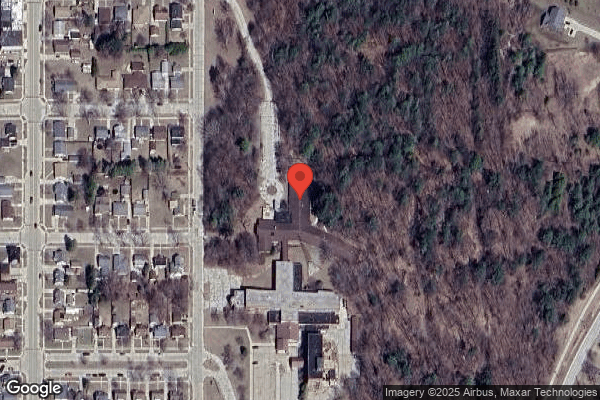
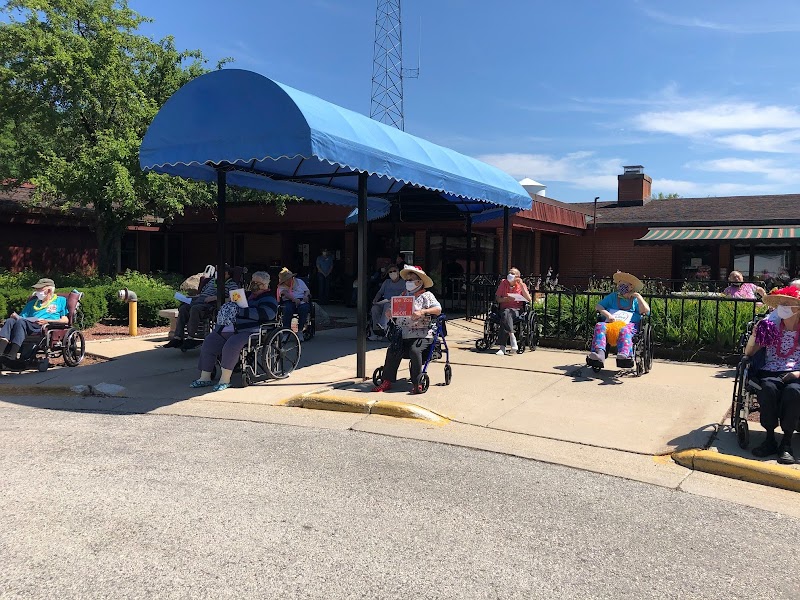
1 HAMILTON DR, TWO RIVERS, WI 54241 (920) 793-2261
For profit - Limited Liability company 125 Beds NORTH SHORE HEALTHCARE Data: November 2025
Trust Grade
35/100
#214 of 321 in WI
Last Inspection: September 2024

Within standard 12-15 month inspection cycle. Federal law requires annual inspections.

Overview

Hamilton Health Services in Two Rivers, Wisconsin, has received a Trust Grade of F, indicating significant concerns about the quality of care provided. It ranks #214 out of 321 facilities in the state, placing it in the bottom half, and #5 out of 6 in Manitowoc County, meaning there is only one local option that performs worse. The facility is worsening, with the number of reported issues increasing from 5 in 2023 to 14 in 2024. Staffing is a concern, with a 71% turnover rate, significantly higher than the state average, although they do have more RN coverage than 96% of Wisconsin facilities. While they have not incurred any fines, there have been serious incidents, including a lack of supervision that allowed one resident to verbally and physically abuse another, and failures in food safety and infection control practices that could affect all residents. Overall, families should weigh these serious weaknesses against the facility’s strengths before making a decision.

Trust Score
F
35/100
In Wisconsin
#214/321
Bottom 34%
Safety Record
Moderate
Needs review
Inspections
Getting Worse
5 → 14 violations
Staff Stability
⚠ Watch
71% turnover. Very high, 23 points above average. Constant new faces learning your loved one's needs.
Penalties
✓ Good
No fines on record. Clean compliance history, better than most Wisconsin facilities.
Skilled Nurses
✓ Good
Each resident gets 88 minutes of Registered Nurse (RN) attention daily — more than 97% of Wisconsin nursing homes. RNs are the most trained staff who catch health problems before they become serious.
Violations
⚠ Watch
28 deficiencies on record. Higher than average. Multiple issues found across inspections.
★★☆☆☆
2.0
Overall Rating
★★★☆☆
3.0
Staff Levels
★☆☆☆☆
1.0
Care Quality
★★★☆☆
3.0
Inspection Score
Stable
2023: 5 issues
2024: 14 issues

The Good

  • Full Sprinkler Coverage · Fire safety systems throughout facility
  • No fines on record

Facility shows strength in fire safety.

The Bad

2-Star Overall Rating

Below Wisconsin average (3.0)

Below average - review inspection findings carefully

Staff Turnover: 71%

24pts above Wisconsin avg (46%)

Frequent staff changes - ask about care continuity

Chain: NORTH SHORE HEALTHCARE

Part of a multi-facility chain

Ask about local staffing decisions and management

Staff turnover is very high (71%)

23 points above Wisconsin average of 48%

The Ugly 28 deficiencies on record

1 actual harm
Sept 2024 9 deficiencies
CONCERN (D)

Potential for Harm - no one hurt, but risky conditions existed

Deficiency F0582 (Tag F0582)

Could have caused harm · This affected 1 resident

**NOTE- TERMS IN BRACKETS HAVE BEEN EDITED TO PROTECT CONFIDENTIALITY** 2. Between 9/9/24 and 9/11/24, Surveyor reviewed R10's medical record. A Recapitulation of Stay, dated 9/3/24, and a progress no...

Read full inspector narrative →
**NOTE- TERMS IN BRACKETS HAVE BEEN EDITED TO PROTECT CONFIDENTIALITY** 2. Between 9/9/24 and 9/11/24, Surveyor reviewed R10's medical record. A Recapitulation of Stay, dated 9/3/24, and a progress note, dated 9/3/24, indicated R10 returned from an appointment with Infectious Disease with an order to discontinue R10's intravenous (IV) antibiotics on 9/4/24. A review of the facility's documentation indicated R10's last covered day of Medicare Part A benefits was 9/4/24. R10 discharged from the facility on 9/5/24. The review indicated the end of R10's Medicare Part A benefits was resident-initiated and a NOMNC form was not required. R10's medical record did not indicate termination of R10's Medicare Part A benefits was resident-initiated. On 9/10/24 at 12:21 PM, Surveyor interviewed Director of Rehab (DOR)-D who confirmed DOR-D provided therapy services for R10. DOR-D stated R10 had met all goals for therapy and no longer required Medicare Part A skilled therapy. DOR-D stated IV medication was the only service that prevented R10 from returning home. DOR-D stated when R10's IV antibiotics were discontinued on 9/4/24, R10's Medicare Part A coverage ended and R10 discharged home. On 9/11/24 at 1:10 PM, Surveyor interviewed [NAME] President of Success (VPS)-C who acknowledged termination of R10's Medicare Part A benefits was facility-initiated and R10 should have received a NOMNC form prior to R10's last covered day. Based on staff interview and record review, the facility did not ensure written notification of coverage change and the financial liability for continued stay at the facility was provided when Medicare Part A benefits ended for 2 residents (R) (R26 and R10) of 5 sampled residents. The facility did not provide R26 with an Advanced Beneficiary Notice (ABN) form that contained the daily rate for which R26 was liable if R26 chose to remain in the facility after R26's Medicare Part A benefits ended. The facility did not provide a Notice of Medicare Non-Coverage (NOMNC) form (used to inform Medicare beneficiaries when their covered services are ending and their appeal rights) to R10 when R10's Medicare Part A benefits ended. Findings include: The Centers for Medicare and Medicaid Services (CMS)-10123 form indicates a Notice of Medicare Non-Coverage (NOMNC) form must be delivered at least two calendar days before Medicare-covered services end or the second to last day of service if care is not being provided daily. Note: The two-day advance requirement is not a 48-hour requirement .The provider must ensure the beneficiary or representative signs and dates the NOMNC form to demonstrate the beneficiary or representative received the notice and understands the termination decision can be disputed. The CMS-10055 Skilled Nursing Facility Advanced Beneficiary Notice of Non-Coverage (ABN) form indicates: The ABN provides information to the beneficiary so the beneficiary can decide whether or not to get the care that may not be paid for by Medicare and assume financial responsibility .The ABN is only issued if the beneficiary intends to continue services and the skilled nursing facility believes the services may not be covered under Medicare. 1. Between 9/9/24 and 9/11/24, Surveyor reviewed R26's medical record. R26 was admitted to the facility on [DATE] with a diagnosis of status post reverse arthroplasty of left shoulder. R26 was R26's own person. R26's medical record indicated the following: ~ R26 signed a NOMNC form on 7/10/24 that indicated R26's Medicare Part A benefits were ending on 7/12/24. ~ R26 remained in the facility after R26's Medicare Part A benefits ended on 7/12/24. ~ R26 discharged from the facility on 8/16/24. R26's medical record did not indicate R26 was provided with an ABN form. On 9/11/24 at 1:36 PM, Surveyor interviewed Nursing Home Administrator (NHA)-A who could not locate an ABN form for R26. NHA-A indicated R26 should have received an ABN form since R26 remained in the facility after R26's Medicare Part A benefits ended on 7/12/24.
CONCERN (D)

Potential for Harm - no one hurt, but risky conditions existed

Deficiency F0637 (Tag F0637)

Could have caused harm · This affected 1 resident

Based on staff interview and record review, the facility did not ensure a Significant Change Minimum Data Set (MDS) assessment was completed for 1 resident (R) (R12) of 12 sampled residents. The facil...

Read full inspector narrative →
Based on staff interview and record review, the facility did not ensure a Significant Change Minimum Data Set (MDS) assessment was completed for 1 resident (R) (R12) of 12 sampled residents. The facility did not complete a Significant Change MDS assessment when R12 discharged from Hospice services. Findings include: Between 9/9/24 and 9/11/24, Surveyor reviewed R12's medical record. R12 was admitted to the facility on Hospice services on 11/16/23 with diagnoses including diffuse large B-cell lymphoma and encounter for palliative care. R12's medical record indicated: ~ R12 discharged from Hospice services on 5/12/24. ~ The facility completed Quarterly MDS assessments for R12 on 5/24/24 and 8/24/24. On 9/10/24 at 11:13 AM, Surveyor interviewed Registered Nurse (RN)-E who completed the facility's MDS assessments. RN-E confirmed a Significant Change MDS assessment should have been completed when R12 discharged from Hospice services. RN-E indicated RN-E was able to see that R12 discharged from Hospice services on R12's medical record dashboard and also indicated R12's discharge from Hospice services would have been discussed in a stand-up meeting. On 9/11/24 at 12:34 PM, Surveyor interviewed Nursing Home Administrator (NHA)-A who indicated the facility followed the MDS manual for coding. NHA-A indicated R12's MDS assessment should have been coded as a Significant Change MDS assessment after R12 discharged from Hospice services.
CONCERN (D)

Potential for Harm - no one hurt, but risky conditions existed

Deficiency F0692 (Tag F0692)

Could have caused harm · This affected 1 resident

**NOTE- TERMS IN BRACKETS HAVE BEEN EDITED TO PROTECT CONFIDENTIALITY** Based on staff and resident interview and record review, the facility did not ensure 1 resident (R) (R11) of 1 resident received...

Read full inspector narrative →
**NOTE- TERMS IN BRACKETS HAVE BEEN EDITED TO PROTECT CONFIDENTIALITY** Based on staff and resident interview and record review, the facility did not ensure 1 resident (R) (R11) of 1 resident received the necessary care and services to prevent and monitor weight loss or gain. Staff did not notify R11's physician of a significant weight gain and did not follow the physician's order for weight monitoring. Findings include: The facility's Weight Monitoring policy, dated 12/21/22, indicates: The Interdisciplinary Team (IDT) will strive to prevent, monitor, and intervene for undesirable weight changes for residents .1. The nursing staff will measure a resident's weight on admission, the next 2 days, and weekly for 3 additional weeks thereafter .3. Weights will be recorded in the resident's electronic health record .6. Any weight change of 5 pounds or more since the last weight assessment will be retaken for confirmation .8. The threshold for significant weight change will be based on the following criteria, a. 1 month - 5% weight change is significant; greater than 5% is severe; b. 3 months - 7.5% weight change is significant; greater than 7.5% is severe; c. 6 months - 10% weight change is significant; greater than 10% is severe .10. The nursing staff will notify the individual or responsible party, physician, and Registered Dietitian (RD) or designee of any individual with an unintended significant weight change. On 9/11/24, Surveyor reviewed R11's medical record. R11 was admitted to the facility on [DATE] and had diagnoses including Parkinson's disease without dyskinesia, schizoaffective disorder, bipolar disorder, insomnia, anxiety disorder, and epilepsy. R11's Minimum Data Set (MDS) assessment, dated 8/27/24, had a Brief Interview for Mental Status (BIMS) score of 14 out of 15 which indicated R11 had intact cognition. R11 had an activated Power of Attorney for Healthcare (POAHC). Surveyor reviewed R11's weights and noted the following: ~ On 8/22/24, R11 weighed 342.6 pounds (lbs) ~ On 8/21/24, R11 weighed 348.0 lbs ~ On 8/10/24, R11 weighed 344.0 lbs ~ On 8/2/24, R11 weighed 343.2 lbs ~ On 7/26/24, R11 weighed 346.8 lbs ~ On 7/24/24, R11 weighed 327.5 lbs ~ On 7/8/24, R11 weighed 317.9 lbs ~ On 6/15/24, R11 weighed 309.5 lbs ~ On 6/10/24, R11 weighed 309.5 lbs ~ On 6/8/24, R11 weighed 307.3 lbs ~ On 5/25/24, R11 weighed 289.9 lbs ~ On 5/18/24, R11 weighed 289.9 lbs ~ On 5/11/24, R11 weighed 289.9 lbs ~ On 5/7/24, R11 weighed 290.0 lbs ~ On 4/15/24, R11 weighed 287.9 lbs ~ On 4/11/24, R11 weighed 289.2 lbs ~ On 3/2/24, R11 weighed 255.3 lbs ~ On 2/22/24, R11 weighed 281.2 lbs ~ On 2/20/24, R11 weighed 277.0 lbs ~ On 2/19/24, R11 weighed 278.2 lbs ~ On 2/14/24, R11 weighed 287.0 lbs ~ On 2/10/24, R11 weighed 253.0 lbs ~ On 2/8/24, R11 weighed 253.3 lbs ~ On 2/7/24, R11 weighed 246.6 lbs Per the facility's policy, the above weights indicated R11 had a severe weight change of 38.93% from 2/7/24 to 8/22/24. A progress note, dated 2/23/24, indicated R11 gained 34 pounds since admission. The progress note indicated R11 had diagnoses including schizoaffective disorder, Parkinson's disease, and bipolar disorder and was prescribed antipsychotic medication which may affect R11's appetite and ability to make sound decisions. R11's physician was updated. No new orders were received. On 2/24/24, R11's physician was notified of R11's weight gain. No new orders were received. A nutrition and dietary progress note, dated 4/30/24, indicated R11's weight was up 41 pounds (16%) in 3 months. The progress note indicated R11 received antidepressant and antipsychotic medication which affected R11's appetite and weight status. A Nutritional Assessment, dated 5/14/24, indicated R11 had a significant weight gain of 13% due to excessive intake and schizoaffective disorder. No new recommendations were made by the RD. A weight note, dated 6/14/24, indicated R11 had a 6% weight gain in 1 month and a 7.5% weight gain in 3 months. No new nutrition interventions were noted. On 6/24/24, R11's Advance Practice Nurse Practitioner (APNP) was notified. No new orders were received. A weight note, dated 7/15/24, indicated R11 had a weight gain of 9% in 3 months. The note indicated R11's mood stabilizer medication may affect R11's appetite and meal intake. No new nutritional interventions were noted. An RD weight review, dated 8/8/24, indicated R11 gained 96 pounds (a 38% weight gain) in 6 months. R11 was on a mood stabilizer medication known to increase appetite and lead to weight gain. No new nutritional interventions were noted. A nutrition note, dated 8/8/24, indicated R11's medication side effects were reviewed by the IDT and R11 was scheduled for a neurology appointment the following week. On 8/14/24, R11 was admitted to the hospital due to a change in condition. R11 returned to the facility on 8/21/24. R11's medical record did not contain any additional weights after R11's readmission weight on 8/22/24. A physician order stated to obtain R11's weight on admission, daily x 2, weekly x 3, and then monthly and obtain a re-weight if R11's weight changed 5 pounds since the last weight. On 9/11/24 at 1:10 PM, Surveyor interviewed [NAME] President of Success (VPS)-C who acknowledged the facility did not have documentation that indicated R11's physician was aware of R11's significant weight gain. VPS-C stated due to R11's hospitalization, R11's neurology appointment was canceled and staff were not able to reschedule the appointment until October. VPS-C acknowledged further notification to R11's physician should be noted in R11's medical record. VPS-C indicated staff should have followed R11's physician order for weights following R11's return from the hospital.
CONCERN (D)

Potential for Harm - no one hurt, but risky conditions existed

Deficiency F0757 (Tag F0757)

Could have caused harm · This affected 1 resident

**NOTE- TERMS IN BRACKETS HAVE BEEN EDITED TO PROTECT CONFIDENTIALITY** Based on staff interview and record review, the facility did not monitor for adverse reactions of a high-risk medication for 1 r...

Read full inspector narrative →
**NOTE- TERMS IN BRACKETS HAVE BEEN EDITED TO PROTECT CONFIDENTIALITY** Based on staff interview and record review, the facility did not monitor for adverse reactions of a high-risk medication for 1 resident (R) (R20) of 5 residents reviewed for unnecessary medications. R20 was prescribed lamotrigine (an anticonvulsant medication). The facility did not monitor for adverse reactions or side effects of the high-risk medication. Findings include: Per medlineplus.gov, potential side effects for lamotrigrine include: loss of balance or coordination, double vision, blurred vision, uncontrollable movements of the eyes, difficulty thinking or concentrating, difficulty speaking, headache, drowsiness, dizziness, diarrhea, constipation, loss of appetite, weight loss, nausea, vomiting, and uncontrollable shaking of a part of the body. Some side effects can be serious such as swelling of the face, throat, tongue, lips, and eyes, difficulty swallowing or breathing, hoarseness, seizures, stiff neck, sensitivity to light, unusual bleeding or bruising, rash, swollen lymph nodes, yellowing of the skin or eyes, painful or bloody urination, trouble walking, racing heartbeat, skipped or slow heartbeat, or shortness of breath. On 9/10/24, Surveyor reviewed R20's medical record. R20 was admitted to the facility on [DATE] and had a diagnosis of bipolar disorder. R20's medical record indicated R20 was prescribed 100 milligrams of lamotrigrine once daily for bipolar disorder. R20's medical record did not indicate R20 was monitored for adverse reactions of side effects of lamotrigine. On 9/10/24, Surveyor requested to see monitoring for R20's lamotrigine. On 9/11/24 at 8:49 AM, Surveyor noted monitoring for adverse reactions/side effects of lamotrigine was added to R20's plan of care. On 9/11/24 at 12:34 PM, Surveyor interviewed Nursing Home Administrator (NHA)-A who confirmed there was no prior monitoring in place for R20's anticonvulsant medication. NHA-A indicated the facility was not aware adverse reaction/side effect monitoring should be completed for anticonvulsant medication if the medication was prescribed for off-label use.
CONCERN (D)

Potential for Harm - no one hurt, but risky conditions existed

Medication Errors (Tag F0758)

Could have caused harm · This affected 1 resident

**NOTE- TERMS IN BRACKETS HAVE BEEN EDITED TO PROTECT CONFIDENTIALITY** Based on staff interview and record review, the facility did not ensure 2 residents (R) (R11 and R24) of 5 sampled residents wer...

Read full inspector narrative →
**NOTE- TERMS IN BRACKETS HAVE BEEN EDITED TO PROTECT CONFIDENTIALITY** Based on staff interview and record review, the facility did not ensure 2 residents (R) (R11 and R24) of 5 sampled residents were monitored for adverse consequences of an antipsychotic medication. R11 was prescribed aripiprazole (an antipsychotic medication) for schizoaffective disorder. The facility did not complete an Abnormal Involuntary Movement Scale (AIMS) (a rating scale that helps identify and monitor side effects of antipsychotic medications) when R11 admitted to the facility on antipsychotic medication. R24 was prescribed lithium carbonate (an antipsychotic medication) for bipolar disorder. The facility did not complete an AIMS or implement monitoring for adverse reactions to the antipsychotic medication. Findings include: The facility's Psychotropic Medications policy, dated 10/24/22, indicates: Residents should not receive psychotropic drugs unless the medication is necessary to treat specific conditions as diagnosed and documented in the clinical record and the medication is beneficial to the resident as demonstrated by monitoring and documentation of the resident's response to the medication .8. Residents who receive an antipsychotic medication will have an AIMS test performed on admission, at least every 6 months, when the antipsychotic medication is changed, and as necessary .12. The effects of psychotropic medications on a resident's physical, mental, and psychosocial well-being will be evaluated on an ongoing basis, such as .b. During the pharmacist's monthly medication regimen review .d. In accordance with nurse assessments and medication monitoring parameters consistent with clinical standards of practice, manufacturer's specifications, and the resident's comprehensive care plan. 1. On 9/10/24, Surveyor reviewed R11's medical record. R11 was admitted to the facility on [DATE] and had diagnoses including Parkinson's disease without dyskinesia, schizoaffective disorder, bipolar disorder, insomnia, anxiety disorder, and epilepsy. R11's Minimum Data Set (MDS) assessment, dated 8/27/24, had a Brief Interview for Mental Status (BIMS) score of 14 out of 15 which indicated R11 had intact cognition. R11 had an activated Power of Attorney for Healthcare (POAHC). R11's medical record contained physician orders for the following antipsychotic medications: ~ Prochlorperazine maleate oral tablet 10 mg (milligrams) as needed for nausea ~ Quetiapine fumarate oral tablet 25 mg daily for schizoaffective disorder ~ Quetiapine fumarate oral tablet 100 gm give 1.5 tablet by mouth once daily for schizoaffective disorder ~ Quetiapine fumarate oral tablet 300 mg give 150 mg by mouth once daily for schizoaffective disorder ~ Cariprazine HCl (hydrochloride) oral capsule 3 mg give 3 daily for schizoaffective disorder and bipolar disorder ~ Aripiprazole oral tablet 15 mg daily for schizoaffective disorder R11's quetiapine order had an original start date of 2/8/24. R11's aripiprazole order had an original start date of 5/31/24. R11's medical record contained an AIMS completed on 6/24/24. R11's medical record did not indicate an AIMS was completed upon R11's admission to the facility, when changes were made to R11's antipsychotic medication, or when R11 was prescribed an additional antipsychotic medication. On 9/11/24 at 1:10 PM, Surveyor interviewed [NAME] President of Success (VPS)-C who confirmed an AIMS was not completed upon R11's admission to the facility or with changes or additions to R11's antipsychotic medication. VSP-C stated the facility identified concerns with their process and confirmed corrections had not yet been implemented. 2. On 9/10/24, Surveyor reviewed R24's medical record. R24 was admitted to the facility on [DATE] and had diagnoses including dementia, Parkinson's disease, neuroleptic induced parkinsonism, adverse effect of antipsychotic medication, metabolic encephalopathy, and bipolar disorder. R24's MDS assessment, dated 8/15/24, had a BIMS score of 7 out of 15 which indicated R24 had severe cognitive impairment. R24 had an activated POAHC. R24's medical record contained a physician order for lithium carbonate 600 mg daily for bipolar disorder with a start date of 2/7/24. R24's medical record did not contain an AIMS or adverse side effect monitoring for antipsychotic medication. On 9/11/24 at 9:25 AM, Surveyor interviewed VPS-C who confirmed the facility did not complete an AIMS for R24 or implement adverse side effect monitoring for antipsychotic medication which should have been initiated upon admission.
CONCERN (D)

Potential for Harm - no one hurt, but risky conditions existed

Unnecessary Medications (Tag F0759)

Could have caused harm · This affected 1 resident

**NOTE- TERMS IN BRACKETS HAVE BEEN EDITED TO PROTECT CONFIDENTIALITY** Based on observation, staff interview, and record review, the facility did not ensure it was free of a medication error rate of ...

Read full inspector narrative →
**NOTE- TERMS IN BRACKETS HAVE BEEN EDITED TO PROTECT CONFIDENTIALITY** Based on observation, staff interview, and record review, the facility did not ensure it was free of a medication error rate of 5% or greater. During medication administration observations, 3 errors occurred during 25 opportunities which resulted in a 12% medication error rate that affected 1 resident (R) (R14) of 4 residents observed during medication administration. On 9/9/24, R14 was administered three medications in the wrong form per the manufacturer's instructions. Findings include: The facility's Medication Administration policy, revised January 2024, indicates: If it is safe to do so, medication tablets may be crushed or capsules emptied using the following guidelines and with a specific order from the prescriber: Long acting, extended release, or enteric coated dosage forms should generally not be crushed; an alternative should be sought. On 9/9/24, Surveyor reviewed R14's medical record. R14 was admitted to the facility on [DATE] with diagnoses including cancer, hypertension, chronic kidney disease, dementia, and asthma. R14's most recent Minimum Data Set (MDS) assessment, dated 8/20/24, stated R14's Brief Interview for Mental Status (BIMS) score was 13 out of 15 which indicated R14 had intact cognition. On 9/9/24 at 9:04 AM, Surveyor observed Licensed Practical Nurse (LPN)-F prepare and administer R14's AM medication. On 9/9/24 at 9:07 AM, Surveyor observed LPN-F crush all of R14's medications, including a 600 mg (milligram) guaifenesin extended release (ER) tablet, a 20 mEq (milliequivalents) potassium chloride extended release tablet, and a 20 mg omeprazole delayed release (DR) capsule. On 9/9/24 at 9:08 AM, Surveyor observed a bubble pack that contained R14's potassium chloride ER. The bubble pack contained a sticker that stated Do Not Crush/Chew. On 9/9/24 at 9:09 AM, Surveyor interviewed LPN-F who verified LPN-F crushed all of R14's medications and mixed them in applesauce. LPN-F was not aware of any of R14's medications that could not be crushed. On 9/9/24 at 9:43 AM, Surveyor observed the manufacturer's package that contained R14's omeprazole DR. The manufacturer's instructions indicated not to crush or chew the medication. On 9/9/24 at 9:51 AM, Surveyor observed the manufacturer's instructions for guaifenesin ER which stated not to crush or chew the medication. Surveyor noted a physician order for R14, dated 2/22/24, that stated, May crush all medications permissible by manufacturer. On 9/9/24 at 11:13 AM, Surveyor interviewed Director of Nursing (DON)-B who verified extended and delayed release medications should not be crushed.
CONCERN (D)

Potential for Harm - no one hurt, but risky conditions existed

Deficiency F0883 (Tag F0883)

Could have caused harm · This affected 1 resident

**NOTE- TERMS IN BRACKETS HAVE BEEN EDITED TO PROTECT CONFIDENTIALITY** Based on staff interview and record review, the facility did not ensure 1 resident (R) (R13) of 5 sampled residents was offered ...

Read full inspector narrative →
**NOTE- TERMS IN BRACKETS HAVE BEEN EDITED TO PROTECT CONFIDENTIALITY** Based on staff interview and record review, the facility did not ensure 1 resident (R) (R13) of 5 sampled residents was offered a pneumococcal vaccine. R13's medical record did not contain documentation that R13 was offered a pneumococcal vaccine. Findings include: The facility's Pneumococcal Vaccine (Series) policy, dated 1/11/24, indicates: It is the policy of the facility to offer residents immunization against pneumococcal disease in accordance with current Centers for Disease Control and Prevention (CDC) guidelines and recommendations .1. Each resident will be assessed for pneumococcal immunization upon admission. Self-report of immunization shall be accepted. Any additional efforts to obtain information shall be documented including efforts to determine date of immunization or type of vaccine received .2. Each resident will be offered a pneumococcal immunization unless it is medically contraindicated, or the resident has already been immunized .4. The resident/representative retains the right to refuse the immunization. Refusals should be documented in the medical record along with what education was provided and a risk versus benefit discussion. The CDC publication found at https://www.cdc.gov/vaccines/vpd/pneumo/hcp/who-when-to-vaccinate.html titled Pneumococcal Vaccination: Summary of Who and When to Vaccinate indicates: The CDC recommends pneumococcal vaccination for adults 19 through [AGE] years old who have certain chronic medical conditions or other risk factors .chronic lung disease, including chronic obstructive pulmonary disease, emphysema, and asthma . On 9/9/24, Surveyor reviewed R13's medical record. R13 was admitted to the facility on [DATE] and had diagnoses including dementia, diabetes mellitus, and chronic obstructive pulmonary disease (COPD). R13's Minimum Data Set (MDS) assessment, dated 7/31/24, had a Brief Interview for Mental Status (BIMS) score of 14 out of 15 which indicated R13 had intact cognition. R13's medical record did not indicate a pneumococcal vaccination was offered or declined by R13 or R13's representative. On 9/11/24 at 1:04 PM, Surveyor interviewed [NAME] President of Success (VPS)-C who confirmed R13's medical record did not contain documentation that a pneumococcal immunization was offered or refused. VPS-C stated R13 should have been offered the immunization.
CONCERN (E)

Potential for Harm - no one hurt, but risky conditions existed

Assessment Accuracy (Tag F0641)

Could have caused harm · This affected multiple residents

**NOTE- TERMS IN BRACKETS HAVE BEEN EDITED TO PROTECT CONFIDENTIALITY** 4. Between 9/9/24 and 9/11/24. Surveyor reviewed R11's medical record. R11 was admitted to the facility on [DATE] and had diagno...

Read full inspector narrative →
**NOTE- TERMS IN BRACKETS HAVE BEEN EDITED TO PROTECT CONFIDENTIALITY** 4. Between 9/9/24 and 9/11/24. Surveyor reviewed R11's medical record. R11 was admitted to the facility on [DATE] and had diagnoses including Parkinson's disease without dyskinesia, schizoaffective disorder, bipolar disorder, insomnia, anxiety disorder, and epilepsy. R11's medical record contained a physician order for lorazepam (an antianxiety medication). R11's MDS assessment, dated 8/14/24, did not indicate R11 received antianxiety medication. On 9/11/24 at 12:40 PM, Surveyor interviewed RN-E who confirmed R11's MDS assessment should have been coded to indicate R11 received antianxiety medication. 5. Between 9/9/24 and 9/11/24, Surveyor reviewed R24's medical record. R24 was admitted to the facility on [DATE] and has diagnoses including dementia, Parkinson's disease, metabolic encephalopathy, neuroleptic induced parkinsonism, adverse effect of antipsychotic medication, and bipolar disorder. R24 had an activated Power of Attorney for Healthcare (POAHC). On 9/9/24 at 11:15 AM, Surveyor interviewed R24 and R24's POAHC who indicated R24 had a fall in the facility and sustained a fractured nose. R24's medical record indicated R24 had a witnessed fall on 2/27/24 and was transferred to the hospital. R24 was diagnosed with a closed fracture of the nasal bone, nose laceration, and scalp contusion. R24's MDS assessment, dated 5/15/24, indicated R24 did not have any falls since admission or the prior assessment. On 9/11/24 at 12:40 PM, Surveyor interviewed RN-E who confirmed R24's MDS assessment should have been coded to indicate R24 had a fall with major injury. R24's medical record contained physician orders for duloxetine (an antidepressant medication) and lithium carbonate (an antipsychotic medication) with start dates of 2/7/24. Surveyor reviewed R24's MDS assessments, dated 2/13/24, 5/15/24, and 8/15/24 and noted the following: ~ R24's MDS assessment, dated 2/13/24, did not indicate R24 was prescribed antipsychotic medication. ~ R24's MDS assessment, dated 5/15/24, did not indicate R24 was prescribed antidepressant medication. ~ R24's MDS assessment, dated 8/15/24, did not indicate R24 was prescribed antipsychotic medication. On 9/11/24 at 12:47 PM, Surveyor interviewed RN-E who confirmed R24's MDS assessments should have been coded to indicate R24 received antipsychotic and antidepressant medication. Based on staff interview and record review, the facility did not ensure Minimum Data Set (MDS) assessments were coded correctly for 6 residents (R) (R23, R20, R12, R11, R24, and R13) of 12 sampled residents. R23 had a tracheostomy. R23's MDS assessments, dated 1/23/24, 4/24/24, 7/25/25, 8/27/24, and 9/16/24, did not indicate R23 received tracheostomy care. R12 was discharged from Hospice services on 5/12/24. R12's MDS assessments, dated 5/24/24 and 8/24/24, indicated R12 still received Hospice services. R20 was prescribed antiplatelet medication. R20's MDS assessments, dated 9/25/23, 12/26/23, 3/26/24, 6/26/24, and 8/27/24 did not indicate R20 received antiplatelet medication. In addition, R20 had a Preadmission Screening and Resident Review (PASRR) Level II Screen completed on 10/26/23. R20's MDS assessment, dated 8/27/24, indicated a PASRR Level II Screen was not completed. R11 was prescribed antianxiety medication. R11's MDS assessment, dated 8/14/24, did not indicate R11 received antianxiety medication. R24 had a witnessed fall that resulted in a major injury. R24's MDS assessment, dated 5/15/24, did not indicate R11 had any falls since admission or the prior assessment. In addition, R24 was prescribed antipsychotic and antidepressant medication. R24's MDS assessments, dated 2/13/24, 5/15/24, and 8/15/24, did not indicate R24 received antipsychotic or antidepressant medication. R13 was prescribed antianxiety medication. R13's MDS assessment, dated 7/31/24, did not indicate R13 received antianxiety medication. Findings include: 1. Between 9/9/24 and 9/1/24, Surveyor reviewed R23's medical record. R23 was admitted to the facility on [DATE] and had diagnoses including encounter for attention to tracheostomy and quadriplegia. R23's medical record contained order for tracheostomy care. On 9/9/24 at 11:36 AM, Surveyor interviewed R23 and noted R23 had a tracheostomy and tracheostomy supplies next to R23's bed. R23 indicated staff suctioned R23 as needed. R23's MDS assessments, dated 1/23/24, 4/24/24, 7/25/25, 8/27/24, and 9/16/24, indicated R23 did not receive tracheostomy care. On 9/10/24 at 11:13 AM, Surveyor interviewed Registered Nurse (RN)-E who completed MDS assessments for the facility. RN-E confirmed R23's MDS assessments should have been coded to indicate R23 received tracheostomy care. 2. Between 9/9/24 and 9/11/24, Surveyor reviewed R12's medical record. R12 was admitted to the facility on Hospice services on 11/16/23 with diagnoses including diffuse large B-cell lymphoma and encounter for palliative care. R12 was discharged from Hospice services on 5/12/24. R12's MDS assessments, dated 5/24/24 and 8/24/24, indicated R12 still received Hospice services. On 9/10/24 at 11:13 AM, Surveyor interviewed RN-E who confirmed R12's MDS assessments, dated 5/24/24 and 8/24/24, should have been coded to indicate R12 no longer received Hospice services 3. Between 9/9/24 and 9/11/24, Surveyor reviewed R20's medical record. R20 was admitted to the facility on [DATE] and had diagnoses including Parkinson's disease, bipolar disorder, anxiety disorder, and venous insufficiency. R20's medical record indicated: ~ R20 was prescribed antipsychotic and antidepressant medication for bipolar disorder and had a Level II PASRR Screen completed on 10/26/23. ~ R20 was prescribed clopidogrel bisulfate (an antiplatelet medication) for peripheral vascular angioplasty status with implants and grafts. R20's MDS assessment, dated 8/27/24, indicated R20 was not evaluated by a Level II PASRR Screen and determined to have a serious mental illness and/or mental retardation or a related condition. R20's MDS assessments, dated 9/25/23, 12/26/23, 3/26/24, 6/26/24, and 8/27/24 indicated R20 received anticoagulant medication instead of antiplatelet medication. On 9/10/24 at 11:13 AM, Surveyor interviewed RN-E who confirmed R20's MDS assessments should have been coded to indicate a PASRR Level II screen was completed and R20 received antiplatelet medication. On 9/11/24 at 12:34 PM, Surveyor interviewed Nursing Home Administrator (NHA)-A who indicated the facility followed the MDS manual for coding and NHA-A expected MDS assessments to be coded correctly. 6. Between 9/9/24 and 9/11/24, Surveyor reviewed R13's medical record. R13 was admitted to the facility on [DATE] and had diagnoses including post-traumatic stress disorder (PTSD) and anxiety. R13's medical record contained physician orders for clonazepam 1 mg (milligram) daily for anxiety (beginning 6/13/24) and buspirone HCl (hydrochloride) 5 mg three times daily for anxiety (beginning 5/21/24). R13's MDS assessment, dated 7/31/24, did not indicate R13 received antianxiety medication. On 9/11/24 at 11:34 AM, Surveyor interviewed RN-E who confirmed R13's MDS assessment should have been coded to indicate R13 received antianxiety medication.
CONCERN (E)

Potential for Harm - no one hurt, but risky conditions existed

Drug Regimen Review (Tag F0756)

Could have caused harm · This affected multiple residents

**NOTE- TERMS IN BRACKETS HAVE BEEN EDITED TO PROTECT CONFIDENTIALITY** 4. Between 9/9/24 and 9/11/24, Surveyor reviewed R11's medical record. R11 was admitted to the facility on [DATE] and had diagno...

Read full inspector narrative →
**NOTE- TERMS IN BRACKETS HAVE BEEN EDITED TO PROTECT CONFIDENTIALITY** 4. Between 9/9/24 and 9/11/24, Surveyor reviewed R11's medical record. R11 was admitted to the facility on [DATE] and had diagnoses including Parkinson's disease without dyskinesia, schizoaffective disorder, bipolar disorder, insomnia, anxiety disorder, and epilepsy. R11's medical record indicated R11 was prescribed the following medications: ~ Prochlorperazine 10 mg (an antipsychotic medication) as needed for nausea ~ Seroquel (an antipsychotic medication) for schizoaffective disorder ~ Cariprazine 3 mg (an antipsychotic medication) for schizoaffective disorder ~ Abilify 15 mg (an antipsychotic medication) for schizoaffective disorder ~ Lorazepam 0.5 mg (an antianxiety medication) as needed for anxiety related to bipolar disorder ~ Sertraline 50 mg for bipolar disorder Surveyor requested R11's pharmacy medication reviews from February 2024 to the present. The facility was only able to provide pharmacy recommendation reviews for February 2024 and June 2024. On 9/11/24 at 10:02 AM, Surveyor interviewed [NAME] President of Success (VPS)-C who acknowledged the facility did not have a process in place for pharmacy reviews, physician reviews of pharmacy recommendations, gradual dose reductions, or behavior management. VPS-C indicated R11 should have had monthly pharmacy reviews for the 7 months R11 resided in the facility. Based on staff interview and record review, the facility did not ensure pharmacy recommendation reports were acknowledge by a physician for 4 residents (R) (R20, R13, R17, and R11) of 5 sampled residents. Three of 6 pharmacy recommendations for R20 were not acknowledged by a physician. Three of 9 pharmacy recommendations for R13 were not acknowledged by a physician. Three of 6 pharmacy recommendations for R17 were not acknowledged by a physician. R11's monthly pharmacy reviews were not consistently completed for the last 7 months. Findings include: 1. Between 9/9/24 and 9/11/24, Surveyor reviewed R20's medical record. R20 was admitted to the facility on [DATE] and had diagnoses including Parkinson's disease and bipolar disorder. R20 was prescribed the following medications: ~ Ziprasidone 80 milligrams (mg) (an antipsychotic medication) 2 capsules once daily for bipolar disorder ~ Olanzapine 15 mg (an antipsychotic medication) 2 tablets by mouth once daily for bipolar disorder ~ Duloxetine 60 mg (an antidepressant medication) 2 capsules once daily for depression related to bipolar disorder ~ Lamotrigine 100 mg (an anticonvulsant medication) once daily for bipolar disorder ~ Ropinirole for Parkinson's disease Between 4/1/24 and 4/30/24, R20's medications were reviewed by pharmacy. The pharmacy recommendations noted in R20's progress notes were: olanzapine and ziprasidone use, olanzapine dose, ropinirole dose, ropinirole and olanzapine use, Lamictal (lamotrigrine) and ziprasidone and olanzapine and duloxetine monitoring On 6/20/24, a pharmacy recommendation for R20 indicated: duloxetine HCL (hydrochloride) delayed release particles 60 mg give 2 capsules by mouth one time a day for depression related to bipolar disorder. Compliance with the requirement to perform a gradual dose reduction (GDR) may be met, if within the first year in which a resident is admitted on a psychotropic drug or after the prescribing practitioner has initiated a psychotropic drug, a facility attempts a GDR in two separate quarters (with greater than one month between the attempts), unless contraindicated. Recommendation: Trial gradual dose reduction or the continued use is in accordance with relevant current standards of practice. Please document resident specific clinical rationale for why an attempted dose reduction would be likely to impair the resident's function or exacerbate an underlying medical or psychiatric disorder: Between 7/1/24 and 7/30/24, R20's medications were reviewed by pharmacy. The pharmacy noted: duloxetine HCL delayed release particles 60 mg give 2 capsules by mouth one time a day for depression related to bipolar disorder. Compliance with the requirement to perform a GDR may be met, if within the first year in which a resident is admitted on a psychotropic drug or after the prescribing practitioner has initiated a psychotropic drug, a facility attempts a GDR in two separate quarters (with greater than one month between the attempts), unless contraindicated. Recommendation: Trial gradual dose reduction or the continued use is in accordance with relevant current standards of practice. Please document resident specific clinical rationale for why an attempted dose reduction would be likely to impair the resident's function or exacerbate an underlying medical or psychiatric disorder: On 9/11/24 at 9:58 AM, Surveyor interviewed Nursing Home Administrator (NHA)-A who provided a paper that indicated R20 had a pharmacy review in April and there were no recommendations. When Surveyor showed NHA-A the progress note in which pharmacy stated there were recommendations, NHA-A indicated NHA-A was not aware of the note and did not have proof of follow-up for the recommendations. NHA-A also indicated there was no follow-up for R20's June and July 2024 pharmacy recommendations and indicated the facility did not have a good process in place with the changeover in administration. 2. Between 9/9/24 and 9/11/24, Surveyor reviewed R13's medial record. R13 was admitted to the facility on [DATE] and had diagnoses including type 2 diabetes, hypertension, dementia, post-traumatic stress disorder (PTSD), depression, and anxiety. Surveyor reviewed R13's monthly pharmacy recommendations from October 2023 to the present. A monthly pharmacy review, dated 11/22/23, indicated the pharmacist made a recommendation to address R13's chlorhexidine administration, warfarin monitoring, Levemir and metformin monitoring, and Zoloft and trazodone monitoring. The facility was unable to provide a physician's response to the recommendation. A monthly pharmacy review, dated 12/29/23, indicated the pharmacist made a recommendation to address R13's as needed (PRN) diazepam use. The facility was unable to provide a physician's response to the recommendation. A monthly pharmacy review, dated 2/27/24, indicated the pharmacist made a recommendation to address R13's sucralfate use. The facility was unable to provide a physician's response to the recommendation. On 9/11/24 at 10:14 AM, Surveyor interviewed NHA-A regarding R13's pharmacy recommendations. NHA-A was unable to provide proof of follow-up for the recommendations. 3. Between 9/9/24 and 9/11/24, Surveyor reviewed R17's medical record. R17 was admitted to the facility on [DATE] and had diagnoses including type 2 diabetes, hypertension, dementia, atrial fibrillation, and congestive heart failure (CHF). Surveyor reviewed R17's monthly pharmacy recommendations from October 2023 to the present. A monthly pharmacy review, dated 12/29/23, indicated the pharmacist made a recommendation to complete a dose reduction for sertraline (an antidepressant medication). The facility was unable to provide a physician's response to the recommendation. In addition. R17's medical record indicated a dose reduction for sertraline was not completed until 3/1/24. A monthly pharmacy review, dated 1/24/24, indicated the pharmacist made a recommendation to discontinue lovastatin due to no appropriate diagnosis. The facility was unable to provide a physician's response to the recommendation. A monthly pharmacy review, dated 6/17/24, indicated the pharmacist made a recommendation to see the Consultant Pharmacy Report. The facility was unable to provide the Consultant Pharmacy Report and was unsure what recommendation was made by the pharmacist on 6/17/24. A monthly pharmacy review, dated 7/29/24, indicated the pharmacist made a recommendation to decrease pantoprazole to every other day for two weeks and then discontinue the medication due to the risk of side effects. A Nurse Practitioner (NP) responded, Agree 8/2/24, monitor for symptoms. R17's medical record indicated R17 still received pantoprazole twice daily as of 9/10/24. On 9/11/24 at 10:14 AM, Surveyor interviewed NHA-A regarding R17's pharmacy recommendations. NHA-A was unable to provide proof of follow-up R17's recommendations. NHA-A verified R17 still received pantoprazole despite the pharmacy recommendation and NP's response to discontinue the medication.
Jul 2024 4 deficiencies 1 Harm
SERIOUS (G) 📢 Someone Reported This

A family member, employee, or ombudsman was alarmed enough to file a formal complaint

Actual Harm - a resident was hurt due to facility failures

Accident Prevention (Tag F0689)

A resident was harmed · This affected 1 resident

**NOTE- TERMS IN BRACKETS HAVE BEEN EDITED TO PROTECT CONFIDENTIALITY** Based on observation, staff and resident interview, and record review, the facility did not provide adequate supervision for 1 r...

Read full inspector narrative →
**NOTE- TERMS IN BRACKETS HAVE BEEN EDITED TO PROTECT CONFIDENTIALITY** Based on observation, staff and resident interview, and record review, the facility did not provide adequate supervision for 1 resident (R) (R1) of 4 sampled residents. The failure to supervise R1 led to R1 being able to verbally and physically abuse another resident, R2. On 5/23/24, staff observed R1 exit R2's room and state, I'm going to kick your ass. R2 reported to staff that R1 had thrown a Styrofoam cup of coffee creamers at R2. Following the incident, the facility did not implement any interventions to ensure the safety of R1, R2, or other residents. On 5/24/24, Licensed Practical Nurse (LPN)-D observed R1 in the hallway outside R2's room. R1 appeared agitated and was repeatedly stating, Shut the f*** up. LPN-D did not attempt to redirect R1 or implement any interventions to supervise R1 before LPN-D left the area. R1 then entered R2's room, threw a basket full of items which hit R2 in the forehead, and stated, That's what you get you f****** bitch. R2 was tearful and incurred redness and swelling on R2's forehead. Findings include: The facility's Abuse, Neglect, and Exploitation policy, revised 7/15/22, states the facility will ensure the identification, ongoing assessment, care planning for appropriate interventions, and monitoring of residents with needs and behaviors which might lead to conflict or neglect; B. Possible indicators of abuse include .Verbal abuse of a resident overheard or inappropriate verbal conduct overheard; Physical abuse of a resident observed .Protection of Resident: The facility will make efforts to ensure all residents are protected from physical and psychosocial harm during and after the investigation. Examples include .Increased supervision of the alleged victim and residents and room or staffing changes, if necessary, to protect the resident(s) from the alleged perpetrator. On 6/24/24, Surveyor reviewed R1's medical record. R1 was admitted to the facility on [DATE] with diagnoses including Parkinson's disease, epilepsy, schizoaffective disorder, bipolar disorder, insomnia, and anxiety. R1's most recent Minimum Data Set (MDS) assessment, dated 5/20/24, had a Brief Interview for Mental Status (BIMS) score of 13 out of 15 which indicated R1 had minimal cognitive impairment. On 6/24/24, Surveyor reviewed R2's medical record. R2 was admitted to the facility on [DATE] with diagnoses including diffuse large B-cell lymphoma, lymphedema, and encounter for palliative care. R2's Quarterly MDS assessment, dated 5/24/24, had a BIMS score of 15 out of 15 which indicated R2 had intact cognition. R1's admission care plan indicated R1 was at risk for behaviors related to schizoaffective disorder and bipolar mental illness. R1's behaviors included refusing medications and inappropriate physical and verbal behaviors. R1's care plan contained interventions to call family members, administer medications as ordered, provide supervision in social gatherings/recreation programs, and remain calm and avoid angry reactions if behaviors are exhibited. R1's admission documentation contained a physician order, dated 8/24/23, from R1's previous facility that stated to monitor R1 for behaviors including biting, hitting, kicking, spitting, cussing, racial slurs, and aggression. R1's medical record indicated the following: ~ On 2/7/24, R1 was agitated, displayed behaviors toward staff, and refused medications. ~ On 3/10/24, R1 struck out at a Certified Nursing Assistant (CNA) during cares. ~ On 3/27/24, R1 yelled in the hallway I'm going to beat someone's ass one day! and threatened a CNA because R1's lunch tray was late. ~ During an activity on 4/1/24, R1 told other residents to shut up and used foul language toward staff and residents. ~ On 4/7/24, R1 called a CNA names and swore at them. ~ On 4/14/24, R1 threw a cup at a CNA and swore at them. ~ When Director of Nursing (DON)-B entered R1's room on 4/14/24 and asked if R1 threw items at a CNA, R1 threw items at DON-B ~ On 4/28/24, R1 threw snacks in the hallway and swore at staff. ~ On 5/9/24, R1 swore at staff and made racist comments. R1's care plan was not updated to reflect R1's increased behaviors toward residents and staff. ~ On 5/23/24, staff observed R1 swear and complain in the dining room. R1 was redirected to R1's room while staff prepared R1's meal tray. When staff brought the meal tray to R1's room, staff observed R1 leave R2's room and say, I'm going to kick your ass. R2 stated R1 entered R2's room, picked up a Styrofoam cup full of coffee creamers from R2's bedside table, and threw the cup at R2. R2 asked, Why would (R1) do that? I don't even know (R1). The facility did not implement increased supervision or any interventions for R1 or R2 following the incident. ~ On 5/24/24 at 4:30 PM, LPN-D observed R1 in the hallway outside of R1 and R2's rooms. R1 repeatedly stated, Shut the f*** up. When LPN-D asked if R1 was okay, R1 told LPN-D to shut the f*** up and stop talking to me like that. LPN-D then exited the area and left R1 and R2 unsupervised. ~ On 5/24/24 at 4:45 PM, staff heard yelling from R2's room and observed R1 in R2's room. R2 stated R1 entered R2's room, picked up a wicker basket full of remote controls and personal items from R2's bedside table, threw the basket at R2's head, and yelled, That's what you get you f******* bitch. R2 was crying and had redness and swelling on R2's forehead. R1 was removed from R2's room and immediately placed on 1:1 supervision. ~ On 5/24/24, the police interviewed R1 and R2 regarding the incident. Per the police report, R1 was charged with battery (willful and unlawful use of force or violence upon the person of another). R2 told the police that was not the first time R1 had done something like this. ~ On 5/30/24, R1 was seen by a psychiatric Nurse Practitioner (NP) who indicated R1's 1:1 supervision could be discontinued. ~ On 6/4/24, R1 made inappropriate loud comments about another resident's weight. ~ On 6/5/24, R1 yelled and swore at staff about the mess in R1's bed. On 6/24/24 at 11:45 A.M., Surveyor interviewed R2 regarding the incident with R1. R2 reports that R2 was unsure why R1 did that. R2 stated that R2 was not afraid to leave R2's room and was continuing to participate in activities in the facility. On 6/24/24 at 1:30 PM, Surveyor interviewed LPN-D regarding R1's current supervision. LPN-D verified R1 was not on increased supervision when R1 was out of R1's room. LPN-D stated it was best to leave (R1) alone until (R1) calms down. On 6/24/24 at 1:45 PM, Surveyor interviewed CNA-E regarding R1's current supervision. CNA-E verified R1 was not on increased supervision when R1 was out of R1's room. CNA-E stated the interventions in R1's care plan to redirect R1 when aggravated were sometimes effective. On 6/24/24 at 2:10 PM, Surveyor interviewed Nursing Home Administrator (NHA)-A regarding R1's current supervision. NHA-A verified R1 was not on increased supervision related to behaviors.
CONCERN (D) 📢 Someone Reported This

A family member, employee, or ombudsman was alarmed enough to file a formal complaint

Potential for Harm - no one hurt, but risky conditions existed

Report Alleged Abuse (Tag F0609)

Could have caused harm · This affected 1 resident

**NOTE- TERMS IN BRACKETS HAVE BEEN EDITED TO PROTECT CONFIDENTIALITY** Based on staff interview and record review, the facility did not ensure an allegation of abuse was reported to Nursing Home Admi...

Read full inspector narrative →
**NOTE- TERMS IN BRACKETS HAVE BEEN EDITED TO PROTECT CONFIDENTIALITY** Based on staff interview and record review, the facility did not ensure an allegation of abuse was reported to Nursing Home Administrator (NHA)-A and the State Agency (SA) for 2 residents (R1 and R2) of 4 sampled residents. On 5/23/24, R1 entered R2's room, threw a Styrofoam cup full of coffee creamers at R2, and verbally threatened R2. Staff did not report the allegation of abuse to NHA-A and the facility did not report the allegation of abuse to the SA. Findings include: The facility's Abuse, Neglect, and Exploitation policy, revised 7/15/22, states the facility will report all alleged violations to the Administrator, State Agency, Adult Protective Services and all other required agencies (e.g., law enforcement when applicable) within a specified timeframe: a. Immediately, but not later than 2 hours after the allegation is made, if the events that cause the allegation involve abuse or result in serious bodily injury, or b. Not later than 24 hours if the events that cause the allegation do not involve abuse and do not result in serious bodily injury. On 6/24/24, Surveyor reviewed R1's medical record. R1 was admitted to the facility on [DATE] with diagnoses including Parkinson's disease, epilepsy, schizoaffective disorder, bipolar disorder, insomnia, and anxiety. R1's Minimum Data Set (MDS) assessment, dated 5/20/24, had a Brief Interview for Mental Status (BIMS) score of 13 out of 15 which indicated R1 had intact cognition. R1's admission care plan stated R1 was at risk for behaviors related to schizoaffective disorder and bipolar mental illness. R1 refused medications and had inappropriate physical and verbal behaviors. The care plan contained interventions to call family members, administer medications as ordered, provide supervision in social gatherings/recreation programs, and remain calm and avoid angry reactions if behaviors were exhibited. On 6/24/24, Surveyor reviewed R2's medical record. R2 was admitted to the facility on [DATE] with diagnoses including diffuse large B-cell lymphoma, lymphedema, and encounter for palliative care. R2's MDS assessment, dated 5/24/24, had a BIMS score of 15 out of 15 which indicated R2 had intact cognition. Surveyor reviewed R2's medical record related to an incident that occurred between R1 and R2 on 5/24/24. A progress note, dated 5/23/23 at 12:15 PM, indicated R1 was aggressive and threatening toward staff. Registered Nurse (RN)-F observed R1 leave R2's room and state, I'm going to kick your ass. R2 reported to RN-F that R1 entered R2's room and threw a Styrofoam cup full of coffee creamers at R2. On 6/24/24 at 12:14 PM, Surveyor interviewed R2 who verified R1 threw a Styrofoam cup full of coffee creamers at R2 on 5/23/24 for no apparent reason. R2 stated R2 did not know R1 and wondered why R1 would do something like that. On 6/24/24 at 12:23 PM, Surveyor interviewed NHA-A who verified the resident-to-resident altercation between R1 and R2 was not reported to NHA-A or Director of Nursing (DON)-B until the morning of 5/24/24. NHA-A also verified the incident was not reported to the SA.
CONCERN (D) 📢 Someone Reported This

A family member, employee, or ombudsman was alarmed enough to file a formal complaint

Potential for Harm - no one hurt, but risky conditions existed

Investigate Abuse (Tag F0610)

Could have caused harm · This affected 1 resident

**NOTE- TERMS IN BRACKETS HAVE BEEN EDITED TO PROTECT CONFIDENTIALITY** Based on staff interview and record review, the facility did not ensure an allegation of abuse was thoroughly investigated for 2...

Read full inspector narrative →
**NOTE- TERMS IN BRACKETS HAVE BEEN EDITED TO PROTECT CONFIDENTIALITY** Based on staff interview and record review, the facility did not ensure an allegation of abuse was thoroughly investigated for 2 residents (R) (R1 and R2) of 4 sampled residents. On 5/23/24, R1 entered R2's room and threw a Styrofoam cup full of creamers at R2. The incident was not thoroughly investigated to ensure further abuse was prevented and resulted in another allegation of abuse involving R1 and R2 on 5/24/24. Findings include: The facility's Abuse, Neglect, and Exploitation policy, revised 7/15/22, states the facility will initiate an investigation for allegations or suspicions of abuse, including: 1. Identify staff responsible for the investigation; 2. Exercise caution in handling evidence that could be used in a criminal investigation (e.g., not destroying evidence); 3. Investigate different types of alleged violations; 4. Identify and interview all involved persons, including the alleged victim, alleged perpetrator, witnesses, and others who might have knowledge of the allegation(s); 5. Focus the investigation on determining if abuse, neglect, exploitation, and/or mistreatment has occurred, the extent, and cause; and 6. Provide complete and thorough documentation of the investigation. On 6/24/24, Surveyor reviewed R1's medical record. R1 was admitted to the facility on [DATE] with diagnoses including Parkinson's disease, epilepsy, schizoaffective disorder, bipolar disorder, insomnia, and anxiety. R1's Minimum Data Set (MDS) assessment, dated 5/20/24, had a Brief Interview for Mental Status (BIMS) score of 13 out of 15 which indicated R1 had intact cognition. R1's admission care plan indicated R1 was at risk for behavior related to schizoaffective disorder and bipolar mental illness. R1 refused medications and had inappropriate physical and verbal behavior. The care plan contained interventions to call family members, administer medications as ordered, provide supervision in social gatherings/recreation programs, and remain calm and avoid angry reactions if behaviors were exhibited. On 6/24/24, Surveyor reviewed R2's medical record. R2 was admitted to the facility on [DATE] with diagnoses including diffuse large B-cell lymphoma, lymphedema, and encounter for palliative care. R2's MDS assessment, dated 5/24/24, had a BIMS score of 15 out of 15 which indicated R2 had intact cognition. Surveyor reviewed R2's medical record related to an incident that occurred between R2 and R1 on 5/24/24. A progress note, dated 5/23/23 at 12:15 PM, indicated R1 was aggressive and threatening toward staff. Registered Nurse (RN)-F observed R1 leave R2's room and state, I'm going to kick your ass. R2 reported to RN-F that R1 entered R2's room and threw a Styrofoam cup full of coffee creamers at R2. On 6/24/24 at 12:14 PM, Surveyor interviewed R2 who verified R1 had thrown a Styrofoam cup full of coffee creamers at R2 on 5/23/24 for no apparent reason. R2 stated R2 did not know R1 and wondered why R1 would do something like that. On 6/24/24 at 12:23 PM, Surveyor interviewed NHA-A regarding the resident-to-resident altercation between R1 and R2 on 5/23/24. NHA-A verified the incident between R1 and R2 on 5/23/24 was not reported to administration or the SA and was not thoroughly investigated to prevent further abuse from occurring.
CONCERN (D) 📢 Someone Reported This

A family member, employee, or ombudsman was alarmed enough to file a formal complaint

Potential for Harm - no one hurt, but risky conditions existed

Deficiency F0712 (Tag F0712)

Could have caused harm · This affected 1 resident

**NOTE- TERMS IN BRACKETS HAVE BEEN EDITED TO PROTECT CONFIDENTIALITY** Based on staff interview and record review, the facility did not ensure physician visits were completed timely for 2 residents (...

Read full inspector narrative →
**NOTE- TERMS IN BRACKETS HAVE BEEN EDITED TO PROTECT CONFIDENTIALITY** Based on staff interview and record review, the facility did not ensure physician visits were completed timely for 2 residents (R) (R2 and R4) of 5 sampled residents. R2 was admitted to the facility on [DATE]. R2 was not seen by a physician at least once every 30 days for the first 90 days after admission and at least once every 60 days thereafter. R4 was admitted to the facility on [DATE]. R4 was not seen by a physician at least once every 30 days for the first 90 days after admission and at least once every 60 days thereafter. Findings include: The facility's Leadership Policies and Procedures indicates: VI: Medical Services: .2. The physician visits the patient/resident according to the following guidelines: Every months for three months and every 60 days thereafter, or more often as clinically driven. 1. On 7/8/24, Surveyor reviewed R2's medical record. R2 was admitted to the facility on [DATE] and had diagnoses including large cell lymphoma, lymphedema, and encounter for palliative care. R2's Minimum Data Set (MDS) assessment, dated 5/24/24, had a Brief Interview for Mental Status (BIMS) score of 15 out of 15 which indicated R2 had intact cognition. R2 did not have an activated power of attorney for healthcare (POAHC). R2's medical record indicated R2 was seen by the facility's physician for medical care and oversight in conjunction with palliative care providers. R2 was seen by the physician for an initial visit on 11/17/23 and monthly visits on 12/8/23, and 1/4/24. R2 was not seen again by a physician or Nurse Practitioner (NP) until 3/27/24. 2. On 7/8/24, Surveyor reviewed R4's medical record. R4 was admitted to the facility on [DATE] and had diagnoses including Parkinson's disease, chronic pain syndrome, chronic vascular disorders of intestines, type 2 diabetes with diabetic peripheral angiopathy, pressure ulcer of left heal unstageable, peripheral vascular angioplasty status with implants and grafts, chronic obstructive pulmonary disorder (COPD), and bipolar disorder. R4's MDS assessment, dated 6/26/24, had a BIMS score of 10 out of 15 which indicated R4 had moderate cognitive impairment. R4 did not have an activated POAHC. R4's medical record indicated R4 was seen by the facility's physician for an initial visit on 9/27/23. R4 was seen by an NP in October of 2023 and December of 2023. R4's medical record did not indicate R4 was seen by a physician every 30 days for the first 90 days after admission. On 7/8/24, Surveyor requested any additional physician visits for R2 and R4 from [NAME] President of Success (VPS)-C. On 7/8/24 at 12:35 PM, Surveyor interviewed VPS-C who stated the information Surveyor obtained through R2 and R4's medical records was correct regarding physician visits for both residents. VPS-C stated VPS-C contacted the physician's group and requested any additional documentation for visits conducted for R2 in February of 2024 and for R4 in October, November and December of 2023. VPS-C verified R4's visits in October and December of 2023 were completed by an NP. On 7/8/24 at 1:15 PM, VPS-C approached Surveyor and stated R2's physician's group stated a visit for R2 was on the schedule in February of 2024, but there was no documentation to confirm the visit occurred. VPS-C stated the physician would enter a note in R2's medical record shortly. VPS-C confirmed R4 was not seen by a physician in October, November or December of 2023 and was unsure why it was overlooked by the facility and the physician's group. VPS-C also confirmed R4 was not seen by a physician every 30 days for the first 90 days after admission.
Feb 2024 1 deficiency
CONCERN (D) 📢 Someone Reported This

A family member, employee, or ombudsman was alarmed enough to file a formal complaint

Potential for Harm - no one hurt, but risky conditions existed

Laboratory Services (Tag F0770)

Could have caused harm · This affected 1 resident

**NOTE- TERMS IN BRACKETS HAVE BEEN EDITED TO PROTECT CONFIDENTIALITY** Based on staff interview and record review, the facility did not ensure laboratory services were provided timely for 1 Resident ...

Read full inspector narrative →
**NOTE- TERMS IN BRACKETS HAVE BEEN EDITED TO PROTECT CONFIDENTIALITY** Based on staff interview and record review, the facility did not ensure laboratory services were provided timely for 1 Resident (R) R2) of 5 sampled residents. The facility did not have a process in place to audit for expired lab supplies which caused a delay in obtaining a Respiratory Panel for R2. Findings include: On [DATE], Surveyor reviewed R2's medical record. R2 was admitted to the facility on [DATE] with diagnoses including chronic obstructive pulmonary disease (COPD) (a chronic inflammatory lung disease that causes obstructed airflow from the lungs) and cerebral infarction (also known as stroke). R2's Minimum Data Set (MDS) assessment, dated [DATE], contained a Brief Interview for Mental Status (BIMS) score of 14 out of 15 which indicated R2 had little cognitive impairment. R2 was responsible for R2's healthcare decisions. In a note entered at 3:45 AM on [DATE], R2's medical record indicated R2's Nurse Practitioner (NP) ordered a Respiratory Panel for symptoms of upper respiratory illness. A nursing progress note, dated [DATE] at 12:51 PM, indicated: (R2) is complaining of having congestion. Per NP, recommended (R2) be swabbed for Respiratory Panel. Swabs expired in house. Called (named lab service). Currently, they are only testing for COVID-19 and influenza, no RSV (respiratory syncytial virus). Swabs are being sent which adds an extra day to testing. Updated NP that R2 will be tested for COVID-19 and influenza only when the swabs arrive. R2's medical record indicated a courier picked up R2's Respiratory Panel sample on [DATE] at 8:33 AM. On [DATE] at 11:45 AM, Surveyor interviewed Licensed Practical Nurse (LPN)-C who showed Surveyor the lab supply room. LPN-C indicated LPN-C would check for an expiration date if LPN-C needed to use a supply item, but was not sure if the facility had a process to pull items nearing their expiration dates in advance. On [DATE] at 11:54 AM, Surveyor interviewed Lab Team Lead (LTL)-D (an employee of the facility's contracted lab services company) via phone who indicated the facility was responsible for checking expiration dates on lab supplies and ordering new supplies to keep in stock. On [DATE] at 12:08 PM, Surveyor interviewed Director of Nursing (DON)-B who indicated staff should check for expiration dates on lab supply items prior to use. DON-B indicated the facility did not have a staff specifically assigned to audit and pull items nearing expiration dates. DON-B indicated the former Assistant DON (ADON) completed that task, but left employment around Christmas time in 2023. DON-B indicated no one was reassigned the task and stated, I didn't think of it until right now. DON-B indicated the facility hired a new ADON who started [DATE] and indicated the new ADON will take over the task. DON-B verified lab supply expiration dates were not checked/audited since the former ADON left employment. DON-B verified there was a delay in obtaining R2's Respiratory Panel due to expired swabs. DON-B indicated a lab courier picked up labs whenever the facility called during normal business hours. DON-B verified the swabs needed for R2's Respiratory Panel were expired on [DATE] and stated the contracted lab sent new supplies on the evening run. DON -B indicated the facility obtained a swab and sent the swab for testing first thing on [DATE]. On [DATE], Surveyor reviewed the facility's Critical Event Analysis and Action Plan Worksheet, with date of discovery [DATE], that indicated: Summary of critical event .Labs-being followed up on timely and documented on the line list for new admits and current residents-supplies available and valid .The Action Plan(s) to Prevent Recurrence section of the document did not indicate what action the facility took to address the concern regarding expired lab supplies. The document was signed by DON-B on [DATE].
Jul 2023 5 deficiencies
CONCERN (D)

Potential for Harm - no one hurt, but risky conditions existed

Quality of Care (Tag F0684)

Could have caused harm · This affected 1 resident

Based on observation, staff and resident interview, and record review, the facility did not provide the necessary care and services to maintain the highest practicable physical well-being in accordanc...

Read full inspector narrative →
Based on observation, staff and resident interview, and record review, the facility did not provide the necessary care and services to maintain the highest practicable physical well-being in accordance with the comprehensive plan of care for 1 Resident (R) (R11) of 1 resident. The facility did not apply R11's Tubigrips (compression stockings) per R11's physician order and plan of care. Findings include: The facility's Comprehensive Care Plan policy, revised 9/23/22, contained the following information: It is the policy of this facility to develop and implement a comprehensive person-centered care plan for each resident, consistent with resident rights, that includes measurable objectives and timeframes to meet a resident's medical, nursing, and mental and psychosocial needs that are identified in the resident's comprehensive assessment .3. The comprehensive care plan will describe, at a minimum, the following: a. The services that are to be furnished to attain or maintain the resident's highest practicable physical, mental, and psychosocial well-being. On 7/10/23 Surveyor reviewed R11's medical record. R11 had diagnoses that included diabetes type 2, venous insufficiency (chronic, peripheral), and chronic redness to bilateral lower extremities. R11's most recent Minimum Data Set (MDS) assessment contained a Brief Interview for Mental Status (BIMS) score of 11 out of 15 which indicated R11 had intact cognition. R11's plan of care indicated R11 required the assistance of one staff for activities of daily living (ADLs). A wound note, dated 6/7/23, indicated Medical Doctor (MD)-E and Assistant Director of Nursing (ADON)-C assessed R11's left lower extremity and new orders were entered on R11's Treatment Administration Record (TAR). Surveyor reviewed R11's plan of care and TAR and noted the following order: Tubigrips on AM, off hour of sleep (HS); R11 to only wear right Tubigrip to right leg and left Tubigrip not to be worn; waiting for arterial doppler results; MD-E or MD (unnamed) will reinstate left Tubigrip contingent upon results two times a day for venous stasis with a start date of 6/8/23. A progress note, dated 7/4/23, indicated MD-E noted the wounds to R11's bilateral lower extremities were improving; however, the edema was more pronounced. The note indicated the plan was for a vascular surgery consult and continue no compression to the left lower leg. On 7/10/23, Surveyor interviewed R11 and noted R11's legs were wrapped in gauze. R11 indicated R11 had open sores on both legs which were improving. In the unwrapped areas, Surveyor noted R11's legs were deep red and swollen from below both knees to the top of the gauze wrap as well as both ankles. Surveyor observed Tubigrip compression stockings in R11's bathroom. R11 confirmed R11's legs and feet were swollen and remained swollen throughout the day. R11 stated R11 previously wore Tubigrips daily and was not sure why the Tubigrips weren't applied. On 7/11/23 at 11:17 AM, Surveyor noted R11 did not have a Tubigrip stocking on R11's right leg. On 7/11/23, Surveyor reviewed R11's TAR and noted the TAR indicated R11's Tubigrip was applied in the AM and removed at HS from 7/1/23-7/10/23. Surveyor also noted the TAR indicated R11's Tubigrip was applied in the AM on 7/11/23. On 7/11/23 at 2:26 PM, Surveyor observed MD-E and ADON-C provide wound care for R11 who did not have a Tubigrip stocking on the right leg. When MD-E unwrapped the gauze bandages on R11's legs, Surveyor noted an open area on R11's right outer shin, and scabbed scratches on R11's left lower leg. Surveyor noted both of R11's lower legs were deep red and purple in color. Surveyor observed MD-E assess both lower legs and provide wound care for a blister and open area on the right shin. MD-E indicated the open area was 4.1 centimeters (cm) by 2.5 cm and caused by a blister due to swelling. MD-E indicated Tubigrip stockings were ordered to manage edema (swelling). Surveyor observed MD-E cleanse and debride the open area and ask ADON-C if R11 had compression stockings or Tubigrips applied for edema. ADON-C denied Tubigrips or compression stockings were applied to R11's bilateral lower extremities. When Surveyor asked ADON-C if R11 had an order for Tubigrip stockings, ADON-C indicated no. Surveyor then observed ADON-C enter R11's bathroom and perform hand hygiene. ADON-C exited the bathroom with Tubigrip stockings and asked R11 if the Tubigrips were applied to R11's arms. R11 indicated the Tubigrips were for R11's legs and stated staff didn't apply the Tubigrips. Surveyor observed ADON-C dress R11's wounds, hand R11 the Tubigrip stockings and ask if R11 could apply the Tubigrips to R11's lower extremities. R11 attempted to apply the Tubigrips, but was not able to do so. ADON-C then applied the Tubigrips to R11's lower extremities. On 7/12/23 at 8:00 AM, Surveyor interviewed Nursing Home Administrator(NHA)-A who indicated the staff initials for 7/10/23 on R11's TAR under section tubi-grips applied in AM were those of ADON-C. NHA-A indicated the staff initials for 7/10/23 on R11's TAR under the section tubi-grips off in HS were those of Registered Nurse (RN)-F. NHA-A confirmed orders on a resident's TAR and in the their medical record should be followed as ordered.
CONCERN (D)

Potential for Harm - no one hurt, but risky conditions existed

Accident Prevention (Tag F0689)

Could have caused harm · This affected 1 resident

**NOTE- TERMS IN BRACKETS HAVE BEEN EDITED TO PROTECT CONFIDENTIALITY** Based on staff interview and record review, the facility did not ensure neurological checks were completed per policy after a fa...

Read full inspector narrative →
**NOTE- TERMS IN BRACKETS HAVE BEEN EDITED TO PROTECT CONFIDENTIALITY** Based on staff interview and record review, the facility did not ensure neurological checks were completed per policy after a fall for 1 Resident (R) (R21) of 4 residents reviewed for falls. Staff did not consistently complete neurological checks after R21 fell on 7/1/23. Findings include: The National Library of Medicine (https://www.ncbi.nlm.nih.gov/) states, The neurological examination in the setting of trauma is a systematic evaluation of important clinical signs that provide evidence to help determine further management and investigation of the patient's condition .In the setting of trauma, a neurologic examination is focused on identifying and assessing the functions of vital portions of the central nervous system. The facility's Fall Prevention and Management Guidelines, revised 11/8/22, contained the following information: When a resident experiences a fall, the facility will: Complete a post-fall assessment and review: Physical assessment with vitals signs. Neurochecks for any unwitnessed fall or witnessed fall where resident hits their head: Initially then every 15 minutes x 3. Every 30 minutes x 2. Hourly x 4. Every 8 hours x 9. From 7/10/23 through 7/12/23, Surveyor reviewed R21's medial record and noted R21 had an unwitnessed fall on 7/1/23. R21 was admitted to the facility on [DATE] with diagnoses that included spastic hemiplegia affecting right dominant side, diabetes mellitus type two, anxiety disorder, and spondylosis of cervical region. R21's [NAME] (an abbreviated care plan used by nursing staff) indicated R21 required the assistance of one staff with transfers. Surveyor reviewed R21's neurological checks for the fall on 7/1/23 and noted the facility missed 8 out of 18 neurochecks, including 8 out of the first 11 neurochecks. On 7/11/23 1:40 PM, Surveyor interviewed NHA (Nursing Home Administer)-A who verified R21's neurological checks were incomplete for R21's fall on 7/1/23. NHA-A stated NHA-A expected staff to complete neurological checks per the facility's policy.
CONCERN (D)

Potential for Harm - no one hurt, but risky conditions existed

Unnecessary Medications (Tag F0759)

Could have caused harm · This affected 1 resident

Based on observation, staff interview, and record review, the facility did not ensure it was free of a medication error rate of 5% or greater. During medication administration observations, 2 errors o...

Read full inspector narrative →
Based on observation, staff interview, and record review, the facility did not ensure it was free of a medication error rate of 5% or greater. During medication administration observations, 2 errors occurred during 29 opportunities which resulted in a 6.9% medication error rate that affected 2 Residents (R) (R21 and R2) of 11 residents observed during medication pass. Licensed Practical Nurse (LPN)-H administered insulin lispro (rapid acting insulin) to R21 forty seven minutes before dinner was scheduled to be served. In addition, LPN-H did not prime the insulin pen with 2 units of insulin prior to administration. LPN-H administered insulin aspart (rapid acting insulin) to R2 sixty four minutes before dinner was scheduled to be served. Findings include: The facility's Medication Administration Subcutaneous Insulin policy contained the following information: To administer subcutaneous insulin as ordered and in a safe, accurate and effective manner .Always perform the safety test before each injection. Performing the safety test ensures that you get an accurate dose by: ensuring that pen and needle work properly; removing air bubbles. A. Select the dose of units by turning the dosage selector .D. Hold the pen with the needle pointing upwards. E. Tap the insulin reservoir so that any air bubbles rise up towards the needle. F. Press the injection button all the way in. Check if insulin comes out of the needle tip .A. Insert the needle into the skin at a 90 degree angle. B. Deliver the dose by pressing the injection button in all the way. The number in the dose window will return to 0 as you inject. C. Keep the injection button pressed all the way in. Slowly count to 10 before you withdraw the needle from the skin. This ensures that the full dose will be delivered . The facility also provided a PharMerica Insulin Drug Chart which contained the following information: Rapid Acting: Novolog U-100 FlexPen, insulin aspart when to inject: Within 5-10 minutes AC (before meal). Pen Priming Requirements - 2 units. Rapid Acting: Humalog U-100 KwikPen, insulin lispro when to inject: Within 15 minutes AC or immediately PC (after meal). Pen Priming Requirements - 2 units. According to CDC.gov (Centers for Disease Control and Prevention), rapid acting insulin has an on-set of 15 minutes, peak time of 1 hour, duration of 2 to 4 hours, and is usually taken right before a meal. 1. R21 was admitted the the facility with diagnoses that included diabetes mellitus type 2 and had the following orders: ~HumaLOG (brand name for insulin lispro; rapid acting insulin) KwikPen Subcutaneous Solution Peninjector 100 UNIT/ML (milliliter) (Insulin Lispro) Inject 8 IU (international units) subcutaneously before meals for type 2 DM (diabetes mellitus) hold scheduled Novolog (rapid acting insulin) if patient NPO (nothing by mouth) - use IN ADDITION to correctional scale ~HumaLOG KwikPen Subcutaneous Solution Peninjector 100 UNIT/ML (Insulin Lispro) Inject as per sliding scale: if .151-200 = 2 give 2 units .subcutaneously before meals . On 7/11/23 at 4:08 PM, LPN-H obtained R21's blood glucose level which was 160. On 7/11/23 at 4:13 PM, Surveyor noted LPN-H did not prime the insulin pen prior to drawing up the dose and administering Humalog to R21. 2. R2 was admitted to the facility with diagnoses that included diabetes mellitus type 2 and had the following orders: ~Insulin Aspart Solution 100 UNIT/ML Inject 6 unit subcutaneously with meals for type 2 DM Hold scheduled insulin if NPO - use in addition to correctional scale ~Insulin Aspart Solution 100 UNIT/ML Inject as per sliding scale: if 151-200 = 4; 201-250 = 6; 251-300 = 8; 301-350 = 10, subcutaneously four times a day . On 7/11/23 at approximately 3:50 PM, LPN-H obtained R2's blood glucose level which was 307. On 7/11/23 at 3:56 PM, LPN-H administered insulin aspart to R2. LPN-H primed the pen prior to administration. On 7/11/23 at 4:14 PM, Surveyor interviewed LPN-H who stated LPN-H only primed an insulin pen if the order indicated to prime the pen. LPN-H verified LPN-H did not prime R21's insulin pen prior to administration and verified dinner was scheduled to be served at 5:00 PM. When Surveyor asked what time R21 and R2's insulin should be administered prior to dinner, LPN-H stated between 4:00 and 4:30 PM. On 7/11/23 at 4:18 PM, LPN-H asked Assistant Director of Nursing (ADON)-C about priming insulin pens. ADON-C informed and immediately educated LPN-H on how and why to prime insulin pens. LPN-H verified with Surveyor that all insulin pens should be primed with one to two units of insulin prior to administration. On 7/12/23 at 2:29 PM, Surveyor interviewed Nursing Home Administrator (NHA)-A who stated NHA-A recently provided nursing staff education related to insulin administration, but did not know if LPN-H completed the education because LPN-H was an agency staff and recently returned to work. NHA-A provided Surveyor with the policy and procedure related to insulin administration and verified staff should follow the facility's policy and procedure.
CONCERN (F)

Potential for Harm - no one hurt, but risky conditions existed

Food Safety (Tag F0812)

Could have caused harm · This affected most or all residents

Based on observation, staff interview, and record review, the facility did not ensure food was stored and prepared in a sanitary manner. This practice had the potential to affect all 26 residents resi...

Read full inspector narrative →
Based on observation, staff interview, and record review, the facility did not ensure food was stored and prepared in a sanitary manner. This practice had the potential to affect all 26 residents residing in the facility. The facility did not consistently monitor and document warewasher (dishwasher) wash and rinse cycles. Findings include: During an initial tour of the kitchen beginning on 7/10/23 at 8:30 AM, Dietary Manager (DM)-D indicated the facility followed the Wisconsin Food Code. DM-D confirmed the facility's dishwashing machine was a single tank, conveyor, dual temperature machine and indicated the wash cycle temperature should reach at least 160 degrees Fahrenheit (F) and the rinse cycle temperature should reach at least 180 degrees F. The Wisconsin Food Code 2022 documents at 4-501.110 Mechanical Warewashing Equipment, Wash Solution Temperature. (A) The temperature of the wash solution in spray type warewashers that use hot water to SANITIZE may not be less than .(3) For a single tank, conveyor, dual temperature machine, 71 Celsius/160 Fahrenheit. The facility's Dish Machine Temperature Log, dated 7/27/22, contained the following information: Dishwashing staff will monitor and record dish machine temperatures to assure proper sanitizing of dishes. 1. Staff will monitor dish machine temperatures throughout the dishwashing process. 2. Staff will record dish machine temperatures for the wash and rinse cycles at each meal. A. The director of food and nutrition services/dietary manager will spot check this log to endure temperatures are appropriate and staff are correctly monitoring dish machine temperatures . During an initial tour of the kitchen beginning on 7/10/23 at 8:30 AM, Surveyor and DM-D confirmed the facility's Dish Machine Temperature and Sanitizer Log, dated 6/25/23 through 7/9/23, did not contain documentation of dish machine temperatures for the dinner meal. On 7/10/23 at 11:30 AM, Surveyor interviewed [NAME] (CK)-G who indicated dish machine temperatures should be monitored and recorded after each meal. Surveyor and CK-G confirmed dish machine temperatures for the dinner meal were not documented from 6/25/23 through 7/9/23. CK-G also verified that on 7/10/23, the log contained dish machine temperatures for breakfast, lunch, and dinner despite the fact dinner did not yet occur. CK-G indicated the documented dinner temperature was most likely a mistake. On 7/12/23 at 8:27 AM, Surveyor requested the Dish Machine Temperature and Sanitizer Logs for June and July of 2023. Surveyor reviewed the logs with DM-D who confirmed only two dinner meal dish machine temperatures were documented from 5/30/23 through 7/11/23. DM-D verified the facility's policy instructed staff to record dish machine temperatures for each meal.
CONCERN (F)

Potential for Harm - no one hurt, but risky conditions existed

Infection Control (Tag F0880)

Could have caused harm · This affected most or all residents

Based on staff interview and record review, the facility did not maintain an infection prevention and control program designed to provide a safe, sanitary, and comfortable environment to help prevent ...

Read full inspector narrative →
Based on staff interview and record review, the facility did not maintain an infection prevention and control program designed to provide a safe, sanitary, and comfortable environment to help prevent the development and transmission of communicable disease and infection. The facility did not implement a water management plan that identifies all areas where Legionella and other opportunistic waterborne pathogens can grow and spread. This had the potential to affect all 26 residents in the facility. The facility did not identify where Legionella and other opportunistic waterborne pathogens can grow and spread. The facility did not document flushing or other measures to prevent the growth of opportunistic waterborne pathogens such as Legionella in identified areas where such pathogens may grow. Findings include: The facility's Legionella Surveillance Policy, dated 10/24/22, contained the following information: It is the policy of this facility to establish primary and secondary strategies for the prevention and control of Legionella infections .Physical Controls: i. Cooling towers and potable water systems shall be routinely maintained .iii. Non-potable water systems shall be routinely cleaned and disinfected . On 7/12/23 at 2:42 PM, Surveyor interviewed Maintenance Director (MD)-I who stated the facility's water management plan did not indicate how water flowed throughout the facility. A clipboard provided by MD-I included water temperature logs and the facility's Legionella Surveillance Policy, but did not include a water management plan. MD-I stated MD-I did not currently work in the facility full time, but when MD-I was full time, MD-I went through unused units weekly, flushed toilets, and ran sinks and showers. MD-I stated the TELS system (electronic system for maintenance) had a weekly reminder for Friday, but was not documented as complete in TELS. MD-I could not provide documentation that Maintenance Supervisor (MS)-J performed weekly flushing and could not provide additional information related to the facility's water management plan. MD-I stated MS-J was employed by the facility for approximately one month and was currently off. On 7/13/23 at 8:52 AM, Surveyor received a phone call from Nursing Home Administrator (NHA)-A and MS-J. MS-J stated unused water fixtures were flushed weekly, but specific areas of the facility were flushed every Monday and Tuesday to ensure all were being flushed. MS-J stated this was conducted in conjunction with the weekly Monday water temperature monitoring, but the facility did not document the flushing.
Jun 2022 9 deficiencies
CONCERN (D)

Potential for Harm - no one hurt, but risky conditions existed

Deficiency F0551 (Tag F0551)

Could have caused harm · This affected 1 resident

**NOTE- TERMS IN BRACKETS HAVE BEEN EDITED TO PROTECT CONFIDENTIALITY** Based on staff interview and record review, the facility did not ensure Resident's (R) right to the least restrictive residentia...

Read full inspector narrative →
**NOTE- TERMS IN BRACKETS HAVE BEEN EDITED TO PROTECT CONFIDENTIALITY** Based on staff interview and record review, the facility did not ensure Resident's (R) right to the least restrictive residential environment was in accordance with State law which restricts guardian rights for nursing home stay for 1 (R23) of 3 residents reviewed with guardians. Wisconsin (WI) State law restricts guardian rights for nursing home placement and requires protective placement when nursing home stay exceeds 60 days for residents with court ordered guardians. WI State law also requires an annual review of protective placement following protective placement determination (court decision). The facility extended the guardian's right by not obtaining initial and/or continued protective placement determinations from the court for R23. Findings include: WI State Statute chapter 55.03(4) documents, Guardian authority for making protective placement. No guardian or temporary guardian may make a permanent protective placement of his or her ward unless ordered by a court . WI State Statute chapter 55.055(1)(b) documents, The guardian of an individual who has been adjudicated incompetent may consent to the individual's admission to a nursing home or other facility not specified in par. (a) for which protective placement is otherwise required for a period not to exceed 60 days. WI State Statute chapter 55.18 documents protective placement must be reviewed annually to ensure resident remains in least restrictive residential environment. From 6/13/22 through 6/15/22, Surveyor reviewed R23's medical record. R23 was admitted to the facility on [DATE] with diagnoses to include Alzheimer's dementia, chronic kidney disease, chronic obstructive pulmonary disease and fracture of the right femur. R23's medical record contained Letters of Petition for Permanent Guardianship dated 8/19/19 which indicated R23's named guardians were responsible for R23's person and estate. R23's medical record did not contain Protective Placement documents or final Letter of Guardianship. On 6/15/22 at 9:04 AM, Surveyor interview Corporate Nurse (CN)-C who explained that R23's medical record had no evidence of final approval for guardianship or protective placement. This process takes place on admission and did not occur for R23. CN-C indicated education and a process improvement has been initiated regarding guardianship. On 6/15/22, at 12:30 PM, Surveyor interviewed Director of Nursing (DON)-B who also verified there was no evidence of R23's paperwork for final approval for guardianship or protective placement.
CONCERN (D)

Potential for Harm - no one hurt, but risky conditions existed

Respiratory Care (Tag F0695)

Could have caused harm · This affected 1 resident

**NOTE- TERMS IN BRACKETS HAVE BEEN EDITED TO PROTECT CONFIDENTIALITY** Based on observation, interview, and record review the facility did not provide the necessary respiratory care and services cons...

Read full inspector narrative →
**NOTE- TERMS IN BRACKETS HAVE BEEN EDITED TO PROTECT CONFIDENTIALITY** Based on observation, interview, and record review the facility did not provide the necessary respiratory care and services consistent with current professional standards of practice for 1 residents (R) (R21) of 1 resident reviewed for oxygen use. R21 was using oxygen from a concentrator and did not have a physician's order for use or a care plan. Findings include: The facility provided a policy titled, Oxygen Administration dated June 2017. Under procedure it states 1. Check physician's order for liter flow and method of administration. 2. Place appropriate oxygen signs per facility policy. E. set the flowmeter to the rate ordered by the physician. F. Place mask or cannula on resident as ordered. G. Label humidifier with date and time opened. Change humidifier and tubing per facility policy. 10. At regular intervals, check liter flow contents of oxygen cylinder, fluid level in humidifier and assess resident's respirations to determine further need for oxygen therapy. 14. Inspect and cleanse mouth and nares as necessary, at minimum of once/shift. Under care plan documentation guidelines: Identify the appropriate problem under which to list oxygen administration as an approach. List measurable goal(s) to be accomplished. Identify target date. Identify responsible discipline for each approach. Record instructions unique to this resident. Record necessary monitoring and observation of the resident's respiratory function. Record observation for effectiveness of treatment. Record monitoring of face and ears for redness or soreness. Record monitoring for complications such as toxicity, hyperventilation, etc. On 6/13/22 through 6/15/22, Surveyor reviewed R21's medical record. R21 was admitted to the facility on [DATE] with diagnoses that included congestive heart failure, acute and chronic respiratory failure with hypoxia (absence of enough oxygen in the tissue), acute and chronic respiratory failure with hypercapnia (excessive carbon dioxide in the bloodstream), dementia and anxiety disorder. R21's Brief Interview for Mental Status (BIMS) score was 9 and indicated R21 had moderately impaired cognition. Surveyor reviewed R21's electronic medical record and could not find a physicain's order, care plan, or how the facility was monitoring R21's oxygen therapy. Surveyor did note that on R21's hospital orders faxed to the facility, dated 4/14/22, indicated an order stating: Oxygen 3 liters per minute via nasal canula. On 6/13/22 at 1:14 PM, Surveyor observed R21 had an oxygen concentrator in room and was utilizing oxygen via nasal cannula with a humidifier. Surveyor did not observe a date on tubing. On 6/14/22 at 2:09 PM, Surveyor interviewed R21 regarding oxygen use. R21verified that they had been using oxygen since admission; Surveyor observed R21 was currently on 2.5 liters of oxygen. On 6/14/22 at 3:12 PM, Surveyor interviewed Corporate Nurse (CN)-C regarding who was responsible for initiating and revising care plans. CN-C indicated the interdisciplinary team and nursing were responsible for initiating and revising care plans. On 6/15/22 at 6:52 AM, Surveyor interviewed Licensed Practical Nurse (LPN)-M regarding residents on oxygen therapy and care plans. LPN-M verified that physician orders would indicate what flow rate a residents oxygen rate per minute would be. LPN-M stated they never updated or initiated a care plan at the facility. On 6/15/22 at 6:55 AM, Surveyor interviewed LPN-L regarding residents on oxygen therapy and care plans. LPN-L stated they knew what oxygen flow rate R21 needed to be on due to conversations with hospice. LPN-L further indicated that residents on oxygen would need orders and parameters to adjust in case there was a change in condition. LPN-L went on to say that if LPN-L did not have orders they would need to call the physician or hospice to obtain an order. LPN-L verified they were never taught how to initiate or update a care plan for residents and was instructed that the Director of Nursing (DON) created and updated the care plans. On 6/15/22 at 9:09 AM, CN-C spoke to Surveyor regarding R21. CN-C indicated they received physician orders for R21 oxygen and verified R21 did not have a care plan for oxygen therapy. CN-C discussed that a Performance Improvement Plan (PIP) was put in place for new admission and readmission to make sure two nurses verify physician orders are entered into electronic medical record. On 6/14/22 at 2:21 PM, Surveyor interviewed Nursing Home Administrator (NHA)-A regarding R21's oxygen therapy. NHA-A stated they would expect R21 to have physician orders and a care plan to reflect oxygen therapy.
CONCERN (D)

Potential for Harm - no one hurt, but risky conditions existed

Medication Errors (Tag F0758)

Could have caused harm · This affected 1 resident

**NOTE- TERMS IN BRACKETS HAVE BEEN EDITED TO PROTECT CONFIDENTIALITY** Based on staff interview and record review, the facility did not ensure that residents were free from unnecessary antipsychotic ...

Read full inspector narrative →
**NOTE- TERMS IN BRACKETS HAVE BEEN EDITED TO PROTECT CONFIDENTIALITY** Based on staff interview and record review, the facility did not ensure that residents were free from unnecessary antipsychotic medications by monitoring for adverse reactions for 2 Residents (R) (R17 and R21) of 7 residents reviewed for unnecessary medications. R17 was prescribed Seroquel (also known as quetiapine fumarate, an antipsychotic medication). The facility did not complete TD (Tardive Dyskinesia) assessments to monitor for side effects of the medication. R21 was prescribed Seroquel. The facility did not complete TD assessments to monitor for side effects of the medication. Findings include: Facility provided policy titled Psychoactive Medication dated 2/2017 stated, . Procedure: Upon noting an order for psychoactive medication on admission or initiation of therapy: . 5. Complete a baseline Abnormal Involuntary Movement Scale (AIMS) (a type of Tardive Dyskinesia assessment) at the initiation of psychoactive medication therapy . Abnormal Involuntary Movement Scale (AIMS) completed on admission, readmission, initiation of therapy and every six months. (Best practice - renew with the quarterly schedule) . 1. From 3/13/22 through 3/15/22, Surveyor reviewed R17's medical record. R17 was admitted to the facility on [DATE] with diagnoses to include Cerebral Palsy (group of disorders that affect movement, muscle tone, balance, and posture). R17's medical record contained a physician order for the psychoactive medication Seroquel. R17's medical record did not contain an AIMS assessment until 6/14/22. The AIMS assessment dated [DATE] stated a score of 0.0 which indicated R17 had exhibited no abnormal movements related to the side effects of the use of Seroquel. On 6/15/22 at 12:00 PM, Surveyor interviewed Corporate Nurse (CN)-C who verified no AIMS was in R17's medical record until 6/14/22. CN-C verified facility should have completed AIMS assessment upon R17's admission to the facility. 2. From 6/13/22 through 6/15/22, Surveyor reviewed R21's medical record. R21 was admitted to the facility on [DATE] with diagnoses to include Dementia (a group of symptoms associated with a decline in memory severe enough to reduce a person's ability to perform everyday activities) without Behavioral Disturbance. R21's medical record contained a physician order for the psychoactive medication Quetiapine Fumerate (also known as Seroquel). R21's medical record did not contain an AIMS assessment until 6/14/22. The AIMS assessment dated [DATE] stated a score of 0.0 which indicated R21 had exhibited no abnormal movements related to the side effects of the use of Seroquel. On 6/15/22 at 9:09 AM, Surveyor interviewed Director of Nursing (DON)-B who indicated DON-B was not able to locate an AIMS assessment on R21's medical record and stated, The nurse should have done one now. On 6/15/22 at 11:56 AM, Surveyor interviewed CN-C who verified facility should have completed AIMS assessment upon R21's admission to the facility.
CONCERN (D)

Potential for Harm - no one hurt, but risky conditions existed

Deficiency F0761 (Tag F0761)

Could have caused harm · This affected 1 resident

**NOTE- TERMS IN BRACKETS HAVE BEEN EDITED TO PROTECT CONFIDENTIALITY** Based on observation and staff interview, the facility did not ensure all drugs and biologicals were stored in accordance with c...

Read full inspector narrative →
**NOTE- TERMS IN BRACKETS HAVE BEEN EDITED TO PROTECT CONFIDENTIALITY** Based on observation and staff interview, the facility did not ensure all drugs and biologicals were stored in accordance with currently acceptable standards of practice. 2 of 2 medication carts were observed unlocked and not under direct supervision of the nurse in charge of the carts. The medication carts were observed to be sitting by the facility nursing station unlocked for approximately 26 minutes and was not in direct supervision of the nurse on duty. Findings include: The facility policy titled Medication Administration with an original effective date of 6/2017 states: Lock the cart when not standing next to it or working from it. On 6/13/22 at 2:36 PM, Surveyor noted the medication carts sitting on the North and East side of the nursing station to be unlocked. Licensed Practical Nurse (LPN)-K was observed to be sitting inside the nurse's station facing the East side hall. At 2:45 PM, LPN-K left nurse's station to answer the facility's front door. At 2:52 PM, LPN-K was observed to leave area and enter the treatment room. Surveyor observed both medication carts observed to be unlocked and not in direct supervision of the nurse on duty. At 2:57 PM, LPN-K returned to North hall medication cart. On 6/13/22 at 3:01 PM, Surveyor approached LPN-K for an interview. LPN-K stated that at 2:00 PM they counted medications for the East cart and at 2:15 PM counted medications for the North cart. LPN-K verified medication carts were unlocked since counted medications. LPN-K confirmed the North and East medication carts were unlocked and not in direct supervision when away from nurse's station. LPN-K verified medication carts are expected to be locked when not in direct supervision. On 6/13/22 at 3:05 PM, Surveyor interviewed Director of Nursing (DON)-B regarding medication carts unlocked and not in direct supervision. DON-B verified the ex[ectation that medication carts were to be locked when not in direct line of sight. On 6/13/22 at 3:08 PM, Surveyor observed North hall medication cart to be unlocked by room [ROOM NUMBER] pushed up against the wall with cart facing the opposite wall with no staff members in direct supervision. Surveyor observed LPN-K in room [ROOM NUMBER] passing medications. North hall medication cart unable to be observed from room [ROOM NUMBER]. At 3:09 PM, Surveyor observed LPN-K return to North hall medication cart. On 6/13/22 at 3:13 PM, Surveyor interviewed DON-B regarding observation. DON-B indicated it was not acceptable to leave the medication cart unlocked and not in view.
CONCERN (D)

Potential for Harm - no one hurt, but risky conditions existed

Deficiency F0849 (Tag F0849)

Could have caused harm · This affected 1 resident

Based on staff interviews and record review, the facility did not ensure facility hospice policy designated a member of the InterDisciplinary Team (IDT) to be responsible for working with hospice and ...

Read full inspector narrative →
Based on staff interviews and record review, the facility did not ensure facility hospice policy designated a member of the InterDisciplinary Team (IDT) to be responsible for working with hospice and did not ensure hospice communications were documented in the Resident (R) record for 1 (R26) of 1 sampled residents reviewed for hospice services. Facility hospice policy did not designate a member of IDT to be responsible for working with hospice. Facility did not obtain hospice visit progress notes for R26's resident record. Findings include: 1. On 6/15/22, Surveyor reviewed facility hospice policies, dated 6/1/2017, titled Hospice Benefit Care Requirements and Resident Receiving Hospice Services (same date) and noted policies did not designate a member of IDT to work with hospice. On 6/15/22 at 11:51 AM, Nursing Home Administrator (NHA)-A reviewed hospice policies and verified no IDT member was designated to work with hospice. NHA-A indicated Social Worker (SW) and Director of Nursing (DON)-B were most likely candidates to work with hospice. NHA-A verified SW position was empty at time of investigation. 2. Facility agreement with R26's hospice provider, dated 10/12/17, documented Medical Records . The medical records shall consist of at least progress notes and clinical notes describing all services and events. From 6/13/22 through 6/15/22, Surveyor reviewed R26's medical record and noted hospice nurse aids were supposed to visit R26 on Wednesdays and Fridays and hospice nurse was supposed to visit R26 on Tuesdays and Thursdays. Surveyor was not able to locate hospice visit progress notes. On 6/15/22 at 11:38 AM, DON-B reviewed R26's hospice binder with Surveyor. DON-B verified hospice visit notes were not in R26's hospice binder. DON-B verbalized an expectation that hospice leave documentation of what cares are provided during a visit. On 6/15/22 at 11:51 AM, Surveyor interviewed NHA-A who indicated hospice should be documenting each visit in hospice binder. NHA-A indicated a verbal report should additionally be made to the facility nurse if a resident required changes in care. On 6/15/22 at 12:20 PM, DON-B provided Surveyor with R26's hospice visit note reports faxed to facility 6/15/22 at 12:15 PM. DON-B indicated DON-B contacted R26's hospice provider and learned hospice visit progress notes were maintained on an online portal. DON-B confirmed not all nurses had access to hospice portal and notes should be printed and in R26's medical record for review.
CONCERN (E)

Potential for Harm - no one hurt, but risky conditions existed

Deficiency F0552 (Tag F0552)

Could have caused harm · This affected multiple residents

**NOTE- TERMS IN BRACKETS HAVE BEEN EDITED TO PROTECT CONFIDENTIALITY** 6. From 6/13/22 through 6/15/22, Surveyor reviewed R23's medical record. R23 was admitted to the facility on [DATE] had diagnose...

Read full inspector narrative →
**NOTE- TERMS IN BRACKETS HAVE BEEN EDITED TO PROTECT CONFIDENTIALITY** 6. From 6/13/22 through 6/15/22, Surveyor reviewed R23's medical record. R23 was admitted to the facility on [DATE] had diagnoses of Alzheimer's disease and reoccurring depressive disorder which required behavior monitoring for decline in mental status, decline in positioning/ambulation ability, lethargy, complaints of dizziness, tremors. R23 had a legal guardian in place for health care. The Surveyor noted R23's current physician orders included the following medications with black box warnings (the strictest warning put in the labeling of prescription drugs or drug products by the Food and Drug Administration (FDA) when there is reasonable evidence of an association of a serious hazard with the drug.): ~Escitalopram Oxalate Tablet 20 mg give 1 tablet by mouth one time a day related to other recurrent depressive disorder. Start date of 3/26/22. R23's medical record showed no evidence of an informed consent for use of the Escitalopram. On 6/15/22 at 10:45 AM, the Surveyor interviewed Cooperate Nurse (CN)-C regarding R23's informed consents for medications. CN-C verified R23's consent was not complete and was placing a call to R23's legal representative for consent. CN-C stated the social worker who was the head of the process no longer employed at the facility. Based on staff interview and record review, the facility did not ensure 6 Residents (R) (R2, R5, R11, R17, R20 and R23) of 7 residents reviewed for unnecessary medications had documentation the resident or the resident's legal representative had been informed in advance of the risks and benefits of prescribed psychotropic medications. R2 was prescribed Seroquel (an antipsychotic medication). R2's consent for Seroquel was dated 10/21/20. The facility did not obtain new consent for R2's Seroquel when due in January 2022. R5 was prescribed Seroquel, Escitalopram (an antidepressant medication) and Mirtazapine (an antidepressant medication). The facility allowed a person not authorized as R5's legal representative to sign consents for the above medications. R11 was prescribed Venlafaxine (an antidepressant medication). The facility did not obtain informed written consent from R11. R17 was prescribed Seroquel. The facility did not obtain informed written consent from R17. R20 was prescribed Risperdone (an antipsychotic medication) and Fluoxetine (an antidepressant medication). The facility obtained verbal consent for these medications not witnessed by two staff and not signed by R11's legal representative. R23 was prescribed Escitalopram. The facility did not obtain written consent from R23's legal representative for this medication. Findings include: According to Wisconsin state legislature chapter 50.08 indicated informed consent for psychotropic medications is valid up to 15 months from the time the consent is given. Facility provided policy titled Psychoactive Medication, dated 2/2017 stated, The facility will not administer a psychoactive medication to a resident who does not consent to the prescription unless the resident is having a medication-related emergency or the person authorized by law to consent on behalf of the resident has consented to the prescription . The consent will be evidenced in the resident's clinical record by a signed form prescribed by the facility . This consent may be obtained via telephone and will be witnessed by another facility staff person. Documentation of this will be on the consent form . 1. From 6/13/22 through 6/15/22, Surveyor reviewed R2's medical record. R2 was admitted to the facility on [DATE] with diagnoses to include Alzheimer's disease (a type of brain disorder that causes problems with memory, thinking and behavior). R2's Power of Attorney for Healthcare (POAH) document dated 10/16/02 was activated on 8/20/20 which indicated R2's named POAH Agent was responsible for R2's healthcare decisions. R2's medical record contained the following physician order: ~ Seroquel . Give 25 mg (milligrams) by mouth one time a day . R2's medical record contained informed written Consent for Seroquel signed and dated by R2's POAH Agent 10/21/20. On 6/15/22 at 11:45 AM, Surveyor interviewed Corporate Nurse (CN)-C regarding R2's Seroquel consent dated 10/21/20. CN-C stated, That's past the 15 months. CN-C verified consents were to be reviewed and signed every 15 months. Following discussion that facility's policy did not indicate consents were required to be re-obtained every 15 months, CN-C stated, That's goofy, it's an important piece. 2. From 6/13/22 through 6/15/22, Surveyor reviewed R5's medical record. R5 was admitted to the facility on [DATE] with diagnoses to include Parkinson's Disease (a progressive nervous system disorder that affects movement). R5's medical record contained a POAH document dated 10/29/22 that was not activated which indicated R5 was responsible for R5's own medical decisions. R5's medical record contained the following physician orders: ~ Seroquel 25 mg . Give 2 tablets by mouth one time a day . (given at HS (bedtime)) ~ Seroquel .Give 25 mg by mouth one time a day . (given in AM (morning)) ~ Escitalopram . 20 mg Give 1 tablet by mouth one time a day . ~ Mirtazapine . 15 mg Give 1 tablet by mouth one time a day . R5's medical record contained consents for Seroquel, Escitalopram and Mirtazapine which were signed and dated 3/2/22 by one facility nurse and indicated verbal consent was given over the phone by a family member named in R5's POAH document. There were no other signatures on the consents. On 6/15/22 at 11:47 AM, Surveyor interviewed CN-C who verified R5's medical record did not contain an incapacity form to activate R5's POAH document. CN-C verified facility obtained consent for R5's psychoactive medication from R5's family member. CN-C verified facility should have been obtained informed written consent from R5, not R5's family member. 3. From 6/13/22 through 6/15/22, Surveyor reviewed R11's medical record. R11 was admitted to the facility on [DATE] with diagnoses to include Kidney Failure (a condition in which the kidneys no longer function normally) and Parkinson's Disease. R11's medical record indicated R11 was responsible for R11's own medical decisions. R11's medical record contained the following physician order: ~ Venlafaxine . 50 mg Give 1 tablet by mouth two times a day . R11's medical record did not contain informed written consent for Venlafaxine. On 6/15/22 at 9:13 AM, Surveyor interviewed Director of Nursing (DON)-B who verified R11's medical record did not contain informed written consent from R11 for Venlafaxine. DON-B indicated nursing staff should obtain informed written consent immediately upon receipt of a physician order for any psychoactive medication. DON-B indicated if consent is received via phone, two staff should witness and document the phone conversation. 4. From 6/13/22 through 6/15/22, Surveyor reviewed R17's medical record. R17 was admitted to the facility on [DATE] with diagnoses to include Cerebral Palsy (group of disorders that affect movement, muscle tone, balance, and posture). R17's medical record indicated R17 was responsible for R17's own medical decisions. R17's medical record contained the following physician order: ~ Seroquel . Give 150 mg by mouth two times a day . R17's medical record did not contain informed written consent for Seroquel. On 6/15/22 at 12:00 PM, Surveyor interviewed CN-C who verified R17's medical record did not contain informed written consent for Seroquel. CN-C indicated facility should have obtained informed written consent from R17 upon R17's admission to the facility. 5. From 6/13/22 through 6/15/22, Surveyor reviewed R20's medical record. R20 was admitted to the facility on [DATE] with diagnoses to include dementia (a group of symptoms associated with a decline in memory severe enough to reduce a person's ability to perform everyday activities) without behavioral disturbance. R20's medical record contained a POAH document dated 6/7/10 activated on 1/26/22 which indicated R20's named legal representative was responsible for R20's medical decisions. R20's medical record contained the following physician orders: ~ Risperidone . Give 0.5 mg by mouth two times a day . ~ Fluoxetine . Give 40 mg by mouth two times a day . R20's medical record contained consents for Risperidone and Fluoxetine which were signed and dated 3/2/22 by one facility nurse and indicated verbal consent was given over the phone by R20's POAH legal representative. There were no other signatures on the consents. On 6/15/22 at 11:54 AM, Surveyor interviewed CN-C who stated, We can get verbal (consent) initially but need to get signature after. CN-C verified facility's policy for obtaining informed written consent was not followed in R20's situation.
CONCERN (E)

Potential for Harm - no one hurt, but risky conditions existed

Deficiency F0645 (Tag F0645)

Could have caused harm · This affected multiple residents

**NOTE- TERMS IN BRACKETS HAVE BEEN EDITED TO PROTECT CONFIDENTIALITY** 2. From [DATE] through [DATE], Surveyor reviewed R10's medical record which documented R10 had a diagnosis of Major Depressive D...

Read full inspector narrative →
**NOTE- TERMS IN BRACKETS HAVE BEEN EDITED TO PROTECT CONFIDENTIALITY** 2. From [DATE] through [DATE], Surveyor reviewed R10's medical record which documented R10 had a diagnosis of Major Depressive Disorder and Post-traumatic stress disorder which required behavior monitoring for mental status changes, redirection as able and refusal of care. Physician prescribed Citalopram (an anti-depressant medication) to R10 for Major Depressive Disorder. The county review, dated [DATE], documented R10 was suspected of having a mental illness. The county affirmed R10's admission was appropriate for a short-term stay and a 30 day hospital discharge exemption was granted. See example one for DON-B's interview regarding PASRR process. 3. From [DATE] through [DATE], Surveyor reviewed R23's medical record which documented R23 had a diagnosis of Alzheimer's Disease and reoccurring Depressive Disorder which required behavior monitoring for decline in mental status, decline in positioning/ambulation ability, lethargy, complaints of dizziness, tremors. Physician prescribed Escitalopram (an anti-depressant medication) to R23 for reoccurring Depressive Disorder. The county review, dated [DATE], documented R23 was suspected of having a developmental disability not due to brain injury. The county affirmed R23's admission was appropriate for a short-term stay and a 30 day hospital discharge exemption was granted. See example one for DON-B's interview regarding PASRR process. 4. From [DATE] through [DATE], Surveyor reviewed R21's medical record which documented R21 was admitted on [DATE] and had a diagnosis of anxiety. Physician prescribed Seroquel and Lorazepam (medication used for anxiety) to R21 for behaviors. R21's PASRR Level 1, dated [DATE], indicated R21 did not have a current diagnosis of a major mental disorder or medication used to treat a major mental disorder in section A. On [DATE] at 11:44 AM, Surveyor interviewed Corporate Nurse (CN)-C regarding R21's PASRR level 1 and need for a PASRR level 2. CN-C reviewed R21's PASRR level 1 and verified R21's PASRR level 1 was not filled out correctly due to not indicating R21 was on Seroquel and Lorazepam. CN-C verified R21 should of had had a PASRR level 2 completed. Based on staff interview and record review, the facility did not ensure a Resident (R) suspected of having a mental illness and/or intellectual/developmental disability were screened through the Pre-admission Screen and Resident Review (PASRR) level 2 process to determine if nursing home placement was appropriate and if specialized services were required for 4 (R17, R21, R10, and R23) of 16 sampled residents. The facility did not complete R17's PASRR level 2 after the county's 30 day hospital exemption, dated [DATE], expired and R17 remained at the facility. The facility did not complete R10's PASRR level 2 after the county's 30 day hospital exemption, dated [DATE], expired and R10 remained at the facility. The facility did not complete R23's PASRR level 2 after the county's 30 day hospital exemption, dated [DATE], expired. The facility did not complete R21's PASRR level 2 due to incorrectly filling out of R21's PASRR level 1. Findings include: 1. From [DATE] through [DATE], Surveyor reviewed R17's medical record which documented R17 had a diagnosis of anxiety which required behavior monitoring for itching, picking at skin, restlessness/agitation, hitting, increased complaints, biting, kicking, spitting, swearing, racial slurs, elopement, theft, delusions, hallucinations, psychosis, aggression, and refusal of care. Physician prescribed Seroquel (an anti-psychotic medication) to R17 for anxiety. The county review, dated [DATE], documented R17 was suspected of having a mental illness and developmental disability at the time of admission. The county affirmed R17's admission was appropriate for a short-term stay and a 30 day hospital discharge exemption was granted. (Exemption allows facility to admit a resident requiring a PASRR level 2 for a limited timeframe without a PASRR level 2 being completed.) On [DATE] at 12:02 PM, Director of Nursing (DON)-B explained to Surveyor that the facility Social Worker (SW) position was vacant at the time of investigation. DON-B indicated a sister facility (another nursing home owned by same parent company) SW began visiting the facility approximately once per week to assist with social services requirements. DON-B also indicated the Minimum Data Set (MDS) Registered Nurse (RN), who worked offsite, would occasionally alert the facility to a resident's PASRR requirements when completing required MDS documents. DON-B denied knowledge or responsibility for PASRR processes. DON-B verified the facility admitted R17 more than 30 days prior to investigation. At the time of interview, DON-B searched file cabinet in SW office and verified no further information was available regarding R17's PASRR level 2.
CONCERN (E)

Potential for Harm - no one hurt, but risky conditions existed

Comprehensive Care Plan (Tag F0656)

Could have caused harm · This affected multiple residents

**NOTE- TERMS IN BRACKETS HAVE BEEN EDITED TO PROTECT CONFIDENTIALITY** 4. From 6/13/22 through 6/15/22, Surveyor reviewed R21's medical record. R21 was admitted to the facility on [DATE] with diagnos...

Read full inspector narrative →
**NOTE- TERMS IN BRACKETS HAVE BEEN EDITED TO PROTECT CONFIDENTIALITY** 4. From 6/13/22 through 6/15/22, Surveyor reviewed R21's medical record. R21 was admitted to the facility on [DATE] with diagnoses that included congestive heart failure, acute and chronic respiratory failure with hypoxia (absence of enough oxygen in the tissue), acute and chronic respiratory failure with hypercapnia (excessive carbon dioxide in the bloodstream), dementia and anxiety disorder. R21's Brief Interview for Mental Status (BIMS) score was 9 and indicated R21 had moderately impaired cognition. R21's care plan did not address R21's diagnoses of dementia or acute and chronic respiratory failure with hypoxia and hypercapnia. R21's medical record contained a physician order for the narcotic pain medication, Oxycodone. R21's care plan did not address R21's pain, need to monitor for signs and symptoms of pain or need to monitor for side effects from narcotic medication. On 6/14/22 at 2:09 PM, Surveyor interviewed R21 regarding oxygen use. R21 discussed that had been on oxygen since admission and Surveyor observed R21 was currently on 2.5 liters of oxygen. On 6/14/22 at 3:12 PM, Surveyor interviewed CN-C regarding who was responsible for implementing and revising care plans. CN-C indicated the interdisciplinary team and nursing were responsible for implementing and revising care plans. On 6/15/22 at 6:52 AM, Surveyor interviewed Licensed Practical Nurse (LPN)-M regarding resident's care plans. LPN-M verified they never updated or initiated a care plan at the facility. On 6/15/22 at 6:55 AM, Surveyor interviewed LPN-L regarding residents on oxygen therapy. LPN-L verified they were never instructed how to initiate or update a care plan for residents and was instructed that the Director of Nursing (DON) does the care plans. On 6/15/22 at 9:09 AM, CN-C spoke to Surveyor regarding R21. CN-C stated they received physician orders for R21 oxygen and verified R21 did not have a care plan for respiratory care or dementia care. On 6/15/22 at 11:56 AM, Surveyor interviewed CN-C who agreed R21's care plan did not address R21's pain, need to monitor for signs and symptoms of pain or need to monitor for side effects from narcotic medication and should have. On 6/14/22 at 2:21 PM, Surveyor interviewed Nursing Home Administrator (NHA)-A regarding R21's care plan. NHA-A indicated they would expect R21 to have a care plan to reflect R21's care needs. Based on record review and interview, the facility did not ensure comprehensive, person-centered care plans were developed for 4 Residents (R) (R2, R9, R20, R21) of 16 residents reviewed. R2 required the use of Insulin to treat R2's Diabetes Mellitus (a disease in which blood sugar levels are too high). R2's care plan did not address R2's need to be monitored for signs and symptoms of blood sugars too low or too high. R9 required the use of an anticoagulant medication (blood thinner). R9's care plan did not address R9's need to be monitored for signs and symptoms of bleeding. R20 required the use of a narcotic pain medication. R20's care plan did not address R20's need for narcotic pain medication or need to be monitored for pain or for side effects of narcotic pain medication use. R21 was diagnosed with dementia and acute and chronic respiratory failure with hypoxia (absence of enough oxygen in the tissues) and hypercapnia (excessive carbon dioxide in the bloodstream). R21's care plan did not address R21's dementia or acute and chronic respiratory failure with hypoxia and hypercapnia. Additionally, R21 required the use of a narcotic pain medication. R21's care plan did not address R21's need for narcotic pain medication or need to be monitored for pain or for side effects of narcotic pain medication use. Findings include: 1. From 6/13/22 through 6/15/22, Surveyor reviewed R2's medical record. R2 was admitted to the facility on [DATE] with diagnoses to include Alzheimer's Disease (a type of brain disorder that causes problems with memory, thinking and behavior) and Diabetes Mellitus. R2's Power of Attorney for Healthcare (POAH) document dated 10/16/02 was activated on 8/20/20 which indicated R2's named POAH Agent was responsible for R2's healthcare decisions. R2's medical record indicated R2 required the use of Insulin to treat R2's Diabetes Mellitus. R2's care plan did not address the need to monitor R2 for signs and symptoms of hypoglycemia (blood sugar levels that are too low) or hyperglycemia (blood sugar levels that are too high). On 6/15/22 at 11:44 AM, Surveyor interview Corporate Nurse (CN)-C who verified facility should have addressed the need to monitor for signs and symptoms of hypoglycemia and hyperglycemia on R2's care plan. 2. From 3/13/22 through 3/15/22, Surveyor reviewed R9's medical record. R9 was admitted to the facility on [DATE] with diagnoses to include Cerebral Infarction. R9's medical record contained a physician order for the anticoagulant Eliquis. R9's care plan did not address the need to monitor R9 for signs and symptoms of bleeding. On 6/15/22 at 9:23 AM, Surveyor interviewed Director of Nursing (DON)-B who, when questioned about expectations when a resident received anticoagulant medication, I would want signs and symptoms (for bleeding) to be monitored. DON-B verified the need to monitor R9 for signs and symptoms of bleeding should have been on R9's care plan. 3. From 6/13/22 through 6/15/22, Surveyor reviewed R20's medical record. R20 was admitted to the facility on [DATE] with diagnoses to include Dementia (a group of symptoms associated with a decline in memory severe enough to reduce a person's ability to perform everyday activities) without behavioral disturbance. R20's medical record contained a physician order for the narcotic pain medication Tramadol. R20's care plan did not address R20's pain, need to monitor for signs and symptoms of pain or need to monitor for side effects from narcotic medication. On 6/15/22 at 11:49 AM, Surveyor interviewed CN-C who verified R20's care plan did not address R20's pain, need to monitor for signs and symptoms of pain or need to monitor for side effects from narcotic medication and should have.
CONCERN (F)

Potential for Harm - no one hurt, but risky conditions existed

Food Safety (Tag F0812)

Could have caused harm · This affected most or all residents

Based on observation, staff interviews, and record review, the facility did not ensure food was prepared, stored, and served under sanitary conditions. The practices had the potential to affect all 26...

Read full inspector narrative →
Based on observation, staff interviews, and record review, the facility did not ensure food was prepared, stored, and served under sanitary conditions. The practices had the potential to affect all 26 residents. Staff did not monitor warewashing machine (dishwasher) internal surface temperature. Dietary Aide (DA)-F did not perform hand hygiene when moving from dirty to clean dishes or between residents during meal service. Staff served beverages which were opened and undated and thawed and undated. Maintenance Supervisor (MS)-G, Maintenance Aide (MA)-H, and MA-I entered the kitchen without hair restraints. Staff did not clean can openers on a schedule or with a frequency to maintain cleanliness. Findings include: On 6/13/22 at 8:55 AM, Dietary Manager (DM)-D indicated the facility utilized the Wisconsin (WI) Food Code as its standard of practice. Dishwasher Internal Surface Temperature WI Food Code 2020 documents at 4-703.11 (B) Hot water mechanical operations by being cycled through EQUIPMENT that is set up as specified under §§ 4-501.15, 4-501.112, and 4-501.113 and achieving a UTENSIL surface temperature of 71C (160F) as measured by an irreversible registering temperature indicator and at 4-302.13 (B) In hot water mechanical WAREWASHING operations, an irreversible registering temperature indicator shall be provided and readily accessible for measuring the UTENSIL surface temperature. On 6/13/22 at 9:33 AM, Surveyor entered dishwashing room with DM-D and observed DA-F processing dishes. Surveyor reviewed dishwasher monitoring documentation and noted no information for internal surface monitoring was documented. At that time, Surveyor interviewed DA-F. DA-F denied monitoring or being trained to monitor internal surface temperatures. DM-D indicated there was a disk-like device in DM-D's office which DM-D explained DM-D thought was an irreversible registering temperature indicator. DM-D indicated the temperature device was not in use and staff were note yet trained to use devise at time of investigation. On 6/14/22 at 12:32 PM, Surveyor interviewed Registered Dietician (RD)-E. RD-E indicated RD-E was aware DM-D had a disk for dishwasher temperature checking. Hand Hygiene WI Food Code 2020 documents at 2-301.14 When to Wash. FOOD EMPLOYEES shall clean their hands and exposed portions of their arms as specified under § 2-301.12 immediately before engaging in FOOD preparation including working with exposed FOOD, clean EQUIPMENT and UTENSILS, and unwrapped SINGLE-SERVICE and SINGLE- USE ARTICLES, and: . (E) After handling soiled EQUIPMENT or UTENSILS; . (H) Before putting on gloves to initiate a task that involves working with FOOD; and (I) After engaging in other activities that contaminate the hands. On 6/13/22 at 9:33 AM, Surveyor observed DA-F processing dishes. Surveyor observed DA-F did not wash hands after touching and loading soiled dishes into dishwasher before moving to clean side of dishwasher machine and removing clean dishes to dry. At the time of observation, Surveyor interviewed DA-F who indicated DA-F was not trained to wash hands when moving from dirty side to clean side of dishwasher. DA-F asked Surveyor if DA-F needed to wash hands every time when moving from dirty dish to clean dish processing. On 6/14/22 at 12:04 PM, Surveyor observed lunch meal service in main dining room. DA-F was responsible to deliver meals to residents, assist with cutting, and apply condiments. Surveyor observed DA-F wore gloves for meal service and did not change gloves and perform hand hygiene after touching resident utensils, dishes, coffee stir-stick, applying condiments, touching drawer handles, or garbage can lid. DA-F changed gloves but did not wash hands after assisting with cutting food for a resident. On 6/14/22 at 12:21 PM, Surveyor interviewed DA-F. DA-F revealed DA-F changed gloves twice during meal service. DA-F verified DA-F opened trash with gloved hand instead of foot pedal and did not an explanation for why. DA-F indicated DA-F was not aware hand hygiene was required between glove changes. On 6/14/22 at 12:32 PM, Surveyor interviewed RD-E, who Surveyor observed also observing meal service. RD-E confirmed RD-E also had concerns with hand hygiene during meal service. RD-E explained that RD-E saw DA-F fail to perform hand hygiene with glove changes and between residents. Opened, Undated and Thawed, Undated Beverages WI Food Code 2020 documents at 3-501.17 Ready-to-Eat, Time/Temperature Control for Safety Food, Date Marking . (B) Except as specified in ¶¶ (E) - (H) of this section, refrigerated, READY-TO-EAT, TIME/TEMPERATURE CONTROL FOR SAFETY FOOD prepared and PACKAGED by a FOOD PROCESSING PLANT shall be clearly marked at the time the original container is opened in a FOOD ESTABLISHMENT and, if the FOOD is held for more than 24 hours, to indicate the date or day by which the FOOD shall be consumed on the PREMISES, sold, or discarded, based on the temperature and time combinations specified in ¶ (A) of this section and; (1) The day the original container is opened in the FOOD ESTABLISHMENT shall be counted as Day 1; and (2) The day or date marked by the FOOD ESTABLISHMENT may not exceed a manufacturer's use-by date if the manufacturer determined the use-by date based on FOOD safety. On 6/13/22, during initial kitchen tour beginning at 8:55 AM, Surveyor observed and DM-D verified the walk-in refrigerator contained the following open, undated beverages: 1 - half gallon pitcher of tomato juice 1 - half gallon pitcher of cranberry juice 2 - half gallon pitchers of apple juice 1 - half gallon pitcher of orange juice 2 - 46 ounce (oz) container of honey thick consistency lemon flavored water 1 - 46 oz container of nectar thick consistency golden fruit punch 1 - half gallon container of expired (6/12/22) chocolate milk 1 - half gallon container of chocolate milk 1 - half gallon container of 2% milk 2 - 32 oz container of honey thick consistency dairy drink 1 - 32 oz container of nectar thick consistency dairy drink On 6/14/22 at 11:47 AM, Surveyor observed and Dietary [NAME] (DC)-J verified the kitchenette refrigerator contained 8 undated, thawed vanilla health shakes which were manufacturer labeled to use within 14 days of thawing and the following open, undated beverages: 1 - half gallon container 2% milk 1 - 46 oz container of prune juice 1 - 46 oz container of nectar thick consistency lemon flavored water 1 - 46 oz container nectar thick consistency orange juice On 6/14/22 at 11:49 AM, DC-J explained to Surveyor that beverages in the refrigerator were primarily opened by nursing staff to served with medication administration. DC-J estimated the milks in the fridge may last a few days. On 6/14/22 at 11:52 AM, Surveyor interviewed RD-E regarding refrigerator items. RD-E verified open beverages should be open dated and health shakes should be dated to keep track of thawing. RD-E revealed RD-E provided training to nursing staff in April about labeling. RD-E verbalized further training was needed. On 6/14/22 at 12:04 PM, Surveyor observed the main dining room beverage cart contained the following open, undated beverages: 1 - half gallon container of 2% milk 1 - half gallon container of chocolate milk 1 - 46 oz container of nectar thick consistency golden fruit punch 1 - 46 oz container of nectar thick consistency lemon flavored water 1 - 46 oz container of nectar thick consistency apple juice 1 - 46 oz container of honey thick consistency orange juice On 6/14/22 at 12:22 PM, Surveyor interviewed DA-F regarding beverages on beverage cart. DA-F verbalized the beverages came from the kitchen walk-in refrigerator and were open and undated prior to bringing the beverage cart to dining room for service. DA-F explained DA-F couldn't label the beverages since beverages were already open and DA-F did not know when beverages were opened. On 6/14/22 at 12:45 PM, DM-D verified the open, undated beverages Surveyor observed in kitchen walk-in refrigerator on 6/13/22 were not discarded. Hair Restraints WI Food Code 2020 documents at 2-402.11 (A) Except as provided in ¶ (B) of this section, FOOD EMPLOYEES shall wear hair restraints such as hats, hair coverings or nets, beard restraints, and clothing that covers body hair, that are designed and worn to effectively keep their hair from contacting exposed FOOD; clean EQUIPMENT, UTENSILS, and LINENS; and unwrapped SINGLE-SERVICE and SINGLE-USE ARTICLES. On 6/13/22 at 9:50 AM, Surveyor was observing DA-F processing dishes in dishwashing room of kitchen when MS-G, MA-H, and MA-I entered the dishwashing room without hair restraints. MS-G introduced MA-I as a new staff member to DA-F. DA-F began welcoming MA-I. At that time, Surveyor intervened (due to clean dishes in area) and asked MS-G, MA-H, and MA-I to exit the kitchen due to no hair restraints. Surveyor interviewed MS-G in hallway. MS-G verified MS-G, MA-H, and MA-I were not wearing hair restraints at the time of kitchen entry. MS-G explained MS-G was giving a tour to MA-I. MA-I revealed 6/13/22 was MA-I's first day employed at the facility. Soiled Can Openers WI Food Code 2020 documents at 4-601.11 Equipment, Food--Contact Surfaces, Nonfood--Contact Surfaces, and Utensils. (A) EQUIPMENT FOOD-CONTACT SURFACES and UTENSILS shall be clean to sight and touch. (C) NONFOOD-CONTACT SURFACES of EQUIPMENT shall be kept free of an accumulation of dust, dirt, FOOD residue, and other debris On 6/13/22, during initial kitchen tour beginning at 8:55 AM, Surveyor observed and DM-D verified two mounted can openers were soiled on cutting blade with label residue and food debris. Bases of both can openers had dried food residue on surface. At the time of observation, DM-D indicated can openers were not on a cleaning schedule but should be cleaned as needed.
Understanding Severity Codes (click to expand)
Life-Threatening (Immediate Jeopardy)
J - Isolated K - Pattern L - Widespread
Actual Harm
G - Isolated H - Pattern I - Widespread
Potential for Harm
D - Isolated E - Pattern F - Widespread
No Harm (Minor)
A - Isolated B - Pattern C - Widespread

Questions to Ask on Your Visit

  • "Why is there high staff turnover? How do you retain staff?"
  • "Can I speak with families of current residents?"
  • "What's your RN coverage like on weekends and overnight?"

Our Honest Assessment

Strengths
  • • No fines on record. Clean compliance history, better than most Wisconsin facilities.
Concerns
  • • 28 deficiencies on record, including 1 serious (caused harm) violation. Ask about corrective actions taken.
  • • Grade F (35/100). Below average facility with significant concerns.
  • • 71% turnover. Very high, 23 points above average. Constant new faces learning your loved one's needs.
Bottom line: Trust Score of 35/100 indicates significant concerns. Thoroughly evaluate alternatives.

About This Facility

What is Hamilton Health Services's CMS Rating?

CMS assigns HAMILTON HEALTH SERVICES an overall rating of 2 out of 5 stars, which is considered below average nationally. Within Wisconsin, this rating places the facility higher than 0% of the state's 100 nursing homes. A rating at this level reflects concerns identified through health inspections, staffing assessments, or quality measures that families should carefully consider.

How is Hamilton Health Services Staffed?

CMS rates HAMILTON HEALTH SERVICES's staffing level at 3 out of 5 stars, which is average compared to other nursing homes. Staff turnover is 71%, which is 24 percentage points above the Wisconsin average of 46%. High turnover can affect care consistency as new staff learn residents' individual needs. RN turnover specifically is 62%, which is notably high. RNs provide skilled clinical oversight, so turnover in this role can affect medical care quality.

What Have Inspectors Found at Hamilton Health Services?

State health inspectors documented 28 deficiencies at HAMILTON HEALTH SERVICES during 2022 to 2024. These included: 1 that caused actual resident harm and 27 with potential for harm. Deficiencies causing actual harm indicate documented cases where residents experienced negative health consequences.

Who Owns and Operates Hamilton Health Services?

HAMILTON HEALTH SERVICES is owned by a for-profit company. For-profit facilities operate as businesses with obligations to shareholders or private owners. The facility is operated by NORTH SHORE HEALTHCARE, a chain that manages multiple nursing homes. With 125 certified beds and approximately 17 residents (about 14% occupancy), it is a mid-sized facility located in TWO RIVERS, Wisconsin.

How Does Hamilton Health Services Compare to Other Wisconsin Nursing Homes?

Compared to the 100 nursing homes in Wisconsin, HAMILTON HEALTH SERVICES's overall rating (2 stars) is below the state average of 3.0, staff turnover (71%) is significantly higher than the state average of 46%, and health inspection rating (3 stars) is at the national benchmark.

What Should Families Ask When Visiting Hamilton Health Services?

Based on this facility's data, families visiting should ask: "How do you ensure continuity of care given staff turnover, and what is your staff retention strategy?" "Can I visit during a mealtime to observe dining assistance and food quality?" "How do you handle medical emergencies, and what is your hospital transfer rate?" "Can I speak with family members of current residents about their experience?" These questions are particularly relevant given the facility's high staff turnover rate.

Is Hamilton Health Services Safe?

Based on CMS inspection data, HAMILTON HEALTH SERVICES has a clean safety record: no substantiated abuse findings (meaning no confirmed cases of resident harm), no Immediate Jeopardy citations (the most serious violation level indicating risk of serious injury or death), and is not on the Special Focus Facility watch list (a federal program monitoring the lowest-performing 1% of nursing homes). The facility has a 2-star overall rating and ranks #100 of 100 nursing homes in Wisconsin. While no facility is perfect, families should still ask about staff-to-resident ratios and recent inspection results during their visit.

Do Nurses at Hamilton Health Services Stick Around?

Staff turnover at HAMILTON HEALTH SERVICES is high. At 71%, the facility is 24 percentage points above the Wisconsin average of 46%. Registered Nurse turnover is particularly concerning at 62%. RNs handle complex medical decisions and coordinate care — frequent RN changes can directly impact care quality. High turnover means new staff may not know residents' individual needs, medications, or preferences. It can also be disorienting for residents, especially those with dementia who rely on familiar faces. Families should ask: What is causing the turnover? What retention programs are in place? How do you ensure care continuity during staff transitions?

Was Hamilton Health Services Ever Fined?

HAMILTON HEALTH SERVICES has no federal fines on record. CMS issues fines when nursing homes fail to meet care standards or don't correct problems found during inspections. The absence of fines suggests the facility has either maintained compliance or corrected any issues before penalties were assessed. This is a positive indicator, though families should still review recent inspection reports for the full picture.

Is Hamilton Health Services on Any Federal Watch List?

HAMILTON HEALTH SERVICES is not on any federal watch list. The most significant is the Special Focus Facility (SFF) program, which identifies the bottom 1% of nursing homes nationally based on persistent, serious quality problems. Not being on this list means the facility has avoided the pattern of deficiencies that triggers enhanced federal oversight. This is a positive indicator, though families should still review the facility's inspection history directly.