OAK RIDGE CARE CENTER
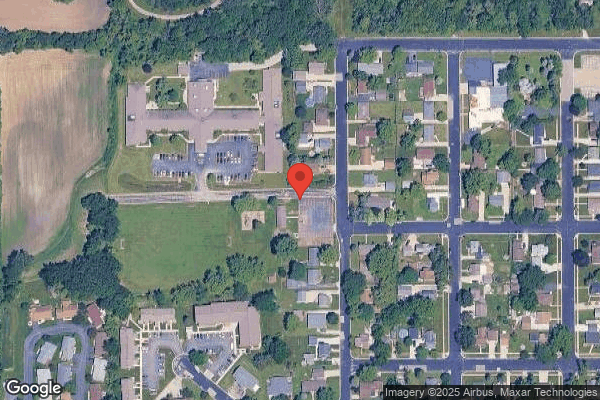
1400 8TH AVE, UNION GROVE, WI 53182 (262) 878-2788
For profit - Individual 74 Beds Independent Data: November 2025 2 Immediate Jeopardy citations
Trust Grade
26/100
#163 of 321 in WI
Last Inspection: May 2025

Inspected within the last 6 months. Data reflects current conditions.

Overview

Oak Ridge Care Center has received a Trust Grade of F, indicating significant concerns about the facility. It ranks #163 out of 321 nursing homes in Wisconsin, placing it in the bottom half, and #2 out of 6 in Racine County, meaning there is only one local option considered better. While the facility is improving, with issues decreasing from 9 in 2024 to 3 in 2025, there are still serious problems, including two critical incidents where residents did not receive necessary medical oversight, leading to severe consequences. Staffing is relatively strong with a 4/5 star rating and a turnover rate of 47%, which is on par with the state average. However, the facility has concerning fines totaling $56,466, which is higher than 76% of Wisconsin facilities, and less RN coverage than 75% of state facilities, raising questions about the level of care provided.

Trust Score
F
26/100
In Wisconsin
#163/321
Top 50%
Safety Record
High Risk
Review needed
Inspections
Getting Better
9 → 3 violations
Staff Stability
⚠ Watch
47% turnover. Above average. Higher turnover means staff may not know residents' routines.
Penalties
○ Average
$56,466 in fines. Higher than 61% of Wisconsin facilities. Some compliance issues.
Skilled Nurses
✓ Good
Each resident gets 52 minutes of Registered Nurse (RN) attention daily — more than average for Wisconsin. RNs are trained to catch health problems early.
Violations
⚠ Watch
15 deficiencies on record. Higher than average. Multiple issues found across inspections.
★★★☆☆
3.0
Overall Rating
★★★★☆
4.0
Staff Levels
★★★☆☆
3.0
Care Quality
★★★☆☆
3.0
Inspection Score
Stable
2024: 9 issues
2025: 3 issues

The Good

  • 4-Star Staffing Rating · Above-average nurse staffing levels
  • Full Sprinkler Coverage · Fire safety systems throughout facility
  • No fines on record

Facility shows strength in staffing levels, fire safety.

The Bad

3-Star Overall Rating

Near Wisconsin average (3.0)

Meets federal standards, typical of most facilities

Staff Turnover: 47%

Near Wisconsin avg (46%)

Higher turnover may affect care consistency

Federal Fines: $56,466

Above median ($33,413)

Moderate penalties - review what triggered them

The Ugly 15 deficiencies on record

2 life-threatening 1 actual harm
May 2025 3 deficiencies 1 Harm
SERIOUS (G) 📢 Someone Reported This

A family member, employee, or ombudsman was alarmed enough to file a formal complaint

Actual Harm - a resident was hurt due to facility failures

Accident Prevention (Tag F0689)

A resident was harmed · This affected 1 resident

**NOTE- TERMS IN BRACKETS HAVE BEEN EDITED TO PROTECT CONFIDENTIALITY** Based on observation, interview, and record review, the facility did not ensure the environment remained free of accident hazard...

Read full inspector narrative →
**NOTE- TERMS IN BRACKETS HAVE BEEN EDITED TO PROTECT CONFIDENTIALITY** Based on observation, interview, and record review, the facility did not ensure the environment remained free of accident hazards and residents received adequate supervision to prevent accidents for 3 (R34, R29, and R50) of 5 residents reviewed for accidents. *R34 was given a handled cup of hot chocolate with the handle placed towards the right hand. R34 had limited movement of the right hand and, while transferring the cup from the right hand to the left hand, the scalding liquid spilled onto R34's left side/hip/buttock area causing a third degree burn that measured 34 cm x 30 cm. The facility staff did not place the cup in a safe manner for R34 to manage the cup independently and the water was at a temperature hot enough to cause a third degree burn. The facility did not investigate or monitor the temperature of the water used when making the hot chocolate to prevent other residents from potentially being burned if a spill occurred. *R29 had a fall on 2/17/2025 when being transferred. R29 was not being transferred per care plan. *R50 had a fall on 3/8/2025 that was not thoroughly investigated to determine a root cause and implement appropriate interventions to prevent future falls. Findings include: *R34 was admitted to the facility on [DATE] with diagnoses of cervical disc disorder with myelopathy (the spinal cord is compressed in the neck region that causes pain, loss of sensation, and problems with movement or fine motor skills), paraplegia (the inability to move the lower extremities), and dementia. R34's Quarterly Minimum Data Set (MDS) assessment dated [DATE] documented R34 had mild cognitive impairment with a Brief Interview for Mental Status (BIMS) score of 9 and had an active diagnosis of paraplegia. R34's Care Plan documented R34 could not complete cares independently and needed the assist of one staff to provide setup or clean-up with eating. R34 used a soft touch call light and needed adaptive equipment for eating. Surveyor noted R34's Care Plan did not address R34's limited movement of the right hand/arm and the need to have items placed for R34 to use the left hand. The State Operations Manual has the following chart: Time and Temperature Relationship to Serious Burns that shows the water temperature and the time required for a third degree burn to occur: 155 degrees F - 1 second 148 degrees F - 2 seconds 140 degrees F - 5 seconds 133 degrees F - 15 seconds 127 degrees F - 1 minute 124 degrees F - 3 minutes 120 degrees F - 5 minutes 100 degrees F - safe temperatures for bathing Note: burns can occur even at water temperatures below those identified in the table, depending on an individual's condition and the length of exposure. On 12/17/2024 at 11:25 PM in the progress notes, Licensed Practical Nurse (LPN)-H documented R34 spilled hot chocolate and has a reddened area on the left hip/side/buttock with a couple scattered blisters. LPN-H documented the Physician Assistant was contacted. LPN-H applied SSD (Silver Sulfadiazine) cream (a cream that is used to treat and prevent infection in second and third degree burns) to the affected area that measured 35 cm (centimeters) x 22 cm. On 12/18/2024 at 4:19 PM in the progress notes, Director of Nursing (DON)-B documented an assessment of R34's burn to the left posterior back. The burn was a partial thickness (second degree burn) reddened area measuring 34 cm x 30 cm with blistering in some places. The etiology of the wound was dropping hot chocolate onto the skin. DON-B documented R34's burn would be assessed by the wound physician. On 12/23/2024, R34 was seen by the wound physician for an initial assessment. The wound physician documented the full thickness (third degree) burn measured 30 cm x 28 cm x 0.1 cm with 70% thick adherent devitalized necrotic tissue, 20% dermis, and 10% intact skin. The wound physician surgically debrided the area to a depth of 0.2 cm and as a result of the procedure, the nonviable tissue in the wound bed decreased from 70% to 50%. The wound physician continued to assess and treat the burn on a weekly basis. The most recent assessment was on 5/5/2025; the wound physician documented the full thickness burn measured 17 cm x 2 cm x 0.1 cm with 50% granulation and 50% intact skin. The facility initiated an investigation on 12/18/2024 into R34's burn on 12/17/2024 and provided a recap of the investigation to Surveyor. R34 had been placed on the UTI (urinary tract infection) tracker due to R34's family member noticing R34 was more confused than normal with burning with urination and lower abdominal pain. The facility interviewed staff that were involved in R34's care on the second shift of 12/17/2024. Through those interviews it was discovered R34 had requested hot chocolate from the second shift staff and when R34's dinner tray was being removed from R34's room, the hot chocolate was found spilled on R34. R34 had a black mug at that time from the dinner tray. R34 has left hand contractures that needed adaptive equipment for silverware from a previous Occupational Therapy (OT) evaluation. R34 was interviewed and was able to tell what happened with the hot chocolate and how R34 dropped it when trying to move the cup from one hand to the other. R34 stated R34 had never spilled drinks before this incident nor had an issue with drinking independently. The Nurse Practitioner was consulted and agreed to have R34 evaluated by OT for different adaptive equipment. The Ad Hoc QAPI (Quality Assurance and Performance Improvement) team met on 12/18/2024 to discuss the isolated incident that occurred with R34. The discussion included R34 had been displaying symptoms of altered mental status based off R34's family member's observation, R34 could normally eat independently, and the OT screen that was ordered to determine different adaptive equipment. OT completed a screen and recommended Kennedy cups based off contractures and upper extremity movements. A Kennedy cup is a lightweight drinking cup with a spillproof lid designed for ease of use and accessibility for individuals that have difficulty gripping or manipulating standard cups. Kennedy cups were added to R34's meal ticket for communication between dietary staff and nursing. Surveyor noted the facility did not investigate the temperature of the hot chocolate that was served or address the placement of the cup handle so R34 could pick up the cup with the left hand and not have to pass the cup from the right to the left hand. R34's Significant Change MDS assessment dated [DATE] documented R34 was cognitively intact with a BIMS score of 14 and had impairment to one arm and both legs. Surveyor noted R34 had fluctuations in cognition with improvement from R34's Quarterly MDS assessment dated [DATE] with a BIMS score of 9. On 5/5/2025 at 9:27 AM, Surveyor asked R34 if R34 had any pain. R34 stated R34 had boiling hot chocolate spilled on R34's back that was still causing R34 pain. Surveyor asked R34 when did the spill happen and how did it happen. R34 stated the spill occurred maybe in November 2024 or sometime close to that. R34 stated R34 was switching the cup from one hand to the other when the hot cocoa spilled. R34 denied anyone else was present when the spill occurred. Surveyor noted R34's hands to be malformed and contracted. R34 showed Surveyor how the right hand cannot grasp while the left hand had slightly more mobility. R34 stated R34 can only use the left hand to pick things up or grasp them. On 5/7/2025 at 7:50 AM, Surveyor talked with R34 again to get a clearer picture of what happened on 12/17/2024 when the hot cocoa was spilled and R34 was burned. R34 stated R34 had to ask for the hot chocolate when the dinner tray was brought to R34's room. R34 stated R34 always eats in bed. R34 stated the aide put the cup down with the handle facing the right hand and R34 needed it facing the left hand, so R34 picked up the cup with the right hand and while switching it to the left hand, the hot chocolate spilled all over the left side of R34's body. R34 stated R34 yelled out and staff came fairly quickly. R34 denied pushing the call light because they heard R34 yelling. R34 stated the staff changed R34's clothes and bedding but could not recall if a cream was applied to the burned area. R34 stated R34 overheard staff questioning the person who brought in the hot cocoa, Why did you get it from there? R34 thought they got the hot chocolate from the boiler or something; it was very hot. R34 stated since then, the staff give R34 a Kennedy cup, and it does not spill. On 5/7/2025 at 8:39 AM, Surveyor went to the kitchen and requested a cup of hot chocolate. Food Service Manager (FSM)-J dispensed hot water from a coffee/hot water machine in the kitchen. The machine has three spigots. The spigots on the left and right dispense hot coffee and hot decaffeinated coffee. The middle spigot dispenses hot water. FSM-J took a surface temperature of the hot water after it was dispensed from the machine. The surface temperature ranged from 145-150 degrees F. FSM-J thought the water was 195 degrees F when it comes out of the machine, but did not know for sure because there was no gauge indicating the water temperature. Surveyor asked FSM-J who has access to the kitchen and the hot water dispenser. FSM-J stated the kitchen is always open and staff has access at any time. The hot chocolate was brought to the conference room and the temperature of the hot chocolate was 149 degrees. On 5/7/2025 at 8:49 AM, Surveyor observed R34 in bed, finishing eating breakfast. R34 had built up eating utensils and two Kennedy cups with beverages in them on the tray. The Kennedy cup had one handle and a tight fitting lid with a straw coming out of the center. Surveyor asked R34 if R34 had anything hot to drink in the Kennedy cup. R34 stated R34 did not have any hot drinks that day, but when R34 does have a hot drink, the staff uses the Kennedy cup. Surveyor stated to R34 that Surveyor would have thought the straw would melt if used with a hot beverage. R34 stated surprisingly the straw does not melt, because R34 thought the same, that it would melt. In an interview on 5/7/2025 at 9:52 AM, Surveyor asked Certified Nursing Assistant (CNA)-L where CNA-L would get hot chocolate for a resident if a resident made such a request. CNA-L stated CNA-L would go to the kitchen and ring the doorbell at the kitchen door. CNA-L stated the kitchen staff makes the hot chocolate and gives it to CNA-L to bring to the resident. In an interview on 5/7/2025 at 9:59 AM, Surveyor asked CNA-M where CNA-M would get hot chocolate for a resident if a resident requested hot chocolate. CNA-M stated the kitchen has the hot water and then CNA-M mixes the hot chocolate into the cup. Surveyor asked CNA-M if CNA-M ever tests the temperature of the hot beverage. CNA-M stated CNA-M feels the warmth of the cup and sometimes it is steaming so CNA-M warns the resident that it is hot. CNA-M stated sometimes CNA-M takes a straw and gets a little on CNA-M's wrist, but usually it is not scalding. In an interview on 5/7/2025 at 10:09 AM, LPN-I stated LPN-I was told it was a freak accident that R34 spilled hot chocolate on themselves. LPN-I stated LPN-I got the wound physician involved. Surveyor observed the burn to R34 at that time and the wound extended from the left iliac crest down to the left outer hip. The burn was consistent with hot liquid spilling and pooling on the left side while R34 was in bed. On 5/7/2025 at 10:28 AM, Surveyor attempted to call LPN-H. LPN-H was the nurse on duty at the time R34 sustained the third degree burn to the left side. A message was left to return the call. No return call was received. In an interview on 5/7/2025 at 10:42 AM, Surveyor asked DON-B to describe the events of 12/17/2024 regarding R34 sustaining a third degree burn from hot chocolate. DON-B stated DON-B was informed by the nurse the next day that at dinner time, R34 had asked for hot chocolate. DON-B stated the CNA went to the kitchen to get hot chocolate during the meal service. The CNA was given a black mug with the hot chocolate in it and the CNA gave it to R34. R34 switched the mug from hand to hand and spilled the hot chocolate. DON-B stated after dinner when the staff was collecting dinner trays, they found the hot chocolate had spilled onto R34 and found R34 had been burned. DON-B stated the Nurse Practitioner and family member were notified of the burn. Surveyor asked DON-B if R34 had been sent to the emergency room for evaluation and treatment. DON-B stated no, R34 was not sent out at all. Surveyor asked DON-B what the process was for residents who request hot chocolate. DON-B stated during dinner time, staff cannot go into the kitchen; they are given the hot water, and the CNA mixes the drink in the dining area. Surveyor asked DON-B if, during their investigation, they found out how hot the water was that was used to make the hot chocolate. DON-B stated no, DON-B did not know how hot the water was. DON-B stated they have not had any other complaints or burns from the water being too hot. DON-B stated since March 1, 2025, when they started using a different computer charting system, they now do a hot liquid beverage assessment on admission and quarterly. Surveyor asked DON-B if anyone since the incident in December 2024 has tested the temperature of the hot water. DON-B stated no one has tested the temperature of the hot water that DON-B was aware of. Surveyor shared with DON-B that Surveyor had tested the temperature of hot chocolate that was made that morning by FSM-J and the temperature was 145-150 degrees surface temperature. Surveyor asked to speak to the CNAs that were working on R34's unit when the incident happened. DON-B stated the CNA that delivered the hot chocolate is no longer employed at the facility, but CNA-K would be in for the second shift that day and DON-B would have CNA-K talk to Surveyor. On 5/7/2025 at 11:16 AM, Surveyor went to the kitchen to test the water temperature from the hot water dispenser with an immersion thermometer, rather than the surface temperature thermometer that was used earlier. FSM-J greeted Surveyor in the kitchen and stated someone had been in the kitchen earlier to get the phone number off of the hot water machine to have it serviced because the facility does not own the machine and therefore cannot change the settings. Surveyor requested FSM-J make a cup of hot chocolate and we would get temperatures throughout the process to determine what the temperature of the hot chocolate could have been at the time R34 spilled the hot chocolate. FSM-J dispensed the hot water into a plastic mug. The water was steaming as it was coming out of the dispenser. FSM-J measured the temperature of the hot water right after it was dispensed from the machine into a plastic mug with an immersion thermometer. The water was 170 degrees F. FSM-J mixed the hot chocolate packet into the hot water and put a plastic lid on it. We walked down to R34's room, took off the lid, and FSM-J measured the hot chocolate temperature. The beverage measured 160 degrees F. FSM-J put the lid back on the mug and we walked back to the kitchen. We waited five minutes and had FSM-J measure the temperature of beverage. When FSM-J removed the lid, the beverage was still steaming. FSM-J measured the temperature, and the beverage was 150 degrees F. On 5/7/2025 at 11:35 AM, Nursing Home Administrator (NHA)-A stated NHA-A called the company that services the coffee/hot water dispenser to turn down the temperature of the machine. NHA-A stated for lunch, the kitchen staff will be temping the hot beverages and adding ice to the hot beverages. NHA in training-C stated maintenance was done about a year ago on that machine where they had to turn up the temperature because it was not warm enough. In an interview on 5/7/2025 at 2:32 PM, CNA-K stated another CNA had given R34 hot chocolate that caused R34 to get burned. CNA-K stated after all the dinner trays had been collected that day, R34 complained that R34's side hurt. CNA-K stated CNA-K was not involved with caring for R34 that day but had thought the CNA heated up a cup of hot chocolate in one of the microwaves in the kitchen. CNA-K did not have any other information about the incident. Surveyor noted this was the only report of the use of microwave to heat up the hot chocolate. On 5/7/2025 at 4:00 PM, Surveyor shared with NHA-A, DON-B, and NHA in training-C the concern R34 did not have in the Care Plan to place items to the left because of R34's inability to use the right hand and the Care Plan was not revised after the incident to address this. R34 was served hot chocolate on 12/17/2024 and staff did not turn the handle towards the left hand causing R34 to have to use the right hand get the cup into the left hand. R34 spilled scalding liquid onto the left side while trying to transfer the cup from one hand to the other causing a third degree burn that to the left side. Surveyor shared the concern the facility did not do any investigation into the temperature of the water that was dispensed by the machine in the kitchen and the staff continued to use the hot water without any regulating or monitoring of the temperature of water until Surveyor brought it to the facility's attention during survey, potentially causing harm to any other resident that accidentally spills a hot beverage. 2) R50 was admitted to the facility on [DATE] and has diagnoses that include moderate protein-calorie malnutrition, moderate dementia with other behavioral disturbance, peripheral vascular disease, mood affective disorder, macular degeneration, muscle weakness, and rhabdomyolysis. R50's quarterly minimum data set (MDS) dated [DATE] indicated R50 had severely impaired cognition with a Brief Interview for Mental Status (BIMS) score of 4 and the facility assessed R50 needing maximal assist with one staff member for repositioning, and total assist with one staff member for toileting hygiene, upper and lower body dressing. R50 transferred with assist of two staff and a gait belt to move between surfaces. R50 is incontinent of bowel and bladder and wears adult briefs for protection. R50's care plan documents risk for injury, have the potential to fall down and hurt self -care plan initiated on 2/5/2025 with the following interventions: I (R50) need my nurses to: - Request a therapy screen if needed and collaborate with therapy. - Remind to ask for help. - Anticipate fall times. - Ensure proper positioning. I (R50) need my aides to: - Remind to ask for help. - Soft touch call light within reach. - Offer to get up between 0600 - 0745 (600 AM-7:45 AM) . - Ensure grippy socks are on when in bed. - Place fall mat on floor next to bed. - Offer to toilet between 2030 - 2230 (8:30 PM - 10:30 PM), then offer assistance to bed. - Ensure grippy socks or shoes are on at all times . - Soft touch call light within reach. On 3/10/2025, at 11:00 AM, in the progress notes nursing documented medical doctor (MD) and physician assistant (PA) updated on R50's fall with no injury on 3/8/2025, no new orders. Surveyor noted there was no documentation in R50's progress notes on 3/8/2025 regarding R50 falling. Surveyor requested the fall investigation for R50's fall on 3/8/2025. Surveyor reviewed the facility's fall investigation completed on 5/8/2025 at 20:58 (8:58 PM) which documented R50 was found sitting on the fall mat next to R50's bed with an aide by R50's side when nursing entered R50's bedroom. R50 was unable to describe what happened. Surveyor noted no staff statements were documented. There is no documentation as to when staff last observed or assisted R50 to the bathroom or what R50 was doing prior to R50's fall. An interdisciplinary team (IDT) note dated 3/10/2025 documents root cause analysis determined by IDT team using fall report and staff statements. R50 was lying in bed and then observed sitting on fall mat next to bed. R50 denies hitting head and no injuries noted at time of fall. Intervention: bolster cover over mattress to define edge of bed for resident. On 5/7/2025, at 9:37 AM, Surveyor asked Director of Nursing (DON)-B if all the information from R50's fall on 3/8/2025 was provided. DON-B stated all the information was provided. Surveyor asked what expectations were of staff if a resident fell. DON-B stated staff should assess the resident, complete a fall report, fall assessments, initiate neurological check if unwitnessed, update administration, medical providers, and emergency contacts, put on 24 hour board for monitoring. Surveyor shared the concern there was no documentation in R50's medical record regarding R50's fall, no indication if medical providers were notified, and no staff statements indicating when R50 was last observed or toileted or what R50 was doing prior to R50 falling on 3/8/2025. DON-B stated medical providers, emergency contacts, and administration was contacted but noted it was not documented in progress notes or the fall investigation so when the IDT reviewed the fall on 3/10/2025, a progress noted was documented. DON-B understood concern there was not documentation or staff statements indicating when R50 was last observed, checked on, or toileted or what R50 was doing prior to R50's fall on 3/8/2025 to indicate if R50's fall could have been prevented. 3) R29 requires extensive assistance by 2 staff using a gait belt and non-mechanical transfer device to move between surfaces. On 2/17/25, 2 staff members were transferring R29 and did not use the non-mechanical transfer device correctly. R29 fell. The facility did not thoroughly investigate the fall to identify an accurate root cause for R29's fall. The facility implemented a new fall intervention of educating staff on correct use of the transfer device. The facility did not educate all staff members involved in R29's fall. The facility policy revised 5/2024, titled Fall prevention and Management Program, documents, in part: . The goal of this program is to enhance each resident's mobility and encourage independence by removing the risk of falls where possible and reducing both the incidence of falls and the injuries that may occur. It is the policy of this facility to provide the highest quality care in the safest environment for the residents residing in the facility. The program identifies the factors that place residents at risk for falls, promotes proactive healthcare practices for resident care planning using the least restrictive method possible to keep the resident safe and identifies the main components of an effective fall prevention program. These components include fall risk assessment, identifying risk factors, implementing interventions, documentation, evaluation, regular reassessment and re-evaluation . The Fall prevention and management program identifies staff participation and accountability to include . Expectation of all caregivers to observe resident transfer status, environmental hazards, and any other factor that may lead to falls during the daily provision of the resident's personal care . Post fall assessment: .Transfer resident per safe patient handling policy. Utilize lift unless the resident is able to rise independently . A comprehensive Post fall Nursing Report must be completed in [name of electronic medical record] . Care plans must be reviewed and revised at the time of the fall. A new intervention must be added to prevent further falls The [Interdisciplinary Team (IDT)] will complete a post-fall evaluation as soon as possible to assure that appropriate measures are in place in order to prevent falls. The post-fall evaluation should include factors specific to the resident. General factors affecting the resident's falls will be considered . The facility policy reviewed/updated 2/2024, titled Safe Patient Handling, documents, in part: . Goals: Reduce the injury potential for both the resident and caregiver . Ensure staff competency in the safe use of transfer and mobility-related equipment. Outline roles and responsibility of staff members. New resident's transfer status will be determined by therapy. Stand Aid with gait belt- A stand Aid may be used with one or two caregivers as care planned. The resident must be able to bear weight and pull themselves into a standing position. Resident must be able to hold on with at least one hand during the entire transfer. Each caregiver participating in a transfer will be required to abide by this policy. It is the responsible of all nurses and management to ensure this policy is followed. Non-compliance with the policy will result in disciplinary action (this includes employment termination) and retraining. Training specific to the safe patient handling policy and all equipment will be provided before employee uses any equipment to transfer resident. All caregivers will receive training on all transfer status and use of mechanical lifts . It is required that the safe patient handling policy will be followed at all times. If this policy is not followed, disciplinary action, including termination of employment, will be taken. The undated manufacturer's operation manual for [name brand] non-mechanical stand assist device documents, in part: . The [name brand] stand assist is a manual standing aid that requires patients to assist themselves in preparation for transport. Functionally, the Stand Assist is positioned between a traditional walker and a battery powered sit-to-stand lift. The Stand Assist is a convenient toileting alternative to a wheelchair. Once the resident has positioned themselves on board, the split seat can be positioned to allow the resident to sit comfortably while a caregiver performs the transport. The [name brand] Stand Assist's intended use is as a transport assistance unit. R29 was admitted to the facility on [DATE] with diagnosis that includes acquired absence of right leg below knee, Type 2 Diabetes with foot ulcer and chronic peripheral venous insufficiency. R29's admission Minimum Data Set assessment dated [DATE] documents R29 is cognitively intact. R29 has a lower extremity impairment on one side. R29 requires substantial/maximal assistance for toileting hygiene, shower/bathing, and dressing. R29 is dependent in the ability to come to a standing position from a sitting position. R29 is dependent for transfers. R29 is frequently incontinent of bladder and always incontinent of bowel. R29 has not had a fall in the last 6 months prior to admission. R29's fall risk assessment completed on 12/10/24 documents a score of 17 which indicates R29 is at risk for falls. R29's potential to fall care plan dated 12/10/24, documents the following pertinent interventions: remind me to ask for help, frequently check on me, assist me with transfers, remind me to get up and move slowly, encourage me to use assistance. My goal is to stay safe while I'm moving about to avoid injury. R29's Certified Nursing Assistant (CNA) Kardex documents: The resident requires extensive assistance by 2 staff using a gait belt and [non-mechanical transfer device] to move between surfaces as necessary. Keep a Hoyer sling in resident chair in case resident refuses [non-mechanical transfer device] transfer. R29's fall report dated 2/17/25, at 3:01 PM, documents, in part: Date of fall: 2/17/25. Time of fall: 1:15 PM. Location of Fall: Resident's Room . While transferring resident from bathroom to wheelchair via [non-mechanical transfer device], resident's legs gave out causing resident to be assisted to the floor. No injury noted. Mobility status: Resident is an assist of two via [non-mechanical transfer device], non-ambulatory. What was the resident wearing? Personal well-fitting clothes, prosthesis to right lower extremity. Gait belt used? N/A. Lift used correctly: Yes . Care plan followed: Yes . Intervention: Therapy to re-assess transfer status, using Hoyer for safety at this time. Surveyor noted R29's fall report documents the fall occurred because R29's legs gave out. The fall report does not document that a gait belt was used according to R29's care plan. The fall report documents the lift was used correctly. R29's post-fall evaluation note dated 2/18/25, at 10:00 AM, documents, in part: Location of fall: Resident's room/bathroom . Equipment issues: none noted . Contributing factors: none identified . Appliance used correctly: Yes . Cause: Became weak during transfer with staff using [non-mechanical transfer device] . Root cause analysis determined by IDT team using fall report and staff statements. Resident being transferred with staff from [non-mechanical transfer device] to wheelchair when resident became weak/legs gave out and resident was lowered to the floor by staff. No injury noted at time of fall. New intervention: Floor nurse intervention discontinued. New intervention: staff education on correct use of [non-mechanical transfer device] and therapy to work with resident on [non-mechanical transfer device] transfers. Surveyor noted R29's post-fall evaluation documented there were no contributing factors, the appliance was used correctly and there were not any equipment issues. This contradicts the new intervention of staff education on correct use of transfer device. Surveyor noted the root cause analysis identifies R29 became weak but does not identify or document what staff did incorrectly with the transfer device and why staff needed education. Surveyor noted staff statements were not included in the post-fall evaluation. R29's potential to fall care plan dated 2/17/24 documents, in part: I have fallen .I need my nurses to have therapy re-assess transfer status, use Hoyer for safety at this time. On 3/3/25, at 9:40 AM, Surveyor interviewed R29 about the fall. R29 stated R29 fell while 2 staff members were transferring R29 from the toilet to R29's wheelchair. R29 was on the transfer device when a staff member was pushing the device to get over the thresh hold bump from the bathroom to the resident's room where R29's wheelchair was located. R29 stated both seats of the transfer device were not down as they should have been. R29 stated R29 was not wearing a gait belt. R29 stated the staff member pushing the transfer device could not get the transfer device over the little bump. R29 stated the staff member pushed hard to get over the bump. That is when R29's leg gave out and R29 fell off the device on the side the seat was not down. Surveyor noted R29 is cognitively intact and R29's account of the fall was not included in the facilities fall report or post fall evaluation. Surveyor noted R29 indicated the non-mechanical transfer device was not used correctly and noted R29 was not wearing a gait belt as care planned. On 5/6/25, at 12:56 PM, Surveyor interviewed Licensed Practical Nurse (LPN)-D, who was the nurse assisting R29 with the transfer on 2/17/25. LPN-D stated LPN-D and a Certified Nursing Assistant (CNA) were helping R29 from the bathroom to the wheelchair located right outside of the bathroom when R29 lost R29's balance and fell. LPN-D stated LPN-D was at the lift and the CNA was getting the wheelchair to put it in the correct position. LPN-D stated LPN-D did not remember which CNA was helping. LPN-D indicated the seats of the non-mechanical transfer device were being lifted while the wheelchair was being placed. That is when R29 lost balance and LPN-D, and the CNA assisted R29 to the floor. Surveyor asked if any education was completed after this incident. LPN-D stated LPN-D did not recall any education provided after this incident. On 5/6/25, at 1:18 PM, Surveyor interviewed CNA-F, who was the other staff member helping LPN-D transfer R29 on 2/17/25. CNA-F indicated CNA-F and LPN-D were moving the non-mechanical transfer device from the bathroom to right outside of the bathroom where R29's wheelchair was located. CNA-F stated as they were turning the device to position it in front of the wheelchair, R29 let go of the device and both staff members assisted R29 to the floor. Surveyor asked if both sides of the seat to the transfer device were down as R29 was being transferred. CNA-F s[TRUNCATED]
CONCERN (D) 📢 Someone Reported This

A family member, employee, or ombudsman was alarmed enough to file a formal complaint

Potential for Harm - no one hurt, but risky conditions existed

Deficiency F0657 (Tag F0657)

Could have caused harm · This affected 1 resident

**NOTE- TERMS IN BRACKETS HAVE BEEN EDITED TO PROTECT CONFIDENTIALITY** 3) R63 was admitted to the facility on [DATE]. On 5/6/25, R63's progress notes dated 5/1/25, at 5:14 PM, were reviewed and docum...

Read full inspector narrative →
**NOTE- TERMS IN BRACKETS HAVE BEEN EDITED TO PROTECT CONFIDENTIALITY** 3) R63 was admitted to the facility on [DATE]. On 5/6/25, R63's progress notes dated 5/1/25, at 5:14 PM, were reviewed and documented: Called the hospital for results of R63's stool sample for possible Clostridium difficile (C-Diff) infection. Results C-Diff toxin but Glutimate Dehyrdogenase (GDH) antigen positive. This most likely represents bacterial colonization and does not warrant treatment. Soap and water precautions (Contact isolation precautions with the need to use soap and water for handwashing and not alcohol based sanitizer) required. On 5/6/25, at 7:57 AM, A sign was observed on R63's door indicating she was on contact isolation. On 5/6/25, R63's current care plan for contact isolation with a start date of 5/3/25 was reviewed and documented: R63 is on contact precautions related to a urinary tract infection. Follow contact precaution protocol. On 5/07/25, at 8:40 AM, Director of Nursing (DON)- B was interviewed and indicated R63's care plan is wrong for contact isolation and should be for loose stools with concerns for C-Diff not for a urinary tract infection. The above findings were shared with Nursing Home Administrator-A and DON-B on 5/6/25, at 3:00 PM. Additional information was requested if available as to why R63's care plan was inaccurate as to the source of infection requiring contact isolation. None was provided. Based on interview and record review the facility did not ensure 3 (R51, R8, R63) of 15 residents care plans were revised. * R51's behaviors care plan was not patient centered or specific to R51's behavior concerns/needs. * R8's care plan was not revised to monitor for emotional well-being after R8 was involved in a resident to resident altercation on 4/2/2025. * R63's care plan documented R63 was in contact isolation related to an UTI (urinary tract infection). R63 was to be on contact isolation for Clostridium difficile (C-Diff, bacteria in the colon) not an UTI. Findings include: The facility policy titled Care Plan Changes and Updates reviewed 9/2024 documents: It is the policy of [Facility name] to make necessary changes and updates to resident plans of care when needed as soon as possible. The facility also strives to effectively and efficiently communicate care plan changes and updates between staff. Procedure: 1. Anytime a care plan change is need [sic], the nurse will make the appropriate change in the electronic health record. Overall, the care plan is to be a person - centered approach to provide the necessary care and services in order to ensure the resident attains or maintains the highest practicable physical, mental, and psychosocial well-being in a manner that is consistent with the resident's needs and choices. It should be directed towards assisting the resident in maintain and/or achieving independent functioning, dignity, and well-being to the extent possible in accordance with the resident's own needs and preferences. Procedure: Goals of Care Planning: . 5. Ensure all staff members are well informed of the resident's plan of care and facilitate communication of care expectations to direct care staff. 6. Ensure that the resident is reassessed to continually deliver high quality care. Overview of Key Factors: . 1. The process should be constructive and focused on the development of the individual. 2. It should be person centered and contribute to the enhancement of the individual's quality of life. 1) R51 was admitted to the facility on [DATE] and has diagnoses that include Schizophrenia, Persistent mood disorder, anxiety disorder, Parkinsonism, intermittent explosive disorder, dysphagia, and severe intellectual disability. R51's quarterly minimum data set (MDS) dated [DATE] indicated R51 had severely impaired cognition with a Brief interview for Mental Status (BIMS) score of 1. R51 did not have an upper or lower range of motion extremity impairment and was able to self-propel in a manual wheelchair. The facility documented in section E of the MDS that R51 did not have any behavior concerns. R51 was taking antipsychotic, antianxiety, and antidepressant medications. R51 discharged from the facility on 5/5/2025. R51's behavior problem care plan documents; crying, yelling, kicking or hitting staff/other residents, throwing things related to severe intellectual disabilities, schizophrenia, mood disorder, anxiety, and intermittent explosive disorder, initiated on 3/19/2024 with the following interventions: - Administer medication as ordered. Monitor/document for side effects and effectiveness. - Intervene as necessary to protect the rights and safety of others. Approach/speak in a calm manner. Divert attention. Remove from situation and take to alternate location as needed. - Monitor behavior episodes and attempt to determine underlying cause. Consider location, time of day, persons involved, and situations. Document behavior and potential causes. R51's mood problem care plan related to disease processes of schizophrenia and intermittent explosive disorder, initiated on 3/6/2025 with the following interventions: -Behavioral health consult as needed (psycho-geriatric team, psychiatrist, etc.). -Monitor/record/report to medical doctor (MD) as needed (PRN) mood patterns signs/symptoms of depression, anxiety, sad mood, as per family behavior monitoring protocols. R51's psychosocial well-being care plan related to inability to problem solve, ineffective coping and disease process of schizophrenia was initiated on 3/11/2025 with the following interventions: -Encourage participation from resident who depends on others to make own decisions. -When conflict arises, remove residents to calm, safe environment and allow to vent/share feelings. On 3/17/2025, at 13:54 (1:54 PM), in the progress notes nursing documented, Behavior Review Summary note: .Mood: pleasant at this time, Cognition: impaired, Behavior patter: 1-2 behaviors noted per week. Precipitating factors and/or events: [R51] gets upset when things do not go as [R51] hopes such as winning at bingo. Interventions that help mood/ behaviors: reorientation, offer activity, quiet environment, distraction. Frequency of mood/ behaviors: 1-2 noted per week. On 4/2/2025, at 1700 (5:00 PM), in the progress notes licensed practical nurse (LPN)-E documented . R51 became upset after seeing R50's slipper and thought they were R51's slippers. R51 went up to R50, grabbed R50's shirt sleeve, R51 then turned and grabbed R8's sleeve. staff able to separate residents and gave R51 a soda as a diversion and 1 on 1 time. Surveyor noted R51's care plans did not specify what activities or interventions worked best for R51 to help redirect R51 when R51 is having an episode or to prevent an episode. Surveyor noted R51's care plan was not revised after the incident on 4/2/2025 when R51 grabbed R50's and R8's shirt. On 5/6/2025, at 12:46 PM, Surveyor interviewed LPN-E who stated LPN-E was at the nurse's station when R51 came up and noticed R50 and said R50 was wearing R51's slippers. LPN-E stated there had been no concerns LPN-E was aware of related to R51 and R51 was in a pleasant mood until R51 looked down and thought R50 was wearing R51's slippers. LPN-E stated by the time LPN-E got around the nurse's station R50 had already grabbed R50's shirt and in the process of doing that, ended grabbing R8's arm also. LPN-E stated LPN-E and another nurse were able to separate the residents. LPN-E took R51 and sat with her a little bit until R51 calmed down, then kept her 1 on 1 for the remainder of the shift. Surveyor asked LPN-E what interventions are in place for R51's behaviors. LPN-E stated R51 really enjoys being around people, so R51 will attend a lot of activities, and the activity staff will do a lot of one on one activities with R51. LPN-E stated R51 typically had behaviors where R51 would cry or yell if R51 was missing a colored pencil or could not find the exact one R51 was using the prior day, but never grab or try to hit anyone. Surveyor asked LPN-E who usually will revise the care plan when needed. LPN-E stated nursing staff would or the Director of Nursing (DON)-B. On 5/7/2025, at 9:37 AM, Surveyor interviewed DON-B who stated the facility switched over to using point click care (PCC, Healthcare software) in March and were still working on how to use it. Surveyor shared the concern R51's care plan was not patient centered to R51's needs and did not identify specific interventions that were more directed for R51. DON-B stated R51's behavior care plans should have been more patient specific to R51's concerns and needs and should have been documented as such when transferring from the old healthcare software to the new healthcare software. 2) R8 was admitted to the facility on [DATE] and has diagnoses that include vascular dementia, parkinsonism, epilepsy, schizophrenia, tremor, major depressive disorder, and encephalopathy. R8's quarterly minimum data set (MDS) dated [DATE] indicated R8 had severely impaired cognition with a Brief Interview for Mental Status (BIMS) score of 4. R8 did not have an upper or lower extremity range of motion impairment and was able to self-propel in a manual wheelchair. The facility documented in section E of the MDS R8 did not have any behavior concerns. On 4/2/2025, at 1700 (5:00 PM), in the progress notes licensed practical nurse (LPN)-E documented (R8) was involved in a resident to resident altercation due to another resident (R51) being agitated and unable to be redirected. (R51) approached (R8) and grabbed R8's sleeve. R8's care plan initiated on 3/26/2025 for being at risk for increased sadness, emotional distress, upsetting thoughts, loss of interest, memory loss, and/or trouble concentrating with the following interventions: - Encourage resident to express feelings. - Use calm and understanding approaches. R8's mood problem care plan related to schizophrenia and major depressive disorder diagnoses was initiated on 3/12/2025 with the following interventions: - Behavioral health consults as needed (Psychogeriatric team, psychiatrist, etc.). - Monitor/record mood to determine if problems seem to be related to external causes. - Monitor/record/report to medical doctor (MD) as needed mood patterns/signs and symptoms of depression, anxiety, sad mood as per facility behavior monitoring protocols. Surveyor noted R8's care plan was not revised to monitor for emotional well-being after R8 was involved in a resident to resident altercation with R51. On 5/7/2025, at 9:37 AM, Surveyor interviewed Director of Nursing (DON)-B who stated R8 was at the nurse's station and sitting by R50 when R51 came and accused R50 of wearing R51's slippers. DON-B stated R8 happened to be in the middle of the situation. Surveyor shared concerns R8's care plan was not revised to monitor for emotional well being from the resident to resident altercation on 4/2/2025. DON-B stated DON-B was sure R8 was being monitored because it was being documented, but understood that it should have been care planned.
CONCERN (D) 📢 Someone Reported This

A family member, employee, or ombudsman was alarmed enough to file a formal complaint

Potential for Harm - no one hurt, but risky conditions existed

Infection Control (Tag F0880)

Could have caused harm · This affected 1 resident

Based on observation, interview, and record review the facility did not ensure staff performed proper hand hygiene and infection control for 2 (R9, R63) of 4 residents observed during the medication p...

Read full inspector narrative →
Based on observation, interview, and record review the facility did not ensure staff performed proper hand hygiene and infection control for 2 (R9, R63) of 4 residents observed during the medication pass observation. * R63 was in contact isolation and Licensed Practical Nurse (LPN)-D took R63's blood pressure and then used the same blood pressure cuff on R9 without sanitizing it. Findings include: On 5/6/25, at 7:57 AM, LPN-D was observed administering medication to R63. R63 was observed to have a sign on her door indicating she was on contact isolation. LPN-D put on a gown and gloves and took R63's blood pressure with the blood pressure machine from the medication cart. After taking R63's blood pressure LPN-D took off her gown and gloves sanitized her hands and placed the blood pressure machine on the medication cart in the hall. LPN-D did not sanitize the blood pressure machine. LPN-D then took the same blood pressure machine and took R9's blood pressure. R9 had a sign on his door indicating he was on enhanced barrier precautions. After LPN-D took R9's blood pressure she placed it on a cart that held PPE (personal proactive equipment). LPN-D did not sanitize the blood pressure machine. On 5/6/25, at 10:30 AM, LPN-E, who is the facility's Infection Control Preventionist, was interviewed and indicated R63 is on contact isolation for Clostridium difficile and if a nurse uses a blood pressure machine with R63 the machine should be sanitized before being used on another resident. On 5/6/25, R63's current care plan for contact isolation with a start date of 5/3/25 was reviewed and documented: R63 is on contact precautions related to a urinary tract infection. Follow contact precaution protocol. On 5/7/25, the facility's policy titled PPE Precautions Policy dated 12/19 was reviewed and documented: Contact precautions: use disposable or dedicated patient-care equipment. If common use of equipment for multiple patients is unavoidable, clean and disinfect such equipment before use on another patient. The above findings were shared with Nursing Home Administrator-A and DON-B on 5/6/25, at 3:00 PM. Additional information was requested if available as to why a contaminated blood pressure cuff was used on R9. None was provided.
Jun 2024 4 deficiencies 2 IJ
CRITICAL (J) 📢 Someone Reported This

A family member, employee, or ombudsman was alarmed enough to file a formal complaint

Immediate Jeopardy (IJ) - the most serious Medicare violation

Deficiency F0745 (Tag F0745)

Someone could have died · This affected 1 resident

**NOTE- TERMS IN BRACKETS HAVE BEEN EDITED TO PROTECT CONFIDENTIALITY** Based on interviews, record review, and facility policy review, the facility failed to provide medically related social services...

Read full inspector narrative →
**NOTE- TERMS IN BRACKETS HAVE BEEN EDITED TO PROTECT CONFIDENTIALITY** Based on interviews, record review, and facility policy review, the facility failed to provide medically related social services to attain or maintain the highest practicable physical, mental, and psychosocial well-being of 1 of 8 sampled residents. On [DATE], R4 reported being depressed and having thoughts that he would be better off dead or of hurting himself almost daily. The facility did not provide R4 with support or services to address these concerns. Approximately 8 hours later, R4 was found pulseless and non-breathing with a plastic bag over his head and the oxygen tubing wrapped around his neck. The facility's failure to provide support and monitoring to R4 after making statements that he was depressed and had thoughts that he would be better off dead nearly every day created a finding of immediate jeopardy that began on [DATE]. NHA A (Nursing Home Administrator) was notified of the finding on [DATE] at 2:07 PM. Findings include: Review of the facility's policy titled, Facility Investigations of Resident Threats to Harm Self dated 08/17, stated .1. Should resident voice intent or attempt to harm themselves in any way staff will immediately intervene in order to stop negative behavior and to assure safety .2. Based on the severity of the occurrence immediate nursing interventions to consider would be .a. assure no bodily harm has occurred (i.e. redness, bruising, swelling, etc.) through a body check .b. initiate 1:1 care .c. initiate 15 minute checks .d. consider sending resident out to the hospital if dangerous behavior continues .e. remove items from room that which resident could potential harm themselves with .f. inform dietary should resident need plastic utensils .3. Nurse must notify the following people of the incident: .a. the on call Nurse Manager; the on call Nurse Manager is then responsible for notifying the Administrator or designee .b. the resident's primary physician . c. the resident's family . d. third parties such as Hospice or Partnership .e. the resident's facility Social Worker .4. The resident's Social Worker or designee is responsible for completing a thorough and immediate investigation of the situation by: a. interviewing the resident .b. interviewing any potential witnesses (i.e. other residents if cognitive, staff, visitors) .5. Social Services must attempt to determine reasons for the threat. Reasons to consider may include: a. diagnosis (i.e. Depression, Anxiety, Bipolar disease, etc.) .b. adjustment or grieving issues . c. attention seeking behavior . d. lack of family/friends . e. medication changes . f. overall decline in health; loss of independence . 6. Upon determining potential reasons for the threat Social Services or the designee must then update the resident's plan of care. Resident's care plan goal and interventions must include a review date and end date. Based on the reason for the threat possible. Social Service interventions to consider may include: a. increase of 1:1 visits with resident by Social Services .b. consider recommending consult with in-house psychologist if not already seeing .c. if already seeing in-house psychologist, contact to inform of situation . d. consider recommending consult with outside psychiatrist . 7. Social Services and Nursing to work together to communicate any new interventions to staff via: a. verbally communicating with C.N.A.'s on resident's hall . b. written documentation on 24 hr. board . 8. Social Services must document their investigation and submit to the Administrator for review. R4 was admitted to the facility on [DATE] with diagnoses which included other fracture of upper and low-end fibula, subs for closed fracture with routine heal. Review of the undated diagnosis list provided by the facility revealed no diagnosis of depression, anxiety, or other mental health issues. Review of R4's Care Plan, dated [DATE] at 7:47 PM indicated R4 had the potential to feel anxious, scared, angry, sad, alone, or isolated. The care plan indicated that R4 needed nurses to ask me how I am feeling, identify my patterns of behavior, provide me with clear explanations, assess my medication. I need social services to establish a quiet environment for me, provide me with regular counseling. Review of R4 physician orders, dated [DATE] and provided by the facility, revealed medication orders for risperidone (anti-psychotic medication) 0.5 MG (milligram) tablet by mouth every 12 hours for tremors. Review of nurse's note dated [DATE] at 1:34 PM and provided by the facility, revealed R4 had a diagnosis of dementia, was his own decision maker, alert and oriented with confusion. Review of R4's Patient Health Questionnaire (PHQ), provided by the facility, was completed by AA C (admission Assistant) on [DATE], at 2:56 PM. The PHQ revealed that R4 answered yes to thoughts that he would be better off dead, or hurting himself in some way, nearly every day. When asked if he was depressed, R4 answered yes. During an interview on [DATE], at 6:25 PM, AA C (Admissions Assistant) stated she told APSW (Advanced Practice Social Worker) right away that R4 answered yes to being depressed, having thoughts that he would be better off dead, or of hurting himself in some way. AA C stated R4 scored a 15 out of 15 on the Brief Interview for Mental Status (BIMS) indicating he was cognitively intact. During an interview on [DATE], at 6:45 PM, APSW E stated that AA C told her on [DATE] that R4 had answered yes to the question that he would be better off dead. APSW E stated, Since it was the end of the day, I figured I would just take care of it the next day. When asked if she documented this conversation, APSW E stated that she typically does not document conversations between coworkers; only when the resident tells her directly. APSW E stated she was not made aware the resident answered yes to being depressed. She stated if she was aware that there were additional yes answers on the PHQ, she would have done something about the resident at the time. When asked why she did not take action after the admissions assistant informed her of the assessment, APSW E responded, It was the end of the day. Review of nurse's note dated [DATE] at 3:37 PM and provided by the facility, noted R4's mood: Did not indicate concern with R4 making any negative statements or verbalized self-worthlessness in the past month. During an interview on [DATE], at 6:13 PM, CNA D (Certified Nursing Assistant) stated that he was doing his final check on [DATE] at 11:25 PM and he was going up and down the hallways. He stated that he went into R4's room, and it was dark, so he turned on his light to check on him. He stated that observed R4 had a clear plastic trash bag over his head. He stated that he could tell that R4 was not breathing, so he ran quickly to get a nurse. CNA D stated that they ran back down to R4's room, the nurse removed the bag from over his head and checked his vitals. He stated R4 had a Do Not Resuscitate (DNR) bracelet on his wrist, and cardiopulmonary resuscitation (CPR) was not initiated. He stated that he wrote a statement for the facility and a statement with the police. CNA D stated, The oxygen tubing was wrapped around the bag that was over R4's head and R4 did not have the oxygen tubing in his nose. During an interview on [DATE] at 1:55 PM, the AA C stated that she had a discussion with NHA A, ANHA F (Assistant Nursing Home Administrator), APSW E, and AC G (admission Coordinator) on [DATE]. She stated that she did not recall the time that the meeting was held. She stated that the group discussed and decided to archive the PHQ because R4's statements were taken out of context. When asked what it meant that the statement was taken out of context AA C indicated they said it was because he was cheerful, he was [AGE] years old, has lived his life, and if it happens it happens. During an interview on [DATE] at 2:25 PM, the ANHA F that on [DATE], the team met to discuss the incident and the assessment that was conducted. She stated that based off the way the resident had responded to the questions, they were taken out of context. She stated that R4 did not directly state he would hurt himself. Review of Facility Reportable Death Determination-F62470, dated [DATE], revealed R4's cause of death was probable suicide by asphyxiation per Medical Examiner. According to the documented assessment on the PHQ, R4 indicated he was depressed and nearly every day had thoughts of being better off dead or of hurting himself. This is not the same as thinking about death daily and accepting it when it comes, as facility staff have since interpreted the resident's demeanor. Failure to recognize the resident's responses as a cry for help, to further assess the responses, and to immediately implement medically-related social services to address these concerns created a reasonable likelihood for serious harm, thus leading to a finding of immediate jeopardy.
CRITICAL (J) 📢 Someone Reported This

A family member, employee, or ombudsman was alarmed enough to file a formal complaint

Immediate Jeopardy (IJ) - the most serious Medicare violation

Deficiency F0757 (Tag F0757)

Someone could have died · This affected 1 resident

**NOTE- TERMS IN BRACKETS HAVE BEEN EDITED TO PROTECT CONFIDENTIALITY** Based on record reviews, interviews, and facility policy review, the facility failed to ensure that 1 of 3 sampled residents rev...

Read full inspector narrative →
**NOTE- TERMS IN BRACKETS HAVE BEEN EDITED TO PROTECT CONFIDENTIALITY** Based on record reviews, interviews, and facility policy review, the facility failed to ensure that 1 of 3 sampled residents reviewed for Coumadin usage (R2) received ongoing laboratory testing to monitor the therapeutic dose the resident received. R2 was admitted to the facility with an order for Coumadin (an anticoagulation medication). Use of this medication requires frequent laboratory testing to ensure a person is receiving the correct dose to remain in therapeutic range. The last test that was completed was on [DATE]. R2 began to develop multiple bruises, which can be a sign of over anticoagulation (too much Coumadin). Neither nursing nor pharmacy identified there were no orders for labs and that R2 was not being monitored. On [DATE], R2 developed hematuria (blood in urine) and labs were ordered. Results found that R2 had critical low hemoglobin and hematocrit and critical high prothrombin and INR (International Normalization Ratio). These results are indicative of bleeding and R2 being over anticoagulated. R2 was sent emergently to the hospital where he later died. The failure to regularly monitor labs while receiving Coumadin created a finding of immediate jeopardy that began on [DATE]. NHA A (Nursing Home Administrator) was notified of the immediate jeopardy on [DATE] at 4:15 PM. The immediate jeopardy was determined to be removed and the deficiency corrected on [DATE]. Findings include: Review of facility's policy titled, Anticoagulation dated 08/20 and provided by the facility, indicated that .orders for Coumadin are received weekly by the Provider. Nursing staff will follow orders for drawing labs and giving medication as prescribed. Recommendations from the Provider will be implemented and communicated with the pharmacy also. Any abnormal lab results will be communicated with the Provider. Pharmacy completes monthly medication reviews and makes recommendations. These medication reviews are sent to the facility and reviewed by the Nurse Practitioner or Medical Director. R2 was admitted to the facility on [DATE] with diagnosis of congestive heart failure (CHF). Review of R2's diagnosis list provided by the facility revealed additional diagnoses of hypokalemia, hyperlipidemia, epilepsy, chronic obstructive pulmonary disease, unspecified intellectual disabilities, and major depressive disorder. Review of R2's admission Weekly Skin Assessment form, dated [DATE] and provided by the facility, revealed bruising on the right posterior hand, right anterior forearm, left posterior hand, right chest, right shin, and left biceps. At the time of R2's discharge from the facility, Facility Physician Discharge Orders, dated [DATE], revealed R2 had orders for Coumadin (an anticoagulant medication) 2.5 mg (milligrams) po (by mouth) one time a week on Wednesday evening and 4 mg po daily in the evening which was started on [DATE]. Record review revealed a Physician Order, dated [DATE], for a PT/INR (Prothrombin/International Normalization Ratio), which is a test that determines how many seconds it takes a blood clot to form, to be drawn on the morning shift. Record review of Laboratory Results, dated [DATE] and provided by the facility, ordered by APNP H (Advanced Practice Nurse Practitioner), revealed no notation regarding the next PT/INR test. There was no evidence of a standing order for PT/INR and no additional labs were ordered after this date. Review of R2's Weekly Skin Assessment form, dated [DATE] and provided by the facility, revealed bruising on the right and left wrist, left bicep, left knee, and the right groin area. The MD I (Medical Doctor) was notified. Unusual or excessive bruising with no other cause identified is considered an adverse reaction with Coumadin and would indicate lab work should be completed. Review of R2's Weekly Skin Assessment form, dated [DATE] and provided by the facility, revealed that R2 had bruising inside the right cheek and bruising on the left foot. This is the second week that R2 has experienced unusual bruising. APNP H was notified. Review of R2's Nurses' Note, dated [DATE] and provided by the facility, revealed R2 was experiencing hematuria (bright red blood in the urine), yelling out, striking out at staff, refusing care, and had increased bruising with multiple etiologies. Review of a Physician Order, dated [DATE] and provided by the facility, indicated a new order for STAT (immediately) PT/INR, CBC (complete blood count), and BMP (basic metabolic panel) laboratory tests received. Review R2's Laboratory Report, dated [DATE] and provided by the facility, revealed: ~low critical hemoglobin (protein that carries oxygen through the blood) result of 6.0 g/dl (gram/per deciliter) (Hemoglobin normal range: 13.7-17.5), ~low critical hematocrit (the volume or percentage of red blood cells in blood) of 19% (Hematocrit normal range: 40-51%) ~high critical prothrombin time greater than 90.0 (Prothrombin normal range: 9.5-11.8) ~INR (international normalized ratio) of greater than 10 (INR normal range: 2.5-3.5- intensive anticoagulation). Review of R2's Nurses' Note, dated [DATE] and provided by the facility, revealed the physician was notified and the physician ordered R2 be transferred to the hospital where he died on [DATE]. During an interview on [DATE] at 10:00 AM, DON B (Director of Nursing) confirmed there was no specific order for Coumadin side effect monitoring and confirmed that the January - [DATE] Medication Administration records presented by the facility did not indicate side effect monitoring for Coumadin. DON B stated she did not know why there were no orders to monitor the Coumadin with lab work. She stated as the DON, her expectation would be that the facility would ensure that residents on Coumadin were monitored with lab work and that staff would also monitor for Coumadin side effects such as bruising and bleeding. During an interview on [DATE] at 10:05 AM, the RPh J (Registered Pharmacist) stated that she was aware that R2 was on Coumadin and had seen this medication noted on his medication list. RPh J stated she had not noticed that laboratory work had not been done for the Coumadin medication. RPh J stated that she was made aware of the lack of Coumadin lab work by the facility after R2 died. RPh J stated that once she learned of the incident, there had been policy changes within the pharmacy regarding ordering and processing Coumadin medication refills because the pharmacy staff were refilling the Coumadin prescription without approval, and they were not catching that the order was old or there were no dose changes. During an interview on [DATE] at 10:18 AM, MedDir K stated that he was not aware that R2 did not have orders to monitor the Coumadin medication. MedDir K stated R2 was being followed by Nurse Practitioners at the facility. MedDir K stated that R2 had been seen by multiple clinicians and that this was a system failure. When asked what the expectation was going forward, MedDir K stated there needed to be better checks and balances for residents on Coumadin with standing orders for monitoring labs unless their Coumadin was being managed by outside clinics. MedDir K stated that he was aware that the facility had revised their anticoagulation policy after this incident. During an interview on [DATE] at 1:45 PM, APNP H stated she could not remember if she had ordered a standing lab for R2 after the [DATE] order. APNP H stated that when the results were called to the on-call physician, she may not know what the result was. During an interview on [DATE] at 3:21 PM, MD I stated that she was familiar with R2 and acknowledged that she was part of the care team. MD I confirmed she had received a report regarding R2's bruising on [DATE] but did not recall a reference to the Coumadin at the time she received the report. MD I stated that the lab work orders for Coumadin were missed by multiple people. During an interview on [DATE] at 9:30 AM, NHA A stated he did not know why the Coumadin lab work was missed. He stated that his expectation going forward was to remain on high alert for residents on Coumadin and continue to evaluate the new system for Coumadin monitoring to ensure that it was working. He stated that since the incident, there had been residents residing in the facility and the new system worked. The failure to regularly monitor residents who received Coumadin created a finding of immediate jeopardy. The facility removed the immediacy and corrected the deficiency on [DATE] by which time they had completed the following: 1. On [DATE] the facility began an investigation and identified all residents in the building who could potentially be affected and ensured that all labs and medications were up-to date and accurate. 2. On [DATE] the leadership team, including the NHA A, DON B, ADON L (Assistant Director of Nursing) ANHA F (Assistant Nursing Home Administrator), MedDir K, Nurse Manager, and Quality Care Coordinator conducted an Ad-Hoc (for this purpose) Quality Assurance and Performance Improvement (QAPI) meeting. The passing of the resident was reviewed. 3. The anticoagulation policy was reviewed and updated to ensure resident safety. The policy was adjusted to include standing orders for residents on Coumadin for weekly PT/INR draws upon admission to the facility. 4. During the Ad-Hoc QAPI meeting, the team also decided to add new monitoring orders upon admission, including monitoring for signs or symptoms for bleeding. 5. A Coumadin log was initiated by the nurse manager team for daily review during clinical meetings. At each clinical meeting, the clinical team reviews all residents who are prescribed Coumadin. 6. After discussing with MedDir K, the facility's pharmacy was contacted and a medication audit for all residents in the facility was completed. No other medication issues were discovered during this facility-wide medication audit. The pharmacy continues with monthly audits for all residents, and the residents on Coumadin are being monitored routinely by the pharmacy. 7. New admissions to the facility will have a prospective medication review completed by the pharmacy and the pharmacy will make note of medication that requires close monitoring. The consultant pharmacist will evaluate residents on Coumadin and clinically determine if INRs are being monitored routinely. Clinical judgement with regard to past stability of patient INR's will determine if consultant pharmacist recommends an INR for a resident for that month. 8. DON B began education on Coumadin with the nursing staff on [DATE]. All nursing staff were educated and provided with information about Coumadin. After reading and having a discussion, staff independently completed a quiz to show competency. The DON held small groups to complete this education with the nurses; additionally, the nurses were informed that if they had additional questions or concerns, they should seek out information from DON B or the ADON L accordingly. The staff were then informed about the changes being implemented regarding Coumadin. 9. The nursing staff's admission checklist and requirements include standing orders for weekly PT/INR draws for residents with Coumadin prescribed. Education began on [DATE] and all staff were educated before they began working their next shift on the floor. By [DATE], the nursing department had been educated about Coumadin and informed of the Anticoagulation policy and procedure. Upon hire, new staff members are now trained on this policy during their training period at orientation. 10. By the end of the day on [DATE], the team had contacted all parties involved to address the issue and make needed corrections. The plans put in place have thus far ensured that this mistake is prevented from occurring again. No other residents were affected, and the updated policy and procedure will keep residents safe. The facility made the necessary corrections and began monitoring immediately.
CONCERN (D) 📢 Someone Reported This

A family member, employee, or ombudsman was alarmed enough to file a formal complaint

Potential for Harm - no one hurt, but risky conditions existed

Investigate Abuse (Tag F0610)

Could have caused harm · This affected 1 resident

**NOTE- TERMS IN BRACKETS HAVE BEEN EDITED TO PROTECT CONFIDENTIALITY** Based on interview, record review, and review of facility policy, the facility failed to thoroughly investigate the death that o...

Read full inspector narrative →
**NOTE- TERMS IN BRACKETS HAVE BEEN EDITED TO PROTECT CONFIDENTIALITY** Based on interview, record review, and review of facility policy, the facility failed to thoroughly investigate the death that occurred for 1 of 3 sampled residents R4 reviewed for abuse and/or neglect of eight sample residents. R4 died of a presumed suicide. The facility did not thoroughly investigate the death Findings include: Review of the facility's policy titled, Investigation and Reporting of Alleged Incidents of Abuse, Neglect, and Misappropriation, dated 08/17, stated All abuse, neglect, and exploitation of residents and misappropriation of resident property are prohibited at [Name of facility]. All alleged violations will be taken seriously and investigated and reported as necessary .1. All alleged violations involving mistreatment, neglect, abuse, injuries of unknown source and misappropriation of resident property shall immediately be reported to the Administrator (or designee), the employee's supervisor, or nurse who will immediately report to the Administrator (or designee) .e. Examples of neglect include, but are not limited to: ignoring a resident's need for help, not providing food or water, or withholding care . Review of R4's Face Sheet, dated 06/17/24 and provided by the facility, indicated R4 was admitted to the facility on [DATE], with diagnoses which included other fracture of upper and low-end fibula, subs for closed fracture with routine heal. Thorough review of facility documentation and R4's medical record indicated nothing to show that a thorough investigation had been conducted related to the resident's death, to include all staff and resident interviews about possible causes of the death. Review of R4's Reportable Death Determination, dated 06/18/24 and provided by the facility, indicated Nurse last saw resident at 10:45 PM on 6/17/24 sleeping in his bed with his oxygen on. The nurse stated that he could see the resident's chest rise and fall, ensuring that he was breathing. At 11:25 PM on 6/17/24, CNA D (Certified Nurse Aide) completed last rounding and checked on resident. CNA saw a plastic bag over the resident's head. CNA ran to get nurses, and nurses responded immediately. Resident had the plastic bag over his head and his oxygen tubing tightly wrapped around his neck. The nurses tore the bag off of the resident's head and unwrapped the tubing, but resident was nonresponsive and not breathing. He was pale with no pulse. Resident is a DNR [Do Not Resuscitate] and had a bracelet on; CPR [cardiopulmonary resuscitation] was not given. DON B (Director of Nursing, ANHA F (Assistant Nursing HOme Administrator) NHA A (Nursing Home Administrator) were notified. Police were called; case number provided. The Medical Examiner was called in. Medical Examiner stated that the cause of death of probable suicide. The Administrator called family contact to update on incident. During an interview on 06/27/24 at 2:15 PM, ANHA F confirmed that the information that she provided was all that had been done related to R4's death investigation. She stated she arrived at the facility on 06/18/24 at 2:00 AM, and took statements from CNA D, Licensed Practical LPN N (Licened Practical Nurse and LPN M. She stated that residents were observed to ensure their safety, but no statements were taken from the residents. She stated that the Sheriff gathered statements from the three staff members that were with R4.
CONCERN (D) 📢 Someone Reported This

A family member, employee, or ombudsman was alarmed enough to file a formal complaint

Potential for Harm - no one hurt, but risky conditions existed

Deficiency F0760 (Tag F0760)

Could have caused harm · This affected 1 resident

Based on interview and record review, the facility failed to ensure that 1 of 3 residents (R1) received accurate medication administration resulting in a significant medication error of eight sample r...

Read full inspector narrative →
Based on interview and record review, the facility failed to ensure that 1 of 3 residents (R1) received accurate medication administration resulting in a significant medication error of eight sample residents. R1 received another resident's anti-seizure and laxative medications in error placing R1 at risk for discomfort and a potential risk to his health and safety. Findings include: Review of R1's undated Face Sheet provided by the facility, revealed an admission date of 02/16/22 with an admission diagnosis of unspecified dementia. Review of R1's significant change Minimum Data Set (MDS) with an Assessment Reference Date (ARD) of 03/18/24, revealed R1 did not have a Brief Interview for Mental Status (BIMS) conducted and was assessed as having cognitive skills for daily decision making that was severely impaired. Review of a Medication/Treatment Error Report, dated 03/19/24 and provided by the facility, indicated that R1 received Depakote (an anti-seizure medication) 875 mg po (by mouth), Keppra (an anti-seizure medication) 500 mg po (by mouth), and lactulose 45 ml (milliliters)/30 g (grams) po (by mouth) in error given by a student nurse. The physician action was to monitor for drowsiness and aspiration in AM (morning) and PM (afternoon/evening). Review of Progress Notes, dated 03/19/24 and provided by the facility, revealed that R1 did not have an adverse reaction. During an interview on 06/25/24 at 1:00 PM, DON B (Director of Nursing) stated the student nurse was with her instructor at the time of the medication administration and that since the incident the nurse instructor was not allowed back in the facility.
Apr 2024 1 deficiency
CONCERN (D) 📢 Someone Reported This

A family member, employee, or ombudsman was alarmed enough to file a formal complaint

Potential for Harm - no one hurt, but risky conditions existed

Pressure Ulcer Prevention (Tag F0686)

Could have caused harm · This affected 1 resident

**NOTE- TERMS IN BRACKETS HAVE BEEN EDITED TO PROTECT CONFIDENTIALITY** Based on observation, interview, and record review, the Facility did not provide the necessary care and services to prevent deve...

Read full inspector narrative →
**NOTE- TERMS IN BRACKETS HAVE BEEN EDITED TO PROTECT CONFIDENTIALITY** Based on observation, interview, and record review, the Facility did not provide the necessary care and services to prevent development of pressure injuries and promote healing of pressure injuries for 1 (R1) of 3 Residents reviewed with pressure injuries. R1 had a Stage 4 pressure injury and was observed to be in bed with her air mattress unplugged for 2 hours and 10 minutes. Findings include: R1 was admitted to the facility on [DATE] with diagnoses that Dementia. R1 receives hospice services that started on 12/21/22. On 3/28/24 at 10:00 AM R1 was observed in bed and her air mattress was observed to be unplugged from the wall and no power to the air mattress. On 3/28/24 at 12:10 PM Director of Nurses (DON)-B came into R1's room with the Surveyor and verified R1's mattress did not have power. DON-B plugged R1's air mattress in and it inflated. On 3/28/24 R1's pressure injury measurements to her coccyx were reviewed and indicated it was facility acquired and was declining rapidly as R1 only was eating for pleasure feeding. R1 was last seen by the Wound Physician-C on 3/25/24 and coccyx pressure injury was assessed 9 centimeter (cm) long by 5 cm wide and 4 cm deep, stage 4. The start date for the pressure injury was noted as 1/27/24 when it presented as moisture associated dermatitis and measured 1.5 cm wide by 0.5 cm long with no depth. On 4/1/24 at 9:36AM R1's coccyx pressure injury was observed. Per observation it appeared as large deep pressure injury which appeared clean and had a large area of surrounding redness. On 4/1/24 Wound Physician-C was interviewed and indicated because of R1's condition and rapid deterioration he felt the wound was a [NAME] Ulcer with the goal being to keep R1 as comfortable as possible. On 3/28/24 R1's current care plan for pressure ulcer (injury) dated 3/19/24 was reviewed and read: make sure air mattress is plugged in and set on 150 pounds. The above findings were shared with Administrator-A and DON-B on 3/28/24 at 3:00 PM. Additional information was requested if available. None was provided.
Jan 2024 4 deficiencies
CONCERN (D) 📢 Someone Reported This

A family member, employee, or ombudsman was alarmed enough to file a formal complaint

Potential for Harm - no one hurt, but risky conditions existed

Tube Feeding (Tag F0693)

Could have caused harm · This affected 1 resident

**NOTE- TERMS IN BRACKETS HAVE BEEN EDITED TO PROTECT CONFIDENTIALITY** Based on observation, record review and interview, the facility did not ensure a resident received the appropriate treatment dur...

Read full inspector narrative →
**NOTE- TERMS IN BRACKETS HAVE BEEN EDITED TO PROTECT CONFIDENTIALITY** Based on observation, record review and interview, the facility did not ensure a resident received the appropriate treatment during medication administration through a g (gastrostomy)-tube to prevent possible complications. This was observed with 1 (R3) of 1 residents with a G-tube. R3 received medications without ensuring the g-tube was appropriately placed in the stomach prior to the water flush and medication administration. On 1/30/24, LPN (Licensed Practical Nurse)-F did not auscultate or aspirate the g-tube prior to administering the medication. Findings include: The facility policy and procedure entitled, Feeding Tube Management dated January 28, 2019, states: Management . Feeding tube placement verification prior to each instillation into the tube is based on current standards of practice which include: a. Auscultate an air bolus in the stomach. Verify a whoosh, [NAME], bubbling sound or b. Aspirate gastric content (none may exist if stomach is empty). c. Other alternatives include: measure gastric pH ranges from 1-6 or check length of g-tube prior to each instillation. On 01/30/24, at 08:27 AM, Surveyor observed R3 during the medication pass task. LPN-F dispensed one glycopyrrolate 1 mg (milligram) pill into a medication cup and informed the Surveyor you need to wait 30 minutes to start the tube feed, LPN-F stated they need to come back after 9 to start the enteral feeding. LPN-F then added one famotidine 20 mg pill to the same medication cup and proceeded to crush both medications and return them to the medication cup. LPN-F then dispensed a capful of Miralax powder into a plastic water cup. R3 was seated in a low pedal Broda chair. R3 was not receiving any enteral feeding at the time of the medication pass. LPN-F drew up 60 ml of water into the 60 ml syringe. LPN-F removed the plug of R3's g-tube and inserted the syringe and pushed the water through the tube. Surveyor noted LPN-F did not check placement of R3's g-tube prior to flushing the tube with water. After the syringe was empty, LPN-F added water to the medication cup with the two crushed medications in and added water to the syringe and drew up the medications as well. LPN-F then administered the medications with a 60 ml water flush to follow. Water was added to the Miralax and it was drawn into the syringe and administered. A 60 ml flush was done and the plug was placed back on R3's g-tube. LPN-F stated that a 60 ml flush should be done before and after each medication. Surveyor verified through record review that there is a physician order for 60 ml of water before and after each medication administration. On 01/30/24, at 11:15 AM, Surveyor interviewed LPN-F. LPN-F stated that for feedings you need to check residual and if over 100 cc hold. LPN-F also stated there is no expectation to check for placement before administering medications, you just need to make sure the flush goes in and resident is in an upright position. On 01/30/24, at 11:48 AM, Surveyor spoke with DON (Director of Nursing)-B. DON-B shared the expectation is to check the orders, check the parameters, and assess resident before giving medication or enteral feedings. If there are no signs of adverse reactions or emesis, the nurse should check for placement by withdrawing gastric contents, doing a pH test or instilling air through the tube and auscultate with stethoscope. DON-B confirmed this should be done before an enteral feeding as well as medication administration. On 01/30/24, at 03:04 PM, during the end of day meeting with facility this Surveyor shared with: Nursing Home Administrator-A, DON-B, Interim DON-I, Quality Care-G, Assistant Director of Nursing-H, , and Assistant Administrator-J the above observation. No further information was provided.
CONCERN (D) 📢 Someone Reported This

A family member, employee, or ombudsman was alarmed enough to file a formal complaint

Potential for Harm - no one hurt, but risky conditions existed

Infection Control (Tag F0880)

Could have caused harm · This affected 1 resident

Based on observation, interview and record review, the facility staff did not utilize the appropriate (personal protective equipment) PPE for residents on droplet isolation. This was observed with 2 (...

Read full inspector narrative →
Based on observation, interview and record review, the facility staff did not utilize the appropriate (personal protective equipment) PPE for residents on droplet isolation. This was observed with 2 (R162 and R160) of 2 residents in droplet isolation. -R162 and R160 have a respiratory illness requiring droplet isolation. The required PPE was noted on their doorway, along with PPE supplies outside of the room. Staff was observed to not don the required PPE when entering the room. Findings include: Surveyor reviewed the facility's policy and procedure PPE (personal protective equipment) Precautions Policy dated 12/2022. Under section C. Enhanced Droplet Precautions: Enhanced Droplet Precautions are used for patients known or suspected with covid-19. The following is indicated: - perform hand hygiene when entering and exiting room; -Don a N95, gown, gloves, and eye protection upon entry into a patient room/space. 1.) On 01/29/24, at 9:52 AM, Surveyor observed Certified Nursing Assistant (CNA)-D answer R162's call light. R162 has a sign on their door indicating a need for droplet isolation. The PPE indicators are: Clean hands, gown, N95, eye protection, and gloves. CNA-D was observed with a surgical mask for PPE when they entered R162's room. CNA-D was not observed going into another resident room and was in the Nurses station area. Surveyor queried CNA-D regarding PPE requirements. CNA-D indicated they know they are supposed to go into R162's room with gown, gloves and wear a N95 mask. CNA-D had no reason for not donning the required PPE and indicated there are supplies available. Surveyor observed R162 had a cart outside of their room with PPE supplies. On 01/30/24, at 08:24 AM, Surveyor observed CNA-C delivery a breakfast tray into R160's room. R160 has a sign on their door indicating a need for droplet isolation. The PPE indicators are: Clean hands, gown, N95, eye protection, and gloves. Surveyor observed CNA-C don a gown, gloves, eye protection and a surgical mask. CNA-C then delivered the meal tray into R160's room. CNA-C removed all their PPE when exiting R160's room and preformed hand hygiene. Surveyor queried CNA-C regarding the required PPE for R160. CNA-C indicated they did not don a N95 mask and did not wear a N95 in the room. CNA-C is aware they are supposed to be wearing a N95 mask and just forgot. Surveyor observed there were N95 masks available in the isolation cart outside of R160's room. On 01/30/24, at 1:26 PM, Surveyor spoke with the Infection Preventionist (IP)-E regarding the staff PPE observations with R162 and R160. IP-E indicated they do monitor staff and educate on PPE requirements. There has been no supply concerns with PPE. Staff are fit tested for N95 masks. R162 and R160 droplet precautions include a N95 mask, gown, gloves and eye protection. On 01/30/24, at 3:05 PM, at the facility Exit Meeting with Administration. Surveyor shared the concerns with staff not utilizing PPE appropriately with residents on droplet precautions. No further information was provided.
MINOR (C) 📢 Someone Reported This

A family member, employee, or ombudsman was alarmed enough to file a formal complaint

Minor Issue - procedural, no safety impact

Transfer Notice (Tag F0623)

Minor procedural issue · This affected most or all residents

**NOTE- TERMS IN BRACKETS HAVE BEEN EDITED TO PROTECT CONFIDENTIALITY** Based on interview and record review, the facility did not ensure 3 (R34, R40 and R46) of 3 sampled residents reviewed for a fac...

Read full inspector narrative →
**NOTE- TERMS IN BRACKETS HAVE BEEN EDITED TO PROTECT CONFIDENTIALITY** Based on interview and record review, the facility did not ensure 3 (R34, R40 and R46) of 3 sampled residents reviewed for a facility initiated discharge received a written transfer/discharge notice that included the date of transfer, reason for transfer, location of transfer, appeal rights and contact information of the State Long-Term Care Ombudsman. R34 was transferred to the hospital on 9/15/23. R34 and their representative was not given a transfer notice. R40 was transferred to the hospital on [DATE] and 12/25/23. R40 and their representative was not given a transfer notice. R46 was transferred to the hospital on [DATE]. R46 and their representative was not given a transfer notice. Findings include: On 1/30/23 a policy and procedure for transfer notices was requested and none provided by the facility. 1.) R34 was admitted to the facility on [DATE]. On 1/30/23, the Surveyor reviewed R34's medical record and it indicated R34 was transferred to the hospital on 9/15/23. The resident's medical record did not include documentation that a transfer notice had been given to the resident and their representative for the hospitalization. 2.) R40 was admitted to the facility on [DATE]. On 1/30/23, the Surveyor reviewed R40's medical record and it indicated R34 was transferred to the hospital on [DATE] and 12/25/23. The resident's medical record did not include documentation that a transfer notice had been given to the resident and their representative for the hospitalizations. 3.) R46 was admitted to the facility on [DATE]. On 1/30/23, the Surveyor reviewed R40's medical record and it indicated R34 was transferred to the hospital on [DATE] . The resident's medical record did not include documentation that a transfer notice had been given to the resident and their representative for the hospitalization. On 1/30/23, at 1:15 PM, the Surveyor interviewed Director of Nurses (DON)-B who indicated they could not find a transfer notice for R34's, R40's and R46's transfers to the hospital. On 1/30/23, at 1:30 PM, the Surveyor interviewed Social Worker (SW)-K regarding resident transfer notices. Social Worker-K indicated the facility does not provide a transfer notice at the time of discharge but do notify the residents representative that the resident is being transferred. On 1/30/24, at 3:00 PM, the above findings were shared with Administrator-A and Director of Nurses-B. Additional information was requested if available. None was provided.
MINOR (C) 📢 Someone Reported This

A family member, employee, or ombudsman was alarmed enough to file a formal complaint

Minor Issue - procedural, no safety impact

Deficiency F0625 (Tag F0625)

Minor procedural issue · This affected most or all residents

**NOTE- TERMS IN BRACKETS HAVE BEEN EDITED TO PROTECT CONFIDENTIALITY** Based on interview and record review the facility did not ensure 3 (R34, R40 and R46) of 3 residents received a written notice o...

Read full inspector narrative →
**NOTE- TERMS IN BRACKETS HAVE BEEN EDITED TO PROTECT CONFIDENTIALITY** Based on interview and record review the facility did not ensure 3 (R34, R40 and R46) of 3 residents received a written notice of the facility's bed hold policy and procedure when they were transferred to the hospital. -R34 was transferred to the hospital on 9/15/23. R34 and their representative was not given a bed hold notice. -R40 was transferred to the hospital on [DATE] and 12/25/23. R40 and their representative was not given a bed hold notice. -R46 was transferred to the hospital on [DATE]. R46 and their representative was not given a bed hold notice. Findings include: On 1/30/23 a policy and procedure for bed hold notices was requested and none provided by the facility. 1.) R34 was admitted to the facility on [DATE]. On 1/30/23, the Surveyor reviewed R34's medical record and it indicated R34 was transferred to the hospital on 9/15/23. The resident's medical record did not include documentation that a bed hold notice had been given to the resident and their representative for the hospitalization. 2.) R40 was admitted to the facility on [DATE]. On 1/30/23, the Surveyor reviewed R40's medical record and it indicated R34 was transferred to the hospital on [DATE] and 12/25/23. The resident's medical record did not include documentation that a bed hold notice had been given to the resident and their representative for the hospitalizations. 3.) R46 was admitted to the facility on [DATE]. On 1/30/23, the Surveyor reviewed R40's medical record and it indicated R34 was transferred to the hospital on [DATE] . The resident's medical record did not include documentation that a bed hold notice had been given to the resident and their representative for the hospitalization. On 1/30/23 at 1:15 PM, the Surveyor interviewed Director of Nurses (DON)-B who indicated they could not find a bed hold notice for R34's, R40's and R46's transfers to the hospital. On 1/30/23 at 1:30 PM, the Surveyor interviewed Social Worker (SW)-K regarding resident bed hold notices. Social Worker-K indicated the facility does not provide a bed hold notice at the time of discharge but that they wait to see if the resident is admitted to the hospital. On 1/30/24 at 3:00 PM the above findings were shared with Administrator-A and Director of Nurses-B. Additional information was requested if available. None was provided.
Apr 2023 1 deficiency
CONCERN (D) 📢 Someone Reported This

A family member, employee, or ombudsman was alarmed enough to file a formal complaint

Potential for Harm - no one hurt, but risky conditions existed

Notification of Changes (Tag F0580)

Could have caused harm · This affected 1 resident

Based on staff interview and record review, the facility did not ensure a Power of Attorney for Healthcare (POAHC) was notified regarding a change in fluid consistency for 1 (R1) of 3 residents review...

Read full inspector narrative →
Based on staff interview and record review, the facility did not ensure a Power of Attorney for Healthcare (POAHC) was notified regarding a change in fluid consistency for 1 (R1) of 3 residents reviewed. Licensed Practical Nurse (LPN)-C did not notify R1's activated POAHC when R1's dietary fluid consistency was changed to honey-thickened liquids. Findings include: The facility's Change in a Resident's Condition or Status policy, updated 10/2022, contained the following information: Oak Ridge Care Center shall promptly notify the resident, his or her provider, and representative (power of attorney or guardian) of changes in the resident's medical/mental condition and/or status (e.g., changes in level of care, billing/payments, resident rights, medical condition etc.). On 4/14/23, Surveyor reviewed R1's medical record and noted R1 had an activated POAHC. Surveyor reviewed a copy of a therapy consent form, dated 12/8/22, that contained a physician's order for Speech Therapy to evaluate R1 as well as a verbal consent from R1's POAHC. Speech Therapy evaluation notes indicated R1 was at risk for aspiration on thin liquids related to dementia, and a dietary change of honey-thickened liquids was recommended on 12/8/22. On 4/14/23 at 12:15 PM, Surveyor interviewed LPN-C regarding the change in R1's fluid consistency order. LPN-C stated LPN-C noted R1 was coughing during a meal while drinking fluids on or around 12/6/22. LPN-C requested a Speech Therapy consult. LPN-C could not recall if LPN-C updated R1's POAHC regarding the consultation request and the reason for the request. R1's medical record did not indicate R1's POAHC was updated on the final recommendation from Speech Therapy for honey-thickened liquids. On 4/14/23 at 12:33 PM, Surveyor interviewed Director of Nursing (DON)-B regarding DON-B's expectation for updating residents and/or their representatives regarding dietary changes. DON-B verified R1's medical record did not contain documentation that R1's POAHC was updated regarding the change in R1's fluid consistency. DON-B stated we dropped the ball on that one and indicated the facility should have updated R1's POAHC.
Nov 2022 2 deficiencies
CONCERN (D)

Potential for Harm - no one hurt, but risky conditions existed

Deficiency F0692 (Tag F0692)

Could have caused harm · This affected 1 resident

**NOTE- TERMS IN BRACKETS HAVE BEEN EDITED TO PROTECT CONFIDENTIALITY** 3.) R50 was admitted to the facility on [DATE] and readmitted to the facility on [DATE] with diagnoses that included colitis, de...

Read full inspector narrative →
**NOTE- TERMS IN BRACKETS HAVE BEEN EDITED TO PROTECT CONFIDENTIALITY** 3.) R50 was admitted to the facility on [DATE] and readmitted to the facility on [DATE] with diagnoses that included colitis, depression and cerebral infraction. On 11/2/22 R50's nutritional assessment dated [DATE] was reviewed and indicated R50 was on a mechanical soft diet, ate an average of 52% of his meals and was started on a magic cup supplement twice a day as of 10/14/22. On 11/2/22 R50's weight records were reviewed and were recorded as follows: 10/6/22 163 pounds 10/28/22: 143 pounds (a severe weight loss of 20 pounds or 12.2% in less than 30 days) 11/3/22 at 8:15 AM: 139.4 pounds. This was a surveyor observed weight indicating a 23.6 pound weight loss or a severe weight loss of 14.4% in less than 30 days. On 11/2/22 at 2:37 PM Dietitian-C was interviewed and indicated that she and R50's physician should have been notified of R50's weight loss on 10/28/22 and was not. Dietitian-C also indicated a reweigh should have been completed and it was not done. On 11/2/22 R50's care plan for Potential for unintended weight loss related to history of Depression and Cerebral Vascular Accident dated 10/11/22 was reviewed and indicated: follow my diet plan, offer something else if I don't like the meal. On 11/2/22 R50's appetite percentages for the timeframe of 10/6/22 to 11/2/22 were reviewed and documentation indicated during that timeframe R50 refused 12 meals and consumed 25% of 29 meals, 50% of 25 meals, and 75%-100% of 14 meals. R50's medical record was reviewed and there was no evidence R50's physician was called on 10/28/22 with his 20 pound weight loss at the time it was found. Medical records indicate R50 has suffered no loss in status as his pressure injuries are healing and he is progressing in therapy. The above findings were shared with the Administrator and Director of Nurses on 11/2/22 at 3:00 PM. Additional information was requested if available. None was provided. Based on observation, record review and staff interview, the facility did not ensure residents were assessed promptly with a weight loss and quarterly nutritional assessments. This was observed with 3 (R16, R45 and R50) of 4 residents with nutritional concerns. * R16 had a weight loss and the RD (Registered Dietitian) and Physician were not notified. * R45 did not have a nutritional assessment completed with a Significant Change in Status and Quarterly MDS (minimum data set) assessments. * R50 had a weight loss and the RD and Physician were not notified. Findings include: The facility's policy and procedure Nutrition and Weight Management, dated 11/2017, was reviewed by Surveyor. The procedures include the following: The RD will perform a comprehensive nutritional risk assessment with any significant change in condition. If a significant or severe weight loss occurs despite interventions, the Nurse Practitioner/Physician and the RD shall be notified. 1.) On 11/01/22 at 9:22 AM Surveyor observed R16 laying in bed appearing to be asleep. Surveyor observed the breakfast tray meal is untouched on the over-bed table. On 11/01/22 at 11:59 AM Surveyor observed R16 in their bed. Surveyor observed, staff had set-up the lunch meal on R16's over-bed table. R16 was involved with meal prep decisions and did not want to go to the dining room. Surveyor observed the meal to look appealing and as ordered. R16's medical record was reviewed by Surveyor. On 10/14/22 a comprehensive RD (Registered Dietitian) assessment for a new admission was completed. R16's hospital weight on 9/30/22 was 147 pounds (#) and their admission weight on 10/7/22 in the facility was 147#'s. R16's nutritional parameters were assessed and they do have an average of 58% for meal intakes. The assessment indicates R16 will be monitored for meal intakes and weights to determine if a supplement is necessary. R16's weight record documents: weight of 147#'s on 10/7/22; 10/28/22 was 136#'s and 10/30/22 was 136#'s. This indicates a severe weight loss of 7.48% in 1 month. On 10/27/22 the RD added a house supplement due to meal intake refusals, there is no mention of a weight loss in the nutritional note. R16's medical record does not indicate the RD or physician was notified of the severe weight loss. On 11/02/22 at 2:29 PM Surveyor called RD-C. RD-C indicated they would be notified by email if a resident has a weight loss. RD-C indicated they would review their notes and call Surveyor back. On 11/02/22 at 2:57 PM RD-C called Surveyor. RD-C was not aware of R16's weight loss and requested another weight. RD-C indicated they increased the house supplement to 3 times a day. On 11/2/22 at 3:00 PM at the Facility Exit Meeting Surveyor shared the concerns regarding R16's weight loss. R16 was re-weighed: R16's weight on 11/2/22 and 11/3/22 was 133#'s. 2.) On 11/01/22 at 12:03 PM Surveyor observed R45 eating in their room R45 chose to eat in their room and the meal was as ordered. On 11/02/22 at 8:56 AM Surveyor observed R45 dressed and sitting in their wheelchair. R45 ate breakfast in their room. R45's medical record was reviewed by Surveyor. Review of weights indicates R45 has had no weight loss the past few months. R45's most recent MDS (minimum data set) assessment was a Quarterly assessment dated [DATE]. R45 has a SCS (Significant Change in Status) MDS completed with a date of 5/16/22. R45 does receive Lasix 20 mg daily for edema, Vitamin D3 25 mcg every day for deficiency, potassium Chloride 10 meq every day. Thiamine 100mg daily for alcoholism anemia. R45's diet is a general diet with a house supplement daily. Review of R45's medical record indicates there has not been a comprehensive nutritional assessment since 2/3/2022 when R45 was newly admitted to the facility. There is no nutritional assessment for the Quarterly and SCS MDS assessments. R45 is a nutritional risk due to medications and variations in intakes that prompt a daily nutritional supplement. On 11/02/22 at 9:52 AM Surveyor spoke with AA-F (Assistant Administrator) and RN-D (Registered Nurse) regarding nutritional assessments. They indicated they will look for more assessment information. On 11/02/22 at 10:43 AM AA-F provided Surveyor RD- C's (Registered Dietitian) phone number. AA-F indicated there has been no changes with R45. The RD will typically complete an assessment on admission, annual and with changes. On 11/02/22 at 2:57 PM RD-C called Surveyor. RD-C indicated they complete a comprehensive nutritional assessment with the Annual, admission and Change of Condition MDS assessments. The Dietary Manager conducts the quarterly assessments. RD-C was not made aware of R45's Significant Change in Status assessment in May. On 11/2/22 at 3:00 PM at the Facility Exit Meeting Surveyor shared the concerns regarding R45's nutrition assessments. On 11/03/22 at 10:42 AM Surveyor spoke with the DM-E (Dietary Manager). The DM-E indicated they have been with the facility for a year. DM-E indicated they get a list of residents from AA-F once a week, that AA-F was not in the facility when R45 assessment was due. DM-E is aware of requirement of completing nutritional assessments. They do not know why R45 did not have a quarterly assessment completed.
CONCERN (D)

Potential for Harm - no one hurt, but risky conditions existed

Respiratory Care (Tag F0695)

Could have caused harm · This affected 1 resident

Based on observation, record review and staff interview, the facility did not ensure a residents oxygen orders were implemented. This was observed with 1 (R42) of 1 residents with oxygen use in the fa...

Read full inspector narrative →
Based on observation, record review and staff interview, the facility did not ensure a residents oxygen orders were implemented. This was observed with 1 (R42) of 1 residents with oxygen use in the facility. R42 was observed without a humidifier with oxygen use and their oxygen tubing was not dated per physicians orders. Findings include: The facility's policy and procedures for Changing Oxygen Cannula, Tubing and Bubbler, dated 5/2017, was reviewed by Surveyor. Procedures #2 indicates that the facility prefers to change cannula, oxygen tubing and bubbler weekly and with application of date. On 11/01/22 at 09:35 AM Surveyor observed R42 in their bed. R42 had oxygen at 2 LPM (liters per minute) via a nasal cannula. Surveyor observed the oxygen cannula tubing has no apparent date and no humidifier attached to the oxygen. R42's medical record was reviewed by Surveyor. R42's signed physician orders, dated 11/2/22 indicate to administer oxygen at 2-5 LPM per nasal cannula to keep saturations above 89%. Change humidifier and tubing every week and as needed. On 11/02/22 at 08:55 AM Surveyor observed R42 has oxygen on per nasal cannula at 2 LPM and there is no date of use on oxygen tubing and no humidifier. On 11/2/22 at 3:00 PM at the facility Exit Meeting Surveyor shared the concerns regarding R42's oxygen management. 11/03/22 at 08:03 AM Surveyor spoke with RN-D (Registered Nurse) manager who indicated they have labeled the tubing and by mistake the humidifier got tossed. There is no additional information for why the oxygen tubing was not labeled during observations and no humidifier in use. On 11/03/22 at 8:20 AM Surveyor observed R42. R42 is observed to have a humidifier and oxygen tubing dated 11/2/22. R42 indicated they changed the tubing yesterday and added the humidifier.
Understanding Severity Codes (click to expand)
Life-Threatening (Immediate Jeopardy)
J - Isolated K - Pattern L - Widespread
Actual Harm
G - Isolated H - Pattern I - Widespread
Potential for Harm
D - Isolated E - Pattern F - Widespread
No Harm (Minor)
A - Isolated B - Pattern C - Widespread

Questions to Ask on Your Visit

  • "What changes have you made since the serious inspection findings?"
  • "Can I speak with families of current residents?"
  • "What's your RN coverage like on weekends and overnight?"

Our Honest Assessment

Strengths
  • • Licensed and certified facility. Meets minimum state requirements.
Concerns
  • • Multiple safety concerns identified: 2 life-threatening violation(s), 1 harm violation(s), $56,466 in fines, Payment denial on record. Review inspection reports carefully.
  • • 15 deficiencies on record, including 2 critical (life-threatening) violations. These warrant careful review before choosing this facility.
  • • $56,466 in fines. Extremely high, among the most fined facilities in Wisconsin. Major compliance failures.
  • • Grade F (26/100). Below average facility with significant concerns.
Bottom line: Trust Score of 26/100 indicates significant concerns. Thoroughly evaluate alternatives.

About This Facility

What is Oak Ridge's CMS Rating?

CMS assigns OAK RIDGE CARE CENTER an overall rating of 3 out of 5 stars, which is considered average nationally. Within Wisconsin, this rating places the facility higher than 0% of the state's 100 nursing homes. This mid-range rating indicates the facility meets federal standards but may have areas for improvement.
How is Oak Ridge Staffed?

CMS rates OAK RIDGE CARE CENTER's staffing level at 4 out of 5 stars, which is above average compared to other nursing homes. Staff turnover is 47%, compared to the Wisconsin average of 46%.

What Have Inspectors Found at Oak Ridge?

State health inspectors documented 15 deficiencies at OAK RIDGE CARE CENTER during 2022 to 2025. These included: 2 Immediate Jeopardy (the most serious level, indicating potential for serious harm or death), 1 that caused actual resident harm, 10 with potential for harm, and 2 minor or isolated issues. Immediate Jeopardy findings are rare and represent the most serious regulatory concerns. They require immediate corrective action.
Who Owns and Operates Oak Ridge?

OAK RIDGE CARE CENTER is owned by a for-profit company. For-profit facilities operate as businesses with obligations to shareholders or private owners. The facility operates independently rather than as part of a larger chain. With 74 certified beds and approximately 64 residents (about 86% occupancy), it is a smaller facility located in UNION GROVE, Wisconsin.
How Does Oak Ridge Compare to Other Wisconsin Nursing Homes?

Compared to the 100 nursing homes in Wisconsin, OAK RIDGE CARE CENTER's overall rating (3 stars) matches the state average, staff turnover (47%) is near the state average of 46%, and health inspection rating (3 stars) is at the national benchmark.

What Should Families Ask When Visiting Oak Ridge?

Based on this facility's data, families visiting should ask: "What changes have been made since the serious inspection findings, and how are you preventing similar issues?" "Can I visit during a mealtime to observe dining assistance and food quality?" "How do you handle medical emergencies, and what is your hospital transfer rate?" "Can I speak with family members of current residents about their experience?" These questions are particularly relevant given the facility's Immediate Jeopardy citations.

Is Oak Ridge Safe?

Based on CMS inspection data, OAK RIDGE CARE CENTER has documented safety concerns. Inspectors have issued 2 Immediate Jeopardy citations (the most serious violation level indicating risk of serious injury or death). The facility has a 3-star overall rating and ranks #1 of 100 nursing homes in Wisconsin. Families considering this facility should ask detailed questions about what corrective actions have been taken since these incidents.

Do Nurses at Oak Ridge Stick Around?

OAK RIDGE CARE CENTER has a staff turnover rate of 47%, which is about average for Wisconsin nursing homes (state average: 46%). Moderate turnover is common in nursing homes, but families should still ask about staff tenure and how the facility maintains care continuity when employees leave.

Was Oak Ridge Ever Fined?

OAK RIDGE CARE CENTER has been fined $56,466 across 3 penalty actions. This is above the Wisconsin average of $33,644. Fines in this range indicate compliance issues significant enough for CMS to impose meaningful financial consequences. Common causes include delayed correction of deficiencies, repeat violations, or care failures affecting resident safety. Families should ask facility leadership what changes have been made since these penalties.

Is Oak Ridge on Any Federal Watch List?

OAK RIDGE CARE CENTER is not on any federal watch list. The most significant is the Special Focus Facility (SFF) program, which identifies the bottom 1% of nursing homes nationally based on persistent, serious quality problems. Not being on this list means the facility has avoided the pattern of deficiencies that triggers enhanced federal oversight. This is a positive indicator, though families should still review the facility's inspection history directly.