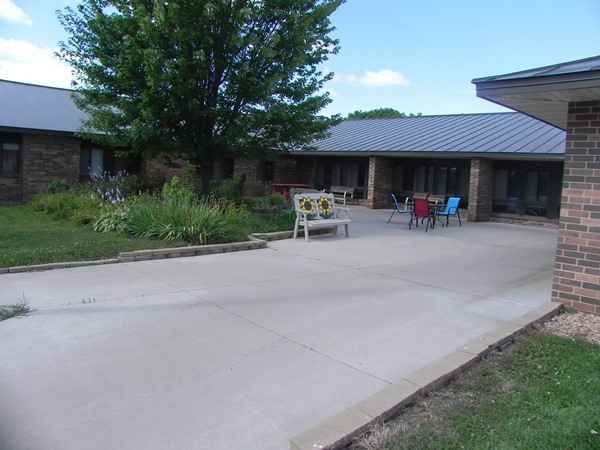
VERNON MANOR

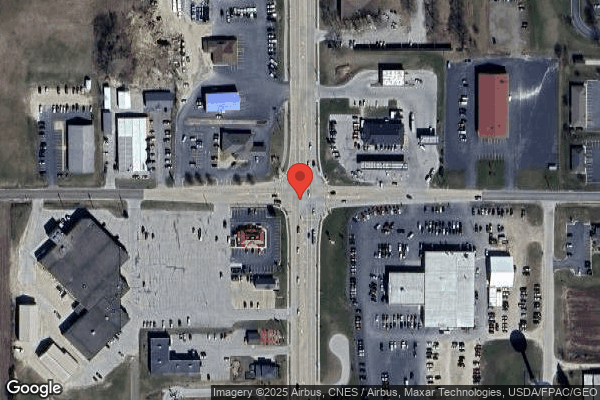
310 FAIRLANE DR, VIROQUA, WI 54665 (608) 637-5400
Government - County 80 Beds Independent Data: November 2025 1 Immediate Jeopardy citation
Trust Grade
31/100
#249 of 321 in WI
Last Inspection: November 2024

Within standard 12-15 month inspection cycle. Federal law requires annual inspections.

Overview

Vernon Manor has received a Trust Grade of F, indicating significant concerns about the facility's care and operations. It ranks #249 out of 321 nursing homes in Wisconsin, placing it in the bottom half, and is the second of two options in Vernon County, meaning there is only one local facility that ranks higher. The trend is worsening, as the number of reported issues increased from 5 in 2023 to 6 in 2024, which raises alarms about ongoing problems. Staffing is particularly concerning with a low rating of 1 out of 5 stars and a troubling 100% turnover rate, significantly higher than the state average of 47%, suggesting instability among staff. There have been serious incidents noted, including a critical medication error that led to a resident's death and failures in infection control during a COVID-19 outbreak, reflecting both the strengths and weaknesses of the facility. While the health inspection rating is average at 3 out of 5 stars, these significant issues overshadow the positive aspects of care at Vernon Manor.

Trust Score
F
31/100
In Wisconsin
#249/321
Bottom 23%
Safety Record
High Risk
Review needed
Inspections
Getting Worse
5 → 6 violations
Staff Stability
⚠ Watch
100% turnover. Very high, 52 points above average. Constant new faces learning your loved one's needs.
Penalties
○ Average
$12,649 in fines. Higher than 66% of Wisconsin facilities. Some compliance issues.
Skilled Nurses
○ Average
RN staffing data not reported for this facility.
Violations
⚠ Watch
15 deficiencies on record. Higher than average. Multiple issues found across inspections.
★★☆☆☆
2.0
Overall Rating
★☆☆☆☆
1.0
Staff Levels
★★★☆☆
3.0
Care Quality
★★★☆☆
3.0
Inspection Score
Stable
2023: 5 issues
2024: 6 issues

The Good

  • Full Sprinkler Coverage · Fire safety systems throughout facility
  • No fines on record

Facility shows strength in fire safety.

The Bad

2-Star Overall Rating

Below Wisconsin average (3.0)

Below average - review inspection findings carefully

Staff Turnover: 100%

53pts above Wisconsin avg (47%)

Frequent staff changes - ask about care continuity

Federal Fines: $12,649

Below median ($33,413)

Minor penalties assessed

Staff turnover is very high (100%)

52 points above Wisconsin average of 48%

The Ugly 15 deficiencies on record

1 life-threatening
Nov 2024 4 deficiencies
CONCERN (D) 📢 Someone Reported This

A family member, employee, or ombudsman was alarmed enough to file a formal complaint

Potential for Harm - no one hurt, but risky conditions existed

Free from Abuse/Neglect (Tag F0600)

Could have caused harm · This affected 1 resident

**NOTE- TERMS IN BRACKETS HAVE BEEN EDITED TO PROTECT CONFIDENTIALITY** Based on record review, interview, and policy review, the facility failed to ensure residents (R) were free from physical abuse ...

Read full inspector narrative →
**NOTE- TERMS IN BRACKETS HAVE BEEN EDITED TO PROTECT CONFIDENTIALITY** Based on record review, interview, and policy review, the facility failed to ensure residents (R) were free from physical abuse for 1 (R22) of 3 residents reviewed for abuse out of 18 sample residents. R15 threw a metal spoon and hit R22 on the back of the head during an activity. Findings include: Review of R15's ''admission Record,'' located in the ''Profile'' tab of the electronic medical record (EMR) revealed the resident was admitted to the facility on [DATE] with diagnosis including unspecified dementia. Review of R15's significant change ''Minimum Data Set (MDS)'' with an assessment reference date (ARD) of 07/07/24 located in the EMR under the MDS tab revealed a Brief Interview for Mental Status (BIMS) score of two out of 15 which indicated the resident was severely cognitively impaired. Further review revealed R15 exhibited physical and verbal behaviors towards others. Review of R15's Care Plan, located under the ''Care Plan'' tab of the EMR and dated 08/26/24, revealed a care plan related to altered behaviors and that resident strikes out. Interventions in place were to watch for signs of increasing anxiety and agitation. Review of R22's ''admission Record,'' located in the ''Profile'' tab of the EMR, revealed R22 admitted to the facility on [DATE] with diagnosis including Alzheimer's disease. Review of R22's quarterly ''MDS'' with an ARD of 09/04/24 and located in the EMR under the MDS tab revealed the facility a BIMS score of 13 out of 15 which indicated the resident was cognitively intact. Review of R15's Incident report, dated 08/25/24 at 10:00 AM, provided by the facility revealed there was an incident with R15 during activities. No additional description was listed. Review of R15's Incident Summary dated 08/25/24 at 10:00 AM completed by Activities Assistant 1 (ACT) revealed ACT1 removed R15 from the group circle in the activity room due to R15 trying to hit another resident. (It did not identify the resident) It further documented while ACT1 was trying to redirect R15 with magazines, R15 tried to hit ACT1 with a spoon but was unsuccessful. R15 kept talking to ACT1 and then moved her chair to see in the direction of the group of other residents and then threw the spoon at another resident. During an interview on 11/18/24 at 2:33 PM, ACT1 stated Certified Nurse Aide 1 (CNA) brought R15 into the activities room from the dining room. ACT1 stated R15 already had a spoon with her when she came to activities. She stated that CNA1 placed R15 beside other residents. She said R15 seemed off, appeared upset and had an angry face. R15 was sitting beside R22 and R15 attempted to hit R22 on her arm with the spoon but she was unable to reach her. ACT1 further stated she moved R15 to another table in the activity room. She gave R15 some magazines to read and she seemed fine, but she did not take the spoon away from R15. A short time later R15 turned her wheelchair around in the direction of the other resident and was mumbling something and she threw the spoon. She did not see the spoon being thrown but she heard the noise it made when it hit the ground, and she heard R22 say Ouch. Continued interview revealed she looked up and saw R22 who appeared upset. ACT1 stated she asked R22 if she was okay, and she stated yes. At that time, she took R15 out of the activity room and reported it to Licensed Practical Nurse 1 (LPN), who took R15 with her while she filled out an incident report and wrote a statement. During an interview on 11/18/24 at 2:59 PM, LPN1 stated back in August, ACT1 reported to her during an activity that R15 became upset and threw a spoon at R22. She took R15 to the nurse's station after it happened to keep an eye on her. She stated she was aware that R15 had another incident in the past of hitting another resident. She stated R15 should not have been allowed to take a metal spoon out of the dining room. She said no residents are allowed to take utensils out of the dining room. During an interview on 11/19/24 at 12:12 PM the Director of Nursing (DON) stated the facility substantiated the incident that occurred between R15 and R22. She stated staff witnessed the incident when R15 threw a spoon at R22 and hit her in the head. She stated ACT1 should have intervened and notified a nurse as soon as she observed R15 trying to hit R22 on the arm. Review of the facility's policy titled Resident Abuse revised 01/15/24 revealed, the facility believes all residents have the right to be free from abuse including metal, verbal, and sexual: neglect, maltreatment, exploitation, corporal punishment, involuntary seclusion, and misappropriation of property.
CONCERN (D) 📢 Someone Reported This

A family member, employee, or ombudsman was alarmed enough to file a formal complaint

Potential for Harm - no one hurt, but risky conditions existed

Report Alleged Abuse (Tag F0609)

Could have caused harm · This affected 1 resident

**NOTE- TERMS IN BRACKETS HAVE BEEN EDITED TO PROTECT CONFIDENTIALITY** Based on record review, document review, interviews, and policy review, the facility failed to timely report an allegation of ve...

Read full inspector narrative →
**NOTE- TERMS IN BRACKETS HAVE BEEN EDITED TO PROTECT CONFIDENTIALITY** Based on record review, document review, interviews, and policy review, the facility failed to timely report an allegation of verbal abuse to the State Agency (SA) for 1 of 3 residents (R33) reviewed for abuse out of a total sample of 18 residents. Findings include: Review of the facility's Grievance Log for September 2024 revealed a grievance dated 09/17/24 that indicated R33 reported that Certified Nurse Aide 5 (CNA) had verbally abused her. Review of R33's Face Sheet located in the electronic medical record (EMR) under the Face Sheet tab revealed admitted to the facility on [DATE] with diagnoses that included type 2 diabetes mellitus, heart failure, and chronic obstructive pulmonary disease (COPD). Review of the EMR quarterly Minimum Data Set (MDS) with an Assessment Reference Date (ARD) of 09/04/24 under the MDS tab indicated a Brief Interview for Mental Status (BIMS) score of 15 out of 15 which indicated the resident was cognitively intact. Review of the facility's investigative file revealed that CNA6 (Certified Nursing Assistant) and CNA5 entered R33's room on 09/14/24 to answer her call light. R33 requested to be removed from the bedpan. CNA5 began to yell at R33. CNA7 came across the hall and stated that she heard CNA5 yelling at R33. The investigation documented that CNA6 reported to RN1 the verbal abuse on 09/15/24. However, Registered Nurse 1 (RN) did not report to the Social Service Director (SSD) or Director of Nursing (DON) until 09/17/24 the allegation of verbal abuse. On 09/17/24, the SA and Local Law Enforcement were notified. Review of the facility's policy titled Resident Abuse revised 01/15/24 revealed, Nursing Home Administrator will determine whether or not the alleged incident or offense is reportable. Reportable incidents are to be reported immediately, and not to exceed 24 hours with the exception of suspicion of serious bodily injury which will be reported immediately, but no later than 2 hours after forming the suspicion. During an interview with the DON on 11/19/24 at 04:14PM, she confirmed that she and the SSD work as the facility's Abuse Coordinators. She was asked why the facility failed to report the incident timely to the SA regarding R33's allegation of abuse and she stated that she was not made aware of the situation until the day it was reported 09/17/24.
CONCERN (D) 📢 Someone Reported This

A family member, employee, or ombudsman was alarmed enough to file a formal complaint

Potential for Harm - no one hurt, but risky conditions existed

Investigate Abuse (Tag F0610)

Could have caused harm · This affected 1 resident

**NOTE- TERMS IN BRACKETS HAVE BEEN EDITED TO PROTECT CONFIDENTIALITY** Based on record review, interview, and policy review, the facility failed to thoroughly investigate an incident of resident-to-r...

Read full inspector narrative →
**NOTE- TERMS IN BRACKETS HAVE BEEN EDITED TO PROTECT CONFIDENTIALITY** Based on record review, interview, and policy review, the facility failed to thoroughly investigate an incident of resident-to-resident abuse for 1 of 3 residents (R22) reviewed for abuse out of 18 sample residents. Findings include: Review of R15's ''admission Record,'' located in the ''Profile'' tab of the EMR, revealed R15 admitted to the facility on [DATE] with diagnoses of unspecified dementia, anxiety disorder and depression. Review of R15's significant change ''Minimum Data Set (MDS)'' with an Assessment Reference Date (ARD) of 07/07/24, revealed a Brief Interview for Mental Status (BIMS) score of two out of 15, which indicated severe cognitive impairment. Further review revealed R15 exhibited physical and verbal behaviors towards others. Review of R22's ''admission Record,'' located in the ''Profile'' tab of the EMR, revealed R22 admitted to the facility on [DATE] with diagnosis of Alzheimer's disease. Review of R22's quarterly ''MDS'' with an ARD (Assessment Reference Date) of 09/04/24 revealed a BIMS (Brief Interview of Mental Status) score of 13 out of 15, which indicated no cognitive impairment. Review of R15's Incident Summary dated 08/25/24 at 10:00 AM completed by Activities Assistant 1 (ACT) revealed ACT1 removed R15 from the group circle in the activity room due to R15 trying to hit another resident. (It did not identify the resident). The summary further stated while ACT1 was trying to redirect R15 with magazines and that R15 tried to hit ACT1 with a spoon but was unsuccessful. R15 kept talking to ACT1 and then moved her chair in the direction of the group of other residents. R15 threw a spoon at another resident. During an interview on 11/18/24 at 2:33 PM, ACT1 stated that Certified Nurse Aide 1 (CNA) brought R15 into the activities room from the dining room and that R15 was carrying a spoon. R15 was seated beside R22 and R15 attempted to hit R22 on her arm with the spoon but she was unable to reach her. ACT1 moved R15 to another table in the activity room. A short time later R15 turned her wheelchair around in the direction of the other resident and was mumbling something. R15 threw the spoon. ACT1 stated that she didn't see the spoon being thrown but she heard the noise it made when it hit the ground, and she heard R22 say Ouch. During an interview on 11/19/24 at 12:12 PM, the Director of Nursing (DON) confirmed that she did not interview any staff or other residents who were witnesses to the incident. The DON stated that she should have completed a thorough investigation by conducting the interviews. Review of the facility's policy titled Resident Abuse revised 01/15/24 revealed, the facility believes all residents have the right to be free from abuse including metal, verbal, and sexual: neglect, maltreatment, exploitation, corporal punishment, involuntary seclusion, and misappropriation of property. The policy of the facility is to investigate any suspicious events of the above nature. The investigation will include Interviewing alleged victim(s) and witnesses. Interviewing other residents to determine if they have been abused. Interview staff that work same shift as the accused and interview staff who worked other shifts to determine if they are aware of an injury or incidents. Interview family or others who may know about any injury, incident, or significant care issues.
CONCERN (D) 📢 Someone Reported This

A family member, employee, or ombudsman was alarmed enough to file a formal complaint

Potential for Harm - no one hurt, but risky conditions existed

Comprehensive Care Plan (Tag F0656)

Could have caused harm · This affected 1 resident

Based on observation, interview, record review, and policy review, the facility failed to develop a person-centered care plan to include pertinent diagnoses and care areas for 2 residents (R28 and R59...

Read full inspector narrative →
Based on observation, interview, record review, and policy review, the facility failed to develop a person-centered care plan to include pertinent diagnoses and care areas for 2 residents (R28 and R59) of 18 sampled residents. Findings include: Review of R28's Admitting and Discharge Record located in the electronic medical record (EMR) under the Face Sheet tab, revealed an admission date of 08/29/24 with diagnosis of malignant carcinoid tumor of the ileum. Review of R28's admission Minimum Data Set (MDS) located in the EMR under the MDS tab with an Assessment Reference Date (ARD) of 09/04/24, revealed a Brief Interview for Mental Status (BIMS) score of 15 out of 15, indicating R28 was cognitively intact. Review of the Care Area Assessments (CAAs) revealed urinary incontinence, psychotropic drug use, and pain were triggered by the MDS and had a checkmark for Addressed in Care Plan. Review of R28's EMR under the Care Plan tab revealed no mention of pain, incontinence, and psychotropic drug use in the Care Plan. Review of R28's Guidelines for Daily Care, located in R28's room revealed no plan of care for pain, incontinence, and psychotropic drug use. On 11/19/24 at 1:17 PM, MDS Coordinator (MDSC) said the interdisciplinary team determined what went on the comprehensive care plan. A Registered Nurse (RN) worked on the admission and was responsible to start the care plan. The MDSC stated that she reviewed the care plan and updated it as needed. She stated that R28's care areas were expected to be on the care plan. The MDSC verified R28's Care Plan did not address the care areas. Example 2 Review of R59's Admitting and Discharge Record located in the EMR under the Face Sheet tab, revealed an admission date of 07/16/24 with diagnosis of unspecified dementia. Review of R59's EMR under the Nurses Notes tab revealed a 10/01/24 Nurse Notes which indicated, It was reported from staff that resident has been wandering into other residents' room on 300 wing, disturbing other residents. Per IDT (Interdisciplinary Team), alarm will be placed on door to notify staff of residents whereabouts at night and encourage resident from wandering into other rooms. Review of R59's quarterly MDS located in the EMR under the MDS tab with an ARD of 10/16/24, revealed a BIMS score of 7 out of 15, indicating severe cognitive impairment. Review of R59's Care Plan in the EMR under the Care Plan tab revealed an approach, dated 10/28/24, door alarm on door at night only under the self-care deficit problem. The Care Plan did not document that R59 wandered. Review of R59's Guidelines for Daily Care, located in R59's room revealed it did not mention R59's wandering or use of an alarm. During an observation on 11/17/24 at 9:21 AM, a motion sensor alarm was mounted to the top of R59's door frame. During an interview on 11/18/24 at 9:49 AM, LPN3 stated the alarm over the door was in place because R59 was confused and started to wander into other residents' rooms. During an interview on 11/18/24 at 2:10 PM, Certified Nurse Aide 3 (CNA) stated she used the care cards located inside the residents' closets and daily report to know how to care for the residents. During an interview on 11/19/24 at 9:00 AM, the Assistant Director of Nursing (ADON) stated the floor nurses were instructed to update the Care Plan for new infections. For other care items, the MDS nurse was responsible. During an interview on 11/19/24 at 12:49 PM, CNA4 reported she used a paper located in residents' closets which stated how to provide care. During an interview on 11/19/24 at 1:02 PM, Licensed Practical Nurse 3 (LPN) said that she only updated the care cards in the residents' rooms with changes. On 11/19/24 at 1:17 PM, MDS Coordinator (MDSC) stated she thought the nurses had updated R59's care plan when he began wandering. MDSC verified the care plan did not contain any wandering behavior. During an interview on 11/19/24 at 3:07 PM, the Director of Nursing (DON) stated that RNs were responsible for the care plans and that the MDSC was expected to check them when completing the MDS assessments. The DON expected triggered care areas and pertinent diagnoses were addressed on the care plan. The DON stated that changes, such as wandering behavior, were also expected to be on R59's care plan. Review of the facility's policy titled, Development - Implementation and Maintaining Comprehensive Care Plans, updated 06/01/22, revealed, RN and other interdisciplinary team members will create an overall care plan reflecting the individual needs, strengths, and preferences of the resident . The care plan should continue to reflect resident's individual needs, strengths and preferences. It will be evaluated and revised with quarterly, annual, and significant change status assessments, and as needed with changes in resident condition and functioning.The care plan should show evidence of the resident's triggered areas Care Area Assessments (CAAs) . The care plan should be followed by all staff providing care to the resident. Portions of the care plan pertinent to the CNAs should be located inside the resident closet door.
Jul 2024 2 deficiencies
CONCERN (D) 📢 Someone Reported This

A family member, employee, or ombudsman was alarmed enough to file a formal complaint

Potential for Harm - no one hurt, but risky conditions existed

Report Alleged Abuse (Tag F0609)

Could have caused harm · This affected 1 resident

**NOTE- TERMS IN BRACKETS HAVE BEEN EDITED TO PROTECT CONFIDENTIALITY** Based on interview and record review, the facility failed to implement policies and procedures for ensuring the reporting of a r...

Read full inspector narrative →
**NOTE- TERMS IN BRACKETS HAVE BEEN EDITED TO PROTECT CONFIDENTIALITY** Based on interview and record review, the facility failed to implement policies and procedures for ensuring the reporting of a reasonable suspicion of a crime in accordance with section 1150B of the Act for 1 of 3 reportable incidents involving (R1 and R2) On 3/19/24, R2 had a physical altercation with another resident (R1). This allegation of abuse was not reported to local law enforcement. Evidenced by: The facility policy titled, Resident Abuse: Investigating and Reporting Allegations of abuse, neglect, mistreatment, injuries of unknown source, misappropriation of resident property and resident to resident altercations, last reviewed 1/15/24, states in part . Policy: [Facility Name] believes all resident have the right to be free from abuse including mental, verbal, and sexual; neglect, maltreatment, exploitation, corporal punishment, involuntary seclusion, and misappropriation of property. The policy of [Facility Name] is to immediately investigate and report any suspicious event of the above nature. [Facility Name] shall implement the following procedures in a manner consistent with the requirements of all regulatory agencies of jurisdiction and with facility standards of conduct. Procedure: The following definitions will be used to determine incidents of Neglect/Abuse/Injuries of Unknown Source/Misappropriation of Resident Property. Physical Abuse includes hitting, slapping, pinching, and kicking. This also includes controlling behavior through corporal punishment. The Investigation will include: 3. Other protection steps to consider. h. Determine need to notify local law enforcement or other official agencies, i.e. APS (Adult Protective Services), etc. According to §483.12(c) of the State Operations Manual; all alleged violations involving abuse, neglect, exploitation or mistreatment, including injuries of unknown source and misappropriation of resident property, are reported immediately, but not later than 2 hours after the allegation is made, if the events that cause the allegation involve abuse or result in serious bodily injury, or not later than 24 hours if the events that cause the allegation do not involve abuse and do not result in serious bodily injury, to the administrator of the facility and to other officials (including to the State Survey Agency and adult protective services where state law provides for jurisdiction in long-term care facilities) in accordance with State law through established procedures. R2 was admitted to the facility on [DATE] with diagnosis that include dementia without behavioral disturbance, coronary artery disease (CAD), chronic obstructive pulmonary disease (COPD), and trans ischemic attack (TIA). R1's quarterly Minimum Data Set (MDS) dated [DATE] indicates R1 was assessed as having a Brief Interview for Mental Status score of 3 which indicates R1 has severe cognitive impairment. The facility self-report dated 3/19/24 indicates LPN (Licensed Practical Nurse) heard R1 hollering as she was passing medications. LPN entered room of R1 to see R2 hitting R1 with a closed fist in the back of the head. LPN removed R2 from R1's room and ensured the safety of both residents. R2 stated that she was stabbing R1 for no known reason. R1 has diagnosis of dementia and is quite confused most of the time. R2 has also been having delusions noted recently. R1 stated she was not hurting in any way from the incident. On 7/31/24 at 3:30 PM, Surveyor interviewed SW D (Social Worker). Surveyor asked SW D if the police were notified of resident-to-resident abuse. SW D stated, no police were not called. I had asked the previous NHA (Nursing Home Administrator) about calling them but was she didn't feel it was necessary. Police should have been called. On 7/31/24 at 3:50 PM, Surveyor interviewed NHA A. Surveyor asked NHA A if the facility should have notified the police of observed allegation of abuse. NHA A stated, yes, they should have been notified.
CONCERN (F) 📢 Someone Reported This

A family member, employee, or ombudsman was alarmed enough to file a formal complaint

Potential for Harm - no one hurt, but risky conditions existed

Infection Control (Tag F0880)

Could have caused harm · This affected most or all residents

Based on observation, interview, and record review, the facility failed to ensure it maintained an infection prevention and control program designed to help prevent the development and transmission of...

Read full inspector narrative →
Based on observation, interview, and record review, the facility failed to ensure it maintained an infection prevention and control program designed to help prevent the development and transmission of communicable disease and infections such as COVID-19. This had the potential to affect all residents residing within the facility at the time of the outbreak on 7/25/24. As of 7/25/24, the facility was in a COVID-19 outbreak with 1 staff positive for COVID-19. - The facility line listings were not completed contemporaneously, and the line lists did not contain symptomology. - During the survey, staff were observed throughout the facility not wearing source control. - The facility did not track community transmission rates and hospital admissions. - The facility did not recognize the outbreak and did not implement their COVID-19 procedures. - The facility did not recognize or ensure they screen all residents for signs and symptoms of COVID-19 once the outbreak was identified. - The facility did not ensure staff who were positive for COVID-19 did not work. - The facility did not test residents once confirmed case of COVID-19 was identified. - The facility infection control policies and procedures have not been updated. - The Medical Director was not notified of outbreak. This is evidenced by: The facility policy titled, COVID-19 Testing, last reviewed 1/13/23, states in part . Policy: The facility will follow the guidance in the CMS QSO-20-38-NH memo in order to provide framework for routine, symptomatic and outbreak testing of staff and residents. Utilizing this guidance will allow the facility to quickly identify and limit the transmission of this highly contagious illness in a setting where we care for a vulnerable population. Procedure: The facility will ensure testing of residents, staff, vendors, and visitors for COVID-19 as outlined in QSO-20-38-NH Memo. Table 1: Testing Summary Testing Trigger: Newly identified COVID-19 positive staff or resident in a facility that can identify close contacts. Staff: Test all staff, regardless of vaccination status, that had a higher-risk exposure with a COVID-19 positive individual. Residents: Test all residents, regardless of vaccination status, that had close contact with a COVID-19 positive individual. Testing Trigger: Newly identified COVID-19 positive staff or resident in a facility that is unable to identify close contacts. Staff: Test all staff, regardless of vaccination status, facility wide or at a group level if staff are assigned to a specific location where the new case occurred (e.g., unit, floor, or other specific area(s) of the facility.) Residents: Test all residents, regardless of vaccination status, facility-wide or at a group level (e.g., unit, floor, or other specific area(s) of the facility.) 1. Any NEW positive COVID test result, resident or staff, must be immediately reported to the Infection Prevention RN and the Director of Nursing so that further notifications and actions can be anticipated/completed per DHS (Department of Health Services) and CMS (Centers for Medicare and Medicaid Services) guidance. 2. The facility will notify the public health department to coordinate facility wide testing if an outbreak occurs, as defined as one or more staff or residents that test positive. The facility policy titled, Respiratory Illness, last reviewed 6/07/24, states in part . Policy: To protect residents and staff from outbreaks of respiratory illness through early recognition, isolation, and testing of exposed or ill residents or staff. Procedure: - Any staff member with any of the above symptoms, should be COVID antigen tested. - Send home if COVID positive and notify DON and Infection Prevention RN. Staff need to be off for 7 days from symptom onset and may return to work on day 8 if fever free for 24 hours. If the staff member remains antigen positive, they are required to wear a N95 mask. - All exposed residents and staff will require immediate testing and then repeat testing per direction of Infection Prevention RN/DON after contact tracing completed. The facility policy titled, Respiratory Illness Outbreak, revised 5/06/24, states in part . Definition: An acute respiratory illness outbreak is defined as three or more residents and/or staff from the same wing with illness onset within 72 hrs. (hours) of each other. - Residents/staff who test positive for Sars-CoV-2 will remain on COVID/airborne precautions for a minimum of 20 days or home isolation (for staff) until a minimum of 7 days from positive test, with a decrease in symptoms and at least 24 hrs. have passed since last fever without the use of fever reducing medications. A negative COVID antigen test may be used as a requirement for returning to work. Staff who are antigen positive that meet all other criteria may return with the use of a N95 respirator for source control. Residents will require 2 negative COVID antigen tests at least 48 hours apart before COVID/airborne precautions are discontinued. The facility policy titled, Pandemic COVID-19 Preparedness and Response, updated 9/27/23, states in part . Policy: As part of [facility name] overall Emergency Preparedness (EP) plan, the EP committee has established critical action steps to prepare, respond and communicate in the event COVID-19 virus is suspected or confirmed in the community or State, or within [facility name]. The committee's action steps are based on 2020 Guidance provided by the Wisconsin Department of Public Health (WIDPH) and the Centers for Disease Control (CDC). IV. Monitoring staff a. Ensure staff are aware of sick leave policies and the necessity of staying home if they are ill with fever or respiratory symptoms. b. Advise employees to check for any signs of illness before reporting to work each day and notify the Administrator, Infection Preventionist, Director of Nursing (DON) or designee if they become ill. c. Advise employees to notify the Administrator, Infection Preventionist, DON, or designee if they encounter person(s) who have traveled to high-risk countries or are suspected or confirmed with COVID-19, and whether the encounter was at a distance of 6 feet or less and less than 15 minutes. Implementation-Respond f. All exposed residents will be monitored routinely for fever or respiratory symptoms. The Infection Preventionist, in collaboration with the multidisciplinary EP committee, will determine the frequency of monitoring. h. [Facility name] will report all possible outbreaks of respiratory illness (when two or more residents or staff report fever or respiratory illness) to WI DPH (Wisconsin Department of Public Health). Upon notifying, [Facility name] will follow the WI DPH Recommendations. iv. Keep residents, their families, and employees informed. Describe what actions the facility is taking to protect residents and educate them on what they can do to protect themselves and prevent spread. Appendix A: Infection Control Guidance COVID-19 Background: Infection control procedures including administrative rules and engineering controls, environmental hygiene, correct work practices, and appropriate use of personal protective equipment (PPE) are all necessary to prevent infections from spreading during healthcare delivery. Prompt detection and effective triage and isolation of potentially infectious patients are essential to prevent unnecessary exposures among patients, healthcare personnel, and visitors at the facility. All healthcare facilities must ensure that their personnel are correctly trained and capable of implementing infection control procedures; individual healthcare personnel should ensure they understand and can adhere to infection control requirements. Personal Protective Equipment: Employers should select appropriate PPE and provide it to HCP (healthcare personnel) in accordance with OSHA's (Occupational Safety and Health Administration) PPE standards. Of Note: The facility's policy is out of date and does not reflect the current CDC guidance and recommendations for COVID-19. According to the CDC at https://www.cdc.gov/covid/hcp/infection-control/guidance-risk-assesment-hcp.html . HCP who were asymptomatic throughout their infection and are not moderately to severely immunocompromised could return to work after the following criteria have been met: - At least 7 days have passed since the date of their first positive viral test if a negative viral test* is obtained within 48 hours prior to returning to work (or 10 days if testing is not performed or if a positive test at day 5-7). *Either a NAAT (molecular) or antigen test may be used. If using an antigen test, HCP should have a negative test obtained on day 5 and again 48 hours later. HCP who are not symptomatic could return to work after the following criteria are met: - Results are negative from at least two consecutive respiratory specimens collected 48 hours apart (total of two negative specimens) tested using an antigen test or NAAT. Exposures that might require testing and/or restriction from work can occur both while at work and in the community. Higher-risk exposures generally involve exposure of HCP's eyes, nose, or mouth to material potentially containing SARS-CoV-2, particularly if these HCP were present in the room for an aerosol-generating procedure. Other exposures not classified as higher risk, including having body contact with the patient (e.g., rolling the patient) without gown or gloves, may impart some risk for transmission, particularly if hand hygiene is not performed and HCP then touch their eyes, nose, or mouth. When classifying potential exposures, specific factors associated with these exposures (e.g., quality of ventilation, use of PPE and source control) should be evaluated on a case-by-case basis. These factors might raise or lower the level of risk; interventions, including restriction from work, can be adjusted based on the estimated risk for transmission. For the purposes of this guidance, higher-risk exposures are classified as HCP who had prolonged close contact with a patient, visitor, or HCP with confirmed SARS-CoV-2 infection and: - HCP was not wearing a respirator (or if wearing a facemask, the person with SARS-CoV-2 infection was not wearing a cloth mask or facemask) - HCP was not wearing eye protection if the person with SARS-CoV-2 infection was not wearing a cloth mask or facemask. - HCP was not wearing all recommended PPE (i.e., gown, gloves, eye protection, respirator) while present in the room for an aerosol-generating procedure. - Follow all recommended infection prevention and control practices, including wearing well-fitting source control, monitoring themselves for fever or symptoms consistent with COVID-19, and not reporting to work when ill or if testing positive for SARS-CoV-2 infection. HCP with travel or community exposures should consult their occupational health program for guidance on need for work restrictions. In general, HCP who have had prolonged close contact with someone with SARS-CoV-2 in the community (e.g., household contacts) should be managed as described for higher-risk occupational exposures above. Source control is recommended for individuals in healthcare settings who: - Had close contact (patients and visitors) or a higher-risk exposure (HCP) with someone with SARS-CoV-2 infection, for 10 days after their exposure. Routine cleaning and disinfection procedures (e.g., using cleaners and water to pre-clean surfaces prior to applying an EPA-registered, (Environmental Protection Agency) hospital-grade disinfectant to frequently touched surfaces or objects for appropriate contact times as indicated on the product's label) are appropriate for SARS-CoV-2 in healthcare settings, including those patient-care areas in which AGPs (Aerosol Generating Procedure) are performed. Interim Guidance for Managing Healthcare Personnel with SARS-CoV-2 Infection or Exposure to SARS-CoV-2 per the CDC, updated 9/23/22 documents in part: HCP with mild to moderate illness who are not moderately to severely immunocompromised could return to work after the following criteria have been met: At least 7 days have passed since symptoms first appeared if a negative viral test* is obtained within 48 hours prior to returning to work (or 10 days if testing is not performed or if a positive test at day 5-7), and At least 24 hours have passed since last fever without the use of fever-reducing medications, and Symptoms (e.g., cough, shortness of breath) have improved. Either a NAAT (molecular) or antigen test may be used. If using an antigen test, HCP should have a negative test obtained on day 5 and again 48 hours later. HCP with severe to critical illness who are not moderately to severely immunocompromised could return to work after the following criteria have been met: At least 10 days and up to 20 days have passed since symptoms first appeared, and at least 24 hours have passed since last fever without the use of fever-reducing medications, and Symptoms (e.g., cough, shortness of breath) have improved. The test-based strategy as described below for moderately to severely immunocompromised HCP can be used to inform the duration of work restriction. Interim Infection Prevention and Control Recommendations for Healthcare Personnel During the Coronavirus Disease 2019 (COVID-19) Pandemic per the CDC, updated May 8, 2023, documents in part: Implement Source Control Measures: Source control refers to use of respirators or well-fitting facemasks or cloth masks to cover a person's mouth and nose to prevent spread of respiratory secretions when they are breathing, talking, sneezing, or coughing. Masks and respirators also offer varying levels of protection to the wearer. Further information about types of masks and respirators, including those that meet standards and the degree of protection offered to the wearer, is available at: Masks and Respirators. People, particularly those at high risk for severe illness, should wear the most protective mask or respirator they can that fits well and that they will wear consistently. Source control options for HCP include: - A NIOSH Approved® particulate respirator with N95® filters or higher. - A respirator approved under standards used in other countries that are similar to NIOSH Approved N95 filtering facepiece respirators (Note: These should not be used instead of a NIOSH Approved respirator when respiratory protection is indicated). - A barrier face covering that meets ASTM F3502-21 requirements including Workplace Performance and Workplace Performance Plus masks, OR - A well-fitting facemask. When used solely for source control, any of the options listed above could be used for an entire shift unless they become soiled, damaged, or hard to breathe through. If they are used during the care of patient for which a NIOSH Approved respirator or facemask is indicated for personal protective equipment (PPE) (e.g., NIOSH Approved particulate respirators with N95 filters or higher during the care of a patient with SARS-CoV-2 infection, facemask during a surgical procedure or during care of a patient on Droplet Precautions), they should be removed and discarded after the patient care encounter and a new one should be donned Source control is recommended for individuals in healthcare settings who: - Have suspected or confirmed SARS-CoV-2 infection or other respiratory infection (e.g., those with runny nose, cough, sneeze); or - Had close contact (patients and visitors) or a higher-risk exposure (HCP) with someone with SARS-CoV-2 infection, for 10 days after their exposure Source control is recommended more broadly as described in CDC's Core IPC Practices in the following circumstances: - By those residing or working on a unit or area of the facility experiencing a SARS-CoV-2 or other outbreak of respiratory infection; universal use of source control could be discontinued as a mitigation measure once the outbreak is over (e.g., no new cases of SARS-CoV-2 infection have been identified for 14 days); or NIOSH Approved particulate respirators with N95 filters or higher used for: o All aerosol-generating procedures. o All surgical procedures that might pose higher risk for transmission if the patient has SARS-CoV-2 infection (e.g., that generate potentially infectious aerosols or involving anatomic regions where viral loads might be higher, such as the nose and throat, oropharynx, respiratory tract). o NIOSH Approved particulate respirators with N95 filters or higher can also be used by HCP working in other situations where additional risk factors for transmission are present, such as when the patient is unable to use source control and the area is poorly ventilated. They may also be considered if healthcare-associated SARS-CoV-2 transmission is identified and universal respirator use by HCP working in affected areas is not already in place. - Eye protection (i.e., goggles or a face shield that covers the front and sides of the face) worn during all patient care encounters. Environmental Infection Control - Dedicated medical equipment should be used when caring for a patient with suspected or confirmed SARS-CoV-2 infection. o All non-dedicated, non-disposable medical equipment used for that patient should be cleaned and disinfected according to manufacturer's instructions and facility policies before use on another patient. Example 1: Facility line listings were not completed contemporaneously and there were no line lists for residents or staff from July 2023. On 7/31/24 at 1:30 PM, ADON/IP C (Assistant Director of Nursing/Infection Preventionist) approached Surveyor with line listing for staff and residents. ADON/IP C stated, R4 was the only resident that had any symptoms of COVID-19 and tested negative. R4 ended up having bilateral pleural effusions. R5 was diagnosed with pneumonia but no symptoms are listed on the line list and line list does not indicate if R5 was ever tested for COVID-19. On 7/31/24 at 3:30 PM, Surveyor interviewed ADON/IP C via phone. Surveyor asked ADON/IP C if infection control line lists should be updated daily. ADON/IP C stated, infection control should be conducted daily for tracking. Surveyor asked ADON/IP C if line listings should be completed contemporaneously. ADON/IP C stated, yes, I was just following what the following IP was doing before she left. Of Note: During chart review surveyors noted at least two residents that were not placed on the line list who were experiencing symptoms. One of those residents was tested and tested negative but was never added to the line list. Example 2: During the survey, staff were observed throughout the facility not wearing any type of PPE. On 7/31/24 at 12:25 PM, Surveyor interviewed ADON/IP C. Surveyor asked ADON/IP C if facility staff should be wearing PPE or utilizing source control during an outbreak. ADON/IP C stated, yes staff should be wearing masks if we are in an outbreak. Example 3: The facility did not track community transmission rates and hospital admission rates. On 7/31/24 at 11:10 AM, Surveyor interviewed ADON/IP C. Surveyor asked ADON/IP C if she was aware of what the community transmission rate was. ADON/IP C stated, the local health department advised to use the state transmission rates and those are below baseline. ADON/IP indicates she does not track hospital rates. Note: Surveyor reviewed current transmission rates in the region and state. Surveyor notes that the entire state is listed in as growing number of COVID-19 hospitalization across the State. Wastewater and hospital admission rates growing for the Western part of the State where the facility is located. Example 4: The facility failed to identify the outbreak and implement their COVID-19 policies and procedures. On 7/31/24 at 11:10 AM, Surveyor interviewed ADON/IP C. Surveyor asked ADON/IP C if the facility was currently in a COVID-19 outbreak as the facility had a positive staff member. ADON/IP C stated no. Surveyor asked ADON/IP C how many staff or residents need to positive to facilitate an outbreak. ADON/IP C stated, three. Surveyor showed ADON/IP C current guidance. Surveyor asked ADON/IP C based on current guidance would the facility be in an outbreak? ADON/IP C stated, yes. Example 5: The facility did not ensure they screened all residents for signs and symptoms of COVID-19 once a staff member tested positive. On 7/31/24 at 11:10 AM, Surveyor interviewed ADON/IP C. Surveyor asked ADON/IP C if the facility was screening residents for signs and symptoms of COVID-19. ADON/IP C stated not at this time as we did not believe we were in an outbreak. Example 6: The facility failed to ensure that staff who tested positive for COVID-19 did not work. On 7/31/24 at 11:10 AM, Surveyor interviewed ADON/IP C. Surveyor asked ADON C when the DON B (Director of Nursing) tested positive for COVID-19. ADON/IP C stated, last Thursday (7/25/24). Surveyor asked ADON/IP C when the last time DON B worked prior to testing positive. ADON/IP C stated DON B worked Thursday morning from 2:00 AM to 6:00 AM on the floor. DON B tested at 6:00 AM prior to leaving from her shift and was positive at that time. Surveyor asked if DON B had worked since testing positive. ADON/IP C stated DON B worked on Sunday (7/28/24) after testing positive due to Med Tech working and needing an RN (Registered Nurse) in the building. ADON/IP C states DON B worked from her office and did not come out on the floor. Surveyor asked ADON/IP C if an RN needed to be in the building with the Med Tech. ADON/IP C stated according to the facility policy an RN needs to be in the building. ADON/IP C pulled out policy and read, Med Tech to be supervised in the building by an LPN or RN. ADON/IP C stated, I guess she didn't need to be. Example 7: Facility policies and procedures have not been reviewed or updated. Surveyor reviewed facility policies provided which are undated and do not reflect current guidance from the CDC. On 7/31/24 at 11:50 AM, Surveyor interviewed ADON/IP C. Surveyor asked ADON/IP C how often policies should be reviewed and updated. ADON/IP C stated, policies should be reviewed yearly at a minimum. Surveyor asked ADON/IP C should the infection control policies and procedures be up to date. ADON/IP stated she is new to the role and was going by what was done previously. Example 8: The facility failed to test residents and staff once there was a confirmed case of COVID-19. On 7/31/24 at 11:10 AM, Surveyor interviewed ADON/IP C. Surveyor asked ADON/IP C if the facility is currently doing any testing of resident or staff. ADON/IP C stated, we are not testing widespread just staff and residents who would show signs and symptoms. Note: Facility began testing residents and staff prior to survey team's exit with no positive residents or staff identified. Example 9: The facility Medical Director was not notified of outbreak of COVID-19. On 7/31/24 at 11:10 AM, Surveyor interviewed ADON/IP C. Surveyor asked ADON/IP C if there has been any contact with the Medical Director regarding the outbreak. ADON/IP C stated, no contact has been made to anyone as we did not believe we were in an outbreak. The facility failed to complete screening of residents for signs and symptoms of COVID-19 during the current outbreak, line listings did not include residents with symptoms and was not completed contemporaneously. Staff were not wearing the appropriate PPE. The facility did not ensure staff who were COVID-19 positive did not work. The facility does not track community transmission rates and hospital rates. The facility did not ensure policies and procedures were up to date and reflect the current CDC recommendations.
Aug 2023 5 deficiencies 1 IJ
CRITICAL (J) 📢 Someone Reported This

A family member, employee, or ombudsman was alarmed enough to file a formal complaint

Immediate Jeopardy (IJ) - the most serious Medicare violation

Deficiency F0760 (Tag F0760)

Someone could have died · This affected 1 resident

**NOTE- TERMS IN BRACKETS HAVE BEEN EDITED TO PROTECT CONFIDENTIALITY** Based on interview and record review, the facility did not ensure residents were free from significant medication errors for 2 o...

Read full inspector narrative →
**NOTE- TERMS IN BRACKETS HAVE BEEN EDITED TO PROTECT CONFIDENTIALITY** Based on interview and record review, the facility did not ensure residents were free from significant medication errors for 2 of 2 sampled residents (R65 and R265) reviewed for medication errors. R65 had an order to receive 12.5 mcg (micrograms) of levothyroxine. The medication was transcribed into the facility's Electronic Health Record (EHR) as 125mcg. R65 received 45 doses in 46 days of the incorrect dose of levothyroxine. R65 died in the hospital as a result of the medication error which caused Thyrotoxicosis. The facility's failure to ensure that residents were free from a significant medication error created a finding of immediate jeopardy that began on [DATE]. NHA A (Nursing Home Administrator) was notified of the immediate jeopardy on [DATE] at 3:00 PM. The immediate jeopardy was removed [DATE]; however, the deficient practice continues at a scope/severity level of D as the facility continues to implement its action plan and as evidenced by: R265 did not receive the correct dosage of pain medication (hydromorphone) on 7/28, 7/29, 7/30, 7/31, 8/2, AM dose. R265 received 1 mg instead of 2 mg of hydromorphone. This is evidenced by: The facility's Policy and Procedure titled Medication Administration Policy with a reviewed date of February 2019 states, in part: .Administration: .2. Medications are administered in accordance with written orders of the attending physician or physician extender. 3. If a dose seems excessive considering the resident's age and condition, or a medication order seems to be unrelated to the resident's current diagnosis or conditions, the nurse called the provider pharmacy for clarification prior to the administration of the medication of is necessary contacts the prescriber for clarification. This interaction with the pharmacy and/or prescriber and the resulting order clarification are documented in the nursing notes and elsewhere in the medical record as appropriate . National Library of Medicine (NIH), National Center of Biotechnology Information (NCBI) article titled Thyrotoxicosis dated [DATE], states in part: Thyrotoxicosis is the clinical state associated with excess thyroid hormone activity, usually due to inappropriately high-circulating thyroid hormones. The clinical presentation varies, ranging from asymptomatic to life-threatening thyroid storm. Symptoms are due to the hypermetabolic state induced by excess thyroid hormones and include weight loss, heat intolerance, and palpitations. There are many different causes of thyrotoxicosis. It is important to determine the cause since treatment is based on the underlying etiology. Thyrotoxicosis can lead to serious complications when not diagnosed and treated appropriately, including delirium, altered mental status, osteoporosis, muscle weakness, atrial fibrillation, congestive heart failure, thromboembolic disease, cardiovascular collapse, and death . Untreated or undiagnosed thyrotoxicosis can lead to thyroid storm. Patients present with tachycardia, fever, altered mental status, agitation, features of cardiac failure, and impaired liver function . The NIH, NCBI article titled Thyroid Storm dated [DATE], states in part: Thyroid storm, also known as thyrotoxic crisis, is an acute, life-threatening complication of hyperthyroidism that presents with multi-system involvement. The mortality associated with thyroid storm is estimated to be 8 to 25% despite modern advancements in its treatment and supportive measures. Thus, it is very important to recognize it early and start aggressive treatment to reduce mortality . Levothyroxine package insert found at https://www.rxabbvie.com/pdf/synthroid.pdf states in part: Recommended Dosage and Titration Primary, Secondary, and Tertiary Hypothyroidism in Adults The recommended starting daily dosage of SYNTHROID (levothyroxine) in adults with primary, secondary, or tertiary hypothyroidism is based on age and comorbid cardiac conditions, as described in 1. For patients at risk of atrial fibrillation or patients with underlying cardiac disease, start with a lower dosage and titrate the dosage more slowly to avoid exacerbation of cardiac symptoms. SYNTHROID Dosing Guidelines for Hypothyroidism in Adults* Patient Population Starting Dosage Dosage Titration Based on Serum TSH or Free-T4. Adults diagnosed with hypothyroidism Full replacement dose is 1.6 mcg/kg/day. Some patients require a lower starting dose. Titrate dosage by 12.5 to 25 mcg increments every 4 to 6 weeks, as needed until the patient is euthyroid (normal thyroid level). Adults at risk for atrial fibrillation or with underlying cardiac disease Lower starting dose (less than 1.6mcg/kg/day) Titrate dosage every 6 to 8 weeks, as needed until the patient is euthyroid. Geriatric patients Lower starting dose (less than 1.6 mcg/kg/day) WARNINGS AND PRECAUTIONS ·Serious risks related to overtreatment or undertreatment with SYNTHROID: Titrate the dose of SYNTHROID carefully and monitor response to titration. (5.1) ·Cardiac adverse reactions in the elderly and in patients with underlying cardiovascular disease: Initiate SYNTHROID at less than the full replacement dose because of the increased risk of cardiac adverse reactions, including atrial fibrillation. (2.3, 5.2, 8.5) ADVERSE REACTIONS Adverse reactions associated with SYNTHROID therapy are primarily those of hyperthyroidism due to therapeutic overdosage: arrhythmias, myocardial infarction, dyspnea, muscle spasm, headache, nervousness, irritability, insomnia, tremors, muscle weakness, increased appetite, weight loss, diarrhea, heat intolerance, menstrual irregularities, and skin rash. R65 was admitted to the facility on [DATE] with diagnoses that include: Alzheimer's Disease, Vascular dementia, Cerebral Palsy, and Atherosclerotic heart disease. On [DATE], R65's Thyroid Stimulation Hormone (TSH) level was drawn, which resulted at 8.21 (high meaning the thyroid was not working effectively) Normal TSH levels are 0.40-5.50 uU/ml (units/ milliliter). Of note, a high TSH level requires initiating replacement thyroid hormone with medication such as levothyroxine. On [DATE], R65 received an order from NP I (Nurse Practitioner). NP I wrote an order to Start Levothyroxine 12.5mcg daily P.O. (by mouth) for hypothyroidism .Recheck TSH in 6-8 weeks . The order written by NP I was clearly written as 12.5 mcg and .5 was even written darker. This order was noted as received by RN L (Registered Nurse). The order was entered into R65's EHR (Electronic Health Record) by HUC J (Health Unit Coordinator) on [DATE] as Levothyroxine 125mcg Capsule by mouth (this is ten times the prescribed dose written by NP I). Take 1 daily AM (morning) first date: [DATE] FOR: Hypothyroidism. The telephone order was sent to the pharmacy, the pharmacy transcribed the order as 125 mcg, and sent the medication to the facility. R65 began taking levothyroxine 125 mcg, ten times the prescribed dose, on [DATE]. On [DATE] at 10:05 AM, Surveyor interviewed NP I. Surveyor asked NP I if she darkened the .5 for the 12.5 mcg? NP I stated yes, she darkened it so they could see the .5. Surveyor asked NP I if she reconciles residents' monthly orders with the MAR? NP I stated that when she gets monthly orders, she tries to reconcile them with EPIC (electronic health record charting system), if she doesn't have time, the nurses at the clinic reconcile them for her. On [DATE] at 3:01 PM, Surveyor interviewed HUC J. Surveyor asked HUC J what the process is when a resident receives a new order? HUC J stated that she puts the order into ECS (facility's EHR) and then places it in the 1st check cart for the nurses to check to make sure she entered it correctly. Surveyor asked HUC J how long the facility has used this process? HUC J stated that she has been working at the facility since May, and it has been the process since she started. HUC J stated that once she puts an order in the computer, she puts her initials along with comp for computer in the corner and then faxes the order to the pharmacy. On [DATE] at 4:11 PM, Surveyor interviewed RN K (Registered Nurse). Surveyor asked RN K if she knew what the process was when a resident received a new order? RN K stated that she started at the facility the previous week, and that she did not know what the process was. On [DATE] at 7:58 AM, Surveyor interviewed RN L. Surveyor asked RN L what the process is when the pharmacy delivers the medications? RN L stated that they bring the tub into the med room and sign off that all the medications are in the tub. Surveyor asked RN L if they check the blister pack of medications against the actual order? RN L stated yes. Surveyor asked RN L if she recalls the levothyroxine order for R65? RN L stated that she noted that they received the order from NP I. Surveyor asked RN L if she checked the order once it was entered into ECS? RN L stated no. Surveyor asked RN L if she knew whether the order was checked by 2 nurses? RN L stated that it was, but she was unsure who the nurses were. On [DATE] at 8:12 AM, Surveyor interviewed LPN N (Licensed Practical Nurse). Surveyor asked LPN N what the process is when a resident receives a new medication? LPN N stated that the nurse does a check with the pharmacy person, signs off that the medications were received, and makes sure that the medication matches the order. On [DATE] at 10:13 AM, Surveyor interviewed ADON E (Assistant Director of Nursing). Surveyor asked ADON E to review R65's levothyroxine order. Surveyor asked ADON E if the order was signed off by 2 nurses? ADON E stated that RN L signed and that she signed it. Surveyor reported that RN L stated that she did not check the order, she just signed that she received the order. Surveyor asked ADON E what the process was for new orders? ADON E stated that the order is given to the nurse, the nurse then documents it in the computer, the order is then passed off to the HUC who then enters the order into the computer, places it in the cart for the nurses to check, the nurse checks the order in the MAR and then they either sign or initial it. Surveyor asked ADON E if she checked R65's levothyroxine order in the MAR? ADON E stated yes. Surveyor asked ADON E what the MAR order said? ADON E stated that she could not remember. Surveyor asked ADON E to review the medication orders that Surveyor found without 2 signatures. Surveyor asked ADON E if the orders have 2 signatures on them; ADON E stated no. Surveyor asked ADON E if they should have 2 signatures on them indicating that 2 nurses checked the orders; ADON E stated yes. Surveyor asked ADON E when receiving medications from the pharmacy, does the receiving nurse check the pills against the orders? ADON E stated that they should be. It is important to note that R65's telephone order slip does not have the signatures of 2 nurses that have checked the order, only the signature that RN L received the order and a signature of ADON E (Assistant Director of Nursing). There is no evidence that the order was reviewed by nursing staff as having been entered into the EHR correctly. Nurse's notes state the following: [DATE] 2:16 PM: Note: Resident has increased weakness and confusion today, Resident refused lunch, encouraged fluids if he wasn't going to eat . [DATE] 2:27 PM: Fax sent to: NP I to address tomorrow rounds. Regarding: PT (Physical Therapy) request for ST (Speech Therapy) d/t (due to) garbled speech/swallowing. [DATE] 3:17 AM: Incident type: fall with injury, skin tear to right foot 2nd toe . [DATE] 9:39 AM: .NP I spoke with resident .Results: new orders received and noted [DATE] decrease propranolol to 10mg (milligrams) x 1 week then 10mg daily x 1 week, then d/c (discontinue). Monitor BP (Blood Pressure) and pulse BID (twice a day) x 4 weeks. CBC (Complete blood count) with diff (differential), electrolytes, creatinine, BUN (Blood Urea Nitrogen), BNP (B-type Natriuretic Peptide (provides information about how your heart is working and is used to diagnosis Congestive Heart Failure)), TSH . [DATE] 10:43 AM: Incident type: observed on floor. Resident was heard hollering help me! by staff. Found on floor next to bed sitting on legs .Physician notification: Physician notified NP I . [DATE] 12:03 PM: Spoke with: Nurse Practitioner Regarding: lab results Result: new orders received and noted .20mg Lasix today. Of note, Lasix is a diuretic typically given for increased fluid as seen in congestive heart failure (CHF). CHF is a concern with increased doses of thyroid hormone, R65 received ten times the prescribed dose of thyroid hormone. R65's TSH level on [DATE] was 0.69 uU/ml, which is a drop of 7.52 uU/ml in 33 days. Of note, this is a rapid and significant decrease in TSH level and should warrant review of the levothyroxine dose. This did not occur and R65 remained on ten times the dose of levothyroxine. [DATE] 6:54 PM: Held propranolol HCI 10mg tablet Reason: per orders from NP I, d/t (due to) low pulse (45). Spoke with NP I Regarding: xray results Result: new orders received and noted [DATE] Augmentin (antibiotic) 875 mg po bid x 7 days for pneumonia . [DATE] 10:09 PM: resident is lethargic, confused, but follows directions accurately. Resident denies difficulty breathing/SOB (shortness of breath). O2 (oxygen) sat (saturation) above 90% on RA (Room Air) Oxygen applied in bed .Pulse at bedtime was 55 . Of note, confusion and lethargy are seen with elevated levels of thyroid hormone which can be a result of too much thyroid hormone replacement such as levothyroxine. [DATE] 6:44 AM: Incident type: fall without injury .Description of Events: Resident was yelling out, without call light on. Resident was sitting on floor with feet in front of him .Mental State: confused . [DATE] 1:44 PM: Weekly Summary: AM shift Mental status: intermittent confusion .Health Events: .Has had 3 falls recently and increased confusion . [DATE] 6:39 AM: Infection: .Mental status abnormal: still experiencing increased confusion, restless at night, sleepy during the day . Of note resident has had several falls over a period of days and is restless and confused, all of which can be a result of too much thyroid hormone replacement such as levothyroxine. [DATE] 5:32 PM: .Mental status abnormal: confused, verbally nonsensical . [DATE] 12:48 AM: Behavior: Other: Resident is yelling out throughout the night .Duration: > 2 hr (hour) this shift . [DATE] 2:33 PM: Incident type: fall with injury .Description of events: Writer called to patient room at 0115 PM-resident found lying on floor. Resident hit head on floor - left side of face/head directly on floor - a moderate-large amount of blood noted to be coming from an area on his head/face .Nursing immediately called 911 as patient has redness/swelling already noted to entirety of left side of face/skull .Patient explanation of event: Patient was unable to explain the event as his speech was garbled and nonsensical . R65's Emergency Services note dated [DATE] states in part: .Encounter Diagnosis 1. Accidental Fall .2. Closed Head Injury .3. Facial laceration .4. AKI (acute kidney injury) 5. Dehydration 6. Hyperkalemia 7. r/o (rule out) Pulmonary infiltrate. Medical Decision Making/ Plan/ Summary: On arrival, he is a bit sleepy but is arousable, very slow to answer questions .Mild respiratory distress and loud upper airway noises .89% on room air .Lungs are somewhat coarse bilaterally .Potassium 6.1, Creatinine bumped to 1.9 up from 1.1 2 weeks ago. BUN 54 .BNP 2460 up from 1926 .TSH 0.1, free T4 2.2, slightly elevated. Chest x-ray shows small left effusion with atelectasis or consolidation .Patient does seem to have lost 2 kilos (kilograms) .Physical Exam .Pulmonary: Effort: Respiratory distress present .Comments: Loud upper airway respirations .Neurological: Comments: Significant global weakness . R65's General Medicine Progress Note dated [DATE] states in part: .Assessment & Plan Active Hospital Problems: *Thyrotoxicosis *Acute congestive heart failure *Acute kidney injury * Hyperkalemia .history of mixed Alzheimer's and vascular dementia, type 2 diabetes, immune thrombocytopenia .who has had a decline over the past 2 months with multiple medication changes, initially started on a low dose of levothyroxine, found to have received erroneously elevated doses of levothyroxine since early June. With subsequent decline, with renal failure, hypoxia. Medication error discovered on pharmacy review on [DATE] . R65's Death Summary dated [DATE] states in part, .Principal Diagnosis: Thyrotoxicosis (a medical emergency resulting in too much thyroid hormone. If gone undetected this can result in multiple organ failure and death. R65's thyrotoxicosis was caused due to receiving 10 times the dose of levothyroxine a thyroid hormone). Hospital Course: Patient was admitted for hyperkalemia (elevated potassium) and renal failure with hypoxic respiratory failure (too little oxygen in blood) in setting of chronic restrictive lung disease. He was treated for his hypercalcemia (elevated calcium in blood) with two rounds of insulin, calcium, kayexalate, IV (intravenous) fluid resuscitation, and scheduled Lasix (a diuretic). He was started on Ceftriaxone (antibiotic) in setting of hypoxic respiratory failure, not responsive to above treatments. Patient was also admitted with elevated T4 levels and suppressed TSH levels, found to have been erroneously receiving levothyroxine 125 mcg (instead of 12.5mcg) while at the Nursing home. Patient was therefore thought to be in multisystem organ failure secondary to exacerbation of multiple co-morbidities secondary to thyrotoxicosis. Patient did not have pain or suffering and continued to have decline during the final 24 hours of life .Cause of Death: Contributing causes: Multisystem organ failure secondary to suspected thyrotoxicosis . The facility was made aware of the medication error by the hospital's Pharmacist, and subsequently submitted a self-report to the State Agency (SA). The self-report indicated that the facility educated the nurses and the HUC on double checking orders and the 5 Rights of Medication Administration. However, current noncompliance was observed during survey. On [DATE] at 11:26 AM, Surveyor interviewed DON B (Director of Nursing). Surveyor asked DON B what steps she took after finding out that R65 had received the wrong dose of levothyroxine? DON B stated she provided education to all the nurses verbally and via a packet with a test and the nurses were to return the test portion. Surveyor asked DON B what new process they put in place? DON B stated that when a nurse gets an order, they take it to the HUC and then it goes on the cart for 1st and 2nd check. Surveyor asked DON B how she ensures that all the nurses receive the education? DON B stated that they completed the education if they completed the test. Surveyor reviewed the completed education list with DON B and pointed out that not all the nurses had completed the test. Surveyor asked DON B if the education should have been completed prior to the nurses working their next shift? DON B stated yes. Surveyor asked DON B when they implemented the 2-check system? DON B stated that it was not a new process, they just streamlined it. Surveyor asked DON B what the facility's process was when medications are received from the pharmacy? DON B stated that the nurse that receives them, goes through the sheet to make sure that whatever medication is listed for the resident is the correct medication and quantity. Surveyor asked DON B if the nurses are checking the received medication with the physician's order? DON B stated no, they are just stating that they received the medication. Surveyor asked DON B if she would expect the nurse to ensure that the correct medication was delivered; DON B stated no. On [DATE], Surveyor reviewed the facility's education documentation and saw that there were 10 nurses that had not completed the education, 5 of the 10 nurses had worked in the last 2 weeks. Of note, the facility continues with current noncompliance. On [DATE], Surveyor reviewed physician's orders for R9, R24, and R5. Surveyor found 5 orders for these 3 residents that did not have current RN signatures validating orders per facility policy and procedure. The orders are as follows: 1. R9 - [DATE]: Dakin's 0.125% moistened 2x2 gauze with dry dressing over top to wound to rt. (right) foot . 2. R24 - [DATE]: Ativan 0.5mg - give 0.5mg every 8 hours PRN (as needed) for anxiety. 3. R52 - [DATE]: Cipro 250mg bid x 3 days for UTI (Urinary Tract Infection). 4. R52 - D/c Cipro, start Levaquin 750 mg PO q (every) HS (bedtime) x 5 days. 5. R52 - Hold Olanzapine 5mg PO daily at bedtime until the 21st. The facility's failure to ensure staff transcribe and administer the correct dose of medications created a finding of immediate jeopardy. The immediate jeopardy was removed on [DATE] when the facility completed the following: 1. DON/NHA provided education to licensed nursing staff on the 5 Rights of medication administration. 2. Nursing staff will be required to complete a post-test on 5 rights of medication administration after completion of the training. 3. The DON or Designee will complete daily audits of medication administration to ensure accuracy of delivery for 2 weeks. 4. The DON or Designee will begin medication administration competency audits on all licensed nurses and medication aides (if you have them). 5. The DON or Designee provided education to all licensed nurses and HUCs on transcription of physician orders, verifying orders, signing off medications, dangerous medications, understanding adverse drug events, and medication administration: avoiding common errors. 6. Nursing staff will be required to complete a post-test and return demonstration to ensure competency for education provided in #5. 7. The DON or Designee initiated audits for all new medication orders for to ensure correct transcription and medication dose is being administered. 8. The DON/NHA or designee will provide education on two nurses will verify transcription of physician orders including handwritten orders and ensure competency by completion of posttest with return demonstration. 9. The DON or Designee initiated audits for all new medication orders to ensure the orders have been verified by 2 nurses. 10. The DON/Designee has provided education to licensed nursing staff on reviewing medications as a potential root cause for falls and change of condition. 11. Nursing Administration team (DON/ADON/UM) will review and validate transcription of all orders daily in clinical meeting Monday through Friday to ensure accuracy of transcription. On weekends a designee will review and validate transcription of all orders to ensure accuracy of transcription. 12. The facility will conduct a weekly QAPI meeting to monitor compliance with the above plan for any further recommendations and/or resolution. The deficient practice continues at a scope/severity level of D (potential for more than minimal harm/isolated) as evidenced by: Example 2: R265 had an order for hydromorphone 2mg (milligrams) daily in the morning. Facility staff were only administering 1mg daily in the morning for a total of 5 doses. R265 continued to experience pain. R265 was admitted to the facility on [DATE] with diagnoses that include closed displaced fracture of surgical neck of the left humerus (shoulder) and a closed fracture of olecranon process of left ulna (pointy bone of the elbow). R265 was admitted to the facility with an order for hydromorphone 2mg every AM and 1 mg every 6 hours as needed for pain. The facility's narcotic sign-out sheet states in part: . Medication Name & Strength Hydromorphone 2mg Tabs Directions: Give ½ tablet by mouth every 6 hours as needed for pain . Facility staff administered the following incorrect doses: [DATE] 7:30 AM 1 tablet given. 10:27 AM: Current pain level: 4 [DATE] 8:00 AM 1 tablet given. 2:40 PM: Current pain level: 6 [DATE] 8:00 AM 1 tablet given. 10:35 AM: Current pain level: 5 [DATE] 7:30 AM 1 tablet given. 9:48 AM: Current pain level: 6 [DATE] 8:00 AM 1 tablet given. 1:48 PM: Current pain level: 6 R265's MAR (Medication Administration Record) shows that the facility's staff signed out R265 received 2mg of hydromorphone on [DATE], [DATE], [DATE], [DATE], and [DATE]. The facility's form titled Medication Event Form states in part: .Date/ time error detected: [DATE] .Date and time of error/s: 7/28, 7/29, 7/30, 7/31, 8/2, AM dose. Medication: hydromorphone. Correct dosage: 2mg. Dose given: 1mg. Frequency: daily. Frequency given: daily. # times given this way: 5 . On [DATE] at 7:58 AM, Surveyor interviewed RN L. Surveyor asked RN L if when administering the hydromorphone to R265, did she notice that a majority of her scheduled doses she was only getting 1 tablet (1 mg)? RN L stated yes, and that she was thinking that they ran out of the 2mg. Surveyor asked RN L if when she noticed that R265 was only getting 1 tablet, did she write that up as a medication error? RN L stated no. Surveyor asked RN L for the times that R265 received the 1mg dose instead of the 2mg dose, would that be considered a medication error? RN L stated yes. On [DATE] at 8:12 AM, Surveyor interviewed LPN N (Licensed Practical Nurse). Surveyor asked LPN N if she noticed that she had administered the wrong dose of hydromorphone to R265? LPN N stated that it was really confusing the way it was written, because she had 2 separate orders and the pharmacy only sent the ½ dose. R265 had an order for 2mg of hydromorphone in the AM scheduled and 1mg every 6 hours as needed for pain. The facility inadvertently administered 1mg instead of 2 mgs over the course of 5 days. The facility failed to ensure they were completing the 5 rights of medication administration which includes ensuring the the right dose is administered.
CONCERN (D) 📢 Someone Reported This

A family member, employee, or ombudsman was alarmed enough to file a formal complaint

Potential for Harm - no one hurt, but risky conditions existed

Deficiency F0583 (Tag F0583)

Could have caused harm · This affected 1 resident

**NOTE- TERMS IN BRACKETS HAVE BEEN EDITED TO PROTECT CONFIDENTIALITY** Based on observation, interview and record review the facility did not provide privacy during personal care for 1 out of 17 resi...

Read full inspector narrative →
**NOTE- TERMS IN BRACKETS HAVE BEEN EDITED TO PROTECT CONFIDENTIALITY** Based on observation, interview and record review the facility did not provide privacy during personal care for 1 out of 17 residents (R214). R214's room door was left open, and the privacy curtain was not pulled during wound care to R214's coccyx. This is Evidenced by: The facility policy entitled, Resident Care, dated 10/2017, states, in part: . POLICY: It is [NAME] Manor's policy to provide resident care that promotes quality of care and quality of life. Procedure: . - . For most adults, washing is a personal and private activity and so it can be hard to adjust to this change. Always remember, it is important to be sensitive and tactful and to respect their dignity. - Personal cares can be difficult for care givers and is a common source of anxiety for many residents . - . residents may find it embarrassing to be undressed in the presence of other people. Keep them covered as much as possible during cares . R214 was admitted to the facility on [DATE] and has diagnoses that include Severe Protein-calorie malnutrition (a type of undernutrition that can lead to muscle loss, fat loss, and your body not working as it usually would) and Dementia. R214's Minimum Data Set (MDS) admission Assessment, dated 7/23/23, shows R214 has a Brief Interview of Mental Status (BIMS) score of 00 indicating R214 is severely cognitively impaired. R214's Care Plan states, in part: . Problem: Potential for Impairment of Skin Integrity. Related To: Urine incontinent. Disease Process. Manifested By: Open Area to Buttock . Interventions: Nurses- Treat as Ordered . R214's Physicians Orders, dated 8/3/23, states, in part: . 7/17/23 Wound Care: Cleanse open areas to buttocks and dry area well. Apply Tegaderm+ pad to cover open area daily PM and PRN (As Needed). First Date: 7/17/2023 (until resolved). On 8/14/23 at 3:41 PM, Surveyor observed RN H (Registered/Wound Nurse) assess R214's bottom where open area had been but is now healed. RN H left R214's room door open and left privacy curtain open while RN H pulled R214's bottoms down exposing R214's bottom. On 8/14/23 at 3:54 PM, Surveyor asked RN H if R214's door should have been closed or privacy curtain been pulled to provide privacy while exposing R214's bottom and RN H indicated yes it should have been closed. On 8/14/23 at 1:40 PM, Surveyor asked DON B (Director of Nursing) if she would expect privacy to be provided during wound care to R214's bottom by having room door closed or privacy curtain pulled. DON B indicated yes. Surveyor informed DON B of observation with RN H leaving R214's room door open and privacy curtain not pulled while exposing R214's bottom for wound care.
CONCERN (D) 📢 Someone Reported This

A family member, employee, or ombudsman was alarmed enough to file a formal complaint

Potential for Harm - no one hurt, but risky conditions existed

Investigate Abuse (Tag F0610)

Could have caused harm · This affected 1 resident

**NOTE- TERMS IN BRACKETS HAVE BEEN EDITED TO PROTECT CONFIDENTIALITY** Based on interview and record review, the facility did not have evidence that all alleged violations are thoroughly investigated...

Read full inspector narrative →
**NOTE- TERMS IN BRACKETS HAVE BEEN EDITED TO PROTECT CONFIDENTIALITY** Based on interview and record review, the facility did not have evidence that all alleged violations are thoroughly investigated for 1 of 10 residents reviewed for abuse (R56). R56 alleged that money had been stolen from him and the facility did conduct a thorough investigation that includes interviews of other residents and monitoring of R56 as he made threats because of the alleged theft. Findings include: The facility's Resident Abuse policy states the following: *Misappropriation of resident property is defined as: The deliberate misplacement, exploitation, or wrongful, temporary, or permanent use of resident's belongings or money without resident's consent. *The investigation will include interviewing alleged victim(s) and witnesses. Interviewing other residents to determine if they have been abused .other protection steps to consider: 15-minute checks, assess for the appropriateness of a room change, evaluate medical condition, psychological evaluation, behavior intervention changes. R56 is his own person and has a Brief Interview for Mental Status (BIMS) score of 15 from his most recent Minimum Data Set (MDS), dated [DATE], indicating R56 is cognitively intact. R56 has his own car at the facility, can drive, and frequently leaves the facility grounds. On 6/24/23, R56 reported to facility staff that $700 had been stolen from his room. The facility assisted R56 with searching for any missing money, the police were called, and other staff were interviewed. In the investigation report, multiple staff state they witnessed R56 showing money to different people, including them, on 6/23/23. Additionally, a staff member's statement details how R56 became upset about the missing money and stated multiple times that he was going to run his car into the building. According to this statement, NHA A (Nursing Home Administrator) was present. The investigation did not include interviews of any other residents. On 8/15/23 at 2:24 PM, Surveyor interviewed NHA A who stated that the facility did not interview any other residents to see if they were missing any money or other items. NHA A stated that on 6/24/23, R56 yelled at her that he was going to run his car into the building and then went out to his car. NHA A also stated that she didn't think the facility did anything to monitor R56 when he stated he was going to run his car into the building, but maybe SW C (Social Worker) was more aware. On 8/15/23 at 3:11 PM, Surveyor interviewed SW C who stated that R56 is not the kind to make threats. SW C also stated that the facility did not do any additional monitoring or care planning considering R56's threat to run his car into the building. The facility became aware of an allegation - from a resident - of potential misappropriation and did not investigate further to ensure if other residents were not affected and did put measures into place to protect R56 and/or other residents when R56 made a threat to run his car into the building.
CONCERN (D) 📢 Someone Reported This

A family member, employee, or ombudsman was alarmed enough to file a formal complaint

Potential for Harm - no one hurt, but risky conditions existed

Incontinence Care (Tag F0690)

Could have caused harm · This affected 1 resident

**NOTE- TERMS IN BRACKETS HAVE BEEN EDITED TO PROTECT CONFIDENTIALITY** Based on observation, interview, and record review, the facility did not ensure a resident with a catheter receives appropriate ...

Read full inspector narrative →
**NOTE- TERMS IN BRACKETS HAVE BEEN EDITED TO PROTECT CONFIDENTIALITY** Based on observation, interview, and record review, the facility did not ensure a resident with a catheter receives appropriate treatment and services to prevent urinary tract infections for 1 of 2 residents (R43) reviewed for catheter care. Staff did not perform appropriate hand hygiene while providing catheter care. There was no barrier placed under supplies on the bedside table during the catheter care. Staff placed dirty wash cloths directly on bedside table and did not disinfect bedside table after use. This is evidenced by: The facility policy, entitled Incontinent/Perineal Care, dated 5/7/21, states, in part: . Policy: .It is the policy of [NAME] Manor that perineal care will be provided to residents requiring assistance with bathing . Procedure: . The perineal area also is a primary portal of entry for bacteria into the urinary tract, potentially causing infection. Therefore, it is important that this area be kept as clean as possible. Incontinent care will be completed as follows: . -Wash hands or use alcohol-based hand rub. -Apply gloves. -Apply soap or perineal spray to cloth or use pre-packaged wipes. -Starting at the front of the perineal area, wash the meatus and labial areas using friction and with a circular motion, work outward to the surrounding perineum . -Dirty linens should be placed in plastic bag until removed from room. -Change gloves with hand hygiene before applying clean gloves. -Rinse the area with warm water and pat dry . Remove gloves and wash hands. - .Clean resident's unit, by disinfecting side table or other surfaces as needed, provide clean linen as needed, and return items to the appropriate place. -Dispose of all soiled equipment and supplies . The facility policy, entitled Hand Hygiene, dated 1/13/23, states, in part: . Policy: It is the policy of [NAME] Manor that all staff will follow the hand washing guidelines of the CDC (Centers for Disease Control) and those outlined in the Infection Control for Long Term Care resource manual. Hand washing is the single most important means of preventing infection. Procedure: . Hand hygiene with soap and water: -Hands should be washed with soap and water when they are visibly soiled or contaminated with blood, body fluids, or other proteinaceous materials . The facility policy, entitled Foley Catheter Care, dated 6/29/23, states, in part: . Procedure: The catheter-meatal junction is a significant portal of entry for bacteria into the urinary tract, and potentially caused urinary tract infections. Therefore, it is important that the perineum, catheter-meatal junction, and tubing be kept clean . -Wash your hands or use alcohol-based hand sanitizer. -Apply gloves. -Wet wash cloth with warm water. Apply soap or perineal cleanser to the cloth. -Starting at the catheter-meatal junction, clean the tubing, labia, and meatus, using friction and a circular motion working outward to the surrounding perineum . - .If gloves become grossly contaminated . gloves should be changed before continuing. Wash hands or use alcohol-based hand sanitizer in between changing gloves. -Rinse area with clean, warm water and pat dry. -Remove gloves and wash hands or use alcohol-based hand sanitizer . R43 was admitted to the facility on [DATE], and has diagnoses that include Retention of urine, Neuromuscular dysfunction of bladder, and Benign prostatic hyperplasia with lower urinary tract symptoms. R43's Minimum Data Set (MDS) Quarterly Assessment, dated 5/17/23, shows R43 has a Brief Interview of Mental Status (BIMS) score of 11 indicating R43 has a moderate cognitive impairment. R43's Care Plan, dated 5/21/2023, states, in part: . Problem: Potential for Infection: UTI (Urinary Tract Infection) Related To: Moisture, body habitus, Indwelling catheters, fluid restriction, urology procedures. Approach: . Nurse Aide- Maintain enhanced barrier precautions. Use good hand washing techniques before and after cares. Keep area clean and dry. Help resident to wash hands. Wash and dry thoroughly in skin folds. Perform good catheter care . On 8/15/23 at 10:15 AM, Surveyor observed CNA G (Certified Nursing Assistant) perform catheter care to R43. Surveyor entered R43's room and observed grey wash basin containing washcloths and a bottle of equate body wash on bed side table with no barrier under supplies. CNA G and CNA F had gowns and gloves on. CNA G grabbed a wet washcloth and applied soap to it, performed catheter care with washcloth, then set the used washcloth directly on bedside table with no barrier under it. CNA G then grabbed another washcloth from grey basin and applied soap to it, continued catheter care, and set that washcloth on the bedside table with no barrier under the washcloth. CNA G then grabbed another wet washcloth from basin and rinsed catheter/perineal area and placed that washcloth on the bedside table with no barrier under it. CNA G did not remove gloves and perform hand hygiene and apply new gloves after washing (contaminated area) and rinsing (clean area). CNA G patted perineal area dry with same gloves on from beginning of procedure. CNA G gathered supplies when care completed. Neither CNA, CNA G nor CNA F disinfected the bedside table after supplies were removed.
CONCERN (E) 📢 Someone Reported This

A family member, employee, or ombudsman was alarmed enough to file a formal complaint

Potential for Harm - no one hurt, but risky conditions existed

Deficiency F0578 (Tag F0578)

Could have caused harm · This affected multiple residents

**NOTE- TERMS IN BRACKETS HAVE BEEN EDITED TO PROTECT CONFIDENTIALITY** Based on interview and record review, the facility failed to ensure that residents advance directive was signed by resident or r...

Read full inspector narrative →
**NOTE- TERMS IN BRACKETS HAVE BEEN EDITED TO PROTECT CONFIDENTIALITY** Based on interview and record review, the facility failed to ensure that residents advance directive was signed by resident or resident representative for 4 of 17 residents (R32, R54, R56, and R1) reviewed for code status of total sample of 24. The code status preference form for R32, R54, R56, and R1 is not signed by the resident or legal representative. Findings include The facility commonly uses a Provider Orders for Scope of Treatment (POST) form to distinguish resident code status. Under section E, the form states, Signature of Patient/Agent/Guardian (either patient/agent/guardian must sign or health care professional must initial). Additionally, the form states, Reviewing POST: The POST should be reviewed periodically and if: .The patient is transferred from one care setting or care level to another . The facility's advance directive policy states the following: *Upon admission, identify if the resident has an advance directive and if not, determine if the resident wishes to formulate an advance directive. A resident has the option to execute an advance directive but will not be required to do so . *Examples of advance directives include a living will, a directive to the attending physician a durable power of attorney for health care, a pre-existing medical order for do not resuscitate (DNR), DNR bracelet, POST, or other document directing the resident's health care wishes. *The facility will provide information on advance directives. Staff will identify the primary decision-maker and review the directives with them. Example 1 R32 is her own person and has a POST form that states she wishes to be a DNR. The form was signed by a physician on 4/13/22, but was observed on 8/15/23 by Surveyor to be blank with no signature from the resident, a representative, or noted in any way by the facility. On 8/15/23 at 9:40 AM, R32 stated to Surveyor that she had not signed anything at the facility for her code status but she did want to sign it as soon as possible so her family did not have to worry about it. R32 stated she desires to be a DNR. Example 2 R54 was admitted to the facility on [DATE] and has an activated Power of Attorney (POA). R54's medical record contains a POST form that states he wishes to be a DNR. The form was signed by a physician on 5/27/22, but was observed on 8/10/23 by Surveyor to be blank with no signature from the resident, a representative, or noted in any way by the facility. On 8/14/23 at 3:40 PM, Surveyor interviewed POA D (Power of Attorney) who stated that she wanted the POST signed and it should be done as soon as possible. POA D stated she had not been asked to sign the form before this time. POA D indicated R54 is a DNR. Example 3 R56 is his own person and has a POST form that states he wishes to be a DNR. The form was signed by a physician on 4/4/23, but was observed on 8/15/23 by Surveyor to be blank with no signature from the resident, a representative, or noted in any way by the facility. R56 stated he wishes to be a DNR. On 8/14/23 at 9:41 AM, Surveyor interviewed SW C (Social Worker) regarding the unsigned POST documents. SW C stated that she sometimes assists with advance directives when residents are admitted . SW C stated the facility will go through advance directives with residents and stated the POST forms should be signed by either the resident or their representative/POA/guardian. Example 4 R1 was admitted to the facility on [DATE]. R1's Minimum Data Set (MDS), dated [DATE], indicates R1 has a Brief Interview of Mental Status (BIMS) of an 8 out of 15, which indicates that R1 is cognitively impaired. R1's POST form indicates DNR. This form is blank where it states E. Signature of patient/agent/guardian (either patient/agent/guardian must sign or physician or nurse practitioner must initial) The box is unmarked on the form where it states the signing physician or NP has initaled this box to verify that the patient/agent/guardian consent to these orders but was unwilling or unable to sign in the space above. The form only has one signature which is R1's physician with a signature date of 8/5/20. On 8/15/23 at 11:05 AM, Surveyor reviewed R1's POST with RN E (Registered Nurse). RN E indicated that R1's POST only had a physician signature on it. Surveyor asked RN E if there should be a patient/guardian signature, RN E indicated not that she was aware of. Surveyor asked if a Resident elected their code status to be DNR, should that form be signed, RN E replied yes. RN E was unable to find a form signed by R1 or R1's representative related to R1 being a DNR.
May 2022 4 deficiencies
CONCERN (D)

Potential for Harm - no one hurt, but risky conditions existed

Notification of Changes (Tag F0580)

Could have caused harm · This affected 1 resident

**NOTE- TERMS IN BRACKETS HAVE BEEN EDITED TO PROTECT CONFIDENTIALITY** Based on interview and record review the facility failed to immediately consult with a physician when needed to alter treatment ...

Read full inspector narrative →
**NOTE- TERMS IN BRACKETS HAVE BEEN EDITED TO PROTECT CONFIDENTIALITY** Based on interview and record review the facility failed to immediately consult with a physician when needed to alter treatment for 1 resident (R39) of 20 sampled residents with change of condition. R39 had a change of condition due to an unwitnessed fall on 3/22/22 which was evidenced by increased pain and decreased range of motion to right wrist. The fall resulted in a fractured right wrist. The physician ordered an x-ray of right wrist the evening of the fall. Xray results were received approximately 21 hours after ordered with no physician update on delay of x-ray. The facility policy, entitled, Notification of Resident Change of Condition, dated 2/2018, states, in part: .(Facility Name) shall promptly notify the resident and/or the resident representative and his or her physician or delegate of changes in the resident's condition or status in order to obtain orders for appropriate treatment and monitoring and promote the resident's right to make choices about treatment and care preferences .Objective- .The intent of the policy is to provide appropriate and timely information about changes relevant to the resident's condition .Notification is provided to the physician to facilitate continuity of care and obtain input from the physician about changes, additions to or discontinuation of treatments .PROCEDURE-Nursing will reference the Interact Care Paths and/or AMDA Guidelines .2. The nurse will notify the resident, resident's physician and the resident representative(s) for non-immediate changes of condition on the shift the change occurs . AMDA (American Medical Directors Association) guidelines, state, in part: .Examples of Staff Roles and Responsibilities in Monitoring Patients With ACOCs (Acute Change of Condition) .Staff nurse *Recognize condition change early, *Assess the patient's symptoms and physical function and document detailed descriptions of observations and symptoms, *Update the charge nurse or supervisor if patient's condition deteriorates or patient fails to improve within expected time frame, * Report patient status to practitioner as appropriate . Example 1 R39 was admitted to the facility on [DATE], and has diagnoses that include Anxiety Disorder, Unspecified Dementia without behavioral disturbance and Cerebrovascular Disease. R39's Quarterly MDS (Minimum Data Set) Assessment, dated 02/02/22, indicated that R39 has a BIMS (brief interview of mental status) of 6, which indicates severe cognitive impairment. R39's Incident Report dated 03/22/22 at 1:30 PM, states, in part: . Incident Type- fall with injury laceration, abrasion, bruise . -Injury/Post Assessment- POST INCIDENT ASSESSMENT: moves all extremities .c/o (complains of) pain Right hand where 1 cm (centimeter) half-moon laceration at the inner base of 5th digit .bruising to right hand 4th and 5th knuckle. Bruise to right hand 3rd and 4th finger and middle knuckle, Left hand thumb bruise . -Neuro Checks: .Bilateral hand grasps firm . R39's Neurological Checklist, dated 3/22/22 at 1:45 PM, indicates Right Arm Extremity Movement shows weakness and Left Arm Extremity Movement shows being normal. R39's Neurological Checklist, dated 3/22/22 at 2:00 PM, indicates Right Arm Extremity Movement shows weakness and Left Arm Extremity Movement shows being normal. R39's Neurological Checklist, dated 3/22/22 at 2:15 PM, indicates Right Arm Extremity Movement shows weakness and Left Arm Extremity Movement shows being normal. R39's Neurological Checklist, dated 3/22/22 at 2:30 PM, indicates Right Arm Extremity Movement shows weakness and Left Arm Extremity Movement shows being normal. R39's Neurological Checklist, dated 3/22/22 at 3:00 PM, indicates Right Arm Extremity Movement shows weakness and Left Arm Extremity Movement shows being normal. R39's Neurological Checklist, dated 3/22/22 at 3:30 PM, indicates Right Arm Extremity Movement shows weakness and Left Arm Extremity Movement shows being normal. R39's Neurological Checklist, dated 3/22/22 at 4:00 PM, indicates Right Arm Extremity Movement shows weakness and Left Arm Extremity Movement shows being normal. R39's Neurological Checklist, dated 3/22/22 at 4:30 PM, indicates Right Arm Extremity Movement shows weakness and Left Arm Extremity Movement shows being normal. R39's Neurological Checklist, dated 3/22/22 at 5:30 PM, indicates Right Arm Extremity Movement shows weakness and Left Arm Extremity Movement shows being normal. R39's Neurological Checklist, dated 3/22/22 at 6:30 PM, indicates Right Arm Extremity Movement shows weakness and Left Arm Extremity Movement shows being normal. R39's Neurological Checklist, dated 3/22/22 at 7:30 PM, indicates Right Arm Extremity Movement shows weakness and Left Arm Extremity Movement shows being normal. Note: Right arm strength was consistently assessed as weak compared to left arm strength as normal strength. R39's nurse note, dated 3/22/22, at 6:53 PM, indicated nurse spoke with physician regarding increased pain and decreased range of motion to right wrist following fall this day. New orders were received for x-ray right wrist. R39's nurses note dated 3/22/22 at 7:16 PM indicates R39 complained of increased pain to right wrist and barely able to flex/dorsiflex hand at wrist. R39's Neurological Checklist dated 3/22/22 at 8:30 PM indicates Right Arm Extremity Movement shows weakness and Left Arm Extremity Movement shows being normal. R39's nurses note, dated 3/22/22 at 10:22 PM, indicates the nurse spoke with mobile x-ray representative who indicated there was no staff available to come to the facility today for x-ray. The mobile x-ray representative indicated someone would be to facility the next day. R39's nurses note, dated 3/23/22 at 10:46 AM, states, in part: . F/U (follow up) Incident: fall Injury: laceration bruising . -POST INCIDENT ASSESSMENT: c/o pain . -Actions: continue to observe R39's nurses note, dated 3/23/22 at 11:30 AM, indicates Acetaminophen administered for pain in right wrist rating 3-4. R39's nurses note, dated 3/23/22 at 4:52 PM, states, in part: .X-ray result: impacted acute transverse fracture of the distal radial metaphysis with some dorsal angulation and displacement of distal fragment. There is also mildly displaced fracture of the ulnar styloid .Physician called (Dr.'s Name) orders obtained to transfer to (Hospital Name) ER (emergency room) for evaluation and treatment . R39's emergency room discharge documentation, dated 3/23/22, states, in part: . X-ray Wrist Right 3-5 Views .Distal radial metadiaphyseal extra-articular fracture with apex volar minimal angulation and dorsal foreshortening measuring 1.2 cm and ulnar styloid nondisplaced fracture . On 5/11/22, at 3:16 PM, Surveyor interviewed RN H (Registered Nurse) and asked what the process is for a fall and RN H indicated once notified of a fall go and assess resident, if pain noted leave resident where at and go call physician. RN H indicated the factors surrounding the fall are looked at and the resident would be sent into emergency department if needed. RN H indicated neurological checks are always assessed following any fall that is unwitnessed. Surveyor asked RN H if an order was received for x-ray after a fall due to increased pain and decreased range of motion and it was unable to be obtained at the time of the order and had to be delayed until the next day what would the process be. RN H indicated RN H would call physician back and let him know x-ray was unable to be completed and see if the physician would like resident sent to emergency room. On 5/11/22, at 4:40 PM, Surveyor interviewed ICP C (Infection Control Preventionist) and NHA A (Nursing Home Administrator). Surveyor asked with R39 having pain and weakness in right wrist and the x-ray ordered by physician due to this was unable to be obtained until the next day, would you expect the physician to be notified back. NHA A indicated in a perfect world yes, she would. NHA A indicated using nursing judgement she would notify. ICP C indicated using nursing judgement she would expect notification of the physician. On 5/12/22, at 8:15 AM, Surveyor interviewed RN I and asked if RN I to tell Surveyor about the follow up on R39's fall on 3/22/22. RN I indicated she had phoned physician that evening due to R39 having increased pain and decreased range of motion to right wrist and received an order to obtain an x-ray of the right wrist. RN I indicated she had called and spoke with the mobile x-ray representative and was informed the mobile x-ray would not be to facility until the next day. Surveyor asked RN I if the physician had been notified of x-ray not being able to be obtained until next day and RN I indicated no, as RN I felt R39 was stable. Surveyor asked RN I what the neurological assessments she assessed indicated. RN I indicated slight pain with range of motion in right wrist and weakness. Surveyor asked RN I with the pain and weakness should the physician have been notified. RN I indicated as a qualified nurse she felt R39 was stable.
CONCERN (D)

Potential for Harm - no one hurt, but risky conditions existed

Comprehensive Care Plan (Tag F0656)

Could have caused harm · This affected 1 resident

**NOTE- TERMS IN BRACKETS HAVE BEEN EDITED TO PROTECT CONFIDENTIALITY** Example 3 R61 was admitted to the facility on [DATE], with diagnosis including Pneumonia, Chronic Pulmonary Edema, Alcohol Use, ...

Read full inspector narrative →
**NOTE- TERMS IN BRACKETS HAVE BEEN EDITED TO PROTECT CONFIDENTIALITY** Example 3 R61 was admitted to the facility on [DATE], with diagnosis including Pneumonia, Chronic Pulmonary Edema, Alcohol Use, unspecified with alcohol-induced persisting dementia, COPD (Chronic Obstructive Pulmonary Disease), Tobacco Use, unspecified dementia without behavioral disturbance. R61's MDS (Minimum Data Set), completed on 4/20/22, documents that he scored a 14 on his Brief Interview of Mental Status (BIMS), which indicates that he is cognitively intact. This MDS also documents the following of R61's ability to: bed mobility marked as 0 independent, transfer marked as 0 independent, walk in room marked as 0 independent, mobility devices marked as walker. R61's Smoking Assessments completed on 4/17/22, 1/26/22 and 11/3/21 states in conclusion marked as Is safe to smoke unattended. Smoking Assessment completed on 8/8/21 states in conclusion marked as Is safe to smoke unattended, does need timed due to res sitting outside too long and becoming overheated. R61's Care Plan (CP) from 5/12/21 does not provide information that R61 has smoking interventions. R61's CNA (Certified Nursing Assistant) [NAME] dated 5/25/21 and 8/10/21 does not provide smoking interventions. On 05/11/22 at 10:53 AM Surveyor interviewed RN K (Registered Nurse). Reports she does take care of R61 occasionally. RN K states he smokes, says she knows because he comes to ask for cigarettes before and the cigarettes are locked in the med room. Surveyor asked RN K if R61 came and asked for cigarettes, what would you do? RN K stated we give him a cigarette and he knows where to go outside. Surveyor asked RN K how do you know to give R61 a cigarette? RN K stated because he went through a smoking assessment plan so I know he can safety smoke. This plan can be viewed in the nursing notes. Surveyor asked RN K if the CP addresses the smoking? RN K replied, It should be in the care plan, I think it would be. Surveyor asked RN K could you show me R61's care plan? RN K indicated, There is also a care plan in his room in the closet as well that gets updated. She then opened the computer and looked for the care plan. After looking, she stated, I don't see it. She then looked up the smoking assessment and found the assessments. Last done on 4/17/22. Surveyor asked RN K if I were new nurse here, how would I know to specifically look for a smoking assessment? Well, I would hope you would ask somebody and ask the nurses if he is able to smoke. Following this interview, Surveyor checked R61's room for care plan. The clothing closet right door in the inside has 3 taped papers in protectors. R61's closet guidelines for daily care, printed on 4/5/22 did not indicate R61's was able to smoke or the R61 is a smoker. (Note: The intervention listed on the smoking assessment completed on 8/8/21 are not included on the CP.) Based on observation, record review and staff interviews, the facility did not develop and implement a Comprehensive Resident-Centered Care Plan for 3 of 20 total sampled residents reviewed (R8, R38, and R61). R8's record indicates he has inappropriate behaviors towards staff and residents. R8's comprehensive care plan did not include a care plan with goals or interventions that included monitoring and supervision, related to sexually inappropriate behaviors. R38 is colonized with a MDRO (Multidrug resistant organism) and is on TBP (Transmission Based Precautions) . R38's comprehensive care plan does not reflect R38 having an MDRO or being on TBP. R61 does not have a smoking care plan in place with current smoking interventions per R61's smoking assessment. Evidenced by: The facility policy titled, Development - Implementation and Maintaining Comprehensive Care Plan, states in part . Purpose: To provide each (facility name) resident with individualized quality care to attain the highest practical level of physical, mental and psychosocial wellbeing and to communicate effectively those needs to all staff. Procedure: RN (Registered Nurse) and other interdisciplinary team members will create an overall care plan reflecting the individual needs, strengths, and preferences of the resident within 21 days of admission. The care plan should continue to reflect resident's individual needs, strengths and preferences. It will be evaluated and revised with quarterly, annual and significant change status assessments, and as needed with changes in resident condition and functioning. Example 1 R8's MDS (Minimum Data Set), dated 2/16/22, indicates a BIMS (Brief Interview of Mental Status) of 5, indicating R8 has severe cognitive impairment. R8 has an AHCPOA (Activated Heath Care Power of Attorney) that is activated and R8 is not his own decision maker. R8's diagnoses include in part . bipolar disorder, impulse disorder, schizophrenia, and cognitive disorder. R8's most current MDS with an ARD (Assessment Reference Date) of 2/16/22 indicates R8 has no inappropriate behaviors but interviews with facility staff indicate R8 continues to display inappropriate sexual behaviors. R8's Care Plan, dated 9/17/19, states in part . Problem: Alteration in thought process. Related to: Ineffective coping, cognitive impairment. Manifested by: Difficulty with decision making. Nurses -- Assess electrolyte status, observe for signs and symptoms of disease, note changes and notify MD (Medical Doctor) as needed, validate understanding. Nurse Aide -- Speak slowly and clearly to resident, give resident ample time to respond, explain procedures and cares as they are provided, praise resident for accomplishments, offer conversation, provide one on one with the resident. Social Services - Allow to vent, make referrals, encourage participation in activities. (Note: R8's care plan does not include monitoring of inappropriate behaviors or comments.) Surveyor reviewed R8's behavior monitoring from 3/11/22 to 5/11/22. Behavior monitoring shows no documented behaviors during this time period. On 5/11/22 at 9:21 AM, Surveyor interviewed CNA E (Certified Nursing Assistant). Surveyor asked CNA E what time of monitoring is done with R8. CNA E stated, We do not monitor R8. We have an alarm on R10's door and that is on all the time when she is in her room alone. If R10 is in the common areas she has a bell to use if she needs something. They do not monitor R8 as the incident where he touched her was a long time ago and he has not made any further statements or attempts to touch other residents. On 5/11/22 at 10:19 AM, Surveyor interviewed RN E. Surveyor asked RN E if R8 is monitored and if he has behaviors. RN E stated, R8 has behaviors at times during cares. Nothing frequent it just depends on his mood that day. Usually, his behavior is cussing at staff. On 5/11/22 at 10:21 AM, Surveyor interviewed CNA F. Surveyor asked CNA F if staff monitor R8 for behaviors to monitor his activities. CNA F stated, I have not seen R8 display any behaviors towards others but he is very sexual in his room in his bed, with himself. It is a weekly activity for him. R8 will stare at your chest but does not attempt to touch you. He is also starting to decline. About 7 months ago he was more active and was walking but does not do that anymore. On 5/11/22 at 10:45 AM, Surveyor interviewed NHA A (Nursing Home Administrator). Surveyor asked NHA A if the facility staff monitor R8 when he is out of his room. We see him when he is out and about. We are not aware of him having any behaviors. On 5/11/22 at 10:59 AM, Surveyor interviewed SS G (Social Services). Surveyor asked SS G how staff are monitoring R8's behaviors when out of his room. We have a motion alarm and R10's and R8's doors. R8 is not being monitored 24/7. Staff are walking by him frequently as he sits in a very busy area. We are not aware of him having and recently from review of the charting. Example 2: R38 was admitted to the facility on [DATE] with diagnosis of carrier or suspected carrier of Methicillin resistant Staphylococcus aureus (MRSA). (MRSA is responsible for several difficult-to-treat infections in humans.) The facility line listings for infection control indicated R38 has been on enhanced barrier precautions since 9/27/21 due to MRSA colonization. (Being colonized with MRSA means you carry it in your nose or on your skin but you are not sick with a MRSA infection.) On 5/10/22 and 5/11/22 Surveyor reviewed R38's electronic medical record, and was not able to find a care plan addressing R38 being on TBP or being a carrier of MRSA. On 5/11/22 at 11:28 AM, Surveyor interviewed ICP C (Infection Control Preventionist) regarding R38's care plan for her MDRO. ICP C indicated she did not think about putting a care plan in place for that, so she may not have one. ICP C looked in the EMR at this time, and stated nope, indicating that R38 does not have a care plan addressing her MDRO or TBP at this time. ICP C indicated that she placed R38 on the line listings each month, and we placed her on precautions, but I did not put in a care plan. On 5/11/22 ICP C provided Surveyor with a care plan for R38 that indicates the following: 5/11/22 Problem: Infection: potential related to MRSA colonization. Goal: free of signs of infection, urine is clear yellow, without odor or sediment, skin is free from wounds. Nurses: use good handwashing technique before and after cares. use enhanced barrier precautions when there is potential exposure to R38's urine or any open wounds. Help resident to wash hands. Nurse aide use good hand washing technique before and after cares, use enhanced barrier precautions when there is potential exposure to R38's urine or any open wounds.
CONCERN (D)

Potential for Harm - no one hurt, but risky conditions existed

Pressure Ulcer Prevention (Tag F0686)

Could have caused harm · This affected 1 resident

**NOTE- TERMS IN BRACKETS HAVE BEEN EDITED TO PROTECT CONFIDENTIALITY** Based on observation, interview, and record review the facility did not ensure residents received care consistent with professio...

Read full inspector narrative →
**NOTE- TERMS IN BRACKETS HAVE BEEN EDITED TO PROTECT CONFIDENTIALITY** Based on observation, interview, and record review the facility did not ensure residents received care consistent with professional standards of practice to promote healing and prevent new ulcers from developing for 2 of 3 residents (R) out of a total sample of 20 residents (R14, R30). Surveyor observed LPN M (Licensed Practical Nurse) use the same gauze and gloves with multiple wounds. Surveyor observed LPN M wash her hands two times for less than 10 seconds. The facility stopped measuring a wound because they considered it healed when it was covered by a scab. Evidenced by: Facility policy, entitled Infection Control/Wound Care, reviewed [DATE], includes, in part: . adherence to CDC and AHCPR guidelines for gloving, use of barriers, handwashing . regular monitoring of infections and wound care practices by Quality Assurance Team and Medical Staff. Facility policy, entitled Skin Care, Wound Prevention and Documentation, reviewed [DATE], includes, in part: .identification and documentation: Certified nurse aids are instructed to alert nurses of any skin concerns when a skin alteration is identified floor nurse will review wound and document location, size: length x width x depth in centimeters . Measurements are taken at the longest, widest, deepest part of the wound, head to toe, side to side . tunneling and/or undermining, using the face of clock to describe location . wound bed appearance: granulation tissue- beefy red tissue, only occurs in full thickness wounds . slough: usually light in color, stringy, adherent/non-adherent . epithelial tissue: deep or pearly pink near edges, or appear as islands scattered on wound bed . eschar: dark leathery tissue, can be stable or unstable . wound edges: defined, undefined, shaped, rolled edges . peri-wound/surrounding tissue: color, texture, temperature, integrity . drainage: type-serous, sanguineous, serosanguineous, purulent, seropurulent, foul purulent . amount: none, scant, small, moderate, large . Color . Odor . Pain in the wound . A registered nurse will document the pressure injury weekly . Facility policy, entitled Hand Hygiene, reviewed [DATE], includes, in part: All staff are required to wash hands before donning and doffing gloves, when hands are visibly soiled, and after resident contact. Example 1 R30 was admitted to the facility on [DATE] with diagnoses, including displaced Maisonneuve's fracture of left and right ankles (bilateral ankle fractures) and acute respiratory failure. R30's most recent MDS (Minimum Data Set) with ARD (Assessment Reference Date) of [DATE] indicates R30's cognition is moderately impaired. R30's Physician orders were no weight bearing and the dressings were to stay intact and no unwrapping until next podiatry appointment. On [DATE] R30 went to her podiatry appointment, and it was noted there when dressings were unwrapped, R30 had pressure injuries on both heels. On [DATE] at 11:03 AM Surveyor observed LPN M perform wound care on R30. R30 had different wounds in the following areas: her left heel, right heel and left lateral shin. LPN M used the same gloves and gauze to cleanse all three of R30's wounds and then performed hand hygiene with soap and water for less than 10 seconds. During an interview LPN M indicated she flipped the stack of gauze and used different sides of it for the different wounds and she washed her hands after cleaning the wounds and before putting the new dressings on. LPN M indicated she was in a hurry and that is why she did not wash her hands for the 20-30 seconds she had been taught. Surveyor asked LPN M if she thought each wound had the same bacteria in it. LPN M stated, I guess not. On [DATE] at 1:38 PM Wound Nurse/RN L (Registered Nurse) indicated gauze should not be used in multiple wounds. Wound Nurse RN L indicated staff should wash their hands in between wounds also for at least 20 seconds On [DATE] at 3:13 PM ICP C (Infection Control Preventionist) indicated staff should not use the same pair of gloves or gauze for multiple wounds and staff should wash hands for at least 20 seconds Example 2 R14 was admitted to the facility on [DATE] with diagnoses, including type 2 diabetes mellitus with polyneuropathy, nephropathy, and hyperglycemia. R14 was admitted with the following wounds, according to his admission skin assessment, dated [DATE]: left heel . stage 2 . measures- 1.8 x .4 x .1 buttock . stage 2 1.4 x .6 R14's wound assessment notes, include in part: [DATE]- [DATE] wound measurements and description are included in weekly wound rounds. [DATE] are left heel . noted on admission . wound type: stage 3 . tissue type: granulation . wound tissue: pink . Drainage: light . Description: 90% granulation occurring, 10% sloughing occurring . Measurement: .5 x .2 x .1 . Comment: Seen by Wound MD today who remarks, Wound is vastly improved. Continue current cares. [DATE] area: left heel . noted on admission . wound type: stage 3 . tissue: epithelial . wound tissue: pink . Drainage: None . Comments: Wound is fragile though intact . No measurements included. [DATE] area: left heel . noted on admission . wound type: stage 3 . tissue: epithelial . wound tissue: pink . healed . comments: wound is fragile though intact . No measurements included. [DATE] area: left heel . noted on admission . wound type: stage 3 . tissue: epithelial Necrotic/Eschar . wound tissue: tan scab . healed . comments: wound is fragile though intact . No measurements included. [DATE] area: left heel . noted on admission . wound type: stage 3 . tissue: epithelial Necrotic/eschar. wound tissue: tan scab . healed . comments: wound is fragile though intact . No measurements included. (It is important to note there are no measurements included [DATE]-[DATE].) On [DATE] at 9:32 AM Surveyor observed R14's wound to his heel to be unstageable and covered by a tan scab. LPN M opened R14's dressing on his coccyx and then removed her gloves and put new gloves on without washing her hands. LPN M then opened R14's heel dressing. Surveyor observed LPN M wash her hands for less than 10 seconds after she made sure R14 was comfortable. During an interview, LPN M indicated she should have washed her hands for 20-30 seconds when she removed her gloves and before applying new gloves and after she was done with R14. On [DATE] at 1:38 PM during a phone interview Wound Nurse/RN L indicated there was a tan scab on the wound when she and R14's MD thought the wound was healed. Surveyor asked what is happening under the scab. RN L indicated she doesn't know. Surveyor asked how RN L is assessing the wound if she is not measuring it. RN L indicated she should still be measuring the scab and assessing it for changes weekly. RN L indicated a scab on a wound is unstageable and is not healed. On [DATE] at 3:13 PM ICP C indicated a wound with a scab on it is not healed and the facility should follow current standards of practice including conducting weekly measurements. ICP C indicated LPN M should wash her hands when removing gloves, before and after wound care, and for 20-30 seconds.
CONCERN (D)

Potential for Harm - no one hurt, but risky conditions existed

Accident Prevention (Tag F0689)

Could have caused harm · This affected 1 resident

Based on observation, interview and record review the facility did not ensure that the residents environment remains as free of accident hazards as is possible and that each resident receives adequate...

Read full inspector narrative →
Based on observation, interview and record review the facility did not ensure that the residents environment remains as free of accident hazards as is possible and that each resident receives adequate supervision for 1 of 6 residents (R8) reviewed for accidents. Monitoring and Supervision were not put into place following an incident between R8 and R10. There is behavior monitoring for R8 due to his diagnoses of bipolar and schizophrenia. Management staff were not aware that R8 continued to make sexually inappropriate comments to staff following the incident with R10. This is evidenced by: The facility policy titled, Mood and Behavior Policy, dated 4/2017, states in part . It is the policy of the (Facility Name) that each resident must receive and the facility must provide the necessary behavioral health care and services and medically-related social services to attain or maintain the highest practicable physical, mental and psychosocial well-being, in accordance with the comprehensive assessment and plan of care. Procedure: 6. Care Coordination: The Interdisciplinary Team will initiate and continue care coordination for each resident by reviewing with the resident, resident representative and review of the medical record, making recommendations as applicable for: e. Ongoing resident documentation of mood and behavior signs and symptoms as well as outcome of approaches. 7. Documentation: The interdisciplinary team will document assessment findings, care plan approaches/interventions and behavior/mood tracking results in the medical record per facility policy. 8. Emergent Changes: If resident displays behaviors or mood changes that are a potential danger to the safety, health or welfare of themselves or others, the interdisciplinary team will assess the resident's current status and in conjunction with the discharge policy, make appropriate intervention or placement decisions. Surveyor reviewed R8's behavior monitoring from 3/11/22 to 5/11/22. Behavior monitoring shows no documented behaviors during this time period. R8's MDS (Minimum Data Set), dated 2/16/22, indicates a BIMS (Brief Interview of Mental Status) of 5, indicating R8 has severe cognitive impairment. R8 has an AHCPOA (Activated Heath Care Power of Attorney) that is activated and R8 is not his own decision maker. R8's diagnoses include in part . bipolar disorder, impulse disorder, schizophrenia, and cognitive disorder. R8's most current MDS with an ARD (Assessment Reference Date) of 2/16/22 indicates R8 has no inappropriate behaviors but interviews with facility staff indicate R8 continues to display inappropriate sexual behaviors. Facilities investigation titled, Misconduct Incident Report, dated 9/12/21, documents in part: . R10 and R8 were sitting in the sun room awaiting supper meal. It was noted by nursing that resident R8 was sitting next to resident R10. Nursing noted that it looked like resident R8 was touching resident R10. Nursing intervened and moved both residents away from each other. Upon investigation by nursing staff, resident R10 stated that resident R8 touched her breast. Attached documentation from investigating staff states in part . LPN J (Licensed Practical Nurse) stated that R10 was sitting in the sun room awaiting her supper meal as well as R8. LPN J stated that she notice that R8 was sitting beside R10 and she noted that R8 looked like he touched R10's foot. LPN J stated that she kept an eye on the situation and noted that it appeared that R8 touched R10 again. LPN J stated that she intervened and moved R8 away from R10. LPN J then whispered to R10 and asked if R8 hurt her and R10 stated, yep. LPN J then took both residents to their rooms. LPN J then asked R10 if R8 hurt her again, R10 stated, yep. LPN J asked R10 if R8 touched her feet or legs. R10 did not respond. LPN J asked R10 if R8 had touched her peri area, R10 stated, nope. LPN J then asked R10 if resident R8 had touched her breast, R10 stated, yep.' LPN J asked R10 if R8 had squeezed per breast, R10 stated, nope. LPN J stated that R10 seemed to be saddened when speaking to her about the incident. LPN J reassured R10 that she was safe and placed a motion alarm in R10's doorway as well as a motion alarm in R8's doorway to alert staff when R8 is out of his room. Both R10 and R8 have court appointed guardians. R10 has a history of a TBI (traumatic brain injury) and R8 has a history of schizophrenia. Both guardians were updated on the incident. After some time R10 did request to return to the sunroom for her supper meal. R8 was interviewed on 9/13/21, 9/14/21 and 9/15/21 and did not appear to recall the incident. R10 was interviewed on 9/13/21, 9/14/21, and 9/15/21. SS G (Social Serivces) asked R10 if there had been any further incidents with R8. R10 stated no. SS G asked R10 if she felt safe in her environment. R10 stated yes. SS G asked R10 is she had any concerns regarding her environment, other residents, or staff. R10 stated no. R8's care plan does not have any information on it regarding this altercation or the need to monitor for inappropriate behaviors or comments. R8's Care Plan, dated 9/17/19, states in part . Problem: Alteration in thought process. Related to: Ineffective coping, cognitive impairment. Manifested by: Difficulty with decision making. Nurses -- Assess electrolyte status, observe for signs and symptoms of disease, note changes and notify MD (medical doctor) as needed, validate understanding. Nurse Aide -- Speak slowly and clearly to resident, give resident ample time to respond, explain procedures and cares as they are provided, praise resident for accomplishments, offer conversation, provide one on one with the resident. Social Services - Allow to vent, make referrals, encourage participation in activities. (Note: R8's care plan does not include monitoring of inappropriate behaviors or comments.) On 5/11/22 at 1:20 PM until 2:46 PM, Surveyor observed R8 sitting in the hallway outside the dining room with other residents unsupervised. (Note: R10 and R8 are both non-interviewable.) On 5/11/22 at 9:21 AM, Surveyor interviewed CNA E (Certified Nursing Assistant). Surveyor asked CNA E what time of monitoring is done with R8. CNA E stated, We do not monitor R8. We have an alarm on R10's door and that is on all the time when she is in her room alone. If R10 is in the common areas she has a bell to use if she needs something. They do not monitor R8 as the incident where he touched her was a long time ago and he has not made any further statements or attempts to touch other residents. On 5/11/22 at 10:19 AM, Surveyor interviewed RN E (Registered Nurse). Surveyor asked RN E if R8 is monitored and if he has behaviors. RN E stated, R8 has behaviors at times during cares. Nothing frequent, it just depends on his mood that day. Usually, his behavior is cussing at staff. On 5/11/22 at 10:21 AM, Surveyor interviewed CNA F. Surveyor asked CNA F if staff monitor R8 for behaviors to monitor his activities. CNA F stated, I have not seen R8 display any behaviors towards others but he is very sexual in his room in his bed, with himself. It is a weekly activity for him. R8 will stare at your chest but does not attempt to touch you. He is also starting to decline. About 7 months ago he was more active and was walking but does not do that anymore. On 5/11/22 at 10:45 AM, Surveyor interviewed NHA A (Nursing Home Administrator). Surveyor asked NHA A about the incident between R10 and R8. NHA A stated, I did not think of this as a crime. Now that I think about it hindsight is 20/20. I think we were not sure if we could believe she was accurate in her claims though either. I usually tend to air on the side of caution. Surveyor asked NHA A if any monitoring was being done with R8 when he was out of his room. NHA A stated, We see him when he is out and about, and we are not aware he has had behaviors since that incident. On 5/11/22 at 10:59 AM, Surveyor interviewed SS G (Social Services). Surveyor asked SS G about the incident with R10 and R8. SS G stated, One resident is confused and the other doesn't talk. When the nurse came into the sun room R8 was touching R10's leg. In charting she asked about him touching several areas. Hard to know if she was accurate on her responses. It is difficult to determine whether R10 is accurate with her answers. Surveyor asked SS G if staff are doing any monitoring of R8 when he is out of his room. SS G stated, Alarm on both their doors. R8 is not being monitored 24/7. Staff walk by R8 frequently, as he sits in a very busy area. Surveyor asked SS G if she was aware R8 continued to make inappropriate comments to staff. SS G stated, They were not aware he was having behaviors with what was being charted. The facility failed to ensure R8 was being supervised or monitored when out in common areas following an incident between him and R10.
Understanding Severity Codes (click to expand)
Life-Threatening (Immediate Jeopardy)
J - Isolated K - Pattern L - Widespread
Actual Harm
G - Isolated H - Pattern I - Widespread
Potential for Harm
D - Isolated E - Pattern F - Widespread
No Harm (Minor)
A - Isolated B - Pattern C - Widespread

Questions to Ask on Your Visit

  • "What changes have you made since the serious inspection findings?"
  • "Why is there high staff turnover? How do you retain staff?"
  • "Can I speak with families of current residents?"
  • "What's your RN coverage like on weekends and overnight?"

Our Honest Assessment

Strengths
  • • Licensed and certified facility. Meets minimum state requirements.
Concerns
  • • Multiple safety concerns identified: 1 life-threatening violation(s), Payment denial on record. Review inspection reports carefully.
  • • 15 deficiencies on record, including 1 critical (life-threatening) violation. These warrant careful review before choosing this facility.
  • • $12,649 in fines. Above average for Wisconsin. Some compliance problems on record.
  • • Grade F (31/100). Below average facility with significant concerns.
Bottom line: Trust Score of 31/100 indicates significant concerns. Thoroughly evaluate alternatives.

About This Facility

What is Vernon Manor's CMS Rating?

CMS assigns VERNON MANOR an overall rating of 2 out of 5 stars, which is considered below average nationally. Within Wisconsin, this rating places the facility higher than 0% of the state's 100 nursing homes. A rating at this level reflects concerns identified through health inspections, staffing assessments, or quality measures that families should carefully consider.

How is Vernon Manor Staffed?

CMS rates VERNON MANOR's staffing level at 1 out of 5 stars, which is much below average compared to other nursing homes. Staff turnover is 100%, which is 53 percentage points above the Wisconsin average of 47%. High turnover can affect care consistency as new staff learn residents' individual needs. RN turnover specifically is 100%, which is notably high. RNs provide skilled clinical oversight, so turnover in this role can affect medical care quality.

What Have Inspectors Found at Vernon Manor?

State health inspectors documented 15 deficiencies at VERNON MANOR during 2022 to 2024. These included: 1 Immediate Jeopardy (the most serious level, indicating potential for serious harm or death) and 14 with potential for harm. Immediate Jeopardy findings are rare and represent the most serious regulatory concerns. They require immediate corrective action.

Who Owns and Operates Vernon Manor?

VERNON MANOR is owned by a government entity. Government-operated facilities are typically run by state, county, or municipal agencies. The facility operates independently rather than as part of a larger chain. With 80 certified beds and approximately 59 residents (about 74% occupancy), it is a smaller facility located in VIROQUA, Wisconsin.

How Does Vernon Manor Compare to Other Wisconsin Nursing Homes?

Compared to the 100 nursing homes in Wisconsin, VERNON MANOR's overall rating (2 stars) is below the state average of 3.0, staff turnover (100%) is significantly higher than the state average of 47%, and health inspection rating (3 stars) is at the national benchmark.

What Should Families Ask When Visiting Vernon Manor?

Based on this facility's data, families visiting should ask: "What changes have been made since the serious inspection findings, and how are you preventing similar issues?" "How do you ensure continuity of care given staff turnover, and what is your staff retention strategy?" "Can you walk me through typical staffing levels on day, evening, and night shifts?" "Can I visit during a mealtime to observe dining assistance and food quality?" These questions are particularly relevant given the facility's Immediate Jeopardy citations, the facility's high staff turnover rate, and the below-average staffing rating.

Is Vernon Manor Safe?

Based on CMS inspection data, VERNON MANOR has documented safety concerns. Inspectors have issued 1 Immediate Jeopardy citation (the most serious violation level indicating risk of serious injury or death). The facility has a 2-star overall rating and ranks #100 of 100 nursing homes in Wisconsin. Families considering this facility should ask detailed questions about what corrective actions have been taken since these incidents.

Do Nurses at Vernon Manor Stick Around?

Staff turnover at VERNON MANOR is high. At 100%, the facility is 53 percentage points above the Wisconsin average of 47%. Registered Nurse turnover is particularly concerning at 100%. RNs handle complex medical decisions and coordinate care — frequent RN changes can directly impact care quality. High turnover means new staff may not know residents' individual needs, medications, or preferences. It can also be disorienting for residents, especially those with dementia who rely on familiar faces. Families should ask: What is causing the turnover? What retention programs are in place? How do you ensure care continuity during staff transitions?

Was Vernon Manor Ever Fined?

VERNON MANOR has been fined $12,649 across 1 penalty action. This is below the Wisconsin average of $33,205. While any fine indicates a compliance issue, fines under $50,000 are relatively common and typically reflect isolated problems that were subsequently corrected. Families should ask what specific issues led to these fines and confirm they've been resolved.

Is Vernon Manor on Any Federal Watch List?

VERNON MANOR is not on any federal watch list. The most significant is the Special Focus Facility (SFF) program, which identifies the bottom 1% of nursing homes nationally based on persistent, serious quality problems. Not being on this list means the facility has avoided the pattern of deficiencies that triggers enhanced federal oversight. This is a positive indicator, though families should still review the facility's inspection history directly.