WATERTOWN HEALTH CARE CENTER
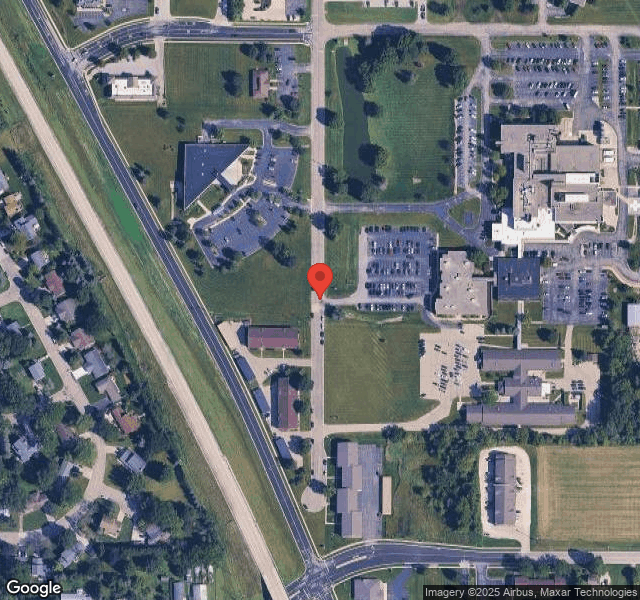
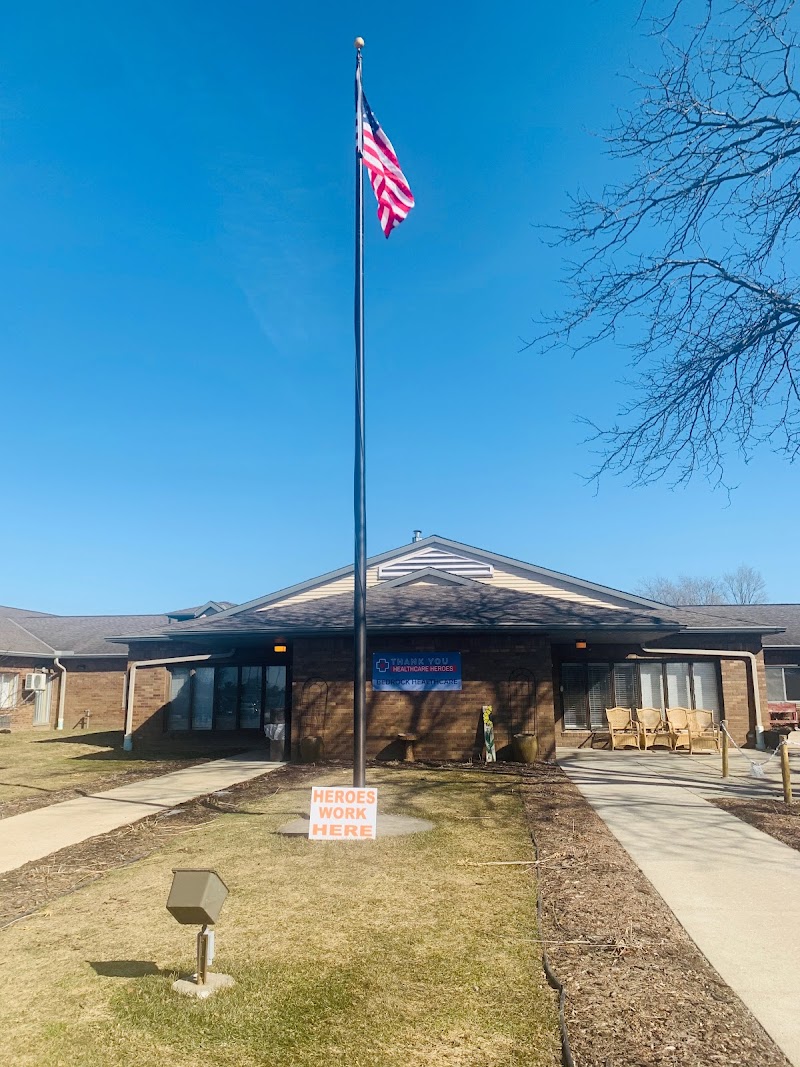
121 HOSPITAL DR, WATERTOWN, WI 53098 (920) 261-9220
For profit - Limited Liability company 112 Beds BEDROCK HEALTHCARE Data: November 2025 6 Immediate Jeopardy citations
Trust Grade
0/100
#317 of 321 in WI
Last Inspection: November 2024

Within standard 12-15 month inspection cycle. Federal law requires annual inspections.

Overview

Watertown Health Care Center has received a Trust Grade of F, indicating poor performance with significant concerns about care quality. Ranking #317 out of 321 in Wisconsin means they are in the bottom tier of facilities in the state, and they are the least favorable option in Dodge County, ranking #10 out of 10. The facility is reportedly improving, with issues decreasing from 38 in 2024 to just 1 in 2025, but it still faces serious challenges with 68 total deficiencies, including six critical incidents that could threaten resident safety. Staffing is a concern with a below-average rating of 2 out of 5 stars and a high turnover rate of 70%, which is significantly above the state average of 47%. Additionally, the facility has incurred fines totaling $278,467, which is higher than 91% of Wisconsin facilities, indicating ongoing compliance issues. Specific incidents include a nurse failing to remove gloves and sanitize hands after administering medication, risking contamination, and residents being trapped due to improper use of bed rails without proper assessment or consent. Overall, while there are signs of improvement, the facility still has considerable weaknesses that families should carefully consider.

Trust Score
F
0/100
In Wisconsin
#317/321
Bottom 2%
Safety Record
High Risk
Review needed
Inspections
Getting Better
38 → 1 violations
Staff Stability
⚠ Watch
70% turnover. Very high, 22 points above average. Constant new faces learning your loved one's needs.
Penalties
✓ Good
$278,467 in fines. Lower than most Wisconsin facilities. Relatively clean record.
Skilled Nurses
○ Average
Each resident gets 38 minutes of Registered Nurse (RN) attention daily — about average for Wisconsin. RNs are the most trained staff who monitor for health changes.
Violations
⚠ Watch
68 deficiencies on record. Higher than average. Multiple issues found across inspections.
★☆☆☆☆
1.0
Overall Rating
★★☆☆☆
2.0
Staff Levels
★★☆☆☆
2.0
Care Quality
★☆☆☆☆
1.0
Inspection Score
Stable
2024: 38 issues
2025: 1 issues

The Good

  • Full Sprinkler Coverage · Fire safety systems throughout facility
  • No fines on record

Facility shows strength in fire safety.

The Bad

1-Star Overall Rating

Below Wisconsin average (3.0)

Significant quality concerns identified by CMS

Staff Turnover: 70%

24pts above Wisconsin avg (46%)

Frequent staff changes - ask about care continuity

Federal Fines: $278,467

Well above median ($33,413)

Significant penalties indicating serious issues

Chain: BEDROCK HEALTHCARE

Part of a multi-facility chain

Ask about local staffing decisions and management

Staff turnover is very high (70%)

22 points above Wisconsin average of 48%

The Ugly 68 deficiencies on record

6 life-threatening 3 actual harm
Feb 2025 1 deficiency
CONCERN (D) 📢 Someone Reported This

A family member, employee, or ombudsman was alarmed enough to file a formal complaint

Potential for Harm - no one hurt, but risky conditions existed

Deficiency F0569 (Tag F0569)

Could have caused harm · This affected 1 resident

Based on interview and record review, the facility did not ensure that a resident, with a personal fund deposited with the facility, had conveyance of the resident's funds within 30 days of discharge ...

Read full inspector narrative →
Based on interview and record review, the facility did not ensure that a resident, with a personal fund deposited with the facility, had conveyance of the resident's funds within 30 days of discharge and a final accounting of those funds to the individual or probate administering the resident's estate, in accordance with State law for 1 of 1 resident reviewed (R1) for trust accounts. R1 discharged from the facility on 3/25/24. R1's account was still active at facility with a balance of $2520.00. There was no conveyance of R1's account after resident discharged and no final accounting of those funds to R1's Health Care Power of Attorney (HCPOA). This is evidenced by: Facility's admission packet, dated 3/2020, includes: . Payment Policy- Payment is required one month in advance and the Facility's Business Office can provide information as to when payment is due each month. A one-month deposit of the daily rate is due upon admission. This deposit will be held in an interest-bearing account and may be applied to outstanding balances with resident and/or legal representative. If the resident is private pay and is discharged before the end of the month the resident's account will be reconciled and any outstanding debts owed to the facility will be deducted from the remaining balance. Any amount remaining after deducting what is owed to the facility will be refunded to the resident within 30 days of the date of the resident's discharge or as required by applicable state law . R1 was admitted to facility on 11/21/22. R1's primary payer source was herself (private pay). R1 discharged from the facility on 3/25/24 to go to another skilled nursing facility. On 2/19/25 at 9:42 AM, during an interview, RR D (Resident Representative), who is also R1's Health Care Power of Attorney, indicated that he had not received any accounting of the trust account and that there was a remaining balance that should have been paid back by the facility. RR D indicated he paid for all of March 2024, but R1 discharged on 3/25/24 so there were 6 days (3/26/24-3/31/24) remaining that he should be refunded for. On 2/19/25 at 10:00 AM, during an interview, BOM C (Business Office Manager) and Surveyor reviewed R1's financial funds summary indicating R1 had a remaining balance of $2520.00. BOM C indicated she was not working at the facility at the time R1 was a resident but she agreed that R1's remaining balance should have been paid out to R1's RR D within 30 days of discharging. On 2/19/25 at 11:12 AM, NHA A (Nursing Home Administrator) indicated RR D made contact with the facility several times according to documentation by previous administration. NHA A indicated the facility did send a check out to RR D the first week of December 2024 for reimbursement, but the package was returned to sender. NHA A indicated when he was looking at this today, he found an error in the mailing address. NHA A indicated the facility should have paid the remaining balance to RR D within 30 days of R1 discharging from the facility. NHA A indicated he will take care of this immediately. NHA A indicated BOM C is new in her role and will be receiving addition training along with assistance completing an audit to be sure there are no other remaining balances owed by the facility.
Nov 2024 15 deficiencies 2 IJ (1 facility-wide)
CRITICAL (J)

Immediate Jeopardy (IJ) - the most serious Medicare violation

Deficiency F0694 (Tag F0694)

Someone could have died · This affected 1 resident

**NOTE- TERMS IN BRACKETS HAVE BEEN EDITED TO PROTECT CONFIDENTIALITY** Based on interview and record review, the facility did not ensure that parenteral medications were administered consistent with ...

Read full inspector narrative →
**NOTE- TERMS IN BRACKETS HAVE BEEN EDITED TO PROTECT CONFIDENTIALITY** Based on interview and record review, the facility did not ensure that parenteral medications were administered consistent with professional standards of nursing practice for 1 of 1 resident (R29) reviewed for parenteral medications. R29 was readmitted to the facility on [DATE] with a midline for IV (intravenous) antibiotic treatment following a diagnosis of sepsis secondary to urinary tract infection with E. coli bacteremia (bacteria in the blood). On 7/27/24, LPN P (Licensed Practical Nurse) attempted to flush the midline and was unable to, noting that some of the normal saline ran down R29's arm. LPN P reported this to RN O (Registered Nurse) around 2:20 PM on 7/27/24. RN O did not complete an immediate assessment and when he did complete an assessment, he found the line to appear infiltrated (catheter delivering fluid into tissues instead of the vein). RN O attempted to remove the catheter without a physician order, and the midline broke, retaining a piece of catheter in R29's left arm. R29 was then sent to the emergency room at 11:30 PM that night, 9 hours after the initial concern was raised by LPN P. R29 was found to have a 10 cm (centimeter) length of catheter retained in her upper arm that required a surgical procedure to remove it. After several failed attempted procedures and a long referral process, R29 finally had the catheter removed on 10/7/24. The facility's failure to monitor and document monitoring of the midline site, to measure and record the measurement of the midline, to notify the provider following LPN P's concern of the midline not flushing, to complete a timely RN assessment following notification of a problem with the midline, and conduct removal procedures according to policy and current standards of practice caused R29 to retain 10 centimeters of midline catheter within her brachial vein. This put R29 at risk for pulmonary embolism (blockage of lung vessels by the catheter), stroke, or death. This created a finding of Immediate Jeopardy beginning on 7/27/24. NHA A (Nursing Home Administrator) and DON B (Director of Nursing) were informed of the finding of Immediate Jeopardy on 11/11/24 at 1:23 PM. The immediacy was removed on 11/13/24 and continues at a severity/scope level of D (potential for more than minimal harm/isolated) as the facility continues to implement its removal plan. This is evidenced by: The facility policy titled, Intravenous Therapy, dated 10/1/22, states in part: .Compliance Guidelines: . 8. IV sites are changed every seventy-two (72) hours unless otherwise ordered by the physician, if the site becomes infiltrated, or if the resident exhibits signs and symptoms of phlebitis. 9. In the event an IV is left in place longer than seventy-two hours, IV site care will be done every twenty-four (24) hours . 13. IV sites are checked every shift or as per facility policy and PRN (as needed) for signs and symptoms of infection or inflammation .14. The nurse will assess for associated risks due to IV fluid administration such as: a. infiltration b. bruising c. embolism (air or blood) d. phlebitis . 15. IV documentation is recorded in the nurses' notes and/or Medication Administration Record. 16. The nurse will notify the practitioner to assess the need for continuation of the catheter if not being used for IV fluids or medication and will discontinue as per the practitioner's order . The facility policy titled, Midline Catheter Flushing-Lock-Removal, dated 11/28/23, states in part: Policy: It is the policy of this facility to ensure that midline catheters are flushed, locked and removed consistent with current standards of practice . Compliance Guidelines: . 2. Midline catheters will be flushed and aspirated for blood return prior to each infusion to assess catheter and functionality and prevent complications . 5. The catheter will be locked after the final flush to prevent catheter occlusion if used intermittently. If it is a multilumen catheter, all lumens must be flushed regularly . 7. The facility will use a flush such as a heparin flush solution or preservative-free normal saline solution to lock the catheter as per facility protocol. 8. Syringes no smaller than 10 mL (milliliters) should be used when assessing patency to avoid catheter damage . 10. Midline catheter removal will be performed by the practitioner or nurse in accordance with facility policy and your state's nurse practice act. 11 . Obtain a physician's order for removal. Removal: 1. Verify the physician's orders . 6. Place resident in sitting or recumbent position. 7. Carefully remove the dressing and dispose in appropriate receptacle. 8. Remove stabilization device or sutures, if present . 10. Hold sterile gauze over insertion site and with dominant hand remove the catheter using gentle, even pressure . 11. Have the resident perform the Valsalva maneuver unless contraindicated, or exhale as the last segment of the catheter is withdrawn to prevent an air embolism. 12. Apply pressure to the site with gauze for about 30 seconds or hemostasis is achieved. 13. Apply a petroleum-based ointment to the exit site and cover with an occlusive gauze dressing or a transparent semipermeable dressing for at least 24 hours. 14. Label the dressing with date and initials. 15. Encourage resident to lie flat or reclining for at least 30 minutes to reduce risk for air embolism. 16. Inspect the catheter to ensure that the tip is intact and not damaged and entire length of catheter has been removed . 20. Document the procedure . According to the National Library of Medicine, midline peripheral catheters have a large catheter (16-18 gauge) that allows for rapid infusions. Midline catheters are typically inserted into the basilic, cephalic, or brachial veins of the upper arm with the proximal tip placed near the level of the axilla (armpit). They are much longer and inserted deeper than a peripheral IV (intravenous access), but do not extend into a central vessel, so are not considered a central line. (Source: https://www.ncbi.nlm.nih.gov/books/NBK594499/) According to the Center for Disease Control and Prevention's (CDC) recommendation for catheter education, training, and staffing, healthcare personnel should be educated regarding maintenance of intravascular catheters. Periodic assessment of knowledge of and adherence to guidelines for all personnel involved in the insertion and maintenance of intravascular catheters should be conducted. Additionally, designate only trained personnel who demonstrate competence for the insertion and maintenance of peripheral and central intravascular catheters. The CDC also recommends evaluation of the catheter insertion site daily by palpation to discern tenderness and by inspection. They also recommend removal of peripheral venous catheters if the patient develops signs of phlebitis (vein inflammation), infection, or a malfunctioning catheter, along with promptly removing any intravascular catheter that is no longer essential. The CDC's recommendations for dressings include not submerging the catheter site in water. (Source: https://www.cdc.gov/infection-control/hcp/intravascular-catheter-related-infections/summary-recommendations.html) R29 was admitted to the facility on [DATE], with diagnoses that include, in part: encounter for orthopedic aftercare, chronic obstructive pulmonary disease, type 2 diabetes mellitus, congestive heart failure, partial traumatic amputation of right foot, and acute osteomyelitis, right ankle and foot. R29's most recent Quarterly Minimum Data Set (MDS) with a target date of 9/6/24, documents a Brief Interview for Mental Status (BIMS) score of 15 out of 15, which indicates the resident is cognitively intact. On 7/17/24, R29's Hospital Discharge paperwork states that she was admitted for sepsis secondary to a urinary tract infection with E. coli bacteremia. While in the hospital, the resident had a midline placed in her left upper arm for antibiotic administration. On 7/20/24, R29 was discharged from the hospital and readmitted to the facility with the midline in place for continued antibiotic administration. NP FF (Nurse Practitioner) wrote a note with a date of service of 7/21/24 with an assessment and plan for history of UTI (urinary tract infection) and sepsis is to continue meropenem (antibiotic) for a total of a five-day course and to monitor for any signs of infection recurrence or complications. R29's Physician Orders for July 2024, state in part: Ertapenem Sodium Injection Solution Reconstituted 1 GM (Gram) (Ertapenem Sodium) Use 1 vial intravenously in the morning for E. coli in blood (bacteremia) for 55 days Give intravenous via midline in LUE (Left Upper Extremity) Heparin Sod (Sodium) Lock Flush Intravenous Solution (Heparin Sodium (Porcine) Lock Flush) Use 5 cc (cubic centimeters) intravenously one time a day for Midline Left AC (antecubital space, space inside of elbow) Normal Saline Flush Intravenous Solution 0.9% (Sodium Chloride Flush) Use 10 ml intravenously every day shift for Flush Midline before and after IV ABT (Antibiotic) administration. (Of note: The Medication Administration Record (MAR) and Treatment Administration Record (TAR) from July 2024, contains no documentation or orders regarding dressing changes, midline site assessment, measurement, or monitoring.) R29's Comprehensive Care Plan states in part: Focus: Potential for infection/complication r/t (related to): IV use for ABO (antibiotic) for bacteremia. Date initiated: 7/22/24. Goal: Will be free from signs and symptoms of infection. Date initiated: 7/23/24. Target Date: 12/10/24. Interventions: Administer IV fluids/medications per MD (medical doctor) order, Change IV tubing, dressings, and caps according to line type change schedule in IV order set or more frequently as needed. Monitor for infiltration. Monitor IV site for s/s (signs and symptoms) of infection: redness, inflammation, drainage, irritation to the vein. Notify physician of any abnormalities. PICC. All interventions initiated on 7/22/24. (Of note: The care plan lists the wrong catheter type and does not include basic midline site care such as protecting the Tegaderm or bandage when showering, changing the dressing, or maintaining a measurement of how long the catheter is from the site.) NP FF wrote a note with a date of service of 7/22/24 that states R29 reported midline IV site discomfort. The assessment and plan for the IV site discomfort is to continue to use the midline as it flushes without resistance and no erythema or swelling is present, monitor the site for any signs of infection or complications, provide patient education on proper care of the midline site. R29's Medication Administration Record indicates she was administered her prescribed Ertapenem (antibiotic) as ordered from 7/21/24 to 7/25/24. On 7/25/24 at 00:30 (12:30 AM), a progress note was written by LPN CC which states: Res (resident) continues to receive IV abt (antibiotic) as ordered for bacteremia. No adverse reaction noted. (Of note: No progress notes regarding resident's midline are written on 7/26/24) On 7/27/24 at 14:24 (2:24 PM), a progress note was written by LPN P which states: Writer went in to flush res (resident) mid line. Res mentioned that it might not flush, because last flush res had had went back down arm. Writer attempted a flush with scant amount of NS (normal saline) but NS just rolled down res arm instead. Writer updated [Name] RN O to assess IV. (Of note: There are no notes written about the previous flush attempt where the midline was not working correctly and the saline ran down R29's arm.) On 11/7/24 at 1:50 PM, Surveyor interviewed LPN P. LPN P indicated she was working on 7/27/24, but no longer works at this facility. LPN P stated that she gave report to RN O about 2:20 PM, regarding the midline not flushing. LPN P stated she can't remember any additional information about the incident. On 7/27/24 at 23:34 (11:34 PM), a progress note was written by RN O which states: Writer started process of removing midline from resident. Upon removal of dressing and assessment of skin, unable to locate midline lumen insertion point. Writer determines midline has broken off into vein, coinciding with earlier reports from dayshift LPN P [Name] that midline did not flush. Area cleansed, dressed with gauze and tape. On 11/6/24 at 4:35 PM, Surveyor interviewed RN O. RN O described the standard of practice for both administering IV medication and removing a midline. Surveyor asked RN O what R29's midline site looked like when he entered the room. RN O states that it looked swollen and bruised and appeared to be infiltrated, and that he was going to remove it. As he pulled the Tegaderm off, the catheter broke and some of the catheter was still in R29's skin. Surveyor asked RN O if he received any education or training from the facility prior to caring for R29's midline. RN O stated no. Surveyor asked RN O if he completed any competency checks prior to caring for R29's midline. RN O stated no. On 11/7/24 at 3:00 PM, Surveyor interviewed RN O for the second time. Surveyor asked RN O if he had obtained an order to remove the midline. RN O indicated he would never remove a midline without an order. Surveyor asked RN O who he obtained the order from. RN O stated he doesn't remember. Surveyor asked RN O if he obtained a telephone or verbal order, should that order have been transcribed into the electronic medical record. RN O stated yes, but that he was too busy trying to transfer R29 to the emergency department. Surveyor asked RN O what he did after the Tegaderm was removed and the piece had broken off. RN O indicated he covered the site with a 4x4 sterile gauze and tape and notified the provider immediately. (Of note: LPN P reported to RN O around 2:20 PM that R29's midline was not flushing. R29 was not assessed, provider was not notified, and R29 was not sent out until around 11:30 PM, 9 hours after discovery of the problem. Additionally, there is no record of an order being given to remove the midline.) On 7/27/24 at 23:32 (11:32 PM), a triage note was written by RN DD, who is employed by an outside hospital. This note states: The patient comes from [Facility Name] after the nurse was removing her midline and part of it was missing. The patient brought the external piece of the midline and states the internal part is still in her. The patient denies any pain to that area of her arm. On 7/28/24, an x-ray was taken confirming 10 cm of a linear radiopaque density is found in R29's left upper extremity. On 7/28/24 at 01:41 (1:41 AM), a note was written by DO (Doctor of Osteopathic Medicine) EE, who is also employed by an outside hospital. This note states in part: . She had a midline catheter placed so that she could complete her course of meropenem at home for her E coli bacteremia. This was stopped however yesterday when the catheter was flushed her arm swelled up. Then today the hub of the catheter broke off without the rest of the catheter coming with it. She presented today with x-ray findings of the catheter still in her arm. This note also indicates that DO EE attempted a sterile procedure utilizing local anesthesia to numb the area and an ultrasound to visualize the catheter. DO EE made an incision down to the brachial arterial sheath but was unable to identify the catheter in the brachial vein, and due to the risk to the brachial artery had to stop the procedure. On 7/28/24 at 03:53 (3:53 AM), hospital documentation shows R29 was transferred from one hospital to another outside hospital for further care and treatment. R29's discharge paperwork from the second outside hospital indicates that she was admitted from 7/28/24 to 7/30/24. Discharge diagnosis includes in part: vascular catheter issue s/p (status post) IR (interventional radiology) attempt to retrieve, which was unsuccessful. The hospital course indicates R29 reported that her midline had been flushing ok up until Friday (7/26/24) when the flush went all over. R29 also reported her midline seemed to flush fine on Thursday (7/25/24). Additionally, R29 reported that the line was to be discontinued yesterday (7/27/24) but when the RN took the band aid off, it was broken. Under the section labeled ED Course, it states in part: . IR attempted to retrieve under sedation, but unsuccessful. Per IR, she will need upper arm brachial exposure in the event of phlebitis or infection to perform a venotomy and removal of the catheter. The catheter will be very unlikely to [sic] move due to the thrombosed vein. Plan to keep in place and monitor for phlebitis or infection. Would recommend no IVs or BPs (blood pressures) to LUE (left upper extremity) . NP FF wrote a note with a date of service of 8/13/24. This note indicates an Assessment & Plan for left upper extremity pain and PICC line remnants [sic] of scheduling an appointment for vascular surgery to remove the remaining catheter and to continue to monitor the site for any signs of infection, erythema, discharge, swelling, or discoloration. NP GG's note from 10/7/24, indicates that R29 had the catheter removed on this date. On 11/7/24 at 10:40 AM, Surveyor interviewed NP FF. Surveyor asked if NP FF assessed and flushed the midline herself. NP FF stated she assessed the site but did not flush the midline. Surveyor asked NP FF if she gave an order to remove the midline. NP FF stated, I'm 100% sure someone did. Surveyor asked NP FF if she would expect staff to conduct dressing changes. NP FF indicated once every seven days or when soiled. Surveyor asked NP FF if she would expect staff to be doing measurements of the line to ensure the line wasn't migrating, which is current standard of practice. NP FF indicated she would not expect staff to measure the external line. Surveyor asked NP FF if she expects staff to document things like dressing changes or removal of the midline. NP FF stated she doesn't speak to staff expectations at the facility. On 11/7/24 at 11:57 AM, Surveyor interviewed R29. Surveyor asked R29 what her experience was like throughout this process. R29 indicated that initially she was ok since things were getting taken care of, however after she returned from the second outside hospital, she was experiencing a lot of pain and discomfort. She also indicated that this pain was worse than her normal chronic pain due to the unpredictability of pain occurrence. R29 described not knowing what kind of action or motion caused the pain so she was always surprised when it started hurting which made it worse. Surveyors requested all training, education, and competency records for all LPNs and RNs working in the facility for the past year. LPN CC last received training on managing intravenous devices on 10/5/24. A description of this training was obtained from the facility, and it does review vascular access devices, care of vascular access devices, and risks of vascular access devices. Documentation does not list any other dates this training was completed. Also of note, the facility provided a document titled, Medication Administration Competency Test that is undated. Surveyor notes only two questions that could be applicable specifically to midlines or central venous catheters and asks about heparin locks and using the SASH flushing method (Flush Saline, administer medications, Flush Saline, Administer Heparin). LPN CC has the question regarding heparin locks marked incorrect. Surveyor also notes these questions contradict each other, as the SASH method requires a heparin lock following each infusion, whereas the correct answer indicated for the heparin lock question requires this to only be done one time per day. Additionally, several documents titled, Licensed Nurse Competency were provided to Surveyor with the most recent date 2/24/24. Under the section titled, Medication Management, there are many topics including one titled, IV Therapy; no further specifics are listed, especially pertaining to midlines. No documentation of competency checks was provided regarding care of a resident with a midline. LPN P last received training on managing intravenous devices on 4/18/24. A description of this training was obtained from the facility, and it does review vascular access devices, care of vascular access devices, and risks of vascular access devices. Also of note, the facility provided a document titled, Medication Administration Competency Test that is dated 12/3/19. Surveyor notes only two questions that could be applicable specifically to midlines or central venous catheters and asks about heparin locks and using the SASH flushing method. LPN CC has the question regarding heparin locks marked incorrect. Surveyor also notes these questions contradict each other, as the SASH method requires a heparin lock following each infusion, whereas the correct answer indicated for the heparin lock question requires this to only be done one time per day. Additionally, several documents titled Licensed Nurse Competency were provided to Surveyor with the most recent dated 12/8/23. Under the section titled Medication Management, there are many topics including one titled IV Therapy; no further specifics are listed, especially pertaining to midlines. No documentation of competency checks was provided regarding care of a resident with a midline. (Of note: According to the Wisconsin Nurse Practice Act, N6.03(1), LPNs may only accept patient care assignments which the LPN is competent to perform and perform delegated acts beyond basic nursing care under the direct supervision of an R.N. or provider.) RN O also has a document titled Licensed Nurse Competency dated 8/2 with no year listed. Under the section titled, Medication Management, there are many topics including one titled, IV Therapy. RN O's records came with an undated guideline titled IV Competency without any facility designation or markings. This document contains topics related to vascular access devices, maintenance, dressing changes, and midline removal. No names, signatures, dates, or competency checks are listed on this document. There is no indication if or when this information was provided to RN O. The facility did not provide Surveyor with any documentation of competency checks regarding care of a resident with a midline for RN O. The facility provided Surveyor with an additional 17 Licensed Nurse Competency documents with the same notation under the section titled, Medication Management, there are many topics including one titled IV Therapy. Of these 17 documents, 14 had only the month and day documented, with no year. One additional Education/Training sheet was provided to Surveyor with 6 RNs, the DON (Director of Nursing), and one LPN listed that is dated 8/1/24. The IV Therapy policy is attached that is described above. However, the Midline Catheter Flushing-Lock-Removal policy is not. On 7/7/24 at 10:10 AM, Surveyor interviewed LPN N. Surveyor asked LPN N what her responsibilities were for the care of a resident with a midline. LPN N stated she flushes the midline, observes and monitors for signs of infection and pain, and makes sure everything is intact. Surveyor asked LPN N if she does dressing changes. LPN N stated, no, only the RNs do dressing changes. Surveyor asked LPN N what she would do if she noticed anything abnormal with the midline. LPN N stated she would call for another LPN/RN immediately. Surveyor asked what LPN N would do if she noticed there was bleeding, redness, or swelling at the site. LPN N stated, notify the nurse manager as soon as possible and notify the physician. Surveyor asked LPN N if she every completed a competency check for midlines. LPN N stated yes, I believe so, it was a long time ago. Surveyor asked LPN N how she knew how much fluid to flush into the midline. LPN N stated she would check the order. Surveyor asked LPN N what she looks for as she flushes a midline. LPN N stated to make sure it's flushing, if it's not blocked, and that the cap is on securely. Surveyor asked what LPN N would do if she noticed the midline was leaking. LPN N stated she would call the Nurse Practitioner, get the nurse manager to get the dressing off and check the line. Surveyor asked LPN N how she would know how long the line should be. LPN N stated the line should be measured with some documentation of how long it's supposed to be. On 11/7/24 at 10:13 AM, Surveyor interviewed RN BB. Surveyor asked RN BB how she cares for a resident with a midline. RN BB stated she monitors the site and line for signs and symptoms of infection, keeps the site clean, conducts sterile dressing changes, and makes sure the lines and dressing stay in place. Surveyor asked RN BB how she knows when the midline needs to be flushed. RN BB stated she flushed the line before and after medications, and once a shift with a heparin lock. Surveyor asked RN BB how she conducts dressing changes. RN BB stated that this is a sterile process, so sterile gloves and masks need to be worn, the site should be cleaned, and measurements should be made of the line. Surveyor asked RN BB how she knows when to do dressing changes. RN BB stated by physician order. Surveyor asked RN BB how she knows when to remove the midline. RN BB stated by physician order. Surveyor asked what RN BB would do if she found that the midline was leaking. RN BB stated she would contact the Nurse Practitioner and [Company Name] if the midline needs to be replaced. Surveyor asked RN BB if she has ever had a competency check related specifically to midlines. RN BB stated yes. Surveyor asked RN BB, who was working on R29's unit at the time of interview, if she recalled the incident with R29's midline. RN BB stated she does, and that she took care of the midline during the week on the day shift and did not notice any issues with the midline. Surveyor asked RN BB if she recalled the measurements for R29's midline, as they were not documented. RN BB stated she does not recall, but the measurements should be charted and believes this midline had the measurement markings directly on the midline. Surveyor asked RN BB how she delegates care of midlines to LPNs. RN BB stated she does not delegate this task and prefers to care for her resident's midlines herself. On 11/7/24 at 10:31 AM, Surveyor interviewed LPN F. Surveyor asked LPN F what she can do to care for a midline. LPN F stated she can't do anything with it unless they have a grenade (small ball of medication that is attached to the midline that self-administers medication). Surveyor asked LPN F if she can flush midlines. LPN F stated that she can. Surveyor asked LPN F how she knows when she's supposed to flush the line. LPN F stated she would check the order in the medication administration record. Surveyor asked LPN F how dressing changes are completed. LPN F stated that RNs do dressing changes. Surveyor asked LPN F what she would do if she noticed something different with the midline. LPN F stated she would get the RN as soon as possible to observe the site. Surveyor asked LPN F if she received any education from the facility on IVs. LPN F stated she received training on grenades. LPN F also stated they showed her how to flush and hook up the grenade with a return demonstration. LPN F stated that she has been agency staff at this facility for two years and prior to that was regular staff. LPN F estimates her last IV training to be around four years ago and said that she has not received additional training since coming back as agency staff around two years ago. Surveyor asked LPN F what she would do if she attempted to flush a line and met resistance. LPN F stated she would talk to the RN about it. On 11/7/24 at 2:50 PM, Surveyor interviewed LPN E. Surveyor asked LPN E what she does to care for midlines. LPN E stated she can't change dressings, but she can flush them and start IV medication. LPN E noted she is in school to become an RN and has documentation to show she has completed an IV therapy class in school. Surveyor asked LPN E what she checks for when caring for a resident with a midline. LPN E stated she would look for signs and symptoms of infection and that the dressing is intact. LPN E stated she would clean the port or remove the cap cover to use the line. LPN E also notes she has seen one with clamps but it's been months since she had a resident with a midline. Surveyor asked LPN E what she would do if she met resistance while trying to flush a midline. LPN E stated she would replace the cap and get a nurse manager. Surveyor asked LPN E if she would remove the midline. LPN E stated no, she is not allowed to do that and there should be an order to remove the midline. Surveyor asked LPN E if she has completed a competency check for caring for residents with a midline. LPN E stated she cannot remember, she believes it is on the [Name] outside training and that they have come around with the steps before. Surveyor asked what LPN E would do if the midline was broken or falls apart. LPN E stated she would go get the nurse manager. Surveyor asked LPN E what she would do if the midline is leaking. LPN E stated she would stop flushing and get the nurse manager as the line is probably dislodged. Surveyor asked LPN E how she knows what to flush and how much. LPN E stated she would check the order in the electronic medical record. Surveyor asked LPN E if she had ever attended a skills fair. LPN E stated no. On 11/7/24 at 2:54 PM, Surveyor interviewed LPN LL. Surveyor asked what LPN LL does to care for midlines. LPN LL stated he does not care for them, he has the RN care for them. Surveyor asked LPN LL if he monitors anything with the midline. LPN LL stated he monitors the site and dressing and if something doesn't look right he tells the RN and informs DON B. On 11/7/24 at 4:24 PM, Surveyor interviewed DON B. Surveyor asked DON B to describe the issue that occurred in July with R29's midline. DON B stated, we had an order to remove the midline, RN O removed it and realized it wasn't intact. R29 was sent out to the hospital and eventually transferred to a second hospital. R29 returned to the facility with the catheter still in her arm due to second outside hospital being unable to remove it. The facility then made referrals to get R29 the care she needed. Surveyor asked DON B if RN O had received a telephone or verbal order to remove the midline and if the order should have been transcribed into the electronic medical record. DON B stated she would have expected it to be transcribed. DON B also added that she would expect some sort of progress note or change of condition note regarding this event. Surveyor asked DON B if a midline could ever be removed without an order. DON B stated no. Surveyor asked DON B if she was aware there was no order in the electronic medical record to remove the midline. DON B stated no. Surveyor asked DON B what she would expect staff to monitor for in residents who come to the facility with a midline in place. DON B indicated she would expect staff to monitor the insertion site for infection, redness, swelling, pain, and when the line is removed to check to make sure the catheter is intact. Surveyor asked DON B if she would expect staff to notify a provider if a midline was leaking. DON B stated yes. Surveyor asked DON B what she would expect to happen after LPN P notified RN O of the midline not flushing. DON B indicated she would expect an LPN to get an RN to assess the line immediately and to notify the Nurse Practitioner right away. Surveyor asked DON B how often she expects dressing changes to be conducted. DON B stated weekly. Surveyor asked DON B where Surveyor could find that documented. DON B stated, in the TAR (Treatment Administration Record). DON B added that this comes in as an order and an RN is expected to add this into the TA[TRUNCATED]
CRITICAL (L) 📢 Someone Reported This

A family member, employee, or ombudsman was alarmed enough to file a formal complaint

Immediate Jeopardy (IJ) - the most serious Medicare violation

Infection Control (Tag F0880)

Someone could have died · This affected most or all residents

⚠️ Facility-wide issue

**NOTE- TERMS IN BRACKETS HAVE BEEN EDITED TO PROTECT CONFIDENTIALITY** Example 4: LPN N did not remove gloves and cleanse hands following administration of insulin. LPN N contaminated a medication cu...

Read full inspector narrative →
**NOTE- TERMS IN BRACKETS HAVE BEEN EDITED TO PROTECT CONFIDENTIALITY** Example 4: LPN N did not remove gloves and cleanse hands following administration of insulin. LPN N contaminated a medication cup with her finger. On 11/6/24 at 9:20 AM, Surveyor observed LPN N performing medication administration. LPN N donned gloves and administered insulin to R32. Following the medication administration, LPN N touched the following with her contaminated gloves: R32's door and the medication cart. LPN N then removed and disposed of gloves. LPN N touched computer keyboard and med cart drawer following removal of gloves. Surveyor intervened and asked LPN N if there was anything that should be done following administration of insulin. LPN N stated that gloves should have been removed and hands sanitized prior to touching any items. LPN N went on to take R32's oral medications from the medication cart. LPN N picked up a medication cup and flipped it upright by placing her index finger inside the cup. LPN N then placed a medication card onto the cup and positioned the card to dispense the medication into the cup. Surveyor asked LPN N where medication cups should be touched by staff. LPN N stated on the outside near the bottom. Surveyor asked if it is ok to touch inside the cup. LPN N stated no. On 11/6/24 at 11:13 AM, Surveyor interviewed DON B (Director of Nursing) who indicated that gloves are to be removed and hand hygiene performed following insulin administration and prior to touching other things. DON B indicated that medication cups are to be handled from the outside and fingers are not to touch the inside of the cup. Example 3: The facility policy Hand Hygiene not dated, states in part: All staff will perform proper hand hygiene procedures to prevent the spread of infection to other personnel, residents, and visitors . Staff will perform hand hygiene when indicated, using proper technique consistent with the accepted standards of practice. On 11/6/24 at 9:30 AM, Surveyor observed RN M (Registered Nurse) perform wound care for R43. During the observation, RN M removed the old dressing from R43's left lower leg. R43 has two separate wounds on her left leg, one on the posterior (back) left calf and one on the anterior (front) left leg. RN M washed and dried the posterior wound then proceeded to wash and dry the anterior wound. It is important to note, RN M did not perform hand hygiene in between caring for the two separate wounds. On 11/6/24 at 9:39 AM, Surveyor interviewed RN M regarding hand hygiene during wound care. RN M indicated since the two wounds on R43 were in different locations, she should have treated the wounds separately. RN M indicated she should have performed hand hygiene after treating the posterior left calf wound before proceeding to the anterior left leg wound. On 11/6/24 at 9:39 AM, Surveyor interviewed DON B (Director of Nursing) regarding hand hygiene during wound care. DON B indicated the two wounds on the left leg should have been treated separately. DON B indicated RN M should have performed hand hygiene after treating the posterior left calf wound before treating the anterior left leg wound. Based on observation, interview, and record review, the facility does not have an effective infection control program to control the spread of infectious disease, in this case COVID-19; this has the potential to affect all 71 residents residing at the facility. Staff were observed going in and out of COVID positive rooms without appropriate PPE (Personal Protective Equipment). Staff were observed exiting COVID positive room with PPE on and doffing PPE in the hallway. Staff were observed not using source control. Staff were working with COVID symptoms and not tested. Facility is not utilizing dedicated equipment in COVID positive resident rooms. Privacy curtains are not being pulled between COVID positive and COVID negative residents. Staff were observed working with a COVID positive resident and then with same PPE about to work with a resident who was COVID negative. Observations of COVID positive residents smoking outside with non-COVID positive residents and not six feet apart. Food cart was left with the door open in front of a COVID positive resident room, the resident was sitting in the doorway of the room and coughing without using cough etiquette. The facility did not offer residents the most recent COVID-19 vaccine. The facility did not offer residents antiviral (drug or treatment effective against viruses) medication. The facility's failure to ensure appropriate infection control practices are in place and followed during a COVID-19 outbreak, created a finding of immediate jeopardy that began on 11/4/24. Surveyor notified NHA A (Nursing Home Administrator) of the immediate jeopardy on 11/11/24 at 1:23 PM. The immediate jeopardy was removed on 11/11/24, however, the deficient practice continues at a scope/severity of F (potential for more than minimal harm/widespread) as evidenced by the following: The facility did not have complete water management control measure documentation. Poor hand hygiene was observed with wound care and medication administration. This is evidenced by: The facility's Policy and Procedure titled Infection Prevention and Control Program dated 10/1/22, documents in part: This facility has established and maintains an infection prevention and control program designed to provide a safe, sanitary, and comfortable environment and to help prevent the development and transmission of communicable diseases and infections as per accepted national standards and guidelines .4. Standard Precautions: a. All staff shall assume that all residents are potentially infected or colonized with an organism that could be transmitted during the course of providing resident care services. b. Hand hygiene shall be performed in accordance with our facility's established hand hygiene procedures. c. All staff shall use protective equipment (PPE) according to established facility policy governing the use of PPE. d. Licensed staff shall adhere to safe injection and medication administration practices, as described in relevant facility policies .5. Isolation Protocol (Transmission-Based Precautions): a. A resident with an infection or communicable disease shall be placed on transmission-based precautions as recommended by current CDC (Center for Disease Control and Prevention) guidelines. b. Residents will be placed on the least restrictive transmission-based precaution for the shortest duration possible under the circumstances. c. When a resident on transmission-based precautions must leave the resident care unit/area, the charge nurse on that unit/area shall communicate to all involved departments the nature of the isolation and shall prepare the resident for transport in accordance with current transmission-based precaution guidelines . The facility's Policy and Procedure titled Infection Outbreak and Response dated 10/1/22, documents in part: .Outbreak generally refers to the occurrence of more cases of a communicable disease than expected in a given area or among a specific group of people over a particular period of time .2. Implementation of infection control measures: a. Symptomatic employees will be screened by the Infection Preventionist, or designee, and referred to appropriate medical provider. c. Standard precautions will be emphasized. Transmission-based precautions will be implements as indicated for the particular organism . The facility's COVID-19 Outbreak timeline documents the following: On 10/25/24, there was one resident with a cough, he tested positive for COVID. The facility updated his care plan, started COVID monitoring, tested residents on south side, and staff on that side of facility to test every two days. On 10/27/24, all residents on south side of facility were tested, all were negative. On 10/28/24, R63 tested positive on the south side of the facility. On 10/29/24, R329 and R37 tested positive on the north side of the facility and R14, R36, R24, and R64 tested positive on the south side of the facility. NM H (Nurse Manager) and LPN E (Licensed Practical Nurse) tested positive on this date as well. The facility identified this as an outbreak, hung signage on front door, initiated use of well-fitting mask throughout facility, updated care plans, started COVID monitoring, dietary began utilizing disposable dishware for positive residents, Activities distanced residents as needed, Therapy saw positive resident last, housekeeping increased their cleaning of high touch areas (light switches, door knobs, door frames, and handrails), testing for all staff and residents to be done every 2 days, families and providers updated, and updated Public Health. On 10/30/24, CNA I (Certified Nursing Assistant) tested positive. On 10/31/24, R130, R330, and R49 tested positive on the north side of the facility and R67, R66, and R26 tested positive on the south side of the facility. BOM RR (Business Office Manager) and SLP SS (Speech/Language Pathologist) tested positive on this date. On 11/2/24, R56 tested positive on the north side of the facility and R2 and R18 tested positive on the south side of the facility. On 11/3/24, R48 tested positive on the south side of the facility. On 11/4/24, R34 tested positive on the south side of the facility and LPN J tested positive. On 11/6/24, all residents tested, all negative, first round of no new positives. Staff Line List documents the following: On 10/2/24, LPN J (Licensed Practical Nurse) is listed as having a headache/migraine. There is no documentation that a COVID test was completed. On 10/4/24, NM H (Nurse Manager) is listed as having a headache. There is no documentation that a COVID test was completed. On 10/29/24, NM H tested positive for COVID, line list documents that symptoms started 10/25/24. NM H's punch detail documents that she worked 10/25/24 and 10/28/24, eight hours each day with a COVID positive test result on 10/29/24. On 10/29/24, LPN E tested positive for COVID, the staff line list documents that symptoms started on 10/27/24. LPN E's punch detail documents that she worked 10/29/24 the beginning half of the shift with COVID positive result on 10/29/24. On 10/30/24, CNA I (Certified Nursing Assistant) tested positive for COVID, the staff line list documents that symptoms started 10/29/24. CNA I's punch detail documents that she worked on 10/29/24 with COVID positive result on 10/30/24. On 11/4/24 at 11:56 AM, Surveyor observed CNA K enter R64's room. On the wall outside R64's room was an infection control sign indicating COVID precautions for R64's room. The infection control sign indicated staff should wear eye protection, N95 mask, gown, and gloves when entering the room. CNA K was wearing a surgical mask, gown, and gloves. On 11/4/24 at 12:00 PM, Surveyor interviewed CNA K regarding the required PPE (Personal Protective Equipment) when entering a COVID positive room. CNA K read the infection control sign outside the door indicating she should wear eye protection, N95 mask, gown, and gloves when entering the room. Surveyor asked CNA K if she should have put on eye protection and an N95 mask prior to entering the room. CNA K indicated she should have applied the appropriate PPE but did not. On 11/4/24 at 11:56 AM, Surveyor observed CNA L enter R67's room. On the wall outside R67's room was an infection control sign indicating COVID precautions for R67's room. The infection control sign indicated staff should wear eye protection, N95 mask, gown, and gloves when entering the room. CNA L was wearing a surgical mask, gown, and gloves. On 11/4/24 at 12:00 PM, Surveyor interviewed CNA L regarding the required PPE when entering a COVID positive room. CNA L read the infection control sign outside the door indicating he should wear eye protection, N95 mask, gown, and gloves when entering the room. Surveyor asked CNA L if he should have put on eye protection and an N95 mask prior to entering the room. CNA L indicated he should have applied the appropriate PPE but did not. On 11/4/24 at 2:02 PM, Surveyor observed CNA T (Certified Nursing Assistant) don (put on) 2 surgical masks and an N95 over the top of the surgical masks, a gown, and gloves. Then CNA T entered R14's room to assist R14 who was COVID positive. (It is important to note CNA T did not don eye protection and had on a total of 3 masks.) On 11/4/24 at 12:00 PM, Surveyor observed R36 watching TV with the room curtain divider pulled back. R36 is COVID positive and R36's roommate, R30, is not. On 11/4/24 at 2:56PM, CNA T (Certified Nursing Assistant) answered the call light for R30. Surveyor observed CNA T put on gown, gloves, and a face shield. Surveyor observed CNA T wear a surgical facemask and enter R30's room. CNA T walked past R36's side of the room. R36 is R30's roommate and is COVID positive. CNA T came out of the room and still had the surgical facemask on. Surveyor asked who CNA T assisted. CNA T indicated she answered call light for R30 and R30 is not COVID positive. CNA T indicated she puts on the full PPE for precaution since R30's roommate is COVID positive. CNA T indicated if she was assisting someone who is COVID positive she will don all PPE, gown, gloves, face shield, 2 surgical face masks, and 1 N95. CNA T indicated she wears the 3 face masks for extra protection. CNA T indicated staff are constantly reminding R36 to keep his facemask above his nose when he is out in common areas. On 11/4/24 at 12:11 PM, Surveyor interviewed LPN F (Licensed Practical Nurse) regarding appropriate PPE for COVID positive rooms. LPN F indicated staff should wear eye protection, N95 mask, gown, and gloves when entering a COVID positive room. On 11/7/24 at 3:21 PM, Surveyor interviewed DON B (Director of Nursing) regarding appropriate PPE for COVID positive rooms. DON B indicated staff should wear eye protection, N95 mask, gown, and gloves when entering a COVID positive room. DON B was aware of Surveyor's observations of CNA K (Certified Nursing Assistant,) CNA L, and CNA T. DON B indicated the CNAs should have worn eye protection and an N95 mask when entering the COVID positive rooms. On 11/4/24 at 2:02 PM, Surveyors observed 5 residents smoking in a circle outside. Residents were not 6 feet apart and two of the residents were positive for COVID. On 11/07/24 05:51 PM, Surveyor interviewed DON B (Director of Nursing) regarding COVID positive residents going outside to smoke. DON B indicated COVID positive residents should go out to smoke separately but if the COVID positive residents go outside to smoke with COVID negative residents, then they should stay 6 feet apart. On 11/5/24 at 11:32 AM, Surveyor observed two staff members bring a meal tray cart onto the 200 unit. The cart was placed within six feet of the door to the right of R49's room who was COVID positive. At the time, R49 was sitting in his wheelchair in the threshold of his doorway, not wearing a mask, and actively coughing. Staff members were passing trays and leaving the tray cart door open at this time. On 11/5/24 at 11:39 AM, Surveyor observed the tray cart moved from the right to the left of R49's room. The tray cart was still within six feet of the resident, and at this time within arm's reach. R49 remained in the threshold of his doorway and was still actively coughing without a mask. On 11/5/24 at 11:41 AM, DSS W (Director of Social Services) came onto the unit and moved the tray cart down to the other end of the hall away from R49. On 11/5/24 at 11:43 AM, Surveyor observed DSS W exit R330's room, who was COVID positive, still wearing all her PPE. Surveyor observed DSS W doff all her PPE in the hallway and dispose of her PPE in the medication cart trash can. On 11/5/24 at 11:54 AM, Surveyor interviewed DSS W. Surveyor asked DSS W if she was passing trays on the 200 hall. DSS W stated yes. Surveyor asked DSS W if she passed a tray to R330's room who is on special isolation precautions for COVID. DSS W stated yes. Surveyor asked DSS W if she walked out of the room with all her PPE on. DSS W stated yes. Surveyor asked DSS W if she should have doffed her PPE prior to exiting R330's room. DSS W stated yes. On 11/6/24 at 8:05 AM, Surveyor observed LPN N (Licensed Practical Nurse) leave R56's bedside, go into the resident's bathroom, remove gloves, cleanse hands, and don new gloves. R56 is COVID positive. LPN N then walked to R56's roommate's side of the room, past the privacy curtain. Surveyor intervened as LPN N passed around the corner of R56's roommate's bed and asked LPN N to come to the doorway. Surveyor asked LPN N if she was going to see R56's roommate. LPN N stated yes. Surveyor asked why LPN N was wearing PPE in the room. LPN N stated that R56 has COVID and is on precautions. Surveyor asked if PPE worn with a COVID positive resident could be worn with another resident. LPN N stated no. LPN N removed the PPE, cleansed hands, and went to the medication cart. LPN N pushed the medication cart to the next room down the hall and opened the medication cart and began preparing medications. Surveyor asked if any PPE was required to be worn by staff while in the hallways of the building due to the COVID outbreak. LPN N stated yes, a surgical mask. Surveyor asked LPN N if she was wearing a mask at the present time. LPN N took a mask from the isolation cart in the hallway and applied the mask. On 11/7/24 at 8:24 AM, Surveyor interviewed DON B (Director of Nursing) who indicated that the preferred order to see residents sharing a room is to see the resident without COVID first, then remove PPE, cleanse hands, apply new PPE, then see the COVID positive resident. DON B stated that after seeing a COVID positive resident, PPE must be removed and hand hygiene must be performed. DON B stated that a surgical mask needs to be worn by staff in the building while there is a COVID outbreak. On 11/5/24 at 4:47 PM, Surveyor interviewed HLS Q (Housekeeping and Laundry Supervisor). Surveyor asked HLS Q if the cleaning products they use are good for COVID; HLS Q stated yes. Surveyor asked HLS Q what surfaces are they cleaning with these products; HLS Q said all high touch areas (doorknobs, light switches, doorframes, handrails). Surveyor asked HLS Q if cleaning changed once there was a COVID outbreak; HLS Q stated yes, we increased cleaning of high touch areas by one time per day (already being done three times per day regularly). On 11/6/24 at 3:08 PM, Surveyor interviewed LPN/IP G (Licensed Practical Nurse/Infection Preventionist). Surveyor asked LPN/IP G once the facility had a positive COVID resident in the building, were residents who declined the vaccine to use a mask; LPN/IP G stated all residents were encouraged to wear a mask. Surveyor asked LPN/IP G if there was consultation about beginning an antiviral medication; LPN/IP G said she had spoken to their Medical Director prior to this outbreak and the medical director didn't seem to want to go there. Surveyor asked LPN/IP G if masks are being offered to residents when the residents are out of their rooms; LPN/IP G stated yes, not all residents are compliant. Surveyor asked LPN/IP G what PPE is to be worn in COVID positive rooms, LPN/IP G replied gown, gloves, N95, and eye protection. Surveyor asked LPN/IP G what PPE is to be worn throughout the facility when not in a COVID positive room; LPN/IP G said a well-fitting mask (surgical mask). Surveyor asked LPN/IP G if it is acceptable to wear two surgical masks with an N95 over the top, LPN/IP G stated no. On 11/7/24 at 11:32 AM, Surveyor interviewed LPN/IP G again. Surveyor asked LPN/IP G if COVID boosters/vaccines have been offered, LPN/IP G explained they offer, on admission, then for the next three days if they refuse, if still refused then offered quarterly. Surveyor asked LPN/IP G if NM H had symptoms that started 10/25/24, should she have tested on [DATE]? LPN/IP G stated yes, she should have. LPN/IP G stated she was unsure if she had access to testing. Surveyor asked LPN/IP G if she didn't have access to testing 10/25/24, should she have tested on [DATE] before working; LPN/IP G said yes. On 11/7/24 at 4:36 PM, Surveyor interviewed DON B (Director of Nursing). Surveyor asked DON B when would you expect a staff member to test for COVID if they have symptoms? DON B said when the symptoms start. Surveyor asked DON B if she would expect staff to be working if they have COVID symptoms; DON B stated no, they should test before they work. The facility's failure to ensure appropriate infection control practices are in place and followed during a COVID-19 outbreak created a reasonable expectation of serious outcome resulting in a finding of immediate jeopardy. The facility removed the immediate jeopardy on 11/11/24 when the facility completed the following: ~A record review was completed on all residents to ensure no unreported signs and symptoms of infection were present. ~An audit was completed on all residents COVID-19 vaccination status with vaccines offered if appropriate. ~All staff had a competency completed on DONNing and DOFFing PPE as well as hand hygiene and will be completed prior to next shift worked. ~All staff were educated on the appropriate use of PPE on all types of precautions and COVID specific precautions to include donning gown, gloves, mask, and eye protection when entering COVID positive rooms, and removing PPE prior to leaving the resident room. ~Education also included not wearing a surgical mask under a N95 and that surgical masks are to be worn in the halls during a COVID outbreak. ~All staff were education on appropriate hand hygiene. ~All nursing staff were educated on offering Antiviral medications for residents with a positive COVID result and offering the most recent COVID vaccines. ~All staff were educated on the use of privacy curtains in positive COVID rooms as well as disinfecting equipment and doffing PPE after working with a COVID positive resident. ~All staff were educated on taking COVID positive smoking residents out separately than non-positive smoking residents. ~All staff were educated on dining carts cannot be left open during meal tray pass in the hallways. ~All staff were educated on testing for COVID prior to working if symptoms are present. Education will be completed prior to next shift worked. ~Infection Control and vaccines policy and procedures were reviewed with no updates at this time. ~DON or designee will audit 5 residents weekly x8 weeks to ensure residents are up to date with current COVID-19 vaccinations. ~DON or designee will audit 5 employees weekly x8 weeks to ensure appropriate DONNing/DOFFing PPE, privacy curtains are being closed in a COVID positive room and appropriate hand hygiene is being completed. ~Dietary Manager or designee will complete 5 observations weekly x8 weeks to ensure dining carts are being closed during meal tray pass in the hallways. ~SSD or designee will complete 5 observations weekly x8 weeks to ensure COVID positive residents are being taken out after non COVID residents have finished smoking. ~Audits will be reported and reviewed to QAPI for further direction. Example 2: The facility is lacking documentation on the water management control measures. The facility's Policy and Procedure titled Infection Prevention and Control Program dated 10/1/22, documents in part: .16. Water Management .b. Control measures and testing protocols are in place to address potential hazards associated with the facility's water systems. c. The Maintenance Director serves as the leader of the water management program . The facility's Water Management Plan has multiple control measures in it that are to be tested on a regular basis. Testing/documentation of testing of these control measures are in place until May or July. On 11/7/24 at 3:30 PM, Surveyor interviewed AIT S (Administrator in Training). Surveyor asked AIT S why the documentation for the control measures stop in either May or July? AIT S explained that the facility has been without a full-time Maintenance Director since July, they do have Maintenance from other facilities or their Corporate Office covering but the documentation has not been completed.
CONCERN (D)

Potential for Harm - no one hurt, but risky conditions existed

Resident Rights (Tag F0550)

Could have caused harm · This affected 1 resident

**NOTE- TERMS IN BRACKETS HAVE BEEN EDITED TO PROTECT CONFIDENTIALITY** Based on interview and record review, the facility did not ensure residents were treated with respect and dignity and cared for ...

Read full inspector narrative →
**NOTE- TERMS IN BRACKETS HAVE BEEN EDITED TO PROTECT CONFIDENTIALITY** Based on interview and record review, the facility did not ensure residents were treated with respect and dignity and cared for in a manner to enhance their quality of life for 1 (R5) of 3 residents reviewed for resident rights. R5 voiced concern with staff not assisting her out of bed after using the bed pan. R5 indicated the interactions with staff make her feel like a child. R5 was admitted to the facility on [DATE] with a diagnoses including stroke, anxiety disorder, major depressive disorder, pain, adult psychological abuse, kidney failure, muscle wasting, vascular disease, and need for assistance with personal cares. R5 most recent MDS (Minimum Data Set) with ARD (Assessment Reference Date) of 10/8/24, indicates R5 has a BIMS (Brief Interview for Mental Status) score of 15 indicating R5 is cognitively intact. R5 is own person. R5's Comprehensive Care Plan, states, in part; .Focus R5 has a physical functioning deficit related to left side hemiparesis. Date initiated: 2/16/23 .Toileting: R5 uses the bedpan with assist of one for toileting .Transfer: dependent using Hoyer lift with assist of 2 . On 11/4/24 at 11:37AM, R5 indicated R5 uses a bed pan and often will need to urinate around 2pm daily. R5 indicated once she lays down to use the bed pan in the afternoon, staff will often tell her she can't get back up and to just stay down for the rest of the day. R5 indicated this happens often and R5 believes this has been reported as a concern. R5 indicated R5 will try to hold her urine so she doesn't have to lay down. R5 indicated this makes her feel like a child. R5 indicated staff will say, we aren't playing the up and down game. R5 indicated she has lived too long to be made to feel like a child. On 11/6/24 at 8:32AM, RN V (Registered Nurse) indicated R5 has voiced concerns with staff telling her she has to stay in bed after using the bedpan. RN V indicated the expectation is if a resident wants to get back up after using the bed pan that is their right to get back up. On 11/6/24 at 9:15AM, CNA Z (Certified Nursing Assistant) indicated R5 will use the bed pan around 2pm every day. CNA Z indicated she has heard R5's concern with not being assisted back up after using the bed pan around 2pm. CNA Z indicated around 2pm is shift change so AM staff may assist R5 in getting on the bed pan and then PM shift would be the staff to assist in getting R5 back up. CNA Z indicated a resident should be able to get back up and telling a resident she can't is not ok. On 11/6/24 at 10:38AM, CNA Y (Certified Nursing Assistant) indicated she is aware of R5 voicing concern with not being assisted in getting back up after using the bed pan and that R5 will ask to use the bed pan around 2pm. CNA Y indicated some staff tell her no and that she's in for the night. CNA Y indicated this frustrates R5. On 11/6/24 at 11:26AM, LPN N (Licensed Practical Nurse) indicated she is aware of R5's concern with PM staff assisting her back up after using bed pan. LPN N indicated the expectation is if a resident wants to get up staff should assist them in doing so. On 11/6/24 at 2:56PM, CNA X (Certified Nursing Assistant) indicated R5 has voiced concerns regarding staff assisting her in getting back up after using bed pan. CNA X indicated staff should assist resident in getting up if resident wants to get up. On 11/7/24 at 8:25AM, NHA A (Nursing Home Administrator) and DSS W (Director of Social Services) indicated it is expected that staff assist resident if they want to get up after using the bed pan. NHA A and DSS W indicated they will discuss with R5 what she would like her daily schedule to look like and update care plan. The facility failed to ensure all residents are treated with dignity and respect.
CONCERN (D) 📢 Someone Reported This

A family member, employee, or ombudsman was alarmed enough to file a formal complaint

Potential for Harm - no one hurt, but risky conditions existed

Deficiency F0554 (Tag F0554)

Could have caused harm · This affected 1 resident

**NOTE- TERMS IN BRACKETS HAVE BEEN EDITED TO PROTECT CONFIDENTIALITY** Based on observation, interview, and record review, the facility did not ensure that self-administration of medications was dete...

Read full inspector narrative →
**NOTE- TERMS IN BRACKETS HAVE BEEN EDITED TO PROTECT CONFIDENTIALITY** Based on observation, interview, and record review, the facility did not ensure that self-administration of medications was determined to be clinically appropriate for 1 of 1 supplemental residents (R1) investigated for self administration of medication. Surveyor observed R1 to have medication at bedside. R1 did not have a self-administration of medication assessment completed. Evidenced by: The facility policy, entitled, Resident Self Administration Medication, dated 3/1/20, states, in part: .A resident may only self-administer medications after the facility's interdisciplinary team has determined which medications may be self-administered safely.2. Resident's preference will be documented on the appropriate form and placed in the medical record. 3. When determining if self-administration is clinically appropriate for a resident, the interdisciplinary team should at a minimum consider the following: a. The medications appropriate and safe for self-administration; . g. The resident's ability to ensure that medication is stored safely and securely.7. Bedside medication storage is permitted only when it does not present a risk to confused residents who wander into the other resident's rooms or to confused roommates of the resident who self-administers medication. The following conditions are met for bedside storage to occur: a. The manner of storage prevents access by other residents. Lockable drawers or cabinets are required only if locked storage is ineffective. b. The medications provided to the resident for bedside storage are kept in the containers dispensed by the provider pharmacy. Example 1 R1 admitted to the facility on [DATE] with diagnoses which include, in part: heart failure, unspecified; chronic pain syndrome; and anxiety disorder. R1's MDS (Minimum Data Set) dated 10/22/24, indicates BIMS (Brief Interview for Mental Status) score of 15, which indicates R1 is cognitively intact. R1's Self-Administration of Medication assessment, dated 11/5/24 4:50PM, states, in part: 1. Capable of storing medications in a secure location-marked Fully capable.5. Capable of administering eye drops/ointments-marked Fully capable.12. Capable of administering nasal sprays or drops-marked N/A (Not Applicable). On 11/5/24 at 3:35 PM, RN O (Registered Nurse) stated that R1 self administers eye drop, Restasis. Surveyor observed multiple single dose vials of Restasis on R1's bedside table. On 11/6/24 at 8:40 AM, Surveyor observed Fluticasone nasal spray, Afrin nasal spray, Restasis eye drops, and artificial tears on bedside table while observing medication administration task with LPN N (licensed practical nurse). Surveyor asked R1 if facility staff had spoken with R1 about self-administration of medication and safe medication storage. R1 stated no. LPN N stated that medications for self-administration needed to be locked when in a resident room. On 11/6/24 at 11:13 AM, Surveyor interviewed DON B (Director of Nursing) who indicated that residents are allowed to self-administer medications if they have the appropriate assessment and are deemed safe. DON B indicated that the assessment needs to be done prior to the resident self-administering medications. DON B indicated that self-administered medications kept in a resident's room are to be stored in a locked drawer or a lock box. (Important to note the Self-Administration of Medication assessment for R1 was dated/timed after observation of medication at bedside and RN stating that R1 self administers. Medications were observed sitting on over the bed table at resident's bedside. There was no lock box for medication storage.)
CONCERN (D)

Potential for Harm - no one hurt, but risky conditions existed

Grievances (Tag F0585)

Could have caused harm · This affected 1 resident

**NOTE- TERMS IN BRACKETS HAVE BEEN EDITED TO PROTECT CONFIDENTIALITY** Example 2: R29 was admitted to the facility on [DATE] with diagnoses that include in part: encounter for orthopedic aftercare, c...

Read full inspector narrative →
**NOTE- TERMS IN BRACKETS HAVE BEEN EDITED TO PROTECT CONFIDENTIALITY** Example 2: R29 was admitted to the facility on [DATE] with diagnoses that include in part: encounter for orthopedic aftercare, chronic obstructive pulmonary disease, type 2 diabetes mellitus, congestive heart failure, partial traumatic amputation of right foot, and acute osteomyelitis, right ankle and foot. R29's most recent Quarterly Minimum Data Set (MDS) with a target date of 9/6/24, documents a Brief Interview for Mental Status (BIMS) score of 15 out of 15, which indicates the resident is cognitively intact. Section GG indicates R29 is dependent on staff for toileting hygiene, sit to stand, chair/bed-to-chair transfer, and toilet transfer (the ability to safely get on and off a toilet or commode.) On 11/4/24 at 1:24 PM, Surveyor interviewed R29. R29 stated her overall stay has been good, however she filed a grievance around two weekends ago because CNA X (Certified Nursing Assistant) left her on the commode for two hours. R29 stated she has not heard back. On 11/4/24 at 3:44 PM, Surveyor reviewed grievance log from October 2024. R29 had an entry from 10/21/24, that was incomplete. Surveyor notes no resolution listed, no notification date listed, and no staff was assigned as investigator on the log. On 11/4/24 at 3:46 PM, Surveyor requested all documentation regarding this grievance from NHA A (Nursing Home Administrator). On 11/4/24 at 4:02 PM, Surveyor interviewed DSS W (Director of Social Services). Surveyor asked DSS W to explain the grievance process. DSS W stated anybody can file a grievance, sometimes people write them out, but they all get turned into me, then get passed onto the manager of the unit that applies to the grievance, the result is then turned back into me in 5 days. Surveyor asked DSS W what she does if a concern is suspected to be neglect. DSS W stated that the grievance immediately goes to DON B and NHA A to see if it needs to be reported to the State Agency. Surveyor asked DSS W who is responsible for notifying the resident of the outcome of a grievance. DSS W stated the investigating staff member, but she will if that staff member has not. Surveyor asked DSS W if she recalls the grievance filed by R29 on 10/21/24. DSS W stated R29 reported that a CNA left her on the commode for 30 minutes. DSS W investigated, and CNA reported it was 20 minutes as she was assisting another resident at the time. On 11/4/24 at 4:16 PM, Surveyor interviewed NHA A. Surveyor asked NHA A to describe the grievance process. NHA A stated grievances are first turned into DSS W, and the grievances are brought right to NHA A or DON B (Director of Nursing) depending on the time and if they are reportable or not. The clinical team or department is notified, depending on the complaint. Surveyor asked NHA A who notifies the resident about the outcome of the grievance. NHA A stated the department that handled the grievance or DSS W. DSS W doesn't finish the grievance until it is completely resolved. Surveyor asked NHA A what she would do if she suspected a grievance involved allegations of neglect. NHA A stated she would report it to the state and investigate. Surveyor asked NHA A if she recalled the grievance made by R29 on 10/21/24. NHA A recalled the grievance being discussed in their Stand up meeting and it involved R29 being left on the commode for around 30 minutes waiting for assistance. NHA A also stated she believes NM H (Nurse Manager) conducted this investigation. NHA A recalled that NM H was out sick, but called CNA X and DSS W completed the rest of the investigation. On 11/4/24 at 4:26 PM, Surveyor interviewed NM H. Surveyor asked NM H to describe the grievance process. NM H stated DSS W receives grievances then distributes them to the appropriate department, that department investigates the grievances than returns the grievance to DSS W when completed. Surveyor asks what NM H does with grievances she suspects to be neglect. NM H stated these grievances go right to NHA A for reporting and investigation. Surveyor asked NM H if she recalls the grievance filed by R29 on 10/21/24. NM H stated R29 filed a grievance stating she had to wait around 20-30 minutes to get off the commode. NM H stated she interviewed CNA X and CNA X reported to her that from start to finish R29 was on the commode for around 20 minutes. On 11/5/24 at 2:14 PM, Surveyor reviewed documents provided by NHA A regarding the investigation of the grievance. Documentation corroborates staff statements regarding R29's wait time to be around 20-30 minutes. A call light audit was also conducted 10/22/24-10/25/24 with no pertinent findings. Surveyor requested copy of grievance log. On 11/7/24 at 8:34 AM, Surveyor interviewed NHA A and DSS W. Surveyor showed NHA A and DSS W the log that now had an investigator name and a resolution listed, where before it was blank. Surveyor asked NHA A when the grievance log was filled in as Surveyor had timestamped and recorded previous observation. NHA A confirms the log was filled in recently. Surveyor asked NHA A if residents should be notified of the outcome of their grievance. NHA A stated, yes. Based on interview and record review, the facility did not ensure grievances were documented and thoroughly resolved for 2 of 23 sampled residents (R5 and R29.) R5 voiced concern regarding staff not assisting her in getting back up after she uses the bed pan. R5 indicated this makes her feel like a child and staff will say, We aren't playing the up and down game. R29 voiced a concern regarding being left on the commode and filed a grievance. Staff did not follow-up with R29 regarding the resolution of the grievance. Evidenced by: The facility policy Grievances dated 3/1/19, states in part: .The facility will ensure prompt resolution to all grievances, keeping the resident and the resident representative informed throughout the investigation and resolution process .G. Any employee of this facility who receives a complaint shall immediately attempt to resolve the complaint within their role and authority .As necessary, the Grievance Official and facility leadership will take immediate action to prevent further potential violations of any resident right while the alleged violation is being investigated . Example 1: R5 was admitted to the facility on [DATE] with a diagnoses including stroke, anxiety disorder, major depressive disorder, pain, adult psychological abuse, kidney failure, muscle wasting, vascular disease, and need for assistance with personal cares. R5's most recent MDS (Minimum Data Set) with ARD (Assessment Reference Date) of 10/8/24, indicates R5 has a BIMS (Brief Interview for Mental Status) score of 15 indicating R5 is cognitively intact. R5 is own person. R5's Comprehensive Care Plan states in part: .Focus R5 has a physical functioning deficit related to left side hemiparesis. Date initiated: 2/16/23 .Toileting: R5 uses the bedpan with assist of one for toileting .Transfer: dependent using Hoyer lift with assist of 2 . On 11/4/24 at 11:37AM, R5 indicated she uses a bed pan and often will need to urinate around 2pm daily. R5 indicated once she lays down to use the bed pan in the afternoon, staff will often tell her she can't get back up and to just stay down for the rest of the day. R5 indicated this happens often and R5 believes this has been reported as a concern. R5 indicated she will try to hold urine so she doesn't have to lay down. R5 indicated this makes her feel like a child. R5 indicated staff will say, We aren't playing the up and down game. R5 indicated she has lived too long to be made to feel like a child. On 11/6/24 at 8:32AM, RN V (Registered Nurse) indicated R5 has voiced concerns with staff telling her she has to stay in bed after using the bedpan. RN V indicated she tells residents to ask for her if they are having concerns or any issues. RN V indicated the expectation is if a resident wants to get back up after using the bed pan that is their right to get back up. RN V indicated that R5 now uses a Hoyer lift and requires two staff so that takes more time and staffing is a concern. RN V indicated RN V does follow through and will assist residents in filing grievances. RN V did not assist R5 in filing a grievance regarding this concern. On 11/6/24 at 8:46AM, CNA AA (Certified Nursing Assistant) indicated R5 uses a bed pan with assist of staff for toileting needs. On 11/6/24 at 9:15AM, CNA Z (Certified Nursing Assistant) indicated R5 will use the bed pan around 2pm every day. CNA Z indicated she has heard R5's concern with not being assisted back up after using the bed pan around 2pm. CNA Z indicated around 2pm is shift change so AM staff may assist R5 in getting on the bed pan and then PM shift would be the staff to assist in getting back up. CNA Z indicated she typically works AM shifts. CNA Z indicated resident should be able to get back up and telling resident she can't is not ok. CNA Z indicated R5 requires more assistance now since she uses a Hoyer lift with assistance from two staff so this may be the reason why staff are not getting her back up. On 11/6/24 at 10:38AM, CNA Y (Certified Nursing Assistant) indicated she is aware of R5 voicing concern with not being assisted in getting back up after using the bed pan and that R5 will ask to use the bed pan around 2pm. CNA Y indicated some staff tell her no and that she's in for the night. CNA Y indicated this frustrates R5 and CNA Y does not know if it was reported as a grievance. On 11/6/24 at 11:24AM, Med Tech U (Medication Technician) indicated R5 uses bed pan with assistance from staff. On 11/6/24 at 11:26AM, LPN N (Licensed Practical Nurse) indicated she is aware of R5's concern with PM staff assisting her back up after using bed pan. LPN N indicated the expectation is if a resident wants to get up staff should assist them in doing so. LPN N indicated she is unsure if a grievance was filed. On 11/6/24 at 2:56PM, CNA X (Certified Nursing Assistant) indicated R5 has voiced concerns regarding agency staff and assisting her in getting back up after using bed pan. CNA X indicated staff should assist resident in getting up if resident wants to get up. On 11/6/24 at 3:08PM, CNA I (Certified Nursing Assistant) indicated R5 has voiced concerns with agency staff being rude. CNA I indicated CNA I works PM shifts and has seen the issue where R5 is in bed all day, not dressed, and is soaking wet when CNA I comes in for shift. CNA I indicated staff will say there wasn't enough staff on the day shift so they couldn't get to R5. CNA I indicated she sees this occur usually twice a week and is not sure if this was filed as a grievance. On 11/4/24 at 11:37AM Surveyor interviewed R5 regarding concerns with being let in bed wet or not getting dressed. R5 denied these concerns, R5 stated her concern was only regarding getting back up after she uses the bedpan. On 11/7/24 at 8:25AM, NHA A (Nursing Home Administrator) and DSS W (Director of Social Services) indicated R5's concern with staff assisting in getting back up after using bed pan should have been documented as a grievance. DSS W indicated she will follow up with R5. The facility failed to ensure all grievances were documented and thoroughly resolved.
CONCERN (D) 📢 Someone Reported This

A family member, employee, or ombudsman was alarmed enough to file a formal complaint

Potential for Harm - no one hurt, but risky conditions existed

Assessment Accuracy (Tag F0641)

Could have caused harm · This affected 1 resident

**NOTE- TERMS IN BRACKETS HAVE BEEN EDITED TO PROTECT CONFIDENTIALITY** Example 2 R10 admitted to the facility on [DATE] with diagnoses including post-traumatic stress disorder, dementia with psychoti...

Read full inspector narrative →
**NOTE- TERMS IN BRACKETS HAVE BEEN EDITED TO PROTECT CONFIDENTIALITY** Example 2 R10 admitted to the facility on [DATE] with diagnoses including post-traumatic stress disorder, dementia with psychotic disturbance, and anxiety disorder. R10's quarterly MDS (Minimum Data Set) dated [DATE], question section N0450 B: Has a gradual dose reduction been attempted is marked NO, indicating a GDR (Gradual Dose Reduction) has not been attempted. Section N0450 C: Date of last attempted GDR: was not answered. On [DATE], R10's Risperdal oral tablet 0.5 mg was reduced from four times a day to three times a day. R10's physician orders dated [DATE] include Risperdal oral tablet 0.5mg three times a day. On [DATE] at 3:21 PM, Surveyor interviewed DON B (Director of Nursing) regarding the MDS process. DON B indicated the facility follows the Resident Assessment Instrument (RAI) Manual for completing the MDS. DON B indicated the [DATE] quarterly MDS should have been completed correctly to include R10's GDR that was completed on [DATE]. Based on interview and record review, the facility did not ensure Minimum Data Set (MDS) assessments were coded correctly for 2 of 20 residents (R76 and R10) reviewed for MDS accuracy. R76's MDS assessment indicated that R76 discharged due to being deceased while R76 discharged home to the community. R10's Minimum Data Set (MDS) assessment did not indicate R10 had a gradual dose reduction (GDR) on her [DATE] MDS. Evidenced by: Example 1 R76 admitted to the facility on [DATE] after a fall at home. She had the following diagnoses severe sepsis secondary to a urinary tract infection from e. coli bacteria. R76's admission assessment, signed [DATE], indicates R76 admitted to the facility for a short-term rehab stay. R76's Discharge summary, dated [DATE], includes Patient will be discharged home. She will be provided a 30-day supply of medications. Patient to follow up with primary care provider within 2 weeks and follow up with nephrology. Patient is understanding and agreeable . R76's MDS, with ARD (Assessment Reference Date) of [DATE], indicates R76 discharged from the skilled nursing facility, her return was not anticipated, and this was an unplanned discharge due to deceased status. (It is important to note R76 discharged to the community, but her MDS indicates R76 is deceased .) On [DATE] at 8:49 AM DON B (Director of Nursing) and Corporate RN C (Registered Nurse) indicated R76 discharged home to the community. Surveyor, DON B, and Corporate RN C reviewed R76's MDS section A. DON B stated, We should not have marked deceased . We will have to do an addendum. We will re-educate the staff who filled this section out. On [DATE] at 9:01 AM MDS Coordinator NN indicated the facility staff who completed this section should not have marked deceased and an addendum needs to be made.
CONCERN (D)

Potential for Harm - no one hurt, but risky conditions existed

Quality of Care (Tag F0684)

Could have caused harm · This affected 1 resident

**NOTE- TERMS IN BRACKETS HAVE BEEN EDITED TO PROTECT CONFIDENTIALITY** Example 2 R68 was admitted to the facility on [DATE] with a diagnoses including fracture with routine healing, pulmonary disease...

Read full inspector narrative →
**NOTE- TERMS IN BRACKETS HAVE BEEN EDITED TO PROTECT CONFIDENTIALITY** Example 2 R68 was admitted to the facility on [DATE] with a diagnoses including fracture with routine healing, pulmonary disease, unsteadiness on feet, panic disorder, and congestive heart failure. R68's order states, in part; .daily weight every shift for CHF (congestive heart failure) update MD if weight gain 3lbs .start 8/30/24 . Surveyor reviewed R68's daily weights. R68 was missing 9 daily weights for the month of October 2024. On 11/7/24 at 11:57AM, RN BB (Registered Nurse) indicated R68 gets a lot of visitors daily. R68 will tell staff that he doesn't want to get weighed at that specific moment because family may be visiting. RN BB indicated staff may forget to come back and weigh him or there may be a shift change and it doesn't get communicated that it still needs to get done. RN BB indicated she will remind staff to weigh residents and the expectation is if a resident has an order for daily weights that it is done daily. On 11/7/24 at 12:05PM, DON B (Director of Nursing) indicated if a resident has an order for a daily weight the expectation is that the weight is done daily. DON B indicated if a resident was to refuse then that refusal should be documented. DON B indicated understanding regarding R68's missing weights. Based on observation, interview, and medical record review, facility staff did not provide care and treatment in accordance with professional standards of practice for 2 of 22 sampled residents (R56 and R68). Surveyor observed R56's Medtronic to be unplugged rendering it unable to transmit data timely to the cardiac clinic that monitors R56's pacemaker. R68 was not weighed daily per physician order. Evidenced by: The facility policy, Weight Monitoring, no date, states, in part; .Based on resident's comprehensive assessment, the facility will ensure that all residents maintain acceptable parameters of nutritional status, such as usual body weight or desirable body weight range .5. A weight monitoring schedule will be developed upon admission for all residents: .d. If clinically indicated- monitor weight daily . Example 1 R56 admitted to the facility on [DATE] with diagnoses including presence of cardiac pacemaker. On 11/4/24 at 2:04 PM facility staff unplugged R56's Medtronic/pacemaker monitoring system from a power strip that laid alongside R56's bed. On 11/5/24 at 11:58 AM during an interview R56 indicated his Medtronic has been unplugged since yesterday. R56 indicated the unit transmits data to the cardiology clinic and needs to be plugged in at all times. On 11/5/24 at 12:00 PM RN JJ (Registered Nurse) and DM R (Dietary Manager) indicated the machine is unplugged and it should be plugged in at all times. RN JJ and DM R indicated R56's care plan did not contain goals or interventions related to R56's Medtronic and it should. RN JJ indicated she could not locate a physician order related to the Medtronic either. On 11/7/24 at 9:49 AM Surveyor completed a phone interview with RN KK, RN KK works at the cardiology clinic. RN KK indicated R56's machine is to be plugged in all the time to transmit data to the clinic that is monitoring R56's pacemaker. RN KK indicated if the machine is not plugged in, the clinic will not be alerted if R56 has a cardiac event. On 11/7/24 at 10:31 AM R56 stated, It sits by my bed and is supposed to be plugged in all the time. It reads my Pacemaker. On 11/7/24 at 10:32 AM LPN F (Licensed Practicing Nurse) and RN H indicated R56's Medtronic should always be plugged in so data can be transmitted to the cardiology clinic that is monitoring R56's pacemaker. RN H indicated she thinks if it is plugged back in the data will still transmit from the time it was unplugged, but the data would not transmit timely. LPN F indicated if an event occurs during the time the machine is unplugged the clinic would have no way of being alerted. On 11/7/24 at 10:34 AM CNA MM (Certified Nursing Assistant) indicated she is unsure if R56's Medtronic should always be plugged in. CNA MM indicated things like this should be on R56's care plan so everyone knows that it needs to be plugged in. On 11/7/24 at 10:44 AM Corporate RN C and NHA A (Nursing Home Administrator) indicated R56's care plan should contain goals and interventions related to his Medtronic and it should be plugged in all the time as data can't transmit timely without the machine being plugged in.
CONCERN (D) 📢 Someone Reported This

A family member, employee, or ombudsman was alarmed enough to file a formal complaint

Potential for Harm - no one hurt, but risky conditions existed

Medication Errors (Tag F0758)

Could have caused harm · This affected 1 resident

**NOTE- TERMS IN BRACKETS HAVE BEEN EDITED TO PROTECT CONFIDENTIALITY** Based on interview and record review, the facility failed to ensure the medication regimen was free from unnecessary medications...

Read full inspector narrative →
**NOTE- TERMS IN BRACKETS HAVE BEEN EDITED TO PROTECT CONFIDENTIALITY** Based on interview and record review, the facility failed to ensure the medication regimen was free from unnecessary medications for 1 of 5 residents (R10) reviewed for unnecessary medications. R10 does not have a timely Abnormal Involuntary Movement Scale (AIMS) test. This is evidenced by: The facility policy Use of Psychotropic Med implemented 4/24/24, states, in part: Residents are not given psychotropic drugs unless the medication is necessary to treat a specific condition, as diagnosed and documented in the clinical record, and the medication is beneficial to the resident, as demonstrated by monitoring and documentation of the resident's response to the medication(s) . Psychotropic drugs include, but are not limited to the following categories: antipsychotics, antidepressants, anti-anxiety, and hypnotics .Residents who receive an antipsychotic medication will have an AIMS test performed on admission, quarterly, with a significant change in condition, change in antipsychotic medication, PRN (As Needed) or as per facility policy. R10 was admitted to the facility on [DATE] with diagnoses including post-traumatic stress disorder, dementia with psychotic disturbance, and anxiety disorder. R10's physician orders dated 11/7/24 include Risperdal (an antipsychotic medication) 0.5 mg three times a day for Mood disturbance related to dementia. R10 had an AIMS test completed on 10/2/23. Of note, the AIMS test was completed over 1 year ago and R10 should have had at least 3 quarterly assessments in the last year. On 11/7/24 at 3:21 PM, Surveyor interviewed DON B (Director of Nursing) regarding AIMS testing. DON B indicated AIMS test should be completed per policy. DON B indicated R10's AIMS test was not completed per policy.
CONCERN (D) 📢 Someone Reported This

A family member, employee, or ombudsman was alarmed enough to file a formal complaint

Potential for Harm - no one hurt, but risky conditions existed

Unnecessary Medications (Tag F0759)

Could have caused harm · This affected 1 resident

**NOTE- TERMS IN BRACKETS HAVE BEEN EDITED TO PROTECT CONFIDENTIALITY** Based on observation, interview, and record review, the facility did not ensure that it was free of medication error rates of 5%...

Read full inspector narrative →
**NOTE- TERMS IN BRACKETS HAVE BEEN EDITED TO PROTECT CONFIDENTIALITY** Based on observation, interview, and record review, the facility did not ensure that it was free of medication error rates of 5% or greater. There were 2 errors out of 31 opportunities that affected 1 out of 3 residents (R1) included in the medication pass task, which resulted in an error rate of 6.45%. LPN N (Licensed Practical Nurse) did not prime R1's insulin pens before administration. (Of note, if insulin pens are not primed the resident may not receive the correct dose of insulin.) This is evidenced by: The facility policy entitled, Medication Administration, dated 3/1/19, states, in part: Medications are administered by licensed nurses, or other staff who are legally authorized to do so in this state, as ordered by the physician and in accordance with professional standards of practice . (Of note, the facility policy did not contain information on priming of insulin pens) The facility policy entitled, Medication Errors, dated 3/1/19, states, in part: .1. The facility shall ensure medications will be administered as follows: .b. Per manufacturer's specifications regarding the preparation, and administration of the drug or biological. c. In accordance with accepted standards and principles which apply to professionals providing services. 2. The facility must ensure that is free of medication error rates of 5% or greater as well as significant medication events. Manufacturer's recommendations for administration of Fiasp, from the manufacturer's website (https://www.novomedlink.com/diabetes/products/treatments/fiasp/dosing-and-administration/administration-options.html) notes in part: .Priming your FIASP FlexTouch Pen Step 7: Turn the dose selector to select 2 units. Step 8: Hold the Pen with the needle pointing up. Tap the top of the Pen gently a few times to let any air bubbles rise to the top. Step 9: Hold the Pen with the needle pointing up. Press and hold in the dose button until the dose counter shows 0:. The 0 must line up with the dose pointer. A drop of insulin should be seen at the needle tip. If you do not see a drop of insulin, repeat steps 7 to 9, no more than 6 times. If you still do not see a drop of insulin, change the needle, and repeat steps 7 to 9. Selecting your dose: Step 10: Check to make sure the dose selector is set at 0. Turn the dose selector to select the number of units you need to inject. R1's Physician Orders state, in part: Fiasp PenFill Subcutaneous Solution Cartridge 100 UNIT/ML (insulin Aspart (with Niacinamide) Inject 20 unit subcutaneously with meals related to TYPE 2 DIABETES MELLITUS WITH UNSPECIFIED COMPLICATIONS. May use insulin lispro kwikpen until supply is out. Fiasp PenFill Subcutaneous Solution Cartridge 100 UNIT/ML Inject as per sliding scale: if 151-200=2; 201-250=4; 251-300=6; 301-350=8; 351-400=10; 401-450=12; update MD (medical doctor) if BG (blood glucose) <70 (less than 70) or >451 (greater than 451) per [NAME] NP, subcutaneously with meals related to Type 2 Diabetes Mellitus with unspecified complications. May use insulin lispro kwikpen until supply is out. Insulin Glargine Subcutaneous Solution Pen-Injector 100 UNIT/ML Inject 50 unit subcutaneously every morning and at bedtime for diabetes hold if BG (blood glucose) under 150 or NPO (nothing by mouth) On 11/6/24 at 8:40 AM, Surveyor observed LPN N prepare Fiasp (short acting insulin) and Insulin glargine (long-acting insulin) pens for R1. LPN N applied a needle to Fiasp pen and dialed the pen to 28 units (20-unit initial dose plus 8 units for blood glucose of 332). LPN N applied needle to Insulin glargine pen and dialed the pen to 50 units. LPN N gathered supplies and the dosed pens and turned from cart to proceed into R1's room. Surveyor stopped LPN and asked if the pens were ready for administration. LPN N stated yes. Surveyor asked if anything else needed to be done to the pens prior to administration. LPN N stated no. Surveyor asked if anything need to be done regarding the needle prior to administration. LPN N stated no. Surveyor asked if insulin pens need to be primed prior to administration to ensure proper dosing. LPN N stated that the Fiasp did not, then stated that the insulin glargine did need to be primed. Surveyor asked if either pen had been primed. LPN N stated no. Surveyor asked if all insulin pens need to be primed prior to dialing the dose for administration. LPN N stated yes. On 11/6/24 at 11:13 AM, Surveyor interviewed DON B (Director of Nursing) and asked about procedure for administering insulin via pen. DON B stated that order needs to be verified, blood sugar needs to be checked, needle needs to be applied and pen needs to be primed. Surveyor asked if nurses are expected to prime insulin pens prior to administration of insulin. DON B stated yes.
CONCERN (D) 📢 Someone Reported This

A family member, employee, or ombudsman was alarmed enough to file a formal complaint

Potential for Harm - no one hurt, but risky conditions existed

Deficiency F0760 (Tag F0760)

Could have caused harm · This affected 1 resident

Based on interview, and record review, the facility did not ensure residents are free of significant medication errors for 1 of 1 resident's (R329). R329 had an order for Novolin 70/30 FlexPen (Insul...

Read full inspector narrative →
Based on interview, and record review, the facility did not ensure residents are free of significant medication errors for 1 of 1 resident's (R329). R329 had an order for Novolin 70/30 FlexPen (Insulin) and Metoprolol Tartrate 25 MG (Lowers blood pressure), that was not administered on 10/12/24 and 10/13/24, missing a total of two doses of his daily insulin and four doses of his blood pressure medication. This is evidenced by: The facility policy titled, Medication Administration, dated 3/1/19, states in part: Medications are administered by licensed nurses, or other staff who are legally authorized to do so in this state, as ordered by the physician and in accordance with professional standards of practice . Policy Explanation and Guidelines: . 8. Obtain and record vital signs, when applicable or per physician orders . 10. Review MAR (Medication Administration Record) to identify medication to be administered . 14. Administer medication as ordered in accordance with manufacturer specifications . 17. Sign MAR after administered. For those medications requiring vital signs, record the vital signs onto the MAR . 19. Report and document any adverse side effects or refusals. 20. Correct any discrepancies and report to nurse manager. The facility policy titled, Medication Error, dated 3/1/19, states in part: . Policy Explanation and Compliance Guidelines: 1. The facility shall ensure medications will be administered as follows: a. According to physician's orders . 4. The facility will consider factors indicating errors in medication administration, including, but not limited to, the following: a. Medication administered not in accordance with prescriber's order. Examples include, but not limited to: . ii. Medication omission . R329 was admitted to the facility 10/11/24 and has diagnosis that include in part: fracture of superior rim of left pubis (pelvic fracture), paroxysmal atrial fibrillation, type 2 diabetes mellitus with proliferative diabetic retinopathy, legal blindness, and essential (primary) hypertension. R329's admission Minimum Data Set (MDS) assessment, with an Assessment Reference Date (ARD) of 10/16/24, indicated that R329 has a Brief Interview for Mental Status (BIMS) of 15 out of 15 indicating that he is cognitively intact. R329's Physician Orders state in part: Novolin 70/30 FlexPen (70-30) 100 UNIT/ML (units per milliliter) Suspension pen-injector Inject 28 unit subcutaneously one time a day for T2DM (type 2 diabetes mellitus) Order Date: 10/12/24. Metoprolol Tartrate 25 MG (milligram) Tablet Give 1 tablet by mouth two times a day for HTN (hypertension) hold if SBP (systolic blood pressure) <110 Pulse <60 Order Date: 10/12/24. R329's Medication Administration Record (MAR) indicates staff did not administer Novolin 70/30 as ordered on 10/12/24 and 10/13/24. The MAR contains blank spaces for both entries signifying that no dose was administered. R329's MAR indicates staff did not administer Metoprolol Tartrate as ordered on 10/12/24 at 8:00 AM and 6:00 PM, and on 10/13/24 at 8:00 AM and 6:00 PM. The MAR contains blank spaces for both entries signifying that no dose was administered. These omissions resulted in six significant medication errors. Of note: R329 had his blood glucose level checked once on 10/11/24. On 11/5/24 at 10:21 AM, Surveyor interviewed R329. R329 states that he did not receive his insulin for his first two days at the facility. On 11/7/24 at 10:50 AM, Surveyor interviewed RN BB (Registered Nurse). RN BB states she has been working at the facility since March 2024, and always works the day shift on R329's unit. Surveyor asked RN BB when blood sugar should be checked. RN BB stated as ordered, before meals, and before administering insulin. Surveyor asked RN BB if R329 ever refused medications or blood sugar checks. RN BB states, no. On 11/7/24 at 4:24 PM, Surveyor interviewed DON B (Director of Nursing). Surveyor asked DON B when should blood sugar be checked. DON B states, before giving insulin and according to physician orders. Surveyor asked DON B if blood sugars should be checked while administering insulin. DON B states, yes. Surveyor asked DON B what the blank spaces indicate on the MAR. DON B states, it means the medication wasn't signed out. Surveyor asked DON B if medications should be administered according to physician order. DON B states, yes. Surveyor reviewed the missing medications. DON B states she is aware of the issue and investigated the issue finding the order was not transcribed appropriately into the electronic medical record, so the order wasn't available to administer. DON B states she provided verbal education to LPN QQ, who was found to be responsible for the error by the facility. Surveyor asked DON B if she educated all nursing staff to ensure this issue did not reoccur, DON B stated she did not. Surveyor asked DON B if R329's medication should have been administered as ordered. DON B states, yes.
CONCERN (D)

Potential for Harm - no one hurt, but risky conditions existed

Deficiency F0761 (Tag F0761)

Could have caused harm · This affected 1 resident

**NOTE- TERMS IN BRACKETS HAVE BEEN EDITED TO PROTECT CONFIDENTIALITY** Example 3 R32 admitted to the facility on [DATE], with diagnoses that include, in part: other chronic pancreatitis, pseudocyst o...

Read full inspector narrative →
**NOTE- TERMS IN BRACKETS HAVE BEEN EDITED TO PROTECT CONFIDENTIALITY** Example 3 R32 admitted to the facility on [DATE], with diagnoses that include, in part: other chronic pancreatitis, pseudocyst of pancreas, personal history of other diseases of the digestive system. R32's MDS (Minimum Data Set), dated [DATE], indicates BIMS (Brief Interview of Mental Status) score of 15, indicating R32 is cognitively intact. On [DATE] at 8:34 AM, Surveyor observed resident taking Creon (a prescription medication used to treat pancreatic insufficiency) out of her bedside cabinet, top drawer. LPN N (Licensed Practical Nurse) indicated that the medication was supposed to be locked in a lock box/bag and would need to be removed from R32's room. R32 indicated that staff had never discussed the need to keep medication locked up. On [DATE] at 11:13 AM, Surveyor interviewed DON B (Director of Nursing), DON B indicated that self-administered medications kept in a resident's room are to be stored in a locked drawer or a lock box. Based on observation, interview and policy review the facility did not ensure that all drugs and biologicals used in the facility were labeled and stored in accordance with currently accepted professional principles, including appropriate accessory and cautionary instructions and the expiration date when applicable, this affected 2 of 2 medication rooms, 1 of 2 medication carts and 1 of 2 residents who self-administer medication (R32). Surveyor observed the following: An insulin pen with no labeling. A vial of Tuberculin solution without an open date or expiration date. Three bottles of expired liquid Tylenol. One bottle of expired Enulose. Three bottles of expired Gerimox. Surveyor observed R32 to have medication in an unlocked drawer at R32's bedside. R32 stated the medication had never been locked up for safety while stored in her room. This is evidenced by: The Facility's Policy and Procedure entitled Labeling of Medications and Biologicals dated [DATE], documents in part: 1. All medications and biological will be labeled in accordance with applicable federal and state requirements and current accepted pharmaceutical principles and practices .4. Labels for individual drug containers must include a. The resident's name; b. The prescribing physician's name; c. The medication name (generic and/or brand name); d. The prescribed dose, strength, and quantity of the medication; e. The prescription number (if applicable); f. The date the drug was dispensed; g. Appropriate instructions and precautions (such as shake well, take with meals, do not crush, special storage instructions); h. The expiration date when applicable; i. The route of administration .6. Labels for each floor/unit's stock medications must include .c. The expiration date when applicable .7. Labels for over-the-counter (OTC) medications must include .c. The expiration date when applicable .8. Labels for multi-use vials must include: a. The date the vial was initially opened or accessed (needle-punctured), b. All opened or accessed vials should be discarded within 28 days unless the manufacturer specifies a different (shorter or longer) date for that opened vial . The facility policy, entitled, Resident Self Administration Medication, dated [DATE], states, in part: .A resident may only self-administer medications after the facility's interdisciplinary team has determined which medications may be self-administered safely.2. Resident's preference will be documented on the appropriate form and placed in the medical record. 3. When determining if self-administration is clinically appropriate for a resident, the interdisciplinary team should at a minimum consider the following: a. The medications appropriate and safe for self-administration; . g. The resident's ability to ensure that medication is stored safely and securely.7. Bedside medication storage is permitted only when it does not present a risk to confused residents who wander into the other resident's rooms or to confused roommates of the resident who self-administers medication. The following conditions are met for bedside storage to occur: a. The manner of storage prevents access by other residents. Lockable drawers or cabinets are required only if locked storage is ineffective. b. The medications provided to the resident for bedside storage are kept in the containers dispensed by the provider pharmacy. Example 1 The 100-wing medication cart had one Fiasp flex touch pen (aspart insulin pen) that had no resident name and no open date. The was insulin pen was open and appears to be full. On [DATE] at 11:46 AM, Surveyor interviewed LPN F (Licensed Practical Nurse). Surveyor asked LPN F if she knew whose insulin pen this was, LPN F said there is only one resident down the 100 wing that gets that insulin, and he has a full pen with an open date of [DATE]. Surveyor asked LPN F what is missing from the insulin pen, LPN F stated it should have a name, open date and it should not be in the medication cart unlabeled. Example 2 Medication rooms contained the following: 1 vial of Tuberculin purified protein derivative diluted /aplisol 5/TU0.1ml (milliliters) that had no open date on it, the vial was dispensed date of [DATE]. 3 bottles of liquid Tylenol with expiration dates of 9/2024. 1 bottle Enulose (lactulose solution usp) 10g(grams)/15ml with expiration date of 02/2023. 3 bottles of Gerimox regular strength antacid/antigas bottle with expiration date of 07/2024. On [DATE] at 11:51 AM, Surveyor interviewed LPN E. Surveyor asked LPN E if there was an open date on the Tuberculin vial, LPN E stated no, there is not one on there. Surveyor asked LPN E if she knew when vial was opened, LPN E said she doesn't know when it was opened, but it should have an open date. Surveyor asked LPN E if an expired medication should be in the medication storage room, LPN E replied they should not be in the OTC (over the counter) storage. LPN E took the medications to be disposed of. On [DATE] at 12:07 PM, Surveyor interviewed DON B (Director of Nursing). Surveyor asked DON B who is responsible for stocking the OTC medications, DON B explained that their central supply staff stocks it and is supposed to go through dates. Surveyor asked DON B how the OTC medications should be stocked, DON B said FiFo (first in, first out), new medications go to the back and older ones stay in the front and expired ones get destroyed. Surveyor asked DON B how should medication dating and labeling be done, DON B stated when opened put open date on it. Surveyor asked DON B what about for insulin pens, DON B said if you open it, you date it, should have label with resident name and open date on all medications in the cart.
CONCERN (D) 📢 Someone Reported This

A family member, employee, or ombudsman was alarmed enough to file a formal complaint

Potential for Harm - no one hurt, but risky conditions existed

Antibiotic Stewardship (Tag F0881)

Could have caused harm · This affected 1 resident

Based on interview and record review the facility did not ensure that their antibiotic stewardship program that includes antibiotic use protocols and a system to monitor antibiotic use was in place fo...

Read full inspector narrative →
Based on interview and record review the facility did not ensure that their antibiotic stewardship program that includes antibiotic use protocols and a system to monitor antibiotic use was in place for 2 supplemental residents (R64 and R35). R64 was treated with an antibiotic when she didn't meet the facility's standard of practice (McGeer). R35 was treated with an antibiotic when she didn't meet the facility's standard of practice. This is evidenced by: The Facility's Policy and Procedure entitled Antibiotic Stewardship Program undated, documents in part: .4. The program includes antibiotic use protocols and a system to monitor antibiotic use. a. Antibiotic use protocols: i. Nursing staff shall assess residents who are suspected to have an infection and complete an SBAR (Situation, Background, Assessment, and Recommendation) form prior to notifying the physician. ii. Laboratory testing shall be in accordance with current standards of practice. iii. The facility use McGeer Criteria to define infections. iv. Criteria specific to each state are used to determine whether or not to treat an infection with antibiotics . Example 1 Per McGeer Criteria for Long Term Care Surveillance Definitions for Infections Updated 2012: Cellulitis/soft tissue/wound: At least 1 criteria must be present: Pus present at a wound, skin, or soft tissue site and/or New or increasing presence of at least 4 of the following sub criteria: Heat at the affected site, Redness at the affected site, Swelling at the affected site, Tenderness or pain at the affected site, Serous drainage at the affected site. The following was on the September resident line list: R64, 9/11/24, cellulitis, S/Sx (signs and symptoms) warmth, redness, and swelling. R64's Infection Surveillance Data Collection tool documents in part: Dated 9/11/24 .New or increasing presence of 4 or more of the following Cellulitis .heat at site, redness at site, swelling at site .Meets minimum criteria for an infection yes . R64's physician orders include the following: Cephalexin 500 mg (milligrams) by mouth every 6 hours for cellulitis for 5 days (9/11/24-9/16/24). On 11/6/24 at 3:08 PM, Surveyor interviewed LPN/IP G (Licensed Practical Nurse/Infection Preventionist). Surveyor asked LPN/IP G if R64's symptoms meet McGeer Criteria, LPN/IP G stated no, you must have 4 symptoms. The facility provided additional information for this example. The provided documentation is R64's pain levels. R64 has pain scores of 3-6 from 9/2/24-9/5/24 and then pain scores of 2-7 9/9/24-9/28/24. It is not clear that this pain was related to this cellulitis encounter. Example 2 Per McGeer Criteria for Long Term Care Surveillance Definitions for Infections Updated 2012: Pneumonia: MUST HAVE: Chest x-ray demonstrating pneumonia, probable pneumonia, or new infiltrate. AND MUST HAVE at least 1 of the following- New or increased cough, 02 (oxygen) sat<94% or < 3% baseline, pleuritic chest pain, fever (see CC table 2), New or increased sputum production, New or changed lung exam abnormalities, respiratory rate. (>25/minute), MUST HAVE at least 1: Constitutional Criteria (Fever, ADL, Mental change) Table 2: Definitions for Constitutional Criteria in Residents of Long-Term Care Facilities (LTCFs) Fever- 1. Single oral temperature >100°F OR 2. Repeated oral temperatures >99°F OR 3. Single temperature >2°F over baseline from any site (oral, tympanic, axillary) Leukocytosis- 1. Neutrophilia (>14,000 leukocytes/mm3) (cells per cubic millimeter) OR 2. Left shift (>6% bands or 1,500 bands/mm3) Acute change in mental status from baseline- All criteria must be present: 1. Acute onset (Evidence of acute change in resident's mental status from baseline) 2. Fluctuating course (Behavior fluctuating: e.g., coming and going or changing in severity during the assessment) 3. Inattention (Resident has difficulty focusing attention: e.g., unable to keep track of discussion or easily distracted) 4. Either disorganized thinking or altered level of consciousness a. disorganized thinking (Resident's thinking is incoherent: e.g., rambling conversation, unclear flow of ideas, unpredictable switches in subject) OR b. Altered level of consciousness (Resident's level of consciousness is described as different from baseline: e.g., hyperalert, sleepy, drowsy, difficult to arouse, nonresponsive) Acute functional decline- 1. A new 3-point increase in total activities of daily living (ADL) score (range, 0-28) from baseline, based on the following 7 ADL items, each scored from 0 (independent) to 4 (total dependence) Bed mobility, Transfer, Locomotion within LTCF, Dressing, Toilet use, Personal hygiene Eating. The following was on the October resident line list: R35, 10/5/24, pneumonia, S/Sx cough. It is important to note that there was no chest x-ray completed at this time. R35's Infection Surveillance Data Collection tool documents in part: Dated 10/5/24 .Criteria 1. Must have chest x-ray demonstrating pneumonia or presence of infiltrate AND Criteria 2. Must have at least 1 of the following (constitutional criterion) fever, leukocytosis, acute change in mental status from baseline or acute functional decline AND Criteria 3. Must have at least 1 of the following (respiratory sub criteria Respiratory/Pneumonia .cough .Describe constitutional criteria box .Meets minimum criteria for an infection yes . It is important to note that the box for the constitutional criteria was blank. R35's physician orders include the following: Amoxicillin-Pot Clavulanate 875-125 mg give 1 tablet by mouth every 12 hours for PNA (pneumonia) for 10 days (10/5/24-10/15/24). On 11/6/24 at 3:08 PM, Surveyor interviewed LPN/IP G. Surveyor asked LPN/IP G if R35's symptoms meet McGeer Criteria, LPN/IP G stated no. The facility provided additional information for this example. The provided documentation is R35's Infection Surveillance Data Collection tool dated 9/20/24 that has the same documentation recorded as above for 10/5/24 except the constitutional criteria box says PNA. The facility also provided R35's chest x-ray dated 9/20/24, it documents the following results: .1. Cardiomegaly (enlarged heart), 2. Left moderate pleural effusion. Further evaluation with clinical correlation and possible follow-up imaging is recommended . Of note, this chest x-ray is not indicative of pneumonia.
CONCERN (E) 📢 Someone Reported This

A family member, employee, or ombudsman was alarmed enough to file a formal complaint

Potential for Harm - no one hurt, but risky conditions existed

Accident Prevention (Tag F0689)

Could have caused harm · This affected multiple residents

**NOTE- TERMS IN BRACKETS HAVE BEEN EDITED TO PROTECT CONFIDENTIALITY** Based on observation, interview, and record review, the facility failed to ensure residents (R) received adequate supervision to...

Read full inspector narrative →
**NOTE- TERMS IN BRACKETS HAVE BEEN EDITED TO PROTECT CONFIDENTIALITY** Based on observation, interview, and record review, the facility failed to ensure residents (R) received adequate supervision to prevent accidents for 2 of 2 sampled residents (R57 and R56) and 3 supplemental residents (R36, R63, and R35) reviewed for the charging of their electric wheelchairs. R57's electric wheelchair was plugged in and charging in his room. R35's electric wheelchair was in her room along with her charging cord for her electric wheelchair. Surveyor observed R56's power wheelchair charger plugged into the wall in room. Surveyor observed R36's power wheelchair charger plugged into the wall in room. Surveyor observed R63's power wheelchair charger plugged into the wall in room. This is evidenced by: The facility policy Electric Wheelchair Policy, implements 3/8/20, states, in part: Due to the potential for fire or explosion, all electric wheelchairs will be recharged in an area which is not used by the residents for sleeping and which has no oxygen in the vicinity. Example 1 On 11/5/24 at 11:34 AM, Surveyor observed R57's electric wheelchair plugged in and charging in his room. Example 2 On 11/5/24 at 3:14 PM, Surveyor observed R35's electric wheelchair in her room. The electric wheelchair charging cord was plugged into the wall in her room, although the cord was not plugged into the wheelchair. On 11/4/24 at 2:11 PM, Surveyor interviewed CNA K (Certified Nursing Assistant) about where the facility charges the residents electric wheelchairs. CNA K stated staff charge the residents' electric wheelchairs in their rooms. CNA K stated she was uncertain if the electric wheelchairs should be charged in the residents' rooms or not. On 11/4/24 at 2:15 PM, Surveyor interviewed LPN F (Licensed Practical Nurse) about where the facility charges the residents electric wheelchairs. LPN F stated the facility charges the electric wheelchairs in the residents' rooms. On 11/4/24 at 2:16 PM, Surveyor interviewed DON B (Director of Nursing) about where the facility charges the residents electric wheelchairs. DON B indicated the electric wheelchairs should be charged in the big room by the shower room on the north wing. DON B indicated they should not be charged in the resident's room because of the batteries. Example 3 R36 admitted to the facility on [DATE] with Multiple Sclerosis. R36 utilizes a power wheelchair for mobility. On 11/4/24 at 2:00 PM Surveyor observed R36's power wheelchair charging unit to be plugged into an outlet in his bedroom. During an interview COTA HH (Certified Occupational Therapy Assistant) indicated there are at least 4 electric wheelchairs in the house and the staff charge them in each of the residents' rooms. On 11/4/24 at 2:02 PM R36 stated, They charge it in my room, pointing out the charger unit connected to the outlet in his room. On 11/4/24 at 2:12 PM CNA II (Certified Nursing Assistant) indicated the facility charges all of the power wheelchairs in the resident's rooms. CNA II indicated he was not sure if the facility should charge the power wheelchairs inside of resident rooms, stating No one ever talked to me about where they are supposed to charge them. On 11/4/24 2:16 PM DON B (Director of Nursing) indicated power wheelchairs should not be charging in resident rooms. On 11/4/24 at 2:24 PM INHA D (Interim Nursing Home Administrator) indicated power wheelchairs are not supposed to be being charged in resident rooms and they need to be behind a fire safe door. Example 4 R56 admitted to the facility on [DATE]. R56 utilizes a power wheelchair for mobility. On 11/4/24 at 2:00 PM during an interview COTA HH indicated there are at least 4 electric wheelchairs in the house and the staff charge them in each of the residents' rooms. On 11/04/24 at 2:04 PM R56 stated, They charge it in the bathroom. Surveyor observed R56's power wheelchair charging system to be connected to an outlet in R56's bathroom. On 11/4/24 at 2:12 PM CNA II indicated the facility charges all the power wheelchairs in the resident's rooms. CNA II indicated he was not sure if the facility should charge the power wheelchairs inside of resident rooms, stating No one ever talked to me about where they are supposed to charge them. On 11/4/24 02:16 PM DON B indicated power wheelchairs should not be charging in resident rooms. On 11/4/24 at 2:24 PM INHA D indicated power wheelchairs are not supposed to be being charged in resident rooms and they need to be behind a fire safe door. Example 5 R63 admitted to the facility on [DATE]. R63 utilizes a power wheelchair for mobility. On 11/4/24 at 2:00 PM during an interview COTA HH indicated there are at least 4 electric wheelchairs in the house and the staff charge them in each of the residents' rooms. On 11/4/24 at 2:08 PM Surveyor observed R63's power wheelchair's charging unit to be plugged into the wall in his bedroom. R63 stated, I charge it right in my room, as he pointed to the outlet with the charger connected. On 11/4/24 at 2:12 PM CNA II indicated the facility charges all the power wheelchairs in the resident's rooms. CNA II indicated he was not sure if the facility should charge the power wheelchairs inside of resident rooms, stating No one ever talked to me about where they are supposed to charge them. On 11/4/24 02:16 PM DON B indicated power wheelchairs should not be charging in resident rooms. On 11/4/24 at 2:24 PM INHA D indicated power wheelchairs are not supposed to be being charged in resident rooms and they need to be behind a fire safe door.
CONCERN (E) 📢 Someone Reported This

A family member, employee, or ombudsman was alarmed enough to file a formal complaint

Potential for Harm - no one hurt, but risky conditions existed

Deficiency F0804 (Tag F0804)

Could have caused harm · This affected multiple residents

**NOTE- TERMS IN BRACKETS HAVE BEEN EDITED TO PROTECT CONFIDENTIALITY** Example 2 R39's MDS (Minimum Data Set) dated 9/19/24, indicates R39 has BIMS (Brief Interview for Mental Status) score of 15, in...

Read full inspector narrative →
**NOTE- TERMS IN BRACKETS HAVE BEEN EDITED TO PROTECT CONFIDENTIALITY** Example 2 R39's MDS (Minimum Data Set) dated 9/19/24, indicates R39 has BIMS (Brief Interview for Mental Status) score of 15, indicating R39 is cognitively intact. On 11/5/24 at 9:54 AM, Surveyor interviewed R39 during initial screening. R39 indicated that food is cold when receiving meal trays in room. Example 3 R32's MDS dated [DATE] indicates R32 has a BIMS score of 15, indicating R32 is cognitively intact. On 11/5/24 at 10:37 AM, Surveyor interviewed R32 during initial screening. R32 indicated that food is cold when receiving meal trays in room. Based on observation, interview, and policy review, the facility did not ensure that all residents receive food at a palatable temperature for 1 of 4 hallways and 1 of 1 test trays. Residents voiced concerns with receiving hot foods cold. Surveyor requested test tray. Hot foods temped cold and cold foods temped warm. R39 and R32 stated the food is cold. Evidenced by: The facility policy, Record of Food Temperatures, with no date, states, in part; .2. Hot foods will be held at 135 degrees or greater .11. No food will be served that does not meet the food code standard temperatures . Example 1 On 11/5/24 at 11:40AM, Surveyor requested a meal tray down the 100 hallway. Pork with gravy temped at 114.2 F, potatoes 124.7 F, and red juice temped at 50.1 F. Hot foods were cold and drink was warm. On 11/6/24 at 4:58PM, DM R (Dietary Manager) indicated DM R completes weekly audits on room meal trays. DM R indicated the food temperatures really depend on the resident's personal preference. DM R indicated understanding when Surveyor shared the food temperatures from the meal tray and resident voices regarding hot foods served cold and cold foods served hot. DM R indicated the facility does have the bottom plate for the hot plates, but they are not using them because the bottom plate makes it more difficult for residents to be able to eat if they are eating in their beds.
CONCERN (F) 📢 Someone Reported This

A family member, employee, or ombudsman was alarmed enough to file a formal complaint

Potential for Harm - no one hurt, but risky conditions existed

Deficiency F0847 (Tag F0847)

Could have caused harm · This affected most or all residents

**NOTE- TERMS IN BRACKETS HAVE BEEN EDITED TO PROTECT CONFIDENTIALITY** Based on interview and record review, the facility did not implement an established process of assessing a resident's cognitive ...

Read full inspector narrative →
**NOTE- TERMS IN BRACKETS HAVE BEEN EDITED TO PROTECT CONFIDENTIALITY** Based on interview and record review, the facility did not implement an established process of assessing a resident's cognitive ability to understand an arbitration agreement before obtaining a signature for residents; and did not ensure the staff responsible for the arbitration agreement had complete understanding of an arbitration agreement and was able to thoroughly explain the agreement for complete resident/reasonable party understanding. This deficient practice had the potential to affect all 71 residents who resided in the facility and went through the admission process as arbitration agreements is part of the facility's admission process. R25, R12, R128, R129 and R72's resident representative voiced concerns regarding not fully understanding the arbitration agreement they signed upon admission to the facility. R25, R128, and R129 indicated they wanted to revoke their arbitration agreement. RR OO indicated the arbitration agreement was not explained to him fully and he would not have wanted to sign the agreement if he knew he was signing away constitutional rights to use the judicial system to resolve disputes with the facility. Evidenced by: Facility policy, titled Binding Arbitration Agreement, dated 10/1/22, includes: The facility asks all residents to enter into an agreement for binding arbitration. We do not require binding arbitration as a condition of admission to, or as a requirement to continue to receive care at, this facility. Arbitration is a private process where disputing parties agree that one or several other individuals can make a decision about the dispute after receiving evidence and hearing arguments . binding arbitration is a binding agreement by the parties to submit to arbitration all or certain disputes which have arisen or may arise between them in respect of a defined legal relationship, whether contractual or not. The decision is final can be enforced by a court and can only be appealed on very narrow grounds. Judicial proceeding is any action by a judge formally before the court including trials, hearings, petitions, or other matters . when explaining the arbitration agreement the facility shall explicitly inform the resident or his representative of his or her right not to sign the agreement as a condition of admission . Explain to the resident and his or her representative in a form and manner that he or she understands, including in a language the resident and his or her representative understands . ensure a resident or his or her representative acknowledges that he or she understands the agreement . the agreement must: provide for the selection of a neutral arbitrator agreed upon by both parties . provide for selection of a venue that is convenient to both parties . explicitly grant the resident or his or her representative the right to rescind the agreement within 30 calendar days of signing it . explicitly state that neither the resident nor his or her representative is required to sign an agreement for binding arbitration as a condition of admission . the agreement must not contain any language that prohibits or discourages the resident or anyone else from communicating with federal, state, or local officials . Alternative dispute Resolution Agreement form, dated 3/2020, includes: arbitration is a method of resolving disputes without the substantial time and expense of using the judicial system. Disputes resolved through arbitration generally resolve more quickly than disputes resolved through civil litigation, which generally takes years to complete. By avoiding the judicial system many costs are eliminated. There are charges and fees involved in arbitration, but an arbitration hearing will generally resolve a dispute sooner and at less cost than a trial. It is important to understand however that there is only a limited right to appeal an arbitration award. Unless there is evidence of fraud on the part of the arbitrator or a serious procedural defect, an arbitration award will be final. Of course, the facility also agrees to be bound by the arbitrator's decision. This alternate dispute resolution agreement is optional. admission to the facility is not conditional on the residents willingness to enter into this agreement. By signing this alternate dispute resolution agreement, you are giving up your constitutional right to a jury or court trial . if this agreement has been read on behalf of the resident by an authorized representative or agent of the resident the representative or agent has explained to the resident, to the extent of the resident's capability to understand such explanation, the nature of this agreement and its essential terms. The resident understands that he or she has the right to seek legal counsel concerning this agreement; the execution of this agreement is not a precondition to admission expedited admission or the furnishing of medical services to the resident buy the facility; and this alternative dispute resolution agreement may be revoked by providing notice to the facility from the resident within 10 days of signature. If not revoked within 30 days this agreement shall remain in effect for all care and services rendered at the facility, even if such care and services are rendered following the residents discharge and re admission to the facility . Facility's admission welcome packet includes an arbitration agreement with 28 pages. Example 1 R25 admitted to the facility on [DATE]. On 11/07/24 at 3:36 PM R25 and Surveyor reviewed R25's signed arbitration agreement, dated 10/8/24. R25 stated, I probably signed it with all the other paperwork. I do not want this. Can you fix it? Example 2 R12 admitted to the facility on [DATE]. On 11/07/24 at 3:30 PM R12 and Surveyor reviewed R12's signed arbitration agreement, dated 9/20/24. R12 stated, I signed a bunch of things. I am sure I signed it. Wish they did that on a different day than the day they do all admission papers. R12 indicated she did not fully understand what she was signing at the time. Example 3 R128 admitted to the facility on [DATE]. On 11/07/24 at 3:25 PM R128 and Surveyor reviewed R128's signed Arbitration agreement, dated 10/4/24. R128 stated, I would not want that signed. R128 indicated she did not understand what the form was for, and it was presented to her with all her admission paperwork. Example 4 R129 admitted to the facility on [DATE]. On 11/07/24 04:29 PM during an interview R129 stated, They did not explain it to me. I would not sign that. Surveyor and R129 reviewed the last paragraph of the agreement and R129 stated, I would like it revoked. Example 5 R72 admitted to the facility on [DATE] and has an activated power of attorney. On 11/11/24 at 2:21 PM during a phone interview RR OO (Resident Representative) indicated he is R72's activated power of attorney. RR OO indicated he was not fully aware of the arbitration agreement that he had signed, stating, It was well hidden amongst all the other paperwork. I know we are past the 30 days. Thank you. I will look for this in the future. On 11/07/24 at 3:44 PM Admissions Coordinator PP stated, I go through the agreement with all new admissions. Surveyor asked Admissions Coordinator PP to explain what the arbitration agreement is as if she was explaining it to a new admitting resident. Admissions Coordinator PP stated, It is about their rights to use the grievance process. They can talk to anyone here about concerns that they have, and we will resolve the concerns. Surveyor asked if admission Coordinator PP explained to new admissions that if the resident signs the form, they forfeit their constitutional rights to use the judicial system to resolve disputes they may have with the facility. Admissions Coordinator PP indicated she was unaware that the form meant that. Surveyor and Admissions Coordinator PP reviewed paragraph one of the arbitration agreement together including: Arbitration is a method of resolving disputes without substantial time and expenses of using the judicial system . By signing this alternative Dispute Resolution agreement you are giving up your constitutional right to a jury or court trial. Surveyor asked admission Coordinator PP if there was a timeframe the residents had to back out of the agreement. Admissions Coordinator PP indicated she was unsure. Surveyor and Admissions Coordinator PP reviewed the last paragraph of the arbitration agreement together including: . this Alternative Dispute Resolution may be revoked by providing notice to the facility within 10 days of signature. If not revoked within 30 days, this agreement shall remain in effect for all care and services rendered at the facility. On 11/7/24 at 4:44 PM INHA D (Interim Nursing Home Administrator) and Corporate RN C (Registered Nurse) indicated Admissions Coordinator PP should understand and be able to explain the binding arbitration agreement to new residents upon admission. INHA D indicated residents do not have to sign the agreement to admit and they have 30 days to revoke the agreement after it is signed.
Oct 2024 1 deficiency 1 Harm
SERIOUS (G) 📢 Someone Reported This

A family member, employee, or ombudsman was alarmed enough to file a formal complaint

Actual Harm - a resident was hurt due to facility failures

Pressure Ulcer Prevention (Tag F0686)

A resident was harmed · This affected 1 resident

**NOTE- TERMS IN BRACKETS HAVE BEEN EDITED TO PROTECT CONFIDENTIALITY** Based on interview and record review, the facility did not ensure each resident receives care, consistent with professional stan...

Read full inspector narrative →
**NOTE- TERMS IN BRACKETS HAVE BEEN EDITED TO PROTECT CONFIDENTIALITY** Based on interview and record review, the facility did not ensure each resident receives care, consistent with professional standards of practice (SOP) to prevent pressure injuries (PI) and each resident with PIs receives necessary treatment and services, consistent with professional SOP, to promote healing, prevent infection, and prevent new injuries from developing in 1 of 4 sampled residents (R1). R1 admitted with no pressure injuries and was identified to be at risk for PI development. R1 developed an unstageable pressure injury. The facility failed to put aggressive measures in place to promote healing, prevent infection, and to prevent new PI from developing. Evidenced by: Facility policy, titled Pressure Injury Prevention Guide, dated 2016, includes: . it is the policy of the facility to implement evidence based interventions for all residents who are assessed at risk or who have a pressure injury present . individualized interventions will address specific factors identified in the resident's risk assessment, skin assessment, and any pressure injury assessment . interventions will be implemented in accordance with physician orders, including the type of prevention devices to be used, and for tasks the frequency for performing them . prevention devices will be utilized in accordance with manufacturer recommendations . interventions will be documented in the care plan and communicated to all relevant staff . compliance with interventions will be documented in the medical record . the effectiveness of interventions will be monitored through ongoing assessment of the resident . Repositioning: reposition all residents at risk of, or with existing pressure injuries, . every two hours, using both side lying and back positions . Reposition one in bed and out of bed . Pressure Relieving Devices: the standard mattress for all facility beds are pressure redistribution mattresses with high specification reactive foam . provide alternative support services as needed . R1 admitted to the facility on [DATE] with diagnoses including chronic kidney disease stage 3, muscle wasting and atrophy, muscle weakness, asthma, arthritis, chronic congestive heart failure, and unsteady on feet. R1's most recent Minimum Data Set (MDS), with Assessment Reference Date (ARD) of 9/6/24, indicates R1's cognition is intact with a Brief Interview for Mental Status (BIMS) score of 15 out of 15. His MDS also indicates R1 requires substantial/maximal assistance to meet his needs in the following areas: toileting hygiene, rolling left to right, lower body dressing, putting on/taking off footwear, sitting to lying, and lying to sitting. R1's MDS indicates he is totally dependent on the assistance of staff to meet his needs in the following areas: bed to chair transfer, toilet transfer, and tub/shower transfer. On 10/17/24 at 10:21 AM, RR D (Resident Representative) voiced concerns to Surveyor regarding R1 developing a PI and the facility staff not responding timely to assist R1's need for repositioning/turning, staff leaving R1 in soiled briefs for long periods of time, and R1 not being offered an air mattress. R1's Braden Scale, dated 7/30/24, indicates R1 is at moderate risk for PI development with a score of 14. R1's Comprehensive Care Plan, initiated 7/30/24, includes: Focus- 7/30/24 Potential For Skin Integrity as evidenced by Braden Scale for Predicting PI Risk: High Risk for PI . Goal- initiated 7/30/24, target date 11/16/24 Resident's skin will remain intact . Interventions/Tasks- 7/30/24 educate resident/representative about proper skin care to prevent breakdown . educate resident/representative about proper usage of pressure reducing devices . educate resident/representative on the importance of keeping skin clean and moisturized . evaluate skin integrity, monitor nutritional status, perform objective PI risk tool such as Braden . provide skin care per facility guidelines and as needed . R1's Braden Scale, dated 8/6/24, indicates R1 is at moderate risk for PI development with a score of 16. Of note despite R1 being at risk for PI the facility did not implement aggressive measures to prevent PI development. R1's Skin Assessment, dated 8/13/24, includes: left inguinal region redness noted . right inguinal region redness noted . R1's Nurse Notes, dated 8/18/24, include: Nursing observation, evaluation, and recommendations are: during morning cares resident was found to have an open area to coccyx approximately 1.2 cm (centimeters) x 0.3 cm open area to coccyx area . No bleeding. No drainage noted. No odor noted. No signs and symptoms of infection this time . Area cleaned with soap/water. Zinc applied and covered with foam dressing. Resident encouraged to offload weight when possible. Wound nurse C informed of new concern. Primary Care Provider notified and responded with the following feedback: notify wound nurse C and continue current wound treatment. R1's Braden Scare, dated 8/20/24, indicates R1 is at risk for PI development with a score of 17. R1's Specialty Physician Wound Evaluation and Management Summary, dated 8/20/24, includes: Patient present with a wound on his coccyx. At the request of the referring provider . a thorough wound care assessment and evaluation was performed today . Review of the Systems: Genitourinary- intermittent incontinence . Support surfaces: bed- group 1 . chair: pressure reduction cushion . Feet: pillow, non-skid socks . Exam: Orientation- oriented to person, oriented to place . Mood and affect- calm, appropriate, content . Focused Wound Exam: unstageable DTI (Deep Tissue Injury) . Etiology- pressure . Duration- greater than 3 days . Objective- healing/maintain healing . Wound size- 1.5 cm x 0.3 cm x 0.2 cm . Surface area- 0.45 cm squared . Exudate- light sero-sanguinous . Recommendations-off-load wound, reposition per facility protocol, group 2 mattress, upgrade offloading chair cushion . Evaluation by wound care specialist within 7 days with further intervention as indicated . R1's Grievance, dated 8/25/24, includes: R1's wife was upset that her husband had his call light on for 45 minutes and he ended up having an accident within that time. R1's Grievance, dated 8/26/24, includes: R1's wife was upset that call light was on for 45 minutes, then while investigating wife had an issue with call light wait time on 8/26/24 . R1's Weekly Skin Impairment and Wound Evaluation, dated 8/27/24, includes: unstageable DTI to the coccyx . wound identified 8/18/24 . pressure ulcer . unstageable: full thickness tissue loss in which the base of the ulcer is covered by slough and/or eschar in the wound bed . Visible tissue : 100 percent slough tissue present . Drainage: moderate amount of serosanguineous . Odor present: No . Measurement: 1.5 cm x 0.3 cm x 0.2 cm . Any signs of potential infection: No . Wound/Skin Impairment is unchanged . R1's Specialty Physician Wound Evaluation and Management Summary, dated 9/3/24, includes: Patient present with a wound on his coccyx. At the request of the referring provider . a thorough wound care assessment and evaluation was performed today . Review of the Systems: Genitourinary- intermittent incontinence . Support surfaces: bed- group 1 . chair: pressure reduction cushion . Feet: pillow, non-skid socks . Exam: Orientation- oriented to person, place, time, and situation . Mood and affect- calm, content. Cooperative . Focused Wound Exam: stage 3 pressure wound coccyx full thickness . Etiology- pressure . Duration- greater than 17 days . Objective- healing/maintain healing . Wound size- 1.0 cm x 0.3 cm x 0.2 cm . Surface area- 0.30 cm squared . Exudate- moderate sero-sanguinous . Recommendations-off-load wound, reposition per facility protocol, group 2 mattress, upgrade offloading chair cushion . Evaluation by wound care specialist within 7 days with further intervention as indicated . (It is important to note the recommendations made on 8/20/24 for a group 2 mattress and to upgrade offloading chair cushion. It is also important to note the physician's observation this visit, 9/3/24, of R1 having a group 1 mattress and a pressure reduction cushion and again the recommendations of a group 2 mattress and to upgrade R1's offloading chair cushion.) On 10/17/24 at 10:21 AM, during an interview, RR D (Resident Representative) indicated R1 was left for long periods of time without assistance in changing positions or with incontinence care after an incontinent episode. RR D indicated the police department has been called due to R1 not being able to get help or reach his call light to signal help. RR D indicated R1 was on the same mattress throughout his stay, even after a PI was discovered. R1's Comprehensive Care Plan, dated 10/17/24, initiated 7/30/24, includes: Focus- 7/30/24 Potential For Skin Integrity as evidenced by Braden Scale for Predicting PI Risk: High Risk for PI . Goal- initiated 7/30/24, target date 11/16/24 Resident's skin will remain intact . Interventions/Tasks- 7/30/24 educate resident/representative about proper skin care to prevent breakdown . educate resident/representative e about proper usage of pressure reducing devices . educate resident/representative on the importance of keeping skin clean and moisturized . evaluate skin integrity, monitor nutritional status, perform objective PI risk tool such as Braden . provide skin care per facility guidelines and as needed . (It is important to note the facility did not update R1's comprehensive care plan to reflect R1's open wound and aggressive measures/interventions to be implemented when R1 was found to have an unstageable PI.) On 10/17/24 at 1:30 PM, during an interview, Med Tech E indicated she recalls providing care to R1 but does not recall if the facility changed his mattress throughout his stay. Med Tech E indicated when a resident develops a PI, the care plan should be updated with new interventions and goals to promote healing, such as repositioning the resident more often. On 10/17/24 at 1:32 PM, RN F (Registered Nurse) indicated R1 spent a lot of time in his chair and not so much time in his bed. RN F indicated R1 needed the assistance of two staff for transfers and bed mobility. RN F indicated she did not recall if R1's mattress was changed during his stay. RN F indicated R1's care plan should have been updated when the PI was noted to include a new goal and interventions to promote healing and prevent infection. On 10/17/24 at 1:41 PM, during an interview, RR G indicated she was in to visit R1 daily. RR G indicated staff would be aware of R1 having had an incontinence episode but would not assist him. RR G indicated R1 requires 2 staff to transfer and many times there were not 2 staff available to assist. RR G recalled a time R1 had his call light on, due to an incontinence episode, for 45 minutes. When staff came in, they de-activated the call light and left the room to retrieve another staff member. R1 waited 10 minutes and put his call light on again. This time one staff came in with his meal tray and told him to eat and then the staff would assist him with incontinence care. RR G indicated R1 was left in a dirty brief for over an hour and expected to eat his meal with a dirty brief on. RR G indicated R1's mattress was a foam mattress and was not an air mattress and this is the mattress R1 had throughout his stay. On 10/17/24 at 1:45 PM, during an interview, R1 stated, I was given a bed when I got there and that is the one I had until I left. R1 indicated many times he called for assistance with toileting needs or repositioning needs and was left to wait for long periods of time. R1 indicated he was left in soiled briefs for long periods of time also. On 10/17/24 at 2:00 PM, DON B (Director of Nursing) indicated when staff became aware of R1's PI, his care plan should have been updated. DON B indicated she would like to see turning and repositioning frequency on care plan, air mattress added, and chair cushion updated with dates. DON B indicated R1's skin integrity care plan was created on 7/30/24 and was not updated through his stay. DON B and Surveyor reviewed R1's Physician Wound Evaluation, noting the mattress recommendations on 8/20/24 and on 9/3/24. DON B indicated usually the wound care nurse, the maintenance man, or office support changes out the mattress, but she can't recall if R1's was ever changed from the original foam mattress. DON B and Surveyor reviewed facility policy regarding PI prevention and care. DON B indicated staff should record in resident's medical record the type of devices that are being used and staff are to follow physician recommendations when it comes to devices or interventions.
Aug 2024 5 deficiencies 1 IJ
CRITICAL (J) 📢 Someone Reported This

A family member, employee, or ombudsman was alarmed enough to file a formal complaint

Immediate Jeopardy (IJ) - the most serious Medicare violation

Quality of Care (Tag F0684)

Someone could have died · This affected 1 resident

**NOTE- TERMS IN BRACKETS HAVE BEEN EDITED TO PROTECT CONFIDENTIALITY** Based on interview and record review, the facility failed to ensure residents receive treatment and care in accordance with prof...

Read full inspector narrative →
**NOTE- TERMS IN BRACKETS HAVE BEEN EDITED TO PROTECT CONFIDENTIALITY** Based on interview and record review, the facility failed to ensure residents receive treatment and care in accordance with professional standards of practice when experiencing a change of condition for 1 of 3 sampled residents (R1). On [DATE], R1 experienced a change in condition exhibiting as shortness of breath and critically low oxygenation. The facility failed to recognize the change of condition as a medical emergency, complete a comprehensive cardiorespiratory data collection, and consult with the RN which resulted in a delay of treatment. LPN E's (Licensed Practical Nurse) failure to recognize a change of condition, complete a comprehensive cardiorespiratory data collection, and consult with the RN resulted in a delay of treatment and created a finding of Immediate Jeopardy (IJ) beginning on [DATE]. On [DATE] at 2:15 PM, NHA A (Nursing Home Administrator) was informed of the IJ. The IJ was removed on [DATE] when the facility recognized the IJ and implemented an immediate action plan. The IJ was corrected on [DATE]. This is evidenced by: The facility policy titled Notification of Changes Policy dated [DATE], states in part: Policy: It is the policy of this facility that changes in a resident's condition or treatment are immediately shared with the resident and/or the resident representative, according to their authority, and reported to the attending physician or delegate .Nurses and other care staff are educated to identify changes in a resident's status and define changes that require notification of the resident and/or their representative , and the resident's physician, to ensure best outcomes of care for the resident DEFINITIONS Significant change in status - deterioration in health, mental or psychosocial status in life threatening conditions or clinical complications Significant alteration in treatment - A need to alter treatment significantly. A significant treatment alteration includes the need to discontinue an existing form of treatment due to adverse consequences, or to commence a new form of treatment. OBJECTIVE OF THE NOTIFICATION OF CHANGE POLICY The objective of the notification policy is to ensure that the facility staff makes appropriate notification to the physician and delegated Non-Physician Practitioner and immediate notification to the resident and/or the resident representative when there is a change in the resident's condition, or an accident that may require physician intervention. The intent of the policy is to provide appropriate and timely information about changes relevant to the resident's condition .to the parties who will make decisions about care, treatment, and preferences to address the changes. OVERVIEW OF COMPONENTS OF THE POLICY 1. Requirements for notification of resident, the resident representative, and their physician . 2) A significant change in the resident's physical, mental, or psychosocial status. (i) A significant change includes deterioration in health, mental, or psychosocial status in either life-threatening conditions or clinical complications . Notification is provided to the physician to facilitate continuity of care and obtain input from the physician about changes, additions to or discontinuation of treatments . PROCEDURE FOR NOTIFICATION OF CHANGES FOR RESIDENT PURPOSE The facility shall promptly notify the resident and/or the resident representative and his or her physician or delegate of changes in the resident's condition or status in order to obtain orders for appropriate treatment and monitoring and promote the resident's right to make choices about treatment and care preferences. PROCEDURE 1. The nurse will immediately notify the resident, resident's physician, and the resident representative(s) for the following (list is not all inclusive): . b. A significant change in the resident's physical, mental, or psychosocial status that is a deterioration in the health, mental or psychosocial status in either life threatening conditions or clinical complication. c. A need to alter treatment significantly a need to discontinue or change an existing form of treatment due to adverse consequences, or to commence a new form of treatment. d. A decision to transfer or discharge the resident from the facility . 3. Document the notification and record any new orders in the resident's medical record . 7. Communicate the changes to the rest of the care team and inform the supervisor . According to Wisconsin Statutes N 6.04 Standards of practice for licensed practical nurses. (1) Performance of acts in basic patient situations. In the performance of acts in basic patient situations, the L.P.N. shall, under the general supervision of an R.N. or the direction of a provider: (a) Accept only patient care assignments which the L.P.N. is competent to perform. (b) Provide basic nursing care. (c) Record nursing care given and report to the appropriate person changes in the condition of a patient. (d) Consult with a provider in cases where an L.P.N. knows or should know a delegated act may harm a patient. (e) Perform the following other acts when applicable: 1. Assist with the collection of data. 2. Assist with the development and revision of a nursing care plan. 3. Reinforce the teaching provided by an R.N. provider and provide basic health care instruction. 4. Participate with other health team members in meeting basic patient needs. (2) Performance of acts in complex patient situations. In the performance of acts in complex patient situations the L.P.N. shall do all of the following: (a) Meet standards under sub. (1) under the general supervision of an R.N., physician, podiatrist, dentist or optometrist. (b) Perform delegated acts beyond basic nursing care under the direct supervision of an R.N. or provider. An L.P.N. shall, upon request of the board, provide documentation of his or her nursing education, training or experience which prepares the L.P.N. to competently perform these assignments. R1 was admitted to the facility on [DATE] with diagnoses to include chronic respiratory failure with hypoxia, chronic obstructive pulmonary disease with (acute) exacerbation (COPD) and dependence on supplemental oxygen. R1's Minimum Data Set (MDS) with an assessment date of [DATE] includes the following: Brief Interview of Mental Status (BIMS) assessment score of 14 indicating R1 is cognitively intact. Section J1100 C. Shortness of breath or trouble breathing when lying flat was marked. J1400 Prognosis. Does the resident have a condition or chronic disease that may result in a life expectancy of less than 6 months? 'No' was marked. O0110 Special Treatments, Procedures, and Programs C1. Oxygen therapy while a resident was marked. R1's physician orders included the following: DNR (Do Not Resuscitate) start date [DATE]. Q4 (every 4 hours) vital signs every 4 hours start date [DATE]. Continuous Oxygen via NC (Nasal Cannula) 3L (3 Liters) every shift start date [DATE]. Albuterol Sulfate Inhalation Nebulization Solution (2.5MG/3ML) 0.083%v (Albuterol Sulfate) 1 vial inhale orally via nebulizer three times a day for COPD exacerbation start date [DATE]. Mometasone Furo-Formoterol Fum Inhalation Aerosol 200-5 MCG/ACT 2 puff inhale orally at bedtime for COPD start date [DATE]. Mometasone Furo-Formoterol Fum Inhalation Aerosol 200-5 MCG/ACT 2 puff inhale orally one time a day for COPD start date [DATE]. Spiriva HandiHaler Inhalation Capsule 18MCG 1 puff inhale orally one time a day for COPD rinse mouth after use start date [DATE] R1's comprehensive care plan Alteration in Respiratory Status Due to Chronic Obstructive Pulmonary Disease, Chronic Hypoxic Respiratory failure. Oxygen Dependent. Dated [DATE] has goals of Patient will have adequate gas exchange as evidenced by no adventitious breath sounds, absence of respiratory distress, and absence of shortness of breath. Patient will remain free of exacerbation of COPD. Interventions include Observe labs, response to medication and treatments. Administer oxygen as needed per Physician order. Monitory oxygen saturations on room and and/or oxygen. Monitor oxygen flow rate and response. Elevate HOB (Head of Bed) to alleviate shortness of breath. Monitory cough and effectiveness of inhaler/nebulizer. Notify practitioner if symptoms worsen or do not resolve. R1's Progress Notes written by LPN E (Licensed Practical Nurse) include the following: [DATE] 10:56 (AM) Note Text: At 0725 (7:25AM) res (R1) was on call light requesting a boost due to SOB (Shortness of Breath) because she was to [sic] low. Writer went to get an aide to assist, and res was repositioned, and HOB (Head of Bed) was raised. After that writer went to get res nebulizer (a device for producing a fine spray of liquid for inhaling a medication) meds (medication) and ran that with mask (a face mask used to administer medication via a nebulizer). And writer also gave the res an inhaler. Res breathing was labored. Checked res POX (Pulse Oximetry, a noninvasive method for monitoring blood oxygen saturation) and it was 62% on oxygen at 3L (Liters) via NC (Nasal Cannula), writer increased oxygen to 4L. Writer came back in a little while and rechecked res POX and it had gone up to 69% but writer had CNA (Certified Nursing Assistant) get res a mask (a face mask to administer oxygen) and it was applied to the res instead of the NC. Res was responsive at that time. Writer rechecked POX and it was at 72%. Res was responsive at that time. Writer went back soon after this to recheck res POX and at that time res noted to have her eyes rolling up and not responding to verbal but did have a slight response to touch. POX was down to 54% on mask so writer went and called EMS (Emergency Medical Services) to come for resident. Writer went back into res room and stayed there with res until EMS arrived. Res was not really responsive then and was pale in color and had labored breathing but when writer went and held res hand res did respond to it. According to Lippincott Nursing 2024 King, [NAME] E. RN, C, ACNP, ANP, PhD. How do I choose a supplemental oxygen delivery device? Nursing 33(12):p 32, [DATE] states in part; perform a more complete physical assessment. Besides the patients SPO2 (blood oxygen level), note the respiratory rate, quality of breath sounds, use of intercostal muscle (muscles around ribs, if noting intercostal muscle use the patient is working hard to breath), presence of mottling (bluish color of skin), heart rate and any cardiac arrhythmias. The nasal canula is most appropriate for patients experincing minimal respiratory distress. The flow rates rate from 1 to 6 liters. Like the nasal canula the face mask mixes oygen with room air but can provide higher oxygen concentration and higher flow rates (5 to 10 Liters). To prevent carbon dioxide accumulating in the mask, maintain an oxygen flow rate of at least 5 liters/minute. Of note, despite R1's significant respiratory history and R1's presentation LPN E did not listen to R1's lungs or complete a full respiratory review of R1. At no time did LPN E consult with a RN regarding R1; instead LPN E left R1's room despite R1 showing increased respiratory distress as evidenced by low O2 sats and labored breathing. Additionally, LPN E chose to use an oxygen mask with a low oxygen delivery of 4 liters per mask which would have increased the carbon dioxide accumalation in the mask making breathing more difficult for R1 and furthering R1's respiratory distress. EMS report dated [DATE] includes the following information: Clinical Impression: Primary Impression: Acute Respiratory Distress. Onset Time: 07:00 (AM) [DATE]. Chief Complaint: Respiratory distress. Duration: 2 hours. Signs & Symptoms: Acute respiratory distress (Primary), Slowness and poor responsiveness. Initial Patient Acuity: Critical (Red) Vital Signs: Time 09:08 (AM) BP (Blood pressure) Blank. Pulse Blank. RR (Respiratory Rate) 10 R. SPO2 (Oxygen Saturation) 70 Rm. (on room air) Time 09:13 (AM) BP 60/42. Pulse 111. RR 12 R. SPO2 93 Ox. Flow Chart: Time: 09:09 (AM). Treatment: Oxygen. Description: Device: Non-Re-breather Mask (NRB); Flow Rate; 15 lpm; Patient Response: Improved; Successful; Complications: None; Medical Control: Protocol (Standing Order) Time 09:13 (AM). Treatment: Oxygen. Description: Device: Bag Valve Mask (BVM); Flow Rate: 15 lpm; Patient Response: Improved; Successful; Complication: None; Medical Control: Protocol (Standing Order) Assessments Time 09:08 (AM) Mental Status - Slowness and poor responsiveness. Skin - Cold, Cyanotic (bluish or purplish discoloration due to deficient oxygenation). Eyes - Left: Non-Reactive, right: non-reactive. Extremities: Cyanotic extremities. Narrative: [Ambulance Number] was dispatched to a nursing home for difficulty breathing. [Ambulance Number] responded emergent and arrived on scene without incident. On arrival EMS crew was met at the front door by facility staff and escorted to pt's (R1) room. On contact pt was [age] GCS 7 (Glasgow Coma Scale indicating severe traumatic brain injury requiring immediate emergency care) laying upright in bed with an oxy (oxygen) mask on. Pt had shallow respirations and was cyanotic in the extremities. Pt's eyes were moving on initial contact. Nursing home staff state she has a history of pulmonary failure and started to have acute difficulty breathing around 0700 (7:00AM) this morning, which has not improved with their treatments of oxygen and a nebulizer. Nursing home staff state that her initial spO2 was 60% on a 2 LPM NC (liters per minute/via nasal canula), spO2 at time of EMS contact 71% on oxy mask @6 LPM. Nursing home state they obtained an automated blood pressure of 81/42 prior to EMS arrival. EMS unable to obtain with monitor, radial pulse was weak. EMS was presented with a valid DNR for the pt, as well as med list indicating the pt was on blood thinners. Unable to obtain stroke scale due to pt's GCS. Pt slide sheet transferred over to stretcher and a NRB was applied @15 LPM. Pt moved via stretcher to [Ambulance Number]. In [Ambulance Number] a 4-lead was applied showing a tachy sinus arrhythmia (an irregular and faster than normal heart rate). SpO2 remained at 69% on NRB (Non-rebreather/face mask), BVM (Bag Valve Mask-device used to deliver ventilation to patient) ventilation started due to shallow respirations, raising the spO2 to 93%. Pt began to increase ventilatory effort following BVM, however it was noted that her eyes were now fixed. [Ambulance Number] started emergent transport to hospital. Enroute BVM was continued with spO2 remaining above 90%. BP obtained enroute was 60/42. [Ambulance Number] arrived at [ER Name] without incident and pt was moved via stretcher to ER room [ROOM NUMBER] where she was slide sheet transferred to bed. Care, report, and DNR (Do Not Resuscitate) paperwork transferred to RN. [Ambulance Number] cleared [ER name] following decon (decontamination). Level of Service: Advanced Life Support Incident Times: Call Received 09:01:04 Dispatched 09:01:13 En Route 09:01:44 On Scene 09:05:29 At Patient 09:07:00 Depart Scene 09:14:16 At Destination (Hospital ER) 09:15:45 Pt. Transferred 09:17:16 [DATE] 10:52 (AM) Note Text: Res left via EMS around 0914 (9:14AM). ER (Emergency Room) updated on res going over there for evaluation at 0916 (9:16AM) and son [Name] updated that res was going to the ER due to low oxygen sats (Oxygen Saturation) at 0918 (9:18AM). [Name] NP (Nurse Practitioner) consulted regarding res low POX and low BP (Blood Pressure) and high pulse, send to ER. Hospital Emergency Department report dated [DATE] includes the following: Date of service [DATE]. Chief complaint: Difficulty breathing. Unable to obtain history r/t (related to): Other - Patient nonverbal due to critical nature presentation. Comments: .presents to the emergency room by ambulance for evaluation of respiratory distress which did not respond to a breathing treatment at the nursing home . When she was brought into the emergency department the patient was being bag (manual ventilation) and she was having agonal respirations (a distinct and abnormal pattern of breathing) she did have a palpable pulse, but she did not have any other signs of life she was not responding to needlestick or questioning . General Appearance: other - Patient is not responding to stimulation or verbal communication . Eyes: Bilateral: Other - The right pupil is blown left pupil is 6 mm but not responding Respiratory: Other - Decreased air movement only noted with bagging. Neuro/Psych: Other - On arrival patient had a blown pupil on the right. She was not responding to verbal communication she was not responding to tactile stimulation or needlestick. Medical Decision Making: Summary of care: Patient presents with agonal respirations and appeared to be at end of life. She is a DNR. I spoke to the son who has power of attorney and comfort care measures were started. Patient was given intravenous morphine Zofran and lorazepam. Shortly after arrival patient lost all signs of life. She had no palpable pulse no cardiac sounds and no respiratory effort. No neurologic function. Clinical course as noted above after speaking with the son since she is a DNR comfort measures were started the patient expired at 9:55 a.m. [DATE] 11:14 (AM) Note Text: At 1000 (10:00AM) received call from [Name] ER that res was pronounced dead at 0955 (9:55AM). [Name of practitioner] NP was consulted regarding res pronounced dead after phone call from ER. [DATE] 11:16 (AM) Note Text: [Name] DON was updated at 1045 (10:45AM) regarding res passing at [Name] ER. On [DATE] at 9:49 AM, Surveyor interviewed PO D (Police Officer - Detective). PO D indicated the facility contacted the police and reported the incident as possible neglect due to the delay in treatment. PO D indicated she spoke with the medical examiner in charge of R1's case. PO D indicated there was an autopsy which revealed preliminary cause of death as COPD, emphysema, and lung disease. PO D and medical examiner discussed the case, and it was said that being deprived of adequate oxygenation might be a contributing factor for the cause of death. On [DATE] at 10:26 AM, Surveyor interviewed NP C (Nurse Practitioner). NP C indicated she was not made aware of R1's change in condition until after R1 was sent to the ER which was almost 2 hours after the change in condition started. NP C stated she had ordered vital signs every four hours for R1 because of R1's condition. NP C indicated R1 had no reserve due to end stage COPD. NP C indicated the first oxygen saturation of 62% was a critical value and R1 should have been sent to the ER immediately. NP C indicated she does not believe the situation was handled correctly. NP C indicated staff should have called 911 then attempted other interventions like the inhaler or nebulizer as they waited for EMS to arrive. NP C agreed being deprived of adequate oxygen for that long could have been a contributing factor to R1's death. NP C indicated it is her expectation that any critical values in vital signs need an immediate phone call to the provider. On [DATE] at 4:06 PM, Surveyor interviewed DON B (Director of Nursing). DON B indicated R1 had a hospice consult on [DATE] but declined hospice services. DON B indicated she was notified of R1's death on [DATE]. DON B indicated on [DATE], LPN E did not give details of what happened that lead to R1 being sent to the hospital and passing. On [DATE], after reviewing LPN E's documentation, DON B suspended LPN E and started an investigation. DON B indicated she would have expected LPN E to call the NP and send R1 to the hospital for a pulse oximetry reading of 62%. DON B indicated LPN E did delay treatment for R1. On [DATE] at 8:40 AM, Surveyor interviewed LPN E. LPN E indicated the following: At 7:30 AM R1 had her light on and needed a boost up in bed because she was short of breath. LPN E left the room to get a CNA on a different hallway. They returned and boosted R1 up in bed. After they boosted R1, LPN E went to her cart to get a nebulizer treatment that took about 15 minutes to run. LPN E also grabbed an inhaler for R1 and brought in a pulse oximeter. LPN E checked R1's O2 sats (oxygen saturation) and it was 62% on 3L. LPN E turned the oxygen up to 4L at that time. LPN E left the room and came back a little later and rechecked R1's O2 sats. It was 69%. LPN E then had a CNA get an oxygen mask and change it out with the nasal cannula. LPN E then came back a little later and R1's O2 sats was 72%. LPN E left R1's room and returned to her medication cart. LPN E prepared another resident's medications and went to administer that resident's medications to them. Then LPN E went back to R1 to recheck O2 sats which was now at 52%. LPN E ran out of the room and called 911. LPN E returned to R1's room and waited for EMS to arrive. Upon EMS arrival, LPN E gave EMS report then left the room. LPN E then escorted EMS out of the building. LPN E then called ER to give them report on R1 being sent there and called R1's son. Surveyor asked LPN E when she first took an O2 sats reading for R1. LPN E indicated she checked R1's O2 sats for the first time after boosting R1 and administering the nebulizer and inhaler. LPN E indicated R1 was a DNR and R1's O2 sats were going up slowly. LPN E indicated in hindsight LPN E would have done things way different. LPN E indicated she would have called 911 after the first O2 reading of 62%. On [DATE] at approximately 7:30 AM, R1 complained of shortness of breath. R1's O2 sats were not obtained for approximately 20 minutes. R1's O2 sats at that time was critically low at 62% and remained low. The facility did not notify the provider. The facility called 911 at 9:01AM, approximately 1.5 hours after the facility noted the change in condition. R1 expired at 9:55AM. The facility's failure to recognize a change of condition complete a comprehensive cardiorespiratory data collection and consult with the RN resulted in a delay of treatment creating a finding and immediately notify the physician created a finding of IJ which was removed, on [DATE], when the facility implemented the following action plan: Investigation initiated. Police notified. Nurse suspended. Chart review completed. Hospital notes reviewed. Staff statements obtained. Like resident statements obtained Skin assessments completed on residents with BIMS of 12 or less. Audit completed on all change in conditions within the last week to ensure RN (Registered Nurse) assessment completed and Nurse Practitioner was updated timely. Audit completed on oxygen use orders. Audit completed on all vital signs to determine if there were any missed vital signs or abnormal vital signs. Review of all nursing competencies Review of crash carts Audit of Code status Audits daily x (for) 30 days for change in condition, appropriate assessments, vital signs completed, any new orders completed, place d on 24-hour board, and continued follow up. Respiratory assessments reviewed or completed on residents with Respiratory diagnosis. [NAME] Clinical Consulting educated the QAPI (Quality Assurance and Performance Improvement) committee on notifications/investigations that must begin off-hours for any death or unusual event. Education completed for all licensed staff and CNA's. Recognition of change in condition with post test O2 orders with post test Following MD orders and MD notification MD and RN notification Vital signs and Baseline vital signs with post test Education completed for all staff. Change in condition. Reporting to nursing any changes Abuse, Neglect, Misappropriation
SERIOUS (G) 📢 Someone Reported This

A family member, employee, or ombudsman was alarmed enough to file a formal complaint

Actual Harm - a resident was hurt due to facility failures

Accident Prevention (Tag F0689)

A resident was harmed · This affected 1 resident

Based on observation, interview, and record review, the facility did not ensure that the resident's environment remains as free of accident hazards as is possible and did not ensure resident's care pl...

Read full inspector narrative →
Based on observation, interview, and record review, the facility did not ensure that the resident's environment remains as free of accident hazards as is possible and did not ensure resident's care plans are up to date for 1 of 3 residents (R3) reviewed for accidents. R3 fell on 8/3/24, sustaining a laceration under his left eye that required stitches. This is evidenced by: The facility's Policy and Procedure entitled Falls Management Process dated 1/10/24 documents the following in part: .12. The nurse will determine the most appropriate intervention, implement, and update care plan . The facility's Policy and Procedure entitled Comprehensive Care Plan dated 3/1/23 documents the following in part: .3. The comprehensive care plan will describe, at a minimum, the following .f. Resident specific interventions that reflect the resident's needs and preferences .8. Qualified staff responsible for carrying out interventions specified in the care plan will be notified of their roles and responsibilities for carrying out the interventions, initially and when changes are made. R3 is a short-term rehab resident admitted to the facility with the following diagnoses: intraspinal abscess and granuloma, MRSA (methicillin-resistant Staphylococcus aureus), type 2 diabetes mellitus, muscle wasting, cystitis, MSSA (Methicillin-Sensitive Staphylococcus aureus), cognitive communication deficit, fall in shower or empty bathtub, acute metabolic acidosis, sepsis due to MSSA, and fusion of spine-cervical region. R3's Fall Risk Evaluations document the following: 4/25/24 - score of 12 4/27/24 - score of 17 5/15/24 - score of 18 6/1/24 - score of 17 8/4/24 - score of 8 A score of 10 or higher indicates the resident is at high risk for falls. R3's Care Plan documents the following: Focus: 4/25/24 At risk for falls related to: History of falls, New environment, Use of medication; Goal: No Fall related injuries; Interventions: Keep personal items within reach, Keep environment well-lit and free of clutter, Gait belt with transfers, Encourage rest periods if feeling fatigued, Encourage participation in activities to improve strength or balance, Clear and monitor environmental obstacles (tubing, cords, etc.), Call light and personal items available and in easy reach or provide reacher, Activity Programming - exercises, TV programs 5/1/2024 Grip socks to be donned when shoes are not worn. 5/15/2024 Sign hung in room and bathroom to remind resident to call for assistance. 5/20/2024 Resident to be offered assistance with toileting Q2hrs (every 2 hours) while awake. 6/17/2024 Resident to be offered toileting after lunch daily. 8/6/2024 8/3-Resident to be offered Q2hrs toileting throughout the NOC (Night shift) R3's Certified Nursing Assistant (CNA) Care Plan documents the following: -Resident is to be offered assistance with toileting needs Q2hr while awake. -Resident is to be offered toileting assistance following lunch daily. -Resident to be offered Q2hrs toileting throughout the NOC. Of note, the following interventions were not on the CNA Care Plan - Sign hung in resident's room and bathroom to call for assistance and - Larger Dycem (non-slip material) to seat of wheelchair. R3's Fall Reports document the following: 5/9/24 - Notified by PT (Physical Therapy) that resident had a witnessed fall and did not hit his head. Per PT, safety education provided. No injury. PT witnessed resident fall in front of sink just before making it to his wheelchair. DON (Director of Nursing), MD (Medical Doctor), POA (Power of Attorney) notified. RCA (Root Cause Analysis) trying to get out of bed to go to the bathroom. Intervention - Sign hung in resident's room and bathroom to call for assistance. R3's dates of falls in correlation with when fall interventions were added to the care plan: Fall 5/9/24, Intervention - Sign hung in resident's room and bathroom to call for assistance. Sign hung in room and bathroom to remind resident to call for assistance added to Care Plan 5/15/2024. This is six (6) days after this fall. On 8/7/24 at 12:56 PM, Surveyor entered R3's room with his permission. There were no signs in R3's room or bathroom. 5/15/24 - Staff outside room heard ow! sound came from the room. Went in room and saw resident on buttocks, leaning to right side, right arm extended to floor and left arm in lap, feet on floor, knees bent up toward ceiling. Resident began to move about and stood up from floor with help from writer and social worker. Resident sat in chair. VS (Vital Signs). Neuro (Neurological) check complete. Skin assessment/assessment for injury. NP (Nurse Practitioner), DON, RR (Resident Representative) notified. RCA - R3 I lost my footing when I tried to get to the bathroom. I know I'm supposed to ask for help, but I didn't want to bother anyone. Intervention - Resident is to be offered assistance with toileting needs Q2hr while awake. R3's dates of falls in correlation with when fall interventions were added to the care plan: Fall 5/15/24, Intervention - Resident is to be offered assistance with toileting needs Q2hr while awake. Resident to be offered assistance with toileting Q2hrs while awake added to Care Plan 5/20/2024. This is five (5) days after this fall. 5/21/24 - Alerted by CNA that resident had fallen. Found on floor, resting on buttocks in front of wheelchair. Assessed for injury and pain. VS = 100.2 (dressed in multiple top layers and room is very hot in temperature). Follow-up temp = 98.8. Neuro checks assessed. Grip socks on, not incontinent. DON, MD, Family notified. RCA - I slid out of wheelchair and lowered myself onto my buttocks. Intervention - larger dycem to seat of wheelchair. R3's dates of falls in correlation with when fall interventions were added to the care plan: Fall 5/21/24, Intervention - Larger Dycem to seat of wheelchair. This intervention was not added to the Care Plan. On 8/7/24 at 12:56 PM, Surveyor entered R3's room with his permission. Surveyor asked R3 if he was sitting on a non-slip mat, R3 wasn't sure. There was no Dycem noted on top of wheelchair cushion. On 8/7/24 at 1:05 PM, Surveyor interviewed CNA/Med Tech I (Medication Technician). Surveyor asked CNA/Med Tech I what R3's fall interventions are? CNA/Med Tech I stated keeping bed low, trip hazards out of way, door open, and table away from bed. Surveyor asked CNA/Med Tech I if R3 was sitting on Dycem. CNA/Med Tech I said unsure. Surveyor asked CNA/Med Tech I if she could look with Surveyor if R3 was sitting on Dycem. CNA/Med Tech I had R3 pick up his legs so she could look and feel under his thighs and lean forward to see under his buttocks; there was not Dycem in place. 6/1/24 - Resident found on the floor in the bathroom. Resident on coccyx, back to the wall, arms at sides, feet flat on floor, knees bent toward chest. ROM WNL (Range of Motion Within Normal Limits). VSS (Vital Signs Stable). Skin assessment. Neuro check. DON, NP, family notified. RCA - R3 I did not fall on the floor. I don't know why everyone says I fell. I stood up, my knees got weak, and I sat myself on the floor. I know, but I didn't want to wait. Intervention - resident is to be offered toileting assistance following lunch daily. R3's dates of falls in correlation with when fall interventions were added to the care plan: Fall 6/1/24, Intervention - Resident is to be offered toileting assistance following lunch daily. Resident to be offered toileting after lunch daily added to Care Plan 6/17/2024. This is 16 days after this fall. 8/3/24 - Resident was sitting on toilet, naked from the waist down, no shoes or socks on feet. Resident had blood coming from small laceration to left lateral eye. There were large areas of urine in front of end table and closet. Wheelchair was at bedside with brakes locked, call light attached to bedsheets and in view accessibility. RCA - R3 stated he didn't know if he could make it to toilet without having an accident. He stated that he fell off his bed but didn't know what he hit his face on. Resident stated he was fine and didn't need to go to hospital. Neuro checks initiated. VS. MD, NM (Nurse Manager), family notified. While notifying MD, swelling under R3's left eye became more significant, and MD requested he be sent to ER (Emergency Room) for evaluation. Intervention - Resident to be offered Q2hrs toileting throughout the NOC. R3's ER paperwork documents the following: -Traumatic hematoma of left orbit, laceration of face, right hip pain, fall. -Pt (Patient) presents with left periorbital hematoma and laceration. Pt was trying to get up to use the bathroom and fell hitting his left side of face on his nightstand. Pt denies LOC (Loss of Consciousness). Pt is unable to open his left eye. Pt has severe swelling to left periorbital hematoma. Pt is on warfarin (anticoagulant - medication that inhibits the coagulation (the action of a liquid changing to a solid or semi-solid state)). Pt denies nausea, vomiting, CP (Chest Pain), SOB (Shortness of Breath), cold symptoms, weakness, and dizziness. Pt C/O (complained of) of 6/10 left facial pain. Pt's speech is clear. -3 stitches to laceration below left eye. R3's dates of falls in correlation with when fall interventions were added to the care plan: Fall 8/3/24, Intervention - Resident to be offered Q2hrs toileting throughout the NOC. Resident to be offered Q2hrs toileting throughout the NOC added to Care Plan 8/6/2024. This is 3 days after this fall. On 8/7/24 at 12:58 PM, Surveyor interviewed CNA F (Certified Nursing Assistant). Surveyor asked CNA F what R3's fall interventions are. CNA F stated keep door open, nothing next to bed, and to encourage him to call for assistance. Surveyor asked CNA F if R3 was sitting on Dycem, CNA F said not sure about that. It is important to note that CNA F did not say anything about toileting R3. On 8/7/24 at 1:03 PM, Surveyor interviewed CNA J. Surveyor asked CNA J what R3's fall interventions are. CNA J stated for him to call for assist, door open, and verbal encouragement to use call light. Surveyor asked CNA J if R3 was sitting on Dycem, CNA J replied don't know for sure on that. It is important to note that CNA J did not say anything about toileting R3. On 8/7/24 at 1:22 PM, Surveyor interviewed RN/UM K (Registered Nurse/Unit Manager). Surveyor asked RN/UM K how the fall interventions get on the care plan. RN/UM K stated, I enter them daily or on Monday if over a weekend and I'm not here. Surveyor asked RN/UM K how the CNAs know the fall interventions. RN/UM K replied they are written on 24-hour board, the Nurses should be giving them verbally in report, and they are on the CNA Care Plan. Surveyor asked RN/UM K where is R3's Dycem supposed to be? RN/UM K stated between him and the wheelchair cushion. Surveyor asked RN/UM K should all the fall interventions be in place, RN/UM K said yes. Surveyor asked RN/UM K should all fall interventions be on the Care Plan and CNA Care Plan, RN/UM K replied yes. Surveyor told RN/UM K that R3 doesn't have any signs in his room or bathroom, R3 is not sitting on any Dycem, and none of the staff on R3's unit brought up toileting as part of his fall interventions. RN/UM K said R3 must have taken the signs down again. On 8/7/24 at 3:21 PM, Surveyor interviewed DON B (Director of Nursing). Surveyor asked DON B would you expect all fall interventions to be in place, DON B stated yes. Surveyor asked DON B would you expect all fall interventions to be on the Care Plan, DON B responded yes. Surveyor asked DON B would you expect all fall interventions to be on the CNA Care Plan, DON B said yes. Surveyor asked DON B if an intervention is removed by the resident what should occur? DON B replied we should come up with a different intervention. Surveyor showed DON B R3's CNA Care Plan that Surveyor viewed on computer prior to speaking with staff and compared it to the printed copy given after speaking with staff. The two documents did not match. The document pulled up on the computer did not include the Sign hung in room and bathroom to remind resident to call for assistance. Surveyor asked DON B if she had any idea why the paper copy of CNA Care Plan and computer copy of CNA Care Plan didn't match, DON B said I'm not sure.
SERIOUS (G) 📢 Someone Reported This

A family member, employee, or ombudsman was alarmed enough to file a formal complaint

Actual Harm - a resident was hurt due to facility failures

Incontinence Care (Tag F0690)

A resident was harmed · This affected 1 resident

**NOTE- TERMS IN BRACKETS HAVE BEEN EDITED TO PROTECT CONFIDENTIALITY** Based on observation, interview, and record review, the facility failed to assess and provide appropriate treatment and services...

Read full inspector narrative →
**NOTE- TERMS IN BRACKETS HAVE BEEN EDITED TO PROTECT CONFIDENTIALITY** Based on observation, interview, and record review, the facility failed to assess and provide appropriate treatment and services to achieve and maintain as much normal bowel and bladder function as possible for 2 of 4 sampled residents (R) (R4 and R2) reviewed with a bladder and bowel decline. R4 is being cited at severity level 3 (actual harm). R2 is being cited at severity level 2 (potential for more than minimal harm). R4 was continent of bowel and bladder prior to admission. R4 had a decline in bowel and bladder continence from 7/15/24 to present. R4 was assessed by the facility as continent on admission on [DATE] and currently is frequently incontinent of bladder and bowel. The facility failed to implement measures to improve R4's bowel and bladder continence and failed to update R4's care plan or establish a toileting program in an effort to restore R4's bowel and bladder continence. R2 had a decline in bowel and bladder continence from 6/20/24 to the present. R2 was continent of bowel and bladder on admission. R2 has had a decline in bowel and bladder continence since admission and is now incontinent of bowel and bladder. The facility failed to update R2's care plan and failed to establish a toileting program to restore R2's bowel and bladder function. This is evidenced by: The facility's policy, Incontinence, with an effective date of 3/26/23 and no revision/review dates noted states in part . The facility must ensure that residents who are continent of bladder and bowel upon admission receive appropriate treatment, services, and assistance to maintain continence . The facility's policy, Comprehensive Care Plan, with an effective date of 3/1/23 and no revision/review dates noted; states in part: .The comprehensive care plan will describe, at a minimum, the following: (3)(a) The services that are to be furnished to attain or maintain the resident's highest practicable physical, mental, and psychosocial well-being . (6) The comprehensive care plan will include measurable objectives and timeframes to meet the resident's needs as identified in the resident's comprehensive assessment. The objectives will be utilized to monitor the resident's progress. Alternative interventions will be documented, as needed . Example 1: R4 was admitted to the facility on [DATE] with diagnoses that include, in part: Chronic Kidney Disease, Type II Diabetes with Diabetic Neuropathy, Dehydration, Major Depressive Disorder, Generalized Anxiety Disorder, Muscle Wasting and Atrophy, Unsteadiness on feet, Weakness. R4's admission Minimum Data Set (MDS) with a target date of 7/18/24, indicates in part: Brief Interview of Mental Status (BIMS) of 14, indicating cognitively intact. R4's Elimination charting indicates R4 was of continent bladder and bowel elimination on 7/15/24 and 7/16/24. R4's Elimination charting beginning on 7/17/24, indicates 3 continent voiding episodes and 54 incontinent episodes for bladder. R4's elimination charting beginning on 7/17/24 indicates all 34 bowel episodes as incontinent. There is no evidence in R4's medical record that the facility assessed R4 or implemented a plan including a bowel and bladder toileting plan to assist R4 in achieving or restoring bowel and bladder continence. There is no evidence the facility attempted to complete a bowel and bladder diary, implement interventions such as a bedside commode, frequent toileting to aid R4 in maintaining or regaining bowel and bladder continence. On 8/7/24 at 10:18 AM, Surveyor interviewed R4 who stated she had been continent before she came to the facility but has been incontinent the entire time since admission. R4 indicated that at first staff assisted her to the commode, but that was stopped, and the commode removed by therapy because she was always soiled by the time staff came to help her. R4 stated that she has to urinate approximately every 30 minutes, and that she can't wait that long for staff to come and assist her. R4 also confirmed that she was continent of bowel at home but has been incontinent of bowel since being in the facility. R4 stated she never had problems with continence before coming to the facility. On 8/6/24 at 9:34 AM, Surveyor observed R4 sitting in a wheelchair in her room, dressed in a nightgown. R4 expressed concerns to Surveyor that she had no clean clothes, that they were all in the laundry. R4 stated that she stays in her room because it makes her uncomfortable to be out in common areas with others while dressed in her nightgown. R4 indicated that staff tell her it is okay to wear her nightgown out of her room, but for her it is not okay. R4 told Surveyor that she eats in her room and won't go to activities without wearing regular clothes. R4 stated, I feel foolish sitting here in my nightgown. Surveyor observed that R4 had no clean clothes hanging in her closet except one sweater. R4 stated she has no clean clothes because she frequently soils herself. On 8/7/24 at 10:18 AM, Surveyor interviewed R4 who stated she had been at therapy earlier. Surveyor observed R4 to be dressed in clean clothes. R4 stated that she might go to activities now that she had clean clothes. R4 confirmed that not having clean clothes had been an ongoing issue since she was admitted to the facility. R4 stated that she feels much better today in her own clothes. R4 stated she doesn't feel like she has any dignity when forced to wear a nightgown. On 8/7/24 at 10:39 AM, Surveyor interviewed CNA I who stated she has never seen R4 come out of her room except to go to therapy. On 8/7/24 at 10:43 AM, Surveyor interviewed CNA F who stated that R4 stays mostly in her room but that she does come out for therapy. CNA F said that she offers to take R4 to the dining room for meals or to activities, but that R4 always refuses. CNA F stated that R4 told her that she is embarrassed to not have clothes to wear. R4's admission MDS with a target date of 7/18/24 indicates, in part: Section GG - Functional Abilities: Substantial/Maximum Assist - helper does more than half the effort for Toileting Hygiene. Toilet transfer - not attempted due to medical conditions or safety concerns. Section H - Bladder and Bowel: Urinary Toileting Program: Has a trial of a toileting program (e.g., scheduled toileting, prompted voiding, or bladder training) been attempted on admission/entry or reentry or since urinary incontinence was noted in this facility? Code 0 is entered, meaning: No. Bowel Toileting Program: Is a toileting program currently being used to manage the resident's bowel incontinence? Code 0 is entered, meaning: No. Urinary Continence: Code 2 is entered, meaning: Frequently incontinent (7 or more episodes of urinary incontinence, but at least one episode of continent voiding). Bowel Continence: Code 2 is entered, meaning: Frequently incontinent (7 or more episodes of bowel incontinence, but at least one episode of continent voiding). R4's Care Plan contains no focus or goals related to toileting or incontinence. A Focus of Physical functioning deficit related to: Mobility impairment, Self-care impairment was initiated on 7/15/24. Goal: I will improve my current level of physical functioning was initiated on 7/15/24. Intervention: Toileting Extensive assistance of one with bed pan was initiated on 7/15/24. Of note: R4's Care Plan did not contain a focus, goal, or interventions related to incontinence or aims to improve or maintain bladder or bowel functioning. R4's Certified Nursing Assistant (CNA) [NAME] printed 8/7/24 states in part: Elimination/Toileting. B&B Bladder Elimination . Of note: R4's CNA [NAME] gives no indication of her continence status or the way in which she is to be toileted. On 8/6/24 at 9:23 AM, Surveyor interviewed R4 who stated that she is dependent upon staff for all Activities of Daily Living (ADLs). R4 stated that she cannot do things by herself. R4 stated she needs assistance with a mechanical lift and staff to get up to use the bathroom. R4 indicated that she is always incontinent, sitting in a wet brief and wet clothes because she sometimes has to wait 1-2 hours for assistance. R4 stated this happens every day. R4 stated it, Makes me feel degraded that I have to sit here an hour and half in my pee. I feel like nothing more than an animal. On 8/7/24 at 12:50 PM, Surveyor interviewed DOR L (Director of Rehabilitation) who confirmed that R4 was incontinent, and that they have encouraged her to do a two-hour toileting schedule, which would include sitting on the toilet every two hours even if she did not need to relieve herself at that moment. DOR L stated that the commode had been removed from R4's room because it was a bariatric commode and was needed for another resident who was larger. DOR L stated that R4 is able to get on and off the toilet with a mechanical lift and staff assistance and does not require a bedside commode. On 8/7/24 at 1:04 PM, Surveyor interviewed CNA J who stated that R4 has always been incontinent to her knowledge, and that R4 utilizes her call light for staff to change her, not use the commode or toilet. CNA J stated she was not aware of a toileting program for R4. On 8/7/24 at 1:22 PM, Surveyor interviewed RN/UM K (Registered Nurse/Unit Manager) who indicated that there is no bowel and bladder diary or training program for R4. On 8/7/24 at 2:38 PM, Surveyor interviewed CNA M who stated that R4 is always incontinent. CNA M stated she was unaware of a toileting program for R4. CNA M stated that she uses the CNA [NAME] for information on how to care for the residents, including what their toileting needs are. CNA M indicated that there is a form in the nursing station, hanging on the wall, that states if a resident has a change in their toileting or transferring needs. On 8/7/24 at 2:43 PM, Surveyor interviewed RN N (Registered Nurse) who stated that whenever there is a change or therapy makes a new recommendation, it is indicated on a Rehab Recommendation to Nursing form and hung in the nursing station. RN N stated that therapy will also give a verbal report to nursing of any changes, who in turn gives a verbal report to the caregiver staff. RN N stated that it is his expectation that the CNAs check the forms to be apprised of any changes in resident status. RN N showed Surveyor an example of the Rehab Recommendation to Nursing form but confirmed that there was no such form in the nursing station for R4. On 8/7/24 at 2:46 PM, Surveyor interviewed DOR L, who stated that there was no written order or form completed for R4 to start a bladder training program, but that she had told R4 verbally. DOR L confirmed that the Rehab Recommendation to Nursing form is how changes in resident care are communicated to staff. Example 2: R2 was admitted to the facility on [DATE] with diagnoses that include, in part: Muscle Wasting and Atrophy, Morbid Obesity, Coronary Artery Disease, Cardiac Arrest, Retention of Urine, Unsteadiness of Feet, Need for Assistance with Personal Care. R2's admission Minimum Data Set (MDS) with a target date of 6/27/24, indicates, in part: Brief Interview of Mental Status (BIMS) of 15, indicating cognitively intact. R2's admission MDS with a target date of 6/27/24 indicates, in part: Section GG - Functional Abilities: Dependent - helper does all of the effort for Toileting Hygiene. Toilet transfer - not attempted due to medical conditions or safety concerns. Section H - Bladder and Bowel: Urinary Toileting Program: Has a trial of a toileting program (e.g., scheduled toileting, prompted voiding, or bladder training) been attempted on admission/entry or reentry or since urinary incontinence was noted in this facility? Code 0 is entered, meaning: No. Bowel Toileting Program: Is a toileting program currently being used to manage the resident's bowel incontinence? Code 0 is entered, meaning: No. Urinary Continence: Code 9 is entered, meaning: Not rated, resident has a catheter, urinary ostomy, or no urine output for the past 7 days. Bowel Continence: Code 2 is entered, meaning: Frequently incontinent (7 or more episodes of bowel incontinence, but at least one episode of continent voiding). Of note, R2's indwelling foley catheter was discontinued on 7/2/24. R2's Care Plan contains no focus or goals related to toileting or incontinence. A Focus of Physical functioning deficit related to: Mobility impairment, Self-care impairment was initiated on 6/20/24. Goal: I will improve my current level of physical functioning was initiated on 6/20/24. Intervention: Toileting Dependent Assistance of two was initiated on 6/20/24. A Focus of Needs pain management and monitoring related to low back pain, advanced distention of urinary bladder was initiated on 6/20/24. Goal: Evaluate need for bowel management regimen was initiated on 6/20/24. A Focus of Urinary Tract Infection, potential or actual was initiated on 7/7/24. Intervention: Monitor bowel pattern and evaluate need for bowel management regimen was initiated on 7/7/24. A Focus of Alteration in elimination of bowel and bladder due to Indwelling Urinary Catheter was initiated on 6/20/24 and discontinued on 7/2/24. Goal: I will have a soft formed bowel movement at least every three days initiated on 6/20/24. Intervention: Monitor bowel status frequency initiated on 6/20/24. Of note: R2's Care Plan did not contain a focus, goal, or interventions related to incontinence or aims to improve or maintain bowel functioning. R2's CNA [NAME] printed on 8/7/24 states in part: Elimination/Toileting. B&B Bladder Elimination .) Of note: R2's CNA [NAME] gives no indication of his continence status or the way in which he is to be toileted. R2's elimination charting beginning on 7/9/24, indicates 60 continent voiding episodes and 24 incontinent episodes for bladder. R2's elimination charting, beginning on 7/9/24, indicates 9 continent episodes of bowel and 28 incontinent episodes for bowel. On 8/6/24 at 9:38 AM, Surveyor observed R2 in his room in his bed wearing a hospital gown, no brief, and entire groin area was exposed and covered in stool that appeared to be quite dry. R2 stated that he had pressed his call button at approximately 8:00 AM and no one had come in yet to assist him with getting cleaned up. R2 stated I've been sitting in my s**t for over an hour. At this point, R2 terminated the interview by telling Surveyor to find another resident to answer questions. R2 stated, I'm not in a good mood right now. I need to get out of this place. I will crawl home if I have to. On 8/7/24 at 1:01 PM, Surveyor interviewed CNA F who stated she didn't know if R2 was continent at admission and was not aware of any changes or decline in his continent status. On 8/7/24 at 1:22 PM, Surveyor interviewed RN/UM K who indicated that there is no bowel and bladder diary or training program for R2. On 8/7/24 at 2:38 PM, Surveyor interviewed CNA M who indicated that R2 was sometimes incontinent and sometimes continent. CNA M was unaware if this was a change of status since admission. On 8/7/24 at 3:12 PM, Surveyor interviewed DON B (Director of Nursing) who stated that bowel and bladder assessments are completed for residents upon admission, and if there is a noted change in resident continence, they will do a three-day bowel and bladder diary. DON B stated that the bowel and bladder diary will be completed for three days, then quarterly, and again with any change of condition that affects their continence status. DON B confirmed that a bowel and bladder diary had not been completed for R4 or R2. DON B stated that if a resident was incontinent, this should be indicated on their care plan with person-centered focus and interventions. DON B confirmed that R4 and R2 did not have a focus or interventions for incontinence. DON B stated that changes in continence status and toileting needs would be indicated on the CNA [NAME] and communicated to staff with an alert on the POC (Point of Care) dashboard. DON B stated it was her expectation that the CNA [NAME] would have detailed information on how the staff were to assist the residents with toileting. DON B confirmed that the CNA [NAME] for R4 and R2 did not have any detailed information for bowel and bladder elimination. The facility failed to implement a robust care plan for residents, implement person-centered goals and interventions, and complete ongoing bowel and bladder assessments, which resulted in a failure to recognize and prevent resident's functional decline in continent status.
CONCERN (D) 📢 Someone Reported This

A family member, employee, or ombudsman was alarmed enough to file a formal complaint

Potential for Harm - no one hurt, but risky conditions existed

Resident Rights (Tag F0550)

Could have caused harm · This affected 1 resident

**NOTE- TERMS IN BRACKETS HAVE BEEN EDITED TO PROTECT CONFIDENTIALITY** Based on observation, interview, and record review, the facility did not ensure a dignified existence and self-determination in ...

Read full inspector narrative →
**NOTE- TERMS IN BRACKETS HAVE BEEN EDITED TO PROTECT CONFIDENTIALITY** Based on observation, interview, and record review, the facility did not ensure a dignified existence and self-determination in choices which affected 1 of 9 resident (R4) out of a total sample of 9 residents. R4 voiced concerns that she was forced to wear a nightgown because she had no clean clothes. As evidenced by: R4 was admitted to the facility on [DATE] with diagnoses that include, in part: Chronic Kidney Disease, Type II Diabetes with Diabetic Neuropathy, Dehydration, Major Depressive Disorder, Generalized Anxiety Disorder, Muscle Wasting and Atrophy, Unsteadiness on feet, Weakness. R4's admission Minimum Data Set (MDS) with a target date of 7/18/24, indicates, in part: Brief Interview of Mental Status (BIMS) of 14, indicating cognitively intact. On 8/6/24 at 9:34 AM, Surveyor observed R4 sitting in a wheelchair in her room, dressed in a nightgown. R4 expressed concerns to Surveyor that she had no clean clothes, that they were all in the laundry. R4 stated that she stays in her room because it makes her uncomfortable to be out in common areas with others while dressed in her nightgown. R4 indicated that staff tell her it is okay to wear her nightgown out of her room, but for her it is not okay. R4 told Surveyor that she eats in her room and won't go to activities without wearing regular clothes. R4 stated, I feel foolish sitting here in my nightgown. Surveyor observed that R4 had no clean clothes hanging in her closet except one sweater. On 8/7/24 at 9:16 AM, Surveyor observed R4's closet had 6 pairs of clean shorts and 3 clean tops hanging in her closet. R4 was not in her room at this time. On 8/7/24 at 10:18 AM, Surveyor interviewed R4 who stated she had been at therapy earlier. Surveyor observed R4 to be dressed in clean clothes. R4 stated that she might go to activities now that she had clean clothes. R4 confirmed that not having clean clothes had been an ongoing issue since she was admitted to the facility. R4 stated that she feels much better today in her own clothes. R4 stated she doesn't feel like she has any dignity when forced to wear a nightgown. On 8/7/24 at 10:39 AM, Surveyor interviewed CNA I who stated she has never seen R4 come out of her room except to go to therapy. On 8/7/24 at 10:43 AM, Surveyor interviewed CNA F who stated that R4 stays mostly in her room but that she does come out for therapy. CNA F said that she offers to take R4 to the dining room for meals or to activities, but that R4 always refuses. CNA F stated that R4 told her that she is embarrassed to not have clothes to wear. R4's dignity is important to her, which includes wearing her own clothes and not a nightgown. The facility's failure to ensure that R4's choice to dress in her own clothes was honored resulted in R4's embarrassment and loss of dignity. R4 has remained isolated to her room and declined social activities and communal dining since admission due to her lack of clean clothes and choices not being honored.
CONCERN (F) 📢 Someone Reported This

A family member, employee, or ombudsman was alarmed enough to file a formal complaint

Potential for Harm - no one hurt, but risky conditions existed

Deficiency F0725 (Tag F0725)

Could have caused harm · This affected most or all residents

**NOTE- TERMS IN BRACKETS HAVE BEEN EDITED TO PROTECT CONFIDENTIALITY** Example 4: R4 was admitted to the facility on [DATE] with diagnoses that include, in part: Chronic Kidney Disease, Type II Diabe...

Read full inspector narrative →
**NOTE- TERMS IN BRACKETS HAVE BEEN EDITED TO PROTECT CONFIDENTIALITY** Example 4: R4 was admitted to the facility on [DATE] with diagnoses that include, in part: Chronic Kidney Disease, Type II Diabetes with Diabetic Neuropathy, Dehydration, Major Depressive Disorder, Generalized Anxiety Disorder, Muscle Wasting and Atrophy, Unsteadiness on feet, and Weakness. R4's admission Minimum Data Set (MDS) with a target date of 7/18/24, indicates, in part: Brief Interview of Mental Status (BIMS) of 14, indicating cognitively intact. R4's [NAME] states, in part: .Personal Hygiene extensive assistance of 1 . Transfer Dependent assistance of two with EZ stand lift . R4's Comprehensive Care Plan, dated 7/15/24, states, in part: .Focus: I have a physical functioning deficit related to mobility impairment, self-care. Goal: I will improve my current level of physical functioning. Interventions: Personal Hygiene extensive assistance of 1 .Transfer Dependent assistance of two with EZ stand lift . On 8/6/24 at 9:23 AM, Surveyor interviewed R4, who stated, It's terrible here. There is too much work for these girls. They can't keep up with the demands. R4 indicated that she can't do things by herself and requires assistance from staff and a mechanical lift. R4 stated that at times she has to wait 1-2 hours to be changed, and that this happens almost every day. R4 said that if she puts on her call light at the end of shift time, she will always have to wait 30 minutes or more. R4 stated that she is always sitting in wetness due to incontinence, and states, It makes me feel so degraded that I have to sit here an hour and a half in my pee. I feel like nothing more than an animal. R4 states that she told the staff that came in to assist her that it was ridiculous that she had to wait that long. Example 5: R2 was admitted to the facility on [DATE] with diagnoses that include, in part: Muscle Wasting and Atrophy, Morbid Obesity, Coronary Artery Disease, Cardiac Arrest, Retention of Urine, Unsteadiness of Feet, and Need for Assistance with Personal Care. R2's admission Minimum Data Set (MDS) with a target date of 6/27/24, indicates in part: Brief Interview of Mental Status (BIMS) of 15, indicating cognitively intact. R2's [NAME] states, in part: .Personal Hygiene dependent assistance of 2 . Transfer assistance of 2 with Hoyer lift . R2's Comprehensive Care Plan, dated 6/20/24, states, in part: .Focus: I have a physical functioning deficit related to mobility impairment, self-care. Goal: I will improve my current level of physical functioning. Interventions: Personal Hygiene dependent assistance of 2 .Transfer assistance of 2 with Hoyer lift . On 8/6/24 at 9:38 AM, Surveyor observed R2 in his room in his bed wearing a hospital gown, no brief, and his entire groin area was exposed and covered in stool that appeared to be quite dry. R2 stated that he had pressed his call button at approximately 8:00 AM and no one had come in yet to assist him with getting cleaned up. Surveyor observed that R2's call light was not lit when she entered the room. R2 stated that sometimes staff come in and turn the call light off without helping him. R2 indicated that it seemed to be taking the staff longer and longer to respond to call lights. R2 admitted that he required staff assistance for all ADLs (Activities of Daily Living) including mobility and personal hygiene. R2 stated, I've been sitting in my shit for over an hour. I need to get out of this place. I will crawl home if I have to. On 8/6/24 at 10:45 AM, Surveyor interviewed CNA H who indicated that R2 had been soiled and she assisted in cleaning him up just now. CNA H indicated that she will turn the call light off when she enters the room, even if she has to leave the room to go find additional staff. CNA H stated that she does not need to leave the light on, because she never forgets to go back. Surveyor pointed out that R2 had pushed his call light at 8:00 AM and said that a staff member had come in and shut it off. CNA H stated she had not shut the light off, and this time was the first time she had interacted with R2 on this day. On 8/6/24 at 10:29 AM, Surveyor interviewed CNA G. CNA G indicated there is not enough time each day to get everything done and meet the residents' needs. CNA G stated that she can't get to residents' showers and cares are not being done because there is not enough staff. CNA G stated this happens all the time, every day. CNA G said that she had talked to the Scheduler about her concerns of being short-staffed. CNA G admitted that they are short staffed at the facility, especially after mealtimes, and when staff must assist the residents who smoke to go outside several times per shift. On 8/7/24 at 8:32 AM, Surveyor interviewed CNA I who stated sometimes they are short-staffed, and she is not able to get things done. CNA I indicated that this happens 2-3 times per week, and that residents have to wait longer for help. CNA I stated that she has brought her concerns to management and the Scheduler. On 8/7/24 at 8:40 AM, Surveyor interviewed CNA F. CNA F stated there are not enough staff to get things done, at least twice a week. CNA F stated that charting doesn't always get done and that she gets behind on call lights, resulting in residents having to wait longer than normal. CNA F indicated that residents get frustrated when having to wait, especially to use the bathroom. CNA F said a lot of the CNAs have brought this concern to management and told them that they need more help to care for the residents, but they are told that the census doesn't meet the need for more help. On 8/7/24 at 8:46 AM, Surveyor interviewed CNA J who stated she feels like there is not enough staff and it makes it hard to answer all the call lights when they are short-staffed. CNA J stated that there is a lack of care to the residents when there is not enough staff, and that it makes the residents angry sometimes when they have to wait. CNA J indicated that they are short-staffed at least three times a week. CNA J stated that she has brought her concern up to management, and it is discussed at every staff meeting, but there has been no resolution. Based on observation, interview, and record review, the facility did not ensure that sufficient nursing staff was provided to attain or maintain the highest practicable physical, mental, and psychosocial well-being of each resident. This affected 4 of 4 halls and has the potential to affect all 72 residents (R) residing at the facility. R5, R7, R9, R4, and R2 voiced concerns regarding not having enough staff to meet their basic needs. Residents also voiced long call light wait times. Facility staff stated there are tasks that they are not able to get done due to not having enough staff per shift. Evidenced by: The Facility Assessment Tool, dated, 8/18/17, states, in part: .Nursing facilities will conduct, document, and annually review a facility-wide assessment, which includes both their resident population and the resources the facility needs to care for their residents .The purpose of the assessment is to determine what resources are necessary to care for residents .The intent of the facility assessment is for the facility to evaluate its resident population and identify the resources needed to provide the necessary person-centered care and services the residents require . Example 1: R5 was admitted to the facility on [DATE] with diagnoses including heart failure, respiratory failure, anxiety disorder, major depressive disorder, chronic pain, and muscle wasting. R5's most recent Minimum Data Set (MDS) with Assessment Reference Date (ARD) of 5/22/24, indicates R5 has a Brief Interview for Mental Status (BIMS) score of 15 indicating R5 is cognitively intact. R5 is her own person. On 8/6/24 at 11:20 AM, R5 indicated she often has to wait over an hour for her call light to be answered. R5 indicated she has reported this concern. R5 indicated the facility is short staffed. R5 indicated the staff that are here are very busy, stating they aren't just sitting around. R5 indicated, Money has become the bottom line and not good care. This is the feeling I get now. Example 2: R7 was admitted to the facility on [DATE] with diagnoses including respiratory failure, kidney disease, muscle weakness, difficulty in walking, unsteadiness on feet, and weakness. R7's most recent MDS with ARD of 6/14/24, indicates R7 has a BIMS score of 15 indicating R7 is cognitively intact. R7 is his own person. On 8/7/24 at 8:39 AM, R7 indicated there are not enough staff at the facility. R7 stated, I am laying in my piss and crap often because there is not enough staff. R7 indicated call light wait times are often an hour to an hour and a half before staff are able to answer. R7 indicated staffing and not having enough staff working is the main problem at the facility. R7 indicated staff know this is a problem and he has reported this. R7 stated, I want to get out of here. Example 3: R9 was admitted to the facility on [DATE] with diagnoses including heart failure, diabetes, respiratory failure, depression, anxiety disorder, and pneumonia. R9's most recent MDS with ARD of 2/14/24, indicates R9 has a BIMS score of 11 indicating R9 is moderately cognitively impaired. R9 is her own person. On 8/7/24 at 10:40 AM, R9 indicated call light wait times are an area of concern. R9 indicated this morning she had to wait an hour and a half before staff could change her because she had a bowel movement. R9 indicated call light times depend on the time of the day. R9 indicated this morning her call light had been on for a half an hour, staff came in her room and turned call light off, and said they were really busy and would be back. R9 indicated an hour later staff came back and assisted her with ADLs (Activities of Daily Living). R9 indicated staff are working hard, but there is not enough staff to get everything done. On 8/7/24 at 9:10 AM, CNA O (Certified Nursing Assistant) indicated there are times CNA O is not able to get to all tasks because of staffing and not having enough staff working per shift. CNA O indicated she is not always able to get to all residents to assist them in washing up and brushing their teeth. On 8/7/24 at 1:10 PM, Scheduler P indicated staffing is based on census and acuity of residents. Scheduler P indicated the facility is doing a full sweep to determine if more staff are needed. On 8/7/24 at 3:13 PM, DON B (Director of Nursing) indicated typically nursing is 1 nurse down each hallway and 7 total CNAs. DON B indicated staffing is based on the census. DON B indicated an acceptable call light wait time is 15-20 minutes. DON B indicated an hour to an hour and a half wait time is not acceptable. DON B indicated understanding on the staffing concerns and staff not getting tasks done. The facility failed to ensure that sufficient nursing staff was provided to attain or maintain the highest practicable physical, mental, and psychosocial well-being of each resident.
Jul 2024 4 deficiencies
CONCERN (D) 📢 Someone Reported This

A family member, employee, or ombudsman was alarmed enough to file a formal complaint

Potential for Harm - no one hurt, but risky conditions existed

Deficiency F0554 (Tag F0554)

Could have caused harm · This affected 1 resident

**NOTE- TERMS IN BRACKETS HAVE BEEN EDITED TO PROTECT CONFIDENTIALITY** Based on observation, interview, and record review, the facility did not ensure that all residents are clinically appropriate to...

Read full inspector narrative →
**NOTE- TERMS IN BRACKETS HAVE BEEN EDITED TO PROTECT CONFIDENTIALITY** Based on observation, interview, and record review, the facility did not ensure that all residents are clinically appropriate to self-administer medications for 1 of 1 (R1) resident observed for self-administration of medications out of a total sample of 3 residents. R1 was observed to have medications at her bedside and had not been assessed to self-administer medications. Evidenced by: The facility policy entitled, Resident Self Administration of Medication, dated 3/1/23, states in part, Policy Explanation and Compliance Guidelines: 1. Each resident has the opportunity to self-administer medications during the routine assessment. 2. Resident's preference will be documented on the appropriate form and placed in the medical record. 3. When determining if self-administration is clinically appropriate for a resident, the interdisciplinary team should at a minimum consider the following: a. The medications appropriate and safer for self-administration . d. The resident's capability to follow directions . g. The resident's ability to ensure that medication is stored safely and securely. R1 was admitted to the facility on [DATE] with diagnoses including encephalopathy, major depressive disorder, generalized anxiety disorder, insomnia, alcohol abuse-uncomplicated, adjustment disorder with mixed anxiety and depressed mood, hypotension due to drugs, suicidal ideations, poisoning by unspecified drugs, medications, and biological substances-intentional self-harm- subsequent encounter. R1's most recent Minimum Data Set (MDS) dated [DATE], states that R1 has a Brief Interview of Mental Status (BIMS) of 13 out of 15, indicating that R1 is cognitively intact. The MDS also indicates she does not refuse cares and according to section GG, is dependent on staff for toileting, shower/bathing, lower body dressing, taking on/off footwear, and personal hygiene. Section GG also indicates that the resident is dependent on staff for all mobility including rolling left and right, sit to lying, lying to sitting, sit to stand, and chair to bed transfers. Of note: Due to resident's immobility indicated on R1's MDS, she would not be able to reposition herself into a proper elevated position to safely consume medications. R1's Hospital Discharge summary, dated [DATE], indicates discharge diagnoses including in part: intentional overdose with prescription medications (potassium supplement/amlodipine), shock d/t (due to) (overdose of amlodipine), and acute renal failure (acute kidney failure). The hospital discharge recommendations include, in part: stop taking: .amlodipine, ibuprofen, potassium chloride . R1's Physician Orders include, in part: Amlodipine Besylate Oral Tablet 5 MG (Amlodipine Besylate) Give 5 mg by mouth one time a day for Hypertension with a start date of 7/1/24 . Potassium Oral Tablet (Potassium) Give 20 mEq by mouth one time a day for Hypokalemia. Take with food. Start date: 7/3/24 . It is important to note that no Self-Administration of Medication assessment exists for R1. Surveyor reviewed R1's physician's orders. R1 does not have an order to self-administer medications. R1's Comprehensive Care Plan includes, in part: Focus: I am at risk for alteration in psychosocial well-being r/t (related to) Suicidal ideations, Recent Intentional Overdose[sic] of Potassium and Amlodipine, Adjustment disorder, Alcohol abuse . Interventions/Tasks: Educate my family/friends and I on visitation restrictions and provide reassurance that the facility is taking precautions for health and safety of me and my fellow residents. Encourage and assist me with alternative means of communication with friends, family, and community as able . Encourage me to openly express my feelings. Observe for and report any changes in my mental status to nursing and/or social services. Provide me with activities I can do alone . Provide me with audio recordings, video recordings and/or written material to meet my spiritual needs. Refer to social services PRN (as needed) for additional emotional support. Update me regularly to help put my mind at ease. Of note: No interventions or tasks indicate safety precautions for self-administration of medications. R1's [NAME], which includes key patient information for specifics of care for each resident, states in part: Behavior: Monitor for suicidal ideations and report to MD (Medical Doctor), DON (Director of Nursing), and social work if observed. Observed for any changes in my mental status to nursing and/or social services. Of note: No interventions are included in the section labeled Safety to indicate R1's ability to self-administer medications. On 7/16/24 at 11:07 AM, Surveyor interviewed R1. Surveyor observed at the start of the interview that R1 had two pills sitting in a small, clear medication cup - 1 long white pill and 1 round orange pill. Over the course of the interview, no staff members entered the room. After asking other questions, Surveyor asked R1 if she knew what medications were in the cup. R1 states potassium and her multivitamin were in the cup, and that she asks staff to leave them for her because she likes to eat before she takes these supplements. On 7/16/24 at 11:16 AM, Surveyor noted the pills were still in the resident's medication cup and no staff member had entered the room since beginning the interview. Upon leaving R1's room, Surveyor observed the medication cart at the end of the hallway, next to the nurses' station. On 7/16/24 at 2:37 PM, Surveyor interviewed CNA F (Certified Nursing Assistant). Surveyor asked CNA F if R1 ever refuses cares. CNA F states she sometimes will refuse cares but is mostly pleasant. Surveyor asked CNA F where she would find information on how to keep the resident safe. CNA F states she would look at the [NAME] to find safety information and behavior monitoring. Surveyor asked CNA F if she has ever seen medications left at R1's bedside. CNA F states she doesn't always work down there, but almost every time she works R1's hallway, she will have medications left at her bedside. On 7/16/24 at 2:40 PM, Surveyor interviewed LPN H (Licensed Practical Nurse). Surveyor asked LPN H if R1 exhibits any behaviors. LPN H states that R1 can be non-compliant and passive aggressive. Surveyor asked LPN H if staff were able to leave medications at R1's bedside. LPN H states that R1 is capable, but that LPN H could not trust that R1 would take them. Surveyor asked LPN H if she was aware of R1's medical history. LPN H states that R1 was admitted for an overdose of potassium and amlodipine so that alone is enough to not leave medications at bedside. Surveyor asked LPN H if the facility conducts self-administration of medication assessments. LPN H states that the facility does these assessments and that she has completed one recently on a different resident. LPN H also states to Surveyor that R1 should not qualify for self-administration of medication. Surveyor asked LPN H if she was aware of R1 making any self-harm statements. LPN H states that she is not. On 7/16/24 at 2:46 PM, Surveyor interviewed CNA G. Surveyor asked CNA G if R1 ever refuses cares. CNA G states that she does not refuse cares, she just has preferences such as a bed bath over a shower. Surveyor asked CNA G where she would look for information on how to keep residents safe. CNA G states she would look at the [NAME]. Surveyor asked CNA G if she has ever seen medications at R1's bedside. CNA G states that sometimes R1 will have medications left at R1's bedside to take later. On 7/16/24 at 3:27 PM, Surveyor interviewed DON B (Director of Nursing). Surveyor asked DON B what behaviors, if any, are being monitored for R1. DON B states, R1 is being monitored for suicidal ideation, depression. anxiety, and concerns with R1 and her roommate not getting along. Surveyor asked DON B if R1 has exhibited any of these behaviors. DON B states, not that she is aware of at this time. Surveyor asked DON B if the facility conducts self-administration of medication assessments. DON B states that the facility conducts these assessments only upon request by the resident to self-administer medications. Surveyor asked DON B is R1 able to self-administer medications. DON B states, no. Surveyor asked DON B if it is safe for R1 to have medications left at her bedside. DON B states, no. Surveyor asked DON B should R1 have medications at her bedside. DON B states, no.
CONCERN (D) 📢 Someone Reported This

A family member, employee, or ombudsman was alarmed enough to file a formal complaint

Potential for Harm - no one hurt, but risky conditions existed

Deficiency F0555 (Tag F0555)

Could have caused harm · This affected 1 resident

**NOTE- TERMS IN BRACKETS HAVE BEEN EDITED TO PROTECT CONFIDENTIALITY** Example 2 R5 was admitted to the facility on [DATE] with diagnoses including encephalopathy, major depressive disorder, generali...

Read full inspector narrative →
**NOTE- TERMS IN BRACKETS HAVE BEEN EDITED TO PROTECT CONFIDENTIALITY** Example 2 R5 was admitted to the facility on [DATE] with diagnoses including encephalopathy, major depressive disorder, generalized anxiety disorder, insomnia, alcohol abuse-uncomplicated, adjustment disorder with mixed anxiety and depressed mood, hypotension due to drugs, suicidal ideations, poisoning by unspecified drugs, medications, and biological substances-intentional self-harm- subsequent encounter. R5's most recent Minimum Data Set (MDS) dated [DATE], states that R5 has a Brief Interview of Mental Status (BIMS) of 13 out of 15, indicating that R5 is cognitively intact. R5's Physician Orders are all signed by the facility's medical director. The only Nurse Practitioner notes were written by the facility's Nurse Practitioner. On 7/16/24 at 11:07 AM, Surveyor interviewed R5. Surveyor asked R5 if she has missed any appointments. R5 states she can't keep up with her appointments as no one is assisting her. R5 also states that she missed a Nephrology appointment as she is woken up early one morning, told she had 20 minutes to get ready so that she could go to her Neurology appointment. R5 is dependent on staff and did not receive assistance in getting ready and she decided to dismiss it since she knew she wasn't supposed to see Neurology, she was supposed to have a Nephrology appointment. The Nephrology appointment has not been rescheduled to R5's knowledge. Surveyor asked R5 if she is allowed to choose her physician at the facility. R5 states, not that I'm aware of. On 7/16/24 at 1:06 PM, Surveyor interviewed anonymous complainant who informed Surveyor that they have been having difficulty communicating with R5 while she is at the facility, and that R5 had a primary care appointment, but R5 was not able to attend because R5 did not know about the appointment. Based on interview and record review, the facility did not ensure 2 of 2 residents (R1 and R5) reviewed were able to choose their physician. R1 during an interview indicated that she has not been allowed to see her primary care physician and instead is only allowed to see the in-house physician and Nurse Practitioner (NP) R5 was not aware she is able to select her own physician instead of being followed by the Medical Director. Evidenced by: The facility's policy titled Resident Rights implemented 10/01/22, states in part: .Policy: The facility will inform the resident both orally and in writing in a language that the resident understands, of his or her rights and all rules and regulations governing resident conduct and responsibilities during the stay in the facility. Policy Explanation and Compliance Guidelines: 1. Prior to or upon admission, the social service designee, or another designated staff member, will inform the resident and/or the resident's representative of the resident's rights and responsibilities . Note: Facility policy does not give any specifics on individual resident rights. Example 1 R1 was admitted to the facility on [DATE] with diagnoses that include orthostatic hypotension, post-traumatic stress disorder, pancreatitis, bipolar disorder, colostomy, and alcohol abuse. R1's most recent Minimum Data Set (MDS) dated [DATE] states that R1 had a Brief Interview of Mental Status (BIMS) of 15/15, indicating that R1 is cognitively intact. On 7/16/24 at 10:05 AM, Surveyor interviewed R1. During the interview R1 voiced concerns about medications she was receiving on admission. R1 states that she was able to use her home medications until she ran out then the medication, she was receiving for food digestion was discontinued by the in-house physician and they indicated they would not be refilling it. R1 indicates she requested to see her primary care physician she had prior to admission and was instead required by the facility to see the in-house physician and NP who would not reorder medication she needed for her food digestion. On 7/16/24 at 10:45 AM, Surveyor interviewed DON B (Director of Nursing). Surveyor asked DON B who the in-house physician and NP were and which residents in the facility they see. DON B stated, the physician and NP see all the residents in the facility. Surveyor asked DON B if residents have a choice on their physician. DON B stated all residents can see any provider they wish. Surveyor asked DON B if she was aware R1 voiced concern about not being able to see her own primary physician. DON B stated she was not aware and will discuss this with R1.
CONCERN (D) 📢 Someone Reported This

A family member, employee, or ombudsman was alarmed enough to file a formal complaint

Potential for Harm - no one hurt, but risky conditions existed

Accident Prevention (Tag F0689)

Could have caused harm · This affected 1 resident

**NOTE- TERMS IN BRACKETS HAVE BEEN EDITED TO PROTECT CONFIDENTIALITY** Based on observation, interview, and record review, the facility did not ensure adequate supervision to prevent accidents from o...

Read full inspector narrative →
**NOTE- TERMS IN BRACKETS HAVE BEEN EDITED TO PROTECT CONFIDENTIALITY** Based on observation, interview, and record review, the facility did not ensure adequate supervision to prevent accidents from occurring for 1 of 3 residents reviewed for accidents/supervision (R1). R1 was admitted following hospitalization for an intentional overdose with Potassium (Electrolyte that affects heart rhythm) and Amlodipine (Calcium-channel blocker, decreases blood pressure by widening blood vessels) and staff failed to maintain adequate supervision of the resident while R1 was in possession of these medications. Evidenced by: The facility policy entitled, Accidents and Supervision Policy, dated 3/1/23 states, in part: The resident environment will remain as free of accident hazards as is possible. Each resident will receive adequate supervision and assistive devices to prevent accidents. This includes: 1. Identifying hazard(s) and risk(s). 2. Evaluating and analyzing hazard(s) and risk(s). 3. Implementing interventions to reduce hazard(s) and risk(s) . 1. Identification of Hazards and Risks- the process through which the facility becomes aware of potential hazards in the resident environment and the risk of a resident having an avoidable accident. a. All staff . are to be involved in observing and identify potential hazards in the environment, while taking into consideration the unique characteristics and abilities of each resident . c. Various sources provide information about hazards and risks in the resident environment . e. This information is to be documented and communicated across all disciplines. 2. Evaluation and Analysis the process of examining data to identify specific hazards and risks and to develop targeted interventions to reduce the potential for accidents . b. Both the facility-centered and resident-directed approaches include evaluating hazard and accident risk data, which includes prior accidents/incidents, analyzing potential causes for each hazard and accident risk, and identifying or developing interventions based on the severity of the hazards and immediacy of the risk . 3. Implementation of Interventions-using specific interventions to try to reduce a resident's risks from hazards in the environment. This process includes a. Communicating the interventions to all relevant staff. B. Assigning responsibility. d. Documenting interventions . e. Ensuring that the interventions are put into action . R1 was admitted to the facility on [DATE] with diagnoses including encephalopathy, major depressive disorder, generalized anxiety disorder, insomnia, alcohol abuse-uncomplicated, adjustment disorder with mixed anxiety and depressed mood, hypotension due to drugs, suicidal ideations, poisoning by unspecified drugs, medications, and biological substances-intentional self-harm- subsequent encounter. R1's most recent Minimum Data Set (MDS) dated [DATE], states that R1 has a Brief Interview of Mental Status (BIMS) of 13 out of 15, indicating that R1 is cognitively intact. R1's Hospital Discharge summary, dated [DATE], indicates discharge diagnoses including in part: intentional overdose with prescription medications (potassium supplement/amlodipine), shock (d/t (due to) overdose of amlodipine), and acute renal failure (acute kidney failure). The hospital discharge recommendations include, in part: stop taking: .amlodipine, ibuprofen, potassium chloride . Of note: According to the study titled: Predicting Future Suicide Attempts among Depressed Suicide Ideators A 10-year Longitudinal Study. Previous suicide attempts have consistently been one of the strongest indicators for future suicide attempts. doi: 10.1016/j.jpsychires.2012.04.009 R1's Physician Orders include, in part: Amlodipine Besylate Oral Tablet 5 MG (Amlodipine Besylate) Give 5 mg by mouth one time a day for Hypertension with a start date of 7/1/24 . Potassium Oral Tablet (Potassium) Give 20 mEq by mouth one time a day for Hypokalemia. Take with food. Start date: 7/3/24 . R1's Mediation Administration Record (MAR) indicates R1 was administered Potassium on 7/16/24 and has received this medication every day as ordered. R1's MAR also indicates she was administered Amlodipine as ordered. It is important to note that no Self-Administration of Medication assessment exists for R1. Surveyor reviewed R1's physician's orders. R1 does not have an order to self-administer medications. R1's Patient Health Questionnaire (PHQ-9; a diagnostic tool used to screen adult patients for the presence and severity of depression) indicates the resident has a score of 11, meaning the resident is moderately depressed. R1's Comprehensive Care Plan includes, in part: Focus: I am at risk for alteration in psychosocial well-being r/t (related to) Suicidal ideations, Recent Intentional Overdose[sic] of Potassium and Amlodipine, Adjustment disorder, Alcohol abuse . Interventions/Tasks: Educate my family/friends and I on visitation restrictions and provide reassurance that the facility is taking precautions for health and safety of me and my fellow residents. Encourage and assist me with alternative means of communication with friends, family, and community as able . Encourage me to openly express my feelings. Observe for and report any changes in my mental status to nursing and/or social services. Provide me with activities I can do alone . Provide me with audio recordings, video recordings and/or written material to meet my spiritual needs. Refer to social services PRN (as needed) for additional emotional support. Update me regularly to help put my mind at ease. Focus: At times I feel sad and Distressed, Hopeless . Interventions/Tasks: Encourage me to get involved in activities related to my interests. Help me to keep in contact with family and friends. Introduce me to others with similar interests. Offer me food and beverages I like. Please give me my medications that help me with my depression and manage any side effects. Please tell my doctor if my symptoms are not improving to see if I need a change in my medication. Take the time to discuss my feelings when I'm sad. Of note: No interventions or tasks indicate safety precautions or supervision to prevent self-harm behaviors. R1's [NAME], which includes key patient information for specifics of care for each resident, states in part: Behavior: Monitor for suicidal ideations and report to MD (Medical Doctor), DON (Director of Nursing), and social work if observed. Observed for any changes in my mental status to nursing and/or social services. Of note: No interventions are included in the section labeled Safety to indicate R1's medical history or risk of future self-harm behaviors. On 7/16/24 at 11:07 AM, Surveyor interviewed R1. Surveyor observed at the start of the interview that R1 had two pills sitting in a small, clear medication cup, 1 long white pill and 1 round orange pill. Over the course of the interview, no staff members entered the room. After asking other questions, Surveyor asked R1 if she knew what medications were in the cup. R1 states potassium and her multivitamin were in the cup, and that she asks staff to leave them for her because she likes to eat before she takes these supplements. On 7/16/24 at 11:16 AM, Surveyor noted the pills were still in the resident's medication cup and no staff member had entered the room since beginning the interview. Upon leaving R1's room, Surveyor observed the medication cart at the end of the hallway, next to the nurses' station. On 7/16/24 at 2:37 PM, Surveyor interviewed CNA F (Certified Nursing Assistant). Surveyor asked CNA F if R1 ever refuses cares. CNA F states she sometimes will refuse cares but is mostly pleasant. Surveyor asked CNA F where she would find information on how to keep the resident safe. CNA F states she would look at the [NAME] to find safety information and behavior monitoring. Surveyor asked CNA F if she has ever seen medications left at R1's bedside. CNA F states she doesn't always work down there, but almost every time she works R1's hallway, she will have medications left at her bedside. On 7/16/24 at 2:40 PM, Surveyor interviewed LPN H (Licensed Practical Nurse). Surveyor asked LPN H if R1 exhibits any behaviors. LPN H states that R1 can be non-compliant and passive aggressive. Surveyor asked LPN H if staff were able to leave medications at R1's bedside. LPN H states that R1 is capable, but that LPN H could not trust that R1 would take them. Surveyor asked LPN H if she was aware of R1's medical history. LPN H states that R1 was admitted as an overdose of potassium and amlodipine so that alone is enough to not leave medications at bedside. Surveyor asked LPN H if the facility conducts self-administration of medication assessments. LPN H states that the facility does these assessments and that she has completed one recently on a different resident. LPN H also states to Surveyor that R1 should not qualify for self-administration of medication. Surveyor asked LPN H if she was aware of R1 making any self-harm statements. LPN H states that she is not. On 7/16/24 at 2:46 PM, Surveyor interviewed CNA G. Surveyor asked CNA G if R1 ever refuses cares. CNA G states that she does not refuse cares, she just has preferences such as a bed bath over a shower. Surveyor asked CNA G where she would look for information on how to keep residents safe. CNA G states she would look at the [NAME]. Surveyor asked CNA G if she has ever seen medications at R1's bedside. CNA G states that sometimes R1 will have medications left at R1's bedside to take later. On 7/16/24 at 3:27 PM, Surveyor interviewed DON B (Director of Nursing). Surveyor asked DON B what behaviors, if any, are being monitored for R1. DON B states, R1 is being monitored for suicidal ideation, depression. anxiety, and concerns with R1 and her roommate not getting along. Surveyor asked DON B if R1 has exhibited any of these behaviors. DON B states, not that she is aware of at this time. Surveyor asked DON B if the facility conducts self-administration of medication assessments. DON B states that the facility conducts these assessments only upon request by the resident to self-administer medications. Surveyor asked DON B is R1 able to self-administer medications. DON B states, no. Surveyor asked DON B if it is safe for R1 to have medications left at her bedside and not be supervised while taking her medications in light of her recent medication overdose. DON B states, no. Surveyor asked DON B should R1 have medications at her bedside if she is not supervised. DON B states, no.
CONCERN (F) 📢 Someone Reported This

A family member, employee, or ombudsman was alarmed enough to file a formal complaint

Potential for Harm - no one hurt, but risky conditions existed

Deficiency F0837 (Tag F0837)

Could have caused harm · This affected most or all residents

Based on record review, and staff and vendor interview, the Bedrock Corporation governing body did not ensure adequate funds were made available to provide for the safe and efficient management of the...

Read full inspector narrative →
Based on record review, and staff and vendor interview, the Bedrock Corporation governing body did not ensure adequate funds were made available to provide for the safe and efficient management of the facility. The failure to maintain current payment status with service providers and vendors has the potential to affect all 72 residents in the facility. The Bedrock Corporate governing body failed to maintain current payment status with several service providers and vendors that resulted in vendors refusing to provide further service until payment is received, the facility is delinquent in their property taxes and utilities, the governing body has not paid State bed tax or federal Civil Money Penalties (CMPs), the facility pharmacy provider was abruptly terminated after a past due notice was issued including potential of disruption of service. The failure of the Bedrock governing body to maintain current contract payments has resulted in loss of service and notice of disruption of service. Bedrock's corporation's failure to provide sufficient funding to maintain service/vendor contracts and resulted in decreased options for services to the facility and has the potential to negatively impact resident quality of care and quality of life. Findings as follows: On 7/17/24, Surveyor received an aging vendor report with multiple vendors listed the aging vendor report, dated 7/16/24, indicated finances being owed from 30 days to greater than 151 days. According to the facility's aging vendor report, dated 7/16/24, the facility currently owes Alixa Pharmacy $439,952.82. An invoice from Alixa dated 6/30/24 states in part; YOUR ACCOUNT IS NOW PAST DUE. Please remit $482,437.79 to bring your account current. Total balance outstanding $525,524.79. The facility is no longer doing business with Alixa and this account is currently in litigation. Surveyor reviewed the vendor aging report for Sysco, a food products company. According to the aging report, dated 7/16/24, Sysco is owed $50,872.63. The aging vendor report shows the facility owes out greater than 151 days. On 7/19/24 at 4:30 PM Surveyor interviewed DOC O (Director of Credit) regarding the facility's line of credit at Sysco. DOC O stated the corporation owes $600,000 for past due invoices from December 2023 and January 2024 for the Wisconsin buildings - the corporation is paying $66,000 a month to get back in good standing. DOC O stated the corporation is delinquent in two buildings located outside of Wisconsin and was in talks with the corporation on a resolution for these facilities. DOC O stated the representative from the corporation is no longer responding to calls from Sysco, DOC O stated Sysco will make one final attempt on 7/22/24, to reach the corporation if they do not talk with someone from the corporation or agree upon a resolution for the delinquent accounts Sysco will be forced to stop shipments to all of Bedrock corporation including the Wisconsin facility's. The Bedrock corporation provided a payment ledger indicating payment to Sysco Corporation on 7/18/24 of $1,041.08 which was pending, the facility had made additional payments on 7/15/24 of $4,493.10, 7/11/24 of $39,041.72, 7/8/24 of 4.301.4 and 7/1/24 of 4,467.79. Surveyor reviewed the vendor aging report dated 7/16/24, for Synapse Health, a Durable Medical Equipment (DME) provider. The aging report indicates the facility owes for greater than 151 days out for a total of $1,823.22. The Bedrock Corporation provided a check dated 2/5/24 in the amount of $638.08 for invoices from 3/8/23-6/1/23. On 7/10/24 at 12:45 PM, Surveyor interviewed APR E (Accounts Payable Representative) from Synapse Health the facility's DME provider. Surveyor asked APR E what type of DME is provided to the facility. APR E stated oxygen concentrators, CPAP (Continuous Positive Airway Pressure) supplies, respiratory supplies mattresses and Broda chairs. APR E stated the facility owes the company $1,823.22, plus a random bill from 2022. APR E stated the facility was told the company would stop providing service on 7/9/24, however we are giving the facility more time to make a payment if no payment is received, we will stop providing service. The facility utilizes an electronic health record company Point Click Care (PCC). According to the aging report, dated 7/16/24, PCC is owed $20,346.46 with bills greater than 150 days out. The facility's accounts payable firm provided an invoice, dated 6/1/24. The terms of the invoice state net 30, meaning the bill is due in 30 calendar days after being billed, resulting in a due date of 7/1/24. The accounts payable provided a check payable to PCC, dated 7/16/24, in the amount of $3,740.56. This check was for an invoice dated 1/1/24. On 7/15/24 at 8:15 AM, Surveyor received a call from PCC AR P. AR P stated the company owes $276,700.70 in outstanding service. On 7/15/24 at 9:51 AM. Surveyor received an email from PCC AR escalations stating a demand letter has expired, and next step is to issue a termination letter. Nonpayment is putting the account, as a whole, at risk for service disruption. Surveyor reviewed the vendor aging report for Twinmed, a medical supply company, according to the aging report dated 7/16/24, Twin Med, is owed $56,909.88. The aging vendor report shows the facility owes out greater than 150 days. The facility's AP provided a check dated 6/26/24 showing Twinmed was paid $9,912.19 for invoices dated 2/2/24-2/13/24. On 7/16/24 at 9:45 AM, Surveyor placed a call to Twimed and is waiting a return call. On 7/19/24 at 9:00 AM, Surveyor placed a call to Twinmed and is waiting return call. On 7/23/24 at 9:17 AM, Surveyor spoke to Twinmed AR Director S. Surveyor asked AR S if the facility was at risk of discontinuation of service due to the outstanding balance. AR S stated, no there is not a risk as they are current and the bill is not due until the end of the month. We bull subannually and the next payment falls at the end of this month. Surveyor reviewed the vendor aging report for Comprehensive Therapy Specialist (CTS), a pharmacy consulting agency, according to the aging report dated 7/16/24, Comprehensive Therapy Specialist, is owed $19,846.00. The aging vendor report shows the facility owes out greater than 151 days. An invoice provided to Surveyor, dated 2/8/24, states in part: payment is due no later than 15 days after invoice date. Payments more than 30 days past due are subject to a 10% late fee. We appreciate your prompt payment. A check dated 7/15/24 was issued to CTS for $832.50 for an invoice dated 11/23/22. On 7/12/24 at 4:30 PM, Pharmacist Q returned the call to Surveyor. Pharmacist Q stated the facility does have an outstanding bill; however, the company called them today and is scheduling payment for all outstanding costs. According to Centers of Medicare and Medicaid Services (CMS) the facility owes CMS $173,970.13 for CMPs. According to CMS last sent a notice to the facility on 6/19/24 with a total amount due of $173,970.13 with a due date of 7/4/24. According to the Wisconsin Division of Medicaid Service (DMS) the facility has a monthly bed tax assessment of $19,040.00 with a total owed of $832,491. The corporation utilizes MetLife dental, and vision benefits. The facility's accounts payable shows the corporation owes $102,147.27 as of 6/14/24. The corporation paid $34,222.40 toward this balance on 7/1/24. Surveyor reviewed the vendor aging report, dated 7/16/24, for the facility's property taxes for 2022 and 2023. According to the aging vendor report, the facility owes back property taxes in the amount of $154,159.97. The Bedrock Corporation provided a check dated 7/1/24 for $19,020.07 for water, sewer, and penalties for delinquency for invoices dating back to 5/20/23-12/2/23. On 7/17/24 at 11:50 AM, Surveyor spoke to AC C (Accounting Clerk) regarding delinquent bills. AC C stated the facility is delinquent in 2023 property taxes and utilities. AC C stated roughly $94,764.18 with delinquent utilities and interest. On 7/17/24 at 12:00 PM, Surveyor spoke to DT D (Deputy Treasurer). DT D stated the facility is currently delinquent in their property taxes for 2022 and 2023. DT D stated the facility owes $99,215.28 for 2022 and $97,446.18 for property taxes and delinquent utilities. DT D stated the delinquent utilities amount is $10,677.70. Surveyor reviewed the vendor aging report for Sterling Therapy, a therapy company. According to the aging report dated 7/16/24, Sterling Therapy is owed $39,316.50. The Vendor report indicates the facility is in terms. The Bedrock Corporation utilizes Sterling Therapy in their homes. The Corporation provided payments to Sterling Therapy on an American Express credit card totaling $75,000, three separate payments were received including $25,000 each on 6/14/24, 6/15/24, and 6/20/24. Surveyor made multiple attempts to reach this vendor and was unable to reach this vendor. Surveyor reviewed the vendor aging report dated 7/16/24, for We-Energies, a utility company. We-Energies is owed $32,429.18. An invoice dated 6/4/24, states in part; amount due: SEE DISCONNECT NOTICE, payment due: SEE DISCONNECT NOTICE previous balance $44,421.72 Late fee $424.71 Balance $44,846.43 Total current $5,431.27 Total Current Balance $50, 277.70. Disconnection Notice: TO AVOID DISCONNECTION OF SERVICE, PLEASE MAKE PAYMENT BY ONE OF THE FOLLOWING OPTIONS BEFORE 6/14/24. Pay the past due balance of $44,421.72. An invoice dated 7/5/24, states in part; amount due: SEE DISCONNECT NOTICE, payment due: SEE DISCONNECT NOTICE previous balance $50,277.70 Late fee $480.45 Balance $50,758.15 Total current $7,795.98 Total Current Balance $58, 554.13. Disconnection Notice: TO AVOID DISCONNECTION OF SERVICE, PLEASE MAKE PAYMENT BY ONE OF THE FOLLOWING OPTIONS BEFORE 7/15/24. Pay the past due balance of $58,554.13. On 7/11/24 at 1:10 PM, Surveyor received a call from FO R (Facility Owner), FO R stated he is paying his bills he would never do anything to harm the residents. FO R stated many of the companies Surveyor is looking at the facility has stopped using their service as they were not providing the services or charging ridiculous amounts of money. FO R stated I know the issues with Sysco were a big deal and I am working on that. FO R also stated Twinmed account was automatically delinquent now he pays on order. Surveyor asked FO R what the company is doing to pay their bills, FO R stated he is working with AP and getting the company bills paid.
Jul 2024 1 deficiency
CONCERN (E) 📢 Someone Reported This

A family member, employee, or ombudsman was alarmed enough to file a formal complaint

Potential for Harm - no one hurt, but risky conditions existed

Accident Prevention (Tag F0689)

Could have caused harm · This affected multiple residents

**NOTE- TERMS IN BRACKETS HAVE BEEN EDITED TO PROTECT CONFIDENTIALITY** Based on interview and record review, the facility did not ensure that each resident receives adequate supervision and assistanc...

Read full inspector narrative →
**NOTE- TERMS IN BRACKETS HAVE BEEN EDITED TO PROTECT CONFIDENTIALITY** Based on interview and record review, the facility did not ensure that each resident receives adequate supervision and assistance to prevent accidents. The facility was under a tornado warning and staff failed to follow the facility's policy and procedure to ensure resident safety for 4 or 4 residents (R1, R2, R3, and R4) interviewed. This has the potential to affect more than a limited number of residents residing in the home. R1, R2, R3, and R4 reported that facility staff did not move them into the hallway during a tornado warning. Evidenced by: The facility's policy Tornado dated 10/1/23, states in part, .7. Emergency procedures for tornado warning: a. Make announcement that the facility is under a tornado warning. b. Implement take cover procedures immediately. i. Relocate residents to designated safe areas. ii. Close doors. iii. Provide pillows and blankets to protect head/ body from debris. c. Staff take cover in designated safe areas. Perform emergency tasks only. d. Remain in safe areas until tornado warning is lifted by weather service or Incident Commander announces, all clear. e. Account for all residents and staff . On June 22, 2024, at 7:31 PM, the National Weather Service issued a tornado warning that included Dodge County and the city of Watertown where the facility is located. The tornado warning was to expire at 8:00 PM. On June 22, 2024, at 7:35 PM, The National Weather Service confirmed that a tornado was located near Watertown, and at 7:45 PM confirmed that a tornado was located over Watertown, moving east at 30 mph (miles per hour). The facility provided a document from their most recent All Staff meeting dated 4/11/24, the agenda indicates that the facility discussed emergency preparedness. Out of the 5 nurses and 7 Certified Nursing Assistant (CNAs) scheduled on the evening of 6/22/24, only 2 CNAs attended the meeting. The facility provided Surveyor with the sign in sheet from their most recent tornado drill dated 6/21/24. The sign in sheet consisted of 3 CNAs, 5 nurses, 3 dietary aides, 2 therapists, the Social Worker, Business Office Manager, Activities Director, the scheduler, and the Director of Nursing; there were 2 additional names that Surveyor was unable to read. 1 LPN (Licensed Practical Nurse) and 1 CNA scheduled to work on 6/22/24, participated in the tornado drill. Example 1 R1 was admitted to the facility on [DATE] with diagnoses that include osteomyelitis of right ankle and foot, Multiple Sclerosis, and type 2 Diabetes Mellitus. R1's most recent Minimum Data Set (MDS) dated [DATE] states that R1 has a Brief Interview of Mental Status (BIMS) of 15 out of 15, indicating that R1 is cognitively intact. R1's MDS also indicates that R1 is dependent on staff for transfers. On 7/1/24 at 11:10 AM, Surveyor interviewed R1. Surveyor asked R1 to explain the events that occurred on the evening of 6/22/24. R1 reported that she was sitting on the commode in her room, watching the storm through the window. R1 reported that she was watching the window to see if it was going to break. Surveyor asked R1 if staff closed the blinds, R1 stated no. Surveyor asked R1 if staff moved her into the hallway, R1 reported that she was alerted to the tornado warning via her phone and television and asked a CNA if they should be moved into the hallway, R1 reported that the CNA stated that they have these warnings all the time and nothing usually comes from it and that she doesn't like to move people. R1 stated that the CNA totally dismissed what R1 was seeing on her phone and on the television. Surveyor asked R1 if she received extra pillows or a blanket to protect herself from potential debris R1 stated no. Example 2 R2 was admitted to the facility on [DATE] with diagnoses that include right hip fracture, osteoarthritis, and hypertension. R2's most recent MDS dated [DATE] stated that R2 has a BIMS of 13 out of 15, indicating that R2 is cognitively intact. R2's MDS also indicates that R2 is dependent on staff for toileting, transfers, and bathing. On 7/1/24 at 11:56 AM, Surveyor interviewed R2. Surveyor asked R2 what steps staff took during the tornado warning on 6/22/24, R2 reported that staff closed the blinds. Surveyor asked R2 if staff moved her into the hallway, R2 stated no, and that she uses a Hoyer lift for transfers. Surveyor asked R2 if staff moved her bed away from the window, R2 stated no. Surveyor asked R2 if she received extra pillows or a blanket to protect herself from potential debris R2 stated no. Example 3 R3 was admitted to the facility on [DATE] with diagnoses that include congestive heart failure, major depressive disorder, anxiety, and chronic kidney disease. R3's most recent MDS dated [DATE] states that R3 has a BIMS of 15 out of 15, indicating that R3 is cognitively intact. R3's MDS also indicates that R3 is independent with transfers, toileting, and eating, and requires assistance with dressing as needed. On 7/1/24 at 1:15 PM, Surveyor interviewed R3. Surveyor asked R3 what steps staff took during the tornado warning on 6/22/24, R3 reported that staff closed his blinds. Surveyor asked R3 if staff moved him into the hallway, R3 stated no. Surveyor asked R3 if staff moved his bed away from the window, R3 stated no. Surveyor asked R3 if he received extra pillows or a blanket to protect himself from potential debris R3 stated no. Example 4 R4 was admitted to the facility on [DATE] with diagnoses that include pelvic fracture, major depressive disorder, anxiety disorder, and COPD (Chronic Obstructive Pulmonary Disorder- a group of lung disorders that block airflow and make it difficult to breathe). R4's most recent MDS dated [DATE] states that R4 has a BIMS of 8 out of 15, indicating that R4 has moderate cognitive impairment. R4's MDS also indicated that R4 is dependent on staff for transfers and toileting and requires partial/ moderate assist with personal hygiene. It is important to note that R4 was able to answer Surveyor's questions appropriately. On 7/1/24 at 12:00 PM, Surveyor interviewed R4. Surveyor asked R4 what steps staff took during the tornado warning on 6/22/24, R4 stated that staff closed the blinds. Surveyor asked R4 if staff moved her into the hallway, R4 stated no. Surveyor asked R4 if staff moved her bed away from the window, R4 stated no. Surveyor asked R4 if she received extra pillows or a blanket to protect herself from potential debris R4 stated no. On 7/1/24 at 10:27 AM, Surveyor interviewed LPN C (Licensed Practical Nurse). Surveyor asked LPN C what the process was for a tornado watch and a tornado warning, LPN C stated that for a watch they make sure that the windows are closed and move residents away from the windows and for a tornado warning, it is the same process and that the main doors to the unit are closed. Surveyor asked LPN C what steps staff took on 6/22/24 with the tornado warning, LPN C reported that she left the building and took her lunch break. On 7/1/24 at 10:45 AM, Surveyor interviewed LPN D. Surveyor asked LPN D if she had received education from the facility for severe weather and tornados, LPN D stated that she did not know. Surveyor asked LPN D what steps they take in a tornado warning, LPN D stated that they close all blinds, make sure residents are in their rooms, and close the doors. On 7/1/24 at 11:05 AM, Surveyor interviewed CNA E (Certified Nursing Assistant). Surveyor asked CNA E what the process is for a tornado watch and warning, CNA E stated that for a watch they go into rooms and put the blinds down and with a warning, they don't do much different than the watch. Surveyor asked CNA E what steps she took during the tornado warning on 6/22/24, CNA E reported that they put the blinds down, checked on the residents, and the residents who wanted to come into the hallway, came out and that's about it. On 7/1/24 at 12:59 PM, Surveyor interviewed CNA I. Surveyor asked CNA I if she had received any training from the facility on what to do in a tornado warning, CNA I said no. Surveyor asked CNA I what steps she took on 6/22/24 to ensure resident safety during the tornado warning, CNA I reported that one of the residents reported that the sirens were going off outside and that she did not hear the sirens, nor was there an alert on her phone. CNA I reported that she asked the nurse what they should do, and the nurse said to close the windows and blinds, and close the doors, and check on the residents. Surveyor asked if residents were moved into the hallway, CNA I stated no. Surveyor asked CNA I if there was an overhead announcement of the tornado warning, CNA I stated no. On 7/1/24 at 1:04 PM, Surveyor interviewed CNA F. Surveyor asked CNA F when the last time she received training on severe weather/ tornados, CNA F reported that she did not know. Surveyor asked CNA F what steps she took on 6/22/24 during the tornado warning to ensure resident safety, CNA F reported that they closed the window blinds, pulled privacy curtains, and made sure that residents were away from the windows. Surveyor asked CNA F if they moved residents to the hallway, CNA F stated no. Surveyor asked CNA F if she had participated in any tornado drill exercises, CNA F stated that she did not believe so. It is important to note that CNA F's signature is on the sign in sheet for the tornado drill conducted by the facility on 6/21/24. On 7/1/24 at 1:26 PM, Surveyor interviewed CNA G. Surveyor asked CNA G what steps they took to ensure resident safety on 6/22/24 during the tornado warning, CNA G reported that they closed the blinds, ambulatory residents are in the hallway, and for the residents that don't get out of bed, we made sure the blinds are closed and the doors are closed. Surveyor asked if staff attempted to move beds out of the rooms, CNA G stated that it wasn't possible. Surveyor asked CNA G if there was an overhead announcement alerting staff to the tornado warning, CNA G stated no. On 7/1/24 at 1:32 PM, Surveyor interviewed LPN H. Surveyor asked LPN H what steps were taken on 6/22/24 during the tornado warning to ensure resident safety, LPN H stated that they closed blinds and door, and notified all residents that can move that they need to stay in the hallway. Surveyor asked LPN H if there was any type of overhead announcement altering staff and residents to the tornado warning, LPN H stated that the town had a siren and that DON B (Director of Nursing) had called and told us what steps to take. On 7/1/24 at 2:19 PM, Surveyor interviewed DON B. Surveyor asked DON B what the process was for staff during a tornado warning, DON B reported that staff should close the windows and blinds, residents who are able to move should go to the hallway, and the residents who are bedridden should be moved away from the windows. Surveyor asked DON B who the Incident Commander is, DON B stated that she will call the building and that they nurse that answers will be assigned the task. Surveyor asked who the Incident Commander was on 6/22/24, DON B reported that it was LPN H. Surveyor asked DON B if she would expect that LPN H to make an overhead announcement for the tornado warning, DON B stated yes. Surveyor asked DON B what they designated safe areas are, DON B stated the hallways. Surveyor asked DON B what the process is for residents that are unable to get out of bed, DON B stated that they should be moved closer to the door and that the privacy curtain should be closed. Surveyor asked DON B if she would expect residents that need assistance with transfers or are a Hoyer transfer to be moved into the hallway, DON B stated yes, if they can get out of bed, they should be and then placed in the hallway.
Jun 2024 2 deficiencies 1 IJ
CRITICAL (J) 📢 Someone Reported This

A family member, employee, or ombudsman was alarmed enough to file a formal complaint

Immediate Jeopardy (IJ) - the most serious Medicare violation

Free from Abuse/Neglect (Tag F0600)

Someone could have died · This affected 1 resident

**NOTE- TERMS IN BRACKETS HAVE BEEN EDITED TO PROTECT CONFIDENTIALITY** Based on interview and record review, the facility failed to protect a resident's right to be free from verbal/mental abuse by a...

Read full inspector narrative →
**NOTE- TERMS IN BRACKETS HAVE BEEN EDITED TO PROTECT CONFIDENTIALITY** Based on interview and record review, the facility failed to protect a resident's right to be free from verbal/mental abuse by a Certified Nursing Assistant (CNA). This affected 1 of 4 residents (R1) reviewed for abuse. R1 had a verbal altercation with CNA C (Certified Nursing Assistant) which led CNA C to become angry and perseverate on the altercation. CNA C then wrote a letter to R1 telling him that she was going to kill him. The facility's failure to keep residents safe from verbal/mental abuse created a finding of Immediate Jeopardy that began on 5/26/24. The Administrator was informed of Immediate Jeopardy on 6/11/24 at 1:26 PM. The immediate jeopardy was removed and corrected on 5/27/24. This is being cited as past noncompliance. Evidenced by: The facility's policy titled Abuse, Neglect, and Exploitation dated 10/1/22, states in part It is the policy of this facility to provide protections for the health, welfare, and rights of each resident by developing and implementing written policies and procedures that prohibit and prevent abuse, neglect, exploitation, and misappropriation of resident property. Definitions: .Verbal Abuse means the use of oral, written, or gestured communication or sounds that willfully includes disparaging and derogatory terms to residents or their families, or within their hearing distance regardless of their age, ability to comprehend, or disability . R1 was admitted to the facility on [DATE] with diagnoses that include encephalopathy (a broad term for any brain disease that alters the brain function or structure), type 2 diabetes mellitus, hallucinations, and congestive heart failure (CHF; a weakened heart condition that causes fluid buildup in the feet, arms, lungs, and other organs). R1's most recent Minimum Data Set (MDS) dated [DATE] states that R1 had a Brief Interview of Mental Status (BIMS) of 10 out of 15 indicating that R1 has moderate cognitive impairment. R1's MDS also indicates that R1 is dependent on staff for transfers, toileting, and dressing. R1 is wheelchair bound. On 5/26/24, R1 had a verbal altercation with CNA C. R1 had yelled at CNA C for not closing his door. This led to CNA C becoming quite upset and repeatedly telling her co-workers about the incident. On 5/27/24, R1 found a note in his room that stated: [R1] don't f***ing swear at me about closing the door and if you ever yell and swear at me again I will f***ing kill you due to man like you who is mental retard due to causing drama for no reason and don't take order from man like you. I don't like you and I hope you drop dead someday. {sic} R1 showed the note to a CNA, who reported the note to the Licensed Practical Nurse (LPN), who then gave the note to the Director of Nursing (DON). On 5/27/24, the facility began an investigation. Witness statements are as follows: CNA D writes in part, On Sunday, May 26th, a CNA, [CNA C] approached me, very upset, stating that R1 cussed her out for not shutting his door. These are things that were said to me by CNA C throughout remainder of out PM (evening) shift. CNA C repeatedly (emphasis intended) told me the story. She said that he has ruined her happiness of the day and that she doesn't deserve it because she didn't do anything wrong. She repeatedly told me how angry she was, literally over and over. She said, no one will talk to me like that and that as long as she doesn't hit or shoot anyone, she will be ok. She said she was going to stand up for herself .I tried de-escalating her thoughts numerous times. I told her that I get cussed at sometimes too, and that it happens to everyone. She did not want to hear any of that. I could sense the anger was brewing .I said that we cannot allow ourselves to become reactive to behaviors. She then went back and literally repeated the entire story .Upon clock out time, downstairs by the time clock, CNA C was still carrying on about how R1 had ruined her night, the whole story, literally all over again .The nurse and I discussed her behaviors, and I clocked out and went to my car. Statement from LPN E was obtained by DON B via a telephone call is as follows, On Sunday night 5/6/24 CNA C got very angry and upset about R1 being mean and swearing at her. CNA C asked LPN E if she doesn't hit or swear at other residents, was there anything else she shouldn't do. LPN E told CNA C even the tone of voice can be a problem and not okay. CNA C got upset with LPN E. CNA C then went to CNA D and was talking about how R1 was swearing at her. Statement from CNA F states, On 5/26/24 when picking up supper trays, CNA C came to the nurse's station stating she didn't understand why R1 swore at her. He never swore at me before. He was swearing because I didn't close his door. She continued on about him swearing at her and was telling other staff member how he was swearing at her. She was still talking about when I left my shift at 8 PM. It is important to note that Surveyor called and left messages for CNA D and LPN E and has not received return calls. Statement from CNA G states in part, .I was walking through the hallway and resident called me over to help him and turn off the A/C (air conditioner), while I was leaving the room, he asked me who the manager was of this place and told me that someone hates me here he was in his wheelchair and pulled out the note from his dresser. So, I asked the [sic] from across the hall to help me and I handed her the note. Statement from LPN H states in part, [CNA] alerted writer that R1 had a letter in his room that was threatening resident. Writer went to resident's room and reported the letter to DON B immediately. Writer asked resident when he noticed the letter, resident stated after lunch, but it could have been before lunch. Resident stated the letter was in his chair on top of clothes next to his sink .Writer asked resident if there was any staff who he may have yelled at, or any staff who seemed upset, resident stated no, I yell at everyone to close my door and they always leave it open. Resident asked if there is any staff he does not get along with, resident stated no. Resident asked if there is any staff he does not like? Resident stated no. Resident stated, Surprisingly this weekend no one's been an issue. Resident asked if he feels scared for his safety. Resident stated No, I wish they would come see me, I have lived in scarier places in my life. It should be noted that R1 has a BIMS of 10, an activated healthcare power of attorney, and a diagnosis including encephalopathy. R1's response to the threatening letter is incongruent to how a reasonable person would respond to receiving a letter in their home that threatens to kill them and humiliates them, especially if the individual were dependent on others to provide daily care for them. A reasonable person would have extreme fear, anxiety, and feel humiliated by the threat and derogatory language used in the letter. Statement from CNA C on 5/27/24 states: 1. Not in my computer 2. Walked in hallway and went to his room to check on him and he was okay in bed. I turn around and I saw the letter on the chair and that's when I touched the paper, when I did however glance a little bit to know the first sentence was, I got scared and walk away from his room. 3. Later on, the PM shift is when other staff saw the letter on the chair and took it with them, to the nurse station to figure out who did the typing the letter about [R1] death wish. I did touch it again to see the whole story about the letter, but they saw it first in the nurse station first before I touch it again. 4. I never did type and print the letter. {sic} On 5/28/24, NHA A (Nursing Home Administrator) called the local police department. PO I (Police Officer) responded to the call. PO I's report states that he spoke with NHA A who suspected that CNA C wrote the letter, but at this time was unable to prove it and that CNA C quit when she was being questioned about leaving the note. PO I spoke with R1 who stated that he did not want a complaint and did not feel scared. R1 just wanted the information documented. NHA A reported that CNA C would not be hired back at the facility and currently lives in [city name]. On 5/29/24, NHA A requested that CNA C bring in her personal laptop so they could search it for any indication that she wrote the letter. CNA C complied and brought the computer to the facility. The Administrative Assistant looked through the computer and it appeared that it had been dry erased. Per the facility's investigation summary, the Administrative Assistant spoke with CNA C again, and eventually CNA C confessed to writing the letter. CNA C reported to the facility administration that she was having mental health issues. Statement from CNA C on 5/29/24 states: + Went to library in [city name] for typing the letter to make the point to him about him yelling at me about closing door and I got carry away with it and I'm very, very sorry about the whole situation about the incident. + I don't hate him, and we never argue either. His did yell at me by accident due to him having bad day. + I will never do that ever again. This is only incident that I dealt with only. + I wish nothing would happen to him at all. I'm so glad he is safe and sound. I don't think he is mean person. {sic} On 6/10/24 at 9:59 AM, Surveyor interviewed R1. Surveyor asked R1 about the letter he received, R1 reported that the letter said, I want to kill you and You should die. Surveyor asked R1 what he did once he found the letter, R1 stated that he gave it to someone in charge. R1 also reported to Surveyor that the police came and asked him some questions. Surveyor asked R1 how receiving the letter made him feel, R1 stated, I didn't give a s**t. I was a little worried because I'm in a wheelchair, if they wanted to kill me, they probably could. R1 reported to Surveyor that he feels safe and is not fearful of staff. On 6/10/24 at 1:28 PM, Surveyor interviewed NHA A. Surveyor asked NHA A if CNA C was terminated, NHA A stated that CNA C was suspended and required to seek treatment for her mental health issues prior to returning to work. On 6/10/24 at 3:36 PM, Surveyor interviewed PO I. Surveyor asked PO I about his investigation regarding the letter that R1 had received, PO I stated that he came to the facility and spoke with R1 and NHA A and at that point there was no proof that CNA C had written the letter, therefore there was nothing else he could do. Surveyor asked PO I what R1's response was to the letter, PO I stated that R1 reported that he was not scared, was not in fear, and was not intimidated by the letter. PO I reported that NHA A updated him that CNA C had confessed to writing the letter, but neither R1 nor the facility wanted to press charges. Surveyor asked PO I if a threat, like the one R1 had received, would be criminal in nature, PO I stated, with a victim, yes it would be. On 6/13/24 at 1:05 PM, Surveyor interviewed LPN H. Surveyor asked LPN H to recall the day she was made aware of the letter, LPN H stated that she was at the nurse's station and a CNA asked her if she had heard about the letter. LPN H stated that she had not and accompanied the CNA to R1's room, read the letter, and then immediately called DON B. LPN H stated that she questioned R1 about the note, if he felt safe, and if he knew where the note came from. Surveyor asked LPN H what time she was made aware of the note, LPN H stated that it was around 8:00 PM. Surveyor asked LPN H if she had worked with CNA C in the past, LPN H stated yes. Surveyor asked LPN H if CNA C had displayed behaviors in the past, LPN H stated never, and she was shocked when she found out that CNA C had written the letter. R1 is dependent on staff for all care. R1 received a letter threatening to kill him and used derogatory language toward R1. A reasonable person would have extreme fear and anxiety if they received a letter in their home stating a subject wanted to kill them and would be humiliated with the use of derogatory language. The facility's failure to prevent and protect residents from verbal/mental abuse created a reasonable likelihood for serious harm to occur and a finding of Immediate Jeopardy. The facility removed and corrected the immediate jeopardy on 5/27/24 when it completed the following: 1. Initiated immediate investigation. 2. Trauma assessment completed for R1 3. PHQ9 (Depression screening) assessment for R1. 4. Completed a new BIMS for R1. 5. Abuse Policy education to all staff. 6. R1's care plan was updated. 7. Placed R1 on 15-minute checks. 8. R1 was placed on the 24- hour board to monitor psychosocial well-being. 9. Interviewed residents and staff regarding abuse. 10. Complete skin checks on residents who were not able to be interviewed. 11. Suspended alleged employee. 12. Education to all staff to immediately notify management if they have a concern regarding staff burnout.
CONCERN (D) 📢 Someone Reported This

A family member, employee, or ombudsman was alarmed enough to file a formal complaint

Potential for Harm - no one hurt, but risky conditions existed

Report Alleged Abuse (Tag F0609)

Could have caused harm · This affected 1 resident

**NOTE- TERMS IN BRACKETS HAVE BEEN EDITED TO PROTECT CONFIDENTIALITY** Based on interview and record review, the facility did not ensure that all alleged violations involving abuse are reported immed...

Read full inspector narrative →
**NOTE- TERMS IN BRACKETS HAVE BEEN EDITED TO PROTECT CONFIDENTIALITY** Based on interview and record review, the facility did not ensure that all alleged violations involving abuse are reported immediately, but not later than 2 hours after the allegation is made, if the events that cause the allegation involve abuse or result in serious bodily injury, or not later than 24 hours if the events that cause the allegation do not involve abuse and do not result in serious bodily injury, to the administrator of the facility and to other officials for 1 of 4 sampled residents (R1) reviewed for abuse. R1 received a life-threatening letter from a facility Certified Nursing Assistant (CNA), the facility failed to report the incident to the State Agency (SA) This is evidenced by: The facility's policy titled Abuse, Neglect, and Exploitation dated 10/1/22, states in part .Definitions: .Verbal Abuse means the use of oral, written, or gestured communication or sounds that willfully includes disparaging and derogatory terms to residents or their families, or within their hearing distance regardless of their age, ability to comprehend, or disability .VII .1. Reporting of all alleged violations to the Administrator, state agency, adult protective services and to all other required agencies (e.g., law enforcement when applicable) within specified timeframes: a. Immediately, but no later than 2 hours after the allegation is made, if the events that cause the allegation involve abuse or result in bodily injury, or b. Not later than 24 hours if the events that cause the allegation do not involve abuse and do not result in serious bodily injury . R1 was admitted to the facility on [DATE] with diagnoses that include encephalopathy (a broad term for any brain disease that alters the brain function or structure), type 2 diabetes mellitus, hallucinations, and congestive heart failure (CHF; a weakened heart condition that causes fluid buildup in the feet, arms, lungs, and other organs). R1's most recent Minimum Data Set (MDS), dated [DATE], states that R1 had a Brief Interview of Mental Status (BIMS) of 10 out of 15 indicating that R1 has moderate cognitive impairment. R1's MDS also indicates that R1 is dependent on staff for transfers, toileting, and dressing. R1 is wheelchair bound. On 5/26/24, R1 had a verbal altercation with CNA C (Certified Nursing Assistant). R1 had yelled at CNA C for not closing his door. This led to CNA C becoming quite upset and repeatedly telling her co-workers about the incident. On 5/27/24, R1 found a note in his room stating, [R1] don't f***ing swear at me about closing the door and if you ever yell and swear at me again I will f***ing kill you due to man like you who is mental retard due to causing drama for no reason and don't take order from man like you. I don't like you and I hope you drop dead someday. {sic} On 5/27/24, the facility started an investigation. The facility interviewed residents and staff, called the police, but did not report the incident to the State Agency. On 6/10/24 at 1:28 PM, Surveyor interviewed NHA A (Nursing Home Administrator). Surveyor asked NHA A if he reported this incident to the State Agency, NHA A stated no, because the resident didn't feel abused and felt safe. NHA A reported that he used the algorithm to determine whether to report or not. Surveyor requested to see the algorithm used. NHA A provided the algorithm for Resident-to-Resident abuse. The facility never reported verbal/mental abuse to the State Agency.
Jun 2024 1 deficiency
CONCERN (D) 📢 Someone Reported This

A family member, employee, or ombudsman was alarmed enough to file a formal complaint

Potential for Harm - no one hurt, but risky conditions existed

Quality of Care (Tag F0684)

Could have caused harm · This affected 1 resident

**NOTE- TERMS IN BRACKETS HAVE BEEN EDITED TO PROTECT CONFIDENTIALITY** Based on observation, interview, and medical record review, facility staff did not provide care and treatment in accordance with...

Read full inspector narrative →
**NOTE- TERMS IN BRACKETS HAVE BEEN EDITED TO PROTECT CONFIDENTIALITY** Based on observation, interview, and medical record review, facility staff did not provide care and treatment in accordance with professional standards of practice for 1 of 3 sampled residents (R1). The facility was aware of R1's history of having a small bowel obstruction and did not thoroughly assess R1 when he presented with symptoms of nausea and vomiting, did not provide continued monitoring every shift by obtaining vitals and observing/monitoring for continued emesis and describing appearance and amount. The facility failed to monitor R1's condition every shift by obtaining vitals and observing/recording the appearance of R1's urine when they suspected he had a Urinary Tract Infection and while waiting for the Urine Analysis results. The facility failed to monitor R1's intake every shift and failed to notify R1's Medical Doctor of his low fluid intakes. Evidenced by: R1 admitted to the facility on [DATE] with the following diagnoses: Paraplegia, Spinal Stenosis of lumbar region with neurogenic claudication, Cervicalgia (a type of neck pain), Type 2 Diabetes Mellitus, fusion of lumbar region spine, muscle wasting and atrophy, and Chronic Idiopathic Constipation. R1's Emergency Department Notes, dated 3/4/24, includes, in part presents to the emergency department with complaint of abdominal pain. Patient has a history of recurrent abdominal pain and constipation. Reportedly he has not been taking his MiraLAX or senna. He is not sure when his last bowel movement was, but has been, likely, over a week. No vomiting, but he has been nauseated. Patient refused Zofran prescribed to him. Your CT scan (medical imaging) showed . your bladder wall is thickened, and your urine is abnormal, suggesting you might have a urinary tract infection. Additionally, the CT showed a large amount of stool . Bowel: no dilated small bowel loops . Moderate significant colonic stool burden . there is thickening, and perirectal fat stranding seen involving the distal sigmoid colon and rectum . Impression: mild wall thickening and fat stranding involving the distal sigmoid colon and rectum . moderate to significant colonic stool burden . R1's Discharge Summary, 3/25/24, includes in part: . Chief complaint: Nausea and vomiting . abdominal distention . Hospital course: male with a medical history of spinal stenosis status post spinal surgery with residual lower extremity paralysis, hypothyroidism, uncontrolled diabetes type 2, chronic Constipation, neurogenic bladder with indwelling Foley catheter who presents with nausea, vomiting, and abdominal distension over the last week. The patient has a history of chronic Constipation with chronic CT changes with evidence of fluid in the stomach and rectosigmoid changes. He was initially treated with a nasal gastric tube and intravenous antibiotics . refer to GI (gastrointestinal) to discuss gastric emptying study . he has declined to be on a regular bowel regimen, and we talked about the risk of this . He has a rather high risk of readmission for reoccurrence of these bowel issues . R1's Emergency Department Notes, dated 4/27/24, includes patient presents with abdominal pain and nausea that began this morning. Patient states he threw up several times. Patient has a long-standing history of bowel obstructions. Patient also reports he has not had a bowel movement in several weeks. Patient has a history of paraplegia . Patient has a fever and reports chills . Patient noted to be constipated on exam having a large ball of stool in his rectum with rectal wall thickening. Nurse's 24-hour board, dated 5/15/24, includes: R1 complaints of stomach/not feeling well, low grade temperature ., KUB (kidney, ureters, and bladder imaging) and UA (urinary analysis) ordered . R1's Nurse Notes, dated 5/15/24, include Urine sample for UA collected this shift at 2215 (10:15 PM) transferred to lab for analysis, currently awaiting results. Nurse's 24-hour board, dated 5/16/24, includes: PICC (Peripherally Inserted Central Catheter) pulled . Blood pressure: 140/80, Pulse Oximetry: 94%, Temperature: 99.2 degrees, Pulse: 88 . (It is important to note R1 has a known history of Urinary Tract Infections and bowel obstructions and reported stomach concerns, not feeling well, and had a low-grade temperature. A urine analysis was obtained but there is no continued monitoring of R1's urine appearance or vitals every shift while facility awaits urine analysis results.) R1's Nurse Notes, dated 5/17/24, include Resident has complaint of being nauseous and vomiting, wants to go to hospital. NP (Nurse Practitioner) gave order for Zofran, Compazine, or Reglan and resident refused to take. (It is important to note R1 has a known history of urinary tract infections and bowel obstructions and is presenting with symptoms. The facility does not describe the frequency of R1's emesis, the appearance and there is no continued monitoring every shift of R1's urine appearance or vitals while the facility awaits urine analysis results.) R1's Nurse Practitioner Note, 5/17/24, includes abdominal discomfort, nausea, vomiting, constipation . chief complaint of a non-healing pressure ulcer. Currently residing in a long term care facility due to multiple chronic conditions including morbid obesity, type 2 diabetes mellitus, hypertension, and a history of lumbar spine fusion which has resulted in muscle wasting in his left hand and difficulty moving his lower legs . R1 also has a chronic foley catheter in place due to lack of bladder control . reports experiencing nausea and vomiting yesterday which has been ongoing since his discharge from the hospital after wound treatment. He denies having diarrhea but mentions an occasional cough . despite these challenges he was able to use a wheelchair with the aid of a lift . He has a history of Constipation and uses various over the counter remedies including fiber gummies, MiraLAX, Senna, and milk of magnesia as needed. His last bowel movement occurred last week, though he is still passing gas. R1 expresses significant concern about his current state of health, indicating a desire to go to the hospital for faster resolution of his symptoms. Nausea and vomiting: investigate potential causes, including possible infection or medication side effects. Consider ordering lab work to assess for infection or electrolyte imbalance. Monitor patients intake and hydration status. Constipation: Suppository ordered and to be given today for abdominal discomfort. Encourage the patient to take fiber gummies MiraLAX, Senna, and milk of magnesia as needed. Monitor ball movements and consider alternative interventions if Constipation persists. Nurse's 24-hour Board, dated 5/17/24, includes: Pulse: 89, Temperature: 99.7, Pulse Oximetry: 95%, Blood pressure: 146/86 . R1's fluid intake: 5/16/24 509 AM: 300 ml . 1:59 PM: 480 ml . 11:45 PM 350 ml (milliliters) 5/17/24 9:47 PM 480 ml 5/18/24 1:14 AM 380 ml (It is important to note on 5/17/24 only one shift recorded intake for R1 for a total of 480 ml. Nurse's 24-hour Board, dated 5/18/24, includes: Sent out to hospital and admitted . R1's Situation, Background, Assessment, and Recommendation (SBAR) dated 5/18/24, includes, in part: Summary for Providers Situation: The Change in Condition/s reported on this Evaluation are/were: Abdominal pain At the time of evaluation resident/patient vital signs, weight and blood sugar were: - Blood Pressure: BP 150/97 - 5/15/2024 14:41 (2:41 PM) Position: Lying l/arm - Pulse: P 94 - 5/15/2024 14:41 Pulse Type: Regular - RR: R 16.0 - 5/15/2024 14:41 - Temp: T 100.9 - 5/15/2024 14:41 Route: Oral - Weight: W 302.0 lb. (pounds)- 5/16/2024 13:57 (1:57 PM) Scale: Wheelchair - Pulse Oximetry: O2 93.0 % - 5/15/2024 14:41 Method: Room Air - Blood Glucose: BS 113.0 - 5/18/2024 08:09 Resident/Patient is in the facility for: Post Acute Care Relevant medical history is CHF (Congestive Heart Failure) Diabetes Code Status: Full Code Resident/Patient is on: Hypoglycemic medication(s)/Insulin. Nursing observations, evaluation, and recommendations are: Not available. Primary Care Provider Feedback: Primary Care Provider responded with the following feedback: A. Recommendations: send to ER. (It is important to note the date the vitals from this report, dated 5/18/24, were taken. Temperature: 5/15/24 at 2:41 PM, Pulse Oximetry 5/15/24 at 2:41 PM, Blood Pressure: 5/15/24 at 2:41 PM, Pulse: 5/15/24 at 2:41 PM, Respirations: 5/15/24 at 2:41 PM. These vitals were taken three days prior to this report.) R1's Emergency Department Notes, dated 5/18/24, includes date of service 5/18/24 . male with history of spinal canal stenosis with a previous spinal surgery which resulted in residual lower extremity paralysis ., chronic constipation ., neurogenic bladder with indwelling foley catheter . Chief complaint- weakness and fever . He is a full code. He is having nausea. He vomited some yesterday but no vomiting today . Last bowel movement 2 days ago . Genitourinary- urinary tract infection . Abdomen: mild tenderness . no increased bowel sounds, no decreased bowel sounds, no absent bowel sounds . primary impression- urinary tract infection . Moderate to large colonic stool burden, similar in comparison exam . Rectal wall thickening unchanged to slightly improved . 5/21/24 Patient continues to have fevers- likely source is the wound . On 6/4/24 at 11:59 AM, Nurse Manager E indicated R1 complains a lot to get to the hospital and the facility can do what he needs without sending him out. Nurse Manager E indicated on 5/15/24, R1 complained of abdominal pain, and he was having bowel movements, so she thought he maybe had a urinary tract infection. She consulted with R1's Nurse Practitioner who ordered a urine analysis to be collected and it was on 5/15/24. Nurse Manager E indicated staff were to monitor R1's fluid intake and urine output. Nurse Manager E indicated staff were to monitor R1's urine appearance every shift; his vitals every shift including blood pressure, pulse, respiration count, and temperature. Nurse Manager E indicated this did not happen. Nurse Manager E indicated R1's Medical Doctor or Nurse Practitioner was to be notified if his output or intake was low and this did not take place. Nurse Manager E indicated R1 has a history of bowel obstructions and urinary tract infections and on 5/17/24 R1 presented with nausea and vomiting and R1's Nurse Practitioner was notified. Nurse Manager E indicated staff were to continue monitoring R1 and this monitoring includes getting vitals on him every shift including his temperature, blood pressure, respiratory count, and pulse. Nurse Manager E indicated this did not occur. Nurse Manager E indicated when a resident vomits the floor Nurse should make a description about the appearance and the frequency. Nurse Manager E could not locate this information. Nurse Manager E indicated on 5/18/24, R1's family member was demanding the facility send R1 to the emergency room for evaluation and the floor nurse did do this, because Nurse Manager E was not available to intervene. Nurse Manager E stated, The Nurse did what family was requesting. I did not want to utilize emergency room resources when we could do everything R1 needed to here. He is just noncompliant most of the time. On 6/4/24 at 3:48 PM, NP D indicated if the facility suspected R1 of having a urinary tract infection and while they were awaiting the results of the urine analysis the facility should have continued to monitor R1. This monitoring should have included vitals taken on every shift, monitoring intake, and output every shift, and observing/recording a description the appearance of the R1's urine every shift. NP D indicated staff are to report low intake to R1's Medical Doctor or Nurse Practitioner. NP D indicated if R1 was experiencing nausea and vomiting the facility should continue to monitor him. This monitoring should include bowel sounds and vitals taken every shift. NP D indicated staff should be recording frequency of vomiting and a description of the vomit, for example is it all watery, is there undigested food in it, or is there blood in it. NP D indicated when staff report vitals to the Medical Doctor or Nurse Practitioner the vitals should be the most current vitals and should have been taken within the current shift if possible. NP D indicated vitals taken on 5/15/24 would not be as pertinent as vitals taken on 5/18/24 if new symptoms have presented and the resident's condition has changed. On 6/4/24 at 3:52 PM, NP C indicated when R1 presented with symptoms on 5/15/24 there was an order for a urine analysis that was collected. While the facility awaited the results of the urine analysis they were to continue monitoring for signs of infection. This monitoring includes gathering vitals every shift, recording R1's intake and output every shift, observing R1's urine's appearance every shift, and observing for tachycardia every shift. NP C indicated staff should have reported R1's low intake to R1's Medical Doctor or Nurse Practitioner. NP C indicated when R1 presented with nausea and vomiting staff should have continued monitoring his condition by collecting vitals each shift, listening to bowel sounds each shift, and palpating his abdomen each shift. NP C indicated staff should have recorded the frequency of R1's vomiting and a description of the vomit's appearance. NP C indicated staff should be taking vitals shortly before reporting changes in condition to R1's Medical Doctor or Nurse Practitioner. NP C indicated vitals taken on 5/15/24 would not have given an accurate assessment of R1 on 5/18/24. On 6/4/24 at 4:04 PM, DON B (Director of Nursing) indicated staff did not collect vitals on R1 every shift after he complained of stomach discomfort on 5/15/24 and staff should have monitored R1's intake and output every shift while awaiting the results of his urine analysis but didn't. DON B indicated staff should have recorded a description of R1's urine every shift while awaiting the urine analysis results. DON B indicated R1's vitals should have been taken every shift, especially his temperature. DON B indicated staff should have recorded frequency of R1's vomiting and a description of R1's vomit in the nurse notes. DON B indicated staff should have continued monitoring every shift, including vitals, bowel sounds, palpating R1's abdomen, and recording intake and output. DON B indicated staff should report R1's low intakes to R1's Medical Doctor and staff should use vitals taken when symptoms present and not use vitals from three days ago when reporting to R1's Medical Doctor.
Apr 2024 2 deficiencies
CONCERN (D) 📢 Someone Reported This

A family member, employee, or ombudsman was alarmed enough to file a formal complaint

Potential for Harm - no one hurt, but risky conditions existed

Report Alleged Abuse (Tag F0609)

Could have caused harm · This affected 1 resident

**NOTE- TERMS IN BRACKETS HAVE BEEN EDITED TO PROTECT CONFIDENTIALITY** Based on interview and record review, the facility did not report 1 of 4 incidents to the State Survey Agency timely. R4 report...

Read full inspector narrative →
**NOTE- TERMS IN BRACKETS HAVE BEEN EDITED TO PROTECT CONFIDENTIALITY** Based on interview and record review, the facility did not report 1 of 4 incidents to the State Survey Agency timely. R4 reported that R2 came in to R4's room on 4/8/24 and R2 touched R4 on the buttock and pulled his pants down. R4 reported this to facility staff on 4/8/24. The facility failed to report non-consensual sexual touching to state agency timely as the facility reported to state agency on 4/10/24. Evidenced by: The facility policy, Abuse, Neglect, And Exploitation, dated 10/01/22, states, in part; .Sexual Abuse is non-consensual sexual contact of any type with a resident .1. Reporting of all alleged violations to the Administrator, state agency, adult protective services and to all other required agencies .within specified timeframes: a. Immediately, but not later than 2 hours after the allegation is made, if the events that cause the allegation involve abuse or result in serious bodily injury, or b. Not later than 24 hours if the events that cause the allegation do not involve abuse and do not result in serious bodily injury . R2 was admitted to the facility on [DATE] with diagnoses that includes, dementia with other behavioral disturbance, cognitive communication, and unsteadiness on feet. R2's most recent Minimum Data Set (MDS), dated [DATE], indicates a Brief Interview for Mental Status (BIMS) of 99 indicating R2 is severely cognitively impaired. R2 has an activated power of attorney. R2's Comprehensive Care Plan states, in part; .may get confused/agitated or get nervous and anxious: in new surroundings, when left alone .presents as confused, but agreeable/positive typically. Does get agitated and curse but is redirect-able. Has made statements indicating aggression/aggression towards self, but out of context and res immediately moves on. Conversation is non-linear. Date: 1/19/24 .Approach me from the front and address me by name. Call me by name or touch/hold my hand. That makes me feel secure. If I don't like what I'm doing, let me choose something else. If I'm upset, please re-direct the conversation or task. Involve me in tasks that make me feel useful. Please avoid things that make me more anxious. Date: 1/19/24 Sometimes demonstrate sexually inappropriate behaviors exhibited by disrobing in public, disrobing in other resident's room, inappropriate touching, sexual comments, thinking another resident is his girlfriend, making comments saying, Oh your no fun Date: 4/9/24 .I will interact with others appropriately during social and care situations. Date: 4/9/24 Surveyor observed R2 on 4/22/24 at 2:30PM in the common living room area. Surveyor observed R2 watching T.V., appropriately dressed, and smiling. R2 showed Surveyor the living room area and was talking about the T.V. R2 was unable to form complete sentences. Surveyor observed R2's bedroom on opposite unit from R4's bedroom. R2's interactions with Surveyor were appropriate and Surveyor observed multiple staff in line of sight of R2. R4 was admitted to the facility on [DATE] with a diagnoses that includes, anxiety disorder, depression, respiratory failure, heart failure, and chronic pain syndrome. R4's most recent MDS, dated [DATE], indicates a BIMS of 15 indicating R4 is cognitively intact. R4 is her own person. R4's Comprehensive Care Plan states, in part; My safety is at risk and there is a potential for abuse due to: R4 being in a safe place for another resident that has sexual comments, buying this other resident snacks and food, allowing this other resident to come into her room to talk. R4 states she feels bad for this resident and likes that this other resident comes to her to talk. Date: 4/9/24. I will be kept safe and free from abuse through my next review .Educate R4 to stay away from resident R2. Education provided to R4 to not buy things for resident. Education provided to not allow this other resident into room. If resident wants to talk in the common areas where staff are present. Inform staff if feeling unsafe. Please keep others out of my room that don't belong there. Date: 4/9/24 . On 4/22/24 at 2:40 PM, R4 indicated she expected that someone from state would want to discuss incident from 4/8/24. R4 indicated R4 feels fine and stated, To be honest, I don't want you (Surveyor) here. R4 indicated R4 has zero concerns with the situation with R2. R4 indicated R2 came into R4's bedroom on 4/8/24 and touched her buttock and pulled his pants down. R4 indicated R4 does not feel scared or fearful. R4 indicated she feels bad for R2 because R2 has dementia and is lonely. R4 indicated she would talk to and help out R2. R4 indicated her bedroom was moved and that the facility encouraged R4 to talk to R4's psych NP (Nurse Practitioner). R4 has no concerns with the follow up from the incident and feels safe at the facility. Surveyor reviewed facility self-report and investigation. Facility self-report states, in part; . Is date and time when occurred known? Yes. Date occurred .4/8/24. Time occurred 07:30PM. Is occurred date and time estimated? Yes. Date discovered 4/10/24. Briefly describe the incident .- 4/8/24 PM shift: Writer was informed R4 was laying on her stomach in her bed video chatting with her kids and R2 came into R4 room and touched her on the buttock and then proceeded to pull his pants down. R4 was able to redirect R2 out of her room .4/8/24 AIT (Administrator in Training) went to speak with R4 who states to AIT she knows he (R2) is confused; she does not feel hurt, sexually assaulted, or have any physical and emotional pain. Facility put R2 on 15-minute watch. R4 was offered a new room off the same unit as R2 . On 4/22/24 at 3:05 PM, SW J (Social Worker) indicated she is aware of the incident between R2 and R4. SW J indicated she has had several conversations with R4 regarding the incident and completed a trauma assessment. SW J indicated she asked R4 how she was feeling and if she felt safe at the facility. SW J indicated SW J left early on 4/8/24 and the incident was reported to her later in the day on 4/9/24. SW J indicated SW J started her part of the process on 4/9/24. SW J indicated R4 told her she felt safe and feels bad for R2 because R2 has dementia. SW J indicated R4 talked about past trauma regarding R4's father. SW J indicated R4 told SW J that she would like to talk to the psych NP and that the psych NP was in the building on 4/10/24. R4 shared with NP additional information on 4/10/24 which resulted in the facility to believe an investigation needed to be started at that time. The facility submitted the self-report to the state agency on 4/10/24, after they received additional information from the psych NP. On 4/22/24 at 3:10 PM, DON B (Director of Nursing) indicated a self-report was not sent to state agency because an investigation was not started on 4/8/24. DON B indicated on 4/8/24 they immediately talked with R4 after learning about the incident, implemented 15-minute checks for R2, and offered R4 to move rooms. DON B indicated R4 told facility she was not scared, did not view what occurred as sexual assault, and declined to change rooms. DON B indicated R4 talked with psych NP on 4/10/24 and shared that she did feel sexually assaulted and has PTSD (Post-Traumatic Stress Disorder) from past relationships. Psych NP shared this information with the facility, and the facility started an investigation and sent state agency self-report. On 4/23/24 at 9:35AM, ANHA C (Assistant Nursing Home Administrator) indicated he talked with R4 on 4/8/24 right after R4 reported the incident to facility staff. ANHA C indicated he asked R4 if she felt safe, was experiencing trauma from incident, if she had been physically/emotionally/mentally harmed by the incident, and R4 indicated she was not. R4 indicated she is friends with R2. ANHA C indicated R4 did not view the incident as sexual assault, therefore, a report to the state agency was not submitted. The facility did implement 15-minute checks and offer R4 to move rooms on 4/8/24. The psych NP shared additional concerns that R4 shared with NP on 4/10/24, and the agency sent in report to state agency at that time. ANHA C indicated the facility followed the Resident-to-Resident Altercation flow chart. Surveyor and ANHA C reviewed SOM (State Operations Manual) Examples of Sexual Contact Flow chart. Examples of Sexual Contact Flow chart, states, in part; .Required to Report .Unwanted touching of the breasts or perineal area .Surveyor asked if it was unwanted touching and ANHA C indicated it was unwanted. ANHA C indicated R4 did not view the incident as sexual assault and when it was reported R4 felt it was sexual assault the facility started investigation and reported it to state agency. The facility failed to report an allegation of non-consensual sexual touching to the state agency within the appropriate time frame.
CONCERN (D) 📢 Someone Reported This

A family member, employee, or ombudsman was alarmed enough to file a formal complaint

Potential for Harm - no one hurt, but risky conditions existed

Accident Prevention (Tag F0689)

Could have caused harm · This affected 1 resident

**NOTE- TERMS IN BRACKETS HAVE BEEN EDITED TO PROTECT CONFIDENTIALITY** Based on interview and record review, the facility did not ensure each resident receives adequate supervision and assistance dev...

Read full inspector narrative →
**NOTE- TERMS IN BRACKETS HAVE BEEN EDITED TO PROTECT CONFIDENTIALITY** Based on interview and record review, the facility did not ensure each resident receives adequate supervision and assistance devices to prevent accidents for 1 of 3 residents reviewed (R1). R1 has known self-injurious behavior and the facility did not ensure measures were in place to protect him from further accidents and self-injurious behavior. Findings include R1 was admitted to the facility on [DATE] and has diagnoses that include anxiety, depression and quadriplegia. R1's most recent Minimum Data Set (MDS), dated [DATE], shows a Brief Interview for Mental Status (BIMS) score of 14, indicating R1 is cognitively intact. R1 was discharged from a local hospital to the facility. His discharge diagnoses include Polysubstance abuse, history of cocaine abuse and marijuana use. R1's care plan states, Focus: .has been intoxicated from alcohol and cannabis during stay here .has tested positive for Fentanyl (Narcotic) and THC (Tetrahydrocannabinol/Marijuana) on a drug screen .Interventions: Attempt interventions before my behaviors begin . AODA (Alcohol Other Drug Abuse) background/history of substance use/abuse and is aware of AODA risks. The facility documented the following progress notes for R1: *11/15/23 at 7:45 AM: History of polysubstance abuse *11/16/23 at 3:50 AM: Resident stated that he was on oxycodone and tramadol while in the hospital and would like it back because he is going through withdrawals. *11/2423 at 2:56 PM: Cocaine abuse, in remission. Past history of cocaine use disorder. *12/28/23 at 1:37 PM: Resident had another ER (Emergency Room) visit on 12/27 related to hyperglycemia and intoxication On 1/10/24, the facility conducted a drug screen on R1, which came back positive for THC and fentanyl. On 1/22/24, R1 tested positive for THC (results returned 1/26/24). On 4/13/24, R1 was found unresponsive in his room. The facility conducted vitals, administered Narcan and sent R1 to the Emergency Department (ED). R1 returned to the facility the same day. Documentation from the ED indicates R1 tested positive for THC, Fentanyl and Cocaine. The facility conducted an investigation that included interviews of staff, which revealed that R1 had been seen in the parking lot with his brother and later the brother was observed in R1's room inside the facility. No staff or residents observed any drug use or illicit materials. The facility also interviewed R1 who stated that his brother gave him a pill. The facility contacted local law enforcement and put a no trespassing order in place for R1's brother on 4/15/24 and stated he was not allowed on the facility property. The facility provided documentation to Surveyors that they had educated facility management on the no trespassing order, but the documentation did not include non-management staff. Additionally, as of 4/15/24, all R1's visitations were to be supervised by staff. It should be noted that R1 did not sign out of the building on 4/13/24 and R1's brother did not sign into the facility as a visitor, according to facility records. Surveyor's interviewed various staff members on 4/23/24 and revealed the following: *CNA E (Certified Nursing Assistant), CNA H, CNA I, and RN F (Registered Nurse) stated there were no resident visitors that were not allowed in the building. *RC D (Receptionist), who sits near the front door, stated all R1's visits needed to be supervised, but stated she was unaware of any resident visitors that were not allowed in the building or on grounds. *LPN G (Licensed Practical Nurse) stated she was aware that R1's brother was not to visit but did not know what he looked like. On 4/23/24 at 11:10 AM, ANHA C (Assistant Nursing Home Administrator) stated that property included the facility's parking lot. ANHA C stated that all facility management staff were educated on the no trespassing order on R1's brother and that the front desk is staffed Monday through Friday from 8:00 AM to 8:00 PM and on the weekends from 9:00 AM to 5:00 PM. After this time the doors are locked. When asked how the facility would keep R1 from potentially passing drugs in the parking lot as he did on 4/13/24, ANHA C stated he was unsure. The facility was aware the R1 has a history of drug abuse prior to admission to the facility and, while under their care, has tested positive for alcohol and drugs multiple times, engaging in self-injurious behavior. When the facility became aware R1's brother was on the property providing R1 with drugs, the facility put measures into place to try and prevent further visits from R1's brother but did not educate, alert, and notify all staff of R1 required this supervised measure to prevent further drug use.
Mar 2024 3 deficiencies 1 IJ (1 affecting multiple)
CRITICAL (K) 📢 Someone Reported This

A family member, employee, or ombudsman was alarmed enough to file a formal complaint

Immediate Jeopardy (IJ) - the most serious Medicare violation

Accident Prevention (Tag F0689)

Someone could have died · This affected multiple residents

**NOTE- TERMS IN BRACKETS HAVE BEEN EDITED TO PROTECT CONFIDENTIALITY** Example 4 R3 was admitted to the facility on [DATE], and has diagnoses that include alcohol abuse, anxiety disorder (a mental h...

Read full inspector narrative →
**NOTE- TERMS IN BRACKETS HAVE BEEN EDITED TO PROTECT CONFIDENTIALITY** Example 4 R3 was admitted to the facility on [DATE], and has diagnoses that include alcohol abuse, anxiety disorder (a mental health disorder characterized by feelings of worry, anxiety, or fear that are strong enough to interfere with one's daily activities), and paraplegia (paralysis of the legs and lower body, typically caused by spinal injury). R3's admission Minimum Data Set (MDS) Assessment, dated 11/20/23, shows that R3 has a Brief Interview of Mental Status (BIMS) score of 15 indicating R3 is cognitively intact. R3's Smoking and Safety Assessment, dated 11/10/23, states, in part: AS_1. Smoking Safety Interaction 1. Smoking and Safety. 1.Supervision, designated smoking location, and smoking times are determined by facility policy. This evaluation will be utilized for the Resident's smoking care plan on admission and as indicated. 2. Which of the following products does the Resident use? Tobacco 3. Does the Resident display any of the following? Follows the facility's policy on location and time of smoking . AS_2. Care Planning 1. Care Planning 1. Smoking Care Planning- . Note: Nothing is checked under Smoking Care Planning, nor does this assessment indicate whether R3 is safe to smoke unsupervised or with supervision. R3's Care Plan initiated 11/10/23 does not include R3 smokes or smoking safety measures. R3's Certified Nursing Assistant (CNA) card, as of 2/21/24, does not include R3 smokes or smoking safety measures. On 2/21/24 at 2:35 PM, Surveyor interviewed DON B (Director of Nursing). DON B indicated smoking assessments are completed by the floor nurse admitting the resident. The assessment then gets entered into PCC (point click care) and then DON B or the MDS nurse enters the smoking care plan into the resident's medical record. Surveyor asked DON B for a resident who smokes would you expect a care plan in place regarding smoking. DON B indicated yes. Surveyor asked DON B for R3 is he care planned for smoking. DON B looked up R3's care plan and indicated no. Surveyor asked DON B if R3 should be care planned for smoking and DON B indicated yes. Example 5: R3 was admitted to the facility on [DATE], and has diagnoses that include alcohol abuse, anxiety disorder (a mental health disorder characterized by feelings of worry, anxiety, or fear that are strong enough to interfere with one's daily activities), and paraplegia (paralysis of the legs and lower body, typically caused by spinal injury). R3's admission Minimum Data Set (MDS) Assessment, dated 11/20/23, shows that R3 has a Brief Interview of Mental Status (BIMS) score of 15 indicating R3 is cognitively intact. R3's Care Plan initiated 12/15/23, states, in part: . Focus: Per care team, resident has a history of using marijuana and alcohol during stays at other facilities. Resident has had alcohol here per staff and tested positive for THC, and Benzos without prescription. Would not state how this occurred. Per care team, resident has history of aggression towards staff at previous placements. Signed Behavior Contract 2/2024 Date Initiated: 12/15/23. Goal: R3 will remain safe and not pose a safety risk to others during stay at (facility name). Date Initiated: 12/15/23 Revision on: 1/10/24 Target Date: 5/16/24. Interventions/Tasks: -Attempt interventions before behaviors begin. Date Initiated: 12/15/23 Revision on: 12/15/23. -Give me my medications as my doctor has ordered. Date Initiated: 12/15/23. -Make sure I am not in pain or uncomfortable. Date Initiated: 12/15/23. -Please refer me to my psychologist/psychiatrist as needed. Date Initiated: 12/15/23 . R3's NP progress note dated 1/26/24, 4:15 AM, states, in part: . Patient appeared dazed, confused, and did not make total sense. Did call nurse into the room who also felt patient was slightly off baseline. No reports of fever, chills, nausea, vomiting, diarrhea, constipation, shortness breath, chest pain. Patient eats meals fairly well but reports he does not sleep well. Reviewed facility EHR (Electronic Health Record), medication list, discussed care with facility staff. They will continue to monitor and update provider for any acute changes or concerns ***Follow-up*** Blood alcohol/drug screen . R3's progress note dated 1/27/24, at 7:15AM, states, Writer found Vape pen on Resident. NHA and DON notified. R3's Progress Note, dated 1/27/24, at 7:30 AM, states Urine sample obtained for drug screen. R3's Progress Note, dated 1/27/24, at 2:48 PM, states Lab results received positive for THC and Benzodiazepines. R3's Progress notes dated 1/27/24 through 2/20/24, when R3 discharged , there is no mention of any type of service offered to R3 for substance use. R3's Drug Screen, dated 1/27/24 shows THC- Positive and Benzodiazepines- Positive. On 2/21/24 at 11:57 AM, Surveyor interviewed SW D (Social Worker). SW D indicated services were not offered to R3. SW D indicated if she would have offered and R3 indicated wanting services SW D would not have known what to do or where to go with that. SW D indicated the facility could not provide transportation. SW D indicated she does not know the protocol if R3 did want services and in hindsight the facility did not fully address R3's SUD (substance use disorder). Example 6 R7 admitted to the facility on [DATE]. She has the following diagnoses: Major Depressive Disorder, Bipolar Disorder, Personal History of Other Mental and Behavioral Disorders, Generalized Anxiety Disorder, Sedative/Hypnotic or Anxiolytic Dependence, and substance abuse. R7's Hospital Discharge, dated 12/14/23, includes: . Diagnoses: substance abuse (CMP), history of heroin and cocaine- last use 12/5/19 . vaping use- daily . R7's Physician Ordersinclude, in part, Gabapentin for neuropathic pain, hydroxyzine for anxiety and itching, Lamotrigine for seizures, Lyrica/Pregabalin for pain (discontinued 1/16/24), Quetiapine Fumarate for Bipolar Disorder with psychotic features and Sertraline HCI for Depression. R7's Psych Consult, dated 1/19/24, includes: Patient is . being seen today for a psych follow up. She is observed sitting upright in her wheelchair in her room. She appears lethargic and asleep-she is slumped over in wheelchair with mouth hanging open. Writer said hello and knocked on door, patient seemed to startle. She is disoriented, does not know where she is or who writer is, despite having met multiple times. Patient presents with signs of opioid impairment: Psychomotor retardation, slurred speech with delayed response time. A tech and nurse reported to writer that the CNA who got patient up and out of bed this morning-saw a baggy of suboxone fall from her pocket. Per that CNA, patient retrieved the bag of films and put bag back in her pocket. This was reported to writer several hours later .Writer returned to patients room and asked if she has been using suboxone. Patient was immediately honest and said she was just trying to get rid of the pain. She says she has been taking 8-16mgs everyday/every other day for pain, and her best friend brought her a bunch. Writer asked for the remaining films she had left and she said she had none. Writer asked again and patient retrieved two 8mg sublingual films from her dresser drawer. She handed them to writer and asked, Can I still take them? Writer said no, as she did not prescribe this to the patient, writer is unsure where these came from and who the prescription even belongs to. Patient told writer she took 16mgs today. Writer informed patient that her Lyrica had been discontinued due to the dangerous interactions between Pregabalin and Buprenorphine. Writer explained the increased risk of CNS (Central Nervous System) depression/sedation when these two medications are combined. Writer also explained the risk of Buprenorphine withdrawals that she may experience based on how long and how much she has actually been taking. Patient verbalized her understanding of this and asked if she could get some kind of pain medication if she stopped using Buprenorphines that were not prescribed/provided by writer. Writer stated that pain management could be revisited again if she could provide 14 consecutive urine drug screens. Facility Visitor Log, indicates R7's friend visited on the following dates: 1/17/24, 1/21/24, 2/19/24. (It is important to note this visitor visited on the date of 1/21/24 and the next note by Nurse Practitioner with date of 1/22/24 where resident is observed to be impaired again.) R7's Nurse Practitioner Note, dated 1/22/24, includes: . Chief Complaint: Impaired status . Patient seen and evaluated per the request of multiple staff members. Upon evaluation patient is sitting in bed elevated approximately 4 to 5 feet off the ground. Educated patient to please leave bed in low position. Patient is slow to respond, and does appear impaired. Pupils are constricted, patient is pale, and takes her time responding. She has been incontinent and states she needs to be cleaned up. Last week patient was found to have Suboxone and pills of gabapentin near her bed. Asked patient if she was doing any illicit drugs, she says she is not. Order written for blood alcohol level and blood drug screen. Patient denies any fever, chills, nausea, vomiting, diarrhea, constipation, shortness breath, or chest pain. She has been sleeping extremely sound, and has been eating fairly. Reviewed facility EHR, medication list, and discussed care in great length with facility staff. Returned a short time later, patient still appearing shaky and impaired. Offered emergency department patient for acute concerns/potential withdrawal. Patient denies wanting to go out. Again returned a short time later after facility staff reported that patient had moonshine at her bedside. Moonshine was confiscated by facility staff, however blood alcohol was already drawn at this point. Facility staff again approached patient about going out for possible withdrawal symptoms and impairment. Patient refuses. Patient is on every 15 minute checks per director of nursing, and will have a blood alcohol and drug screen completed. Advised facility staff that there is to be no alcohol for the patient and any signs or symptoms of worsening patient should be sent out for an acute evaluation due to unknown withdrawal symptoms. R7's lab results, dated 1/22/24, includes: positive for amphetamines, THC- marijuana, TCA- Tricyclic Antidepressants, and Buprenorphine. R7's Physician Order, dated 1/22/24, includes: New Order for no alcohol. R7's Facility Investigation Note, dated 1/24/24, includes: Social Worker met with R7 and a behavior contract was put into place. Son was updated on recent concerns with illicit drug use. Son provided facility with name of visitor that was coming to the facility and visitor logs were reviewed. Police were notified of the name of the visitor who was coming to the facility. R7's Behavior Contract, dated 1/24/24, includes: Resident Conduct/Behavior Contract: signed and dated on 1/24/24 . using illegal/non prescribed substances in the building is a danger to yourself and others . Consequences on noncompliance- involvement of law enforcement and possible notice to discharge given if rules continue to be broken and lead to concerns Resident residing in this building agree to: adhere to the facility rules, policies, and procedures which are in place to both protect resident rights and protect the safety of others. Highlighted rules: no illegal substance use on premises. No taking medications that are not prescribed by our medical provider while residing under their care here. No visitors bringing in illegal substances. Only alcohol approved by Medical Team and distributed appropriately per orders may be consumed on the premises. No sharing, giving, or selling of medications, illegal substances, or alcohol in the facility or on the premises R7's Comprehensive Care Plan, includes: AODA History, Current Concerns, and Risks . Resident has prior history of drug and alcohol use/abuse, and has also used illegal/non-prescribed substances in the facility . Police were informed of finding on 01/24/24. Has been educated on risks . Behavioral/Conduct Contract signed by resident after review . 01/24/24 . R7 sometimes has behaviors which include: Crying. Date Initiated: 01/09/2024 . R7 will be able to feel content/safe/calm and able to discuss her feelings as needed. Date Initiated: 01/09/2024 . Revision on: 01/22/2024 . Target Date: 03/22/2024 . Attempt interventions before any behaviors . begin Date Initiated: 01/09/2024 . Revision on: 01/09/2024 . Give me my medications as my doctor has ordered . Date Initiated: 01/09/2024 . Help me maintain my favorite place to sit . Date Initiated: 01/09/2024 . Make sure I am not in pain or uncomfortable . Date Initiated: 01/09/2024 . Please refer me to my psychologist/psychiatrist as needed . Date Initiated: 01/09/2024 . Speak to me unhurriedly and in a calm voice Date Initiated: 01/09/2024 . Risk for Injury due to drug and alcohol impairment. R7 was found to have suboxone in room and stated a friend had brought them in for her. Visitor has brought in alcohol and other non prescription medications to R7. Date Initiated: 01/22/2024 . Resident will not be under the influence of illegal substances, non prescription medication, or alcohol. Date Initiated: 01/22/2024 . Target Date: 03/22/2024 . 15 minute checks due to impairment . Date Initiated: 01/22/2024 . Drug and alcohol test as order by MD Date Initiated: 01/22/2024 . Educate R7 on facility policy with illegal substances, non prescription medication and alcohol Date Initiated: 01/22/2024 . Educate R7 on risk of taking non prescription medications and illegal substances. Date Initiated: 01/22/2024 . Educate Resident on risk of mixing alcohol and medications. Date Initiated: 01/22/2024 . No alcohol even on special occasions. Date Initiated: 01/22/2024 . Update MD on any signs of impairment Date Initiated: 01/22/2024 (It is important to note the facility did not have care planned goals and interventions related to R7's history of substance abuse until after she had been observed with alcohol and medications that were not prescribed to her. Also, important to note this care plan does not have interventions or goals to address the concern of the friend bringing in illicit and illegal drugs. For example: supervised visits or limited visitation or other interventions that staff can do to mitigate the opportunity of R7 getting illegal and illicit drugs or alcohol.) On 2/21/24 at 11:20 AM, during an interview SW D (Social Worker) indicated services were not offered to R7 related to her diagnosis of substance use disorder. SW D indicated if R7 wanted services related to this she wouldn't even know where to go or who to call as no one in Corporate or in Management has ever gone over this with her. On 2/22/24 at 9:24 AM, during an interview NP L (Nurse Practitioner) indicated she observed R7 to have delayed response, impaired, and slurred speech on more than one occasion. NP L indicated she reported this to management with each incident and she did not feel like the management was doing enough to keep illegal drugs and alcohol out of the hands of residents with known substance use disorders. On 2/22/24 at 12:26 PM, during an interview Anonymous Staff K indicated R7 looked snowed for about 2 weeks, was not able to perform in therapy sessions, and she reported this to management and the nursing team. On 2/22/24 at 2:00 PM, NHA A indicated he didn't know what he could have done differently as he can't infringe on resident rights, like say R7 can't have visitors. Surveyor asked if NHA A knows if this visitor has been here since. NHA A indicated he was not sure. NHA A indicated R7's care plan could contain interventions related to the visitor like supervised visitations, but it doesn't. (It is important to note this visitor has visited the facility since the events above.) According to the National Institute of Health (NIH), in 2016 alone, an estimated 1007 e-cigarette burn injuries were treated in emergency departments across the United States. According to the Food and Drug Administration (FDA): *Delta-8 tetrahydrocannabinol, also known as delta-8 THC, is a psychoactive substance found in the Cannabis sativa plant, of which marijuana and hemp are two varieties. Delta-8 THC is one of over 100 cannabinoids produced naturally by the cannabis plant but is not found in significant amounts in the cannabis plant. As a result, concentrated amounts of delta-8 THC are typically manufactured from hemp-derived cannabidiol (CBD). *Delta-8 THC products have not been evaluated or approved by the FDA for safe use and may be marketed in ways that put the public health at risk. *The FDA received 104 reports of adverse events in patients who consumed delta-8 THC products between December 1, 2020, and February 28, 2022. Of these 104 adverse event reports: 77% involved adults, 8% involved pediatric patients less than [AGE] years of age, and 15% did not report age. 55% required intervention (e.g., evaluation by emergency medical services) or hospital admission. 66% described adverse events after ingestion of delta-8 THC-containing food products (e.g., brownies, gummies). Adverse events included, but were not limited to: hallucinations, vomiting, tremor, anxiety, dizziness, confusion, and loss of consciousness. * Delta-8 THC has psychoactive and intoxicating effects The failure to monitor smoking materials to prevent Residents from smoking in the building, not ensuring residents' smoking materials are accounted for, not ensuring facility staff are properly educated on how to account for resident smoking material and failure to monitor and provide services for Residents with known illicit drug and substance use disorders allowed continued use of illicit drugs for Residents staying at the facility. This created a reasonable likelihood for serious harm for R1, R3, R6, R7, R8, & R10. The Facility removed the jeopardy on 2/23/24 when it had completed the following: ~All staff educated on illicit drug use and smoking policy as it relates to residents. ~Residents educated on facility policy regarding illicit drug use and smoking to include bringing illicit drugs into the facility. ~Staff and residents educated on the expectation of the facility to involve law enforcement for any known illicit drug use while on facility premises. ~ House wide sweep conducted to ensure residents do not have any illicit drugs or smoking materials in their possession. ~ All current residents who smoke had a new smoking assessment completed. ~ Facility policy updated to include obtaining smoking materials after supervised smoking session to be maintained by nursing staff. ~ Facility to monitor residents post smoking session to ensure all smoking materials are retrieved by facility staff. ~ Facility administrator or designee will audit residents rooms daily to ensure smoking materials are secured by facility staff and there are no illicit drugs or paraphernalia present. The deficient practice continues at a scope/severity of E based on the following examples: Example 7 R5 admitted to the facility on [DATE] with the following diagnoses: Alcohol dependence with intoxication, alcohol intoxication with complication, alcohol withdrawal syndrome, cognitive impairment, and alcohol abuse. R5 admitted with a criminal history that consisted of 3 operating while intoxicated charges (OWI). R5's Hospital Discharge, dated 3/15/23, includes, in part: admission date- 2/17/23 . discharge date [DATE] . Discharge Diagnoses: Hypothermia ., alcohol intoxication with complication, alcohol withdrawal syndrome without complication, and cognitive impairment . Hospital course: . was admitted on [DATE], he was found intoxicated and unconscious in the snow and was brought to the emergency department for further evaluation. Was admitted . multiple medical concerns were addressed during hospitalization as following: hypothermia . environmental exposure in the setting of alcohol intoxication . dry eschar left thumb and left second finger tip suspected due to frost bite ., persistent tachycardia. Suspected secondary to alcohol withdrawal ., hypomagnesemia likely due to poor intake and ongoing alcohol abuse, alcohol intoxication on admission with subsequent alcohol withdrawal . After prolonged hospital stay, patient was discharged to skilled nursing facility . with recommendations to continue current medical management . Discharge Instructions: . Refrain from alcohol and drug use . Resources that are available for resident's alcohol abuse: 24 named programs within the community with telephone numbers are listed and 7 online programs with addresses are listed . Community resources/AODA resources in surrounding counties: 19 programs with contact information are listed . Mental Health Resources for patient and family: 20 more resources named with contact information. AODA Counseling providers: 21 listed with telephone numbers and street addresses . Alcohol Use Disorder ([NAME]) is a pattern of alcohol use that includes: problems controlling drinking, always thinking about drinking, continuing to use alcohol even when it causes physical, emotional, social, and money problems, needing to drink more alcohol to get the same effect, having withdrawal symptoms when drinking is stopped . it's a disease in which a person is dependent on a drug- alcohol. This disease can harm the person's physical and mental health. It can also affect their behavior. Untreated it's a disease that gets worse over time. Untreated it can also lead to brain damage and death. Drinking is the main behavior of people with [NAME]. People with [NAME] are at high risk for health problems these include heart disease, mental illness, and cancer. Unless drinking is stopped, it can cause death. Death may result from organ failure, cancer, or common viruses. Death may also result from accidents or suicide. Alcohol can be like a poison to the body. It kills cells. Heavy drinking over a long time can greatly harm the body's organs. These can include the brain, heart, liver, and pancreas. Chronic drinking also harms the digestive tract. It can make the blood thin and unable to clot. This causes bruising and even fatal bleeding. It harms the immune system. This leaves the body at risk for serious disease. [NAME] can lead to a type of distorted thinking. One of the most common forms of this is denial. This is when the person denies that drinking is a problem . Alcohol Abuse: alcoholic drinks harm you when you have too many of them. Drinking that affects your life or your health is called alcohol abuse. Alcohol abuse causes many health problems. The effects depend on how much you drink at one time and how often you drink. Alcohol affects all parts of your body: Brain- alcohol affects the central nervous system. It can damage parts of the brain that control your balance and gait, memory, thinking, and emotions. It can cause memory loss, blackouts, depression, agitation, sleep problems, and seizures. These changes may be long term/permanent. Heart and blood vessels- alcohol can damage heart muscle. This leads to trouble breathing, irregular heartbeat, atrial fibrillation, leg swelling, and heart failure. Alcohol also makes the blood vessel stiff. This causes high blood pressure. All of these problems raise your risk of having a heart attack or stroke. Liver-alcohol causes fat to build up in the liver. Alcohol also raises the risk for hepatitis. This can affect your ability to fight off infections and cause diabetes. The liver changes keep it from removing toxins in your blood that cause brain disease/encephalopathy. The liver changes can also cause the veins in your esophagus and stomach to become thin and swollen with blood. Pancreas-alcohol can cause swelling of the pancreas. Immune System- alcohol weakens your immune system. This makes it harder for you to fight infections and colds. Cancer-alcohol raises the risk for several types of cancer including cancer of the mouth, esophagus, pharynx, larynx, liver, and breast. Home care: these guidelines will help you deal with alcohol abuse: admit you have a problem with alcohol. Get help from people trained in dealing with alcohol abuse. This may be one-on-one counseling or group therapy or it may be an alcohol treatment program. Stay away from people who abuse alcohol or tempt you to drink. Acetaminophen oral tablet: do not drink beverages with alcohol while on this medication . Amlodipine oral tablet: please check with your doctor before drinking alcoholic beverages while on this medication . Neurontin- do not drink beverages with alcohol while on this medicine . Tramadol oral tablet this medicine contains an opioid . do not drink beverages with alcohol while on this medicine . R5's Certified Nursing Assistant (CNA) Kardex, dated 2/21/24, does not include interventions related to R5's known history of alcohol abuse. R5's Comprehensive Care Plan, initiated 3/15/23, includes: initiated 1/30/24 R5's Comprehensive Care Plan, includes: Focus: I sometimes have behaviors which include drinking alcohol on premises against doctor's orders not following facility rules . obtaining things from the store for a fee from other residents. Breaking facility leave of absence policy . Resident has been educated on rules and asked to follow them. Resident has a history of alcohol/other drug abuse. Resident has driven drunk back to the facility January 2024. Resident was incarcerated for DUI/OWI. Upon return resident and family agreed that resident will not keep his car here and cannot use it while residing here. Daughter took car when resident returned . update 2/7/24 resident has an ankle bracelet following incarceration . 2/8/24 behavior contract signed . Goal: my behavior will improve with staff support and intervention. 2/16/24 . Interventions: help me to avoid situations or people that are upsetting to me 1/30/24 . speak to me unhurriedly and in a calm voice 1/30/24 . (It is important to the care plan did not contain interventions related to R5's history of alcohol abuse, interventions for minimizing R5's access to alcohol, plans for treatment related to R5's alcohol abuse, or what staff should do if they find R5 drinking until after he was arrested for his 4th OWI on 1/24/24.) R5's Nurse Notes, contain the following entries: 8/2/23 at 12:11 AM Resident is still out of facility from AM shift. AM nurse reported that resident left this morning. Resident signed out this morning and hasn't returned. 8/4/23 at 7:35 AM At 7:15 AM observed resident asking another resident to come to his room. Resident attempted to hand him an open bottle of liquor. Writer explained risks and resident gave bottle to writer. Resident then asking for his pills/ Writer entered resident's room and resident sitting on top of his bed and was given medicine. Resident bent over to pick up can off of the floor which resident had 2 open cans of [NAME] Light. Again risks explained . Writer removed a bag of empty beer cans and empty cigarette packs per resident's request. Writer contacted emergency department and consulted . Continue plan of care . 10/3/23 at 3:00 PM resident arrives 2 facility oriented times 4 in good spirits and cooperative but does have alcohol odor on his breath . PM meds given per his request . oxycodone held due to alcohol consumption . R5's Wisconsin Circuit Court Public Records, dated 1/24/24, includes: . statute 346.63 (1)(a) . Description: OWI 4th . Severity: Felony H . 1/26/24 Defendant to comply with ID processing, absolute sobriety, defendant is not to possess or consume any alcohol. Defendant is not to use/possessany controlled substances without a valid prescription and take as prescribed. Defendant is not to use/possess any drug paraphernalia. Defendant is not to operate a motor vehicle unless properly licensed. The defendant is ordered to comply with C AM monitoring through Wisconsin Correctional System/Wisconsin Community Services. Scram Cam manufacturer's recommendations for use, includes: Like a breathalyzer for the ankle, the Scram Continuous Alcohol Monitoring (SCRAM CAM) bracelet provides 24/7 transdermal alcohol testing for hardcore drunk drivers, high-risk alcohol and domestic violence caseloads. By automatically sampling the wearer's perspiration every 30 minutes, the SCRAM CAM bracelet eliminates testing gaps and encourages accountability. SCRAM CAM not only supports sobriety but also results in higher compliance rates with court orders and increases community safety. R5's Nurse Note, dated 1/30/24 at 5:21 PM, included: Resident returned to facility today. Per discussion yesterday and today with resident, administration., social services department, and unit manager, resident agreed that he will not keep his car here at the facility anymore due to his dangerous behavior/DUI history. Daughter dropped resident off and left in his car. R5's Resident Conduct/Behavior Contract, dated 2/8/24, includes: . using illegal/non prescribed substances in the building is a danger to yourself and others . Consequences on noncompliance- involvement of law enforcement and possible notice to discharge given if rules continue to be broken and lead to concerns Resident residing in this building agree to: adhere to the facility rules, policies, and procedures which are in place to both protect resident rights and protect the safety of others. Highlighted rules: no illegal substance use on premises. No taking medications that are not prescribed by our medical provider while residing under their care here. No visitors bringing in illegal substances. Only alcohol approved by Medical Team and distributed appropriately per orders may be consumed on the premises. No sharing, giving, or selling of medications, illegal substances, or alcohol in the facility or on the premises R5's Comprehensive Care Plan, as of 2/18/24, includes: Focus: I sometimes have behaviors which include drinking alcohol on premises against doctor's orders not following facility rules . obtaining things from the store for a fee from other residents. Breaking facility leave of absence policy . Resident has been educated on rules and asked to follow them. Resident has a history of alcohol/other drug abuse. Resident has driven drunk back to the facility January 2024. Resident was incarcerated for DUI/OWI. Upon return resident and family agreed that resident will not keep his car here and cannot use it while residing here. Daughter took car when resident returned . update 2/7/24 resident has an ankle bracelet following incarceration . 2/8/24 behavior contract signed . Goal: my behavior will improve with staff support and intervention. 2/16/24 . Interventions: help me to avoid situations or people that are upsetting to me 1/30/24 . speak to me unhurriedly and in a calm voice 1/30/24 . (It is important to note although R5's Care Plan has been updated to include his history of alcohol abuse it still does not contain interventions related to what staff should monitor for, what they should do if they see R5 drinking alcohol with his ankle monitor on, and what the facility will do to offer R5 services for his alcohol abuse.) On 2/21/24 at 11:20 AM during an interview, SW D (Social Worker) indicated R5 was not offered services related to his alcohol abuse history and he should have been. SW D indicated if R5 wanted services she wouldn't even know where to begin with arranging them as no one has ever instructed her regarding this. SW I indicated R5's care plan should have identified him to be at risk of alcohol abuse and it should have contained in[TRUNCATED]
CONCERN (D) 📢 Someone Reported This

A family member, employee, or ombudsman was alarmed enough to file a formal complaint

Potential for Harm - no one hurt, but risky conditions existed

Pharmacy Services (Tag F0755)

Could have caused harm · This affected 1 resident

**NOTE- TERMS IN BRACKETS HAVE BEEN EDITED TO PROTECT CONFIDENTIALITY** Based on interview and record review, the facility did not ensure the accurate and safe administration of medication for 1 resid...

Read full inspector narrative →
**NOTE- TERMS IN BRACKETS HAVE BEEN EDITED TO PROTECT CONFIDENTIALITY** Based on interview and record review, the facility did not ensure the accurate and safe administration of medication for 1 resident (R5) of 10 sampled residents. The facility did not ensure R5's medications were given per Physician orders as he left the facility without his medications. The facility did not update R5's Medical Doctor (MD) when his medications were omitted. The facility did not hold all R5's medications and consult with R5's MD when he was found to have alcohol odor on his breath. Evidenced by: Facility policy, entitled Medication Administration, implemented 3/1/20, includes, in part: medications are administered by licensed nurses, or other staff who are legally authorized to do so in this state, as ordered by the physician and in accordance with professional standards of practice . Facility policy, entitles Medication Errors, undated, includes: The facility shall ensure medications will be administered as follows: according to physician orders . per manufacturer's specifications regarding the preparation, and administration of the drug or biological . in accordance with accepted standards and principles which apply to professionals providing services . Medication errors once identified, will be evaluated to determine if considered significant or not by utilizing the following three general guidelines: residence condition-if the residence condition requires rigid control, such as a strict intake and output measurement, daily weight, or monitoring of lab values . Drug category-if the medication is from a category that usually requires the resident to be titrated to a specific blood level such as a medication with a narrow therapeutic index . Frequency of error-if an error is occurring repeatedly such as an omission of a residence medication several times . to prevent errors and ensure safe medication administration, nurses should verify the following information: right medication, right dose, right route, and right timing of administration, right resident, right documentation . If a medication error occurs, the following procedure will be initiated: the nurse assesses and examines the resident's condition and notifies the physician or health care practitioner as soon as possible. Monitor and document the resident's condition including response to medical treatment or nursing interventions. Document actions taken in the medical record. Once the resident is stable, the nurse reports the incident to the appropriate supervisor and completes the incident or occurrence report. Example 1 R5 admitted to the facility on [DATE] with the following diagnoses: Alcohol dependence with intoxication, alcohol intoxication with complication, alcohol withdrawal syndrome, cognitive impairment, and alcohol abuse. R5 admitted with a criminal history that consisted of 3 OWIs (operating while intoxicated). R5's Hospital Discharge, dated 3/15/23, includes, in part: admission date- 2/17/23 . discharge date [DATE] . Discharge Diagnoses: Hypothermia ., alcohol intoxication with complication, alcohol withdrawal syndrome without complication, and cognitive impairment . Acetaminophen oral tablet: do not drink beverages with alcohol while on this medication . Amlodipine oral tablet: please check with your doctor before drinking alcoholic beverages while on this medication . Neurontin- do not drink beverages with alcohol while on this medicine . Tramadol oral tablet this medicine contains an opioid . do not drink beverages with alcohol while on this medicine . 10/3/23 at 3:00 PM resident arrived at facility-oriented times 4 in good spirits and cooperative but does have alcohol odor on his breath . PM meds given per his request . oxycodone held due to alcohol consumption . (It is important to note the nurse did not consult with R5's MD regarding holding or giving his medications.) R5's Medication Administration Records, include the following: October 2023- indicates on the following date/time R5 did not receive the following medications due to him being on a leave of absence . 10/1 8:00 AM Amlodipine 10 MG- 1 tablet by mouth one time a day . 8:00 AM Aspirin 81 MG- 1 tablet by mouth one time a day . 8:00 PM Atorvastatin 20 MG- 1 tablet by mouth at bedtime . 8:00 AM Cymbalta Delayed Release 60 MG- 60 MG by mouth one time a day . 8:00 PM Melatonin 3 MG- 2 tablet by mouth at bedtime . 8:00 AM Carvedilol 12.5 MG- 1 tablet by mouth every 12 hours . 8:00 PM Carvedilol 12.5 MG- 1 tablet by mouth every 12 hours . 8:00 AM Mucinex Extended Release 600 MG- 2 tablets by mouth two times a day . 8:00 PM Mucinex Extended Release 600 MG- 2 tablets by mouth two times a day . 8:00 AM Oxycodone 5 MG- 1 tablet by mouth two times a day . 8:00 PM Oxycodone 5 MG- 1 tablet by mouth two times a day . 8:00 AM Gabapentin 600 MG- 1 tablet by mouth 3 times a day . 12:00 PM Gabapentin 600 MG- 1 tablet by mouth 3 times a day . 4:00 PM Gabapentin 600 MG- 1 tablet by mouth 3 times a day . 10/2 8:00 AM Amlodipine 10 MG- 1 tablet by mouth one time a day . 8:00 AM Aspirin 81 MG- 1 tablet by mouth one time a day . 8:00 PM Atorvastatin 20 MG- 1 tablet by mouth at bedtime . 8:00 AM Cymbalta Delayed Release 60 MG- 60 MG by mouth one time a day . 8:00 PM Melatonin 3 MG- 2 tablet by mouth at bedtime . 8:00 AM Carvedilol 12.5 MG- 1 tablet by mouth every 12 hours . 8:00 PM Carvedilol 12.5 MG- 1 tablet by mouth every 12 hours . 8:00 AM Mucinex Extended Release 600 MG- 2 tablets by mouth two times a day . 8:00 PM Mucinex Extended Release 600 MG- 2 tablets by mouth two times a day . 8:00 AM Oxycodone 5 MG- 1 tablet by mouth two times a day . 8:00 PM Oxycodone 5 MG- 1 tablet by mouth two times a day . 8:00 AM Gabapentin 600 MG- 1 tablet by mouth 3 times a day . 12:00 PM Gabapentin 600 MG- 1 tablet by mouth 3 times a day . 4:00 PM Gabapentin 600 MG- 1 tablet by mouth 3 times a day . 10/12 8:00 PM Atorvastatin 20 MG- 1 tablet by mouth at bedtime . 8:00 PM Melatonin 3 MG- 2 tablet by mouth at bedtime . 8:00 PM Carvedilol 12.5 MG- 1 tablet by mouth every 12 hours . 8:00 PM Oxycodone 5 MG- 1 tablet by mouth two times a day . 10/14 8:00 PM Atorvastatin 20 MG- 1 tablet by mouth at bedtime . 8:00 PM Melatonin 3 MG- 2 tablet by mouth at bedtime . 8:00 PM Carvedilol 12.5 MG- 1 tablet by mouth every 12 hours . 8:00 PM Oxycodone 5 MG- 1 tablet by mouth two times a day . 4:00 PM Gabapentin 600 MG- 1 tablet by mouth 3 times a day . 10/19 8:00 PM Atorvastatin 20 MG- 1 tablet by mouth at bedtime . 8:00 PM Melatonin 3 MG- 2 tablet by mouth at bedtime . 8:00 PM Carvedilol 12.5 MG- 1 tablet by mouth every 12 hours . 8:00 PM Oxycodone 5 MG- 1 tablet by mouth two times a day . 4:00 PM Gabapentin 600 MG- 1 tablet by mouth 3 times a day . 10/21 8:00 PM Atorvastatin 20 MG- 1 tablet by mouth at bedtime . 8:00 PM Melatonin 3 MG- 2 tablet by mouth at bedtime . 8:00 PM Carvedilol 12.5 MG- 1 tablet by mouth every 12 hours . 8:00 PM Oxycodone 5 MG- 1 tablet by mouth two times a day . 4:00 PM Gabapentin 600 MG- 1 tablet by mouth 3 times a day . November 2023- indicates on the following date/time R5 did not receive the following medications due to him being on a leave of absence . 11/9 8:00 PM Atorvastatin 20 MG- 1 tablet by mouth at bedtime . 7:00 PM Melatonin 5 MG- 1 tablet by mouth every 12 hours . 8:00 PM Carvedilol 12.5 MG- 1 tablet by mouth every 12 hours . 8:00 PM Oxycodone 5 MG- 1 tablet by mouth 2 times a daily . 4:00 PM Gabapentin 600 MG- 1 tablet by mouth 3 times a day . 11/10 12:00 PM Gabapentin 600 MG- 1 tablet by mouth 3 times a day . 4:00 PM Gabapentin 600 MG- 1 tablet by mouth 3 times a day . 11/17 4:00 PM Gabapentin 600 MG- 1 tablet by mouth 3 times a day . 11/23 8:00 PM Atorvastatin 20 MG- 1 tablet by mouth at bedtime . 7:00 PM Melatonin 5 MG- 1 tablet by mouth every 12 hours . 8:00 PM Carvedilol 12.5 MG- 1 tablet by mouth every 12 hours . 8:00 PM Oxycodone 5 MG- 1 tablet by mouth 2 times a daily . 12:00 PM Gabapentin 600 MG- 1 tablet by mouth 3 times a day . 4:00 PM Gabapentin 600 MG- 1 tablet by mouth 3 times a day . 11/28 12:00 PM Gabapentin 600 MG- 1 tablet by mouth 3 times a day . (It is important to note the facility did not provide evidence of R5's MD being notified of these medications not given.) On 2/21/24 at 2:21 PM, during an interview, RN I (Registered Nurse) indicated if she smelled alcohol on R5's breath she would hold his medications until she consulted with R5's MD. RN I indicated R5 goes out on a leave of absence and comes back when he feels like it and not always when he says he is going to. RN I indicated when medications are not given per order, she is to update the resident's MD. On 2/21/24 at 2:29 PM, RN J indicated if she smelled alcohol on R5's breath she would not give him his pills until she was advised by R5's MD. RN J indicated nurses are to call the resident's MD when medications are omitted, missed, or not given as prescribed. On 2/21/24 at 2:45 PM, Unit Manager C indicated nurses are to call the resident's MD when medications are missed, omitted, or not given per MD orders. Unit Manager C indicated if a nurse smells alcohol on a resident's breath or thinks they may be impaired she is to consult with the resident's MD before administering any medications. On 2/21/24 at 3:36 PM, during an interview DON B and NHA A indicated if the nurse smells alcohol on R5's breath they should not give medications without consulting R5's MD. DON B indicated the nurse should update the MD when medications are missed, omitted, or not given as prescribed.
CONCERN (E) 📢 Someone Reported This

A family member, employee, or ombudsman was alarmed enough to file a formal complaint

Potential for Harm - no one hurt, but risky conditions existed

Deficiency F0740 (Tag F0740)

Could have caused harm · This affected multiple residents

**NOTE- TERMS IN BRACKETS HAVE BEEN EDITED TO PROTECT CONFIDENTIALITY** Example 6 R3 was admitted to the facility on [DATE], and has diagnoses that include alcohol abuse, anxiety disorder (a mental he...

Read full inspector narrative →
**NOTE- TERMS IN BRACKETS HAVE BEEN EDITED TO PROTECT CONFIDENTIALITY** Example 6 R3 was admitted to the facility on [DATE], and has diagnoses that include alcohol abuse, anxiety disorder (a mental health disorder characterized by feelings of worry, anxiety, or fear that are strong enough to interfere with one's daily activities), and paraplegia (paralysis of the legs and lower body, typically caused by spinal injury). R3's admission Minimum Data Set (MDS) Assessment, dated 11/20/23, shows that R3 has a Brief Interview of Mental Status (BIMS) score of 15 indicating R3 is cognitively intact. R3's Care Plan initiated 12/15/23, states, in part: . Focus: Per care team, resident has a history of using marijuana and alcohol during stays at other facilities. Resident has had alcohol here per staff and tested positive for THC, and Benzos without prescription. Would not state how this occurred. Per care team, resident has history of aggression towards staff at previous placements. Signed Behavior Contract 2/2024 Date Initiated: 12/15/23. Goal: will remain safe and not pose a safety risk to others during stay at (Facility Name) Date Initiated: 12/15/23 Revision on: 1/10/24 Target Date: 5/16/24. Interventions/Tasks: -Attempt interventions before behaviors begin. Date Initiated: 12/15/23 Revision on: 12/15/23. -Give me my medications as my doctor has ordered. Date Initiated: 12/15/23. -Make sure I am not in pain or uncomfortable. Date Initiated: 12/15/23. -Please refer me to my psychologist/psychiatrist as needed. Date Initiated: 12/15/23 . R3's NP progress note dated 1/26/24, 4:15 AM, states, in part: . Patient appeared dazed, confused, and did not make total sense. Did call nurse into the room who also felt patient was slightly off baseline. No reports of fever, chills, nausea, vomiting, diarrhea, constipation, shortness breath, chest pain. Patient eats meals fairly well but reports he does not sleep well. Reviewed facility EHR (Electronic Health Record), medication list, discussed care with facility staff. They will continue to monitor and update provider for any acute changes or concerns ***Follow-up*** Blood alcohol/drug screen . R3's progress note dated 1/27/24, at 7:15AM, states, Writer found Vape pen on Resident. NHA and DON notified. R3's Progress Note, dated 1/27/24, at 7:30 AM, states Urine sample obtained for drug screen. R3's Progress Note, dated 1/27/24, at 2:48 PM, states Lab results received positive for THC and Benzodiazepines. R3's Progress notes dated 1/27/24 through 2/20/24, when R3 discharged , there is no mention of any type of service offered to R3 for substance use. R3's Drug Screen, dated 1/27/24 shows THC- Positive and Benzodiazepines- Positive. On 2/21/24, at 11:57 AM, Surveyor interviewed SW D (Social Worker). SW D indicated services were not offered to R3. SW D indicated if she would have offered and R3 indicated wanting services SW D would not have known what to do or where to go with that. SW D indicated the facility could not provide transportation. SW D indicated she does not know the protocol if R3 did want services and in hindsight the facility did not fully address R3's SUD (substance use disorder). Based on interview and record review, the facility did not provide behavioral health services to ensure the highest practicable mental and psychosocial well-being for 6 residents (R7, R5, R3, R4, R6, and R8) of 10 sampled residents. R7 admitted to the facility with a history of substance abuse. The facility failed to offer R7 services related to this diagnosis and failed to create a care plan with how staff will monitor R7's visitor from bringing medications and alcohol into the facility. R5 admitted to the facility with a history of alcohol dependency with intoxication and alcohol abuse. The facility failed to offer R5 services related to these diagnoses and failed to create and implement a care plan that includes what staff should monitor R5 for, a goal related to R5's alcohol use, and interventions related to R5's alcohol use. R5 was found to be in possession of alcohol on multiple occasion, noted to have alcohol odor on his breath, and eventually received his 4th OWI (Operating While Intoxicated) ticket while residing in the facility. R5 was ordered to wear an ankle monitoring system and was ordered absolute sobriety and the facility failed to update his care plan with goals and interventions related to his Department of Corrections obligations. R3 has a history of using marijuana and alcohol. R3 was observed to be dazed and confused during a NP (Nurse Practitioner) visit. The NP ordered a drug screen which resulted positive for Tetrahydrocannabinol (THC) and positive for Benzodiazepines (benzos, are a class of agents that work within the central nervous system). Facility did not offer R3 any services related to marijuana and alcohol use. R6 has a history of substance abuse and the facility failed to offer services related to this. R8 has a history of substance abuse and the facility failed to offer services related to this. R4 has a history of substance abuse and the facility failed to offer services related to this. Evidenced by: Facility policy, entitled Safety For Residents with Substance Use Disorder, dated 10/2022, includes: It is the policy of the facility to create an environment as free of accident hazards as possible for residents with a history of substance use disorder . Substance Use Disorder (SUD) defined as recurrent use of alcohol and/or drugs that causes clinically and functionally significant impairment, such as health problems, disability, and failure to meet major responsibilities at work, school, or home . Guidelines: Residents with a history of SUD will be assessed for risks including the potential to leave the facility without notification and use of illegal/prescription drugs. Care plan interventions will be implemented to include increased monitoring and supervision of the resident and their visitors. When substance use is suspected, in the facility or upon return from an absence from the facility which could lead to overdose, facility staff should implement the care plan interventions, which includes notification of the resident's physician or non-physician practitioner. Care planning interventions will address risks by providing appropriate diversions for residents and encouraging residents to seek out facility staff to discuss their plan of care, including discharge planning, rather than leaving to seek out substances which could endanger the resident's health and/or safety . Residents with SUD may try to continue using substances during their stay in the nursing home. Facility staff will assess the resident for the risk for substance use in the facility and have knowledge of signs and symptoms of possible substance that includes, but are not limited to: frequent leaves of absence with or without facility knowledge, odors, new needle marks, changes in resident behavior especially after interaction with visitors of absences from the facility, unexplained drowsiness, slurred speech, lack of coordination, mood changes . Example 1 R7 admitted to the facility on [DATE]. She has the following diagnoses: Major depressive disorder, bipolar disorder, personal history of other mental and behavioral disorders, generalized anxiety disorder, sedative/hypnotic or anxiolytic dependence, and substance abuse. R7's Hospital Discharge, dated 12/14/23, includes: . Diagnoses: substance abuse (CMP), history of heroin and cocaine- last use 12/5/19 . vaping use- daily . R7's Physician Orders, dated 12/1/24-2/29/24, include, in part: Gabapentin Oral Capsule, 300 MG (milligram) . Give 300mg by mouth every 8 hours for Neuropathic pain . order date: 12/14/23 . start date: 12/14/23 . discontinued . Gabapentin Oral Capsule, 300 MG (milligram) . Give 300mg by mouth three times a day for Neuropathic pain . order date: 12/21/23 . start date: 12/22/23 . discontinued . Gabapentin Oral Capsule, 400 MG (milligram) . Give 400mg by mouth three times a day for Neuropathic pain . order date: 12/22/23 . start date: 12/22/23 . discontinued . Gabapentin Oral Capsule, 100 MG (milligram) . Give 300mg by mouth at bedtime for Neuropathic pain . order date: 1/8/24 . start date: 1/8/24 . discontinued . Gabapentin Oral Capsule, 100 MG (milligram) . Give 200mg by mouth two times a day for Neuropathic pain . order date: 1/8/24 . start date: 1/9/24 . discontinued . Hydroxyzine HCI Oral Tablet, 25 MG . Give 1 tablet by mouth as needed three times a day for itching and anxiety . order date: 12/14/23 . start date: 12/14/23 . discontinued . Hydroxyzine HCI Oral Tablet, 25 MG . Give 1 tablet by mouth as needed three times a day for itching and anxiety for 14 days . order date: 12/19/23 . start date: 12/19/23 . end date: 1/2/24 . Completed Hydroxyzine HCI Oral Tablet, 25 MG . Give 1 tablet by mouth as needed two times a day for anxiety related to Bipolar Disorder for 14 days . order date: 2/7/24 . start date: 2/7/24 . discontinued . Hydroxyzine HCI Oral Tablet, 25 MG . Give 1 tablet by mouth as needed two times a day for anxiety related to Bipolar Disorder for 14 days . order date: 2/8/24 . start date: 2/8/24 . discontinued . Hydroxyzine HCI Oral Tablet, 25 MG . Give 1 tablet by mouth as needed two times a day for anxiety related to Bipolar Disorder for 14 days . order date: 2/22/24 . start date: 2/22/24 . End date: 3/7/24 . active . Hydroxyzine HCI Oral Tablet, 25 MG . Give 1 tablet by mouth one time a day only for anxiety related to Bipolar Disorder . order date: 1/6/24 . start date: 1/6/24 . end date: 1/7/24 . completed . Lamotrigine Oral Tablet 100 MG . Give 1 tablet by mouth every morning and at bedtime for seizures . order date: 12/14/23 . start date: 12/14/23 . discontinued . Lamotrigine Oral Tablet 100 MG . Give 1 tablet by mouth every morning and at bedtime for seizures . order date: 1/30/24 . start date: 1/31/24 . discontinued . Lamotrigine Oral Tablet 100 MG . Give 1 tablet by mouth one time a day for seizures . order date: 1/30/24 . start date: 1/31/24 . discontinued . Lamotrigine Oral Tablet 150 MG . Give 1 tablet by mouth in the morning for Bipolar Disorder . order date: 2/7/24 . start date: 2/8/24 . active . Lamotrigine Oral Tablet 25 MG . Give 1 tablet by mouth one time a day for Bipolar Disorder(take 25MG along with 150 MG- total dose 175 MG . order date: 2/22/24 . start date: 2/22/24 . active . Lyrica/Pregabalin 50 MG . Give 1 capsule by mouth three times a day for pain . order date: 1/8/24 . start date: 1/8/24 . discontinued . Lyrica/Pregabalin 75 MG . Give 1 capsule by mouth three times a day for low back pain . order date: 1/16/24 . start date: 1/16/24 . discontinued . Quetiapine Fumarate 100 MG . Give one tablet by mouth at bedtime for Bipolar Disorder with psychotic features . order date:12/14/23 . start date: 12/14/23 . discontinued . Quetiapine Fumarate 100 MG . Give one tablet by mouth at bedtime for Bipolar Disorder with psychotic features . order date: 1/30/24 . start date: 1/31/24 . discontinued . Quetiapine Fumarate 150 MG . Give one tablet by mouth at bedtime for Bipolar Disorder with psychotic features . order date:2/7/23 . start date: 2/7/24 . discontinued . Quetiapine Fumarate 200 MG . Give one tablet by mouth at bedtime for Bipolar Disorder with psychotic features . order date: 2/22/24 . start date: 2/22/24 . active . Sertraline HCI 100 MG . Give one tablet by mouth one time a day for Depression . order date:12/14/23 . start date: 12/15/23 . discontinued . Sertraline HCI 100 MG . Give one tablet by mouth one time a day for Depression . order date: 1/30/24 . start date: 1/31/24 . active R7's Psych Consult, dated 1/19/24, includes: Patient is . being seen today for a psych follow up. She is observed sitting upright in her wheelchair in her room. She appears lethargic and asleep-she is slumped over in wheelchair with mouth hanging open. Writer said hello and knocked on door, patient seemed to startle. She is disoriented, does not know where she is or who writer is, despite having met multiple times. Patient presents with signs of opioid impairment: Psychomotor retardation, slurred speech with delayed response time. A tech and nurse reported to writer that the CNA who got patient up and out of bed this morning-saw a baggy of suboxone fall from her pocket. Per that CNA, patient retrieved the bag of films and put bag back in her pocket. This was reported to writer several hours later .Writer returned to patients room and asked if she has been using suboxone. Patient was immediately honest and said she was just trying to get rid of the pain. She says she has been taking 8-16mgs everyday/every other day for pain, and her best friend brought her a bunch. Writer asked for the remaining films she had left and she said she had none. Writer asked again and patient retrieved two 8mg sublingual films from her dresser drawer. She handed them to writer and asked, Can I still take them? Writer said no, as she did not prescribe this to the patient, writer is unsure where these came from and who the prescription even belongs to. Patient told writer she took 16mgs today. Writer informed patient that her Lyrica had been discontinued due to the dangerous interactions between Pregabalin and Buprenorphine. Writer explained the increased risk of CNS (Central Nervous System) depression/sedation when these two medications are combined. Writer also explained the risk of Buprenorphine withdrawals that she may experience based on how long and how much she has actually been taking. Patient verbalized her understanding of this and asked if she could get some kind of pain medication if she stopped using Buprenorphines that were not prescribed/provided by writer. Writer stated that pain management could be revisited again if she could provide 14 consecutive urine drug screens. R7's Nurse Practitioner Note, dated 1/22/24, includes: . Chief Complaint: Impaired status . Patient seen and evaluated per the request of multiple staff members. Upon evaluation patient is sitting in bed elevated approximately 4 to 5 feet off the ground. Educated patient to please leave bed in low position. Patient is slow to respond, and does appear impaired. Pupils are constricted, patient is pale, and takes her time responding. She has been incontinent and states she needs to be cleaned up. Last week patient was found to have Suboxone and pills of gabapentin near her bed. Asked patient if she was doing any illicit drugs, she says she is not. Order written for blood alcohol level and blood drug screen. Patient denies any fever, chills, nausea, vomiting, diarrhea, constipation, shortness breath, or chest pain. She has been sleeping extremely sound, and has been eating fairly. Reviewed facility EHR, medication list, and discussed care in great length with facility staff. Returned a short time later, patient still appearing shaky and impaired. Offered emergency department patient for acute concerns/potential withdrawal. Patient denies wanting to go out. Again returned a short time later after facility staff reported that patient had moonshine at her bedside. Moonshine was confiscated by facility staff, however blood alcohol was already drawn at this point. Facility staff again approached patient about going out for possible withdrawal symptoms and impairment. Patient refuses. Patient is on every 15 minute checks per director of nursing, and will have a blood alcohol and drug screen completed. Advised facility staff that there is to be no alcohol for the patient and any signs or symptoms of worsening patient should be sent out for an acute evaluation due to unknown withdrawal symptoms. R7's lab results, dated 1/22/24, includes: positive for amphetamines, THC- marijuana, TCA- Tricyclic Antidepressants, and Buprenorphine. R7's Physician Order, dated 1/22/24, includes: New Order for no alcohol. R7's Comprehensive Care Plan, includes: AODA History, Current Concerns, and Risks . Resident has prior history of drug and alcohol use/abuse, and has also used illegal/non-prescribed substances in the facility . Police were informed of finding on 01/24/24. Has been educated on risks . Behavioral/Conduct Contract signed by resident after review . 01/24/24 . R7 sometimes has behaviors which include: Crying. Date Initiated: 01/09/2024 . R7 will be able to feel content/safe/calm and able to discuss her feelings as needed. Date Initiated: 01/09/2024 . Revision on: 01/22/2024 . Target Date: 03/22/2024 . Attempt interventions before any behaviors . begin Date Initiated: 01/09/2024 . Revision on: 01/09/2024 . Give me my medications as my doctor has ordered . Date Initiated: 01/09/2024 . Help me maintain my favorite place to sit . Date Initiated: 01/09/2024 . Make sure I am not in pain or uncomfortable . Date Initiated: 01/09/2024 . Please refer me to my psychologist/psychiatrist as needed . Date Initiated: 01/09/2024 . Speak to me unhurriedly and in a calm voice Date Initiated: 01/09/2024 . Risk for Injury due to drug and alcohol impairment. R7 was found to have suboxone in room and stated a friend had brought them in for her. Visitor has brought in alcohol and other non prescription medications to R7. Date Initiated: 01/22/2024 . Resident will not be under the influence of illegal substances, non prescription medication, or alcohol. Date Initiated: 01/22/2024 . Target Date: 03/22/2024 . 15 minute checks due to impairment . Date Initiated: 01/22/2024 . Drug and alcohol test as order by MD Date Initiated: 01/22/2024 . Educate R7 on facility policy with illegal substances, non prescription medication and alcohol Date Initiated: 01/22/2024 . Educate R7 on risk of taking non prescription medications and illegal substances. Date Initiated: 01/22/2024 . Educate Resident on risk of mixing alcohol and medications. Date Initiated: 01/22/2024 . No alcohol even on special occasions. Date Initiated: 01/22/2024 . Update MD on any signs of impairment Date Initiated: 01/22/2024 (It is important to note the facility did not have care planned goals and interventions related to R7's history of substance abuse until after she had been observed with alcohol and medications that were not prescribed to her. On 2/21/24 at 11:20 AM, during an interview, SW D (Social Worker) indicated services were not offered to R7 related to her diagnosis of substance use disorder. SW D indicated if R7 wanted services related to this she wouldn't even know where to go or who to call as no one in Corporate or in Management has ever gone over this with her. SW D indicated R7's care plans should have interventions to address the visitor who brought in the medications and alcohol, but it doesn't. On 2/22/24 at 12:26 PM, during an interview, Anonymous Staff K indicated R7 looked snowed for about 2 weeks and she reported this to management and the nursing team. On 2/22/24 at 2:00 PM, NHA A indicated he didn't know what he could have done differently as he can't infringe on resident rights, like say R7 can't have visitors. Surveyor asked if NHA A knows if this visitor has been here since. NHA A indicated he was not sure. NHA A indicated R7's care plan could contain interventions related to the visitor like supervised visitations, but it doesn't. Example 2 R5 admitted to the facility on [DATE] with the following diagnoses: Alcohol dependence with intoxication, alcohol intoxication with complication, alcohol withdrawal syndrome, cognitive impairment, and alcohol abuse. R5 admitted with a criminal history that consisted of 3 OWIs (operating while intoxicated). R5's Hospital Discharge, dated 3/15/23, includes, in part: admission date- 2/17/23 .Discharge Instructions: . Refrain from alcohol and drug use . Home care: these guidelines will help you deal with alcohol abuse: admit you have a problem with alcohol. Get help from people trained in dealing with alcohol abuse. This may be one-on-one counseling or group therapy or it may be an alcohol treatment program. Stay away from people who abuse alcohol or tempt you to drink. Acetaminophen oral tablet: do not drink beverages with alcohol while on this medication . Amlodipine oral tablet: please check with your doctor before drinking alcoholic beverages while on this medication . Neurontin- do not drink beverages with alcohol while on this medicine . Tramadol oral tablet this medicine contains an opioid . do not drink beverages with alcohol while on this medicine . R5's Certified Nursing Assistant (CNA) [NAME], dated 2/21/24, does not include interventions related to R5's known history of alcohol abuse. R5's Comprehensive Care Plan, initiated 3/15/23, includes: initiated 1/30/24 R5's Comprehensive Care Plan, includes: Focus: I sometimes have behaviors which include drinking alcohol on premises against doctor's orders not following facility rules . obtaining things from the store for a fee from other residents. Breaking facility leave of absence policy . Resident has been educated on rules and asked to follow them. Resident has a history of alcohol/other drug abuse. Resident has driven drunk back to the facility January 2024. Resident was incarcerated for DUI/OWI. Upon return resident and family agreed that resident will not keep his car here and cannot use it while residing here. Daughter took car when resident returned . update 2/7/24 resident has an ankle bracelet following incarceration . 2/8/24 behavior contract signed . Goal: my behavior will improve with staff support and intervention. 2/16/24 . Interventions: help me to avoid situations or people that are upsetting to me 1/30/24 . speak to me unhurriedly and in a calm voice 1/30/24 . (It is important to the care plan did not contain interventions related to R5's history of alcohol abuse until after he was arrested for his 4th OWI on 1/24/24. Or ways to assist him with his alcohol use disorder.) R5's Nurse Notes, contain the following entries: 8/2/23 at 12:11 AM Resident is still out of facility from AM shift. AM nurse reported that resident left this morning. Resident signed out this morning and hasn't returned. 8/4/23 at 7:35 AM At 7:15 AM observed resident asking another resident to come to his room. Resident attempted to hand him an open bottle of liquor. Writer explained risks and resident gave bottle to writer. Residnet then asking for his pills/ Writer entered resident's room and resident sitting on top of his bed and was given medicine. Resident bent over to pick up can off of the floor which resident had 2 open cans of [NAME] Light. Again risks explained . Writer removed a bag of empty beer cans and empty cigarette packs per resident's request. Writer contacted emergency department and consulted . Continue plan of care . 10/3/23 at 3:00 PM resident arrives 2 facility oriented times 4 in good spirits and cooperative but does have alcohol odor on his breath . PM meds given per his request . oxycodone held due to alcohol consumption . R5's Wisconsin Circuit Court Public Records, dated 1/24/24, includes: . statute 346.63 (1)(a) . Description: OWI 4th . Severity: Felony H . 1/26/24 Defendant to comply with ID processing, absolute sobriety, defendant is not to possess or consume any alcohol. Defendant is not to use/possessany controlled substances without a valid prescription and take as prescribed. Defendant is not to use/possess any drug paraphernalia. Defendant is not to operate a motor vehicle unless properly licensed. The defendant is ordered to comply with C AM monitoring through Wisconsin Correctional System/Wisconsin Community Services. Scram Cam manufacturer's recommendations for use, includes: Like a breathalyzer for the ankle, the Scram Continuous Alcohol Monitoring (SCRAM CAM) bracelet provides 24/7 transdermal alcohol testing for hardcore drunk drivers, high-risk alcohol and domestic violence caseloads. By automatically sampling the wearer's perspiration every 30 minutes, the SCRAM CAM bracelet eliminates testing gaps and encourages accountability. SCRAM CAM not only supports sobriety but also results in higher compliance rates with court orders and increases community safety. R5's Nurse Notes, include the following entries: 1/30/24 at 5:21 PM Resident returned to facility today. Per discussion yesterday and today with resident, administration., social services department, and unit manager, resident agreed that he will not keep his car here at the facility anymore due to his dangerous behavior/DUI history. Daughter dropped resident off and left in his car. Resident's Comprehensive Care Plan, as of 2/18/24, includes: Focus: I sometimes have behaviors which include drinking alcohol on premises against doctor's orders not following facility rules . obtaining things from the store for a fee from other residents. Breaking facility leave of absence policy . Resident has been educated on rules and asked to follow them. Resident has a history of alcohol/other drug abuse. Resident has driven drunk back to the facility January 2024. Resident was incarcerated for DUI/OWI. Upon return resident and family agreed that resident will not keep his car here and cannot use it while residing here. Daughter took car when resident returned . update 2/7/24 resident has an ankle bracelet following incarceration . 2/8/24 behavior contract signed . Goal: my behavior will improve with staff support and intervention. 2/16/24 . Interventions: help me to avoid situations or people that are upsetting to me 1/30/24 . speak to me unhurriedly and in a calm voice 1/30/24 . (It is important to note although R5's Care Plan has been updated to include his history of alcohol abuse it still does not contain interventions related to what staff should monitor for, what they should do if they see R5 drinking alcohol with his ankle monitor on, and what the facility will do to offer R5 services for his alcohol abuse.) On 2/21/24 at 11:20 AM, during an interview, SW D (Social Worker) indicated R5 was not offered services related to his alcohol abuse history and he should have been. SW D indicated if R5 wanted services she wouldn't even know where to begin with arranging them as no one has ever instructed her regarding this. SW D indicated R5's care plan should have identified him to be at risk of alcohol abuse and it should have contained interventions like monitoring, how R5's intoxication manifests, what triggers him, and what staff should do if they find R5 with alcohol. SW D indicated staff are to call the police if they see R5 drinking, because he has a court order for absolute sobriety. SW D indicated this is not in R5's current care plan and it should be. On 2/21/24 at 2:21 PM, during an interview, RN I (Registered Nurse) indicated R5's Care Plan should contain interventions related to what staff should look for regarding R5's alcohol use and what they should do if they see him drinking with his ankle bracelet intact. RN I indicated it is important that R5's care plan identifies him to have had a substance abuse so staff know to monitor him for signs and symptoms. RN I indicated she is unsure if R5 has been offered services to support him with his alcohol abuse diagnosis. On 2/21/24 at 2:29 PM, during an interview, RN J indicated R5 should have interventions and goals related to his alcohol abuse. RN J indicated the interventions should include what staff should do if they see him drinking with his ankle monitoring on, because staff are supposed to report to the Department of Corrections if they see him drinking alcohol now. On 2/21/24 at 2:45 PM, Unit Manager C indicated staff are to report to the Department of Corrections if they see R5 drinking alcohol with his ankle monitor on. Unit Manager C indicated this should be in R5's Comprehensive Care Plan but it isn't. Unit Manager C indicated R5's care plan should include a system for monitoring R5's alcohol use and what staff should do if they observed R5 consuming or possessing alcohol. Example 3 R6 was admitted to the facility on [DATE] and has diagnoses that include anxiety, depression and quadriplegia. R6's most recent Minimum Data Set (MDS), dated [DATE], shows a Brief Interview for Mental Status (BIMS) score of 14, indicating R6 is cognitively intact. R6 was discharged from a local hospital to the facility. His discharge diagnoses include Polysubstance abuse, history of cocaine abuse and marijuana use. On 1/7/24, the facility documented in R6's record that he had scored a 24 on the PHQ-9 (Patient Health Questionnaire for depression), indicating R6 has severe depression. The facility had psych come to the facility and see R6 and he was put on 15-minute checks. R6 does not have a depression care plan that indicates how staff are supposed to identify any potential triggers, provide any additional support resources or what interventions may assist in addressing R6's needs. On 2/21/24 at 2:48 PM, Surveyor interviewed DON B (Director of Nursing) regarding R6's care plan. DON B stated that R6 should have a care plan for his depression and that his PHQ-9 score was concerning. It should be noted that the facility updated R6's care plan on 2/21/24 when Surveyors made the facility aware. On 2/21/24 at 11:20 AM during an interview SW D (Social Worker) indicated R6 was not offered services related to his substance abuse history and he should have been. SW D indicated if R6 wanted services she wouldn't even know where to begin with arranging them as no one has ever instructed her regarding this. SW I indicated R6's care plan should have identified him to be at risk of substance abuse and it should have contained interventions like monitoring, how R6's impairment manifests, what triggers him, and what staff should do if they find R6 with illegal/illicit substances. Example 4 R8 was admitted to the facility on [DATE]. His most recent MDS, dated [DATE], shows a BIMS score of 15, indicating he is cognitively intact. R8 was discharged from a local hospital to the facility. Prior to his discharge to the facility, the hospital noted a recent urine drug screen to be positive for marijuana and amphetamines and noted polysubstance abuse. The facility notes on 1/24/24, Patient admits to drinking alcohol to see if it would make him feel better. Patient also says he has been smoking weed. He does not disclose where he's getting it from, and does not deny that he is sharing it with other residents when asked. The facility was unable to provide any evidence that R8 was offered any support services to address his substance use history. On 2/21/24 at 11:20 AM, during an interview SW D (Social Worker) indicated R8 was not offered services related to his substance abuse history and he should have been. SW D indicated if R8 wanted services she wouldn't even know where to begin with arranging them as no one has ever instructed her regarding this. SW D indicated R8's care plan should have identified him to be at risk of substance abuse and it should have contained interventions like monitoring, how R8's impairment manifests, what triggers him, and what staff should do if they find R8 with illegal/illicit substances. Example 5 On 2/21/24 at 11:20 AM, during an interview, SW D (Social Worker) indicated R4 was not offered services related to his substance abuse history and he should have been. SW D indicated if R4 wanted services she wouldn't even know where to begin with arranging them as no one has ever instructed her regarding this. SW D indicated R4's care plan should have identified him to be at risk of substance abuse and it should have contained interventions like monitoring, how R4's impairment manifests, what triggers him, and what staff should do if they find R4 with illegal/illicit substances.
Jan 2024 4 deficiencies 1 IJ (1 affecting multiple)
CRITICAL (K) 📢 Someone Reported This

A family member, employee, or ombudsman was alarmed enough to file a formal complaint

Immediate Jeopardy (IJ) - the most serious Medicare violation

Deficiency F0700 (Tag F0700)

Someone could have died · This affected multiple residents

**NOTE- TERMS IN BRACKETS HAVE BEEN EDITED TO PROTECT CONFIDENTIALITY** Based on observations, interviews, record reviews, and review of the facility's policy, the facility failed to assess the risk, ...

Read full inspector narrative →
**NOTE- TERMS IN BRACKETS HAVE BEEN EDITED TO PROTECT CONFIDENTIALITY** Based on observations, interviews, record reviews, and review of the facility's policy, the facility failed to assess the risk, advise of the risk and/or benefits, and obtain consent prior to use of bed rails with air mattresses for 8 residents (R23, R11, R16, R18, R19, R24, R25, and R28) on the skilled unit. R23's bed was equipped with an alternating air mattress as well as bed rails so she could assist with bed mobility. On 12/23/23, R23 was having a hard time breathing and wanted to get up. R23 was found entrapped between the bed rail and the air mattress. Facility staff were able to free her and began CPR (Cardio Pulmonary Resuscitation) which was unsuccessful. R11, R16, R18, R19, R24, R25, and R28 were also found to be using bed rails without a risk assessment, without being advised of the risks and benefits of the side rails, and without obtaining informed consent for their use. The failure to assess the risks of the side rail use with an alternating air mattress, advise the resident or their representative of the risks and benefits of the side rails as well as obtaining informed consent prior to the use created a finding of immediate jeopardy that began on 12/23/23. NHA A (Nursing Home Administrator) and DON B (Director of Nursing) was notified of the immediate jeopardy on 1/19/24 at 9:25 a.m. The immediate jeopardy was removed on 1/19/24. However, the deficient practice continues at a scope/severity of E (potential for more than minimal harm/pattern) as the facility continues to to implement its action plans. Findings include: The facility policy titled Proper Use of Bed Rails, dated 10/01/22, indicated: Policy: It is the policy of this facility to utilize a person-centered approach when determining the use of bed rails. Appropriate alternative approaches are attempted prior to installing or using bed rails. If bed rails are used, the facility ensures correct installation, use, and maintenance of the rails. Definitions: Bed Rails are adjustable metal or rigid plastic bars that attach to the bed. They are available in a variety of types, shapes, and sizes ranging from full to one-half, one-quarter, or one-eighth lengths. Also, some bed rails are not designed as part of the bed by the manufacturer and may be installed on or used along the side of a bed. Examples of bed rails include, but are not limited to side rails, bed side rails, safety rails, grab bars and assist bars. Entrapment is an event in which a resident is caught, trapped, or entangled in the space in or about the bed rail . Policy Explanation and Compliance Guidelines: Resident Assessment 1. As part of the resident's comprehensive assessment, the following components will be considered when determining the resident's needs, and whether or not the use of bed rails meets those needs: a. Medical diagnosis, conditions, symptoms, and/or behavioral symptoms b. Size and weight c. Sleep habits d. Medication(s) e. Acute medical or surgical interventions f. Underlying medical conditions g. Existence of delirium h. Ability to toilet self safely i. Cognition j. Communication k. Mobility (in and out of bed) l. Risk of falling 2. The resident assessment must include an evaluation of the alternatives that were attempted prior to the installation or use of a bed rail and how these alternatives failed to meet the resident's assessed needs. 3. The resident assessment must also assess the resident's risk from using bed rails. Examples of the potential risks with the use of bed rails include: a. Accident hazards (e.g., falls, entrapment, and other injuries sustained from attempts to climb over, around, between, or through the rails, or over the footboard) b. Barrier to residents from safely getting out of bed c. Physical restraint (e.g., hinders residents from independently getting out of bed or performing routine activities) d. Decline in resident function, such as muscle functioning/balance e. Skin integrity issues f. Decline in other areas of activities of daily living such as using the bathroom, continence, eating, hydration, walking and mobility g. Other potential negative psychosocial outcomes such as an undignified self-image, altered self-esteem, feelings of isolation, or agitation/anxiety. 4. The resident assessment should assess the resident's risk of entrapment between the mattress and bed rail or in the bed rail itself Informed Consent 6. Informed consent from the resident or resident representative must be obtained after appropriate alternatives have been attempted prior to installation and use of bed rails. This information should be presented in an understandable manner, and consent given voluntarily, free from coercion. 7. The information that the facility should provide to the resident, or resident representative includes, but is not limited to: a. What assessed medical needs would be addressed by the use of bed rails; b. The resident's benefits from the use of bed rails and the likelihood of these benefits; c. The resident's risks from the use of bed rails and how these risks will be mitigated; and d. Alternatives attempted that failed to meet the resident's needs and alternatives considered but not attempted because they were considered to be inappropriate . Review of the blank Bed Rail Assessment provided by the facility revealed the assessment reviewed the following areas: 1. Information 1. Is the resident Non-Ambulatory? 2. Does the resident's level of consciousness fluctuate? 3. Does the resident have alteration in safety awareness due to cognitive decline? 4. Does the resident have history of falls? 5. Has the resident displayed poor bed mobility or difficulty moving to a sitting position on the side of the bed? 6. Does the resident have difficulty with balance or poor trunk control? 7. Does the resident have difficulty with postural hypertension? 8. Has the resident expressed a desire to have Side Rails/Assist Bar for safety and/or comfort? 9. Is the resident visually challenged? 2. Interventions . 2. Select all interventions that apply to this resident a. Lower the bed to the floor b. Provide restorative care to enhance abilities to safely stand and walk c. Provide frequent staff monitoring at night d. Provide assisted toileting for the resident at night e. Visual and verbal reminders to use the call bell f. Other 3. Side Rail Placement . 3. Side rail replacement recommendations a. None b. Left c. Right d. Bilateral 3a. Side Rail Placement: a. Side Rails/Assist Bar are indicated and serve as an enabler to promote independence b. The resident has expressed a desire to have Side Rails/Assist Bar c. Side Rails/Assist Bar are not indicated at this time This assessment did not address the risk associated with the use of side rails with an air mattress, include documentation of the advisement of the risks and benefits of having bed rails, or show that the resident or resident representative signed an informed consent for the use of bed rails. According to the US Food and Drug Administration's Recommendations for Consumers and Caregivers about Adult Portable Bed Rails, Use caution when using bed rails with a soft mattress as this may increase risk of entrapment between the mattress and bed rail. Be aware that gaps can be created by movement or compression of the mattress which may be caused by patient weight, patient movement or bed position, or by using a specialty mattress, such as an air mattress, mattress pad or waterbed. R23 was admitted to the facility on [DATE] with medical diagnoses that included cellulitis (infection of the tissues), type II diabetes, anxiety, chronic pain syndrome, muscle wasting, difficulty in walking, and unsteadiness on feet. R23 had an admission weight of 396.9 pounds and was able to transfer with a gait belt, walker, and assistance of one. Review of R23's EMR did not find a bed rail assessment in the record. Upon request, the facility provided Bed Rail Assessment, dated 12/14/23. The assessment indicated R23 requested rails for positioning in bed and to assist with getting out of bed. R23 was ambulatory, did not have a fluctuating level of consciousness, no history of falls, did not display poor bed mobility or difficulty moving to a sitting position at the side of the bed, did not have difficulty with balance or poor trunk control, had no postural hypertension, and was not visually challenged. Based on this assessment a decision was made that bed rails were indicated to serve as an enabler to promote independence. This assessment did not include the risk of using bed rails with an air mattress or take into consideration the compression effect of R23's weight of 396.9 pounds causing increased size of gaps between the mattress and the bed rail. During an interview with a complainant on 01/17/24 at 10:48 AM, the surveyor was advised of a death in facility on 12/23/23 where a resident was entrapped by a side rail. R23's electronic medical record (EMR) included a Progress Note dated 12/23/23 at 3:39AM that stated, At approx [approximately] 0330 [3:30 AM] the body was taken by coroner [name]. [Medical Examiner name] was given all paperwork including progress notes from admission and statements . A second entry stated, Effective Date: 12/23/2023 02:15 [2:15 AM] Type: eMar - Shift Level Administration Note Text: At approx 0040 [12:40 AM] residents [sic] bathroom light came on. As I was going to the room; the CNA C [Certified Nursing Assistant] came to doorway requesting help. The resident had slowly slid out of bed while she was there. We got her head and arm out from between the bed and railing. She was face down and the CNA had placed pillows to protect her head. The resident was not breathing. Writer verbally called other nurse. Together we were able to roll her over and position her to begin CPR. While other nurse started compressions; writer called 911. Writer then took over compressions while other nurse retrieved the AED [automated external defibrillator] unit. Paramedics then arrived and took over. DON [Director of Nursing] notified, coroner notified, sister notified, Dr .notified. R23 was pronounced dead at the facility. During an interview on 01/17/24 at 1:32 PM, NP D (Nurse Practitioner) stated, I was aware of R23 expiring but did not know the circumstances. NP D continued, Last Thursday (1/10/24), NHA A (Nursing Home Administrator) requested I attend a reenactment of the death with the coroner. NP D stated the coroner did not show up; however, the reenactment was verbally walked through. NP D stated, T the CNA relayed that the resident wanted to get up due to difficulty breathing, the resident stood up and sat down 3 times; on the third sit down, the resident was put back in bed, but due to R23's weight, CNA C was unable to center her and the resident was angled in the bed. CNA C went to the bathroom to use the call light so staff knew she needed assistance now. When she returned to the bed, the resident had slid down with her lower body and abdomen on the floor and her head was lodged by the side rail. CNA C left the room to get help. When the LPN (Licensed Practical Nurse) and CNA C arrived they lifted the resident from between the rail and the mattress and laid her flat on the floor. CPR was started and EMS called. During an interview on 01/18/24 at 12:08 AM, CNA C stated R23 had been short of breath and unable to stand, sitting back down and doing deep breathing. During the last attempt to stand R23 sat then laid down on the bed, angled across the mattress, and CNA C was unable to straighten her. The resident was complaining she could not breathe and raised the head of the bed. CNA C had activated the room call light for assistance and went into the bathroom to use the emergency call light for assistance. As CNA C exited the bathroom, R23 slid down and rolled over as she slid out of bed, lodging her head in the rail. When asked to clarify, CNA C stated R23's head was between the mattress and rail. LPN E was interviewed on 01/18/24 at 12:27 AM and stated she was not the one that assisted CNA C to extricate R23 and by the time she got to the room R23 was non-responsive and blue, and CPR was started. On 1/18/24 at 6:00 PM, Surveyor along with NHA A and DON B measured R23's unoccupied bed with the air mattress and bed rails in place. The measurements revealed a gap at the end of the bed of 2.5 inches, at the foot of bed was a gap of 4 inches, a 2 inch gap at the left side rail, and a 2.75 inch gap at the right side rail. The air mattress on R23's bed was identified as the Protekt Aire 8000. Review of the facility provided air mattress manufacturer documentation titled, Proactive Medical Products Protekt Aire 8000 Operation Manual revealed that the manual did not address the use of bed rails with the air mattress. During an interview on 01/19/24 at 1:40 PM, NHA A stated an expectation that all rails would be assessed, risks and benefits advised, the rails are care planned, and an informed consent is obtained as the policy states. Observation of the skilled unit on 01/18/24 at 10:15 AM and review of the EMR Assessments tab for each of the following residents. Review of the bed rail assessments for these residents revealed the same assessment as described above was used. These bed rail assessments did not address the increased risk of entrapment with the use of bed rails with air mattresses. ~R11 had an air mattress with bed rails; the bed rail assessment was completed on 09/06/23 and 10/02/23. ~R16 had an air mattress with bed rails; the bed rail assessment was completed on 11/17/23. ~R18 had an air mattress with bed rails; the bed rail assessment was completed on 01/10/24. ~R19 had an air mattress with bed rails; had an incomplete bed rail assessment started on 12/18/23. ~R24 had an air mattress with bed rails; the bed rail assessment was completed on 12/13/23 and 12/22/23. ~R25 had an air mattress with bed rails; the bed rail assessment was completed on 10/02/23. ~R28 had an air mattress with bed rails; the bed rail assessment was completed on 12/01/23. The failure to assess the risks of the side rail use with an alternating air mattress, advise the resident or their representative of the risks and benefits of the side rails as well as obtaining informed consent prior to the use created a finding of immediate jeopardy. The facility removed the jeopardy on 1/19/24 when it had completed the following: 1. Completed a house wide sweep to ensure all resident with siderails and air mattresses had assessments, orders, care plans, and risk/benefits in place; 2. Completed gap assessments to ensure the gap was not greater than 2.5 inches; 3. Licensed nurses and therapy staff were educated on entrapment risks for residents using air mattresses or residents with increased movement or cognitive impairment. All staff to be educated prior to beginning their next scheduled shift. 4. Educated maintenance staff on performing gap assessments. Education provided before the next scheduled shift. 5. DON or designee will audit 5 residents weekly for 6 weeks to ensure the process is following with the initiation of side rails including risk/benefits, orders, alternative interventions tried/failed, care plans, and gap assessments. Result of the audits will be reported to QAPI (Quality Assurance Program Improvement) for further direction.
CONCERN (D) 📢 Someone Reported This

A family member, employee, or ombudsman was alarmed enough to file a formal complaint

Potential for Harm - no one hurt, but risky conditions existed

Transfer Notice (Tag F0623)

Could have caused harm · This affected 1 resident

**NOTE- TERMS IN BRACKETS HAVE BEEN EDITED TO PROTECT CONFIDENTIALITY** Based on interview and record review, the facility failed to ensure 2 of 2 residents (R16 and R17) and/or their representatives ...

Read full inspector narrative →
**NOTE- TERMS IN BRACKETS HAVE BEEN EDITED TO PROTECT CONFIDENTIALITY** Based on interview and record review, the facility failed to ensure 2 of 2 residents (R16 and R17) and/or their representatives reviewed for facility initiated emergent hospital transfer, from a total sample of 33 residents, were provided with written transfer/discharge notice that included the reason for transfer, the place of transfer, and other information regarding the transfer. Findings include: Review of the facility policy titled, Transfer and Discharge (Including AMA [Against Medical Advice]), dated 10/01/22, showed: Policy Explanation and Compliance Guidelines: . 4. The facility's transfer/discharge notice will be provided to the resident and the resident's representative in a language and manner in which they can understand. The notice will include all of the following at the time it is provided: a. The specific reason and basis for transfer or discharge. b. The effective date of transfer or discharge. c. The specific location (such as the name of the new provider or description and/or address if the location is a residence) to which the resident is to be transferred or discharged . d. An explanation of the right to appeal the transfer or discharge to the State. e. The name, address (mailing and email) and telephone number of the State entity which receives such appeal hearing requests. f. Information on how to obtain an appeal form. g. Information on obtaining assistance in completing and submitting the appeal hearing request. h. The name, address (mailing and email), and phone number of the representative of the Office of the State Long-Term Care Ombudsman . 5. Generally, the notice must be provided at least 30 days prior to a facility-initiated transfer or discharge of the resident. Exceptions to the 30-day requirement apply when the transfer or discharge is effected because: c. An immediate transfer or discharge is required by the resident's urgent medical needs; or 6. In these exceptional cases, the notice must be provided to the resident, resident's representative if appropriate, and LTC ombudsman as soon as practicable before the transfer or discharge . 1. R16 was admitted to the facility on [DATE] with medical diagnoses that included urinary tract infection, neuromuscular dysfunction of the bladder, multiple site osteomyelitis (infection of bone), type II diabetes, sepsis (response to infection causing injury to tissues and organs), depression, and anxiety disorder. Review of the facility provided Transfer Discharge Log showed R16 was transferred to the hospital on [DATE], 12/18/23, 12/24/23, and 12/26/23. Review of the provided Bed Hold Policy and Notice of Transfer for each of the 4 emergent hospital transfers showed 3 of the 4 notices had the exact same initials on the signature page. During an interview on 01/16/24 at 1:47 PM, R16 was shown the four notices and signed initials. R16 reviewed the papers and stated, I think I got it one time. When asked if he received the notice each time he was transferred to the hospital, R16 responded No. 2. Review of the facility provided Transfer Discharge Log showed R17 was transferred to the hospital on [DATE]. Review of the facility provided Bed Hold Policy and Notice of Transfer for the 12/19/23 transfer, revealed DON B's (Director of Nursing) signature with an attestation that the resident and known family or legal representative was given notification by and the line next to phone was checked. During a telephone interview on 01/16/24 at 12:45 PM, RR F (Resident Representative) was asked about receipt of a written notice from R17's hospital transfer on 12/19/23. RR F stated she would look in the file, then stated, Looks like we did not - nothing in writing for either the transfer or bed hold. I get all the Medicare and HIPPA practices, but nothing regarding transfer or bed hold. In an interview on 01/18/24 at 12:35 PM regarding the procedure for an emergent transfer, LPN G (Licensed Practical Nurse) stated, Paperwork sent with the resident would be a face sheet, medication list, and I do a MAR (Medication Administration Record), E-transfer form that has information on DNR (Do Not Resuscitate), how they transfer, how they eat, it's for the hospital, put it all in a manila envelope and give it to the EMT (Emergency Medical Technician) or give to the CNAs (Certified Nursing Assistant) to take with for the hospital. If they have a care team or POA (power of attorney) we update them as well. When asked to clarify, By phone, yes. When asked if anything was provided to the resident, LPN G stated, Yes, we do the bed hold and usually give it to the resident. The POA is one over the phone. In an interview on 01/18/24 at 12:42 PM, DON B stated she called RR F, but confirmed she did not mail anything out. In an interview on 01/19/24 at 1:40 PM, the NHA A (Nursing Home Administrator) stated the expectation when a resident leaves they and the representative are notified in writing of the transfer.
CONCERN (D) 📢 Someone Reported This

A family member, employee, or ombudsman was alarmed enough to file a formal complaint

Potential for Harm - no one hurt, but risky conditions existed

Deficiency F0625 (Tag F0625)

Could have caused harm · This affected 1 resident

**NOTE- TERMS IN BRACKETS HAVE BEEN EDITED TO PROTECT CONFIDENTIALITY** Based on interview and record review, the facility failed to ensure 2 of 2 residents (R16 and R17) and/or their Resident Represe...

Read full inspector narrative →
**NOTE- TERMS IN BRACKETS HAVE BEEN EDITED TO PROTECT CONFIDENTIALITY** Based on interview and record review, the facility failed to ensure 2 of 2 residents (R16 and R17) and/or their Resident Representative (RR) received written notification of the facility's bed-hold policy. Findings include: Review of the facility policy titled Bed Hold Notice Upon Transfer, implemented 03/01/19, showed: Policy: At the time of transfer for hospitalization or therapeutic leave, the facility will provide to the resident and/or the resident representative written notice which specifies the duration of the bed-hold policy and addresses information explaining the return of the resident to the next available bed . Bed Hold Notice Upon Transfer 1. Before a resident is transferred to the hospital or goes on therapeutic leave, the facility will provide to the resident and/or the resident representative written information that specifies: a. The duration of the state bed-hold policy, if any, during which the resident is permitted to return and resume residence in the nursing facility; b. The reserve bed payment policy in the state plan policy, if any. c. The facility policies regarding bed-hold periods to [sic] include allowing a resident to return to the next available bed. d. Conditions upon which the resident would return to the facility: -The resident requires the services which the facility provides; -The resident is eligible for Medicare skilled nursing facility services or Medicaid nursing facility services. 2. In the event of an emergency transfers [sic] of a resident, the facility will provide within 24 hours written notice of the facility's bed-hold policies, as stipulated in the State's plan. 1. Review of the facility provided Transfer Discharge Log showed R16 was transferred to the hospital on [DATE], 12/18/23, 12/24/23, and 12/26/23. Review of the provided Bed Hold Policy and Notice of Transfer for each of R16's emergent hospital transfers showed 3 of the 4 notices had the exact same initials on the signature page. During an interview on 01/16/24 at 1:47 PM, R16 was shown the four Bed Hold Policy and Notice of Transfer and signed initials. R16 reviewed the papers and stated, I think I got it one time. When asked if he received the bed hold notice each time he was transferred to the hospital, R16 responded No. 2. Review of the facility provided Transfer Discharge Log showed R17 was transferred to the hospital on [DATE]. Review of the facility provided Bed Hold Policy and Notice of Transfer for the 12/19/23 transfer, the signature page showed DON B's (Director of Nursing) signature with an attestation that the resident and known family or legal representative was given notification by and the line next to phone was checked. During a telephone interview on 01/16/24 at 12:45 PM, RR F was asked about receipt of a written bed hold notice for the 12/19/23 hospital transfer, stated Looks like we did not - nothing in writing for either the transfer or bed hold. I get all the Medicare and HIPPA practices, but nothing regarding transfer or bed hold. In an interview on 01/18/24 at 12:35 PM, LPN G reviewed the information that is sent with a resident when they go to the hospital. When asked about the Bed Hold, LPN G stated, Yes, we do the bed hold and usually give it to the resident. The POA is one over the phone. In an interview on 01/18/24 at 12:42 PM, DON B stated she called RR F, but confirmed she did not mail anything out. In an interview on 01/19/24 at 1:40 PM, NHA A (Nursing Home Administrator) stated an expectation that when a resident leaves they and/or the representative are notified of the bed hold policy in writing.
CONCERN (E) 📢 Someone Reported This

A family member, employee, or ombudsman was alarmed enough to file a formal complaint

Potential for Harm - no one hurt, but risky conditions existed

Unnecessary Medications (Tag F0759)

Could have caused harm · This affected multiple residents

Based on observations, interviews and record reviews, the facility failed to ensure a medication error rate of 5% or less. LPN H and LPN I (Licensed Practical Nurse) were late administering medicatio...

Read full inspector narrative →
Based on observations, interviews and record reviews, the facility failed to ensure a medication error rate of 5% or less. LPN H and LPN I (Licensed Practical Nurse) were late administering medications to R19, R20, R21, R1, and R22. This resulted in 29 errors out of 34 opportunities which calculates to an 85.2% error rate. Findings include: Review of the facility policy titled Medication Administration, dated 03/01/19, showed: Policy: Medications are administered by licensed nurses, or other staff who are legally authorized to do so in this state, as ordered by the physician and in accordance with professional standards of practice, in a manner to prevent contamination or infection. Policy Explanation and Compliance Guidelines: . b. Administer within 60 minutes prior to or after scheduled time unless otherwise ordered by physician . 1. During a medication administration observation on 01/17/24 at 9:34 AM, LPN H provided R19's medications of vitamin D, bupropion (antidepressant), memantine (NMDA receptor antagonist), glimepiride (antidiabetic), Miralax (osmotic laxative), Trajenta (DPP-4 for type II diabetes), and a multi-vitamin. All medications were scheduled at 8:00 AM. Review of a medication audit showed signed as administered at 9:43 AM. In an interview on 01/17/24 at 9:35 AM LPN H stated, The residents are skilled [nursing] and take more time to care for them. 2. During a medication administration observation on 01/17/24 at 9:55 AM. LPN I provided R20's medications of aspirin (antiplatelet), metoprolol (beta blocker), sertraline (SSRI antidepressant), and a multi-vitamin. All medications were scheduled at 8:00 AM. Review of a medication audit showed signed out as administered at 9:56 AM. In an interview on 01/17/24 at 10:00 AM, LPN I stated she normally provided medications on time and was not sure why she was behind today. 3. During the medication administration observation on 01/17/24 at 10:03 AM, LPN I provided R21's medications of levothyroxine (hormone) scheduled at 7:00 AM and review of a medication audit showed signed out as administered at 10:08 AM; the Seroquel (atypical antipsychotic) scheduled at 8:00 AM and review of a medication audit showed signed out as administered at 10:04 AM, and acetaminophen (analgesic/antipyretic) scheduled at 8:00 AM and review of a medication audit showed signed out as administered at 10:08 AM. 4. During the medication administration observation on 01/17/24 at 10:08 AM, LPN I provided R17's pantoprazole (proton pump inhibitor), memantine, acetaminophen scheduled at 8:00 AM and review of a medication audit showed administered at 10:01 AM; Miralax and Seroquel scheduled at 8:00 AM and review of a medication audit showed administered at 10:17 AM. 5. During the medication administration observation on 01/17/24 at 10:19 AM, LPN I provided R22's aspirin, divalproex (antiepileptic), and fluoxetine (SSRI antidepressant) scheduled at 8:00 AM and review of a medication audit showed administered at 10:19 AM; Jardiance and Entresto scheduled at 8:00 AM and review of a medication audit showed administered at 10:20 AM; magnesium oxide, spironolactone (antihypertensive), multi-vitamin, vitamin C, and vitamin D all scheduled for 8:00 AM and review of a medication audit showed administered from 10:21 through 10:23 AM. In an interview on 01/17/24 at 5:43 PM, DON B (Director of Nursing) reviewed the medication audits and stated That is not how we should be doing it (medication administration). The expectation is one hour before or one hour after (the scheduled time). During an interview on 01/19/24 at 1:40 PM, NHA A (Nursing Home Administrator) stated an expectation that all medications would be administered within the policy window.
Aug 2023 6 deficiencies
CONCERN (D)

Potential for Harm - no one hurt, but risky conditions existed

Resident Rights (Tag F0550)

Could have caused harm · This affected 1 resident

**NOTE- TERMS IN BRACKETS HAVE BEEN EDITED TO PROTECT CONFIDENTIALITY** Based on observation, and staff and resident interview, the facility did not ensure dignity was maintained for 1 Resident (R) (R...

Read full inspector narrative →
**NOTE- TERMS IN BRACKETS HAVE BEEN EDITED TO PROTECT CONFIDENTIALITY** Based on observation, and staff and resident interview, the facility did not ensure dignity was maintained for 1 Resident (R) (R57) of 2 residents reviewed for indwelling urinary catheters. During multiple observations, R57's catheter drainage bag was uncovered and visible to others. Findings include: On 8/1/23, Surveyor reviewed R57's medical record. R57 was admitted to the facility on [DATE] with diagnoses that included heart failure, muscle weakness, and reduced mobility. R57's most recent MDS (Minimum Data Set) assessment indicated R57 had a Brief Interview for Mental Status (BIMS) score of 11 out of 15 which indicated R57 had moderate cognitive impairment. R57 required up to extensive assistance with activities of daily living (ADLs). On 7/31/23 at 11:35 AM, Surveyor observed R57 in a common area in a wheelchair. Surveyor noted R57's uncovered catheter drainage bag contained urine, was anchored below the wheelchair, and was visible to others. Another resident was in the same common area sitting across from and facing R57. On 7/31/23 at 11:55 AM, R57 was observed in the same common area. Surveyor noted R57's catheter drainage bag was uncovered and visible to others. On 7/31/23 at 1:27 PM, R57 was again observed in the common area with an uncovered catheter drainage bag that was visible to others. Another resident was in the common area with R57. On 8/1/23 at 8:05 AM, Surveyor observed R57 in bed in R57's room. Surveyor noted R57's uncovered catheter drainage bag contained urine, was anchored on the side of the bed closest to the door, and was visible from the hallway. On 8/1/23 at 10:01 AM, Surveyor observed R57 in the common area. Surveyor noted R57's catheter drainage bag was uncovered and contained urine. On 8/1/23 at 10:02 AM, Surveyor interviewed R57 who indicated R57 would prefer to have R57's catheter drainage bag covered. On 8/1/23 at 10:10 AM, Surveyor interviewed Licensed Practical Nurse (LPN)-C who verified catheter drainage bags should be covered and stated, Yes, they should be covered. On 8/1/23 at 10:30 AM, Surveyor interviewed Certified Nursing Assistant (CNA)-D who indicated catheter drainage bags should be covered. CNA-D then covered R57's catheter drainage bag. R57 had no objections when the bag was covered. On 8/1/23 at 12:00 PM, Surveyor interviewed Director of Nursing (DON)-B who indicated catheter drainage bags should be covered with a privacy bag.
CONCERN (D)

Potential for Harm - no one hurt, but risky conditions existed

Safe Environment (Tag F0584)

Could have caused harm · This affected 1 resident

Based on observation, and resident and staff interview, the facility did not ensure a safe, clean, comfortable and homelike environment for 1 Resident (R) (R57) of 3 residents reviewed. On 7/31/23 at ...

Read full inspector narrative →
Based on observation, and resident and staff interview, the facility did not ensure a safe, clean, comfortable and homelike environment for 1 Resident (R) (R57) of 3 residents reviewed. On 7/31/23 at 11:35 AM, Surveyor observed R57 in a common area in a wheelchair. Surveyor noted R57's wheelchair had hardened white matter on the front left seat and a hole in the right armrest that measured 1 x 1 cm (centimeter). The seat cushion, metal bars and plastic parts of the wheelchair were soiled with dried hard matter. The left armrest was cracked and peeling. The right outer metal part of the side of the wheelchair contained brownish dried matter. R57 stated, I think this chair is a hundred years old and It really needs a good cleaning. R57 indicated R57 was unsure if the wheelchair was cleaned on a regular basis and indicated the wheelchair was in the current condition for a while. On 8/1/23 at 10:05 AM, Surveyor observed R57's wheelchair in the same condition. On 8/1/23 at 10:16 AM, Surveyor interviewed Licensed Practical Nurse (LPN)-C who indicated resident equipment is cleaned weekly with the resident's shower schedule and as needed. LPN-C stated the facility does not have a wheelchair washer anymore. LPN-C and Surveyor observed R57's wheelchair. LPN-C verified the wheelchair was soiled with dried matter and spillage and stated, The wheelchair is dirty .We will clean it today. On 8/1/23 at 10:30 AM, Surveyor interviewed Certified Nursing Assistant (CNA)-D who indicated wheelchairs are cleaned in accordance with residents' shower schedules or any time it needs to be done. On 8/1/23 at 12:00 PM, Surveyor interviewed Director of Nursing (DON)-B who indicated resident equipment should be cleaned on the resident's shower day and as needed when visibly soiled.
CONCERN (D)

Potential for Harm - no one hurt, but risky conditions existed

Deficiency F0694 (Tag F0694)

Could have caused harm · This affected 1 resident

**NOTE- TERMS IN BRACKETS HAVE BEEN EDITED TO PROTECT CONFIDENTIALITY** Based on observation, staff and resident interview, and record review, the facility did not ensure 1 Resident (R) (R72) of 2 res...

Read full inspector narrative →
**NOTE- TERMS IN BRACKETS HAVE BEEN EDITED TO PROTECT CONFIDENTIALITY** Based on observation, staff and resident interview, and record review, the facility did not ensure 1 Resident (R) (R72) of 2 residents who received medication through a peripherally inserted central catheter (PICC) was monitored or assessed for complications. R72 was admitted to the facility with a PICC line (a soft, thin flexible tube inserted in a vein used to administer IV (intravenous) medication and fluid). R72's PICC line was not monitored or flushed for 25 days. Findings include: The facility's Central Line Care policy, dated 10/1/19, indicated: Policy: It is the policy of this facility to ensure that central venous access catheters are flushed, locked and removed consistent with current standards of practice .Central venous access devices or catheters that are placed into the central circulation with the tip located in the superior vena cava or the inferior vena cava depending upon location. These are commonly known as central lines. These devices may be used for longer durations of time but are not without their inherent risk for infection. Compliance Guidelines: 1. The nurse will obtain and/or verify the physician's order for the type of IV solution or medication, dose, rate and length of treatment. 5. The catheter will be locked after the final flush to prevent catheter occlusion if used intermittently. If it is a multilumen catheter, all lumens must be flushed regularly. 11. Removal of a central venous catheter will occur at the end of therapy, onset of complications or when deemed no longer necessary. Obtain a physician's order for removal. R72 was admitted to the facility on [DATE] via ambulance with diagnoses that included chronic respiratory failure with hypoxia, chronic obstructive pulmonary disease, acute embolism, cellulitis of the abdominal wall, chronic kidney disease and congestive heart failure. R72's most recent MDS (Minimum Data Set) assessment, dated 7/5/23, contained a Brief Interview for Mental Status (BIMS) score of 11 out of 15 which indicated R72 had moderately impaired cognition and required extensive assistance with transfers, hygiene, bed mobility and dressing. On 7/31/23 at 10:36 AM, Surveyor conducted a routine tour of the facility and interviewed R72 who indicated R72 resided at the facility for one month and staff have not done anything with R72's PICC line. When Surveyor asked if R72 received medication through the PICC line, R72 indicated the medication was finished one month ago. On 7/31/23, Surveyor reviewed R72's medical record which indicated R72 was admitted to the facility on [DATE] with a PICC line and an order for IV vancomycin until 7/6/23 then to continue doxycycline PO (by mouth). R72's MAR (Medication Administration Record) indicated R72 received vancomycin intravenous solution 1000 mg (milligrams) intravenously one time a day for infection of the skin for 7 days. R72's MAR indicated the last dose was administered on 7/6/23 and there was no documentation after that date. R72's medical record did not contain an order to continue or remove the PICC line. R72's medical record also did not indicate the facility maintained patency with the PICC line by flushing or assessed the PICC line from 7/7/23 to 7/31/23. On 8/1/23 at 11:22 AM, Surveyor interviewed Director of Nursing (DON)-B who verified the facility did not flush or assess the PICC line from 7/6/23 to 7/31/23 after R72's antibiotic was completed on 7/6/23. DON-B indicated DON-B expected staff to obtain an order to continue the PICC line or to discontinue the PICC line if not needed.
CONCERN (D)

Potential for Harm - no one hurt, but risky conditions existed

Deficiency F0757 (Tag F0757)

Could have caused harm · This affected 1 resident

**NOTE- TERMS IN BRACKETS HAVE BEEN EDITED TO PROTECT CONFIDENTIALITY** Based on staff interview and record review, the facility did not ensure 2 Residents (R) (R46 and R77) of 5 sampled residents pre...

Read full inspector narrative →
**NOTE- TERMS IN BRACKETS HAVE BEEN EDITED TO PROTECT CONFIDENTIALITY** Based on staff interview and record review, the facility did not ensure 2 Residents (R) (R46 and R77) of 5 sampled residents prescribed high-risk medications had a plan of care that addressed use of the medications and contained interventions to monitor for possible adverse reactions. R46 was prescribed antihistamine medication for anxiety and opioid (narcotic pain relief) medication for pain. The facility did not develop a plan of care that addressed the use of both medications and contained interventions to monitor for adverse reactions to the high risk medications. R77 was prescribed opioid medication for pain. The facility did not develop a plan of care that addressed the use of opioid medication and contained interventions to monitor for adverse reactions to the high risk medication. Findings include: 1. On 8/2/23, Surveyor reviewed R46's medical record. R46 was readmitted to the facility on [DATE]. R46 had diagnoses that included major depressive disorder, anxiety, insomnia, asthma, and cellulitis (a serious bacterial infection of the skin) to the left lower leg. R46's most recent Minimum Data Set (MDS) assessment, dated 6/27/23, contained a Brief Interview for Mental Status (BIMS) score of 15 out of 15 which indicated R46 had intact cognition. R46 also had an activated power of attorney for health care. R46's medical record contained physician orders for oxycodone hydrochloride (HCl) (an opioid analgesic) oral tablet 5 milligram (mg), give 1 tablet every 6 hours as needed for chronic pain and hydroxyzine HCl (an antihistamine often used to treat anxiety) oral tablet 25 mg, give 1 tablet by mouth at bedtime for anxiety. Surveyor noted R46's medical record did not contain monitoring interventions for possible adverse reactions to opioid (such as respiratory depression) and antihistamine (such as drowsiness and confusion) use. 2. On 8/2/23, Surveyor reviewed R77's medical record. R77 was admitted to the facility on [DATE] with diagnoses that included fracture of the left forearm and chronic pain syndrome. R77's most recent MDS assessment, dated 7/10/23, contained a BIMS score of 14 out of 15 which indicated R77 had intact cognition. R77 was R77's own decision maker. R77's medical record contained physician orders for oxycodone HCl (an opioid analgesic) oral tablet 10 mg, give 1 tablet by mouth at bedtime for pain and oxycodone HCl oral tablet 5 mg, give 1 tablet by mouth every 3 hours as needed for discomfort. Surveyor noted R77's medical record did not address the use of opioid medication or contain monitoring interventions for possible adverse reactions to the medication. On 8/2/23 at 12:42 PM, Surveyor interviewed Director of Nursing (DON)-B who verified R46 did not have a plan of care that addressed opioid and antihistamine use and contained interventions to monitor for adverse reactions related to the medications. DON-B also verified R77 did not have a plan of care that addressed opioid use and contained interventions to monitor for adverse reactions related to the medication. DON-B indicated if a resident receives a high-risk medication, they should have a care plan to monitor for possible adverse reactions.
CONCERN (D)

Potential for Harm - no one hurt, but risky conditions existed

Deficiency F0883 (Tag F0883)

Could have caused harm · This affected 1 resident

**NOTE- TERMS IN BRACKETS HAVE BEEN EDITED TO PROTECT CONFIDENTIALITY** Based on staff interview and record review, the facility did not offer or administer Pneumococcal vaccines for 3 Residents (R) (...

Read full inspector narrative →
**NOTE- TERMS IN BRACKETS HAVE BEEN EDITED TO PROTECT CONFIDENTIALITY** Based on staff interview and record review, the facility did not offer or administer Pneumococcal vaccines for 3 Residents (R) (R45, R53, and R57) of 5 residents reviewed for immunizations. R45 received the Pneumococcal 23 vaccine on 7/18/16. R45 was not offered or administered the Pneumococcal 15 or Pneumococcal 20 vaccine. R53 received the Pneumococcal 13 vaccine on 4/8/15 and the Pneumococcal 23 vaccine after the age of 65 on 11/16/17. A discussion with R53, R53's provider and the facility did not occur regarding R53's eligibility to receive the Pneumococcal 20 vaccine. R57 received the Pneumococcal 13 vaccine on 10/14/15 and the Pneumococcal 23 vaccine after the age of 65 on 5/2/18. A discussion with R57, R57's provider and the facility did not occur regarding R57's eligibility to receive the Pneumococcal 20 vaccine. Findings include: The facility's Pneumococcal Vaccine (Series) policy, dated 3/1/19, contained the following information: It is our policy to offer our residents, staff, and volunteer workers immunization against pneumococcal disease in accordance with current CDC guidelines and recommendations .The type of pneumococcal vaccine .offered will depend upon the recipient's age and susceptibility to pneumonia, in accordance with current CDC guidelines and recommendations. 1. On 8/1/23, Surveyor reviewed R45's medical record. R45 was admitted to the facility on [DATE] with diagnoses that included diabetes mellitus. R45 smoked cigarettes. R45 required limited to extensive assistance with activities of daily living (ADLs) and had a Brief Interview for Mental Status (BIMS) score of 15 out of 15 which indicated R45 did not have impaired cognition. On 8/1/23, Surveyor reviewed R45's immunization status and noted R45 received the Pneumococcal 23 vaccine on 7/18/2016. According to Centers for Disease Control and Prevention (CDC) recommendations for R45's age and risk factors (diabetes and smoking), R45 should have been offered a dose of the Pneumococcal 15 or Pneumococcal 20 vaccine. 2. R53 was admitted to the facility on [DATE] with diagnoses that included non-rheumatic aortic valve stenosis (thickening and narrowing of the valve between the heart's main pumping chamber that causes decreased blood flow throughout the body), and dementia. R53 required assistance with ADLs and was cognitively impaired. Surveyor reviewed R53's immunization status and noted R53 received the Pneumococcal 13 vaccine on 4/8/15 and the Pneumococcal 23 vaccine after the age of 65 on 11/16/17. The CDC recommends shared clinical decision making between the patient, provider, and immunization provider for adults over the age of 65 to determine if the Pneumococcal 20 vaccine should be administered. 3. R57 was admitted to the facility on [DATE] with diagnoses that included diabetes mellitus and heart failure. R57 had a Brief Interview for Mental Status (BIMS) score of 11 out of 15 which indicated R57 had moderately impaired cognition. R57 required up to extensive assistance with ADLs. Surveyor reviewed R57's immunization status and noted R57 received the Pneumococcal 13 vaccine on 10/14/15 and the Pneumococcal 23 vaccine on 5/2/18. The CDC recommends shared clinical decision making between the patient, provider, and immunization provider for adults over the age of 65 to determine if the Pneumococcal 20 should be administered. On 8/1/23 at 1:30 PM, Surveyor interviewed Infection Preventionist (IP)-E who indicated R45 was not eligible for the Pneumococcal 15 or Pneumococcal 20 vaccine until 2031 per the Wisconsin Immunization Registry (WIR). IP-E indicated residents who received the Pneumococcal 13 and Pneumococcal 23 vaccines had complete immunization status and did not require the Pneumococcal 20 vaccine. Surveyor requested the facility's policy for Pneumococcal immunizations. On 8/1/23 at 3:43 PM, IP-E provided Surveyor the facility's Pneumococcal Vaccine (Series) policy, dated 3/1/19, and indicated the facility follows the CDC guidelines. IP-E indicated R45 should have been offered the Pneumococcal 15 or Pneumococcal 20 vaccine. IP-E indicated IP-E would offer R45 the Pneumococcal 20 vaccine that day. On 8/2/23 at 12:34 PM, Surveyor interviewed IP-E who indicated R53 and R57 should have had shared clinical decision making between the patient, provider, and facility to determine eligibility for the Pneumococcal 20 vaccine. IP-E indicated IP-E sent a message to the provider to initiate the evaluation for R53 and R57 regarding the Pneumococcal 20 vaccine.
CONCERN (F)

Potential for Harm - no one hurt, but risky conditions existed

Food Safety (Tag F0812)

Could have caused harm · This affected most or all residents

Based on observation, staff interview and record review, the facility did not ensure food was stored and prepared in a sanitary manner. This practice had the potential to affect all 62 residents resid...

Read full inspector narrative →
Based on observation, staff interview and record review, the facility did not ensure food was stored and prepared in a sanitary manner. This practice had the potential to affect all 62 residents residing in the facility. Dietary Manager (DM)-G did not wear a hairnet that fully covered DM-G's hair. The kitchen and food preparation areas were unclean. The facility did not ensure warewasher (dishwasher) surface temperatures reached an appropriate temperature to ensure sanitization. The facility did not have a practice to monitor and document cooling temperatures. Cook (CK)-H and CK-I did not obtain temperatures of microwave reheated food to ensure the food was heated evenly. Findings include: On 8/1/23, DM-G verified the facility followed the FDA (Food and Drug Administration) Food Code as their standard of practice. Hairnet: The FDA Food Code 2022 documents at 2-402.11 Food Employees shall wear hair restraints such as hats, hair coverings or nets, beard restraints, and clothing that covers body hair, that are designed and worn to effectively to keep their hair from contacting exposed food; clean equipment, utensils, and linens; and unwrapped single-service and single-use articles. During an initial kitchen tour on 7/31/21 beginning at 9:30 AM, Surveyor noted the top portion of DM-G's hair from the front of DM-G's head to behind DM-G's ears was not covered by a hairnet while DM-G gave Surveyor a tour of the kitchen. On 7/31/23 at 11:40 AM, Surveyor noted DM-G's hairnet only covered the top middle portion to the back of DM-G's head. Surveyor noted the top portion of DM-G's hair from the front of DM-G's head to behind DM-G's ears was not covered by a hairnet while DM-G made grilled cheese sandwiches. During a continuous kitchen observation on 8/1/23 beginning at 11:24 AM, Surveyor noted DM-G's hairnet covered the top middle portion of DM-G's head to the back of DM-G's head. Surveyor noted the top portion of DM-G's hair from the front of DM-G's head to behind DM-G's ears was not covered by a hairnet. Surveyor observed DM-G take soup from a can, place the soup in a bowl for resident consumption, and place the bowl in the microwave. On 8/1/23 at 12:45 PM, Surveyor observed DM-G in the kitchen and noted DM-G's hairnet did not cover the top portion of DM-G's hair from the front of DM-G's head to behind DM-G's ears. Surveyor interviewed DM-G regarding hairnet use in the kitchen. DM-G indicated hairnets should cover the entire head and hair of those who enter and work in the kitchen. Cleanliness: The FDA Food Code 2022 documents at 4-601.11 Equipment, Food-Contact Surfaces, Nonfood-Contact Surfaces, and Utensils. (A) Equipment food-contact surfaces and utensils shall be clean to sight and touch. (B) The food-contact surfaces of cooking equipment and pans shall be kept free of encrusted grease deposits and other soil accumulations. The FDA Food Code 2022 documents at 4-602.12 Cooking and Baking Equipment. (A) food-contact surfaces of cooking and baking equipment shall be cleaned at least every 24 hours. The FDA Food Code 2022 documents at 4-602.13 Nonfood-Contact Surfaces. Non-food-contact surfaces of equipment shall be cleaned at a frequency necessary to preclude accumulation of soil residues. During an initial tour of the kitchen on 7/31/23 beginning at 9:30 AM, Surveyor noted the stove hood vents contained black build up that appeared dusty and the top shelf of the stove contained dust, grease and food particles. The backsplash of the stove had greasy white streaks and spills and burned black food particles which ran from the stove to the griddle. Surveyor interviewed DM-G who indicated staff clean food equipment every 24 hours using the facility's cleaning log. DM-G was unsure when the stove hood vents were last cleaned and stated DM-B would follow up and verify with Surveyor. DM-G also verified the dust and dirt accumulation. Surveyor also noted the can opener was dirty and contained black greasy matter on and around the blade. The can opener also had greasy brown splashes on the handle. The ceiling vents above the food preparation area contained dusty black matter that encapsulated the vent and was visible approximately six inches down one of the walls in the food preparation area. On 7/31/23 at 2:43 PM, Surveyor interviewed Maintenance Director (MD)-F who was unsure when the stove hood vents were last cleaned. MD-F stated MD-F would retrieve an invoice from the company that the facility contracted with for cleaning and follow up with Surveyor. On 7/31/23 at 3:00 PM, MD-F provided an invoice that indicated the stove hood vents were last cleaned on 4/26/23. MD-F was unsure if the company was due to clean, cleaned on a schedule, or if the facility scheduled the contracted company to clean the stove hood vents. On 8/1/23 at 7:12 AM, DM-G approached Surveyor and indicated the stove hood vents were taken off and run through the warewasher to ensure they were cleaned. DM-G indicated the degreaser needed attention as well and spoke to MD-F on 7/31/23 to request an appointment for the contracted company to clean and degrease the hood vents and fans. DM-G was unsure how often the contracted company cleaned the hood vents and indicated every so often to DM-G's knowledge. On 8/1/23 at 7:14 AM, Surveyor interviewed Nursing Home Administrator (NHA)-A who indicated the stove hood vents are cleaned by a contracted company on a schedule of approximately every three months. NHA-A stated NHA-A would verify the cleaning schedule with the contracted company and follow up with Surveyor. During a continuous kitchen observation on 8/1/23 beginning at 11:24 AM, Surveyor and DM-G verified the backsplash of the stove and griddle contained greasy white streaks and spills and burned black food particles. The can opener contained black greasy matter on and around the blade and greasy brown splashes on the handle. The ceiling vents above the food preparation area were covered in what appeared to be dusty black matter that encapsulated the vent and was visible approximately approximately six inches down one of the walls in the food preparation area. DM-G indicated staff do a deep clean every six months and the ceiling vents are cleaned by maintenance. Surveyor requested the kitchen cleaning logs. Surveyor reviewed the cleaning logs and noted an item titled Can Opener indicated to run the handle through the dish machine, and wash the gears, blade, base, and counter. An item titled Grill indicated to clean the guard (backsplash), drip pans, knobs, front and side. Surveyor noted both items were initialed as completed on 7/31/23. Surveyor also requested cleaning logs for the previous week. On 8/1/23 at 12:26 PM, NHA-A approached Surveyor and indicated the stove hood vents are scheduled to be cleaned every thirteen weeks. NHA-A indicated an appointment was scheduled with the contracted company on 8/1/23 and the contracted company would clean the stove hood vents on 8/2/23 and every thirteen weeks moving forward. On 8/1/23, Surveyor reviewed the previous weeks cleaning logs and noted an item titled Can Opener indicated to run the handle through the dish machine, and wash the gears, blade, base, and counter. An item titled Grill indicated to clean the guard (backsplash), drip pans, knobs, front and side, daily. Surveyor noted both items were initialed as completed for 7/24/23 through 7/30/23. Surface Temperatures: The FDA Food Code 2022 documents at 4-302.13 Temperature Measuring Devices, Manual Warewashing. Water temperature is critical to sanitization in warewashing operations. This is particularly true if the sanitizer being used is hot water. The effectiveness of cleaners and chemical sanitizers is also determined by the temperature of the water used. A temperature measuring device is essential to monitor manual warewashing and ensure sanitization. Effective mechanical hot water sanitization occurs when the surface temperatures of utensils passing through the warewashing machine meet or exceed the required 71°C (160°F). Parameters such as water temperature, rinse pressure, and time determine whether the appropriate surface temperature is achieved. Although the Food Code requires integral temperature measuring devices and a pressure gauge for hot water mechanical warewashers, the measurements displayed by these devices may not always be sufficient to determine that the surface temperatures of utensils are reaching 71°C (160°F). The regular use of irreversible registering temperature indicators provides a simple method to verify that the hot water mechanical sanitizing operation is effective in achieving a utensil surface temperature of 71ºC (160ºF). A facility document titled Dish Machine Use and Care indicated .Temperature must be maintained at a minimum of 160 degrees Fahrenheit (F) at the point of contact on plates and utensils using a temperature test strip. On 7/31/23, Surveyor reviewed the facility's dishwasher temperature log and noted a surface temperature documented at 159 degrees F. During a continuous kitchen observation on 8/1/23 beginning at 11:24 AM, Surveyor reviewed the dishwasher temperature log and noted a surface temperature documented at 139.9 degrees F. On 8/1/23 at 12:45 PM, Surveyor interviewed DM-G who indicated the surface temperature should be 150 degrees F. DM-G and Surveyor reviewed the dishwasher surface temperature logs from 7/22/23 through 8/1/23. Surveyor and DM-G confirmed surface temperatures were obtained and documented at each meal. Surveyor and DM-G confirmed of the 31 documented surface temperatures from 7/22/23 through 8/1/23, 26 temperatures were below the required surface temperature of 160 degrees F. The lowest recorded temperatures were 139.9 degrees F on 8/1/23, and 142 degrees F on 7/31/23. Cooling Temperatures: The FDA Food Code 2022 documents at 3-501.14 Cooling. (A) Cooked time/temperature control for safety food shall be cooled: (1) Within 2 hours from 57° Celsius (C) (135°Fahrenheit) (F) to 21°C (70°F); and (2) Within a total of 6 hours from 57°C (135°F) to 5°C (41°F) or less. (B) Time/temperature control for safety food shall be cooled within 4 hours to 5°C (41°F) or less. The FDA Food Code 2022 section 3-501.15 documents Cooling Methods. (A) Cooling shall be accomplished in accordance with the time and temperature criteria specified under § 3-501.14 by using one or more of the following methods based on the type of food being cooled: (1) Placing the food in shallow pans; (2) Separating the food into smaller or thinner portions; (3) Using rapid cooling equipment; (4) Stirring the food in a container placed in an ice water bath; (5) Using containers that facilitate heat transfer; (6) Adding ice as an ingredient; or (7) Other effective methods. On 8/1/23 at 11:10 AM, Surveyor interviewed DM-G who indicated the facility saves and uses leftovers. DM-G indicated the process for cooling leftovers is to let the leftovers cool on a cart near the steam table, obtain a temperature during the cooling process, place the items in the refrigerator when cooled, and use within three days. DM-G indicated FDA Food Code approved cooling methods include an ice bath, or placing food in a smaller container to be put in the refrigerator immediately. DM-G indicated DM-G was not aware food temperatures should be obtained and documented at two hours to cool to 70 degrees F. DM-G verified the facility does not document food cooling temperatures and does not have a system in place to do so. Microwave Heating: The FDA Food Code 2022 documents at 3-403.11 Reheating for Hot Holding. (A) Except as specified under (B) and (C) and in (E) of this section, Time/Temperature Control for Safety food that is cooked, cooled, and reheated for hot holding shall be reheated so that all parts of the food reach a temperature of at least 165 degrees for 15 seconds. (B) Except as specified under (C) of this section, Time/Temperature Control for Safety food reheated in a microwave oven for hot holding shall be reheated so that all parts of the food reach a temperature of at least 165 degrees Fahrenheit and the food is rotated or stirred, covered, and allowed to stand covered for 2 minutes after reheating. During a continuous kitchen observation on 7/31/23 beginning at 11:24 AM, Surveyor observed [NAME] (CK)-H microwave a bowl of soup for resident consumption. Surveyor observed CK-H remove the bowl of soup from the microwave, place a cover on the bowl, and hand the bowl to CK-I who placed the bowl of soup on a tray for service. Surveyor noted the soup was not temped prior to the tray leaving the kitchen for meal service. Surveyor also observed DM-G microwave a bowl of soup for resident consumption. Surveyor observed CK-I remove the bowl of soup from the microwave, place a cover on the bowl, and hand the bowl to CK-H who placed the bowl of soup on a tray for service. Surveyor noted the soup was not temped prior to the tray leaving the kitchen for meal service. During a continuous kitchen observation on 8/1/23 beginning at 11:24 AM, Surveyor interviewed CK-I who indicated the process for microwaving foods is to cover the food, and microwave the food for approximately one minute. When Surveyor asked CK-I if a temperature and wait time is required for microwaved food, CK-I indicated a temperature and wait time is required and verified soups that were placed on a tray for lunch service on 7/31/23 were not temped prior to meal service.
Jul 2023 2 deficiencies
CONCERN (D) 📢 Someone Reported This

A family member, employee, or ombudsman was alarmed enough to file a formal complaint

Potential for Harm - no one hurt, but risky conditions existed

Grievances (Tag F0585)

Could have caused harm · This affected 1 resident

**NOTE- TERMS IN BRACKETS HAVE BEEN EDITED TO PROTECT CONFIDENTIALITY** Based on staff interview and record review, the facility did not make a prompt and thorough effort to resolve grievances for 1 R...

Read full inspector narrative →
**NOTE- TERMS IN BRACKETS HAVE BEEN EDITED TO PROTECT CONFIDENTIALITY** Based on staff interview and record review, the facility did not make a prompt and thorough effort to resolve grievances for 1 Resident (R) (R3) of 1 resident. Grievances were filed on behalf of R3 on 5/10/23 and 5/15/23. The grievances were not thoroughly investigated and the complainant did not receive a response related to one of the areas of concern. Findings include: The facility's undated Grievance policy contained the following information: The facility will ensure prompt resolution to all grievances, keeping the resident and resident representative informed throughout the investigation and resolution process. An investigation will consist of at least: -A review of the completed complaint report -An interview with the person or persons reporting the incident, if applicable -Interviews with any witnesses to the incident or concern -A review of the resident's medical record, if indicated -A search of the resident's room -Interviews with staff who had contact with the resident during the relevant periods or shifts of the alleged incident -Interviews with the resident's roommate, family members and visitors -A root cause analysis of all circumstances surrounding the incident R3 was admitted to the facility on [DATE] and discharged on 5/15/23. R3 had diagnoses that included methicillin-resistant Staphylococcus aureus (MRSA) (an infectious agent that is resistant to antibiotics) infection/inflammatory reaction to left hip prosthesis, chronic pain syndrome, and benign prostatic hyperplasia with lower urinary tract symptoms. R3's most recent Minimum Data Set (MDS) assessment contained a Brief Interview for Mental Status (BIMS) score of 15 out of 15 which indicated R3 had intact cognition. The facility's grievance binder contained two grievances, dated 5/10/23 and 5/15/23, filed on behalf of R3. The grievances included concerns that R3 was handed the wrong medications, R3 received intravenous (IV) medication late, and R3's call light wasn't answered timely. On 7/6/23 at 11:34 AM, Surveyor interviewed Social Services Assistant (SSA)-G who was the facility's grievance official. SSA-G indicated SSA-G emailed the complainant regarding resolution of the grievances. SSA-G provided Surveyor with an email resolution sent to the complainant and the complainant's response to the resolution. SSA-G confirmed the resolution did not address the concern that R3 was handed the wrong medications. Surveyor noted SSA-G's resolution response to the complainant addressed the concerns that R3's call light wasn't answered timely and R3's IV medication wasn't administered within the ordered/standard time frame. The resolution response did not address the concern that R3 was given the wrong medications. SSA-G indicated the complainant was not satisfied with the resolution. SSA-G stated the grievance, investigation and follow up responses were forwarded to Nursing Home Administrator (NHA)-A and Director of Nursing (DON)-B for further review and follow up. On 7/6/23 at 12:30 PM, Surveyor interviewed NHA-A and DON-B regarding the grievance investigation and follow up for the grievances filed on behalf of R3. When Surveyor asked if NHA-A and DON-B followed up with the complainant, NHA-A indicated NHA-A was not provided details related to the complainant's concern with the grievance resolution. NHA-A stated NHA-A signed off on the grievances, did not investigate further, and did not follow up with the complainant related to the complainant's dissatisfaction with the resolution. NHA-A stated, I assumed Social Services was going to continue with the complaint to resolution. NHA-A indicated NHA-A expected staff to ensure a thorough investigation was conducted and information was provided to the resident/resident representative regarding all areas of concern.
CONCERN (D) 📢 Someone Reported This

A family member, employee, or ombudsman was alarmed enough to file a formal complaint

Potential for Harm - no one hurt, but risky conditions existed

Pharmacy Services (Tag F0755)

Could have caused harm · This affected 1 resident

**NOTE- TERMS IN BRACKETS HAVE BEEN EDITED TO PROTECT CONFIDENTIALITY** Based on staff and resident interview, and record review, the facility did not provide pharmaceutical services to ensure the acc...

Read full inspector narrative →
**NOTE- TERMS IN BRACKETS HAVE BEEN EDITED TO PROTECT CONFIDENTIALITY** Based on staff and resident interview, and record review, the facility did not provide pharmaceutical services to ensure the accurate acquisition, receipt, dispensation and administration of all drugs and biologicals for 2 Residents (R) (R3 and R2) of 2 residents reviewed for medication administration. R3's intravenous (IV) antibiotic medication was administered outside the prescribed and standard timeframes for medication administration. R2 was prescribed Humalog (a rapid acting insulin) three times daily. The medication was administered late on 16 of 102 opportunities between 6/1/23 and 7/4/23. In addition, R2 did not receive lithium as ordered from 6/17/23 through 6/29/23. Findings include: The facility's Medication Administration policy, dated 3/1/20, contained the following information: Administer within 60 minutes prior to or after scheduled time unless otherwise ordered by physician. 1. R3 was admitted to the facility on [DATE] and discharged on 5/15/23. R3 had diagnoses that included methicillin- resistant Staphylococcus aureus (MRSA) (an infectious agent that is resistant to antibiotics) infection/inflammatory reaction to left hip prosthesis, chronic pain syndrome, and benign prostatic hyperplasia with lower urinary tract symptoms. R3's most recent Minimum Data Set (MDS) contained a Brief Interview for Mental Status (BIMS) score of 15 out of 15 which indicated R3 had intact cognition. R3's Medication Administration Record (MAR) contained an order for daptomycin (an antibiotic) to be administered intravenously at 8:00 AM. R3's MAR indicated R3 received daptomycin from 5/9/23 through 5/15/23. A hospital Discharge summary, dated [DATE], indicated R3 received daptomycin in the hospital on 5/8/23 prior to admission to the facility; therefore, R3 was scheduled to receive the next dose of daptomycin at the facility on 5/9/23. A Medication Administration Audit Report indicated the daptomycin scheduled for 8:00 AM on 5/9/23 was administered at 11:11 AM. In addition, R3's daptomycin was administered at 9:30 AM on 5/11/23, and at 11:09 AM on 5/13/23. On 7/6/23 at 9:15 AM, Surveyor interviewed Director of Nursing (DON)-B who stated DON-B expected nursing staff to administer medications within 60 minutes prior to or after the scheduled time. 2. R2 was admitted to the facility on [DATE] with diagnoses that included hemiplegia affecting right dominant side, diabetes type 2, obsessive-compulsive disorder, unspecified mood disorder, major depressive disorder, suicidal ideation, and borderline personality disorder. R2's MDS assessment, dated 5/23/23, indicated R2 had intact cognition. On 7/5/23 and 7/6/23, Surveyor reviewed R2's medical record and noted the following physician orders: ~Humalog Subcutaneous Solution 100 Units/ML (milliliter) (Insulin Lispro) Inject 20 units subcutaneously before meals related to type 2 diabetes mellitus with diabetic neuropathy unspecified. Order date: 6/23/22. ~Humalog Subcutaneous Solution 100 Units/ML (Insulin Lispro) Inject as per sliding scale .subcutaneously three times a day related to type 2 diabetes mellitus with diabetic neuropathy. Order date: 6/23/23. ~Humalog Subcutaneous Solution 100 Units/ML (Insulin Lispro) Inject 16 units subcutaneously before meals related to type 2 diabetes mellitus with diabetic neuropathy must be given 10 minutes prior to meal. Order date: 6/7/23. Discontinue (D/C) date: 6/23/23. ~Humalog Subcutaneous Solution 100 Units/ML (Insulin Lispro) Inject 16 units subcutaneously with meals related to type 2 diabetes mellitus with diabetic neuropathy unspecified. Order date: 5/13/23. D/C date: 6/7/23. ~Humalog Subcutaneous Solution 100 Units/ML (Insulin Lispro) Inject as per sliding scale .subcutaneously three times a day related to type 2 diabetes mellitus with diabetic neuropathy. Order date: 6/7/23. D/C date: 6/23/22. ~Humalog Subcutaneous Solution 100 Units/ML (Insulin Lispro) Inject as per sliding scale .subcutaneously three times a day related to type 2 diabetes mellitus with diabetic neuropathy. Order date: 5/13/23. D/C date: 6/7/23. On 7/6/23, Surveyor reviewed food service scheduling times which indicated the following: ~8:00 AM - Start serving breakfast ~12:00 PM - Start serving lunch ~5:00 PM - Start serving supper Surveyor reviewed R2's Medication Administration Audit Report from 6/1/23 through 7/4/23 and noted R2's Humalog was administered late on the following dates/times: Scheduled 6/1/23 at 8:00 AM and 11:00 PM - Administered at 10:19 AM and 2:01 PM Scheduled 6/6/23 at 8:00 AM - Administered at 10:21 AM Scheduled 6/16/23 at 8:00 AM and 11:00 AM - Administered at 11:51 AM and 12:55 PM Scheduled 6/17/23 at 11:00 AM - Administered at 1:26 PM Scheduled 6/23/23 at 8:00 AM - Administered at 9:15 AM Scheduled 6/24/23 at 8:00 AM - Administered at 9:41 AM Scheduled 6/27/23 at 12:00 PM - Administered at 2:10 PM Scheduled 6/27/23 at 8:00 AM - Administered at 9:38 AM Scheduled 6/27/23 at 8:00 AM - Administered at 9:39 AM Scheduled 7/2/23 at 12:00 PM - Administered at 2:13 PM Scheduled 7/3/23 at 8:00 AM and 12:00 PM - Administered at 10:30 AM and 1:22 PM Scheduled 7/4/23 at 8:00 AM and 12:00 PM - Administered at 12:23 PM and 9:48 PM On 7/5/23 at 9:38 AM, Surveyor interviewed R2 who stated R2 did not receive insulin before R2 ate. R2 stated R2's physician ordered insulin to be given before R2 ate, but at times R2 received insulin an hour or two afterward. On 7/5/23 at 12:32 PM, Surveyor interview Licensed Practical Nurse (LPN)-J who stated medication pass was heavy and residents did not always get medications at the exact time they wanted them. LPN-J stated the AM medication pass took from 7:00 AM until 10:00 AM depending on how many nurses were working. On 7/6/23 at 9:17 AM, Surveyor interviewed DON-B who verified DON-B expected staff to follow the facility's policy which stated to administer medication within 60 minutes before or after medication pass times. DON-B verified DON-B expected staff to administer insulin in accordance with the physician's order. Surveyor reviewed DON-B verified R2 received insulin after meals. On 7/5/6 and 7/6/23, Surveyor reviewed R2's medical record and noted the following: ~An outpatient medication order for Lithium CR (controlled release) 450 mg (milligram) tablet. Take 0.5 (one-half) tablet by mouth daily with food. Order date: 6/16/23 by Medical Doctor (MD)-K. A progress note on 6/16/23 by Licensed Practical Nurse (LPN)-L indicated R2 received a new order to increase lithium to 450 mg. R2's MAR contained an order for Lithium Carbonate Oral Tablet give 450 mg by mouth one time a day. Order date: 6/16/23. D/C date: 6/29/23. On 7/5/23, Surveyor requested the facility's grievance binder and noted the following: A Grievance/Concern form, dated 6/28/23, indicated R2 was supposed to receive a half tablet of lithium, but received a whole tablet. The investigation indicated R2's lithium order was incorrect when transcribed in R2's MAR. A written order faxed to the facility indicated R2 was to receive 225 mg daily; however, R2 received 450 mg daily. The resolution indicated a new order for lithium was received, labs were completed, and staff education was provided to have two nurses sign off after a new order was entered. On 7/5/23, Surveyor requested the education provided following the transcription error. Surveyor was not provided with the education. On 7/5/23 at 9:38 AM, Surveyor interviewed R2 who stated R2 received an incorrect dose of lithium. R2 stated R2 realized R2 did not receive a half tablet and questioned the nurse. R2 indicated MD-K was consulted regarding the concern. On 7/5/23 at 1:32 PM, Surveyor interviewed DON-B who indicated the medication error was brought to staff's attention on 6/29/23 and verified staff education was not completed prior to Surveyor's investigation on 7/5/23. DON-B indicated DON-B planned to do staff education on 7/5/23. On 7/6/23 at 8:58 AM, Surveyor interviewed Registered Nurse (RN)-M who indicated one nurse could enter an order in the computer/on the MAR and fax the order to the pharmacy. On 7/6/23 at 9:20 AM, Surveyor interviewed LPN-L who stated agency staff were not always familiar with entering new orders, but entered new orders at times. LPN-L verified the facility did not educate LPN-L regarding any concerns. On 7/6/23 at 10:56 AM, Surveyor interviewed DON-B who verified no one spoke to LPN-L regarding the medication error.
May 2023 3 deficiencies
CONCERN (D) 📢 Someone Reported This

A family member, employee, or ombudsman was alarmed enough to file a formal complaint

Potential for Harm - no one hurt, but risky conditions existed

Notification of Changes (Tag F0580)

Could have caused harm · This affected 1 resident

**NOTE- TERMS IN BRACKETS HAVE BEEN EDITED TO PROTECT CONFIDENTIALITY** Based on staff and resident interview, and record review, the facility did not notify the physician of a change of condition for...

Read full inspector narrative →
**NOTE- TERMS IN BRACKETS HAVE BEEN EDITED TO PROTECT CONFIDENTIALITY** Based on staff and resident interview, and record review, the facility did not notify the physician of a change of condition for 1 Resident (R) (R23) of 9 residents reviewed for physician notification. R23 obtained a right thigh injury on 5/8/23. R23's physician was not notified of the injury until 5/9/23. Findings include: The facility's Notification of Changes policy, implemented on 3/1/19, contained the following information: Policy: It is the policy of this facility that changes in a resident's condition or treatment are immediately started with the resident and/or the resident's representative, according to their authority and reported to the attending physician or delegate. Overview of components of the policy: 1. Requirements for notification of resident, the resident's representative and their physician: requiring physician intervention .Notification is provided to the physician to facilitate continuity of care and obtain input from the physician about changes, additions to or discontinuation of treatments. Procedure: 1. The nurse will immediately notify the resident, resident's physician and the resident's representative for the following: a. An accident involving the resident, which results in injury and has the potential for requiring physician intervention. 2. The nurse will notify the resident, resident's physician and the resident's representative for non-immediate changes of condition on the shift the change occurs unless otherwise directed by the physician. 3. Document the notification and record any new orders in the resident's medical record. From 5/15/23 to 5/16/23, Surveyor reviewed R23's medical record. R23 was admitted to the facility on [DATE] with diagnoses to include schizophrenia, mood disorder and left below-the-knee amputation. R23's Minimum Data Set (MDS) assessment, dated 3/21/23, documented R23 had a Brief Interview for Mental Status (BIMS) score of 14 out of 15 which indicated R23 was not cognitively impaired. A progress note, written by Nurse Practitioner (NP)-G and dated 5/9/23 at 7:15 AM, contained the following information: Dressing removed and leg examined. (Resident) has long thin scratch gradually becoming a deep laceration, images reviewed prior to steri-strips being placed and quite deep. Recommend (resident) go to the emergency department for further assessment. (Resident) reports (resident) scratched leg on bedside table which has an edge that is cracked off and a piece of metal exposed. (Resident) is not sure if or when (resident) had a tetanus shot. On 5/16/23 at 2:12 PM, Surveyor interviewed R23 who stated R23's right thigh was cut on a broken table in R23's room before R23 went to bed in the late evening on 5/8/23. R23 stated the cut was bleeding, the nurse applied steri-strips and NP-G assessed the injury the next day (5/9/23). R23 was sent to the emergency room (ER) and received a tetanus vaccine. On 5/16/23 at 2:28 PM, Surveyor interviewed Director of Nursing (DON)-B who stated DON-B was notified of R23's thigh injury at 11:32 PM on 5/8/23 and instructed the nurse to update the physician. DON-B verified R23's medical record did not contain physician notification regarding the injury and stated NP-G was notified at 6:21 AM on 5/9/23. DON-B stated the physician should be notified promptly for any resident injury. On 5/16/23 at 2:56 PM, Surveyor interviewed NP-G via phone who stated NP-G assessed R23's right thigh and felt the injury required sutures. NP-G ordered R23 be sent to the ER to have the wound cleaned and sutured; however, the ER physician did not feel sutures were necessary because steri-strips were applied and the wound was well approximated.
CONCERN (D) 📢 Someone Reported This

A family member, employee, or ombudsman was alarmed enough to file a formal complaint

Potential for Harm - no one hurt, but risky conditions existed

Pressure Ulcer Prevention (Tag F0686)

Could have caused harm · This affected 1 resident

Based on observation, staff and resident interview, and record review, the facility did not ensure each resident received care consistent with professional standards of practice to prevent PIs (pressu...

Read full inspector narrative →
Based on observation, staff and resident interview, and record review, the facility did not ensure each resident received care consistent with professional standards of practice to prevent PIs (pressure injuries) from developing for 1 Resident (R) (R27) of 27 sampled residents. R27 was at risk for the development of PIs. R27 had an unstageable right heel pressure injury and a healed left heel PI. R27 was observed in bed on multiple occasions with the left heel in direct contact with the mattress. Findings include: The facility's undated Pressure Injury Prevention Guidelines policy stated to prevent the formation of avoidable pressure injuries and to promote healing of existing pressure injuries, it is the policy of the facility to implement evidence-based interventions for all residents who are assessed at risk or who have a pressure injury present. Interventions will be implemented in accordance with physician orders, including the type of prevention devices to be used and, for tasks, the frequency for performing them. Interventions will be documented in the care plan and communicated to all relevant staff. 1. On 5/16/23, Surveyor reviewed R27's medical record. R27 was admitted to the facility with diagnoses to include Multiple Sclerosis (MS) and chronic pain syndrome. R27's Quarterly Minimum Data Set (MDS) assessment, dated 5/9/23, documented R27's cognition was 15 out of 15 (the higher the score, the more cognizant). R27 did not ambulate or transfer out of bed, required extensive assistance of two staff for bed mobility, and had pressure reducing devices for bed and chair. R27 had a physician order, dated 3/3/23, to wear bilateral heel boots when in bed. R27's current plan of care, initiated on 2/23/23, indicated R27 was at risk for the development of PIs due to MS, decreased mobility and hospice. R27 had an intervention to float heels. In addition, R27's current plan of care, initiated on 3/1/23, indicated R27 had an unstageable PI to the right heel. R27 had an intervention to wear bilateral heel boots when in bed. On 5/16/23 at 3:13 PM, Surveyor observed R27 lying in bed on R27's back with a blue heel boot on the right foot. Surveyor noted R27's left foot did not contain a heel boot, was not free floating and R27's left heel was in direct contact with the mattress. R27 attempted to move R27's legs and stated, I can't move my legs. R27 then stated the left boot must have fell off when (staff) monkeyed with me at 1:00 PM. On 5/16/23 at 3:26 PM, Surveyor observed R27 lying in bed on R27's back with a blue heel boot on the right foot. Surveyor noted R27's left foot did not contain a heel boot, was not free floating and R27's left heel was in direct contact with the mattress. Certified Nursing Assistant (CNA)-E verified R27's left heel was placed directly on the mattress instead of in a boot or free floating. CNA-E stated R27 slides down in bed. (The boot) must have come off then. (R27) does not move legs or walk. On 5/16/23 at 3:49 PM, Surveyor interviewed Regional Director Clinical Operations (RDCO)-F regarding R27. RDCO-F stated if R27 had an order for heel boots, RDCO-F expected R27's heel boots to be on so R27's heels were not in direct contact with the mattress.
CONCERN (D) 📢 Someone Reported This

A family member, employee, or ombudsman was alarmed enough to file a formal complaint

Potential for Harm - no one hurt, but risky conditions existed

Infection Control (Tag F0880)

Could have caused harm · This affected 1 resident

Based on observation and staff interview, the facility did not maintain an infection control program designed to prevent the development and transmission of disease and infection during a care observa...

Read full inspector narrative →
Based on observation and staff interview, the facility did not maintain an infection control program designed to prevent the development and transmission of disease and infection during a care observation for 1 Resident (R) (R24) of 27 sampled residents. Staff did not remove gloves and/or cleanse hands during the provision of care for R24. Findings include: The facility's undated Hand Hygiene policy stated all staff will perform proper hand hygiene procedures to prevent the spread of infection to other personnel, residents, and visitors. This applies to all staff working in all locations within the facility. Hand hygiene will be performed after handling items potentially contaminated with blood, body fluids, secretions, or excretions. The use of gloves does not replace hand hygiene. If a task requires gloves, perform hand hygiene prior to donning gloves, and immediately after removing gloves. The Morbidity and Mortality Weekly Report, dated 10/25/02 and published by the Centers for Disease Control and Prevention (CDC), titled Guideline for Hand Hygiene in Health Care Settings contains recommendations to wash hands after removing gloves and to decontaminate hands after contact with body fluids or excretions and when moving from a contaminated body site to a clean body site during patient care. The above information can also be found at: https://www.cdc.gov/handhygiene/providers/index.html with the page last reviewed on January 8, 2021. 1. On 5/16/23 at 9:32 AM, Surveyor observed Certified Nursing Assistant (CNA)-C and CNA-D assist R24 with toileting. CNA-C washed hands, donned gloves and wiped R24 from front to back with toilet tissue. Without removing gloves and cleansing hands, CNA-C used the sit-to-stand remote to move R24 from the toilet, pulled up R24's brief and pants and removed gloves. Without washing or sanitizing hands, CNA-C donned clean gloves, removed the lift strap from R24, and used the remote to adjust the legs of the sit-to-stand. CNA-C then removed gloves and washed hands. On 5/16/23 at 9:42 AM, Surveyor interviewed CNA-C regarding hand hygiene during the provision of care for R24. CNA-C verified the above observation and stated CNA-C should have sanitized hands after wiping R24 from front to back prior to pulling up R24's brief and pants and utilizing the lift remote. In addition, CNA-C stated when CNA-C removed gloves, CNA-C should have sanitized hands prior to donning clean gloves during the provision of care.
Mar 2023 2 deficiencies
CONCERN (D) 📢 Someone Reported This

A family member, employee, or ombudsman was alarmed enough to file a formal complaint

Potential for Harm - no one hurt, but risky conditions existed

Notification of Changes (Tag F0580)

Could have caused harm · This affected 1 resident

**NOTE- TERMS IN BRACKETS HAVE BEEN EDITED TO PROTECT CONFIDENTIALITY** Based on observation, resident and staff interview and record review, the facility did not notify the physician of a significant...

Read full inspector narrative →
**NOTE- TERMS IN BRACKETS HAVE BEEN EDITED TO PROTECT CONFIDENTIALITY** Based on observation, resident and staff interview and record review, the facility did not notify the physician of a significant weight change for 1 Resident (R) (R2) of 2 residents reviewed for nutrition/weight management. R2's provider was not notified of a significant weight change. Findings include: The facility's undated Weight Monitoring policy indicated a 5% change in weight in 1 month and a 7.5% change in weight in 3 months were considered significant changes. The policy also indicated the resident's physician and the facility's Registered Dietitian (RD) should be notified of a significant change in weight. On 3/16/23, Surveyor reviewed R2's medical record. R2 was admitted to the facility on [DATE] with diagnoses including pancreatitis (inflammation of the pancreas), C. difficile colitis (infection of the large intestine) and venous ulcer of the lower extremity. R2 had intact cognition and required assistance with activities of daily living (ADLs). On 3/16/23 at 11:05 AM, Surveyor interviewed R2 who stated R2 lost approximately 30 pounds since admission to the facility approximately 3 months prior. R2 stated R2 did not want to lose weight and was shocked when R2 was last weighed because R2 was down 30 pounds. Record review indicated R2 was weighed at the facility on 12/14/23 and was 190 pounds. R2's recorded weight on 12/18/23 was 190.4 pounds. R2 was next weighed on 1/21/23 and was 190.8 pounds. R2's was next weighed on 3/1/23 and was 161.3 pounds. R2 stated R2 was weighed again the following day because the staff who weighed R2 on 3/1/23 believed the weight was incorrect. R2's weight on 3/2/23 was 161 pounds. R2 stated there was no follow up by staff after the last weight of 161 pounds. R2 lost 15.26% of R2's body weight in a 3 month period. On 3/16/23 at 1:50 PM, Surveyor observed staff weigh R2. Certified Nursing Assistant (CNA)-D and CNA-E stated they were instructed to obtain R2's weight which was 170.5 pounds. On 3/16/23 at 2:00 PM, Surveyor requested documentation of notification to R2's physician and the facility's RD of R2's significant weight loss. On 3/16/23 at 2:30 PM, Surveyor interviewed Director of Nursing (DON)-B who stated R2 had a substantial weight loss. DON-B verified R2's physician should have been notified and a referral made to the RD upon discovery of the weight loss. R2's weight loss was not communicated to R2's physician and the RD was not notified. DON-B indicated R2's physician and the RD were notified on the day of survey and a supplement was ordered for R2.
CONCERN (D) 📢 Someone Reported This

A family member, employee, or ombudsman was alarmed enough to file a formal complaint

Potential for Harm - no one hurt, but risky conditions existed

Deficiency F0692 (Tag F0692)

Could have caused harm · This affected 1 resident

**NOTE- TERMS IN BRACKETS HAVE BEEN EDITED TO PROTECT CONFIDENTIALITY** Based on observation, resident and staff interview and record review, the facility did not ensure adequate nutrition monitoring ...

Read full inspector narrative →
**NOTE- TERMS IN BRACKETS HAVE BEEN EDITED TO PROTECT CONFIDENTIALITY** Based on observation, resident and staff interview and record review, the facility did not ensure adequate nutrition monitoring and weight management for 1 Resident (R) (R2) of 2 residents reviewed for nutrition/weight management. R2 did not receive adequate nutrition to maintain a stable weight. Findings include: The facility's undated Weight Monitoring policy indicated new residents were to be weighed weekly for 4 weeks and residents with weight loss weighed weekly or daily if clinically indicated. The policy indicated a 5% change in weight in 1 month and a 7.5% change in weight in 3 months were considered significant changes. The policy also indicated the resident's physician and the facility's Registered Dietitian (RD) should be notified of a significant change in weight. On 3/16/23, Surveyor reviewed R2's medical record. R2 was admitted to the facility on [DATE] with diagnoses including pancreatitis (inflammation of the pancreas), C. difficile colitis (infection of the large intestine) and venous ulcer of the lower extremity. R2 had intact cognition and required assistance with activities of daily living (ADLs). On 3/16/23 at 11:05 AM, Surveyor interviewed R2 who stated R2 lost approximately 30 pounds since admission to the facility approximately 3 months prior. R2 stated R2 did not want to lose weight and was shocked when R2 was last weighed because R2 was down 30 pounds. R2 stated R2 had a good appetite but was sometimes hungry after meals. R2 stated the portion sizes were small at times and gave an example of a meal with 1 small slice of pizza and a small side. R2 asked for an additional slice of pizza but was told there was no pizza left. R2 ordered food from (local store) so R2 could make sure R2 had enough food and snacks in R2's room. R2 stated R2 was not seen by the dietician or dietary staff since admission to discuss R2's preferences for food and quantity of food. Record review indicated R2 was weighed at the facility on 12/14/23 and was 190 pounds. R2's weight on 12/18/23 was 190.4 pounds. R2 was next weighed on 1/21/23 and was 190.8 pounds. R2 was next weighed on 3/1/23 and was 161.3 pounds. R2 stated R2 was weighed again the following day because the staff who weighed R2 on 3/1/23 believed the weight was incorrect. R2's weight on 3/2/23 was 161 pounds. R2 stated there was no follow up by staff after the last weight of 161 pounds. R2 lost 15.26% of R2's body weight in a 3 month period. On 3/16/23 at 1:45 PM, Surveyor interviewed Licensed Practical Nurse (LPN)-C who was unaware of R2's weight loss. On 3/16/23 at 1:50 PM, Surveyor observed staff weigh R2. Certified Nursing Assistant (CNA)-D and CNA-E stated they were instructed to obtain R2's weight which was 170.5 pounds. On 3/16/23 at 2:30 PM, Surveyor interviewed Director of Nursing (DON)-B who verified R2 had a substantial weight loss. DON-B stated R2's physician should have been notified and a referral made to the facility's RD. DON-B stated R2's physician and the facility's RD were notified of R2's weight loss on the day of survey and a supplement was ordered.
Mar 2023 1 deficiency
CONCERN (D) 📢 Someone Reported This

A family member, employee, or ombudsman was alarmed enough to file a formal complaint

Potential for Harm - no one hurt, but risky conditions existed

Pharmacy Services (Tag F0755)

Could have caused harm · This affected 1 resident

**NOTE- TERMS IN BRACKETS HAVE BEEN EDITED TO PROTECT CONFIDENTIALITY** Based on observation, resident and staff interview, and record review, the facility did not ensure accurate administration of me...

Read full inspector narrative →
**NOTE- TERMS IN BRACKETS HAVE BEEN EDITED TO PROTECT CONFIDENTIALITY** Based on observation, resident and staff interview, and record review, the facility did not ensure accurate administration of medication for 1 Resident (R) (R3) of 4 sampled residents. R3 did not consistently receive Lasix (a diuretic medication used to treat excess fluid in body tissues) timely as ordered by R3's physician. Findings include: The facility's Medication Administration policy, dated 3/1/29, contained the following information: Medications are administered by licensed nurses, or other staff who are legally authorized to do so in this state, as ordered by the physician and in accordance with professional standards of practice .Administer within 60 minutes prior to or after scheduled time unless otherwise ordered by physician . On 3/8/23, Surveyor reviewed R3's medical record. R3 was admitted to the facility on [DATE] with diagnoses to include heart failure and peripheral venous insufficiency (a condition in which the valves inside the veins cannot close completely as they help to guide blood back toward the heart). R3's Minimum Data Set (MDS) assessment, dated 2/3/23, contained a Brief Interview for Mental Status (BIMS) score of 15 out of 15 which indicated R3 had no cognitive impairment. On 3/8/23 at 10:01 AM, Surveyor observed R3 sitting on a commode in R3's room. On 3/8/23 at 11:18 AM, Surveyor interviewed R3 with the permission of R3 as R3 was still sitting on the commode. When questioned if R3 got back on the commode, R3 stated, I haven't gotten off yet. They were supposed to bring my diuretic (Lasix) to me early this morning, but I didn't get it until 10:30 (AM). R3 verified staff offered to assist R3 off the commode and stated, I was going to get off, but had just got my diuretic. I take 120 milligrams for my heart failure. If I would have gotten off then, I just would have started peeing again. R3 stated R3 was frustrated R3 was not administered Lasix earlier in the morning. R3 indicated late administration happened frequently and stated, I have talked to (Director of Nursing (DON)-B) about (not receiving Lasix timely). (DON-B) says (DON-B)'s gonna bring it up at a meeting, but I don't think there is any consequence when people don't do what they are supposed to do. I don't think there's any follow through. On 3/8/23, Surveyor reviewed R3's medical record. R3's medical record contained the following physician's order: Lasix Tablet 40 mg (milligrams) (Furosemide (other name for Lasix)) Give 3 tablets by mouth one time daily for edema (retention of fluid in body tissues). R3's Medication Administration Record (MAR) indicated Lasix was scheduled to be given at 7:00 AM each day. On 3/8/23, Surveyor reviewed Medication Administration Audit Reports for R3 which contained medications R3 received from 2/1/23 through 3/8/23. The Audit Reports indicated R3's Lasix was administered late/outside of the acceptable time frame on the following dates: ~ 2/5/23 - administered 9:29 AM ~ 2/6/23 - administered 9:59 AM ~ 2/7/23 - administered 8:59 AM ~ 2/8/23 - administered 9:19 AM ~ 2/9/23 - administered 9:16 AM ~ 2/10/23 - administered 9:17 AM ~ 2/11/23 - administered 9:34 AM ~ 2/12/23 - administered 11:08 AM ~ 2/14/23 - administered 9:34 AM ~ 2/16/23 - administered 12:39 PM ~ 2/17/23 - administered 10:33 AM ~ 2/20/23 - administered 10:16 AM ~ 2/23/23 - administered 9:32 AM ~ 2/26/23 - administered 10:59 AM ~ 2/27/23 - administered 8:58 AM ~ 2/28/23 - administered 9:11 AM ~ 3/3/23 - administered 10:28 AM ~ 3/7/23 - administered 11:15 AM ~ 3/8/23 - administered 10:17 AM On 3/8/23 at 1:10 PM, Surveyor interviewed DON-B who stated an acceptable timeframe for medications scheduled to be administered at 7:00 AM was between the hours of 6:00 AM and 8:00 AM. DON-B verified medications scheduled for 7:00 AM that were administered late/outside the acceptable timeframe were considered medication errors. DON-B stated the facility had no medication errors on file regarding R3's Lasix. DON-B verified R3 expressed concern about Lasix and stated, I believe we changed times because (R3) was getting (Lasix) at (5:00 AM).
Feb 2023 1 deficiency
CONCERN (D) 📢 Someone Reported This

A family member, employee, or ombudsman was alarmed enough to file a formal complaint

Potential for Harm - no one hurt, but risky conditions existed

Grievances (Tag F0585)

Could have caused harm · This affected 1 resident

**NOTE- TERMS IN BRACKETS HAVE BEEN EDITED TO PROTECT CONFIDENTIALITY** Based on record review and staff interview, the facility did not ensure grievances were investigated and resolved in a timely ma...

Read full inspector narrative →
**NOTE- TERMS IN BRACKETS HAVE BEEN EDITED TO PROTECT CONFIDENTIALITY** Based on record review and staff interview, the facility did not ensure grievances were investigated and resolved in a timely manner for 1 Resident (R) (R1) of 4 residents. The facility did not thoroughly investigate and resolve R1's grievances regarding staff customer service. Findings include: The facility's Conducting Internal Investigations document, dated 3/1/2019, contained the following information: The purpose of this policy is to assure appropriate Procedure for Conducting Internal Compliance Investigation .3. The investigation may include, but is not limited to .b. Interviewing appropriate individuals. Surveyor reviewed R1's medical record. R1 was admitted to the facility on [DATE] with diagnoses to include unspecified dementia, acute myocardial infarction (heart attack), acute respiratory failure with hypoxia and obstructive and reflux uropathy (blocked urine flow). R1's Minimum Data Set (MDS) assessment, dated 10/20/22, contained a Brief Interview for Mental Status (BIMS) score of 3 out of 15 which indicated R1 was severely cognitively impaired. R1 also had an activated decision maker, required moderate to extensive staff assistance for activities of daily living (ADLs) and was dependent on staff for transfers. On 2/21/23, Surveyor reviewed the facility's grievance file which contained a grievance filed by R1's family, dated 9/1/22. The grievance included concerns related to timely pain medication and the provision of a fall mat and stated, (Family member) is angry .3) (Family member) was confronted by three staff that (R1) can't be toileted due to tray pass and it felt rude. 4) (Family member) was told by (unnamed) Registered Nurse (RN) that (facility) can't get that information. Family feel some staff are annoyed by (R1's) needs. Surveyor reviewed the investigation which included a breakdown of highlighted areas to address staff customer service. Surveyor reviewed the grievance resolution and noted a thorough investigation, education and like resident interviews were not completed. The concern family feeling staff are annoyed by R1's needs was not addressed or investigated and there was no resolution provided for that component of the grievance. Surveyor noted the facility's grievance file also included a grievance filed by R1's family on 9/7/22 that contained the following information: Family came to (Nursing Home Administrator (NHA)-A's) office and expressed concern regarding (R1's) care. Family stated (R1) is having the urge to urinate (every 5-10 minutes) and feels staff are being rude that (R1's) call light is on and is often not answered for more than 10 minutes. Family feels that a quieter area and more 1 on 1 attention is needed. Surveyor reviewed the investigation which included a care conference scheduled by the facility to discuss the grievance and resolution. The facility offered to move R1 to another wing with less residents to ensure more time to respond to R1's needs. Director of Nursing (DON)-B educated staff on the facility's call light policy, dated 3/1/19. The grievance indicated the family's concern that staff were rude was resolved because the unnamed accused staff member did not feel they were being rude to R1's family. The investigation did not include resident interviews to ensure other residents in the facility did not experience similar treatment. A resolution for this component of the grievance was not provided. R1's medical record contained a progress note, dated 9/1/22 and signed by Social Worker (SW)-F, with the following information: Spoke with (R1's family member) regarding family's feedback and team will address any concerns as they arise with family especially because (R1's) family are very involved with (R1's) cares/care plan and want to be able to communicate effectively with staff regarding cares and (R1) expressing (R1's) needs. Requested family make management aware immediately if any issues arise regarding communication from staff to family about cares/requests. On 2/21/23 at 12:29 PM, Surveyor interviewed SW-F who confirmed SW-F was the facility's compliance officer. SW-F stated SW-F had conversations with R1's family regarding dissatisfaction with floor staff and verified R1 had a room change to provide resolution for one complaint. SW-F stated R1's family voiced previous complaints, but did not file formal grievances. SW-F verified after hearing the concerns through the grapevine and witnessing R1's family member attempt to leave the facility upset, SW-F spoke with the family member and suggested the family member file a grievance. SW-F believed the grievance was filed at the beginning of September (2022). SW-F stated SW-F did not investigate grievances related to customer service provided by nursing staff because SW-F didn't supervise nursing staff and was unable to address nursing-related concerns. SW-F stated the facility's procedure for investigating grievances was assigned to different members of the team including SW-F, DON-B and NHA-A. SW-F stated the procedure for investigating grievances could use improvement in order to fully investigate and resolve grievances. On 2/21/23 at 1:00 PM, Surveyor interviewed NHA-A regarding grievance investigation procedures. NHA-A stated when a grievance i received, NHA-A's process is to review the grievance and delegate the grievance to the appropriate facility member to investigate. NHA-A verified grievance investigations and ensuring appropriate resolution were the responsibility of NHA-A. NHA-A verified a thorough investigation entailed reviewing the grievance, speaking with the resident or family and obtaining statements from staff and like residents. NHA-A further stated delegation to DON-B would be appropriate if the grievance included concerns regarding nursing or customer service-related concerns. NHA-A stated depending on the situation and information discovered during the investigation, staff education would occur during or after a thorough investigation was conducted.
Feb 2023 4 deficiencies
CONCERN (D) 📢 Someone Reported This

A family member, employee, or ombudsman was alarmed enough to file a formal complaint

Potential for Harm - no one hurt, but risky conditions existed

Report Alleged Abuse (Tag F0609)

Could have caused harm · This affected 1 resident

**NOTE- TERMS IN BRACKETS HAVE BEEN EDITED TO PROTECT CONFIDENTIALITY** Based on record review and staff interview, the facility did not ensure all allegations of abuse and neglect were reported to th...

Read full inspector narrative →
**NOTE- TERMS IN BRACKETS HAVE BEEN EDITED TO PROTECT CONFIDENTIALITY** Based on record review and staff interview, the facility did not ensure all allegations of abuse and neglect were reported to the State Agency (SA) for 1 Resident (R) (R1) of 1 sampled resident. Certified Nursing Assistant (CNA)-F alleged Registered Nurse (RN)-G neglected to assess and provide respiratory care to R1. The facility did not report the allegation of neglect to the SA. Findings include: The facility's Abuse, Neglect, and Exploitation Policy, dated [DATE], contained the following information: Neglect means failure of the facility, its employees, or service providers to provide goods and services to a resident that are necessary to avoid physical harm, pain, mental anguish, or emotional distress .VII Reporting/Response A. The facility will have written procedures that include: 1. Reporting of all alleged violations to the Administrator, State Agency, Adult Protective Services and to all other required agencies (e.g., law enforcement when applicable) within specified timeframes: a. Immediately but not later than 2 hours after the allegation is made, if the events that cause the allegation involve abuse or result in serious bodily injury . The Centers for Medicare/Medicaid Services (CMS) §483.5 defines Neglect as the failure of the facility, its employees or service providers to provide goods and services to a resident that are necessary to avoid physical harm, pain, mental anguish or emotional distress. On [DATE], Surveyor reviewed R1's medical record. R1 was admitted to the facility on [DATE] after a four day hospitalization due to shortness of breath and found to be in severe sepsis with septic shock. R1 had other diagnoses to include atrial fibrillation on warfarin (irregular heart beat and on anticoagulant medication), coronary artery disease, heart failure, upper gastrointestinal bleed, bronchitis, emphysema, chronic obstructive pulmonary disease, presence of cardiac pacemaker, personal history of other venous thrombosis and embolism (blood clots) and active COVID-19 infection. R1 was their own decision maker. R1's medical record included a progress note written by RN-G on [DATE] at 6:04 AM that contained the following information: At (4:30 AM) writer (RN-G) entered (R1's room) after returning from signing out prn meds (as needed medication) to (follow-up) with (request) from (R1). Writer had just administered (R1) (oxycodone) 10 mg (milligrams) pain medication. Upon swallowing (medication), (R1) appeared to be breathing normally for (R1's) baseline. (R1) is noted to be a noisy and heavy breather at times. (R1) didn't (complain of) any (respiratory) distress or discomfort. (R1) did request some steroids and a breathing treatment when writer administered pain med. Upon checking prn order, writer returned with (nebulizer treatment); however (R1) appeared to be deceased . On [DATE] at 2:09 PM, Surveyor interviewed CNA-F who stated R1 activated R1's call-light at 11:45 PM on [DATE]. CNA-F entered R1's room and noted R1 had vomited clear fluid, was full of stool and stated R1 was having trouble breathing. CNA-F informed RN-G; however, RN-G did not go into R1's room to check on R1. CNA-F went back to check on R1 and stated R1 was sleeping and appeared comfortable. CNA-F stated R1 called again at 3:45 AM on [DATE] and asked for a breathing treatment and prednisone (steroid medication.) R1 was restless and CNA-F repositioned R1. CNA-F tried to tell RN-G R1 needed a breathing treatment; however, RN-G was wearing ear buds and did not hear CNA-F. CNA-F stated at 4:00 AM, RN-G asked CNA-F if anyone needed anything. CNA-F stated R1 requested a breathing treatment, but RN-G said R1 does not have a breathing treatment and RN-G did not know why R1 kept asking. CNA-F stated at 4:15 AM on [DATE], R1's call light was on again and CNA-F asked RN-G if RN-G assisted R1. CNA-F stated the next thing CNA-F recalled, RN-G and Nurse-H walked down the hall and Nurse-H stated R1 passed away. CNA-F stated CNA-F yelled down the hall, It's (RN-G's) fault! (RN-G) wouldn't listen to me! On [DATE] at 3:09 PM, Surveyor interviewed Nursing Home Administrator (NHA)-A and Director of Nursing (DON)-B who verified the allegation of neglect was not submitted to the SA. NHA-A and DON-B stated they did not consider reporting to the allegation of neglect to the SA within two hours and their investigation was ongoing. On [DATE] at approximately 5:00 PM, NHA-A informed Surveyor NHA-A wanted to clarify the regional staff NHA-A contacted did not feel R1's death needed to be self-reported just because CNA-F felt RN-G did not respond appropriately when the facility's investigation indicated RN-G responded appropriately. NHA-A stated the allegation of neglect was a he said she said and it wasn't an issue.
CONCERN (D) 📢 Someone Reported This

A family member, employee, or ombudsman was alarmed enough to file a formal complaint

Potential for Harm - no one hurt, but risky conditions existed

Deficiency F0692 (Tag F0692)

Could have caused harm · This affected 1 resident

Based on observation and resident and staff interview, the facility did not ensure consistent access to fluids was maintained for 1 Resident (R) (R7) of 4 sampled residents. R7's fluids were not consi...

Read full inspector narrative →
Based on observation and resident and staff interview, the facility did not ensure consistent access to fluids was maintained for 1 Resident (R) (R7) of 4 sampled residents. R7's fluids were not consistently kept within reach. Findings include: The facility's Hydration policy, dated 3/1/20, contained the following information: Nursing will routinely monitor each resident for signs of dehydration such as cracked lips, dry oral mucosa .Water will be made available to all residents unless otherwise restricted. On 2/16/23, Surveyor reviewed R7's medical record. R7 had diagnosis to include cerebral infarction (otherwise known as stroke), hemiplegia (weakness on one side of the body) and hemiparesis (paralysis on one side of the body). R7 had moderate cognitive impairment, required extensive assistance with activities of daily living and was dependent on staff to have fluids within reach. On 2/16/23 at 9:50 AM, Surveyor interviewed R7 who was in R7's room in a reclining chair. R7 called out help and asked Surveyor for a drink. Surveyor noted R7's water mug was approximately 3 feet away on a rolling table and out of R7's reach. Surveyor also noted R7's lips and mouth appeared to be dry. On 2/16/23 at 10:00 AM, Surveyor interviewed Certified Nursing Assistant (CNA)-C in the nursing office. CNA-C stated R7's water should be next to R7 and if it wasn't someone must have moved it away. CNA-C stated R7 could drink on R7's own, but spilled at times also. CNA-C and Surveyor entered R7's room where R7 asked for several drinks of water. CNA-C provided R7 with water when asked. CNA-C then placed the table with R7's water mug next to R7's chair and exited the room. Surveyor observed R7 reach for the water and take a drink. On 2/16/23 at 2:28 PM, Surveyor observed R7 in bed. Surveyor noted R7's water mug was on a table approximately 4 feet away and out of R7's reach. On 2/16/23 at 2:30 PM, Surveyor interviewed Director of Nursing (DON)-B who stated DON-B expected fluids to be within reach of residents.
CONCERN (E) 📢 Someone Reported This

A family member, employee, or ombudsman was alarmed enough to file a formal complaint

Potential for Harm - no one hurt, but risky conditions existed

ADL Care (Tag F0677)

Could have caused harm · This affected multiple residents

**NOTE- TERMS IN BRACKETS HAVE BEEN EDITED TO PROTECT CONFIDENTIALITY** Based on observation, resident and staff interview and record review, the facility did not ensure ADL assistance was provided ti...

Read full inspector narrative →
**NOTE- TERMS IN BRACKETS HAVE BEEN EDITED TO PROTECT CONFIDENTIALITY** Based on observation, resident and staff interview and record review, the facility did not ensure ADL assistance was provided timely or at all for 6 Residents (R) (R5, R4, R1, R11, R12 and R7) of 7 sampled residents. R5 did not receive any scheduled showers between 1/16/23 and 2/16/23. R4 received two scheduled showers between 1/9/23 and 2/16/23. R1 did not receive any scheduled showers during the duration of R1's stay between 1/24/23 and 2/7/23. R11 did not receive any scheduled showers between 1/9/23 and 1/29/23 or between 1/30/23 and 2/12/23. R12 did not receive any scheduled showers between 1/19/23 and 1/29/23 or between 1/30/23 and 2/12/23. R7's calls for assistance were not acknowledged by staff in a timely manner. Findings include: 1. On 2/16/23, Surveyor reviewed R5's medical record. R5 was admitted to the facility on [DATE] with diagnoses to include chronic pain syndrome, retention of urine and Guillain-Barre syndrome (a condition in which the immune system attacks the nerves). R5's Minimum Data Set (MDS) assessment, dated 12/6/22, contained a Brief Interview for Mental Status (BIMS) score of 14 out of 15 which indicated R5 had no cognitive impairment. R5's care plan indicated R5 required limited assistance of one staff with upper body bathing and extensive assistance of one staff with lower body bathing. R5's Certified Nursing Assistant (CNA) [NAME] indicated R5 was scheduled to receive bathing assistance on the Sunday PM shift. On 2/16/23 at 9:46 AM, Surveyor interviewed R5 who indicated R5 was scheduled have one shower weekly, but never received a shower. R5 stated R5 was told the facility did not have a shower chair big enough for R5. R5 stated R5 was given a bed bath, but wanted to take a shower. On 2/16/23, Surveyor reviewed R5's shower documentation from 11/22/22 through 2/16/23 which indicated the following: ~8,8 was documented on 1/6/23, 1/17/23, 1/9/23, 1/21/23, 1/22/23, 1/23/23, 1/25/23, 1/27/23, 1/31/23, 2/1/23, 2/3/23, 2/6/23, 2/9/23, 2/10/23, 2/11/23, 2/12/23 and 2/14/23. According to the documentation key, 8,8 indicated activity did not occur. See interviews under example 2. 2. On 2/16/23, Surveyor reviewed R4's medical record. R4 was admitted to the facility on [DATE] with diagnoses to include chronic pain syndrome, anxiety disorder, depression and edema. R4's MDS assessment, dated 12/9/22, contained a BIMS score of 15 out of 15 which indicated R4 had no cognitive impairment. R4's care plan indicated R4 required limited assistance of one staff with upper and lower body bathing. R4's CNA [NAME] indicated R4 was scheduled to receive bathing assistance on the Tuesday PM shift. On 2/16/23 at 9:46 AM, Surveyor interviewed R4 who stated R4 was scheduled to receive a shower once weekly, but never had a shower. R4 stated, I have not had my hair washed once since I came here. R4 verified R4 wanted a shower, not a bed bath. On 2/16/23, Surveyor reviewed R4's shower documentation from 11/25/22 through 2/16/23 which indicated the following: ~8,8 was documented on 1/9/23, 1/11/23, 1/13/23, 1/15/23, 1/16/23, 1/19/23, 1/21/23, 1/22/23, 1/23/23, 1/27/23, 1/30/23, 1/31/23, 2/1/23, 2/3/23, 2/6/23, 2/10/23, 2/11/23, 2/12/23 and 2/15/23. ~0,0 was documented on 1/17/23. 0,0 indicated independent and no set up or physical help from staff. ~3,2 was documented on 2/9/23. 3,2 indicated physical help in part of bathing activity and one-person physical assist. On 2/16/23 at 10:48 AM, Surveyor interviewed Anonymous Staff Member (SM)-I regarding staffing and the completion of showers. SM-I stated the facility did not have enough staff to complete cares, specifically showers. On 2/16/23 at 10:52 AM, Surveyor interviewed CNA-J regarding staffing and the completion of showers. CNA-J verified cares were missed. On 2/16/23 at 12:07 PM, Surveyor interviewed Director of Nursing (DON)-B regarding R5 and R4's weekly showers. DON-B verified R5 and R4 were not provided weekly showers. DON-B stated DON-B expected residents to receive showers weekly. 3. R1 was admitted to the facility on [DATE] with diagnoses to include cerebral infarction (otherwise known as stroke), CHF (congestive heart failure) (which can cause tiredness and swelling) and UTI (urinary tract infection). R1's MDS assessment, dated 1/30/23, contained a BIMS score of 6 out of 15 which indicated R1 was severely cognitively impaired. R1's MDS also indicated R1 required extensive assistance for transferring, toilet use and bathing; however, bathing did not occur during the look back period. R1 discharged from the facility on 2/7/23. On 2/16/23, Surveyor reviewed shower documentation for R1. Surveyor noted R1 did not receive a shower for the 15 days R1 resided at the facility (1/24/23 through 2/7/23). See interviews under example 2. 4. R11 was admitted to the facility on [DATE] with diagnoses to include peripheral vascular disease (a condition that can cause pain in extremities), major depressive disorder, anxiety disorder, fibromyalgia (a chronic condition that can cause pain and fatigue) and morbid obesity. R11's MDS assessment, dated 12/7/22, contained a BIMS score of 14 out of 15 which indicated R11 was cognitively intact. R11's MDS also indicated R11 required extensive assistance for transfers and bathing. On 2/16/23, Surveyor reviewed shower documentation for R11. Surveyor noted R11 received 1 shower between 1/8/23 and 2/12/23 and went 19 days without a shower between 1/9/23 and 1/29/23. R11 also went 14 days without a shower between 1/30/23 and 2/8/23. On 2/16/23 at 10:45 AM, Surveyor interviewed R11 who stated R11 usually only received beds baths and would just like a shower. 5. R12 was admitted to the facility on [DATE] with diagnoses to include osteoarthritis, low back pain and major depressive disorder. R12's MDS assessment, dated 1/17/23, contained a BIMS score of 15 out of 15 which indicated R12 had intact cognition. R12's MDS also indicated R12 required extensive assistance for transfers and 1 person physical assist for bathing. On 2/16/23, Surveyor reviewed shower documentation for R12. Surveyor noted R12 received 1 shower between 1/19/23 and 2/12/23 and went 11 days without a shower between 1/19/23 and 1/29/23. R12 also went 14 days without a shower between 1/30/23 and 2/12/23. On 2/16/23 at 10:45 AM, Surveyor interviewed R12 who stated R12 was at the facility a long time before R12 received a shower. R12 stated R12's daughter went to bat for R12 and then R12 received a shower. See interviews under example 2. 7. On 2/16/23, Surveyor reviewed R7's medical record. R7 had diagnoses to include cerebral infarction, hemiplegia (paralysis on one side of the body) and hemiparesis (weakness on one side of the body). R7 had moderate cognitive impairment, required extensive assistance with activities of daily living and was dependent on staff for bowel and bladder care. R7's plan of care included a focus on behaviors with shouting and yelling with the goal that R7 would calm down and have decreased behaviors with staff assistance/intervention. R7's plan of care indicated interventions would be attempted before R7's behaviors began. On 2/16/23 at 9:50 AM, Surveyor observed an interaction between CNA-C and R7. CNA-C assisted R7 with requests for drinks. During CNA-C's time in R7's room, R7 indicated twice R7 needed to go poop. CNA-C did not acknowledge R7's need to have a bowel movement and exited R7's room. On 2/16/23 at 10:00 AM, Surveyor interviewed CNA-C who stated R7 had hemorrhoids and didn't have to have a bowel movement because R7 already had one that morning. CNA-C stated the facility's protocol was to check and assist residents with toileting every 2 hours or more frequently if needed. On 2/16/23 at 10:15 AM, Surveyor was in the hallway near R7's room. Surveyor heard R7 repeatedly state, I have to go poop. Surveyor noted R7's voice became louder the more times R7 repeated the statement. At 10:25 AM, CNA-C entered R7's room and asked, What is the matter? R7 stated, I have to poop. This is the last one. CNA-C did not acknowledge R7's statement, had a short discussion with R7 and exited the room. R7 yelled, Can I get cleaned up? R7 continued to yell, I need to poop and help. Surveyor observed nursing staff walk past R7's room [ROOM NUMBER] times. Staff did not respond to R7's yelling. On 2/16/23 at 10:35 AM, CNA-D approached R7's room and requested the assistance of another staff. Staff obtained a mechanical lift and transferred R7 into bed where pericare was completed. R7 had a small bowel movement. R7 did not yell out for help once transferred into bed and pericare was completed. On 2/16/23 at 2:30 PM, Surveyor interviewed DON-B who stated the facility's practice was to toilet residents every 2 hours and as needed.
CONCERN (E) 📢 Someone Reported This

A family member, employee, or ombudsman was alarmed enough to file a formal complaint

Potential for Harm - no one hurt, but risky conditions existed

Infection Control (Tag F0880)

Could have caused harm · This affected multiple residents

Based on observation and staff interview, the facility did not ensure staff donned appropriate personal protective equipment (PPE) prior to entering the room of 1 Resident (R) (R14) of 1 resident who ...

Read full inspector narrative →
Based on observation and staff interview, the facility did not ensure staff donned appropriate personal protective equipment (PPE) prior to entering the room of 1 Resident (R) (R14) of 1 resident who tested positive for COVID-19. The staff worked on the 100/200 unit which had the potential to affect 25 out of 80 residents in the facility. Surveyor observed Certified Nursing Assistant (CNA)-C enter R14's room to deliver a lunch tray without donning appropriate PPE. R14 was on isolation precautions at the time due to testing positive for COVID-19. Findings include: The facility's Infection and Prevention Control Program policy, with a revision date of 10/1/22, contained the following information: 10.d. Airborne Precautions: If unable to transfer a resident to an AIIR (airborne infection isolation room), as in the case of COVID-19 infection, the facility will follow CDC (Centers for Disease Control and Prevention) guidance as to cohorting, private room accommodation and/or designated units and staff will wear a fit-tested N95 or higher-level respirator and other appropriate PPE while delivering care to the resident. The Droplet and Contact Precautions sign outside COVID positive resident rooms indicates: STOP: Personal Protective Equipment must be worn. Keep room door closed. The Following PPE must be worn before entering room: 1. Perform Hand Hygiene; 2. Wear Gown; 3. Wear assigned N95 mask; 4. Wear eye protection; 5. Wear gloves. National Healthcare Safety Network (NHSN) data (data facilities report weekly on COVID-19 resident and staff cases and vaccination status) indicated 6 COVID-19 positive resident cases for the week ending 2/12/23. On 2/16/23 at 11:51 AM, Surveyor observed CNA-C remove a lunch tray from a cart on the 200 wing. The meal was on a Styrofoam tray with Styrofoam dishes that could be disposed of after use. Surveyor observed CNA-C opened R14's door which contained a Droplet & Contact precautions sign. Without performing hand hygiene and donning a gown, an N95 mask, eye protection and gloves, CNA-C entered R14's room and left the door open. Surveyor heard something fall off the tray and heard CNA-C yell to another staff to get a towel. Surveyor observed another staff hand CNA-C a towel over the threshold of the door. CNA-C wiped up a spill, exited R14's room, closed the door and opened the dining cart to remove another tray. On 2/16/23 at 11:53 AM, Surveyor interviewed CNA-C as CNA-C removed another tray from the dining cart. During the interview, CNA-C asked another staff if R14 was still COVID-19 positive. The staff responded yes. When interviewed, CNA-C stated CNA-C should have donned PPE prior to entering R14s room to deliver the tray. On 2/16/23 at 12:32 PM, Surveyor interviewed Director of Nursing (DON)-B who verified staff should don the appropriate PPE prior to entering the room of a COVID-19 positive resident.
Dec 2022 1 deficiency
CONCERN (D)

Potential for Harm - no one hurt, but risky conditions existed

Deficiency F0883 (Tag F0883)

Could have caused harm · This affected 1 resident

**NOTE- TERMS IN BRACKETS HAVE BEEN EDITED TO PROTECT CONFIDENTIALITY** Based on staff interview and record review, the facility did not ensure pneumococcal vaccinations were offered to a Resident (R)...

Read full inspector narrative →
**NOTE- TERMS IN BRACKETS HAVE BEEN EDITED TO PROTECT CONFIDENTIALITY** Based on staff interview and record review, the facility did not ensure pneumococcal vaccinations were offered to a Resident (R) who was eligible, per Centers for Disease Control and Prevention (CDC) guidelines for 2 (R1 and R5) of 7 residents reviewed for vaccinations. The facility did not offer pneumococcal vaccination to R1, who was age [AGE] at the time of admission and had no pneumococcal immunization history. The facility did not offer a second pneumococcal vaccination to R5, who was over age [AGE] at the time of admission and more than one year passed since R5's initial pneumococcal vaccination. Findings include: Facility policy titled Infection Prevention and Control Program, implementation dated 10/1/22, documented Residents will be offered the pneumococcal vaccines recommended by the CDC upon admission, unless contraindicated or received the vaccines elsewhere. CDC 2022 pneumococcal timing guidelines documented: Pneumococcal vaccines PCV13: 13-valent pneumococcal conjugate vaccine (Prevnar13®) PCV15: 15-valent pneumococcal conjugate vaccine (Vaxneuvance (Trademark)) PCV20: 20-valent pneumococcal conjugate vaccine (Prevnar20®) PPSV23: 23-valent pneumococcal polysaccharide vaccine (Pneumovax®) CDC recommends pneumococcal vaccination for all people age [AGE] and older. For people who were immunized with PCV13, PPSV23 should be offered one year later. 1. On 12/14/22, Surveyor reviewed R1's medical record which documented R1 was 65 at the time of admission to the facility on 9/8/22. R1 had not pneumococcal vaccination history. On 12/14/22 at 1:08 PM, Surveyor interviewed Infection Preventionist (IP)-C regarding vaccinations. IP-C indicated time constraints influenced the offering of pneumococcal vaccinations. IP-C verified pneumococcal vaccination should be offered upon admission and annually thereafter if resident was not up to date with vaccination. 2. On 12/14/22, Surveyor reviewed R5's medical record which documented R5 was over the age of 65 at the time of admission to the facility on 8/22/22. R5's record documented R5 received PCV13 on 10/25/19. On 12/14/22 at 1:08 PM, Surveyor interviewed Infection Preventionist (IP)-C regarding vaccinations. IP-C indicated time constraints influenced the offering of pneumococcal vaccinations. IP-C verified pneumococcal vaccination should be offered upon admission and annually thereafter if resident was not up to date with vaccination. IP-C verified CDC recommendations indicated R5 should have been offered PPSV23 at the time of admission because more than one year passed since R5's PCV13 vaccination.
Nov 2022 6 deficiencies
CONCERN (D) 📢 Someone Reported This

A family member, employee, or ombudsman was alarmed enough to file a formal complaint

Potential for Harm - no one hurt, but risky conditions existed

Notification of Changes (Tag F0580)

Could have caused harm · This affected 1 resident

Based on Power of Attorney (POA) for healthcare interview, staff interviews, and record review, the facility did not ensure a Resident (R)'s activated POA was notified of significant changes for 1 (R5...

Read full inspector narrative →
Based on Power of Attorney (POA) for healthcare interview, staff interviews, and record review, the facility did not ensure a Resident (R)'s activated POA was notified of significant changes for 1 (R5) of 8 sampled residents. The facility did not notify POA-H of R5's significant weight gain, out of range blood sugars, out of range blood thinner monitoring laboratory results, and medication changes. Findings include: From 10/31/22 through 11/1/22, Surveyor reviewed the closed record of R5. R5 was not responsible for own healthcare decisions, had an activated POA, and R5's primary designee revoked responsibility so R5's second designee, POA-H, was resident representative. R5's diagnosis list included chronic diastolic congestive heart failure, type 2 diabetes mellitus, and cerebral infarction (brain tissue death caused by stroke). During R5's 16 days at the nursing facility, R5's blood sugars were outside of the designated range of 70 to 400 milligrams per deciliter (mg/dL) on seven dates (43.7% of days at nursing home) which required physician notification and intervention. R5's record did not contain documentation notification for POA-H regarding out of range blood sugars. R5 was not on a diuretic (commonly known as a water pill) medication at the time of residence at facility but required daily weight monitoring with orders to notify physician of weight gain of three pounds (lbs) in one day or five lbs in one week. On 9/13/22, Registered Dietician (RD)-I documented R5 weighed 170 lbs which was a 6.3% weight gain since 9/3/22. RD-I documented Interdisciplinary Team (IDT) was notified of significant weight gain. R5's weight on 9/14/22 was 178.5 lbs (8.5 lbs gain in 24 hours). Surveyor noted R5's record did not document communication of R5's significant weight change to physician (See F684 for details) or POA-H. R5's medications included warfarin (a blood thinner) which was monitored via laboratory testing on 9/5/22 and 9/13/22. Both laboratory results were abnormal (out of range). Surveyor noted R5's record did not document POA-H's notification. R5's diabetic medications and warfarin were adjusted during stay; communication to POA-H was not documented regarding medication changes. Surveyor noted R5 signed R5's own informed consents for psychotropic medications. Out of range blood sugars (range per orders was 70 to 400 mg/dL) not communicated to POA-H: 9/1/22 448 milligrams per deciliter (mg/dL) 9/6/22 514 mg/dL 9/7/22 456 and 444 mg/dL (Glipizide oral diabetic medication dosing changed) 9/9/22 54 mg/dL (Glipizide oral diabetic medication discontinued and 9/10/22 53 mg/dL 9/13/22 59 mg/dL 9/14/22 54 mg/dL Anticoagulant monitoring out of range laboratory values not communicated to POA-H: 9/5/22 Protime (PT) 27 (normal range 12.2 - 14.6) (High) International Normalized Ratio (INR) 2.42 (normal therapeutic range 2.5 -3.5) (Normal) APNP ordered recheck laboratory values in one week. 9/13/22 PT 37.1 (High) INR 3.65 (High) APNP decreased warfarin on 9/13/22 in response to laboratory results. Medication change also not communicated to POA-H. On 11/1/22 at 9:37 AM, Surveyor interviewed POA-H via telephone. POA-H confirmed being aware of R5's incapacity and POA-H's role to make medical decisions on R5's behalf. POA-H indicated the only updates the facility provided POA-H was 9/7/22 and 9/12/22 when R5's Medicare Advantage notified facility that therapy benefits would end. POA-H denied knowledge of R5's medication changes, weight changes, and out of range blood sugar or laboratory monitoring results. On 11/1/22 at 12:37 PM, Surveyor interviewed Director of Nursing (DON)-C regarding notifications. DON-C verbalized an expectation that both physician and POA-H be updated with significant weight changes and out of range blood sugars. DON-C verified being part of the IDT but was not able to recall being notified of by RD-I about R5's significant weight gain. DON-C reviewed R5's medical record and verified R5's physician was not consulted with about R5's significant weight gain and R5's POA was not notified of out of range blood sugars or significant weight gain. At 1:48 PM, DON-C indicated to Surveyor that after reviewing R5's medical record, the facility was not able to provide evidence that R5's POA-H was notified of significant changes including medication changes and out of range laboratory testing results. On 11/1/22 at 3:53 PM, Surveyor interviewed APNP-G regarding R5. APNP-G verified working closely with R5. APNP-G could not recall being notified of R5's significant, 8.5 lb weight gain. APNP-G indicated that if staff consulted with APNP-G, APNP-G would have requested R5 be reweighed for accuracy. If the weight was determined accurate, APNP-G would have assessed or had a facility nurse assess for signs or symptoms of fluid overload. APNP-G would also have reviewed R5's intakes for changes. APNP-G would have checked R5's laboratory values and evaluated if a diuretic was appropriate as part of the response.
CONCERN (D) 📢 Someone Reported This

A family member, employee, or ombudsman was alarmed enough to file a formal complaint

Potential for Harm - no one hurt, but risky conditions existed

Transfer Requirements (Tag F0622)

Could have caused harm · This affected 1 resident

**NOTE- TERMS IN BRACKETS HAVE BEEN EDITED TO PROTECT CONFIDENTIALITY** Based on Assisted Living Facility (ALF) staff interviews, nursing home staff interviews, and record review, the facility did not...

Read full inspector narrative →
**NOTE- TERMS IN BRACKETS HAVE BEEN EDITED TO PROTECT CONFIDENTIALITY** Based on Assisted Living Facility (ALF) staff interviews, nursing home staff interviews, and record review, the facility did not ensure Resident (R) information required for a safe transfer was communicated to the ALF prior to transfer for 1 (R5) of 4 sampled closed records. The facility did not send information beyond a transfer order and a list of current and discontinued medications to the ALF prior to R5's transfer. Findings include: From 10/31/22 through 11/1/22, Surveyor reviewed R5's medical record. R5's diagnosis list included type 2 diabetes mellitus and congestive heart failure. R5 was admitted to the facility on [DATE] following hospitalization for hyperglycemia (high blood sugar). R5's Primary Care Provider (PCP) communicated a goal of transitioning R5 from insulin injections to glipizide (oral diabetic medication) because R5's mentation was declining. Hospital discharge records documented R5 stopped taking insulin but failed to obtain the ordered oral medication from the pharmacy, experienced hypoglycemia, and was sent to the hospital. R5 was discharged to the nursing facility after hospitalization. During R5's 16 days at the nursing facility, R5's blood sugars were outside of the designated range of 70 to 400 milligrams per deciliter (mg/dL) on seven dates (43.7% of R5's days at the nursing home) which required physician notification and intervention. Oral diabetic medication was discontinued and injectable insulin was reinitiated. When R5 was discharged to the ALF on 9/16/22, R5's orders included specific amounts of insulin but no sliding scale insulin. Blood sugar monitoring was ordered four times per day. R5's congestive heart failure was not treated with a diuretic during R5's nursing home stay. R5's orders documented staff were to monitor R5's weight daily and notify the physician if R5 gained more than three pounds in one day or five pounds in one week. R5 had a significant weight change identified on 9/13/22 by Registered Dietician (RD)-I and an 8.5 pound weight gain on 9/14/22. The physician was not consulted regarding the sudden weight gain and R5's activated Power of Attorney (POA)-H was not notified either. (See F580 and F684 for details.) Surveyor noted discharge plan information was entered in R5's electronic health record on 9/12/22 by Social Worker (SW)-F. SW-F documented an email was sent to Registered Nurse (RN)-E, the Director of Health and Wellness at the ALF, to begin additional planning. R5's discharge planning documents sent to the ALF included a signed discharge order, signed medication and treatment orders, and information regarding transportation by family with transfer date, time, and destination. R5's out of range blood sugars (range per order was 70 to 400 mg/dL) not communicated to ALF before transfer: 9/1/22 448 milligrams per deciliter (mg/dL) 9/6/22 514 mg/dL 9/7/22 456 and 444 mg/dL 9/9/22 54 mg/dL 9/10/22 53 mg/dL 9/13/22 59 mg/dL 9/14/22 54 mg/dL R5's weight history not communicated to the ALF: 9/1/22 - no weight 9/2/22 - no weight 9/3/22 - 160 lbs 9/4/22 - 162 lbs 9/5/22 - 161 lbs 9/6/22 - 161 lbs 9/7/22 - 161 lbs 9/8/22 - no weight 9/9/22 - 165.5 lbs 9/10/22 - no weight 9/11/22 - 166 lbs 9/12/22 - 168.7 lbs 9/13/22 - 170 lbs 9/14/22 - 178.5 lbs 9/15/22 - 175 lbs On 11/1/22 at 11:53 AM, Surveyor interviewed SW-F regarding discharge planning. SW-F explained SW-F generally is responsible to send a signed discharge order and signed medication list via fax or email. SW-F indicated that during the referral process, orders, weights, vitals and the care plan are generally sent. SW-F was not able to confirm if R5's information was sent to the ALF prior to transfer. On 11/1/22 at 12:27 PM, Surveyor contacted R5's ALF Administrator (ALFA)-D via telephone. ALFA-D recalled waiting a long time to get R5's information prior to R5's transfer. ALFA-D expressed a feeling that the nursing facility was not forthcoming about the actual state of R5's diabetic fragility. On 11/1/22 at 12:56 PM, Surveyor interviewed ALF RN-E. RN-E explained feeling it was hard to get R5's information prior to transfer. The nursing facility disclosed R5 was diabetic but not how unstable R5's blood sugars were. RN-E denied receiving a history of blood sugars or other vital signs monitoring prior to R5's admission. RN-E recalled R5 was not on a diuretic but had plus three pitting edema and no compression stockings at the time of admission. RN-E described R5's admission complexion as ruddy. RN-E did not have R5's weight history and was unaware of R5's recent significant weight gain. RN-E explained the ALF would have care planned differently for R5 if additional information was available. RN-E disclosed that R5 was admitted on a Friday and by Monday, R5 was sent to the hospital because of unstable blood sugars. When R5 was at the hospital, the hospital communicated R5 was administered a diuretic (water pill) to help remove excess fluid. On 11/2/22 at 10:31 AM, RN-E emailed documentation of R5's 9/19/22 hospitalization and copies of pre-transfer paperwork from the nursing home. The ALF sent R5 to the hospital for a low blood sugar but the hospital documented acute on chronic diastolic congestive heart failure exacerbation as primary the driver for acute hypoxic respiratory failure at the time of admission which required hospitalization from 9/19/22 through 9/22/22. Surveyor confirmed R5 received an intravenously (IV) administered diuretic during hospitalization. Surveyor also confirmed R5's transfer paperwork only included a signed transfer order and signed medication and treatment orders. On 11/1/22 at 2:59 PM, Surveyor interviewed Director of Nursing (DON)-C regarding transfer documentation. DON-C indicated the day a resident transfers out of the facility, the floor nurse should print the care plan, vitals and wound assessments and place them in an envelope to send with resident during transport. DON-C denied having a checklist the nurses use to ensure applicable paperwork is sent. DON-C indicated our nurses know what to include in the transfer packet. DON-C was not able to immediately identify if a direct hire facility nurse or a contracted agency nurse was responsible at the time of R5's transfer. No further information or documentation of what was sent to the ALF was provided to the survey team.
CONCERN (D) 📢 Someone Reported This

A family member, employee, or ombudsman was alarmed enough to file a formal complaint

Potential for Harm - no one hurt, but risky conditions existed

Quality of Care (Tag F0684)

Could have caused harm · This affected 1 resident

**NOTE- TERMS IN BRACKETS HAVE BEEN EDITED TO PROTECT CONFIDENTIALITY** Based on interview with Resident's (R) Power of Attorney (POA) for healthcare, Assisted Living Facility (ALF) staff interviews, ...

Read full inspector narrative →
**NOTE- TERMS IN BRACKETS HAVE BEEN EDITED TO PROTECT CONFIDENTIALITY** Based on interview with Resident's (R) Power of Attorney (POA) for healthcare, Assisted Living Facility (ALF) staff interviews, Advance Practice Nurse Practitioner (APNP) interview, staff interviews, and record review, the facility did not ensure weight monitoring with appropriate notifications was completed as ordered for 1 (R5) of 8 sampled residents. The facility failed to monitor R5's weight the first two days of admission and failed to notify the physician or physician extender as ordered for a three pound (lb) gain in one day or a five lb gain in one week. R5 gained 8.5 lbs on 9/14/22, gained more than five lbs in one week, and had a significant (6.3%) weight gain in ten days identified by Registered Dietician (RD) I on 9/13/22. The facility transferred R5 to an ALF on 9/16/22. By 9/19/22, R5 had an acute on chronic diastolic congestive heart failure exacerbation requiring hospitalization and treatment with an intravenous (IV) diuretic. R5 was on hospice at the time of the investigation. Findings include: From 10/31/22 through 11/1/22, Surveyor reviewed the closed record of R5. R5's medical record documented R5 had an activated POA prior to admission who was responsible for R5's medical decision making. R5's diagnosis list included chronic diastolic congestive heart failure. R5 was not on a diuretic (commonly known as a water pill) at the time R5 resided at the facility. R5's hospital preadmission information sent to the nursing facility, dated 8/30/22, documented R5's congestive heart failure plan should include monitoring of fluid balance. A hospital Medication Administration Record (MAR) sent to the facility on 9/1/22 documented intravenous administration of furosemide (diuretic) medication daily from 8/30/22 through 9/1/22. R5's orders directed staff to weigh R5 daily and update the physician if R5's weight gained more than three lbs in one day or five lbs in one week. R5 was admitted to the facility on [DATE]; however, R5's first weight was obtained on 9/3/22. APNP G documented on 9/13/22 that R5 weighed 168.7 lbs and appeared euvolemic (a normal amount of body fluids). On the same date (9/13/22), RD I documented R5 weighed 170 lbs which was a 6.3% weight gain since 9/3/22. RD I documented the Interdisciplinary Team (IDT) was notified of R5's significant weight gain. Review of R5's weights revealed APNP G reviewed and documented R5's 9/12/22 weight. R5's weight on 9/14/22 was 178.5 lbs. Surveyor noted R5's record did not document communication of the significant weight change information to the physician or R5's activated Power of Attorney, (POA) H. Compiled list of R5's weights: 8/31/22 (hospital) 171.961 lbs (IV diuretic 8/30/22 - 9/1/22) 9/1/22 - no weight 9/2/22 - no weight 9/3/22 - 160 lbs 9/4/22 - 162 lbs 9/5/22 - 161 lbs 9/6/22 - 161 lbs 9/7/22 - 161 lbs 9/8/22 - no weight 9/9/22 - 165.5 lbs 9/10/22 - no weight 9/11/22 - 166 lbs 9/12/22 - 168.7 lbs 9/13/22 - 170 lbs 9/14/22 - 178.5 lbs 9/15/22 - 175 lbs 9/16/22 - no weight - day of transfer to ALF 9/20/22 (hospital) 178.574 lbs (IV diuretic started 9/19/22) On 11/1/22 at 9:37 AM, Surveyor interviewed POA H via telephone regarding R5's stay at the nursing facility. POA H expressed concern that the facility did not update POA H with R5's changing medical status during R5's stay at the facility. (Refer to F580 for notification concerns.) POA H explained R5 was sent to the hospital shortly after R5 transferred to the ALF and alleged the hospital had to drain off excess fluid. POA H explained R5 continued to decline and was receiving hospice services at the time of the investigation. On 11/1/22 at 12:56 PM, Surveyor contacted the ALF R5 was transferred to as part of the investigation into a complaint allegation that R5 was not properly monitored for edema (swelling) and fluid overload. Registered Nurse (RN) E, who was the ALF Director of Health and Wellness, indicated R5 had +3 edema and was not wearing compression stockings at the time of admission. On 9/19/22 (the third day after admission), R5 was transported to the hospital for low blood sugar and found to have acute on chronic heart failure. The hospital had to administer an (IV) diuretic in response. RN E felt the nursing facility did not communicate R5's needs well prior to transferring R5 to the ALF. (Refer to F622 for concerns related to transfer.) On 11/2/22 at 10:31 AM, RN E emailed R5's 9/19/22 hospitalization record to Surveyor. Surveyor confirmed R5 received an IV administered diuretic during the hospitalization. Eighty milligrams (mg) of Lasix (diuretic) was provided via IV. The ALF sent R5 to the hospital for low blood sugar; however, the hospital documented acute on chronic diastolic congestive heart failure exacerbation as the primary driver for acute hypoxic respiratory failure at the time of admission. R5 was hospitalized from [DATE] through 9/22/22. R5's hospital weight was documented as 178.5 lbs. R5's plan for discharge back to the ALF contained a decreased sodium cardiac diet, fluid restriction, and diuretic medication for 30 days. On 11/1/22 at 12:37 PM, Surveyor interviewed Director of Nursing (DON) C regarding R5. DON C verbalized an expectation that both the physician and POA H be updated with significant weight changes. DON C verified DON C was part of the IDT, but did not recall being notified by RD I about R5's significant weight gain. DON C reviewed R5's medical record and verified R5's physician was not consulted regarding R5's significant weight gain and POA H was not notified of R5's significant weight gain. At 2:59 PM, DON C indicated the facility's standard of practice was to weigh new residents on the first three days to establish a baseline. At the time of the interview, DON C accessed R5's medical record and confirmed R5's weight was not monitored until the third day of R5's stay. DON C explained the facility's usual practice was to communicate changes to APNPs (Advance Practice Nurse Practitioners) who were in the building frequently. On 11/1/22 at 3:53 PM, Surveyor interviewed APNP G regarding R5. APNP G verified APNP G worked frequently with R5 during R5's nursing home stay. APNP G did not recall being notified of R5's significant 8.5 lb weight gain. APNP G indicated that if staff consulted with APNP G, APNP G would have requested R5 be reweighed for accuracy. If the weight was determined to be accurate, APNP G would have assessed or had a facility nurse assess R5 for signs and symptoms of fluid overload. APNP G would also have reviewed R5's intakes for changes. APNP G would have checked R5's laboratory values and evaluated if a diuretic was appropriate as part of the response.
CONCERN (D) 📢 Someone Reported This

A family member, employee, or ombudsman was alarmed enough to file a formal complaint

Potential for Harm - no one hurt, but risky conditions existed

Pharmacy Services (Tag F0755)

Could have caused harm · This affected 1 resident

**NOTE- TERMS IN BRACKETS HAVE BEEN EDITED TO PROTECT CONFIDENTIALITY** 2. From 10/31/22 through 11/1/22, Surveyor reviewed R1's medical record which documented R1 was admitted to the facility on [DAT...

Read full inspector narrative →
**NOTE- TERMS IN BRACKETS HAVE BEEN EDITED TO PROTECT CONFIDENTIALITY** 2. From 10/31/22 through 11/1/22, Surveyor reviewed R1's medical record which documented R1 was admitted to the facility on [DATE]. The exact time R1 entered the facility was unable to be determined. According to interviews and record review, R1 entered the facility between 10:45 AM and 3:24 PM. On 10/31/22 at 2:16 PM, Surveyor interviewed RN-J who was the RN on duty from 6:00 AM until 10:00 PM on the unit R1 was admitted to on 10/22/22. RN-J could not recall the time R1 was admitted . RN-J did not recall taking a verbal hand-off from the hospital and stated another nurse may have received the report. RN-J stated the hand-off report is not documented in the EHR. RN-J also stated R1's Medication Administration Record (MAR) would show documentation of any medications RN-J administered to R1. On 11/1/22 at 12:55 PM, Surveyor interviewed Hospital Unit Clerk (HUC)-K from the hospital R1 was discharged from. HUC-K stated R1 was discharged from the hospital to the facility at 8:05 AM. HUC-K stated they document the time a patient discharges the hospital on a patient sticker which HUC-K referenced. On 11/1/22 at 1:03 PM, Surveyor interviewed Hospital Registered Nurse (HRN)-M who verified R1 only received gabapentin 600 mg at 6:37 AM prior to discharging to the facility. The rest of R1's medications were last given on 10/21/22 at approximately 9:35 PM, the night before discharge. On 11/1/22 at 1:30 PM, Surveyor interviewed Business Office Manager (BOM)-L who verified BOM-L was working in the facility on 10/22/22. BOM-L stated BOM-L was leading an activity in the dining room before lunch and that between approximately 10:45 AM and 11:00 AM, a newly admitted resident was visualized walking past the dining room. BOM-L could not be certain that was R1, but feels it probably was. On 11/1/22 at 2:26 PM, Surveyor interviewed Certified Nursing Assistant (CNA)-P who stated CNA-P worked on 10/22/22 from 6:00 AM until 10:00 PM. CNA-P stated CNA-P recalled one admission, but did not recall what time the admission got to the facility. CNA-P stated the admission could have been R1. NHA-A provided Surveyor an Admission/Discharge report for 10/22/22. R1 was the only admission on [DATE]. On 11/3/22 at 12:34 PM, Surveyor interviewed Licensed Practical Nurse (LPN)-Q who stated LPN-Q worked the 10/22/22 PM shift from 2:00 PM until 10:00 PM. LPN-Q stated R1 was likely admitted on the AM shift before LPN-Q got to the facility at 2:00 PM. LPN-Q stated LPN-Q did not work on the unit R1 was admitted to and was not certain of R1's admission time. LPN-Q also stated LPN-Q did not take a verbal hand-off report for R1 from the hospital. According to R1's MAR Summary from the discharging hospital, dated 10/22/22 at 7:16 AM, gabapentin 600 mg was the only medication documented as received on 10/22/22. The only medication the hospital administered to R1 on 10/22/22 was gabapentin at 6:37 AM. Gabapentin was ordered to be given three times daily. On 10/22/22 at 4:33 PM, RN-J entered the order to be administered at 8:00 AM, 12:00 PM, and 4:00 PM. RN-J entered the rest of R1's medications between 4:16 PM and 4:49 PM. R1 was not administered any scheduled medications from the facility on 10/22/22. R1's EHR included a general note from RN-J dated 10/22/22 at 6:43 PM. The note included .Pain pill given before bedtime per request. No documentation in R1's EHR or report generated by the Automated Dispensing Unit (ADU) indicated what pain medication was given. R1 went approximately 25 hours without gabapentin and approximately 46 hours without apixaban, cefuroxime, metformin, and metoprolol. R1's admission orders included PM orders to be administered at 4:00 PM which included apixaban, cefuroxime, gabapentin, metformin, and metoprolol. Zolpidem was not administered as scheduled on 10/22/22 at 8:00 PM. On 11/1/22 at 1:46 PM, Surveyor interviewed DON-C who verified R1's MAR did not indicate R1's 4:00 PM medication was administered on 10/22/22. DON-C stated the medication should have been administered. DON-C verified R1's medications were available in the facility in the ADU. The antibiotic was not in the ADU, but could have been received by a local pharmacy or delivered as a stat delivery by the contracted pharmacy. DON-C stated the admitting nurse would have had the nurse-to-nurse report to verify what medications were given at the hospital on [DATE] prior to R1's admission to the facility. DON-C stated R1 appeared to have been admitted to the facility at 3:24 PM based on when RN-J entered R1 into the EHR census. DON-C also stated the facility had a standing Tylenol order of 325 milligrams, two tabs every six hours as needed with 3000 milligrams maximum total per day that was not entered into R1's EHR. DON-C could not verify what pain medication was administered to R1. Based on staff interview and record review, the facility did not ensure medication was administered for a newly admitted Resident (R), including the administration of blood thinning medication, an antibiotic, an anticonvulsant (used to treat neuropathic pain), a non-sulfonylurea (used to treat type 2 diabetes), a beta blocker (used to treat high blood pressure), and a sedative (used to promote sleep) for 2 (R5 and R1) of 2 residents reviewed for medication administration. The facility failed to administer R5's PM medications on the day of admission, including the administration of warfarin (anticoagulant/blood thinning medication), Rosuvastatin (cholesterol controlling medication), enoxaparin sodium (Lovenox, anticoagulant), FerrouSul (iron supplement), miconazole nitrate cream (anti-fungal), and Creon (digestive enzymes for pancolitis). The facility failed to administer R1's PM medications on the day of admission, including the administration of apixaban (prevents development of blood clots), cefuroxime (antibiotic), gabapentin (anticonvulsant used to prevent neuropathic pain), metformin (used to treat type 2 diabetes), metoprolol (used to treat high blood pressure), and zolpidem (used to promote sleep). Findings include: 1. From 10/31/22 through 11/1/22, Surveyor reviewed R5's medical record which documented R5 was admitted to the facility on [DATE] at 3:10 PM. R5's admission orders included PM orders for the administration of warfarin, Rosuvastatin, enoxaparin sodium, FerrouSul, miconazole nitrate cream, and Creon. R5 was supposed to have R5's blood sugar monitored before meals and at bedtime. No blood sugar monitoring was documented until 6:48 PM. R5's blood sugar was 448 at that time and an on-call provider ordered a one time dose of 5 units of insulin. R5's blood sugar was not documented again until 9/2/22 at 12:42 AM. Insulin was the only medication administered to R5 at the facility on 9/1/22. On 11/1/22 at 2:59 PM, Surveyor interviewed Director of Nursing (DON)-C regarding R5's medication administration and monitoring on the day of admission. DON-C accessed R5's Electronic Health Record (EHR) and verified staff did not administer R5's PM medications on the day of admission. DON-C explained the facility has contingency medications which nurses can and should pull from if needed. DON-C also explained the facility's pharmacy was located in another state; however, the facility had agreements with local pharmacies to cover emergent needs. DON-C indicated the out of state pharmacy delivered medications at 5:00 AM. For a new resident, nurses were expected to access contingency medication or work with the pharmacy to get the needed items onsite through the primary pharmacy's agreements with local pharmacies. DON-C confirmed warfarin was one of the medications that was always available to obtain from the contingency medication supply and should have been administered to R5 on the day of admission.
CONCERN (D) 📢 Someone Reported This

A family member, employee, or ombudsman was alarmed enough to file a formal complaint

Potential for Harm - no one hurt, but risky conditions existed

Medical Records (Tag F0842)

Could have caused harm · This affected 1 resident

**NOTE- TERMS IN BRACKETS HAVE BEEN EDITED TO PROTECT CONFIDENTIALITY** Based on record review and interview, the facility did not ensure resident medical records contained complete and accurate docum...

Read full inspector narrative →
**NOTE- TERMS IN BRACKETS HAVE BEEN EDITED TO PROTECT CONFIDENTIALITY** Based on record review and interview, the facility did not ensure resident medical records contained complete and accurate documentation for 2 Residents (R) (R7 and R4) of 8 records reviewed. R7's medical record contained conflicting information regarding R7's pressure injury. R7's medical record contained missing documentation for turning and repositioning. R4's medical record contained missing documentation for turning and repositioning. Findings include: On 11/1/22, Surveyor reviewed R7's medical record. R7 was admitted to the facility on [DATE] with diagnoses to include Alzheimer's disease (a type of brain disorder that causes problems with memory, thinking and behavior), chronic obstructive pulmonary disease (a chronic inflammatory lung disease that causes obstructed airflow from the lungs) and epilepsy (a chronic disorder that causes unprovoked, recurrent seizures). R7's Minimum Data Set (MDS) assessment, dated 7/27/22, indicated R7 was rarely or never understood. R7's Power of Attorney for Healthcare (POAH) document, dated 10/23/20, was activated on 11/20/21 which indicated R7's chosen POAH agent was responsible for R7's healthcare decisions. R7's medical record contained the following progress notes: ~ 10/6/22: IDT (Interdisciplinary Team) Note Text: Resident has a stage 2 pressure injury to coccyx which is stable . Resident is seen by Wound NP (Nurse Practitioner) weekly. Resident is on hospice and has been remaining in bed d/t (due to) decline. Wounds are not preventable d/t end stage disease, incontinent, history of poor intake and has previous pressure injuries in the past. Appetite is 75-100% with staff assist (assistance). Resident is check and change every 2-3 hours and turned and repositioned every 2-3 hours. Resident has air mattress, heels (sic) boots and heels are floated. Receives house supplement with meals. Interventions remain appropriate and will continue with plan of care. ~ 10/13/22: IDT Note Text: Resident has a stage 2 pressure injury to coccyx which has decreased in size. No treatment changes this week. Resident is seen by Wound NP weekly . R7's medical record contained the following Wound NP notes: ~ 9/28/22: .Stage II pressure injury to the coccyx Partial-thickness wound measuring 2.0 cm (centimeters) x 0.9 cm x 0.1 cm. The base is 100% pink . status: declined. Facility acquired . ~ 10/5/22: .Unstageable pressure injury to the coccyx Full-thickness wound measuring 2.4 cm x 1.1 cm x 0.1 cm. The base is 50% granular and 50% yellow slough covered. Small amount of serosanguineous drainage .Status: declined . Patient is quite rigid, difficult to lay on sides to appropriately offload wound . ~ 10/12/22: .Stage 3 pressure injury to the coccyx Full-thickness wound measuring 1.8 cm x 0.4 cm x 0.1 cm. The base is 50% granular and 50% yellow-slough covered . Status: improved . R7's medical record contained Certified Nursing Assistant (CNA) documentation for the task Turn and Reposition every 2 hours. Surveyor reviewed CNA documentation for October 2022. Seventy four of 372 opportunities to document were blank. On 11/1/22, Surveyor reviewed R4's medical record. R4 was admitted to the facility on [DATE] with diagnoses to include aftercare related to left femur (upper leg bone) fracture surgery, spinal stenosis (a narrowing of the spaces within the spine, which can put pressure on the nerves that travel through the spine) and epilepsy. R4's MDS assessment, dated 9/2/22, stated R4's BIMS score was 12 out of 15 which indicated R4 had moderate cognitive impairment. R4 was discharged to a hospital on [DATE]. R4's medical record contained CNA documentation for the task Turn and Reposition every 2 hours. Surveyor reviewed CNA documentation for October 2022. Sixty one of 283 opportunities to document were blank. On 11/1/22 at 1:56 PM, Surveyor interviewed Director of Nursing (DON)-C and discussed the conflicting information in R7's IDT notes and Wound NP notes. DON-C stated the Wound NP notes were more accurate notes. DON-C verified the IDT notes, dated 10/6/22 and 10/13/22, were inaccurate documentation in R7's medical record. Surveyor and DON-C also discussed R7's and R4's CNA documentation in October 2022 for the turn and reposition task. When questioned what missing documentation meant, DON-C stated, If not documented, not done. DON-C stated, We review CNA documentation every day and do continuing education. DON-C further stated, Our staff we call back and have them do late entries. It's hard to get agency staff to come back and finish documentation. DON-C indicated no formal or documented education was provided to CNA staff regarding documentation in residents' medical records.
CONCERN (D) 📢 Someone Reported This

A family member, employee, or ombudsman was alarmed enough to file a formal complaint

Potential for Harm - no one hurt, but risky conditions existed

Infection Control (Tag F0880)

Could have caused harm · This affected 1 resident

**NOTE- TERMS IN BRACKETS HAVE BEEN EDITED TO PROTECT CONFIDENTIALITY** Based on observations, record review, and staff interviews, the facility did not ensure staff wore appropriate personal protecti...

Read full inspector narrative →
**NOTE- TERMS IN BRACKETS HAVE BEEN EDITED TO PROTECT CONFIDENTIALITY** Based on observations, record review, and staff interviews, the facility did not ensure staff wore appropriate personal protective equipment (PPE) for 1 Resident (R) (R7) of 8 sampled residents. R7 was on enhanced barrier precautions. Certified Nursing Assistant (CNA)-N and CNA-O provided direct care to R7 without wearing all required PPE. Findings include: The facility's policy titled Enhanced Barrier Precautions, dated 8/1/22, states, It is our policy to take appropriate precautions, including isolation, to prevent transmission of Multi Drug Resistant Organisms (MDROs). Updated guidance from CDC (Center for Disease Control and Prevention) indicates that more than 50% of nursing home residents have MDSROs (sic) on or in their body. These germs can be transferred from one resident to another on staff hand and clothing . Enhanced Barrier Precautions require staff to wear a gown and gloves while performing high-contact care activities with all residents who are at higher risk of acquiring or spreading an MDRO . Enhanced Barrier Precautions will be applied to to (sic) . c. Residents with a wound regardless of MDRO status . 4. Gowns and gloves are required to be worn by all staff while performing high-contact care activities with all residents at higher risk of acquiring or spreading and (sic) MDRO. These activities include . b. Transferring residents from one position to another c. Providing hygiene d. Changing bed linens e. Changing briefs or assisting with toileting . 8. Prior to entering the room to provide high-contact care activities, staff will perform hand hygiene and don (put on) gowns and gloves . On 11/1/22, Surveyor reviewed R7's medical record. R7 was admitted to the facility on [DATE] with diagnoses to include Alzheimer's disease (a type of brain disorder that causes problems with memory, thinking and behavior), chronic obstructive pulmonary disease (a chronic inflammatory lung disease that causes obstructed airflow from the lungs) and epilepsy (a chronic disorder that causes unprovoked, recurrent seizures). R7's Minimum Data Set (MDS) assessment, dated 7/27/22, indicated R7 was rarely or never understood. R7's Power of Attorney for Healthcare (POAH) document, dated 10/23/20, was activated on 11/20/21 which indicated R7's chosen POAH agent was responsible for R7's healthcare decisions. On 11/1/22 at 12:02 PM, Surveyor observed R7 in bed in R7's room. Observed outside R7's room was an isolation supply cart and a posted sign that stated, Enhanced Barrier Precautions and listed gown and gloves as the PPE staff were to wear when providing cares to R7. On 11/1/22 at 12:48 PM, Surveyor observed CNA-N and CNA-O reposition R7 for Surveyor to observe the condition of R7's skin. CNA-N and CNA-O were observed wearing gloves, but not gowns. CNA-N indicated CNA-N and CNA-O just completed providing perineal care prior to Surveyor entering the room. CNA-O stated to R7, Hug me while CNA-O reached CNA-O's arms around R7's shoulders and upper torso. CNA-O's uniform top and R7's shirt were in contact while CNA-O assisted R7 in rolling onto R7's left side. CNA-N unfastened R7's clean incontinence brief for Surveyor to observe the skin on R7's buttocks. CNA-N verified the date written on R7's coccyx dressing was 11/1/22. CNA-N and CNA-O then repositioned R7 for comfort, removed gloves and performed hand hygiene before exiting R7's room. On 11/1/22 at 12:51 PM, Surveyor interviewed CNA-N. When questioned what the Enhanced Barrier Precautions sign meant outside R7's door, CNA-N stated, Anyone who has a sore you have to be careful with. When asked to clarify what that meant, CNA-N stated, Pay special attention wearing gloves during cares. When questioned if there was any other PPE staff should wear when providing cares to R7, CNA-N stated, If we were directly taking care of (R7's) bandage and changing it, we would have to also wear a gown. On 11/1/22 at 1:56 PM, Surveyor interviewed Director of Nursing (DON)-C who indicated R7 was on Enhanced Barrier Precautions because R7 was at risk for an MDRO based on having an open wound on R7's coccyx. When questioned what PPE staff should wear when providing perineal cares to R7, DON-C indicated staff should wear a gown and gloves. Following discussion of the above observation of CNA-N and CNA-O providing cares to R7 without wearing gowns, DON-C verified CNA-N and CNA-O should have worn gowns when providing cares to R7.
Jul 2022 3 deficiencies
CONCERN (D)

Potential for Harm - no one hurt, but risky conditions existed

Transfer Notice (Tag F0623)

Could have caused harm · This affected 1 resident

Based on staff interview and record review, the facility did not ensure a written notificatoin of transfer was provided to a Resident (R) transferred to the hospital for care for 2 (R2 and R49) of 3 s...

Read full inspector narrative →
Based on staff interview and record review, the facility did not ensure a written notificatoin of transfer was provided to a Resident (R) transferred to the hospital for care for 2 (R2 and R49) of 3 sampled residents reviewed for hospitalizations. Additionally, the facility did not notify the State Long-Term Care Ombudsman of hospital transfers for R2. The facility did not provide R2 and/or R2's resident representative and the Ombudsman with a written transfer notice when R2 was transfered to the hospital on 5/10/22. The Facility did not provide R49 and/or R49's resident representative with a written transfer notice when R49 was transfered to the hospital on 5/19/22 Findings include: 1. From 7/11/22 through 7/13/22, Surveyor reviewed R2's medical record which documented the facility transfered R2 to the hospital on 5/10/22. Surveyor noted R2's record did not contain a written transfer notice. On 7/12/22 at 1:22 PM, Surveyor interviewed Nursing Home Administrator (NHA)-A who verified the facility did not provide a written notification of transfer to residents and/or resident representatives and the Ombudsman was not updated on R2's transfer. 2. From 7/11/22 through 7/13/22, Surveyor reviewed R49's medical record which documented the facility transferred r49 to the hospital on 5/19/22 for respiratory arrest. Surveyor noted R49's record did not contain a written transfer notice. On 7/12/22 at 1:22 PM, Surveyor interviewed Nursing home Administrator (NHA)-A who verified the facility did not provide a written notification to residents and/or resident representatives and the Ombudsman was not updated on R49's transfer.
CONCERN (D)

Potential for Harm - no one hurt, but risky conditions existed

Deficiency F0685 (Tag F0685)

Could have caused harm · This affected 1 resident

Based on resident and staff interviews and record review, the facility did not provide proper assistance in maintaining hearing ability for 1 Resident (R) (R7) reviewed for assistive hearing devices. ...

Read full inspector narrative →
Based on resident and staff interviews and record review, the facility did not provide proper assistance in maintaining hearing ability for 1 Resident (R) (R7) reviewed for assistive hearing devices. Surveyor noted during initial tour that R7 was very hard of hearing and required talking very loudly and close to residents ear. R7 had a history of hearing impairment for which the facility did not address by thorough assessment and intervention. Findings include: The Facility's admission agreement indicated, 1. Definitions. For the purposes this Agreement the following terms are defined and incorporated: 2. Care and Services .Consent. Resident consents to admission to and treatment by our Facility and health care providers .Ancillary .In accordance with the Resident's plan of care, the facility will arrange for ancillary services which may include rehabilitation, podiatry, ophthalmology, audiology, dental, laboratory and diagnostic, hospice and pharmacy services. The Resident agrees to the conducting of diagnostic tests for the provision of ancillary services as ordered by the Resident's attending physician and or Nurse Practitioner . R7 was admitted to facility on 2/4/21, R7's MDS (Minimum Data Set) dated 4/7/22 documented R7's BIMS (Brief Interview for Mental Status) scored 12 of 15, indicating R7 is cognitive and aware. Surveyor reviewed R7's MDS reports from 2/11/21, 7/22/21, 10/19/21, 11/12/21 and 4/7/21. All indicated that R7's hearing was adequate, no hearing aids, clear speech, makes self understood and understands others. On 7/11/22 at 10:12 AM Surveyor was doing routine tour of facility and entered R7's room. Surveyor attempted to speak with R7 and noted R7 could not hear very well and in fact required Surveyor to speak very loudly into R7's ear. Surveyor at this time asked if R7 had hearing aids and R7 indicated, No. Surveyor asked if the facility offered a hearing assessment with audiology and R7 indicated they didn't think so. Surveyor asked R7 if they thought hearing aids would help and R7 indicated that maybe they would but not sure. On 7/11/22 at 11:36 AM Surveyor observed cares with R7 with CNA-D and CNA-E. Surveyor noted that CNA-D when speaking with R7 had to speak very loudly into R7's left ear in order for R7 to hear what CNA-D was saying. On 7/11/22 at 11:58 AM Surveyor interviewed CNA-D and CNA-E. Both CNA's indicated that R7 has been at the facility almost 2 years and had never had hearing aids. Both CNA-D and CNA-E also indicated that R7 was always hard of hearing. CNA-D also indicated that it would be very helpful if R7 had hearing aids when assisting R7 in his daily care needs. On 7/13/22 at 10:32 AM Surveyor interviewed RN-F. RN-F indicated that R7 could sometime hear and sometimes cannot hear. On 7/13/22 at 10:46 AM Surveyor interviewed DON-B who verified the facility did not have a hearing assessment for R7, only what was indicated on the MDS. DON-B indicated they were not aware R7 had hearing issues until they had done wound rounds a few weeks before and noted R7 had hearing issues. DON-B indicated that yes, R7 had a hearing issue now. DON-B indicated there has not been a referral made to the Physician for a hearing assessment since becoming aware of R7's hearing defecit.
CONCERN (D)

Potential for Harm - no one hurt, but risky conditions existed

Medication Errors (Tag F0758)

Could have caused harm · This affected 1 resident

**NOTE- TERMS IN BRACKETS HAVE BEEN EDITED TO PROTECT CONFIDENTIALITY** Based on staff interview and record review, the facility did not ensure that residents were free from unnecessary antipsychotic ...

Read full inspector narrative →
**NOTE- TERMS IN BRACKETS HAVE BEEN EDITED TO PROTECT CONFIDENTIALITY** Based on staff interview and record review, the facility did not ensure that residents were free from unnecessary antipsychotic medications by monitoring for adverse reactions for 1 Resident (R) (R39) of 5 residents reviewed for unnecessary medications. R39 was prescribed Risperidone (also know as Risperdal, an antipsychotic medication). The facility did not complete a TD (Tardive Dyskinesia) assessment to monitor for side effects of the medication. Findings include: The National Alliance on Mental Illness (NAMI) documented in a web-based article dated 2022, Tardive dyskinesia (TD) is a movement disorder that causes a range of repetitive muscle movements in the face, neck, arms and legs. TD symptoms are beyond a person ' s control. These symptoms can make routine physical functioning difficult, significantly affecting quality of life .TD primarily occurs as a side effect of long-term use of certain medications. It can become a permanent condition even after a person stops taking the medication .TD symptoms typically occur after several years of taking antipsychotic medications, although they can emerge within just a few months. VeryWell Health, in a web-based article published 12/16/2021, indicated The Abnormal Involuntary Movement Scale (AIMS) is a clinical outcome checklist completed by a healthcare provider to assess the presence and severity of abnormal movements of the face, limbs, and body in patients with tardive dyskinesia. The facility provided a policy titled Use Of Psychotropic Medication, dated 5/4/22, which stated, 8. Residents who receive an antipsychotic medications will have an AIMS test performed on admission, Q (every) 6 months, with a significant change in condition, change in antipsychotic medications, PRN (as needed) or as per facility policy. 7/11/22 through 7/13/22, Surveyor reviewed R39's medical record. R39 was admitted on [DATE] with diagnoses to include alzheimers disease, major depressive disorder, adult failure to thrive, repeated falls, disruptive mood dysregulation disorder, and anxiety disorder. R39's medical record contained a physician orders for the psychoactive medication Risperidone 0.5 mg by mouth two times a day for depression, dated 5/31/22 through 6/14/22. Risperidone 1 mg by mouth two times a day for depression, dated 6/14/22 through 6/21/22. Risperidone 1.5 mg by mouth two times a day for depression, dated 6/21/22 through 6/30/22. Risperidone 1.5 mg by mouth two times a day for mood related to unspecified dementia without behavioral disturbance. Surveyor did not observe an AIMS test in R39's medical record. On 7/13/22 at 10:59 AM, Surveyor interviewed Director of Nursing (DON)-B who verified R39 did not have an AIMS test completed. DON-B verified they expected an AIMS test to be completed when a resident was admitted with an antipsychotic medication and then again, with each addition or change of antipsychotic medication dosing.
Understanding Severity Codes (click to expand)
Life-Threatening (Immediate Jeopardy)
J - Isolated K - Pattern L - Widespread
Actual Harm
G - Isolated H - Pattern I - Widespread
Potential for Harm
D - Isolated E - Pattern F - Widespread
No Harm (Minor)
A - Isolated B - Pattern C - Widespread

Questions to Ask on Your Visit

  • "What changes have you made since the serious inspection findings?"
  • "Why is there high staff turnover? How do you retain staff?"
  • "Can I speak with families of current residents?"
  • "What's your RN coverage like on weekends and overnight?"

Our Honest Assessment

Strengths
  • • Licensed and certified facility. Meets minimum state requirements.
Concerns
  • • Multiple safety concerns identified: 6 life-threatening violation(s), 3 harm violation(s), $278,467 in fines, Payment denial on record. Review inspection reports carefully.
  • • 68 deficiencies on record, including 6 critical (life-threatening) violations. These warrant careful review before choosing this facility.
  • • $278,467 in fines. Extremely high, among the most fined facilities in Wisconsin. Major compliance failures.
  • • Grade F (0/100). Below average facility with significant concerns.
Bottom line: This facility has 6 Immediate Jeopardy findings. Serious concerns require careful evaluation.

About This Facility

What is Watertown Health's CMS Rating?

CMS assigns WATERTOWN HEALTH CARE CENTER an overall rating of 1 out of 5 stars, which is considered much below average nationally. Within Wisconsin, this rating places the facility higher than 0% of the state's 100 nursing homes. A rating at this level reflects concerns identified through health inspections, staffing assessments, or quality measures that families should carefully consider.

How is Watertown Health Staffed?

CMS rates WATERTOWN HEALTH CARE CENTER's staffing level at 2 out of 5 stars, which is below average compared to other nursing homes. Staff turnover is 70%, which is 24 percentage points above the Wisconsin average of 46%. High turnover can affect care consistency as new staff learn residents' individual needs.

What Have Inspectors Found at Watertown Health?

State health inspectors documented 68 deficiencies at WATERTOWN HEALTH CARE CENTER during 2022 to 2025. These included: 6 Immediate Jeopardy (the most serious level, indicating potential for serious harm or death), 3 that caused actual resident harm, and 59 with potential for harm. Immediate Jeopardy findings are rare and represent the most serious regulatory concerns. They require immediate corrective action.

Who Owns and Operates Watertown Health?

WATERTOWN HEALTH CARE CENTER is owned by a for-profit company. For-profit facilities operate as businesses with obligations to shareholders or private owners. The facility is operated by BEDROCK HEALTHCARE, a chain that manages multiple nursing homes. With 112 certified beds and approximately 60 residents (about 54% occupancy), it is a mid-sized facility located in WATERTOWN, Wisconsin.

How Does Watertown Health Compare to Other Wisconsin Nursing Homes?

Compared to the 100 nursing homes in Wisconsin, WATERTOWN HEALTH CARE CENTER's overall rating (1 stars) is below the state average of 3.0, staff turnover (70%) is significantly higher than the state average of 46%, and health inspection rating (1 stars) is much below the national benchmark.

What Should Families Ask When Visiting Watertown Health?

Based on this facility's data, families visiting should ask: "What changes have been made since the serious inspection findings, and how are you preventing similar issues?" "How do you ensure continuity of care given staff turnover, and what is your staff retention strategy?" "Can you walk me through typical staffing levels on day, evening, and night shifts?" "Can I visit during a mealtime to observe dining assistance and food quality?" These questions are particularly relevant given the facility's Immediate Jeopardy citations, the facility's high staff turnover rate, and the below-average staffing rating.

Is Watertown Health Safe?

Based on CMS inspection data, WATERTOWN HEALTH CARE CENTER has documented safety concerns. Inspectors have issued 6 Immediate Jeopardy citations (the most serious violation level indicating risk of serious injury or death). The facility has a 1-star overall rating and ranks #100 of 100 nursing homes in Wisconsin. Families considering this facility should ask detailed questions about what corrective actions have been taken since these incidents.

Do Nurses at Watertown Health Stick Around?

Staff turnover at WATERTOWN HEALTH CARE CENTER is high. At 70%, the facility is 24 percentage points above the Wisconsin average of 46%. High turnover means new staff may not know residents' individual needs, medications, or preferences. It can also be disorienting for residents, especially those with dementia who rely on familiar faces. Families should ask: What is causing the turnover? What retention programs are in place? How do you ensure care continuity during staff transitions?

Was Watertown Health Ever Fined?

WATERTOWN HEALTH CARE CENTER has been fined $278,467 across 6 penalty actions. This is 7.8x the Wisconsin average of $35,864. Fines at this level are uncommon and typically indicate a pattern of serious deficiencies, repeated violations, or failure to correct problems promptly. CMS reserves penalties of this magnitude for facilities that pose significant, documented risk to resident health or safety. Families should request specific documentation of what issues led to these fines and what systemic changes have been implemented.

Is Watertown Health on Any Federal Watch List?

WATERTOWN HEALTH CARE CENTER is not on any federal watch list. The most significant is the Special Focus Facility (SFF) program, which identifies the bottom 1% of nursing homes nationally based on persistent, serious quality problems. Not being on this list means the facility has avoided the pattern of deficiencies that triggers enhanced federal oversight. This is a positive indicator, though families should still review the facility's inspection history directly.