WAUSAU MANOR HEALTH SERVICES
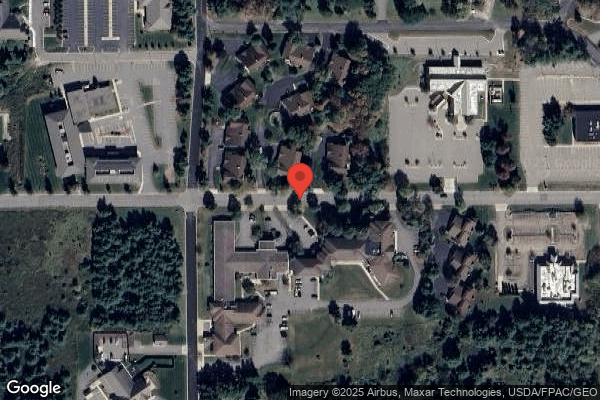
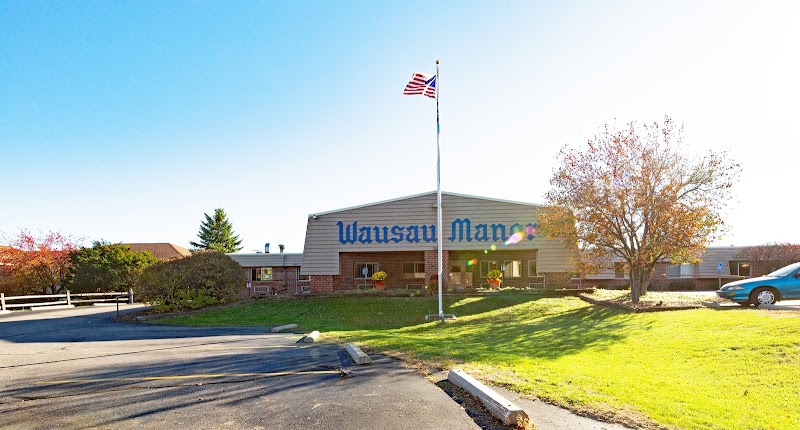
3107 WESTHILL DR, WAUSAU, WI 54401 (715) 842-0575
For profit - Limited Liability company 68 Beds NORTH SHORE HEALTHCARE Data: November 2025
Trust Grade
90/100
#75 of 321 in WI
Last Inspection: August 2024

Within standard 12-15 month inspection cycle. Federal law requires annual inspections.

Overview

Wausau Manor Health Services has received a Trust Grade of A, indicating excellent quality and a high level of recommendation for families considering this facility. It ranks #75 out of 321 nursing homes in Wisconsin, placing it in the top half, and #3 out of 8 in Marathon County, meaning only two local options are better. However, the facility's trend is worsening, as the number of reported issues increased from 1 in 2024 to 3 in 2025. Staffing is a strength, with a rating of 4 out of 5 stars and a turnover rate of 37%, which is significantly better than the Wisconsin average of 47%. On the positive side, there have been no fines recorded, and the facility has more RN coverage than 82% of other Wisconsin facilities. Despite these strengths, there are notable areas of concern. For example, the kitchen was found to be unsanitary, with food particles and dirt present, which could affect all residents. Additionally, a resident received wound care without adequate privacy, potentially causing embarrassment. There were also failures in infection control practices during wound care for two residents, which raises concerns about exposure to infections. Overall, while Wausau Manor Health Services has many positive attributes, families should be aware of these weaknesses.

Trust Score
A
90/100
In Wisconsin
#75/321
Top 23%
Safety Record
Low Risk
No red flags
Inspections
Getting Worse
1 → 3 violations
Staff Stability
○ Average
37% turnover. Near Wisconsin's 48% average. Typical for the industry.
Penalties
✓ Good
No fines on record. Clean compliance history, better than most Wisconsin facilities.
Skilled Nurses
✓ Good
Each resident gets 60 minutes of Registered Nurse (RN) attention daily — more than 97% of Wisconsin nursing homes. RNs are the most trained staff who catch health problems before they become serious.
Violations
○ Average
7 deficiencies on record. Average for a facility this size. Mostly minor or procedural issues.
★★★★★
5.0
Overall Rating
★★★★☆
4.0
Staff Levels
★★★★☆
4.0
Care Quality
★★★★★
5.0
Inspection Score
Stable
2024: 1 issues
2025: 3 issues

The Good

  • 4-Star Staffing Rating · Above-average nurse staffing levels
  • 4-Star Quality Measures · Strong clinical quality outcomes
  • Full Sprinkler Coverage · Fire safety systems throughout facility
  • No fines on record
  • Staff turnover below average (37%)

    11 points below Wisconsin average of 48%

Facility shows strength in staffing levels, quality measures, fire safety.

The Bad

Staff Turnover: 37%

Near Wisconsin avg (46%)

Typical for the industry

Chain: NORTH SHORE HEALTHCARE

Part of a multi-facility chain

Ask about local staffing decisions and management

The Ugly 7 deficiencies on record

Aug 2025 2 deficiencies
CONCERN (D) 📢 Someone Reported This

A family member, employee, or ombudsman was alarmed enough to file a formal complaint

Potential for Harm - no one hurt, but risky conditions existed

Deficiency F0583 (Tag F0583)

Could have caused harm · This affected 1 resident

**NOTE- TERMS IN BRACKETS HAVE BEEN EDITED TO PROTECT CONFIDENTIALITY** Based on observations, record review, and interviews, the facility failed to provide privacy during wound care for one of three ...

Read full inspector narrative →
**NOTE- TERMS IN BRACKETS HAVE BEEN EDITED TO PROTECT CONFIDENTIALITY** Based on observations, record review, and interviews, the facility failed to provide privacy during wound care for one of three residents (R) 3, reviewed for wound care out of a total sample of 6 residents. This failure had the potential for R3 to experience embarrassment or feeling exposed during treatment. Findings include: Review of R3's undated Face Sheet located under the Profile tab in the electronic medical record (EMR) indicated R3 was admitted to the facility on [DATE]. Review of R3's admission Evaluation - V3, located under the Assessments tab in the EMR and dated 08/14/25 at 6:44 PM, indicated R3 was alert and oriented to person, place, time, and situation. Review of R3's Physician Orders, located under the Orders tab in the EMR, indicated an order dated 08/19/25 for Left Buttock wound, Sacral redness, and Bilateral Buttock redness: Cleanse with NS [Normal Saline], pat dry, and apply Periguard Ointment every day and evening shift for wound healing and as needed for wound healing. During the wound care observation on 08/21/25 at 11:22 AM, R3 stood using a walker for wound care to be provided to R3's buttocks and sacral area. R3 unbuttoned his pants and underwear and lowered both articles of clothing to mid-thigh level. R3's blinds, covering the window, were left open while the wound care was being performed by Registered Nurse (RN) 1. RN1 did not ask R3 if he wanted the blinds to be shut prior to the start of the wound care. Anyone that would walk by the window would be able to see that R3 was having wound care performed to his buttocks. During an interview on 08/21/25 at 11:35 AM, RN1 confirmed she should have closed the blinds before performing wound care to R3's sacral area. During an interview on 08/21/25 at 11:37 AM, R3 was asked about the window blinds that were left open during wound care. R3 stated, Sure, it would bother me if someone saw me. I would prefer them [staff] to close the blinds. During an interview on 08/21/25 at 2:00 PM, the Interim Director of Nursing (IDON) stated, I expect the nurses to provide dignity and respect when performing wound care to a resident by closing the blinds prior to wound care.
CONCERN (D) 📢 Someone Reported This

A family member, employee, or ombudsman was alarmed enough to file a formal complaint

Potential for Harm - no one hurt, but risky conditions existed

Infection Control (Tag F0880)

Could have caused harm · This affected 1 resident

**NOTE- TERMS IN BRACKETS HAVE BEEN EDITED TO PROTECT CONFIDENTIALITY** Based on observations, record review, interviews, and Centers for Disease Control and Prevention (CDC) guidance, the facility fa...

Read full inspector narrative →
**NOTE- TERMS IN BRACKETS HAVE BEEN EDITED TO PROTECT CONFIDENTIALITY** Based on observations, record review, interviews, and Centers for Disease Control and Prevention (CDC) guidance, the facility failed to follow infection control guidelines during a wound care observation for two of two residents resident (R), R2 and R3, observed for wound care and failed to follow Enhanced Barrier Precautions during a dressing change for R3. This failure had the potential for R2 and R3 to be exposed to infections. Findings include:Review of the CDC webpage titled, Clinical Safety: Hand Hygiene for Healthcare Workers, updated 02/27/24, revealed to change gloves and clean hands when moving from work on a soiled body site to a clean body site. Review of the CDC webpage titled, Implementation of Personal Protective Equipment (PPE) Use in Nursing Homes to Prevent Spread of Multidrug-resistant Organisms (MDROs), updated 04/02/24 revealed EBP are an infection control intervention designed to reduce transmission of resistant organisms that employs targeted gown and glove use during high contact resident care activities and apply to residents with wounds.1. Review of R2's undated Face Sheet located under the Profile tab in the electronic medical record (EMR) indicated R2 was admitted to the facility on [DATE] with the diagnosis of peripheral vascular disease and type two diabetes mellitus. Review of R2's admission Minimum Data Set (MDS), located under the MDS tab in the EMR, with an Assessment Reference Date (ARD) of 06/29/25 indicated R2 had been coded as having a Brief Interview for Mental Status (BIMS) score of 13 out of 15 which indicated R2 was cognitively intact. Review of R2's Care Plan, located under the Care Plan tab in the EMR and dated 08/13/25, had a Focus which indicated, Actual ABRASION TO RIGHT KNEE, RIGHT LOWER LATERAL CALF PROXIMAL TO ANKLE, AND TIGHT ANTERIOR SHIN [sic]. Interventions indicated, Administer treatment per MD [Medical Doctor] orders, Report evidence of infection such as purulent drainage, swelling, localized heat, increased pain, etc. Notify MD [Medical Doctor] PRN [as needed]. Review of R2's Physician's Orders located under the Orders tab in the EMR indicated an order dated 08/20/25 Right lower calf/proximal to ankle, right knee and right anterior shin: Cleanse sites with NS [normal saline], pat dry. Apply skin prep peri wound cut Dermaginate AG [silver] to size and apply. Cover with bordered foam dressing. During a wound care observation on 08/21/25 at 10:20 AM, Licensed Practical Nurse (LPN) 1 placed a towel down on the top of the bed, and then proceeded to place clean dressing supplies on the towel. LPN1 removed the old dressing to the right knee and cleaned the wound bed with normal saline. Then LPN1 using the same gloves that the old dressing was removed with, applied skin prep to the peri wound and then discarded the gloves, sanitized her hands, and then donned a new pair of gloves on. LPN1 proceeded to perform the dressing change as documented above for each of the other wounds. LPN1 finished the wound care and stepped outside the resident's door in the hallway and removed her personal protective equipment (PPE) which consisted of a gown and gloves. During an interview on 08/21/25 at 11:40 AM, LPN1 stated, I thought placing skin prep around the wound was part of the cleaning the wound. That was why I did not change my gloves. LPN1 was asked about the towel placed on the bed that the clean supplies we placed on. LPN1 stated, I put a barrier down, so I feel it was okay to do. LPN1 stated she should have removed the gown prior to exiting the room and placed it in the bin in the room. 2. Review of R3's undated Face Sheet located under the Profile tab in the EMR indicated R3 was admitted to the facility on [DATE] with a diagnosis of type two diabetes mellitus. Review of R3's admission Evaluation - V3, located under the Assessments tab in the EMR and dated 08/14/25 at 6:44 PM, indicated R3 was alert and oriented to person, place, time, and situation. Review of R3's Physician Orders, located under the Orders tab in the EMR, indicated an order dated 08/19/25 for Left Buttock wound, Sacral redness, and Bilateral Buttock redness: Cleanse with NS [Normal Saline], pat dry, and apply Periguard Ointment every day and evening shift for wound healing and as needed for wound healing. During the wound care observation on 08/21/25 at 11:22 AM, Registered Nurse (RN) 1 placed a barrier on the overbed table without cleaning it first. RN1 then proceeded to clean the left buttock wound, bilateral buttocks, and sacral areas with NS. RN1 patted these areas dry with a 4x4. RN1 applied Periguard Ointment to these areas using a tongue blade. RN1 wore gloves but did not wear a gown while performing this wound care. During an interview on 08/21/25 at 1:35 PM, RN1 stated, I didn't wear a gown because [R3] wasn't in Enhanced Barrier Precautions. When asked if R3 should be in EBP, RN1 stated, Yes, because [R3] has an open wound. When asked if a tongue blade should have used to apply the ointment to R3's buttocks RN1 stated, That's what I was told to apply it with. During an interview on 08/21/25 at 11:50 AM, the Infection Preventionist (IP) stated, I expect them [nurses] to clean off the bedside table and then place a barrier down to place the clean supplies on. The nurse should change her gloves after cleaning the wound, sanitize or wash her hands then place a clean pair of gloves on before applying skin prep around the wound. A tongue blade should not be used to apply ointment to a resident. When asked if R3 should be in Enhanced Barrier Precautions [EBP], the IP stated, According to the new guidance, a wound that will take more than a few days to heal, that resident should be placed in EBP and the nurse [should] apply the appropriate PPE when caring for the resident. Notified IP that R3 was not in EBP at this time. During an interview on 08/21/25 at 2:00 PM, the Interim Director of Nursing (IDON) stated, . The nurse should establish a clean barrier and clean it with a sanitizing wipe before placing a barrier down and then the clean supplies. Applying the skin prep is not part of the cleaning process but rather a part of dressing a cleaned wound. The nurse should clean the wound as ordered by the physician, then remove the dirty gloves, wash or sanitize her hands and then apply a clean pair of gloves before applying the skin prep around the wound. Asked how a nurse should apply ointment to the buttocks of a resident and the IDON stated, They should use a clean applicator such as a Q tip. Asked if a tongue blade could be used to apply the ointment and the IDON stated, No, it shouldn't. That could have sharp edges or splintering from the wood used and cut the wound more and that is not what you want to do, You want to protect the skin that you are applying the ointment to. Asked if a nurse was dressing a wound such as for R3, the resident should be in Enhanced Barrier Precautions. The IDON stated, Yes, they should be in EBP [Enhanced Barrier Precautions]. Notified the IDON that R3 was not in Enhanced barrier Precautions and the nurse performing wound care only wore gloves. The IDON confirmed the nurse should have also worn a gown.
Jul 2025 1 deficiency
CONCERN (D) 📢 Someone Reported This

A family member, employee, or ombudsman was alarmed enough to file a formal complaint

Potential for Harm - no one hurt, but risky conditions existed

ADL Care (Tag F0677)

Could have caused harm · This affected 1 resident

**NOTE- TERMS IN BRACKETS HAVE BEEN EDITED TO PROTECT CONFIDENTIALITY** Based on observation, interview and record review, the facility did not ensure activities of daily living and activities for dep...

Read full inspector narrative →
**NOTE- TERMS IN BRACKETS HAVE BEEN EDITED TO PROTECT CONFIDENTIALITY** Based on observation, interview and record review, the facility did not ensure activities of daily living and activities for dependent residents were completed per standards of practice and resident care plans for 2 out of 3 sampled residents (R) (R1 and R2). -R1 did not receive weekly showers. -R2 did not receive restorative care or weekly showers per standards of practice and the resident's care plan. This is evidenced by: Example 1 R1 was admitted on [DATE] with diagnoses that include post shoulder surgery, weakness, fragile X, fibromyalgia, morbid obesity, hemiplegia, and asthma. R1's brief interview of mental status (BIMS) score was 13/15 indicating intact cognition. Minimum Data Set (MDS) dated [DATE] indicates R1 is understood and understands. R1 is dependent on staff for showering, and received max assist with transfers, toileting, and bed mobility. On 07/07/25, Surveyor reviewed R1's record. In review of Certified Nursing Assistant (CNA) documentation for weekly showers, 2 out of 6 showers were not given. On 5/14/25, documentation indicates the resident refused. On 05/28/25, the documentation was left blank. This was the date R1 was scheduled to receive a shower. There was no documentation of further attempts, the reason for R1 not receiving a shower, or that it was reported to supervising nurse. Example 2 R2 was admitted on [DATE] with diagnoses that include cerebral palsy, cognitive communication deficit and developmental disability. MDS, dated [DATE], notes that R2 sometimes understands and is sometimes understood and has no speech. R2 requires max assist with dressing, toileting, and transfers and moderate assist with bed mobility. R2 was up in wheelchair in hallway, noted to have clean hair/body and dressed. R2's shower review for April, May and June showed R2 is to have showers on Saturday AM shift. On 05/10/25 NA was documented. When asked CNA C what that meant, CNA C replied that is how it is documented if it was not their shower day. This was a shower day for R2. On 05/31/25, which is another Saturday AM, the area was blank. On 6/21/25, NA was recorded, and it was a Saturday AM. Surveyor reviewed restorative care documentation for R2. R2 is dependent for all cares and requires moderate assistance with bed mobility and maximum assistance with transfers and self-care. Surveyor noted on 04/09/25, 05/09/25, and 06/06/25 there was no documentation indicating assistance with bed mobility. On 04/09/25, 05/08/25, and 06/07/25 there was no documentation indicating assistance with ambulation. On 05/31/25, there was no documentation that R2 received scheduled shower, why it was not given, interventions, or that it was reported. R2 had scheduled shower days on 05/10/25 and 06/21/25. Documentation on those days indicated only N/A. Further investigation revealed no documentation of showers given for R2 in the weeks indicating N/A. On 07/07/25 at 3:00 PM, Surveyor interviewed Director of Nursing (DON) B and Nursing Home Administrator (NHA) A regarding cares not being provided to R1 and R2. Administration could not provide further documentation of cares not provided, not reported, or not followed up on.
Aug 2024 1 deficiency
MINOR (C)

Minor Issue - procedural, no safety impact

Garbage Disposal (Tag F0814)

Minor procedural issue · This affected most or all residents

Based on observation and interview, the facility failed to dispose of garbage properly on 3 of 3 days of survey. Garbage was observed setting on the ground outside of the dumpsters and dumpster lids ...

Read full inspector narrative →
Based on observation and interview, the facility failed to dispose of garbage properly on 3 of 3 days of survey. Garbage was observed setting on the ground outside of the dumpsters and dumpster lids were observed to be open on 3 of 3 days of survey. This is evidenced by: Facility policy and procedure entitled Environment, last revised 9/2017, states in part: All trash will be contained in covered, leak-proof containers that prevent cross contamination. All trash will be properly disposed of in external receptacles (dumpsters) and the surrounding area will be free of debris. On 08/13/24 at 9:15 AM, Surveyor observed the 2 dumpsters; the lids were wide open and 2 bags of garbage were observed on the ground beside the dumpsters. On 08/14/24 at 8:22 AM, Surveyor observed a man inside the dumpster rearranging garbage bags. The man picked up 2 bags of garbage off the ground and placed them into the recyclable dumpster. He appeared to be attempting to rearrange the bags, so the lids could possibly close. On 08/14/24 at 4:00 PM, Surveyor observed the garbage dumpster's lids on both dumpsters were observed to be open. On 08/15/24 at 8:21 AM, Surveyor observed the garbage dumpster's lids wide open; a garbage bag was observed on the ground near the dumpsters. On 08/15/24 at 9:01 AM, Surveyor interviewed Director of Nursing (DON) B and requested information in relation to the garbage as to why the dumpsters were not emptied. DON B indicated the facility had contacted Waste Management (their garbage company) as the garbage hadn't been picked up, and they noticed it was overflowing. On 08/15/24 at 9:19 AM, DON B provided a copy of e-mails, dated 08/14/24, which state in part: I just called Waste Management because our garbage hasn't been picked up all week. Per the automated answering service, our services were ended due to unpaid invoices, again. The past due amount .has to be paid in full and services will start 24 hours after. On 08/15/24 at 10:18 AM, Surveyor interviewed Dietary Manager (DM) C who has been with the facility for about a year. Surveyor asked if there have been difficulties getting the facility dumpsters emptied. DM C replied this has happened 3-4 times within the past year.
Aug 2023 2 deficiencies
CONCERN (D)

Potential for Harm - no one hurt, but risky conditions existed

Infection Control (Tag F0880)

Could have caused harm · This affected 1 resident

Based on observation, interview and record review, staff did not perform hand hygiene to prevent the spread of infection when warranted while providing care to 1 of 4 residents (R) R28 observed for ca...

Read full inspector narrative →
Based on observation, interview and record review, staff did not perform hand hygiene to prevent the spread of infection when warranted while providing care to 1 of 4 residents (R) R28 observed for cares. Certified Nursing Assistant (CNA) C did not perform hand hygiene when warranted when providing incontinence care for R28. This is evidenced by: Example 1 Surveyor requested and reviewed the facility policy titled Hand Hygiene which is dated 11/02/22. The policy in part reads: Policy: All staff will perform proper hand hygiene procedures to prevent the spread of infection to other personnel, residents and visitors. This applies to all staff working within the facility. Hand Hygiene is indicated and will be performed under the conditions listed in, but not limited to, the attached hand hygiene table. ~After handling contaminated objects ~Before applying and after removing personal protective equipment, including gloves ~After handling items potentially contaminated with .body fluids On 8/16/23 at 10:43 AM, Surveyor observed CNA C assist R28 with care in the resdident's room. CNA C knocked on R28's door, performed hand hygiene and donned gloves. CNA C lowered R28's pants and removed them along with a pillow that was under R28's legs. CNA C removed R28's incontinence brief and performed incontinence care. R28's brief was soiled with bowel movement and urine. CNA C did not remove her gloves and perform hand hygiene. CNA C obtained a clean brief and placed it on R28. CNA C removed gloves but did not perform hand hygiene. CNA C proceeded to placed a pillow under R28's legs and position R28 in bed. CNA C covered R28 with bedding and provided a call light. CNA C raised R28's head of bed and positioned R28's head on a pillow. CNA C offered R28 a fresh glass of water and took R28's water pitcher from her room. CNA C did not perform hand hygiene until she exited R28's room. On 8/16/23 at 11:07 AM, following the observation, Surveyor spoke with CNA C. CNA C indicated she should have removed gloves and performed hand hygiene after removing R28's dirty brief and washing R28. CNA C further expressed it is important to do hand hygiene for infection control. On 8/16/23 at 1:32 PM, Surveyor spoke with Director of Nursing (DON) B, who is the facility Infection Control Preventionist. DON B expressed the expectation is for staff to perform hand hygiene upon entering the resident room and don gloves. Staff should remove the dirty brief and perform care. Staff should then remove their gloves and perform hand hygiene before proceeding to touching items in resident environment.
CONCERN (F)

Potential for Harm - no one hurt, but risky conditions existed

Food Safety (Tag F0812)

Could have caused harm · This affected most or all residents

Based on observation, interview and record review, the facility did not prepare, store and distribute foods in a safe and sanitary manner. The facility practices had the potential to affect all 48 res...

Read full inspector narrative →
Based on observation, interview and record review, the facility did not prepare, store and distribute foods in a safe and sanitary manner. The facility practices had the potential to affect all 48 residents. Initial tour of the facility kitchen found the floors in the kitchen, storage areas and dish room with food particles and built-up dirt present on the floors, the steamer and ovens with built up dried matter on the sides and bottom and on the industrial can opener mounted to the food preparation counter. Food temperatures were not taken at point of service in the rehabilitation kitchenette to ensure proper holding temperatures prior to serving food to residents. The food temperature logs were not complete. Dietary Aide (DA) D explained improper sanitization of thermometer procedures when temperatures are taken. This is evidenced by: Example 1 On 8/15/23 at 8:40 AM, Surveyor conducted an initial tour of the facility kitchen with Account Manager (AM) F who manages the dietary operations and has been on staff a few weeks. Surveyor noted the dry storage area floor, the kitchen floor and the dish room floor had visible dirt and food particles present. Surveyor asked [NAME] E about the dirty floors and [NAME] E responded the floors Should be cleaned x2 a day but she was not sure when they were last done as there is no cleaning schedule in place. [NAME] E further expressed there has not been a cleaning schedule in place for several months. Surveyor noted the lower counter where food is prepared with dried food and dirt. The can opener that is mounted on food preparation counter had dirt and grime present. Surveyor spoke with [NAME] E about the counter and can opener. [NAME] E responded, They should be cleaned daily. [NAME] E was not sure when they were last cleaned, possibly last week sometime. Surveyor noted the steamer with dried matter in it and the top and bottom ovens with a build-up of dried on foods on bottom and sides of the oven. [NAME] E again expressed the ovens should be wiped out daily and deep cleaned monthly, but was not sure when last cleaned. On 8/16/23 at 9:10 AM, Surveyor spoke with [NAME] E. [NAME] E showed Surveyor the can opener which is now clean and ovens which are now clean. [NAME] E expressed yesterday ovens, floors and can opener were not cleaned to her expectations and should be cleaned more often. A cleaning list is being developed to ensure more routine cleaning and holding people accountable to clean. AM F was present and also expressed the kitchen was not clean to her expectation and had an overtime build-up of food in the oven. AM F expressed she is developing a cleaning list to hold staff accountable for regular cleaning. Surveyor requested and reviewed the facility policy titled Equipment which is dated as revised on 9/2017. The policy in part reads: Policy Statement: All food service equipment will be clean, sanitary and in proper working order. Procedures: ~All food food-contact will be cleaned and sanitized after every use. ~All non-food contact equipment will be clean and free of debris. Surveyor requested and reviewed the facility policy titled Environment which is dated as revised on 9/2017. The policy in part reads: Policy Statement: All food preparation areas, food service areas and dining rooms will be maintained in a clean and sanitary condition. Procedures: ~The Dining Services Director will ensure that the kitchen is maintained in a clean and sanitary manner, including floors, walls, ceilings, lighting and ventilation. ~The Dining Services Director will ensure that a routine cleaning schedule is in place for all cooking equipment, food storage areas and surfaces. Example 2 On 8/16/23 at 7:27 AM, Surveyor observed Dietary Aide (DA) D serving breakfast from the kitchenette on the rehabilitation wing. DA D indicated she has been on staff 2 years and serving foods is part of her responsibilities. Surveyor observed DA D serving pancakes, eggs, oatmeal and, sausage from the steam table. At no point did the Surveyor observe DA D take temperatures of foods on the steam table. Surveyor also observed cold beverages on ice in bin on a cart including milk. Surveyor did not observe DA D take temperatures of the beverages. Surveyor asked DA D about the facility's practice of taking food temperatures at point of service. DA D explained the temperatures should be taken prior to serving residents and logged in the book the kitchen has. DA D stated, Supposed to take before serving and did not, important to ensure foods are at proper temperature, both hot and cold. Surveyor requested and reviewed the food temperature logs. The log for breakfast was void of any temperatures. Surveyor also noted several meals void of temperatures and days that were missing. Surveyor asked DA D how she cleans the thermometer when taking temperatures of foods and fluids. DA D indicated DA D removes a paper towel from the dispenser and wipes the thermometer before inserting into foods, in between foods and after DA D is finished taking temperatures. The thermometer is placed back in the holder when she is done. Surveyor asked DA D if wiping the thermometer probe with paper towel is sanitizing the probe. DA D responded, Probably not sanitizing. DA D further expressed DA D has never used anything but paper towel. On 8/16/23 at 9:10 AM, Surveyor spoke with AM F about the facility expectation for taking food temperatures at point of service. AM F indicated expectations are for staff to take food temperatures at point of service to ensure food temperatures are safe for serving. The temperatures are logged when taken. Surveyor asked AM F about sanitizing of the thermometer used to take food temperatures. AM F expressed the expectation is for staff to sanitize the thermometer with alcohol pad, air dry the thermometer and take food temperatures. The probe should be sanitized between foods and when done using. Surveyor requested the temperature logs and the facility policy that addresses taking of food temperatures. AM F provided the logs to the Surveyor. Surveyor reviewed the logs that dated back to 6/10/23 and noted the following: June 2023: 6/10/23-6/29/23 logs were completed for all three meals. There was no log for 6/30/23. July 2023: No logs were present from 7/01/23 through 7/12/23 or 7/25/23, 7/26/23 or 7/29/23. There was no food or beverage temperatures recorded for dinner on 7/17/23 or 7/28/23. There were no temperatures recorded for lunch or dinner on 7/24/23, 7/27/23. August 2023 to date (8/16/23). There were no logs present for 8/06/23, 8/07/23, 8/08/23, 8/10/23 or 8/14/23. No temperatures were recorded for lunch or dinner on 8/01/23, 8/02/23, 8/03/23, 8/05/23 or 8/12/23. Surveyor reviewed the facility policy titled Taking Food and Liquid Temperatures dated 9/20/2022. The policy in part reads: General Procedure: ~Open an alcohol wipe and wipe the thermometer probe clean. Dispose of the wrapper .Allow the probe to air dry a minimum of 10 seconds before you insert the thermometer into any food item. This allows the thermometer to dry and not contaminate the food .You need to take the temperature of every food item separately . ~Follow the hot holding temperature guide on your temperature log to assure all foods are kept out of the danger zone.
Jan 2023 1 deficiency
MINOR (C) 📢 Someone Reported This

A family member, employee, or ombudsman was alarmed enough to file a formal complaint

Minor Issue - procedural, no safety impact

Deficiency F0680 (Tag F0680)

Minor procedural issue · This affected most or all residents

Based on record review, interview and observation, the facility did not ensure a qualified activity professional was hired to direct the activities program. This had the potential to affect a large po...

Read full inspector narrative →
Based on record review, interview and observation, the facility did not ensure a qualified activity professional was hired to direct the activities program. This had the potential to affect a large portion of the facility's residents. The facility did not have an activity program directed by a qualified professional who is a qualified therapeutic recreation specialist or an activities professional who is licensed or registered. Evidenced by: Review of the Life Enrichment Specialist job description stated, in part: . Required Education and Experience: Must be a qualified therapeutic recreation specialist or an activities professional who is currently licensed or registered, as required, by the State and is eligible for certification as a therapeutic recreation specialist or as an activity's professional by a recognized accrediting body. Two (2) years experience in a social or Life Enrichment program within the last five (5) years, one (1) of which was full-time in a patient activities program in a healthcare setting. Completed a training course as approved by the State. Requested and reviewed staff list with titles, noted that staff list included two Life Enrichment Coordinators but did not include a Life Enrichment Specialist. 01/24/2023 at 9:20 AM, interview with Nursing Home Administrator (NHA). NHA A confirmed facility has not had a Life Enrichment Specialist since November 2022, and NHA A has been fulfilling the Life Enrichment Specialist role. NHA A confirmed that she does not meet the requirements of an activities professional. Facility is actively recruiting for a qualified candidate. Reviewed records for five sampled residents and noted that activity assessments, comprehensive care plan goals and approaches were individualized to the skills, abilities, and preferences of each resident for activities. Observed January activities calendar, noted that activities for this day were, Nails at 10:00 AM, Bingo at 1:30 PM, and Catholic Mass at 3:00 PM. Requested and reviewed activities calendar for November and December, noted that activities calendars included multiple activities on each day. Surveyors noted the following during the Survey: -9:51 AM, observed residents in Activity Department participating in Nails activity. -9:53 AM, interview with resident in hallway, stated that she was going to get her nails done. -10:38 AM, observed Life Enrichment Coordinator walking throughout facility asking residents if they would like to get their nails done. -2:02 PM, observed residents participating in Bingo activity. -2:45 PM, interview with resident in hallway, stated that she was going to church. The facility did provide each resident with activities and preferences to support the physical, mental, and psychosocial well-being of each resident, therefore the deficient practice of not employing a qualified activities professional has the potential for causing no more than minimal harm.
Understanding Severity Codes (click to expand)
Life-Threatening (Immediate Jeopardy)
J - Isolated K - Pattern L - Widespread
Actual Harm
G - Isolated H - Pattern I - Widespread
Potential for Harm
D - Isolated E - Pattern F - Widespread
No Harm (Minor)
A - Isolated B - Pattern C - Widespread

Questions to Ask on Your Visit

  • "Can I speak with families of current residents?"
  • "What's your RN coverage like on weekends and overnight?"

Our Honest Assessment

Strengths
  • • Grade A (90/100). Above average facility, better than most options in Wisconsin.
  • • No major safety red flags. No abuse findings, life-threatening violations, or SFF status.
  • • No fines on record. Clean compliance history, better than most Wisconsin facilities.
  • • 37% turnover. Below Wisconsin's 48% average. Good staff retention means consistent care.
Concerns
  • • No significant concerns identified. This facility shows no red flags across CMS ratings, staff turnover, or federal penalties.
Bottom line: Generally positive indicators. Standard due diligence and a personal visit recommended.

About This Facility

What is Wausau Manor Health Services's CMS Rating?

CMS assigns WAUSAU MANOR HEALTH SERVICES an overall rating of 5 out of 5 stars, which is considered much above average nationally. Within Wisconsin, this rating places the facility higher than 99% of the state's 100 nursing homes. This rating reflects solid performance across the metrics CMS uses to evaluate nursing home quality.

How is Wausau Manor Health Services Staffed?

CMS rates WAUSAU MANOR HEALTH SERVICES's staffing level at 4 out of 5 stars, which is above average compared to other nursing homes. Staff turnover is 37%, compared to the Wisconsin average of 46%. This relatively stable workforce can support continuity of care.

What Have Inspectors Found at Wausau Manor Health Services?

State health inspectors documented 7 deficiencies at WAUSAU MANOR HEALTH SERVICES during 2023 to 2025. These included: 5 with potential for harm and 2 minor or isolated issues.

Who Owns and Operates Wausau Manor Health Services?

WAUSAU MANOR HEALTH SERVICES is owned by a for-profit company. For-profit facilities operate as businesses with obligations to shareholders or private owners. The facility is operated by NORTH SHORE HEALTHCARE, a chain that manages multiple nursing homes. With 68 certified beds and approximately 59 residents (about 87% occupancy), it is a smaller facility located in WAUSAU, Wisconsin.

How Does Wausau Manor Health Services Compare to Other Wisconsin Nursing Homes?

Compared to the 100 nursing homes in Wisconsin, WAUSAU MANOR HEALTH SERVICES's overall rating (5 stars) is above the state average of 3.0, staff turnover (37%) is near the state average of 46%, and health inspection rating (5 stars) is much above the national benchmark.

What Should Families Ask When Visiting Wausau Manor Health Services?

Based on this facility's data, families visiting should ask: "Can I visit during a mealtime to observe dining assistance and food quality?" "How do you handle medical emergencies, and what is your hospital transfer rate?" "Can I speak with family members of current residents about their experience?"

Is Wausau Manor Health Services Safe?

Based on CMS inspection data, WAUSAU MANOR HEALTH SERVICES has a clean safety record: no substantiated abuse findings (meaning no confirmed cases of resident harm), no Immediate Jeopardy citations (the most serious violation level indicating risk of serious injury or death), and is not on the Special Focus Facility watch list (a federal program monitoring the lowest-performing 1% of nursing homes). The facility has a 5-star overall rating and ranks #1 of 100 nursing homes in Wisconsin. While no facility is perfect, families should still ask about staff-to-resident ratios and recent inspection results during their visit.

Do Nurses at Wausau Manor Health Services Stick Around?

WAUSAU MANOR HEALTH SERVICES has a staff turnover rate of 37%, which is about average for Wisconsin nursing homes (state average: 46%). Moderate turnover is common in nursing homes, but families should still ask about staff tenure and how the facility maintains care continuity when employees leave.

Was Wausau Manor Health Services Ever Fined?

WAUSAU MANOR HEALTH SERVICES has no federal fines on record. CMS issues fines when nursing homes fail to meet care standards or don't correct problems found during inspections. The absence of fines suggests the facility has either maintained compliance or corrected any issues before penalties were assessed. This is a positive indicator, though families should still review recent inspection reports for the full picture.

Is Wausau Manor Health Services on Any Federal Watch List?

WAUSAU MANOR HEALTH SERVICES is not on any federal watch list. The most significant is the Special Focus Facility (SFF) program, which identifies the bottom 1% of nursing homes nationally based on persistent, serious quality problems. Not being on this list means the facility has avoided the pattern of deficiencies that triggers enhanced federal oversight. This is a positive indicator, though families should still review the facility's inspection history directly.