WISCONSIN DELLS HEALTH SERVICES
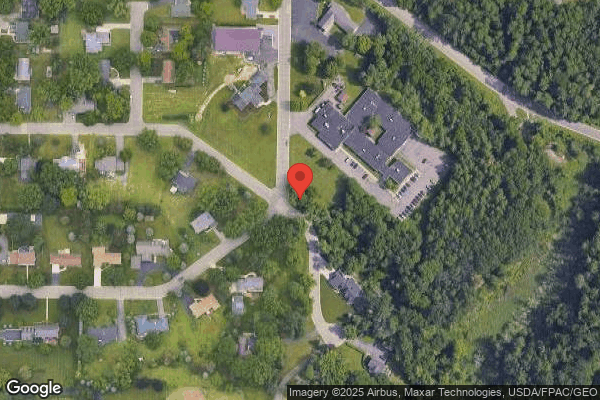
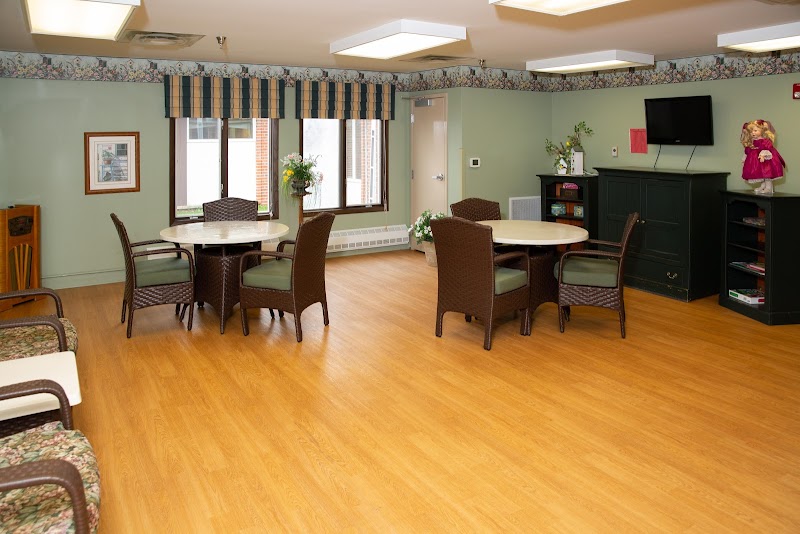
300 RACE ST, WISCONSIN DELLS, WI 53965 (608) 254-2574
For profit - Corporation 90 Beds NORTH SHORE HEALTHCARE Data: November 2025
Trust Grade
60/100
#184 of 321 in WI
Last Inspection: March 2025

Within standard 12-15 month inspection cycle. Federal law requires annual inspections.

Overview

Wisconsin Dells Health Services has a Trust Grade of C+, indicating it is slightly above average but not exceptional. It ranks #184 out of 321 facilities in Wisconsin, placing it in the bottom half overall, but it is #2 out of 4 in Columbia County, meaning there is only one local option rated better. The facility's performance has been stable, with 24 concerns identified in both 2024 and 2025, but none were life-threatening. Staffing is a relative strength here, with a turnover rate of 37%, lower than the state average, though the staffing rating is only 2 out of 5 stars. There have been no fines, which is a positive sign. However, there are significant concerns, such as issues with pest control that allowed mouse droppings in the kitchen area and failures in maintaining proper food safety and sanitation practices, including unclean food storage and lapses in hand hygiene during care. While the facility has strengths in staffing stability and no recorded fines, these health and safety deficiencies raise important questions for families considering this nursing home.

Trust Score
C+
60/100
In Wisconsin
#184/321
Bottom 43%
Safety Record
Low Risk
No red flags
Inspections
Holding Steady
9 → 9 violations
Staff Stability
○ Average
37% turnover. Near Wisconsin's 48% average. Typical for the industry.
Penalties
✓ Good
No fines on record. Clean compliance history, better than most Wisconsin facilities.
Skilled Nurses
✓ Good
Each resident gets 56 minutes of Registered Nurse (RN) attention daily — more than average for Wisconsin. RNs are trained to catch health problems early.
Violations
⚠ Watch
24 deficiencies on record. Higher than average. Multiple issues found across inspections.
★★★☆☆
3.0
Overall Rating
★★☆☆☆
2.0
Staff Levels
★★★★★
5.0
Care Quality
★★☆☆☆
2.0
Inspection Score
Stable
2024: 9 issues
2025: 9 issues

The Good

  • 5-Star Quality Measures · Strong clinical quality outcomes
  • Full Sprinkler Coverage · Fire safety systems throughout facility
  • No fines on record
  • Staff turnover below average (37%)

    11 points below Wisconsin average of 48%

Facility shows strength in quality measures, fire safety.

The Bad

3-Star Overall Rating

Near Wisconsin average (3.0)

Meets federal standards, typical of most facilities

Staff Turnover: 37%

Near Wisconsin avg (46%)

Typical for the industry

Chain: NORTH SHORE HEALTHCARE

Part of a multi-facility chain

Ask about local staffing decisions and management

The Ugly 24 deficiencies on record

Aug 2025 1 deficiency
CONCERN (F) 📢 Someone Reported This

A family member, employee, or ombudsman was alarmed enough to file a formal complaint

Potential for Harm - no one hurt, but risky conditions existed

Deficiency F0925 (Tag F0925)

Could have caused harm · This affected most or all residents

Based on observation, interviews, and record review, the facility failed to have an effective pest control program in place to prevent pests and rodents from entering the building through damaged exte...

Read full inspector narrative →
Based on observation, interviews, and record review, the facility failed to have an effective pest control program in place to prevent pests and rodents from entering the building through damaged exterior doors which lead into the kitchen. This has the potential to affect the census of 52. Findings include:During an initial inspection of the kitchen, on 08/06/25 at 1:20 PM, the following concerns were observed:1.There were two small black droppings in the dry storage room which appeared to be mouse droppings.2.The exterior door next to the dry storage area was observed to have gaps at the bottom of the door where light from outside was observed providing access to pests and/or rodents. A secondary door in between the exterior and interior of the building, directly in front of the exterior door, was observed to have a gap at the bottom corner of the door.3.The door to the dry storage room was not sealed across the bottom of the door, providing access to pests and/or rodents.4.The exterior door, identified as the door utilized for food service delivery, was observed to have approximately one-inch gaps across the bottom and side of the door and a broken and splintered door frame providing access to pests and/or rodents.The above observations were confirmed by the Dietary Manager (DM) and the Corporate Dietician (CD) at the time of inspection on 08/06/25 at 1:20 PM.On 08/06/25 at 1:30 PM, the DM stated My staff member reported mouse droppings to me last week. I told the Maintenance Director (MD) The MD said they [pest control] will be out this week.Review of the pest control invoices provided by the Administrator, from 02/17/25 to 07/14/25, revealed monthly treatment for exterior bait stations, adding more bait; and treatment for ants in one specific resident room.In an interview on 08/07/25 at 09:35 AM, the MD confirmed that the DM had told him about mouse droppings the previous week and that he said the pest control would be out on Monday, however they did not arrive on Monday.Observation of the exterior doors, with the MD, on 08/07/25 at 9:50 AM confirmed the delivery door frame and door itself had large gaps around the door; the exterior door near the dry storage room had gaps; and the door directly in front of the exterior door had a gap at the bottom corner.The MD confirmed the openings could allow pests and/or rodents into the building stating that he could fix three of the four but would have to order a new food delivery door.On 08/07/25 at 10:27 AM, the Administrator, confirmed by observation and interview, that the identified doors were in need of repair to prevent pests and/or rodents from entering the building.
Mar 2025 8 deficiencies
CONCERN (D) 📢 Someone Reported This

A family member, employee, or ombudsman was alarmed enough to file a formal complaint

Potential for Harm - no one hurt, but risky conditions existed

Accident Prevention (Tag F0689)

Could have caused harm · This affected 1 resident

**NOTE- TERMS IN BRACKETS HAVE BEEN EDITED TO PROTECT CONFIDENTIALITY** Based on observation, interview, and record review, the facility did not ensure that the residents environment remained free of ...

Read full inspector narrative →
**NOTE- TERMS IN BRACKETS HAVE BEEN EDITED TO PROTECT CONFIDENTIALITY** Based on observation, interview, and record review, the facility did not ensure that the residents environment remained free of accidents and hazards for 1 of 3 (R25) reviewed for falls and 1 of 1 (R7) reviewed for accidents and hazards. R25 did not have fall interventions in place after 2 falls. Surveyor observed R7's motorized wheelchair charging in the hallway and not behind a fire safe door. This is evidenced by: The facility's policy titled Fall Prevention and Management Guidelines, revised 7/18/24, states in part: Each resident will be assessed for fall risk and will receive care and services in accordance with their individualized plan of care to minimize the likelihood of falls or reduce the possibility/severity of injury. Provide interventions that address unique risk factors measured by the risk assessment tool. Each resident's risk factors and environmental hazards will be evaluated when developing the resident's comprehensive plan of care. Interventions will be monitored for effectiveness. The plan of care will be revised as needed and should be communicated to the staff, resident and resident's family/responsible party. When any resident experiences a fall, the facility will: .review the resident's care plan and update with any new interventions put in place to try to prevent additional falls. Review ach fall/fall investigation during the next morning meeting/clinical meeting with the interdisciplinary Team (IDT). Actions of the IDT may include: .Review of fall risk care plan and any updates to plan of care completed post-fall. Education of staff as to any care plan revisions. The facility's policy titled Comprehensive Care Plan, revised 9/23/22, states in part: It is the policy of this facility to develop and implement a comprehensive person-centered care plan for each resident, consistent with resident rights, that includes measurable objectives and timeframes to meet a resident's medical, nursing, and mental and psychosocial needs that are identified in the resident's comprehensive assessment. The care planning process will include an assessment of the resident's strengths and needs and will incorporate the resident's personal and cultural preferences in developing goals of care. The comprehensive care plan will describe, at a minimum, the following: The services that are to be furnished to attain or maintain the resident's highest practicable physical, mental, and psychosocial well-being. Resident specific interventions that reflect the resident's needs and preferences . Staff responsible for carrying out interventions specified in the care plan will be notified of their roles and responsibilities for carrying out the intervention, initially and when changes are made. Example 1 R7 admitted to the facility on [DATE]. He relies on a motorized wheelchair for mobility. On 3/9/25 at 10:51 AM Surveyor viewed R7's motorized wheelchair charging outside of his doorway, in the hallway. On 3/9/25 at 11:10 AM CNA I (Certified Nursing Assistant) indicated she was told by a member of the facility's corporation that she should charge the wheelchair there. CNA I indicated she has not received education on storing motorized wheelchairs. On 3/9/25 LPN F (Licensed Practical Nurse) indicated she was unaware that motorized wheelchairs should be charged behind a fire safe door. LPN F indicated she did not receive education regarding where to store motorized wheelchairs. On 3/9/25 at 11:15 AM DON B (Director of Nursing) indicated she was unsure if motorized wheelchairs are ok to charge in the hallway. On 3/9/25 at 12:00 PM NHA A (Nursing Home Administrator) indicated motorized wheelchairs need to charge behind a fire safe door. Example 2 R25 admitted to the facility on [DATE] with diagnoses including dementia (a group of thinking and social symptoms that interferes with daily functioning) and unsteadiness on feet. R25's Brief Interview for Mental Status (BIMS) on 12/26/24 has a score of 5, indicating R25 has severe cognitive impairment. R25's Minimum Data Set (MDS) comprehensive admission assessment indicates R25 is at risk for falls and falls would be added to R25's care plan. R25's Mobility/Fall Risk assessment dated [DATE] indicates R25 is at risk for falls. R25 had a fall on 10/8/24. R25's fall reports for 10/8/24 states: Intervention: PT (Physical Therapy) to assess walker and brakes, provide education on brakes and assess for other risks. R25's IDT (Interdisciplinary Team) Clinical Review note states in part: Root cause analysis: .Brake was reported to not be locked on walker. R25's Post Event Observation dated 10/9/24 states in part: Reminders to lock both breaks on walker when in use. R25 had a fall on 2/12/25. R25's fall report states in part: IDT (Interdisciplinary Team) team met to discuss resident. Resident is forgetful but is independent in her room . resident to keep walker by her bed to remind her more to use the walker with ambulating or transferring. R25's Nurses note on 2/12/25 at 9:25 PM states in part: Staff to remind resident to use walker all the time. R25's Post Fall assessment dated [DATE] states in part: New interventions: Staff to remind resident to use her walker all the time. R25's CNA's (Certified Nursing Assistant) Kardex, printed 3/7/25, includes the following: Safety: Ensure that the Resident is wearing appropriate footwear: Gripper socks or shoes on at all times when up OOB (Out of Bed). Place call light or communication device within reach. R25's Comprehensive Care Plan, printed 3/11/25, includes the following: Focus: Resident is at risk for falls r/t (Related to) cognition - unaware of safety needs. Deconditioning/weakness, medication use. Date initiated: 7/5/22 Goal: Fall related injuries will be minimized through care plan review date. Interventions/Tasks: Reminders to lock brakes on walker, initiated 3/11/25. Resident to keep walker by her bed to remind her more to use the walker with ambulating and transferring, initiated 3/11/25. Signs in room for reminder to use walker, initiated 3/11/25. Of note, the 3/11/25 interventions were added to the care plan after Surveyor made DON B (Director of Nursing) aware that R25's fall care plan had not been updated since 2022. On 3/11/25 at 8:50 AM, Surveyor interviewed CNA N (Certified Nursing Assistant) regarding interventions for falls. CNA N indicated any interventions for falls would be on the Kardex. CNA N reviewed R25's Kardex with Surveyor. CNA N indicated the only interventions for R25 was to ensure R25 is wearing proper footwear and the call light is in reach. Surveyor asked CNA N if there were any other interventions for R25 and CNA N indicated there were not. On 3/11/25 at 8:55 AM, Surveyor interviewed RN C (Registered Nurse) regarding interventions for falls. RN C indicated he would review the resident's physician orders for fall interventions. RN C also indicated there is a sign on the outside of the room for residents at risk for falls. RN C indicated R25 has an alarm mat on the floor when she is in bed and her bed is in the low position. On 3/11/25 at 9:00 AM, Surveyor observed R25's room. R25 did not have an alarm mat in her room. On 3/11/25 at 9:45 AM, Surveyor interviewed DON B (Director of Nursing) regarding fall interventions. DON B indicated if a resident falls and new interventions are put in place, the resident's care plan would be updated with the new interventions and the interventions would be communicated to staff. DON B indicated the Kardex would also be updated with the new interventions. DON B indicated the facility does not place signs outside of the resident's room indicating they are a fall risk. DON B indicated the facility does not put fall interventions in the physician orders. DON B indicated the primary place to look for fall interventions would be the resident's care plan. DON B indicated R25's care plan should have been updated with the new interventions and was not.
CONCERN (D)

Potential for Harm - no one hurt, but risky conditions existed

Tube Feeding (Tag F0693)

Could have caused harm · This affected 1 resident

Based on observation, interview, and record review, the facility did not ensure residents who are fed and receive medication by G-tube (Gastrostomy tube, a thin flexible tube inserted through a small ...

Read full inspector narrative →
Based on observation, interview, and record review, the facility did not ensure residents who are fed and receive medication by G-tube (Gastrostomy tube, a thin flexible tube inserted through a small incision in the abdomen and into the stomach, used to provide nutrition and fluids) receive the appropriate treatment and services. This affects 1 of 2 residents (R22) reviewed for tube feedings. The facility did not properly check placement of R22's G-tube prior to administering tube feeding. This is evidenced by: The facility's policy titled Verifying Placement of Tube Feeding, revised 8/10/22, states in part: It is the practice of this facility to ensure proper placement of feeding tubes prior to beginning a feeding, flushing the tube, or before administering medications via feeding tube. Before beginning a feeding, flushing the tube, or administering a medication via the feeding tube, proper placement and functioning will be verified. Verify tube placement: For gastrostomy tubes, check that the enteral retention device is properly approximated to the abdominal wall by gently tugging on the tube and taking note of the marking on the tube. Measure length of tube from insertion site to tip upon new admission to facility or with a new/change in the tube and record the length. Check and record the length of the tube prior to feeing as per facility policy. On 3/10/25 at 8:53 AM, Surveyor observed RN C (Registered Nurse) administer R22's tube feeding. RN C stated I had checked placement this morning, We check with air. RN C indicated he was not going to check with air at this time because R22 does not like air being pushed into his stomach. RN C proceeded to use his stethoscope to listen to R22's abdomen while flushing the G-tube with 60 ml of water. Of note, RN C did not verify placement prior to using R22's G-tube. On 3/11/25 at 8:13 AM, Surveyor interviewed RN E regarding verifying G-tube placement. RN E indicated she instills air and listens for bubbles to ensure the G-tube is correctly placed. On 3/11/15 at 8:15 AM, Surveyor interviewed LPN D (Licensed Practical Nurse) regarding verifying G-tube placement. LPN D indicated she uses a little air and listens for the bubbles and will also check residual by aspirating any stomach contents. On 3/11/25 at 8:48 AM, Surveyor interviewed DON B (Director of Nursing) regarding verifying G-tube placement. DON B indicated staff can verify placement by instilling air, watching the site, and assess that the resident is not in pain or discomfort. DON B also indicated staff can aspirate and see if there is residual. Of note, the facility is not following current standards of practice to verify G-tube placement.
CONCERN (D)

Potential for Harm - no one hurt, but risky conditions existed

Respiratory Care (Tag F0695)

Could have caused harm · This affected 1 resident

**NOTE- TERMS IN BRACKETS HAVE BEEN EDITED TO PROTECT CONFIDENTIALITY** Based on observation, interview, and record review the facility did not ensure that a resident who needs respiratory care is pro...

Read full inspector narrative →
**NOTE- TERMS IN BRACKETS HAVE BEEN EDITED TO PROTECT CONFIDENTIALITY** Based on observation, interview, and record review the facility did not ensure that a resident who needs respiratory care is provided such care consistent with professional standards of practice for 1 of 2 residents (R39) reviewed for oxygen. R39 did not have oxygen tubing changed on a weekly basis. Evidenced by: R39 admitted to the facility on [DATE] and has diagnoses that include, in part: pneumonia due to other specified infectious organisms (infection that causes inflammation of the lungs); chronic obstructive pulmonary disease (a group of lung diseases that cause ongoing breathing problems); acute on chronic systolic congestive heart failure (a condition that causes the heart to pump less effectively causing shortness of breath, weakness and fatigue. R39's Minimum Data Set (MDS), dated [DATE], indicates R39's Brief Interview of Mental Status (BIMS) is a 15, indicating that R39 is cognitively intact. R39's Physician Orders state, in part: *Oxygen at 1-4 L/min (liters per minute) via nasal cannula to keep sats (oxygen saturation level) at or above 88% for respiratory distress, as needed Start date 11/20/24 *Change oxygen equipment weekly Tuesday. Start date 3/4/25 Important to note: Surveyor requested oxygen protocol/policy. The facility's Oxygen Concentrator policy, dated 6/27/22 was provided. The policy does not include instruction on when to change oxygen tubing. On 3/9/25 at 9:49 AM, Surveyor observed R39 wearing the nasal cannula with oxygen concentrator set to 4L/min. No labeling with date was noted on oxygen tubing. On 3/11/25 at 10:17 AM, Surveyor interviewed LPN C (Licensed Practical Nurse) and asked about protocols for residents on oxygen. LPN C indicated that tubing is to be labeled with date and changed weekly. On 3/11/24 at 10:24 AM, Surveyor observed R39 wearing the oxygen nasal cannula and no labeling with date noted on the oxygen tubing. At that time, Surveyor asked CNA H (Certified Nursing Assistant) if there was labeling with date on R39's oxygen tubing. CNA H checked the tubing and stated no. On 3/11/25 at 10:35 AM, Surveyor interviewed DON/IP B (Director of Nursing/Infection Preventionist) and asked about protocols for residents using oxygen. DON/IP B indicated that tubing is to be changed weekly, labeled with the date of change, and documented on the MAR/TAR (medication administration record / treatment administration record). Surveyor asked if this is not documented on the MAR/TAR, do you know if it has been done. DON/IP B stated no. Surveyor asked if it is known when tubing was changed if the tubing is not labeled with a date. DON/IP B stated no. Surveyor reviewed with DON/IP B R39's order for change of oxygen equipment weekly with start date of 3/4/25 and no notation of order prior to this date. Surveyor asked DON/IP B if the facility would be expected to change R39's tubing weekly, label tubing with date of change, and document this change in the MAR/TAR. DON/IP B stated yes.
CONCERN (D) 📢 Someone Reported This

A family member, employee, or ombudsman was alarmed enough to file a formal complaint

Potential for Harm - no one hurt, but risky conditions existed

Deficiency F0698 (Tag F0698)

Could have caused harm · This affected 1 resident

**NOTE- TERMS IN BRACKETS HAVE BEEN EDITED TO PROTECT CONFIDENTIALITY** Example 2 R33 admitted to the facility on [DATE] with the following diagnoses: end stage renal disease and dependence on renal d...

Read full inspector narrative →
**NOTE- TERMS IN BRACKETS HAVE BEEN EDITED TO PROTECT CONFIDENTIALITY** Example 2 R33 admitted to the facility on [DATE] with the following diagnoses: end stage renal disease and dependence on renal dialysis. R33's Comprehensive Care Plan, initiated 7/29/24, includes Renal insufficiencies . 7/29/24 Check access site for lack of bruit and thrill, evidence of infection/swelling/ or excessive bleeding per facility guidelines. Report abnormalities to R33's Medical Doctor. 7/29/24 Confer with Medical Doctor and/or dialysis treatment center regarding changes in medication administration times/dosage pre-dialysis as needed. 7/29/24 Coordinate dialysis care with dialysis treatment center . Monday, Wednesday, Friday . Send midrin to dialysis with container of applesauce and plastic spoon. Make sure he has blanket and pillow, coat and hat sent with also. Needs to be high back wheelchair with foot pedals, mesh Hoyer sling and Roho cushion under him . 7/29/24 Diet per Medical Doctor orders . 7/29/24 Encourage rest after dialysis treatments . 7/29/24 Hemp dialysis (location- Named Dialysis Center 3 times weekly on Monday, Wednesday, Friday 11:00 AM chair time, 10:45 AM pick up). Obtain labs as ordered and notify Medical Doctor of results. 7/29/24 Record dry weights and report significant changes as ordered . 7/29/24 Report any dialysis catheter and site evidence of infection, dislodgement, and leaking . It is important to note R33's Comprehensive Care Plan does not include goals or interventions related to emergency procedures. On 3/10/25 at 10:54 AM CNA I (Certified Nursing Assistant) indicated if she found R33 bleeding out of his dialysis site she would exit the room to retrieve the nurse. CNA I indicated she would go find the nurse or use the phone hanging halfway down the hallway to call for the nurse. It is important to note CNA I would not apply pressure and would leave R33 alone if R33 had bleeding from dialysis site. On 3/10/25 at 3:22 PM LPN G (Licensed Practicing Nurse) indicated there should be an emergency dialysis kit in R33's room, but she was not able to locate the kit for Surveyor. On 3/11/25 at 11:27 AM NHA A (Nursing Home Administrator) indicated there should be an emergency kit in the rooms of residents who have dialysis and on 3/10/25 she added one to R33's room suspended from his cork board. NHA A indicated the resident's care plan, and the facility policy should contain emergency procedures for all staff related to dialysis care. Based on observation, interview, and record review the facility did not ensure that a resident who requires dialysis receive such services, consistent with professional standards of practice, the comprehensive person-centered care plan, and the residents' goals and preferences for 2 of 2 residents (R39 and R33) reviewed for dialysis. R39 is receiving dialysis services. R39's care plan does not indicate how to handle an emergency situation with R 39's dialysis port and staff were not able to appropriately verbalize how to handle an emergency situation. R33 is receiving dialysis services. R33's care plan does not indicate how to handle an emergency situation with R33's dialysis port and staff were not able to appropriately verbalize how to handle an emergency situation. Evidenced by: The facility's Hemodialysis policy, dated 9/10/23, states, in part: The facility will assure that each resident receives care and services for the provision of hemodialysis consistent with professional standards of practice. This will include: The ongoing assessment of the resident's condition and monitoring for complications before and after dialysis treatments received at a certified dialysis facility. Ongoing assessment and oversight of the resident before and after dialysis treatments, monitoring for complications, implementation of appropriate interventions, and using appropriate infection control practices. Important to note: the policy does not indicate interventions for implementation in case of a complication/emergency. Example 1 R39 admitted to the facility on [DATE] and has diagnoses that include end stage renal disease (a condition that occurs when the kidneys are no longer able to function adequately to maintain health and survival) and dependence on renal dialysis (relying on a procedure to filter blood and remove waste products when the kidneys are unable to do so). R39's physician orders state, in part: Dialysis scheduled for Mondays, Wednesdays, and Fridays . Order date 11/21/24. R39's care plan states, in part: Renal insufficiencies .date initiated: 3/9/25. Check access site for lack of thrill/bruit (sound and feeling of adequate blood flow), evidence of infection, swelling, or excessive bleeding per facility guidelines. Report abnormalities to MD. Dated 3/9/25. Dialysis (location) Monday-Wednesday-Friday . Dated 3/9/25. Report any dialysis catheter and site evidence of infection, dislodgement, and leaking. Dated 3/9/25. Important to note: R39's care plan does not include interventions related complications/emergencies with catheter site. On 3/10/25 at 10:59 AM, Surveyor interviewed CNA I (certified nursing assistant) and asked what would be done if a resident was found bleeding from their dialysis port. CNA I stated the nurse would need to be updated through use of the phone in the hallway. Important to note that CNA I indicated that the resident would need to be left in order to access the phone. On 3/10/25 at 11:13 AM, Surveyor interviewed CNA J and asked what would be done if a resident was found bleeding from their dialysis port. CNA J stated that the nurse would need to be updated. CNA J stated that CNA J would peek into the hall and ask for the nurse, without breaking resident privacy, or would leave the room and use the hall phone to page the nurse. On 3/10/25 at 11:30 AM, Surveyor interviewed LPN F (licensed practical nurse) and asked what would be done if a resident was found bleeding from their dialysis port. LPN F stated that the RN (registered nurse) would need to be alerted. LPN F indicated that the resident would be left while the staff accessed the phone in the hallway. LPN F indicated that after alerting the RN, LPN F would see how bad the bleeding was and put something in place to stop the bleeding. LPN F stated that a dry wipe in the room could be used or could ask someone to bring in gauze. On 3/10/25 at 4:00 PM, Surveyor interviewed DON/IP B (Director of Nursing/Infection Preventionist) and asked what staff is expected to do if a resident is found bleeding from their dialysis port. DON/IP B stated the nurse is to be alerted and there is a bag in the resident's room on their cork board (emergency kit) to help stop bleeding. Surveyor asked if anyone could use the emergency kit. DON/IP B stated yes. Surveyor asked how the nurse would be alerted. DON/IP B stated staff is to stay with the resident, activate the call light, and yell for the nurse. Surveyor asked if emergency procedure is part of the resident care plan and facility policy. DON/IP B reviewed care plan and policy and indicated that they did not say what to do in case of an emergency. Surveyor asked if the resident care plan and facility policy should say what to do in case of an emergency. DON/IP B stated yes. On 3/10/25 at 4:17 PM, Surveyor observed R39's room with DON/IP B. No emergency kit noted on the cork board. Surveyor asked if there should be an emergency kit on the cork board. DON/IP B stated yes.
CONCERN (D)

Potential for Harm - no one hurt, but risky conditions existed

Medication Errors (Tag F0758)

Could have caused harm · This affected 1 resident

**NOTE- TERMS IN BRACKETS HAVE BEEN EDITED TO PROTECT CONFIDENTIALITY** Based on interview and record review, the facility did not ensure the effective monitoring of psychotropic medications for 1 of ...

Read full inspector narrative →
**NOTE- TERMS IN BRACKETS HAVE BEEN EDITED TO PROTECT CONFIDENTIALITY** Based on interview and record review, the facility did not ensure the effective monitoring of psychotropic medications for 1 of 5 residents (R35) reviewed for unnecessary medications. R35 was started on Trazadone (antidepressant) for sleep. R35's comprehensive care plan and medical record does not contain sleep monitoring or tracking to assess the effectiveness of this medication. This is evidenced by: The facility policy entitled, Psychotropic Medications, dated 10/24/2022, states in part: .4. The indications for use of any psychotropic drug will be documented in the medical record .b. For Psychotropic drugs that are initiated after admission to the facility, documentation shall include the specific condition as diagnosed by the physician .ii. Non-pharmacological interventions that have been attempted, and target symptoms for monitoring shall be included in the documentation .13. The resident's response to the medication(s), including progress towards goals and presence/absence of adverse consequences, shall be documented in the resident's medical record. R35 was admitted to the facility on [DATE] with diagnoses that include, in part: unspecified dementia (loss of memory, language, problem-solving and other thinking abilities that interfere with daily life), type 2 diabetes mellitus, unspecified mood affective disorder (medical condition that can cause intense and persistent changes in mood, energy, and behavior), insomnia (sleep disorder characterized by difficulty falling asleep or staying asleep), hypertension (high blood pressure), and atherosclerotic heart disease (the build-up of fats, cholesterol, and other substances in and on the artery walls). R35's Quarterly Minimum Data Set (MDS) dated [DATE] indicates a Brief Interview for Mental Status (BIMS) score of 12 out of 15, indicating R35's cognition is moderately impaired. R35's physician orders include, in part: Trazadone 150mg give 1 tablet by mouth at bedtime for sleep 2100 (9:00 PM), order date and start date of 3/6/25. (R35 was previously receiving Trazadone at bedtime 1900 (7:00 PM), 150mg 1 tablet, start date of 12/16/24, discontinue date of 3/6/25). On 3/11/25 at 1:30pm, Surveyor reviewed R35's comprehensive care plan dated 2/27/25. There is no focus area, goal, or interventions for sleep, does not indicate monitoring or tracking for sleep, does not indicate use of an antidepressant to aid with sleep. On 3/11/25 at 1:45 PM, Surveyor reviewed R35's Medication Administration Record (MAR) for February and March 2025. Trazadone is signed out as ordered. On 3/11/25 at 2:09 PM, Surveyor requested sleep monitoring and tracking documentation for R35 as Surveyor was unable to locate sleep documentation in R35's electronic health record. On 3/11/25 at 2:32 PM, NHA A (Nursing Home Administrator) told Surveyor she couldn't find any sleep documentation for R35. On 3/11/25 at 3:09 PM, Surveyor interviewed NHA A and asked if she would expect residents receiving Trazadone for sleep to have a comprehensive sleep assessment, a care plan including sleep, and implement sleep tracking and monitoring. NHA A stated yes.
CONCERN (D)

Potential for Harm - no one hurt, but risky conditions existed

Deficiency F0761 (Tag F0761)

Could have caused harm · This affected 1 resident

Based on observation and interview the facility did not ensure drugs and biologicals are labeled in accordance with currently accepted professional standards 1 of 1 medication carts observed. The medi...

Read full inspector narrative →
Based on observation and interview the facility did not ensure drugs and biologicals are labeled in accordance with currently accepted professional standards 1 of 1 medication carts observed. The medication cart on the 400 hall had two tubes of open and used medicated ointment with no resident names. Evidenced by: Surveyor observed an open, used tube of muscle rub and an open, used tube of hydrocortisone acetate 1% cream in the drawer of the 400 hall medication cart. Surveyor asked LPN G if the tubes were both open and used. LPN G stated yes. Surveyor asked LPN G what resident the tubes were for. LPN G stated no idea, the tubes are not labeled. On 3/11/25 at 10:35 AM, Surveyor interviewed DON/IP B (Director of Nursing/Infection Preventionist) Surveyor asked how long nutritional supplements are good after being opened. DON/IP B stated 3 days. Surveyor asked how staff would know if a supplement is good if there is no use by date. DON/IP B stated there should be a date. Surveyor asked if tubes of ointment are expected to be labeled with a resident's name. DON/IP B stated yes.
CONCERN (F) 📢 Someone Reported This

A family member, employee, or ombudsman was alarmed enough to file a formal complaint

Potential for Harm - no one hurt, but risky conditions existed

Food Safety (Tag F0812)

Could have caused harm · This affected most or all residents

Based on observation, interview and record review the facility did not maintain a safe and sanitary environment in which food is prepared, stored and distributed. This has the potential to affect all ...

Read full inspector narrative →
Based on observation, interview and record review the facility did not maintain a safe and sanitary environment in which food is prepared, stored and distributed. This has the potential to affect all 44 residents who reside in the facility. Surveyor observed the facility's freezer to have frozen condensation attached to the ceiling and fallen pieces of frozen condensation on top of and inside of boxes of unsealed food causing potential for contamination. Surveyor observed a mixer to be stored covered and unclean. Supplements in the medication rooms were not dated. Evidenced by: Example 1 Facility policy, titled Food Storage: Cold Foods, undated, includes: . All . foods, frozen and refrigerated, will be appropriately stored in accordance with guidelines of FDA (Food and Drug Administration) Food Code . All foods will be stored wrapped or in covered containers, labeled and dated, and arranged in a manner to prevent cross contamination . On 3/9/25 at 9:04 AM, during initial tour of the facility's kitchen, Surveyor and DM K observed frozen drips suspended from the ceiling in the facility's walk-in freezer. Surveyor and DM K also observed boxes of food to have water damage on them and opened boxes with unsealed food to have shards of ice on and inside of the box. DM K indicated she knocks the drips of ice down with an ice scraper every couple days and it is condensation that builds up and freezes. DM K folded the sides of one of the opened and unsealed boxes out, then Surveyor and DM K observed ice sitting in on the plastic bag inside of the box. DM K indicated she is unsure if the ice got inside of the plastic bag as it is no longer sealed by the manufacturer. DM K indicated she needs to provide a barrier between the frozen dripping and the opened food. DM K indicated she would throw out the egg patties and the potato wedges and other food that could be contaminated by the dislodged ice. On 3/9/25 at 12:19 PM District Manager L indicated the freezer has had this issue for a little while and the facility has tried different things to mitigate the condensation building up. District Manager L indicated there should be a barrier between the food that is no longer sealed by the manufacturer and the frozen dripping condensation to prevent contamination. Example 2 Facility policy, titled Equipment, revised 9/2017, includes: . All food contact equipment will be cleaned and sanitized after every use . On 3/9/25 at 9:04 AM Surveyor and DM K (Dietary Manager) observed a mixer to be stored covered and unclean with dried food particles on it. DM K indicated the mixer should have been cleaned before being covered and stored. On 3/9/25 at 12:19 PM District Manager L indicated equipment should be cleaned before being covered in plastic and stored. Example 3 On 3/10/25 at 4:29 PM, Surveyor observed an open and used 32 ounce box of Imperial Med Plus 2.0 Vanilla Supplement on top of the 400 hall medication cart. Surveyor asked LPN G (Licensed Practical Nurse) if the supplement has been opened and used. LPN G stated yes. Surveyor asked how long the supplement was good. LPN G stated there should be a date on the supplement indicated when it needs to be used by.
CONCERN (F)

Potential for Harm - no one hurt, but risky conditions existed

Infection Control (Tag F0880)

Could have caused harm · This affected most or all residents

**NOTE- TERMS IN BRACKETS HAVE BEEN EDITED TO PROTECT CONFIDENTIALITY** Based on observation, interview and record review the facility did not establish and maintain an infection prevention and contro...

Read full inspector narrative →
**NOTE- TERMS IN BRACKETS HAVE BEEN EDITED TO PROTECT CONFIDENTIALITY** Based on observation, interview and record review the facility did not establish and maintain an infection prevention and control program designed to provide a safe, sanitary and comfortable environment and to help prevent the development and transmission of communicable diseases and infection, this has the potential to affect the census (44), 1 of 4 residents (R10) wound care observations with hand hygiene concerns, and 1 of 3 residents (R37) medication pass observations with hand hygiene concerns. The facility is not monitoring the temperature of 2 of their 3 water heaters as part of their control measures for Water Management Program. The facilities Policy and Procedure for Pneumococcal Vaccine is not up to date. The facility did not identify an outbreak on the date it started. There was a breach in infection control for R10 when LPN F did not perform appropriate hand hygiene with wound care. There was a breach in infection control for R37 when LPN F did not perform appropriate hand hygiene with medication pass. This is evidenced by: The facility's Hand Hygiene policy, dated 11/2/22, states, in part: All staff will perform proper hand hygiene procedures to prevent the spread of infection to other personnel, residents, and visitors. 6. Additional considerations: a The use of gloves does not replace hand hygiene. If your task requires gloves, perform hand hygiene prior to donning (applying) gloves, and immediately after removing gloves. The facility's Clean Dressing Change policy, dated 7/20/22, states, in part: It is the policy of this facility to provide wound care in a manner to decrease potential for infection and/or cross contamination.12. Cleanse the wound . 14. Wash hands and put on clean gloves. The facility's Blood Glucose Monitoring policy, dated 8/5/22, states, in part: .4. Perform hand hygiene and don gloves.16. Remove the strip and dispose of it properly.18. Remove and discard gloves and perform hand hygiene. Example 1 Per CDC (Centers for Disease Control and Prevention), 3/15/24 documents, in part: .Cold water guidance: Store and circulate cold water at temperatures below 77°F, although Legionella may grow at temperatures as low as 68°F (20°C). Hot water guidance: Store hot water at temperatures above 140°F (60°C). Ensure hot water in circulation doesn't fall below 120°F (49°C) and recirculate hot water continuously, if possible . The Facilities Water Management Plan dated 2/21/25, documents in part: .Our Hot water system is delivered in a loop. The Water enters the building in the boiler room located adjacent to the kitchen and laundry. There are 3 Hot water heaters in the boiler room that heat the water to 154 degrees .Control Measures and Monitoring, Hot water heater temperatures are checked routinely to ensure they remain with in appropriate parameters .: Logbook Documentation from 2025 includes the following, in part: 12/2/25-2/28/25, Monday-Friday documentation reflects a temperature of 165 degrees in the laundry room where the 1st water heater flows to first. There is not documentation for the other two water heaters. On 3/10/25 at 3:22 PM, Surveyor interviewed MD M (Maintenance Director). Surveyor asked MD M are any of the logged temperatures at the water heaters themselves, MD M said just the laundry one. On 3/11/25 at 3:40 PM, Surveyor interviewed MD M. Surveyor asked MD M can you tell me what temperature the water must heat to kill Legionella, MD M said 130 degrees. Surveyor asked MD M is there any documentation of the water heater temperatures, MD M stated only the laundry water heater, not the 2 for rooms. Of note, 140 degrees is the temperature required to prevent Legionella. On 3/11/25 at 3:55 PM, Surveyor interviewed DON/IP B (Director of Nursing/Infection Preventionist). Surveyor asked DON/IP B should the temperatures of the water heaters be documented as part of the Water Management Plan, DON/IP B said I believe so yes. Example 2 The CDC's Pneumococcal Vaccine Recommendations dated 10/26/24 documents in part: .CDC recommends pneumococcal vaccination for children younger than 5 years and adults 50 years or older . The Facilities Policy and Procedure entitled Pneumococcal Vaccine (Series) dated 9/18/24, documents in part: .Clinical guidance for implementing pneumococcal vaccine recommendations for adults aged greater than or equal to 19 years .Adults aged greater than or equal to [AGE] years old . On 3/11/25 at 3:55 PM, Surveyor interviewed DON/IP B. Surveyor asked DON/IP B if she was aware of the current guidance for pneumococcal vaccines, DON/IP B stated she was not aware of any changes since the addition of the PCV21, PCV 20, and PCV15 (different versions of pneumococcal vaccine). Example 3 According to CDC guidelines and Wisconsin's Department of Health Policy and Procedures date 2/22/23, documents in part: .Acute onset of vomiting and/or diarrhea (3 or more loose stools in 24-hour period) in a resident or staff member and whose symptoms have no other apparent cause . The Facilities Policy and Procedure entitled Infection Outbreak Response and Investigation dated 2/21/25 documents in part: .1. Prompt recognition of outbreak .ii. A sudden cluster of infections on a unit or during a short period of time (i.e. three or more cases) . Per the Facilities timeline they identified the Norovirus outbreak as beginning on 1/29/25. January 2025 Norovirus Outbreak Timeline documents the following in part: 1/27/25: 1 resident (R344) on 100 hall with loose stools, placed on contact precautions. 1/28/25: CNA called in with GI (gastrointestinal) upset. This CNA worked 1/27/25 on the 400 hall. Stool sample collected for R344 which was negative for C. difficile (inflammation of the colon caused by the bacteria Clostridium difficile). 1 resident (R41) on 100 hall reports multiple emesis but believes he ate something that didn't agree with him when he was out to eat, placed on contact precautions. 2 residents (R345 and R27) on 400 hall during rounds noted to have loose stools and emesis (R345 with loose stools and emesis) (R27 with emesis), both placed on contact precautions. 1/29/25: Facility called outbreak. Of note, during review of outbreak, the Facility actually had outbreak that started on 1/28/25. On 3/11/25 at 3:55 PM, Surveyor interviewed DON/IP B. Surveyor asked DON/IP B how did you determine when to call the symptoms/issues an outbreak, DON/IP B said when 3 or more people on same hall and/or staff had it. Surveyor asked DON/IP B if the outbreak should have been noted on 1/28/25, DON/IP B stated yes. Example 4 On 3/10/25 at 11:20 AM, Surveyor observed LPN F (Licensed Practical Nurse) perform wound care for R10. DON/IP B (Director of Nursing/Infection Preventionist) was observing and assisting with positioning of R10 during the dressing change. LPN F removed cleansing packing from R10's wound, then LPN F removed gloves and applied a new set of gloves without performing hand hygiene. LPN F prepared and applied the primary dressing to R10's wound bed, then LPN F removed gloves and applied a new set of gloves without performing hand hygiene. LPN F prepared and applied the secondary dressing. On 3/10/24 at 11:27 AM, Surveyor interviewed LPN F and asked when hand hygiene is needed for wound care. LPN F stated when going into resident room/prior to starting treatment and when done with treatment. Surveyor asked if gloves are contaminated after pulling packing from a resident's wound. LPN F stated yes. Surveyor asked if hand hygiene should be completed with change of gloves. LPN F stated yes. On 3/10/24 at 2:50 PM, Surveyor interviewed DON/IP B (Director of Nursing/Infection Preventionist) and asked when hand hygiene is needed for wound care. DON/IP B stated before treatment, after removing dirty dressing, anytime you go from dirty to clean, and at the end of the treatment. DON/IP B stated that DON/IP B would have expected LPN F to perform hand hygiene after removal of gloves, prior to application of new gloves. Example 5 On 3/10/25 at 7:57 AM, Surveyor observed LPN F performing medication administration for R37. LPN F gathered oral medications in a medication cup, medication pens for subcutaneous (SQ-under the skin) administration, and a blood sugar test kit and went to R37's bedside. LPN F donned gloves, with no hand hygiene, and performed a finger-stick blood sugar test. Following the test, LPN F touched the following with contaminated gloves: oral medication cup, the bedside table, and the medication pens. Without changing gloves and performing hand hygiene, LPN F administered the SQ injections. LPN F gathered the medication pens, placed them into the blood sugar test kit, and then removed gloves. LPN F then touched the following items prior to performing hand hygiene: resident bed linens, bed remote control, and bedroom door handle. Surveyor asked R37 about infection control with medication administration. LPN F stated that hands should have been cleansed prior to applying gloves and after administration of SQ medication. Surveyor asked if hand hygiene should be performed after performing a blood sugar test, prior to touching resident items. LPN F stated the items belonged to the same resident. Surveyor asked if gloves are contaminated after performing a blood sugar test. LPN F stated yes. Surveyor asked if resident items like a medication cup, bedside table and medication pens should be touched with contaminated gloves. LPN F stated no. Surveyor asked if hand hygiene should be performed after performing a blood sugar test. LPN F stated yes. Surveyor asked if hand hygiene should be performed after SQ administration of medications. LPN F stated yes. On 3/10/24 at 2:50 PM, Surveyor interviewed DON/IP B and asked when hand hygiene is expected with blood sugar testing. DON/IP B stated before and after the test. Surveyor asked if removal of gloves and hand hygiene would be expected after the blood sugar test, prior to any other task/touching resident objects. DON/IP B stated yes. Surveyor asked if DON/IP B would expect staff to remove gloves and perform hand hygiene after SQ administration of medications. DON/IP B stated yes.
Sept 2024 1 deficiency
CONCERN (D) 📢 Someone Reported This

A family member, employee, or ombudsman was alarmed enough to file a formal complaint

Potential for Harm - no one hurt, but risky conditions existed

Accident Prevention (Tag F0689)

Could have caused harm · This affected 1 resident

**NOTE- TERMS IN BRACKETS HAVE BEEN EDITED TO PROTECT CONFIDENTIALITY** Based on interview and record review, the facility failed to ensure staff were following the plan of care, failed to complete a ...

Read full inspector narrative →
**NOTE- TERMS IN BRACKETS HAVE BEEN EDITED TO PROTECT CONFIDENTIALITY** Based on interview and record review, the facility failed to ensure staff were following the plan of care, failed to complete a root cause analysis, and failed to ensure fall interventions were functioning properly for 1 of 3 residents (R3) reviewed for falls. R3 has severe cognitive impairment. R3's care plan states R3 is assist of 1 for transfer resident was observed transferring and ambulating independently. Staff were not aware R3 required assistance with transfer and ambulation and did not know a fall intervention was not functioning. Evidenced by: The Facility Fall Prevention and Management Guidelines revised 7/18/24, includes, in part: each resident will be assessed for fall risk and will receive care and services in accordance with their individualized plan of care to minimize the likelihood of falls or reduce the possibility/severity of injury. 3. The nurse will initiate interventions to help prevent falls on the resident's baseline care plan. 6. Each residents risk factors and environmental hazards will be evaluated when developing the residents comprehensive care plan. 8. Review each fall/fall investigation during the next morning meeting/clinical meeting with the IDT (interdisciplinary team). Action of the IDT may include: a. Review of the investigation and determination of potential RCA of fall. b. Review of fall risk care plan and any updates to plan of care completed post fall. c. Additional revisions to the plan of care including any physical adaptation to room, furniture, wheelchair, and /or assistive devices. d. Education of staff as to any care plan revisions. e. Scheduling resident/family conferences. Note: If after the IDT review, it is determined that existing interventions in the care plan are most appropriate, document rationale and describe any additional actions taken. R3 admitted to the facility 4/14/23 with diagnoses including Alzheimer's Disease, weakness, gait disorder and CKD-3 (chronic kidney disease). R3's quarterly Minimum Data Set (MDS), dated [DATE], indicated R3's cognition is severely impaired with a Brief Interview for Mental Status (BIMS) score of 3 out of 15. Section GG indicates R3 requires partial/moderate assistance with toileting, sit to stand is independent, toilet transfer independent, chair bed to chair independent. Walk 10 ft supervision or touch assistance, walk 50 ft supervision or touch assistance with verbal cues or touching/steadying assistance, walk 150 independent. R3 is incapacitated and has an activated power of attorney for healthcare. R3's Assistance for Daily Living (ADL) care plan dated 4/14/23 states in part; ADL self-care deficit r/t (related to) deconditioning/weakness. Interventions: Toileting Assist of 1 stand/pivot and ambulate to bathroom with 4 ww (wheeled walker) revised 4/17/23. Transfer with assist of 1 stand/pivot 4 ww revised 5/5/23. Of note, this is not consistent with R3's most recent MDS. It should be noted besides the mention of assisting to ambulate to the bathroom R3's care plan does not address ambulation in room or hallway. R3's Fall care plan dated revised on 5/2/23 states in part; at risk for fall d/t (due to) deconditioning/weakness, medication use. Resident will self-transfer and attempt to ambulate in halls without waiting for staff assist d/t her cognitive status. Resident likes to rummage with items. Resident frequently forgets to use her 4 WW with ambulation. Goal: Minimize risk for injury r/t falls. Minimize risk for falls. Interventions include anti-skid strips on floor on both sides of bed, initiated 9/11/23, bathroom door alarm, initiated 8/14/23, Bed in low position with resident in bed initiated 4/14/23, bilateral grab bars on bed for positioning/transfers initiated 5/2/23, during periods of restlessness, offer resident items she may rummage through such as a purse, or laundry to fold. Provide with other activity items of interest as needed, initiated 5/4/23. Encourage resident son to assist resident out of car when out of facility near a no curb area, if possible, initiated 9/16/23. Encourage to transfer and change positions slowly, initiated 4/14/23. Ensure that resident is wearing appropriate footwear-gripper socks or shoes on at all times when up OOB (out of bed), initiated 4/18/23. Have commonly used articles and call light within easy reach at all times date initiated, 4/18/23. Offer diversional activity with resident is noted to be rummaging date initiated 5/22/23. Offer to close residents curtains in room after she eats supper date initiated 6/13/23. Offer to walk with resident or provide diversional activity prior to supper date initiated 6/13/23. Reinforce need to call for assistance date initiated 4/14/23. Reinforce wheelchair safety as needed such as locking the brakes date initiated, 4/14/23. Report development of pain, bruises, change in mental status, ADL functioning, appetite, or neurological status post fall date initiate 4/14/23. Sign in room and on walker to remind her to use it at all times when ambulating date initiated 6/25/23. [NAME] at bedside date initiated 6/26/23. Wheel chair removed from room as resident no longer uses this for mobility and stationary chair replaced in room in spot where resident enjoys sitting frequently during the day date initiated 8/29/23. R3's Certified Nursing Assistant (CNA) [NAME] (plan of care) as of 8/31/24 states in part; locomotion wheelchair, 4ww 1 AS (1 assist), remind to use walker, anti-skid strips on floor on both sides of bed, bilateral grab bars, bathroom door alarm, proper footwear gripper socks/shoes when out of bed, call light w/i easy reach at all times, sign in room and on resident walker to remind her to use it at all times when ambulating, stationary chair replaced in room in spot where resident enjoys sitting frequently during the day, walker at bedside, transfer with assist of 1 with gait belt and 4 ww, toilet assist of 1 stand/pivot and ambulation to bathroom with 4 ww. Of note, R3's [NAME] and plan of care are not consistent with R3's most recent MDS. R3 has a Post Fall assessment dated [DATE] with a lock time of 22:18 (10:18 PM). Category: Low Risk, Score: 5.0 Triggering: Un-witnessed fall 6/13/24. Date and Time: 6/13/24 at 21:00 (9:00 PM). Current Fall Information: Ask resident following question immediately after the fall: why do you think you fell? Answer: getting ready for bed. What time was resident last seen: 20:55 (8:55 PM). Who was the staff member that last saw the Resident? Answer (CNA Name). What position was the resident in when last seen? Sitting in chair. What footwear was the resident wearing? Gripper Socks. What was the resident doing at the time of the current fall? Walking. Location of current fall? Bedroom. What assistive devices were in use? Walker. Mental/Behavior Status: Mental Status Prior to current fall? Confused/disoriented most of the time. Mental Status after the fall? Confused/disoriented most of the time. Environment? Call light in reach. Care Plan: List new immediate interventions. Keep walker at her side. Education provided to the following: Resident. Of note, there is an intervention to keep walker at bedside that was initiated on 6/26/23. There is no intervention stating to keep walker at her bedside on R3's care plan after this fall, R3 was last seen in her chair. R3 stated, she was getting ready for bed. According to R3's plan of care R3 needs assistance of 1 to transfer, ambulate. The fall assessment states education was provided to R3; R3 has significant cognitive impairment with a BIMS of 3 and it is unlikely R3 would retain any education. Progress notes date 6/13/24 at 21:42 (9:42 PM) state in part; resident found on floor in her room at 21:00 (9:00 PM) history of falls. Assessed by RN and no injuries. Continue to remind to use walker. A Post Fall assessment dated [DATE] with a lock time of 14:59 (2:59 PM). Category: Low Risk, Score: 7.0 Triggering: Witnessed fall 7/9/24. Date and Time: 7/9/24 at 14:59 (2:59 PM). Fall History: Last 1 month (30 days) 1-2 times. Last 3 months (90 days) 1-2 times. Last 6 months (180 days) 1-2 times. Current Fall Information: List any life safety measures in place prior to this current fall: Shoes, walker with reminders to use, call light within reach. Ask resident following question immediately after the fall: why do you think you fell? Answer: Caught up in my feet. Resident was going to her room. What time was resident last seen: 13:05 (1:05 PM). Who was the staff member that last saw the Resident? Answer (CNA Name). What position was the resident in when last seen? Walking with her walker. What footwear was the resident wearing? Shoes. What was the resident doing at the time of the current fall? Walking. Location of current fall? Hallway. What assistive devices were in use? Walker. Mental/Behavior Status: Mental Status Prior to current fall? Confused/disoriented most of the time. Mental Status after the fall? Confused some of the time. Care Plan: List new immediate interventions. Don't shuffle feet when walking. Education provided to the following: Resident. We will remind (R3's name) to pick up her feet when walking. Progress notes dated 7/9/24 at 15:02 (3:02 PM) SBAR (Situation, Background, Assessment, Response) Nurse heard overhead page and went to 300 hall. Resident was on floor on her stomach with her arms tucked into her chest. Resident stated she got caught up in her feet. Assessed for injuries, vital signs taken, staff rolled onto sling and used Hoyer to lift into bed. LUE (left upper extremity) no range without pain. Recommendation: Pick up feet when walking. Late entry for 7/9/24 16:26 (4:26 PM) unwitnessed fall with injury. Note from Assistant Director of Nursing. History of falls became weak tripped over feet. Resident was using her 4 ww. Sent to ER (emergency room) d/t pain in L shoulder. Had dislocated shoulder which ER fixed and requiring to wear a sling times 7 days. New Intervention: To remind resident if feeling weak to not ambulate independently and wait for staff member to help. Of note, R3's Physical Therapy notes indicate R3 was independent with transfers and walking 10 feet at the time of the fall however the facility did not update R3 physical care plan to indicate this change. Additionally, remind resident to pick up feet was not placed on the care plan and R3 is likely not able to remember to pick up feet d/t her severe cognitive impairment. R3 is currently working with therapy on strengthening and gait training. R3 has cognitive impairment and is unlikely to remember to ask for assistance. Progress notes 7/9/24 at 20:17 (8:17 PM) resident has been at hospital most of shift d/t unwitnessed fall earlier. Called @ 1900 (7:00 PM) and advised resident has been released and being sent back. Ambulance arrived at 2000 (8:00 PM) and was in good spirts. Sling to L shoulder which she tries to remove. Continue use of APAP (acetaminophen) or ibuprofen and ice area. Progress notes dated 7/26/24 at 18:51 (6:51 PM) SBAR resident sitting in chair watching T.V. at approximately 1725 (5:25 PM), at 1735 (5:35 PM) staff heard resident calling for help. Resident found on floor with walker parked next to stand under T.V. and resident lying on floor with feet (gripper socks) near walker and head towards center of room resting face first on ground. Unwitnessed fall, resident was trying to get up on own power and staff requested that nurse check her our first. Vital signs within normal limits, full ROM noted to all extremities (of note R3 has a dislocated shoulder and does not have full range of motion of the left shoulder), no bruising, deformities noted at this time. Resident laughing and denying pain. Refused help up with Hoyer just wanted to get up. Staff assisted to sitting position and resident and staff assisted for safety. Signage placed on walker within reach of resident. Monitor frequently. Of note, there is no RCA for this fall. On 9/3/24 at 8:40 AM Surveyor noted a sign on R3's bulletin board, bedside table and walker that stated take your walker. Surveyor noted fall anti slip strips on bilateral sides of bed, a door alarm on the bathroom door and call light in recliner, not within R3's reach. Surveyor asked R3 if she could look for a CNA care card in R3's closet. Surveyor reviewed the care card/[NAME] and noted the following: as of 8/31/24, locomotion wheelchair, 4ww 1 AS (1 assist), remind to use walker, anti-skid strips on floor on both sides of bed, bilateral grab bars, bathroom door alarm, proper footwear gripper socks/shoes when out of bed, call light w/i easy reach at all times, sign in room and on resident walker to remind her to use it at all times when ambulating, stationary chair replaced in room in spot where resident enjoys sitting frequently during the day, walker at bedside, transfer with assist of 1 with gait belt and 4 ww, toilet assist of 1 stand/pivot and ambulation to bathroom with 4 ww. Of note, these are the exact interventions from R3's care plan dated 4/13/23. On 9/4/24 at 9:00 AM, Surveyor saw R3 stand up independently in her room, grab her walker and walk to the bathroom. When R3 opened the bathroom door, the door did not alarm. On 9/4/24 at 9:05 AM, Surveyor interviewed CNA C regarding R3 and R3's fall interventions. Surveyor asked CNA C how she is made aware of residents fall interventions. CNA C stated the nurses will report fall interventions, she asks other staff, or uses the [NAME] on the computer or in the closet. Surveyor asked CNA C regarding R3's fall interventions. CNA C stated R3 has had some falls and staff need to monitor her. Surveyor asked CNA C what monitoring means, CNA C said to observe her when she is up to be sure she is using her walker. Surveyor asked CNA C about R3's call light and if it was in reach if R3 is sitting in the corner in her wheelchair and the call light is in the recliner, CNA C stated R3 would have to get up to use her call light, but she doesn't really use it. Surveyor asked CNA C about R3's bathroom door alarm and if the alarm should ring when the door is opened. CNA C stated yes. Surveyor asked CNA C if she could test the alarm. CNA C opened the door, and the bathroom door did not alarm. CNA C tried to get the alarm to function, and it would not alarm. CNA C stated I think the battery is dead and went to find a new battery. Surveyor asked CNA C to review R3's [NAME], Surveyor asked CNA C based on what is on the [NAME] is R3 to be ambulating independently or toileting independently? CNA C stated no, R3 should be 1 staff assist for transfers and ambulation. On 9/4/24 at 9:15 AM, Surveyor interviewed LPN D regarding R3 and R3's falls and interventions. LPN D stated R3 has a history of falls and has several interventions in place. Surveyor asked LPN D if the call light in the recliner would be within reach if R3 is sitting in her w/c in the corner. LPN D stated R3 would have to wheel to the call light or walk to the light so it's not really in reach; however, R3 does not use her light. Surveyor asked LPN D if R3's bathroom door alarm should ring when the door is opened LPN D stated yes. Surveyor asked LPN D what happens when a resident falls. LPN D stated they complete a post fall assessment, complete vital signs, ensure resident is not injured and will add a new intervention any time it is necessary. The IDT will meet later and discuss the fall and add interventions they feel are appropriate. Surveyor asked LPN D if she was aware of R3's interventions, LPN D stated we need to watch her close and make sure she is using her walker. On 9/4/24 at 2:50 PM, Surveyor observed R3 to be ambulating in the hall way independently with a 4ww. R3 walked through the hall and into her room and sat in her wheelchair there were multiple staff in the hall and no staff assisted R3 with ambulation. R3's call light was observed in the recliner. On 9/4/24 at 2:55 PM, Surveyor interviewed CNA E regarding R3's fall interventions. CNA E stated R3 is independent with ambulation using her walker. Surveyor asked CNA E if she could review R3's [NAME]. After reviewing the [NAME] CNA E stated I guess R3 is to be 1 assist with 4ww and gait belt for transfer and ambulation. Surveyor asked CNA E if R3's call light was in reach of where R3 was sitting CNA E stated no but R3 does not use her call light. Surveyor asked CNA E if she could test R3's bathroom alarm, CNA E opened the bathroom door and the alarm immediately sounded. Surveyor asked CNA E based on R3's [NAME] should R3 be up alone? CNA E stated no. On 9/4/24 at 1:50 PM, Surveyor interviewed NHA A (Nursing Home Administrator) and asked if she would expect care planned interventions such as ambulate or transfer with 1 assist to be followed, NHA A stated yes. Surveyor asked if fall interventions such as door alarms should be functioning and call lights within reach NHA stated she would expect the door alarm to be functioning and call lights within reach. Surveyor discussed observations of R3 ambulating in the hall independently and ambulating in room and going to bathroom independently. NHA A stated she would agree based on the care plan staff should be assisting R3. Surveyor discussed the observation of the door alarm not functioning in R3's bathroom and the call light now within reach. NHA A stated she would expect the alarm to be functioning and the call light within reach.
May 2024 3 deficiencies
CONCERN (D) 📢 Someone Reported This

A family member, employee, or ombudsman was alarmed enough to file a formal complaint

Potential for Harm - no one hurt, but risky conditions existed

Grievances (Tag F0585)

Could have caused harm · This affected 1 resident

**NOTE- TERMS IN BRACKETS HAVE BEEN EDITED TO PROTECT CONFIDENTIALITY** Based on interview and record review, the facility did not make prompt efforts to resolve resident grievances for 1 resident (R1...

Read full inspector narrative →
**NOTE- TERMS IN BRACKETS HAVE BEEN EDITED TO PROTECT CONFIDENTIALITY** Based on interview and record review, the facility did not make prompt efforts to resolve resident grievances for 1 resident (R1) out of 3 sampled residents. R1's Activated Power of Attorney (APOA) informed the facility that R1 did not receive morning (AM) medications until noon. The facility failed to make prompt efforts to resolve the grievance. Evidenced by: The facility policy, Grievance Policy, dated 7/22, states, in part; Policy: The facility will seek to resolve concerns, complaints or grievances and provide residents, responsible parties, staff and others feedback and resolutions in a timely manner . R1 was admitted to the facility on [DATE] with diagnoses including dementia, weakness, obesity, fibromyalgia, depression, and anxiety. R1's most recent Minimum Data Set (MDS) with Assessment Reference Date (ARD) of 3/19/24, indicates R1 has a Brief Interview for Mental Status (BIMS) score of 11 indicating R1 is moderately cognitively impaired. R1 has an activated power of attorney. On 5/21/24 at 11:00 AM, RN C (Registered Nurse) indicated on 5/20/24 R1's daughter called the facility reporting R1 did not received AM medications late on the 19th. RN C indicated she emailed NHA A (Nursing Home Administrator) and informed her of the concern. RN C indicated she has not gotten around to checking all of R1's AM medications on the 19th, but assumes they were all given late. RN C indicated RN C does not know if the primary physician was notified. On 5/21/24 at 11:15 AM, Surveyor met with R1, R1's daughter/activated power of attorney, and R1's daughter-in-law. On 5/19/24, R1's AM medications were not administered until noon. R1 and the family are unaware of why this occurred, if the primary physician was notified, and if R1's noon medications were given at the same time. R1 and family indicated that on the 19th family was visiting R1 and witnessed medications being given late. R1's APOA indicated she called the facility on 5/20/24 to voice concern about the late medications. R1's APOA indicated she was not offered to file a grievance regarding the concern. R1's APOA indicated this is not the first time this has happened and seems to occur more on the weekends. Surveyor reviewed the facility Grievance Log. R1's late medication concern was not on the log. On 5/21/24 at 2:50 PM, NHA A (Nursing Home Administrator) and DON B (Director of Nursing) indicated they were not aware of R1 receiving medications late on 5/19/24 and the family expressing the grievance. On 5/21/24 at 3:21 PM, NHA A indicated she just saw an email from RN C from 5/20/24 saying R1 was given AM medications late and that R1's daughter called facility to voice the concern. On 5/21/24 at 3:53 PM, NHA A (Nursing Home Administrator) indicated NHA A has now started a grievance for R1's medication concern. NHA A indicated she talked with RN C because DON B and Social Services are both able to complete grievances if NHA A is not in building.
CONCERN (D) 📢 Someone Reported This

A family member, employee, or ombudsman was alarmed enough to file a formal complaint

Potential for Harm - no one hurt, but risky conditions existed

Pharmacy Services (Tag F0755)

Could have caused harm · This affected 1 resident

**NOTE- TERMS IN BRACKETS HAVE BEEN EDITED TO PROTECT CONFIDENTIALITY** Based on interview and record review, the facility did not ensure the provision of pharmaceutical services (including procedures...

Read full inspector narrative →
**NOTE- TERMS IN BRACKETS HAVE BEEN EDITED TO PROTECT CONFIDENTIALITY** Based on interview and record review, the facility did not ensure the provision of pharmaceutical services (including procedures that assure that accurate acquiring, receiving, dispensing, and administering of all drugs and biologicals) to meet the needs of each resident for 2 out of 3 sampled residents (R1 and R3). On 5/19/24, R1 did not receive morning (AM) medications until noon. On 5/19/24, R3 did not receive scheduled 7:30 AM and 8:00 AM medications timely. This resulted in 20 medication timing errors. Evidenced by Facility policy, Medication Administration: General Guidelines, dated 1/23 states, in part; .Policy Medications are administered as prescribed in accordance with manufacturers' specifications, good nursing principles and practices and only by persons legally authorized to do so. Personnel authorized to administer medications do so only after they have familiarized themselves with the medication .1. Medications are administered in accordance with written orders of the prescriber .14.Medications are administered within 60 minutes of scheduled time, except before or after meal orders, which are administered based on mealtimes. Unless otherwise specified by the prescriber, routine medications are administered according to the established medication administration scheduled for the nursing care center Documentation: 1. The individual who administers the medication dose, records the administration on the resident's MAR immediately following the medication being given. In no case should the individual who administered the medications report off-duty without first recording the administration of any medication . Example 1 R1 was admitted to the facility on [DATE] with diagnoses including dementia, weakness, obesity, fibromyalgia, depression, and anxiety. R1's most recent Minimum Data Set (MDS) with Assessment Reference Date (ARD) of 3/19/24, indicates R1 has a Brief Interview for Mental Status (BIMS) score of 11 indicating R1 is moderately cognitively impaired. R1 has an activated power of attorney. R1's AM and noon medications state, in part; . Duloxetine HCI Oral Capsule Delayed Release Particles 60 MG Give 60mg by mouth one time a day related to depression 0730. Indapamide Oral tablet 2.5 MG Give 1 tablet by mouth one time a day related to primary hypertension 0730. Metoprolol Succinate ER Tablet Extended Release 24-hour 25 MG Give 25 mg by mouth one time a day related to polyosteoarthritis 0730. Spironolactone Oral Tablet 25 MG Give 25 mg by mouth one time a day for edema 0730. Albuterol Sulfate HFA Inhalation Aerosol Solution 108 2 puff inhale orally two times a day related to asthma 0900. Bupropion HCI ER Oral Tablet Extended release 12-hour 150 MG Give 1 tablet by mouth two times a day related to depression 0730. Eliquis Oral Tablet 2.5 MG Give 2.5 mg by mouth two times a day related to long term use of anticoagulant 0730. Famotidine Oral Tablet 20 MG Give 1 tablet by mouth two times a day for indigestion 0730. Fluticasone Salmeterol Inhalation Aerosol Powder Breath Activated 1 puff inhale orally two times a day related to asthma 0730. Gabapentin Oral 100MG Give 1 capsule by mouth three times a day related to fibromyalgia 0730. Gabapentin Oral 100MG Give 1 capsule by mouth three times a day related to fibromyalgia 1130. Acetaminophen Oral Tablet Give 500mg by mouth four times a day for headache/pain 0730. Acetaminophen Oral Tablet Give 500mg by mouth four times a day for headache/pain 1130. Tramadol HCI Oral Tablet 50 MG Give .5 tablet by mouth four times a day related to polyosteoarthritis 0730. Tramadol HCI Oral Tablet 50 MG Give .5 tablet by mouth four times a day related to polyosteoarthritis 1130. On 5/21/24 at 11:00 AM, RN C (Registered Nurse) indicated RN C could run a report to see the time R1's medications were administered on 5/19/24. RN C indicated she was made aware of R1 receiving AM medications late on the 19th because the daughter called the facility on 5/20/24. RN C indicated she emailed NHA A (Nursing Home Administrator) and informed her of the concern. RN C indicated she has not gotten around to checking all of R1's AM medications on the 19th, but assumes they were all given late. RN C indicated RN C does not know if the primary physician was notified. RN C provided Surveyor Medication Admin Audit Report. Report states, in part; .all 7:30 AM medications on the 19th were signed out that they were administered at noon. R1's noon medications were signed out that they were administered at noon as well. All three noon medications are ordered to give AM as well. On 5/21/24 at 11:15 AM, Surveyor met with R1, R1's daughter/activated power of attorney, and R1's daughter-in-law. On 5/19/24 R1's AM medications were not administered until noon. R1 and the family are unaware of why this occurred, if the primary physician was notified, and if R1's noon medications were given at the same time. R1 and family indicated that on the 19th family was visiting R1 and witnessed medications being given late. R1's Activated Power of Attorney (APOA) indicated she called the facility on 5/20/24 to voice concern about the late medications. On 5/21/24 at 2:50 PM, NHA A (Nursing Home Administrator) and DON B (Director of Nursing) indicated they were not aware of R1 receiving medications late on 5/18/24 or 5/19/24. On 5/21/24 at 3:03 PM, Surveyor attempted to call nurse that worked on 5/19/24. Surveyor did not receive a call back. Facility informed Surveyor they have attempted to call several times and have not received call back. On 5/21/24 at 3:21 PM, NHA A indicated she just saw an email from RN C from 5/20/24 saying R1 was given AM medications late and that R1's daughter called facility to voice the concern. On 5/21/24 at 4:20 PM, NP D (Nurse Practitioner) indicated she was not notified of medications given late for R1 and R3. NP D indicated she would expect to be notified. Example 2 R3's Physician Orders, signed 5/9/24, indicate the following: 1. Apixaban Tablet Give 2.5 mg (milligrams) by mouth two times a day related to permanent atrial fibrillation. The Medication Administration Record (MAR) indicates the medication is scheduled at 7:30 AM. The Medication Admin Audit Report documents on 5/18/24 Apixaban administered at 11:23 AM. The Medication Admin Audit Report documents on 5/19/24 Apixaban administered at 12:40 PM. 2. Acetaminophen Oral Tablet (Acetaminophen) Give 500 mg by mouth four times a day for headache/pain/fever The MAR indicates the medication is scheduled at 7:30 AM. The Medication Admin Audit Report documents on 5/18/24 Acetaminophen administered at 11:22 AM. The Medication Admin Audit Report documents on 5/19/24 Acetaminophen administered at 12:36 PM. 3. MiraLAX Power 17 gm (grams)/scoop (Polyethylene Glycol 3350) Give 1 scoop by mouth two times a day for constipation. Mix in 8 oz of fluid of choice. The MAR indicates the medication is scheduled at 7:30 AM. The Medication Admin Audit Report documents on 5/18/24 MiraLAX administered at 11:23 AM. The Medication Admin Audit Report documents on 5/19/24 MiraLAX administered at 12:39 PM. 4. Senna Plus Tablet 8.6-50 mg (Sennosides-Docusate Sodium) Give 2 tablets by mouth two times a day for constipation The MAR indicates the medication is scheduled at 7:30 AM. The Medication Admin Audit Report documents on 5/18/24 Senna Plus administered at 11:23 AM. The Medication Admin Audit Report documents on 5/19/24 Senna Plus administered at 12:38 PM. 5. Spironolactone Tablet Give 50 mg by mouth one time a day related to essential hypertension The MAR indicates the medication is scheduled at 7:30 AM. The Medication Admin Audit Report documents on 5/18/24 Spironolactone administered at 11:24 AM. The Medication Admin Audit Report documents on 5/19/24 Spironolactone administered at 12:41 PM. 6. Furosemide Tablet Give 40 mg by mouth one time a day related to essential hypertension The MAR indicates the medication is scheduled at 7:30 AM. The Medication Admin Audit Report documents on 5/18/24 Furosemide administered at 11:23 AM. The Medication Admin Audit Report documents on 5/19/24 Furosemide administered at 12:40 PM. 7. Duloxetine HCL Oral Capsule Delayed Release Particles Give 60 mg by mouth two times a day related to adjustment disorder with mixed anxiety and depressed mood The MAR indicates the medication is scheduled at 7:30 AM. The Medication Admin Audit Report documents on 5/18/24 Duloxetine administered at 11:23 AM. The Medication Admin Audit Report documents on 5/19/24 Duloxetine administered at 12:39 PM. 8. Allopurinol Tablet Give 300 mg by mouth one time a day related to gout. The MAR indicates the medication is scheduled at 7:30 AM. The Medication Admin Audit Report documents on 5/18/24 Allopurinol administered at 11:23 AM. The Medication Admin Audit Report documents on 5/19/24 Allopurinol administered at 12:39 PM. 9. Atorvastatin Calcium Tablet Give 10 mg by mouth one time a day related to hyperlipidemia The MAR indicates the medication is scheduled at 8:00 AM. The Medication Admin Audit Report documents on 5/18/24 Atorvastatin Calcium administered at 11:24 AM. The Medication Admin Audit Report documents on 5/19/24 Atorvastatin Calcium administered at 12:41 PM. 10. Gabapentin Oral Tablet Give 100 mg by mouth two times a day for pain. The MAR indicates the medication is scheduled at 8:00 AM. The Medication Admin Audit Report documents on 5/18/24 Gabapentin administered at 11:24 AM. The Medication Admin Audit Report documents on 5/19/24 Gabapentin administered at 12:41 PM. On 5/21/24 at 3:03 PM, Surveyor attempted to speak with RN E (Registered Nurse) who administered the medications late. RN E did not return Surveyor's phone call. On 5/21/24 at 5:10 PM, Surveyor spoke with DON B (Director of Nursing). Surveyor asked DON B, do you expect medication to be administered per orders. DON B stated, Yes. Surveyor asked DON B, why is this important. DON B stated, it's important to administer medications per physician orders. DON B added, if a medication is ordered to be administered more than one time per day the doses need to be spread out. Surveyor asked DON B, if the facility scheduled a medication administration time what are acceptable parameters for administration. DON B stated, 1 hour before and 1 hour after the medication is scheduled. Surveyor asked DON B, do you expect medication to be administered timely. DON B stated, Yes. Surveyor asked DON B, what should staff do when there's a medication error. DON B stated, notify the nurse on call, Physician, and power of attorney. DON B stated if it's not documented it's not done. Surveyor shared the Medication Admin Audit Report for R1 and R3 that documents the late medication administrations. Surveyor asked DON B, would you expect staff to administer R1 and R3's medications on time (1 hour before and 1 hour after schedule administration time) DON B stated, yes. DON B stated she was unaware of R1's and R3's late medications and there are no Medication Errors noted for R1 or R3. DON B stated, she was not aware of anything catastrophic that occurred on 5/18/24 and 5/19/24 that would have delayed med pass.
CONCERN (D) 📢 Someone Reported This

A family member, employee, or ombudsman was alarmed enough to file a formal complaint

Potential for Harm - no one hurt, but risky conditions existed

Deficiency F0760 (Tag F0760)

Could have caused harm · This affected 1 resident

Based on interview and record review, the facility did not ensure residents are free of significant medication errors for 1 of 3 total sampled residents (R3). The facility scheduled R3's Metoprolol S...

Read full inspector narrative →
Based on interview and record review, the facility did not ensure residents are free of significant medication errors for 1 of 3 total sampled residents (R3). The facility scheduled R3's Metoprolol Succinate ER to be administered at 7:30 AM and 7:30 PM. On 5/18 and 5/19/24, the facility administered R3's morning dose of Metoprolol late and administered the evening dose of Metropolol less than 12 hours after the morning dose. This resulted in four (4) timing errors. As evidenced by Facility policy, Medication Administration: General Guidelines, dated 1/23 states, in part; .Policy Medications are administered as prescribed in accordance with manufacturers' specifications, good nursing principles and practices and only by persons legally authorized to do so. Personnel authorized to administer medications do so only after they have familiarized themselves with the medication .1. Medications are administered in accordance with written orders of the prescriber .14.Medications are administered within 60 minutes of scheduled time, except before or after meal orders, which are administered based on mealtimes. Unless otherwise specified by the prescriber, routine medications are administered according to the established medication administration scheduled for the nursing care center Documentation: 1. The individual who administers the medication dose, records the administration on the resident's MAR immediately following the medication being given. In no case should the individual who administered the medications report off-duty without first recording the administration of any medication . R3's Physician Orders, signed 5/9/24, indicate the following: (Order Date 7/27/21) Metoprolol Succinate ER (Extended Release) Tablet Extended Release 24 Hour - Give 100 mg (milligrams) by mouth two times a day related to permanent atrial fibrillation. R3's Medication Administration Record (MAR) indicates the facility scheduled R3's Metoprolol Succinate ER to be administered at 7:30 AM and 7:30 PM. On 5/19/22, R3's MAR does not document medication administration times. Surveyor requested a Medication Administration Audit Report for R3's medication administration times. R3's Medication Administration Audit Report documents the following administration times: 5/18/24 7:30 AM dose - Administered at 11:24 AM 7:30 PM dose - Administered at 7:17 PM 5/19/24 7:30 AM dose - Administered 12:40 PM 7:30 PM dose - Administered 6:54 PM This resulted in four (4) significant medication timing errors. On 5/21/24 at 3:03 PM, Surveyor attempted to speak with RN E (Registered Nurse) who administered the medications late. RN E did not return Surveyor's phone call. On 5/21/24 at 5:10 PM, Surveyor spoke with DON B (Director of Nursing). Surveyor asked DON B, do you expect medication to be administered per orders. DON B stated, Yes. Surveyor asked DON B, why is this important. DON B stated, it's important to administer medications per physician orders. DON B added, if a medication is ordered to be administered more than one time per day the doses need to be spread out. Surveyor asked DON B, if the facility scheduled a medication administration time what are acceptable parameters for administration. DON B stated, 1 hour before and 1 hour after the medication is scheduled. Surveyor asked DON B, do you expect medication to be administered timely. DON B stated, Yes. Surveyor asked DON B, what should staff do when there's a medication error. DON B stated, notify the nurse on call, physician, and power of attorney. DON B stated, if it's not documented it's not done. Surveyor asked DON B, should R3's Metoprolol Succinate ER have been administered within 1 hour of 7:30 AM and 7:30 PM and evenly spaced by 12 hours. DON B stated, yes. DON B stated she was unaware of R3's late medication and there are no Medication Errors noted for R3. DON B stated, she was not aware of anything catastrophic that occurred on 5/18/24 and 5/19/24 that would have delayed med pass.
Apr 2024 4 deficiencies
CONCERN (D)

Potential for Harm - no one hurt, but risky conditions existed

Incontinence Care (Tag F0690)

Could have caused harm · This affected 1 resident

**NOTE- TERMS IN BRACKETS HAVE BEEN EDITED TO PROTECT CONFIDENTIALITY** Based on observation, interview, and record review, the facility did not ensure a resident with a catheter receives appropriate ...

Read full inspector narrative →
**NOTE- TERMS IN BRACKETS HAVE BEEN EDITED TO PROTECT CONFIDENTIALITY** Based on observation, interview, and record review, the facility did not ensure a resident with a catheter receives appropriate treatment and services to prevent urinary tract infections for 1 of 2 residents (R36) reviewed for catheter care out of total sample of 14. Staff did not perform appropriate hand hygiene while providing catheter care. There was no barrier placed under supplies on the bedside table during the catheter care. Staff reused a washcloth after cleansing with it by placing it back in the wash basin and using it for the second time on resident's peri area. Staff placed dirty wash cloths directly on bedside table and did not disinfect bedside table after use. Evidenced by: The facility policy entitled Hand Hygiene, dated 11/2/22, states, in part: . Policy: All staff will perform proper hand hygiene procedures to prevent the spread of infection to other personnel, residents, and visitors. This applies to all staff working in all locations within the facility . Policy Explanation and Compliance Guidelines: 1. Staff will perform hand hygiene when indicated, using proper technique consistent with accepted standards of practice. 2. Hand hygiene is indicated and will be performed under the conditions listed in, but not limited to, the attached hand hygiene table . Hand Hygiene Table: . After handling items potentially contaminated with blood, body fluids, secretions, or excretions. When during resident care, moving from a contaminated body site to a clean body site . The facility policy entitled Catheter Care, dated 3/15/23, states, in part: . Policy: It is the policy of the facility to ensure that residents with indwelling catheters receive appropriate catheter care and maintain their dignity and privacy when indwelling catheters are in use . Compliance Guidelines: . Male: 15. Gently grasp penis, draw foreskin back if applicable. 16. Using circular motion, cleanse the meatus with a clean cloth moistened with water and perineal cleaner (soap). 16. With a new moistened cloth, starting at the urinary meatus moving down, cleanse the shaft of the penis. 18. With a new moistened cloth, starting at the urinary meatus moving outward, wipe the catheter making sure to hold the catheter in place so as to not pull on the catheter . Both: 21. Bag and gather all supplies used, discarding disposable items in the trash can . R36 was admitted to the facility on [DATE] and has diagnoses that include neuromuscular dysfunction of bladder and benign prostatic hyperplasia with lower urinary tract symptoms. R36's Minimum Data Set (MDS) Quarterly Assessment, dated 2/29/24, shows R36 has a Brief Interview of Mental Status (BIMS) score of 9 indicating R36 has a moderate cognitive impairment. R36's Care Plan, dated 3/22/23, states, in part: . Focus: Use of indwelling urinary catheter related to (r/t) Urinary retention and Lower Urinary Tract Symptoms (LUTS) . Date Initiated: 3/22/23 . Interventions/Tasks: Catheter Care Date Initiated: 3/22/23 Revision on: 6/2/23 . R36's Physician Orders, dated 2/20/24, states, in part: . Indwelling urinary catheter 16 French 10 milliliters (mL) balloon for diagnosis Benign Prostate Hyperplasia (BPH) with LUTS and Obstruction . Date Ordered: 2/8/24 . On 4/15/24, at 9:55 AM, Surveyor observed CNA M (certified nursing assistant) perform catheter cares on R36. CNA M had basin of soapy water with washcloth and towel on bedside table with no barrier underneath. CNA M, with gloves on, rinsed and wrung out washcloth in soapy water basin. Then cleansed catheter tubing and peri area with the washcloth. CNA M then took same washcloth and put it back in soapy water basin and wrung it out. CNA M then proceeded to cleanse R36's meatus and peri area and tubing again. CNA M placed the used washcloth directly on the bedside table. CNA M then took dry towel from bedside table and dried peri area. CNA M placed used towel directly on the bedside table. CNA M fastened R36's brief, then grabbed garbage bag and placed used washcloth and towel in garbage bag. CNA M took basin and emptied in the toilet and put away after drying with paper towels. CNA M doffed PPE (personal protective equipment) performed hand hygiene and left room. Of Note: CNA M did not perform hand hygiene in between cleansing R36's catheter tubing and peri area and drying. CNA M did not use a clean washcloth after cleansing to rinse areas. On 4/15/24, at 10:06 AM, Surveyor interviewed CNA M and asked when should hand hygiene be performed during catheter cares. CNA M indicated after washing and before rinsing. Surveyor asked CNA M should a clean washcloth be used for washing and a clean washcloth be used for rinsing and CNA M indicated yes. Surveyor asked CNA M if she had used two clean washcloths and CNA M indicated no. Surveyor asked CNA M if it is proper to place a used washcloth back in basin of soapy water and reuse it. CNA M indicated no. Surveyor asked if a barrier should be placed between basin, washcloths and towel and the bedside table. CNA M indicated yes, and she did not have one. Surveyor asked CNA M if it is proper to place used washcloths and towel directly on bedside table and CNA M indicated no. Surveyor asked CNA M if bedside table should have been disinfected after removing used washcloths and towel and basin. CNA M indicated she should have disinfected the table after removing supplies. On 4/15/24, at 1:47 PM, Surveyor interviewed IP K (infection preventionist) and asked when she would expect hand hygiene to be performed during catheter cares. IP K indicated before beginning cares and after peri cares. Surveyor asked IP K if she would expect hand hygiene to be performed between the process of cleansing, rinsing, and drying and IP K indicated yes. Surveyor asked IP K if a barrier should be placed under basin, clean washcloths, and towel. IP K indicated yes, under clean washcloths and towel. Surveyor asked if it is acceptable to place used washcloths and towel directly on bedside table and IP K indicated no. IP K indicated the bedside table should have been disinfected after removing used washcloths and towel and basin. Surveyor asked IP K if it is acceptable to reuse the same washcloth during catheter cares and IP K indicated no. IP K indicated the washcloth should not have been put back in clean soapy water after using it to perform catheter cares.
CONCERN (D)

Potential for Harm - no one hurt, but risky conditions existed

Deficiency F0742 (Tag F0742)

Could have caused harm · This affected 1 resident

**NOTE- TERMS IN BRACKETS HAVE BEEN EDITED TO PROTECT CONFIDENTIALITY** Based on interview and record review, the facility did not ensure that a resident who displays or is diagnosed with a mental dis...

Read full inspector narrative →
**NOTE- TERMS IN BRACKETS HAVE BEEN EDITED TO PROTECT CONFIDENTIALITY** Based on interview and record review, the facility did not ensure that a resident who displays or is diagnosed with a mental disorder or psychosocial adjustment difficulty, or who has a history of trauma and/or post-traumatic stress disorder (PTSD), receives appropriate treatment and services to correct the assessed problem or attain the highest practical mental and psychosocial well-being for 1 of 1 residents reviewed for PTSD out of 14 sampled residents (R26). R26 was listed as having a diagnosis of PTSD and his care plan is not person centered, as it does not specify triggers, symptoms to monitor for or interventions to use to ensure R26 is reaching his highest practical mental and psychosocial well-being. This is evidenced by: Per CMS (Centers for Medicare and Medicaid Services), .Although PTSD is commonly viewed as a disorder experienced only by military veterans, it is not exclusively a consequence of combat or war zone exposure. Individuals who have been physically or sexually assaulted or who experienced a terrorist attack or natural disaster, among other things may also be affected by PTSD. The facility's policy titled Trauma Informed Care dated 10/18/22 states in part, .2. The facility will use a multi-pronged approach to identify a resident's history of trauma. This will include asking the resident about triggers that may be stressors or may prompt recall of a previous traumatic event, as well as reviewing documentation such as the history and physical, consultation notes, or information received from family/ responsible party .5. The facility will identify triggers which may re-traumatize residents with a history of trauma. Trigger- specific interventions will identify ways to decrease the resident's exposure to triggers which re- traumatize the resident and will be added to the resident's care plan . R26 was admitted to the facility on [DATE] with diagnoses that include degenerative diseases of basal ganglia (degenerative changes in the brain that impact a person's ability to speak and causes difficulty with movement and mobility), cognitive communication deficit, and tremor. R26 had a diagnosis of PTSD added to his diagnosis list on 6/14/21, Unspecified Dementia with Agitation added on 12/1/22, and Mood [Affective] Disorder added on 8/14/23. R26's most recent MDS (Minimum Data Set) dated 4/13/24 states that R26 has a BIMS (Brief Interview of Mental Status) of 0 out of 15, indicating that R26 has severe cognitive impairment. R26's MDS section I states that from 7/12/21 until 1/14/23, R26 had a diagnosis of PTSD. *It is important to note that R26's current MDS dated [DATE] was completed on 4/17/24, during this survey, and does not include the diagnosis of PTSD. R26's care plan states in part, .At risk for Behavioral Disturbances r/t (related to): Major neurocognitive disorder- deemed incapacitated, Behavioral and Psychological Symptoms of Dementia, Fahr's Disease, Mood Disorder, PTSD, and Agitation r/t Dementia. Res has hx. (history) of Delirium, Rejection of cares, delusions regarding Men taking Ma as he looks for his wife, and others being in his home running water and having the electricity on. Res has behaviors at times including: Wandering on unit, striking out/ pushing at/ grabbing at staff and peers, yelling/ verbal aggression towards staff or peers, shaking his hands and arms out in front of him during angry outbursts. Interventions: Administer medications per physician order. Attempt psychotropic drug reduction per physician's orders. Direct staff supervision during periods of behaviors (increased anxiety, restlessness, agitation, aggression) until behaviors subside. Labs as ordered. Observe for mental status/behavior changes when new medication started or with changes in dosage. Room change closer to nurse's station on unit. Use consistent approaches when giving care . *It is important to note that R26's care plan does not specifically address R26's PTSD, identify triggers, and implement resident centered and individualized interventions. R26 has the following medications with corresponding diagnoses: 2/24/24 Olanzapine 7.5 mg (milligrams) by mouth one time a day related to Post- Traumatic Stress Disorder. 2/24/24 Escitalopram Oxalate 20 mg by mouth one time a day related to Post- Traumatic Stress Disorder, Unspecified Dementia with Behavioral Disturbance. On 4/15/24 at 2:13 PM, Surveyor interviewed CNA P (Certified Nursing Assistant). Surveyor asked CNA P what R26's triggers are for his PTSD, CNA P stated that some female residents are a trigger, as well as some staff members. CNA P stated that R26 does not tolerate loud noises at all. Surveyor asked CNA P if any of R26's triggers are on his care plan, CNA P stated that she was unsure. On 4/15/24 at 2:18 PM, Surveyor interviewed RN F (Registered Nurse). Surveyor asked RN F if there had been any triggers identified for R26's PTSD, RN F stated that she does not usually work on R26's hall but reported that R26's behaviors have improved with his medication changes. *It is important to note that RN F was the nurse on R26's hall for 3 out of 4 days of the survey. On 4/16/24 at 9:36 AM, Surveyor interviewed SW Q (Social Worker). Surveyor asked SW Q if she was aware that R26 had a diagnosis of PTSD, SW Q stated yes. Surveyor asked SW Q if they had identified what the cause of his PTSD was, SW Q stated R26 was at the facility before she started working at the facility and that the facility has made medication changes. Surveyor asked SW Q if they have identified R26's triggers, SW Q stated that sometimes other males and other ambulatory residents can be triggers. Surveyor asked SW Q if R26 has a care plan specifically for PTSD that identifies his triggers and individualized interventions, SW Q stated no. On 4/16/24 at 1:26 PM, SW Q provided Surveyor a copy of R26's physician note dated 6/14/21 stating in part, .the long-term history is not clear; for now, I take this to be behavioral and psychological symptoms of dementia and consider PTSD . Additionally, after inquiry by Surveyor, the facility MDS Nurse entered a note on 4/16/24 stating, Upon query of diagnosis list and question concerning diagnosis of PTSD, this writer researched MD notes and diagnosis list, also NP (Nurse Practitioner) queried, diagnosis was listed as BPSD (behavioral and physiological symptoms in dementia) as listed in MD note dated 6/14/21 that is attached in PCC (Point Click Care/electronic Health Record). The doctor stated that he might consider PTSD but never diagnosed it. The incorrect diagnosis code was entered by us at the time, listing was carried over a potential for never actually documented. This writer contacted and spoke to NP regarding clarification, she verified the code should have been for BPSD which when defined is unspecified dementia F03 which resident has on diagnosis list further specified. Of note, despite the clarification above R26 is receiving medications per physician order for PTSD. On 4/17/24 at 1:11 PM, Surveyor interviewed DON B (Director of Nursing). Surveyor asked DON B if she would expect a resident's medical record to reflect their actual diagnoses, DON B stated yes. Surveyor asked DON B if a physician wrote a statement consider PTSD what she would expect staff to do with that information, DON B stated that she would question it and have a discussion with the physician. Surveyor asked if it would be considered an actual diagnosis, DON B stated no. Surveyor asked if it should be indicated for use with R26's medications, DON B stated only if the medication is written with that diagnosis, but that it's ultimately up to the physician. Surveyor asked DON B if R26 should have a care plan for PTSD, DON B stated yes.
CONCERN (F)

Potential for Harm - no one hurt, but risky conditions existed

Food Safety (Tag F0812)

Could have caused harm · This affected most or all residents

Based on observation, interview, document review, and review of the United States (US) Food Code, Dietary Aide (DA) J failed to test a low temperature dish machine's final rinse chemical level properl...

Read full inspector narrative →
Based on observation, interview, document review, and review of the United States (US) Food Code, Dietary Aide (DA) J failed to test a low temperature dish machine's final rinse chemical level properly. In addition, two drink items were not labeled and located in the dietary reach-in refrigerator. The deficient practice affected 46 out of 48 residents and could cause the potential spread of foodborne illness. Findings include: Review of the US Food Code 2022 indicated, .Explaining correct procedures for cleaning and sanitizing utensils and food-contact surfaces of equipment. Employees are properly sanitizing cleaned multiuse equipment and utensils before they are reused. Review of the US Food Code 2022 indicated, . an employee shall eat, drink.only in designated areas where the contamination of exposed food, clean equipment, utensils, and linens . Review of the ECOLAB .Chlorine test strip container indicated, .Immerse the strip in sample and remove immediately .Hold strip level (do not shake off excess sample) .Evaluate the color between 5 and 10 seconds after removing the test strip from sample .Match the center of the test strip pad to the color chart to determine chlorine concentration . The outside of the ECOLAB test strip container revealed the following colors and corresponding measurements of chlorine content: [NAME] was 0 parts per million (ppm); sky blue 25 ppm; dark green 50 ppm; light green 100 ppm; rust 200 ppm; and orange 300 ppm. Example 1 Observation on 04/14/24 at 8:40 AM, [NAME] I opened the reach-in refrigerator and there was a glass bottle of Starbucks Frappuccino partially full and a full bottle of Dasani water. There were no names on the bottles. During an interview [NAME] I stated she did not know if the items belong to dietary staff or residents. Example 2 Observation of the Ecolab dishwasher in the dishwashing area on 4/14/24 at 8:45 AM, DA J was asked to test the dish machine's final rinse sanitation level. DA J grabbed the container labeled Ecolab Test Strips for testing Chlorine level and placed a test strip in an empty cup and then placed a metal food container over the cup and started the dish machine. When the dish machine ran to completion, DA J removed the test strip, and the test strip was white (indicating there were no chemicals present). DA J then took a strip from the container of Hydrion test strips (test strips for quaternary chemical) and placed the strip in the dish machine on a plate and ran the dish machine. DA J pulled the test strip out and it was white. DAJ compared it to the test strip container and the color chart on the Hydrion container did not identify what the color white represented in regard to concentration of chemical. During an interview on 04/14/24 at 11:19 AM, the District Manager E stated the dish machine was a low temperature sanitation and was to be tested with the Ecolab Test Strips and not with the Hydrion test strips since the Hydrion test strips were to be used to test the chemical in the quaternary bucket. During the interview, the District Manager E stated staff food items were not to be in the same refrigerator with food that would be for resident consumption since there was a chance of contamination. The District Manager stated if the Starbucks coffee and the Dasani water was for resident consumption there was a specific refrigerator for resident items and the products would have the name of the resident who owned them. During an interview on 04/15/24 at 1:36 PM, the Ecolab Representative L stated that DA J should have used the Ecolab test strips instead of Hydrion test strips since the chemical in the dish machine's final rinse was chlorine to sanitize the dishware.
CONCERN (F)

Potential for Harm - no one hurt, but risky conditions existed

Infection Control (Tag F0880)

Could have caused harm · This affected most or all residents

**NOTE- TERMS IN BRACKETS HAVE BEEN EDITED TO PROTECT CONFIDENTIALITY** Based on observation, interview, and record review the facility did not maintain an infection prevention and control program des...

Read full inspector narrative →
**NOTE- TERMS IN BRACKETS HAVE BEEN EDITED TO PROTECT CONFIDENTIALITY** Based on observation, interview, and record review the facility did not maintain an infection prevention and control program designed to provide a safe, sanitary, and comfortable environment this has the potential to affect the census of 48 and 2 of 6 residents observed on EBP protocol. The facility did not have an up-to-date process to ensure all staff have been fit tested annually for use of N95 masks. Enhanced Barrier Precautions were not appropriately implemented and maintained for two residents R27 and R16. This is evidenced by: The Facilities Policy and Procedure entitled N95 Fit Testing dated 10/16/23, documents in part: All staff that work in direct resident care will have an initial and annual fit-test for respirator use in accordance with Occupational Safety Health Administration (OSHA) regulations .The initial fit test will occur prior to initial use of the respirator. The center's Infection Preventionist will authorize the assignments of qualified fit-testers and will implement an annual fit-testing schedule per job requirements . Review of the facility's policy titled Enhanced Barrier Precautions, dated 03/25/24 indicated, .It is the policy of this facility to implement enhance barrier precautions for the prevention of transmission of multidrug-resistant organisms.PPE [Personal Protective Equipment] for enhance barrier precautions is only necessary when performing high-contact care activities.High-contact resident care activities include.Dressing.Bathing.Transferring.Providing hygiene.Changing linens.Changing briefs or assisting with toileting. Example 1 The Facility had a COVID outbreak that began 12/15/23. In review of this outbreak, it was discovered that not all staff were current with their N95 fit testing. The Facility has 42 of 80 staff not up to date with their fit testing. Of these 42 staff, 27 were from the Nursing Department, 1 from Administration, 6 from Housekeeping/Laundry Department, 3 from the Life Enrichment Department, and 5 from the Therapy Department. On 4/17/24 at 1:55 PM, Surveyor interviewed MD N (Maintenance Director). Surveyor asked MD N how often are staff in need of being fit tested, MD N said I learned today, that it is annually. Surveyor asked MD N how the annual fit testing is scheduled, MD N explained that he was given list of staff that needed to be fit tested and he was completing those lists but hadn't realized that others needed the annual fit testing done. Surveyor asked MD N if all staff should be fit-tested, MD N stated yes, one hundred percent and they will be. On 4/17/24 at 2:10 PM, Surveyor interviewed NHA A (Nursing Home Administrator). Surveyor asked NHA A if she expected all staff to be fit-tested and remain current, NHA A stated yes. Example 2 Review of R27's electronic medical record (EMR) titled admission Record under the Profile tab indicated the resident was admitted to the facility on [DATE] with a diagnosis of proteus mirabilis morganii (bacterial infection identified prior to his admission into the facility). Review of R27's admission Minimum Data Set (MDS) with an Assessment Reference Date (ARD) of 03/10/24 in the EMR under the MDS tab indicated the resident required substantial/maximum assistance with toileting and was dependent on staff for transfers from bed to wheelchair. Review of R27's EMR titled Physician Orders located under the Orders tab dated 04/03/24 revealed an order to place the resident under enhanced precautions. Observation on 04/14/24 at 9:32 AM, CNA D assisted R27 with a sit to stand lift. CNA D was observed wearing a gown and no gloves. CNA D had her hands resting on the mechanical lift. On the outside of the resident's room was an orange poster titled CDC [Centers for Disease Control] .Enhanced Barrier Precautions.Everyone Must.Providers and Staff Must Also.Wear gloves and a gown for the following High-Contact Resident Care Activities.Dressing.Bathing/Showering.Transferring.Providing Hygiene.Changing briefs or assisting with toileting. Example 3 Review of R16's EMR titled admission Record under the Profile tab indicated the resident was admitted to the facility on [DATE] with a diagnosis of lymphocytosis. Review of R16's admission MDS with an ARD of 03/20/24 under the MDS tab indicated the resident required partial/moderate assistance with toileting and partial/moderate assistance with staff for transfers. Review of R16's EMR titled Physician Orders located under the Orders tab dated 04/03/24 indicated the resident was placed on enhanced precautions for an indwelling medical device (peripheral inserted central catheter (PICC) Line). Observation on 04/14/24 at 10:26 AM in R16's room, CNA D was wearing no gown or gloves. CNA D placed R16's wash basin in the resident's dresser while R16 was in the restroom. On the outside of the resident's room was an orange poster titled, CDC .Enhanced Barrier Precautions.Everyone Must.Providers and Staff Must Also.Wear gloves and a gown for the following High-Contact Resident Care Activities.Dressing.Bathing/Showering.Transferring.Providing Hygiene.Changing briefs or assisting with toileting. During an interview on 04/14/24 at 10:30 AM, CNA D confirmed she wore gloves while she provided R16's personal care but did not wear a gown. CNA D confirmed she was to wear gloves and a gown when coming in contact with both R27 and R16. During an interview on 04/15/24 at 10:22 AM, the Infection Control Preventionist (ICP) K confirmed both R27 and R16 were recently placed on enhanced precautions due to the CDC recommendations. ICP K stated it was her expectations that CNA D should have donned proper personal protective equipment (gown and gloves) with both residents during high contact encounters.
Feb 2024 1 deficiency
CONCERN (D) 📢 Someone Reported This

A family member, employee, or ombudsman was alarmed enough to file a formal complaint

Potential for Harm - no one hurt, but risky conditions existed

Accident Prevention (Tag F0689)

Could have caused harm · This affected 1 resident

**NOTE- TERMS IN BRACKETS HAVE BEEN EDITED TO PROTECT CONFIDENTIALITY** Based on record review, observation and interview, the facility did not ensure that each resident receives adequate supervision ...

Read full inspector narrative →
**NOTE- TERMS IN BRACKETS HAVE BEEN EDITED TO PROTECT CONFIDENTIALITY** Based on record review, observation and interview, the facility did not ensure that each resident receives adequate supervision and assistance devices to prevent accidents for 1 of 5 residents (R) R5. Findings include: Facility policy entitled: Comprehensive Care Plan, reviewed and revised 09/23/2022, states: It is the policy of this facility to develop and implement a comprehensive person-centered care plan for each resident, consistent with resident rights, that includes measurable objectives and timeframes to meet a resident's medical, nursing, and mental and psychosocial needs that are identified in the resident's comprehensive assessment. Under the section entitled Policy Explanation and Compliance Guidelines it states in part .8. Staff responsible for carrying out interventions specified in the care plan will be notified of their roles and responsibilities for carrying out the interventions, initially and when changes are made. R5 was admitted to facility on 01/30/24 for short term stay with goal to returning home. R5 was admitted with diagnoses that include Multiple Sclerosis and Dysphagia/Oropharyngeal Phase. R5's diet order dated 01/30/24 states, No straws per Speech Therapy (ST). R5's care plan initiated 01/30/24 states: At risk for nutritional status change r/t Hyperlipidemia, Multiple Sclerosis and Dysphagia, with a goal of will exhibit no chewing or swallowing problems with current diet texture as evidenced by no s/s of aspiration, choking, or complaints or difficult eating and intervention of no straws per ST. R5's Bedside [NAME] Report under category Eating/Nutrition states in part: no straws per ST R5's ST notes with start of care date of 01/30/24 states in part Reason for therapy: Decreased oral pharyngeal strength/coordination, coughing on sips of water from straw, decreased respiratory control. On 02/27/24 at 10:27 AM, Surveyor observed R5 sitting in the wheelchair next to a bedside table that contained a water jug with a straw. On 02/27/24 at 12:05 PM, Surveyor observed R5 being served lunch. R5 requested to have only the water on the bedside table that contained a straw and was observed drinking from the straw. No coughing was observed. On 02/27/24 at 10:27 AM, Surveyor interviewed R5 who stated unawareness of order for no straws. On 02/27/24 at 12:15 PM, Surveyor interviewed Registered Nurse (RN) C, who stated unawareness of order for no straws, but indicated RN C was able to see orders in the computer. On 02/27/24 at 12:15 PM, Surveyor interviewed Certified Nursing Assistant (CNA) D, who stated unawareness of order for no straws. On 02/27/24 at 1:35 PM, Surveyor interviewed Director of Nursing (DON) B who confirmed entering the order into the physician's orders and care plan and stated expectation would be for staff to follow orders to ensure R5's safety.
Feb 2023 6 deficiencies
CONCERN (D)

Potential for Harm - no one hurt, but risky conditions existed

Resident Rights (Tag F0550)

Could have caused harm · This affected 1 resident

**NOTE- TERMS IN BRACKETS HAVE BEEN EDITED TO PROTECT CONFIDENTIALITY** Based on observation, interview, and record review the facility did not ensure that every resident was treated with dignity and ...

Read full inspector narrative →
**NOTE- TERMS IN BRACKETS HAVE BEEN EDITED TO PROTECT CONFIDENTIALITY** Based on observation, interview, and record review the facility did not ensure that every resident was treated with dignity and respect when providing activities of daily living for 2 of 3 supplemental residents (R10 and R16) reviewed. Surveyor observed LPN D (Licensed Practical Nurse) approach R10 from behind and pull her wheelchair backwards without warning. Surveyor observed CNA H (Certified Nursing Assistant) pull R16 down the hallway backwards facing in a shower chair and his unclothed bottom was exposed. Evidenced by: Example 1 R10 admitted to the facility on [DATE] with diagnoses including dementia, anxiety disorder, neuropathy, and peripheral vascular disease. On 2/1/23 at 11:00 AM - 11:20 AM R10 indicated she felt like things were not making sense today, that she felt sluggish and slow, and just felt funny. DON B (Director of Nursing) entered the room and talked with R10. DON B assured R10 she would call R10's MD (Medical Doctor) to get an order for lab work and a urine culture. Surveyor observed LPN D enter the room quickly and pull R10 backwards in her wheelchair without warning. R10 lunged forward with her arms stretched out trying to grab the table in front of her. LPN D then used his hand on R10's shoulder to keep R10 from falling forward out of her chair. Surveyor observed LPN D quickly push R10 out of the room without warning. R10 looked confused and disoriented. On 2/1/23 at 11:21 AM during an interview R10's Family Representative I indicated R10 was more confused than usual today and she was not feeling right. On 2/2/23 at 9:59 AM LPN D indicated R10 was more confused yesterday. LPN D indicated labs were drawn and a urine was collected to try to figure out the cause. LPN D also indicated he should approach residents from the front and he should tell them what he is doing and where he is taking them before he moves the resident. Example 2 R16 admitted to the facility on [DATE] with diagnoses including neurocognitive disorder with lewy bodies, dementia with behavioral disturbances, major depressive disorder, and dysphagia. On 2/2/23 at 9:42 AM Surveyor observed CNA H pulling R16 backwards down the hallway in shower chair with his bottom exposed. On 2/2/23 at 9:55 AM During an interview ADON C (Assistant Director of Nursing) stated, I expect him to be covered and not exposed. ADON C indicated residents should be pushed forward facing down the hallway, especially on the dementia care unit.
CONCERN (D)

Potential for Harm - no one hurt, but risky conditions existed

ADL Care (Tag F0677)

Could have caused harm · This affected 1 resident

**NOTE- TERMS IN BRACKETS HAVE BEEN EDITED TO PROTECT CONFIDENTIALITY** Based on observation, interview, and record review, the facility did not ensure 2 (R37 and R14) of 18 residents reviewed who wer...

Read full inspector narrative →
**NOTE- TERMS IN BRACKETS HAVE BEEN EDITED TO PROTECT CONFIDENTIALITY** Based on observation, interview, and record review, the facility did not ensure 2 (R37 and R14) of 18 residents reviewed who were unable to carry out activities of daily living received the necessary services to maintain good grooming and personal hand hygiene assistance. R37 and R14 were observed to have long fingernails with brown residue under nails. R37 and R14 are dependent on staff for nail care. This is evidenced by: The facility policy, entitled Nail Care, dated 7/26/2022, states in part: Policy: The purpose of this procedure is to provide guidelines for the provision of care to a resident's nails for good grooming and health. Policy Explanation and Compliance Guidelines: 1. Monitoring of resident nails will be conducted on admission and readmission to determine the resident's nail condition, needs, and preferences for nail care, if possible 3. Routine cleaning and inspection of nails will be provided during ADL care on an ongoing basis. 4. Routine nail care, to include trimming and filing, will be provided on a regular schedule (such as weekly on Wednesday 3-11 shift or shower day). Nail care will be provided between scheduled occasions as the need arises. 5. The resident's plan of care will identify the person(s) responsible for providing nail care (e.g., licensed nurse, nurse aide, podiatrist, activity professional) R37 was admitted to the facility on [DATE], with a diagnoses that include unspecified dementia with agitation, post-traumatic stress disorder, other specified degenerative diseases of basal ganglia, and tremor. R37's most recent MDS (Minimum Data Set) with ARD (Assessment Reference Date) of 1/13/23, indicates R37 has a BIMS (Brief Interview for Mental Status) score of 00 indicating severe cognitive impairment. R37 has an Activated Health Care Power of Attorney. R37's MDS indicates under Functional Status that R37 requires extensive assistance with one personal physical assist for dressing, eating, toilet use, and personal hygiene. R37 is total dependence for showers with the support of one-person physical assist. Surveyor reviewed R37's Visual/Bedside [NAME] Report as of 2/2/23, Bathing: ADL-SHOWER/BATH. Surveyor reviewed R37's Comprehensive Care Plan, Focus: ADL self-care deficit as evidenced by: related to: physical limitations, has visual functional deficits does wear glasses, has some teeth that appear carious, family does not want dental appointments at this time. Resident has uncontrollable tremors/waives arms. Date initiated: 4/6/21. Goal: Will maintain existing ADL self performance. Interventions/Tasks: Activities as tolerated. Assist resident with oral cares as needed report redness or swelling or pain to nurse. Grab bar exit side of bed to assist with independence in bed mobility and transfers Goal: Will be clean, dressed, and well groomed daily to promote dignity and psychosocial wellbeing. Date initiated: 4/6/21. Interventions/Tasks: Resident does have visual deficits, make accommodations with adls as needed . On 2/1/23 at 11:00AM, Surveyor observed R37 sitting in recliner chair in the common area in front of T.V. R37's fingernails on both hands were long with brown residue under the nails. On 2/2/23 at 9:01AM, Surveyor observed R37's fingernails to still be long with brown residue under the nails. Example 2 R14 was admitted to the facility on [DATE], with a diagnoses that include unspecified dementia, dysphagia, other disorder of circulatory system, reduced mobility, and hypertension. R14's most recent MDS with ARD of 11/16/22, indicates R14 has a BIMS score of 00 indicating severe cognitive impairment. R14 has an Activated Health Care Power of Attorney. R14's MDS indicates under Functional Status that R14 is total dependence with assist of one staff for dressing, eating, personal hygiene, and bathing. R14 requires assist of two or more staff and is total dependence for bed mobility, transfers, and toilet use. Surveyor reviewed R14's Visual/Bedside [NAME] Report as of 2/2/23, Bathing: ADL-SHOWER/BATH. Surveyor reviewed R14's Comprehensive Care Plan, Focus: Res requires assistance with ADL's related to: Self care Impairment, dementia, COPD. ADLs may fluctuate and/or decline r/t dementia. Goal: Res will have ADL's met with staff assistance and participate in tasks as able. Date initiated: 9/24/17 Nail care-A1. Date initiated: 1/18/17. On 2/1/23 at 9:38AM, Surveyor observed R14 sitting in Broda chair in the common area in front of T.V. R14's fingernails on both hands were long and jagged with brown residue under the nails. On 2/2/23 at 9:01AM, Surveyor observed R14's fingernails to still be long with brown residue under the nails. On 2/2/23 at 9:30AM, ADON C (Assistant Director of Nursing) indicated nail care is expected to be completed on shower days and as needed. On 2/2/23 at 12:55PM, CNA M (Certified Nursing Assistant) indicated CNA's assist residents with nail care if they are not diabetic. Surveyor and CNA M observed R37's fingernails and CNA M indicated understanding that fingernails were long and needed to be cut and cleaned. CNA M indicated understanding that R14's fingernails were long and needed to be cut and cleaned. On 2/2/23 at 12:58PM, CNA H indicated that nail care is completed after the resident shower/bath and as needed.
CONCERN (D)

Potential for Harm - no one hurt, but risky conditions existed

Deficiency F0688 (Tag F0688)

Could have caused harm · This affected 1 resident

**NOTE- TERMS IN BRACKETS HAVE BEEN EDITED TO PROTECT CONFIDENTIALITY** Based on observation, interview, and record review, the facility did not ensure 1 (R37) of 1 Resident reviewed with limited rang...

Read full inspector narrative →
**NOTE- TERMS IN BRACKETS HAVE BEEN EDITED TO PROTECT CONFIDENTIALITY** Based on observation, interview, and record review, the facility did not ensure 1 (R37) of 1 Resident reviewed with limited range of motion received appropriate treatment and services to increase range of motion and/or to prevent further decrease in range of motion. R37 was observed not wearing a hand splint per order and as documented on R37's CNA (Certified Nursing Assistant) [NAME] and Comprehensive Care Plan. This is evidence by: The facility policy, entitled Prevention of Decline in Range of Motion, dated 7/22/2022, states in part: Policy: Residents who enter the facility without limited range of motion will not experience a reduction in range of motion unless the resident's clinical condition demonstrated that a reduction in range of motion is unavoidable 3. Appropriate Care Planning a. Based on the comprehensive assessment, the facility will provide interventions, exercises and/or therapy to maintain or improve range of motion. b. The facility will provide treatment and care in accordance with professional standards of practice. This includes, but is not limited to: i. Appropriate services (Specialized rehabilitation, restorative, maintenance). ii. Appropriate equipment (braces or splints). iii. Assistance as needed (active assisted, passive, supervision). c. Care Plan interventions will be developed and delivered through the facility's restorative program, or through specialized rehabilitative services as ordered by the attending practitioner. d. Interventions will be documented on the resident's person-centered care plan. Documentation should include, but not limited to: i. Type of treatments; ii. Frequency and duration of treatments; iii. Measurable objectives; iv. Resident goals. e. A nurse with responsibility for the resident will monitor for consistent implementation of the care plan interventions. Refusals of care or problems associated with range of motion exercises will be documented in the medical record. f. Modifications to the plan of care will be made as needed. g. The resident/resident's representative will be included in the development of the restorative/ rehabilitation care plan and provided the risks and benefits of the treatments. R37 was admitted to the facility on [DATE], with a diagnoses that include unspecified dementia with agitation, post-traumatic stress disorder, other specified degenerative diseases of basal ganglia, and tremor. R37's most recent MDS (Minimum Data Set) with ARD (Assessment Reference Date) of 1/13/23, indicates R37 has a BIMS (Brief Interview for Mental Status) score of 00 indicating severe cognitive impairment. R37 has an Activated Health Care Power of Attorney. Surveyor reviewed R37's Visual/Bedside [NAME] Report as of 2/2/23, Skin Soft Right hand splint- ON at all times, may remove Q (every) Shift for cares. Surveyor reviewed R37's Comprehensive Care Plan, Focus: ADL (Activity of Daily Living) self-care deficit as evidenced by: related to: physical limitations, has visual functional deficits does wear glasses, has some teeth that appear carious, family does not want dental appointment at this time. Resident has uncontrollable tremors/waivers arms/ Date initiated: 4/6/2021 Goal: Will maintain existing ADL self performance. Date initiated: 4/6/2021 Revision on: 4/26/2022 Target Date: 4/13/2023. Interventions/Tasks: Activities as tolerated Date initiated: 4/7/2021. Assist resident with oral cares as needed report redness or swelling or pain to nurse. Date initiated: 5/8/2021. Grab bar exit side of bed to assist with independence in bed mobility and transfers. Date initiated: 4/7/2021. Revision: 3/30/2022. Orange sign stating R37's room on door frame to room to assist resident with finding his room. Date initiated: 1/21/2022 PT/OT /Speech evaluation and treatment per physicians orders. Date initiated: 5/8/2021. Refer to the therapy plan of treatment in the medical record Date initiated: 5/8/2021 Focus: Resident is at risk for skin integrity condition, or pressure sores r/t (Related To): impaired mobility, tremors, incontinence, thin/fragile skin. Date initiated: 4/6/2021 .Interventions/Tasks: Soft Right hand splint- ON at all times, may remove Q shift for cares. Date Initiated: 1/23/2023. On 2/2/23 at 8:37AM, Surveyor observed R37 sitting in dining room area. Surveyor observed R37 not wearing right hand splint. On 2/2/23 at 10:43AM, LPN D (Licensed Practical Nurse) indicated R37 has a hand splint, and it should be on. LPN D indicated that staff must have forgot to put it on this morning. On 2/2/23 at 10:50AM, ADON C (Assistant Director of Nursing) indicated she wouldn't put it past him to decline wearing the hand splint. ADON C indicated if R37 was to decline, staff should re-approach. ADON C indicated she would need to check documentation to see why R37 wasn't wearing hand splint. On 2/2/23 at 12:53PM, Surveyor observed R37 not wearing hand splint. On 2/2/23 at 12:55PM, CNA M (Certified Nursing Assistant) indicated R37 should have right hand splint on. CNA M indicated she did not think R37 declined wearing the hand splint and that staff perhaps forgot to put it on. On 2/2/23 at 1:00PM, CNA H indicated that R37 should have hand splint on. CNA H indicated she forgot to put hand splint on R37 this morning. CNA H assisted R37 in putting on his hand splint.
CONCERN (E)

Potential for Harm - no one hurt, but risky conditions existed

Deficiency F0679 (Tag F0679)

Could have caused harm · This affected multiple residents

**NOTE- TERMS IN BRACKETS HAVE BEEN EDITED TO PROTECT CONFIDENTIALITY** Based on observation, interview, and record review, the facility did not provide an ongoing program of activities designed to me...

Read full inspector narrative →
**NOTE- TERMS IN BRACKETS HAVE BEEN EDITED TO PROTECT CONFIDENTIALITY** Based on observation, interview, and record review, the facility did not provide an ongoing program of activities designed to meet the interests and the physical, mental, and psychosocial well-being of each resident. This has the potential to affect 4 of 18 sampled residents (R14, R33, R13, and R37) and 1 supplemental resident (R44). Surveyor observed R14 sitting in common areas for long periods of time in front of a television. R14's medical record does not contain R14's social history, past interests, preferences, custom routine, or a person-centered care plan with measurable activity goals, activity interventions, and strengths/weaknesses related to activities. The facility was not documenting R14's activity participation and staff were unsure if R14's activity needs were being met. Surveyor observed R33 sitting in common areas for long periods of time in front of a television. R33's medical record does not contain R33's social history, past interests, preferences, custom routine, or a person-centered care plan with measurable activity goals, activity interventions, and strengths/weaknesses related to activities. The facility was not documenting R33's activity participation and staff were unsure if R33's activity needs were being met. Surveyor observed R13 sitting in common areas for long periods of time in front of a television. R13's medical record does not contain R13's social history, past interests, preferences, custom routine, or a person-centered care plan with measurable activity goals, activity interventions, and strengths/weaknesses related to activities. The facility was not documenting R13's activity participation and staff were unsure if R13's activity needs were being met. Surveyor observed R37 sitting in common areas for long periods of time in front of a television. R37's medical record does not contain R37's social history, past interests, preferences, custom routine, or a person-centered care plan with measurable activity goals, activity interventions, and strengths/weaknesses related to activities. The facility was not documenting R37's activity participation and staff were unsure if R37's activity needs were being met. Evidenced by: Facility policy, entitled Activity Program, revised 7/11/22, includes, in part: Purpose- provide a wide range of activities to enhance the lives of residents . Provide opportunities for residents and staff to interact on a social basis. Procedure- Activities will schedule on a regular basis to enrich the lives of residents. Activities will include, but not be limited to: social events, religious programs, creative activities, indoor and outdoor activities, activities outside of the facility, intellectual and educational activities, exercise activities, in room activities, community activities, scheduled activities . activity programs are approved by the attending physician in coordination with the resident's comprehensive assessment . Individualized and group activities are provided that reflect the schedules, choices, and rights of the residents, reflect the cultural and religious interests of the resident, are offered at hours convenient to the residents, including holidays and weekends, appeal to both men and women as well as all age groups of residents residing in the facility . Policy- It is the policy of the facility to provide an ongoing program to support residents in their choice of activities based on their comprehensive assessment, care plan, and preferences. Facility- sponsored group, individual, and independent activities will be designed to meet the interests of each resident, as well as support their physical, mental, and psychosocial well-being. Activities will encourage both independent and interaction within the community . Activities refer to any endeavor, other than routine ADLs, in which a resident participates that is intended to enhance her/his sense of well-being and to promote or enhance physical cognitive, and emotional health . Each resident's interests and needs will be assessed on a routine basis. The assessment shall include, but is not limited to: RAI process- MDS/CAA/Care Plan, Activity Assessment to include resident's interest/preferences/needed adaptions, social history, discharge information . Activities will be designed with the intent to: enhance the resident's sense of well-being/belonging/usefulness, promote or enhance physical activity, promote or enhance cognition, promote of enhance emotional health, promote self-esteem/dignity/pleasure/comfort/education/creativity/success/ and independence, reflect cultural and religious interests of the residents, reflect choices of the residents . ADL related activities, such as manicures/pedicures/hair styling/ and makeovers may be considered part of the activities program. Activities may be conducted in different ways- one to one programming, person appropriate- activities relevant to the specific needs, interests, culture, background, etc. for the resident they are developed for. Program of activities- include a combination of large and small groups, one to one, and self-directed as the resident desires to attend. Scheduled activities are posted in a prominent place in the facility . Special considerations will be made for developing meaningful activities for residents with dementia and/or special needs . The facility will consider accommodations in schedules, supplies, and timing in order to optimize a resident's ability to participate in an activity of choice. Example 1 R14 was admitted to the facility on [DATE] with unspecified dementia, dysphagia, other disorder of circulatory system, reduced mobility, and hypertension. R14's admission Assessment, dated 9/22/17, was not provided to Surveyor. R14's Activities Assessment, dated 10/23/20, was blank. R14's Activities Assessment, dated 8/15/22, includes, .Instructions: Attempt to interview all residents able to communicate. If resident is unable to complete, attempt to complete interview with family member or significant other. Under all topics it states, Not Assessed. R14's Quarterly Activities Assessment, dated 11/10/22, includes, .T.V. or Music when with others. 1:1's-how often? When R14 gets cares and assist with feeding. Describe resident's favorite activities .Entertainment (television, music, moves, visiting groups) .Pet Preference (visits, taking care of pets, observing) .Prefers quiet environment. Activity Plan Review: Remain appropriate/current as per care plan. Progress Toward Residents Activity goals: Goas were met or exceeded. Care plan goal will continue over next quarter . (It is important to note this assessment does not contain R14's social history, including but not limited to past interests, lifetime occupation, family members, previous pets, what brings R14 comfort. The assessment does not include anything person-centered for R14.) R14's most recent MDS (Minimum Data Set) with ARD (Assessment Reference Date) of 11/16/22, indicates R14 has a BIMS (Brief Interview for Mental Status) score of 00 indicating severe cognitive impairment. R14 has an Activated Health Care Power of Attorney. R14's most recent MDS with ARD of 6/6/22, indicates it is very important for R14 to, Not Assessed no documentation indicating facility attempted to discuss preferences with R14's family or Activated Power of Attorney. MDS indicates it is important to R14 to receive a shower, sponge bath, snack between meals, family or significant other involvement in care discussions, listening to music and spending time outdoors. R14's Comprehensive Care Plan, initiated 7/18/17, Focus: .R14 has simple pleasures that he enjoys. R14 liked to work on things when he was at home. I liked fixing things and taking them apart. I used to ride a motorcycle. I like to look at magazines of cars. I also enjoy a coke now and then. I enjoy music. I like to sit in my reclining chair and look outside. Deer often come up near my window. I like to nap in my chair or on my bed. I enjoy looking at the Christmas trees during the holiday season. Goal: R14 will be able to enjoy simple pleasures as often as possible. Target date: 5/17/23. Interventions/Tasks: Please provide R14 with car magazines. Please turn on television channels or music that you think I might enjoy. Please check with me to see if I would like a Coke. Please provide 1:1 with me in my room. Revision: 8/19/22. R14's CNA Care Card, dated 2/2/23, includes Please provide with car magazines. Please turn on television channels or music that you think I might enjoy. Please check with me to see if I would like a Coke. Please provide 1:1 with me in my room. It is important to note R14 is no longer able to hold or page through a magazine. R14's activity goal has not been updated to reflect changes in his abilities since his admission to the facility. R14's Activity Attendance documentation does not indicate if R14 enjoyed or responded to the activity, how long the activity lasted, and 15 of the 31 days reviewed were left blank. On 1/30/23 at 10:53 AM, Surveyor observed R14 in common area in front of T.V. R14 was sitting in Broda chair. Surveyor observed 5 other residents lined up in front of T.V. Surveyor observed R14 to have his eyes closed and mouth slightly open. At 2:00 PM Surveyor observed R14 lying in bed with eyes closed. At 4:03 PM Surveyor observed R14 lying in bed with eyes closed and mouth slightly open. Surveyor did not observe any attempt for activity, conversation, or stimulation during the time R14 was lying in bed. On 1/31/23 from 8:00 AM- 9:38AM: 8:31 AM, Surveyor observed R14 in common area in front of T.V. R14 was sitting in Broda chair, eyes closed and mouth slightly open. During this time Surveyor did not observe any staff interactions with R14 or any attempts for stimulating activities. Surveyor observed 5 other residents lined up in front of T.V. At 9:38 AM, Surveyor observed Hospitality Staff reading to the 6 residents in the common area. T.V. was still on while staff was reading. Surveyor observed R14 eyes closed while staff was reading. At 10:00 AM Hospitality Staff turned music on, T.V. was still on, and Hospitality Staff was massaging resident hands with lotion. At 10:27 AM, Surveyor observed Hospitality Staff leave the area and the 6 residents continued to sit in front of T.V. 10:27 AM- 11:45 AM the 6 residents sat in front of the T.V. until lunch was served. Surveyor did not observe any staff interactions during this time. Surveyor observed R14 in bed from 1:00 PM-4:05 PM, eyes closed and mouth slightly open. During this time Surveyor did not observe any attempt for activity with R14 or any stimulation. On 2/1/23 930 AM- 11:25 AM Surveyor observed R14 and 5 other residents sitting in common area in front of T.V. Surveyor did not observe any activities or stimulation attempted with any of the residents. At 11:25 AM staff started to get residents ready for lunch. Surveyor observed R14 in bed from 2:30 PM-4:05 PM eyes closed. Surveyor did not observe any attempt for activity or stimulation during this time. On 2/1/23 at 2:30 PM, CNA P (Certified Nursing Assistant) indicated activities comes back in memory care sometimes and CNA's try to help. CNA P indicated CNA's will ask how residents are doing, check in, and assist during snack times. On 2/1/23 at 2:40 PM, LPN E (Licensed Practical Nurse) indicated most of the time there are two CNA's and one LPN that work on the memory care unit and 200 Hall. LPN E indicated he can only speak for how the shift runs when LPN E works and LPN E indicated they work as a team. LPN E indicated there are consistent staff that work, and they have a routine. LPN E indicated if the two CNAs are working down the 200 Hall LPN E makes sure that he is answering call lights and assisting with cares down the memory care unit. LPN E indicated it is busy and there is not time for CNA's and LPN to provide activities. On 2/1/23 at 4:30 PM, during an interview AD L (Activity Director) AD L indicated she does not complete a social history assessment on residents. AD L indicated she only has one full time staff in her department, and she does not do much for activities on the memory care unit. AD L indicated it is the responsibility of the CNAs on the unit to do activities. AD L indicated there is not a calendar for the dementia care unit. AD L indicated that CNAs can always bring residents from the memory care unit to the activities in the main dining room. AD L indicated she wasn't sure if the staff in the memory care unit have time to complete activities. AD L indicated she has had minimal training on care planning, assessing residents, and designing a program to meet residents' activity needs. On 2/2/23 8:05 AM-10:17 AM Surveyor observed breakfast finishing up. 8:35 AM Surveyor observed R14 and 5 other residents sitting in common area in front of T.V. Surveyor did not observe any attempt for activity, conversation, or stimulation during this time for all 6 of the residents. On 2/2/23 at 8:37 AM, LPN D indicated Activities should do activities. There are two people in activities, one should come back here (memory care). It's not like we are just sitting here. We don't have time for activities. We don't. LPN indicated, If that's something you (Surveyor) could change that would be great LPN indicated there are always two CNA's and one LPN for memory care unit and the 200 Hall. On 2/2/23 at 9:01 AM, CNA H indicated there is not much for activities on the unit and it is the activity departments responsibility to do activities. On 2/2/23 at 9:04 AM, Housekeeper J indicated they used to have activities (memory care unit). Surveyor asked if she sees activities being done now and Housekeeper J indicated, No. On 2/2/23 at 9:06 AM, Surveyor asked Housekeeper K if she sees any activities being done in the memory care unit. Housekeeper K indicated, No. Example 2 R33 was admitted to the facility on [DATE] with Alzheimer's disease, dementia with behavioral disturbance, and anxiety disorder. R33's admission Assessment, dated 6/2/20, includes, . List of activities/interests/hobbies the resident participated in: Resident likes to play noodle ball and other activities . if he can resident usually will play . Resident wishes to participate in activities while in the home, wishes to participate in group activities, likes independent activities . It is unknown if resident likes to go on outings . It is unknown if resident likes 1 on 1 with staff. Comments: Resident likes activities as long as you ask he will usually participate. Resident likes watching tv. Limitations/Special Needs: Activities should be modified to accommodate cognitive deficit: No . Activities should be modified to address communication deficit: No . Assistance should be provided to get resident to activities: No . (It is important to note this assessment does not contain R33's social history, including but not limited to past interests, lifetime occupation, family members, previous pets, what brings R33 comfort.) R33's most recent MDS (Minimum Data Set) with ARD (Assessment Reference Date) of 6/6/22, indicates it is very important for R33 to - have snacks available between meals - to choose between a shower/tub bath/bed bath/sponge bath - to have family or close friend involved in discussions about his care - to listen to the music you like -to be around animals such as pets - to do things with groups of people - to go outside to get fresh air when the weather is good R33's MDS also indicates it is important, but R33 can't do or no choice -choose what clothes you wear -to take care of personal belongings or things -choose own bedtime -have a place to lock your things to keep them safe -to have books, newspapers, and magazines to read -to keep up with the news -to do your favorite activities R33's Comprehensive Care Plan, initiated 6/12/20, Focus: . impaired cognition, impaired mobility . R33 enjoys watching movies, listening to music, and doing some watching out the window at birds. R33 will participate in independent leisure activities of choice daily. Assist R33 in planning/encourage to plan own leisure-time activities R33's CNA Care Card, dated 2/2/23, includes: offer to set up movie on dvd player in room, resident enjoys watching baseball in room independently, respect choice in regard to limited/no activity participation. (It is important to note the care plan approach of 'respect choice in regards to limited/no participation' does not reflect R33's admission Assessment that states, 'Resident likes activities as long as you ask he will usually participate.') R33's Activity Attendance 1/25/2023 16:43 Activity Participation Note Note Text: Resident had fun with . reading and kickball. 1/23/2023 16:41 Activity Participation Note Note Text: Resident was listening to some books being read. 12/29/2022 09:51 Activity Participation Note Late Entry: Note Text: Resident had dined in for supper. Brought Kentucky Fried Chicken. 11/18/2022 14:45 Activity Participation Note Note Text: Resident ordered dine in today from Pizza [NAME]. 11/10/2022 13:06 Activity Participation Note Note Text: Went around asked for the dine in selection for [DATE]th at noon. 9/28/2022 17:00 Activity Participation Note Note Text: Resident had a popsicle this afternoon. 8/18/2022 08:01 Activity Participation Note Late Entry: Note Text: Resident had dine in from Chalet Bowling Allley really enjoyed that. 8/4/2022 16:56 Activity Participation Note Note Text: Passed a choc chip cookies out today it was national choc chip day. 8/3/2022 16:05 Activity Participation Note Note Text: Resident enjoyed the watermelon this morning for national watermelon day. All resident went outside or passed it room to room. 7/21/2022 17:05 Activity Participation Note Note Text: Resident got ice cream cone this afternoon. (It is important to note R33 is unable to pursue own interests and there are many days with no activity attendance charting. The activity attendance does not capture R33's response to the stimulation, example: if he was active or passive or if he enjoyed it or did it overstimulate him.) On 1/30/23 from 9:35 AM - 11:45 AM Surveyor observed R33 in front of a tv in a shared day room. R33 made eye contact with Surveyor when Surveyor talked to R33. On 1/30/23 2:00PM, Surveyor observed R33 in front of a tv in shared day room. At 4:03 PM, Surveyor observed R33 in front of a tv in shared day room. On 1/30/23 at 11:09 AM CNA G indicated R33 watches tv between breakfast and lunch every day. CNA G indicated there is not much for activities on the dementia care unit because the CNAs are watching 2 hallways and they don't have an assigned activity staff to the unit. CNA F joined the conversation and indicated the activity rarely does activities on this unit and the activity department needs more staff. On 1/31/23 8:30 AM-9:38 AM Surveyor observed R33 in front of a tv in the shared day room. Surveyor observed R33 in front of tv in shared day room from 10:27 AM-11:45 AM and 1:00 PM-4:05 PM. At 3:54 PM Surveyor observed CNA assist R33 to the bathroom. On 2/1/23 from 9:30 AM to 11:32 AM Surveyor observed R33 in front of a tv in a shared day room. Surveyor observed R33 in front of tv in shared day room from 2:30 PM-4:00 PM. On 2/1/23 at 4:30 PM during an interview AD L (Activity Director) indicated she was not sure what R33's past interests, routine, or preferences were. AD L indicated R33 is not able to pursue his own interests and needs staff to assist him in meeting his activity needs. AD L indicated she does not know what kind of music R33 enjoys or what tv programs R33 enjoys. AD L indicated she does not complete a social history assessment on residents. AD L indicated she only has one full time staff in her department and she does not do much for activities on the dementia care unit. AD L indicated it is the responsibility of the CNAs on the unit to do activities. AD L indicated there is not a calendar for the dementia care unit. AD L indicated she has had minimal training on care planning, assessing residents, and designing a program to meet residents' activity needs. On 2/2/23 from 8:05 AM to 11:00 AM Surveyor observed R33 in front of a tv in a shared day room. On 2/2/23 at 9:01 AM CNA H indicated there is not much for activities on this unit and it is the activity departments responsibility to do activities. Surveyor asked CNA H if she knows what R13's, R44, and R33's past interests are. CNA H indicated she doesn't know. On 2/2/23 at 9:04 AM Housekeeper J stated, They used to have activities back here, but now they don't. We need more staff in that department. 02/02/23 09:06 AM Housekeeper K stated, I don't ever see activities here on this unit. Example 3 R13 was admitted to the facility on [DATE] with diagnoses, including dementia without behavioral disturbance. R13's admission Assessment could not be located by facility staff. (It is important to note R13's Medical Record did not contain information regarding R13's social history, including lifetime occupation, important people/family members, religion, familiar routine, what kind of music R13 enjoys, what tv programs she use to watch, and what makes R13 an individual.) R13's MDS, with ARD 7/18/22, indicates an interview for daily and activity preferences was not completed with R13 or with a staff representative. R13's Comprehensive Care Plan, initiated 11/14/16, includes: focus: R13 does well with one-on-one and just talking with her along with sitting in on group activities. She will look at pictures of animals (especially farm animals). Likes to go to any entertainer to listen to the music goal: R13 will continue participating in activities of interest. intervention: activity programming- listening to music, tv programs . involve me in things I like . Invite R13 to sit in during activity programs you think I might enjoy. Intervention #1: offer weighted blanket for comfort. Intervention #2: Offer to hold her hand if she is looking for someone to hold hands with. Intervention #3: Redirect to hold a stuffed animal or blanket or other soft item R13's CNA Care Card, dated 2/2/23 does not contain goals or interventions related to activities, preferences, or past or present interests. R13's Activity Attendance, includes: 1/25/2023 16:44 Activity Participation Note Note Text: Resident had fun . our worker reading. 1/23/2023 16:40 Activity Participation Note Note Text: Resident was listening to some books being read. 1/20/2023 16:42 Activity Participation Note Note Text: One on One reading Be Kind book. 1/18/2023 15:51 Activity Participation Note Note Text: One on one with resident reading old nursery rhymes. 12/29/2022 09:50 Activity Participation Note Late Entry: Note Text: Resident had dined in for supper. Brought Kentucky Fried Chicken. 11/18/2022 14:43 Activity Participation Note Note Text: Resident ordered dine in today from Pizza [NAME]. 11/10/2022 13:00 Activity Participation Note Note Text: Went around asked for the dine in selection for [DATE]th at noon. 8/18/2022 07:58 Activity Participation Note Late Entry: Note Text: Resident had dine in from Chalet bowling alley they really enjoyed that. 6/28/2022 16:00 Activity Participation Note Note Text: Resident enjoyed dine in from Kentucky Fried Chicken (It is important to note R13 is not able to pursue her own interests and there are many days where there is no activity participation charted, only attendance.) On 1/30/23 from 9:35 AM - 11:45 AM Surveyor observed R13 in front of a tv in a shared day room. R13 was not looking at the television but did make eye contact with Surveyor when Surveyor talked to R13.Surveyor observed R13 laying down at 2:00 PM and 4:03 PM. Surveyor did not observe any attempt for activity, conversation, or stimulation during the time R13 was lying in bed. On 1/30/23 at 11:09 AM CNA G indicated there is not much for activities on the dementia care unit because the CNAs are watching 2 hallways and they don't have an assigned activity staff to the unit. CNA F joined the conversation and indicated the activity department is responsible for activities, but they rarely do them on this unit. On 1/31/23 8:30 AM-9:38 AM, Surveyor observed R13 in front of tv in a shared day room. 10:27 AM-11:45 AM, Surveyor observed R13 in front of tv in a shared day room. 1:00 PM-4:05 PM, Surveyor observed R13 lying in bed. Surveyor did not observe any attempt for activity, conversation, or stimulation during the time R13 was lying in bed. On 2/1/23 from 9:30 AM to 11:32 AM Surveyor observed R13 in front of a tv in a shared day room. No staff came into the room and interacted with R13 during observation. 2:30 PM-4:00 PM, Surveyor observed R13 lying in bed. Surveyor did not observe any attempt for activity, conversation, or stimulation during the time R13 was lying in bed. On 2/2/23 from 8:05 AM to 10:58 AM Surveyor observed R13 in front of a tv in a shared day room. No staff entered room and interacted with R13 during observation. On 2/2/23 at 9:01 AM CNA H indicated there is not much for activities on this unit and it is the activity departments responsibility to do activities. Surveyor asked CNA H if she knows what R13's, R44, and R33's past interests are. CNA H indicated she doesn't know. On 2/2/23 at 9:04 AM Housekeeper J stated, They used to have activities back here, but now they don't. We need more staff in that department. 02/02/23 09:06 AM Housekeeper K stated, I don't ever see activities here on this unit. On 2/1/23 at 4:30 PM during an interview AD L (Activity Director) indicated she was not sure what R13's past interests, routine, or preferences were. AD L indicated R13 is not able to pursue her own interests and needs staff to assist her in meeting her activity needs. AD L indicated she does not know what kind of music R13 enjoys or what tv programs R13 enjoys. AD L indicated she does not complete a social history assessment on residents. AD L indicated she only has one full time staff in her department and she does not do much for activities on the dementia care unit. AD L indicated it is the responsibility of the CNAs on the unit to do activities. AD L indicated there is not a calendar for the dementia care unit. AD L indicated she has had minimal training on care planning, assessing residents, and designing a program to meet residents' activity needs. Example 4 R37 was admitted to the facility on [DATE], with a diagnoses that include unspecified dementia with agitation, post-traumatic stress disorder, other specified degenerative diseases of basal ganglia, and tremor. R37's most recent MDS with ARD of 1/13/23, indicates R37 has a BIMS score of 00 indicating severe cognitive impairments. R37 has an Activated Heath Care Power of Attorney. R37's MDS, with ARD of 4/12/22 indicates it is very important to R37 to choose own bedtime, to be around animals, and to be outside. R37's Comprehensive Care Plan, includes: Focus: R37 likes to watch the fish in the fish tanks at the facility. He also enjoys sitting outside on nice weather days. R37 requires assistance w/ activities that require use of his hands due to his chronic tremors/shaking. R37 also likes to walk. Date: 4/12/21. Goal: Will attend some activities of choice. Will attend in activities that promote socialization with peers consistent with likes, interests and preferences. Will participate in activities at highest capable level. Intervention/Tasks: Assist in planning and/or encourage to plan own leisure time activities. Assist to transport to and from activities of choice. Attend activity therapy exercise programming. Discuss activity preferences with resident representative as needed. Encourage participation in group activities Provide options of various activities scheduled .Provide sensory stimulation with R37 like hand massage. R37's CNA Care Card, dated 2/2/23, includes: . enjoys talking about his Ford tractors, farm, and his high school days. likes snacks of all kinds, especially hot dogs and [NAME] butters .Likes country music .[NAME], [NAME] Strait, [NAME], and old time country music enjoys fish tank Use TV/Roku in his room, dining room, or activity room or facility tablets often looking for items related to his history of being a farmer. R37's Activity Attendance documentation does not indicate if R37 enjoyed or responded to the activity, how long the activity lasted, and 13 out of the 31 days reviewed were left blank. On 1/30/23 at 10:53 AM, Surveyor observed R37 in common area in front of T.V. Surveyor observed 5 other residents lined up in front of T.V. At 2:00 PM, Surveyor observed R37 in common area in front of T.V. At 3:00 PM, Surveyor observed R37 walking around, staff instructed R37 to sit back down and look at the fish tank. At 4:03 PM, Surveyor observed R37 in common area in front of T.V. Surveyor did not observe any staff offer an activity, conversation, or stimulation during these times. On 1/31/23 10:30 AM-11:21 AM, Surveyor observed R37 in front of T.V. in common area. 12:30 PM-3:27 PM, Surveyor observed R37 in front of T.V. in common area. On 2/1/23 930 AM- 11:25 AM Surveyor observed R37 in front of T.V. in common area. Surveyor did not observe any activities or stimulation attempted with any of the residents. At 11:25 AM staff started to get residents ready for lunch. From 2:30 PM- 4:05 PM Surveyor did not observe any staff offer an activity or stimulation. On 2/1/23 at 2:30 PM, CNA P (Certified Nursing Assistant) indicated activities comes back in memory care sometimes and CNA's try to help. CNA P indicated CNA's will ask how residents are doing, check in, and assist during snack times. On 2/1/23 at 2:40 PM, LPN E (Licensed Practical Nurse) indicated most of the time there are two CNA's and one LPN that work on the memory care unit and 200 Hall. LPN E indicated he can only spe[TRUNCATED]
CONCERN (E)

Potential for Harm - no one hurt, but risky conditions existed

Deficiency F0680 (Tag F0680)

Could have caused harm · This affected multiple residents

**NOTE- TERMS IN BRACKETS HAVE BEEN EDITED TO PROTECT CONFIDENTIALITY** Based on interview and record review the facility failed to ensure a qualified activity professional was hired to direct the act...

Read full inspector narrative →
**NOTE- TERMS IN BRACKETS HAVE BEEN EDITED TO PROTECT CONFIDENTIALITY** Based on interview and record review the facility failed to ensure a qualified activity professional was hired to direct the activities program and to meet the activity needs of residents. This has the potential to affect 4 of 18 sampled residents (R14, R33, R13, and R37) and 1 supplemental resident (R44). The facility's Activities Director J (AD) is not a qualified therapeutic recreation specialist and does not meet the qualifications required to direct the activities program. AD J indicated she has received minimal training on care planning, assessing residents, and designing a program to meet residents' activity needs. Evidenced by: Based on observations throughout the survey, activities had not been observed on the dementia care unit. AD L indicated it was the CNAs responsibility to do activities on the dementia care unit while the CNAs indicated it was the activity department's responsibility. AD L indicated she has had minimal training on care planning, assessing residents, and designing a program to meet the individual activity needs of the residents. (Cross reference F679 for examples of the lack of activities in the facility.) Facility policy, entitled Activity Director Qualifications, dated 7/11/22, includes in part: the activity director, at a minimum shall meet the following qualifications: licensed or registered if applicable by the state in which practicing; and . Has two years of experience in a social or recreational program within the last five years, one of which was full time in a therapeutic activities program. Handwritten on the policy is 'started 10/25/17 as activities driver. promoted to activity director 8/16/21. Example 1 R14 was admitted to the facility on [DATE] with unspecified dementia, dysphagia, other disorder of circulatory system, reduced mobility, and hypertension. R14's admission Assessment, dated 9/22/17, includes, . was not provided to Surveyor. R14's Activities Assessment, dated 10/23/20, document was blank. R14's Activities Assessment, dated 8/15/22, includes, .Instructions: Attempt to interview all residents able to communicate. If resident is unable to complete, attempt to complete interview with family member or significant other. Under all topics it states, Not Assessed. R14's Quarterly Activities Assessment, dated 11/10/22, includes, .T.V. or Music when with others. 1:1's-how often? When R14 gets cares and assist with feeding. Describe resident's favorite activities .Entertainment (television, music, moves, visiting groups) .Pet Preference (visits, taking care of pets, observing) .Prefers quiet environment. Activity Plan Review: Remain appropriate/current as per care plan. Progress Toward Residents Activity goals: Goas were met or exceeded. Care plan goal will continue over next quarter . (It is important to note this assessment does not contain R14's social history, including but not limited to past interests, lifetime occupation, family members, previous pets, what brings R14 comfort. The assessment does not include anything person-centered for R14.) R14's most recent MDS (Minimum Data Set) with ARD (Assessment Reference Date) of 11/16/22, indicates R14 has a BIMS (Brief Interview for Mental Status) score of 00 indicating severe cognitive impairment. R14 has an Activated Health Care Power of Attorney. R14's most recent MDS with ARD of 6/6/22, indicates it is very important for R14 to, Not Assessed no documentation indicating facility attempted to discuss preferences with R14's family or Activated Power of Attorney. MDS indicates it is important to R14 to receive a shower, sponge bath, snack between meals, family or significant other involvement in care discussions, listening to music and spending time outdoors. On 2/1/23 at 4:30 PM, during an interview AD L (Activity Director) AD L indicated she does not complete a social history assessment on residents. AD L indicated she only has one full time staff in her department, and she does not do much for activities on the memory care unit. AD L indicated it is the responsibility of the CNAs on the unit to do activities. AD L indicated there is not a calendar for the dementia care unit. AD L indicated that CNAs can always bring residents from the memory care unit to the activities in the main dining room. AD L indicated she wasn't sure if the staff in the memory care unit have time to complete activities. AD L indicated she has had minimal training on care planning, assessing residents, and designing a program to meet residents' activity needs. Example 2 R33 was admitted to the facility on [DATE] with Alzheimer's disease, dementia with behavioral disturbance, and anxiety disorder. R33's admission Assessment, dated 6/2/20, includes, . List of activities/interests/hobbies the resident participated in: Resident likes to play noodle ball and other activities . if he can resident usually will play . Resident wishes to participate in activities while in the home, wishes to participate in group activities, likes independent activities . It is unknown if resident likes to go on outings . It is unknown if resident likes 1 on 1 with staff. Comments: Resident likes activities as long as you ask, he will usually participate. Resident likes watching tv. Limitations/Special Needs: Activities should be modified to accommodate cognitive deficit: No . Activities should be modified to address communication deficit: No . Assistance should be provided to get resident to activities: No . (It is important to note this assessment does not contain R33's social history, including but not limited to past interests, lifetime occupation, family members, previous pets, what brings R33 comfort.) R33's most recent MDS (Minimum Data Set) with ARD (Assessment Reference Date) of 6/6/22, indicates it is very important for R33 to - have snacks available between meals - to choose between a shower/tub bath/bed bath/sponge bath - to have family or close friend involved in discussions about his care - to listen to the music, you likes -to be around animals such as pets - to do things with groups of people - to go outside to get fresh air when the weather is good R33's MDS also indicates it is important, but R33 can't do or no choice -choose what clothes you wear -to take care of personal belongings or things -choose own bedtime -have a place to lock your things to keep them safe -to have books, newspapers, and magazines to read -to keep up with the news -to do your favorite activities R33's Comprehensive Care Plan, initiated 6/12/20, Focus: . impaired cognition, impaired mobility . R33 enjoys watching movies, listening to music, and doing some watching out the window at birds. R33 will participate in independent leisure activities of choice daily. Assist R33 in planning/encourage to plan own leisure-time activities R33's CNA Care Card, dated 2/2/23, includes offer to set up movie on dvd player in room, resident enjoys watching baseball in room independently, respect choice in regard to limited/no activity participation. (It is important to note the care plan approach of 'respect choice in regard to limited/no participation' does not reflect R33's admission Assessment that states, 'Resident likes On 2/1/23 at 4:30 PM during an interview AD L (Activity Director) indicated she was not sure what R33's past interests, routine, or preferences were. AD L indicated R33 is not able to pursue his own interests and needs staff to assist him in meeting his activity needs. AD L indicated she does not know what kind of music R33 enjoys or what tv programs R33 enjoys. AD L indicated she does not complete a social history assessment on residents. AD L indicated she only has one full time staff in her department, and she does not do much for activities on the dementia care unit. AD L indicated it is the responsibility of the CNAs on the unit to do activities. AD L indicated there is not a calendar for the dementia care unit. AD L indicated she has had minimal training on care planning, assessing residents, and designing a program to meet residents' activity needs. Example 3 R13 was admitted to the facility on [DATE] with diagnoses, including dementia without behavioral disturbance. R13's admission Assessment could not be located by facility staff. (It is important to note R13's Medical Record did not contain information regarding R13's social history, including lifetime occupation, important people/family members, religion, familiar routine, what kind of music R13 enjoys, what tv programs she use to watch, and what makes R13 an individual.) R13's MDS, with ARD 7/18/22, indicates an interview for daily and activity preferences was not completed with R13 or with a staff representative. R13's Comprehensive Care Plan, initiated 11/14/16, includes focus: R13 does well with one-on-one and just talking with her along with sitting in on group activities. She will look at pictures of animals (especially farm animals). Likes to go to any entertainer to listen to the music goal: R13 will continue participating in activities of interest. intervention: activity programming- listening to music, tv programs . involve me in things I like . Invite R13 to sit in during activity programs you think I might enjoy. Intervention #1: offer weighted blanket for comfort Intervention #2: Offer to hold her hand if she is looking for someone to hold hands with. Intervention #3: Redirect to hold a stuffed animal or blanket or other soft item R13's CNA Care Card, dated 2/2/23 does not contain goals or interventions related to activities, preferences, or past or present interests. On 2/1/23 at 4:30 PM during an interview AD L (Activity Director) indicated she was not sure what R13's past interests, routine, or preferences were. AD L indicated R13 is not able to pursue her own interests and needs staff to assist her in meeting her activity needs. AD L indicated she does not know what kind of music R13 enjoys or what tv programs R13 enjoys. AD L indicated she does not complete a social history assessment on residents. AD L indicated she only has one full time staff in her department, and she does not do much for activities on the dementia care unit. AD L indicated it is the responsibility of the CNAs on the unit to do activities. AD L indicated there is not a calendar for the dementia care unit. AD L indicated she has had minimal training on care planning, assessing residents, and designing a program to meet residents' activity needs. Example 4 R37 was admitted to the facility on [DATE], with a diagnoses that include unspecified dementia with agitation, post-traumatic stress disorder, other specified degenerative diseases of basal ganglia, and tremor. R37's most recent MDS with ARD of 1/13/23, indicates R37 has a BIMS score of 00 indicating severe cognitive impairments. R37 has an Activated Heath Care Power of Attorney. R37's MDS, with ARD of 4/12/22 indicates it is very important to R37 to choose own bedtime, to be around animals, and to be outside. R37's Comprehensive Care Plan, includes Focus: R37 likes to watch the fish in the fish tanks at the facility. He also enjoys sitting outside on nice weather days. R37 requires assistance w/ activities that require use of his hands due to his chronic tremors/shaking. R37 also likes to walk. Date: 4/12/21. Goal: Will attend some activities of choice. Will attend in activities that promote socialization with peers consistent with likes, interests, and preferences. Will participate in activities at highest capable level. Intervention/Tasks: Assist in planning and/or encourage to plan own leisure time activities. Assist to transport to and from activities of choice. Attend activity therapy exercise programming. Discuss activity preferences with resident representative as needed. Encourage participation in group activities Provide options of various activities scheduled .Provide sensory stimulation with R37 like hand massage. R37's CNA Care Card, dated 2/2/23, includes: . enjoys talking about his Ford tractors, farm, and his high school days. likes snacks of all kinds, especially hot dogs and [NAME] .Likes country music .[NAME], [NAME] Strait, [NAME], and old-time country music enjoys fish tank Use TV/Roku in his room, dining room, or activity room or facility tablets often looking for items related to his history of being a farmer. On 2/1/23 at 4:30 PM, during an interview AD L (Activity Director) AD L indicated she does not complete a social history assessment on residents. AD L indicated she only has one full time staff in her department, and she does not do much for activities on the memory care unit. AD L indicated it is the responsibility of the CNAs on the unit to do activities. AD L indicated there is not a calendar for the dementia care unit. AD L indicated that CNAs can always bring residents from the memory care unit to the activities in the main dining room. AD L indicated she wasn't sure if the staff in the memory care unit have time to complete activities. AD L indicated she has had minimal training on care planning, assessing residents, and designing a program to meet residents' activity needs. Example 5 R44 was admitted to the facility on [DATE] with diagnoses including Alzheimer's with late onset, dementia with behavioral disturbances, and anxiety disorder. (It is important to note R44's medical record did not contain a social history assessment on him, including, but not limited to his familiar routine, who makes up is family, hobbies, past interests, and lifetime occupation.) R44's MDS, with ARD of 8/28/22 indicates a resident interview for daily and activity preferences could not be conducted. It also indicates staff interview for daily and activity preferences should be conducted. This assessment indicates R44 does not have any of the listed daily and activity preferences. R44's Comprehensive Care Plan, initiated 8/25/22, includes focus R44 will remain in facility long term for end-of-life care . Problem: R44 is bedbound with no communication, prefers not to attend group activities due to health . Goal: R44 will participate in independent leisure activities of choice daily such as tv or music .Interventions: Respect R44's choice in regard to limited/no activity participation. (It is important to note R44's care plan does not contain what type of programs R44 likes to watch on tv or what kind of music he enjoys. It does not contain past or present interests, what brings him joy, what brings him comfort, and what makes him an individual.) On 2/1/23 at 4:30 PM during an interview AD L (Activity Director) indicated she was not sure what R44's past interests, routine, or preferences were. AD L indicated R44 is not able to pursue his own interests and needs staff to assist him in meeting her activity needs. AD L indicated she was not sure if R44's activity program was appropriate or if he was meeting his activity goals. AD L indicated she does not know what kind of music R44 enjoys or what tv programs R44 enjoys. AD L indicated she does not complete a social history assessment on residents. AD L indicated she only has one full time staff in her department, and she does not do much for activities on the dementia care unit. AD L indicated it is the responsibility of the CNAs on the unit to do activities. AD L indicated there is not a calendar for the dementia care unit. AD L indicated she has had minimal training on care planning, assessing residents, and designing a program to meet residents' activity needs.
CONCERN (F)

Potential for Harm - no one hurt, but risky conditions existed

Food Safety (Tag F0812)

Could have caused harm · This affected most or all residents

Based on observation, interview, and record review; the facility did not ensure food was stored and prepared in a sanitary manner. This practice has the potential to affect all 54 residents residing a...

Read full inspector narrative →
Based on observation, interview, and record review; the facility did not ensure food was stored and prepared in a sanitary manner. This practice has the potential to affect all 54 residents residing at the facility. - A scoop was stored in the bulk sugar bin directly on the sugar. - A trash can in kitchen was not covered when not in use. - Staff were working in the kitchen without effective hair restraints. - Two microwaves had multi-color residue splattered in the top of them. - Freezer frost was accumulating and dripping onto boxes of food in the walk-in freezer. - Supplements were stored less than six inches off of the floor on rusty shelving. - A dietary aide did not wear a protective apron while rinsing dirty dishes in the main kitchen. This is evidenced by: The facility policy, entitled Environment, with revision date 9/2017, states in part: Policy Statement: All food preparation areas, food service areas, and dining areas will be maintained in a clean and sanitary conditions. Procedures: 1. The Dining Services Director will ensure that the kitchen is maintained in a clean and sanitary manner, including floors, walls, ceilings, lighting, and ventilation. 2. The Dining Services Director will ensure that all employees are knowledgeable in the proper procedures for cleaning and sanitizing of all food service equipment and surfaces. 4. The Dining Services Director will ensure that a routine cleaning schedule is in place for all cooking equipment, food storage areas, and surfaces 6. All trash will be contained in covered, leak-proof containers that prevent cross contamination. The facility policy, entitled Staff Attire, with a revision date 9/2017, states in part: Policy Statement: All employees wear approved attire for the performance of their duties. Procedures: 1. All staff members will have their hair off the shoulders, confined in a hair net or cap, and facial hair properly restrained. The most recent U.S. Food and Drug Administration (FDA) Food Code requires that hair restraints shall be worn by food employees to cover body hair. There is no exception based on length of body hair. From FDA Food Code 2022 Full Document, section 2-402 Hair Restraints. Findings include: During an initial kitchen tour from 9:15-10:00 AM on 1/30/23, Surveyor observed a scoop inside the bulk sugar bin sitting on the sugar. Surveyor asked Dietary Manager N (DM) if the scoop is usually stored in the sugar bin. DM N replied no, it is always supposed to be stored on the outside of the bin. A large trash can in the kitchen by the utensil drawers was observed without any lid covering it while not in use. During the initial kitchen tour DM N and a male dietary aide were observed wearing baseball caps in the main kitchen. DM N was observed to have hair on the sides and back of his head that were not confined. During the initial kitchen tour, the microwave in the main kitchen was observed. Surveyor asked DM N to open it and look inside. Microwave was not being used at this time. Splatters of multiple colors were observed on the top of the inside and on the upper portion of the interior walls. Surveyor asked DM N if microwaves are to be kept clean. DM N replied yes and asked a dietary aide to clean the microwave. On 1/31/23 at 11:20 AM, a microwave in the kitchenette on the dementia unit was observed to have splatters of multiple colors on the top of the inside and on the upper portion of the interior walls. On 01/30/23 at 10:30 AM, in the walk-in freezer, ice was observed on the ceiling in the form of beginning icicles. Numerous of these were observed dripping onto boxes below. DM N said that this is an ongoing problem and that it happens when the outside temperature changes a lot or when it rains a lot. There was no barrier between frost dripping and the cardboard boxes stored in the freezer. Three cardboard boxes were sitting on top a plastic crate in the walk-in freezer. Surveyor asked DM N to open the boxes and report the contents. The top box had wet spots and round ice spots on its top flaps, which were folded horizontally. The box under it (in the middle) had built-up round ice spots on its top flaps that were folded horizontally. When DM N opened the box, ice chips were observed falling off the top flaps into and outside of the box. Inside was a blue plastic film bag containing raw apple slices. The bag was no longer sealed and was sitting open inside the box. On 1/30/23 at 10:15 AM, the clean utility room that is directly across from the med room near nurse's station was observed to contain Boost pudding and a Novasource Renal dietary supplement. These were stored on a sheet metal shelf that was resting directly on the floor. The shelf was rusty on the bottom edges that touched the floor. On 2/1/23 at 09:10 AM, Surveyor observed Dishwasher O pre-rinsing dirty dishes without wearing an apron. On 2/1/23 at 09:20 AM, Surveyor interviewed DM N. Regarding the frost in the freezer, DM N said that maintenance is aware of it again and that It is coming from the outside somehow. Regarding wearing baseball caps in the kitchen, DM N reported that he wears his cap in from outside the facility and that he does not know where other staff store their baseball caps between their use in the kitchen. When asked about a policy on use of non-disposable hair restraints, DM N replied that any hair over a quarter of an inch should be covered with a hairnet. When asked about a washing schedule and storage location for non-disposable hair restraints used in the kitchen, DM N stated that ball caps are probably laundered at home and that he expects anyone to wash their ball cap if it gets soiled. Regarding the trash can without a lid, DM N reported that trash cans in the kitchen should be covered. DM N reported that he was not aware of supplements stored in the clean utility room. Surveyor asked DM N if dietary staff are to wear an apron while pre-rinsing dirty dishes. DM N replied yes and that there is an apron hanging near there for the dietary aides to use. When asked about the microwave on the dementia unit, DM N replied that housekeeping and nurse aides are to clean microwaves in kitchenettes.
Understanding Severity Codes (click to expand)
Life-Threatening (Immediate Jeopardy)
J - Isolated K - Pattern L - Widespread
Actual Harm
G - Isolated H - Pattern I - Widespread
Potential for Harm
D - Isolated E - Pattern F - Widespread
No Harm (Minor)
A - Isolated B - Pattern C - Widespread

Questions to Ask on Your Visit

  • "Can I speak with families of current residents?"
  • "What's your RN coverage like on weekends and overnight?"

Our Honest Assessment

Strengths
  • • No major safety red flags. No abuse findings, life-threatening violations, or SFF status.
  • • No fines on record. Clean compliance history, better than most Wisconsin facilities.
  • • 37% turnover. Below Wisconsin's 48% average. Good staff retention means consistent care.
Concerns
  • • 24 deficiencies on record. Higher than average. Multiple issues found across inspections.
Bottom line: Mixed indicators with Trust Score of 60/100. Visit in person and ask pointed questions.

About This Facility

What is Wisconsin Dells Health Services's CMS Rating?

CMS assigns WISCONSIN DELLS HEALTH SERVICES an overall rating of 3 out of 5 stars, which is considered average nationally. Within Wisconsin, this rating places the facility higher than 0% of the state's 100 nursing homes. This mid-range rating indicates the facility meets federal standards but may have areas for improvement.
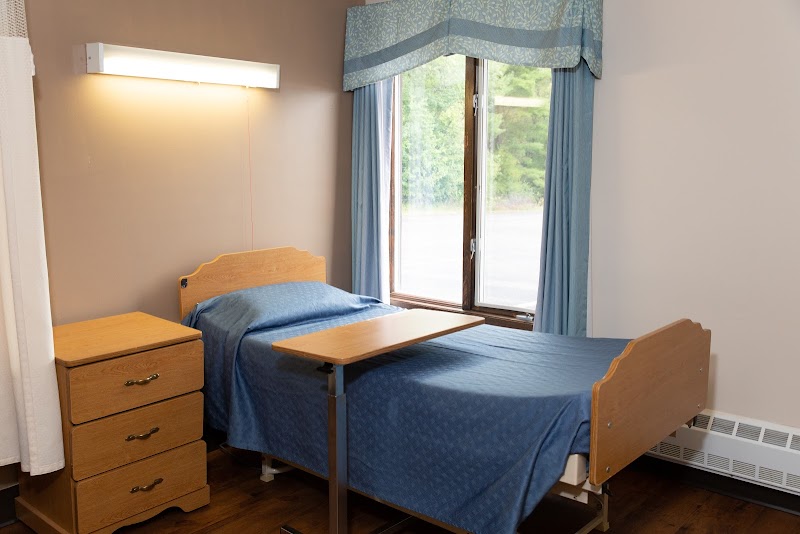
How is Wisconsin Dells Health Services Staffed?

CMS rates WISCONSIN DELLS HEALTH SERVICES's staffing level at 2 out of 5 stars, which is below average compared to other nursing homes. Staff turnover is 37%, compared to the Wisconsin average of 46%. This relatively stable workforce can support continuity of care.

What Have Inspectors Found at Wisconsin Dells Health Services?

State health inspectors documented 24 deficiencies at WISCONSIN DELLS HEALTH SERVICES during 2023 to 2025. These included: 24 with potential for harm.
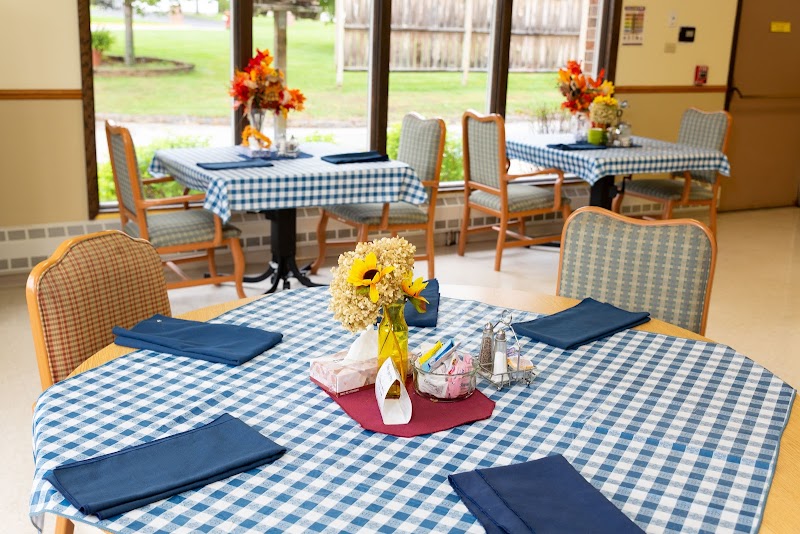
Who Owns and Operates Wisconsin Dells Health Services?

WISCONSIN DELLS HEALTH SERVICES is owned by a for-profit company. For-profit facilities operate as businesses with obligations to shareholders or private owners. The facility is operated by NORTH SHORE HEALTHCARE, a chain that manages multiple nursing homes. With 90 certified beds and approximately 46 residents (about 51% occupancy), it is a smaller facility located in WISCONSIN DELLS, Wisconsin.
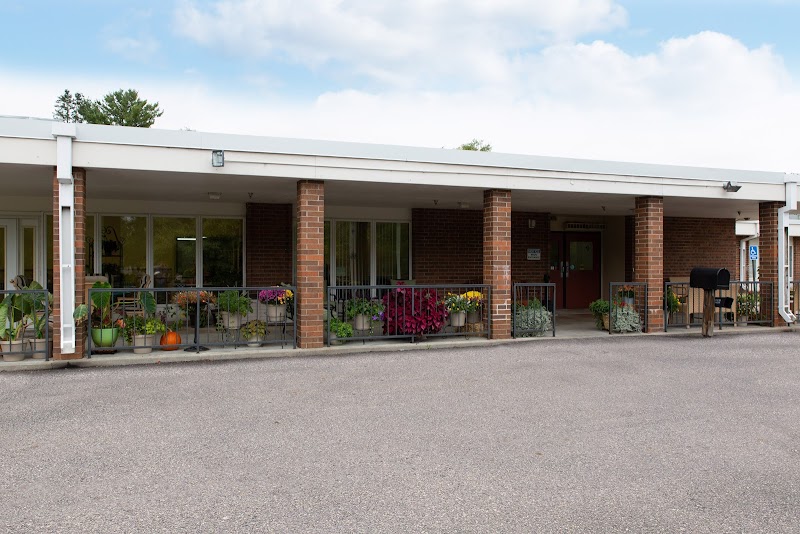
How Does Wisconsin Dells Health Services Compare to Other Wisconsin Nursing Homes?

Compared to the 100 nursing homes in Wisconsin, WISCONSIN DELLS HEALTH SERVICES's overall rating (3 stars) matches the state average, staff turnover (37%) is near the state average of 46%, and health inspection rating (2 stars) is below the national benchmark.

What Should Families Ask When Visiting Wisconsin Dells Health Services?

Based on this facility's data, families visiting should ask: "Can you walk me through typical staffing levels on day, evening, and night shifts?" "Can I visit during a mealtime to observe dining assistance and food quality?" "How do you handle medical emergencies, and what is your hospital transfer rate?" "Can I speak with family members of current residents about their experience?" These questions are particularly relevant given the below-average staffing rating.

Is Wisconsin Dells Health Services Safe?

Based on CMS inspection data, WISCONSIN DELLS HEALTH SERVICES has a clean safety record: no substantiated abuse findings (meaning no confirmed cases of resident harm), no Immediate Jeopardy citations (the most serious violation level indicating risk of serious injury or death), and is not on the Special Focus Facility watch list (a federal program monitoring the lowest-performing 1% of nursing homes). The facility has a 3-star overall rating and ranks #1 of 100 nursing homes in Wisconsin. While no facility is perfect, families should still ask about staff-to-resident ratios and recent inspection results during their visit.

Do Nurses at Wisconsin Dells Health Services Stick Around?

WISCONSIN DELLS HEALTH SERVICES has a staff turnover rate of 37%, which is about average for Wisconsin nursing homes (state average: 46%). Moderate turnover is common in nursing homes, but families should still ask about staff tenure and how the facility maintains care continuity when employees leave.

Was Wisconsin Dells Health Services Ever Fined?

WISCONSIN DELLS HEALTH SERVICES has no federal fines on record. CMS issues fines when nursing homes fail to meet care standards or don't correct problems found during inspections. The absence of fines suggests the facility has either maintained compliance or corrected any issues before penalties were assessed. This is a positive indicator, though families should still review recent inspection reports for the full picture.

Is Wisconsin Dells Health Services on Any Federal Watch List?

WISCONSIN DELLS HEALTH SERVICES is not on any federal watch list. The most significant is the Special Focus Facility (SFF) program, which identifies the bottom 1% of nursing homes nationally based on persistent, serious quality problems. Not being on this list means the facility has avoided the pattern of deficiencies that triggers enhanced federal oversight. This is a positive indicator, though families should still review the facility's inspection history directly.