WISCONSIN RAPIDS HEALTH SERVICES
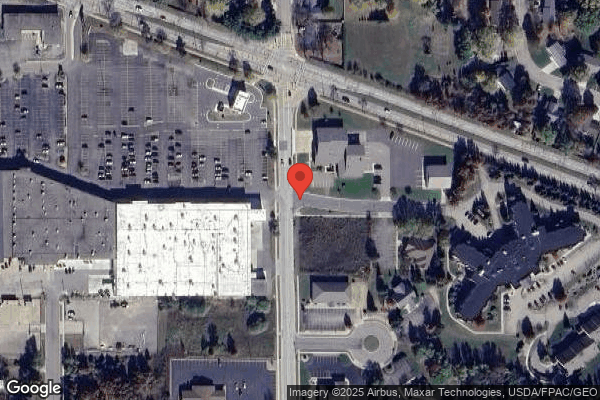

1350 RIVER RUN DR, WISCONSIN RAPIDS, WI 54494 (715) 421-3140
For profit - Limited Liability company 114 Beds NORTH SHORE HEALTHCARE Data: November 2025 3 Immediate Jeopardy citations
Trust Grade
0/100
#321 of 321 in WI
Last Inspection: November 2024

Within standard 12-15 month inspection cycle. Federal law requires annual inspections.

Overview

Wisconsin Rapids Health Services has received a Trust Grade of F, which indicates significant concerns about the quality of care provided. It ranks #321 out of 321 nursing homes in Wisconsin, placing it at the bottom of the state's facilities, and #5 out of 5 in Wood County, meaning there are no better local options available. Although the facility has improved from 20 issues in 2024 to 4 in 2025, the overall situation remains troubling with 36 critical deficiencies, including failures to perform CPR for a resident when needed and inadequate assessment of a resident's change in condition. Staffing is a relative strength, rated at 4 out of 5 stars, with a turnover rate of 56%, which is average but indicates some instability. However, the facility's fines of $114,626 are concerning, being higher than 80% of Wisconsin facilities, which suggests ongoing compliance issues.

Trust Score
F
0/100
In Wisconsin
#321/321
Bottom 1%
Safety Record
High Risk
Review needed
Inspections
Getting Better
20 → 4 violations
Staff Stability
⚠ Watch
56% turnover. Above average. Higher turnover means staff may not know residents' routines.
Penalties
✓ Good
$114,626 in fines. Lower than most Wisconsin facilities. Relatively clean record.
Skilled Nurses
✓ Good
Each resident gets 78 minutes of Registered Nurse (RN) attention daily — more than 97% of Wisconsin nursing homes. RNs are the most trained staff who catch health problems before they become serious.
Violations
⚠ Watch
36 deficiencies on record. Higher than average. Multiple issues found across inspections.
★☆☆☆☆
1.0
Overall Rating
★★★★☆
4.0
Staff Levels
★☆☆☆☆
1.0
Care Quality
★☆☆☆☆
1.0
Inspection Score
Stable
2024: 20 issues
2025: 4 issues

The Good

  • 4-Star Staffing Rating · Above-average nurse staffing levels
  • Full Sprinkler Coverage · Fire safety systems throughout facility
  • No fines on record

Facility shows strength in staffing levels, fire safety.

The Bad

1-Star Overall Rating

Below Wisconsin average (3.0)

Significant quality concerns identified by CMS

Staff Turnover: 56%

Near Wisconsin avg (46%)

Frequent staff changes - ask about care continuity

Federal Fines: $114,626

Well above median ($33,413)

Significant penalties indicating serious issues

Chain: NORTH SHORE HEALTHCARE

Part of a multi-facility chain

Ask about local staffing decisions and management

Staff turnover is elevated (56%)

8 points above Wisconsin average of 48%

The Ugly 36 deficiencies on record

3 life-threatening
Apr 2025 3 deficiencies
CONCERN (D) 📢 Someone Reported This

A family member, employee, or ombudsman was alarmed enough to file a formal complaint

Potential for Harm - no one hurt, but risky conditions existed

Notification of Changes (Tag F0580)

Could have caused harm · This affected 1 resident

**NOTE- TERMS IN BRACKETS HAVE BEEN EDITED TO PROTECT CONFIDENTIALITY** Based on staff interview and record review the facility did not ensure a physician was notified regarding a change in condition ...

Read full inspector narrative →
**NOTE- TERMS IN BRACKETS HAVE BEEN EDITED TO PROTECT CONFIDENTIALITY** Based on staff interview and record review the facility did not ensure a physician was notified regarding a change in condition for 1 resident (R) (R1) of 3 sampled residents. R1's medical record indicated R1 refused at least 2 meals per day multiple days in March 2025. The facility did not notify R1's physician of the refusals. Findings include: The facility's Change in Condition of the Resident policy, dated 9/20/22, indicates: When a resident presents with a possible change of condition, after a fall or other possible injury, trauma, or noted changes in mental or physical functioning: 1. Assess the resident's needs for immediate care/medical attention. Provide emergency care as needed .3. Notify resident's physician - use INTERACT Change in Condition. The Interact Version 4.5 tool 2014-2021, Change in Condition: When to report to the Medical Doctor (MD)/Nurse Practitioner (NP)/Physician Assistant (PA) indicates: Symptom or Sign: Appetite, Diminished: No oral intake 2 consecutive meals (immediate notification). Significant decline in food and fluid intake in resident with marginal hydration and nutritional status (non-immediate notification) . On 4/22/25, Surveyor reviewed R1's medical record. R1 was admitted to the facility on [DATE] and had diagnoses including paraplegia, protein calorie malnutrition, pressure ulcer of sacral region stage 4, pressure ulcer of right heel unstageable, pressure ulcer of left heel unstageable, ileostomy, and monoplegia of upper limb following cerebral infarction affecting the right dominant side. R1's Minimum Data Set (MDS) assessment, dated 2/18/25, had a Brief Interview for Mental Status (BIMS) score of 10 out of 15 which indicated R1 had moderate cognitive impairment. R1 was hospitalized on [DATE]. R1 was admitted to another facility on Hospice services following discharge from the hospital. R1 had a revised care plan, dated 2/17/25, that indicated R1 was at risk for nutritional status change related to protein-calorie malnutrition, hypertension, hyperlipidemia, tremors, weight loss, pressure areas, depression, poor oral intake, and paraplegia. The care plan contained the following interventions: Eating - Independent. Please cut up foods as needed and set-up (revised 2/17/25); Encourage and assist as needed to consume foods and/or supplements and fluids offered (revised 3/7/24). A note by Advance Practice Nurse Practitioner (APNP)-C, dated 2/7/25, indicated APNP-C saw R1 who was resting in bed. R1 was alert and oriented and denied shortness of breath, chest pain, nausea, vomiting or diarrhea. Nursing staff indicated R1 has not been eating well and had a 13 pound weight loss. APNP-C spoke to R1 about not eating well which R1 confirmed. R1 reported feeling more depressed since R1's spouse does not visit on a daily basis. R1 did not want an increase in any depression medication, however, R1 agreed to try an increase in mirtazapine to help R1's appetite. APNP-C asked the facility's Social Worker to reach out to R1's spouse to see if R1's spouse could visit R1 or do something through telehealth. A discussion was had with the Hospice nurse who indicated R1 did not qualify for Hospice care at that time. A note written by APNP-D, dated 3/3/25, indicated R1 was evaluated that morning. R1's spouse noted increased confusion and requested a capacity evaluation. R1 stated R1's date of birth correctly, but was unable to appropriately answer questions regarding place, time, and situation. APNP-D indicated R1 was not able to make complex medical decisions and agreed with activating R1's Power of Attorney for Healthcare (POAHC). The note indicated an MD would evaluate R1 the following day and indicated R1 complained of depression symptoms A Nutrition/Dietary note, dated 3/19/25, indicated an unstageable deep tissue injury (DTI) on R1's left heel was resolved as 3/19/25. R1 continued with an unstageable DTI on the right heel and had a stage 2 on the right heel. The note indicated to continue with liquid protein 2 times daily (BID) to support wound healing as well as vitamin C and a multi-vitamin injection. R1's meal intake was poor with an average of 0-25%. R1 was offered foods of preference including sandwich's and 2 glasses of chocolate milk with meals. R1 complained of depression symptoms. R1's depression medication was increased and R1 was followed by psych. The note indicated to continue to provide oral intake encouragement. On 3/23/25 at 2:05 PM, a Registered Nurse (RN) messaged the on-call physician via an app the facility uses for physician communication. The note indicated R1 had an acute change in condition and noted R1: refused to drink; had sunken eye sockets; had poor skin turgor; had dry lips; and wouldn't open R1's mouth so the RN could inspect R1's tongue for furrowing. The note indicated the skin along R1's left inner cheek looked like a hanging sheet. R1's mouth was dry and R1 had difficulty or refused to drink from a straw which R1 usually did. R1 was given fluids direct from cup to mouth but only took approximately 5-10 cubic centimeters (cc). The note indicated R1 was very depressed but denied making R1's self intentionally dehydrated. The note asked permission to send R1 to the emergency room (ER) for evaluation and treatment. A change of condition note, dated 3/23/35 at 2:09 PM, indicated nursing staff indicated R1 was unable to draw up fluid through a straw due to dry oral mucosa. R1's lips were chapped and orbital sockets were sunken. R1's eyes were matting shut and R1 had poor skin turgor. R1's Foley catheter output contained medium yellow urine with a brown tint. Charting over last few days indicated R1 had an average output of 700 milliliters (ml) or less. An NP was notified and ordered a stat (emergency) basic metabolic panel (BMP) and complete blood count (CBC) and a bag of normal saline (NS) 75 ml/hour and re-evaluate after administration. The NP also ordered Refresh eye drops as needed (PRN) four times daily (QID). R1's spouse was notified and agreed with the plan of care A progress note, dated 3/23/25 at 2:43 PM, indicated R1 frequently spilled drinks in bed lately. Nursing staff trialed cups with straws to decrease the likelihood of spilling. On 3/23/25, the writer noted R1 was not drinking and attempted to provide fluids directly, however, R1 cannot drink more than 5-10 cc at a time. R1 was unable to draw up fluid through the straw due to dry oral mucosa. R1's lips were chapped and orbital sockets were sunken. R1's eyes were matting shut and R1 had poor skin turgor. R1's Foley output contained medium yellow urine with a brown tint. Charting over last few days indicated R1 had an average output 700 ml or less. An NP ordered a stat BMP and CBC and a bag of NS 75 ml/hour and to re-evaluate after administration. The NP also ordered Refresh eye drops PRN QID. The NP wanted treatment in the facility at that time, however, an RN was not available until 6:00 PM. The writer contacted the Assistant Director of Nursing (ADON) to see if the concern could be addressed sooner. The NP said it was okay to wait until 6:00 PM if the ADON was unavailable. R1's spouse was notified and agreeable to the plan of care. A progress note, dated 3/23/25 at 6:36 PM, indicated R1 had difficulty swallowing whole pills and requested R1's medication be crushed. The NP agreed to order the appropriate medications crushed as needed. R1 could swallow medication and drink 30 cc of water but stated R1 was unable to drink any more than that A note, dated 3/23/25 at 9:53 PM, indicated R1's lab results were received at 8:20 PM and indicated R1 had a high sodium (NA) level and a low glomerular filtration rate (GFR). R1's physician was notified and sent R1 to the ER. R1's spouse was contacted and agreeable. R1 was transported to the ER via ambulance. When the write attempted to give R1 bedtime (HS) medications, R1 was mostly unresponsive and would not open eyes or mouth when asked. R1 would not open R1's eyes even to painful stimuli. Surveyor reviewed R1's food and fluid intake for March 2025 and noted the following: -On 3/19/25, R1 refused breakfast and lunch and drank 720 ccs of fluid. -On 3/20/25, R1 had refused all meals. R1 refused fluids at 7:30 AM and 11:30 AM. R1 consumed 240 ccs of fluid at 6:00 PM. -On 3/21/25, R1 refused breakfast and lunch. (Of note: R1 refused 5 meals in a row between 3/20/25 and 3/21/25. In addition, there was no fluid intake documented on 3/21/25 (7:30 AM refusal, not applicable (NA) at 11:30 AM, and nothing documented at 6:00 PM.) -On 3/22/25, R1 ate 0-25% for breakfast, refused lunch, and there was no documentation for dinner. R1 consumed 360 ccs of fluid. -On 3/23/25, R1 consumed 480 ccs of fluid at 7:30 AM and 0 ccs at 11:30 AM. R1's change in condition was communicated to an APNP at 2:05 PM on 3/23/25. Surveyor noted that prior to 3/20/25, R1 had 13 other meal refusals including the following dates where R1 also had 2 meal refusals in a row: 3/6/25, 3/10/25, and 3/13/25. R1's medical record did not indicate R1's physician was notified of the meal refusals. Surveyor also noted R1 ate 0-25% of meals provided. With regard to fluids, R1 had only 1 other documented refusal of fluids during the month. On 4/22/25 at 11:55 AM, Surveyor interviewed Director of Nursing (DON)-B who indicated R1 refused meals regularly. DON-B confirmed R1 had multiple refusals prior to going to the hospital on 3/23/25. DON-B indicated Certified Nursing Assistants (CNAs) should communicate shift to shift and with nurses when they notice things so clinical judgement can then be used based on how the resident presents. On 4/22/25 at 1:08 PM, Surveyor interviewed APNP-D who completed telehealth at the facility on Mondays. APNP-D indicated APNP-D met with R1 for the first time on 3/3/25. APNP-D did an evaluation for capacity because R1's spouse noted increased confusion. APNP-D indicated if a resident refused 5 meals in a row, APNP-D would want to be notified. On 4/22/25 at 1:44 PM, Surveyor interviewed APNP-C via phone. APNP-C indicated APNP-C last saw R1 on 2/7/25 and spoke with R1 about depression and lack of appetite. APNP-C indicated APNP-C is in the building on Fridays to see residents. APNP-C talks with nurses and the DON to see if there are concerns with residents. APNP-C did not recall hearing a concern that R1 refused multiple meals on 3/21/25 (Friday) which was a date that APNP-C would have been at the facility. APNP-C indicated in addition to coming in, APNP-C takes call and covers multiple facilities. APNP-C indicated if APNP-C was notified that R1 refused five meals in a row, APNP-C would have talked with R1 to figure out why. APNP-C indicated APNP-C would order basic lab work to see if R1 was dehydrated or had an infection and might have ordered a speech evaluation pending the findings after talking with R1. If R1's lab work showed dehydration, APNP-C would make a decision based on the severity of the lab work. If intravenous (IV) fluids could be administered in the facility, APNP-C was order IV fluids in the building and re-run lab work or would possibly send R1 to the ER for evaluation if that's what R1's family wanted. APNP-C recalled a conversation with R1 about Hospice services and indicated R1 did not qualify for Hospice services at that time on 2/7/25.
CONCERN (D) 📢 Someone Reported This

A family member, employee, or ombudsman was alarmed enough to file a formal complaint

Potential for Harm - no one hurt, but risky conditions existed

Infection Control (Tag F0880)

Could have caused harm · This affected 1 resident

**NOTE- TERMS IN BRACKETS HAVE BEEN EDITED TO PROTECT CONFIDENTIALITY** Based on observation, staff interview, and record review, the facility did not maintain an infection prevention and control prog...

Read full inspector narrative →
**NOTE- TERMS IN BRACKETS HAVE BEEN EDITED TO PROTECT CONFIDENTIALITY** Based on observation, staff interview, and record review, the facility did not maintain an infection prevention and control program designed to prevent the transmission of communicable disease and infection for 2 residents (R) (R3 and R4) of 3 residents observed during the provision of cares. Certified Nursing Assistant (CNA)-G did not complete appropriate hand hygiene during the provision of care for R4. Licensed Practical Nurse (LPN)-E and CNA-F did not wear the appropriate personal protective equipment (PPE) during a transfer for R3 who was on enhanced barrier precautions (EBP). Findings include: The facility's Hand Hygiene policy, dated 11/2/22, indicates: .1. Staff will perform hand hygiene when indicated, using proper technique consistent with accepted standards of practice .The use of gloves does not replace hand hygiene. If your task requires gloves, perform hand hygiene prior to donning gloves, and immediately after removing gloves. Hand Hygiene Table: After handling contaminated objects (either soap and water or alcohol-based hand rub (ABHR) is preferred); Before and after handling clean or soiled dressings, linens, etc; After handling items potentially contaminated with blood, body fluids, secretions, or excretions; When, during resident care, moving from a contaminated body site to a clean body site . The facility's Enhanced Barrier Precautions policy, dated 8/8/24, indicates: .a. 4. High-contact resident care activities include: .c: transferring, f. changing briefs or assisting with toileting .8. Additional epidemiologically important multidrug-resistant organisms (MDROs) may include: methicillin-resistant Staphylococcus aureus (MRSA). The facility's Transmission Based Precautions policy, dated 9/24/24, indicates: .10. Contact Precautions: Healthcare personnel caring for residents on contact precautions wear a gown and gloves for all interactions that may involve contact with the resident or potentially contaminated areas in the resident's environment .F. Contact precautions will be used for residents infected or colonized with MDROs in the following situations: .i. when a resident has wounds, secretions, or excretions that are unable to be covered or contained . 1. On 4/22/25, Surveyor reviewed R4's medical record. R4 was admitted to the facility on [DATE] and had diagnoses including seizure disorder and malnutrition. On 4/22/25 at 5:50 AM, Surveyor observed CNA-G provide morning cares for R4. When CNA-G approached R4 to get dressed, CNA-G noted R4 had urinated through R4's clothing and Chux pad. CNA-G completed hand hygiene and donned gloves. CNA-G began removing R4's sheet and Chux pad and also noted R4 had a bowel movement. CNA-G indicated CNA-G did not have wipes or a garbage can nearby. CNA-G walked around the R4's bed and touched R4's bed with soiled gloves. CNA-G then entered R4's bathroom and removed gloves. Without completing hand hygiene, CNA-G donned clean gloves and retrieved wipes. CNA-G then cleansed R4's bottom of stool. With the same soiled gloves, CNA-G fluffed R4's pillow and removed R4's shirt. Throughout the observation, Surveyor observed CNA-G change gloves 4 times without completing hand hygiene between glove changes. Surveyor observed CNA-G wash hands with soap and water once during the care observation and noted CNA-G did not have hand sanitizer available while providing cares. On 4/22/25 at 6:40 AM, Surveyor interviewed CNA-G who acknowledged CNA-G did not complete hand hygiene during glove changes. CNA-G also acknowledged CNA-G touched multiple items in R4's room with soiled gloves. CNA-G also verified there was not hand sanitizer readily available in any of the resident rooms. 2. On 4/22/25, Surveyor reviewed R4's medical record. R4 was admitted to the facility on [DATE] and had diagnoses including diabetes mellitus, MRSA, and cellulitis. R4's care plan, dated 2/12/25, indicated R4 had venous wounds on the left lower extremity and a MRSA infection/cellulitis in the left lower leg. On 4/22/25 at 5:00 AM, Surveyor observed CNA-G and LPN-E enter R4's room to transfer R4 from bed to toilet with an EZ stand lift. Surveyor observed a sign on R4's door that indicated R4 was on EBP and providers must wear gloves and gowns for the following high-contact resident care activities: Transferring; Changing briefs or assisting with toileting. Surveyor noted a set a drawers to the right of R4's door that contained PPE. A sign on top of the drawers indicated: Contact Precautions: Providers and staff must also: Put on gown before room entry. Discard gown before room exit. Surveyor observed CNA-G and LPN-E don gloves, enter R4's room, and transfer R4 to the toilet. CNA-G and LPN-E remained in R4's room and then transferred R4 from the toilet to R4's wheelchair. When LPN-E exited R4's room, Surveyor interviewed LPN-E and referenced the signage on R4's door. LPN-E indicated LPN-E did not know which sign LPN-E should follow. LPN-E verified LPN-E did not wear a gown during the transfer. CNA-G then exited R4's room. When Surveyor referenced the two signs on R4's door, CNA-G indicated CNA-G thought R4 was on contact precautions. CNA-G acknowledged CNA-G did not wear a gown during the transfer. On 4/22/25 at 11:06 AM, Surveyor interviewed Director of Nursing (DON)-B who indicated staff should complete hand hygiene when going from dirty to clean and when donning new gloves. Surveyor informed DON-B that hand sanitizer was not accessible for staff in resident rooms. With regard to wearing PPE during a transfer for a resident with EBP and Contact Precautions signs on their door, DON-B indicated staff should have followed the signs and donned a gown for the transfer. DON-B indicated the facility was completing hand hygiene and EBP audits and recognized both of the observations were on the night (NOC) shift, however, the audits were done mostly on the AM and PM shifts.
CONCERN (D) 📢 Someone Reported This

A family member, employee, or ombudsman was alarmed enough to file a formal complaint

Potential for Harm - no one hurt, but risky conditions existed

Deficiency F0887 (Tag F0887)

Could have caused harm · This affected 1 resident

**NOTE- TERMS IN BRACKETS HAVE BEEN EDITED TO PROTECT CONFIDENTIALITY** Based on staff and resident representative interview and record review, the facility did not ensure a medical record contained s...

Read full inspector narrative →
**NOTE- TERMS IN BRACKETS HAVE BEEN EDITED TO PROTECT CONFIDENTIALITY** Based on staff and resident representative interview and record review, the facility did not ensure a medical record contained signed COVID-19 vaccination documentation for 1 resident (R) (R2) of 5 sampled residents. R2's medical record did not contain a signed authorization from R2's Power of Attorney for Healthcare (POAHC) for the facility to administer a COVID-19 vaccine. Findings include: The facility's COVID-19 Vaccination policy, dated 9/13/24, indicates: 14. Consent will be signed prior to administration of the COVID-19 vaccine. This information will be retained in the resident's medical record . On 4/22/25, Surveyor reviewed R2's medical record. R2 was admitted to the facility on [DATE] and had diagnoses including chronic obstructive pulmonary disease (COPD), dysphagia, schizoaffective disorder, and bipolar disorder. On 3/20/25, R2's Minimum Data Set (MDS) assessment, dated 3/20/25, had a Brief Interview for Mental Status (BIMS) score of 8 out of 15 which indicated R2 had moderate cognitive impairment. R2 had an activated POAHC. R2's medical record contained a COVID-19 consent form, dated 2/1/25, that indicated R2's POAHC gave verbal consent for R2 to receive a COVID-19 vaccine. On 4/22/25 at 9:47 AM, Surveyor interviewed Registered Nurse (RN)-H who indicated RN-H called R2' POAHC on 2/1/25 and obtained verbal authorization for R2 to receive a COVID-19 vaccine. RN-H indicated RN-H mailed the authorization form to R2's POAHC with a note to return the signed document to the facility within two weeks. RN-H indicated R2's POAHC had not returned the signed document. RN-H did not document the verbal conversation with R2's POAHC in R2's medical record and indicated RN-H usually documented communications in nursing notes. RN-H indicated RN-H obtained authorization from R2 on 2/14/25 to administer a COVID-19 vaccine. On 4/22/25 at 2:23 PM, Surveyor interviewed R2's POAHC who indicated RN-H called and left a message regarding authorization for vaccines. R2's POAHC indicated they attempted to return RN-H's call but did not get through. R2's POAHC then phoned the former Director of Nursing (DON) and left a message authorizing all vaccines except COVID-19. R2's POAHC indicated R2 authorized COVID-19 vaccination on 2/14/25, however, R2's POAHC had been activated for R2's POAHC to make medical decisions. R2's POAHC indicated they spoke with the former DON who stated there was a miscommunication regarding R2's COVID-19 vaccine and that RN-H would be further educated on the process for the future. On 4/22/25 at 3:42 PM, Surveyor interviewed DON-B who verified a COVID-19 vaccine was administered to R2. DON-B indicated the facility works off of verbal consents. DON-B verified the language in the facility's policy regarding having a signed consent prior to administration of a COVID-19 vaccine. DON-B was not aware of R2's POAHC and the former DON's conversation. DON-B provided Surveyor with COVID-19 education that was provided to R2.
Mar 2025 1 deficiency
CONCERN (D) 📢 Someone Reported This

A family member, employee, or ombudsman was alarmed enough to file a formal complaint

Potential for Harm - no one hurt, but risky conditions existed

Grievances (Tag F0585)

Could have caused harm · This affected 1 resident

**NOTE- TERMS IN BRACKETS HAVE BEEN EDITED TO PROTECT CONFIDENTIALITY** Based on staff interview and record review, the facility did not make a prompt effort to investigate and resolve a grievance for...

Read full inspector narrative →
**NOTE- TERMS IN BRACKETS HAVE BEEN EDITED TO PROTECT CONFIDENTIALITY** Based on staff interview and record review, the facility did not make a prompt effort to investigate and resolve a grievance for 1 resident (R) (R1) of 5 sampled residents. A grievance was emailed to the facility on [DATE] that indicated certain medications were not administered to R1 during R1's respite stay. The grievance was not investigated and a resolution was not provided. Findings include: The facility's Grievance Policy, revised 7/2022, indicates: The facility will seek to resolve concerns, complaints, or grievances and provide residents, responsible parties, staff, and others feedback and resolution in a timely manner . On 3/13/25, Surveyor reviewed R1's medical record. R1 was admitted to the facility on [DATE] for a Hospice respite stay and had diagnoses including congestive heart failure, end-stage renal disease, hypothyroidism, and anxiety disorder. R1's Minimum Data Set (MDS) assessment, dated 11/27/24, had a Brief Interview for Mental Status (BIMS) score of 11 out of 15 which indicated R1 had moderate cognitive impairment. R1 was responsible for R1's healthcare decisions and was discharged from the facility on 11/27/24. R1's medical record indicated R1 was administered (as ordered by the physician) levothyroxine (used to treat hypothyroidism) 75 micrograms (mcg) daily, furosemide (a diuretic medication used to treat fluid retention) 40 milligrams (mg) daily, and spironolactone (a diuretic medication used to treat fluid retention) 50 mg daily in addition to other medications during R1's respite stay. R1's medication administration record (MAR) did not indicate any doses were refused or not administered. The MAR indicated Licensed Practical Nurse (LPN)-C, Registered Nurse (RN)-D, and LPN-E were among the nurses who administered medication to R1. On 3/13/25 at 10:03 AM, Surveyor interviewed LPN-C who indicated LPN-C did not recall R1. LPN-C indicated residents on respite stays are usually administered medication provided by the facility's pharmacy, however, sometimes families bring medication. On 3/13/25 at 10:14 AM, Surveyor interviewed RN-D via phone. RN-D recalled R1 and indicated RN-D administered levothyroxine to R1 in the early morning hours when levothyroxine was scheduled to be given. RN-D indicated R1 asked what the medication was for. RN-D indicated the pharmacy delivered medication daily between 10:00 PM and 11:00 PM and 4:30 AM and 6:30 AM. RN-D did not recall concerns with R1's medication supply. RN-D indicated residents on respite stays are usually administered medication provided by the pharmacy. RN-D indicated if medications are brought from a resident's home, the medications might be administered until the pharmacy supply arrives. RN-D also indicated nurses can pull medication from contingency. On 3/13/25 at 10:22 AM, Surveyor interviewed LPN-E via phone. LPN-E indicated R1's name sounded familiar. LPN-E indicated residents on respite stays are usually administered medication provided by the pharmacy. LPN-E indicated if medications are available over-the-counter, nurses can use the facility's stock supply. LPN-E indicated if a resident is prescribed an unusual medication, the resident's family needs to bring in the medication. LPN-E indicated medication can be obtained from contingency if the pharmacy delivery has not yet arrived. LPN-E indicated a family member was upset about a resident not receiving certain medications, however, LPN-E was not sure if the situation involved R1. On 3/13/25 at 11:39 AM, Surveyor interviewed Social Worker (SW)-F who indicated the pharmacy provides medication for respite stay residents. On 3/13/25 at 12:17 PM, Surveyor interviewed Director of Nursing (DON)-B who provided Surveyor with a delivery manifest and invoice from the pharmacy that included information on medications delivered/billed to the facility for R1's respite stay. The documents listed furosemide and levothyroxine and a medication used to treat breathing conditions via a nebulizer. DON-B indicated as far as DON-B could tell, R1's other medications did not come from the pharmacy. DON-B indicated DON-B was not in the facility during R1's respite stay. On 3/13/25, Surveyor reviewed a delivery manifest and invoice from the pharmacy that indicated the facility was charged for fourteen tablets of furosemide and levothyroxine related for R1 with a service date of 11/23/24. No other medications for R1 were listed as received from the pharmacy. On 3/13/25 at 1:18 PM, Surveyor interviewed Hospice Administrator (HA)-G who indicated R1 was admitted to the facility on [DATE] for a Hospice respite stay of five days. HA-G indicated the contract between the Hospice company and the facility allowed for medications to be brought from home for administration at the facility. HA-G indicated Hospice pays the facility an overall rate for care during respite stays which covers any medications administered. HA-G indicated Hospice notes indicated R1's family was upset about the possibility that R1 did not receive certain medications. On 3/13/25, Surveyor reviewed medical records provided by R1's Hospice provider that indicated a family member informed R1's Hospice nurse during a home visit on 11/27/24 that the family member sent six tablets of each of R1's medications with R1 when R1 was admitted to the facility on [DATE]. The family member reported to the Hospice nurse that all six of R1's levothyroxine and furosemide tablets came home with R1 along with three spironolactone tablets. The note indicated the Hospice nurse attempted to call the facility but could only leave a voicemail message for SW-F. The note indicated the Hospice nurse also emailed SW-F on the same date regarding the medication concerns. On 3/13/25 at 2:10 PM, Surveyor interviewed DON-B who indicated the facility could not find any indication that R1's medications were at the facility. DON-B indicated the facility did not have documentation that R1 brought medication from home or left with medications when R1 discharged home. When asked where R1's administered medications came from, DON-B stated, I don't know. On 3/13/25 at 2:15 PM, Surveyor interviewed SW-F who verified SW-F received an email from R1's Hospice nurse. SW-F indicated SW-F would have followed-up with nursing staff but could not find documentation that that occurred. SW-F verified the facility should have used the grievance process for the emailed concerns. On 3/13/25, Surveyor reviewed the email sent from the Hospice nurse to SW-F on 11/27/24. The email indicated the Hospice nurse attempted to call SW-F but was unable to get through. The Hospice nurse asked for a call back due to medication concerns and indicated R1 returned home from respite care that day. The email indicated a family member sent six tablets plus an extra of each of R1's medications, however, R1 returned home with medication that should have been administered during R1's stay. The email indicated six tablets of one medication were sent home and six tablets of another medication were sent home, however, staff ordered fourteen tablets from the pharmacy. On 3/13/25 at 2:43 PM, Surveyor interviewed SW-F who indicated SW-F contacted Hospice staff via phone to let them know R1's medications came from the pharmacy. When asked how SW-F knew R1's administered medications came from the pharmacy, SW-F indicated nurses told SW-F. SW-F verified a thorough investigation was not completed and the facility's grievance process was not followed.
Nov 2024 12 deficiencies 1 IJ
CRITICAL (J) 📢 Someone Reported This

A family member, employee, or ombudsman was alarmed enough to file a formal complaint

Immediate Jeopardy (IJ) - the most serious Medicare violation

Pressure Ulcer Prevention (Tag F0686)

Someone could have died · This affected 1 resident

**NOTE- TERMS IN BRACKETS HAVE BEEN EDITED TO PROTECT CONFIDENTIALITY** Example 2 R32 had diagnoses including fracture of left pubis (admission diagnosis), moderate protein calorie malnutrition, and d...

Read full inspector narrative →
**NOTE- TERMS IN BRACKETS HAVE BEEN EDITED TO PROTECT CONFIDENTIALITY** Example 2 R32 had diagnoses including fracture of left pubis (admission diagnosis), moderate protein calorie malnutrition, and diabetes mellitus type 2. R32's MDS assessment, dated 9/5/24, indicated R32 had no behaviors or rejection of care and had two stage 4 unhealed pressure injuries. R32 had a BIMS score of 14 which indicated R32 was cognitively intact; however, R32 was a poor historian. R32's care plan, initiated 4/11/24, indicated R32 had potential/actual impairment to skin integrity and was at high-risk due to multiple open wounds (revised 10/22/24). Care plan interventions on admission included: The resident will maintain or develop clean and intact skin by the review date; Keep skin clean and dry. Use lotion on dry skin as ordered/desired/needed; Meds/labs/treatments as ordered. An active physician order with a start date of 5/23/24 stated, Reposition every hour, document refusals, three time a day for repositioning. A Braden Scale assessment, dated 9/1/24, had a score of 12.0 which indicated R32 was at high risk for pressure injuries. R32 had wound care to be done every Monday and Friday by the facility and every Wednesday in the wound clinic. On 7/24/24, R32 was noted to have stage 4 pressure injuries on the coccyx/sacrum and left trochanter/hip. A facility Pressure Injury Weekly Tracker showed: Sacrum 2.4 x 1.4 x 4.2 stage 4, necrotic Left hip: No wound measurements on assessment by the facility Wound Clinic (WC) measurements indicated: Coccyx: 2.4 x 1.4 x 4.2, foul odor, exposed bone and muscle, stage 4 Left hip: 4.0 x 3.7 x 5.1, with tunnel, stage 4 (there was no measurement of the tunnel) WC treatment orders indicated: Wash with Dakin's 0.25% solution. Skin prep to peri-wounds. Bridge wound vac to cover both wounds. Wound vac set to -125 mmHg (millimeters of mercury). To be changed Monday and Friday at the nursing home and Wednesdays in the wound clinic. A WC physician note indicated: No wound vac was applied or came with the patient today. We will do a dakin's wet to dry covered with 4x4 Allevyn in clinic but Nursing Home, please get the wound vac applied today. R32's Treatment Administration Record (TAR) indicated: Wet to dry dressing with normal saline and Kerlix. Skin prep around wound to protect healthy skin and cover with foam adherent dressing. To be completed TID (three times daily) and as needed until wound vac supplies arrive. The treatment was not signed out on 7/22 noon, 7/23 PM, or 7/24 PM. R32's medical record did not indicate the WC physician was updated that R32's wound vac was removed. On 7/31/24, a Pressure Injury Weekly Tracker indicated: Sacrum: 2.2 x 1.4 x 2.5 stage 4, granulation Left hip: 3.2 x 3.2 x 6.3 stage 4, granulation (increased depth of left hip) There were no new interventions on R32's care plan. WC treatment orders indicated: Wound vac-wash with Dakin's 0.25% solution. Apply vacuum-assisted closure device at -125 mmHg. With green foam to left hip and coccyx (note change in treatment to green foam). With bridge dressing to cover both wounds. Apply skin prep to peri-wound and transparent semi-permeable cover dressing. One time a day every Monday, Wednesday, Friday for wound care. Wound clinic to change wound vac on Wednesdays. On 8/7/24, WC measurements indicated: Coccyx: 2.2 x 1.9 x 2.8, with foul odor Left hip: 3.3 x 3.4 x 3.5, with tunnel 8.0 cm A nurses note, dated 8/11/24 at 5:40 PM, stated, Resident refused repositioning at 1600 (4:00 PM); agreed to lift up on arms to give buttocks a break from sitting but refused to lay down and get off buttocks. This was the first documented refusal by R32 since admission on [DATE]. There were no facility weekly wound assessments with measurements or wound clinic notes in R32's record for 8/14/24. R32 was supposed to have a wound clinic appointment on 8/14/24. A Nursing Skin/Wound Note, dated 8/15/24, stated, Note Text: wound care completed by wound care nurse. Wound vac dressing to hip and coccyx changed. Measurements taken. Coccyx measures 2.3 cm x 3.5 cm x 2.0 cm. Left hip measures 3.1 cm x 3.1 cm x 8.4 cm. (increased depth) On 8/21/24, a Pressure Injury Weekly Tracker indicated: Sacrum: 2.2 x 1.9 x 2.8 stage 4, granulation Left hip: 3.3 x 6.4 x 3.5 stage 4, granulation, necrotic fat, necrotic muscle, debrided, with tunnel at 11:00, strong odor (increased width) WC measurements indicated: Coccyx: 1.8 x 1.3 x 2.5 with foul odor Left hip: 2.5 x 2.6 x 3.5 with tunnel 6 cm (Inconsistent measurements from wound clinic compared to facility weekly PI tracker) A WC treatment order on 8/21/24 indicated: Wash with Dakin's 0.25% solution. Skin prep peri-wounds. Apply Puracol collagen to the base of the wounds (whole pack to each wound). [NAME] foam to areas that are visible. Black foam on top of white foam (foams must be touching within the wound). Bridge vac to cover both wounds. Wound vac set to -125 mmHg. To be changed Monday and Friday at the nursing home and Wednesdays in the wound clinic. The wound care treatment was changed on 8/21/24 when the wound increased in size. Puracol collagen was added. R32's treatment was not signed out on 8/23/24. A Nursing Skin/Wound Note, dated 8/25/24,stated, Note Text: Wound vac alarming with a leak alert. Wound vac removed and wounds to right hip and coccyx packed with dakins soaked gauze and to be changed BID (twice daily). Wound vac canisters ordered. There was no evidence the wound physician was updated. On 8/28/24, Pressure Injury Weekly Tracker measurements were the same as the wound clinic and indicated: Coccyx: 2.2 x 1.6 x 2.5 foul odor Left hip: 2.7 x 2.7 x 3.5 with tunnel 8.5 cm The wound care treatment order was the same as 8/21/24. R32's TAR indicated: Pack coccyx and right hip wounds with Kerlix damp with quarter strength Dakin's BID until wound vac is able to be put back on. The treatment was not signed out on the 8/30 PM shift and the order identified the wrong hip. A Nursing Skin/Wound Note, dated 8/29/24, stated, Note Text: Wound care completed by wound care nurse. Wound Vac not on, waiting on white foam, wet to dry applied. A Nursing Skin/Wound Note, dated 8/31/24, stated, Note Text: Wound care completed by this writer. Wound Vac applied. On 9/4/24, a Pressure Injury Weekly Tracker indicated: Sacrum 2.4 x 2.1 x 2.5 stage 4, granulation Left hip: 2.3 x 2.4 x 6.0 stage 4, undermined 6 cm (improved) A WC physician note indicated: Left hip with undermining has a 6 cm tunnel going cranially. The ulcer is stage 4 with necrotic muscle, necrotic fat, necrotic connective tissue. The coccygeal ulcer has some necrotic muscle, necrotic fat present but improved and does not probe to bone but only muscle. A Wound Debridement physician note indicated: Wound debridement to remove necrotic fat, necrotic muscle, necrotic connective tissue, tenacious yellowish slough, necrotic fascia, and fibrin from base of coccyx and left ischium wound. Coccyx pre-debridement measurement: 2.4 x 2.1 x 2.5 with foul odor Left hip pre-debridement measurement: 2.3 x 2.4 x 6.0 with tunnel. WC measurements post debridement indicated: Coccyx: 2.1 x 1.9 x 2.5 stage 4 with foul odor Left hip: 2.1 x 2.1 x 9.0 with tunnel The WC treatment order was the same as 8/21/24. R32's treatment was not signed out on 9/2, 9/6, 9/11, or 9/16. A nurses note, dated 9/7/24 at 5:08 AM, stated, Resident refused to be toileted or repositioned on last rounds. This was the second documented refusal and last documented refusal R32's medical record. On 9/11/24, there were no weekly in-house wound assessments or at the wound clinic. On 9/18/24, a Pressure Injury Weekly Tracker indicated: Sacrum 2.1 x 1.9 x 2.5 stage 4 Left hip: 2.1 x 2.1 x 9.0 stage 4, granulation with foul odor, tunnel 9 cm deep R32's treatment was not signed out on 9/20, 9/23, or 9/25. On 9/25/24, a Pressure Injury Weekly Tracker showed same measurements as the wound clinic: Coccyx: 2.1 x 1.9 x 2.0 with foul odor (improved) Left hip: 1.9 x 2.0 x 9.0 with tunnel (improved) On 9/30/24, a Pressure Injury Weekly Tracker indicated: Sacrum 1.0 x 0.9 x 3.0 stage 4, granulation 34-66%, necrotic 34-66% Left hip: 1.2 x 1.5 x 9.0 stage 4, granulation tissue 34-66%, necrotic tissue 34-66% WC measurements indicated: Coccyx: 1.0 x 0.9 x 3.0 with foul odor (improved length x width) Left hip: 1.2 x 1.5 x 9.0 with tunnel (improved length x width) A WC treatment order indicated: Left hip wound vac is on hold for left hip 9/25/24. Wash with Dakin's 0.25% solution. Pack with gauze soaked in Dakin's 0.25% solution (wring out so it's damp but not dripping). Apply 6 x 6 Allevyn or similar dressing over the wound. Clean and change dressing daily. On 10/2/24, WC measurements indicated: Coccyx: 1.1 x 1.2 x 2.5 with foul odor Left hip: 3.6 x 3.1 x 4.0 with 7.5 cm tunnel R32's treatment was not signed out on 10/3, 10/5, 10/9, or 10/10. On 10/9/24, there was no in-house weekly wound assessment or wound clinic note in R32's medical record. R32 was supposed to have a wound clinic appointment on 10/9/24. On 10/16/24, WC measurements indicated: Coccyx: 0.9 x 0.6 x 1.5 foul odor (improved) Left hip: 2.2 x 2.1 x 3.2 with tunnel 6.0 cm (improved) A WC physician note indicated: Continue wound vac for both wounds but the hip ulcer may have to be opened up further. On 10/22/24, DON B was made aware that Surveyor wanted to observe R32's dressing change on 10/23/24. DON B stated the dressing change would not done in-house on 10/23/24 because R32 had a wound clinic appointment. On 10/23/24, WC measurements indicated: Coccyx: 0.7 x 0.8 x 2.0 foul odor Left hip: 3.1 x 1.9 x 3.5 with tunnel 6.5 cm A WC Surgical Debridement note indicated: Sacrum: Necrotic muscle, necrotic fat, necrotic connective tissue, tenacious yellowish slough, necrotic fascia, and fibrin from the base of the wound removed. Left Hip: Necrotic muscle, necrotic fat, necrotic connective tissue, yellowish slough, and fibrin from the base of the wound removed. Has tunneling at 7.5 cm deep. Left hip measurement pre-debridement: 3.1 x 1.9 x 3.5 Coccyx measurement pre-debridement: 0.7 x 0.8 x 2.0 A WC treatment order indicated staff should continue the same left hip/coccyx treatment. On 10/22/24 at 7:03 AM, Surveyor observed R32 in bed asleep. R32 was positioned on the right side facing the doorway. At 7:37 AM, Surveyor observed Certified Nursing Assistant (CNA) L exit R32's room with R32 in a wheelchair and take R32 to the dining area for breakfast. At 7:42 AM, Surveyor observed R32 in the dining room eating breakfast independently. At 8:05 AM, Surveyor observed staff take R32 to therapy. At 9:10 AM, R32 returned from therapy. At 9:16 AM, Surveyor observed CNA L enter R32's room and ask if she needed anything. R32 stated she needed to go to the bathroom. CNA L retrieved gloves from a bin in the hallway. At 9:18 AM, Surveyor observed CNA L exit R32's room and don personal protective equipment (PPE) in the hallway. R32 was not repositioned during those 2 minutes. At 9:21 AM, Surveyor observed CNA L state to R32, I will come back for you and exit R32's room. At 9:44 AM, Surveyor observed staff take R32 to a resident council meeting. At 11:00 AM, Surveyor observed R32 in a wheelchair watching TV in her room. At 11:15 AM, Surveyor observed a CNA take R32 to the dining room. At 12:19 PM, Surveyor observed a CNA take R32 back to her room. Surveyor observed R32 in her wheelchair watching TV from 12:20 PM to 2:45 PM and noted R32 was sitting in her chair from 7:37 AM until she was last observed at 2:45 PM which was approximately 7 hours. An observation of R32's wheelchair cushion on 10/24/24 at 6:49 AM indicated R32 did not have a pressure reducing cushion. The cushion was labeled Comfort Curve. Key specs of Comfort Curve cushion use state, Your Risk of Skin Breakdown: Low. The cushion was not a pressure relieving cushion for the prevention of or promotion of healing pressure injuries. On 10/24/24 at 7:55 AM, Surveyor interviewed R32 regarding wound care and repositioning. R32 stated, The wound is on my butt, and they are changing the bandages on my butt. R32 also stated, They change the bandage on Wednesday, and they use a ruler to take measurements. When asked if staff educated R32 on the risks and benefits of repositioning, R32 stated, Yes. R32 had a poor memory and could not distinguish between facility and wound clinic staff regarding measurements and dressing changes. R32 also could not recall how staff repositioned her in bed or how often. On 10/24/24 at 8:05 AM, Surveyor interviewed CNA L and CNA K regarding R32's wound care and repositioning. CNA L stated, We wash her up. We lotion her and reposition her every 2 hours. CNA K stated, We wash her and lotion her skin, do skin inspections on her bottom to make sure she doesn't have pressure sores. We reposition her from her left side to her right side and keep her dry. On 10/28/24 at 3:35 PM, Surveyor interviewed DON B and Assistant Director of Nursing (ADON) J regarding R32's wound care and assessments. Surveyor shared concerns that the facility's PI measurements were identical to the wound clinic's measurements each week. ADON J stated the facility used the wound clinic physician's wound assessments and measurements for their weekly wound assessments and indicated they had not been doing their own weekly PI assessments on Mondays or Fridays with dressing changes. On 10/29/24 at 12:00 PM, Surveyor interviewed Registered Nurse (RN) Q who was R32's wound clinic case manager. RN Q confirmed R32 saw the wound clinic physician every Wednesday for wound care and debridement. RN Q stated there were three wound physicians and they rotated for R32's wound care. RN Q stated R32 missed wound care appointments on 8/14, 9/11, and 10/8. RN Q stated she felt R32's wounds had gotten better recently but had concerns about wounds in the past. RN Q stated the wound clinic was not updated by the facility that R32's wound vac was removed or that there were concerns with R32's wound care. RN Q stated she could not give an opinion on why the wounds had worsened from 7/24 to 9/18. RN Q stated she put suggestions for better off-loading on R32's wound clinic follow-up instructions. Based on observation, interview and record review, the facility did not ensure 2 of 4 residents (R) reviewed for pressure injuries (PI) (R151 and R32) received care consistent with professional standards of practice to prevent the development of a new pressure injury and promote healing of existing PIs. R151 was admitted to the facility with a sacral PI and was assessed to be at risk for PI development. R151 developed one unstageable PI on 10/16/24 and three unstageable PIs on 10/18/24. R151's care plan for PI interventions was not developed until 10/18/24 and not updated until 10/23/24 with interventions to off-load pressure areas to R151's bilateral lower extremities and sacral wound. The facility's failure to develop a care plan and implement interventions to off-load pressure to a resident's bilateral lower extremities and sacral wound created a finding of immediate jeopardy that began on 10/18/24. Nursing Home Administrator (NHA) A was notified of the immediate jeopardy on 10/28/24 at 3:30 PM. The immediate jeopardy was removed on 10/28/24; however, the deficient practice continues at a scope/severity level G (actual harm/isolated) as evidenced by the following example for R32. R32 had an existing stage IV pressure injury that developed 8.5 centimeters (cm) tunneling on the left hip and a stage IV pressure injury on the coccyx. R32 had wound vac therapy and multiple surgical debridements. The facility did not complete weekly pressure injury assessments, did not complete multiple treatments, and did not offload R32 as the care plan instructed. In addition, R32 missed wound clinic appointments on 8/14/24, 9/11/24, and 10/8/24. This is evidenced by: Guidelines from the National Pressure Injury Advisory Panel (NPIAP) Quick Reference Guide 2019 indicate in part: 2.1 Conduct a comprehensive skin and tissue assessment for all individuals at risk of pressure injuries: As soon as possible after admission/transfer to the health care service .5.1 Reposition all individuals with or at risk of pressure injuries on an individualized schedule, unless contraindicated .5.5 Reposition the individual in such a way that optimal offloading of all bony prominences and maximum redistribution of pressure is achieved .6.3 For individuals with a Category/Stage III or greater heel pressure injury, elevate the heels using a specifically designed heel suspension device offloading the heel completely in a way as to distribute the weight of the leg along the calf .NPIAP Classification Unstageable Pressure injury: Obscured full thickness skin and tissue loss. Full-thickness skin and tissue loss in which the extent of tissue damage within the ulcer cannot be confirmed because it is obscured by slough or eschar. If slough or eschar is removed, a Stage 3 or Stage 4 pressure injury will be revealed . Example 1 R151 was admitted to the facility on [DATE] with diagnoses including multiple fractures of ribs, left side, chronic obstructive pulmonary disease (COPD), emphysema, anemia, hypo-osmolality and hyponatremia, atrial fibrillation, chronic kidney disease stage 3, anticoagulants, personal history of transient ischemic attack, atherosclerotic heart disease, peripheral vascular disease, congestive heart failure, prediabetes, and cardiac pacemaker. Hospital patient demographics, dated 10/10/24, documented an active wound on the posterior sacrum first assessed on 10/03/24 with the primary wound being a skin tear. An admission evaluation completed on 10/10/24 documented no skin impairments were present. The comments section documented, Bandage on lower back clean and dry. Bruising on (right) arm. Large Bruising noted to (left) hip area. Coban on (right) FA. R151's admission Minimum Data Set (MDS) assessment, dated 10/16/24, documented a Brief Interview for Mental Status (BIMS) score of 12 which indicated R151 had moderately impaired cognition. The MDS documented R151 had impairment to both lower legs and required partial/moderate assistance of staff for toileting, and upper and lower body cares. The MDS documented R151 was at risk for pressure injuries and had 2 unstageable pressure injuries with slough and or eschar. The MDS indicated R151 did not have a turning or repositioning schedule and did not refuse cares. R151 was discharged home on [DATE]. The facility completed a Braden scale pressure risk skin assessment on 10/11/24 with a score of 18 which indicated R151 was at risk. (The Braden scoring scale is: 15-18 at risk, 13-14 moderate risk, 10-12 high risk, 9 or below very high risk.) The facility completed a Braden assessment on 10/23/24 with a score of 20 which indicated R151 was not at risk. The facility did not develop a care plan addressing this risk until 10/18/24. A pressure injury weekly tracker, dated 10/13/24, documented an unstageable pressure injury on the left buttock that measured 3.5 cm x 4.5 cm with slough and light serosanguinous drainage. A physician order, dated 10/13/24, documented, Reposition every 2 hours and prn (as needed). The order did not mention offloading the buttock PI when repositioning R151. A wound clinic note, dated 10/16/24 at 9:56 AM, documented, Pressure sacrum unstageable due to necrosis, measuring 3.0 cm X 3.5 cm x 0.1 cm with moderate serous drainage. Pressure left lateral foot unstageable DTI (deep tissue injury) with intact skin undetermined thickness. Noted to be present on admission per staff. The PI measured 1.3 cm x 1.5 cm and the depth not measurable. Skin is intact with purple/maroon discoloration. Apply skin prep twice daily for 30 days. This is the first documentation of the wound. A Pressure Injury Weekly Tracker, dated 10/16/24 at 2:07 PM, indicated: Sacrum PI measured 3 cm x 3.5 cm x 0.1 cm, unstageable with necrotic tissue, 20% granulation tissue, 80% slough, 100% necrotic tissue, and had moderate serous drainage. On 10/16/24 at 2:30 PM, date acquired 10/16/24 in-house, R151's left lateral foot PI measured 1.3 cm x 1.5 cm unstageable with 100% necrotic tissue with no drainage, dark red or purple and/or non-blanchable. R151 had the following physician orders: 10/16/24: Heel protectors to be on while in bed. 10/16/24: Air mattress needed for resident. 10/16/24: Wound type: Pressure wound. Location: left buttock/sacrum. Wound cleansing agent: normal saline or wound cleanser. Primary dressing type: Calcium alginate with silver, zinc to peri-wound. Cover dressing: Foam dressing. Frequency of dressing changes: Three times per week Monday-Wednesday-Friday and PRN. Expected duration of need: TBD (to be determined) one time a day every Mon, Wed, Fri for Wound Care and PRN AND as needed for if dressing is soiled or no longer intact. The facility ordered an alternating low air loss mattress on 10/16/24 which was placed on R151's bed on 10/17/24. On 10/16/24, the facility ordered liquid protein 30 milliliters (mls) two times per day. A Pressure Injury Weekly Tracker, dated 10/18/24, indicated: Left lateral foot (acquired on admission), unstageable PI measured 4.3 cm x 2.2 cm with 50% necrotic tissue with no drainage. The first PI weekly tracker assessment of the left lateral foot on 10/16/24 documented the PI was acquired in the facility. On 10/18/24, left plantar foot (acquired on admission), unstageable PI measured 2.2 cm x 1.7 cm, with necrotic tissue and no drainage. This is the first documentation of this PI. On 10/18/24, left heel (acquired admission), unstageable PI measured 1.6 cm x 0.7 cm with necrotic tissue and no drainage. This is the first documentation of this PI. On 10/18/24, right plantar foot (acquired on admission), unstageable PI measured 3.5 cm x 6.5 cm with necrotic tissue and no drainage. This is the first documentation of this PI. R151's care plan was first developed on 10/18/24 with the focus area: The resident has unstageable to heel and unstageable to sacrum pressure ulcer or potential for pressure ulcer development (related to) immobility. Interventions implemented on 10/18/24 included: Administer medications as ordered; Administer treatments as ordered; and Monitor for effectiveness. Interventions implemented on 10/23/24 included: Elevate bilateral lower extremities up on pillow to off load pressure area; Reposition to right side with pillow to off load sacral wound; Please chart refusals from resident; Follow facility policies/protocols for the prevention/treatment of skin breakdown. (The repositioning and heel interventions were added 13 days after R151's admission.) A physician order, dated 10/19/24, stated to apply skin prep to right plantar foot, left plantar foot, left heel, and left lateral foot for wound care two times a day. A nursing note, dated 10/19/24 at 10:00 PM, stated, Behavior Note: Note Text: Resident refused to be turned and repositioned on the evening shift. Went in at least every 2 hours but was in there more than that to ask him to be repositioned and he was refusing. Talked to him about the importance of being repositioned and he said that he already has a sore bottom so what is going to make the difference now. Explained to him that if he just stays in one position then the sore is going to get worse. He said for right now he does not want to be turned or repositioned. R151's medical record did not contain a risk versus benefits statement for refusals of repositioning. R151's behavior monitoring charting indicated no refusals of cares and no documented behaviors. R151's nursing documentation did not indicate R151 refused care or treatments. On 10/21/24 at 11:22 AM, Surveyor interviewed R151's family member about his care. The family member stated R151 came into the facility with one PI on the butt and developed one PI on his foot. The facility changed R151's mattress, but the pillows are on the chair and staff don't elevate his heels. The wound doctor comes in to do the dressing. On 10/22/24 at 5:20 AM, Surveyor observed R151 in bed with his feet directly on the mattress and the pillows on his dresser. On 10/22/24 at 5:39 AM, Surveyor interviewed Registered Nurse (RN) P about R151's positioning and heel protectors. When Surveyor asked RN P to verify if heel protectors were on R151, RN P verified R151 did not have heel protectors on and there were none in the room. RN P checked R151's feet which were pressing on the foot board of the bed and directly on the mattress. When RN P asked R151 if he remembered if he had been wearing the heel boots, R151 said no. When RN P asked if R151 wanted a pillow under his legs, R151 willfully lifted his legs. RN P placed a pillow under R151's legs and stated she would get Certified Nursing Assistant (CNA) Q to assist with a boost. At 5:44 a.m., RN P and CNA Q boosted R151 so his feet were not touching the foot board. On 10/22/24 at 9:22 AM, Surveyor observed RN H provide wound care to R151's feet which were pressing on the foot board. RN H removed R151's socks and applied skin prep to the right foot plantar area, left foot plantar, lateral, and heel. Surveyor noted an area on the right foot that was small and dark with a callused area, the left lateral foot just below 5th digit was black and dry, the left plantar was small, dark, and callused, and the left heel had a small dark area. On 10/22/24 at 10:10 AM, Surveyor interviewed R151 about his feet pressing on the foot board and asked if staff elevated his heels with pillows or if he wore boots. R151 indicated staff have not put the pillows under his legs and the pillows are always sitting on the shelf. R151 indicated someone told him that he shouldn't wear the boots and his feet would heal better without them. R151 could not remember who told him. R151 stated his feet didn't hurt but they press on the foot board when the head of the bed is up and he slides down in bed. Staff boost R151 up when asked. On 10/23/24 at 1:15 PM, Surveyor observed RN M remove Mepilex from R151's buttock. The area had 100% slough and a red peri-wound. RN M stated the area was unstageable with 100% slough. The area measured 2.9 cm x 3.2 cm. RN M assessed R151's left lateral foot below the 5th digit on the pad of the foot and measured 1.8 cm x 1.3 cm. The area appeared dark in color and dry with no raised area or appearance of being open. RN M measured the left foot plantar area to be 2 cm x 1.8 cm. Surveyor observed a small red DTI area with hard skin. RN M measured the left heel to be 0.6 cm x 1.3 cm. Surveyor observed a small red DTI area with hard skin. RN M measured the right foot plantar area to be 3.0 cm x 3.0 cm. Surveyor observed a small red DTI area with hard skin. RN M indicated all the areas were unstageable. RN M looked for boots for R151. When RN M asked if he had been wearing the boots, R151 stated no. Surveyor told RN M that Surveyor observed boots in R151's closet on the top shelf. When RN M got the boots, R151 refused. When RN M asked why R151 didn't want the boots and if they were hot, R151 stated he could not remember who told him that he would be better off not wearing the boots. RN M educated R151 that wearing the boots would help his feet from hitting the foot board and causing more issues. R151 agreed to wear the boots. RN M applied the boots and placed a pillow under R151's calves. On 10/23/24 at 1:40 PM, Surveyor interviewed RN M about R151's documentation of PIs and asked if the PIs were facility-acquired. RN M indicated that she was not sure if the PIs were facility-acquired and thought the PIs were initially assessed upon admission. Surveyor stated the left lateral foot was initially noted to be facility-acquired but the assessments after that documented the PIs were present upon admission. RN M indicated she wasn't sure when she did the assessment so she marked the wounds as present upon admission. RN M indicated she would change the assessments to indicate the PIs were facility-acquired. On 10/24/24 at 8:24 AM, Surveyor interviewed Director of Nursing (DON) B and asked if R151's PIs were avoidable or unavoidable. DON B indicated all PIs are avoidable. On 10/28/24 at 11:57 AM, Surveyor interviewed RN O (the facility's MDS Coordinator) about R151's 10/16/24 admission MDS assessment that coded 2 PIs on admission. RN O indicated the coding was based on information in the chart from admission and the wound clinic note. Surveyor and RN O reviewed the facility's admission evaluation documentation that indicated R151 did not have any skin impairments. There was a PI weekly tracker completed on 10/13/24 of the left buttock and a non-pressure injury to the right buttock. On 10/16/24, the PI weekly tracker assessments stated a sacrum PI and left lateral foot PI were acquired on 10/16/24 in house. A hospital demographics note on 10/10/24 documented the sacrum but did not document the left lateral foot. RN O indicated the wound clinic note documented the left lateral foot was present upon admission. Surveyor stated the wound note documented noted to be present on admission per staff but there was no documentation that staff assessed a left lateral foot PI until 10/16/24 after the wound clinic evaluation. RN O indicated she understood and stated the MDS should have been coded with 1 PI to the sacrum on admission and 1 PI to the left lateral foot facility-acquired and indicated the MDS would be updated. On 10/28/24 at 12:46 PM, Surveyor interviewed Nurse Practitioner (NP) N about R151 having PIs on admission. NP N reviewed R151's admission notes and did not see any documentation of R151 having PIs on his feet. NP N indicated she would have reviewed the hospital discharge note and would follow-up with R151 when next seen. NP N reviewed the hospital discharge note and noted there were no PIs on R151's feet and the only skin area noted was the sacrum. NP N indicated she should be notified by the facility if there was a change in condition and expected to be notified of the start of a PI. NP N reviewed her communication with the facility and dictation and stated there was no documentation of R151 having any PIs. NP N indicated she was not aware that R151 had any PIs on his feet. NP N indicated she would have reviewed the wound clinic orders, ensured the facility was following the orders, and would have assessed R151 on her next visit. NP N indicated the only time R151 refused care was related to the use of oxygen upon discharge. NP N indicated R151 told her everything was fine and he had no pain or concerns. The failure to initiate a care plan and implement interventions to prevent pressure injuries resulted in serious harm for R151 and led to a finding of immediate jeopardy. The facility removed the jeopardy on 10/28/24 when it completed the following: 1. Completed wound assessments for residents with pressure injuries and skin assessments for all in-house residents. 2. Updated care plans with pressure prevention interventions. 3. Educated licensed nursing staff on the facility's policy, assessing residents upon admission, implementing pressure injury prevention interventions, implementing treatment orders, documentation, and provider notification. 4. Educated nursing and therapy staff on implementing pressure injury prevention interventions. 5. Implemented audits to ensure compliance.
CONCERN (D) 📢 Someone Reported This

A family member, employee, or ombudsman was alarmed enough to file a formal complaint

Potential for Harm - no one hurt, but risky conditions existed

Resident Rights (Tag F0550)

Could have caused harm · This affected 1 resident

**NOTE- TERMS IN BRACKETS HAVE BEEN EDITED TO PROTECT CONFIDENTIALITY** Based on observation, interview and record review, the facility did not ensure each resident (R) was treated with dignity and re...

Read full inspector narrative →
**NOTE- TERMS IN BRACKETS HAVE BEEN EDITED TO PROTECT CONFIDENTIALITY** Based on observation, interview and record review, the facility did not ensure each resident (R) was treated with dignity and respect and cared for in a manner that enhanced their quality of life for 2 residents (R16 and R24). Staff were observed feeding R16 and R24 part of their meals while standing over them. This was evidenced by: The facility policy titled The Dining Experience: Staff Responsibilities, dated 4/10/20, states in part: The dining experience will enhance each individual's quality of life through person centered dining. Example 1 R24 was admitted to the facility on [DATE] and had diagnoses including Alzheimer's disease and anemia. R24's care plan states in part: Eating - assist with set up. Encourage and assist as needed to consume foods and/or supplements and fluids offered. On 10/22/24 at 8:39 AM, Surveyor observed R24 trying to eat her meal. R24 had been using a knife to eat with when Certified Nursing Assistant (CNA) F approached, gave R24 a spoon instead of a knife, and stated this might be easier. CNA F then stood over R24 and began feeding her. CNA F stood and fed R24 the rest of her meal. Example 2 R16 was admitted to the facility on [DATE] and had diagnoses including Parkinson's disease and legal blindness. R16's care plan states in part: Eating - independent after set up, uses a lip plate, Clock method to make aware of where food is, Assist of 1 as needed. On 10/22/24 at 12:36 PM, Surveyor observed CNA F feed R16 some bites of asparagus and an entire bowl of fruit while standing. On 10/24/24 at 11:07 AM, Surveyor interviewed Director of Nursing (DON) B. When Surveyor relayed the above observations to DON B, DON B stated, Staff should not do that; staff should be sitting when assisting residents with their meals.
CONCERN (D)

Potential for Harm - no one hurt, but risky conditions existed

Deficiency F0637 (Tag F0637)

Could have caused harm · This affected 1 resident

**NOTE- TERMS IN BRACKETS HAVE BEEN EDITED TO PROTECT CONFIDENTIALITY** Based on interview and record review, the facility did not complete and submit a Significant Change in Status Minimum Data Set ...

Read full inspector narrative →
**NOTE- TERMS IN BRACKETS HAVE BEEN EDITED TO PROTECT CONFIDENTIALITY** Based on interview and record review, the facility did not complete and submit a Significant Change in Status Minimum Data Set (MDS) assessment within 14 days after determining a SCS had occurred for 1 of 15 residents (R) (R48) reviewed. R48 was admitted to Hospice services on 6/24/24. A Significant Change MDS assessment was not completed. This was evidenced by: R48 was admitted to the facility on [DATE] with diagnoses including cardiomyopathy ischemic, hypertension, and congestive heart failure. In reviewing the medical record of R48, Surveyor noted the most recent MDS assessment completed was a Medicare - 5 day assessment dated [DATE]. R48 was admitted to Hospice services on 6/24/24. A Significant Change MDS assessment had not been completed. On 10/22/24 at 2:41 PM, Surveyor interviewed Director of Nursing (DON) B to provide evidence of a Significant Change MDS assessment completed when R48 transitioned to Hospice services. DON B stated DON B confirmed with the MDS Coordinator that a Significant Change MDS assessment was not completed for R48. On 10/23/24 at 1:42 PM, Surveyor requested a policy on Significant Change MDS assessments from DON B who stated the facility did not have a policy.
CONCERN (D)

Potential for Harm - no one hurt, but risky conditions existed

Deficiency F0655 (Tag F0655)

Could have caused harm · This affected 1 resident

**NOTE- TERMS IN BRACKETS HAVE BEEN EDITED TO PROTECT CONFIDENTIALITY** Based on interview and record review, the facility did not ensure a baseline care plan was developed and implemented for each re...

Read full inspector narrative →
**NOTE- TERMS IN BRACKETS HAVE BEEN EDITED TO PROTECT CONFIDENTIALITY** Based on interview and record review, the facility did not ensure a baseline care plan was developed and implemented for each resident (R) within 48 hours of admission for 1 of 14 residents reviewed (R49). R49 was admitted to the facility on [DATE]. A baseline care plan was not implemented in a timely manner. This was evidenced by: R49 was admitted to the facility on [DATE] and was discharged on 8/9/24. R49's diagnoses included encounter for other orthopedic aftercare, diabetes mellitus type 2, weakness abnormalities of gait and mobility, emphysema, cervical disc disorder with myelopathy, hypertension, paroxysmal atrial fibrillation, anxiety disorders, behavioral and emotional disorder, social phobia, stress incontinence, history of malignant neoplasm of breast, and nicotine dependence. Surveyor reviewed R49's medical record and was not able to identify that a baseline care plan was developed. On 10/24/24 at 1:43 PM, Surveyor interviewed Director of Nursing (DON) B about the development of R49's baseline care plan. DON B indicated she could not find the documents. When Surveyor asked if a baseline care plan should have been completed within 48 hours, DON B indicated a baseline care plan should have been completed.
CONCERN (D)

Potential for Harm - no one hurt, but risky conditions existed

Comprehensive Care Plan (Tag F0656)

Could have caused harm · This affected 1 resident

**NOTE- TERMS IN BRACKETS HAVE BEEN EDITED TO PROTECT CONFIDENTIALITY** Example 2 R23 was admitted to the facility on [DATE] with a BIMS assessment score of 15 out of 15 which indicated R23 was cognit...

Read full inspector narrative →
**NOTE- TERMS IN BRACKETS HAVE BEEN EDITED TO PROTECT CONFIDENTIALITY** Example 2 R23 was admitted to the facility on [DATE] with a BIMS assessment score of 15 out of 15 which indicated R23 was cognitively intact. R23 had diagnoses including venous insufficiency (a condition in which the leg veins don't allow blood to flow back to the heart). R23 had physician orders that included: (Medical Doctor) follows resident for wound care. Wound care team to complete wound care. If wound care team is not here, floor nurses are to complete treatments; and enhanced barrier and contact precautions due to methicillin susceptible staph aureus (MSSA). A non-pressure weekly wound tracker started on 2/2/24 stated in part: Type of wound: venous stasis Length 11.6, width 12.0, depth 0.2 Granulation 70%, slough 39% Serous drainage moderate. R23's latest non-pressure weekly wound tracker dated 10/16/24 stated in part: Type of wound venous stasis ulcers to inner right ankle Length 0.7, width 0.7, depth 0.1 Wound edges healed Summary of findings healed. On 10/21/24 at 10:39 AM, Surveyor noted a wound on R23's right inner ankle with no dressing and blood stains on R23's left sock. R23 stated, That is because I have my legs crossed and the wound on my right ankle got my left sock dirty. On 10/23/24 at 8:06 AM, Surveyor asked DON B for a skin integrity care plan for R23 who had venous stasis dermatitis and open leg wounds. DON B replied, I will get that for you. On 10/23/24 at 11:00 AM, Surveyor reviewed R23's care plans and did not see a skin integrity care plan for R23. On 10/23/24 at 11:07 AM, Surveyor asked DON B to show R23's skin integrity care plan to Surveyor. When DON B went on the computer, DON B realized R23's skin integrity care plan was a temporary care plan and was resolved and removed from R23's plan of care. DON B replied, That is our oversight. I will put one (care plan) in now. Based on interview and record review, the facility did not develop and implement a comprehensive care plan for each resident (R) to meet medical, nursing, and psychosocial needs identified for 2 of 15 sampled residents (R35 and R23). R35 did not have a sleep hygiene care plan developed when R35 was prescribed medication to promote sleep. R23 did not have a comprehensive care plan for skin integrity. This was evidenced by: The facility's policy titled Comprehensive Care Plan, revised 9/23/22, states in part: .3. The comprehensive care plan will describe, at a minimum, the following: a. The services that are to be furnished to attain or maintain the resident's highest practicable physical, mental, and psychosocial well-being. b. Any services that would otherwise be furnished but are not provided due to the resident's exercise of his or her right to refuse treatment .5. The comprehensive care plan will be reviewed and revised as appropriate by the interdisciplinary team after each comprehensive and quarterly MDS assessment, and as needed with changes in condition. 6. The comprehensive care plan will include measurable objectives and timeframes to meet the resident's needs as identified in the resident's comprehensive assessment. The objectives will be utilized to monitor the resident's progress. Alternative interventions will be documented, as needed. Example 1 R35 was admitted to the facility on [DATE] with diagnoses of Crohn's disease, chronic kidney disease stage 4, osteoporosis, type 2 diabetes mellitus, atherosclerotic heart disease, and transient ischemic attack. A Quarterly Minimum Data Set (MDS) assessment, dated 9/10/24, documented R35 had no impairments to extremities and required partial to moderate assist of staff for activities of daily living (ADLs), including toileting, dressing, and hygiene. A Brief Interview for Mental Status (BIMS) score of 15 out of 15 indicated R35 was cognitively intact. R35's physician orders documented an order written 6/3/24 for trazadone HCl Oral Tablet (Trazodone HCl) Give 100 mg by mouth one time a day for Insomnia. Surveyor reviewed a sleep assessment from 11/29/23 that did not contain a score or section for teaching and care planning. Surveyor reviewed R35's comprehensive care plan and was unable to identify a sleep hygiene care plan with interventions to promote sleep. On 10/23/24 at 4:30 PM, Surveyor interviewed Director of Nursing (DON) B about a sleep hygiene care plan for R35 with interventions to promote sleep. DON B indicated the 11/29/23 sleep assessment was not completed with care plan interventions. Surveyor reviewed with DON B that a care plan for sleep hygiene was not developed with non-pharmacological interventions to promote sleep when trazadone was prescribed for sleep.
CONCERN (D)

Potential for Harm - no one hurt, but risky conditions existed

Deficiency F0661 (Tag F0661)

Could have caused harm · This affected 1 resident

**NOTE- TERMS IN BRACKETS HAVE BEEN EDITED TO PROTECT CONFIDENTIALITY** Based on interview and record review, the facility did not ensure a resident (R) who was discharged from the facility received a...

Read full inspector narrative →
**NOTE- TERMS IN BRACKETS HAVE BEEN EDITED TO PROTECT CONFIDENTIALITY** Based on interview and record review, the facility did not ensure a resident (R) who was discharged from the facility received a discharge summary that included a recapitulation of the resident's stay for 1 of 1 residents reviewed (R49). R49 was discharged from the facility on 8/9/24. R49's medical record did not contain a recapitulation of stay. This was evidenced by: R49 was admitted to the facility on [DATE] with diagnoses of other orthopedic aftercare, diabetes mellitus type 2, weakness abnormalities of gait and mobility, emphysema, cervical disc disorder with myelopathy, hypertension, paroxysmal atrial fibrillation, anxiety disorders, behavioral and emotional disorder, social phobia, stress incontinence, history of malignant neoplasm of breast, and nicotine dependence. Review of R49's medical record documented R49 was admitted to the facility from an acute hospital following a C3-C6 laminectomy and planned to discharge to home. On 8/9/24, R49 chose to discharge home prior to the end of R49's skilled services. Surveyor reviewed R49's medical record and did not identify a recapitulation of R49's stay at the facility. On 10/24/24 at 1:43 PM, Surveyor interviewed Director of Nursing (DON) B about a recapitulation of stay for R49. DON B indicated she could not find R49's recapitulation of stay and believed it was not completed. When Surveyor asked if it was expected to be completed, DON B indicated a recapitulation of stay should have been completed.
CONCERN (D)

Potential for Harm - no one hurt, but risky conditions existed

Tube Feeding (Tag F0693)

Could have caused harm · This affected 1 resident

**NOTE- TERMS IN BRACKETS HAVE BEEN EDITED TO PROTECT CONFIDENTIALITY** Based on observation, interview, and record review, the facility did not ensure residents (R) who were fed by enteral means rece...

Read full inspector narrative →
**NOTE- TERMS IN BRACKETS HAVE BEEN EDITED TO PROTECT CONFIDENTIALITY** Based on observation, interview, and record review, the facility did not ensure residents (R) who were fed by enteral means received the appropriate treatment to prevent complications for 1 of 2 residents (R40) observed for enteral feeding. R40 received nutrition via enteral feeding. Staff did not ensure R40's gastronomy (G)-tube was appropriately placed prior to the administration of flushes and feedings. This was evidenced by: The American Association of Critical Care Nurses, April 2016, Initial and Ongoing Verification of Feeding Tube Placement in Adults advises: Unfortunately, feeding tubes can become dislocated during use. For this reason, it is necessary to monitor tube location at regular intervals while the tube is being used for feedings or medication administration. Observing for change in external tube length .Reviewing routine chest and abdominal radiography reports .Observing for changes in volume of feeding tube aspirates .Testing pH and observing the appearance of feeding tube aspirate if feedings have been off for at least 1 hour . The facility's policy titled, Verifying Placement of Tube Feeding, revised 8/10/22, states in part: .c. Verify tube placement: i. For gastrostomy tubes, check that the enteral retention device is properly approximated to the abdominal wall by gently tugging on the tube and taking note of the marking on the tube. Notify supervisor and/or physician of abnormal findings, or ii. Measure length of tube from insertion site to tip upon new admission to facility or with a new/change in the tube and record the length. Check and record the length of the tube prior to feeding as per facility policy. Notify supervisor and/or practitioner if abnormal finding. R40 was admitted to the facility on [DATE] with diagnoses of dysphagia (swallowing difficulties) following a stroke and esophageal obstruction (a malformation in which the esophagus is interrupted and forms a blind-ending pouch rather than connecting normally to the stomach). R40's physician orders included to check placement of the feeding tube by gently tugging on the tube and verify marking is in the same place before medication feeding and or flushing. On 10/22/24 at 12:24 PM, Surveyor observed Registered Nurse (RN) H provide a tube feeding to R40. Surveyor observed RN H inject a 60 milliliter (ml) syringe of water into R40's feeding tube. When Surveyor asked RN H how she checked the placement of the tube, RN H replied, I injected the flush water into the tube and listened for the 'whoosh' sound. When Surveyor asked RN H if RN H checked for any marking or measured the length of the tube, RN H replied, No, we listen to check placement. On 10/23/24 at 10:45 AM, Surveyor explained to Director of Nursing (DON) B the observation made of the tube feeding performed by RN H on 10/22/24. DON B replied, The nursing staff should know our policy and the checking the placement of the feeding tube. DON B also stated, I am going to start education for all of the nurses caring for this resident.
CONCERN (D)

Potential for Harm - no one hurt, but risky conditions existed

Pharmacy Services (Tag F0755)

Could have caused harm · This affected 1 resident

Based on observation and interview, the facility did not ensure staff followed procedures for the accurate administration of insulin for 1 of 1 resident (R) (R25). R25 was prescribed insulin. During a...

Read full inspector narrative →
Based on observation and interview, the facility did not ensure staff followed procedures for the accurate administration of insulin for 1 of 1 resident (R) (R25). R25 was prescribed insulin. During an observation on 10/23/24, staff drew insulin from a pre-filled insulin pen to administer to R25. This was evidenced by: The facility's policy titled Medication Administration - Subcutaneous Insulin, dated 1/2023, did not indicate if using an insulin syringe to draw insulin out of a pre-filled insulin pen was appropriate. The Institute for Safe Medication Practices: Guidelines for Optimizing Safe Subcutaneous Insulin Used in Adults states: Changes in an insulin regimen method of administration may affect glycemic control and predispose to hypoglycemia or hyperglycemia .An insulin pen cartridge is never used as a vial .Using an insulin pen cartridge in an unintended manner as a single or multi-dose vial can lead to contamination, as well as dosing errors, drug mix-ups, and other types of medication errors .Using an insulin cartridge as a vial is also not supported by the ASHP guidance document on safe insulin use. On 10/23/24 at 7:22 AM, Surveyor observed Registered Nurse (RN) D during medication pass. RN D used an insulin syringe to draw 10 units of insulin out of a pre-filled insulin pen provided from the pharmacy. On 10/23/24 at 9:45 AM, Surveyor interviewed R25 regarding the observation of RN D drawing insulin out of a pre-filled insulin pen. R25 indicated she felt her blood sugars were more controlled doing it that way, but now her blood sugars were going back up. R25 indicated she was aware the facility requested vials but the pharmacy kept sending pens and she was not sure why. On 10/23/24 at 10:28 AM, Surveyor interviewed Director of Nursing (DON) B regarding the practice of drawing up insulin from an insulin pen. DON B stated she thought the facility had an order for that. Surveyor requested DON B provide evidence of the order and that is was indicated on R25's plan of care. On 10/23/24 at 11:55 AM, DON B indicated the facility's policy did not recommend to draw insulin from insulin pens. On 10/23/24 at 12:12 PM, Surveyor interviewed Pharmacist (PH) E via telephone regarding Surveyor's observation of staff drawing insulin from an insulin pen with an insulin syringe to administer to R25. PH E stated PH E was not aware R25 received insulin using that technique. Upon reading the order in R25's Medication Administration Record (MAR) that stated, Please use syringes and send vials for insulins, the assumption from PH E was that R25 was getting insulin in vials. PH E stated PH E would never recommend drawing insulin out of an insulin pen as the risk was much higher for error.
CONCERN (D)

Potential for Harm - no one hurt, but risky conditions existed

Medication Errors (Tag F0758)

Could have caused harm · This affected 1 resident

**NOTE- TERMS IN BRACKETS HAVE BEEN EDITED TO PROTECT CONFIDENTIALITY** Based on interview and record review, the facility did not ensure residents (R) who were prescribed psychotropic medication were...

Read full inspector narrative →
**NOTE- TERMS IN BRACKETS HAVE BEEN EDITED TO PROTECT CONFIDENTIALITY** Based on interview and record review, the facility did not ensure residents (R) who were prescribed psychotropic medication were comprehensively assessed and had non-pharmacological interventions implemented to determine adequate indication for use of the medication for 1 of 5 residents reviewed (R35). R35 received trazodone (an antidepressant medication) for insomnia. The facility did not implement monitoring interventions to determine the effectiveness of the medication. This was evidenced by: The facility's policy titled Psychotropic Medications, with a reviewed/revised date of 10/24/22, reads in part: 2. The indications for initiating, withdrawing, or withholding medications(s), as well as the use of non-pharmacological approaches, will be determined by: a. Assessing the resident's underlying condition, current signs, symptoms, expressions, and preferences and goals for treatment. b. Identification of underlying causes (when possible) .7. Residents who use psychotropic drugs shall also receive non-pharmacological interventions to facilitate reduction or discontinuation of the psychotropic drugs .12. The effects of the psychotropic medications on a resident's physical , mental, and psychosocial well-being will be evaluated on an ongoing basis, such as: a. During physician evaluation (routine and as needed), b. During the pharmacist's monthly medication regimen review, c. During the Minimum Data Set (MDS) review period using the Psychotropic Med Use UDA in the electronic medical record (quarterly, annually, significant change), and d. In accordance with nurse assessments and medication monitoring parameters, consistent with clinical standards of practice, manufacturer's specifications, and the resident's comprehensive plan of care . R35 was admitted to the facility on [DATE] with a re-admission after hospital stay date of 6/4/24. R35's diagnoses included Crohn's disease, chronic kidney disease stage 4, type 2 diabetes mellitus, transient ischemic attack, fibromyalgia, restless legs syndrome, obstructive sleep apnea, polymyalgia rheumatica, and low back pain. A Quarterly MDS assessment, dated 9/10/24, documented R35 had no impairments to extremities and required partial to moderate assist of staff for activities of daily living (ADLs), including toileting, dressing, and hygiene. A Brief Interview for Mental Status (BIMS) score of 15 out of 15 indicated R35 was cognitively intact. R35 had a physician order documented on 6/3/24 for Trazodone HCl Oral Tablet (Trazodone HCl) Give 100 mg (milligrams) by mouth one time a day for Insomnia. Surveyor reviewed R35's care plan and did not identify that a sleep hygiene care plan was developed to include non-pharmacological interventions to promote sleep. Surveyor reviewed R35's medical record for sleep behavior monitoring. For the last 30 days, no documentation of sleep behaviors were noted. Surveyor was unable to identify that an assessment or monitoring was completed to determine R35's sleep pattern and the effectiveness of non-pharmacological interventions. Surveyor reviewed a sleep assessment from 11/29/23 that did not contain a score or section for teaching and care planning. On 10/23/24 at 4:30 PM, Surveyor interviewed Director of Nursing (DON) B about the 11/29/23 sleep assessment. DON B indicated the assessment was not completed with a care plan and interventions. On 10/24/24 at 9:18 AM, Surveyor interviewed DON B about R35's sleep assessment and monitoring hours of sleep to determine adequate indication for the use of trazodone. DON B indicated the only sleep study conducted was in 2019 which R35 verified. When Surveyor asked what kind of sleep monitoring the facility conducted to assess the continued need for a medication to promote sleep, DON B indicated staff check on R35's ostomy bag every two hours but don't document if R35 is asleep or not. When Surveyor asked when the facility conducts audits to determine R35's sleep pattern to determine if the medication is effective, DON B indicated that would have been the last assessment and was conducted yearly. Surveyor reviewed with DON B that the last assessment completed on 11/19/23 was not completed with a care plan, did not document monitored sleep/wake times, and did not indicate if non-pharmacological interventions were effective to determine if there were adequate indications for continued use of a the medication.
CONCERN (E)

Potential for Harm - no one hurt, but risky conditions existed

Transfer Notice (Tag F0623)

Could have caused harm · This affected multiple residents

**NOTE- TERMS IN BRACKETS HAVE BEEN EDITED TO PROTECT CONFIDENTIALITY** Based on interview and record review, the facility did not send a copy of the discharge notice to the Office of the State Long T...

Read full inspector narrative →
**NOTE- TERMS IN BRACKETS HAVE BEEN EDITED TO PROTECT CONFIDENTIALITY** Based on interview and record review, the facility did not send a copy of the discharge notice to the Office of the State Long Term Care Ombudsman for 4 of 4 residents (R) reviewed who were discharged to hospital (R12, R35, R50, and R4). The Ombudsman was not notified when R12, R35, R50, and R4 were discharged /transferred to the hospital. This was evidenced by: Example 1 R12 was hospitalized from [DATE] to 7/22/24, 7/29/24 to 8/2/24, and 8/7/24 to 8/16/24 for a change in condition. On 10/23/24 at 1:42 PM, Surveyor requested information of notification to the State Long Term Care Ombudsman for R12's discharges to the hospital. Director of Nursing (DON) B stated the facility did not have documentation of the notices. Example 4 R4 was admitted to the facility on [DATE] and had diagnoses including diabetes mellitus type 2 with foot ulcer. R4 had an unplanned discharge to the hospital on 7/5/24 and returned to the facility on 7/12/24. R4 had another unplanned discharge on [DATE] and returned to the facility on [DATE]. The facility did not notify the Ombudsman of R4's discharges to the hospital. On 10/23/24 at 11:16 AM, Surveyor received a copy of an e-mail from Social Services Director (SSD) I that was sent on 10/23/24 to the Ombudsman notifying the Ombudsman of unplanned discharges from May-October 2024. On 10/28/24 at 4:40 PM, Surveyor conducted an exit interview with NHA A, DON B and [NAME] President of Success (VP) R about Ombudsman notification. VP R indicated the Ombudsman notices did not contain residents who were transferred to the hospital and education was provided to the Social Worker. Example 2 R35 was admitted to the facility on [DATE] with diagnoses including Crohn's disease, chronic kidney disease stage 4, osteoporosis, type 2 diabetes mellitus, atherosclerotic heart disease, and transient ischemic attack. A Quarterly Minimum Data Set (MDS) assessment, dated 9/10/24, documented R35 had no impairments to the extremities, and required partial to moderate assist of staff for activities of daily living (ADLs) including toileting, dressing, and hygiene. A Brief Interview for Mental Status (BIMS) score of 15 out of 15 indicated R35 was cognitively intact. A review of MDS records documented on 5/15/24, R35 was discharged with return anticipated and returned to the facility on 5/21/24. On 5/26/24, R35 was discharged with return anticipated and returned to the facility on 6/3/24. On 10/21/24 at 10:51 AM, Surveyor interviewed R35 about her transfers to hospital. R35 indicated in June she had complications from surgery for colon cancer, was sent to [NAME] to have surgery, and was able to come back to the same room. On 10/23/24, Surveyor requested from Director of Nursing (DON) B copies of the May 2024 notices given to the Ombudsman for R35's transfers to the hospital. On 10/25/24, Nursing Home Administrator (NHA) A provided Surveyor with an e-mail of the notice sent to the Ombudsman. The e-mail documented admissions, discharges from the facility, and deaths. The e-mail did not contain residents that were transferred to the hospital. Example 3 R50 was admitted to the facility on [DATE] with diagnoses including duodenal ulcer with hemorrhage, muscle weakness, type 2 diabetes mellitus, pressure ulcer of left heel stage 3 (dated 3/28/24), pressure ulcer sacral region stage 3 (dated 3/28/24), sleep apnea, posthemorrhagic anemia, restless legs syndrome, chronic kidney disease stage 3, depression, personal history of transient ischemic attack and cerebral infarction without residual deficits. An admission MDS assessment, dated 2/25/24, documented a BIMS score of 13 out of 15 which indicated R50 was cognitively intact. A review of MDS records documented on 3/16/24, R50 was discharged with return anticipated and returned to the facility on 3/28/24. A progress note documented on 3/16/24 at 12:11 AM indicated R50 was transferred to the hospital for a gastrointestinal (GI) bleed. An Interact tool documented R50 was aware of the clinical situation and notified of the transfer. On 10/23/24, Surveyor requested from DON B the March 2024 notices given to the Ombudsman of R50's transfers to the hospital. On 10/25/24, NHA A provided Surveyor with an e-mail of the notice sent to the Ombudsman. The e-mail documented admissions, discharges from the facility, and deaths. The e-mail did not contain residents who were transferred to the hospital.
CONCERN (E)

Potential for Harm - no one hurt, but risky conditions existed

Infection Control (Tag F0880)

Could have caused harm · This affected multiple residents

**NOTE- TERMS IN BRACKETS HAVE BEEN EDITED TO PROTECT CONFIDENTIALITY** Example 7 On 10/23/24 at 10:09 AM, Surveyor observed CNA C complete incontinence care for R26. CNA C gathered supplies, complete...

Read full inspector narrative →
**NOTE- TERMS IN BRACKETS HAVE BEEN EDITED TO PROTECT CONFIDENTIALITY** Example 7 On 10/23/24 at 10:09 AM, Surveyor observed CNA C complete incontinence care for R26. CNA C gathered supplies, completed hand hygiene, and donned clean gloves. CNA C unfastened R26's urine-filled brief, cleansed R26's frontal peri area, assisted R26 onto the left side, and cleansed R26's buttocks. Without removing gloves and completing hand hygiene, CNA C positioned and secured R26's clean brief and pulled down R26's shirt. CNA C then removed gloves. Without completing hand hygiene, R26 picked up R26's pillow to reposition R26 on the left side, picked up additional pillows to elevate R26's feet, and adjusted the bed covers for warmth. CNA C then touched the bed remote, adjusted R26's hair and head, moved the bedside table within reach, and picked up the garbage. On 10/23/24 at 10:14 AM, Surveyor interviewed CNA C regarding the facility's expectation of when to complete hand hygiene and remove gloves. CNA C stated when going from dirty to clean areas. Based on observation, interview and record review, the facility did not maintain an infection prevention and control program designed to provide a safe, sanitary, and comfortable environment to help prevent the development and transmission of communicable disease and infection. This had the potential to affect 7 of 15 sampled residents (R) (R23, R40, R32, R151, R9, R35, and R26). Staff provided care to residents on enhanced barrier precautions (EBP) and contact precautions without the proper personal protective equipment (PPE) usage (R23, R40, R32, and R151). Staff did not follow appropriate hand hygiene when providing personal cares and wound care (R9, R35, and R26). Staff emptied a contaminated basin of water in R9's sink. This was evidenced by: The facility's policy titled Transmission-Based (Isolation) Precautions, revised 9/24/24, states in part: Contact Precautions: a. Intended to prevent transmission of pathogens that are spread by direct or indirect contact with the resident or the resident's environment. b. Make decisions regarding private room on case-by-case basis, balancing infection risks to other residents, the presence of risk factors that increase the likelihood of transmission, and the potential adverse psychological impact on the infected or colonized resident. c. Healthcare personnel caring for residents on contact precautions wear a gown and gloves for all interactions that may involve contact with the resident or potentially contaminated areas in the resident's environment. d. Donning personal protective equipment (PPE) upon room entry and discarding before exiting the room is done to contain pathogens, especially those that have been implicated in transmission through environmental contamination. e. Residents experiencing wound drainage, fecal incontinence or diarrhea, or other discharges from the body that cannot be contained and suggest an increased potential for extensive environmental contamination and risk of transmission of a pathogen, should be placed on contact precautions even before a specific organism has been identified. f. Contact precautions will be used for residents infected or colonized with multidrug-resistant organisms (MDROs) in the following situations: a. When a resident has wounds, secretions, or excretions that are unable to be covered or contained: and b. On units or in facilities where, despite attempts to control the spread of the MDRO, ongoing transmission is occurring. The facility's policy titled Enhanced Barrier Precautions, revised 8/8/24, states in part: Enhanced barrier precautions (EBP) refer to an infection control intervention designed to reduce transmission of multidrug-resistant organisms that employs targeted gown and glove use during high-contact resident care activities .3. Implementation of Enhanced Barrier Precautions: a. Make gowns and gloves available immediately near or outside of the resident's room. Note: face protection may also be needed if performing activity with risk of splash or spray. b. PPE for enhanced barrier precautions is only necessary when performing high-contact care activities (described below) and may not need to be donned prior to entering the resident's room . 4. High-contact resident care activities include: a. Dressing; b. Bathing; c. Transferring; d. Providing hygiene; e. Changing linens; f. Changing briefs or assisting with toileting; g. Device care or use: central lines, urinary catheters, feeding tubes, tracheostomy/ventilator tube; h. Wound care: any chronic skin opening requiring a dressing .9. Enhanced barrier precautions should be used for the duration of the affected resident's stay in the facility or until resolution of the wound or discontinuation of the indwelling medical device that placed them at higher risk. The facility's policy titled Hand Hygiene, with a reviewed/revised date of 11/2/22, reads in part: 5. Hand hygiene technique when using soap and water: .d. Rinse hands with water. e. Dry thoroughly with a single-use towel. f. Use clean towel to turn of the faucet .Hand Hygiene Table: .After handling items potentially contaminated with blood, body fluids, secretions, or excretions use either soap and water or alcohol based hand rub . Example 1 R23 was admitted to the facility on [DATE] with a Brief Interview for Mental Status (BIMS) score of 15 out of 15 which indicated R23 was cognitively intact. R23 had a diagnosis of venous insufficiency (a condition in which the leg veins don't allow blood to flow back to the heart). R23's physician orders included: (Medical Doctor) follows resident for wound care; Wound care team to complete wound care. If wound care team is not here, floor nurses are to complete treatments; Enhanced barrier and contact precautions due to methicillin susceptible staph aureus (MSSA). A non-pressure weekly wound tracker started on 2/2/24 stated in part: Type of wound: venous stasis Length 11.6, width 12.0, depth 0.2 Granulation 70%, slough 39% Serous drainage moderate R23's latest non-pressure weekly wound tracker dated 10/16/24 stated in part: Type of wound: venous stasis ulcer to inner right ankle Length 0.7, width 0.7, depth 0.1 Wound edges healed Summary of findings healed. On 10/21/24 at 10:39 AM, Surveyor noted a wound on R23's right inner ankle with no dressing and blood stains on R23's left sock. R23 stated, That is because I have my legs crossed and the wound on my right ankle got my left sock dirty. On 10/21/24 at 11:30 AM, Surveyor observed Certified Nursing Assistant (CNA) C enter R23's room without a gown and gloves and deliver a meal tray. Surveyor observed CNA C touch R23's over-the-bed table, grab bar on the bed, and bed control. When CNA C exited R23's room, Surveyor asked CNA C if a gown and gloves were needed to deliver a meal tray for a resident on contact precautions. CNA C replied, I usually do. I would put the tray down here, gown and glove, then take the tray into this room. On 10/22/24 at 9:29 AM, Surveyor observed Social Services (SS) I enter R23's room without a gown or gloves and touch R23's over-the-bed table. When Surveyor asked SS I if it was necessary to gown and glove when entering R23's room, SS I replied, Not if I am not doing personal cares. On 10/22/24 at 11:29 AM, Surveyor observed Dietary Manager (DM) G enter R23's room without a gown or gloves and touch R23's over-the-bed table when delivering a lunch tray. When Surveyor asked DM G if a gown and gloves were necessary when delivering a tray to a resident on contact precautions, DM G replied, If you are just passing the tray then you do not need to put on a gown. On 10/23/24 at 7:23 AM, Surveyor asked Director of Nursing (DON) B what guidance the facility follows for infection control. DON B indicated the facility has policies that staff follow. When Surveyor asked DON B, What guidance does your policy follow? DON B replied, CDC's (Center for Disease Control and Prevention's) guidance. When Surveyor asked DON B, What is the difference between contact precautions and EBP? DON B replied, With contact precautions, they have an MDRO. When Surveyor asked DON B, Is there any difference regarding PPE usage between contact precautions and EBP? DON B paused. Surveyor pulled out the CDC's transmission-based precautions reference guide printed from the Wisconsin Department of Health Services (DHS) website and showed DON B (who was the facility's Infection Preventionist) with contact precautions, You wear a gown and gloves for all interaction that may involve contact with the patient or potentially contaminated areas in the resident's environment. Example 2 R40 was admitted to the facility on [DATE] with diagnoses of dysphagia (swallowing difficulties) following a stroke and esophageal obstruction (a malformation in which the esophagus is interrupted and forms a blind-ending pouch rather than connecting normally to the stomach). R40's physician orders included enhanced barrier precautions due to a gastronomy (G)-tube. On 10/22/24 at 9:21 AM, Surveyor observed CNA C and Registered Nurse (RN) D enter R40's room with a Hoyer lift. CNA C and RN D were not wearing gowns. On 10/22/24 at 9:25 AM, Surveyor interviewed RN D about the observation. RN D replied, Yeah, we probably should have placed a gown when we assisted (R40) with the Hoyer to the shower chair. CNA C exited R40's room and replied, I put a gown on when I showered (R40) in the bathroom. Example 3 R32 was admitted to the facility on [DATE] and had a diagnosis of fracture of left pubis. A Minimum Data Set (MDS) assessment, dated 9/5/24, indicated R32 had two stage 4 unhealed pressure ulcers. R32's care plan, dated 4/11/24 with a target date of 11/20/24, stated, At risk/actual for infection r/t (related to) wounds. Will remain free of complications through review date. An intervention initiated on 5/23/24 stated, Enhanced barrier precautions when performing high-contact care activities. On 10/21/24 at 1:47 PM, Surveyor observed an EBP sign on R32's door and a PPE bin with gloves and gowns in the hallway outside R32's room. The EBP sign indicated: Everyone must: clean their hands, including before entering and when leaving the room. Providers and Staff must also: wear gloves and gown for the following high-contact resident care activities, dressing, bathing/showering, transferring, changing linens, providing hygiene, changing briefs or assisting with toileting, device care or use: central line, urinary catheter, feeding tubes, tracheostomy, wound care: any skin opening requiring a dressing. Do not wear the same gown and gloves for the care of more than one person. On 10/21/24 at 7:18 AM, CNA L knocked on R32's door. CNA L entered R32's room without donning PPE and stated, Good morning (R32) and closed the door. At 7:37 AM, CNA L exited the room with R32 fully dressed in a wheelchair and took R32 to the dining area. At 7:40 AM, Surveyor noted there was no PPE in R32's room for staff to don while in the room. On 10/22/24 at 9:21 AM, Surveyor interviewed CNA L regarding R32 and EBP. CNA L stated EBP was for wounds on R32's bottom and left hip wound vac. CNA L stated the wound on R32's coccyx was covered. When Surveyor asked CNA L when it was appropriate to use PPE for R32, CNA L stated, Anytime we do anything hands on; personal care, bathroom, and, We do everything for her, clean her up, but she can eat independently. Example 4 R151 was admitted to the facility on [DATE] with diagnoses including multiple fractures of ribs, left side, chronic obstructive pulmonary disease (COPD), chronic kidney disease stage 3, personal history of transient ischemic attack, peripheral vascular disease (PVD), congestive heart failure, prediabetes, and cardiac pacemaker. An admission MDS assessment, dated 10/16/24, documented a BIMS score of 12 out of 15 which indicated R151 had moderately impaired cognition. The MDS documented R151 had impairment to both lower legs and required partial/moderate assistance of staff for toileting and upper and lower body cares. R151 had a physician order dated 10/13/24 for Enhanced barrier precautions d/t (due/to) open wounds. Every shift for wound care. On 10/22/24 at 9:22 AM, Surveyor observed Registered Nurse (RN) H provide wound care for R151's feet. RN H entered R151's room, sanitized hands, and applied gloves. RN H completed treatments to both of R151's feet, removed gloves, and sanitized hands. RN H did not wear a gown while providing care. Example 5 R9 was admitted to the facility on [DATE] with diagnoses of dementia, without behavioral disturbance, pneumonia, acute kidney failure, ulcer of esophagus, and osteoporosis. R9 was enrolled in Hospice care. An MDS Part A discharge assessment, dated 10/16/24, documented a BIMS assessment was not completed. R9 required partial/moderate assistance of staff for toileting, bathing, dressing, and bed mobility. On 10/22/24 at 6:43 AM, Surveyor observed CNA K and CNA L provide personal cares for R9. CNA K and CNA L sanitized hands and applied gloves. CNA L filled a basin with warm water and placed the basin on a barrier on R9's table. CNA L unfastened R9's brief and CNA K completed frontal peri care using wipes. CNA L and CNA K rolled R9 to the right side. CNA L removed R9's brief, cleaned R9's buttocks and peri area with wipes, and placed a clean brief on R9. CNA K and CNA L did not remove gloves and complete hand hygiene. With the same gloved hands, CNA K wet a wash cloth in the basin and gave the wash cloth to R9 to wash R9's face. With the same gloved hands, CNA K put soap on the wash cloth to wash R9's upper body and then put the wash cloth in the basin of water. CNA K used another wash cloth from the basin to rinse R9's upper body. CNA K used the same wash cloth to wash R9's frontal peri area and put the wash cloth back in the basin. CNA K used the other wash cloth in the basin of water to rinse R9's peri area. CNA K squeezed out the wash cloths in the basin, emptied the basin in the bathroom sink, rinsed the basin, and emptied the basin again in the sink. With the same gloved hands, CNA L and CNA K transferred R9 from bed to recliner. CNA L touched R9's hairbrush and brushed R9's hair. Example 6 R35 was admitted to the facility on [DATE] with a re-admission after hospital stay date of 6/4/24. R35's diagnoses included Crohn's disease, chronic kidney disease stage 4, type 2 diabetes mellitus, transient ischemic attack, and fibromyalgia. A Quarterly MDS assessment, dated 9/10/24, documented R35 had no impairments to the extremities and required partial to moderate assist of staff for activities of daily living (ADLs) including toileting, dressing, and hygiene. A BIMS score of 15 out of 15 indicated R35 was cognitively intact. On 10/22/24 at 1:31 PM, Surveyor observed RN H provide wound care to R35. RN H sanitized hands and applied a gown and gloves. After RN H removed R35's dressing, RN H removed gloves, washed hands in R35's bathroom sink, and turned off the faucet with clean hands. RN H applied clean gloves, applied gauze with Dakin's solution to R35's wound, and then removed the gauze. RN H removed gloves, washed hands, turned off the faucet with clean hands, and applied clean gloves. RN H placed a plain packing strip in the wound with a cotton swab. RN H removed RN H's gown and gloves, washed hands in R35's bathroom sink, and turned off the faucet with a bare arm. RN H then left the room to find the tape R35 requested. On 10/24/24 at 8:24 AM, Surveyor interviewed Director of Nursing (DON) B about infection control, hand hygiene, and EBP. DON B indicated staff were provided education and audited for infection control practices. DON B indicated the basin of water should have been emptied in the toilet. DON B also indicated a gown must be worn during wound care and the faucet should be turned off with a paper towel after hand washing.
CONCERN (F)

Potential for Harm - no one hurt, but risky conditions existed

Food Safety (Tag F0812)

Could have caused harm · This affected most or all residents

Based on interview and record review, the facility did not ensure food was prepared in a clean and sanitary environment which had the potential to affect over 75% of the 48 residents (R) in the facili...

Read full inspector narrative →
Based on interview and record review, the facility did not ensure food was prepared in a clean and sanitary environment which had the potential to affect over 75% of the 48 residents (R) in the facility as 2 of the residents received tube feeding. Staff did not consistently test or document parts per million (PPM) of the sanitizing solution. Staff did not consistently document refrigerator temperatures. This was evidenced by: Sanitization Solution: The 2022 Federal Food and Drug Administration (FDA) Food Code documents at 4-302.13 Temperature Measuring Devices, Manual Warewashing: Water temperature is critical to sanitization in warewashing operations. This is particularly true if the sanitizer being used is hot water. The effectiveness of cleaners and chemical sanitizers is also determined by the temperature of the water used. A temperature measuring device is essential to monitor manual warewashing and ensure sanitization. The 2022 FDA Food Code documents at 4-501.116 Warewashing Equipment, Determining Chemical Sanitizer Concentration: Concentration of the sanitizing solution shall be accurately determined by using a test kit or other device. On 10/21/24 9:12 AM, during an initial tour with Dietary Manager (DM) G, Surveyor asked to review the facility's sanitization logs. Surveyor noted the sanitization logs were missing PPM for the sanitization bucket, sink wash temperature, and for testing on October 11th and between October 13th and 21st. Surveyor asked to view the sanitization logs from August and September of 2024. The August sanitization log was missing PPM and sink wash temperatures for the 22nd, 29th and the 31st. The September sanitization log was missing sink wash temperatures on the 21st and 25th. Refrigerator/Freezer Temperatures: The 2022 FDA Food Code documents at 3-501.14 Cooling: (A) Cooked time/temperature control for safety food shall be cooled: (1) Within 2 hours from 57° Celsius (C) (135° Fahrenheit (F)) to 21°C (70°F); and (2) Within a total of 6 hours from 57°C (135°F) to 5°C (41°F) or less. (B) Time/temperature control for safety food shall be cooled within 4 hours to 5°C (41°F) or less. On 10/221/24 at 9:13 AM, during an initial tour of the kitchen with DM G, Surveyor noted missing cold storage temperatures. The temperature log for October 2024 was missing temperatures on the 15th, 16th, 18th, 19th, and 21st. Surveyor asked to view the August and September 2024 temperature logs. The August temperature log was missing temperatures on the 1st, 29th, and 31st. The September temperature log was missing temperatures from the 15th through the 18th and on the 27th.
Jun 2024 4 deficiencies
CONCERN (D) 📢 Someone Reported This

A family member, employee, or ombudsman was alarmed enough to file a formal complaint

Potential for Harm - no one hurt, but risky conditions existed

ADL Care (Tag F0677)

Could have caused harm · This affected 1 resident

**NOTE- TERMS IN BRACKETS HAVE BEEN EDITED TO PROTECT CONFIDENTIALITY** Based on observation, staff and resident interview, and record review, the facility did not ensure 3 residents (R) (R2, R7 and R...

Read full inspector narrative →
**NOTE- TERMS IN BRACKETS HAVE BEEN EDITED TO PROTECT CONFIDENTIALITY** Based on observation, staff and resident interview, and record review, the facility did not ensure 3 residents (R) (R2, R7 and R9) of 12 sampled residents received necessary and timely assistance with activities of daily living (ADLs). R2 was dependent on staff for bathing. R2 did not receive a shower as scheduled. R7 had an order for weekly diabetic nail care. The facility did not provide consistent nail care and/or revise R7's order to provide nail care more frequently. During an observation on 6/27/24, staff did not respond to R9's call light and request to get out of bed in a timely manner. Findings include: The facility's Nail Care Policy, reviewed/revised on 4/20/23, indicates: .1. Monitoring of resident nails will be conducted on admission and readmission to determine the resident's nail condition, needs, and preferences for nail care, if possible. 2. Identify conditions that increase the risk for foot or nail problems, such as diabetes .3. Routine cleaning and inspection of nails will be provided during ADL care on an ongoing basis. 4. Routine nail care, to include trimming and filing, will be provided on a regular schedule. Nail care will be provided between scheduled occasions as the need arises. The facility's Call lights: Accessibility and Timely Response policy, reviewed/revised on 7/26/22, indicates: .10. All staff members who see or hear an activated call light are responsible for responding. If the staff member cannot provide what the resident desires, the appropriate personnel should be notified .f. If assistance is needed with a procedure, summon help by using the call light. Stay with the resident until help arrives. 1. On 6/27/24, Surveyor reviewed R2's medical record. R2 had diagnoses including congestive heart failure (CHF), chronic obstructive pulmonary disorder (COPD), lymphedema, and chronic venous hypertension with ulcer to left lower extremity. R2's Minimum Data Set (MDS) assessment, dated 4/21/24, had a Brief Interview for Mental Status (BIMS) score of 15 out of 15 which indicated R2 had intact cognition. R2 required a Hoyer lift for transfers and the assistance of 2 staff. On 6/27/24 at 10:09 AM, Surveyor interviewed R2 who stated R2 was supposed to receive a shower every Tuesday. Surveyor reviewed documentation which indicated R2 was scheduled to receive a shower on the Tuesday PM shift. Surveyor noted R2 received showers on 5/31/24, 6/11/24, and 6/25/24. From 5/31/24 to 6/11/24, R1 did not receive a shower for 11 days. From 6/11/24 to 6/25/24, R1 did not receive a shower for 14 days. R1 should have received showers on 6/4/24 and 6/18/24. On 5/27/24 at 3:58 PM, Surveyor interviewed Director of Nursing (DON)-B via phone who verified blanks on the documentation report indicated a shower wasn't provided for R1. DON-B stated residents should receive a weekly shower or bath. 2. On 6/27/24, Surveyor reviewed R7's medical record. R7 was admitted to the facility on [DATE] and had diagnoses including type 2 diabetes mellitus with diabetic neuropathy, long term use of insulin, and long term use of oral hypoglycemic drugs. R7's Quarterly MDS assessment, dated 4/16/24, had a BIMS score of 9 out of 15 which indicated R7 had moderately impaired cognition. R7's self-care performance deficit care plan, initiated on 1/10/24, indicated R7 required the assistance of 1 staff for personal hygiene. R7's care plan did not contain an intervention for nail care. R7 had an order for diabetic nail care weekly by nurse one time a day every Saturday for diabetes mellitus, dated 1/13/24. On 6/27/24, Surveyor interviewed R7 in R7's room. Surveyor noted R7's nails were long, extended beyond R7's fingertips, and did not appear to have been recently cut. On 6/27/24 at 2:45 PM, Surveyor interviewed Registered Nurse (RN)-G who was was unsure how to determine when R7's nails were last cut. When asked if nail care was documented in a resident's medical record, RN-G stated RN-G had not documented nail care, but nail care might be documented on a resident's Treatment Administration Record (TAR). Surveyor reviewed R7's June 2024 TAR which indicated R7 received nail care on 6/1/24, 6/15/24 and 6/22/24 (which was 5 days prior). During the interview with RN-G, R7 returned from an off-site appointment. When Surveyor showed RN-G R7's nails, RN-G confirmed R7's nails needed to be cut and stated RN-G would cut them. 3. On 6/27/24, Surveyor reviewed R9's medical record. R9 was admitted to the facility on [DATE] following a hospital stay and had diagnoses including malignant neoplasm of rectum, bacterial intestinal infections, and unspecified atrial fibrillation. An MDS assessment had not yet been completed. On 6/27/24 at 11:03 AM, Surveyor noted R9's call light was activated. On 6/27/24 at 11:09 AM, Surveyor noted R9's call light was still activated. Surveyor interviewed R9 who stated R9 was admitted to the facility the day prior and said R9's call light had been on for approximately 10 minutes. R9 stated R9 wanted to get out of bed, but knew staff were busy. On 6/27/24 at 11:22, Surveyor observed staff enter R9's room and state, I'll get the nurse. We're going to transfer you. On 6/27/24 at 11:27 AM, Surveyor noted R9's call light was still activated. Surveyor again interviewed R9 who stated the staff who answered R9's call light earlier wasn't sure how to transfer R9 and had to check. On 6/27/24 at 11:29 AM, staff entered R9's room and closed the door. At 11:32 AM, Certified Nursing Assistant (CNA)-I entered R9's room with a gait belt. On 6/27/24 at 11:37 AM, Surveyor interviewed Certified Nursing Assistant (CNA)-I. When Surveyor asked about the call light response time for R9, CNA-I said prior to responding to R9's call light CNA-I provided care for another resident which took a long time and stated, I can only do so much. CNA-I stated CNA-I didn't want to get R9 up before determining if R9 was evaluated by therapy. On 6/27/24 at 2:30 PM, Surveyor interviewed Regional Consultant (RC)-L who indicated the facility's policy doesn't contain an appropriate call light response time but stated a response time of 26 minutes was excessive.
CONCERN (D) 📢 Someone Reported This

A family member, employee, or ombudsman was alarmed enough to file a formal complaint

Potential for Harm - no one hurt, but risky conditions existed

Pressure Ulcer Prevention (Tag F0686)

Could have caused harm · This affected 1 resident

**NOTE- TERMS IN BRACKETS HAVE BEEN EDITED TO PROTECT CONFIDENTIALITY** Based on observation, staff and resident interview, and record review, the facility did not ensure necessary care and services w...

Read full inspector narrative →
**NOTE- TERMS IN BRACKETS HAVE BEEN EDITED TO PROTECT CONFIDENTIALITY** Based on observation, staff and resident interview, and record review, the facility did not ensure necessary care and services were provided to promote healing and/or prevent pressure injuries from worsening/developing for 2 residents (R) (R1 and R7) of 3 sampled residents. During an observation on 6/27/24, Registered Nurse (RN)-F did nnot perform appropriate hand hygiene during wound care for R1 and Surveyor noted care planned pressure relieving measures were not in place. In addition, R1's medical record did not contain appropriate wound assessment documentation and timely response to newly opened areas. R7 had a history of a pressure injury on the left heel. R7's care plan contained an intervention to float/elevate R7's heels. The intervention was not consistently implemented. Findings include: The facility's Pressure Injuries and Non Pressure Injuries policy, with a review date of 7/20/22 indicates: This center will complete a comprehensive assessment to identify risk factors for the development of pressure injuries and put in place measures intended to achieve the goal of prevention of pressure injuries in our residents. For those residents admitted with, or who subsequently develop a pressure injury or impaired skin integrity, they will receive care, treatment, and services that seek to promote healing, prevent infection, and prevent further development of pressure injuries/impaired skin integrity .Manage friction and Shear .Protect elbows and heels as appropriate . The facility's Hand Hygiene policy, with a review date of 11/2/22, indicates: All staff will perform proper hand hygiene procedures to prevent the spread of infection. A Hand Hygiene Table attached to the policy indicated staff should perform hand hygiene in the following situations: After handling contaminated objects; Before applying and after removing personal protective equipment (PPE), including gloves; Before and after handling clean or soiled dressings; After handling items potentially contaminated with blood, body fluids, secretions or excretions; and When moving from a contaminated body site to a clean body site during resident care. On 6/27/24, Surveyor reviewed R1's medical record. R1 was admitted to the facility on [DATE] with diagnoses including left pubis fracture, protein-calorie malnutrition, and diabetes mellitus. R1's Minimum Data Set (MDS) assessment, dated 6/5/24, stated R1's Brief Interview for Mental Status (BIMS) score was 14 out of 15 which indicated R1 had little to no cognitive impairment. R1's MDS further indicated R1 was at risk for pressure injuries (PIs) and had three stage 3 PIs (full-thickness loss of skin, in which fat tissue is visible) and two stage 4 PIs (skin loss damage to the muscle and bone, and sometimes to tendons and joints) which were not present upon admission. In addition, R1's MDS indicated R1 required substantial/maximum assistance for mobility including rolling from left to right. R1's medical record indicated R1's court-appointed guardian was responsible for R1's healthcare decisions. R1's medical record contained an admission Evaluation, dated 4/11/24, that indicated upon admission R1 had a laceration on R1's scalp, a blister on R1's buttocks, and red, spongy heels, and stated, .Buttocks has blisters, some intact and some not. Blanchable redness noted. R1's care plan included the following: ~ At risk for infection related to wounds .Enhanced barrier precautions when performing high-contact care activities. ~ R1 has potential/actual impairment to skin integrity .Skin-Float/elevate heels .Heel lift boots. R1's nursing notes contained the following: ~ A note, dated 4/17/24, indicated: Blisters not intact. Open wound weeping slight tannish white sanginous (bloody) fluid. No odor noted. On-call notified. Updated care plan. EBP (enhanced barrier precautions). ~ A note, dated 4/24/24, indicated: Wound is open and draining light brown serous fluid. Maceration along some of wound edging. Malodorous. Notified NP (Nurse Practitioner). Requesting wound MD (Medical Doctor) referral. ~ A note, dated 4/26/24, indicated: Wound MD did initial wound care assessment. ~ A note, dated 4/29/24, indicated: R1 is on follow-up for doxycycline (used to treat infection) 100 mg (milligrams) twice daily for 10 days for wound infection. R1 has a DTI (deep tissue injury) on R1's buttocks. R1 stated with prolonged sitting, it becomes sore. Area is purple in color. ~ A note, dated 5/9/24, indicated: Late Entry. R1 has red hard area on left trochanter (outer hip) approximately 6.5 (length) by 3.5 cm (centimeters) (width). Notified oncoming nurse. Placed on 24 hour board for wounds. ~ A note, dated 5/15/24, indicated: Asking for an air mattress for R1 because R1 is starting to get a red spot on R1's left hip. ~ A note, dated 5/21/24, indicated: Noticed new wound on R1's left hip. R1 had redness but now has a black area in the center of the area. ~ A note, dated 5/23/24, indicated: R1 is on follow-up for antibiotic Levaquin (used to treat infection) 750 mg daily for 14 days for coccyx wound. R1's medical record indicated R1 received treatments to the right heel, left ankle, and left foot which indicated: Wash with Dakins 0.25 %, place collagen on base of wounds then place petroleum gauze over wounds, foam donut over heel, cover with ABD pad, wrap with Kerlix and secure with tape one time a day for wound care. R1's medical record also indicated R1's left hip and coccyx open areas were treated with a wound vac that was changed on Mondays, Wednesdays and Fridays. A Skin Review assessment, dated 4/18/24, indicated R1's coccyx had an open area with redness. The assessment did not contain measurements or a description of the open area. A wound MD note, dated 4/26/24, indicated R1 had an unstageable DTI on the coccyx that measured 4.2 cm by 4.5 cm with an unmeasurable depth. On 6/27/24 at 11:05 AM, Surveyor interviewed R1 who stated R1's wounds were painful. When asked how often R1 was repositioned by staff, R1 stated often but was unable to recall when the R1 was last repositioned. On 6/27/24 at 11:14 AM, Surveyor observed RN-F provide wound care to R1's heels. During wound care, Surveyor observed RN-F remove blankets from R1's feet with gloved hands. Surveyor observed gripper socks on R1's feet, but no heel lift boots. Surveyor observed RN-F use scissors to cut open the dressing on R1's right foot and remove dead skin from the edges of R1's right heel that contained a dry scab. With the same gloved hands, RN-F cleansed the area, applied collagen to the scabbed area, and cut petroleum gauze with the soiled scissors. RN-F then applied the gauze, removed the soiled dressing from under R1's right heel, and cut the foam dressing with the scissors. RN-F applied the foam dressing, put an ABD pad over the area, and wrapped R1's right foot with Kerlix. RN-F cut the Kerlix with the scissors, secured the Kerlix with tape, and dated the dressing. With the same gloved hands and soiled scissors, RN-F cut open the dressing on R1's left foot. Surveyor observed a small open area on R1's left lateral foot and a dark spot which appeared to be a DTI on R1's left lateral ankle. With the same gloved hands, RN-F cleansed the area and applied collagen to the open area on R1's lateral foot. With the same soiled scissors, RN-F cut and applied petroleum gauze and cut and applied a foam dressing to R1's lateral foot. RN-F then applied petroleum gauze and a foam dressing to R1's ankle, placed an ABD pad over both areas, and wrapped R1's left foot with Kerlix. RN-F removed the soiled dressing from R1's bed, secured the Kerlix on R1's left foot with tape, and dated the dressing. RN-F put gripper and heel lift boots on R1's feet and verified the heel boots should have been in place by previous staff who cared for R1. With the same gloved hands, RN- F closed R1's door and unfastened R1's brief to check the function of R1's wound vac and the dressings on R1's left hip and buttocks. RN-F then assisted R1 onto R1's right side, verified R1's wound vac dressing was intact and functioning, and placed a pillow between R1's knees. RN-F verified R1's comfort, covered R1 with blankets, and placed R1's call light within reach. RN-F then disposed of used supplies, lowered R1's bed, put clean supplies on R1's desk, and removed RN-F's PPE, including gloves. Without performing hand hygiene, RN-F took clean clothes handed to RN-F by laundry staff, put the clothes in R1's closet, picked up the scissors used during wound care, and put the scissors on a cart in the hallway, and performed hand hygiene prior to sanitizing the scissors. On 6/27/24 at 11:34 AM, Surveyor interviewed RN-F who verified RN-F should have changed gloves and performed hand hygiene between dressing changes and when moving from soiled to clean parts of the dressing change. RN-F also verified RN-F should have immediately performed hand hygiene following glove and PPE removal. RN-F stated there was usually hand sanitizer on R1's desk. RN-F verified R1's heel lift boots should always be in place. On 6/27/24 at 11:44 AM, Surveyor interviewed Director of Nursing (DON)-B via phone. Following a discussion of the above observation, DON-B stated DON-B expected staff to follow wound protocol, including dirty to clean glove changes with hand hygiene every time and between every wound. DON-B verified R1 should always have heel boots in place. On 6/27/24, Surveyor reviewed R1's most recent wound clinic note, dated 6/26/24, which indicated R1 had stage 4 pressure injuries on the coccyx/sacrum and left hip. The coccyx/sacrum area measured 3.2 cm by 2.2 cm by 2.5 cm (depth). The left hip measured 3.2 cm by 2.1 cm by 3.1 cm. Both areas were debrided during the visit and had muscle involvement. On 6/27/24 at 3:04 PM, Surveyor interviewed Assistant Director of Nursing (ADON)-C who stated ADON-C tried to figure out with the wound clinic MD why R1's wounds deteriorated so fast. When asked what ADON-C and the wound clinic MD concluded, ADON-C stated the MD believed the cause was pressure-related. ADON-C stated ADON-C wished staff had better documentation to provide a clearer picture of what happened between when R1's blisters opened and the DTI was discovered. ADON-C stated the facility did not start weekly assessments of R1's PIs until R1 saw the wound MD on 4/26/24. ADON-C verified the facility should have conducted a more thorough assessment on 4/17/24 when the open areas were discovered so the wound MD could have been consulted sooner. 2. On 6/27/24, Surveyor reviewed R7's medical record. R7 was admitted to the facility on [DATE] and had diagnoses including non-pressure chronic ulcer of left heel and mid-foot, type 2 diabetes mellitus, and muscle weakness. R7's Quarterly MDS assessment, dated 4/16/24, stated R7 had a BIMS score of 9 out of 15 which indicated R7 had moderately impaired cognition. The MDS assessment also indicated R7 required partial to moderate assistance for rolling side to side, had an unhealed stage 4 PI, and had pressure reducing devices for bed and chair. R7's limited physical mobility care plan, initiated on 1/10/24, contained an intervention for the assistance of two staff with bed mobility. R7's history of impairment to skin integrity to left heel (present on admission), initiated on 1/10/24, contained interventions to float/elevate heels and use heel lift boots (both initiated on 1/10/24). R7's medical record indicated the following: ~ R7 had a stage 3 full-thickness pressure injury on the left heel on 4/13/24. ~ A note on 4/22/24 indicated staff used pillows to float R7's heels per R7's request. ~ R7 completed a course of antibiotics for the left heel PI on 4/30/24. ~ A wound assessment, dated 5/17/24, indicated R7's behavior complicated R7's wound healing. ~ R7 had the following wound recommendations: float heels in bed, pressure off-loading boots, dated 5/17/24. ~ R7 had an order for skin prep to left heel once daily for prevention, dated 5/23/24. ~ A weekly tracker, dated 5/24/24, indicated R7's left heel PI was healed. ~ An orders/admin note, dated 6/8/24, indicated R7 had an order for heel poseys or booties and to float heels every shift for wound health. On 6/27/24 at 12:11 PM, Surveyor observed R7 in bed and noted R7 had a pillow under R7's left leg that was vertical to the leg. Surveyor noted R7 was not wearing heel boots(ies) or poseys, R7's heels were in direct contact with the mattress, and R7's feet were against the footboard of the bed. When asked if R7 wore heel boots, R7 stated, I told them to get rid of the boots. R7 stated when the physician asked R7 why R7 wouldn't wear the boots, R7 stated the boots had a strap that scraped R7's skin. During the interview, Certified Nursing Assistant (CNA)-H entered the room to help R7 get ready for an off-site appointment. CNA-H verified R7's heels were in contact with the mattress, R7's feet were in contact with the footboard, and R7 was not wearing heel boots(ies) or poseys.
CONCERN (D) 📢 Someone Reported This

A family member, employee, or ombudsman was alarmed enough to file a formal complaint

Potential for Harm - no one hurt, but risky conditions existed

Respiratory Care (Tag F0695)

Could have caused harm · This affected 1 resident

**NOTE- TERMS IN BRACKETS HAVE BEEN EDITED TO PROTECT CONFIDENTIALITY** Based on staff interview and record, the facility did not ensure 2 residents (R) (R3 and R5) of 3 sampled residents received the...

Read full inspector narrative →
**NOTE- TERMS IN BRACKETS HAVE BEEN EDITED TO PROTECT CONFIDENTIALITY** Based on staff interview and record, the facility did not ensure 2 residents (R) (R3 and R5) of 3 sampled residents received the necessary care and treatment for respiratory therapy. The facility provided R3 with respiratory therapy via continuous positive airway pressure (CPAP) without a physician's order. In addition, R3 was ordered to have bilevel positive airway pressure (BiPAP), but the facility did not obtain the appropriate equipment. R5 had a physician's order for CPAP therapy. R5 did not have a care plan that addressed R5's need for and use of CPAP therapy. Findings include: The facility's CPAP Therapy policy, dated 6/24/22, indicates: Continuous Positive Airway Pressure is used to treat obstructive sleep apnea . Policy Explanation and Compliance Guidelines: 1) Verify physician orders . 1. On 6/27/24, Surveyor reviewed R3's medical record. R3 was admitted to the facility on [DATE] with diagnoses including chronic obstructive pulmonary disease (COPD), acute respiratory failure with hypoxia, and obstructive sleep apnea. R3's Minimum Data Set (MDS) assessment, dated 4/26/24, stated R3's Brief Interview for Mental Status (BIMS) score was 15 out of 15 which indicated R3 had intact cognition. R3's medical record contained the following physician's order: ~ 4/21/24: May use BiPAP 20/10 settings. Can use oxygen 2 liters in interim at bedtime (until BiPAP is here). Two times a day. Check oxygen saturation level while on oxygen. R3's physician orders did not include an order for CPAP therapy. R3's care plan did not indicate R3 needed or used CPAP therapy. On 6/27/24 at 12:43 PM, Surveyor interviewed Director of Nursing (DON)-B via phone who verified the facility accepted residents with orders for BiPAP therapy. DON-B stated the facility could obtain BiPAP equipment from Respiratory Therapy Company (RTC)-K. On 6/27/24 at 12:43 PM, Surveyor interviewed Assistant Director of Nursing (ADON)-C who verified R3 received CPAP therapy but did not have a physician's order for CPAP therapy. ADON-C verified R3's care plan should contain reference to R3's need for and use of CPAP therapy. On 6/27/24 at 2:59 PM, Surveyor interviewed Nursing Home Administrator (NHA)-A who verified a physician's order should be obtained and a care plan should be implemented prior to treating a resident with CPAP therapy. On 6/27/24 at 3:10 PM, Surveyor interviewed Respiratory Therapy Company Staff (RTCS)-M via phone. RTC-M stated RTC-K did not have record that the facility contacted RTC-K to obtain BiPAP equipment for R3. 2. On 6/27/24, Surveyor reviewed R5's medical record. R5 was admitted to the facility on [DATE] with diagnoses including obstructive sleep apnea. R5's MDS assessment, dated 5/31/24, stated R5's BIMS score was 14 out of 15 which indicated R5 had intact cognition. R5's medical record indicated R5 was responsible for R5's healthcare decisions. R5's medical record contained a physician's order for CPAP therapy. R5 did not have a care plan that addressed R5's need for or use of CPAP therapy. On 6/27/24 at 12:43 PM, Surveyor interviewed ADON-C who verified a resident with a CPAP order should have a care plan to address the use of CPAP therapy. On 6/27/24 at 2:59 PM, Surveyor interviewed NHA-A who verified a resident with an order for CPAP therapy should have a care plan that addresses CPAP therapy.
CONCERN (E) 📢 Someone Reported This

A family member, employee, or ombudsman was alarmed enough to file a formal complaint

Potential for Harm - no one hurt, but risky conditions existed

Food Safety (Tag F0812)

Could have caused harm · This affected multiple residents

Based on observation, staff interview, and record review, the facility did not ensure food was stored in a sanitary manner and labeled/dated appropriately. This practice had the potential to affect mu...

Read full inspector narrative →
Based on observation, staff interview, and record review, the facility did not ensure food was stored in a sanitary manner and labeled/dated appropriately. This practice had the potential to affect multiple residents residing in the facility. Staff did not date items with open or expiration dates and did not ensure food was stored in a sanitary manner. Staff did not ensure supplement shakes were dated when removed from the freezer and thawed. Findings include: Undated and Unlabeled Items/Sanitary Storage: The Food and Drug Administration (FDA) Food Code 2022 documents at 3-501.18 Ready-to-Eat, Time/Temperature Control for Safety Food, Disposition (A): A food specified in 3-501.17 (A) or (B) shall be discarded if it: (1) Exceeds the temperature and time combination specified in 3-501.17 (A) except time that the product is frozen; (2) Is in a container or package that does not bear a date or day; or (3) Is inappropriately marked with a date or day that exceeds a temperature and time combination as specified in 3-501.17(A). During a tour of the facility's kitchenettes that began on 6/27/24 at 1:02 PM, Surveyor and Dietary Aide (DA)-E observed the following undated and/or expired food in the refrigerator/freezers: Cedar Ridge Kitchenette: ~ An unlabeled and undated container of fruit punch Bear Creek Kitchenette: ~ Two protein drinks with expiration dates of 5/31/24 ~ One container of lemonade, 1 container or cranberry juice, 2 containers of white milk, and 1 container of chocolate milk that were not dated with preparation or open dates ~ Three containers of orange sherbet with use by dates of 6/12/24 Deer Trails Kitchenette: ~ A container of dill dip with an expiration date 6/21/24 ~ A container of cranberry almond chicken salad with an expiration date of 6/23/24 ~ An unlabeled and undated container of what appeared to be cranberry drink ~ A unlabeled and undated pitcher of tan liquid with a sediment ring on the inside of the pitcher ~ An unlabeled container of 3 rotten cucumbers On 6/27/24 at 1:20 PM, Surveyor interviewed DA-E who stated the refrigerator on the Deer Trails unit was disorganized and needed to be cleaned. DA-E stated kitchen staff were responsible for dating items and cleaning the refrigerator. DA-E stated DA-E was not sure who the miscellaneous food items belonged to. DA-E verified and discarded the above listed items. On 6/27/24 at 1:28 PM, Surveyor interviewed Dietary Director (DD)-D who stated dietary aides are responsible for cleaning unit refrigerators, however, DD-D cleaned the refrigerators last week. DD-D verified beverage pitchers should be labeled and dated when they are filled and should be used within 7 days. DD-D stated unit refrigerators may be used for resident food and the items should be labeled, dated, and kept for 7 days. DD-D stated kitchen staff participated in meetings regarding food labeling and indicated kitchen staff only keep juice in unit refrigerators. 2. On 6/27/24 at 9:04 AM, Surveyor observed Licensed Practical Nurse (LPN)-J in the hallway on the Cedar Ridge unit with a medication cart. Surveyor observed 2 thawed and undated 4 ounce Sysco Imperial vanilla shakes on the top of the cart. Instructions on the shake cartons indicated to store the shakes frozen, thaw under refrigeration, and use within 14 days of thawing. LPN-J verified the shakes weren't dated when removed from the freezer and stated the shakes were delivered to the unit on 6/26/24. On 6/27/24 at 1:28 PM, Surveyor interviewed Dietary Director (DD)-D who stated supplements are kept frozen until needed, dated 10 days from when they are removed from the freezer, and delivered to the units by dietary staff unless nurses pull the shakes from the cooler and don't date them. DD-D stated supplements can be frozen for 8-10 months before use.
Apr 2024 1 deficiency
CONCERN (D) 📢 Someone Reported This

A family member, employee, or ombudsman was alarmed enough to file a formal complaint

Potential for Harm - no one hurt, but risky conditions existed

Pharmacy Services (Tag F0755)

Could have caused harm · This affected 1 resident

**NOTE- TERMS IN BRACKETS HAVE BEEN EDITED TO PROTECT CONFIDENTIALITY** Based on staff interview and record review, the facility did not ensure accurate administration of medication for 1 Resident (R...

Read full inspector narrative →
**NOTE- TERMS IN BRACKETS HAVE BEEN EDITED TO PROTECT CONFIDENTIALITY** Based on staff interview and record review, the facility did not ensure accurate administration of medication for 1 Resident (R) (R4) of 4 sampled residents. R4 received an incorrect medication due to a transcription error. In addition, R4 did not receive medication doses ordered by R4's physician. Findings include: The facility's Administering Medications policy, with a revised date of April 2019, indicates: Medications are administered in a safe and timely manner, and as prescribed .4. Medications are administered in accordance with prescriber orders, including any required time frame .6. Medication errors are documented, reported, and reviewed by the QAPI (Quality Assurance Performance Improvement) committee to inform process changes and or the need for additional staff training .24. Topical medications used in treatments are recorded on the resident's treatment record (TAR) . On 4/2/24, Surveyor reviewed R4's medical record. R4 was admitted to the facility on [DATE] with diagnoses including right fibula (a long bone in the lower leg) fracture and diabetes mellitus (a disease in which blood sugar levels are too high). R4's Minimum Data Set (MDS) assessment, dated 12/8/24, contained a Brief Interview for Mental Status (BIMS) score of 15 out of 15 which indicated R4 had intact cognition. R4's medical record indicated R4 was responsible for R4's healthcare decisions. R4 was discharged home on 3/22/24. R4's medical record contained a handwritten order from R4's dermatologist, dated 2/7/24, that stated, .TAC (Triamcinolone) (used to treat certain skin conditions) ointment bid (twice daily) to active lesions on neck, trunk, ext (extremities) . R4's TAR indicated R4 received triple antibiotic ointment (used to treat infection) to active lesions on neck, trunk, extremities two times a day starting 2/7/24 and ending 2/20/24. R4's TAR contained an order for triamcinolone acetonide external ointment 0.1 % topically two times a day for bullous pemphigoid (a rare skin condition that causes large, fluid-filled blisters) for 14 days apply to neck, trunk, extremities where there are new/active lesions starting 2/21/24 and ending 3/6/24. R4's TAR indicated R4's evening dose of triple antibiotic ointment wasn't administered on 2/9/24. R4's TAR indicated R4's evening dose of triamcinolone ointment wasn't administered on 2/27/24, 2/28/24, 2/29/24, and 3/4/24. In addition, R4's TAR indicated R4 refused R4's evening dose of triamcinolone on 2/25/24 and 2/3/24 and the morning dose on 2/26/24, 2/27/24, 2/28/24, 2/29/24, 3/4/24, and 3/5/24. R4's TAR indicated all other scheduled doses were administered. R4's medical record contained the following nurse progress notes: ~3/1/24: Called (dermatology clinic) in (city) to update (R4's) MD (Medical Doctor) about (R4's) intolerance to the triamcinolone. The phone rang then hung up. Will attempt to call back again later. ~3/1/24: Updated (primary provider group) MD of (R4's) reaction to the triamcinolone cream. R4's medical record contained the following physician progress notes: ~2/20/24: .(R4) is seen today for follow up. (R4) saw dermatology recently with biopsy done. (R4) was placed on triamcinolone by dermatology but it appears triple antibiotic was used instead. Discontinued this in (medical record program) and placed order for triamcinolone. Will continue for 14 days after discussion with (dermatology physician) . ~3/6/24: .(R4) is seen today for a follow-up. In the notes, there is report of a reaction to the triamcinolone but it's unclear what the reaction is or if they got in touch with dermatology after. When I see (R4) today to evaluate how the lesions have responded, (R4) reports only having it applied once and having them take it off because it made the itching worse .Pictures placed in (medical record program) and sent to (dermatology physician) .I put instructions from dermatology for a trial of wet dressings . On 4/2/24 at 12:09 PM, Surveyor interviewed Licensed Practical Nurse (LPN)-C who indicated LPN-C remembered R4 and worked with R4 often. LPN-C indicated R4 returned from a dermatology appointment with an order that was thought to be for triple antibiotic ointment but was for triamcinolone ointment. LPN-C indicated R4 had a reaction to the triamcinolone ointment and LPN-C called the dermatology clinic to have the triamcinolone ointment discontinued. LPN-C reviewed R4's progress notes and stated, On 3/6 (2024) I called them (dermatology clinic) to d/c (discontinue) the triamcinolone and then they faxed over a written order. I thought I called them before that too but couldn't get through .I told them the order we had and that (R4) had only tried it once and then refused additional doses . On 4/2/24 at 1:47 PM, Surveyor interviewed Director of Nursing (DON)-B who verified R4's receipt of triple antibiotic ointment was a medication error caused by a transcription error. Following a discussion that R4's physician documented R4 only accepted one dose of triamcinolone ointment and LPN-C indicated the same, DON-B asked, If they (nurses) didn't give it, why are they marking they did? DON-B verified R4 should not have received triple antibiotic ointment. Following a discussion regarding the facility's policy that indicated medications should not be given without a physician's order, DON-B verified the facility did not have an order to administer triple antibiotic ointment to R4. DON-B indicated DON-B was aware of the above medication error on whatever day they changed it and stated, If they (nurses) can't read something, they need to clarify it and not just guess. On 4/2/24 at 2:25 PM, Surveyor completed a follow-up interview with DON-B who verified the facility did not have documented staff education regarding medication and transcription errors following the above incident.
Feb 2024 2 deficiencies 1 IJ
CRITICAL (J) 📢 Someone Reported This

A family member, employee, or ombudsman was alarmed enough to file a formal complaint

Immediate Jeopardy (IJ) - the most serious Medicare violation

Deficiency F0678 (Tag F0678)

Someone could have died · This affected 1 resident

**NOTE- TERMS IN BRACKETS HAVE BEEN EDITED TO PROTECT CONFIDENTIALITY** Based on staff interview and record review, the facility did not ensure code status was determined for 1 Resident (R) (R1) of 2 ...

Read full inspector narrative →
**NOTE- TERMS IN BRACKETS HAVE BEEN EDITED TO PROTECT CONFIDENTIALITY** Based on staff interview and record review, the facility did not ensure code status was determined for 1 Resident (R) (R1) of 2 sampled residents which led to the failure to perform cardiopulmonary resuscitation (CPR) for the resident after the resident was found pulseless and non-breathing (PNB). R1's Power of Attorney for Healthcare (POAHC) document indicated R1 wished to be resuscitated. On [DATE], staff did not initiate resuscitation efforts when R1 was found PNB. R1 passed away at the facility on [DATE]. The facility's failure to ensure code status was determined and perform CPR when R1 was found PNB created a finding of Immediate Jeopardy (IJ) which began on [DATE]. The State Agency (SA) notified Nursing Home Administrator (NHA)-A of the immediate jeopardy on [DATE] at 4:46 PM. The immediate jeopardy was removed on [DATE], however, the deficient practice continues at a scope/severity level D as the facility continues to implement its action plan. Findings include: The facility's Cardiopulmonary Resuscitation (CPR) policy, dated [DATE], indicates: It is the policy of this facility to adhere to residents' rights to formulate advance directives. In accordance to these rights, this facility will implement guidelines regarding CPR .If a resident experiences a cardiac arrest, facility staff will provide basic life support, including CPR, prior to the arrival of emergency medical services, and: a. In accordance with the resident's advance directives, or b. In the absence of advance directives or a Do Not Resuscitate order, and c. If the resident does not show obvious signs of clinical death (e.g., rigor mortis, dependent lividity, decapitation, transection, or decomposition). On [DATE], Surveyor reviewed R1's medical record. R1 was admitted to the facility on [DATE] with diagnoses including malignant neoplasm (cancer) of the prostate with metastasis (secondary cancer) to bone, atrial fibrillation (an irregular and often rapid heart rate), obstructive sleep apnea (when throat muscles intermittently relax and block the airway during sleep), and history of transient ischemic attacks (commonly known as a mini-strokes). R1's Minimum Data Set (MDS) assessment, dated [DATE], contained a Brief Interview for Mental Status (BIMS) score of 14 out of 15 which indicated R1 had little cognitive impairment. R1's medical record indicated R1 was responsible for R1's healthcare decisions. R1 passed away at the facility on [DATE]. On [DATE], Surveyor reviewed R1's POAHC document, dated [DATE], which indicated, I want to be resuscitated, with R1's initials in a corresponding box on the document. R1's medical record indicated R1 received Hospice services. R1's progress notes indicated R1 was undecided whether R1 wanted a Do Not Resuscitate order. R1's physician orders did not contain a code status order. R1's care plan did not mention R1's code status or wish to be resuscitated. R1's progress notes contained the following: ~A progress note, dated [DATE] at 9:59 AM and written by Licensed Practical Nurse (LPN)-C, indicated: .The current status is (R1) found by this LPN at 6:45 AM on floor between bed and window lying on abdomen. (R1's) head was turned slightly to the left. Oxygen cannula was shifted out of (R1's) nose. (R1) was cold and motionless. Assisted by (LPN-D) and repositioned (R1) on (R1's) back to assess. No breathing, pulse or blood pressure. Skin was cold and body with obvious rigidity. Face was dusky, skin cold, eyes fixed and no pupil reaction, mouth was relaxed. Seen by (Registered Nurse (RN)-E) for assessment. (LPN-D) called (Director of Nursing (DON)-B) .(Hospice Company) called and spoke with (RN). RN to call (Hospice RN (HRN)-F) and Coroner. (On-call Hospice staff) requested nursing home call family. (DON-B) here and saw (R1). (DON-B) assisted with transfer back onto the bed. (DON-B) called (R1's sibling). (R1's sibling) will not come to nursing home. (HRN-F) here at 9:20 AM and assisted with paperwork for (Funeral Home). Order written to release R1's body. (Funeral Home) here at 9:30 AM . On [DATE] at 9:31 AM, Surveyor interviewed LPN-C who indicated a resident's code status is in their medical record and in a binder at the nurses' station. Surveyor and LPN-C reviewed a binder titled DNR Book. The front section of the binder contained documentation for each resident on the unit who expressed DNR wishes. The back section of the binder contained documentation for each resident on the unit who expressed Full Code (resuscitation) wishes. When asked about R1's code status, LPN-C indicated R1 received Hospice services and stated, I believe (R1) wanted to be resuscitated. (R1) had not come to grips with making that decision. (DON-B) told me (R1) was on the fence. LPN-C verified LPN-C found R1 on the morning of [DATE]. LPN-C indicated when LPN-C entered R1's room sometime between 6:30 AM and 6:45 AM, R1 was not in R1's bed so LPN-C checked the bathroom. LPN-C indicated R1 was not in the bathroom, so LPN-C looked again and saw R1's feet on the floor between the bed and the window. LPN-C indicated R1 was lying on the floor on R1's abdomen, R1's head was turned, and R1's right cheek was on the floor. LPN-C indicated R1 felt cool to the touch. LPN-C stated, No way I could render aid in the position (R1) was in. LPN-C indicated LPN-C instructed staff to get another nurse. LPN-C indicated LPN-D entered the room and assisted LPN-C with repositioning R1 onto R1's back. LPN-C indicated R1's extremities were flaccid (hanging loosely or limply). LPN-C indicated LPN-C listened for R1's heartbeat, felt for a pulse and checked for breathing, but found none. LPN-C indicated staff asked RN-E to come to the unit. LPN-C indicated RN-E also listened to R1's heart and found no heartbeat. LPN-C stated, No mistaking this (person) was very, very, very gone. LPN-C indicated there was no blood on the floor, but there was saliva on floor where R1's mouth was. LPN-C indicated R1's facial color was cyanotic (bluish skin color due to decreased amounts of oxygen) and discolored. LPN-C stated when DON-B arrived, (DON-B) agreed with me that (R1) was very expired. LPN-C indicated DON-B took over as LPN-C needed to administer medications to other residents. On [DATE] at 10:16 AM, Surveyor interviewed Social Service Director (SSD)-G who indicated SSD-G tries to determine a resident's code status upon admission. SSD-G indicated SSD-G speaks with residents about the meaning of Full Code and DNR and asks specific questions to ensure understanding. SSD-G indicated some residents choose to wait and don't want to decide right away. SSD-G stated SSD-G informs residents who are undecided that staff are required to consider them Full Code status. When asked about R1's code status, SSD-G indicated R1 was undecided. SSD-G indicated SSD-G talked with R1 several times and each time R1 indicated R1 wanted to discuss the issue with R1's family before deciding. On [DATE] at 11:06 AM, Surveyor interviewed HRN-F via phone who indicated HRN-F was the primary Hospice nurse assigned to R1. HRN-F indicated R1 was a Full Code status. HRN-F indicated HRN-F arrived at the facility at 8:47 AM on [DATE] and stated, When I got there, the funeral home was already there. (R1) was on their cot ready to leave. HRN-F indicated Hospice medical records indicated the Hospice Triage RN received a call from the facility at 6:45 AM and was told R1 was found expired in room at 6:30 AM. When asked about the expectations for a resident with a Full Code status, HRN-F stated, Generally they (facility staff) would initiate CPR and call EMTs (Emergency Medical Technicians). HRN-F indicated Hospice staff had numerous conversations with R1 regarding code status and stated, (R1) didn't want to talk about it. HRN-F stated, It was strange having the funeral home there. HRN-F indicated usually the facility waits for Hospice staff to arrive before calling the funeral home. HNR-F indicated Hospice medical records indicated the Hospice Triage RN called the Coroner and notified the facility at 7:30 AM that the Coroner would not be taking the case. On [DATE] at 11:28 AM, Surveyor interviewed DON-B who indicated DON-B received a call from staff on DON-B's way to work that R1 passed away. Upon arrival at the facility, DON-B was informed staff called Hospice, but had not yet called R1's family. DON-B stated, We were waiting on funeral home notification and Hospice to return the call. DON-B indicated a short time later, the facility received a call from Hospice who indicated Hospice was sending a staff, the Coroner was going to meet R1 at the funeral home instead of the facility, and it was okay for the facility to call family and move R1 from the floor into bed. DON-B indicated DON-B called R1's family and asked staff to help DON-B move R1 into bed. DON-B indicated DON-B and staff moved R1 into bed at approximately 8:20 AM or 8:30 AM. When asked if R1 was a Full Code status, DON-B stated, As far as I could tell yes. When asked the expectation for a Full Code status resident found PNB, DON-B stated, If no obvious sign of rigidity, then start CPR. When asked why CPR was not started in R1's case, DON-B stated, I am only going by what the nurses told me. (R1) was pulseless, dusky in face, eyes fixed with obvious rigidity. Two LPNs and an RN assessed (R1). When asked what R1's extremities were like when R1 was moved into bed, DON-B indicated DON-B observed mottling (a bluish-red, lace-like pattern under the skin caused by deoxygenated blood pools that can occur prior to death), no bruising, no pooling meaning no dependent lividity, and R1's extremities were rigid. On [DATE] at 1:21 PM, Surveyor interviewed LPN-D via phone. LPN-D indicated LPN-D assisted LPN-C with rolling R1 onto R1's back on the floor. LPN-D indicated R1's face was blue and R1's fingers were blue and ashen. LPN-D indicated LPN-C stated to LPN-D, I think (R1's) gone. LPN-D indicated LPN-D called DON-B while LPN-C called Hospice. LPN-D indicated LPN-D then returned to LPN-D's assigned unit to administer medications to other residents. When asked what R1's body was like when LPN-D assisted LPN-C with rolling R1 over, LPN-D stated, I was only in room for like two minutes. (R1's) arms weren't stiff, but (R1's) torso was stiff. When asked if the facility provided code status education since R1's death, LPN-D stated, (R1) was DNR Hospice. When informed by Surveyor that R1 was a Full Code status, LPN-D stated, I didn't know. On [DATE] at 1:37 PM, Surveyor interviewed Certified Nursing Assistant (CNA)-H via phone who verified CNA-H worked the night shift on R1's unit on [DATE] into [DATE]. CNA-H indicated CNA-H spoke with R1 on midnight rounds when R1 refused to wear R1's CPAP (continuous positive airway pressure) machine (a common treatment for obstructive sleep apnea). CNA-H also checked R1 on 2:00 AM rounds and stated R1 was asleep with the head of the bed elevated. CNA-H indicated the last time CNA-H saw R1 was at 4:45 AM and R1 was asleep with the head of the bed elevated. When asked about R1's code status, CNA-H stated, I know (R1) was on Hospice, so I don't think (R1) was a code (Full Code). On [DATE] at 2:38 PM, Surveyor interviewed DON-B who, when asked to define rigidity stated, Limbs are stiff, like rigor mortis. Surveyor discussed the above interview with DON-B in which LPN-C indicated R1's arms were flaccid, and LPN-D indicated R1's arms weren't stiff. When Surveyor asked DON-B the expectation regarding CPR given the knowledge that R1's arms were not stiff when R1 was found, DON-B stated, They should have looked at (R1's) code status. If wasn't one, (R1) would have been a Full Code. When asked if flaccid arms are considered rigor mortis, DON-B stated, Not by my definition, but I can only go by what they told me. When asked what DON-B would have done if DON-B found a resident PNB with flaccid arms, DON-B indicated DON-B would check the resident's code status and stated, By policy, (R1) would have been a Full Code. On [DATE], Surveyor reviewed the facility's resident list that indicated 25 of 52 residents had a Full Code order, 27 of 52 residents had a DNR order, and 1 resident was undecided. On [DATE] at 8:30 AM, Surveyor interviewed RN-E via phone who indicated at approximately 6:45 AM on [DATE], RN-E responded to R1's unit. RN-E indicated when RN-E entered R1's unit, LPN-C was at the nursing station. LPN-C indicated LPN-C called Hospice and told RN-E that R1 passed away. RN-E entered R1's room and observed R1 on R1's back on the floor between the bed and the window. RN-E indicated R1 was cold to the touch, mottling, and ashen in color. RN-E listened for a heartbeat and heard none. RN-E indicated RN-E did not try to move R1's extremities. RN-E indicated LPN-C picked up R1's right hand and R1's wrist was limp. When asked about R1's code status, RN-E stated, I'm not sure, I didn't look at that. Surveyor informed RN-E that R1 was considered a Full Code. RN-E indicated RN-E did not observe any dependent lividity in R1 and stated, Everything was grey. When asked what RN-E would have done if RN-E found a resident PNB with flaccid arms, RN-E indicated RN-E would start CPR. RN-E indicated RN-E did not ask LPN-C about R1's code status. The failure to ensure code status was determined which led to the failure to perform CPR when a resident was found PNB created a reasonable likelihood for serious harm which created a finding of Immediate Jeopardy. The facility removed the jeopardy on [DATE] when it completed the following: 1. Audited residents' medical records to ensure they contained a code status form and physician order. 2. Educated staff on following code status and to ensure medical records contain a code status upon admission. 3. Initiated interviews with nurses on various shifts involving case studies and what if scenarios to validate understanding and expectations during a code situation. 4. Initiated code drills. 5. Reviewed their CPR policy.
CONCERN (D) 📢 Someone Reported This

A family member, employee, or ombudsman was alarmed enough to file a formal complaint

Potential for Harm - no one hurt, but risky conditions existed

Respiratory Care (Tag F0695)

Could have caused harm · This affected 1 resident

**NOTE- TERMS IN BRACKETS HAVE BEEN EDITED TO PROTECT CONFIDENTIALITY** Based on staff interview and record, the facility did not ensure 2 Residents (R) (R1 and R5) of 3 residents received the necessa...

Read full inspector narrative →
**NOTE- TERMS IN BRACKETS HAVE BEEN EDITED TO PROTECT CONFIDENTIALITY** Based on staff interview and record, the facility did not ensure 2 Residents (R) (R1 and R5) of 3 residents received the necessary care and treatment for respiratory therapy. The facility provided R1 with respiratory therapy via CPAP (continuous positive airway pressure) without a physician's order. In addition, R1's need for and use of CPAP treatment was not care planned for assessment, evaluation, or monitoring. The facility provided R5 with respiratory therapy via CPAP, however, staff did not clean R5's CPAP equipment in accordance with the facility's policy. Findings include: The facility's CPAP Therapy policy, dated 6/24/22, indicates: Continuous positive airway pressure is used to treat obstructive sleep apnea .Policy Explanation and Compliance Guidelines: 1) Verify physician orders .Cleaning and Maintenance: .3) With a soft cloth, gently wash the mask or pillows with a solution of warm water and a mild clear detergent; 4) Rinse thoroughly .; 5) Allow the mask or pillows to air dry .; 6) Wash tubing as necessary with a solution of warm water and a mild clear liquid detergent. Rinse thoroughly and allow to air dry; 7) Clean and inspect all components regularly .; 8) Clean the CPAP unit as necessary. 1. On 2/28/24, Surveyor reviewed R1's medical record. R1 was admitted to the facility on [DATE] with diagnoses including obstructive sleep apnea (OSA) (when throat muscles intermittently relax and block the airway during sleep). R1's Minimum Data Set (MDS) assessment, dated 2/13/24, contained a Brief Interview for Mental Status (BIMS) score of 14 out of 15 which indicated R1 had little cognitive impairment. R1's medical record indicated R1 was responsible for R1's healthcare decisions. R1 passed away at the facility on 2/23/24. On 2/28/24, Surveyor reviewed R1's medical record which contained the following nursing progress notes: A progress note, dated 2/8/24, indicated: Respiratory: Regular/unlabored. Respiratory treatments: CPAP. A progress note, dated 2/10/24, indicated: Respiratory: Regular/unlabored. Respiratory treatments: CPAP . gets up during the (night) to sit in chair for a few hours. A progress note, dated 2/14/24, indicated: (Sign) placed in (room) per (R1's) request for CPAP operating instructions. A progress note, dated 2/23/24, indicated: At 12:20 AM, checked on rounds, awake in bed .Vital signs taken due to recent fall. Had oxygen saturation of 85% on room air. (R1) didn't want CPAP on, so (R1) was started on oxygen from the concentrator at 2 liters per minute. Saturation came up to 90%. Kept the oxygen on. Head of bed elevated as (R1) wanted. Call light in place and in reach. Also checked at 3:00 AM and was sleeping in bed with the call light in reach and head of bed still elevated as before. On 2/28/24, Surveyor reviewed R1's physician orders and noted R1 did not have an order for the use of CPAP therapy. On 2/28/24, Surveyor reviewed R1's care plan which did not mention R1's need for CPAP therapy. On 2/29/24 at 12:43 PM, Surveyor interviewed Director of Nursing (DON)-B who verified R1 received CPAP therapy, but did not have a physician order for CPAP therapy. DON-B verified R1's care plan should have contained reference to R1's need for CPAP therapy, but did not. 2. On 2/29/24, Surveyor reviewed R5's medical record. R5 was admitted to the facility on [DATE] with diagnoses including OSA. R5's MDS assessment, dated 1/29/24, contained a BIMS score of 15 out of 15 which indicated R5 had no cognitive impairment. R5's medical record indicated R5 was responsible for R5's healthcare decisions. R5's medical record contained a physician order for CPAP therapy. R5's care plan addressed R5's need for CPAP therapy. On 2/29/24 at 12:27 PM, Surveyor interviewed R5 who verified R5 received CPAP therapy every night. R5 indicated R5 put on and removed R5's CPAP mask. R5 indicated R5 wiped off the mask, but stated staff did not clean the CPAP equipment. R5 verified R5 wiped off the mask without the use of detergent and stated no other part of the CPAP equipment was cleaned since R5 was admitted . On 2/29/24 at 12:43 PM, Surveyor interviewed DON-B who was unsure how frequently CPAP equipment should be cleaned. DON-B verified R5's medical record did not contain documentation that R5's CPAP equipment was or should be cleaned by staff. On 2/29/24 at 1:33 PM, Surveyor interviewed DON-B who indicated DON-B called a respiratory therapy company who informed DON-B that R5 received a new CPAP mask in December of 2023.
Jan 2024 1 deficiency 1 IJ
CRITICAL (J) 📢 Someone Reported This

A family member, employee, or ombudsman was alarmed enough to file a formal complaint

Immediate Jeopardy (IJ) - the most serious Medicare violation

Quality of Care (Tag F0684)

Someone could have died · This affected 1 resident

**NOTE- TERMS IN BRACKETS HAVE BEEN EDITED TO PROTECT CONFIDENTIALITY** Based on staff interview and record review, the facility did not ensure care and treatment in accordance with professional stand...

Read full inspector narrative →
**NOTE- TERMS IN BRACKETS HAVE BEEN EDITED TO PROTECT CONFIDENTIALITY** Based on staff interview and record review, the facility did not ensure care and treatment in accordance with professional standards of practice was provided for 1 Resident (R) (R1) of 9 sampled residents. R1 experienced a change in condition, including altered mental status, on the [DATE] AM shift. The facility did not complete an appropriate assessment or notify a physician. EMS (Emergency Medical Services) was notified at 8:50 PM when R1 was found unresponsive. R1 was transferred to the hospital and passed away on [DATE]. The facility's failure to complete an appropriate assessment and timely notify a physician for a resident who experienced a change in condition created a finding of immediate jeopardy that began on [DATE]. The State Agency (SA) notified Nursing Home Administrator (NHA)-A of the immediate jeopardy on [DATE] at 5:14 PM. The immediate jeopardy was removed on [DATE], however, the deficient practice continues at a severity/scope level D as the facility continues to implement its action plan. Findings include: The facility's Change in Condition of the Resident policy, with a review date of [DATE], indicates: A facility should immediately inform the resident; consult with the resident's physician .when .a significant change in the resident's physical, mental, or psychosocial status (that is, a deterioration in health, mental, or psychosocial status in either life-threatening conditions or clinical complications); or a need to alter treatment significantly (that is, a need to discontinue an existing form of treatment due to adverse consequences, or to commence a new form of treatment) .When a resident presents with a possible change of condition .1. Assess the resident's need for immediate care .2. Assess/evaluate the resident. This assessment/evaluation could include, but is not limited to, the following: a. Vital signs, oxygen saturation, blood glucose level .e. Personality, behavioral and/or cognitive changes. F. Alteration in level of consciousness, ability to respond .k. Gait, posture, or balance change .3. Notify resident's physician .a. Immediate notification: Immediate notification for any symptom, sign or apparent discomfort that is: i. Acute or sudden in onset, and: ii. A marked change (i.e., more severe) in relation to usual symptoms and signs .Do not fax for issues requiring immediate notification . According to https://www.ncbi.nlm.nih.gov/books/NBK430939/, patients progressing to septic shock will experience signs and symptoms of severe sepsis with hypotension. With the progression of septic shock into the uncompensated stage, hypotension ensues, and patients may present with cool extremities, delayed capillary refill (more than three seconds), and thready pulses, also known as cold shock. After that, with continued tissue hypoperfusion, shock may be irreversible, progressive rapidly into multiorgan dysfunction syndrome and death. On [DATE], Surveyor reviewed R1's medical record. R1 was admitted to the facility on [DATE] with diagnoses including paraplegia (impairment in motor or sensory function of the lower extremities), chronic kidney disease and chronic pain syndrome. R1's Minimum Data Set (MDS) assessment, dated [DATE], contained a Brief Interview for Mental Status (BIMS) score of 14 out of 15 which indicated R1 had little to no cognitive impairment. R1's medical record indicated R1 was responsible for R1's healthcare decisions. R1's medical record contained a Do Not Resuscitate (DNR) order which complied with the wishes expressed in R1's Power of Attorney for Healthcare (POAHC) document, dated [DATE]. R1 was transferred to an emergency room (ER) on [DATE] and did not return to the facility. R1 passed away at the hospital on [DATE]. R1's medical record contained the following information: A Nurse Practitioner (NP) note, dated [DATE], indicated: .(R1) denies pain, shortness of breath, chest pain, nausea/vomiting, constipation. (R1) reports pain is well managed with current regimen. (R1) reports smoking 1/2 pack of cigarettes per day, has no interest in quitting. Nursing denies any concerns . A care conference summary, dated [DATE], indicated: (R1) did not have any nursing concerns or questions regarding medications or treatments .(R1) had no questions or concerns regarding (R1's) care plan .SSD (Social Services Director) reviewed (R1's) code status with (R1) . A nursing note, dated [DATE] at 1:16 PM, indicated: (R1) was sleepy at lunch time and writer had to wake (R1) up for medication administration. (R1) was mildly difficult to wake. (R1) ate only a bite or two of lunch. After lunch, (R1) was found slouching to the right of (R1's) wheelchair sleeping hard. Staff had to shake (R1) moderately to awake. (R1) was cold and clammy. Blood sugar-138. (R1) insistent (R1) was ok. (R1) admits 'its been a few' days when asked when (R1) last had a bowel movement. (R1) did not want to lie down for a suppository. Writer advised (R1) should lie down for a suppository. (R1) said (R1) wanted to wait until later. Charting shows (R1) has not had a bowel movement since [DATE] AM. DON (Director of Nursing) notified. Surveyor reviewed the facility's Medication Administration Audit Report for medications administered to R1 on [DATE]. The report indicated Licensed Practical Nurse (LPN)-D administered R1's medication at 11:19 AM. A nursing note, dated [DATE] at 1:46 PM, indicated: Writer went to advise (R1) that (R1) hadn't had a bowel movement in 8 days and found (R1) slumped to (R1's) right and hard to wake. (R1) agreed to lay down and have a suppository administered. (R1) continues to be diaphoretic (excessive sweating for no apparent reason, often described as cold and clammy). R1's Medication Administration Record (MAR) indicated LPN-D administered a bisacodyl suppository 10 mg (milligrams) rectally at 1:49 PM on [DATE] with effective results. A nursing note, dated [DATE] at 8:00 PM, indicated: (R1) observed to be unresponsive. Not responsive at this time. Blood pressure-155/88; Pulse-103; Temperature-97.3; Respiratory rate-3 to 4, periods of apnea (not breathing) lasting 20-30 seconds. Oxygen saturation level is between 55 and 75% (normal oxygen saturation is above 90%) on 5 liters of oxygen. (Physician's Assistant) updated and gave order to send to ER for evaluation and treatment. (R1) sent to ER. DON updated. Surveyor reviewed a Run Report from the ambulance service, dated [DATE], that indicated: .The unit was notified at 8:50 PM, responded at 8:52 PM, arrived at the scene at 8:58 PM, left the scene at 9:32 PM, arrived at the hospital at 9:36 PM, and completed the call at 9:58 PM .When we arrived, we were told (R1) was a DNR and earlier in the day (R1) expressed that (R1) did not want CPR (cardiopulmonary resuscitation) if (R1's) heart stops. (R1) also expressed that (R1) was ready to die and wanted to be left alone. The staff noticed how relaxed (R1) seemed after that and said they felt (R1) knew the end was coming. At noon, they laid (R1) down in bed and went to check on (R1) around 5:00 PM and found (R1) sleeping. They checked on (R1) around 9:00 PM and found (R1) unconscious. They informed the doctor .and the doctor ordered (R1) be transported to the hospital. The staff told us that (R1) is still unconscious and is agonal breathing. We found (R1) supine (laying flat on back) on the bed .(R1's) respiratory rate was about 10 breaths per minute and (R1) was cool to the touch .We attempted a sternal rub which was unsuccessful. We took an initial set of vitals .Blood pressure-98/60; Heart rate-94 beats per minute; Respiratory rate-10 breaths per minute; Oxygen saturation level-90%; Blood sugar-113 . An Emergency Medicine note, dated [DATE] at 10:14 PM, indicated: .Presentation consistent with altered mental status and respiratory compromise .Diagnoses .Altered Mental Status .Acute Kidney Injury .Severe Sepsis (an infection of the blood stream resulting in a cluster of symptoms such as drop in a blood pressure, increase in heart rate and fever) . On [DATE], Surveyor reviewed a hospital Discharge summary, dated [DATE], that indicated: .(R1's) admission findings were consistent with acute respiratory failure with hypoxia (lower than normal level of oxygen in the blood) and hypercapnia (higher than normal level of carbon dioxide in the blood. (R1) never regained consciousness during (R1's) stay. Blood cultures remained negative. (R1) was adamantly DNR/DNI (Do Not Intubate) so treatment options were limited. We were unable to correct the acidosis (a condition in which acids build up in the body) with basic oxygen support .(R1's) multi-organ failure (renal, hepatic and cardiac) failed to respond to therapies .Throughout the last 24 hours, (R1) was progressively more agonal (relating to, or associated with the act of dying) and slowed with breathing. (R1) did not demonstrate tachypnea (rapid shallow breathing), restlessness or other cues of pain or air hunger .Actual time of death is 7:16 AM .Likely cause of death: sepsis with multi-organ failure due to pneumonia . On [DATE] at 10:16 AM, Surveyor interviewed Certified Nursing Assistant (CNA)-C who indicated CNA-C remembered R1 well and worked the AM shift on [DATE]. CNA-C indicated R1 required staff assistance with personal cares and was alert, able to express R1's needs, and cooperative with cares. CNA-C indicated when CNA-C delivered a lunch tray to R1 on [DATE], R1 was incoherent. CNA-C stated, It took a bit, but (R1) woke up. CNA-C reported R1's change in mental status to the nurse. On [DATE] at 12:04 PM, Surveyor interviewed LPN-D who verified LPN-D worked the AM shift on [DATE]. LPN-D indicated when LPN-D administered R1's medication prior to lunch, R1 was sleeping in R1's wheelchair and was mildly difficult to wake up which was unusual for (R1). When LPN-D asked nursing staff if R1 ate lunch, staff said (R1) only ate a bite or two. LPN-D checked on R1 after lunch and found R1 sleeping and slumped to the right side in R1's wheelchair which was not normal for R1 who usually had good posture. LPN-D had to wake (R1) again and stated, (R1) was cold and clammy, like a cold sweat. LPN-D checked R1's blood sugar and R1 insisted R1 was okay. LPN-D indicated R1 refused to lay down in bed and LPN-D reported the above information to DON-B. LPN-D did not recall if LPN-D checked R1's vital signs and verified vital signs for that timeframe were not documented in R1's medical record. When asked what type of assessment should be completed when a resident is found with altered mental status, LPN-D indicated staff should obtain a full set of vital signs. LPN-D also indicated LPN-D should have called R1's physician. On [DATE] at 4:09 PM, Surveyor interviewed CNA-G who started work at 2:00 PM on the [DATE] PM shift. CNA-G indicated CNA-G remembered R1 well and stated, The day before, (R1) was fine. CNA-G indicated R1 was in bed when CNA-G entered R1's room at 2:15 PM on [DATE]. When asked if R1 woke up, CNA-G stated, No, (R1) had end of life breathing going on. CNA-G went to the nurses' station and asked, What's going on with (R1)? CNA-G indicated the PM shift nurse checked R1's vital signs, but CNA-G was unable to remember further details and stated, I was crying. On [DATE] at 11:29 AM, Surveyor interviewed CNA-H via phone. CNA-H verified CNA-H worked the [DATE] PM shift and remembered R1. CNA-H indicated staff were unable to wake R1 all shift and stated, When we checked and changed (R1), (R1) turned blue. CNA-H could not recall when R1's apnea started and indicated R1 was gurgling like when the tongue gets caught in the back of the throat and had abnormal breathing most of the shift. CNA-H stated, Apparently (R1) was fine in the morning. Later on in the day before our shift, they laid (R1) down because (R1) was all sweaty and not (R1's) self. Usually, (R1) stayed up all day until we put (R1) to bed. On [DATE] at 1:33 PM, Surveyor interviewed DON-B who indicated DON-B remembered telling staff to notify a physician on [DATE] after DON-B was notified of R1's symptoms. When asked if DON-B told the AM or PM shift nurse to notify a physician, DON-B stated, I don't remember which one. DON-B reviewed R1's nursing notes and verified LPN-D should have taken R1's vital signs and notified a physician regarding R1's altered mental status and change in condition. DON-B indicated staff education was completed following the incident. Surveyor reviewed the facility's Training Log/Sign In Sheet, dated [DATE], which contained the following objectives: Medication/Insulin Administration, Hand Hygiene, Dressing Changes, and MD notification. The document contained nine nurses' signatures with dates from [DATE] through [DATE]. The document did not contain LPN-D's signature. On [DATE] at 1:46 PM, Surveyor interviewed DON-B who verified the Training Log/Sign In Sheet did not contain LPN-D's signature. On [DATE] at 3:21 PM, Surveyor interviewed Medical Director (MD)-E and NP-F together via phone. MD-E indicated MD-E expected an evaluation of R1's condition to include a complete set of vital signs at a minimum. MD-E and NP-F verified LPN-D should have notified R1's provider (NP-F or the provider on-call) of R1's altered mental status and change in condition. When asked what would have been ordered if MD-E or NP-F were notified, MD-E indicated the orders would have been dependent on R1's vital signs and stated, Vitals would have guided my decisions. The failure to complete an appropriate assessment and notify a physician timely for a resident who experienced a change in condition led to serious harm for R1 which created a finding of immediate jeopardy. The facility removed the jeopardy on [DATE] when it completed the following: 1. Completed an audit to determine if other residents were experiencing a change of condition. 2. Reviewed the Change of Condition policy. 3. Completed education with licensed nurses. 4. Implemented ongoing change of condition audits including completion of assessment/data gathering and appropriate MD notification.
Aug 2023 4 deficiencies
CONCERN (D)

Potential for Harm - no one hurt, but risky conditions existed

Pressure Ulcer Prevention (Tag F0686)

Could have caused harm · This affected 1 resident

**NOTE- TERMS IN BRACKETS HAVE BEEN EDITED TO PROTECT CONFIDENTIALITY** Based on observations, interviews and record reviews, the facility did not ensure 1 of 1 residents (R23) reviewed for Pressure I...

Read full inspector narrative →
**NOTE- TERMS IN BRACKETS HAVE BEEN EDITED TO PROTECT CONFIDENTIALITY** Based on observations, interviews and record reviews, the facility did not ensure 1 of 1 residents (R23) reviewed for Pressure Injuries (PI) received care consistent with professional standards of practice to promote healing and prevent infection of existing PIs. R23 has a healing stage III PI on her coccyx that was present upon admission. A treatment was observed of this wound in which improper hand hygiene was observed during the dressing changes. Furthermore, the treatment was completed incorrectly and not according to the physician orders (PO). This is evidenced by: According to the Centers for Disease Control and Prevention (CDC), The Core Infection Prevention and Control Practices for Safe Care Delivery in All Healthcare Settings recommendations of the Healthcare Infection Control Practices Advisory Committee (HICPAC) include the following strong recommendations for hand hygiene in healthcare settings: .Healthcare personnel should use an alcohol-based hand rub or wash with soap and water for the following clinical indications: - Immediately before touching a patient . - Before moving from work on a soiled body site to a clean body site on the same patient, - After touching a patient or the patient's immediate environment, - After contact with blood, body fluids, or contaminated surfaces, - Immediately after glove removal . Surveyor reviewed the facility policy and procedure for Clean Dressing Change implemented 7/20/22. According to this policy, staff are directed to wash hands prior to beginning treatment and put on gloves, remove the old dressing, remove gloves and wash hands and don a fresh pair of gloves, then cleanse the wound as ordered. They are then to wash their hands again and don a fresh pair of gloves, complete the treatment as ordered, discard disposable items and gloves and again, wash their hands. R23's medical diagnoses include, but are not limited to, end stage renal disease, renal failure, diabetes mellitus-type II with retinopathy, malnutrition, ischemic cardiomyopathy, ventricular tachycardia and dialysis dependence. R23 was hospitalized [DATE]-[DATE] at which date she was then admitted to the facility. The hospital Discharge summary dated [DATE] identified a stage III PI to the right buttock. According to the admission Minimum Data Set Assessment (MDSA) completed, R23 requires extensive assistance from staff for the most basic tasks of bed mobility, transfers, dressing, toileting and personal hygiene. R23 was identified as being frequently incontinent of bladder and always incontinent of bowel function. The facility assessed R23 as having a stage I PI on this MDSA, not a stage III. The care plan developed for R23 included identification of the PI to the coccyx related to immobility and incontinence of bowel and bladder function. This plan was dated 7/12/23. Interventions for this plan included: -Administer treatments as ordered and monitor for effectiveness. -Follow facility policies/protocols for the prevention/treatment of skin breakdown. On 8/1/23 at 6:52 AM, Surveyor observed Licensed Practical Nurse C (LPN) complete the treatment to the wound. Prior to conducting the treatment, LPN C provided incontinence care, as R23 had a large amount of feces present. LPN C removed her gloves after cleaning up the feces but did not wash or sanitize her hands before donning a fresh pair of gloves. LPN C then cleaned the wound with Dakin's solution. The wound was actually located on the inner sacrum/coccyx region and appeared the size of a penny coin. It was beefy red in appearance and was a healing stage III wound. LPN C did not apply skin prep on the skin surrounding the wound, as ordered. LPN proceeded to apply a piece of collagen to the wound base followed by a 2 inch by 2 inch bordered foam dressing. LPN C then cleaned up her supplies and covered R23 with the sheet. LPN C then removed her gloves and washed her hands. The treatment was completed within 1 minute once the feces was cleaned up. At 7:01 AM, Surveyor interviewed LPN C on her technique regarding hand hygiene. LPN C acknowledged that she should have removed her gloves and washed or sanitized her hands after cleaning up the feces, stating, I know that. I am just really busy. Surveyor then reviewed the orders for the treatment. According to the orders, dated 7/3/23, staff were to Cleanse with Dakin's, skin prep to peri wound, Vaseline gauze cut to size and shape of wound, cover with bordered foam. change as needed for drainage or soiled, one time a day for wound care. The orders did not include the application of collagen, which LPN C was observed to apply. At 9:50 AM, Surveyor again approached LPN C to ask if the treatment had changed. LPN C and Surveyor reviewed the orders that were written in R23's electronic medical record. The order was as listed above. Surveyor pointed out to LPN C that it was observed that she applied collagen to the wound and not Vaseline gauze. LPN C stated, Oh no, I didn't use the Vaseline, I put Collagen in the wound. LPN C then stated that she will need to complete the treatment again after R23 returns from dialysis. On 8/2/23 at 12:22 PM, Surveyor interviewed Director of Nursing B (DON B) regarding the expectation of hand hygiene during treatments. DON B stated the expectation is that staff are to change gloves and wash or sanitize their hands when moving from a dirty task to a clean task. They are to wash or sanitize whenever they change their gloves.
CONCERN (D)

Potential for Harm - no one hurt, but risky conditions existed

Pharmacy Services (Tag F0755)

Could have caused harm · This affected 1 resident

**NOTE- TERMS IN BRACKETS HAVE BEEN EDITED TO PROTECT CONFIDENTIALITY** Based on observation, interview and record review, the facility did not ensure that a resident was provided pharmaceutical servi...

Read full inspector narrative →
**NOTE- TERMS IN BRACKETS HAVE BEEN EDITED TO PROTECT CONFIDENTIALITY** Based on observation, interview and record review, the facility did not ensure that a resident was provided pharmaceutical services (including procedures that assure the accurate acquiring, receiving, dispensing, and administering of all drugs and biologicals) to meet the needs of each resident for 1 of 2 resident (R24) reviewed. The facility did not ensure R24 was administered insulin appropriately based on the observation of the Registered Nurse (RN) not priming the insulin pen before administration. This is evidenced by: The facility policy, entitled Medication Administration Subcutaneous Insulin, dated 01/23, states: .Always perform the safety test before each injection. Performing the safety test ensures that you get an accurate dose by ensuring that pen and needle work properly and removing air bubbles . The manufacturer's instructions for the Insulin injection KwikPen states: .Priming your pen: Prime before each injection. Priming your pen means removing the air from the needle and cartridge that may collect during normal use and ensures that the pen is working correctly. If you do not prime before each injection, you may get too much or too little insulin . The instruction continues with how to prime the pen. R24 was admitted to the facility on [DATE] and had diagnoses that included diabetes mellitus. R24 had physician orders for insulin Novolog FlexPen Solution Pen-injector 100 unit/ml (Insulin Aspart) Inject 10 unit subcutaneously four times a day with meals and at hour of sleep. Levemir FlexPen 100 unit/ml inject 50 units subcutaneously at 6:00 PM. On 08/01/23 at 11:35 AM, Surveyor observed RN F administer Novolog insulin via pen to R24. RN F made sure she had the correct insulin pen, cleaned the top of the insulin pen with alcohol prep and placed a new needle. RN F did not prime the insulin pen. RN F turned the dial to 10 units. The nurse double checked the order before administration. RN F used alcohol prep to the skin and administered the insulin to resident's right upper arm and held the pen in place for 10 seconds to be absorbed. RN F removed the needle and placed in the sharps box. Surveyor asked RN F what the process was for administering an insulin pen. RN F said she uses an alcohol prep to clean the top and place a new needle. RN F said she dials the amount of insulin needed and double checks the order, pen, and resident are correct. Surveyor asked RN F if she primes the pen before each use. RN F said she only primes the insulin pen the very first time she uses it, other than that she does not prime the pen. Surveyor asked RN F if she primes the insulin pen before each administration. RN F said no. On 08/02/23 at 9:30 AM, Surveyor interviewed Director of Nursing (DON) B concerning the protocol for administration of insulin via pen. DON B was able to appropriately state the steps, including priming the insulin pen before administration each time.
CONCERN (E)

Potential for Harm - no one hurt, but risky conditions existed

Infection Control (Tag F0880)

Could have caused harm · This affected multiple residents

Based on observations and interview, the facility failed to maintain an infection prevention and control program designed to provide a safe, sanitary and comfortable environment and to help prevent th...

Read full inspector narrative →
Based on observations and interview, the facility failed to maintain an infection prevention and control program designed to provide a safe, sanitary and comfortable environment and to help prevent the development and transmission of communicable diseases and infections. This practice had the potential to affect 8 residents R25, R8, R24, R38, R26, R18, R29, and R92 residing in the facility. The facility did not provide hand hygiene to residents R25, R8, R24, R38, R26, R18, R29, and R92 before eating meals. This is evidenced by: The facility policy, entitled Dining Experience, dated 07/27/22, states: .Individuals will be provided with proper hand hygiene prior to each meal or snack . On 07/31/23 at 11:59 AM, Surveyor observed Certified Nursing Assistant (CNA) D serving lunch trays to the following residents who ate in their room: R18, R26, R29, R38. CNA D did not offer hand hygiene to the residents before eating. On 08/01/23 at 7:23 AM, Surveyor observed CNA D serve breakfast to resident R92 who ate in the dining room. CNA D did not offer hand hygiene to R92 before eating. No hand sanitizer/hand hygiene towels noted in the dining room. On 08/01/23 at 7:30 AM, Surveyor observed CNA D and CNA E serving breakfast trays to the following residents who ate in their room: R25, R8, R24, R38, R26, R18. CNA D and CNA E did not offer hand hygiene to the residents before eating. On 08/01/23 at 7:40 AM, Surveyor asked R24 if staff offered hand hygiene before eating meals. R24 said staff do not offer hand hygiene before eating meals, but they did just wash me up for the day. Surveyor asked what time that was. R24 said around 6:30 AM. R24 said I have always wondered why we don't get something to clean our hand before we eat, as that would make sense to have one of those hand wipes on the tray each time we eat. On 08/01/23 at 7:45 AM, Surveyor asked R18 if staff offered hand hygiene before eating meals. R18 said staff do not offer hand hygiene before eating meals, but maybe they should. On 08/01/23 at 9:40 AM, Surveyor asked CNA E if staff provide hand hygiene to the residents before eating meals. CNA E said no, we haven't been, but we should offer hand hygiene to the residents before eating. On 08/01/23 at 10:44 AM, Surveyor asked CNA D if staff provide hand hygiene to the residents before eating meals. CNA D said no, not when the residents are eating in their rooms, but when they eat in the dining room, we provide hand wipes.
CONCERN (F) 📢 Someone Reported This

A family member, employee, or ombudsman was alarmed enough to file a formal complaint

Potential for Harm - no one hurt, but risky conditions existed

Deficiency F0727 (Tag F0727)

Could have caused harm · This affected most or all residents

Based on record review and interview, the facility did not use the services of a registered nurse (RN) for at least 8 consecutive hours a day, 7 days a week. This has the potential to affect all 35 re...

Read full inspector narrative →
Based on record review and interview, the facility did not use the services of a registered nurse (RN) for at least 8 consecutive hours a day, 7 days a week. This has the potential to affect all 35 residents that reside in the facility. Review of staff posting hours revealed that the facility did not always use the services of an RN for at least 8 hours a day, for 3 of the days reviewed. This is evidenced by: The facility policy, entitled Nursing Services Registered Nurse, dated 07/22/22, states: .The facility will utilize the services of a Registered Nurse for at least 8 consecutive hours per day, 7 days per week . On 08/02/23, Surveyor requested and reviewed the months of October, November, December 2022, April, May, June, and July 2023 staff postings which document staff hours worked for nursing staff. Review of these staff postings revealed on 06/25/23, 07/08/23, and 07/09/23 no RN was on duty during a 24-hour period for the dates listed. On 08/02/23, Surveyor requested any evidence of an RN working on the above dates from Director of Nursing (DON) B. DON B revealed that no evidence of any RNs working in the facility could be located for the above dates. On 08/02/23 at 10:31 AM, Surveyor interviewed Nursing Home Administrator (NHA) A asking what they were doing to retain and obtain new staff. NHA A stated they were working on starting an in house agency for the corporation, bonuses, reaching out to the technical schools, job fairs, look at the wage scales, and benefits packages.
Apr 2023 3 deficiencies
CONCERN (D) 📢 Someone Reported This

A family member, employee, or ombudsman was alarmed enough to file a formal complaint

Potential for Harm - no one hurt, but risky conditions existed

Comprehensive Care Plan (Tag F0656)

Could have caused harm · This affected 1 resident

**NOTE- TERMS IN BRACKETS HAVE BEEN EDITED TO PROTECT CONFIDENTIALITY** Based upon interview and record review, the facility did not develop a care plan to monitor for symptoms of bleeding when R1 was...

Read full inspector narrative →
**NOTE- TERMS IN BRACKETS HAVE BEEN EDITED TO PROTECT CONFIDENTIALITY** Based upon interview and record review, the facility did not develop a care plan to monitor for symptoms of bleeding when R1 was on an anticoagulant. This is evidenced by: R1 was admitted with a Left femur incision and excessive bruising. Discharge orders included Apixaban (blood thinner) 2.5 mg twice a day. There is no care plan to monitor for bleeding or wound care monitoring/treatment. R1 was admitted to the facility on [DATE], and has diagnoses that include Displaced Intertrochanteric fracture of Left femur, subsequently encounter for closed fracture with routine healing., Chronic heart failure, Atrial fibrillation on Apixaban (anticoagulant) therapy and COPD. R1's Minimum Data Set (MDS) assessment, dated 3/10/23, indicated that R1 is alert and oriented and can make her own decisions. Extensive assistance of 2 staff for activities of daily living, no wound infection, history of falls, risk for skin breakdown, Medications consist of anticoagulant 7 days a week. R1's Care Plan, dated 3/4/23, does not address the staff to monitor for bleeding because she was receiving an anticoagulant (Apixaban). R1's Skin care plan does not address monitoring for bleeding. R1's Medication/Treatment indicate Apixaban was given twice a day, no monitoring for bleeding was addressed. R1's nurses notes dated 3/20/23 indicated that a CNA (Certified Nurse Assistant) observed R1 tear off her old bandage from her left hip. It was noticed that resident bled through the old ABD (bandage). When standing it was noticed that resident was still bleeding profusely. The nurse applied a new bandage, the physician was called and R1 was sent to the emergency room. Returned with physician orders to hold the blood thinner (Apixaban 2.5 mg) twice a day for 2 days and make an appointment to see the surgeon with 1-2 days. Apixaban was held for 2 days per physician orders and R1 transferred to another facility per her request. On 4/12/23 at 7 a.m., Surveyor interviewed CNA C on how she knows which residents are receiving anticoagulants and what monitoring is done. CNA C stated she would look on the computer or some residents have a care card that would tell them and would be told in the a.m. report. Otherwise they are not aware unless nursing tells us. Surveyor reviewed R1's CNA care card and found nothing documented regarding anticoagulant monitoring. On 4/12/23 at 11:16 a.m., Surveyor interviewed the Director of Nursing (DON) B who stated that all residents receiving anticoagulants should have a care plan to direct staff to monitor for bleeding. There should be a care plan with specific directions regarding wound care and treatment.
CONCERN (D) 📢 Someone Reported This

A family member, employee, or ombudsman was alarmed enough to file a formal complaint

Potential for Harm - no one hurt, but risky conditions existed

Quality of Care (Tag F0684)

Could have caused harm · This affected 1 resident

**NOTE- TERMS IN BRACKETS HAVE BEEN EDITED TO PROTECT CONFIDENTIALITY** Based on record review and interview, the facility did not ensure that 1 of 3 residents (R1) received treatment and care in acco...

Read full inspector narrative →
**NOTE- TERMS IN BRACKETS HAVE BEEN EDITED TO PROTECT CONFIDENTIALITY** Based on record review and interview, the facility did not ensure that 1 of 3 residents (R1) received treatment and care in accordance with professional standards of practice, for a new surgical wound. R1 was admitted on [DATE] with a left femur incision and excessive bruising. Hospital discharge indicated that the wound was stable. The next day, the wound was draining serosanguineous drainage (serum and blood) and the dressing was saturated. The facility did not have clear directions to complete wound dressing changes or complete daily skin incision assessments. There is no evidence that the wound dressing was being changed. Findings include: R1 was admitted to the facility on [DATE], and has diagnoses that include Displaced Intertrochanteric fracture of Left femur, subsequently encounter for closed fracture with routine healing., Chronic heart failure, Atrial fibrillation on Apixaban (anticoagulant) therapy and COPD. R1's Minimum Data Set (MDS) assessment, dated 3/10/23, indicated that R1 is alert and oriented and can make her own decisions. Extensive assistance of 2 staff for activities of daily living, no wound infection, history of falls, risk for skin breakdown. R1's Care Plan, dated 3/4/23, with a target date of 6/16/23, states: The resident has potential/actual impairment to skin integrity. Goal: Resident will maintain or develop clean and intact skin by the review date. Interventions/Tasks: Keep skin clean and dry, Use lotion on dry skin as ordered/desired/needed. There is no clear direction for nursing what to monitor, assess or if any dressings are to be completed. ~CNA card: Skin: keep skin clean and dry. Use lotion on dry skin as ordered/desired/needed. ~Weekly Skin Review to be completed weekly, dated 3/3/23, Description: Left iliac crest, bruising along upper L hip; surgical incision along L upper thigh. signed by LPN. 3/10/22: 2 pages. 1. Skin condition g. surgical. 2. Other left hip ABD, signed by LPN. 3/17/23: 2 pages. 1. Skin condition. Redness and Surgical areas checked. 2:. Other buttocks/crease redness-barrier cream, L hip surgical incision, signed by LPN. R1's medication record indicates the following: ~Monitor dressing left hip until healed. Three times a day for wound care. The boxes are checked but there are no nurses notes that an assessment was completed or that if a bandage was present or changed. ~Weekly skin review one time a day every Sat. If new skin area is identified follow protocol for SBAR, MD update and Risk Management. Start date-3/18/23. R1's nurses notes dated 3/20/23: ~LPN documented CNA had resident in bathroom and resident tore off her old bandage on her left hip. CNA came to get nurse. It was noticed that resident bled through the old ABD (bandage) When standing it was noticed that resident was still bleeding profusely, new ABD placed. Got resident laid down in bed and she was already starting to bleed through the ABD. Upon further inspection it looked like the incision line was possibly opening. Called Dr. and he said to send her to the hospital. Resident left at 1916. Returned on 3/21 with orders to hold Apixaban for 2 days and follow up with Orthopedic 1-2 days On 4/12/23 at 11:16 a.m., Surveyor interviewed the Director of Nurses (DON) B who stated R1 should have a skin assessment upon admission. If there any open areas, bruising, surgical sites they should be addressed. The physician should write specific orders. If there are any changes, nursing should assess the wound for infection, consult with the physician or ortho on the changes. Vital signs three times a day (TID) every 72 hours. Dressings should be changed one time a day and as needed. DON B stated the clinical staff did go over this, but DON B did not do anything about this. DON B had no documentation of education being provided on wound assessments and dressing changes.
CONCERN (D) 📢 Someone Reported This

A family member, employee, or ombudsman was alarmed enough to file a formal complaint

Potential for Harm - no one hurt, but risky conditions existed

Deficiency F0760 (Tag F0760)

Could have caused harm · This affected 1 resident

**NOTE- TERMS IN BRACKETS HAVE BEEN EDITED TO PROTECT CONFIDENTIALITY** Based on observation, interview and record review, the facility did not ensure that 1 of 3 (R4) residents receive medications as...

Read full inspector narrative →
**NOTE- TERMS IN BRACKETS HAVE BEEN EDITED TO PROTECT CONFIDENTIALITY** Based on observation, interview and record review, the facility did not ensure that 1 of 3 (R4) residents receive medications as prescribed by the physician. The physician specifically ordered Novolog Insulin to be given 0-10 minutes before meals. Meals are often served to R1 after the 0-10 minute range. Findings include: The facility policy, entitled Medication Reconciliation, dated 10/24/2022. Medication reconciliation 5. Daily processes: c. Obtain and transcribe any new orders in accordance with facility procedures. Obtain clarification as needed . R4 was admitted to the facility on [DATE] and has a diagnoses that include Type 2 Diabetes, hyperlipidemia, hypertension, heart disease, and morbid obesity due to excess calories, Insulin dependent. R4's Minimum Data Set (MDS) assessment, dated 2/25/2023, indicates she is cognitively intact, makes her own decisions. Extensive assist of 2 staff with ADLs and unable to ambulate. Medications include Insulin 7 days a week. R4's Medication record, dated 4/1/2023-4/30/23 indicates the following Diabetic medications: ~Novolog (Insulin Aspart 100 units/ml, inject 16 units subcutaneously three times a day related to Type 2 Diabetes Mellitus without complications. 0-10 minutes before meals, not earlier. *Novolog Insulin inject as per sliding scale. Call clinic if glucose <70 />350. ~Lantus Insulin, (long lasting insulin)SoloStar Solution pen injector 100 units/ml. Inject 64 units one time a day; Hour of sleep along with blood sugar testing. ~Metformin HCL ER tablet extended release 24 hour 750 mg, give 2 tablets by mouth one time a day. AM Surveyor reviewed the blood sugar levels and in the month of January were elevated and staff administered sliding scale insulin as ordered. Endocrinology did increase the Metformin for a few days. On 4/11/23 at 12:00 p.m., Surveyor observed Licensed Practical Nurse (LPN) D administer R4 Novolog 16 units of insulin. R4 did not receive her meal until 12:23 p.m. This is 13 minutes over the allotted time per physician orders. Novolog Insulin is a fast acting insulin and requires a meal to be eaten within 5 to 10 minutes according to pharmacy recommendations. On 4/11/23, Surveyor interviewed R4 who stated staff always give her meals late, never within 0 to 10 minutes after receiving her Insulin. The facility needs more staff, especially in the morning or when agency is working. R4 also stated she has been seeing the endocrinologist now and her blood sugars are not getting stable. On 4/12/23 at 8:00 a.m., Surveyor interviewed R4 if she received her am Novolog 16 units today. R4 stated about 5-10 minutes ago which would have been around 7:50 a.m. Surveyor observed R1 being served her breakfast tray at 8:30 a.m.; this is 40 minutes past physician order to give 0-10 minutes before meal. On 4/12/23 at 11:16 a.m., Surveyor interviewed the Director of Nurses (DON) B by phone. DON B stated R4's insulin direction is not a common order and that staff should follow the physician orders. DON B stated that by staff not following the specific timely physician orders it is considered a medication error. The facility will have to do specific order education.
Feb 2023 2 deficiencies
CONCERN (F)

Potential for Harm - no one hurt, but risky conditions existed

Infection Control (Tag F0880)

Could have caused harm · This affected most or all residents

Based on record review and interview, the facility has not established an infection prevention and control program designed to provide a safe, sanitary, and comfortable environment and to help prevent...

Read full inspector narrative →
Based on record review and interview, the facility has not established an infection prevention and control program designed to provide a safe, sanitary, and comfortable environment and to help prevent the development and transmission of communicable diseases and infections. This has the potential to affect all 48 residents. Staff line lists do not include all symptoms or symptoms are nonspecific. The line list is not fully completed to do surveillance on possible outbreaks. This is evidenced by: On 02/21/23, Surveyor reviewed the staff line lists from December to the present. The line lists included a staff name and date of onset and general comments on why the staff member would not be in to work. There were specific signs and symptoms listed on the line list but these were not filled in. There was no return to work date, nor any data on if the employee was tested for COVID 19. With the incomplete surveillance the facility would not be able to determine outbreaks. Surveyor reviewed the facility policy Infection Prevention and Control Program Policy Statement. Under Surveillance it states the following: Surveillance tools are used for recognizing the occurrence of infections, recording their number and frequency, detecting outbreaks and epidemics, monitoring employee infection, monitoring adherence to infection prevention and control practices, and detecting unusual pathogens with infection control implications. On 02/21/23, Surveyor interviewed Director of Nursing (DON) B who serves also as the facility's Infection Control Preventionist. Surveyor asked DON B about the incomplete employee line list for December, January, and some of February, Surveyor asked if DON B would agree that the surveillance line list is lacking. DON B stated that it was. DON B's understanding is that when doing infection control you should chart by exception. Surveyor asked who gave those directives to chart by exception. DON B stated Corporate. Surveyor asked DON B how they kept track of employee testing and infections and return to work without documenting. DON B stated that they only test those with signs and symptoms of COVID 19. Surveyor asked DON B what they consider the signs and symptoms of COVID 19. DON B stated that all the symptoms listed on the line list were generally COVID 19 signs and symptoms. Surveyor noted that some entries just stated cold symptoms and asked DON B how they would know if this was COVID 19, and to keep employees off work and for how long if documentation was not done. DON B nodded agreement that this was not possible.
CONCERN (F)

Potential for Harm - no one hurt, but risky conditions existed

Deficiency F0886 (Tag F0886)

Could have caused harm · This affected most or all residents

Based on record review and staff interview, the facility did not have documentation to ensure COVID 19 testing was completed by staff as required. This had the potential to affect all 48 residents in ...

Read full inspector narrative →
Based on record review and staff interview, the facility did not have documentation to ensure COVID 19 testing was completed by staff as required. This had the potential to affect all 48 residents in the facility. The facility did not implement their process to track staff compliance with Covid 19 testing. This is evidenced by: On 02/21/23, Surveyor asked for the facility testing logs for staff. Director of Nursing (DON) B, who is the only facility Infection Preventionist, brought in staff consents for testing. There were no logs for staff identifying the date of the test, the name of who tested, nor the results of the test. On 2/21/23, Surveyor reviewed the facility policy on COVID 19 testing. Under the subtitle, Documentation of Testing it states: The facility will demonstrate compliance with the testing requirements by doing the following: A. For symptomatic residents and staff, document: Date and time of identification of signs and symptoms Date when testing was conducted Date when results were obtained Actions the facility took based on the results B. Upon identification of a new COVID 19 case in the facility document: Date the case identified Date other staff and residents are tested Dates that staff and residents who tested negative are retested Results of all tests On 2/21/2023, Surveyor interviewed DON B regarding staff testing logs. Surveyor stated that they had observed the testing consents for approximately the past three months, but no testing logs. Surveyor asked DON B where the testing logs were. DON B stated that the person who did them had been fired. Surveyor asked DON B when that person had been terminated and DON B stated there had been so many people fired that she did not remember. Surveyor then asked DON B for the logs that DON B had done since DON B had been doing them. DON B stated they had not been keeping the logs as they had been working the floor. Surveyor asked how DON B was able to keep track whether employees were being compliant with the testing recommendations if there were no logs. DON B said the employees test when they come in and leave the tests with their name attached and then DON B goes down and reads them, but does not document. DON B does not read the test results timely, so the results have the potential to be inaccurate when they are read by DON B.
Feb 2023 2 deficiencies
CONCERN (D) 📢 Someone Reported This

A family member, employee, or ombudsman was alarmed enough to file a formal complaint

Potential for Harm - no one hurt, but risky conditions existed

ADL Care (Tag F0677)

Could have caused harm · This affected 1 resident

**NOTE- TERMS IN BRACKETS HAVE BEEN EDITED TO PROTECT CONFIDENTIALITY** Based on observations, interviews and record reviews, the facility did not ensure activities of daily living related to repositi...

Read full inspector narrative →
**NOTE- TERMS IN BRACKETS HAVE BEEN EDITED TO PROTECT CONFIDENTIALITY** Based on observations, interviews and record reviews, the facility did not ensure activities of daily living related to repositioning, incontinence care and showers for 2 of 2 dependent residents reviewed (R3 and R7) were carried out to maintain good grooming and personal hygiene. - R7 was not repositioned and offered incontinence care for 3.50 hours and a second observation of 3 hours in which she was not offloaded/repositioned. - R3 was not given her shower for three weeks. This is evidenced by: Example 1 Resident (R) 7 has medical diagnoses that include, but are not limited to Alzheimer's Disease, Dementia without Behavioral, Psychotic, Mood or Anxiety, Osteoarthritis, Polyneuropathy, Major Depressive Disorder, Fibromyalgia and Anxiety Disorder. According to the most recent Minimum Data Set Assessment completed for R7, which was a Quarterly assessment dated [DATE], R7 is totally dependent on staff to meet her most basic needs of dressing, bathing, personal hygiene and toileting. R7 is non-ambulatory and is transferred with two staff and the use of a mechanical full body lift. She is essentially nonverbal with both short-term and long-term memory deficit and severely impaired daily decision-making abilities. According to the Care Plan devised for R7, the following concerns were included: 1. Self Care deficit- totally dependent on staff for all ADL'S (Activities of Daily Living) r/t (related to) immobility, Severe Cognitive impairment r/t Alzheimer's. Macular degeneration. Unable to make needs known . All needs anticipated by staff; Has glasses but does not wear. Has own teeth; Vision undetermined (initiated 4/19/21 and last revised 5/9/22) 2.Impaired mobility r/t Alzheimer's, Osteoarthritis, Polyneuropathy. Total dependence with BM (bed mobility) transfers-uses Hoyer. Does not ambulate (Initiated 4/19/21 and last revised 5/9/22) 3. Alterations in elimination- Incontinent of bowel & bladder- unaware of elimination needs. Potential for constipation r/t immobility (initiated 4/30/21 and last revised 5/9/22) Interventions for this plan of care included: - Check and change resident approximately every 2 hours and PRN (as needed) (initiated 4/30/21) 4. Potential for alterations in comfort r/t. Fibro-myalgia Polyneuropathy, Osteoarthritis (initiated 5/12/21 and last revised 5/9/22) Interventions for this plan included: - Reposition frequently (initiated 5/9/22) 5. Potential for alterations in skin integrity impairment r/t B & B (bowel and bladder) incontinence, immobility (Initiated 4/19/21 and last revised 5/9/22) Interventions for this plan included: - Reposition resident every two hours and PRN (2/3/22) The Certified Nursing Assistant (CNA) Care Card also identified R7's incontinence and repositioning needs. This Care Card is updated daily as needed. Under the Bowel and Bladder section, it stated: - Check and change resident approx. every 2 hours and PRN Under the Resident Care section, it stated: - Repositioning every 2 hours and PRN Under the Skin section, it stated: - Reposition resident every two hours and PRN On 1/31/23, the following observation was made by Surveyor of R7: - At 9:00 AM, R7 was observed to be sitting up in a reclining Broda chair. Her legs were extended and her head was approximately 130 degrees reclined. R7 had a pillow behind her head and bolsters on each side of her trunk. There was a mechanical lift sling behind her in the chair and her legs were covered with a blanket. She was asleep with her head slightly tilted to her left side. Her arms were flexed at the elbows and resting on her abdomen with the right over the left and the right hand was resting on the left elbow. - 10:00 AM, no changes made in R7's positioning - 11:20 AM, R7 remained as noted at 9:00 AM At 11:35 AM, Surveyor interviewed CNA D regarding R7's needs by staff. CNA D stated R7 is totally dependent for all cares and services and is unable to do even simple tasks such as washing her face. CNA D stated the night shift assists R7 with her morning cares and when Day Shift arrives, assists R7 into the chair. CNA D stated that today, she and CNA E assisted R7 into the chair between 6:15 AM - 6:30 AM. When asked if she did any cares on R7 between when R7 was assisted into the chair and present time, CNA D stated that she completed a quick incontinence check as best she could with R7 in the chair, but denied assisting R7 into the bed for a check and change. CNA D stated she did this between 9:30 - 10:00 AM. CNA D stated that a full repositioning was not completed, only a small little microshift. - 11:50 AM, R7 was taken to the Cedar dining room for meal service. - 12:58 PM, R7 was assisted by CNA D and CNA E to the bed with the use of a full body mechanical lift. It was at this time a full check and change and offloading was complete. R7 was incontinent of urine and feces and R7's buttocks was red with blotchy wrinkling from the pressure and moisture. CNA D stated at that time R7's positioning needs were every two hours. When asked what the delay was today, CNA E stated, Some days this unit is easy-peasy but today wasn't one of those days. This was an observation of 3 hours 58 minutes in which R7 was not properly repositioned or had the opportunity for an incontinent brief change. On 2/1/23, again Surveyor observed the following: - At 8:10 AM, R7 was noted to be up in her Broda chair sitting at a 90 degree angle with boots on her feet. She was fully dressed and well groomed. R7's legs were not reclined. R7's arms again were flexed at her elbows with the right arm over the left and resting on her abdomen. Her right hand was holding the left elbow. There was a pillow at her head on the left side. - 9:10 AM, R7 was again noted as above. - At 10:06 AM, R7 was again noted in much the same position with only one exception, her legs were now reclined. - At 10:30 AM, R7 was as noted above, but now eyes were closed and she appeared to be asleep. - At 10:45 AM, no changes were apparent with R7's positioning At 11:20 AM, Surveyor interviewed Director of Nursing (DON) B regarding the expectation of R7 and her repositioning. DON B stated R7 was to be repositioned every two hours. Surveyor explained the observation made 1/31/23 and again today. Together, DON B and Surveyor approached R7 in the dining room and spoke with CNA F, who was responsible for R7 on this date. CNA F stated she last completed repositioning of R7 at 9:15 -9:30 AM. When asked what repositioning she completed, CNA F stated she did a little boost of R7 and placed a pillow to her left side as she was leaning. CNA F denied placing R7 into the mechanical lift and fully offloading resident. In fact, she did not know what complete offloading was, in which Surveyor explained total offloading was fully removing pressure from an area for 20 seconds or longer. CNA F stated that she did not do this. CNA F stated they will assist R7 to bed shortly. This was a time period of 3.10 hours of no repositioning R7. Example 2 Resident (R) 3 has medical diagnoses that include but are not limited to Chronic Obstructive Pulmonary Disease, Diabetes Mellitus-Type II, Chronic Respiratory Failure with Hypoxia and Morbid Obesity-Severe. R3 is responsible for herself and is her own decision maker. The most recent Minimum Data Set assessment was a Quarterly assessment dated [DATE]. According to this assessment, R3 's BIMS (Brief Interview of Mental Status) score was 15/15, indicating she is cognitively intact. For Activities of Daily Living, R3 requires limited assistance of one staff member for bed mobility, transfers and locomotion on and off the unit. She is non-ambulatory and requires extensive assistance of one staff member for dressing, personal hygiene and toilet use. Bathing is coded on this assessment as Did not occur. In reviewing the shower documentation for the month of January 2023, Surveyor noted no showers have been documented. Surveyor completed an interview with R3 on 2/1/23 at 12:40 PM. During this conversation, R3 stated that she has not received her shower for the past three weeks. She also stated the facility did not offer her another time period or day in which she could receive a shower. She added that one CNA (Certified Nursing Assistant) will be coming in early tomorrow (2/2/23) in order to give her a shower, and stated, Do you know how cruddy it feels to not have a good shower for three weeks? It's terrible! My skin feels crawly. I would like to see the Big Wigs from Corporate come here as a resident and see what we have to put up with, always think of the bottom line. You can't be that way when you are taking care of people. I think tomorrow I will finally get my shower. During the exit interview with the facility on 2/1/23 at 1:15 PM, the Director of Nursing (DON B) verified that no showers have been given to R3, and a staff member will be coming in extra on a voluntary basis in order to give R3 a shower. The expectation is that residents receive at least a weekly shower/bath, depending on their preferences.
CONCERN (E) 📢 Someone Reported This

A family member, employee, or ombudsman was alarmed enough to file a formal complaint

Potential for Harm - no one hurt, but risky conditions existed

Deficiency F0679 (Tag F0679)

Could have caused harm · This affected multiple residents

**NOTE- TERMS IN BRACKETS HAVE BEEN EDITED TO PROTECT CONFIDENTIALITY** Based on observations, interviews and record reviews, the facility did not provide an ongoing, individualized and meaningful pro...

Read full inspector narrative →
**NOTE- TERMS IN BRACKETS HAVE BEEN EDITED TO PROTECT CONFIDENTIALITY** Based on observations, interviews and record reviews, the facility did not provide an ongoing, individualized and meaningful program to support the residents in their choice of activities, which was designed to meet their interests and support their physical, mental and psychosocial well-being. This affected 5 of 7 residents (R3, R4, R7, R8 and R2) reviewed for activity participation. During the survey (1/31/23 - 2/1/23), Surveyor noted no activities were being conducted throughout the facility. Many residents were observed to be sitting in their rooms by themselves with little stimulation other than the television. In reviewing the activity programming for the month of January it was noted there was little to no life-enrichment programming offered to the residents. Interview with the Activity Assistant (AA C) revealed that many activities that were scheduled were actually not conducted related to either no funds available to obtain supplies or AA C was not sure how to complete the activity. There were no alternatives offered in these cases, leaving residents to fend for themselves on occupying their time each day. This is evidenced by: The activity calender for the month of January 2023 was reviewed and Surveyor noted the following: - There were no activity programs offered after the 2:00 PM timeframe, or early evenings; - Saturdays and Sundays are bare, with only one activity offered at 2:00 PM on two Saturdays (1/7 and 1/21) and on only two Sundays this month (1/1 and 1/29); - There are no activities for those who dislike BINGO, as BINGO is offered twice a week; - There are no activities offered for those who dislike participating in exercise, which is also offered every Monday morning; - Wednesdays only offer Church service. For those residents who do not go to church or the services held that particular day, there is nothing offered; and - There was little to no life enriching programming offered An interview was then conducted with AA C on 1/31/23 at 2:14 PM. AA C began her position on 11/8/22, and remains the only staff member in the activity department. AA C stated that many activities that were on the schedule, were not held, stating, They are on the calendar, but I don't have supplies to complete them. A while back, I went to our former NHA (Nursing Home Administrator) and asked what I am supposed to do when I need supplies to fund activities. She stated that there was no money or funding for activity programming. What I am supposed to do is ask two residents that hold bake sales if I can borrow from their funds to purchase supplies for activities. Normally they agree, but it isn't right to ask to borrow from them. Together AA C and Surveyor went through the list of activities on the January 2023 calendar and noted many that were not held. AA C stated that when these activities were not held, there was no replacement activity. These include: - All five scheduled exercise programs (1/2, 1/9, 1/16, 1/23 and 1/30). The reason AA C stated was because residents don't wish to participate, and it is hard to get residents to come. - Many of the craft activities did not occur as no supplies were available to conduct the craft. These included Welcome Signs (1/2), Candle Holder craft (1/3), Plant Holder Craft (1/5), Balloon Bowls craft (1/6), Mini Hats (1/7), Floating Candles (1/9), Hangman (1/10), Coasters (1/13) and also Homemade Gummy Bears (1/13), Stress Balls 1/16), Decorate [NAME] Jars (1/20), Fairies in a Jar (1/21), Crystals (1/23), Peanut Butter Balls Making (1/24), Sun Catchers (1/26) and 2PM Snack and Social (1/27). - For the Movie and Popcorn that was scheduled on 1/6, AA C stated, The movie was held but there was no popcorn in the building. We do have some now, so will hold that one coming up. - There also was entertainment scheduled on 1/12 called [NAME], which AA C stated was country music entertainment, however he did not come as there was Covid in the building. This activity was not replaced with another for the residents. - For the scheduled Church activities, AA C stated it was the same church that comes each week. She was unsure of the denomination. This indicates there is no services that provide organized religious services for a variety of denominations, Catholic, Protestant, Lutheran etc. - AA C stated she works every other weekend and uses Sundays to get caught up for the following week, so she does not hold any activities on Sundays when she is here. In review, for the month of January 2023, there were a total of 20 activities out of 43 scheduled that were actually held which included Church, Bingo and one entertainment group that performed. Example 1 Resident (R) 3 was admitted [DATE]. According to the most recent Minimum Data Set Assessment (MDSA) which was a quarterly assessment dated [DATE], R3 was coded as adequate hearing and vision. Her speech is clear and she has clear comprehension of the spoken word and is understood. For Section C of this assessment, which evaluates cognitive function, R3 scored 15/15 on the Brief Interview for Mental Status (BIMS), indicating she is cognitively intact. For Section D of this assessment, which evaluates indices of depression, the following was noted: R3's PHQ-9 (Patient Health Questionnaire) score was 6. A score of 5-9 points indicates mild depression. Note: The PHQ-9 objectifies and assesses the degree of depression severity through questions asked to the individual. R3 was listed as having the following indicators of depression: Feeling down, depressed, or hopeless (12/14 days) Trouble falling or staying asleep, or sleeping too much (2-6 days) Feeling tired or having little energy (2-6 days) Feeling bad about yourself - or that you are a failure or have let yourself or your family down (2-6 days) Surveyor also noted that R3 receives antidepressant medication daily (Nortriptyline Capsule 25 MG Give 1 capsule by mouth at bedtime for depression. On 1/18/23, the facility changed the medication to be given for diabetic neuropathy). The facility completed an Activity Interview for Daily Activity Preferences (dated 6/21/22). The following was noted: The assessment indicated that is is very important for R3 to have books, newspapers, and magazines to read; listen to music she likes; be around animals such as pets; keep up with the news; do things with groups of people; do her favorite activities; go outside to get fresh air when the weather is good; and participate in religious services or practices. Surveyor then reviewed the Activity Participation Reviews completed for R3, with the most recent dated 10/15/21: R3's attendance preferences and participation level with activities included Facility led programs, including Small Group, Large Group and 1:1s (one-on-one). The section continues to indicate that R3 participates in small group and large group activities weekly. In regard to 1:1, the section states that R3 participates weekly- Accepts activity staff visits, Enjoys talking about her family, activities, life, church residents friends. Under additional descriptions, it states, Resident attends activities of residents interest, Resident enjoys talking and conversing with fellow residents and staff. Section 4 of this Review has the evaluator describe R3's favorite activities, special accomplishments, new interests. These included the following for R3: a. Cognitive (trivia, discussion, reading, word puzzles) b. Committees (Res Council, social/service clubs) c. Creative (crafts, cooking, poetry, writing) d. Entertainment (television, music, movies, visiting groups) e. Outings (facility trips, with family/friends) f. Games (board games, bingo, cards, video games, tablets) g. Physical Activities (walk, exercise, senior games, yoga, etc.) h. Spiritual (church, readings, nature, music, meditation, etc.) i. Sensory (aromatherapy, massage, relaxation techniques j. Social (parties, visiting w/friends & family, social media, etc.) k. Pet Preference (visits, taking care of pets, observing) - Cognitive activities include: Table talk, trivia, hangman, superstitious, word puzzle books weekly - Committees include: Resident council attend monthly - Creative activities include: Resident attends all arts/crafts, painting, decorations - Entertainment included: Resident enjoys watching tv (Daily), movies -attend afternoon cinema in the facility. - Games included: Resident attends majority of all bingo and bingo like games. Resident enjoys card games Yahtzee, chess, checkers, quizmo, throw away bingo Nickel jackpot, New games activity staff provide. - Physical included: Resident attend exercises within the activity department weekly - Spiritual included: Resident attend church within facility and to her own church. - Sensory included: Resident enjoys getting her finger nails painted. - Other included: Resident also enjoys other activities within the facility. Bean bag toss, ring toss, bowling, Holiday fun activities. Surveyor then reviewed the most recent Care Conference notes, dated 1/24/23. Under the section of Life Enrichment Summary, the facility wrote, . enjoys playing BINGO, making crafts, and is the [NAME] President of Resident Counsel. The most recent Life Enrichment review was conducted 8/8/22 and indicated the following: - Current interests include arts and crafts such as painting, coloring and do-it-yourself projects, children and intergenerational activities, current events, exercise, Country and Oldies music, movies, community involvement specifically church/Lutheran denomination, social gatherings and parties, word searches, crosswords and trivia games, reading/writing and journaling, television and news programs Surveyor then reviewed R3's Care Plan and noted the following: 1. Participates in Activities of choice. (Initiated 9/6/19 and last revised 1/30/23) Goals for this plan included: - Will continue to attend activities of choice 2-3 times weekly - Will continue to participate in Resident Council Interventions included: - Activity calendar in room (dated 9/6/19) - Invite and assist to activities (dated 9/6/19) - The resident prefers the following music: Old Country and music provided within the facility (9/6/19 and last revised 12/4/19) - The resident's preferred activities are: Enjoys going to bingo, going to most activities provided within the facility, has frequent visits with family and friends, is open to 1:1 visits with staff, open to pet visits, enjoys doing crossword puzzles, and enjoys doing independent activities such as going out of the facility. Past Interests: Enjoyed playing Bingo, working on crossword puzzles, riding horses, spending time with her hobby farm, and spending time with family and friends. Family: Has two daughters . Occupation: Housekeeper at Salvation army and at hotel. Religion: Lutheran (dated 9/6/19 and last revised 1/30/23) On 2/1/23 at 12:40 PM, Surveyor interviewed R3 on various topics, including the activity programming in the facility. R3 stated, There are no activities, unless you like Bingo. We have Bingo but there is nothing to do here. It gets boring, just sitting here (waved her hands around the room) looking at the TV (television) all day and night. The last activity I went to, we made peanut butter balls (chuckled), but I don't care, it was something to do . I go to church service, it's not necessarily my denomination, but it doesn't matter as long as we're hearing the Word. R3 went on to state that the activity programs used to be plentiful but this hasn't been the case . in a long time . and she was thankful for the Resident Council and Food Committee meetings to occupy some of her time. The facility is not providing R3 with life enriching activities to promote her mental and psychosocial well-being. Example 2 Resident (R) 4 was admitted to the facility 5/23/16. According to most recent Minimum Data Set Assessment (MDSA), which was a quarterly assessment dated [DATE], R4's hearing and vision are adequate. Her speech is clear and she usually understands what is spoken and is usually understood. For Section C of this MDSA, which evaluates cognitive function, R4 scored 11/15 on the Brief Interview for Mental Status (BIMS). A score between 8 to 12 suggests moderately impaired daily decision making. An Annual MDSA was completed 6/2/22, in which activity function and preferences are evaluated. Note: Activity preferences are only evaluated on comprehensive assessments and not quarterly assessments. According to this MDSA, Section F, Preferences for Routine and Activities, R4 indicated that it is very important for her to have books, newspapers, and magazines to read, listen to music she you likes, to be around animals such as pets, to keep up with the news, to do things with groups of people, to do her favorite activities, to go outside to get fresh air when the weather is good and to participate in religious services or practices. Section D of this MDSA, which evaluates indices of depression, the following was noted: R4's PHQ-9 (Patient Health Questionnaire) score was 5. A score of 5-9 points indicates mild depression. Note: The PHQ-9 objectifies and assesses the degree of depression severity through questions asked to the individual. R4 was listed as having the following indicators of depression: Feeling down, depressed, or hopeless (2-6 days) Trouble falling or staying asleep, or sleeping too much (12-14 days) Feeling bad about yourself - or that you are a failure or have let yourself or your family down (2-6 days) Of note, R4 also receives two antidepressant medications daily: - Paroxetine Mesylate 10 Milligrams (MG) daily - Mirtazepine 7.5 MG daily Surveyor then searched for the Activity Participation Reviews that the facility completes for all residents. There was none located for R4. Surveyor then reviewed the most recent Care Conference Summary dated 1/17/2023. Included in the Summary was a Life Enrichment Summary, in which facility indicated that R4 enjoys reading and visiting with her family. According to the Comprehensive Care plan completed for R4, the following was noted in regards to activities: Resident accepts invitation to activities/is involved in activities in facility. Likes to be called . (initiated 5/24/16 and last revised 9/16/22) The Goal for this plan was: - Will state satisfaction with leisure time through next review (5/24/16 and last revised 11/27/22) Interventions included: - Activity calendar in room (6/21/2019) - Encourage activity participation (5/24/2016 and last revised 12/15/22) - The resident's preferred activities are: Has daily visits with her husband . when weather is nice enjoys sitting outdoors with husband and family, will attend most activities such as bingo and bingo like games, enjoys 1:1 visits with staff, enjoys pet visits, enjoys doing independent activities in her room such as reading and watching tv (Brewers, packers), and enjoys going to beauty shop. Past activity interest: Enjoyed going camping, fishing, being outdoors, traveling, working on flower gardens, and spending time with family and friends. Occupation: RN (Registered Nurse) at Riverview Hospital in ER (Emergency Room) . Religion: Lutheran . (initiated 5/24/16 and last revised 12/15/22) On 1/31/23 at 9:12 AM, Surveyor interviewed R4 on various topics, including the activity programming. R4 shrugged her shoulders and stated, I guess there isn't much to do. I watch TV (television) or read. R4 denied having participated in any games or group activities recently and stated, I don't think they have them anymore. I just sit here, I guess. The facility is not providing R4 with life enriching activities to promote her mental and psychosocial well-being. Example 3 R7 was admitted to the facility 4/18/21. According to most recent Minimum Data Set Assessment (MDSA), which was a quarterly assessment dated [DATE], R7's hearing and vision are adequate. Her speech is unclear and she is rarely/never understood and rarely/never understands. R7 is essentially nonverbal. For Section C of this MDSA, which evaluates cognitive function, R7 could not complete a BIMS (Brief Interview for Mental Status) but facility did code R7 as having both short-term and long-term memory impairment and severely impaired skills for daily decision-making. Medications for R7 were reviewed. R7 receives an antidepressant daily (Mirtazepine 7.5 Milligrams for Major Depressive Disorder) and an Antipsychotic medication (Seroquel 50 Milligrams twice daily) and an antianxiety medication (Alprazolam 0.25 Milligrams on an as needed basis). According to the most recent MDSA, R7 has no indices of depression. The most recent Annual/Comprehensive MDSA was dated 4/1/22. In reviewing the Activity Interview for Daily Activity Preferences on this MDSA, Section F0500, Surveyor noted that it is very important for R7 to have books, newspapers, and magazines to read, to listen to music you like, to be around animals such as pets, to keep up with the news, to do things with groups of people, to do her favorite activities, to go outside to get fresh air when the weather is good and to participate in religious services or practices. Surveyor then reviewed the Activity Participation Review dated 7/3/22. This review asks the evaluator to Describe resident's attendance preferences and participation level with activities. The facility marked the following: 1. Facility led (list how often for each in the text boxes below) - 1:1s (one-on-ones) two times per week. Question 4 on this review asks to Describe resident's favorite activities, special accomplishments, new interests and the facility indicated that R7 likes Social (parties, visiting with/friends & family, social media, etc.). There are no meaningful activities described to enhance resident's quality of life, such as music, massage, talking to resident or reading to resident. Surveyor then reviewed R7's most recent Care Conference Summary dated 1/17/23. In the Life Enrichment Summary, the facility indicated that R7 . enjoys visiting with family. She also enjoys watching bands when they come in to play for the resident. POA (Power of Attorney) mentioned that she likes anything involving music. Surveyor then reviewed R7's Comprehensive Care Plan and noted the following: 1. Potential for Social Isolation: Resident is rarely/never understood. Does not participate in group activities often. Likes music activities at times (initiated 4/9/21 and last revised 5/9/22) GOAL: Will accept 1:1 visits with family and staff through next review (initiated 6/1/22 and revised 10/4/22) Interventions: - Children: 3 kids all girls . - Currently: Watching tv, going outside when the weather is nice - put on light jacket of blanket, resident likes it warm. Family & staff read to resident. Will accept activity staff visits, Resident has a very supportive family who visits on a regular basis, Family sits with resident by the nurses station and watch tv & read together. (Initiated 4/9/21 last revised 5/9/22) - 1:1 visits 3 times weekly from Social Service and Activities (5/9/22) - Escort to music activities as tolerated. (5/9/22) - Will provide music in room (5/9/22) The facility is not providing R7 with life enriching activities to promote her mental and psychosocial well-being. On both days of this survey, R7 was basically by herself with the exception of meals and cares. Example 4 Resident (R) 8 was admitted to the facility 3/4/2019. The most recent Minimum Data Set Assessment (MDSA) was a quarterly assessment dated [DATE]. According to this MDSA, R8's hearing and vision are adequate and her speech is clear and she has clear comprehension of the spoken word and is understood. Section C of this MDSA, which evaluates cognitive function, R3 scored 15/15 on the Brief Interview for Mental Status (BIMS), indicating she is cognitively intact. Surveyor then reviewed the most recent Comprehensive MDSA, Section F, which is the Activity Interview for Daily Activity Preferences and noted that R8 feels it is very important for her to have books, newspapers, and magazines to read, to listen to music she likes, to be around animals such as pets, to keep up with the news, do things with groups of people, to do her favorite activities, to go outside to get fresh air when the weather is good and to participate in religious services or practices. Surveyor searched for and was unable to locate the Activity Participation Review to determine which activities R8 has participated in. Surveyor then reviewed the most recent Care Conference Summary dated 1/24/23. Included in this Care Conference was a Life Enrichment Summary, which stated, . enjoys participating in resident council, crafts, and BINGO. Concerns/Issues/Changes: Faith hopes to see more activities in the future. Surveyor then reviewed R8's Care Plan and noted the following: 1. Resident accepts invitation to activities and participates in independent activities in room; Preferred to be called .; Lutheran; Attends resident council and food committee; Involved friends and family (Initiated 3/5/19 and last revised 5/20/22) GOAL: To actively participate in group activities 4-5 x per week (Initiated 5/20/22 and last revised 1/20/23) Interventions: - assist with decorating per her request (5/20/22) - Encourage activity participation (6/21/19) - Invite and assist to activities (6/21/19) - Likes a book with to occupy time before meals and activities (5/20/22) - Offer monthly calendar in room (6/21/19 and last revised 5/20/22) - Preferred Activities: bingo and bingo like activities, Trivia. Likes to be outside. Reads daily newspaper. Enjoys reading books, magazines, watching TV, enjoys listening to music, working on puzzle books, has friends and family who visit often, Enjoys talking on the phone, will attend activities of choosing, is open to 1:1 (one-on-one) visits, and will accept pet visits. Likes getting her hair done, switching out her holiday cards on her wall (Staff help as needed); Past Interests: enjoyed going camping, directing school musicals, candy making, playing organ for church, singing, and reading. Likes to decorate room for the seasons; Mom and siblings who visit often; Occupation: School Teacher (Initiated 6/21/19 and last revised 5/20/22). On 1/31/23 at 11:16 AM, Surveyor interviewed R8 regarding various topics, including activity programming in the facility. R8 stated, Well, normally there is a lot of Bingo and exercise. It gets boring. I am not a big fan of Bingo and they really don't have anything I would enjoy doing so I keep in my room and read or watch tv (Television). R8 did state that she receives visitors on occasion, which helps fill some of her time. The facility is not providing R8 with life enriching activities to promote her mental and psychosocial well-being. Example 5 Resident (R) 2 was admitted to the facility 1/31/22. R2 is alert and oriented and her own daily decision-maker. According to the most recent Minimum Data Set Assessment (MDSA) completed for R2, which was a quarterly assessment dated [DATE], R2's hearing and vision are adequate and her speech is clear. She also is clearly understood and understands the spoken word. The facility completed an Activity Participation Review, dated 8/1/22, which was the last and most recent completed. According to this, R2 enjoys: - Small groups: likes socials , parties , family or friends visiting - Large Group: Resident participates in group activity 2 to 3 times a week with arts and crafts, painting, socials and entertainment. - 1:1 (One on one): Excepts one on ones with activity staff 2 to 3 times a week to reminisce , play cards Section 4 asks the evaluator to Describe resident's favorite activities, special accomplishments, new interests and the facility entered the following: - Cognitive (trivia, discussion, reading, word puzzles) - Committees (Res Council, social/service clubs) - Creative (crafts, cooking, poetry, writing) - Entertainment (television, music, movies, visiting groups) - Games (board games, bingo, cards, video games, tablets) - Physical Activities (walk, exercise, senior games, yoga, etc.) - Spiritual (church, readings, nature, music, meditation, etc.) - Sensory (aromatherapy, massage, relaxation techniques - Social (parties, visiting with/friends & family, social media, etc.) - Pet Preference (visits, taking care of pets, observing) Further in this section the following preferences were noted: - Cognitive: likes trivia, word puzzles, crosswords - Committees: resident likes snack and socials, resident council and is the vice presidents secretary, food committee - Creative: likes painting, coloring, knitting, diy (do it yourself) crafts of all kinds and used to love to cook when she was at home for family gatherings - Entertainment: likes music entertainment, magic show, parties of all sorts, likes the news and tv shows, movie and socials - Physical Activities: can walk with walker and stand by assist with wheelchair behind her, likes to at times come to exercise in activities like parachute exercise, bowling, bean bag toss - Social: likes socials and parties of all kinds theme parties, snack and socials, holiday parties, likes to visit with family especially her kids and keeps in contact with others on social media Surveyor then reviewed the most recent Care Conference Summary dated 12/27/22. Included was a Life Enrichment Summary that stated, . would like to participate in additional activities that are more closely related to her skill level and spoke with staff about some ideas she has. R2's Care Plan was then reviewed and Surveyor noted the following: 1. Resident participates in some group activities- Is alert and oriented and chooses activities of choice. Enjoys Arts/Crafts, group exercises and Socials-Spends a lot of time with husband who also resides here they enjoy playing cards together (Initiated 5/18/22) GOAL: Will actively participate in group activities of choice 3 times weekly (Initiated 5/18/22 and last revised 1/20/23) Interventions include: - Provide individualized supplies (yarn, weekend word searches, cards) (5/18/22) - Provide monthly activity calendar (5/18/22) - Snack and socials, exercise, music/entertainment, arts and crafts. (5/18/22) On 1/31/23 at 9:50 AM, Surveyor interviewed R2 on various topics, including activity programming in the facility. R2 stated that she is the Resident Council President and hears many comments from other residents that there are no activities to keep them busy. R2 stated there is only one girl in the activity department and there are very little activities, only Bingo. R2 did have knowledge that the facility is searching for an Activity Director, but stated, This has been going on for a while now. I don't like Bingo, so I don't really go to it. I do go to the Resident Council and we do have a Food Committee meeting coming up that I will attend, but other than that, there really isn't anything for me. I am able to keep myself busy with my needlework, but not all residents can do what I can and they just sit. There is very little to do and it gets boring. We used to have a lot to do, not much now. The facility is not providing R2 with life enriching activities to promote her mental and psychosocial well-being.
Jul 2022 1 deficiency
CONCERN (F)

Potential for Harm - no one hurt, but risky conditions existed

Infection Control (Tag F0880)

Could have caused harm · This affected most or all residents

**NOTE- TERMS IN BRACKETS HAVE BEEN EDITED TO PROTECT CONFIDENTIALITY** Based on interviews and record reviews, the facility did not ensure infection control strategies were consistently followed. Th...

Read full inspector narrative →
**NOTE- TERMS IN BRACKETS HAVE BEEN EDITED TO PROTECT CONFIDENTIALITY** Based on interviews and record reviews, the facility did not ensure infection control strategies were consistently followed. The infection control program did not complete staff surveillance of illness, a crucial element in an infection control program. Without this information, a facility is unable to track and trend staff infections within the building, and quickly identify a potential outbreak, in order to prevent transmission of potential infections to residents and other staff. This has the potential to affect all residents in the facility. This is evidenced by: In July 2008, [NAME]/APIC (Society for Healthcare Epidemiology of America / Association for Professionals in Infection Control and Epidemiology) completed an infection control report titled, [NAME]/APIC Guideline: Infection prevention and control in the long-term care facility (LTCF) that require therapeutic action . Outbreak surveillance and control should be considered a high priority for ICPs (Infection Control Preventionists) .The ICP is advised, and required by CMS (Centers for Medicare and Medicaid Services), to monitor resident and staff illnesses, since healthy personnel may acquire and transmit virulent pathogens . Ill employees may cause significant outbreaks in the LTCFs . The National Institutes of Health, Surveillance of infections in long-term care facilities (LTCFs): The impact of participation during multiple years on health care-associated infection incidence published September 2019 states, in part, . Elderly people have a higher risk of acquiring an infection and of experiencing a more severe disease course following infection than other age groups have, as a result of underlying chronic illnesses, functional impairment, malnutrition and polypharmacy . In this facility, two staff share the ICP role, Director of Nursing (DON B) and Assistant Director of Nursing (ADON C). DON B is responsible for all Covid-19 illness and ADON C is responsible for all other illnesses. Surveyor received staff surveillance for all Covid-19 cases, but repeatedly requested over the course of the survey (07/26/22 - 07/28/22), staff surveillance of all other illnesses, and did not receive this critical component of the facility's infection control program. On 07/28/22, Surveyor reviewed the facility infection control program. At 1:00 PM, an interview was conducted with DON B regarding infection control within the facility. DON B stated the most recent outbreak was first identified on 05/24/22 when there was a positive Covid-19 staff member. At 2:33 PM, Surveyor again requested staff surveillance of all illness not positive for Covid-19. DON B stated that ADON C was no longer on duty, but that she would telephone her in attempts to locate her surveillance for staff illness. At 2:45 PM, DON B indicated that she telephoned ADON C and stated, Yeah, she (ADON C) doesn't have any staff surveillance. She has not done surveillance for staff since she was placed in the job of infection control, early January 2022. I do not have the exact date, but it was the beginning of January. DON B then referred Surveyor to Business Office Assistant (BOA I), as she takes the absentee reports. At 3:03 PM, Surveyor interviewed BOA I, who stated that she fills out the Absence Report for the staff and then they get placed into a binder. She then enters the information into their employee records. Once she completes the filing, she does not know where the forms go. She stated that someone, she does not know who, takes the forms from the binders and files them someplace, but she has no idea where they go. BOA I directed Surveyor to NHA A (Nursing Home Administrator). BOA I handed Surveyor the most recent completed Absence Reports. These forms were dated 05/20/22 - 07/24/22. Of concern is that 5 staff were absent for some illness that was not identified on a staff surveillance list. These included: - Registered Nurse D who was off work on 07/16/22 and 07/17/22 - Agency CNA E who was off work 05/20/22 and 06/28/22 - Agency CNA F who was off work on 06/09/22 - Nursing Department G who was off work 06/11/22 and 07/03/22 - Agency CNA H who was off work 07/22/22, 07/23/22, and 07/24/22 At 3:08 PM, Surveyor interviewed NHA A regarding the staff absentee slips. NHA A stated that she does not know where these go once BOA I is finished with them. She stated that she is new to the facility and there were no reports left in the office from the previous administrator. She also stated that she has no knowledge of where these reports are filed, or how they are used to track staff illnesses for infection surveillance purposes, stating, I guess that is another thing we need to work on in QAPI (Quality Assurance and Performance Improvement). At 3:19 PM, Surveyor again approached DON B and asked her what the facility practice is regarding surveillance of staff illness and why it is important. DON B stated, Well, the practice should be to maintain a surveillance on all staff. That way we can see right away if there is an outbreak and we can catch it before it gets worse.
Understanding Severity Codes (click to expand)
Life-Threatening (Immediate Jeopardy)
J - Isolated K - Pattern L - Widespread
Actual Harm
G - Isolated H - Pattern I - Widespread
Potential for Harm
D - Isolated E - Pattern F - Widespread
No Harm (Minor)
A - Isolated B - Pattern C - Widespread

Questions to Ask on Your Visit

  • "What changes have you made since the serious inspection findings?"
  • "Why is there high staff turnover? How do you retain staff?"
  • "Can I speak with families of current residents?"
  • "What's your RN coverage like on weekends and overnight?"

Our Honest Assessment

Strengths
  • • Licensed and certified facility. Meets minimum state requirements.
Concerns
  • • Multiple safety concerns identified: 3 life-threatening violation(s), $114,626 in fines. Review inspection reports carefully.
  • • 36 deficiencies on record, including 3 critical (life-threatening) violations. These warrant careful review before choosing this facility.
  • • $114,626 in fines. Extremely high, among the most fined facilities in Wisconsin. Major compliance failures.
  • • Grade F (0/100). Below average facility with significant concerns.
Bottom line: This facility has 3 Immediate Jeopardy findings. Serious concerns require careful evaluation.

About This Facility

What is Wisconsin Rapids Health Services's CMS Rating?

CMS assigns WISCONSIN RAPIDS HEALTH SERVICES an overall rating of 1 out of 5 stars, which is considered much below average nationally. Within Wisconsin, this rating places the facility higher than 0% of the state's 100 nursing homes. A rating at this level reflects concerns identified through health inspections, staffing assessments, or quality measures that families should carefully consider.

How is Wisconsin Rapids Health Services Staffed?

CMS rates WISCONSIN RAPIDS HEALTH SERVICES's staffing level at 4 out of 5 stars, which is above average compared to other nursing homes. Staff turnover is 56%, which is 10 percentage points above the Wisconsin average of 46%. High turnover can affect care consistency as new staff learn residents' individual needs.

What Have Inspectors Found at Wisconsin Rapids Health Services?

State health inspectors documented 36 deficiencies at WISCONSIN RAPIDS HEALTH SERVICES during 2022 to 2025. These included: 3 Immediate Jeopardy (the most serious level, indicating potential for serious harm or death) and 33 with potential for harm. Immediate Jeopardy findings are rare and represent the most serious regulatory concerns. They require immediate corrective action.

Who Owns and Operates Wisconsin Rapids Health Services?

WISCONSIN RAPIDS HEALTH SERVICES is owned by a for-profit company. For-profit facilities operate as businesses with obligations to shareholders or private owners. The facility is operated by NORTH SHORE HEALTHCARE, a chain that manages multiple nursing homes. With 114 certified beds and approximately 36 residents (about 32% occupancy), it is a mid-sized facility located in WISCONSIN RAPIDS, Wisconsin.

How Does Wisconsin Rapids Health Services Compare to Other Wisconsin Nursing Homes?

Compared to the 100 nursing homes in Wisconsin, WISCONSIN RAPIDS HEALTH SERVICES's overall rating (1 stars) is below the state average of 3.0, staff turnover (56%) is near the state average of 46%, and health inspection rating (1 stars) is much below the national benchmark.

What Should Families Ask When Visiting Wisconsin Rapids Health Services?

Based on this facility's data, families visiting should ask: "What changes have been made since the serious inspection findings, and how are you preventing similar issues?" "How do you ensure continuity of care given staff turnover, and what is your staff retention strategy?" "Can I visit during a mealtime to observe dining assistance and food quality?" "How do you handle medical emergencies, and what is your hospital transfer rate?" These questions are particularly relevant given the facility's Immediate Jeopardy citations and the facility's high staff turnover rate.

Is Wisconsin Rapids Health Services Safe?

Based on CMS inspection data, WISCONSIN RAPIDS HEALTH SERVICES has documented safety concerns. Inspectors have issued 3 Immediate Jeopardy citations (the most serious violation level indicating risk of serious injury or death). The facility has a 1-star overall rating and ranks #100 of 100 nursing homes in Wisconsin. Families considering this facility should ask detailed questions about what corrective actions have been taken since these incidents.

Do Nurses at Wisconsin Rapids Health Services Stick Around?

Staff turnover at WISCONSIN RAPIDS HEALTH SERVICES is high. At 56%, the facility is 10 percentage points above the Wisconsin average of 46%. High turnover means new staff may not know residents' individual needs, medications, or preferences. It can also be disorienting for residents, especially those with dementia who rely on familiar faces. Families should ask: What is causing the turnover? What retention programs are in place? How do you ensure care continuity during staff transitions?

Was Wisconsin Rapids Health Services Ever Fined?

WISCONSIN RAPIDS HEALTH SERVICES has been fined $114,626 across 4 penalty actions. This is 3.3x the Wisconsin average of $34,225. Fines at this level are uncommon and typically indicate a pattern of serious deficiencies, repeated violations, or failure to correct problems promptly. CMS reserves penalties of this magnitude for facilities that pose significant, documented risk to resident health or safety. Families should request specific documentation of what issues led to these fines and what systemic changes have been implemented.

Is Wisconsin Rapids Health Services on Any Federal Watch List?

WISCONSIN RAPIDS HEALTH SERVICES is not on any federal watch list. The most significant is the Special Focus Facility (SFF) program, which identifies the bottom 1% of nursing homes nationally based on persistent, serious quality problems. Not being on this list means the facility has avoided the pattern of deficiencies that triggers enhanced federal oversight. This is a positive indicator, though families should still review the facility's inspection history directly.