Wyoming Veterans' Skilled Nursing Facility
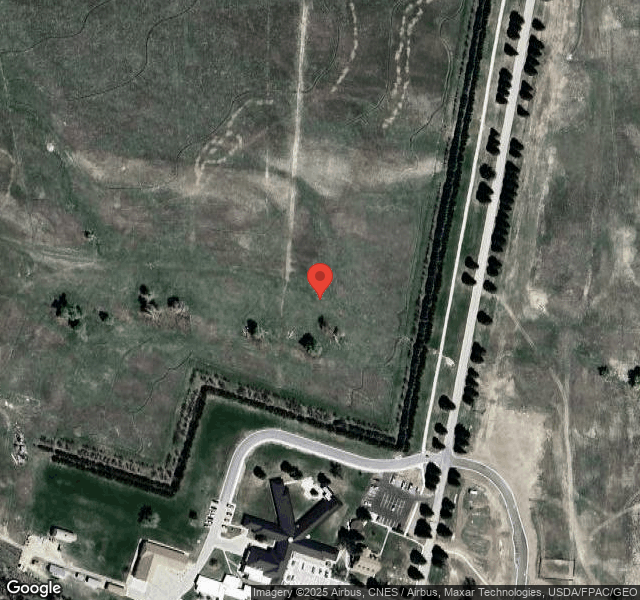
700 Veteran's Lane, Buffalo, WY 82834 (307) 684-5511
Government - State 36 Beds Independent Data: November 2025
Trust Grade
50/100
Last Inspection: July 2024

Within standard 12-15 month inspection cycle. Federal law requires annual inspections.

Overview

The Wyoming Veterans' Skilled Nursing Facility has a Trust Grade of C, which means it is average-middle of the pack, not great but not terrible. It currently has no state or county rank due to a lack of comparable facilities in Wyoming and Johnson County. The facility is new, with its first inspection having been conducted recently, revealing a stable situation with no significant improvements or declines yet. Staffing is a strength, as there is a 0% turnover rate, indicating that staff members are sticking around, although staffing ratings are overall poor. While the facility has not incurred any fines, which is a positive sign, there are several concerning incidents, such as residents not being informed about advocacy resources and mail not being delivered on Saturdays, indicating potential gaps in communication and support.

Trust Score
C
50/100
In Wyoming
#112/223
Top 50%
Safety Record
Low Risk
No red flags
Inspections
Too New
0 → 7 violations
Staff Stability
○ Average
Turnover data not reported for this facility.
Penalties
✓ Good
No fines on record. Clean compliance history, better than most Wyoming facilities.
Skilled Nurses
○ Average
RN staffing data not reported for this facility.
Violations
○ Average
7 deficiencies on record. Average for a facility this size. Mostly minor or procedural issues.
☆☆☆☆☆
0.0
Overall Rating
☆☆☆☆☆
0.0
Staff Levels
☆☆☆☆☆
0.0
Care Quality
☆☆☆☆☆
0.0
Inspection Score
Stable
: 0 issues
2024: 7 issues

The Good

  • Full Sprinkler Coverage · Fire safety systems throughout facility
  • No fines on record

Facility shows strength in fire safety.

The Bad

No Significant Concerns Identified

This facility shows no red flags. Among Wyoming's 100 nursing homes, only 0% achieve this.

The Ugly 7 deficiencies on record

Jul 2024 7 deficiencies
CONCERN (E)

Potential for Harm - no one hurt, but risky conditions existed

Deficiency F0574 (Tag F0574)

Could have caused harm · This affected multiple residents

Based on observation, staff interview, and record review, the facility failed to ensure access to state agency and advocacy groups' names, addresses, and telephone numbers. The census was 18. The find...

Read full inspector narrative →
Based on observation, staff interview, and record review, the facility failed to ensure access to state agency and advocacy groups' names, addresses, and telephone numbers. The census was 18. The findings were: 1. Interview with 4 residents during the resident council meeting on 7/24/24 at 2 PM revealed they did not know who the state agencies or advocacy groups were or how to contact them. 2. Observation of the Cottonwood cottage on 7/23/24 at 4:41 PM confirmed state agency and advocacy information was not available. 3. Interview with RN #1 on 7/23/24 at 4:41 PM confirmed state agency and advocacy information was not available. Further interview revealed she did not know about the Ombudsman information but would find out from the DON. 4. Interview with RN #1 on 7/23/24 at 5:00 PM, revealed the DON confirmed state agency and advocacy information was not available. 5. Review of the policy titled Grievance last revised on 12/4/23 showed .the community will inform Veterans orally and in writing of their rights to make Complaints and Grievances and the process to do so during admission, readmission and the care planning process. The notice shall include contact information of independent entities with whom grievances may be filed including Wyoming State Survey Agency and State Long Term Care Ombudsman program .
CONCERN (E)

Potential for Harm - no one hurt, but risky conditions existed

Deficiency F0576 (Tag F0576)

Could have caused harm · This affected multiple residents

Based on resident and staff interview, the facility failed to ensure mail delivery, including on Saturdays. The census was 18. The findings were: 1. Interview with 4 residents during resident council ...

Read full inspector narrative →
Based on resident and staff interview, the facility failed to ensure mail delivery, including on Saturdays. The census was 18. The findings were: 1. Interview with 4 residents during resident council on 7/24/24 at 2:00 PM revealed they did not receive mail on Saturdays. 2. Interview with the activities director on 7/25/24 at 10:49 AM confirmed that mail was not delivered on Saturdays. 3. Interview with the activities director on 7/26/24 at 8:30 AM revealed there was no policy regarding mail delivery.
CONCERN (E)

Potential for Harm - no one hurt, but risky conditions existed

Grievances (Tag F0585)

Could have caused harm · This affected multiple residents

Based on observation, medical record review, resident and staff interview, and policy and procedure review, the facility failed to ensure prompt resolution for 1 of 1 sample residents (#15) with griev...

Read full inspector narrative →
Based on observation, medical record review, resident and staff interview, and policy and procedure review, the facility failed to ensure prompt resolution for 1 of 1 sample residents (#15) with grievances. In addition, the facility failed to ensure information on how to file a grievance or complaint was available to all residents. The census was 18. The findings were: 1. Interview with resident #15 on 7/25/24 at 12:34 PM revealed the facility did not follow up on concerns. The resident revealed s/he had voiced concerns about staff and missing items; however, nothing had been done. Further interview revealed s/he recently notified staff about a missing watch. The following concerns were identified: a. Review of a progress note dated 4/19/24 and timed 11:37 AM showed the resident asked a staff member to contact his/her spouse to inform them s/he wasn't feeling well. The progress note indicated the staff member told the resident staff were serving lunch and they did not know what the policy was on calling family unless it was an emergency or health concern. Further review showed the resident became agitated and the staff member stated do not cuss at me I am here to help you with appropriate tasks. Review of a progress note dated 4/19/24 and timed 12:35 PM showed the CNA notified the nurse of the resident's aggressive behavior and the nurse discussed the behavior with the resident. Further review showed the resident verbalized concerns about the staff member and stated She is always telling me what to do and we don't get along. Further review showed no evidence a grievance form was completed or follow-up to the resident's concerns was performed. b. Review of a progress note dated 4/21/24 and timed 4:28 AM showed the resident verbalized concerns about a resident from the assisted living taking advantage of him/her over a cell phone. The resident requested to speak to management about the concerns and was told the DON was not at the facility on Sundays. Further review showed the writer indicated they would notify the DON as soon as possible; however, there was no evidence a grievance form was completed or follow-up to the resident's concerns was performed. c. Review of a progress note dated 6/30/24 and timed 9:34 AM showed the resident reported s/he attempted to get assistance from staff multiple times last night and staff did not assist him/her. The resident acknowledge staff did assist when s/he had an episode of diarrhea. Review of a progress note dated 6/30/24 and timed 1:18 PM showed the resident requested his/her bedding be changed and staff indicated they would come back and take care of it when they finished other tasks. At 1:20 PM the resident rang the call light and told staff s/he doesn't get taken care of well here. The CNA asked why the resident felt that way and the resident indicated s/he sits and waits forever and no one helps [him/her]. [S/he] wanted [his/her] bed changed and no one will take care of it. The CNA confirmed the bedding had not been changed and told the resident they were in the middle of helping another resident with important personal cares. The resident stated I know everyone is more important than me. Further review showed the CNA replied no you are important and if you need something that is time sensitive then we will help you but making your bed compared to multiple call lights for personal cares are going to come first and then your bed will be handled. Review of a progress note dated 6/30/24 and timed 1:48 PM showed the staff member asked the resident at 11:15 AM if s/he was coming out for lunch and the resident said no. The staff member asked if the resident wanted the meal brought to his/her room and resident declined. The resident called after lunch and asked the CNA why they didn't get him/her for lunch and asked for his/her bed to be made. The resident indicated s/he was told staff would return to make his/her bed and they had not. The resident stated I am being forgotten, I am not a priority. The progress note showed Resident was educated and was told that staff would return as soon as they got done toileting another resident. Call light was within reach of patient. [S/He] does not have any other complaints or needs at this time. Further review showed no evidence a grievance form was completed or follow-up to the resident's concerns was performed. 2. Observation during the course of the survey from 7/23/24 through 7/26/24 showed no evidence of postings related to the grievance procedure or grievance official. 3. Interview with 4 residents during the resident council meeting on 7/24/24 at 2:00 PM revealed all were not aware of the grievance process, how to file a grievance, or who the grievance official was. 4. Interview with RN #2 on 7/25/24 at 11:49 AM revealed staff initiated the grievance process by filling out a form and providing it to the DON or business office personnel. Further interview revealed the forms were not available to the residents. 5. Interview with RN #3 on 7/25/24 at 12:04 PM confirmed staff initiated the grievance process by filling out a form and providing it to the DON or business office personnel. Further interview revealed the forms were not available to the residents. 6. Interview with the DON on 7/24/24 at 2:56 PM revealed the residents received the information about the grievance process in the admission paperwork; however, she revealed some of them probably do not remember they got it. 7. Interview with the DON on 7/25/24 at 8:20 AM revealed the facility had not received any resident grievances and they can let the staff know if they have a grievance. Further interview revealed the grievance process included the completion of a form; however, she confirmed the form was not available to the residents. 8. Interview with the DON on 7/25/24 at 3:57 PM confirmed the concerns voiced by resident #15 should have been written up as a grievance; however, it was revealed the information was not communicated to the leadership team. 9. Review of policy titled Grievance last revised 12/4/23, showed . the community will inform Veterans orally and in writing of their rights to make Complaints and Grievances and the process to do so during admission, readmission and the care planning process. The notice shall include information on how to file a grievance orally or in writing, the right to file anonymously, and the community designated Grievance Official/Social Worker
CONCERN (E)

Potential for Harm - no one hurt, but risky conditions existed

Medication Errors (Tag F0758)

Could have caused harm · This affected multiple residents

**NOTE- TERMS IN BRACKETS HAVE BEEN EDITED TO PROTECT CONFIDENTIALITY** Based on medical record review, staff interview, and policy and procedure review, the facility failed to ensure target symptoms ...

Read full inspector narrative →
**NOTE- TERMS IN BRACKETS HAVE BEEN EDITED TO PROTECT CONFIDENTIALITY** Based on medical record review, staff interview, and policy and procedure review, the facility failed to ensure target symptoms and nonpharmacological interventions were identified and monitoring of target symptoms was completed for 4 of 6 sample residents (#3, #4, #12, #15) reviewed for unnecessary psychotropic medications. The findings were: 1. Review of the admission MDS assessment dated [DATE] showed resident #12 had a brief interview for mental status score of 14, which indicated s/he was cognitively intact, and diagnoses which included schizophrenia. Review of the physician orders showed the resident received lithium carbonate (mood stabilizer) 300 milligrams (MG) by mouth two times a day for bipolar disorder related to schizoaffective disorder, depressive type, topiramate (anticonvulsant) 150 mg by mouth two times daily for tremors, and olanzapine (antipsychotic) 5 mg by mouth at bedtime for psychosis/mood related to schizoaffective disorder, depressive type. The following concerns were identified: a. Review of the medication administration record for May, June, and July 2024 showed no evidence the facility identified resident specific target symptoms for each medication or a process to monitor specific target symptoms. b. Review of care plan, last revised on 05/21/24, showed a targeted behavior of yelling out due to hallucinations; however, the care plan did not identify which medication was used for treatment, did not identify medication specific target symptoms for all psychotropic medications, and did not identify resident specific non-pharmacological interventions. c. Review of the behavior monitoring on the treatment administration record for May, June, and July 2024 showed monitor for any behavior outside of [his/her] normal. Further review showed no evidence the facility identified resident specific target symptoms for each medication or a process to monitor resident specific target symptoms. 2. Review of the admission MDS assessment dated [DATE] showed resident #3 had a brief interview for mental status score of 15, which indicated the resident was cognitively intact, and diagnoses which included depression and schizophrenia. Review of the physician orders showed the resident received, Risperdal (antipsychotic) 0.5 MG by mouth two times a day for psychosis/neurocognitive behaviors related to unspecified behavioral and emotional disorders, bupropion (antidepressant) 150 MG extended release by mouth in the morning for depression related to major depressive disorder, lurasidone (antipsychotic) 40 MG by mouth in the morning for psychosis/mood related to unspecified behavioral and emotional disorders, mirtazapine (antidepressant) 7.5 MG by mouth at bedtime for depression related to schizoaffective disorder, and abilify (antipsychotic) 15 MG by mouth at bedtime for mental health related to unspecified behavioral and emotional disorders. The following concerns were identified: a. Review of the care plan last revised on 6/19/24 showed no evidence the facility identified resident specific target symptoms for each medication or resident specific non-pharmacological interventions. b. Review of the medication administration record for May, June, and July 2024 showed no evidence the facility identified resident specific target symptoms for each medication or a process to monitor resident specific target symptoms. c. Review of the behavior monitoring on the treatment administration record for May, June, and July 2024 showed monitor for any behavior outside of [his/her] normal. Further review showed no evidence the facility identified resident specific target symptoms for each medication or a process to monitor resident specific target symptoms. 3. Review of the care plan last revised on 6/14/24 showed resident #4 had diagnoses which included post-traumatic stress disorder, anxiety disorder, alcohol dependence with alcohol-induced persisting dementia, other psychoactive substance dependence, and dementia with behavioral disturbance. Review of the physician's orders showed the resident received olanzapine (antipsychotic) 5 mg by mouth daily for dementia with behavioral disturbance, sertraline (antidepressant) 50 mg by mouth daily for depressive disorder, and hydroxyzine (antihistamine) 25 mg by mouth for post-traumatic stress disorder. The following concerns were identified: a. Review of the care plan last revised on 6/14/24 showed no evidence the facility identified resident specific target symptoms for each medication or resident specific non-pharmacological interventions. b. Review of the medication administration record for May, June, and July 2024 showed Veteran uses medications Zoloft (olanzapine), Zyprexa (sertraline), and citalopram (Celexa) r/t [related to] depression or dementia. Monitor for s/s [signs and symptoms] of depression or dementia and notify MD for any concern . Further review showed no evidence the facility identified resident specific target symptoms for each medication or had a process to monitor resident specific target symptoms. In addition, there was no evidence the resident had an order for citalopram. 4. Review of the care plan last revised on 7/22/24 showed resident #15 had diagnoses which included nightmare disorder, post-traumatic stress disorder, alcohol dependence, unspecified psychosis not due to a substance or known physiological condition, and bipolar disorder. Review of the physician's orders showed the resident received trazodone (antidepressant) 100 MG by mouth at bedtime related to insomnia, buspirone (antianxiety) 10 mg by mouth 3 times per day for bipolar disorder, fluoxetine (antidepressant) 10 mg by mouth daily for post-traumatic stress disorder, and lamotrigine (anticonvulsant) 200 mg by mouth daily at bedtime for bipolar disorder. The following concerns were identified: a. Review of the care plan last revised on 7/22/24 showed no evidence the facility identified resident specific target symptoms for each medication or resident specific non-pharmacological interventions. b. Review of the medication administration record for May, June, and July 2024 showed no evidence the facility identified resident specific target symptoms for each medication or had a process to monitor resident specific target symptoms. 5. Interview with the DON on 7/25/24 at 5:23 PM confirmed the facility had not identified resident specific target symptoms for psychotropic medications and had not identified resident specific non-pharmacological interventions. 6. Review of policy titled Psychotropic Medication Use last revised 1/1/22 showed . the facility staff should monitor the resident's behavior pursuant to facility policy using a behavioral monitoring chart or behavioral assessment record for residents receiving psychotropic medication for organic mental syndrome with agitated or psychotic behavior .
CONCERN (E)

Potential for Harm - no one hurt, but risky conditions existed

Deficiency F0761 (Tag F0761)

Could have caused harm · This affected multiple residents

**NOTE- TERMS IN BRACKETS HAVE BEEN EDITED TO PROTECT CONFIDENTIALITY** Based on, observation, staff interview, and policy review the facility failed to ensure medications available for resident use w...

Read full inspector narrative →
**NOTE- TERMS IN BRACKETS HAVE BEEN EDITED TO PROTECT CONFIDENTIALITY** Based on, observation, staff interview, and policy review the facility failed to ensure medications available for resident use were not expired in 1 of 2 storage rooms (Cottonwood Cottage). The findings were: 1. Observation of the Cottonwood cottage medication storage room refrigerator on [DATE] at 5:36 PM showed a vial of Aplisol tuberculin protein derivative with an open date of [DATE] and an Aplisol tuberculin protein derivative with an open date of [DATE]. Review of the manufacturer's literature indicated vials in use more than 30 days should be discarded due to possible oxidation and degradation which may affect potency. Interview with LPN #1 at that time revealed the infection prevention nurse was responsible for the vials and she would need to ask her about the vials. 2. Interview with LPN#1 on [DATE] at 6:00 PM revealed the infection prevention nurse confirmed the vials were expired and should have been discarded. 3. Review of the policy titled Storage and Expiration Dating of Medications, Biologicals last revised on [DATE] showed .If a multi-dose vial of an injectable medication has been opened or accessed (e.g., needle-punctured), the vial should be dated and discarded within 28 days unless the manufacturer specifies a different (shorter or longer) date for that opened vial . 4. Interview with the infection preventionist on [DATE] at 2:40 PM confirmed the tuberculin vials should have been discarded. 5. Interview with LPN #2 on [DATE] at 8:14 AM revealed all medications stored in the medication storage room refrigerator were available for resident use.
CONCERN (E)

Potential for Harm - no one hurt, but risky conditions existed

Deficiency F0806 (Tag F0806)

Could have caused harm · This affected multiple residents

Based on observation, medical record review, and staff interview, the facility failed to ensure accommodation of resident preferences for 1 of 3 sample residents (#17). The findings were: 1. Review of...

Read full inspector narrative →
Based on observation, medical record review, and staff interview, the facility failed to ensure accommodation of resident preferences for 1 of 3 sample residents (#17). The findings were: 1. Review of the diet order for resident #17 showed the resident had a preference for food to be cut up. The following concerns were identified: a. Observation on 7/24/24 at 5:06 PM showed the resident was served scrambled eggs and kielbasa sausage in slices and became angry due to the eggs being scrambled and s/he wanted link sausage instead of kielbasa sausage; however, staff stated links were not available. Further observation showed the resident had to pull the casing off of sausage in order to eat it. b. Observation on 7/25/24 at 11:17 AM showed CNA #1 was preparing meal trays and verified what option each resident wanted for that day by looking at a hand written note on an erasable white board. Interview with the CNA at that time revealed the resident's diet order and preferences were on the care plan; however, the facility did not have a way to verify the information during meal service. c. Interview with the DON on 7/25/24 at 11:55 AM revealed a tablet was available for staff to identify which residents have a modified diet and the diet should be checked every day before meal service. d. Interview with the dietary manager on 7/25/24 at 2:57 PM revealed staff should have modified meals per the information from the resident's record and staff should follow preferences when providing meals. e. Interview with the dietitian on 7/26/24 at 8:47 AM revealed at that time, all resident diets were regular texture; however, some residents liked ground or softer foods. The dietitian revealed staff should cut resident meals with the ninja robo coup and should verify diets and preferences prior to serving.
MINOR (C)

Minor Issue - procedural, no safety impact

Staffing Information (Tag F0732)

Minor procedural issue · This affected most or all residents

Based on observation and staff interview, the facility failed to ensure nurse staffing was posted in a prominent location which was accessible to residents. The census was 18. The findings were: 1. Ob...

Read full inspector narrative →
Based on observation and staff interview, the facility failed to ensure nurse staffing was posted in a prominent location which was accessible to residents. The census was 18. The findings were: 1. Observation on 7/25/24 at 9:19 AM showed the daily nurse staff postings were located in the breezeway of each cottage. 2. Interview with the DON at that time revealed residents may not be able to access the area to review the information.
Understanding Severity Codes (click to expand)
Life-Threatening (Immediate Jeopardy)
J - Isolated K - Pattern L - Widespread
Actual Harm
G - Isolated H - Pattern I - Widespread
Potential for Harm
D - Isolated E - Pattern F - Widespread
No Harm (Minor)
A - Isolated B - Pattern C - Widespread

Questions to Ask on Your Visit

  • "Can I speak with families of current residents?"
  • "What's your RN coverage like on weekends and overnight?"

Our Honest Assessment

Strengths
  • • No major safety red flags. No abuse findings, life-threatening violations, or SFF status.
  • • No fines on record. Clean compliance history, better than most Wyoming facilities.
Concerns
  • • Grade C (50/100). Below average facility with significant concerns.
Bottom line: Mixed indicators with Trust Score of 50/100. Visit in person and ask pointed questions.

About This Facility

What is Wyoming Veterans' Skilled Nursing Facility's CMS Rating?

Wyoming Veterans' Skilled Nursing Facility does not currently have a CMS star rating on record.

How is Wyoming Veterans' Skilled Nursing Facility Staffed?

Detailed staffing data for Wyoming Veterans' Skilled Nursing Facility is not available in the current CMS dataset.

What Have Inspectors Found at Wyoming Veterans' Skilled Nursing Facility?

State health inspectors documented 7 deficiencies at Wyoming Veterans' Skilled Nursing Facility during 2024. These included: 6 with potential for harm and 1 minor or isolated issues.

Who Owns and Operates Wyoming Veterans' Skilled Nursing Facility?

Wyoming Veterans' Skilled Nursing Facility is owned by a government entity. Government-operated facilities are typically run by state, county, or municipal agencies. The facility operates independently rather than as part of a larger chain. With 36 certified beds and approximately 14 residents (about 39% occupancy), it is a smaller facility located in Buffalo, Wyoming.

How Does Wyoming Veterans' Skilled Nursing Facility Compare to Other Wyoming Nursing Homes?

Comparison data for Wyoming Veterans' Skilled Nursing Facility relative to other Wyoming facilities is limited in the current dataset.

What Should Families Ask When Visiting Wyoming Veterans' Skilled Nursing Facility?

Based on this facility's data, families visiting should ask: "Can I visit during a mealtime to observe dining assistance and food quality?" "How do you handle medical emergencies, and what is your hospital transfer rate?" "Can I speak with family members of current residents about their experience?"

Is Wyoming Veterans' Skilled Nursing Facility Safe?

Based on CMS inspection data, Wyoming Veterans' Skilled Nursing Facility has a clean safety record: no substantiated abuse findings (meaning no confirmed cases of resident harm), no Immediate Jeopardy citations (the most serious violation level indicating risk of serious injury or death), and is not on the Special Focus Facility watch list (a federal program monitoring the lowest-performing 1% of nursing homes). The facility has a 0-star overall rating and ranks #100 of 100 nursing homes in Wyoming. While no facility is perfect, families should still ask about staff-to-resident ratios and recent inspection results during their visit.

Do Nurses at Wyoming Veterans' Skilled Nursing Facility Stick Around?

Wyoming Veterans' Skilled Nursing Facility has not reported staff turnover data to CMS. Staff turnover matters because consistent caregivers learn residents' individual needs, medications, and preferences. When staff frequently change, this institutional knowledge is lost. Families should ask the facility directly about their staff retention rates and average employee tenure.

Was Wyoming Veterans' Skilled Nursing Facility Ever Fined?

Wyoming Veterans' Skilled Nursing Facility has no federal fines on record. CMS issues fines when nursing homes fail to meet care standards or don't correct problems found during inspections. The absence of fines suggests the facility has either maintained compliance or corrected any issues before penalties were assessed. This is a positive indicator, though families should still review recent inspection reports for the full picture.

Is Wyoming Veterans' Skilled Nursing Facility on Any Federal Watch List?

Wyoming Veterans' Skilled Nursing Facility is not on any federal watch list. The most significant is the Special Focus Facility (SFF) program, which identifies the bottom 1% of nursing homes nationally based on persistent, serious quality problems. Not being on this list means the facility has avoided the pattern of deficiencies that triggers enhanced federal oversight. This is a positive indicator, though families should still review the facility's inspection history directly.