Life Care Center Of Cheyenne
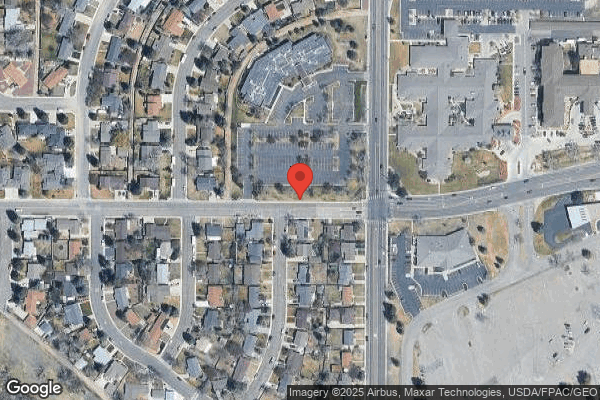
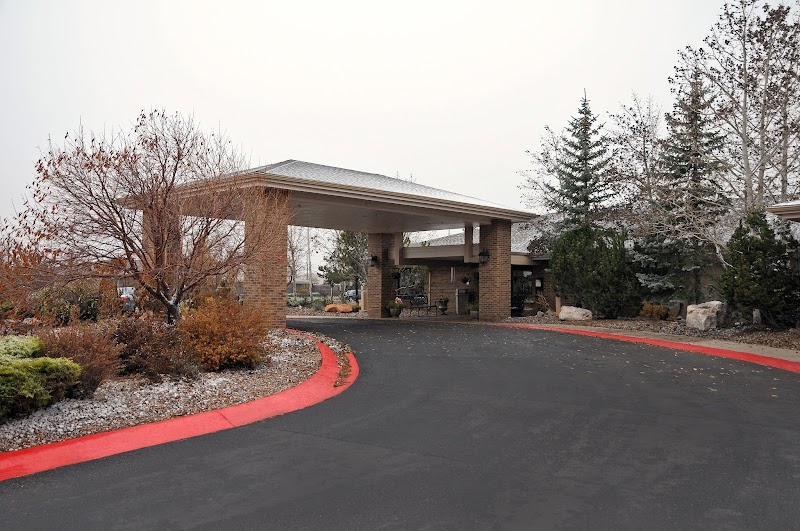
1330 Prairie Ave, Cheyenne, WY 82009 (307) 778-8997
For profit - Corporation 160 Beds LIFE CARE CENTERS OF AMERICA Data: November 2025
Trust Grade
78/100
#2 of 33 in WY
Last Inspection: June 2024

Within standard 12-15 month inspection cycle. Federal law requires annual inspections.

Overview

Life Care Center of Cheyenne has a Trust Grade of B, which indicates it is a good facility and a solid choice for families. It ranks #2 out of 33 nursing homes in Wyoming, placing it in the top half, and #1 of 3 in Laramie County, meaning only one other local option is better. The facility is improving, with reported issues decreasing from 5 in 2023 to 3 in 2024. Staffing is a relative strength, with a rating of 4 out of 5 stars and a turnover rate of 44%, which is better than the state average of 52%. However, $8,190 in fines is concerning as it suggests some compliance issues, and there were serious incidents where a resident sustained fractures after a fall due to inadequate safety measures and where medical records were not properly secured, raising privacy concerns. On the positive side, the facility has more RN coverage than 82% of Wyoming facilities, which is beneficial for resident care.

Trust Score
B
78/100
In Wyoming
#2/33
Top 6%
Safety Record
Moderate
Needs review
Inspections
Getting Better
5 → 3 violations
Staff Stability
○ Average
44% turnover. Near Wyoming's 48% average. Typical for the industry.
Penalties
✓ Good
$8,190 in fines. Lower than most Wyoming facilities. Relatively clean record.
Skilled Nurses
✓ Good
Each resident gets 56 minutes of Registered Nurse (RN) attention daily — more than average for Wyoming. RNs are trained to catch health problems early.
Violations
⚠ Watch
13 deficiencies on record. Higher than average. Multiple issues found across inspections.
★★★★★
5.0
Overall Rating
★★★★☆
4.0
Staff Levels
★★★★★
5.0
Care Quality
★★★★☆
4.0
Inspection Score
Stable
2023: 5 issues
2024: 3 issues

The Good

  • 4-Star Staffing Rating · Above-average nurse staffing levels
  • 5-Star Quality Measures · Strong clinical quality outcomes
  • Full Sprinkler Coverage · Fire safety systems throughout facility
  • No fines on record
  • Staff turnover below average (44%)

    4 points below Wyoming average of 48%

Facility shows strength in staffing levels, quality measures, fire safety.

The Bad

Staff Turnover: 44%

Near Wyoming avg (46%)

Typical for the industry

Federal Fines: $8,190

Below median ($33,413)

Minor penalties assessed

Chain: LIFE CARE CENTERS OF AMERICA

Part of a multi-facility chain

Ask about local staffing decisions and management

The Ugly 13 deficiencies on record

1 actual harm
Sept 2024 1 deficiency
CONCERN (D) 📢 Someone Reported This

A family member, employee, or ombudsman was alarmed enough to file a formal complaint

Potential for Harm - no one hurt, but risky conditions existed

Deficiency F0761 (Tag F0761)

Could have caused harm · This affected 1 resident

Based on observation, staff interview, and policy and procedure review, the facility failed to ensure medications were safely stored during 1 of 2 observations of medication administration. The census...

Read full inspector narrative →
Based on observation, staff interview, and policy and procedure review, the facility failed to ensure medications were safely stored during 1 of 2 observations of medication administration. The census was 113. The findings were: 1. Observation on 9/5/24 at 10:13 AM showed RN #1 removed a medication cup, which was not labeled and had 4 capsules in it, and placed it on the top of the medication cart in a plastic basket on an ice pack. Further observation showed the RN walked away from the medication cart and the medication remained in the basket. 2. Interview with RN #2 on 9/5/24 at 10:17 AM revealed medications should not be left unattended on the top of a medication cart. Observation at that time showed RN #2 removed the medications from the top of medication cart. 3. Interview with RN #1 on 9/5/24 at 10:25 AM revealed the medications he placed on top of the cart were probiotics the needed to be cool. Further interview revealed he was not aware the medications could not be left unattended. 4. Review of the facility policy titled Medication Storage dated March 2022 showed .Medications requiring refrigeration must be locked or stored in a locked room .Medication carts and cabinets should be locked when unattended .No pre-set/pre-prepared medications are not permitted (unless allowed by state regulation) .Medications are properly labeled with patient name, lot # [number], and expiration date .
Jun 2024 2 deficiencies
CONCERN (D) 📢 Someone Reported This

A family member, employee, or ombudsman was alarmed enough to file a formal complaint

Potential for Harm - no one hurt, but risky conditions existed

Deficiency F0657 (Tag F0657)

Could have caused harm · This affected 1 resident

Based on medical record review and staff interview, the facility failed to ensure the comprehensive care plan was revised as needed to reflect the resident's current needs for 1 of 23 sample residents...

Read full inspector narrative →
Based on medical record review and staff interview, the facility failed to ensure the comprehensive care plan was revised as needed to reflect the resident's current needs for 1 of 23 sample residents (#5). The findings were: 1. Review of the 5/1/24 admission MDS assessment showed resident #5 had a cognitive assessment which determined the resident to be severely impaired. The resident had diagnoses which included traumatic brain dysfunction, Alzheimer's disease, dementia, and anxiety disorder. Review of the physician orders showed the resident was prescribed 25 mg of Seroquel (antipsychotic) daily at bedtime for agitation on 4/27/24 and 25 mg of Zoloft (antidepressant) daily for depression on 5/16/24. Review of the care plan, last revised on 5/30/24, failed to show the care plan had been revised to include goals and interventions related to the diagnosis of depression. 2. Interview with the DON on 6/6/24 at 10 AM confirmed the care plan had not been updated to reflect the use of the antidepressant medication.
CONCERN (D) 📢 Someone Reported This

A family member, employee, or ombudsman was alarmed enough to file a formal complaint

Potential for Harm - no one hurt, but risky conditions existed

Medication Errors (Tag F0758)

Could have caused harm · This affected 1 resident

Based on medical record review, staff interview, and policy and procedure review, the facility failed to ensure medication-specific target symptoms were identified and monitored for 2 of 5 sample resi...

Read full inspector narrative →
Based on medical record review, staff interview, and policy and procedure review, the facility failed to ensure medication-specific target symptoms were identified and monitored for 2 of 5 sample residents (#5, #29) reviewed for unnecessary medication use. The findings were: 1. Review of the 5/21/24 MDS assessment showed resident #29 had a BIMS score of 10 out of 15, which indicated moderate cognitive impairment, and diagnoses which included Parkinson's disease, dementia, anxiety, and depression. Review of the most current physician orders showed the resident received 25 (mg) of Seroquel (antipsychotic) by mouth in the evening related to psychotic disorder with hallucinations, 25 mg of Zoloft (antidepressant) by mouth one time a day related to depression, and 34 mg of Nuplazid (atypical antipsychotic) by mouth one time a day for Parkinson's related hallucinations. The following concerns was identified: a. Review of the June 2024 Behavior Monitoring & Interventions task showed the resident could be verbally and physically aggressive, exhibited inappropriate sexual behavior, had periods of restlessness, anxious concerns, tearfulness, and had paranoid or delusional thoughts. Further review showed no evidence medication-specific target symptoms had been identified for each of the psychoactive medications prescribed. 2. Review of the 5/1/24 admission MDS assessment showed resident #5 had a cognitive assessment which determined the resident to be severely impaired. The resident had diagnoses which included traumatic brain dysfunction, Alzheimer's disease, dementia, and anxiety disorder. Review of the physician orders showed the resident was prescribed 25 mg of Seroquel (antipsychotic) daily at bedtime for agitation and 25 mg of Zoloft (antidepressant) daily for depression. The following concerns was identified: a. Review of the June 2024 Behavior Monitoring & Interventions task for the resident showed agitation, verbal and physical aggression, and resistance to care were identified as behaviors to monitor. Further review showed no evidence medication-specific target symptoms had been identified for each of the psychoactive medications prescribed. 3. Interview with the DON on 6/5/24 at 2:09 PM and again on 6/6/24 at 11:06 AM confirmed the facility did not have medication-specific target symptoms identified on the behavior monitoring and intervention task for the psychoactive medications prescribed. 4. Review of the policy titled Unnecessary Medication, last reviewed on 8/9/23, showed .8. The facility will ensure proper monitoring and accurate documentation to a medication in order to evaluate the ongoing benefits as well as risks of various medications.
Mar 2023 5 deficiencies 1 Harm
SERIOUS (G) 📢 Someone Reported This

A family member, employee, or ombudsman was alarmed enough to file a formal complaint

Actual Harm - a resident was hurt due to facility failures

Accident Prevention (Tag F0689)

A resident was harmed · This affected 1 resident

**NOTE- TERMS IN BRACKETS HAVE BEEN EDITED TO PROTECT CONFIDENTIALITY** Based on medical record review, observation, resident representative and staff interview, and review of policy and procedure, t...

Read full inspector narrative →
**NOTE- TERMS IN BRACKETS HAVE BEEN EDITED TO PROTECT CONFIDENTIALITY** Based on medical record review, observation, resident representative and staff interview, and review of policy and procedure, the facility failed to ensure adequate interventions were in place to prevent accidents for 1 of 4 sample residents (#199) reviewed for accidents. This failure resulted in harm to resident #199, who sustained fractures after a fall. The findings were: Review of the 8/19/22 comprehensive MDS assessment for resident #199 showed the resident was admitted on [DATE] with diagnoses that included heart failure, arthritis, malnutrition, muscle weakness (generalized), and unsteadiness on feet. The resident had a BIMS score of 9 of 15, indicating moderate cognitive impairment. Further, the assessment noted the resident was not steady when moving on or off the toilet or during surface-to-surface transfers, and was only able to stabilize with staff assistance. The assessment showed the resident required the extensive assistance of 1 staff member for transfers and toilet use, and utilized a wheelchair. The resident was not coded as using a walker. Review of the resident's care plan, initiated on 8/30/22, showed the resident was at risk for falls and fall-related injuries related to physical deconditioning, weakness, and alterations in gait/balance. Interventions developed at that time were non-specific, and included Assist with ADLs as needed .Call light within reach .Complete fall risk assessment .Orient resident to room . Review of the 2/14/23 quarterly MDS assessment showed the resident had a BIMS score of 6 of 15, indicating severe cognitive impairment. Additionally, the assessment showed the resident continued to be unsteady when moving on or off the toilet or during surface-to-surface transfers, and was only able to stabilize with staff assistance. The resident was coded as utilizing a wheelchair. The resident was not coded as using a walker. Further, the assessment showed the resident had increased assistance needs, requiring the extensive assistance of 2 or more staff members for transfers and toilet use. Further review of the resident's care plan showed interventions related to the resident's risk for falls were updated on 2/27/23 and included the following: Anticipate and meet The [sic] resident's needs .Educate the resident/family/caregivers about safety reminders and what to do it a fall occurs .Provide activities that minimize the potential for falls while providing diversion and distraction .Provide adaptive equipment or devices as needed .Provide appropriate footwear when mobilizing in w/c [wheelchair] .Pt [physical therapy] evaluate and treat as ordered or PRN [as needed]. The updated care plan lacked interventions that addressed the resident's need for increased staff assistance with transfers and toilet use. Review of the resident's Visual/Bedside [NAME] Report, provided by the facility on 3/2/23, instructed staff who provided care to the resident that the resident required the following assistance with transfers: TRANSFER: 1 person stand pivot front wheel walker from bed to wheelchiar [sic] or wheelchiar to bed Grab bar for the restroom. Observation of the resident's room on 3/2/23 at 12:35 PM showed a wheelchair positioned in front of the bed. There was no front wheel walker observed at that time. The following concerns were identified: 1. Review of the progress note dated 2/25/23 at 7:31 PM showed Event note, Resident was being transferred to bed from wheelchair and slid to the floor in front of [his/her] bed. 2. Interview with CNA #1 on 3/2/23 at 12:45 PM revealed on 2/25/23 the resident was in bed and needed to go to the toilet. The CNA transferred the resident to the toilet, and on return to the resident's bed she and the resident .were going to stand and pivot back to bed .we got halfway back and [s/he] tried to sit down, I couldn't hold [him/her] and [s/he] fell, kinda hard. The CNA confirmed she did not use a gait belt while transferring the resident, and she believed the resident only required a 1 person assist. She further stated she had checked the resident's [NAME] to confirm the resident's transfer requirements after the fall. The CNA also stated the DON had a conversation with her about gait belts after the fall, and she would be using a gait belt from now on. 3. Review of the progress note dated 2/26/23 at 11:22 PM showed Health Status Note, Resident requesting to the [emergency room] for [evaluation] and treat on right leg pain from fall . 4. Review of the progress note dated 2/27/23 at 1:15 AM showed Health Status Note, resident admitted to [local hospital] due to femur fracture. 5. Interview with the resident's representative on 3/2/23 at 11:45 AM revealed the facility had notified her of the fall. She stated, I was told there was a CNA with [him/her] and it was a soft fall. She was informed the resident was not hurt, but was complaining of pain. She stated she did go to see the resident on 2/26/23 and told the facility staff the resident was in pain and the resident's right leg was swollen. The representative added she received a call from the hospital on 3/1/23, and was informed the resident had a hairline fracture to the left leg in addition to the fractured right femur. 6. Review of the facility policy titled Fall prevention, long-term care revised 2/20/23 showed .If the resident is at risk for future falls, take steps to reduce the danger based on the factors creating the risk. Assess the resident for gait disturbances, and identify and correct improper use of ambulation devices as needed . 7. Review of the facility policy titled Gait belt use revised 5/20/22 showed .A gait belt is a safety device .The device provides a secure grasping surface to aid with patient transfer and ambulation. A gait belt is commonly used for patients who are at risk for falling and can help lower a patient safely to the ground if the patient begins to fall or loses balance during transfer or ambulation . 8. Interview with the DON on 3/2/23 at 2:17 PM revealed it was the facility's expectation for staff to follow residents' care plans.
CONCERN (D) 📢 Someone Reported This

A family member, employee, or ombudsman was alarmed enough to file a formal complaint

Potential for Harm - no one hurt, but risky conditions existed

Comprehensive Care Plan (Tag F0656)

Could have caused harm · This affected 1 resident

**NOTE- TERMS IN BRACKETS HAVE BEEN EDITED TO PROTECT CONFIDENTIALITY** Based on observation, medical record review, resident and staff interview, and review of facility policy and procedure, the fac...

Read full inspector narrative →
**NOTE- TERMS IN BRACKETS HAVE BEEN EDITED TO PROTECT CONFIDENTIALITY** Based on observation, medical record review, resident and staff interview, and review of facility policy and procedure, the facility failed to ensure 2 of 26 sample residents (#19, #28) had resident-specific care plans that reflected individual needs in all required areas. The findings were: 1. Review of the medical record for resident #19 showed s/he was admitted to the facility on [DATE] with diagnoses which included major depressive disorder, insomnia, PTSD (post-traumatic stress disorder), dementia with psychotic disturbance, neuroleptic induced Parkinsonism, muscle weakness and lack of coordination. Review of the 2/3/23 quarterly MDS assessment showed the resident had a BIMS score of 15 out of 15, which indicated the resident was cognitively intact. Review of the physician's orders, printed 3/1/23, showed orders for Abilify (antipsychotic) 10 milligrams and Cymbalta (antidepressant) 90 milligrams, by mouth, daily for major depression. Interview with the resident on 3/2/23 at 11:30 AM revealed s/he was not verbally or physically aggressive, was dependent on staff for cares, used a wheelchair, and did not walk. The following concerns were identified: a. Review of the care plan, dated 2/15/23, showed the resident had behaviors of pacing, wandering, disrobing, inappropriate response to verbal communication and violence/ aggression towards others. There was no evidence the resident exhibited these behaviors. b. Interview with the DON on 3/2/23 at 3:40 PM confirmed the behaviors listed on the care plan were incorrect. 2. Review of the 11/23/22 quarterly MDS assessment for resident #28 showed the resident had a BIMS score of 15/15 (cognitively intact) and had diagnoses which included non-Alzheimer's dementia, anxiety disorder, depression, and chronic pain. The resident received as needed (PRN) medication and non-medication interventions, and had an opioid administered on 7 days of the 7-day look-back period. Further review showed the resident had frequent pain which interfered with day-to-day activities. Review of the most recent physician orders showed the resident was prescribed 0.5 ml of 20 mg/ml morphine sulfate solution every 2 hours, as needed for pain, with a start date of 8/30/21. In addition, the resident was prescribed 650 mg of acetaminophen every 6 hours, as needed for pain, with a start date of 2/23/21. Review of the February 2023 MAR showed an order to assess the resident for pain every shift and to .Attempt non-med interventions prior to administering PRN pain medications: 1. Reposition 2. Lie down . Further review of the February 2023 MAR showed morphine was administered on 26 days and acetaminophen on 24 days. The following concerns were identified: a. Observation on 2/27/23 at 4:06 PM showed the resident was in the hallway asking LPN #3 for morphine. The LPN assessed the resident's pain and administered the medication. After receiving the morphine the resident immediately asked for Tylenol and was told by the RN s/he would have to wait for an hour. No non-medication interventions were attempted prior to the administration of the morphine. b. Review of the resident's pain care plan initiated on 2/9/21 showed The resident's pain was aggravated by: [left blank] . The resident's pain is alleviated/relieved by: [left blank] .The resident is able to: (SPECIFY: call for assistance when in pain, reposition self, ask for medication, tell you how much pain is experienced, tell you what increase or alleviates pain). c. Interview with the DON on 3/1/23 at 4:24 PM and the MDS coordinator on 3/2/23 at 10:22 AM confirmed the care plan had not been developed to reflect specific resident needs. 3. Review of the facility policy titled Comprehensive Care Plans and Revisions last reviewed 8/17/22, showed ensure timeliness of each resident's person-centered, comprehensive care plan . should monitor the resident over time to help identify changes in the resident condition that may warrant an update to the person -centered plan of care.
CONCERN (D) 📢 Someone Reported This

A family member, employee, or ombudsman was alarmed enough to file a formal complaint

Potential for Harm - no one hurt, but risky conditions existed

Quality of Care (Tag F0684)

Could have caused harm · This affected 1 resident

Based on medical record review and staff interview, the facility failed to follow physician's orders for 1 of 26 sample residents (#73) reviewed. The findings were: 1. Review of the 1/13/23 quarterly...

Read full inspector narrative →
Based on medical record review and staff interview, the facility failed to follow physician's orders for 1 of 26 sample residents (#73) reviewed. The findings were: 1. Review of the 1/13/23 quarterly MDS assessment showed resident #73 had a BIMS score of 99 indicating the resident was unable to complete the interview (severely impaired - never/rarely made decisions) and diagnoses which included diabetes mellitus and long term use of insulin. Further review showed the resident received insulin injections 7 days of the 7-day look-back period. Review of the physician's orders, printed 2/28/23, showed the facility was to check blood sugars before meals and at bedtime. The orders specified to call the physician if the blood glucose was less than 70 mg/dl or greater than 460 mg/dl. The following concerns were identified: a. Review of January 2023 MAR showed the resident had blood glucose levels less than 70 mg/dl on 1/12/23 and 1/15/23. Review of February 2023 MAR showed a greater than 460 mg/dl level on 2/2/23 and 2/3/23 and less than 70 mg/dl level on 2/10/23 at two different times. Review of the medical record showed no evidence the physician had been notified. The lowest blood glucose documented was 63 mg/dl level on 2/10/23 and highest blood glucose documented was 480 mg/dl level on 2/3/23. b. Review of the physician progress note dated 1/20/2023 showed did look at sugar log, there are several low readings and noted the physician wanted to avoid hypoglycemia. 2. Interview with the DON on 3/1/23 at 4:30 PM revealed the resident's family was very particular about the resident's blood glucose monitoring. The DON confirmed there was no documentation to support the facility had notified the physician when results were out of parameters and stated it was the facility's expectation the physician was to be notified as specified in the order. 3. Review of the facility policy titled Blood glucose monitoring, dated 9/22/22, showed If you obtain an extremely high or low blood glucose level on the glucose monitor, retest the resident. If the result is the same, notify the practitioner for review and new orders .and . document the procedure.
CONCERN (D) 📢 Someone Reported This

A family member, employee, or ombudsman was alarmed enough to file a formal complaint

Potential for Harm - no one hurt, but risky conditions existed

Deficiency F0761 (Tag F0761)

Could have caused harm · This affected 1 resident

Based on observation, staff interview, policy and procedure review, and professional standard review the facility failed to ensure medications were labeled in accordance with professional standards in...

Read full inspector narrative →
Based on observation, staff interview, policy and procedure review, and professional standard review the facility failed to ensure medications were labeled in accordance with professional standards in 1 of 4 medication storage units (Therapy South medication cart). The finding were: 1. Observation on 3/2/23 at 9:45 AM of the Therapy South medication cart showed 2 insulin glargine 100 unit/milliliter flex pens with no open date, and 1 insulin lispro 100 unit/milliliter kwikpen with no open date. Interview at that time with RN #1 confirmed the medications were for resident use. Further, the RN stated she was unaware when the medications would expire. 2. Interview with the DON on 3/2/23 at 10:31 AM revealed it was the facility's expectation for the insulin containers to be dated with an open date when they come out of the refrigerator for use. 3. Review of policy Guidance for Using Insulin Products dated 2021 Omnicare, showed 1. Storage of Product .b.Storage of unopened insulin products outside of the refrigerator is permissible, but results in an earlier expiration date.After opening may be used for: Up to 28 days included insulin Lispro, and Lantus (insulin glargine brand name). 4. Review of the web page American Diabetes Association accessed 3/14/23 showed .Insulin kept at room temperature will last approximately one month .
CONCERN (E) 📢 Someone Reported This

A family member, employee, or ombudsman was alarmed enough to file a formal complaint

Potential for Harm - no one hurt, but risky conditions existed

Medical Records (Tag F0842)

Could have caused harm · This affected multiple residents

Based on observation, staff interview, and policy and procedure review, the facility failed to ensure 1 of 2 medical record storage areas (Therapy West) were safeguarded from unauthorized use. The fin...

Read full inspector narrative →
Based on observation, staff interview, and policy and procedure review, the facility failed to ensure 1 of 2 medical record storage areas (Therapy West) were safeguarded from unauthorized use. The findings were: 1. Observation on 2/27/23 at 1:58 PM of the Therapy [NAME] hall showed resident medical records were kept in a cabinet. Both doors of the cabinet were observed to be off the hinges. At that time 12 resident medical records were seen. The storage area was across from the nurses' desk, and a restroom. Further observation showed throughout the four days of the recertification survey the medical records were easily accessible and were available for unauthorized use. 2. Interview with LPN #2 on 2/28/23 at 11:13 AM confirmed the records were available for anyone to access. Further, the LPN stated she was unsure of the how long the doors had been broken. 3. Interview with the DON on 2/28/23 at 4:59 PM revealed it was the facility's expectation for the residents' medical records to be kept in a secure cabinet with the doors closed. Further, the DON stated she was aware the cabinet was broken and thought it was okay since it was in an alcove. In addition, she acknowledged that someone could get into the records. 4. Review of the policy and procedure Safeguarding and Storage of Medical Records revised 3/22/22 showed .Procedure .Protect all medical records from damage, loss, destruction, or unauthorized use. Do not leave clinical records unattended in public areas. Limit viewing access by unauthorized personnel and visitors by returning records to their designated storage location and closing them when not in use.
Jan 2022 5 deficiencies
CONCERN (D)

Potential for Harm - no one hurt, but risky conditions existed

Incontinence Care (Tag F0690)

Could have caused harm · This affected 1 resident

Based on observation, medical record review, review of professional standards, and staff interview, the facility failed to ensure appropriate care and services to prevent urinary tract infections for ...

Read full inspector narrative →
Based on observation, medical record review, review of professional standards, and staff interview, the facility failed to ensure appropriate care and services to prevent urinary tract infections for residents with indwelling urinary catheters during 2 random observations (affecting residents #32, #59). The findings were: 1. Observation on 1/24/22 at 2:20 PM showed resident #59 was seated in his/her wheelchair and had a Foley catheter; the catheter bag was not in a privacy bag, and was lying on the floor underneath the wheelchair. Observation on 1/24/22 at 2:36 PM showed RN #1 entered the room and noted the bag was on the floor under the resident. He placed the catheter bag into the privacy bag, and hooked the bag under the wheelchair so it was off the floor. Interview with RN #1 at that time confirmed the catheter bag should not be on the floor due to infection risk. 2. Review of the 11/22/21 admission MDS assessment showed resident #32 had an indwelling catheter and diagnoses that included obstructive uropathy and urinary tract infection within the past 30 days. Review of the care plan dated 11/29/21 for catheter use showed interventions that included catheter care every shift, and check tubing for kinks several times each shift. The following concerns were identified: a. Observation on 1/24/22 at 9:58 AM showed the resident's catheter bag was laying uncovered on the floor under the resident's bed. b. Interview with the infection preventionist on 1/26/22 at 12:07 PM confirmed the expectation was to keep the catheter bag off of the ground and in a protective cover. 3. According to the Centers for Disease Control Guideline for Prevention of Catheter-Associated Urinary Tract Infections (2009), Proper Techniques for Urinary Catheter Maintenance showed, .Keep the collecting bag below the level of the bladder at all times. Do not rest the bag on the floor. https://www.cdc.gov/infectioncontrol/guidelines/cauti/recommendations.html (Accessed on 2/4/22)
CONCERN (E)

Potential for Harm - no one hurt, but risky conditions existed

Deficiency F0657 (Tag F0657)

Could have caused harm · This affected multiple residents

Based on observation, medical record review and staff interview, the facility failed to ensure care plans were developed to include resident-specific activity plans for 3 of 27 sample residents (#13, ...

Read full inspector narrative →
Based on observation, medical record review and staff interview, the facility failed to ensure care plans were developed to include resident-specific activity plans for 3 of 27 sample residents (#13, #15, #91) reviewed. The findings were: 1. Review of the 11/9/21 quarterly MDS assessment showed resident #13 had moderate cognitive impairment with a BIMS score of 10 out of 15, and had diagnoses which included cerebral vascular accident with hemiplegia, dementia, respiratory failure and depression. The MDS further showed the resident was totally dependant on 2 staff members for transfers, bathing and toileting. Review of the care plan with a revision date of 11/10/21 showed a care area for activity involvement. The following concerns were identified: a. Observations on 1/23/22 at 10:42 AM and at 2:45 PM showed the resident in bed. Another observation on 1/24/22 at 9:46 AM showed the resident in bed. b. Interview with RN #4 and CNA #3 revealed the resident was bed bound, and did not get up. They further stated the activity assistants used to round on the residents who were confined to bed, however that was no longer the routine. c. Review of the care plan with a revision date of 11/10/21 showed a care area for activity involvement. The care plan showed interventions that were initiated on 1/28/19 included recording prior level of activity involvement and escorting the resident to activities. Further review of the care plan failed to show updated interventions to reflect the resident's bed bound status. 2. Review of the 11/3/21 annual MDS assessment showed resident #15 had a BIMS score of 99 (unable to complete the interview), and had diagnoses which included obstructive uropathy, dementia and depression. Further, the resident required extensive assistance of 1 staff member for bed mobility, eating, and dressing. Review of the care plan with a revision date of 11/18/21, showed the resident was independent for meeting emotional, intellectual, physical and social needs. The following concerns were identified: a. Observation on 1/23/22 at 3:18 PM and on 1/24/22 at 9:19 AM showed the resident sitting in a chair in his/her room with the television on. b. Review of the care plan with a revision date of 11/18/21 failed to show interventions to engage the resident in activities while in the room. c. Interview on 1/26/22 at 11:35 AM with the interim activities director stated she visited with the resident each morning when she delivered the activity sheet, but this was not recorded as an activity. She further stated she had not learned how to revise the care plans to reflect the resident's current status. 3. Review of the 1/11/22 quarterly MDS assessment showed resident #91 had moderate cognitive impairment with a BIMS score of 12 out of 15, and had diagnoses which included heart failure, respiratory failure, anxiety, and depression. Review of the care plan with a revision date of 10/26/21 showed the resident was independent for meeting emotional, intellectual, physical and social needs. The interventions included 1:1 bedside/in-room visits and activities if unable to attend out of room events. The following concerns were identified: a. Observation on 1/23/22 at 10 AM showed the resident in bed. Further observation showed 2 staff members transferred the resident to the bathroom, then back to bed per resident request. b. Review of the progress notes failed to show documentation for 1:1 activity participation. c. Interview on 1/26/22 at 11:06 AM with the interim activities director confirmed there was no formal 1:1 activity program.
CONCERN (E)

Potential for Harm - no one hurt, but risky conditions existed

ADL Care (Tag F0677)

Could have caused harm · This affected multiple residents

Based on medical record review, review of bathing documentation, and resident and staff interview, the facility failed to ensure bathing was provided as scheduled for 3 of 7 sample residents (#17, #76...

Read full inspector narrative →
Based on medical record review, review of bathing documentation, and resident and staff interview, the facility failed to ensure bathing was provided as scheduled for 3 of 7 sample residents (#17, #76, #192) who required assistance with bathing. The findings were: 1. Review of the 1/10/22 significant change MDS assessment showed resident #17 was cognitively intact with a BIMS score of 15 out of 15, and required extensive assistance with 1 person physical assist for bathing. Review of the CNA task documentation for bathing showed the resident was to have showers on Tuesdays and Fridays. The following concerns were identified: a. Interview on 1/23/22 at 10:52 AM with the resident revealed s/he was not receiving baths or showers per the schedule. b. Review of the CNA task documentation showed the resident went 7 days without a shower from 1/11/22 through 1/18/22 and another 8 days without a shower from 1/18/22 through 1/26/22. c. Interview on 1/26/22 at 10 AM with the DON revealed it was the facility's expectation for the CNAs on duty to give the residents their showers on the scheduled shower days. 2. Review of the 12/27/21 admission MDS assessment showed resident #76 was cognitively intact with a BIMS score of 15 out of 15, and required supervision assistance of one staff member for bathing. Review of the care plan, last reviewed 1/12/22, showed the resident was non-weight-bearing to his/her left lower extremity. Review of the CNA bathing task documentation showed the resident was scheduled for bathing on Wednesday and Saturday evenings. The following concerns were identified: a. Interview with the resident on 1/24/22 at 10:48 AM revealed s/he had not had a shower or bath .in at least a week. b. Review of the CNA bathing task documentation showed during the period from 12/26/21 to 1/26/22 the resident received bathing on just two days, 1/8/22 and 1/15/22. c. Interview with the DON on 1/26/22 revealed CNA staff were responsible for coordinating and providing baths/showers. She further revealed a schedule was posted in the shower room, on the resident's care cards in their rooms, and incorporated into the daily task checklist in the electronic medical record. 3. Review of the 1/11/22 admission collection tool for resident #192 showed his/her level of consciousness was alert, and oriented to person, place, and time. The documentation showed the resident required physical help for bathing. Review of the CNA task documentation for bathing showed the resident was to have showers on Tuesdays and Fridays. The following concerns were identified: a. Review of the CNA task documentation showed the resident went 7 days without a shower from 1/11/22 through 1/18/22. b. Interview on 1/26/22 at 10 AM with the DON revealed it was the facility's expectation for the CNAs on duty to give the residents their showers on the scheduled shower days.
CONCERN (E)

Potential for Harm - no one hurt, but risky conditions existed

Deficiency F0679 (Tag F0679)

Could have caused harm · This affected multiple residents

Based on observation, medical record review, staff interview, and review of activity documentation, the facility failed to ensure a program of activities to meet the needs for 3 of 7 sample residents ...

Read full inspector narrative →
Based on observation, medical record review, staff interview, and review of activity documentation, the facility failed to ensure a program of activities to meet the needs for 3 of 7 sample residents (#13, #15, #91) reviewed for activities. The findings were: Interview on 1/25/22 at 3:04 PM with the interim activities director revealed daily activities for all residents included music that played over the speaker system in the facility, television, staff/family/friend visits, and reality orientation (orientation to time and place). She stated these were documented as activities on the individual resident daily participation records. She further stated there was no formal 1:1 activity program. If a resident was identified to require 1:1 activities, the expectation would be 15 minutes at least 3 times a week. She further stated they had friendly visits which were done daily when she or another activity assistant delivered the daily activity sheet to the residents. She stated the purpose of the friendly visit was to encourage the residents to get more active and participate in activities. She acknowledged there was a lack of activities provided for the residents who were bed-bound or stayed in their rooms. The following residents were identified who required 1:1 activity programs: 1. Review of the 11/9/21 quarterly MDS assessment showed resident #13 had moderate cognitive impairment with a BIMS score of 10 out of 15, and had diagnoses which included cerebral vascular accident with hemiplegia, dementia, respiratory failure and depression. Review of the care plan with a revision date of 11/10/21 showed a care need for activity involvement. Review of the activities evaluation dated 6/6/21 showed the resident had interests in animals/pets, educational programs, family/friend visits, and movies. The following concerns were identified: a. Observation on 1/23/22 at 10:42 AM and at 2:45 PM showed the resident stayed in bed. Another observation on 1/24/22 at 9:46 AM showed the resident was in bed. b. Interview with the RN #4 and CNA #3 revealed the resident was bed bound, and did not get up. They also stated activity assistants used to round on the residents who were confined to bed, however that was no longer the routine. c. Review of the Individual Resident Daily Participation Record for January 2022 showed family/friend visits, music, television, and reality orientation were the activities marked daily. There were no additional activities documented related to the resident's identified interests. d. Review of the Friendly Visit sheet showed a staff visit to the resident on 1/23/22, 1/24/22, 1/25/22, and 1/26/22. 2. Review of the 11/3/21 annual MDS assessment showed resident #15 had a BIMS score of 99 (unable to complete the interview), and had diagnoses which included obstructive uropathy, dementia and depression. Review of the care plan with a revision date of 11/18/21, showed the resident was independent for meeting emotional, intellectual, physical and social needs. Review of the activities evaluation dated 11/15/19 showed the resident enjoyed animals/pets, arts/crafts, cooking, creative writing, cultural events, current events and movies. The following concerns were identified: a. Observations on 1/23/22 at 3:18 PM and on 1/24/22 at 9:19 AM showed the resident sitting in a chair in his/her room with the television on. b. Review of the Individual Resident Activity Daily Participation Record for January 2022 showed family/friend visits, music, television, and reality orientation were the activities marked daily. There were no additional activities documented related to the resident's identified interests. c. Interview on 1/26/22 at 11:35 AM with the interim activities director stated she visited with the resident each morning when she delivered the activity sheet, but this was not recorded as an activity. 4. Review of the 1/11/22 quarterly MDS assessment showed resident #91 had moderate cognitive impairment with a BIMS score of 12 out of 15, and had diagnoses which included heart failure, respiratory failure, anxiety, and depression. Review of the care plan with a revision date of 10/26/21, showed the resident was independent for meeting emotional, intellectual, physical and social needs. The interventions included 1:1 bedside/in-room visits and activities if unable to attend out of room events. The following concerns were identified: a. Observation on 1/23/22 at 10 AM showed the resident was in bed. Further observation showed 2 staff members transferred the resident to the bathroom, then back to bed per resident request. b. Review of the progress notes failed to show documentation for 1:1 activity participation. 5. Interview on 1/24/22 at 3:04 PM with RN #4 and CNA #3 stated hall 100 had several residents who were bed bound or stayed in their room, and there was not much activity for them. They further stated there used to be activity assistants who would round and have 1:1 activity programs with the residents, but that was no longer routine.
CONCERN (E)

Potential for Harm - no one hurt, but risky conditions existed

Infection Control (Tag F0880)

Could have caused harm · This affected multiple residents

**NOTE- TERMS IN BRACKETS HAVE BEEN EDITED TO PROTECT CONFIDENTIALITY** Based on observation, medical record review, policy and procedure review, manufacturer recommendations, and staff interview, the...

Read full inspector narrative →
**NOTE- TERMS IN BRACKETS HAVE BEEN EDITED TO PROTECT CONFIDENTIALITY** Based on observation, medical record review, policy and procedure review, manufacturer recommendations, and staff interview, the facility failed to ensure infection control procedures were followed during 1 random observation of hand hygiene, 3 random observations of personal protective equipment (PPE) use, and 2 random observations of cleaning resident care equipment. The census was 102. The findings were: Related to proper PPE use: 1. Observation on 1/24/22 at 3:04 PM showed CNA #3 wearing an N95 face mask with only 1 strap. Interview with her at that time revealed she cut the other strap off because it was difficult to breathe and she felt she had a tight fit with only 1 strap. 2. Observation on 1/24/22 at 2:48 PM showed housekeeper #1 wearing an N95 face mask with only 1 strap. Interview with her at that time revealed she cut the top strap because it was hard to breathe and she felt she had a tight fit with 1 strap. 3. Observation on 1/23/22 at 10:03 AM showed RN #2 wearing protective eyewear and an N95 face mask. However, the mask was not worn correctly, with the bottom of the mask folded up inside the mask; there was no seal with the mask, as her chin was clearly visible. 4. Interview on 1/26/22 at 10:49 AM with the infection preventionist stated the N95 face masks still provided a tight fit with only 1 strap. However, she further stated they were not following manufacturer's recommendations for wearing an N95 mask. 5. According to the 3M Aura NIOSH N95 face mask manufacturer's recommendations, one strap was placed on the crown of the head, and the second strap was placed at the back of the neck for proper fit. 6. According to the Centers for Disease Control recommendation for using the N95 respirator, .N95s must form a seal to the face to work properly Pull the top strap over your head, placing it near the crown. Then, pull the bottom strap over and place it at the back of your neck, below your ears. Do not crisscross the straps. Make sure the straps lay flat and are not twisted . https://www.cdc.gov/coronavirus/2019-ncov/prevent-getting-sick/types-of-masks.html. (Accessed on 2/4/22). Related to hand hygiene: 1. Continuous observation beginning on 1/23/22 at 12:17 PM showed RN #3 with the mobile ice cart outside of room [ROOM NUMBER], entering the room. The following concerns were identified: a. Before entering room [ROOM NUMBER] the nurse did not perform hand hygiene. She returned to the ice cart with the resident's water mug, removed the lid, filled the cup with ice, re-entered the room, filled the cup with water from the sink, and returned the mug to the resident. She then exited the room without performing hand hygiene. b. Without performing hand hygiene the RN then went to the medication cart and began using the mouse and keyboard of the computer on top of the cart, then opened the medication cart and began removing medications. No hand hygiene was observed before contact with the computer, medication cart, or the medications. c. Interview with RN #3 on 1/23/22 at 12:22 PM confirmed she did not perform hand hygiene between contact with resident belongings, prior to entry or upon exiting the resident room. d. Review of the facility's Standard Precautions policy with a revision date 2/15/21, showed (1) hand hygiene .Perform hand hygiene: a. Before and after all resident contact . Related to equipment cleaning: 1. Observation on 1/23/22 at 2:52 PM showed CNA #2 went into room [ROOM NUMBER] to obtain vital signs with equipment on a mobile cart. The following concerns were identified: a. The aide used a blood pressure cuff, forehead scanning thermometer and the pulse oximeter all located on the mobile cart to obtain vital signs from resident #36. The CNA cleansed the forehead scanning thermometer with a small single-use alcohol wipe. However, she failed to clean or disinfect the blood pressure cuff or the pulse oximeter prior to using the equipment for the roommate, resident #41. Continued observation showed after use of the equipment for resident #41, the CNA cleaned the thermometer, however, there was no disinfection of the BP cuff or the pulse oximeter. These items were returned to the cart. She washed her hands and took the cart into room [ROOM NUMBER] to get the vital signs for those residents. Observation at 3:05 PM showed no cleaning or disinfection was done to these items prior to use in room [ROOM NUMBER]. b. Interview with CNA #2 on 1/23/22 at 3:19 PM revealed the expectation was to wipe down the BP cuff and pulse oximeter as well as the thermometer. She stated it had been a hectic day, and verified there were no Sani-wipes available on the cart. However, they were available on the hall counter, and she took them with her and wiped the equipment. 2. Observation on 1/23/22 at 2:22 PM showed CNA #3 obtained vital signs using a blood pressure machine and a pulse oximeter. The CNA left the room without cleaning the equipment and went into another resident's room to obtain vital signs. Further observation showed she did not clean the equipment. Interview with the CNA at that time revealed she knew the expectation was to clean the equipment between resident uses, however, she cleaned the equipment when she finished getting all of the vital signs. 3. Interview on 1/26/22 at 10:49 AM with the infection control nurse revealed the expectation was for staff to clean the equipment between residents. 4. Review of the Standard Precautions policy, with a revision date 2/15/21 showed 6. a. resident care items and surfaces used for multiple residents are disinfected between use
Understanding Severity Codes (click to expand)
Life-Threatening (Immediate Jeopardy)
J - Isolated K - Pattern L - Widespread
Actual Harm
G - Isolated H - Pattern I - Widespread
Potential for Harm
D - Isolated E - Pattern F - Widespread
No Harm (Minor)
A - Isolated B - Pattern C - Widespread

Questions to Ask on Your Visit

  • "Can I speak with families of current residents?"
  • "What's your RN coverage like on weekends and overnight?"

Our Honest Assessment

Strengths
  • • 44% turnover. Below Wyoming's 48% average. Good staff retention means consistent care.
Concerns
  • • 13 deficiencies on record, including 1 serious (caused harm) violation. Ask about corrective actions taken.
Bottom line: Generally positive indicators. Standard due diligence and a personal visit recommended.

About This Facility

What is Life Care Center Of Cheyenne's CMS Rating?

CMS assigns Life Care Center Of Cheyenne an overall rating of 5 out of 5 stars, which is considered much above average nationally. Within Wyoming, this rating places the facility higher than 99% of the state's 100 nursing homes. This rating reflects solid performance across the metrics CMS uses to evaluate nursing home quality.
How is Life Care Center Of Cheyenne Staffed?
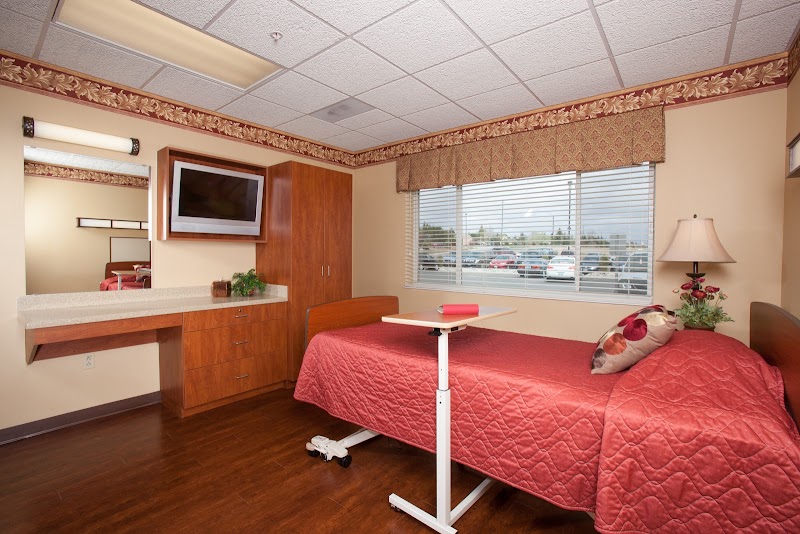
CMS rates Life Care Center Of Cheyenne's staffing level at 4 out of 5 stars, which is above average compared to other nursing homes. Staff turnover is 44%, compared to the Wyoming average of 46%. This relatively stable workforce can support continuity of care.

What Have Inspectors Found at Life Care Center Of Cheyenne?

State health inspectors documented 13 deficiencies at Life Care Center Of Cheyenne during 2022 to 2024. These included: 1 that caused actual resident harm and 12 with potential for harm. Deficiencies causing actual harm indicate documented cases where residents experienced negative health consequences.
Who Owns and Operates Life Care Center Of Cheyenne?

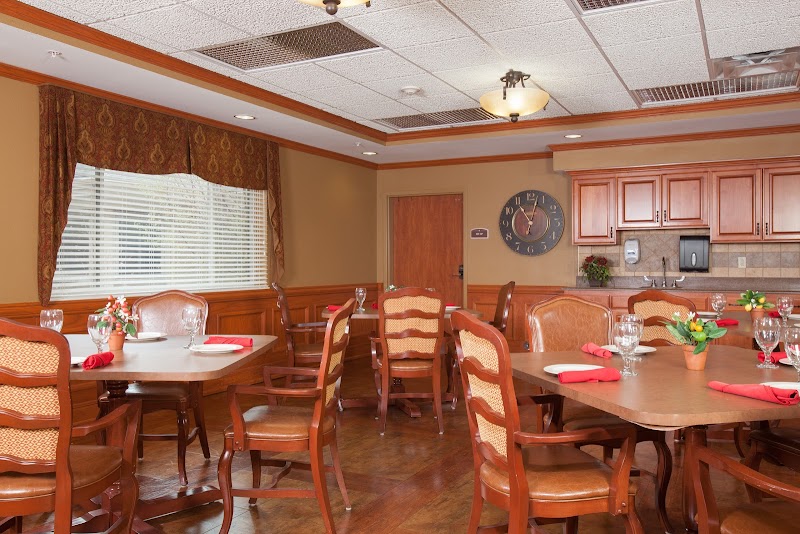
Life Care Center Of Cheyenne is owned by a for-profit company. For-profit facilities operate as businesses with obligations to shareholders or private owners. The facility is operated by LIFE CARE CENTERS OF AMERICA, a chain that manages multiple nursing homes. With 160 certified beds and approximately 118 residents (about 74% occupancy), it is a mid-sized facility located in Cheyenne, Wyoming.

How Does Life Care Center Of Cheyenne Compare to Other Wyoming Nursing Homes?

Compared to the 100 nursing homes in Wyoming, Life Care Center Of Cheyenne's overall rating (5 stars) is above the state average of 3.0, staff turnover (44%) is near the state average of 46%, and health inspection rating (4 stars) is above the national benchmark.

What Should Families Ask When Visiting Life Care Center Of Cheyenne?

Based on this facility's data, families visiting should ask: "Can I visit during a mealtime to observe dining assistance and food quality?" "How do you handle medical emergencies, and what is your hospital transfer rate?" "Can I speak with family members of current residents about their experience?"

Is Life Care Center Of Cheyenne Safe?

Based on CMS inspection data, Life Care Center Of Cheyenne has a clean safety record: no substantiated abuse findings (meaning no confirmed cases of resident harm), no Immediate Jeopardy citations (the most serious violation level indicating risk of serious injury or death), and is not on the Special Focus Facility watch list (a federal program monitoring the lowest-performing 1% of nursing homes). The facility has a 5-star overall rating and ranks #1 of 100 nursing homes in Wyoming. While no facility is perfect, families should still ask about staff-to-resident ratios and recent inspection results during their visit.

Do Nurses at Life Care Center Of Cheyenne Stick Around?

Life Care Center Of Cheyenne has a staff turnover rate of 44%, which is about average for Wyoming nursing homes (state average: 46%). Moderate turnover is common in nursing homes, but families should still ask about staff tenure and how the facility maintains care continuity when employees leave.

Was Life Care Center Of Cheyenne Ever Fined?

Life Care Center Of Cheyenne has been fined $8,190 across 1 penalty action. This is below the Wyoming average of $33,161. While any fine indicates a compliance issue, fines under $50,000 are relatively common and typically reflect isolated problems that were subsequently corrected. Families should ask what specific issues led to these fines and confirm they've been resolved.

Is Life Care Center Of Cheyenne on Any Federal Watch List?

Life Care Center Of Cheyenne is not on any federal watch list. The most significant is the Special Focus Facility (SFF) program, which identifies the bottom 1% of nursing homes nationally based on persistent, serious quality problems. Not being on this list means the facility has avoided the pattern of deficiencies that triggers enhanced federal oversight. This is a positive indicator, though families should still review the facility's inspection history directly.