Douglas Care Center LLC
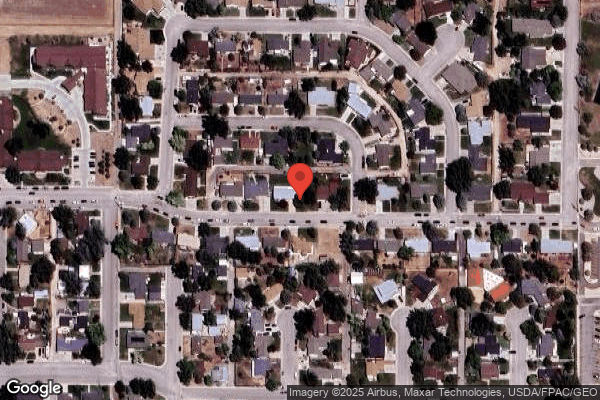
1108 Birch Street, Douglas, WY 82633 (307) 358-3397
For profit - Limited Liability company 60 Beds Independent Data: November 2025
Trust Grade
0/100
#29 of 33 in WY
Last Inspection: November 2024

Within standard 12-15 month inspection cycle. Federal law requires annual inspections.

Overview

Douglas Care Center LLC has received a Trust Grade of F, indicating significant concerns and a poor overall reputation. They rank #29 out of 33 nursing homes in Wyoming, placing them in the bottom half of facilities in the state, although they are the only option in Converse County. The facility is improving, with the number of reported issues decreasing from 8 in 2024 to 5 in 2025. Staffing is a relative strength, with a turnover rate of 0%, well below the state average, but the overall staffing rating is below average at 2 out of 5 stars. The facility has faced fines totaling $18,896, which is average compared to other facilities in Wyoming, but they have documented serious incidents, including cases of physical abuse between residents and failure to provide appropriate care for residents with dementia, highlighting both strengths and weaknesses in their operations.
Trust Score
F
0/100
In Wyoming
#29/33
Bottom 13%
Safety Record
High Risk
Review needed
Inspections
Getting Better
8 → 5 violations
Staff Stability
○ Average
Turnover data not reported for this facility.
Penalties
○ Average
$18,896 in fines. Higher than 53% of Wyoming facilities. Some compliance issues.
Skilled Nurses
✓ Good
Each resident gets 45 minutes of Registered Nurse (RN) attention daily — more than average for Wyoming. RNs are trained to catch health problems early.
Violations
⚠ Watch
29 deficiencies on record. Higher than average. Multiple issues found across inspections.
★☆☆☆☆
1.0
Overall Rating
★★☆☆☆
2.0
Staff Levels
★★★★☆
4.0
Care Quality
★☆☆☆☆
1.0
Inspection Score
Stable
2024: 8 issues
2025: 5 issues

The Good

  • 4-Star Quality Measures · Strong clinical quality outcomes
  • Full Sprinkler Coverage · Fire safety systems throughout facility
  • No fines on record

Facility shows strength in quality measures, fire safety.

The Bad

1-Star Overall Rating

Below Wyoming average (2.9)

Significant quality concerns identified by CMS

Federal Fines: $18,896

Below median ($33,413)

Minor penalties assessed

The Ugly 29 deficiencies on record

2 actual harm
Sept 2025 2 deficiencies 1 Harm
SERIOUS (G) 📢 Someone Reported This

A family member, employee, or ombudsman was alarmed enough to file a formal complaint

Actual Harm - a resident was hurt due to facility failures

Free from Abuse/Neglect (Tag F0600)

A resident was harmed · This affected 1 resident

**NOTE- TERMS IN BRACKETS HAVE BEEN EDITED TO PROTECT CONFIDENTIALITY** Based on medical record review, resident representative and staff interview, facility investigation review, and policy and proce...

Read full inspector narrative →
**NOTE- TERMS IN BRACKETS HAVE BEEN EDITED TO PROTECT CONFIDENTIALITY** Based on medical record review, resident representative and staff interview, facility investigation review, and policy and procedure review, the facility failed to protect the residents' right to be free from physical abuse by another resident for 2 of 4 sample residents (#2, #4) reviewed for abuse. This failure resulted in actual harm to resident #2 and resident #4. The findings were: 1. Review of the quarterly MDS assessment dated [DATE] showed resident #4 had a BIMS score of 5 out of 15, which indicated severe cognitive impairment, and had diagnoses which included dementia, anxiety disorder, and hypertension. The following concerns were identified:a. Review of the facility investigation report dated 1/21/25 and timed 5:58 PM showed on 1/21/25 at 5:22 PM resident #3 grabbed resident # 4 by the arm while attempting to take his/her food tray. b. Review of a progress note for resident #4 dated 1/21/25 and timed 6 PM showed a CNA had observed resident #3 attempting to take a dinner tray from resident #4 and grabbed his/her arm and thumb.c. Interview with RN #1 on 9/17/25 at 1:45 PM revealed s/he was called to the secure unit to assess resident #4 following the incident and visualized bruising and redness on the arm of resident #4. d. Interview with the administrator on 9/17/25 at 2:28 PM confirmed the incident occurred and revealed the resident's representative was notified and agreed to a relocation of resident #4 to another dining table for meals. 2. Review of the admission MDS assessment dated [DATE] showed resident #2 had a BIMS score of 3 out of 15, which indicated severe cognitive impairment, and had diagnoses which included non-traumatic brain dysfunction, dementia, and renal insufficiency. Further review shows the resident was dependent upon staff for transferring, was wheelchair bound and resided on the secure unit at the time of the incident. The following concerns were identified:a. Review of the facility investigation dated 4/12/25 and timed 2:49 PM showed on 4/12/25 at 2:15 PM resident #2 was heard yelling, Get out of my room. The investigation showed CNA #1 responded and found resident # 3 leaning over resident #2, and resident #3 was displaying aggression. Further review showed CNA #1 was able to redirect resident #3 out of resident #2's room and reported observing a red mark on resident #2's cheek. b. Interview with CNA #1 on 9/17/25 at 1:57 PM confirmed resident #3 was found in resident #2's room, the CNA observed a red mark on resident #2's cheek, and resident #2 had reported resident #3 had slapped him/her. The CNA revealed resident #2 was upset at the situation, but was no longer fearful. c. Review of a social services note for resident #2 dated 4/14/25 and timed 12:06 PM showed the resident was moved to another room and was preparing to discharge from the facility.d. Interview with the administrator on 9/17/25 at 9:25 AM confirmed the incident occurred, resident #2 was moved to another room, and resident #2 discharged to another facility. e. Interview with the resident representative for resident #2 on 9/17/25 at 2:11 PM revealed /he was informed of the incident and the resident was not experiencing any emotional effects. The representative confirmed the resident was moved to another facility. 3. Review of the facility policy titled, Abuse, Neglect and Exploitation, last revised 6/2023, shows the facility will provide protections for the health, welfare and rights of each resident and prohibit abuse.
CONCERN (D) 📢 Someone Reported This

A family member, employee, or ombudsman was alarmed enough to file a formal complaint

Potential for Harm - no one hurt, but risky conditions existed

ADL Care (Tag F0677)

Could have caused harm · This affected 1 resident

**NOTE- TERMS IN BRACKETS HAVE BEEN EDITED TO PROTECT CONFIDENTIALITY** Based on observation, resident, resident representative, and staff interview, medical record review, and policy review, the faci...

Read full inspector narrative →
**NOTE- TERMS IN BRACKETS HAVE BEEN EDITED TO PROTECT CONFIDENTIALITY** Based on observation, resident, resident representative, and staff interview, medical record review, and policy review, the facility failed to ensure that a resident who required assistance for activities of daily living (ADL) received appropriate services to maintain grooming and hygiene for 1 of 3 sampled residents (#1) reviewed for ADLs. The findings were: 1. Review of the significant change MDS assessment dated [DATE] showed resident #1 had a BIMS score of 15 out of 15, which indicated the resident was cognitively intact, and had diagnoses which included hypertension, diabetes mellitus, and arthritis. Further review showed the resident required partial to moderate assistance with bathing and was wheelchair bound. Review of the resident's care plan dated 8/26/25 showed that the resident had alterations in ADL function secondary to weakness and pain and required assistance completing ADL task's The following concerns were identified:a. Interview with the resident on 9/16/25 at 11:33 AM revealed the resident, at times, had gone several days without a shower. The resident revealed s/he didn't have a specific time preference as long as s/he was offered a shower every couple of days. b. Interview with the resident's representative on 9/16/25 at 11:21 AM revealed the resident had gone several days without being offered a shower in the past and prior to admission the resident would shower daily. Further the representative revealed at the time of admission, the resident had requested showers three times per week. c. Review of the facility bathing schedule showed the resident was scheduled three times weekly on Monday, Wednesday, and Fridays for showering. d. Review of the resident's bathing history from 7/1/25 through 9/17/25 showed the resident was not provided or offered a shower between 7/8/25 and 7/17/25 (10 days) and between 8/14/25 and 8/22/25 (9 days). e. Interview with the DON on 9/17/25 at 10:59 AM revealed residents were offered showers on their scheduled days and according to their preference, unless the resident refused or was unavailable. She revealed staff were expected to document the bathing and any refusals. f. Interview with the DON on 9/17/25 at 1:28 PM confirmed there was no documentation the resident received or was offered a shower between the dates of 7/8/25 and 7/17/25 or 8/14/25 and 8/22/25. 2. Review of the facility policy titled Resident Showers last revised 4/2025 showed .Residents will be provided showers as per request or as per facility schedule protocols and based upon resident safety. 3. Review of the facility policy titled Activities of Daily Living - ADL's last revised 4/2025 showed .A resident who is unable to carry out activities of daily living will receive the necessary services to maintain good nutrition, grooming, and personal hygiene.
Jan 2025 3 deficiencies
CONCERN (D) 📢 Someone Reported This

A family member, employee, or ombudsman was alarmed enough to file a formal complaint

Potential for Harm - no one hurt, but risky conditions existed

Deficiency F0567 (Tag F0567)

Could have caused harm · This affected 1 resident

Based on review of resident trust fund account statements, staff interview, and Medicaid eligibility review, the facility failed to ensure residents' right to manage their personal funds for 2 of 13 (...

Read full inspector narrative →
Based on review of resident trust fund account statements, staff interview, and Medicaid eligibility review, the facility failed to ensure residents' right to manage their personal funds for 2 of 13 (#1, #2) sample residents with accounts at the facility. The findings were: 1. Review of the resident trust fund account statement for resident #1, with a start date of 11/15/22 showed the resident had a balance of $50.02 in the account on 4/30/24. The following concerns were identified: a. On 5/3/24 the facility received a payment of $1,267.00 from the Social Security Administration (SSA) which was deposited into the resident's account. On 5/7/24 a payment was made to the facility for $1,317.02 which left a zero balance in the resident's account. There was no evidence the resident had received his/her $50 personal needs allowance. b. On 6/3/24 the facility received a payment of $1,267.00 from the SSA which was deposited into the resident's account. On 6/3/24 a payment was made to the facility for $1,270.70 which left a balance of minus $.70 in the resident's account. There was no evidence the resident had received his/her $50 personal needs allowance. c. On 8/1/24 the facility received a payment of $1,267.00 from the SSA which was deposited into the resident's account giving the resident a balance of $1,316.60. On 8/7/24 a payment was made to the facility for $1,316.60 which gave the resident a zero balance in his/her account. There was no evidence the resident had received his/her $50 personal needs allowance. d. On 9/3/24 the balance in the resident's account was $50.00 with an interest payment of $.02 deposited on 9/30/24. On 10/3/24 the facility received a payment of $1,267.00 from the SSA which was deposited into the resident's account giving the resident a balance of $1,317.02. On 10/3/24 a payment was made to the facility for $1,267.02. There was no evidence the resident had received his/her $50 personal needs allowance as the resident's balance remained at $50.00. e. On 10/31/24 an interest payment of $.03 was deposited into the resident's account. On 11/1/24 the facility received a payment of $1,267.00 from the SSA which was deposited into the resident's account giving the resident a balance of $1,317.03. On 11/4/24 a payment was made to the facility for $1,317.03 which gave the resident a zero balance. There was no evidence the resident had received his/her $50 personal needs allowance. 2. Review of the resident trust fund account for resident #2, with a start date of 7/11/22, showed the resident had a balance of $51.37 on 4/30/24. The following concerns were identified: a. On 5/1/24 the facility received a payment of $2051.00 from the SSA which was deposited into the resident's account. On 5/7/24 a payment was made to the facility for $2,077.37 leaving the resident a balance of $25.00. There was no evidence the resident had received his/her $50 personal needs allowance. b. On 5/28/24 the facility received a payment of $2,051.00 from the SSA which was deposited into the resident's account. On 5/28/24 a payment was made to the facility for $2,051.00. There was no evidence the resident had received his/her $50 personal needs allowance. c. On 6/25/24 the facility received a payment of $2,051.00 from the SSA which was deposited into the resident's account. On 6/25/24 a payment was made to the facility for $2,076.00 which left the resident with a zero balance. There was no evidence the resident had received his/her $50 personal needs allowance. d. The resident was discharged from the facility on 7/17/24 with a return not anticipated; however, the facility received monthly payments from the SSA on 8/7, 9/3, 10/8, 11/4, and 12/2 which totaled $8,904.00. A payment to the facility was made after each of these deposits leaving the resident a zero balance on 12/2/24. 3. Interview with the former administrator on 1/3/25 at 9:50 AM revealed both residents owed the facility a large amount of money and was using the resident's personal funds allowance to pay down the balance. 4. Review of the Wyoming Medicaid Long Term Care Programs, Benefits & Eligibility Requirements retrieved from https://www.medicaidlongtermcare.org/eligibility/wyoming/ on 1/6/25 showed Wyoming Nursing Home Medicaid beneficiaries are required to give most of their income to the state to help cover care expenses. They are only allowed to keep a personal needs allowance of $50/month, which can be spent on personal items such as clothes, snacks, books, haircuts, flowers, etc.
CONCERN (D) 📢 Someone Reported This

A family member, employee, or ombudsman was alarmed enough to file a formal complaint

Potential for Harm - no one hurt, but risky conditions existed

Free from Abuse/Neglect (Tag F0600)

Could have caused harm · This affected 1 resident

**NOTE- TERMS IN BRACKETS HAVE BEEN EDITED TO PROTECT CONFIDENTIALITY** Based on staff interview, medical record review, facility incident investigation review, facility performance improvement plan r...

Read full inspector narrative →
**NOTE- TERMS IN BRACKETS HAVE BEEN EDITED TO PROTECT CONFIDENTIALITY** Based on staff interview, medical record review, facility incident investigation review, facility performance improvement plan review, and policy and procedure review, the facility failed to protect the resident's right to be free from physical abuse by a resident for 1 of 5 (#3) residents involved in a resident-to-resident altercations. The facility implemented corrective action prior to the survey and was determined to be in substantial compliance as of [DATE]. The findings were: 1. Review of the [DATE] quarterly MDS assessment for resident #3 showed the resident had short-term and long-term memory problems and diagnoses which included non-traumatic brain dysfunction, Alzheimer's disease, and dementia. The resident did not exhibit any behaviors, rejection of care, or wandering during the look-back period. The following concerns were identified: a. Review of a [DATE] and timed 9:57 PM progress note showed the resident was sitting at a table in the dining area when a resident (identified as resident #4) walked over to the resident and struck him/her on the left side of his/her face. The staff had their backs to the resident and were alerted to the altercation due to the resident calling out after the strike. The resident was assessed with no immediate injury noted and neurological assessments were initiated due to the location of the impact. Further, the progress note stated the surveillance footage was observed and confirmed the incident. b. Interview with helping hand #1 on [DATE] at 9:15 AM revealed she was sitting with resident #4 doing a puzzle when she was called away to replace an absorbent pad in one of the recliners. Both she and the nurse had their backs to the resident when resident #3 yelled ouch which alerted them to the incident. The helping hand stated resident #4 went back to the puzzle table after the incident; however, s/he appeared to be agitated. The helping hand confirmed she had stayed with the resident until the resident had gone to bed. c. Review of the facility's incident report showed resident #3 was very distraught and holding the side of [his/her] face where [resident #4] smacked [him/her] The initial assessment showed no injury; however, the next day the resident had a little bit of a bruise on his/her face. Further review of the incident report showed Camera footage showed [resident #4] was calm and working on a puzzle. [Resident #3] was sitting at the table minding [his/her] own business. After watching the video footage of incident, it was verified that [resident #4] was unprovoked. [Resident #4] intentionally walked over to [resident #3] and smacked [him/her] in the side of the face. Afterwards [resident #4] walked back over to [his/her] puzzle. d. Review of the progress notes for resident #4 showed the resident had incidents of verbal and physical aggression to both staff and residents on 11/22, 11/24, 11/26, 11/27, 11/30, 12/1, 12/7, 12/9, and 12/11. e. Interview with the administrator on [DATE] at 9:25 AM revealed after the incident on [DATE] the facility increased staffing to ensure 3 staff members were in the secure unit at all times, with sometimes 4 during the evening hours. In addition, if resident #4 was agitated the department heads would be called to assist. Further the facility stopped the extra traffic through the secure unit, scheduled a psychological evaluation for the resident, and medication changes had been prescribed for the him/her. Interventions to deescalate the resident were defined and documented in the resident's care plan and progress notes. f. Review of a [DATE] social services note showed the family of resident #4 was notified the facility was unable to meet the residents needs and referrals to other long-term care facilities, which could better meet the resident's needs, were going to be made. g. Interview with the social services director on [DATE] at 9:11 AM revealed resident #4 had been accepted at another long-term care facility and had been scheduled to be transferred on [DATE]. h. Review of resident #4's progress notes showed the resident had experienced a sharp decline in condition and expired on [DATE]. 2. Review of the Abuse, Neglect, and Exploitation policy, implemented on [DATE], showed .Prevention of Abuse, Neglect and Exploitation .B. Identifying, correcting and intervening in situations in which abuse, neglect, exploitation, and/or misappropriation of resident property is more likely to occur with the deployment of trained and qualified registered, licensed, and certified staff on each shift in sufficient numbers to meet the needs of the residents, and assure that the staff assigned have knowledge of the individual residents' care needs and behavioral symptoms; .The identification, ongoing assessment, care planning for appropriate interventions, and monitoring of residents with needs and behaviors which might lead to conflict or neglect .Addressing features of the physical environment that may make abuse, neglect, exploitation, and misappropriation of resident property more likely to occur . 3. Review of the facility's [DATE] performance improvement plan of correction showed the key areas for improvement included behavioral health documentation, behavioral health implementation, physician involvement, and staff education. The goals were to ensure behavioral documentation and follow-ups were completed; 100% of behavioral interactions were documented, care planned, and follow-up appointments were made, if needed; and to organize an incident review committee that meets weekly. The root causes of the problem were determined to be the amount of traffic in the unit; the residents were not busy enough, lack of staff education on behavioral health in the elderly, lack of documentation when behaviors happened, and lack of communication between the nursing staff and physicians. Further review showed the plan was implemented on [DATE]. The facility was determined to be in substantial compliance as of [DATE].
CONCERN (D) 📢 Someone Reported This

A family member, employee, or ombudsman was alarmed enough to file a formal complaint

Potential for Harm - no one hurt, but risky conditions existed

Report Alleged Abuse (Tag F0609)

Could have caused harm · This affected 1 resident

Based on the facility's abuse investigation forms, State Survey Agency incident database review, policy and procedure review, and staff interview, the facility failed to develop and/or implement polic...

Read full inspector narrative →
Based on the facility's abuse investigation forms, State Survey Agency incident database review, policy and procedure review, and staff interview, the facility failed to develop and/or implement policies and procedures for ensuring the reporting of the reasonable suspicion of a crime in for 2 of 5 sample residents (#3, #7) reviewed for allegations of abuse. The findings were: 1. Review of the facility's policy Abuse, Neglect, and Exploitation, implemented on 5/30/23, showed .Reporting/Response .1. Reporting of all alleged violations to the Administrator, state agency, adult protective services and to all other required agencies (e.g., law enforcement when applicable) within specified timeframes: a. Immediately, but not later than 2 hours after the allegation is made, if the events that cause the allegation involve abuse or result in serious bodily injury . The following concerns were identified: a. Review of the facility's Resident Abuse Investigation Report Form showed a resident-to-resident altercation occurred on 12/9/24 at 6:55 PM and was reported to facility administration at 7 PM; however, review of the state survey agency incident database showed this allegation was not reported to the agency until 12/12/24 at 12:28 PM. b. Review of the facility's Resident Abuse Investigation Report Form showed a resident-to-resident altercation occurred on 12/25/24 at 7:40 AM and was reported to facility administration at 7:44 AM; however, review of the state survey agency incident database showed this allegation was not reported to the agency until 12/25/24 at 12:46 PM. 2. Interview with the former administrator, the administrator, and the social service director on 1/3/25 at 11:09 AM confirmed the allegations of abuse were not reported within the required timeframe.
Nov 2024 8 deficiencies 1 Harm
SERIOUS (G) 📢 Someone Reported This

A family member, employee, or ombudsman was alarmed enough to file a formal complaint

Actual Harm - a resident was hurt due to facility failures

Deficiency F0740 (Tag F0740)

A resident was harmed · This affected 1 resident

**NOTE- TERMS IN BRACKETS HAVE BEEN EDITED TO PROTECT CONFIDENTIALITY** Based on observation, medical record review, and staff interview, the facility failed to ensure residents with dementia received...

Read full inspector narrative →
**NOTE- TERMS IN BRACKETS HAVE BEEN EDITED TO PROTECT CONFIDENTIALITY** Based on observation, medical record review, and staff interview, the facility failed to ensure residents with dementia received the appropriate treatment and services to attain their highest practicable physical, mental, and psychosocial well-being for 2 of 4 residents (#4, #97) reviewed for behavioral and emotional needs. This failure resulted in actual harm to resident #97. The findings were: 1. Review of the 7/17/24 MDS discharge assessment for resident #97 showed s/he was admitted to the facility on [DATE] and was discharged to a short-term general hospital on 7/17/24 with a return to the facility not anticipated. Review of the 4/23/24 quarterly MDS assessment showed the resident had diagnoses which included non-traumatic brain dysfunction and non-Alzheimer's dementia. Further review showed the resident had a staff assessment for mental status which indicated moderate cognitive impairment, disorganized thinking which fluctuated in severity, exhibited verbal behavioral symptoms directed towards others 1 to 3 days of the 7-day look-back period, behavioral symptoms not directed toward others 4 to 6 days of the 7-day look-back period, and rejected care 1 to 3 days of the 7-day look-back period. The resident was coded as receiving an antianxiety medication. Review of the 12/6/23 Office Physician Progress note showed a hearing was held last week before [judge's name] to determine the patient's need for a power of attorney, and to seek placement where [s/he] could get more effective care for [his/her] emotional disturbances and be less disruptive to other patients around. The progress note showed the resident had a diagnosis of aggressive behavior due to dementia. Review of a subsequent note showed the court determined the resident to be incompetent on 12/15/23. Review of a 2/28/24 physician's verbal order showed an order was placed for the resident to have a psychological evaluation. The verbal order was signed by the physician on 3/6/24. The following concerns were identified: a. Review of the resident's entire medical record showed no evidence a psychological evaluation had been completed. b. Review of the Event Reports from 3/3/24 to 6/29/24 showed the resident had aggressive/combative behaviors on 3/3, 3/18, 3/19, 3/22, 3/27, 4/3, 4/13, 5/8, 5/18, 6/13, 6/20, and 6/29. c. Review of the resident's care plan showed a description of resident-to-resident interactions which occurred on 1/31/24, 2/12/24, 2/14/24, 3/7/24, 3/18/24, 3/19/24, 3/22/24, 3/24/24, 6/13/24, 6/20/24, and 6/29/24; however, the only intervention noted was 3/14/24 which showed My staff will attempt to place a stop sign in my doorway to keep other residents from wandering into my room. The previous interventions related to resident-to-resident interactions or behaviors were dated on or before 8/29/23. d. Review of the resident's care plan under the category of Special treatments last edited on 4/24/24 showed I will break my furniture in my room. My bed is zip tied to itself so I can't bang it on the ground. I broke the door on my nightstand, so it has been removed for my safety. e. Review of the resident's care plan under the category of Call Light, dated 5/8/24 showed My call light cords were removed for my safety and the safety of others around me due to me trying to use call light cords as whips. Call light stoppers were placed where cords were. My staff will attempt to anticipate my needs. f. Review of a progress note dated 7/17/24 and timed 10:28 PM showed pt (patient) stuck (sic) a female resident in the lower back with the back of [his/her] hand while [s/he] was walking down the hall .female suffered no apparent injury, pt's behavior continued to escalate until two staff members had to barrackade (sic) themselves along with some of the patients in two different rooms to protect themselves and patients from pt's violent behavior, charge nurse called 911 for help, officers deesalated (sic) pt's aggitation [sic], guardian and [a mental health service] were called, a zoom mental health evaluation was performed on pt, emt's [sic] were called and pt was taken from facility, md notified. g. Review of a progress note dated 7/19/24 showed the resident's guardian had notified the facility that the judge had granted an official order to have the resident placed in the state hospital. h. Interview with the NHA on 11/14/24 at 4:12 PM revealed she had an email chain related to the scheduling of the resident for a psychological evaluation which showed that due to the rural location of the facility the evaluation was not scheduled; however, an appointment with a neurologist had been scheduled for 4/10/24. The NHA confirmed no documentation of the attempts to schedule the psychological evaluation or the neurologist's progress notes had been documented in the resident's medical record. 2. Review of the 9/13/24 quarterly MDS assessment showed resident #4 was re-admitted from an acute care hospital to the facility on 3/1/24 and had diagnoses which included cerebrovascular accident, non-Alzheimer's dementia, depression and bipolar disorder. The resident had a BIMS score of 15 out of 15, which indicated the resident was cognitively intact. Further review showed the resident did not exhibit physical or verbal behavioral symptoms or rejection of care. Review of the resident's care plan, dated 3/22/23, showed, When I have suicidal ideations or similar behaviors my staff will try to redirect me, they may offer me to call my counselor that I see or my family. They may take me to the common area or dining room to visit and interact with people and so my staff can ensure my safety. Further review showed the resident received antipsychotic and antidepressant medications, and the last gradual dose reduction was clinically contraindicated by the physician on 2/21/24. The following concerns were identified: a. Review of a progress note dated 6/8/24 at 1:39 PM showed a CNA notified RN #1 of a note found on the resident's bedside table that stated I wish I was dead please let me die. The administrator on call and the resident's son were notified. The resident's son did not want the resident sent to the emergency department, and arrived at the facility to talk to the resident, who told his/her son s/he was just venting [his/her] feelings. Further review showed no follow up documentation. b. Review of a progress note dated 7/4/24 at 9:11 AM showed the resident sat in the hall and yelled at staff. Further review showed the resident stated I want to die; I am going to kill myself. RN #2 reported the resident's statement to the DON and the charge nurse. Further review showed no follow up documentation. c. Review of a progress note dated 9/21/24 at 12:40 PM showed CNA #1 reported a note was found on the resident's table that read, I wish I was dead; Please I was dead. The on-call administrator and resident's emergency contact were notified, and the emergency contact responded watch [him/her] and if you need any thing [sic] let me know. The plan was to monitor the resident. The resident was documented by CNA #1 as laughing with housekeeping staff at 12:50 PM, and sleeping comfortably at 1:55 PM and 3:32 PM. At 5:49 PM the resident was documented as screaming at the CNA. No further behaviors were documented on 9/21/24. d. Review of a progress note dated 11/6/24 at 7:25 AM showed CNA #2 answered the resident's call light. The resident was asleep, and the CNA saw a note on the resident's bedside table that read in part, I wish I was dead. The CNA texted LPN #1 a copy of the note, and the nurse immediately checked on the resident and found the resident asleep in his/her recliner in no obvious sign of distress. The nurse notified the DON and the NHA at 7:08 AM. The nurse called the resident's power of attorney (POA) at 7:24 AM and informed her about the note that was found in the resident's room. The POA stated she was aware the resident had these thoughts. The nurse informed the POA that the resident was asleep and not in current distress, and would be monitored by staff. e. Review of a progress note dated 11/6/24 at 9:41 AM showed a mental health agency was contacted by the administrator after being notified about the note. f. Review of a progress note dated 11/6/24 at 11:44 AM showed the mental health agency phoned to say a referral had been placed for local staff, and they would reach out with the best way to proceed. Further review of the medical record showed no evidence of any follow-up. g. Interview with the NHA on 11/13/24 at 4:54 PM revealed the mental health agency had stopped seeing the resident several months ago as they did not think their services benefited the resident. The administrator revealed the resident's daughter was called about the note on 11/6/24 and the facility was waiting on the mental health agency to proceed. No one-on-one was provided for the resident at the time the note was found. The facility did not have a current policy on suicidal behaviors. h. Interview with LPN #2 on 11/14/24 at 2:52 PM revealed the resident had been told s/he would need to be observed in the dining room if s/he mentioned any suicidal ideations. The nurse stated the resident would often say s/he didn't mean it. i. Interview with the social worker on 11/15/24 at 11:13 AM revealed she did not document conversations with residents; however, she communicated any resident behaviors to the nursing staff. Further, the interview revealed care plan interventions should be documented in the progress notes.
CONCERN (D) 📢 Someone Reported This

A family member, employee, or ombudsman was alarmed enough to file a formal complaint

Potential for Harm - no one hurt, but risky conditions existed

Deficiency F0661 (Tag F0661)

Could have caused harm · This affected 1 resident

**NOTE- TERMS IN BRACKETS HAVE BEEN EDITED TO PROTECT CONFIDENTIALITY** Based on medical record review and staff interview, the facility failed to complete a discharge summary which included a recapit...

Read full inspector narrative →
**NOTE- TERMS IN BRACKETS HAVE BEEN EDITED TO PROTECT CONFIDENTIALITY** Based on medical record review and staff interview, the facility failed to complete a discharge summary which included a recapitulation of the resident's stay for 1 of 4 resident-initiated discharges (#97) reviewed. The findings were: Review of the 7/17/24 MDS discharge assessment for resident #97 showed s/he was admitted to the facility on [DATE] and was discharged to a short-term general hospital on 7/17/24 with a return to the facility not anticipated. Further review of the medical record showed no evidence a discharge summary had been completed. Interview on 11/14/24 at 5:15 PM with the NHA confirmed the discharge summary had not been completed.
CONCERN (D) 📢 Someone Reported This

A family member, employee, or ombudsman was alarmed enough to file a formal complaint

Potential for Harm - no one hurt, but risky conditions existed

Deficiency F0700 (Tag F0700)

Could have caused harm · This affected 1 resident

Based on observation, medical record review, policy and procedure review, and staff interview, the facility failed to ensure bed rails were evaluated for safety on a regular basis for 1 of 2 residents...

Read full inspector narrative →
Based on observation, medical record review, policy and procedure review, and staff interview, the facility failed to ensure bed rails were evaluated for safety on a regular basis for 1 of 2 residents (#15) reviewed with bed rails. The findings were: 1. Observation on 11/12/24 at 1:15 PM showed resident #15 had an assist bar, bilaterally, at the head of the bed. Review of the resident's medical record showed the last assist bar evaluation was completed on 4/6/21. Interview with the MDS coordinator on 11/13/24 at 4:20 PM revealed safety assessments should be conducted annually and confirmed no further documentation was available. 2. Review of the 2/13/23 Use of Assistive Devices policy showed .2. The use of assistive devices will be based on the resident's comprehensive assessment, in accordance with the resident's plan of care 4. DCC staff will provide appropriate assistance to ensure that the resident can use the assistive devices. This may include education or therapy sessions for training on the use of the device, safety evaluations, set up assistance, supervision, or physical assistance as needed .6. A nurse with responsibility for the resident will monitor for the consistent use of the device and safety in the use of the device .
CONCERN (D) 📢 Someone Reported This

A family member, employee, or ombudsman was alarmed enough to file a formal complaint

Potential for Harm - no one hurt, but risky conditions existed

Deficiency F0744 (Tag F0744)

Could have caused harm · This affected 1 resident

**NOTE- TERMS IN BRACKETS HAVE BEEN EDITED TO PROTECT CONFIDENTIALITY** Based on medical record review and staff interview, the facility failed to ensure residents with dementia received the appropria...

Read full inspector narrative →
**NOTE- TERMS IN BRACKETS HAVE BEEN EDITED TO PROTECT CONFIDENTIALITY** Based on medical record review and staff interview, the facility failed to ensure residents with dementia received the appropriate treatment and services to attain their highest practicable physical, mental, and psychosocial well-being for 1 of 4 residents (#98) reviewed for dementia care. The findings were: 1. Review of the 9/6/24 quarterly MDS assessment for resident #98 showed the resident was admitted to the facility on [DATE] and had diagnoses which included alcohol dependence with alcohol-induced persisting dementia, anxiety disorder, and depression. The resident had a BIMS score of 4 out of 15 indicating severe cognitive impairment. Further review showed the resident was coded as being administered an antidepressant. A resident-initiated transfer to another long-term care facility occurred on 9/9/24. The following concerns were identified: a. Review of the Event Forms from 8/5/24 through 9/5/24 showed the resident had a resident-to-resident altercation with aggressive/combative behaviors on 5/10, 5/18, 7/13, 7/31, 8/18, 8/20, and 9/5. b. Review of the resident's care plan in the category of Resident-to-Resident Altercation, dated 9/4/24, showed the Approach section of the care plan gave a description of the resident-to-resident altercations which occurred on 3/2/24, 3/7/24, 3/11/24, 3/13/24, 3/15/24, 3/18/24, and 4/9/24; however, the care plan failed to include any interventions. c. Review of the Cognitive Loss/Dementia care plan, dated 11/29/23, showed interventions which included my staff will direct me to my room, activities, or meals as needed to assist me. and My staff will reassure my safety as needed if I am confused. d. Review of the Behavioral Symptoms care plan, dated 6/22/23, showed the resident may become verbally and physically aggressive and interventions included to .distract me with one of the robotic therapy animals, I tend to calm down better after I have been left alone for awhile (sic). and My staff will reassure me of my safety and explain what they are doing when they are helping me. e. Review of an Office Physician Progress Note, dated 5/1/24, showed Patient is easily awoke with verbal cue. Initially disgruntled but noncombative and became interactive. Per nursing staff patient does have strong medications that are causing [him/her] to be somnolent and rarely gets out of bed until later in the afternoon. No other acute concerns per nursing staff. Further review of the progress note showed no assessment or behavioral care plan had been developed. f. Review of an Office Physician Progress Note, dated 7/18/24, showed Patient continues to be extremely somnolent and does not react well to being woken up during any encounters. Per nursing staff and director of nursing they have no acute complaints at this time . Further review of the progress note showed no assessment or behavioral care plan had been developed. g. Review of a progress note, dated 8/29/24, showed Resident was on the schedule today at 1 PM for a counseling appointment. Looking into [his/her] chart and on the appointment it was unclear where this was supposed to be at. Further the note stated the mental health agency had been called and no one had [the resident] in their records. Patient at this time has been combative so this appointment has been canceled at this time due to behavior as well not knowing where this was to be at. h. Review of the 6/12/24 Interdisciplinary Care Plan Conference Record showed the social service director had no concerns, nursing staff addressed the need for dental work, the family were happy to hear the resident had gained weight, and activities and dietary had no concerns. There was no documentation the resident's behaviors had been discussed. i. Interview with the social worker on 11/15/24 at 11:12 AM revealed she was involved in the resident's care; however, she does not document the encounters in the resident's record. Further, resident's behaviors were communicated to the administrator or the nursing staff and they made the decisions. j. Interview with the former NHA on 11/15/24 at 11:43 AM confirmed the facility failed to have a system in place to ensure a professional evaluation of the resident's behaviors was completed and effective interventions were developed. In addition, the former NHA revealed the medical director had not been consulted.
CONCERN (D)

Potential for Harm - no one hurt, but risky conditions existed

Deficiency F0745 (Tag F0745)

Could have caused harm · This affected 1 resident

Based on medical record review, staff interview, and policy and procedure review, the facility failed to ensure medically related social services were provided for 1 of 1 sample residents (#4) reviewe...

Read full inspector narrative →
Based on medical record review, staff interview, and policy and procedure review, the facility failed to ensure medically related social services were provided for 1 of 1 sample residents (#4) reviewed with a PASRR (Preadmission Screening and Resident Review) Level II. The following concerns were identified: 1. Review of the 9/13/24 quarterly MDS showed resident #4 was re-admitted from the hospital to the facility on 3/1/24 and had diagnoses which included cerebrovascular accident, non-Alzheimer's dementia, depression and bipolar disorder. The resident had a BIMS score of 15 out of 15, which indicated the resident was cognitively intact. Further review showed the resident did not exhibit physical or verbal behavioral symptoms or rejection of care. Review of the resident's care plan dated 3/22/23 showed When I have suicidal ideations or similar behaviors my staff will try to redirect me, they may offer me to call my counselor that I see or my family. They may take me to the common area or dining room to visit and interact with people and so my staff can ensure my safety. Further review showed the resident received antipsychotic medication and antidepressant medication, and the last gradual dose reduction was clinically contraindicated by the physician on 2/21/24. The following concerns were identified: a. Review of the PASRR Level II dated 4/15/21 recommended rehabilitative services to be provided in the nursing facility which included supportive counseling from nursing facility staff, minimum of an annual comprehensive psychiatric evaluation to clarify the current psychiatric diagnosis, and an appropriate treatment plan. b. Review of the resident's medical record showed no evidence an annual psychiatric evaluation had been completed. c. Review of a progress note, dated 7/19/24, showed the resident told helping hand aide #1 s/he was not happy at the facility and wanted to look into moving to another facility. The aide notified the social services director and the DON. Further review showed no documentation or follow-up to this conversation. d. Interview with the social worker on 11/15/24 at 11:13 AM revealed she did not document conversations with residents, and she took any resident behaviors to the nursing staff. In addition, the social worker revealed care plan interventions should be documented in the progress notes.
CONCERN (F) 📢 Someone Reported This

A family member, employee, or ombudsman was alarmed enough to file a formal complaint

Potential for Harm - no one hurt, but risky conditions existed

Deficiency F0725 (Tag F0725)

Could have caused harm · This affected most or all residents

**NOTE- TERMS IN BRACKETS HAVE BEEN EDITED TO PROTECT CONFIDENTIALITY** Based on nursing staff schedule review and staff interview, the facility failed to have a system in place to document licensed n...

Read full inspector narrative →
**NOTE- TERMS IN BRACKETS HAVE BEEN EDITED TO PROTECT CONFIDENTIALITY** Based on nursing staff schedule review and staff interview, the facility failed to have a system in place to document licensed nurses in the facility on a 24-hour basis. The findings were: 1. Review of the PBJ (payroll-based journal) Staffing Data Report for July 1 through [DATE] showed the following concerns: a. The PBJ showed the facility failed to provide nursing coverage 24 hours/day on 7/21, 7/23, and 7/30. b. Review of the working schedule showed on 7/21 the DON was on duty for 12 hours starting at 6 AM. On 9/10, 9/23, and 9/30 the DON was shown as working a 12-shift starting at 6 PM. The other days noted on the PBJ were covered by nursing staff. 2. Review of the PBJ Staffing Data Report for October 1 through December 31, 2023 showed the following concerns: a. The PBJ showed the facility failed to provide nursing coverage 24 hours/day on 10/1, 10/8, 10/29, 11/23, 12/2, 12/3, and 12/9. b. Review of the working schedule showed on 10/29 the DON worked a 12-hour shift starting at 6 AM. On 11/23 the DON worked 12 hours starting at 6 PM. In December the schedule showed the DON worked 12 hours started at 6 PM on 12/2. The other days noted on the PBJ were covered by nursing staff. 3. Interview with the NHA on 11/15/24 at 8:55 AM revealed she had only been doing the PBJ for couple of months. The former PBJ data entry person was no longer employed. Further, she stated the DON was salary, and was unable to clock in without causing problems with the payroll system. She stated there was no way of proving the DON had worked the floor, except showing it on the schedule. She stated the facility had recognized the problem and had added a performance improvement project to their quality assessment.
CONCERN (F) 📢 Someone Reported This

A family member, employee, or ombudsman was alarmed enough to file a formal complaint

Potential for Harm - no one hurt, but risky conditions existed

Deficiency F0801 (Tag F0801)

Could have caused harm · This affected most or all residents

Based on staff interview, the facility failed to ensure the dietary manager met the required qualifications. The facility census was 43. The findings were: 1. Interview with the dietary manager on 11/...

Read full inspector narrative →
Based on staff interview, the facility failed to ensure the dietary manager met the required qualifications. The facility census was 43. The findings were: 1. Interview with the dietary manager on 11/14/24 at 2:08 PM revealed she had not completed the Certified Dietary Manager coursework; however, planned to have it done soon. Further interview with the dietary manager revealed the facility had a dietician on site every Tuesday for 8 hours.
CONCERN (F) 📢 Someone Reported This

A family member, employee, or ombudsman was alarmed enough to file a formal complaint

Potential for Harm - no one hurt, but risky conditions existed

Infection Control (Tag F0880)

Could have caused harm · This affected most or all residents

Based on staff interview and policy and procedure review, the facility failed to implement a water management program to prevent, detect, and control the risk of water-borne pathogens. In addition, th...

Read full inspector narrative →
Based on staff interview and policy and procedure review, the facility failed to implement a water management program to prevent, detect, and control the risk of water-borne pathogens. In addition, the facility failed to conduct an annual review of its infection prevention and control program (IPCP). The census was 43. The findings were: 1. Review of the facility's Infection Prevention and Control Program policy showed it was implemented on 5/22/23. There was no evidence the facility had conducted an annual review of its IPCP and updated their program, if necessary. 2. Review of the 5/22/23 IPCP policy showed .17. Water Management: a. A water management program has been established as part of the overall infection prevention and control program. b. Control measures and testing protocols are in place to address potential hazards associated with DCC's water systems. c. The Maintenance Director along with the Safety Committee serves as the leader of the water management program. Review of the 5/2021 Legionella Surveillance policy showed .2. In the absence of Legionella infections for a period of at least one year, the facility shall implement primary prevention strategies. These strategies included diagnostic testing, investigation for a facility source of Legionella, physical controls, and temperature controls. There was no documentation the facility had performed the primary prevention strategies. 3. Interview with the former NHA on 11/15/254 at 11:34 AM confirmed the IPCP policy had not been reviewed in the past year and no documentation was available to show the water management program had been implemented.
Aug 2023 8 deficiencies
CONCERN (D)

Potential for Harm - no one hurt, but risky conditions existed

Deficiency F0582 (Tag F0582)

Could have caused harm · This affected 1 resident

Based on review of beneficiary protection notice information, staff interview, and policy and procedure review, the facility failed to ensure the Notice of Medicare Provider Non-Coverage (NOMNC) and t...

Read full inspector narrative →
Based on review of beneficiary protection notice information, staff interview, and policy and procedure review, the facility failed to ensure the Notice of Medicare Provider Non-Coverage (NOMNC) and the Skilled Nursing Facility-Advanced Beneficiary Notice of Non-coverage (SNF-ABN) forms were issued to the resident or the resident's representative in a timely manner for 1 of 3 sample residents (#17) reviewed. The findings were: 1. Review of the SNF Beneficiary Protection Notification Review form completed by the facility showed resident #17 had a Medicare Part A stay that started on 12/27/22 with the last covered day of Part A services on 2/19/23. The following concerns were identified: a. Review of the NOMNC and SNF-ABN forms showed the resident's representative signed the forms on 3/6/23. b. Review of the facility's documentation showed the NOMNC and SNF-ABN forms were mailed to the resident's representative via certified mail on 3/1/23. There was no documentation the resident's representative had been contacted prior to the last day of Medicare Part A coverage. c. Interview with the social services director on 8/28/23 at 2:17 PM confirmed the required notices were not given to the resident or the resident's representative until after the resident was discharged from Medicare Part A. Further, the social worker stated she usually called the resident's representative if the resident was cognitively impaired prior to the end of Medicare Part A services; however, no documentation could be located. 2. Review of the policy and procedure titled Advance Beneficiary Notices, last reviewed 6/2022, showed .7. To ensure that the resident, or representative, has enough time to make a decision whether or not to receive the services in question and assume financial responsibility, the notice shall be provided at least two days before the end of a Medicare covered Part A stay or when all of Part B therapies are ending .10. d. If the notice cannot be hand-delivered (for example, such as in the case of an incompetent resident and the representative is out of town), a telephone notice shall be made, followed up immediately with a mailed, emailed, faxed or hand-delivered notice. Documentation shall comply with form instructions regarding telephone notices .
CONCERN (D)

Potential for Harm - no one hurt, but risky conditions existed

Deficiency F0604 (Tag F0604)

Could have caused harm · This affected 1 resident

**NOTE- TERMS IN BRACKETS HAVE BEEN EDITED TO PROTECT CONFIDENTIALITY** Based on observation, medical record review, staff interview, and policy and procedure review, the facility failed to ensure a r...

Read full inspector narrative →
**NOTE- TERMS IN BRACKETS HAVE BEEN EDITED TO PROTECT CONFIDENTIALITY** Based on observation, medical record review, staff interview, and policy and procedure review, the facility failed to ensure a restraint was the least restrictive alternative, used for the least amount of time, and failed to inform and obtain consent from the resident or the resident's representative for the use of the restraint for 1 of 2 sample residents (#31) with restraints. The findings were: 1. Review of the 7/12/23 admission MDS assessment showed resident #31 was admitted to the facility on [DATE] with diagnoses which included hip fracture and dementia. The resident was determined by staff assessment to be severely cognitively impaired and required the extensive assistance of two or more staff for transfers. In addition, the resident was coded as using a physical restraint in the resident's chair to prevent the resident from rising on a daily basis. Review of the 7/12/23 care area assessment (CAA) for physical restraints showed resident has dementia and weight bearing restrictions. [S/he] does not remember [s/he] broke [his/her] hip and attempts to ambulate. Lap buddy while in wheelchair supervised in dining room. Further, the CAA stated the resident can remove but not on request. Review of a 7/6/23 occupational therapist progress note showed a safety evaluation was completed for transfers, a wheelchair, a lap buddy, and a front-wheeled walker. The following concerns were identified: a. Observation on 8/28/23 at 4:45 PM showed the resident was sitting in a wheelchair in the secure unit with a Posey lap buddy (a device used to facilitate upper body alignment and prevent forward leaning) attached to the chair. The resident was self-propelling his/her wheelchair throughout the secure unit common room. b. Interview with CNA #1 on 8/17/23 at 4:41 PM revealed the resident had a lap buddy to keep the resident in his/her wheelchair when s/he was not weight bearing. c. Interview with the certified occupational therapy assistant (COTA) on 8/29/23 at 9 AM revealed the purpose of the lap buddy, at the time of admission, was to give staff time to get to the resident when the resident attempted to stand up. The COTA stated the resident was improving and liked to be ambulatory; however, the secure unit was chaotic and he did not feel comfortable allowing the resident to be ambulatory until the resident was discharged to the assisted living facility. In addition, the COTA stated the resident was able to remove the lap buddy; however, s/he was unable to do it on command. d. Review of the resident's ADLs Functional Status/Rehabilitation Potential care plan, dated 8/27/23, showed the resident had progressed and was able to self-propel his/her wheelchair and no longer wanted foot pedals on the wheelchair for easier movement. e. Review of the resident's medical record showed no documentation the resident's representative was informed of the potential risks and benefits of using the physical restraint. In addition, there was no documentation the facility had re-evaluated the need for the physical restraint. f. Interview with the assistant administrator on 8/28/23 at 5:05 PM confirmed no further documentation was available. 2. Review of the policy and procedure Restraint Free Environment, implemented on 6/25/23, showed Definitions Physical Restraint refers to any manual method or physical or mechanical device, material, or equipment attached or adjacent to the resident's body that the individual cannot remove easily which restricts freedom of movement or normal access to one's body. Physical restraints may include, but are not limited to: .Using devices in conjunction with a chair, such as trays, tables, cushions, bars or belts, that the resident cannot remove and prevents the resident from rising .5. Before the resident is restrained, DCC [[NAME] Care Center] will determine the presence of a specific medical symptom that would require the use of restraints, and determine: a. How the use of restraints would treat the medical symptom. b. The length of time the restraint is anticipated to be used to treat the medical symptom, who may apply the restraint, and the time and frequency that the restraint will be released. c. The type of direct monitoring and supervision that will be provided during use of the restraint. d. How the resident will request staff assistance and how his/her needs will be met while the restraint is in place. e. How to assist the resident in attaining or maintaining his or her highest practicable level of physical and psychosocial well-being. 6. Medical symptoms warranting the use of restraints should be documented in the resident's medical record. The resident's record needs to include documentation that less restrictive alternatives were attempted to treat the medical symptom but were ineffective, ongoing re-evaluation of the need for the restraint, and the effectiveness of the restraint in treating the medical symptom. The care plan should be updated accordingly to include the development and implementation of interventions, to address any risks related to the use of the restraint.
CONCERN (D)

Potential for Harm - no one hurt, but risky conditions existed

Comprehensive Care Plan (Tag F0656)

Could have caused harm · This affected 1 resident

**NOTE- TERMS IN BRACKETS HAVE BEEN EDITED TO PROTECT CONFIDENTIALITY** Based on observation, staff interview, medical record review, manufacturer recommendations, and policy and procedure review, the...

Read full inspector narrative →
**NOTE- TERMS IN BRACKETS HAVE BEEN EDITED TO PROTECT CONFIDENTIALITY** Based on observation, staff interview, medical record review, manufacturer recommendations, and policy and procedure review, the facility failed to develop and implement resident care plans related to pressure-relieving devices for 2 of 4 residents reviewed (#10, #14) for pressure injuries. The findings were: 1. Review of the quarterly MDS assessment dated [DATE] showed resident #10 had diagnoses which included hip fracture, obesity, and weakness, and was at risk for pressure ulcer development. Further review showed the resident required extensive physical assistance of 2 or more people for bed mobility and toilet use, extensive physical assistance of 1 person for dressing and personal hygiene, and transfers did not occur during the look-back period. Review of a Wound Management Detail Report showed on 8/28/23 the resident had a stage 2 wound which measured 0.2 centimeters (cm) by 0.3 cm which was very superficial. Further review showed the wound was identified on 8/21/23. The following concerns were identified: a. Observation on 8/29/23 beginning at 4:38 PM showed CNA #2 and CNA #3 entered the resident's room to answer the call light. At that time, the resident requested a bed pan and the CNAs assisted the resident to roll to his/her left side. Continued observation showed the resident had several layers of items which included an incontinence brief, a disposable incontinence pad, a flat sheet folded in half, and a fitted sheet between the resident and the air mattress. b. Observation on 8/30/23 at 11:06 AM showed RN #1, the infection preventionist, and LPN #1 entered the resident's room to perform wound care. The staff members positioned the resident on his/her left side and the resident's catheter drainage bag was secured to the right side of the bed. Continued observation showed the resident had several layers of items, which included an incontinence brief, a disposable incontinence pad, a flat sheet folded in half which created 2 layers, and a fitted sheet, between the resident and the air mattress. RN #1 removed the dressing to the resident's buttocks and the skin appeared red in color with no visible open area. Upon completion, the staff members positioned the resident on his/her back with the head of the bed slightly elevated and placed a pillow under the resident's right arm. All layers were left under the resident. c. Review of the Skin Integrity/Pressure Ulcer care plan, last revised on 8/21/23, showed the resident was at risk for skin breakdown and had interventions which included my staff got be [sic] an alternating air flow mattress due to my limited mobility with my femur fracture. There was no indication how to use the air mattress per manufacturer's recommendations or the use of multiple layers under the resident while in bed. 2. Review of the quarterly MDS assessment dated [DATE] showed resident #14 had diagnoses which included a stage 2 pressure ulcer of the right hip, morbid obesity, unilateral primary osteoarthritis affecting the left knee, a body mass index of 70 or greater, and was at risk for pressure ulcer development with one stage 2 pressure ulcer present. Further review showed the resident required extensive physical assistance of 2 or more people for bed mobility, toilet use, and personal hygiene and transfers did not occur during the look-back period. The following concerns were identified: a. Observation on 8/28/23 beginning at 2:41 PM showed PTA #1, RN #1, CNA #4, and the wound care nurse entered the resident's room to perform wound care. The staff members assisted the resident to roll to his/her right side which exposed multiple layers which included an incontinence brief, a disposable incontinence pad, and a sheepskin pad between the resident and the air mattress. Upon completion, the staff members positioned the resident on his/her back with the head of the bed slightly elevated and a wedge cushion under the resident's upper body. All layers were left under the resident. b. Review of the Skin Integrity/Pressure Ulcer care plan last revised on 8/21/23 showed the resident was at risk for skin breakdown due to his/her weight, incontinence, and lack of mobility. Further review showed interventions which included my new air bed arrived and is placed on my bed as of 11/24/22; however, there was no indication how to use the air mattress per manufacturer's recommendations or the use of multiple layers under the resident while in bed. 3. Interview with the wound care nurse on 8/30/23 at 9:23 AM revealed residents should only have a brief, incontinence pad, and sheet under them if they are at risk for skin breakdown and use an air mattress. Further interview revealed, if the resident had a Foley catheter in place the resident should only have 1 layer between them and the air mattress, especially if the resident was able to call for a bed pan. Further interview revealed resident #14 had requested the sheepskin to be under him/her and resident requests for additional layers should be included on the care plan. 4. Telephone interview with the DON on 8/30/23 at 9:49 AM revealed resident repositioning was expected to be performed every 2 to 4 hours depending on the care plan and residents with an air mattress should only have a sheet and pad specific for the air mattress (incontinence pad/barrier pad) under them. The DON confirmed resident requests for additional layers should be on the care plan and revealed if the resident had actual wounds staff should follow the wound care team recommendations. 5. Review of the manufacturer's recommendations titled PressureGuard Bariatric APM [Alternating Pressure Mattress] provided by the facility on 8/30/23 showed .Bed Linens: Seven-inch deep fitted sheets are recommended. Multiple layers of linens or underpads beneath the patient should be avoided for the prevention and treatment of pressure injuries. 6. Review of the policy titled Pressure Injury Prevention guidelines dated 6/26/23 showed .5. Prevention devices will be utilized in accordance with manufacturer's recommendations (e.g., heel flotation devices, cushions, mattresses) .
CONCERN (D)

Potential for Harm - no one hurt, but risky conditions existed

Deficiency F0661 (Tag F0661)

Could have caused harm · This affected 1 resident

**NOTE- TERMS IN BRACKETS HAVE BEEN EDITED TO PROTECT CONFIDENTIALITY** Based on medical record review, staff interview, and policy and procedure review, the facility failed to complete a discharge su...

Read full inspector narrative →
**NOTE- TERMS IN BRACKETS HAVE BEEN EDITED TO PROTECT CONFIDENTIALITY** Based on medical record review, staff interview, and policy and procedure review, the facility failed to complete a discharge summary which included a recapitulation of the resident's stay for 1 of 1 resident (#42) reviewed for discharge to the community. The findings were: 1. Review of the medical record for resident #42 showed s/he was admitted to the facility on [DATE] for rehabilitation following a cerebral vascular accident. The resident was discharged to the community on 7/18/23. Further review of the resident's medical record showed no evidence a discharge summary had been completed. Telephone interview with the DON on 8/30/23 at 9:50 AM confirmed the discharge summary had not been completed. 2. Review of the Transfer and Discharge (including AMA) policy implemented on 7/18/23 showed .14. b. A member of the interdisciplinary team completes relevant sections of the Discharge Summary. The nursing department at the time of discharge is responsible for ensuring the Discharge Summary is complete and includes, but not limited to, the following: i. A recap of the resident's stay that includes diagnoses, course of illness/treatment or therapy, and pertinent lab, radiology and consultation results. ii. A final summary of the resident's status. iii. Reconciliation of all pre-discharge medications with the resident's post-discharge medications (both prescribed and over the counter). iv. A post discharge plan of care that is developed with the participation of the resident, and the resident's representative(s) which will assist the resident to adjust to his or her new living environment .
CONCERN (D)

Potential for Harm - no one hurt, but risky conditions existed

Pressure Ulcer Prevention (Tag F0686)

Could have caused harm · This affected 1 resident

**NOTE- TERMS IN BRACKETS HAVE BEEN EDITED TO PROTECT CONFIDENTIALITY** Based on observation, staff interview, medical record review, manufacturer recommendations, and policy and procedure review, the...

Read full inspector narrative →
**NOTE- TERMS IN BRACKETS HAVE BEEN EDITED TO PROTECT CONFIDENTIALITY** Based on observation, staff interview, medical record review, manufacturer recommendations, and policy and procedure review, the facility failed to ensure pressure-relieving devices to prevent pressure injuries or deterioration of pressure injuries were used appropriately for 2 of 4 residents reviewed (#10, #14) for pressure injuries. The findings were: 1. Review of the quarterly MDS assessment dated [DATE] showed resident #10 had diagnoses which included hip fracture, obesity, and weakness, and was at risk for pressure ulcer development. Further review showed the resident required extensive physical assistance of 2 or more people for bed mobility and toilet use, extensive physical assistance of 1 person for dressing and personal hygiene, and transfers did not occur during the look-back period. Review of a Wound Management Detail Report showed on 8/28/23 the resident had a stage 2 wound which measured 0.2 centimeters (cm) by 0.3 cm which was very superficial. Further review showed the wound was identified on 8/21/23. Review of the Skin Integrity/Pressure Ulcer care plan, last revised on 8/21/23, showed the resident was at risk for skin breakdown and had interventions which included My staff will assist me to reposition as I allow every 2-3 hours and My staff got be [sic] an alternating air flow mattress due to my limited mobility with my femur fracture. The following concerns were identified: a. Observation on 8/29/23 at 4:38 PM showed the resident was in bed with the head of the bed slightly elevated, lying on his/her back and a catheter drainage bag was secured to the side of the bed when CNA #2 and CNA #3 entered the resident's room to answer the call light. The resident requested a bed pan and the CNAs assisted the resident to roll to his/her left side. Continued observation showed the resident had several layers of items which included an incontinence brief, a disposable incontinence pad, a flat sheet folded in half which created 2 layers, and a fitted sheet, between the resident and the air mattress. b. Observation on 8/29/23 at 11:06 AM showed RN #1, the infection preventionist, and LPN # 1 entered the resident's room to perform wound care. The staff members positioned the resident on his/her left side and the resident's catheter drainage bag was secured to the right side of the bed. Continued observation showed the resident had several layers of items, which included an incontinence brief, a disposable incontinence pad, a flat sheet folded in half which created 2 layers, and a fitted sheet, between the resident and the air mattress. RN #1 removed the dressing to resident's buttocks and the skin appeared red in color with no visible open area. Upon completion, the staff members positioned the resident on his/her back with the head of the bed slightly elevated and placed a pillow under the resident's right arm. All layers were left under the resident. 2. Review of the quarterly MDS assessment dated [DATE] showed resident #14 had diagnoses which included a stage 2 pressure ulcer of the right hip, morbid obesity, unilateral primary osteoarthritis affecting the left knee, and a body mass index of 70 or greater, and was at risk for pressure ulcer development with one stage 2 pressure ulcer present. Further review showed the resident required extensive physical assistance of 2 or more people for bed mobility, toilet use, and personal hygiene and transfers did not occur during the look-back period. Review of the Skin Integrity/Pressure Ulcer care plan last revised on 8/21/23 showed the resident was at risk for skin breakdown due to his/her weight, incontinence, and lack of mobility. Further review showed interventions which included my new air bed arrived and is placed on my bed as of 11/24/22 and due to the resident's fragile skin s/he had developed 2 new wounds as of 8/21/23. The following concerns were identified: a. Observation on 8/28/23 at 2:41 PM showed the resident was lying in bed, on his/her back, with the head of the bed slightly elevated and a wedge cushion under the resident's upper body when PTA #1, RN #1, CNA #4, and the wound care nurse entered the resident's room to perform wound care. The staff members assisted the resident to roll to his/her right side which exposed multiple layers which included an incontinence brief, a disposable incontinence pad, and a sheepskin pad between the resident and the air mattress. Upon completion, the staff members positioned the resident on his/her back with the head of the bed slightly elevated and the wedge cushion under the resident's upper body. All layers were left under the resident. 3. Interview with the wound care nurse on 8/30/23 at 9:23 AM revealed residents should only have a brief, incontinence pad, and sheet under them if they were at risk for skin breakdown and used an air mattress. Further interview revealed, if the resident had a Foley catheter in place, the resident should only have 1 layer between them and the air mattress, especially if the resident was able to call for a bed pan. Further interview revealed resident requests for additional layers should be indicated on the resident's care plan. 4. Telephone interview with the DON on 8/30/23 at 9:49 AM revealed resident repositioning was expected to be performed every 2 to 4 hours depending on the care plan and residents with an air mattress should only have a sheet and pad specific for the air mattress (incontinence pad/barrier pad) under them. The DON confirmed resident requests for additional layers should be on the care plan and revealed if the resident had actual wounds staff should follow the wound care team recommendations. 5. Review of the manufacturer's recommendations titled PressureGuard Bariatric APM [Alternating Pressure Mattress] provided by the facility on 8/30/23 showed .Bed Linens: Seven-inch deep fitted sheets are recommended. Multiple layers of linens or underpads beneath the patient should be avoided for the prevention and treatment of pressure injuries. 6. Review of the policy titled Pressure Injury Prevention guidelines dated 6/26/23 showed .5. Prevention devices will be utilized in accordance with manufacturer's recommendations (e.g., heel flotation devices, cushions, mattresses) .
CONCERN (D)

Potential for Harm - no one hurt, but risky conditions existed

Infection Control (Tag F0880)

Could have caused harm · This affected 1 resident

Based on observation, medical record review, staff interview, and policy and procedure review, the facility failed to ensure infection prevention and control practices were implemented for 1 of 3 resi...

Read full inspector narrative →
Based on observation, medical record review, staff interview, and policy and procedure review, the facility failed to ensure infection prevention and control practices were implemented for 1 of 3 residents (#37) reviewed for wound care. The findings were: 1. Review of the 8/11/23 quarterly MDS assessment for resident #37 showed the resident had a BIMS score of 11 out of 15, which indicated the resident had moderately impaired cognition, and diagnoses which included a wound infection, methicillin resistant Staphylococcus aureus infection (MRSA), and a cutaneous abscess. Further review showed the resident had a surgical wound with an application of a nonsurgical dressing and received an antibiotic 7 days out of the 7-day look-back period. The following concerns were identified: a. Observation on 8/28/23 at 1:50 PM showed the wound care nurse and PTA #1 entered the resident's room wearing gowns, gloves, and masks. During wound care PTA #1 used his gloved hand to remove an old and rolled up dressing from the left side of the resident's back. PTA #1 cleaned the resident's wound, and without performing hand hygiene and changing gloves inserted a cotton-tipped applicator to measure the depth of the wound, and used sterile swabs to obtain a sample for culture. Blood was noted on the end of the swabs, and leaking from the open wound. PTA #1, still wearing the same gloves, packed the wound with wound packing using a sterile cotton-tipped applicator, and the wound care nurse applied a clean dressing. No hand hygiene or glove change was performed throughout the wound care procedure. Interview with PTA #1 and the wound care nurse, at that time, confirmed PTA #1 did not perform hand hygiene after cleansing the wound and before applying dressing. 2. Interview with the infection preventionist on 8/30/23 at 12:15 PM revealed she expected hand hygiene to be performed after contact with a contaminated body area or before starting an aseptic procedure such as applying a new dressing. 3. Review of the facility policy titled Clean Dressing Change, dated 6/26/23, showed: .7. Wash hands and put on clean gloves .9 .remove the existing dressing. 10. Remove gloves, pulling inside out over the dressing. Discard into the appropriate receptacle. 11. Wash hands and put on clean gloves. Cleanse the wound as ordered, taking care not to contaminate other skin surfaces .13. Measure wound using disposable measuring guide .14. Wash hands and put on clean gloves. 15 .dress the wound as ordered .17. Discard disposable items and gloves .and wash hands.
CONCERN (D)

Potential for Harm - no one hurt, but risky conditions existed

Deficiency F0883 (Tag F0883)

Could have caused harm · This affected 1 resident

**NOTE- TERMS IN BRACKETS HAVE BEEN EDITED TO PROTECT CONFIDENTIALITY** Based on medical record review, staff interview, and policy and procedure review, the facility failed to ensure vaccinations wer...

Read full inspector narrative →
**NOTE- TERMS IN BRACKETS HAVE BEEN EDITED TO PROTECT CONFIDENTIALITY** Based on medical record review, staff interview, and policy and procedure review, the facility failed to ensure vaccinations were offered and/or administered to 1 of 5 sample residents (#37) reviewed for immunizations. The findings were: 1. Review of the annual MDS assessment dated [DATE] showed resident #37 admitted to the facility on [DATE] and the resident did not receive the influenza or pneumococcal vaccines. Further review showed the resident was offered the vaccinations and declined administration. However, review of the medical record showed no evidence the influenza or pneumococcal vaccinations were offered, accepted/declined, or administered in the facility or community. 2. Interview with the infection preventionist on 8/30/23 at 8:45 AM confirmed there was no evidence the influenza or pneumococcal vaccinations were offered, accepted/declined, or administered in the facility or community. 3. Review of the policy titled Infection Prevention and Control Program dated 5/22/23 showed .7. Influenza and Pneumococcal Immunization: Residents will be offered the influenza vaccine each year between October 1 and March 31, unless contraindicated or received the vaccine elsewhere during that time. b. Residents will be offered the pneumococcal vaccines recommended by the CDC upon admission, unless contraindicated or received vaccines elsewhere .e. Documentation will reflect the education provided and details regarding whether or not the resident received immunizations .
CONCERN (E)

Potential for Harm - no one hurt, but risky conditions existed

Food Safety (Tag F0812)

Could have caused harm · This affected multiple residents

Based on observation, staff interview, and review of the 2022 U.S. Public Health Service Food Code, the facility failed to ensure proper hand hygiene during 1 of 1 food preparation observations. The c...

Read full inspector narrative →
Based on observation, staff interview, and review of the 2022 U.S. Public Health Service Food Code, the facility failed to ensure proper hand hygiene during 1 of 1 food preparation observations. The census was 42. The findings were: 1. Observation on 8/29/23 at 11:45 AM showed cook #1 and dietary aide #1 were preparing to serve the noon meal. Dietary aide #1 was wearing gloves and performing various tasks throughout the kitchen. At 11:56 AM dietary aide #1 was observed placing his gloved hand into a pitcher of ice, transferred the ice to a beverage cup, added iced tea to the container, and placed the cup on a tray to be delivered to a resident. At 12:22 PM the dietary aide (wearing the same gloves) again placed his gloved hand into the pitcher of ice, transferred the ice to a beverage cup, added liquid to the cup, and then gave the cup to a CNA to deliver to a resident. 2. Interview with the certified dietary manager on 8/29/23 at 2:36 PM revealed it was her expectation staff members use a scoop when handling ice. 3. Review of the 2022 U.S. Public Health Service Food Code showed .3-301.11 Preventing Contamination from Hands (B) Except when washing fruits and vegetables as specified under §3-302.15 or as specified in ¶¶ (D) and (E) of this section, FOOD EMPLOYEES may not contact exposed, READY-TO-EAT FOOD with their bare hands and shall use suitable UTENSILS such as deli tissue, spatulas, tongs, single-use gloves, or dispensing EQUIPMENT.
Nov 2022 3 deficiencies
CONCERN (D) 📢 Someone Reported This

A family member, employee, or ombudsman was alarmed enough to file a formal complaint

Potential for Harm - no one hurt, but risky conditions existed

Comprehensive Assessments (Tag F0636)

Could have caused harm · This affected 1 resident

Based on medical record review and staff interview, the facility failed to ensure comprehensive annual assessments were completed as required for 2 of 6 residents ( #5, #6) reviewed. The findings were...

Read full inspector narrative →
Based on medical record review and staff interview, the facility failed to ensure comprehensive annual assessments were completed as required for 2 of 6 residents ( #5, #6) reviewed. The findings were: 1. Review of MDS assessments for resident #5 showed the annual comprehensive assessment due date was 10/21/22. 2. Review of MDS assessments for resident #6 showed the annual comprehensive assessment due date was 10/28/22. 3. Interview with the MDS coordinator on 11/17/22 at 4:00 PM confirmed the annual comprehensive assessments had not been completed by the due date. She further stated she got behind with completing the MDS assessments.
CONCERN (D) 📢 Someone Reported This

A family member, employee, or ombudsman was alarmed enough to file a formal complaint

Potential for Harm - no one hurt, but risky conditions existed

Deficiency F0637 (Tag F0637)

Could have caused harm · This affected 1 resident

Based on observation, resident interview, medical record review and staff interview the facility failed to ensure a comprehensive assessment following a significant change in condition was completed a...

Read full inspector narrative →
Based on observation, resident interview, medical record review and staff interview the facility failed to ensure a comprehensive assessment following a significant change in condition was completed as required for 1 of 1 residents (#3) reviewed for significant change. The findings were: 1. Observation on 11/16/22 at 11:55 PM showed resident #3 in wheelchair with an immobilizer on his/her right lower extremity. Interview with the resident at that time revealed s/he fell at church and broke his/her leg. Review of the care plan with a revision date 10/5/22 showed the resident had fallen trying to get into his/her family's minivan. The following concerns were identified: a. Review of the MDS assessment showed a significant change assessment was in process; however the completion due date was 9/27/22. b. Interview with the MDS coordinator on 11/17/22 at 4 PM confirmed the significant change assessment was not completed as required. She further stated she was behind on getting the assessments completed.
CONCERN (D) 📢 Someone Reported This

A family member, employee, or ombudsman was alarmed enough to file a formal complaint

Potential for Harm - no one hurt, but risky conditions existed

Incontinence Care (Tag F0690)

Could have caused harm · This affected 1 resident

Based on observation, resident interview, staff interview and review of the Centers for Disease (CDC) guidance the facility failed to ensure services and assistance to prevent urinary tract infections...

Read full inspector narrative →
Based on observation, resident interview, staff interview and review of the Centers for Disease (CDC) guidance the facility failed to ensure services and assistance to prevent urinary tract infections were provided during 1 of 1 random observation of a resident with an indwelling catheter (#3). The findings were: 1. Observation on 11/16/22 at 1 PM showed resident #3 in a wheelchair. Further observation showed tubing from an indwelling catheter hanging underneath the wheelchair, and the bottom of the urine collection bag resting on the floor. Interview with the resident at the time stated s/he had the catheter since s/he went to the hospital after a fall and sustained a broken leg. The following concerns were identified: a. Interview with the NHA on 11/16/22 at 1:45 PM revealed the catheter bag should have been in a privacy bag and not touching the floor. b. Review of the CDC Guidance for Catheter Associated Urinary Tract Infections: retrieved from https://www.cdc.gov/infectioncontrol/guidelines/cauti/index.html#anchor_1552413731 on 11/17/22, showed, .III. Proper Techniques for Urinary Catheter Maintenance: Recommendation .III.B.2. Keep the collection bag below the level of the bladder at all times. Do not rest the bag on the floor .
Aug 2022 5 deficiencies
CONCERN (D)

Potential for Harm - no one hurt, but risky conditions existed

Notification of Changes (Tag F0580)

Could have caused harm · This affected 1 resident

Based on observation, medical record review, and staff interview, the facility failed to ensure the physician or mid-level practitioner was notified concerning a change in condition regarding swallowi...

Read full inspector narrative →
Based on observation, medical record review, and staff interview, the facility failed to ensure the physician or mid-level practitioner was notified concerning a change in condition regarding swallowing issues for 1 of 1 sample residents (#22) reviewed for that issue. The findings were: 1. Review of the 5/13/22 quarterly MDS assessment showed resident #22 had diagnoses which included Alzheimer's dementia and depression. The review showed the resident had a BIMS score of 3 (severe cognitive impairment). The review showed the following regarding swallowing, Holding food in mouth/cheeks or residual food in mouth after meals. Observation of the resident on 8/7/22 at 12:17 PM in the secure unit dining area showed the resident was having difficulty drinking tea and a protein supplement shake, and was intermittently coughing while being assisted by staff. The staff were prompting the resident to swallow. The liquids did not appear to be thickened. Observations on 8/7/22 at 4:28 PM and 4:31 PM showed the resident was in the secure unit dining area, and [s/he] had difficulty with swallowing tea and hot chocolate, coughing intermittently. Staff were observed prompting the resident to swallow. Observation on 8/9/22 at 8:18 AM in the secure unit dining area showed the resident was intermittently coughing while drinking hot chocolate, and staff were again prompting the resident to swallow. During each of the observations the resident utilized a straw to drink. The following concerns were identified: a. Interview on 8/9/22 at 8:18 AM with RN #1 revealed she was aware the resident had swallowing issues. She stated she believed the resident might have a waiver regarding food texture and choking risk, but was not sure. Interview with CNA #2 on 8/9/22 at 11:17 AM revealed she was aware the resident would sometimes choke because [s/he] would forget to swallow, and staff would remind the resident to swallow. The aide stated this had been a chronic issue for the resident. b. Interview with the administrator on 8/9/22 at 9:15 AM revealed she believed the resident had a mechanically-altered diet, but had not been ordered a swallow study. She revealed the resident did not have a waiver concerning food textures and choking risk. She stated her expectation was for staff to make nursing administration aware of any swallowing issues, and staff would then notify the physician or mid-level practitioner. She stated the nursing staff would contact the mid-level practitioner and obtain an order for a swallow study. Review of the medical record after the interview showed a mechanical soft diet with pureed meat was ordered on 8/9/22 at 10:43 AM. c. Interview with the certified dietary manager on 8/9/22 at 4:47 PM revealed the resident was started that day on a 3-day trial for thickened liquids, and had a new order for a swallow evaluation. d. Interview with family nurse practitioner (FNP) #1 on 8/9/22 at 11:05 AM revealed the resident was on comfort care and had a diagnosis of end stage dementia. The FNP confirmed she was not aware the resident was having a swallowing issue, and her expectation was for staff to notify her for that issue. She stated she would order a swallow study as soon as the DON or administrator sent the request, but since the resident was at the stage of comfort care, she did not consider it to be urgent. She further stated it was her expectation the facility staff would contact her in a timely manner for all changes in condition. e. Interview with the administrator on 8/10/22 at 8:54 AM confirmed the bedside staff should have made it clear to the administrative staff that the resident was having a swallowing issue, and the expectation for administrative staff would be to contact the physician or mid-level practitioner at that time.
CONCERN (D)

Potential for Harm - no one hurt, but risky conditions existed

Employment Screening (Tag F0606)

Could have caused harm · This affected 1 resident

Based on employee record review, staff interview, staffing schedule review, and policy and procedure review, the facility failed to ensure the CNA registry was checked prior to resident contact for 1 ...

Read full inspector narrative →
Based on employee record review, staff interview, staffing schedule review, and policy and procedure review, the facility failed to ensure the CNA registry was checked prior to resident contact for 1 of 2 CNA records (CNA #1) reviewed. The findings were: 1. Review of the employee record for CNA #1 showed a hire date of 4/15/22. The review showed the CNA registry was not checked for the CNA's status until 8/10/22 (the date the record review took place). Review of staffing schedules showed the CNA had been working independently prior to 8/10/22. Interview with the administrator on 8/10/22 at 10:28 AM confirmed the facility failed to check the CNA registry in a timely manner for CNA #1. 2. Review of the policy titled, Policy on Detecting, Preventing, and Reporting Abuse, Neglect, Mistreatment of Residents or Misappropriation of Resident Property, dated March 2018, showed the following under 'Handout for Abuse Policy', Procedure: 1. All potential employees will be screened to avoid hiring those with a history of abuse .
CONCERN (D)

Potential for Harm - no one hurt, but risky conditions existed

Comprehensive Care Plan (Tag F0656)

Could have caused harm · This affected 1 resident

**NOTE- TERMS IN BRACKETS HAVE BEEN EDITED TO PROTECT CONFIDENTIALITY** Based on observation, medical record review, resident and staff interview, and policy and procedure review, the facility failed ...

Read full inspector narrative →
**NOTE- TERMS IN BRACKETS HAVE BEEN EDITED TO PROTECT CONFIDENTIALITY** Based on observation, medical record review, resident and staff interview, and policy and procedure review, the facility failed to ensure resident-specific care plans were implemented for 3 of 16 (#34, #38, #100) residents reviewed. The findings were: 1. Review of the 6/5/22 admission MDS assessment showed resident #34 was admitted with diagnoses that included Alzheimer's disease, altered mental status, weakness, and repeated falls. Review of the current care plan, last revised 6/5/22, showed a problem area related to the resident being . at risk for falls [related to] weakness and history of frequent falls. The following concerns were identified: a. Observation on 8/7/22 at 4:19 PM showed a recliner in the resident's room. It was noted the recliner was elevated off the floor, sitting on top of two 2x4's stacked on top of one another. The boards were screwed into the base of the chair, making it approximately three inches higher off of the floor. Interview with the resident at that time revealed s/he had tipped the chair over (due to its elevated nature) while attempting to lower the footrest. S/he further stated s/he had asked for a new chair, but a new one had yet to be provided. b. Review of the current care plan, last revised 6/5/22, showed no documentation related to a modified or elevated recliner as an intervention for the resident. c. Interview on 8/10/22 at 11:20 AM with the DON and administrator revealed their expectation was for the resident to be assessed for use of a modified recliner, and for that intervention to be added to the care plan. 2. Review of the 6/8/22 quarterly MDS assessment showed resident #38 was admitted to the facility on [DATE] with diagnoses that included hemiplegia and hemiparesis following cerebral infarction affecting left non-dominant side, hypoxemia, and tobacco use. Review of the Resident Safe Smoking Assessment showed the resident was evaluated and passed the safety assessment on 1/21/22. Observations on 8/8/22 at 1:30 PM and 8/9/22 at 9:03 AM showed the resident in his/her mechanical wheelchair seated in the common area near the main facility entrance. It was noted the resident had a carton of cigarettes in his/her shirt pocket during both observations. The following concerns were identified: a. Review of the current care plan, last revised 6/9/22, showed a problem area identified as [the resident] use chewing tobaccos. Further review showed no documentation related to cigarettes, smoking, or the safe smoking assessment. b. Interview with the DON on 8/10/22 at 11:34 AM confirmed the care plan did not address the resident's smoking. c. Review of facility policy Smoke Free Facility - Employees and Residents, last revised 3/9/22, showed Policy Explanation and Compliance Guidelines: . 16 . care plan revisions shall be documented and implemented to promote safety . 3. Review of the diagnosis list showed resident #100 was admitted to the facility on [DATE] with diagnoses which included vascular dementia with behavioral disturbances, personal history of traumatic brain injury, and alcohol abuse. Review of the 8/1/22 Elopement Evaluation showed the resident was ambulatory, made statements about being unsure why [s/he] was at the facility, had poor decision making skills due to diagnosis, had made statements that [s/he] was leaving, and displayed behaviors that may indicate an attempt to leave. The review indicated an elopement care plan would be initiated. Observation on 8/7/22 at 5:04 PM showed the resident in the secure unit hallway without staff in the area, and at that time the resident stated that [s/he] had attempted to leave in the past. Observation on 8/9/22 at 1:40 PM and at 1:56 PM showed the resident was in the secure hallway without staff present. Observation on 8/9/22 at 2:16 PM showed the resident unsuccessfully attempted to elope out of the main doorway when the surveyor exited the area. The following concerns were identified: a. Interview on 8/9/22 at 2:13 PM with CNA #2 on the secure unit revealed staff every 2 hour rounds on residents, and no residents on the unit at that time were on 1 to 1 care, or increased surveillance. b. Further review of the care plan showed no plan to address the resident's elopement risk. c. Interview with the administrator on 8/10/22 at 8:54 AM confirmed the resident was aggressive and was an elopement risk. She further confirmed the care plan was not individualized regarding elopement. 4. Review of facility policy Baseline Care Plan, last revised 3/29/18, showed Policy Explanation and Compliance Guidelines: . 5. In the event that the comprehensive assessment and comprehensive care plan identified a change . those changes shall be incorporated into an updated summary .
CONCERN (D)

Potential for Harm - no one hurt, but risky conditions existed

Accident Prevention (Tag F0689)

Could have caused harm · This affected 1 resident

Based on observation, medical record review, resident and staff interview, and policy and procedure review, the facility failed to ensure residents were evaluated for potential safety concerns for 1 o...

Read full inspector narrative →
Based on observation, medical record review, resident and staff interview, and policy and procedure review, the facility failed to ensure residents were evaluated for potential safety concerns for 1 of 6 (#34) residents reviewed. The findings were: 1. Review of the 6/5/22 admission MDS assessment showed resident #34 was admitted with diagnoses that included Alzheimer's disease, altered mental status, weakness, and repeated falls. Review of the current care plan, last revised 6/5/22, showed a problem area indicating the resident was . at risk for falls [related to] weakness and history of frequent falls. The following concerns were identified: a. Observation on 8/7/22 at 4:19 PM showed a recliner in the resident's room. It was noted the recliner was elevated off the floor, sitting on top of two 2x4's stacked on top of one another. The boards were screwed into the base of the recliner, making it approximately three inches higher off of the floor. The resident stated at that time the chair had been in his/her room since admission. Further, s/he had tipped the chair over due to its elevated nature, while attempting to lower the footrest. S/he further stated s/he had asked for a new chair, but a new one had yet to be provided. b. Review of physician orders showed no order for an evaluation related to the elevated recliner. Review of the medical record showed no documentation related to an assessment performed encompassing the resident and the modified chair. c. Review of the current care plan, last revised 6/5/22, showed no documentation related to a modified or elevated recliner as an intervention for the resident. d. Interview on 8/10/22 at 11:20 AM with the DON and administrator revealed their expectation was for the resident to be assessed for use of a modified recliner, and for that intervention to be added to their care plan. Further interview confirmed the resident had not had a safety assessment performed related to the recliner. e. Review of physician orders showed an 8/9/22 order for [Physical Therapy/Occupational Therapy]: Safety [evaluation] for high rise chair. Review of resident progress notes showed an 8/9/22 note timed 9:41 AM showing an evaluation had been completed. f. Review of the undated facility Fall Program documentation showed the program addressed fall risks to include inappropriate bed heights and interventions, but did not address elevated recliners.
CONCERN (F)

Potential for Harm - no one hurt, but risky conditions existed

Deficiency F0886 (Tag F0886)

Could have caused harm · This affected most or all residents

**NOTE- TERMS IN BRACKETS HAVE BEEN EDITED TO PROTECT CONFIDENTIALITY** Based on observation, staff vaccination data review, CDC COVID-19 data review, staff COVID-19 testing documentation review, CMS ...

Read full inspector narrative →
**NOTE- TERMS IN BRACKETS HAVE BEEN EDITED TO PROTECT CONFIDENTIALITY** Based on observation, staff vaccination data review, CDC COVID-19 data review, staff COVID-19 testing documentation review, CMS guidance review, staff interview, policy review, and performance improvement plan review, the facility failed to ensure testing of staff for COVID-19 met requirements for 6 of 6 sample staff members (CNA #2, #3, #4, #5; LPN #1; RN #2) with vaccine exemptions. The census was 55. The findings were: Observation upon entrance to the facility on 8/7/22 at 10:41 AM showed a posted sign indicating the COVID-19 positivity rate for the community was high. At that time the DON confirmed there were no active COVID-19 cases in the facility. She further stated that one CNA had tested positive on 7/31/22, had been assigned to work exclusively in the secured unit, and the CNA left the facility upon testing positive. She stated the CNA had not been to any other area of the facility that day. Review of staff COVID-19 vaccine data provided by the facility on 8/7/22 showed 28 staff members out of 68 with vaccine exemptions, all of which were non-medical exemptions. Review of the facility policy titled, Coronovirus Testing last revised on 3/15/22, showed staff who were not up to date with COVID-19 vaccination should test twice a week when the the community transmission level was high. The following concerns were identified: a. Review of the CDC COVID data tracker showed the county transmission rate from 6/1/22 to 6/30/22, 7/1/22 through 7/31/22, and 8/1/22 to the survey entrance of 8/7/22 was at a high level. b. Review of the COVID-19 testing results for 6 sample vaccine-exempt staff members for the last 2 months showed they tested as follows: RN #2 tested on [DATE], 6/23/22, 6/30/22, 7/22/22, 7/28/22, and 8/4/22 (less than weekly); LPN #1 tested on [DATE], 6/16/22, 6/29/22, 7/1/22, 7/5/22, 7/7/22, 7/10/22, 7/14/22, 7/22/22, 7/24/22, 7/30/22, and 8/6/22 (less than weekly); CNA #3 tested on [DATE], 6/9/22, 6/10/22, 6/17/22, 6/23/22, 7/14/22, 7/19/22, 7/22/22, 7/28/22, 8/2/22, and 8/4/22 (less than weekly); CNA #4 tested on [DATE], 6/20/22, 6/28/22, 7/1/22, 7/11/22, 7/18/22, 7/21/22, 7/28/22, 8/1/22, and 8/5/22 (less than weekly); CNA #2 tested on [DATE], 6/23/22, 7/1/22, 7/3/22, 7/14/22, 7/21/22, 7/25/22, and 8/5/22 (less than weekly); and CNA #5 tested on [DATE], 6/20/22, 6/30/22, 7/28/22, and 8/5/22 (less than weekly). c. Interview with the administrator on 8/10/22 at 8:54 AM confirmed staff were not always testing twice a week. She stated the facility had failed to have in place a monitoring process to ensure staff compliance with twice a week testing. She provided a performance improvement project, started after the survey process had begun, for review. d. Review of CMS QSO-20-38-NH, revised 3/10/22, showed the routine testing interval for staff who are not up-to-date on their COVID-19 vaccinations in a county with a high level of COVID-19 community transmission is twice weekly. e. Review of the Performance Improvement Project Guide dated 8/9/22 showed an 'Area for Improvement'. The documentation for that area showed, Weekly employee testing is complete and accurate. The goal was, Have a system in place to track weekly employee COVID testing to ensure completion and accuracy each week. The 'root causes' were shown to be: 1. Using good faith system, 2. No tracking system, 3. Staff not understanding ramifications, 4. Lack of communication, and 5. Timing. The following was documented under 'Brainstorm', Weekly review of schedules for each department, tracking sheet with who needs tested and dates of tests completed/how many times a week are required, Simple Text, designated testing area, watch webinar for designated testing area, self-testing competencies & policy.
Understanding Severity Codes (click to expand)
Life-Threatening (Immediate Jeopardy)
J - Isolated K - Pattern L - Widespread
Actual Harm
G - Isolated H - Pattern I - Widespread
Potential for Harm
D - Isolated E - Pattern F - Widespread
No Harm (Minor)
A - Isolated B - Pattern C - Widespread

Questions to Ask on Your Visit

  • "What safeguards are in place to prevent abuse and neglect?"
  • "Can I speak with families of current residents?"
  • "What's your RN coverage like on weekends and overnight?"

Our Honest Assessment

Strengths
  • • Licensed and certified facility. Meets minimum state requirements.
Concerns
  • • Multiple safety concerns identified: Federal abuse finding, Special Focus Facility, 2 harm violation(s). Review inspection reports carefully.
  • • 29 deficiencies on record, including 2 serious (caused harm) violations. Ask about corrective actions taken.
  • • $18,896 in fines. Above average for Wyoming. Some compliance problems on record.
  • • Grade F (0/100). Below average facility with significant concerns.
Bottom line: This facility has a substantiated abuse finding. Extreme caution advised. Explore alternatives.

About This Facility

What is Douglas Care Center Llc's CMS Rating?

CMS assigns Douglas Care Center LLC an overall rating of 1 out of 5 stars, which is considered much below average nationally. Within Wyoming, this rating places the facility higher than 0% of the state's 100 nursing homes. A rating at this level reflects concerns identified through health inspections, staffing assessments, or quality measures that families should carefully consider.
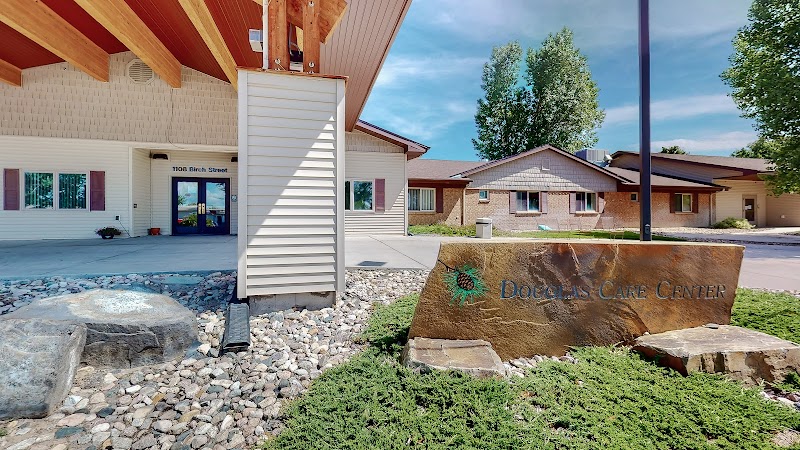
How is Douglas Care Center Llc Staffed?

CMS rates Douglas Care Center LLC's staffing level at 2 out of 5 stars, which is below average compared to other nursing homes.

What Have Inspectors Found at Douglas Care Center Llc?

State health inspectors documented 29 deficiencies at Douglas Care Center LLC during 2022 to 2025. These included: 2 that caused actual resident harm and 27 with potential for harm. Deficiencies causing actual harm indicate documented cases where residents experienced negative health consequences.
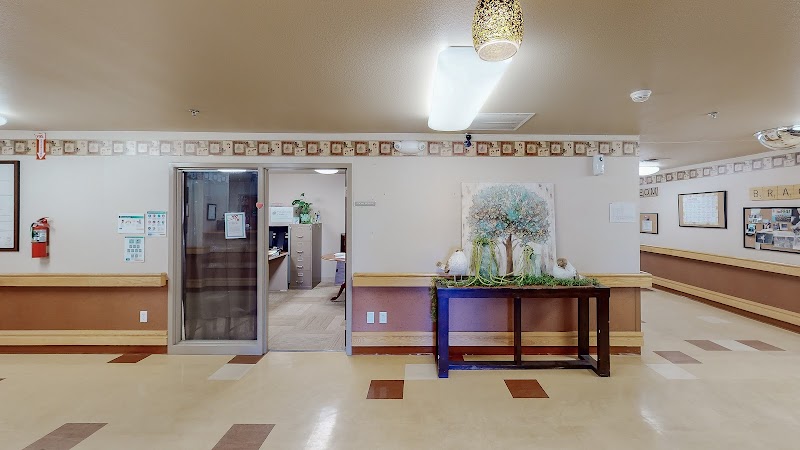
Who Owns and Operates Douglas Care Center Llc?

Douglas Care Center LLC is owned by a for-profit company. For-profit facilities operate as businesses with obligations to shareholders or private owners. The facility operates independently rather than as part of a larger chain. With 60 certified beds and approximately 40 residents (about 67% occupancy), it is a smaller facility located in Douglas, Wyoming.

How Does Douglas Care Center Llc Compare to Other Wyoming Nursing Homes?

Compared to the 100 nursing homes in Wyoming, Douglas Care Center LLC's overall rating (1 stars) is below the state average of 2.9 and health inspection rating (1 stars) is much below the national benchmark.

What Should Families Ask When Visiting Douglas Care Center Llc?

Based on this facility's data, families visiting should ask: "What safeguards and monitoring systems are in place to protect residents from abuse or neglect?" "Can you walk me through typical staffing levels on day, evening, and night shifts?" "Can I visit during a mealtime to observe dining assistance and food quality?" "How do you handle medical emergencies, and what is your hospital transfer rate?" These questions are particularly relevant given the substantiated abuse finding on record and the below-average staffing rating.

Is Douglas Care Center Llc Safe?

Based on CMS inspection data, Douglas Care Center LLC has documented safety concerns. The facility has 1 substantiated abuse finding (meaning confirmed case of resident harm by staff or other residents). The facility is currently on the Special Focus Facility watch list (a federal program monitoring the lowest-performing 1% of nursing homes nationwide). The facility has a 1-star overall rating and ranks #100 of 100 nursing homes in Wyoming. Families considering this facility should ask detailed questions about what corrective actions have been taken since these incidents.

Do Nurses at Douglas Care Center Llc Stick Around?

Douglas Care Center LLC has not reported staff turnover data to CMS. Staff turnover matters because consistent caregivers learn residents' individual needs, medications, and preferences. When staff frequently change, this institutional knowledge is lost. Families should ask the facility directly about their staff retention rates and average employee tenure.

Was Douglas Care Center Llc Ever Fined?

Douglas Care Center LLC has been fined $18,896 across 1 penalty action. This is below the Wyoming average of $33,268. While any fine indicates a compliance issue, fines under $50,000 are relatively common and typically reflect isolated problems that were subsequently corrected. Families should ask what specific issues led to these fines and confirm they've been resolved.

Is Douglas Care Center Llc on Any Federal Watch List?

Douglas Care Center LLC is currently an SFF Candidate, meaning CMS has identified it as potentially qualifying for the Special Focus Facility watch list. SFF Candidates have a history of serious deficiencies but haven't yet reached the threshold for full SFF designation. The facility is being monitored more closely — if problems continue, it may be added to the official watch list. Families should ask what the facility is doing to address the issues that led to this status.