The Legacy Living and Rehabilitation Center
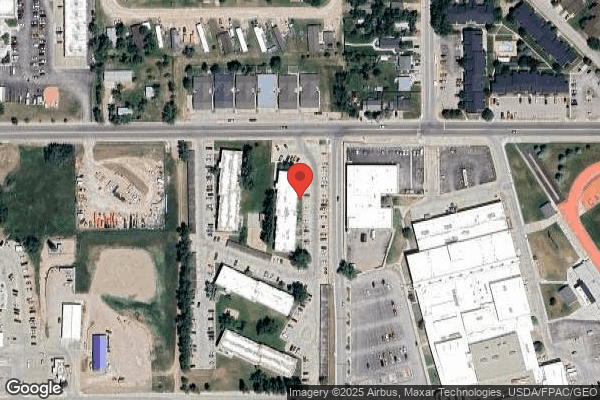
1000 S Douglas Way, Gillette, WY 82716 (307) 688-7000
Government - Hospital district 160 Beds Independent Data: November 2025 2 Immediate Jeopardy citations
Trust Grade
0/100
Last Inspection: May 2024

Within standard 12-15 month inspection cycle. Federal law requires annual inspections.

Overview

The Legacy Living and Rehabilitation Center has received a Trust Grade of F, indicating poor quality and significant concerns about care. It ranks at the bottom in Wyoming and Campbell County, meaning there are no better local options available. The facility's trend is improving, as it decreased from 17 issues in 2024 to 7 in 2025, but there are still serious concerns, including a high staffing turnover rate of 63%, which is above the state's average. Additionally, the facility has faced $115,597 in fines, higher than 91% of Wyoming facilities, suggesting ongoing compliance problems. Specific incidents of concern include a resident who exited the facility unnoticed and died outside in winter conditions, and another resident who was harmed in a fight with another resident, highlighting the need for better supervision and safety measures. While there have been efforts to improve, families should weigh these serious issues against the facility's efforts to address them.

Trust Score
F
0/100
In Wyoming
#112/223
Top 50%
Safety Record
High Risk
Review needed
Inspections
Getting Better
17 → 7 violations
Staff Stability
⚠ Watch
63% turnover. Above average. Higher turnover means staff may not know residents' routines.
Penalties
✓ Good
$115,597 in fines. Lower than most Wyoming facilities. Relatively clean record.
Skilled Nurses
✓ Good
Each resident gets 49 minutes of Registered Nurse (RN) attention daily — more than average for Wyoming. RNs are trained to catch health problems early.
Violations
⚠ Watch
38 deficiencies on record. Higher than average. Multiple issues found across inspections.
☆☆☆☆☆
0.0
Overall Rating
☆☆☆☆☆
0.0
Staff Levels
☆☆☆☆☆
0.0
Care Quality
☆☆☆☆☆
0.0
Inspection Score
Stable
2024: 17 issues
2025: 7 issues

The Good

  • Full Sprinkler Coverage · Fire safety systems throughout facility
  • No fines on record

Facility shows strength in fire safety.

The Bad

Staff Turnover: 63%

17pts above Wyoming avg (46%)

Frequent staff changes - ask about care continuity

Federal Fines: $115,597

Well above median ($33,413)

Significant penalties indicating serious issues

Staff turnover is elevated (63%)

15 points above Wyoming average of 48%

The Ugly 38 deficiencies on record

2 life-threatening 6 actual harm
Sept 2025 1 deficiency
CONCERN (D) 📢 Someone Reported This

A family member, employee, or ombudsman was alarmed enough to file a formal complaint

Potential for Harm - no one hurt, but risky conditions existed

Free from Abuse/Neglect (Tag F0600)

Could have caused harm · This affected 1 resident

**NOTE- TERMS IN BRACKETS HAVE BEEN EDITED TO PROTECT CONFIDENTIALITY** Based on observation, resident and staff interview, medical record review, facility incident investigation review, and policy an...

Read full inspector narrative →
**NOTE- TERMS IN BRACKETS HAVE BEEN EDITED TO PROTECT CONFIDENTIALITY** Based on observation, resident and staff interview, medical record review, facility incident investigation review, and policy and procedure review, the facility failed to protect the residents' right to be free from mental abuse by another resident for 2 of 6 sample residents (#28, #41) reviewed. The findings were: 1. Review of the quarterly MDS assessment dated [DATE] showed resident #36 had a BIMS score of 14 out of 15, which indicated the resident was cognitively intact, and diagnoses which included non-traumatic brain dysfunction, cerebral palsy, anxiety disorder, depression, and bipolar disorder. The following concerns were identified:a. Review of an incident report dated 5/30/25 showed resident #36 reported resident #9 had touched his/her genitalia, in front of resident #36, before lunch. Resident #36 reported s/he told resident #9 You're nasty, go away and resident #9 left. Further review showed resident #36 reported s/he did not feel safe to the unit manager.b. Interview with resident #36 on 9/11/25 at 8:45 AM revealed about a month ago s/he was doing something in the kitchen area and resident #9 asked resident #36 to play with resident #9's genitals. Resident #36 revealed s/he was mad when the incident happened. Further interview revealed s/he was afraid of resident #9 because resident #9 would playfully grab out toward resident #36 when s/he walked by and resident #36 did not feel it was playful; however, s/he revealed resident #9 had never grabbed resident #36. 2. Review of the quarterly MDS assessment dated [DATE] showed resident #28 had a BIMS score of 14 out of 15, which indicated the resident was cognitively intact, and diagnoses which included medically complex conditions. The following concerns were identified:a. Review of a facility incident report dated 9/10/25 showed resident #28 reported resident #9 entered resident #28's doorway, grasped his/her own genitals which were in his/her pants, and asked resident #28 if s/he wanted to play house. The review showed resident #28 yelled for resident #9 to leave, which s/he did. Further review showed resident #28 reported the incident occurred on 9/6/25.b. Interview with resident #28 on 9/10/25 at 3:42 PM revealed on 9/6/25 s/he was in his/her room, s/he heard someone coming down the hall, and saw resident #9 at resident #28's doorway. The resident revealed resident #9 asked if s/he would play house with him/her. Resident #28 revealed resident #9 had his/her genitals out when resident #9 asked the question. Resident #28 revealed s/he told resident #9 to get the hell out of here. Resident #28 revealed a couple nurses were close and heard the incident and resident #28 felt it was an embarrassing situation. Further interview revealed resident #9 had asked if s/he would touch him/her and play with him/her before in the dining room, resident #9 had done similar things to other residents who were not willing to speak up, and s/he reported it on 9/9/25 during a care conference. S/he did not recall who the nurses were that heard the incident.3. Interview with the facility administrator on 9/11/25 at 11:01 AM revealed the facility was completing staff education, in regard to abuse, following the 9/10/25 incident involving resident #9 and resident #28. She revealed the facility implemented hourly checks on resident #9 and they had developed a performance improvement plan for previous incidents; however, they had not developed a PIP for incidents involving resident #9.4. Review of the facility policy titled Abuse Policy last revised 5/2025 showed .10. Mental abuse is defined as but not limited to humiliation, harassment, threats of punishment, or withholding of treatment or services .Abuse By Other Residents .If a resident experiences a behavior change resulting in aggression toward other residents, the facility conducts further assessment and notifies the primary physician/NP. The resident's care plan is revised to include new approaches to reduce or eliminate any further chance of abuse. Recommendations for appropriate intervention, up to and including hospitalization, can then be implemented .
Apr 2025 2 deficiencies 1 Harm
SERIOUS (G) 📢 Someone Reported This

A family member, employee, or ombudsman was alarmed enough to file a formal complaint

Actual Harm - a resident was hurt due to facility failures

Free from Abuse/Neglect (Tag F0600)

A resident was harmed · This affected 1 resident

**NOTE- TERMS IN BRACKETS HAVE BEEN EDITED TO PROTECT CONFIDENTIALITY** Based on observation, staff interview, medical record review, facility incident investigation review, and performance improvemen...

Read full inspector narrative →
**NOTE- TERMS IN BRACKETS HAVE BEEN EDITED TO PROTECT CONFIDENTIALITY** Based on observation, staff interview, medical record review, facility incident investigation review, and performance improvement plan review, the facility failed to protect the resident's right to be free from physical abuse by a resident for 3 of 4 sample residents (#1, #3, #5) involved in a resident-to-resident altercation. This failure resulted in actual harm to resident #1 who suffered a hematoma above his/her left eyebrow and an abrasion under his/her left eye. The facility implemented corrective action prior to the survey and was determined to be in substantial compliance as of 4/8/25. The findings were: 1. Review of the 1/10/25 quarterly MDS assessment showed resident #1 was admitted to the facility on [DATE] and had diagnoses which included non-traumatic brain injury, Alzheimer's disease, and non-Alzheimer's dementia. The resident had a BIMS score of 0 out of 15 which indicated severe cognitive impairment and signs and symptoms of delirium including inattention and disorganized thinking which fluctuated. Review of the resident's care plan showed a focus area, revised on 11/4/24, in which s/he was at risk for harm from other residents due to cognition of self and others related to his/her interest in being close to others. Interventions included to direct the resident away from others who may be showing agitation, encourage him/her to participate in activities, be aware of the resident's surroundings to ensure s/he was not placing him/herself in a dangerous situation; observe resident in the common areas to ensure safety; and to redirect to activities or a snack when s/he was in other people's personal space. The following concerns were identified: a. Review of the Legacy Abuse or Neglect Investigation form showed on 3/24/25 at 1 PM resident #4 and resident #6 were observed by EVS technician #1 walking back to their room and resident #1 was following them. Resident #1 was heard stating Don't follow me [resident #1] you bitch. Resident #1 continued to follow resident #4 and resident #6 into their shared suite. EVS technician #1 followed the residents into the suite and witnessed resident #4 put [his/her] hands out forward and push [resident #1] in the chest and shoulder area b. Review of nursing description, dated 3/24/25 and timed 1:50 PM, showed This RN Arrived (sic) to the door entry way into the suite. Resident was found sitting up against the wall with CNA present. Resident was surrounded by two other residents. Abrasion under left eye and small hematoma above left eyebrow .no further injury. Resident denies any pain and then grabbed eye and stated this hurts asked resident about pain again, [s/he] states no. EVS states resident was walking while another resident was holding the door for his/her roommate to come in which s/he stated Do not come this way, you bitch resident proceeded to walk through the entry way when [s/he ] was pushed to the floor. c. Interview with EVS technician #1 on 4/15/25 at 12:13 PM revealed he had witnessed resident #4 push resident #1 to the ground; however, because of the angle of the hallway he was unable to see the resident fall to the ground. d. Review of the care plan for resident #4 had a focus area, initiated on 9/20/24, which showed The resident has a mood challenge r/t (related to) mood fluctuations r/t dementia, depression, DM (diabetes mellitus) with fluctuating blood sugars, frequent hallucinations and delusions. History of aggressive behaviors directed at others. Staff were directed to monitor/record/report to MD prn (as needed) risk for harming others: increased anger, labile mood or agitation, feels threatened by others or thoughts of harming someone, possession of weapons or objects that could be used as weapons. 2. Review of the 3/26/25 quarterly MDS assessment for resident #3 showed the resident was admitted to the facility on [DATE] and had diagnoses which included non-traumatic brain dysfunction, Alzheimer's disease, and non-Alzheimer's dementia. The resident had a BIMS score of 4 out of 15 which indicated severe cognitive impairment and had signs and symptoms of delirium including inattention and disorganized thinking which fluctuated. In addition, the resident was coded as wandering 1-to-3 days of the 7-day look-back period. Review of the resident's care plan, initiated on 10/9/24, showed the resident had a behavior challenge related to wandering frequently into other residents' rooms, crying, and exit seeking. Interventions included to encourage the resident to spend time in the common areas to deter him/her from attempting to enter the rooms of other residents and to interfere as necessary to protect the rights and safety of others. 3. Review of the 2/7/25 quarterly MDS assessment for resident #5 showed the resident was admitted to the facility on [DATE] and had diagnoses which included non-traumatic brain dysfunction, Alzheimer's disease, non-Alzheimer's dementia, Parkinson's disease, anxiety disorder, and depression. The resident had a BIMS score of 3 out of 15 which indicated severe cognitive impairment and had signs and symptoms of delirium including inattention and disorganized thinking which fluctuated. Review of the physician's orders showed the resident was prescribed 10 milligrams of escitalopram (antidepressant) daily for anxiety with target behaviors identified as anxiousness, restlessness, and fixating. The following concerns were identified. a. Review of the Legacy Abuse or Neglect Investigation report showed camera footage of the Cottonwood unit resident hallway revealed resident #3 entered the room of resident #5 on 3/30/25 at 8:06 PM and a staff member entered the room at 8:09 PM. The staff emergency light was activated at 8:10 PM. According to CNA #1 she heard yelling coming from resident #5's room and resident #5 yelling get out. The CNA stated she found both residents on the floor kicking at each other; however, she did not witness contact being made. Review of the nursing assessment, completed following the incident, showed resident #3 had a small skin tear to his/her left outer wrist and resident #5 had a small bruise and a small scratch noted to his/her outer left wrist. Interventions included to make larger name signs for residents' doors which were contrasted with a bright background color. b. Review of a 3/31/25 nursing assessment showed resident #5 was reporting severe left arm pain and showed a decreased range of motion in the left wrist and left elbow, and scattered bruising was noted. The resident was sent for imaging with no acute fracture or dislocation identified. Further review of the facility's investigation showed resident #5 had an unwitnessed fall approximately 30 minutes to an hour after the resident-to-resident incident. The facility determined the injury to resident #5's wrist was most likely from the fall and not the resident-to-resident altercation. c. Review of resident #5's care plan. revised 3/31/25, showed [the resident] experiences a great amount of anxiety in regard to other (sic) entering [his/her] room without permission. Staff will continue encourage (sic) other wandering residents to not enter [the resident's] room. [The resident] prefers to have [his/her] door open to [his/her] room. But [s/he] is also extremely protective of [his/her] personal items .Staff are to assist with re-directing other residents out of [his/her] room. 4. Interview with the social worker on 4/15/25 at 8:34 AM revealed the facility was transitioning from two secure units to one and there had been a lot of activity which had upset some of the residents and had resulted in an increase in resident-to-resident incidents during March. Further the social worker stated if staff would have been in the resident hallway, heard resident #4 shout at resident #1, and intervened at that time, perhaps the incident could have been avoided. The social worker stated the root cause of many of the incidents was determined to be insufficient supervision throughout the unit and changes had been made to correct the issue as well as education provided to the staff on both dementia and abuse. Further, the facility had moved the social worker's office into the secure unit, and increased supervision and activities. 5. Interview with the NHA and DON on 4/15/25 at 1:30 PM revealed the facility's quality improvement committee had been restructuring the Cottonwood unit which included increased staffing, a full-time activities aide, ensuring staff were located in all locations of the unit, moving the social worker's office into the unit, and ensuring a unit manager was available at all times. In addition, the Cottonwood unit staff were provided an all day dementia care training course through the college and also an in-person 4-hour class on abuse. Further the DON stated the interdisciplinary team performed a daily incident review and written updates and interventions were provided to the unit nurses each day. 6. Review of the staffing schedule from 3/24/25 through 4/14/25 showed the Cottonwood unit was staffed with an additional CNA starting on 3/28/25. In addition, beginning on 4/8/25 the Cottonwood unit had a dedicated licensed nurse. 7. Review of the quality assurance committee's behavior management performance improvement plan (PIP) included a projected schedule with duties and assignments broken down into time blocks for each CNA working on the Cottonwood unit, the dietary aide duties, a dining room seating chart, activities expectations, and risk management duties. The next review of the PIP was scheduled for 4/19/25. 8. Review of the educational documentation provided by the facility showed the Cottonwood unit staff had completed the Dementia Capable Care training on 4/3/25 and the abuse training on 3/19/25. 9. Observation on 4/14/25 starting at 1:59 PM of the Cottonwood unit showed the doors of the residents' rooms had 8 by 10-inch laminated name signs in different bright colors attached to them. Ten residents were observed to be able to ambulate independently with 3 residents observed to wander throughout the unit. Staff were observed providing activities, intervening, and redirecting residents. The CNAs were observed using the charting kiosk in the resident hallway.
CONCERN (D) 📢 Someone Reported This

A family member, employee, or ombudsman was alarmed enough to file a formal complaint

Potential for Harm - no one hurt, but risky conditions existed

Accident Prevention (Tag F0689)

Could have caused harm · This affected 1 resident

**NOTE- TERMS IN BRACKETS HAVE BEEN EDITED TO PROTECT CONFIDENTIALITY** Based on observation, staff interview, medical record review, facility incident investigation review, and facility performance i...

Read full inspector narrative →
**NOTE- TERMS IN BRACKETS HAVE BEEN EDITED TO PROTECT CONFIDENTIALITY** Based on observation, staff interview, medical record review, facility incident investigation review, and facility performance improvement plan review, the facility failed to ensure a safe environment for 4 of 6 sample residents (#1, #2, #3, #5) involved in 2 of 3 unwitnessed resident-to-resident altercations reviewed from 3/8/25 to 3/30/25. The facility implemented corrective action prior to the survey and was determined to be in substantial compliance as of 4/8/25. The findings were: 1. Review of the 3/30/25 resident-to-resident altercation involving resident #3 and #5 showed the following: a. Review of the 3/26/25 quarterly MDS assessment for resident #3 showed the resident was admitted to the facility on [DATE] and had diagnoses which included non-traumatic brain dysfunction, Alzheimer's disease, and non-Alzheimer's dementia. The resident had a BIMS score of 4 out of 15 which indicated severe cognitive impairment and had signs and symptoms of delirium including inattention and disorganized thinking which fluctuated. In addition, the resident was coded as wandering 1-to-3 days of the 7-day look-back period. Review of the resident's care plan, initiated on 10/9/24, showed the resident had a behavior challenge related to wandering frequently into other residents' rooms, crying, and exit seeking. Interventions included to encourage the resident to spend time in the common areas to deter him/her from attempting to enter the rooms of other residents and to interfere as necessary to protect the rights and safety of others. b. Review of the 2/7/25 quarterly MDS assessment for resident #5 showed the resident was admitted to the facility on [DATE] and had diagnoses which included non-traumatic brain dysfunction, Alzheimer's disease, non-Alzheimer's dementia, Parkinson's disease, anxiety disorder, and depression. The resident had a BIMS score of 3 out of 15 which indicated severe cognitive impairment and had signs and symptoms of delirium including inattention and disorganized thinking which fluctuated. Review of the physician's orders showed the resident was prescribed 10 milligrams of escitalopram (antidepressant) daily for anxiety with target behaviors identified as anxiousness, restlessness, and fixating. c. Review of the Legacy Abuse or Neglect Investigation report showed camera footage of the Cottonwood unit resident hallway revealed resident #3 entered the room of resident #5 on 3/30/25 at 8:06 PM and a staff member entered the room at 8:09 PM. The staff emergency light was activated at 8:10 PM. According to CNA #1 she heard yelling coming from resident #5's room and resident #5 yelling get out. The CNA stated she found both residents on the floor kicking at each other; however, she did not witness contact being made. Review of the nursing assessment, completed following the incident, showed resident #3 had a small skin tear to his/her left outer wrist and resident #5 had a small bruise and a small scratch noted to his/her outer left wrist. Interventions included to make larger name signs for residents' doors which were contrasted with a bright background color. d. Review of a 3/31/25 nursing assessment showed resident #5 was reporting severe left arm pain and showed a decreased range of motion in the left wrist and left elbow, and scattered bruising was noted. The resident was sent for imaging with no acute fracture or dislocation identified. Further review of the facility's investigation showed resident #5 had an unwitnessed fall approximately 30 minutes to an hour after the resident-to-resident incident. The facility determined the injury to resident #5's wrist was most likely from the fall and not the resident-to-resident altercation. e. Review of resident #5's care plan. revised 3/31/25, showed [the resident] experiences a great amount of anxiety in regard to other (sic) entering [his/her] room without permission. Staff will continue encourage (sic) other wandering residents to not enter [the resident's] room. [The resident] prefers to have [his/her] door open to [his/her] room. But [s/he] is also extremely protective of [his/her] personal items .Staff are to assist with re-directing other residents out of [his/her] room. 2. Review of the 3/8/25 resident-to-resident incident involving resident #1 and #2 showed the following: a. Review of the 1/10/25 quarterly MDS assessment showed resident #1 was admitted to the facility on [DATE] and had diagnoses which included non-traumatic brain injury, Alzheimer's disease, and non-Alzheimer's dementia. The resident had a BIMS score of 0 out of 15 which indicated severe cognitive impairment and signs and symptoms of delirium including inattention and disorganized thinking which fluctuated. Review of the resident's care plan showed a focus area, revised on 11/4/24, in which s/he was at risk for harm from other residents due to cognition of self and others related to his/her interest in being close to others. Interventions included to direct the resident away from others who may be showing agitation, encourage him/her to participate in activities, be aware of the resident's surroundings to ensure s/he was not placing him/herself in a dangerous situation; observe resident in the common areas to ensure safety; and to redirect to activities or a snack when s/he was in other people's personal space. b. Review of the 3/18/25 quarterly MDS assessment showed resident #2 was admitted to the facility on [DATE] with diagnoses which included non-traumatic brain dysfunction, and non-Alzheimer's dementia. The resident had a BIMS score of 5 out of 10 which indicated severe cognitive impairment; was coded for having hallucinations and delusions; and exhibited verbal and physical behaviors towards others 1-to-3 days of the 7-day look-back period. Review of the resident's care plan showed s/he had a focus area, revised on 12/18/24, of having a behavioral issue which had a potential to be physically aggressive. The care plan identified a trigger for physical aggression being others in close proximity to residents. Interventions included independent time in room, participation in meals/activities in the main areas and removed for downtime, conversation, and television. In addition, if the resident became agitated staff were to intervene before the agitation escalated and guide the resident away from the source of distress. c. Review of a 3/8/25 alert note for resident #2 showed Resident pushed another resident to the floor, when asked why, the resident said resident #1 deserved it and had been annoying [his/her] whole life. The residents were immediately separated and redirected to opposite sides of the dining area. Review of a 3/10/25 risk management note showed Type of incident: Aggression towards another resident. [The resident] initiated physical aggression towards other resident in the main hallway in front of his/her room. Incident was not witnessed. Resident (referring to resident #1) was found on the floor with indication that [resident #2] had pushed [resident #1] out of the way. d. Review of the Legacy Abuse or Neglect Investigation report showed staff did not witness the incident; however, found resident #1 near resident #2's room on his/her knees attempting to get up. The resident showed no signs or symptoms of injury. Resident #2 stated I pushed [him/her] Further review showed due to lack of injury and unwitnessed incident this investigation will conclude unverified. Despite unverified, interventions have been put in place to provide space and time away from each other through structured activities. 3. Interview with the social worker on 4/15/25 at 8:34 AM revealed the facility was transitioning from two secure units to one and there had been a lot of activity which had upset some of the residents and had resulted in an increase in resident-to-resident incidents during March. The social worker stated the root cause of many of the incidents was determined to be insufficient supervision throughout the unit and changes had been made to correct the issue as well as education provided to the staff on both dementia and abuse. Further, the facility had moved the social worker's office into the secure unit, and increased supervision and activities. 4. Interview with the NHA and DON on 4/15/25 at 1:30 PM revealed the facility's quality improvement committee had been restructuring the Cottonwood unit which included increased staffing, a full-time activities aide, ensuring staff were located in all locations of the unit, moving the social worker's office into the unit, and ensuring a unit manager was available at all times. In addition, the Cottonwood unit staff were provided an all day dementia care training course through the college and also an in-person 4-hour class on abuse. Further the DON stated the interdisciplinary team does a daily incident review and written updates and interventions were provided to the unit nurses each day. 5. Review of the staffing schedule from 3/24/25 through 4/14/25 showed the Cottonwood unit was staffed with an additional CNA starting on 3/28/25. In addition, beginning on 4/8/25 the Cottonwood unit had a dedicated licensed nurse. 6. Review of the quality assurance committee's behavior management performance improvement plan (PIP) included a projected schedule with duties and assignments broken down into time blocks for each CNA working on the Cottonwood unit, the dietary aide duties, a dining room seating chart, activities expectations, and risk management duties. The next review of the PIP was scheduled for 4/19/25. 7. Review of the educational documentation provided by the facility showed the Cottonwood unit staff had completed the Dementia Capable Care training on 4/3/25 and the abuse training on 3/19/25. 8. Observation on 4/14/25 starting at 1:59 PM of the Cottonwood unit showed the doors of the residents' rooms had 8 by 10-inch laminated name signs in different bright colors attached to them. Ten residents were observed to be able to ambulate independently with 3 residents observed to wander throughout the unit. Staff were observed providing activities, intervening, and redirecting residents. The CNAs were observed using the charting kiosk in the resident hallway.
Feb 2025 1 deficiency
CONCERN (D) 📢 Someone Reported This

A family member, employee, or ombudsman was alarmed enough to file a formal complaint

Potential for Harm - no one hurt, but risky conditions existed

Report Alleged Abuse (Tag F0609)

Could have caused harm · This affected 1 resident

**NOTE- TERMS IN BRACKETS HAVE BEEN EDITED TO PROTECT CONFIDENTIALITY** Based on medical record review, staff interview, media article review, and state survey incident database review, the facility f...

Read full inspector narrative →
**NOTE- TERMS IN BRACKETS HAVE BEEN EDITED TO PROTECT CONFIDENTIALITY** Based on medical record review, staff interview, media article review, and state survey incident database review, the facility failed to ensure allegations which resulted in a reasonable suspicion of a crime were reported for 1 of 4 sample resident (#1) reviewed for allegation reporting. The findings were: 1. Review of the annual MDS assessment dated [DATE] showed resident #1 had a brief interview for mental status score of 15 out of 15, which indicated the resident was cognitively intact, and diagnoses which included heart failure, hypertension, peripheral vascular disease, diabetes mellitus, cerebrovascular accident, anxiety disorder, depression, and asthma. Further review showed the resident required supervision or touching assistance with transfer and toileting hygiene. Review of a progress note dated [DATE] and timed 5:50 AM showed the resident was found unresponsive and cardiopulmonary resuscitation, which included chest compressions, was implemented. Emergency Medical Services arrived and pronounced the resident deceased at 5:02 AM. The following concerns were identified: a. Review of a newspaper article dated [DATE] showed .Police Department have been investigating the death of [AGE] year-old [resident #1], who died Nov. 29 last year .[resident #1]'s cause of death was determined to be toxicity or overdose of a known prescription medication . b. Interview with the resident's physician and nurse practitioner #1 on [DATE] at 9 AM revealed they were aware of the allegation of prescription drug toxicity or overdose from a prescription medication. c. Review of the state survey agency incident report database showed no evidence the allegation of drug toxicity or overdose was reported. d. Interview with the DON and administrator on [DATE] at 3:45 PM revealed the facility was aware of the allegation of drug toxicity or overdose from a prescription medication and a facility investigation was initiated. They revealed the allegation was not reported due to the facility reporting a previous allegation surrounding the resident's death; however, they confirmed the previous allegation did not include an allegation of drug toxicity or overdose for the resident.
Jan 2025 3 deficiencies 2 IJ
CRITICAL (J) 📢 Someone Reported This

A family member, employee, or ombudsman was alarmed enough to file a formal complaint

Immediate Jeopardy (IJ) - the most serious Medicare violation

Free from Abuse/Neglect (Tag F0600)

Someone could have died · This affected 1 resident

**NOTE- TERMS IN BRACKETS HAVE BEEN EDITED TO PROTECT CONFIDENTIALITY** Based on observation, medical record review, staff interview, closed-circuit camera review, and policy and procedure review, the...

Read full inspector narrative →
**NOTE- TERMS IN BRACKETS HAVE BEEN EDITED TO PROTECT CONFIDENTIALITY** Based on observation, medical record review, staff interview, closed-circuit camera review, and policy and procedure review, the facility failed to protect the resident's right to be free from neglect for 1 of 3 sample residents (#6) reviewed for abuse and neglect. This failure resulted in the death of resident #6 who exited the facility without being noticed and was outside in winter weather conditions for 9 hours and 17 minutes. This failure resulted in the determination of immediate jeopardy due to the lack of necessary services to ensure residents' safety. On [DATE] there were 19 residents on the Cottonwood and Pine units who were identified as high-risk for wandering/elopement. Corrective measures were implemented prior to the survey and compliance was determined to be met on [DATE]. The findings were: 1. Review of the significant change MDS assessment dated [DATE] showed resident #6 had a brief interview for mental status score of 3 out of 15, which indicated severe cognitive impairment, and diagnoses which included Alzheimer's disease. Further review showed the resident was dependent on staff for toileting hygiene, personal hygiene, bathing, and required substantial/maximal assistance with oral hygiene, upper and lower body dressing, putting on/taking off footwear, and toilet transfer. Review of the resident's activities of daily living care plan last revised on [DATE] showed the resident was able to walk independently. Review of the resident's elopement risk/wandering care plan initiated on [DATE] showed the resident had a history of exit seeking and wandering behaviors and interventions included Resident has had successful elopements from the courtyard and [s/he] needs close supervision when [s/he] is outside .Monitor location per nursing head count procedure. Document wandering behavior and attempted diversional interventions in behavioral log .The resident's triggers for exit seeking are restlessness and delusional thoughts [s/he] has to go somewhere . The following concerns were identified: a. Review of an Abuse or Neglect Investigation dated [DATE] showed staff on the Cottonwood unit were unable to locate resident #6 at approximately 4 AM. A search for the resident was initiated and the resident was located lying on the ground outside in the courtyard, without signs of life. The investigation indicated the closed-circuit television cameras showed the resident exit a door to the courtyard at 7:10 PM on [DATE], 9 hours and 15 minutes prior to being found. The facility immediately suspended RN #1, CNA #1, and CNA #2 pending investigation. b. Review of a closed circuit-camera video dated [DATE] and beginning at 6:59 PM showed 2 residents on the Cottonwood unit were seated inside the door. The video camera was outside, pointed toward the door, and there was snow visible on the grass and sidewalk. At 7:08:13 PM, resident #6 stood up and ambulated toward the door. The resident exited the Cottonwood unit into the courtyard at 7:08:32 PM and proceeded to walk toward the camera, away from the door, until s/he was no longer visible on the camera, at 7:09:09 PM. At that time, the resident was wearing a long-sleeved shirt, blue jeans or slacks, slippers, and s/he was walking with a shuffled gait. Continued review showed the other resident remained seated in a chair inside the Cottonwood unit. At 7:21:47 PM, 12 minutes after resident #6 exited the Cottonwood unit, a staff member, who was inside the building, walked toward the exit door. The staff member reached toward something on the right-hand side of the door, then walk away without exiting the door or observing the courtyard outside the Cottonwood unit. Review of a second closed-circuit camera video dated [DATE] and beginning at 7:06:34 PM, showed a broad view of the courtyard areas of the Pine and Cottonwood units, where snow was visible throughout the courtyards, including on the walkways. On [DATE] at 7:09:32, resident #6 was observed entering the camera's view and ambulating toward the facility. The resident continued to ambulate with his/her arms out to the side until the resident falls to the ground, into the snow, at 7:10:51 PM. Resident #6 continued to move around, in what appeared to be efforts to get up, until his/her movement is not discernable at 7:20 PM. The resident continued to lay in the outside courtyard, in the snow, until the end of the video at 9 PM. Review of a closed-circuit camera video of the Cottonwood and Pine courtyards dated [DATE] and beginning at 8:59:33 PM showed resident #6 remained lying in the outside courtyard, in the snow, until the end of the video on [DATE] at 12:00:12 AM. Review of a closed-circuit video of the Cottonwood and Pine courtyards dated [DATE] and beginning at 12 AM showed resident #6 lying in the outside courtyard, in the snow. On [DATE] at 4:25:22 AM, an individual is observed exiting the facility into the courtyard. The individual was holding a flashlight and walked toward where the resident was lying on the ground. At 4:25:34 AM, the individual observed the resident on the ground, turns, and runs back into the facility, then returns to the resident. Another individual is observed exiting the facility and walking toward the resident at 4:25:47 AM, 9 hours and 17 minutes after resident #6 exited the Cottonwood unit. c. Review of climate-data.org showed the high temperature in the facility's location on [DATE] was 36 degrees Fahrenheit and the low temperature was 15 degrees Fahrenheit. Further review showed the high temperature on [DATE] was 33 degrees Fahrenheit and the low temperature was 15 degrees Fahrenheit. 2. Interview with CNA #3 on [DATE] at 3:20 PM revealed on [DATE] she was assigned to work the night shift on the Pine unit. The CNA revealed at approximately 4:30 AM on [DATE], CNA #1 came to the Pine unit to tell her they were unable to find resident #6. The CNA revealed around that same time, CNA #2 notified her that the resident had been found outside, deceased . The CNA revealed she was unsure how long the resident had been outside. CNA #3 stated the facility protocol was to go outside, prior to turning off the alarm, and visually check the area anytime an alarm sounded. The CNA further stated resident #6 was an exit seeking person. The CNA revealed on the night of the incident there were 3 CNAs and 1 nurse for the Pine and Cottonwood units. She revealed 1 CNA and the nurse floated between the units to assist with cares. The CNA revealed she did not see resident #6 during the shift. Further interview revealed staff on the Pine and Cottonwood units were expected to perform rounds on each resident every two hours to provide water, verify call light placement, and assist residents to the bathroom. She further revealed resident #6 needed assistance to toilet. 3. Interview with RN #1 on [DATE] at 8:19 PM revealed she was the charge nurse on the Pine and Cottonwood units for the night shift (6 PM to 6 AM) on [DATE]. She stated CNA #1 reported resident #6 was missing when he was performing 4 AM rounds. At that time the staff initiated a search, checked the rooms in the Cottonwood unit, and were unable to locate the resident. The RN revealed she told the CNA to check outside and she headed to the Pine unit to look for the resident. The RN revealed the CNA notified her resident #6 was outside before she made it to the Pine unit. The RN revealed the door alarms were supposed to go off and the CNA said he only heard an alarm at midnight. The RN revealed the CNA told her he did not go outside at that time because the doors would lock and he would not be able to get back into the facility. The RN stated she observed resident #6 around 11:30 PM or 12 AM when she administered medications to the resident and CNA #1 also reported seeing the resident around that time. 4. Interview with CNA #1 on [DATE] at 8:25 PM revealed he was the float CNA on the Pine and Cottonwood units during the night shift on [DATE]. The CNA revealed he found the resident outside between 4 AM and 4:30 AM. The CNA revealed he thought he observed resident #6 between 8 PM and 10 PM and did not see him/her during the 12 AM rounds as he was assisting on the Pine unit. The CNA revealed the door alarms went off twice during the shift, once between 8 PM and 10 PM and once around 11 PM. The CNA revealed he did not go outside and check for residents when the door alarms went off because there were other residents at the doors when the alarms sounded. 5. Attempts to interview CNA #2 were unsuccessful on [DATE] and [DATE]. The CNA's phone number indicated there were restrictions preventing the completion of the call. 6. Interview with nurse supervisor #1 on [DATE] at 5:25 PM revealed she was notified by CNA #3 that resident #6 was found outside, deceased , at approximately 4 AM. The nurse supervisor arrived at the facility around 4:30 AM or 4:45 AM and the administrator and law enforcement were already on the Cottonwood unit. At that time, she and the other nurse supervisor removed and replaced all staff assigned to the Cottonwood unit. 7. Interview with nurse supervisor #2 on [DATE] at 5:50 PM revealed she was the nurse on call the day of the incident involving resident #6. The nurse supervisor revealed she received a call about the incident from a CNA and she went to the building as a result. The nurse supervisor revealed upon arrival, the administrator, law enforcement, and the other nurse supervisor were already on the Cottonwood unit. She revealed at that time, she and the other nurse supervisor removed and replaced all staff assigned to the Cottonwood unit. 8. Interview with the DON and ADON on [DATE] at 1:40 PM confirmed the closed-circuit camera video showed resident #6 exit the facility at 7:08 PM, walk through the courtyard, and fall to the ground. The DON revealed the staff member observed on the video at 7:21 PM was CNA #2, and on the video the CNA performed actions that appeared to be silencing the alarm. She revealed when exit door alarms sounded, staff were expected to look outside for residents and confirmed that did not occur on [DATE] at 7:21 PM. Further interview verified the video showed the resident remained on the ground, in the same location until s/he was found by CNA #1 at 4:25 AM, 9 hours and 17 minutes after s/he exited the building. 9. Review of a facility policy titled Code W (Elopement/Exit Seeking) Wandering Resident or Patient last revised on 08/2022 showed .1. Mitigation: Activities and interventions will be planned to reduce or eliminate wandering or escape risks to patients or residents. Every effort will be made to eliminate the risk of wandering residents or patients. Including: locked units, wander guard, staff rounding, door alarms, and/or one to one observation if a patient has altered mental status and requires close observation . 10. Based on the facility's failure to provide services that were necessary to prevent resident harm, it was determined there was an immediate jeopardy situation on [DATE] at 7:08 PM when resident #6 exited the Cottonwood unit without implementation of staff interventions. 11. Review of an Abatement Plan dated [DATE] showed the following interventions were implemented as a result of the incident: a. All staff on shift at the time of the incident were removed and replaced. b. Assessment of residents for high-risk wandering behaviors was initiated on [DATE]. c. Implementation of visual checks on wandering residents and spot checks for verification of visual checks was implemented on [DATE] at 3:57 PM. d. Door alarm function and maintenance audits were implemented immediately on [DATE]. Maintenance inspected and tested all doors to ensure functionality. Door alarm audits were initiated on [DATE]. e. Staff training was conducted to perform visual rounds on residents every two hours, identifying and managing high-risk wandering behaviors, proper response protocols when door alarm sounds, and documentation of reporting requirements for at-risk residents. In addition, resident education/training was performed to notify the nurse if they leave the facility. Staff Training was initiated on [DATE] at 4:11 PM and was ongoing prior to next scheduled shift for staff. f. AD HOC (when necessary or needed) Quality Assurance and Performance Improvement (QAPI) meeting was performed to discuss the incident and interventions. g. Ongoing preventive measures included regular reassessment of all residents for wandering risk during care plan reviews, QAPI monitoring and evaluation for effectiveness of interventions monthly, and emergency drills for elopement. h. Facility compliance was determined to be met on [DATE] when staff training was performed, per the education sign-in sheet. 12. The implementation of the Abatement Plan was verified during the survey and the immediate jeopardy was determined to have been removed on [DATE]; however, deficient practice remained at scope and severity of G.
CRITICAL (J) 📢 Someone Reported This

A family member, employee, or ombudsman was alarmed enough to file a formal complaint

Immediate Jeopardy (IJ) - the most serious Medicare violation

Accident Prevention (Tag F0689)

Someone could have died · This affected 1 resident

**NOTE- TERMS IN BRACKETS HAVE BEEN EDITED TO PROTECT CONFIDENTIALITY** Based on medical record review, staff interview, closed-circuit camera review, and policy and procedure review, the facility fai...

Read full inspector narrative →
**NOTE- TERMS IN BRACKETS HAVE BEEN EDITED TO PROTECT CONFIDENTIALITY** Based on medical record review, staff interview, closed-circuit camera review, and policy and procedure review, the facility failed ensure residents received adequate supervision to prevent accidents for 1 of 3 sample residents (#6) reviewed for accident hazards. This failure resulted in the death of resident #6 who exited the facility without being noticed and was outside in winter weather conditions for 9 hours and 17 minutes. This failure resulted in the determination of immediate jeopardy due to a lack of implementation of interventions, including adequate resident supervision. On [DATE] there were 19 residents on the Cottonwood and Pine units who were identified as high-risk for wandering/elopement. Corrective measures were implemented prior to the survey and compliance was determined to be met on [DATE]. The findings were: 1. Review of the significant change MDS assessment dated [DATE] showed resident #6 had a brief interview for mental status score of 3 out of 15, which indicated severe cognitive impairment, and diagnoses which included Alzheimer's disease. Further review showed the resident was dependent on staff for toileting hygiene, personal hygiene, bathing, and required substantial/maximal assistance with oral hygiene, upper and lower body dressing, putting on/taking off footwear, and toilet transfer. Review of the resident's activities of daily living care plan last revised on [DATE] showed the resident was able to walk independently. Review of the resident's elopement risk/wandering care plan initiated on [DATE] showed the resident had a history of exit seeking and wandering behaviors and interventions included Resident has had successful elopements from the courtyard and [s/he] needs close supervision when [s/he] is outside .Monitor location per nursing head count procedure. Document wandering behavior and attempted diversional interventions in behavioral log .The resident's triggers for exit seeking are restlessness and delusional thoughts [s/he] has to go somewhere . The following concerns were identified: a. Review of an Abuse or Neglect Investigation dated [DATE] showed staff on the Cottonwood unit were unable to locate resident #6 at approximately 4 AM. A search for the resident was initiated and the resident was located lying on the ground outside in the courtyard, without signs of life. The investigation indicated the closed-circuit television cameras showed the resident exit a door to the courtyard at 7:10 PM on [DATE], 9 hours and 15 minutes prior to being found. The facility immediately suspended RN #1, CNA #1, and CNA #2 pending investigation. b. Review of a closed circuit-camera video dated [DATE] and beginning at 6:59 PM showed 2 residents on the Cottonwood unit were seated inside the door. The video camera was outside, pointed toward the door, and there was snow visible on the grass and sidewalk. At 7:08:13 PM, resident #6 stood up and ambulated toward the door. The resident exited the Cottonwood unit into the courtyard at 7:08:32 PM and proceeded to walk toward the camera, away from the door, until s/he was no longer visible on the camera, at 7:09:09 PM. At that time, the resident was wearing a long-sleeved shirt, blue jeans or slacks, slippers, and s/he was walking with a shuffled gait. Continued review showed the other resident remained seated in a chair inside the Cottonwood unit. At 7:21:47 PM, 12 minutes after resident #6 exited the Cottonwood unit, a staff member, who was inside the building, walked toward the exit door. The staff member reached toward something on the right-hand side of the door, then walk away without exiting the door or observing the courtyard outside the Cottonwood unit. Review of a second closed-circuit camera video dated [DATE] and beginning at 7:06:34 PM, showed a broad view of the courtyard areas of the Pine and Cottonwood units, where snow was visible throughout the courtyards, including on the walkways. On [DATE] at 7:09:32, resident #6 was observed entering the camera's view and ambulating toward the facility. The resident continued to ambulate with his/her arms out to the side until the resident falls to the ground, into the snow, at 7:10:51 PM. Resident #6 continued to move around, in what appeared to be efforts to get up, until his/her movement is not discernable at 7:20 PM. The resident continued to lay in the outside courtyard, in the snow, until the end of the video at 9 PM. Review of a closed-circuit camera video of the Cottonwood and Pine courtyards dated [DATE] and beginning at 8:59:33 PM showed resident #6 remained lying in the outside courtyard, in the snow, until the end of the video on [DATE] at 12:00:12 AM. Review of a closed-circuit video of the Cottonwood and Pine courtyards dated [DATE] and beginning at 12 AM showed resident #6 lying in the outside courtyard, in the snow. On [DATE] at 4:25:22 AM, an individual is observed exiting the facility into the courtyard. The individual was holding a flashlight and walked toward where the resident was lying on the ground. At 4:25:34 AM, the individual observed the resident on the ground, turns, and runs back into the facility, then returns to the resident. Another individual is observed exiting the facility and walking toward the resident at 4:25:47 AM, 9 hours and 17 minutes after resident #6 exited the Cottonwood unit. c. Review of climate-data.org showed the high temperature in the facility's location on [DATE] was 36 degrees Fahrenheit and the low temperature was 15 degrees Fahrenheit. Further review showed the high temperature on [DATE] was 33 degrees Fahrenheit and the low temperature was 15 degrees Fahrenheit. 2. Interview with CNA #3 on [DATE] at 3:20 PM revealed on [DATE] she was assigned to work the night shift on the Pine unit. The CNA revealed at approximately 4:30 AM on [DATE], CNA #1 came to the Pine unit to tell her they were unable to find resident #6. The CNA revealed around that same time, CNA #2 notified her that the resident had been found outside, deceased . The CNA revealed she was unsure how long the resident had been outside. CNA #3 stated the facility protocol was to go outside, prior to turning off the alarm, and visually check the area anytime an alarm sounded. The CNA further stated resident #6 was an exit seeking person. The CNA revealed on the night of the incident there were 3 CNAs and 1 nurse for the Pine and Cottonwood units. She revealed 1 CNA and the nurse floated between the units to assist with cares. The CNA revealed she did not see resident #6 during the shift. Further interview revealed staff on the Pine and Cottonwood units were expected to perform rounds on each resident every two hours to provide water, verify call light placement, and assist residents to the bathroom. She further revealed resident #6 needed assistance to toilet. 3. Interview with RN #1 on [DATE] at 8:19 PM revealed she was the charge nurse on the Pine and Cottonwood units for the night shift (6 PM to 6 AM) on [DATE]. She stated CNA #1 reported resident #6 was missing when he was performing 4 AM rounds. At that time the staff initiated a search, checked the rooms in the Cottonwood unit, and were unable to locate the resident. The RN revealed she told the CNA to check outside and she headed to the Pine unit to look for the resident. The RN revealed the CNA notified her resident #6 was outside before she made it to the Pine unit. The RN revealed the door alarms were supposed to go off and the CNA said he only heard an alarm at midnight. The RN revealed the CNA told her he did not go outside at that time because the doors would lock and he would not be able to get back into the facility. The RN stated she observed resident #6 around 11:30 PM or 12 AM when she administered medications to the resident and CNA #1 also reported seeing the resident around that time. 4. Interview with CNA #1 on [DATE] at 8:25 PM revealed he was the float CNA on the Pine and Cottonwood units during the night shift on [DATE]. The CNA revealed he found the resident outside between 4 AM and 4:30 AM. The CNA revealed he thought he observed resident #6 between 8 PM and 10 PM and did not see him/her during the 12 AM rounds as he was assisting on the Pine unit. The CNA revealed the door alarms went off twice during the shift, once between 8 PM and 10 PM and once around 11 PM. The CNA revealed he did not go outside and check for residents when the door alarms went off because there were other residents at the doors when the alarms sounded. 5. Attempts to interview CNA #2 were unsuccessful on [DATE] and [DATE]. The CNA's phone number indicated there were restrictions preventing the completion of the call. 6. Interview with nurse supervisor #1 on [DATE] at 5:25 PM revealed she was notified by CNA #3 that resident #6 was found outside, deceased , at approximately 4 AM. The nurse supervisor arrived at the facility around 4:30 AM or 4:45 AM and the administrator and law enforcement were already on the Cottonwood unit. At that time, she and the other nurse supervisor removed and replaced all staff assigned to the Cottonwood unit. 7. Interview with nurse supervisor #2 on [DATE] at 5:50 PM revealed she was the nurse on call the day of the incident involving resident #6. The nurse supervisor revealed she received a call about the incident from a CNA and she went to the building as a result. The nurse supervisor revealed upon arrival, the administrator, law enforcement, and the other nurse supervisor were already on the Cottonwood unit. She revealed at that time, she and the other nurse supervisor removed and replaced all staff assigned to the Cottonwood unit. 8. Interview with the DON and ADON on [DATE] at 1:40 PM confirmed the closed-circuit camera video showed resident #6 exit the facility at 7:08 PM, walk through the courtyard, and fall to the ground. The DON revealed the staff member observed on the video at 7:21 PM was CNA #2, and on the video the CNA performed actions that appeared to be silencing the alarm. She revealed when exit door alarms sounded, staff were expected to look outside for residents and confirmed that did not occur on [DATE] at 7:21 PM. Further interview verified the video showed the resident remained on the ground, in the same location until s/he was found by CNA #1 at 4:25 AM, 9 hours and 17 minutes after s/he exited the building. 9. Review of a facility policy titled Code W (Elopement/Exit Seeking) Wandering Resident or Patient last revised on 08/2022 showed .1. Mitigation: Activities and interventions will be planned to reduce or eliminate wandering or escape risks to patients or residents. Every effort will be made to eliminate the risk of wandering residents or patients. Including: locked units, wander guard, staff rounding, door alarms, and/or one to one observation if a patient has altered mental status and requires close observation . 10. Based on the facility's failure to provide services that were necessary to prevent resident harm, it was determined there was an immediate jeopardy situation on [DATE] at 7:08 PM when resident #6 exited the Cottonwood unit without implementation of staff interventions. 11. Review of an Abatement Plan dated [DATE] showed the following interventions were implemented as a result of the incident: a. All staff on shift at the time of the incident were removed and replaced. b. Assessment of residents for high-risk wandering behaviors was initiated on [DATE]. c. Implementation of visual checks on wandering residents and spot checks for verification of visual checks was implemented on [DATE] at 3:57 PM. d. Door alarm function and maintenance audits were implemented immediately on [DATE]. Maintenance inspected and tested all doors to ensure functionality. Door alarm audits were initiated on [DATE]. e. Staff training was conducted to perform visual rounds on residents every two hours, identifying and managing high-risk wandering behaviors, proper response protocols when door alarm sounds, and documentation of reporting requirements for at-risk residents. In addition, resident education/training was performed to notify the nurse if they leave the facility. Staff Training was initiated on [DATE] at 4:11 PM and was ongoing prior to next scheduled shift for staff. f. AD HOC (when necessary or needed) Quality Assurance and Performance Improvement (QAPI) meeting was performed to discuss the incident and interventions. g. Ongoing preventive measures included regular reassessment of all residents for wandering risk during care plan reviews, QAPI monitoring and evaluation for effectiveness of interventions monthly, and emergency drills for elopement. h. Facility compliance was determined to be met on [DATE] when staff training was performed, per the education sign-in sheet. 12. The implementation of the Abatement Plan was verified during the survey and the immediate jeopardy was determined to have been removed on [DATE]; however, deficient practice remained at scope and severity of G.
SERIOUS (G) 📢 Someone Reported This

A family member, employee, or ombudsman was alarmed enough to file a formal complaint

Actual Harm - a resident was hurt due to facility failures

Quality of Care (Tag F0684)

A resident was harmed · This affected 1 resident

**NOTE- TERMS IN BRACKETS HAVE BEEN EDITED TO PROTECT CONFIDENTIALITY** Based on medical record review and physician and staff interview, the facility failed to respond to a change of condition for 1 ...

Read full inspector narrative →
**NOTE- TERMS IN BRACKETS HAVE BEEN EDITED TO PROTECT CONFIDENTIALITY** Based on medical record review and physician and staff interview, the facility failed to respond to a change of condition for 1 of 4 sample residents (#3) who experienced a change of condition. This failure resulted in actual harm to resident #3 who reported health concerns and passed away. The findings were: 1. Review of the annual MDS assessment dated [DATE] showed resident #3 had a brief interview for mental status score of 15 out of 15, which indicated the resident was cognitively intact, and diagnoses which included heart failure, hypertension, peripheral vascular disease, diabetes mellitus, cerebrovascular accident, anxiety disorder, depression, and asthma. Further review showed the resident required supervision or touching assistance with transfer and toileting hygiene. The following concerns were identified: a. Review of a progress note dated [DATE] and timed 7:30 AM showed .Nurse called to room per staff with resident c/o [complaints of] feeling like [s/he] has Pneumonia and wants an ambulance to the hospital. Vital signs WNL [within normal limits]. No distress noted. Lungs clear to auscultation all fields. O2 sats [oxygen saturation] 91% on 3 L [liters] O2 via NC [nasal cannula]. Resident states [s/he] coughed all night and wanted to go to hospital. No cough noted. Duoneb treatment given. Resident has no more complaints and is in bed asleep . b. Review of a progress note dated [DATE] and timed 2:56 PM showed .Write [sic] in resident's room to evaluate for c/o heart attack. Vital signs 129/60, 97, 20, 98.7, 91% on 3 L O2 via NC. Resident states that [s/he] has been having chest pain since last night but is unable to rate pain. [S/he] says that [s/he] did not sleep well last night and just wants to lay back in [his/her] bed. Resident assisted to bathroom and back to bed. Denies any chest pain at this time . c. Review of a progress note dated [DATE] and timed 5:50 AM showed the resident was found unresponsive and cardiopulmonary resuscitation, which included chest compressions, was implemented. EMS arrived and pronounced the resident deceased at 5:02 AM. d. Interview with housekeeper #1 on [DATE] at 2:52 PM revealed on [DATE] around 2:30 PM she entered the resident's room and the resident told the housekeeper s/he had a F-ing heart attack last night and the nurse didn't give a shit. The housekeeper reported the concerns to the CNAs on the floor and they said they had reported it to the nurse; however, she had not done anything. The housekeeper revealed when the she returned to the resident's room, she said a prayer with the resident and then the resident fell asleep. Further interview revealed the housekeeper also reported the resident's concerns to her supervisor and her supervisor reported it to the building charge nurse. e. Interview with MA-C #1 on [DATE] at 3:30 PM revealed she worked with the resident on [DATE], the day before s/he passed away. The MA-C revealed the resident reported not feeling well and s/he just wanted to sleep. The MA-C revealed she reported the resident's condition to LPN #3; however, she was unsure what the LPN had done. f. Interview with CNA #4 on [DATE] at 3:33 PM revealed she had received report on [DATE] that resident #3 was not feeling well. The CNA stated at 6:30 AM the resident felt s/he needed to go to the hospital and s/he thought s/he had pneumonia. The CNA reported the concerns to the nurse; however, the resident remained at the facility. The CNA revealed the resident continued to have concerns throughout the day which included needing assistance with transfers, incontinence, and seizure-like shaking during toileting, which were not normal for the resident. Further interview revealed LPN #3 did not respond to the resident's concerns and stated oh well [his/her] vitals are fine. g. Interview with RN #3 on [DATE] at 4:26 PM revealed she was the building charge nurse on [DATE]. The RN revealed she was notified by environmental services about concerns made by the resident. The RN revealed she called down and talked to LPN #3 who reported the resident's vital signs were normal; however, RN #3 asked her to check on the resident. The RN revealed when she contacted LPN #3 later to follow-up on the concerns, LPN #3 told her the resident said s/he didn't have any chest pain. h. Interview with CNA #5 on [DATE] at 4:30 PM revealed on [DATE] the resident was having a difficult time getting out of bed and needed to use the mechanical lift. The CNA stated the resident was not his/her normal self and she reported the concerns to LPN #3 multiple times. The CNA revealed she felt like she was ignored by the nurse and the resident passed away the following day. i. Interview with the resident's physician and nurse practitioner #1 on [DATE] at 8:02 AM confirmed they were not notified of any concerns or change in condition for the resident on [DATE]. They revealed regardless of complaints, if a resident verbalized a desire to go to the hospital, they would expect the nurse to contact them and then send the resident for evaluation. In addition, the physician indicated with all the reported complaints she would expect the nurse to contact her to notify her of a possible change in condition. 2. Interview with LPN #1 on [DATE] at 5:59 PM revealed she took over care of the resident on the night shift (6 PM to 6 AM) on [DATE]. She revealed when RN #2 had given her report at shift change, she reported the resident had not been feeling well; however, she did not indicate she had contacted the physician. The LPN revealed she interacted with the resident during the shift when she provided scheduled medications and the resident did not report any concerns at that time. The LPN revealed the CNA found the resident unresponsive around 4 AM on [DATE] and staff began a lifesaving intervention. 3. Interview with LPN #3 on [DATE] at 8:08 PM revealed on [DATE] the CNA reported the resident thought s/he had pneumonia and s/he wanted to go to the bathroom around 7 AM. At that time, LPN #3 went to the resident's room and listened to the resident's lungs which were clear. The LPN revealed she offered the resident Mucinex and a breathing treatment and the resident accepted the breathing treatment. The LPN revealed when she returned to the resident's room, the resident was sleeping. The LPN stated the CNA reported the resident had verbalized concerns about having a heart attack, to the housekeeper, around noon. The LPN revealed when she checked the resident, s/he did not report any concerns and told the LPN s/he wanted to go to bed. The LPN revealed she obtained vital signs which were within normal limits. The LPN confirmed she did not notify the resident's physician and she was suspended, then terminated, after the resident passed away. 4. Interview with the DON and ADON on [DATE] at 1:40 PM revealed they expected the nurses to notify the provider of all resident changes in condition and resident requests for hospitalization. The DON confirmed LPN #3 did not work after [DATE] and she was terminated from the facility as a result of not responding to the resident's change of condition. Further interview confirmed the nurse did provide the resident with an as needed medication related to his/her complaints.
Jun 2024 1 deficiency 1 Harm
SERIOUS (G) 📢 Someone Reported This

A family member, employee, or ombudsman was alarmed enough to file a formal complaint

Actual Harm - a resident was hurt due to facility failures

Free from Abuse/Neglect (Tag F0600)

A resident was harmed · This affected 1 resident

**NOTE- TERMS IN BRACKETS HAVE BEEN EDITED TO PROTECT CONFIDENTIALITY** Based on medical record review, resident representative and staff interview, facility investigation review, and policy and proce...

Read full inspector narrative →
**NOTE- TERMS IN BRACKETS HAVE BEEN EDITED TO PROTECT CONFIDENTIALITY** Based on medical record review, resident representative and staff interview, facility investigation review, and policy and procedure review, the facility failed to ensure a resident's right to be free from physical abuse, verbal abuse, and neglect for 1 of 6 sample residents (#1). The findings were: The facility had implemented corrective action prior to the survey and was determined to be in substantial compliance as of 6/18/24. 1. Review of a quarterly MDS assessment dated [DATE] showed resident #1 had brief interview for mental status (BIMS) score of 3 out of 15, which indicated severe cognitive impairment. The resident had behaviors which included inattention, disorganized thinking, delusions and wandering and s/he was totally dependent on staff for toileting, showering, dressing and personal hygiene. Further review showed the resident had diagnoses which included dementia with other behavioral disturbance, anxiety, transient alteration of awareness, muscle weakness, and need for assistance with personal care. The following concern was identified: a. Review of the facility investigation showed an incident reported on 5/23/24. The investigation showed CNA #2 was observed, via audio/video surveillance, to have several nights without rounding on resident #1 despite claiming she rounded every two hours. The CNA was observed leaving the resident unattended in the bathroom, and the CNA was observed entering the resident's room, at times, without providing resident care. The investigation showed the resident was found attempting to dress and self-propel his/herself out of the bathroom, causing the resident to fall, and showed the resident had gone 13 hours without being checked during the CNA's shift. Further review showed other staff had voiced concerns with the CNA related to the conditions of residents found upon change of shift and what was reported to them, such as saturated briefs and beds, clothing, dentures still in residents' mouths, dried feces, and dried urine left on beds under clean incontinence pads. b. Review of an incident report dated 5/26/27 showed the resident's daughter had provided video footage, with audio, of CNA #1 verbally and physically abusing resident #1. The incident report showed the footage had evidence of the CNA physically pushing the resident in bed and pulling the resident up by one arm, the CNA telling the resident she hated entering the room, and asking the resident what s/he needed. The incident report showed the CNA entered the resident's room several times stating I just took you to the bathroom, you just hit your call light, returning to the room [ROOM NUMBER] minutes later and turning the call light off, slapping his/her hands to his/her hips, and stating you keep turning the call light on. Further review showed the CNA used verbal tone with body language that was aggressive and threatening, and refused to take the resident to the bathroom. The resident made comments following the incident which included you sure I won't get in trouble if I call for help? c. Review of a progress note dated 5/27/24 and timed 10:30 AM showed .COMMUNICATION - with Physician .SBAR Summary: Situation: Resident's (dtr) daughter came into the facility (@) at 945 wanting to speak to the nurse over the unit with some concerns with Saturday and Sunday night shift CNA that worked the unit. Resident's dtr proceeded to show various incidents that were caught on the video camera in the room throughout the night that showed verbal frustration towards resident and an incident that showed potential physical roughness towards the resident when placing resident into the bed. Nurse told dtr that management would be notified promptly to address her concerns. Nurse left resident's room and placed call to the on-call Nursing Management @ 1008 with information received. Assessment (RN)/Appearance (LPN): Resident's skin is clean, dry, and intact with appropriate bruising to R hand from prior day's lab draw from this nurse. ROM is WNL with no s/s of discomfort or injury. Resident's VS WNL for resident. d. Review of a progress note dated 5/27/24 and timed 2:03 PM showed .COMMUNICATION - with Physician .Situation: When laying resident down for rest periods in bed when resident is shown the call light and instructed to call for help resident follows up with statement; Are you sure I can call for help? I won't get in trouble. Assessment (RN)/Appearance (LPN): After resident's incident has had a change in behavior when transferring to bed noted by staff and nurse. Resident appears fearful and making statements as above. The behavior and statements are new to resident. Resident during other cares and periods appears at ease and not in distress with baseline interactions. e. Interview with CNA #1 on 6/19/24 at 11:53 AM revealed she had complained to the administration for months about being overwhelmed and needing help. She stated the resident would call and she didn't know what the resident wanted. The CNA revealed she went to the nurse trying to figure out what the resident wanted. The CNA revealed she had no intention of hurting the resident. She revealed the resident was going to sit on the floor and she had pushed the resident toward the bed to keep him/her from falling. The CNA stated she was crying and frustrated and she had asked for help prior to the shift. f. CNA #2 was not available for an interview. 2. Interview with the resident representative on 6/19/24 at 1 PM revealed the resident felt safe since the doors were closed between the 2 units and she stated staff were treating the resident ok. 3. Review of a policy titled Abuse provided by the administrator on 6/18/24 at 1:50 PM showed . Every resident has the right to be free from verbal, sexual, physical and mental abuse, corporal punishment, and involuntary seclusion . 4. The following plan of correction was implemented by the facility by 6/18/24: a. Corrective actions included resident assessment, CNA suspension during the investigation, facility reported to adult protection agency, state survey agency, and state board of nursing, and disciplinary action for the perpetrators. b. System changes included coaching and education, CNA monitoring, training on rounding requirements and expectations, staff reassignment, and staff education on abuse and neglect b. Identification of others included staff and resident interviews. c. Monitoring included review of CNA audits.
May 2024 15 deficiencies 2 Harm
SERIOUS (G) 📢 Someone Reported This

A family member, employee, or ombudsman was alarmed enough to file a formal complaint

Actual Harm - a resident was hurt due to facility failures

Free from Abuse/Neglect (Tag F0600)

A resident was harmed · This affected 1 resident

**NOTE- TERMS IN BRACKETS HAVE BEEN EDITED TO PROTECT CONFIDENTIALITY** Based on medical record review, staff interview, policy and procedure review, and review of the state licensing division inciden...

Read full inspector narrative →
**NOTE- TERMS IN BRACKETS HAVE BEEN EDITED TO PROTECT CONFIDENTIALITY** Based on medical record review, staff interview, policy and procedure review, and review of the state licensing division incident report form, the facility failed to protect the resident's right to be free from abuse by another resident for 3 of 10 residents reviewed for abuse (#26, #63, #106). This failure resulted in harm to resident #106 who experienced sexual abuse. The findings were: 1. Review of the [DATE] admission MDS assessment for resident #106 showed s/he was admitted to the facility on [DATE] with a diagnosis of Alzheimer's disease. The resident had a BIMS score of 3/15 (severe cognitive impairment), did not exhibit any behaviors, and require supervision or touching for walking up to 50 feet. The following concerns were identified: a. Review of a [DATE] alert note showed CNA notified writer that another resident was found with [his/her] hand up this residents shirt touching [resident's upper chest]. CNA immediately separated residents and notified writer. Writer assessed receiving resident and initiating resident for skin concerns and found nothing to report. Resident accepted being moved away from initiating resident without issue. b. Review of a [DATE] Risk Management Review Note showed a physical interaction occurred where a resident, [identified as resident #28], had [his/her] hand up a resident's shirt. The residents were immediately separated and monitored for distress. The root cause was determined to be poor impulse control of other resident [resident #28] and impaired cognition of both residents. c. Interview with the resident's representative on [DATE] at 1:49 PM confirmed the resident had been involved in an incident where another resident had placed his/her hands up the resident's shirt. The resident's representative stated it was very upsetting and the resident would have been horrified if s/he was cognitively intact. d. Review of a [DATE] progress note showed resident #28 had his/her hand down another resident's pants. Interview on [DATE] at 3:27 PM with medication aide #1 revealed she had observed resident #28 with his/her hands positioned in the waistband of another resident's pants. The medication aide revealed the resident's hand was not far into the waistband and away from the perineal area of the other resident. The medication aide revealed the other resident did not react to the placement of resident #28's hand and neither resident was concerned with the interaction; however, she separated the residents, placed them on increased monitoring, and assisted resident #28 to activities. Further interview revealed resident #28 had not had any previous sexual incidents prior to [DATE]. e. Interview with the DON and ADON on [DATE] at 2:16 PM revealed the facility had not followed up on the incident which occurred on [DATE] and were unable to identify the resident involved at the time of the interview. 2. Review of the [DATE] quarterly MDS assessment showed resident #63 was admitted to the facility on [DATE]. The resident had a BIMS score of 4/15 (severe cognitive impairment), did not exhibit any behaviors, and had diagnoses which included non-traumatic brain dysfunction, Alzheimer's disease, dementia, and anxiety disorder. The following concerns were identified: a. Review of a [DATE] physician communication note showed Resident involved in a resident to resident with the other resident being the aggressor. Other resident grabbed [resident name] left forearm and attempted to twist it. This caused bruising and broke the skin is (sic) in three areas. Wound was cleansed well and dressed per protocol. The resident causing the injury was identified as resident #62. b. Review of the Summary of Investigation report concluded that physical abuse did occur to resident #63 as inflicted by resident #62. It was determined resident #62 had become overstimulated during the day which led to the altercation. c. Interview with the ADON and the DON on [DATE] at 3 PM confirmed the injury to resident #63 did occur; however, documentation of the extent of the skin tears and post-event monitoring of the injuries could not be located. 3. Review of a Summary of Investigation report showed a resident-to-resident altercation took place on [DATE] at 1:40 PM which involved resident #26 and resident #114. Resident #114 pushed resident #26 which resulted in resident #26 falling and hitting his/her head on the floor. Both residents were transported by ambulance to the emergency department. Resident #26 did not require stitches and the CT scan performed was negative. Interventions included one-to-one staff supervision for resident #114 for behaviors and resident safety following return from the hospital. Interview with LPN #1 on [DATE] at 8:24 AM revealed resident #114 was very difficult as s/he refused medications and had aggressive behaviors. Resident #114 expired on [DATE]. 4. Review of the [NAME] County Memorial Hospital Long Term Care Abuse Policy, last reviewed on [DATE], showed INTENT: Every resident has the right to be free from verbal, sexual, physical and mental abuse, corporal punishment, and involuntary seclusion. STANDARDS: 1. Providing a safe environment for the resident is one of the most basic and essential duties of our facility .3. This facility promotes an atmosphere of sharing with residents and staff without fear of retribution. Residents must not be subjected to abuse by anyone, including but not limited to facility staff, other residents, consultants, volunteers, staff of other agencies serving the residents, family members or legal guardians, friends, or other individuals .ABUSE BY OTHER RESIDENTS .If a resident experiences a behavior change resulting in aggression toward other residents, the facility conducts further assessment and arranges for appropriate psychiatric evaluation for further screening.
SERIOUS (G) 📢 Someone Reported This

A family member, employee, or ombudsman was alarmed enough to file a formal complaint

Actual Harm - a resident was hurt due to facility failures

Deficiency F0744 (Tag F0744)

A resident was harmed · This affected 1 resident

**NOTE- TERMS IN BRACKETS HAVE BEEN EDITED TO PROTECT CONFIDENTIALITY** Based on observation, medical record review, and staff interview, the facility failed to ensure residents with dementia received...

Read full inspector narrative →
**NOTE- TERMS IN BRACKETS HAVE BEEN EDITED TO PROTECT CONFIDENTIALITY** Based on observation, medical record review, and staff interview, the facility failed to ensure residents with dementia received the appropriate treatment and services to attain their highest practicable physical, mental, and psychosocial well-being for 1 of 3 residents (#98) reviewed for dementia care. This failure resulted in actual harm to resident #98. The findings were: 1. Review of the 2/9/24 significant change MDS assessment for resident #98 showed the resident was admitted to the facility on [DATE] and had diagnoses which included Alzheimer's disease, traumatic brain injury, and depression. The resident had a staff assessment which determined the resident to have severe cognitive impairment. Further review showed the resident had not been prescribed any high-risk medications. Review of the resident's care plan, initiated on 10/20/23, showed the resident was at risk for elopement and wandering related to dementia. The staff were to intervene as appropriate. The following concerns were identified: a. Review of the resident's pain care plan, last revised 5/10/24, showed Administer pain medications per order, if non-medication interventions are ineffective. The care plan failed to include what the non-medication interventions were. b. Review of the care plan, initiated on 4/18/24, showed the resident had the potential to be physically aggressive related to dementia, poor impulse control, and neurological deficits. The interventions included a directive to Analyze times of day, places, circumstances, triggers, and what de-escalates behavior and document. There was no evidence the facility had completed the analysis and developed a resident-centered comprehensive care plan. c. Review of the care plan for fall prevention, dated 12/26/23, showed Resident frequently chooses to urinate on the floor, [in his/her] room and also in other residents restroom. Monitory (sic) for wet floors often. d. Review of the neurological care plan, initiated on 1/19/24, showed the resident had an alteration in neurological status related to a head injury. The interventions included cueing, reorientation as needed, reposition or ambulation as tolerated. There was no evidence the facility had developed or implemented interventions to address the resident's neurological deficits. e. Review of the 2/9/24 significant change MDS assessment showed the resident did not exhibit physical or verbal behaviors towards self or towards others, did not wander, and rejected care 4 to 6 days of the look-back period. The resident was coded as having improved behavior since the prior assessment. f. Review of the 5/21/24 Regulatory Progress Note showed the resident was resistant to participate in review of systems. [S/he] does not allow for assessment and dismisses this provider .[s/he] does have behavioral disturbances of pushing, cursing or name-calling, grabbing, yelling and screaming, kicking and hitting toward staff. [S/he] does not have any behaviors directed at other residents. [S/he] does have an occasion of refusing care as well as self-neglect and throwing or smearing bodily waste .Staff report resident is compliant with medications but generally does not allow for cares or assessment. There are otherwise no additional concerns per staff. Further review of the progress note showed no assessment or behavioral care plan had been developed. g. Review of the 5/22/24 Multidisciplinary Care Conference note showed the resident was incontinent of bowel and bladder; resistive to cares being physical and verbally abuse towards staff. The resident was able to ambulate independently and can be found walking amongst the neighborhood and checking in on other residents. Currently, there is a barrier with having incontinent episodes and the behaviors that come when [s/he] offered to be cleaned. The most recent provider visit was unsuccessful, as resident denied participation. Further review of the care conference note showed no indication of an assessment to address the resident's behaviors and wandering. The care plan summary showed it had been reviewed with the patient and family; however, it had not been updated. h. Review of a behavior note, dated 3/9/24 and timed 9:36 AM, showed resident intruding into Pine [male/female] residents room, removing cue entry/name signs from the door and belongings from inside room. [Male/female] resident's [spouse] expressed anger that resident intrudes into [the resident's] room, stating it is an invasion of [the resident's] privacy and [s/he] requested something to be done about it immediately. This nurse and nursing staff increase rounding on resident to keep watch on [his/her] wandering throughout unit. i. Review of CNA documentation, dated 3/13/24 and timed 11:14 PM, showed Resident has been going into other residents rooms continuously. Try to redirect [him/her] to [his/her] own room and then goes back into others rooms. Continue to redirect. j. Review of CNA documentation, dated 3/14/24 and timed 12:04 AM, showed Resident entered another residents room while I was in the middle of changing the resident and asked [him/her] to leave numerous times before [s/he] finally left. k. Review of CNA documentation, dated 3/14/24 and timed 4:01 AM, showed Resident used call button in bathroom, went in to help [him/her] get out of feces brief and resident started pushing me away while trying to clean [his/her] bottom resident was hitting and punching me and almost fell due to [his/her] behaviors got resident stable in [his/her] step and let [him/her] walk to [his/her] bed. l. Review of a behavior note, dated 3/14/24 and timed 7:30 PM, showed Resident pacing and wandering unit throughout the day. [S/he] wanders into nurses/CNA stations and grabs staff belongings and tries to drink out of staff water bottles. [S/he] tries to go through papers/forms and desk items as well. Resident becomes agitated and belligerent when attempting to redirect, striking out at staff at times. Resident also observed going into other residents rooms and taking clothes and belongings. [S/he] requires constant supervision. m. Review of a behavior note, dated 3/17/24, showed Resident has had an incontinent episode of bowel. Took resident to room to be changed. Resident combative with staff, stepping on staff's feet and kicking at them while staff is trying to clean resident. Was not able to get resident cleaned up all the way D/T (due to) the resident kept being combative. Gave resident [his/her] clothes to get dressed and left the room. n. Review of a 3/18/24 behavior note showed While trying to shower [resident name] due to have BM (bowel movement) all over [his/her] legs and hands, [resident name] became very combative with CNAs by trying to hit and scratch them. CNA tried talking to [resident name] and explaining what they are doing and the reason for [his/her] shower but were unable to redirect [his/her] behavior during [his/her] shower. o. Review of an alert note, dated 3/26/24, showed Resident observed sitting on the floor in hallway; Unable to recall what happened; Was incontinent of BM and had BM all over [him/her] Resident is combative, kicking and hitting at staff the whole time we are trying to assist up and to the shower. Stayed combative the whole time while showering. Noted a small abrasion to right knee, and bruising to right great toe; Unsure if resident hit [his/her] head so neuro's where (sic) were initiated. p. Review of a behavior note, dated 3/27/24 and timed 1:42 AM, showed Resident found in room [ROOM NUMBER] (Pine unit) and was eating a snack. [S/he] told resident of that room I'm gonna eat you CNA removed resident from room. q. Review of an alert note, dated 4/8/24 and timed 5:25 AM, showed Resident paced the hallways for the entirety of the shift. [Resident] spent long periods of time at the end of the hallway. [Resident] found to have urinated all over the floor. Floors cleaned. [Resident] also spent the shift switching shoes back and forth with another resident . r. Review of a 5/12/24 incident report showed resident #98 was involved in an unwitnessed resident-to-resident altercation involving resident #28. Resident #98 resided in the Cottonwood unit and walked over to the Pine unit on 5/12/24 when at 6 PM CNAs heard yelling and responded to find resident #98 with a scratched earlobe. Resident #98 stated s/he had been hit by resident #28. Resident #28 responded with damn straight I did, [s/he] stole from me. The facility finalized the incident as inconclusive because it was not witnessed. s. Review of a behavior note, dated 5/15/24, showed Resident is at the end of the hall, going to the corner and peeing on the floors. Is trying to take [his/her] brief off and digging feces out of [his/her] brief and throwing it all over the end of the hallway, on the walls, furniture and floor; is not directable, will not follow commands; Assisted x4 assist to the shower and was combative with staff the whole time getting a shower. t. Review of a behavior note, dated 5/19/24 and timed 6:06 AM, showed at approximately 4:30 AM the cottonwood CNA found [resident name] drinking a bottle of hand sanitizer. The amount the resident drank was unknown; however, the bottle was 3/4 full when the CNA found the resident. u. Review of a 5/19/24 behavior note showed Resident has been changed two times this shift thus far d/t (due to) diarrhea and each time is combative toward staff hitting and kicking at staff. Try to redirect but continues to be combative. v. Review of a progress note, dated 5/19/24 and timed 5:06 AM, showed Resident had a large liquid bowel movement in addition to one episode of emesis. Resident had been going through both kitchens when staff were busy with other residents and eating several different things . 2. Interview with LPN #1 on 5/23/24 at 8:24 AM revealed resident #98 from the Cottonwood unit would wander into resident rooms on the Pine unit which upsets the [residents] over there. The LPN stated staff would attempt to redirect the resident back to the Cottonwood unit; however, redirecting the resident was difficult at times as s/he often refused. 3. Interview with CNA #1 on 5/23/24 at 8:35 AM revealed the resident was very difficult to care for, exhibited aggressive behaviors, and wandered into other resident's rooms. The CNA stated the resident had recently been staying in the back hallway and she would check on him/her every 2 hours; however, the resident often refused incontinence care. 4. Interview with CNA #2 on 5/23/24 at 8:43 AM revealed the resident would come into the Pine unit and urinate and defecate on the floor and wander into other resident's rooms. 5. Interview with the DON and ADON on 5/23/24 at 2:26 PM revealed the facility monitored the resident's behaviors and relied on evaluations and assessments from providers to assist with managing a resident that exhibited behaviors. The DON confirmed a thorough analysis of what triggered the resident's behaviors and interventions and a professional evaluation of the resident had not been completed.
CONCERN (D) 📢 Someone Reported This

A family member, employee, or ombudsman was alarmed enough to file a formal complaint

Potential for Harm - no one hurt, but risky conditions existed

Report Alleged Abuse (Tag F0609)

Could have caused harm · This affected 1 resident

**NOTE- TERMS IN BRACKETS HAVE BEEN EDITED TO PROTECT CONFIDENTIALITY** Based on medical record review, staff interview, review of the state licensing division incident database, and policy and proced...

Read full inspector narrative →
**NOTE- TERMS IN BRACKETS HAVE BEEN EDITED TO PROTECT CONFIDENTIALITY** Based on medical record review, staff interview, review of the state licensing division incident database, and policy and procedure review, the facility failed to ensure allegations of abuse were reported for 1 of 9 samples residents (#62) reviewed for abuse. The findings were: 1. Review of the 3/18/24 annual MDS assessment for resident #62 showed the resident was admitted to the facility on [DATE], had a BIMS score of 5 out of 15 (indicating severe cognitive impairment), and had diagnoses which included Alzheimer's disease and depression. The resident was coded as receiving an antidepressant. The following concerns were identified: a. Review of a 5/15/24 progress note showed resident #28 had his/her hand down another resident's pants. b. Interview with the DON and ADON on 5/23/24 at 2:16 PM revealed the facility had not followed up on the incident which occurred on 5/15/24 and were unable to identify the resident involved at the time of the interview. c. Interview with the DON and ADON on 5/23/24 at 3 PM revealed the resident had been identified as resident #62 and confirmed the allegation of abuse had not been reported to the state licensing division. d. Review of the state licensing division incident database showed no evidence an allegation of sexual abuse which involved resident #62 and resident #28 had been reported. 2. Review of the [NAME] County Memorial Hospital Long Term Care abuse policy, last reviewed on 11/15/23, showed REPORTING ABUSE The facility will ensure that all alleged violations involving abuse, neglect, exploitation or mistreatment, including injuries of unknown source and misappropriation of resident property, are reported immediately, but no later than 2 hours after the allegation is made, if the events that cause the allegation involve abuse .
CONCERN (D) 📢 Someone Reported This

A family member, employee, or ombudsman was alarmed enough to file a formal complaint

Potential for Harm - no one hurt, but risky conditions existed

Investigate Abuse (Tag F0610)

Could have caused harm · This affected 1 resident

**NOTE- TERMS IN BRACKETS HAVE BEEN EDITED TO PROTECT CONFIDENTIALITY** Based on medical record review, staff interview, and policy and procedure review, the facility failed to ensure allegations of a...

Read full inspector narrative →
**NOTE- TERMS IN BRACKETS HAVE BEEN EDITED TO PROTECT CONFIDENTIALITY** Based on medical record review, staff interview, and policy and procedure review, the facility failed to ensure allegations of abuse were investigated for 1 of 9 sample residents (#62) reviewed for abuse. The findings were: 1. Review of the 3/18/24 annual MDS assessment for resident #62 showed the resident was admitted to the facility on [DATE], had a BIMS score of 5 out of 15 (indicating severe cognitive impairment), and had diagnoses which included Alzheimer's disease and depression. The resident was coded as receiving an antidepressant. The following concerns were identified: a. Review of a 5/15/24 progress note showed resident #28 had his/her hand down another resident's pants. b. Interview with the DON and ADON on 5/23/24 at 2:16 PM revealed the facility had not followed up on the incident which occurred on 5/15/24 and were unable to identify the resident involved at the time of the interview. c. Interview with the DON and ADON on 5/23/24 at 3 PM revealed the resident had been identified as resident #62 and confirmed the allegation of abuse had not been investigated or reported to the state licensing division. 2. Review of the [NAME] County Memorial Hospital Long Term Care abuse policy, last reviewed on 11/15/23, showed INVESTIGATION OF ABUSE, NEGLECT, OR MISAPPROPRIATION The facility will conduct an internal investigation. That investigation includes interviewing any staff members, residents, or family members who may have knowledge of the incident. Report the results of all investigations to the administrator or his or her designated representative and to other officials in accordance with State law, including to the Sate Survey Agency, within 5 working days of the incident, and if the alleged violation is verified appropriate corrective action must be taken .
CONCERN (D) 📢 Someone Reported This

A family member, employee, or ombudsman was alarmed enough to file a formal complaint

Potential for Harm - no one hurt, but risky conditions existed

Transfer Notice (Tag F0623)

Could have caused harm · This affected 1 resident

Based on medical record review, and staff and resident representative interview, the facility failed to ensure a discharge notice included care and services for a resident which should not or cannot b...

Read full inspector narrative →
Based on medical record review, and staff and resident representative interview, the facility failed to ensure a discharge notice included care and services for a resident which should not or cannot be provided by the facility for 1 of 1 sample resident (#61) who was issued a 30-day discharge notice. The findings were: 1. Review of a discharge notice issued to resident #61 on 4/23/24 showed .The transfer or discharge is necessary to meet resident's welfare and the resident's welfare cannot be met in the facility, no return anticipated. Further review showed the facility was pursuing discharge based on the following: a. On 4/3/2024, the interdisciplinary Team consisting of [staff names] met with family to discuss care decisions that violated [resident name]'s wishes as outlined in [his/her] Medical Durable Power of Attorney (MDPOA). Other topics discussed were concerns of [resident #61] receiving inappropriate wound care by [family member #1's name]. During this meeting [family member] showed pictures to the team of skin that she had debrided from [resident #61]'s wounds. [Family member #1] stated she had scrubbed' the lesions on [resident #61]'s chest with a washcloth. The IDT discussed this action as resulting in harm to the wounds and without medical direction. Further concerns were discussed regarding [resident #61]'s pain. [Resident #61] stated in [his/her] Advanced Directive her MDPOA is to consider the relief of suffering. At the time of this meeting, [Resident family member #2's name] still refused to make decisions to treat [resident #61]'s pain that was ongoing due to his perceptions on pain medicine and alleged past experience. Providers informed [family member #2] he may seek a second opinion and [physician name] provided orders to do so; however, [family member #2] did not follow through with finding a second opinion and [resident #61]'s pain continued left unmanaged until 4/14/24. b. On 4/17/2024 it was discussed within a family meeting that a family member had made medical orders and provided prescription level wound care supplies to [family member #1] in order to treat [resident #61]. This was done without prior knowledge of wound care team and [facility name] providers. c. On 4/19/2024 the [outside facility initials] cardiology office called [facility name] regarding [resident #61]'s digoxin [antiarrhythmic]. Family reported to Cardiology that [resident #61] was having an allergy to digoxin. This allegation was not reported to [facility name]. [Facility name] staff and [provider name] had provided education to [family member #2] and [family member #1] regarding digoxin and therapeutic labs had been drawn. d. On 4/19/2024 Urology communicated with providers that family reported [facility name] was not treating current UTI [urinary tract infection]. [Resident #61] was currently receiving antibiotics. e. On 4/23/2024 family scheduled appointments with Urology and Cardiology but failed to notify [facility name] of these appointments in order to schedule transportation. Family expectations of transportation within the same day is not feasible. f. Family has been inconsistent in care decisions pertaining to [resident #61]'s PICC line, hospice, care meetings which impact [resident #61]'s care. Specifically saying yes to medical decisions then stating no to any further treatment. g. As [resident #61] has had further decline in overall status over the past few weeks, the family have been resistant at times and refused to allow [resident #61] to wear incontinent products, which the IDT recommends to prevent skin breakdown while also a dignity concern for [resident #61]. Family has been resistant at times or refused at times to allow staff to assist [resident #61] in a wheelchair when [resident #61] has been unable to independently ambulate safely. h. In the time [resident #61] resided at the [facility name], family have pursued clinical efforts outside [physician name]'s patient management and has attempted to implement their own plan of care without working cohesively with the [facility name] medical team. The MDPOA Advance Directives were not provided to the other physicians and clinics by the family and as the [facility name] provided the MDPOA to the clinics, the physicians then declined further treatment to follow the MDPOA due to advance dementia and malignancy. 2. Review of a progress note, dated 4/23/24 and timed 11:48 AM, showed DON contacted [family member #2] via phone call to follow-up on resident's status. Phone call was witnessed by [staff member name], ADON. Discussed medication availability with [family member #2] regarding antibiotics from yesterday and thanked him for picking up the antibiotics that we experienced a delay in getting from our pharmacy. [Family member #2] consented verbally to following Urology recommendations for a maintenance/prophylactic regimen of antibiotic for UTI. [Family member #2] requested a camera in [resident #61]'s room. DON advised that this is obtainable, we have to review a contract to ensure that we are meeting privacy and HIPAA of other residents. [Family member #2] agreed. DON discussed care transition for [resident #61]. Advised that we are not able to meet the needs for [resident #61] at this time and are issuing a 30-day discharge as of today. [Family member #2] will get a certified letter in the mail. Explained that [family member #2] can contest the discharge and file a grievance if desired. [Family member #2] educated to contact the State ombudsman and/or licensing agency for Wyoming and explained contact information will also be in the letter. DON explained [facility name] will support and offer assistance with locating a new facility for [resident #61]. [Family member #2] was not ready to make a decision on where he would like to have referrals sent and will follow-up with facility later. [Family member #2] then declined the request for a camera, stating it would be a waste of money if we are discharging [him/her] anyways. 3. Review of a progress note, dated 4/26/24 and timed 4:25 PM, showed Referral for LTC faxed to [nursing facility name], [NAME] Wy, [skilled nursing facility name], [NAME] WY, and [skilled nursing facility name]. 4. Interview with family member #1 on 5/23/24 at 9:47 AM revealed she felt the facility issued the discharge notice in retaliation of her filing a grievance, related to neglect, the day before the notice was issued. 5. Interview with the DON on 5/23/24 at 2:54 PM revealed the resident's family did not feel the providers were providing appropriate care; however, she felt the facility was not meeting the family's requests for care as they were against the resident's wishes. The DON revealed the facility was able to meet the resident's care needs; however, the resident's family requests for care could not be met. Further interview confirmed the care and services provided at the nursing facilities and skilled nursing facilities where referrals had been sent were the same level of care and services the facility was able to provide.
CONCERN (D) 📢 Someone Reported This

A family member, employee, or ombudsman was alarmed enough to file a formal complaint

Potential for Harm - no one hurt, but risky conditions existed

Assessment Accuracy (Tag F0641)

Could have caused harm · This affected 1 resident

Based on staff interview, medical record review, and review of the Resident Assessment Instrument (RAI) manual, the facility failed to ensure MDS assessment information was an accurate reflection of r...

Read full inspector narrative →
Based on staff interview, medical record review, and review of the Resident Assessment Instrument (RAI) manual, the facility failed to ensure MDS assessment information was an accurate reflection of resident status for 1 of 7 residents reviewed for antibiotics (#26). The findings were: 1. Review of the 2/8/24 annual MDS assessment showed resident #26 was coded as taking an antibiotic with the indication noted box also checked. Review of the resident's physician orders and the 2024 January and February medication administration record showed no evidence the resident had been prescribed an antibiotic. 2. Interview on 5/23/24 at 9:58 AM with the MDS coordinator confirmed the resident had not been prescribed an antibiotic and the MDS assessment was coded incorrectly. 3. According to the MDS 3.0 RAI Manual version 1.18.11 page 483 N0415F1. Antibiotic: Check if an antibiotic medication was taken by the resident at any time during the 7-day look-back period (or since admission/entry or reentry if less than 7 days). N0415F2. Antibiotic: Check if there is an indication noted for all antibiotic medications taken by the resident any time during the observation period (or since admission/entry or reentry if less than 7 days).
CONCERN (D) 📢 Someone Reported This

A family member, employee, or ombudsman was alarmed enough to file a formal complaint

Potential for Harm - no one hurt, but risky conditions existed

Comprehensive Care Plan (Tag F0656)

Could have caused harm · This affected 1 resident

**NOTE- TERMS IN BRACKETS HAVE BEEN EDITED TO PROTECT CONFIDENTIALITY** Based on medical record review and staff interview, the facility failed to develop a comprehensive person-centered care plan for...

Read full inspector narrative →
**NOTE- TERMS IN BRACKETS HAVE BEEN EDITED TO PROTECT CONFIDENTIALITY** Based on medical record review and staff interview, the facility failed to develop a comprehensive person-centered care plan for 3 of 27 sample residents (#62, #63, #98) reviewed. The findings were: 1. Review of the 3/18/24 annual MDS assessment for resident #62 showed the resident was admitted to the facility on [DATE], had a BIMS score of 5 out of 15 (indicating severe cognitive impairment), and had diagnoses which included Alzheimer's disease and depression. The resident was coded as receiving an antidepressant. The following concerns were identified: a. Review of the resident's care plan, last revised on 4/1/24, showed the resident used an antidepressant medication related to depression and hypersexuality. Review of the current physician orders showed the facility was to monitor target behaviors of tearfulness, sadness, and withdrawal. b. Interview with the DON and ADON on 5/23/24 at 2:26 PM revealed the resident liked residents of the opposite gender; however, confirmed the care plan did not address what hypersexual behaviors were exhibited by the resident. 2. Review of the 4/23/24 quarterly MDS assessment for resident #63 showed the resident was admitted to the facility on [DATE], had a BIMS score of 4 out of 15 (indicating severe cognitive impairment), and had diagnoses which included Alzheimer's disease, unspecified dementia, and anxiety. Further, the resident was coded as receiving an antianxiety medication. Review of the physician orders showed the resident was prescribed 10 milligrams of buspirone (antianxiety medication) at bedtime for anxiety. The following concerns were identified: a. Review of the resident's care plan, last revised on 4/17/24, showed the resident used an antidepressant medication related to depression. Further review of the care plan showed no evidence a care plan had been developed for the use of the antianxiety medication. b. Interview with the ADON on 5/23/24 at 10:21 AM revealed she thought buspirone was an antidepressant. 3. Review of the 2/9/24 significant change MDS assessment showed resident #98 was admitted to the facility on [DATE], discharged to the hospital on 1/8/24, and was readmitted to the facility on [DATE] with a new diagnosis of a traumatic brain injury. Additional diagnoses included Alzheimer's disease, unspecified dementia, and depression. A staff assessment showed the resident had severe cognitive impairment and was not administered any high-risk medications. The following concerns were identified: a. Review of the care plan, initiated on 4/18/24, showed the resident had the potential to be physically aggressive related to dementia, poor impulse control, and neurological deficits. The interventions included a directive to Analyze times of day, places, circumstances, triggers, and what de-escalates behavior and document. There was no evidence the facility had completed the analysis and developed a resident-centered comprehensive care plan. b. Interview with the DON and ADON on 5/23/24 at 2:26 PM confirmed the analysis had not been completed.
CONCERN (D) 📢 Someone Reported This

A family member, employee, or ombudsman was alarmed enough to file a formal complaint

Potential for Harm - no one hurt, but risky conditions existed

Deficiency F0658 (Tag F0658)

Could have caused harm · This affected 1 resident

Based on medical record review, staff interview, review of emergency medicine inventory documents, policy and procedure review, and a pharmaceutical reference, the facility failed to ensure residents ...

Read full inspector narrative →
Based on medical record review, staff interview, review of emergency medicine inventory documents, policy and procedure review, and a pharmaceutical reference, the facility failed to ensure residents received medications as ordered by the physician for 1 of 7 sample residents (#61) reviewed for medication administration. The findings were: 1. Review of the 3/19/24 quarterly MDS assessment for resident #61 showed the resident was coded as being severe cognitive impairment and had diagnoses which included cancer, malignant neoplasm of unspecified site of left breast, anemia, malnutrition, Alzheimer's disease, dementia, and mastitis. Review of the care plan, initiated on 4/7/24, showed to monitor and document for signs and symptoms of a urinary tract infection (UTI): pain, burning, blood-tinged urine, cloudiness, no output, deepening of urine color, increased pulse, increased temperature, urinary frequency, foul smelling urine, fever, chills, altered mental status, change in behavior, and a change in eating patterns. The resident will verbalize burning and will have weakness as signs of a UTI. In addition, the care plan showed the resident was on extended antibiotics for recurrent UTI. The interventions, revised on 5/23/24, included to give antibiotic therapy as ordered. Monitor and document for side effects and effectiveness. The following concerns were identified: a. Review of the physician orders showed an order for 500 milligrams (mg) of ampicillin was to be administered by mouth four times a day for UTI starting on 4/22/24 at 11:07 AM until 4/23/2024 at 11:59 PM. The order was to finish the 7 days of antibiotics due to the intravenous antibiotic access being removed by the resident on 4/21/24. b. Review of the April 2024 medication administration record showed the facility failed to administer the medication 4 times between the order date and the time of the next administered dose. c. Review of a 4/22/24 and timed 4:11 AM progress note showed family requested an oral (and possibly liquid) antibiotic be given to finish the resident's course of antibiotics for treatment of the UTI. The family wanted to discuss, with the provider, setting up maintenance antibiotics to prevent further UTIs. Further review of the progress notes showed on 4/22/24 at 8:24 PM Orders - Administration Note Text: Ampicillin Oral Capsule 500 MG not available. d. Review of the 4/24/24 and timed 7:02 AM IDT Risk Management review note showed the date of the incident was 4/22/24 and the type of incident was a delay in care for antibiotic regimen. The root cause was determined to be because the resident was unable to maintain his/her IV and the family requested to change to PO (by mouth) antibiotic to minimize invasive IV starts. An order was placed with the pharmacy and then requested from the backup pharmacy; however, the backup pharmacy did not deliver the medication. The delay in care was due to availability/supply concerns with the pharmacy. The provider contacted the backup pharmacy and the prescription was filled and picked up by a family member and the night dose was administered. Interventions put into place included the pharmacist at the facility's primary pharmacy was working with the backup pharmacy to establish a process and troubleshoot delivery concerns. e. Interview with LPN #2 on 5/23/24 at 9:57 AM revealed when the physician placed an order for a medication, the nurses would acknowledge, save, and confirm it before the order was sent to the pharmacy. The LPN stated antibiotics may take a couple of days to arrive; however, the nurses could obtain the medication from the Omnicell (pysix) until the medication arrived. f. Interview with LPN #1 on 5/23/24 at 10:14 AM revealed when the physician placed an order for a new medication the nurses confirmed the order and would then send the order to the pharmacy. The LPN stated not all medications came right away, especially antibiotics; however, a pyxis was available upstairs that medication could be obtained from until the facility received the medication from the pharmacy. g. Interview with the DON on 5/23/24 at 10:19 AM revealed the medications were ordered from the primary pharmacy, and the resident would have to wait for them to come the next day if they were ordered after 2 PM. The nursing staff could obtain the medication out of the pyxis, if it was available, and administer it on time. The DON confirmed the resident had missed 4 doses of the antibiotic. h. Review of the pyxis emergency inventory sheet showed ten 250 mg amoxicillin capsules were available. Review of the progress notes failed to show if the nursing staff had asked the physician if amoxicillin could be substituted until the ampicillin arrived. 2. Review of the Medicine Net.com on 5/31/24 showed Amoxicillin is a penicillin-type antibiotic. Other members of this class include ampicillin . 3. Review of the Medication Administration policy, dated 2/29/24 showed .New Medication Starts - Begin new medication orders timely. Begin routine orders on the same day ordered, unless the next dose would be normally given the next day.
CONCERN (D) 📢 Someone Reported This

A family member, employee, or ombudsman was alarmed enough to file a formal complaint

Potential for Harm - no one hurt, but risky conditions existed

Accident Prevention (Tag F0689)

Could have caused harm · This affected 1 resident

**NOTE- TERMS IN BRACKETS HAVE BEEN EDITED TO PROTECT CONFIDENTIALITY** Based on observation, medical record review and staff interview, the facility failed to ensure a safe environment for 2 of 12 re...

Read full inspector narrative →
**NOTE- TERMS IN BRACKETS HAVE BEEN EDITED TO PROTECT CONFIDENTIALITY** Based on observation, medical record review and staff interview, the facility failed to ensure a safe environment for 2 of 12 residents (#26,#98) reviewed for supervision/accident hazards. The findings were: 1. Review of the 2/8/24 annual MDS assessment for resident #26 showed the resident was admitted to the facility on [DATE] and had a diagnosis of Alzheimer's disease. The resident had a BIMS score of 1 out of 15 which indicated severe cognitive impairment. Review of the resident's care plan, initiated on 10/3/23, showed the resident was an elopement wanderer related to dementia and staff were to intervene as appropriate. In addition, the care plan stated the resident was at risk for harm from residents due to cognition of self and others on his/her neighborhood and staff were to be aware of the resident's surrounding to ensure [the resident] is not placing [him/herself] into a dangerous situation. Staff to provide distracting techniques and redirection to encourage this resident away from those situations. The following concerns were identified: a. Multiple observations during the survey timeframe showed the resident wandered between the Pine unit and the Cottonwood unit frequently picking up items and food. b. Review of a Summary of Investigation report showed an unwitnessed resident-to-resident altercation took place on 4/15/24 at 1:40 PM which involved resident #26 and resident #114. Resident #114 pushed resident #26 which resulted in resident #26 falling and hitting his/her head on the floor. Both residents were transported by ambulance to the emergency department. c. Review of an Alert note, dated 5/22/24 and timed 4:50 PM, showed Resident was found coming out of a resident's room with Remedy zinc oxide paste skin protectant. The resident had the zinc oxide in his/her mouth, tongue and lips. 2. Review of the 2/9/24 significant change assessment for resident #98 showed the resident was admitted to the facility on [DATE] and had diagnoses which included Alzheimer's disease, traumatic brain injury, and depression. The resident had a staff assessment which determined the resident to have severe cognitive impairment. Review of the resident's care plan, initiated on 10/20/23, showed the resident was at risk for elopement and wandering related to dementia. The staff were to intervene as appropriate. The following concerns were identified: a. Review of a 5/12/24 incident report showed resident #98 was involved in an unwitnessed resident-to-resident altercation involving resident #28. Resident #98 resided in the Cottonwood unit and walked over to the Pine unit on 5/12/24 when at 6 PM CNAs heard yelling and responded to find resident #98 with a scratched earlobe. Resident #98 stated s/he had been hit by resident #28. Resident #28 responded with damn straight I did, [s/he] stole from me. The facility finalized the incident as inconclusive because it was not witnessed. b. Review of a progress note, dated 5/19/24 and timed 5:06 AM, showed Resident had a large liquid bowel movement in addition to one episode of emesis. Resident had been going through both kitchens when staff was busy with other residents and eating several different things . c. Review of a behavior note dated 5/17/24 and timed 6:09 AM showed the Cottonwood CNA found the resident at approximately 4:30 AM drinking a bottle of hand sanitizer. The amount the resident drank was unknown; however, the bottle was 3/4 full when the CNA found the resident. d. Review of a behavior note, dated 3/14/24 and timed 7:30 PM, showed Resident pacing and wandering unit throughout the day. [S/he] wanders into nurses/CNA stations and grabs staff belongings and tries to drink out of staff water bottles. [S/he] tries to go through papers/forms and desk items as well. Resident becomes agitated and belligerent when attempting to redirect, striking out at staff at times. Resident also observed going into other residents rooms and taking clothes and belongings. [S/he] requires constant supervision. 3. Interview with the DON and ADON on 5/23/24 at 2:26 PM revealed the resident's behaviors were monitored; however, interventions to ensure residents' safety had not been developed. In addition, zinc oxide was stored in resident rooms and used for residents that required incontinence care.
CONCERN (D) 📢 Someone Reported This

A family member, employee, or ombudsman was alarmed enough to file a formal complaint

Potential for Harm - no one hurt, but risky conditions existed

Incontinence Care (Tag F0690)

Could have caused harm · This affected 1 resident

Based on observation, medical record review, staff interview, and policy and procedure review, the facility failed to ensure urinary Foley catheter bags were handled in a manner to prevent urinary tra...

Read full inspector narrative →
Based on observation, medical record review, staff interview, and policy and procedure review, the facility failed to ensure urinary Foley catheter bags were handled in a manner to prevent urinary tract infections for 1 of 4 (#38) residents with urinary catheters. The findings were: 1. Review of the 3/4/24 significant change MDS assessment for resident #38 showed the resident had a BIMS score of 15 out of 15 (cognitively intact), was coded as having an indwelling catheter, and had diagnoses which included neurogenic bladder and urinary tract infection. The following concerns were identified: a. Observation on 5/20/24 at 2:22 PM of resident care showed CNA #3 lifted the urinary catheter bag above the resident's waist while untangling the tubing. The cloudy urine in the tubing was observed returning toward the resident's bladder. Further observation showed the CNA lifted the urinary bag and held it above the bladder when transferring the resident to a wheelchair via the ceiling lift. b. Interview with the CNA on 5/21/24 at 11:57 AM revealed she was educated to keep the urinary catheter bag below the bladder. 2. Interview with the ADON and infection preventionist on 5/22/24 at 10:21 AM revealed it was the facility's expectation of staff to keep the urinary catheter bag below the bladder. 3. Review of the policy and procedure Urinary Catheter Care showed . Maintaining Unobstructed Urine Flow: .3. The drainage bag must be held/positioned lower than the bladder at all time to prevent the urine in the tubing and drainage bag from flowing back into the bladder.
CONCERN (D) 📢 Someone Reported This

A family member, employee, or ombudsman was alarmed enough to file a formal complaint

Potential for Harm - no one hurt, but risky conditions existed

Infection Control (Tag F0880)

Could have caused harm · This affected 1 resident

Based on observation, medical record review, staff interview, and policy and procedure review, the facility failed to ensure enhanced barrier precautions were followed for 1 of 4 (#38) resident review...

Read full inspector narrative →
Based on observation, medical record review, staff interview, and policy and procedure review, the facility failed to ensure enhanced barrier precautions were followed for 1 of 4 (#38) resident reviewed for transmission-based precautions. The findings were: 1. Review of the 3/4/24 significant change MDS assessment for resident #38 showed the resident had a BIMS score of 15 out of 15 (cognitively intact), had an indwelling catheter and a urinary tract infection. Review of the resident's care plan, initiated on 5/4/24, showed the resident had precautions in place to prevent the spread of multidrug resistant organisms (MDROs) secondary to the indwelling catheter and wounds. Staff were to use enhanced barrier precautions (EBP) which included the utilization of gowns and gloves for high-contact resident care activities such as dressing, bathing/showering, transferring, providing hygiene, changing linens, changing briefs or assisting with toileting, device care or use (eg, central line, urinary catheter, feeding tube, tracheostomy/ventilator), and wound care/skin care (eg, any skin opening requiring a dressing). Outside of resident rooms, EBPs to be followed when performing transfers, assisting during bathing in a shared/common shower room, and working with residents in the therapy gym, specifically when anticipating close physical contact while assisting with transfers and mobility. Hand hygiene was recommended before and after resident contact. The following concerns were identified: a. Observation on 5/20/24 at 2:22 PM showed CNA #4 and CNA #3 were only wearing gloves when they placed a brief, shirt, and pants on the resident. The CNAs lifted the urinary catheter up above resident while untangling the urinary tubing. The cloudy urine in the tubing was seen returning toward the resident. The CNA lifted the urinary bag up and held it over the resident's bladder during a transfer to his/her wheelchair, via the ceiling lift, and hooked it on the lift strap above the resident's bladder. The cloudy urine was observed flowing back towards the bladder. Further, no signage was posted on the door or wall for the EBP required. b. Interview with the ADON and infection preventionist on 5/22/24 at 10:21 AM revealed the EBP list included urinary catheter, wounds, and tracheostomies. The EBP sign was tucked inside the PPE (personal protective equipment) hanging storage unit on the resident's door. All staff were trained last April and May on EBP. The facility's expectation for providing care of a resident with a catheter and /or wound would be for nursing staff to be gowned and gloved. 2. Review of the policy and procedure Enhanced Barrier Precautions, dated 1/6/23, showed . 2. EBPs employ targeted gown and glove use during high-contact resident care activities when contact precaution do not otherwise apply. A. Gloves and gown are applied prior to performing high-contact resident care activities .3. Examples of high-contact resident care activities requiring the use of gown and gloves for EBPs include: .c. transferring, d. providing hygiene; e. changing linens; f. changing briefs or assisting with toileting; g. device care or use (central line, urinary catheter, feeding tube, tracheostomy/ventilator, etc.); . 10. Signs are posted on the door or wall outside the resident room indicating the type of precaution and PPE required.
CONCERN (E) 📢 Someone Reported This

A family member, employee, or ombudsman was alarmed enough to file a formal complaint

Potential for Harm - no one hurt, but risky conditions existed

Deficiency F0576 (Tag F0576)

Could have caused harm · This affected multiple residents

Based on resident and staff interview, the facility failed to ensure mail was delivered, including on Saturday. The census was 116. The findings were: 1. Interview with 7 residents during a group inte...

Read full inspector narrative →
Based on resident and staff interview, the facility failed to ensure mail was delivered, including on Saturday. The census was 116. The findings were: 1. Interview with 7 residents during a group interview on 5/21/24 at 1:56 PM revealed the facility no longer delivered mail to residents on Saturday. The residents revealed the transportation aide was previously responsible to ensure Saturday mail delivery; however, he told residents that would no longer occur. 2. Interview with the DON on 5/23/24 at 10:27 AM confirmed the transportation aide was responsible for ensuring mail delivery occurred on the weekends. 3. Interview with the transportation aide on 5/23/24 at 10:50 AM confirmed resident mail was no longer delivered on Saturday. He revealed the post office did not deliver to the facility until after he left the facility at 11 AM. Further interview revealed the residents' mail had not been delivered on Saturday for about 4 months.
CONCERN (E) 📢 Someone Reported This

A family member, employee, or ombudsman was alarmed enough to file a formal complaint

Potential for Harm - no one hurt, but risky conditions existed

Safe Environment (Tag F0584)

Could have caused harm · This affected multiple residents

**NOTE- TERMS IN BRACKETS HAVE BEEN EDITED TO PROTECT CONFIDENTIALITY** Based on observation, staff and resident representative interview, and medical record review, the facility failed to ensure a sa...

Read full inspector narrative →
**NOTE- TERMS IN BRACKETS HAVE BEEN EDITED TO PROTECT CONFIDENTIALITY** Based on observation, staff and resident representative interview, and medical record review, the facility failed to ensure a safe and homelike environment in 1 of 4 units (Pine). The findings were: 1. Multiple random observations during the survey timeframe showed residents from the Cottonwood unit would wander into the Pine unit and the Pine staff would have to assist or redirect the residents. The Pine residents were not observed on the Cottonwood unit. 2. Review of the medical record for resident #98 showed the following concerns: a. Review of a behavior note dated 3/9/24 and timed 9:36 AM showed resident intruding into Pine [male/female] residents room, removing cue entry/name signs from the door and belongings from inside room. [Male/female resident's [spouse] expressed anger that resident intrudes into [the resident's] room, stating it is an invasion of [the resident's] privacy and [s/he] requested something to be done about it immediately. This nurse and nursing staff increase rounding on resident to keep watch on [his/her] wandering throughout unit. b. Review of CNA documentation dated 3/13/24 and timed 11:14 PM showed Resident has been going into other residents rooms continuously. Try to redirect [him/her] to [his/her] own room and then goes back into others rooms. Continue to redirect. c. Review of CNA documentation dated 3/14/24 and timed 12:04 AM showed Resident entered another residents room while I was in the middle of changing the resident and asked [him/her] to leave numerous times before [s/he] finally left. d. Review of a behavior note dated 3/14/24 and timed 7:30 PM showed Resident pacing and wandering unit throughout the day. [S/he] wanders into nurses/CNA stations and grabs staff belongings and tries to drink out of staff water bottles. [S/he] tries to go through papers/forms and desk items as well. Resident becomes agitated and belligerent when attempting to redirect, striking out at staff at times. Resident also observed going into other residents rooms and taking clothes and belongings. [S/he] requires constant supervision. e. Review of a behavior note dated 3/27/24 and timed 1:42 AM showed Resident found in room [ROOM NUMBER] (Pine unit) and was eating a snack. [S/he] told resident of that room I'm gonna eat you CNA removed resident from room. 3. Interview on 5/20/24 at 3:36 PM with medication aide #1 revealed having the doors open between the Cottonwood and Pine units had its ups and downs because sometimes residents wandered into rooms and items came up missing. Interventions included submitting grievances and trying to find something else for the wandering resident to do. 4. Review of an alert note, dated 5/12/24, showed resident #28's representative was informed of a resident-to-resident altercation and Daughter was upset, stating that since the doors have been opened a particular resident has been going over and stealing things from [resident's] room and also stated that she has seen this particular resident stealing food from other people. This nurse did not disclose who the other resident was that was involved in the altercation, but daughter was assuming that it was this particular resident that she had been speaking about. Daughter stated that she would be putting in a grievance for the doors being open. 5. Interview on 5/22/24 at 1:17 PM with resident #5's representative revealed the doors between the Cottonwood and Pine units were opened on 2/27/24. The resident's representative was concerned about the safety of resident #5 and had placed a video camera in his/her room. The resident's representative had documented 18 circumstances in which a resident had wandered into resident #5's room uninvited. Further, water had been spilled on the floor and photographs had been rearranged. 6. Interview on 5/22/24 at 4:09 PM with resident #91's representative revealed the privacy of the residents on the Pine unit had gone downhill since the doors between the Cottonwood and Pine units had been opened. The resident's representative stated he had witnessed both a female and male resident from the Cottonwood unit enter the room of the resident on separate occasions when the door had been closed. In addition, food and personal property had gone missing. The resident's representative was angry about the situation and stated it did not do any good to complain. 7. Interview with LPN #1 on 5/23/24 at 8:24 AM revealed resident #98 from the Cottonwood unit would wander into resident rooms on the Pine unit which upsets the [residents] over there. The LPN stated staff would attempt to redirect the resident back to the Cottonwood unit; however, redirecting the resident was difficult at times as s/he often refused. In addition, resident #26 had advanced Alzheimer's disease and would wander throughout both the Pine and Cottonwood units including entering resident's rooms. The LPN stated resident #26 did not have aggressive behaviors and wandered out of curiosity. 8. Interview with CNA #1 on 5/23/24 at 8:35 AM revealed resident #98 was very difficult to care for, exhibited aggressive behaviors, and wandered into other resident's rooms. The CNA stated the resident had recently been staying in the back hallway and she would check on him/her every 2 hours. In addition, the CNA stated the family members of the residents on the Pine unit were very upset about the resident's wandering. 9. Interview with CNA #2 on 5/23/24 at 8:43 AM revealed the opening of the doors between the Cottonwood and Pine units had caused a massive issue as the levels of dementia were very different between the two units, and the families of the Pine residents were upset. The CNA stated since the doors were opened the behaviors of the residents on the Cottonwood unit had caused an increase in the behaviors of the residents on the Pine unit. The CNA stated resident #98 would come into the Pine unit and urinate and defecate on the floor and wander into other resident's rooms causing resident #86 to be fearful and scared to go into his/her room; choosing to sleep in a recliner in the common room. In addition, the CNA stated staffing was a concern as the units used to be staffed with 2 CNAs on both the day and night shift; however, that had been reduced to only 1 CNA on the nightshift with one nurse available for both units. Further, Cottonwood CNAs would not follow their residents into the Pine unit so they became the Pine CNAs responsibility. The CNA added that if staffing was short on another unit in the facility a CNA from Pine would be pulled to fill the vacancy. The CNA also revealed the residents on the Pine unit were not exit seeking; however, the residents on the Cottonwood unit were exit seeking and when they came to the Pine unit, especially during the sundowning hours, the Cottonwood residents would continuously set off the door alarms. The CNA stated concerns from staff and family members went unanswered from the management team. 10. Interview with the DON and ADON on 5/23/24 at 2:26 PM revealed the doors between the Cottonwood and Pine units were opened because the facility determined having the doors locked was too restrictive for the Cottonwood residents. An evaluation risk was performed before opening the doors and it was determined the level of dementia was the same on both units; however, a reevaluation of the decision had not been completed. In addition, it was the facility's expectation the CNAs from Cottonwood would monitor their residents when they wandered into the Pine unit; however, the facility had not increased staffing in either of the secure units and responded to resident representative concerns by informing them the facility was monitoring the situation.
CONCERN (E) 📢 Someone Reported This

A family member, employee, or ombudsman was alarmed enough to file a formal complaint

Potential for Harm - no one hurt, but risky conditions existed

Deficiency F0804 (Tag F0804)

Could have caused harm · This affected multiple residents

Based on observation, staff and resident interview, review of policy and procedure, and review of the 2022 FDA Food Code, the facility failed to provide food service in a manner that ensured a safe an...

Read full inspector narrative →
Based on observation, staff and resident interview, review of policy and procedure, and review of the 2022 FDA Food Code, the facility failed to provide food service in a manner that ensured a safe and appetizing meal for 1 of 1 food service observation of the Pine, Cottonwood and Birch units. The findings were: 1. Observation on 5/22/24 at 11:55 AM showed the steam table food cart was transported from the kitchen to the Pine unit. Dietary aide #1 took the temperature of the food prior to the beginning of meal service at 12:03 PM. The temperature of the turkey casserole was 180 degrees Fahrenheit (F). The following concerns were identified. a. At 12:13 PM the dietary aide washed her hands and began to serve the noon meal. At that time, she noted she had not arrived with the correct sized serving scoops and had to call the kitchen. b. At 12:18 PM service was paused when a resident from the Cottonwood unit wandered into the serving area and the dietary aide had to redirect the resident to the common room. The dietary aide then noted she did not have enough food to serve the residents who required a minced and moist meal as well as enough food for the regular diets and had to call the kitchen a second time. c. At 12:30 PM the nutrition supervisor arrived on the Pine unit and began assisting dietary aide #1. Food service ended at 12:40 PM. d. Interview with the nutrition supervisor at 12:45 PM revealed the noon meal service should begin at 12 PM on the Pine unit and be completed within 20 minutes; service on the Cottonwood unit should start at 12:30 PM. 2. Observation of the noon meal service on the Cottonwood unit began at 12:47 PM with dietary aide #1 and the nutrition supervisor providing the service. The last plate for Cottonwood unit was served at 1:06 PM and a test plate was requested. The following concerns were identified: a. At 1:10 PM dietary aide #1 determined the temperature of the turkey noodle casserole was 128 degrees F. b. The turkey noodle casserole was tasted by the surveyor and found to be lukewarm. 3. Interview with resident #28's representative on 5/21/24 at 9:43 AM revealed the food was constantly served cold. 4. Interview with 7 residents during a group interview on 5/21/24 at 1:56 PM revealed residents complained of food being dry, cold or burnt, and with inconsistent portion size during meals. Residents also complained of being served warm drinks with no ice. 5. Interview with the dietitian on 5/23/24 at 11:40 AM confirmed the need for education to dietary aides was necessary to increase speed and to balance efficiency when serving meals. She stated the servers only plated one plate at a time to ensure the food was kept warm, and her expectation was for food to be held at 140 degrees F. 6. Review of the Food Preparation Practices policy dated 8/2023, provided by the Infection Control nurse on 5/22/24 showed .4. All hot food shall be served immediately after preparation. Once prepared, hot food must be held at a temperature of 135 degrees F and above. Highly hazardous foods must never be held at temperatures from 41 degrees F-135 degrees F for longer than 4 hours. 7. Review of the 2022 FDA Food Code showed 3-501.16 Time/Temperature Control for Safety Food, Hot and Cold Holding. (A) Except during preparation, cooking, or cooling, or when time is used as the public health control as specified under §3-501.19, and except as specified under ¶ (B) and in ¶ (C) of this section, TIME/TEMPERATURE CONTROL FOR SAFETY FOOD shall be maintained:(1) At 57°C (135°F) or above, except that roasts cooked to a temperature and for a time specified in ¶ 3-401.11(B) or reheated as specified in ¶ 3-403.11(E) may be held at a temperature of 54oC (130oF) or above .
CONCERN (F) 📢 Someone Reported This

A family member, employee, or ombudsman was alarmed enough to file a formal complaint

Potential for Harm - no one hurt, but risky conditions existed

Food Safety (Tag F0812)

Could have caused harm · This affected most or all residents

Based on observation, staff interview, review of policy and procedures, and review of the 2022 FDA Food Code, the facility failed to ensure temperatures were monitored for 6 of 6 refrigerator/freezers...

Read full inspector narrative →
Based on observation, staff interview, review of policy and procedures, and review of the 2022 FDA Food Code, the facility failed to ensure temperatures were monitored for 6 of 6 refrigerator/freezers which stored food for resident use outside of the kitchen (Cottonwood, Pine, Birch, Rehab, Spruce, first floor servery and second floor servery). In addition, the facility failed to ensure a sanitary environment in 1 of 1 food preparation area. The census was 116. The findings were: 1. Observation on 5/23/24 of the refrigerator/freezers outside of the kitchen showed the following concerns: a. The Frigidaire Gallery refrigerator located in the Cottonwood unit had milk, cheese, cottage cheese, and juices available for resident use. The thermometer located on the outside of the refrigerator showed a temperature of 35 degrees Fahrenheit (F) and the thermometer inside the refrigerator showed a temperature of 42 degrees F. b. The Frigidaire Gallery refrigerator located in the Pine unit had milk, yogurt, juice, and sandwiches available for resident use. The thermometer located on the outside of the refrigerator showed a temperature of 35 degrees F and the thermometer inside the refrigerator showed a temperature of 42 degrees F. c. The Delfield refrigerator located in the Cottonwood and Pine servery had thickened liquids, fortified drinks, pop, juice and sandwiches available for resident use. The thermometer located on the outside of the refrigerator showed a temperature of 38 degrees F. There was no thermometer inside of the refrigerator. d. The Delfield refrigerator located in the Birch servery had thickened liquids and fortified drinks available for resident use. The thermometer located on the outside of the refrigerator showed a temperature reading of def and inside thermometer reading of 38 degrees F. e. The Frigidaire Gallery refrigerator located in the Spruce unit had drinks, fruit, and sandwiches available for resident use. The thermometer located on the outside of the refrigerator showed a temperature of 38 degrees F and the thermometer inside the refrigerator showed a temperature of 42 degrees F. f. Interview with the dietitian on 5/23/24 at 11:40 AM revealed monitoring of the refrigerators and freezers on the units was not being done. 2. Observation on 5/22/24 at 11:20 AM showed cook #1 used gloved hands to place raw hamburger patties on a paper-lined baking sheet. After completing the task, the cook discarded his gloves and without performing hand hygiene donned new gloves and proceeded to pick up seasoning containers. Interview with the dietitian on 5/22/23 at 11:25 AM confirmed the dietary aide should have performed hand hygiene after taking off his gloves. The dietitian educated the dietary aide at that time. In addition, the dietitian revealed she required the kitchen staff to complete the Serve Safe certification within 3 months of hire. In an additional interview with the dietitian on 5/23/24 at 3 PM revealed the cook was to complete his Serve Safe certification by 4/30/24; however, as of 5/23/24 it had not been completed. 3. Review of the Food Storage/Inventory policy dated 8/2023, provided by the Infection Control nurse on 5/22/24, showed .7. All perishable items are stored in either refrigerators maintained at a temperature of 40 degrees F or below or freezers maintained between temperatures of 10 degrees F or below .10. A reliable thermometer is provided for each reach-in or walk-in refrigerator and freezer in an easily readable location. Refrigerator/freezer temperatures are documented daily using approve [sic] temperature logs. Any corrective actions are reported to supervisors immediately. 4. According to the 2022 FDA Food Code 2-103.11 Person in Charge. The PERSON IN CHARGE shall ensure that . (I) EMPLOYEES are properly maintaining the temperatures of TIME/TEMPERATURE CONTROL FOR SAFETY FOODS during hot and cold holding through daily oversight of the EMPLOYEES' routine monitoring of FOOD temperatures . 5. According to the 2022 FDA Food Code showed 2-301.14 When to Wash. FOOD EMPLOYEES shall clean their hands and exposed portions of their arms as specified under § 2-301.12 immediately before engaging in FOOD preparation including working with exposed FOOD, clean EQUIPMENT and UTENSILS, and unwrapped SINGLE-SERVICE and SINGLE-USE ARTICLES and: (A) After touching bare human body parts other than clean hands and clean, exposed portions of arms; (B) After using the toilet room; (C) After caring for or handling SERVICE ANIMALS or aquatic animals as specified in ¶ 2-403.11(B); (D) Except as specified in ¶ 2-401.11(B), after coughing, sneezing, using a handkerchief or disposable tissue, using TOBACCO PRODUCTS, eating, or drinking; (E) After handling soiled EQUIPMENT or UTENSILS; (F) During FOOD preparation, as often as necessary to remove soil and contamination and to prevent cross contamination when changing tasks; (G) When switching between working with raw FOOD and working with READY-TO-EAT FOOD; (H) Before donning gloves to initiate a task that involves working with FOOD; and (I) After engaging in other activities that contaminate the hands.
Feb 2024 1 deficiency 1 Harm
SERIOUS (G) 📢 Someone Reported This

A family member, employee, or ombudsman was alarmed enough to file a formal complaint

Actual Harm - a resident was hurt due to facility failures

Free from Abuse/Neglect (Tag F0600)

A resident was harmed · This affected 1 resident

**NOTE- TERMS IN BRACKETS HAVE BEEN EDITED TO PROTECT CONFIDENTIALITY** Based on resident and staff interview, medical record review, and policy and procedure review, the facility failed to protect th...

Read full inspector narrative →
**NOTE- TERMS IN BRACKETS HAVE BEEN EDITED TO PROTECT CONFIDENTIALITY** Based on resident and staff interview, medical record review, and policy and procedure review, the facility failed to protect the resident's right to be free from physical abuse by staff for 1 of 2 sample residents (#5). This failure resulted in actual harm to resident #5 who had injuries to his/her hands/wrists. Corrective measures were implemented by the facility prior to the survey and compliance was determined to be met on 2/15/24. The findings were: 1. Review of resident #5's quarterly MDS assessment dated [DATE] showed the resident had a brief interview for mental status (BIMS) score of 3 out of 15 which indicated severe cognitive impairment. The resident had diagnoses which included non-Alzheimer's dementia. Review of the care plan provided by the facility on 2/27/24 showed Activity of Daily Living (ADL) self-care performance deficit related to dementia, poor safety awareness. Does not like showers. [Residents name] frequently has refusals of care, family states this is common behavior prior to admission. [S/he] is resistive to bathing and family reports [s/he] once went 3 weeks without bathing while [s/he] was in their care. The following concerns were identified: a. Review of a progress note dated 2/7/24 and timed 2:32 PM showed Nursing progress note: Resident continues to refuse shower, after CNA and nurse re-approach and encouragement. b. Review of a progress note dated 2/9/24 and timed 11:56 PM showed Alert Note, late entry: Voicemail left for daughter to notify of events of previous evening. c. Review of a progress note dated 2/9/24 and timed 2:44 PM showed Nursing Progress note resident was to go ER to have [his/her] hands/wrists x-rayed and refused to go [s/he] would not get out of [his/her] chair and adamantly refused to go. I called [his/her] daughter and granddaughter to let them know granddaughter will be up tonight to check on [him/her] and [s/he] feels that is necessary [s/he] will let us know and help with getting [him/her] to get an x-ray. Doctor was informed of the situation and states that is ok. d. Review of a progress note dated 2/9/24 and timed 7:05 PM showed Nursing progress note spoke with residents' granddaughter as her aunt received a call from CEO and I let her know what was shared with me about the shower resident received last night that it took 3 to give [him/her] a shower and [s/he] sat on the floor of the shower so they finished [his/her] shower with resident on the floor. Residents granddaughter reports resident complaining of back being sore she said no bruising to back, and stated no concerns with [his/her] hands and the bruising on them good range of motion to hands and arms. 2. Review of the Alleged Assailant Summary of the interview for CNA #1 showed Due for shower. Notified RN #1 that [s/he] refuses shower. Told to try tub and [s/he] refuses that too. 18 days since last shower. Family no longer. Told RN 31 that s/he was a shower and I will try. [resident name] reported shower yesterday and said no. I will do when I'm ready. Other aide approached. Agree to shower with 1 person. [CNA #2] told [s/he] can take [him/her] to shower. Then said [s/he] would have to wait, was picking up crumbs when by fridge, told [him/her] its time. Reached to hand to guide. Started screaming like death and dropped [his/her] self to floor. Reported to RN. Let [him/her] lay there for a while. Get up when I catch my breathe [sic] - RN said you have 10 seconds to get up or we will get you up. We got [him/her] in wheelchair. [S/he] fought and made body limp. Took to bathroom and [s/he] slid [his/her] self to floor. Showered while on the floor. No awareness of injury during shower. RN was present and I asked her to assess [him/her.] [CNA #2] helped. [Resident name] refused to stand up. Showered [him/her] while [s/he] was sitting, yelling don't do this, don't get water in my face .I was squatting in front of [him/her], holding [his/her] hands so [s/he] wouldn't hit us. [Resident name] usually combative so hands were helped [sic]. RN holding shower head and [CNA #2] shampooing [his/her] hair [Resident name] has a couple bruises to arms and hands already. No new bruises last night. We were not rough Attempted to help off the floor and s/he pushed back and made heavy. Asked RN to assess [him/her]. I left RN in room. [Resident name] dressed [him/herself] in night gown and underwear.RN reported that she was going to write up report - assuming it was document on combative. [Resident name] was calm in shower. 3. Review of the RN #1 interview on 2/12/24 at 12:07 PM showed .[S/he] was on the floor. Me, [CNA #1] and [CNA #2] helped [him/her] into wheelchair. [S/he] still was not happy about it. [S/he] was striking out and agitated.Helped [him/her] into shower. [S/he] did not want to stand up, let [him/her] sit, washed and shampooed and cleaned [him/her] . [CNA #2] had spray, [CNA #1] soap and rag. I was just trying to help block [him/her] from hitting. Documented injury, I was just talking about some of the bruises [s/he] had gotten from left had, middle, down forearm and some on right hand. Wasn't able to do a full assessment as [s/he] was still pretty irritated. 4. Interview with the resident on 2/27/24 at 1 PM revealed the facility treats him/her good, s/he had no concerns with any of the staff. S/he stated s/he did not the shower. Observation at that time of the residents arms showed on the left outer upper arm 2 reddish colored small circular bruises, and 1 on the back of the left upper arm. The right wrist had reddish bruising noted. 5. Interview with the DON on 2/27/24 at 12:55 PM confirmed the facility determined the resident received injuries from the incident and confirmed the staff members were terminated for resident abuse. The facility's correction plan showed the following: 1. The victim and assailants were separated and the victim was placed on frequent checks. Two CNA's and RN did have their backgrounds checked prior to the incident on 2/8/24, and were put on leave during the investigation. They were later relieved of their duties. The DON, administrator, social services, police, ombudsman, health department, adult protective services, licensing board, and family were notified. Identify other residents: 1. Other residents were interviewed and their response was documented. Twenty residents were assessed by the DON and ADON for bruises. Measures put into place: 1. The facility provided a mandatory education/training to the staff on abuse. Bathing Without a Battle was distributed to all staff on 2/15/24. No Process Improvement Plan (PIP) was created as this was an isolated event. Monitoring performance: 1. The facility was performing weekly audits and the resident care plan was updated. 2. The facility was taking the audits to the QAPI meetings.
Sept 2023 5 deficiencies
CONCERN (D) 📢 Someone Reported This

A family member, employee, or ombudsman was alarmed enough to file a formal complaint

Potential for Harm - no one hurt, but risky conditions existed

Deficiency F0806 (Tag F0806)

Could have caused harm · This affected 1 resident

**NOTE- TERMS IN BRACKETS HAVE BEEN EDITED TO PROTECT CONFIDENTIALITY** Based on medical record review, resident and staff interview, and policy and procedure review, the facility failed to ensure foo...

Read full inspector narrative →
**NOTE- TERMS IN BRACKETS HAVE BEEN EDITED TO PROTECT CONFIDENTIALITY** Based on medical record review, resident and staff interview, and policy and procedure review, the facility failed to ensure food was served which accommodated resident allergies for 1 of 3 sample residents (#2). The findings were: 1. Review of the quarterly MDS assessment dated [DATE] showed resident #2 had a BIMS score of 15 out of 15, which indicated she was cognitively intact, and diagnoses which included Asthma, COPD or chronic lung disease, respiratory failure, and tracheostomy. Further review showed the resident was independent with eating. Review of the nutritional problem care plan last revised on 9/15/23 showed the resident had food allergies which included Gluten (not celiac), black & white pepper, all peppers, pineapple, oranges, lemon, lime, whole eggs, all artificial sweeteners, yellow dye, and spices. Further review showed the resident had intolerances of gravies, onions, spicy foods, cucumber, radish, tea, cinnamon, nutmeg, all spice, ginger, and cloves. The following concerns were identified: a. Review of a Compliments/Complaints/Concerns Report dated 8/7/23 showed Another report on 8/9 that is attached to this grievance. Review of a progress note dated 8/5/23 and timed 1:14 PM, which was attached to the report, showed During lunch, this nurse received a phone call from [staff name] in kitchen asking if resident had received [his/her] lunch tray and that the Butterscotch pudding had yellow dye in it, which is one of this residents [sic] allergies. Resident had begun to eat [his/her] meal; as this nurse approached, another kitchen staff had already taken the resident's lunch tray, but the container of butterscotch pudding was left with resident. This nurse explained situation to resident, who immediately stopped eating and [s/he] said [s/he] had only had 2 bites of it. Resident declined to have the rest of tray brought back up to finish. Later, [staff name] from kitchen came up to speak directly with resident regarding incident and asked this nurse to accompany her during discussion. Kitchen staff apologized to resident for mistake and offered to bring a meal up if she was still hungry. Resident declined and also expressed her frustration and how upset [s/he] was at the incident and allergies can be serious. Review of a progress note dated 8/9/23 and timed 2:41 PM, which was attached to the report, showed This resident approached nurses station to report to this nurse [s/he] had been served black pepper on [his/her] meat on [his/her] lunch tray. Nutrition staff were already alerted and aware of what had occurred. Resident reported [s/he] felt as though [his/her] tongue was swelling. No tongue, throat, mouth, etc. swelling noted upon visual exam. Discussed doing [his/her] breathing treatments in [his/her] room and perhaps trying a Benadryl. On call provider called and received a one time order for 50 mg of Benadryl. Given at 1330. Checked on resident at 1430 and resident reports [s/he] feels ok, the tongue swelling sensation is still there, but [his/her] breathing is ok and [s/he] will alert staff for any other needs or symptoms. There was no evidence the facility resolved the concern or notified the resident. b. Review of the medication administration record for August 2023 showed the resident received two Benadryl allergy oral capsules, 25 mg each, on 8/9/23 at 1:55 PM. c. Review of a Compliments/Complaints/Concerns Report dated 8/10/23 showed the resident reported s/he had tongue swelling due to items received which s/he was allergic to. d. Review of a Compliments/Complaints/Concerns Report dated 8/21/23 showed the resident reported concerns of allergens being served on his/her meals on 8/12/23, 8/16/23, and 8/20/23. The resident reported having hives in his/her mouth, tongue swelling, and trouble breathing. The resident indicated s/he had reported concerns previously; however, s/he did not feel it was resolved as it continued to happen. e. Review of a Compliments/Complaints/Concerns Report dated 8/30/23 showed the resident was served a lemon poppy seed muffin and the resident was allergic to lemon. f. Interview with the resident on 9/20/23 at 11:20 AM confirmed s/he had voiced concerns related to meals and receiving items s/he was allergic to. The resident revealed s/he was tired of hearing I'm sorry and feels staff thought s/he was old and stupid. Further interview confirmed the resident had allergic reactions to meals on 8/16/23 and 8/20/23. 2. Interview with the administrator and facilities director on 9/21/23 at 10:18 AM confirmed the resident had received and consumed items which were listed on his/her allergies list and received medication intervention following one instance. They revealed the facility implemented tray cards, 1 used by the cook and 1 used on the tray line. They revealed the registered dietitian and the DON performed staff education related to resident allergies; however, the training was done in huddles without a sign in sheet and there was no evidence the education was completed. Further interview revealed the facility implemented a 3 person verification where 3 staff members review the plate and allergies in an effort to prevent residents from receiving and ingesting known food allergies; however, there was no evidence ongoing monitoring or audits were conducted. 3. Review of the policy titled Subject: Therapeutic Diets last revised on 4/2022 showed .Allergies and intolerances are noted in the medical record .4. Allergies and intolerances are noted and there may be varying levels of tolerance noted. This may be reflected in the medical record and in nutrition notes .
CONCERN (E) 📢 Someone Reported This

A family member, employee, or ombudsman was alarmed enough to file a formal complaint

Potential for Harm - no one hurt, but risky conditions existed

Grievances (Tag F0585)

Could have caused harm · This affected multiple residents

**NOTE- TERMS IN BRACKETS HAVE BEEN EDITED TO PROTECT CONFIDENTIALITY** Based on observation, resident, resident representative, and staff interview, grievance review, and policy and procedure review,...

Read full inspector narrative →
**NOTE- TERMS IN BRACKETS HAVE BEEN EDITED TO PROTECT CONFIDENTIALITY** Based on observation, resident, resident representative, and staff interview, grievance review, and policy and procedure review, the facility failed to ensure prompt efforts were made to resolve grievances for 3 of 5 sample residents (#1, #2, #3) who submitted a grievance to the facility. The findings were: 1. Review of the quarterly MDS assessment dated [DATE] showed resident #1 had a brief interview for mental status (BIMS) score of 13 out of 15, which indicated s/he was cognitively intact, and diagnoses which included diabetes mellitus. Further review showed the resident was independent with set-up help for eating. The following concerns were identified: a. Review of a Compliments/Complaints/Concerns Report dated [DATE] showed the resident notified the facility related to meal trays always missing items, no snacks in the refrigerator, and the kitchen was always out of something. The follow-up action showed the facility spoke with the resident and the nutrition team about menu cards. The nutrition team was to put all items on the tray which were marked on the cards and fill out the cards completely to prevent missing items. There was no evidence the facility resolved the concern or notified the resident. b. Review of a Compliments/Complaints/Concerns Report dated [DATE] showed the resident skipped lunch due to service being late and s/he did not want to miss Bingo. Further review showed follow-up action taken was nutrition team communication about setting up the tray line sooner and working to start a new communal dining process. There was no evidence the facility resolved the concern or notified the resident. c. Review of a Compliments/Complaints/Concerns Report dated [DATE] showed the resident notified staff s/he was very upset and had not received lunch by 1 PM. Review of the follow-up action showed on [DATE] the resident reported the concerns had not been corrected. The resident reported at 12:50 PM, on that day, s/he went to his/her hair appointment without eating due to the meal tray not being served by 12:50 PM. There was no evidence the facility resolved the concern or notified the resident. d. Interview with the resident on [DATE] at 3 PM confirmed s/he had voiced concerns about the meals and meal service; however, the only response s/he had received was I'm sorry for the last 3 months and the issues continued to happen. e. Interview with the resident representative for resident #1 on [DATE] at 10:26 AM revealed she had reported several concerns to the facility and did not receive any communication of resolution. The representative indicated concerns were related to meals, meal service, and staff's treatment of the resident. The resident representative revealed she reported a concern about a nurse telling the resident I have more things to do than come take your blood pressure when the resident requested his/her blood pressure to be obtained. Further interview revealed the facility's response to everything was We're doing the best we can and you need to be patient. Review of a Compliments/Complaints/Concerns Report dated [DATE] showed a concern was made regarding the nurse to resident interaction; however, the resident representative was not listed as the reporting person. Further review showed no evidence the resident's representative was notified of resolution of the concern. f. Observation of meal service on [DATE] at 5:35 PM showed the resident's meal card indicated the resident ordered a chef salad with turkey and ham. Observation of the salad provided to the resident, at that time, showed no ham or turkey was on the salad. Nursing staff reported other residents had meat on their salads and the resident requested ham and turkey to dietary staff member #1, who responded It's all I have. Interview with the resident on [DATE] at 5:40 PM revealed after the salad was delivered, staff said the facility did not have ham and turkey. Further interview revealed the resident did not understand why meal delivery took so long for a salad and revealed the facility staff did not offer an alternative meal. g. Interview with dietary staff member #1 on [DATE] at 5:52 PM revealed the resident's salad did not have meat because, she brought 2 salads with meat and 2 salads without meat to the unit for meal service. When she began getting the resident's meal ready for service, only salads without meat were left. h. Interview with the facilities director on [DATE] 10:18 AM revealed there was ham and turkey available in the kitchen and staff should have called down to the kitchen to get some for the resident's salad. 2. Review of the quarterly MDS assessment dated [DATE] showed resident #2 had a BIMS score of 15 out of 15, which indicated s/he was cognitively intact, and diagnoses which included Asthma, COPD or chronic lung disease, respiratory failure, and tracheostomy. Further review showed the resident was independent with eating. The following concerns were identified: a. Review of a Compliments/Complaints/Concerns Report dated [DATE] showed Another report on 8/9 that is attached to this grievance. Review of a progress note dated [DATE] and timed 1:14 PM, which was attached to the report, showed During lunch, this nurse received a phone call from [staff name] in kitchen asking if resident had received [his/her] lunch tray and that the Butterscotch pudding had yellow dye in it, which is one of this residents [sic] allergies. Resident had begun to eat [his/her] meal; as this nurse approached, another kitchen staff had already taken the resident's lunch tray, but the container of butterscotch pudding was left with resident. This nurse explained situation to resident, who immediately stopped eating and [s/he] said [s/he] had only had 2 bites of it. Resident declined to have the rest of tray brought back up to finish. Later, [staff name] from kitchen came up to speak directly with resident regarding incident and asked this nurse to accompany her during discussion. Kitchen staff apologized to resident for mistake and offered to bring a meal up if [s/he] was still hungry. Resident declined and also expressed [his/her] frustration and how upset [s/he] was at the incident and allergies can be serious. Review of a progress note dated [DATE] and timed 2:41 PM, which was attached to the report, showed This resident approached nurses station to report to this nurse [s/he] had been served black pepper on [his/her] meat on [his/her] lunch tray. Nutrition staff were already alerted and aware of what had occurred. Resident reported [s/he] felt as though [his/her] tongue was swelling. No tongue, throat, mouth, etc. swelling noted upon visual exam. Discussed doing [his/her] breathing treatments in [his/her] room and perhaps trying a Benadryl. On call provider called and received a one time order for 50 mg of Benadryl. Given at 1330. Checked on resident at 1430 and resident reports [s/he] feels ok, the tongue swelling sensation is still there, but [his/her] breathing is ok and [s/he] will alert staff for any other needs or symptoms. There was no evidence the facility resolved the concern or notified the resident. b. Review of a Compliments/Complaints/Concerns Report dated [DATE] showed the resident reported s/he had tongue swelling due to items received which s/he was allergic to. The follow up action showed spoke with resident on changes coming. Spoke with nutrition supervisor on changing the swarm technique to several eyes on plates to look for allerigies [sic] before the [sic] send it. Spoke with supervisor of the importance of allergies. There was no evidence the facility resolved the concern. c. Review of a Compliments/Complaints/Concerns Report dated [DATE] showed the resident reported concerns of allergens being served on his/her meals on [DATE], [DATE], and [DATE]. The resident reported having hives in his/her mouth, tongue swelling, and trouble breathing. The resident indicated s/he had reported concerns previously; however, s/he did not feel it was resolved as it continued to happen. The follow-up action taken showed an allergy action plan was created and the facility spoke with the resident about a plan moving forward. Further review showed each station in nutrition has allergy cards and call-outs were being conducted on the tray line. There was no evidence the facility resolved the concern. d. Review of a Compliments/Complaints/Concerns Report dated [DATE] showed the resident was served a lemon poppy seed muffin and the resident was allergic to lemon. Further review showed the follow-up action taken was communication with the nutrition team about serving the resident citrus, communication with the resident about gluten free options, and ordering new gluten free options for the week of [DATE]th. There was no evidence the facility resolved the concern. e. Interview with the resident on [DATE] at 11:20 AM confirmed s/he had voiced concerns related to meals and receiving items s/he was allergic to. The resident revealed s/he was tired of hearing I'm sorry and feels staff think s/he is old and stupid. Further interview confirmed the resident had allergic reactions to meals on [DATE] and [DATE]. 3. Review of a Compliments/Complaints/Concerns Report dated [DATE] showed the representative for resident #3 reported the resident received a very dry hamburger on [DATE]. The representative said the hamburger was difficult to cut and the resident received a piece of bread to eat as an alternative. The representative indicated on [DATE] the resident received a plate with mashed potatoes and gravy, a side of cold diced potatoes, and roast beef. The representative indicated the resident requested no gravy and did not eat any of the meal. Further review showed no response, follow-up action taken, or resolution by the facility and there was no evidence the facility resolved the concern or notified the resident representative. 4. Interview with the grievance official on [DATE] at 10:27 AM revealed when a resident voiced a concern staff were to notify their supervisor who would interview the resident and document the concern. The supervisor should attempt to resolve the concern. Anyone who completes a concern can drop it in the grievance box where it would be forwarded to the appropriate supervisor. The grievance official revealed concerns were reviewed in a morning meeting and supervisors had 5 days to return the concern to her to for resolution. Further interview revealed all concerns should have documented resolution, resolution should be communicated to the individual who reported it, and the concerns should be resolved within 10 days of the grievance. 5. Review of the policy titled Subject: Grievance-Legacy last reviewed on [DATE] showed .Upon receipt of a Grievance and Complaint Report or Complaint Concern form, the Social Services Director or designee will begin an exploration into the allegations/concerns. The appropriate department director will be notified of the nature of the complaint and that follow up is necessary. The investigation and report will include, as each may apply: A. The date and time the incident took place B. The circumstances surrounding the incident C. Where the incident took place D. The names of any witnesses and their account of the incident E. The resident's account of the incident F. The employee's account of the incident G. Accounts of any individual involved (i.e., employee's supervisor, etc.) H. Recommendations for corrective action if not already remedied .The Grievance and Complaint Investigation Report must be filed with the administrator within five (5) working days of the receipt of the grievance or complaint form .The resident, or person acting on behalf of the resident, will be informed of the findings of the investigation, as well as any corrective actions recommended, within ten (10) working days of the filing of the grievance or complaint .
CONCERN (E) 📢 Someone Reported This

A family member, employee, or ombudsman was alarmed enough to file a formal complaint

Potential for Harm - no one hurt, but risky conditions existed

Deficiency F0800 (Tag F0800)

Could have caused harm · This affected multiple residents

**NOTE- TERMS IN BRACKETS HAVE BEEN EDITED TO PROTECT CONFIDENTIALITY** Based on observation, resident, resident representative and staff interview, medical record review, and policy and procedure rev...

Read full inspector narrative →
**NOTE- TERMS IN BRACKETS HAVE BEEN EDITED TO PROTECT CONFIDENTIALITY** Based on observation, resident, resident representative and staff interview, medical record review, and policy and procedure review, the facility failed to ensure sufficient food was available that was nourishing, palatable, and well balanced with consideration for preferences for 4 of 6 sample residents (#1, #2, #3, #4) who had reported food and meal service concerns. The findings were: 1. Review of the quarterly MDS assessment dated [DATE] showed resident #1 had a brief interview for mental status (BIMS) score of 13 out of 15, which indicated s/he was cognitively intact, and diagnoses which included diabetes mellitus. Further review showed the resident was independent with set up help for eating. The following concerns were identified: a. Review of a Compliments/Complaints/Concerns Report dated 8/26/23 showed the resident notified the facility related to meal trays always missing items, no snacks in the refrigerator, and the kitchen was always out of something. The follow-up action showed the facility spoke with the resident and the nutrition team about menu cards. The nutrition team was to put all items on the tray which were marked on the cards and fill out the cards completely to prevent missing items. b. Review of a Compliments/Complaints/Concerns Report dated 9/12/23 showed the resident reported when s/he received his/her meal, it was not what s/he had on the menu and was not fit to eat. c. Review of a Compliments/Complaints/Concerns Report dated 5/10/23 showed the resident was carrying around a piece of meat to show staff how it was not edible. Review of a note attached to concern showed I inspected the product [s/he] stated was inedible, apologized and asked if we could make another meal for [him/her]. [S/he] declined any other meal options at that time. Upon further discussion and inspection of the food [s/he] received, I determined that [his/her] main protein was overcooked. I apologized, and explained the scenarios that could have led to this . d. Interview with the resident on 9/19/23 at 3 PM confirmed s/he had voiced concerns about the meals and meal service; however, the only response s/he had received was I'm sorry for the last 3 months and the issues continued to happen. Further interview revealed the hot foods were often served cold and s/he did not receive all items s/he had indicated on the meal card. e. Interview with the resident representative for resident #1 on 9/20/23 at 10:26 AM revealed she felt there was a disconnect in food service which began 8 months earlier. The representative indicated food was served lukewarm and staff did not want to deliver trays to resident rooms. Further interview revealed on the weekends, she had to order food from outside the facility for the resident because, food was served cold or no food was provided. f. Observation of meal service on 9/20/23 at 5:35 PM showed the resident's meal card indicated the resident ordered a chef salad with turkey and ham. Observation of the salad provided to the resident, at that time, showed no ham or turkey was on the salad. Nursing staff reported other residents had meat on their salads and the resident requested ham and turkey to dietary staff member #1, who responded It's all I have. Interview with the resident on 9/20/23 at 5:40 PM revealed after the salad was delivered, staff said the facility did not have ham and turkey. Further interview revealed the resident did not understand why meal delivery took so long for a salad and revealed the facility staff did not offer an alternative meal. g. Interview with dietary staff member #1 on 9/20/23 at 5:52 PM revealed the resident's salad did not have meat because she brought 2 salads with meat and 2 salads without meat to the unit for meal service. When she began getting the resident's meal ready for service, only salads without meat were left. h. Interview with the facilities director on 9/21/23 10:18 AM revealed there was ham and turkey available in the kitchen and staff should have called down to the kitchen to get some for the resident's salad. 2. Review of an admission MDS assessment dated [DATE] showed resident #4 had a BIMS score of 15 out 15, which indicated s/he was cognitively intact, and diagnoses which included diabetes mellitus and muscle wasting and atrophy. Further review showed the resident was independent with set up help for eating. The following concerns were identified: a. Review of a Compliments/Complaints/Concerns Report dated 6/27/23 showed the resident reported s/he did not receive dinner on 6/25/23. Review of a Compliments/Complaints/Concerns Report dated 6/25/23, which was attached to the 6/27/23 concern, showed the resident reported bread is never toasted, the facility did not send condiments, and not everything is served to residents. b. Interview with the resident on 9/20/23 at 11:36 AM revealed at times s/he received trays with no food, only fluids. The resident revealed the food was served cold and s/he seldom received food s/he ordered. The resident revealed s/he once ordered a hot dog and when it came, there was no bun or condiments and for breakfast s/he received two sausage links and nothing else. The resident confirmed s/he had filed grievances; however, s/he felt nothing got done. The resident revealed the facility's response was Be patient, it's going to get better. Further interview revealed when staff attempted to call the kitchen for additional items, nobody in the kitchen would answer the phone. c. Interview with the resident on 9/20/23 at 6:10 PM revealed the pizza served for dinner was burnt and no alternative meal was offered. Observation at that time showed the resident had difficulty folding the pizza crust and when s/he did, the crust crumbled. Further observation showed the crust was dark brown in color. 3. Review of the quarterly MDS assessment dated [DATE] showed resident #2 had a BIMS score of 15 out of 15, which indicated s/he was cognitively intact, and diagnoses which included Asthma, COPD or chronic lung disease, respiratory failure, and tracheostomy. Further review showed the resident was independent with eating. The following concerns were identified: a. Interview with resident #2 on 9/20/23 at 11 AM revealed the meat served at the facility was dry and created a choking hazard for him/her and food was either burnt or raw when it was served. The resident revealed the facility recently had door dash deliver food for residents at 9 PM. Further interview revealed sometimes residents received alternative meals and sometimes they did not. b. Interview with the resident on 9/20/23 at 6:10 PM revealed the pizza s/he had received had a good flavor; however, it was cold. 4. Review of the admission MDS assessment dated [DATE] showed resident #3 had a BIMS score of 5 out 15, which indicated severe cognitive impairment, and diagnoses which included malnutrition and endocrine nutritional and metabolic disease. Further review showed the resident required supervision of 1 person for eating. The following concerns were identified: a. Review of a Compliments/Complaints/Concerns Report, completed by a staff member, dated 8/25/23 showed resident #3 reported s/he got the worst food and his/her food was always cold. Further review showed this nurse did assess resident's burger that [s/he] saved and it did appear to be very burnt. Resident's daughter asked if she could put a microwave in [his/her] room to solve [his/her] cold food issues. b. Review of a Compliments/Complaints/Concerns Report dated 9/6/23 showed the representative for resident #3 reported the resident received a very dry hamburger on 9/5/23. The representative said the hamburger was difficult to cut and the resident received a piece of bread to eat as an alternative. The representative indicated on 9/6/23 the resident received a plate with mashed potatoes and gravy, a side of cold diced potatoes, and roast beef. The representative indicated the resident requested no gravy and did not eat any of the meal. 5. Interview with the administrator and facilities director on 9/21/23 at 10:18 AM revealed they expected meals to be served with the right food, at the right time, with the right items, the right quality, and to be palatable. They revealed staff should offer residents an alternative meal if the resident did not like the meal or did not eat the meal and if the requested item was not available. Further interview confirmed on 9/10/23 the facilities manager was working in the kitchen during the morning and he left because he was ill. As a result, the lunch meal was late and the DON had to door dash meals for 4 residents. 6. Review of policy titled Subject: Meal Preparation last revised on 4/2022 showed Each resident receives and the facility provides food prepared by methods that conserve nutritive value, flavor, and appearance; food that is palatable, attractive, and at the proper temperature .5. Cold food may be prepared in bulk but distributed or served in batches for appropriate cold (temperature) retention .7. Meal service is timed for tray/cart delivery within reasonable time limits to preserve temperature and quality food .Optimal Conditions .2. Food is held in appropriate heat and service equipment, not on a steam table or held for more than 30 minutes . 7. Review of a policy titled Subject: Meal Substitutions last revised 4/2022 showed Each resident receives and the facility provides substitutions offered of similar nutritive value to residents who refuse food served .1. Alternative entrees or always available foods/meals are available for resident's selection .4. If a meal component is refused, a similar alternative is offered. If consistently refused, the RD is notified to assure nutritional status is not affected .6. Food dislikes are detailed and listed in resident's tray card and in office files for reference . 8. Review of the policy titled Subject: Meal Service Standards last revised on 4/2022 showed .Residents should be served within 30 minutes of arrival in the dining room .30 minutes from the start of mealtimes, residents should have a meal .Keys to meeting this requirement: 1. Act upon reasonable requests from our residents .3. Serve residents quickly to assure hot food is hot and cold food does not warm excessively. 4. Offer reasonable alternatives and accommodation for residents .14. Never deny food or beverage to a resident for any reason. If food is unavailable, explain and try to offer a reasonable substitute
CONCERN (E) 📢 Someone Reported This

A family member, employee, or ombudsman was alarmed enough to file a formal complaint

Potential for Harm - no one hurt, but risky conditions existed

Deficiency F0804 (Tag F0804)

Could have caused harm · This affected multiple residents

**NOTE- TERMS IN BRACKETS HAVE BEEN EDITED TO PROTECT CONFIDENTIALITY** Based on observation, resident and staff interview, and policy and procedure review, the facility failed to ensure palatable foo...

Read full inspector narrative →
**NOTE- TERMS IN BRACKETS HAVE BEEN EDITED TO PROTECT CONFIDENTIALITY** Based on observation, resident and staff interview, and policy and procedure review, the facility failed to ensure palatable food was served to 4 of 6 residents (#1, #2, #3, #4) reviewed with food related concerns. The census was 106. The findings were: 1. Review of the quarterly MDS assessment dated [DATE] showed resident #1 had a brief interview for mental status (BIMS) score of 13 out of 15, which indicated s/he was cognitively intact, and diagnoses which included diabetes mellitus. Further review showed the resident was independent with set up help for eating. The following concerns were identified: a. Review of a Compliments/Complaints/Concerns Report dated 5/10/23 showed the resident was carrying around a piece of meat to show staff how it was not edible. Review of a note attached to concern showed I inspected the product [s/he] stated was inedible, apologized and asked if we could make another meal for [him/her]. [S/he] declined any other meal options at that time. Upon further discussion and inspection of the food [s/he] received, I determined that [his/her main protein was overcooked. I apologized, and explained the scenarios that could have led to this . b. Review of a Compliments/Complaints/Concerns Report dated 9/12/23 showed the resident reported when s/he received his/her meal, it was not what s/he had on the menu and was not fit to eat. c. Interview with the resident on 9/19/23 at 3 PM confirmed s/he had voiced concerns about the meals and meal service; however, the only response s/he had received was I'm sorry for the last 3 months and the issues continued to happen. Further interview revealed the hot foods were often served cold. 2. Review of an admission MDS assessment dated [DATE] showed resident #4 had a BIMS score of 15 out 15, which indicates s/he was cognitively intact, and diagnoses which included diabetes mellitus and muscle wasting and atrophy. Further review showed the resident was independent with set up help for eating. The following concerns were identified: a. Interview with the resident on 9/20/23 at 6:10 PM revealed the pizza served for dinner was burnt and no alternative meal was offered. Observation at that time showed the resident had difficulty folding the pizza crust and when s/he did, the crust crumbled. Further observation showed the crust was dark brown in color. 3. Review of the quarterly MDS assessment dated [DATE] showed resident #2 had a BIMS score of 15 out of 15, which indicated she was cognitively intact, and diagnoses which included Asthma, COPD or chronic lung disease, respiratory failure, and tracheostomy. Further review showed the resident was independent with eating. The following concerns were identified: a. Interview with resident #2 on 9/20/23 at 11 AM revealed the meat served at the facility was dry and created a choking hazard for him/her and food was either burnt or raw when it was served. Further interview revealed sometimes residents received alternative meals and sometimes they did not. b. Interview with the resident on 9/20/23 at 6:10 PM revealed the pizza s/he had received had a good flavor; however, it was cold. 4. Review of the admission MDS assessment dated [DATE] showed resident #3 had a BIMS score of 5 out 15, which indicated severe cognitive impairment, and diagnoses which included malnutrition and endocrine nutritional and metabolic disease. Further review showed the resident required supervision of 1 person for eating. The following concerns were identified: a. Review of a Compliments/Complaints/Concerns Report, completed by a staff member, dated 8/25/23 showed resident #3 reported s/he got the worst food and his/her food was always cold. Further review showed this nurse did assess resident's burger that [s/he] save and it did appear to be very burnt. Resident's daughter asked if she could put a microwave in [his/her] room to solve [his/her] cold food issues. b. Review of a Compliments/Complaints/Concerns Report dated 9/6/23 showed the representative for resident #3 reported the resident received a very dry hamburger on 9/5/23. The representative said the hamburger was difficult to cut and the resident received a piece of bread to eat as an alternative. The representative indicated on 9/6/23 the resident received a plate with mashed potatoes and gravy, a side of cold dice potatoes, and roast beef. The representative indicated the resident requested no gravy and did not eat any of the meal. 5. Interview with the administrator and facilities director on 9/21/23 at 10:18 AM revealed they expected meals to be served with the right food, at the right time, with the right items, the right quality, and to be palatable. Further interview revealed staff should offer residents an alternative meal if the resident did not like the meal or did not eat the meal and if the requested item was not available. 6. Review of policy titled Subject: Meal Preparation last revised on 4/2022 showed Each resident receives and the facility provides food prepared by methods that conserve nutritive value, flavor, and appearance; food that is palatable, attractive, and at the proper temperature .5. Cold food may be prepared in bulk but distributed or served in batches for appropriate cold (temperature) retention .7. Meal service is timed for tray/cart delivery within reasonable time limits to preserve temperature and quality food .Optimal Conditions .2. Food is held in appropriate heat and service equipment, not on a steam table or held for more than 30 minutes .
CONCERN (F) 📢 Someone Reported This

A family member, employee, or ombudsman was alarmed enough to file a formal complaint

Potential for Harm - no one hurt, but risky conditions existed

Deficiency F0802 (Tag F0802)

Could have caused harm · This affected most or all residents

**NOTE- TERMS IN BRACKETS HAVE BEEN EDITED TO PROTECT CONFIDENTIALITY** Based on observation, resident, resident representative, and staff interview, email review, and policy and procedure review, the...

Read full inspector narrative →
**NOTE- TERMS IN BRACKETS HAVE BEEN EDITED TO PROTECT CONFIDENTIALITY** Based on observation, resident, resident representative, and staff interview, email review, and policy and procedure review, the facility failed to ensure adequate staffing in 1 of 1 kitchen (main kitchen). The census was 106. The findings were: 1. Observation of the 5 PM scheduled meal on 9/20/23 showed dietary staff member #1 arrived on the Birch unit with the steam table at 5:07 PM and began setting up for the meal. Continued observation showed the dietary staff member began meal service at 5:18 PM while 5 nursing staff members waited to pass resident trays. At 5:40 PM, a chef salad without the meat, was served to resident #1. Interview with the resident at that time revealed s/he did not understand why it took so long to deliver a salad which was prepared incorrectly. Meal service was completed on the Birch unit at 6:01 PM. 2. Review of a Compliments/Complaints/Concerns Report dated 4/12/23 showed resident #1 notified staff s/he was very upset and had not received lunch by 1 PM. Review of the follow-up action taken showed on 5/9/23 the resident reported the concerns had not been corrected. The resident reported at 12:50 PM, on that day, s/he went to her hair appointment without eating due to the meal tray not being served by 12:50 PM. Further review showed no actions taken to resolve the concern. 3. Review of a Compliments/Complaints/Concerns Report dated 8/16/23 showed the resident representative for resident #6 reported the resident was unhappy with the food and on Sunday the resident did not get a dinner tray. When the resident inquired about a dinner tray, s/he was told the kitchen thought s/he was out of the building. Further review showed the follow up action did not include any response related to the resident not getting a meal tray except .called [representative's name] and expressed to him my apologies . 4. Review of a Compliments/Complaints/Concerns Report dated 8/25/23 showed resident #3 reported s/he got the worst food and his/her food was always cold. Further review showed the follow-up action included Spoke with nutrition team about monitoring quality of food. Working on communal dining process to help eliminate food sitting for a length of time in a cart. 5. Review of a Compliments/Complaints/Concerns Report dated 8/29/23 showed resident #1 skipped lunch due to service being late and s/he did not want to miss Bingo. Further review showed follow-up action taken was nutrition team communication about setting up the tray line sooner and working to start a new communal dining process. 6. Review of a Compliments/Complaints/Concerns Report dated 9/10/23 showed the representative for resident #1 reported Lunch not served by time of call (1355 [1:55 PM]) on Sunday 9/10. No explanation, no idea what time meal will be served . Further review showed the follow up action included On 9/10/23 meals went out at 12:04 PM. We have since implemented communal dining which improves residents [sic] satisfaction and meal times. Resident chooses to remain in [his/her] room. Timing of nutrition staff was prolonged due to staffing shortages. 7. Review of a Compliments/Complaints/Concerns Report dated 9/12/23 showed resident #1 reported his/her lunch wasn't what s/he had on the menu and was not fit to eat. When asked if the resident wanted to fill out a concern form, s/he stated it doesn't do any good anyway and no one has followed up with me about any of my concern forms. Further review showed the follow-up action included I, [staff name], have followed up with resident any time I know of concern. On 9/12/23 we implemented a menudo [sic] to staffing shortages. (With approval), we followed recipes and timing provided. We provided resident with the main meal. 8. Interview with resident #1 on 9/19/23 at 3 PM confirmed meals were often late and the resident did not get all items s/he indicated on the meal card. 9. Interview with the resident representative for resident #1 on 9/20/23 at 10:26 AM revealed she felt there was a disconnect in food service which began 8 months earlier. The representative indicated food was served lukewarm and staff did not want to deliver trays to resident rooms. Further interview revealed on the weekends she had to order food from outside the facility for the resident because, food was served cold or no food was provided. 10. Interview with resident #4 on 9/20/23 at 11:36 AM confirmed food was delivered cold and at times there was no food served to him/her until s/he asked staff about it. 11. Interview with resident #5 on 9/20/23 at 11:54 AM confirmed meals were late at times. 12. Interview with resident #2 on 9/20/23 at 12:05 PM revealed the facility recently had to use door dash to deliver food for residents at 9 PM. 13. Review of an email from the administrator to the ombudsman dated 9/19/23 and timed 7:55 PM showed .Thank you for reaching out about concerns with our nutrition department. We have several items we are working on regarding that service, and it involves several domains. Situation: Resident meals have not met expectations in timing, taste, temperature . Further review showed .Assessment of Issue with Description of interventions: Understaffing is the primary root cause, cascading into other vulnerabilities. We have 57% of required staff. One is out with a significant medical issue. Two will be going on FMLA shortly. We also have a COVID outbreak that includes one Nutrition staff. This puts us having 38% of required staff. Manager working 16-20 hours a day to cover vacancies, having only 2 days off since his start date of July 24th .On [DATE]th, leader worked in the morning but left before lunch due to fatigue which turned out to be illness. His absence in context of massive shortage resulted in lunch and dinner being late . 14. Interview with the administrator on 9/20/23 at 6:30 PM confirmed the facility had insufficient staffing in the kitchen. 15. Interview with the administrator and facilities director on 9/21/23 at 10:18 AM confirmed scheduled meal start times were 7 AM, 11 AM, and 5 PM. They revealed they expected meals to be served with the right food, at the right time, with the right items, the right quality, and to be palatable. They revealed the facility had been unable to provide all the resources dietary staff need. They confirmed that on 9/10/23 the facilities manager was working in the kitchen during the morning and he left because he was ill. As a result, the lunch meal was late and the DON had to door dash meals for 4 residents. They revealed they are using an agency to find staff due to 43% of their dietary staff positions were open; however, the agency has been unsuccessful in recruiting staff. 16. Review of the policy titled Subject: Sufficient Staff last revised on 4/2022 showed .The facility must employ sufficient support personnel competently to carry out the functions of the dietary department .Staff are scheduled and available during all hours of operation of the dietary department .1. Staff schedules are written in advance with ample hours for appropriate food preparation and service at all meals . 17. Review of the policy titled Subject: Meal Service Standards last revised on 4/2022 showed .Residents should be served within 30 minutes of arrival in the dining room .30 minutes from the start of mealtimes, residents should have a meal .Keys to meeting this requirement: 1. Act upon reasonable requests from our residents .3. Serve residents quickly to assure hot food is hot and cold food does not warm excessively. 4. Offer reasonable alternatives and accommodation for residents .14. Never deny food or beverage to a resident for any reason. If food is unavailable, explain and try to offer a reasonable substitute.
Mar 2023 3 deficiencies
CONCERN (D)

Potential for Harm - no one hurt, but risky conditions existed

Deficiency F0655 (Tag F0655)

Could have caused harm · This affected 1 resident

**NOTE- TERMS IN BRACKETS HAVE BEEN EDITED TO PROTECT CONFIDENTIALITY** Based on observation, medical record review, resident and staff interviews, and policy review, the facility failed to ensure the...

Read full inspector narrative →
**NOTE- TERMS IN BRACKETS HAVE BEEN EDITED TO PROTECT CONFIDENTIALITY** Based on observation, medical record review, resident and staff interviews, and policy review, the facility failed to ensure the baseline care plan was developed within 48 hours of a resident's admission to include the minimum healthcare information necessary to properly care for 1 of 5 sample residents (#311) reviewed. The findings were: 1. Review of the 2/24/23 admission MDS assessment showed resident #311 was admitted to the facility on [DATE] with diagnoses which included right femur fracture, diabetes mellitus, pain, end stage renal disease, and dependent on renal dialysis. The resident had a BIMS score of 13 out of 15, indicating the resident was cognitively intact. Further review showed the resident had a history of falls, required extensive assist with 2 people for transfers and toileting, had a surgical wound, moisture associated skin damage (MASD), used oxygen, and had shortness of breath. The following concerns were identified: a. Observation on 3/6/23 at 3:06 PM showed the resident was lying on a specialty mattress, and oxygen tubing was lying over a bedside lamp while connected to a wall regulator. Interview with the resident at that time revealed s/he had pain due to hip surgery following a fall, used oxygen at night, was diabetic, and had multiple skin issues. S/he further stated s/he had a fistula in the right arm, and received dialysis on every Monday, Wednesday, and Friday. b. Review of the baseline care plan, on 3/7/23 showed the facility failed to identify and implement specific person-centered information needed for dialysis care, and pain management within 48 hours of admission. c. Interview with the DON on 3/8/23 at 4 PM confirmed the facility failed to identify and implement resident-specific health and safety concerns needed to provide care for the resident within 48 hours of admission. 2. Review of the facility policy titled Care Planning last reviewed 3/24/22 showed 1. A base line care plan will be initiated at admission and implemented within 48 hours of admission that includes the instructions needed to provide effective and person-centered care of the resident that meet professional standards of care.
CONCERN (D)

Potential for Harm - no one hurt, but risky conditions existed

Comprehensive Care Plan (Tag F0656)

Could have caused harm · This affected 1 resident

Based on medical record review, staff interview, and policy and procedure review the facility failed to develop and implement a comprehensive person-centered care plan for 2 out of 25 sample residents...

Read full inspector narrative →
Based on medical record review, staff interview, and policy and procedure review the facility failed to develop and implement a comprehensive person-centered care plan for 2 out of 25 sample residents (#46 and # 71) reviewed. The findings were: 1. Review of the 2/12/23 quarterly MDS assessment showed resident #46 had a BIMS score of 15 out of 15, indicating the resident was cognitively intact, and had diagnoses which included long term use of anticoagulant (blood thinner) medication. Further review showed the resident received an anticoagulant 7 of 7 days in the look back period. Review of the physician's order summary showed Eliquis (anticoagulant) was ordered and the start date was 10/3/19. Review of the December 2022, January 2023, February 2023, and March 2023 medication administration records (MARs) showed the resident received Eliquis 5 mg twice per day. The following concerns were identified: a. Review of the care plan last revised on 1/25/23 showed the facility failed to develop a care area for anticoagulant therapy with interventions needed to care for the resident. b. Interview with DON on 3/8/23 at 4 PM confirmed the facility failed to implement care plans related to anticoagulant therapy. 2. Review of the 2/7/23 quarterly MDS assessment showed resident #71 had a BIMS score of 12 out of 15, indicating moderate cognitive impairment, and diagnoses which included long term use of anticoagulants, and atrial fibrillation. Further review showed the resident received an anticoagulant 7 of 7 days in the look back period. Review of the physician's order summary showed Eliquis 2.5 mg was ordered with a start date of 1/9/23. Review of the January 2023, February 2023, and March 2023 MARs showed the resident received Eliquis 2.5 mg twice per day. The following concerns were identified: a. Review of the care plan last revised on 2/27/23, showed the facility failed to develop a care area for anticoagulant therapy with interventions needed to care for the resident. b. Interview with DON on 3/8/23 at 4 PM confirmed the facility failed to implement care plans related to anticoagulant therapy. 3. Review of the facility policy titled Care Planning last reviewed on 3/24/22, showed .5. Care plan goals and objectives are derived from information contained in the resident's comprehensive MDS/ Triggered Care Area Assessments and are defined in the resident's care plan as desired outcome for a specific resident problem The care plan will be modified accordingly .
MINOR (C)

Minor Issue - procedural, no safety impact

Deficiency F0838 (Tag F0838)

Minor procedural issue · This affected most or all residents

Based on review of the facility assessment, staff interview, and policy and procedure review the facility failed to review and update the facility assessment at least annually for 1 of 1 facilities. T...

Read full inspector narrative →
Based on review of the facility assessment, staff interview, and policy and procedure review the facility failed to review and update the facility assessment at least annually for 1 of 1 facilities. The census was 112. The findings were: 1. Review of the facility assessment showed the facility last completed a facility assessment in October 2021. Further review showed no evidence a facility assessment review and update was completed from October 2021 to March 2023. 2. Interview with the ADON on 3/7/23 at 1:20 PM revealed the most recent facility assessment was completed on October 2021 and she confirmed a facility assessment had not been completed for 2022. 3. Review of the policy and procedure Facility Assessment showed .A Facility assessment will be completed and reviewed annually for [long term care] LTC .7. An annual inventory of resources will be completed to ensure the facility resources are adequate to meet the resident's needs .
Dec 2021 6 deficiencies
CONCERN (D)

Potential for Harm - no one hurt, but risky conditions existed

Pressure Ulcer Prevention (Tag F0686)

Could have caused harm · This affected 1 resident

**NOTE- TERMS IN BRACKETS HAVE BEEN EDITED TO PROTECT CONFIDENTIALITY** Based on observation, medical record review, policy and procedure review, resident and staff interview, the facility failed to e...

Read full inspector narrative →
**NOTE- TERMS IN BRACKETS HAVE BEEN EDITED TO PROTECT CONFIDENTIALITY** Based on observation, medical record review, policy and procedure review, resident and staff interview, the facility failed to ensure appropriate wound assessment and documentation for 1 of 6 sample residents (#53) reviewed for pressure injuries. The findings were: 1. Review of the quarterly MDS assessment dated [DATE] showed resident #53 had a BIMS score of 5 of 15 out which indicated severe cognitive impairment, and had diagnoses which included non-Alzheimer's dementia, pressure ulcer of right buttock, and sarcopenia. Further review showed the resident was at risk for pressure ulcer development and had a stage II pressure ulcer. Observation on 11/30/21 on 11:37 AM showed the resident was in his/her room, positioned in a recliner next to the bed and had an air mattress in place on the bed. Observation on 12/1/21 at 10:15 AM showed the resident was in his/her room, positioned in a recliner. Interview with the resident at that time revealed s/he had a wound to his/her buttocks and the dressing change went well earlier that day. The following concerns were identified: a. Observation on 12/2/21 at 9:25 AM showed nurse practitioner #1 and nurse practitioner #2, and physical therapist #1, entered the resident's room and repositioned the resident to his/her right side to expose two dressings near the resident's coccyx, 1 on the left buttock and 1 on the right buttock. Nurse practitioner #1 removed the resident's dressings which exposed an open area to the upper left buttock and an open area to the upper right buttock. The nurse practitioner measured the right buttock wound as 2 cm by 0.8 cm and the left buttock wound as 1.9 cm by 1.4 cm. b. Review of a E-Z Graph Wound Assessment Worksheet dated 11/18/21 showed the resident had a stage 2 wound to his/her right buttock which measured 2.1 cm by 1.3 cm. There was no indication the resident had a wound to the left buttock. c. Review of a Skin and Wound Evaluation dated 11/25/21 showed the resident had a pressure injury which was a stage II to buttock. Further review showed no wound measurements, if the wound was located on the right or left buttock, or indication there was more than 1 pressure injury. d. Review of a Skin and Wound Evaluation dated 11/27/21 showed the resident had pressure injury which was stage II to buttocks. Further review showed no wound measurements or the position of the wounds on the resident's buttocks. e. Review of a Skin and Wound Evaluation dated 11/29/21 showed the resident had stage II pressure ulcers with Partial Thickness to bilateral buttock. Further review showed no wound measurements or the position of the wounds on the resident's buttocks. f. Interview with nurse practitioner #1, nurse practitioner #2, and physical therapist #1 on 12/2/21 at 1:43 PM revealed as a team, they followed all wounds at the facility. The interview revealed the first time the team observed the left buttock wound was during the observation on 12/2/21. Physical therapist #1 revealed the dressing change to the right buttock had not been performed between 11/19/21 and 11/29/21. The physical therapist revealed he observed the left buttock wound on 11/29/21 when he performed the dressing change on the right buttock. Further interview with the team revealed the expectation was for staff to complete a concern form to be sent to the wound team to notify them of new wounds when new wounds were observed. 2. Review of the policy titled Wound and Skin Precautions/Care/Pressure Ulcer Prevention last revised on 5/1/21 showed .7. Any Pressure Ulcer or Suspected Deep Tissue Injury must be reported in Midas Pressure Ulcer Report .Standard of Performance: 1. Nursing will coordinate care by including the patient, appropriate members of the family and skin care team (staff nurse, physician, dietitian, physical therapist, discharge planner, and occupational therapist if indicated) .
CONCERN (D)

Potential for Harm - no one hurt, but risky conditions existed

Accident Prevention (Tag F0689)

Could have caused harm · This affected 1 resident

Based on observation, staff interview, and medical record review, the facility failed to ensure supervision during meals was provided as planned for 1 of 6 sample residents (#32) reviewed for safety. ...

Read full inspector narrative →
Based on observation, staff interview, and medical record review, the facility failed to ensure supervision during meals was provided as planned for 1 of 6 sample residents (#32) reviewed for safety. The findings were: Review of the 9/13/21 quarterly MDS assessment showed resident #32 had diagnoses that included anxiety and seizure disorder. The resident had severe cognitive impairment with a BIMS score of 7 out of 15, required extensive assistance with 1 person physical assist for transfers and required supervision, oversight, encouragement or cueing for eating, with set up help only. Review of the care plan revised on 10/14/21 showed the resident was at high risk for falls related to seizure disorder. The following approaches were included: .Resident is very limited in ability to ambulate at this time related to increased seizure activity, and weakness .Requires supportive reminders for call light use as resident tends to forget or choose not to ask .Increase rounding intervals during times of higher seizure activity .Resident needs to be up in her wheelchair and supervised during meals. Resident will eat [his/her] meals in the activity dining room . The following concerns were identified: a. Observation on 11/30/21 at 12:09 PM showed the resident was staying in his/her room due to isolation precautions. CNA #1 removed her PPE in the room after setting up the resident's room tray and closed the room door when she exited. At that time, interview with the CNA stated the resident did not require assistance just set up help for the meal. b. Observation on 12/1/21 at 12:37 PM showed CNA #1 delivered the resident's lunch tray with her PPE on. The resident could be seen through the door and was up in his/her wheelchair with the meal on an over bed table. When the CNA exited the room, she closed the door behind her. c. Interview on 12/1/21 at 12:37 PM with CNA #2 who was passing trays in the hallway, stated the resident was on seizure precautions and usually came out to the dining room so they could watch him/her. However, the resident had a shingles infection and had been eating in his/her room unattended. The aide stated the infection was on the resident's face and it could not be effectively covered in order for him/her to come out to the dining room. d. Interview on 12/1/21 at 12:37 PM with CNAs #1 and #2 revealed they set up the resident's meals and then rounded on him/her every 20-30 minutes or if s/he called. e. Interview on 12/02/21 at 9:56 AM with RN #1 revealed the resident had orders that morning to have the contact isolation discontinued. The RN also stated the rationale for the supervision during dining was related to seizure activity and the possibility for swallowing issues if a seizure were to occur. She stated the increased rounding the CNAs talked about doing while on isolation was not documented. f. Interview with the infection preventionist on 12/2/21 at 12:40 PM confirmed she was aware of the resident's need for contact precautions. She stated in order to maintain consistency the staff were taught to keep doors closed for any type of isolation precautions. Further, she stated in this case the door would not be required to be kept closed; however, there had been no discussion regarding special needs for this resident.
CONCERN (D)

Potential for Harm - no one hurt, but risky conditions existed

Deficiency F0740 (Tag F0740)

Could have caused harm · This affected 1 resident

Based on medical record review, staff interview, review of activity participation notes, and review of facility policy and procedure, the facility failed to identify and address behavioral health care...

Read full inspector narrative →
Based on medical record review, staff interview, review of activity participation notes, and review of facility policy and procedure, the facility failed to identify and address behavioral health care needs for 1 of 5 sample residents (#73) with symptoms of depression. The findings were: Review of the 10/8/21 significant change MDS assessment showed resident #73 had diagnoses that included: dementia, coronary artery disease, heart failure and diabetes mellitus. The resident required extensive assistance for ADLs with the exception of eating and was coded as having moderate cognitive impairment for daily decision making. According to the assessment the resident showed mood symptoms that included Little interest or pleasure in doing things (nearly every day) . feeling or appearing down, depressed or hopeless, (several days) . trouble falling or staying asleep, or sleeping too much (nearly every day). Review of the care plan last revised on 1/11/21 showed Monitor/document/report PRN [as needed] any risk for harm to self: suicidal plan, past attempt at suicide, risky actions (stockpiling pills, saying goodbye to family, giving away possessions or writing a note), intentionally harmed or tried to harm self, refusing to eat or drink, refusing med or therapies, sense of hopelessness or helplessness, impaired judgment or safety awareness. Review of the physician orders showed the resident was not receiving any anti-depressant medications. The following concerns were identified: a. Review of the activity participation note dated 11/2/21 at 1:32 PM showed: While visiting with resident today, all [s/he] could say [was] that [s/he] would be better off dying [because] cause [s/he] has no friends and has nothing. Resident would only say that [s/he] would be better off if [s/he] didn't wake up and they could put 'me in the ground' and all [his/her] problems would be solved. Continued review of the resident's record failed to show any follow up related to this note. b. Interview with the DON on 12/2/21 at 11:47 AM revealed to her knowledge nursing had not been notified of the concerns with the resident. c. Review of an email dated 11/2/21 at 3:45 PM showed activity assistant #1, who wrote the note in the medical record, informed the two social services staff members of the resident's statements. The email showed the resident may need counseling and I don't know what else to do but to inform you two about it. d. Interview with the social services director on 12/02/21 at 10:06 AM confirmed she recalled visiting the resident after receiving the information; however, there was nothing documented. She further confirmed she was unable to find any notification to the physician/provider regarding the resident's statements and mood from that date. e. Review of the social service note dated 12/2/21 at 2:48 PM showed a new PHQ9 (depression assessment) was done with the resident and s/he answered yes to question D0200-I; thoughts you would be better off dead or of hurting yourself. The note further documented the resident denied thoughts of self-harm and denied feeling suicidal. The note further showed the resident's physician/provider had been notified. f. Review of the policy Suicide Threats/Ideation revised 2/2021 showed Staff shall report any resident threats of suicide immediately to the unit charge nurse .the charge nurse shall immediately assess/evaluate the situation and shall notify the House Supervisor and/or Director of Nursing Services of such threats .after assessing/evaluating the resident in more detail, the charge nurse shall notify the resident's Attending Provider, and shall seek further direction from the provider .
CONCERN (D)

Potential for Harm - no one hurt, but risky conditions existed

Medication Errors (Tag F0758)

Could have caused harm · This affected 1 resident

**NOTE- TERMS IN BRACKETS HAVE BEEN EDITED TO PROTECT CONFIDENTIALITY** Based on observation, medical record review, staff interview, and policy and procedure review, the facility failed to ensure psy...

Read full inspector narrative →
**NOTE- TERMS IN BRACKETS HAVE BEEN EDITED TO PROTECT CONFIDENTIALITY** Based on observation, medical record review, staff interview, and policy and procedure review, the facility failed to ensure psychotropic medications were necessary for 2 of 5 sample residents (#42, #51) reviewed for unnecessary medication use. The findings were: 1. Review of the quarterly MDS assessment dated [DATE] showed resident #42 had a BIMS score of 0 out 15 which indicated severe cognitive impairment and diagnoses which included non-Alzheimer's dementia, intervertebral disc displacement in the lumbar region, adjustment disorder with depressed mood, and insomnia. Further review showed the resident required extensive physical assistance of 2 or more people for bed mobility and toilet use, and extensive physical assistance of 1 person for personal hygiene, transfers, locomotion on and off the unit, and dressing. Review of the annual MDS assessment dated [DATE] showed the resident assessment indicated it was Very important for the resident to have books, newspapers, and magazines to read, music the resident the liked to listen to, participate in religious services, to go outside when the weather was good, and participate in his/her favorite activities. The following concerns were identified: a. Observation on 11/30/21 at 11 AM showed the resident was seated in a recliner in the TV room with his/her eyes closed, and a neck pillow to position the resident's head. Unidentified staff members transferred the resident from the recliner to a wheelchair, and assisted him/her to the dining area for lunch. The resident remained with his/her eyes closed and did not participate in eating the meal. Further observation showed a visitor arrived and attempted to assist the resident to eat, without success. Staff assisted the resident out of the dining area to the TV room to visit with the resident. The resident continued to rest with his/her eyes closed during the visit, until the visitor left the facility. b. Observation on 12/1/21 at 9:43 AM showed the resident was seated in a recliner in the TV room with his/her eyes closed, while a Christmas movie played on the television. Unidentified staff members assisted the resident to transfer to a wheelchair for therapy services. c. Review of the physician orders dated 12/1/21 showed the resident received haloperidol (antipsychotic) 2 mg by mouth twice per day for dementia with behavioral disturbance, lorazepam (benzodiazepine) 0.5 mg by mouth every 6 hours for anxiety, agitation, and restlessness, and sertraline (antidepressant) 100 mg by mouth daily for depression. d. Review of the medication administration record (MAR) for December 2021 showed TARGET BEHAVIORS - MONITOR FOR THE FOLLOWING: Depression, Sadness, tearfulness, withdrawal, dementia behaviors, restlessness, and agitation. two times a day Chart how often each behavior is seen. -Start Date-01/14/2021 1700. Further review showed no evidence which of the target behaviors were being monitored for each of the psychotropic medications used. e. Review of the resident's care plan last revised on 6/30/21 showed Behavior Management r/t [related to] dementia, a.e.b [as evidenced by] poor decision making and uncontrollable mood swings and delusional thoughts. Interventions included Encourage participation in self-calming behaviors such as breathing exercises, meditation, or guided imagery . Ensure the safety of Resident and others . Establish boundaries and limits with Resident . Evaluate medication schedule and possible pharmacologic causes of repetitive behavior . Monitor for cognitive factors that may contribute to new behavior(s) . Monitor for emotional factors that may contribute to new behaviors(s) .Monitor for signs/symptoms of infection .Notify family of new onset finding .Notify provider of new onset finding .Provide emotional support regarding new onset of repetitive behaviors .Utilize diversion techniques as needed . Further review showed no specific target symptoms identified for each psychotropic medication used or resident specific non-pharmacological interventions. f. Interview with CNA #3 on 12/2/21 at 9 AM revealed the resident usually slept all day in the chair since s/he started taking medications to prevent him/her from getting up and down which had resulted in a lot of falls. Before the medication was started, the resident enjoyed going for walks, looking at pictures of kids, and having snacks when s/he was having behaviors; however, the resident no longer participated in those activities routinely. 2. Review of the quarterly MDS assessment dated [DATE] showed resident #51 had a BIMS score of 3 out 15 which indicated severe cognitive impairment and had diagnoses which included non-Alzheimer's dementia, anxiety disorder, depression, insomnia, and adjustment disorder with depressed mood. Review of the annual MDS assessment dated [DATE] showed the resident assessment indicated it was very important to participate in in religious services and somewhat important to participate in music the resident the liked to listen to and keeping up with the news. The following concerns were identified: a. Review of the MAR for December 2021 showed the resident received duloxetine (antidepressant) 60 mg by mouth every day for depression, mirtazapine (antidepressant) 7.5 mg by mouth every day for depression and insomnia, and quetiapine 25 mg by mouth at bedtime for aggression towards self and others. Further review showed TARGET BEHAVIORS-MONITOR FOR THE FOLLOWING: depression, insomnia, dementia with anxiety and agitation two times a day . There was no evidence which of the target behaviors were being monitored for each psychotropic medications used. b. Interview with CNA #3 on 12/2/21 at 9:02 AM revealed the resident laid in bed all day every day and would hit or yell at staff. Further interview revealed the resident liked milk and cookies and could be redirected if staff provided space before attempting to re-approach him/her. 3. Interview with the DON on 12/2/21 at 10:49 AM revealed the facility utilized duplicate therapy to treat the same symptoms for the residents so the behaviors being tracked applied to all psychotropic medications the residents were ordered. Further interview revealed the interdisciplinary team (IDT) reviewed medications and behaviors to determine a need for risk vs benefit or gradual dose reduction (GDR) to provide recommendations to the physician. The determination to perform a GDR was up to the provider's discretion after they reviewed the behavior notes and target behaviors. 2. Review of the policy titled Psychoactive Medication Use and Monitoring last revised on 10/18/21 showed .2. The Attending Provider and other staff will gather and document information to clarify a resident's behavior, mood, function, medial condition, symptoms, and risks and document indication for medication. a) indications for use is the identified, documented clinical rationale for administering a medication based upon an assessment of the resident's condition and therapeutic goals and is consistent with manufacturer's recommendations and/or clinical practice guidelines, clinical standards of practice, medication references, clinical studies or evidence-based review articles that are published in medical and/or pharmacy journals. b) The evaluation also clarifies: Whether other causes for the symptoms (including expressions or indications of distress that could mimic a psychiatric disorder) have been ruled out; Whether the physical, mental, behavioral, and/or psychosocial signs, symptoms, or related causes are persistent or clinically significant enough (e.g., causing functional decline) to warrant the initiation or continuation of medication therapy; whether non-pharmacological approaches are implemented, unless clinically contraindicated for the resident or declined by the resident .5. Based on assessment/evaluation of the resident's symptoms and overall situation, the Provider will determine whether to continue, adjust, or stop existing psychoactive medication .
CONCERN (E)

Potential for Harm - no one hurt, but risky conditions existed

Resident Rights (Tag F0550)

Could have caused harm · This affected multiple residents

Based on resident and staff interview, the facility failed to ensure the residents' rights to self-determination and communication and access to persons inside the facility was facilitated for 2 of 4 ...

Read full inspector narrative →
Based on resident and staff interview, the facility failed to ensure the residents' rights to self-determination and communication and access to persons inside the facility was facilitated for 2 of 4 resident units (Birch, Spruce). The findings were: Interview with a resident group on 11/30/21 at 12:32 PM revealed the facility had not allowed communal dining for almost 2 years and activities were performed with residents in their rooms. Further interview revealed some of the residents felt like prisoners because of COVID restrictions still in place. The following concerns were identified: a. Interview with the infection preventionist on 12/2/21 at 12:34 PM revealed residents could come out of their rooms for group activities and communal dining for those who required assistance. She revealed 83% of residents had been vaccinated; however, the facility had not provided information to inform them about participating in communal dining and group activities. Further interview revealed the facility had not implemented communal dining for all residents due to training needs for staff and had been working on a plan to reinstate communal dining since October 2021. b. Interview with the dietary manager on 12/2/21 at 9:50 AM revealed they were currently in development with nursing to open dining for resident's on the Birch and Spruce units. c. Review of CMS guidance found in QSO-20-39-NH, Nursing Home Visitation-COVID-19 revised 11/12/21 showed .While adhering to the core principles of COVID-19 infection prevention, communal activities and dining may occur .
CONCERN (E)

Potential for Harm - no one hurt, but risky conditions existed

Deficiency F0679 (Tag F0679)

Could have caused harm · This affected multiple residents

**NOTE- TERMS IN BRACKETS HAVE BEEN EDITED TO PROTECT CONFIDENTIALITY** Based on observation, medical record review, resident and staff interview, review of activity participation notes, and policy an...

Read full inspector narrative →
**NOTE- TERMS IN BRACKETS HAVE BEEN EDITED TO PROTECT CONFIDENTIALITY** Based on observation, medical record review, resident and staff interview, review of activity participation notes, and policy and procedure review, the facility failed to ensure an activity program was implemented for 3 of 8 sample residents (#19, #32, #104) reviewed for activities. The findings were: 1. Review of the 9/13/21 quarterly MDS assessment showed resident #32 had diagnoses that included anxiety and seizure disorder. The resident had severe cognitive impairment with a BIMS score of 7 out of 15, required extensive assistance with 1 person physical assist for transfers, and required supervision, oversight, encouragement or cueing for eating, with set up help only. Review of the care plan dated 4/6/20 showed the resident was dependent on staff for meeting emotional, intellectual, physical, and social needs. The approaches included .Will encourage involvement in 1:1 and small group activities during times of visitation restriction .Provide means of communication with family via IPad, phone, etc. during times of visitation restriction .The resident prefers the following TV channels: Hallmark channel, new channels, movie channels, channel surfing .The resident's preferred activities are: Bingo, Nailcare, art & crafts and special entertainment. Observation on 11/30/21 at 10:45 AM showed the door to the resident's room was closed and there was personal protective equipment available in a container on the closed door. Review of the care plan showed on 11/24/21 contact isolation was initiated due to a shingles infection. The shingles lesions were located on the resident's right forehead and front scalp. The following concerns were identified: a. Interview on 12/01/21 at 12:14 PM with activity aide #1 revealed since the resident had been on isolation, she had not been in the resident's room, and was not aware of any plan to provide activities. b. Review of the activity participation notes dated 11/4/21 and 11/1/21 showed the resident had compassionate care visits with family on these days. There were no other notes or details documented related to activities provided or participated in for the month of November 2021. c. Interview with the activity director on 12/02/21 at 11:51 AM confirmed when the resident was placed on isolation, there should have been 1:1 activities provided. The expectation would be for the activity aide to offer activities based on the resident's known activity preferences. 2. Review of the 10/27/21 quarterly MDS assessment showed resident #104 was admitted to the facility on [DATE] with diagnoses that included anxiety and depression, and had a BIMS score of 15, showing s/he was cognitively intact. Further review showed it was very important to the resident to have books, newspapers, and magazines to read, music to listen to, to be around animals, to keep up with the news, to do things with groups of people, to do his/her favorite activities, to go outside, and to participate in religious services or practices. Review of a 6/10/21 progress note documenting Resident Preferences Evaluation showed .activity staff will continue to monitor resident for any concerns that may arise. 1-1 visit will be as needed. The following concerns were identified: a. Interview with the resident on 11/30/21 at 11:11 AM revealed s/he tried to go to social activities, but hadn't been able to since the facility was under quarantine status. S/he further stated .there hasn't been much to do except watch tv. b. Review of the resident's 1:1 activity participation documentation for the previous 14 days from 12/1/21 showed only three 1:1 activities were offered or provided during that time. c. Review of the November 2021 Event Calendar Report for 11/1/21 to 11/25/21 showed 7 days in which the resident was not invited to activities, and 9 days in which she was invited but chose not to attend or was unable to attend; review of the medical record showed no documentation indicating alternative or 1:1 activities were offered as replacements during those occasions. d. Review of the resident's Activity Participation Notes since the 6/7/21 admission showed only 14 notes related to activity engagement for the resident, including offered activities, participation, and refusals. e. Review of the current, undated activity care plan showed interventions that included Invite the resident to scheduled activities .Notify resident of any changes to the calendar of activities .socializing with staff and residents, and with family via personal cellphone and his/her computer or Facebook. Preferred activities included television, nail care, planting flowers, bingo, resident counsel, arts and crafts, and spending time outdoors. 3. Review of the 8/29/21 quarterly MDS showed resident #19 was admitted to the facility on [DATE] with diagnoses that included depression, and had a BIMS score of 15, showing s/he was cognitively intact. Further review showed it was very important to the resident to do his/her favorite activities and to go outside. The following concerns were identified: a. Interview with the resident on 11/30/21 at 10:39 AM revealed the facility offered some activities to him/her, but they are only things out of his/her room and not offered very often. S/he further stated she worries about Covid, and chooses to stay in her room most of the time. S/he also stated activities options for residents who choose to stay in their rooms, or when the facility is on quarantine, are .minimal to none. b. Review of Activity Participation Notes and progress notes for the previous 6 months showed the resident participated in or was offered 1:1 activity time a few times each week during July 2021 and August 2021. However, 9/7/21 was the only date activities were documented for the resident during September 2021; further, no activity offer or engagement was documented from 10/20/21 through 11/2/21, or from 11/4/21 through 11/30/21. Further review showed the resident's documented 1:1 activity time consisted of conversation and nail care, and 5 of the sessions documented as activities only involved communication with the resident regarding a tv remote, laundry issues, and a broken necklace. c. Review of the resident's current undated activity care plan showed interventions that included Provide with activities calendar. Notify resident of any changes to the calendar of activities, The resident's preferred activities are: Independent activities in room - Computer . Watching Classic movies . Caring for her plants . Resident will occasionally attend group activities . Bingo, Nailcare . 4. Review of the unit activity calendar for 11/1/21 to 12/4/21 showed from November 1st to 12th, only one activity was offered each day, with only 4 days offering more than one activity; it was also noted no activities were offered on the weekends during that time. Further review showed November 14th to December 4th offered only one activity each day, with only 5 days offering more than one activity; it was also noted no activity was offered on Thanksgiving. 5. Interview with activity director on 12/2/21 at 11:51 AM revealed the facility activity staff only performed 1 activity per day on each unit which should occur each day. The activity was determined by resident needs through the resident assessment. She revealed if residents did not attend activities, 1 to 1 activities should be performed for the residents. Further interview revealed the facility could increase activities; however, at times, activity staff is pulled to assist in other areas because of staffing challenges which prevented activities from always occurring as scheduled. 6. Interview with the Activity Director on 12/2/21 at 11:54 AM confirmed documentation of activities .is lacking, and not all residents are getting the activities [the facility] provided . She further confirmed resident #19 chose to stay in his/her room, and didn't always get 1:1 time. She also stated not all residents get their 1:1 time when requested, or when it is appropriate due to limits on group activities. 7. Review of the facility policy Activity Assessment/Evaluation last revised on 1/16/20 showed .Activities will be designed to be meaningful and appropriate to the needs and interests of residents. The facility must provide, based on the comprehensive assessment and care plan and the preferences of each resident, an ongoing program to support residents in their choice of activities, both facility-sponsored group and individual activities and independent activities, designed to meet the interests of and support the physical, mental, and psychosocial well-being of each resident, encouraging both independence and interaction in the community .
Understanding Severity Codes (click to expand)
Life-Threatening (Immediate Jeopardy)
J - Isolated K - Pattern L - Widespread
Actual Harm
G - Isolated H - Pattern I - Widespread
Potential for Harm
D - Isolated E - Pattern F - Widespread
No Harm (Minor)
A - Isolated B - Pattern C - Widespread

Questions to Ask on Your Visit

  • "What changes have you made since the serious inspection findings?"
  • "What safeguards are in place to prevent abuse and neglect?"
  • "Why is there high staff turnover? How do you retain staff?"
  • "Can I speak with families of current residents?"
  • "What's your RN coverage like on weekends and overnight?"

Our Honest Assessment

Strengths
  • • Licensed and certified facility. Meets minimum state requirements.
Concerns
  • • Multiple safety concerns identified: Federal abuse finding, 2 life-threatening violation(s), Special Focus Facility, 6 harm violation(s), $115,597 in fines. Review inspection reports carefully.
  • • 38 deficiencies on record, including 2 critical (life-threatening) violations. These warrant careful review before choosing this facility.
  • • $115,597 in fines. Extremely high, among the most fined facilities in Wyoming. Major compliance failures.
  • • Grade F (0/100). Below average facility with significant concerns.
Bottom line: This facility has a substantiated abuse finding. Extreme caution advised. Explore alternatives.

About This Facility

What is The Legacy Living And Rehabilitation Center's CMS Rating?

The Legacy Living and Rehabilitation Center does not currently have a CMS star rating on record.

How is The Legacy Living And Rehabilitation Center Staffed?

Staff turnover is 63%, which is 17 percentage points above the Wyoming average of 46%. High turnover can affect care consistency as new staff learn residents' individual needs.

What Have Inspectors Found at The Legacy Living And Rehabilitation Center?

State health inspectors documented 38 deficiencies at The Legacy Living and Rehabilitation Center during 2021 to 2025. These included: 2 Immediate Jeopardy (the most serious level, indicating potential for serious harm or death), 6 that caused actual resident harm, 29 with potential for harm, and 1 minor or isolated issues. Immediate Jeopardy findings are rare and represent the most serious regulatory concerns. They require immediate corrective action.

Who Owns and Operates The Legacy Living And Rehabilitation Center?

The Legacy Living and Rehabilitation Center is owned by a government entity. Government-operated facilities are typically run by state, county, or municipal agencies. The facility operates independently rather than as part of a larger chain. With 160 certified beds and approximately 90 residents (about 56% occupancy), it is a mid-sized facility located in Gillette, Wyoming.

How Does The Legacy Living And Rehabilitation Center Compare to Other Wyoming Nursing Homes?

Compared to the 100 nursing homes in Wyoming, The Legacy Living and Rehabilitation Center's staff turnover (63%) is significantly higher than the state average of 46%.

What Should Families Ask When Visiting The Legacy Living And Rehabilitation Center?

Based on this facility's data, families visiting should ask: "What changes have been made since the serious inspection findings, and how are you preventing similar issues?" "What safeguards and monitoring systems are in place to protect residents from abuse or neglect?" "How do you ensure continuity of care given staff turnover, and what is your staff retention strategy?" "Can I visit during a mealtime to observe dining assistance and food quality?" These questions are particularly relevant given the facility's Immediate Jeopardy citations, the substantiated abuse finding on record, and the facility's high staff turnover rate.

Is The Legacy Living And Rehabilitation Center Safe?

Based on CMS inspection data, The Legacy Living and Rehabilitation Center has documented safety concerns. The facility has 1 substantiated abuse finding (meaning confirmed case of resident harm by staff or other residents). Inspectors have issued 2 Immediate Jeopardy citations (the most serious violation level indicating risk of serious injury or death). The facility is currently on the Special Focus Facility watch list (a federal program monitoring the lowest-performing 1% of nursing homes nationwide). The facility has a 0-star overall rating and ranks #100 of 100 nursing homes in Wyoming. Families considering this facility should ask detailed questions about what corrective actions have been taken since these incidents.

Do Nurses at The Legacy Living And Rehabilitation Center Stick Around?

Staff turnover at The Legacy Living and Rehabilitation Center is high. At 63%, the facility is 17 percentage points above the Wyoming average of 46%. High turnover means new staff may not know residents' individual needs, medications, or preferences. It can also be disorienting for residents, especially those with dementia who rely on familiar faces. Families should ask: What is causing the turnover? What retention programs are in place? How do you ensure care continuity during staff transitions?

Was The Legacy Living And Rehabilitation Center Ever Fined?

The Legacy Living and Rehabilitation Center has been fined $115,597 across 4 penalty actions. This is 3.4x the Wyoming average of $34,235. Fines at this level are uncommon and typically indicate a pattern of serious deficiencies, repeated violations, or failure to correct problems promptly. CMS reserves penalties of this magnitude for facilities that pose significant, documented risk to resident health or safety. Families should request specific documentation of what issues led to these fines and what systemic changes have been implemented.

Is The Legacy Living And Rehabilitation Center on Any Federal Watch List?

The Legacy Living and Rehabilitation Center is currently on the Special Focus Facility (SFF) watch list. This federal program identifies the roughly 1% of nursing homes nationally with the most serious and persistent quality problems. SFF facilities receive inspections roughly twice as often as typical nursing homes. Factors in this facility's record include 2 Immediate Jeopardy findings, a substantiated abuse finding, and $115,597 in federal fines. Facilities that fail to improve face escalating consequences, potentially including termination from Medicare and Medicaid. Families considering this facility should ask for documentation of recent improvements and what specific changes have been made since the designation.