Mission at Castle Rock

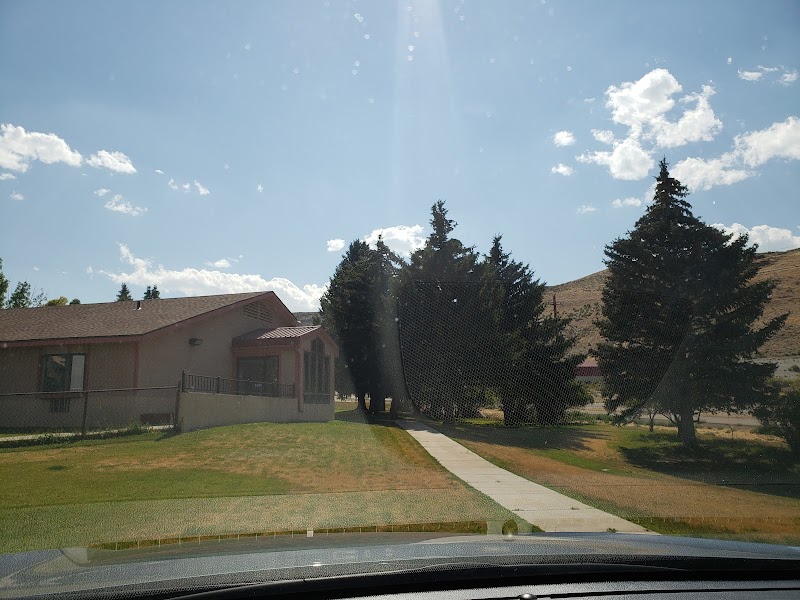
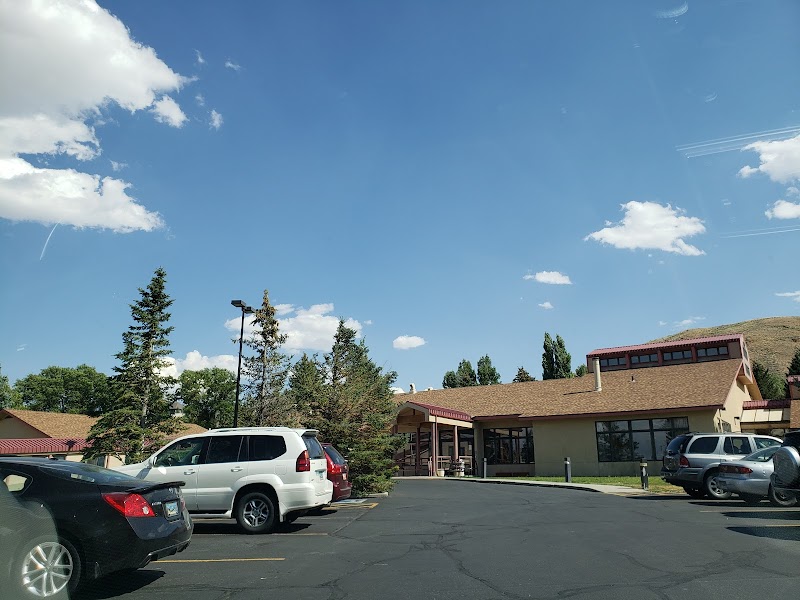
1445 Uinta Dr, Green River, WY 82935 (307) 872-4600
Non profit - Corporation 59 Beds MISSION HEALTH SERVICES Data: November 2025
Trust Grade
40/100
#20 of 33 in WY
Last Inspection: April 2025

Within standard 12-15 month inspection cycle. Federal law requires annual inspections.

Overview

Mission at Castle Rock has a Trust Grade of D, indicating below-average performance with some concerning issues. Ranked #20 out of 33 facilities in Wyoming, it falls in the bottom half, and in Sweetwater County, it is #2 out of 2, meaning there is only one local option that is better. The facility is showing signs of improvement, having reduced its issues from four in 2024 to two in 2025. Staffing is a strong point, with a rating of 4 out of 5 stars and a turnover rate of 44%, which is below the state average. However, there have been specific concerns, such as improper food storage and lack of proper hand hygiene during meal preparation, as well as medications that were not appropriately labeled, which could lead to safety risks. While there are strengths in staffing and no fines reported, families should weigh these issues carefully when considering this facility.
Trust Score
D
40/100
In Wyoming
#20/33
Bottom 40%
Safety Record
High Risk
Review needed
Inspections
Getting Better
4 → 2 violations
Staff Stability
○ Average
44% turnover. Near Wyoming's 48% average. Typical for the industry.
Penalties
✓ Good
No fines on record. Clean compliance history, better than most Wyoming facilities.
Skilled Nurses
✓ Good
Each resident gets 49 minutes of Registered Nurse (RN) attention daily — more than average for Wyoming. RNs are trained to catch health problems early.
Violations
⚠ Watch
13 deficiencies on record. Higher than average. Multiple issues found across inspections.
★★☆☆☆
2.0
Overall Rating
★★★★☆
4.0
Staff Levels
★★★★☆
4.0
Care Quality
★★☆☆☆
2.0
Inspection Score
Stable
2024: 4 issues
2025: 2 issues

The Good

  • 4-Star Staffing Rating · Above-average nurse staffing levels
  • 4-Star Quality Measures · Strong clinical quality outcomes
  • Full Sprinkler Coverage · Fire safety systems throughout facility
  • No fines on record
  • Staff turnover below average (44%)

    4 points below Wyoming average of 48%

Facility shows strength in staffing levels, quality measures, fire safety.

The Bad

2-Star Overall Rating

Below Wyoming average (2.9)

Below average - review inspection findings carefully

Staff Turnover: 44%

Near Wyoming avg (46%)

Typical for the industry

Chain: MISSION HEALTH SERVICES

Part of a multi-facility chain

Ask about local staffing decisions and management

The Ugly 13 deficiencies on record

Apr 2025 2 deficiencies
CONCERN (D) 📢 Someone Reported This

A family member, employee, or ombudsman was alarmed enough to file a formal complaint

Potential for Harm - no one hurt, but risky conditions existed

Free from Abuse/Neglect (Tag F0600)

Could have caused harm · This affected 1 resident

**NOTE- TERMS IN BRACKETS HAVE BEEN EDITED TO PROTECT CONFIDENTIALITY** Based on staff interview, medical record review, facility incident investigation review, state survey agency incident database r...

Read full inspector narrative →
**NOTE- TERMS IN BRACKETS HAVE BEEN EDITED TO PROTECT CONFIDENTIALITY** Based on staff interview, medical record review, facility incident investigation review, state survey agency incident database review, and policy and procedure review, the facility failed to protect the resident's right to be free from physical abuse by a resident for 1 of 6 sample residents (#45) reviewed for physical abuse. The facility implemented corrective action prior to the survey and was determined to be in substantial compliance as of [DATE]. The findings were: 1. Review of the [DATE] quarterly MDS assessment for resident #22 showed s/he had a BIMS score of 00 out of 15 (severe cognitive impairment) and diagnoses which included sequelae of cerebral infarction, seizure disorder, depression white matter disease, and cognitive communication deficit. The resident had physical and verbal behaviors towards others, and wandered during the 7-day look-back period. Review of the care plan, last revised [DATE], showed Resident exhibits/at risk for behaviors such as refusals, aggression, agitation, spitting, scratching, hitting, and exit seeking. The interventions included Intervene as necessary to protect the rights and safety of others. Approach/Speak in a calm manner. Divert attention. Remove from situation and take to alternate location as needed. Monitor behavior episodes and attempt to determine the underlying cause. Consider location, time of day, persons involved, and situations. Document behavior and potential causes. The following concerns were identified: a. Review of a facility incident investigation showed resident #45 was being pushed down the hall by family on [DATE] when resident #22 hit him/her on the head. The residents were immediately separated. Resident #45 was assessed for injury and none were noted. The facility monitored resident #22 with a one-on-one to ensure other residents were safe. Resident #22 had a history of agitation and aggression. The facility had been able to correlate previous behaviors with urinary tract infections, abnormal labs, pain, or imbalances in the past. The facility ordered a urinalysis. a complete blood count, and a comprehensive metabolic panel. Resident #22 was found to have a urinary tract infection and was treated for it. Further review showed the facility determined physical abuse occurred and substantiated the allegation. b. Due to resident #22's cognitive status s/he was unable to be interviewed. Resident #45 expired on [DATE]. c. Review of the state survey agency incident database showed on [DATE] at 5:56 PM the facility reported that resident #45 was hit on the head by resident #22. Further review showed resident #45 was crying after being hit. 2. Interview with the ADON on [DATE] at 2:06 PM confirmed resident #45 did cry out after being hit and resident #22 was placed on 1-to-1 monitoring, with 15-minute checks. Further interview revealed the facility implemented behavior monitoring, staff education, weekly audits on all residents which were reviewed in the quality assurance meeting, and referrals for alternate placement of resident #22. 3. Review of the [DATE] social services notes showed the social service director had sent referrals to two skilled nursing facilities for potential transfer related to behaviors of resident #22. 4. Review of the policy Preventing Resident to Resident Abuse dated [DATE] showed 1. Residents with a history of physical and or verbal abuse of other persons will be evaluated prior to admission to ensure that this Community has the services the resident needs to achieve their highest practicable level of functioning and to protect other residents from harm. 2. Each resident who has a history of physical and/or verbal abuse of other persons will be evaluated to determine the appropriate interventions to prevent behaviors that could adversely affect other residents. 5. Review and verification of the facility's corrective action plan showed: a. Both residents were immediately assessed and placed on monitoring. b. Staff education was performed on [DATE]. c. 15 minute checks were implemented. d. Weekly audits were performed on all residents. e. Audits were reviewed in the quality assurance committee meeting.
CONCERN (D) 📢 Someone Reported This

A family member, employee, or ombudsman was alarmed enough to file a formal complaint

Potential for Harm - no one hurt, but risky conditions existed

Infection Control (Tag F0880)

Could have caused harm · This affected 1 resident

Based on observation, review of CDC guidelines, and staff interview, the facility failed to ensure effective infection control practices were followed during 1 random observation. The findings were: 1...

Read full inspector narrative →
Based on observation, review of CDC guidelines, and staff interview, the facility failed to ensure effective infection control practices were followed during 1 random observation. The findings were: 1. Observation on 4/2/25 at 9:45 AM of the laundry room showed cloth gowns were used to sort contaminated laundry. Drops of water were placed on the gown by the ADON which showed the gowns were not fluid resistant. The ADON confirmed the gowns were not fluid resistant and discarded them at that time. 2. According to the CDC guidelines located at https://www.cdc.gov/infection-control/hcp/environmental-control/laundry-bedding.html#cdc_generic_section_6-6-surgical-gowns-drapes-and-disposable-fabrics, accessed on 4/8/25, showed .6. Surgical Gowns, Drapes, and Disposable Fabrics .Regardless of the material used to manufacture gowns and drapes, these items must be resistant to liquid and microbial penetration .
Jan 2024 4 deficiencies
CONCERN (D)

Potential for Harm - no one hurt, but risky conditions existed

Deficiency F0679 (Tag F0679)

Could have caused harm · This affected 1 resident

**NOTE- TERMS IN BRACKETS HAVE BEEN EDITED TO PROTECT CONFIDENTIALITY** Based on observation, resident and staff interview, medical record review, and policy and procedure review, the facility failed...

Read full inspector narrative →
**NOTE- TERMS IN BRACKETS HAVE BEEN EDITED TO PROTECT CONFIDENTIALITY** Based on observation, resident and staff interview, medical record review, and policy and procedure review, the facility failed to ensure resident choice of activities was provided for 1 of 1 sample resident (#26) with activity concerns. The findings were: 1. Review the admission MDS assessment dated [DATE] showed resident #26 had cognition which was moderately impaired and the preferences for customary routine and activities showed the news was very important and fresh air was somewhat important. Further review showed the resident had diagnoses which included cerebral infarction, difficulty in walking, muscle weakness, and hemiplegia. The following concerns were identified: a. Observation on 1/16/24 at 3:23 PM showed the resident was sitting on the edge of his/her bed, with the TV on. Interview at that time revealed the facility didn't have activities for younger residents, and the resident didn't like bingo. b. Observation on 1/17/24 at 11 AM showed the resident was in his/her room, lying on the bed, watching television. c. Observation on 1/18/24 01:29 PM showed the resident was in his/her room, lying on the bed, watching television. Interview with the resident at that time revealed the facility did not provide 1:1 activities including offering books, audio books, or music. d. Review of a progress note dated 12/28/23 and timed 11:28 AM Social Services Notes showed .Social Services Sections of the Quarterly MDS Review Complete. [Resident name] continues in [his/her] routine spending much of [his/her] time throughout the care community here. [S/he] is alert, oriented, and able to make [his/her] wishes known with little confusion noted. S/he is pleasant and cooperative in his/her cares. [Resident name] is here as a long-term placement, though s/he would like to transfer to [another location] once a bed opens. A referral was sent and [s/he] is on the waiting list . Social Services will continue to visit with the resident and assist as needed . e. Review of the care plan last revised on 9/15/23 showed [residents name] has refused all group program invitations to date and has shown disinterest in visits. [S/He] has been observed to be watching television during most of available leisure time. Preferred leisure activity provides few opportunities for socialization or mental stimulation. [S/He] may need gentle and gradual encouragement to broaden recreation and leisure pursuits. The goals were [resident name] will talk to staff/volunteers during one-on-one visits, and [resident name] will identify 2 new potential leisure interests during leisure education visits by re-evaluation date through review date 2/25/24. f. Review of the activities assessment provided by the facility on 1/18/24 at 11:15 AM showed the resident's favorite book genre was mystery, s/he liked rock and roll music, s/he liked to watch television, and s/he liked to get outside for fresh air. Review of the monthly activities calendar which documented participation in activities for January 2024 showed the resident routinely accepted a snack for activity participation. Further review showed no 1 on 1 activity was offered, and the resident refused 1 group activity. There were no other documented activities offered, accepted, or refused. g. Interview with the activities coordinator on 1/18/24 at 11:15 AM revealed the facility offered the resident snacks daily and documented it as activity participation; however, she confirmed resident's receiving snacks was not an activity. Further interview confirmed there was no evidence of 1 to 1 activity offerings, participation, or refusals. h. Interview with the clinical vice president on 1/18/24 at 3:09 PM revealed if a resident does not come down for an activity, then a 1:1 should be provided. Further interview confirmed daily snacks were not an activity or a 1 to 1 visit. 2. Review of the Recreation Therapy and Engagement Programs policy hand delivered on 1/18/24 at 4:28 PM showed .The recreation therapy and engagement services for MHS provides individualized activities and interventions for all residents in our communities . The goal is for each resident to be autonomous while being supported in their physical, emotional, social, cognitive and spiritual needs.The Eden's Vision is to eliminate loneliness, helplessness and boredom.
CONCERN (D)

Potential for Harm - no one hurt, but risky conditions existed

Deficiency F0700 (Tag F0700)

Could have caused harm · This affected 1 resident

**NOTE- TERMS IN BRACKETS HAVE BEEN EDITED TO PROTECT CONFIDENTIALITY** Based on observation, medical record review, staff interview, and policy review, the facility failed to ensure bed rails were as...

Read full inspector narrative →
**NOTE- TERMS IN BRACKETS HAVE BEEN EDITED TO PROTECT CONFIDENTIALITY** Based on observation, medical record review, staff interview, and policy review, the facility failed to ensure bed rails were assessed for entrapment risk for 1 of 3 sample residents (#27). The findings were: 1. Review of the quarterly MDS assessment dated [DATE] showed resident #27 had short-term and long-term memory problems and diagnoses which included cerebrovascular accident, seizure disorder or epilepsy, depression, difficulty in walking, muscle weakness, and pain. Further review showed the resident required supervision or touching assistance for chair/bed-to-chair transfers and rolling left and right, and required partial/moderate assistance for sitting to standing. Review of the resident's care plan last revised on 10/23/23 showed the resident was high risk for falls related to a history of left hip fracture, weakness, bilateral lower extremity weakness, effects of 2 CVAs, seizure disorder psychotropic drug use, and routinely refusing to talk to others. The following concerns were identified: a. Observation on 1/17/24 at 9:42 AM showed the resident was lying in bed and a quarter bed rail was in the upright and locked position, to the side of the bed which was not against the wall. The bed rail was designed with 2 gaps and the bed controls were fixed to the rail. b. Observation on 1/18/24 at 9:39 AM showed the resident was lying in bed and a quarter bed rail was in the upright and locked position, to the side of the bed which was not against the wall. c. Observation on 1/18/24 at 1:36 PM showed the resident was lying in bed and a quarter bed rail was in the upright and locked position, to the side of the bed which was not against the wall. d. Review of the medical record showed no evidence the bed rail had been assessed for entrapment risk. e. Interview with the clinical vice president on 1/18/24 at 2:40 PM confirmed the bed rail had not been assessed for entrapment risk and revealed the bed rail had to be in place due to the bed controls being permanently attached to the bed rail. f. Observation of the bed rail with the clinical vice president on 1/19/24 at 8:16 AM showed the bed rail gaps each measured 5 1/4 inches high by 6 1/4 inches wide. Interview with the clinical vice president at that time confirmed the gaps were large enough for a resident to get a limb through and should be assessed for entrapment risk. 2. Review of the policy titled Bed Safety last revised on 10/2017 showed .2. To try to prevent deaths/injuries from beds and related equipment (including the frame, mattress, side rails, headboard, footboard, and bed accessories), the facility shall promote the following approaches: a. Inspection by maintenance staff of all beds and related equipment as part of our regular bed safety program to identify risks and problems including potential entrapmentrisks [sic]; b. Review the gaps within the bed system are within the dimensions established by the FDA (Note: The review shall consider situations that could be caused by the resident's weight movement or bed position); c. Ensure that when bed system components are worn and need to be replaced, components meet manufacturer's specifications; d. Ensure that bed side rails are properly installed using manufacturer's instructions and other pertinent safety guidance to ensure proper fit (e.g., avoid bowing, ensure proper distance from the headboard and footboard, etc.); and e. Identify additional safety measures for residents who have been identified as having a higher than usual risk for injury including entrapment (e.g., altered mental status, restlessness, etc.) .4. The facility's education and training activities will include instruction about risk factors for resident injury due to beds, and strategies for reducing risk factors for injury, including entrapment .
CONCERN (D)

Potential for Harm - no one hurt, but risky conditions existed

Deficiency F0740 (Tag F0740)

Could have caused harm · This affected 1 resident

**NOTE- TERMS IN BRACKETS HAVE BEEN EDITED TO PROTECT CONFIDENTIALITY** Based on medical record review, staff interview, and policy and procedure review, the facility failed to ensure behavioral healt...

Read full inspector narrative →
**NOTE- TERMS IN BRACKETS HAVE BEEN EDITED TO PROTECT CONFIDENTIALITY** Based on medical record review, staff interview, and policy and procedure review, the facility failed to ensure behavioral health services were provided to 1 of 3 sample residents (#13) with a psychiatric diagnosis. The findings were: 1. Review of the quarterly MDS assessment dated [DATE] showed resident #13 had diagnoses which included schizophrenia (e.g., schizoeffective and schizophreniform disorders) and a brief interview for mental status score of 12 out of 15, which indicated the resident was cognitively intact. Further review showed the resident received antipsychotic medication and antidepressant medication, and the last gradual dose reduction was clinically contraindicated by the physician on 10/18/23. Review of the care plan last revised on 7/31/23 showed the resident had impaired cognitive function related to impaired thought processes, impaired decision making, short term memory loss, pain, effect of diabetes,and schizoaffective disorder. Interventions included psychiatric consult as indicated. The following concerns were identified: a. Review of the annual MDS assessment dated [DATE] showed the resident had diagnoses which included other specified mental disorders due to brain damage and dysfunction and to physical disease; however, there was no indication the resident had a diagnosis of schizoeffective disorder or schizophrenia. Review of the 11/21/22 annual MDS assessment showed the resident had diagnoses which included schizophrenia (e.g., schizoeffective and schizophreniform disorders), while a resident at the facility. b. Review of a PASRR II Evaluation dated 11/27/23 showed the resident was .recently diagnosed with schizoaffective disorder, unspecified and required a PASRR II . Further review showed recommendations included specialized services for mental illness and a neurocognitive evaluation. c. Review of the medical record showed no evidence the resident received mental health services or a neurocognitive evaluation was completed. d. Interview with the resident's physician on 1/18/24 at 10:27 AM confirmed the resident had not received any outside psychiatric services due to the last time it was attempted, the resident had a bad experience. Further interview revealed the physician felt psychiatric services would be beneficial to the resident and telehealth may be an option. e. Interview with the clinical vice president and social services director on 1/18/24 at 2:56 PM revealed the resident did not like going outside and that was the reason s/he was not going to mental health services outside the facility. They confirmed mental health services would benefit the resident and they were unsure if the telehealth was an option. Further interview confirmed the resident had not received mental health services since s/he received the schizoeffective disorder diagnoses. 2. Review of the policy titled Behavioral Health Services dated June 2023 showed .1. Behavioral health services are provided to residents as needed as part of the interdisciplinary, person-centered approach to care. 2. Residents who exhibit signs of emotional/psychosocial distress receive services and support that address their individual needs and goals for care .
CONCERN (E)

Potential for Harm - no one hurt, but risky conditions existed

Deficiency F0761 (Tag F0761)

Could have caused harm · This affected multiple residents

Based on observation, staff interview, policy and procedure review, and professional standard review, the facility failed to ensure medications were labeled in accordance with professional standards i...

Read full inspector narrative →
Based on observation, staff interview, policy and procedure review, and professional standard review, the facility failed to ensure medications were labeled in accordance with professional standards in 1 of 3 medication storage units (back hall medication cart). The findings were: 1. Observation on 1/17/24 at 1:52 PM of the back hall medication cart, showed 1 Humalog 100 unit/ml vial with no open date, and 1 Humalog 100 unit/ml Kwik pen dated 11/29/23. Interview at that time with MA-C #1 confirmed the medications were for resident use. Further, the MA stated the medication should be dated when opened. She confirmed the insulins should only be used for 28 days or 1 month. 2. Interview with the clinical vice president on 1/17/24 at 2:44 PM revealed insulins should be labeled with the date opened, when it was removed from the refrigerator. Further interview confirmed insulin vials were good for 28 days after being removed from the refrigerator. 3. Review of the policy Medication Labeling and Storage last reviewed June 2023 showed .3. If the facility has discontinued, outdated or deteriorated medications or biological's, the dispensing pharmacy is contacted for instructions regarding returning or destroying these items.5. Multi-dose vials that have been opened or accessed (e.g., needle punctured) are dated and discarded within 28 days unless the manufacturer specifies a shorter or longer date for the open vial. 4. Review of the Food and Drug Administration (FDA) web page titled Information Regarding Insulin Storage and Switching Between Products in an Emergency accessed 1/22/24 showed .Insulin products contained in vials or cartridges supplied by the manufacturers (opened or unopened) may be left unrefrigerated at a temperature between 59°Fahrenheit (F) and 86°F for up to 28 days and continue to work. However, an insulin product that has been altered for the purpose of dilution or by removal from the manufacturer's original vial should be discarded within two weeks.
Nov 2023 1 deficiency
CONCERN (D) 📢 Someone Reported This

A family member, employee, or ombudsman was alarmed enough to file a formal complaint

Potential for Harm - no one hurt, but risky conditions existed

Free from Abuse/Neglect (Tag F0600)

Could have caused harm · This affected 1 resident

**NOTE- TERMS IN BRACKETS HAVE BEEN EDITED TO PROTECT CONFIDENTIALITY** Based on medical record review, policy review, staff interviews, and review of facility documentation, the facility failed to pr...

Read full inspector narrative →
**NOTE- TERMS IN BRACKETS HAVE BEEN EDITED TO PROTECT CONFIDENTIALITY** Based on medical record review, policy review, staff interviews, and review of facility documentation, the facility failed to protect the resident's right to be free from verbal abuse by staff for 1 of 2 sample residents (#1) reviewed for abuse allegations. The findings were: 1. Review of the admission minimum data set (MDS) assessment dated [DATE] showed resident #1 had the ability to understand others, had diagnoses including cancer, and had a brief interview for mental status (BIMS) score of 8 out of 15, which indicated moderately impaired cognition. Review of progress notes showed the resident passed away on 9/30/23. The following concerns were identified: a. Review of facility investigation documentation showed a registered nurse (RN) reported that certified nurse aide (CNA) #1 told a resident [resident name], if you don't stop screaming, I'm going to strangle you. This was reported on 11/1/23 to the director of nursing (DON). The documentation showed that the CNA admitted to saying that to the resident. The documentation showed during the facility's investigation it was discovered the CNA was mocking, mimicking, and antagonizing residents, and making them feel unsafe and uncomfortable. The facility substantiated abuse and terminated the employment of the CNA. b. The resident was unable to be interviewed because s/he passed away. c. During an interview on 11/28/23 at 2:18 PM maintenance staff #1 stated he heard CNA #1 tell another resident (#2) to shut up and stop being so loud. He stated this occurred around September 26th or 27th. He stated he wouldn't want anybody to talk to his Grandmother that way. d. On 11/28/23 at 2:25 PM the DON, administrator, and social services director were interviewed. They stated RN #1 reported that she heard CNA #1 tell resident #1 if s/he didn't shut his/her mouth, he would strangle him/her. They stated they were unable to interview the resident because s/he had passed away. They stated the CNA admitted to saying it and they substantiated abuse. e. On 11/28/23 at 3:19 PM RN #1 stated she reported concerns about CNA #1 to the DON during a conversation. She stated she heard the CNA tell resident #1 if you don't stop screaming I will strangle you. She was unsure of the exact date, but stated it was toward the end of the resident's stay, so around the end of September. She stated the resident was on hospice, was declining, and due to his/her cognition, would have been unable to report concerns on his/her own. When asked how the resident reacted to what the CNA said, she stated the resident responded Why? f. During an interview on 11/28/23 at 3:26 PM CNA #1 admitted to the allegation. He stated I said some things I shouldn't have. He stated he told the resident If you don't be quiet, I'm going to strangle you. When asked why he said that, he replied Don't know why. It slipped out. He stated throughout the night the resident was calling out. g. On 11/28/23 at 3:46 PM CNA #2 stated she was interviewed as part of the investigation. She stated she didn't like the way CNA #1 talked to residents. She stated he would cuss at them and was not respectful. She stated he antagonized resident #2 and would mock other residents. h. During an interview on 11/28/23 at 7:08 PM CNA #3 stated CNA #1 would mock residents and call them inappropriate names. When asked for an example, she stated he would make fun of their names. i. During a follow-up interview on 11/29/23 at 9:17 AM, RN #1 stated when she heard CNA #1 say he would strangle resident #1, she thought it was inappropriate, but didn't think he would actually carry through with what he said. She stated due to the resident's cognition, the resident would have been unable to voice how it made him/her feel. When asked how cognitive residents might feel if the CNA said that to them, she replied Many would be offended, and might think he would follow through with actions. j. On 11/29/23 at 9:29 AM the social services director and administrator were interviewed again. They stated they thought the CNA was immature and said something inappropriate, but didn't think he had malicious intent. The stated they would normally interview the resident during an investigation, but they were unable to interview resident #1 because s/he passed away. When asked how other residents might have reacted to the CNA saying that to them, they stated some residents might have thought he was joking, but others might not have. k. Review of the facility's Abuse Prohibition policies (undated) provided by the administrator on 11/28/23 at 1:29 PM showed .Each resident living in this Community has the right to be free from abuse, neglect and misappropriation of their property .For the purposes of this policy, the following definitions will apply: .Verbal Abuse is defined as the use of oral, written, or gestured language that willfully includes disparaging and derogatory terms to residents or their families, or within their hearing distance, regardless of their ability to comprehend or disability. Examples of verbal abuse include, but are not limited to: threats of harm; making statements to frighten a resident, such as telling a resident that he/she will never be able to see their family again.
Dec 2022 1 deficiency
CONCERN (D) 📢 Someone Reported This

A family member, employee, or ombudsman was alarmed enough to file a formal complaint

Potential for Harm - no one hurt, but risky conditions existed

Infection Control (Tag F0880)

Could have caused harm · This affected 1 resident

Based on observation, staff interview, policy review, and CDC guidelines review, the facility failed to ensure infection control techniques were implemented for 2 random observations (staff moving dir...

Read full inspector narrative →
Based on observation, staff interview, policy review, and CDC guidelines review, the facility failed to ensure infection control techniques were implemented for 2 random observations (staff moving dirty linen in the hall, and vital signs tower taken out of COVID-19 positive room). The census was 39. The facility had 2 COVID-19 positive residents in isolation. The findings were: Regarding dirty linen management: 1. Observation on 12/12/22 at 2:50 PM in the north hall showed CNA #1 picked up a laundry basket overflowing with dirty linen. She lifted the basket up and placed it up against her chest and upper arm to take down to the dirty linen room. 2. Interview at that time with the CNA confirmed the linen was not bagged. Further, the CNA confirmed she had contaminated her clothing. 3. Interview with the IP and DON on 12/13/22 12:45 PM revealed it was the facility's expectation for dirty linen to be bagged prior to leaving a resident's room. Further, they stated the staff should not hold linens up against their bodies. 4. Review of CDC: Linen and laundry management found at http://www.cdc.gov/hai/prevent/resource-limited/laundry.html (retrieved on 12/13/22) showed .Never carry soiled linen against the body. Always place it in the designated container. Place soiled linen into a clearly labeled, leak-proof container (e.g., bag, bucket) in the patient care area. Do not transport soiled linen by hand outside the specific patient care area from where it was removed. Regarding medical equipment and COVID-19 positive rooms: 1. Observation on 12/12/22 at 3:05 PM in the east hall showed CNA #2 entered a COVID-19 positive room with a vital sign machine tower. The CNA was gowned and had a face mask on. At 3:09 PM the CNA doffed her gown in the room, and brought the vital machine out to the hall. Interview at that time with the CNA revealed she was going to take the tower down the hall to the nurses' station to clean the machine. 2. Interview with the IP and the DON on 12/13/22 at 12:45 PM revealed the facility was in a COVID-19 outbreak involving both residents and staff. They stated the vital sign machine tower should not have been taken into the room, and confirmed staff should have been using disposable equipment for the COVID-19 rooms. 3. Review of Interim Infection Prevention and Control Recommendations for Healthcare Personnel During the Coronavirus Disease 2019 (COVID-19) Pandemic updated 9/23/22 and found at http://www.cdc.gov/coronavirus/2019-ncov/hcp/infection-control-recommendations.html (retrieved 12/13/22) showed . Environmental Control . Dedicated medical equipment should be used when caring for a patient with suspected or confirmed SARS-COV-2 infection.
Oct 2022 5 deficiencies
CONCERN (D)

Potential for Harm - no one hurt, but risky conditions existed

Transfer Notice (Tag F0623)

Could have caused harm · This affected 1 resident

**NOTE- TERMS IN BRACKETS HAVE BEEN EDITED TO PROTECT CONFIDENTIALITY** Based on medical record review, staff interview, and policy and procedure review, the facility failed to ensure residents or res...

Read full inspector narrative →
**NOTE- TERMS IN BRACKETS HAVE BEEN EDITED TO PROTECT CONFIDENTIALITY** Based on medical record review, staff interview, and policy and procedure review, the facility failed to ensure residents or resident representatives received a written transfer notice for 1 of 5 sample residents (#7) reviewed for hospitalization. The findings were: 1. Review of the medical record showed resident #7 was transferred to the hospital on 7/2/22 for an acute change of condition and readmitted to the facility on [DATE]. Further review showed no evidence the facility issued a written transfer notice to the resident or the resident's representative. 2. Interview with the social service manager on 10/4/22 at 4:10 PM confirmed the written transfer/discharge notice was not provided to the resident or the resident's representative. 3. Review of the undated and unsigned Discharge or Transfer policy and procedure showed 1. Transfer/discharge: Emergency .c. Complete transfer/discharge form and attach copies of .
CONCERN (D)

Potential for Harm - no one hurt, but risky conditions existed

Deficiency F0625 (Tag F0625)

Could have caused harm · This affected 1 resident

**NOTE- TERMS IN BRACKETS HAVE BEEN EDITED TO PROTECT CONFIDENTIALITY** Based on medical record review, staff interview, review of the Notice of Proposed Transfer/Discharge form, and policy and proced...

Read full inspector narrative →
**NOTE- TERMS IN BRACKETS HAVE BEEN EDITED TO PROTECT CONFIDENTIALITY** Based on medical record review, staff interview, review of the Notice of Proposed Transfer/Discharge form, and policy and procedure review, the facility failed to ensure residents or resident representatives received written information on the bed-hold policy for 1 of 5 samples residents (#7) reviewed for hospitalization. The findings were: 1. Review of the medical record showed resident #7 was transferred to the hospital on 7/2/22 for an acute change of condition and readmitted to the facility on [DATE]. Further review showed no evidence the facility issued written information on the bed-hold policy to the resident or the resident's representative at the time of the hospitalization. 2. Interview with the social service manager on 10/4/22 at 4:10 PM confirmed the written transfer/discharge notice was not provided to the resident or the resident's representative. 3. Review of the undated and unsigned Discharge or Transfer policy and procedure showed 1. Transfer/discharge: Emergency .c. Complete transfer/discharge form and attach copies of . 4. Review of the Notice of Proposed Transfer/Discharge form showed a section was to be marked if the readmission and Bed Hold Policy had been provided in writing to the resident, family member, surrogate or representative.
CONCERN (D)

Potential for Harm - no one hurt, but risky conditions existed

Deficiency F0888 (Tag F0888)

Could have caused harm · This affected 1 resident

**NOTE- TERMS IN BRACKETS HAVE BEEN EDITED TO PROTECT CONFIDENTIALITY** Based on staff interview, review of the facility's staff vaccination records, and review of the policy and procedures, the facil...

Read full inspector narrative →
**NOTE- TERMS IN BRACKETS HAVE BEEN EDITED TO PROTECT CONFIDENTIALITY** Based on staff interview, review of the facility's staff vaccination records, and review of the policy and procedures, the facility failed to ensure 100% of staff were vaccinated against COVID-19, held an exemption, or had a temporary delay. The facility's staff vaccination rate was 99%. The findings were: 1. Review of the facility's vaccination records showed FA #3 was hired on 8/11/22 and had received the first dose of the COVID-19 primary series on 6/13/22. There was no evidence the staff member had received the second dose. 2. Review of the COVID-19 Vaccine policy and procedure, last updated on 4/8/22, showed newly hired employees will have received their first dose of Pfizer or Moderna or singular dose of [NAME] prior to working in the community . The policy failed to include a deadline for newly hired staff to have obtained the second dose of the primary vaccination series or indicate what the action would be if the deadline was not met. 3. Interview with the DON on 10/5/22 at 4:55 PM confirmed the staff member had not completed the COVID-19 primary dose vaccination series. In addition, the DON stated the facility did not have a system in place to ensure newly hired staff members had completed the vaccination series.
CONCERN (E)

Potential for Harm - no one hurt, but risky conditions existed

Deficiency F0948 (Tag F0948)

Could have caused harm · This affected multiple residents

Based on review of facility records and staff interview, the facility failed to ensure paid feeding assistants had completed a State-approved training program. The facility had 10 residents which requ...

Read full inspector narrative →
Based on review of facility records and staff interview, the facility failed to ensure paid feeding assistants had completed a State-approved training program. The facility had 10 residents which required assistance with eating and utilized 4 feeding assistants (FA #1, FA #2, FA #3, FA #4). The findings were: 1. Review of the facility's records showed 4 feeding assistants had been trained by the facility using a Feeding Assistant Check-Off form. FA #1 was trained on 1/25/22, FA #2 was trained on 7/28/22, FA #3 was trained on 8/20/22, and FA #4 was trained on 9/27/22. 2. Interview with the NHA on 10/4/22 at 4:47 PM confirmed the facility had not used a State-approved training program for training feeding assistants.
CONCERN (F)

Potential for Harm - no one hurt, but risky conditions existed

Food Safety (Tag F0812)

Could have caused harm · This affected most or all residents

Based on observation, staff interview, and review of the U.S. Public Health Service Food Code, the facility failed to ensure food was properly stored in 1 of 1 kitchen. In addition the facility failed...

Read full inspector narrative →
Based on observation, staff interview, and review of the U.S. Public Health Service Food Code, the facility failed to ensure food was properly stored in 1 of 1 kitchen. In addition the facility failed to ensure proper hand hygiene during food preparation during 1 of 1 meal preparation observation. The census was 44. The findings were: 1. Observation on 10/3/22 at 2:15 PM and again on 10/5/22 at 8:45 AM showed a portable ice cream cart with 8 varieties of ice cream was located in the main kitchen. There was no evidence the temperature of the ice cream cart had been monitored. Interview with the CDM on 10/5/22 at 10:20 AM revealed the cart was used every Wednesday for an ice cream social with the residents. Further the CDM confirmed the temperature of the cart was not monitored. 2. Observation on 10/5/22 beginning at 10:29 AM showed cook #1 was mixing a salad of tomatoes and lettuce with gloved hands and transferred the salad to a serving container. The cook doffed her gloves and without performing hand hygiene continued to cover the salad with plastic wrap and placed the salad into the walk-in refrigerator. Without performing hand hygiene the cook donned new gloves and placed raw meat patties into a pan on the stove. With her gloved hand, which had touched the raw meat, the cook adjusted the temperature knob on the stove and doffed her gloves. Without performing hand hygiene the cook gathered spices and seasoned the meat patties, donned oven mitts, and removed a pan of rice from the oven to prepare a puree. Without performing hand hygiene the cook donned new gloves and prepared the rice puree, doffed her gloves, and with no hand hygiene donned new gloves and transferred the pureed rice to a container and then placed the container on the steam table. At 10:46 AM the cook performed hand hygiene and with bare hands adjusted the temperature knob on the stove which had been previously touched with contaminated gloves. 3. Interview with dietary manager on 10/5/22 at 11:33 AM confirmed the dietary staff required more education on hand hygiene and the proper use of gloves. 4. According to Food Code 2017, U.S. Public Health Service: 2-301.14 FOOD EMPLOYEES shall clean their hands and exposed portions of their arms as specified under § 2-301.12 immediately before engaging in FOOD preparation including working with exposed FOOD, clean EQUIPMENT and UTENSILS, and unwrapped SINGLE-SERVICE and SINGLE-USE ARTICLE and: (A) After touching bare human body parts other than clean hands and clean, exposed portions of arms; (B) After using the toilet room; (AC) After caring for or handling SERVICE ANIMALS or aquatic animals as specified in 2-403.11(B); (D) Except as specified in 2-401.11(B), after coughing, sneezing, using a handkerchief or disposable tissue, using tobacco, eating, or drinking; (E) After handling soiled EQUIPMENT or UTENSILS; (Fé) During FOOD preparation, as often as necessary to remove soil and contamination and to prevent cross contamination when changing tasks; (G) When switching between working with raw FOOD and working with READY-TO-EAT FOOD; (HO) Before donning gloves to initiate a task that involves working with FOOD; and (I) After engaging in other activities that contaminate the hands.
Understanding Severity Codes (click to expand)
Life-Threatening (Immediate Jeopardy)
J - Isolated K - Pattern L - Widespread
Actual Harm
G - Isolated H - Pattern I - Widespread
Potential for Harm
D - Isolated E - Pattern F - Widespread
No Harm (Minor)
A - Isolated B - Pattern C - Widespread

Questions to Ask on Your Visit

  • "What safeguards are in place to prevent abuse and neglect?"
  • "Can I speak with families of current residents?"
  • "What's your RN coverage like on weekends and overnight?"

Our Honest Assessment

Strengths
  • • No fines on record. Clean compliance history, better than most Wyoming facilities.
  • • 44% turnover. Below Wyoming's 48% average. Good staff retention means consistent care.
Concerns
  • • Multiple safety concerns identified: Federal abuse finding. Review inspection reports carefully.
  • • 13 deficiencies on record. Higher than average. Multiple issues found across inspections.
  • • Grade D (40/100). Below average facility with significant concerns.
Bottom line: This facility has a substantiated abuse finding. Extreme caution advised. Explore alternatives.

About This Facility

What is Mission At Castle Rock's CMS Rating?

CMS assigns Mission at Castle Rock an overall rating of 2 out of 5 stars, which is considered below average nationally. Within Wyoming, this rating places the facility higher than 0% of the state's 100 nursing homes. A rating at this level reflects concerns identified through health inspections, staffing assessments, or quality measures that families should carefully consider.
How is Mission At Castle Rock Staffed?

CMS rates Mission at Castle Rock's staffing level at 4 out of 5 stars, which is above average compared to other nursing homes. Staff turnover is 44%, compared to the Wyoming average of 46%. This relatively stable workforce can support continuity of care.

What Have Inspectors Found at Mission At Castle Rock?

State health inspectors documented 13 deficiencies at Mission at Castle Rock during 2022 to 2025. These included: 13 with potential for harm.

Who Owns and Operates Mission At Castle Rock?

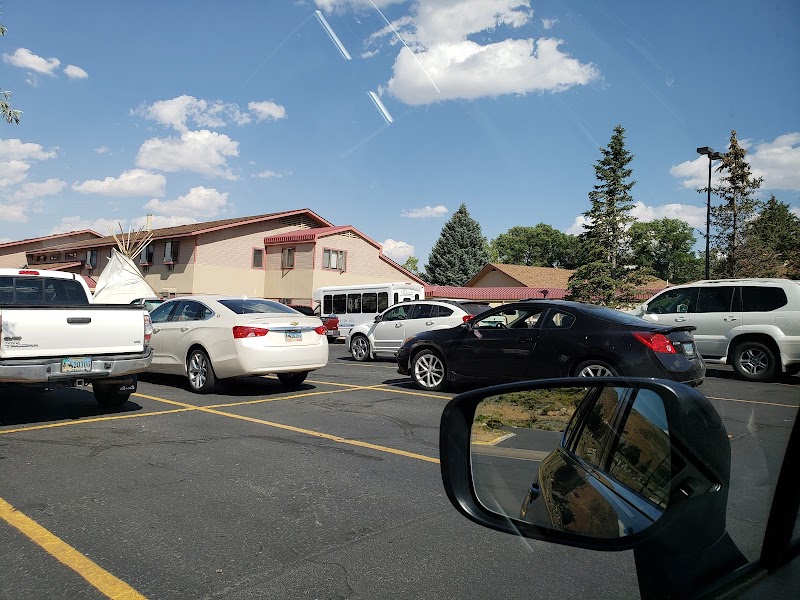
Mission at Castle Rock is owned by a non-profit organization. Non-profit facilities reinvest revenue into operations rather than distributing to shareholders. The facility is operated by MISSION HEALTH SERVICES, a chain that manages multiple nursing homes. With 59 certified beds and approximately 45 residents (about 76% occupancy), it is a smaller facility located in Green River, Wyoming.

How Does Mission At Castle Rock Compare to Other Wyoming Nursing Homes?

Compared to the 100 nursing homes in Wyoming, Mission at Castle Rock's overall rating (2 stars) is below the state average of 2.9, staff turnover (44%) is near the state average of 46%, and health inspection rating (2 stars) is below the national benchmark.

What Should Families Ask When Visiting Mission At Castle Rock?

Based on this facility's data, families visiting should ask: "What safeguards and monitoring systems are in place to protect residents from abuse or neglect?" "Can I visit during a mealtime to observe dining assistance and food quality?" "How do you handle medical emergencies, and what is your hospital transfer rate?" "Can I speak with family members of current residents about their experience?" These questions are particularly relevant given the substantiated abuse finding on record.

Is Mission At Castle Rock Safe?

Based on CMS inspection data, Mission at Castle Rock has documented safety concerns. The facility has 1 substantiated abuse finding (meaning confirmed case of resident harm by staff or other residents). The facility has a 2-star overall rating and ranks #100 of 100 nursing homes in Wyoming. Families considering this facility should ask detailed questions about what corrective actions have been taken since these incidents.

Do Nurses at Mission At Castle Rock Stick Around?

Mission at Castle Rock has a staff turnover rate of 44%, which is about average for Wyoming nursing homes (state average: 46%). Moderate turnover is common in nursing homes, but families should still ask about staff tenure and how the facility maintains care continuity when employees leave.

Was Mission At Castle Rock Ever Fined?

Mission at Castle Rock has no federal fines on record. CMS issues fines when nursing homes fail to meet care standards or don't correct problems found during inspections. The absence of fines suggests the facility has either maintained compliance or corrected any issues before penalties were assessed. This is a positive indicator, though families should still review recent inspection reports for the full picture.

Is Mission At Castle Rock on Any Federal Watch List?

Mission at Castle Rock is not on any federal watch list. The most significant is the Special Focus Facility (SFF) program, which identifies the bottom 1% of nursing homes nationally based on persistent, serious quality problems. Not being on this list means the facility has avoided the pattern of deficiencies that triggers enhanced federal oversight. This is a positive indicator, though families should still review the facility's inspection history directly.