South Lincoln Nursing Center
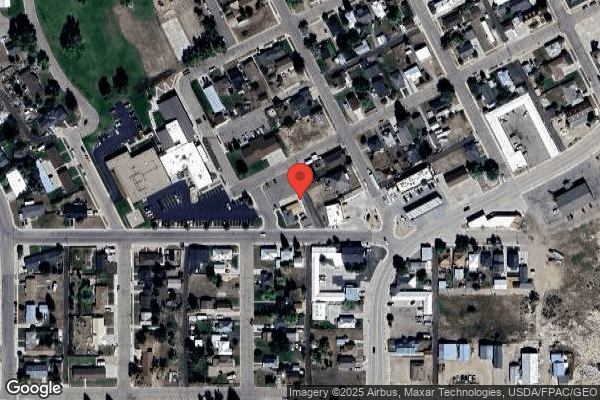
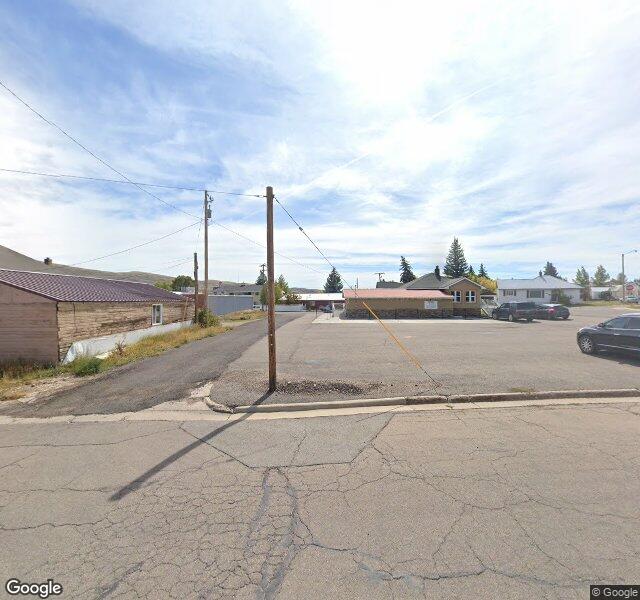
711 Onyx St, Kemmerer, WY 83101 (307) 877-5717
Government - Hospital district 24 Beds Independent Data: November 2025
Trust Grade
50/100
#22 of 33 in WY
Last Inspection: March 2024

Within standard 12-15 month inspection cycle. Federal law requires annual inspections.

Overview

South Lincoln Nursing Center has a Trust Grade of C, which means it is average and sits in the middle of the pack among nursing homes. It ranks #22 out of 33 in Wyoming, placing it in the bottom half of the state, but it is the only facility in Lincoln County. The facility is improving, with issues decreasing from 8 in 2024 to just 2 in 2025. However, staffing is a concern, with only 1 out of 5 stars and a turnover rate of 46%, which, while lower than the state average, suggests instability. Notably, there have been specific incidents, such as the dietary manager lacking required training and the kitchen failing to ensure food safety standards, which raises concerns about the overall quality of care. Despite having no fines on record, which is a positive sign, the facility does have less RN coverage than 79% of other Wyoming facilities, indicating a potential gap in medical oversight.

Trust Score
C
50/100
In Wyoming
#22/33
Bottom 34%
Safety Record
Low Risk
No red flags
Inspections
Getting Better
8 → 2 violations
Staff Stability
⚠ Watch
46% turnover. Above average. Higher turnover means staff may not know residents' routines.
Penalties
✓ Good
No fines on record. Clean compliance history, better than most Wyoming facilities.
Skilled Nurses
✓ Good
Each resident gets 50 minutes of Registered Nurse (RN) attention daily — more than average for Wyoming. RNs are trained to catch health problems early.
Violations
⚠ Watch
24 deficiencies on record. Higher than average. Multiple issues found across inspections.
★★☆☆☆
2.0
Overall Rating
★☆☆☆☆
1.0
Staff Levels
★★☆☆☆
2.0
Care Quality
★★★☆☆
3.0
Inspection Score
Stable
2024: 8 issues
2025: 2 issues

The Good

  • Full Sprinkler Coverage · Fire safety systems throughout facility
  • No fines on record

Facility shows strength in fire safety.

The Bad

2-Star Overall Rating

Below Wyoming average (2.9)

Below average - review inspection findings carefully

Staff Turnover: 46%

Near Wyoming avg (46%)

Higher turnover may affect care consistency

The Ugly 24 deficiencies on record

Jul 2025 2 deficiencies
CONCERN (D) 📢 Someone Reported This

A family member, employee, or ombudsman was alarmed enough to file a formal complaint

Potential for Harm - no one hurt, but risky conditions existed

Free from Abuse/Neglect (Tag F0600)

Could have caused harm · This affected 1 resident

**NOTE- TERMS IN BRACKETS HAVE BEEN EDITED TO PROTECT CONFIDENTIALITY** Based on medical record review, resident and staff interview, facility incident review, and policy and procedure review, the fac...

Read full inspector narrative →
**NOTE- TERMS IN BRACKETS HAVE BEEN EDITED TO PROTECT CONFIDENTIALITY** Based on medical record review, resident and staff interview, facility incident review, and policy and procedure review, the facility failed to protect the resident's right to be free from verbal abuse by a staff member for 1 of 2 sample residents (#2) reviewed with allegations of abuse. The findings were: 1. Review of the annual MDS assessment dated [DATE] showed resident #2 had a BIMS score of 15 out of 15, which indicated the resident was cognitively intact, and had diagnoses which included multiple sclerosis, depression, and manic depression. Further review showed the resident had upper and lower impairment bilaterally and required supervision and touching/steadying with eating. The following concerns were identified:a. Review of an incident report dated 4/18/24 showed the resident reported, on 4/7/24, CNA #1 was assisting the resident with eating when CNA #2 stated What, are you going to feed [him/her] like the fucking baby [s/he] is? Further review showed CNA #2 was placed on suspension and an investigation was initiated. The facility incident indicated CNA #2 was interviewed and denied using the f word and referring to the resident as a baby; however, the CNA admitted to asking the CNA #1 Are you really going to feed [him/her]? [S/he] can feed himself. The incident report showed during the interview CNA #2 stated she refused to treat the resident different than other residents and she stated I will not take care of [his/her] clothes for [him/her]. That's not my job. [His/her] family can do that for [him/her]. I will not go in to [sic] [his/her] room at 3:00 AM to change the channel for [him/her] because [his/her] hands are under the blanket and [s/he] doesn't want to reach for the remote. [S/He] can do that for [him/herself]. If [s/he] wants to be fed, [s/he] can go out to the dining room to be fed. [S/He] can do these things on [his/her] own/ I'm not going to do special things for [him/her]. I'm too busy. The CNA then stated I hope you realize what you're doing to my team. I'm scheduled to work the next nine days. Review of the facility incident report showed during an interview with CNA #1, the CNA reported the resident rang for a snack and requested to be fed pudding. CNA #1 explained when pudding was placed in a bowl or on a plate, it made a mess on the resident's bedding so she agreed to feed the resident. CNA #1 reported when she began assisting the resident, CNA #2 was on the other side of the resident's bed and said Are you seriously going to fucking feed [him/her] like a baby? CNA #1 replied to CNA #2 by saying Yes, that is what [s/he] has asked and what is easiest for [him/her]. CNA #1 reported at that time, CNA #2 began yelling and saying things like You're too accommodating for [him/her]. You're making day shift look bad. You treat him like a [king/queen].b. Interview with CNA #2 on 7/10/25 at 8:29 AM confirmed she was suspended and terminated related to resident #2 alleging she him/her a fucking baby; however, the CNA denied the allegation. The CNA revealed she questioned another CNA for assisting the resident with eating instead of the resident eating independently. Further interview revealed the CNA had previous issues with the resident and the resident had allegedly reported other staff members.c. An attempt was made to interview CNA #1 on 7/9/25 at 5:42 PM; however, the phone number was disconnected and the staff member was no longer employed at the facility. d. Interview with resident #2 on 7/10/25 at 9:50 AM revealed s/he had only experienced problems with 1 staff member, which was CNA #2. The resident revealed on one occasion during the graveyard shift, a staff member was giving him/her pudding and CNA #2 stated What are going to do, spoon feed him like a big fucking baby? The resident revealed the comment really upset him/her and made him/her mad. The resident revealed s/he remained mad until s/he learned the CNA was no longer working at the facility.2. Review of the facility policy titled Abuse, Neglect, and Exploitation of Residents & Property approved on 1/30/24 showed .Our residents have the right to be free from abuse, neglect, misappropriation of property and exploitation, corporal punishment, involuntary seclusion and any physical or chemical restraint not required to treat a resident's symptoms .
MINOR (C) 📢 Someone Reported This

A family member, employee, or ombudsman was alarmed enough to file a formal complaint

Minor Issue - procedural, no safety impact

Deficiency F0576 (Tag F0576)

Minor procedural issue · This affected most or all residents

Based on resident and staff interview, the facility failed to ensure mail was delivered to residents, including on Saturday. The census was 18. The findings were: 1. Interview with 8 residents during ...

Read full inspector narrative →
Based on resident and staff interview, the facility failed to ensure mail was delivered to residents, including on Saturday. The census was 18. The findings were: 1. Interview with 8 residents during resident council on 7/8/25 at 2:08 PM revealed purchasing and receiving received all mail and was closed on the weekends. The residents revealed the closure of purchasing and receiving resulted in mail delivery not being performed on Saturdays. 2. Interview with quality assurance manager on 7/10/25 at 9:59 AM confirmed mail was not delivered on Saturdays because the facility did not have anyone available to receive it from the post office. Further interview revealed the post office added all mail received on the weekends to a box of mail which was delivered the following Monday.
Mar 2024 8 deficiencies
CONCERN (D)

Potential for Harm - no one hurt, but risky conditions existed

Deficiency F0578 (Tag F0578)

Could have caused harm · This affected 1 resident

Based on medical record review, staff interview, and policy and procedure review, the facility failed to ensure an advanced directive was formulated for 2 of 16 residents (#11, #14) reviewed. The find...

Read full inspector narrative →
Based on medical record review, staff interview, and policy and procedure review, the facility failed to ensure an advanced directive was formulated for 2 of 16 residents (#11, #14) reviewed. The findings were: 1. Review of the electronic medical record (EMR) showed resident #11 was listed as do not resuscitate (DNR). Further review of the medical record showed a WyoPOLST (Providers Orders for Life Sustaining Treatment), dated 1/18/21, which showed DNR with comfort-focused therapy was chosen. However, the form had not been signed by the resident or the resident's representative. 2. Review of the EMR showed resident #14 was listed as DNR. Further review of the medical record showed a WyoPOLST, dated 1/7/24, which showed DNR with selective treatment had been chosen. However, the form had not been signed by the resident's primary health care provider. 3. Interview with the director of quality and compliance officer on 3/26/24 at 4:20 PM confirmed the WyoPOLST form was incomplete. 4. Review of the 10/26/23 policy and procedure titled Clinical Protocol/Procedure Advance Directives showed .4. All residents will be provided a copy of the Wyoming POLST form at time of admission. The DON and nursing center staff will work with the resident and/or their representative as well as their provider to ensure completion of this form.
CONCERN (D)

Potential for Harm - no one hurt, but risky conditions existed

Safe Environment (Tag F0584)

Could have caused harm · This affected 1 resident

Based on observation, resident interview, staff interview, and complaint log review, the facility failed to ensure procedures were in place for the protection of resident property from loss or theft f...

Read full inspector narrative →
Based on observation, resident interview, staff interview, and complaint log review, the facility failed to ensure procedures were in place for the protection of resident property from loss or theft for 1 of 16 residents reviewed (#4). The findings were: 1. Interview with resident #4 on 3/26/24 at 8:28 AM revealed s/he was missing 6 undergarments and their little mesh bag the undergarments go into to be washed. 2. Review of the 2/27/24 at 4 PM quarterly care conference showed the facility had talked to the daughter related to (r/t) religious undergarments and found 2 in his/her dresser. The facility had looked in laundry without success; it was unknown if the resident was soiling and throwing them away. 3. Observation of laundry services on 3/28/24 at 9:31 AM showed only a pair of socks that were in the unknown resident box. The laundry service employee stated there was 1 mesh bag in the dryer at that time. 4. Interview with the DON on 3/28/24 at 9:33 AM revealed the facility did not track the missing items and show the outcome. She stated prior to this recent loss of belongings, she had searched all the residents' linen and did not find any. She stated she did not document it in the record or concern log. Further, she stated the resident did come and see her last night at 5:30 PM about the missing items. 5. Interview with resident #4 on 3/28/24 at 10:01 AM revealed the 6 religious undergarments have be replaced 3 different times. The resident stated s/he was down to 1 at this time. The resident further stated this was the only concern s/he had with the facility. Additionally, the resident stated s/he spoke to the DON the previous night about the missing items. 6. Review of the grievance/concerns log failed to show the resident had a concern with the missing religious undergarments.
CONCERN (D)

Potential for Harm - no one hurt, but risky conditions existed

Deficiency F0688 (Tag F0688)

Could have caused harm · This affected 1 resident

Based on medical record review and staff interview, the facility failed to ensure residents with limited range of motion received the appropriate restorative services to increase range of motion and/o...

Read full inspector narrative →
Based on medical record review and staff interview, the facility failed to ensure residents with limited range of motion received the appropriate restorative services to increase range of motion and/or prevent further decline for 1 of 2 residents (#9) reviewed for restorative services. The findings were: 1. Review of the 2/15/24 quarterly MDS assessment showed resident #9 had a primary diagnosis of stroke. Review of the resident's care plan, last revised 2/23/24 showed AROM (active range of motion): [resident] is at risk for not being able to feed himself related to [his/her] history of cerebral infarction as evidenced by decreased ROM (range of motion) and fine motor skills in [his/her] upper extremities. The approaches included the restorative nurse aide (RNA) to assist the resident with 3 sets of 10 repetitions of upper and lower extremity AROM activities for 6 out of 7 days per week. The following concerns were identified: a. Review of the January 2024 restorative aide time tracking sheet showed the resident received AROM services on 1/25, and refused services on 1/15, 1/16, 1/23, 1/28, and 1/31. There was no documentation the resident was offered restorative services on the remaining days the RNA was present in the facility (17 days). b. Review of the February 2024 restorative aide time tracking sheet showed AROM was refused by the resident on 2/8, 2/9, 2/20, 2/21, and 2/22. There was no documentation the resident was offered restorative services on the remaining days the RNA was present in the facility (23 days). c. Review of the 3/1 through 3/27/24 restorative aide time tracking sheet showed the resident received AROM services on 3/27 and refused the service on 3/14. There was no documentation the resident was offered restorative services the remaining 23 days the RNA was present in the facility. 2. Interview with the DON on 3/27/24 at 2:45 PM revealed it was the facility's expectation that all residents be offered restorative services 6 out 7 days per week.
CONCERN (D)

Potential for Harm - no one hurt, but risky conditions existed

Medication Errors (Tag F0758)

Could have caused harm · This affected 1 resident

**NOTE- TERMS IN BRACKETS HAVE BEEN EDITED TO PROTECT CONFIDENTIALITY** Based on medical record review and staff interview, the facility failed to ensure residents were monitored for side effects of p...

Read full inspector narrative →
**NOTE- TERMS IN BRACKETS HAVE BEEN EDITED TO PROTECT CONFIDENTIALITY** Based on medical record review and staff interview, the facility failed to ensure residents were monitored for side effects of psychotropic medications for 2 of 5 residents (#5, #9) reviewed for unnecessary medications. The findings were: 1. Review of the 3/27/24 quarterly MDS assessment showed resident #5 was admitted to the facility on [DATE] and had diagnoses which included anxiety disorder, depression, and intermittent explosive disorder. Review of the most recent physician orders showed the resident was prescribed fluoxetine HCl (an antidepressant) 20 milligrams (mg) daily on 12/30/19 and Abilify (an antipsychotic) 2.5 mg every other day on 11/5/21. The following concerns were identified: a. Review of the 1/25/24 Physician Rationale for Clinical Contraindication of Gradual Dose Reduction worksheet showed the side effects for fluoxetine HCl were identified as insomnia, fatigue, increased appetite, loss of sexual desire, and nausea. The side effects for Abilify were identified as blurred vision, dry mouth, drowsiness, muscle spasms, weight gain, and involuntary movements. Further review of the resident's medical record showed no evidence a system had been developed to monitor the side effects of each medication. 2. Review of the 2/15/24 quarterly MDS assessment showed resident #9 was admitted to the facility on [DATE] and had a diagnosis of depression. Review of the most recent physician orders showed the resident was prescribed sertraline HCL (an antidepressant) 150 mg daily with a start date of 5/6/19. The following concerns were identified: a. Review of the 1/25/24 Physician Rationale for Clinical Contraindication of Gradual Dose Reduction worksheet showed the side effects for sertraline HCl were identified as insomnia, fatigue, increased appetite, loss of sexual desire, and nausea. Review of the resident's care plan, dated 1/30/23, showed staff should evaluate the effectiveness and side effects of medications for possible need or ability to increase or decrease psychotropic drugs. Further review of the resident's medical record showed no evidence a system had been developed to monitor the side effects of the medication. 3. Interview on 3/27/24 at 4:35 PM with the DON confirmed a system had not been developed to monitor the side effects of the psychoactive medications.
CONCERN (D)

Potential for Harm - no one hurt, but risky conditions existed

Infection Control (Tag F0880)

Could have caused harm · This affected 1 resident

Based on observation, staff interview, and profession standards review, the facility failed to ensure infection prevention techniques were followed for 3 random staff observations. The census was 17. ...

Read full inspector narrative →
Based on observation, staff interview, and profession standards review, the facility failed to ensure infection prevention techniques were followed for 3 random staff observations. The census was 17. The findings were: 1. Observation on 3/25/24 at 4:10 PM showed CNA #1 was carrying an unbagged, wadded-up incontinence pad down the hall from a resident's room with his/her bare hands. S/he then put the incontinence pad in the dirty utility room, and directly came out and walked back down the hall. S/he then took a hoyer lift to another resident's room without performing hand hygiene. 2. Observation on 3/25/24 at 4:30 PM showed RN #1 was working with medications and had gloves on. The RN put hand sanitizer on her gloves and scrubbed her hands together. Interview at that time with the nurse revealed it was ok to do that. She then stated she did not need to change her gloves, and that they were then clean. 3. Observation on 3/25/24 at 5:49 PM showed CNA #1 was served dinner to the residents. The CNA doffed her right hand glove and grabbed a food item out of a cabinet and handed it to another staff. She failed to perform hand hygiene prior to donning another glove and continued to cut up food and serve the food to the residents. 4. Interview with the DON on 3/28/24 at 9:33 AM revealed the facility expectations were for staff to perform hand hygiene between glove use, and to wear gloves when handling dirty linen. Further, she stated it was not ok to hand sanitize gloves, rather then doffing and donning new gloves. 5. Review of the website cdc.gov/handhygiene/training/interactEducation access on 4/11/24 showed . Hand hygiene (handwashing with soap and water or use of an alcohol-based hand sanitizer) before and after patient contact and after contact with the immediate patient care environment.Standard Precautions should be used for all patients, all the time. Healthcare personnel practice hand hygiene should be done immediately before touching a patient . Immediately after touching a patient, contaminated items or surfaces, or removing gloves. After removing gloves. After touching items or surfaces in the immediate patient care environment, even if you didn't touch the patient while you were there.
CONCERN (F)

Potential for Harm - no one hurt, but risky conditions existed

Deficiency F0801 (Tag F0801)

Could have caused harm · This affected most or all residents

Based on staff interview and personnel file review, the facility failed to ensure qualifications for the dietary manager were met. The census was 17. The findings were: 1. Interview with the dietary m...

Read full inspector narrative →
Based on staff interview and personnel file review, the facility failed to ensure qualifications for the dietary manager were met. The census was 17. The findings were: 1. Interview with the dietary manager on 3/27/24 at 10:15 AM revealed she had not received any training before being hired as the dietary manager. 2. Review of the dietary manager's personnel record showed she received certification on 6/19/23 as a ServSafe Food Protection Manager; however, this certification had not been approved by CMS. 3. Interview with the human resource business partner on 3/28/24 at 12:29 PM revealed the dietary manager was hired as a food service professional on 9/7/22 and was promoted to supervisor on 1/16/23. 4. On 3/28/24 at 12:28 PM the director of quality and compliance officer acknowledged the ServSafe certification did not meet CMS guidelines.
CONCERN (F)

Potential for Harm - no one hurt, but risky conditions existed

Menu Adequacy (Tag F0803)

Could have caused harm · This affected most or all residents

Based on review of the resident council minutes, resident representative and staff interview, and review of the menu, the facility failed to follow the menu as written. The census was 17. The findings...

Read full inspector narrative →
Based on review of the resident council minutes, resident representative and staff interview, and review of the menu, the facility failed to follow the menu as written. The census was 17. The findings were: 1. Telephone interview with resident #8's representative on 3/26/24 at 3:34 PM revealed the menus were monotonous and everything seemed to either come out of a box or a can. The representative stated that she had attended a resident council meeting and the residents were unhappy about the food. 2. Review of the January, February, and March 2024 resident council minutes showed the following concerns: a. The January minutes showed Kitchen hired new staff-hopefully meals will be better. b. The February minutes showed Meals-Not so good-can't cut meat-too dry. c. The March minutes showed Meals: Still not the best-no flavor .Taco's good but not warm enough and no salsa. 3. Interview with the dietary manager on 3/27/24 at 1:30 PM revealed the dietitian had prepared a five-week menu; however, the facility started the menu over at the beginning of each month so the day of the week would correspond to the first day of the menu cycle. The last days of the prepared menu were not used. The dietary manager stated the cooks were supposed to follow the menu using the bold printed list first, and if the facility did not have the products on hand to prepare that menu, the cook was to select the menu printed in italics. Finally, if the kitchen still did not have the products in stock, the cook was to pick something from the menu on the days that were not used. 4. Review of the 3/1/24 through 3/25/24 showed the following concerns: a. The noon meal served to the residents failed to match the printed menu or the alternate menu as outlined by the dietary manager on 13 of the 25 days reviewed (3/1, 3/2, 3/3, 3/4, 3/13, 3/14, 3/16, 3/17, 3/20, 3/21, 3/22, 3/23, 3/24). b. The evening meal served to the residents failed to match the printed menu or the alternate menu as outlined by the dietary manager on 13 of the 25 days reviewed (3/2, 3/3, 3/6, 3/9, 3/10, 3/13, 3/14, 3/16, 3/17, 3/18, 3/22, 3/24, 3/25). c. Food items on the menu included parsnips, carrots, cauliflower, red cabbage, sweet potatoes, cucumbers, sugar snap peas, pickled beets, coleslaw, and tomatoes which were not included on the menus served to the residents during the month of March. d. Some form of potatoes were served to the residents for the noon meal on 11 out of 25 days and the evening meal on 13 out of 25 days. 5. Interview with the dietary manager on 3/27/24 at 9:05 AM revealed she was aware the cooks were substituting other meals than what was on the menu because they were easier to prepare. 6. Interview with the dietitian on 3/28/24 at 9:44 AM revealed it was her expectation the cooks follow the menu for the noon and evening meals as written, and thought perhaps either the kitchen did not have the right ingredients or they failed to plan ahead of time to cook what was on the menu. The dietitian confirmed a lot of potatoes were served as well as starchy vegetables. Further the dietitian stated it was the dietary manager's responsibility to order the food so the menu could be followed.
CONCERN (F)

Potential for Harm - no one hurt, but risky conditions existed

Food Safety (Tag F0812)

Could have caused harm · This affected most or all residents

**NOTE- TERMS IN BRACKETS HAVE BEEN EDITED TO PROTECT CONFIDENTIALITY** Based on observation, staff interview, review of the dishwasher and refrigerator/freezer temperature log sheets, manufacturer's ...

Read full inspector narrative →
**NOTE- TERMS IN BRACKETS HAVE BEEN EDITED TO PROTECT CONFIDENTIALITY** Based on observation, staff interview, review of the dishwasher and refrigerator/freezer temperature log sheets, manufacturer's instructions, the dietitian site visit reports, hot and cold food temperature logs, and the 2022 FDA Food Code, the facility failed to ensure a sanitary environment in 1 of 1 kitchen. The census was 17. The findings were: Related to temperature monitoring of food storage units: 1. Review of the February and March 2024 temperature log sheets for food storage for the reach-in refrigerator, reach-in freezer, walk-in refrigerator and walk-in freezer showed the temperature of each unit was to be documented twice a day. The following concerns were identified: a. The temperature ranges of each storage unit was not defined on the log sheets. b. No temperatures were recorded on 2/6, 2/11, 2/12, 2/18, 2/23, 2/24, 2/25, 2/26, 3/2, 3/8, and 3/9. c. No evening temperatures were recorded on 2/5, 2/10, 2/16, 2/19, 2/22, 2/27, 3/3, 3/12, 3/19, and 3/20. d. No morning temperatures were recorded on 2/29, 3/1, 3/10, 3/11, 3/16, and 3/17. e. The evening temperature of the walk-in freezer was documented as being 36 degrees Fahrenheit on 2/17 without any corrective action noted. 2. Observation on 3/25/24 at 4:15 PM of the refrigerator/freezer located in the dining room contained snacks for resident consumption. The freezer contained 6 individual cartons of sherbet. The following concerns were identified: a. The temperature range of the refrigerator/freezer was not defined on the log sheet. b. Review of the February and March 2024 temperature log sheet failed to show the temperature of the freezer had been monitored. 3. According to the 2022 FDA Food Code 3-501.16 Time/Temperature Control for Safety Food, Hot and Cold Holding. (A) Except during preparation, cooking, or cooling, or when time is used as the public health control as specified under §3-501.19, and except as specified under (B) and in (C) of this section, TIME/TEMPERATURE CONTROL FOR SAFETY FOOD shall be maintained: .or (2) At 5°C (41°F) or less. Related to the sanitary environment of the kitchen: 1. Observation on 3/25/24 at 4:15 PM showed the facility used a [NAME] high-temperature dishwashing machine. Review of the Dishmachine Temperature Log showed the minimum temperature of the wash water should be 150 degrees Fahrenheit and the minimum temperature of the rinse water should be 180 degrees Fahrenheit. The temperatures were to be monitored at breakfast, lunch, and dinner. The log sheet also showed a column to record the quaternary solution used for sanitation which required a reading of 400 parts per million (PPM). The following concerns were identified: a. Review of the February 2024 log sheet showed the temperature of the wash and rinse water was not checked 23 out of 87 opportunities. The temperature of the wash water was documented as being below 150 degrees Fahrenheit on 14 days and the temperature of the rinse water was documented as being below 180 degrees Fahrenheit on 6 days with no noted corrective action taken. b. Review of the March 2024 log sheet showed the temperature of the wash and rinse water was not checked 14 out of 76 opportunities. The temperature of the wash water was documented as being below 150 degrees Fahrenheit on 19 days and the temperature of the rinse water was documented as being below 180 degrees Fahrenheit on 3 days with no noted corrective action taken. 2. Interview with the dietary manager on 3/27/24 at 9:19 AM revealed the kitchen did not use a quaternary compound for sanitizing and instead used a solution of bleach and water. The dietary manager stated 3 gallons of water and 3 capfuls of bleach were placed in a sink; using their best judgement as to the amount of water. Further, the dietary manager stated the concentration of the sanitizing solution was not tested after it was prepared and it was drained and replaced every four hours; however, there was no documentation to show the task was completed. Observation of the testing strips, located in a drawer near the sink, showed they could be used up to 200 PPM; however, there was not an expiration date on the vials. 3. Observation on 3/27/24 at 11:28 AM showed cook #1 was assisting with the preparation of the noon meal. The cook was not wearing a beard restraint over his facial hair. Interview with the cook at 12:01 PM revealed he had been educated to keep his beard trimmed to 1/8 to 1/4 inch; however, he had not anticipated being called into work and had not trimmed his beard prior to coming to the facility. 4. Observation on 3/25/24 at 4:15 PM and again on 3/27/24 at 9:05 AM showed the following concerns related to the cleanliness of the kitchen: a. The back splash behind the convection oven, griddle, and stove top were covered in grease which extended to the bottom edges of the upper vents. b. The outside of the General Electric microwave was greasy to the touch and the inside glass tray was covered in dried food debris. c. The base and back of the Kitchen Aide stand mixer was covered with dried food debris and the top was caked with what appeared to be dried yellow batter. d. The bottom of the True reach-in freezer was covered with a dried pink substance and food crumbs. e. The fans in the walk-in freezer were covered in dirt and debris. f. The recipe books, which were stored by the microwave, were greasy to the touch. g. The spice containers located on a shelf below the pot and utensil rack were greasy to the touch and the tops were covered in dust. The lemon-pepper seasoning salt container had a blob of orange colored food debris on the front of the bottle. h. The wall by the steam table and the wall behind the blender and Robot Coupe were splattered with dried food debris. 5. Interview with dietary manager on 3/27/24 at 9:05 AM confirmed the kitchen was dirty and required cleaning. Further, the dietary manager stated she had not established a cleaning schedule. 6. Review of the 3/21/24 dietitian site visit showed the following ongoing issues needed improvement: a. The freezer needed to be clean, frost free, and no food on the floor. b. Food needed to be covered, labeled, and dated. c. The refrigerator and freezer floor needed cleaned. d. The microwave needed cleaned. e. The work tables required cleaning. f. The oven, stove, griddle, and fryer required cleaning. 7. Observation on 3/27/24 at 9:13 AM showed dietary aide #1 had donned gloves and was preparing afternoon and evening snacks for the residents. With the same gloved hands dietary aide #1 entered the walk-in refrigerator, retrieved an apple, and using his fingers held the apple while slicing the apple and placing it in a bowl. At 9:35 AM dietary aide #1 removed his gloves and without performing hand hygiene donned new gloves, entered the dry-storage room, retrieved a small paper plate and labeled it with the date and who the food was for. Using the same gloved hands dietary aide #1 retrieved some sliced bread, placed the bread on the plates, entered the walk-in refrigerator, retrieved some cheese and placed slices of the cheese on the bread. The dietary aide again entered the walk-in refrigerator and retrieved a package of roast beef, opened the bag with a knife, and using the same gloved hands placed the meat onto the sandwich. 8. Interview on 3/27/24 at 1:30 PM with the DON, dietary manager, and the director of quality and compliance officer revealed kitchen staff should change their gloves between tasks; however, the dietary manager stated she did not require hand hygiene to be performed after doffing gloves. 9. Interview with the dietitian on 3/28/24 at 9:44 AM confirmed the kitchen required cleaning and she had noted her concerns on the audit sheets she completed on her site visits twice a month. 10. Review of the 2022 FDA Food Code showed 2-402 Hair Restraints 2-402.11 Effectiveness. (A) Except as provided in (B) of this section, FOOD EMPLOYEES shall wear hair restraints such as hats, hair coverings or nets, beard restraints, and clothing that covers body hair, that are designed and worn to effectively keep their hair from contacting exposed FOOD; clean EQUIPMENT, UTENSILS, and LINENS; and unwrapped SINGLE-SERVICE and SINGLE-USE ARTICLES. 11. Review of the 2022 FDA Food Code showed 4-703.11 Hot Water and Chemical. Efficacious sanitization depends on warewashing being conducted within certain parameters. Time is a parameter applicable to both chemical and hot water sanitization. The time hot water or chemicals contact utensils or food-contact surfaces must be sufficient to destroy pathogens that may remain on surfaces after cleaning. Other parameters, such as rinse pressure, temperature, and chemical concentration are used in combination with time to achieve sanitization. When surface temperatures of utensils passing through warewashing machines using hot water for sanitizing do not reach the required 71ºC (160ºF), it is important to understand the factors affecting the decreased surface temperature. A comparison should be made between the machine manufacturer's operating instructions and the machine's actual wash and rinse temperatures and final rinse pressure. The actual temperatures and rinse pressure should be consistent with the machine manufacturer's operating instructions and within limits specified in §§ 4-501.112 and 4-501.113. If either the temperature or pressure of the final rinse spray is higher than the specified upper limit, spray droplets may disperse and begin to vaporize resulting in less heat delivery to utensil surfaces. Temperatures below the specified limit will not convey the needed heat to surfaces. Pressures below the specified limit will result in incomplete coverage of the heat-conveying sanitizing rinse across utensil surfaces. 12. Review of the 2022 FDA Food Code showed 403.11(B); (D) Except as specified in 2-401.11(B), after coughing, sneezing, using a handkerchief or disposable tissue, using TOBACCO PRODUCTS, eating, or drinking; (E) After handling soiled EQUIPMENT or UTENSILS; (F) During FOOD preparation, as often as necessary to remove soil and contamination and to prevent cross contamination when changing tasks; (G) When switching between working with raw FOOD and working with READY-TO-EAT FOOD; (H) Before donning gloves to initiate a task that involves working with FOOD; and (I) After engaging in other activities that contaminate the hands. 13. Review of the 2022 FDA Food Code showed 4-501.114 Manual and Mechanical Warewashing Equipment, Chemical Sanitization - Temperature, pH, Concentration, and Hardness. A chemical SANITIZER used in a SANITIZING solution for a manual or mechanical operation at contact times specified under ¶4-703.11(C) shall meet the criteria specified under §7-204.11 Sanitizers, Criteria, shall be used in accordance with the EPA-registered label use instructions .
Apr 2023 2 deficiencies
CONCERN (D) 📢 Someone Reported This

A family member, employee, or ombudsman was alarmed enough to file a formal complaint

Potential for Harm - no one hurt, but risky conditions existed

Free from Abuse/Neglect (Tag F0600)

Could have caused harm · This affected 1 resident

Based on medical record review, staff and resident interviews, and review of personnel files and facility documentation, the facility failed to protect the resident's right to be free from verbal abus...

Read full inspector narrative →
Based on medical record review, staff and resident interviews, and review of personnel files and facility documentation, the facility failed to protect the resident's right to be free from verbal abuse by staff for 1 of 1 sample residents (#1) reviewed for abuse allegations. The findings were: 1. Review of the 2/7/23 quarterly MDS assessment showed resident #1 had diagnoses including cerebrovascular accident, transient ischemic attack or stroke, and depression. The assessment showed the resident had a BIMS score of 2 out of 15, which indicated severe cognitive impairment. The following concerns were identified: a. Review of the facility's Human Resources Fact Finding Summary showed on 3/16/23 CNA #1 reported that on 3/15/23 she heard CNA #2 say to the resident You hit me and I'll be the last person you ever hit. Review of the facility's conclusion of their investigation into the allegation showed [CNA #2] admitted to verbally abusing the patient, losing her temper, and getting a little out of control . The report recommended that the CNA be terminated from employment for violation of the facility's abuse policy. Review of documentation in the personnel file of CNA #2 dated 3/20/23 showed the facility terminated her employment. b. During an interview on 4/10/23 at 2:09 PM CNA #1 stated on 3/15/23 around 8:40 PM to 10 PM she was working with CNA #2 in the resident's room. She stated the resident was frustrated while the CNAs were assisting him/her with cleaning him/her up in bed. She stated she went into the bathroom to get more wipes and heard CNA #2 say to the resident You hit me and I'll be the last person you hit. She stated the CNA did not say it in a joking manner, and she was unsure what the resident's response was because she wasn't looking at the resident. She further stated the resident and CNA #2 bickered back and forth and so she told both of them to calm down .take a breath. She stated after the incident she reported the incident to the charge nurse, RN #1, and then also reported it the following day. c. On 4/10/23 at 3:07 PM the resident was interviewed. He did not recall the incident and had no concerns with staff. d. During a phone interview on 4/10/23 at 3:28 PM RN #1 stated CNA #1 did report to her that CNA #2 told the resident something like don't hit me .I'll be the last person you hit the evening of 3/15/23. e. On 4/10/23 at 3:34 PM CNA #2 was interviewed via phone. She stated on the evening of 3/15/23 she and CNA #1 were assisting the resident in bed. She stated the resident was agitated and was cussed at her. She stated the resident then doubled up his/her fist and started swinging. She stated she told the resident If you hit me, it will be the last time you will hit a woman. She stated she should not have said that and she didn't mean it.
CONCERN (D) 📢 Someone Reported This

A family member, employee, or ombudsman was alarmed enough to file a formal complaint

Potential for Harm - no one hurt, but risky conditions existed

Report Alleged Abuse (Tag F0609)

Could have caused harm · This affected 1 resident

Based on review of facility policies, investigations, and incident reports, and staff interview, the facility failed to develop and/or implement policies and procedures for ensuring the reporting of a...

Read full inspector narrative →
Based on review of facility policies, investigations, and incident reports, and staff interview, the facility failed to develop and/or implement policies and procedures for ensuring the reporting of a reasonable suspicion of a crime in accordance with section 1150B of the Act for 1 of 1 allegation of abuse reviewed (#1). The findings were: 1. Review of the facility's Human Resources Fact Finding Summary showed CNA #1 reported that on 3/15/23 she heard CNA #2 say to resident #1 You hit me and I'll be the last person you ever hit. The following concerns were identified: a. Further review of the Human Resources Fact Finding Summary showed the allegation wasn't reported until 3/16/23. b. Review of the facility's incident report submitted to the State Survey Agency showed the alleged incident occurred on 3/15/23 but was not reported to the administrator or the State Survey Agency until 3/16/23 at 10:45 AM and 12 PM respectively. c. During an interview on 4/10/23 at 2:09 PM CNA #1 stated on 3/15/23 around 8:40 PM to 10 PM she and CNA #2 were in the resident's room. She stated the resident was frustrated while the CNAs were assisting him/her with cleaning him/her up in bed. She stated she went into the bathroom to get more wipes and heard CNA #2 say to the resident You hit me and I'll be the last person you hit. She stated after the incident she reported it to the charge nurse, RN #1, and then also reported it the following day. d. On 4/10/23 at 2:38 PM the NHA stated the incident from 3/15/23 was reported to her on 3/16/23. She stated the initial reporting from staff was late, but she reported it to the State Survey Agency within 2 hours of her finding out about the incident. e. During a phone interview on 4/10/23 at 3:28 PM RN #1 stated CNA #1 did report to her on 3/15/23 that CNA #2 told the resident something like don't hit me .I'll be the last person you hit. She stated she did not report it to the DON or NHA because she didn't think it was abuse, but rather that the CNA was frustrated. f. On 4/10/23 at 3:34 PM CNA #2 was interviewed via phone. She stated on the evening of 3/15/23 she and CNA #1 were assisting the resident in bed. She stated the resident was agitated and cussed at her. She stated the resident then doubled up his/her fist and started swinging. She stated she told the resident If you hit me, it will be the last time you will hit a woman. She stated she should not have said that and she didn't mean it. g. Review of the facility's Long Term Care Department policy Abuse, Neglect, and Exploitation of Residents and Property (undated) showed .Any person who suspects abuse, neglect, or misappropriation of property may have occurred, will immediately report the alleged violation to the charge nurse .Charge nurse will report to the Director of Nursing of Nursing Home Administrator .Charge Nurse will notify State Survey Agency of any potential abuse within 2 hours . On 4/10/23 at 2:34 PM the NHA stated the date of the policy was 3/1/23.
Feb 2023 2 deficiencies
CONCERN (D) 📢 Someone Reported This

A family member, employee, or ombudsman was alarmed enough to file a formal complaint

Potential for Harm - no one hurt, but risky conditions existed

Free from Abuse/Neglect (Tag F0600)

Could have caused harm · This affected 1 resident

Based on medical record review, staff and resident interviews, and review of facility documentation, the facility failed to protect the resident's right to be free from verbal abuse by staff for 1 of ...

Read full inspector narrative →
Based on medical record review, staff and resident interviews, and review of facility documentation, the facility failed to protect the resident's right to be free from verbal abuse by staff for 1 of 1 sample residents (#1) reviewed for abuse allegations. The findings were: 1. Review of the 11/18/22 quarterly MDS assessment showed resident #1 had a BIMS score of 6, which indicated severe cognitive impairment. The resident exhibited verbal behavioral symptoms directed at others 1 to 3 days in the 7 day look-back period. Review of the 2/7/23 quarterly MDS assessment showed the resident had a BIMS score of 2, which indicated severe cognitive impairment. The resident exhibited verbal behavioral symptoms directed at others 1 to 3 days in the 7 day look-back period. The following concerns were identified: a. Review of the facility's documentation Human Resources Fact Finding Summary showed on 1/30/23 the NHA (who was the director of nursing at that time) received two allegations of abuse of resident #1 by CNA #1. Further review showed CNA #2 reported on 1/25/23 she witnessed CNA #1 being rough with the resident while they were trying to roll him/her in bed. CNA #1 shoved the resident so hard the resident was smacked up against the bed rail. CNA #1 then yelled obscenities at the resident and called him/her an asshole. CNA #2 reported it to LPN #1. Further review showed a second allegation reported on 1/30/23 was reported by environmental services (EVS) supervisor #1. She reported that she overheard the resident saying Ow! Ow! What are you doing that for? and CNA #1 replied to the resident You're a dick. That's why. She stated CNA #3 was also present during the incident. She reported she thought the incident occurred on 1/11/23. Further review of the documentation showed the facility's conclusion after their own investigation was The veracity of both allegations against [CNA #1]'s abuse of resident 1 have been substantiated, even though [CNA #1] denies the allegations .Two different employees from two different departments reported allegations of abuse by [CNA #1] involving two separate incidents .Witnesses listed above confirmed the reported behaviors. b. During an interview on 2/27/23 at 2:55 PM CNA #2 stated on 1/25/23 she and CNA #1 were with the resident while the resident was in bed. She stated the resident was agitated and tried to take a swing at CNA #1 while they were trying to roll the resident in bed. She stated CNA #1 then shoved [the resident] and [s/he] smacked up against the side rail. She further stated the CNA then called the resident an asshole. c. Interview on 2/27/23 at 3:12 PM with EVS supervisor #1 revealed in January 2023 (she was unsure of exact date) CNA #1 and CNA #3 were in resident #1's room providing care to him/her. She was cleaning the resident's bathroom. She stated she overhead the resident say ow. ow .why do I deserve this? She stated CNA #1 then said because you are a dick. She stated at the time of the incident she didn't know the name of the CNA, but she described her to another employee who identified CNA #1. She stated she didn't observe the incident, but overheard it from the bathroom. She stated she thought it was CNA#1 who said that to the resident and not CNA #3 because when she left the bathroom she saw it was CNA #1 who was touching the resident and not CNA #3. d. Interview on 2/27/23 at 4:13 PM with CNA #3 revealed she had witnessed CNA #1 call the resident names. She stated in January 2023 (unsure of exact date) she was working with CNA #1 and the housekeeper (EVS supervisor #1) was in the bathroom and overheard. She thinks CNA #1 called the resident a dick. She stated she thinks CNA #1 was burned out and was frustrated working with the resident because s/he is the hardest resident we have. She stated she has only witnessed verbal abuse by CNA #1 and never physical abuse. e. Interview on 2/27/23 at 4:45 PM with LPN #1 revealed in January 2023 CNA #2 reported that CNA #1 was rough and abusive with the resident and had slammed the resident into the side rail. She stated she told the CNA to report it to [the NHA]. She stated she checked on the resident and the resident did not have injuries. She stated CNA#1 is mouthy and she has witnessed CNA #1 curse about residents behind their backs, but not their faces. f. Interview on 2/28/23 at 9:09 AM with the resident revealed staff treated him/her real well. The resident denied any staff member had yelled at him/her, called him/her names, or was rough. g. During an interview on 2/28/23 at 9:22 AM regarding the allegations CNA #1 stated it was hard this last year and .if they start calling me names, I call them names. She stated resident #1 was hard to work with because s/he is verbally abusive to staff. Regarding the two specific allegations, she stated she does not recall calling the resident names. She also stated she was trying to roll the resident in bed and I did push forward .I apologized for it .[s/he] hit [his/her] head on the side rail. When asked if she had ever cursed at the resident, she stated I'm sure I have. I have cursed at [him/her] if [s/he] cursed at me.
CONCERN (D) 📢 Someone Reported This

A family member, employee, or ombudsman was alarmed enough to file a formal complaint

Potential for Harm - no one hurt, but risky conditions existed

Report Alleged Abuse (Tag F0609)

Could have caused harm · This affected 1 resident

Based on review of facility policies and facility documentation, and staff interview, the facility failed to develop and/or implement policies and procedures for ensuring the reporting of a reasonable...

Read full inspector narrative →
Based on review of facility policies and facility documentation, and staff interview, the facility failed to develop and/or implement policies and procedures for ensuring the reporting of a reasonable suspicion of a crime in accordance with Section 1150B of the Act for 2 of 2 allegations of abuse reviewed. The findings were: 1. Review of the facility's policy Long Term Care Department Abuse, Neglect and Exploitation of Residents and Property approved 11/17/2022 showed .Any person who suspects that abuse, neglect or misappropriation of property may have occurred, will immediately report the alleged violation to the facility Director of Nursing. Review of the facility's documentation Human Resources Fact Finding Summary showed two allegations of abuse were reported on 1/30/23 involving CNA #1 and resident #1. The following concerns were identified: a. Further review of the Human Resources Fact Finding Summary showed for allegation #1, CNA #2 reported the incident happened on 1/25/23. Further review showed the CNA stated she didn't come to the NHA (who was the DON at the time) the day it happened because State was here. I turned it in to [LPN #1], the charge nurse right after it happened. I was trying to give [NHA] a little bit of space as she was dealing with enough. b. During an interview on 2/27/23 at 4:45 PM LPN #1 stated she did not report the allegation involving CNA #1 to the NHA [ who was the DON at that time] because I spaced it .State was here. c. Review of the facility's documentation Human Resources Fact Finding Summary showed for allegation #2, environmental services (EVS) supervisor #1 reported an allegation that she thought occurred on 1/11/23. The documentation showed she stated I didn't know who to report it to. d. During an interview on 2/27/23 at 3:12 PM EVS supervisor #1 stated she didn't immediately report it because she waited to talk to the housekeeper who normally cleaned the nursing home after she returned from her days off. e. On 2/27/23 at 4:13 PM CNA #3, who witnessed allegation #2, stated I probably should have reported it .I wasn't thinking at the moment. f. On 2/28/23 at 8:16 AM the NHA confirmed staff did not report the allegations timely.
Jan 2023 5 deficiencies
CONCERN (D)

Potential for Harm - no one hurt, but risky conditions existed

Deficiency F0688 (Tag F0688)

Could have caused harm · This affected 1 resident

**NOTE- TERMS IN BRACKETS HAVE BEEN EDITED TO PROTECT CONFIDENTIALITY** Based on observation, medical record review, and staff interview, and policy and procedure review, the facility failed to ensure...

Read full inspector narrative →
**NOTE- TERMS IN BRACKETS HAVE BEEN EDITED TO PROTECT CONFIDENTIALITY** Based on observation, medical record review, and staff interview, and policy and procedure review, the facility failed to ensure necessary equipment was provided for 1 of 3 sample residents (#11) who were reviewed for positioning. The findings were: 1. Review of the quarterly MDS assessment dated [DATE] showed resident #11 had a BIMS score of 9 out of 15, which indicated moderate cognitive impairment, and diagnoses which included diabetes mellitus, non-Alzheimer's dementia, pain in left ankle and joints of left foot, pain in right ankle and joints of right foot, and age-related osteoporosis without current pathological fracture. The resident required total physical assistance of 2 or more people for transfers, extensive physical assistance of 1 person for locomotion on and off the unit, and had functional limitations in range of motion in his/her bilateral upper and bilateral lower extremities. Further review showed the resident was at risk for pressure ulcers. Review of the decreased mobility d/t [due to] hip fx [fracture] repair care plan provided by the quality assurance manager on 1/25/23 showed staff were to encourage the resident to wheel him/herself in the wheelchair as much as tolerated, assist with ADLs/transfers using a sit to stand mechanical lift and 2 person assist, and the resident was to work with restorative as tolerated. The following concerns were identified: a. Observation on 1/24/23 at 9:30 AM showed the resident was in his/her wheelchair with his/her feet dangling and not touching the ground. No footrests were used and the resident appeared to have bilateral lower extremity edema. b. Observation on 1/25/23 at 1:34 PM showed the resident was in his/her wheelchair with his/her feet not on the floor, wearing socks, and no footrests were in use. c. Interview with the DON on 1/26/23 at 9:04 AM revealed the resident had a hard time with transfers and dressing and was working with restorative for upper extremities. The DON revealed the resident had weakness and decreased mobility in his/her legs. Further interview revealed footrests should be used if the resident was unable to touch the floor. d. Observation on 1/26/23 at 9:23 AM showed the resident was seated in a recliner and a cushion was present in the resident's wheelchair. Interview with the DON at that time revealed the cushion in the chair was not the one previously used and may have been the reason the resident's feet did not touch the floor. Further interview confirmed if a resident was unable to touch the floor while seated in a wheelchair, footrests should be utilized. e. Review of the policy titled Wheelchair Positioning last revised on 6/1/22 showed .1. All residents will be positioned in wheelchair so that their feet can touch the floor. 2. If a resident has been repositioned and is still unable to touch the floor, staff will assist with putting foot rests on the wheelchair and appropriately placing feet on foot rests .
CONCERN (D)

Potential for Harm - no one hurt, but risky conditions existed

Medication Errors (Tag F0758)

Could have caused harm · This affected 1 resident

**NOTE- TERMS IN BRACKETS HAVE BEEN EDITED TO PROTECT CONFIDENTIALITY** Based on staff interview, medical record review, and policy and procedure review, the facility failed to ensure as needed (PRN) ...

Read full inspector narrative →
**NOTE- TERMS IN BRACKETS HAVE BEEN EDITED TO PROTECT CONFIDENTIALITY** Based on staff interview, medical record review, and policy and procedure review, the facility failed to ensure as needed (PRN) orders for psychotropic medications were limited to 14 days for 1 of 5 sample residents (#17) and failed to ensure appropriate behavior monitoring and non-pharmacological interventions were in place for 2 of 5 sample residents (#3, #17) reviewed for unnecessary medications. The findings were: 1. Review of the annual MDS assessment dated [DATE] showed resident #3 had a BIMS score of 15 out 15, which indicated the resident was cognitively intact, and diagnoses which included multiple sclerosis, bipolar disorder, opioid dependency, and chronic pain syndrome. Further review showed the resident received antipsychotic and antidepressant medications on 7 out 7 days during the look back period. Review of the physician's orders dated January 2023 showed the resident received quetiapine fumarate (antipsychotic) 200 milligrams (mg) one tablet by mouth at bedtime, duloxetine HCL DR (antidepressant) 60 mg one capsule by mouth daily, and Restoril (hypnotic)15 mg one capsule by mouth at midnight. Further review showed behavior monitoring which included .uncooperative/refusal of care, number of hours of sleeping, depressed/withdrawn, anxiety/anxious . The following concerns were identified: a. Review of the Psychotropic Drug Use care plan provided by the quality assurance manager on 1/25/23 showed interventions which included .Administer medications as ordered by physician. Observe [resident's name] for adverse side effects, document and report to physician. Monitor [resident's name] behavior-uncooperative/refusal of care, number of hours of sleep, depressed/withdrawn . Further review showed no evidence medication specific target symptoms or non-pharmacological interventions were identified. b. Review of the medication administration record (MAR) and treatment administration record (TAR) for November 2022, December 2022, and January 2023 showed the facility had monitoring in place for depression/withdrawn, anxiety/anxious, uncooperative/refusal of care, number of hours of sleep; however, there was no evidence of resident specific target symptoms or non-pharmacological interventions identified for each medication. Further review showed the behavior monitoring did not identify medications used for the behaviors. 2. Reviewed of the admission MDS assessment dated [DATE] showed resident #17 was rarely/never understood, had short term and long term memory problems, and had diagnoses which included Alzheimer's disease, chronic pain syndrome, generalized anxiety disorder, fibromyalgia, chronic fatigue unspecified, and insomnia. Review of the January 2023 physician orders showed the resident received risperidone (antipsychotic) 1 mg tablet by mouth at bedtime and fluoxetine HCL (antidepressant) 40 mg capsule by mouth every day. In addition, the resident received clonazepam (benzodiazepam used to treat panic disorders, anxiety and seizures) 0.5 mg tablet by mouth 3 times per day as needed which was ordered on 11/11/22. The following concerns were identified: a. Reviewed of the psychotropic medication care plan provided by the quality assurance manager on 1/26/23 showed interventions which included administering medications as prescribed by the physician, monitoring by the psychotropic committee at least quarterly, monitoring behaviors and documenting them every shift, notification of the provider immediately of any potential side effects or worsening behavior, and monitoring by the mental health specialist. Further review showed no evidence medication specific target symptoms or non-pharmacological interventions were identified. b. Reviewed of the MAR and TAR for November 2022, December 2022, and January 2023 showed the facility had monitoring in place for wondering, and tearfulness/crying; however, there was no evidence of resident specific target symptoms or non-pharmacological interventions identified for each medication. Further review showed the behavior monitoring did not identify medications used for the behaviors and there was no stop date identified for the PRN clonazepam use. 4. Interview with the DON on 1/26/23 at 8:46 AM revealed the facility identified behavior monitoring in the monthly meeting; however, she confirmed the monitoring did not identify specific target symptoms for the use of each medication and the facility would be unable to determine the effectiveness or need for psychotropic medication use. Further interview confirmed the facility did not have a documented rationale for the as needed psychotropic medication being used more than 14 days. 5. Review of the policy titled Psychotropic medications last revised on 6/1/22 showed .4. For PRN orders for psychotropic drugs, the order is limited to 14 days, unless the provided provides documentation of medical necessity beyond 14 days with an updated duration for the order .6. Nursing staff will monitor and document behaviors that are being treated with these medications at least once per shift .
MINOR (B)

Minor Issue - procedural, no safety impact

Deficiency F0568 (Tag F0568)

Minor procedural issue · This affected multiple residents

Based on resident and staff interview, and policy and procedure review, the facility failed to ensure resident fund account statements were provided at least quarterly. The census was 19. The findings...

Read full inspector narrative →
Based on resident and staff interview, and policy and procedure review, the facility failed to ensure resident fund account statements were provided at least quarterly. The census was 19. The findings were: 1. Interview with resident #3 on 1/24/23 at 2:49 PM revealed the resident had an account at the facility and had asked for statements; however, the facility had not provided any statements. 2. Interview with the DON on 1/26/23 at 9:12 AM revealed the facility performed a monthly tracking of funds and sent it out to family members; however, the copies did not indicate if or when it was sent to the resident or representative. Further interview revealed the facility was working to improve on the trust account process and she was not aware of any residents asking for statements. 3. Review of a policy titled Resident Funds last revised on 6/1/22 showed .1. Each month, a statement of current resident fund balances and transactions from the last month will be made available to the resident and/or guardians .
MINOR (B)

Minor Issue - procedural, no safety impact

Comprehensive Care Plan (Tag F0656)

Minor procedural issue · This affected multiple residents

**NOTE- TERMS IN BRACKETS HAVE BEEN EDITED TO PROTECT CONFIDENTIALITY** Based on observation, medical record review, and staff interview, the facility failed to develop and implement a comprehensive p...

Read full inspector narrative →
**NOTE- TERMS IN BRACKETS HAVE BEEN EDITED TO PROTECT CONFIDENTIALITY** Based on observation, medical record review, and staff interview, the facility failed to develop and implement a comprehensive person-centered care plan for 2 of 10 sample residents (#8, #14) reviewed for care plans. The findings were: 1. Observation on 1/24/23 at 11:23 AM showed resident #8 was in his/her room. There was a sign located above his/her bed reminding the resident to wear oxygen. Review of physician orders dated October 2019 showed oxygen was ordered for 2 liters of flow at night. Review of the quarterly MDS assessment dated [DATE] showed the resident used oxygen. Review of the resident's care plan provided by the quality assurance manager on 1/25/23 showed a care plan for oxygen use was not developed. 2. Observation on 1/24/23 at 2:44 PM showed resident #14 had both legs wrapped with ACE wraps (wide elastic wrap). Interview with the resident at that time revealed that s/he had congestive heart failure and always had to use their wheelchair and have both legs wrapped every day. Review of the physician orders dated December 2022 showed an order for the resident to receive ACE wraps to bilateral legs daily. Further review showed an order dated 12/5/22 for Lasix (a diuretic medication) 40 milligrams (mg) every day. Review of the quarterly MDS assessment dated [DATE] showed diagnoses which included heart failure and essential hypertension. Review of the resident's care plan provided by the quality assurance manager on 1/25/23 showed a care plan for edema was not developed. 3. Interview with the DON on 1/25/23 at 1:42 PM revealed that resident care items like oxygen use and edema should have been included in the care plans.
MINOR (C)

Minor Issue - procedural, no safety impact

Deficiency F0727 (Tag F0727)

Minor procedural issue · This affected most or all residents

Based on staff interview and review of job duties, the facility failed to ensure a full time DON. The census was 19. The findings were: 1. Review of a Job Duties Director of Nursing and Job Duties of ...

Read full inspector narrative →
Based on staff interview and review of job duties, the facility failed to ensure a full time DON. The census was 19. The findings were: 1. Review of a Job Duties Director of Nursing and Job Duties of Nursing Home Administrator provided by the DON 1/26/23 at 8:47 AM showed the DON position averaged about 32 hours per week broken up by 10-15 hours for training and development of clinical staff, 5-10 hours for coordination of nursing/CNA schedules, 5-10 hours for MDS coordination/completion, 24 hours monthly (1-2 times per month as needed) for charge nurse duties, 5 hours for care plan development, and 1-5 hours for communication with families and residents. The total range of DON duties was 26-45 hours plus the time as the charge nurse. The administrator position averaged about 32 hours per week and required 1-5 hours for development and review of policies and procedures, 1-5 hours for the quality assurance programs, 1-5 hours for coordination of care with other departments, 1-5 hours for preparation and monitoring of the annual budget, 1-3 hours for coordination of care with outside services and providers, 1-3 hours for recruitment and hiring of staff, 1-3 hours of coordination of maintenance and environmental services, and 1-3 hours to oversee staffing and staffing budget. The total range of administrator duties was 8-32 hours plus daily assurance of compliance with federal and state regulations. The total range of hours for an average of 64 hours for the 2 positions was 34-77 hours per week. 2. Interview with the DON on 1/26/23 at 8:06 AM revealed in addition to the DON, she was the facility administrator, infection preventionist, MDS coordinator, performed staff education including monthly in-service training, and worked the floor at times. The DON revealed she thought she could fill both roles since the facility had less than 60 residents. Further interview revealed the DON and administrator positions were previously filled by 2 individuals.
Nov 2021 5 deficiencies
CONCERN (D)

Potential for Harm - no one hurt, but risky conditions existed

Comprehensive Assessments (Tag F0636)

Could have caused harm · This affected 1 resident

**NOTE- TERMS IN BRACKETS HAVE BEEN EDITED TO PROTECT CONFIDENTIALITY** Based on medical record review, staff interview, and review of the Resident Assessment Instrument User's Manual, the facility fa...

Read full inspector narrative →
**NOTE- TERMS IN BRACKETS HAVE BEEN EDITED TO PROTECT CONFIDENTIALITY** Based on medical record review, staff interview, and review of the Resident Assessment Instrument User's Manual, the facility failed to ensure the admission and/or annual MDS assessment was completed timely for 1 of 6 sample residents (#72). In addition, the facility failed to ensure care area assessments (CAAs) were completed for 2 of 6 sample residents (#17, #72). The findings were: 1. Review of the admission MDS assessment for resident #72 showed an assessment reference date (ARD) of 10/14/21. The assessment indicated the resident was admitted on [DATE]. However, further review showed the MDS coordinator signed and dated the assessment as complete on 11/1/21. During an interview on 11/2/21 at 3:05 PM the DON confirmed the assessment for the resident was late. She stated the facility was aware of late submissions of MDS assessments and were working to improve the process. 2. The following concerns regarding CAAs were identified: a. Review of section V0200 of the 6/3/21 annual MDS assessment for resident #17 showed pain triggered, which required a comprehensive assessment. Under Location of CAA documentation it read current care plan continued current care plan continued new care plan started. Review of the care area trigger (CAT) worksheet for pain showed no analysis of findings. There lacked evidence of a comprehensive assessment for pain. b. Review of section V0200 of the 10/14/21 admission MDS assessment for resident #72 showed pain triggered, which required a comprehensive assessment. Under Location of CAA documentation for pain it read a new care plan was developed and mentioned the resident received medications. Review of the care area trigger (CAT) worksheet for pain showed no analysis of findings. There lacked evidence of a comprehensive assessment for pain. c. During an interview on 11/4/21 at 8:43 AM the DON confirmed the residents did not have comprehensive assessments and they would work to improve the CAA process. 3. Review of the Long-Term Care Facility Resident Assessment Instrument 3.0 User's Manual (October 2019) by Centers for Medicare and Medicaid Services, showed for admission MDS assessments, .The MDS completion date (item Z0500B) must be no later than day 14. In addition, .Each triggered item must be assessed further through the use of the CAA process Written documentation of the CAA findings and decision making process may appear anywhere in a resident's record .Use the Location and Date of CAA Documentation column on the CAA summary (section V of the MDS 3.0) to note where the CAA information and decision making documentation can be found in the resident's record .
CONCERN (D)

Potential for Harm - no one hurt, but risky conditions existed

Deficiency F0637 (Tag F0637)

Could have caused harm · This affected 1 resident

Based on medical record review, staff interview, and review of the Resident Assessment Instrument User's Manual, the facility failed to complete a significant change MDS assessment for 1 of 1 sample r...

Read full inspector narrative →
Based on medical record review, staff interview, and review of the Resident Assessment Instrument User's Manual, the facility failed to complete a significant change MDS assessment for 1 of 1 sample resident (#15) who required the assessment. The findings were: 1. Review of the electronic medical record for resident #15 showed a significant change MDS with an assessment reference date (ARD) of 9/24/21. Further review showed the assessment was listed as open. 2. During an interview on 11/4/21 at 8:43 AM the DON stated the facility initiated a significant change MDS assessment in September 2021 after the resident broke a hip and his/her mobility changed. However, the DON stated the assessment was never transmitted. 3. Review of the Long-Term Care Facility Resident Assessment Instrument 3.0 User's Manual (October 2019) by Centers for Medicare and Medicaid Services, showed .The MDS completion date (item Z0500B) must be no later than 14 days from the ARD (ARD + 14 calendar days) and no later than 14 days after the determination that the criteria for an SCSA were met .
CONCERN (D)

Potential for Harm - no one hurt, but risky conditions existed

Comprehensive Care Plan (Tag F0656)

Could have caused harm · This affected 1 resident

Based on observation, medical record review, and staff interview, the facility failed to ensure the care plan was comprehensive for 2 of 14 sample residents (#3, #16). The findings were: 1. Observatio...

Read full inspector narrative →
Based on observation, medical record review, and staff interview, the facility failed to ensure the care plan was comprehensive for 2 of 14 sample residents (#3, #16). The findings were: 1. Observation on 11/1/21 at 6:06 PM revealed resident #3 was outside smoking independently. Review of a 6/11/21 occupational therapy evaluation showed the resident was evaluated to determine ability to safely manipulate a cigarette and lighter in order to smoke. Review of the care plan, provided by the facility on 11/3/21, showed smoking was not addressed. 2. Review of the physician orders for resident #16 showed medications included quetiapine (antipsychotic), Zoloft (antidepressant), and Warfarin (anticoagulant). Review of the care plan, provided by the facility on 11/3/21, showed the medications were not addressed. 3. During an interview on 11/4/21 at 8:43 AM the DON confirmed smoking was not addressed on the care plan for resident #3. In addition, she stated the psychotropic medications and anticoagulant medication were not addressed for resident #16, but should have been. She further stated the facility had identified issues with care plans and was currently working to improve them.
CONCERN (D)

Potential for Harm - no one hurt, but risky conditions existed

Antibiotic Stewardship (Tag F0881)

Could have caused harm · This affected 1 resident

**NOTE- TERMS IN BRACKETS HAVE BEEN EDITED TO PROTECT CONFIDENTIALITY** Based on medical record review, staff interview, and policy and procedure review, the facility failed to apply systemic practice...

Read full inspector narrative →
**NOTE- TERMS IN BRACKETS HAVE BEEN EDITED TO PROTECT CONFIDENTIALITY** Based on medical record review, staff interview, and policy and procedure review, the facility failed to apply systemic practices to monitor the use of antibiotics for 1 of 2 (#6) sampled residents reviewed for antibiotics. The findings were: 1. Review of the 10/12/21 quarterly MDS assessment showed resident #6 was admitted to the facility on [DATE] with diagnoses that included diabetes mellitus, flaccid neuropathic bladder, neuromuscular dysfunction of bladder, urinary tract infection (UTI), benign prostatic hyperplasia with lower urinary tract, retention of urine, and presence of urogenital implants. Further review showed the resident had an indwelling catheter. The following concerns were identified: a. Review of physician orders showed an order for Gentamicin [an antibiotic] 80mg/2mL vial flush Foley catheter with 60mL, clamp catheter for 10 minutes then unclamp related to retention of urine, and written on 1/4/21 with no end date. b. Review of the documents entitled Consultant Pharmacist Medication Regimen Review (MRR) and Physician Notification for the previous four months showed no documentation related to antibiotics from the physician or pharmacist, with the exception of a pharmacist note dated 9/7/21 stating Reviewing alternatives to gent [sic] flush. c. Review of the medical record showed no documented justification for the continued use of the Gentamicin antibiotic flushes with no end date. d. Interview with the DON on 11/4/21 at 9:22 AM revealed the resident was on the Gentamicin antibiotic flushes prophylactically, and the resident did not currently have a UTI. She also confirmed neither the MRR nor the resident's medical record contained documented justification addressing the antibiotic flushes. e. Review of facility policy Clinical Protocol/Procedure Antibiotic Stewardship, last reviewed 10/17/2020, showed If a resident is on a prophylactic antibiotic regime then the primary care provider will document every month the reason for the prophylactic antibiotic regime. Review of facility policy Clinical Protocol/Procedure Tracking Infections, last reviewed 1/18/21, showed An antibiotic will not be started for a UTI until the urine culture is back in an attempt to prevent bacteria resistance unless specified by the provider due to the resident's symptoms. Review of the facility policy Clinical Protocol/Procedure Antibiotic Record Keeping, last reviewed 10/19/21, showed Every antibiotic prescription must be documented in the electronic health record including the dose, duration and indication for the antibiotic. Further review showed if an antibiotic is used prophylactically, then the .prescribing physician will place a note in the electronic health record explaining why the neighbor is being treated with prophylactic antibiotics.
CONCERN (E)

Potential for Harm - no one hurt, but risky conditions existed

Deficiency F0868 (Tag F0868)

Could have caused harm · This affected multiple residents

**NOTE- TERMS IN BRACKETS HAVE BEEN EDITED TO PROTECT CONFIDENTIALITY** Based on review of facility quality assessment and assurance (QAA) documentation and staff interview, the facility failed to ens...

Read full inspector narrative →
**NOTE- TERMS IN BRACKETS HAVE BEEN EDITED TO PROTECT CONFIDENTIALITY** Based on review of facility quality assessment and assurance (QAA) documentation and staff interview, the facility failed to ensure the QAA committee included the DON and the administrator, owner, board member or other individual in a leadership role. The census was 23. The findings were: 1. Interview on 11/3/21 at 8:32 AM with the quality assessment and process improvement (QAPI) committee chair revealed neither the DON nor administrator part of the committee. 2. During an interview on 11/3/21 at 8:43 AM the DON, who was also the administrator, confirmed she was not part of the committee. 3. Review of the facility's South [NAME] Hospital District Committee Charter: Quality Assurance Process Improvement (QAPI) Committee, updated 5/22/21, showed the committee membership did not include the DON or administrator (or other individual in leadership role).
Understanding Severity Codes (click to expand)
Life-Threatening (Immediate Jeopardy)
J - Isolated K - Pattern L - Widespread
Actual Harm
G - Isolated H - Pattern I - Widespread
Potential for Harm
D - Isolated E - Pattern F - Widespread
No Harm (Minor)
A - Isolated B - Pattern C - Widespread

Questions to Ask on Your Visit

  • "Can I speak with families of current residents?"
  • "What's your RN coverage like on weekends and overnight?"

Our Honest Assessment

Strengths
  • • No fines on record. Clean compliance history, better than most Wyoming facilities.
Concerns
  • • 24 deficiencies on record. Higher than average. Multiple issues found across inspections.
  • • Grade C (50/100). Below average facility with significant concerns.
Bottom line: Mixed indicators with Trust Score of 50/100. Visit in person and ask pointed questions.

About This Facility

What is South Lincoln Nursing Center's CMS Rating?

CMS assigns South Lincoln Nursing Center an overall rating of 2 out of 5 stars, which is considered below average nationally. Within Wyoming, this rating places the facility higher than 0% of the state's 100 nursing homes. A rating at this level reflects concerns identified through health inspections, staffing assessments, or quality measures that families should carefully consider.

How is South Lincoln Nursing Center Staffed?

CMS rates South Lincoln Nursing Center's staffing level at 1 out of 5 stars, which is much below average compared to other nursing homes. Staff turnover is 46%, compared to the Wyoming average of 46%.

What Have Inspectors Found at South Lincoln Nursing Center?

State health inspectors documented 24 deficiencies at South Lincoln Nursing Center during 2021 to 2025. These included: 20 with potential for harm and 4 minor or isolated issues.

Who Owns and Operates South Lincoln Nursing Center?

South Lincoln Nursing Center is owned by a government entity. Government-operated facilities are typically run by state, county, or municipal agencies. The facility operates independently rather than as part of a larger chain. With 24 certified beds and approximately 17 residents (about 71% occupancy), it is a smaller facility located in Kemmerer, Wyoming.

How Does South Lincoln Nursing Center Compare to Other Wyoming Nursing Homes?

Compared to the 100 nursing homes in Wyoming, South Lincoln Nursing Center's overall rating (2 stars) is below the state average of 2.9, staff turnover (46%) is near the state average of 46%, and health inspection rating (3 stars) is at the national benchmark.

What Should Families Ask When Visiting South Lincoln Nursing Center?

Based on this facility's data, families visiting should ask: "Can you walk me through typical staffing levels on day, evening, and night shifts?" "Can I visit during a mealtime to observe dining assistance and food quality?" "How do you handle medical emergencies, and what is your hospital transfer rate?" "Can I speak with family members of current residents about their experience?" These questions are particularly relevant given the below-average staffing rating.

Is South Lincoln Nursing Center Safe?

Based on CMS inspection data, South Lincoln Nursing Center has a clean safety record: no substantiated abuse findings (meaning no confirmed cases of resident harm), no Immediate Jeopardy citations (the most serious violation level indicating risk of serious injury or death), and is not on the Special Focus Facility watch list (a federal program monitoring the lowest-performing 1% of nursing homes). The facility has a 2-star overall rating and ranks #100 of 100 nursing homes in Wyoming. While no facility is perfect, families should still ask about staff-to-resident ratios and recent inspection results during their visit.

Do Nurses at South Lincoln Nursing Center Stick Around?

South Lincoln Nursing Center has a staff turnover rate of 46%, which is about average for Wyoming nursing homes (state average: 46%). Moderate turnover is common in nursing homes, but families should still ask about staff tenure and how the facility maintains care continuity when employees leave.

Was South Lincoln Nursing Center Ever Fined?

South Lincoln Nursing Center has no federal fines on record. CMS issues fines when nursing homes fail to meet care standards or don't correct problems found during inspections. The absence of fines suggests the facility has either maintained compliance or corrected any issues before penalties were assessed. This is a positive indicator, though families should still review recent inspection reports for the full picture.

Is South Lincoln Nursing Center on Any Federal Watch List?

South Lincoln Nursing Center is not on any federal watch list. The most significant is the Special Focus Facility (SFF) program, which identifies the bottom 1% of nursing homes nationally based on persistent, serious quality problems. Not being on this list means the facility has avoided the pattern of deficiencies that triggers enhanced federal oversight. This is a positive indicator, though families should still review the facility's inspection history directly.