Cottonwood Health and Rehabilitation
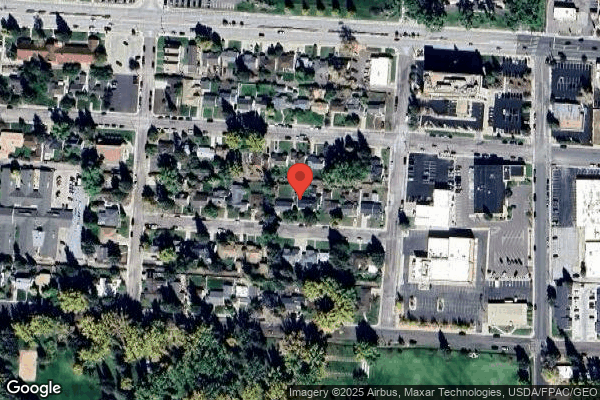
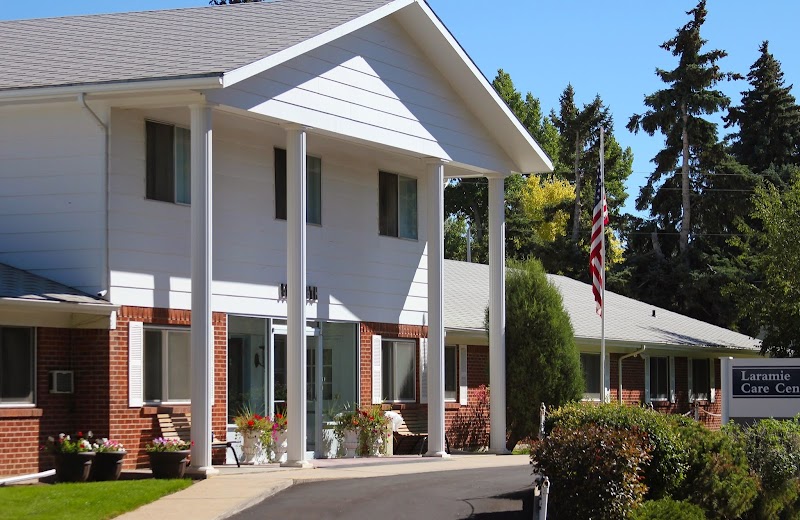
503 S 18th St, Laramie, WY 82070 (307) 742-3728
For profit - Corporation 105 Beds STELLAR SENIOR LIVING Data: November 2025
Trust Grade
15/100
#28 of 33 in WY
Last Inspection: October 2024

Within standard 12-15 month inspection cycle. Federal law requires annual inspections.

Overview

Cottonwood Health and Rehabilitation has received a Trust Grade of F, indicating significant concerns about its quality of care. It ranks #28 out of 33 facilities in Wyoming, placing it in the bottom half, but it is the only facility available in Albany County. While the facility is showing improvement, as the number of issues decreased from 11 in 2023 to 8 in 2024, it still has serious weaknesses. Staffing is average with a turnover rate of 47%, which is better than the state average, but the facility has concerning RN coverage, being below 94% of facilities in Wyoming. Specific incidents include a failure to protect residents from physical and sexual abuse, resulting in harm, and a lack of care that led to pressure injuries for one resident, highlighting the need for better oversight and care practices.
Trust Score
F
15/100
In Wyoming
#28/33
Bottom 16%
Safety Record
High Risk
Review needed
Inspections
Getting Better
11 → 8 violations
Staff Stability
⚠ Watch
47% turnover. Above average. Higher turnover means staff may not know residents' routines.
Penalties
○ Average
$58,828 in fines. Higher than 58% of Wyoming facilities. Some compliance issues.
Skilled Nurses
○ Average
Each resident gets 31 minutes of Registered Nurse (RN) attention daily — about average for Wyoming. RNs are the most trained staff who monitor for health changes.
Violations
⚠ Watch
28 deficiencies on record. Higher than average. Multiple issues found across inspections.
★☆☆☆☆
1.0
Overall Rating
★★★☆☆
3.0
Staff Levels
★☆☆☆☆
1.0
Care Quality
★★☆☆☆
2.0
Inspection Score
Stable
2023: 11 issues
2024: 8 issues

The Good

  • Full Sprinkler Coverage · Fire safety systems throughout facility
  • No fines on record

Facility shows strength in fire safety.

The Bad

1-Star Overall Rating

Below Wyoming average (2.9)

Significant quality concerns identified by CMS

Staff Turnover: 47%

Near Wyoming avg (46%)

Higher turnover may affect care consistency

Federal Fines: $58,828

Above median ($33,413)

Moderate penalties - review what triggered them

Chain: STELLAR SENIOR LIVING

Part of a multi-facility chain

Ask about local staffing decisions and management

The Ugly 28 deficiencies on record

3 actual harm
Oct 2024 7 deficiencies
CONCERN (D)

Potential for Harm - no one hurt, but risky conditions existed

Medication Errors (Tag F0758)

Could have caused harm · This affected 1 resident

**NOTE- TERMS IN BRACKETS HAVE BEEN EDITED TO PROTECT CONFIDENTIALITY** Based on medical record review, staff interview, and policy and procedure review, the facility failed to ensure target symptoms ...

Read full inspector narrative →
**NOTE- TERMS IN BRACKETS HAVE BEEN EDITED TO PROTECT CONFIDENTIALITY** Based on medical record review, staff interview, and policy and procedure review, the facility failed to ensure target symptoms were identified and monitoring of target symptoms was completed for 1 of 5 sample residents (#2) reviewed for unnecessary psychotropic medications. The findings were: 1. Review of the quarterly MDS assessment dated [DATE] showed resident #2 had diagnoses which included non-Alzheimer's dementia, anxiety disorder, and depression. Review of the physician orders showed the resident received Sertraline (antidepressant) 100 milligrams (mg) by mouth daily for anxiety with depression. The following concerns were identified: a. Review of the physician orders showed behaviors related to the use of Sertraline were to be monitored every shift; however, there were no medication or resident specific target symptoms identified; b. Review of the care plan, last revised on 10/7/24, showed no medication or resident specific target symptoms were identified related to the use of the Sertraline. c. Review of the medication administration record for October 2024 showed no evidence of medication or resident specific target symptoms were identified related to the use of the Sertraline. d. Review of the Anti-Depressant Informed consent for medication dated 8/23/24 showed the consent was for Sertraline; however, there was no medication or resident specific target symptoms were identified related to the medication use. e. Interview with the DON and regional nurse on 10/9/24 at 3:09 PM revealed target symptoms should be on the care plan, medication administration record, or medication consent. f. Interview with the DON and regional nurse on 10/10/24 at 10:16 AM confirmed the resident did not have resident or medication specific target symptoms identified. 2. Review of the policy titled Psychotropic Medication Use dated July 2022 showed .Resident Evaluations .3. When determining whether to initiate, modify, or discontinue medication therapy, the IDT conducts an evaluation of the resident. The evaluation will attempt to clarify whether: b. signs and symptoms are clinically significant to warrant medication therapy .
CONCERN (E)

Potential for Harm - no one hurt, but risky conditions existed

Safe Environment (Tag F0584)

Could have caused harm · This affected multiple residents

Based on observation and resident and staff interview, the facility failed to ensure a clean environment for 1 of 3 sample residents (#5) reviewed for bowel and bladder incontinence and activities of ...

Read full inspector narrative →
Based on observation and resident and staff interview, the facility failed to ensure a clean environment for 1 of 3 sample residents (#5) reviewed for bowel and bladder incontinence and activities of daily living. The findings were: 1. Observation of resident #5's room on 10/7/24 at 2:28 PM showed the resident was in his/her room with a visitor and there was a strong urine odor present, which could be smelled in the hallway. 2. Observation of resident #5's room on 10/8/24 at 8:22 AM showed the room had a very strong urine odor and the floor was sticky. 3. Observation of resident #5's room on 10/9/24 at 10:24 AM showed a housekeeper #1 was cleaning the resident's room. Upon completion at 10:32 AM, the housekeeper #1 exited the room; however, the urine odor and sticky floors remained. Interview with the resident at that time revealed s/he could not smell the odors; however, s/he asked housekeeper #1 to mop again due to the floors remaining sticky. 4. Observation of resident #5's room on 10/10/24 at 9 AM showed the room smelled of urine, the bathroom ventilation was not working, and the resident's floor was sticky. 5. Interview with the housekeeping manager on 10/10/24 at 9:13 AM revealed the facility was aware of increased urination on the floor in resident #5's room and revealed they did not perform a heavy mop on the floor while the resident was in the room due to potential fall risk. She revealed nursing staff had a mop bucket available to clean if housekeeping was not available.
CONCERN (E)

Potential for Harm - no one hurt, but risky conditions existed

Deficiency F0761 (Tag F0761)

Could have caused harm · This affected multiple residents

**NOTE- TERMS IN BRACKETS HAVE BEEN EDITED TO PROTECT CONFIDENTIALITY** Based on observation, staff interview, and policy and procedure review, the facility failed to ensure medications were labeled w...

Read full inspector narrative →
**NOTE- TERMS IN BRACKETS HAVE BEEN EDITED TO PROTECT CONFIDENTIALITY** Based on observation, staff interview, and policy and procedure review, the facility failed to ensure medications were labeled with an open date or not expired in 2 of 5 medication storage areas (100 hall medication cart, 200 hall medication cart). The findings were: 1. Observation of the 100 hall medication cart on [DATE] at 8:52 AM showed an Insulin Glargine 100 units/milliliter pen for resident #5 was not labeled with an open date and did not indicate when the medication should be discarded. The following concerns were identified: a. Interview with LPN #1 on [DATE] at 8:57 AM revealed the person who opened the insulin should label it with the date it was opened and with a 28-day expiration date. She confirmed she did not know if the insulin, which she administered to the resident, was within the useable timeframe or was expired. b. Interview with the DON on [DATE] at 10:39 AM confirmed insulin pens should be labeled with the open date. She revealed nurses should not administer the medication and should discard the pen if it was not labeled. 2. Observation of the 200 hall medication cart on [DATE] at 8:29 AM showed a multidose bottle of Aspirin 81 milligram (mg) tablets with a manufacturer's expiration date of 7/2024. Interview with RN #2 at that time revealed multidose medication bottles should not be used after the manufacturer's expiration date on the bottle. 3. Interview with the DON on [DATE] at 4:10 PM stated her expectation is that the nurse who dispensed the medication should check the expiration date prior to administration. 4. Review of the policy titled Administering Medications, provided by the DON on [DATE], showed .The expiration/beyond use date on the medication label is checked prior to administering .
CONCERN (E)

Potential for Harm - no one hurt, but risky conditions existed

Infection Control (Tag F0880)

Could have caused harm · This affected multiple residents

Based on observation, medical record review, staff interview, and policy review, the facility failed to ensure infection control procedures were implemented for 4 of 4 sample residents (#2, #14, #23, ...

Read full inspector narrative →
Based on observation, medical record review, staff interview, and policy review, the facility failed to ensure infection control procedures were implemented for 4 of 4 sample residents (#2, #14, #23, #41) who required enhanced barrier precautions. The findings were: 1. Observation on 10/9/24 at 9:56 AM showed CNA #1 and CNA #2 assisted resident #41 to transfer from the bed to the wheelchair. Prior to the transfer, CNA #1 applied gloves, disconnected the resident's wound vacuum, and placed the tubing over the bed. Following the transfer, the end of the tubing for the wound vacuum dropped on floor and CNA #1 picked it and reconnected the tubing, without disinfecting the open end of the tubing which was on the floor. Further observation showed neither CNA used enhanced barrier precautions during the care. Interview with the DON and regional nurse on 10/9/24 at 11:35 AM revealed open tubing dropped on the floor should not have been reconnected without disinfection of the tubing. 2. Observation on 10/9/24 at 3:51 PM showed CNA #3 and CNA #4 entered resident #2's room with a sit to stand lift, applied gloves, and positioned the lift sling behind the resident. The CNAs assisted the resident to stand and removed his/her pants. The resident had a dressing present on his/her coccyx which was not attached on bottom right side. CNA #4 performed perineal care and without removing her soiled gloves, touched a bottle of silicone cream, the outside of the resident's clean brief, and the resident's pants when she pulled them up. The CNA also touched the lift, the lift sling, a wipe container, and a bedside table without removing the gloves. Further observation showed no enhanced barrier precautions were used. Interview with the DON on 10/10/24 at 9:41 AM revealed gloves should be changed prior to touching clean surfaces. 3. Observation of catheter care performed on resident #14 on 10/9/24 at 9:44 AM showed the CNA #3 performed the catheter care while wearing only gloves. Observation of resident #14's room at that time showed no enhanced barrier precaution signage posted in the room or additional personal protective equipment (PPE), other than gloves, was available. Interview with the CNA on 10/9/24 at 9:52 AM revealed she was not aware of the need for enhanced barrier precautions when performing catheter care. 4. Observation of resident #23 on 10/7/24 at 2:08 PM, 10/8/24 at 9:43 AM, and 10/9/24 at 8:31 AM, showed the resident was in his/her wheelchair, his/her bilateral lower legs were wrapped with a dressing, and the resident's bare feet were on the floor. Observation of the resident's room on 10/8/24 at 8:31 AM showed no PPE, other than gloves, was available. Interview with LPN #1 on 10/9/24 at 10:40 AM revealed she was not aware of any interventions in place to prevent reinfection of the resident's legs, or keep his/her bare feet off of the floor. The LPN revealed there were no residents on enhanced barrier precautions on South or North Birch Halls, which was where the resident's room was located. Interview with the DON on 10/9/24 at 10:55 revealed she was unaware the resident did not have foot pedals on his/her wheelchair or that his/her bare feet were on the floor. 5. Interview with CNA #1 on 10/9/24 at 9:52 AM revealed she was not aware of enhanced barrier precautions until 10/9/24 when education was provided by the DON. 6. Interview with CNA #2 on 10/9/24 at 9:52 AM revealed she was not aware of enhanced barrier precautions until 10/9/24 when education was provided by the DON. 7. Review of policy titled Enhanced Barrier Precautions, provided by the DON on 10/9/24, showed .Enhanced barrier precautions are used as an infection prevention and control intervention to reduce the spread of multidrug resistant organisms (MDRO) to residents. EBP's employ targeted gown and glove use during high contact resident care activities when contact precautions do not otherwise apply. EBP's are indicated (when contact precautions do not otherwise apply) for residents with wounds and/or indwelling medical devices regardless of MDRO colonization . 8. Review of the policy titled Briefs/Underpads dated 2001 showed .12. Perform perineal care the resident's back side .14. Remove gloves, sanitize hands and replace with clean gloves .
CONCERN (E) 📢 Someone Reported This

A family member, employee, or ombudsman was alarmed enough to file a formal complaint

Potential for Harm - no one hurt, but risky conditions existed

Deficiency F0923 (Tag F0923)

Could have caused harm · This affected multiple residents

**NOTE- TERMS IN BRACKETS HAVE BEEN EDITED TO PROTECT CONFIDENTIALITY** Based on observation and staff interview, the facility failed to ensure ventilation was working in 7 of 10 resident rooms observ...

Read full inspector narrative →
**NOTE- TERMS IN BRACKETS HAVE BEEN EDITED TO PROTECT CONFIDENTIALITY** Based on observation and staff interview, the facility failed to ensure ventilation was working in 7 of 10 resident rooms observed. The census was 48. The findings were: 1. Observation of room [ROOM NUMBER] on 10/10/24 at 8:16 AM showed the ventilation in the room was not working. Observation of room [ROOM NUMBER] with the maintenance director on 10/10/24 at 8:58 AM confirmed the ventilation in the room was not working. 2. Observation of room [ROOM NUMBER] on 10/10/24 at 8:20 AM showed the ventilation in the room was not working. Observation of room [ROOM NUMBER] with the maintenance director on 10/10/24 at 8:54 AM confirmed the ventilation in the room was not working. 3. Observation of room [ROOM NUMBER] on 10/10/24 at 8:24 AM showed the ventilation in the room was not working. 4. Observation of room [ROOM NUMBER] on 10/10/24 at 8:26 AM showed the ventilation in the room was not working. 5. Observation of room [ROOM NUMBER] with the maintenance director on 10/10/24 at 8:32 AM showed the ventilation in the room was not working. 6. Observation of room [ROOM NUMBER] with the maintenance director on 10/10/24 at 8:38 AM showed the ventilation in the room was not working. 7. Observation of room [ROOM NUMBER] with the maintenance director on 10/10/24 at 9 AM showed the ventilation in the room was not working, the floor was sticky, and the room smelled of urine. Interview with the maintenance director at that time confirmed the ventilation system was not working in some of the resident rooms.
CONCERN (F)

Potential for Harm - no one hurt, but risky conditions existed

Deficiency F0801 (Tag F0801)

Could have caused harm · This affected most or all residents

Based on staff interview, the facility failed to ensure the dietary manager met the required qualifications. The facility census was 48. The findings were: Interview with the dietary manager on 10/9/2...

Read full inspector narrative →
Based on staff interview, the facility failed to ensure the dietary manager met the required qualifications. The facility census was 48. The findings were: Interview with the dietary manager on 10/9/24 at 11:24 AM revealed the manager had one more month to complete the certified dietary manager coursework. Further interview with the dietary manager revealed the facility had two part time dietitians who were not on site. Interview with the administrator on 10/10/24 at 10:57 AM confirmed the facility did not have a qualified dietary manager or a full-time dietitian.
CONCERN (F)

Potential for Harm - no one hurt, but risky conditions existed

Deficiency F0882 (Tag F0882)

Could have caused harm · This affected most or all residents

Based on staff interview and policy and procedure review, the facility failed to ensure a qualified individual was designated as the facility infection preventionist. The facility Census was 48. The f...

Read full inspector narrative →
Based on staff interview and policy and procedure review, the facility failed to ensure a qualified individual was designated as the facility infection preventionist. The facility Census was 48. The findings were: Interview with the DON on 10/10/24 at 9:41 AM revealed she had been covering the infection control program since May and she had not completed any specialized training in infection prevention. Review of the facility policy titled Infection Preventionist last revised September 2022 showed .Specialized Training .1. The infection preventionist has obtained specialized IPC beyond initial professional training or education prior to assuming the role .2. Evidence of training is provided through a certificate(s) of completion or equivalent documentation .
May 2024 1 deficiency 1 Harm
SERIOUS (G) 📢 Someone Reported This

A family member, employee, or ombudsman was alarmed enough to file a formal complaint

Actual Harm - a resident was hurt due to facility failures

Free from Abuse/Neglect (Tag F0600)

A resident was harmed · This affected 1 resident

Based on medical record review, staff interview, and review of incident and quality improvement documentation, the facility failed to ensure residents were free from physical abuse by other residents ...

Read full inspector narrative →
Based on medical record review, staff interview, and review of incident and quality improvement documentation, the facility failed to ensure residents were free from physical abuse by other residents for 2 of 10 sample residents (#2, #5), resulting in harm to resident #5 who suffered a fracture. The findings were: 1. Review of the 2/25/24 admission Minimum Data Set (MDS) assessment showed resident #2 (victim) had a Brief Interview for Mental Status (BIMS) score of 4 out of 15 (significant cognitive impairment). The diagnoses included dementia, COPD, gout, pain and skin cancer. 2. Review of the 4/3/24 comprehensive MDS assessment showed resident #5 (victim) had a BIMS score of 9 out of 15 (moderate cognitive impairment) and diagnoses including diabetes, hypertension and respiratory failure. 3. Review of the 3/26/24 admission MDS assessment showed resident #1 (perpetrator) had a BIMS score of 4 out of 15 (significant cognitive impairment). The diagnoses included dementia, stroke with right sided weakness, and diabetes. 4. Review of an incident report dated 4/26/24 showed a resident-to-resident altercation between resident #1 and resident #5 which resulted in injury to resident #5. Resident #5 stated resident #1 came into his/her room and was agitated. Resident #1 pushed resident #5 backwards and s/he hit their head and sustained a skin tear to the arm. The resident also complained of back pain. Resident #5 was sent to the emergency room where it was determined s/he had a closed fracture of the spinous process of the thoracic vertebra. The report showed resident #1 was redirected and placed on increased supervision. 5. Interview with the director of nursing (DON) on 5/22/24 at 11:50 AM revealed the facility implemented a quality assessment process improvement (QAPI) program addressing the resident-to-resident abuse that occurred between residents #1 and #5 for failure to protect facility residents from abuse. Resident #1 was placed on increased observation while awake. Review of the QAPI program initiated after the resident-to-resident altercation between residents #1 and #5 showed all residents residing in the community were potentially at risk and the facility provided staff training including behavior management and working with residents with behaviors to decrease the risk of aggression towards other residents and a date of compliance of 5/8/24. 6. Review of an incident report dated 5/9/24 showed staff found resident #1 in the room of resident #2. Resident #2 stated resident #1 hit him/her on the shoulder and resident #1 stated, I'm going to hit [him/her] again. There was slight redness on the shoulder of resident #2. Resident #1 was placed on 1:1 observation while awake and plans were made to transfer resident #1 to another facility as soon as a room became available. 7. During an interview on 5/22/24 at 4:18 PM the DON stated resident #1 was on 1:1 observation and the altercation between resident #1 and #2 occurred at shift change when the resident was unsupervised. 8. Review of the facility investigation from the resident-to-resident altercation between residents #1 and #5 on 4/26/24 showed the facility substantiated the allegation. Further review showed the facility investigation of the altercation between resident #1 and #2 on 5/9/24 was also substantiated.
Jul 2023 8 deficiencies 1 Harm
SERIOUS (G) 📢 Someone Reported This

A family member, employee, or ombudsman was alarmed enough to file a formal complaint

Actual Harm - a resident was hurt due to facility failures

Free from Abuse/Neglect (Tag F0600)

A resident was harmed · This affected 1 resident

**NOTE- TERMS IN BRACKETS HAVE BEEN EDITED TO PROTECT CONFIDENTIALITY** Based on resident representative and staff interview, medical record review, facility incident investigation review, facility pe...

Read full inspector narrative →
**NOTE- TERMS IN BRACKETS HAVE BEEN EDITED TO PROTECT CONFIDENTIALITY** Based on resident representative and staff interview, medical record review, facility incident investigation review, facility performance improvement plan review, and policy and procedure review, the facility failed to protect the resident's right to be free from sexual abuse by a resident for 1 of 3 sample residents (#43). This failure resulted in harm to resident #43 who experienced sexual abuse a reasonable person would have found humiliating, intimidating, demeaning, and degrading. The facility implemented corrective action prior to the survey and was determined to be in substantial compliance as of 7/19/23. The findings were: 1. Review of the quarterly MDS assessment dated [DATE] showed resident #43 had short-term and long-term memory problems and diagnoses which included Alzheimer's disease, cerebrovascular accident, transient ischemic attack or stroke, and non-Alzheimer's dementia. Further review showed the resident required extensive physical assistance of 1 person for bed mobility, transfers, dressing, toilet use, locomotion on and off the unit, and personal hygiene. Review of the care plan showed a new focus was initiated on 7/17/23 titled Resident experienced traumatic event. The following concerns were identified: a. Review of a progress note for resident #43 dated 7/17/23 and timed 9:49 AM showed the nurse found resident #44 standing at resident #43's bedside, undressed, with his/her hand in resident #43's brief. Resident #44 believed resident #43 was his/her spouse. The nurse removed resident #44 from the room and assessed resident #43's genitals. The nurse did not identify any injuries or abnormalities and the resident did not report any pain at that time; however, the resident showed symptoms of pain following the incident which resulted in transfer to the hospital. b. Review of an Alleged Abuse Report for resident #43 dated 7/17/23 and timed 6:10 AM showed the nurse found resident #44 undressed at the bedside of resident #43. Resident #44 had his/her right hand under resident #43's brief and believed resident #43 was his/her spouse. Resident #44 was removed from the room and resident #43 was assessed for injuries. Further review showed resident #43 was assessed as having a pain score of 4 due to signs and symptoms of pain based on negative vocalization, facial expression, body language and consolability. The resident was sent to the hospital for evaluation. c. Review of a hospital record for resident #43 dated 7/17/23 and timed 8:54 AM showed Found this AM by nursing staff at [facility name] with undressed [female/male] who had hand down into [his/her] brief. No witnessed [genital to genital] contact. Pt states that [s/he] is unsure of what occurred this AM or why [s/he] is being seen in ER now. Denies pain or injury during external genitalia exam. Redness noted in abdominal fold-photograph taken. Pt confused at baseline. d. Interview with RN #1 on 7/26/23 at 2:02 PM revealed resident #44 had dementia with short-term memory loss and a new diagnosis of urinary tract infection (UTI) which elevated his/her confusion at the time of the incident. The RN revealed prior to the incident, resident #44 had shown aggression towards staff, which included making threats, cursing, and physical behaviors; however, the resident had never directed any behaviors toward other residents. The RN revealed the day of the incident was the first time he had observed resident #44 wander into other rooms and when he found the resident in the room of resident #43, resident #44 was completely undressed standing next to the bed of resident #43. The RN revealed resident #43's brief was not attached on the right side and resident #44 had his/her hand in the brief; however, the RN could not see what resident #44 was doing with his/her hand. The RN revealed resident #43 remained asleep during the encounter and resident #44 became aggressive when the staff member attempted to remove him/her from the room. The RN revealed resident #44 was provided a 1 to 1 staff member and resident #43 was assessed for injuries. Further interview revealed he did not identify any injuries to resident #43. e. Interview with the social services director on 7/26/23 at 11:27 AM revealed the resident representative for resident #43 had visited the facility that day and did not want to be interviewed related to the incident. Further interview revealed the representative was happy with the resident's care and did not feel the resident was unsafe at the facility. f. Review of a discharge summary note for resident #44 dated 7/17/23 and timed 12:51 PM showed the resident discharged from the facility to home with his/her spouse. g. Interview with the resident representative for resident #44 on 7/26/23 at 5:29 PM confirmed the resident discharged from the facility on 7/17/23 after the incident. h. Interview with the administrator, DON, ADON/infection preventionist, SSD, and regional resource nurse on 7/27/23 at 9:37 AM confirmed resident #43 was asleep in bed at the time of the incident with resident #44. The interview revealed resident #44 had behaviors which included using foul language, yelling, and wandering and interventions were different with each behavioral display. Further interview confirmed a reasonable person who was cognitively intact may have been fearful of resident #44 in a similar situation. 2. Review of the policy titled Abuse and Neglect Prohibition last revised July 2018, showed .Each resident has the right to be free from abuse, neglect, mistreatment, injuries of unknown origin, misappropriation of resident property, exploitation, corporal punishment, involuntary seclusion and any physical or chemical restraint not required to treat the resident's medical symptoms .Sexual abuse is non-consensual (the resident does not consent) sexual contact of any type with a resident. It may include, but is not limited to, sexual harassment, sexual coercion, and sexual assault . 3. Review of the facility's performance improvement plan of correction dated 7/17/23 showed corrective action included immediate separation of the residents, assessment, first aid, and hospital transfer for evaluation and treatment for resident #43, implementation of 1 to 1 staffing for resident #44 until the resident's risk for unprovoked sexual behavior was addressed or the resident was discharged from the facility. The facility contacted the physician, resident representative, ombudsman, and law enforcement, updated the care plans for both residents, and initiated social services 1 to 1 visits at least 3 times weekly for 1 month for resident #43. The facility reported the incident to the state survey agency and initiated an abuse investigation which included staff and resident interviews. The facility's plan showed all residents were potentially at risk and interviewed all residents, to identify additional incidents or allegations. Further the facility reviewed all skin assessments of incidents/accidents for the prior 30 days. The facility's plan showed system changes included reeducation of all staff on abuse, behavior management, and working with residents with behaviors to decrease risk of aggression and sexually acting out toward other residents. The facility's plan showed monitoring was initiated by reviewing the incident reporting system, reviewing the grievance management system, conducting resident and family interviews, and ombudsman feedback. The facility initiated a review of incident/accident documentation on residents residing at the facility 3 times weekly, decreasing to weekly for 1 month, and then as needed. The facility's plan showed on the spot education will be performed for all staff members present during an incident and counseling will be provided as indicated. The facility's plan showed any issues identified will be trended and reviewed in the facility's QAPI meeting to ensure the plan was implemented, sustained, and evaluated. The facility was determined to be in substantial compliance as of 7/19/23.
CONCERN (D)

Potential for Harm - no one hurt, but risky conditions existed

Report Alleged Abuse (Tag F0609)

Could have caused harm · This affected 1 resident

Based on medical record review, State Survey Agency incident report log review, policy review, and staff interview, the facility failed to develop and/or implement policies and procedures for ensuring...

Read full inspector narrative →
Based on medical record review, State Survey Agency incident report log review, policy review, and staff interview, the facility failed to develop and/or implement policies and procedures for ensuring the reporting of the reasonable suspicion of a crime in accordance with Section 1150B of the Act for 1 of 3 sample residents (#9) reviewed for allegations of abuse. The findings were: 1. Review of the facility's policy Abuse & Neglect Prohibition, last revised July 2018, showed .Reporting and Response 1. STATE REPORTING OBLIGATIONS: The facility will report all allegations and substantiated occurrences of abuse, neglect, exploitation, mistreatment including injuries of unknown origin, and misappropriation of property to the administrator, State Survey Agency, and law enforcement officials and adult protective services (where state law provides for jurisdiction in long-term care facilities) in accordance with Federal and State law through established procedures. Timeline for reporting is as follows: a. If the events that caused the allegation involve abuse or result in serious bodily injury, a report is made not later than 2 hours after the facility is notified of the allegation .5. The facility will submit a summary of its investigation to the appropriate State agency within 5 days of its initial report or within whatever time frame required by the State agency. The following concerns were identified: a. Review of a nurse's note dated 4/27/23 and timed 4:40 PM showed the power of attorney for resident #9 and the police department had been notified of an allegation of abuse which involved the resident and CNA #1; however, review of the state survey agency incident report logs showed this allegation was not reported to the agency until 4/28/23 at 5:23 PM. In addition, the summary of the facility's investigation was not reported to the agency until 5/16/23. 2. Interview with the DON, and the regional resource nurse on 7/25/23 at 1:05 PM confirmed the allegation of abuse was not reported within the required timeframe.
CONCERN (D)

Potential for Harm - no one hurt, but risky conditions existed

Drug Regimen Review (Tag F0756)

Could have caused harm · This affected 1 resident

Based on medical record review, staff interview, and policy and procedure review, the facility failed to ensure pharmacist recommendations were addressed by the attending physician for 1 of 5 sample r...

Read full inspector narrative →
Based on medical record review, staff interview, and policy and procedure review, the facility failed to ensure pharmacist recommendations were addressed by the attending physician for 1 of 5 sample residents (#8) reviewed for medications. The findings were: 1. Review of the 1/3/23 pharmacist consultation report showed resident #8 received an antipsychotic, Aripiprazole, for a potentially inappropriate indication: currently listed for DEMENTIA IN OTHER DISEASES CLASSIFIED ELSEWHERE, UNSPECIFIED SEVERITY, WITHOUT BEHAVIORAL DISTURBANCE, PSYCHOTIC DISTURBANCE, MOOD DISTURBANCE, AND ANXIETY The pharmacist's recommendation was to .review and consider updating indication vs. an attempt at a gradual dose reduction, with the end goal of discontinuation. The following concerns were identified: a. Review of the physician's response dated 1/11/23 showed he had declined the pharmacist's recommendation due to Started by another provider. b. Review of the pharmacist's recommendation, dated 3/3/23, showed REPEATED RECOMMENDATION from 1/3/2023: Please respond promptly to assure facility compliance with Federal regulations. Review of the medical record showed no evidence the physician had responded to the recommendation. c. Review of the pharmacist's recommendation, dated 4/5/23, showed REPEATED RECOMMENDATION from 1/3/2023: Please respond promptly to assure facility compliance with Federal regulation. Review of the medical record showed no evidence the physician had responded to the recommendation. d. Review of the July 2023 medication administration record showed the resident received 2 milligrams of aripiprazole by mouth one time a day related to DEMENTIA IN OTHER DISEASES CLASSIFIED ELSEWHERE, UNSPECIFIED SEVERITY, WITHOUT BEHAVIORAL DISTURBANCE, PSYCHOTIC DISTURBANCE, MOOD DISTURBANCE, AND ANXIETY with a start date of 12/17/2022. 2. Interview with the regional resource nurse, SSD, DON, and ADON/infection preventionist on 7/26/23 at 5:20 PM confirmed the pharmacist's recommendation had not been addressed. 3. Review of the LTC [long term care] Facility's Pharmacy Services and Procedures Manual, last revised 3/3/20, showed .7. Facility should encourage Physician/Prescriber or other Responsible Parties receiving the MRR [medication regimen review] and the Director of Nursing to act upon the recommendations contained in the MRR. 7.1 For those issues that require Physician/Prescriber intervention, Facility should encourage Physician/Prescriber to either accept and act upon the recommendations contained within the MRR or reject all or some of the recommendations contained in the MRR and provide an explanation as to why the recommendation was rejected. 7.2 The attending physician should document in the residents' health record that the identified irregularity has been reviewed and what, if any, action has been taken to address it. 7.2.1 If the attending physician has decided to make no change in the medication, the attending physician should document the rationale in the residents' health record. 8. Facility should alert the Medical Director where MRRs are not addressed by the attending physician in a timely manner.
CONCERN (D)

Potential for Harm - no one hurt, but risky conditions existed

Medication Errors (Tag F0758)

Could have caused harm · This affected 1 resident

**NOTE- TERMS IN BRACKETS HAVE BEEN EDITED TO PROTECT CONFIDENTIALITY** Based on medical record review and staff interview, the facility failed to ensure medication-specific target symptoms were ident...

Read full inspector narrative →
**NOTE- TERMS IN BRACKETS HAVE BEEN EDITED TO PROTECT CONFIDENTIALITY** Based on medical record review and staff interview, the facility failed to ensure medication-specific target symptoms were identified and appropriate monitoring in place for 2 of 5 sample residents (#8, #9) reviewed for psychotropic medication use. The findings were: 1. Review of the quarterly MDS assessment dated [DATE] showed resident #8 had a BIMS score of 15 out of 15, which indicated the resident was cognitively intact, and diagnoses which included dementia, chronic pain, and age-related cognitive decline. Further review showed the resident received an antipsychotic and an antidepressant on 7 out of 7 days during the look-back period. Review of the physician orders showed the resident was prescribed aripiprazole (an antipsychotic) 2 milligrams (mg) by mouth one time a day related to dementia and duloxetine hydrochloride (an antidepressant) 60 mg delayed release capsule one time a day for pain. The following concerns were identified: a. Review of the resident's pain care plan, initiated on 9/27/22, showed the resident was prescribed an antidepressant for pain and the interventions included to monitor for side effects every shift by using the behavior monitoring tool in the TAR [treatment administration record]. Review of the July 2023 TAR showed no evidence the side effects of the psychoactive medication were being monitored. b. Review of the medical record showed no evidence medication-specific target symptoms and side effects for the use of the antipsychotic medication had been identified and were being monitored. c. Interview with the DON on 7/26/23 at 5:17 PM confirmed the medical record lacked documentation of the monitoring for side effects of the antidepressant. In addition, the medical record lacked documentation of the identification of target symptoms and monitoring for the antipsychotic prescribed. 2. Review of the 6/7/23 quarterly MDS assessment showed resident #9 had a BIMS score of 5 out of 15, which indicated the resident had severe cognitive impairment, and had a diagnosis of depression. Review of the physician orders showed the resident was prescribed 150 mg extended release bupropion hydrochloride (antidepressant) one time a day every other day for depression with a start date of 6/25/23 and 10 mg of escitalopram oxalate (antidepressant) one time a day related to depression with a start date of 2/4/23. The following concerns were identified: a. Review of the medical record showed no evidence medication-specific target symptoms and side effects for each antidepressant prescribed had been identified and were being monitored. b. Interview with the DON and the regional resource nurse on 7/26/23 at 3:43 PM confirmed the medical record lacked documentation of the identification of medication-specific target symptoms and monitoring for each antidepressant prescribed.
CONCERN (E)

Potential for Harm - no one hurt, but risky conditions existed

Infection Control (Tag F0880)

Could have caused harm · This affected multiple residents

Based on observation, staff interview, and policy and procedure review, the facility failed to ensure infection control techniques were utilized during 1 of 2 dining observations. The census was 53. T...

Read full inspector narrative →
Based on observation, staff interview, and policy and procedure review, the facility failed to ensure infection control techniques were utilized during 1 of 2 dining observations. The census was 53. The findings were: 1. Observation on 7/24/23 beginning at 12:16 PM showed CNA #3 approached resident #27 and touched the resident on his/her shoulder. The resident requested something to drink and the CNA walked across the dining room, obtained a cup of hot water and a packet of cocoa, opened the cocoa packet, and emptied the contents of the packet into the cup. The CNA took the empty packet to the trash receptacle, used his hand to push open the hinged door of the trash receptacle and discarded the empty packet. After placing a plastic spoon in the cup, the CNA began stirring the contents and delivered the cup to the resident. The CNA left the table and obtained a meal tray from the kitchen window and delivered the tray to resident #47. The CNA picked up the resident's utensils and cut the resident's food before handing the utensils to the resident. The CNA returned to the kitchen window, obtained another tray, and delivered it to resident #50. Before placing the tray on the resident's table, the CNA grabbed the resident's drinking glass by placing his fingers around the external rim, and moved it to the side. The CNA used the resident's utensils to cut his/her food before handing the utensils to the resident. Before leaving the table, the CNA placed his hand on the handle of resident #50's wheelchair. The CNA returned to the kitchen window, obtained a meal tray, and delivered it to resident #40. The CNA removed the items from the tray, placed his hand on the back of resident #29, used resident #40's utensils to cut his/her meal, and handed the utensils to the resident. No hand hygiene was performed during the observation. 2. Interview with the infection preventionist/ADON on 7/27/23 at 12:54 PM revealed when serving meal trays, hand hygiene should be performed between trays or when staff contact other individuals or items to prevent cross contamination. 3. Review of the policy titled Handwashing/Hand Hygiene last revised August 2019 showed .7. Use an alcohol-based hand rub containing at least 62% alcohol; or, alternatively, soap (antimicrobial or non-antimicrobial) and water for the following situations: .b. Before and after direct contact with residents .l. After contact with objects (e.g., medical equipment) in the immediate vicinity of the resident .o. Before or after eating or handling food; p. Before and after assisting a resident with meals .
CONCERN (E)

Potential for Harm - no one hurt, but risky conditions existed

Deficiency F0883 (Tag F0883)

Could have caused harm · This affected multiple residents

Based on medical record review, staff interview, and policy and procedure review, the facility failed to ensure vaccinations were administered to 2 of 5 sample residents (#25, #42) reviewed for immuni...

Read full inspector narrative →
Based on medical record review, staff interview, and policy and procedure review, the facility failed to ensure vaccinations were administered to 2 of 5 sample residents (#25, #42) reviewed for immunizations. The findings were: 1. Review of a Resident Immunization Consent Form dated 11/10/22 showed resident #25 accepted the pneumococcal vaccine; however, review of the medical record showed no evidence the pneumococcal vaccine was administered. 2. Review of a Resident Immunization Consent Form dated 4/2/22 showed resident #42 accepted the influenza vaccine; however, review of the resident's medical record showed no evidence the resident received the vaccination. 3. Interview with the infection preventionist/ADON, regional resource nurse, and DON on 7/27/23 at 12:51 PM revealed the facility was unable to find evidence the residents received the accepted vaccinations. 4. Review of the policy titled Vaccinations of Residents provided by the administrator on 7/27/23 showed .All residents will be offered vaccines that aid in preventing infectious diseases unless the vaccine is medically contraindicated or the resident has already been vaccinated .3. All new residents shall be assessed for current vaccination status upon admission .6. If the resident receives a vaccine, at least the following information shall be documented in the resident's medical record: a. site of administration; b. Date of administration; c. Lot number of the vaccine (located on the vial); d. Expiration date (located on the vial; and e. Name of person administering the vaccine. 7. Certain vaccines (e.g., influenza and pneumococcal vaccines) may be administered per the physician-approved facility protocol (standing orders) after the resident has been assessed by the physician for medical contraindications for each vaccine. The resident's attending physician must provide a separate written order for any other vaccination, and such orders shall be recorded in the resident's medical record .
CONCERN (F)

Potential for Harm - no one hurt, but risky conditions existed

Deficiency F0801 (Tag F0801)

Could have caused harm · This affected most or all residents

Based on staff interview, the facility failed to ensure the dietary manager met the required qualifications. The facility census was 53. The findings were: Interview with the dietary manager on 7/24/2...

Read full inspector narrative →
Based on staff interview, the facility failed to ensure the dietary manager met the required qualifications. The facility census was 53. The findings were: Interview with the dietary manager on 7/24/23 at 10:02 AM revealed she had been hired for the dietary manager position approximately a month ago and had enrolled in a certified dietary program in the past; however, she had not completed the course. Interview with the administrator and the dietary manager on 7/27/23 at 10:19 AM confirmed the facility did not have a qualified dietary manager or a full-time dietitian.
CONCERN (F)

Potential for Harm - no one hurt, but risky conditions existed

Food Safety (Tag F0812)

Could have caused harm · This affected most or all residents

Based on observation, temperature log review, manufacturer instruction review, staff interview, and policy and procedure review, the facility failed to ensure the sanitization level of the automatic d...

Read full inspector narrative →
Based on observation, temperature log review, manufacturer instruction review, staff interview, and policy and procedure review, the facility failed to ensure the sanitization level of the automatic dishwasher was checked for 10 of 63 meals reviewed. In addition, the facility failed to ensure a sanitary environment during 2 of 2 kitchen observations and safe food temperatures during 1 of 1 meal preparation observations. The census was 53. The findings were: Related to monitoring of the dishwasher's chemical sanitizer concentration: 1. Review of the kitchen's temperature log worksheet showed the temperature of the wash and rinse water and the concentration of the chemical sanitizer was to be checked with each meal. The following concerns were identified: a. Review of the July 2023 temperature log sheets showed a sanitizer concentration of 0 ppm (parts per million) was recorded for the evening meal on 7/9/23 and 7/18/23. In addition a sanitizer concentration of 30 ppm was recorded for the evening meal on 7/16/23. There was no evidence the unacceptable ppm levels had been investigated. b. Review of the July 2023 temperature log sheets showed no documentation of the sanitizer or water temperatures were recorded for the morning and noon meals on 7/16/23; the evening meal on 7/17/23; the morning and noon meals on 7/20/23; and the morning and noon meals on 7/22/23. 2. Interview with the registered dietitian on 7/26/23 at 2:41 PM confirmed the sanitization level of the dishwasher should be monitored. 3. Interview with the dietary manager and the administrator on 7/27/23 at 10:19 AM confirmed the sanitizer concentration level of the dishwasher was not monitored correctly. 4. Review of the Dishwashing Machine Use 2001 MED-PASS, Inc. (Revised March 2010) policy and procedure showed Food service staff required to operate the dishwashing machine will be trained in all steps of dishwashing machine use by the supervisor or a designee proficient in all aspects of proper use and sanitation .6. Corrective action will be taken immediately if sanitizer concentrations are too low. 7. The operator will check temperatures using the machine gauge with each dishwashing machine cycle, and will record the results in a facility approved log .9. If hot water temperatures or chemical sanitation concentrations do not meet requirements, cease use of dishwashing machine immediately until temperatures or PPM are adjusted. The policy stated the concentration of the chlorine sanitizer should between 50 and 100 ppm. 5. Review of the 2022 U.S. Public Health Service Code showed 4-703.11 Hot Water and Chemical. (C) Chemical manual or mechanical operations, including the application of SANITIZING chemicals by immersion, manual swabbing, brushing, or pressure spraying methods, using a solution as specified under § 4-501.114. Contact times shall be consistent with those on EPA-registered label use instructions by providing: (1) Except as specified under Subparagraph (C)(2) of this section, a contact time of at least 10 seconds for a chlorine solution specified under 4-501.114(A), (2) A contact time of at least 7 seconds for a chlorine solution of 50 MG/L that has a PH of 10 or less and a temperature of at least 38oC (100oF) or a PH of 8 or less and a temperature of at least 24oC (75oF), (3) A contact time of at least 30 seconds for other chemical SANITIZING solutions, or (4) A contact time used in relationship with a combination of temperature, concentration, and PH that, when evaluated for efficacy, yields SANITIZATION as defined in 1-201.10(B). 6. Review of the EcoLab ES-4000 dish machine manufacturer's instructions for use retrieved from http://manuals.jacksonmsc.com/ecolab%20manuals/ES-2000%20&%20ES-4000%20Rev%20O.pdf on 8/1/23 showed at a minimum water temperature of 120 degrees Fahrenheit was required with a recommended temperature of 140 degrees Fahrenheit and the minimum chlorine concentration was 50 ppm. Related to sanitary environment: 1. Observation on 7/26/23 at 9:27 AM showed cook #1 had donned gloves and was placing rolls on a pan with her gloved hands. At 9:35 AM the cook left the pan of rolls and opened the walk-in refrigerator door. The cook doffed her gloves and without performing hand hygiene donned new gloves then removed frozen soup from a container and placed it into a saucepan; turned on the faucet with her gloved hands, added water to the soup; covered the pan with aluminum foil, adjusted the heat on the stove, and placed the saucepan on the stove. With the same gloved hands the cook consulted the recipe book; entered the dry storage area and retrieved a box of scalloped potatoes; obtained a clean pan; sprayed the pan with cooking spray; and returned to the recipe book. The cook used her gloved hands to turn on the faucet to fill up a pitcher with water; entered the walk-in refrigerator and retrieved a cube of butter; obtained a knife and a cutting board; unwrapped the butter and touching the butter with her gloved hands cut off a section; rewrapped the butter and returned it to the walk-in refrigerator. The cook used scissors to open seasoning packets for the scalloped potatoes and added the contents of the packets to a pan on the stove; opened the oven door; adjusted the temperature knob; poured the dried potatoes from the box into the pan; donned oven mitts over the top of her gloved hands; again opened the oven door; removed the oven mitts and covered the saucepan with aluminum foil; donned the oven mitts over her gloved hands; and placed the pan into the oven. The cook removed the oven mitts and adjusted a knob on the oven. At this time the dietary manager donned the same oven mitts with her bare hands. 2. Observation at 11:44 AM showed cook #1 donned a pair of gloves; used a pen; donned oven mitts over her gloved hands and removed a pan of rolls from the oven; removed the oven mitts; obtained the temperature of the rolls; and used her gloved hands to pick up the rolls and place them in a serving pan. The cook placed her gloved hands into the oven mitts and retrieved a second pan of rolls from the oven; doffed the oven mitts; and transferred the rolls using her gloved hands to the serving pan. At this time the cook placed her gloved hands into the oven mitts and retrieved a pan of gravy off of the serving table; doffed the oven mitts; entered the dry storage area and obtained a new packet of gravy and proceeded to make the gravy. At 11:59 AM the cook doffed her gloves and performed hand hygiene. 3. Observation on 7/24/23 at 9:45 AM and again on 7/26/23 at 8:58 AM showed a pedestal fan that was darkened and soiled with debris was blowing air on the dishwashing racks which held clean dishes. Interview with dietary aide #1 on 7/26/23 at 9:01 AM revealed the fan was used to help the dishes dry faster. 4. Interview with the registered dietitian on 7/26/23 at 2:41 PM confirmed a fan soiled with debris should not be blowing on clean dishes and acknowledged the facility needed more training in the area of hand hygiene. 5. Interview with the dietary manager and the administrator on 7/27/23 at 10:19 AM confirmed there was a need for education in regard to hand hygiene, and they had the pedestal fan removed from the kitchen. 6. Review of the Preventing Foodborne Illness-Employee Hygiene and Sanitary Practices 2001 MED-PASS, Inc (Revised November 2022) showed All employees who handle, prepare or serve food are trained in the practices of safe food handling and preventing foodborne illness. Employees will demonstrate knowledge and competency in these practices prior to working with food or serving food to residents .6. Employees must wash their hands: .c. whenever entering or re-entering the kitchen; d. before coming in contact with any food surfaces; e. after handling raw meat, poultry or fish and when switching between working with raw food and working with ready-to-eat food; f. after handling soiled equipment or utensils; g. during food preparation, as often as necessary to remove soil and contamination and to prevent cross contamination when changing tasks; and/or h. after engaging in other activities that contaminate the hands. 7. Review of the 2022 U.S. Public Health Service Food Code showed 2-301.14 2-301.14 When to Wash. FOOD EMPLOYEES shall clean their hands and exposed portions of their arms as specified under § 2-301.12 immediately before engaging in FOOD preparation including working with exposed FOOD, clean EQUIPMENT and UTENSILS, and unwrapped SINGLE-SERVICE and SINGLE-USE ARTICLES and: (A) After touching bare human body parts other than clean hands and clean, exposed portions of arms; (B) After using the toilet room; (C) After caring for or handling SERVICE ANIMALS or aquatic animals as specified in 2-403.11(B); (D) Except as specified in 2-401.11(B), after coughing, sneezing, using a handkerchief or disposable tissue, using TOBACCO PRODUCTS, eating, or drinking; (E) After handling soiled EQUIPMENT or UTENSILS; (F) During FOOD preparation, as often as necessary to remove soil and contamination and to prevent cross contamination when changing tasks; (G) When switching between working with raw FOOD and working with READY-TO-EAT FOOD; (H) Before donning gloves to initiate a task that involves working with FOOD; and (I) After engaging in other activities that contaminate the hands. 8. Review of the 2022 U.S. Public Health Service Food Code 4-601.11 showed Equipment, Food-Contact Surfaces, Nonfood-Contact Surfaces, and Utensils. (A) EQUIPMENT FOOD-CONTACT SURFACES and UTENSILS shall be clean to sight and touch. (B) The FOOD-CONTACT SURFACES of cooking EQUIPMENT and pans shall be kept free of encrusted grease deposits and other soil accumulations. (C) NonFOOD-CONTACT SURFACES of EQUIPMENT shall be kept free of an accumulation of dust, dirt, FOOD residue, and other debris. and 4-903.11 Equipment, Utensils, Linens, and Single-Service and Single-Use Articles. (A) Except as specified in (D) of this section, cleaned EQUIPMENT and UTENSILS, laundered LINENS, and SINGLE-SERVICE and SINGLE-USE ARTICLES shall be stored: (1) In a clean, dry location; (2) Where they are not exposed to splash, dust, or other contamination; and (3) At least 15 cm (6 inches) above the floor. (B) Clean EQUIPMENT and UTENSILS shall be stored as specified under (A) of this section and shall be stored: (1) In a self-draining position that allows air drying; and (2) Covered or inverted. Related to food temperature: 1. Observation on 7/26/23 at 11:44 AM showed cook #1 was checking the temperature of the unmodified foods which included soup, ham and potato casserole, scalloped potatoes, fish, carrots, and rolls which had been placed in the waterless hot food unit prior to the start of food service. However, the temperature of the fortified potatoes, gravy, and pureed carrots were not obtained. 2. Observation on 7/26/23 at 12:12 PM showed cook #1 and the dietary manager became aware the texture of the main dish of ham and potato casserole had not been modified for the residents which required a pureed diet. The dietary manager obtained 7 portions of the ham and potato casserole from the waterless hot food unit and placed it into the Robot Coupe (food processor) with some hot water and thickening powder. After changing the consistency of the food, the dietary manager placed the pureed main course back onto the serving unit without checking the food's temperature. 3. Review of the 7/2/23 to 7/22/23 kitchen temperature log worksheets showed no evidence the temperature of mechanically-altered foods had been taken prior to service on any of the 21 days reviewed. 4. Interview with the registered dietitian on 7/26/23 at 2:41 PM confirmed the temperature of pureed foods should be monitored. 5. Interview with the dietary manager and the administrator on 7/27/23 at 10:19 AM confirmed the temperature of mechanically-altered food was not monitored. 6. Review of the Food Preparation and Service 2001 MED-PASS, Inc policy, last revised November 2022 showed .11. Mechanically altered hot foods prepared for a modified consistency diet remain above 135 degrees F (Fahrenheit) during preparation or they are reheated to 165 degrees F for at least 15 seconds if holding for hot service. 7. Review of the 2022 U.S. Public Health Service Food Code showed 3-501.16 Time/Temperature Control for Safety Food, Hot and Cold Holding. (A) Except during preparation, cooking, or cooling, or when time is used as the public health control as specified under §3-501.19, and except as specified under (B) and in (C) of this section, TIME/TEMPERATURE CONTROL FOR SAFETY FOOD shall be maintained: (1) At 57°C (135°F) or above, except that roasts cooked to a temperature and for a time specified in 3-401.11(B) or reheated as specified in 3-403.11(E) may be held at a temperature of 54oC (130oF) or above; or (2) At 5°C (41°F) or less.
Mar 2023 3 deficiencies 1 Harm
SERIOUS (G) 📢 Someone Reported This

A family member, employee, or ombudsman was alarmed enough to file a formal complaint

Actual Harm - a resident was hurt due to facility failures

Pressure Ulcer Prevention (Tag F0686)

A resident was harmed · This affected 1 resident

**NOTE- TERMS IN BRACKETS HAVE BEEN EDITED TO PROTECT CONFIDENTIALITY** Based on medical record review, staff interview, hospital record review, hospital staff interview, and policy and procedure revi...

Read full inspector narrative →
**NOTE- TERMS IN BRACKETS HAVE BEEN EDITED TO PROTECT CONFIDENTIALITY** Based on medical record review, staff interview, hospital record review, hospital staff interview, and policy and procedure review, the facility failed to ensure residents received care and services necessary to prevent pressure ulcers from developing for 1 of 6 sample residents (#1) reviewed for pressure ulcer risk. This failure resulted in harm to resident #1, who was discovered to have multiple pressure injuries upon transfer to the ED. The findings were: Review of the 12/6/22 admission MDS assessment showed the resident was admitted to the facility on [DATE] with diagnoses which included diabetes mellitus II, osteoporosis, and non-Alzheimer's dementia. The review showed the resident was rarely or never understood. Further review showed the resident required the extensive assistance of 1 staff member for bed mobility and personal hygiene. Review of the resident's 12/13/22 Braden Scale For Predicting Pressure Sore Risk assessment showed a score of 8, which indicated the resident was at very high risk of developing pressure ulcers. Review of all progress notes from admission through 1/1/23 showed no evidence the resident had pressure ulcers. Review of the 12/27/22 Skin and Wound-Total Body Skin Assessment showed the resident had no new pressure ulcers or wounds. Review of the 12/29/22 SBAR (Situation, Background, Assessment, Recommendation) Communication Form showed there were no changes to the resident's skin. Review of the 12/29/22 note timed at 4:12 PM showed the resident was unresponsive after several days of decline, and the family requested the resident be sent to the local ED. The assessment at that time showed no changes to the resident's skin. Review of the 12/29/22 progress note timed 10:43 PM showed the resident returned to the facility from the local ED with orders to start procedures for comfort care per family request. Review of the 1/1/23 progress note timed 12:21 PM showed the family requested the resident again be transferred to the local hospital, and the resident was sent to the ED by non-emergent transfer at 11:40 AM. Review of the related 1/1/23 SBAR Summary for Providers note timed 3:34 PM showed the assessment area for skin was left blank. Interview with the director of nursing on 3/9/23 at 12:05 PM revealed her primary concern on 1/1/23 was starting intravenous fluids and transferring the resident to the local ED per family request. The DON further stated she did not observe any pressure ulcers or skin issues on the resident at that time, but she confirmed she did not perform a head to toe skin assessment. Review of the resident's care plan showed the facility failed to ensure a plan to address the resident's very high risk of developing pressure ulcers. Review of the activities of daily living plan showed the resident required extensive assistance from staff for bed mobility, locomotion, and transfers. Further review of the care plan showed it failed to address the need for repositioning and off-loading. The following concerns were identified: 1. Review of the hospital record showed the resident was admitted to the local ED on 1/1/23 at 12:07 PM and was admitted to the hospital on [DATE] at 4:04 PM with a diagnosis of sepsis and a consult for the wound team to examine the resident on 1/2/23. Review of a 1/1/23 nursing note timed 12:15 PM by hospital RN #1 showed the following, On arrival, the patient has new wounds that were not present during [resident #1's] previous stay in the ED, days before. There is a skin tear to [resident #1's] medial knee area and what appear to be blisters from pressure to [his/her] sacral area with boggy centers. [Resident #1] has dry mucous membranes with severe halitosis, dirty teeth, and dry lips. [Resident #1's] perineal area is malodorous and [s/he] has crusting in [his/her] groin and [genitalia]. There is dried crusted bowel movement between [his/her] buttocks. Review of an ED note on 1/1/23 at 12:51 PM written by hospital physician's assistant #1 showed, Spoke with [resident's long-term care physician], states patient has been obtunded [having diminished arousal and awareness] since 12/31 . 2. Review of the hospital record showed the following notes written on 1/1/23 by RN #2 at 4 PM, .Wound #2 Pressure Injury Buttocks Placed Present on Hospital admission: Yes. Primary Wound #2 Primary Wound Type: Pressure Injury. Wound Assessment: Purple; Fluid Blister; Nonblanchable erythema, Drainage: Scant, Drainage Description: Serosanguinous, Peri-wound Assessment: Non-blanchable erythema; Draining; Blister (Blister open) Wound Covering: Open to air. 3. Review of a General admission H&P (history and physical) dated 1/1/23 and timed 3:44 PM by hospital DO #1 included the following, .Pressure ulcer Chronic, present on admission. Present over sacral area. Per review of records and discussion with emergency room staff, not present on 12/29/22 when seen that day . 4. Review of a hospital record Daily Progress Note dated 1/2/23 at 11:10 AM written by FNP #1 included the following, .Pressure ulcer Assessment: Chronic, present on admission. Present over sacral area, left heel, left knee, right foot, and right elbow. Per review of records and discussion with emergency room staff, not present on 12/29/2022 when seen that day. Small skin tear on medial left leg as well. Plan: Wound care to evaluate. End of life/Comfort Care. 5. Review of hospital In-Patient Physical Therapy Wound Care Evaluation notes and pictures documented on 1/2/23 by DPT #1 with a time in of 9:52 AM and an out time of 10:39 AM showed the following assessment information for each wound: a. On 1/2/23 at 10:17 AM, Wound 01/01/23 #2 Pressure Injury Buttock (Active), Wound Assessment: Boggy; Draining; Blister; Purple, Peri-wound Assessment; Non-blanchable erythema; Intact, Peri-Wound Skin Temp: WNL, Dressing Status: Dressing applied, Drainage: Small, Drainage Description: Serosanguinous, Periwound Treatment: Barrier-skin barrier wipe, Wound Treatment: Cleansed, Wound Covering: Foam Dressing, Pressure Injury Stage: DTPI, Wound length (cm): 9 cm, Wound Width (cm): 10 cm, Wound Surface Area (cm^2): 90 cm^2, Pressure Injury Stage: Deep Tissue. b. On 1/2/23 at 10:12 AM, Wound 01/01/23 Pressure Injury Elbow Right (Active), Wound Assessment: Nonblanchable erythema, Peri-wound Assessment: Intact, Peri-Wound Skin Temp: WNL, Dressing Status: Dressing discontinued, Drainage: None, Wound Covering: Open to air, Pressure Injury Stage: 1, Wound Length (cm): 1.1 cm, Wound Width: 1.5 cm, Wound Surface Area (cm^2): 1.65 cm^2, Pressure Injury Stage: Stage I. c. On 1/2/23 at 9:59 AM: Wound 01/01/23 #4 Pressure Injury Foot Right; Lateral (Active), Wound Assessment: Purple; Nonblanchable erythema, Peri-wound Assessment: Non-blanchable erythema, Peri-Wound Skin Temp: Cool, Drainage: None, Wound Treatment: Other (Comment), Wound Covering: Open to air, Pressure Injury Stage: DTPI, Wound Length (cm): 1.1 cm, Wound Width (cm): 1.2 cm, Wound Surface Area (cm^2): 1.32 cm^2, Pressure Injury Stage: Deep Tissue. d. On 1/2/23 at 10:01 AM: Wound 01/02/23 Pressure Injury Foot Right; Lateral; Plantar (Active), Wound Assessment: Purple, Peri-wound Assessment: Non-blanchable erythema, Peri-wound Skin Temp: Cool, Drainage: None, Wound Treatment: Other (Comment), Pressure Injury Stage: DTPI, Wound Length (cm): 2 cm, Wound Width (cm): 1.7 cm, Wound Surface Area (cm^2): 3.4 cm^2, Pressure Injury Stage: Deep Tissue. e. On 1/2/23 at 10:03 AM: Wound 01/02/23 Pressure Injury Heel* Left (Active), Wound Assessment: Boggy; Purple, Peri-wound Assessment: Non-blanchable erythema, Callus, Peri-Wound Skin Temp: Cool, Drainage: None, Wound Treatment: Other (comment), Pressure Injury Stage: DTPI, Wound length (cm): 6.8 cm, Wound Width (cm): 5.5 cm, Wound Surface Area (cm^2): 37.4 cm^2, Pressure Injury Stage: Deep Tissue. f. Review of the 1/2/23 In-Patient Physical Therapy Wound Care Evaluation showed: Assessment: Wounds evaluated, photographed, and treated with focus on comfort. Purple foot wounds are consistent with deep tissue injury from prolonged pressure over bony prominence . Applied foam sacral dressing to wound #2 as this will decrease painful shearing on the bedding. Dressing on [left] knee as well due to drainage. Otherwise wounds were left open to air and offloaded using pillows 6. Interview with CNA #1 on 3/13/23 at 4:05 PM revealed the aide had cared for the resident during the last few days at the facility and tried to reposition the resident every 2 hours, but there were times it may have been longer than every two hours between repositioning, and the aide could not recall observing any skin issues on the resident. 7. Interview on 3/9/23 at 12:20 PM with the long-term care family nurse practitioner (FNP) #1 for the resident at the facility confirmed the facility staff had not made her aware of the resident's wounds. She was unaware of the wounds until the 1/1/23 hospital admission when hospital staff at the facility notified her. She confirmed some of the resident's wounds were pressure wounds. She stated the hospital wound team were the ones who assessed the wounds, and she stated there was documentation in the hospital record. She would not provide an opinion on the severity of the wounds or the timeframe for when they occurred. 8. Interview with hospital DO #1 on 3/13/23 at 11:27 AM confirmed he assessed the resident in the local ED on 1/1/23 after concerns about the resident's wounds were brought to his attention by hospital RN #1. He stated that he was not present in the ED on 12/29/22 and did not observe the resident at that time. He stated the ED staff who were present on 12/29/22 were unaware of any wounds on the resident during that ED visit. He further stated he put in a consult for the wound team to assess the resident's wounds for 1/2/23. He was aware of the resident's sacral wound, and confirmed it was a pressure wound. He was unsure as to the timeframe of the sacral wound and was unaware of the left heel wound until the wound team assessed the resident on 1/2/23. He was non-committal when asked if the pressure ulcers were preventable, but he stated it was best practice to ensure a repositioning schedule for the resident to lessen the likelihood of pressure ulcer development. 9. Interview with hospital RN #1 on 3/14/23 at 9:50 AM showed she cared for the resident at the local ED on 12/29/22 and 1/1/23. She stated no wounds were identified on the resident on 12/29/22, but further confirmed the wound on the left heel could have been overlooked. She stated that the resident's multiple skin issues, which included a pressure wound to the sacral area, were concerning enough that she brought them to the attention of hospital DO #1. She confirmed she did not observe the pressure ulcer on the resident's left heel. She further stated it was her professional opinion the resident was not repositioned adequately between 12/29/22 and 1/1/23 at the facility to prevent pressure ulcers. 10. Interview with the assistant director of nursing on 3/13/23 at 4:20 PM confirmed the facility failed to develop a care plan to address the resident's very high risk of developing pressure ulcers. 11. According to the policy titled, Prevention of Pressure Injuries last revised April 2020, Purpose: The purpose of this procedure is to provide information regarding identification of pressure injury risk factors and interventions for specific risk factors .Skin Assessment: .3. Inspect the skin on a daily basis when performing or assisting with personal care or ADLs .e. Reposition resident as indicated on the care plan .Mobility/Repositioning: 1. Reposition all residents with or at risk of pressure injuries on an individualized schedule, as determined by the interdisciplinary care team. 2. Choose a frequency for repositioning based on the resident's risk factors and current clinical practice guidelines. 3. Teach residents who can change positions independently the importance of repositioning. Provide support devices and assistance as needed. Remind and encourage residents to change positions .Monitoring: 1. Evaluate, report and document potential changes in the skin. 2. Review the interventions and strategies for effectiveness on an ongoing basis.
CONCERN (D) 📢 Someone Reported This

A family member, employee, or ombudsman was alarmed enough to file a formal complaint

Potential for Harm - no one hurt, but risky conditions existed

Comprehensive Care Plan (Tag F0656)

Could have caused harm · This affected 1 resident

**NOTE- TERMS IN BRACKETS HAVE BEEN EDITED TO PROTECT CONFIDENTIALITY** Based on medical record review, staff interview, hospital record review, hospital staff interview, and policy and procedure revi...

Read full inspector narrative →
**NOTE- TERMS IN BRACKETS HAVE BEEN EDITED TO PROTECT CONFIDENTIALITY** Based on medical record review, staff interview, hospital record review, hospital staff interview, and policy and procedure review, the facility failed to ensure a care plan was developed for 1 of 6 residents (#1) identified as being at risk for developing pressure ulcers. The findings were: Review of the 12/6/22 admission MDS assessment showed resident #1 was admitted to the facility on [DATE] with diagnoses which included diabetes mellitus II, osteoporosis, and non-Alzheimer's dementia. The review showed the resident was rarely or never understood. Further review showed the resident required the extensive assistance of 1 staff member for bed mobility and personal hygiene. Review of the 12/13/22 Braden Scale For Predicting Pressure Sore Risk assessment showed a score of 8, which indicated the resident was at very high risk of developing pressure ulcers. Review of the resident's care plan showed the facility failed to ensure a plan was in place to address this risk. Review of the activities of daily living plan showed the resident required extensive assistance from staff with bed mobility, locomotion, and transfers. However, the plan failed to address the need for repositioning and off-loading. The following concerns were identified: a. Review of the 1/2/23 hospital wound assessment note by DPT #1 after wound assessment was performed from 9:52 AM to 10:39 AM showed the following: Assessment: Wounds evaluated, photographed, and treated with focus on comfort. Purple foot wounds are consistent with deep tissue injury from prolonged pressure over bony prominence. b. Interview with hospital RN #1 on 3/14/23 at 9:50 AM revealed she was present for the resident's visit to the ED on 1/1/23. She stated the resident's appearance on 1/1/23 indicated s/he had not received ADL care since being seen in the ED on 12/29/22. She also stated it was her professional opinion the resident was not repositioned adequately between 12/29/22 and 1/1/23 at the facility to prevent pressure ulcers. c. Interview with the assistant director of nursing on 3/13/23 at 4:20 PM confirmed the facility failed to develop a plan to address the resident's very high risk of developing pressure ulcers. d. According to the facility policy titled, Care Plans, Comprehensive Person-Centered last revised March 2022, the Policy Statement shows, A comprehensive, person-centered care plan that includes measurable objectives and timetables to meet the resident's physical, psychosocial and functional needs is developed and implemented for each resident. Under Policy Interpretation and Implementation the following was included, . The comprehensive, person-centered care plan: a. Includes measurable objectives and timeframes .
CONCERN (D) 📢 Someone Reported This

A family member, employee, or ombudsman was alarmed enough to file a formal complaint

Potential for Harm - no one hurt, but risky conditions existed

ADL Care (Tag F0677)

Could have caused harm · This affected 1 resident

**NOTE- TERMS IN BRACKETS HAVE BEEN EDITED TO PROTECT CONFIDENTIALITY** Based on medical record review, staff interview, hospital record review, hospital staff interview, and policy and procedure revi...

Read full inspector narrative →
**NOTE- TERMS IN BRACKETS HAVE BEEN EDITED TO PROTECT CONFIDENTIALITY** Based on medical record review, staff interview, hospital record review, hospital staff interview, and policy and procedure review, the facility failed to ensure residents received received necessary services to maintain good grooming, and personal and oral hygiene for 1 of 6 sample residents (#1) reviewed who required staff assistance with ADLs. The findings were: Review of the 12/6/22 admission MDS assessment showed the resident was admitted to the facility on [DATE] with diagnoses which included diabetes mellitus II, osteoporosis, and non-Alzheimer's dementia. The review showed the resident was rarely or never understood. Further review showed the resident required the extensive assistance for one staff member for bed mobility and personal hygiene. Review of the care plan showed a 12/11/22 plan with a focus as follows: I have increased risks for actual/potential limitations in my ability to perform my ADLs. The interventions included an extensive assistance requirement from staff with bed mobility, dressing, eating, locomotion, personal hygiene, toileting, and transfers. Review of the 1/1/23 progress note timed 12:21 PM showed the family requested the resident be transferred to the local hospital, and the resident was sent to the ED by non-emergent transfer at 11:40 AM. The following concerns were identified: a. Review of the hospital record showed the resident was admitted to the local ED on 1/1/23 at 12:07 PM and was then admitted to the hospital on [DATE] at 4:04 PM with a diagnosis of sepsis. Review of a 1/1/23 nursing note timed 12:15 PM by hospital RN #1 showed the following, On arrival .[Resident #1] has dry mucous membranes with severe halitosis, dirty teeth, and dry lips. [Resident #1's] perineal area is malodorous and [s/he] has crusting in [his/her] groin and [genitalia]. There is dried crusted bowel movement between [his/her] buttocks. Further review showed pictures of the resident's right and left hand. The right hand picture showed a dried brownish substance under the resident's thumbnail. The left hand picture showed the same dried brownish substance under the fingernail of the fourth and fifth fingers, and the brownish substance was around the nailbed and down to the first digit of the fourth finger. The middle finger could also be observed in the picture, and the appearance of both pictures showed the resident's fingers were dirty, and the resident's fingernails had not been cared for. The resident's right middle fingernail was jagged on the left hand. b. Review of the Intervention/Task documentation by CNAs for the resident from 12/17/22 through 12/31/22 showed that documentation failed to include an area for oral care or fingernail care. c. Interview with CNA #1 on 3/13/23 at 11:05 AM revealed the resident was resistant to cares, especially from male staff. The CNA had taken care of the resident in the last few days at the facility and was unsure when the resident had any fingernail care from anyone. The CNA further stated that residents sometimes received fingernail care during showers, but there was no specific timeframe or plan for care of fingernails. The CNA could not remember the condition of the resident's fingernails at the time of transfer to the ED on 1/1/23. Interview with CNA #2 on 3/13/23 at 1:20 PM revealed that either nurses or an outside provider that came to the facility normally provided care for fingernails, and added that CNAs sometimes provide fingernail care for non-diabetics when providing showers. The CNA was unsure how often the outside provider completed fingernail care for residents. Interview with CNA #3 on 3/13/23 at 1:27 PM revealed residents routinely received nail care with showers. The CNA stated the resident was resistant to cares, and further stated it took 3 staff members to try and do anything for the resident's fingernails. The CNA could not remember the condition of the resident's fingernails prior to being transferred to the local ED on 1/1/23. d. Interview with hospital RN #1 on 3/14/23 at 9:50 AM revealed she was present for the resident's visits to the ED on both 12/29/22 and 1/1/23. She stated the resident's appearance was unkempt on arrival to the ED on 12/29/22. She stated staff provided a bedbath and care at that time, which included oral care because she was concerned that baths and oral care had not been provided in a timely manner for the resident as shown by the resident's mouth odor, unclean teeth, and unkempt appearance. She stated when the resident was brought back to the ED on 1/1/23, there was an odor about the resident so strong that staff thought the odor came from the resident's entire body due to sepsis. She stated staff realized at some point the odor was coming from the resident's mouth, and a respiratory therapist assisted in oral care which included utilizing normal saline and swabbing. At one point the respiratory therapist removed what appeared to be a nasty mucous plug. She further stated the resident's mouth, lips, and teeth were all dry and dirty. She also stated the resident's fingernails had dry bowel movement on them and under them, and the resident's perineal area had dried bowel movement that was noticeable and appeared to have been there for an extended period of time. She further stated the resident's appearance indicated s/he had not received ADL care since being in the ED on 12/29/23. e. Interview with the director of nursing on 3/9/23 at 12:05 PM revealed her primary concern for the resident on 1/1/23 was starting intravenous fluids and transferring the resident to the local ED per family request. She confirmed that a head to toe skin assessment was not performed at that time. f. According to the facility policy title, Activities of Daily Living (ADLs), Supporting last revised March 2018, the Policy Statement was as follows, Residents will be provided with care, treatment and services as appropriate to maintain or improve their ability to carry out activities of daily living (ADLs). Residents who are unable to carry out activities of daily living independently will receive the services necessary to maintain good nutrition, grooming, and personal and oral hygiene.
Nov 2022 2 deficiencies
CONCERN (D) 📢 Someone Reported This

A family member, employee, or ombudsman was alarmed enough to file a formal complaint

Potential for Harm - no one hurt, but risky conditions existed

Incontinence Care (Tag F0690)

Could have caused harm · This affected 1 resident

Based on observation, medical record review, and resident and staff interview, the facility failed to ensure residents with urinary catheters received appropriate treatment and services to prevent uri...

Read full inspector narrative →
Based on observation, medical record review, and resident and staff interview, the facility failed to ensure residents with urinary catheters received appropriate treatment and services to prevent urinary tract infections for 1 of 2 sample residents (#6) with urinary catheters. The findings were: 1. Review of the 11/9/22 annual MDS assessment showed resident #6 had a BIMS score of 8 out of 15 (moderately impaired). The activities of daily living (ADL) section showed the resident needed extensive to total assistance. Diagnoses included indwelling catheter, benign prostatic hyperplasia, neurogenic bladder, and multiple sclerosis. Review of the physician orders showed the resident was given Macrobid capsule (antibiotic) 100 milligrams (mg) daily for urinary tract infection (UTI) prophylaxis from 11/3/22 through 11/16/22, nitrofurantoin macrocrystal capsule (antibiotic) 100 mg daily for UTI prophylaxis was started 11/21/22, and Renacidin solution (irrigating solution) 30 milliliter (ml) irrigation 1 time a day every Tuesday, Friday related to personal history of urinary tract infections start date of 11/23/22. In addition, sulfamethoxazole-trimethoprim tablet (antibiotic) 800-160 mg 1 tablet two times a day for UTI for 2 day with a start date of 11/20/22. The following concerns were identified: a. Observation on 11/30/22 at 12:10 PM showed the resident was up in a Hoyer lift. The resident's urinary catheter bag was attached to the strap on the harness and positioned above the resident's bladder. Dark yellow urine was observed in the Foley tubing returning to the resident's bladder. Further observation showed CNA #2 moved the urinary catheter bag down to the side of the wheelchair at 12:18 PM. b. Interview with the resident on 11/30/22 at 12:15 AM revealed s/he .could have a urinary tract infect right now, I do have a history of them. c. Interview with CNA #1 on 11/30/22 at 12:22 PM revealed it was normal for her to hook the bag to the harness while transferring the residents. Further, she confirmed the urinary catheter bag was above the bladder. In addition CNA #1 and CNA #2 denied in-service education on peri-care and care of a Foley catheter. d. Interview with the ADON on 11/30/22 at 4 PM revealed the CNAs were trained yearly on peri-care and Foley catheters. Further, she revealed it was the expectation for the urinary catheter bag to be kept below the level of the bladder.
CONCERN (E) 📢 Someone Reported This

A family member, employee, or ombudsman was alarmed enough to file a formal complaint

Potential for Harm - no one hurt, but risky conditions existed

Safe Environment (Tag F0584)

Could have caused harm · This affected multiple residents

**NOTE- TERMS IN BRACKETS HAVE BEEN EDITED TO PROTECT CONFIDENTIALITY** Based on observation, staff interview, and policy review the facility failed to implement measures to effectively ensure residen...

Read full inspector narrative →
**NOTE- TERMS IN BRACKETS HAVE BEEN EDITED TO PROTECT CONFIDENTIALITY** Based on observation, staff interview, and policy review the facility failed to implement measures to effectively ensure resident lifts were clean in 2 of 4 mechanical lifts observed. The findings were: 1. Observation on 11/30/22 at 9:45 AM showed a sit-to-stand lift in the hall by room [ROOM NUMBER]. The foot rest had crumbs and clumps of brown and white substances all over it. 2. Observation on 11/30/22 at 10:37 AM showed a sit-to-stand lift by room [ROOM NUMBER]. The lift had clumps of brown and white substance all over it, with two circular half dollar-sized areas of black substance on it. 3. Interview with CNA #1 on 11/30/22 at 10:42 AM revealed We don't really clean it as a CNA. We do spray the handles between uses. Maintenance cleans the foot rest once a month. The CNA confirmed the lift was dirty-dirty. 4. Interview with maintenance #1 on 11/30/22 at 10:55 AM revealed We do clean the sit-to-stands occasionally; mainly housekeeping does it. He stated he was unsure of when the last time maintenance had cleaned one. 5. Interview with housekeeping #1 on 11/30/22 at 11:05 AM revealed No, we do not clean the sit-to-stand lifts. It is the CNA's job. 6. Interview with the ADON on 11/30/22 at 11:35 AM revealed The CNAs are to clean the lifts between uses and if dirty. The night nursing staff are to clean the sit-to-stands every night. 7. Review of policy Cleaning and Disinfection of Resident-Care Items and Equipment revised September 2022 showed .5. Reusable items are cleaned and disinfected or sterilized between residents (e.g. stethoscopes, durable medical equipment).
Jun 2022 7 deficiencies
CONCERN (D)

Potential for Harm - no one hurt, but risky conditions existed

Notification of Changes (Tag F0580)

Could have caused harm · This affected 1 resident

Based on resident representative interview, medical record review, staff interview, and policy and procedure review, the facility failed to notify the resident's representative for 1 of 7 sample resid...

Read full inspector narrative →
Based on resident representative interview, medical record review, staff interview, and policy and procedure review, the facility failed to notify the resident's representative for 1 of 7 sample residents (#35) reviewed for hospitalization. The findings were: 1. Review of the 1/19/22 quarterly MDS assessment for resident #35 showed the staff assessment for mental status was coded as severely impaired. The following concerns were identified: a. Review of the Situation, Background, Assessment, Recommendation (SBAR) form which was not dated, showed the resident had fallen on 4/2/22 at 10:34 PM. The name, date, and time the resident's representative was notified was blank. b. Interview with the resident's representative on 6/9/22 at 11:41 AM revealed he had not been informed of the resident's fall until the resident had been taken to the hospital on 4/8/22. c. Interview with the DON on 6/9/22 at 2:40 PM confirmed the section documenting the notification of the resident's representative was blank and the facility was unable to provide additional documentation of notification. 2. Review of the Fall Management and Investigation policy with the effective date of 9/1/18 showed .III POLICY GUIDELINES .F. The resident's family members/responsible persons and physician are notified of Falls .
CONCERN (D)

Potential for Harm - no one hurt, but risky conditions existed

Comprehensive Care Plan (Tag F0656)

Could have caused harm · This affected 1 resident

**NOTE- TERMS IN BRACKETS HAVE BEEN EDITED TO PROTECT CONFIDENTIALITY** Based on resident and staff interview, medical record review, and policy and procedure review, the facility failed to develop an...

Read full inspector narrative →
**NOTE- TERMS IN BRACKETS HAVE BEEN EDITED TO PROTECT CONFIDENTIALITY** Based on resident and staff interview, medical record review, and policy and procedure review, the facility failed to develop and implement a comprehensive person-centered care plan for 4 of 23 sample residents (#32, #34, #42, #155). The findings were: 1. Review of the 3/18/22 admission MDS assessment showed resident #32 was admitted to the facility on [DATE] with diagnoses which included major depressive disorder and cognitive communication deficit. The resident was cognitively intact with a BIMS score of 15/15. Further review showed it was very important to the resident to have books, newspapers, and magazines to read, as well as keeping up with the news and going outside to get fresh air when the weather was good. It was somewhat important to the resident to be around animals such as pets, as well as participating in religious services or practices. The following concerns were identified: a. Interview with the resident on 6/6/22 at 4:54 PM revealed s/he .had nothing to do except watch television and roll around in this chair. b. Review of the current care plan, last revised 6/8/22 showed no documentation of the resident's interests or activities. c. Interview with the NHA, DON, and ADON on 6/9/22 at 11:47 AM confirmed the care plan was not individualized to the resident's needs and preferences. 2. Review of the 5/5/22 annual MDS assessment showed resident #42 was admitted to the facility on [DATE] with diagnoses which included macular degeneration and cognitive communication deficit. The resident was cognitively intact with a BIMS score of 15/15. Further review showed it was very important to the resident to have books, newspapers, and magazines to read, to listen to music s/he liked, to be around animals such as pets, to keep up with the news, to do his/her favorite activities, and to go outside to get fresh air when the weather was good. The following concerns were identified: a. Interview with the resident on 6/6/22 at 3:38 PM revealed the residents .just watch television since there isn't anything else to do. There's no activities for [the residents] in the COVID unit. I like to build my models and puzzles, but don't have any or anywhere to work on [them]. b. Review of the current care plan, last revised 6/6/22, showed a focus area for activities; however, documentation did not reflect the resident's preferences from the MDS or his/her interest in the models or puzzles. c. Interview with the NHA, DON, and ADON on 6/9/22 at 11:47 AM confirmed the care plan was not individualized to the resident's needs and preferences. 3. Review of the 4/20/22 quarterly MDS assessment showed resident #34 was admitted to the facility on [DATE] with diagnoses which included bipolar disorder, major depressive disorder, and other specified mental disorder due to known physiological condition. Review of the current physician orders showed the resident was started on aripiprazole (an antipsychotic medication) on 5/26/22 related to bipolar disorder. Review of a 5/29/22 nurse progress note showed .Has been noted to be easier to redirect when behaviors start . The following concerns were identified: a. Review of the current care plan showed no documentation related to the identified behaviors that resulted in the administration of the new medication, or non-pharmacological interventions. b. Interview with the NHA, DON, and ADON on 6/9/22 at 11:47 AM confirmed the care plan was not individualized to the resident's needs and preferences. 4. Review of the 5/19/22 admission MDS showed resident #155 was admitted to the facility on [DATE] with diagnoses which included unspecified mood [affective] disorder, generalized anxiety disorder, and unspecified dementia without behavioral disturbance. Review of the 5/18/22 admission physician orders showed an order for buspirone (antianxiety) 5 milligrams (mg) daily and 10 mg daily, and fluoxetine (antidepressant) 60 mg daily. Review of the treatment administration record for June 2022 showed an area to monitor behavior and document intervention codes for buspirone and fluoxetine. The following concerns were identified: a. Review of the admission care plan showed the resident had a focus area for mood related to generalized anxiety. The interventions included administer medications as ordered and encourage and reassure as needed; however, there were no specific individualized non-pharmacological interventions identified. b. Interview with the DON on 6/9/22 at 9:48 AM revealed the care plan was not individualized to the resident's needs and preferences. 5. Review of the Care Plan Development and Communication Policy, revised 1/4/19, showed 1. Policy Statement .The overall plan of care (POC) is oriented towards: .2. Person-centered interventions that honor the resident's preferences Please note: Both baseline and comprehensive plans of care include a problem statement developed as a result of comprehensive review; measurable resident-centered goals; time frames for meeting those goals; and interventions designed to assist the resident in meeting the goals.
CONCERN (D)

Potential for Harm - no one hurt, but risky conditions existed

Deficiency F0657 (Tag F0657)

Could have caused harm · This affected 1 resident

**NOTE- TERMS IN BRACKETS HAVE BEEN EDITED TO PROTECT CONFIDENTIALITY** Based on observation, medical record review, staff interview, and policy review, the facility failed to ensure the care plan was...

Read full inspector narrative →
**NOTE- TERMS IN BRACKETS HAVE BEEN EDITED TO PROTECT CONFIDENTIALITY** Based on observation, medical record review, staff interview, and policy review, the facility failed to ensure the care plan was revised to identify resident specific approaches for 2 of 23 sample residents (#15, #35). The findings were: 1. Review of the 3/16/22 annual MDS assessment for resident #15 showed diagnoses which included unspecified dementia with behavioral disturbance, and anxiety disorder. Review of the medication administration record for June 2022 showed the resident received apiprazole (antipsychotic) 5 mg daily, quetiapine (antipsychotic) 25 mg daily, and Celexa (antidepressant) 30 mg daily. Review of the treatment administration record for June 2022 showed target behaviors to monitor and the interventions included redirection and remove from the environment. Interview on 6/8/22 at 11:36 AM with MA-C #1 revealed some behavioral interventions were on the care plan. He further stated the resident liked to watch the Catholic channel and wanted to hold a rosary for comfort. The following concerns were identified: a. Review of the care plan with a revision date of 3/23/22 showed focus areas for mood and behaviors; however, the care plan failed to identity specific resident centered interventions. b. Interview on 6/9/22 at 9:48 AM with the DON confirmed there were some interventions on the care plan; however, it lacked the interventions regarding television show preference, and holding the rosary. She further stated the interventions were something they needed to work on. 2. Review of the 4/20/22 quarterly MDS assessment showed resident #35 was admitted to the facility on [DATE] and was at risk for pressure ulcers. Observation throughout the survey timeframe showed the resident wore a foam boot on his/her right foot. Review of a nurse progress note dated 4/10/22 showed Boggy area with dark coloration found on medial side of right heel .skin prep applied to the area and is showing signs of improvement. Review of a 4/11/22 Skin/Wound note showed New wound evaluation. Blistered area from pressure between feet. Skin prep applied to area to help toughen skin. Review of a physician order dated 4/10/22 showed WOUND ORDER: skin prep to bilat (bilateral) heels, float heels every shift. Review of the 4/21/22 skin and wound evaluation showed Wound resolved. Will continue wound prevention to bilateral heels. The following concerns were identified: a. Review of the resident's entire care plan, last revised 5/29/22, failed to include the wound prevention intervention. b. Interview with the ADON on 6/8/22 at 4:33 PM confirmed the care plan had not been updated to include the use of the foam boot. An additional interview with the DON on 6/8/22 at 4:51 PM confirmed the wound prevention interventions should be on the care plan. 3. Review of the Care Plan Development and Communication policy with a revision date, 9/1/18, showed I. Policy Statement .The overall plan of care is oriented towards: .2. Person centered interventions that honor the resident's preferences .II. Definitions 1 .Person-centered care includes making an effort to understand what each resident is communicating verbally and non-verbally, identifying what is important to each resident with regard to daily routines and preferred activities, and having an understanding of the resident's life before coming to the community. It incorporates the resident's personal and cultural preferences in developing the goals of care . 4. Review of the Behavioral Health Management policy, revised on 9/1/18, showed .III. Policy Guidelines . E. Person-centered approaches and their outcomes are recorded on the plan of care. IV. Provision(s) and Procedure(s) .N. Interventions are person-centered and incorporated as part of the overall care environment that supports physical, functional and psychosocial needs. O .5. Non-pharmacological approaches that are person-centered will be optimally utilized at a maximum .
CONCERN (D)

Potential for Harm - no one hurt, but risky conditions existed

Deficiency F0679 (Tag F0679)

Could have caused harm · This affected 1 resident

**NOTE- TERMS IN BRACKETS HAVE BEEN EDITED TO PROTECT CONFIDENTIALITY** Based on observation, medical record review, resident and staff interview, and policy and procedure review, the facility failed ...

Read full inspector narrative →
**NOTE- TERMS IN BRACKETS HAVE BEEN EDITED TO PROTECT CONFIDENTIALITY** Based on observation, medical record review, resident and staff interview, and policy and procedure review, the facility failed to provide an ongoing program of activities for 3 of 3 sample residents (#8, #32, #42) isolated in the COVID-19 unit. The COVID-19 unit census was 20. The findings were: 1. Review of the 3/18/22 admission MDS assessment showed resident #32 was admitted to the facility on [DATE] with diagnoses which included major depressive disorder and cognitive communication deficit. The resident was cognitively intact with a BIMS score of 15/15. Further review showed it was very important to the resident to have books, newspapers, and magazines to read, as well as keeping up with the news and going outside to get fresh air when the weather was good. It was somewhat important to the resident to be around animals such as pets, as well as participating in religious services or practices. Review of the line listing of COVID-positive residents showed the resident was admitted to the COVID unit on 5/31/22. The following concerns were identified: a. Observation on 6/6/22 at 4:54 PM showed the resident self-propelling in his/her wheelchair in the hallway. Interview at that time revealed the resident had .nothing to do except watch TV and roll around in this chair. 2. Review of the 5/5/22 annual MDS assessment showed resident #42 was admitted to the facility on [DATE] with diagnoses which included macular degeneration and cognitive communication deficit. The resident was cognitively intact with a BIMS score of 15/15. Further review showed it was very important to the resident to have books, newspapers, and magazines to read, to listen to music s/he liked, to be around animals such as pets, to keep up with the news, to do his/her favorite activities, and to go outside to get fresh air when the weather was good. Review of the line listing of COVID-positive residents showed the resident was admitted to the COVID unit on 5/31/22. The following concerns were identified: a. Observation on 6/6/22 at 3:38 PM showed the resident's room contained completed wooden models. Interview with the resident at that time revealed the residents just watch TV since there isn't anything else to do. There's no activities for [the residents] in the COVID unit. The resident stated s/he liked to build models and do puzzles; however, s/he did not have any or any place to work on them. 3. Review of the 3/9/22 quarterly MDS assessment showed resident #8 was admitted to the facility on [DATE] with diagnoses which included cerebral palsy, cognitive communication deficit, and other intellectual disabilities. The resident was cognitively intact with a BIMS score of 15/15. Review of the current care plan, last revised 6/2/22, showed the resident preferred group activities and socializing with other residents. Further review showed s/he liked the news, watching television, listening to music, and going on outings. Interventions included providing the resident with a new activities calendar at the beginning of each month. Review of the line listing of COVID-positive residents showed the resident was admitted to the COVID unit on 5/31/22. The following concerns were identified: a. Observation on 6/8/22 at 3:39 PM showed the resident was seated in a recliner watching television. At that time the resident stated s/he was bored since there is nothing to do besides watch TV. 4. Interview with activities assistant (AA) #1 on 6/9/22 at 11:36 AM revealed the activities director was out of the facility and he was handling the day-to-day activities in the director's absence. AA #1 stated the facility was limited to what activities could be provided for the facility, especially the COVID unit, and had canceled most activities for the month for the whole facility. 5. Review of the posted activities calendar for June 2022 showed from 6/2/22 through 6/10/22, 35 of the 58 offered activities had been canceled for the entire facility. There was not an alternative calendar or activities available for the residents isolated in the COVID unit. 6. Interview with the NHA, DON, and ADON on 6/9/22 at 11:47 AM revealed activities were at a minimum due to the COVID outbreak in the facility and the activities director was out of the facility. In addition, the activity director had prepared activity packets and baskets for the residents prior to his departure; however, they were not aware if the packets and baskets had been provided to residents in the COVID unit. 7. Review of the policy titled Activities Policy, effective 9/1/14, showed The community will provide space, supplies, equipment and the staff support necessary for social, physical, educational and leisurely activities, both within and outside the Community, that are planned according to the preferences, needs and abilities of residents .the Community will encourage participation in independent or self-directed activities, as well as offer group activities at least three times per week .
CONCERN (D)

Potential for Harm - no one hurt, but risky conditions existed

Medication Errors (Tag F0758)

Could have caused harm · This affected 1 resident

**NOTE- TERMS IN BRACKETS HAVE BEEN EDITED TO PROTECT CONFIDENTIALITY** Based on medical record review, staff interview, and policy and procedure review, the facility failed to ensure appropriate beha...

Read full inspector narrative →
**NOTE- TERMS IN BRACKETS HAVE BEEN EDITED TO PROTECT CONFIDENTIALITY** Based on medical record review, staff interview, and policy and procedure review, the facility failed to ensure appropriate behavior monitoring and interventions were in place for 1 of 6 sample residents (#34) reviewed for psychotropic medications. The findings were: 1. Review of the 4/20/22 quarterly MDS assessment showed resident #34 was admitted to the facility on [DATE] with diagnoses which included bipolar disorder, major depressive disorder, and other specified mental disorder due to known physiological condition. Review of current physician orders showed a 5/25/22 order for 5 milligrams of aripiprazole (an antipsychotic medication) to be administered once daily, related to bipolar disorder, current episode depressed, and other specified mental disorder due to known physiological condition. Review of a nurse progress note dated 5/29/22 showed .Has been noted to be easier to redirect when behaviors start . The following concerns were identified: a. Review of daily progress notes from 5/26/22 through 5/30/22 addressing the resident's new medication showed .no adverse effects . associated with the medication. Further review showed no relevant behaviors were documented. b. Review of the current physician orders showed no orders of documentation related to behavior monitoring or non-pharmacological interventions. c. Review of the current care plan, last revised 4/24/22, showed no documentation related to the identified behaviors which resulted in the administration of the new medication or any non-pharmacological interventions. 2. Interview with the NHA, DON, and ADON on 6/9/22 at 11:47 AM confirmed the resident's medical record lacked documentation of behavior monitoring and interventions. 3. Review of the policy titled Unnecessary Medications, last revised 4/9/07, showed .IV. Provisions(s) and Procedures(s) .D. Monitoring Medications .1. The Community's Monitoring system includes observation, assessment and reporting of the following: a. Symptoms suggesting the need for medication (including initiated or continued use of Antipsychotic Medication) . 4. Review of the policy titled Behavioral Health Management last revised 12/8/08 showed .IV. Provisions(s) and Procedure(s) .K. Nursing staff identify, document and inform the physician immediately about specific details regarding changes in an individual's mental status, behavior or cognition in order to determine the root cause, including: .1. Onset, duration, intensity and frequency of behavioral symptoms; .4. A new onset or alteration in behavior is documented and communicated with the physician immediately . P. When psychoactive medications are prescribed for behavioral symptoms, the following are documented: .2. Potential cause of the behavior .4. Target Behaviors .7. Monitoring for efficacy .
CONCERN (D)

Potential for Harm - no one hurt, but risky conditions existed

Infection Control (Tag F0880)

Could have caused harm · This affected 1 resident

Based on observation, staff interview, policy and procedure review, CMS Guidance review, CDC guideline review, facilty COVID line list review, and county transmission rate review. the facility failed ...

Read full inspector narrative →
Based on observation, staff interview, policy and procedure review, CMS Guidance review, CDC guideline review, facilty COVID line list review, and county transmission rate review. the facility failed to ensure adequate transmission-based precautions were implemented to prevent the spread of COVID-19 during 2 random observations, and failed to ensure infection control practices were implemented for 2 random observations. The census was 55. The findings were: Related to transmission-based precautions: 1. Observation on 6/6/22 at 11:23 AM showed an unmasked visitor was in the room of resident #105 and resident #107 interacting with both residents at a distance of less than 6 feet. Observation on 6/7/22 at 9:24 AM showed the same unmasked visitor was in the resident's room and interacting with both residents at a distance of less than 6 feet. During this time physical therapist #1 was in the room and then at 9:29 AM RN #1 entered the room. Neither staff member asked the visitor to don a mask. Interview with RN #1 at 9:33 AM revealed the visitor should have had a mask on. The nurse then returned to the room and asked the visitor to don a mask. Interview with the DON on 6/9/22 at 1:31 PM revealed she was aware the visitor was not compliant with wearing a mask and had educated him more than once. 2. Review of the policy titled Coronavirus (COVID-19) last revised 5/12/21 showed .D. Visitors, Vendors, and Third-Party Contractors . 1. Refer to CDC and State for further guidance . 3. Review of the CMS memo QSO-20-39-NH last revised on 3/10/22 showed .Guidance . visitation can be conducted through different means based on a facility's structure and residents' needs, such as in resident rooms, dedicated visitation spaces, and outdoors. Regardless of how visits are conducted, certain core principles and best practices reduce the risk of COVID-19 Infection Prevention . Face covering or mask (covering mouth and nose) and physical distancing at least six feet between people, in accordance with CDC guidance . 4. Review of the CDC guidance titled Interim Infection Prevention and Control Recommendations for Health Personnel During the Coronavirus Disease 2019 (COVID-19) Pandemic last updated 2/2/22 showed . Patient Visitation: Indoor visitation (in single-person rooms; in multi-person rooms, when roommates are not present; or in designated visitation areas when others are not present): The safest practice is for patients and visitors to wear source control and physically distance, particularly if either of them are at risk for severe disease or are unvaccinated. If the patient and all their visitor(s) are up to date with all recommended COVID-19 vaccine doses, they can choose not to wear source control and to have physical contact. Visitors should wear source control when around other residents or HCP (Healthcare Personnel), regardless of vaccination status. 5. Observation on 6/7/22 at 2:13 PM showed CNA #1 and CNA #2 used a mechanical lift to transfer resident #48 to bed. Further observation showed the CNAs rolled the mechanical lift to the hallway and did not disinfect it. Interview with CNA #1 confirmed the mechanical lift was not disinfected after use. She stated there were disinfecting wipes at the nurses' station; however, she was not sure when the lift should be disinfected. Interview with the DON on 6/8/22 at 2:14 PM revealed her expectation was to disinfect the lifts after each resident use. Review of the Cleaning & Disinfection of Nursing Equipment policy, revised 6/1/18, showed .III Procedures, nursing responsibility include cleaning and disinfecting equipment between patient uses: a. Hand hygiene performed b. Use of approved disinfection products per manufacturers' guidelines in between resident use 6. Review of the facility's line list of active COVID-19 cases provided by the facility on 6/6/22, showed 20 residents were confirmed positive for COVID-19 infection. 7. Review of the CDC's COVID-19 Integrated County View showed the level of community transmission was High at the time of the survey. Related to implementation of infection control practices: 1. Observation on 6/8/22 at 2:47 PM showed resident #42's catheter bag was lying on the ground under his/her wheelchair. The privacy bag was torn down the seam on the right side of the bag. Interview at that time with RN #2 confirmed the bag should not be on the ground due to potential infection control issues. RN #2 stated when the catheter bags get too full the privacy bags tear. Interview with the NHA, DON, and ADON, on 6/9/22 at 11:47 AM confirmed catheter bags should not be on the ground. 2. Observation on 6/7/22 at 2:13 PM showed CNA #2 perform perineal care for resident #48. The CNA removed her gloves and did not perform hand hygiene before donning a clean pair of gloves. The CNA then put clean briefs on the resident. Interview with the CNA confirmed she was supposed to perform hand hygiene after performing perineal care, and before donning clean gloves. Review of the Hand Washing policy, revised 10/1/17, showed .1. Hand washing is performed: 4. If moving from a contaminated-body site to a clean-body site during resident care .
MINOR (B)

Minor Issue - procedural, no safety impact

Staffing Information (Tag F0732)

Minor procedural issue · This affected multiple residents

Based on observation, review of the nursing staff postings, and staff interview, the facility failed to ensure the information on the posted 24-hour nursing staff information was maintained and update...

Read full inspector narrative →
Based on observation, review of the nursing staff postings, and staff interview, the facility failed to ensure the information on the posted 24-hour nursing staff information was maintained and updated to reflect the actual hours worked for 23 of 23 days reviewed. The census was 55. The findings were: 1. Observation on 6/7/22 of the posted 24-hour nursing staff information showed only the number of hours each care level was scheduled to work. 2. Review of the posted 24-hour nursing staff information from 5/15/22 to 6/7/22 failed to show the actual hours worked by the registered nurses, licensed practical nurses, and the CNAs responsible for resident care per shift. 3. Interview on 6/8/22 at 5:39 PM with the ADON confirmed the posted 24-hour nursing staff information failed to include the actual hours worked, of the resident care staff.
Understanding Severity Codes (click to expand)
Life-Threatening (Immediate Jeopardy)
J - Isolated K - Pattern L - Widespread
Actual Harm
G - Isolated H - Pattern I - Widespread
Potential for Harm
D - Isolated E - Pattern F - Widespread
No Harm (Minor)
A - Isolated B - Pattern C - Widespread

Questions to Ask on Your Visit

  • "Can I speak with families of current residents?"
  • "What's your RN coverage like on weekends and overnight?"

Our Honest Assessment

Strengths
  • • Licensed and certified facility. Meets minimum state requirements.
Concerns
  • • Multiple safety concerns identified: 3 harm violation(s), $58,828 in fines. Review inspection reports carefully.
  • • 28 deficiencies on record, including 3 serious (caused harm) violations. Ask about corrective actions taken.
  • • $58,828 in fines. Extremely high, among the most fined facilities in Wyoming. Major compliance failures.
  • • Grade F (15/100). Below average facility with significant concerns.
Bottom line: Trust Score of 15/100 indicates significant concerns. Thoroughly evaluate alternatives.

About This Facility

What is Cottonwood Health And Rehabilitation's CMS Rating?

CMS assigns Cottonwood Health and Rehabilitation an overall rating of 1 out of 5 stars, which is considered much below average nationally. Within Wyoming, this rating places the facility higher than 0% of the state's 100 nursing homes. A rating at this level reflects concerns identified through health inspections, staffing assessments, or quality measures that families should carefully consider.
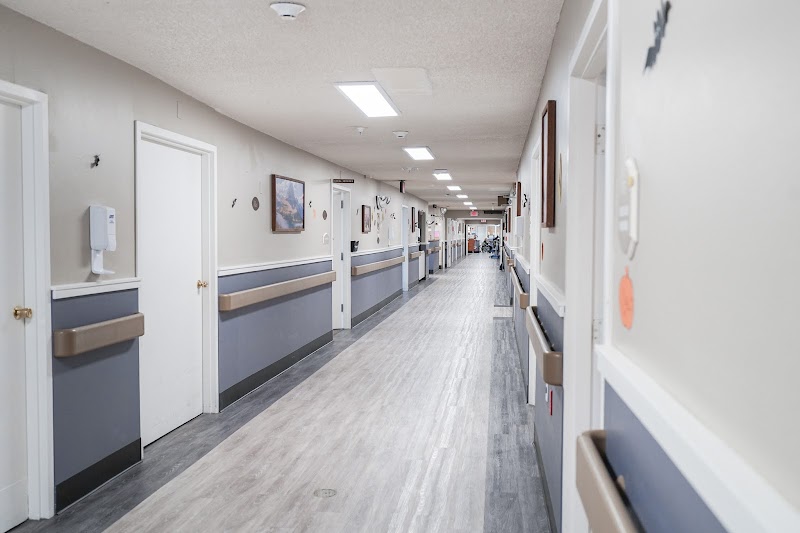
How is Cottonwood Health And Rehabilitation Staffed?

CMS rates Cottonwood Health and Rehabilitation's staffing level at 3 out of 5 stars, which is average compared to other nursing homes. Staff turnover is 47%, compared to the Wyoming average of 46%.

What Have Inspectors Found at Cottonwood Health And Rehabilitation?

State health inspectors documented 28 deficiencies at Cottonwood Health and Rehabilitation during 2022 to 2024. These included: 3 that caused actual resident harm, 24 with potential for harm, and 1 minor or isolated issues. Deficiencies causing actual harm indicate documented cases where residents experienced negative health consequences.
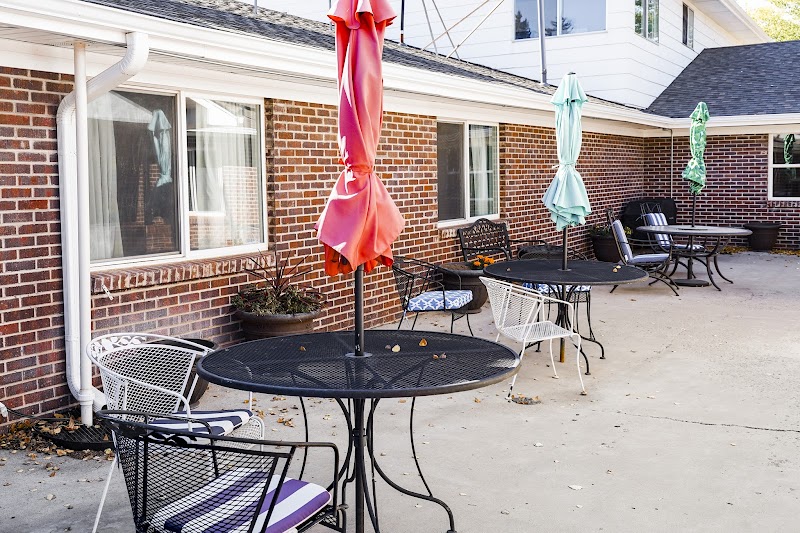
Who Owns and Operates Cottonwood Health And Rehabilitation?

Cottonwood Health and Rehabilitation is owned by a for-profit company. For-profit facilities operate as businesses with obligations to shareholders or private owners. The facility is operated by STELLAR SENIOR LIVING, a chain that manages multiple nursing homes. With 105 certified beds and approximately 49 residents (about 47% occupancy), it is a mid-sized facility located in Laramie, Wyoming.

How Does Cottonwood Health And Rehabilitation Compare to Other Wyoming Nursing Homes?

Compared to the 100 nursing homes in Wyoming, Cottonwood Health and Rehabilitation's overall rating (1 stars) is below the state average of 2.9, staff turnover (47%) is near the state average of 46%, and health inspection rating (2 stars) is below the national benchmark.

What Should Families Ask When Visiting Cottonwood Health And Rehabilitation?

Based on this facility's data, families visiting should ask: "Can I visit during a mealtime to observe dining assistance and food quality?" "How do you handle medical emergencies, and what is your hospital transfer rate?" "Can I speak with family members of current residents about their experience?"

Is Cottonwood Health And Rehabilitation Safe?

Based on CMS inspection data, Cottonwood Health and Rehabilitation has a clean safety record: no substantiated abuse findings (meaning no confirmed cases of resident harm), no Immediate Jeopardy citations (the most serious violation level indicating risk of serious injury or death), and is not on the Special Focus Facility watch list (a federal program monitoring the lowest-performing 1% of nursing homes). The facility has a 1-star overall rating and ranks #100 of 100 nursing homes in Wyoming. While no facility is perfect, families should still ask about staff-to-resident ratios and recent inspection results during their visit.

Do Nurses at Cottonwood Health And Rehabilitation Stick Around?

Cottonwood Health and Rehabilitation has a staff turnover rate of 47%, which is about average for Wyoming nursing homes (state average: 46%). Moderate turnover is common in nursing homes, but families should still ask about staff tenure and how the facility maintains care continuity when employees leave.

Was Cottonwood Health And Rehabilitation Ever Fined?

Cottonwood Health and Rehabilitation has been fined $58,828 across 3 penalty actions. This is above the Wyoming average of $33,667. Fines in this range indicate compliance issues significant enough for CMS to impose meaningful financial consequences. Common causes include delayed correction of deficiencies, repeat violations, or care failures affecting resident safety. Families should ask facility leadership what changes have been made since these penalties.

Is Cottonwood Health And Rehabilitation on Any Federal Watch List?

Cottonwood Health and Rehabilitation is not on any federal watch list. The most significant is the Special Focus Facility (SFF) program, which identifies the bottom 1% of nursing homes nationally based on persistent, serious quality problems. Not being on this list means the facility has avoided the pattern of deficiencies that triggers enhanced federal oversight. This is a positive indicator, though families should still review the facility's inspection history directly.