Sublette County Health
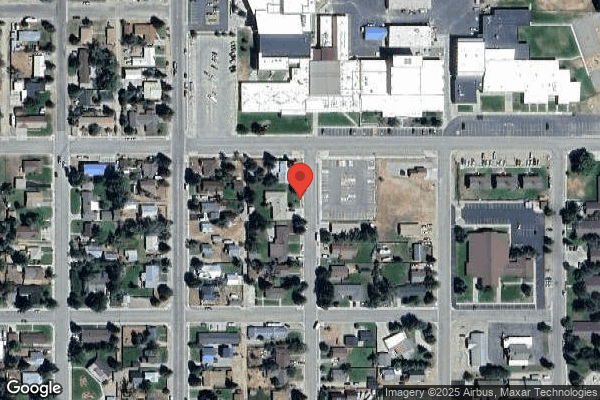
333 N Bridger Ave, Pinedale, WY 82941 (307) 367-4161
Government - Hospital district 50 Beds Independent Data: November 2025
Trust Grade
70/100
#14 of 33 in WY
Last Inspection: June 2025

Inspected within the last 6 months. Data reflects current conditions.

Overview

Sublette County Health in Pinedale, Wyoming, has a Trust Grade of B, indicating it is a good choice for families seeking care, placing it in the top half of Wyoming facilities at #14 out of 33. With no fines reported, the facility appears to maintain compliance, and it has strong RN coverage, surpassing 97% of state facilities, which helps ensure better oversight for residents. However, the facility is not without issues; it has a concerning incident involving a medication error that led to a resident being hospitalized, as well as lapses in infection control practices for residents with foley catheters. Overall, while the facility is improving with fewer reported issues over time, families should weigh both its strengths in staffing and RN coverage against the serious and potential harm incidents identified during inspections.

Trust Score
B
70/100
In Wyoming
#14/33
Top 42%
Safety Record
Moderate
Needs review
Inspections
Getting Better
5 → 4 violations
Staff Stability
⚠ Watch
60% turnover. Above average. Higher turnover means staff may not know residents' routines.
Penalties
✓ Good
No fines on record. Clean compliance history, better than most Wyoming facilities.
Skilled Nurses
✓ Good
Each resident gets 86 minutes of Registered Nurse (RN) attention daily — more than 97% of Wyoming nursing homes. RNs are the most trained staff who catch health problems before they become serious.
Violations
⚠ Watch
11 deficiencies on record. Higher than average. Multiple issues found across inspections.
★★★★☆
4.0
Overall Rating
★★★★☆
4.0
Staff Levels
★★★★★
5.0
Care Quality
★★★☆☆
3.0
Inspection Score
Stable
2024: 5 issues
2025: 4 issues

The Good

  • 4-Star Staffing Rating · Above-average nurse staffing levels
  • 5-Star Quality Measures · Strong clinical quality outcomes
  • Full Sprinkler Coverage · Fire safety systems throughout facility
  • No fines on record

Facility shows strength in staffing levels, quality measures, fire safety.

The Bad

Staff Turnover: 60%

14pts above Wyoming avg (46%)

Frequent staff changes - ask about care continuity

Staff turnover is elevated (60%)

12 points above Wyoming average of 48%

The Ugly 11 deficiencies on record

1 actual harm
Aug 2025 1 deficiency 1 Harm
SERIOUS (G) 📢 Someone Reported This

A family member, employee, or ombudsman was alarmed enough to file a formal complaint

Actual Harm - a resident was hurt due to facility failures

Deficiency F0760 (Tag F0760)

A resident was harmed · This affected 1 resident

**NOTE- TERMS IN BRACKETS HAVE BEEN EDITED TO PROTECT CONFIDENTIALITY** Based on staff interview, medical record review, incident report review, and facility investigation review, the facility failed ...

Read full inspector narrative →
**NOTE- TERMS IN BRACKETS HAVE BEEN EDITED TO PROTECT CONFIDENTIALITY** Based on staff interview, medical record review, incident report review, and facility investigation review, the facility failed to ensure resident's were free from significant medication errors for 1 of 7 sampled residents (#1) reviewed. This failure resulted in harm to resident #1 who was hospitalized following an insulin overdose. The findings were: 1. Review of the admission Minimum Data Set assessment dated [DATE] showed resident #1 had a brief interview for mental status score of 3 out of 15, which indicated severe cognitive impairment, and had diagnoses which include heart failure, atrial fibrillation, renal insufficiency and diabetes mellitus. Further review showed the resident was insulin dependent for diabetes mellitus. The following concerns were identified: a. Review of the facility incident report dated 7/18/25 showed a potential medication error for resident #1 involving sliding scale insulin administration. b. Review of physician orders dated 7/10/2025 for sliding scale insulin showed the resident was to receive 8 units of insulin for blood sugars ranging from 351-400 mg/dl (milligrams per deciliter). c. Review of the resident's medication administration record dated 7/18/25 showed the residents blood sugar was 377 mg/dl prior to insulin administration.d. Review of the Mediation Error Report dated 7/18/25 showed registered nurse (RN) #1 administered 80 units of insulin instead of 8 units on 7/18/25. Further review showed the resident was transferred to an acute care hospital setting following the insulin administration utilizing the wrong type of syringe. e. Review of nursing report titled; Supplemental Statement of Events dated 7/19/25 showed RN #1 documented 8 units of insulin was administered to the resident at approximately 4:30 PM on 7/18/25. Further review showed the resident was not acting like him/herself and exhibited diaphoresis, cool skin, rapid breathing, and changes in level of consciousness. f. Review of the hospital physician note dated 7/19/25 showed the resident was admitted to the Intensive Care Unit for management for hypoglycemia and hypotension following accidental insulin overdose. g. Interview with RN #1 on 8/19/25 at 10:08 AM confirmed the resident was administered 80 units of insulin instead of 8 units on 7/18/25 at approximately 4:30 PM. She revealed during administration of the insulin, she utilized a tuberculin syringe instead of an insulin syringe because she couldn't find any insulin syringes.h. Interview with the director of nursing on 8/19/25 at 9 AM confirmed the wrong insulin dose was administered due to the nurse utilizing the wrong syringe for administration.
Jun 2025 3 deficiencies
CONCERN (D)

Potential for Harm - no one hurt, but risky conditions existed

Deficiency F0605 (Tag F0605)

Could have caused harm · This affected 1 resident

**NOTE- TERMS IN BRACKETS HAVE BEEN EDITED TO PROTECT CONFIDENTIALITY** Based on medical record review, staff interview, and policy and procedure review, the facility failed to ensure adequate monitor...

Read full inspector narrative →
**NOTE- TERMS IN BRACKETS HAVE BEEN EDITED TO PROTECT CONFIDENTIALITY** Based on medical record review, staff interview, and policy and procedure review, the facility failed to ensure adequate monitoring of psychotropic medications for 2 of 6 sample residents (#2, #90) reviewed for unnecessary medications. In addition, the facility failed to ensure as needed (PRN) psychotropic medications were limited to 14 days unless there was a documented rationale for 1 of 6 sample residents (#89) reviewed for unnecessary medications. The findings were: 1. Review of the quarterly MDS assessment dated [DATE] showed resident #2 had diagnoses which included non-Alzheimer's dementia, anxiety disorder, and depression. Review of the physician orders showed the resident had an order for duloxetine (antidepressant) 60 mg daily. The following concern was identified: a. Review of the medical record showed there were no identified target symptoms for the antidepressant. 2. Review of the medical record for resident #90 showed the resident admitted on [DATE] and had diagnoses which included disorientation, history of falling, and depression. Review of the resident's physician orders showed the resident had orders for mirtazipine (antidepressant) 7.5 mg and citalopram (antidepressant) 10 mg. The following concerns were identified: a. Review of the medical record showed no evidence the facility had identified or was monitoring target symptoms for the either antidepressant medication. 3. Review of the medical record showed resident #89 admitted to the facility on [DATE] with diagnoses which included dementia with psychotic disturbance, depression, and personal history or suicidal behavior. Review of the resident's physician orders showed an order for trazadone 50 mg PRN which was ordered on 6/9/25 and there was no stop date indicated. The following concerns were identified: a. Review of the medical record showed no evidence the physician provided a rationale for the PRN trazadone to not have a stop date. 4. Interview with the facility administrator on 6/12/25 at 9:02 AM confirmed some medications only have diagnosis and the facility did not identify target symptoms. Further she confirmed the physician did not provide a rationale for not indicating stop dates for the prn psychotropic medications. 5. Review of the facility policy titled Psychotropic Utilization last reviewed 2/14/25 showed . (4) PRN orders for psychotropic are limited to 14 days. Except as provided in §483.45 (e)(5), if the attending physician or prescribing practitioner believes that it is appropriate for the PRN order to be extended beyond 14 days, he or she should document their rationale in the resident's medical record and indicate the duration for the PRN order .Medication Management: The regulations associated with medication management include consideration of: adequate monitoring for efficacy and adverse consequences .Monitoring for Efficacy and Adverse Consequences .Monitoring and accurate documentation of the resident's response to any medication(s) is essential to evaluate the ongoing benefits as well as risks of various medications. Monitoring should also include evaluation of the effectiveness of non-pharmacological approaches, such as prior to administering PRN medications .
CONCERN (D)

Potential for Harm - no one hurt, but risky conditions existed

MDS Data Transmission (Tag F0640)

Could have caused harm · This affected 1 resident

**NOTE- TERMS IN BRACKETS HAVE BEEN EDITED TO PROTECT CONFIDENTIALITY** Based on medical record review, staff interview, and review of the CMS RAI manual review, the facility failed to ensure MDS asse...

Read full inspector narrative →
**NOTE- TERMS IN BRACKETS HAVE BEEN EDITED TO PROTECT CONFIDENTIALITY** Based on medical record review, staff interview, and review of the CMS RAI manual review, the facility failed to ensure MDS assessments were transmitted within 7 days of completion for 1 of 15 sample residents (#3) reviewed. The findings were: 1. Review of a progress note for resident #3 dated [DATE] and timed 10:03 AM showed the resident expired at the facility. Review of the MDS data for the resident showed the discharge assessment had been completed; however, it had not been submitted. 2. Interview with the MDS coordinator on [DATE] at 3:36 PM confirmed the resident was discharged from the facility in February 2025, the assessment had been completed, and the assessment had not been transmitted. Further interview revealed she transmitted the assessment at that time. Further interview confirmed it should have been submitted prior. 3. Review of the CMS Long-Term Care Facility Resident Assessment Instrument 3.0 User's Manual version 1.19.1 dated [DATE] showed .Tracking Information Transmission: For Entry and Death in Facility tracking records, information must be transmitted within 14 days of the Event Date (A1600 +14 days for Entry records and A2000 + 14 days for Death in Facility records) .
CONCERN (E)

Potential for Harm - no one hurt, but risky conditions existed

Infection Control (Tag F0880)

Could have caused harm · This affected multiple residents

**NOTE- TERMS IN BRACKETS HAVE BEEN EDITED TO PROTECT CONFIDENTIALITY** Based on observation, medical record review, staff interview, and policy and procedure review, the facility failed to ensure pro...

Read full inspector narrative →
**NOTE- TERMS IN BRACKETS HAVE BEEN EDITED TO PROTECT CONFIDENTIALITY** Based on observation, medical record review, staff interview, and policy and procedure review, the facility failed to ensure proper infection control practices for 1 of 2 sample residents (#10) with foley catheter placement and during 2 meal observations. The census was 35. The findings were: Regarding residents with foley catheters: 1. Review of the quarterly MDS assessment dated [DATE] showed resident #10 had a brief interview for mental status score of 13 out of 15, which indicated the resident was cognitively intact, and had diagnoses which included neurogenic bladder, diabetes mellitus, and dementia. Further review showed the resident required substantial/maximal assistance with toileting, showers, upper body dress, lower body dress, putting on footwear, and personal hygiene and had an indwelling urinary catheter. Review of the resident's care plan dated 3/13/25 showed Problem: NURSING: Resident requires a suprapubic catheter related to neurogenic bladder with history of UTI and the interventions included Cath to be emptied every 4 hours with resident checked for incontinent bowel during each encounter to prevent increased risk for infection. Cath care every shift & PRN [as needed] .Do not allow tubing or any part of the drainage system to touch the floor .The following concern was identified: a. Observation on 6/9/25 at 7 PM showed the resident was sitting in the recliner with his/her leg rest up. Under the leg rest, the urinary catheter bag was lying directly on the floor. No barrier was seen between the bag and floor and dark yellow urine was noted in the bag and in the catheter tubing. 2. Interview with CNA #1 on 6/10/25 at 3:38 PM revealed the urinary drainage bag was to be in a basin, and never on the floor. 3. Interview with the infection preventionist on 6/11/25 at 11:25 AM revealed it was the facility expectation for the urinary drainage bags to never be on the floor and to be covered. 4. Review of the procedure Care of an indwelling Catheter hand delivered on 6/11/25 at 11:30 AM by the infection preventionist showed .9.g. Ensure drainage bag is secure in an opaque bag or wash basin. Bags may not rest on the floor or remain uncovered. Regarding meal service: 1. Observation on 6/10/25 at 7:59 AM staff member #1 was assisting with passing resident meal trays. While passing the trays, the staff member was observed touching residents' arms and wheelchairs. Without performing hand hygiene, the staff member approached a resident and assisted the resident by using her ungloved left hand to hold the resident's toast and applying butter with a knife in her right hand. 2. Observation on 6/11/25 at 11:53 AM showed dietary staff member #1, who was wearing gloves, rubbed his face with his left hand. Without removing the gloves, the staff member held the bun of a sandwich using his left hand, and cut the sandwich in half. 3. Interview with the infection preventionist on 6/12/25 at 10:43 AM revealed if staff were touching residents' food items, hand hygiene should be performed before contact with the food items and gloves were to be worn. Further interview revealed after staff touched contaminated surfaces, contaminated gloves should be doffed, hand hygiene should be performed, and new gloves should be donned. 4. Review of the facility policy titled Hand Hygiene last reviewed on 1/23/25 showed .A. Indications for hand hygiene included: 1. Before touching a patient or resident .4. After touching a patient or resident .11. After contact with inanimate surfaces and objects in the immediate vicinity of the patient or resident . 14. After blowing or wiping the nose, coughing, or sneezing, even if a tissue is used .
Apr 2024 2 deficiencies
CONCERN (D) 📢 Someone Reported This

A family member, employee, or ombudsman was alarmed enough to file a formal complaint

Potential for Harm - no one hurt, but risky conditions existed

Free from Abuse/Neglect (Tag F0600)

Could have caused harm · This affected 1 resident

Based on observation, medical record review, resident and staff interviews, review of the facility's investigation, state survey agency incident database review, and policy and procedure review, the f...

Read full inspector narrative →
Based on observation, medical record review, resident and staff interviews, review of the facility's investigation, state survey agency incident database review, and policy and procedure review, the facility failed to protect the resident's right to be free from physical abuse by a staff member for 1 of 1 (#2) sample residents reviewed for abuse allegations. The findings were: 1. Review of the medical record for resident #2 showed an admission date of 12/22/19 and diagnoses which included hemiplegia/hemiparesis affecting the right/dominant side of the body. Further review showed the resident received comfort care to manage symptoms and the resident's prognosis was poor for recovery. Observation on 4/17/24 at 10 AM showed the resident was resting comfortably in bed with family at the bedside. Observation at that time showed the resident appeared thin and frail but was able to open his/her eyes and answer yes/no questions. Interview with the resident at that time, revealed the resident was comfortable, felt safe, and had no complaints related to care. The following concerns were identified. a. Review of the state survey agency incident database showed the facility reported an incident on 3/25/24 which involved resident #2 and CNA #3. The incident alleged CNA #3 was providing incontinence care to resident #2 and said you are the most disgusting [woman/man] ever, why would you do this. This is disgusting. What kind of person does this? Further review showed the CNA admitted her comments were unprofessional and she deserved whatever punishment you see fit. b. Interview with the administrator on 4/17/24 at 10:25 AM confirmed an allegation of verbal abuse towards resident #2 on 3/20/24 and was reported to administration on 3/25/24. She verified an internal investigation was started immediately after notification and the facility substantiated the allegation of verbal abuse towards resident #2 by CNA #3. Further interview revealed the facility notified the proper authorities and terminated the CNA. c. Interview with CNA #1 on 4/17/24 at 11:55 AM revealed the aide witnessed verbal abuse towards resident #2 by CNA #3 on the evening of 3/20/24. The incident disturbed the CNA and it was reported to the nurse on duty that evening; however, it was not reported to administration until 3/25/24. CNA #1 stated she was new to the facility and at the time was not familiar with the procedure for reporting abuse allegations to administration. d. Review of the statement provided by CNA #3 dated 3/26/24 showed an acknowledgement of unprofessional behavior towards resident #2 on 3/20/24 after an episode of incontinence. e. Review of the statement provided by CNA #2 dated 3/26/24 showed on the night of 3/20/24 resident #2 had an incontinence accident in the bed and CNA #3 was heard calling the resident a disgusting [woman/man] while assisting the resident with care. 2. Review of the resident's rights, no date, showed It is the goal of our facility to promote and protect the rights of each resident .26. The right to be free from physical, psychological, or sexual abuse or punishment . 3. Review of the facility policy Abuse, neglect, mistreatment of residents'' dated 12/2023, showed verbal abuse is defined as the use of oral, written, or gestured language that willfully includes disparaging and derogatory terms to residents or their families, or within hearing distance, regardless of their age, ability to comprehend, or disability .g. Reasonable Person Concept: A person with an ordinary degree of reason, foresight or intelligence, whose expectation in relation to a particular circumstance is used as an objective standard by which to measure or determine something. In other words, a resident who has mental incapacity/dementia who is victim of abuse may not show a reaction, however, a reasonable person could experience harm related to the abuse, which would be applied in these situations.
CONCERN (D) 📢 Someone Reported This

A family member, employee, or ombudsman was alarmed enough to file a formal complaint

Potential for Harm - no one hurt, but risky conditions existed

Report Alleged Abuse (Tag F0609)

Could have caused harm · This affected 1 resident

Based on review of the facility's incident log, staff interviews, state survey agency incident database review, and policy and procedure review, the facility failed to report all alleged violations of...

Read full inspector narrative →
Based on review of the facility's incident log, staff interviews, state survey agency incident database review, and policy and procedure review, the facility failed to report all alleged violations of abuse immediately after the occurrence for 1 of 1 sample residents (#2). The findings were: 1. Review of the facility incident log showed an allegation of verbal abuse of a resident during the month of March, 2024. 2. Review of the state survey agency incident database showed an allegation of verbal abuse was reported on 3/25/24; however, the incident occurred on 3/20/24 at 10:20 PM, 5 days before it was reported. 3. Interview with the administrator on 4/17/24 at 10:25 AM confirmed an allegation of verbal abuse towards resident #2 occurred on 3/20/24 and was reported to administration on 3/25/24. 3. Interview with CNA #1 on 4/17/24 at 11:55 AM revealed the aide witnessed verbal abuse towards resident #2 by CNA #3 on the evening of 3/20/24. The incident disturbed the CNA and it was reported to the nurse on duty that evening but not reported to administration until 3/25/24. CNA #1 stated she was new to the facility and at the time was not familiar with the procedure for reporting abuse allegations to administration. 5. Review of the facility policy Abuse, neglect, mistreatment of residents . dated 12/2023 showed, any nursing home employee or volunteer who becomes aware of abuse, mistreatment, neglect .shall immediately report to the Director of Nursing or the Nursing Home Administrator .
Feb 2024 3 deficiencies
CONCERN (D)

Potential for Harm - no one hurt, but risky conditions existed

Medication Errors (Tag F0758)

Could have caused harm · This affected 1 resident

Based on medical record review and staff interview, the facility failed to ensure orders for psychotropic medications were limited to 14 days or the physician documented rationale for an extended orde...

Read full inspector narrative →
Based on medical record review and staff interview, the facility failed to ensure orders for psychotropic medications were limited to 14 days or the physician documented rationale for an extended order, for 1 of 5 sample residents (#34) reviewed for unnecessary medications. The findings were: 1. Review of the 11/22/23 admission MDS assessment showed resident #34 received antianxiety medication and had diagnoses which included dementia and anxiety disorder. The following concerns were identified: a. Review of the current physician orders showed a PRN order for alprazolam (antianxiety) 0.25 mg three times daily which started on 11/20/23 and did not have a stop date. b. On 11/29/23 the pharmacist sent a consultation report to the physician regarding the PRN Alprazolam that did not have a stop date. The pharmacist noted that PRN orders for non-antipsychotic psychotropics were limited to 14 days unless the prescriber documented the rationale for an extended time period. The physician responded on 1/4/24 I will schedule Rx [prescription] . c. Review of the physician orders showed an order dated 1/10/24 for alprazolam 0.25 mg every morning; however, the PRN order remained an active order. Review of the February 2024 MAR showed the PRN order remained active, and the resident received a dose on 2/4/24. d. Interview with the DON on 2/23/24 at 9:15 AM confirmed there was no rationale for the PRN medication being longer than 14 days. She stated she sent a message to the physician the day before regarding the PRN order.
CONCERN (E) 📢 Someone Reported This

A family member, employee, or ombudsman was alarmed enough to file a formal complaint

Potential for Harm - no one hurt, but risky conditions existed

Comprehensive Care Plan (Tag F0656)

Could have caused harm · This affected multiple residents

3. Review of the 7/5/24 annual MDS assessment showed resident #12 had diagnoses which included arthritis, non-Alzheimer's dementia, dementia in other diseases classified elsewhere, severe, with psycho...

Read full inspector narrative →
3. Review of the 7/5/24 annual MDS assessment showed resident #12 had diagnoses which included arthritis, non-Alzheimer's dementia, dementia in other diseases classified elsewhere, severe, with psychotic disturbance, polyarthritis, pain, edema, repeated falls, and urinary tract infection. The resident was at risk for pressure ulcers and had 1 unstageable pressure ulcer. The facility's treatment for the pressure ulcers included a pressure reducing surface for the chair and bed, nutrition, and ointments. Review of the 12/18/23 quarterly MDS assessment showed the resident had a stage 2 pressure ulcer. The following concerns were identified: a. Review of the 7/5/23 annual MDS care area assessment showed pressure ulcers were triggered and care planned. b. Review of the care plan showed Risk for impaired skin integrity [related to] R/T urinary incontinence requiring extensive assistance with toileting with the goal target date of 1/1/24. The care plan did not address the actual stage 2 pressure ulcer. c. During an interview on 2/23/24 at 9:15 AM the DON confirmed the care plan did not address pressure ulcers. She stated care plans were developed for triggered items on the MDS and she was not sure why the care plan didn't address the pressure ulcer. 4. Review of the 1/8/24 annual MDS assessment showed resident #9 had a BIMS score of 15 out of 15, which indicated the resident was cognitively intact. The resident had behaviors of rejection of care. The mobility device used in the last 7 days was a wheelchair. The resident had diagnoses which included medically complex conditions, non-Alzheimer's dementia, anxiety, depression, bipolar, chronic obstructive pulmonary disease, Respiratory failure, Encephalopathy, Morbid (severe) obesity due to excess calories, Unspecified dementia, unspecified severity, with anxiety, and anoxic brain damage. The following concerns were identified: a. Interview with the resident on 2/21/24 at 2 PM revealed I had to work to lose 30 pounds to get an electric wheel-chair. We got a new doctor and new DON and they took it from me. It limits me from where I can go, and when I can go. They did not have a reason why. Interview with the resident on 2/23/24 at 8:57 AM revealed the facility never went over alternatives for his/her wants to go to town. b. Review of the care plan last revised on 1/9/24 showed there were no interventions related to access to the community following the removal of the electric wheelchair. c. Interview with the DON on 2/22/24 at 4:08 PM revealed the resident would need to use transportation services to access the community and the service would cost money. Further interview revealed the resident did not have money for the transportation service. Based on medical record review and resident and staff interview, the facility failed to develop a comprehensive care plan for 4 of 15 sample residents (#4, #9, #12, #20). The findings were: 1. Review of the 12/15/23 admission MDS assessment showed resident #4 received opioid medication and had indicators of pain on 3-4 days during the look-back period. Further review of the assessment showed pain triggered and review of the care area assessment (CAA) for pain showed the resident had a recent fracture, a weekly Butrans patch, oxycodone, and Tylenol was used to control pain. Review of current orders and the February 2024 MAR showed the resident was ordered the following medications for pain: acetaminophen 325 mg, 2 tablets, every 6 hours PRN; Butrans patch weekly, 7.5 mcg/hour, on Friday; morphine concentrate 100 mg/5ml, 0.4 mL (8 mg), four times a day; and morphine concentrate 100 mg/5 mL, 0.4 ml (8 mg) every 8 hours PRN. The following concerns were identified: a. Review of the care plan provided by the facility on 2/22/24 at 4:53 PM showed pain was not addressed. b. During an interview on 2/23/24 at 9:15 AM the DON confirmed the care plan did not address pain. She stated care plans were developed for triggered items on the MDS and she was not sure why the care plan didn't address pain. 2. Review of the 11/13/23 admission MDS assessment showed resident #20 had a diagnosis of hip fracture, received opioid medication, and had pain frequently at a 7 on a scale of 0 to 10. Further review of the assessment showed pain triggered and review of the CAA for pain showed the resident had a recent hip surgery and reported his/her worst pain was a 7 out of 10. Review of physician orders and the February 2024 MAR showed the resident was ordered the following medications for pain: acetaminophen 325 mg, 2 tabs, every 6 hours PRN; Fentanyl patch 72 hour, 25 mcg/hr, every 72 hours; and hydrocodone-acetaminophen 5-325 mg, 1 tab, every 4 hours PRN. The following concerns were identified: a. Review of the care plan provided by the facility on 2/22/24 at 4:40 PM showed pain was not addressed. b. During an interview on 2/23/24 at 9:15 AM the DON confirmed the care plan did not address pain. She stated care plans were developed for triggered items on the MDS and she was not sure why the care plan didn't address pain.
CONCERN (E)

Potential for Harm - no one hurt, but risky conditions existed

Quality of Care (Tag F0684)

Could have caused harm · This affected multiple residents

Based on medical record review, staff interview, and review of facility protocol, the facility failed to implement interventions to treat constipation for 3 of 3 sample residents (#4, #10, #20) review...

Read full inspector narrative →
Based on medical record review, staff interview, and review of facility protocol, the facility failed to implement interventions to treat constipation for 3 of 3 sample residents (#4, #10, #20) reviewed for bowel management due to opioid medication use. The findings were: 1. Review of the 12/15/23 admission MDS assessment showed resident #4 had a femur fracture and received opioid medication. Review of current orders and the February 2024 MAR showed the resident was ordered the following opioid medications: Butrans patch weekly, 7.5 mcg/hour, on Friday; morphine concentrate 100 mg/5ml, 0.4 mL (8 mg), four times a day; and morphine concentrate 100 mg/5 mL, 0.4 ml (8 mg) every 8 hours PRN. The following concerns were identified: a. Review of the bowel movement (BM) record for the past 28 days showed the resident had no BM for 4 days on two occasions (2/9/24-2/12/24 and 2/17/24-2/20/24). b. Review of the February 2024 MAR and progress notes showed no evidence the resident received any interventions for constipation during those timeframes. 2. Review of the 1/31/24 admission MDS assessment showed resident #10 had almost constant pain. Review of physician orders showed the resident was ordered the following opioid medications: morphine 15 mg twice per day and oxycodone 5 mg every 6 hours PRN. In addition, the resident was ordered polyethylene glycol 3350 powder (used to treat constipation), 17 gram/dose, every 24 hours PRN. The following concerns were identified: a. Review of the BM record for the last 28 days showed the resident had no BM for 4 days on two occasions (2/3/24-2/6/24 and 2/17/24-2/20/24). b. Review of the February 2024 MAR and progress notes showed no evidence the resident received any interventions for constipation during those timeframes. 3. Review of the 11/13/23 admission MDS assessment showed resident #20 had a diagnosis of hip fracture, had frequent pain, and received opioid medication. Review of physician orders and the February 2024 MAR showed the resident was ordered the following opioid medications: Fentanyl patch 25 mcg every 72 hours and hydrocodone-acetaminophen 5-325 mg every 4 hours PRN. In addition, the resident was ordered Miralax powder, 17 gram/dose, every 48 hours for constipation. Review of a physician's note dated 1/4/24 showed the resident had drug induced constipation. The following concerns were identified: a. Review of the BM record for the last 28 days showed the resident did not have a BM from 1/29/24-2/2/24 (5 days), 2/4/24-2/8/24 (5 days), and 2/10/24-2/12/24 (3 days). b. Review of the February 2024 and progress notes showed no evidence the bowel protocol was followed during those timeframes. 4. During an interview on 2/23/24 at 9:15 AM the DON stated the facility bowel protocol would apply to residents #4, #10, and #20. She stated staff should follow the protocol or contact the provider. She confirmed there was no evidence to show the protocol was followed for residents #4, #10, and #20. 5. Review of the facility's bowel protocol Constipation Treatment, undated, showed .Day 1: Drink at least 2 liters of water/fluids daily if not contraindicated. Day 2: Psyllium husks 1 tbsp (3.5 g) three times daily, or 6 prunes twice daily. Day 3: Senna 17-25.6 mg daily or Bisacodyl 10-30 mg daily. Day 4: Polyethylene glycol 17-34 g daily. Day 5: Bisacodyl 10 mg suppository daily. Document bowel sounds. Day 6: Warm water enema daily. Document bowel sounds, notify PCP if no BM.
Feb 2023 2 deficiencies
CONCERN (D)

Potential for Harm - no one hurt, but risky conditions existed

Deficiency F0757 (Tag F0757)

Could have caused harm · This affected 1 resident

Based on medical record review, staff interview, and review of facility documentation, the facility failed to ensure the drug regimen was free from unnecessary medications for 1 of 5 sample residents ...

Read full inspector narrative →
Based on medical record review, staff interview, and review of facility documentation, the facility failed to ensure the drug regimen was free from unnecessary medications for 1 of 5 sample residents (#6) reviewed for unnecessary medications. Resident #6 received a medication for excessive duration due to the facility's failure to follow the physician's order. The findings were: 1. Review of the 12/27/22 admission Minimum Data Set (MDS) assessment showed resident #6 received opioid medications, was incontinent of bowel, and did not have constipation. Review of physician orders for February 2023 showed the resident was ordered Butrans (opioid) patch, 7.5 micrograms/hour, every week and oxycodone (opioid) 5 milligrams (mg) 1/2 tab four times a day PRN (as needed). Further review showed on 12/20/22 the resident was ordered loperamide (antidiarrheal) 2 mg twice a day, with instruction to hold for no bowel movement more than one day, and then resume after the first loose stool. Review of a 12/30/22 quarterly nursing assessment showed the resident had diarrhea. Review of a typed summary by the DON dated 2/2/23 showed the resident had a history of chronic diarrhea and .giving [him/her] medication to induce a bowel movement only increased [his/her] discomfort and caused more diarrhea. Therefore, [resident] was removed from the bowel protocol .Currently, [resident] is prescribed Loperamide 2 mg PO BID with instructions to hold if no bm>1 day then resume after first loose stool. The following concerns were identified: a. Review of the bowel movement record showed the resident did not have a bowel movement on 1/16/23 through 1/20/23. Per the physician's order, the loperamide should have been held starting on 1/18/23 (more than one day without a BM). However, review of the medication administration record (MAR) showed the medication was not held until 1/19/23. b. Review of the bowel movement record showed the resident did not have a bowel movement on 1/23/23 through 1/27/23. Per the physician's order, the loperamide should have been held starting on 1/25/23 (more than one day without a BM). However, review of the MAR showed the medication was not held during that time. c. During an interview on 2/2/23 at 10:08 AM the DON confirmed staff did not follow the physician's order to hold the loperamide when the resident did not have a bowel movement for more than one day.
CONCERN (D)

Potential for Harm - no one hurt, but risky conditions existed

Deficiency F0761 (Tag F0761)

Could have caused harm · This affected 1 resident

Based on observation, staff interview, and policy review, the facility failed to ensure medications available for use were not expired in 1 of 1 medication storage rooms. The findings were: 1. On 2/1/...

Read full inspector narrative →
Based on observation, staff interview, and policy review, the facility failed to ensure medications available for use were not expired in 1 of 1 medication storage rooms. The findings were: 1. On 2/1/23 at 8:38 AM observation in the medication storage room showed in a cupboard marked OTC there were several prescription medications. The expired medications in the storage area included 1 tube of triamcinolone acetonide 0.1% ointment, lot number 1BT0433 with expiration date 12/22 and 1 bottle of ketoconazole 2% shampoo, lot number 151646 with expiration date of 09/2022. 2. Interview with RN #1 on 2/1/23 at 8:45 AM revealed the outdated medications should have been stored where they could not be used. 3. Interview with the DON on 2/1/23 at 4:55 PM revealed it was the expectation that all outdated medication be removed from service. 4. Review of the policy titled Disposal/Destruction of Expired or Discontinued Medications with the revision date of 10/10/22 showed: a. Once an order to discontinue a medication is received, the nurse will remove the medication from the medication cart. b. The nurse will place all discontinued medications in the medication room for disposal/destruction.
Understanding Severity Codes (click to expand)
Life-Threatening (Immediate Jeopardy)
J - Isolated K - Pattern L - Widespread
Actual Harm
G - Isolated H - Pattern I - Widespread
Potential for Harm
D - Isolated E - Pattern F - Widespread
No Harm (Minor)
A - Isolated B - Pattern C - Widespread

Questions to Ask on Your Visit

  • "Why is there high staff turnover? How do you retain staff?"
  • "Can I speak with families of current residents?"
  • "What's your RN coverage like on weekends and overnight?"

Our Honest Assessment

Strengths
  • • No fines on record. Clean compliance history, better than most Wyoming facilities.
Concerns
  • • 11 deficiencies on record, including 1 serious (caused harm) violation. Ask about corrective actions taken.
  • • 60% turnover. Above average. Higher turnover means staff may not know residents' routines.
Bottom line: Mixed indicators with Trust Score of 70/100. Visit in person and ask pointed questions.

About This Facility

What is Sublette County Health's CMS Rating?

CMS assigns Sublette County Health an overall rating of 4 out of 5 stars, which is considered above average nationally. Within Wyoming, this rating places the facility higher than 99% of the state's 100 nursing homes. This rating reflects solid performance across the metrics CMS uses to evaluate nursing home quality.

How is Sublette County Health Staffed?

CMS rates Sublette County Health's staffing level at 4 out of 5 stars, which is above average compared to other nursing homes. Staff turnover is 60%, which is 14 percentage points above the Wyoming average of 46%. High turnover can affect care consistency as new staff learn residents' individual needs.

What Have Inspectors Found at Sublette County Health?

State health inspectors documented 11 deficiencies at Sublette County Health during 2023 to 2025. These included: 1 that caused actual resident harm and 10 with potential for harm. Deficiencies causing actual harm indicate documented cases where residents experienced negative health consequences.

Who Owns and Operates Sublette County Health?

Sublette County Health is owned by a government entity. Government-operated facilities are typically run by state, county, or municipal agencies. The facility operates independently rather than as part of a larger chain. With 50 certified beds and approximately 34 residents (about 68% occupancy), it is a smaller facility located in Pinedale, Wyoming.

How Does Sublette County Health Compare to Other Wyoming Nursing Homes?

Compared to the 100 nursing homes in Wyoming, Sublette County Health's overall rating (4 stars) is above the state average of 3.0, staff turnover (60%) is significantly higher than the state average of 46%, and health inspection rating (3 stars) is at the national benchmark.

What Should Families Ask When Visiting Sublette County Health?

Based on this facility's data, families visiting should ask: "How do you ensure continuity of care given staff turnover, and what is your staff retention strategy?" "Can I visit during a mealtime to observe dining assistance and food quality?" "How do you handle medical emergencies, and what is your hospital transfer rate?" "Can I speak with family members of current residents about their experience?" These questions are particularly relevant given the facility's high staff turnover rate.

Is Sublette County Health Safe?

Based on CMS inspection data, Sublette County Health has a clean safety record: no substantiated abuse findings (meaning no confirmed cases of resident harm), no Immediate Jeopardy citations (the most serious violation level indicating risk of serious injury or death), and is not on the Special Focus Facility watch list (a federal program monitoring the lowest-performing 1% of nursing homes). The facility has a 4-star overall rating and ranks #1 of 100 nursing homes in Wyoming. While no facility is perfect, families should still ask about staff-to-resident ratios and recent inspection results during their visit.

Do Nurses at Sublette County Health Stick Around?

Staff turnover at Sublette County Health is high. At 60%, the facility is 14 percentage points above the Wyoming average of 46%. High turnover means new staff may not know residents' individual needs, medications, or preferences. It can also be disorienting for residents, especially those with dementia who rely on familiar faces. Families should ask: What is causing the turnover? What retention programs are in place? How do you ensure care continuity during staff transitions?

Was Sublette County Health Ever Fined?

Sublette County Health has no federal fines on record. CMS issues fines when nursing homes fail to meet care standards or don't correct problems found during inspections. The absence of fines suggests the facility has either maintained compliance or corrected any issues before penalties were assessed. This is a positive indicator, though families should still review recent inspection reports for the full picture.

Is Sublette County Health on Any Federal Watch List?

Sublette County Health is not on any federal watch list. The most significant is the Special Focus Facility (SFF) program, which identifies the bottom 1% of nursing homes nationally based on persistent, serious quality problems. Not being on this list means the facility has avoided the pattern of deficiencies that triggers enhanced federal oversight. This is a positive indicator, though families should still review the facility's inspection history directly.