Rawlins SNF Operations LLC
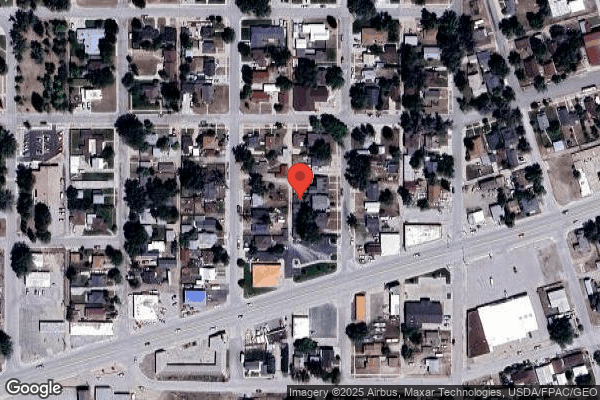
542 16th St, Rawlins, WY 82301 (307) 324-2759
For profit - Corporation 62 Beds EMPRES OPERATED BY EVERGREEN Data: November 2025 2 Immediate Jeopardy citations
Trust Grade
0/100
#32 of 33 in WY
Last Inspection: May 2024

Within standard 12-15 month inspection cycle. Federal law requires annual inspections.

Overview

Rawlins SNF Operations LLC has received a Trust Grade of F, indicating significant concerns about the facility's quality and safety. It ranks #32 out of 33 nursing homes in Wyoming, placing it in the bottom half of the state, and is the only option in Carbon County. While the facility is improving, having reduced issues from three in 2024 to one in 2025, it still has critical failures, such as not providing CPR in accordance with a resident's advance directive and failing to protect a resident from sexual abuse, which raised alarms about resident safety. Staffing is a relative strength, with a rating of 4 out of 5 stars and a turnover rate of 44%, which is better than the state average; however, fines totaling $34,858 are concerning, as they are higher than 86% of Wyoming facilities. Additionally, more RN coverage than 79% of state facilities helps ensure better oversight, but families should be aware of the serious incidents and ongoing issues that may impact resident care.
Trust Score
F
0/100
In Wyoming
#32/33
Bottom 4%
Safety Record
High Risk
Review needed
Inspections
Getting Better
3 → 1 violations
Staff Stability
○ Average
44% turnover. Near Wyoming's 48% average. Typical for the industry.
Penalties
✓ Good
$34,858 in fines. Lower than most Wyoming facilities. Relatively clean record.
Skilled Nurses
✓ Good
Each resident gets 58 minutes of Registered Nurse (RN) attention daily — more than average for Wyoming. RNs are trained to catch health problems early.
Violations
⚠ Watch
18 deficiencies on record. Higher than average. Multiple issues found across inspections.
★☆☆☆☆
1.0
Overall Rating
★★★★☆
4.0
Staff Levels
★☆☆☆☆
1.0
Care Quality
★☆☆☆☆
1.0
Inspection Score
Stable
2024: 3 issues
2025: 1 issues

The Good

  • 4-Star Staffing Rating · Above-average nurse staffing levels
  • Full Sprinkler Coverage · Fire safety systems throughout facility
  • No fines on record
  • Staff turnover below average (44%)

    4 points below Wyoming average of 48%

Facility shows strength in staffing levels, fire safety.

The Bad

1-Star Overall Rating

Below Wyoming average (2.9)

Significant quality concerns identified by CMS

Staff Turnover: 44%

Near Wyoming avg (46%)

Typical for the industry

Federal Fines: $34,858

Above median ($33,413)

Moderate penalties - review what triggered them

Chain: EMPRES OPERATED BY EVERGREEN

Part of a multi-facility chain

Ask about local staffing decisions and management

The Ugly 18 deficiencies on record

2 life-threatening
Jun 2025 1 deficiency
CONCERN (D) 📢 Someone Reported This

A family member, employee, or ombudsman was alarmed enough to file a formal complaint

Potential for Harm - no one hurt, but risky conditions existed

Deficiency F0627 (Tag F0627)

Could have caused harm · This affected 1 resident

**NOTE- TERMS IN BRACKETS HAVE BEEN EDITED TO PROTECT CONFIDENTIALITY** Based on medical record review, resident representative, hospital staff and staff interview the facility failed to ensure a resi...

Read full inspector narrative →
**NOTE- TERMS IN BRACKETS HAVE BEEN EDITED TO PROTECT CONFIDENTIALITY** Based on medical record review, resident representative, hospital staff and staff interview the facility failed to ensure a resident was allowed to return following a transfer to an acute care setting for 1 of 3 sample residents (#1) reviewed for discharge. The findings were: 1. Review of the medical record for resident #1 showed the resident was admitted to the facility on [DATE]. Review of the admission MDS assessment dated [DATE] showed resident #1 was unable to complete a BIMS assessment, had severely impaired cognitive skills for daily decision making, and diagnoses which included non-Alzheimer's dementia, Pick's disease, other frontotemporal neurocognitive disorder, and aphasia. Further review of the medical record showed resident #1 had behavioral issues, which included wandering through the hallways and other resident rooms, defecating and urinating in the hallway, and physical aggression toward other residents and staff. The following concerns were identified: a. Review of a progress note dated 4/1/25 and timed 1:35 PM showed Late entry: While RN was completing resident's admission with [his/her] sister/POA, [name], she stated that resident has regressed quite a bit since [his/her] last stay here. She reported [s/he] was voiding and defecating in inappropriate places, often hypersexual, aggressive, and has not been bathed in 4 months due to her not wanting to fight with [him/her] to take a shower. RN reported this to [name], SSD, and [name], ED, as I felt as if these things were concerning with accepting this admission. This RN witnessed [SSD] enter the resident's room and tell [sister] that we will take resident on a trial basis, however if resident proves too much for our staff to handle or it doesn't work out we will send out referrals to get [him/her] to a more secure locked unit, however she would need to come pick [him/her] up. b. Review of a progress note dated 4/7/25 and timed 7:11 PM showed Spoke with sister [name] at length regarding placement to a locked unit. We have not been successful at this time. She is distraught and afraid [s/he] will be placed far away. She is teary and concerned. We assured her that we will do everything we can for [him/her] and her. She gave some insight into some activities [s/he] does enjoy . c. Review of a progress note dated 5/28/25 and timed 2:36 PM showed referrals were sent to 10 care centers by the SSD. d. Review of a progress note dated 5/28/25 and timed 3 PM showed DNS [name] informed RN that we are to send resident to [hospital] ER for aggression via ambulance at this time. She completed the ER transport form. 911 called to request EMS. Report called to [name] in the ER. Dr. [name] notified via phone of transport by this RN at 3:37 PM. Resident admitted to Med Surg 3rd floor per RN from [hospital name] who called with a medication question. e. Review of a progress note dated 5/28/25 and timed 5:35 PM showed SSD called [name] and let her know resident was sent to the ER @ [hospital name] again today. The connection was bad and SSD made sure [name] could hear me when speaking. SSD informed [name] resident was sent out and [facility] would not be accepting [him/her] back. [name] told SSDit [sic] is my responsibility to find [him/her] placement. SSD let [name] know I have a list of places that may accept him/her and s/he is on the waiting list for [facility]. The call was dropped at this time [sic] [name] called back and SSD answered the phone. [Name] asked if I meant to hang up on her and I explained I did not. SSD asked if she had heard the last information on the places that may be willing to take resident. [Name] had not heard me? (she was driving in a rain storm near [name of town] where the service is spotty)[sic] [name] said she did not and began to repeat herself about it being [facility's] responsibility to find [him/her] placement. SSD let [name] know this decision came from cooperate [sic] and gave her [name of corporate staff] name to follow up with. SSD apologized and told her it was not a choice we here made and the safety of the other residents and staff had to be considered. [Name] said she did not disagree with [facility] not keeping resident. SSD then told her again I have a list of places that may accepthim [sic] and spoke to her directly about [ list of 3 facilities]. [Name] thanked SSD and asked if there were any places in [2 cities]. SSD let her know I was not able to locate any. SSD offered to provide [name] with a list of places I have sent referrals to . SSD told [name] we will get residents belongings packed up and if she wants to let us know when she is in town we will make sure they are all ready for her along with th4 [sic] list of places ho [sic] may be willing to accept resident. SSD explained the hope was to find a place to transfer [him/her]. [Name] thanked SSD and said she will let us know when she is able to come pick up [his/her] things. f. Review of a Resident Notice of Transfer or Discharge dated 5/28/25 showed the reason for transfer/discharge was The resident's clinical or behavioral status (or condition) otherwise endangers the health of individuals in the facility. Further review showed You have the right to appeal this decision and the resident's representative was notified by phone. g. Review of a letter written by the ED, dated 5/28/25 and addressed to the resident's sister showed This letter will serve as formal notification that it is the intention of [NAME] Rehabilitation and Wellness to discharge [name] on 6/29/25 due to [his/her] clinical or behavioral status endangers the safety of self and individuals in the facility and the physician also supports this discharge. As discussed upon admission, [facility name] would admit [name] on a trial to see if [his/her]needs and behavioral status could be met at the center. This has been an ongoing situation that the facility has attempted to reconcile on numerous occasions. You are encouraged to contact Social Services to give appropriate instructions of the location where you desire [name] to be discharged . In the absence of alternative instructions, [name] will be discharged to the custody of you h. Interview with the ED on 6/12/25 at 8:40 AM revealed resident #1 had been at the facility prior to the 4/1/25 admission, and when the resident's sister had asked if the facility would take him/her back, she neglected to tell them s/he had increased behaviors. She reported the facility staff asked his/her sister if she would be able to take him/her back home if the facility could not provide the care s/he needed and she said yes, however that changed when the behaviors got worse. She stated the doctor had reported the resident had more going on than Pick's disease and his/her behaviors could change hourly, which was why a medication might work one day and not the next. i. Interview with the resident's sister on 6/12/25 at 8:54 AM revealed the facility did not secure a different facility for the resident and dumped the resident at the hospital on 5/28/25 where s/he was put on a Title 25 hold in a metal cell before the hospital secured placement out of state at a short-term psychiatric facility. She reported the current out of state facility was trying to find in-state placement, and that was difficult because no facilities in the state were accepting the resident. j. Interview with the hospital social worker on 6/12/25 at 2:48 PM revealed she received an email from the SSD on 5/28/25 at 6:10 PM with a list of 3 places that were willing to accept the resident, and 2 of them were out of state. She contacted the resident's sister who did not want to move the resident to the assisted living facility out of state because it was private pay, and stated when she contacted the in-state facility, they informed her the resident was not appropriate for the facility and was not on the waiting list. The third facility was an out of state psychiatric facility but did not have any openings at first, and told the social worker that she should call frequently to check if they had an opening. Further interview revealed she did not receive any further communication from the facility, she called the third facility frequently as they had suggested, and she was able to place the resident at that facility for short term psychiatric rehabilitation. k. Interview with the SSD on 6/12/25 at 4:00 PM revealed when she learned of the resident's increased behaviors and aggression toward others, she let the resident's sister know they would do a 30-day trial and if they could not manage the resident's behaviors, she would need to agree to take him/her back home, which the SSD reported she did. She reported she sent many referrals and was either told the resident would not be accepted by the facility or did not receive a response. Further interview revealed on 5/28/25 the resident choked a CNA and hit a nurse, and was sent to the hospital for adjustments to his/her medications. She confirmed she called the resident's sister to inform her of the assaults and that the facility would not be able to take the resident back. She reported she found 3 places that would possibly accept the resident, and that she had emailed the social worker at the hospital the list of facilities. Further interview confirmed she was not in contact with the hospital and did not know where the resident had been discharged . She reported the hospital social worker had picked up the resident's belongings. l. Interview with the ED on 6/12/25 at 4:50 PM revealed while s/he was in the facility, the resident had injured CNAs and 1 had been sent to the ER. She reported the facility staff had tried multiple interventions and the behaviors had continued. She reported the rooms at the hospital were open window psych rooms where the nurse could get in to assist and the resident could not get out. m. During an interview on 6/27/25 at 10:03 AM the hospital social worker stated when the patient was sent to the hospital the nurse from the facility called and stated the resident had been aggressive and hit staff. The nurse told the hospital they were not taking the resident back. The social worker further stated the facility never called to arrange a time to evaluate the patient to see if s/he was appropriate to return to the nursing home. The patient was discharged from the hospital on 6/3/25.
May 2024 3 deficiencies 1 IJ
CRITICAL (J) 📢 Someone Reported This

A family member, employee, or ombudsman was alarmed enough to file a formal complaint

Immediate Jeopardy (IJ) - the most serious Medicare violation

Deficiency F0678 (Tag F0678)

Someone could have died · This affected 1 resident

**NOTE- TERMS IN BRACKETS HAVE BEEN EDITED TO PROTECT CONFIDENTIALITY** Based on medical record review, staff and physician interview, and policy review, the facility failed to provide CPR in accordan...

Read full inspector narrative →
**NOTE- TERMS IN BRACKETS HAVE BEEN EDITED TO PROTECT CONFIDENTIALITY** Based on medical record review, staff and physician interview, and policy review, the facility failed to provide CPR in accordance with a resident's advance directive for 1 of 1 sample resident (#36) who expired. The emergency happened shortly after admission. The facility had not identified the issue, which left all new admits at risk and a determination of immediate jeopardy. The census was 35 and there were two new admits in the last 30 days. The findings were: 1. Medical record review for resident #36 showed an admission and discharge date of [DATE]. Further review showed the resident signed the admission paperwork, including a POLST [physician orders for life-sustaining treatment] dated [DATE] that indicated the resident chose to be a full code. The POLST was signed by the physician on [DATE]. The nurse admission evaluation was completed by LPN #1 on [DATE] at 2:43 PM and the resident was alert and oriented. The following concerns were identified: a. Review of a progress note on [DATE] at 6:15 PM showed two RN's (RN #1 and RN #2) were providing care to the resident when s/he became unresponsive and lost signs of life. The note did not show that CPR was done on the resident. b. Interview with the administrator (RN #1) on [DATE] at 5:03 PM revealed she had heard the resident was a DNR/DNI in the hospital and did not start CPR on the resident. She was unaware that in the event of a cardiopulmonary arrest the resident and physician had signed a POLST that requested CPR. An additional interview on [DATE] at 11 AM revealed the resident showed signs of mottling to the extremities just prior to the resident becoming unresponsive and the physician was notified. However, further review of progress notes showed no documentation of mottling or notification of the physician prior to notification of the death. c. Interview with LPN #1 on [DATE] at 9:05 AM revealed he admitted the resident and did not recall the resident stating a code status. d. Interview with social worker #1 on [DATE] at 9:12 AM revealed when a new resident arrived at the facility, medical records personnel met with the resident to process the admission paperwork, including the POLST. e. Interview with CNA #1 on [DATE] at 9:20 AM verified the residents' POLST and code status documents were kept in the disaster recovery binder at the nurses station. A random check of two residents verified the information in the binder was correct and there was a tab with resident #36's name on it but the POLST was no longer in the binder. f. Interview with the DON (RN #2) on [DATE] at 9:30 AM revealed she was providing care to the resident when s/he lost consciousness and did not have a pulse. She had heard that while hospitalized the resident chose a DNR/DNI status and she was not aware the resident had signed a POLST earlier in the day requesting CPR in the event of a cardiopulmonary arrest. g. Interview with physician #1 on [DATE] at 12:50 AM revealed he had signed the resident's POLST and was aware of the resident's pending admission to the facility but had not yet seen the resident. He further revealed he had not been notified of any concerns the facility had regarding the resident until the notification of the resident's death. 2. Review of the personnel files for the DON and the administrator showed both were currently certified in CPR. 3. Review of the admission packet, last revised [DATE], showed .The center will abide by any instructions provided in your Advance Directive, Living Will, Health Care Power of Attorney, other Directive, or any POLST/POST issued by your physician. If you have not provided an Advance Directive or if a POLST/POST has not been issued, the Center will take all appropriate actions during an emergency, including administering CPR, calling 911 and sending you to a hospital. 4. Review of the facility's Code Blue (Resident found without vital signs) policy, published [DATE], showed .The resident's code status is established immediately by the nearest Licensed Nurse (LN) using the POLST/POST/Advance Directives .CPR is initiated by the LN for those residents who: a. Have requested, through advance directive or POLST/POST, to have CPR initiated when cardiac or respiratory arrest occurs. b. Have not formulated an advanced directive nor have a POLST in their medical record. c. Do not have a valid DNR order. 5. Review of the facility's Advance Directive policy, updated [DATE], showed .The Center follows each advance directive that has been provided to it in accordance with State and Federal Law .In the absence of an Advanced Directive, the Center provides full treatment to the resident in the event of an emergency of health change. 6. On [DATE] at 8:30 AM the administrator was informed of the immediate jeopardy related to lack of CPR in accordance with advance directives. 7. The facility submitted a removal plan which included: a. Education to all staff regarding POLST forms and code blue. b. 100% audit of all POLST forms for all current residents. c. Audit of all licensed nurses for verification of up to date CPR. e. A mock Code Blue drill was conducted on [DATE], and would occur on every shift for the next 24 hours. 8. The removal plan was accepted on [DATE] at 11:50 AM. 9. The implementation of the removal plan was verified and immediacy was removed on [DATE] at 12:34 PM; however, deficient practice remained at a scope and severity of G.
CONCERN (D) 📢 Someone Reported This

A family member, employee, or ombudsman was alarmed enough to file a formal complaint

Potential for Harm - no one hurt, but risky conditions existed

Unnecessary Medications (Tag F0759)

Could have caused harm · This affected 1 resident

Based on observation, medical record review, and staff and physician interview, the facility failed to ensure the medication error rate was 5% or less. There were 2 errors out of 25 medications admini...

Read full inspector narrative →
Based on observation, medical record review, and staff and physician interview, the facility failed to ensure the medication error rate was 5% or less. There were 2 errors out of 25 medications administered, for an error rate of 8%. The findings were: 1. Observation of RN #1 on 5/1/23 at 9 AM showed administration of folic acid 2 tablets of 400 mcg and 20 ml of liquid potassium to resident #24. Interview with the nurse at that time revealed the MAR showed the resident's order for folic acid was 2-400 MG tablets and the folic acid was dispensed in micrograms (not milligrams) so she corrected the MAR from mg to mcg to prevent the error and gave a total of 800 mcg of folic acid to the resident. In addition, the potassium chloride bottle showed the concentration as 20 mEq/15 ml give 20 ml's and the nurse confirmed there was 20 ml in the resident's medication cup. 2. Review of the medication orders in resident #1's medical record showed an order for folic acid 400 mg tablets, 2 tablets, twice a day and for liquid potassium chloride 15 mEq with a concentration of 20 mEq/15 mls. 3. Interview with the ordering physician (physician #1) on 5/2/24 at 12:55 PM confirmed the order should have been written in mEq not mls; the pharmacy should have calculated the dose based on the concentration of the liquid (mEq/ml) and 20 ml was not equal to 15 mEq as ordered.
CONCERN (E) 📢 Someone Reported This

A family member, employee, or ombudsman was alarmed enough to file a formal complaint

Potential for Harm - no one hurt, but risky conditions existed

Food Safety (Tag F0812)

Could have caused harm · This affected multiple residents

Based on observation, staff interview, and review of the 2022 Food Code, the facility failed to store and prepare food in accordance with professional standards related to expired food and cleanliness...

Read full inspector narrative →
Based on observation, staff interview, and review of the 2022 Food Code, the facility failed to store and prepare food in accordance with professional standards related to expired food and cleanliness during 2 of 2 observations in the kitchen. The findings were: 1. Observation of the walk-in refrigerator on 4/29/24 at 2:54 PM showed two 5 pound containers of sour cream with an expiration date of 4/5/24 and another with an expiration date of 4/15/24. In addition there was a 5 pound container of cottage cheese with an expiration date of 4/15/24 and another with an expiration date of 4/19/14. Observation again on 5/2/24 at 1:31 PM with the dietary manager showed the expired food items were still there. Interview at that time with the dietary manager revealed staff usually looked through the refrigerator weekly for expired items. Review of the 2022 Food Code, US Food and Drug Administration, showed .Except as specified in ¶¶ (E) - (G) of this section, refrigerated, READY-TO-EAT TIME/TEMPERATURE CONTROL FOR SAFETY FOOD prepared and PACKAGED by a FOOD PROCESSING PLANT shall be clearly marked, at the time the original container is opened in a FOOD ESTABLISHMENT and if the FOOD is held for more than 24 hours, to indicate the date or day by which the FOOD shall be consumed on the PREMISES, sold, or discarded, based on the temperature and time combinations specified in ¶ (A) of this section and: (1) The day the original container is opened in the FOOD ESTABLISHMENT shall be counted as Day 1; and (2) The day or date marked by the FOOD ESTABLISHMENT may not exceed a manufacturer ' s use-by date if the manufacturer determined the use-by date based on FOOD safety. 2. Observation on 5/1/24 at 5 PM in the kitchen showed the hanging pot/utensil rack had dust and dirt visible on the surface. At the time, there were 3 pots and 10 utensils hanging from the rack. In addition, the fan in the window above the spice rack and the fire extinguisher near the spice rack were both visibly dusty/dirty. During an interview on 5/2/24 at 1:31 PM the dietary manager stated the hanging pot holder was on the weekly cleaning schedule and the fan in the window was going to be removed. Review of the 2022 Food Code, US Food and Drug Administration, showed .4-601.11 Equipment, Food-Contact Surfaces, Nonfood-Contact Surfaces, and Utensils. (A) EQUIPMENT FOOD-CONTACT SURFACES and UTENSILS shall be clean to sight and touch. (B) The FOOD-CONTACT SURFACES of cooking EQUIPMENT and pans shall be kept free of encrusted grease deposits and other soil accumulations. (C) NonFOOD-CONTACT SURFACES of EQUIPMENT shall be kept free of an accumulation of dust, dirt, FOOD residue, and other debris.
Mar 2023 6 deficiencies 1 IJ
CRITICAL (J)

Immediate Jeopardy (IJ) - the most serious Medicare violation

Free from Abuse/Neglect (Tag F0600)

Someone could have died · This affected 1 resident

**NOTE- TERMS IN BRACKETS HAVE BEEN EDITED TO PROTECT CONFIDENTIALITY** Based on medical record review, staff interview, facility-reported incident review, and policy review, the facility failed to pr...

Read full inspector narrative →
**NOTE- TERMS IN BRACKETS HAVE BEEN EDITED TO PROTECT CONFIDENTIALITY** Based on medical record review, staff interview, facility-reported incident review, and policy review, the facility failed to protect the resident's right to be free from sexual abuse by a resident for 1 of 5 sample residents (#23) reviewed for allegations of abuse. This failure resulted in a determination of immediate jeopardy due to inadequate protections from sexual abuse for vulnerable residents. The findings were: 1. Review of the 1/20/23 quarterly MDS assessment for resident #23 showed the resident had a BIMS score of 4 out of 15, indicating the resident had significantly impaired cognition. The review showed the resident had diagnoses that included epilepsy, dementia, cognitive communication deficit, depression, irritability and anger. Further review showed the resident used a wheelchair for mobility, had disorganized thinking, and needed extensive assistance from staff for toileting, personal hygiene, and locomotion. 2. Review of the 12/19/22 quarterly MDS assessment showed resident #8 was admitted to the facility on [DATE] with diagnoses which included dementia, anxiety disorder, depression, and bipolar disease. The resident's brief interview for mental status score was 15 out of 15, which indicated the resident was cognitively intact. Review of the assessment at section G for transfer, walk in room, walk in corridor, locomotion on unit, and locomotion off unit showed the resident required only supervision, oversight, encouragement or cueing, and set up only. The area at section G showed the resident was not steady, but was able to stabilize without human assistance, and the resident utilized a walker. 3. Review of CNA behavior documentation for resident #8 from 2/28/23 to 3/29/23 showed the facility was monitoring the resident for behaviors that included the following: unsolicited sexual comments, gestures, touching staff or residents, masturbating and ringing call light (forced observation), and sexual gestures toward residents. The documentation noted the resident had one or more of these behaviors on 3/13/23 and 3/18/23, but did not specify what the behaviors were. The interventions noted on 3/13/23 and 3/18/23 were 1 to 1 supervision by staff. 4. Review of facility incident reports showed a 12/31/20 incident where it was reported resident #23's hands were down resident #8's pants. Further review showed a 3/18/23 incident where it was reported resident #8 was heard asking resident #23 Do you want to suck it, while holding his/her genitals. The CNA #1 separated both residents, asking resident #8 to return to his/her room, explaining this was inappropriate behavior. The facility's interview with the CNA who witnessed the interaction revealed resident #8 did not have his/her genitals exposed, but was holding his/her genitals in his pants. The incident further noted that resident #8 was independently ambulatory with a front-wheeled walker, had a history of sexually inappropriate behavior, gestures, and vocalizations toward staff and others. The follow concerns were identified: a. Interview with CNA #1 on 3/30/23 at 9:43 AM revealed while she was working on 3/18/23, both residents were in the hallway when she heard resident #8 say to resident #23, Do you want to suck it. When the CNA approached the residents she saw that resident #8 had his/her pants halfway between his/her waist and hips, with his/her hands in the pants, grabbing his/her own genitals and standing with his/her genitals close to the face of resident #23, who was sitting in a wheelchair. The CNA stated resident #23 was leaning forward like [s/he] was going to suck it if I had not intervened. The CNA then separated both residents. The CNA stated management provided verbal education after the incident. The education consisted of keeping those two residents separated. b. Further review of the 12/19/22 quarterly MDS assessment showed resident #8 ambulated independently with the use of a walker. Review of the assessment at section G for transfer, walk in room, walk in corridor, locomotion on unit, and locomotion off unit showed the resident required only supervision, oversight, encouragement or cueing, and set up only. The area at section G also showed the resident was not steady, but was able to stabilize without human assistance, and the resident utilized a walker. c. Review of the 3/15/23 Psychotropic Drug and Behavior Monthly form for resident #8 showed the resident came out of his/her room for meals and activities, had been doing well with his/her depressive-like behaviors, and had been doing well overall. The resident received mental health therapy about every other week and appeared to be reaching his/her highest functional level. Further review showed the resident had no new behaviors since the last review and the resident's overall behaviors continued to decrease with the current medication regimen. The interdisciplinary team recommended that the resident continue to be monitored regarding behaviors. However, the facility failed to address or investigate the sexually inappropriate behavior documented by CNAs on 3/13/23. d. Interview with CNA #4 on 3/30/23 at 1:30 PM revealed her concern that other residents were not safe around resident #8, noting the resident continued to make inappropriate comments. e. Interview with CNA #5 on 3/30/23 at 3:10 PM, revealed the CNA had witnessed two separate occasions last year (2022) when resident #23 had his/her hand in resident #8's pajama pants, and the police were called after the second incident. After the second incident CNA #5 said she asked resident #23 if s/he knew what was going on, and resident #23 replied to CNA #5 s/he did not know and that resident #8 had told him/her it was a game. CNA #5 also stated s/he felt the facility failed to prevent the behavior because it kept happening. S/he also stated that resident #23 did not provoke these behaviors and did not have the capacity to do so, that s/he was a follower and didn't think of the ideas first. She also stated her opinion resident #8 had targeted resident #23 because s/he could get away with it. f. An additional interview with CNA #1 on 3/30/23, at 5:30 PM confirmed her original written statement and further added that resident #8 did not reveal his/her genitals at that time, his/her pants were at his/her hips and the CNA was glad she caught them and stopped it from happening because she did not want that for anyone. g. Interview with CNA #3 on 3/30/23 at 1:45 PM revealed resident #8 often made sexual comments about others. She also stated the resident could be redirected; however s/he just does it again, and the CNA felt that the resident would continue to manipulate vulnerable residents. The CNA also confirmed that resident #23 did not solicit sexual comments or behaviors from others. h. Review of resident #8's room change notice dated and signed on 3/20/23 showed the room change was due to safety issues and repeated occurrences with fellow residents. Review of the progress notes for resident #8 showed on 3/18/23 at 10:24 AM, It was reported to the nurse this resident was in the hall, approached another resident, pulled down [his/her] own pants, and asked the other resident to suck it. The CNA then confronted and redirected both residents, and notifications were made. Further review showed resident #8 was moved from room [ROOM NUMBER] to room [ROOM NUMBER] due to an incident with another resident. However, the facility failed to change the resident's room until 2 days after the incident. i. Review of resident #8's care plan, last revised on 8/1/22, failed to show any new revisions or interventions since 6/8/22. j. Review of the facility staff education dated 3/30/23 titled Staff Education on Monitoring Resident while in common areas throughout the building, showed Due to recent incidents with [resident #8], we must monitor [his/her] whereabouts throughout the facility at all times, especially during times when other vulnerable residents are around. Please read and sign. Further review showed 19 signatures on the document. k. Interview with the ED on 3/30/23 at 9:15 AM revealed the facility was unable to do a root cause analysis because resident #8 chronically denied any and all allegations of sexual misconduct, and the resident had cycles of misbehaving. The ED stated they moved the resident closer to the manager's offices to help monitor but did not have a staff member continuously observing the resident for prevention and safety. 5. Review of the facility policy titled Abuse, Corporal Punishment, Involuntary Seclusion, Mistreatment, Neglect, Misappropriation of Resident Property, and Exploitation. last updated September 2017, definitions showed: -Sexual Abuse: Non-consensual sexual contact of any type with a resident. It includes but is not limited to: Unwanted intimate touching of any kind, especially of breast or perineal areas; Forced observation of masturbation and/or pornography; and . Generally, sexual contact is non-consensual if the resident either: Appears to want the contact to occur, but lacks the cognitive ability to consent. -Mistreatment: Inappropriate treatment or exploitation of a resident. -Exploitation: Taking advantage of a resident for personal gain through the use of manipulation, intimidation, threats, or coercion. 6. Review of the facility policy titled Prevention of all Types of Abuse, Neglect, Mistreatment, Involuntary Seclusion, Exploitation, and Misappropriation of Resident Property'' last updated October 2022, showed the following: 7 Correct and intervene in reported identified situations in which abuse, neglect, exploitation, or misappropriation is more likely to occur by analyzing the following .b confirm that the staff assigned has knowledge of the individual residents' care needs and behaviors; e. The identification, ongoing assessment, care planning for appropriate interventions, and monitoring of residents with needs and behaviors which might lead to conflict or neglect, such as: i. Verbally aggressive behavior; ii. Physically aggressive behavior; iii. Sexually aggressive behaviors such as saying sexual things, inappropriate touching, grabbing; .vii. Residents with communication disorder or language barrier; .9. Residents identified by staff as being self-injurious or exhibiting abusive behavior .are reviewed .Referrals are made and treatment plans modified as appropriate. 7. Review of the facility policy titled Abuse Protection last updated October 2022, showed .1. The Center responds immediately to suspicion and/or allegations of abuse in order to protect the victim and the integrity of the investigation .5. The Center suspends and/or removes the alleged perpetrator from the patient care area immediately .6. The Center changes the resident's room and/or assigned staff as necessary to protect the resident .7. The Center increases supervision of the alleged victim and other residents as determined by the Executive Director/designee. 8. Review of the facility policy titled Abuse Identification last updated October 2022 showed .4 .The Quality Assurance and Performance Improvement (QAPI) program, investigates occurrences, patterns, and trends that may indicate the presence of abuse .to determine the direction of investigation/interventions, through analysis of systems, audits, and reports. On 3/30/23 at 2:45 PM the ED was informed of an immediate jeopardy situation in the regulatory area of freedom from abuse, neglect, and exploitation. The facility submitted an action plan which included the following immediate changes: .Corrective Action: Identified Resident was put on one to one observation on 3/30/23 at 2:50 PM related to an incident occurring on 3/18/23. Identification of others: Initial audit completed of 25% random residents to assess for others who may have been affected. Re-interview of the only eye witness and other staff completed by Executive Director and Divisional Director of Clinical Operations. Systemic Change: Re-education provided to all staff related to one on one status of identified Resident. Executive Director/Designee will audit one on one assignment sheet daily times three months for one on one compliance. Monitoring: Ad hoc QAPI meeting held with Medical Director at approximately 6:15 PM on 3/30/23 to discuss immediate jeopardy specifics as described by surveyors. Results of initial as well as ongoing audits will be monitored via the QAPI process monthly times three months for further recommendations . The action plan was accepted on 3/31/23 at 11:42 AM. The implementation of the plan was verified and immediacy was removed on 3/31/23 at 11:42 AM; however, deficient practice remained at a scope of G, as a reasonable person would feel intimidated, humiliated or demeaned by the behavior.
CONCERN (D)

Potential for Harm - no one hurt, but risky conditions existed

Deficiency F0582 (Tag F0582)

Could have caused harm · This affected 1 resident

Based on medical record review, beneficiary notice review, staff interview, and policy review, the facility failed to ensure the appropriate Notice of Medicare Provider Non-Coverage (NOMNC) form was i...

Read full inspector narrative →
Based on medical record review, beneficiary notice review, staff interview, and policy review, the facility failed to ensure the appropriate Notice of Medicare Provider Non-Coverage (NOMNC) form was issued for 2 out of 4 (#7, #14) sample residents. The findings were: 1. Review of the Notice of Medicare Provider Non-Coverage (NOMNC) form completed by the facility showed resident #14 had a Medicare Part A stay that used fewer than maximum 100 days covered by Medicare Part A. Further review of the medical record showed Medicare A coverage ended on 3/3/23. The following concerns were identified: a. Review of the NOMNC form showed the facility failed to enter the correct Quality Improvement Organization (QIO) information for questions and/or appeals. b. Further review of the medical record failed to show evidence a copy of the signed NOMNC form was provided to the resident. 2. Review of the NOMNC form completed by the facility showed resident #7 had a Medicare Part A stay that used fewer than the maximum 100 days covered by Medicare Part A. Further review of the medical record showed Medicare A coverage ended on 8/5/22. The following concerns were identified: a. Review of the NOMNC form showed the facility failed to enter the correct Quality Improvement Organization (QIO) information for questions and/or appeals. b. Further review of the medical record failed to show evidence a copy of the signed NOMNC form was provided to the resident. 3. Interview on 3/29/23 at 2:09 PM with the #Social Service Director (SSD) revealed the facility did not send any NOMNC forms per the requirements and did not know the correct QIO contact for appeals. 4. Review of the facility policy titled Medicare Part A Denial of Coverage last updated March 2019, showed .The address and phone number of the state's QIO also included on the form . a copy is given to the resident/responsible party. 5. Review of the Form Instructions for the Notice of Medicare Non-Coverage (NOMNC) CMS-10123 retrieved on 4/3/23 https://www.cms.gov/Medicare/Medicare-General-Information/BNI/Downloads/Instructions-for-Notice-of-Medicare-Non-Coverage-NOMNC.pdf showed: A NOMNC must be delivered even if the beneficiary agrees with the termination of services. Medicare providers are responsible for the delivery of the NOMNC.
CONCERN (D)

Potential for Harm - no one hurt, but risky conditions existed

Comprehensive Assessments (Tag F0636)

Could have caused harm · This affected 1 resident

**NOTE- TERMS IN BRACKETS HAVE BEEN EDITED TO PROTECT CONFIDENTIALITY** Based on medical record review, staff interview, facility policy review, and review of the CMS Resident Assessment Instrument (R...

Read full inspector narrative →
**NOTE- TERMS IN BRACKETS HAVE BEEN EDITED TO PROTECT CONFIDENTIALITY** Based on medical record review, staff interview, facility policy review, and review of the CMS Resident Assessment Instrument (RAI) manual version 3.0, the facility failed to ensure comprehensive assessments were completed within 14 days after admission for 2 of 2 sample residents (#19, #28) reviewed for timely comprehensive MDS completion. The findings were: 1. Review of the medical record for resident #19 showed the resident was admitted to the facility on [DATE]. Review of the admission MDS assessment showed an ARD of 2/23/23 and section Z0500 showed the RN assessment coordinator had signed the assessment as completed on 3/1/23 (5 days late). 2. Review of the medical record for resident #28 showed the resident was admitted to the facility on [DATE]. Review of the admission MDS assessment showed an ARD of 1/3/23 and section Z0500 showed the RN assessment coordinator signed the assessment as completed on 1/18/23 (12 days late). Further review of the MDS summary report showed the MDS assessment, the care plan decisions, and associated care area assessments (CAAs) were completed on 1/5/23. The following concerns were identified: 3. Interview with the MDS Coordinator on 3/30/23 at 9:50 AM confirmed the completion dates were late. 4. Review of the facility policy titled Resident Assessment Instrument Process- MDS Scheduling) last updated March 2019 showed, The Center completes Minimum Data Set (MDS) assessments to satisfy the Omnibus Budget Reconciliation Act (OBRA) requirements for admission, quarterly . 5. Review of the Long Term Care Facility Resident Assessment Instrument 3.0 User's Manual showed .The MDS completion date (item Z0500B) must be no later than day 14 .
CONCERN (D)

Potential for Harm - no one hurt, but risky conditions existed

Deficiency F0801 (Tag F0801)

Could have caused harm · This affected 1 resident

Based on staff interview and class enrollment documentation review, the facility failed to ensure a full-time staff member with the required competencies managed the dietary department. The findings w...

Read full inspector narrative →
Based on staff interview and class enrollment documentation review, the facility failed to ensure a full-time staff member with the required competencies managed the dietary department. The findings were: Interview on 3/27/23 at 12:51 PM with the dietary manager revealed she was not certified as a dietary manager. She further confirmed the facility had a contracted registered dietitian who was not present for the day to day operation of the dietary department, but could take calls from the facility as needed. Review of the class enrollment receipt showed the dietary manager had enrolled in an acceptable on-line class on 3/29/23 at 1:53 PM to become a certified dietary manager.
CONCERN (D)

Potential for Harm - no one hurt, but risky conditions existed

Infection Control (Tag F0880)

Could have caused harm · This affected 1 resident

Based on observation, and staff interview, the facility failed to ensure the proper use of PPE during blood glucose testing and failed to ensure adequate disinfection of glucometers during 1 random ob...

Read full inspector narrative →
Based on observation, and staff interview, the facility failed to ensure the proper use of PPE during blood glucose testing and failed to ensure adequate disinfection of glucometers during 1 random observation. Observation on 3/29/23 at 10:47 AM showed LPN #2 gathered the glucometer, lancet, alcohol pad, and test strip while at the nurse's station medication cart at the front of the facility. The LPN performed hand hygiene, prepared the supplies, and inserted the test strip into the glucometer. The LPN then walked to the resident's room and placed the glucometer on top of the blanket which covered the resident's abdomen. The LPN picked up the glucometer for the test, then placed the glucometer back on the blanket. The glucometer was not disinfected at this time. The LPN failed to don gloves when performing the glucose test. No barrier was used between the glucometer and supplies, and the resident's blanket. The LPN left the resident's room after completing the test and placed the contaminated glucometer on the medication cart. The LPN also took the used test strip out of the glucometer and threw it in the biohazard container without donning gloves. Interview with the LPN at that time revealed s/he should have utilized appropriate personal protective equipment at that time to include gloves. Interview with the DON on 3/29/23 at 11:40 AM revealed the staff were expected to wear gloves during glucose testing related to contamination risk for blood borne pathogens. Also, a barrier should be placed between the glucometer and the environment, and bleach wipes should be utilized to disinfect glucometers between each resident use.
CONCERN (E)

Potential for Harm - no one hurt, but risky conditions existed

Investigate Abuse (Tag F0610)

Could have caused harm · This affected multiple residents

**NOTE- TERMS IN BRACKETS HAVE BEEN EDITED TO PROTECT CONFIDENTIALITY** Based on medical record review, staff interview, incident review, and facility policy review, the facility failed to ensure adeq...

Read full inspector narrative →
**NOTE- TERMS IN BRACKETS HAVE BEEN EDITED TO PROTECT CONFIDENTIALITY** Based on medical record review, staff interview, incident review, and facility policy review, the facility failed to ensure adequate protective measures were in place to prevent abuse for 1 of 5 sample residents (#8) reviewed. The findings were: 1. Review of the 12/19/22 quarterly MDS assessment for resident #8 showed the resident has a BIMS score of 15 out of 15, indicating the resident was cognitively intact. Review of the assessment at section G for transfer, walk in room, walk in corridor, locomotion on unit, and locomotion off unit showed the resident required only supervision, oversight, encouragement or cueing, and set up only. The area at section G showed the resident was not steady, but was able to stabilize without human assistance, and the resident utilized a walker. Review of facility-reported incidents showed a 3/18/23 incident where it was reported resident #8 was heard asking resident #23 Do you want to suck it, while holding his/her genitals. CNA #1 separated both residents, asking resident #8 to return to his/her room, explaining this was inappropriate behavior. The facility's interview with the CNA who witnessed the interaction revealed resident #8 did not have his/her genitals exposed, but was holding his/her genitals in his/her pants. The incident further noted that resident #8 was independently ambulatory with a front-wheeled walker, had a history of sexually inappropriate behavior, gestures, and vocalizations toward staff and others. The follow concerns were identified: a. Interview with CNA #1 on 3/30/23 at 9:43 AM revealed while she was working on 3/18/23, both residents were in the hallway when she heard resident #8 say to resident #23, Do you want to suck it. When the CNA approached the residents she saw that resident #8 had his/her pants halfway between his/her waist and hips, with his/her hands in the pants, grabbing his/her own genitals and standing with his/her genitals close to the face of resident #23, who was sitting in a wheelchair. The CNA stated resident #23 was leaning forward like [s/he] was going to suck it if I had not intervened. The CNA separated the residents. The CNA stated management provided verbal education after the incident. The education consisted of keeping those two residents separated. b. Interview with CNA #4 on 3/30/23 at 1:30 PM revealed her concern that other residents were not safe around resident #8, noting the resident continued to make inappropriate comments. c. Interview with CNA #5 on 3/30/23 at 3:10 PM, revealed the CNA had witnessed two separate occasions last year (2022) when resident #23 had his/her hand in the fly of resident #8's pajama pants, and the police were called after the second incident. After the second incident CNA #5 said she asked resident #23 if s/he knew what was going on, and resident #23 replied to CNA #5 s/he did not know and that resident #8 had told him/her it was a game. CNA #5 also stated s/he did not feel the facility kept resident #23 safe because it kept happening. S/he also stated that resident #23 did not provoke these behaviors and did not have the capacity to do so, that s/he was a follower and didn't think of the ideas first. She also stated her opinion resident #8 had targeted resident #23 because s/he could get away with it. d. An additional interview with CNA #1 on 3/30/23, at 5:30 PM confirmed her original written statement and further added that resident #8 did not reveal his/her genitals at that time, his/her pants were at his/her hips and the CNA was glad she caught them and stopped it from happening because she did not want that for anyone. e. Interview with CNA #3 on 3/30/23 at 1:45 PM revealed resident #8 often made sexual comments about others. She also stated the resident could be redirected; however s/he just does it again, and the CNA felt that the resident would continue to manipulate vulnerable residents. The CNA also confirmed that resident #23 did not solicit sexual comments or behaviors from others. f. Review of resident #8's room change notice dated and signed on 3/20/23 showed the room change was due to safety issues and repeated occurrences with fellow residents. Review of the progress notes for resident #8 showed on 3/18/23 at 10:24 AM, It was reported to the nurse this resident was in the hall, approached another resident, pulled down [his/her] own pants, and asked the other resident to suck it. The CNA then confronted and redirected both residents, and notifications were made. Further review showed resident #8 was moved from room [ROOM NUMBER] to room [ROOM NUMBER] due to an incident with another resident. However, the facility failed to change the resident's room until 2 days after the incident. g. Review of the facility staff education dated 3/30/23 titled staff education on monitoring resident while in common areas throughout the building, showed Due to recent incidents with [resident #8], we must monitor [resident #23's] whereabouts throughout the facility at all times, especially during times when other vulnerable residents are around. h. Interview with the ED on 3/30/23 at 9:15 AM revealed the facility was unable to do a root cause analysis because resident #8 chronically denied any and all allegations of sexual misconduct, and the resident had cycles of misbehaving. The ED stated they moved the resident closer to the manager's offices to help monitor but did not have a staff member continuously observing the resident for prevention and safety. 2. Review of the facility policy titled Abuse, Corporal Punishment, Involuntary Seclusion, Mistreatment, Neglect, Misappropriation of Resident Property, and Exploitation. last updated September 2017, definitions showed: -Sexual Abuse: Non-consensual sexual contact of any type with a resident. It includes but is not limited to: Unwanted intimate touching of any kind, especially of breast or perineal areas; Forced observation of masturbation and/or pornography; and . Generally, sexual contact is non-consensual if the resident either: Appears to want the contact to occur, but lacks the cognitive ability to consent. -Mistreatment: Inappropriate treatment or exploitation of a resident. -Exploitation: Taking advantage of a resident for personal gain through the use of manipulation, intimidation, threats, or coercion. 3. Review of the facility policy titled Abuse Protection last updated October 2022, showed .1. The Center responds immediately to suspicion and/or allegations of abuse in order to protect the victim and the integrity of the investigation .5. The Center suspends and/or removes the alleged perpetrator from the patient care area immediately .6. The Center changes the resident's room and/or assigned staff as necessary to protect the resident .7. The Center increases supervision of the alleged victim and other residents as determined by the Executive Director/designee. 4. Review of the facility policy titled Abuse Identification last updated October 2022 showed .4 .program, investigates occurrences, patterns, and trends that may indicate the presence of abuse .to determine the direction of investigation/interventions, through analysis of systems, audits, and reports.
Mar 2023 1 deficiency
CONCERN (D) 📢 Someone Reported This

A family member, employee, or ombudsman was alarmed enough to file a formal complaint

Potential for Harm - no one hurt, but risky conditions existed

Deficiency F0712 (Tag F0712)

Could have caused harm · This affected 1 resident

Based on medical record review, staff interview, and policy and procedure review, the facility failed to ensure physician visits were performed at least every 60 days for 1 of 3 sample residents (#2)....

Read full inspector narrative →
Based on medical record review, staff interview, and policy and procedure review, the facility failed to ensure physician visits were performed at least every 60 days for 1 of 3 sample residents (#2). The findings were: 1. Review of the physician visits for resident #2 showed the resident was seen by a physician on 3/23/22, 84 days later on 6/15/22, 107 days later on 9/30/22, 12 days later on 10/12/22, and 104 days later on 1/24/23. 2. Interview with the MDS coordinator on 3/2/23 at 9:25 AM revealed she tracked all the physician visits and made sure they were performed on time; however, she thought physician's visits were to be performed every 90 days not every 60 days. 3. Review of the policy titled Physician Visits last updated October 2022 showed .After the first 90 days, visits must be conducted at least every 60 days thereafter .
Nov 2022 3 deficiencies
CONCERN (D) 📢 Someone Reported This

A family member, employee, or ombudsman was alarmed enough to file a formal complaint

Potential for Harm - no one hurt, but risky conditions existed

Transfer Notice (Tag F0623)

Could have caused harm · This affected 1 resident

**NOTE- TERMS IN BRACKETS HAVE BEEN EDITED TO PROTECT CONFIDENTIALITY** Based on medical record review, resident representative and staff interview, and policy and procedure review, the facility faile...

Read full inspector narrative →
**NOTE- TERMS IN BRACKETS HAVE BEEN EDITED TO PROTECT CONFIDENTIALITY** Based on medical record review, resident representative and staff interview, and policy and procedure review, the facility failed to ensure residents or residents' representatives received a written transfer notice for 1 of 3 sample residents (#7) reviewed for hospitalization. The findings were: 1. Review of the admission MDS assessment dated [DATE] showed resident #7 had a brief interview for mental status (BIMS) score of 1 out 15, which indicated severe cognitive impairment, and diagnoses which included Alzheimer's disease, non-Alzheimer's dementia, and depression. Further review showed the resident had hallucinations and delusions, physical behavioral symptoms directed toward others on 1 to 3 days during the look back period, and verbal behavioral symptoms directed toward others on 4 to 6 days during the look-back period. The following concerns were identified: a. Review of a progress note dated 10/6/22 and timed 12:29 PM showed SSD attempted to reach [resident representative's name] to let her know that the Salt Lake City Regional Hospital has accepted [resident's name] and that [s/ he] is on [his/her] way at this time. b. Review of the medical record showed no evidence a written transfer notice was provided to the resident, or resident's representative at the time of transfer. c. Interview with the resident's representative on 11/3/22 at 4:14 PM revealed the family was aware the resident was having behavioral problems while at the facility; however, they did not receive a written discharge/transfer notice at the time of the resident's transfer. 2. Interview with the DON, SSD, MDS coordinator, and BOM on 11/4/22 at 9:34 AM confirmed a written transfer notice was not provided to the resident's representative representatives at the time of transfer. 3. Review of the policy titled Transfer and Discharge last updated October 2022 showed .5. When the transfer or discharge is initiated, the resident receives written notice using the Resident Notice of Transfer or Discharge which includes the includes the [sic] following items: a. Date notice is given. b. Effective date of the transfer/discharge. c. Reason for the transfer/discharge. d. Where the resident is to be moved. e. Contact information for the State Long-Term Care Ombudsman. f. Contact Information for protection and advocacy agency for residents with a mental disorder, intellectual disability, developmental disability, or other related disability. g. Explanations of right to appeal the transfer or discharge. h. Additional information required by applicable state law. i. If the discharge location and or date changes a new Resident Notice of Transfer or Discharge is to be given .
CONCERN (D) 📢 Someone Reported This

A family member, employee, or ombudsman was alarmed enough to file a formal complaint

Potential for Harm - no one hurt, but risky conditions existed

Deficiency F0625 (Tag F0625)

Could have caused harm · This affected 1 resident

**NOTE- TERMS IN BRACKETS HAVE BEEN EDITED TO PROTECT CONFIDENTIALITY** Based on medical record review and resident representative and staff interview, the facility failed to ensure residents or resid...

Read full inspector narrative →
**NOTE- TERMS IN BRACKETS HAVE BEEN EDITED TO PROTECT CONFIDENTIALITY** Based on medical record review and resident representative and staff interview, the facility failed to ensure residents or resident representatives received a written notice of bed-hold for 1 of 3 sample residents (#7) reviewed for hospitalization. The findings were: 1. Review of the admission MDS assessment dated [DATE] showed resident #7 had a brief interview for mental status (BIMS) score of 1 out 15, which indicated severe cognitive impairment, and diagnoses which included Alzheimer's disease, non-Alzheimer's dementia, and depression. Further review showed the resident had hallucinations and delusions, physical behavioral symptoms directed toward others on 1 to 3 days during the look back period, and verbal behavioral symptoms directed toward others on 4 to 6 days during the look-back period. The following concerns were identified: a. Review of a progress note dated 10/6/22 and timed 12:29 PM showed SSD attempted to reach [resident representative's name] to let her know that the Salt Lake City Regional Hospital has accepted [resident's name] and that [s/ he] is on [his/her] way at this time. b. Review of the medical record showed no evidence written information about the bed-hold policy was provided to the resident, or resident's representative at the time of transfer. c. Interview with the resident's representative on 11/3/22 at 4:14 PM revealed the family was aware the resident was having behavioral problems while at the facility; however, they did not receive bed-hold information at the time of the resident's transfer. Further interview revealed she believed the resident would be allowed to return to the facility following the hospital stay. 2. Interview with the DON, SSD, MDS coordinator, and BOM on 11/4/22 at 9:34 AM confirmed written bed-hold information was not provided to the resident or the resident's representative at the time of transfer.
CONCERN (D) 📢 Someone Reported This

A family member, employee, or ombudsman was alarmed enough to file a formal complaint

Potential for Harm - no one hurt, but risky conditions existed

Medication Errors (Tag F0758)

Could have caused harm · This affected 1 resident

**NOTE- TERMS IN BRACKETS HAVE BEEN EDITED TO PROTECT CONFIDENTIALITY** Based on medical record review, staff interview, and review of policy and procedure, the facility failed to ensure appropriate b...

Read full inspector narrative →
**NOTE- TERMS IN BRACKETS HAVE BEEN EDITED TO PROTECT CONFIDENTIALITY** Based on medical record review, staff interview, and review of policy and procedure, the facility failed to ensure appropriate behavior monitoring and interventions were in place for 2 of 4 sample residents (#2, #7) who received psychotropic medications. The findings were: 1. Review of the admission MDS assessment dated [DATE] showed resident #7 had a brief interview for mental status (BIMS) score of 1 out 15, which indicated severe cognitive impairment, and diagnoses which included Alzheimer's disease, non-Alzheimer's dementia, and depression. Further review showed the resident had hallucinations and delusions, physical behavioral symptoms directed toward others on 1 to 3 days during the look back period, and verbal behavioral symptoms directed toward others on 4 to 6 days during the look-back period. Review of the physician orders showed at the time of discharge, the resident received Ativan (antianxiety) 1 milligram (mg) by mouth twice daily for anxiety/agitation, sertraline hydrochloride (antidepressant) 100 mg by mouth daily for depression, and olanzapine (anti-psychotic) 5 mg by mouth twice daily for dementia in other disease classified elsewhere with behavioral disturbance. The following concerns were identified: a. Review of the psychotropic medication care plan initiated on 8/24/22 showed interventions which included .Monitor/record occurrence of for [sic] target behavior symptoms pacing, wandering, disrobing, inappropriate response to verbal communication, violence/aggression towards staff/others, and document per facility protocol . Further review showed no evidence specific target symptoms were identified for the use of each individual psychotropic medication. a. Review of the medication administration record (MAR) and treatment administration record (TAR) for August 2022, September 2022, and October 2022 showed the facility had monitoring in place for withdrawal symptoms related to the use of psychotropic medication; however, there was no evidence the facility was monitoring the resident for identified target symptoms specific to the use of each psychotropic medication. 2. Review of the quarterly MDS assessment dated [DATE] showed resident #2 had a BIMS score of 0 out of 15, which indicated the resident was severely cognitively impaired, and diagnoses which included non-Alzheimer's dementia and adjustment disorder with mixed anxiety and depressed mood. Review of the physician orders on 11/3/2022 showed the resident received aripiprazole (anti-psychotic) 7.5 mg by mouth one time daily for adjustment disorder with mixed anxiety and depressed mood and citalopram hydrobromide (antidepressant) 30 mg by mouth daily for unspecified dementia without behavioral disturbance. The following concerns were identified: a. Review of the psychotropic medication care plan dated 2/11/2022 showed no evidence the facility identified target symptoms specific to the use of each individual psychotropic medication. b Review of the MAR and TAR for August 2022, September 2022, October 2022 and November 2022 showed the facility had monitoring in place for side effects related to the use of psychotropic medication; however, there was no evidence the facility was monitoring the resident for identified target symptoms or effectiveness specific to the use of each psychotropic medication. 3. Interview with the DON, SSD, MDS coordinator, and BOM on 11/4/22 at 9:34 AM revealed residents on psychotropic medications were to have identified target symptoms for each psychotropic medication used and staff were expected to document the frequency of the target symptoms on the MAR. Further interview confirmed the residents did not have specific target symptoms identified for the use of the psychotropic medications and no monitoring was on the residents' MARs. 4. Review of the policy titled Psychotropic Drugs last updated October 2022 showed .2. Psychotropic drugs can be therapeutic and enhancing quality of life for residents suffering from mental illness (schizophrenia, depression, etc.), the Interdisciplinary Team (IDT) validates there are appropriate diagnoses of behavioral symptoms, so the underlying cause of the symptoms is recognized, and the condition is treated appropriately .5. Prior to initiating any psychotropic drug, the IDT: .c. Investigates the causal factors triggering the behavior symptoms for residents exhibiting behaviors .
Mar 2022 4 deficiencies
CONCERN (D)

Potential for Harm - no one hurt, but risky conditions existed

Resident Rights (Tag F0550)

Could have caused harm · This affected 1 resident

Based on resident and staff interview and medical record review, the facility failed to ensure 1 of 14 sample residents (#12) were provided care and services in a manner that honored their dignity. Th...

Read full inspector narrative →
Based on resident and staff interview and medical record review, the facility failed to ensure 1 of 14 sample residents (#12) were provided care and services in a manner that honored their dignity. The findings were: Review of the 2/4/22 quarterly MDS assessment showed resident #12 was cognitively intact with a BIMS score of 15 out of 15. Section C1310 of the MDS assessment showed the resident's base line included fluctuating behavior for inattention and disorganized thinking, and a constant behavior present for altered level of consciousness. The assessment further showed the resident had diagnoses that included cancer, paraplegia, seizure disorder, and anxiety disorder. Review of the 12/2/21 physician visit notes showed the resident had a new diagnosis of esophageal carcinoma and treatment options were being discussed. The visit notes further showed the resident had diagnoses of personal history of traumatic brain injury, severe intellectual disabilities, pain in the left shoulder and pain in the left upper quadrant. Review of the care plan revised 3/20/19 showed the care plan addressed limited physical mobility related to left-sided paralysis with interventions that included Encourage [the resident] to do as much as [s/he] can, and to Provide supportive care, assistance with mobility as needed . The care plan did not address pain as a problem area. Review of the March 2022 MAR showed the resident had orders for pain monitoring every day and night shift. There was one day shift where pain was identified as a 2 out of 10 on 3/17/22. The orders for pain medications included acetaminophen 650 mg every 4 hours as needed for pain, hemorroidal ointment one application rectally every 6 hours as needed for pain, and aspercreme lotion applied twice daily to the right knee as needed for pain. The MAR showed the resident was administered the acetaminophen pain medication on 3/8/22 for a pain rated at 3 out of 10 and it was effective. The hemorroidal ointment was administered on 3/12/22 and was shown to be effective, the aspercreme had not been used. The following concerns were identified: a. Interview with the resident on 3/22/22 at 9:42 AM revealed s/he had pain in his/her shoulder, and stated s/he endures a lot. The resident further stated s/he was scared of people and has always been, and worries the staff don't understand. Additional interview with the resident on 3/24/22 at 10:40 AM revealed the resident had pain that comes and goes in his/her upper chest on both sides, and has hemorrhoids The resident also stated s/he had shoulder pain when s/he touched it, and pain in his/her abdomen. The resident stated s/he did not report pain to staff because I'm used to ignoring my pain and I don't want to be trouble to the nurses. The resident went on to say Some of these nurses, especially the late night nurses don't understand or believe me. I can't make myself understood to them .I can endure pain, maybe too much pain. b. Review of a 3/12/22 nurse's communication with resident note showed the resident was having a painful bowel movement and the nurse was notified and provided hemorroidal ointment for the resident to apply. RN #1 documented the resident was unsure of what to do with the ointment and the nurse documented simple instructions given several times and resident still unsure. This nurse encourages resident to attempt application as resident is capable of transfers and personal cares, as [s/he] does on a daily basis. The note further showed later staff answered the bathroom call light and the resident was saying, 'it hurts, it hurts so bad, get the nurse.' Staff advise that the nurse is doing a dressing change and inquire as to how they can assist the resident. Resident verbalizes that [s/he] wants staff to 'wipe [his/her] butt for [her/him]' and give him something else for the pain. Staff inquire as to why resident is suddenly unable to do such cares now and resident states because [s/he] is in pain. [The resident] then asks staff what [s/he] should do. Staff encourage [him/her] to clean [him/herself] up and get into bed to finally get some sleep. Resident continues to sit there, despite being advised on multiple occasions that prolonged sitting on the toilet can worsen hemorrhoids. This nurse goes to assess. Resident wants more hemorrhoid cream, advised that the prn order states he can only have every 6 hours. Resident states [s/he] wants something else. Resident is again encouraged to clean self up and ambulate to bed to get some rest and give [his/her] body a break from all the straining. No further c/o discomfort this night. c. Interview with RN #1 on 3/28/22 at 2:34 PM revealed she had provided the ointment to the resident on 3/12/22 and provided instructions for the resident to apply to him/herself. The nurse confirmed she did not stay to ensure the application of the ointment. The nurse verified nothing further was provided for pain, once in bed the resident had no further complaints of pain. She confirmed the resident had orders for Tylenol as needed and she could have administered that for additional pain relief. Additionally, the RN confirmed it was part of the care plan to encourage the resident to perform ADLs for him/her self; however, if unable to perform the staff were expected to provide the necessary assistance for ADLs. The nurse further stated it was hard to determine if the resident was unable or unwilling to do cares. d. Interview with the DON on 3/22/22 at 3 PM confirmed the documentation was concerning and education and investigation was required to ensure the resident's care delivery was appropriate.
CONCERN (D)

Potential for Harm - no one hurt, but risky conditions existed

Deficiency F0761 (Tag F0761)

Could have caused harm · This affected 1 resident

Based on observation, staff interview, and policy and procedure review the facility failed to ensure medications available for use were not expired in 1 of 3 medication storage units (front hall medic...

Read full inspector narrative →
Based on observation, staff interview, and policy and procedure review the facility failed to ensure medications available for use were not expired in 1 of 3 medication storage units (front hall medication cart). The findings were: 1. Observation on 3/23/22 at 3:16 PM of the front hall medication cart showed 1 bubble pack of spironolactone 25 mg tablets which expired on 2/26/22. Further, the cart contained 1 bubble pack of donepezil 5 mg tablets which expired on 3/2/22. Interview at that time with LPN #1 confirmed the medications were available for resident use and were expired. 2. Interview with the DON on 3/23/22 at 3:58 PM revealed it was the facility's expectation for medication to be checked frequently and expired medications discarded. 3. Review of policy Medication Storage dated 01/21 showed . 14. Outdated, contaminated, discontinued or deteriorated medications and those in containers that are cracked, soiled, or without secure closures are immediately removed from stock, disposed of according to procedures for medication disposal .
CONCERN (E)

Potential for Harm - no one hurt, but risky conditions existed

Safe Environment (Tag F0584)

Could have caused harm · This affected multiple residents

Based on observation and staff interview, the facility failed to ensure the floor covering in 1 of 5 resident areas (front hall area) was clean and sanitary. The findings were: 1. Observation during t...

Read full inspector narrative →
Based on observation and staff interview, the facility failed to ensure the floor covering in 1 of 5 resident areas (front hall area) was clean and sanitary. The findings were: 1. Observation during the survey beginning 3/21/22 and ending on 3/28/22 of the front hallway including the front entrance, nurses station, and the entrance into the dining room showed the carpet was soiled with stains and ground-in debris. The condition appeared to be years of use that resulted in the carpet no longer being able to be cleaned effectively. 2. Interview with the maintenance manager on 3/22/22 at 3:48 PM revealed the carpeting was in need of replacement and he had contacted a company to come out to estimate the job. However, there was nothing currently scheduled for the replacement of the carpet.
CONCERN (F)

Potential for Harm - no one hurt, but risky conditions existed

Food Safety (Tag F0812)

Could have caused harm · This affected most or all residents

Based on observation, staff interview, review of the Food Code, and maintenance record review, the facility failed to ensure food storage areas (the walk-in cooler, ice machine) were kept sanitary. Th...

Read full inspector narrative →
Based on observation, staff interview, review of the Food Code, and maintenance record review, the facility failed to ensure food storage areas (the walk-in cooler, ice machine) were kept sanitary. The census was 40. The findings were: 1. Observation on 3/21/22 at 1:05 PM showed the condenser unit in the walk-in-cooler was leaking. The condenser unit was located above the slatted food storage shelves and there was a bucket on the top shelf collecting the water. Next to the collection bucket were bags of bread and buns. There were also boxes of food stored on the shelves below. Interview with cook #1 on 3/21/22 at 1:05 PM revealed she was unsure how long the leak had been there. 2. Observation of the ice machine on 3/22/22 at 2:54 PM showed there was a speckled blackish discoloration on the interior plastic located above the ice in the bin. There was also what appeared to be mineral deposits built up on the interior edges. 3. Interview with the consultant RD and the administrator on 3/22/22 at 2:54 PM confirmed the ice machine was in need of cleaning/sanitizing. Further, they confirmed the drip in the walk-in cooler needed to be contained in a way that ensured food stored in the area was not at risk of becoming contaminated. 4. Interview with the maintenance manager on 3/22/22 at 3:48 PM revealed the ice machine was last cleaned and the filter was changed on 2/22/22. Review of the maintenance record confirmed this information. He stated there must have been an issue since the last cleaning. Additionally, regarding the condenser unit on the interior of the walk-in cooler, the maintenance manager stated he was not aware of the leak until that day. 5. According to Food Code 2017, U.S. Public Health Service: 3-305.11 Food Storage. (A) Except as specified in (B) and (C) of this section, FOOD shall be protected from contamination by storing the FOOD: (1) In a clean, dry location; (2) Where it is not exposed to splash, dust, or other contamination; and (3) At least 15 cm (6 inches) above the floor.
Understanding Severity Codes (click to expand)
Life-Threatening (Immediate Jeopardy)
J - Isolated K - Pattern L - Widespread
Actual Harm
G - Isolated H - Pattern I - Widespread
Potential for Harm
D - Isolated E - Pattern F - Widespread
No Harm (Minor)
A - Isolated B - Pattern C - Widespread

Questions to Ask on Your Visit

  • "What changes have you made since the serious inspection findings?"
  • "Can I speak with families of current residents?"
  • "What's your RN coverage like on weekends and overnight?"

Our Honest Assessment

Strengths
  • • 44% turnover. Below Wyoming's 48% average. Good staff retention means consistent care.
Concerns
  • • Multiple safety concerns identified: 2 life-threatening violation(s), Special Focus Facility, $34,858 in fines, Payment denial on record. Review inspection reports carefully.
  • • 18 deficiencies on record, including 2 critical (life-threatening) violations. These warrant careful review before choosing this facility.
  • • $34,858 in fines. Higher than 94% of Wyoming facilities, suggesting repeated compliance issues.
  • • Grade F (0/100). Below average facility with significant concerns.
Bottom line: This facility is on CMS's Special Focus list for poor performance. Consider alternatives strongly.

About This Facility

What is Rawlins Snf Operations Llc's CMS Rating?

CMS assigns Rawlins SNF Operations LLC an overall rating of 1 out of 5 stars, which is considered much below average nationally. Within Wyoming, this rating places the facility higher than 0% of the state's 100 nursing homes. A rating at this level reflects concerns identified through health inspections, staffing assessments, or quality measures that families should carefully consider.
How is Rawlins Snf Operations Llc Staffed?

CMS rates Rawlins SNF Operations LLC's staffing level at 4 out of 5 stars, which is above average compared to other nursing homes. Staff turnover is 44%, compared to the Wyoming average of 46%. This relatively stable workforce can support continuity of care. RN turnover specifically is 57%, which is notably high. RNs provide skilled clinical oversight, so turnover in this role can affect medical care quality.

What Have Inspectors Found at Rawlins Snf Operations Llc?

State health inspectors documented 18 deficiencies at Rawlins SNF Operations LLC during 2022 to 2025. These included: 2 Immediate Jeopardy (the most serious level, indicating potential for serious harm or death) and 16 with potential for harm. Immediate Jeopardy findings are rare and represent the most serious regulatory concerns. They require immediate corrective action.
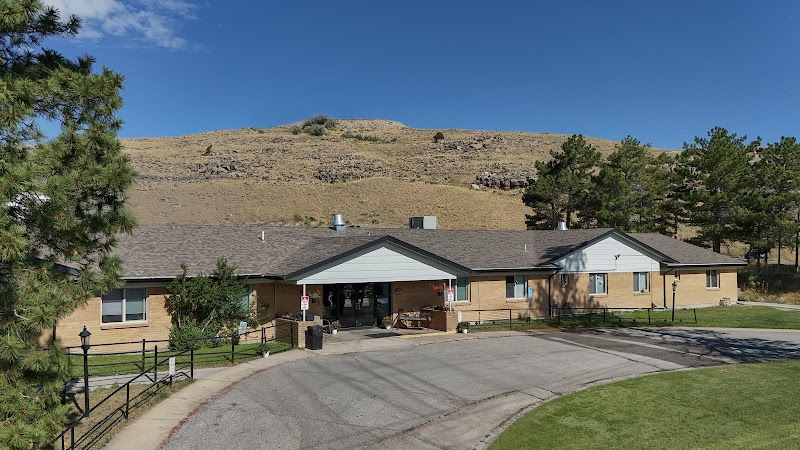
Who Owns and Operates Rawlins Snf Operations Llc?

Rawlins SNF Operations LLC is owned by a for-profit company. For-profit facilities operate as businesses with obligations to shareholders or private owners. The facility is operated by EMPRES OPERATED BY EVERGREEN, a chain that manages multiple nursing homes. With 62 certified beds and approximately 37 residents (about 60% occupancy), it is a smaller facility located in Rawlins, Wyoming.

How Does Rawlins Snf Operations Llc Compare to Other Wyoming Nursing Homes?

Compared to the 100 nursing homes in Wyoming, Rawlins SNF Operations LLC's overall rating (1 stars) is below the state average of 2.9, staff turnover (44%) is near the state average of 46%, and health inspection rating (1 stars) is much below the national benchmark.

What Should Families Ask When Visiting Rawlins Snf Operations Llc?

Based on this facility's data, families visiting should ask: "What changes have been made since the serious inspection findings, and how are you preventing similar issues?" "Can I visit during a mealtime to observe dining assistance and food quality?" "How do you handle medical emergencies, and what is your hospital transfer rate?" "Can I speak with family members of current residents about their experience?" These questions are particularly relevant given the facility's Immediate Jeopardy citations.

Is Rawlins Snf Operations Llc Safe?

Based on CMS inspection data, Rawlins SNF Operations LLC has documented safety concerns. Inspectors have issued 2 Immediate Jeopardy citations (the most serious violation level indicating risk of serious injury or death). The facility is currently on the Special Focus Facility watch list (a federal program monitoring the lowest-performing 1% of nursing homes nationwide). The facility has a 1-star overall rating and ranks #100 of 100 nursing homes in Wyoming. Families considering this facility should ask detailed questions about what corrective actions have been taken since these incidents.

Do Nurses at Rawlins Snf Operations Llc Stick Around?

Rawlins SNF Operations LLC has a staff turnover rate of 44%, which is about average for Wyoming nursing homes (state average: 46%). Moderate turnover is common in nursing homes, but families should still ask about staff tenure and how the facility maintains care continuity when employees leave.

Was Rawlins Snf Operations Llc Ever Fined?

Rawlins SNF Operations LLC has been fined $34,858 across 4 penalty actions. The Wyoming average is $33,427. While any fine indicates a compliance issue, fines under $50,000 are relatively common and typically reflect isolated problems that were subsequently corrected. Families should ask what specific issues led to these fines and confirm they've been resolved.

Is Rawlins Snf Operations Llc on Any Federal Watch List?

Rawlins SNF Operations LLC is currently an SFF Candidate, meaning CMS has identified it as potentially qualifying for the Special Focus Facility watch list. SFF Candidates have a history of serious deficiencies but haven't yet reached the threshold for full SFF designation. The facility is being monitored more closely — if problems continue, it may be added to the official watch list. Families should ask what the facility is doing to address the issues that led to this status.