Crook County Medical Services District Long Term C
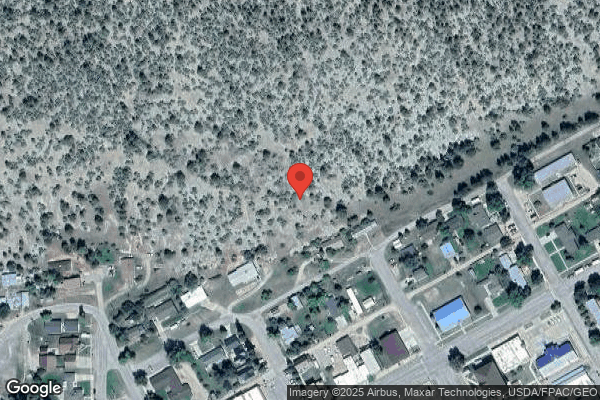
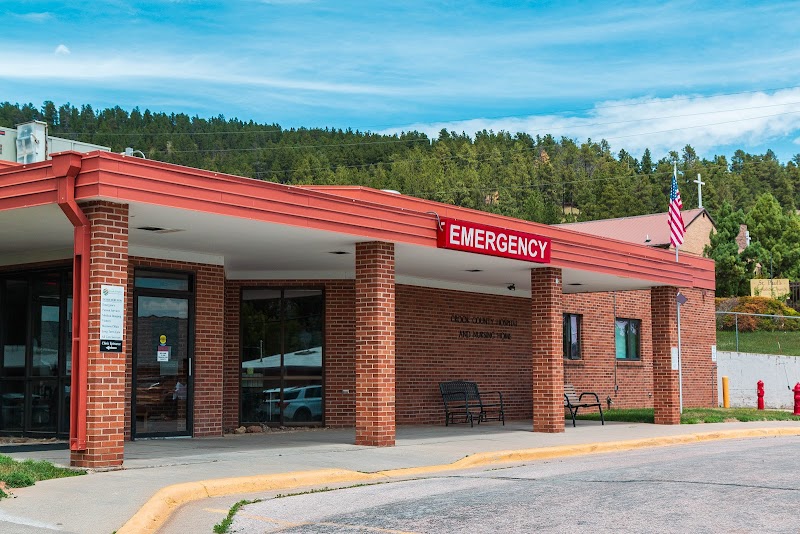
713 Oak St, Sundance, WY 82729 (307) 283-3501
Government - Hospital district 32 Beds Independent Data: November 2025
Trust Grade
43/100
#16 of 33 in WY
Last Inspection: May 2024

Within standard 12-15 month inspection cycle. Federal law requires annual inspections.

Overview

Crook County Medical Services District Long Term Care has a Trust Grade of D, indicating below-average performance with some significant concerns. It ranks #16 out of 33 facilities in Wyoming, placing it in the top half of the state, and is the only option in Crook County. The facility is showing signs of improvement, having reduced its issues from 13 in 2023 to 9 in 2024. Staffing is relatively strong with a 4/5 star rating, but the turnover rate is concerning at 78%, significantly higher than the state average. However, the facility has faced $16,825 in fines, which is higher than 77% of Wyoming facilities, indicating compliance problems. Specific incidents include a serious case where a resident was assaulted by another resident, resulting in a laceration that required emergency treatment. Additionally, there were concerns about maintaining sanitary conditions in the kitchen and failures to submit required staffing data on time. While the staffing levels are a strength, the facility has notable weaknesses that families should carefully consider.

Trust Score
D
43/100
In Wyoming
#16/33
Top 48%
Safety Record
Moderate
Needs review
Inspections
Getting Better
13 → 9 violations
Staff Stability
⚠ Watch
78% turnover. Very high, 30 points above average. Constant new faces learning your loved one's needs.
Penalties
✓ Good
$16,825 in fines. Lower than most Wyoming facilities. Relatively clean record.
Skilled Nurses
✓ Good
Each resident gets 57 minutes of Registered Nurse (RN) attention daily — more than average for Wyoming. RNs are trained to catch health problems early.
Violations
⚠ Watch
26 deficiencies on record. Higher than average. Multiple issues found across inspections.
★★★☆☆
3.0
Overall Rating
★★★★☆
4.0
Staff Levels
★★☆☆☆
2.0
Care Quality
★★★☆☆
3.0
Inspection Score
Stable
2023: 13 issues
2024: 9 issues

The Good

  • 4-Star Staffing Rating · Above-average nurse staffing levels
  • Full Sprinkler Coverage · Fire safety systems throughout facility
  • No fines on record

Facility shows strength in staffing levels, fire safety.

The Bad

3-Star Overall Rating

Near Wyoming average (2.9)

Meets federal standards, typical of most facilities

Staff Turnover: 78%

32pts above Wyoming avg (46%)

Frequent staff changes - ask about care continuity

Federal Fines: $16,825

Below median ($33,413)

Minor penalties assessed

Staff turnover is very high (78%)

30 points above Wyoming average of 48%

The Ugly 26 deficiencies on record

1 actual harm
Nov 2024 1 deficiency
CONCERN (D) 📢 Someone Reported This

A family member, employee, or ombudsman was alarmed enough to file a formal complaint

Potential for Harm - no one hurt, but risky conditions existed

Report Alleged Abuse (Tag F0609)

Could have caused harm · This affected 1 resident

Based on staff interview and state agency incident database review, the facility failed to ensure investigations for abuse allegations were reported within 5 working days for 1 of 1 sample residents (...

Read full inspector narrative →
Based on staff interview and state agency incident database review, the facility failed to ensure investigations for abuse allegations were reported within 5 working days for 1 of 1 sample residents (#3). The findings were: 1. Review of the state survey agency incident database showed an allegation of staff to resident abuse was made by resident #3 to the facility charge nurse on 9/20/24. Further review showed the initial report was sent to the State Survey Agency on 9/23/24; however, there was no evidence the facility's investigative findings were reported as of 11/5/24. 2. Interview with the director of nursing on 11/5/24 at 5:17 PM confirmed the investigation had not been reported. Further interview revealed she did know she needed to report the investigation to the state survey agency.
Sept 2024 2 deficiencies 1 Harm
SERIOUS (G) 📢 Someone Reported This

A family member, employee, or ombudsman was alarmed enough to file a formal complaint

Actual Harm - a resident was hurt due to facility failures

Free from Abuse/Neglect (Tag F0600)

A resident was harmed · This affected 1 resident

Based on medical record review, resident representative and staff interview, and policy and procedure review, the facility failed to protect the resident's right to be free from physical abuse by a re...

Read full inspector narrative →
Based on medical record review, resident representative and staff interview, and policy and procedure review, the facility failed to protect the resident's right to be free from physical abuse by a resident for 1 of 2 sample residents (#1 and #2) reviewed for allegations of abuse. The findings were: 1. Review of an incident report dated 7/30/24 showed resident #2 assaulted his/her roommate, resident #1, with the metal clip of a pair of suspenders. Further review showed the clip caused a 1centimeter (cm) laceration to resident #1's left cheek and the resident required treatment in the emergency room (ER). The following concerns were identified: a. Review of medical record dated 7/31/24 showed resident #1 was transferred to the ER and received treatment of the wound with steristrips. Bruising also developed at the site of the wound. b. Interview with CNA #6 on 9/4/24 at 5:30 PM confirmed CNA #6 had assisted resident #1 to the restroom and walked resident #1 into the bedroom when resident #2 ran across the room, jumped up and swung suspenders at resident #1, hitting resident #1 in the face. CNA #6 revealed resident #2 continued to swing at resident #1 and he had to hold resident #2 back to prevent further assault. c. Interview with RN #2 on 9/4/24 at 5:58 PM revealed CNA #6 had to keep resident #2 back from resident #1 after resident #2 hit resident #1 in the face with the buckle of his/her suspenders. RN #2 reported resident #1 was in shock after the incident and was sent to the ER for evaluation and treatment. 2. Interview with the resident representative for resident #1 on 9/4/24 at 1:41 PM revealed s/he questioned why staff had put a roommate in with resident #1 due to the resident's blindness, deafness and inability to communicate. The resident representative reported resident #1 never saw it coming. 3. Interview with the DON on 9/4/24 at 2:55 PM revealed she was working on a different system for reporting incidents and investigations which will include having a paper copy and witness statements. She revealed there is not a performance improvement plan (PIP) in place and staff have monitored resident #2 to figure out how to manage behaviors, though there is no documentation on that. 4. Review of the policy titled Abuse and Neglect - Clinical Protocol & Guidelines last reviewed 8/2016 showed .a. Abuse means the willful infliction of injury, unreasonable confinement, intimidation, or punishment with resulting physical harm, pain or mental anguish.
CONCERN (D) 📢 Someone Reported This

A family member, employee, or ombudsman was alarmed enough to file a formal complaint

Potential for Harm - no one hurt, but risky conditions existed

Deficiency F0744 (Tag F0744)

Could have caused harm · This affected 1 resident

**NOTE- TERMS IN BRACKETS HAVE BEEN EDITED TO PROTECT CONFIDENTIALITY** Based on medical record review, staff interview, and policy and procedure review, the facility failed to develop and implement i...

Read full inspector narrative →
**NOTE- TERMS IN BRACKETS HAVE BEEN EDITED TO PROTECT CONFIDENTIALITY** Based on medical record review, staff interview, and policy and procedure review, the facility failed to develop and implement interventions to address the residents' dementia care needs for 1 of 2 sample residents (#2) reviewed for dementia treatment and services. The findings were: 1. Review of the admission Minimun Data Set (MDS) dated [DATE] showed resident #2 had moderately impaired cognitive skills, inattention/disorganized thinking behavior present, inability to recall staff names/faces, inability to recall s/he lived in a nursing home, and a mood interview score of 21, indicating severe depression. The following concerns were identified: a. Review of progress note dated 7/23/24 showed resident #2 arrived in the facility and verbally expressed his/her displeasure at his/her arrival. Resident #2 was disheveled, ungroomed and wore unclean clothing. Resident #2's family stated it had been 2 weeks since they were able to get him/her to shower, and reported s/he was becoming more incontinent and refused to wear incontinence products. Resident #2 refused to eat meals and ate only ice cream bars and banana bread. b. Review of a progress note dated 7/24/24 showed resident #2 paced up and down the hall looking for his/her family, went in and out of rooms and needed redirecting and explanations repeated multiple times. c. Review of a progress note dated 7/25/24 showed resident #2 had his/her prescription of Seroquel increased on 7/24/24. S/he had been awake most of the night, and shown where his/her bathroom was multiple times. S/he had been in and out of other's rooms, was difficult to remove at times, and argued I'll go anywhere I damn well please and I don't care whose room it is. While in other resident's rooms s/he yelled and swore, and raised his/her fists multiple times when CNAs removed him/her from the rooms. d. Review of a progress note dated 7/25/24 showed resident #2 cursed the staff for 1.5 hours, accused staff of holding him/her hostage, followed the staff, and tried to open the doors, setting off alarms. S/he asked for water and then accused staff of doping it up. Staff offered food and tried to visit with the resident. e. Review of a progress note dated 7/30/24 showed Resident #2 assaulted his/her roommate with the metal clip of a pair of suspenders, and caused a 1 cm laceration to resident #2's left cheek. 2. Interview with the DON on 9/4/24 at 2:55 PM revealed staff have monitored resident #2 to figure out how to manage his/her behaviors, though there was no documentation on that. 3. Interview with the DON on 9/4/24 at 4:07 PM revealed there was no facility policy on behavior management or dementia care, and the DON planned to create these policies. 4. Interview with the DON on 9/5/24 at 9:54 AM revealed there had been no education given to staff on dementia care for the past two years. It had been planned for last month but was postponed due to area fires and the the bike rally. The DON revealed the training was rescheduled for the upcoming all-staff meeting.
May 2024 6 deficiencies
CONCERN (D)

Potential for Harm - no one hurt, but risky conditions existed

Assessment Accuracy (Tag F0641)

Could have caused harm · This affected 1 resident

**NOTE- TERMS IN BRACKETS HAVE BEEN EDITED TO PROTECT CONFIDENTIALITY** Based on staff interview, medical record review, and review of the Resident Assessment Instrument (RAI) manual, the facility fai...

Read full inspector narrative →
**NOTE- TERMS IN BRACKETS HAVE BEEN EDITED TO PROTECT CONFIDENTIALITY** Based on staff interview, medical record review, and review of the Resident Assessment Instrument (RAI) manual, the facility failed to ensure MDS assessment information was an accurate reflection of resident status for 1 of 12 sample residents (#8) reviewed. The findings were: 1. Review of the 3/6/24 quarterly MDS assessment for resident #8 showed the resident was admitted to the facility on [DATE] and had a diagnosis of atrial fibrillation. Review of the November 2023, December 2023, January 2024, February 2024, and March 2024 medication administration records showed the resident was administered 5 milligrams of Eliquis (an anticoagulant) every 12 hours. The findings were: a. Review of the 12/6/23 and 3/6/24 quarterly MDS assessments showed the resident was not coded as receiving an anticoagulant during the 7-day look-back period. b. Interview with the ADON on 5/9/24 at 9:57 AM confirmed the MDS assessments had been coded incorrectly. 2. According to the MDS 3.0 RAI Manual version 1.18.11 page 483 N0415E1. Anticoagulant (e.g., warfarin, heparin, or low-molecular weight heparin): Check if an anticoagulant medication was taken by the resident at any time during the 7-day look-back period (or since admission/entry or reentry if less than 7 days).
CONCERN (D)

Potential for Harm - no one hurt, but risky conditions existed

Deficiency F0657 (Tag F0657)

Could have caused harm · This affected 1 resident

**NOTE- TERMS IN BRACKETS HAVE BEEN EDITED TO PROTECT CONFIDENTIALITY** Based on medical record review and staff interview, the facility failed to ensure the comprehensive care plan was revised as nee...

Read full inspector narrative →
**NOTE- TERMS IN BRACKETS HAVE BEEN EDITED TO PROTECT CONFIDENTIALITY** Based on medical record review and staff interview, the facility failed to ensure the comprehensive care plan was revised as needed to reflect the resident's current needs for 2 of 12 sample residents (#8, #9). The findings were: 1. Review of the 3/20/24 quarterly MDS assessment showed resident #9 was admitted on [DATE] with diagnoses which included a primary medical condition of moderate dementia without psychotic disturbance, heart failure, and depression. Review of an 3/19/24 Office Clinic Note Physician report showed the resident had been recently placed on comfort cares as his/her dementia seems to be progressing and [s/he] is no longer eating well and is losing weight. A discussion was had with the POA and a mutual decision was made to discontinue medications with the exception of liquid Tylenol. The following concerns were identified: a. Review of the care plan, last reviewed 3/20/24, failed to show revisions related to comfort care. b. Interview with the ADON on 5/9/24 at 9:54 AM confirmed the care plan had not been revised to reflect the resident's comfort care status. 2. Review of the 9/6/23 admission MDS assessment showed resident #8 was prescribed scheduled and as needed pain medication, and had mild pain almost constantly which did not interfere with sleep or activities. The following concerns were identified: a. Review of the 12/6/23 quarterly MDS assessment showed the resident had pain almost constantly at an intensity level of 10 out of 10 which affected both sleep and interfered with activities. b. Review of the 3/6/24 quarterly MDS assessment showed the resident had pain almost constantly at an intensity level of 10 out of 10 which frequently affected his/her sleep, interfered with therapy activities almost constantly, and occasionally interfered with day-to-day activities. c. Review of the resident's current physician orders showed the resident was prescribed acetaminophen 325 milligrams and tramadol (an opioid) 50 milligrams every 12 hours. d. Review of the resident's care plan, last reviewed 3/6/24, failed to show the care plan had been revised to include goals and interventions related to pain. e. Interview with the ADON on 5/9/24 at 9:50 AM confirmed the care plan should have been revised to include pain management.
CONCERN (D)

Potential for Harm - no one hurt, but risky conditions existed

Infection Control (Tag F0880)

Could have caused harm · This affected 1 resident

Based on observation, staff interview, and professional standards review, the facility failed to ensure infection prevention techniques were followed during 1 of 1 wound care observation(#8). The find...

Read full inspector narrative →
Based on observation, staff interview, and professional standards review, the facility failed to ensure infection prevention techniques were followed during 1 of 1 wound care observation(#8). The findings were: 1. Observation of wound care for resident #8 on 5/8/24 at 11:27 AM showed RN #1 donned gloves, placed a barrier under the resident's legs, and set unopened supplies on the table. She removed an old dressing from the right leg. She cleaned the wound with gauze and wound cleaner. Doffing her gloves, she fanned the wound with a dressing packet. She performed hand hygiene, donned gloves and opened the packet and placed the calcium alginate. She then opened the abd pad packet and placed it over the calcium alginate and then opened the kerlix gauze packet and wrapped the right lower leg. The nurse then moved to the left lower leg, doffing, hand hygiene, donning gloves. She removed the old dressing, cleaned the wound with wound cleaner and gauze, and fanned the wound with an unopened dressing packet. She offed her gloves, performed hand hygiene, and donned new gloves. She then opened the calcium alginate packet and placed the dressing to the wound. She opened the abd pad packet and placed it over the calcium alginate, then opened the kerlix gauze package and wrapped the dressing around the lower leg. 2. Interview with RN #1 at the end of the dressing change revealed she was not wound care certified. She confirmed that was how she normally did the wound dressing change. She stated she fanned the wounds because the resident liked it. She confirmed that outer packets were dirty and were opened when she was in the clean process. 3. Interview with the ADON on 5/8/24 at 12:20 PM revealed it was the expectation for staff during wound care to keep clean procedures clean, change gloves between dirty and clean, and do not fan a wound. 4. Review of website https://www.ncbi.nlm.nih.gov/books/NBK593201/ on 5/17/24 showed . A break in the skin allows bacteria to enter and begin to multiply.Step 1. Gather supplies: 2. Perform safety steps: Perform hand hygiene, Check the room for transmission-based precautions, .Be organized and systematic . Perform hand hygiene immediately prior to arranging the supplies at the bedside. 6. Place a clean, dry, barrier on the bedside table. Create a sterile field if indicated by agency policy. 7. Pour sterile normal saline into opened sterile gauze packaging to moisten the gauze. Normal saline containers must be used for only one patient and must be dated and discarded within at least 24 hours of being opened. Commercial wound cleanser may also be used. 8. Expose the dressing. 9. Perform hand hygiene and apply nonsterile gloves. 10. Remove the outer dressing. 11. Remove the inner dressing. Use transfer forceps, if necessary, to avoid contaminating the wound bed. 12. Remove gloves, perform hand hygiene, and put on new gloves. Wrap the old inner dressing inside the glove as you remove it, if feasible, to prevent contaminating the environment. 13. Assess the wound. 14. Drape the patient with a water-resistant underpad, if indicated, to protect the patient's clothing and linen. 15. Apply gloves and other PPE as indicated. Goggles, face shield, and/or mask may be indicated. 16. Cleanse the wound based on agency policy, using moistened gauze, commercial cleanser, or sterile irrigant. When using moistened gauze, use one moistened 2 x 2 sterile gauze per stroke. Work in straight lines, moving away from the wound with each stroke. Strokes should move from a clean area to a dirty area and from top to bottom. Note: A suture line is considered the least contaminated area and should be cleansed first. 18. Remove gloves, perform hand hygiene, and apply new gloves. 19. Apply sterile dressing (4 x 4 sterile gauze), using nontouch technique so that the dressing touching the wound remains sterile. 20. Apply outer dressing if required. Secure the dressing with tape as needed. 21. Remove gloves and perform hand hygiene.
CONCERN (F)

Potential for Harm - no one hurt, but risky conditions existed

Food Safety (Tag F0812)

Could have caused harm · This affected most or all residents

**NOTE- TERMS IN BRACKETS HAVE BEEN EDITED TO PROTECT CONFIDENTIALITY** Based on observation, staff interview, review of the dishwasher and refrigerator/freezer temperature log sheets, manufacturer's ...

Read full inspector narrative →
**NOTE- TERMS IN BRACKETS HAVE BEEN EDITED TO PROTECT CONFIDENTIALITY** Based on observation, staff interview, review of the dishwasher and refrigerator/freezer temperature log sheets, manufacturer's instructions, and the 2022 FDA Food Code, the facility failed to ensure a sanitary environment in 1 of 1 kitchen. The census was 20. The findings were: 1. Observation on 5/6/24 at 2:39 PM showed the facility used a [NAME] chemical sanitizing dishwashing machine. The temperature of the water and the concentration of the chlorine sanitizer solution were to be monitored at breakfast, lunch and dinner. Review of the [NAME] dishwashing machine manufacturer's instructions showed the minimum temperature of the wash and rinse water was 120 degrees Fahrenheit (F), with a recommended temperature of 140 degrees F. The concentration of the chlorine sanitizer should be between 50 and 100 parts per million (ppm). The following concerns were identified: a. Review of the March 2024 dish machine log sheet showed the required concentration of the sanitizer and temperature of the wash and rinse water was not documented on the form 32 out of 93 opportunities. Review of the April 2024 dish machine log sheet showed the required concentration of the sanitizer and temperature of the wash and rinse water was not documented on the form 23 out of 90 opportunities. b. The dinner wash cycle, rinse cycle and sanitizer concentration were missing on 3/1, 3/3, 3/4, 3/5, 3/6, 3/8, 3/13, 3/15, 3/18, 3/21, 3/22, 3/25, 3/27, 3/31, 4/1, 4/2, 4/3, 4/6, 4/8, 4/9, 4/15, 4/16, 4/18, 4/19, 4/25, 4/29, and 4/30. c. The breakfast, lunch, and dinner wash cycle, rinse cycle and sanitizer concentration were missing on 3/2, 3/30, 4/7, and 4/13. d. The breakfast and lunch wash cycle, rinse cycle and sanitizer concentration were missing on 3/9, 3/10, and 3/23. e. The breakfast sanitizer concentration was missing on 3/16. f. The lunch and dinner wash cycle, rinse cycle and sanitizer concentration were missing on 3/16, 3/17, 3/24, and 4/21. g. The dinner sanitizer concentration was missing on 4/17. h. The lunch wash cycle, rinse cycle and sanitizer concentration was missing on 4/28. 2. Review of the March and April 2024 Walk-In Cooler Temperature Log showed the temperature was to be documented on both the morning and afternoon shifts. The expected ranges of the refrigerator were not posted on the log sheet. The following concerns were identified: a. The morning and afternoon shift temperatures were missing on 3/1, 3/2, 3/3, 3/4, 3/5, 3/30, and 3/31. b. The afternoon shift temperature was missing on 3/18, 4/15, 4/23, and 4/30. c. The morning shift temperatures were missing on 3/28, 3/29, 4/11, 4/14, 4/15, 4/16, 4/20, 4/21, 4/22, 4/24, and 4/26. d. On the afternoon shift of 4/7 the temperature was recorded as minus 10 degrees F. e. On the afternoon shift of 4/8 the temperature was recorded as minus 12 degrees F. f. On the afternoon shift of 4/9 the temperature was recorded as 0 degrees F. g. On the afternoon shift of 4/10 the temperature was recorded as minus 8 degrees F. 3. Review of the March and April 2024 Walk-in Freezer temperature log showed the temperature was to be documented on both the morning and afternoon shifts. The expected ranges of the freezer were not posted on the log sheet. The following concerns were identified: a. The morning and afternoon shift temperatures were missing on 3/1, 3/2, 3/3, 3/4, 3/5, 3/30, 3/31, 4/11, 4/14, 4/15, 4/16, 4/20, 4/21, 4/22, 4/24, and 4/26. b. The afternoon shift temperature was missing on 3/18, 4/12, 4/19, and 4/30. c. The morning shift temperatures were missing on 3/28, 3/29, 4/10, 4/11, 4/16, 4/17, 4/20, 4/22, and 4/26. 4. Review of the February 2024 and May 2024 Reach-In Cooler Temperature Log showed the temperature was to be documented on both the morning and afternoon shifts. The expected ranges of the refrigerator were not posted on the log sheet. The following concerns were identified: a. The morning and afternoon shift temperatures were missing on 2/1, 2/2, 2/3, and 2/4. b. The afternoon shift temperature was missing on 2/18. c. The morning shift temperatures were missing on 2/19, 2/28, and 2/29, 5/1, 5/2, 5/3, and 5/4. 5. Interview with the administrator on 5/9/24 at 9:09 AM confirmed the temperature log and dish machine sheets were incomplete. 6. Review of the undated Dishwasher Temperature policy provided by the administrator on 5/8/24 showed .2. The wash temperature of the spray dishwasher will be at 150 degrees or above. 3. The rinse temperature of the dishwasher will be at 160 or above. 4. The final rinse temperature will be at 180 degrees or above. 5. Temperatures below 180 degrees require corrective actions. 6. Water temperatures will be measured prior to each meal and/or after the dishwasher has been emptied or re-filled for cleaning purposes and recorded on the Dishwasher Temperature Chart. 7. Review of the undated Monitoring of Cooler/Freezer Temperature policy provided by the administrator on 5/8/24 showed .1. Logs for recording temperatures for each refrigerator or freezer will be posted in a visible location outside the freezer or refrigerator unit. Temperatures will be checked and logged at least twice per day by designated personnel. Logs will be changed out and filed each month. 2. Thermometers shall be placed inside each cooler/freezer and calibrated at least once per week. Calibration between the inside thermometer and the outside gauge of the unit will be checked as well. 3. All refrigerated storage must be maintained at or below 41 degrees F, unless otherwise specified by law. 4. All frozen storage must be maintained at or -4 degrees F, unless otherwise specified by law. 5. If temperatures are above 41 degrees for coolers or 10 F for freezer, the supervisor will be notified immediately for corrective action. 8. According to the 2022 FDA Food Code 4-703.11 Hot Water and Chemical. Efficacious sanitization depends on warewashing being conducted within certain parameters. Time is a parameter applicable to both chemical and hot water sanitization. The time hot water or chemicals contact utensils or food-contact surfaces must be sufficient to destroy pathogens that may remain on surfaces after cleaning. Other parameters, such as rinse pressure, temperature, and chemical concentration are used in combination with time to achieve sanitization. When surface temperatures of utensils passing through warewashing machines using hot water for sanitizing do not reach the required 71oC (160oF), it is important to understand the factors affecting the decreased surface temperature. A comparison should be made between the machine manufacturer's operating instructions and the machine's actual wash and rinse temperatures and final rinse pressure. The actual temperatures and rinse pressure should be consistent with the machine manufacturer's operating instructions and within limits specified in §§ 4-501.112 and 4-501.113. If either the temperature or pressure of the final rinse spray is higher than the specified upper limit, spray droplets may disperse and begin to vaporize resulting in less heat delivery to utensil surfaces. Temperatures below the specified limit will not convey the needed heat to surfaces. Pressures below the specified limit will result in incomplete coverage of the heat-conveying sanitizing rinse across utensil surfaces.
CONCERN (F)

Potential for Harm - no one hurt, but risky conditions existed

Staffing Data (Tag F0851)

Could have caused harm · This affected most or all residents

Based on Payroll Base Journal (PBJ) review and staff interview, the facility failed to ensure direct care staffing information was submitted on schedule specified by CMS for 2 of 4 quarterly periods (...

Read full inspector narrative →
Based on Payroll Base Journal (PBJ) review and staff interview, the facility failed to ensure direct care staffing information was submitted on schedule specified by CMS for 2 of 4 quarterly periods (1st quarter, 10/2023-12/2023, 3rd quarter, 4/2023-6/2023). The findings were: 1. Review of the [NAME] Payroll Base Journal showed the facility failed to submit data for quarter 1 (10/2023- 12/2023) and quarter 3 (4/2023-6/2023). 2. Interview with payroll management on 5/8/24 at 2:42 PM revealed the facility had missed the deadlines for submission of the data on both quarters. 3. Interview with the administrator on 5/9/24 at 10 AM confirmed the facility had missed the deadlines for submission to the PBJ on the 2 quarters.
MINOR (B)

Minor Issue - procedural, no safety impact

Staffing Information (Tag F0732)

Minor procedural issue · This affected multiple residents

Based on daily staff posting review and staff interview, the facility failed to ensure the data requirements were included on the the daily staff postings. The findings were: The census was 20. 1. R...

Read full inspector narrative →
Based on daily staff posting review and staff interview, the facility failed to ensure the data requirements were included on the the daily staff postings. The findings were: The census was 20. 1. Review of 2 weeks look back of the daily staff postings showed the facility failed to include the facility's name. 2. Interview with the ADON on 5/8/24 at 11:37 AM revealed she was unaware the facility's name needed to on the daily staff postings, and confirmed the facility name was not on the daily staff postings.
Feb 2023 13 deficiencies
CONCERN (D)

Potential for Harm - no one hurt, but risky conditions existed

Deficiency F0578 (Tag F0578)

Could have caused harm · This affected 1 resident

Based on medical record review, staff interview, and policy and procedure review, the facility failed to ensure residents or their representatives received written information about their right to for...

Read full inspector narrative →
Based on medical record review, staff interview, and policy and procedure review, the facility failed to ensure residents or their representatives received written information about their right to formulate an advanced directive for 1 of 17 sample residents (#16). The findings were: 1. Review of the medical record for resident #16 showed an election for do not resuscitate dated 3/22/22. Further review showed no evidence the resident or representative was provided written information about the right to formulate an advanced directive. 2. Interview with the MDS coordinator/IP on 2/15/23 at 7:59 AM revealed the resident was originally admitted for a respite stay and a modified admission packet was used. When the resident's stay was changed to long term, the normal admission documents were not completed. Further interview confirmed the resident's representative completed an advanced directive; however, the written education related to the resident's rights was not provided. 3. Review of the policy titled Advance Directives last revised 4/2008 showed .1. Prior to or upon admission of a resident to our facility, the Social Services Director or designee will provide written information to the resident concerning his/her right to make decisions concerning medical care, including the right to accept or refuse medical or surgical treatment, and the right to formulate advance directives .
CONCERN (D)

Potential for Harm - no one hurt, but risky conditions existed

Report Alleged Abuse (Tag F0609)

Could have caused harm · This affected 1 resident

**NOTE- TERMS IN BRACKETS HAVE BEEN EDITED TO PROTECT CONFIDENTIALITY** Based on medical record review, staff interview, review of the HLS incident database, and policy and procedure review, the facil...

Read full inspector narrative →
**NOTE- TERMS IN BRACKETS HAVE BEEN EDITED TO PROTECT CONFIDENTIALITY** Based on medical record review, staff interview, review of the HLS incident database, and policy and procedure review, the facility failed to ensure allegations of abuse were reported for 1 of 4 sample residents (#5) reviewed for abuse. The findings were: 1. Review of the quarterly MDS assessment dated [DATE] showed resident #5 had a BIMS score of 14 out of 15, which indicated the resident was cognitively intact, and diagnoses which included weakness and age-related osteoporosis without current pathological fracture. Further review showed the resident required extensive physical assistance of 1 person for bed mobility, transfers, dressing, and toilet use. The following concerns were identified: a. Review of a progress note dated 9/14/22 and timed 10:37 PM showed the resident called out for help and staff found the resident on the floor in the chapel area. The resident was lying on his/her right side with resident #17 standing over him/her. The resident reported s/he asked resident #17 to move so resident #5 could see the TV and resident #17 flipped my wheelchair over and that's how I ended up here. The resident repeated the scenario to other staff members. 2. Interview with the MDS coordinator/IP on 2/16/23 at 8:56 AM revealed the incident on 9/14/22 was an incident the facility would normally investigate as a resident to resident altercation or abuse. 3. Interview with the MDS coordinator/IP on 2/16/23 at 10:49 AM revealed the facility did not have evidence the incident was investigated and reported as abuse and confirmed it should have been. 4. Review of the HLS incident database showed no evidence a resident to resident altercation or allegation of abuse which involved resident #5 and resident #17 was reported. 5. Review of the policy titled Abuse, Neglect and Exploitation last revised on 10/2022 showed .Reporting of all alleged violations to the Administrator, state agency, adult protective services and to all other required agencies (e.g., law enforcement when applicable) within specified timeframes: 1. Immediately, but not later than 2 hours after the allegation is made, if the events that cause the allegation involve abuse or result in serious bodily injury, or 2. Not later than 24 hours if the events that cause the allegation do not involve abuse and do not result in serious bodily injury .
CONCERN (D)

Potential for Harm - no one hurt, but risky conditions existed

Investigate Abuse (Tag F0610)

Could have caused harm · This affected 1 resident

**NOTE- TERMS IN BRACKETS HAVE BEEN EDITED TO PROTECT CONFIDENTIALITY** Based on medical record review, staff interview, and policy and procedure review, the facility failed to ensure allegations of a...

Read full inspector narrative →
**NOTE- TERMS IN BRACKETS HAVE BEEN EDITED TO PROTECT CONFIDENTIALITY** Based on medical record review, staff interview, and policy and procedure review, the facility failed to ensure allegations of abuse were investigated for 1 of 4 sample residents (#5) reviewed for abuse. The findings were: 1. Review of the quarterly MDS assessment dated [DATE] showed resident #5 had a BIMS score of 14 out of 15, which indicated the resident was cognitively intact, and diagnoses which included weakness and age-related osteoporosis without current pathological fracture. Further review showed the resident required extensive physical assistance of 1 person for bed mobility, transfers, dressing, and toilet use. The following concerns were identified: a. Review of a progress note dated 9/14/22 and timed 10:37 PM showed the resident called out for help and staff found the resident on the floor in the chapel area. The resident was lying on his/her right side with resident #17 standing over him/her. The resident reported s/he asked resident #17 to move so resident #5 could see the TV and resident #17 flipped my wheelchair over and that's how I ended up here. The resident repeated the scenario to other staff members. 2. Interview with the MDS coordinator/IP on 2/16/23 at 8:56 AM revealed the incident on 9/14/22 was an incident the facility would normally investigate as a resident to resident altercation or abuse. 3. Interview with the MDS coordinator/IP on 2/16/23 at 10:49 AM revealed the facility did not have evidence the incident was investigated and reported as abuse and confirmed it should have been. 4. Review of the policy titled Abuse, Neglect and Exploitation last revised on 10/2022 showed .An immediate investigation is warranted when suspicion of abuse, neglect or exploitation, or reports of abuse, neglect or exploitation occur .
CONCERN (D)

Potential for Harm - no one hurt, but risky conditions existed

Transfer Notice (Tag F0623)

Could have caused harm · This affected 1 resident

Based on medical record review and staff interview, the facility failed to ensure residents or residents' representatives received a written notice of transfer or discharge for 1 of 2 sample residents...

Read full inspector narrative →
Based on medical record review and staff interview, the facility failed to ensure residents or residents' representatives received a written notice of transfer or discharge for 1 of 2 sample residents (#4) reviewed for hospitalization. The findings were: 1. Review of the resident progress notes showed resident #4 discharged from the facility on 2/9/23, with return anticipated. Further, the progress notes showed the resident returned to the facility on 2/14/23 with a diagnosis of pneumonia. Review of the medical record showed no evidence a written notice of transfer or discharge was provided to the resident, or resident's representative, at the time of transfer. 2. Interview with the MDS coordinator/IP on 2/16/23 at 11:01 AM revealed the facility did not think to provide a written transfer or discharge form since the hospital was right next to us, and the resident was acute.
CONCERN (D)

Potential for Harm - no one hurt, but risky conditions existed

Deficiency F0625 (Tag F0625)

Could have caused harm · This affected 1 resident

Based on medical record review and staff interview the facility failed to ensure residents or residents' representatives received a written notice of bed-hold for 1 of 2 sample residents (#4) reviewed...

Read full inspector narrative →
Based on medical record review and staff interview the facility failed to ensure residents or residents' representatives received a written notice of bed-hold for 1 of 2 sample residents (#4) reviewed for hospitalization. The findings were: 1. Review of the resident progress notes showed resident #4 discharged from the facility on 2/9/23, with return anticipated. Further, the progress notes showed the resident returned to the facility on 2/14/23 with a diagnosis of pneumonia. Review of the medical record showed no evidence a written notice of bed-hold policy was provided to the resident, or resident's representative, at the time of transfer. 2. Interview with Interview with the MDS coordinator/IP on 2/16/23 at 11:01 AM revealed the facility the facility had the resident or resident representative sign a bed hold at the time of admission to the facility. Further interview revealed the facility did not provide a written bed hold policy for each discharge or transfer.
CONCERN (D)

Potential for Harm - no one hurt, but risky conditions existed

Assessment Accuracy (Tag F0641)

Could have caused harm · This affected 1 resident

**NOTE- TERMS IN BRACKETS HAVE BEEN EDITED TO PROTECT CONFIDENTIALITY** Based on observation, medical record review, staff interview, and review of the MDS RAI 3.0 manual, the facility failed to ensur...

Read full inspector narrative →
**NOTE- TERMS IN BRACKETS HAVE BEEN EDITED TO PROTECT CONFIDENTIALITY** Based on observation, medical record review, staff interview, and review of the MDS RAI 3.0 manual, the facility failed to ensure MDS assessments were accurately coded for 1 of 17 sample residents (#3). The findings were: 1. Review of quarterly MDS assessment dated [DATE] showed resident #3 had diagnoses which included cerebrovascular accident (CVA), transient ischemic attack (TIA), or stroke and no functional limitation in range of motion in the upper or lower extremities. The findings were: a. Observation on 2/13/23 at 4:49 PM showed the resident appeared to have contractures and limited range of motion in his/her right hand and right arm. b. Observation on 2/15/23 at 8:51 AM showed the resident was able to independently propel him/herself in the wheelchair; however, the resident only used his/her left leg and rested the right leg on top of the left leg while propelling. Further observation showed the resident's left arm was used to push the wheelchair wheel and the resident's right arm was positioned on his/her torso. c. Review of the annual MDS assessment dated [DATE] assessment showed the resident had functional limitation in range of motion on 1 side of his/her upper extremities and no impairment of the lower extremities. d. Interview with the MDS coordinator/IP on 2/16/23 at 8:58 AM revealed the resident's right lower extremity could still be used; however, it was more passive and the resident did have limited range of motion of the right upper extremity. Further interview confirmed the 11/17/22 quarterly MDS assessment was not accurately coded related to the resident's functional limitation in range of motion. 2. Review of the CMS RAI version 3.0 manual, October 2019 showed .A significant error is an error in an assessment where: 1. The resident's overall clinical status is not accurately represented (i.e., miscoded) on the erroneous assessment and/or results in an inappropriate plan of care; and 2. The error has not been corrected via submission of a more recent assessment .
CONCERN (D)

Potential for Harm - no one hurt, but risky conditions existed

Medication Errors (Tag F0758)

Could have caused harm · This affected 1 resident

**NOTE- TERMS IN BRACKETS HAVE BEEN EDITED TO PROTECT CONFIDENTIALITY** Based on staff interview, medical record review, and policy and procedure review, the facility failed to ensure as needed (PRN) ...

Read full inspector narrative →
**NOTE- TERMS IN BRACKETS HAVE BEEN EDITED TO PROTECT CONFIDENTIALITY** Based on staff interview, medical record review, and policy and procedure review, the facility failed to ensure as needed (PRN) orders for anti-psychotic medications were limited to 14 days for 2 of 6 sample residents (#7, #22) and failed to ensure appropriate behavior monitoring and non-pharmacological interventions were in place for 2 of 6 sample residents (#7, #22) reviewed for unnecessary medications. The findings were: 1. Review of the quarterly MDS assessment dated [DATE] showed resident #7 had a BIMS score of 3 out of 15, which indicated severe cognitive impairment, and diagnoses which included dementia and depression. Review of February 2023 physician orders showed the resident received trazodone (antidepressant) 50 milligrams (mg) by mouth daily at bedtime and Ativan (anti-anxiety) 0.5 mg by mouth twice per day as needed (PRN). The following concerns were identified: a. Review of the MAR and TAR for February 2023, January 2023, and December 2023 showed no evidence of medication-specific target symptoms or non-pharmacological interventions identified. b. Review of the current physician orders showed the resident was ordered Ativan for anxiety on 9/7/22 as needed and no stop date was identified. Review of the electronic medical record showed no evidence of a physician assessment or rationale for use of a PRN psychotropic medication greater than 14 days. 2. Review of the admission MDS assessment dated [DATE] showed resident #22 had a BIMS score of 3 out of 15, which indicated severe cognitive impairment, and diagnoses which included non-Alzheimer's dementia, anxiety disorder, and depression. Review of the February 2023 physician orders showed the resident received trazodone (antidepressant) 50 milligrams (mg) by mouth daily at 6 PM, quetiapine (antipsychotic) 50 mg by mouth twice per day, sertraline (antidepressant) 100 mg by mouth daily at 8 AM, and Ativan (anti-anxiety) 0.5 mg by mouth twice per day as needed (PRN). The following concerns were identified: a. Review of the MAR and TAR for February 2023, January 2023, and December 2023 showed no evidence of medication-specific target symptoms or non-pharmacological interventions identified. b. Review of the current physician orders showed the resident was ordered Ativan for anxiety on 12/16/22 as needed and no stop date was identified. Review of the electronic medical record showed no evidence of a physician assessment or rationale for use of PRN psychotropic medication greater than 14 days. 2. Interview with the MDS coordinator/IP on 2/16/23 at 9:06 AM revealed the residents did not have identified target symptoms or non-pharmacological intervention monitoring specific to the use of the psychotropic medications either resident. Further interview confirmed there was no physician rationale for extended use of the PRN psychotropic medications. 3. Review of the policy titled Psychotropic Medication and Gradual Dose Reduction last revised 3/2022 showed .9. PRN orders for all psychotropic drugs shall be used only when the medication is necessary to treat a diagnosed specific condition that is documented in the clinical record, and for a limited duration (i.e. 14 days) 12. Use of psychotropic medications in specific circumstances: .b. Enduring conditions (i.e., non0acute, chronic, or prolonged): 1. The resident's symptoms and therapeutic goal shall be clearly and specifically identified and documented .
CONCERN (E)

Potential for Harm - no one hurt, but risky conditions existed

Accident Prevention (Tag F0689)

Could have caused harm · This affected multiple residents

**NOTE- TERMS IN BRACKETS HAVE BEEN EDITED TO PROTECT CONFIDENTIALITY** Based on observation, medical record review, staff interview, and review of policy and procedures, the facility failed to ensure...

Read full inspector narrative →
**NOTE- TERMS IN BRACKETS HAVE BEEN EDITED TO PROTECT CONFIDENTIALITY** Based on observation, medical record review, staff interview, and review of policy and procedures, the facility failed to ensure assistive devices were functioning appropriately for 4 of 4 sample residents (#7, #15, #16, #17) reviewed for elopement. The findings were: 1. Review of the quarterly MDS assessment dated [DATE] showed resident #7 had a BIMS score of 3 out of 15, which indicated sever cognitive impairment, and diagnoses which included non-Alzheimer's dementia. Further review showed a wander/elopement alarm was used daily. The following concerns were identified: a. Review of a progress note dated 9/7/22 and timed 3:34 PM showed the resident was pacing and looking for his/her car. The resident was mad for being dumped at the facility. Further review showed the resident exited the building 3 times and a wander-guard was placed. b. Observation on 2/13/23 at 3:35 PM showed resident #7 and resident #16 ambulating in the facility hallway. The residents attempted to go out the main doors; however, they attempted to push the door out and the hinges swung in. The residents turned and ambulated toward the desk and down the other hallway. Continued observation showed the residents entered several rooms looking for resident #7's cat. c. Review of the care plan last reviewed on 1/11/23 showed no evidence of a wander-guard placement or routine checks to ensure proper function. d. Review of the MAR/TAR for December 2022, January 2023, and February 2023 showed no evidence of wander-guard placement or routine checks to ensure proper function. 2. Review of the quarterly MDS assessment dated [DATE] showed resident #16 had a BIMS score of 3 out of 15, which indicated sever cognitive impairment, and diagnoses which included Alzheimer's disease. Further review showed a wander/elopement alarm was used daily. The following concerns were identified: a. Review of a progress note for resident #16 dated 9/20/22 and timed 10:55 PM showed resident continued to pace and attempt to open the office doors from 1800-2100 [6 PM to 9 PM]. Asking why we are keeping [him/her] here and looking for [his/her] truck . b. Observation on 2/13/23 at 3:35 PM showed resident #7 and resident #16 ambulating in the facility hallway. The residents attempted to go out the main doors; however, they attempted to push the door out and the hinges swung in. The residents turned and ambulated toward the desk and down the other hallway. Continued observation showed the residents entered several rooms looking for resident #7's cat. c. Review of the care plan last reviewed on 1/18/23 showed no evidence of a wander-guard placement or routine checks to ensure proper function. d. Review of the MAR/TAR for December 2022, January 2023, and February 2023 showed no evidence of wander-guard placement or routine checks to ensure proper function. 3. Review of the quarterly MDS assessment dated [DATE] showed resident #15 had a BIMS score of 0 out of 15, which indicated severe cognitive impairment, and diagnoses which included non-Alzheimer's dementia. Further review showed the resident's balance was not steady and s/he wore a wander-guard. The following concerns were identified: a. Review of the MAR/TAR for December 2022, January 2023, and February 2023 showed no evidence of wander-guard placement or routine checks to ensure proper function. 4. Review of the quarterly MDS assessment dated [DATE] showed resident #17 had short-term and long-term memory problems and diagnoses which included Alzheimer's disease, anxiety disorder, sensorineural hearing loss, and macular degeneration. Further review showed the resident was independent and required set-up help only for bed mobility, transfers, walking in and out of the room, and locomotion on the unit, and a wander/elopement alarm was used daily. a. Observation on 2/14/23 at 9:43 AM showed resident #17 was wandering in the unit. b. Review of the care plan titled I am an elopement risk/wanderer AEB [as evidenced by] history of attempts to leave the facility unattended, impaired safety awareness, inability to redirect my behavior, poor safety awareness, resident wanders aimlessly, significantly intrudes on the privacy of others last reviewed on 1/18/23 showed the resident had a wander-guard on his/her ankle. There were no routine checks to ensure proper function. d. Review of the MAR/TAR for December 2022, January 2023, and February 2023 showed no evidence of wander-guard placement or routine checks to ensure proper function. 5. Interview with the MDS coordinator/IP on 2/16/23 at 11:08 AM confirmed the residents all had a wander-guard in use and the facility had previously placed wander-guard checks on the TAR to ensure the system was functioning correctly. Further interview confirmed the facility was unable to prevent residents from leaving the facility if the system was not functioning correctly. 6. Review of the policy titled Elopements and Wandering Residents Policy and Procedure last revised 8/2016 showed .6. Monitoring and Managing at Risk for Elopement or Unsafe Wandering .e. Charge nurses and unit managers will monitor the implementation of interventions, response to interventions, and document accordingly .
CONCERN (E)

Potential for Harm - no one hurt, but risky conditions existed

Infection Control (Tag F0880)

Could have caused harm · This affected multiple residents

**NOTE- TERMS IN BRACKETS HAVE BEEN EDITED TO PROTECT CONFIDENTIALITY** Based on observation, staff interview, and review of Centers for Disease Control (CDC) guidelines the facility failed to ensure ...

Read full inspector narrative →
**NOTE- TERMS IN BRACKETS HAVE BEEN EDITED TO PROTECT CONFIDENTIALITY** Based on observation, staff interview, and review of Centers for Disease Control (CDC) guidelines the facility failed to ensure infection control techniques were implemented to prevent spread of COVID-19 during 7 random observations. The census was 23. The findings were: 1. Observation of room [ROOM NUMBER] on 2/13/23 at 4:51 PM showed the room was on transmission-based precautions due to COVID-19 and the door was open. Further observation showed the room was located across from the main dining area and the door remained open until 5:30 PM, which included the time during the dinner meal. 2. Observation of room [ROOM NUMBER] on 2/13/23 at 5:08 PM showed the room was located across from the main dining area, was on transmission-based precautions due to COVID-19 and the door was left open. Observation on 2/14/23 at 8:15 AM showed the door was open. 3. Observation of room [ROOM NUMBER] on 2/15/23 at 4 PM showed the room was on transmission-based precautions and the door was open. 4. Interview with the MDS coordinator/IP on 2/16/23 at 12:47 PM revealed the facility expected isolation room doors to remain closed while on precautions for COVID-19. 5. Observation showed on 2/13/23 at 5:04 PM MA-C #1 donned PPE in the hall and entered room [ROOM NUMBER]. Upon exit, the MA-C doffed the PPE in the hall and discarded it in the trash between room [ROOM NUMBER] and room [ROOM NUMBER]. Observation on 2/13/23 at 5:19 PM showed the MA-C exited room [ROOM NUMBER] and doffed the PPE in the hall and discarded it in the trash between room [ROOM NUMBER] and 203. 6. Observation on 2/14/23 at 9:17 AM showed CNA #1 donned PPE which included a gown, N95 mask, goggles, and gloves in the hall outside room [ROOM NUMBER] and entered room [ROOM NUMBER]. Upon exit, the CNA doffed the PPE while standing near the isolation cart outside room [ROOM NUMBER]. After removing her mask, the CNA removed the goggles and placed them on top of the isolation cart. The CNA performed hand hygiene, applied clean gloves, and wiped the goggles with a wipe obtained from the isolation cart. The CNA performed hand hygiene and donned PPE which included a gown, N95 mask, gloves, and the goggles she had just wiped, and entered room [ROOM NUMBER]. Upon exit, the CNA doffed the PPE while standing near the isolation cart outside room [ROOM NUMBER]. After removing her mask, the CNA removed the goggles and placed them on top of the isolation cart. The CNA performed hand hygiene, applied clean gloves, and wiped the goggles with a wipe obtained from the isolation cart. The CNA immediately placed the goggles in the top of the cart, donned a surgical mask, and left the area. No sanitation of the top of the isolation cart, where the goggles were placed, was performed and all PPE items were discarded in a trash between room [ROOM NUMBER] and 203. 7. Interview with CNA #1 on 2/14/23 at 9:28 AM revealed staff doff PPE outside the room; however, It probably should be done inside the room. 8. Interview with the MDS coordinator/IP on 2/16/23 at 12:47 PM revealed the rooms were crowded so staff doffed PPE outside the room. She revealed the contact time for the solution used to sanitize goggles was 1 minute and nothing contaminated should be placed on top of the isolation cart; however, if items were placed on top of the cart, staff were expected to sanitize the cart. Further interview revealed a staff member's mask should be replaced as soon as one was removed when donning or doffing PPE. 9. Review of https://www.cdc.gov/coronavirus/2019-ncov/hcp/infection-control-recommendations.html accessed on 2/24/23 showed .Place a patient with suspected or confirmed SARS-CoV-2 infection in a single-person room. The door should be kept closed (if safe to do so). Ideally, the patient should have a dedicated bathroom. If cohorting, only patients with the same respiratory pathogen should be housed in the same room . 10. Review of the https://www.cdc.gov/infectioncontrol/basics/transmission-based-precautions.html showed .Use personal protective equipment (PPE) appropriately, including gloves and gown.Donning PPE upon room entry and properly discarding before exiting the patient room is done to contain pathogens .
CONCERN (F)

Potential for Harm - no one hurt, but risky conditions existed

Deficiency F0727 (Tag F0727)

Could have caused harm · This affected most or all residents

Based on staff schedule review, payroll based journal report review, and staff interview, the facility failed to ensure the services of an RN were utilized for 8 consecutive hours per day, 7 days per ...

Read full inspector narrative →
Based on staff schedule review, payroll based journal report review, and staff interview, the facility failed to ensure the services of an RN were utilized for 8 consecutive hours per day, 7 days per week for 5 of 5 months (Oct. 2022, Nov. 2022, Dec. 2022, Jan. 2023, Feb. 2023) reviewed. The facility census was 23. The finding were: 1. Review of the payroll based journal report showed No RN Hours triggered (Four or More Days within the Quarter with no RN hours) or was not reported during quarter 2, 3, and 4 of 2022 and quarter 1 of 2023. 2. Review of the nursing schedule for October 2022 showed the facility failed to provide RN services for 8 consecutive hours on 4 of 31 days, on 10/5, 10/6, 10/8, and 10/9. 3. Review of the nursing schedule for November 2022 showed the facility failed to provide RN services for 8 consecutive hours on 5 out of 30 days, on 11/5, 11/6, 11/19, 11/20, and 11/26. 4. Review of the nursing schedule for December 2022 showed the facility failed to provide RN services for 8 consecutive hours on 5 out of 31 days, on 12/3, 12/4, 12/17, 12/18, and 12/24. 5. Review of the nursing schedule for January 2023 showed the facility failed to provide RN services for 8 consecutive hours on 5 out of 31 days, on 1/7,1/8, 1/21, 1/22, and 1/29. 6. Review of the nursing schedule for February 2023 showed the facility failed to provide RN services for 8 consecutive hours on 2 of 15 days, on 2/4 and 2/5. 7. Interview with ADON/Scheduler on 2/15/23 at 2:55 PM confirmed she failed to ensure an RN was scheduled to cover 8 consecutive hours per day, 7 days per week.
CONCERN (F)

Potential for Harm - no one hurt, but risky conditions existed

QAPI Program (Tag F0867)

Could have caused harm · This affected most or all residents

Based on staff interview, and review of compliance history information, the facility failed to develop and implement policies and procedures for how it will develop, monitor and evaluate performance i...

Read full inspector narrative →
Based on staff interview, and review of compliance history information, the facility failed to develop and implement policies and procedures for how it will develop, monitor and evaluate performance indicators to prevent repeat deficiencies from previous surveys. The census was 23. The findings were: 1. Review of the [NAME] 3 report last updated on 2/8/23 showed F727 was previously cited on 3/2/22, F758 was previously cited on 3/2/22, and F880 was previously cited on 3/2/22 as well as in 2021 and 2018. 2. Interview with the ADON on 2/16/23 at 1:09 PM revealed the QAPI committee did not discuss the areas identified as repeat deficient practice during the QAPI meetings and the facility was not working on any performance improvement plans related to any of the areas identified as repeat deficient practice.
MINOR (C)

Minor Issue - procedural, no safety impact

Staffing Information (Tag F0732)

Minor procedural issue · This affected most or all residents

Based on observation, review of staff posting, and staff interview the facility failed to ensure the required daily staff posting was available in 1 of 1 skilled area. The census was 23. The findings ...

Read full inspector narrative →
Based on observation, review of staff posting, and staff interview the facility failed to ensure the required daily staff posting was available in 1 of 1 skilled area. The census was 23. The findings were: 1. Observation on 2/13/23 at 5:32 PM showed the staff posting was in the entrance hall and the facility posted the proposed weekly staffing hours instead of the daily staff posting and actual hours worked. 2. Review of one month of staff postings showed the facility always posted the proposed weekly staffing hours instead of the daily staff posting and actual hours worked. 2. Interview with the MDS coordinator/IP on 2/15/23 at 2:59 PM confirmed the staff posting was not posted daily. Further interview revealed the Sunday night nurse would post the information for the week and it was unknown if it was ever updated with any changes to reflect actual hours worked.
MINOR (C)

Minor Issue - procedural, no safety impact

Staffing Data (Tag F0851)

Minor procedural issue · This affected most or all residents

Based on payroll based journal data review and staff interview, the facility failed to ensure payroll based journal (PBJ) data was submitted quarterly for 2 of 4 quarters (3rd quarter 2022, 4th quarte...

Read full inspector narrative →
Based on payroll based journal data review and staff interview, the facility failed to ensure payroll based journal (PBJ) data was submitted quarterly for 2 of 4 quarters (3rd quarter 2022, 4th quarter 2022) reviewed. The census was 23. The findings were: 1. Review of PBJ staffing data for quarters 2, 3, and 4 of 2022 and quarter 1 of 2023 showed the facility failed to submit PBJ data for quarter 3 and quarter 4 of 2022. 2. Interview with the CFO on 2/15/23 at 2:14 PM revealed she was responsible for submitting PBJ data and the facility had failed to submit the information into PBJ as scheduled by CMS.
Mar 2022 4 deficiencies
CONCERN (E)

Potential for Harm - no one hurt, but risky conditions existed

Employment Screening (Tag F0606)

Could have caused harm · This affected multiple residents

Based on employee record review and staff interview, the facility failed to ensure CNA abuse registry checks were performed for 2 of 3 sample CNAs (#1, #2) prior to resident contact. The findings were...

Read full inspector narrative →
Based on employee record review and staff interview, the facility failed to ensure CNA abuse registry checks were performed for 2 of 3 sample CNAs (#1, #2) prior to resident contact. The findings were: 1. Review of the employee file for CNA #1 showed the CNA had an active Wyoming CNA certification with an expiration of 12/31/22. Further review showed there was no evidence an abuse registry check was performed. 2. Review of the employee file for CNA #2 showed the CNA had an active Wyoming CNA certification with an expiration of 12/31/22. Further review showed there was no evidence an abuse registry check was performed. 3. Review of the Wyoming Abuse registry on 3/2/22 at 1:20 PM showed CNA #1 was not listed on the registry. 4. Interview with HR #1 on 3/2/22 at 1:21 PM revealed the facility did not verify CNAs did not have findings of abuse, neglect, or exploitation on the Wyoming abuse registry prior to resident contact.
CONCERN (E)

Potential for Harm - no one hurt, but risky conditions existed

Deficiency F0727 (Tag F0727)

Could have caused harm · This affected multiple residents

Based on review of nurse schedules, review of posted staffing, and staff interview, the facility failed to ensure the services of an RN were used for at least 8 consecutive hours a day, 7 days a week....

Read full inspector narrative →
Based on review of nurse schedules, review of posted staffing, and staff interview, the facility failed to ensure the services of an RN were used for at least 8 consecutive hours a day, 7 days a week. The census was 24. The findings were: 1. Review of the nurse schedule from 11/7/21 through 3/1/22 showed there was not 8 consecutive hours of RN staffing scheduled on 6 days: 12/3/21, 12/4/21, 12/5/21, 12/18/21, 12/19/21, and 2/5/22. 2. Review of the posted nurse staffing from 11/1/21 through 3/1/22 confirmed no RN worked 8 consecutive hours on 12/3/21, 12/4/21, 12/5/21, 12/18/21, 12/19/21, and 2/5/22. 3. Interview with the DON on 3/1/22 at 5:30 PM revealed the facility did not always have RN coverage for 8 consecutive hours due to a lack of RNs employed by the facility. In addition, she revealed they had difficulty recruiting staff to the facility.
CONCERN (E)

Potential for Harm - no one hurt, but risky conditions existed

Medication Errors (Tag F0758)

Could have caused harm · This affected multiple residents

**NOTE- TERMS IN BRACKETS HAVE BEEN EDITED TO PROTECT CONFIDENTIALITY** Based on medical record review, staff interview, and policy and procedure review, the facility failed to ensure appropriate diag...

Read full inspector narrative →
**NOTE- TERMS IN BRACKETS HAVE BEEN EDITED TO PROTECT CONFIDENTIALITY** Based on medical record review, staff interview, and policy and procedure review, the facility failed to ensure appropriate diagnoses and target symptoms were identified for 4 of 5 sample residents (#2, #5, #21, #22) reviewed for unnecessary psychotropic medications. The findings were: 1. Review of the quarterly MDS assessment dated [DATE] showed resident #2 had diagnoses which included depression and had a BIMS score of 7 out of 15, which indicated severe cognitive impairment. Further review showed the resident PHQ-9 score of 0, which indicated minimal depression. Review of the physician orders provided by the facility on 3/1/22 showed the resident received venlafaxine hydrochloride (anti-depressant) extended release 75 mg (milligrams) by mouth daily at bedtime for major depressive disorder. The following concerns were identified: a. Review of the antidepressant care plan last reviewed 2/25/22 showed no identified target symptoms for use of the medication. b. Review of the medication administration record for December 2021, January 2022, and February 2022 showed no identification or monitoring of target symptoms for the anti-depressant medication. 2. Review of the quarterly MDS assessment dated [DATE] showed resident #5 had diagnoses which included unspecified dementia without behavioral disturbance, and no behavior symptoms were coded. Further review showed the resident had a BIMS score of 99, which indicated the resident was unable to complete the interview. Daily behavioral symptoms directed and not directed toward others were coded. No depression symptoms were present. Review of the medication orders showed the resident received seroquel (antipsychotic) 6.25 mg by mouth every day at bedtime, buspirone (anti-anxiety) 10 mg by mouth, and sertraline (antidepressant) 50 mg by mouth daily. Review of the care plan titled, I use psychotropic medications-Seroquel r/t [related to] Behavior management last revised on 1/18/22 showed interventions which included Monitor/document for side effects and effectiveness .report to MD prn side effects and adverse reactions .Monitor/record/report to MD prn side effects and adverse reactions of psychoactive medications: unsteady gait, tardive dyskinesia, EPS, frequent falls, refusal to eat . Review of the care plan titled, I use antidepressant medication Sertraline and an antianxiety medication Buspar r/t anxiety last revised on 1/13/22 showed interventions which included monitor/document side effects and effectiveness .Report to Nurse s/sx of following: confusion, mood change, change in normal behavior . The following concerns were identified: a. Review of the medication administration record for December 2021, January 2022, and February 2022 showed no identification or monitoring of target symptoms for the antipsychotic, anti-anxiety, and anti-depressant medications. 3. Review of the quarterly MDS assessment dated [DATE] showed resident #21 had diagnoses which included depression and had a BIMS score of 15 out of 15, which indicated the resident was cognitively intact. Further review showed the resident PHQ-9 score of 0, which indicated minimal depression. Review of the physician orders provided by the facility on 3/1/22 showed the resident received venlafaxine hydrochloride extended release 37.5 mg by mouth daily for major depressive disorder. Review of the antidepressant care plan last reviewed 1/18/22 showed interventions which included Monitor/document/report to MD prn [as needed] ongoing s/sx [signs and symptoms] of depression unaltered by antidepressant meds Sad, irritable, anger, never satisfied, crying, shame, worthlessness, guilt, suicidal ideations, neg. [negative] mood/comments, slowed movement, agitation, disrupted sleep, fatigue, lethargy, does not enjoy usual activities, changes in cognition, changes in weight/appetite, fear of being alone or with others, unrealistic fears, attention seeking, concern with body functions, anxiety, constant reassurance . The following concerns were identified: a. Review of the medication administration record for December 2021, January 2022, and February 2022 showed no identification or monitoring of target symptoms for the anti-depressant medication. 4. Review of the quarterly MDS assessment dated [DATE] showed resident #22 had diagnoses which included unspecified intellectual disabilities, unspecified psychosis not due to a substance or known psychological condition, major depressive disorder, single episode, unspecified, and had a BIMS score of 6 out of 15, which indicated the resident was severely cognitively impaired. PHQ-9 assessment showed feelings of down, depressed with a frequency of several days. No behavioral symptoms were coded. Review of the physician orders showed the resident received seroquel (antipsychotic) 100 mg by mouth daily at bedtime and trazodone (antidepressant) 100 mg by mouth at bedtime. Review of the care plan titled, I use psychotropic medications-Quetiapine r/t intellectual disability last revised on 9/16/21 showed interventions which included, Monitor/document for side effects and effectiveness .report to MD prn side effects and adverse reactions .Monitor/record/report to MD prn side effects and adverse reactions of psychoactive medication: unsteady gait, tardive dyskinesia, EPS, frequent falls, refusal to eat . Review of the care plan titled, I use antidepressant medication trazodone r/t Depression and insomnia last revised 9/16/21 showed interventions which included, Monitor/document side effects and effectiveness .Monitor/document/report to MD prn ongoing s/sx of depression unaltered by antidepressant meds: Sad, irritable, anger, never satisfied, crying . The following concerns were identified: a. Review of the medication administration record for December 2021, January 2022, and February 2022 showed no identification or monitoring of target symptoms for the antipsychotic and anti-depressant medication. 5. Interview with RN #1 on 2/22/22 at 9:28 AM confirmed the facility did not have a process to monitor and document target symptoms. 6. Interview with the DON on 3/1/22 at 5:20 PM revealed the facility did not have a process for identifying target symptoms or routine monitoring of target symptoms to determine the effectiveness of medication. Further interview revealed the facility was aware that some diagnoses provided for the use of psychotropic medications were not appropriate for the use of the medications. 7. Interview with the DON on 3/2/22 at 11:08 AM revealed the facility did not have a policy and procedure related to the use of psychotropic medication use.
CONCERN (F)

Potential for Harm - no one hurt, but risky conditions existed

Infection Control (Tag F0880)

Could have caused harm · This affected most or all residents

Based on observation, staff interview, and policy and procedure review, the facility failed to ensure visitors were screened for COVID-19 prior to entering the facility. The census was 24. The finding...

Read full inspector narrative →
Based on observation, staff interview, and policy and procedure review, the facility failed to ensure visitors were screened for COVID-19 prior to entering the facility. The census was 24. The findings were: On 2/27/22 at 2:16 PM, the survey team consisting of 3 surveyors entered the common area at the front of the facility shared by the nursing home and critical access hospital. Signage was located just inside the door stating staff would screen those who entered for COVID-19 , and listing signs and symptoms that an individual should refrain from entering if any were experienced. The following concerns were identified: a. Observation on 2/27/22 at 2:16 PM showed the 3 surveyors on the team were not screened by staff for COVID-19 upon entrance to the facility area shared by the adjacent critical access hospital. No staff were observed to be present in that area, and there was no impediment to entrance. In addition, the survey team members were not screened at that time upon entrance to the nursing home area. A set-up for screening was located across from the nursing desk, which was in the middle of the facility. Staff were present, and no staff member offered to screen the 3 surveyors. On 3/1/22 at 8 AM, the surveyors entered the facility and again were not screened for COVID-19. b. Interview with the infection preventionist on 3/2/22 at 9:24 AM confirmed staff were required to screen all individuals who entered the facility for COVID-19. She stated the business office staff, during open business hours, were required to screen individuals who entered the facility. Her expectation during after hours was for facility staff to screen those who enter. She confirmed the screening process should take place before entering the facility, and setting up the screening process in the middle of the facility was not acceptable. She further confirmed the facility failed to formulate a policy to address screening of individuals who enter the facility, for COVID-19. Interview with business office staff member #1 on 3/2/22 at 9:39 AM revealed the business office hours were 8 AM to 4 PM, Monday through Friday. c. Review of the facility policies showed there were policies that addressed standard precautions, the COVID-19 vaccination requirements, influenza vaccination, and antibiotic stewardship. The review showed none of these policies addressed screening of visitors and staff for COVID-19 when entering the facility.
Understanding Severity Codes (click to expand)
Life-Threatening (Immediate Jeopardy)
J - Isolated K - Pattern L - Widespread
Actual Harm
G - Isolated H - Pattern I - Widespread
Potential for Harm
D - Isolated E - Pattern F - Widespread
No Harm (Minor)
A - Isolated B - Pattern C - Widespread

Questions to Ask on Your Visit

  • "Why is there high staff turnover? How do you retain staff?"
  • "Can I speak with families of current residents?"
  • "What's your RN coverage like on weekends and overnight?"

Our Honest Assessment

Strengths
  • • Licensed and certified facility. Meets minimum state requirements.
Concerns
  • • 26 deficiencies on record, including 1 serious (caused harm) violation. Ask about corrective actions taken.
  • • $16,825 in fines. Above average for Wyoming. Some compliance problems on record.
  • • Grade D (43/100). Below average facility with significant concerns.
  • • 78% turnover. Very high, 30 points above average. Constant new faces learning your loved one's needs.
Bottom line: Trust Score of 43/100 indicates significant concerns. Thoroughly evaluate alternatives.

About This Facility

What is Crook County Medical Services District Long Term C's CMS Rating?

CMS assigns Crook County Medical Services District Long Term C an overall rating of 3 out of 5 stars, which is considered average nationally. Within Wyoming, this rating places the facility higher than 99% of the state's 100 nursing homes. This mid-range rating indicates the facility meets federal standards but may have areas for improvement.
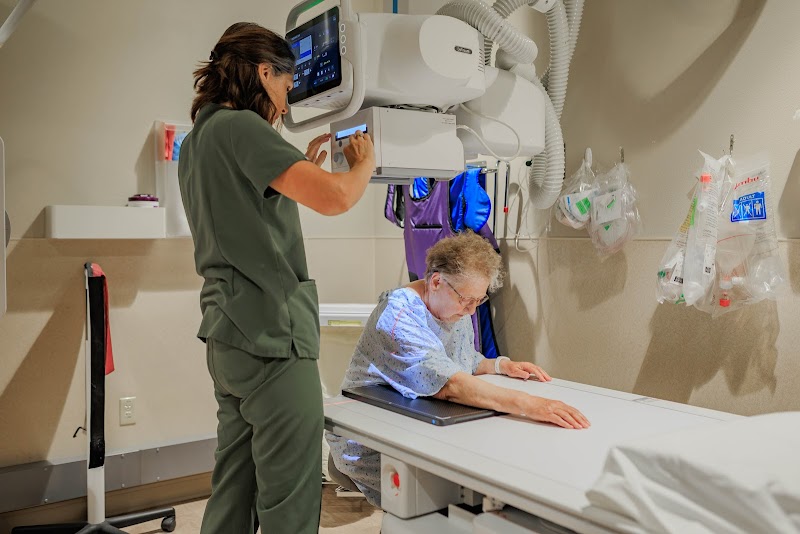
How is Crook County Medical Services District Long Term C Staffed?
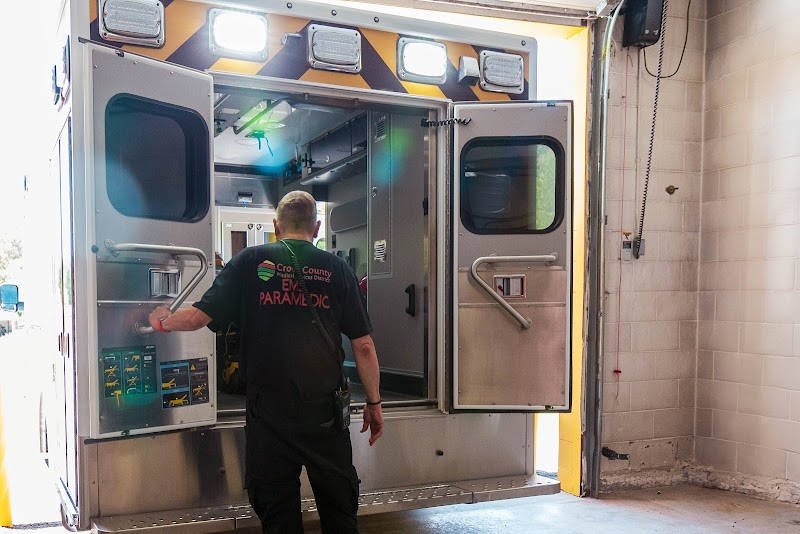
CMS rates Crook County Medical Services District Long Term C's staffing level at 4 out of 5 stars, which is above average compared to other nursing homes. Staff turnover is 78%, which is 32 percentage points above the Wyoming average of 46%. High turnover can affect care consistency as new staff learn residents' individual needs. RN turnover specifically is 57%, which is notably high. RNs provide skilled clinical oversight, so turnover in this role can affect medical care quality.

What Have Inspectors Found at Crook County Medical Services District Long Term C?

State health inspectors documented 26 deficiencies at Crook County Medical Services District Long Term C during 2022 to 2024. These included: 1 that caused actual resident harm, 22 with potential for harm, and 3 minor or isolated issues. Deficiencies causing actual harm indicate documented cases where residents experienced negative health consequences.
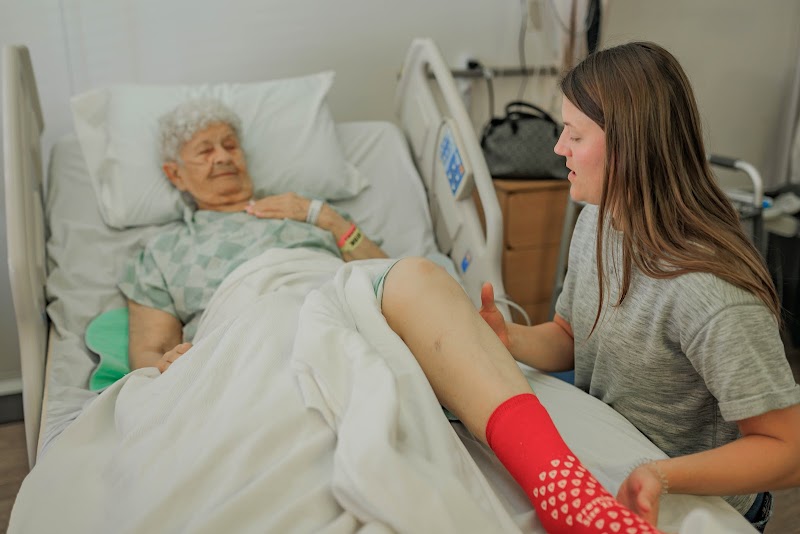
Who Owns and Operates Crook County Medical Services District Long Term C?

Crook County Medical Services District Long Term C is owned by a government entity. Government-operated facilities are typically run by state, county, or municipal agencies. The facility operates independently rather than as part of a larger chain. With 32 certified beds and approximately 29 residents (about 91% occupancy), it is a smaller facility located in Sundance, Wyoming.

How Does Crook County Medical Services District Long Term C Compare to Other Wyoming Nursing Homes?

Compared to the 100 nursing homes in Wyoming, Crook County Medical Services District Long Term C's overall rating (3 stars) is above the state average of 2.9, staff turnover (78%) is significantly higher than the state average of 46%, and health inspection rating (3 stars) is at the national benchmark.

What Should Families Ask When Visiting Crook County Medical Services District Long Term C?

Based on this facility's data, families visiting should ask: "How do you ensure continuity of care given staff turnover, and what is your staff retention strategy?" "Can I visit during a mealtime to observe dining assistance and food quality?" "How do you handle medical emergencies, and what is your hospital transfer rate?" "Can I speak with family members of current residents about their experience?" These questions are particularly relevant given the facility's high staff turnover rate.

Is Crook County Medical Services District Long Term C Safe?

Based on CMS inspection data, Crook County Medical Services District Long Term C has a clean safety record: no substantiated abuse findings (meaning no confirmed cases of resident harm), no Immediate Jeopardy citations (the most serious violation level indicating risk of serious injury or death), and is not on the Special Focus Facility watch list (a federal program monitoring the lowest-performing 1% of nursing homes). The facility has a 3-star overall rating and ranks #1 of 100 nursing homes in Wyoming. While no facility is perfect, families should still ask about staff-to-resident ratios and recent inspection results during their visit.

Do Nurses at Crook County Medical Services District Long Term C Stick Around?

Staff turnover at Crook County Medical Services District Long Term C is high. At 78%, the facility is 32 percentage points above the Wyoming average of 46%. Registered Nurse turnover is particularly concerning at 57%. RNs handle complex medical decisions and coordinate care — frequent RN changes can directly impact care quality. High turnover means new staff may not know residents' individual needs, medications, or preferences. It can also be disorienting for residents, especially those with dementia who rely on familiar faces. Families should ask: What is causing the turnover? What retention programs are in place? How do you ensure care continuity during staff transitions?

Was Crook County Medical Services District Long Term C Ever Fined?

Crook County Medical Services District Long Term C has been fined $16,825 across 2 penalty actions. This is below the Wyoming average of $33,247. While any fine indicates a compliance issue, fines under $50,000 are relatively common and typically reflect isolated problems that were subsequently corrected. Families should ask what specific issues led to these fines and confirm they've been resolved.

Is Crook County Medical Services District Long Term C on Any Federal Watch List?

Crook County Medical Services District Long Term C is not on any federal watch list. The most significant is the Special Focus Facility (SFF) program, which identifies the bottom 1% of nursing homes nationally based on persistent, serious quality problems. Not being on this list means the facility has avoided the pattern of deficiencies that triggers enhanced federal oversight. This is a positive indicator, though families should still review the facility's inspection history directly.