Goshen Healthcare Community
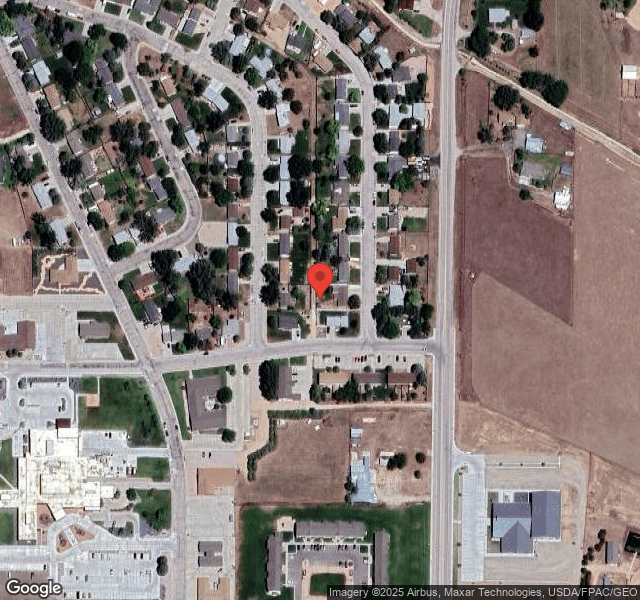
2009 Laramie St, Torrington, WY 82240 (307) 532-4038
For profit - Limited Liability company 103 Beds Independent Data: November 2025
Trust Grade
35/100
#19 of 33 in WY
Last Inspection: April 2024

Within standard 12-15 month inspection cycle. Federal law requires annual inspections.

Overview

Goshen Healthcare Community has received a Trust Grade of F, indicating significant concerns about care quality and safety. Ranking #19 out of 33 facilities in Wyoming places it in the bottom half, while being the only option in Goshen County suggests limited local alternatives. The facility is showing signs of improvement, with issues decreasing from 8 in 2024 to 4 in 2025. Staffing is rated average with a 3/5 star score and a turnover rate of 61%, which is concerning but near the state average. However, the facility has reported $48,922 in fines, which is higher than many others, and it provides less RN coverage than 82% of state facilities, raising concerns about adequate medical oversight. Specific incidents include a failure to provide adequate supervision for a resident at risk of falls, which could lead to serious accidents, and concerns about food safety, such as unclean equipment and improperly stored food items. While the facility does have some strengths, such as an improving trend in issues, families should weigh these against the notable weaknesses when considering care options.

Trust Score
F
35/100
In Wyoming
#19/33
Bottom 43%
Safety Record
Moderate
Needs review
Inspections
Getting Better
8 → 4 violations
Staff Stability
⚠ Watch
61% turnover. Above average. Higher turnover means staff may not know residents' routines.
Penalties
⚠ Watch
$48,922 in fines. Higher than 86% of Wyoming facilities, suggesting repeated compliance issues.
Skilled Nurses
○ Average
Each resident gets 32 minutes of Registered Nurse (RN) attention daily — about average for Wyoming. RNs are the most trained staff who monitor for health changes.
Violations
⚠ Watch
24 deficiencies on record. Higher than average. Multiple issues found across inspections.
★★☆☆☆
2.0
Overall Rating
★★★☆☆
3.0
Staff Levels
★★★☆☆
3.0
Care Quality
★★☆☆☆
2.0
Inspection Score
Stable
2024: 8 issues
2025: 4 issues

The Good

  • Full Sprinkler Coverage · Fire safety systems throughout facility
  • No fines on record

Facility shows strength in fire safety.

The Bad

2-Star Overall Rating

Below Wyoming average (2.9)

Below average - review inspection findings carefully

Staff Turnover: 61%

15pts above Wyoming avg (46%)

Frequent staff changes - ask about care continuity

Federal Fines: $48,922

Above median ($33,413)

Moderate penalties - review what triggered them

Staff turnover is elevated (61%)

13 points above Wyoming average of 48%

The Ugly 24 deficiencies on record

1 actual harm
Jun 2025 1 deficiency
CONCERN (D) 📢 Someone Reported This

A family member, employee, or ombudsman was alarmed enough to file a formal complaint

Potential for Harm - no one hurt, but risky conditions existed

Report Alleged Abuse (Tag F0609)

Could have caused harm · This affected 1 resident

Based on review of the facility's abuse investigations forms, State Survey Agency incident database review, policy and procedure review, and staff interview, the facility failed to implement their pol...

Read full inspector narrative →
Based on review of the facility's abuse investigations forms, State Survey Agency incident database review, policy and procedure review, and staff interview, the facility failed to implement their policy and procedure for ensuring the reporting of a reasonable suspicion of a crime was made in a timely manner for 4 of 10 abuse allegations reviewed. The findings were: 1. Review of the facility's policy ABUSE PREVENTION PLAN (WY), last revised October 2024, showed .The facility requires that all suspected maltreatment will be reported to the Administrator and the State promptly .All alleged violations involving abuse, neglect, exploitation or mistreatment, including injuries of unknown source and misappropriation of resident property, are reported immediately, but not later than 2 hours after the allegation is made .to the administrator of the facility and to other officials, including the State Survey Agency .The facility will take all necessary corrective actions depending on the results of the investigation and complete and send a final investigative report to the State Agency within 5 business days. The following concerns were identified: a. Review of the facility's investigation report showed an allegation of staff-to-resident abuse occurred on 4/6/25 at 8:30 PM and the administrator was aware of the allegation on 4/8/25 at 8 AM; however, review of the state survey agency incident database showed this allegation was not reported to the agency until 4/10/25 at 3:27 PM. b. Review of the facility's investigation report showed an allegation of staff-to-resident abuse occurred on 4/22/25 at 1:30 PM; staff were aware of the allegation on 4/23/25 at 12 AM; however, the administrator was not made aware of the allegation until 4/24/25 at 8:45 AM. Review of the state survey agency incident database showed this allegation was not reported to the agency until 4/24/25 at 2:10 PM. c. Review of the facility's investigation report showed an allegation of visitor-to-resident abuse occurred on 2/13/25 at 12 PM. Review of the state survey agency incident database showed the final investigative report was not submitted to the agency until 4/14/25. d. Review of the facility's investigation report showed an allegation of resident-to-resident abuse occurred on 1/1/25 at 5 PM. Review of the state survey agency incident database showed the final investigative report was not submitted to the agency until 2/9/25. 2. Interview with the administrator and the DON on 6/17/25 at 2:26 PM confirmed the allegations of abuse were not reported within the required timeframe.
Feb 2025 3 deficiencies
CONCERN (D) 📢 Someone Reported This

A family member, employee, or ombudsman was alarmed enough to file a formal complaint

Potential for Harm - no one hurt, but risky conditions existed

Deficiency F0605 (Tag F0605)

Could have caused harm · This affected 1 resident

Based on medical record review, review of the facility's investigation report, review of the state agency incident report, staff interview, and policy and procedure review, the facility failed to ensu...

Read full inspector narrative →
Based on medical record review, review of the facility's investigation report, review of the state agency incident report, staff interview, and policy and procedure review, the facility failed to ensure residents were free from chemical restraints intentionally imposed for staff convenience for 2 of 8 sample residents (#7, #8). The findings were: 1. Review of the facility's investigation report showed the facility administration received information from CNA #1 on 12/10/24 at approximately 3:45 PM. CNA #1 was concerned LPN #1 was medicating residents on the Alzheimer's unit with meds that are not ordered for them. [LPN #1] was overheard making a statement .I give them a little bit of extra of mine, but not enough so that when I go to the doctor, they won't refill me. CNA #1 stated she heard the statement from LPN #1 approximately 1 week ago and was unsure if it was a joke or serious. Further review of the statement from CNA #1 showed she was concerned last Wednesday and Thursday because three residents who received medications appeared sedated shortly after receiving them .LPN #1 offered to put three residents to bed at an early hour just after supper. 2. Review of the facility's investigation report showed the NHA approached LPN #2, who was on duty in the secure unit on 12/10/24 at approximately 5 PM, who produced a bottle of Tylenol 325 mg tablets (100) with a date written on it in red ink of 12/6/24. LPN #2 confirmed she had opened the bottle and had dated it. Upon opening the bottle on 12/10/24 LPN #2 noted three pink tablets in the bottle with approximately 30 tablets of Tylenol. The NHA took the bottle .as evidence. The count of Tylenol pills inside the newly opened bottle was 29 tablets and 3 Benadryl tablets. 3. On 12/11/24 LPN #1 was questioned by the facility and confessed to administering two residents medications that were not ordered. These residents were resident #7 and resident #8. LPN #1 admitted to administering Tylenol, melatonin (a hormone which plays a role in sleep), and Benadryl (an antihistamine which may have a sedative effect); however, LPN #1 could not remember who all of the residents were that she had given the medications to. In addition, the LPN stated she had been medicating the residents since 11/1/24 when she became a full-time employee. 4. Review of a complaint form submitted to the Wyoming Board of Nursing on 12/11/24 at 12:41 PM showed Information had come to the employer that [LPN #1] may be giving residents medications that are not prescribed to them. The original complaint did not know what kind of medications or if they were prescription medications belonging to [LPN #1]. The report is that residents were complaining of feeling funny after being given medications by this particular nurse. Also, CNA staff reported finding some residents unusually tired or out like a light for the entire night, which raised suspicions. All residents involved have dementia diagnoses and are admitted to a secured memory care unit for their safety. On December 10, 2024 [the NHA and executive director] began investigating the allegations. During the initial investigation, it was discovered that a generic acetaminophen 325 mg bottle in the medication cart contained three pink caplets with the inscription of S4 on one side that was hidden among the tablets of acetaminophen. It was noted that the bottle had been labeled and put into service on December 6, 2024. The bottle contained 100 tablets at opening. There were 61 tablets of acetaminophen missing from the bottle. Only one resident on the unit receives this medication regularly and no more than 9-12 tablets should have been taken from this stock bottle. It should be noted that [facility name] has a strict no Benadryl policy for the patient population and that no resident is ordered this medication in any form. [LPN #2] advised that she had discovered the pink caplets on December 10, 2024, and the caplets were not present the day before. The only other staff member with access to the medication cart at that time was [LPN #1]. On December 11, 2024 [the NHA and executive director] conducted a telephone interview with [LPN #1] regarding the allegations and the unapproved medications located in the medication cart. Immediately upon beginning the interview, [LPN #1] stated I think I am going to pivot away from nursing and just terminate my employment immediately. During that recorded interview, [LPN #1] admitted to giving two residents combinations of Tylenol, Melatonin, and Benadryl that were not ordered or prescribed to these residents. [LPN #1] mentioned that she had done this occasionally when things got crazy over there referring to the Alzheimer's Care Unit. [LPN #1] denied bringing in any outside prescription medications to provide to residents, however, it was noted that her response was delayed and lacked confidence . 5. Interview with the NHA on 2/4/25 at 2:49 PM revealed the facility did not treat the incident as an allegation of chemical restraint because it was just one nurse who had administered unprescribed medications to the residents. The NHA stated she had notified the residents' representatives, physicians, and performed urine drug testing on the residents which could provide a urine sample; however, there was no documentation available. Further, the administrator stated the allegation was dealt with promptly and the appropriate agencies had been contacted; however, education had not been provided to staff on the use of chemical restraints. 6. Telephone interviews were attempted on 2/4/25 with LPN #2, CNA #1 (who was no longer employed at the facility) and LPN #1. These attempts were unsuccessful 7. Review of the ABUSE PREVENTION PLAN (WY) policy, last revised October 2017, showed .CHEMICAL RESTRAINT: Any drug that is used for discipline or convenience and not considered accepted professional practice to treat medical or behavioral symptoms. Examples include but are not inclusive: Attempting to alter the individual's behavior with inappropriate use of drugs .Staff administer a medication to sedate or subdue the resident .
CONCERN (D) 📢 Someone Reported This

A family member, employee, or ombudsman was alarmed enough to file a formal complaint

Potential for Harm - no one hurt, but risky conditions existed

Investigate Abuse (Tag F0610)

Could have caused harm · This affected 1 resident

Based on review of the facility's investigation report, medical record review, staff interview, and review of policy and procedure, the facility failed to complete and maintain documentation for 1 of ...

Read full inspector narrative →
Based on review of the facility's investigation report, medical record review, staff interview, and review of policy and procedure, the facility failed to complete and maintain documentation for 1 of 3 allegations of abuse investigations reviewed. The findings were: 1. Review of the facility's investigation report showed CNA #1 reported to facility administration on 12/10/24 at approximately 3:45 PM an allegation that she suspected LPN #1 was administering medications to residents in the secure unit which were not prescribed for them. The facility immediately suspended LPN #1 and began an investigation. The following concerns were identified: a. Review of the facility's investigation report showed 8 residents were identified which may have been affected; however, review of the residents' medical records failed to show documentation of the allegation or notification of the residents' representatives or primary care providers. b. Review of the facility's investigation report showed the facility performed urine drug testing on the residents in the secure unit; however, there was no evidence the results of the urine drug tests were retained. c. Review of the facility's investigation report showed the medical director and consultant pharmacist had been consulted. Interview with the consultant pharmacist on 2/4/25 at 1:43 PM confirmed she had been consulted; however, there was no documentation in the investigation report related to the consultation. Further interview with the pharmacist revealed there were too many variables present to determine what the side effects, described by the residents and staff, were the result of. The medical director was unavailable. d. Interview with the NHA on 2/4/25 at 12:09 PM revealed she had notified the residents' representatives and primary care providers for the two residents LPN #1 had confessed to administrating unprescribed medications; however, did not document the allegation in the residents' medical record. In addition, the NHA stated she had convened an adhoc QAPI (quality assurance performance improvement) meeting to discuss the allegation; however, the minutes of the meeting were not available. An additional interview on 2/4/25 at 12:45 PM revealed the facility did not treat the incident as an allegation of chemical restraint because it was just one nurse who had administered unprescribed medications to the residents and not a systemic problem. 2. Review of the ABUSE PREVENTION PLAN (WY) policy, last revised October 2017, showed .E. Investigation: 1 .Facility will identify the staff member(s) responsible for: . c. Identifying and interviewing all involved persons, including the alleged victim, alleged perpetrator, witnesses, and others who might have knowledge of the allegations; d. Focusing the investigation on determining if abuse, neglect, exploitation, and/or mistreatment has occurred, the extent and cause; e. Providing complete and thorough documentation of the investigation .
CONCERN (E) 📢 Someone Reported This

A family member, employee, or ombudsman was alarmed enough to file a formal complaint

Potential for Harm - no one hurt, but risky conditions existed

Deficiency F0658 (Tag F0658)

Could have caused harm · This affected multiple residents

Based on review of facility investigations, review of the state agency facility reported incidents, staff interview, and review of the Wyoming Board of Nursing license verification portal, the facilit...

Read full inspector narrative →
Based on review of facility investigations, review of the state agency facility reported incidents, staff interview, and review of the Wyoming Board of Nursing license verification portal, the facility failed to provide services which met professional standards of practice. The facility census was 69 of which 19 residents resided in the secure unit. The facility implemented corrective action prior to the survey and was determined to be in substantial compliance as of 12/19/24. The findings were: 1. Review of facility incident report filed with the state agency showed on 12/10/24 at 4 PM the facility received a concern from a CNA (identified as CNA #1) a night shift nurse (identified as LPN #1) may be administering medications which had not been prescribed to the residents. The following was the response from the facility: a. On 12/10/24 LPN #1 was suspended prior to clocking in for her shift pending an investigation. b. On 12/11/24 LPN #1 confessed to administering two residents with medications which had not been prescribed to make them sleep on 'crazy nights'. LPN #1 resigned at that time. c. Review of a 12/11/24 letter showed the Board of Nursing was notified and a complaint was filed. d. Review of the Wyoming State Board of Nursing showed LPN #1's license was terminated on 12/19/24. 2. Interview with the NHA on 2/4/25 at 12:09 PM confirmed LPN #1 had resigned immediately after being interviewed, the Wyoming Board of Nursing was notified immediately, and LPN #1's license to practice was suspended.
Apr 2024 6 deficiencies
CONCERN (D)

Potential for Harm - no one hurt, but risky conditions existed

Deficiency F0578 (Tag F0578)

Could have caused harm · This affected 1 resident

**NOTE- TERMS IN BRACKETS HAVE BEEN EDITED TO PROTECT CONFIDENTIALITY** Based on medical record review, staff interview, and review of the resident rights the facility failed to ensure resident advanc...

Read full inspector narrative →
**NOTE- TERMS IN BRACKETS HAVE BEEN EDITED TO PROTECT CONFIDENTIALITY** Based on medical record review, staff interview, and review of the resident rights the facility failed to ensure resident advance directives were accurate for 1 of 18 sample residents (#46). The findings were: 1. Review of the WyoPOLST (Providers Orders for Life Sustaining Treatment) dated [DATE] showed resident #46 elected Cardiopulmonary Resuscitation (CPR). 2. Review of the physician orders dated [DATE] showed the resident was Do Not Resuscitate (DNR). 3. Interview with LPN #1 on [DATE] at 10:05 AM revealed I would look at the orders and look for the code status. We do have a binder with the POLST in it. They must not have changed it since she came back. 4. Interview with health information coordinator on [DATE] at 10:10 AM confirmed the WyoPOLST and the physician orders were conflicting between the POLST and the orders. 5. Review of the Resident Rights showed .Get proper medical care To participate in the decisions that affect your care To formulate advance directives, such as a living will or durable power of attorney for health care .
CONCERN (D) 📢 Someone Reported This

A family member, employee, or ombudsman was alarmed enough to file a formal complaint

Potential for Harm - no one hurt, but risky conditions existed

ADL Care (Tag F0677)

Could have caused harm · This affected 1 resident

**NOTE- TERMS IN BRACKETS HAVE BEEN EDITED TO PROTECT CONFIDENTIALITY** Based on observation, staff interview, and medical record review, the facility failed to ensure residents received oral care per...

Read full inspector narrative →
**NOTE- TERMS IN BRACKETS HAVE BEEN EDITED TO PROTECT CONFIDENTIALITY** Based on observation, staff interview, and medical record review, the facility failed to ensure residents received oral care per the plan of care for 1 of 2 sample residents (#4), who were unable to independently carry out activities of daily living. The findings were: 1. Review of the annual MDS assessment dated [DATE] showed resident #4 had short-term and long-term memory impairment and diagnoses which included rheumatoid arthritis, non-Alzheimer's dementia, and weakness. Further review showed the resident required partial/moderate assistance to perform oral hygiene. Review of the ADL care plan last revised on 4/15/24 showed the resident had an ADL deficit related to Lewy-Body dementia and severely impaired cognition. Interventions included .ORAL CARE: Provide oral care after each meal. 1-person assist. Encourage [resident name] to participate .ORAL CARE: Requires total assistance for completion. I do not wear dentures or partials . The following concerns were identified: a. Review of a progress note dated 4/13/24 and timed 4:27 PM showed the facility contacted the resident's power of attorney related to oral care and a build of plaque on the resident's teeth. The facility communicated a new plan for oral care and the power of attorney voiced understanding and was okay with the new plan. b. Observation on 4/17/24 at 2:42 PM showed CNA #1 and CNA #2 assisted the resident to the bathroom following the lunch meal. Continued observation showed the staff did not offer or perform oral hygiene. c. Observation on 4/18/24 from 8:05 AM through 10:26 AM showed the resident was assisted to the dining room table for the breakfast meal. Further observation showed the resident finished the meal at 8:35 AM and was assisted to a recliner in the TV area. The resident remained in the recliner until 10:26 AM and staff did not offer or perform oral hygiene during that time. d. Review of the oral care task documentation from 4/13/24 through 4/17/24 showed oral care was documented at 11:34 AM and 9:06 PM on 4/14/24, 2:34 PM on 4/14/24, 2:13 AM and 9:35 AM on 4/15/24, 9:11 AM and 9:15 PM on 4/16/24, and 1:42 PM on 4/17/24; however, there was no evidence the oral care was offered or provided after each meal. e. Interview with the infection preventionist and DON on 4/18/24 at 11:24 AM revealed the resident should receive oral care, within 30 minutes following the completion of each meal.
CONCERN (D)

Potential for Harm - no one hurt, but risky conditions existed

Infection Control (Tag F0880)

Could have caused harm · This affected 1 resident

**NOTE- TERMS IN BRACKETS HAVE BEEN EDITED TO PROTECT CONFIDENTIALITY** Based on observation, staff interview, and policy and procedure review, the facility failed to ensure appropriate infection cont...

Read full inspector narrative →
**NOTE- TERMS IN BRACKETS HAVE BEEN EDITED TO PROTECT CONFIDENTIALITY** Based on observation, staff interview, and policy and procedure review, the facility failed to ensure appropriate infection control techniques were implemented to prevent cross contamination during 2 of 4 observations of perineal care. The census was 62. The findings were: 1. Review of the annual MDS assessment dated [DATE] showed resident #15 had short-term and long-term memory impairment and diagnoses which included Alzheimer's dementia, seizure disorder, traumatic brain injury, anxiety disorder, and depression. Further review showed the resident was totally dependent on staff for toileting and personal hygiene. Review of the ADL care plan last revised on 2/7/24 showed the resident required assistance with ADLs related to early onset Alzheimer's dementia and interventions included .INCONTINENT: Check and change q [every] 2-3 hours and prn [as needed]. Toilet upon awakening, before and after meals, and at bedtime and PRN with goal to be as dry as possible during waking hours . The following concerns were identified: a. Observation on 4/17/24 at 2:26 PM showed the resident was assisted by 2 staff members his/her room and transferred into bed. CNA #2 and CNA #1 applied gloves, obtained supplies, and removed the resident's pants and brief. CNA #2 provided perineal care, then without removing her gloves, CNA #2 used her contaminated gloved hand to apply a clean brief, pull up the resident's pants, and touched the resident's shirt. 2. Review of the annual MDS assessment dated [DATE] showed resident #4 had short-term and long-term memory impairment and diagnoses which included rheumatoid arthritis, non-Alzheimer's dementia, and weakness. Further review showed the resident required substantial/maximal assistance with toileting and personal hygiene. Review of the ADL care plan last revised on 4/15/24 showed the resident had an ADL deficit related Lewy-Body dementia and severely impaired cognition. Interventions included .TOILETING: Total dependence with toileting, wears briefs. Frequently incontinent. The following concerns were identified: a. Observation on 4/17/24 02:42 PM showed CNA #1 and CNA #2 assisted the resident out of a chair and ambulated the resident to his/her room. CNA #1 explained to resident she was going to assist her to the bathroom. The staff member applied gloves, removed the resident's pants, and assisted the resident to sit on the toilet. When the resident was finished going to the bathroom, the CNA assisted the resident to stand a performed perineal care; however, without removing her gloves, the CNA used the contaminated gloved hand to reach into the wipe container and obtain additional wipes. CNA #2 stood near the sink while care was provided. CNA #1 began performing care to the resident's buttocks to remove feces from a bowel movement and wiped the resident front to back, clean to dirty; however, during the care, CNA #1 continued to use her contaminated gloved hand to removes wipes from the container and touched the outside of the perineal spray to spray the resident's skin with the solution. During the care, CNA #1 passed the contaminated bottle of perineal spray from one hand to the other, contaminating her clean gloved hand. In addition, CNA #1 placed each of her contaminated gloved hands on the resident's shirt while performing perineal care with the opposite hand. Further observation showed, upon completion of the perineal care and without removing the contaminated gloves, CNA #1 touched the outside of resident's clean brief, the resident's shirt, and the resident's pants. 3. Interview with the infection preventionist and DON on 4/18/24 at 11:24 AM revealed staff should wash their hands before resident care, apply gloves prior to performing perineal care, and change gloves before touching clean areas when they were contaminated. They confirmed gloves should be removed before touching resident clothing. 4. Review of the policy titled Perineal Care last revised February 2023 showed .14. Remove gloves and discard into designated container. Perform hand hygiene. 15. If changing brief or dressing/undressing resident, apply clean gloves before proceeding with these items .
CONCERN (E)

Potential for Harm - no one hurt, but risky conditions existed

Deficiency F0729 (Tag F0729)

Could have caused harm · This affected multiple residents

Based on personnel record review, and staff interview, the facility failed to ensure the CNA abuse registry was verified for 1 of 3 sample CNAs (#1) prior to resident contact. The findings were: Revie...

Read full inspector narrative →
Based on personnel record review, and staff interview, the facility failed to ensure the CNA abuse registry was verified for 1 of 3 sample CNAs (#1) prior to resident contact. The findings were: Review of the personnel record for CNA #1 showed she had quit on 5/3/23, and was rehired on 11/3/23, indicating 6 months between employment. The review showed the CNA abuse registry was checked on 1/19/23 prior to the CNAs initial employment; however, there was no evidence it was verified upon rehire. Interview with the business office manager and CEO on 4/16/24 at 3:52 PM confirmed the facility did not recheck the abuse registry when the CNA was rehired.
CONCERN (E)

Potential for Harm - no one hurt, but risky conditions existed

Medication Errors (Tag F0758)

Could have caused harm · This affected multiple residents

**NOTE- TERMS IN BRACKETS HAVE BEEN EDITED TO PROTECT CONFIDENTIALITY** Based on medical record review, staff interview, and policy and procedure review, the facility failed to ensure target symptoms ...

Read full inspector narrative →
**NOTE- TERMS IN BRACKETS HAVE BEEN EDITED TO PROTECT CONFIDENTIALITY** Based on medical record review, staff interview, and policy and procedure review, the facility failed to ensure target symptoms were identified and monitoring of target symptoms was completed for 3 of 5 sample residents (#14, #20, #32) with psychotropic medication use. The findings were: 1. Review of the quarterly MDS assessment dated [DATE] showed the resident #14 had a brief interview for mental status score of 10 out of 15, which indicated moderate cognitive impairment, and diagnoses which included non-Alzheimer's dementia and depression. Review of the physician orders showed the resident received Abilify (antipsychotic) 5 milligrams (mg) by mouth daily for depression, buspirone (anti-anxiety) 10 mg by mouth three times daily for depression, and sertraline (antidepressant) 50 mg by mouth daily for depression. The following concerns were identified: a. Review of the care plan, last revised on 4/5/24 showed .TARGETED BEHAVIORS: 1) anxiety 2) depressed or withdrawn 3) insomnia . Further review showed no evidence of resident specific or medication specific target symptoms for the identified behaviors. b. Review of the medication administration record for January 2023 through April 2023 showed no evidence resident specific or medication specific target symptoms were identified or monitored for the effectiveness of psychotropic medications. 2. Review of the quarterly MDS assessment dated [DATE] showed resident #20 short-term and long-term memory impairment and diagnoses which included Alzheimer's disease, non-Alzheimer's dementia, and adjustment disorder with mixed anxiety and depressed mood. Review of the physician orders showed the resident received citalopram (antidepressant) 20 mg by mouth daily for depression/agitation, divalproex sodium (anticonvulsant) 250 mg by mouth twice daily for psychotic disturbance, Seroquel 50 mg by mouth twice daily for dementia with aggression towards others, and Seroquel (antipsychotic) 75 mg by mouth daily at bedtime for dementia. The following concerns were identified: a. Review of the care plan, last revised on 1/16/24, showed .TARGETED BEHAVIORS: 1) agitated 2) depressed withdrawn 3) restless . Further review showed no evidence of resident specific or medication specific target symptoms for the identified behaviors. b. Review of the medication administration record for January 2023 through April 2023 showed no evidence resident specific or medication specific target symptoms were identified or monitored for the effectiveness of psychotropic medications. 3. Review of the annual MDS assessment dated [DATE] showed resident #32 had diagnoses which included non-Alzheimer's dementia, anxiety disorder, depression, and post-traumatic stress disorder. Review of the physician orders showed the resident received buspirone (anti-anxiety) 5 mg by mouth twice per day for anxiety disorder and depression, Celexa (antidepressant) 20 mg by mouth once daily for depression, and clonazepam (anticonvulsant) 0.5 mg by mouth twice per day for anxiety. a. Review of the care plan, last revised on 4/4/24, showed no evidence target symptoms were identified for the use of each psychotropic medication. b. Review of the medication administration record for January 2023 through April 2023 showed no evidence resident specific or medication specific target symptoms were identified or monitored for the effectiveness of psychotropic medications. 4. Interview with the DON on 4/18/24 at 11:24 AM confirmed target symptoms were not identified or monitored with the use of psychotropic medication. 5. Review of the policy titled Psychotropic Medication Use last revised on 11/28/16 showed .1.1 The facility should not use psychotropic medications to address behaviors without first determining if there is a medical, physical, functional, psychological, social or environmental cause of the resident's behaviors .4. Psychotropic medications to treat behaviors will be used appropriately to address specific underlying medical or psychiatric causes of behavioral symptoms .7. All medications used to treat behaviors must have a clinical indication and be used in the lowest possible dose to achieve the desired therapeutic effect. All resident's receiving medications used to treat behaviors should be monitored for: 7.1 efficacy, 7.2 Risks, 7.3 Benefits, and 7.4 Harm or adverse consequences .
CONCERN (F)

Potential for Harm - no one hurt, but risky conditions existed

Food Safety (Tag F0812)

Could have caused harm · This affected most or all residents

Based on observation, staff interview, and 2022 U.S. Public Health Food Code review, the facility failed to ensure a sanitary equipment and failed to ensure food was stored under safe conditions in 1 ...

Read full inspector narrative →
Based on observation, staff interview, and 2022 U.S. Public Health Food Code review, the facility failed to ensure a sanitary equipment and failed to ensure food was stored under safe conditions in 1 of 2 food storage, preparation, and service areas (main kitchen). The census was 62. The findings were: 1. Observation on 4/15/24 at 2:14 PM showed the ice machine had a plastic piece which was not secured to the machine and a white powdery substance was built-up around the exterior above the door. Further observation showed the white powdery substance moved when the ice machine door was opened and closed and could fall into the ice. 2. Observation of the walk-in refrigerator on 4/15/24 at 2:17 PM showed a container of tomatoes with no date, a container labeled bell peppers with a use by date of 4/12, three containers labeled beef base dated with an expiration date of 10/1/23 and a use by date of 1/2/24, two containers labeled chicken base with and expiration date of 10/1/23 and a use by date of 4/5/24, a bag labeled chili with use by date of 4/1, a container labeled hardboiled eggs with a use by date of 4/10/24. 3. Observation on 4/17/24 at 10:56 AM showed the ice machine remained with a white powdery substance on the exterior above the door. 4. Observation of the walk-in refrigerator on 4/17/24 at 10:58 AM showed the bell peppers, beef base, and chicken base remained. 5. Interview with the dietary manager on 4/17/24 at 11:35 AM revealed expired items or items past use by date should be discarded and the ice machine was cleaned by maintenance; however, she was unsure of the cleaning schedule. She revealed the facility was aware of the damaged part of the ice machine and confirmed the powdered build-up could fall in the machine. Further she confirmed all items in the walk-in refrigerator were available for resident consumption. 6. According to Food Code 22, U.S. Public Health Service: 4-601.11 .(A) EQUIPMENT FOOD-CONTACT SURFACES and UTENSILS shall be clean to sight and touch. (B) The FOOD-CONTACT SURFACES of cooking EQUIPMENT and pans shall be kept free of encrusted grease deposits and other soil accumulations. (C) NonFOOD-CONTACT SURFACES of EQUIPMENT shall be kept free of an accumulation of dust, dirt, FOOD residue, and other debris . 7. According to Food Code 22, U.S. Public Health Service: .3-501.17 Ready-to-Eat, Time/Temperature Control for Safety Food, Date Marking. (A) Except when PACKAGING FOOD using a REDUCED OXYGEN PACKAGING method as specified under § 3-502.12, and except as specified in (E) and (F) of this section, refrigerated, READY-TO-EAT, TIME/TEMPERATURE CONTROL FOR SAFETY FOOD prepared and held in a FOOD ESTABLISHMENT for more than 24 hours shall be clearly marked to indicate the date or day by which the FOOD shall be consumed on the PREMISES, sold, or discarded when held at a temperature of 5ºC (41ºF) or less for a maximum of 7 days. The day of preparation shall be counted as Day 1 .
Jan 2024 2 deficiencies
CONCERN (D) 📢 Someone Reported This

A family member, employee, or ombudsman was alarmed enough to file a formal complaint

Potential for Harm - no one hurt, but risky conditions existed

Grievances (Tag F0585)

Could have caused harm · This affected 1 resident

Based on grievance log review, staff interview, and policy and procedure review, the facility failed to ensure resident grievances were resolved for 2 of 3 sample residents (#2, #3). The findings were...

Read full inspector narrative →
Based on grievance log review, staff interview, and policy and procedure review, the facility failed to ensure resident grievances were resolved for 2 of 3 sample residents (#2, #3). The findings were: 1. Review of a Grievance/Concern Report Form dated 12/4/23 at 9:15 AM showed resident #3's representative notified the facility of concerns related to positioning, hydration, and activities of daily living. Further review showed no action or resolution by the facility. 2. Review of a Grievance/Concern Report Form dated 12/26/23 and untimed showed resident #2's representative notified the facility of concerns related to cleanliness and maintenance needs. Further review showed no action or resolution by the facility. 3. Interview with the health information management RN on 1/23/24 at 2:13 PM confirmed the grievances were not addressed, and she would have them addressed right away. 4. Review of the policy and procedure Grievance/Concerns hand delivered on 1/23/24 at 4:40 PM by the Business Office Manger showed .4.b.facility's policy is to complete and review results with resident/resident representative within 72 hours of receipt of concern/grievances .
CONCERN (D) 📢 Someone Reported This

A family member, employee, or ombudsman was alarmed enough to file a formal complaint

Potential for Harm - no one hurt, but risky conditions existed

Quality of Care (Tag F0684)

Could have caused harm · This affected 1 resident

Based on observation, resident and staff interview, and resident rights review, the facility failed to ensure residents received care in accordance with the care plan for 1 of 5 sample residents (#1)....

Read full inspector narrative →
Based on observation, resident and staff interview, and resident rights review, the facility failed to ensure residents received care in accordance with the care plan for 1 of 5 sample residents (#1). The findings were: 1. Review of care plan for resident #1 last revised on 1/7/24 showed ADLs: [residents' name] needs mostly extensive assistance with ADLs. [S/he] has diagnoses of Parkinson's and Tremors. [S/he] has required extensive assistance with bed mobility, transfers, locomotion, dressing, toileting, hygiene and bathing. [S/he] needs total assist with meals/eating. [S/he] has a BIMS [brief interview for mental status] score of 14 (cognitive intact). The following concerns were identified: a. Observation on 1/23/24 at 12:15 PM showed the resident sitting in a wheelchair with an over the bed table in front of him/her and an untouched open lunch meal plate in front of the resident. Interview with resident at that time revealed s/he needed help eating the meal. The plate was a ribbed plate and the utensils had large grips. Further, observation showed CNA #2 was in the room placing a sheet on the resident's bed. The CNA stated at that time someone will come in and feed [him/her.] b. Interview with CNA #2 on 1/23/24 at 12:25 PM revealed the resident refused to eat. Continued observation showed the director of dietary services entered the room and checked the food temperatures. At that time, the temperature of the green beans was 127 degrees Fahrenheit, and the temperature of the macaroni and cheese was 91.9 degrees Fahrenheit. The director of dietary services revealed meal trays were delivered to rooms at noon. c. Interview with the IP on 1/23/24 at 4:15 PM revealed the facility would expect the CNA to assist the resident with the meal instead of making the bed. 2. Review of the Resident [NAME] of Rights showed .You have the right to be treated with dignity and respect . You have the right to decide when you go to bed, rise in the morning, and eat your meals .
Dec 2023 1 deficiency
CONCERN (D) 📢 Someone Reported This

A family member, employee, or ombudsman was alarmed enough to file a formal complaint

Potential for Harm - no one hurt, but risky conditions existed

Deficiency F0887 (Tag F0887)

Could have caused harm · This affected 1 resident

**NOTE- TERMS IN BRACKETS HAVE BEEN EDITED TO PROTECT CONFIDENTIALITY** Based on medical record review, staff and resident representative interviews, and review of incident reports and facility polici...

Read full inspector narrative →
**NOTE- TERMS IN BRACKETS HAVE BEEN EDITED TO PROTECT CONFIDENTIALITY** Based on medical record review, staff and resident representative interviews, and review of incident reports and facility policies, the facility failed to ensure a resident's choice to refuse COVID-19 vaccination was honored for 1 of 6 sample residents (#6). The findings were: 1. Review of the 10/18/23 quarterly Minimum Data Set (MDS) assessment for resident #6 showed the resident had diagnoses which included dementia, COPD, and diabetes and had severely impaired cognition. Review of the resident's immunization record showed the resident was vaccinated for COVID-19 on 9/21/21 and 12/5/23. The two entries prior to 12/5/23 showed consents were refused. Review of the care plan last revised 12/29/22 and initiated 11/25/22 showed my family chooses for me to not have further Covid-19 booster vaccinations and staff will assist in decision making as instructed by my family or resident. Review of the RESIDENT COVID-19 CONSENT OR DECLINATION signed on 8/2/22 by the resident representative showed the vaccine was refused due to a serious reaction in the past. The following concerns were identified: a. Review of a physician's order written on 12/5/23 showed a COVID-19 vaccine was to be administered. b. Review of the 12/6/23 at 4:08 PM nurse progress note showed Resident appears not to be feeling well, she is tense, when [s/he] is touched, [NAME] [sic] well. Not eating well very tired. Review of a 12/7/23 nurse progress note timed at 2:15 PM showed the medication error was discussed with the power of attorney (POA) regarding COVID-19 vaccination. [S/he] is more lethargic than baseline, eyes are open and does respond to DON [director of nursing]. A progress note dated 12/7/23 at 4:36 PM showed the resident was not feeling well, and the spouse visited and was informed the resident was given the COVID-19 vaccine. The spouse stated s/he did not want the resident to receive the vaccine and was upset. c. Review of a medication error incident report showed on 12/5/23 the resident received the COVID-19 vaccine in error as the POA did not wish for the resident to receive the vaccine. The resident had been more lethargic since the vaccine injection. Review of the December treatment administration record (TAR) showed the resident had no pain from 12/1/23 to 12/12/23, except on 12/6, 12/7, and 12/8 after receiving the COVID-19 vaccine. d. Interview with the resident representative on 12/13/23 at 10 AM revealed the staff told him/her they did not totally check the resident paperwork because the resident had a bad reaction to the COVID-19 vaccine in the past. S/he stated the facility never asked him/her to sign anything until after s/he was notified the resident was erroneously given the COVID vaccine. e. Interview with the infection control registered nurse (RN) on 12/13/23 at 10:30 AM revealed the resident was given the COVID-19 vaccine as a result of human error and s/he did become lethargic after the vaccine was given. Interview with the chief operating officer (COO) on 12/13/23 at 2:44 PM revealed it was the facility expectation for nurses to follow the resident or resident representative wishes and to follow the physician ' s orders. 2. Review of the facility's policy Infection Prevention and Control Practices During COVID-19 Pandemic revised May 11, 2023 showed .Upon admission COVID-19 immunization status for residents is recorded. Residents (and their representatives) that are not up-to-date are encouraged to receive the vaccination. They receive information and counselling [sic] regarding the risks and benefits of the vaccine and have an opportunity to ask questions and discuss concerns. A form reviewing the risks and benefits of COVID-19 vaccination including acceptance or declination of the vaccination is completed .
Sept 2023 2 deficiencies
CONCERN (D) 📢 Someone Reported This

A family member, employee, or ombudsman was alarmed enough to file a formal complaint

Potential for Harm - no one hurt, but risky conditions existed

Deficiency F0561 (Tag F0561)

Could have caused harm · This affected 1 resident

**NOTE- TERMS IN BRACKETS HAVE BEEN EDITED TO PROTECT CONFIDENTIALITY** Based on medical record review and resident representative and staff interviews, the facility failed to ensure resident choices ...

Read full inspector narrative →
**NOTE- TERMS IN BRACKETS HAVE BEEN EDITED TO PROTECT CONFIDENTIALITY** Based on medical record review and resident representative and staff interviews, the facility failed to ensure resident choices were honored for 1 of 5 sample residents (#2) reviewed for resident rights. The findings were: 1. Review of the admission MDS assessment dated [DATE] showed resident #2 had moderate cognitive impairment and diagnoses which included dementia with psychotic disturbance. Further review showed the resident required one person physical assistance for bathing. Review of the baseline care plan showed the resident paces when s/he needs to use the restroom and a bath is an option if a shower isn't working. Review of the 7/7/23 care plan showed the resident wanted staff to approach him/her in a calm manner, use clear and simple instructions, liked showers during the evening hours but enjoyed the whirlpool, approach the resident with a polite attitude, and required one person to assist with bathing. Review of the July 2023 bathing record showed the resident received a shower on 7/15/23. The following concerns were identified: a. Review of a grievance form dated 7/30/23 showed the resident's representative reported concerns related to 4 staff members forcing the resident into the shower on 7/15/23. Interview with the resident's representative on 9/20/23 at 9:47 AM confirmed a grievance was reported to the facility on 7/30/23. b. Review of a nurse's progress note dated 7/15/23 at 10:25 AM showed .resident refused to come down for breakfast and was swinging [his/her] arms at staff members; reapproached later on when [s/he] was up moving around to get [him/her] a shower since [s/he] had wet underwear and a bowel movement, resident refused shower staff ended up getting [him/her] into the shower, resident likes to hit, push, and shove. c. Interview with CNA #1 on 9/19/23 at 3:05 PM revealed the CNA was asked to help shower the resident because s/he was dirty with feces and confirmed 4 staff members forced [him/her] into the shower by grabbing his/her arms and not letting him/her out of the shower. Further interview revealed staff could have tried a better approach. d. Interview with the DON on 9/19/23 at 3:30 PM revealed staff should have used a better approach with the resident and confirmed the resident's wishes were not followed.
CONCERN (D) 📢 Someone Reported This

A family member, employee, or ombudsman was alarmed enough to file a formal complaint

Potential for Harm - no one hurt, but risky conditions existed

Deficiency F0604 (Tag F0604)

Could have caused harm · This affected 1 resident

Based on observation, medical record review, staff interview, and policy review, the facility failed to ensure residents were free from physical restraints used for staff convenience or not required t...

Read full inspector narrative →
Based on observation, medical record review, staff interview, and policy review, the facility failed to ensure residents were free from physical restraints used for staff convenience or not required to treat a medical condition for 1 of 2 sample residents (#1) reviewed for physical restraint use. The findings were: 1. Review of the 7/11/23 quarterly MDS assessment showed resident #1 had diagnoses which included Alzheimer's disease and seizure disorder, had severe cognitive impairment, and used a walker and wheelchair for mobility. Observation on 9/18/23 at 2:50 PM showed CNA #1 assisted resident #1 to the restroom, helped the resident sit in a geri chair, and applied the lap tray. Observation on 9/18/23 at 3:35 PM showed resident #1 pushed the geri chair backwards, hitting several dining room chairs on the way, and stopped when s/he hit the courtyard door. At that time, the resident used his/her arms in an attempt to elevate his/her body in the chair. Observation on 9/19/23 from 8:40 AM to 10:40 AM showed resident #1 sat in the geri chair and attempted to push her/himself up several times with his/her arms and was restless. Observation on 9/19/23 at 11:35 AM showed a staff member assisted the resident to eat while the resident was in the geri chair with the lap tray in place. Review of the care plan last revised on 12/5/22 showed staff should leave the tray on the geri chair and remove it when they were ready to transfer the resident. Further review showed staff should be ready for resident transfer before taking the lap tray off to prevent [him/her] from trying to stand up. The following concerns were identified: a. Interview with CNA #1 on 9/19/23 at 10:40 AM revealed the resident had been using the geri chair for at least 6 months to keep him/her from getting up and confirmed the resident was unable to remove the lap tray. b. Review of the medical record showed no evidence an initial assessment or ongoing assessment of the geri chair had been performed and there was no evidence the resident could remove the lap tray independently. Further review showed no evidence of a medical symptom being treated by the geri chair or consents for use signed by the resident or resident's representative. 2. Interview with the facility administrator and DON on 9/20/23 at 10:30 AM revealed they were unable to locate a restraint evaluation or documentation to support the use of restraints for resident #1. 3. Review of the facility policy titled Physical Restraints last revised July 2022 showed, .a restraint is used only when assessed as necessary to treat a medical condition, .the facility has the responsibility to evaluate the appropriateness .for any type of medical treatment Prior to implementing any restraint, a resident assessment must be completed to properly identify the resident's needs, and the medical symptom the restraint is addressing. Consent to use the restraint must be obtained from the resident, family or legal representative prior to using the restraint Items that could be considered a restraint .items that prevent the resident from rising or moving such as reclining chairs, . seat belts that resident is unable to open upon command .
Jan 2023 4 deficiencies 1 Harm
SERIOUS (G) 📢 Someone Reported This

A family member, employee, or ombudsman was alarmed enough to file a formal complaint

Actual Harm - a resident was hurt due to facility failures

Accident Prevention (Tag F0689)

A resident was harmed · This affected 1 resident

**NOTE- TERMS IN BRACKETS HAVE BEEN EDITED TO PROTECT CONFIDENTIALITY** Based on observation, resident and staff interview. medical record review, and policy review, the facility failed to ensure resi...

Read full inspector narrative →
**NOTE- TERMS IN BRACKETS HAVE BEEN EDITED TO PROTECT CONFIDENTIALITY** Based on observation, resident and staff interview. medical record review, and policy review, the facility failed to ensure residents received adequate supervision and assessment for 1 of 1 sample residents (#72) reviewed for accident hazards. The findings were: 1. Review of the admission MDS assessment dated [DATE] showed resident #72 had diagnoses which included acute embolism and thrombosis, cancer, deep vein thrombosis, arthritis, and non-Alzheimer's dementia. Further review showed the resident received an anticoagulant 6 of the 7 days during the look back period. Review of the care plan showed the resident had a risk of falls and required staff assistance of one for transfers to bed, mobility, and toileting. Review of the at risk for further fall careplan last revised on 8/14/22 showed the resident had difficulty maintaining sitting balance, impaired balance during transitions, and had several risk factors for falls which included arthritis, delirium, wandering, cognitive impairment, dementia, depression, incontinence, hearing impairment, and pain. Interventions included staff of 1 to assist to ambulate with a walker to all destinations and therapy services to assist in reaching highest practicable level. Review of the fall risk assessment dated [DATE] showed the resident was at risk for falls and fall prevention protocols included a new admission, ambulated on own, did not wait for assistance, and wandered often. The following concerns were identified: a. Review of a progress note dated 8/4/22 and timed 10:16 PM showed .resident unwitnessed fall .resident fell out of [his/her] recliner chair sideways to the left side onto the floor . Further review showed the resident complained of pain, had a contusion to the left wrist with edema noted in the left hand, had a skin tear to the right hand, and swelling to the forehead and the back of the head. The resident was sent to the emergency department at that time. Review of a fall risk assessment dated [DATE] showed the assessment was initiated; however, it was not completed. Review of the Neurological Assessment Form initiated on 8/4/22 showed the facility performed neurological assessments; however, the assessments stopped on 8/6/23. b. Review of a progress note dated 8/7/22 and timed 7:03 PM showed the resident was found on the floor next to his/her recliner. Further review showed the resident had a .new hematoma to left knee cap and left forearm . There was no evidence a fall risk assessment or neurological assessment was performed after the fall. c. Interview with the resident's representative on 1/25/22 at 4:55 PM revealed the facility did not have fall interventions in place, and the resident had two falls. Further interview revealed the resident was in a hall by his/her self, and there were no staff present on the hall to help the resident. d. Interview with RN #1 and RN #2 on 1/26/23 at 9:31 AM revealed staff from another hall were expected to check on and provide care to residents who lived on the hall resident #72 resided. Further interview revealed the facility's expectation was for staff were to check the residents at frequent intervals. e. Interview with the administrator on 1/25/23 at 3 PM revealed nurse's were expected to perform a fall risk assessment after all falls. 2. Review of the Fall Prevention policy and procedure last revised November 2022, showed .Procedure: 1. A Fall Risk Assessment will be completed at the following times: a. Upon admission/readmission to the facility .d. Change of condition. e. Post fall . 3. Incident report and A fall scene investigation form will be completed after each fall. 4. Falls will automatically be logged through completion of Incident Report in PCC. 5. Initiate Neuro checks if resident hit head or if unwitnessed fall.
CONCERN (D)

Potential for Harm - no one hurt, but risky conditions existed

Pharmacy Services (Tag F0755)

Could have caused harm · This affected 1 resident

**NOTE- TERMS IN BRACKETS HAVE BEEN EDITED TO PROTECT CONFIDENTIALITY** Based on resident and staff interview, medical record review, and professional standard review the facility failed to administer...

Read full inspector narrative →
**NOTE- TERMS IN BRACKETS HAVE BEEN EDITED TO PROTECT CONFIDENTIALITY** Based on resident and staff interview, medical record review, and professional standard review the facility failed to administer medications as physician ordered for 1 of 1 sample residents reviewed (#32) for pain management. The findings were: 1. Review of the quarterly MDS assessment dated [DATE] showed resident #32 had a BIMS score of 10 out of 15, which indicated moderate cognitive impairment, and diagnoses which included hemiplegia, cerebral infarction, cerebrovascular accident, repeated falls, personal history of (healed) other pathological fracture, and vascular dementia. Further, review showed the resident had a scheduled pain medication. Review of the physician orders dated January 2023 showed the resident was to receive tramadol (opioid pain medication) 50 milligram (mg) tablet every six hours. Review of the care plan initiated on 4/9/20 showed for pain: I have pain/discomfort related to low back pain and bilateral knee pain. Please provide me with pain medications as ordered,. The following concerns were identified: a. Review of the resident MAR for tramadol 50 mg tablet showed the facility failed to administer the medication on 1/21/23 at 12 AM and 6 AM, on 1/22/23 at 6 AM, 12 PM and 6 PM and on 1/23/23 at 12 AM, 6 AM, and 12 PM. Further review showed the 6 PM medication was unavailable on 1/23/23. Review of the pain monitoring for January 2023 showed the resident had pain ranging from 7 to 9 during those days. b. Interview with the resident on 1/25/23 at 9:43 AM revealed, I'm always in pain. I knew I was not getting the tramadol, and I needed it to control the pain. c. Interview with LPN #1 on 1/25/23 at 9:24 AM revealed if the medication cart was out of a narcotic they get a narcotic request code for the automated medication dispensing cabinet and administer the medication that way. She further stated she was not sure why the medication was not given. d. Interview with Unit Manager on 1/25/23 at 9:45 AM confirmed the resident had not received the tramadol. She was unaware of why the medication was not given. Interview with the unit manager on 1/25/23 at 9:54 AM revealed she had contacted the pharmacy and found out the delay was due to a new written prescription the pharmacy system failed to identify. e. Review of web page National Library of Medicine, Nursing Rights of Medication Administration, retrieved 1/31/23, showed .Nurses have a unique role and responsibility in medication administration, in that they are frequently the final person to check to see that the medication is correctly prescribed and dispensed before administration. It is standard during nursing education to receive instruction on a guide to clinical medication administration and upholding patient safety known as the 'five rights' or 'five R's' of medication administration . 'Right time' - administering medications at a time that was intended by the prescriber. Often, certain drugs have specific intervals or window periods during which another dose should be given to maintain a therapeutic effect or level. A guiding principle of this 'right' is that medications should be prescribed as closely to the time as possible, and nurses should not deviate from this time by more than half an hour to avoid consequences such as altering bioavailability or other chemical mechanisms.
CONCERN (D)

Potential for Harm - no one hurt, but risky conditions existed

Infection Control (Tag F0880)

Could have caused harm · This affected 1 resident

Based on observation, staff interview, and policy review the facility failed to ensure infection control procedures were followed during an observation of wound care for 1 of 1 sample resident (#65) o...

Read full inspector narrative →
Based on observation, staff interview, and policy review the facility failed to ensure infection control procedures were followed during an observation of wound care for 1 of 1 sample resident (#65) observed. The finding were: 1. Observation on 1/25/23 at 9:36 AM showed LPN #2 performed wound care to resident #65. The nurse used scissors to remove the contaminated dressing to right lower extremity, and placed the scissors on the floor. The nurse picked up the scissors from the floor, without disinfecting them, cut a piece of clean gauze. The nurse opened another package of gauze and the gauze fell onto the floor. The nurse picked up the gauze off the floor, and used the scissors to cut the gauze. She placed the cut piece of gauze onto the resident's wound. When the wound care was completed, the nurse placed the scissors and the open package of gauze that had fallen onto the floor into the resident's dressing supply box. Interview with the nurse at that time confirmed she did not disinfect the scissors after it touched the patient's wound and the floor. She further stated she should have thrown the gauze dressing that had fallen onto the floor away. 2. Interview with RN #2 on 1/25/23 at 12:24 PM revealed the expectation was for staff to disinfect contaminated equipment and to throw out any clean dressing supplies that were contaminated. 3. Review of policy Dressing Clean/Aseptic last revised July 2018 showed .26. If scissors used, wipe with disinfectant wipe .
CONCERN (E)

Potential for Harm - no one hurt, but risky conditions existed

Deficiency F0680 (Tag F0680)

Could have caused harm · This affected multiple residents

Based on observation and staff interview, the facility failed to ensure the activities program was directed by a qualified professional. The census was 69. The findings were: 1. Random observations fr...

Read full inspector narrative →
Based on observation and staff interview, the facility failed to ensure the activities program was directed by a qualified professional. The census was 69. The findings were: 1. Random observations from 1/23/23 to 1/25/23 of the secure unit, Unit 200 and Unit 300 showed residents participating in various activities. 2. Interview on 1/25/23 at 11:55 AM with the activities director revealed she was a CNA and had not received special training to coordinate the activities program. 3. Interview on 1/26/23 at 9:50 AM with the human resources administrator confirmed the activities director did not receive training to coordinate the activities program.
Nov 2021 5 deficiencies
CONCERN (D)

Potential for Harm - no one hurt, but risky conditions existed

Assessment Accuracy (Tag F0641)

Could have caused harm · This affected 1 resident

Based on observation, medical record review, and staff interview, the facility failed to accurately document active diagnoses for 1 of 16 residents (#8) reviewed. The findings were: 1. Review of the 8...

Read full inspector narrative →
Based on observation, medical record review, and staff interview, the facility failed to accurately document active diagnoses for 1 of 16 residents (#8) reviewed. The findings were: 1. Review of the 8/11/21 quarterly MDS assessment showed resident #8 had diagnoses which included Alzheimer's disease, cognitive communication deficit, tachycardia, pulmonary embolism and pneumonia. Observation on 11/2/21 at 10:21 AM showed the resident ambulating in the hallway. Review of the physician orders did not show orders for antibiotics. The following concerns were identified: a. Interview on 11/3/21 at 10:03 AM with the infection prevention nurse revealed he kept monthly logs of residents who had infections, and the logs showed the resident did not have pneumonia in August. b Interview on 11/3/21 at 3:33 PM with the MDS coordinator, stated the resident had COVID, a pulmonary embolism, and pneumonia earlier in the year, but those had resolved. She stated the resident did not have pneumonia when the quarterly MDS was completed in August and the diagnosis of pneumonia was an error. She stated she would submit a modification to the MDS.
CONCERN (D)

Potential for Harm - no one hurt, but risky conditions existed

Infection Control (Tag F0880)

Could have caused harm · This affected 1 resident

Based on observation, staff interview, and policy and procedure review, the facility failed to ensure infection prevention practices were followed for 1 of 1 observation of wound care (resident # 25)....

Read full inspector narrative →
Based on observation, staff interview, and policy and procedure review, the facility failed to ensure infection prevention practices were followed for 1 of 1 observation of wound care (resident # 25). The findings were: 1. Observation on 11/3/21 at 1:49 PM showed the DON performed wound care on resident #25. The DON donned gloves, and removed the dressing on the resident's coccyx area. The DON cleansed the wound using Skintegrity spray and gauze dressing. While wearing the same gloves, the DON touched the clean bottle of Therahoney and applied the substance to a clean cotton tipped applicator, then applied to the wound. The DON proceeded to put a piece of Silver alginate on the wound then covered with a clean dressing. After completing the wound care the DON pulled the resident's pants up and removed her gloves. She put the supplies back in the wound supply box, then touched the curtains and bed control. As she left the resident's room, she used hand sanitizer. a. Interview with the DON on 11/3/21 at 1:49 PM confirmed she did not remove her gloves nor perform hand hygiene after removing the dressing and performing clean wound care. b. Review of the Dressings Clean/Aseptic policy, with a revision date 8/21 showed .Procedures .10. Put on clean gloves. Loosen tape and remove soiled dressings .11. Remove gloves and discard in plastic or biohazard bag with dressing. 13. Wash hands or use alcohol gel 14. Put on clean gloves .21. Apply the ordered dressing .22. Remove gloves and discard in bag .23. Wash hands .
CONCERN (E)

Potential for Harm - no one hurt, but risky conditions existed

Staffing Information (Tag F0732)

Could have caused harm · This affected multiple residents

Based on review of posted nurse staffing data, and staff interview, the facility failed to ensure the posted 24-hour nursing staff information was maintained and updated to reflect the actual hours wo...

Read full inspector narrative →
Based on review of posted nurse staffing data, and staff interview, the facility failed to ensure the posted 24-hour nursing staff information was maintained and updated to reflect the actual hours worked for 15 of 15 days (10/19/21 through 11/2/21) reviewed. The census was 61. The findings were: Review of the posted 24-hour nurse staffing data from 10/19/21 through 11/2/21 failed to show the actual hours worked by the registered nurses, licensed practical nurses or licensed vocational nurses, and certified nurse aides responsible for resident care per shift. Interview on 11/3/21 at 2:49 PM with the DON confirmed the posted 24-hour nurse staffing information failed to include the actual hours worked.
CONCERN (E)

Potential for Harm - no one hurt, but risky conditions existed

Food Safety (Tag F0812)

Could have caused harm · This affected multiple residents

Based on observation, staff interview and facility education information, the facility failed to ensure proper handwashing was performed during 1 of 1 meal service observations (the noon meal on 11/3/...

Read full inspector narrative →
Based on observation, staff interview and facility education information, the facility failed to ensure proper handwashing was performed during 1 of 1 meal service observations (the noon meal on 11/3/21). The findings were: Observation on 11/3/21 at 11:40 AM showed the food was delivered to the secure unit kitchen and serving area. The cook who was preparing to serve the meal was cook #1. The following concerns were identified related to hand hygiene: a. At 11:47 AM cook #1 washed her hands and donned gloves. She then handled the door to the beverage refrigerator, and the door handle to the door leading from the kitchen to the serving area. She failed to remove the gloves and perform hand hygiene prior to filling beverage cups. b. At 11:52 AM she removed the gloves and washed her hands. Donning new gloves, she then handled the refrigerator door to get the milk. She then handled the cups to fill them without removing the gloves. c. At 11:57 AM she handled the door handle with bare hands to open the door from the kitchen into the serving area and then put on gloves without hand hygiene to complete filling the beverage cups with juice. d. Interview with the dietary manager on 11/4/21 at 1 PM confirmed door handles would be considered dirty and hand hygiene and new gloves would be needed. She further stated the door from the kitchen into the serving area was usually propped open during the meal service. e. Review of the 10/8/21 food service education document on glove use showed cook #1 was in attendance. The instructions included .To avoid cross-contamination, change gloves when you change activity; wash hands in between. Further, it showed the need to wash hands After handling soiled equipment or utensils, money, handling garbage, or using the phone. f. According to Food Code 2017, U.S. Public Health Service: 2-301.14 FOOD EMPLOYEES shall clean their hands and exposed portions of their arms as specified under § 2-301.12 immediately before engaging in FOOD preparation including working with exposed FOOD, clean EQUIPMENT and UTENSILS, and unwrapped SINGLE-SERVICE and SINGLE-USE ARTICLE and: . (E) After handling soiled EQUIPMENT or UTENSILS .(H) Before donning gloves to initiate a task that involves working with FOOD; and (I) After engaging in other activities that contaminate the hands.
CONCERN (F)

Potential for Harm - no one hurt, but risky conditions existed

Deficiency F0801 (Tag F0801)

Could have caused harm · This affected most or all residents

Based on review of employee education, review of employee files, and staff interview the facility failed to ensure the director of the dietary department held certifications or education to meet the r...

Read full inspector narrative →
Based on review of employee education, review of employee files, and staff interview the facility failed to ensure the director of the dietary department held certifications or education to meet the requirements. The census was 61. The findings were: Interview with the dietary director on 11/01/21 at 10:41 AM revealed in an attempt to meet qualifications she and the assistant manager had recently completed a ServeSafe food safety course. However, neither were certified as a foodservice manager or a dietary manager. Review of the employee file showed the dietary director had been in the director position starting in June 2018, and took a step down to work as a cook in November 2019. She had recently accepted the director position again on April 16, 2020. Review of the 11/3/21 receipt of payment showed the director was enrolled to take a qualifying Certified Food Service Manager Course and exam from the International Food Service Executives Association (IFSEA).
Understanding Severity Codes (click to expand)
Life-Threatening (Immediate Jeopardy)
J - Isolated K - Pattern L - Widespread
Actual Harm
G - Isolated H - Pattern I - Widespread
Potential for Harm
D - Isolated E - Pattern F - Widespread
No Harm (Minor)
A - Isolated B - Pattern C - Widespread

Questions to Ask on Your Visit

  • "Why is there high staff turnover? How do you retain staff?"
  • "Can I speak with families of current residents?"
  • "What's your RN coverage like on weekends and overnight?"

Our Honest Assessment

Strengths
  • • Licensed and certified facility. Meets minimum state requirements.
Concerns
  • • 24 deficiencies on record, including 1 serious (caused harm) violation. Ask about corrective actions taken.
  • • $48,922 in fines. Higher than 94% of Wyoming facilities, suggesting repeated compliance issues.
  • • Grade F (35/100). Below average facility with significant concerns.
  • • 61% turnover. Above average. Higher turnover means staff may not know residents' routines.
Bottom line: Trust Score of 35/100 indicates significant concerns. Thoroughly evaluate alternatives.

About This Facility

What is Goshen Healthcare Community's CMS Rating?

CMS assigns Goshen Healthcare Community an overall rating of 2 out of 5 stars, which is considered below average nationally. Within Wyoming, this rating places the facility higher than 0% of the state's 100 nursing homes. A rating at this level reflects concerns identified through health inspections, staffing assessments, or quality measures that families should carefully consider.

How is Goshen Healthcare Community Staffed?

CMS rates Goshen Healthcare Community's staffing level at 3 out of 5 stars, which is average compared to other nursing homes. Staff turnover is 61%, which is 15 percentage points above the Wyoming average of 46%. High turnover can affect care consistency as new staff learn residents' individual needs. RN turnover specifically is 86%, which is notably high. RNs provide skilled clinical oversight, so turnover in this role can affect medical care quality.

What Have Inspectors Found at Goshen Healthcare Community?

State health inspectors documented 24 deficiencies at Goshen Healthcare Community during 2021 to 2025. These included: 1 that caused actual resident harm and 23 with potential for harm. Deficiencies causing actual harm indicate documented cases where residents experienced negative health consequences.

Who Owns and Operates Goshen Healthcare Community?

Goshen Healthcare Community is owned by a for-profit company. For-profit facilities operate as businesses with obligations to shareholders or private owners. The facility operates independently rather than as part of a larger chain. With 103 certified beds and approximately 71 residents (about 69% occupancy), it is a mid-sized facility located in Torrington, Wyoming.

How Does Goshen Healthcare Community Compare to Other Wyoming Nursing Homes?

Compared to the 100 nursing homes in Wyoming, Goshen Healthcare Community's overall rating (2 stars) is below the state average of 2.9, staff turnover (61%) is significantly higher than the state average of 46%, and health inspection rating (2 stars) is below the national benchmark.

What Should Families Ask When Visiting Goshen Healthcare Community?

Based on this facility's data, families visiting should ask: "How do you ensure continuity of care given staff turnover, and what is your staff retention strategy?" "Can I visit during a mealtime to observe dining assistance and food quality?" "How do you handle medical emergencies, and what is your hospital transfer rate?" "Can I speak with family members of current residents about their experience?" These questions are particularly relevant given the facility's high staff turnover rate.

Is Goshen Healthcare Community Safe?

Based on CMS inspection data, Goshen Healthcare Community has a clean safety record: no substantiated abuse findings (meaning no confirmed cases of resident harm), no Immediate Jeopardy citations (the most serious violation level indicating risk of serious injury or death), and is not on the Special Focus Facility watch list (a federal program monitoring the lowest-performing 1% of nursing homes). The facility has a 2-star overall rating and ranks #100 of 100 nursing homes in Wyoming. While no facility is perfect, families should still ask about staff-to-resident ratios and recent inspection results during their visit.

Do Nurses at Goshen Healthcare Community Stick Around?

Staff turnover at Goshen Healthcare Community is high. At 61%, the facility is 15 percentage points above the Wyoming average of 46%. Registered Nurse turnover is particularly concerning at 86%. RNs handle complex medical decisions and coordinate care — frequent RN changes can directly impact care quality. High turnover means new staff may not know residents' individual needs, medications, or preferences. It can also be disorienting for residents, especially those with dementia who rely on familiar faces. Families should ask: What is causing the turnover? What retention programs are in place? How do you ensure care continuity during staff transitions?

Was Goshen Healthcare Community Ever Fined?

Goshen Healthcare Community has been fined $48,922 across 2 penalty actions. The Wyoming average is $33,568. While any fine indicates a compliance issue, fines under $50,000 are relatively common and typically reflect isolated problems that were subsequently corrected. Families should ask what specific issues led to these fines and confirm they've been resolved.

Is Goshen Healthcare Community on Any Federal Watch List?

Goshen Healthcare Community is not on any federal watch list. The most significant is the Special Focus Facility (SFF) program, which identifies the bottom 1% of nursing homes nationally based on persistent, serious quality problems. Not being on this list means the facility has avoided the pattern of deficiencies that triggers enhanced federal oversight. This is a positive indicator, though families should still review the facility's inspection history directly.