Platte County Legacy Home
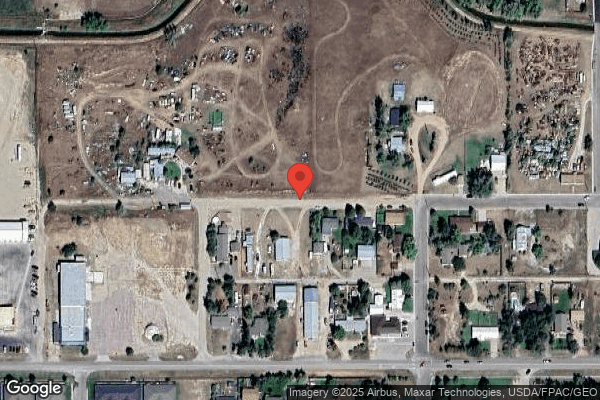
100 19th St, Wheatland, WY 82201 (307) 322-7351
For profit - Corporation 50 Beds Independent Data: November 2025
Trust Grade
75/100
#11 of 33 in WY
Last Inspection: July 2024

Within standard 12-15 month inspection cycle. Federal law requires annual inspections.

Overview

Platte County Legacy Home has a Trust Grade of B, indicating it is a good choice for care but not the top tier. It ranks #11 out of 33 facilities in Wyoming, meaning it is in the top half, and is the best option in Platte County. Unfortunately, the facility's trend is worsening, with the number of issues increasing from 3 in 2023 to 5 in 2024. Staffing is rated at 4 out of 5 stars, but with a turnover rate of 55%, which is average for the state. The facility has no fines on record, which is a positive sign, and it provides more RN coverage than many others, helping to catch potential problems. However, some concerning incidents were found, such as failure to submit quarterly data on time and inadequate sanitization procedures for the dishwasher. Additionally, there were issues with medication labeling, where staff did not date insulin pens, potentially leading to safety concerns. Overall, while there are strengths, families should consider the recent trend of increasing issues.

Trust Score
B
75/100
In Wyoming
#11/33
Top 33%
Safety Record
Low Risk
No red flags
Inspections
Getting Worse
3 → 5 violations
Staff Stability
⚠ Watch
55% turnover. Above average. Higher turnover means staff may not know residents' routines.
Penalties
✓ Good
No fines on record. Clean compliance history, better than most Wyoming facilities.
Skilled Nurses
○ Average
Each resident gets 39 minutes of Registered Nurse (RN) attention daily — about average for Wyoming. RNs are the most trained staff who monitor for health changes.
Violations
⚠ Watch
13 deficiencies on record. Higher than average. Multiple issues found across inspections.
★★★★☆
4.0
Overall Rating
★★★★☆
4.0
Staff Levels
★★★★★
5.0
Care Quality
★★★☆☆
3.0
Inspection Score
Stable
2023: 3 issues
2024: 5 issues

The Good

  • 4-Star Staffing Rating · Above-average nurse staffing levels
  • 5-Star Quality Measures · Strong clinical quality outcomes
  • Full Sprinkler Coverage · Fire safety systems throughout facility
  • No fines on record

Facility shows strength in staffing levels, quality measures, fire safety.

The Bad

Staff Turnover: 55%

Near Wyoming avg (46%)

Higher turnover may affect care consistency

The Ugly 13 deficiencies on record

Jul 2024 5 deficiencies
CONCERN (D)

Potential for Harm - no one hurt, but risky conditions existed

ADL Care (Tag F0677)

Could have caused harm · This affected 1 resident

**NOTE- TERMS IN BRACKETS HAVE BEEN EDITED TO PROTECT CONFIDENTIALITY** Based on medical record review, resident and staff interview, and policy and procedure review, the facility failed to ensure res...

Read full inspector narrative →
**NOTE- TERMS IN BRACKETS HAVE BEEN EDITED TO PROTECT CONFIDENTIALITY** Based on medical record review, resident and staff interview, and policy and procedure review, the facility failed to ensure residents received services to maintain good personal hygiene for 2 of 3 residents (#11, #24) reviewed for bathing. The findings were: 1. Review of the quarterly MDS assessment dated [DATE] showed resident #11 had a BIMS score of 3 out of 15 (severely cognitive impaired). Review of section GG showed the resident had a range of motion (ROM) impairment of 1 side both upper and lower extremities. Review of the functional abilities showed s/he was dependent for oral hygiene, toileting, showers, upper body dress, lower body dress, personal hygiene, and putting on footwear. Review of the care plan last revised 6/5/24 showed .for transfers mechanical lift (sit to stand) as needed with (2) staff assistance for toileting. Specifically, when transferring for baths or showers, please use full-lift as of 11/24/23 due to decreased ability to support own weight in sit-to-stand . Further review showed the resident required extensive assistance with a hoyer lift for toileting, moderate assistance with a sit-to-stand lift for transfers, and limited to extensive assistance with personal hygiene/oral care. Further review showed the resident required extensive to total assistance, from 2 staff, with bathing/showering twice per week. The following concerns were identified: a. Review of the CNA task showed ADL - Bathing Scheduled Thursday and Sunday; however, the resident went 10 days between 5/12/24 and 5/23/24, 17 days between 6/2/24 and 6/19/24, 8 days between 6/28/24 and 7/7/24, and 9 days between 7/10/24 and 7/20/24 without bathing. Further review showed the missed dates were documented as Not Applicable. b. Interview with the resident on 7/24/24 at 10:16 AM revealed s/he did not receive bathing like s/he would like. 3. Review of the admission MDS assessment dated [DATE] showed resident #24 had a BIMS score of 15 out of 15 (cognitively intact). Review of section GG showed the resident had no ROM impairment. Review of the functional abilities and goals showed the resident was dependent for toileting, showers, upper body dress, lower body dress, and putting on footwear. Review of the care plan initiated on 4/18/24 showed the resident had an ADL self-care performance deficit related to disease process multiple Sclerosis. Further review showed the resident was totally dependent on 2 staff for bathing. The following concerns were identified: a. Review of the CNA task showed ADL - Bathing Wednesday and Saturday; however, the resident went 5 days between 6/29/24 and 7/5/24, 5 days between 7/5/24 and 7/11/24, and 5 days between 7/11/24 and 7/17/24 without bathing. Further review showed the missed dates were documented as Not Applicable b. Interview with the resident on 7/22/24 at 4:03 PM revealed sometimes I don't get my showers that I'm suppose to get. Sometimes it's once a week. 3. Interview with CNA #1 on 7/23/24 at 3:13 PM revealed we normally have a CNA on duty for bathing. But there are days when there is not. The floor CNA's don't have time to give them. So, the resident will go without. 4 Interview with the administrator on 7/23/24 at 4:14 PM revealed staff should review resident care plans, and bath the residents based on their preferences. 5. Review of the policy Bath, Shower/Tub showed .Documentation .5. If the resident refused the shower/tub bath, the reason (s).
CONCERN (D)

Potential for Harm - no one hurt, but risky conditions existed

Deficiency F0688 (Tag F0688)

Could have caused harm · This affected 1 resident

**NOTE- TERMS IN BRACKETS HAVE BEEN EDITED TO PROTECT CONFIDENTIALITY** Based on medical record review, and resident and staff interview, the facility failed to ensure residents received services to i...

Read full inspector narrative →
**NOTE- TERMS IN BRACKETS HAVE BEEN EDITED TO PROTECT CONFIDENTIALITY** Based on medical record review, and resident and staff interview, the facility failed to ensure residents received services to increase range of motion for 1 of 2 residents (#11) reviewed for restorative services. The findings were: 1. Review of the quarterly MDS assessment dated [DATE] showed resident #11 had a BIMS score of 3 out of 15 (severely cognitive impaired). Review of the resident's range of motion (ROM) showed impairment of 1 side both upper and lower extremities. Review of the functional abilities showed s/he was dependent for oral hygiene, toileting, showers, upper body dress, lower body dress, personal hygiene, and putting on footwear. Further review showed the resident had diagnoses which included stroke, hemiplegia, affecting right dominant side, seizure, and cerebrovascular accident (CVA) and the resident's therapy ended on 3/25/22. Review of the care plan last initiated on 3/1/23 showed [resident name] has limited physical mobility related to CVA. NURSING REHAB/RESTORATIVE: PASSIVE ROM Program #1 Stretches of contracted extremities. and [Resident name] has hemiparesis to right side of body [related to] history of CVA in 1991. [S/he] has completed [his/her] therapy and is now transitioned to RNA [restorative nursing assistant] program. The following concerns were identified: a. Review of the physician orders failed to show orders for restorative care or splint placement. b. Interview with the resident on 7/24/24 at 11:55 AM stated s/he does wear a splint on his/her hand. Observation at that time showed the resident was not wearing a splint on his/her right hand for the contractures. 2. Interview with the restorative aide #1 revealed the resident was not receiving restorative care because s/he keeps refusing it. The aide further stated the staff was not documenting the refusals. 3. Interview with the administrator on 7/24/24 at 11:27 AM revealed staff were to follow the physician orders and the care plan. She confirmed if the staff were not documenting the splint and restorative refusal then it was not being done. Further she stated the restorative CNA recommended to discontinue restorative and the splint; however, the care plan revision was not made.
CONCERN (D)

Potential for Harm - no one hurt, but risky conditions existed

Infection Control (Tag F0880)

Could have caused harm · This affected 1 resident

Based on observation, staff interview, and policy review, the facility failed to ensure hand hygiene was done during wound care for 1 of 2 sample residents (#35) who received wound care. The findings ...

Read full inspector narrative →
Based on observation, staff interview, and policy review, the facility failed to ensure hand hygiene was done during wound care for 1 of 2 sample residents (#35) who received wound care. The findings were: 1. Observation of wound care on 7/23/24 at 9:28 AM for resident #35 showed LPN #2 changed the dressing on the right upper shoulder without concern. The LPN then doffed her gloves after dating the dressing, and donned gloves and dressed the left lower arm with out hand hygiene in between. 2. Interview with LPN #2 on 7/23/24 at 9:46 AM revealed this was how she always done the dressing changed. She stated she thought she did hand hygiene between doffing and donning. 3. Interview with administrator on 7/23/24 at 3:07 PM revealed staff were expected to perform hand hygiene before donning and when doffing their gloves. 4. Review of policy and procedure Handwashing/Hand Hygiene showed .Applying and Removing Gloves. 1. Perform hand hygiene before applying non-sterile gloves. 3. When removing gloves, [talks about how to removed the gloves included in to 4. ] . 5. Perform hand hygiene.
CONCERN (E)

Potential for Harm - no one hurt, but risky conditions existed

Deficiency F0761 (Tag F0761)

Could have caused harm · This affected multiple residents

**NOTE- TERMS IN BRACKETS HAVE BEEN EDITED TO PROTECT CONFIDENTIALITY** Based on observation, staff interview, policy and procedure review, and manufacturer's recommendation review, the facility faile...

Read full inspector narrative →
**NOTE- TERMS IN BRACKETS HAVE BEEN EDITED TO PROTECT CONFIDENTIALITY** Based on observation, staff interview, policy and procedure review, and manufacturer's recommendation review, the facility failed to ensure medication was labeled with an open date for 1 of 2 medication carts (300 - 400 medication cart). The findings were: 1. Observation on [DATE] at 3:24 PM of the 300 - 400 medication cart with RN #1 showed one Novolog flex pen 100 unit/milliliter with no date, and one Lantus Solostar 100 unit/milliliter with no date. Interview at that time with RN #1 revealed the medication was for resident use, and confirmed the insulins were not dated. She stated they were considered expired. 2. Interview with the administrator on [DATE] at 4:13 PM revealed insulin should have a date on it when it is taken out of the refrigerator. Further interview revealed if the insulin was not dated, staff should dispose of it. 3. Review of the policy and procedure Insulin Administration showed .Steps in the Procedure (Insulin Injections via Syringe) .4. Check expiration date, if drawing from an opened multi-dose vial. If opening a new vial, record expiration date and time on the vial (follow manufacturer recommendations for expiration after opening). 4. Review of www.mynovoinsulin.com accessed on [DATE] showed the NovoLog pen was to be disposed of after 28 days even if there was insulin left in the pen or vial. 5. Review of www.lantus.com accessed on [DATE] showed the insulin expired in room temperature in 28 days.
CONCERN (F) 📢 Someone Reported This

A family member, employee, or ombudsman was alarmed enough to file a formal complaint

Potential for Harm - no one hurt, but risky conditions existed

Staffing Data (Tag F0851)

Could have caused harm · This affected most or all residents

Based on Payroll Base Journal (PBJ) review and staff interview, the facility failed to ensure the quarterly PBJ data was submitted timely for 1 of 4 quarters (4th quarter of 2023). The findings were: ...

Read full inspector narrative →
Based on Payroll Base Journal (PBJ) review and staff interview, the facility failed to ensure the quarterly PBJ data was submitted timely for 1 of 4 quarters (4th quarter of 2023). The findings were: 1. Review of the four quarters showed the facility failed to submit the July 1, 2023 through September 30, 2023 (4th quarter of 2023) data. 2. Interview with the business office manager on 7/24/24 at 5:08 PM revealed she began submitting the PBJ in January and the facility had another staff member entering the data to PBJ prior to that. Further interview confirmed the 4th quarter of 2023 did not have data submitted.
May 2023 3 deficiencies
CONCERN (D)

Potential for Harm - no one hurt, but risky conditions existed

Report Alleged Abuse (Tag F0609)

Could have caused harm · This affected 1 resident

Based on medical record review, facility investigation review, State Survey Agency incident report log review, policy review, and staff interview, the facility failed to develop and/or implement polic...

Read full inspector narrative →
Based on medical record review, facility investigation review, State Survey Agency incident report log review, policy review, and staff interview, the facility failed to develop and/or implement policies and procedures for ensuring the reporting of a reasonable suspicion of a crime in accordance with Section 1150B of the Act for 1 of 4 allegations of abuse reviewed (involving resident #145). The findings were: 1. Review of the facility's policy Abuse Prevention, last reviewed 8/6/20, showed PROCEDURE: 1. If abuse or suspicious injuries of unknown origin is suspected: The facility staff will immediately (including nights, weekends, and holidays) report all alleged violations involving mistreatment, neglect or abuse, including injuries of unknown source and misappropriation of property, to the Administrator or his or her designee. a. The Administrator/designee will make notification of reported allegation within 2 hours if the events that cause the suspicion result in serious injury 24 hours if the events that cause the allegation do not involve abuse and do not result in serious bodily injury of the alleged occurrence (sic) the Office of Health Licensing and Survey . The following concerns were identified: a. Review of a nurse's note dated 1/17/23 showed resident #145 had unbearable pain with facial grimacing and calling out upon movement. Review of the facility's investigation showed on 1/19/23, RN #1 asked the former DON to speak with the resident related to an allegation LPN #1 had been verbally abusive and withheld pain medication the evening of 1/17/23. However, review of State Survey Agency incident report logs showed this allegation was not reported to the agency until 1/20/23 at 2:56 PM. 2. Interview with the NHA and interim DON on 5/4/23 at 10:21 AM revealed staff were expected to notify the interim DON or NHA of an allegation of abuse by either a phone call or a text and must wait for a response or it was considered a non-report. The NHA was unable to speak to the delay in reporting to the State Survey Agency because the individual who was the DON at the time the incident occurred was no longer employed at the facility.
CONCERN (E)

Potential for Harm - no one hurt, but risky conditions existed

Deficiency F0574 (Tag F0574)

Could have caused harm · This affected multiple residents

Based on resident interview, staff interview, and review of the admission packet, the facility failed to ensure residents were given the required notices. The census was 41. The findings were: 1. Inte...

Read full inspector narrative →
Based on resident interview, staff interview, and review of the admission packet, the facility failed to ensure residents were given the required notices. The census was 41. The findings were: 1. Interview with 8 residents of the resident council on 5/2/23 at 10:30 AM revealed the facility had not made them aware of the contact information for, or their right to file a complaint with, the State Survey Agency. 2. Review of the admission packet showed it failed to include the address (email and mailing) and telephone number of the State Survey Agency. In addition, the admission packet failed to include a statement that a resident could file a complaint with the State Survey Agency. 3. Interview with the social worker on 5/2/23 at 10:54 AM confirmed the information in the admission packet did not include all of the required notices.
CONCERN (F)

Potential for Harm - no one hurt, but risky conditions existed

Food Safety (Tag F0812)

Could have caused harm · This affected most or all residents

Based on review of the dishwasher temperature log sheet, policy and procedure, the 2017 U.S. Public Health Service Food Code, and staff interview, the facility failed to ensure the water temperature o...

Read full inspector narrative →
Based on review of the dishwasher temperature log sheet, policy and procedure, the 2017 U.S. Public Health Service Food Code, and staff interview, the facility failed to ensure the water temperature of the dishwasher was at the proper temperature for sanitization to occur on 22 of 61 days reviewed. The census was 41. The findings were: 1. Review of the dishwasher temperature log sheet showed the temperature of the dishwasher was to be recorded in the morning and in the evening on each day of use. The following concerns were identified: a. Review of the March 2023 dishwasher temperature log sheet showed no temperature was recorded on 3/1, 3/2, 3/3, 3/4, 3/18, 3/26, 3/27, and 3/28. b. Review of the April 2023 dishwasher temperature log sheet showed no temperature was recorded on 4/2, 4/11, 4/14, 4/15, 4/16, 4/17, 4/18, 4/21, 4/22, 4/26, 4/27, 4/28, 4/29, and 4/30. 2. Interview with the certified dietary manager (CDM) on 5/4/23 at 8:42 AM revealed the facility used a dishwasher which required a high temperature of water to ensure the sanitizer was properly dissolved. The CDM stated the temperature of the water should be maintained between 175 and 180 degrees Fahrenheit. In addition, the CDM confirmed the temperature of the water had not been documented on the log sheets as required. 3. Review of the 2017 U.S. Public Health Service Food Code showed 4-302.13 . Water temperature is critical to sanitization in warewashing operations. This is particularly true if the sanitizer being used is hot water. The effectiveness of cleaners and chemical sanitizers is also determined by the temperature of the water. Effective mechanical hot water sanitization occurs when the surface temperatures of utensils passing through the warewashing machine meet or exceed the required 71°C (160°F). Parameters such as water temperature, rinse pressure, and time determine whether the appropriate surface temperature is achieved. Although the Food Code requires integral temperature measuring devices and a pressure gauge for hot water mechanical warewashers, the measurements displayed by these devices may not always be sufficient to determine that the surface temperatures of utensils are reaching 71°C (160°F). The regular use of irreversible registering temperature indicators provides a simple method to verify that the hot water mechanical sanitizing operation is effective in achieving a utensil surface temperature of 71ºC (160ºF). 4. Review of the Dishwashing Machine Use policy, last revised March 2010, showed .3. Dishwashing machine hot water sanitation rinse temperatures may not be more than 194 [degrees Fahrenheit], or less than: a. 165 [degrees Fahrenheit], for stationary rack, single temperature machines. b. 180 [degrees Fahrenheit] for all other machines.
Jul 2022 5 deficiencies
CONCERN (D)

Potential for Harm - no one hurt, but risky conditions existed

Comprehensive Care Plan (Tag F0656)

Could have caused harm · This affected 1 resident

Based on resident and staff interview, and medical record review, the facility failed to ensure care plans were developed with resident specific interventions to reflect individual needs for pain mana...

Read full inspector narrative →
Based on resident and staff interview, and medical record review, the facility failed to ensure care plans were developed with resident specific interventions to reflect individual needs for pain management for 1 of 12 sample residents (#29). The findings were: 1. Review of the 6/3/22 admission MDS assessment showed resident #29 was cognitively intact with a BIMS score of 15 out of 15. The resident was admitted with diagnoses which included non-infective gastroenteritis and colitis. Review of the Care Plan Conference Summary dated 6/23/22, showed the resident had pain that bothered him/her; however, the resident stated non-medical interventions have not helped decrease the pain in the past. Review of the medication administration record (MAR) showed orders for Tylenol Extra Strength (analgesic) 500 mg, give 1000 mg by mouth every morning and at bedtime for pain. The following concerns were identified: a. Interview on 7/19/22 at 9:35 AM with the resident revealed s/he had quite a bit of pain and the only intervention provided was pain medication. b. Review of the chronic back and shoulder pain care plan last revised 7/15/22 showed the resident's pain .will remain at an acceptable level with the current pain regimen without adverse side effects from pain medication . Interventions included evaluate the effectiveness of pain interventions, observe for/record pain characteristics, and report any signs/symptoms of non-verbal pain. Further review showed no indication of an acceptable level of pain or non-pharmacological interventions to help alleviate pain. c. Interview on 7/20/22 at 2:06 PM with the DON revealed they could try heat or massage to help decrease the pain. She confirmed the care plan did not have non-pharmacologic interventions to treat pain.
CONCERN (D)

Potential for Harm - no one hurt, but risky conditions existed

Quality of Care (Tag F0684)

Could have caused harm · This affected 1 resident

Based on observation, resident and staff interview, medical record review, and policy review, the facility failed to ensure residents received care and treatment in accordance with professional standa...

Read full inspector narrative →
Based on observation, resident and staff interview, medical record review, and policy review, the facility failed to ensure residents received care and treatment in accordance with professional standards for 1 of 4 sample residents (#32). The findings were: 1. Review of the 6/10/22 admission MDS assessment showed resident #32 was cognitively intact with a BIMS score of 14 out of 15. The resident had diagnoses which included chronic obstructive pulmonary disease and required nebulizer breathing treatments. Review of the order summary report dated 7/21/22 showed the resident was receiving albuterol sulfate nebulization solution (2.5 mg (milligrams)/3 ml (milliliters) 0.083% via nebulizer every 6 hours as needed, and aformoterol tartrate nebulization solution 15 mcg (micrograms) 2 ml via nebulizer two times a day (BID). Further review of the order summary showed a physician note dated 7/14/22 FYI Pt.[patient] wanted to go to [his/her] prior Serevent BID and prn (as needed) Albuterol. When [s/he] goes off skilled we can stop the budesonide and formoterol and go to Advair BID and Combivent BID and see how [s/he] does Review of the Self Administration of Medication form dated 6/3/22 showed the resident required assistance with inhalants/inhalers. The following concerns were identified: a. Observation on 7/18/22 at 3:28 PM showed the resident retrieved 3 inhalers, Albuterol, Advair, and Serevent from a white bag that was in a basket on her bed. Interview with the resident at that time revealed the facility said s/he could use her own inhalers. b. Review of the MAR for July 2022 showed there were no orders for the resident to receive Albuterol, Advair, or Serevent inhalers. c. Interview on 7/21/22 at 2:04 PM with the DON revealed they were not aware the resident had the inhalers at his/her bedside and confirmed the resident received nebulizer treatments. She further stated the physician had a conversation with the resident about switching to inhalers when the resident goes off skilled nursing care; however, there were no orders to stop the nebulizer breathing treatments, and start the inhalers. d. Review of the Administering Medications policy, last revised on 6/15/21 showed, .21. Residents may self-administer their own medication only if the Attending Physician, in conjunction with the Interdisciplinary Care Planning Team, has determined that they have the decision-making capacity to do so safely .
CONCERN (D)

Potential for Harm - no one hurt, but risky conditions existed

Deficiency F0697 (Tag F0697)

Could have caused harm · This affected 1 resident

Based on resident and staff interview, and medical record review, the facility failed to develop and implement non-pharmacological interventions to manage pain for 1 of 7 residents reviewed (#29). The...

Read full inspector narrative →
Based on resident and staff interview, and medical record review, the facility failed to develop and implement non-pharmacological interventions to manage pain for 1 of 7 residents reviewed (#29). The findings were: 1. Review of the 6/3/22 admission MDS assessment showed resident #29 was cognitively intact with a BIMS score of 15 out of 15. The resident was admitted with diagnoses which included non-infective gastroenteritis and colitis. Review of the Care Plan Conference Summary dated 6/23/22, showed the resident had back pain that bothered him/her; however, the resident stated non-medical interventions have not helped decrease the pain in the past. Review of the MAR showed orders for Tylenol Extra Strength (analgesic) 500 mg, give 1000 mg by mouth every morning and at bedtime for pain. Further review of the MAR showed an order to complete pain assessments once weekly. The following concerns were identified: a. Interview on 7/19/22 at 9:35 AM with the resident revealed s/he had quite a bit of pain and s/he only received pain medications to alleviate pain. b. Review of the chronic back and shoulder pain care plan last revised 7/15/22 showed the resident's pain .will remain at an acceptable level with the current pain regimen without adverse side effects from pain medication . Interventions included evaluate the effectiveness of pain interventions, observe for/record pain characteristics, and report any signs/symptoms of non-verbal pain. Further review showed no indication of an acceptable level of pain or non-pharmacological interventions to help alleviate pain. c. Review of the MAR for July 2022 showed no evidence the pain medication was evaluated for effectiveness after administration. d. Review of the weekly pain assessment tool dated 6/25/22, 7/2/22, 7/9/22 and 7/16/22 showed pain medication administration was the method of alleviating pain, and non-pharmacological interventions were not documented. Further review failed to show an evaluation of the effectiveness of the medication administration. e. Interview on 7/20/22 at 2:06 PM with the DON revealed the facility could have tried heat, massage, or repositioning to alleviate pain. She confirmed the care plan and the weekly pain assessment did not include non-pharmacological interventions.
CONCERN (E)

Potential for Harm - no one hurt, but risky conditions existed

Deficiency F0761 (Tag F0761)

Could have caused harm · This affected multiple residents

Based on observation, staff interview, and policy review the facility failed to ensure medications were labeled in accordance with professional standards in 1 of 4 medication storage units (100-200 ha...

Read full inspector narrative →
Based on observation, staff interview, and policy review the facility failed to ensure medications were labeled in accordance with professional standards in 1 of 4 medication storage units (100-200 hall medication cart). In addition, the facility failed to ensure medication storage was secure and safe for 1 of 2 (100 - 200 medication room) medication storage rooms. The findings were: 1. Observation on 7/20/22 at 8:50 AM of the 100 - 200 hall medication cart showed one Levemir 100 unit/milliliter flex pen with no date to indicate when it was opened or when it would expire. Interview at that time with RN #1 revealed the medication was for resident use and she confirmed she was unsure when it was placed in the cart or when the medication expired. 2. Observation on 7/20/22 at 9:20 AM showed the 100 - 200 medication room had a box of multiple medications on the floor, to the right side of the room, and a duffle bag of multiple medications on the floor in the center of the room. Interview at that time with RN #1 revealed any nurse can access the medication room, and CNA #1 had access to the medication room to stock supplies. 3. Interview with the DON on 7/20/22 at 10:27 AM confirmed CNA #1 had access to the medication rooms to restock supplies. Further, she stated the nurses should let the CNA in the room. 4. Review of policy titled Administering Medications revised 12/2012, showed . 9. When opening a multi-dose container, the date opened shall be recorded on the container. 5. Review of policy titled Storage of Medications revised April 2007, showed .10. Only persons authorized to prepare and administer medications shall have access to the medication room, including any keys.
CONCERN (E)

Potential for Harm - no one hurt, but risky conditions existed

Infection Control (Tag F0880)

Could have caused harm · This affected multiple residents

**NOTE- TERMS IN BRACKETS HAVE BEEN EDITED TO PROTECT CONFIDENTIALITY** Based on observation, staff interview, policy review, and review of the CDC guidelines, the facility failed to ensure infection ...

Read full inspector narrative →
**NOTE- TERMS IN BRACKETS HAVE BEEN EDITED TO PROTECT CONFIDENTIALITY** Based on observation, staff interview, policy review, and review of the CDC guidelines, the facility failed to ensure infection control procedures were followed related to PPE use and/or hand hygiene during 3 random observations and during 1 of 3 observations of wound care (resident #8). The census was 40. The findings were: 1. Observation of room [ROOM NUMBER] showed an isolation cart in the hallway by the door. Interview on 7/18/22 at 11:33 AM with CNA # 1 revealed the resident in the room was a new admission and was on isolation precautions for COVID-19. The following concerns were identified: a. Observation on 7/18/22 at 11:33 AM showed CNA #1 wearing a surgical mask. The CNA donned a gown, gloves, and a face shield then entered the room. Upon exiting the room the CNA removed the PPE, except for the surgical mask, then walked down the hall. b. Observation on 7/18/22 at 3:43 PM showed 2 therapy assistants (PTA #1, OTA #1) wore surgical masks and donned gowns and gloves, however; neither donned a face shield. Further observation showed the PTA and OTA donned an N95 respirator mask over their surgical masks. When they exited the room, both staff members removed the gown, gloves, and the N95 respirator masks; however, neither removed the surgical mask. c. Observation on 7/20/22 showed the social services director and CNA #1 exited the room. They removed their gown, gloves, and face shield; however, neither staff member removed the N95 respirator mask. Continued observation showed the social services director held the face shield in her hand and walked down the hall without sanitizing or bagging the face shield. d. Interview on 7/21/22 at 1:50 PM with the infection control nurse #1 revealed the PPE expectations for droplet precautions were for staff to don a gown, gloves, either a face shield or goggles, and an N95 respirator mask. She stated when staff leave the room they were to doff all PPE, including the N95 mask, and perform hand hygiene. She further stated if there was a shortage of supplies, the staff would disinfect the face shields using a disinfecting wipe or discard the face shield when supplies were not limited. e. Review of the Personal Protective Equipment-Using Protective Eyewear policy revised 9/10, showed .Miscellaneous 1. Masks and eye protection devices, such as goggles or glasses with solid side shields or chin-length face shields, shall be worn together whenever splashes, sprays, spatter or droplets of blood or other potentially infectious materials may be generated and eye, nose, or mouth contamination can be expected. 2. Personal eyeglasses should not be considered as adequate protective eyewear Procedure Guidelines .3. Dispose of, or clean, eyewear as applicable . f. Review of the CDC Guidance titled Interim Infection Prevention and Control Recommendations for Healthcare Personnel During the Coronavirus Disease 2019 (COVID-19) Pandemic last revised on 2/2/22 showed health care providers who enter a patient's room with suspected or confirmed SARS-COV-2 should adhere to Standard Precautions and use a NIOSH-approved N95 or equivalent or higher-level respirator, gown gloves and eye protection (i.e. goggles or a face shield that covers the front and sides of the face) . Further the CDC recommends . the N95 mask should be discarded after the patient care encounter and a new one should be donned . The CDC also recommends appropriate cleaning and disinfection after each use if reusable face shields or goggles are used . 2. Observation on 7/20/22 at 11:08 AM showed RN #1 perform wound care on resident #8. The RN donned gloves, removed the dressing, and cleansed the wound. The RN doffed her gloves, donned cleaned gloves, and applied the new dressing on the wound. No hand hygiene was performed. Interview with the nurse at that time confirmed she did not perform hand hygiene when going from a dirty procedure to a clean procedure. a. Interview with the DON on 7/21/22 at 1:49 PM revealed hand hygiene and clean gloves were expected between dirty and clean dressing changes. b. Review of policy Dressings, Dry/Clean last revised 9/2013 showed .5. Wash and dry your hands thoroughly. 6. Put on clean gloves. Loosen tape and remove soiled dressing .8. Perform hand hygiene. Open dry, clean dressing (s) . 11. Using clean technique, open other products . 12 Perform hand hygiene. Put on clean gloves .
Understanding Severity Codes (click to expand)
Life-Threatening (Immediate Jeopardy)
J - Isolated K - Pattern L - Widespread
Actual Harm
G - Isolated H - Pattern I - Widespread
Potential for Harm
D - Isolated E - Pattern F - Widespread
No Harm (Minor)
A - Isolated B - Pattern C - Widespread

Questions to Ask on Your Visit

  • "Can I speak with families of current residents?"
  • "What's your RN coverage like on weekends and overnight?"

Our Honest Assessment

Strengths
  • • No major safety red flags. No abuse findings, life-threatening violations, or SFF status.
  • • No fines on record. Clean compliance history, better than most Wyoming facilities.
Concerns
  • • 13 deficiencies on record. Higher than average. Multiple issues found across inspections.
Bottom line: Generally positive indicators. Standard due diligence and a personal visit recommended.

About This Facility

What is Platte County Legacy Home's CMS Rating?

CMS assigns Platte County Legacy Home an overall rating of 4 out of 5 stars, which is considered above average nationally. Within Wyoming, this rating places the facility higher than 99% of the state's 100 nursing homes. This rating reflects solid performance across the metrics CMS uses to evaluate nursing home quality.

How is Platte County Legacy Home Staffed?

CMS rates Platte County Legacy Home's staffing level at 4 out of 5 stars, which is above average compared to other nursing homes. Staff turnover is 55%, compared to the Wyoming average of 46%. RN turnover specifically is 60%, which is notably high. RNs provide skilled clinical oversight, so turnover in this role can affect medical care quality.

What Have Inspectors Found at Platte County Legacy Home?

State health inspectors documented 13 deficiencies at Platte County Legacy Home during 2022 to 2024. These included: 13 with potential for harm.

Who Owns and Operates Platte County Legacy Home?

Platte County Legacy Home is owned by a for-profit company. For-profit facilities operate as businesses with obligations to shareholders or private owners. The facility operates independently rather than as part of a larger chain. With 50 certified beds and approximately 46 residents (about 92% occupancy), it is a smaller facility located in Wheatland, Wyoming.

How Does Platte County Legacy Home Compare to Other Wyoming Nursing Homes?

Compared to the 100 nursing homes in Wyoming, Platte County Legacy Home's overall rating (4 stars) is above the state average of 3.0, staff turnover (55%) is near the state average of 46%, and health inspection rating (3 stars) is at the national benchmark.

What Should Families Ask When Visiting Platte County Legacy Home?

Based on this facility's data, families visiting should ask: "Can I visit during a mealtime to observe dining assistance and food quality?" "How do you handle medical emergencies, and what is your hospital transfer rate?" "Can I speak with family members of current residents about their experience?"

Is Platte County Legacy Home Safe?

Based on CMS inspection data, Platte County Legacy Home has a clean safety record: no substantiated abuse findings (meaning no confirmed cases of resident harm), no Immediate Jeopardy citations (the most serious violation level indicating risk of serious injury or death), and is not on the Special Focus Facility watch list (a federal program monitoring the lowest-performing 1% of nursing homes). The facility has a 4-star overall rating and ranks #1 of 100 nursing homes in Wyoming. While no facility is perfect, families should still ask about staff-to-resident ratios and recent inspection results during their visit.

Do Nurses at Platte County Legacy Home Stick Around?

Platte County Legacy Home has a staff turnover rate of 55%, which is 9 percentage points above the Wyoming average of 46%. Moderate turnover is common in nursing homes, but families should still ask about staff tenure and how the facility maintains care continuity when employees leave.

Was Platte County Legacy Home Ever Fined?

Platte County Legacy Home has no federal fines on record. CMS issues fines when nursing homes fail to meet care standards or don't correct problems found during inspections. The absence of fines suggests the facility has either maintained compliance or corrected any issues before penalties were assessed. This is a positive indicator, though families should still review recent inspection reports for the full picture.

Is Platte County Legacy Home on Any Federal Watch List?

Platte County Legacy Home is not on any federal watch list. The most significant is the Special Focus Facility (SFF) program, which identifies the bottom 1% of nursing homes nationally based on persistent, serious quality problems. Not being on this list means the facility has avoided the pattern of deficiencies that triggers enhanced federal oversight. This is a positive indicator, though families should still review the facility's inspection history directly.