Worland Healthcare and Rehabilitation Center
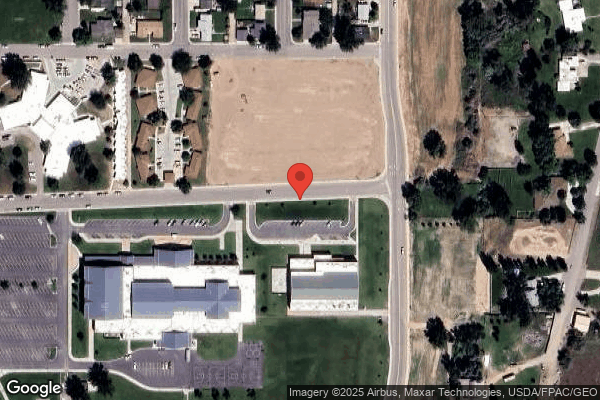
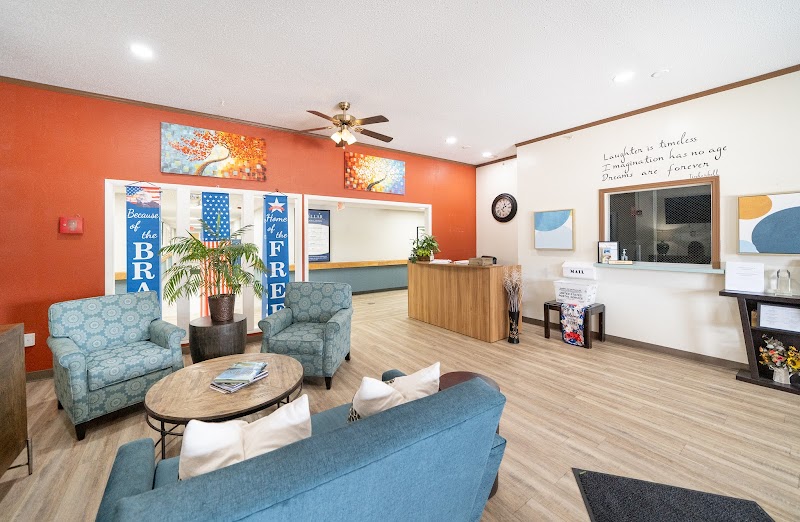
1901 Howell Ave, Worland, WY 82401 (307) 347-4285
For profit - Corporation 87 Beds STELLAR SENIOR LIVING Data: November 2025
Trust Grade
68/100
#15 of 33 in WY
Last Inspection: March 2025

Within standard 12-15 month inspection cycle. Federal law requires annual inspections.

Overview

Worland Healthcare and Rehabilitation Center has a Trust Grade of C+, indicating that it is slightly above average but not without its issues. In Wyoming, it ranks #15 out of 33 facilities, placing it in the top half, and it is the only option in Washakie County. However, the facility is currently experiencing a worsening trend, with the number of issues increasing from 1 in 2024 to 4 in 2025. Staffing ratings are average with a 3 out of 5 stars, and the turnover rate is at 52%, which matches the state average. While the facility has received $7,168 in fines, which is average for Wyoming, it has concerning RN coverage, being lower than 91% of other facilities in the state. Specific incidents noted by inspectors include a serious failure to protect a resident from physical abuse by another resident, resulting in harm. Additionally, the facility did not address significant health changes for a resident, leading to untreated symptoms of pneumonia and other serious conditions until family intervention. On a positive note, the overall star rating is 4 out of 5, indicating generally good performance in other areas. However, families should weigh these strengths against the identified weaknesses when considering this facility for their loved ones.
Trust Score
C+
68/100
In Wyoming
#15/33
Top 45%
Safety Record
Moderate
Needs review
Inspections
Getting Worse
1 → 4 violations
Staff Stability
⚠ Watch
52% turnover. Above average. Higher turnover means staff may not know residents' routines.
Penalties
○ Average
$7,168 in fines. Higher than 67% of Wyoming facilities. Some compliance issues.
Skilled Nurses
○ Average
Each resident gets 30 minutes of Registered Nurse (RN) attention daily — about average for Wyoming. RNs are the most trained staff who monitor for health changes.
Violations
○ Average
10 deficiencies on record. Average for a facility this size. Mostly minor or procedural issues.
★★★★☆
4.0
Overall Rating
★★★☆☆
3.0
Staff Levels
★★★☆☆
3.0
Care Quality
★★★★☆
4.0
Inspection Score
Stable
2024: 1 issues
2025: 4 issues

The Good

  • Full Sprinkler Coverage · Fire safety systems throughout facility
  • No fines on record

Facility shows strength in fire safety.

The Bad

Staff Turnover: 52%

Near Wyoming avg (46%)

Higher turnover may affect care consistency

Federal Fines: $7,168

Below median ($33,413)

Minor penalties assessed

Chain: STELLAR SENIOR LIVING

Part of a multi-facility chain

Ask about local staffing decisions and management

The Ugly 10 deficiencies on record

2 actual harm
Mar 2025 4 deficiencies
CONCERN (D)

Potential for Harm - no one hurt, but risky conditions existed

Report Alleged Abuse (Tag F0609)

Could have caused harm · This affected 1 resident

**NOTE- TERMS IN BRACKETS HAVE BEEN EDITED TO PROTECT CONFIDENTIALITY** Based on medical record review, resident and staff interview, facility incident investigation review, state survey agency incide...

Read full inspector narrative →
**NOTE- TERMS IN BRACKETS HAVE BEEN EDITED TO PROTECT CONFIDENTIALITY** Based on medical record review, resident and staff interview, facility incident investigation review, state survey agency incident database review, and policy review, the facility failed to report allegations of misappropriation of resident property for 1 of 3 sample residents (#59) reviewed for abuse, neglect, and misappropriation. The findings were: 1. Review of the annual MDS assessment dated [DATE] showed resident #59 had a brief interview for mental status score of 14 out of 15 which indicated the resident was cognitively intact. The following concerns were identified: a. Interview with the resident on 3/4/25 at 11:23 AM revealed s/he had $200 which was missing and had told a housekeeper about it. The resident revealed the money went missing about 3 weeks ago and the money had not been found, returned, or replaced. b. Review of the state survey agency incident database review showed no evidence the allegation of missing money was reported. c. Review of an Investigator Interview Form dated 2/10/25 showed the resident told the social services director s/he was missing $200 from a bank envelope that was on his/her bedside table. The resident was unable to say what happened to the money or when it went missing. d. Interview with the social services director on 3/5/25 at 3:29 PM revealed she was aware the resident was missing money and an investigation was completed. Interview with the social services director on 3/5/25 at 4:52 PM confirmed the allegation of missing money and investigation were not reported to the state survey agency. 2. Review of the facility policy titled Abuse, Neglect, Exploitation or Misappropriation-Reporting and Investigating last revised September 2024 showed .1. If resident abuse, neglect, exploitation, misappropriation of resident property or injury of unknown source is suspected, the suspicion must be reported immediately to the administrator and to other officials according to state law. 2. The administrator or the individual making the allegation immediately reports his or her suspicion to the following persons or agencies: a. The state licensing/certification agency responsible for surveying/licensing the facility .3. Immediately is defined as: a. within two hours of an allegation involving abuse or result [sic] in serious bodily injury; or b. within 24 hours of an allegation that does not involve abuse or result in serious bodily injury .
CONCERN (D)

Potential for Harm - no one hurt, but risky conditions existed

Deficiency F0679 (Tag F0679)

Could have caused harm · This affected 1 resident

**NOTE- TERMS IN BRACKETS HAVE BEEN EDITED TO PROTECT CONFIDENTIALITY** Based on observation, medical record review, staff interview, facility activities calendar review and policy and procedure revie...

Read full inspector narrative →
**NOTE- TERMS IN BRACKETS HAVE BEEN EDITED TO PROTECT CONFIDENTIALITY** Based on observation, medical record review, staff interview, facility activities calendar review and policy and procedure review, the facility failed to provide an activities program designed to support residents in their choice of activities for 1 of 2 sample residents (#48) with activity concerns. The findings were: 1. Review of the admission MDS assessment dated [DATE] showed resident #48 had a diagnosis of dementia with behavioral symptoms such as hitting, kicking and wandering. Further review showed it was very important to the resident to do things with groups of people, very important to go outside when the weather was good, and somewhat important to do his/her favorite activities. The resident had a brief interview for mental status score of 5 out of 15, which indicated severe cognitive impairment. Review of the care plan last revised on 2/26/25 showed [the resident is] dependent on staff for meeting emotional, intellectual, physical, spiritual and social needs interventions which included Provide a program of activities that is of interest and empowers the resident by encouraging/allowing choice, self-expression and responsibility. Please invite me to scheduled activities . Engage in simple, structured activities such as small cognitive games. I like to go for walks to get a snack and soda. I like to be helpful and clean around the building when I am able to. I was a janitor for several years, and I enjoy being helpful. In addition, the resident's plan showed I like to be kept busy with activities and exercise. I like to be busy, and I do not like to be cooped up. I will bang on the SCU [secure care unit] doors and try to exit .Resident is an elopement risk [due to history] of exit seeking and wandering. Interventions included Ask resident if [s/he] would help clean up after meals .Distract resident from wandering by offering pleasant diversions, structured activities, food, conversation, television, play games, games that challenge [his/her] memory and cognition. Exercise, resident likes to walk. Resident has a history of being a school janitor, [s/he] likes to clean. Allow [him/her] to assist with clearing tables, wiping hand rails. The following concerns were identified: a. Review of the activities calendar for the SCU showed the activities for 3/4/25 were 10 AM puzzles, 11 AM music, 2 PM matching game, and 4 PM Storytime with [staff name]. Further review showed activities planned for 3/5/25 were 10 AM chair exercise, 11 AM funny videos, and 4:30 PM wet Wednesday. b. Observation on 3/4/25 from 9:49 AM to 10:20 AM showed the resident was pacing with his/her walker up and down the hallway and around the dining room. At 10:11 AM, the social services director entered the secure unit and told resident #48 they would be going to play balloon tennis soon. The staff member left the secure unit, and the resident remained in the unit. Further observation showed the resident was not assisted to the activity, and the s/he continued to pace. c. Observation on 3/5/25 from 8:55 AM to 11:20 AM showed the resident was pacing around the dining room. A CNA encouraged him/her to sit down and watch TV, which s/he did. At 8:59 AM, the resident got up and began pacing up and down the hallway. S/he continued pacing up and down the hallway until 9:54 AM when s/he sat down to have a snack. At 10:37 AM, the resident left the unit with an aide for a shower. At 11:20 AM, the resident was again walking up and down the hallway and followed a staff member into another resident's room. S/he remained there while the staff member gave medication to the other resident. The resident was not invited to or engaged in activities during the observation. d. Observation on 3/5/25 from 1:43 PM to 2:55 PM showed the resident was pacing around the dining room and making statements which included I don't trust that one. She's got a lot of people; she has a network of people. Just between me and you. The resident continued to pace until 1:58 PM when s/he sat and made statements which included Somebody's watching though. But I didn't do it, so I don't care. I didn't do it, so I don't have nothing to hide. I get upset when somebody blames me for something. and There's something wrong somewhere. The resident then asked if s/he could use the broom to sweep up. A CNA told him/her that it was already cleaned up. The resident attempted to empty the trash bin in the dining room. The CNA told him/her they would get it later. The resident pulled the trash bin off the medication cart and began to carry it while staff was engaged with other residents. S/he then began using the broom to mop the floor, dipping it into the trash can and scrubbing the floor with circular motions. d. Review of resident's Life Enrichment Quarterly Review dated 12/29/24 showed Resident loves social activities and Resident continues to be actively engaged in the SNF [skilled nursing facility] community. [S/he] is one of our more outgoing residents in spite of being in the SCU. 2. Interview with the social services director on 3/5/25 at 4:50 PM revealed the facility had one activities staff member on medical leave and one on vacation during the week of the survey. She stated, This is a bad week for us with activities. The social services director revealed they had a planned activities calendar for the SCU, but it was flexible based on what was going on with the residents. She revealed some residents, like [resident #48], like to do activities with the rest of the residents [outside of the SCU]. She revealed the expectation was for the CNAs in the unit to perform structured activities. 3. Review of facility policy titled Activity Programs showed .Activities offered are based on the comprehensive resident-centered assessment and the preferences of each resident .Our activity programs are designed to encourage maximum individual participation and are geared to the individual resident's needs .
CONCERN (D)

Potential for Harm - no one hurt, but risky conditions existed

Menu Adequacy (Tag F0803)

Could have caused harm · This affected 1 resident

**NOTE- TERMS IN BRACKETS HAVE BEEN EDITED TO PROTECT CONFIDENTIALITY** Based on observation, medical record review, and staff and resident interview, the facility failed to ensure resident diet order...

Read full inspector narrative →
**NOTE- TERMS IN BRACKETS HAVE BEEN EDITED TO PROTECT CONFIDENTIALITY** Based on observation, medical record review, and staff and resident interview, the facility failed to ensure resident diet orders were followed for 1 of 3 sample residents (#50) reviewed for food and nutrition. The findings were: 1. Review of the quarterly MDS assessment dated [DATE] showed resident #50 had a brief interview for mental status score of 15 out of 15, which indicated the resident was cognitively intact, and diagnoses which included diabetes mellitus. Further review showed the resident was coded for a therapeutic diet. Review of the resident's physician orders showed the resident was to receive a controlled carbohydrate diet, had fingerstick blood sugar checks before meals and as needed, and received insulin per a sliding scale based on fingerstick blood sugar levels. The following concerns were identified: a. Observation on 3/4/25 at 8:36 AM showed the resident received a full cinnamon roll with glaze that was visible on top of the roll and on the plate. Review of the diet card provided with the meal showed the resident should have received a half portion of cinnamon roll with no glaze. Interview with the resident at that time revealed the facility did not follow his/her diabetic diet plan. b. Interview with the dietitian on 3/5/25 at 3:48 PM revealed the facility's diabetic diet included smaller portions of carbohydrates and sugar. Further interview revealed diet cards should be followed during meal service, unless a resident requests something different than the diet card. c. Interview with the dietary manager on 3/5/25 at 9:36 AM revealed the diabetic diet portion is a half portion served without a topping. Further interview revealed an aide would usually catch it if a resident was given a regular portion, and they would get approval from the nurse if the resident requested a full portion. d. Interview with the dietary manager on 3/5/25 at 4 PM confirmed the resident's diet card should have been followed and any requests for items different from the diet should be indicated on the card provided with the meal. Further interview confirmed the resident did not request a full cinnamon roll or glaze for the meal.
CONCERN (D) 📢 Someone Reported This

A family member, employee, or ombudsman was alarmed enough to file a formal complaint

Potential for Harm - no one hurt, but risky conditions existed

Infection Control (Tag F0880)

Could have caused harm · This affected 1 resident

**NOTE- TERMS IN BRACKETS HAVE BEEN EDITED TO PROTECT CONFIDENTIALITY** Based on observation, medical record review, staff interview, professional standard review, and policy review, the facility fail...

Read full inspector narrative →
**NOTE- TERMS IN BRACKETS HAVE BEEN EDITED TO PROTECT CONFIDENTIALITY** Based on observation, medical record review, staff interview, professional standard review, and policy review, the facility failed to ensure infection prevention practices were implemented for 1 of 2 sample residents (#2) observed during personal care. The findings were: 1. Review of the quarterly MDS assessment dated [DATE] showed resident #2 had a brief interview for mental status score of 5 out of 15, which indicated severe cognitive impairment, and diagnoses which included cerebrovascular accident and hemiplegia or hemiparesis. Further review showed the resident was frequently incontinent of bowel and bladder and was dependent on staff for toileting hygiene and personal hygiene. The following concerns were identified: a. Observation on 3/5/25 at 2:22 PM showed CNA #1 and OT #1 assisted the resident into bed. The staff members removed the resident's soiled pants and CNA #1 placed the pants on the floor by the bed. The CNA performed incontinence care and, without removing the soiled gloves, the CNA touched the resident's clean brief, clean pants, shirt, left shoe, blanket, television remote, bed remote, call light, and the outside of the wipe container. Prior to leaving the room, the CNA removed the gloves and used hand sanitizing gel. At that time, the CNA obtained the resident's soiled pants from the floor and carried them to the soiled linen room down the hallway, without placing them in a bag. b. Interview with CNA #1 on 3/5/25 at 2:40 PM revealed she knew she was expected to remove her gloves after contamination and prior to touching anything else in the room; however, she was nervous. In addition, she revealed she should have placed dirty linen items in a bag before exiting the resident's room. c. Interview with the infection preventionist on 3/5/25 at 2:46 PM confirmed contaminated gloves should be removed before touching clean items and staff should were expected to bag soiled items prior to removing them from a resident room. 2. Review of the website www.cdc.gov/infection-control/hcp/isolation-precautions/appendix-a-table dated 11/27/23 showed Remove gloves after contact with a patient and/or the surrounding environment (including medical equipment) using proper technique to prevent hand contamination (see Figure). Do not wear the same pair of gloves for the care of more than one patient. Do not wash gloves for the purpose of reuse since this practice has been associated with transmission of pathogens .Change gloves during patient care if the hands will move from a contaminated body-site (e.g., perineal area) to a clean body-site (e.g., face) . 3. Review of the policy titled Briefs/Underpads dated 2001 showed .12. Perform perineal care [sic] the resident's back side. 13. Remove the underpad from resident by rolling the underpad toward the inside soiled area. Place the underpad in the nearby receptacle/container. 14. Remove gloves, sanitize hands and replace with clean gloves. 15. Place a clean underpad and brief under the resident. 16. Roll the resident on their back. 17. Fasten the brief. 18. Reposition the bed covers. 19. Discard disposable equipment and supplies in designated containers. 20. Remove gloves and perform hand hygiene. 21. Clean the overbed table and return it to its [sic] proper location . 4. Review of the policy titled Laundry and Bedding, Soiled dated 2001 showed .2. Contaminated Laundry is bagged or contained at the point of collection (i.e., location where it was used) .
Oct 2024 1 deficiency 1 Harm
SERIOUS (G) 📢 Someone Reported This

A family member, employee, or ombudsman was alarmed enough to file a formal complaint

Actual Harm - a resident was hurt due to facility failures

Free from Abuse/Neglect (Tag F0600)

A resident was harmed · This affected 1 resident

Based on medical record review, staff interview, review of incident and facility documentation, and policy and procedure review, the facility failed to ensure residents were free from physical abuse b...

Read full inspector narrative →
Based on medical record review, staff interview, review of incident and facility documentation, and policy and procedure review, the facility failed to ensure residents were free from physical abuse by other residents for 1 of 9 sample residents reviewed. This failure resulted in actual harm to resident #1. The findings were: The facility had implemented corrective action prior to the survey and was determined to be in substantial compliance as of 9/27/24. 1. Review of the 10/6/24 admission MDS assessment showed resident #1 (victim) had a BIMS of 3, which indicated severely impaired cognitive skills, and had diagnoses of non-Alzheimer's dementia and pelvic fractures. Further review showed the resident had limited ability to make concrete requests and exhibited verbal behavioral symptoms toward others. 2. Review of the 7/22/24 admission MDS assessment showed resident #2 (perpetrator) had a BIMS score of 4, which indicated severely impaired cognitive skills. Further review of the resident's medical record revealed a diagnosis of unspecified dementia, severe, with other behavioral disturbance. Further review showed the resident exhibited physical behavioral symptoms directed toward others, and rejection of care had occurred 1 to 3 days of the 7-day look-back period. The following concerns were identified related to a resident-to-resident interaction between resident #1 and resident #2: a. Review of an incident report showed on 9/24/24 at 8:35 PM resident #1 and resident #2 had been visiting in the dining room of the memory care unit after dinner with another resident. They were assisted to their rooms by the CNA #2. For an unknown reason, resident #2 later entered resident #1's room and left the room telling staff that s/he had pushed resident #1 down. CNA #1 entered the room and found resident #1 on the floor of his/her room with a laceration to the scalp. Resident #1 was provided first aid by the Nurse #2 and was sent to the emergency room for evaluation. Resident #1 was diagnosed with a probable pelvic fracture. b. Review of the history and physical from the hospital dated 9/25/24 showed resident #1 was admitted to the hospital with a severe pelvic fracture and exacerbation of his/her severe bone on bone degenerative joint disease of the right hip. c. Interview with the DON on 10/24/24 at 11 AM revealed resident #2 had a gradual dose reduction of his/her antipsychotic medication prior to the incident on 9/24/24, and following the incident the resident's medication was increased back to prior dosage. Further, the resident was moved out of the memory care unit, and had 1-to-1 supervision for 3 weeks before placement in a new facility closer to family. d. Interview with CNA #1 on 10/24/24 at 1:21 PM revealed the incident happened out of nowhere. The CNA reported three residents were sitting at a table and talking to each other when she went to assist another resident to get ready for bed. The CNA then heard a door slam and after she walked into the hall she saw resident #2 had walked out of resident #1's room. The CNA went to resident #1's room and found resident #1 on the floor. The CNA revealed resident #1 was shocked and adamant s/he needed to get off the floor. The CNA placed a pillow under the resident's head and saw the blood from resident #1's head hitting the floor. e. Interview with CNA #3 on 10/24/24 at 2:23 PM revealed there were 3 residents sitting at a table in the dining room and they were getting along great. The CNA guided residents #1 and #2 to their rooms to get ready for bed. While he assisted another resident, the CNA heard a high pitched scream, and after going to the hall to see where the scream came from, the CNA saw resident #2 standing outside resident #1's room, and resident #2 stated s/he won't be doing that again. The CNA redirected resident #2 back to his/her room and got Nurse #2 to assess resident #1. 3. The facility implemented the following corrective action by 9/27/24: a. Resident #1 was provided immediate first aid in-house to the laceration on his/her head and was sent to the emergency room for further evaluation and treatment. b. Resident #2 received 1-to-1 monitoring by staff and labs were ordered to rule out any acute issues. c. The facility reported the incident to the State Survey Agency and the Police Department on 9/24/24. d. Care plans were updated for both residents. e. The DON/Designee reviewed the last 30 days of incidents/accidents to determine any pattern or trends. f. The DON/Designee reeducated all staff who work with residents on abuse and behavior management to decrease the risk of aggression towards other residents. g. Weekly audits were started to review incident/accident documentation and ensure re-education with staff members present during incidents was performed. Audits to be done weekly then monthly and discussed in the QAPI meetings. 4. Review of the facility's policy, Abuse, Neglect, Exploitation and Misappropriation Prevention Program, revised April 2021, showed .Residents have the right to be free from abuse .1. Protect residents from abuse, neglect, exploitation or misappropriation of property by anyone including but not necessarily limited to: . b. other residents .
Dec 2023 1 deficiency
CONCERN (D) 📢 Someone Reported This

A family member, employee, or ombudsman was alarmed enough to file a formal complaint

Potential for Harm - no one hurt, but risky conditions existed

Free from Abuse/Neglect (Tag F0600)

Could have caused harm · This affected 1 resident

**NOTE- TERMS IN BRACKETS HAVE BEEN EDITED TO PROTECT CONFIDENTIALITY** Based on medical record review, resident and staff interview, facility investigation review, and policy and procedure review, th...

Read full inspector narrative →
**NOTE- TERMS IN BRACKETS HAVE BEEN EDITED TO PROTECT CONFIDENTIALITY** Based on medical record review, resident and staff interview, facility investigation review, and policy and procedure review, the facility failed to protect the resident's right to be free from sexual abuse by another resident for 1 of 3 sample residents (#65) reviewed for abuse. The facility implemented corrective actions and was determined to be in substantial compliance as of 11/22/23. The findings were: 1. Review of the admission MDS assessment dated [DATE] showed resident #65 had moderate memory impairment and diagnoses which included non-Alzheimer's dementia, depression, and generalized muscle weakness. Further review showed the resident required extensive physical assistance of one person for mobility, transfers, dressing, toileting, and locomotion off the unit. Review of the behavior care plan provided by the DON on 12/20/23 showed Resident was involved in an event with a [male/female] resident where the [male/female] resident began to touch [him/her] inappropriately. Although resident is alert and oriented [s/he] did not stop the contact nor did [s/he] report it to staff. Resident waited for staff to approach [him/her] about the event after [his/her] roommate voiced concerns to staff. Resident did not appear to be upset at the time of the event, but rather became upset after being interviewed by staff. Now resident perseverates on event even though [s/he] continues to seek out [male/female] attention . Further review showed interventions which included .Ensure the resident's physical and emotional needs are met promptly and empathetically to prevent the development of manipulative behaviors as a means of seeking attention or fulfilling unmet needs . The following concerns were identified: a. Review of a progress note dated 11/4/23 at 5:18 PM showed IDT Note: Resident was interviewed about an incident of non-consensual sexual contact that happened to [him/her] on 11/3/23. The incident was reported by [his/her] roommate to staff and to SSD on 11/4/23. Resident was groped by another resident and was very shook up by the incident. SSD notified daughter of the situation and what we were doing to address it. Resident was also made aware of what we were doing to address the situation. b. Review of the SSD attempted interview of the alleged perpetrator on 11/4/23 showed Resident was very lethargic during interview and kept [his/her] eyes shut for majority of it. Resident stated Hell, that's an ugly rumor. Resident would not respond to any further questions. Resident has a BIMS of 0 out of 15 [which indicated severe cognitive impairment]. c. Review of the SSD interview with resident #65 on 11/4/23 showed Last night I was in the hallway in front of my room and [the alleged perpetrator] approached me to talk. [S/he] stuck [his/her] had down my shirt and was groping my [chest area]. [S/He] tried to put [his/her] hands down my pants but couldn't. [S/he] groped my crotch over my pants. I was in shock and didn't know what to do. I told [him/her] it was time to go to bed and [s/he] said aren't you going with me. I told [him/her] no and [s/he] left and I went back in to my room. My roommate saw it happen. d. Review of the SSD interview with the resident's roommate on 11/4/23 showed .resident #65 was in the hallway talking to [alleged perpetrator] in front of our room and I glanced out the door and saw the [alleged perpetrator] groping [his/her] [chest area] and crotch. [S/he] was groping [him/her] over the top of [his/her] clothes and I heard [resident #65] tell [the alleged perpetrator] No I don't want that-get out of here. [The alleged perpetrator] left and resident #65 came back in the room. 2. Interview with resident #65 on 12/20/23 at 8:50 AM confirmed s/he had been touched inappropriately at the facility when another resident stuck his/her hand down resident #65's shirt and pants. The resident revealed s/he was unaware of what was happening initially and reported the incident. The resident revealed nurses responded to the allegation immediately and s/he believed the alleged perpetrator was leaving later in the week. The resident confirmed his/her roommate witnessed the incident. The resident revealed as a result of the incident, s/he received health services visits every Wednesday which s/he felt was beneficial. 3. Interview with the DON and SSD on 12/20/23 at 10:07 AM revealed the alleged perpetrator had a prior incident a couple years ago and s/he has a history of sexual behaviors when s/he had a UTI. They revealed the perpetrator was moved to a different hall, away from resident #65, had been accepted to another facility, and was transferring on 12/21/23. They revealed following the incident, the residents were separated immediately and a staff member was assigned to provide 1 on 1 care to the alleged perpetrator. Additional interventions implemented included counseling for resident #65 initiated on 11/9/23, resident and staff interviews during the investigation, manager education on 11/6/23, and all-staff education on 11/20/23 and 11/22/23. They revealed the facility was performing monitoring of all incidents daily with a weekly review of audits. 4. Review of the facility's investigation report showed the correction date was 11/22/23. The corrective action included 1 on 1 staff care, a room relocation to a different hall, a relocation to a different dining room table, and transfer to another facility for the perpetrator. The corrective action for resident #65 was assessment by a physician, and counseling. Staff were re-educated on abuse, the facility interviewed other residents and staff, and the facility implemented monitoring and auditing weekly. The facility was determined to be in substantial compliance on 11/22/23. 5. Review of the policy titled Abuse, Neglect, Exploitation and Misappropriation Prevention Program hand delivered on 12/20/23 at 12 PM showed .Residents have the right to be free from abuse, neglect, misappropriation of resident property and exploitation. This includes but is not limited to freedom from corporal punishment, involuntary seclusion, verbal, mental, sexual or physical abuse .
May 2023 1 deficiency 1 Harm
SERIOUS (G) 📢 Someone Reported This

A family member, employee, or ombudsman was alarmed enough to file a formal complaint

Actual Harm - a resident was hurt due to facility failures

Quality of Care (Tag F0684)

A resident was harmed · This affected 1 resident

**NOTE- TERMS IN BRACKETS HAVE BEEN EDITED TO PROTECT CONFIDENTIALITY** Based on medical record review, hospital medical record review, resident representative interview, and staff interview the facil...

Read full inspector narrative →
**NOTE- TERMS IN BRACKETS HAVE BEEN EDITED TO PROTECT CONFIDENTIALITY** Based on medical record review, hospital medical record review, resident representative interview, and staff interview the facility failed to identify and assess for change of condition in accordance with professional standards of practice for 1 of 7 residents (#4) reviewed for possible change of condition assessments. This failure resulted in harm to resident #4, whose signs and symptoms of pneumonia, UTI, heart failure and/or heart attack went unaddressed until family intervention. The findings were: Review of the 12/6/22 admission MDS assessment for resident #4 showed resident had a BIMS score of 14 out of 15, which indicated intact cognitive ability. Further assessment review showed resident had a medically complex condition which included anemia, coronary artery disease, renal failure, diabetes mellitus, non-Alzheimer's dementia, history of myocardial infarction, and unspecified pain. Review of the care plan with a revision date of 12/14/22 showed the resident to have a risk for alteration in cardiovascular status and vital signs related to hypertension, history of MI, and atherosclerotic heart disease. Review of the care plan interventions dated 12/14/22 showed facility staff should monitor and document signs and symptoms of malignant hypertension which included headache, visual problems, confusion, disorientation, lethargy, nausea, vomiting, irritability, seizure activity and difficulty breathing. Further review showed interventions to provide anti-hypertension medications as ordered, and report tachycardia (increased heart rate) and unexplained shortness of breath. The following concerns were identified: 1. Review of the resident's February 2023 MAR showed the resident received the medications losartan potassium 100 mg by mouth one time a day related to essential hypertension and metoprolol succinate extended release 50 mg by mouth one time a day related to essential hypertension. Each of these medications had a start date of 11/30/22. No end date was indicated. 2. Review of the resident's March 2023 MAR showed the medications losartan potassium 100 mg and metoprolol succinate extended release were no longer listed on the MAR and were not administered during the month of March. 3. Review of nursing progress notes for the resident showed the first entry for the month of April 2023 occurred on 4/15/23 at 3:02 AM. The note showed Resident reported increased pain in neck and shoulder, scheduled Tylenol administered with noted improvement. Around midnight resident reported same pain. VS [vital signs] BP 141/80, P [pulse] 90, R [respirations] 20 .PRN [as needed] Ibuprofen administered with noted pain improvement . 4. Review of the progress note dated 4/15/23 at 11:59 AM showed Resident's daughter here and concerned about [resident's] breathing, stating [s/he] may have pneumonia. Upon exam found LCTA [lungs clear to auscultation] X 4 [times 4] . [Resident's name] was exhibiting signs of anxiety and c/o upper neck pain .Tylenol given in AM med dose .After 15 minutes, anxiety ceased and resident was relaxing in lounge chair. Then roommate [name] called daughter and expressed [the resident] need a chest x-ray. Daughter arrived again and resident was transported, by facility van, to hospital for x-ray. Review of the progress note dated 4/15/23 at 7:23 PM showed Nurse report from ER nurse [nurse's name]. Resident has slight pneumonia and UTI. 5. Interview with the resident's daughter on 5/2/23 at 11:40 AM revealed the family did not know the resident was not receiving his/her anti-hypertension medications, but they did note the resident developed new symptoms of mood swings, loss of appetite, fatigue, restlessness and edema. 6. Review of the resident's medical record showed a weight of 154.3 pounds was recorded on 4/3/23, and a weight of 170.2 pounds was recorded on 4/28/23, an increase of 15.9 pounds. 7. Review of the 4/24/23 at 9:29 AM eINTERACT SBAR Summary for Providers showed Situation: The Change of Condition/s reported on this CIC [change in condition] evaluation are/were: Edema (new or worsening), Shortness of breath .Pulse: P 101 . 8. Review of the progress note dated 4/24/23 at 9:48 AM showed Daughter notified nurse this am that herself and siblings had decided that they would like [the resident] seen in the ER [emergency room] for evaluation of the increased edema, SOB [shortness of breath] and overall decline. I offered to contact clinic if need be to address issue. Family requests that [s/he] be seen in ER at this time. ER contacted and notified of condition change and need for evaluation .Resident transported via facility van . 9. Review of the 4/24/23 at 1:15 PM hospital history and physical showed Patient is a [AGE] year-old nursing home resident with known coronary artery disease (status post stenting), congestive heart failure, stage III chronic kidney disease, and mild dementia .At [his/her] nursing home they have been noticing increasing lower extremity edema and decreasing exercise tolerance including difficulty with transfers. Patient is also having some mild shortness of breath .Patient was seen and evaluated in the emergency department secondary to acute exacerbation of congestive heart failure along with concerningly elevated troponin to 1184 with a proBNP of over 32,000 [laboratory results indicative of heart damage] .[the patient's cardiologist] opined that [s/he] likely has ischemic heart disease causing and aggravated by fluid overload .Assessment/Plan: 1. Acute on chronic congestive heart failure .Patient with acute CHF and NSTEMI [a type of myocardial infarction/heart attack] .2. Acute non-ST segment elevation myocardial infarction .3. Chronic kidney disease . 10. Interview with the DON on 5/4/23 at 2:15 PM revealed the facility failed to identify the resident's anti-hypertension medications had been dropped off of the MAR, and should have recognized the medications were not being administered, stating, If we had recognized that was happening we might have prevented [the resident's] decline. 11. Review of the Centers for Disease Control and Prevention's (CDC) Women and Heart Disease found at https://www.cdc.gov/heartdisease/women.htm and accessed on 5/5/23 showed symptoms of heart disease in women include pain in the neck, jaw, or throat, and When to Call 9-1-1 .In some women, the first signs and symptoms of heart disease can be: Heart attack: Chest pain or discomfort, upper back or neck pain, indigestion, heartburn, nausea or vomiting, extreme fatigue, dizziness, and shortness of breath .Shortness of breath, sudden fatigue, or swelling of the feet, ankles, legs, or abdomen .
Oct 2022 3 deficiencies
CONCERN (D)

Potential for Harm - no one hurt, but risky conditions existed

Accident Prevention (Tag F0689)

Could have caused harm · This affected 1 resident

**NOTE- TERMS IN BRACKETS HAVE BEEN EDITED TO PROTECT CONFIDENTIALITY** Based on observation, medical record review, staff interview, and policy and procedure review, the facility failed to ensure app...

Read full inspector narrative →
**NOTE- TERMS IN BRACKETS HAVE BEEN EDITED TO PROTECT CONFIDENTIALITY** Based on observation, medical record review, staff interview, and policy and procedure review, the facility failed to ensure appropriate safety devices were utilized during transfers for 1 of 3 sample residents (#9) reviewed for falls. The findings were: 1. Review of the admission MDS assessment dated [DATE] showed resident #9 had short-term and long-term memory problems and diagnoses which included arthritis, malnutrition, abnormalities of gait and mobility, pain, and fatigue. Further review showed the resident required extensive physical assistance of 2 or more people for bed mobility, transfers, dressing, toilet use and personal hygiene. Review of the ADL care plan last revised on 7/27/22 showed the resident had abnormal gait, cognitive deficits, increased risk for falls, a decline in abilities, and history of complaints of discomfort to the left shoulder joint. Interventions included .Transfer: The resident requires (limited to extensive assistance by (1) staff to move between surfaces as necessary .Toilet Use: The resident requires (extensive assistance) by (1) staff for toileting . The following concerns were identified: a. Observation on 10/26/22 at 11:12 AM showed CNA #1 entered the resident's room and told the resident she was going to assist him/her to the bathroom. The CNA removed the resident's blanket, lowered the resident's electric recliner foot rest, and raised the electric recliner to a higher position. The CNA then placed her hands on the resident's upper torso, under the resident's arms in his/her axillary region (armpits), and physically assisted the resident to a standing position. The CNA assisted the resident to turn and pivot and sit into a wheelchair. Once in the wheelchair, the CNA assisted the resident to the bathroom, locked the wheelchair brakes, and assisted the resident to stand by grabbing the top of the resident's pants and physically lifting, causing the pants to become tight on the resident's buttocks and upper legs. While standing, the CNA lowered the resident's pants and brief, and asked the resident to sit on the toilet. When the resident had finished using the toilet, the CNA placed one hand on the resident's abdomen and the other hand on the resident's back and physically assisted the resident to a standing position. Further observation showed a gait belt and mechanical lift sling were hanging on the back of the entry door in the resident's room. b. Interview with the DON on 10/27/22 at 9:10 AM revealed she expected staff members to use gait belts when assisting residents to stand or transfer. The DON revealed placing hands under a resident's arms, pulling on the back of a resident's pants, or placing hands on the resident's abdomen and back could result in injury to the resident and was not an appropriate way to assist residents. Further interview confirmed the resident had a history of falls, including assisted falls, and a gait belt should have been used. c. Review of a policy titled Gait Belt dated 1/1/15 showed .2. Gait belts will be used on all residents who meet the following criteria: a. Nurse or Physical Therapist Recommendations. b. Deterioration of resident condition/capability .6. General Information: a. What is it? A gait belt is also called a transfer belt. This is a device used for safety when moving a person from one place to another. The belt is also used to hold up a weak person to prevent a fall while walking. Wearing this belt around your waist allows someone to grip the belt to help you stand or walk .
CONCERN (D)

Potential for Harm - no one hurt, but risky conditions existed

Infection Control (Tag F0880)

Could have caused harm · This affected 1 resident

**NOTE- TERMS IN BRACKETS HAVE BEEN EDITED TO PROTECT CONFIDENTIALITY** Based on observation, medical record review, staff interview and policy review the facility failed to ensure appropriate infecti...

Read full inspector narrative →
**NOTE- TERMS IN BRACKETS HAVE BEEN EDITED TO PROTECT CONFIDENTIALITY** Based on observation, medical record review, staff interview and policy review the facility failed to ensure appropriate infection prevention practices during 1 of 2 observations of wound dressing changes (which affected resident #166). The findings were: 1. Review of the admission MDS assessment dated [DATE] showed resident #166 was admitted with diagnoses which included cardiorespiratory debility condition, dementia, and stage 2 pressure ulcer. Further review showed the resident was admitted with one unstageable pressure injury. Review of the progress notes for resident #166 showed dressing changes for two open wound areas on the buttocks were performed twice a week on Tuesdays and Fridays. Observation on 10/25/22 at 5:20 PM showed RN #1 performed a dressing change on the resident's pressure injury and an abrasion to the resident's coccyx area. Observation showed the dressing change team were gowned and gloved in preparation to do the procedure. RN #1 prepared the work area while the assistant positioned and prepared the resident. The following concerns were identified: a. Continued observation on 10/25/22 at 5:20 PM showed RN #1 removed the old dressing, removed 2 inch by 2 inch gauze pads from a bulk package and wet them with a spray bottle of tissue cleanser, gripping the bottle by the neck and spray handle with her right hand. The RN used her right hand to wipe the ulcer area clean, and then used the same hand to remove additional 2 inch by 2 inch gauze pads from the package. When the wound cleansing was completed, the RN placed the spray bottle and bulk gauze packaging back in the service supply area without disinfecting the bottle or package and without removing or changing gloves. Interview with RN #1 at that time revealed the bottle and package of gauze pads should not have been touched with soiled gloves or returned to the cart as they may have been contaminated. b. Interview with the infection preventionist on 10/26/22 at 1:57 PM revealed all staff were trained in hand hygiene on an annual basis and there was an active hand hygiene monitoring program in place. Further interview revealed staff were expected to perform hand hygiene between all resident contact and prior to new activities. c. Review of the policy titled Handwashing/Hand Hygiene dated 2001 showed . All personnel shall be trained and regularly in-serviced on the importance of hand hygiene in preventing the transmission of healthcare-associated infections . hand hygiene should be performed before and after handling used dressings and gauze pads, before moving from a contaminated body site to a clean body site during resident care, and before and after direct contact with residents.
CONCERN (E)

Potential for Harm - no one hurt, but risky conditions existed

Food Safety (Tag F0812)

Could have caused harm · This affected multiple residents

Based on observation, staff interview, review of facility policy, and review of the 2017 U.S. Public Health Service food code, the facility failed to ensure sanitary meal service during 1 of 2 meal ob...

Read full inspector narrative →
Based on observation, staff interview, review of facility policy, and review of the 2017 U.S. Public Health Service food code, the facility failed to ensure sanitary meal service during 1 of 2 meal observations (evening meal on 10/24/22). The facility census was 64. The findings were: 1. Observation on 10/24/22 at 5:32 PM showed dietary aide #1 delivered several trays to residents. During the observation the dietary aide placed plates of food for the residents on the table and assisted with dinner ware. The aide adjusted resident clothing, touching the residents' faces, arms, and hands. After coming in contact with residents' clothing, face, arms, and hands, the dietary aide assisted 2 additional residents with their food by placing her hands on the residents' sandwiches and cutting them in half. No hand hygiene was performed prior to touching the sandwiches. 2. Interview with the infection preventionist on 10/26/22 at 1:57 PM revealed all staff were trained in hand hygiene on an annual basis and there was an active hand hygiene monitoring program in place. Further interview revealed staff were expected to perform hand hygiene between all resident contact and prior to new activities. 3. Review of the facility policy titled Preventing Foodborne Illness - Employee Hygiene and Sanitary Practices dated 2001 showed .All employees who handle, prepare or serve food will be trained in the practices of safe food handling and preventing foodborne illness . before coming in contact with any food surfaces . 4. According to Food Code 2017, U.S. Public Health Service: 2-301.14 FOOD EMPLOYEES shall clean their hands and exposed portions of their arms as specified under § 2-301.12 immediately before engaging in FOOD preparation including working with exposed FOOD, clean EQUIPMENT and UTENSILS, and unwrapped SINGLE-SERVICE and SINGLE-USE ARTICLE and: (A) After touching bare human body parts other than clean hands and clean, exposed portions of arms; (B) After using the toilet room; (C) After caring for or handling SERVICE ANIMALS or aquatic animals as specified in 2-403.11(B); (D) Except as specified in 2-401.11(B), after coughing, sneezing, using a handkerchief or disposable tissue, using tobacco, eating, or drinking; (E) After handling soiled EQUIPMENT or UTENSILS; (F) During FOOD preparation, as often as necessary to remove soil and contamination and to prevent cross contamination when changing tasks; (G) When switching between working with raw FOOD and working with READY-TO-EAT FOOD; (H) Before donning gloves to initiate a task that involves working with FOOD; and (I) After engaging in other activities that contaminate the hands.
Understanding Severity Codes (click to expand)
Life-Threatening (Immediate Jeopardy)
J - Isolated K - Pattern L - Widespread
Actual Harm
G - Isolated H - Pattern I - Widespread
Potential for Harm
D - Isolated E - Pattern F - Widespread
No Harm (Minor)
A - Isolated B - Pattern C - Widespread

Questions to Ask on Your Visit

  • "Can I speak with families of current residents?"
  • "What's your RN coverage like on weekends and overnight?"

Our Honest Assessment

Strengths
  • • Licensed and certified facility. Meets minimum state requirements.
Concerns
  • • 10 deficiencies on record, including 2 serious (caused harm) violations. Ask about corrective actions taken.
Bottom line: Mixed indicators with Trust Score of 68/100. Visit in person and ask pointed questions.

About This Facility

What is Worland Healthcare And Rehabilitation Center's CMS Rating?

CMS assigns Worland Healthcare and Rehabilitation Center an overall rating of 4 out of 5 stars, which is considered above average nationally. Within Wyoming, this rating places the facility higher than 99% of the state's 100 nursing homes. This rating reflects solid performance across the metrics CMS uses to evaluate nursing home quality.
How is Worland Healthcare And Rehabilitation Center Staffed?

CMS rates Worland Healthcare and Rehabilitation Center's staffing level at 3 out of 5 stars, which is average compared to other nursing homes. Staff turnover is 52%, compared to the Wyoming average of 46%. RN turnover specifically is 56%, which is notably high. RNs provide skilled clinical oversight, so turnover in this role can affect medical care quality.

What Have Inspectors Found at Worland Healthcare And Rehabilitation Center?

State health inspectors documented 10 deficiencies at Worland Healthcare and Rehabilitation Center during 2022 to 2025. These included: 2 that caused actual resident harm and 8 with potential for harm. Deficiencies causing actual harm indicate documented cases where residents experienced negative health consequences.
Who Owns and Operates Worland Healthcare And Rehabilitation Center?

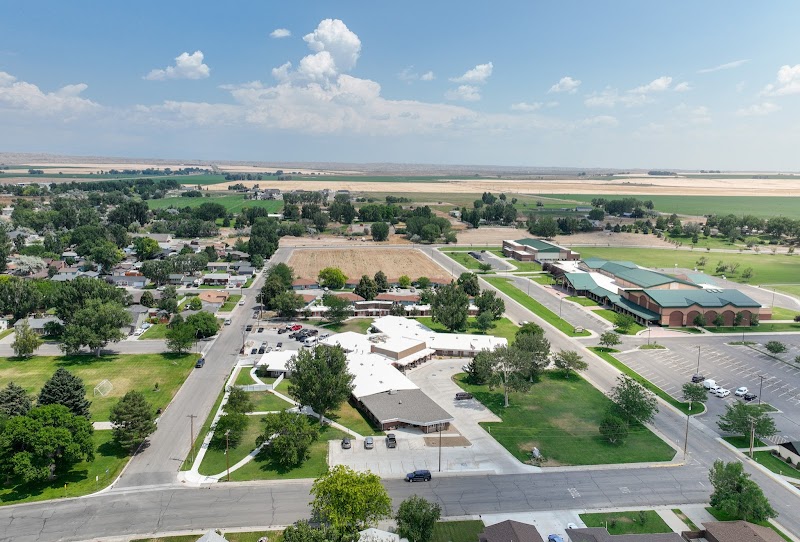
Worland Healthcare and Rehabilitation Center is owned by a for-profit company. For-profit facilities operate as businesses with obligations to shareholders or private owners. The facility is operated by STELLAR SENIOR LIVING, a chain that manages multiple nursing homes. With 87 certified beds and approximately 71 residents (about 82% occupancy), it is a smaller facility located in Worland, Wyoming.

How Does Worland Healthcare And Rehabilitation Center Compare to Other Wyoming Nursing Homes?

Compared to the 100 nursing homes in Wyoming, Worland Healthcare and Rehabilitation Center's overall rating (4 stars) is above the state average of 3.0, staff turnover (52%) is near the state average of 46%, and health inspection rating (4 stars) is above the national benchmark.

What Should Families Ask When Visiting Worland Healthcare And Rehabilitation Center?

Based on this facility's data, families visiting should ask: "Can I visit during a mealtime to observe dining assistance and food quality?" "How do you handle medical emergencies, and what is your hospital transfer rate?" "Can I speak with family members of current residents about their experience?"

Is Worland Healthcare And Rehabilitation Center Safe?

Based on CMS inspection data, Worland Healthcare and Rehabilitation Center has a clean safety record: no substantiated abuse findings (meaning no confirmed cases of resident harm), no Immediate Jeopardy citations (the most serious violation level indicating risk of serious injury or death), and is not on the Special Focus Facility watch list (a federal program monitoring the lowest-performing 1% of nursing homes). The facility has a 4-star overall rating and ranks #1 of 100 nursing homes in Wyoming. While no facility is perfect, families should still ask about staff-to-resident ratios and recent inspection results during their visit.

Do Nurses at Worland Healthcare And Rehabilitation Center Stick Around?

Worland Healthcare and Rehabilitation Center has a staff turnover rate of 52%, which is 6 percentage points above the Wyoming average of 46%. Moderate turnover is common in nursing homes, but families should still ask about staff tenure and how the facility maintains care continuity when employees leave.

Was Worland Healthcare And Rehabilitation Center Ever Fined?

Worland Healthcare and Rehabilitation Center has been fined $7,168 across 2 penalty actions. This is below the Wyoming average of $33,151. While any fine indicates a compliance issue, fines under $50,000 are relatively common and typically reflect isolated problems that were subsequently corrected. Families should ask what specific issues led to these fines and confirm they've been resolved.

Is Worland Healthcare And Rehabilitation Center on Any Federal Watch List?

Worland Healthcare and Rehabilitation Center is not on any federal watch list. The most significant is the Special Focus Facility (SFF) program, which identifies the bottom 1% of nursing homes nationally based on persistent, serious quality problems. Not being on this list means the facility has avoided the pattern of deficiencies that triggers enhanced federal oversight. This is a positive indicator, though families should still review the facility's inspection history directly.