ALBERTVILLE NURSING HOME
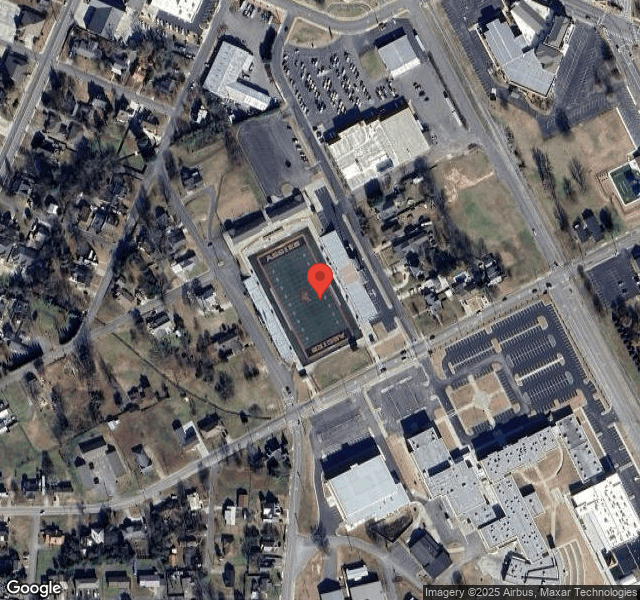
750 ALABAMA HIGHWAY 75 NORTH, ALBERTVILLE, AL 35950 (256) 878-1398
For profit - Corporation 159 Beds REHAB SELECT Data: November 2025
Trust Grade
80/100
#36 of 223 in AL
Last Inspection: November 2019

Over 2 years since last inspection. Current conditions may differ from available data.

Overview

Albertville Nursing Home has a Trust Grade of B+, indicating it is above average and recommended for potential residents. With a state rank of #36 out of 223 facilities in Alabama, it falls in the top half, and it ranks #2 out of 5 in Marshall County, meaning there is only one local option that is rated higher. The facility is improving, with issues decreasing from 2 in 2018 to just 1 in 2019. Staffing is another strength, earning a 4-star rating with a turnover rate of 43%, which is lower than the state average of 48%, suggesting that staff are generally stable. However, the facility has less RN coverage than 80% of Alabama nursing homes, which could impact the level of care provided. While there have been no fines, concerns were raised during inspections about timely transmission of assessments and ensuring that residents were involved in their care planning. For example, several residents did not receive their care plans within the required time frame, and two residents were not present for their care plan meetings, which is important for their input and decision-making. Overall, while there are areas for improvement, the facility shows promise with its strong staffing and improving trend.

Trust Score
B+
80/100
In Alabama
#36/223
Top 16%
Safety Record
Low Risk
No red flags
Inspections
Getting Better
2 → 1 violations
Staff Stability
○ Average
43% turnover. Near Alabama's 48% average. Typical for the industry.
Penalties
✓ Good
No fines on record. Clean compliance history, better than most Alabama facilities.
Skilled Nurses
○ Average
Each resident gets 35 minutes of Registered Nurse (RN) attention daily — about average for Alabama. RNs are the most trained staff who monitor for health changes.
Violations
○ Average
9 deficiencies on record. Average for a facility this size. Mostly minor or procedural issues.
★★★★☆
4.0
Overall Rating
★★★★☆
4.0
Staff Levels
★★★★☆
4.0
Care Quality
★★★★☆
4.0
Inspection Score
Stable
2018: 2 issues
2019: 1 issues

The Good

  • 4-Star Staffing Rating · Above-average nurse staffing levels
  • 4-Star Quality Measures · Strong clinical quality outcomes
  • Full Sprinkler Coverage · Fire safety systems throughout facility
  • No fines on record
  • Staff turnover below average (43%)

    5 points below Alabama average of 48%

Facility shows strength in staffing levels, quality measures, fire safety.

The Bad

Staff Turnover: 43%

Near Alabama avg (46%)

Typical for the industry

Chain: REHAB SELECT

Part of a multi-facility chain

Ask about local staffing decisions and management

The Ugly 9 deficiencies on record

Nov 2019 1 deficiency
CONCERN (D)

Potential for Harm - no one hurt, but risky conditions existed

Deficiency F0655 (Tag F0655)

Could have caused harm · This affected 1 resident

**NOTE- TERMS IN BRACKETS HAVE BEEN EDITED TO PROTECT CONFIDENTIALITY** Based on interviews, record reviews and a facility policy titled Comprehensive Person Centered Careplanning/ Baseline Careplan, ...

Read full inspector narrative →
**NOTE- TERMS IN BRACKETS HAVE BEEN EDITED TO PROTECT CONFIDENTIALITY** Based on interviews, record reviews and a facility policy titled Comprehensive Person Centered Careplanning/ Baseline Careplan, the facility failed to ensure RI (Resident Identifier) RI #125 received a copy of his/her Baseline Careplan Summary within 48 hours of admission. The facility further failed to ensure RI #350's Baseline CarePlan was developed within 48 hours of admission. This deficient practice affected two out of six sample residents whose baseline care plans were reviewed. A review of a facility policy titled Comprehensive Person Centered Careplanning / Baseline Careplan, dated 11/28/17 document: . Procedure 1. Care will be customized based on the resident needs and values within 48 hours of admission. 3. The interdisciplinary team will work together to develop a baseline care plan within 48 hours of admission . 6. Provide the resident and the resident representative, . with a written summary of the baseline care plan . RI #125 was admitted to the facility on [DATE]. On 11/20/19 at 4:58 p.m, an interview was conducted with RI #125. RI #125 was asked if he/ she received a written copy of the baseline careplan within 48 hours of admission. RI #125 said no he/she had not received any paper about his/ her care. On 11/21/2019 at 10:22 a.m., an interview was conducted with EI #2, LPN ( Licensed Practical Nurse). EI #2 was asked who was responsible for developing RI #125's baseline careplan. EI #2 said, I was was responsible. EI #2 was asked when should the baseline careplan be developed. EI #2 said it should be started on admission and completed within 48 hours. EI #2 was asked did RI #125 or his/ her representative receive a copy of the baseline careplan. EI #2 said, No. EI #2 was asked what was the potential concern with RI #125 or his/ her representative not receiving a copy of the baseline care plan. EI #2 said, the patient should be able to be included in the care plan and voice any concerns about his/ her care. RI #350 was admitted to the facility on [DATE]. On 11/21/19 at 10:51a.m., a review of RI #125's medical record revealed no Baseline Careplan was developed. An interview was conducted with RI #125. RI #125 was asked if she/ he received a written summary of his/ her baseline careplan within 48 hours of admission. RI #125 said, No, I did not. On 11/21/19 at 11:01a.m, an interview was conducted with EI #3 LPN. EI #3 was asked who was responsible for developing RI #350's baseline careplan. EI #3 said the weekend administrator, because RI #350 was admitted late Friday night on 11/15/19. EI #3 was asked was RI #350's baseline careplan developed within 48 hours. EI #3 said, No. EI #3 was asked when was RI #350's baseline careplan developed. EI #3 said that morning, 11/21/19. EI #3 was asked what was the concern with RI #350's baseline careplan not developed within 48 hours of admission. EI #3 said RI #305 would have not had the opportunity to be involved in his/her care. On 11/21/19 at 11:09 a.m., an interview was conducted with EI #2, LPN. EI #2 was asked who was responsible for developing RI #350's baseline careplan within 48 hours of admission. EI #3 said, I was responsible. EI #2 was asked was RI #350's baseline careplan developed within 48 hours of admission. EI #2 said, No Ma'am it did not. EI #2 was asked should RI #350's baseline careplan have been developed within 48 hours. EI #2 said yes it should have been done. EI #2 was asked what was the potential concern with RI #350's baseline careplan not completed within 48 hours. EI #2 said the resident did not have any input into his/her care.
Sept 2018 2 deficiencies
CONCERN (D)

Potential for Harm - no one hurt, but risky conditions existed

Deficiency F0657 (Tag F0657)

Could have caused harm · This affected 1 resident

**NOTE- TERMS IN BRACKETS HAVE BEEN EDITED TO PROTECT CONFIDENTIALITY** Based on interview, medical record review and the Resident Assessment Instrument User Manual Version 3.0 Chapter 4, the facility...

Read full inspector narrative →
**NOTE- TERMS IN BRACKETS HAVE BEEN EDITED TO PROTECT CONFIDENTIALITY** Based on interview, medical record review and the Resident Assessment Instrument User Manual Version 3.0 Chapter 4, the facility failed to ensure RI ( Resident Identifier)'s #16 and #95 attended their care plan conferences so that they were involved in making decisions about their care and treatment. The deficient practice affected two of two sample residents whose care plan attendance forms was reviewed. Findings Include: A review of a document, Resident Assessment Instrument User Manual Version 3.0, revealed: . Chapter 4: .CARE PLANNING .4.7 Care Planning A well developed .care plan: .Reflects the resident/resident representative input and goals for health care: . The overall care plan should be orient towards .Involving resident, . RI # 95 was admitted readmitted to the facility on [DATE]. A review of RI #'s 95's care plan attendance form revealed no documentation of his/her attendance for 2018. On 09/18/18 at 9:45 a.m., an interview was conducted with RI # 95. RI #95 was asked if he/she was invited to participate in care plan meetings to make decisions about his/her care and treatment. RI #95 said he/she had never been to a care plan meeting. An interview was conducted on 09/20/18 at 1:33 p.m. with EI (Employee Identifier) #, RN (Registered Nurse), MDS Coordinator. EI #1 was asked if RI # 95 attended his/her care plan conference according to the care plan meeting form. EI #1 said, No. EI #1 was asked if residents should be involved in their care plan meetings. EI #1 said, Yes. EI #1 was asked why was it important for residents to be involved in their care plan meetings. EI #1 said, So they (residents) can be knowledgeable about his or her care plan. RI # 16 was readmitted to the facility on [DATE]. A review of RI #16's care plan attendance form revealed no documentation of his/her attendance for 2018. On 09/18/18 at 4:06 p.m., an interviewed was conducted with RI #16. RI#16 was asked if he/she was invited to participate in his/her care plan meetings to make decisions about his/her care and treatment. RI #16 said, I don't remember the last time I was invited to a care plan meeting. On 09/20/18 at 1:39 p.m., an interviewed was conducted with EI (Employee Identifier) #1, RN (Registered Nurse), MDS Coordinator. EI #1 was asked did RI #16 attend his/her care plan meetings, according to the care plan attendance form. EI # 1 said, No. EI #1 was asked if residents should be involved in making decisions about their care and treatment. EI # 1 said, Yes. EI #1 was asked what was the importance of residents being involved in making decisions about their care and treatment. EI #1 said, so they could know about their care and make their desires and wishes known.
CONCERN (E)

Potential for Harm - no one hurt, but risky conditions existed

MDS Data Transmission (Tag F0640)

Could have caused harm · This affected multiple residents

**NOTE- TERMS IN BRACKETS HAVE BEEN EDITED TO PROTECT CONFIDENTIALITY** Based on interviews, record reviews and a review of the document titled, Centers for Medicare & (and) Medicaid Services, the fac...

Read full inspector narrative →
**NOTE- TERMS IN BRACKETS HAVE BEEN EDITED TO PROTECT CONFIDENTIALITY** Based on interviews, record reviews and a review of the document titled, Centers for Medicare & (and) Medicaid Services, the facility failed to ensure Resident Identifier (RI) #1, #2, #3, #5, #25, #36, and #38's Minimum Data Set (MDS) Assessments were transmitted in a timely manner. This affected nine of nine residents reviewed for MDS transmissions. Findings Include: A review of the document titled, Centers for Medicare and Medicaid Services Long-Term Care Facility Resident Assessment Instrument 3.0 User's Manual, Version 1.15, [DATE], Chapter 2 Assessment for the Resident Assessment Instrument (RAI), page 2-20 revealed: . The MDS must be transmitted (submitted and accepted) into the the MDS database electronically no later than 14 calendar days after the care plan completion date. A review of resident medical records revealed: RI #1 was admitted to the facility on [DATE] with a diagnosis of Dementia without Behavioral disturbance. RI #1 expired in the facility on [DATE]. RI #1's Death MDS, with an Assessment Reference Date (ARD)/ target date of [DATE], was indicated on the MDS transmittal data sheet as not transmitted until [DATE], submitted late. RI #2 was re-admitted to the facility on [DATE] with a diagnoses to include Diabetes Mellitus II and Muscle Weakness. RI #2's Significant Change MDS with an ARD of [DATE], RI #2's Quarterly MDS with an ARD/target date of [DATE], and RI #2's Discharge MDS with an ARD/ target date of [DATE] were all indicated on the MDS transmittal data sheets as not being submitted timely, submitted late. As indicated on the transmittal sheets, the [DATE] MDS was submitted on [DATE], the [DATE] MDS was submitted on [DATE] and the [DATE] MDS was submitted on [DATE], all submitted late. RI #3 was re-admitted to the facility on [DATE] with diagnoses of Acute onset of Diastolic (Congestive) Heart Failure and Acute and Chronic Respiratory Failure. RI #3's Quarterly MDS with an ARD/target of [DATE], as indicated on the MDS transmittal data sheet, was not transmitted until [DATE], submitted late. RI #3's Quarterly MDS with an ARD/target date of [DATE] was not transmitted until [DATE], submitted late. RI #5 was re-admitted to the faility on [DATE] with diagnoses to include Malignant Neoplasm of the Brain and diabetes Mellitus II. RI #5's Quarterly MDS with an ARD/target date of [DATE], as indicated on the MDS transmittal data sheet, was not transmitted until [DATE]. RI #5's Yearly MDS with an ARD/target date of [DATE], was not transmitted until [DATE], both submitted late. RI #25 was re-admitted to the facility on [DATE] with diagnoses to include Chronic Kidney Disease and Dementia. RI #25's Quarterly MDS with an ARD/target date of [DATE], as indicated by the MDS transmittal data sheet, was not transmitted until [DATE], submitted late. RI #36 was re-admitted to the facility on [DATE] with diagnoses to include Malignant Neoplasm of Bone and Articular Cartilage and Chronic Kidney Disease. RI #36's Quarterly MDS with an ARD/target date of [DATE], as indicated by the MDS transmittal data sheet, was not transmitted until [DATE], submitted late. RI #38 was admitted to the facility on [DATE] with diagnoses to include Alzheimer's Disease and Adult Failure to Thrive. RI #38 Quarterly MDS with an ARD/target date of [DATE], as indicated by the MDS transmittal data sheet, was not transmitted until [DATE], submitted late. An interview was conducted on [DATE] at 9:00 a.m. with Employee Identifier (EI) #1, the Registered Nurse/ MDS Coordinator. EI #1 was asked, why was RI #1's Death MDS still open. EI #1 stated, It was overlooked. It's my fault, I should have closed it. It should have been transmitted [DATE]. An interview was conducted on [DATE] at 1:25 p.m.,with EI #2, a Licensed Practical Nurse/ MDS Transmitter. EI #2 was asked, why was RI # 2, #3, #5, #25, #36 and #38 MDS Assessments not transmitted on time. EI #2 stated, They were completed late. EI #2 was asked why were they completed late. EI #2 stated, I didn't know they were late. EI #2 explained that the RN that was responsible for completing the MDS assessments had been out intermittently for the last several months with a terminally ill husband, and the RN had not informed her. EI #2 said, since the assessments were not complete, she could not transmit them. EI #2 was asked, who was covering for the third employee while she was out. EI #2 replied, as of Tuesday of that week, the employee was taking four to six weeks off, short term disability and they would be dividing up her work.
Sept 2017 6 deficiencies
CONCERN (D)

Potential for Harm - no one hurt, but risky conditions existed

Deficiency F0241 (Tag F0241)

Could have caused harm · This affected 1 resident

**NOTE- TERMS IN BRACKETS HAVE BEEN EDITED TO PROTECT CONFIDENTIALITY** Based on observation, interviews, record review, and a review of the facility's policy titled, Quality of Life; Dignity, the fac...

Read full inspector narrative →
**NOTE- TERMS IN BRACKETS HAVE BEEN EDITED TO PROTECT CONFIDENTIALITY** Based on observation, interviews, record review, and a review of the facility's policy titled, Quality of Life; Dignity, the facility failed to ensure a Certified Nursing Assistant (CNA), Employee Identifier (EI) #1, transported Resident Identifier (RI) #8 to the shower and maintained his/her dignity. This affected one of five sampled residents observed for incontinence care. Findings Include: A review of the facility policy titled, QUALITY OF LIFE; DIGNITY revealed: . 9. shall promote, maintain and protect resident privacy, including bodily privacy during assistance with personal care and during treatment procedures. Demeaning practices and standards of care that compromise dignity are prohibited. Staff shall promote dignity and assist residents as needed. RI #8 was readmitted to the facility on [DATE] with diagnoses to include Unspecified Dementia, Pneumonia and Generalized Anxiety Disorder. A review of RI #8's Quarterly Minimum Data Set (MDS) dated [DATE], revealed RI #8 was always incontinent of urine and feces. On 9/20/2017 at 9:35 a.m., the surveyor observed EI #1 transport RI #8 to the shower in a shower chair, without the waste receptacle in place, dropping feces and urine in the hallway. An interview was conducted on 9/21/2017 at 8:30 a.m. with EI #1. EI #1 was asked, what happened yesterday when she was transporting RI #8 to the shower. EI #1 replied, I forgot to put the shower bucket under the shower chair. EI #1 was asked if there were any concerns related to dignity while transporting RI #8 to the shower. EI #1 replied, Infection and dignity, everyone else would be able to see. EI #1 was asked how she thought that affected RI #8 and the other residents. EI #1 replied, It probably would be embarrassing for him/her and for the other residents. They would feel like it's not very clean. An interview was conducted on 9/20/2017 at 4:15 p.m. with EI #2, a Licensed Practical Nurse (LPN), the Infection Control/ Staff Development Coordinator. EI #2 was asked what was the facility's policy concerning providing privacy/dignity for a resident when transporting in a shower chair down the hall to the shower. EI #2 replied, they should be wrapped/covered up with no exposed sensitive areas of the body and a bucket should be placed under the shower chair for incontinence issues. EI #2 was asked if she would consider a resident without a bucket under the shower chair, defecating and urinating in the floor a dignity issue. EI # 2 replied, yes.
CONCERN (D)

Potential for Harm - no one hurt, but risky conditions existed

Deficiency F0278 (Tag F0278)

Could have caused harm · This affected 1 resident

**NOTE- TERMS IN BRACKETS HAVE BEEN EDITED TO PROTECT CONFIDENTIALITY** Based on staff interviews, medical record review, and review of Centers for Medicare & Medicaid Services (CMS), Long-Term Care F...

Read full inspector narrative →
**NOTE- TERMS IN BRACKETS HAVE BEEN EDITED TO PROTECT CONFIDENTIALITY** Based on staff interviews, medical record review, and review of Centers for Medicare & Medicaid Services (CMS), Long-Term Care Facility Resident Assessment Instrument (RAI) 3.0 User's Manual Version 1.13 October 2015, the facility failed to ensure Resident Identifier (RI) #9's Quarterly Minimum Data Set (MDS) assessments dated 05/02/2017 and 07/25/2017 were accurately coded for Oxygen (O2) use. This deficient practice affected RI #9, one of 20 sampled residents whose MDS assessments were reviewed. Findings Include: A review of CMS's RAI 3.0 Manual revealed: .Special Treatments, Procedures, and Programs . Planning for Care . Reevaluation of special treatments . the resident received in the 14-day look-back period is important to ensure the continued appropriateness of the treatments .the resident received in the 14-day look-back period is important to ensure the continued appropriateness of the treatments . Oxygen therapy Code continuous or intermittent oxygen administered via (by way of) mask, cannula, etc. (and so on), delivered to a resident to relieve hypoxia (low oxygen in tissues) in this item. RI #9 was readmitted to the facility on [DATE], with diagnoses to include Pneumonia, Chronic Obstructive Pulmonary Disease (COPD), Chronic Bronchitis, and Heart Failure. A review of RI #9's Quarterly MDS assessment with an Assessment Reference Date (ARD) of 05/02/2017, indicated RI #9 received no oxygen therapy during that assessment period. A review of RI #9's Quarterly MDS assessment with an ARD of 07/25/2017 indicated RI #9 received no oxygen therapy during that assessment period. A review of RI #9's Physician Orders for August 2017 noted: .4/26/17 . O2 VIA N/C (Nasal Cannula) AT 2L/M (Liters per Minute) . A review of RI #9's Medication Administration Record (MAR) for April 2017, May 2017, June 2017, and July 2017 noted daily oxygen use since 04/26/2017. During an interview on 09/20/2017 at 5:05 p.m., EI #3, Licensed Practical Nurse (LPN), MDS Coordinator, was asked how long had RI #9 been receiving oxygen therapy. EI #3's response was, since April 26, 2017. EI #3 was asked if oxygen therapy was coded on RI #9's 05/02/2017 Quarterly MDS assessment. EI #3's response was, No it's not coded on( RI #9's) 5/2/2017 assessment. EI #3 was asked if oxygen therapy was coded on RI #9's 07/25/2017 Quarterly MDS assessment. EI #3's response was, And it is blank on (his/her) 7/25/17 assessment. EI #3 was asked, what blank meant. EI #3's response was, It was not checked, that means it was not coded. EI #3 was asked if oxygen therapy should have been coded on the 05/02/2017 and 07/25/2017 Quarterly MDS assessments. EI #3's response was, Yes ma'am. EI #3 was asked what was the concern in not coding MDS assessments accurately for RI #9. EI #3's response was, The correct information is not being transmitted to the agencies that need the information. And it's not a true reflection of resident care. During an interview on 09/20/2017 at 5:22 p.m., EI #4, Director of Nursing, was asked how long had RI #9 been receiving oxygen therapy. EI #4's response was, since April 26, 2017. EI #4 was asked if oxygen therapy was coded on RI #9's 05/02/2017 and 07/25/2017 assessments. EI #4's response was, I don't see it coded for 5/2/17 or 7/25/17. EI #4 was asked if oxygen therapy should have been coded for the 05/02/2017 and 07/25/2017 assessments. EI #4's response was, Yes. It should have been on both. EI #4 was asked what was the concern for not coding MDS assessments for RI #9's oxygen use. EI #4's response was, The MDS should always reflect exactly what's going on with the patient at that time.
CONCERN (D)

Potential for Harm - no one hurt, but risky conditions existed

Deficiency F0280 (Tag F0280)

Could have caused harm · This affected 1 resident

**NOTE- TERMS IN BRACKETS HAVE BEEN EDITED TO PROTECT CONFIDENTIALITY** Based on observation, interviews, review of job descriptions of the Director of Food Services, Speech Therapist and Dietician, a...

Read full inspector narrative →
**NOTE- TERMS IN BRACKETS HAVE BEEN EDITED TO PROTECT CONFIDENTIALITY** Based on observation, interviews, review of job descriptions of the Director of Food Services, Speech Therapist and Dietician, a review of a facility document titled, CARE PLAN FEEDING TUBE, and review of the medical record, the facility failed to ensure Resident Identifier (RI) #12's care plan was revised to reflect an alteration requested by RI #12's spouse to the ordered pureed diet. This affected RI #12, one of 21 sampled residents. Findings Include: Review of a facility document titled, CARE PLAN FEEDING TUBE dated, 9/13/17 documented the following: Problem . Receives Puree diet w/ (with) honey-liquids & (and) nosey cup . Approaches . B (breakfast), L (lunch), D (dinner) meals trays to be sent Review of the Dietitian job description, with no date, revealed the following: . Care Plan and Assessment Functions Develop preliminary and comprehensive assessments of the dietary needs of each resident .Ensure that all dietary personnel are aware of the care plan and that care plans are used in planning daily dietary services for the resident . Review and revise care plans and assessments as necessary, . Review of the Speech Therapist job description, with no date, documented: . Administrative and Surveillance Functions . Assist in developing, implementing and coordinating . resident care plans, . Care Plan Functions Ensure that speech therapy treatments are indicated on the care plan. Review of the Director of Food Services job description, with no date, revealed: . Care Plan and Assessment Functions Assist in developing preliminary and comprehensive assessments of the dietary needs of each resident. Assist in developing a written dietary plan of care (preliminary and comprehensive) that identifies the dietary problems/needs of the resident and the goals to be accomplished for each dietary problem/need identified . Ensure that all dietary personnel are aware of the care plan and that care plans are used in planning daily dietary services for the resident. Review nurses' notes to determine if the care plan is being followed. Discuss problem areas with the director of Nursing Services . RI #12 was readmitted to the facility on [DATE] with diagnoses to include Persistent Vegetative State, Unspecified Convulsions and Intracranial Injury without Loss of Consciousness. Review of RI #12's Annual Minimum Data Set (MDS) assessment with an Assessment Reference Date (ARD) of 07/18/2017, documented the resident as total dependence with one person physical assistance for eating. On 9/20/17 at 8:01 a.m., the surveyor observed RI #12's breakfast tray to contain scrambled eggs, oatmeal and a bowl of gravy with a whole biscuit on top of the gravy. After the biscuit was mashed into the gravy by a CNA, there were still visible pieces of biscuit observed in the bowl. On 9/20/17 at 5:01 p.m., an interview was conducted with Employee Identifier (EI) #9, Dietary Manager. The surveyor asked, if RI #12 was on a pureed diet with honey consistency liquids, should he/she have gotten biscuit and gravy if his/her diet did not have it written in it. EI #9 said, no ma'am, he/she should not receive it. On 9/21/17 at 11:05 a.m., an interview was conducted with EI #6, Speech Therapist. The surveyor asked, how did the process of treatment/approaches and recommendations for treatment get ordered for speech caseload. EI #6 said, they had standing orders to evaluate and treat. EI #6 said she did her evaluation and gave recommendations to the doctor and developed her plan of care. EI #6 said her recommendations were part of her plan of care. The surveyor asked, did RI #12 have a plan of care in place for the biscuit and gravy at the spouse's request prior to the added approach on 9/20/17. EI #6 replied, no. EI #6 was asked, were there any plans of care for biscuit and gravy for residents on pureed diets. EI #6 replied, as of last night and this morning there were. EI #6 was asked who wrote them. EI #6 answered, she did. On 9/21/17 at 1:59 p.m., an interview was conducted with EI #4, Director of Nursing. The surveyor asked, did all the residents on a pureed diet with an alteration to their diet have an order and a care plan regarding the alteration. EI #4 said, they were looking at that now and correcting everything that needed an order or care plan. EI #4 was asked, should they have had an order and care plan. EI #4 said, everybody had discussed it, but she guessed it just did not get on paper.
CONCERN (D)

Potential for Harm - no one hurt, but risky conditions existed

Deficiency F0281 (Tag F0281)

Could have caused harm · This affected 1 resident

**NOTE- TERMS IN BRACKETS HAVE BEEN EDITED TO PROTECT CONFIDENTIALITY** Based on observation, interviews, and medical record review, the facility failed to ensure a physician's order for Resident Iden...

Read full inspector narrative →
**NOTE- TERMS IN BRACKETS HAVE BEEN EDITED TO PROTECT CONFIDENTIALITY** Based on observation, interviews, and medical record review, the facility failed to ensure a physician's order for Resident Identifier (RI) #12's diet was obtained and written to include an alteration to the pureed diet at spouse's request. The facility also failed to ensure an order for honey consistency liquids was followed. This affected RI #12, one of 13 sampled residents whose diet orders were reviewed. Findings Include: RI #12 was readmitted to the facility on [DATE] with diagnoses to include Persistent Vegetative State, Unspecified Convulsions and Intracranial Injury Without Loss of Consciousness. Review of RI #12's Annual Minimum Data Set (MDS) assessment with an Assessment Reference Date (ARD) of 07/18/17, documented the resident as total dependence with two plus persons physical assistance for Activities of Daily Living (ADLs). Review of Physician's Orders for the month of September 2017 revealed the following: . PUREED DIET WITH HONEY THICK LIQUIDS VIA (BY WAY OF) NOSEY CUP AVOID STRAWS . On 9/20/17 at 8:01 a.m., the surveyor observed RI #12's breakfast tray to contain scrambled eggs, oatmeal, a bowl of gravy with a whole biscuit on top of the gravy, two containers of nectar thickened apple juice and two containers of nectar thickened water. Employee Identifier (EI) #7, a Certified Nursing Assistant (CNA), mashed the biscuit into the gravy with pieces of biscuit still visible in the bowl. On 9/20/17 at 8:25 a.m., an interview was conducted with EI #8, Registered Nurse (RN) Unit Manager (UM). EI #8 was asked, was RI #12 on a pureed diet with honey thick liquids. EI #8 reviewed the order and stated, RI #12 was on a pureed diet with honey thick liquids with a nosey cup. EI #8 was asked, did the kitchen send out a regular biscuit in a bowl of gravy for pureed diets. EI #8 said, yes ma'am, the nursing assistants mixed it up in the bowl with the gravy and it was pureed according to their policy. The surveyor asked EI #8, did RI #12's breakfast tray have honey thick liquids. EI #8 replied, no ma'am it did not. EI #8 was asked, what consistency did RI #12 have. EI #8 answered, nectar. The surveyor asked, what could happen with RI #12 receiving the wrong consistency liquids. EI #8 stated, he/she could aspirate. On 9/20/17 at 12:13 p.m., an interview was conducted with EI #7. The surveyor asked, did she know what consistency RI #12's liquids were supposed to be. EI #7 said, honey. EI #7 was asked, what kind was on RI #12's tray. EI #7 replied, nectar and she thought one honey. The surveyor asked, what could happen if he/she did not receive the correct consistency fluids. EI #7 answered, he/she would aspirate. On 9/21/17 at 11:05 a.m., an interview was conducted with EI #6, Speech Therapist. The surveyor asked, was there an order for RI #12 to receive biscuit with gravy at the family's request prior to her writing it on 9/20/17. EI #6 said, not that she could find. On 9/21/17 at 1:59 p.m., an interview was conducted with EI #4, Director of Nursing. EI #4 was asked, did residents on a pureed diet with an alteration have an order for the alteration. EI #4 replied, they were looking at that now and correcting everything that needed an order. The surveyor asked, should they have had an order. EI #4 said, everybody had discussed it, but she guessed it just did not get on paper.
CONCERN (D)

Potential for Harm - no one hurt, but risky conditions existed

Deficiency F0441 (Tag F0441)

Could have caused harm · This affected 1 resident

**NOTE- TERMS IN BRACKETS HAVE BEEN EDITED TO PROTECT CONFIDENTIALITY** A review of the facility's policy titled, Incontinence Care, Bowel revealed: . the purpose of this policy and procedure is to pr...

Read full inspector narrative →
**NOTE- TERMS IN BRACKETS HAVE BEEN EDITED TO PROTECT CONFIDENTIALITY** A review of the facility's policy titled, Incontinence Care, Bowel revealed: . the purpose of this policy and procedure is to provide guidelines that will aid in preventing exposure to fecal matter. 12. Drop solid fecal matter into toilet or hopper and flush . RI #8 was readmitted to the facility on [DATE] with diagnoses to include Unspecified Dementia, Generalized Anxiety and Pneumonia. A review of RI #8's Quarterly Minimum Data Set, dated [DATE] revealed RI #8 was always incontinent of urine and feces. On 9/20/17 at 9:35 a.m., EI #1, CNA, transported RI #8 to the shower in a shower chair, without the waste receptacle in place, dropping feces and urine in the hallway. An interview was conducted on 9/20/17 at 4:15 p.m. with EI #2. EI #2 was asked if it was an infection control issue for a resident to be transported in a shower chair down the hall and have incontinence of feces and urine in the hallway. EI #2 replied, Yes ma'am. An interview was conducted on 9/21/2017 at 8:30 a.m. with EI #1. EI #1 was asked what happened yesterday when she was transporting RI #8 to the shower. EI #1 replied, I forgot to put the shower bucket under shower chair. EI #1 was asked if there were any concerns while transporting RI #8 to the shower. EI #1 replied, Infection . EI #1 was asked how she thought this affected RI #8 and the other residents. EI #1 replied, . They would feel that it was not very clean. Based on observations, interviews, review of facility policies titled, Incontinence Care Bowel, DRESSING CHANGES, and HANDWASHING, the facility failed to ensure: 1. a nurse did not remove tape and a permanent marker from her pocket after washing her hands, placed the tape to be used on Resident Identifier (RI) #5's dressings on an unclean night stand and then, apply gloves to begin wound care, 2. a nurse washed her hands and changed gloves after removing a soiled dressing and before applying a clean dressing for RI #5, 3. a nurse washed her hands and changed gloves when moving from a wound on RI #5's left heel and without washing her hands, removed the soiled dressing from RI #5's right heel, and 4. a Certified Nursing Assistant (CNA) did not transport RI #8 to the shower in a shower chair, without a waste receptacle in place, causing urine and fecal matter to be dropped in the hallway. Findings Include: Review of a facility policy titled, DRESSING CHANGES with no date revealed: Policy The purpose of this policy is to provide guidelines for clean technique and dressing changes to protect wounds from injury and to prevent the introduction of bacteria . Procedure . 13. Remove dirty dressing and discard in appropriate receptacle. 14. Wash hands. 16. Clean wound . 17. Wash hands. 18. put on clean gloves. 19. Apply the ordered medication/dressing. 20. Wash hands . Review of a facility policy titled, HANDWASHING with no date documented: . Policy Interpretation and Implementation Appropriate 10 to 15 second handwashing must be performed under the following conditions: .10. Before handling clean or soiled dressings, gauze pads. 11. After handling used dressing, contaminated equipment. . 15. After handling items potentially contaminated with blood, body fluids, excretions, or secretions . RI #5 was admitted to the facility on [DATE] with diagnoses to include Nondisplaced Intertrochanter Fracture of Left Femur, Chronic Obstructive Pulmonary Disease and Occlusion and Stenosis of Bilateral Carotid Arteries. On 9/20/17 at 8:48 a.m., the surveyor observed Employee Identifier (EI) #5, a Licensed Practical Nurse (LPN) wash her hands, take a roll of tape and a permanent marker from her pocket, tear off two pieces of tape, write the date on each piece of tape with the permanent marker, place the tape on an unclean night stand, and picked up a pair of gloves and put them on without washing her hands. EI #5 removed heel pillows from both of RI #5's heels and removed the soiled dressing from RI #5's left foot. Without washing her hands and changing her gloves, EI #5 cleansed a heel wound on RI #5's left foot and applied a clean dressing to RI #5's left foot. Without washing her hands and changing her gloves, EI #5 removed a removed a soiled dressing from RI #5's right foot and cleaned RI #5's right heel wound. On 9/20/17 at 9:49 a.m., an interview was conducted with EI #5. The surveyor asked, when should she wash her hands during wound care. EI #5 said, after she removed a dressing and any time she was visibly soiled, take off her gloves and wash her hands. EI #5 was asked, did she wash her hands after getting the tape and permanent marker out of her pocket and before applying her gloves. EI #5 answered no. The surveyor asked EI #5, did she place tape on the night stand for use on RI #5's dressings. EI #5 replied yes. EI #5 was asked, did she change her gloves and wash her hands after cleaning RI #5's left heel and before applying the clean dressing. EI #5 said no. The surveyor asked EI #5, did she change her gloves and wash her hands before removing RI #5's right heel dressing. EI #5 stated no. When asked, should she change her gloves and wash her hands between treatments, EI #5 replied yes. The surveyor asked, were these things infection control issues. EI #5 said, yes. On 9/20/17 at 4:15 p.m., an interview was conducted with EI #2, LPN/Infection Control Nurse. The surveyor asked, when should a nurse wash her hands during a treatment. EI #2 stated, before the treatment began, in between dirty and clean and after it was completed. EI #2 was asked, was it an infection control issue if a nurse washed her hands, removed a roll of tape and permanent marker from her pocket and put on gloves. EI #2 said, yes any time staff washed their hands they should be ready to do the procedure. EI #2 was asked, should tape be hung on a nightstand for use on a resident's dressings. EI #2 responded, no, nothing should touch any surface that had not been cleaned. The surveyor asked, when should gloves be changed. EI #2 answered, when dirty was removed, staff should take off their gloves and wash their hands before putting on a clean pair.
CONCERN (D)

Potential for Harm - no one hurt, but risky conditions existed

Deficiency F0497 (Tag F0497)

Could have caused harm · This affected 1 resident

**NOTE- TERMS IN BRACKETS HAVE BEEN EDITED TO PROTECT CONFIDENTIALITY** Based on observation, interviews and record review, the facility failed to provide evidence inservice education was provided to ...

Read full inspector narrative →
**NOTE- TERMS IN BRACKETS HAVE BEEN EDITED TO PROTECT CONFIDENTIALITY** Based on observation, interviews and record review, the facility failed to provide evidence inservice education was provided to Certified Nursing Assistants (CNA) related to alterations in pureed diets. This affected Resident Identifier (RI) #12 and had the potential to affect all seven residents in the facility receiving altered pureed diets. Findings Include: RI #12 was readmitted to the facility on [DATE] with diagnoses to include Persistent Vegetative State, Unspecified Convulsions and Intracranial Injury Without Loss of Consciousness. On 9/20/17 at 8:01 a.m., the surveyor observed RI #12's breakfast tray to contain scrambled eggs, oatmeal and a bowl of gravy with a whole biscuit on top of the gravy. After the biscuit was mashed into the gravy by a CNA, there were still visible pieces of biscuit observed in the bowl. On 9/20/17 at 4:15 p.m., an interview was conducted with Employee Identifier (EI) #2, Licensed Practical Nurse (LPN)/Staff Development. EI #2 was asked, had she trained or inserviced the CNAs on how to puree biscuit and gravy at the bedside. EI #2 said no. EI #2 was asked, to her knowledge had anyone else trained them to do that. EI #2 replied, not that she was aware of, unless Speech Therapy did it. On 9/21/17 at 11:05 a.m., an interview was conducted with EI #6, Speech Therapist. The surveyor asked, how did the CNAs know how to take the biscuit and mix it with the gravy to make it safe for a resident on a pureed diet. EI #6 said, she did the training. The surveyor asked EI #6, when was the last time she did the training. EI #6 replied, on 9/19/17, Tuesday. The surveyor asked EI #6, prior to that, when would have been the last time she provided training regarding the biscuit and gravy. EI #6 answered, 2016. The surveyor asked EI #6, who did she train on Tuesday to feed RI #12. EI #6 said, she did not have that information in her note. EI #6 said she usually did not put CNA's names in her notes. The surveyor asked, was there any documentation available for that training on Tuesday. EI #6 responded, no. EI #6 was asked, how did she know if a new CNA taking care of a resident getting biscuit and gravy on a pureed diet had been trained. EI #6 said she relied on the permanent CNAs on the hall and/or mentor to train them. EI #6 said she had a part in orientation, but she did not go over any specific resident. The surveyor asked EI #6, what follow-up education was provided to ensure the residents with altered diets remained safe with staff changes. EI #6 answered, that was the breakdown, she did not have a process in place for that outside the mentor training and referral from nursing. The surveyor asked EI #6, what happened if they ended up with a mentor that was never trained. EI #6 replied, she did not know. On 9/21/17 at 1:59 p.m., an interview was conducted with EI #4, Director of Nursing. The surveyor asked, what training had the CNAs had about pureed biscuit and gravy at bedside. EI #4 replied, Speech Therapy had a part in orientation where she talked about all the different diets and consistencies and she talked to the rehab CNAs and worked with the CNAs on the hall and watched them periodically and let them watch her feed to make sure the accuracy of what the diet was and how they should be feeding. The surveyor asked EI #4, did she have any documentation about the training. EI #4 said, no, she did not. We had where they were in orientation and inserviced in orientation, but not what she did on the hall. EI #4 was asked, had she been made aware that the last time education was provided regarding the biscuit and gravy was in 2016. EI #4 responded, no, they had orientation about every other weekend and the diets were gone over in orientation. The surveyor asked EI #4, was she aware that there was no written documentation of education being provided to the CNAs regarding the biscuit and gravy and the pureed diets. EI #4 said, no.
Understanding Severity Codes (click to expand)
Life-Threatening (Immediate Jeopardy)
J - Isolated K - Pattern L - Widespread
Actual Harm
G - Isolated H - Pattern I - Widespread
Potential for Harm
D - Isolated E - Pattern F - Widespread
No Harm (Minor)
A - Isolated B - Pattern C - Widespread

Questions to Ask on Your Visit

  • "Can I speak with families of current residents?"
  • "What's your RN coverage like on weekends and overnight?"

Our Honest Assessment

Strengths
  • • Grade B+ (80/100). Above average facility, better than most options in Alabama.
  • • No major safety red flags. No abuse findings, life-threatening violations, or SFF status.
  • • No fines on record. Clean compliance history, better than most Alabama facilities.
  • • 43% turnover. Below Alabama's 48% average. Good staff retention means consistent care.
Concerns
  • • No significant concerns identified. This facility shows no red flags across CMS ratings, staff turnover, or federal penalties.
Bottom line: Generally positive indicators. Standard due diligence and a personal visit recommended.

About This Facility

What is Albertville's CMS Rating?

CMS assigns ALBERTVILLE NURSING HOME an overall rating of 4 out of 5 stars, which is considered above average nationally. Within Alabama, this rating places the facility higher than 99% of the state's 100 nursing homes. This rating reflects solid performance across the metrics CMS uses to evaluate nursing home quality.

How is Albertville Staffed?

CMS rates ALBERTVILLE NURSING HOME's staffing level at 4 out of 5 stars, which is above average compared to other nursing homes. Staff turnover is 43%, compared to the Alabama average of 46%. This relatively stable workforce can support continuity of care.

What Have Inspectors Found at Albertville?

State health inspectors documented 9 deficiencies at ALBERTVILLE NURSING HOME during 2017 to 2019. These included: 9 with potential for harm.

Who Owns and Operates Albertville?

ALBERTVILLE NURSING HOME is owned by a for-profit company. For-profit facilities operate as businesses with obligations to shareholders or private owners. The facility is operated by REHAB SELECT, a chain that manages multiple nursing homes. With 159 certified beds and approximately 153 residents (about 96% occupancy), it is a mid-sized facility located in ALBERTVILLE, Alabama.

How Does Albertville Compare to Other Alabama Nursing Homes?

Compared to the 100 nursing homes in Alabama, ALBERTVILLE NURSING HOME's overall rating (4 stars) is above the state average of 3.0, staff turnover (43%) is near the state average of 46%, and health inspection rating (4 stars) is above the national benchmark.

What Should Families Ask When Visiting Albertville?

Based on this facility's data, families visiting should ask: "Can I visit during a mealtime to observe dining assistance and food quality?" "How do you handle medical emergencies, and what is your hospital transfer rate?" "Can I speak with family members of current residents about their experience?"

Is Albertville Safe?

Based on CMS inspection data, ALBERTVILLE NURSING HOME has a clean safety record: no substantiated abuse findings (meaning no confirmed cases of resident harm), no Immediate Jeopardy citations (the most serious violation level indicating risk of serious injury or death), and is not on the Special Focus Facility watch list (a federal program monitoring the lowest-performing 1% of nursing homes). The facility has a 4-star overall rating and ranks #1 of 100 nursing homes in Alabama. While no facility is perfect, families should still ask about staff-to-resident ratios and recent inspection results during their visit.

Do Nurses at Albertville Stick Around?

ALBERTVILLE NURSING HOME has a staff turnover rate of 43%, which is about average for Alabama nursing homes (state average: 46%). Moderate turnover is common in nursing homes, but families should still ask about staff tenure and how the facility maintains care continuity when employees leave.

Was Albertville Ever Fined?

ALBERTVILLE NURSING HOME has no federal fines on record. CMS issues fines when nursing homes fail to meet care standards or don't correct problems found during inspections. The absence of fines suggests the facility has either maintained compliance or corrected any issues before penalties were assessed. This is a positive indicator, though families should still review recent inspection reports for the full picture.

Is Albertville on Any Federal Watch List?

ALBERTVILLE NURSING HOME is not on any federal watch list. The most significant is the Special Focus Facility (SFF) program, which identifies the bottom 1% of nursing homes nationally based on persistent, serious quality problems. Not being on this list means the facility has avoided the pattern of deficiencies that triggers enhanced federal oversight. This is a positive indicator, though families should still review the facility's inspection history directly.