ALICEVILLE MANOR NURSING HOME
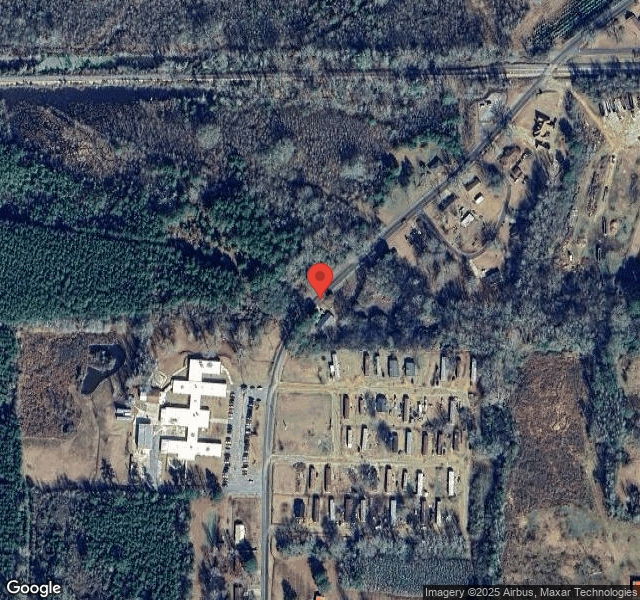
703 17TH STREET NORTHWEST, ALICEVILLE, AL 35442 (205) 373-6307
For profit - Corporation 100 Beds TRINITY MANAGEMENT, INC. Data: November 2025
Trust Grade
90/100
#2 of 223 in AL
Last Inspection: June 2023

Over 2 years since last inspection. Current conditions may differ from available data.

Overview

Aliceville Manor Nursing Home has an excellent Trust Grade of A, indicating it is highly recommended and performs well compared to other facilities. It ranks #2 out of 223 nursing homes in Alabama, placing it in the top tier for quality care, and is the best option among two facilities in Pickens County. The facility is improving, with issues decreasing from two in 2019 to one in 2023. Staffing is a strong point, receiving a 5-star rating with a turnover rate of 47%, which is slightly below the state average, suggesting that staff are experienced and familiar with residents' needs. While there are no fines on record, indicating compliance with regulations, there are some concerns noted in inspections, including staff not following food safety protocols and failing to provide oxygen therapy as prescribed for a resident with COPD. Overall, Aliceville Manor Nursing Home shows significant strengths, but families should be aware of the specific issues raised in inspections.

Trust Score
A
90/100
In Alabama
#2/223
Top 1%
Safety Record
Low Risk
No red flags
Inspections
Getting Better
2 → 1 violations
Staff Stability
⚠ Watch
47% turnover. Above average. Higher turnover means staff may not know residents' routines.
Penalties
✓ Good
No fines on record. Clean compliance history, better than most Alabama facilities.
Skilled Nurses
✓ Good
Each resident gets 48 minutes of Registered Nurse (RN) attention daily — more than average for Alabama. RNs are trained to catch health problems early.
Violations
○ Average
8 deficiencies on record. Average for a facility this size. Mostly minor or procedural issues.
★★★★★
5.0
Overall Rating
★★★★★
5.0
Staff Levels
★★★★☆
4.0
Care Quality
★★★★☆
4.0
Inspection Score
Stable
2019: 2 issues
2023: 1 issues

The Good

  • 5-Star Staffing Rating · Excellent nurse staffing levels
  • 4-Star Quality Measures · Strong clinical quality outcomes
  • Full Sprinkler Coverage · Fire safety systems throughout facility
  • No fines on record

Facility shows strength in staffing levels, quality measures, fire safety.

The Bad

Staff Turnover: 47%

Near Alabama avg (46%)

Higher turnover may affect care consistency

Chain: TRINITY MANAGEMENT, INC.

Part of a multi-facility chain

Ask about local staffing decisions and management

The Ugly 8 deficiencies on record

Jun 2023 1 deficiency
CONCERN (D)

Potential for Harm - no one hurt, but risky conditions existed

Respiratory Care (Tag F0695)

Could have caused harm · This affected 1 resident

Based on observations, interviews, and record review, it was determined that the facility failed to ensure respiratory care, specifically the provision of oxygen therapy at prescribed rate, was provid...

Read full inspector narrative →
Based on observations, interviews, and record review, it was determined that the facility failed to ensure respiratory care, specifically the provision of oxygen therapy at prescribed rate, was provided in accordance with professional standards of practice for one (Resident #31) of one resident reviewed for respiratory care. Findings included: A review of a Face Sheet indicated the facility admitted Resident #31 on 12/27/2021 with diagnoses that included Anxiety and Chronic Obstructive Pulmonary Disease (COPD). A review of Resident #31's Care Plan(s), initiated on 12/27/2021, revealed the resident was at risk for shortness of breath related to a diagnosis of COPD. The care plan indicated the resident had oxygen therapy ordered as needed. Interventions directed staff to administer the resident's medications, respiratory treatments and oxygen as ordered. A review of Departmental Notes, dated 06/20/2023 at 2:47 AM and written by Registered Nurse (RN) #20, indicated RN #20 assessed Resident #31 and documented hearing rales (clicking, bubbling, or rattling sounds) in all lung fields. Per the note, a breathing treatment was administered without effect, the Nurse Practitioner (NP) was called, and orders were received. A review of a handwritten Physician Orders document revealed an order dated 06/20/2023 (no time indicated) for oxygen via a non-rebreather (face mask) at 5 (five) liters per minute (LPM). The order was signed by a Nurse Practitioner (NP). On 06/20/2023 at 9:40 AM, Resident #31 was observed lying flat on a bed with oxygen being delivered via a concentrator through a face mask at a rate of 2.5 (two and one-half) LPM. The resident was noted to have a wet-sounding cough at that time. On 06/20/2023 at 11:30 AM, Resident #31 was observed with oxygen being delivered at 2.5 (two and one-half) LPM via face mask. During an interview on 06/20/2023 at 12:00 PM with RN #17, she said that Resident #31 was supposed to be on oxygen at 5 (five) LPM. A Departmental Note, dated 06/20/2023 at 12:29 PM revealed RN #17 documented Resident #31 was on oxygen via face mask at 3 (three) LPM. The note indicated the resident's oxygen saturation measured 86% and the oxygen was increased to 5 (five) LPM via face mask. During an interview on 06/20/2023 at 12:58 PM, the NP indicated she then received a call around 6:45 AM on 06/20/2023 regarding the resident's oxygen saturation being in the low 80s, so an order was given to increase the oxygen to 5 (five) LPM. The NP noted a face mask or non-rebreather mask would be used at that rate of oxygen. The NP was unable to state why Resident #31's oxygen was not set at 5 (five) LPM earlier as that was her order at 6:45 AM that morning. The NP stated it was her expectation for orders to be followed by nursing staff. On 06/21/2023 at 10:10 AM, Resident #31 was observed lying on the bed with the head of the bed at approximately 30 degrees. A face mask was in place with oxygen delivery at 3 (three) LPM. On 06/23/2023 at 12:30 PM, the Director of Nursing (DON) stated nursing staff should have followed orders provided the morning of 06/20/2023.
Sept 2019 2 deficiencies
CONCERN (D)

Potential for Harm - no one hurt, but risky conditions existed

Deficiency F0655 (Tag F0655)

Could have caused harm · This affected 1 resident

**NOTE- TERMS IN BRACKETS HAVE BEEN EDITED TO PROTECT CONFIDENTIALITY** Based on record review, interview, and a facility policy titled, Nursing Comprehensive Care Plan (Developing) , the facility fai...

Read full inspector narrative →
**NOTE- TERMS IN BRACKETS HAVE BEEN EDITED TO PROTECT CONFIDENTIALITY** Based on record review, interview, and a facility policy titled, Nursing Comprehensive Care Plan (Developing) , the facility failed to ensure that Resident Identifier (RI) #58 had a baseline care plan within 48 hours. This affected 1 of 19 sampled residents. Findings include: A facility policy titled, Nursing Comprehensive Care Plan (Developing, last revised 10/17, revealed: Policy Plans of care are developed and implemented by the interdisciplinary team to coordinate and communicate care approaches and goals for the resident related to clinical diagnosis or identified concerns. Baseline Care Plans will be developed and implemented for each resident that includes the instruction's needed to provide effective and person-centered care of the resident that meet professional standards of quality care. Baseline Care Plans will be developed within 48 hours of a resident's admission and include the minimum healthcare information necessary to properly care for a resident including, but not limited to-Initial goals based on admission orders, physician orders, dietary orders and therapy orders. The facility will furnish each resident/resident representative with a summary of the Baseline Care Plan. RI #58 was admitted to the facility on [DATE] with a diagnosis to include Acute Respiratory Failure with Hypercapnia. A record review on 9/26/19 revealed, RI #58 was admitted on [DATE] and a Baseline Care Plan was not done until 7/29/19. On 09/26/19 at 11:19 AM an interview was conducted with Employee Identifier (EI) #5, Registered Nurse. EI #5 was asked, when should a base line care plan be done. EI #5 replied, it has to be done within 24 hours of their admission date. EI #5 was asked, when was RI #58's done. EI #5 replied, 7/29/19. EI #5 was asked, when was RI #58 admitted . EI #5 replied, 7/26/19. EI #5 was asked, what was the potential harm of not having a base line care plan for 3 days. EI #5 replied, when they first come in it is critical to do the base line care plan so you have an over all look of their base line health condition, and also the staff need to know how to take care of the resident. EI #5 was asked, what would be the concern of not having a base line care plan for 3 days. EI #5 replied they broke policy; they did not have an overall picture of him/her at all for those first 3 days. EI #5 was asked, how did the staff know how to take care of him/her those first few days. EI #5 replied, they had to learn on their own.
CONCERN (F)

Potential for Harm - no one hurt, but risky conditions existed

Food Safety (Tag F0812)

Could have caused harm · This affected most or all residents

Based on observations, interviews, a facility policies titled, Resource: Taking Accurate Temperatures, and Food Safety and Sanitation, the facility failed to ensure: 1. staff wore hair nets while in t...

Read full inspector narrative →
Based on observations, interviews, a facility policies titled, Resource: Taking Accurate Temperatures, and Food Safety and Sanitation, the facility failed to ensure: 1. staff wore hair nets while in the kitchen and 2. staff took the temperatures of all foods on the tray line. This had the potential to affect 73 of 73 residents receiving meals from the kitchen. Findings include: A facility policy titled, Food Safety and Sanitation with no effective dated, revealed: Policy: All local, state and federal standards and regulations will be followed in order to assure a safe and sanitary food and nutrition services department. Procedure: . 2. Employees . c. Employees are required to have their hair styled so that it does not touch the collar, and to wear clean aprons, clothes and shoes. * Hair restraints are required and should cover all hair on the head. During the initial tour of the kitchen on 09/24/19 at 09:51 AM Employee Identifier (EI) #1 was observed in the kitchen fixing a cup of coffee, not wearing a hair net. On 09/26/19 at 10:59 AM, an interview was conducted with EI #3, Dietary Manager. EI #3 was asked what were employees supposed to do before they entered the kitchen. EI #3 replied, once they enter the kitchen they put on their hairnets and wash their hands. EI #3 was asked, was there an employee in the kitchen on 9/24/19 without a hair net on. EI #3 replied, yes, EI #1. EI #3 was asked, why was EI #1 in the kitchen without a hair net on. EI #3 replied, she was getting coffee for a resident. EI #3 was asked, what was the potential concern of an employee coming into the kitchen without a hair net on. EI #3 replied, they do not want to cause any cross contamination. On 09/26/19 at 11:14 AM, an interview was conducted with EI #1 Registered Nurse Supervisor. EI #1 was asked, what was she supposed to do before she entered the kitchen. EI #1 replied, put a hair net on. EI #1 was asked, did she have a hair net on when she was in the kitchen on 9/24/19. EI #1 replied, she did not. EI #1 was asked, what was the potential concern of being in the kitchen without a hair net on. EI #1 replied, contamination. A facility policy titled, Resource: Taking Accurate Temperatures, with no effective date revealed: 3-32 . Taking Accurate Temperatures using Metal Stem Thermometers . 2. To take hot food temperatures, insert the thermometer at a 45-degree angle to the middle of the food item, taking care not to touch the container or bone if applicable. Wait for the thermometer to rise to the maximum temperature, read and record the temperature and then remove the thermometer from the food item and immediately clean and sanitize. Repeat these guidelines until all hot food temperatures have been taken. 3. To take cold food temperatures, insert the thermometer at a 45-degree angle to the middle of the food item using care not to touch the container. Wait for the thermometer to drop to the minimum temperature, read and record the temperature and then remove the thermometer from the food item and immediately clean and sanitize. Repeat this guideline until all cold food temperatures have been taken. On 09/25/19 at 11:31 AM, during the tray line service an observation was made of the food temperatures being checked by EI #4, cook. An observation was made of 14 food items on the tray line. The temperature was not taken of the hamburger patties, mechanical turkey, or the tatter tots. Dishes of covered pears came out on a cart; the temperature was not taken. On 09/26/19 at 09:09 AM, an interview was conducted with EI #4, Cook. EI #4 was asked, when were the temperatures taken of the food. EI #4 replied, soon as you put it on the line. EI #4 was asked, what all on the line should be tempted. EI #4 replied, everything. EI #4 was asked, did she take the temperature of the hamburger patties on the line on 9/25/19. EI #4 replied, she took the temperature as soon as she put it on the line but EI #3 told her to stop because the surveyor wanted to see her tempt everything; the tatter tots were the same thing she had already done it but she forgot to do it in front of the surveyor. EI #4 was asked, did she take the temperature of the mechanical turkey on 9/25/19. EI #4 replied, she tempted it but she did not write it in because EI #3 stopped her. EI #4 was asked, was the temperature taken of the pears on 9/25/19. EI #4 replied, normally the aid tempted the desserts before the line starts. EI #4 was asked, did she know if that was done. EI #4 replied, she did not. EI #4 was asked, what was the potential concern of not taking the temperatures of all of the foods. EI #4 replied, it could be in the danger zone.
Aug 2018 5 deficiencies
CONCERN (D)

Potential for Harm - no one hurt, but risky conditions existed

Safe Environment (Tag F0584)

Could have caused harm · This affected 1 resident

**NOTE- TERMS IN BRACKETS HAVE BEEN EDITED TO PROTECT CONFIDENTIALITY** Based on observations and interview, the facility failed to ensure the Dementia Unit dining area floor was free of brown stains....

Read full inspector narrative →
**NOTE- TERMS IN BRACKETS HAVE BEEN EDITED TO PROTECT CONFIDENTIALITY** Based on observations and interview, the facility failed to ensure the Dementia Unit dining area floor was free of brown stains. The facility further failed to ensure water did not drip from condensation collected at the air conditioner vent onto the hallway floor and ceiling tiles were also free from brown stains. This affected the Dementia Unit dining room and one of two hallways outside of two resident rooms. Findings include: On 08/23/18 at 08:56 AM, an observation was made of condensation from an air vent for an air conditioner dripping to the floor outside of rooms [ROOM NUMBERS]. [NAME] stains were also noted on the ceiling tiles around the vent. 08/23/18 09:09 AM, an observation was made in the Dementia Unit dining room of brown spots on the floor. On 08/23/18 at 12:15 PM, an interview was conducted with Employee Identifier( EI) #8, Maintenance Director. EI #8 was asked what did they observe with the ceiling air vents outside of room [ROOM NUMBER] and also in the hallway outside room [ROOM NUMBER]. EI #8 replied, condensation from the air conditioner with water dripping to the floor. EI #8 was asked, what did they observe on the dining area floor in the Dementia Unit. EI #8 replied, glue that had come up from under tiles causing brown spots. EI #8 reported this had been caused from chemicals used to clean the floors. EI #8 was asked, who was responsible for the upkeep to these areas. EI # 8 replied, maintenance. EI #8 was asked, what was the harm in the areas not being maintained properly. EI #8 replied, dripping on the floor could cause a slip by someone and the dining area in the Dementia Unit was unsightly.
CONCERN (D)

Potential for Harm - no one hurt, but risky conditions existed

Free from Abuse/Neglect (Tag F0600)

Could have caused harm · This affected 1 resident

**NOTE- TERMS IN BRACKETS HAVE BEEN EDITED TO PROTECT CONFIDENTIALITY** Based on observation, interview, record review and review of a facility policy titled, Abuse, the facility failed to ensure Resi...

Read full inspector narrative →
**NOTE- TERMS IN BRACKETS HAVE BEEN EDITED TO PROTECT CONFIDENTIALITY** Based on observation, interview, record review and review of a facility policy titled, Abuse, the facility failed to ensure Resident Identifiers (RI) #'s 27, 29, 49, 51, 83 and 334 were free of neglect, as reported by the facility to the State Agency on 8/10/18. This affected six of six residents reported as neglected by staff. This deficient practice was cited as a result of the investigation of complaint/report AL00035830. Findings Include: A review of a facility policy ABUSE, with a last revised date of 03/17, revealed: Policy Residents have the right to be free from abuse, neglect, . A review of an Online Incident Report submitted by the facility on 8/10/2018 at 5:22 PM revealed: .Incident Type .Neglect .7) . Residents involved were RI #51, RI #334, RI #27, RI #83. The narrative summary of the incident revealed, the residents listed above were upset regarding the care they did not receive on the 11-7 shift. RI #51 stated that he/she did not get his/her bath or get up to get dressed. RI #334 stated that he/she was not turned all night. RI #27 was left soiled and was not cleaned. RI #83 stated that the Certified Nursing Assistant, (CNA) set his/her bath stuff up and told the resident to bath self and make own bed because she (CNA) did not have time because it was too close to 7:00 AM. The Administrator typed the following allegation: On the morning of August 10, 2018, . ADON (Assistant Director of Nursing) reported to . DON (Director of Nursing) and myself that several residents (or their caregivers on 7-3 shift) reported that certain aspects of their care had not been provided on 11-7 shift. (name of CNA ) was the CNA assigned . Instructed . Social Service Director to interview other residents assigned to (name of CNA) on 11-7 shift . Statements were taken from RI #51, 334, 83 and 27. RI #29 and RI #49 were two residents added to the list after staff interviews revealed RI #29 was not cleaned up on 11-7 and RI #49 was in bed with stool and a wet sheet. RI #27 was admitted to the facility on [DATE] with a diagnosis of Unspecified Dementia with Behavioral Disturbance. RI #29 was readmitted to the facility 3/21/18 with a diagnosis of Vascular Dementia with Behavioral Disturbance. RI #49 was readmitted to the facility on [DATE] with a diagnosis of Unspecified Dementia. RI #49 reported the staff on the 11-7 shift did not provide care to the resident and the 7-3 shift found the resident soiled and the top sheet was wet. RI #51 was readmitted to the facility 7/7/15 with a diagnosis of Unspecified Dementia. On 8/23/18 at 10:46 AM, a brief interview with RI #51 and the son revealed RI #51 voiced to the son on 8/10/18 that he/she was not given a bath or gotten out of bed on the 11-7 shift, as was the usual routine. RI #83 was admitted to the facility on [DATE] with a diagnosis of Pain in right Shoulder. RI #334 was admitted to the facility on [DATE] with a diagnosis of Unspecified injury at level of cervical spinal cord. A brief interview with RI #334 on 8/21/18 at 2:12 PM revealed, the 7-3 shift came in and said bowel movement had been on resident to long and they needed to get it off. On 8/22/18 the surveyors made an unannounced entry to the facility at 4:00 AM to observe staff and care being provided. No negative observations were made at that time. On 8/22/18 at 4:15 AM, an interview was conducted with EI #5, CNA. EI #5 was asked if she worked with EI #15 and if she worked on 8/10/18. EI #5 replied, yes. EI #5 was asked to give a brief description of what did or did not occur. EI #5 replied later after she left work the DON called her and asked questions about EI #15 not giving care. EI #5 replied she was not aware as she was busy doing her assigned residents. On 8/22/18 at 4:45 PM, a phone interview was conducted with EI #3, the LPN coming on the 7-3 shift following EI #15. EI #3 was asked how she was made aware of residents not receiving care the night before. EI #3 replied, when she came in and was making her walking rounds she observed that residents that were usually up were not. EI #3 replied she tried to ask EI #15 about those residents and EI #15 would not respond and left the unit. EI #3 also reported that other CNAs on the 7-3 shift had reported to her of other residents found wet, soiled, not gotten up and not having been turned. EI #3 was asked what did she do to EI #15. EI #3 replied nothing, she tried to question her but she would not talk and left. EI #3 was asked what form of abuse was the incident. EI #3 replied, neglect. EI #3 was asked what was being done since the occurrence to assure it would not happen again. EI #3 replied, education and the nurses were to make pop in observations and observe staff giving care. EI #3 was asked if she was doing that. She replied yes, and the DON and ADON were making rounds as well. On 8/23/18 at 8:30 AM, an interview was conducted with EI #4, another CNA working the 11-7 shift on 8/10/18. EI #4 was asked if he worked the 11-7 shift with EI #15 on 8/10/18. He replied, yes. EI #4 was asked if he observed EI #15 giving care to her assigned residents. EI #4 replied, he knew she was up and in and out of resident rooms at times, but he was doing his own assignment and not sure what care she was performing. On 8/23/18 at 9:30 AM, an interview was conducted with EI #6, Social Service Director. EI #6 was asked what did or did not occur on 8/10/18. EI #6 replied when she arrived to work on 8/10/18 the Administrator (EI #1) told her residents complained of not getting care on the 11-7 shift. EI #6 replied the Administrator instructed her to go and interview other residents and get statements. The residents did not give a name, they only said she. EI #6 was asked how was it determined which staff it was. EI #6 replied by assignment sheets and a video. EI #6 was asked which residents were involved. EI #6 replied, resident names (RI #27,29, 49, 51, 83 and 334). EI #6 was asked what was it when staff did not check or change residents assigned to them. EI #6 replied, neglect. EI #6 was asked what had been done to assure it would not occur again. EI #6 replied, educated other staff, EI #15 had been terminated, and staff was being monitored. On 8/23/18 at 9:40 AM, an interview was conducted with EI #2, DON. EI #2 was asked what did or did not occur on the 11-7 shift on 8/10/18. EI #2 replied, when she arrived to work that morning residents had reported not getting up and not getting bathed or care. The 7-3 shift staff had reported finding residents wet, soiled and not up and given care. EI #2 continued saying she reported to the Administrator upon her arrival and an investigation was started. The staff on the 11-7 shift was called to return to the facility and interviewed. A video was reviewed and determined EI #15 had those assignments and did not give the care. Education was started and EI #15 was terminated. EI #2 was asked if care was given to the other residents. EI #2 replied, yes. EI #2 was asked when should care be given. EI #2 replied, every two hours and bathing and getting up started at 5:00 AM. EI #2 was asked what was it when staff did not check or change residents assigned to them. EI #2 replied, neglect. EI #2 was asked what had been done to assure it did not reoccur. EI #2 replied, education to be completed by 8/31/18 and compliance rounds. On 8/23/18 at 10:00 AM, an interview was conducted with EI #1, Administrator. EI #1 was asked to give a brief recap of what did or did not occur. EI #1 replied, it was reported to her upon arriving to the facility by the DON that care was not given on the 11-7 shift and an investigation was started. EI #1 was told by EI #2 that she assured care was given once she was made aware. EI #1 reported that after reviewing the video, watching the 11-7 staff, it was determined that EI #15 did not provide care. EI #15 was terminated. EI #1 was asked if she reviewed the video past to determine if that was EI #15's usual routine. EI #1 replied, no, there had never been any concerns before that one. EI #1 was asked how many residents were assigned to each staff and who was responsible for providing care. EI #1 replied she was not sure, as assignments were made by rooms and if it required two to assist they would help each other. EI #1 was asked about the performance of the other CNAs. EI #1 replied by reviewing the video it appeared care was performed by them. EI #1 was asked when should care have been performed. EI #1 relied, all during the night, every two hours and at 5 AM baths were started and residents that wish were assisted up. EI #1 was asked what was it when staff did not check or change residents assigned to them. EI #1 replied neglect. EI #1 was asked what was being done to assure it did not reoccur. EI #1 replied, education and nurse supervisors were observing care, and compliance rounds were being performed on varying shifts at varying times.
CONCERN (D)

Potential for Harm - no one hurt, but risky conditions existed

Infection Control (Tag F0880)

Could have caused harm · This affected 1 resident

**NOTE- TERMS IN BRACKETS HAVE BEEN EDITED TO PROTECT CONFIDENTIALITY** Based on observation, interview and record review, the facility failed to ensure Employee Identifier (EI) #7, Licensed Practical...

Read full inspector narrative →
**NOTE- TERMS IN BRACKETS HAVE BEEN EDITED TO PROTECT CONFIDENTIALITY** Based on observation, interview and record review, the facility failed to ensure Employee Identifier (EI) #7, Licensed Practical Nurse, did not place the cap from the eye drop medication bottle on Resident Identifier (RI) #48's over the bed table, then return the cap to the bottle after instilling the drops. This affected one of five nurses observed during medication pass. Findings Include: RI #48 was admitted to the facility on [DATE] with diagnoses of Keratoconjunctive Sicca, bilateral and Dry Eye Syndrome. A review of RI #48's August Physician Orders revealed: .LEXAPRO .ZOCOR .CALCIUM .SYSTANE OPHTH (Opthalmic) EYE GTTS (drops) 1 GTT OU (both eyes) BID (two times a day) . On 8/22/18 at 9:13 AM EI #7 was observed giving RI #48's scheduled medication. EI #7 prepared the medications and entered the room. EI #7 gave the by mouth medications then washed her hands and put on gloves. EI #7 removed the cap from the eye drop medication bottle and placed the cap on the over the bed table without a barrier between the table and bottle cap. EI #7 instilled a drop into each eye then picked up the bottle cap and placed it back on the eye drop medication bottle. On 8/22/18 at 9:20 AM an interview was conducted with EI #7. EI #7 was asked what was the policy on where to place the cap for an eye drop bottle while you are instilling the drops. EI #7 replied, hold it in her hand. EI #7 was asked where did she place the cap. EI #7 replied, on the over the bed table. EI #7 was asked what was the risk of placing the cap to the eye drop bottle on the over the bed table without a barrier. EI #7 replied, it could get bacteria or germs and they will go to the bottle and contaminate the drops, then to the resident. On 8/23/18 at 11:40 AM an interview was conducted with EI #9, Registered Nurse/ Infection Control. EI #9 was asked what was the policy on where to place the cap of an eye drop medication while the medication was being instilled in the resident eyes. EI #9 replied, on a barrier. EI #9 was asked when should staff place the cap on an over the bed table without a barrier. EI #9 replied, never. EI #9 was asked what were the risks of not placing the cap on a barrier. EI #9 replied, contamination.
CONCERN (F)

Potential for Harm - no one hurt, but risky conditions existed

Food Safety (Tag F0812)

Could have caused harm · This affected most or all residents

Based on observations and interviews, the facility failed to ensure: 1) crumbs and spots were not in the mixer bowl that was covered and stored for future use; 2) plates were not wet nesting in the pl...

Read full inspector narrative →
Based on observations and interviews, the facility failed to ensure: 1) crumbs and spots were not in the mixer bowl that was covered and stored for future use; 2) plates were not wet nesting in the plate warmer and; 3) the temperature of the milk at the lunch meal was taken. This had the potential to affect 77 of 77 residents who received meals from the kitchen. Findings Include: 1) On 8/21/2018 at 12:09 p.m., the mixer was wrapped for storage in plastic and four spots were noted in the bottom of the mixer bowl. There was food particle/crumbs on the top area of the mixer probe. On 8/23/18 at 9:34 a.m., an interview was conducted with EI #10, Certified Dietary Manager (CDM). EI #10 was asked what was covered and wrapped in plastic covering for future use. EI #10 replied, the floor mixer. EI #10 was asked what was in the mixer bowl and on the probe at the top of the mixer. EI #10 replied, just some particle debris. EI #10 was asked why was it important that kitchen equipment was free of food debris. EI #10 replied, they have to have equipment clean and sanitized for future use. EI #10 said they did not need any kind of bacteria growth. EI #10 was asked what did the facility policy say regarding wrapped dirty equipment. EI #10 replied, after use, equipment must be cleaned and sanitized and covered. EI #10 was asked when equipment was wrapped with food debris in it, was that an attraction for pest. EI #10 replied, yes. 2) On 8/22/2018 at 11:47 a.m., the surveyor observed the first plate in the plate warmer had water in it. The worker pulled the plate and put food in it. The surveyor observed seven wet plates with a large amount of water in the plates. The surveyor pointed the wet plates out to the [NAME] and CDM. The [NAME] pulled plates from the line and the CDM pulled ten plates from the line. A total of 17 plates were pulled. On 8/22/18 at 1:08 p.m.,the surveyor conducted an interview with EI #11, the Cook/ Dietary Aide. EI #11 was asked what was in plates that she was plating. EI #11 replied, water. EI #11 was asked did she put food in plates with water in the plates. EI #11 replied, she could not remember. EI #11 stated the plate warmer was not getting hot like it was supposed to. EI #11 was asked who was responsible for making sure plates were not wet. EI #11 replied, the morning puller. EI #11 was asked why should plates be free of water. EI #11 replied, it was not safe to serve food in wet plates. EI #11 was asked what did the facility policy say regarding putting food in wet plates. EI #11 replied it was not safe. EI #11 was asked how many plates did she pull from the tray line wet. EI #11 replied, about five or six. On 8/23/2018 at 9:30 a.m., the surveyor conducted an interview with EI #10. EI #10 was asked what did she observe in plates on the tray line. EI #10 replied, some condensation water. EI #10 was asked how many plates did she pull from the tray line to send back to the dish room. EI #10 replied, about eight. EI #10 was asked why should resident plates be free of water. EI #10 replied, it was contamination, bacteria, and as far as serving food in wet plates it was a dignity issue. EI #10 was asked were plates stacked on top of each other wet. EI #10 replied, yes. EI #10 was asked what was the facility policy on serving food in wet plates to the residents. EI #10 replied, they were not suppose to have any type of wet nesting. 3) On 8/22/2018 at 11:47 a.m., the surveyor observed milk on the food carts to go out to the residents. The surveyor observed no one taking the temperature of the milk. On 8/23/18 at 11:31 a.m., the surveyor conducted an interview with EI #10. EI #10 was asked who took the temperature of the milk on 8/22/18. EI #10 replied, she did not know. EI #10 was asked when should milk temperatures be taken. EI #10 replied, before meals. EI #10 was asked who recorded the milk temperature. EI #10 replied, she did not know. EI #10 was asked did milk leave the kitchen without the temperature being taken. EI #10 replied, she did not know. EI #10 was asked why should milk temperature be taken before giving milk to the residents. EI #10 replied, to make sure it was at the proper temperature. On 8/23/18 at 12:10 p.m., the surveyor conducted an interview with EI #14, dietary staff. EI #14 was asked did she take milk temperatures on 8/22/18. EI #14 replied, no. EI #14 was asked who took the milk temperature. EI # 14 replied, EI #16 would have been responsible for yesterday's lunch milk temperatures. EI #14 stated EI #16 would tell her what the temperature was and she would write it down. EI #14 was asked did EI #16 give her a temperature to write down on 8/22/2018. EI #14 replied, no she did not give her a temperature to write down.
MINOR (C)

Minor Issue - procedural, no safety impact

Garbage Disposal (Tag F0814)

Minor procedural issue · This affected most or all residents

Based on observation, interviews and a review of a facility policy titled, Dispose of Garbage and Refuse the facility failed to ensure the dumpster lid was closed, free of debris on top of the lid, ar...

Read full inspector narrative →
Based on observation, interviews and a review of a facility policy titled, Dispose of Garbage and Refuse the facility failed to ensure the dumpster lid was closed, free of debris on top of the lid, around the dumpster and free of a foul odor. This had the potential to affect all 77 residents residing at the facility. Findings Include: A review of a facility policy titled, Dispose of Garbage and Refuse with a date of 8/2017 revealed: Policy Statement .Procedures 1. The Dining Services Director coordinates with the Director of Maintenance to ensure the area surrounding the exterior dumpster area is maintained in a manner free of rubbish or debris. On 8/21/18 at 11:52 a.m., the surveyor along with the CDM/ EI #10 toured the dumpster area. The surveyor observed trash hanging out of the dumpster. When facing the dumpster, one lid was opened all the way on the back side. On the top side the right lid was opened about a fourth of the way. The surveyor observed water around the dumpster, a glove on top of the lid and a trash bag on top with gloves in it. The surveyor also observed a bed pad on the ground on the right side of the dumpster. There was trash around the dumpster including glass, paper sticks and flies flying around the water with a foul odor noted. On 8/232018 at 09:42 a.m., the surveyor conducted an interview with EI #10. EI #10 was asked what did she see on top of the dumpster. EI #10 replied, papertowel's, blue gloves, and a ripped bag. EI #10 was asked why was it there. EI #10 replied the trash was not properly disposed of. EI #10 was asked who was responsible for making sure the dumpster was free of debris and making sure it was closed. EI #10 replied, she was told maintenance because of the heavy lids on top of the dumpster. EI #10 was asked why was it important that the dumpster was closed and free of debris. EI #10 replied in her opinion for pest control. EI #10 was asked what could happen when the dumpster lid was left opened with water and other debris around the dumpster. EI #10 replied, attraction of different kind of pest, animals and critters could come closer to the building. EI #10 was asked was the lid on the back side opened. EI #10 replied, yes. EI #10 was asked was there a smell at the dumpster. EI #10 replied, yes, a soured smell. On 8/23/18 at 12:28 .p.m., the surveyor conducted an interview with EI #8, the Maintenance Director. EI #8 was asked who was responsible for keeping the dumpster lid closed. EI #8 replied, all staff, housekeeping, maintenance and dietary staff. EI #8 was asked when should the dumpster lid be closed. EI #8 replied, every time you dump trash in it, and every time the garbage truck came make sure it was closed. EI #8 was asked why should the lid be closed on the dumpster. EI #8 replied, to keep animals out so they will not drag the trash everywhere. EI #8 stated, biohazard. EI #8 was asked what was the potential harm to the residents when the dumpster lid was not closed, gloves, paper towel, and trash was on top of the lid and on the ground, and there was a foul smell around the dumpster. EI # replied, it would attract pest to the nursing home. EI #8 was asked when was the dumpster last cleaned. He replied, the previous Friday, 17th.
Understanding Severity Codes (click to expand)
Life-Threatening (Immediate Jeopardy)
J - Isolated K - Pattern L - Widespread
Actual Harm
G - Isolated H - Pattern I - Widespread
Potential for Harm
D - Isolated E - Pattern F - Widespread
No Harm (Minor)
A - Isolated B - Pattern C - Widespread

Questions to Ask on Your Visit

  • "Can I speak with families of current residents?"
  • "What's your RN coverage like on weekends and overnight?"

Our Honest Assessment

Strengths
  • • Grade A (90/100). Above average facility, better than most options in Alabama.
  • • No major safety red flags. No abuse findings, life-threatening violations, or SFF status.
  • • No fines on record. Clean compliance history, better than most Alabama facilities.
Concerns
  • • No significant concerns identified. This facility shows no red flags across CMS ratings, staff turnover, or federal penalties.
Bottom line: Generally positive indicators. Standard due diligence and a personal visit recommended.

About This Facility

What is Aliceville Manor's CMS Rating?

CMS assigns ALICEVILLE MANOR NURSING HOME an overall rating of 5 out of 5 stars, which is considered much above average nationally. Within Alabama, this rating places the facility higher than 99% of the state's 100 nursing homes. This rating reflects solid performance across the metrics CMS uses to evaluate nursing home quality.

How is Aliceville Manor Staffed?

CMS rates ALICEVILLE MANOR NURSING HOME's staffing level at 5 out of 5 stars, which is much above average compared to other nursing homes. Staff turnover is 47%, compared to the Alabama average of 46%.

What Have Inspectors Found at Aliceville Manor?

State health inspectors documented 8 deficiencies at ALICEVILLE MANOR NURSING HOME during 2018 to 2023. These included: 7 with potential for harm and 1 minor or isolated issues.

Who Owns and Operates Aliceville Manor?

ALICEVILLE MANOR NURSING HOME is owned by a for-profit company. For-profit facilities operate as businesses with obligations to shareholders or private owners. The facility is operated by TRINITY MANAGEMENT, INC., a chain that manages multiple nursing homes. With 100 certified beds and approximately 82 residents (about 82% occupancy), it is a mid-sized facility located in ALICEVILLE, Alabama.

How Does Aliceville Manor Compare to Other Alabama Nursing Homes?

Compared to the 100 nursing homes in Alabama, ALICEVILLE MANOR NURSING HOME's overall rating (5 stars) is above the state average of 3.0, staff turnover (47%) is near the state average of 46%, and health inspection rating (4 stars) is above the national benchmark.

What Should Families Ask When Visiting Aliceville Manor?

Based on this facility's data, families visiting should ask: "Can I visit during a mealtime to observe dining assistance and food quality?" "How do you handle medical emergencies, and what is your hospital transfer rate?" "Can I speak with family members of current residents about their experience?"

Is Aliceville Manor Safe?

Based on CMS inspection data, ALICEVILLE MANOR NURSING HOME has a clean safety record: no substantiated abuse findings (meaning no confirmed cases of resident harm), no Immediate Jeopardy citations (the most serious violation level indicating risk of serious injury or death), and is not on the Special Focus Facility watch list (a federal program monitoring the lowest-performing 1% of nursing homes). The facility has a 5-star overall rating and ranks #1 of 100 nursing homes in Alabama. While no facility is perfect, families should still ask about staff-to-resident ratios and recent inspection results during their visit.

Do Nurses at Aliceville Manor Stick Around?

ALICEVILLE MANOR NURSING HOME has a staff turnover rate of 47%, which is about average for Alabama nursing homes (state average: 46%). Moderate turnover is common in nursing homes, but families should still ask about staff tenure and how the facility maintains care continuity when employees leave.

Was Aliceville Manor Ever Fined?

ALICEVILLE MANOR NURSING HOME has no federal fines on record. CMS issues fines when nursing homes fail to meet care standards or don't correct problems found during inspections. The absence of fines suggests the facility has either maintained compliance or corrected any issues before penalties were assessed. This is a positive indicator, though families should still review recent inspection reports for the full picture.

Is Aliceville Manor on Any Federal Watch List?

ALICEVILLE MANOR NURSING HOME is not on any federal watch list. The most significant is the Special Focus Facility (SFF) program, which identifies the bottom 1% of nursing homes nationally based on persistent, serious quality problems. Not being on this list means the facility has avoided the pattern of deficiencies that triggers enhanced federal oversight. This is a positive indicator, though families should still review the facility's inspection history directly.