ANNISTON HEALTH AND REHAB SERVICES
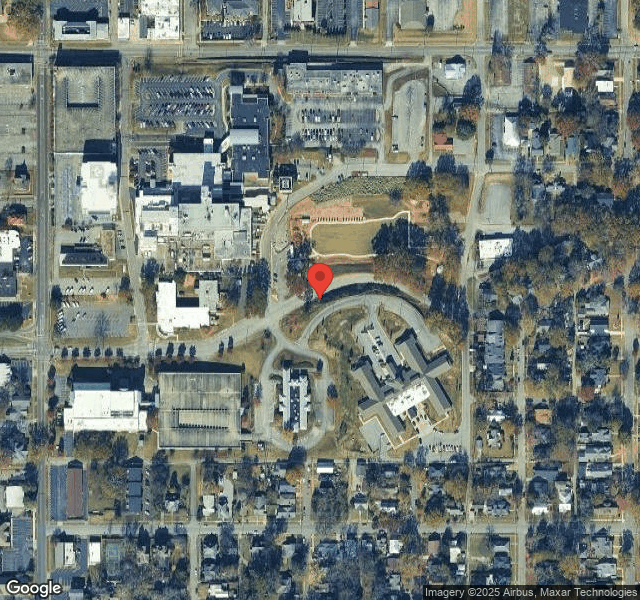

600 E 8TH STREET, ANNISTON, AL 36207 (256) 236-4949
Non profit - Other 85 Beds NOLAND HEALTH Data: November 2025
Trust Grade
70/100
#81 of 223 in AL
Last Inspection: December 2021

Over 2 years since last inspection. Current conditions may differ from available data.

Overview

Anniston Health and Rehab Services has a Trust Grade of B, indicating it is a good choice among nursing homes, though not the very best. It ranks #81 out of 223 facilities in Alabama, placing it in the top half, and #2 out of 5 in Calhoun County, meaning only one local option is better. The facility's trend is stable, with the same number of issues reported in both 2019 and 2021. Staffing is a strength here, with a 4 out of 5-star rating and a turnover rate of 43%, which is lower than the Alabama average. Although the facility has not incurred any fines, there are some concerns, such as failures to ensure proper food sanitization practices and the safe storage of medical equipment, which could potentially affect residents' health.

Trust Score
B
70/100
In Alabama
#81/223
Top 36%
Safety Record
Low Risk
No red flags
Inspections
Holding Steady
2 → 2 violations
Staff Stability
○ Average
43% turnover. Near Alabama's 48% average. Typical for the industry.
Penalties
✓ Good
No fines on record. Clean compliance history, better than most Alabama facilities.
Skilled Nurses
✓ Good
Each resident gets 53 minutes of Registered Nurse (RN) attention daily — more than average for Alabama. RNs are trained to catch health problems early.
Violations
✓ Good
Only 4 deficiencies on record. Cleaner than most facilities. Minor issues only.
★★★☆☆
3.0
Overall Rating
★★★★☆
4.0
Staff Levels
★★☆☆☆
2.0
Care Quality
★★★☆☆
3.0
Inspection Score
Stable
2019: 2 issues
2021: 2 issues

The Good

  • 4-Star Staffing Rating · Above-average nurse staffing levels
  • Full Sprinkler Coverage · Fire safety systems throughout facility
  • No fines on record
  • Staff turnover below average (43%)

    5 points below Alabama average of 48%

Facility shows strength in staffing levels, fire safety.

The Bad

3-Star Overall Rating

Near Alabama average (2.9)

Meets federal standards, typical of most facilities

Staff Turnover: 43%

Near Alabama avg (46%)

Typical for the industry

Chain: NOLAND HEALTH

Part of a multi-facility chain

Ask about local staffing decisions and management

The Ugly 4 deficiencies on record

Dec 2021 2 deficiencies
CONCERN (D)

Potential for Harm - no one hurt, but risky conditions existed

Respiratory Care (Tag F0695)

Could have caused harm · This affected 1 resident

**NOTE- TERMS IN BRACKETS HAVE BEEN EDITED TO PROTECT CONFIDENTIALITY** Based on observation, interview, record review, and review of a facility policy titled Medication Administration of Nose Drop; E...

Read full inspector narrative →
**NOTE- TERMS IN BRACKETS HAVE BEEN EDITED TO PROTECT CONFIDENTIALITY** Based on observation, interview, record review, and review of a facility policy titled Medication Administration of Nose Drop; Ear Drop, Oral and Nasal Inhalation; Nebulizer (Respiratory Treatment) the facility failed to ensure Resident Identifier (RI) #26's nebulizer administration sets were stored in a safe and appropriate manner, covered and labeled, in RI #26's room on 12/1/21 on the evening shift and on 12/2/21 during the day shift, two of three days of the survey. This deficient practice affected one of one sampled for respiratory care. Findings include: Review of a facility policy titled, Medication Administration of Nose Drop; Ear Drop, Oral and Nasal Inhalation; Nebulizer (Respiratory Treatment) with an effective date of 9/2014 revealed: . Oral and Nasal Inhalation PURPOSE: To administer oral and nasal medication in a safe and accurate manner. Nebulizer . PROCESS: . 3. After completion of therapy, stored equipment appropriately . RI #26 was readmitted to the facility on [DATE]. RI #26's December 2021 physician orders documented RI #26 was to receive Albuterol inhalation every six hours as needed. On 12/01/21 at 5:17 PM, the surveyor observed RI #26 lying in bed. The nebulizer was on the window sill with the nebulizer mask uncovered and not labeled, initialed, or dated. On 12/02/21 at 10:40 AM #26's nebulizer mask was observed on the nebulizer, not in use, not covered and not labeled, dated, or initialed . An interview was conducted on 12/02/21 at 10:50 AM with Employee Identifier (EI) #2 Licensed Practical Nurse (LPN). EI #2 was asked, where was RI #26's nebulizer mask. EI #2 replied, it was not in a bag. EI #2 was asked if it was labeled. EI #2 replied, no ma'am. EI #2 was asked, what was the risk of the nebulizer not being in a bag. EI #2 replied, infection control. EI #2 was asked, should the nebulizer mask and tubing be in a bag. EI #2 replied, yes it should. EI #2 was asked, what was the policy on oxygen tubing and nebulizer. EI #2 replied, oxygen and nebulizer should be labeled with a date and initialed and the nebulizer mask should be in a bag. An interview was conducted on 12/02/21 at 2:32 PM with EI #1 Infection Control Preventionist, Director of Nursing. EI #1 was asked, what was the policy on nebulizer mask and tubing. EI #1 replied, storing the equipment properly putting the mask or nebulizer in a zip lock bag. EI #1 was asked, who was responsible for making sure the nebulizer mask and tubing was in a bag when not in use. EI #1 replied, nurses. EI #1 was asked, what was the risk of the nebulizer mask and tubing not being initialed and dated and not in a bag when not in use. EI #1 replied, not knowing when it was changed last, exposed to potential allergens and bacteria. EI #1 was asked, should the nebulizer tubing and mask been in a bag when not in use. EI #1 replied, yes.
CONCERN (F)

Potential for Harm - no one hurt, but risky conditions existed

Food Safety (Tag F0812)

Could have caused harm · This affected most or all residents

Based on observation, interview and review of a facility policy titled Cleaning of Miscellaneous Equipment and Utensils and review of the Food Code 2017, the facility failed to ensure pans were allowe...

Read full inspector narrative →
Based on observation, interview and review of a facility policy titled Cleaning of Miscellaneous Equipment and Utensils and review of the Food Code 2017, the facility failed to ensure pans were allowed to air dry. This was observed during the initial tour of the kitchen on 11/30/21 when wet pans were observed stacked together. The facility further failed to ensure a bucket of water with detergent was not placed next to an open container of sweet tea during lunch preparation on 12/1/21. This had the potential to effect all residents receiving meals from the kitchen. Findings include: A facility policy tilted Cleaning of Miscellaneous Equipment and Utensils with an effective date of 11/2019 documented the following: . Pots and Pans: . Place pots and pans on drain sink to air dry . The Food Code 2017 documented: .Storage 7-201.11 Separation. POISONOUS OR TOXIC MATERIALS shall be stored so they can not contaminate FOOD, . (A) Separating the POISONOUS OR TOXIC MATERIALS by spacing or partitioning . (B) Locating the POISONOUS OR TOXIC MATERIALS in an area that is not above FOOD . On 11/30/21 at 9:45 AM during the initial tour of the kitchen the surveyor observed approximately 11-15 different size pans stacked together on a wire rack with water present between the stacked pans. On 11/30/21 at 9:48 AM an interview was conducted with Employee Identifier (EI) #3, Dietary Manager. EI #3 was asked what the rack was used for. EI #3 stated for drying pans after washing. EI #3 was asked if the pans should be stacked together. EI #3 stated it would be okay if they were dried. EI # was asked if the pans were completely dry. EI #3 stated some of the pans were not completely dry. On 12/01/21 at 11:32 AM the surveyor observed a green bucket labeled detergent with a white rag in water inside the bucket. The detergent bucket was placed within reach of an open tea pitcher. On 12/02/21 at 9:15 AM a follow up interview was completed with EI #3. EI #3 was asked if the pans observed on 11/30/21 stacked together was the proper way to dry pans. EI #3 stated they should be placed separately to dry and should not be stacked together. EI #3 was asked what was the importance of not stacking the pans together to dry. EI #3 stated to make sure they are completely dry and no bacteria was present. EI #3 further stated the potential harm of drying pans stacked together would be the presence of bacteria and not being completely dry. EI #3 was then asked about the observation of an uncovered tea pitcher placed next to a green bucket labeled detergent. EI #3 was asked what was the green bucket. EI #3 stated detergent is put in the green bucket and it was used to clean counters and other surfaces. EI #3 stated the detergent/water was mixed daily and used throughout the day. EI #3 was asked if the green bucket should be placed near items such as an uncovered tea pitcher that could be consumed by residents. EI #3 replied no, you would not want detergent to splash in the tea.
Jun 2019 2 deficiencies
CONCERN (D)

Potential for Harm - no one hurt, but risky conditions existed

Medical Records (Tag F0842)

Could have caused harm · This affected 1 resident

**NOTE- TERMS IN BRACKETS HAVE BEEN EDITED TO PROTECT CONFIDENTIALITY** Based on record review and an interview with facility staff, the facility failed to ensure licensed staff clarified medication o...

Read full inspector narrative →
**NOTE- TERMS IN BRACKETS HAVE BEEN EDITED TO PROTECT CONFIDENTIALITY** Based on record review and an interview with facility staff, the facility failed to ensure licensed staff clarified medication orders before hand-writing orders for Resident Identifier (RI) #31's medication for Diabetes Mellitus and Anxiety. This affected one of five residents for whom the medication regimen was reviewed. Findings Include: RI #31 was admitted to the facility on [DATE] with diagnoses that included Diabetes Mellitus and Anxiety disorder. RI #31's June 2016 Physician's Orders was reviewed and revealed the following: 6/2/19 (1) discontinue Lantus 45 units subcutaneous at bedtime (2) Levemir 45 units subcutaneous at bedtime (10pm) diagnosis diabetes mellitus 6/18/19 (1) discontinue Lantus 45 units sq at bedtime (2) Lantus 43 units sq at bedtime diagnosis diabetes mellitus (5) discontinue Buspar 10 milligrams daily at 4pm RI #31's June 2016 Medication Administration Record (MAR) was reviewed and revealed the following: Levemir 43 units sq qhs 10pm- date started 6/18/19 Buspar 15 milligrams twice a daily for anxiety- date started 6/18/19 The Pharmacy consultant's report for RI #31, dated 6/15/19, was reviewed for Levemir and Lantus recommendations. The Pharmacist had made a recommendation for a decrease in Lantus from 45 units to 43 units. The Pharmacy report also indicated that the Buspar 15 mg 3 times a day had increased in April from 10 mg 3 times a day and made the recommendation to decrease the 15 mg to twice a day (10a and 10p) and 10 mg daily at 4pm. The physician wrote on the report Buspar 15 mg twice a day and Lantus 43 units at bedtime. It was noted in the 6/18/19 orders that Employee Identifier (EI) #1, Registered Nurse Supervisor had wrote the order to discontinue Buspar 10 mg at the 4:00 PM dose, instead of 15 mg which was ordered by the Physician for the 4:00 PM dose. The Order for the Lantus change was accurate on the order, however, was not accurate on the MAR. On 06/26/19 at 11:25 AM, EI #1 was asked what was the reason for which the Levemir and/or Lantus were ordered. EI #1 explained the medication was for Diabetes. When asked what could happen if Lantus and Levemir were not administered as ordered, due to a transcription error, EI #1 stated the resident could have hyperglycemia, or diabetic Ketoacidosis. The surveyor then asked EI #1 to clarify the resident's current medication order for Diabetes. EI #1 stated the ordered medication was Levemir, 43 units at the hour of sleep (HS). When asked the original order date, EI #1 stated the Levemir had been ordered on 06/02/19. The surveyor then questioned EI #1 about the hand-written verbal order, dated 06/02/19 to discontinue the Lantus 45 units at HS, and start Levemir 45 units at HS. The surveyor asked why the Lantus had been changed to Levemir. EI #1 responded, it was because the insurance would not pay for Lantus, but it would pay for Levemir. The surveyor asked if the 06/02/19 order was correct, to which EI #1 replied, yes. The surveyor asked why the hand-written (telephone) order of 06/18/19 documented the discontinuation of Lantus 45 units at HS and the start of Lantus 43 units at HS when the Lantus had been discontinued on 06/02/19. EI #1 explained the pharmacy sheet recommended a reduction in the Lantus. The surveyor asked how a telephone order and a verbal order differed. EI #1 stated for a verbal order the Dr. was standing right in front of you giving you the order, and for a telephone order, the Dr. was on the telephone giving the order. The surveyor then asked if the 06/18/19 order to discontinue the Lantus 45 and start 43 units was correct. EI #1 responded no, it should have been Levemir. EI #1 stated she wrote the order wrong; she should have clarified the order. When asked if the physician had told her to order the Lantus at 43 units, EI #1 explained she thought she just told the Dr. the pharmacy had recommended a reduction of the resident's insulin. EI #1 then said the Dr. told her they could do what the pharmacy recommended. On 06/26/19 at 12:09 PM, EI#1 reveiwed the June 15, 19 pharmacy report with the surveyor. The report contained no recommendation to decrease the dosage of Lantus from 45 to 43 units at HS. The surveyor then asked what had been done with the Buspar recommendation from the pharmacist. EI #1 stated they had decreased the dosage to Buspar 15mg BID (twice a day), from the physician's previous order of Buspar 15mg TID (three times a day). The surveyor asked why had she transcribed/ written the telephone order for the discontinuation of Buspar 10mg daily at 4 pm. EI #1 responded she may have gotten confused when reading the paper. The surveyor asked what should have been the order for the change in the Buspar. EI #1 stated she should have discontinued the Buspar 15mg TID, and started Buspar 15mg BID. When asked why the Buspar was administered, EI #1 responded, it was for anxiety. The surveyor asked what could be done differently to avoid the confusion and to transcribe/ write orders correctly. EI #1 stated she could look at the list of recommendations, along with the current orders. The surveyor asked what was the importance of correctly writing physician orders or transcribing the orders for each resident's medications. EI #1 stated it was to avoid medication errors and possibly harming the resident.
CONCERN (F)

Potential for Harm - no one hurt, but risky conditions existed

Food Safety (Tag F0812)

Could have caused harm · This affected most or all residents

Based on observations, interviews, review of facility policies: Dish Machine Sanitization, and Food Preparation Principles, as well as an Ecolab service report, the facility failed to ensure: 1) the d...

Read full inspector narrative →
Based on observations, interviews, review of facility policies: Dish Machine Sanitization, and Food Preparation Principles, as well as an Ecolab service report, the facility failed to ensure: 1) the dish machine dispensed a sufficient concentration of chlorine for effective sanitization; 2) pureed food was served at a recommended safe temperature on the 06/26/19 lunch tray line; 3) food was reheated to recommended sanitary temperatures prior to service; and 4) milk poured into glasses was stored and served at 41 degrees or less during the 06/26/19 lunch tray line. This affected all 42 residents for whom meals were prepared and served at the time of this survey. Findings Include: 1) DISH MACHINE SANITIZATION The facility policy, Dish Machine Sanitization with an effective date of 07/2014, specifies a process as follows: .4. Dish machine chemical concentration on low temperature machines should be monitored and generally require a minimum of 50 ppm (parts per million) of a hypochlorite solution on dish surface in final rinse. On 06/26/19 at 8:15 AM, the surveyor requested a check of the chlorine concentration as staff processed dishes through the low temperature dish machine. Using a chlorine test strip, the Cook, Employee Identifier (EI) #4, first checked the concentration of rinse water in a glass just processed through the machine. The strip registered less than 50 parts per million (ppm). EI #4 then checked the water in the dish machine reservoir. It too registered less than 50 ppm. Staff did not re-wash the glasses and plates processed. but continued to process breakfast dishes through the machine. At 8:30 AM, the surveyor asked the Dietary Manager, EI #2, to check the chlorine concentration. EI #2 placed a chlorine test strip on the surface of a plate. The strip registered less than 50 ppm. Another test strip was dipped in the reservoir water of the machine after the dish rack had been pulled out. The second strip likewise registered less than 50 ppm. The processed dishes were not re-washed. At this point, the surveyor asked EI #2 and EI #4 how the chlorine concentration was regulated in the dish machine. EI #4 explained the machine dispensed the chlorine solution. When questioned where the chlorine was dispensed, EI #2 showed the surveyor the 10 gallon bucket of Ultra San solution and checked the siphon hose to ensure it was in contact with the solution. At 8:40 AM, EI #2 checked the chlorine concentration of the reservoir immediately after a rack of plates and bases had been washed. Again the test strip registered less than 50 ppm. No dishes were re-washed prior to staff putting them away. The surveyor asked EI #2 what she thought of the chlorine concentration level. EI #2 stated, it looked a little too light. At 11:00 AM, EI #2 informed the surveyor that the Ecolab Representative had been called and determined the dispensing hose might be clogged. A copy of Ecolab's service report was provided, documenting the nozzles were blocked/clogged and had been replaced to improve cleaning. At 11:45 AM, the Ecolab Representative (EI #3) explained to the surveyor, the problem with the chlorine in the dish machine was the system was not siphoning from the 10 gallon bucket. 2) PUREED FOOD TEMPERATURES The facility policy, Food Preparation Principles dated 9/2017, outlines the following: PROCESS: .7. Food should be protected from contamination, while being stored, prepared, served or transported to residents. To prevent growth of pathogenic organisms, i.e. food should be maintained at the following temperatures, at all times: a) Refrigerated: 41 degrees F (Fahrenheit), or below b) Prepared food: 135 degrees F, or above .11. Meats and Eggs .l.Re-heat leftovers (only once) thoroughly to 165 degrees Fahrenheit for fifteen (15) seconds. Prior to the start of the 06/26/19 lunch tray line at 12:04 PM, staff did not check the temperature of the pureed chicken or pureed black-eyed peas. A divided Melmac plate of pureed food was observed on the preparation counter (unheated/unrefrigerated) across from the gas stove. At 12:14 PM, EI #4 prepared a plate of pureed chicken, pureed black-eyed peas and mashed potatoes. The plate of pureed food was covered with a lid and placed on the resident's tray. The surveyor asked the staff to remove the plate of pureed food from the cart and check the temperature. EI #2 determined the pureed chicken was 127 degrees F and the pureed black-eyed peas were 99 degrees F. EI #2 commented, The food is not hot enough. 3) REHEATING OF PUREED FOOD At 12:20 PM, EI #2 placed the plate of pureed food into the microwave oven for one minute, 25 seconds. The chicken was reheated to 152.5 degrees F. The black-eyed peas were reheated to 136.5 degrees F. Neither food item attained the recommended temperature of 165 degrees F before staff replaced the food on the tray and sent it out of the kitchen. At 12:55 PM, the surveyor asked the [NAME] (EI #4) and Dietary Manager (EI #2) at what temperatures should the food be served. EI #4 responded 165 to 200 degrees F. EI #2 stated the lowest temperature should be 135 degrees F. EI #2 then confirmed the re-heated foods had not been heated to an adequate temperature of 165 degrees or greater. 4) MILK STORAGE Throughout the 06/26/19 tray line, several (8 ounce) glasses of milk were stored on the counter at the end of steam table with no means of refrigerant. At 12:47 PM, staff placed a glass of milk (identified by EI #2 as buttermilk) on a resident's tray. The surveyor requested a check of the temperature. EI #2 determined the temperature to be 66 degrees F (15 degrees above recommendations). At 12:52 PM, the surveyor asked EI #2 why the pre-poured glasses of milk were not refrigerated on the tray line. EI #2 explained the milk was usually kept in the reach-in refrigerator. EI #2 affirmed the milk should have been served at a temperature of 41 degrees F or less.
Understanding Severity Codes (click to expand)
Life-Threatening (Immediate Jeopardy)
J - Isolated K - Pattern L - Widespread
Actual Harm
G - Isolated H - Pattern I - Widespread
Potential for Harm
D - Isolated E - Pattern F - Widespread
No Harm (Minor)
A - Isolated B - Pattern C - Widespread

Questions to Ask on Your Visit

  • "Can I speak with families of current residents?"
  • "What's your RN coverage like on weekends and overnight?"

Our Honest Assessment

Strengths
  • • No major safety red flags. No abuse findings, life-threatening violations, or SFF status.
  • • No fines on record. Clean compliance history, better than most Alabama facilities.
  • • Only 4 deficiencies on record. Cleaner than most facilities. Minor issues only.
  • • 43% turnover. Below Alabama's 48% average. Good staff retention means consistent care.
Concerns
  • • No major red flags. Standard due diligence and a personal visit recommended.
Bottom line: Mixed indicators with Trust Score of 70/100. Visit in person and ask pointed questions.

About This Facility

What is Anniston Health And Rehab Services's CMS Rating?

CMS assigns ANNISTON HEALTH AND REHAB SERVICES an overall rating of 3 out of 5 stars, which is considered average nationally. Within Alabama, this rating places the facility higher than 99% of the state's 100 nursing homes. This mid-range rating indicates the facility meets federal standards but may have areas for improvement.
How is Anniston Health And Rehab Services Staffed?

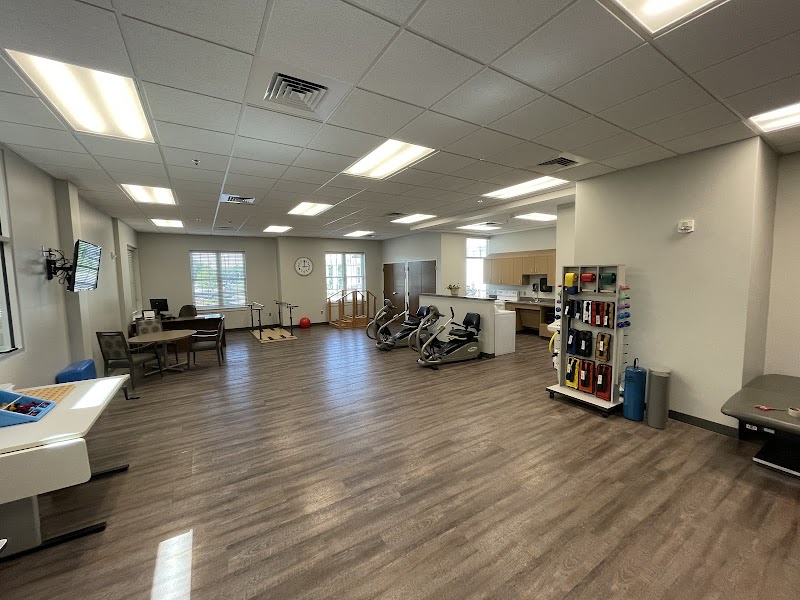
CMS rates ANNISTON HEALTH AND REHAB SERVICES's staffing level at 4 out of 5 stars, which is above average compared to other nursing homes. Staff turnover is 43%, compared to the Alabama average of 46%. This relatively stable workforce can support continuity of care.

What Have Inspectors Found at Anniston Health And Rehab Services?

State health inspectors documented 4 deficiencies at ANNISTON HEALTH AND REHAB SERVICES during 2019 to 2021. These included: 4 with potential for harm.
Who Owns and Operates Anniston Health And Rehab Services?

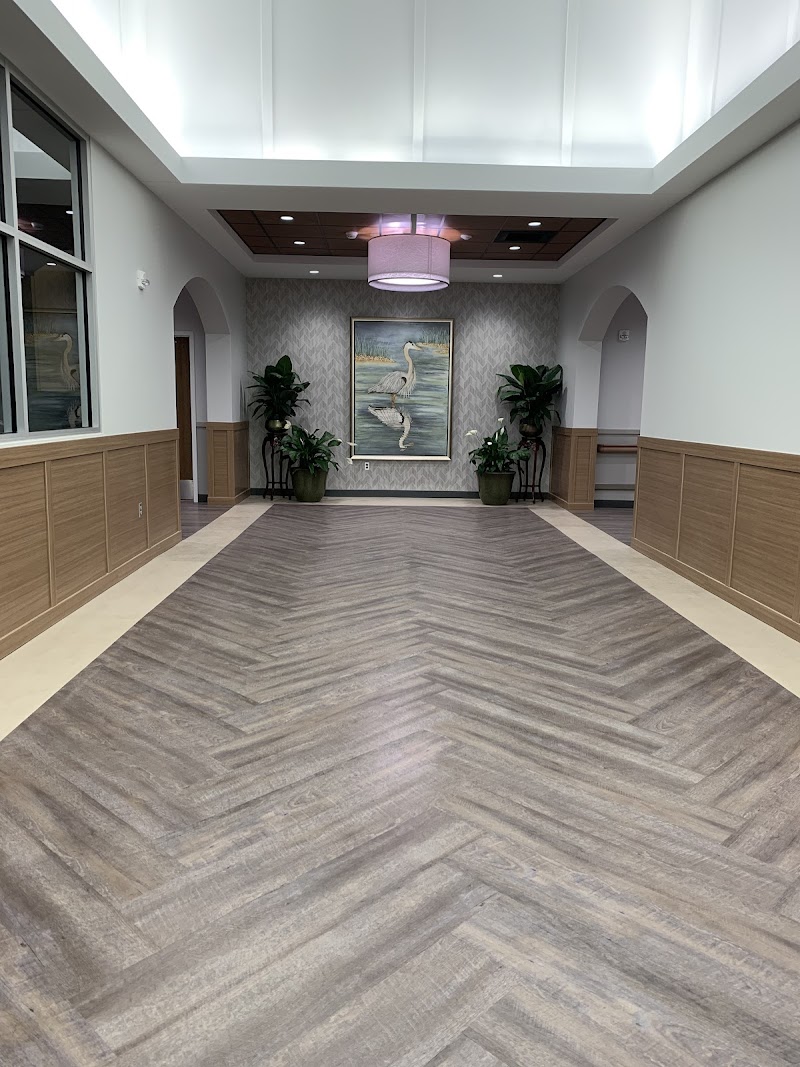
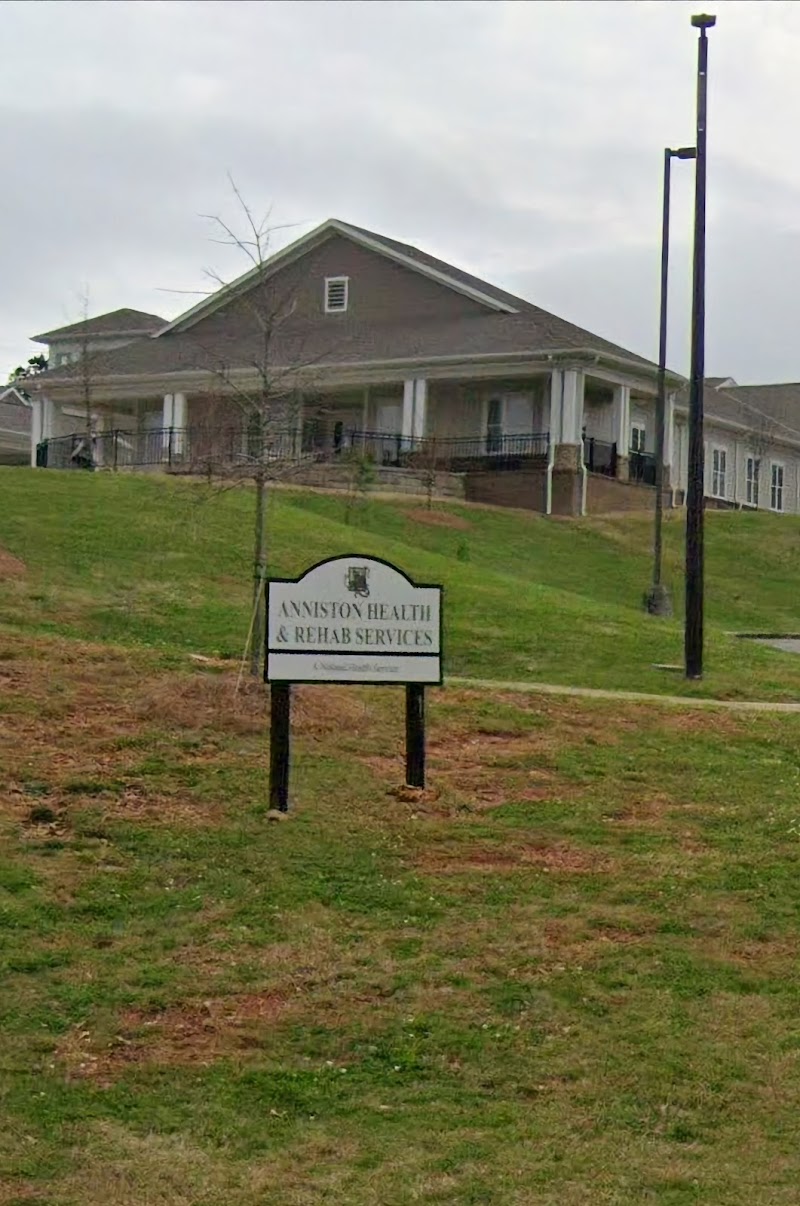
ANNISTON HEALTH AND REHAB SERVICES is owned by a non-profit organization. Non-profit facilities reinvest revenue into operations rather than distributing to shareholders. The facility is operated by NOLAND HEALTH, a chain that manages multiple nursing homes. With 85 certified beds and approximately 75 residents (about 88% occupancy), it is a smaller facility located in ANNISTON, Alabama.
How Does Anniston Health And Rehab Services Compare to Other Alabama Nursing Homes?

Compared to the 100 nursing homes in Alabama, ANNISTON HEALTH AND REHAB SERVICES's overall rating (3 stars) is above the state average of 2.9, staff turnover (43%) is near the state average of 46%, and health inspection rating (3 stars) is at the national benchmark.

What Should Families Ask When Visiting Anniston Health And Rehab Services?

Based on this facility's data, families visiting should ask: "Can I visit during a mealtime to observe dining assistance and food quality?" "How do you handle medical emergencies, and what is your hospital transfer rate?" "Can I speak with family members of current residents about their experience?"

Is Anniston Health And Rehab Services Safe?

Based on CMS inspection data, ANNISTON HEALTH AND REHAB SERVICES has a clean safety record: no substantiated abuse findings (meaning no confirmed cases of resident harm), no Immediate Jeopardy citations (the most serious violation level indicating risk of serious injury or death), and is not on the Special Focus Facility watch list (a federal program monitoring the lowest-performing 1% of nursing homes). The facility has a 3-star overall rating and ranks #1 of 100 nursing homes in Alabama. While no facility is perfect, families should still ask about staff-to-resident ratios and recent inspection results during their visit.

Do Nurses at Anniston Health And Rehab Services Stick Around?

ANNISTON HEALTH AND REHAB SERVICES has a staff turnover rate of 43%, which is about average for Alabama nursing homes (state average: 46%). Moderate turnover is common in nursing homes, but families should still ask about staff tenure and how the facility maintains care continuity when employees leave.

Was Anniston Health And Rehab Services Ever Fined?

ANNISTON HEALTH AND REHAB SERVICES has no federal fines on record. CMS issues fines when nursing homes fail to meet care standards or don't correct problems found during inspections. The absence of fines suggests the facility has either maintained compliance or corrected any issues before penalties were assessed. This is a positive indicator, though families should still review recent inspection reports for the full picture.

Is Anniston Health And Rehab Services on Any Federal Watch List?

ANNISTON HEALTH AND REHAB SERVICES is not on any federal watch list. The most significant is the Special Focus Facility (SFF) program, which identifies the bottom 1% of nursing homes nationally based on persistent, serious quality problems. Not being on this list means the facility has avoided the pattern of deficiencies that triggers enhanced federal oversight. This is a positive indicator, though families should still review the facility's inspection history directly.