ATHENS HEALTH AND REHABILITATION LLC
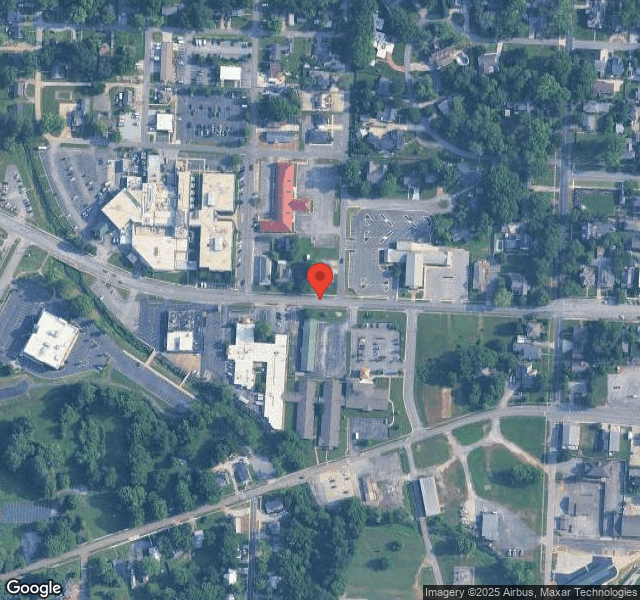
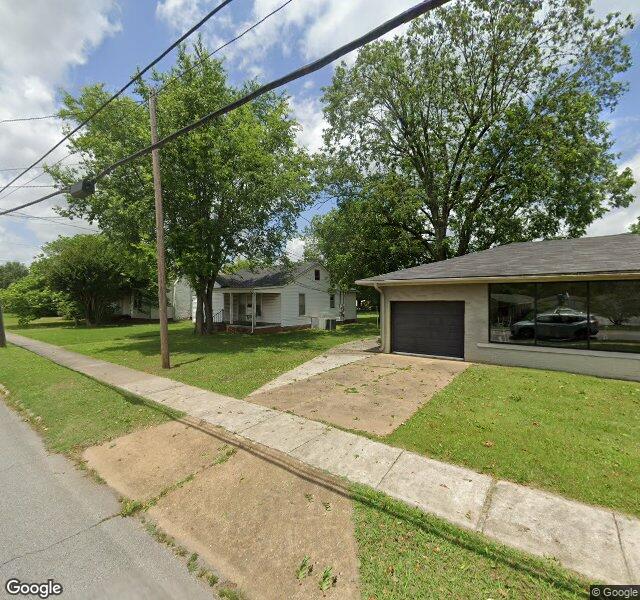
611 WEST MARKET STREET, ATHENS, AL 35611 (256) 232-1620
For profit - Corporation 149 Beds NHS MANAGEMENT Data: November 2025
Trust Grade
90/100
#4 of 223 in AL
Last Inspection: April 2022

Over 2 years since last inspection. Current conditions may differ from available data.

Overview

Athens Health and Rehabilitation LLC has earned a Trust Grade of A, indicating it is an excellent facility that is highly recommended. It ranks #4 out of 223 nursing homes in Alabama, placing it in the top tier of options available. The facility is improving, with no reported issues in 2022, down from four in 2019. Staffing is rated at 4 out of 5 stars, with a turnover rate of 47%, which is slightly below the state average, showing that staff generally stay long-term and are familiar with residents. However, there have been some concerns, such as instances of missing narcotic medications and failures to notify families about changes in residents' medical conditions, which highlight areas for improvement. Despite these issues, the facility has no fines on record and offers average RN coverage, ensuring that many important health checks are conducted.

Trust Score
A
90/100
In Alabama
#4/223
Top 1%
Safety Record
Low Risk
No red flags
Inspections
Getting Better
4 → 0 violations
Staff Stability
⚠ Watch
47% turnover. Above average. Higher turnover means staff may not know residents' routines.
Penalties
✓ Good
No fines on record. Clean compliance history, better than most Alabama facilities.
Skilled Nurses
○ Average
Each resident gets 38 minutes of Registered Nurse (RN) attention daily — about average for Alabama. RNs are the most trained staff who monitor for health changes.
Violations
○ Average
10 deficiencies on record. Average for a facility this size. Mostly minor or procedural issues.
★★★★★
5.0
Overall Rating
★★★★☆
4.0
Staff Levels
★★★★★
5.0
Care Quality
★★★★☆
4.0
Inspection Score
Stable
2019: 4 issues
2022: 0 issues

The Good

  • 4-Star Staffing Rating · Above-average nurse staffing levels
  • 5-Star Quality Measures · Strong clinical quality outcomes
  • Full Sprinkler Coverage · Fire safety systems throughout facility
  • No fines on record

Facility shows strength in staffing levels, quality measures, fire safety.

The Bad

Staff Turnover: 47%

Near Alabama avg (46%)

Higher turnover may affect care consistency

Chain: NHS MANAGEMENT

Part of a multi-facility chain

Ask about local staffing decisions and management

The Ugly 10 deficiencies on record

Aug 2019 4 deficiencies
CONCERN (D)

Potential for Harm - no one hurt, but risky conditions existed

Notification of Changes (Tag F0580)

Could have caused harm · This affected 1 resident

**NOTE- TERMS IN BRACKETS HAVE BEEN EDITED TO PROTECT CONFIDENTIALITY** Based on interview, record review and review of a facility policy titled, Change in Medical Condition of Resident/Guest(s), the ...

Read full inspector narrative →
**NOTE- TERMS IN BRACKETS HAVE BEEN EDITED TO PROTECT CONFIDENTIALITY** Based on interview, record review and review of a facility policy titled, Change in Medical Condition of Resident/Guest(s), the facility failed to ensure Resident Identifier (RI) #272's family/responsible party was notified of a new order written on 4/19/19, for Depakote DR (Delayed Release) 125 MG (milligrams) sprinkle by mouth at hour of sleep. This deficient practice affected RI #272, one of 25 sampled residents. Finding Include: A facility policy title: Change in Medical Condition of Resident/Guest (s), with an effective date of 11/28/2016 revealed the following: .STANDARD: Notification . legal representative, or interested family member, should occur promptly, according to federal regulations, when there is a change in the resident/guest (s) condition, . *A need to alter treatment . to commence a new form of treatment . RI #272 was admitted on [DATE] with diagnoses of pneumonia, Acute cystitis without Hematuria, retention of urine and weakness. A review of RI #272 Physician Orders included an order for Depakote DR 125 milligrams sprinkle, dated 4/19/19 and discontinued on 4/22/19. A second order, dated 4/22/19 and discontinued on 4/30/19, for Depakote DR 125 mg sprinkles was documented. The orders also included an order for Lasix 20 mg tablet times three days, ordered 4/24/19 and stopped 4/26/19. On 8/29/19 5:52 p.m., the surveyor conducted an interview with Employee Identifier (EI) #3, Registered Nurse Unit Manager/Supervisor. The surveyor asked EI #3 was there an order for Depakote. EI #3 stated there was an order and the order did not have to be written on a physician order form as long as it made it to the eMAR (Electronic Medical Assessment Record). The surveyor asked EI #3 how could she verify that an order had been given. EI #3 stated what she had been told by this company was that you do not have to have a written order, you can put verbal orders directly into the computer. The surveyor asked EI #3 when did the physician write the order. EI #3 stated she did not know why the physician did not hand write the order. The surveyor asked EI #3 was this a usual practice. EI #3 stated, not generally. The surveyor asked was the family/responsible party notified of the new order. EI #3 stated it did not look like they were notified. The surveyor asked EI #3 where would the evident be that family was notified if there were evident. EI #3 stated in the nurses notes. The surveyor asked EI #3 was there evident in the nurses notes. EI #3 stated there was no record of it. The surveyor asked EI #3 who would have been responsible for notifying the family. EI #3 stated the nurse that put the order in. The surveyor asked did RI #272 receive Lasix the entire time he/she was at the facility. EI #3 stated yes, it looked like he/she got it because they (nursing) were signing off that he/she got it. The surveyor asked EI #3 was there a new order for additional Lasix 20 MG to be given on 4/24/19 for three days. EI #3 stated yes, give Lasix 20 MG tablet by mouth at noon daily times three days in addition to morning dose. The surveyor asked EI #3 why was there a new order for the additional Lasix 20 MG on 4/24/19 to be given one everyday at noon for three days. EI #3 stated she did not know, she guest the resident had some edema. The surveyor asked EI #3 where would there be evident that the family was notified of that new order. EI #3 stated the LPN (License Practical Nurse) that took the order off should have notified the family. The surveyor asked EI #3 where did she note it in her notes. The surveyor gave EI #3 a copy of the nurse's notes. EI #3 stated it did not look like there was a note. This citation is written as a result of the investigation of complaint/report #AL00036292.
CONCERN (D)

Potential for Harm - no one hurt, but risky conditions existed

Deficiency F0658 (Tag F0658)

Could have caused harm · This affected 1 resident

**NOTE- TERMS IN BRACKETS HAVE BEEN EDITED TO PROTECT CONFIDENTIALITY** Based on interview, record review and review of a facility policy titled Medication Orders, the facility failed to ensure Reside...

Read full inspector narrative →
**NOTE- TERMS IN BRACKETS HAVE BEEN EDITED TO PROTECT CONFIDENTIALITY** Based on interview, record review and review of a facility policy titled Medication Orders, the facility failed to ensure Resident Identifier (RI) # 272 received additional Lasix for three days, as ordered. This deficient practice affected RI #272, one of 25 sampled residents. Finding Include: A facility policy title: Medication Policies Prescriber Medication Orders dated 03/11 revealed the following, Policy Medications are administered only upon the clear, complete, and signed order of a person lawfully authorized to prescribe. Procedures 1. Elements of the Medication Order . (4) Time or frequency of administration. RI #272 was admitted to the facility on [DATE]. A diagnosis included Chronic Diastolic (congestive) Heart Failure. The Physician Orders List included the order for additional Lasix for RI #272, with an order start date of 4/24/19 and a stop date of 4/26/19. The order was to give Lasix 20 MG (milligram) tablet- take one tablet everyday at noon for three days. On 8/29/19 at 5:52 p.m., the surveyor conducted an interview with Employee Identifier #3, Register Nurse (RN) Unit Manager. The surveyor asked EI #3 was RI #272 admitted to the facility on Lasix 20 MG. EI #3 stated yes, they were admitted on Lasix 20 MG daily. The surveyor asked EI #3 when was the RI #272 discharged from the facility. EI #3 stated it looked like he/she was discharged on 4/30/19. The surveyor asked EI #3 did he/she receive the Lasix the entire time he/she was at the facility. EI #3 stated yes they (nursing) were signing off that he/she got the Lasix. The surveyor asked EI #3 was there a new order for additional Lasix 20 MG to be started on 4/24/19 and given for three days. EI #3 stated, give Lasix 20 MG tablet by mouth at noon daily times three days in addition to morning dose. The surveyor asked EI #3 why was there a new order for the additional Lasix 20 MG on 4/24/19 to be given one everyday at noon for three days. EI #3 stated she did not know, she guest he/she had some edema. The survey asked EI #3 to look at the eMAR (electronic Medication Assessment Record) for April 24th through the 26th. The surveyor then asked EI #3 did RI #272 receive Lasix as ordered by the physician. EI #3 stated, he/she received two of the three dosages. The surveyor asked EI #3 how many dosages of Lasix were missed. EI #3 stated, one. The surveyor asked EI #3 were the physician's order followed when he/she did not receive the Lasix 20 MG as ordered. EI #3 stated no. On 8/29/19 at 2:48 p.m., the surveyor conducted an interview with EI #7, RN Charge Nurse. The surveyor asked EI #7 did she remember RI #272. EI #7 stated yes she did remember the resident. The surveyor asked EI #7 what order did the physician give RI #272 for Lasix. EI #7 stated, Lasix 20 MG one table everyday at noon for three days. The surveyor asked EI #7 did she document the order. EI #7 stated it was her hand writing, so it had to be her. The surveyor asked EI #7 how many days was RI #7 given the new order for Lasix. EI #7 stated it was two days, the 25th and the 26th of April. The surveyor asked EI #7 was the doctor's order followed for the order of Lasix. EI #7 stated, not according to record. The surveyor asked EI #7 what was given according the records. EI #7 stated it looked like it was given two days. The surveyor asked EI #7 was that the new order given for Lasix on 4/24/19. EI #7 stated, yes. The surveyor asked EI #7 was that RI #272's only order for Lasix. EI #7 stated the resident had one other order for 8 am. The surveyor asked EI #7 what was that order. EI #7 stated it was for Lasix 20 mg one tablet daily for edema. The surveyor asked EI #7 why was that new order given. EI #7 stated she was going to assume it was for swelling because that was why they give Lasix. The surveyor asked EI #7 had she ever observed any swelling on RI #272. EI #7 stated she remembered the resident having swelling in his/her feet and ankles. The surveyor asked EI #7 what were the results of new order of Lasix. EI #7 stated the swelling went down in his/her feet and ankles. This citation is written as a result of the investigation of complaint/report #AL00036292.
CONCERN (D)

Potential for Harm - no one hurt, but risky conditions existed

Respiratory Care (Tag F0695)

Could have caused harm · This affected 1 resident

**NOTE- TERMS IN BRACKETS HAVE BEEN EDITED TO PROTECT CONFIDENTIALITY** Based on observations, interview, record review and review of a facility policy titled, Oxygen Administration , the facility fai...

Read full inspector narrative →
**NOTE- TERMS IN BRACKETS HAVE BEEN EDITED TO PROTECT CONFIDENTIALITY** Based on observations, interview, record review and review of a facility policy titled, Oxygen Administration , the facility failed to ensure oxygen masks and distilled water bottles were dated. This deficient practice had the potential to effect Resident Identifier (RI) #105, RI #274 and RI #275, three of three residents observed for oxygen therapy. Findings Include: A review of the facility policy titled, Oxygen Administration, effective date 12/08/2005, revealed, . Process: . 11. Cannula's and masks should be changed weekly . 14. O2 cannula/mask should be stored in a plastic bag when not in use. 1) RI #105 was re-admitted to the facility on [DATE]. A diagnosis included End Stage Real Disease. Physician Orders included an order, dated of 7/24/19, for O2 (Oxygen) at 2 L/M (Liter per Minutes) via NC (Nasal Cannula) as needed for SOB (Shortness of Breath). A care plan, dated 8/6/19, included, . Administer oxygen therapy as ordered. On 8/27/19 at 4:02 p.m., the surveyor observed RI #105's NC tubing and distilled water bottle on the oxygen concentrator were not dated. On 8/29/19 at 7:50 a.m., a second observation was made of the NC tubing and the distilled water bottle on the oxygen concentrator not dated 2) RI #274 was admitted to the facility on [DATE]. A diagnosis included General idiopathic epilepsy. A Physician's Orders included Oxygen at 2 L/M via nasal cannula, dated 8/22/19. A care plan included Administer oxygen therapy as ordered , dated 8/23/19. On 8/27/19 at 0:00 a.m., the surveyor observed RI #274's NC tubing and the distilled water bottle on the oxygen concentrator were not dated. On 8/27/19 at 3:27 p.m., during a second observation the surveyor observed that the NC tubing and distilled water on the oxygen concentrator were not dated. On 8/28/19 at 9:06 a.m., during a third observation the surveyor observed that the NC tubing and the distilled water bottle on the oxygen concentrator were not dated. 3) RI #275 was admitted to the facility on [DATE]. A diagnosis included Hypertensive Heart Disease with Heart Failure. A Physician's Order included O2 at 2 L/M prn (give as needed), with an order date of 8/24/19. A care plan included Administer oxygen therapy as ordered, dated 8/25/19. On 8/27/19 at 9:30 a.m., the surveyor observed RI #275's NC tubing was not dated while oxygen was being administered. On 8/28/19 at 9:13 a.m., during a second observation the surveyor observed NC tubing without a date. At this time the surveyor did observe the oxygen mask was dated 8/27/19 but was not in a bag/container. On 8/29/19 at 7:47 a.m., during a third observation the surveyor observed NC tubing without a date. On 8/29/19 at 2:06 p.m., during an interview with Employee Identifier (EI) #2, ADON (Assistance Director of Nursing) the surveyor asked her how often were the nasal cannula's changed. EI #2 said as needed and once per week. The surveyor asked EI #2 when should a date be placed on the NC tubing and the distilled water bottle on the concentrator. EI #2 stated when you change the NC tubing or the distilled water bottle. The surveyor asked EI #2 if there was no date on the NC tubing or distilled water bottle how would you know that they have been changed. EI #2 stated you would not know. The surveyor asked EI #2 what was the policy on dating the NC tubing and the distilled water bottle on the concentrator. EI #2 stated to change it weekly and the bottles are changed as needed if empty.
CONCERN (E)

Potential for Harm - no one hurt, but risky conditions existed

Deficiency F0602 (Tag F0602)

Could have caused harm · This affected multiple residents

**NOTE- TERMS IN BRACKETS HAVE BEEN EDITED TO PROTECT CONFIDENTIALITY** Based on interviews, record reviews and a review of a facility policy titled, Abuse Prevention, the facility failed to ensure re...

Read full inspector narrative →
**NOTE- TERMS IN BRACKETS HAVE BEEN EDITED TO PROTECT CONFIDENTIALITY** Based on interviews, record reviews and a review of a facility policy titled, Abuse Prevention, the facility failed to ensure resident narcotic medications were not missing. This deficient practice affected RI #87, #48, #222, #223 and #224, five of five residents who were investigated for missing narcotic medication. Findings Include: A review of a facility policy titled Abuse Prevention, with an effective date of [DATE] , revealed: The following are definitions of specific types of abuse: . D) Misappropriation of Resident/ . Property means the deliberate misplacement, exploitation, or wrongful, temporary or permanent use of a resident's . belongings or money without the resident's consent . (1) RI #87 was admitted to the facility on [DATE]. A diagnosis included Encounter for other specified aftercare. A review of RI #87's [DATE] Medication Administration Record (MAR) revealed Norco 5-325 MG (milligrams) TABLET 1 or 2 TABLET BY MOUTH EVERY 4 HOURS AS Needed For Pain. [DATE] 6:35 pm, an interview with Employee Identifier (EI) #15, Licensed Practical Nurse(LPN) Charge Nurse was conducted. EI #15 was asked was she familiar with RI #87. EI #15 said yes. EI #15 was asked when she worked on [DATE] did RI #87 complain of pain during her shift. EI #15 said RI #87 sometimes would, he/ she would say his/ her head hurt or he/ she hurt all over. EI #15 was asked when was the last time she had to give RI #87 pain medication. EI #15 said she did not remember, hospice started the medication and she may have given pain medication one time. EI #15 was asked what was the narcotic. EI #15 said it was Norco. EI #15 was asked was RI #87 presently on this drug. EI #15 said no, it was stopped. EI #15 was asked what, if any, did RI #87 take for pain since the Norco had been stopped. EI #15 said if RI#87 needed pain medication, RI #87 will take a Tylenol. EI #15 was asked how did she know RI #87 was missing pain medication. EI #15 said because she fussed about it everyday, because she had to count that many pills every day; hospice sent a lot of narcotics so on that day she did not have many to count, so when she counted with EI #16 at the start of her shift, she noticed one card was gone. EI #15 was asked what did she say to EI#16. EI #15 said she looked and said to EI #16, RI #87 was missing a card of medication. EI #15 said EI #16 attempted to change the subject, so EI #15 said she went to the nurse and asked her did she sign with EI #16 zeroing the card out. EI #15 said she showed another nurse the paper, that nurse said that was not her signature on the form. EI #15 said she then called EI #2, Assistant Director of Nursing (ADON) and she said to keep EI #16 there and to call the Director Of Nursing (DON). EI #15 said told the ADON she could not keep EI #16 there. EI #15 was asked when she worked, had she known of narcotics being missing before this incident. EI #15 said no, she had not. EI #15 was asked what was the procedure for counting narcotics. EI #15 said the oncoming nurse count with the off going nurse, they call out the resident name, narcotic name and the amount of tablets, then the oncoming nurse will say out loud the number of tablets and both nurse's will look at the narc book, both nurse's sign the sheet; they are not supposed to take the keys until the count is correct. EI #15 was asked how did she know the sheet was wrong. EI #15 said the entire sheet and card was gone; EI #16 took a narcotic log sheet and wrote zero on that sheet. (2) RI #222 was admitted to the facility on [DATE]. A diagnosis included Hypertensive heart disease with heart failure. A review of RI #222's [DATE] MAR revealed Norco 10-325 mg tablet 1 tablet by mouth every six hours as needed for pain. On [DATE] at 10:15 am, the surveyor conducted an interview with EI # 9 LPN. EI #9 was asked when working on [DATE], while counting the narcotic for RI # 222, was there any narcotic medication discrepancy. EI #9 said no. EI #9 was asked how was she made aware of the missing narcotic for RI #222. EI #9 said her DON made her aware and she gave a statement. EI #9 was asked what was the procedure for counting narcotics. EI #9 said the same procedure as they had before and after in the case of RI #224. EI #9 was asked did she have any knowledge of the missing medication for RI #224. EI #9 said no she did not. EI #9 was asked was she aware of any staff members taking residents narcotic medication. EI #9 said no. On [DATE] at 1:55 pm, an interview with EI #7 Registered Nurse (RN). EI #7 was asked was she familiar with RI #223 and RI #222. EI #7 said yes. EI #7 was asked what knowledge did she have on missing narcotics cards for these residents. EI #7 said she worked for three or four days and the cart was full of narcotics then she was off for two days and when she came back, she noticed there was not as many cards, but there had been a lot of discharges and the cards may have been sent with the patients, so she did not think anything about the cards being gone because of the discharges. EI #7 said when she counted with the off going nurse she made her aware of the cards being missing on RI#223 and RI #222. EI #7 was asked who was the nurse. EI #7 said another nurse she was not sure of her last name, she was a RN that worked 3rd shift when ever necessary. EI #7 said after counting they both went to the DON. EI #7 was asked what happened next. EI #7 said they told the DON and gave a statement. EI #7 was asked while on her shift had she given RI #223 or RI #222 pain medication. EI #7 said yes. EI #7 was asked how did she count narcotics on her shift. EI #7 said they have to count the amount of cards and bottles, after that they have to count each individual card, bottle, boxes stating the resident's name, medication name and the amount, then they both sign. EI #7 was asked what was the old way. EI #7 said they count the number of tablets in the card or the amount of liquid narcotic, number of patches. EI #7 was asked how did this differ from the old process to the new process. EI #7 said they count each card, not just the tablet, for example they would count maybe, say 15 cards or five bottles. EI #7 was asked where was this documented. EI #7 said on the narcotic flow sheet found in the front of the book,they documented how many cards or bottles in the cart, each nurse sign this each shift, if they add or take away a card two nurses must sign. EI #7 was asked when she signed with EI #16 to zero out a card, what did she do. EI #7 said she signed. EI #7 was asked when she looked at the card were there any pills on the card. EI #7 said no. EI #7 was asked what was the resident name on the zeroed out card. EI #7 said she did not remember. EI #7 was asked had EI #16 asked her to do this before. EI #7 said she did not recall. EI #7 was asked did she have any knowledge of a staff member taking narcotics from the medication cart for personal use. EI #7 said no. EI #7 was asked did she have any knowledge of this incident. EI #7 said no. On [DATE] at 11:39 am, an interview with EI #13 LPN by phone, was conducted. EI #13 was asked was she familiar with RI # 223 and RI # 222. EI #13 said yes. EI #13 was asked what could she tell the surveyor about the missing narcotic medication. EI #13 said she could not tell the surveyor anything about missing medications. EI #13 was asked how did she count narcotics. EI #13 said before this incident one nurse would have the narcotic book and the other nurse would call out the number of pills on the card. EI #13 was asked how did she count narcotics now. EI #13 said the same way, but in addition they counted the number of cards of narcotic and keep a log both nurse's sign. EI #13 was asked did she have any knowledge of staff taking narcotics from the cart, EI #13 said no. On [DATE] at 6:00 pm, an interview with EI #14/LPN was conducted. EI #14 was asked was she familiar with RI #223 and RI #222. EI #14 said yes. EI #14 was asked when she worked with RI #223 and RI #222 did they ask her for pain medications. EI #14 said they normally asked at bed time. EI #14 was asked when they asked for pain medications did she have pain medication in the cart for these residents. EI #14 said yes. EI #14 was asked when was she made aware of medication, particularly narcotics being missing from the cart. EI #14 said when another nurse went to discharge RI #222 she noticed he/she was missing one card; the nurse asked her to co-sign with her. EI #14 was asked what happened next. EI #14 said the nurse called the DON. EI #14 was asked when RI #222 was discharged did he/she have narcotics to take home. EI #14 said yes. EI #14 was asked who may have taken one of RI #222 cards of narcotics. EI #14 said she did not know. EI #14 was asked when working her shift had any one told her about a staff member taking cards of narcotics. EI #14 said no. EI #14 was asked what was the procedure for counting narcotics. EI #14 said they count each card to make sure the number match the sheet, they match the name with the card, now they count all the cards in the cart to make sure they are in the cart; when narcotics come in they log them onto the narcotic sheet; when they take a card out they subtract from the narcotic sheet. EI #14 was asked how many nurse's must sign the narcotic sheet. EI #14 said two. (3) RI #223 was admitted to the facility on [DATE]. A diagnosis included aftercare following joint replacement surgery. A review of RI #223's [DATE] MAR revealed Norco 7. 5mg-325 mg tablets 1 tablet by mouth every 8 hours as needed for pain. On [DATE] at 10:15 am, an interview with EI # 9/LPN was conducted. EI # 9 was asked when working on [DATE], while counting narcotics for RI #223, were there any discrepancy with the narcotic count. EI #9 said no. EI #9 was asked how was she made aware of missing narcotic for RI #223. EI #9 said her DON made her aware and she gave a statement. EI #9 was asked what was the procedure for counting narcotics. EI #9 said the same procedure as before and after in the case of RI #224. EI #9 was asked did she have any information on missing narcotics for RI # 223. EI #9 said no she did not. EI #9 was asked was she aware of any staff members taking any resident's narcotic medications. EI #9 said she no. (4) RI # 48 was admitted to the facility on [DATE]. A diagnosis included Parkinson's Disease. A review of RI #48's [DATE] MAR revealed Norco 5-325 mg tablets 1 tablet by mouth every 6 hours as needed for pain. On [DATE] at 8:25 am, an interview was conducted with EI # 12 LPN. EI #12 was asked what made her aware of RI #48 missing narcotics. EI #12 said because she thought she remembered seeing three cards and she noticed there was only two cards. EI #12 said she could not remember signing in three cards for RI #48 or if another nurse signed them in and she co-signed. EI #12 was asked what did she do next. EI #12 said the next morning she asked the day shift nurse if she removed a card of narcotics on RI #48. EI #2 said the nurse told her she had turned one card in to the DON. EI #12 said she asked the DON where was the paper that they had to sign, who ever takes the paper to the DON, they both have to sign; the nurse and the DON both have to sign when it is for destruction. EI #12 was asked what happened next. EI #12 said the DON started trying to tell her why they had to get the card out, the DON was telling her something about a new script. EI #12 said when she left EI #10 was looking for the paper. EI #12 was asked what happened next. EI #12 said she was still looking for the sheet and she said she would get the DON to sign the sheet. EI #12 said when she got home EI #10 called her and said EI #12 was right, that was not the card that was turned in, the prescription number did not match, the one that they destroyed. EI #12 said she kept saying she did not understand because all three cards came in together, so if one was expired all three would have been expired; EI # 10 kept saying no. EI #12 was asked why would EI #10 say no they had destroyed the drug. EI #12 said she believed EI #10 had it mixed up with some other drug. EI #12 said to EI #10 she and the DON need to find the sheets, but she did call and say that there was one card missing. EI #12 said she came back in the next night and she was told the DON had taken care of it. EI #12 was asked did she have any knowledge of any staff member taking the resident's narcotic. EI #12 said no. EI #12 was asked what was the procedure for counting narcotic. EI #12 said the old way was the oncoming nurse would be in the cart and the off going nurse would have the book calling out the resident name, drug name and how many. EI #12 was asked what was the new process. EI #12 said before they count the pills, the off going nurse will tell the oncoming nurse the total number of cards in the cart and then they will count, the oncoming will be counting in the cart and the offgoing nurse would be in the book calling out the resident name, drug name and number of tablets. EI #12 was asked did she have any other information to offer. EI #12 said no. EI #12 was asked who did she count off with on [DATE]. EI #12 said she thought it was EI #11. (5) RI #224 was admitted to the facility on [DATE]. A diagnosis included malignant neoplasm of pancreatic duct. A review of RI # 224 [DATE] MAR revealed Norco 7.5-325 mg tablets 1 tablet by mouth every 6 hours as needed for pain. On [DATE] at 9:45 am, an interview with EI # 9/ LPN was conducted. EI #9 was asked where was she working on [DATE] from 7-11 am. EI #9 said 1st East Hall. EI #9 was asked when she worked with RI #224 did she administer pain medications. EI #9 said no she did not. EI #9 was asked when she worked with RI #224 did she/ he complain of pain. EI #9 no. EI #9 was asked when her shift ended who did you count with. EI #9 said she counted with EI #3, she was the unit manager and was working that weekend she counted with her. EI #9 was asked what was the procedure for counting narcotics. EI #9 said the procedure then was she would stand at the book, oncoming nurse would stand at the narcotic drawer, she would call out the resident name, medication and number of tablets, the oncoming would verify what was on the card to what EI #9 called out and the oncoming would look at the book also to verify what EI #9 had called out. EI #9 was asked when she counted off on [DATE] were there any discrepancy with the medication narcotic count on this date. EI #9 said no. EI #9 was asked what was the new procedure for counting narcotics at the end of her shift. EI #9 said at the beginning and end of every shift they have a form that the oncoming and offgoing nurse will sign and it has to list how many cards are in the narcotic drawer, this included liquid bottle narcotic, narcotic patches, everything was accounted, for example if there was 23 narcotic in the drawer both nurse's sign and write 23, if a card was empty, there was a place to write the resident name, prescription number, name of the medication and both nurse's sign; there was a ledger that will say R-removed, D-destruction, the same procedure was used for receiving a medication to the cart, list resident name, medication name and prescription number. EI #9 was asked how was she made aware of the missing medications for RI #224. EI #9 said her DON called her in to give a statement. EI #9 was asked did she have any knowledge of the missing medications for RI #224. EI #9 said no she did not. On [DATE] at 12:09 pm, an interview was conducted with EI # 10/LPN Charge Nurse, by phone. EI #10 was asked when working with RI #224 did she administer pain medications. EI #10 said no. EI #10 was asked did RI #224 ask for pain medications during the day time. EI #10 said RI #224 took it at night to help rest. EI #10 said she thought she gave it a few times, here or there. EI #10 was asked when she worked with RI #224 did the resident complain of pain. EI #10 said the resident would sometimes and she offered the resident medication but RI #224 would decline, saying it would make him/ her drowsy, so he/ she would wait until night, due to therapy during the day. EI #10 was asked when her shift ended did she count with the oncoming nurse. EI #10 said yes, she counted at every shift change. EI #10 was asked what was the procedure for counting narcotics. EI #10 said there had to be two nurse's, oncoming and offgoing, the patient's name, medication name and number of pills. EI #10 was asked were the two nurse's required to sign. EI #10 said yes, the narcotic record sheet, both nurse's would sign that the count are correct and accounted for. EI #10 was asked when she counted at the end of her shift had she found any discrepancies with the narcotic count. EI #10 said no and if she had she would called the DON. EI #10 was asked was she aware of any missing medications. EI #10 said she was aware of RI #224 having missing medications and this had been reported. EI #10 was asked did she have any other knowledge of missing medication. EI #10 said she know medications were missing, it was reported, investigated and that nurse was reported to the Board of Nursing and the police was involved. EI #10 was asked was she aware of any nurse taking medications. EI #10 said she was not aware of this until the incident had occurred and being reported, she never suspected any nurse's of taking medications. On [DATE] at 4:54 pm, interview with EI #11/RN Charge Nurse. EI #11 was asked was she familiar with RI #48, RI #223 and RI # 224. EI #11 said she was familiar with RI #48. EI #11 was asked what could she tell the surveyor about missing narcotics on RI #48. EI #11 said she could not recall what happened but could remember RI #224. EI #11 was asked what happened with RI #224. EI #11 said it was a Sunday, she was not sure this was the day, she came to work, and EI #16 was working there; and EI #16 went to count, EI #11 counted all the narcotic and took the keys, it was in the evening. EI #11 said the resident asked for pain pills,so she went to the cart, opened the narcotic box and she figured out there was one more card that should have had some pills on it but it was not there, so she had to use a new card, she did not remember if some was used from the new card, she did remember, she had to use from a new card. EI #11 said the day shift nurse usually would remove the card and take it to the office, if the card was expired, but she was still thinking the card was not empty. She said she talked to EI #10 the next day and EI #10 agreed there should have been some left, on the same day EI #16 was working on the other hall, so EI #10 and herself called over to talk EI #16. EI #11 was asked what happened next. EI #11 said she and EI #10 asked EI #16 about RI #224 saying there was two cards. EI #11 was asked what did EI #16 say. EI #11 said, EI #16 said she emptied one card. EI #11 was asked what did she or EI #10 say. EI #11 said they asked her where was the sheet with two nurse's signing. EI #11 was asked what did EI #16 say. EI #11 said EI #16 said she put it on the top of the door rack to the med room, then she said she may have laid it on the desk. EI #11 was asked what did she say. EI #11 said they said okay, they searched and could not find it. EI #11 was asked what did she do next. EI #11 said EI #10 reported to the DON. EI #10 said she did not remove the card, she was sure then it was another card of medication. EI #11 was asked what was the procedure for counting narcotics during shift change. EI #11 said two nurse's have to count with the resident name, dosage, milligrams, drug name quantity and they both sign. EI #11 was asked what was the new procedure. EI #11 said they count the number of cards each resident have, when they remove the card two nurses write the resident name, drug name and both nurses sign it; when they receive the card both nurses will sign so every one will know what came in or went out. EI #11 was asked did she know of any staff member that have taken the resident medications particularly the narcotic. EI #11 said no except for this incident. EI #11 was asked what made her suspect EI #16 as being the person to remove the narcotic from the cart. EI #11 said because every hall EI #16 had worked something had been missing and EI #16 was changing her story. EI #11 said they never had this problem on their hall since she started working there. EI #11 was asked when did she think or hear of issues with narcotics being missing on other halls. EI #11 said it was when they looked at their cart, EI #10 and herself, then they started talking among themselves and they made night shift aware and they also said they noted issues on other halls. EI #11 was asked who on the night shift said they noticed missing medications. EI #11 said she did not remember, they did not have these types of issues on their hall since she started working there, until this happened. On [DATE] at 5:50 pm, an interview with EI #3/RN Unit Manager/Rehab was conducted. EI #3 was asked was she familiar with RI #224. EI #3 said she could not remember. EI #3 was asked was she familiar with RI #48. EI #3 said she was. EI #3 was asked what could she tell the surveyor about these resident missing narcotics. EI #3 said she just remembered seeing a card with 11 or 12 tablets on RI #224, from the backup pharmacy. EI #3 was asked what made her remember 11 or 12 tablets on RI #224. EI #3 said because the tablets were from back-up pharmacy. EI #3 was asked who did she count with on [DATE]. EI #3 said she would have counted off with EI #11. EI #3 was asked how many cards of narcotic did RI #224 have. EI #3 said she didn't recall .EI #3 was asked what was the procedure for counting narcotics at the end of the shift. EI #3 said the oncoming and off going nurse's would count the cards, bottles and they write down the total number and sign, then the oncoming nurse count the actual narcotic as the off going nurse called out the resident name, drug name, number of tabs and they must match, then both nurse's signed the control log sheet. EI #3 was asked where were these sheets kept. EI# 3 said in the front of the narcotic book. EI #3 was asked did she have any knowledge of the staff taking the resident's narcotics. EI #3 said she did not have any knowledge personally. The Alabama Department of Public Health Online Incident Reporting System received facility reports regarding the misappropriation of resident property on [DATE], [DATE] and [DATE]. As a result of these facility reports an onsite visit was conducted, in conjunction with the recertification survey. This deficiency is cited as a result of the investigations of complaint/report #AL00036378, #AL00036303 and #AL00036296.
Jul 2018 6 deficiencies
CONCERN (D)

Potential for Harm - no one hurt, but risky conditions existed

Comprehensive Care Plan (Tag F0656)

Could have caused harm · This affected 1 resident

**NOTE- TERMS IN BRACKETS HAVE BEEN EDITED TO PROTECT CONFIDENTIALITY** Based on observation, interviews, record review and a review of the facility's policy and procedure titled, Person Centered Care...

Read full inspector narrative →
**NOTE- TERMS IN BRACKETS HAVE BEEN EDITED TO PROTECT CONFIDENTIALITY** Based on observation, interviews, record review and a review of the facility's policy and procedure titled, Person Centered Care Plans, the facility failed to ensure staff developed a comprehensive care plan for a regular diet with nectar thickened liquids. This deficient practice affected RI (Resident Identifier) #24, 1 of 29 sampled residents. Findings Include: Review of the facility's policy titled Person Centered Care Plans dated November 2016 states, PURPOSE: Person centered care plans of care are developed by the interdisciplinary team, to coordinate and communicate care approaches approaches and goals of the resident,,,. RI #24 was readmitted to the facility on [DATE] with a diagnosis Hemiplegia following a Cerebral Infarct Affecting the Right Dominant Side and Dysphagia. Review of Physician's orders signed by a licensed nurse on 7/10/18 and the physician on 7/13/18 includes a physician's order dated 7/10/18 for a regular diet with nectar thickened liquids. On 7/18/18 at 8:00 AM an observation of RI 24's tray was made with EI # 4, Certified Nursing Assistant (CNA) present. EI #4 stated the resident was on nectar thickened liquids but did not know why. On 7/18/18 at 8:42 AM, RI #24's chart was reviewed with EI #2, Registered Nurse (RN) Supervisor of East I. The surveyor asked EI #2 what diet RI #24 was currently receiving according to physician's orders. EI #2 stated that from the 7/10/18 orders and readmission, the resident is on a regular diet with nectar thickened liquids. On 7/18/18 at 9:08 AM, an interview was conducted with EI #3, the Certified Dietary Manager (CDM). The surveyor asked what diet was the resident on when he was readmitted on [DATE]. EI #3 reviewed a dietary Communication Form dated 7/17/18 and said that she got a communication form from EI #2, the RN Unit Manager, putting RI #24 on a regular diet with nectar thick liquids. 07/19/18 09:38 AM an interview was conducted with EI #13, the MDS/Minimum Data Set Coordinator, The surveyor asked who is responsible for the care plan for diet changes. EI #13 stated, it is the unit manager or the person taking that order off. The surveyor asked where the care plan was for RI #24's diet for thickened liquids after readmission on [DATE]. EI #13 said there is no care plan. The surveyor asked what was the purpose of a care plan. EI #13 stated it was to inform the resident, family and staff of the plan of care for that resident. EI #2, the RN Unit Manager was asked on 7/19/18 at 9:51 AM during an interview, what care plan was put in place on RI #24's admission on [DATE] regarding nectar (thickened) liquids. EI #2 stated, there should have been a care plan for a regular diet with nectar thickened liquids. Care plans were reviewed with EI #2 at this time and there was no diet care plan. The surveyor asked EI #2, after she sent a dietary communication form dated 7/17/18, what care plan did she put in place. EI #2 said she did not put a care plan in place. The surveyor asked EI #2 if she should have put a diet care plan in place. EI 2# stated, she should have. The surveyor asked what the purpose of a care plan is when there is a change in the residents care per physician's orders. EI #2 stated, So that every one knows the plan of care for that patient to ensure that the resident is receiving what the doctor has ordered. The surveyor asked was that done for RI #24. EI #2 stated, No.
CONCERN (D)

Potential for Harm - no one hurt, but risky conditions existed

Deficiency F0658 (Tag F0658)

Could have caused harm · This affected 1 resident

**NOTE- TERMS IN BRACKETS HAVE BEEN EDITED TO PROTECT CONFIDENTIALITY** Based on observations, staff interviews, medical record reviews, review of [NAME] and Perry's Fundamentals of Nursing, Ninth Edi...

Read full inspector narrative →
**NOTE- TERMS IN BRACKETS HAVE BEEN EDITED TO PROTECT CONFIDENTIALITY** Based on observations, staff interviews, medical record reviews, review of [NAME] and Perry's Fundamentals of Nursing, Ninth Edition and a facility policy titled Medication Administration Guidelines, the facility failed to ensure licensed nursing staff, Employee Identifier (EI) #14, followed Resident Identifier (RI) #25's Physician Orders dated July 2018, for REFRESH LIQUIGEL 1% EYE DROPS INSTILL TWO DROPS IN BOTH EYES THREE TIMES A DAY FOR DRY EYES. This deficient practice affected RI #25, one resident observed receiving eye drops. Finding Include: 1. A review of [NAME] and Perry's Fundamentals of Nursing, ninth edition, with a copyright date of 2017, Chapter 23, Legal Implications in Nursing Practice, page 311, documented: . Health Care Providers' Orders . Nurses follow health care providers' orders unless they believe that the orders are in error . RI #25 was admitted to the facility on [DATE], with diagnoses including Heart Failure, and Osteoarthritis. Review of the medical record for RI #25 revealed the following Physician Orders for the month of July 2018, which included: . REFRESH LIQUIGEL 1% EYE DROPS INSTILL TWO DROPS IN BOTH EYES THREE TIMES A DAY FOR DRY EYES, ARTIFICIAL TEARS --- (HOUSE STOCK) GIVE 1 DROP OU (BOTH EYES) AT BEDTIME NIGHTLY . On 7/18/18 at 9:00 a.m., during the Medication Administration Observation, the surveyor observed EI #14, the medication nurse administer Artificial Tears, two drops in each eye of RI #25. The medications were reconciled by the surveyor via (by way of) RI #25's Physician Orders for the month of July 2018. The physicians's orders revealed EI #25 had not followed the physician orders and had administered Artificial Tears to RI #25. The eye drops which were ordered and scheduled for this time (9:00 a.m.) were REFRESH LIQUIGEL 1% EYE DROPS. On 07/18/18 10:56 AM, the surveyor conducted an interview with EI #14. The surveyor asked EI #14 if she administered RI #25 Artificial Tears 2 drops (gtts) in ou (both eyes), or Refresh Liquigel 1% eye gtts. EI #14 said she did not give RI #25 the Refresh eye drops. EI #14 said she has never given RI #25 gel eye drops(Refresh Liquigel 1% eye gtts). EI #14 said she always gave RI #25 Artificial tears. The surveyor asked EI #14, according to RI #25's Physician orders, what eye drops should RI #25 receive? EI #14 said, the Refresh Liquigel 1% three times a day.
CONCERN (D)

Potential for Harm - no one hurt, but risky conditions existed

Deficiency F0661 (Tag F0661)

Could have caused harm · This affected 1 resident

**NOTE- TERMS IN BRACKETS HAVE BEEN EDITED TO PROTECT CONFIDENTIALITY** Based on record review, interview and a review of the facility's policy titled, Discharge Summary and Plan of Care, the facility...

Read full inspector narrative →
**NOTE- TERMS IN BRACKETS HAVE BEEN EDITED TO PROTECT CONFIDENTIALITY** Based on record review, interview and a review of the facility's policy titled, Discharge Summary and Plan of Care, the facility failed to ensure licensed staff completed a discharge summary for RI (Resident Identifier) #113's discharge from the facility. This was evident during the review of 1 of 4 discharges. Findings Include: The facility's policy titled Discharge Summary and Plan of Care dated 11/28/16 states: Purpose: Appropriate discharge planning and communication of necessary information to the continuing care provider, after discharge of a resident/guest from the facility, help the new care provider understand the resident/guests goals and needs. The process in this policy includes what the dscharge smmary should include which is: *A recapitulation of the residentguest's stay *A final summary of the resident/guest's status at the time of discharge *A post discharge plan of care developed with the resident/guest and his/her family which will assist the resident/guest to adjust to his/her new living environment . Medical review review conducted for RI # 113 revealed this resident was admitted to the facility on [DATE] and was discharged from the facility on 5/24/18. An interview was conducted with Employee Identifier (EI) #6, LPN/Licensed Practical Nurse, Charge nurse on 07/19/18 12:15 PM. The surveyor asked where the discharge summary was for RI #113. EI #6, stated, there was no d/c summary for RI #113. The policy and procedure regarding discharge summaries was referenced with EI #6, and asked if the resident should have a discharge summary. EI #6 stated, Yes. When EI #6 was asked if the discharge summary policy and procedure was followed, EI #6 stated, No.
CONCERN (D)

Potential for Harm - no one hurt, but risky conditions existed

Deficiency F0687 (Tag F0687)

Could have caused harm · This affected 1 resident

**NOTE- TERMS IN BRACKETS HAVE BEEN EDITED TO PROTECT CONFIDENTIALITY** 2. RI #31 was admitted to the facility on [DATE] with diagnoses including anoxic brain damage and epilepsy. Review of physician...

Read full inspector narrative →
**NOTE- TERMS IN BRACKETS HAVE BEEN EDITED TO PROTECT CONFIDENTIALITY** 2. RI #31 was admitted to the facility on [DATE] with diagnoses including anoxic brain damage and epilepsy. Review of physician's orders for RI #31 for the month of July 2018 revealed an order dated 6/22/16 which states: Continue Podiatrist care secondary to thick mycotic toenails and pain. On 7/18/18 at 11:21 AM, an observation of the toenails were made by the surveyor along with EI #10, RN, Unit Manager. This observation revealed that on the right foot, the right great toe and 4th toe needed cutting along with the 3rd, 4th and 5th toes on the left foot needing cutting. EI #10 stated at the time of the observation that the toes needed clipping and described the toenails as curled onto themselves and usually a Podiatrist cuts the toenails. EI #10 was asked what the potential for harm was. EI #10 stated that RI #31 could scratch him/herself, could get infected, or have ingrown toe nails. When EI #10 was asked if RI #31 should be on the Podiatrist list, she responded by saying, yes he should be. When asked how often the Podiatrist comes, RI #10 stated she though every 3 months. Review of the medical record revealed RI #31 had seen the Podiatrist on 11/1/17 and on 2/22/18. Based on observation, interviews and record review, the facility failed to ensure the nails of Resident Identifiers (RI) #3 and #31 were maintained in a trimmed condition. This affected two of five sampled residents for whom an observation of the feet and toes was made. Findings included: The facility policy titled, Nail Care dated October 1, 2010, cites the purpose as: Routine nail care helps reduce the potential for infection, prevents intrusion of the nail into the skin, prevents possible injuries and promotes a feeling of well being for the resident. The standard specifies: Nail care is a routine part of grooming each day. Foot care should be provided as a part of a tub or shower bath. The policy further recommends .a Podiatrist provides foot care for residents with Diabetes or Peripheral Vascular Disease . 1) RI #3 has resided in the facility since 11/06/17, with diagnoses including Type 2 Diabetes Mellitus with Diabetic Neuropathy, and Peripheral Vascular Disease. The Significant Change Minimum Data Set (MDS) assessment with an Assessment Reference Date (ARD) of 07/12/18, identified RI #3 as cognitively intact. The care plan related to Activities of Daily Living for RI #3, (dated 11/07/17) included, Nail care as needed. During an interview on 07/17/18 at 8:44 AM, the surveyor questioned RI #3 about the care of his/her feet. In response, RI #3 removed his/her shoes. The toenails on RI #3's left foot were long, particularly the great toe, which extended approximately 1/2 beyond the end of the toe. When questioned further, RI #3 explained he/she had been on the list to see the facility podiatrist for nearly a year, and had made numerous requests for podiatry assistance. On 07/18/18 at 5:05 PM, the facility Administrator, Employee Identifier (EI) #1 accompanied the Surveyor to RI #3's room, and viewed his/her feet. When asked, EI #1 stated it was the nurses' responsibility to ensure each resident's toe nails were trimmed. EI #1 then affirmed the nails on the resident's left foot (particularly the great toe) were in need of a trim. EI #1 described the left great toe nail as long, thick and curled. When asked if she knew when RI #31's toenails were last trimmed and by whom, EI #1 did not know. The resident stated he/she had someone cut the toenails about three months earlier, When asked if she knew why RI #3's toenails had not been trimmed before now, EI #1 did not know--and in particular, the great toenail. In response to a question of potential harm in failing to keep RI #3's nails in a trimmed condition, EI #1 said the toenail could break and cause discomfort. The resident (RI #3) added, the toenail could curl around and cause pain.
CONCERN (D)

Potential for Harm - no one hurt, but risky conditions existed

Pharmacy Services (Tag F0755)

Could have caused harm · This affected 1 resident

Based on observations of medication storage on 3 of 5 units, and review of the facility's policy titled Medication Storage, Storage of Medications and Biologicals, the facility failed to ensure that m...

Read full inspector narrative →
Based on observations of medication storage on 3 of 5 units, and review of the facility's policy titled Medication Storage, Storage of Medications and Biologicals, the facility failed to ensure that medications that were expired were not available for use. Expired medications were located on one of the three units observed. Findings include: Review of a facility policy titled Medication Storage, Storage of Medications and Biologicals, Policy 3.1, 03/11 states: Policy Medications and biologicals are stored safely, securely, and properly, following manufacturer's recommendations or those of the supplier . Procedures 11. Outdated, contaminated or deterioriated medications and those in containers that are cracked, soiled, or without secure clusures are removed from stock, disposed of according to procedures for medications disposal . During an observation on 7/18/18 at 2:39 PM, with EI #9, a Licensed Practical Nurse (LPN), of the rehab. medication storage room, two vials of flu vaccine were observed. These two vials had expiration dates of 6/22/18. During an interview with EI #9, on 7/18/18 at 2:43 PM, she was asked who is responsible for removing expired medications. EI #9 said, any of the nurses (could remove expired medications). When asked if there is a potential for harm for administering expired medications, EI #9 responded by saying, they could have a reaction. When asked if expired medications should be in the refrigerator, EI #9 said, no.
CONCERN (D)

Potential for Harm - no one hurt, but risky conditions existed

Infection Control (Tag F0880)

Could have caused harm · This affected 1 resident

Based on observations, interviews, and a review of the facility policies titled Hand Hygiene, Blood Glucose/PT/INR Machine Cleaning Guidelines, and Using Gloves, this facility failed to ensure that in...

Read full inspector narrative →
Based on observations, interviews, and a review of the facility policies titled Hand Hygiene, Blood Glucose/PT/INR Machine Cleaning Guidelines, and Using Gloves, this facility failed to ensure that infection control practices were utilized to prevent the spread of infection. This deficient practice had the potential to affect 3 of 3 residents, RI #'s 57, 49 and 313. Findings include: A review of the facility's policy Infection Prevention & Control Manual, Policy Title: Hand Hygiene, effective date September 1, 2017, Purpose: To provide guidelines to employees for proper and appropriate hand washing techniques that will aide in the prevention of the transmission of infections. Standard: Hand washing should be performed between procedures with resident/guest(s) based upon the principle that all blood, body fluids, secretions, excretions (except sweat), non-intact skin, and mucus membranes may contain transmissible infectious agents. III. Hand Hygiene Hand hygiene continues to be the primary means of preventing the transmission of infections. The following is a list of some situations that require hand hygiene. * .before and after direct residnet/guest contact . Before and after perfoerming any invasive procedure (e.g. fingerstick blood sampling). A facility policy titled, Using Gloves dated December 1, 2009 revealed, Standard: Gloves should be worn when . possibly infectious materials are anticipated. A facility document titled Blood Blucose/PT/INR Machine Cleaning Guidelines with a revision date of 11/5/11 included the following: 3. [NAME] first pair of gloves, do procedure, place glucometer on contaminated towel/surface. 4. Wash hands and put on a second pair of gloves. 5. Clean glucometer with disinfectant wipe, place on clean surface . EI (Employee Idenntifier) #7 Licensed Practical Nurse (LPN), was observed during the medication pass observation on 7/17/18 at 3:39 PM. 1. At 3:45 PM, EI #7 performed a finger stick blood sugar (FSBS) on RI #57. After obtaining the FSBS, EI #7 was observed to remove her gloves, and not perform hand hygiene. EI #7 cleaned the glucometer with her bare hands and placed the glucometer bck on the same barrier (unclean surface). Hand hygiene was not performed until after the staff cleaned the glucometer. 2. At 3:56 PM, EI #7 obtained a FSBS on RI #49. EI #7 was then observed to reach down into a magazine basket with her gloved hand. After EI #7 removed her gloves and cleaned the glucometer before performing hand hygiene. 3. On 7/17/18 at 4:05 PM, hand hygiene was not done before putting on gloves and performing a FSBS on RI #313. At 4:10 PM, EI # 7 cleaned the glucometer but did not do hand hygiene till after she cleaned machine. EI #7 gave RI #313 insulin but did not wear gloves while doing so. Again at 5:02 PM, EI #7 gave RI #313 insulin and did not wear gloves. Lantus 10 units in the right upper abdomen, no gloves were worn. On 7/18/18 at 4:29 PM, an interview was conducted with EI #7, LPN. EI #7 was asked when she should wash her hands during med pass? EI #7 replied, before and after each med pass and each resident. EI # 7 was asked, what is the potential for harm of not performing hand hygiene? EI #7 replied infection, bacteria, and spreading germs. On 7/18/18 at 4:29 PM, EI #7 was asked what she should have done before cleaning the glucometer? EI # 7 replied, put on gloves EI #7 was asked, what should you do before putting soiled glove in a resident's magazine rack? EI #7 replied, I don't know, took that glove off and put another glove on. When asked what should be worn before you give an injection? EI #7 replied, Gloves. When asked what is the potential for harm? EI # 7 replied,spreading germs. On 7/18/18 at 4:07 PM, an interview was conducted with EI #5, the Director of Nursing (DON). EI #5 was asked, during med pass, when should the nurse wash their hands? EI#5 replied, when they enter the room, before they prepare medications, and if they touch anything they need to (wash their hands) before they go back to the med cart. EI #5 was asked what should be done before putting a soiled gloved hand in resident's magazine rack? EI #5 replied, Remove glove before touching anything in the environment. EI #5 was asked, what should be worn before you give an injection? EI #5 replied, Need to have gloves on. EI #5 was asked, what is the potential harm? EI #5 replied, infection to the residents.
Understanding Severity Codes (click to expand)
Life-Threatening (Immediate Jeopardy)
J - Isolated K - Pattern L - Widespread
Actual Harm
G - Isolated H - Pattern I - Widespread
Potential for Harm
D - Isolated E - Pattern F - Widespread
No Harm (Minor)
A - Isolated B - Pattern C - Widespread

Questions to Ask on Your Visit

  • "Can I speak with families of current residents?"
  • "What's your RN coverage like on weekends and overnight?"

Our Honest Assessment

Strengths
  • • Grade A (90/100). Above average facility, better than most options in Alabama.
  • • No major safety red flags. No abuse findings, life-threatening violations, or SFF status.
  • • No fines on record. Clean compliance history, better than most Alabama facilities.
Concerns
  • • No significant concerns identified. This facility shows no red flags across CMS ratings, staff turnover, or federal penalties.
Bottom line: Generally positive indicators. Standard due diligence and a personal visit recommended.

About This Facility

What is Athens Llc's CMS Rating?

CMS assigns ATHENS HEALTH AND REHABILITATION LLC an overall rating of 5 out of 5 stars, which is considered much above average nationally. Within Alabama, this rating places the facility higher than 99% of the state's 100 nursing homes. This rating reflects solid performance across the metrics CMS uses to evaluate nursing home quality.

How is Athens Llc Staffed?

CMS rates ATHENS HEALTH AND REHABILITATION LLC's staffing level at 4 out of 5 stars, which is above average compared to other nursing homes. Staff turnover is 47%, compared to the Alabama average of 46%.

What Have Inspectors Found at Athens Llc?

State health inspectors documented 10 deficiencies at ATHENS HEALTH AND REHABILITATION LLC during 2018 to 2019. These included: 10 with potential for harm.

Who Owns and Operates Athens Llc?

ATHENS HEALTH AND REHABILITATION LLC is owned by a for-profit company. For-profit facilities operate as businesses with obligations to shareholders or private owners. The facility is operated by NHS MANAGEMENT, a chain that manages multiple nursing homes. With 149 certified beds and approximately 133 residents (about 89% occupancy), it is a mid-sized facility located in ATHENS, Alabama.

How Does Athens Llc Compare to Other Alabama Nursing Homes?

Compared to the 100 nursing homes in Alabama, ATHENS HEALTH AND REHABILITATION LLC's overall rating (5 stars) is above the state average of 3.0, staff turnover (47%) is near the state average of 46%, and health inspection rating (4 stars) is above the national benchmark.

What Should Families Ask When Visiting Athens Llc?

Based on this facility's data, families visiting should ask: "Can I visit during a mealtime to observe dining assistance and food quality?" "How do you handle medical emergencies, and what is your hospital transfer rate?" "Can I speak with family members of current residents about their experience?"

Is Athens Llc Safe?

Based on CMS inspection data, ATHENS HEALTH AND REHABILITATION LLC has a clean safety record: no substantiated abuse findings (meaning no confirmed cases of resident harm), no Immediate Jeopardy citations (the most serious violation level indicating risk of serious injury or death), and is not on the Special Focus Facility watch list (a federal program monitoring the lowest-performing 1% of nursing homes). The facility has a 5-star overall rating and ranks #1 of 100 nursing homes in Alabama. While no facility is perfect, families should still ask about staff-to-resident ratios and recent inspection results during their visit.

Do Nurses at Athens Llc Stick Around?

ATHENS HEALTH AND REHABILITATION LLC has a staff turnover rate of 47%, which is about average for Alabama nursing homes (state average: 46%). Moderate turnover is common in nursing homes, but families should still ask about staff tenure and how the facility maintains care continuity when employees leave.

Was Athens Llc Ever Fined?

ATHENS HEALTH AND REHABILITATION LLC has no federal fines on record. CMS issues fines when nursing homes fail to meet care standards or don't correct problems found during inspections. The absence of fines suggests the facility has either maintained compliance or corrected any issues before penalties were assessed. This is a positive indicator, though families should still review recent inspection reports for the full picture.

Is Athens Llc on Any Federal Watch List?

ATHENS HEALTH AND REHABILITATION LLC is not on any federal watch list. The most significant is the Special Focus Facility (SFF) program, which identifies the bottom 1% of nursing homes nationally based on persistent, serious quality problems. Not being on this list means the facility has avoided the pattern of deficiencies that triggers enhanced federal oversight. This is a positive indicator, though families should still review the facility's inspection history directly.