LIMESTONE NURSING AND REHABILITATION CENTER, LLC
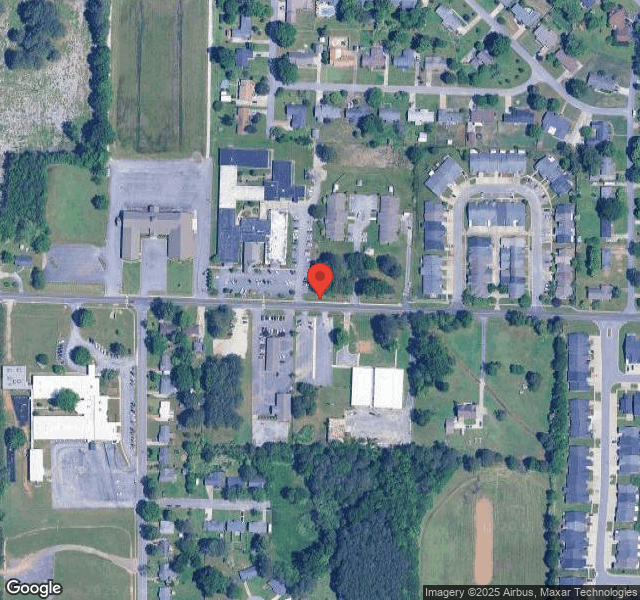
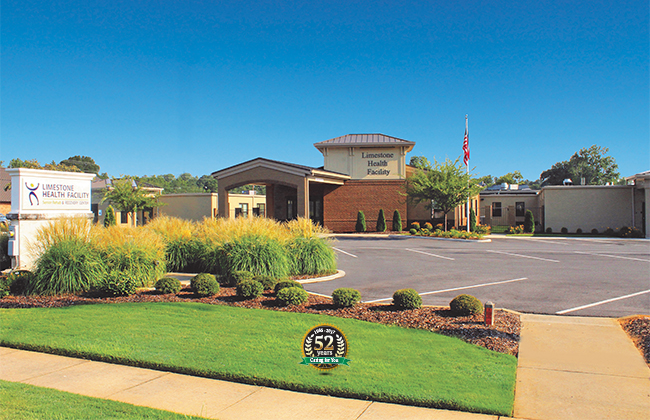
1600 WEST HOBBS STREET, ATHENS, AL 35611 (256) 232-3461
For profit - Corporation 170 Beds PRESTON HEALTH SERVICES Data: November 2025
Trust Grade
70/100
#118 of 223 in AL
Last Inspection: February 2020

Over 2 years since last inspection. Current conditions may differ from available data.

Overview

Limestone Nursing and Rehabilitation Center in Athens, Alabama, has a Trust Grade of B, indicating it is a good choice, though not among the very best. It ranks #118 out of 223 facilities in Alabama, placing it in the bottom half, and #2 out of 2 in Limestone County, meaning there is only one local option that is better. The facility is worsening in terms of compliance, with issues increasing from 2 in 2019 to 3 in 2020, although it has not faced any fines, which is a positive sign. Staffing is rated average with a turnover rate of 45%, slightly below the state average, but it has concerning RN coverage that is less than 78% of Alabama facilities, which could impact care. Specific incidents include failures in food safety practices, such as not discarding expired items and not maintaining cleanliness in food preparation areas, which raises concerns about hygiene and the overall dining experience for residents. While there are strengths in staffing stability and the absence of fines, the facility's compliance issues and lower RN coverage highlight areas needing improvement.

Trust Score
B
70/100
In Alabama
#118/223
Bottom 48%
Safety Record
Low Risk
No red flags
Inspections
Getting Worse
2 → 3 violations
Staff Stability
○ Average
45% turnover. Near Alabama's 48% average. Typical for the industry.
Penalties
✓ Good
No fines on record. Clean compliance history, better than most Alabama facilities.
Skilled Nurses
⚠ Watch
Each resident gets only 27 minutes of Registered Nurse (RN) attention daily — below average for Alabama. Fewer RN minutes means fewer trained eyes watching for problems.
Violations
○ Average
10 deficiencies on record. Average for a facility this size. Mostly minor or procedural issues.
★★★☆☆
3.0
Overall Rating
★★★☆☆
3.0
Staff Levels
★★☆☆☆
2.0
Care Quality
★★★☆☆
3.0
Inspection Score
Stable
2019: 2 issues
2020: 3 issues

The Good

  • Full Sprinkler Coverage · Fire safety systems throughout facility
  • No fines on record
  • Staff turnover below average (45%)

    3 points below Alabama average of 48%

Facility shows strength in fire safety.

The Bad

3-Star Overall Rating

Near Alabama average (2.9)

Meets federal standards, typical of most facilities

Staff Turnover: 45%

Near Alabama avg (46%)

Typical for the industry

Chain: PRESTON HEALTH SERVICES

Part of a multi-facility chain

Ask about local staffing decisions and management

The Ugly 10 deficiencies on record

Feb 2020 3 deficiencies
CONCERN (D)

Potential for Harm - no one hurt, but risky conditions existed

Resident Rights (Tag F0550)

Could have caused harm · This affected 1 resident

**NOTE- TERMS IN BRACKETS HAVE BEEN EDITED TO PROTECT CONFIDENTIALITY** Based on observations, interviews, record review and review of a facility policy titled, Urinary Catheter Care, the facility fai...

Read full inspector narrative →
**NOTE- TERMS IN BRACKETS HAVE BEEN EDITED TO PROTECT CONFIDENTIALITY** Based on observations, interviews, record review and review of a facility policy titled, Urinary Catheter Care, the facility failed to ensure Resident Identifier (RI) #84's Foley catheter bag was in a privacy bag and not visible from the hallway on 02/11/20. This deficient practice affected RI #84, one of one resident sampled with a Foley catheter. Findings Include: A review of a facility policy titled, Urinary Catheter Care, with an effective date of 01/16/14, and a supersedes date of 11/01/01, documented: . PROCESS: . i) . Bags should be covered to provide privacy. RI #84 was admitted to the facility on [DATE], with a diagnosis to include Neurogenic Bladder. A Quarterly Minimum Data Set (MDS) assessment, with an Assessment Reference Date (ARD) of 12/22/19, assessed RI #84 as having an indwelling catheter. On 02/11/20 at 10:16 a.m., RI #84's Foley urinary catheter bag was observed uncovered, attached to the left lower side of bed. The bag contained clear yellow urine that was visible from the hallway. On 02/11/20 at 12:50 p.m., RI #84's Foley urinary catheter bag was observed uncovered, attached to the left lower side of bed. The bag contained clear yellow urine that was visible from the hallway. On 02/11/20 at 3:39 p.m., the surveyor conducted an interview with Employee Identifier (EI) #8, RI #84's assigned Registered Nurse (RN). EI #8 stated RI #84's Foley catheter bag was not in a privacy bag when she began her shift at 10:00 a.m. EI #8 was asked if the Foley catheter should have had a privacy bag. EI #8 said yes. The surveyor asked EI #8 what was the concern when a resident's Foley catheter bag was not covered. EI #8 replied, invasion of the resident's privacy. On 02/13/20 at 02:04 p.m., the surveyor conducted an interview with EI #10, RN/DON (Director of Nursing). The surveyor asked EI #10 who was responsible for ensuring the Foley catheter bag was covered with a privacy cover for each resident. EI #10 said all clinical staff that are assigned to that unit. EI #10 was asked what was the concern of a Foley catheter bag not being covered. EI #10 said it was a dignity issue. EI #10 further stated, per facility policy, Foley catheter bags should be covered with a privacy cover.
CONCERN (D)

Potential for Harm - no one hurt, but risky conditions existed

Infection Control (Tag F0880)

Could have caused harm · This affected 1 resident

**NOTE- TERMS IN BRACKETS HAVE BEEN EDITED TO PROTECT CONFIDENTIALITY** 2) RI #105 was admitted to the facility on [DATE] with a diagnosis to include Hemiplegia following unspecified Cerebral Vascular...

Read full inspector narrative →
**NOTE- TERMS IN BRACKETS HAVE BEEN EDITED TO PROTECT CONFIDENTIALITY** 2) RI #105 was admitted to the facility on [DATE] with a diagnosis to include Hemiplegia following unspecified Cerebral Vascular Disease Affecting Left Nondominant Side. On 2/11/20 at 11:49 a.m., EI #9, a CNA, was observed removing soiled gloves after she emptied RI #105's urinal. EI #9 placed her gloves into the trash can and exited the room without washing her hands. An interview was conducted on 2/11/20 at 11:54 a.m EI #9 was asked what she was doing in RI #105's room. EI #9 said, emptying the urinal, and then placed the urinal back on the side of the bed. EI #9 further stated she threw her gloves in the trash can and did not wash her hands before exiting RI #105's room. The surveyor asked EI #9 if she was supposed to wash her hands after emptying the urinal, before exiting the room. EI #9 replied yes, to prevent the spread of germs, cross contamination and break in infection control. On 02/13/20 at 10:19 a.m., an interview was conducted with EI #6, Infection Control Preventionist/RN. EI #6 said staff should wash their hands before and after resident care, including after emptying a urinal. The surveyor asked EI #6 why staff should wash their hands after emptying a urinal. EI #6 replied, to decrease the spread of infection. Based on observations, interviews, medical record review, and review of a facility policy titled Hand Hygiene, the facility failed to ensure: 1) a Licensed Practical Nurse (LPN) washed hands or used hand sanitizer after administering Resident Identifier (RI) #213's nebulizer treatment and placing a garbage bag in the medication cart garbage can, prior to reentering RI #213's room to clean RI #213's facemask; and 2) a Certified Nursing Assistant (CNA) washed hands or used hand sanitizer after she emptied RI #105's urinal, prior to exiting RI #105's room. This affected one of four residents observed during medication administration pass and one of one sampled resident for whom a CNA was observed emptying a urinal. Findings Include: A review of a facility policy titled Hand Hygiene, with a date of 7/30/2016, revealed . Hand Hygiene procedures include the use of alcohol-based hand rubs . and handwashing with soap and water . Always perform hand hygiene in the following situations . Before exiting the patient's care area after touching the patient or the patient's immediate environment . after glove removal . 1) RI #213 was admitted to the facility on [DATE] with diagnoses to include Wheezing and Shortness of Breath. On 2/13/20 at 9:04 a.m., the surveyor observed Employee Identifier (EI) #7, a LPN, during medication administration pass for RI #213. EI #7 gave RI #213's nebulizer treatment and placed a plastic garbage bag in the medication cart garbage can. EI #7 did not wash or sanitize her hands prior to reentering RI #213's room. EI #7 then cleaned RI #213's facemask attached to the nebulizer machine, removed her gloves, and did not wash or sanitize her hands prior to exiting RI #213's room. On 2/13/20 at 9:56 a.m., the surveyor conducted an interview with EI #7, a LPN. EI #7 was asked what she should have done after she started RI #213's nebulizer treatment, placed a plastic garbage bag in the medication cart garbage can, and prior to reentering RI #213's room. EI #7 stated she should have washed her hands or used hand sanitizer. EI #7 was asked what she should have done after she removed her gloves after cleaning RI #213's facemask, prior to leaving RI #213's room. EI #7 stated she should have washed her hands or used hand sanitizer. EI #7 was asked what the facility hand washing/hygiene policy stated should be done after a licensed nurse touched a resident's equipment, environment, and prior to leaving a resident's room. EI #7 stated staff should wash hands or use hand sanitizer. EI #7 was asked what would be the concern in not washing hands or using hand sanitizer after a licensed nurse started RI #213's inhalation nebulizer treatment, placed a plastic garbage bag in the medication cart garbage can, and prior to reentering RI #213's room. EI #7 stated it could spread germs to everyone and they could get an infection. EI #7 was asked what would be the concern if a licensed nurse did not wash her hands or use hand sanitizer after she cleaned RI #213's facemask, removed her gloves, and prior to leaving RI #213's room. EI #7 stated it could spread germs to everyone and they could get an infection. EI #7 said she forgot to wash her hands. On 2/13/20 at 11:06 a.m., the surveyor conducted an interview with EI #6, Infection Control Preventionist/Registered Nurse (RN). EI #6 was asked how are the licensed staff trained at the facility on hand hygiene. EI #6 was asked what a licensed nurse should do after after she started RI #213's inhalation nebulizer treatment, placed a plastic garbage bag in the medication cart garbage can, and prior to reentering RI #213's room. EI #6 stated she should have washed her hands or use hand sanitizer. EI #6 was asked what should a licensed nurse have done after she cleaned RI #213's facemask, removed her gloves, and prior to leaving RI #213's room. EI #6 stated she should have washed her hands or used hand sanitizer prior to leaving the room. EI #6 was asked what the facility policy on hand hygiene stated should be done after a licensed nurse touched a resident's equipment, environment and prior to leaving a resident's room. EI #6 stated staff should wash hands or use a hand sanitizer. EI #6 was asked what would be the concern if a licensed nurse did not wash her hands after she started RI #213's inhalation nebulizer treatment, placed a plastic garbage bag in the medication cart garbage can, and prior to reentering RI #213 room. EI #6 stated it could have spread an infection. EI #6 was asked what would be the concern if a licensed nurse cleaned RI #213's facemask, removed her gloves and did not wash her hands prior to leaving the room. EI #6 stated there was a potential to spread an infection.
CONCERN (F)

Potential for Harm - no one hurt, but risky conditions existed

Food Safety (Tag F0812)

Could have caused harm · This affected most or all residents

Based on observations, interviews, review of the 2017 Food and Drug Administration (FDA) Food Code, and review of the facility's policies titled, General Food Preparation and Handling, General Sanitat...

Read full inspector narrative →
Based on observations, interviews, review of the 2017 Food and Drug Administration (FDA) Food Code, and review of the facility's policies titled, General Food Preparation and Handling, General Sanitation of Kitchen, Food Storage, Cleaning Dishes/Dish Machine, Cleaning Instructions: Ovens, Cleaning Instructions: Floors, Tables and Chairs, and Cleaning Instructions: Refrigerators, the facility failed to ensure: 1) seven items in the reach in cooler were discarded on the used by date, 2) the floors in the dry food storeroom were clean from rodent droppings, underneath the shelving, 3) there was not a white substance on a pan observed on the clean rack, 4) open food items in the walk-in freezer were sealed, 5) the interior of the walk-in cooler was clean and dry, 6) the convection oven did not have a heavy build-up of dark black residue inside the oven, 7) a pole with chipping, flaking paint was not hanging directly beside and above a food preparation area, and 8) a frying pan did not have a non-stick coating peeling off. This had the potential to affect 149 of 149 residents receiving meals from the kitchen. Findings include: 1.) A review of a facility policy titled, Food Storage with a date of 2013, revealed: . Procedure: . 13. Leftover food is stored in covered containers or wrapped carefully and securely. Each item is clearly labeled and dated before being refrigerated. Leftover food is used within 3 days or discarded. 14. Refrigerated Food Storage: . f. All foods should be covered, labeled and dated. All foods will be checked to assure that foods (including leftovers) will be consumed by their safe use by dates, or frozen (where applicable), or discarded. On 02/11/20 at 08:48 a.m., Employee Identifier (EI) #1, the Dietary Cook, accompanied the surveyor during the initial tour of the kitchen. In the reach-in refrigerator, the surveyor and EI #1 observed the following: (1) two full pans of leftover mechanical soft meatballs-cooked labeled with a use by date of 2/10/20; (2) leftover cooked carrots labeled with a use by date of 2/10/20; (3) mozzarella cheese with a use by date of 1/29/20; (4) leftover cooked English peas labeled with a use by date of 2/10/20; (5) leftover cooked red beans and sausage labeled with a use by date of 2/10/20; (6) chicken base broth- labeled with an opened date of 1/8/20 and no use by date; and (7) beef base broth- labeled with an opened date of 12/25/19 and no use by date. An interview was conducted on 2/11/20 at 8:48 a.m. with EI #1. EI #1 was asked if these items should have been in the reach-in refrigerator. EI # 1 stated no. EI #1 was asked what the potential harm was in the outdated items being left in the refrigerator. EI #1 stated the residents might get food poisoning. EI #1 was then asked what the facility's policy was on dating food placed in the refrigerator. EI #1 stated they date the items with the day they place it in and the day they throw it away. EI #1 said leftovers are good for three days and the chicken and beef base broth are good for one month after opening. 2.) The 2017 FDA Food Code included the following: . 6-501.12 Cleaning, Frequency and Restrictions. (A) PHYSICAL FACILITIES shall be cleaned as often as necessary to keep them clean. A review of a facility policy titled, Cleaning Instructions: Floors, Tables and Chairs, dated 2013, revealed: . Policy: Kitchen and dining room floors . will be kept clean and sanitary. Procedure: 1. Kitchen floors will be swept and cleaned after each meal. A thorough cleaning using a disinfectant will be done at least daily. A review of a facility policy titled, General Sanitation of Kitchen, dated 2013, revealed: .Policy: The staff shall maintain the sanitation of the kitchen through compliance with a written, comprehensive cleaning schedule. Procedure: 1. Cleaning and sanitation tasks for the kitchen will be recorded. On 2/11/20 at 10:04 a.m., the floor to the dry storage room was observed to have a medium amount of rodent droppings underneath the dry storage shelving. The surveyor asked EI #2, District Support Manager of the kitchen, to sweep out from underneath the dry storage shelving. After EI #2 swept out from underneath the shelving, the surveyor asked EI #2 what it looked like to her. EI #2 stated it was mouse droppings. The surveyor asked EI #2 should the mouse droppings be underneath the shelving in the dry storage room. EI #2 stated no. EI #2 was asked what the potential harm was in the mouse droppings being in the dry storage room. EI #2 stated bacterial infection, diseases, you do not know what they are carrying. During a follow-up interview with EI #2 on 2/12/20 at 08:31 a.m., EI #2 was asked if she could provide the cleaning logs for the dry storage area. EI #2 stated no she could not. On 2/13/20 at 11:19 a.m., EI #2 was asked if she had a record of when staff clean or do deep cleaning. EI #2 stated no, she did not. EI #2 was asked if she should have a record of when staff do any type of cleaning (per facility policy). EI #2 stated yes, to show proof that it has been done, and to follow up with the specific person if it has not been done properly. EI #2 was then asked if the facility policy specified that there should be a record or log for cleaning. EI #2 stated yes. 3.) The 2017 FDA Food Code included the following: . 4-601.11 Equipment, Food-Contact Surfaces, Nonfood Contact Surfaces, and Utensils. (A) . EQUIPMENT FOOD-CONTACT SURFACES and UTENSILS shall be clean to sight and touch. (B) . The FOOD-CONTACT SURFACES of cooking EQUIPMENT and pans shall be kept free of encrusted grease deposits and other soil accumulations. A review of a facility policy titled, Cleaning Dishes/Dish Machine, dated 2013, revealed: . Policy: All . cookware will be washed, rinsed and sanitized after each use. 2. Scrape dishes clean . 3. Rinse dishes thoroughly in the sink, . scrub pots and pans with a non-metallic scouring pad when necessary . On 02/11/20 at 10:19 a.m., an observation was made of a four inch deep large cooking pan. The pan was on the clean dish rack and was noted to have a white, thin substance inside of it. EI #2, District Support Manager of the kitchen, was asked what the pan was used for. EI #2 stated it was used for meat in the oven. EI #2 was then asked if she saw the white substance. EI #2 stated yes. EI #2 was asked if it rubbed off of the pan. EI #2 stated yes. EI #2 said the white substance should not be on the pan. EI #2 was asked what the potential harm was with the white substance inside the pan. EI #2 stated the potential for bacteria being spread if it is not being cleaned and sanitized properly. 4.) A review of a facility policy titled, Food Storage, dated 2013, revealed: . Procedure: .15. Frozen Foods: . c. All foods should be covered . On 2/11/20 at 10:56 a.m., the surveyor observed the following items in the walk-in freezer: a plastic bag of breaded squash opened to air, a box of rolls in a plastic bag opened to air, and a box of pork fritters in a plastic bag opened to air. On 2/12/20 at 8:55 a.m., an interview was conducted with EI #2, Dietary District Support Manager. EI #2 was asked if the breaded squash, rolls and pork fritters should be left opened to air in the freezer. EI #2 stated no, it causes freezer burn. EI #2 was then asked what the potential harm was in these items being left opened to air and not sealed in the freezer. EI #2 stated they are exposed to all kinds of germs and elements coming into contact with them. 5.) The 2017 FDA Food Code included the following: . 4-601.11 Equipment, Food-Contact Surfaces, Nonfood Contact Surfaces and Utensils. (C) . NONFOOD FOOD CONTACT SURFACES of EQUIPMENT shall be kept free of an accumulation of dust, dirt, FOOD residue, and other residue. A review of a facility policy titled, Cleaning Instructions: Refrigerators, dated 2013, revealed: .Policy: . Spills and leaks will be cleaned as they are noticed. Procedure: . 8. Spills should be cleaned at the time they occur. On 2/11/20 at 10:56 a.m., the surveyor walked through the walk-in cooler to get to the walk in freezer. A puddle of water was observed in the floor of the walk-in cooler at the entrance to the freezer. EI #2, the Dietary District Support Manager, was asked what the water was from. EI #2 stated the freezer goes through a defrost cycle. On 2/11/20 at 4:01 p.m., the surveyor and EI #4, the Maintenance Supervisor, went into the walk-in cooler. The surveyor observed a small puddle of water in the floor of the walk- in cooler at the door of the entrance to the freezer. EI #4 was asked if he saw the water. EI #4 stated yes, it looks like water. EI #4 was then asked what the water was from. EI #4 stated it may be condensation from the freezer when the door is opened. On 2/12/20 at 7:56 a.m., a puddle of water was observed in the same area of the floor of the walk-in cooler at the entrance of the freezer door. On 2/12/20 at 09:00 AM, an interview was conducted with EI #3, Dietary Manager. EI#3 was asked if she observed the water in the floor in the cooler on 2/11/20 and 2/12/20. EI #3 stated yes. EI #3 was asked should there be water in the floor of the walk-in cooler. EI #3 stated no. EI #3 was asked what the potential harm was in the water being in the floor in the cooler. EI #3 stated bacteria build-up and bugs. EI #3 was then asked who was responsible for making sure there was no water on the walk-in cooler floor. EI #3 stated the Dietary Aides are supposed to clean it out everyday. EI #3 was asked if she could provide the cleaning logs for the walk-in cooler, and EI #3 stated no; they did not have any. 6.) The 2017 FDA Food Code included the following: . 4-601.11 Equipment, Food-Contact Surfaces, Nonfood Contact Surfaces, and Utensils. (A) . EQUIPMENT FOOD-CONTACT SURFACES and UTENSILS shall be clean to sight and touch. (B) . The FOOD-CONTACT SURFACES of cooking EQUIPMENT and pans shall be kept free of encrusted grease deposits and other soil accumulations. (C) . NONFOOD FOOD CONTACT SURFACES of EQUIPMENT shall be kept free of an accumulation of dust, dirt, FOOD residue, and other residue. A facility policy titled, CLEANING INSTRUCTIONS: OVENS, dated 2017, revealed: Policy: Ovens will be cleaned as needed . Spills and food particles will be removed after each use. On 2/11/20 at 11:02 a.m., the surveyor and EI # 2, the District Support Manager of the kitchen, observed a thick black substance in the bottom of the convection oven. EI # 2 was asked what the potential harm was with the black substance being in the oven. EI # 2 replied, a fire and the spread of bacteria with food being left in there. 7.) The 2017 FDA Food Code included the following: . 4-601.11 Equipment, Food-Contact Surfaces, Nonfood Contact Surfaces and Utensils. (C) . NONFOOD FOOD CONTACT SURFACES of EQUIPMENT shall be kept free of an accumulation of dust, dirt, FOOD residue, and other residue. . Annex 4, Table 2b . Added Chemical Hazards . chemicals used . paint . (5) . Illness and Injury can result in foreign objects being in food. These physical hazards can result from contamination . at many points . within the food establishment. On 2/11/20 at 4:12 p.m. , the surveyor and EI #3, the Dietary Manager, observed a pole with hanging utensils on it located directly over a food preparation area. There appeared to be gray paint peeling/flaking off of the pole. EI #3 rubbed her finger over the pole and the paint came loose. EI #3 was asked what it looked like to her. EI #3 stated it looked like peeling paint, and it should not be there. EI #3 was then asked what the concern was in the peeling paint over the food preparation area. EI #3 stated it could get into the residents' food and cause sickness. 8.) Review of the facility's policy titled General Food Preparation and Handling, dated 2013, revealed: Policy: Food items will be prepared to . keep free of injurious organisms and substances. Procedure: .5. Equipment . b. dishware that has lost its glaze or is chipped or cracked must be disposed of. On 2/11/20 at 4:18 p.m., an eight inch skillet was observed with a non-stick coating peeling off hanging on a rack, ready for use. EI #3, the Dietary Manager, was asked what she observed. EI #3 stated the non-stick coating was peeling off. EI #3 was asked what the concern was in the non-stick coating coming off or peeling off the pan. EI #3 stated it could be a foreign object in the food and could cause stomach pain as well. EI #3 went on to state the skillet should have been thrown away a long time ago.
Mar 2019 2 deficiencies
CONCERN (D)

Potential for Harm - no one hurt, but risky conditions existed

Infection Control (Tag F0880)

Could have caused harm · This affected 1 resident

**NOTE- TERMS IN BRACKETS HAVE BEEN EDITED TO PROTECT CONFIDENTIALITY** Based on observation, interview and review of a facility policy titled, Dressing - Clean, the facility failed to ensure staff gl...

Read full inspector narrative →
**NOTE- TERMS IN BRACKETS HAVE BEEN EDITED TO PROTECT CONFIDENTIALITY** Based on observation, interview and review of a facility policy titled, Dressing - Clean, the facility failed to ensure staff gloves were removed and hand hygiene was performed after cleaning a sacral wound and before applying ointment and touching other parts of the resident's body, pillow, blanket and bed remote. This affected Resident Identifier (RI) #65, one of 2 residents observed for wound care. Findings include: A facility policy titled, Dressings-Clean, with an effective date of November 1, 2001, revealed: . Process: . 13. Remove gloves and wash hands. A facility policy titled, Hand Washing, with an effective date of November 1, 2001, revealed: . Standard: Hand washing should be performed between procedures with residents. RI #65 was readmitted to the facility on [DATE] with two sacral ulcers. Diagnoses included Parkinson's disease, morbid obesity and paraplegia. Review of the resident's Physician's Orders revealed a new treatment order, dated 3/14/19, to Clean Sacrum Pressure Injury with Normal Saline, pat dry, apply Venalex Ointment to the woundbed, cover with a large Alleyvn Dressing (twice a day) BID and (as needed) prn. On 03/19/19 at 10:14 am, the surveyor observed pressure ulcer care provided by Employee Identifier(EI) #2, the facility Certified Registered Nurse Practitioner, and EI #4 Registered Nurse/Wound Nurse, to RI #65. EI #2 was observed to remove the dressing to the sacral area and discarded it into the trash container. She then discarded the gloves into the trash container, washed her hands in the bathroom sink and applied new gloves. EI #4 stated this was a new wound area from around the March 15 th, 2019. EI #2 cleaned the sacral area wound with normal saline applied to folded gauze handed to her by EI # 4. EI#2 then wiped the wound on the sacral area with the gauze. EI #2 proceeded to touched the resident on the gown with the same gloved hand. EI #2 applied Nystatin powder mixed with Venalex ointment from a medicine cup with a Q-tip. After applying the ointment EI #2 then touched RI #65's pillow under the resident's head, the resident's arm and then the blanket lying on the bed, pulling it up over RI #65's, wearing the same soiled gloves. EI #2 picked up the bed remote, operated it lowering the bed and touched the resident's left upper arm. EI #2 then removed the gloves and threw them in the trash container. On 03/19/19 at 01:40 pm, the surveyor interviewed EI #2. She was asked what should she do in between wound care and contact with other items in the resident's room. EI#2 replied she should remove the gloves and wash her hands if it is contaminated. EI #2 was asked did she touch other items in the residents room with the same gloves on after she cleaned the sacral wound with the saline gauze and applied ointment. EI#2 replied she did, but her hand was not contaminated. EI #2 was asked after caring for the wound, what items in the resident's room did she touch with those same gloves on. EI#2 replied she touched the patient, the bed linens, and she touched the resident's bed control. She said it was not a draining wound and she never came in contact with the wound bed. The surveyor asked what was the potential harm when you are caring for a wound and then touch other items in the room with the same gloves on. EI #2 responded, that could be contamination and cross contamination if the gloved hand was contaminated. On 03/19/19 at 04:40 pm, the surveyor interviewed EI #1, Assistant Director of Nursing. EI #1 was asked what should staff do after cleaning and applying ointment to a sacral wound before touching other objects in a resident's room. EI #1's response was they should take the gloves off, dispose of them properly and wash their hands properly. The surveyor asked what was the potential harm for using the same gloves worn to clean a wound and apply ointment and then touching the pillow under the resident's head. EI #1 replied you have a potential to spread germs.
CONCERN (F)

Potential for Harm - no one hurt, but risky conditions existed

Food Safety (Tag F0812)

Could have caused harm · This affected most or all residents

Based on observation, interview and review of facility policies titled, FOOD STORAGE, CLEANING DISHES/DISH MACHINE AND CLEANING INSTRUCTIONS OVEN, the facility failed to ensure: 1. a plastic bag of r...

Read full inspector narrative →
Based on observation, interview and review of facility policies titled, FOOD STORAGE, CLEANING DISHES/DISH MACHINE AND CLEANING INSTRUCTIONS OVEN, the facility failed to ensure: 1. a plastic bag of riblets in the refrigerator was labeled with a date and use by date, 2. staff air dried sectional plates; and 3. the main baking oven was free of a thick black substance. This had the potential to affect 128 of 128 residents receiving meals from the kitchen. Findings Include: A review of a facility policy titled, FOOD STORAGE, with a 2013 date revealed: PROCEDURE: . 14. Refrigerated Food Storage: . f. All foods should be covered, labeled and dated. All foods will be checked to assure that foods (including leftovers) will be consumed by their safe use by dates . A facility policy titled, CLEANING DISHES/DISH MACHINE with a 2013 date revealed: PROCEDURE: . 9. Allow the dishes to air dry on the dish racks. A facility policy titled, CLEANING INSTRUCTIONS: OVENS with a 2017 date revealed: Policy: Ovens will be cleaned as needed . Spills and food particles will be removed after each use. 1. On 3/18/19 4:56 PM a plastic double sealed bag, labeled riblets, was observed in the walk in refrigerator. No date or use by date was on the bag. The surveyor asked Employee Identifier (EI) #3, Dietary Manager what was in the bag. EI #3 replied, riblets. EI #3 was asked where was the date or use by date. EI #3 replied, it did not have one. EI #3 was asked if the riblets should be labeled with the use by date. EI #3 replied, yes. EI #3 was then asked why should it have a use by date. EI #3 replied because it was opened, so you will know when it was opened and it does not make anyone sick. 2. On 3/18/19 at 5:55 PM, the surveyor observed, during tray line, a divided plate with water on the inside of the plate in two sections. EI # 3 stated she observed the water on the inside of the divided plate in two compartments as well. EI # 3 was asked should there be water droplets on the plate. EI # 3 replied, no, it should be air dried completely to prevent bacteria growth. 3. On 3/18/19 at 5:59 PM, the surveyor and EI # 3 observed a thick black substance in the main baking oven. The surveyor asked EI # 3 should there be a black substance there. EI # 3 replied no it should be cleaned out and scrubbed. EI # 3 was then asked what was the potential harm with the black substance being in the oven. EI # 3 replied, because it could catch on fire.
Feb 2018 5 deficiencies
CONCERN (D)

Potential for Harm - no one hurt, but risky conditions existed

Deficiency F0554 (Tag F0554)

Could have caused harm · This affected 1 resident

**NOTE- TERMS IN BRACKETS HAVE BEEN EDITED TO PROTECT CONFIDENTIALITY** Based on observation, record review, interviews, and review of a facility policy titled RESIDENT SELF ADMINISTRATION OF MEDICATI...

Read full inspector narrative →
**NOTE- TERMS IN BRACKETS HAVE BEEN EDITED TO PROTECT CONFIDENTIALITY** Based on observation, record review, interviews, and review of a facility policy titled RESIDENT SELF ADMINISTRATION OF MEDICATION, the facility failed to ensure Resident #293 was assessed for self-administering nebulizer treatments. This affected one of one resident reviewed for self administration. Findings include: Review of the facility's policy titled RESIDENT SELF ADMINISTRATION OF MEDICATION, updated 10/31/2017, revealed the following: POLICY: Each resident who desires to self-administer medication may be permitted to do so if Facility Interdisciplinary Care-Plan Team has determined that the practice would be safe for the resident and other residents of the facility. 1. The medication self-administration assessment is conducted by the interdisciplinary team . 2. The results of the interdisciplinary team assessment are recorded on the Self-Administration Assessment Form, which is placed in the resident's medical record. Resident #293 was admitted to the facility on [DATE] with diagnoses of Flu, Heart Failure, Chronic Obstructive Pulmonary Disease, and Pleural Effusion. Review of Resident #293's February 2018 Physician's Orders revealed orders for nebulizer treatments every four hours. There were no orders listed indicating Resident #293 could self-administer medications or nebulizer treatments. Review of Resident #293's comprehensive care plans revealed no care plan or approaches addressing self-administration of medications. On 02/14/18 at 9:26 AM, Resident #293 was observed receiving a nebulizer treatment. No staff were present in the room at the time. Resident #293 reached over and turned the machine off while the surveyor was speaking with the spouse; visible nebulizer solution remained in the nebulizer cup. Employee Identifier (EI) #1, Registered Nurse, was interviewed on 02/15/18 at 05:26 PM. When asked which residents she had that could self-administer nebulizer treatments, EI #1 referred to a list she had, and said Resident #293 was one of the ones she had that was able to self-administer nebulizer treatments. EI #1 explained she put the medication in the nebulizer cup, turned on the machine, and placed it on the resident. EI #1 said she sometimes started the treatment then, but other times, if the resident was not ready, she would let them start it when they were ready. When asked what type of evaluation or assessment was done to determine if residents could safely administer their treatments, EI #1 said she was not sure. She was unaware of the facility's policy. EI #1 said there should usually be a note in the chart or an assessment of some kind. EI #1 said it was important to assess residents to determine they could safely self-administer medications to ensure they were competent to do it and do it properly. EI #2, the Director of Nursing, was interviewed on 02/15/18 at 05:49 PM. EI #2 said the facility had not completed a self-administration assessment on Resident #293. EI #2 further explained the nurse had started the nebulizer treatment, left the resident while it was going, then came back. When asked about the facility's policy on administration of nebulizer treatments, EI #2 said they did not have one. EI #2 stated if a resident was going to self-administer medications, it should be addressed in their care plans, and an evaluation should be completed quarterly or with a significant change in the resident's status.
CONCERN (D)

Potential for Harm - no one hurt, but risky conditions existed

Incontinence Care (Tag F0690)

Could have caused harm · This affected 1 resident

**NOTE- TERMS IN BRACKETS HAVE BEEN EDITED TO PROTECT CONFIDENTIALITY** Based on observation of incontinent care on 02/14/18, medical record review, staff interviews, and review of facility policies t...

Read full inspector narrative →
**NOTE- TERMS IN BRACKETS HAVE BEEN EDITED TO PROTECT CONFIDENTIALITY** Based on observation of incontinent care on 02/14/18, medical record review, staff interviews, and review of facility policies titled Urinary Catheter Care, and a facility document titled Perineal/Catheter Care, the facility failed to ensure the Certified Nursing Assistant (CNA) properly cleaned Resident #33's catheter tubing. Further, the CNA failed to clean Resident #33's perineal area of fecal matter, prior to the completion of care. These failures were observed during one of one catheter and incontinence care observations. Findings Include: A review of a facility policy titled: Urinary Catheter Care with an effective date of January 16, 2014 documented: . PURPOSE: Urinary catheter care helps to prevent urinary tract infection . PROCESS: . II. Catheter Care . c) Wash the catheter itself by holding on to the catheter at the insertion site; wash with one stroke downward . A review of a facility document titled: . Perineal/Catheter Care . with a date of 12/18/16 documented: . CATHETER CARE . 2 . Gently . to expose meatus . A review of RI #33's Quarterly Minimum Data Set with an assessment reference date of 11/22/17 revealed RI #33 was severely impaired in cognition, incontinent of bowel and dependent upon staff for hygiene. A review of the hospital DISCHARGE SUMMARY dated 01/04/2018 documented: . DISCHARGE DIAGNOSIS: Septic shock secondary to urinary tract infection with Escherichia coli . RI #33 was readmitted to the facility on [DATE] with diagnoses to include Severe Sepsis with Septic Shock and Type 2 Diabetes Mellitus. On 02/14/2018 at 5:45 p.m., Certified Nursing Assistant, Employee Identifier (EI) #7 provided incontinent care for RI #33. The resident rolled his/her self to left side and EI #7 wiped the buttock area three times front to back, using a clean wash cloth with each wipe. Bowel movement was visible on each wash cloth used. RI #33 had a foley catheter in place. EI #7 then cleaned the catheter tubing toward the residents perineum. RI #33 rolled onto his/her back. Without changing the soiled gloves or washing her hands, EI #7 then placed a clean brief under RI #33 and put a clean gown on the resident. EI #7 wiped down the left side of the outer perineal area and across. EI #7 then wiped down the right outer perineal area and across. EI #7 fastened the brief, removed the (soiled) gloves and without washing her hands, she applied clean gloves. At the completion of care, the surveyor asked EI #7 if she had visualized the perineal area. EI #7 said no. EI #7 then unfastened the brief, separated the perineal area, and wiped front to back three additional times (using a clean wash cloth each time). Additional bowel movement was apparent on the wash cloth each time. On 02/14/2018 at 6:00 p.m., EI #7 was asked which direction had she wiped the catheter. EI #7 said, she had wiped (incorrectly) back to front (from the residents perineum down the catheter tubing), and she should not have because of contamination. EI #7 was asked why it was important to ensure all bowel movement was removed from the perineal area. EI #7 explained it was necessary to avoid infection and skin breakdown. When asked if she had washed her hands after changing the soiled gloves, EI #7 said no. EI #7 said she should have changed the gloves, due to contamination. EI #7 was asked if she should she have handled the clean brief, clothes and clean linen with soiled gloves. EI #7 said no, due to the contamination of those items. On 02/15/2018 at 5:37 p.m., an interview was done with EI #2, the Director of Nursing/Infection Control. EI #2 stated the staff should wash their hands after taking off soiled gloves and before putting on clean gloves in order to prevent the spread of infection. EI #7 said staff should never touch clean items/linen with soiled gloves so as to prevent the spread of infection. EI #7 was asked what was the facility's policy on catheter care. EI #7 said staff were to wipe front to back, and always visualize the perineal area because you do not want germs near the urinary tract.
CONCERN (D)

Potential for Harm - no one hurt, but risky conditions existed

Menu Adequacy (Tag F0803)

Could have caused harm · This affected 1 resident

**NOTE- TERMS IN BRACKETS HAVE BEEN EDITED TO PROTECT CONFIDENTIALITY** Based on observations, record review, interviews, and review of the facility's policy titled FOOD PREFERENCES, the facility fail...

Read full inspector narrative →
**NOTE- TERMS IN BRACKETS HAVE BEEN EDITED TO PROTECT CONFIDENTIALITY** Based on observations, record review, interviews, and review of the facility's policy titled FOOD PREFERENCES, the facility failed to ensure Resident #117 was served foods in accordance with his/her assessed preferences. This affected one of 132 residents for whom meals were observed. Findings include: Review of the facility's undated policy titled FOOD PREFERENCES revealed the following: POLICY: Information will be gathered upon admission to inform the dietary department of the resident/patient's food preferences and diet history. PROCEDURE: 1. Interview the resident for the following information: . *Food preferences, intolerances, allergies . Resident #117 was admitted to the facility on [DATE] with diagnoses including Hyperlipidemia and Gastro-Esophageal Reflux Disease. On 02/14/18 at 12:00 PM, Resident #117 was observed eating the lunch meal. Resident #117 said he/she was not supposed to get any fried foods but did so today. The tray card on Resident #117's lunch tray listed fried foods as a dislike. Resident #117's family member (also present) stated he/she could not eat the fried french fries or fried macaroni bites the facility had provided on the tray. On 02/14/18 at 12:20 PM, Employee Identifier (EI) #3, Certified Nursing Assistant, was asked who was responsible for making sure residents received items in accordance with their likes/dislikes. EI #3 stated the dietary department was responsible. EI #3 verified Resident #117 had received fried foods on his/her tray. On 02/15/18 at 06:52 PM, EI #4, the Certified Dietary Manager, explained the Dietary staff list residents' likes and dislikes on their tray tickets and keep each resident's preferences on file in the computer. When asked what system was in place to ensure the items listed on the tray tickets under likes and dislikes were honored, EI #4 said the cooks or person plating the trays read the tickets. EI #4 explained dietary staff were supposed to look at the preferences and, if a resident had a dislike listed, they were not supposed to put it on the tray. EI #4 said it was important to follow residents' preferences for foods because that was what the resident wanted, either for a medical reason, or allergy. EI #4 further stated you want to honor what the resident wants and what they like to eat. EI #4 confirmed the potato wedges (french fries) and macaroni bites were fried. EI #4 said she could not say what happened with Resident #117's lunch tray, but indicated they must have misread the ticket. EI #4 further said the error should not have occurred.
CONCERN (D)

Potential for Harm - no one hurt, but risky conditions existed

Infection Control (Tag F0880)

Could have caused harm · This affected 1 resident

**NOTE- TERMS IN BRACKETS HAVE BEEN EDITED TO PROTECT CONFIDENTIALITY** Based on observation of incontinent care on 02/14/2018 and medication administration on 02/13/2018, a review of the facility's p...

Read full inspector narrative →
**NOTE- TERMS IN BRACKETS HAVE BEEN EDITED TO PROTECT CONFIDENTIALITY** Based on observation of incontinent care on 02/14/2018 and medication administration on 02/13/2018, a review of the facility's policy's titled Urinary Catheter Care and Hand Hygiene, as well as staff interviews, the facility failed to ensure: 1) A Licensed Practical Nurse (LPN) did not place her ungloved fingers inside medication crush pouches to empty the crushed medications for administration of Resident #58's medications: 2) A Certified Nursing Assistant (CNA) failed to wash her hands after removing soiled gloves and before putting on clean gloves during the provision of incontinence care. The CNA then touched clean items, including linens and Resident Identifier (RI) #33's clean brief and gown. These failures affected one of four nurses observed during medication pass observations and one of one incontinent care observations, involving RI #58 and RI #33. Findings Include: A review of [NAME] and [NAME], Ninth Edition: FUNDAMENTALS OF NURSING Chapter 32 Medication Administration, page 656, documented: . (1) . Do not touch medication with fingers. (2) To prepare unit-dose tablets . place tablet . directly into medicine cup . A review of a facility policy titled: Hand Hygiene with a date of 07/30/16 documented: . 2. Indications for Hand Hygiene Always perform hand hygiene in the following situations: . After glove removal . 1) RI #58 was re-admitted to the facility on [DATE] with diagnoses to include Dysphagia and Gastro-Esophageal Reflux Disease. A review of RI #58's Quarterly Minimum Data Set (MDS) with an Assessment Reference Date of 12/11/17 revealed RI #58 was severely impaired in cognition (with a Brief Interview for Mental Status score of 4 of a possible 15). On 02/13/18 at 7:10 p.m., LPN/Employee Identifier (EI) #6 administered medication to RI #58. EI #6 placed Pepcid 20 milligram (1 tablet) in a crush pouch and crushed the medication. EI #6 opened the pouch with her ungloved fingers and emptied the medication into a medication cup. EI #6 placed Zoloft 50 mg (1 tablet) in a crush pouch and crushed the medication. EI #6 opened the pouch with her ungloved fingers and emptied the medication into medication cup. On 02/13/18 at 7:23 p.m., an interview was conducted with EI #6. EI #6 was asked what did she do when opening the medication pouch. EI #6 explained she had put her bare fingers in the pouch and should have put a glove on, to prevent contamination. On 02/15/2018 at 5:37 p.m., an interview was conducted with the Director of Nursing/Infection Control Director, EI #2. EI #2 was asked why should staff not use ungloved fingers to open a medication crush pouch. EI #2 responded, to prevent cross contamination. 2) RI #33 was readmitted to the facility on [DATE] with diagnoses to include Severe Sepsis with Septic Shock and Type 2 Diabetes Mellitus. A review of RI #33's Quarterly MDS with a ARD of 11/22/17 revealed RI #33's BIMS score of 2, indicating severe cognitive impairment, dependent upon staff for toileting and hygiene needs, and incontinent of bowel function. RI #33's hospital DISCHARGE SUMMARY dated 01/04/18, documented: . DISCHARGE DIAGNOSIS: Septic shock secondary to urinary tract infection with Escherichia coli . On 02/14/18 at 5:45 p.m., Certified Nursing Assistant, EI #7 provided incontinent care for RI #33 in the presence of the surveyor. RI #33 rolled to the left side of the bed, EI #7 wiped the buttock area three times front to back, using a clean wash cloth with each wipe. Bowel movement was visible on the wash cloth after each wipe. EI #7 wiped RI #33's catheter tubing, after which RI #33 rolled self onto his/her back. Without removing her dirty gloves, washing hands and changing gloves, EI #7 then placed a clean brief under RI #33 and put a clean gown on the resident. On 02/14/18 at 6:00 p.m., the surveyor asked EI #7 if she had washed her hands or changed soiled gloves. EI #7 said she had not, but she should have, due to contamination. When asked if she should have handled the clean brief, clothes and clean linen with soiled gloves, EI #7 replied, no because of contamination to the items. On 02/15/18 at 5:37 p.m., an interview was done with EI #2, the DON and Infection Control director. EI #2 said staff should wash hands after taking off soiled gloves and before putting on clean gloves to prevent the spread of infection. EI #7 said staff should never touch clean items/linen with soiled gloves to prevent the spread of infection.
CONCERN (F)

Potential for Harm - no one hurt, but risky conditions existed

Food Safety (Tag F0812)

Could have caused harm · This affected most or all residents

Based on observations, interview of the Certified Dietary Manager (CDM), Employee Identifier (EI) #4, and a record review of the Food Code U.S. Public Health Service (USPHS) and FDA (Food and Drug Adm...

Read full inspector narrative →
Based on observations, interview of the Certified Dietary Manager (CDM), Employee Identifier (EI) #4, and a record review of the Food Code U.S. Public Health Service (USPHS) and FDA (Food and Drug Administration) 2013, the facility failed to assure: 1. adequate immersion time for food preparation equipment sanitized in hot water which measured 175 degrees Fahrenheit (3-compartment sink). 2. effective cleaning/sanitizing of utensils and equipment to prevent the potential growth of foodborne organisms, a. assure dinnerware, sectional plates, was cleaned to sight/touch (machine dishwashing) and air dried, b. assure equipment, a Tea Urn/spigot a non Time/Temperature control for safety, was cleaned every 24 hours. The spigot was observed with a brown solid build-up, 3. the dishmachine, which sanitizes with chemical, maintained chemical efficacy, by testing, monitoring/documenting the concentration prior to use, These failures had the potential to affect all 132 residents receiving meals from the facility's kitchen. Findings include: 1. Review of the 2013 Food Code by the United States Public Health Service (USPHS) and the Food and Drug Administration (FDA) included the following: 4-7 SANITIZING OF EQUIPMENT AND UTENSILS METHODS 4-703.11 Hot Water and Chemical: After being cleaned .shall be SANITIZED in: (A) Hot water manual operation by immersion for a least 30 seconds and as specified under . 02/13/2018 @7:00 PM, manual dishwashing (pots/pans) was observed. Water in 3rd sink (sanitizing) temperature was measured by the CDM (EI #4), to be 175 degrees F. The employee was observed to dip a washed pot in and out of the hot water, while holding the handle. (For sanitizing, item must remain in hot water 170 or above and less than 180 degrees F. for 30 seconds.) After the above observation, the CDM (EI #4), was asked, why staff failed to leave the item in the hot water for 30 seconds. The CDM responded by saying she could not answer but knows better. 2. (a) Review of the 2013 Food Code by the United States Public Health Service (USPHS) and the Food and Drug Administration (FDA) included the following: 4-601.11 Equipment, Food-Contact Surfaces, Nonfood-Contact Surfaces, and Utensils. (A) EQUIPMENT FOOD-CONTACT SURFACES and UTENSILS shall be clean to sight and touch . and 4-901.11 Equipment and Utensils, Air-Drying Required. After cleaning and SANITIZING, EQUIPMENT and UTENSILS: (A) Shall be air-dried . On 02/14/2018 at 10:15 AM, an observation was made of clean/sanitized sectional plates stored at the trayline. Seven sectional plates were stacked (not inverted). One of the seven contained water and one contained debris. An interview at this time with the CDM, (EI #4) revealed the first line aide failed to monitor dishes for adequate cleaning. EI #4 was asked what was the potential risk for failure to monitor. EI #4 responded, that there was a potential for food borne illness or bacterial growth. (b) A review of the 2013 Food Code by the United States Public Health Service (USPHS) and the Food and Drug Administration (FDA) included the following: Frequency 4-602.11 Equipment Food-Contact Surfaces and Utensils. (A) EQUIPMENT FOOD-CONTACT SURFACES and UTENSILS shall be cleaned: (E) .surfaces of UTENSILS and EQUIPMENT contacting food that is not TIME/TEMPERATURE CONTROL FOR SAFETY FOOD shall be cleaned: .(2) At least every 24 hours for iced tea dispensers . An observation on 02/13/2018 at 6:50 PM was made of a 5 gallon Tea Urn container. A request was made for the CDM (EI #4) to disassemble the faucet/spigot assembly. The CDM (EI #4) broke the faucet down from the dispenser. The plastic faucet seat was observed to have a brown build-up. The CDM (EI #4) was asked if there was a brown build-up. The CDM (EI #4) acknowledged a build-up. The CDM (EI #4) was asked, what was the potential risk. The CDM (EI #4) responded by saying there was a potential for cross contamination. 3. Line staff failed to monitor/document the chemical sanitizer on February 11 and 12. This discrepancy was evidenced by reviewing the facility's document titled, LOW TEMPERATURE DISH MACHINE MONITORING. An observation on 02/13/18 at 6:14 PM, during the initial kitchen tour, operation of the dishmachine was made. The sanitizing method in use was chemical (chlorine). The February 2018, monitoring log for the dishmachine was located in the CDM's (EI #4's) office. A review of the monitoring data revealed omissions for February 10 & 11 @ noon meals. On 02/13/2018 at 7:02 PM the CDM (EI #4), was interviewed and asked, why the data was missing. The CDM (EI #4) responded by saying she has not kept track and has a few trainees. The CDM (EI #4) was asked, what are the risk factors for a failure to monitor chemical concentration. The CDM (EI #4) responded by saying there is a potential for bacterial contamination.
Understanding Severity Codes (click to expand)
Life-Threatening (Immediate Jeopardy)
J - Isolated K - Pattern L - Widespread
Actual Harm
G - Isolated H - Pattern I - Widespread
Potential for Harm
D - Isolated E - Pattern F - Widespread
No Harm (Minor)
A - Isolated B - Pattern C - Widespread

Questions to Ask on Your Visit

  • "Can I speak with families of current residents?"
  • "What's your RN coverage like on weekends and overnight?"

Our Honest Assessment

Strengths
  • • No major safety red flags. No abuse findings, life-threatening violations, or SFF status.
  • • No fines on record. Clean compliance history, better than most Alabama facilities.
  • • 45% turnover. Below Alabama's 48% average. Good staff retention means consistent care.
Concerns
  • • No major red flags. Standard due diligence and a personal visit recommended.
Bottom line: Mixed indicators with Trust Score of 70/100. Visit in person and ask pointed questions.

About This Facility

What is Limestone, Llc's CMS Rating?

CMS assigns LIMESTONE NURSING AND REHABILITATION CENTER, LLC an overall rating of 3 out of 5 stars, which is considered average nationally. Within Alabama, this rating places the facility higher than 99% of the state's 100 nursing homes. This mid-range rating indicates the facility meets federal standards but may have areas for improvement.

How is Limestone, Llc Staffed?

CMS rates LIMESTONE NURSING AND REHABILITATION CENTER, LLC's staffing level at 3 out of 5 stars, which is average compared to other nursing homes. Staff turnover is 45%, compared to the Alabama average of 46%. This relatively stable workforce can support continuity of care.

What Have Inspectors Found at Limestone, Llc?

State health inspectors documented 10 deficiencies at LIMESTONE NURSING AND REHABILITATION CENTER, LLC during 2018 to 2020. These included: 10 with potential for harm.
Who Owns and Operates Limestone, Llc?

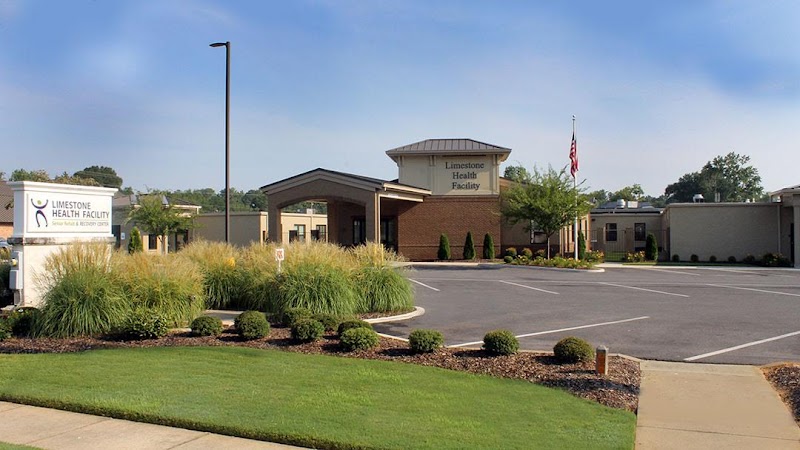
LIMESTONE NURSING AND REHABILITATION CENTER, LLC is owned by a for-profit company. For-profit facilities operate as businesses with obligations to shareholders or private owners. The facility is operated by PRESTON HEALTH SERVICES, a chain that manages multiple nursing homes. With 170 certified beds and approximately 136 residents (about 80% occupancy), it is a mid-sized facility located in ATHENS, Alabama.

How Does Limestone, Llc Compare to Other Alabama Nursing Homes?

Compared to the 100 nursing homes in Alabama, LIMESTONE NURSING AND REHABILITATION CENTER, LLC's overall rating (3 stars) is above the state average of 2.9, staff turnover (45%) is near the state average of 46%, and health inspection rating (3 stars) is at the national benchmark.

What Should Families Ask When Visiting Limestone, Llc?

Based on this facility's data, families visiting should ask: "Can I visit during a mealtime to observe dining assistance and food quality?" "How do you handle medical emergencies, and what is your hospital transfer rate?" "Can I speak with family members of current residents about their experience?"

Is Limestone, Llc Safe?

Based on CMS inspection data, LIMESTONE NURSING AND REHABILITATION CENTER, LLC has a clean safety record: no substantiated abuse findings (meaning no confirmed cases of resident harm), no Immediate Jeopardy citations (the most serious violation level indicating risk of serious injury or death), and is not on the Special Focus Facility watch list (a federal program monitoring the lowest-performing 1% of nursing homes). The facility has a 3-star overall rating and ranks #1 of 100 nursing homes in Alabama. While no facility is perfect, families should still ask about staff-to-resident ratios and recent inspection results during their visit.

Do Nurses at Limestone, Llc Stick Around?

LIMESTONE NURSING AND REHABILITATION CENTER, LLC has a staff turnover rate of 45%, which is about average for Alabama nursing homes (state average: 46%). Moderate turnover is common in nursing homes, but families should still ask about staff tenure and how the facility maintains care continuity when employees leave.

Was Limestone, Llc Ever Fined?

LIMESTONE NURSING AND REHABILITATION CENTER, LLC has no federal fines on record. CMS issues fines when nursing homes fail to meet care standards or don't correct problems found during inspections. The absence of fines suggests the facility has either maintained compliance or corrected any issues before penalties were assessed. This is a positive indicator, though families should still review recent inspection reports for the full picture.

Is Limestone, Llc on Any Federal Watch List?

LIMESTONE NURSING AND REHABILITATION CENTER, LLC is not on any federal watch list. The most significant is the Special Focus Facility (SFF) program, which identifies the bottom 1% of nursing homes nationally based on persistent, serious quality problems. Not being on this list means the facility has avoided the pattern of deficiencies that triggers enhanced federal oversight. This is a positive indicator, though families should still review the facility's inspection history directly.