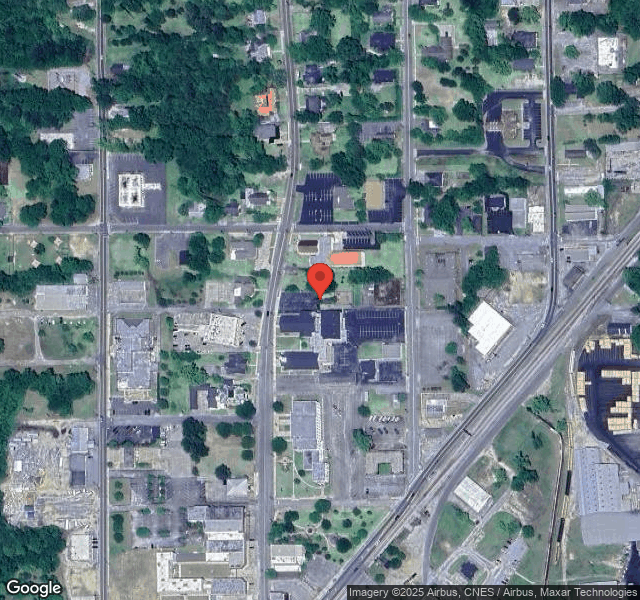

WEST GATE VILLAGE

100 PINEVIEW AND THIRD, BREWTON, AL 36427 (251) 867-6077
For profit - Corporation 125 Beds CROWNE HEALTH CARE Data: November 2025
Trust Grade
90/100
#33 of 223 in AL
Last Inspection: March 2022

Over 2 years since last inspection. Current conditions may differ from available data.

Overview

West Gate Village in Brewton, Alabama has earned a Trust Grade of A, indicating it is highly recommended and provides excellent care. It ranks #33 out of 223 facilities in Alabama, placing it in the top half, and is the second-best option in Escambia County. The facility is improving, having reduced issues from three in 2019 to none in 2022. Staffing is a strong point with a 5/5 star rating and a turnover rate of only 30%, significantly lower than the state average, ensuring continuity of care. However, there have been some concerns, including failures to properly label food in storage and not following isolation procedures for residents, which could potentially affect safety and health, although there have been no fines or critical violations. Overall, while there are strengths in staffing and care quality, families should note the areas needing attention.

Trust Score
A
90/100
In Alabama
#33/223
Top 14%
Safety Record
Low Risk
No red flags
Inspections
Getting Better
3 → 0 violations
Staff Stability
○ Average
30% turnover. Near Alabama's 48% average. Typical for the industry.
Penalties
✓ Good
No fines on record. Clean compliance history, better than most Alabama facilities.
Skilled Nurses
○ Average
Each resident gets 37 minutes of Registered Nurse (RN) attention daily — about average for Alabama. RNs are the most trained staff who monitor for health changes.
Violations
✓ Good
Only 4 deficiencies on record. Cleaner than most facilities. Minor issues only.
★★★★★
5.0
Overall Rating
★★★★★
5.0
Staff Levels
★★☆☆☆
2.0
Care Quality
★★★★☆
4.0
Inspection Score
Stable
2019: 3 issues
2022: 0 issues

The Good

  • 5-Star Staffing Rating · Excellent nurse staffing levels
  • Full Sprinkler Coverage · Fire safety systems throughout facility
  • No fines on record
  • Staff turnover below average (30%)

    18 points below Alabama average of 48%

Facility shows strength in staffing levels, fire safety.

The Bad

Staff Turnover: 30%

15pts below Alabama avg (46%)

Typical for the industry

Chain: CROWNE HEALTH CARE

Part of a multi-facility chain

Ask about local staffing decisions and management

The Ugly 4 deficiencies on record

Jun 2019 3 deficiencies
CONCERN (D)

Potential for Harm - no one hurt, but risky conditions existed

Respiratory Care (Tag F0695)

Could have caused harm · This affected 1 resident

**NOTE- TERMS IN BRACKETS HAVE BEEN EDITED TO PROTECT CONFIDENTIALITY** Based on observations, interviews and medical record review, the facility failed to ensure nebulizer treatment masks were placed...

Read full inspector narrative →
**NOTE- TERMS IN BRACKETS HAVE BEEN EDITED TO PROTECT CONFIDENTIALITY** Based on observations, interviews and medical record review, the facility failed to ensure nebulizer treatment masks were placed in Ziploc plastic bags and not left on the resident's bed or on the resident's bedside table. This affected Resident Identifier (RI) #10 and #37, two of six residents observed who received breathing treatments. Findings Include: 1) RI #10 was re-admitted to the facility on [DATE], with a diagnosis of Shortness of Breath. A physician order for RI #10, dated 8/27/18, revealed the order for Combivent Nebulizer Treatment (Ipratropium Bromide/Albuterol Sulfate) via (by way of) nebulizer three times daily and as needed. On 06/17/19 at 3:38 PM, RI #10 was observed resting in a wheelchair watching television. Also observed was a breathing treatment machine (nebulizer) sitting behind RI #10 on his/her bed with the treatment mask beside it on the bed. The empty Ziploc bag was also on the bed. On 06/17/19 at 4:34 PM, an interview was conducted with Employee Identifier (EI) #6, Registered Nurse (RN)/Unit Manager. EI #6 was asked, what did she see on RI #10's bed. EI #6 replied, nebulizer, treatment mask and a Ziploc bag. EI #6 was asked, where was the mask lying. EI #6 replied, on the bed. EI #6 was asked, where was the Ziploc bag. EI #6 replied, same (on the bed). EI #6 was asked, should the mask be lying on the bed beside the Ziploc bag. EI #6 replied, no. EI #6 was asked, who was responsible for placing the mask in the Ziploc bag. EI #6 replied, the cart nurse. EI #6 was asked, what was the potential harm in not keeping mask in a Ziploc bag. EI #6 replied, bacteria and infection. 2) RI #37 was re-admitted to the facility on [DATE], with a diagnosis of COPD (Chronic Obstructive Pulmonary Disease). A physician order for RI #37, dated 7/24/18, revealed the order for Duonebs (Albuterol Sulfate/Ipratropium Bromide) via nebulizer three times daily for the diagnosis of COPD. On 06/17/19 at 3:45 PM, EI #37 was resting in bed with his/her eyes open. Also observed was a breathing treatment machine on the bedside table with the breathing treatment mask lying beside the machine, not in a Ziploc plastic bag. The plastic Ziploc bag was lying on top of the mask and the nebulizer machine. On 06/17/19 at 4:44 PM, an interview was conducted with EI #6. EI #6 was asked, what did she see on RI #37's bedside table. EI #6 replied, nebulizer treatment machine, treatment mask and Ziploc bag. EI #6 was asked, where should the mask be. EI #6 replied, in the Ziploc bag. EI #6 was asked, where was the Ziploc bag. EI #6 replied, on the bedside table lying on top of the mask and nebulizer. EI #6 was asked, was there anything in the bag. EI #6 replied, no. EI #6 was asked, should the mask be lying on the bedside table not covered. EI #6 replied, no EI # 6 was asked, who was responsible for placing the mask in the Ziploc bag. EI #6 replied, the cart nurse. EI #6 was asked, why was the treatment mask not in the Ziploc bag. EI #6 replied, she did not know. It was an oversight. EI #6 was asked, what was the potential harm of not keeping the mask in the Ziploc bag between treatments. EI #6 replied, contamination and bacteria.
CONCERN (D)

Potential for Harm - no one hurt, but risky conditions existed

Infection Control (Tag F0880)

Could have caused harm · This affected 1 resident

**NOTE- TERMS IN BRACKETS HAVE BEEN EDITED TO PROTECT CONFIDENTIALITY** Based on observations, interviews, medical record reviews, and a facility policy titled, Policy: Isolation Policy the facility f...

Read full inspector narrative →
**NOTE- TERMS IN BRACKETS HAVE BEEN EDITED TO PROTECT CONFIDENTIALITY** Based on observations, interviews, medical record reviews, and a facility policy titled, Policy: Isolation Policy the facility failed to ensure staff did not enter into Resident Identifier (RI) #108's room before putting on a gown and gloves. RI #108 was a resident on strict contact isolation precautions. This was observed on 6/18/19. This affected RI #108, one of five residents sampled who were on isolation precautions. Findings include: A review of facility policy titled, Policy: Isolation Policy with a revised date of 11/21/13. revealed: . 2. RESPONSIBILITY . Employees at all levels should be knowledgeable in the use of appropriate isolation techniques .9. Contact Precautions .B. Gloves and Handwashing .wear gloves .when .handling items potentially contaminated .C. Gown .Wear a gown .when entering the room of a resident on contact precautions. RI #108 was admitted to the facility on [DATE], with a primary diagnosis of Infectious Gastroenteritis and Colitis. A review of RI #108's physician orders dated 4/25/19, revealed: .ISOLATION-STRICT CONTACT IN A PRIVATE ROOM . On 6/18/19 at 9:51 AM, the surveyor observed signage on RI #108's door indicating Contact Precautions. RI #108 was in a private room. On 6/18/19 at 12:41, PM EI (Employee Identifier) #1, CNA (Certified Nursing Assistant) was observed entering the room of RI #108 without putting on personal protective equipment (PPE) (Gown and gloves). EI #1 walked though RI #108's room, and touched handles on the bathroom sink with her bare hands prior to washing her hands. On 6/19/19 at 10:36 AM, a telephone interview was conducted with EI #1. EI #1 was asked, when should anyone enter a contact isolation room without wearing PPE. EI #1 replied, never. EI #1 was asked, who was responsible for wearing PPE. EI #1 replied, anyone entering the room. EI #1 was asked, where should PPE be put on. EI #1 replied, outside the threshold of the door. EI #1 was asked, when delivering trays on 6/18/19, did you enter RI #108's room and touch the sink handles prior to putting on PPE. EI #1 replied, she thought she remembered doing that. EI #1 was asked, when should staff enter a resident's room on contact precautions and touch handles of the sink without PPE. EI #1 replied, they should not. On 6/19/19 at 9:27 AM, an interview was conducted with EI #2, RN (Registered Nurse), Infection Control Nurse. EI #2 was asked, what was the policy and procedure regarding putting on PPE for contact isolation. EI #2 replied, If shoe covers are needed, they are applied first. EI #2 said next, the gown was donned, and gloves were put on last. EI #2 was asked, who should put on PPE. EI #2 replied, anyone entering a contact isolation room should wear PPE. EI #2 was asked, where should PPE be put on. EI #2 replied, outside threshold of the door. EI #2 was asked, when should staff enter into a contact isolation room without putting on PPE. EI #2 replied, never. EI #2 was asked, what was the harm in entering a contact isolation room without PPE and then touching handles to sink with bare hands. EI #2 replied, there was a risk of contamination.
CONCERN (F)

Potential for Harm - no one hurt, but risky conditions existed

Food Safety (Tag F0812)

Could have caused harm · This affected most or all residents

Based on observation, interview and review of facility policies, Food Storage, Food Temperatures and Hand Washing, the facility failed to ensure: 1. a half bag of frozen breaded squash and 3/4 bag of...

Read full inspector narrative →
Based on observation, interview and review of facility policies, Food Storage, Food Temperatures and Hand Washing, the facility failed to ensure: 1. a half bag of frozen breaded squash and 3/4 bag of frozen sweet potato fries in the freezer were labeled with an open and use by date, 2. the temperature of the gravy, super potatoes and soup was taken during the lunch meal on 6/19/19, and temperatures of the foods were placed on the log and 3. the dayshift cook washed her hands before changing tasks and after removing her gloves. This had the potential to affect all 114 residents receiving meals from the kitchen. Findings Include: 1. A review of a facility policy titled, Food Storage dated 2013, revealed: .Procedure .15. Frozen Foods: . c. All foods should be covered, labeled and dated. On 6/17/19 at 3:30 PM, during the initial tour of the kitchen with EI (Employee Identifier) #4, Dietary Manager (DM), the freezer was observed. In the freezer, the surveyor observed an open bag of frozen squash and an open bag of sweet potato fries which was not labeled with an open or use by date. The surveyor asked EI #4 what were the items that were open and not labeled with an open or use by date. EI #4 replied, a half bag of breaded squash and 3/4 bag of frozen sweet potato fries. EI #4 was asked if these items should be labeled. EI #4 replied, yes. EI #4 was asked why was there no label on the squash or fries. EI #4 replied, she did not know. EI #4 was asked what would the harm be in the squash and fries not having a label. EI #4 replied, they would not know when they were opened . On 6/20/19 at 10:08 AM, a follow up interview was conducted with EI #4. EI #4 was asked what was the policy regarding labeling foods in the freezer. EI #4 replied, there must be a label on everything opened and placed in the freezer or refrigerator. EI #4 was asked was the frozen breaded squash and frozen sweet potato fries labeled. EI #4 replied, no. EI #4 was asked when should the squash and fries be labeled. EI #4 replied, when they were placed back in the freezer. EI #4 was asked who was responsible for labeling the squash and sweet potato fries. EI #4 replied, the cook that took it out and put it back. EI #4 was asked what would the harm be in no label. EI #4 replied, if not labeled staff could not tell when it was opened and how long it had been there. 2. A review of a facility policy titled, Food Temperatures dated 2013 revealed: Policy: The temperatures of the food items will be taken and properly recorded for each meal. Procedure: 1. All hot food items must be cooked to appropriate internal temperatures, held and served at a temperature of at least 135 (degrees) F (Fahrenheit). On 6/19/19 at 10:50 AM, the surveyor entered the kitchen for the trayline observation. EI #4 took the temperatures of the foods on the steam table which included green lima beans, fried breaded squash, mashed potatoes, pureed squash, pureed green lima beans, pureed ham, cabbage, peppered steak chopped ham, cut up ham and sliced ham. The surveyor observed gravy and super potatoes on the stove top that had not been tempted. The surveyor also observed EI #5, the Dayshift [NAME] place six individual bowls of soup on the tray line once she removed them from the microwave. The bowls of soup had not been tempted. The surveyor observed the gravy, super potatoes and soup being served. EI #5 took the bowls of soup from the microwave and placed them on the trayline. On 6/19/19 at 11:40 AM, EI #5 started plating food. She plated gravy, super potatoes and all of the bowls of soup that was not tempted. On 6/19/19 at 12:15 PM, the surveyor asked EI #4 where was the temperature log. EI #4 reached and got the book from the shelf and said she did not put the temperatures down. She asked for the ones the surveyor had. The surveyor asked for a copy of the log before temperatures were added. EI #4 was then asked what was the temperature for the gravy, super potatoes and soup. EI #4 replied, she did not get them. On 6/20/19 at 9:59 AM, during an interview with EI #5, she was asked when was the temperature of the super potatoes, gravy and soup taken. EI #5 replied, she did not know. EI #5 was asked if the temperature of the gravy, super potatoes and soup was taken before served. EI #5 replied, she thought EI #4, the DM, took them. EI #5 was asked who usually took the temperatures of the foods on the trayline. EI #5 replied, they all worked together; the cook, DM or those helping. EI #5 was asked what would the risks be in serving foods that had not been tempted. EI #5 replied, the food could not be hot enough and cause someone to get sick. On 6/20/19 at 10:02 AM, a follow up interview was conducted with EI #4, DM. She was asked when should the temperature of foods be taken. EI #4 replied, first set up the food on the line then take the temperature of all the foods. EI #4 was asked when should the temperatures be logged. EI #4 replied, as they were taken. EI #4 was asked was the temperature of the gravy, super potatoes and soup taken. EI #4 replied, no. EI #4 was asked why not. EI #4 replied, she thought the other person did it. EI #4 was asked if the super potatoes, gravy and soup was served to residents. EI #4 replied, yes. EI #4 was asked what was the harm in not taking the temperature of those foods. EI #4 replied, they must know the temperature was right to not cause harm and grow bacteria. EI #4 was asked how many residents receive meals from the kitchen. EI #4 replied, 114 were fed from the kitchen. 3. A review of a facility policy titled, Hand Washing dated 2013 revealed: Policy: Staff will wash hands as frequently as needed throughout the day . Procedure: .1. When to Wash Hands: .During food preparation, as often as necessary to remove soil and contaminated and to prevent cross contamination when changing tasks. On 6/19/19 at 11:10 AM, EI #5 was observed to put on gloves and added frozen squash to the deep fryer. EI #5 removed her gloves and went to the pantry and got six individual cans of soup. EI #5 removed a cloth from the sanitizer bucket and wiped the top of each can. EI #5 opened and poured each can into an individual bowl and placed each bowl with a lid into the microwave. EI #5 took the empty cans to the trash can, lifted the lid without using gloves, and did not wash her hands. EI #5 then went to the deep fryer and picked up and shook each basket. EI #5 walked to the steam table and propped up on the steam table using her hands. On 6/19/19 at 11:50 AM, while plating food, EI #5 removed her gloves and picked up an individual serving bowl and several disposable gloves. These items were placed on the steam table counter. EI #5 put on clean gloves and continued plating the food. EI #5 did not wash her hands when she removed the gloves. On 6/20/19 at 9:59 AM, an interview was conducted with EI #5. EI #5 was asked what was the policy regarding when to wash hands while in the kitchen. EI #5 replied, all the time; when changing gloves and when stopping one thing and starting another. EI #5 was asked if she washed her hands when she took off her gloves and got individual bowls of soup ready and lifted the lid to the trash can and discarded the trash. EI #5 replied, no. EI #5 was asked if she washed her hands when she left the tray line for an individual bowl then returned to the tray line and continued plating food. EI #5 replied, no. EI #5 was asked what was the harm in touching the trash can lid and other items in the kitchen without washing her hands. EI #5 replied, she could pass germs to residents from the trash can to the food. EI #5 was asked what was the harm in not washing her hands when she removed her gloves. EI #5 replied, she could pass germs and could make residents sick. On 6/20/19 at 10:05 AM, an interview was conducted with EI #4, DM. EI #4 was asked what was the policy regarding when to wash hands while in the kitchen. EI #4 replied, wash hands when staff come in and when staff touch anything. EI #4 was asked when should staff wash their hands while in the kitchen. EI #4 replied they should wash their hands all the time. EI #4 was asked if it would be acceptable for staff to touch a trash can lid then go touch the deep fryer without their washing hands. EI #4 replied, no. EI #4 was asked if it would be acceptable for trayline staff to leave the trayline to get a bowl and gloves, then return to the trayline without washing their hands. EI #4 replied, no anytime they (staff) change a task, they should wash their hands and anytime they remove their gloves they should wash their hands. EI #4 was asked what would the risks be in the staff not washing their hands when changing tasks and removing gloves while working in the kitchen. EI #4 replied, there could be germs on their hands that could get to the food and contaminate it.
Jul 2018 1 deficiency
CONCERN (D)

Potential for Harm - no one hurt, but risky conditions existed

Deficiency F0657 (Tag F0657)

Could have caused harm · This affected 1 resident

**NOTE- TERMS IN BRACKETS HAVE BEEN EDITED TO PROTECT CONFIDENTIALITY** Based on record reviews, interviews, review of a job description and review of the Care Planning Policy and Procedure, the facil...

Read full inspector narrative →
**NOTE- TERMS IN BRACKETS HAVE BEEN EDITED TO PROTECT CONFIDENTIALITY** Based on record reviews, interviews, review of a job description and review of the Care Planning Policy and Procedure, the facility failed to ensure comprehensive care plans were developed for 3 residents within the required time after their admission into the facility. This affected RI (Resident Identifier) #s 74, 75 and 78, three of thirty-one care plans that were review. Findings Include: The facility's policy titled, . Job Description MDS (Minimum Data Set)/CP (Care Plan) Coordinator, form was reviewed. The general purpose of the job indicated, The primary purpose of this job title is to plan, organize, develop, and direct the MDS schedules . in accordance with current/applicable Federal, State . Guidelines, and Regulations . Responsibilities /Duties: 3- Understand and follow the rules, regulations, and guidelines of the RAI (Resident Assessment Instrument) process. The facility's Care Planning Policy and Procedure, revised date 02/20/18, revealed Policy: The care plan is a guide for all staff on a course of action that will attain or maintain a resident's highest practicable level of well being . The procedure included, . 3. The interdisciplinary team will use the RAI process . and complete an interdisciplinary care plan within 7 days of the completion of the Care Area Assessment Protocol (CAAs). RI #74 was admitted to the facility on [DATE]. The diagnoses at the time of admission included Hemiplegia affecting the left nondominant side, lack of coordination and aphasia following a cerebral infarction and cognitive communication deficit. The facility provided an admission MDS with an assessment reference date (ARD) of 05/24/18. When the surveyor requested the comprehensive care plan, the facility could not provide one. RI #75 was admitted to the facility on [DATE]. The diagnoses at the time of admission included a history of falling, pulmonary heart disease and dependence on supplemental oxygen. The facility provided an admission MDS with an ARD of 05/11/18. When the surveyor requested the comprehensive care plan, the facility could not provide one. RI #78 was admitted to the facility on [DATE]. Diagnoses at the time of admission included lung cancer and secondary malignant neoplasm of the brain. The facility provided an admission MDS with an ARD of 03/07/2018 and a quarterly MDS with an ARD of 06/03/18. When the surveyor requested the comprehensive care plan, the facility could not provide one. On 07/12/18 at 03:45 PM, an interview was conducted with Employee Identifier (EI) #2, the Care Plan Coordinator. EI #2 was asked when were comprehensive care plans supposed to be developed. She replied, at least by day 21, their policy was seven days after the CAA was completed. EI #2 was asked who was responsible for ensuring care plans were developed. She said she signed for completion and two other RNs (Registered Nurse) sign also. EI #2 was asked what was the facility's policy regarding the development of comprehensive, person-centered care plans. She reported they were supposed to develop one for everyone. The nursing provided the care plans for diagnoses, medications, ADLs (activity of daily living) and resident preferences and activity choices. EI #2 also reported the care plans had to be person centered. The Care Plan Coordinator was asked when was RI #74 was admitted to the facility. She replied, 5/17/18. When asked when should the comprehensive care plan have been developed, EI #2 replied, on 6/6/18. When asked why it not done, EI #2 reported she would say that they had gotten behind and just did not get EI#74's completed by that time. EI #2 was then asked when was RI #78 admitted to the facility. She replied, 02/26/18. She was asked when should RI #78's comprehensive care plan have been developed. EI #2 answered, 3/16/18. When asked how many assessments had been done for RI #78, EI #2, replied the resident had had two. When asked when the second one was done, what was done during resident's care review. EI #2 reported they updated the 48 hour (of admission to the facility) care plan and added what they needed to. When asked why was the comprehensive care plan not done, EI #2 replied, they got behind. EI #2 was asked when was resident RI #75 admitted to the facility. She replied, 5/4/18. When asked when should RI #75's comprehensive care plan have been developed, she replied, 5/24/18. When asked why it was not done, she replied they got behind and did not get RI #75's completed on time. EI #2 was asked what the concern was for not developing a comprehensive plan of care timely. She reported they do not have all the problems identified they would need to have addressed, including an in depth ADL care plan. On 07/12/18 at 4:04 PM, an interview with the Director of Nursing (DON), EI #1 was conducted. She was asked when were comprehensive care plans supposed to be developed. EI #1 replied, by day 21. When asked who was responsible for ensuring comprehensive care plans were developed, EI #1 replied, the care plan team and coordinators. EI #1 was asked what was the facility's policy regarding the development of comprehensive, person-centered care plans. She reported, developing them within 21 days. When asked what was the concern for not developing a comprehensive plan of care, EI #1 replied, possibly not providing the best care possible. EI #1 was asked what was the concern of a comprehensive plan of care not being developed after 2 resident assessments had been completed. EI #1 replied there was a potential for not providing optimal care or be fully aware of the residents needs.
Understanding Severity Codes (click to expand)
Life-Threatening (Immediate Jeopardy)
J - Isolated K - Pattern L - Widespread
Actual Harm
G - Isolated H - Pattern I - Widespread
Potential for Harm
D - Isolated E - Pattern F - Widespread
No Harm (Minor)
A - Isolated B - Pattern C - Widespread

Questions to Ask on Your Visit

  • "Can I speak with families of current residents?"
  • "What's your RN coverage like on weekends and overnight?"

Our Honest Assessment

Strengths
  • • Grade A (90/100). Above average facility, better than most options in Alabama.
  • • No major safety red flags. No abuse findings, life-threatening violations, or SFF status.
  • • No fines on record. Clean compliance history, better than most Alabama facilities.
  • • Only 4 deficiencies on record. Cleaner than most facilities. Minor issues only.
Concerns
  • • No significant concerns identified. This facility shows no red flags across CMS ratings, staff turnover, or federal penalties.
Bottom line: Generally positive indicators. Standard due diligence and a personal visit recommended.

About This Facility

What is West Gate Village's CMS Rating?

CMS assigns WEST GATE VILLAGE an overall rating of 5 out of 5 stars, which is considered much above average nationally. Within Alabama, this rating places the facility higher than 99% of the state's 100 nursing homes. This rating reflects solid performance across the metrics CMS uses to evaluate nursing home quality.

How is West Gate Village Staffed?

CMS rates WEST GATE VILLAGE's staffing level at 5 out of 5 stars, which is much above average compared to other nursing homes. Staff turnover is 30%, compared to the Alabama average of 46%. This relatively stable workforce can support continuity of care.

What Have Inspectors Found at West Gate Village?

State health inspectors documented 4 deficiencies at WEST GATE VILLAGE during 2018 to 2019. These included: 4 with potential for harm.

Who Owns and Operates West Gate Village?

WEST GATE VILLAGE is owned by a for-profit company. For-profit facilities operate as businesses with obligations to shareholders or private owners. The facility is operated by CROWNE HEALTH CARE, a chain that manages multiple nursing homes. With 125 certified beds and approximately 98 residents (about 78% occupancy), it is a mid-sized facility located in BREWTON, Alabama.

How Does West Gate Village Compare to Other Alabama Nursing Homes?

Compared to the 100 nursing homes in Alabama, WEST GATE VILLAGE's overall rating (5 stars) is above the state average of 3.0, staff turnover (30%) is significantly lower than the state average of 46%, and health inspection rating (4 stars) is above the national benchmark.

What Should Families Ask When Visiting West Gate Village?

Based on this facility's data, families visiting should ask: "Can I visit during a mealtime to observe dining assistance and food quality?" "How do you handle medical emergencies, and what is your hospital transfer rate?" "Can I speak with family members of current residents about their experience?"

Is West Gate Village Safe?

Based on CMS inspection data, WEST GATE VILLAGE has a clean safety record: no substantiated abuse findings (meaning no confirmed cases of resident harm), no Immediate Jeopardy citations (the most serious violation level indicating risk of serious injury or death), and is not on the Special Focus Facility watch list (a federal program monitoring the lowest-performing 1% of nursing homes). The facility has a 5-star overall rating and ranks #1 of 100 nursing homes in Alabama. While no facility is perfect, families should still ask about staff-to-resident ratios and recent inspection results during their visit.

Do Nurses at West Gate Village Stick Around?

WEST GATE VILLAGE has a staff turnover rate of 30%, which is about average for Alabama nursing homes (state average: 46%). Moderate turnover is common in nursing homes, but families should still ask about staff tenure and how the facility maintains care continuity when employees leave.

Was West Gate Village Ever Fined?

WEST GATE VILLAGE has no federal fines on record. CMS issues fines when nursing homes fail to meet care standards or don't correct problems found during inspections. The absence of fines suggests the facility has either maintained compliance or corrected any issues before penalties were assessed. This is a positive indicator, though families should still review recent inspection reports for the full picture.

Is West Gate Village on Any Federal Watch List?

WEST GATE VILLAGE is not on any federal watch list. The most significant is the Special Focus Facility (SFF) program, which identifies the bottom 1% of nursing homes nationally based on persistent, serious quality problems. Not being on this list means the facility has avoided the pattern of deficiencies that triggers enhanced federal oversight. This is a positive indicator, though families should still review the facility's inspection history directly.