COLLINSVILLE HEALTHCARE & REHAB
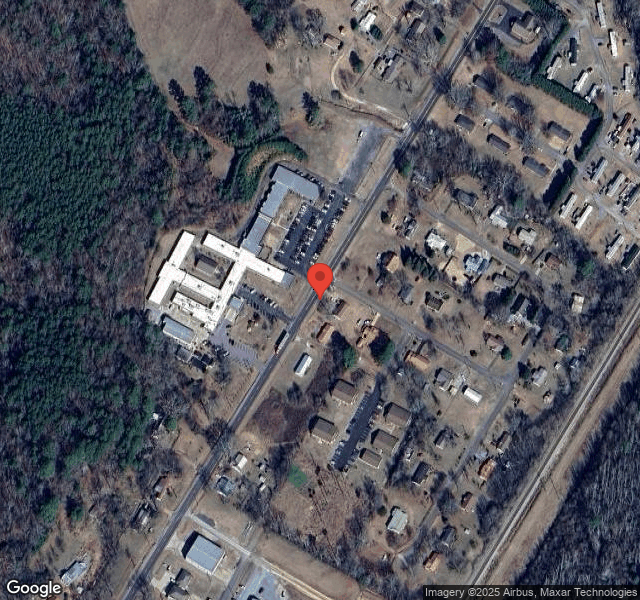

685 NORTH VALLEY AVE, COLLINSVILLE, AL 35961 (256) 524-2117
For profit - Corporation 200 Beds Independent Data: November 2025
Trust Grade
70/100
#92 of 223 in AL
Last Inspection: February 2025

Within standard 12-15 month inspection cycle. Federal law requires annual inspections.

Overview

Collinsville Healthcare & Rehab has a Trust Grade of B, indicating it is a good choice among nursing homes, but not the best. It ranks #92 out of 223 facilities in Alabama, placing it in the top half, but is #3 out of 3 in De Kalb County, meaning only one local option is better. The facility is worsening, with the number of issues increasing from 2 in 2019 to 4 in 2025. Staffing is a strong point with a 5/5 star rating and a turnover rate of 32%, which is significantly lower than the state average, showing that staff are experienced and familiar with the residents. However, there are some concerning incidents, including a failure to maintain food safety standards in the kitchen and not respecting residents' privacy when delivering meals. On the positive side, they have no fines on record, indicating compliance with regulations.

Trust Score
B
70/100
In Alabama
#92/223
Top 41%
Safety Record
Low Risk
No red flags
Inspections
Getting Worse
2 → 4 violations
Staff Stability
○ Average
32% turnover. Near Alabama's 48% average. Typical for the industry.
Penalties
✓ Good
No fines on record. Clean compliance history, better than most Alabama facilities.
Skilled Nurses
○ Average
Each resident gets 36 minutes of Registered Nurse (RN) attention daily — about average for Alabama. RNs are the most trained staff who monitor for health changes.
Violations
○ Average
8 deficiencies on record. Average for a facility this size. Mostly minor or procedural issues.
★★★☆☆
3.0
Overall Rating
★★★★★
5.0
Staff Levels
★☆☆☆☆
1.0
Care Quality
★★★☆☆
3.0
Inspection Score
Stable
2019: 2 issues
2025: 4 issues

The Good

  • 5-Star Staffing Rating · Excellent nurse staffing levels
  • Full Sprinkler Coverage · Fire safety systems throughout facility
  • No fines on record
  • Staff turnover below average (32%)

    16 points below Alabama average of 48%

Facility shows strength in staffing levels, fire safety.

The Bad

3-Star Overall Rating

Near Alabama average (2.9)

Meets federal standards, typical of most facilities

Staff Turnover: 32%

14pts below Alabama avg (46%)

Typical for the industry

The Ugly 8 deficiencies on record

Feb 2025 4 deficiencies
CONCERN (D) 📢 Someone Reported This

A family member, employee, or ombudsman was alarmed enough to file a formal complaint

Potential for Harm - no one hurt, but risky conditions existed

Resident Rights (Tag F0550)

Could have caused harm · This affected 1 resident

**NOTE- TERMS IN BRACKETS HAVE BEEN EDITED TO PROTECT CONFIDENTIALITY** Based on observations, interviews, resident record review, and review of the facility policy titled Privacy/Dignity Protocol Pri...

Read full inspector narrative →
**NOTE- TERMS IN BRACKETS HAVE BEEN EDITED TO PROTECT CONFIDENTIALITY** Based on observations, interviews, resident record review, and review of the facility policy titled Privacy/Dignity Protocol Prior to Providing Resident Care, the facility failed to ensure Housekeeping (HK) #8, delivering breakfast meal trays, honored residents' right to privacy when she failed to knock on doors and gain permission to enter residents' rooms before entering on 02/11/2025. This had the potential to affect Resident Identifier (RI) #112 and RI #143, two of 27 sampled residents. Findings include: Review of a facility policy titled Privacy/Dignity Protocol Prior to Providing Resident Care, with an revised date of 06/02/2016, revealed the following: 1. Knock and gain permission before entering resident's room . 3. Identify yourself and ask the resident's permission to perform the procedure. 1) RI #112 was admitted to the facility on [DATE] with a re-admit date of 04/05/2024 and had diagnoses to include: Bipolar Disorder, Anxiety Disorder, and Mood Disorder. 2) RI #143 was admitted to the facility on [DATE] and had diagnoses to include: Dementia, Psychotic Disturbance, Mood Disturbance, and Anxiety. On 02/11/2025 at 8:47 AM, Housekeeper (HK) #8 was observed delivering breakfast meal trays to RI #112 and #143 without knocking, announcing herself, or waiting for permission before entering rooms. On 02/11/2025 at 08:58 AM, the surveyor asked RI #112 if he/she minded staff entering her room without knocking, announcing him/herself while delivering breakfast meal trays. RI #112 responded, he/she would like someone to knock on the door before entering. When asked how he/she felt about that, RI #112 replied, it made him/her feel uncomfortable at times and like he/she did not have privacy. On 02/12/2025 at 07:40 AM during an interview with HK #8, she said, she should knock or ask to enter a resident room before entering. HK #8 was asked if she knocked on residents' doors before entering while passing meal trays, she said, no. When asked if she should have knocked or announced herself before entering the room, she said, yes. HK #8 said, not knocking on residents' doors before entering would be a privacy issue. On 02/12/2025 at 07:55 AM the Administrator said, before staff enter resident rooms they should knock on the door the concern of not knocking before entering was a dignity issue.
CONCERN (D) 📢 Someone Reported This

A family member, employee, or ombudsman was alarmed enough to file a formal complaint

Potential for Harm - no one hurt, but risky conditions existed

Deficiency F0583 (Tag F0583)

Could have caused harm · This affected 1 resident

**NOTE- TERMS IN BRACKETS HAVE BEEN EDITED TO PROTECT CONFIDENTIALITY** Based on observation, interviews, resident record review, and review of a facility policy titled Administration of medication th...

Read full inspector narrative →
**NOTE- TERMS IN BRACKETS HAVE BEEN EDITED TO PROTECT CONFIDENTIALITY** Based on observation, interviews, resident record review, and review of a facility policy titled Administration of medication the facility failed to ensure Registered Nurse (RN) #6 took action to protect Resident Identifier (RI) #99's right to privacy, during medication administration, when RN #6 failed to ensure the Electronic Medication Administration Record (EMAR) screen was properly closed and not displaying information about RI #99 while she stepped away from the medication cart on 02/11/2025 on Station Three. This deficient practice affected RI #99, one of seven residents observed during medication administration. Finding include: Review of a facility policy titled Medication Administration Policy and Procedure with an revised date of 01/10/2025 revealed the following: . Additional Medication-Pass Procedures: . Privacy: Each resident has the right to have privacy . Ensure the eMAR is not able to be seen by others. RI #99 was admitted to the facility on [DATE] with diagnoses to include Diabetes Mellitus, Hypertension, and Chronic Pain. RI #99's February 2025 EMAR revealed RI #99 was receiving Metoprolol 25 mg (milligrams) by mouth twice a day for Hypertension and Norco 5-325 mg by mouth four times a day for Chronic Pain. On 02/11/2025 at 4:50 PM the surveyor observed RI #99's name and two listed medications, Metoprolol and Norco, on the EMAR screen were visible for anyone walking by an unattended medication cart on Station Three. On 02/11/2025 at 4:59 PM Registered Nurse (RN) #6 was asked about the EMAR screen left open on Station Three with RI #99's information exposed. RI #6 said, she was about to give RI #99 medication and she left RI #99's EMAR open and went to make a telephone call and left the information for RI #99 on the screen. RN #6 said, it was a privacy concern and anyone walking by could have viewed the resident's information. RN #6 said, she had her back turned toward the cart and she should have had the privacy screen on the EMAR when she was away from the medication cart. RN #6 said, it would be important to ensure the EMAR screen was closed so anyone who walked by would not be able to see RI #99's information. On 02/11/2024 at 5:27 PM Registered Nurse (RN) #7, the Unit Manager, was asked about EMAR screens when nurses were away from medication carts. RN #7 said, the privacy screen should be used when the nurse was away from the medication cart. RN #7 said, it would be important for the EMAR screen to be closed when the nurse was away from the medication cart to ensure resident's information was kept confidential. RN #7 said, RN #6 did not follow company policy.
CONCERN (D) 📢 Someone Reported This

A family member, employee, or ombudsman was alarmed enough to file a formal complaint

Potential for Harm - no one hurt, but risky conditions existed

Assessment Accuracy (Tag F0641)

Could have caused harm · This affected 1 resident

**NOTE- TERMS IN BRACKETS HAVE BEEN EDITED TO PROTECT CONFIDENTIALITY** 2) RI #92 was admitted to the facility on [DATE] and readmitted on [DATE] and had diagnoses to include Muscle Weakness and Abnor...

Read full inspector narrative →
**NOTE- TERMS IN BRACKETS HAVE BEEN EDITED TO PROTECT CONFIDENTIALITY** 2) RI #92 was admitted to the facility on [DATE] and readmitted on [DATE] and had diagnoses to include Muscle Weakness and Abnormalities of Gait and Mobility. On review of RI #92's quarterly MDS assessment with an ARD of 01/03/2025 RI #92 was coded as using a trunk restraint less than daily during the assessment period, when RI #92 did not use a trunk restraint. On 02/11/2025 at 11:53 AM RI #92 was observed sitting in his/her wheelchair and there was no trunk restraint observed being used. On 02/12/2025 at 9:19 AM RI #92 was observed in bed and there was no trunk restraint in use. On 02/13/2025 at 1:23 PM in a continued interview with the MDS nurse, the MDS nurse said, RI #92 did not use any type of restraint. The MDS nurse said, RI #92's 01/03/2025 quarterly MDS assessment was coded in error for a trunk restraint. The MDS nurse said, this would not be an accurate assessment. When asked why it would be important to ensure the residents' MDS assessments were accurate, the MDS nurse said, because MDS assessments reflect how residents were taken care of. The MDS nurse said, the inaccurate MDS assessments were errors. Based on an interviews, resident record review, and review of the Centers for Medicare & (and) Medicaid Services Long-Term Care Facility Resident Assessment Instrument 3.0 User's Manual, the facility failed to ensure Minimum Data Set (MDS) assessments were completed accurately to reflect care needs and services at the time the assessments were completed. Specifically: 1) Resident Identifier (RI) #74's quarterly Minimum Data Set (MDS) assessment with an Assessment Reference Date (ARD) of 12/05/2024 documented RI #74 was receiving hospice services during the assessment period when RI #74 was not receiving hospice services; and 2) RI #92's quarterly MDS assessment with an ARD of 01/03/2025 documented RI #92 was utilizing a trunk restraint during the assessment period when trunk restraints were not used for RI #92. These deficient practices affected RI #74 and RI #92, two of 35 sampled residents whose MDS assessments were reviewed. Findings include: Review of the Centers for Medicare & Medicaid Services Long-Term Care Facility Resident Assessment Instrument 3.0 User's Manual Version 1.19.1, dated 10/2024, revealed the following: . SECTION O: SPECIAL TREATMENTS, PROCEDURES, AND PROGRAMS Intent: The intent of the items in this section is to identify any special treatments, procedures, and programs that the resident received during the specified time periods. Hospice Care Code residents identified as being in a hospice program . SECTION P: RESTRAINTS AND ALARMS Intent: The intent of this section is to record the frequency that the resident was restrained . at any time during the day or night, during the 7-day look-back period. 1) RI #74 was admitted to the facility on [DATE] and readmitted on [DATE], and had diagnoses to include Alzheimer's Disease and Anxiety Disorder. RI #74's Physician's Orders were reviewed and revealed an order dated 06/05/2024 that documented RI #74's hospice services were discontinued. Further review of RI #74's orders revealed RI #74 had not received hospice services after 06/05/2024. RI #74's quarterly MDS assessment with an ARD of 12/05/2024 documented RI #74 was receiving hospice services during the assessment period. On 02/13/2025 at 1:23 PM the surveyor conducted an interview with the Licensed Practical Nurse (LPN)/Care Plan/MDS nurse. The MDS nurse said RI #74's hospice services had been discontinued in June of 2024. When asked why RI #74 was coded as receiving hospice services on the quarterly MDS assessment dated [DATE], the MDS nurse said, it was a coding error and the assessment was not an accurate assessment.
CONCERN (F) 📢 Someone Reported This

A family member, employee, or ombudsman was alarmed enough to file a formal complaint

Potential for Harm - no one hurt, but risky conditions existed

Food Safety (Tag F0812)

Could have caused harm · This affected most or all residents

Based on observations, interviews, and review of facility policies titled POLICY AND PROCEDURE ON LABELING AND DATING FOOD ITEMS and POLICY AND PROCEDURE CLEANING INSTRUCTIONS: HOOD (and) FILTERS, the...

Read full inspector narrative →
Based on observations, interviews, and review of facility policies titled POLICY AND PROCEDURE ON LABELING AND DATING FOOD ITEMS and POLICY AND PROCEDURE CLEANING INSTRUCTIONS: HOOD (and) FILTERS, the facility failed to ensure the kitchen was maintained with food labeled and a clean environment on 02/10/2025 during the initial kitchen tour when the following observations were made: 1) food items in dry storage and the freezer were not labeled with an opened and use by date; 2) vents in the stove hood were not free of dust and grease like substance. This had the potential to affect 161 of 161 residents receiving meals from the kitchen. Findings include: 1) An undated facility policy titled POLICY AND PROCEDURE ON LABELING AND DATING FOOD ITEMS documented: . ALL READY TO EAT FOODS THAT IS PREPPED IN FACILITY MUST HAVE LABEL THAT INCLUDES: NAME OF FOOD AND USE BY OR EXPIRATION DATE. On 02/10/2025 at 5:32 PM during the initial tour of the kitchen, observations were made with the Dietary Manager (DM). In the dry storage area a bag of coconut flake had no opened or use by date; a bag of artificial flavor gelatin dessert had an opened date of 01/06/2025 and no use by date; a bag of cinnamon sugar blend had an opened date of 10/31 with no year and no use by date. In the freezer, a bag of nine chicken patties had no opened date or use by date; a second bag of six chicken patties were open and had no opened or use by date; and seven chicken fingers in a bag had no opened or use by date; a bag of squash and a bag of garlic biscuits were open and had no opened or use by date. On 02/12/2025 at 04:04 PM an interview was conducted with the DM. The DM stated, the facility policy on labeling and dating was every item that was opened must be labeled with the name of the item, the date it was opened, and a use by date. The DM stated, items should be labeled and dated so staff would know it was out of date and needed to be discarded. The DM stated, undated food items can make people sick if the item was opened too long. The DM stated, any employee that opened an item was responsible for labeling and dating the item. When asked about staff being trained on labeling food, the DM stated, she reminded staff daily to label items. The DM stated, the coconut and cinnamon blend sugar in dry storage had no opened or use by date on it. The DM said, the items in the freezer not labeled and dated were breaded chicken patties, chicken fingers, and garlic biscuits. The DM said, the potential harm to residents when items were not labeled with opened and use by dates, was food could be stored too long and it could make residents sick. On 02/12/2025 at 04:31 PM an interview was conducted with the Registered Dietician (RD). The RD stated, items should be labeled so employees would know by what date to use the items. The RD stated, food items should be labeled with the food name, the date it was opened, and the expiration date. The RD stated, when food was not labeled with an opened and use by date it could be spoiled or grow bacteria. 2) An undated facility policy titled POLICY AND PROCEDURE CLEANING INSTRUCTIONS: HOOD (and) FILTERS documented: . POLICY STOVE HOOD AND FILTERS WILL BE CLEANED AT LEAST MONTHLY . On 02/10/2025 at 5:32 PM, during the initial tour of the kitchen, dust and a grease like substance was observed on the stove hood vents. On 02/12/2025 at 4:13 PM an interview was conducted with the DM. The DM stated, there was dust on the vents on 02/10/2025, when the surveyors came in the vents were dirty. The DM stated, the vents were dirty because it had been a couple of weeks since they were cleaned and it was a medium amount of dust on the vents. The DM stated, the facility policy on cleaning the vents was once a month. The DM stated, staff should run the vents through the dishwasher or take them outside and clean them. The DM further stated, it was important that the stove hood vents were cleaned so it would help with the smoke going up in the hood. On 02/12/2025 at 4:20 PM an interview was conducted with the RD who stated, it was important the stove vents were cleaned because particles could fall in the food and be a potential for contaminating the food. The RD stated, staff had been in-serviced on the danger of dust in the stove hood vents in the last six months. The RD stated, the vents were dirty on 02/10/2025 and they needed to be cleaned.
Nov 2019 2 deficiencies
CONCERN (D)

Potential for Harm - no one hurt, but risky conditions existed

Deficiency F0661 (Tag F0661)

Could have caused harm · This affected 1 resident

**NOTE- TERMS IN BRACKETS HAVE BEEN EDITED TO PROTECT CONFIDENTIALITY** Based on a closed record review and interview, the facility failed to ensure a discharge summary was completed for Resident Iden...

Read full inspector narrative →
**NOTE- TERMS IN BRACKETS HAVE BEEN EDITED TO PROTECT CONFIDENTIALITY** Based on a closed record review and interview, the facility failed to ensure a discharge summary was completed for Resident Identifier (RI) #156 after discharge from the facility on 11/2/19. This affected one of three closed records reviewed for discharges. Findings include: RI #156 was admitted to the facility on [DATE] and discharged on 11/2/19. RI #156 had diagnoses to include: Hypertension, Major Depressive Disorder, and Type Two Diabetes Mellitus. A closed record review on 11/20/19 at 12:29 p.m. revealed a Physician's order dated 11/2/19 to discharge the resident home. There was no discharge summary in RI #156's chart. On 11/21/19 at 8:52 a.m., an interview was conducted with Employee Identifier (EI) #1, Assistant Director of Nurses. EI #1 was asked, who was responsible for completing the discharge summary on a resident. EI #1 replied that she, the Director of Nurses, and EI #2, the other Assistant Director of Nurses did them. EI #1 was asked, when were discharge summaries done. EI #1 replied, normally they did them within the first 48 to 72 hours after discharge. EI #1 was asked, did RI # 156 have a discharge summary. EI #1 replied, no, he/she did not. EI #1 was asked, why RI #156 did not have one. EI #1 replied that it was just an over sight. EI #1 was asked, what was the potential concern of not having a discharge summary. EI #1 replied, no one would know where RI #156 went or what the reasoning was.
CONCERN (D)

Potential for Harm - no one hurt, but risky conditions existed

Infection Control (Tag F0880)

Could have caused harm · This affected 1 resident

**NOTE- TERMS IN BRACKETS HAVE BEEN EDITED TO PROTECT CONFIDENTIALITY** Based on observation, interviews, and review of a facility policy titled Collinsville Health Care and Rehab Medication Administr...

Read full inspector narrative →
**NOTE- TERMS IN BRACKETS HAVE BEEN EDITED TO PROTECT CONFIDENTIALITY** Based on observation, interviews, and review of a facility policy titled Collinsville Health Care and Rehab Medication Administration Policy and Procedure, the facility failed to ensure that Employee Identifier (EI) #3, Licensed Practical Nurse (LPN), did not place Resident Identifier (RI) #146's eye drops in her pocket prior to administration. This affected one of two residents observed for eye drop administration during medication pass. Findings include: A facility policy titled, Collinsville Health Care and Rehab Medication Administration Policy and Procedure, revised 5/7/18, documented, . Additional Med Pass Procedures: . B. Infection Control . 3) Medications must be administered without the possibility of contamination. RI #146 was admitted to the facility on [DATE] and readmitted on [DATE] with a diagnosis of Dry Eye Syndrome of Bilateral Lacrimal Glands. An observation was made on 11/20/19 at 5:00 p.m., during medication pass with EI #3. EI #3 left RI #146's room to get a box of Kleenex, then returned and placed RI #146's eye drops in her pocket to wash her hands. She then came out of the bathroom and got a pair of gloves and had the eye drops in her hand. EI #3 put on the gloves and administered the eye drops. An interview was conducted with EI #3 upon exiting the resident's room. EI #3 was asked what she did with the eye drops before she went into the bathroom. EI #3 replied, she had them in her pocket. EI #3 was asked if she should place eye drops in her pocket. EI #3 replied, probably not. EI #3 was asked what was the potential concern of placing eye drops in her pocket. EI #3 replied, contamination. An interview was conducted on 11/21/19 at 9:05 a.m., with EI #2, Assistant Director of Nurses/Infection Control. EI #2 was asked if a nurse should place eye drops in her pocket. EI #2 replied, no. EI #2 was asked, what was the potential concern of a nurse placing eye drops in her pockets. EI #2 replied, infection.
Sept 2018 2 deficiencies
CONCERN (D)

Potential for Harm - no one hurt, but risky conditions existed

Tube Feeding (Tag F0693)

Could have caused harm · This affected 1 resident

**NOTE- TERMS IN BRACKETS HAVE BEEN EDITED TO PROTECT CONFIDENTIALITY** Based on observations, interviews, record review and review of facility policies Medication Administration, and Policy and Proce...

Read full inspector narrative →
**NOTE- TERMS IN BRACKETS HAVE BEEN EDITED TO PROTECT CONFIDENTIALITY** Based on observations, interviews, record review and review of facility policies Medication Administration, and Policy and Procedures for following Physician Orders, the facility failed to ensure Resident Identifier (RI) #67's tube feeding and water flush bag was labeled properly with the contents, time, date and nurse initials. The facility further failed to ensure the water flush was infusing at 30 cc (cubic centimeters) an hour as ordered by the physician. This was observed on 9/25/18 and affected one of five residents sampled for receiving tube feedings. Findings Include: A review of a facility policy titled . Medication Administration . with a revised date of 5/7/18 documented: Policy: To ensure each resident receives medication in a manner which ensures they only receive medication which is ordered by their physician. Procedure: .27. Controlled Medications: . D. Administration of Continuous Tube Feeding- To ensure proper labeling completed on Tube Feeding Bottle/Container and Water Bag label, at the time the formula/water is hung, the following information must be documented on each label: 1. Tube Feeding Bottle/Container must be properly labeled with the following information: a. Resident Name b. Room Number c. Date d. Start Time e. Rate per hour f. Nurse Initial 2) Water Bag must be properly labeled with the following information: a. Resident Name b. Room Number c. Date d. Time e. Rate f. Formula/Water g. Volume per day h. Any additions of water (Amount & Time) i. Nurse Initial * Note: Ensure tube feeding bottle/container rate, water bag rate, and pump settings are labeled and set according to physician's orders. A review of a facility policy, with no date, titled, . Policy and Procedure for following Physicians Orders, included the purpose, To ensure licensed staff follow orders prescribed by physician. RI #67 was readmitted to the facility on [DATE] with diagnoses of Adult failure to thrive and Anorexia. A review of RI #67's Quarterly Minimum Data Set (MDS) with an Assessment Reference Date (ARD) of 9/10/18, revealed: RI #67 had a Brief Interview for Mental Status (BIMS) of severe impairment for daily decision making. Section K - Swallowing/Nutritional Status indicated RI #67 had a feeding tube and received tube feedings. On 9/25/18 at 12:01 p.m., the surveyor observed RI #67 with a tube feeding hanging. The feeding container revealed: Glucerna 1.5 calories in the container, the pump revealed the feeding infusing at a rate of 45 milliters (ml)/ hour (hr). The label revealed no date, no time and no initials. The flush bag was also observed with no label of contents, no time, date or initials. The flush was infusing at a rate of 35 ml/hr (milliliters), as was observed on the pump. A review of RI #67's September 2018 Physician Orders revealed: .30 ML (water) H2O/HR/23HR . On 9/25/18 at 12:05 p.m., an interview was conducted with Employee Identifier (EI)#6, Registered Nurse, Charge Nurse. EI #6 went to RI #67's room with the surveyor. EI #6 was asked what did she see wrong with the Glucerna and the water flush bag (self fill bag). EI #6 replied, the Glucerna had no date, no time, no initials and the flush bag did not include a label of contents, date or time. EI #6 was asked what was the facility's policy and procedure on the labeling of tube feeding and the flush bag. EI #6 replied, to label, date, time and initial when the bag was hung. EI #6 was asked why was it important to label, time, date and initial the contents of a tube feeding. EI #6 replied, so the nurses know who hung it, what was in it, the time and date it was hung. EI #6 was asked how would she know what was in the flush bag. EI #6 replied, she would not know what the bag was filled with because it was not labeled. EI #6 was asked who was responsible to ensure the feeding bottle and fill bag were labeled, dated, timed and initialed. EI #6 replied, the nurse that hung it. On 9/25/18 at 4:40 p.m., EI #6 went to RI #67's room with the surveyor. EI #6 was asked what did the physician order document for the H2O flush to be infused at. EI #6 replied, to infuse at 30 ml/hr. EI #6 was asked what was the H2O infusing at. EI #6 replied 35 ml/hr. EI #6 was asked what was the potential harm in the H2O infusing at a rate of 35 ml/hr and not 30 ml/hr as ordered. EI #6 replied because of fluid overload and RI #67 had Chronic Obstructive Pulmonary Disease (COPD) and Congestive Heart Failure (CHF). EI #6 was asked was the physician's order followed for the H2O flush. EI #6 replied no it was not followed. EI #6 was asked why was the order not followed. EI #6 replied, I do not know.
CONCERN (F)

Potential for Harm - no one hurt, but risky conditions existed

Food Safety (Tag F0812)

Could have caused harm · This affected most or all residents

Based on observations, interviews and reviews of facility's policies titled, Dietary Services, Proper Hand Washing and Glove Use, Monitoring Food Temperatures for Meal Services, and Serving Temperatur...

Read full inspector narrative →
Based on observations, interviews and reviews of facility's policies titled, Dietary Services, Proper Hand Washing and Glove Use, Monitoring Food Temperatures for Meal Services, and Serving Temperatures for Hot and Cold Foods the facility failed to ensure: 1) staff washed his hands after dropping a glove to the floor and putting on a new glove, 2) the temperature of the milk was taken and recorded before serving to the residents and, 3) a dishwasher changed her contaminated apron before handling clean trays, her apron touched the clean trays on the tray line. This had the potential to affect 172 of 172 residents receiving meals from the kitchen. Findings Include: 1) A review of a facility policy titled Dietary Service with a revised date of 9/01/17 revealed: Policy Hand Hygiene is necessary to prevent the spread of bacteria that may cause food borne illnesses, Dietary employees shall clean their hands in a handwashing sink A review of a facility policy titled, Proper Hand Washing and Glove Use, with an 2016 Edition date revealed: Guideline: All employee will use proper hand washing procedures and glove usage . Procedure: 3. All employees will wash hands upon entering the kitchen from any other location. 6. Hands are washed before donning gloves and after removing gloves. 7. Gloves are changed any time hand washing would be required. or if the gloves become contaminated by touching .other non-food contact surface, such as door handles and equipment On 9/25/18 at 11:47 a.m., (Employee Identifier) EI #3 aide, came from the storage area. The surveyor observed EI #3 drop his glove on the floor. EI #3 picked up the glove with his ungloved hand. EI #3 put the glove in the trash container with his ungloved hand. He did not wash his hands before putting a clean glove on. On 9/27/18 at 8:30 a.m., an interview was conducted with EI #3. EI #3 was asked when should he wash his hands in the kitchen. EI #3 replied, before every task or changing gloves. EI #3 was asked why should he wash his hands in the kitchen. EI #3 replied, because of contamination, working and cleaning everything. EI #3 was asked what was the facility policy on washing his hand in the kitchen. EI #3 replied, use soap for 20 second. EI #3 was asked did he drop a glove to the floor, pick it up off the floor, put it in the trash, and put on a new glove without washing his hands. EI #3 replied yes. On 9/27/18 at 9:52 a.m., the surveyor conducted an interview with EI #1, Dietician. EI #1 was asked when should hands be washed in the kitchen, according to the facility policy. EI #1 replied, when entering the kitchen, at the beginning of the shift, when returning from break, after using the toilet and after hands touch anything unsanitary. EI #1 was asked what did number six of the policy say. EI #1 replied, before putting on gloves and after removing gloves. 2) A review of a facility policy titled, Monitoring Food Temperatures for Meal Service with a edition date of 2016 revealed: Guideline: Food temperatures will be monitored daily to prevent food borne illness and ensure foods are served at palatable temperatures. Procedure: 1. Prior to serving a meal, food temperatures will be taken and documented for all hot and cold foods to ensure proper serving temperatures. 2. The temperature for each food item will be recorded on the Food Temperature Log. A review of a policy titled, Serving Temperatures for Hot and Cold Foods with no date, revealed: .Procedure: .7. The cook will take temperatures of hot and cold food items using approved food thermometers prior to each meal served. Food Temperatures will be recorded on menu A review of a document titled, Dietary Department, with a date of 9/25/18 revealed no recording for the milk temperature at the lunch. On 9/25/18 at 12:03 p.m., the Surveryor was at the tray line. The surveyor observed no one taking the temperature of the milk. On 9/26/18 at 4:44 p.m., the surveyor conducted an interview with EI #2, Dietary Manager. EI #2 was asked what was the temperature of the milk on 9/25/18. EI #2 replied, 34 degrees. (EI #2 reported the temperature that was documented on the cooler log for the temperature inside of the cooler). EI #2 was asked why was no milk temperature taken on 9/25/2018 at the lunch meal. EI #2 replied, because she did not know she had to write the temperature down. EI #2 was asked who was responsible for checking the temperature of the milk. EI #2 replied, the first cook on first shift and first cook on second shift. EI #2 was asked why should milk temperature be taken. EI #2 replied, because it was a cold food. EI #2 was asked what was the facility policy on checking the temperature on the milk. EI #2 replied, they do not have a policy. EI #2 was asked what was the potential harm in not checking the temperature on the milk before giving it to the residents. EI #2 replied, because it may be too hot. EI #2 was asked where was it documented that the milk was 34 degrees on 9/25/2018 at the lunch meal menu. EI #2 replied, there was no documentation. EI #2 was asked when the surveyor asked who took the milk temperature what did she reply. EI #2 replied, nobody because they had not. EI #2 was asked where did she record the temperature of the milk on the 9/25/2018 lunch meal. EI #2 replied, she did not record it at lunch. EI #2 was asked did she put it on the menu at the lunch meal. EI #2 replied, no. On 9/27/18 at 8:20 a.m., the survyor conducted an interview with EI #1. EI #1 was asked what did the facility policy say regarding taking the temperature of cold food. EI #1 replied, food items will be tempted and documented and any food that the food temperature was not taken will not be served. EI #1 was asked should milk temperature be taken according to the policy for all cold food. EI #1 replied, no. 3) On 9/25/18 at 11:28 a.m., the surveyor observed EI #4, dietary aide washing pots and pans in the wash sink of the three compartment sink. EI #4 was working on both the clean side and dirty side of the dish room. EI #4 was putting dishes away when a divider rod touched her apron. EI #4's apron touched the dirty sink and water was splashing on her apron as she washed dishes. EI #4 never changed her apron from the dirty side to the clean side of dishwashing. EI #4 also reached over in the wash sink to get food debris out. EI #4's apron touched the inside of the dirty sink. On 9/25/18 at 12:03 p.m., EI #4 brought clean plates and trays to the tray line. EI #4 put plates in the dish warmer and trays were put on a table across from the tray line. As EI #4 was taking the trays to the table six trays touched the front of her apron. On 9/27/18 at 9:09 a.m., EI #4 was asked on what side of the dish room did she work on 9/25/18. EI #4 replied, she was the dish washer that day. EI #4 was asked did she put away dishes from the clean side on that day. EI #4 replied, yes. EI #4 was asked did she change her apron on 9/25/18 while in the dish room washing dishes. EI #4 replied she did not change her apron. EI #4 was asked when washing pots and pans did dish water from the wash sink splash on her apron. EI #4 replied she did not see it. EI #4 was asked when she took trays and plates to the steam table did the trays touch her apron. EI #4 replied she took trays and plates, but did not feel the trays touching her. EI #4 was asked did she work both the clean and dirty side of the dish room on Tuesday 9/25/2018. EI #4 replied, she did. On 9/27/18 at 9:57 a.m., the surveyor conducted an interview with EI #2. EI #2 was asked did EI #4 work on the dirty side and clean side of the dish room on 9/25/18. EI #2 replied, yes, she did. EI #2 was asked why was the staff working both the dirty and clean side of the dish room without changing their apron. EI #2 replied, because they feel like they are not touching the clean dishes. EI #2 was asked was there a possibility for cross contamination when staff work both the clean side and dirty side of the dish room. EI #2 replied, she did not see it would be.
Understanding Severity Codes (click to expand)
Life-Threatening (Immediate Jeopardy)
J - Isolated K - Pattern L - Widespread
Actual Harm
G - Isolated H - Pattern I - Widespread
Potential for Harm
D - Isolated E - Pattern F - Widespread
No Harm (Minor)
A - Isolated B - Pattern C - Widespread

Questions to Ask on Your Visit

  • "Can I speak with families of current residents?"
  • "What's your RN coverage like on weekends and overnight?"

Our Honest Assessment

Strengths
  • • No major safety red flags. No abuse findings, life-threatening violations, or SFF status.
  • • No fines on record. Clean compliance history, better than most Alabama facilities.
  • • 32% turnover. Below Alabama's 48% average. Good staff retention means consistent care.
Concerns
  • • No major red flags. Standard due diligence and a personal visit recommended.
Bottom line: Mixed indicators with Trust Score of 70/100. Visit in person and ask pointed questions.

About This Facility

What is Collinsville Healthcare & Rehab's CMS Rating?

CMS assigns COLLINSVILLE HEALTHCARE & REHAB an overall rating of 3 out of 5 stars, which is considered average nationally. Within Alabama, this rating places the facility higher than 99% of the state's 100 nursing homes. This mid-range rating indicates the facility meets federal standards but may have areas for improvement.

How is Collinsville Healthcare & Rehab Staffed?

CMS rates COLLINSVILLE HEALTHCARE & REHAB's staffing level at 5 out of 5 stars, which is much above average compared to other nursing homes. Staff turnover is 32%, compared to the Alabama average of 46%. This relatively stable workforce can support continuity of care.

What Have Inspectors Found at Collinsville Healthcare & Rehab?

State health inspectors documented 8 deficiencies at COLLINSVILLE HEALTHCARE & REHAB during 2018 to 2025. These included: 8 with potential for harm.

Who Owns and Operates Collinsville Healthcare & Rehab?

COLLINSVILLE HEALTHCARE & REHAB is owned by a for-profit company. For-profit facilities operate as businesses with obligations to shareholders or private owners. The facility operates independently rather than as part of a larger chain. With 200 certified beds and approximately 167 residents (about 84% occupancy), it is a large facility located in COLLINSVILLE, Alabama.

How Does Collinsville Healthcare & Rehab Compare to Other Alabama Nursing Homes?

Compared to the 100 nursing homes in Alabama, COLLINSVILLE HEALTHCARE & REHAB's overall rating (3 stars) is above the state average of 2.9, staff turnover (32%) is significantly lower than the state average of 46%, and health inspection rating (3 stars) is at the national benchmark.

What Should Families Ask When Visiting Collinsville Healthcare & Rehab?

Based on this facility's data, families visiting should ask: "Can I visit during a mealtime to observe dining assistance and food quality?" "How do you handle medical emergencies, and what is your hospital transfer rate?" "Can I speak with family members of current residents about their experience?"

Is Collinsville Healthcare & Rehab Safe?

Based on CMS inspection data, COLLINSVILLE HEALTHCARE & REHAB has a clean safety record: no substantiated abuse findings (meaning no confirmed cases of resident harm), no Immediate Jeopardy citations (the most serious violation level indicating risk of serious injury or death), and is not on the Special Focus Facility watch list (a federal program monitoring the lowest-performing 1% of nursing homes). The facility has a 3-star overall rating and ranks #1 of 100 nursing homes in Alabama. While no facility is perfect, families should still ask about staff-to-resident ratios and recent inspection results during their visit.

Do Nurses at Collinsville Healthcare & Rehab Stick Around?

COLLINSVILLE HEALTHCARE & REHAB has a staff turnover rate of 32%, which is about average for Alabama nursing homes (state average: 46%). Moderate turnover is common in nursing homes, but families should still ask about staff tenure and how the facility maintains care continuity when employees leave.

Was Collinsville Healthcare & Rehab Ever Fined?

COLLINSVILLE HEALTHCARE & REHAB has no federal fines on record. CMS issues fines when nursing homes fail to meet care standards or don't correct problems found during inspections. The absence of fines suggests the facility has either maintained compliance or corrected any issues before penalties were assessed. This is a positive indicator, though families should still review recent inspection reports for the full picture.

Is Collinsville Healthcare & Rehab on Any Federal Watch List?

COLLINSVILLE HEALTHCARE & REHAB is not on any federal watch list. The most significant is the Special Focus Facility (SFF) program, which identifies the bottom 1% of nursing homes nationally based on persistent, serious quality problems. Not being on this list means the facility has avoided the pattern of deficiencies that triggers enhanced federal oversight. This is a positive indicator, though families should still review the facility's inspection history directly.