CULLMAN HEALTH CARE CENTER
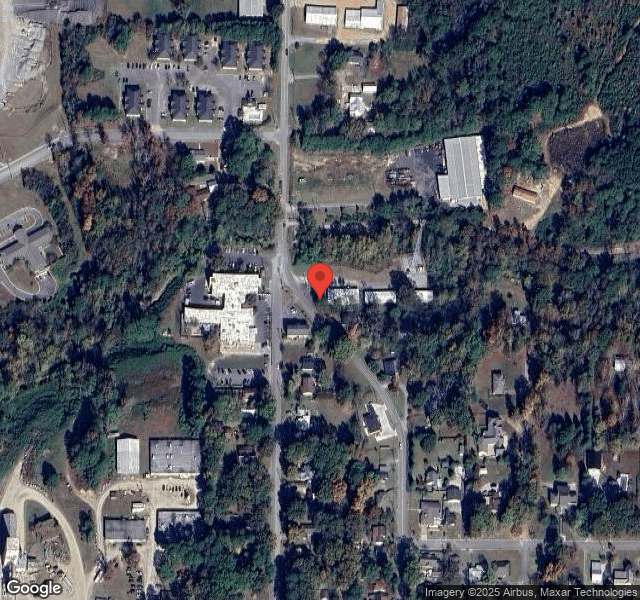

1607 MAIN AVE NE, CULLMAN, AL 35055 (256) 734-8745
For profit - Corporation 95 Beds VENZA CARE MANAGEMENT Data: November 2025
Trust Grade
45/100
#192 of 223 in AL
Last Inspection: October 2023

Over 2 years since last inspection. Current conditions may differ from available data.

Overview

Cullman Health Care Center has a Trust Grade of D, indicating below-average performance with some concerns that families should consider. It ranks #192 out of 223 nursing homes in Alabama, placing it in the bottom half of facilities in the state, and is last in Cullman County. The facility's trend is worsening, with issues increasing from 1 in 2019 to 5 in 2023. Staffing is a relative strength with a 4/5-star rating, but the turnover rate is at 52%, which is about average for Alabama. However, the facility has incurred $26,982 in fines, which is concerning, as this is higher than 91% of facilities in the state, indicating potential compliance issues. Specific incidents of concern include a failure to secure dumpster lids, which could attract pests and affect all residents, and missing or broken blinds in resident rooms, compromising privacy. Additionally, a care plan for insulin use was not developed for one resident, which is critical for their health management. While the nursing home has good RN coverage, families should weigh these strengths against the significant weaknesses reported.

Trust Score
D
45/100
In Alabama
#192/223
Bottom 14%
Safety Record
Low Risk
No red flags
Inspections
Getting Worse
1 → 5 violations
Staff Stability
⚠ Watch
52% turnover. Above average. Higher turnover means staff may not know residents' routines.
Penalties
✓ Good
$26,982 in fines. Lower than most Alabama facilities. Relatively clean record.
Skilled Nurses
✓ Good
Each resident gets 57 minutes of Registered Nurse (RN) attention daily — more than average for Alabama. RNs are trained to catch health problems early.
Violations
○ Average
6 deficiencies on record. Average for a facility this size. Mostly minor or procedural issues.
★☆☆☆☆
1.0
Overall Rating
★★★★☆
4.0
Staff Levels
★☆☆☆☆
1.0
Care Quality
★★☆☆☆
2.0
Inspection Score
Stable
2019: 1 issues
2023: 5 issues

The Good

  • 4-Star Staffing Rating · Above-average nurse staffing levels
  • Full Sprinkler Coverage · Fire safety systems throughout facility
  • No fines on record

Facility shows strength in staffing levels, fire safety.

The Bad

1-Star Overall Rating

Below Alabama average (2.9)

Significant quality concerns identified by CMS

Staff Turnover: 52%

Near Alabama avg (46%)

Higher turnover may affect care consistency

Federal Fines: $26,982

Below median ($33,413)

Moderate penalties - review what triggered them

Chain: VENZA CARE MANAGEMENT

Part of a multi-facility chain

Ask about local staffing decisions and management

The Ugly 6 deficiencies on record

Oct 2023 5 deficiencies
CONCERN (D)

Potential for Harm - no one hurt, but risky conditions existed

Safe Environment (Tag F0584)

Could have caused harm · This affected 1 resident

5) On 10/18/2023 at 8:29 AM, the resident in RL #1 was observed sitting on the sofa, dressed, interacting and talking with staff present in the room. The right blind above the sofa was missing. On 10...

Read full inspector narrative →
5) On 10/18/2023 at 8:29 AM, the resident in RL #1 was observed sitting on the sofa, dressed, interacting and talking with staff present in the room. The right blind above the sofa was missing. On 10/19/2023 at 8:25 AM, the resident in RL #1 was observed sitting on the sofa eating breakfast. The right blind remained missing on the large window above the sofa. On 10/19/2023 at 8:26 AM, EI #12 was asked how he would describe the blinds in RL #1. EI #12 said there was a missing blind on the right side of window. EI #12 said he was not aware of the missing blind. EI #12 said there should be a blind on the right side of the window to keep anyone from looking into the resident's room. On 10/19/2023 at 8:38 AM, EI #12 was asked how should the blinds in the resident's room look. EI #12 said, they should be in good working order with no broken slats. 3) On 10/17/2023 at 5:00 PM, broken blinds were observed in RL #4 on both windows. On 10/19/2023 at 8:37 AM, when asked how he would you describe the blinds in RL #4, EI #12 said there was a broken piece on the blind. EI #12 said the blinds were not in good repair. EI #1 said he was not aware of the blinds being broken. On 10/19/2023 at 10:53 AM, the broken blinds were again observed in RL #4. The blinds were unable to close and cover the window. Resident Identifier (RI) #70 reported that the blinds had been broken for at least a year and that the staff was aware of the issue but had not replaced them. 4) On 10/17/2023 at 3:30 PM, broken blinds were observed in RL #6 on both windows. On 10/19/2023 at 2:33 PM, the broken blinds were again observed in RL #6. RI #74 and RI #41, who reside in RL #6, reported that the blinds had been broken for a while. Based on observations, interviews, and review of a facility policy titled Preventative Maintenance Program, the facility failed to ensure there was not a missing blind in Room Locator (RL) #1; and the blinds in RL #'s 3-6 did not have pieces missing from the slats; and remained in good repair. This deficient practice affected RL #1 and RL #'s 3-6, five of 59 resident's rooms observed at the facility. Findings include: Review of a facility policy titled Preventative Maintenance Program, with an effective date of 08/13/2020, revealed the following: Policy A Preventive Maintenance Program shall be . implemented to ensure the provision of a safe, functional, sanitary, and comfortable environment for residents, staff, and the public. Procedure . 5. The Maintenance Director and the Administrator shall complete a round each month to visualize . for any items that need repair . 1) On 10/17/2023 at 10:37 AM, the surveyor observed the blinds in Room Locator (RL) #3 to have two missing pieces on the left side of the blind and two missing pieces on the right side of the blind. Resident Identifier (RI) #68 said he/she did not know how long the blinds had been missing pieces. On 10/18//2023 at 8:07 AM, the slats on the blinds remained in the same condition in RL #3. On 10/19/2023 at 8:15 AM, the surveyor conducted an interview with Employee Identifier (EI) #12, the Maintenance Assistant. When asked how he was made aware of repairs that his department needed to complete, EI #12 said he would get a notification on his phone or through the computer TELS (Team Electronic Library System) system concerning work orders that needed to be completed. EI #12 said the nurse puts the needed repair in TELS, and if he was walking down the halls and someone tells him something needs to be done he will put it in TELS himself. EI #12 said his department was always walking around, and if they saw something that needed to be done, they would do it then. On 10/19/2023 at 8:32 AM, the surveyor asked EI #12 how he would describe the blinds in RL #3. EI #12 said there were broken pieces on the blinds. EI #12 said the blinds were not in good repair. EI #12 said he was not aware the blinds had broken pieces. 2) On 10/19/2023 at 8:36 AM, EI #12 was asked how he would you describe the blinds in RL #5. EI #12 said there was a broken piece on the blind. EI #12 said the blind was not in good repair and he had not been made aware the blind was broken.
CONCERN (D)

Potential for Harm - no one hurt, but risky conditions existed

Comprehensive Care Plan (Tag F0656)

Could have caused harm · This affected 1 resident

**NOTE- TERMS IN BRACKETS HAVE BEEN EDITED TO PROTECT CONFIDENTIALITY** Based on interview, resident record review, and review of a facility policy titled, Comprehensive Care Plan, the facility failed...

Read full inspector narrative →
**NOTE- TERMS IN BRACKETS HAVE BEEN EDITED TO PROTECT CONFIDENTIALITY** Based on interview, resident record review, and review of a facility policy titled, Comprehensive Care Plan, the facility failed to ensure Resident Identifier (RI) #83 had a care plan developed for the use of insulin. This deficient practice affected RI #83, one of 21 residents whose plans of care were reviewed. Findings include: Review of a facility policy titled Comprehensive Care Plan, with a revised dated of 10/24/2022, revealed the following: Purpose It is the policy of this facility to develop and implement a comprehensive person- centered care plan for each resident, . that includes measurable objectives and timeframes to meet a resident's medical, nursing, and mental and psychological needs that are identified in the resident's comprehensive assessment . Policy Explanation and Compliance Guidelines: . 2. The comprehensive care plan will be developed within 7 days after the completion of the comprehensive MDS (Minimum Data Set) assessment . 3. The comprehensive care plan will describe, at a minimum the following: a. The services that are to be furnished to attain or maintain the resident's highest practicable physical, mental, and psychological well-being. RI #83 was admitted to the facility on [DATE] and readmitted on [DATE], and had diagnosis of Type II Diabetes Mellitus. RI #83's September 2023 physician orders revealed RI #83 had an order dated 09/14/2023 for blood glucose monitoring and Humalog insulin was to be administered per sliding scale. A review of RI #83's September 2023 eMAR (electronic Medication Administration Record) revealed RI #83's blood glucose levels were being monitored and insulin was being administered per sliding scale. RI #83's admission MDS assessment, with an Assessment Reference Date (ARD) of 09/20/2023, also revealed RI #83 received insulin during the assessment period. RI #83's October 2023 Order Summary Report (Physician's Orders) also revealed RI #83 had orders for Blood Glucose Monitoring before meals and at bedtime; and Humalog insulin was to be administered per sliding scale. A review of RI #83's October 2023 eMAR revealed RI #83's blood glucose levels were being monitored and insulin was being administered per sliding scale. RI #83's significant change Minimum Data Set assessment, with an ARD of 10/08/2023, also revealed RI #83 received insulin during the assessment period. On 10/19/2023 at 10:58 AM, the surveyor conducted an interview with Employee Identifier (EI) #11, the ADON (Assistant Director of Nursing)/MDS Coordinator. When asked, about a resident receiving insulin and having a care plan for the insulin usage, EI #11 said, usually the resident would have a diabetic care plan that addressed the use of the insulin. EI #11 said, looking at RI #83's physician orders and eMAR, RI #83 had a physician order for insulin and RI #83's eMARs indicted RI #83 had received insulin doses. EI #11 said RI #83 should have a diabetic care plan, and she did not see one. When asked why it would be important for RI #83 to have a care plan for insulin usage, EI #11 said so the nurses knew how to care for RI #83's diabetes and to monitor for interventions on the care plan.
CONCERN (D)

Potential for Harm - no one hurt, but risky conditions existed

Pharmacy Services (Tag F0755)

Could have caused harm · This affected 1 resident

Based on an interview, review of the facility's narcotic Drug Disposition Records, and review of a facility policy titled, Medication - Disposition of Unused Drugs, the facility failed to ensure the r...

Read full inspector narrative →
Based on an interview, review of the facility's narcotic Drug Disposition Records, and review of a facility policy titled, Medication - Disposition of Unused Drugs, the facility failed to ensure the required signatures were on four narcotic disposition sheets. This deficient practice affected four of twelve months of narcotic disposition records reviewed. Findings include: Review of a facility policy titled, Medication - Disposition of Unused Drugs, with a revised date of 03/31/2022, revealed the following: Policy To properly dispose of unused drugs and ensure accountability. The Pharmacy Consultant and Director of Nursing (DON) shall dispose of unused drugs monthly. Procedure . 3. Controlled Drugs . b. Controlled drugs shall be destroyed by the DON, the pharmacist and a witness monthly. On 10/19/2023 at 3:00 PM, the surveyors reviewed the narcotic drug disposition records from January 2022 to October 2023. On 10/19/2023 at 3:08 PM, an interview was conducted with Employee Identifier (EI) #2, the DON (Director of Nursing). When asked how many signatures were required on the narcotic disposition sheet, EI #2 said three, the pharmacist, hers, and another nurses. EI #2 said it would be responsibility of herself, EI #12, the ADON (Assistant Director of Nursing), and the pharmacist to ensure the correct signatures were on the sheets. EI #2 said there should be three signatures on the sheets to make sure what was there was verified. EI #2 said looking at the 12/16/2022 and 06/15/2023, disposition of unused drug narcotic sheets, there was only one signature on the sheets. EI #2 said looking at the 09/11/2023 and 10/14/2023, narcotic Drug Disposition Records, there were only two signatures on the sheets. When asked did the narcotic drug disposition sheets have the required signatures, EI #2 said no.
CONCERN (D)

Potential for Harm - no one hurt, but risky conditions existed

Infection Control (Tag F0880)

Could have caused harm · This affected 1 resident

Based on observations, interviews, resident record review, and review of facility policies titled Management of Soiled Laundry, Cleaning & Disinfection Noncritical Resident Care Items,,, and Laundry, ...

Read full inspector narrative →
Based on observations, interviews, resident record review, and review of facility policies titled Management of Soiled Laundry, Cleaning & Disinfection Noncritical Resident Care Items,,, and Laundry, the facility failed to ensure: 1) Facility staff cleaned a Hoyer lift with the proper disinfectant spray after it was used on 10/17/2023; and 2) Clean linens were not placed in a dirty gray linen cart on 10/19/2023. These deficient practices were the result of an observation of one of one Hoyer Lift being used, and an observation of one dirty gray linen cart with clean linen being distributed in the clean linen room. Findings include: 1) A facility policy titled Cleaning & (and) Disinfection Noncritical Resident Care Items, revised 04/01/2019, documented the following: Policy The purpose of this procedure is to provide guidelines for disinfection of non-critical resident-care items. Procedure . 4. The following categories are used to distinguish the levels of sterilization/disinfection necessary for items used in resident care: . c. Non-critical items are those that come in contact with intact skin but not mucous membranes. 2) Most non-critical reusable items can be decontaminated where they are used (as opposed to being transported to a central processing location). d. Reusable items are cleaned and disinfected or sterilized between residents ( . durable medical equipment). On 10/17/2023 at 3:20 PM, an observation was made of Employee Identifier (EI) #9, Certified Nursing Assistant (CNA), coming out of a resident's room pushing a Hoyer lift, while holding a clear plastic bag of trash in her right hand. EI #9 pushed the Hoyer lift down the hall to the other side of the hallway and put the Hoyer lift in the bath room, threw away the trash in the dirty utility room, then came out of the dirty utility room and sanitized her hands with hand sanitizer. On 10/17/2023 at 3:22 PM, an interview with EI #9 CNA was conducted. EI #9 stated, she utilized the Hoyer lift for transfer of a resident to a wheelchair. EI #9 stated, she used the Fit Right Wipes in the resident's room to clean the Hoyer lift. EI #9 was asked if the Fit Right wipes were a sanitizer or disinfectant and EI #9 stated, no, they were for perineal care. EI #9 was asked what should have been used to clean the Hoyer lift and EI #9 stated, a sanitizer wipe should have been used to prevent spreading infection. EI #9 stated she did not wash or sanitize her hands until after she put the Hoyer lift in the bathroom down the hallway and after she threw the garbage away in the dirty utility room. EI #9 stated, she should not have pushed the Hoyer lift down the hall with the trash bag in her hand. EI #9 stated, holding the trash bag on the Hoyer lift was a risk for infection. EI #9 stated, she was educated to sanitize the Hoyer lift after each use to prevent infection. On 10/19/2023 at 10:27 AM, a telephone interview with EI #3 Infection Prevention Nurse/Licensed Practical Nurse (LPN) was conducted. EI #3 stated, the proper way to clean the Hoyer lift after use was to clean it with the disinfectant spray or disinfectant wipes. EI #3 stated, the disinfectant spray and disinfectant wipes were locked up in the dirty utility room. EI #3 stated, the disinfectant spray or wipes should be used after each use. When asked when should the Fit Right Wipes be utilized to clean the Hoyer lift, EI #3 stated, they should not be used to clean the Hoyer lift because the Fit Right Wipes were not a disinfectant. EI #3 said, the Fit Right Wipes were for perineal care. EI #3 was asked what was the risk of using fit right wipes on the Hoyer lift. EI #3 replied, the Fit Right Wipes would not kill the germs, it was not a disinfectant. 2) A facility policy titled Management of Soiled Laundry with an effective date of 08/01/2000 documented the following: . To provide guidelines for the proper disposition of laundry soiled with blood or body fluids that contain visible blood. Procedure . 2. Do not store soiled laundry with clean laundry. Another facility policy titled Laundry with an effective date of 08/01/2000 documented: Policy Soiled laundry contaminated with blood or other potentially infectious materials shall be handled as little as possible and with a minimum of agitation. On 10/19/2023 at 8:21 AM, Employee Identifier (EI) #8 and EI #7 were observed in the clean laundry room taking clean linen (towels and bed pads) out of a gray laundry cart and putting them on a clean laundry cart in the clean laundry room. An observation of the gray linen cart was made after all the linen was removed from the bin. The gray laundry cart had a white substance ring around the bottom sides of the cart with splashes of the white substances around the inside of the cart. There were linen strings, dirt, leaves, and dust particles on the bottom of the cart. There was also a wet large area on the bottom of the gray laundry cart. EI #7 pushed the gray laundry cart back into the dirty linen room with another gray laundry cart. On 10/19/2023 at 8:26 AM, an interview with EI #8 from laundry was conducted. EI #8 stated, dirty laundry was taken out of the facility, put in a van, and taken to another facility to be cleaned, then brought back in the van to the facility. EI #8 stated, the CNAs brought down the dirty laundry and placed it in the gray linen carts in the dirty laundry room. EI #8 stated, the laundry was for the whole facility. EI #8 stated, the dirty laundry was transported to the van in the gray laundry cart and the clean linen was brought back into the facility in the gray laundry cart. EI #8 said, the cart that had the clean linen in it, was a gray laundry cart she got out of the dirty laundry room. When asked if she cleaned the gray laundry cart, EI #8 stated, she sprayed it with Lysol. EI #8 was asked who was supposed to clean the gray laundry cart. EI #8 replied, no one ever told her who cleaned the carts. When EI #8 was asked what she observed in the bottom of the gray cart she stated, linen string, dust, dirt, and unknown white substance was on the bottom of the gray laundry cart. EI #8 stated, she was unable to clean the bottom of the gray laundry cart because she could not reach it. EI #8 stated, the risk of not sanitizing the whole gray laundry cart would be cross contamination. On 10/19/2023 at 8:44 AM, an interview with EI #7 laundry staff was conducted. EI #8 was asked what he saw on the bottom of the gray laundry cart. EI #7 replied, strings from linen, unknown liquid, dirt, and a leaf maybe. EI #7 was asked, what the ring of white substance was around the bottom sides of the gray laundry cart he used for the clean linen. EI #7 replied, he did not know but it had a chalky consistency. EI #7 stated, the risk of putting clean laundry in the gray laundry cart would be cross contamination. EI #7 stated, he did not consider that gray laundry cart to be clean. On 10/19/2023 at 9:30 AM, an interview with EI #4, the Nurse Supervisor /Registered Nurse (RN) for the 2nd floor was conducted. EI #4 stated, the CNAs put the dirty laundry in the gray laundry cart in the dirty laundry room on the first floor. EI #4 was asked who cleaned the gray laundry carts. EI #4 stated, she would have to find out, she did not know. EI #4 was asked what would be the risk of the gray laundry carts not being cleaned out and clean linen put in the cart. EI #4 stated, risk of infection control. On 10/19/2023 at 10:27 AM, a telephone interview with EI #3, the Infection Prevention Nurse/LPN was conducted. EI #3 was asked, what was the procedure for the laundry after it was placed in the dirty gray linen carts on the first floor. EI #3 replied, the laundry people who are contracted pick it up and take it to another facility, wash it, and bring back the clean laundry and linen. EI #3 also stated, the laundry staff was supposed to clean the gray laundry carts with a disinfectant. EI #3 stated, the laundry staff was not supposed to use the gray laundry carts, used for the dirty linen, for the clean linen. EI #3 stated, there should be a separate laundry cart for the clean linen. EI #3 stated, the gray laundry cart with the dirt, leaves, a wet substance, and the white chalky substance should not have been used to hold the clean laundry. EI #3 stated, the use of the dirty gray laundry cart would be cross contamination.
CONCERN (F)

Potential for Harm - no one hurt, but risky conditions existed

Garbage Disposal (Tag F0814)

Could have caused harm · This affected most or all residents

Based on observation, interview, review of a facility policy titled Waste Disposal, and review of the United States (U.S.) Food and Drug Administration (FDA) 2022 Food Code, the facility failed to ens...

Read full inspector narrative →
Based on observation, interview, review of a facility policy titled Waste Disposal, and review of the United States (U.S.) Food and Drug Administration (FDA) 2022 Food Code, the facility failed to ensure the side door on one of two dumpsters was not open during an observation on 10/17/2023. This had the potential to affect 85 out of 85 residents in the facility. Findings include: A facility policy titled Waste Disposal with a revised date of 12/01/2013 documented: . Procedure . 6. Dumpster doors and lids should be closed at all times. The U.S. FDA 2022 Food Code included the following: . 5-501.15 Outside Receptacles. (A) Receptacles and waste handling units for REFUSE, recyclables, and returnables used with materials containing FOOD residue and used outside the FOOD ESTABLISHMENT shall be designed and constructed to have tight-fitting lids, doors, or covers. (B) Receptacles and waste handling units for REFUSE and recyclables . shall be installed so that accumulation of debris and insect and rodent attraction and harborage are minimized . 5-501.113 Covering Receptacles. Receptacles and waste handling units for REFUSE, recyclables, and returnables shall be kept covered: . (B) With tight-fitting lids or doors if kept outside the FOOD ESTABLISHMENT. On 10/17/2023 at 8:16 AM, during initial kitchen tour, two outside facility dumpsters were observed. One dumpster door was observed to be partially open. On 10/17/2023 at 8:17 AM, an interview with Employee Identifier (EI) #10, the Assistant Dietary Manager was conducted. When asked what was the potential problem with the dumpster door being open, EI #10 said it could attract rodents. EI #10 said a potential concern to residents of the facility due to the dumpster door being left open would be rodents getting inside the facility. EI #10 said, the dumpster doors should not be open.
Apr 2019 1 deficiency
CONCERN (D)

Potential for Harm - no one hurt, but risky conditions existed

Respiratory Care (Tag F0695)

Could have caused harm · This affected 1 resident

**NOTE- TERMS IN BRACKETS HAVE BEEN EDITED TO PROTECT CONFIDENTIALITY** Based on observations, record reviews, interviews and review of a facility policy titled, Nebulizer Treatment-Hand Held Aerosol,...

Read full inspector narrative →
**NOTE- TERMS IN BRACKETS HAVE BEEN EDITED TO PROTECT CONFIDENTIALITY** Based on observations, record reviews, interviews and review of a facility policy titled, Nebulizer Treatment-Hand Held Aerosol, the facility failed to ensure the Licensed Practical Nurse (LPN) remained with Resident Identifier (RI) #69 for the duration of his/her nebulizer treatment to ensure complete and accurate administration of the medication. This affected one of six residents observed during medication administration observations. Findings Include: A review of a facility policy titled, Nebulizer Treatment-Hand Held Aerosol, with a revised date of 01/18/2019, revealed the following: . Policy Aerosol nebulizer treatment shall be administered by the Licensed Nurse . Procedure 1. n. Observe resident during the procedure for any change in condition. RI #69 was readmitted to the facility on [DATE] with diagnoses of Shortness of Breath, Chronic Obstructive Pulmonary Disease, Muscle Weakness, Cognitive Communication Deficit and Lack of Coordination. Review of RI #69's April 2019 Medication Administration Record (MAR) revealed RI #69 received Nebulizer treatments every four hours as needed. On 4/4/2019 at 9:27 AM, an observation was made of Employee Identifier (EI) #1, LPN, setting up a nebulizer treatment with medications for RI #69. EI #1 placed the medication in the nebulizer chamber and placed the nebulizer mask on RI #69's face and left RI #69 unattended at 9:29 AM. EI #1 stated she would return in a minute. EI #1 went to another resident's room and administered medications before returning to RI #69's room at 9:39 AM. The nebulizer was still running when she returned. On 04/04/19 at 02:32 PM, EI #1 LPN, was asked who administered nebulizer treatments in the facility. EI #1 said, the LPN or charge nurse. EI #1 was asked what the policy was for administration of nebulizer medications. EI #1 said, put medicine inside the mask and apply to the face and stay with the resident. EI #1 was asked if she stayed in the room with RI #69 during the entire medication administration. EI #1 said, no, she went out and then came back to the room. When asked what the potential harm was in a resident receiving nebulizer medications/breathing treatment without a nurse present, EI #1 replied, they could take the mask off and not get all the medication they needed or they may not breathe in correctly and get the proper treatment. On 4/4/2019 at 3:03 PM, EI #2, Registered Nurse (RN), was asked who administered nebulizer treatments in the facility. EI #2 said, the charge nurse assigned to resident or the medication cart for the day. EI #2 was asked about the facility policy for administration of nebulizer medications. EI #2, said, to obtain respirations and assess the resident during the treatment. EI #2 was asked what was the potential harm in a resident receiving nebulizer medications/breathing treatment without a nurse present. EI #2 replied, there could be a change in their vital signs that could lead to a change in breathing. EI #2 said the nurse should not start a nebulizer treatment and then leave the resident's room.
Understanding Severity Codes (click to expand)
Life-Threatening (Immediate Jeopardy)
J - Isolated K - Pattern L - Widespread
Actual Harm
G - Isolated H - Pattern I - Widespread
Potential for Harm
D - Isolated E - Pattern F - Widespread
No Harm (Minor)
A - Isolated B - Pattern C - Widespread

Questions to Ask on Your Visit

  • "Can I speak with families of current residents?"
  • "What's your RN coverage like on weekends and overnight?"

Our Honest Assessment

Strengths
  • • No major safety red flags. No abuse findings, life-threatening violations, or SFF status.
Concerns
  • • $26,982 in fines. Higher than 94% of Alabama facilities, suggesting repeated compliance issues.
  • • Grade D (45/100). Below average facility with significant concerns.
Bottom line: Trust Score of 45/100 indicates significant concerns. Thoroughly evaluate alternatives.

About This Facility

What is Cullman Health's CMS Rating?

CMS assigns CULLMAN HEALTH CARE CENTER an overall rating of 1 out of 5 stars, which is considered much below average nationally. Within Alabama, this rating places the facility higher than 0% of the state's 100 nursing homes. A rating at this level reflects concerns identified through health inspections, staffing assessments, or quality measures that families should carefully consider.

How is Cullman Health Staffed?

CMS rates CULLMAN HEALTH CARE CENTER's staffing level at 4 out of 5 stars, which is above average compared to other nursing homes. Staff turnover is 52%, compared to the Alabama average of 46%.

What Have Inspectors Found at Cullman Health?

State health inspectors documented 6 deficiencies at CULLMAN HEALTH CARE CENTER during 2019 to 2023. These included: 6 with potential for harm.

Who Owns and Operates Cullman Health?

CULLMAN HEALTH CARE CENTER is owned by a for-profit company. For-profit facilities operate as businesses with obligations to shareholders or private owners. The facility is operated by VENZA CARE MANAGEMENT, a chain that manages multiple nursing homes. With 95 certified beds and approximately 89 residents (about 94% occupancy), it is a smaller facility located in CULLMAN, Alabama.
How Does Cullman Health Compare to Other Alabama Nursing Homes?

Compared to the 100 nursing homes in Alabama, CULLMAN HEALTH CARE CENTER's overall rating (1 stars) is below the state average of 2.9, staff turnover (52%) is near the state average of 46%, and health inspection rating (2 stars) is below the national benchmark.

What Should Families Ask When Visiting Cullman Health?

Based on this facility's data, families visiting should ask: "Can I visit during a mealtime to observe dining assistance and food quality?" "How do you handle medical emergencies, and what is your hospital transfer rate?" "Can I speak with family members of current residents about their experience?"

Is Cullman Health Safe?

Based on CMS inspection data, CULLMAN HEALTH CARE CENTER has a clean safety record: no substantiated abuse findings (meaning no confirmed cases of resident harm), no Immediate Jeopardy citations (the most serious violation level indicating risk of serious injury or death), and is not on the Special Focus Facility watch list (a federal program monitoring the lowest-performing 1% of nursing homes). The facility has a 1-star overall rating and ranks #100 of 100 nursing homes in Alabama. While no facility is perfect, families should still ask about staff-to-resident ratios and recent inspection results during their visit.

Do Nurses at Cullman Health Stick Around?

CULLMAN HEALTH CARE CENTER has a staff turnover rate of 52%, which is 6 percentage points above the Alabama average of 46%. Moderate turnover is common in nursing homes, but families should still ask about staff tenure and how the facility maintains care continuity when employees leave.

Was Cullman Health Ever Fined?

CULLMAN HEALTH CARE CENTER has been fined $26,982 across 1 penalty action. This is below the Alabama average of $33,349. While any fine indicates a compliance issue, fines under $50,000 are relatively common and typically reflect isolated problems that were subsequently corrected. Families should ask what specific issues led to these fines and confirm they've been resolved.

Is Cullman Health on Any Federal Watch List?

CULLMAN HEALTH CARE CENTER is not on any federal watch list. The most significant is the Special Focus Facility (SFF) program, which identifies the bottom 1% of nursing homes nationally based on persistent, serious quality problems. Not being on this list means the facility has avoided the pattern of deficiencies that triggers enhanced federal oversight. This is a positive indicator, though families should still review the facility's inspection history directly.