EXTENDICARE HEALTH AND REHAB
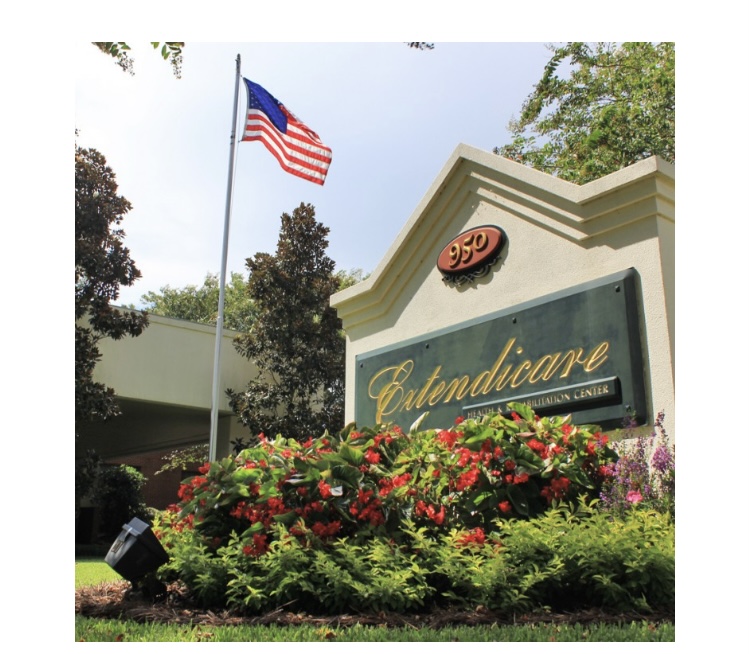

950 SOUTH ST. ANDREWS STREET, DOTHAN, AL 36302 (334) 793-1177
For profit - Corporation 170 Beds NOLAND HEALTH Data: November 2025
Trust Grade
60/100
#159 of 223 in AL
Last Inspection: June 2022

Over 2 years since last inspection. Current conditions may differ from available data.

Overview

Extendicare Health and Rehab in Dothan, Alabama has a Trust Grade of C+, which means it is slightly above average but still has room for improvement. It ranks #159 out of 223 facilities in the state, placing it in the bottom half, yet it is #2 out of 3 in Houston County, indicating that only one local option is better. The facility's trend is stable, with the same number of issues reported in both 2019 and 2022. Staffing is a positive aspect, with a rating of 4 out of 5 stars and a turnover rate of 46%, which is below the state average, showing that staff generally remain longer and are familiar with residents. While there were no fines imposed, there were concerning incidents, such as failure to properly label and date frozen food items, which could affect the safety of meals for 122 residents, and a previous incident involving the misappropriation of funds affecting 23 residents. Overall, while Extendicare has strengths in staffing and a decent trust score, families should weigh these against the facility's below-average health inspection ratings and past compliance issues.

Trust Score
C+
60/100
In Alabama
#159/223
Bottom 29%
Safety Record
Low Risk
No red flags
Inspections
Holding Steady
4 → 4 violations
Staff Stability
⚠ Watch
46% turnover. Above average. Higher turnover means staff may not know residents' routines.
Penalties
✓ Good
No fines on record. Clean compliance history, better than most Alabama facilities.
Skilled Nurses
○ Average
Each resident gets 39 minutes of Registered Nurse (RN) attention daily — about average for Alabama. RNs are the most trained staff who monitor for health changes.
Violations
⚠ Watch
12 deficiencies on record. Higher than average. Multiple issues found across inspections.
★★☆☆☆
2.0
Overall Rating
★★★★☆
4.0
Staff Levels
★★★☆☆
3.0
Care Quality
★★☆☆☆
2.0
Inspection Score
Stable
2019: 4 issues
2022: 4 issues

The Good

  • 4-Star Staffing Rating · Above-average nurse staffing levels
  • Full Sprinkler Coverage · Fire safety systems throughout facility
  • No fines on record

Facility shows strength in staffing levels, fire safety.

The Bad

2-Star Overall Rating

Below Alabama average (2.9)

Below average - review inspection findings carefully

Staff Turnover: 46%

Near Alabama avg (46%)

Higher turnover may affect care consistency

Chain: NOLAND HEALTH

Part of a multi-facility chain

Ask about local staffing decisions and management

The Ugly 12 deficiencies on record

Jun 2022 4 deficiencies
CONCERN (D)

Potential for Harm - no one hurt, but risky conditions existed

Deficiency F0700 (Tag F0700)

Could have caused harm · This affected 1 resident

**NOTE- TERMS IN BRACKETS HAVE BEEN EDITED TO PROTECT CONFIDENTIALITY** Based on observations, interviews, record review, and review of a facility policy titled, Bed Rail Policy,'' the facility failed...

Read full inspector narrative →
**NOTE- TERMS IN BRACKETS HAVE BEEN EDITED TO PROTECT CONFIDENTIALITY** Based on observations, interviews, record review, and review of a facility policy titled, Bed Rail Policy,'' the facility failed to ensure an assessment was conducted and documented for the type of bed rails that were in use and failed to ensure a physician's order for bed rails was obtained for one (Resident Identifier [RI] #73) of six sampled residents reviewed for bed rails. Findings included: Review of a facility policy titled, Bed Rail Policy-[Facility Name], revised 05/01/2018, revealed, Individual bed rail evaluations will include data collection analysis and determination of potential alternatives to bed rail use. The policy also indicated the following: - [Facility] will also ensure individual resident bed rail evaluations are performed upon admission, readmission, change of status, and on a quarterly basis. Individual bed rail evaluations will include data collection analysis and determination of potential alternatives to bed rail use. - Assess the resident to identify appropriate alternative prior to installing bed rails. - [Facility] has indicated documentation that the side rail is the least restrictive alternative for the least amount of time. - Obtain physician order for medical symptom assessed for need for bed rail use. - Based upon the individualized comprehensive assessment if it is determined that bed rails will be indicated to assist resident in maintaining or improving functional ability and do not constitute a restriction as defined as a restraint, bed rails may be utilized and care planned with consent of the resident/resident representative to meet the individualized need. Review of a quarterly Minimum Data Set (MDS), dated [DATE], revealed RI #73 scored 10 on a Brief Interview for Mental Status (BIMS), which indicated the resident had moderate cognitive impairment. The MDS indicated the resident required extensive assistance of two people for bed mobility and transfers. The MDS noted the resident had a fall with major injury prior to admission but no falls since admission. Per the MDS, the resident did not use bed rails. A review of the Physician Orders revealed RI #72 had a physician's order dated 02/01/2022 for half side rails on both sides of the bed per the resident/family's request and to re-evaluate use every 90 days. Observations on 06/13/2022 at 11:45 AM; 06/14/2022 at 10:00 AM and 2:01 PM; and 06/15/2022 at 10:49 AM and 11:48 AM revealed RI #73 rested in bed with full bed rails elevated on both sides of the bed. In an interview on 06/15/2022 at 2:01 PM, Employee Identifier (EI) #53, a Certified Nursing Assistant (CNA) stated RI #73 could not move in the bed without two CNAs assisting. She stated that in the past, she had helped the other CNAs assist with repositioning RI #73 in the bed. EI #53 indicated RI #73 required a mechanical lift with two people assisting for transfers. She stated RI #73 always wanted the bed rails up. In an interview on 06/15/2022 at 2:34 PM, EI #44, a Licensed Practical Nurse (LPN), stated she was uncertain as to whether RI #73's bed rails were half rails or full rails. She reported that RI #73 required two-person assistance using a mechanical lift for transfers and that RI #73 was unable to independently roll over on his/her side or reposition him/herself in bed without staff assistance. She stated RI #73 was afraid of falling out of the bed due to having a fall with a fracture prior to coming to the facility. After the bed rails were identified during the survey as full bed rails instead of half rails, record review revealed a physician's order dated 06/15/2022 in RI #73's medical record for full bed rails, documented by EI #11, a Registered Nurse (RN). The new order indicated the half rails were to be discontinued and full rails were to be implemented. Record review revealed that a full bed rail assessment was not completed until 06/15/2022 during the survey. During an observation and interview on 06/15/2022 at 2:53 PM, EI #11 confirmed the resident had full bed rails instead of half rails. She could not recall how long the full bed rails had been in place. EI #11 reported that full bed rails were mostly likely on the bed since March 2022. She reported that the admission nurse was responsible for obtaining resident consent for the bed rails and completing the assessments for the bed rails. In an interview on 06/15/2022 at 5:55 PM, EI #11 reported that she had contacted the physician and obtained an order for the full bed rails and completed the assessment for the full rails. In an interview on 06/17/2022 at 3:52 PM, EI #2, the Director of Nursing (DON), stated that anytime changes were made, the staff needed to ensure notification was provided to the physician and the family. The DON noted a physician's order for a medical or a medical device should be followed through. EI #2 reported he was unaware of RI #73's change from half rails to full rails. Per EI #2, there was no record to show the exact date RI #73 received the full bed rails. EI #2 stated the admission nurse would complete the bed rail assessment upon admission, and the RN Supervisor was responsible for annual bed rail assessments and quarterly bed rail assessments. In an interview on 06/17/2022 at 5:20 PM, EI #1, the Administrator, stated her expectations were that staff did a correct assessment for any resident who had bed rails, provided education on the bed rails, and ensured residents had a signed consent form. EI #1 reported being unaware until it was brought to her attention during the survey that RI #73 did not have an assessment for the full bed rails that were in use or a physician's order for the full bed rails. She stated the change was made sometime in March 2021, per the family's request, but was not sure of an exact date.
CONCERN (D)

Potential for Harm - no one hurt, but risky conditions existed

Unnecessary Medications (Tag F0759)

Could have caused harm · This affected 1 resident

Based on observation, record review, interview, and review of facility policies titled, Medication Administration and Policy and Procedure for the Silent Knight Tablet Crushing System, the facility fa...

Read full inspector narrative →
Based on observation, record review, interview, and review of facility policies titled, Medication Administration and Policy and Procedure for the Silent Knight Tablet Crushing System, the facility failed to maintain a medication error rate of less than 5% for one (Resident Identifier [RI] #4) of five residents observed during medication administration. Medication errors were made by one of five facility nurses observed administering medications. The medication error rate was 13.79% based on observation of 29 medications administered and a total of four medication errors detected. Findings included: A review of the facility's policy titled, Policy and Procedure for the Silent Knight Crushing System, revised 08/10/2007, revealed, Crush medications only with a physician's order and after checking with pharmacist and/or nursing supervisor since the medication may be time release capsules or enteric coated drugs. A review of the facility's policy titled, Medication Administration, revised 04/28/2022, revealed, Preparing Oral Doses, If you have an order to crush medications, use a pill crusher or mortar and pestle, crush meds into fine powder, mix in applesauce or other item (water for enteral tubes) - FYI [for your information]: not all medications that are scored can be crushed. During observation of the medication pass on 06/15/2022 at 4:40 PM, Employee Identifier (EI) #43, a Licensed Practical Nurse (LPN), administered the following medications to RI #4: - Zyprexa 10 milligrams (mg) one tablet - Norvasc 5 mg one tablet - Meclizine 25 mg one tablet - Namenda 5 mg one tablet - Colace 100 mg one capsule EI #43 crushed all the medications, except for the Colace capsule, and mixed them with pudding, then administered them to RI #4. During an interview at this time, EI #43 stated she had a problem getting RI #4 to take the medications whole and that crushing the medications helped. A review of the Active Orders Report, printed 06/16/2022, revealed a physician's order dated 04/06/2022 which indicated the resident, takes medications whole with carrier of choice. There was no physician order for any of the resident's medications to be crushed for administration. During an interview on 06/16/2022 at 8:30 AM, EI #9, an LPN, stated she reviewed the physician's orders for RI #4 and there was no order to crush the resident's medications. She stated she did not have any problems administering whole medications to RI #4. During an interview on 06/16/2022 at 3:30 PM, EI #43 stated before she crushed any medications, she would look at the medication and make sure it could be crushed and would not crush it if it was an extended-release medication. She stated she was not aware a physician's order or pharmacist review was necessary. During an interview on 06/16/2022 at 12:32 PM, EI #2, the Director of Nursing, stated without a physician's order, the medications should not have been crushed.
CONCERN (E)

Potential for Harm - no one hurt, but risky conditions existed

Medication Errors (Tag F0758)

Could have caused harm · This affected multiple residents

**NOTE- TERMS IN BRACKETS HAVE BEEN EDITED TO PROTECT CONFIDENTIALITY** Based on observations, interviews, record review, and review of facility policies titled, Pharmacy Consultant Review and Psychot...

Read full inspector narrative →
**NOTE- TERMS IN BRACKETS HAVE BEEN EDITED TO PROTECT CONFIDENTIALITY** Based on observations, interviews, record review, and review of facility policies titled, Pharmacy Consultant Review and Psychotropic Drugs, the facility failed to ensure the medication regimen was free of unnecessary psychotropic medications for one (Resident Identifier [RI] #58) of four sampled residents reviewed for unnecessary psychotropic medications. Specifically, the facility: - failed to ensure attempts were made to gradually reduce the dose of antipsychotic and antianxiety medication prescribed for a resident with dementia in the absence of physician's documentation of specific reasons why a dose reduction would be contraindicated for RI #58. - failed to ensure behavioral monitoring was consistently conducted and documented to determine the effectiveness and continued necessity of the antipsychotic and antianxiety medications for RI #58. Findings included: A review of the facility's policy titled, Pharmacy Consultant Review, revised on 02/16/2007, revealed, Purpose: To decrease the risk of a resident's drug regimen having adverse effects. 1. [Pharmacy Provider] will provide a pharmacy consultant at least monthly to review each resident medication regimen. 2. [Pharmacy Provider] will also provide a pharmacy consultant to review a resident's medication regimen at the request of nursing staff related to a change in a resident's condition. 3. Any pharmacy recommendation reports will be reviewed by the Director of Nursing and the physician. A review of the facility's policy titled, Psychotropic Drugs, dated 12/2018, revealed, Residents are not given psychotropic drugs unless the medication is necessary to treat a specific condition, as diagnosed and documented in the clinical record, and the medication is beneficial to the resident, as demonstrated by monitoring and documentation of the resident's response to the medication(s). The policy also indicated, 6. Residents who use psychotropic drugs shall receive gradual dose reductions, unless clinically contraindicated, in an effort to discontinue these drugs. 7. PRN [pro re nata; as needed] orders for psychotropic drugs shall be used only when the medication is necessary to treat a diagnosed specific condition that is documented in the clinical record, and for a limited duration (i.e. [id est; that is to say] 14 days). a. If the attending physician or prescribing practitioner believes that it is appropriate for the PRN order to be extended beyond 14 days, he or she shall document their rationale in the resident's medical record and indicate the duration for the PRN order. b. PRN orders for antipsychotic drugs are limited to 14 days and cannot be renewed unless the attending physician or prescribing practitioner evaluates the resident for the appropriateness of that medication. Review of a quarterly Minimum Data Set (MDS), dated [DATE], revealed RI #58 scored 3 during a Brief Interview for Mental Status (BIMS) evaluation, which indicated severe cognitive impairment. The MDS indicated the resident had active diagnoses of Dementia, Anxiety, and Depression. Per the MDS, the resident received antianxiety medications, antidepressant medications, and antipsychotic medications on seven of seven days during the lookback period, and a gradual dose reduction (GDR) had not been attempted. Review of a Physician Orders sheet for RI #58 revealed the following physician's orders: - 05/03/2021: Seroquel (an antipsychotic medication) 100 mg tablet by mouth daily for Depressive Disorder, Hallucinations. - 11/23/2021: Seroquel 100 mg tablet at 4:00 PM daily for Depressive Disorder. - 09/14/2021: Xanax (an antianxiety medication) 0.25 mg tablet daily for Anxiety Disorder. - 12/06/2021: Xanax 0.25 mg tablet every 8 hours as needed for Anxiety Disorder. This order did not specify a duration for the PRN medication order to continue. Review of a package insert for Seroquel (quetiapine fumarate) revealed the medication had a Boxed Warning, indicating that elderly patients with dementia-related psychosis treated with antipsychotic drugs were at an increased risk of death. The package insert revealed Seroquel was not approved for the treatment of patients with dementia-related psychosis and that Seroquel was an atypical antipsychotic indicated for the treatment of Schizophrenia and Bipolar I Disorder manic and depressive episodes. Review of the Medication Records for the months of January 2022 through May 2022 revealed the resident continued to receive the same doses of the Seroquel and Xanax. The records also indicated that during the five-month period, the PRN Xanax was administered once on 02/02/2022 at 10:06 AM. A review of Psychopharmalogical [sic] Medication Monitoring Current Drug Therapy forms, dated from January through May 2022, revealed a Nurse Practitioner reviewed the resident's prescribed psychotropic medication regimen for adverse side effects, considered gradual dose reductions (GDRs), and provided a summary note for each visit. The forms indicated the following: - 01/18/2022: No adverse medication side effects. The GDR section of the form indicated the doses of Seroquel, Xanax, and Paxil were not to be tapered. - 02/18/2022: No adverse medication side effects; resident was having more behaviors earlier this month but was now declining described as sleeping more, eating less, and requiring more care. The GDR section of the form indicated the doses of Seroquel, Paxil, and Xanax were not to be tapered. - 03/16/2022: No adverse medication side effects. The resident was declining overall; sleeping more and eating less. Remaining stable on current medication regimen. The GDR section of the form indicated the doses of Seroquel, Xanax, and Paxil were not to be tapered. - 04/14/2022: No adverse medication side effects. Resident continued to have combative behaviors directed toward staff at times. Verbally threatened staff. Today lying in bed with eyes closed; breathing with ease. Sitter at bedside. The GDR section of the form indicated the doses of Seroquel, Xanax, and Paxil were not to be tapered. - 05/18/2022: No adverse medication side effects. Resident continued to have combative behaviors with ADLs per staff and was quiet when left alone. The GDR section of the form indicated the doses of Seroquel, Xanax, and Paxil were not to be tapered. None of the above forms included information as to why a gradual dose reduction attempt would be contraindicated for the resident, other than a checkmark in a box next to a pre-typed paragraph, which indicated tapering the drugs was clinically contraindicated. The pre-typed paragraph indicated clinically contraindicated referred to a resident with a documented diagnosis and one who had undergone a gradual dose reduction to a point of control of target symptoms, target symptoms returned or worsened with the last gradual dose reduction, or the last gradual dose reduction caused an increase in psychiatric instability or resident's impaired function. There was no documentation in the above notes or elsewhere in the clinical record to indicate the resident had a failed dose reduction attempt in the past or that the psychotropic medications had been tapered to attempt to determine the smallest effective dose. A review of the resident's clinical behavioral Progress Notes from January 2022 to June 2022 revealed no documentation of the resident exhibiting behaviors of combativeness, aggressiveness, refusing care, or verbally abusing staff or others. During an observation on 06/14/2022 at 2:00 PM, the resident sat in a wheelchair in his/her bedroom. RI #58 was dressed and well groomed. The resident smiled when approached but was unable to appropriately respond to interview questions. During an interview on 06/15/2022 at 10:48 AM, Employee Identifier (EI) #23, Licensed Practical Nurse (LPN) who was caring for RI #58, indicated the psychiatric Nurse Practitioner (NP) reviewed psychotropic medications and asked staff how the resident was doing in relation to any behaviors. EI #23 stated the nurses only documented behaviors if they occurred (documented by exception). EI #23 stated the nurses monitored medication side effects on the medication administration record (MAR) daily and that RI #58 had not experienced any medication side effects. EI #23 stated RI #58 was prescribed and receiving Seroquel and Xanax for Dementia and Anxiety. Observation on 06/15/2022 at 11:00 AM revealed RI #58 rested in bed with his/her eyes closed. During an interview on 06/16/2022 at 10:30 AM, EI #2, Director of Nursing (DON), indicated the pharmacy reviewed residents' medications monthly. Observation on 06/16/2022 at 12:55 PM revealed RI #58 rested in bed, covered, and with his/her eyes closed. During a follow-up interview on 06/16/2022 at 1:00 PM, EI #23 indicated RI #58 only exhibited behaviors that were related to the resident's former career and the resident thinking he/she needed to report to work. EI #23 stated RI #58 resisted care at times but was easily redirected by staff with non-pharmacological interventions. EI #23 stated on rare occasions, when RI #58 was confused about where he/she was, the resident became agitated and swung his/her arms at staff. EI #23 stated the facility's policy was to document monitoring of behaviors by exception only. EI #23 stated RI #58 had not had any increase in negative behaviors. EI #23 stated RI #58's behaviors were minimal, described as A couple of times a week, if that. EI #23 stated the most effective non-pharmacological approach was to leave RI #58 alone to calm down and reapproach him/her later. EI #23 stated RI #58's Dementia had progressed, and the resident had declined in the past few months. During an interview on 06/16/2022 at 1:45 PM, EI #24, Certified Nursing Assistant (CNA), stated she had provided care for RI #58 since April of 2022. EI #24 stated RI #58 had resistive behaviors on occasion related to eating during mealtimes. EI #24 stated RI #58 became agitated at times and, when he/she became agitated, EI #24 left the resident alone and reapproached later. EI #24 stated RI #58 had no other behaviors. EI #24 stated RI #58 preferred to stay in bed most of the time, noting this had been the resident's preference since EI #24 had been taking care of RI #58. During an interview on 06/17/2022 at 10:00 AM, EI #2 revealed the psychiatric NP reviewed progress notes and made suggestions for changes in medications, tapering, or discontinuing medications or adding non-pharmacological interventions. EI #2 stated behavioral logs were not initiated for all residents on psychotropic medications for behavior monitoring, noting behavioral monitoring was routinely documented by exception. EI #2 stated he continuously preached to staff to document any abnormal behavior. EI #2 stated nursing staff relied on the psychiatric NP and physician to determine target behaviors to monitor for the use of psychotropic medications. EI #2 stated in quality assurance weekly team meetings, resident behaviors were discussed and reviewed by the team, including reviewing which medications the residents were prescribed. During an interview on 06/18/2022 at 8:30 AM, EI #1, Administrator, and EI #2 revealed they both understood the regulations for unnecessary medications and that the facility should monitor psychotropic medication side effects, dosage, indications for use, and the number of medications in the same classification for residents diagnosed with dementia. During an interview on 06/18/2022 at 9:05 AM, EI #13, Psychiatric Nurse Practitioner, revealed she was aware antipsychotic medications were not recommended for residents with Dementia without an evaluation and documentation of the rationale. EI #13 acknowledged the assessments/evaluations documented by the psychiatric physician and NP were minimal, but noted she was not sure what was needed. EI #13 stated she understood why the regulation required residents diagnosed with Dementia to have the smallest effective dose of psychotropic medications and that non-pharmacological interventions should be attempted prior to prescribing psychotropic medications; however, she stated that, sometimes, if a resident was attempting to harm themselves or others, those medications were the only ones that would help reduce the negative behaviors. EI #13 confirmed the facility should have consistent behavioral documentation to demonstrate the effectiveness of interventions and medications.
CONCERN (F)

Potential for Harm - no one hurt, but risky conditions existed

Food Safety (Tag F0812)

Could have caused harm · This affected most or all residents

Based on observations, interviews, and review of a facility policy titled, Policy and Procedures Food Storage and Labeling, the facility failed to ensure frozen food items were labeled and dated prope...

Read full inspector narrative →
Based on observations, interviews, and review of a facility policy titled, Policy and Procedures Food Storage and Labeling, the facility failed to ensure frozen food items were labeled and dated properly in one of one kitchen and failed to ensure two of three fans in the kitchen area were maintained in clean condition. This had the potential to affect 122 residents who received an oral diet. Findings included: A review of an undated facility policy titled, Policy and Procedures Food Storage and Labeling, revealed, The facility will ensure the safety and quality of food by following good storage and labeling procedures. In accordance with F-371, 483.35 (i)(2) Sanitary Conditions: The facility must store, prepare, distribute, and serve food under sanitary conditions. Procedures: The following procedures will be conducted to provide for the above-mentioned policy. 1. All food items that are not stored in their original containers will be covered and dated; label with food name if unable to visibly determine food item. 1. Observations in the walk-in freezer on 06/13/2022 at 10:03 AM with Employee Identifier (EI) #56, the Dietary Manager (DM), revealed the following: - A five-pound bag of chicken fingers was double-packaged and stored in a Ziplock-type freezer bag with no date. - A bag of pork chops that was removed from the original packaging was stored in a Ziplock-type freezer bag with no date. In an interview on 06/13/2022 at 10:03 AM, EI #56 stated her expectation was for all food items to be labeled and dated. She indicated her staff had received in-services on labeling and dating food items. EI #56 removed the items from the freezer to be discarded. In an interview on 06/13/2022 at 10:16 AM, EI #61, a Dietary Aide (DA), acknowledged having received training on dating and labeling food items. In an interview on 06/13/2022 at 10:17 AM. EI #62, a DA, acknowledged having received training on dating and labeling food items. 2. Observation in the kitchen on 06/13/2022 revealed two large, wall-mounted fans covered with thick, dark-grey substances which coated the frame and blades of the fan, as follows: - At 9:20 AM, Fan #1 was observed to be mounted on a wall in the dishwasher area. The blades and frame of the fan were covered with a thick, dark-grey substance. Directly below the fan was the three-compartment sink, and directly across was the dishwasher and the dish storage counters. During the observation, EI #62 was observed washing dishes (coffee mugs, silverware, and pans) in the three-compartment sink and placing them on a crate on the counter next to the dishwasher. She was then observed pushing the same dishes through the dishwasher. Once the dishes exited the dishwasher, all the dishes remained on the counter. Both the dishes in the three-compartment sink and the dishes on the countertop were potentially exposed to debris and dust blowing from the fan. - At 10:16 AM, Fan #2 was observed to be mounted on a wall directly above the meat and vegetable sink. The fan was covered with a thick, dark-grey substance that coated the blades and frame of the fan. In an interview on 06/13/2022 at 10:20 AM, EI #56 acknowledged the fans needed to be cleaned. She described the thick, dark-grey substances on the blades and frames of the fans as dirt, debris, and dust. EI #56 instructed the dietary staff to turn off the fans and stated maintenance was responsible for cleaning the fan. In an interview on 06/16/2022 at 8:24 AM, EI #1, the Administrator, stated her expectation was for the food to be labeled and dated. She indicated she was uncertain which department was responsible for cleaning the fans in the kitchen and stated she was unaware that the fans were dirty. In an interview on 06/17/2022 at 3:48 PM, EI #2, the Director of Nursing (DON), stated his expectation was that all food items should be dated and labeled in the kitchen. The fans should be maintained in clean condition. He stated he was unsure of who should clean the fans in the kitchen area.
Jul 2019 4 deficiencies
CONCERN (D)

Potential for Harm - no one hurt, but risky conditions existed

Pressure Ulcer Prevention (Tag F0686)

Could have caused harm · This affected 1 resident

**NOTE- TERMS IN BRACKETS HAVE BEEN EDITED TO PROTECT CONFIDENTIALITY** Based on observation, interview, record review and review of a facility policy titled, . Clean Dressing Change Policy, the facil...

Read full inspector narrative →
**NOTE- TERMS IN BRACKETS HAVE BEEN EDITED TO PROTECT CONFIDENTIALITY** Based on observation, interview, record review and review of a facility policy titled, . Clean Dressing Change Policy, the facility failed to ensure the treatment nurse did not clean the wound on Resident Identifier (RI)#6's left buttock then wipe over the wound again with the same soiled 4 x 4. Furthermore, the treatment nurse failed to clean the sacral wound before placing the ordered treatment. This was observed during wound care observation and affected one of two residents observed for wound care. Findings Include: A review of a facility policy titled . Clean Dressing Change Policy with an implemented date of 8/6/18 revealed . Policy Explanation and Compliance Guidelines: . 12. Cleanse the wound as ordered, taking care to not contaminate other skin surfaces or other surfaces of the wound ( i.e clean outward from the center of the wound) . RI #6 was initially admitted to the facility on [DATE]. RI #6's diagnoses included a pressure ulcer of sacral region stage 4, onset date 9/17/18, and a pressure ulcer to the left buttock stage 2, onset date 1/11/19. A review of RI #6's Physician Orders dated 7/1/19 through 7/31/19 revealed . (7/16/19) CLEAN STAGE II TO LEFT BUTTOCK WITH NORMAL SALINE APPLY VENELEX Q (every) DAY AND COVER WITH NON-ADHERENT PAD . (7/16/19) CLEAN UNSTAGEABLE SACRAL WOUND WITH VASHE CLEANER; PAT DRY; APPLY SILVERCEL NON ADHERENT DRESSING; COVER WITH . On 7/16/19 at 10:00 AM, the surveyor observed wound care for RI #6 performed by Employee Identifier (EI) #3, Licensed Practical Nurse (LPN). EI #3 gathered the supplies, washed her hands and put on gloves. EI #3, described RI #6 having two wounds, one on the sacrum and one on the left buttock. EI #3 removed the old dressing that was covering both wounds. EI #3 changed gloves after she sanitized her hands and cleaned the wound on the left buttock. EI #3 wiped across the wound two times with the same soiled 4x4. EI #3 did not clean the wound on the sacrum. EI #3 removed her gloves and sanitized her hands. EI #3 put on clean gloves and placed the non-adhering pad to the left buttock and the silver pad inside the sacral wound and placed the predated outer covering. On 7/18/19 at 10:00 AM, during an interview with EI #3 regarding, RI #6's wound treatment, she was asked what was the policy for cleaning wounds during wound care. EI #3 replied, clean the wounds, change gloves, put on new gloves; should clean the wound from the inside to the out, do not go over the wound again. EI #3 was asked when should wounds be cleaned. EI #3 replied, after removing the soiled dressing before placing the treatment. EI #3 was asked if she wiped over the first wound during cleaning more than once. EI #3 replied, yes and she should not have. EI #3 was asked if she cleaned the left buttocks wound before placing the clean treatment. EI #3 replied, no. EI #3 was asked when should you clean a wound then, with same 4x4 clean over again. EI #3 replied, you should not, you should clean all the wound, not going back over. EI #3 was asked when should a wound not be cleaned. EI #3 replied, never, they should always be cleaned. EI #3 was asked what was the harm in cleaning a wound, then with the soiled 4x4, wipe across the wound again. EI #3 replied, recontaminate it. EI #3 was asked what was the harm in removing a soiled dressing, not cleaning a wound, then placing the ordered treatment. EI #3 replied, the wound would still be dirty. On 7/18/19 at 10:26 AM, an interview was conducted with EI #2, Director Of Nursing. EI #2 was asked what was the policy for cleaning wounds during wound care. EI #2 replied, staff should remember their skills, get supplies, wash hands, get all dirty get out of way, get clean; clean the wound, start in center working out, then change glove and apply clean treatment. EI #2 was asked when should wounds be cleaned. EI #2 replied, wounds should always be cleaned, but refer to the Doctor orders. EI #2 was asked when should you clean a wound, then with same 4x4 clean over again. EI #2 replied, never. EI #2 was asked when should a wound not be cleaned. EI #2 replied, never unless the Doctor ordered not to be cleaned. EI #2 was asked what was the harm in cleaning a wound then with the same soiled 4x4 wipe across the wound again. EI #2 replied, infection risk would be increased. EI #2 was asked what was the harm in removing a soiled dressing, not cleaning a wound, then placing the ordered treatment. EI #2 replied, infection, if not cleaned it could increase the risk for infection.
CONCERN (D)

Potential for Harm - no one hurt, but risky conditions existed

Deficiency F0761 (Tag F0761)

Could have caused harm · This affected 1 resident

Based on observation, interview, record review and review of a facility policy titled, Controlled Drugs: Count Verification, the facility failed to ensure the metal box containing controlled medicatio...

Read full inspector narrative →
Based on observation, interview, record review and review of a facility policy titled, Controlled Drugs: Count Verification, the facility failed to ensure the metal box containing controlled medication Lorazepam (Ativan) was permanently affixed in the medication refrigerator in the Hall 1 medication room. This affected one of four medication rooms observed. Hall 1 medication room was designated for refrigerated control medications. Findings include: A review of a facility policy titled, Controlled Drugs: Count Verification with a revised date of 2/2018 revealed, Policy: . Schedule II drugs shall be kept separately locked in permanently affixed compartments for storage. On 7/17/19 at 5:55 PM the surveyor observed the medication room on Hall 1 with Employee Identifier (EI) #4, Licensed Practical Nurse (LPN). EI#4 opened the first refrigerator which was labeled lab, which was empty. EI#4 unlocked the second small refrigerator. The surveyor asked what was in that refrigerator. EI#4 replied medications only. The surveyor observed medications on the top shelf. On the second shelf was a black metal box. The surveyor asked what was in the black box. EI #4 took the box out of the refrigerator placed it on the counter and unlocked the box. EI #4 said the refrigerated Ativan. EI #4 opened the box and the surveyor asked her to tell what was in the box. EI #4 took the plastic bag out and pointed to the label and read a 2 milligram vial of Lorazepam. The surveyor asked EI #4 who did the Lorazepam belong to. EI #4 replied, it was the stock medication. EI #4 was asked if the black box was secured to the refrigerator. EI #4 replied, no. EI #4 was asked should the box be secured to the refrigerator. EI #4 replied, she was not sure. EI #4 was asked where were the controlled refrigerated medications kept. EI #4 replied, all refrigerated controlled medications were in the Hall 1 refrigerator only. On 7/17/19 at 6:10 PM EI #2, Director of Nursing, (DON), was asked to come to the Hall 1 medication room and an observation and an interview was conducted at that time. EI #2 was asked where were controlled refrigerated medications stored. EI #2 replied, on Hall 1 only, in the medication room refrigerator. EI #2 was asked what was in the black box. EI #2 replied, Ativan injectable. EI #2 was asked if the black box could be removed from the refrigerator. EI #2 replied, yes. EI #2 was asked if the black box was permanently secured to the refrigerator. EI #2 replied, no. EI #2 was asked when should the controlled black box be able to be removed. EI #2 replied, never. EI #2 was asked what was the harm in the controlled medication box in the medication refrigerator not permanently affixed to the refrigerator. EI #2 replied, it could be taken by anyone that had the key to the refrigerator.
CONCERN (F)

Potential for Harm - no one hurt, but risky conditions existed

Deficiency F0567 (Tag F0567)

Could have caused harm · This affected most or all residents

Based on interviews, review of a facility incident report to the State Agency, review of a policy titled, Facility Petty Cash and a facility document titled, Protection of Funds Plan of Action, the fa...

Read full inspector narrative →
Based on interviews, review of a facility incident report to the State Agency, review of a policy titled, Facility Petty Cash and a facility document titled, Protection of Funds Plan of Action, the facility failed to ensure resident funds were not stolen. This affected the funds of 23 residents of 47 residents whose funds were managed by the facility. Residents affected were as follows: Resident Identifier (RI) #s 199, 94, 149, 76, 107, 63, 81, 91, 54, 106, 74, 87, 5, 37, 104, 79, 121, 137, 33, 136, 109, 134, and 152. Findings Include: A review of a State Agency incident report, submitted by the facility on 4/19/19, revealed misappropriation of resident property. The facility provided the names of the residents who's funds were affected. The facility reported the local police department was also notified. The facility reported an inventory of resident accounts was conducted and the amounts of each account that was taken. A review of a list of residents identified with misappropriated funds were as follows: RI #94 $20.00 RI #149 $30.00 RI #76 $165.00 RI #107 $10.00 RI #63 $50.00 RI #81 $30.00 RI #91 $45.00 RI #54 $50.00 RI #106 $45.00 RI #199 $10.00 RI #74 $25.00 RI #87 $35.00 RI #5 $40.00 RI #37 $30.00 RI #104 $30.00 RI #79 $50.00 RI #121 $50.00 RI #137 $50.00 RI #33 $40.00 RI #136 $40.00 RI #109 $38.00 RI #134 $15.00 RI #152 $50.00 The total amount listed as misappropriated funds totaled $948.00. On 07/17/19 at 5:55 PM, an interview was conducted with Employee Identifier (EI) #1, Administrator. EI #1 was asked what occurrence led to the discovery of the misappropriation of residents funds on 4/19/19. EI #1 said the receptionist identified a resident had low funds and she knew the resident was supposed to have more than what was present. EI #1 was asked what was discovered from the audit of resident funds. She replied that there was other funds missing. When asked how many residents were affected, she did not remember. When asked how much money was stolen, EI #1 said $948.00. EI #1 was asked what was done about the missing funds. EI #1 said they replaced them immediately, reported it to the State and the local police. EI #1 was asked what was determined to have led to the resident's funds having been accessed and taken. She said they (the person(s) taking the money) had to have had the keys. It was the keys. EI #1 was asked was this identified as a case of misappropriation of resident's funds. She replied yes. EI #1 was asked what measures were taken to prevent this incident from recurring. EI #1 replied, once she found out they were keeping the keys in their desks (front office staff), she told them they had to keep them in their possession and the locks were changed. EI #1 said she created a new process and educated them. EI #1 was asked what the new process was. EI #1 explained the signed agreement to keep keys inaccessible. EI #1 was asked what was the facility policy regarding safeguarding resident funds. Now, EI #1 said, securing the keys at all times. The facility provided a revised policy and procedure titled, Facility Petty Cash, revised date 05/06/2019. The policy included . Facility Petty Cash Box: . there will be 3 holder of keys: Administrator and Front Desk Personnel (x2). The policy also included . After hour/weekend resident funds: . There will be 3 holder of keys: Front Office Reception, Weekend Front Office Personnel, Nursing Supervisor (Kept with Supervisor Book). It was not indicated where the Supervisor Book was kept. The policy and procedure did not indicate whether the Administrator and two front desk personnel would maintain the keys in their procession at all times or where they would be placed after hours. The policy also did not indicate where and when the front office reception, weekend front office personnel and nursing supervisor would receive a key. It was not clear in the policy and procedure whether there are 3 or 6 keys, making the likely hood of the misappropriation to occur again. The facility provided a document titled, Protection of Funds Plan of Action revised date 05/06/2016. The plan included that one staff member at the front desk will balance all of the Resident's funds every two weeks. The document also included that staff A balances each resident's funds every two weeks and makes note on the ledger in the file. Also documented was someone from the business office would be assigned to come over to the facility at random times each month to do quality assurance checks of resident funds and sign off on ledger. The facility was asked by the surveyor to provide documentation of the facility monitoring of the resident's trust accounts. The facility provided a form titled, Monitoring Log. The form included several dates, times, whether the balance was correct, whether keys were in possession and the name of the staff documenting on the monitoring log, the Administrative Assistant Supervisor. The monitoring log did not include the resident's names whose balances were checked for correction and did not include the names of the staff members who were checked for key in possession (weekday or weekend staff).
CONCERN (F)

Potential for Harm - no one hurt, but risky conditions existed

Food Safety (Tag F0812)

Could have caused harm · This affected most or all residents

Based on observations, interviews and a review of facility policies titled, Ice Cream Storing/Serving Policy and, MACHINE WAREWASHING, the facility failed to ensure: 1. ice cream in the ice cream ches...

Read full inspector narrative →
Based on observations, interviews and a review of facility policies titled, Ice Cream Storing/Serving Policy and, MACHINE WAREWASHING, the facility failed to ensure: 1. ice cream in the ice cream chest was not soft; 2. spoons, forks and knives were not wet in silverware holders at the tray line and; 3. plates and bowls on the tray line were free of food like substances. This had the potential to affect 157 residents who received meals from the kitchen. Findings Include: 1) A review of a facility policy titled, Ice Cream Storing/Serving Policy, with no date, revealed: Purpose: To ensure . safe serving condition. 5. If staff should find that cups are no longer firm, these should be discarded and supervisor notified. On 7/15/19 at 3:39 at p.m., the surveyor observed in cooler number one, six ice creams in a zip loc bag and two were not frozen. In the second ice cream chest there were eight ice creams that were soft in a large bag. In the second bag there were two soft ice creams. In the third bag there were a total of six ice creams that were soft. On 07/18/19 at 8:59 a.m., an interview was conducted with EI #10 (Dietary Manager). EI #10 was asked what was soft in the resident ice cream chests. EI #10 replied mostly orange sherbet. EI #10 was asked why were they not hard. EI #10 replied, the freezer was only getting down to three degrees instead of the negative. EI #10 was asked how many ice creams were soft. EI #10 replied, twelve. 2) A review of a facility policy title MACHINE WAREWASHING, with a revised date of 10/17, revealed: Policy: All dishes and utensils will be washed and sanitized after each use. PROCEDURE: . 1) All dishes, glassware, and silverware are recommended to be air dried, if needed 1 towel per dish/utensil may be used for drying. On 7/17/19 at 11:57 a.m., the surveyor observed two knives wet on resident food trays. The knives came from the knives holder. At 12:35 p.m., wet forks were observed in a utensil holder. Six were wet in a fork holder brought to the tray line. EI #6 was observed drying the wet forks with a paper towel. EI #6 used the same paper towel to dry all knives, spoons and forks. On 7/17/19 at 1:09 p.m., an interview was conducted with EI #6 dietary staff. EI #6 was asked what was wet at the tray line. EI #6 replied, knives, forks and spoons. EI #6 was asked why were they wet. EI #6 replied she assumed they came out of the dishwasher. EI #6 was asked what did she see on knives, forks and spoons. EI #6 replied, dry water spots and wet water. EI #6 was asked who was responsible for making sure utensils were dry. EI #6 replied, EI #5. EI #6 was asked what was the facility policy regarding wet utensils at the tray line. EI #6 replied, they were supposed to be dry before they get to the line. EI #6 was asked why was it important that utensils were dry before giving to the residents. EI #6 replied, because something may stick to the water, bacteria and stuff, and it is not sanitary. EI #6 was asked who brought it to her attention that the utensils were wet. EI #6 replied, the surveyor. EI #6 was asked did she dry knives, spoons and forks with the same napkins. EI #6 replied, yes ma'am. EI #6 was asked how many knives, forks and spoons did she dry. EI #6 replied, 25 more or less. On 7/17/19 at 1:20 p.m., EI #5 dietary staff was interviewed. EI #5 was asked how should utensils be allowed to dry. EI #5 replied, air dry. EI #5 replied, let them set under the air until they dry. EI #5 was asked why was it important that utensils air dry. EI #5 replied, because wet napkins wet up everything and make the utensil look dirty when they are wet. 3) On 7/17/2019 at 11:42 a.m., during the observation of the tray line, the surveyor observed one plate with a green spot on the rim of a plate and one plate with a yellow spot on the rim. The surveyor observed a bowl with a white substance in it. On 7/18/2019 at 8:24 an interview was conducted with EI #7 regarding the previous days tray line observation. EI #7 was asked what was in a plate on 7/17/19. EI #7 replied, water spots and a spot of food or something. EI #7 was asked why was it there. EI #7 replied, he did not know, it could be when they ran it through the dish line, someone could have got distracted while talking. EI #7 was asked who was responsible for making sure dishes were clean and free of water and food. EI #7 replied, the last person on the dish line, the extra clean. EI #7 was asked why should residents not be served food in plates with food spots or water spots in the plate. EI #7 replied, unsanitary. On 7/18/19 at 8:48 a.m., an interview was conducted with EI #9, the cook, regarding the previous days tray line observation. EI #9 was asked what was the yellow spot in the bowl. EI #9 replied, she did not know, it was yellow and could have been some eggs from the morning. EI #9 said it was yellow. EI #9 was asked how was she made aware of the yellow spot. EI #9 replied, the surveyor told her. EI #9 was asked why should resident bowls and plates be free of food substance, or any other substance. EI #9 replied, it could be cross contamination. EI #9 was asked what was the green spot in the plate. EI #9 replied, she could not tell what it was, it was a piece of green something.
Aug 2018 4 deficiencies
CONCERN (D)

Potential for Harm - no one hurt, but risky conditions existed

Respiratory Care (Tag F0695)

Could have caused harm · This affected 1 resident

**NOTE- TERMS IN BRACKETS HAVE BEEN EDITED TO PROTECT CONFIDENTIALITY** Based on observations, record review, interviews and review of facility policy titled Oxygen Concentrator with an implementation...

Read full inspector narrative →
**NOTE- TERMS IN BRACKETS HAVE BEEN EDITED TO PROTECT CONFIDENTIALITY** Based on observations, record review, interviews and review of facility policy titled Oxygen Concentrator with an implementation date of 01//15/2018, the facility failed to ensure that Resident Identifier (RI) #40's oxygen tubing was replaced as scheduled. This affected one of nine residents sampled using oxygen. Findings Include: A review of facility policy titled Oxygen Concentrator dated 01/15/2018 revealed Policy: To administer oxygen for the treatment of certain diseases or conditions. 2. Care of concentrator - Document in the resident's clinical record. b. Change tubing weekly RI #40 was admitted to the facility on [DATE] with diagnoses of Dyspnea and Chronic Obstructive Pulmonary Disease. On 07/30/2018 at 4:15 PM an observation was made of RI #40's oxygen tubing on the oxygen concentrator with a date of 7/18/2018. On 07/31/2018 at 09:21 AM RI #40 was observed resting in a recliner with oxygen being administered via nasal cannula, The oxygen tubing was dated 07/18/2018. On 07/31/2018 at 03:30 PM an observation was made with Employee Identifier (EI) #6 of RI #40's oxygen tubing dated 07/18/2018. On 08/01/2018 at 2:20 PM an interview was conducted with EI #6. EI #6 was asked what it they were looking at in RI #40's room on 7/31/2018. EI #6 replied the oxygen tubing. EI #6 was asked if the oxygen tubing had a date on it. EI #6 replied yes, 07/18/18. EI #6 was asked what was the policy on replacing oxygen tubing. EI #6 replied, weekly and PRN (as needed). EI #6 was asked if it had been done weekly for RI # 40. EI #6 replied, no. EI #6 was asked what was the potential harm of not replacing the oxygen tubing as scheduled. EI #6 replied, infection from bacterial growth. On 8/01/2018 at 2:30 PM an interview was conducted with EI #7. EI #7 was asked what it was we were looking at in RI #40's room on 7/31/2018. EI #7 replied the oxygen tubing. EI #7 was asked if the oxygen tubing had a date on it. EI #7 replied yes, 7/18/18. EI #7 was asked what was the policy on replacing oxygen tubing. EI #7 replied, weekly and PRN. EI #7 was asked if it had been done weekly for RI # 40. EI #7 replied no. EI #7 was asked what was the potential harm of not replacing the oxygen tubing as scheduled. EI #7 replied, bacterial growth.
CONCERN (D)

Potential for Harm - no one hurt, but risky conditions existed

Pharmacy Services (Tag F0755)

Could have caused harm · This affected 1 resident

Based on record review, interview and review of facility policy Medications: Non-Controlled Drug Disposition and Medications: Controlled Drug Disposition, the facility failed to ensure one of 12 month...

Read full inspector narrative →
Based on record review, interview and review of facility policy Medications: Non-Controlled Drug Disposition and Medications: Controlled Drug Disposition, the facility failed to ensure one of 12 months of non controlled medication destruction sheets contained the required two signatures for destruction and one of 12 months of controlled medication destruction sheets contained three of the required signatures. This was reviewed on 8/1/18 and affected one month of twelve reviewed for each non-controlled and controlled medication destruction. Findings Include: A review of facility policy Medications: Non-Controlled Drug Disposition with a revised date of 1/16/07 revealed .Procedure: . The pharmacist shall verify that the list of drugs to be destroyed is accurate; two licensed nurses and/or pharmacist and a licensed nurse will carry out the destruction and sign the destruction form indicating amounts listed are correct and have been destroyed. Further review of a facility policy Medications: Controlled Drug Disposition with an effective date of 2/23/98 revealed: Policy: .The pharmacist shall verify that the list of drugs to be destroyed is accurate; the pharmacist, the Director of Nursing, and a Registered Nurse will carry out the destruction and sign the destruction form indicating amounts listed are correct and have been destroyed. On 8/1/18 controlled and non-controlled medication destruction sheets were reviewed. The review for medication destruction sheets on 4/22/18, the non-controlled destruction sheets revealed only one signature witnessing the destruction of the medications. A review of 7/25/18 controlled medication destruction sheets revealed only two signatures witnessing the destruction of the medications. On 8/01/18 at 4:05 PM the surveyor reviewed the non-controlled and controlled medication destruction sheets with Employee Identifier (EI) # 5, Director of Nursing, then conducted an interview. EI #5 was asked how many pages of non controlled medications that were destroyed were not witnessed. EI #5 replied, nine. EI #5 was asked how many pages of controlled medications that were destroyed were not witnessed. EI #5 replied, three pages. EI #5 was asked what was the policy on how many signatures were required for destruction of controlled and non controlled medications. EI #5 replied, a minimum of two for non-controlled and three for controlled medications. EI #5 was asked what was the risks in not having the appropriate amount of witness signatures when destroying medications. EI #5 replied, can not prove there was two or three witnesses for the destruction of non-controlled and controlled medications.
CONCERN (D)

Potential for Harm - no one hurt, but risky conditions existed

Infection Control (Tag F0880)

Could have caused harm · This affected 1 resident

**NOTE- TERMS IN BRACKETS HAVE BEEN EDITED TO PROTECT CONFIDENTIALITY** Based on observation, interview, and review of a facility policy Infection Prevention and Control Program, the facility failed t...

Read full inspector narrative →
**NOTE- TERMS IN BRACKETS HAVE BEEN EDITED TO PROTECT CONFIDENTIALITY** Based on observation, interview, and review of a facility policy Infection Prevention and Control Program, the facility failed to ensure licensed staff did not removed Resident Identifier (RI)# 146's sock then return to the treatment cart without washing her hands. This was observed on 07/31/18 and affected one of three observations of wound care. Finding Include: A review of a facility policy Infection Prevention and Control Program with an effective date of 1/8/18 revealed . 4. Hand Hygiene Protocol: a. All staff shall wash their hands .,after handling contaminated objects, . RI#146 was admitted to the facility on [DATE] with orders for preventive measures to the heels. On 7/25/18, the physician provided an order for treatment to RI #146's left heel for a Stage 1. On 7/31/18 at 10:17 AM, Employee Identifier (EI) #1, Registered Nurse, was observed providing wound care for RI #146. EI #1 removed RI#146's sock with her bare hand then proceeded to the treatment cart to get supplies needed for the treatment, without washing her hands. On 7/31/18 at 10:39 AM an interview was conducted with EI #1. EI #1 was asked if she washed her hands after removing RI #146' sock before returning to the treatment cart for needed supplies. EI #1 replied, no. EI #1 was asked what should she have done after removing the sock. EI #1 replied, she should have sanitized her hands before getting into the treatment cart. EI #1 was asked what was the harm in returning to the treatment cart after removing a soiled sock. EI #1 replied, infection. On 8/01/18 at 4:13 PM, an interview was conducted with EI #4, Licensed Practical Nurse, Infection Control Nurse. EI #4 was asked what was the policy on how to handle soil items. EI #4 replied, wash hands or used hand sanitizer before applying clean gloves. EI #4 was asked would it be an acceptable practice for a staff to remove a soiled item then return to the treatment cart without washing her hands. EI #4 replied, no. EI #4 was asked what was the harm in handling a soil item then returning to the treatment cart. EI #4 replied, contaminating the clean items and it will increase the risks for infection.
CONCERN (F)

Potential for Harm - no one hurt, but risky conditions existed

Food Safety (Tag F0812)

Could have caused harm · This affected most or all residents

Based on observation, interview and review of a facility policy titled, Handwashing Guidelines-Dietary Employees, the facility failed to ensure that a worker did not pick up a stove knob from the floo...

Read full inspector narrative →
Based on observation, interview and review of a facility policy titled, Handwashing Guidelines-Dietary Employees, the facility failed to ensure that a worker did not pick up a stove knob from the floor and place it back on the stove and change her gloves or wash her hands before going back to handling pans of cooked food items. This had the potential to affect all 150 residents receiving meals from the kitchen. Findings include: A review of a facility policy titled, Handwashing Guidelines-Dietary Employees revealed . Handwashing is necessary to prevent the spread of bacteria that may cause foodborne illness. Dietary employees shall clean their hands in a handwashing sink . Compliance Guidelines: 1. Dietary employees shall keep their hands and exposed portions of their arms clean. 6. Frequency of Handwashing: . b. After hands have touched anything unsanitary i.e., . soiled utensils/equipment, ., etc. f. While preparing food, as often as necessary to remove soil and contamination and to prevent cross contamination when changing tasks. h. Before donning gloves for working with food. i. After engaging in any activity that may contaminate the hands. On 7/31/18 at 11:28 AM, Employee Identifier (EI) #2, Dietary Manager, was observed during tempting and moving food to the steam table. EI #2 was observed to knock the knob off of the stove just above the open stove door which had pots of cooked food. The knob to the stove was knocked to the floor. EI #2 picked up the knob and put it back on the stove. EI #2 proceeded to continue putting the pans of the food on the steam table with the same soiled gloves on. The gloves were not changed and EI #2's hands were not washed after picking up the contaminated stove knob from the floor. On 8/01/18 at 9:33 AM, an interview was conducted with EI #2. EI #2 was asked what should be done if a kitchen worker working around food in the kitchen, lifting and putting food on the trayline had something fall on the floor. EI #2 stated, she should automatically take gloves off and wash her hands doing the ABC's then put fresh gloves on. EI #2 was asked if it was appropriate to pick the item that fell to the floor up and put it back around food and the person not change gloves or wash hands and then go back to moving food pans with the same gloved hand. EI #2 replied, no that was cross contamination. EI #2 was asked what was the facility policy on washing hands. EI #2 stated that when clocking in the employee should go to the sink and wash hands before doing anything. They then put gloves on after that. EI #2 was asked if hands should be washed after dropping an item on the floor. EI #2 replied, yes the floor was contaminated. Hands should automatically be washed due to cross contamination. EI #2 was asked should the item dropped on the floor, the stove knob be placed back around food on the stove where it came from without being cleaned. EI #2 replied, no ma'am due to cross contamination. The knob needs to go through the 3 compartment sink to be cleaned. On 8/01/18 at 10:06 AM, an interview was conducted with EI #3, the Dietary Manager. EI #3 was asked if a kitchen worker were working around food in the kitchen lifting and putting food on the trayline and something fall on the floor. The worker reached down and picked the item up, what should be done by the worker. EI #3 replied, if the knob was loose then send it through the wash, then place it back on stove, take off dirty gloves, wash hands appropriately and reglove as necessary. EI #3 was asked was it appropriate to pick the item that fell to the floor up, put it back around food and the person not change gloves or wash hands and go back to moving food pans with the same gloved hands. EI #3, stated, no because of the potential for cross contamination. EI #3 was asked what was the facility policy on washing hands. EI #3 stated, anytime hands were soiled wash them vigorously, exposed areas of arms for 20 seconds, and dry hands and use the papertowel to turn off the water. EI #3 was asked should hands be washed after dropping an item on the floor. EI #3 stated, that depends on what you are touching afterwards and the item you are touching. But in this situation, yes, the dietary worker should have washed her hands.
Understanding Severity Codes (click to expand)
Life-Threatening (Immediate Jeopardy)
J - Isolated K - Pattern L - Widespread
Actual Harm
G - Isolated H - Pattern I - Widespread
Potential for Harm
D - Isolated E - Pattern F - Widespread
No Harm (Minor)
A - Isolated B - Pattern C - Widespread

Questions to Ask on Your Visit

  • "Can I speak with families of current residents?"
  • "What's your RN coverage like on weekends and overnight?"

Our Honest Assessment

Strengths
  • • No major safety red flags. No abuse findings, life-threatening violations, or SFF status.
  • • No fines on record. Clean compliance history, better than most Alabama facilities.
Concerns
  • • 12 deficiencies on record. Higher than average. Multiple issues found across inspections.
Bottom line: Mixed indicators with Trust Score of 60/100. Visit in person and ask pointed questions.

About This Facility

What is Extendicare Health And Rehab's CMS Rating?

CMS assigns EXTENDICARE HEALTH AND REHAB an overall rating of 2 out of 5 stars, which is considered below average nationally. Within Alabama, this rating places the facility higher than 0% of the state's 100 nursing homes. A rating at this level reflects concerns identified through health inspections, staffing assessments, or quality measures that families should carefully consider.

How is Extendicare Health And Rehab Staffed?

CMS rates EXTENDICARE HEALTH AND REHAB's staffing level at 4 out of 5 stars, which is above average compared to other nursing homes. Staff turnover is 46%, compared to the Alabama average of 46%. This relatively stable workforce can support continuity of care.

What Have Inspectors Found at Extendicare Health And Rehab?

State health inspectors documented 12 deficiencies at EXTENDICARE HEALTH AND REHAB during 2018 to 2022. These included: 12 with potential for harm.

Who Owns and Operates Extendicare Health And Rehab?

EXTENDICARE HEALTH AND REHAB is owned by a for-profit company. For-profit facilities operate as businesses with obligations to shareholders or private owners. The facility is operated by NOLAND HEALTH, a chain that manages multiple nursing homes. With 170 certified beds and approximately 156 residents (about 92% occupancy), it is a mid-sized facility located in DOTHAN, Alabama.

How Does Extendicare Health And Rehab Compare to Other Alabama Nursing Homes?

Compared to the 100 nursing homes in Alabama, EXTENDICARE HEALTH AND REHAB's overall rating (2 stars) is below the state average of 2.9, staff turnover (46%) is near the state average of 46%, and health inspection rating (2 stars) is below the national benchmark.

What Should Families Ask When Visiting Extendicare Health And Rehab?

Based on this facility's data, families visiting should ask: "Can I visit during a mealtime to observe dining assistance and food quality?" "How do you handle medical emergencies, and what is your hospital transfer rate?" "Can I speak with family members of current residents about their experience?"

Is Extendicare Health And Rehab Safe?

Based on CMS inspection data, EXTENDICARE HEALTH AND REHAB has a clean safety record: no substantiated abuse findings (meaning no confirmed cases of resident harm), no Immediate Jeopardy citations (the most serious violation level indicating risk of serious injury or death), and is not on the Special Focus Facility watch list (a federal program monitoring the lowest-performing 1% of nursing homes). The facility has a 2-star overall rating and ranks #100 of 100 nursing homes in Alabama. While no facility is perfect, families should still ask about staff-to-resident ratios and recent inspection results during their visit.

Do Nurses at Extendicare Health And Rehab Stick Around?

EXTENDICARE HEALTH AND REHAB has a staff turnover rate of 46%, which is about average for Alabama nursing homes (state average: 46%). Moderate turnover is common in nursing homes, but families should still ask about staff tenure and how the facility maintains care continuity when employees leave.

Was Extendicare Health And Rehab Ever Fined?

EXTENDICARE HEALTH AND REHAB has no federal fines on record. CMS issues fines when nursing homes fail to meet care standards or don't correct problems found during inspections. The absence of fines suggests the facility has either maintained compliance or corrected any issues before penalties were assessed. This is a positive indicator, though families should still review recent inspection reports for the full picture.

Is Extendicare Health And Rehab on Any Federal Watch List?

EXTENDICARE HEALTH AND REHAB is not on any federal watch list. The most significant is the Special Focus Facility (SFF) program, which identifies the bottom 1% of nursing homes nationally based on persistent, serious quality problems. Not being on this list means the facility has avoided the pattern of deficiencies that triggers enhanced federal oversight. This is a positive indicator, though families should still review the facility's inspection history directly.