WESLEY PLACE ON HONEYSUCKLE
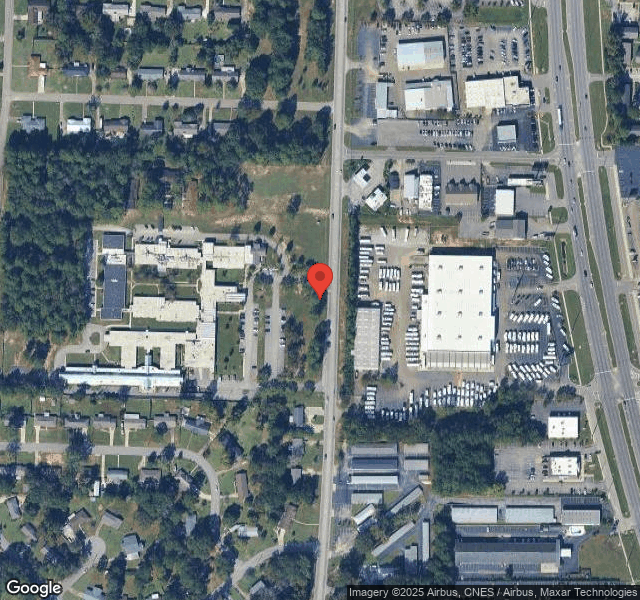

718 HONEYSUCKLE ROAD, DOTHAN, AL 36305 (334) 792-0921
Non profit - Corporation 166 Beds Independent Data: November 2025 2 Immediate Jeopardy citations
Trust Grade
21/100
#183 of 223 in AL
Last Inspection: March 2024

Within standard 12-15 month inspection cycle. Federal law requires annual inspections.

Overview

Wesley Place on Honeysuckle has a Trust Grade of F, indicating poor performance with significant concerns about care quality. It ranks #183 out of 223 facilities in Alabama, placing it in the bottom half of nursing homes in the state, and #3 out of 3 in Houston County, meaning there are no better local options available. The facility's trend is worsening, with issues increasing from 7 in 2018 to 8 in 2024, and it has concerning fines totaling $48,689, which are higher than 92% of Alabama facilities. While staffing is a relative strength with a rating of 4 out of 5 stars, the turnover rate of 56% is average, and RN coverage is below that of 88% of state facilities, which raises concerns about the adequacy of care. Specific incidents included a resident falling from bed due to improper assistance during care, resulting in serious injuries, and failure to maintain proper food safety standards in the kitchen, which could affect the well-being of all residents.

Trust Score
F
21/100
In Alabama
#183/223
Bottom 18%
Safety Record
High Risk
Review needed
Inspections
Getting Worse
7 → 8 violations
Staff Stability
⚠ Watch
56% turnover. Above average. Higher turnover means staff may not know residents' routines.
Penalties
✓ Good
$48,689 in fines. Lower than most Alabama facilities. Relatively clean record.
Skilled Nurses
○ Average
Each resident gets 30 minutes of Registered Nurse (RN) attention daily — about average for Alabama. RNs are the most trained staff who monitor for health changes.
Violations
⚠ Watch
15 deficiencies on record. Higher than average. Multiple issues found across inspections.
★★☆☆☆
2.0
Overall Rating
★★★★☆
4.0
Staff Levels
★★☆☆☆
2.0
Care Quality
★★☆☆☆
2.0
Inspection Score
Stable
2018: 7 issues
2024: 8 issues

The Good

  • 4-Star Staffing Rating · Above-average nurse staffing levels
  • Full Sprinkler Coverage · Fire safety systems throughout facility
  • No fines on record

Facility shows strength in staffing levels, fire safety.

The Bad

2-Star Overall Rating

Below Alabama average (2.9)

Below average - review inspection findings carefully

Staff Turnover: 56%

10pts above Alabama avg (46%)

Frequent staff changes - ask about care continuity

Federal Fines: $48,689

Above median ($33,413)

Moderate penalties - review what triggered them

Staff turnover is elevated (56%)

8 points above Alabama average of 48%

The Ugly 15 deficiencies on record

2 life-threatening
Mar 2024 8 deficiencies 2 IJ
CRITICAL (J) 📢 Someone Reported This

A family member, employee, or ombudsman was alarmed enough to file a formal complaint

Immediate Jeopardy (IJ) - the most serious Medicare violation

Comprehensive Care Plan (Tag F0656)

Someone could have died · This affected 1 resident

**NOTE- TERMS IN BRACKETS HAVE BEEN EDITED TO PROTECT CONFIDENTIALITY** Based on interviews, review of Resident Identifier (RI) #195's medical records, review of a third-party complaint, and the facil...

Read full inspector narrative →
**NOTE- TERMS IN BRACKETS HAVE BEEN EDITED TO PROTECT CONFIDENTIALITY** Based on interviews, review of Resident Identifier (RI) #195's medical records, review of a third-party complaint, and the facility's policies titled, Care Plans, Comprehensive Person-Centered and Perineal Care, the facility failed to ensure care planned interventions were developed to instruct staff how to safely position RI #195 in bed during incontinent care; including how many staff members were required to safely provide incontinent care for RI #195. The facility further failed to ensure RI #195's care planned interventions for bilateral half side rails for safety during care was implemented by Certified Nursing Assistance (CNA) #6. This deficient practice affected RI #195; one of 51 sampled residents whose care plans were reviewed. On 09/14/2023, CNA #6 was providing incontinent care to RI #195 without the assistance of another staff. CNA #6 repositioned RI #195 to his/her left side, CNA #6 turned around to obtain a wipe, and when she turned back around RI #195 was sliding from the bed. RI #195 fell head and upper body first from the bed to the floor. According to CNA #6, the left side rail was not in the upright position at this time. RI #195 was sent to the ER (Emergency Room) for evaluation and was found to have two brain bleeds, a right-side mandible fracture, dental fractures, a right-side scapula fracture, and a right-side acromion fracture. It was determined the facility's noncompliance with one or more requirements of participation caused, or was likely to cause, serious injury, harm, impairment, or death to residents. The Immediate Jeopardy (IJ) was related to State Operations Manual, Appendix PP, §483.21(b)(1) Develop/Implement Comprehensive Care Plans at a scope and severity of J. On 03/23/2024 at 7:26 PM, the Director of Nursing (DON) and the Assistant Director of Nursing (ADON), were provided a copy of the Immediate Jeopardy Templates and notified of the findings of immediate jeopardy in the area of Comprehensive Resident Centered Care Plan, F 656-Develop/Implement Comprehensive Care Plans. The facility implemented corrective actions including ongoing monitoring to correct the identified deficient practice and prevent reoccurrence on 09/18/2023; thus, immediate jeopardy past non-compliance was cited. Cross-Reference F 689. Findings Include: The facility policy titled, Care Plans, Comprehensive Person-Centered, with a revised date of 03/2022, documented, Policy Statement A comprehensive, person-centered care plan that includes measurable objectives and timetables to meet the resident's physical . functional needs is developed and implemented for each resident. Policy Interpretation and Implementation . 7. The comprehensive, person-centered care plan: . b. describes the services that are to be furnished to attain or maintain the resident's highest practicable physical, mental, and psychosocial well-being . 9. Care plan interventions are chosen only after data gathering, proper sequencing of events, careful consideration of the relationship between the resident's problem areas and their causes, and relevant clinical decision making. A facility policy titled, Perineal Care, with a revised date of 02/2018, documented, Purpose The purposes of this procedure are to provide cleanliness and comfort to the resident . Preparation 1. Review the resident's care plan to assess for any special needs of the resident. RI #195 was admitted to the facility on [DATE] and readmitted on [DATE], with diagnoses to include Dysphagia following Cerebral Infarction, Aphasia following Cerebral Infarction, Dementia and Alzheimer's Disease. RI #195's bowel incontinence care plan dated 07/02/2021 documented, . check (RI #195) every two hours and assist with toileting as needed . See care plans on . ADLs (Activities of Daily Living), . RI #195's ADL care plan, dated 07/02/2021, documented, BED MOBILITY: . dependent on two staff for repositioning and turning in bed . TOILET USE: (RI #195) is not toileted. (he/she) requires staff to check and change (him/her) q (every) 2 (two) hours as needed. (he/she) is unable to participate in any aspect of the task. SIDE RAILS: bilateral half rails up as per Dr's (doctors) order for safety during care provision . The care plan did not include instructions on how many staff were needed to assist RI #195 during incontinent care. On 09/15/2023, the State Agency received a complaint that alleged the following: DHR (Department of Human Resources) was notified by the hospital that the resident (RI #195) arrived to the emergency room (ER) with multiple fractures and a head injury that were reported as a result of a fall from bed in the facility that occurred while staff was changing the resident . A review of an ASSOCIATE COUNSELING REPORT for CNA #6, dated 09/20/2023, revealed the following: . Date of Incident 09/14/2023 Time of Incident 3-11 shift . Nature of Incident (explain in detail) Certified nursing assistant failed to follow the care plan for a resident under (his/her) care which resulted in an injury . RI #195's hospital report, documented, Clinical Impressions as of 09/15/2023 . fall, initial encounter subarachnoid bleed . Subdural hematoma . closed fracture of right scapula, unspecified part of scapula, initial encounter closed nondisplaced fracture of acromial process of right scapula, initial encounter . Physical Exam . Swelling at right temporal region . A review of RI #195's ALABAMA CERTIFICATE OF DEATH, with a date of death of [DATE], revealed the following: . CAUSE OF DEATH . Subdural, subarachnoid hematoma due to . Fall at nursing home . An interview was conducted with CNA #6 on 03/20/2024 at 2:08 PM. CNA #6 stated when it came to checking RI #195 required one-person assist, but repositioning required two people. CNA #6 said on 09/14/2023 she was providing incontinent care to RI #195 without the assistance of a second staff. CNA #6 said she repositioned RI #195 for the care and he/she fell from the bed to the floor. CNA #6 said RI #195's right shoulder and head hit the floor first. CNA #6 said after RI #195 fell to the floor, she looked and saw RI #195's side rail on the left side of the bed was down and it should have been up. CNA #6 stated when providing care for RI #195 side rails should have been raised and she was not sure why the side rails were down. CNA #6 said RI #195 was not in a safe position when she was providing care on 09/14/2023, due to the side rail being down. On 03/22/2024 at 2:22 PM a follow-up interview was conducted with CNA #6. CNA #6 said she would have asked a second staff member to assist her with RI #195's incontinent care if his/her care plan indicated two staff were required to provide incontinent care. An interview was conducted with Registered Nurse (RN) #14, former Clinical Coordinator, on 03/22/2024 at 10:07 AM. RN #14 stated the level of assistance required to assist RI #195 depended on what ADL care that was being provided. She stated most of the time RI #195 required two-person assistance. She stated RI #195 was a total assist and they anticipated all of his/her needs. RN #14 stated RI #195's side rail on the left side should have been up when CNA #6 was providing care from the right side of the bed because no one was on the opposite side. A follow-up phone interview was conducted with RN #14 on 03/23/2024 at 5:36 PM. RN #14 stated she completed the ADL care plan for RI #195. She stated she did not remember why there was no assist level on his/her toileting/incontinent ADL care plan. She stated she guessed that she forgot to put one- or two-person assist on the care plan. An interview was conducted with the Director of Nursing (DON) on 03/22/2024 at 1:35 PM. The DON stated RI #195 had a physician's order for bilateral side rails and according to his/her care plan they were to be up for safety during care to assist with bed mobility. She stated an investigation was conducted after RI #195's fall and it was determined that RI #195 fell from the left side of the bed and the left side rail was down. The DON said the side rail should have been up. A follow-up interview was conducted with Director of Nursing (DON) on 03/23/2024 at 11:53 AM. The DON stated the toilet use care plan should have instructed staff on how many staff was needed to assist with changing RI #195. The DON said RI #195's toilet use care plan did not indicate the number of staff needed to assist for toileting. The DON stated RI #195's toileting care plan should have specified an assist level. She stated the level of assistance required was very important information for all staff to know in order to provide care. This deficiency was cited as a result of complaint/report number AL00045797. *************************************************************** The facility took immediate action to correct the noncompliance by: 1. On 09/15/2023 CNA #6 was placed on administrative leave pending results of investigation. CNA #6 was not permitted to work until after 1 on 1 retraining on following the care plans was completed and after CNA #6 received a final warning in her employee file. 2. On 09/15/2023 QAPI meeting held to discuss root cause analysis. 3. On 9/15/2023 all residents care plans were reviewed be RN clinical coordinators/care coordinators for correct information regarding amount of assistance required for ADL care including incontinent care. No discrepancies were identified. 4. Ending on 09/18/2023 all nursing staff including all licensed nurse and CNAs were educated by RN Care Coordinators/RN supervisors on ensuring that the care plan is followed and ensure that staff are aware of the location to view the care plan within the point of care system. Education was completed on 09/18/2023. 5. 09/15/2023 All RN Care Coordinators were provided inservices and re-education to include the ADL sections of the care plan as it relates to the level of assistance required by staff for performing ADL care including incontinent care. 6. Return demonstration of location of the Kardex tab on the point of care tablets was performed on all CNAs by RN coordinators/supervisors by 09/18/2023. 7. Beginning on 09/15/2023, education on care plans to include ADL care completed upon new hire orientation process and at least annually. 8. Care plan compliance monitoring observations began on 09/18/2023 (nurses observed to ensure residents care plans were followed regarding ADL care assist levels). Date of compliance: 09/18/2023 *************************************************************** After review and verification of the information provided in the facility's corrective action plan, in-service education records, monitoring tools, and the facility's investigation, as well as staff interviews, the survey team determined the facility implemented corrective actions from 09/15/2023 through 09/18/2023 with ongoing monitoring implemented; thus, immediate jeopardy past noncompliance was cited.
CRITICAL (J) 📢 Someone Reported This

A family member, employee, or ombudsman was alarmed enough to file a formal complaint

Immediate Jeopardy (IJ) - the most serious Medicare violation

Accident Prevention (Tag F0689)

Someone could have died · This affected 1 resident

**NOTE- TERMS IN BRACKETS HAVE BEEN EDITED TO PROTECT CONFIDENTIALITY** Based on interviews, record review, the facility's investigative file, hospital record review, the facility policy titled, and r...

Read full inspector narrative →
**NOTE- TERMS IN BRACKETS HAVE BEEN EDITED TO PROTECT CONFIDENTIALITY** Based on interviews, record review, the facility's investigative file, hospital record review, the facility policy titled, and review of a third-party complaint, the facility failed to ensure Resident Identifier (RI) #195's upper side rails were up for safety during the provision of incontinent care; and failed to ensure two staff assisted to reposition RI #195 during the incontinent care. On 09/14/2023, Certified Nursing Assistant (CNA) #6 was providing incontinent care to RI #195 without a second staff to assist. CNA #6 repositioned RI #195 to the left side, turned around to obtain a wipe, and when she turned back around RI #195 was sliding from the left side of the bed. RI #195 fell head and upper body first from the bed to the floor. According to CNA #6, the left side rail was not in the upright position at the time. RI #195 was sent to the ER (Emergency Room) for evaluation and was found to have two brain bleeds, a right-side mandible fracture, dental fractures, bleeding in the mouth, a right-side scapula fracture, and a right-side acromion fracture. This deficient practice affected RI #195; one of three residents sampled for falls with major injuries. It was determined the facility's noncompliance with one or more requirements of participation caused, or was likely to cause, serious injury, harm, impairment, or death to residents. The Immediate Jeopardy (IJ) was related to State Operations Manual, Appendix PP, §483.25(d) Free of Accident Hazards/Supervision/Devices at a scope and severity of J. On 03/23/2024 at 7:26 PM, the Director of Nursing (DON) and the Assistant Director of Nursing (ADON), were provided a copy of the Immediate Jeopardy Template and notified of the finding of substandard quality of care at the immediate jeopardy level in the area of Quality of Care, at F-689-Free of Accident Hazards/Supervision/Devices. The facility implemented corrective actions to correct the identified deficient practice and prevent recurrence on 09/18/2023; thus, immediate jeopardy past non-compliance was cited. Cross-Reference F 656. Findings include: On 09/15/2023, the State Agency received a complaint that alleged the following: DHR (Department of Human Resources) was notified by the hospital that the resident (RI #195) arrived to the emergency room (ER) with multiple fractures and a head injury that were reported as a result of a fall from bed in the facility that occurred while staff was changing the resident . injuries . included two brain bleeds, right side mandible fracture, dental fracture, bleeding in mouth, right side scapula fracture, and right side acromion fracture . RI #195 was admitted to the facility on [DATE] and readmitted on [DATE], with diagnoses to include Dysphagia following Cerebral Infarction, Aphasia following Cerebral Infarction, Dementia and Alzheimer's Disease. RI #195's Annual Minimum Data Set assessment, with an Assessment Reference Date of 07/03/2023, revealed RI #195 had short- and long-term memory problems with severely impaired cognition, was totally dependent on staff with the assist of two for bed mobility, and had impairment on both sides of the upper and lower extremities. RI #195's ADL (Activities of Daily Living) care plan, with an initiated date of 07/02/2021, revealed RI #195 had a self-care performance deficit related to Alzheimer's, Dementia, and Contractures. There were interventions for . BED MOBILITY: (name of RI #195) is totally dependent on 2 staff for repositioning . SIDE RAILS: bilateral half rails up as per Dr's order for safety during care provision . A review of RI #195's Order Summary Report (Physicians Orders) with a date order of 07/29/2021, revealed RI #195 had a physician's order for . bilateral 1/2 upper side rails for the purpose of increasing safety per family request . Review of the facility's investigative file revealed a statement given by CNA #6, dated 09/15/2023, which revealed the following: I am used to doing RI #195 by myself because his/her body will stay in one position. He/She had a really big bowel movement and I was trying to push him/her over enough to clean his/her whole back side. I failed to realize that the side rail wasn't up. So, I pushed him/her just a little bit more so I could clean his/her left cheek and then as soon as I turned around to grab the wipes behind me I turned back around and I saw his/her upper body go down first. It was his/her shoulder and head that went down first . On 03/20/2024 at 2:08 PM, an interview was conducted with CNA #6. CNA #6 said RI #195 required total care and when it came to repositioning, RI #195 was a two-person assist. CNA #6 said on 09/14/2023 she was providing incontinent care without the assistance of a second staff. CNA #6 said during the care she turned RI #195 over and pushed RI #195 more toward the edge of the bed so she could clean RI #195. CNA #6 said she turned around to get the wipes which were on the table behind her. CNA #6 said when she turned back around she saw RI #195's upper body and head slide off the left side of the bed to the floor. CNA #6 said RI #195's right shoulder and head hit the floor first. CNA #6 said after RI #195 fell to the floor, she looked and saw RI #195's side rail on the left side of the bed was down and it should have been up. CNA #6 said RI #195 was not in a safe position when she provided care to RI #195 on 09/14/2023, because the side rail was down. CNA #6 said the fall was avoidable because if she had been more aware of the environment she would have seen the side rail was down. On 03/20/2024 at 6:20 PM, an interview was conducted with Licensed Practical Nurse (LPN) #12, the LPN assigned to care for RI #195 on the 3-11 shift on 09/14/2023. LPN #12 said CNA #6 informed her RI #195 had fallen. When she entered the room RI #195 was on the floor on the left side of the bed lying on his/her back. LPN #12 said two staff should have been assisting RI #195 to turn. LPN #12 said RI #195's side rails should have been in the up position at all times. LPN #12 said RI #195's fall was avoidable because CNA #6 should have had someone with her if she was not sure about how to care for RI #195. On 03/22/2024 at 4:16 PM, an interview was conducted with RN #16. RN #16 said she was made aware RI #195 had fallen out of bed on 09/14/2023, when CNA #6 called her. RN #16 said she immediately went to RI #195's room and saw RI #195 on the floor on the left side of the bed. RN #16 said the left side rail was down and it should have been up especially since CNA #6 was repositioning RI #195. On 03/21/2024 at 6:29 PM, a telephone interview was conducted with CNA #13. CNA #13 said RI #195's side rails should have been up at all times. CNA #13 said when she entered the room after RI #195 fell, RI #195 was on the floor on his/her back on the left side of the bed and the left side rail was down. CNA #13 said CNA #6 told her she forgot to let RI #195's side rail back up. RI #195's Progress Notes, dated 09/14/2023, revealed the following: . Note Text: Resident sent to ER via (by way of) Ambulance @ (at) 9pm due to sliding off of bed during care . RI #195's ED (Emergency Department) Provider Notes from the local hospital, with a Date of Service of 09/14/2023, revealed the following: . Chief Complaint Patient present with .Fall Pt (patient) arrived via EMS (Emergency Medical Service) from SNF (Skilled Nursing Facility) nonverbal and bedbound w (with)/contractures of the BUE (Bilateral Upper Extremities). EMS states that while being changed the pt was rolled off the bed to the L (left) side . Physical Exam . (revealed a contusion to the left and right forehead and right mandible) . Clinical Impression as of 09/15/23 . Subarachnoid bleed . Subdural hematoma . Closed fracture of right scapula, unspecified part of scapula . closed nondisplaced fracture of acromial process of right scapula . Medical Decision Making CT (Computed Tomography) scans display subarachnoid hemorrhage and hematoma . Questionable right mandibular fracture and dental fracture which is thought to be the source of the dried blood in the mouth along with a right scapula fracture and acromial process fracture . Problems addressed: Closed fracture of right scapula . Closed nondisplaced fracture of acromial process of right scapula . Subarachnoid bleed . Subdural hematoma . On 03/22/2024 at 10:07 AM, an interview was conducted with Registered Nurse (RN) #14, the former RN/Clinical Coordinator (CC) of the unit RI #195 resided on. RN #14 said RI #195 was pretty much total care, and mostly two-person assist with ADLs. RN #14 said at the time of the incident CNA #6 was the only staff assisting with RI #195's care. RN #14 said the left side rail should have been up while CNA #6 was providing care from the right side. On 03/22/2024 at 7:49 AM, an interview was conducted with the Household Coordinator (HHC) for the unit RI #195 resided on. The HHC said findings from the facility's investigation determined the side rail on the side of the bed RI #195 fell from was not raised and there was only one CNA providing care to RI #195. On 03/21/2024 at 5:51 PM, a telephone interview was conducted with the Medical Director (MD). The MD said he thought the root cause of RI #195's fall was the fact the person assisting RI #195 did not have help. The MD said the side rail being down on the side of the bed RI #195 fell from could have stopped the fall. On 03/22/2024 at 11:18 AM, an interview was conducted with the DON. The DON said from what she could remember, RI #195 was a total care resident and needed two-persons assistance with repositioning. The DON said during RI #195's care, CNA #6 had to turn RI #195 to his/her side. The DON said the investigation determined that CNA #6 rolled RI #195 over to clean his/her bottom and RI #195 went over the left side of the bed while CNA #6 reached for a wipe. The DON said it was discovered through the facility's investigation the left side rail was down. The DON said the fall could have been avoided because RI #195 was a total care resident and was not able to support him/herself from rolling out of the bed. The DON said RI #195 sustained a scapula and mandible fracture which was consistent with RI #195 falling from the left side of the bed. On 03/21/2024 at 10:52 AM, a telephone interview was conducted with RI #195's sponsor. The sponsor said RI #195 required full-time care and was bedridden. The sponsor said as a result of the fall RI #195 had a couple of broken teeth, his/her shoulder was broken, and his/her skull had a fracture. The sponsor said RI #195 passed away on 09/21/2023. A review of RI #195's Discharge Summary from the local hospital RI #195 was transported to on 09/14/2023, revealed the following: . Date of Service: 9/21/2023 . DEATH SUMMARY . Final Diagnosis: Subdural hematoma . Acute problems: Subdural, subarachnoid hematoma due to Fall at nursing home Acute on chronic encephalopathy due to above . Concern for right mandibular fracture- on imaging Right scapula fracture, distal acromion fracture . Death Summary: Patient was admitted to hospitalist service for further evaluation of reported fall at nursing home reportedly while (he/she) was being changed. On admission he had multiple images including CT head, maxillofacial . (He/She) was noted to have right hemispheric subdural hematoma with 7.8 mm (millimeter) in size in parieto-occipital region . Patient's family was aware of (his/her) poor condition . Subsequently patient passed away on 09/21/2023 at 6:59 p.m. A review of RI #195's ALABAMA CERTIFICATE OF DEATH, with a date of death of [DATE], revealed the following: . CAUSE OF DEATH . Subdural, subarachnoid hematoma due to . Fall at nursing home . This deficiency was cited as result of the investigation of complaint/report #AL00045797. ******************************************************* The facility took immediate action: 1. On 09/15/2023 CNA #6 was placed on administrative leave pending results of investigation. CNA #6 was not permitted to work until after 1 on 1 retraining on following the care plans was completed and after CNA #6 received a final warning in her employee file. 2. On 09/15/2023 QAPI meeting held to discuss root cause analysis. 3. On 9/15/2023 all residents care plans were reviewed by RN clinical coordinators for correct information regarding amount of assistance required for ADL care including incontinent care. No discrepancies were identified. 4. Ending on 09/18/2023 all nursing staff including all licensed nurse and CNAs were educated by RN clinical Coordinators/RN supervisors on ensuring that the care plan is followed and ensure that staff are aware of the location to view the care plan within the point of care system. Education was completed on 09/18/2023. 5. 09/15/2023 All RN Care Coordinators were provided inservices and re-education to include the ADL sections of the care plan as it relates to the level of assistance required by staff for performing ADL care including incontinent care. 6. Return demonstration of location of the Kardex tab on the point of care tablets was performed on all CNAs by RN coordinators/supervisors by 09/18/2023. 7. Beginning on 09/15/2023, education on care plans to include ADL care completed upon new hire orientation process and at least annually. 8. Care plan compliance monitoring observations began on 09/18/2023 (nurses observed to ensure residents care plans were followed regarding ADL care assist levels). Date of compliance: 09/18/2023 ************************************************************************************************************************** After review and verification of the information provided in the facility's corrective action plan, in-service education records, monitoring tools, and the facility's investigation, as well as staff interviews, the survey team determined the facility implemented corrective actions from 09/15/2023 through 09/18/2023 with ongoing monitoring implemented; thus, immediate jeopardy past noncompliance was cited.
CONCERN (D)

Potential for Harm - no one hurt, but risky conditions existed

Assessment Accuracy (Tag F0641)

Could have caused harm · This affected 1 resident

**NOTE- TERMS IN BRACKETS HAVE BEEN EDITED TO PROTECT CONFIDENTIALITY** Based on interviews, record review, the Long-Term Care Resident Assessment Instrument 3.0 Manual, and the facility policy titled...

Read full inspector narrative →
**NOTE- TERMS IN BRACKETS HAVE BEEN EDITED TO PROTECT CONFIDENTIALITY** Based on interviews, record review, the Long-Term Care Resident Assessment Instrument 3.0 Manual, and the facility policy titled Care Plans, Comprehensive Person-Centered, the facility failed to ensure Resident Identifier (RI) #96's Quarterly Minimum Data Set (MDS) assessment dated [DATE], was accurately coded to reflect Resident Identifier (RI) #96's behavioral symptoms. This deficient practice affected one of 51 sampled residents whose MDS was reviewed. Findings include: RI #96 was admitted on [DATE] and diagnoses that included Dementia, Moderate with Mood Disturbance, Alzheimer's Disease Late Onset. A review of facility policy titled Comprehensive Assessments with a Revised date of 03/2022 documented, Policy Interpretation and Implementation 1. Comprehensive assessments are conducted in accordance with criteria and timeframes established in the Resident Assessment Instrument (RAI) User Manual . Section E0200: Behavioral Symptoms of the Long-Term Care Resident Assessment Instrument 3.0 Manual which is also known as the RAI User Manual documented . 1. Review the medical record for the 7 day look-back period . A review of RI #96's behavior progress notes on 04/02/2023 revealed RI #96 was combative during morning care and exhibited physically aggressive behavior. A review of RI #96's Quarterly MDS with an Assessment Reference Date (ARD) of 04/04/2023 Section E0200 Behavioral Symptoms documented: 0. Behavior not exhibited. On 03/21/2024 at 11:55 AM, an interview with Certified Nursing Assistant (CNA) #10 was conducted. CNA #10 stated RI #96 had exhibited resistive behavior during care several times a week for about a year. On 03/21/2024 at 12:53 PM, an interview with Registered Nurse (RN) #7 was conducted. RN #7 stated RI #96 was resistive during care at times. RN #7 stated RI #96 had exhibited those behavior since he/she had been on the unit. On 03/21/2024 at 4:55 PM, an interview with the MDS Coordinator (MDSC). The MDSC said RI #96 was not coded for behavioral symptoms on the MDS with an ARD of 04/04/2023. The MDSC said behavioral symptoms should have been coded on the MDS.
CONCERN (D) 📢 Someone Reported This

A family member, employee, or ombudsman was alarmed enough to file a formal complaint

Potential for Harm - no one hurt, but risky conditions existed

Deficiency F0655 (Tag F0655)

Could have caused harm · This affected 1 resident

**NOTE- TERMS IN BRACKETS HAVE BEEN EDITED TO PROTECT CONFIDENTIALITY** Based on observations, interviews, record review and review of a facility policy titled, Care Plans -Baseline, the facility fail...

Read full inspector narrative →
**NOTE- TERMS IN BRACKETS HAVE BEEN EDITED TO PROTECT CONFIDENTIALITY** Based on observations, interviews, record review and review of a facility policy titled, Care Plans -Baseline, the facility failed to ensure Resident Identifier (RI) #196's and RI #198's baseline care plans addressed the use of their Continuous Positive Airway Pressure (CPAP) machines. This deficient practice affected RI #196 and RI #198, two of six sampled residents whose baseline care plans were reviewed. Findings include: A review of a facility policy titled, Care Plans-Baseline, with a revised date of 03/2022, revealed the following: . Policy Interpretation and Implementation 1. The baseline care plan includes instructions needed to provide effective, person-centered care of the resident that meet professional standards of quality care and must include the minimum healthcare information necessary to properly care for the resident including, but not limited to the following: . b. Physician orders . 4. c. Any services and treatments to be administered by the facility . RI #196 was originally admitted to the facility on [DATE] and readmitted on [DATE], with diagnoses that included Obstructive Sleep Apnea and Chronic Obstructive Pulmonary Disease. RI #196's March 2024 Order Summary Report (Physician Orders) revealed RI #196 had a physician order dated 03/12/2024 for . CPAP at night set to manufactures guidelines and settings . A review of RI #196's Baseline Care Plan, dated 03/08/2024, revealed under the section Health Conditions/Special Treatments . CPAP - while a resident . was not checked. On 03/19/2024 at 12:03 PM, RI #196's CPAP machine was observed on top of RI #196's dresser drawer. RI #198 was admitted to the facility on [DATE] and readmitted on [DATE], with diagnoses that included Acute Respiratory Failure with Hypoxia and Acute Pulmonary Edema. A review of RI #198's Baseline Care Plan, dated 03/15/2024, revealed under the section Health Conditions/Special Treatments . CPAP - while a resident . was not checked. 03/19/2024 at 3:47 PM, RI #198's CPAP machine was observed on top of the nightstand in RI #198's room. On 03/22/2024 at 1:20 PM, an interview was conducted with Licensed Practical nurse (LPN) #17. LPN #17 said RI #198 used his/her CPAP at night, and RI #196 used one as well. On 03/22/2024 at 6:01 PM, an interview was conducted with Registered Nurse (RN) #18/Clinical Coordinator (CC) for the Rehab unit. RN #18 said it was the responsibility of the person that admitted the resident to the facility to develop a resident's baseline care plan. RN #18 said the baseline care plan should address that the resident was using respiratory equipment such as a CPAP. RN #18 said RI #196 used a CPAP. RN #18 looked at RI #196's baseline care plan and said it did not address the use of the CPAP. RN #18 said the care plan should have included the use of the CPAP and that it was an oversite. RN #18 said RI #198 used his/her CPAP. RN #18 said the use of CPAP should have been included on RI #198's baseline care plan but she did not see it on the baseline care plan. RN #18 said the purpose of a baseline care plan was to show what type of care was occurring with the resident. RN #18 said it would be important to ensure all resident's care information was included on the baseline care plan to make sure the resident's care was being properly administered.
CONCERN (D) 📢 Someone Reported This

A family member, employee, or ombudsman was alarmed enough to file a formal complaint

Potential for Harm - no one hurt, but risky conditions existed

Deficiency F0658 (Tag F0658)

Could have caused harm · This affected 1 resident

**NOTE- TERMS IN BRACKETS HAVE BEEN EDITED TO PROTECT CONFIDENTIALITY** 2) A review of a facility policy tilted, Gastostomy/Jejunostomy Site Care, with a revised date of 10/2011, documented: Purpose T...

Read full inspector narrative →
**NOTE- TERMS IN BRACKETS HAVE BEEN EDITED TO PROTECT CONFIDENTIALITY** 2) A review of a facility policy tilted, Gastostomy/Jejunostomy Site Care, with a revised date of 10/2011, documented: Purpose The purposes of this procedure are to promote cleanliness and to protect the gastrostomy . site from irritation, breakdown and infection. Preparation 1. Verify that there is a physician's order for this procedure. RI #40 was admitted to facility on 03/21/2022 and re-admitted on [DATE] with a diagnosis of Gastrostomy Status. RI #40's Order Summary Report (Physicians Orders) for 03/2024, documented: . Clean peg site daily w (with)/ peroxide . 03/22/2024 at 10:10 AM, the surveyor observed LPN #3 clean RI #40's PEG stoma site with soap and water. On 03/22/2024 at 11:58 AM, an interview was conducted with LPN #3. LPN #3 was asked why she did not follow the physicians orders to clean RI #40's PEG site with peroxide. LPN #3 said she thought the order was for soap and water. When asked what was the concern of not following physician orders, LPN #3 said she could cause an infection or the resident could have a reaction to the wrong item used. On 03/23/2024 at 01:47 PM, an interview was conducted with the ADON. The ADON was informed of the surveyor's observation of gastrostomy site care being performed on RI #40 on 03/22/2024 by LPN #3, who used soap instead of peroxide. The ADON said LPN #3 should have followed the physicians orders and used peroxide. Based on observations, interviews, record review and review of facility policies titled, Crushing Medications, Administering Medications, and Gastrostomy/Jejunostomy Site Care, the facility failed to ensure: 1) Resident Identifier (RI) #3 had a crush order to crush his/her Clonazepam 1 mg (milligram) tablet, and 2) RI #40's PEG (Percutaneous Gastrostomy) site was cleaned with peroxide as ordered by the physician. These deficient practices affected RI #3, one of six residents observed during the medication pass administration; and RI #40, one of one resident whose PEG site care was observed. Finding include: 1) RI #3 was admitted to the facility on [DATE] and readmitted on [DATE], with diagnoses of Epilepsy and Dysphasia. A facility policy titled, Crushing Medications, with a revised date of 04/2018, included the following: Policy Statement Medications shall be crushed only when it is . consistent with physician orders. Policy Interpretation and Implementation . 3. In addition, the following guidelines shall be followed when crushing medications: a. The MAR or other documentation must indicate why it was necessary to crush the medication . RI #3's Order Summary Report (Physicians Orders) noted as Active Orders as of 03/20/2024 included: . ClonazePAM Oral Tablet 1 mg .Give 1 tablet by mouth two times a day . Further review of the March 2024 Physicians Orders revealed there was not an order to crush any of RI #3's medications. On 03/20/2024 at 4:19 PM, the surveyor observed Licensed Practical Nurse (LPN) #11 prepare and administer RI #3 his/her medications. LPN #11 placed RI #3's Clonazepam 1 mg tablet in a pill crush pouch and crushed the tablet while stating RI #3's medications were crushed. LPN #11 then administered the medication to RI #3. In an interview on 03/21/224 at 5:21 PM, the surveyor asked LPN #11 was there an order to crush RI #3's medications. LPN #11 reviewed RI #3's electronic Physicians Orders and paper Physicians Orders and stated she did not see one. When asked if there should be an order to crush RI #3's medications before crushing them, LPN #11 stated yes. In an interview on 03/23/2024 at 8:26 AM with Registered Nurse (RN) #7, the Clinical Coordinator (CC) for South Two, was asked if a resident's medication were crushed should there be a crush order. RN #7's response was yes there should be. RN #7 said according to RI #3's Physicians Orders there was not an order to crush RI #3's medications. When asked why it was important to have an order to crush medications before crushing a resident's medication, RN #7 said so the nurse would know which medication could be crushed. In an interview on 03/23/2024 at 10:01 AM with the Assistant Director of Nursing (ADON), the surveyor asked the ADON when a resident's medication was crushed, should there be a crush order. The ADON's response was yes. When asked why it would be important to have a may crush order before crushing a resident's medication, the ADON responded it would alert the staff that it would be ok to crush that medication.
CONCERN (D) 📢 Someone Reported This

A family member, employee, or ombudsman was alarmed enough to file a formal complaint

Potential for Harm - no one hurt, but risky conditions existed

Deficiency F0761 (Tag F0761)

Could have caused harm · This affected 1 resident

**NOTE- TERMS IN BRACKETS HAVE BEEN EDITED TO PROTECT CONFIDENTIALITY** Based on observations, interviews, record review and review of a facility policy titled, Medication Labeling and Storage, the fa...

Read full inspector narrative →
**NOTE- TERMS IN BRACKETS HAVE BEEN EDITED TO PROTECT CONFIDENTIALITY** Based on observations, interviews, record review and review of a facility policy titled, Medication Labeling and Storage, the facility to ensure: 1) Resident Identifier (RI) #395's vial of 70/30 insulin was labeled correctly; and 2) an expired bottle of Enteric Coated (EC) Aspirin (ASA) was not left on the medication cart on the Rehab unit. These deficient practices affected RI #395, and had the potential to affect all resident with orders for EC ASA on the Rehab unit. Findings include: Review of a facility policy titled, Medication Labeling and Storage, with a revised date of 02/2023, revealed the following: . Policy Interpretation and Implementation .6. Medications . are labeled accordingly . Medication Labeling . 2. The medication label includes,at a minimum: . 2. d. expiration date, when applicable; e. resident's name . 5. vials that have been opened or accessed (e.g. [for example] needle punctured) are dated and discharged within 28 days . 1) RI #395 was admitted to the facility on [DATE] with a diagnosis of Type Two Diabetes. RI #395's Order Summary Report (Physicians Orders) for March 2024 revealed RI #395 had orders to include Aspirin 325 mg (milligrams) once a day and Novolog mix 70/30 inject ten units subcutaneous two times a day. On 03/22/2024 at 8:55 AM, the surveyor observed Licensed Practical Nurse (LPN) #17 prepare RI #395's medications. LPN #17 went to refrigerator and returned with a vial of Novolog 70/30 for RI #395. The surveyor observed that there no label on the vial of insulin as to when the vial was opened or when the insulin was to be discarded. On 03/22/2024 at 1:20 PM, an interview was conducted with LPN #17. The surveyor asked LPN #17, when a vial of insulin was opened, what type of information should be placed on the vial. LPN #17 said the opened date, the expiration date and the resident's name. LPN said it was important to ensure the vial was labeled with this information so all staff would know who the medication belonged to and how long the medication could be used. LPN #17 said RI #395's vial of 70/30 insulin should have been labeled. On 03/22/2024 at 6:01 PM, an interview was conducted with Registered Nurse (RN) #18/Clinical Coordinator (CC) for the Rehab unit. RN #18 was asked, when insulin was opened, what should be on the vial of the insulin. RN #18 said the residents name, the date opened, and the expiration date. 2) On 03/22/2024 at 8:55 AM, the surveyor observed LPN #17 prepare RI #395's medications. LPN #17 removed a stock bottle of EC ASA 325 mg from the drawer of the medication cart. The bottle of ASA had an expiration date of 10/23 (2023) on the bottle. On 03/22/2024 at 1:20 PM, an interview was conducted with LPN #17. When asked why was there a bottle of expired EC ASA on the medication cart that morning, LPN #17 said she had not noticed the date on it. LPN #17 said expired medication should be placed in a medication destruction box and sent back to the pharmacy. LPN #17 said the expired medication may not have the effectiveness and would not have a therapeutic health benefits to the resident. On 03/22/2024 at 6:01 PM, an interview was conducted with RN #18. RN #18 said expired stock medications should not be on the medication cart. RN #18 said the MAC (Medication Administration Certified), CNA (Certified Nursing Assistant), or the nurse had the responsibility for ensuring expired medications were not left on the medication cart. RN #18 said the medication cart should be checked for expired medication weekly; but the medication nurse should be checking for expired medications when medications are passed. When asked what would there be a potential for when expired medications are left on the medication cart, RN #18 said the resident would get a medication where the effectiveness would be decreased.
CONCERN (D) 📢 Someone Reported This

A family member, employee, or ombudsman was alarmed enough to file a formal complaint

Potential for Harm - no one hurt, but risky conditions existed

Infection Control (Tag F0880)

Could have caused harm · This affected 1 resident

**NOTE- TERMS IN BRACKETS HAVE BEEN EDITED TO PROTECT CONFIDENTIALITY** 2) Review of Facility's policy titled, Handwashing /Hand Hygiene, with a Revised date of 08/2015, documented, Policy Statement ....

Read full inspector narrative →
**NOTE- TERMS IN BRACKETS HAVE BEEN EDITED TO PROTECT CONFIDENTIALITY** 2) Review of Facility's policy titled, Handwashing /Hand Hygiene, with a Revised date of 08/2015, documented, Policy Statement . This facility considers hand hygiene the primary means to prevent means to prevent the spread of infections. Policy interpretation and Implementation . 2. All personnel shall follow the handwashing/hand hygiene procedures to help prevent the spread of infections to other personnel, residents . 3. Hand hygiene products and supplies ( .alcohol-based rubs,etc) shall be readily accessible . 6. Wash hands with soap (antimicrobial or nonantimicrobial) and water for the following situations: a. When hands are visibly soiled; .7. Use an alcohol-based hand rub containing at least 62% alcohol; or alternatively, soap (antimicrobial or nonantimicrobial) and water for the following situations: .b. Before and after direct contact with residents; .e. Before and after handling invasive device (e,g,,urinary catheters .g. Before handling clean or soiled dressings, gauze pads,etc; .k. After handling used dressings . RI #40 was admitted to facility on 03/21/2022 and re-admitted on [DATE] with a diagnosis of Gastrostomy Status. RI #40's Order Summary Report (Physicians Orders) for 03/2024, documented: . Clean peg site daily w (with)/ peroxide . On 03/22/2024 at 10:10 AM, Surveyor observed LPN #3 clean RI #40's peg site. While perfoming wound care with gloves on, LPN #3 ran out of gauze, went to RI #40's chest of drawers, and obtained more gauze to clean the stoma. LPN #3 kept on the same pair of gloves and continued to clean the stoma. An interview was conducted with LPN #3 on 03/22/2024 at 11:58 PM. LPN #3 stated it did not cross her mind to remove her gloves before she retrieved the gauze from RI #40's drawer. LPN #3 stated the concern of not changing gloves after touching a potentially soiled/contaminated item was the potential for infection. On 03/23/2024 at 1:47 PM, an interview was conducted with the Infection Preventionist (IP). The IP stated the concern of not changing gloves during wound care was cross-contamination. 3) RI #295 was admitted to the facility on [DATE] and re-admitted on [DATE] with diagnosis to include Heart Failure, Other Disorders of the Lungs, and Unspecified Osteoarthritis. RI #295's Order Summary Report dated 03/19/2024, revealed, Wound Vac intermittent at 125 to Right buttocks wound change q(every)72 hrs (hours). On 03/19/2024 at 11:00 AM, surveyor observed Registered Nurse (RN) #4 perform wound care on RI #295. During care RN #4 packed three pieces of precut foam into RI #295's wound with her gloved fingers. Later in the wound care RN #4 picked up bandage scissors and wiped off the tip of the scissors with hand sanitizer and her bare hands. An interview was conducted with RN #4 on 03/21/2024 at 6:11 PM. RN #4 said Q tips or cotton tipped swabs should be used to pack a wound during wound care. RN #4 stated she used her gloved fingers to pack RI #295's. RN #4 said the scissors should have been cleaned with sani-wipes and stated the concern of not cleaning scissors would be infection control. On 03/23/2024 at 1:47 PM, an interview was conducted with the Infection Preventionist (IP). The IP was informed surveyor observed RN #4 perform wound care on RI #295 on 3/19/2024. The IP stated when packing a wound, a Q tip would be sterile; a gloved hand would not be and it would increase the risk of infection. Based on observations, interviews, record review, review of facility policies titled, Handwashing/Hand Hygiene and Gastrostomy/Jejunostomy Site Care, and review of guidelines from CDC's (Center for Medicare and Medicare) Core Infection and Prevention and Control Practices for Safe Healthcare in All Settings, the facility failed to ensure: 1) Certified Nursing Assistant (CNA) #19 removed her mask before exiting a resident on Droplet Precautions's room, Resident Identifier (RI) #53, 2) Licensed Practical Nurse (LPN) #3 changed her gloves and sanitized her hands while performing gastrostomy site care on RI #40; and 3) Registered Nurse (RN) #4 did not use her gloved finger to pack foam into RI #295's wound during wound care. Further RN #4 used her ungloved hands and hand sanitizer to clean RI #295's. These deficient practices affected three of 51 sampled residents. Findings include: Review of undated guidelines for CDC's Core Infection and Prevention and Control Practices for Safe Healthcare in All Settings, revealed the following: . Core Practice Category 5d. Risk Assessment with Appropriate Use of Personal Protective Equipment (PPE) . Core Practices . d. Remove and discard PPE, other than respirators, upon completing a task before leaving the patient's room or care area . RI #53 was admitted to the facility on [DATE] and readmitted on [DATE], with a diagnosis of Methicillin Resistant Staphylococcus Aureus (MRSA) Infection. RI #53's Order Summary Report (Physicians Orders) for March 2024 revealed RI #53 was to be on Droplet precautions 3/15-03/21 for MRSA in sputum. RI #53's Care Plan included a care plan for Droplet Precautions r/t (related to) MRSA in sputum, with an initiated date of 03/15/2024, with an intervention for Change PPE prior to caring for another resident . On 03/19/2024 at 3:19 PM, CNA #19 was observed passing ice on the hall. CNA #19 put on a blue surgical mask and took a bag of ice into room RI #53's room. RI #53 had a Droplet Precaution sign on his/her door with instruction to Remove face protection before room exit. On 03/19/2024 at 3:24 PM, CNA #19 exited RI #53's room with the face mask still on, walked down hall with a clear tied bag of trash in her hand and took the bag to the soiled utility room. CNA #19 walked back down the hall with the face mask still on and entered another resident's room. On 03/19/2024 at 3:26 PM, an interview was conducted with CNA #19. CNA #19 said RI #53 was on droplet precautions. CNA #19 said she was required to have on a mask and sanitize her hands when entering RI #53's room. CNA #19 said she should have disposed of the mask in the room. The surveyor asked CNA #19 what type of concern would it be to not dispose of the mask in the correct manner. CNA #19 said germs could be spread. On 03/22/2024 at 6:01 PM, an interview was conducted with Registered Nurse (RN) #18/Clinical Coordinator (CC) for the Rehab unit. RN #18 was asked what type isolation was RI #53 on. RN #18 said RI #53 was on droplet precautions. When asked what type PPE was required when entering RI #53's room, RN #18 said the surgical face mask, gloves and a gown. RN #18 said before exiting the room, the mask should be thrown in the trash receptacle in the bathroom. RN #18 said there was a potential for the spread of infection when the face mask was not removed and staff walked down the hall, and entered other resident's room with the face mask on. On 03/23/2024 at 09:47 AM, an interview was conducted with the Infection Preventionist (IP). The IP was asked, before exiting a resident who was on any type precaution room, where should the face mask be discarded. The IP said in the trash container on the inside of the room. The IP said when this was not done in that manner, the concern was infection control and the potential to spread germs elsewhere.
MINOR (B) 📢 Someone Reported This

A family member, employee, or ombudsman was alarmed enough to file a formal complaint

Minor Issue - procedural, no safety impact

Safe Environment (Tag F0584)

Minor procedural issue · This affected multiple residents

Based on observations, interviews and a facility's policy titled, Homelike Environment, the facility failed to ensure rooms on one of seven halls were not found in need of repair. This deficient pract...

Read full inspector narrative →
Based on observations, interviews and a facility's policy titled, Homelike Environment, the facility failed to ensure rooms on one of seven halls were not found in need of repair. This deficient practice affected eight resident's rooms on one hall. Findings Include: A facility policy titled, Homelike Environment, with a revised dated of 02/2021, revealed, Policy Statement Residents are provided with a safe, clean, comfortable and homelike environment . Policy Interpretation and Implementation . the facility staff and management maximizes, to the extent possible the characteristics of the facility that reflect a . homelike setting . These characteristics include: a. clean, sanitary and orderly environment; . 1. On 03/18/2024 at 5:35 PM the surveyor observed a large amount of wall material missing behind the Resident Identifier (RI) #70's bed. 2. On 03/18/2024 at 5:40 PM the surveyor observed a large amount wall material missing behind the RI #13's bed. 3. On 03/18/2024 at 5:45 PM the surveyor observed a large amount of wall material missing behind RI #43's bed. 4. On 03/18/2024 at 5:50 PM the surveyor observed a large amount of wall material missing behind RI #138 's bed. 5. On 03/18/2024 at 5:55 PM the surveyor observed a large amount of wall material missing behind RI #1's bed. 6. On 03/18/2024 at 6:00 PM the surveyor observed a large amount of wall material missing behind RI #19's bed. 7. On 03/18/2024 at 6:30 PM the surveyor observed a large amount of wall material missing behind RI #67 's bed. 8. On 03/18/2024 at 6:15 PM the surveyor observed a large amount of wall material missing behind RI #40's bed and the ceiling tile over the bed was reddish-brown and sagging. On 03/20/2024 from 1:45 PM to 1:55 PM, the Maintenance Director (MTD) made observation of the noted concerns in residents' rooms. Large chunk of sheetrock was observed missing behind residents' headboards. The ceiling tile directly over RI #40's bed was discolored reddish-brown and sagging. An interview was conducted with the MTD on 03/20/2024 at 2:00 PM. The MTD stated the areas observed on the walls behind the beds in the residents' room were gouges in the drywall. He stated the ceiling over the bed in RI #40's room looked like an old leak. He stated the ceiling was discolored and had a small sag to it. The MTD stated it was unsightly for the facility to have gouges in the resident's walls and sagging, discolored ceiling. The MTD stated it was the facility's job to make their address a better place.
Aug 2018 7 deficiencies
CONCERN (D)

Potential for Harm - no one hurt, but risky conditions existed

Resident Rights (Tag F0550)

Could have caused harm · This affected 1 resident

Based on observation, interview and review of a facility policy Quality of Life - Dignity the facility failed to ensure Resident Identifier (RI) #11 received the supper meal on 8/27/18 and was fed the...

Read full inspector narrative →
Based on observation, interview and review of a facility policy Quality of Life - Dignity the facility failed to ensure Resident Identifier (RI) #11 received the supper meal on 8/27/18 and was fed the same time the roommate was fed. This was observed on 8/27/18 and affected one of two residents observed for meals. Findings Include: A review of a facility policy Quality of Life -Dignity with a revised date of August 2009 revealed: Policy Statement Each resident shall be cared for in a manner that promotes and enhances quality of life, dignity, respect and individuality. RI #11 was admitted to the facility 1/22/15 with a diagnosis of Dementia. A review of a Quarterly Minimal Data Set with an Assessment Reference Date of 5/31/18 revealed RI #11 was totally dependant for eating. On 8/27/18 at 5:01 PM the surveyor observed the supper meal served to the roommate who required to be fed. On 8/27/18 at 5:40 PM the surveyor observed staff take a tray in to RI #11's room and begin to feed the resident. On 8/28/18 at 4:05 PM, an interview was conducted with Employee Identifier (EI) #13, Clinical Coordinator. EI #13 was asked what was the policy on residents in rooms and meals. EI #13 replied, both should receive the meal and be fed at the same time. EI #13 was asked if RI #11 was fed the same time the roommate was fed. EI #13 replied, no. EI #13 was asked what was the harm in both residents not receiving meals at the same time. EI #13 replied, dignity and the resident not being fed may be hungry and harmed by smelling the food and not eating their own.
CONCERN (D)

Potential for Harm - no one hurt, but risky conditions existed

Safe Environment (Tag F0584)

Could have caused harm · This affected 1 resident

Based on observation, interview and review of a facility policy titled, Housekeeping, Cleaning & Laundry, the facility failed to ensure: 1) Resident Identifier(RI) #85's room was clean and free of cr...

Read full inspector narrative →
Based on observation, interview and review of a facility policy titled, Housekeeping, Cleaning & Laundry, the facility failed to ensure: 1) Resident Identifier(RI) #85's room was clean and free of crumbs, the carpet was not wet and the bathroom was clean and 2) the 600 Hall was free of a urine odor. This was observed on four days of the survey and affected RI #85 and the 600 Hall. Findings Include: A review of a facility policy Housekeeping, Cleaning & Laundry, no date, revealed .II. P.M. Homemaker Duty List The P.M. Homemaker will accomplish daily the following day shift cleaning duties.Clean resident rooms. 1) RI #85 was admitted to the facility 2/17/17 with a diagnosis of Urinary Tract Infection. On 8/28/18 at 10:13 AM, during a brief family interview there was concerns voiced about RI #85's room and dirty bathroom. The surveyor observed crumbs on the carpet next to the bed and near the chair. The carpet was also noted wet and stained and the bathroom had trash on the floor. The isolation trash bin was noted full with the lid not completely closed due to trash above the rim. On 8/28/18 at 12:00 PM, the surveyor again observed the stained carpet and wet. The crumbs remained on the carpet next to the bed and around the chair. The bathroom continued to have the trash on the floor. The trash containers were also noted full. On 8/28/18 at 3:57 PM, the surveyor observed RI #85's room. The carpet in room continued to be stained with wet areas and crumbs next to the bed and chair. The trash in the bathroom remained full and trash was again noted on the bathroom floor. On 8/29/18 at 9:00 AM, the surveyor observed RI #85's room. The findings revealed crumbs on the carpet, carpet stained, bathroom trash full and trash on the bathroom floor. On 8/29/18 at 9:10 AM, an interview was conducted with Employee Identifier (EI) #6, the neighborhood coordinator. EI #6 was asked to describe what she observed in RI #85's room. EI #6 replied, crump's on the carpet near the bed and around the chair, stained carpet, the trash needed to be emptied and trash was on the bathroom floor. EI #6 was asked how often were rooms cleaned. EI #6 replied, daily between 11 AM and 3 PM. EI #6 was asked who was responsible for cleaning. EI #6 replied, the homemakers. EI #6 was informed by the surveyor that these observations were noted for four of four days of the survey. EI #6 was then asked what was included in cleaning. EI #6 replied, dusting, vacuuming, mopping, cleaning the bathroom and taking out the trash. EI #6 was asked what was risks for resident rooms not being cleaned. EI #6 replied, it was not a nice atmosphere and unsanitary. 2) From 8/27/18 to 8/30/18 the surveyors noted a urine odor on the 600 Hall. On 8/30/18 at 9:50 AM, a walk through was conducted with EI #12, the Housekeeping Supervisor. EI #12 was asked what did she smell on the 600 Hall. EI #12 replied, urine. EI #12 was asked who was responsible for assuring no urine odors. EI #12 replied, the homemakers. EI #12 was asked if the urine odor should be on the hall. EI #12 replied, no. EI #12 was asked what the harm was with the urine odor on the hall. EI #12 replied, dignity and it was not pleasant. EI #12 added, this was their (resident's) home and it should smell clean. EI #12 was asked who trained the homemakers. EI #12 replied, they have lead homemakers that have been there longer that train the new ones. EI #12 was asked when were resident rooms to be cleaned. EI #12 replied, daily. EI #12 was asked what was involved when cleaning resident rooms. EI #12 replied, vacuuming, wiping , dusting, mopping the floor and emptying the trash. EI #12 was asked when should a room have crumbs next to the bed and chair, stained, wet carpet and the bathroom dirty for three days. EI #12 replied, never.
CONCERN (D)

Potential for Harm - no one hurt, but risky conditions existed

Incontinence Care (Tag F0690)

Could have caused harm · This affected 1 resident

Based on observation, interview, record review and review of a facility policy titled, Perineal Care of Incontinent Residents, the facility failed to ensure a Certified Nursing Assistant (CNA) perform...

Read full inspector narrative →
Based on observation, interview, record review and review of a facility policy titled, Perineal Care of Incontinent Residents, the facility failed to ensure a Certified Nursing Assistant (CNA) performing incontinent care for RI # 85 did not 1. change gloves without washing her hands before applying clean gloves, and 2. did not remove a soiled pad then with same dirty gloves place a clean bed pad. This was observed on 8/29/18 and affected one of two residents observed for incontinent care. Findings Include: A review of a facility policy titled, Perineal Care of Incontinent Residents, no date, revealed .Procedure: .5. Wash your hands .11. Put on clean gloves.15 a.wash . b. rinse .20.put soiled linens in a bag. 21. Remove gloves and discard. PUT ON NEW GLOVES .22. Apply clean undergarments, diaper or underpad. RI #85 was admitted to the facility 2/17/17 with a diagnosis of Urinary Tract Infection. A review of a facility lab report revealed: .8/17/18 .Bacteriology .Source : .Urine .Final Report .Confirmed Extended Spectrum Beta-Lactamase (ESBL) organism . On 8/29/18 at 9:17 AM, Employee Identifier's (EI) #8 CNA and EI #9 CNA, were observed performing incontinent care for RI #85. EI #8 gathered the supplies, put on gloves and loosened the brief and cleaned the front side of RI #85. EI #8 turned RI #85 to the left side and removed the soiled brief. EI #8 rolled the soiled pad up and toward the resident. EI #8 the removed her gloves and put on clean gloves, without washing her hands between the glove change. EI #8 placed the clean bed pad and wiped RI #85 one more time to assure the resident was clean. EI #8 changed her gloves, without washing her hands and placed the clean brief under the resident. EI #8 applied skin barrier then removed her gloves and put on a clean pair of gloves; again not washing hands between glove changes. EI #8 secured the brief . EI #8 then turned RI #85 to the right side and EI #9 removed the rolled soiled pad. EI #9 then rolled out the clean pad with the same gloves she had touched the soiled pad with. On 8/29/18 at 9:37 AM, an interview was conducted with EI #8, CNA. EI #8 was asked what was the policy on when to wash hands during incontinent care. EI #8 replied, wash hands before starting, then between glove changes and when finished. EI #8 was asked if she washed her hands between glove changes. EI #8 replied, no. EI #8 was asked if RI #85 was soiled with bowel movement. EI #8 replied, yes. EI #8 was asked if she should have washed her hands between glove changes. EI #8 replied, yes. EI #8 was asked what was the harm in not washing hands between glove changes. EI #8 replied, spread bacteria and infection. On 8/29/18 at 9:40 AM, an interview was conducted with EI #9, CNA. EI #9 was asked what was the policy on touching dirty items then with the same dirty gloves touching clean items. EI #9 replied, she was supposed to remove the dirty items, then remove gloves, wash hands, then put on new gloves and touch clean items. EI #9 was asked when should she remove a dirty pad then with the same gloves roll or touch a clean pad. EI #9 replied, never. EI #9 was asked what was the risk of touching dirty items then clean items with the same gloves. EI #9 replied, it could cause or spread infection. On 8/30/18 at 1:27 PM, an interview was conducted with EI #15, Infection Control Nurse. EI #15 was asked what was the policy on changing gloves and washing hands during pericare. EI #15 replied, wash hands, put on gloves, perform the care, remove the gloves and wash hands. She said they should change gloves and wash their hands at least three times or more, if needed. EI #15 was asked what was the harm of staff not washing hands between glove changes. EI #15 replied, it could cause cross contamination. EI #15 was asked what was the policy on removing soiled items then placing clean items. EI #15 replied, they were to remove the soiled items, then remove their gloves, wash their hands and put on new gloves. EI #15 was asked what was the harm of staff touching soiled items then touching clean items. EI #15 replied, cross contamination.
CONCERN (D)

Potential for Harm - no one hurt, but risky conditions existed

Deficiency F0761 (Tag F0761)

Could have caused harm · This affected 1 resident

Based on observation, interview and review of a facility policy Security of Medication Cart, the facility failed to ensure a licensed staff did not leave the medication cart unlocked as she walked awa...

Read full inspector narrative →
Based on observation, interview and review of a facility policy Security of Medication Cart, the facility failed to ensure a licensed staff did not leave the medication cart unlocked as she walked away from it. This was observed on 8/27/18 and affected one of six nurses observed for medication pass. Findings Include: A review of a facility policy titled, Security of Medication Cart, with a revised date of April 2007 revealed, Policy Statement The medication cart shall be secured during medication passes. Policy Interpretation and Implementation .4. Medication carts must be securely locked at all times when out of the nurse's view. On 8/27/18 at 4:00 PM, the surveyor observed Employee Identifier (EI) #2, Licensed Practical Nurse passing medication. EI #2 was in the medication cart then left the cart and went to a resident's room. EI #2 did not lock the medication cart. Once EI #2 got to the the resident's room she realized she had forgot something and returned to the medication cart. She then realized she had not locked it before leaving it. On 8/27/18 at 4:40 PM an interview was conducted with EI #2. EI #2 was asked what was the policy on locking medication cart. EI #2 replied, it should be locked before walking away from it. EI #2 was asked what was in the medication cart. EI #2 replied, resident medications and overstock medications. EI #2 was asked if the medication cart was locked upon her returning to it. EI #2 replied, no. EI #2 was asked what was the risk of leaving the medication cart unlocked. EI #2 replied, someone could get in it and take medications.
CONCERN (D)

Potential for Harm - no one hurt, but risky conditions existed

Infection Control (Tag F0880)

Could have caused harm · This affected 1 resident

**NOTE- TERMS IN BRACKETS HAVE BEEN EDITED TO PROTECT CONFIDENTIALITY** Based on observation, interview and review of a facility policy titled, Perineal Care of Incontinent Residents, the facility fai...

Read full inspector narrative →
**NOTE- TERMS IN BRACKETS HAVE BEEN EDITED TO PROTECT CONFIDENTIALITY** Based on observation, interview and review of a facility policy titled, Perineal Care of Incontinent Residents, the facility failed to ensure a Certified Nursing Assistant(CNA) did not place a soiled brief on the floor and did not touch a clean brief and clean clothing with the same soiled gloves she had on during the provision of incontinent care for Resident Identifier (RI) #10. This was observed on 8/28/18 and affected one of two residents observed for incontinent care. Findings Include: A review of a facility policy Perineal Care of Incontinent Residents revealed: .Procedure: .11. Put on clean gloves. 20.put soiled linens in a plastic bag. 21. Remove gloves and discard. PUT ON NEW GLOVES before continuing with care. 22. Apply clean undergarments, diaper or underpad. RI #10 was admitted to the facility on [DATE] with a diagnosis of Vascular Dementia. On 8/28/18 at 11:10 AM, Employee Identifier (EI) #5, CNA was observed performing incontinent care for RI #10. EI #5 put on clean gloves and carried out the incontinent care. When EI #5 removed the soiled bried and placed it on the floor. EI #5 then placed a clean brief and dressed RI #10, using the same soiled gloves she used to clean the resident during the incontinent care. On 8/28/18 at 11:24 AM, an interview was conducted with EI #5. EI #5 was asked where should she place a soiled brief when removed from a resident. EI #5 replied, in a bag in the trash can. EI #5 was asked where did she put the soiled brief. EI #5 replied, on the floor. EI #5 was asked what was the risk of placing a soiled brief on the floor. EI #5 replied, spreading germs. EI #5 was asked when should she change gloves during incontinent care. EI #5 replied, after cleaning and before touching a clean brief and clothing. EI #5 was asked if she had on the same gloves to clean RI #10, then put on the clean brief and clothes. EI #5 replied, yes. EI #5 was asked when should she wash her hands while performing incontinent care. EI #5 replied, she should have changed gloves after cleaning RI #10 and washed her hands, then put on clean gloves to place the brief and clothes on. EI #5 was asked what was the risk of not changing gloves and not washing her hands after removing the soiled brief. EI #5 replied, it could contaminate the clean brief and clothes and spread germs. On 8/30/18 at 1:27 PM, an interview was conducted with EI #15, Infection Control Nurse. EI #15 was asked what was the policy on changing gloves and washing hands during pericare. EI #15 replied, wash hands, put on gloves, perform the care, remove the gloves and wash hands. She said they should change gloves and wash their hands at least three times or more, if needed. EI #15 was asked what was the harm of staff not washing hands between glove changes. EI #15 replied, it could cause cross contamination. EI #15 was asked what was the policy on removing soiled items then placing clean items. EI #15 replied, they were to remove the soiled, then remove their gloves, wash their hands and put on new gloves. EI #15 was asked what was the harm of staff touching soiled items, then touching clean. EI #15 replied, cross contamination. EI #15 was asked where should soiled items be placed. EI #15 replied, in a clear bag and taken to the soiled utility room. EI #15 was asked when should staff place soiled items on the floor. EI #15 replied, never. EI #15 was asked what would be the harm in placing soiled items on the floor. EI #15 replied, cross contamination.
CONCERN (F)

Potential for Harm - no one hurt, but risky conditions existed

Food Safety (Tag F0812)

Could have caused harm · This affected most or all residents

**NOTE- TERMS IN BRACKETS HAVE BEEN EDITED TO PROTECT CONFIDENTIALITY** I. Based on observations, interviews and a review of a facility policy titled, Serving & Storage of Food and a document titled, ...

Read full inspector narrative →
**NOTE- TERMS IN BRACKETS HAVE BEEN EDITED TO PROTECT CONFIDENTIALITY** I. Based on observations, interviews and a review of a facility policy titled, Serving & Storage of Food and a document titled, IN-USE UTENSILS, the facility failed to ensure: 1) Cream of wheat in the dry storage room was sealed; 2) Ham in the refrigerator was labeled and; 3) A scoop was not on laying top of the flour in the flour bin. This had the potential to affect 60 of 60 resident who received meals from the kitchen. II. Based on the facility policies titled, Food Received from the Main Kitchen and Food Preparation, the facility further failed to ensure the facility homemakers serving and plating food for meals on the units: 1. completely contained their hair in hair nets; 2. did not use the same gloves to handle food and non food items; 3. did not use hand sanitizer between glove changes while handling food; 4. did not hold an item removed from the refrigerator against her uniform; 5. did not lay a tong on top of the fries, then with the same gloves on handle non food items and then touched the tongs again to place fries on plates; 6. did not puncture the covering of the meat to check the temperature, and 7. rechecked, after reheating, meat that had tempted at 128 degrees on the tray line. This affected two of two dining areas observed and affected 49 of 49 residents served. Findings Include I. 1) A review of a facility policy titled Serving &Storage of Food with no date, revealed . V. Storing Leftovers .If containers are not sealing adequately, discard them immediately. Once the food is in the appropriate container, use a label to indicate what the food is, Today's date in which food was .prepared, Use date . On 8/27/18 at 3:44 p.m., the surveyor along with EI #14, the cook, toured the dry storage room. The surveyor observed a 28 ounce box of cream of wheat was opened at the top and it was not in a zip loc bag. On 8/30/18 at 10:13 a.m., the surveyor conducted an interview with EI #14, the cook. EI #14 was asked what food item in dry storage was opened at the top of the box. EI #14 replied, the cream of wheat. EI #14 was asked why was the cream of wheat opened. EI #14 replied, it was used and the person did not seal it. EI #14 was asked how should opened food boxes be sealed. EI #14 replied, put food items in a zip loc bag and date it. EI #14 was asked who was responsible for sealing food items after use. EI #14 replied, the cook. EI #14 was asked what did the facility policy say about how food in boxes should be sealed. EI #14 replied, it should be labeled, date it, and whoever used it put their initial on it. EI #14 was asked what was the potential harm to the residents when food products were left opened. EI #14 replied, insects could get in it, there could be bacteria growth and food poison to the residents. 2) A review of a facility policy titled, Serving & Storage of Food with no date revealed: .V. Storing Leftovers .Once the food is in the appropriate container, use a label to indicate what the food is, Today's date/date in which food was .prepared use by date . On 8/27/2018 at 3:44 p.m., the surveyor observed ham in the refrigerator in a medium zip loc bag with no open or use by date on the bag. On 8/30/18 at 10:16 a.m., the surveyor conducted an interview with EI #14. EI #14 was asked what food item in the refrigerator was not labeled. EI #1 replied, ham. EI #14 was asked why was there no name of what the item was or a use by date on the item. EI #14 replied, whoever used it did not label or date it. EI #14 was asked who was responsible for labeling food items once opened. EI #14 replied, whoever was using it at the time. EI #14 was asked what was the facility policy regarding labeling food items once opened. EI #14 replied, everything must be labeled and dated. EI #14 was asked what was the potential harm to the resident when food items were not labeled. EI #14 replied, there could be food poison, bacteria growth, parasites and contamination. 3) A review of a facility document titled, IN-USE UTENSILS, with no date revealed: .KEY TIPS FOR MANAGING IN -USE UTENSILS .They can be stored in the container with foods that don't require time/temperature control as long as the handle doesn't rest in the food. . On 8/27/18 at 3:44 p.m., the surveyor observed a scoop lying down on top of the flour in the flour bin. On 8/30/18 at 10:21 a.m., the surveyor conducted an interview with EI #14. EI #14 was asked what food item had a scoop in it. EI #14 replied, the flour. EI #14 was asked why was a scoop on top of the flour in the flour bin. EI #14 replied, it was there after use. EI #14 was asked what did the facility policy say regarding a scoop being left on top of flour in the flour bin. EI #14 replied, all scoops should be removed. EI #14 was asked who was responsible for making sure scoops were properly stored. EI #14 replied, the one that used it, but shift leaders and supervisor were responsible. EI #14 was asked what was the potential harm to the residents when a scoop was placed on top of the flour in the flour bin. EI #14 replied, the potential for contamination, food poison and bacteria growth. II. A review of a facility policy titled, Food Preparation revealed, .I Safe Food Temperatures . Reheating: 165 degrees or above .Where to Place Meat . Place thermometer . hamburgers . insert in the side of the food . Place the thermometer into the thickest portions of the food . IV. Food Delivery to Households & Neighborhoods .When beginning food preparation or service: . Put on hairnet. Wash hands. Put on gloves. A review of a facility policy titled, Checking Temperatures of Food Received from the Main Kitchen revealed . Procedure: 2. Upon arrival .from the main kitchen, the homemaker will test the temperature of all hot foods that must maintain a temperature of 135 degrees or greater .3. Any hot foods below 135 degrees will be reheated to a minimum of 165 degrees . On 8/27/18 at 5:00 PM, the surveyor observed the supper meal on [NAME] 1 Unit. Employee Identifier (EI) #3, homemaker, was observed removing food from a food transport cart in the [NAME] 1 kitchen. EI #3's hair was not completely contained under the hair net and EI #3 did not have on an apron. EI #3 was observed putting on a clean pair of black gloves without washing her hands. EI #3 began preparing plates of food for the residents. EI #3 was then observed opening the refrigerator door with the same black gloves on and removed a container of pasta salad. EI #3 held the container against her uniform with one hand and closed the refrigerator door with the other hand. EI #3 then removed the protective wrap from a pan of fries and placed a tong utensil on top of the fries, then picked up a plate and placed fries on the plate. EI#3 laid the tongs back down on top of the fries, with the handle of the tongs touching the fries. EI # 3, with the same black gloves picked up a glass, placed ice and water in the glass, picked up the glass by the drinking rim and placed it on the counter to be given to a resident. EI #3, with the same black gloves on, opened the pantry door and removed a stack of plates then returned to preparing plates of food. EI #3, again with the same black gloves on, removed a container of sliced oranges from the refrigerator. EI #3 removed the plastic covering, then placed orange slices in small serving bowls. EI #3 used the same pair of gloves to touch both food and non food items during the observation. On 8/27/18 at 5:50 PM, an interview was conducted with EI #3, homemaker. EI #3 was asked what was the policy on hair nets. EI #3 replied, all the hair should be under the net. EI #3 was asked if all of her hair was contained in the net. EI #3 replied, no. EI #3 was asked when should she change gloves. EI #3 replied, after touching something other than food. EI #3 was asked when had she changed her gloves. EI #3 replied, she had not changed gloves since she first put them on. EI #3 was asked when should she wash her hands, if she removed the gloves. EI #3 replied, after removing the gloves before putting on clean ones. EI #3 was asked how was she trained to serve meals/food. EI #3 replied, she was trained by another homemaker. EI #3 was asked what was the harm in hair not being contained under the hair net. EI #3 replied, hair could get in the food. EI #3 was asked what was the harm in holding a container against her uniform. EI #3 replied, contamination. EI #3 was asked what were the tasks of a homemaker. EI #3 replied, clean resident rooms then serve the meal. EI #3 was asked if her uniform was clean. EI #3 replied, no. EI #3 was asked what was the harm in using the same gloves to touch utensils then touch food. EI #3 replied, contaminate the foods. EI #3 was asked how many residents received food from the dining area. EI ## replied, 23. EI #3 was asked what were homemaker duties. EI #3 replied, prepare and serve foods to residents. EI #3 was asked if she preformed housekeeping tasks. EI #3 replied yes, she came in at 11:00 AM and did housekeeping tasks, then at 3:00 PM she washed up and went to the dining/kitchen area on the unit and prepared the supper meal. EI #3 was asked how many residents received food from the unit. EI #3 replied, 26. On 8/28/18 at 11:55 AM, the surveyor observed on [NAME] 2 Unit the dining and serving of lunch. EI #4, Certified Nursing Assistant and homemaker, was observed placing food from the transport cart onto the counter. EI #4's hair was not completely contained under the hair net. EI #4 was observed taking the temperature of the foods. EI #4 punctured the foil covering on the Salisbury steak to take the temperature. The reading was 128 degrees. EI #4 turned on the heat to the burner. EI #4, with the same gloves on, removed a notebook from a drawer and removed a page and then removed a pen from the pocket of her uniform and recorded the temperatures of the foods on the sheet. She then returned the page to the book and placed the book back in drawer. EI #4 removed her gloves, used hand sanitizer and put on clean gloves. EI #4 then returned to plating food to serve the residents on the unit. On 8/28/18 at 2:15 PM, an interview was conducted with EI #4. EI #4 was asked what was the policy on taking temperatures of foods. EI #4 replied, remove the covering and place the thermometer in the middle of the food, read the temperature and record it. EI #4 was asked when should she puncture the cover wrap over a food item. EI #4 replied, never. EI #4 was asked what should the temperature of the meat be. EI #4 replied,160 degrees. EI #4 was asked what was the temperature of the meat. EI #4 replied, 128 degrees and she turned on the burner to heat it. EI #4 was asked if she re-tempted the meat. EI #4 replied, no. EI #4 was asked if she should have checked the temperature of the meat again before serving. EI #4 replied, yes. EI #4 was asked what was the harm in a meat temperature being too low. EI #4 replied, bacteria could grow. EI #4 was asked when should hand sanitizer be used while serving/plating food. EI #4 replied, it should not be used. EI #4 was asked when should hands be washed during plating food. EI #4 replied, every time you touch something not food you should take those gloves off and wash hands and put on clean gloves. EI #4 was asked what was the policy on covering hair with hair nets. EI #4 replied, all the hair should be completely covered. EI #4 was asked if her hair was completely contained under the hair net. EI #4 replied, no. EI #4 was asked what was the risk of hair not being contained in hair nets. EI #4 replied, hair could fall in the food. EI #4 was asked how were homemakers trained to serve/plate food. EI #4 replied, another homemaker trained them. EI #4 was asked what other duties did homemaker have. EI #4 replied, clean resident rooms, then go to the serving area near meal time and get things ready. On 8/29/18 at 3:00 PM, an interview was conducted with EI #11, Registered Dietian, (RD). EI #11 was asked what were job duties of homemakers. EI #11 replied, serve meals, temp foods, food safety and sanitation. EI #11 was asked who trained the homemakers. EI #11 replied, she did and during orientation job specific, and then with staff homemaker. EI #11 was asked how were homemakers trained to handle and prepare and serve food. EI #11 replied, they had classes once a month and inservice every other month. EI #11 was asked if homemakers cleaned resident rooms then serve resident meals from the individual dining areas. EI #11 replied, yes. EI #11 was asked when should staff have hair out from under the hair net while plating food EI #11 replied, never. EI #11 was asked when should staff plating food change gloves. EI #11 replied, as often as needed after touching anything other than food. EI #11 was asked when should staff wash their hands. EI #11 replied, as often as needed, when touching dirty items they should remove those gloves and wash their hands and put on clean gloves. EI #11 was asked when should staff handle tongs, lay tongs on top of food then touch dirty items. EI #11 replied never. EI #11 was asked what was the policy on using hand sanitizer while handling food. EI #11 replied, it was not to be used at all. EI #11 was asked what was the policy on taking temperatures of foods. EI #11 replied, the temperatures were to be taken when food arrived to the units, if not greater than 135 degrees it was to be reheated, then the temperature was to be taken again to ensure it was 165 degrees or greater. EI #11 was asked when should staff puncture the covering on food to check the temperature. EI #11 replied, never. EI #11 was asked what was the harm in hair not completely contained under the hair net. EI #11 replied, it could contaminate the food. EI #11 was asked what was the harm in not tempting the food correctly. EI #11 replied, it could contaminate the food. EI #11 was asked what was the harm in not washing hands properly while handling food. EI #11 replied, contamination. EI #11 was asked why hand sanitizer should not be used. EI #11 replied, it could contaminate the food.
MINOR (C)

Minor Issue - procedural, no safety impact

Garbage Disposal (Tag F0814)

Minor procedural issue · This affected most or all residents

Based on observation, interview and a review of a facility policy titled Food -Related Garbage and Rubbish Disposal, the facility failed to ensure the dumpster door on the dumpster was closed. Findin...

Read full inspector narrative →
Based on observation, interview and a review of a facility policy titled Food -Related Garbage and Rubbish Disposal, the facility failed to ensure the dumpster door on the dumpster was closed. Findings Include: A review of a facility policy titled Food-Related Garbage and Rubbish Disposal, with a revised date of April 2006 revealed, .Policy Interpretation and Implementation . 7. Outside dumpster provided by garbage pick up services will be kept closed and free of surrounding litter . On 8/27/18 at 4:07 p.m., the surveyor along with EI #14, the cook observed the dumpster door opened at the side. On 8/30/18 at 10:25 a.m., the surveyor conducted an interview with EI #14. EI #14 was asked what did she observe regarding the dumpster door on 8/27/18. EI #14 replied, the door on the rear was left opened. EI #14 was asked who was responsible for making sure the dumpster doors were closed. EI #14 replied, whoever put the boxes in after every use. EI #14 replied, kitchen should go and check behind staff. EI #14 was asked what did the facility policy say regarding keeping the dumpster doors closed. EI #14 replied, dumpster doors must stay closed at all time. EI #14 was asked what could potentially happen when the dumpster doors are left opened. EI #14 replied, to keep it closed to keep rodents out.
Understanding Severity Codes (click to expand)
Life-Threatening (Immediate Jeopardy)
J - Isolated K - Pattern L - Widespread
Actual Harm
G - Isolated H - Pattern I - Widespread
Potential for Harm
D - Isolated E - Pattern F - Widespread
No Harm (Minor)
A - Isolated B - Pattern C - Widespread

Questions to Ask on Your Visit

  • "What changes have you made since the serious inspection findings?"
  • "Why is there high staff turnover? How do you retain staff?"
  • "Can I speak with families of current residents?"
  • "What's your RN coverage like on weekends and overnight?"

Our Honest Assessment

Strengths
  • • Licensed and certified facility. Meets minimum state requirements.
Concerns
  • • Multiple safety concerns identified: 2 life-threatening violation(s), $48,689 in fines. Review inspection reports carefully.
  • • 15 deficiencies on record, including 2 critical (life-threatening) violations. These warrant careful review before choosing this facility.
  • • $48,689 in fines. Higher than 94% of Alabama facilities, suggesting repeated compliance issues.
  • • Grade F (21/100). Below average facility with significant concerns.
Bottom line: Trust Score of 21/100 indicates significant concerns. Thoroughly evaluate alternatives.

About This Facility

What is Wesley Place On Honeysuckle's CMS Rating?

CMS assigns WESLEY PLACE ON HONEYSUCKLE an overall rating of 2 out of 5 stars, which is considered below average nationally. Within Alabama, this rating places the facility higher than 0% of the state's 100 nursing homes. A rating at this level reflects concerns identified through health inspections, staffing assessments, or quality measures that families should carefully consider.

How is Wesley Place On Honeysuckle Staffed?

CMS rates WESLEY PLACE ON HONEYSUCKLE's staffing level at 4 out of 5 stars, which is above average compared to other nursing homes. Staff turnover is 56%, which is 10 percentage points above the Alabama average of 46%. High turnover can affect care consistency as new staff learn residents' individual needs.

What Have Inspectors Found at Wesley Place On Honeysuckle?

State health inspectors documented 15 deficiencies at WESLEY PLACE ON HONEYSUCKLE during 2018 to 2024. These included: 2 Immediate Jeopardy (the most serious level, indicating potential for serious harm or death), 11 with potential for harm, and 2 minor or isolated issues. Immediate Jeopardy findings are rare and represent the most serious regulatory concerns. They require immediate corrective action.
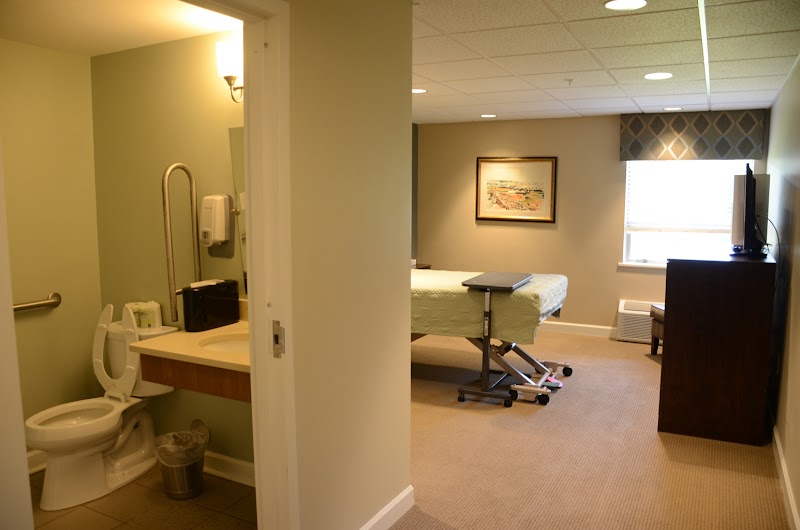
Who Owns and Operates Wesley Place On Honeysuckle?

WESLEY PLACE ON HONEYSUCKLE is owned by a non-profit organization. Non-profit facilities reinvest revenue into operations rather than distributing to shareholders. The facility operates independently rather than as part of a larger chain. With 166 certified beds and approximately 152 residents (about 92% occupancy), it is a mid-sized facility located in DOTHAN, Alabama.
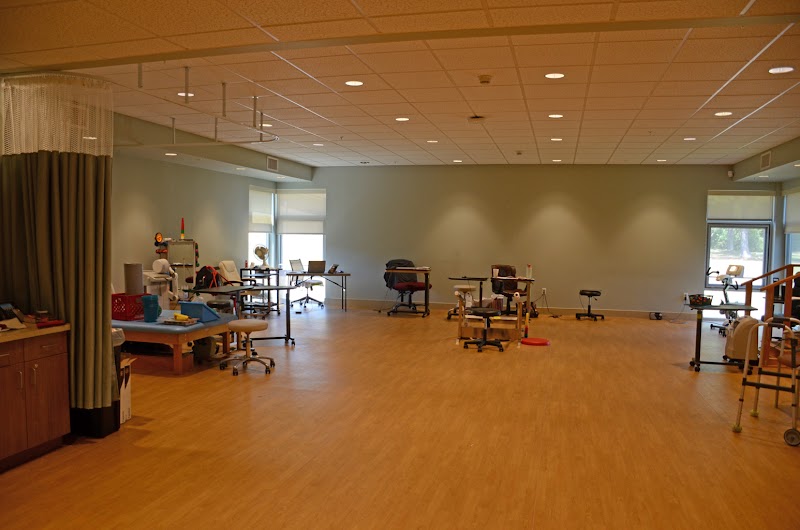
How Does Wesley Place On Honeysuckle Compare to Other Alabama Nursing Homes?

Compared to the 100 nursing homes in Alabama, WESLEY PLACE ON HONEYSUCKLE's overall rating (2 stars) is below the state average of 2.9, staff turnover (56%) is significantly higher than the state average of 46%, and health inspection rating (2 stars) is below the national benchmark.

What Should Families Ask When Visiting Wesley Place On Honeysuckle?

Based on this facility's data, families visiting should ask: "What changes have been made since the serious inspection findings, and how are you preventing similar issues?" "How do you ensure continuity of care given staff turnover, and what is your staff retention strategy?" "Can I visit during a mealtime to observe dining assistance and food quality?" "How do you handle medical emergencies, and what is your hospital transfer rate?" These questions are particularly relevant given the facility's Immediate Jeopardy citations and the facility's high staff turnover rate.

Is Wesley Place On Honeysuckle Safe?

Based on CMS inspection data, WESLEY PLACE ON HONEYSUCKLE has documented safety concerns. Inspectors have issued 2 Immediate Jeopardy citations (the most serious violation level indicating risk of serious injury or death). The facility has a 2-star overall rating and ranks #100 of 100 nursing homes in Alabama. Families considering this facility should ask detailed questions about what corrective actions have been taken since these incidents.

Do Nurses at Wesley Place On Honeysuckle Stick Around?

Staff turnover at WESLEY PLACE ON HONEYSUCKLE is high. At 56%, the facility is 10 percentage points above the Alabama average of 46%. High turnover means new staff may not know residents' individual needs, medications, or preferences. It can also be disorienting for residents, especially those with dementia who rely on familiar faces. Families should ask: What is causing the turnover? What retention programs are in place? How do you ensure care continuity during staff transitions?

Was Wesley Place On Honeysuckle Ever Fined?

WESLEY PLACE ON HONEYSUCKLE has been fined $48,689 across 12 penalty actions. The Alabama average is $33,566. While any fine indicates a compliance issue, fines under $50,000 are relatively common and typically reflect isolated problems that were subsequently corrected. Families should ask what specific issues led to these fines and confirm they've been resolved.

Is Wesley Place On Honeysuckle on Any Federal Watch List?

WESLEY PLACE ON HONEYSUCKLE is not on any federal watch list. The most significant is the Special Focus Facility (SFF) program, which identifies the bottom 1% of nursing homes nationally based on persistent, serious quality problems. Not being on this list means the facility has avoided the pattern of deficiencies that triggers enhanced federal oversight. This is a positive indicator, though families should still review the facility's inspection history directly.