MITCHELL-HOLLINGSWORTH NURSING & REHABILITATION
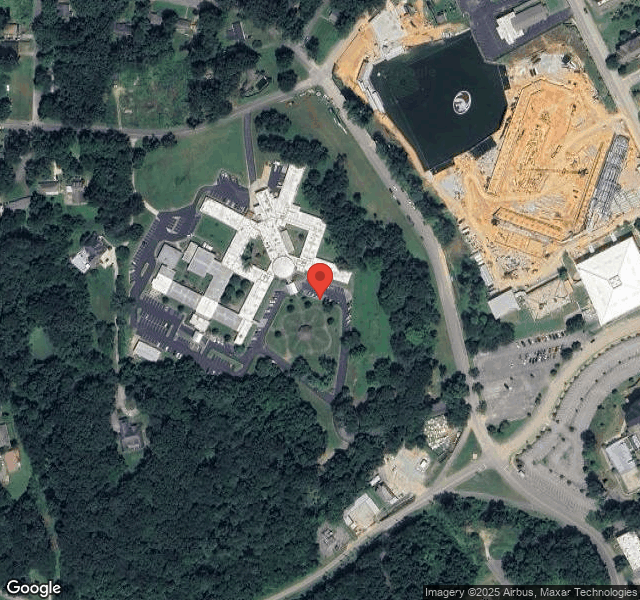
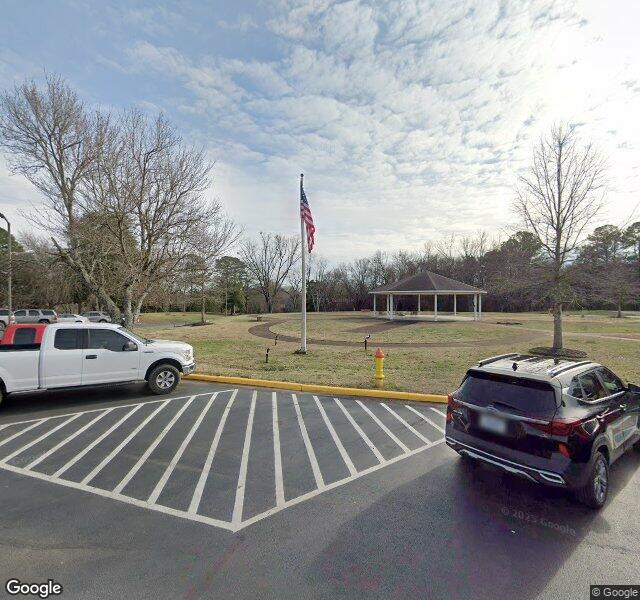
805 FLAGG CIRCLE, FLORENCE, AL 35631 (256) 740-5400
For profit - Corporation 222 Beds PRESTON HEALTH SERVICES Data: November 2025
Trust Grade
70/100
#124 of 223 in AL
Last Inspection: September 2019

Over 2 years since last inspection. Current conditions may differ from available data.

Overview

Mitchell-Hollingsworth Nursing & Rehabilitation has a Trust Grade of B, indicating it is a good choice among nursing homes, though not the top tier. It ranks #124 out of 223 facilities in Alabama, placing it in the bottom half, and #4 out of 5 in Lauderdale County, meaning there is only one better option nearby. The facility’s performance is stable, with the number of issues remaining consistent at 1 from 2019 to 2023. Staffing is a strength, with a 4/5 rating and a turnover rate of 39%, which is lower than the state average, suggesting that staff are experienced and familiar with residents. However, there have been concerns about proper hygiene practices, with incidents including staff not washing hands after potentially contaminating them and failing to ensure that a resident was free from abuse, which raises safety concerns. Overall, while there are strengths in staffing, families should be aware of the hygiene and safety issues that have been flagged.

Trust Score
B
70/100
In Alabama
#124/223
Bottom 45%
Safety Record
Low Risk
No red flags
Inspections
Holding Steady
1 → 1 violations
Staff Stability
○ Average
39% turnover. Near Alabama's 48% average. Typical for the industry.
Penalties
✓ Good
No fines on record. Clean compliance history, better than most Alabama facilities.
Skilled Nurses
○ Average
Each resident gets 40 minutes of Registered Nurse (RN) attention daily — about average for Alabama. RNs are the most trained staff who monitor for health changes.
Violations
○ Average
7 deficiencies on record. Average for a facility this size. Mostly minor or procedural issues.
★★★☆☆
3.0
Overall Rating
★★★★☆
4.0
Staff Levels
★★★☆☆
3.0
Care Quality
★★★☆☆
3.0
Inspection Score
Stable
2019: 1 issues
2025: 1 issues

The Good

  • 4-Star Staffing Rating · Above-average nurse staffing levels
  • Full Sprinkler Coverage · Fire safety systems throughout facility
  • No fines on record
  • Staff turnover below average (39%)

    9 points below Alabama average of 48%

Facility shows strength in staffing levels, fire safety.

The Bad

3-Star Overall Rating

Near Alabama average (2.9)

Meets federal standards, typical of most facilities

Staff Turnover: 39%

Near Alabama avg (46%)

Typical for the industry

Chain: PRESTON HEALTH SERVICES

Part of a multi-facility chain

Ask about local staffing decisions and management

The Ugly 7 deficiencies on record

Sept 2025 1 deficiency
CONCERN (D) 📢 Someone Reported This

A family member, employee, or ombudsman was alarmed enough to file a formal complaint

Potential for Harm - no one hurt, but risky conditions existed

Free from Abuse/Neglect (Tag F0600)

Could have caused harm · This affected 1 resident

**NOTE- TERMS IN BRACKETS HAVE BEEN EDITED TO PROTECT CONFIDENTIALITY** Based on record review, interviews, document review, and policy review, the facility failed to ensure that one of six residents ...

Read full inspector narrative →
**NOTE- TERMS IN BRACKETS HAVE BEEN EDITED TO PROTECT CONFIDENTIALITY** Based on record review, interviews, document review, and policy review, the facility failed to ensure that one of six residents (Resident (R) 137) reviewed for abuse, was free from abuse of 38 sample residents. This failure had the potential to affect resident safety. Findings include:Review of the facility's policy titled, Abuse, Neglect and Exploitation, dated [DATE], recorded It is the policy of this facility to provide protection for the health, welfare and rights of each resident by developing and implementing written policies and procedures that prohibit and prevent abuse, neglect, exploitation and misappropriation of resident property.1.Review of R137's undated admission Record located in the electronic medical record (EMR) under the Profile tab, indicated R137 was initially admitted to the facility on [DATE], and readmitted [DATE] with diagnoses including Alzheimer's disease, dementia, major depressive disorder, psychotic disorder with delusions due to known physiological condition, and type two diabetes.Review of R137's annual Minimum Data Set (MDS) with an Assessment Reference Date (ARD) of [DATE], located in the EMR under the MDS tab revealed a Brief Interview for Mental Status (BIMS) score of three out of 15, indicating R137 was severely cognitively impaired, and exhibited no behaviors.Review of R137's Care Plan, dated [DATE], with revision date of [DATE], located in the EMR under the Care Plan tab, revealed R137 is on Behavior Management Program monitored on Behavior Monitoring Record. Behaviors are: resident wanders into others resident room, laying in their beds, exit seeks, Resident believes that [he/she] talking to someone when talking to pictures on the wall, believes that it is someone else when looking into a mirror, thinks [he/she] is younger, Disrobing, voiding in inappropriate places, and will push other residents in their chairs and they don't want [his/her] to. Resident does not know personal space, invade the personal boundaries of others without permission. Interventions include: Call family to assist with redirection, Check code alert bracelet weekly for functioning status and daily for placement, Code alert bracelet applied to alert staff of unsafe wandering attempts, Decrease the frequency of behavioral episodes to once a month, If resident is wandering , take [his/her] to the bathroom, Resident receives services from [Name] Behavioral Health, Take resident for a walk off of unit around the building, Take resident on the screen in porch if weather permits, watch for resident if invading another resident's personal space. Approach in a calm manner and introduce yourself, explain tasks and importance of care, and reassure the resident that they are safe, and we are here to help [his/her].2. Review of R220's undated admission Record located in the EMR under the Profile tab, indicated R220 was initially admitted to the facility on [DATE], with a readmission on [DATE], and expired on [DATE]. Diagnoses included senile degeneration of brain, neurocognitive disorders with Lewy bodies, dementia with mood disorder, agitation, and anxiety, and psychotic disorder with delusions.Review of R220's quarterly MDS with an ARD of [DATE], located in the EMR under the MDS tab revealed a BIMS score of three out of 15, indicating the resident was severely cognitively impaired. R220 was assessed as experiencing hallucinations, delusions, and wanders one to three days out of the seven days look back period.Review of R220's Care Plan, dated [DATE], located in the EMR under the Care Plan tab, revealed R220 is on Behavior Management Program monitored on Behavior Monitoring Record-Behaviors are wander into others' room and exit seek; rejection of care; physical behaviors directed towards others, and verbal behaviors. Interventions included .Approach in a calm manner and introduce yourself, Explain tasks and importance of care, Reassure resident that they are safe and we are here to help them, Validate feelings and redirect thoughts if possible/appropriate, Praise efforts and cooperation, Give choices if possible, Assess for basic needs (comfort, pain, hunger, thirst, toileting, needs, etc.), Make sure resident is safe and return later to attempt tasks as needed, remove from excess stimulation and provide 1:1 attention asneeded, walk with resident if wandering and redirect thoughts to a different subject; return to station/room, contact resident rep, resident services director, mental health, therapist, family, or sponsor as needed, contact physician for as needed (PRN) medication if above interventions are not successful.Review of the facility's Resident Abuse, Neglect, and Unusual Occurrence Report, Detailed Investigation, dated [DATE], provided by the facility, revealed On [DATE] at approximately 11am [R220] and [R137] were standing in the hallway when [Certified Nurse Aide (CNA) 5] heard [R137] raise [his/her] voice which caused her to look around the corner from the nursing desk and witnessed [R220] hit [R137] in the face which resulted in [his/her] stumbling backwards into a resident's room without falling. CNA assisted [R137] while [R137] was holding [his/her] face oh it hurts. CNA noticed a red area above her lip. Resident Assistant who also responded to the residents walked with [R220] and did not leave [his/her] side assisted with [R137's] care. Intervention: Staff immediately intervened and removed both residents safely away from each other and attended to both simultaneously. [R137] was assessed and treated with a cold pack on [his/her] lip, physician and family notified. [R220] was assigned 1:1 care until [he/she] transferred to an acute care facility for continued assessment and treatment. [R220] was admitted to the [Name] for further assessment and treatment. Based on findings from the statements, eyewitnesses, interviews and resident's history, it was concluded that there was a resident-to-resident altercation of Abuse-Physical between said residents. During an interview on [DATE] at 2:48 PM, the Director of Nursing (DON) stated he recalled this incident, unsure what caused it, but resident had behaviors including wandering. DON added it was witnessed by the CNA. CNA5 and the Resident Assistant were unavailable for interview.
Sept 2019 1 deficiency
CONCERN (D)

Potential for Harm - no one hurt, but risky conditions existed

Deficiency F0635 (Tag F0635)

Could have caused harm · This affected 1 resident

**NOTE- TERMS IN BRACKETS HAVE BEEN EDITED TO PROTECT CONFIDENTIALITY** Based on observation, interviews, record review, and review of a facility policy titled, admission Orders, the facility failed t...

Read full inspector narrative →
**NOTE- TERMS IN BRACKETS HAVE BEEN EDITED TO PROTECT CONFIDENTIALITY** Based on observation, interviews, record review, and review of a facility policy titled, admission Orders, the facility failed to ensure an order for the use and care of a urinary foley catheter was obtained for Resident Identifier (RI) #222 upon admission to the facility on 8/28/2019. This affected RI #222, one of two residents for whom admission orders were reviewed. Findings Include: A review of a facility policy titled, admission Orders, with a reviewed/revised date of 6/23/2018 revealed the following: Policy: . A physician . must provide orders for the residents' immediate care and needs .Policy . Compliance Guidelines: 1. The written orders should include at a minimum . c. Routine care orders . 2. The orders should . provide essential care to the resident . on admission. RI #222 was admitted to the facility on [DATE] with diagnoses that included Neurogenic Bladder, Neuromuscular Dysfunction of Bladder, Unspecified, and paraplegia. A review of RI #222's Physician Orders revealed that the use and care of a urinary foley catheter order was not obtained for RI #222 upon admission to the facility on 8/28/2019. A review of RI #222's admission care plan revealed the following: . Potential for Altered Elimination . Neurogenic . Bladder . Foley Catheter Use . Foley Cath will remain patent with the implementation of nursing interventions thru next 90 day review . A review of admission assessment dated [DATE] for RI #222 revealed . Section 1. Genitourinary .1. Catheter Present .Yes . A review of the Physician's admission Progress Note, dated 8/29/2019, revealed . admission note, records reviewed . male paraplegic x 2 years after Epidural abscess, Chronic indwelling foley . A review of the STR (Short Term Rehab) Daily Evaluation forms dated 8/29/2019 and 9/03/2019 revealed . 2. Catheter . Foley Catheter care provided. Catheter patent, draining via gravity . On 9/04/19 at 8:38 a.m., the surveyor observed RI #222 sitting in a recliner in the resident's room with a privacy cover over a catheter bag attached to the left lower side of the resident's recliner. RI #222 stated that upon admission to the facility, she/he had been admitted with a foley catheter due to diagnoses to include a neuromuscular bladder and a paraplegic. On 9/05/19 at 8:33 a.m., an interview was conducted with Employee Identifier (EI) #1, a Register Nurse. EI #1 was asked who had been the admitting nurse for RI #222 on admission to the facility on 8/28/2019. EI #1 stated she had been RI #222's nurse on admission. EI #1 was asked what physician orders would routinely be written for the use of an urinary foley catheter on admission, for a resident admitted with a urinary foley catheter. EI #1 stated that the following should have been ordered for a resident on admission if they came in with with a urinary foley catheter: the type of catheter, the size of catheter, size of catheter bulb, when to change the catheter, the reason for the catheter, and care of the foley catheter. EI #1 was asked did RI #222 have a urinary foley catheter on admission to the facility on 8/28/2019. EI #1 stated yes, that EI #222 had a urinary foley catheter due to the diagnoses that included a Neurogenic Bladder and paraplegic. EI #1 was asked why did RI #222 not have an order for an urinary foley catheter use and care on admission to the facility on 8/28/2019. EI #1 stated that she forgot to write the order. WI #1 was asked why would it be important for RI #222 to have an order for an urinary foley catheter on admission to the facility. EI #1 stated that RI #222 needed an order on admission for an urinary foley catheter due to ensure the proper use and care for the foley catheter was provided for RI #222. On 9/05/19 at 8:42 a.m., an interview was conducted with EI #2, Director of Nursing/ Registered Nurse. EI #2 was asked who had been responsible for obtaining a physician order for the use and care of a foley catheter for EI #222 upon admission to the facility. EI #2 stated the the nurses on the unit were responsible for ensuring a resident had an order on admission for the use and care of a foley catheter. EI #2 was asked did EI #222 have a urinary foley catheter on admission on [DATE]. EI #2 stated that RI #222 had an urinary foley catheter on admission, but did not have a physician order. EI #2 further stated that EI #222 had an admitting diagnoses that included a Neurogenic bladder and a paraplegic. EI #2 was asked why would it be important for EI #222 to have had an order for an urinary foley catheter on admission. EI #2 stated the order would be for the guidance on how to provide care for the resident with the foley catheter. On 09/05/19 at 9:10 a.m., the surveyor conducted a telephone interview with EI #3, the Medical Director/Physician. EI #3 was asked should there have been an order for RI #222 on admission for the use and care of a foley catheter. EI #3 stated yes there should have been because the RI #222 was admitted with a Neurogenic Bladder and a paraplegic. EI #3 was asked would there have been any harm for RI #222 having a foley catheter without an physician order on admission. EI #3 stated no, because RI #222 needed the foley catheter upon admission.
Aug 2018 4 deficiencies
CONCERN (D)

Potential for Harm - no one hurt, but risky conditions existed

Deficiency F0583 (Tag F0583)

Could have caused harm · This affected 1 resident

**NOTE- TERMS IN BRACKETS HAVE BEEN EDITED TO PROTECT CONFIDENTIALITY** Based on observation, interviews, medical record review and a review of facility's policies titled Administering Medications and...

Read full inspector narrative →
**NOTE- TERMS IN BRACKETS HAVE BEEN EDITED TO PROTECT CONFIDENTIALITY** Based on observation, interviews, medical record review and a review of facility's policies titled Administering Medications and Workstation Use and Security, the facility failed to ensure the MAR (Medication Administration Record) screen for Resident Identifier ( RI) #93 was not left up/unlocked and open for public view. This affected RI #93 one of 22 sampled residents. Findings Include: RI #93 was admitted to the facility on [DATE]. A review of a facility policy titled, Administering Medications, with a revised date of 5/19/2017 revealed: .Highlights . Safety of Medication Cart 11. During administration of medications, . Employees will log-off/lock screen of applications containing electronic record . A review of a facility policy titled, Workstation Use and Security, with a revised date of 6/15/17 revealed: Policy: It is the policy of this company for employees to protect resident's electronic protected health information (EPHI) .Such safeguards will be used to .keep resident information private and secure from unauthorized users . Policy Explanation and Compliance Guidelines: .6. Employees will log-off/lock screen of applications containing EPHI before leaving workstations in public view On 07/31/18 at 9:23 a.m., the surveyor observed a MAR screen left up/unlocked and open for public view with RI #93's EPHI. The screen contained RI #93' personal information, primary contact, primary physician, diagnoses, current medications and other information. Employee Identifier (EI) #7, Registered Nurse (RN), Director of Nurse (DON) was on the hallway and surveyor asked EI #7 to view the screen left up/unlocked and open for public view. On 7/31/18 at 9:24 a.m. an interview was conducted with (EI) #7. EI #7 was asked should the MAR screen be left up/unlocked with resident's information open for public view. EI #7 said no, it should not be left up/unlocked with resident's information open for public view, the screen should be lock when not in use. EI #7 was asked who left the MAR screen up/unlocked and open for public view. EI #7 said, EI #1. On 08/01/18 at 2:53 p.m., an interview was conducted with EI #1, a LPN (Licensed Practical Nurse). EI #1 was asked if she was giving medications on 7/31/18, on the 400 hall. EI #1 said yes, she was. EI #1 was asked if she left MAR screen for RI #93 up/unlocked and open for public view. EI #1 said, Yes. EI #1 was asked what was the facility's policy regarding the MAR screen when administering medications. EI #1 said, when you leave the MAR screen, hit the lock button screen. EI #1 was asked what was the potential harm with leaving the MAR screen up/unlocked with resident's information open for public view. EI #1 said, Privacy
CONCERN (D)

Potential for Harm - no one hurt, but risky conditions existed

Deficiency F0657 (Tag F0657)

Could have caused harm · This affected 1 resident

**NOTE- TERMS IN BRACKETS HAVE BEEN EDITED TO PROTECT CONFIDENTIALITY** Based on an observation, interview, medical record review, and review of a facility policy titled Smoking- (name of facility), t...

Read full inspector narrative →
**NOTE- TERMS IN BRACKETS HAVE BEEN EDITED TO PROTECT CONFIDENTIALITY** Based on an observation, interview, medical record review, and review of a facility policy titled Smoking- (name of facility), the facility failed to ensure a care plan was revised for a resident that smoked. This deficient practice affected Resident Identifier (RI) #76, one of three residents sampled for smoking. Findings Include: RI #76 was admitted to the facility on [DATE]. A review of a facility policy titled Smoking- (name of facility) with a revision date of 9/21/2017 revealed: .5. All residents that smoke will have a smoking care plan in place that outlines any smoking-related privileges, restrictions, and concerns . A review of RI #76 s Smoking Assessments dated 9/28/2017 revealed: .F .2. Team Decision: 1. Safe to smoke without supervision . A review RI #76's Annual Minimum Data Set (MDS) dated [DATE] revealed the resident used tobacco. A review of RI #76 s Smoking Assessments dated 12/27/2017 revealed: .F .2. Team Decision: 1. Safe to smoke without supervision . A review of RI #76's care plan with a revision date of 1/26/2018 revealed: . Resident will smoke in designated smoking areas with supervision over the next review . A review of RI #76 s Smoking Assessments dated 3/20/2018 revealed: .F .2. Team Decision: 1. Safe to smoke without supervision . On 7/31/2018 at 5:23 p.m., the surveyor observed RI #76, outside of the facility in a designated smoking area, without supervision while smoking. On 8/02/2018 at 9:12 a.m., an interview was conducted with Employee Identifier (EI) #3, a Restorative Registered Nurse. EI #3 was asked if RI #76 was a smoker. EI #3 stated yes. EI #3 was asked if a smoking assessment had been completed on the RI #76. EI #3 stated there were three smoking assessments completed on RI #76. EI #3 further stated that smoking assessments were completed on 9/28/2017, 12/27/2017, and 03/20/2018 for RI #76, and the team decision states the resident is safe to smoke without supervision. EI #3 was asked if RI #76 had a care plan for smoking. EI #3 stated yes. EI #3 was asked what #76's care plan goal stated. EI #3 replied that the care plan goal for RI #76 stated the resident will smoke in designated areas with supervision, but the care plan is incorrect. EI #3 was asked what should the care plan goal for RI # 76 state. EI #3 stated it should state that the resident will smoke in designated smoking areas without supervision. EI #3 further stated that a revision should have been done on RI #76's smoking care plan. EI #3 was asked what the purpose of revising a care plan. EI #3 stated a care plan should be revised to make sure it is updated accurately to meet the needs of the resident and it lets the staff know how to take care of the resident.
CONCERN (D)

Potential for Harm - no one hurt, but risky conditions existed

Infection Control (Tag F0880)

Could have caused harm · This affected 1 resident

**NOTE- TERMS IN BRACKETS HAVE BEEN EDITED TO PROTECT CONFIDENTIALITY** Based on observation, interviews, medical review, Potter and [NAME], Fundamentals of Nursing, Ninth Edition, and a facility poli...

Read full inspector narrative →
**NOTE- TERMS IN BRACKETS HAVE BEEN EDITED TO PROTECT CONFIDENTIALITY** Based on observation, interviews, medical review, Potter and [NAME], Fundamentals of Nursing, Ninth Edition, and a facility policy titled Administration of Eye Drops, the facility failed to ensure a licensed nurse did not put on gloves from the right pocket of the uniform top, prior to administering an eye drop medication. This deficient practice affected Resident Identifier (RI) #4, one of one resident observed receiving an eye drop medication and one of five licensed nurses observed during medication administration. Findings Include: RI #4 was admitted to the facility on [DATE] and readmitted [DATE], with diagnoses including Dry Eye Syndrome of Unspecified Lacrimal Gland. A review of a facility policy titled, Administration of Eye Drops with an implemented date of 11/28/2016 and a revision date of 08/02/2018 revealed: .Wear clean gloves during administration . A review of of Potter and [NAME], Fundamentals of Nursing, Ninth Edition, Chapter 32, Medication Administration, with copyright of 2017, page 660-661, documented: .Skill 32-2 Administering Ophthalmic Medications .6 .apply clean gloves .reduces transmission of microorganisms . A review of RI # 4's Physician's Orders start date of 06/01/2018 documented: . Artificial Tears Solution 1.4% (Polyvinyl Alcohol) Instill 1 drop in both eyes two times a day for dry eye syndrome . A review of the Minimum Data Set (MDS) Quarterly dated 07/17/2018 revealed: .Additional Active Diagnosis .Dry Eye Syndrome of Unspecified Lacrimal Gland . A review of RI # 4's Medication Administration Record (MAR) documented he/she was given Artificial Tears Solution on 08/01/2018 at 8:00 a.m. On 08/01/18 at 9:00 a.m., Employee Identifier (EI) #1, a Licensed Practical Nurse (LPN), was observed during medication pass observation for RI #4. The surveyor observed EI #1 remove gloves from the right pocket of the uniform top and put them on her hands, prior to administering an eye drop medication to RI #4's right and left eye. On 08/02/2018 at 10:15 a.m., an interview was conducted with EI #2, a Registered Nurse, Infection Control. EI #2 was asked where would you obtain gloves to wear prior to putting on before giving a resident an eye drop medication. EI #2 stated you should get gloves from the glove box in the hallway, medication cart or the resident's room. EI #2 was asked what would be the problem if you took a pair of gloves out of the pocket of the top of your uniform, put the gloves on your hands, prior to administering an eye drop medication to a resident. EI #2 stated the gloves could be contaminated from the pocket of the uniform and could cause an infection to the resident, or contaminate the eye drop container. EI #2 was asked does the facility have a policy on wearing gloves during administering an eye medication. EI #2 stated yes and you should wear clean gloves during administration of eye drops. On 08/02/2018 at 10:25 a.m., a telephone interview was conducted with EI #1 a Licensed Nurse. EI #1 was asked during the medication administration of eye drops to RI #4, after you washed your hands and prior to giving the eye drop medication, what did you do. EI # stated she took a pair of gloves out of the right pocked of the uniform top and put on her hands. EI #1 further stated that she should have got the gloves from the glove box in the resident's room, and not from the right pocket. EI #1 was asked what would be the problem of taking the gloves out of the right pocket of the uniform top, put on the gloves, and administer the eye drops to the resident. EI#1 stated that the gloves from the right pocket could be contaminated, and this could cause the resident to have an infection. EI #1 was asked what was the facility policy on using gloves during administering eye drop medication. EI #1 stated the policy states you should use clean gloves. EI #1 further states that when she put the gloves in her right uniform pocket, the gloves became contaminated and would not be clean. EI #1 was asked if the facility policy was followed when you took the gloves out of the right pocket of the uniform top. EI #1 stated no.
CONCERN (F)

Potential for Harm - no one hurt, but risky conditions existed

Food Safety (Tag F0812)

Could have caused harm · This affected most or all residents

Based on observation, interview and review of the 2017 U.S. Food & Drug Administration Food Code reference to When to Wash, Temperature and Time Control Frozen Food, Person In Charge and a facility Po...

Read full inspector narrative →
Based on observation, interview and review of the 2017 U.S. Food & Drug Administration Food Code reference to When to Wash, Temperature and Time Control Frozen Food, Person In Charge and a facility Policy/Procedures , titled, Clean Dishes - Manual Dishwashing, the facility failed to: 1. prevent potential cross-contamination as evidenced by: a. staff not practicing appropriate hand hygiene and glove use when necessary after potential contamination by using the left gloved hand to push against a wall while leaning in to pull dish racks from the dishmachine and resting the right gloved hand on the ledge of the dish apron continuing to sort, stack, and store clean/sanitized dishes and utensil, b. the cook's failure to practice appropriate hand hygiene and glove use when necessary after potential glove contamination by touching the handle of a push cart, c. staff placing soiled pot holders on top of clean sauce dishes stored on the steamtable at the tray line. 2. assure a nourishment unit freezer was maintained at a level to keep (Ice Cream) frozen solid, 3. assure by monitoring/documenting cold food (Milk) was maintained at 41 degrees Fahrenheit (F.) or below when served from the tray line, as evidenced by: no data for 11 of 21 opportunities. 4. assure correct manual dishwashing procedures were followed regarding the correct water temperature, chemical concentration in 93 of 93 opportunities for the month of July 2018. These deficient practices had the potential to affect all residents receiving meals from dietary. 1. a. The Food Code 2-301.14, page 49/50, addressed When to Wash . (F) During Food preparation, as often as necessary to remove soil and contamination and to prevent cross contamination when changing tasks; (I) After engaging in other activities that contaminate the hands . On 07/31/18 at 10:20 AM, an observation was made of a food service worker using her left gloved hand to touch the wall while leaning in to pull a rack from the dish machine. The worker then placed her right gloved hand and rested it on the rail of the dish apron. On 7/31/18 at 11:45 AM, the food service worker, Employee Identifier (EI) #6, was interviewed. She was asked if she touched the wall with the her left gloved hand when leaning in to pull a rack from the machine and did she rest her right gloved hand on the apron railing. EI #6 acknowledged that she had. She was asked if she washed her hands & changed gloves. EI #6 said she did not and suggested it was potential cross contamination when asked about contamination. 1. b. On 7/31/18 at 10:28 AM, the cook was observed at the stove, wearing gloves and touching a push cart handle. She removed her gloves, placed them on a counter top, pulled 2 cleaned gloves from a box, threw the soiled gloves into the trash and then regloved. She did not wash her hands during this process. The cook EI #5, was then asked if she washed her hands after touching the cart. She replied no. She was asked if she changed gloves, she replied yes. 1. c. On 7/31/18 at 10:45 AM, an observation was made of the cook placing soiled hot pads on clean sauce dishes on trayline. 2. The Food Code 3-501.11 Temperature and Time Control, page 92, addressed frozen food. Stored frozen foods shall be maintained frozen. On 7/31/18 at 5:00 PM, an observation was made of the 300 Hall nourishment room. The ice cream in the freezer unit was noted to be soft to the touch. 3. On 8/01/18 at 3:15 PM, a review of the facility's daily Temp Log sheets used for documenting the temperatures of the food items for breakfast, lunch and supper meals was conducted. The days of July 8, 9,10,11,13, 14 and one sheet with no date were reveiwed. On 7/8, there were 3 omissions of the milk temp being taken, breakfast, lunch and supper. For 7/9 there was one omission of the milk temp taken, lunch. On 7/10 there two omissions of the milk temp taken, lunch and supper. On 7/11/18 there were two omissions of the milk temp taken, lunch and supper. A Temp Log sheet provided, no date. indicated two omissions of the milk temp taken, lunch and supper. On 7/13 there was one omission of the milk temp taken, lunch. On 7/14 there was one omission of the milk temp taken, breakfast. The Certified Dietary Manager tabulated the data to reveal there was no recorded data for milk temps taken on 11 of 21 entries. When asked what she thought was the reason for no recorded data, EI #4 replied the probable cause was the scheduling of staff, a new person to record the temps. 4. A facility policy titled Cleaning Dishes - Manual Dishwashing date 2013, addressed the sanitizing of dishes. Procedure: . 6. Check sanitation sink often using a test strip to assure the level of sanitizing solution is appropriate. Sanitize all dishes by immersion in one of the following: . Disinfectant Quaternary Ammonium . Strength 105 to 200 PPM 75 degree Fahrenheit Per manufactures. The Food Code addressed, Duties 2-103.11 The Person In Charge shall ensure that: . (K) Employees are properly sanitizing cleaned multiuse equipment and utensils before they are reused, through routine monitoring of solution temperatures and exposure time for hot water sanitizing and chemical concentration . A review of the July 2018 Sanitizing Sink Chemical Level form was conducted. The form provided documentation of all 31 days and all three shifts for the chemical level. For each entry the number 300 was documented, except for two entries of 200 and one entry with an arrow pointing up. The CDM reported it was her fault for the staff's failure to monitor water temperature to assure accuracy of chemical test. EI #4 reported it was a potential for bacterial contamination.
Jun 2017 1 deficiency
CONCERN (D)

Potential for Harm - no one hurt, but risky conditions existed

Deficiency F0164 (Tag F0164)

Could have caused harm · This affected 1 resident

Based observations, interviews and a facility policy titled, Workstation Use and Security, the facility failed to ensure residents on the 200 hall were provided privacy as the licensed nurse did not c...

Read full inspector narrative →
Based observations, interviews and a facility policy titled, Workstation Use and Security, the facility failed to ensure residents on the 200 hall were provided privacy as the licensed nurse did not close out the computer screen when she left the cart. This affected six of 40 residents on the 200 hall. Findings include: A facility policy titled, Workstation Use and Security with a revised date of 6/15/2017, revealed: Policy: It is the policy of this company for employees to protect resident's electronic protected health information (EPHI) when housed on company devices by implementing physical safeguards as necessary. Such safeguards will be used to prevent theft and keep resident information private and secure from unauthorized users. Policy Explanation and Compliance Guidelines: . 6. Computers in public areas will require . Employees will log-off/lock screen of applications containing EPHI before leaving workstations in public view. On 6/13/2017 from 5:29 PM through 5:50 PM, during the initial tour of the 200 hall, Employee Identifier (EI) #2, Licensed Practical Nurse (LPN), was observed leaving the medication cart and going to rooms to give medications. EI #2 was being called to the nurses station and asked for help with a resident by a family member. The medication cart screen was left open and unattended six times during this time period, exposing private medical information for six of the 40 residents on the 200 hall. On 6/15/2017 at 8:55 AM, an interview was conducted with EI #1, Director of Nursing (DON). EI #1 was asked after medications were obtained from the medication cart, what should have been done with the computer prior to leaving the cart. EI #1 said, the lid should have been closed or the nurse should have logged off. EI #1 was asked was it an appropriate practice for resident health information to be visible to residents or visitors in the facility. EI #1 said, no. EI #1 was asked what was the potential harm when residents' personal health information was left in view of residents and visitors. EI #1 said, it was a violation of privacy. On 6/15/2017 at 12:51 PM, an interview was conducted with EI #2, LPN. EI #2 was asked after medications were retrieved from the medication cart, what should have been done with the computer prior to leaving the medication cart. EI #2 said, the screen should have been covered or the computer should have been closed. EI #2 was asked, was it an appropriate practice to have left the resident health information on the screen visible when the medication cart was left. EI #2 said, no. EI #2 was asked what was the potential harm to residents when personal health information was left in view of residents and visitors. EI #2 said, privacy.
Understanding Severity Codes (click to expand)
Life-Threatening (Immediate Jeopardy)
J - Isolated K - Pattern L - Widespread
Actual Harm
G - Isolated H - Pattern I - Widespread
Potential for Harm
D - Isolated E - Pattern F - Widespread
No Harm (Minor)
A - Isolated B - Pattern C - Widespread

Questions to Ask on Your Visit

  • "Can I speak with families of current residents?"
  • "What's your RN coverage like on weekends and overnight?"

Our Honest Assessment

Strengths
  • • No major safety red flags. No abuse findings, life-threatening violations, or SFF status.
  • • No fines on record. Clean compliance history, better than most Alabama facilities.
  • • 39% turnover. Below Alabama's 48% average. Good staff retention means consistent care.
Concerns
  • • No major red flags. Standard due diligence and a personal visit recommended.
Bottom line: Mixed indicators with Trust Score of 70/100. Visit in person and ask pointed questions.

About This Facility

What is Mitchell-Hollingsworth Nursing & Rehabilitation's CMS Rating?

CMS assigns MITCHELL-HOLLINGSWORTH NURSING & REHABILITATION an overall rating of 3 out of 5 stars, which is considered average nationally. Within Alabama, this rating places the facility higher than 99% of the state's 100 nursing homes. This mid-range rating indicates the facility meets federal standards but may have areas for improvement.

How is Mitchell-Hollingsworth Nursing & Rehabilitation Staffed?

CMS rates MITCHELL-HOLLINGSWORTH NURSING & REHABILITATION's staffing level at 4 out of 5 stars, which is above average compared to other nursing homes. Staff turnover is 39%, compared to the Alabama average of 46%. This relatively stable workforce can support continuity of care.

What Have Inspectors Found at Mitchell-Hollingsworth Nursing & Rehabilitation?

State health inspectors documented 7 deficiencies at MITCHELL-HOLLINGSWORTH NURSING & REHABILITATION during 2017 to 2025. These included: 7 with potential for harm.

Who Owns and Operates Mitchell-Hollingsworth Nursing & Rehabilitation?

MITCHELL-HOLLINGSWORTH NURSING & REHABILITATION is owned by a for-profit company. For-profit facilities operate as businesses with obligations to shareholders or private owners. The facility is operated by PRESTON HEALTH SERVICES, a chain that manages multiple nursing homes. With 222 certified beds and approximately 189 residents (about 85% occupancy), it is a large facility located in FLORENCE, Alabama.

How Does Mitchell-Hollingsworth Nursing & Rehabilitation Compare to Other Alabama Nursing Homes?

Compared to the 100 nursing homes in Alabama, MITCHELL-HOLLINGSWORTH NURSING & REHABILITATION's overall rating (3 stars) is above the state average of 2.9, staff turnover (39%) is near the state average of 46%, and health inspection rating (3 stars) is at the national benchmark.

What Should Families Ask When Visiting Mitchell-Hollingsworth Nursing & Rehabilitation?

Based on this facility's data, families visiting should ask: "Can I visit during a mealtime to observe dining assistance and food quality?" "How do you handle medical emergencies, and what is your hospital transfer rate?" "Can I speak with family members of current residents about their experience?"

Is Mitchell-Hollingsworth Nursing & Rehabilitation Safe?

Based on CMS inspection data, MITCHELL-HOLLINGSWORTH NURSING & REHABILITATION has a clean safety record: no substantiated abuse findings (meaning no confirmed cases of resident harm), no Immediate Jeopardy citations (the most serious violation level indicating risk of serious injury or death), and is not on the Special Focus Facility watch list (a federal program monitoring the lowest-performing 1% of nursing homes). The facility has a 3-star overall rating and ranks #1 of 100 nursing homes in Alabama. While no facility is perfect, families should still ask about staff-to-resident ratios and recent inspection results during their visit.

Do Nurses at Mitchell-Hollingsworth Nursing & Rehabilitation Stick Around?

MITCHELL-HOLLINGSWORTH NURSING & REHABILITATION has a staff turnover rate of 39%, which is about average for Alabama nursing homes (state average: 46%). Moderate turnover is common in nursing homes, but families should still ask about staff tenure and how the facility maintains care continuity when employees leave.

Was Mitchell-Hollingsworth Nursing & Rehabilitation Ever Fined?

MITCHELL-HOLLINGSWORTH NURSING & REHABILITATION has no federal fines on record. CMS issues fines when nursing homes fail to meet care standards or don't correct problems found during inspections. The absence of fines suggests the facility has either maintained compliance or corrected any issues before penalties were assessed. This is a positive indicator, though families should still review recent inspection reports for the full picture.

Is Mitchell-Hollingsworth Nursing & Rehabilitation on Any Federal Watch List?

MITCHELL-HOLLINGSWORTH NURSING & REHABILITATION is not on any federal watch list. The most significant is the Special Focus Facility (SFF) program, which identifies the bottom 1% of nursing homes nationally based on persistent, serious quality problems. Not being on this list means the facility has avoided the pattern of deficiencies that triggers enhanced federal oversight. This is a positive indicator, though families should still review the facility's inspection history directly.