DIVERSICARE OF GREENSBORO
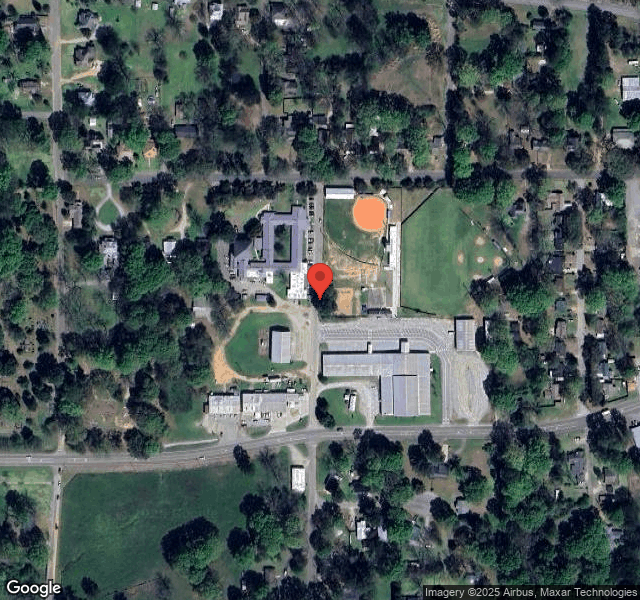

616 ARMORY STREET, GREENSBORO, AL 36744 (334) 624-3054
For profit - Corporation 97 Beds DIVERSICARE HEALTHCARE Data: November 2025
Trust Grade
90/100
#14 of 223 in AL
Last Inspection: February 2024

Within standard 12-15 month inspection cycle. Federal law requires annual inspections.

Overview

Diversicare of Greensboro has received a Trust Grade of A, which means it is considered excellent and highly recommended for care. Ranking #14 out of 223 nursing homes in Alabama places it in the top half, and it's the best facility out of two in Hale County. However, the facility is showing a worsening trend, with the number of identified issues increasing from 2 in 2019 to 3 in 2024. Staffing is a relative strength, with a 4 out of 5 rating and a turnover rate of 40%, which is better than the state average. Notably, there have been no fines, which is a positive indicator of compliance. However, there are concerns that need addressing, including staff failing to wash their hands when entering the kitchen, strong urine odors in a resident's room, and improper storage of a nebulizer mask, which could impact resident safety and comfort.

Trust Score
A
90/100
In Alabama
#14/223
Top 6%
Safety Record
Low Risk
No red flags
Inspections
Getting Worse
2 → 3 violations
Staff Stability
○ Average
40% turnover. Near Alabama's 48% average. Typical for the industry.
Penalties
✓ Good
No fines on record. Clean compliance history, better than most Alabama facilities.
Skilled Nurses
⚠ Watch
Each resident gets only 29 minutes of Registered Nurse (RN) attention daily — below average for Alabama. Fewer RN minutes means fewer trained eyes watching for problems.
Violations
○ Average
9 deficiencies on record. Average for a facility this size. Mostly minor or procedural issues.
★★★★★
5.0
Overall Rating
★★★★☆
4.0
Staff Levels
★★★★★
5.0
Care Quality
★★★★☆
4.0
Inspection Score
Stable
2019: 2 issues
2024: 3 issues

The Good

  • 4-Star Staffing Rating · Above-average nurse staffing levels
  • 5-Star Quality Measures · Strong clinical quality outcomes
  • Full Sprinkler Coverage · Fire safety systems throughout facility
  • No fines on record
  • Staff turnover below average (40%)

    8 points below Alabama average of 48%

Facility shows strength in staffing levels, quality measures, fire safety.

The Bad

Staff Turnover: 40%

Near Alabama avg (46%)

Typical for the industry

Chain: DIVERSICARE HEALTHCARE

Part of a multi-facility chain

Ask about local staffing decisions and management

The Ugly 9 deficiencies on record

Feb 2024 3 deficiencies
CONCERN (D)

Potential for Harm - no one hurt, but risky conditions existed

Safe Environment (Tag F0584)

Could have caused harm · This affected 1 resident

Based on observations, interviews, and review of a facility policy titled Resident's Rights and Quality of Life, the facility failed to ensure the 100 hall and Resident Identifier (RI) #52's room did ...

Read full inspector narrative →
Based on observations, interviews, and review of a facility policy titled Resident's Rights and Quality of Life, the facility failed to ensure the 100 hall and Resident Identifier (RI) #52's room did not smell strong of urine on three of three days of the survey. This had the potential to affect RI #52 and other residents on the 100 hall, one of four halls in the facility. Findings include: Review of a facility policy titled Resident's Rights and Quality of Life with an effective date of 05/01/2012 revealed: POLICY STATEMENT . all residents have the right to a dignified existence . To receive services in a facility environment that is safe, clean, and comfortable with adequate space for all activities. RI #52 was admitted to the facility 06/07/2019 and had diagnoses to include Dementia. A review of a quarterly Minimum Data Set with an Assessment Reference Date of 12/18/2023 indicated a Brief Interview for Mental Status score of 9 which indicated RI #52 was moderately impaired in decision making abilities. The MDS further indicated RI #52 was occasionally incontinent of urine. On 01/30/2024 at 9:53 AM the surveyor observed a strong urine odor upon walking on the 100 hall. On 01/30/2024 at 9:59 AM RI #52's room was observed smelling strong of urine. On 01/30/2024 at 2:11 PM RI #52's room was observed with a urine odor. Housekeeper (HK) #4 was questioned and said RI #52 uses the bathroom and places soiled paper and briefs in the trash can and sometimes urinates on the floor. HK #4 said, they frequently clean up and empty the trash. During this observation the trash can was full of paper and the urine smell was strong in the bathroom. On 01/31/2024 at 8:57 AM a strong odor of urine was noticed on the 100 hall more noticeable at RI #52's room. On 01/31/2024 at 9:46 AM a strong urine odor was observed on the 100 hall. On 01/31/2024 at 11:30 AM a Certified Nursing Assistant (CNA) #5 said, she did work occasionally on the 100 hall. CNA #5 said, the hall smelled of urine quite often as RI #52 would take briefs off and hide them. When CNA #5 was asked what could be done to resolve the strong urine odor, she said, check the room often for hidden briefs, clean the room, and empty the trash. CNA #5 stated, a resident's room and the hall should not smell like urine, it should be homelike. CNA #5 said, the nursing and housekeeping staff were responsible to make sure resident's rooms and halls did not smell strong of urine. On 01/31/2024 at 2:51 PM there was still a strong odor of urine noted on the hall. On 02/01/2024 at 8:02 AM the 100 hall had a strong urine odor that increased closer to RI #52's room, which also had an odor of urine. On 02/01/2024 at 8:25 AM CNA #6 was asked what she smelled, she replied, urine. When CNA #6 was asked where the urine odor was coming from, she said, it was from RI 52's room. CNA #6 said, the resident would urinate in the trash can and the smell lingered out to the hall. CNA #6 said it was not homelike for resident's rooms and halls to smell like urine. On 02/01/2024 at 8:49 AM, the Housekeeping Supervisor (HKS) walked with the surveyor to the 100 hall. When asked what she smelled, she replied, urine. The HKS was asked why we smelled urine. She said it was a trail of urine odor from RI #52's room. The HKS stated, RI #52 placed briefs in the trash can and urinated in the trash can. The HKS said they mopped, emptied the trash, and cleaned frequently. The HKS said, the room was cleaned two times a day. The HKS stated, the 100 hall and RI #52's room should not smell of urine because it was not clean and homelike. On 02/01/2024 at 9:13 AM, the surveyor walked to the 100 hall with the Administrator (ADM), he was asked what he smelled. The ADM replied, urine. The ADM was asked why the hall smelled of urine, he said, he was not sure. When the ADM was asked what the concern was with the 100 hall smelling of urine, he said, it was not homelike.
CONCERN (D)

Potential for Harm - no one hurt, but risky conditions existed

Respiratory Care (Tag F0695)

Could have caused harm · This affected 1 resident

**NOTE- TERMS IN BRACKETS HAVE BEEN EDITED TO PROTECT CONFIDENTIALITY** Based on observations, interviews, resident record review, and a facility policy titled, NEBULIZER STORAGE, the facility failed ...

Read full inspector narrative →
**NOTE- TERMS IN BRACKETS HAVE BEEN EDITED TO PROTECT CONFIDENTIALITY** Based on observations, interviews, resident record review, and a facility policy titled, NEBULIZER STORAGE, the facility failed to ensure Resident Identifier (RI) #26's nebulizer mask was covered when not in use. This affected RI #26, one of one resident sampled for respiratory care. Findings include: A facility policy titled NEBULIZER STORAGE, with an effective date of 8/2019 documented: . Policy: Storing of the nebulizer consist of dry storage in a zip loc bag. RI #26 was admitted to the facility on [DATE] and had diagnoses to include Asthma. RI #26 had a physician order dated 01/24/2023 for the administration of Ipratropium-Albuterol Inhalation Solution every six hours. On 01/30/2024 at 11:17 AM, RI #26's nebulizer machine was on the bedside dresser with a nebulizer mask uncovered. On 01/30/2024 at 4:45 PM, RI #26's nebulizer machine was on the bedside dresser with a nebulizer mask uncovered. On 01/31/2024 at 8:07 AM, RI #26's nebulizer machine was on the bedside dresser, with a nebulizer mask in a basket on the floor and not in a bag. On 01/31/2024 at 8:52 AM, an interview was conducted with the Director of Nursing (DON). RI #26's room was observed with the DON and she was asked, where the nebulizer mask was. The DON said, it was in a basket on the floor. The DON said, the nebulizer mask was not covered and not in a bag. The DON said the nurse on duty was responsible for storing the nebulizer mask. The DON said, the nebulizer mask should be covered to prevent infection.
CONCERN (D)

Potential for Harm - no one hurt, but risky conditions existed

Medical Records (Tag F0842)

Could have caused harm · This affected 1 resident

**NOTE- TERMS IN BRACKETS HAVE BEEN EDITED TO PROTECT CONFIDENTIALITY** Based on observation, interviews, record review, and the facility policy titled, Medication Administration, the facility failed ...

Read full inspector narrative →
**NOTE- TERMS IN BRACKETS HAVE BEEN EDITED TO PROTECT CONFIDENTIALITY** Based on observation, interviews, record review, and the facility policy titled, Medication Administration, the facility failed to document respiratory treatments on Resident Identifier (RI) #26's Medication Administration Records (MAR). This deficient practice had the potential to affect RI #26, one of 19 residents for whom records were reviewed. Findings include: A facility policy titled Medication Administration, with a reviewed date of 07/2023, documented the following: . PROCEDURE: . Only licensed or legally authorized personnel who prepares a medication may administer it. This individual records the administration of medication on the resident's MAR/EHR (Medication Administration Record/Electronic Health Record) at the time the medication is given. RI #26 was admitted to the facility on [DATE] and had diagnoses to include Asthma. RI #26 had a physician order dated 01/24/2023 for the administration of Ipratropium-Albuterol Inhalation Solution every six hours. RI #26's January 2024 MAR had blank spaces where licensed nurses had failed to document administration of the inhalation solution every six hours on the following days and times: 01/01/2024 at 12:00 AM 01/04/2024 at 6:00 PM 01/05/2024 at 12:00 AM 01/10/2024 at 12:00 AM 01/14/2024 at 12:00 AM 01/15/2024 at 12:00 PM 01/18/2024 at 12:00 AM 01/19/2024 at 12:00 AM 01/21/2024 at 12:00 PM and 6:00 PM 01/23/2024 at 12:00 AM 01/24/2024 at 12:00 AM 01/28/2024 at 12:00 AM 01/30/2024 at 6:00 PM On 01/31/2024 at 3:19 PM, an interview was conducted with Licensed Practical Nurse (LPN) #7 and she was asked if she was working on 01/15/2024. LPN #7 said, yes. When asked about the respiratory treatment, LPN #7 said, the treatment was not documented but had been administered. LPN #7 said, she signed the MAR but it was not showing documented. LPN # 7 said, the concern of not documenting respiratory care for RI #26 on the MAR was the resident could receive too much medication if given twice. On 01/31/2024 at 3:34 PM an interview was conducted with LPN #8 and she was asked if she was working on 01/01/2024, 01/04/2024, 01/10/2024, 01/19/2024, and 01/30/2024. LPN #8 said, yes she was. LPN #8 said she performed the respiratory treatment for RI #26. LPN #8 said she signed the MAR and did not know why her initials were not there. LPN #8 was asked what the concern was of not documenting respiratory treatment for RI #26 on the MAR. LPN #8 said, the resident could receive too much medication if given twice. On 01/31/2024 at 3:57 PM a telephone interview was conducted with LPN #9 she said she was working on 01/24/2024 and completed the respiratory treatment for RI #26. LPN #9 was asked if the respiratory treatment was documented on the MAR on 01/24/2024 for RI #26. LPN #9 said, no she forgot to sign the MAR. LPN #9 was asked what was the concern of not documenting respiratory care on the MAR and she said, the resident could receive the medication multiple times. On 01/31/2024 at 04:05 PM a telephone interview was conducted with LPN #10 and she said she was working on 01/05/2024, 01/14/2024, 01/18/2024, 01/21/2024, 01/23/2024, and 01/28/2024. LPN #10 said, she performed the respiratory treatment for RI #26 on the above dates and forgot to document. LPN #10 was asked what was the concern of not documenting respiratory care on the MAR and she said if it was not documented, it was not given. An interview was conducted with the Director of Nursing on 01/31/2024 at 4:30 PM. The DON was asked, was there documentation of respiratory care being performed for RI #26 on 01/01/2024, 01/04/2024, 01/05/2024, 01/10/2024, 01/14/2024, 01/15/2024, 01/18/2024, 01/19/2024, 01/21/2024, 01/23/2024, 01/24/2024, 01/28/2024, and 01/30/2024, she said no. The DON was asked what was the concern of not documenting respiratory care on the MAR, she said it could cause a medication error.
Dec 2019 2 deficiencies
CONCERN (D)

Potential for Harm - no one hurt, but risky conditions existed

Tube Feeding (Tag F0693)

Could have caused harm · This affected 1 resident

**NOTE- TERMS IN BRACKETS HAVE BEEN EDITED TO PROTECT CONFIDENTIALITY** Based on observation, interviews, record review, and a review of the facility policy titled, Enteral Nutrition, the facility fai...

Read full inspector narrative →
**NOTE- TERMS IN BRACKETS HAVE BEEN EDITED TO PROTECT CONFIDENTIALITY** Based on observation, interviews, record review, and a review of the facility policy titled, Enteral Nutrition, the facility failed to ensure Resident Identifier (RI) #19 received the nutritional requirements recommended by the Licensed Dietician. This affected RI #19, one of two residents sampled for enteral nutrition. Findings include: A facility policy titled, Enteral Nutrition, effective date: January 01, 2016, included the the Policy statement . Adequate nutritional support . will be provided . as ordered. Policy Interpretation and Implementation: . 3. The Dietitian, . Physician and Nurse, will: . b. Determine whether the resident's current intake is adequate . 8. The Dietitian will monitor residents . and will make appropriate recommendations for . adequacy of enteral feedings. 14. Staff caring for the residents with feeding tubes will be trained . to recognize and report . b. Inadequate nutrition; . RI #19 was readmitted to the facility on [DATE]. A diagnosis included gastrostomy status. A review of RI #19's medical record revealed a physicians order to include: Osmolite1.5 at 80 (milliliter)ml/hour X 20 hours on at 4pm and off at 8am to provide 1600ml/2400 CAL(calorie) daily Water flush at 60 ml/hour X 20 hours from 4pm to 8am to provide 1440ml daily. On 12/10/19 at 04:36 p.m., an observation was made of the tube feed infusing per pump with Osmolite 1.5 (Fillable bag) at 80ml/hr dated 12/10/2019 at 4pm approx 675ml in bag; water flush at 60ml/hr dated 12/10/2019 full bag of H2O. On 12/10/19 at 04:42 p.m., Employee identifier (EI) # 7, a Licensed Practical Nurse (LPN), was asked how much Osmolite was placed in the fillable bag for the tube feed. EI #7 stated she had put 3 cartons of 237ml each (=711mls) at 4pm. On 12/11/19 at 08:33 a.m., an observation was made of RI #19's tube feeding(TF) pump and pole in the room with no TF infusing. Verifying the tube feed did not infuse for 20 hours as ordered. On 12/11/19 at 09:18 a.m., a review of RI #19's weights revealed a 4.8% weight loss in a 6 month period. On 06/05/2019 RI #19 had a weight of 185lbs and on 12/04/2019 RI #19 had a weight of 176lbs. On 12/11/19 at 11:46 a.m., EI #2 was asked what care she had provided to RI #19 that morning. EI #2 stated she had given RI #19 their crushed meds per tube. EI #2 was asked what time she had stopped the tube feed. EI #2 stated she did not know for certain, another nurse stopped it about 7:00-7:30 that morning because it was beeping. EI #2 was asked how much total nutrition and H2O the resident received. EI #2 replied she was not sure. EI #2 continued to state that when she first hang the feeding, she hung 3 cartons of 237ml each, but was not sure what they do during the night shift when that runs out. EI #2 was then asked where was it documented how much was hung to feed and flush. EI #2 stated they do not document it. EI #2 continued to state they just hang enough for the order. EI #2 was asked how much was the 3 cartons of feed. EI #2 replied the 3 cartons equal 711ml and continued that they would need to add more during the night. EI #2 was asked what the order was for RI #19's nutrition and hydration. EI #2 replied the order was 80ml/hr of Osmolite 1.5 for 20 hours and the H2O flush at 60ml/hr for 20 hours EI #2 continued to state they hang the nutrition and H2O at 4pm and stop it at 8am. EI #2 was then asked how many hours was 4pm to 8am and EI #2 stated that was 16 hours. EI #2 was asked if the resident received the amount of Osmolite 1.5 and H2O that was ordered. EI #2 stated the resident did not, according to those times. EI #2 was asked what would be the potential concern in not receiving the ordered amount of nutrition and H2O. EI #2 stated the resident could have weight loss and dehydration. On 12/11/19 at 04:09 p.m., an observation was made of RI #19's tube feed infusing at a rate of 80ml/hr with flush at 60ml/hr Osmolite 1.5 with approx 700 in fillable bag dated 12/11/19 at 3pm. A record review revealed a new order clarification was entered 12/11/19, infuse 80ml/hr X 20 hrs. start at 3pm, stop at 11 am. On 12/12/19 at 11:45 a.m. an interview with EI #1, Registered Nurse (RN), Director of Nursing, (DON) was conducted. EI #1 was asked who put in the order for the tube feed on RI #19. EI #1 stated the LPN on the hall entered the order per the dietitian recommendations. EI #1 was asked if the dietitian recommended the tube feed infuse 80 ml/hr for 20 hrs and the order read to hang at 4pm and remove at 8am, how many hours would the feeding infuse. EI #1 replied it would only infuse for 16 hours. EI #1 was asked if RI #19 received the recommended intake and calories in that time frame. EI #1 replied, no. EI #1 was asked where staff would document the actual amount of nutrition received. EI #1 stated they were not sure that there was a place to document actual amounts. EI #1 continued to state the computer system is fairly new to them and they were looking into correcting the issue. EI #1 was then asked what would be the potential concern with the resident not receiving the recommended nutrition and hydration. EI #1 stated the resident could possibly have weight loss and dehydration. On 12/12/19 at 12:21 p.m., an interview via phone, was conducted with EI #3, the Registered Dietitian/Nutritionist (RDN), Licensed Dietitian (LD). EI #3 was asked if she had written the recommendation for RI #19's tube feeding order that read 80ml/hr for 20 hours, hang at 4pm and remove at 8am. EI #3 stated yes, she had recommended the resident receive 1600 ml per day. EI #3 was asked if the resident received the amount of calories they had recommended with-in that time frame. EI #3 stated technically no, but the residents weight was stable and the labs were with-in a good range. EI #3 continued to state she felt the resident was at a good weight now with their condition and had ordered weekly weights to monitor closely. They felt they would have to reduce the feedings soon so the resident would not gain weight. EI #3 continued to state when this resident gains too much weight they have the risk to fall out of the wheelchair.
CONCERN (D)

Potential for Harm - no one hurt, but risky conditions existed

Infection Control (Tag F0880)

Could have caused harm · This affected 1 resident

**NOTE- TERMS IN BRACKETS HAVE BEEN EDITED TO PROTECT CONFIDENTIALITY** Based on observations, interviews, and a facility policy titled, Catheter Care, Urinary', the facility failed to ensure Resident...

Read full inspector narrative →
**NOTE- TERMS IN BRACKETS HAVE BEEN EDITED TO PROTECT CONFIDENTIALITY** Based on observations, interviews, and a facility policy titled, Catheter Care, Urinary', the facility failed to ensure Resident Identifier (RI) #23's catheter bag was not touching the floor. This affected one of two residents observed with a catheter. Findings include: A facility policy titled, Catheter Care, Urinary, with a effective date of January 1, 2016, revealed, . Infection Control . 2. b. Be sure catheter tubing and drainage bag are kept off the floor. RI #23 was admitted to the facility on [DATE] and readmitted on [DATE]. RI #23 had a diagnosis of retention of urine, unspecified. An observation was made on 12/10/19 at 02:44 p.m.; the resident was asleep in the bed. RI #23's catheter bag was observed lying flat on the floor face down, with the part that empties the urine touching the floor. On 12/11/19 at 03:29 p.m., an observation was made of RI #23's catheter bag. The bottom part of the catheter bag, where the urine is emptied, was touching the floor. On 12/11/19 at 03:39 p.m., an interview was conducted with Employee Identifier (EI) #5, Certified Nursing Assistant (CNA). EI #5 was asked, where was RI #23's catheter bag. EI #5 replied, hanging beside the bed. EI #5 was asked, was it touching the floor. EI #5 replied, the end part was. EI #5 was asked, should it be touching the floor. EI #5 replied, no. EI #5 was asked, what was the potential concern of a resident's catheter bag touching the floor. EI #5 replied, contamination. On 12/12/19 at 10:59 a.m., an interview was conducted with EI #4, Infection Control Nurse. EI #4 was asked, where should the catheter bag be placed when a resident was in bed. EI #4 replied, hanging on the bed frame. EI #4 was asked, should it be on the floor. EI #4 replied, no. EI #4 was asked, what was the potential concern of a catheter bag being on the floor. EI #4 replied, Urinary tract infection (UTI).
Oct 2018 4 deficiencies
CONCERN (D)

Potential for Harm - no one hurt, but risky conditions existed

Comprehensive Care Plan (Tag F0656)

Could have caused harm · This affected 1 resident

**NOTE- TERMS IN BRACKETS HAVE BEEN EDITED TO PROTECT CONFIDENTIALITY** Based on observation, record review, interviews, and a review of the facility's policy titled, Care Plans - Comprehensive Person...

Read full inspector narrative →
**NOTE- TERMS IN BRACKETS HAVE BEEN EDITED TO PROTECT CONFIDENTIALITY** Based on observation, record review, interviews, and a review of the facility's policy titled, Care Plans - Comprehensive Person Centered Care Plans, the facility failed to ensure Resident Identifier (RI) #40's care plan was implemented to wear non-skid socks and a back brace . This affected one out of 18 residents whose care plans were reviewed. Findings Include: A facility's policy titled, Care Plans - Comprehensive Person Centered Care Plans, with an effective date of November 28, 2016, revealed, Policy Interpretation and Implementation . 3. Each resident's comprehensive care plan is designed to : a. Incorporate identified problem areas; . g. Aid in preventing or reducing declines in the resident's functional status and/or functional levels; . RI #40 was readmitted to the facility on [DATE] with a diagnosis of wedge compression fracture of the first lumbar vertebra. A review of RI #40's Quarterly Minimum Data Set (MDS) assessment, with a reference date of 8/22/18, indicated the resident had a fracture and had previous falls, going back to preadmission. Review of RI #40's care plans revealed a care plan, dated 11/22/17 for the problem of potential for falls, related to a history of poor balance and coordination. Interventions included an intervention that was added 4/28/18 for non-skid socks applied. Further review of the care plans revealed a problem for Potential Contractures related to functional strength/ ability/ mobility/ cognitive deficit. On 8/10/18 an intervention was added, To wear back brace when OOB (out of bed) with exception of toileting/ showering. On 10/16/18 at 12:34 p.m., the surveyor observed RI #40 sitting in the wheelchair with no back brace on. On 10/17/18 at 12:15 p.m., the surveyor observed RI #40 sitting on the bedside eating lunch with white socks on. On 10/18/18 at 11:24 a.m., the surveyor observed RI #40 sitting in the wheelchair with no back brace on. On 10/18/18 at 4:56 p.m., an interview was conducted with Employee Identifier (EI) #5, Certified Nursing Assistant (CNA). EI #5 was asked if RI #40 had on a back brace while up in the wheelchair that day. EI #5 said no, not when she got to work, around 1:54 pm, RI #40 did not have on his/her back brace. EI #5 was asked if RI #40 was care planned to wear a back brace. EI #5 said, yes ma'am. EI #5 was asked when should RI #40 wear his/her back brace. EI #5 said when he/she is up in his/her wheelchair. On 10/18/18 at 5:12 p.m., an interview was conducted with EI #6, MDS Coordinator. EI #6 was asked if RI #40 was care planned for a back brace. EI #6 said, yes. EI #6 was asked when should RI #40 wear the back brace. EI #6 said RI #40 was to wear the brace when he/she was out of the bed, except for toileting and showering. EI #6 was asked what was the potential harm with the resident not wearing the back brace as ordered. EI #6 said it was to prevent further injury. EI #6 was asked if R #40 was care planned for non skid socks. EI #6 said yes, the intervention dated 4/28/18. EI #6 was asked what was the potential harm with RI #40 not wearing non skid socks. EI #6 said he/she was at greater risk for slips and falls when he/she attempts to transfer self independently.
CONCERN (D)

Potential for Harm - no one hurt, but risky conditions existed

Deficiency F0658 (Tag F0658)

Could have caused harm · This affected 1 resident

**NOTE- TERMS IN BRACKETS HAVE BEEN EDITED TO PROTECT CONFIDENTIALITY** Based on observation, record review and staff interview and a facility policy titled, Medication and Treatment Orders, the facil...

Read full inspector narrative →
**NOTE- TERMS IN BRACKETS HAVE BEEN EDITED TO PROTECT CONFIDENTIALITY** Based on observation, record review and staff interview and a facility policy titled, Medication and Treatment Orders, the facility failed to ensure Resident Identifier (RI) #40's physician's orders were followed for a back brace to be worn when out of bed. This affected one out of fourteen resident whose physician orders were reviewed. Findings Include: A review was conducted of the facility's policy titled, Medication and Treatment Orders , with an effective date of January 1,2016. The document included, Policy Statement Orders for . and treatments will be consistent with principles of safe and effective order writing and following the MD (Medical Doctor) orders. RI #40 was readmitted to the facility on [DATE] with a diagnosis of wedge compression fracture of the first lumbar vertebra. A review of RI #40's Quarterly Minimum Data Set (MDS) assessment, with a reference date of 8/22/18, indicated the resident had a fracture. Review of RI #40's October 2018 Physician Orders revealed an order for Compression Fracture of (L)left, Lumbar Vertebra. Resident Should Wear Brace When OAB (OOB) With The Exception Of Using The Bathroom Or Showering Until Further Notice. On 10/16/18 at 12:34 p.m., the surveyor observed RI #40 sitting in the wheelchair with no back brace on. On 10/18/18 at 11:24 a.m., the surveyor observed RI #40 sitting in the wheelchair with no back brace on. On 10/18/18 at 5:12 p.m., an interview was conducted with EI #6, MDS Coordinator. EI #6 was asked if RI #40 had a physician's order for a back brace. EI #6 said, yes. EI #6 was asked when should RI #40 wear the back brace. EI #6 said RI #40 was to wear the brace when he/she was out of the bed, except for toileting and showering. EI #6 was asked what was the potential harm with the resident not wearing the back brace as ordered. EI #6 said it was to prevent further injury.
CONCERN (D)

Potential for Harm - no one hurt, but risky conditions existed

Infection Control (Tag F0880)

Could have caused harm · This affected 1 resident

Base on observation, staff interviews, and a facility's policy titled Handwashing/Hand Hygiene, the facility failed to ensure Employee Identifier (EI) #7 did not turn off the faucet with her bare hand...

Read full inspector narrative →
Base on observation, staff interviews, and a facility's policy titled Handwashing/Hand Hygiene, the facility failed to ensure Employee Identifier (EI) #7 did not turn off the faucet with her bare hands during handwashing after administering medication to a resident. This affected one out of eight nurses observed during medication administration. Findings Include: A facility's policy titled, Handwashing/Hand Hygiene, with a revised date of 7-5-17, revealed: Policy Statement This facility considers hand hygiene the primary means to prevent the spread of infections. Policy Interpretation and Implementation . 2. All personnel shall follow the handwashing/hand hygiene procedures to help prevent the spread of infections to other personnel, resident, and visitors Procedure Washing Hands 1. Vigorously lather hands with soap and rub them together, . 2. Rinse hands thoroughly under running water. 3. Dry hands thoroughly with paper towels and then turn off faucets with a clean, dry paper towel. On 10/16/18 at 4:01 p.m. EI #7 was observed washing and drying her hands, then turning the faucet off with bear hands after medication administration. An interview was conducted on 10/17/18 at 5:24 p.m. with EI #7 a Registered Nurse (RN). EI #7 was asked how did she turn off the faucet. EI #7 replied, with her clean bare hands. EI #7 was asked how should she turn off the faucet after washing her hands. EI #7 stated with a clean dry paper towel. EI #7 was asked did she use a clean paper towel to turn off the faucet after washing her hands. EI #7 replied, no, but she should have. EI #7 was asked what was the concern with turning off the faucet with bare hands. EI #7 stated she put the germs back on her hand, and germs could be transferred to the resident, which could cause infection/ cross contamination. An interview was conducted on 10/18/18 at 4:35 p.m. EI #4 an Registered Nurse, Infection Control Nurse. EI #4 was asked what was the policy on hand hygiene for turning off the water faucet. EI #4 stated with a clean napkin or paper towel after drying your hands. EI #4 was asked why staff should not turn off the faucet with bare hands. EI #4 stated, you are recontaminating your hands.
CONCERN (F)

Potential for Harm - no one hurt, but risky conditions existed

Food Safety (Tag F0812)

Could have caused harm · This affected most or all residents

Based on observations, interviews and review of facility policies titled, Hand-washing Guidelines, Hand Sanitization During Dishwashing, and Food Preparation and Service, the facility failed to ensure...

Read full inspector narrative →
Based on observations, interviews and review of facility policies titled, Hand-washing Guidelines, Hand Sanitization During Dishwashing, and Food Preparation and Service, the facility failed to ensure the staff washed their hands when entering the kitchen and during dishwashing and staff wore a hair restraint when entering the kitchen. This deficit practice had the potential to affect 75 out of 75 residents receiving meals from the kitchen. Findings Include: A review of a facility policy titled, Hand-washing Guidelines, with an effective date of 4/1/16, documented the following: . PURPOSE To prevent the spread of bacteria that may cause food borne illnesses . PROCESS: 1 Hands should be washed in the following situations: Every time an employee enters the kitchen; at the beginning of the shift, after returning from break; .After hands have touched anything unsanitary, . On 10/17/18 at 10:21 a.m., the survyor observed EI #2 putting away dishes. She then opened the door to the outside and stood outside. She then returned to the kitchen. During this observation EI #2 did not wash her hands or change her gloves. A review of a facility policy titled, Hand Sanitization During Dishwashing, with an effective date of 4/1/16, documented the following: . STANDARD: Hands should be sanitized between . the handing of clean dishes and utensils, and when leaving the dishwashing area and during dishwashing procedure . On 10/16/18 at 12: 41 p.m., the surveyor observed EI ( Employee Identifier) #2 enter the kitchen and put on a pair of gloves without washing her hands. EI #2 then began unloading clean dishes from the dishwashing. A review of a facility policy titled, Food Preparation and Service, with an effective date of January 1, 2016, documented the following: Policy Statement Food service employees shall prepare and serve food in a manner that complies with safe food handing practices. Food Service /Distribution .7. Dietary staff shall wear hair restraints (hair net, hat, bear restraint, etc.) so that hair does not contact food. On 10/17/18 at 10:36 a.m, the surveyor observed EI #3, Maintance Assistant, enter and walk through the kitchen area where food was being prepared. He was not wearing a hair restraint. On 10/18/18 at 2:45 p.m., an interview was conducted with EI #3. EI #3 was asked if he was wearing a hair restraint when he entered the kitchen on 10/17/18. EI #3 said, no. EI #3 was asked what was the potential harm with not wearing a hair restraint when entering the kitchen. EI #3 said he guess you could spread it (hair) in the food. On 10/18/18 at 12:51 p.m., an interview was conducted with EI #1, Dietary Manager. EI #1 was asked what was the facility's policy regarding handwashing and wearing a hair restraint/net in the the kitchen. EI #1 said it was mandatory that everyone wear a hair net while in the kitchen. It was also mandatory that when they entered the kitchen they are supposed to wash their hands and wash their hands after changing gloves. EI #1 was asked what was the potential harm with not wearing hair restraints and not washing hands in the kitchen. EI #1 said cross contamination because hair particles could fall in the food and it was a potential for harm when someone is sick.
Understanding Severity Codes (click to expand)
Life-Threatening (Immediate Jeopardy)
J - Isolated K - Pattern L - Widespread
Actual Harm
G - Isolated H - Pattern I - Widespread
Potential for Harm
D - Isolated E - Pattern F - Widespread
No Harm (Minor)
A - Isolated B - Pattern C - Widespread

Questions to Ask on Your Visit

  • "Can I speak with families of current residents?"
  • "What's your RN coverage like on weekends and overnight?"

Our Honest Assessment

Strengths
  • • Grade A (90/100). Above average facility, better than most options in Alabama.
  • • No major safety red flags. No abuse findings, life-threatening violations, or SFF status.
  • • No fines on record. Clean compliance history, better than most Alabama facilities.
  • • 40% turnover. Below Alabama's 48% average. Good staff retention means consistent care.
Concerns
  • • No significant concerns identified. This facility shows no red flags across CMS ratings, staff turnover, or federal penalties.
Bottom line: Generally positive indicators. Standard due diligence and a personal visit recommended.

About This Facility

What is Diversicare Of Greensboro's CMS Rating?

CMS assigns DIVERSICARE OF GREENSBORO an overall rating of 5 out of 5 stars, which is considered much above average nationally. Within Alabama, this rating places the facility higher than 99% of the state's 100 nursing homes. This rating reflects solid performance across the metrics CMS uses to evaluate nursing home quality.

How is Diversicare Of Greensboro Staffed?

CMS rates DIVERSICARE OF GREENSBORO's staffing level at 4 out of 5 stars, which is above average compared to other nursing homes. Staff turnover is 40%, compared to the Alabama average of 46%. This relatively stable workforce can support continuity of care.

What Have Inspectors Found at Diversicare Of Greensboro?

State health inspectors documented 9 deficiencies at DIVERSICARE OF GREENSBORO during 2018 to 2024. These included: 9 with potential for harm.

Who Owns and Operates Diversicare Of Greensboro?

DIVERSICARE OF GREENSBORO is owned by a for-profit company. For-profit facilities operate as businesses with obligations to shareholders or private owners. The facility is operated by DIVERSICARE HEALTHCARE, a chain that manages multiple nursing homes. With 97 certified beds and approximately 79 residents (about 81% occupancy), it is a smaller facility located in GREENSBORO, Alabama.

How Does Diversicare Of Greensboro Compare to Other Alabama Nursing Homes?

Compared to the 100 nursing homes in Alabama, DIVERSICARE OF GREENSBORO's overall rating (5 stars) is above the state average of 3.0, staff turnover (40%) is near the state average of 46%, and health inspection rating (4 stars) is above the national benchmark.

What Should Families Ask When Visiting Diversicare Of Greensboro?

Based on this facility's data, families visiting should ask: "Can I visit during a mealtime to observe dining assistance and food quality?" "How do you handle medical emergencies, and what is your hospital transfer rate?" "Can I speak with family members of current residents about their experience?"

Is Diversicare Of Greensboro Safe?

Based on CMS inspection data, DIVERSICARE OF GREENSBORO has a clean safety record: no substantiated abuse findings (meaning no confirmed cases of resident harm), no Immediate Jeopardy citations (the most serious violation level indicating risk of serious injury or death), and is not on the Special Focus Facility watch list (a federal program monitoring the lowest-performing 1% of nursing homes). The facility has a 5-star overall rating and ranks #1 of 100 nursing homes in Alabama. While no facility is perfect, families should still ask about staff-to-resident ratios and recent inspection results during their visit.

Do Nurses at Diversicare Of Greensboro Stick Around?

DIVERSICARE OF GREENSBORO has a staff turnover rate of 40%, which is about average for Alabama nursing homes (state average: 46%). Moderate turnover is common in nursing homes, but families should still ask about staff tenure and how the facility maintains care continuity when employees leave.

Was Diversicare Of Greensboro Ever Fined?

DIVERSICARE OF GREENSBORO has no federal fines on record. CMS issues fines when nursing homes fail to meet care standards or don't correct problems found during inspections. The absence of fines suggests the facility has either maintained compliance or corrected any issues before penalties were assessed. This is a positive indicator, though families should still review recent inspection reports for the full picture.

Is Diversicare Of Greensboro on Any Federal Watch List?

DIVERSICARE OF GREENSBORO is not on any federal watch list. The most significant is the Special Focus Facility (SFF) program, which identifies the bottom 1% of nursing homes nationally based on persistent, serious quality problems. Not being on this list means the facility has avoided the pattern of deficiencies that triggers enhanced federal oversight. This is a positive indicator, though families should still review the facility's inspection history directly.