MOUNDVILLE HEALTH AND REHABILITATION, LLC
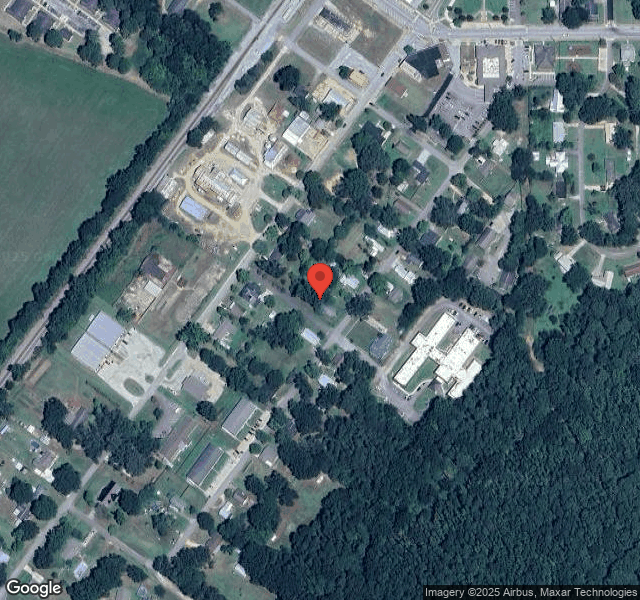

THIRD AVENUE, MOUNDVILLE, AL 35474 (205) 371-2252
For profit - Corporation 68 Beds NHS MANAGEMENT Data: November 2025
Trust Grade
80/100
#66 of 223 in AL
Last Inspection: October 2021

Over 2 years since last inspection. Current conditions may differ from available data.

Overview

Moundville Health and Rehabilitation has a Trust Grade of B+, indicating that it is above average and recommended for families considering care options. It ranks #66 out of 223 nursing homes in Alabama, placing it in the top half, but only #2 out of 2 in Hale County, meaning there is only one other local facility that is better. Unfortunately, the facility is experiencing a worsening trend, with the number of issues reported increasing from 0 in 2021 to 2 in 2022. Staffing is relatively strong with a rating of 4 out of 5 stars and a turnover rate of 41%, which is below the state average of 48%, suggesting that staff are likely to remain and provide consistent care. Additionally, the facility has not incurred any fines, which is a positive sign, but it does have average RN coverage, indicating that while there are some registered nurses available, they may not be as plentiful as in other facilities. However, there are some concerning incidents noted during inspections. For example, a dietary worker failed to ensure that reheated food reached the proper temperature, which could affect all residents receiving meals. Additionally, a certified nursing assistant did not follow proper procedures after finding a resident on the floor, moving them without notifying a nurse for assessment, which poses a risk of further injury. Lastly, there was an instance where a resident with dementia was not provided appropriate assistance during a meal, indicating potential gaps in care. Overall, while Moundville Health and Rehabilitation has strengths, such as a good staffing rate and no fines, families should be aware of the recent issues and incidents that could impact resident care.

Trust Score
B+
80/100
In Alabama
#66/223
Top 29%
Safety Record
Low Risk
No red flags
Inspections
Getting Worse
0 → 2 violations
Staff Stability
○ Average
41% turnover. Near Alabama's 48% average. Typical for the industry.
Penalties
✓ Good
No fines on record. Clean compliance history, better than most Alabama facilities.
Skilled Nurses
○ Average
Each resident gets 35 minutes of Registered Nurse (RN) attention daily — about average for Alabama. RNs are the most trained staff who monitor for health changes.
Violations
⚠ Watch
12 deficiencies on record. Higher than average. Multiple issues found across inspections.
★★★★☆
4.0
Overall Rating
★★★★☆
4.0
Staff Levels
★★★★☆
4.0
Care Quality
★★★★☆
4.0
Inspection Score
Stable
2021: 0 issues
2022: 2 issues

The Good

  • 4-Star Staffing Rating · Above-average nurse staffing levels
  • 4-Star Quality Measures · Strong clinical quality outcomes
  • Full Sprinkler Coverage · Fire safety systems throughout facility
  • No fines on record
  • Staff turnover below average (41%)

    7 points below Alabama average of 48%

Facility shows strength in staffing levels, quality measures, fire safety.

The Bad

Staff Turnover: 41%

Near Alabama avg (46%)

Typical for the industry

Chain: NHS MANAGEMENT

Part of a multi-facility chain

Ask about local staffing decisions and management

The Ugly 12 deficiencies on record

Dec 2022 2 deficiencies
CONCERN (D) 📢 Someone Reported This

A family member, employee, or ombudsman was alarmed enough to file a formal complaint

Potential for Harm - no one hurt, but risky conditions existed

Accident Prevention (Tag F0689)

Could have caused harm · This affected 1 resident

**NOTE- TERMS IN BRACKETS HAVE BEEN EDITED TO PROTECT CONFIDENTIALITY** Based on interviews, record review, review of the facility's investigative file for the incident involving Resident Identifier (...

Read full inspector narrative →
**NOTE- TERMS IN BRACKETS HAVE BEEN EDITED TO PROTECT CONFIDENTIALITY** Based on interviews, record review, review of the facility's investigative file for the incident involving Resident Identifier (RI) #1 on 11/25/2022, and the facility's policy titled,Fall, the facility failed to ensure Employee Identifier (EI) #4 Certified Nursing Assistant (CNA) followed the Fall policy on 11/25/2022 when, per EI #4, she found RI #1 on the floor and moved RI #1 from the floor and onto the bed without alerting the nurse to assess RI #1's condition. This deficient practice affected RI #1, one of three residents sampled for falls. Findings include: A review of the facility's policy titled, Fall with an effective date of 11/01/2001 revealed: . PURPOSE: To provide emergency care after a fall and prevent further injury . PROCESS: 1. Do not move resident until the charge nurse has assessed the resident's condition . 3. Ascertain extent and type of injury . RI #1 was admitted to the facility on [DATE] with diagnoses to include: Cerebral Infarction, Aphasia following Cerebral Infarction, and Dementia. RI #1's admission Minimum Data Set (MDS) assessment with an Assessment Reference Date of 10/31/2022 documented a Brief Interview for Mental Status (BIMS) score of three out of 15, which indicated RI #1 had severe cognitive impairment. The State Agency received a facility reported incident on 11/25/2022 that described an injury of a bruise to RI #1's eye and RI #1 had just had a fall. The report included actions the facility had taken to include a body audit was performed on RI #1 and EI #4 was suspended. The facility investigative file for the incident involving RI #1 contained documents to include the following: A typed facility witness statement dated 11/28/2022, signed by EI #4 CNA, documented: . On 11/25/22 at around 7:40 am I walked into resident . (RI #1's) . room and I saw . (RI #1) on the floor leaning against the chair . I then went and got . (RI #1) . off the floor. I was not thinking and acted off instinct; I did not report the fall. I know to report the fall to the nurse . I got resident . (RI #1) . up and sat . (him/her on his/her) bed to start eating and . (RI #1) said, No, no I should not be doing that; its not right. I then said again come on its food, its grits you have to try it. At that point ADON (Assistant Director of Nursing/EI #3) was coming up the hall and and that's when ADON . said no don't feed .(him/her if he/she) is not wanting to eat. At that point, . (RI #1's) eye started to swell and I left the room. The facility VERIFICATION OF INVESTIGATION for the incident dated 11/25/2022 contained a summary and outcome of the investigation that documented the facility terminated EI #4 due to several factors such as failure to report the fall or to follow fall protocol, and the injury to RI #1's eye. The summary also documented that while EI #3 was checking with RI #1, since RI #1 did not want to eat, it was then that EI #4 told EI #3 that RI #1 had a fall. RI #1 was assessed, a body audit was done and RI #1 went out for a CT (Computerized Tomography) to ensure there was no other injury to RI #1's head. RI #1's Resident Incident Report dated 11/25/2022, prepared by EI #3, documented: . Narrative of incident and description of injuries: CNA reports that resident was on the floor lying on . (his/her) right side and facing bathroom door when she walked by. CNA reports she got resident off floor and transferred . (him/her) to bed . Right eye swollen shut and has dark purple bruising . Body audit done, Placed on one on one, Notified administrator . Physician notified . Family notified . On 12/13/2022 at 9:09 AM, an interview was conducted with EI #4 CNA. EI #4 was asked about the injury to RI #1's eye. EI #4 said when she entered RI #1's room, RI #1 was on the floor against the chair in the room, so she got RI #1 up and sat RI #1 on the bed. EI #4 admitted that she received training about the fall policy and when RI #1 was found on the floor she should have called for the nurse, but she did not call for the nurse. When asked why she did not call for the nurse, EI #4 said, it was her fault because she was moving fast to get RI #1 up off the floor to start feeding RI #1 so she could go to her next resident. EI #4 was asked what was the concern with not following the fall policy. EI #4 said the current situation that was going on, an investigation and an injury which was bruising to RI #1's eye. On 12/14/2022 at 12:11 PM, an interview was conducted with EI #3, ADON. EI #3 was asked how she became aware of the incident on 11/25/2022 when RI #1 sustained a right eye injury. EI #3 said, she was walking down the hall and when she got close to RI #1's room she observed EI #4 assisting RI #1 with breakfast. EI #3 said EI #4 told her RI #1 had a fall and EI #4 moved RI #1 from the floor to the bed and started to feed RI #1. EI #3 said she told EI #4 that was not what she was supposed to do, she was not supposed to move RI #1, and she was supposed to call the nurse. EI #3 was asked to describe the injury to RI #1's right eye. EI #3 said, as she was talking with RI #1, she observed as RI #1's right eye changed colors, it was a dark purplish bruise and RI #1's eye became swollen and shut. EI #3 said the injury to RI #1's eye indicated that some type of trauma had occurred recently. EI #3 said she told EI #4 to leave the room, she called the administrator from her cell phone, then EI #4 was suspended, an investigation was started, the family and nurse practitioner were notified and RI #1 was sent to the hospital for evaluation. EI #3 was asked according to the facility's fall policy, what should EI #4 have done when she found RI #1 on the floor. EI #3 said, EI #4 should have immediately called for a nurse and she was not supposed to move the resident. EI #3 was asked if the fall policy was followed. EI #3 replied, no, the fall policy was not followed and EI #4 was told she did not follow the fall policy. EI #3 was asked what was the purpose of not moving the resident when found on the floor. EI #3 said, a CNA cannot assess a resident so the nurse has to do an assessment for injuries. EI #3 was asked what was the potential harm when RI #1 was found on the floor and EI #4 got RI #1 up without notifying the nurse. EI #3 said, you do not know what injuries a resident has; RI #1 could have had a fracture. On 12/14/2022 at 4:34 PM, an interview was conducted with EI #1, Administrator. EI #1 said she found out about the incident with RI #1 on 11/25/2022 that morning when EI #3 ADON called her from RI #1's room and said RI #1's eye was starting to swell. EI #1 said it was while she was on the phone with EI #3, that EI #4 said RI #1 had a fall and EI #4 had picked up RI #1 off the floor. EI #1 said EI #4 was sent home and suspended, pending investigation. EI #1 further stated, EI #4 admitted she was aware of the fall policy and that she was supposed to immediately report it to the the nurse, but she did not report it immediately to the nurse. EI #1 said the fall policy was not followed. EI #1 said the concern with EI #4 not reporting immediately to the nurse was that the resident could have been injured and they could not address the resident injuries immediately. EI #1 said, EI #3 stepped in and assessed the resident, sent RI #1 out to the hospital for a CT scan immediately and completed an incident report. On 12/15/2022 at 10:24 AM, an interview was conducted with EI #2, Director of Nursing (DON). EI #2 was asked how she become aware of the incident that happened with RI #1 on 11/25/2022. EI #2 said she was off when the incident occurred, but EI #3 called and gave her an update on what happened and that EI #4 had not immediately reported when RI #1 had a fall. EI #2 said, an investigation was immediately started, RI #1 was placed on one to one, EI #4 was suspended and escorted from building. EI #2 said, when she returned to work on 11/28/2022 she observed RI #1's eye with minimal swelling and green bruising around the right eye into the cheek. EI #2 said, that indicated some type of injury. EI #2 said, EI #4 should have immediately called for a nurse before moving RI #1. EI #2 said, the fall policy was not followed but it should have been to ensure there were not any injuries that could further harm the resident.
CONCERN (D) 📢 Someone Reported This

A family member, employee, or ombudsman was alarmed enough to file a formal complaint

Potential for Harm - no one hurt, but risky conditions existed

Deficiency F0744 (Tag F0744)

Could have caused harm · This affected 1 resident

**NOTE- TERMS IN BRACKETS HAVE BEEN EDITED TO PROTECT CONFIDENTIALITY** Based on resident record review, interviews, review of CMS (Centers for Medicare and Medicaid Services) training titled Hand in ...

Read full inspector narrative →
**NOTE- TERMS IN BRACKETS HAVE BEEN EDITED TO PROTECT CONFIDENTIALITY** Based on resident record review, interviews, review of CMS (Centers for Medicare and Medicaid Services) training titled Hand in Hand: A Training Series for Nursing Homes, and review of a facility investigative file for Resident Identifier (RI) #1, the facility failed to ensure Employee Identifier (EI) #4 Certified Nursing Assistant (CNA) provided care and assistance appropriate for RI #1, a resident who had a diagnosis of Dementia, and per EI #4, had just been found on the floor. This occurred during the breakfast meal on 11/25/2022 when EI #4 was attempting to feed RI #1 while RI #1 was resisting. This affected RI #1, one of three sampled residents who had diagnoses of Dementia. Findings include: An undated CMS (Centers for Medicare and Medicaid Services) TOOLKIT titled Hand in Hand: A Training Series for Nursing Homes, was provided for review and was presented as guidance and training the facility staff received. Included in this documentation was the following: . Mission The mission of the Hand in Hand training is to provide nursing homes with a high-quality training program that emphasizes person-centered care for persons with dementia and abuse prevention. Learning Objectives and Key Points . Module 1. Symptoms of dementia include challenges with memory, concentration, orientation, language, . skills, . The actions and reactions of persons with dementia are related to one or more of these challenges. Delirium caused by a new or worsening medical problem may cause increased confusion or problems with thinking and functioning, especially in residents with dementia. It is very important to notify the nurses so that they can assess the resident further. We must try to understand their experience by being with them in their world. Seeing things from their perspective helps us to understand the frustrations and confusion they experience. It also helps us to recognize that we must adjust the way we act, and interact, to meet their needs. Module 2. Effective strategies for communicating with persons with dementia include: Always identify yourself. Really listen to the person. Pay attention to the body language of the person with dementia. Be patient. Give the person enough time. Ask how you can help. When we take time to communicate effectively, we save time and reduce stress in our work environment. RI #1 was admitted to the facility on [DATE] and had diagnoses to include: Legal Blindness, Cerebral Infarction, Aphasia following Cerebral Infarction, and Dementia. RI #1's admission Minimum Data Set (MDS) assessment with an Assessment Reference Date of 10/31/2022 documented a Brief Interview for Mental Status (BIMS) score of three out of 15, which indicated RI #1 had severe cognitive impairment. RI #1's Departmental Notes documented the following: . 11/25/2022 . CNA reported that when she was passing resident's room resident was on the floor . CNA reported she got resident off floor and transferred . (RI #1) to the bed and attempted to feed . (RI #1). Signed by: . (EI #3/Assistant Director of Nursing (ADON)) . A typed facility interview dated 11/28/2022, signed by EI #4 CNA documented the following: . On 11/25/22 at around 7:40 am I walked into resident . (RI #1's) room and I saw . (RI #1) on the floor . I then went and got . (RI #1) . off the floor. I got . (RI #1) up . on the bed to start eating and . (RI #1) said, No, no I should not be doing that; its not right. I then responded and said its food come on try it. Then that's when I started to feed . (RI #1) and . (he/she) kept saying that it is not right, its not right. The first spoon of food with grits, . (RI #1) slapped and it got on (RI #1's) shoulder. I then said again come on its food, its grits you have to try it. At that point, ADON . (EI #3) was coming up the hall and that's when ADON . (EI #3) said, no don't feed . (RI #1) if . (he/she) is not wanting to eat. Resident . (RI #1) then said, She is trying to make me eat . Its not right she is trying to make me eat. A typed facility witness statement dated 11/25/2022, signed by EI #3 ADON, documented the following: At 7:45 am writer was walking pass . (RI #1's) room and witnessed . (EI #4) CNA sitting on residents bed . with spoon in her hand attempting to feed resident. Resident was moving . (his/her) head from side to side and up and down trying to prevent the spoon from going into .(his/her) mouth. Writer stopped and told . (EI #4) to stop attempting to feed . because resident was saying, No!' Writer told . (EI #4) when a resident is saying they don't want it and is resisting you can not make . (him/her) eat. Resident then stated, 'Yeah she trying to force feed me . On 12/13/2022 at 9:09 AM EI #4 was asked about what happened on 11/25/2022 with RI #1. EI #4 explained she went in RI #1's room and RI #1 was on the floor against the chair in the room, so she got RI #1 up to feed RI #1 at about 7:25 or 7:30 AM. EI #4 said, RI #1 was quiet and she told RI #1 come on, let me get you up. EI #4 said once she got RI #1 on the bed and started to feed RI #1, RI #1 was saying no, No I should not be doing that, I said it is food try it, she was shaking her hand and saying no, no, I should not be doing that. When asked if it was normal behavior for the resident to be shaking his/her head, and saying no, no , and being resistive. EI #4 replied, no, and that sometimes RI #1 would say, he/she did not want it but never like that. EI #4 said, RI #1 usually ate breakfast, it was RI #1's biggest meal, and she was trying to make sure RI #1 ate. EI #4 said, she should have asked RI #1 if he/she wanted something else or told the nurse. EI #4 said, she should have notified the nurse in the beginning when she found RI #1 on the floor but she just started feeding RI #1 so she could get on to her other residents. EI #4 said, RI #1 was moving his/her head, and swinging his/her hands, not wanting to eat, and she was telling RI #1, the food was grits. Then EI #4 said, the nurse came in and said, not to make RI #1 eat if RI #1 did not want to eat. EI #4 said, the nurse that came into the room was EI #3 ADON. On 12/14/2022 at 12:11 PM EI #3 ADON was asked about what happened on 11/25/2022 with RI #1. EI #3 said, she was headed to the laundry, got close to RI #1's room, heard RI #1 say no no I don't want it, and from the hallway saw EI #4 attempting to feed RI #1, who was waving his/her hands and bobbing his/her head to keep EI #4 from putting the spoon in RI #1's mouth. EI #3 said, she told EI #4, if RI #1 did not want to eat, she could not make RI #1 take it, and if RI #1 did not want to eat, to tell the nurse so she could document it or offer RI #1 something else. EI #3 said, when she got into the room EI #4 reported she had just got RI #1 off the floor and started to feed RI #1, but had not told anyone. EI #3 said, she told EI #4 that is not what she was supposed to do, she was not supposed to move RI #1, but was supposed notify the nurse. On 12/15/2022 at 3:42 PM a follow up interview was conducted with EI #3. EI #3 confirmed that she observed EI #4 trying to feed RI #1 while RI #1 was bobbing his/her head, turning his/her head from side to side and saying ''no, no. I don't want it. EI #3 said, she had never seen that behavior from RI #1 before and she thought RI #1 just did not want to eat at that time. EI #3 said, when RI #1 said, did not want the food, the CNA should have stopped feeding RI #1 and reported to the charge nurse or offered something else. EI #3 stated, RI #1 may have been full and though EI #4 was encouraging RI #1 to eat, when RI #1 did not want anymore, EI #4 should have stopped because RI #1 was not going to eat and it was RI #1's right to refuse. On 12/15/2022 at 5:42 PM EI #3 was asked follow up questions about what could happen to a resident who had a diagnosis of Dementia, was resistive to eating, and the CNA did not stop. EI #3 said, the resident may become combative or bring on a behavior if a resident said no, no and did not want the food. EI #3 stated EI #4 should have stopped feeding RI #1, it might make the resident upset and combative. On 12/15/2022 at 5:57 PM EI #2 Director of Nursing (DON) was asked what she knew of the incident on 11/25/2022 with RI #1 being fed breakfast by EI #4. EI #2 said, she was told RI #1 was saying no, no and putting his/her hand up. EI #2 said, at that point EI #4 should have stopped and left the resident alone and report to the nurse if the resident had not consumed 50 percent of the meal. EI #2 was asked what could happen when a resident with a diagnosis of Dementia says no, no, and staff do not stop what they are doing. EI #2 replied, it could cause the resident to become angry and agitated.
Apr 2019 6 deficiencies
CONCERN (D)

Potential for Harm - no one hurt, but risky conditions existed

Assessment Accuracy (Tag F0641)

Could have caused harm · This affected 1 resident

**NOTE- TERMS IN BRACKETS HAVE BEEN EDITED TO PROTECT CONFIDENTIALITY** Based on record review, an interview and a review of a facility policy titled, Resident Assessment Instrument (RAI), the facilit...

Read full inspector narrative →
**NOTE- TERMS IN BRACKETS HAVE BEEN EDITED TO PROTECT CONFIDENTIALITY** Based on record review, an interview and a review of a facility policy titled, Resident Assessment Instrument (RAI), the facility failed to ensure Resident Identifier (RI) #29's Foley catheter was coded on the 1/25/19 Quarterly Minimum Data Set (MDS). This affected RI #29, one of three residents sampled with a Foley catheter. Findings Include: A review of a facility policy titled, Resident Assessment Instrument (RAI), with an effective date of October 29, 2015, revealed: .STANDARD: .the facility conducts initially and periodically a comprehensive, accurate and standardized assessment of each resident's functional capacity, using the RAI specified by the state . RI #29 was re-admitted to the facility on [DATE] with a diagnosis of Retention of Urine. A review of RI #29's Quarterly MDS with an Assessment Reference Date (ARD) of 1/25/2019, did not code the resident for use of a urinary catheter. A review of RI #29's April 2019 Physician Orders revealed: .FOLEY CATHETER MAY USE LEG BAND . The order date was 9/10/2018. On 4/04/2019 at 9:27 AM, an interview was conducted with Employee Identifier (EI) #10, Registered Nurse/MDS Coordinator. EI #10 was asked what was the most recent MDS for RI #29. EI #10 replied, 1/25/2019. EI #10 was asked who was responsible for completing the MDS. EI #10 replied, different sections for different staff, but it was her on that one. EI #10 was asked if the Foley catheter was coded for RI #29. EI #10 replied, no. EI #10 was asked when was the Foley catheter ordered for RI #29. EI #10 replied, RI #29 has had the Foley catheter for a while. EI #10 was asked why was it important to have the Foley catheter coded correctly on the MDS. EI #10 replied, so that it painted an accurate picture of the resident's condition.
CONCERN (D)

Potential for Harm - no one hurt, but risky conditions existed

Deficiency F0658 (Tag F0658)

Could have caused harm · This affected 1 resident

**NOTE- TERMS IN BRACKETS HAVE BEEN EDITED TO PROTECT CONFIDENTIALITY** Based on observation, interviews, medical record review and a review of facility policies titled, Medication Administration Proc...

Read full inspector narrative →
**NOTE- TERMS IN BRACKETS HAVE BEEN EDITED TO PROTECT CONFIDENTIALITY** Based on observation, interviews, medical record review and a review of facility policies titled, Medication Administration Procedures Oral Medication and Medication Procedures Enteral Tube (given through a tube into the stomach) Administration, the facility failed to ensure licensed staff did not pour liquid medication back in the medication bottle after pouring out too much. The facility also failed to ensure a licensed staff member checked tube placement prior to administering the evening medications on 4/2/19. This affected Resident Identifier (RI) #25 one of one residents observed for medications by enteral tube. Findings Include: A review of a facility policy titled, Medication Administration Procedures Oral Medication with a date of 3/11 revealed: .Procedures .2. If medication is a liquid .Any over-pour should be disposed of according to the facility policy. A review of a facility policy titled, Medication Administration Procedures Enteral Tube Administration with a date of 3/11 revealed: . Procedures .4. Regardless of the type of tube, check for proper placement before administering medications or water. RI #25 was readmitted to the facility on [DATE], with a diagnosis of Encounter for Attention to Gastrostomy. A review of RI #25's April 2019 Physician Orders revealed: .VITAMIN C 250 MG (milligram) TABLET GIVE TWO TABLETS BY PEG (gastrostomy) TWICE DAILY, METOCLOPRAMIDE 5 MG/5 ML (millimeters) SYRUP GIVE 5 ML PER GTUBE TWO TIMES A DAY . TOPAMAX 25 MG TABLET 1 TAB PGT (per gastrostomy tube) QID (four times a day) KEPPRA 100MG/ML GIVE 5 CC (cubic centimeters) (500MG) Q DAY AT 6 PM (every day) . On 4/02/19 at 5:03 PM, Employee Identifier (EI) #3, Registered Nurse (RN), was observed preparing RI #25's medications to be administered by gastrostomy tube. When preparing the Metoclopramide liquid, EI #3 poured 10 cc (cubic centimeters) in a medication cup, then poured 5 cc back into the medication bottle. EI #3 then prepared the Vitamin C, Topomax and Keppra for administration to RI #25. EI #3 did not check the tube placement prior to administering the medications. On 4/03/19 at 9:08 AM, an interview was conducted with EI #3. EI #3 was asked if he recalled the concerns during the medication pass for RI #25 on 4/2/19. EI #3 replied, yes. EI #3 was asked what was the policy on giving tube medications. EI #3 replied, check placement by aspiration or checking for contents. EI #3 was asked if he checked placement. EI #3 replied, no. EI #3 was asked why not. EI #3 replied, he just did not. EI #3 was asked what was the harm in not checking the placement of a tube before administering medications. EI #3 replied, the tube may not be in place and the medications would then go in the airway. EI #3 was asked, when he poured the Metoclopramide how much did he pour. EI #3 replied, 10 cc. EI #3 was asked what was the amount he should have poured. EI #3 replied, 5 cc. EI #3 was asked what did he do with the overpoured medication. EI #3 replied, poured it back in the bottle. EI #3 was asked what was the policy if over pouring a medication. EI #3 replied, he should have wasted it. EI #3 was asked what would the harm be in pouring the over poured medication back in the bottle. EI #3 replied, it may be contaminated. On 4/03/19 at 5:14 PM, an interview was conducted with EI #2, Director of Nursing. EI #2 was asked what was the policy for giving tube medications and checking placement. EI #2 replied, the nurse should check placement with a stethoscope. EI #2 was asked when should tube placement be checked. EI #2 replied, before any medication and feeding are given. EI #2 was asked what was the harm in not checking tube placement before administering medications. EI #2 replied, the tube may not be in the right area. EI #2 was asked what was the policy on staff pouring too much liquid medication. EI #2 replied, he should have discarded it. EI #2 was asked when should staff pour medication back in a medication bottle. EI #2 replied, never. EI #2 was asked what would the harm be in pouring medication back in a medication bottle. EI #2 replied, an infection control issue.
CONCERN (D)

Potential for Harm - no one hurt, but risky conditions existed

Pressure Ulcer Prevention (Tag F0686)

Could have caused harm · This affected 1 resident

**NOTE- TERMS IN BRACKETS HAVE BEEN EDITED TO PROTECT CONFIDENTIALITY** Based on observation, interview, medical record review and review of facility policies titled, Contact Precautions and Wound Car...

Read full inspector narrative →
**NOTE- TERMS IN BRACKETS HAVE BEEN EDITED TO PROTECT CONFIDENTIALITY** Based on observation, interview, medical record review and review of facility policies titled, Contact Precautions and Wound Care Procedure for Major Wounds, the facility failed to ensure licensed staff did not clean a wound, then with the same gloves, apply the medication and outer covering. This affected Resident Identifier (RI) #32, one of one resident sampled for pressure ulcers. Findings Include: A review of a facility policy titled, Contact Precautions, with an effective date of September 1, 2017, revealed: .PURPOSE : . II. Gloves and hand hygiene .B. Gloves should be changed after having contact with infective material (e.g., fecal material and wound drainage). A review of a facility policy titled, Wound Care Procedure for Major Wounds, with an effective date of December 1, 2009, revealed: .PURPOSE : To provide guidelines for clean technique during wound care .II. Procedure .N. Clean the wound according to the order. Clean the center outward. O. Place soiled gauze used for cleaning in bag. P. Remove gloves and place in bag. Q. Put on new gloves. R. Apply clean dressing as ordered . RI #32 was readmitted on [DATE], with a diagnosis of Pressure Ulcer of Sacral Region, Stage 4. A review of RI #32's April 2019 Physician Orders revealed: .WOUND STAGE-4--SITE-SACRAL--AREA--CHANGE DSG.(DRESSING) Q (EVERY)--DAY CLEANSE W (WITH)/VASHE SOLUTION--APPLY-COLLAGEN PACKET TO WOUND BED. APPLY MOISTEN VASCHE (VASHE)GAUZE. DAMP TO DRY DRESSING TO WOUND BED COVER WITH ABSORBATIVE (ABSORPTIVE) DRESSING DAILY . 04/03/19 at 2:49 PM, the surveyor observed wound care for RI #32 performed by Employee Identifier (EI) #7, Licensed Practical Nurse (LPN), Restorative/Treatment Nurse. Prior to entering RI #32's room, EI #7 and EI #9, LPN, donned a gown and gloves and entered RI #32's room. EI #7 cleaned the table and draped it with a barrier. EI #7 placed the tape measure, Qtip and gauze on top of the barrier and each item was in a plastic bag. Several plastic gloves were placed on top of the barrier. EI #7 proceeded to unzip the pack of 4 by 4's in the zip lock bag to moisten with VASHE and placed them back on the table. EI #7, with the assistance of EI #9, removed the dressing from RI #32's wound, rolled it into a soiled barrier pad and placed it in a red bag. EI #7 went to the bathroom to wash her hands. The isolation trash container was located in the bathroom. EI #7 returned to the bedside and applied gloves from table. EI #7 cleaned the wound. EI #7 patted the wound dry with her right hand. EI #7, with the same soiled gloves she wore to clean the wound, retrieved the collagen packet. EI #7 turned to the table to retrieve 4 by 4 gauze with her left hand and sprinkled it with collagen powder, without proper hand hygiene. EI #7 placed the 4 by 4, sprinkled with collagen powder, over the wound bed without changing gloves and washing her hands. EI #7 placed two moistened 4 by 4 gauze onto the wound with the same soiled gloves. EI #7 retrieved the adhesive dressing from the packet, with the same soiled gloves with which she cleaned the wound, and covered the wound with it. EI #7 removed and discarded her gloves in the red bag and washed her hands. On 4/03/19 at 4:01 PM, an interview was conducted with EI #7. EI #7 was asked, during wound care, after she cleaned the wound, did she change gloves before applying the collagen from the 4 by 4 to the wound bed. EI #7 replied, no. EI #7 was asked, after cleaning the wound, did she touch other surfaces on the table. EI #7 replied, yes. EI #7 was asked if she should have changed gloves and washed her hands after cleaning the wound. EI #7 replied, yes. EI #7 was asked, what was the potential harm in not washing her hands and putting on new gloves. EI #7 replied, she could have contaminated the wound. On 4/04/19 at 11:07 AM, an interview was conducted with EI #2, Director of Nursing (DON). EI #2 was asked when should a nurse change gloves and wash their hands during wound care. EI #2 replied, before touching the resident and after touching the resident. EI #2 was asked when should a nurse perform the cleaning of a wound then apply the medication to the wound with the same gloves they cleaned the wound with. EI #2 replied, never. EI #2 was asked what was the harm in the nurse not changing her gloves after cleaning the wound and before applying the medication. EI #2 replied, it was an infection control issue.
CONCERN (D)

Potential for Harm - no one hurt, but risky conditions existed

Infection Control (Tag F0880)

Could have caused harm · This affected 1 resident

**NOTE- TERMS IN BRACKETS HAVE BEEN EDITED TO PROTECT CONFIDENTIALITY** Based on observation, medical record review and interview, the facility failed to ensure licensed staff did not take a small wa...

Read full inspector narrative →
**NOTE- TERMS IN BRACKETS HAVE BEEN EDITED TO PROTECT CONFIDENTIALITY** Based on observation, medical record review and interview, the facility failed to ensure licensed staff did not take a small water pitcher from the medication cart into Resident Identifier (RI) #25's room, place it on an unclean bedside table, then return the water pitcher to the medication cart without being cleaned. This was observed on 4/2/19, and affected one of one residents observed for medications by gastrostomy tube. Findings Include: RI #25 was readmitted to the facility on [DATE] with a diagnosis of Encounter for attention to gastrostomy. A review of RI #25's April 2019 Physician Orders revealed: .VITAMIN C 250 MG (milligram) TABLET GIVE TWO TABLETS BY PEG (gastrostomy) TWICE DAILY, METOCLOPRAMIDE 5 MG/5 ML (millimeters) SYRUP GIVE 5 ML PER GTUBE (gastrostomy tube) TWO TIMES A DAY . TOPAMAX 25 MG TABLET 1 TAB PGT QID (four times a day) KEPPRA 100MG/ML GIVE 5 CC (500MG) Q DAY AT 6 PM (every day) . On 4/02/19 at 5:03 PM, Employee Identifier (EI) #3, Registered Nurse (RN), was observed preparing and administering RI #25's medications by gastrostomy tube. EI #3 took a small water pitcher from the medication cart into RI #25's room and placed it on the overbed table with no barrier. EI #3 administered the medications to RI #25 using water from the small water picture. EI #3 finished the task, washed his hands and returned the small water pitcher to medication cart. On 4/03/19 at 9:08 AM, an interview was conducted with EI #3. EI #3 was asked if her recalled the concerns during the medication pass for RI #25 on 4/2/19. EI #3 replied, yes. EI #3 was asked what was the policy on taking water in a resident's room for medication pass. EI #3 replied, they should take water in, but he should not have taken the pitcher then returned it to the cart. EI #3 was asked what was the harm in returning the pitcher to the cart without cleaning it. EI #3 replied, it could contaminate the medication cart from any germs picked up in the resident's room. On 4/03/19 at 5:14 PM, an interview was conducted with EI #2, Director of Nursing (DON). EI #2 was asked where should staff get water from during medication pass for tube medications. EI #2 replied, the sink or carry some in cups from the pitcher on the medication cart. EI #2 was asked when should staff take a water pitcher from the medication cart in a resident's room then return it to the medication cart without cleaning. EI #2 replied, they should not do that. EI #2 was asked what would the harm be in staff taking a water pitcher from the medication cart into a resident's room, then returning it to the medication cart without being cleaned. EI #2 replied, an infection control issue.
CONCERN (F)

Potential for Harm - no one hurt, but risky conditions existed

Food Safety (Tag F0812)

Could have caused harm · This affected most or all residents

Based on observations, interviews and a review of the facility's policies titled, Leftover Food Storage and Use, Calibrating and Sanitizing Thermometers and, Food Storage Temperature Logs, the facilit...

Read full inspector narrative →
Based on observations, interviews and a review of the facility's policies titled, Leftover Food Storage and Use, Calibrating and Sanitizing Thermometers and, Food Storage Temperature Logs, the facility failed to ensure: 1) reheated food (chicken fingers) on the tray line reached 165 degrees F (Fahrenheit); 2) a dietary worker properly calibrated the thermometer at the tray line and; 3) a temperature log was placed on the resident's supplement refrigerator on Unit One. This had the potential to affect 56 of 56 residents who receive meals from the kitchen. Findings Include: 1) A review of a facility policy titled, Leftover Food Storage and Use with an effective date of 8/15/2009, revealed: .PURPOSE: To assure that food borne illnesses are avoided.PROCESS: .e. Reheat foods to 165 degrees for at least 15 seconds . A review of a facility document dated 4/3/2019, revealed no tray line temperatures were recorded at the lunch meal. On 4/3/2019 at 11:17 a.m., (Employee Identifier) EI #5, Cook, took food temperatures on the tray line. The first temperature of the chicken fingers on the tray line was 120 degrees F. The cook pulled the chicken fingers from the tray line and put them back into the stove. The second temperature of the chicken fingers was 145 degrees F. She did not record any temperatures on the menu log. On 04/03/2019 at 12:43 p.m., an interview was conducted with EI #5. EI #5 was asked what should food temperatures be after reheating. EI #5 replied, she did not know. EI #5 was asked what was the the first temperature of the chicken fingers on the tray line before putting them back into the stove. EI #5 replied, 120 degrees or 125 degrees F. EI #5 was asked who was responsible for reheating foods. EI #5 replied she was responsible for reheating the chicken fingers. EI #5 was asked what did the facility policy say regarding reheating food. EI #5 replied, she did not know because she never had to reheat food before. EI #5 was asked when the chicken fingers were brought back to the tray line, what was the temperature. EI #5 replied, she did not remember. EI #5 was asked was the temperature 165 degrees F. EI #5 replied, no it was not. EI #5 was asked what was the harm in serving food to residents at an incorrect temperatures. EI #5 replied, it could be contaminated. 2) A review of a policy titled, Calibrating and Sanitizing Thermometers with an effective date of 2/1/2002 revealed: .STANDARD: Thermometers should be calibrated, as needed, .PROCESS: I. Calibration: .Use a small wrench to turn the calibration nut until the thermometer reads 32 degrees Fahrenheit . On 4/03/2019 at 10:59 a.m., at the tray line, EI #5 attempted to calibrate the thermometer. EI #5 was trying to go to zero on the thermometer. EI #5 stated the thermometer should go to zero degrees. On 4/04/2019 at 09:03 a.m., the surveyor conducted an interview with EI #5. EI #5 was asked why was she trying to calibrate the thermometer to zero. EI #5 replied, she did not know what she thought. EI #5 was asked who was responsible for calibrating the thermometer. EI #5 replied, she guessed she was. EI #5 was asked when should the thermometer be calibrated. EI #5 replied, before putting it in the food. EI #5 was asked why should the thermometer be calibrated. EI #5 replied, to see if the food was at the right temperature. EI #5 was asked, did she use the dial/ wrench part of the thermometer to turn it to the correct setting. EI #5 replied, she did not know. EI #5 was asked what should the thermometer be set on. EI #5 replied, zero. 3) A review of a facility policy titled, Food Storage Temperature Logs with an effective date of 8/10/2018, revealed: .STANDARD: The . Food Code guidelines should be used for the storage of food items. Temperatures should be monitored and recorded on a food temperature log. On 4/03/2019 at 10:29 a.m., the surveyor observed there was no temperature log on the resident's supplement refrigerator on Station One. On 4/04/2019 at 9:08 a.m.,an interview was conducted with EI #4, Dietary Manager. EI #4 was asked why was there no temperature log on the refrigerator. EI #4 replied, she thought it was being recorded. EI #4 was asked who checked the refrigerator for log temperatures. EI #4 replied, the nurse on Unit (Station) One. EI #4 was asked why was it important to document the temperature of the refrigerator. EI #4 replied, for the safety of the residents. EI #4 was asked what unit was the refrigerator on. EI #4 replied, Station One. On 4/04/2019 at 09:25 a.m., an interview was conducted with EI #6, Registered Nurse (RN). EI #6 was asked who was responsible for checking the resident's supplement refrigerator log on Unit One. EI #6 replied, the nurses, LPN's (Licensed Practical Nurse) and RN's. EI #6 was asked why was there no log on the refrigerator on 4/3/2019. EI #6 replied, they used to have a log, but they were told they did not have to have a log on the refrigerator. EI #6 was asked why was it important to keep a log on the resident's supplement refrigerator. EI #6 replied, to monitor the food, to make sure it was kept cold enough and make sure the refrigerator was working properly.
MINOR (C)

Minor Issue - procedural, no safety impact

Staffing Information (Tag F0732)

Minor procedural issue · This affected most or all residents

Based on observation, interview and review of a facility policy titled, Nurse Staff Posting Protocol, the facility failed to ensure the nurse staff posting form was in an area visible for residents an...

Read full inspector narrative →
Based on observation, interview and review of a facility policy titled, Nurse Staff Posting Protocol, the facility failed to ensure the nurse staff posting form was in an area visible for residents and visitors. This was observed on three of three days of the survey and had the potential to affect all residents in the facility. Findings Include: A review of a facility policy titled, Nurse Staff Posting Protocol with an effective date of 12/27/05, revealed: The Administrator will select a prominent location to post the nursing direct care staffing form that is readily accessible to visitors and residents On 4/2/19 at 10:00 AM, the surveyor attempted to locate the nurse staff posting form. The surveyor was unable to locate the nurse staff posting form. On 4/2/19 at 3:00 PM, the surveyor continued to be unable to locate the nurse staff posting form. The other surveyors also looked without finding the nurse staff posting form. On 4/3/19 at 11:00 AM, the surveyor observed the nurse staff posting forms on an information board in the hallway leading to the kitchen area. The forms were inside a yellow folder midway of the information board, with only the very top of the form visible. A review of the visible areas on the form revealed, Reports of .Nurse Staff .Facility . Date .DAY SHIFT Census . The nurse staff posting form was not visible for residents and visitors. The surveyor pulled the forms from inside the folder and reviewed the forms dated 4/2/19, with all the areas completed, and 4/3/19, which had the information completed for the day shift. On 4/04/19 at 8:30 AM, the surveyor observed the nurse staff posting form in the folder on the information board in the hall leading to the kitchen. The forms dated 4/2/19, 4/3/19 and 4/4/19 were inside the folder. The visible areas on the top form revealed, Reports of .Nurse Staff .Facility . Date .DAY SHIFT Census . On 4/04/19 at 8:40 AM, the surveyor conducted an interview with Employee Identifier (EI) #1, the Administrator. EI #1 was asked where was the nurse posting. As the surveyor and EI #1 walked to the board, EI #1 replied, on this board where all the information is posted. EI #1 was asked, if a resident or visitor was in a wheelchair or seated position, was the form visible for residents and visitors. EI #1 replied, probably not. The surveyor asked for a measurement of the folder on the board from the floor. EI #1 and maintenance measured the distance with a reading of 64 inches from the floor. EI #1 was asked, with the form inside the folder with only a few words readable from the folder at a height of 64 inches, would the form be accessible to residents and visitors. EI #1 replied, no. EI #1 was asked what was the risk of the nurse staff posting form not being accessible to residents and visitors. EI #1 replied, they may not be able to identify the number of staff available for providing care.
Mar 2018 4 deficiencies
CONCERN (D)

Potential for Harm - no one hurt, but risky conditions existed

Comprehensive Care Plan (Tag F0656)

Could have caused harm · This affected 1 resident

**NOTE- TERMS IN BRACKETS HAVE BEEN EDITED TO PROTECT CONFIDENTIALITY** Based on observation, interview, medical record review and review of a facility policy titled, Person Centered Care Plans, the f...

Read full inspector narrative →
**NOTE- TERMS IN BRACKETS HAVE BEEN EDITED TO PROTECT CONFIDENTIALITY** Based on observation, interview, medical record review and review of a facility policy titled, Person Centered Care Plans, the facility failed to ensure a care plan was developed for RI (Resident Identifier) #13's skin lesion to the right forearm. This affected one of seventeen sampled residents whose care plans were reviewed. Findings Include: A review of a facility policy titled, Person Centered Care Plans, with an effective date of November 28, 2016 revealed: .STANDARD: .the facility develops a comprehensive person centered plan of care for each resident .that includes measurable objectives and timetables to meet a resident/guest's medical, nursing and mental/psychosocial needs . RI #13 was admitted to the facility on [DATE], with a diagnosis to include Basal Cell Carcinoma Skin/Unsp(unspecified) Upper Limb. A review of RI #13's March 2018 Physician Orders revealed an order for .SKIN CANCER SITE RIGHT FOREARM CHANGE DSG.(dressing) DAILY CLEANSE WITH-WOUND CLEANSER APPLY XEROFORM GAUZE X 1 WRAP WITH 4 CONFORM BANDAGE . On 03/21/18 at 3:03 p.m., the surveyor observed a bandage on RI #13's right forearm. Surveyor asked RI #13 what happened to her/his arm. RI #13 stated she/he had skin cancer but decided with her/his family not to have any treatment. RI #13 further stated the bandage was changed daily. A review of RI #13's current comprehensive care plans, printed 03/22/2018, revealed no care plan addressing RI #13's skin lesion to the right forearm. On 3/22/18 at 4:00 p.m., an interview was conducted with EI (Employee Identifier) #5, RN (Registered Nurse)/UM (Unit Manager). EI #5 was asked when was RI #13's skin cancer lesion identified. EI #5 stated the lesion was identified on admission, which was 5/19/17. EI #5 was asked who was responsible for developing care plans on admission. EI #5 stated the MDS (Minimum Data Set ) Coordinator, but she was trained to develop, change and revise care plans. EI #5 was asked if RI #13 was care planned for the skin lesion of her/his right forearm. EI #5 stated, No Ma'am. EI #5 was asked should RI #13 have had a care plan for the skin lesion on her/his right forearm. EI #5 stated, RI #13 should have had a care plan because he/she received treatment for the skin lesion. EI #5 was asked what is the importance of developing a care plan. EI #5 stated for the staff to be able to care for the resident in a specific way.
CONCERN (D)

Potential for Harm - no one hurt, but risky conditions existed

Incontinence Care (Tag F0690)

Could have caused harm · This affected 1 resident

**NOTE- TERMS IN BRACKETS HAVE BEEN EDITED TO PROTECT CONFIDENTIALITY** Based on observation, interview, medical record review, and a review of [NAME] AND PERRY'S FUNDAMENTALS OF NURSING and the facil...

Read full inspector narrative →
**NOTE- TERMS IN BRACKETS HAVE BEEN EDITED TO PROTECT CONFIDENTIALITY** Based on observation, interview, medical record review, and a review of [NAME] AND PERRY'S FUNDAMENTALS OF NURSING and the facility' policy titled, Urinary Catheter Care the facility failed to ensure a Certified Nursing Assistant (CNA): 1. wiped to clean the length of the exposed catheter and 2. the catheter was secured to Resident Identifier (RI) #20's adhesive stabilization device. This affected one of one resident observed for catheter care. Findings Include: A review of [NAME] AND PERRY'S FUNDAMENTALS OF NURSING, NINTH EDITION, UNIT VII, page 1122, revealed: . BOX 46-10 Preventing Catheter-Associated Urinary Tract Infection (CAUTI) . Secure indwelling catheters to prevent movement and pulling on the catheter. Perform routine perineal hygiene daily and after soiling using antiseptic wipes. Be sure to a wipe to clean the length of the exposed catheter. A review of the facility's policy titled, Urinary Catheter Care, with an effective date of November 10, 2014 revealed: . PURPOSE: Urinary catheter care helps prevent urinary tract infection. PROCESS: . II. Catheter Care . c) Wash the catheter itself by holding on to the catheter at the insertion site; wash with one stroke downward approximately 3 inches from the meatus while holding the catheter to prevent pulling. f) Secure the catheter with a leg band . RI #20 was re-admitted to the facility on [DATE] with diagnosis to include Urinary Retention. On 3/21/18 at 10:41 a.m., Employee Identifier (EI) #4 was observed performing catheter care for (RI) #20. EI #4 did not clean the length of the exposed catheter tubing and did not securing/re-place the dangling, unattached, adhesive devise used to stabilize the catheter. An interview was conducted on 3/22/18 at 1:40 p.m. with EI #4. EI #4 was asked if she had cleaned the length of the exposed catheter tubing. EI #4 stated, she had wiped down each side of the perineal area. EI #4 was asked what was the potential for harm. EI #4 replied, Infect it. EI #4 was asked if the catheter securing devise was attached to the resident. EI #4 replied, No, it was not attached to RI #20. EI #4 was asked what should have been done. EI #4 stated, It should have been reported. EI #4 was asked what was the potential for harm if the catheter was not securely fastened to the resident's leg. EI #4 replied, It would pull.
CONCERN (D)

Potential for Harm - no one hurt, but risky conditions existed

Deficiency F0761 (Tag F0761)

Could have caused harm · This affected 1 resident

Based on observation, interview, and review of a facility policy titled, Medication Storage, the facility failed to ensure three vials of a controlled drug, (Lorazepan) Ativan were stored in a locked ...

Read full inspector narrative →
Based on observation, interview, and review of a facility policy titled, Medication Storage, the facility failed to ensure three vials of a controlled drug, (Lorazepan) Ativan were stored in a locked box, inside the of the refrigerator of the medication room. This deficient practice was observed in one of two medication rooms. Findings Include: A review of a facility policy titled, Medication Storage, with a date of 3/11, documented the following: Policy Medications and biologicals are stored safely, securely and properly, . Procedures .7. Controlled medications are stored separately from other medication in a locked drawer or compartment designated for that purpose On 3/21/18 at 5:39 p.m., the surveyor was accompanied by EI (Employee Identifier) #6, a Registered Nurse (RN), to observed the medication room. EI #6 opened the refrigerator lock with a key. The surveyor observed a box attached to a rack but the box was unlocked. The box contained three vials of Ativan 2 mgs( milligrams) each. An interview was conducted on 3/22/18 at 1:54 p.m. with EI #1 Director of Nurses (DON). EI #1 was asked should the attached box in the medication room refrigerator be locked. EI #1 stated, Yes ma'am. EI #1 was asked if the box was locked on 03/21/18 when, the surveyor was accompanied to the medication room with EI #6. EI #1 stated no ma'am. EI #1 was asked what was the potential harm in the attached box not be locked. EI #1 said, Something could come up missing, someone else could get the narcotics.
CONCERN (D)

Potential for Harm - no one hurt, but risky conditions existed

Infection Control (Tag F0880)

Could have caused harm · This affected 1 resident

**NOTE- TERMS IN BRACKETS HAVE BEEN EDITED TO PROTECT CONFIDENTIALITY** Based on observations, interviews, medical record reviews, a review of [NAME] AND PERRY'S FUNDAMENTALS OF NURSING, and a review ...

Read full inspector narrative →
**NOTE- TERMS IN BRACKETS HAVE BEEN EDITED TO PROTECT CONFIDENTIALITY** Based on observations, interviews, medical record reviews, a review of [NAME] AND PERRY'S FUNDAMENTALS OF NURSING, and a review of the facility's policy titled, Hand Hygiene, the facility failed to ensure: 1. a licensed nurse did not use the gloves she had in her uniform pocket while administering medications to Resident Identifier (RI) #39, 2. a licensed nurse did not lay RI #160's inhaler on the bathroom sink while washing her hands during medication administration, and 3. a Certified Nursing Assistant (CNA ) washed her hands after cleaning stool from RI #20's buttocks and before applying clean gloves during catheter care. This affected two of six residents observed during medication pass administration and one of one resident observed for catheter care. Findings Include: A review of [NAME] AND PERRY'S FUNDAMENTALS OF NURSING, NINTH EDITION, CHAPTER 29, page 445, revealed: . Modes of Transmission . Equipment used within the environment . often becomes a source for transmission of pathogens. 1. RI #39 was re-admitted to the facility on [DATE] with diagnosis to include Type 2 Diabetes Mellitus without complications. On 3/21/18 at 11:00 a.m., Employee #2, a Licensed Practical Nurse (LPN), was observed removing gloves from her right uniform pocket and putting them on to administer insulin to RI #39. An interview was conducted on 3/22/18 at 1:30 p.m. with EI #2. EI #2 was asked if gloves should be stored in your uniform pocket. EI #2 replied, No. EI #2 was asked if she had removed gloves from her pocket and put them on before administering insulin to RI #39. EI #2 replied, Probably so. EI #2 was asked what was the potential for harm in storing gloves in your pocket. EI #2 replied, Contamination. 2. RI #160 was admitted to the facility on [DATE] with diagnoses to include: Chronic Obstructive Pulmonary Disease, Shortness of Breath, Acute Respiratory Failure with Hypoxia, and Unspecified Asthma. On 3/21/18 at 8:26 a.m., EI #3, a Licensed Practical Nurse (LPN) was observed laying RI #160's inhaler on the bathroom sink while she washed her hands during medication administration. An interview was conducted on 3/22/18 at 1:50 p.m. with EI #3. EI#3 was asked should a resident's inhaler be placed on the bathroom sink while you wash your hands. EI #3 replied, No ma'am. EI #3 was asked if she had placed the inhaler on the sink while she washed her hands. EI #3 replied, Yes. EI #3 was asked what was the potential for harm. EI #3 replied, Bacteria, could cause an infection. 3. A review of the facility's policy titled, Hand Hygiene, with an effective date of September 1, 2017 revealed: . Hand hygiene continues to be the primary means of preventing the transmission of infection. The following is a list of some situations that require hand hygiene.After contact with a resident/guest(s) mucous membranes, and body fluids or excretions. RI #20 was re-admitted to the facility on [DATE] with diagnosis to include Urinary Retention. On 3/21/18 at 10:41 a.m. EI #4, a CNA, was observed performing catheter care for RI #20. EI #4 applied clean gloves without washing her hands after removing stool from RI #20's buttocks. An interview was conducted on 3/22/18 at 1:40 p.m. with EI #4. EI #4 was asked what should be done after cleaning stool from RI #20's buttocks and before applying clean gloves. EI #4 replied,Wash my hands. EI #4 was asked if she had washed her hands after cleaning stool from RI #20's buttocks and before applying clean gloves. EI #4 replied, No, I didn't. EI #4 was asked what was the potential for harm. EI #4 replied, Spreading germs.
Understanding Severity Codes (click to expand)
Life-Threatening (Immediate Jeopardy)
J - Isolated K - Pattern L - Widespread
Actual Harm
G - Isolated H - Pattern I - Widespread
Potential for Harm
D - Isolated E - Pattern F - Widespread
No Harm (Minor)
A - Isolated B - Pattern C - Widespread

Questions to Ask on Your Visit

  • "Can I speak with families of current residents?"
  • "What's your RN coverage like on weekends and overnight?"

Our Honest Assessment

Strengths
  • • Grade B+ (80/100). Above average facility, better than most options in Alabama.
  • • No major safety red flags. No abuse findings, life-threatening violations, or SFF status.
  • • No fines on record. Clean compliance history, better than most Alabama facilities.
  • • 41% turnover. Below Alabama's 48% average. Good staff retention means consistent care.
Concerns
  • • 12 deficiencies on record. Higher than average. Multiple issues found across inspections.
Bottom line: Generally positive indicators. Standard due diligence and a personal visit recommended.

About This Facility

What is Moundville, Llc's CMS Rating?

CMS assigns MOUNDVILLE HEALTH AND REHABILITATION, LLC an overall rating of 4 out of 5 stars, which is considered above average nationally. Within Alabama, this rating places the facility higher than 99% of the state's 100 nursing homes. This rating reflects solid performance across the metrics CMS uses to evaluate nursing home quality.

How is Moundville, Llc Staffed?

CMS rates MOUNDVILLE HEALTH AND REHABILITATION, LLC's staffing level at 4 out of 5 stars, which is above average compared to other nursing homes. Staff turnover is 41%, compared to the Alabama average of 46%. This relatively stable workforce can support continuity of care.

What Have Inspectors Found at Moundville, Llc?

State health inspectors documented 12 deficiencies at MOUNDVILLE HEALTH AND REHABILITATION, LLC during 2018 to 2022. These included: 11 with potential for harm and 1 minor or isolated issues.

Who Owns and Operates Moundville, Llc?

MOUNDVILLE HEALTH AND REHABILITATION, LLC is owned by a for-profit company. For-profit facilities operate as businesses with obligations to shareholders or private owners. The facility is operated by NHS MANAGEMENT, a chain that manages multiple nursing homes. With 68 certified beds and approximately 63 residents (about 93% occupancy), it is a smaller facility located in MOUNDVILLE, Alabama.

How Does Moundville, Llc Compare to Other Alabama Nursing Homes?

Compared to the 100 nursing homes in Alabama, MOUNDVILLE HEALTH AND REHABILITATION, LLC's overall rating (4 stars) is above the state average of 3.0, staff turnover (41%) is near the state average of 46%, and health inspection rating (4 stars) is above the national benchmark.

What Should Families Ask When Visiting Moundville, Llc?

Based on this facility's data, families visiting should ask: "Can I visit during a mealtime to observe dining assistance and food quality?" "How do you handle medical emergencies, and what is your hospital transfer rate?" "Can I speak with family members of current residents about their experience?"

Is Moundville, Llc Safe?

Based on CMS inspection data, MOUNDVILLE HEALTH AND REHABILITATION, LLC has a clean safety record: no substantiated abuse findings (meaning no confirmed cases of resident harm), no Immediate Jeopardy citations (the most serious violation level indicating risk of serious injury or death), and is not on the Special Focus Facility watch list (a federal program monitoring the lowest-performing 1% of nursing homes). The facility has a 4-star overall rating and ranks #1 of 100 nursing homes in Alabama. While no facility is perfect, families should still ask about staff-to-resident ratios and recent inspection results during their visit.

Do Nurses at Moundville, Llc Stick Around?

MOUNDVILLE HEALTH AND REHABILITATION, LLC has a staff turnover rate of 41%, which is about average for Alabama nursing homes (state average: 46%). Moderate turnover is common in nursing homes, but families should still ask about staff tenure and how the facility maintains care continuity when employees leave.

Was Moundville, Llc Ever Fined?

MOUNDVILLE HEALTH AND REHABILITATION, LLC has no federal fines on record. CMS issues fines when nursing homes fail to meet care standards or don't correct problems found during inspections. The absence of fines suggests the facility has either maintained compliance or corrected any issues before penalties were assessed. This is a positive indicator, though families should still review recent inspection reports for the full picture.

Is Moundville, Llc on Any Federal Watch List?

MOUNDVILLE HEALTH AND REHABILITATION, LLC is not on any federal watch list. The most significant is the Special Focus Facility (SFF) program, which identifies the bottom 1% of nursing homes nationally based on persistent, serious quality problems. Not being on this list means the facility has avoided the pattern of deficiencies that triggers enhanced federal oversight. This is a positive indicator, though families should still review the facility's inspection history directly.