CROWNE HEALTH CARE OF GREENVILLE
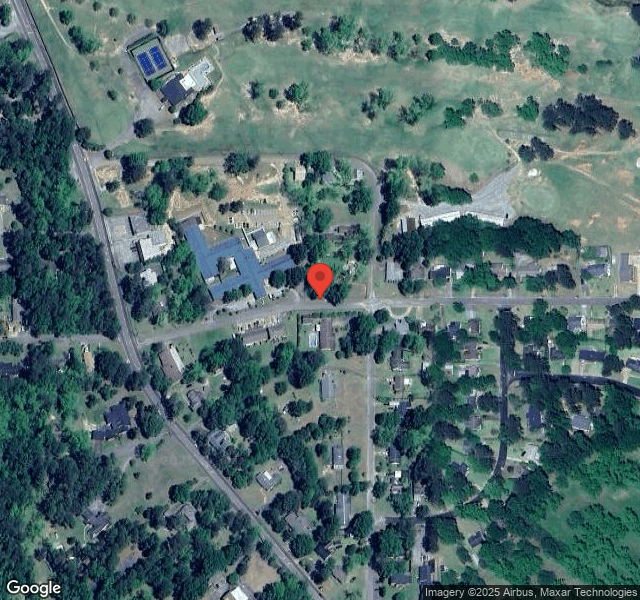
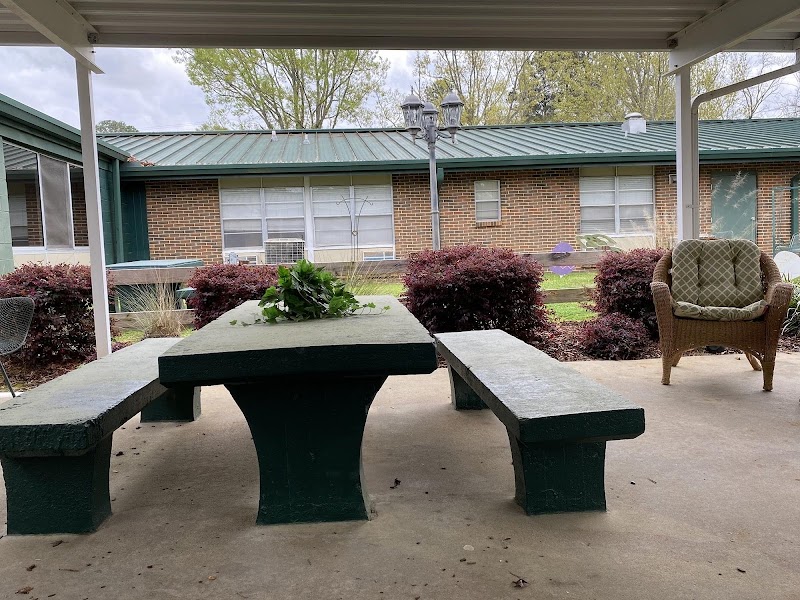
408 COUNTRY CLUB DRIVE, GREENVILLE, AL 36037 (334) 382-2693
For profit - Corporation 118 Beds CROWNE HEALTH CARE Data: November 2025 1 Immediate Jeopardy citation
Trust Grade
66/100
#45 of 223 in AL
Last Inspection: January 2022

Over 2 years since last inspection. Current conditions may differ from available data.

Overview

Crowne Health Care of Greenville has a trust grade of C+, indicating it is slightly above average but not exceptional. It ranks #45 out of 223 facilities in Alabama, placing it in the top half of the state, and is the best option among the two nursing homes in Butler County. However, the facility's situation is worsening, as it went from zero issues in 2022 to one critical issue in 2023. Staffing is relatively strong with a 4 out of 5-star rating and a turnover rate of 38%, which is better than the state average of 48%, but it has less RN coverage than 97% of Alabama facilities, which raises concerns about oversight. Additionally, the facility has incurred $11,565 in fines, which is higher than 83% of Alabama nursing homes, suggesting some compliance issues. Specific incidents include a failure to take immediate protective measures regarding a potential abuse situation and lapses in hygiene protocols in the kitchen, with staff not properly cleaning equipment and not completing necessary assessments for residents in hospice care. Overall, while there are strengths in staffing, the facility has critical areas needing improvement.

Trust Score
C+
66/100
In Alabama
#45/223
Top 20%
Safety Record
High Risk
Review needed
Inspections
Getting Worse
0 → 1 violations
Staff Stability
○ Average
38% turnover. Near Alabama's 48% average. Typical for the industry.
Penalties
○ Average
$11,565 in fines. Higher than 50% of Alabama facilities. Some compliance issues.
Skilled Nurses
⚠ Watch
Each resident gets only 24 minutes of Registered Nurse (RN) attention daily — below average for Alabama. Fewer RN minutes means fewer trained eyes watching for problems.
Violations
○ Average
6 deficiencies on record. Average for a facility this size. Mostly minor or procedural issues.
★★★★☆
4.0
Overall Rating
★★★★☆
4.0
Staff Levels
★★☆☆☆
2.0
Care Quality
★★★★☆
4.0
Inspection Score
Stable
2022: 0 issues
2023: 1 issues

The Good

  • 4-Star Staffing Rating · Above-average nurse staffing levels
  • Full Sprinkler Coverage · Fire safety systems throughout facility
  • No fines on record
  • Staff turnover below average (38%)

    10 points below Alabama average of 48%

Facility shows strength in staffing levels, fire safety.

The Bad

Staff Turnover: 38%

Near Alabama avg (46%)

Typical for the industry

Federal Fines: $11,565

Below median ($33,413)

Minor penalties assessed

Chain: CROWNE HEALTH CARE

Part of a multi-facility chain

Ask about local staffing decisions and management

The Ugly 6 deficiencies on record

1 life-threatening
Jan 2023 1 deficiency 1 IJ
CRITICAL (J) 📢 Someone Reported This

A family member, employee, or ombudsman was alarmed enough to file a formal complaint

Immediate Jeopardy (IJ) - the most serious Medicare violation

Abuse Prevention Policies (Tag F0607)

Someone could have died · This affected 1 resident

**NOTE- TERMS IN BRACKETS HAVE BEEN EDITED TO PROTECT CONFIDENTIALITY** Based on interviews, record review, review of the facility's abuse investigation and review of a facility policy titled, Abuse P...

Read full inspector narrative →
**NOTE- TERMS IN BRACKETS HAVE BEEN EDITED TO PROTECT CONFIDENTIALITY** Based on interviews, record review, review of the facility's abuse investigation and review of a facility policy titled, Abuse Policy, the facility failed to ensure Employee Identifier (EI) #2, a Certified Nursing Assistant (CNA)/Activities Assistant, implemented immediate protective measures on 11/30/2022 in accordance with the facility's abuse policy. On 11/30/2022 at approximately 10:30 AM, EI #2, CNA/Activities Assistant, found Resident Identifier (RI) #2 in a wheelchair at RI #1's bedside. RI #1 was in bed and uncovered with his/her private area exposed. EI #2 indicated she suspected something sexual in nature may have occurred, so she went to the doorway of the room to alert other staff she needed assistance. However, when she was unsuccessful in getting anyone else's attention, EI #2 left both RI #1 and RI #2 together in RI #1's room unattended. The facility's Abuse Policy indicated anytime there was an allegation of abuse, the facility will take all necessary steps to prevent further potential abuse. This deficient practice placed RI #1 and RI #2, two of three residents reviewed for abuse concerns, in immediate jeopardy, as it was likely to result in serious injury, serious harm, serious impairment, or death. On 01/13/2023 at 10:40 AM, Employee Identifier (EI) #1, the Administrator, and EI #9, the Director of Nursing (DON), were provided a copy of the immediate jeopardy template and notified of the findings of substandard quality of care at the immediate jeopardy level in the area of 483.12 Freedom from Abuse, Neglect, and Exploitation, at F607-Develop/Implement Abuse/Neglect Policies. Beginning 11/30/2022 until 12/12/2022, the facility implemented corrective actions to correct the identified deficient practice and prevent recurrence; thus immediate jeopardy past non-compliance was cited. Findings Include: On 11/30/2022 at 12:23 PM, the State Survey Agency received an initial report from the facility regarding an allegation of possible sexual abuse between RI #1 and RI #2 that occurred on 11/30/2022 at approximately 10:30 AM. According to this initial report, EI #2, a CNA/Activities Assistant, witnessed RI #2 at RI #1's bedside seated in a wheelchair. EI #2 saw RI #1 in bed with the sheets pulled down and his/her legs open. EI #2 said it appeared RI #2 .snatched (his/her) hand back . away from RI #1 when she entered the room. The facility's Abuse Policy, dated October 2022, documented the following: It is the policy of Crowne Health Care of Greenville to ensure that each resident is free from verbal, sexual, physical, and mental abuse, neglect, misappropriation of resident's personal property and exploitation Training includes appropriate intervention methods that may become necessary to remove a resident from potential harm . Examples of steps that the facility may put in place immediately to prevent further potential abuse include .anything deemed necessary to protect residents . RI #1 was admitted to the facility on [DATE] with a diagnosis of Unspecified Dementia, Unspecified Severity with Behavior Disturbance. RI #1's Quarterly Minimum Data set (MDS) with an Assessment Reference Date (ARD) of 10/17/2022 documented the resident had a a Brief Interview for Mental Status (BIMS) score of 3 out of 15, which indicated the resident had severe cognitive impairment. RI #2 was readmitted to the facility on [DATE] with diagnoses to include Adjustment Disorder with Mixed Anxiety and Depressed Mood. RI #2's Quarterly MDS with an ARD of 10/16/2022 documented the resident had a BIMS score of 9 out of 15, which indicted the resident had moderate cognitive impairment. The facility's investigative summary, dated 12/07/2022, documented an allegation of sexual abuse was reported on 11/30/2022 at approximately 10:30 AM. The report indicated when EI #2, CNA/Activities Assistant, entered RI #1's room, she saw RI #2 appear to become startled and pull his/her hand back away from RI #1. EI #2 immediately reported the incident to EI #3, Registered Nurse (RN), and EI #8, CNA, who were both at the Nurse's Station, while leaving RI #1 and RI #2 in the room unattended. This report further indicated both RI #1 and and RI #2 were evaluated by a Licensed Psychologist on 12/01/2022, and it was determined neither resident was able to consent to sexual activity. Review of an interview conducted by the facility with EI #2 as part of their investigation on 11/30/2022, revealed EI #2 said she entered RI #1's room and observed RI #2 sitting in his/her wheelchair beside RI #1's bed. EI #2 said RI #1 was in bed with the covers pulled down and his/her legs open. EI #2 said she asked RI #1 to pull the covers back up but RI #1 said no. EI #2 indicated when she entered the room, RI #2 appeared startled and snatched his/her hand back. However, EI #2 said RI #2's back was to her, so she could not tell where his/her hand was. EI #2 told the facility she asked RI #2 to leave the room, but he/she did not, and only backed away from RI #1's bed. EI #2 said she then left the room to notify EI #3 and EI #8 of what she had seen. EI #2 confirmed EI #3 removed RI #2 from the room after she was notified. EI #3's signed witness statement, dated 11/30/2022, documented when EI #2 came to notify her of what she had seen, EI #3 went down to RI #1's room and RI #2 was sitting in the doorway to the room. EI #3 indicated she rolled RI #2 out of the room and let him/her know they should not be in RI #1's room. Review of an interview conducted by the facility with EI #8 as part of their investigation on 11/30/2022, revealed EI #8 confirmed RI #2 remained in the doorway to RI #1's room when they arrived after being notified of what EI #2 witnessed. EI #2, CNA/Activities Assistant, was interviewed on 01/11/2023 at 9:28 AM. When asked how she became aware of an incident involving RI #1 and RI #2 on 11/30/2022, EI #2 said when she entered RI #1's room on 11/30/2022, RI #2 was at RI #1's bedside in his/her wheelchair. RI #1 was in the bed with the covers pulled down and his/her legs wide open. She reported RI #2 appeared startled and snatched his/her hand back. EI #2 said she did not see RI #2 touch RI #1, but due to what she had seen, she suspected something sexual in nature may have possibly occurred. EI #2 said she asked RI #2 to move back from RI #1's bed, then stood in the doorway to get a CNA's attention. EI #2 said when she could not get a CNA's attention, she left the room and went to the Nurse's Station, where she informed EI #3 and EI #8 of what she had seen. EI #2 said they then went right back to RI #1's room. When asked how this situation should have been handled, EI #2 said, according to the abuse policy, she should have removed RI #2 from RI #1's room to make sure the residents were safe. EI #2 confirmed she was not able to see RI #1's room from the Nurse's Station. During an interview on 01/11/2023 at 10:44 AM, EI #3, RN, reported, EI #2 came to the Nurse's Station and said she needed to go down to RI #1's room. EI #3 reported when she entered RI #1's room, RI #2 was still sitting in a wheelchair in the doorway, so she removed RI #2 from the room. When asked if the facility's abuse policy was followed regarding protecting the residents, EI #3 said no, there was a potential for abuse when EI #2 left the residents in the room unattended. During an interview on 01/13/2023 at 11:20 AM, EI #8, CNA, confirmed when she and EI #3 entered RI #1's room on 11/30/2022, RI #2 was still sitting in the doorway. When asked if EI #2 should have left RI #1's room and left the residents unattended, EI #8 said she should have stayed in the room when she suspected abuse and used the call light to call for help, to make sure the residents were safe and not in harm's way. During an interview on 01/11/2023 at 11:18 AM, EI #4, Director of Social Services, said she was told EI #2 left RI #1's room after she suspected abuse. EI #4 said, EI #2 should have removed RI #2 from RI #1's room or stayed with them and called for help. She further stated the abuse policy was not followed because the residents should always be protected. On 01/11/2022 at 5:09 PM an interview was conducted with EI #1, Administrator/Abuse Coordinator. EI #1 said she was notified of an allegation of abuse involving RI #1 and RI #2 on 11/30/2022. When asked if EI #2 left both residents in RI #1's room unattended, EI #1 said, yes, EI #2 left the room to get more help. EI #1 was asked what EI #2 could have done when she found RI #2 in RI #1's room. EI #1 said she could have used the call light, yelled for help, and removed RI #2 from the room. ************************* The facility took immediate actions to correct the non-compliance by: - On 11/30/2022 the facility identified that EI #2 observed RI #2 in RI #1's room touching her/him inappropriately. EI # 2 left the rooms for seconds to report the incident to EI #3 and EI #8, who were both at the nursing station. As EI #3 and EI #8 entered the room, EI #3 removed RI #2 from the doorway so she could enter the room and check on RI #1. - On 11/30/2022 an investigation was initiated, the event was reported to ADPH (Alabama Department of Public Health) and local law enforcement. -On 11/30/2022 RI #1 was placed on one on one observation until an evaluation by a Licensed Psychologist was completed on 12/1/2022. - On 11/30/2022 EI #2 was informally inserviced on actions she can take if resident on resident abuse is observed/suspected, including staying with the residents or removing one resident from the room. - On 11/30/2022 education of all staff was initiated. Education was completed on 12/08/2022. - On 11/30/2022 an emergency Quality Assurance and Performance Improvement (QAPI) meeting was completed related to the incident involving RI #1 and RI #2. Follow-up QAPI meetings were held on 12/2/2022 and 12/5/2022. - On 12/1/2022 RI #1 and RI #2 were evaluated by a Licensed Psychologist, who determined neither resident could consent to sexual activity. - On 12/2/2022 Behavior monitoring began on RI #1 and RI #2, and is continuing. - On 12/7/2022 and 12/8/2022 resident council meetings were held to go over the abuse policy and procedures. - On 12/12/2022 monitoring was established to include: Allegations of abuse are monitored by the administrator to ensure compliance of the abuse policy, including, but not limited to, proper reporting actions after possible abuse is identified, separating the resident from the abuser, and protecting the victim. This monitoring will be reported weekly, and is ongoing for 6 months, and will be kept in the DON's office. ************************* After review of documentation supporting the above corrective actions, including the facility's investigation file, in-service/education records, QAPI documentation, and staff interviews, the survey team verified the facility implemented corrective actions from 11/30/2022 to 12/12/2022, thus immediate jeopardy past non-compliance was cited.
May 2019 4 deficiencies
CONCERN (D)

Potential for Harm - no one hurt, but risky conditions existed

Deficiency F0637 (Tag F0637)

Could have caused harm · This affected 1 resident

**NOTE- TERMS IN BRACKETS HAVE BEEN EDITED TO PROTECT CONFIDENTIALITY** Based on interview and resident record review, the facility failed to ensure Resident Identifier (RI) #44's Significant Change M...

Read full inspector narrative →
**NOTE- TERMS IN BRACKETS HAVE BEEN EDITED TO PROTECT CONFIDENTIALITY** Based on interview and resident record review, the facility failed to ensure Resident Identifier (RI) #44's Significant Change Minimum Data Set (MDS) Assessment was completed, in a timely manner, after RI #44 was admitted to hospice. This affected one of three residents reviewed for hospice admission. Findings include: RI #44 was admitted to the facility on [DATE]. A review of RI #44's May 2019 physician orders revealed RI #44 was admitted to hospice on 12/8/18. A review of RI #44's MDS assessments revealed a Significant Change MDS was not completed until 2/18/19. On 5/2/19 at 3:40 PM, Employee Identifier (EI) #6 MDS Coordinator was asked when RI #44 was admitted to hospice. EI #6 said, December 8, 2018. EI #6 said, she missed that one, but it was to be completed 14 days after admission to hospice. EI #6 was asked when was the Significant Change MDS completed for RI #44, after being admitted to hospice. EI #6 said, [DATE]. When asked when the MDS should have been completed, EI #6 said, by December 26, 2018. EI #6 was asked why it should have been completed within 14 days after RI #44 was admitted to hospice. EI #6 replied, to show RI #44's condition, status, and to update the plan of care.
CONCERN (D)

Potential for Harm - no one hurt, but risky conditions existed

Deficiency F0761 (Tag F0761)

Could have caused harm · This affected 1 resident

**NOTE- TERMS IN BRACKETS HAVE BEEN EDITED TO PROTECT CONFIDENTIALITY** Based on observation, interview, record review, and review of the facility policy titled Preparation for Medication Administrati...

Read full inspector narrative →
**NOTE- TERMS IN BRACKETS HAVE BEEN EDITED TO PROTECT CONFIDENTIALITY** Based on observation, interview, record review, and review of the facility policy titled Preparation for Medication Administration the facility failed to ensure licensed staff administered eye drops to Resident Identifier (RI) #90 from a container that was dated when opened. This affected one of two residents observed receiving eye drops during medication administration. Findings include: Review of a facility policy titled Preparation for Medication Administration dated 1/2012 revealed the following: . Procedures . 6. Multi-dose medications, like . opthalmic's, . should be dated when opened . RI #90 was readmitted to the facility on [DATE]. On 5/2/19 at 11:30 AM, Employee Identifier (EI) #5 Licensed Practical Nurse (LPN) was observed during medication administration. EI #5 administered eye drops to RI #90 from a container that did not have an open date listed. On 5/2/19 at 11:39 AM, EI #5 was asked if the eye drops should have an open date. EI #5 said, yes, because they could only keep them on the cart for 30 days. When asked why only 30 days, EI #5 said, because they could get contaminated being passed around, hand to hand by nurses administering the medicine. EI #5 said, she could not accurately be sure how long the eye drops had been open.
CONCERN (D)

Potential for Harm - no one hurt, but risky conditions existed

Infection Control (Tag F0880)

Could have caused harm · This affected 1 resident

**NOTE- TERMS IN BRACKETS HAVE BEEN EDITED TO PROTECT CONFIDENTIALITY** Based on observation, interview, record review and review of a facility policy titled Preparation for Medication Administration ...

Read full inspector narrative →
**NOTE- TERMS IN BRACKETS HAVE BEEN EDITED TO PROTECT CONFIDENTIALITY** Based on observation, interview, record review and review of a facility policy titled Preparation for Medication Administration the facility failed to ensure licensed staff did not stack medication cups, each one containing medication, on top of each other, after the cups had been placed on top of the medication cart. This affected Resident Identifier (RI) #71, one of seven residents observed during medication administration. Findings include: Review of a facility policy titled Preparation for Medication Administration dated 1/2012, revealed the following: . Policy Medications are administered as prescribed in accordance with good nursing principles and practices . RI #71 was admitted to the facility on [DATE]. On 5/2/19 at 8:05 AM, Employee Identifier (EI) #3 LPN (Licensed Practical Nurse), was observed during medication administration for RI #71. EI #3 stacked a medication cup containing liquid medication, from off the top of the medication cart, inside a medication cup containing a vitamin capsule upon entering RI #71's room. After the medication pass EI #3 was asked to explain if any part of the medication administration with RI #71, and how she handled the medications, could have been a concern with infection control. EI #3 said, she put the liquid medication on top of the other. EI #3 was asked what was the risk of that action. EI #3 replied, the risk of infection because the cup had previously been on the medication cart. On 5/2/19 at 3:08 PM, EI #4 Registered Nurse (RN) Infection Control, was asked, how multiple medication in cups should have been carried into a resident's room for administration. EI #4 said, on a paper plate from the kitchen. When asked what happened to medication inside plastic med cups that were stacked one inside the other to enter a room, EI #4 said, the medication becomes contaminated. EI #4 was asked how was contamination introduced when medication cups were stacked. EI #4 said, at the bottom, the medication cup was contaminated because it touched the top of the medication cart.
CONCERN (F)

Potential for Harm - no one hurt, but risky conditions existed

Food Safety (Tag F0812)

Could have caused harm · This affected most or all residents

Based on observation, interview, and a review of the United States Public Health Services Food Code and a facility document titled TEMPERATURE CHART-STORAGE AREAS, the facility failed to ensure dietar...

Read full inspector narrative →
Based on observation, interview, and a review of the United States Public Health Services Food Code and a facility document titled TEMPERATURE CHART-STORAGE AREAS, the facility failed to ensure dietary staff: 1. prevented the buildup of residue in the tea urn valve; 2. did not allow wet nesting of multiple sheet pans; 3. made certain the freezer temperatures were maintained at zero degrees or below and 4. washed hands after handling dirty dishes and before touching clean dishes. This had the potential to affect all 107 residents receiving meals from the kitchen. Findings Include: A review of the Food Code, 2013 Recommendations of the United States Public Health Services, Food and Drug Administration, pages 139 and 148 revealed: 4-6 CLEANING OF EQUIPMENT AND UTENSILS . Objective 4-601.11 Equipment, Food-Contact Surfaces, Nonfood-Contact Surfaces and Utensils. (A) EQUIPMENT-CONTACT SURFACES AND UTENSILS shall be clean to sight and touch. 4-9 PROTECTION OF CLEAN ITEMS . Drying 4-901.11 Equipment and Utensils, Air-Drying Required. After cleaning and SANITIZING, EQUIPMENT AND UTENSILS; (A) Shall be air-dried . A review of a facility document titled TEMPERATURE CHART-STORAGE AREAS revealed: . PROPER TEMPERATURES Freezer (less than or equal to 0 ( degrees) F (Fahrenheit) . 1. On 5/2/19 at 7:38 a.m., the Surveyor asked Employee Identifier (EI ) #2, the Dietary Manager, to show the inside of the tea urn spigot to check for cleanliness. The valve had a dirty, brown residue build up around the inside. 2. The surveyor observed five sheet pans stacked together drying beside the three compartment sink. 3. The surveyor observed two of the three reach in freezer temperatures were above zero degrees. The first reach in freezer temperature observed was zero degrees, the second reach in freezer temperature observed was two degrees, and the third reach in freezer temperature was eight degrees. The surveyor again checked the temperatures of the second and third freezers on 5/2/19 at 10:10 a.m. Both freezers were showing a temperature greater than 0 degrees. An interview was conducted on 5/2/19 at 9:40 a.m. with the EI #2. EI #2 was asked, were wet pans supposed to be dried, stacked together. EI #2 separated the pans. EI #2 was asked, what was it called when they are stacked wet on each other. EI #2 stated, Wet Nesting. EI #2 was asked, were they supposed to wet nest. EI #2 stated, No, could set up bacteria, mold, could harm the resident. An interview was conducted on 5/2/19 at 10:11 a.m., with EI #2. EI #2 was asked, how often was the tea spigot cleaned. EI #2 replied, after every use. EI #2 was asked, when was it last cleaned. EI #2 replied, supposed to be cleaned yesterday, not for sure if it was cleaned, night shift was supposed to clean it. EI #2 was asked, how it looked earlier when the surveyor observed it. EI #2 replied, gunky, really nasty. EI #2 was asked, what was the potential for harm. EI #2 replied, bacteria, which could cause harm to the resident. EI #2 was asked, what was the temperature of the freezer supposed to be. EI #2 replied, zero or below. EI #2 was asked, what was the potential for harm. EI #2 replied, food set up bacteria, has to be thrown out immediately, can make the residents sick. 4. A review of the Food Code, U.S. Public Health Services, Food and Dug Administration, 2013, page 47 and 48 revealed: 2-301.14 When to Wash, FOOD EMPLOYEES shall clean their hands and exposed portions of their arms . immediately before engaging in FOOD preparation including working with exposed FOOD, clean equipment and UTENSILS, . and . (E) After handling soiled EQUIPMENT or UTENSILS; . On 5/2/19 at 9:45 a.m. a member of the kitchen staff EI #1, was observed handling the dirty dishes and not washing her hands before going to touch the clean dishes. After the observation EI #1, was asked, what was she supposed to do after working with dirty dishes, before going to work on clean dishes. EI #1 stated, Wash My hands. EI #1 was asked, had she done that every time. EI #1 replied, Yes. The Surveyor explained that she had been observed going from dirty to clean without washing her hands. EI #1 stated that she remembered changing her gloves, but not washing her hands. EI #1 was asked what was the potential for harm. EI #1 replied, it was unsanitary and could cause cross contamination.
May 2018 1 deficiency
CONCERN (D)

Potential for Harm - no one hurt, but risky conditions existed

Menu Adequacy (Tag F0803)

Could have caused harm · This affected 1 resident

**NOTE- TERMS IN BRACKETS HAVE BEEN EDITED TO PROTECT CONFIDENTIALITY** Based on interviews, a review of menus, record review, and a review of the facility policy titled, Menu Planning the facility fa...

Read full inspector narrative →
**NOTE- TERMS IN BRACKETS HAVE BEEN EDITED TO PROTECT CONFIDENTIALITY** Based on interviews, a review of menus, record review, and a review of the facility policy titled, Menu Planning the facility failed to ensure residents were not served either rice or pasta for seven consecutive days. This was reported by RI (Resident Identifier) #39, one of six residents present in the Resident Council meeting on 5/02/18. This was observed for one of four weekly cycles of menus that residents were served from. Findings Include: A review of a facility policy titled, Menu Planning with a copyright date of 2010, revealed: Policy: Nutritional needs of individuals will be provided in accordance with the recommended dietary allowances of the Food and Nutrition Board of the National Research Council, National Academy of Sciences (which are adjusted for age, gender, activity level and disability), through nourishing, well-balanced diets, unless contraindicated by medical needs. Procedure: 1. Regular and therapeutic menus are written to provide a variety of foods served on different days of the week, . RI #39 was admitted to the facility on [DATE], with diagnoses to include Heart Failure, Hypertension, and Hyperlipidemia. RI #39 verbalized a concern of repetitive rice and pasta being served during the Resident Council meeting on 5/02/18. RI #39 stated he/she had spoken with the dietary staff on several occasions, but nothing was changed. A review of the menus for weeks one through four revealed the following on the week three menu. 1. Sunday, at the lunch meal, macaroni and cheese was served. 2 Monday, at the lunch meal, yellow rice was served. 3. Tuesday, at the supper meal, rice was served. 4. Wednesday, at the lunch meal, garden rice was served. 5. Thursday, at the lunch meal, buttered noodles were served. 6. Friday, at the supper meal, rice was served. 7 Saturday, at the lunch meal, parsley egg noodles were served and at supper, turkey and rice casserole was served. On 5/03/18 at 1:35 PM, an interview was conducted with EI (Employee Identifier) #1, the DM (Dietary Manager). EI #1 was asked on the third cycle of menus served, were the residents served pasta or rice on seven of seven days consecutively. EI #1 answered, Yes. EI #1 was asked had anyone complained of rice served to them five days in a row and she answered, Yes. EI #1 was asked what was done. EI #1 answered she had talked to the resident about their likes and dislikes, taken a statement, and followed up with the resident. EI #1 was asked did that approach address the frequency of rice served. EI #1 answered, Not really. EI #1 was asked should residents be served rice or pasta seven consecutive days. EI #1 answered No, but I was following the menu. EI #1 was asked why should residents not be served rice or pasta on seven consecutive days. EI #1 answered the residents could get tired of it. EI #1 was asked who was responsible for ensuring items on the menu were not served repetitively. EI #1 answered I am assuming the RD (Registered Dietitian), the person that signs off on the menu. EI #1 was asked what was the facility policy on serving a variety of foods. EI #1 answered, It should be served on different days to provide a variety. On 5/03/18 at 3:29 PM, an interview was conducted with EI #2, the Dietitian. EI #2 was asked if on the third cycle of menus, were the residents served pasta or rice on seven of seven days consecutively. EI #2 answered, I do not know. I have briefly looked at them but it has been a while. EI #2 was asked if residents should be served rice or pasta seven consecutive days and she answered, No. EI #2 was asked what was the facility policy on serving a variety of foods. EI #2 answered, In my opinion, try to serve a variety and what residents like. EI #2 was asked what was the concern of rice or pasta being served on seven consecutive days. EI #2 answered, They may not eat.
Understanding Severity Codes (click to expand)
Life-Threatening (Immediate Jeopardy)
J - Isolated K - Pattern L - Widespread
Actual Harm
G - Isolated H - Pattern I - Widespread
Potential for Harm
D - Isolated E - Pattern F - Widespread
No Harm (Minor)
A - Isolated B - Pattern C - Widespread

Questions to Ask on Your Visit

  • "What changes have you made since the serious inspection findings?"
  • "Can I speak with families of current residents?"
  • "What's your RN coverage like on weekends and overnight?"

Our Honest Assessment

Strengths
  • • 38% turnover. Below Alabama's 48% average. Good staff retention means consistent care.
Concerns
  • • Multiple safety concerns identified: 1 life-threatening violation(s). Review inspection reports carefully.
  • • 6 deficiencies on record, including 1 critical (life-threatening) violation. These warrant careful review before choosing this facility.
  • • $11,565 in fines. Above average for Alabama. Some compliance problems on record.
Bottom line: Mixed indicators with Trust Score of 66/100. Visit in person and ask pointed questions.

About This Facility

What is Crowne Health Care Of Greenville's CMS Rating?

CMS assigns CROWNE HEALTH CARE OF GREENVILLE an overall rating of 4 out of 5 stars, which is considered above average nationally. Within Alabama, this rating places the facility higher than 99% of the state's 100 nursing homes. This rating reflects solid performance across the metrics CMS uses to evaluate nursing home quality.
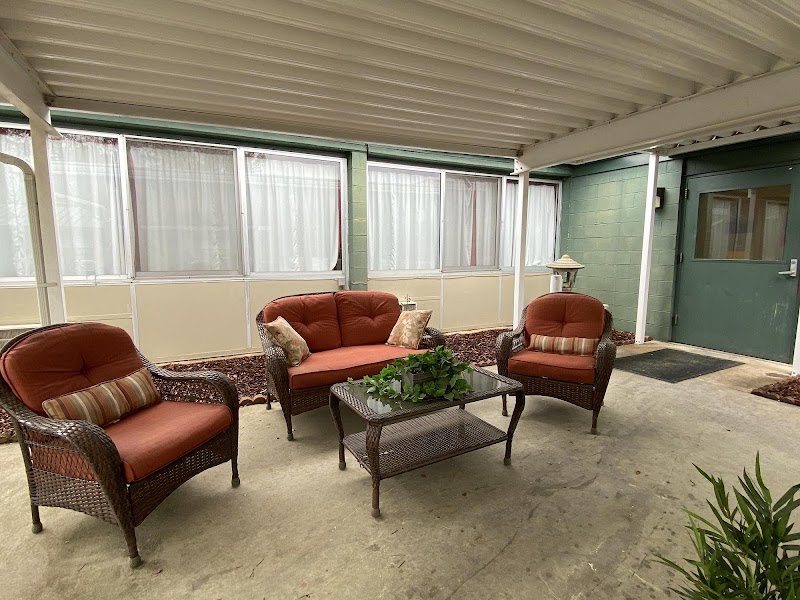
How is Crowne Health Care Of Greenville Staffed?

CMS rates CROWNE HEALTH CARE OF GREENVILLE's staffing level at 4 out of 5 stars, which is above average compared to other nursing homes. Staff turnover is 38%, compared to the Alabama average of 46%. This relatively stable workforce can support continuity of care. RN turnover specifically is 64%, which is notably high. RNs provide skilled clinical oversight, so turnover in this role can affect medical care quality.

What Have Inspectors Found at Crowne Health Care Of Greenville?

State health inspectors documented 6 deficiencies at CROWNE HEALTH CARE OF GREENVILLE during 2018 to 2023. These included: 1 Immediate Jeopardy (the most serious level, indicating potential for serious harm or death) and 5 with potential for harm. Immediate Jeopardy findings are rare and represent the most serious regulatory concerns. They require immediate corrective action.
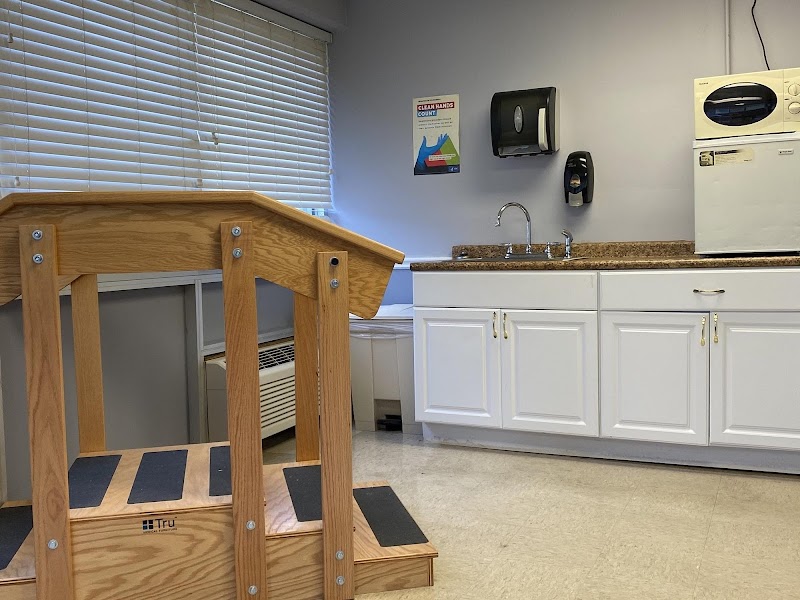
Who Owns and Operates Crowne Health Care Of Greenville?

CROWNE HEALTH CARE OF GREENVILLE is owned by a for-profit company. For-profit facilities operate as businesses with obligations to shareholders or private owners. The facility is operated by CROWNE HEALTH CARE, a chain that manages multiple nursing homes. With 118 certified beds and approximately 85 residents (about 72% occupancy), it is a mid-sized facility located in GREENVILLE, Alabama.
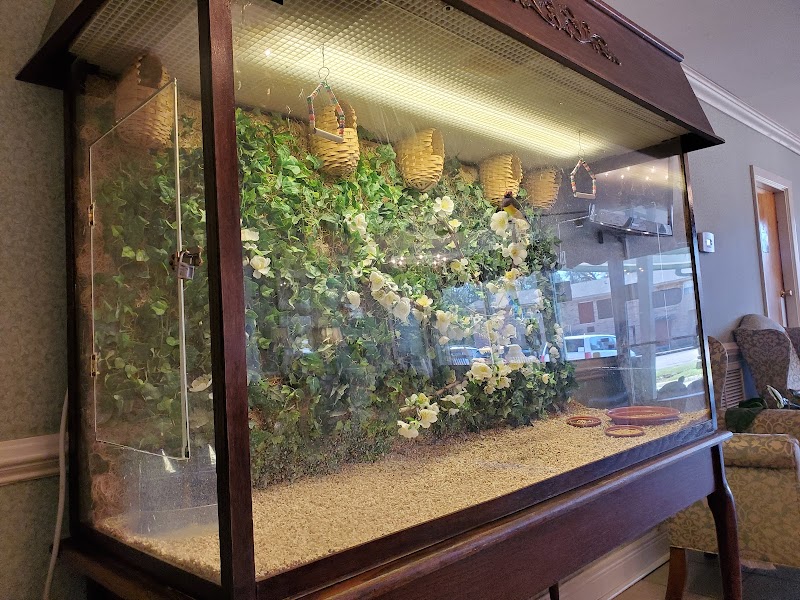
How Does Crowne Health Care Of Greenville Compare to Other Alabama Nursing Homes?

Compared to the 100 nursing homes in Alabama, CROWNE HEALTH CARE OF GREENVILLE's overall rating (4 stars) is above the state average of 3.0, staff turnover (38%) is near the state average of 46%, and health inspection rating (4 stars) is above the national benchmark.

What Should Families Ask When Visiting Crowne Health Care Of Greenville?

Based on this facility's data, families visiting should ask: "What changes have been made since the serious inspection findings, and how are you preventing similar issues?" "Can I visit during a mealtime to observe dining assistance and food quality?" "How do you handle medical emergencies, and what is your hospital transfer rate?" "Can I speak with family members of current residents about their experience?" These questions are particularly relevant given the facility's Immediate Jeopardy citations.

Is Crowne Health Care Of Greenville Safe?

Based on CMS inspection data, CROWNE HEALTH CARE OF GREENVILLE has documented safety concerns. Inspectors have issued 1 Immediate Jeopardy citation (the most serious violation level indicating risk of serious injury or death). The facility has a 4-star overall rating and ranks #1 of 100 nursing homes in Alabama. Families considering this facility should ask detailed questions about what corrective actions have been taken since these incidents.

Do Nurses at Crowne Health Care Of Greenville Stick Around?

CROWNE HEALTH CARE OF GREENVILLE has a staff turnover rate of 38%, which is about average for Alabama nursing homes (state average: 46%). Moderate turnover is common in nursing homes, but families should still ask about staff tenure and how the facility maintains care continuity when employees leave.

Was Crowne Health Care Of Greenville Ever Fined?

CROWNE HEALTH CARE OF GREENVILLE has been fined $11,565 across 1 penalty action. This is below the Alabama average of $33,195. While any fine indicates a compliance issue, fines under $50,000 are relatively common and typically reflect isolated problems that were subsequently corrected. Families should ask what specific issues led to these fines and confirm they've been resolved.

Is Crowne Health Care Of Greenville on Any Federal Watch List?

CROWNE HEALTH CARE OF GREENVILLE is not on any federal watch list. The most significant is the Special Focus Facility (SFF) program, which identifies the bottom 1% of nursing homes nationally based on persistent, serious quality problems. Not being on this list means the facility has avoided the pattern of deficiencies that triggers enhanced federal oversight. This is a positive indicator, though families should still review the facility's inspection history directly.